Visual abstracts
New randomized trials and meta-analyses from leading journals at a glance: who was studied, what was compared, and what was found. Every paper is free to read in full.
All specialtiesCardiology 4766Oncology 4051Gastroenterology & Hepatology 1906Infectious Disease 3763Neurology 1875Psychiatry & Mental Health 2218Pulmonology 2047Critical Care 1320Endocrinology & Diabetes 2546Pediatrics 2893Surgery 2486Orthopedics & Sports Medicine 920Neurosurgery 526Cardiothoracic & Vascular Surgery 657Plastic & Reconstructive Surgery 581Nephrology 1108Rheumatology 811Hematology 1093Dermatology 613Ophthalmology 532Obstetrics & Gynecology 1648Public & Global Health 1037Radiology & Imaging 620Anesthesiology 957Urology 745ENT (Otolaryngology) 494Emergency Medicine 481Allergy & Immunology 309Geriatrics 972Family Medicine & Primary Care 533Medical Genetics & Genomics 659Pathology & Laboratory Medicine 156Physical Medicine & Rehabilitation 736Palliative Care 421Nutrition 1562Digital Health & AI 2151General Medicine 318
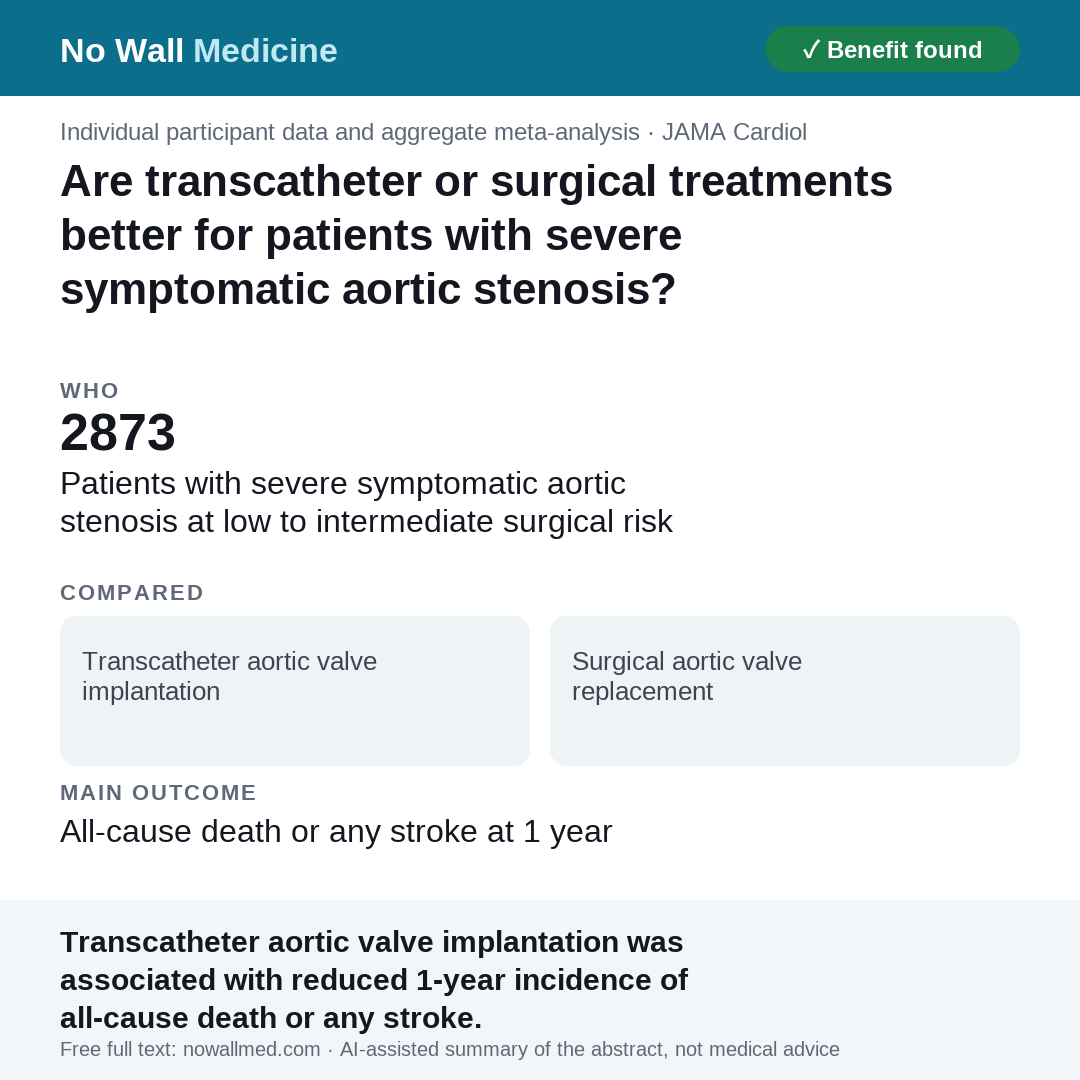
Transcatheter or Surgical Treatment of Patients With Aortic Stenosis at Low to Intermediate Risk: An Individual Participant Data Meta-Analysis
Individual participant data and aggregate meta-analysisBenefit found
Are transcatheter or surgical treatments better for patients with severe symptomatic aortic stenosis?
Who
2873
Patients with severe symptomatic aortic stenosis at low to intermediate surgical risk
Compared
Transcatheter aortic valve implantation
Surgical aortic valve replacement
Main outcome
All-cause death or any stroke at 1 year
Result: hazard ratio 0.76 (95% CI, 0.60-0.97)
Bottom line: Transcatheter aortic valve implantation was associated with reduced 1-year incidence of all-cause death or any stroke.
Limitation: Long-term follow-up is warranted to evaluate sustainability of these findings.
JAMA Cardiol · 2025-09-01Download image
Multi-ancestry meta-analysis identifies genetic modifiers of age-at-onset of Alzheimer's disease at known and novel loci
Meta-analysisUnclear result
Genetic modifiers of Alzheimer's age-at-onset
Who
people with diverse ancestry
Compared
with APOE adjustment
without APOE adjustment
Main outcome
age at onset of Alzheimer's
Bottom line: Genetic modifiers of Alzheimer's found
Limitation: relatively small sample
Alzheimers Dement · 2025-09-01Download image

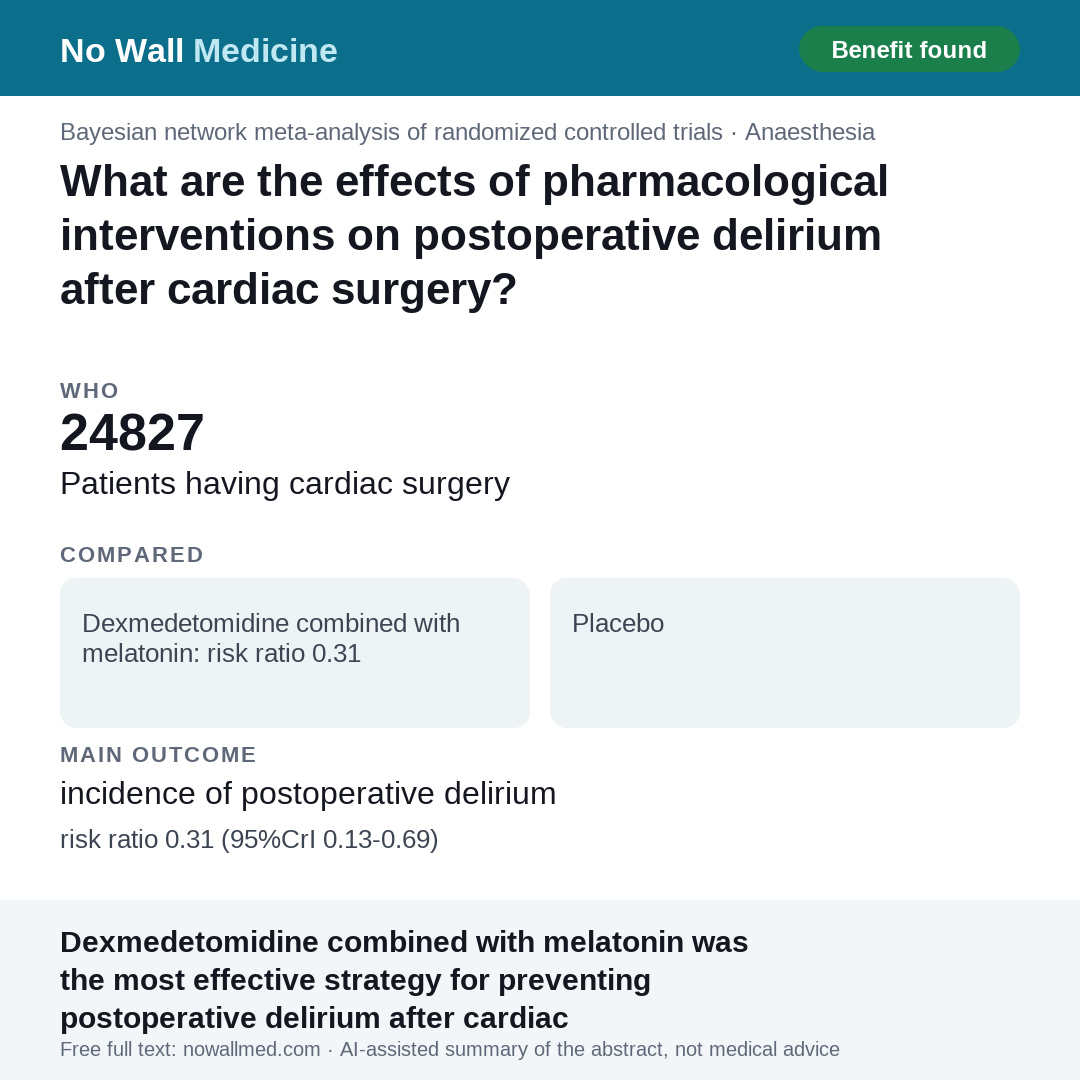
Effect of peri-operative pharmacological interventions on postoperative delirium in patients having cardiac surgery: a systematic review and Bayesian network meta-analysis
Bayesian network meta-analysis of randomized controlled trialsBenefit, low certainty
What are the effects of pharmacological interventions on postoperative delirium after cardiac surgery?
Who
24827
Patients having cardiac surgery
Compared
Dexmedetomidine combined with melatonin: risk ratio 0.31
Placebo
Main outcome
incidence of postoperative delirium
Result: risk ratio 0.31 (95%CrI 0.13-0.69)
Bottom line: Dexmedetomidine combined with melatonin was the most effective strategy for preventing postoperative delirium after cardiac surgery.
Anaesthesia · 2025-09-01Download image
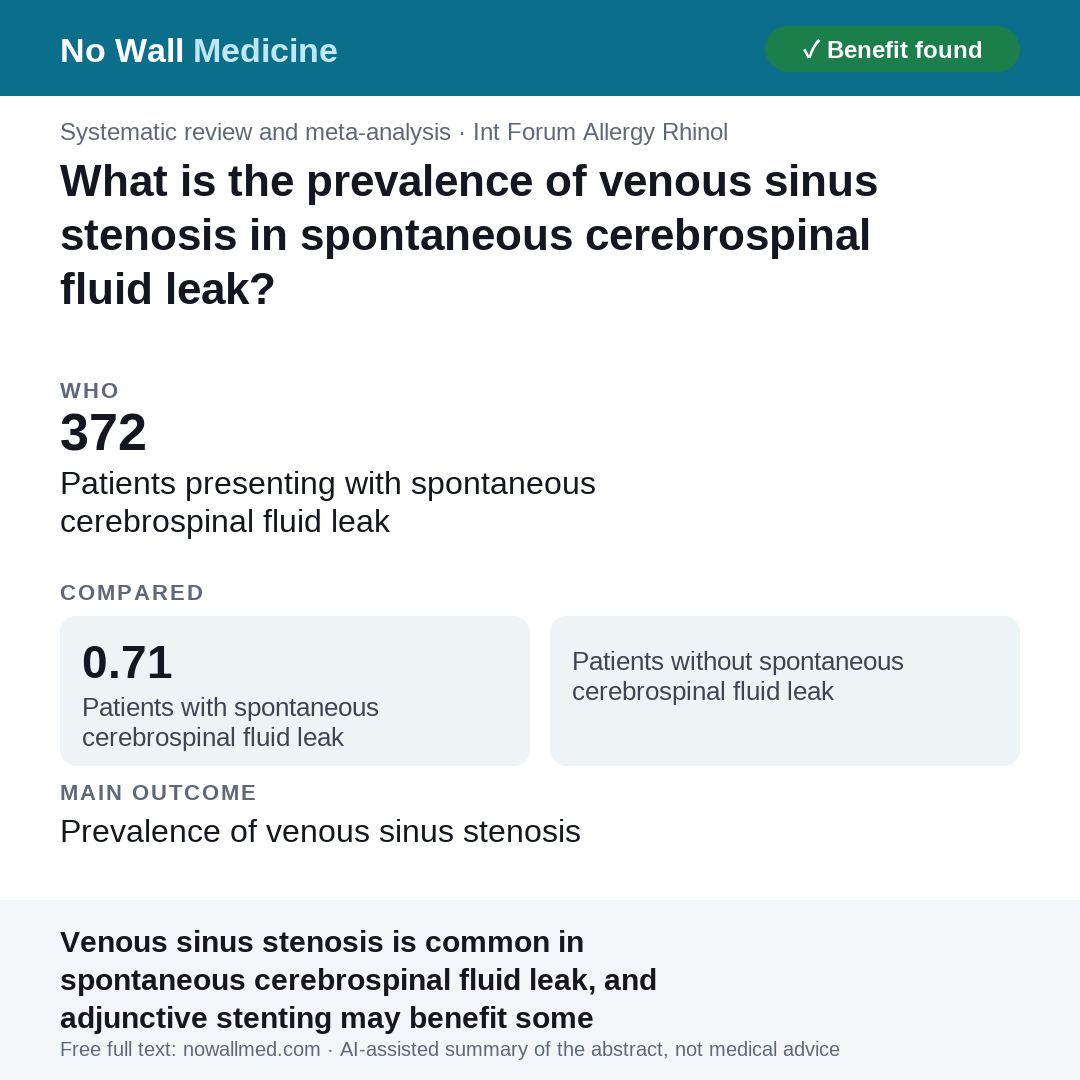
Prevalence of Venous Sinus Stenosis in Spontaneous Cerebrospinal Fluid Leak and the Role for Venous Sinus Stenting: A Systematic Review and Meta-Analysis
Systematic review and meta-analysisBenefit found
What is the prevalence of venous sinus stenosis in spontaneous cerebrospinal fluid leak?
Who
372
Patients presenting with spontaneous cerebrospinal fluid leak
Compared
0.71Patients with spontaneous cerebrospinal fluid leak (95% CI: 0.56-0.83)
Patients without spontaneous cerebrospinal fluid leak
Main outcome
Prevalence of venous sinus stenosis
Result: relative risk 3.11 (95% CI: 0.64-15.27)
Bottom line: Venous sinus stenosis is common in spontaneous cerebrospinal fluid leak, and adjunctive stenting may benefit some patients.
Int Forum Allergy Rhinol · 2025-09-01Download image
Dietary and Circulating Vitamins, Polymorphisms of Vitamin Metabolism Genes, and the Risk of Gastrointestinal Cancers: A Systematic Review and Meta-Analysis
Systematic review and meta-analysisBenefit found
Do vitamins and genetic polymorphisms influence gastrointestinal cancer risk?
Who
Studies on colorectal, gastric, and esophageal cancer
Compared
High dietary vitamin B: odds ratio 0.84 (95% CI 0.79-0.90)
High circulating vitamin B: odds ratio 0.53 (95% CI 0.36-0.78)
High dietary vitamin D: odds ratio 0.69 (95% CI 0.53-0.90)
High circulating vitamin D: odds ratio 0.74 (95% CI 0.59-0.94)
Main outcome
risk of gastrointestinal cancers
Bottom line: High dietary and circulating vitamin B and vitamin D levels are associated with lowered gastrointestinal cancer risk.
Clin Transl Gastroenterol · 2025-09-01Download image

Impact of Immune-Related Adverse Events on Survival in Patients With Gastrointestinal Cancer Treated With Immune Checkpoint Inhibitors: A Meta-Analysis
Meta-analysis of 22 retrospective cohort studiesKey finding
Do immune-related adverse events improve survival in gastrointestinal cancer patients on immune checkpoint inhibitors?
Who
2935
Patients with gastrointestinal cancer treated with immune checkpoint inhibitors
Compared
With immune-related adverse events: HR 0.45 (95% CI 0.36-0.57)
Without immune-related adverse events
Main outcome
Overall survival and progression-free survival
Result: hazard ratio 0.45 (95% CI 0.36-0.57)
Bottom line: Presence of immune-related adverse events was linked to significantly better overall and progression-free survival.
Clin Transl Gastroenterol · 2025-09-01Download image

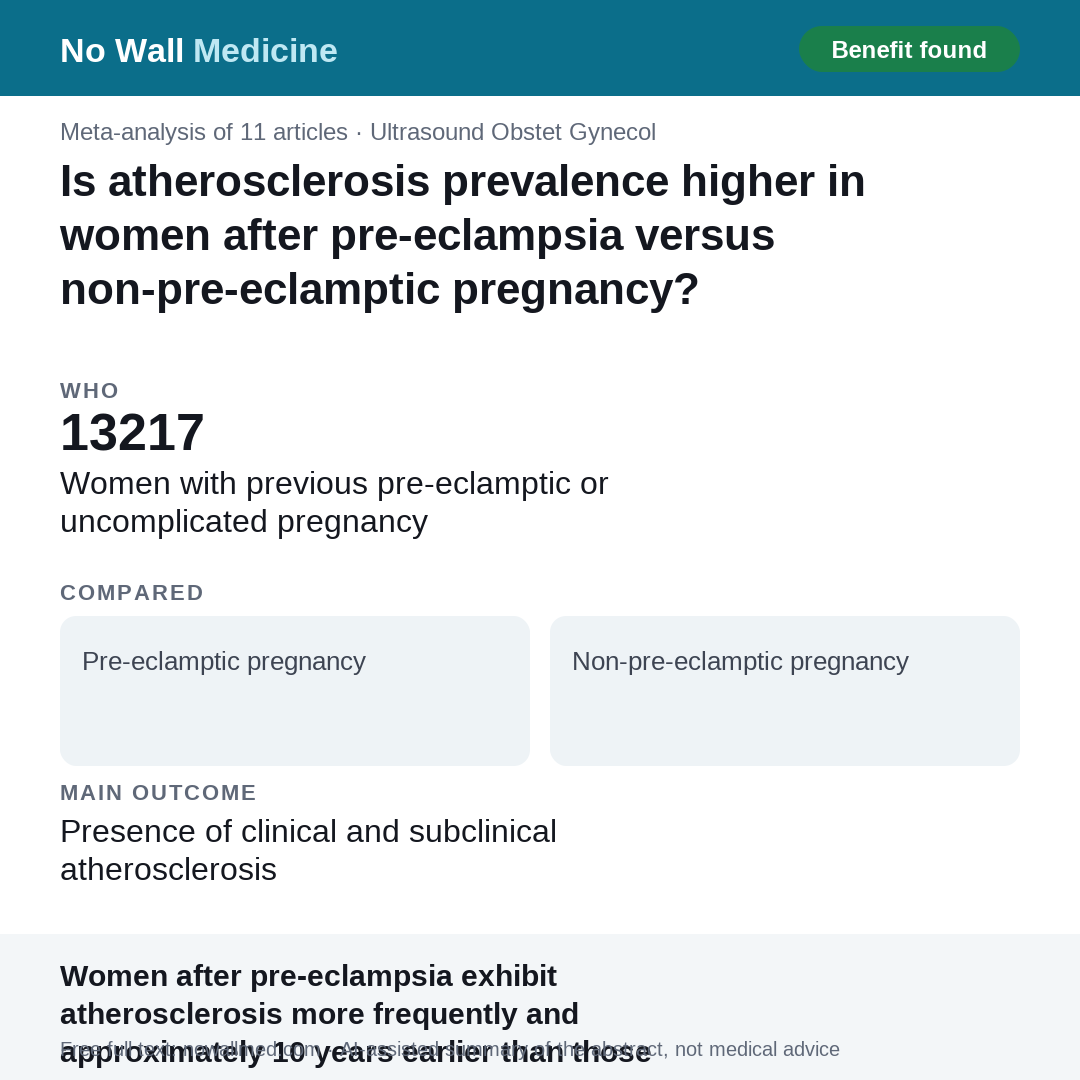
Atherosclerosis after pre-eclampsia: systematic review and meta-analysis
Meta-analysis of 11 articlesBenefit found
Is atherosclerosis prevalence higher in women after pre-eclampsia versus non-pre-eclamptic pregnancy?
Who
13217
Women with previous pre-eclamptic or uncomplicated pregnancy
Compared
Pre-eclamptic pregnancy
Non-pre-eclamptic pregnancy
Main outcome
Presence of clinical and subclinical atherosclerosis
Result: odds ratio 1.57 (95% CI 1.39-1.78)
Bottom line: Women after pre-eclampsia exhibit atherosclerosis more frequently and approximately 10 years earlier than those with uncomplicated pregnancies.
Ultrasound Obstet Gynecol · 2025-08-31Download image
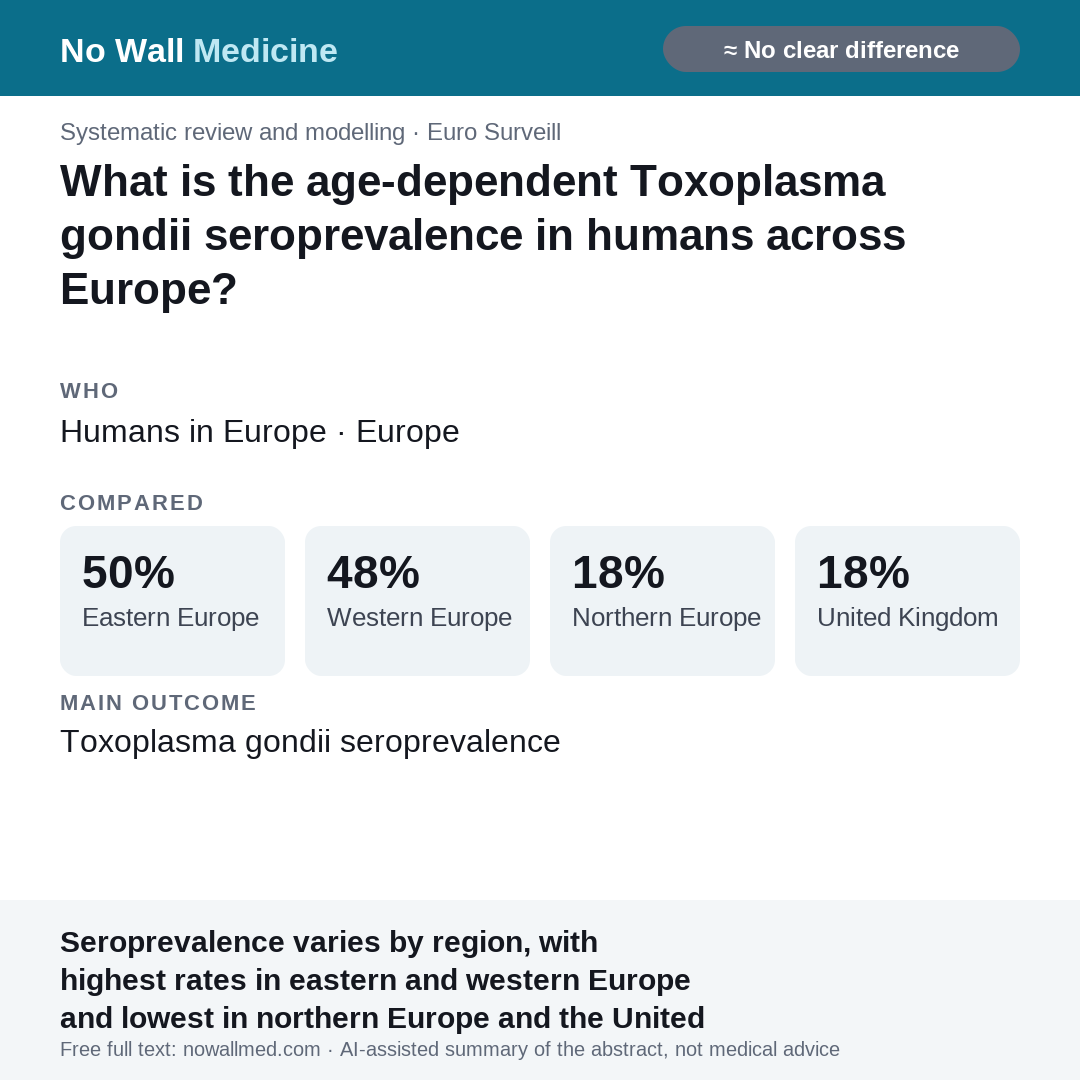
Systematic review and modelling of Toxoplasma gondii seroprevalence in humans, Europe, 2000 to 2021
Systematic review and modellingNo clear difference
What is the age-dependent Toxoplasma gondii seroprevalence in humans across Europe?
Who
Humans in Europe · Europe
Compared
50%Eastern Europe
48%Western Europe
18%Northern Europe
18%United Kingdom
Main outcome
Toxoplasma gondii seroprevalence
Bottom line: Seroprevalence varies by region, with highest rates in eastern and western Europe and lowest in northern Europe and the United Kingdom.
Euro Surveill · 2025-08-31Download image
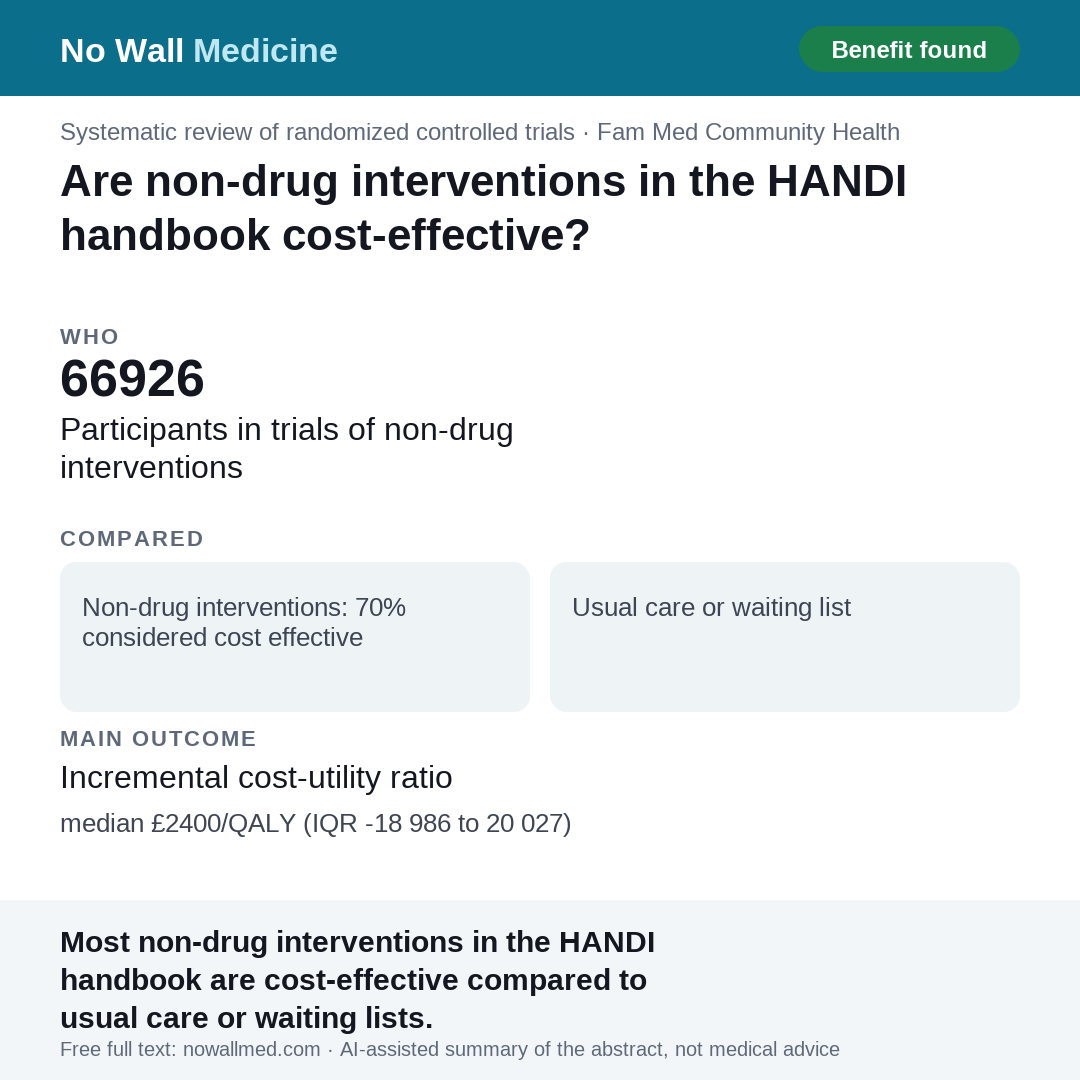
Trial-based economic evaluations of non-drug interventions in the Royal Australian College of General Practitioners (RACGP) Handbook of Non-Drug Interventions in primary care: a systemic review
Systematic review of randomized controlled trialsBenefit found
Are non-drug interventions in the HANDI handbook cost-effective?
Who
66926
Participants in trials of non-drug interventions
Compared
Non-drug interventions: 70% considered cost effective
Usual care or waiting list
Main outcome
Incremental cost-utility ratio
Result: median £2400/QALY (IQR -18 986 to 20 027)
Bottom line: Most non-drug interventions in the HANDI handbook are cost-effective compared to usual care or waiting lists.
Fam Med Community Health · 2025-08-31Download image
Provision of gender-affirming hormones for trans and gender-diverse adults: a systematic review of health and quality of life outcomes, values and preferences, and costs
Systematic reviewBenefit found
What are the health, quality of life, values, preferences, and cost outcomes of gender-affirming hormones?
Who
Transgender and gender-diverse adults
Compared
Received gender-affirming hormones
Did not receive gender-affirming hormones
Main outcome
Health, quality of life, values, preferences, and costs
Bottom line: Gender-affirming hormones may improve mental health and quality of life with no evidence of substantive harms.
Limitation: Uncontrolled longitudinal studies had serious to critical risk of bias.
Funded by: World Health Organization, Elton John AIDS Foundation, Bill and Melinda Gates Foundation
eClinicalMedicine · 2025-08-30Download image

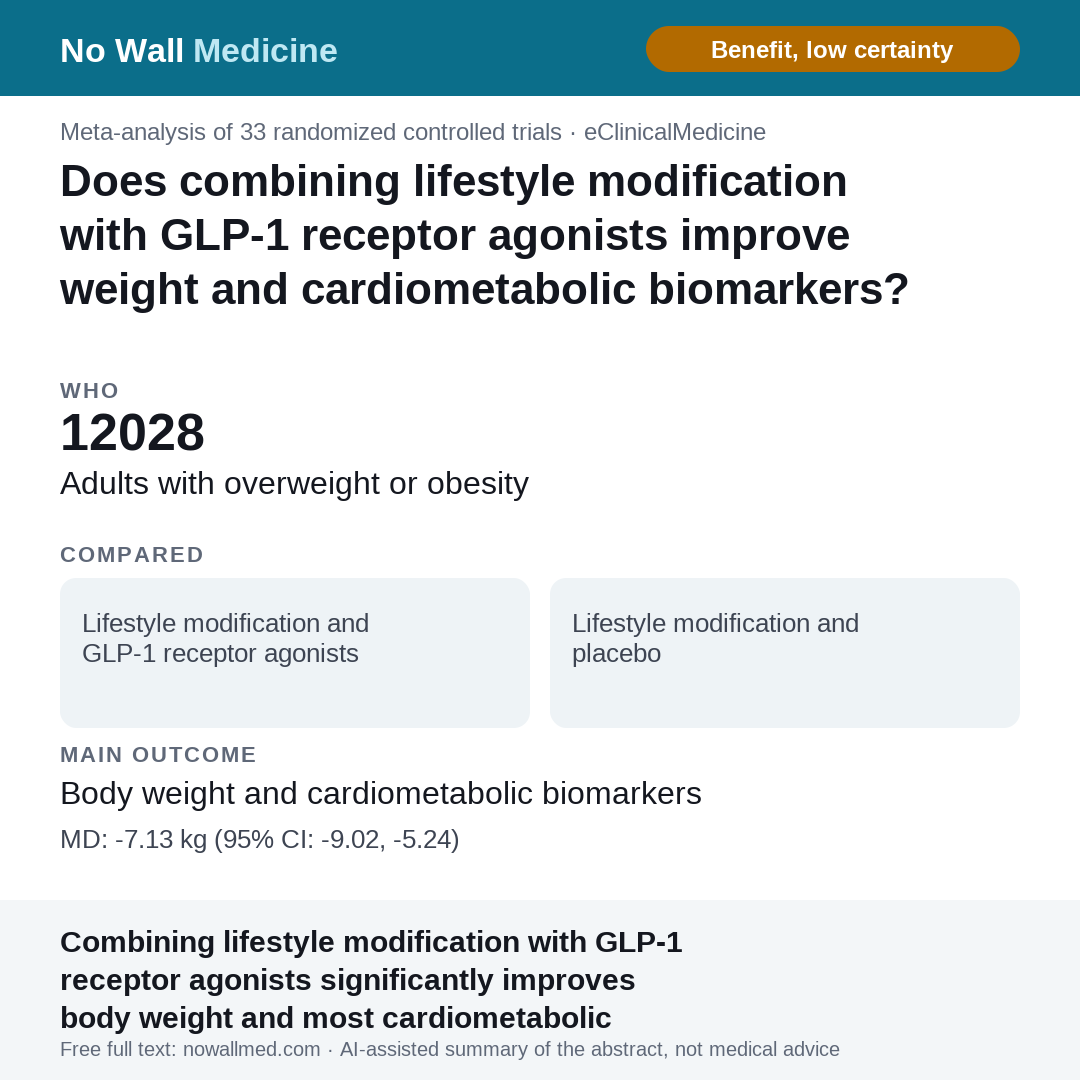
Efficacy of lifestyle modification combined with GLP-1 receptor agonists on body weight and cardiometabolic biomarkers in individuals with overweight or obesity: a systematic review and meta-analysis
Meta-analysis of 33 randomized controlled trialsBenefit, low certainty
Does combining lifestyle modification with GLP-1 receptor agonists improve weight and cardiometabolic biomarkers?
Who
12028
Adults with overweight or obesity
Compared
Lifestyle modification and GLP-1 receptor agonists
Lifestyle modification and placebo
Main outcome
Body weight and cardiometabolic biomarkers
Result: MD: -7.13 kg (95% CI: -9.02, -5.24)
Bottom line: Combining lifestyle modification with GLP-1 receptor agonists significantly improves body weight and most cardiometabolic biomarkers.
Limitation: Certainty of evidence varied from low to high, influenced by heterogeneity and potential publication bias.
Funded by: Shanghai Jiao Tong University
eClinicalMedicine · 2025-08-30Download image
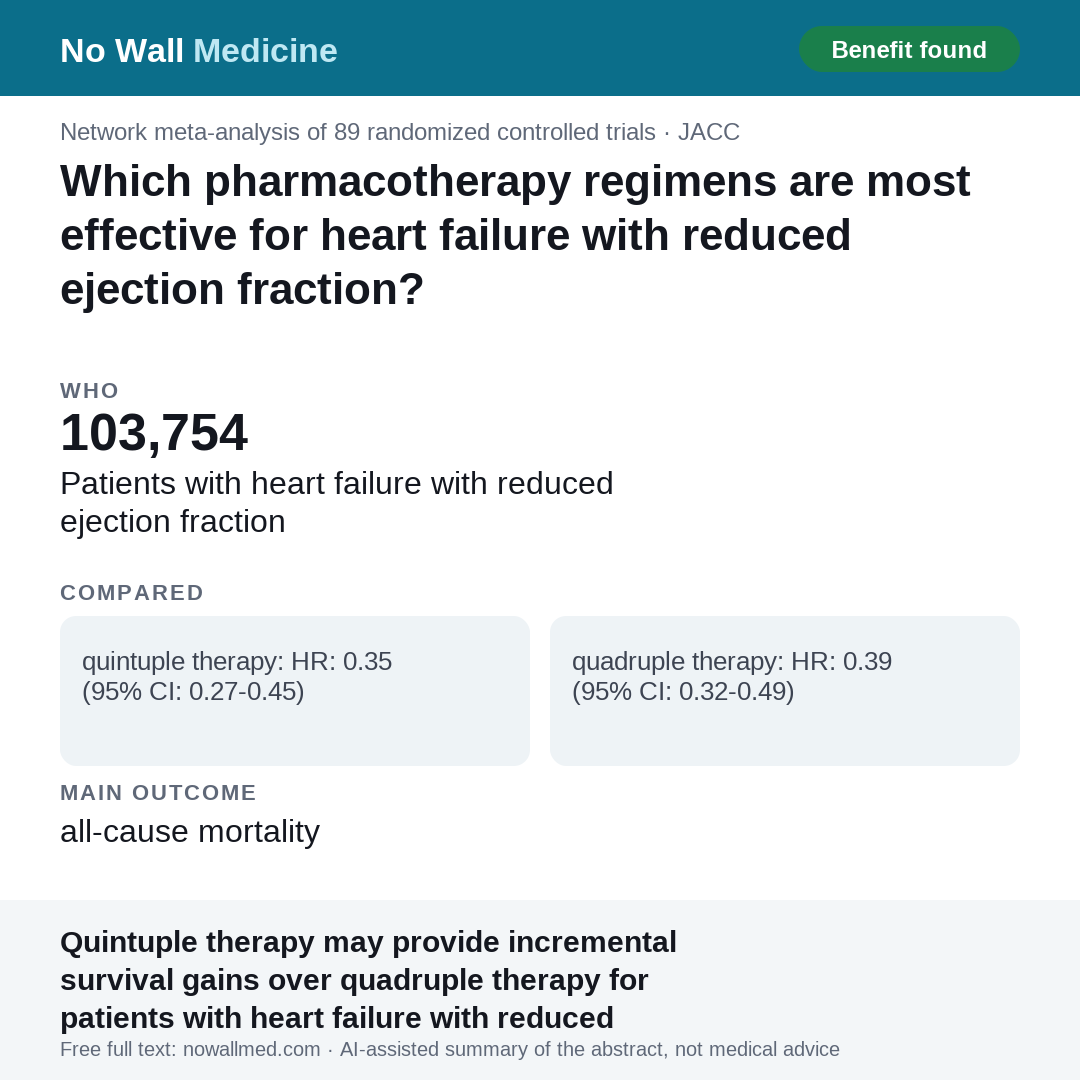
Pharmacologic Treatment of Heart Failure With Reduced Ejection Fraction: An Updated Systematic Review and Network Meta-Analysis
Network meta-analysis of 89 randomized controlled trialsBenefit found
Which pharmacotherapy regimens are most effective for heart failure with reduced ejection fraction?
Who
103,754
Patients with heart failure with reduced ejection fraction
Compared
quintuple therapy: HR: 0.35 (95% CI: 0.27-0.45)
quadruple therapy: HR: 0.39 (95% CI: 0.32-0.49)
Main outcome
all-cause mortality
Result: HR: 0.35 (95% CI: 0.27-0.45) for quintuple therapy
Bottom line: Quintuple therapy may provide incremental survival gains over quadruple therapy for patients with heart failure with reduced ejection fraction.
Limitation: results are exploratory as they are derived from a secondary endpoint of a single trial
JACC · 2025-08-30Download image
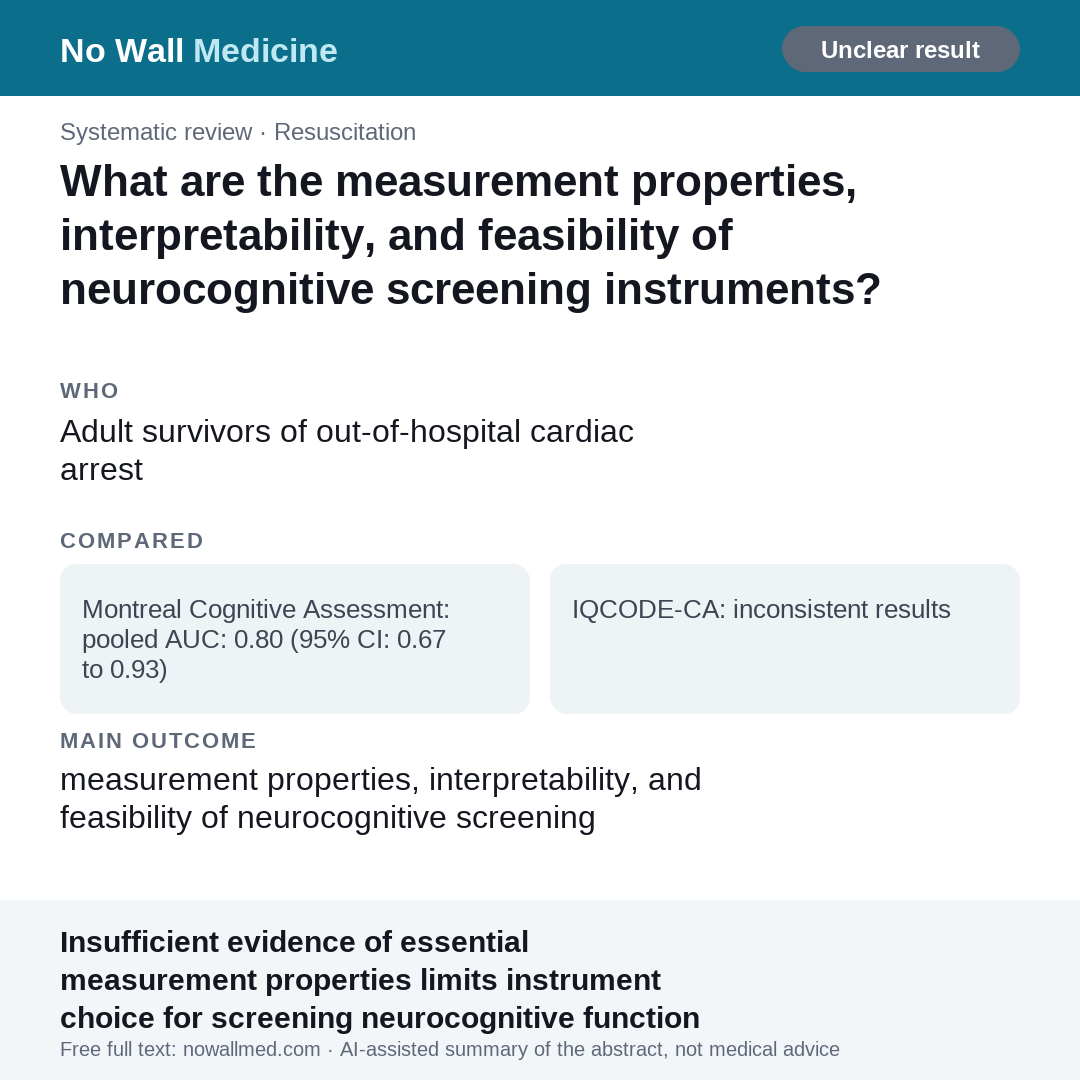
Evaluating measurement quality and feasibility of neurocognitive screening instruments for adult survivors of out-of-hospital cardiac arrest: A systematic review
Systematic reviewUnclear result
What are the measurement properties, interpretability, and feasibility of neurocognitive screening instruments?
Who
Adult survivors of out-of-hospital cardiac arrest
Compared
Montreal Cognitive Assessment: pooled AUC: 0.80 (95% CI: 0.67 to 0.93)
IQCODE-CA: inconsistent results
Main outcome
measurement properties, interpretability, and feasibility of neurocognitive screening instruments
Result: pooled AUC: 0.80 (95% CI: 0.67 to 0.93)
Bottom line: Insufficient evidence of essential measurement properties limits instrument choice for screening neurocognitive function in cardiac arrest survivors.
Limitation: Insufficient evidence of essential measurement properties and limited evidence of score interpretability and feasibility.
Resuscitation · 2025-08-30Download image
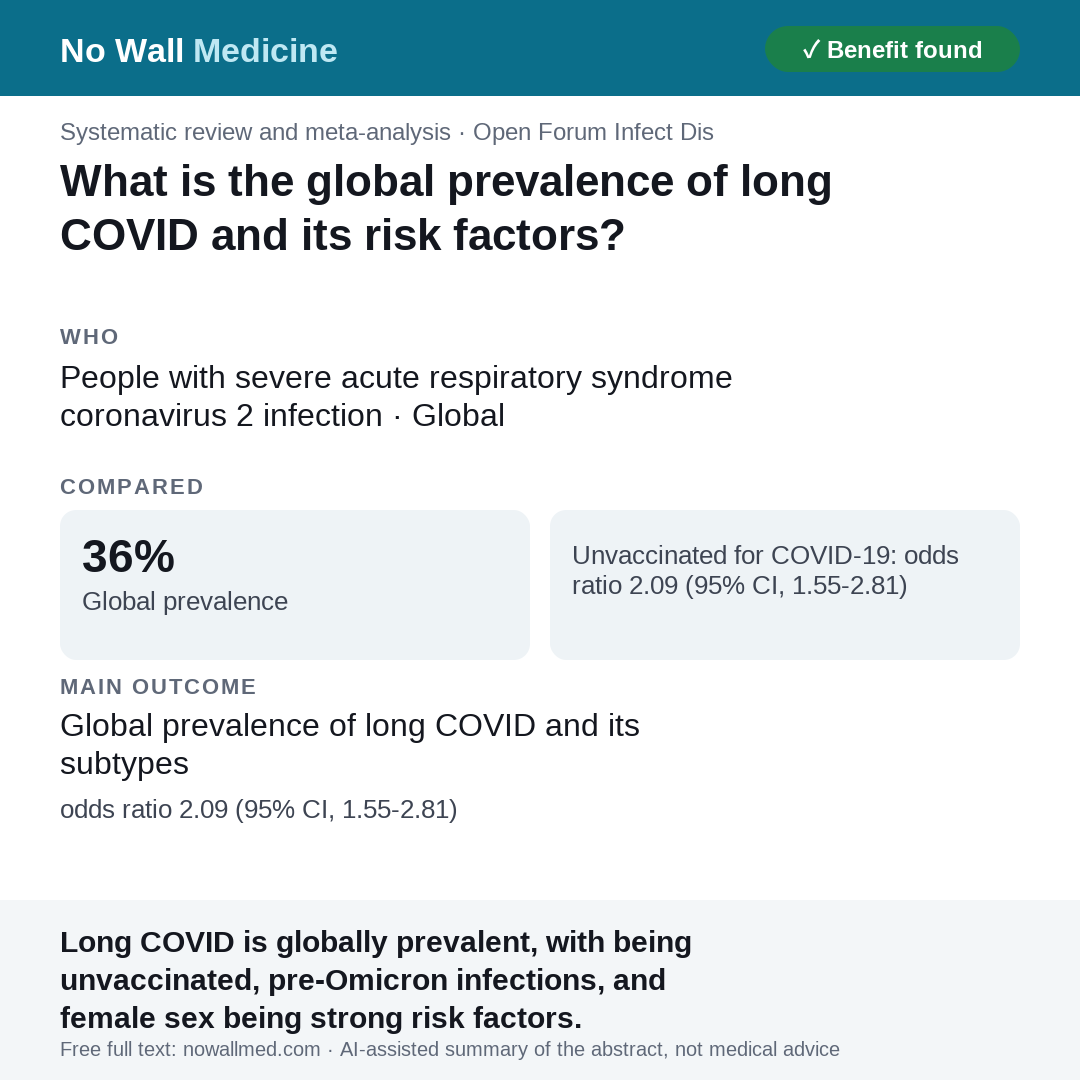
Global Prevalence of Long COVID, Its Subtypes, and Risk Factors: An Updated Systematic Review and Meta-analysis
Systematic review and meta-analysisBenefit found
What is the global prevalence of long COVID and its risk factors?
Who
People with severe acute respiratory syndrome coronavirus 2 infection · Global
Compared
36%Global prevalence (95% confidence interval [CI], 33%-40%)
Unvaccinated for COVID-19: odds ratio 2.09 (95% CI, 1.55-2.81)
Main outcome
Global prevalence of long COVID and its subtypes
Result: odds ratio 2.09 (95% CI, 1.55-2.81)
Bottom line: Long COVID is globally prevalent, with being unvaccinated, pre-Omicron infections, and female sex being strong risk factors.
Limitation: Heterogeneity of estimates across populations argues the need for well-designed follow-up studies.
Open Forum Infect Dis · 2025-08-30Download image
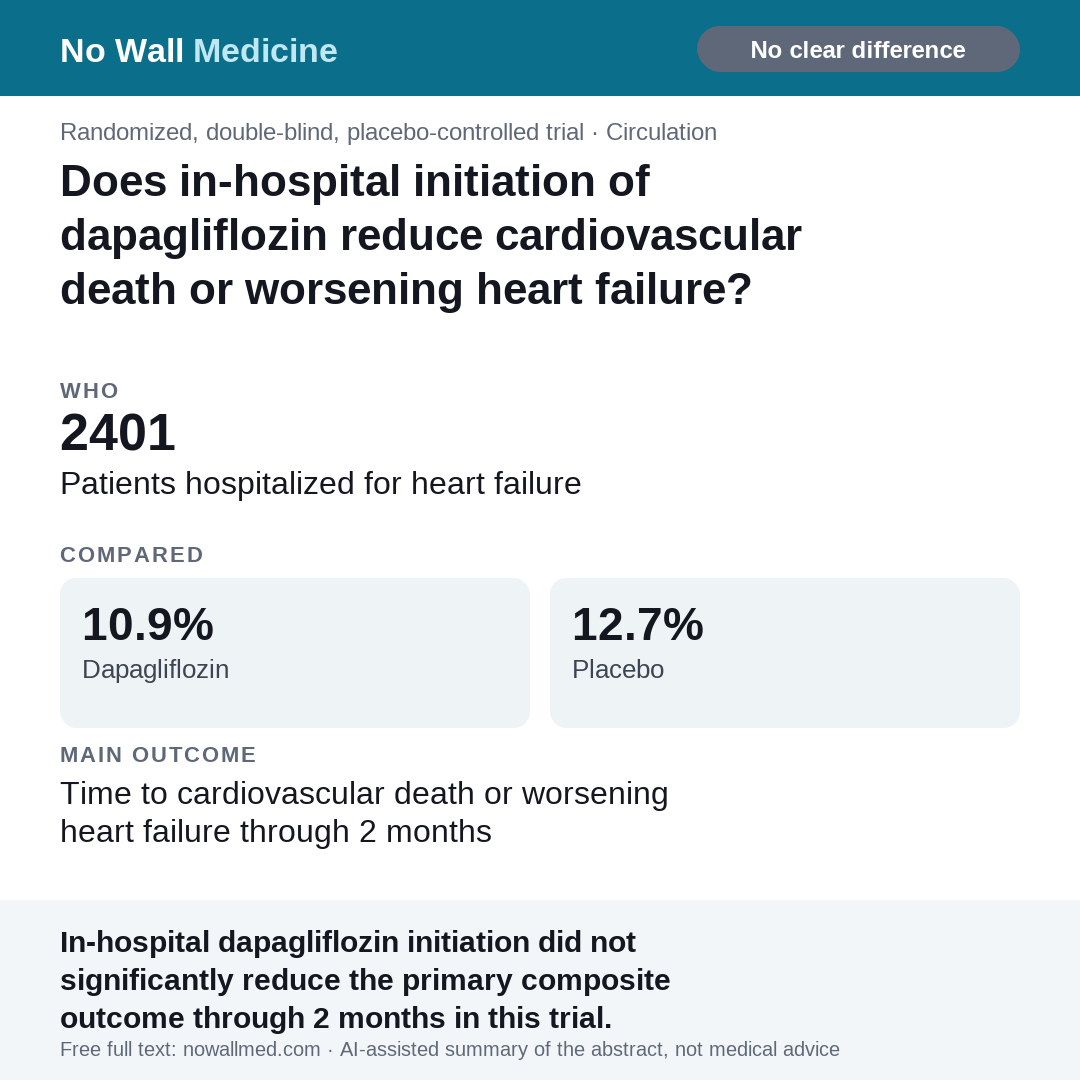
Dapagliflozin in Patients Hospitalized for Heart Failure: Primary Results of the DAPA ACT HF-TIMI 68 Randomized Clinical Trial and Meta-Analysis of Sodium-Glucose Cotransporter-2 Inhibitors in Patients Hospitalized for Heart Failure
Randomized, double-blind, placebo-controlled trialNo clear difference
Does in-hospital initiation of dapagliflozin reduce cardiovascular death or worsening heart failure?
Who
2401
Patients hospitalized for heart failure
Compared
10.9%Dapagliflozin
12.7%Placebo
Main outcome
Time to cardiovascular death or worsening heart failure through 2 months
Result: hazard ratio 0.86 (95% CI, 0.68-1.08)
Bottom line: In-hospital dapagliflozin initiation did not significantly reduce the primary composite outcome through 2 months in this trial.
Circulation · 2025-08-29Download image
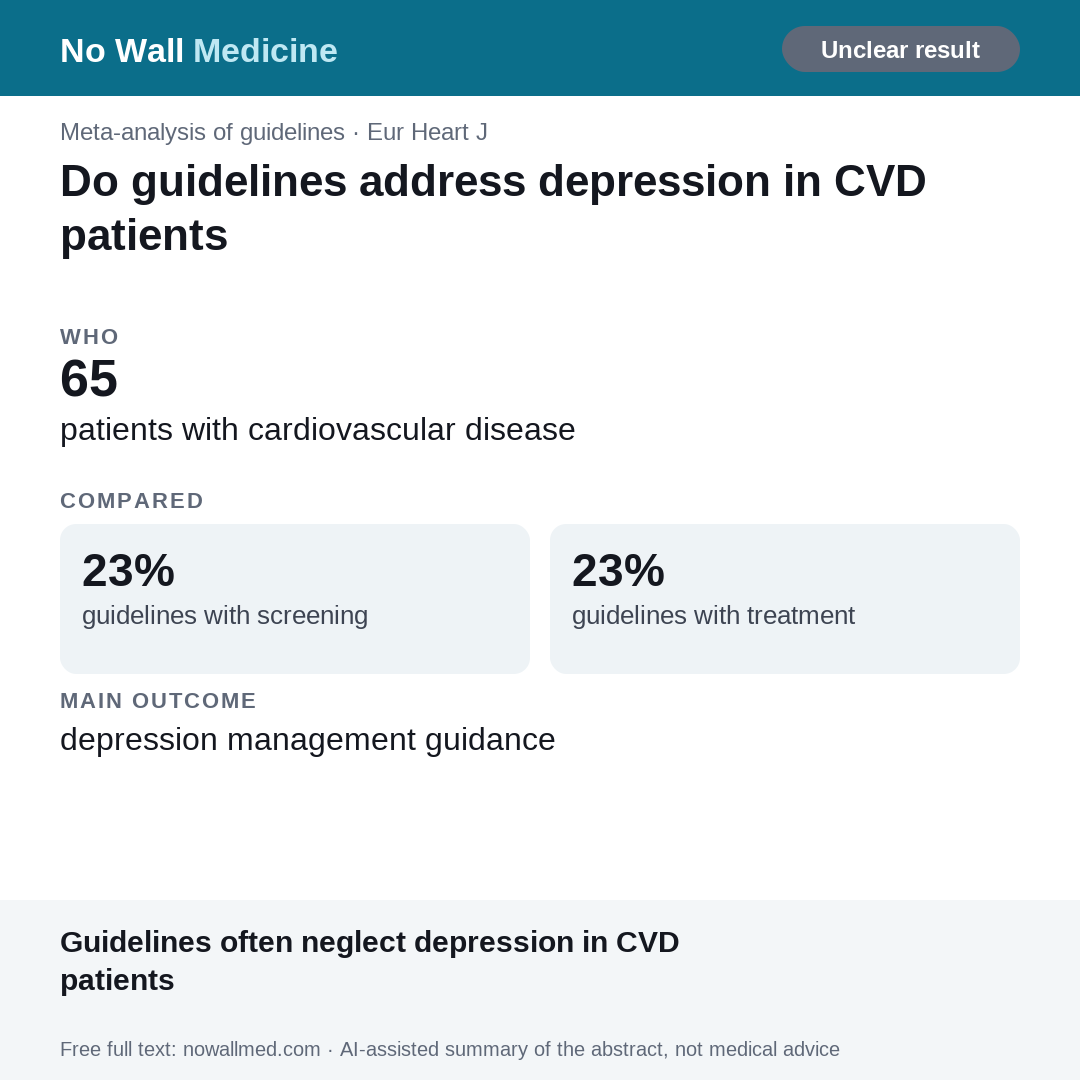
Depression and cardiovascular disease: mind the gap in the guidelines
Meta-analysis of guidelinesUnclear result
Do guidelines address depression in CVD patients
Who
65
patients with cardiovascular disease
Compared
23%guidelines with screening
23%guidelines with treatment
Main outcome
depression management guidance
Bottom line: Guidelines often neglect depression in CVD patients
Eur Heart J · 2025-08-29Download image
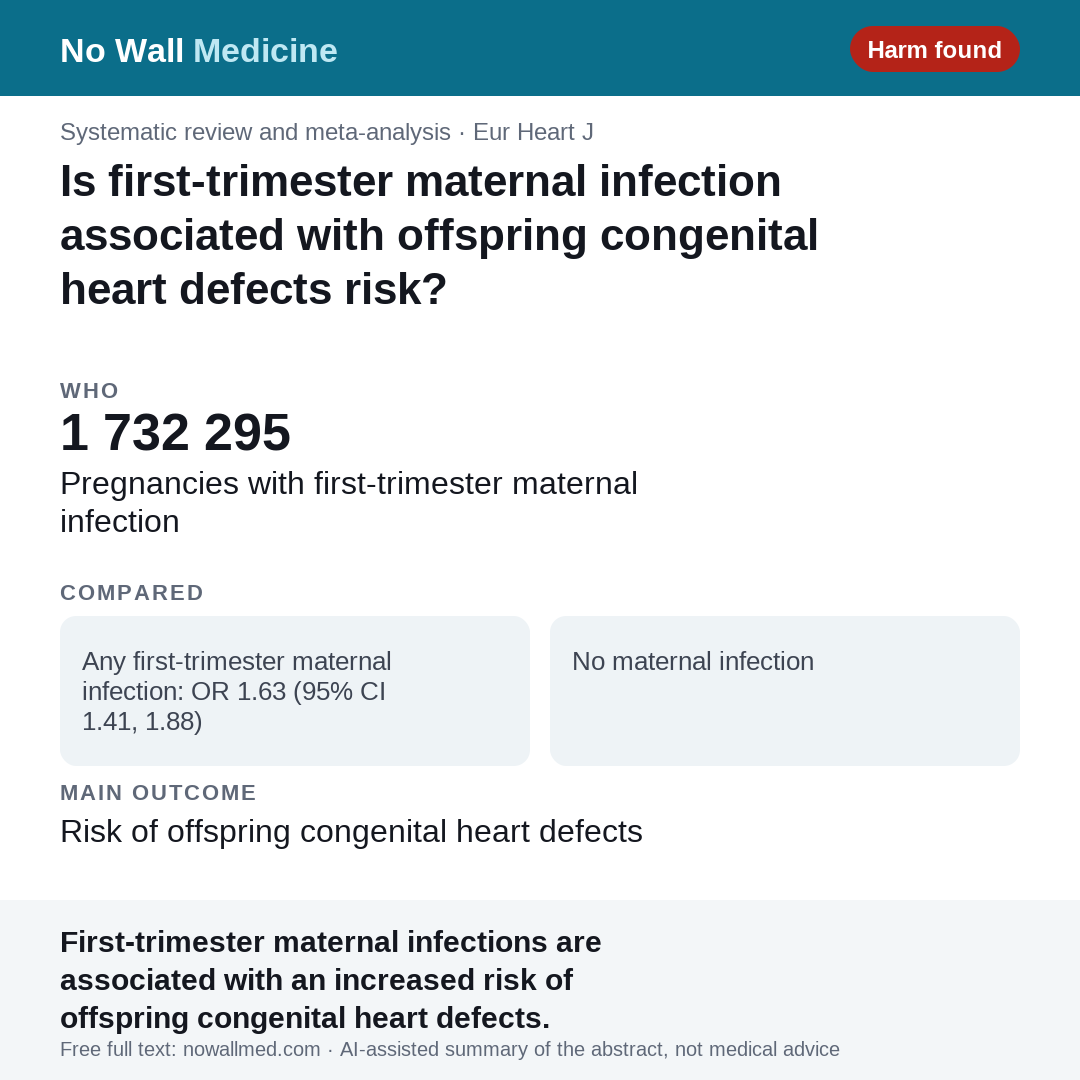
First trimester maternal infections and offspring congenital heart defects: a meta-analysis
Systematic review and meta-analysisHarm found
Is first-trimester maternal infection associated with offspring congenital heart defects risk?
Who
1 732 295
Pregnancies with first-trimester maternal infection
Compared
Any first-trimester maternal infection: OR 1.63 (95% CI 1.41, 1.88)
No maternal infection
Main outcome
Risk of offspring congenital heart defects
Result: odds ratio 1.63 (95% CI 1.41, 1.88)
Bottom line: First-trimester maternal infections are associated with an increased risk of offspring congenital heart defects.
Eur Heart J · 2025-08-29Download image
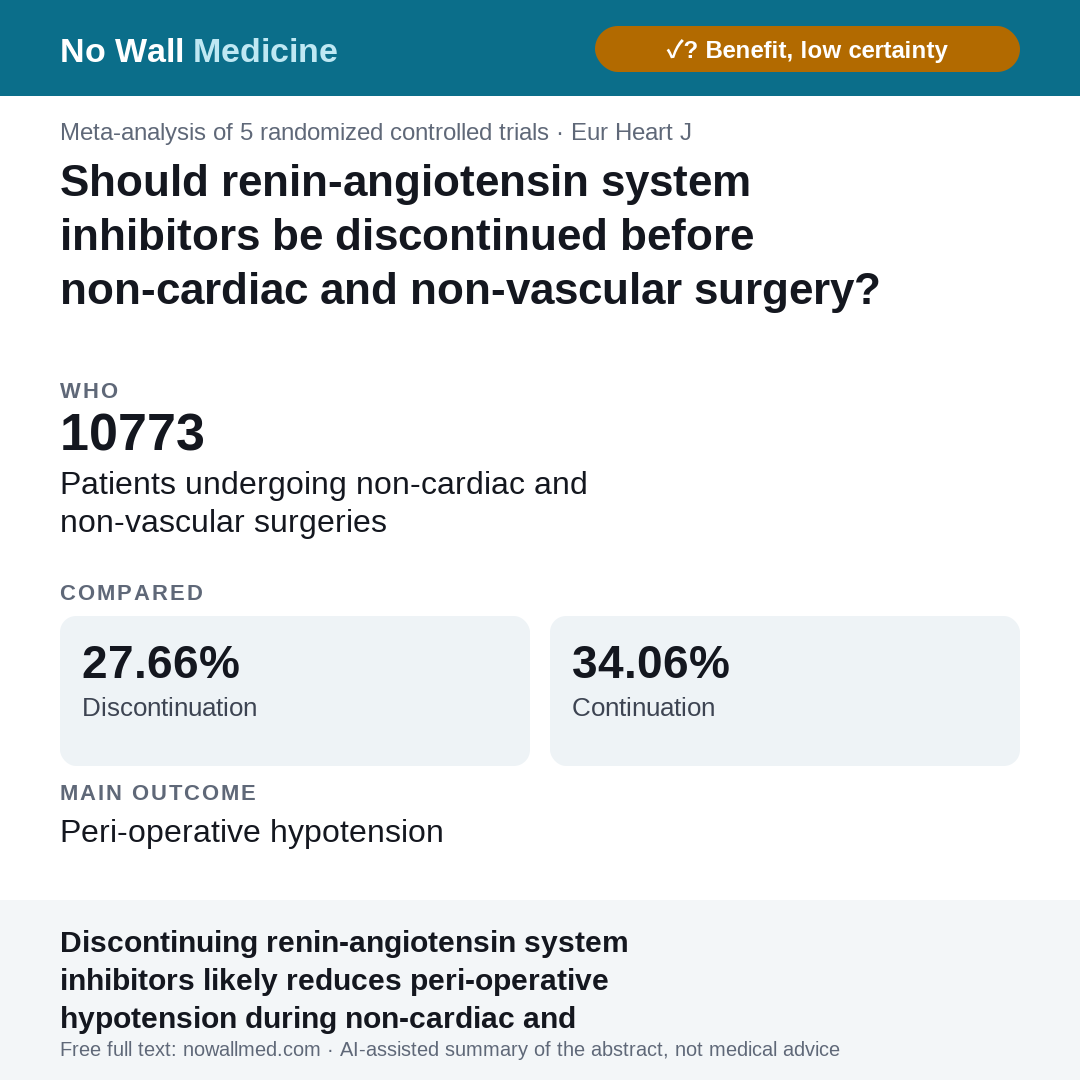
Discontinuation of renin-angiotensin system inhibitors before non-cardiac surgery: a meta-analysis
Meta-analysis of 5 randomized controlled trialsBenefit, low certainty
Should renin-angiotensin system inhibitors be discontinued before non-cardiac and non-vascular surgery?
Who
10773
Patients undergoing non-cardiac and non-vascular surgeries
Compared
27.66%Discontinuation
34.06%Continuation
Main outcome
Peri-operative hypotension
Result: risk ratio 0.81 (95% CI 0.73-0.89)
Bottom line: Discontinuing renin-angiotensin system inhibitors likely reduces peri-operative hypotension during non-cardiac and non-vascular surgery.
Eur Heart J · 2025-08-29Download image
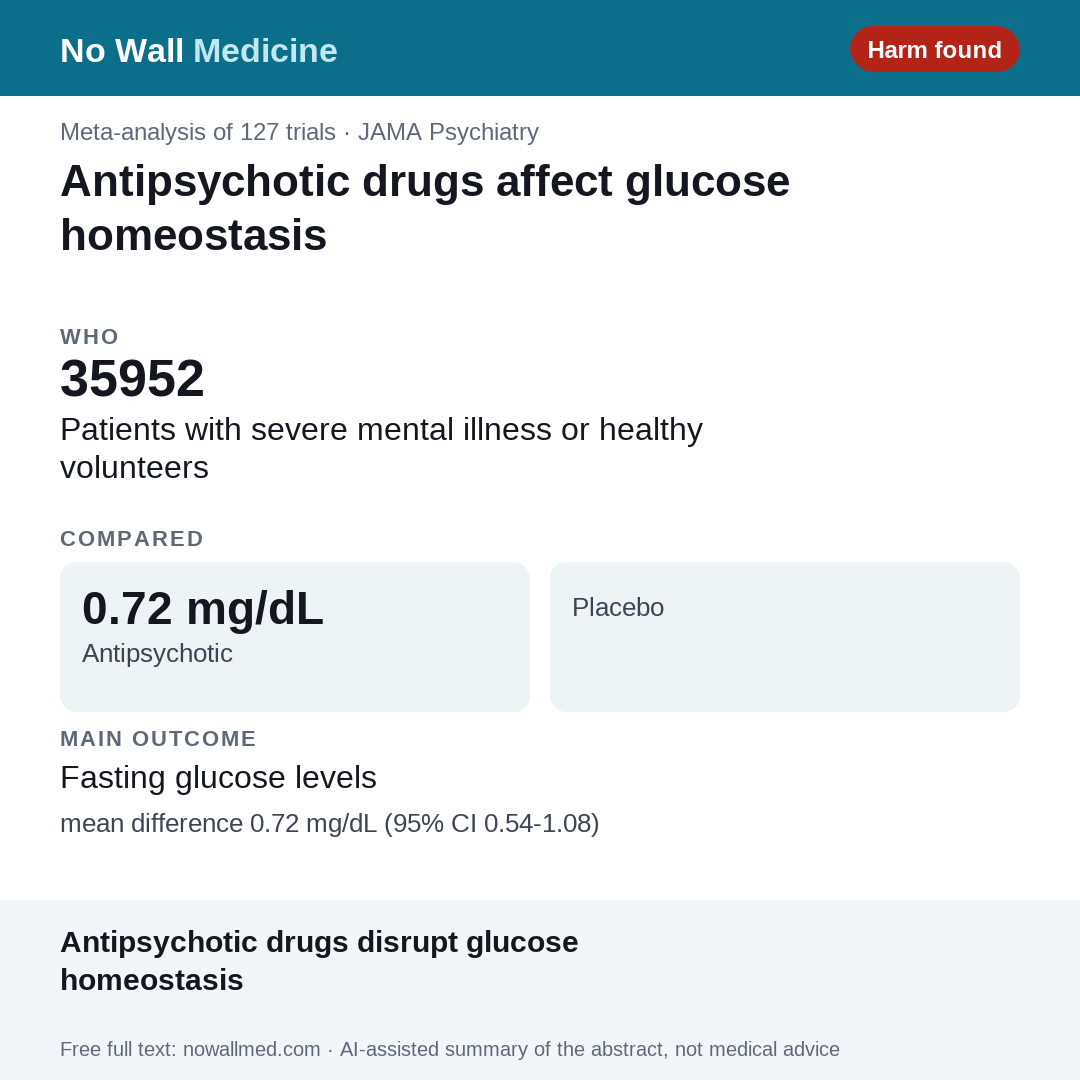
Antipsychotic Drugs and Dysregulated Glucose Homeostasis: A Systematic Review and Meta-Analysis
Meta-analysis of 127 trialsHarm found
Antipsychotic drugs affect glucose homeostasis
Who
35952
Patients with severe mental illness or healthy volunteers
Compared
0.72 mg/dLAntipsychotic
Placebo
Main outcome
Fasting glucose levels
Result: mean difference 0.72 mg/dL (95% CI 0.54-1.08)
Bottom line: Antipsychotic drugs disrupt glucose homeostasis
JAMA Psychiatry · 2025-08-29Download image
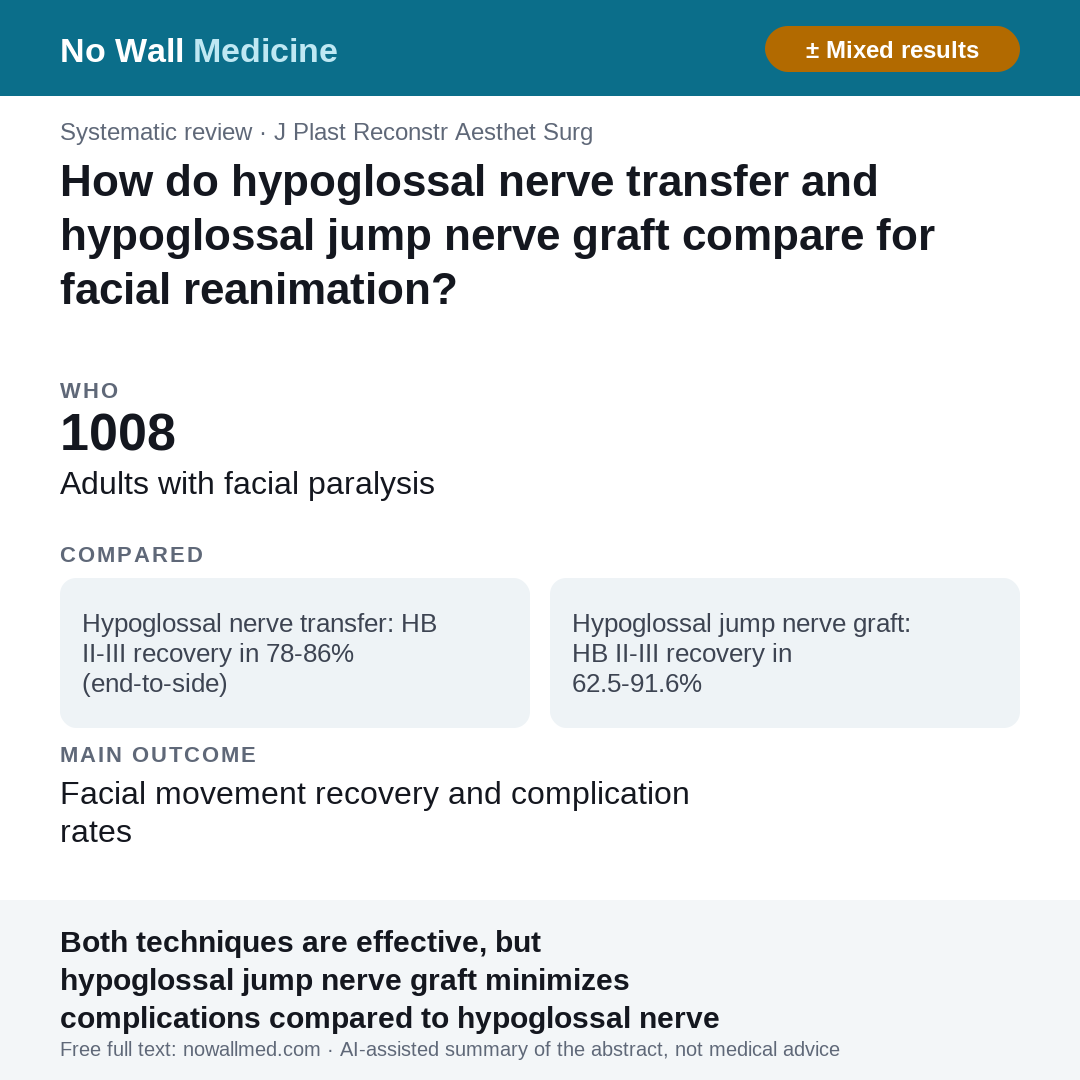
Comparison of hypoglossal nerve transfer and hypoglossal jump nerve graft techniques for facial reanimation: A systematic review
Systematic reviewMixed results
How do hypoglossal nerve transfer and hypoglossal jump nerve graft compare for facial reanimation?
Who
1008
Adults with facial paralysis
Compared
Hypoglossal nerve transfer: HB II-III recovery in 78-86% (end-to-side)
Hypoglossal jump nerve graft: HB II-III recovery in 62.5-91.6%
Main outcome
Facial movement recovery and complication rates
Bottom line: Both techniques are effective, but hypoglossal jump nerve graft minimizes complications compared to hypoglossal nerve transfer.
Limitation: Future comparative studies using standardized outcome measures are needed.
J Plast Reconstr Aesthet Surg · 2025-08-29Download image