Visual abstracts
New randomized trials and meta-analyses from leading journals at a glance: who was studied, what was compared, and what was found. Every paper is free to read in full.
All specialtiesCardiology 4763Oncology 4043Gastroenterology & Hepatology 1903Infectious Disease 3756Neurology 1872Psychiatry & Mental Health 2216Pulmonology 2044Critical Care 1319Endocrinology & Diabetes 2544Pediatrics 2889Surgery 2480Orthopedics & Sports Medicine 917Neurosurgery 525Cardiothoracic & Vascular Surgery 656Plastic & Reconstructive Surgery 574Nephrology 1107Rheumatology 810Hematology 1090Dermatology 611Ophthalmology 532Obstetrics & Gynecology 1645Public & Global Health 1037Radiology & Imaging 619Anesthesiology 958Urology 745ENT (Otolaryngology) 494Emergency Medicine 481Allergy & Immunology 309Geriatrics 972Family Medicine & Primary Care 534Medical Genetics & Genomics 659Pathology & Laboratory Medicine 156Physical Medicine & Rehabilitation 734Palliative Care 421Nutrition 1560Digital Health & AI 2137General Medicine 318
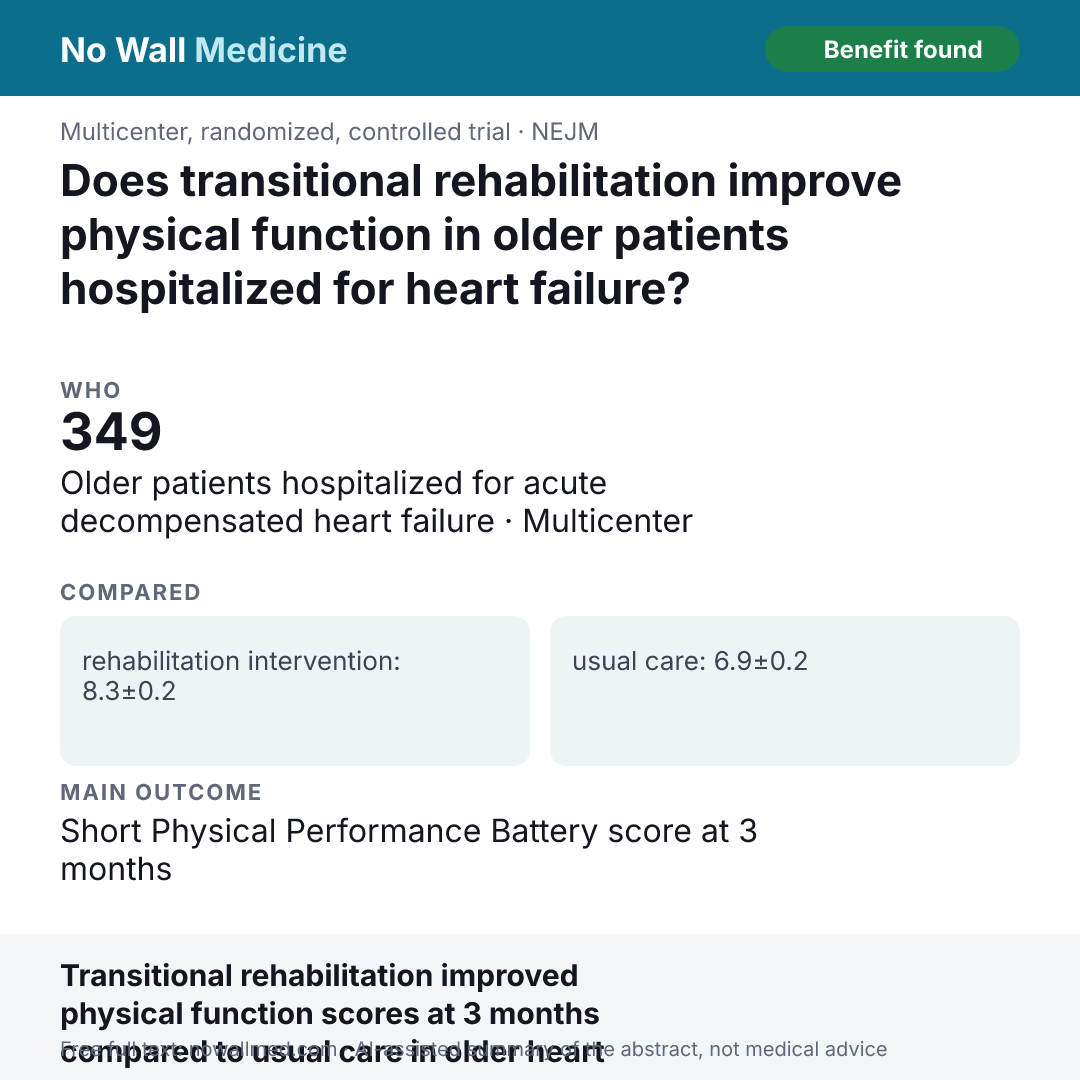
Physical Rehabilitation for Older Patients Hospitalized for Heart Failure
Multicenter, randomized, controlled trialBenefit found
Does transitional rehabilitation improve physical function in older patients hospitalized for heart failure?
Who
349
Older patients hospitalized for acute decompensated heart failure · Multicenter
Compared
rehabilitation intervention: 8.3±0.2
usual care: 6.9±0.2
Main outcome
Short Physical Performance Battery score at 3 months
Result: mean between-group difference, 1.5 (95% CI, 0.9 to 2.0)
Bottom line: Transitional rehabilitation improved physical function scores at 3 months compared to usual care in older heart failure patients.
Funded by: National Institutes of Health and others
NEJM · 2021-05-16 · Save PNG
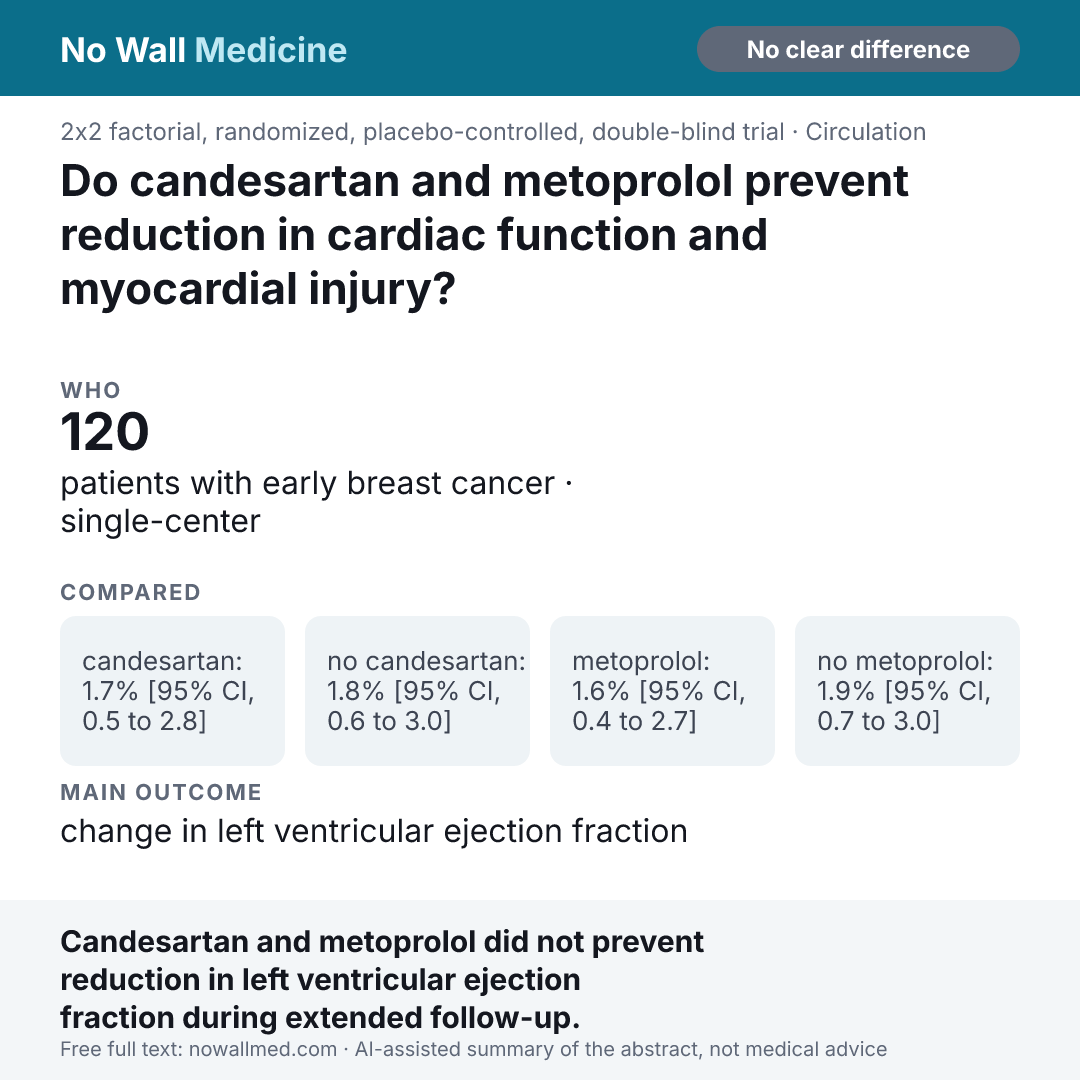
Prevention of Cardiac Dysfunction During Adjuvant Breast Cancer Therapy (PRADA): Extended Follow-Up of a 2×2 Factorial, Randomized, Placebo-Controlled, Double-Blind Clinical Trial of Candesartan and Metoprolol
2x2 factorial, randomized, placebo-controlled, double-blind trialNo clear difference
Do candesartan and metoprolol prevent reduction in cardiac function and myocardial injury?
Who
120
patients with early breast cancer · single-center
Compared
candesartan: 1.7% [95% CI, 0.5 to 2.8]
no candesartan: 1.8% [95% CI, 0.6 to 3.0]
metoprolol: 1.6% [95% CI, 0.4 to 2.7]
no metoprolol: 1.9% [95% CI, 0.7 to 3.0]
Main outcome
change in left ventricular ejection fraction
Bottom line: Candesartan and metoprolol did not prevent reduction in left ventricular ejection fraction during extended follow-up.
Circulation · 2021-05-16 · Save PNG
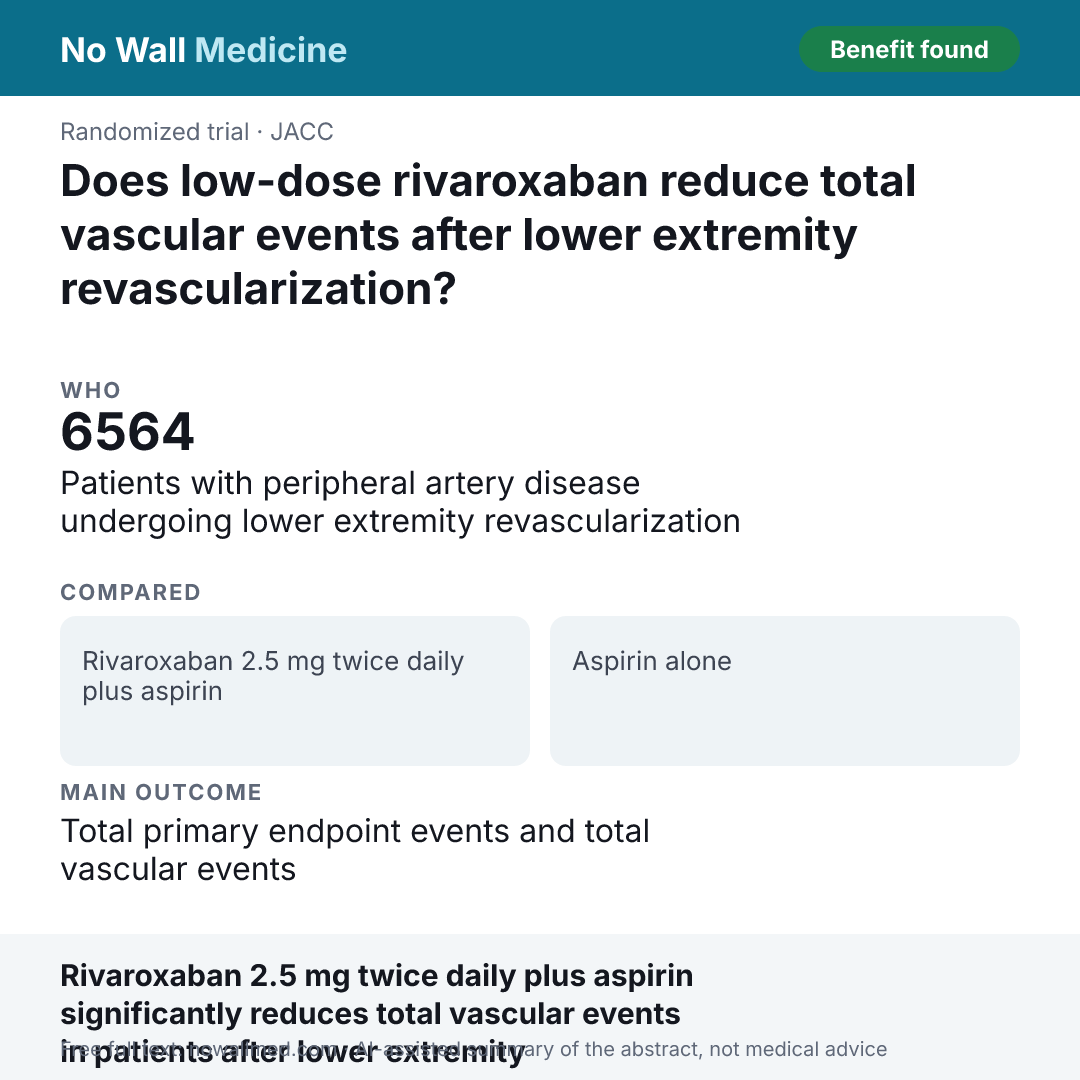
Total Ischemic Event Reduction With Rivaroxaban After Peripheral Arterial Revascularization in the VOYAGER PAD Trial
Randomized trialBenefit found
Does low-dose rivaroxaban reduce total vascular events after lower extremity revascularization?
Who
6564
Patients with peripheral artery disease undergoing lower extremity revascularization
Compared
Rivaroxaban 2.5 mg twice daily plus aspirin
Aspirin alone
Main outcome
Total primary endpoint events and total vascular events
Result: hazard ratio 0.86 (95% CI 0.75-0.98) for primary endpoint events
Bottom line: Rivaroxaban 2.5 mg twice daily plus aspirin significantly reduces total vascular events in patients after lower extremity revascularization.
JACC · 2021-05-16 · Save PNG
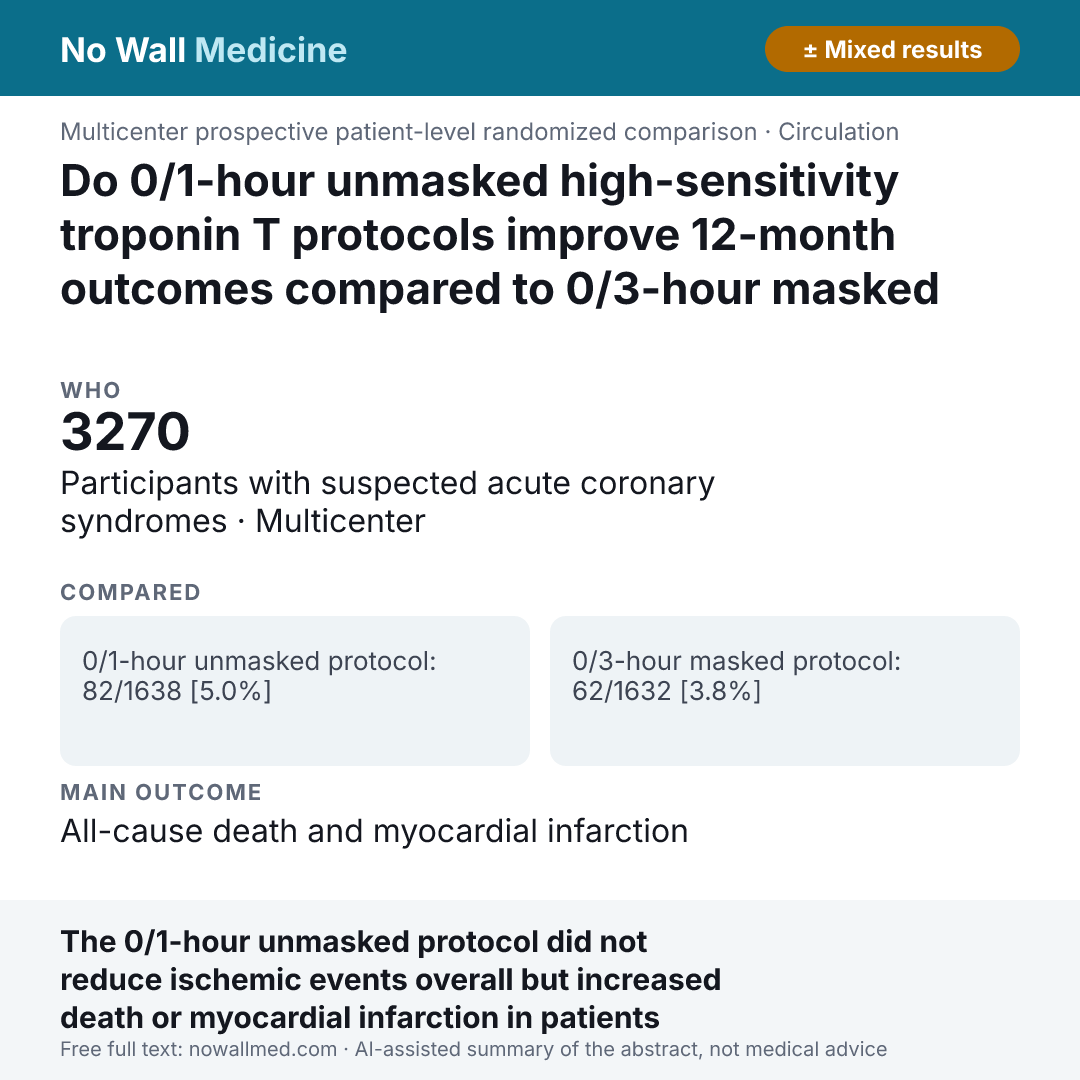
Late Outcomes of the RAPID-TnT Randomized Controlled Trial: 0/1-Hour High-Sensitivity Troponin T Protocol in Suspected ACS
Multicenter prospective patient-level randomized comparisonMixed results
Do 0/1-hour unmasked high-sensitivity troponin T protocols improve 12-month outcomes compared to 0/3-hour masked protocols?
Who
3270
Participants with suspected acute coronary syndromes · Multicenter
Compared
0/1-hour unmasked protocol: 82/1638 [5.0%]
0/3-hour masked protocol: 62/1632 [3.8%]
Main outcome
All-cause death and myocardial infarction
Result: hazard ratio 1.32 [95% CI, 0.95-1.83]
Bottom line: The 0/1-hour unmasked protocol did not reduce ischemic events overall but increased death or myocardial infarction in patients with low initial troponin.
Circulation · 2021-05-16 · Save PNG
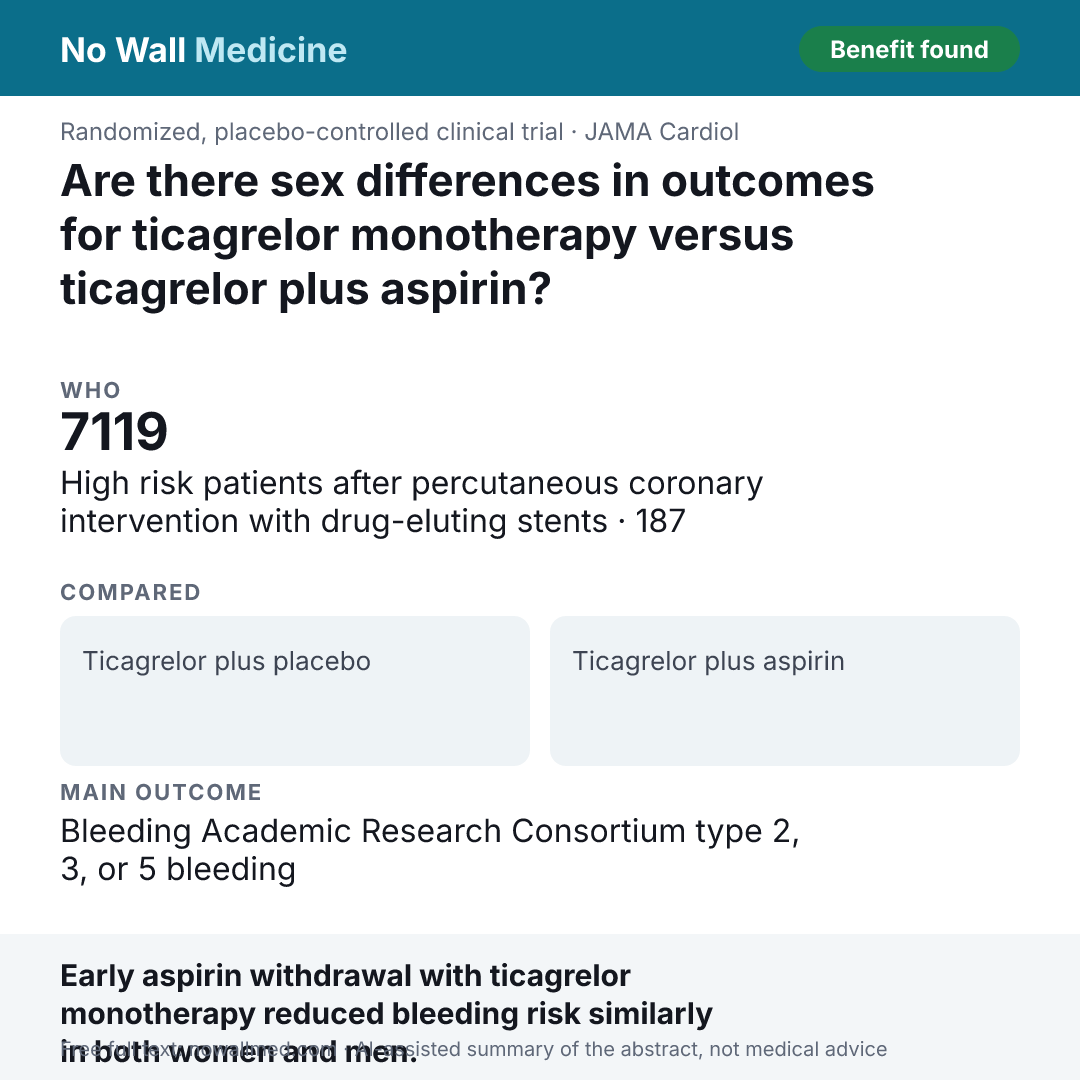
Sex Differences Among Patients With High Risk Receiving Ticagrelor With or Without Aspirin After Percutaneous Coronary Intervention: A Subgroup Analysis of the TWILIGHT Randomized Clinical Trial
Randomized, placebo-controlled clinical trialBenefit found
Are there sex differences in outcomes for ticagrelor monotherapy versus ticagrelor plus aspirin?
Who
7119
High risk patients after percutaneous coronary intervention with drug-eluting stents · 187 sites across 11 countries
Compared
Ticagrelor plus placebo
Ticagrelor plus aspirin
Main outcome
Bleeding Academic Research Consortium type 2, 3, or 5 bleeding
Result: adjusted HR, 0.62 (95% CI, 0.42-0.92) in women; adjusted HR, 0.57 (95% CI, 0.44-0.73) in men
Bottom line: Early aspirin withdrawal with ticagrelor monotherapy reduced bleeding risk similarly in both women and men.
JAMA Cardiol · 2021-05-16 · Save PNG
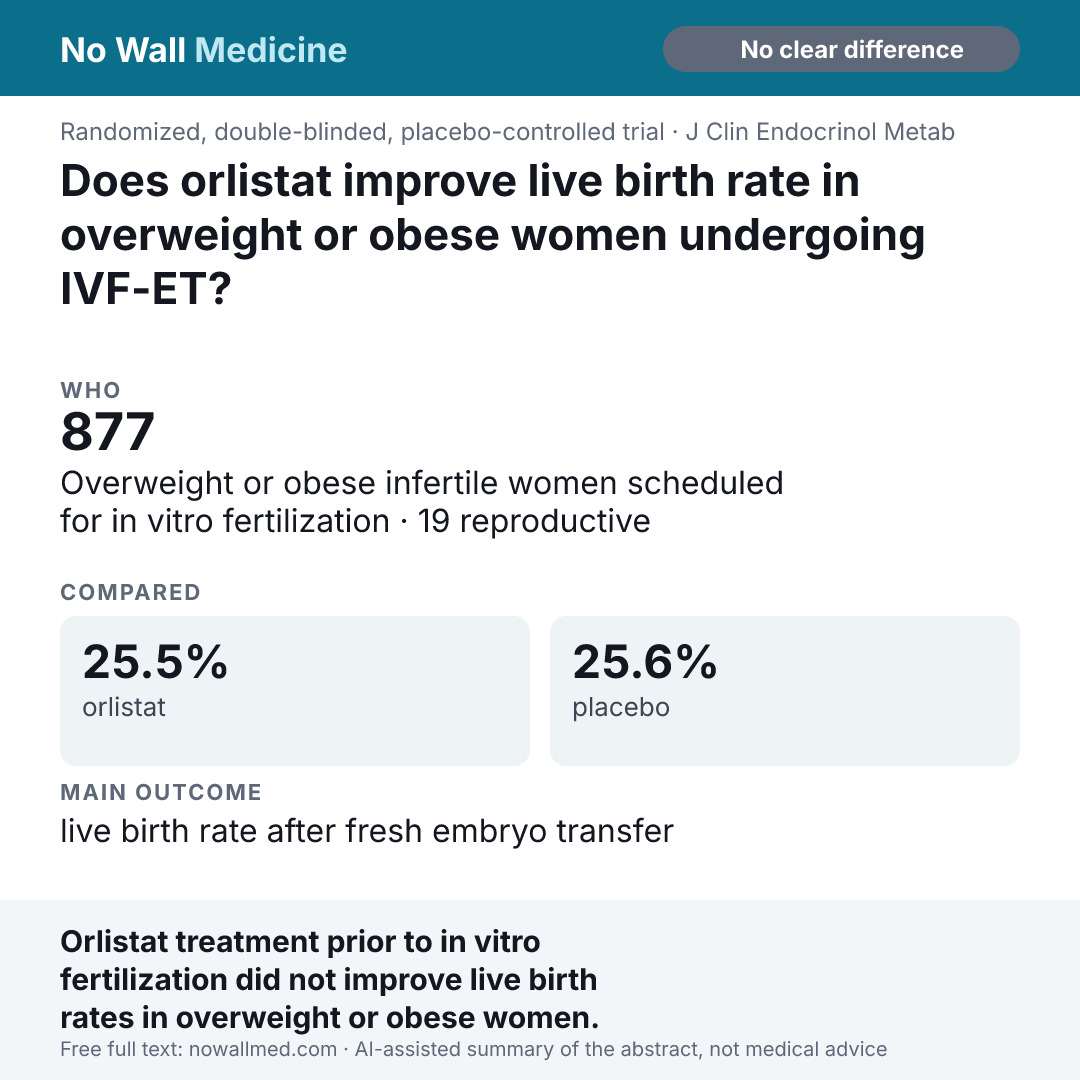
Effect of Orlistat on Live Birth Rate in Overweight or Obese Women Undergoing IVF-ET: A Randomized Clinical Trial
Randomized, double-blinded, placebo-controlled trialNo clear difference
Does orlistat improve live birth rate in overweight or obese women undergoing IVF-ET?
Who
877
Overweight or obese infertile women scheduled for in vitro fertilization · 19 reproductive medical centers in China
Compared
25.5%orlistat
25.6%placebo
Main outcome
live birth rate after fresh embryo transfer
Bottom line: Orlistat treatment prior to in vitro fertilization did not improve live birth rates in overweight or obese women.
J Clin Endocrinol Metab · 2021-05-16 · Save PNG
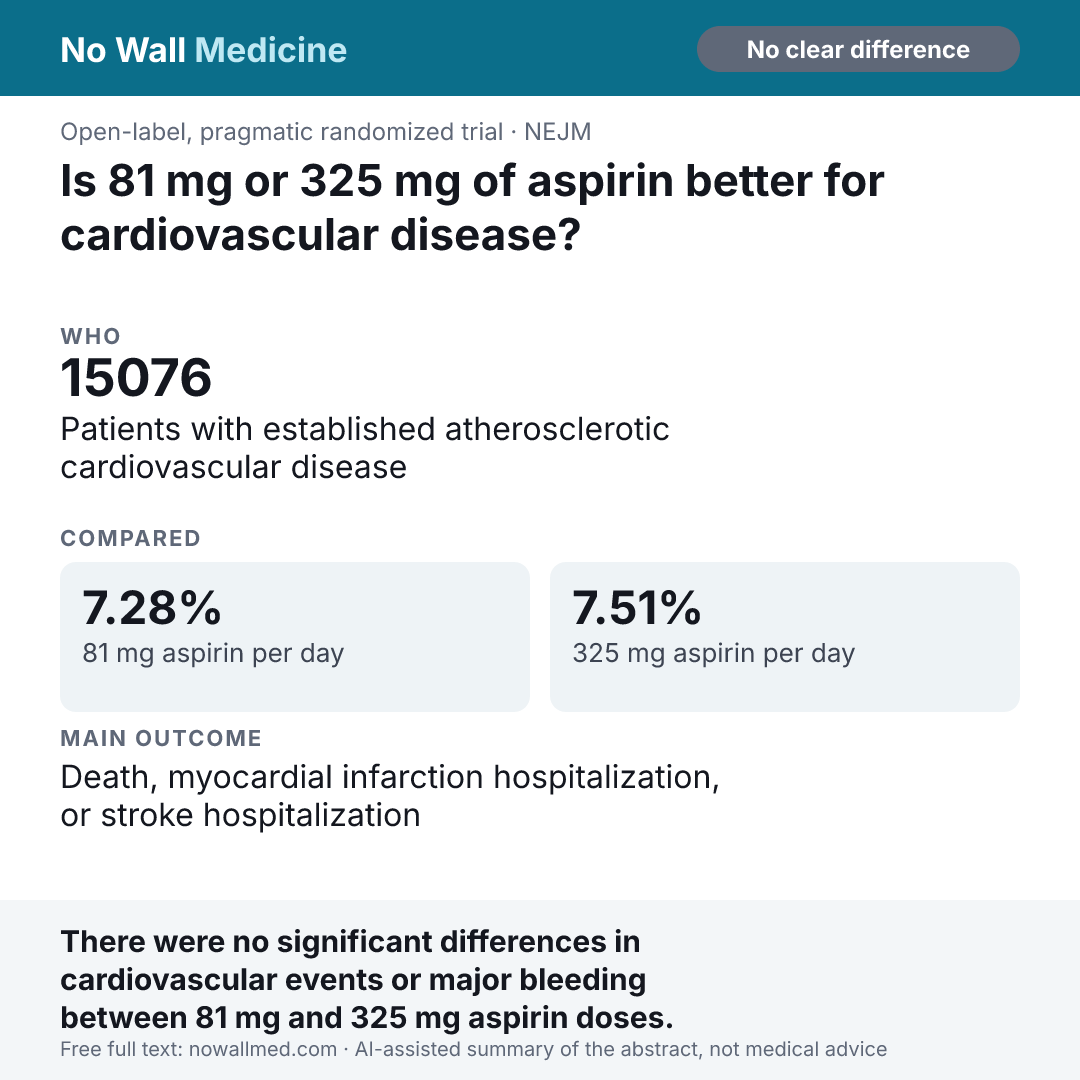
Comparative Effectiveness of Aspirin Dosing in Cardiovascular Disease
Open-label, pragmatic randomized trialNo clear difference
Is 81 mg or 325 mg of aspirin better for cardiovascular disease?
Who
15076
Patients with established atherosclerotic cardiovascular disease
Compared
7.28%81 mg aspirin per day
7.51%325 mg aspirin per day
Main outcome
Death, myocardial infarction hospitalization, or stroke hospitalization
Result: hazard ratio 1.02 (95% CI 0.91 to 1.14)
Bottom line: There were no significant differences in cardiovascular events or major bleeding between 81 mg and 325 mg aspirin doses.
Funded by: Patient-Centered Outcomes Research Institute
NEJM · 2021-05-15 · Save PNG
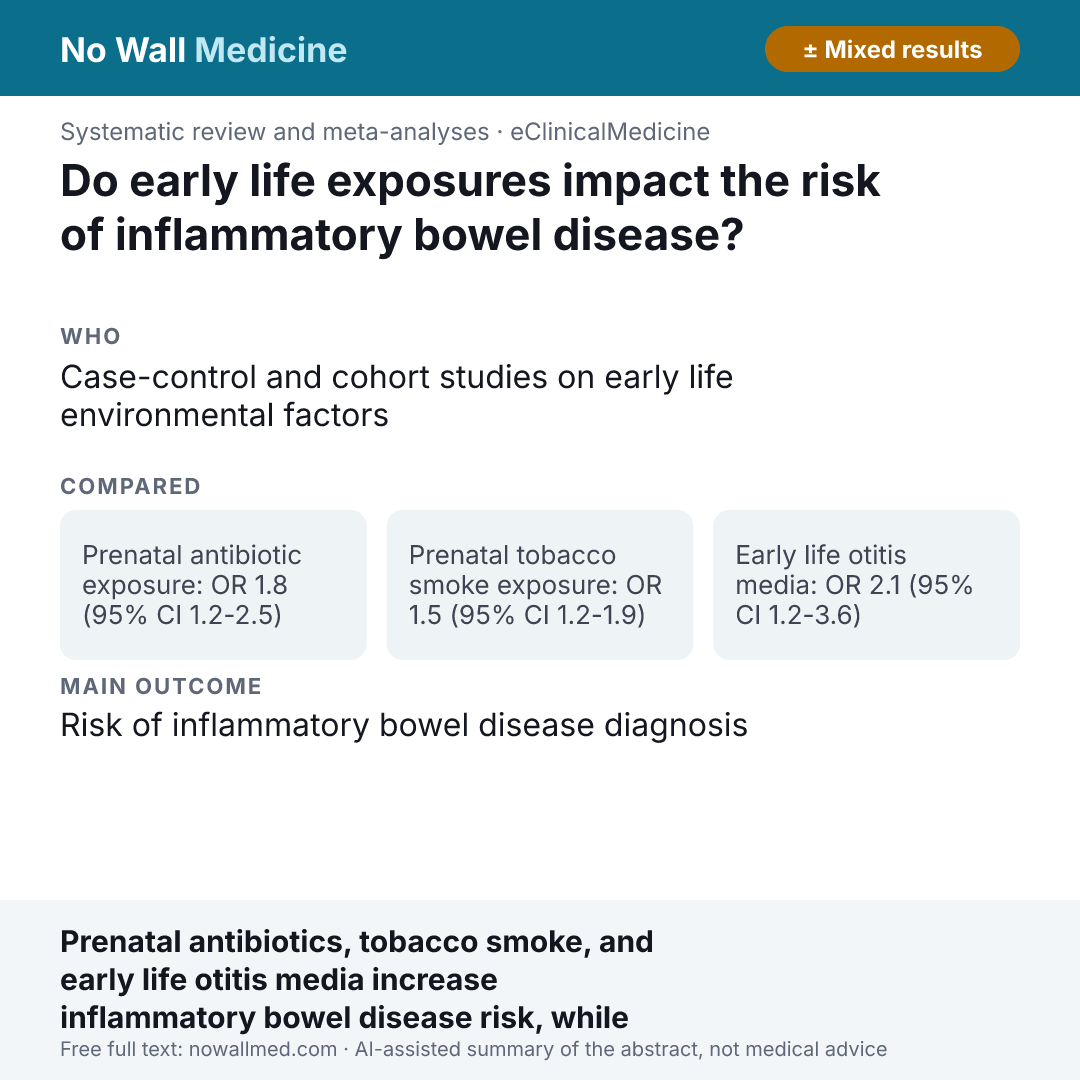
Early life exposures and the risk of inflammatory bowel disease: Systematic review and meta-analyses
Systematic review and meta-analysesMixed results
Do early life exposures impact the risk of inflammatory bowel disease?
Who
Case-control and cohort studies on early life environmental factors
Compared
Prenatal antibiotic exposure: OR 1.8 (95% CI 1.2-2.5)
Prenatal tobacco smoke exposure: OR 1.5 (95% CI 1.2-1.9)
Early life otitis media: OR 2.1 (95% CI 1.2-3.6)
Main outcome
Risk of inflammatory bowel disease diagnosis
Bottom line: Prenatal antibiotics, tobacco smoke, and early life otitis media increase inflammatory bowel disease risk, while breastfeeding is protective.
Limitation: Other early life risk factors had no association due to limited and heterogenous data.
eClinicalMedicine · 2021-05-15 · Save PNG
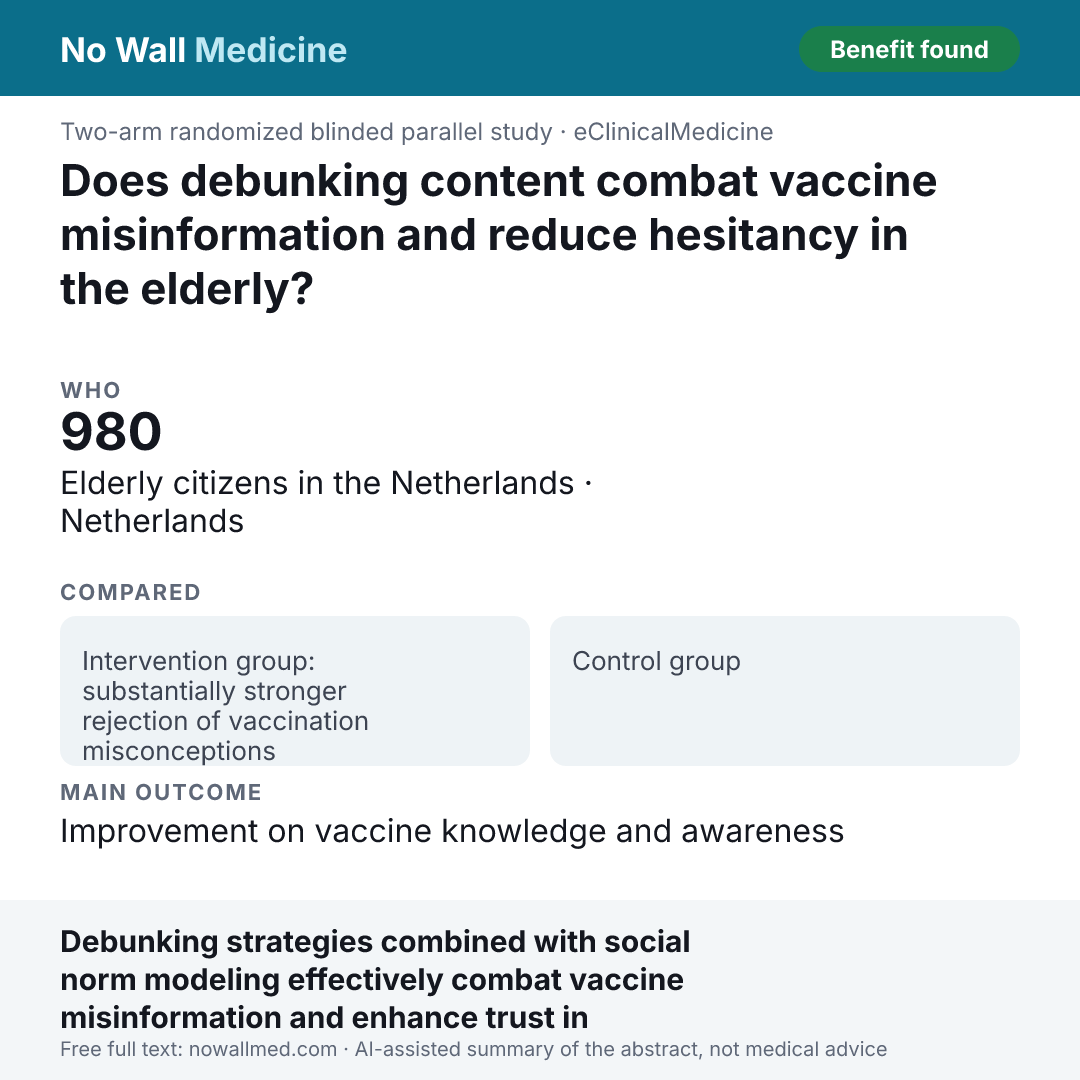
A media intervention applying debunking versus non-debunking content to combat vaccine misinformation in elderly in the Netherlands: A digital randomised trial
Two-arm randomized blinded parallel studyBenefit found
Does debunking content combat vaccine misinformation and reduce hesitancy in the elderly?
Who
980
Elderly citizens in the Netherlands · Netherlands
Compared
Intervention group: substantially stronger rejection of vaccination misconceptions
Control group
Main outcome
Improvement on vaccine knowledge and awareness
Bottom line: Debunking strategies combined with social norm modeling effectively combat vaccine misinformation and enhance trust in government among the elderly.
Funded by: Dutch Influenza Foundation
eClinicalMedicine · 2021-05-15 · Save PNG
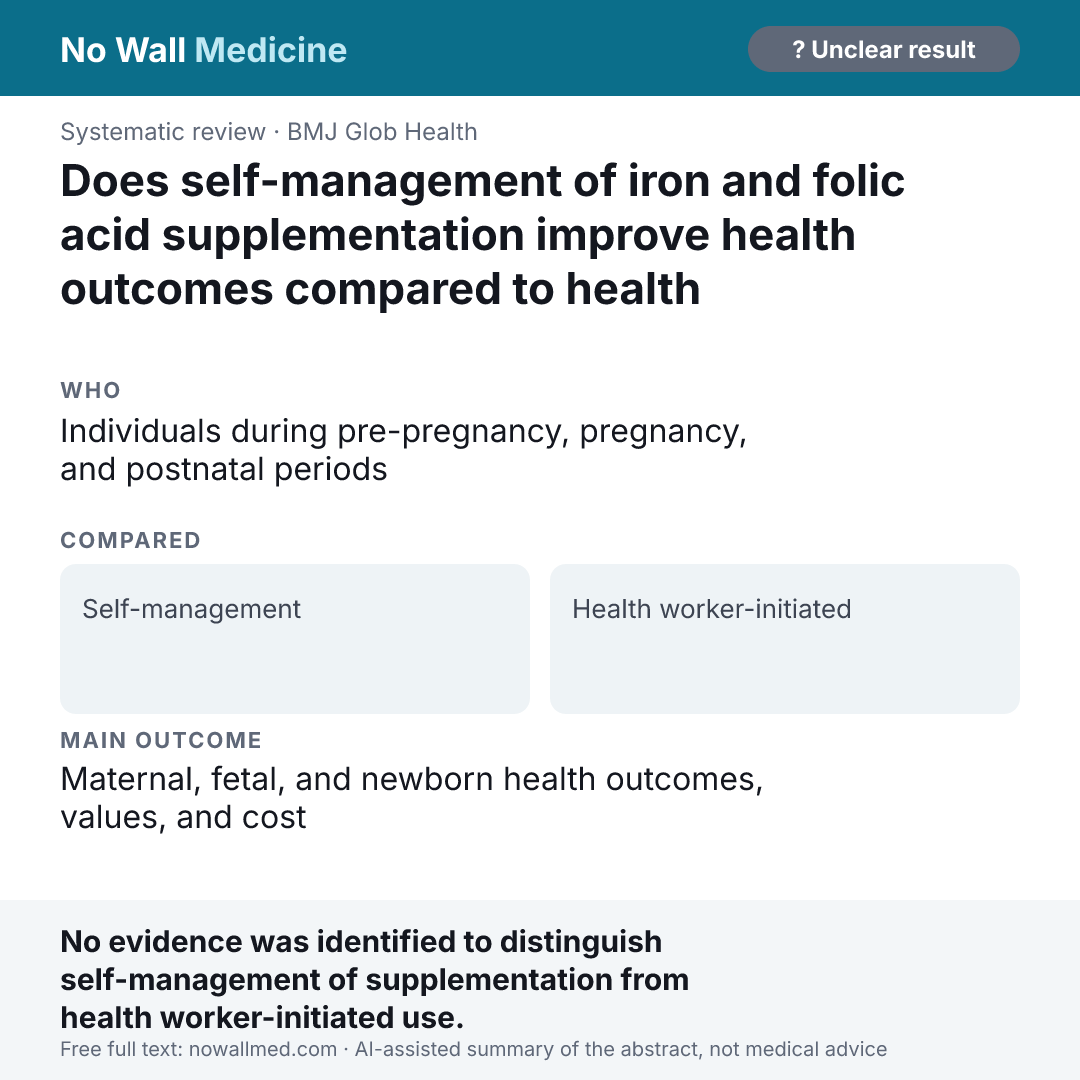
Self-management of iron and folic acid supplementation during pre-pregnancy, pregnancy and postnatal periods: a systematic review
Systematic reviewUnclear result
Does self-management of iron and folic acid supplementation improve health outcomes compared to health worker-initiated use?
Who
Individuals during pre-pregnancy, pregnancy, and postnatal periods
Compared
Self-management
Health worker-initiated
Main outcome
Maternal, fetal, and newborn health outcomes, values, and cost
Bottom line: No evidence was identified to distinguish self-management of supplementation from health worker-initiated use.
BMJ Glob Health · 2021-05-15 · Save PNG
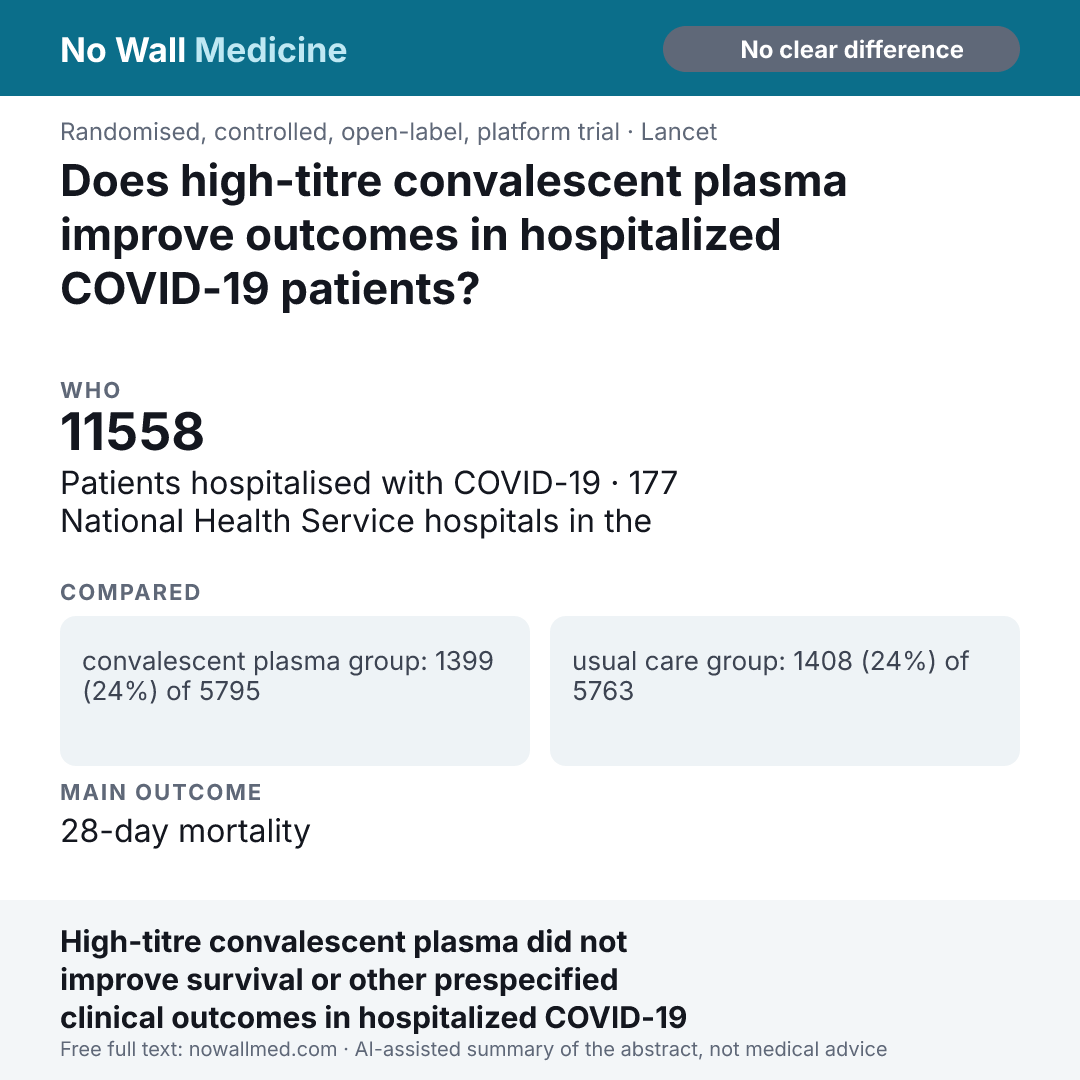
Convalescent plasma in patients admitted to hospital with COVID-19 (RECOVERY): a randomised controlled, open-label, platform trial
Randomised, controlled, open-label, platform trialNo clear difference
Does high-titre convalescent plasma improve outcomes in hospitalized COVID-19 patients?
Who
11558
Patients hospitalised with COVID-19 · 177 National Health Service hospitals in the United Kingdom
Compared
convalescent plasma group: 1399 (24%) of 5795
usual care group: 1408 (24%) of 5763
Main outcome
28-day mortality
Result: rate ratio 1·00, 95% CI 0·93-1·07
Bottom line: High-titre convalescent plasma did not improve survival or other prespecified clinical outcomes in hospitalized COVID-19 patients.
Funded by: UK Research and Innovation and National Institute of Health Research
Lancet · 2021-05-14 · Save PNG
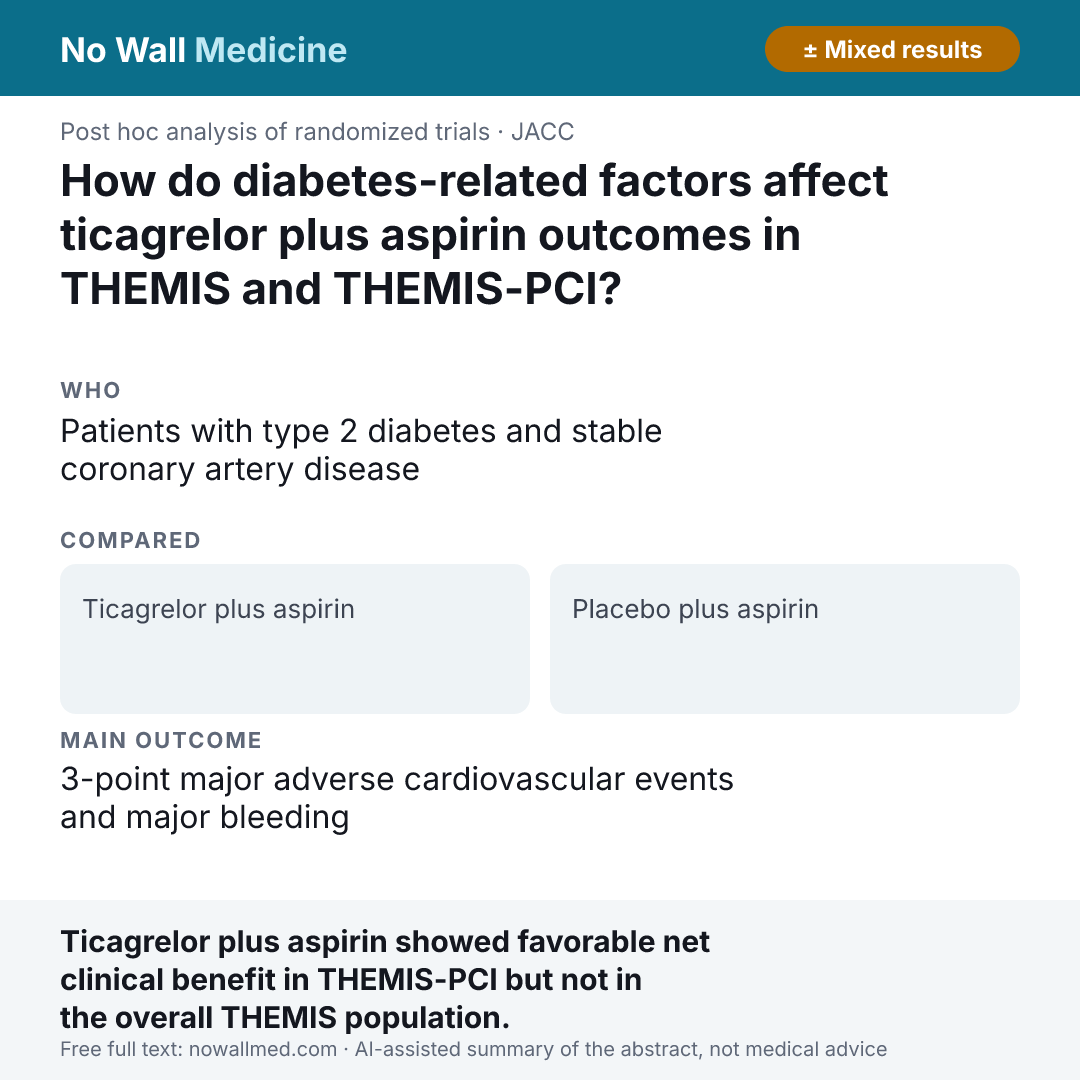
Diabetes-Related Factors and the Effects of Ticagrelor Plus Aspirin in the THEMIS and THEMIS-PCI Trials
Post hoc analysis of randomized trialsMixed results
How do diabetes-related factors affect ticagrelor plus aspirin outcomes in THEMIS and THEMIS-PCI?
Who
Patients with type 2 diabetes and stable coronary artery disease
Compared
Ticagrelor plus aspirin
Placebo plus aspirin
Main outcome
3-point major adverse cardiovascular events and major bleeding
Result: hazard ratio 0.90 (p = 0.04)
Bottom line: Ticagrelor plus aspirin showed favorable net clinical benefit in THEMIS-PCI but not in the overall THEMIS population.
JACC · 2021-05-14 · Save PNG
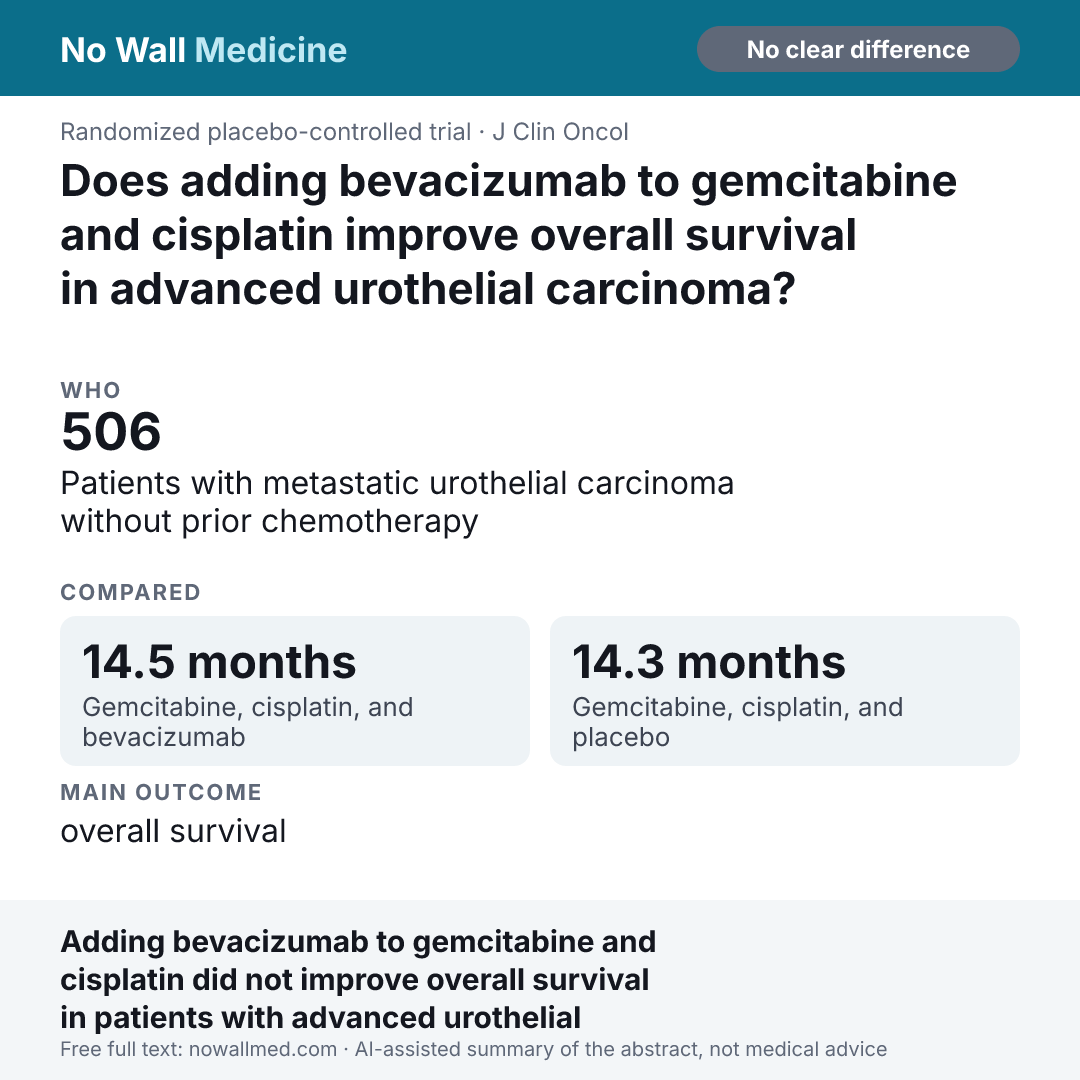
Randomized Phase III Trial of Gemcitabine and Cisplatin With Bevacizumab or Placebo in Patients With Advanced Urothelial Carcinoma: Results of CALGB 90601 (Alliance)
Randomized placebo-controlled trialNo clear difference
Does adding bevacizumab to gemcitabine and cisplatin improve overall survival in advanced urothelial carcinoma?
Who
506
Patients with metastatic urothelial carcinoma without prior chemotherapy
Compared
14.5 monthsGemcitabine, cisplatin, and bevacizumab
14.3 monthsGemcitabine, cisplatin, and placebo
Main outcome
overall survival
Result: hazard ratio for death 0.87 (95% CI 0.72 to 1.05)
Bottom line: Adding bevacizumab to gemcitabine and cisplatin did not improve overall survival in patients with advanced urothelial carcinoma.
J Clin Oncol · 2021-05-14 · Save PNG
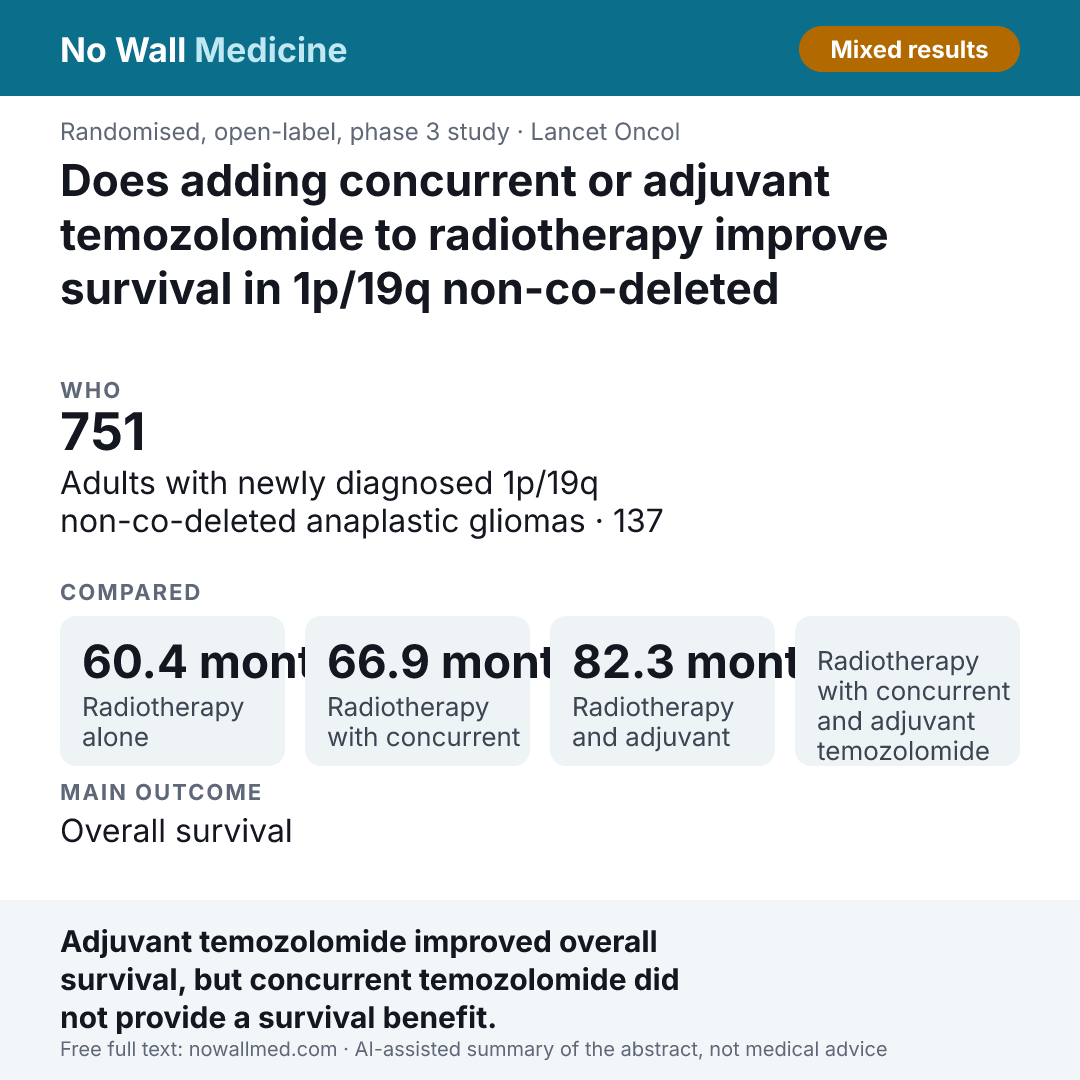
Adjuvant and concurrent temozolomide for 1p/19q non-co-deleted anaplastic glioma (CATNON; EORTC study 26053-22054): second interim analysis of a randomised, open-label, phase 3 study
Randomised, open-label, phase 3 studyMixed results
Does adding concurrent or adjuvant temozolomide to radiotherapy improve survival in 1p/19q non-co-deleted anaplastic glioma?
Who
751
Adults with newly diagnosed 1p/19q non-co-deleted anaplastic gliomas · 137 institutions across Australia, Europe, and North America
Compared
60.4 monthsRadiotherapy alone
66.9 monthsRadiotherapy with concurrent temozolomide
82.3 monthsRadiotherapy and adjuvant temozolomide
Radiotherapy with concurrent and adjuvant temozolomide
Main outcome
Overall survival
Result: hazard ratio 0.64 (95% CI 0.52 to 0.79) for adjuvant temozolomide
Bottom line: Adjuvant temozolomide improved overall survival, but concurrent temozolomide did not provide a survival benefit.
Funded by: Merck Sharpe & Dohme
Lancet Oncol · 2021-05-14 · Save PNG
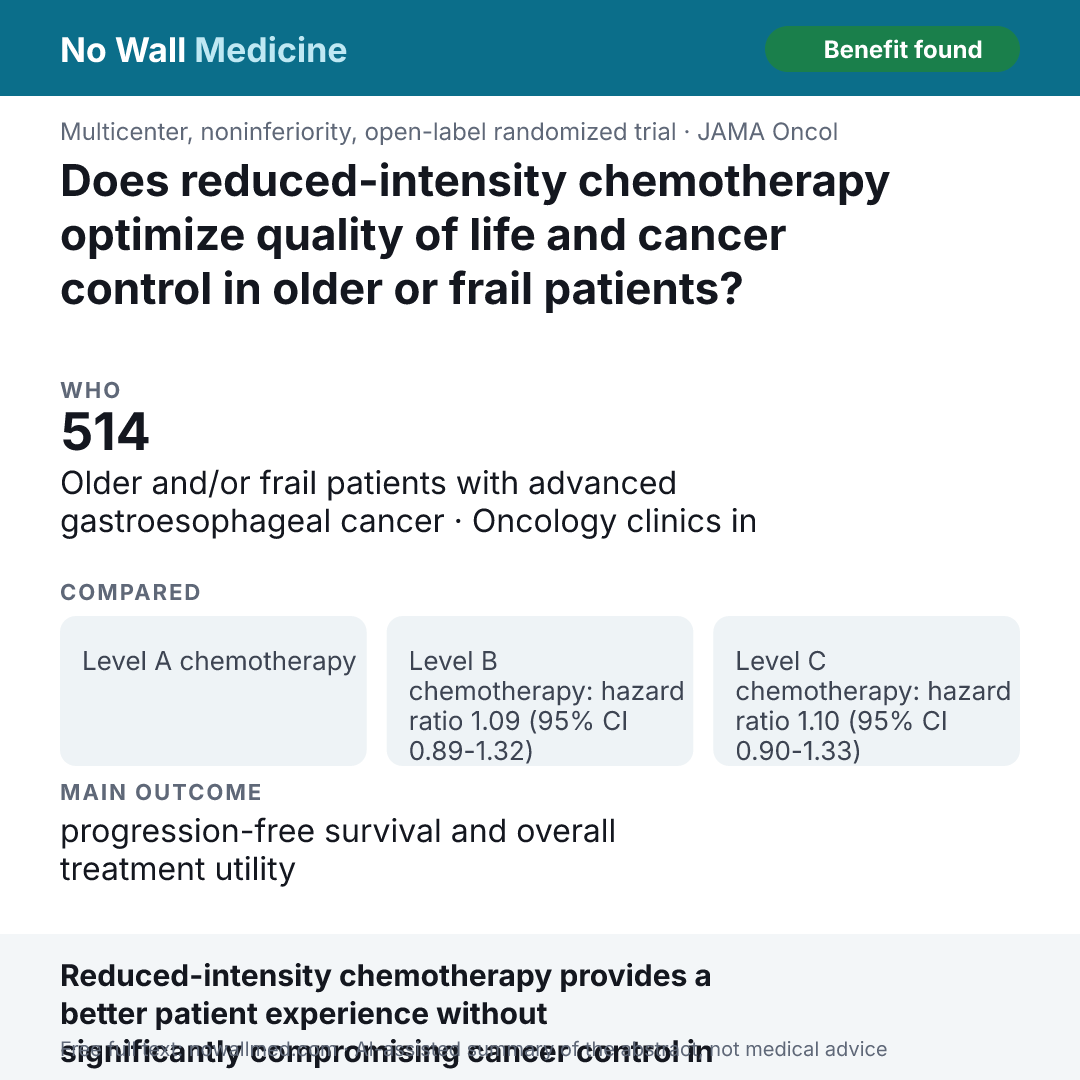
Efficacy of Reduced-Intensity Chemotherapy With Oxaliplatin and Capecitabine on Quality of Life and Cancer Control Among Older and Frail Patients With Advanced Gastroesophageal Cancer: The GO2 Phase 3 Randomized Clinical Trial
Multicenter, noninferiority, open-label randomized trialBenefit found
Does reduced-intensity chemotherapy optimize quality of life and cancer control in older or frail patients?
Who
514
Older and/or frail patients with advanced gastroesophageal cancer · Oncology clinics in the United Kingdom
Compared
Level A chemotherapy
Level B chemotherapy: hazard ratio 1.09 (95% CI 0.89-1.32)
Level C chemotherapy: hazard ratio 1.10 (95% CI 0.90-1.33)
Main outcome
progression-free survival and overall treatment utility
Result: hazard ratio 1.09 (95% CI 0.89-1.32) for Level B vs A
Bottom line: Reduced-intensity chemotherapy provides a better patient experience without significantly compromising cancer control in older or frail patients.
JAMA Oncol · 2021-05-14 · Save PNG
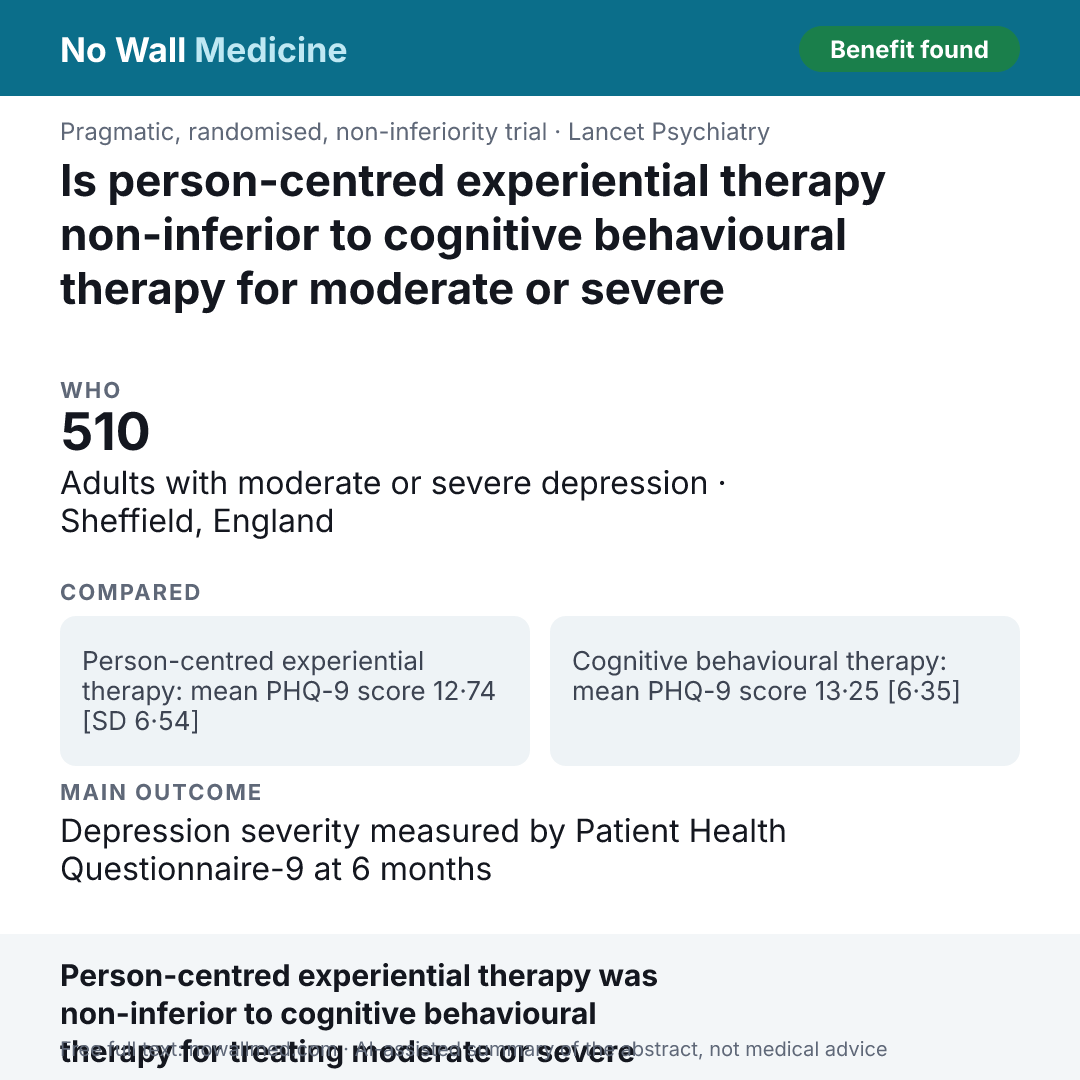
Person-centred experiential therapy versus cognitive behavioural therapy delivered in the English Improving Access to Psychological Therapies service for the treatment of moderate or severe depression (PRaCTICED): a pragmatic, randomised, non-inferiority trial
Pragmatic, randomised, non-inferiority trialBenefit found
Is person-centred experiential therapy non-inferior to cognitive behavioural therapy for moderate or severe depression?
Who
510
Adults with moderate or severe depression · Sheffield, England
Compared
Person-centred experiential therapy: mean PHQ-9 score 12·74 [SD 6·54]
Cognitive behavioural therapy: mean PHQ-9 score 13·25 [6·35]
Main outcome
Depression severity measured by Patient Health Questionnaire-9 at 6 months
Result: adjusted mean difference -0·35 (95% CI -1·53 to 0·84)
Bottom line: Person-centred experiential therapy was non-inferior to cognitive behavioural therapy for treating moderate or severe depression at 6 months.
Lancet Psychiatry · 2021-05-14 · Save PNG
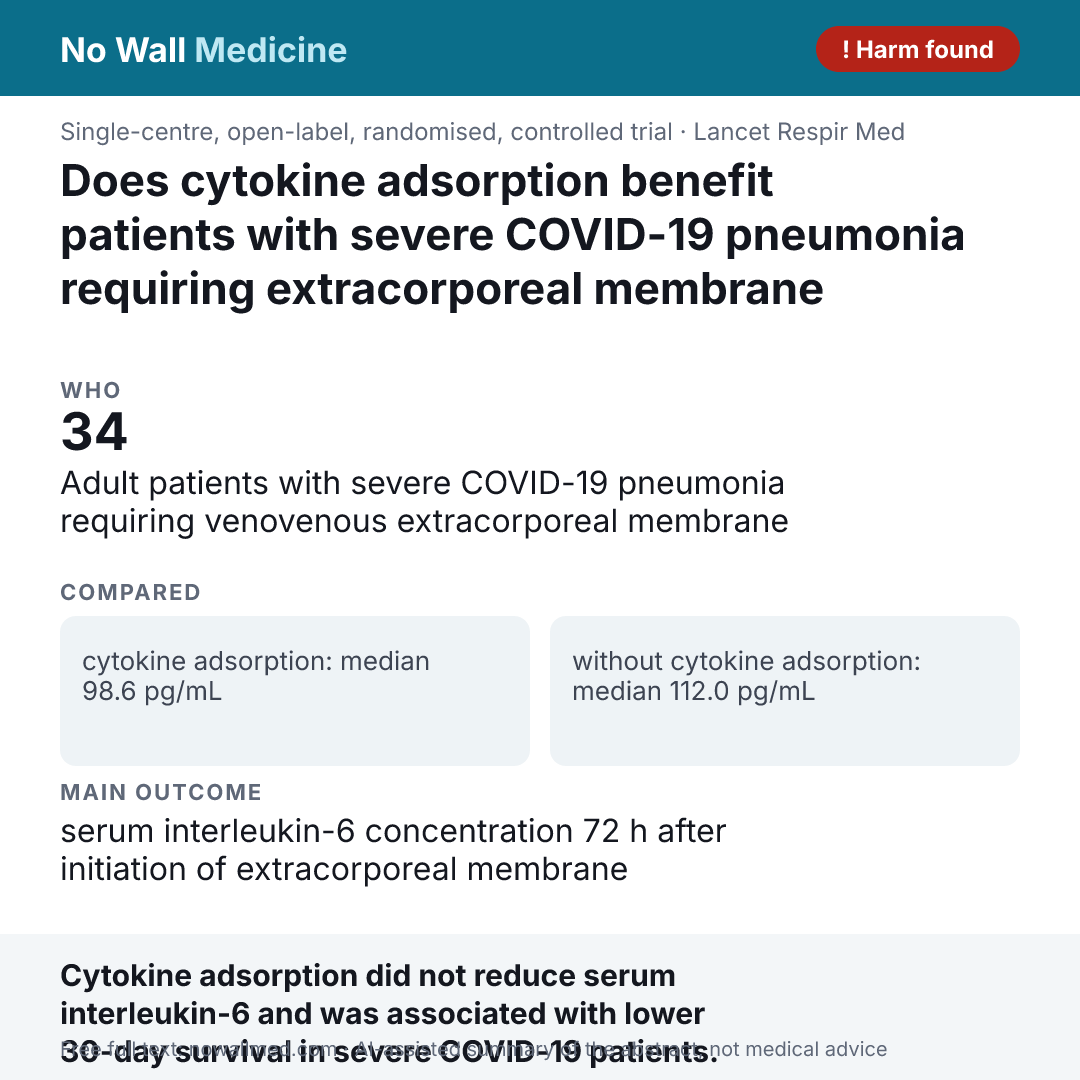
Cytokine adsorption in patients with severe COVID-19 pneumonia requiring extracorporeal membrane oxygenation (CYCOV): a single centre, open-label, randomised, controlled trial
Single-centre, open-label, randomised, controlled trialHarm found
Does cytokine adsorption benefit patients with severe COVID-19 pneumonia requiring extracorporeal membrane oxygenation?
Who
34
Adult patients with severe COVID-19 pneumonia requiring venovenous extracorporeal membrane oxygenation · Freiburg University Medical Center, Germany
Compared
cytokine adsorption: median 98.6 pg/mL
without cytokine adsorption: median 112.0 pg/mL
Main outcome
serum interleukin-6 concentration 72 h after initiation of extracorporeal membrane oxygenation
Result: adjusted mean log interleukin-6 concentrations 0.30 higher (95% CI -0.70 to 1.30)
Bottom line: Cytokine adsorption did not reduce serum interleukin-6 and was associated with lower 30-day survival in severe COVID-19 patients.
Lancet Respir Med · 2021-05-14 · Save PNG
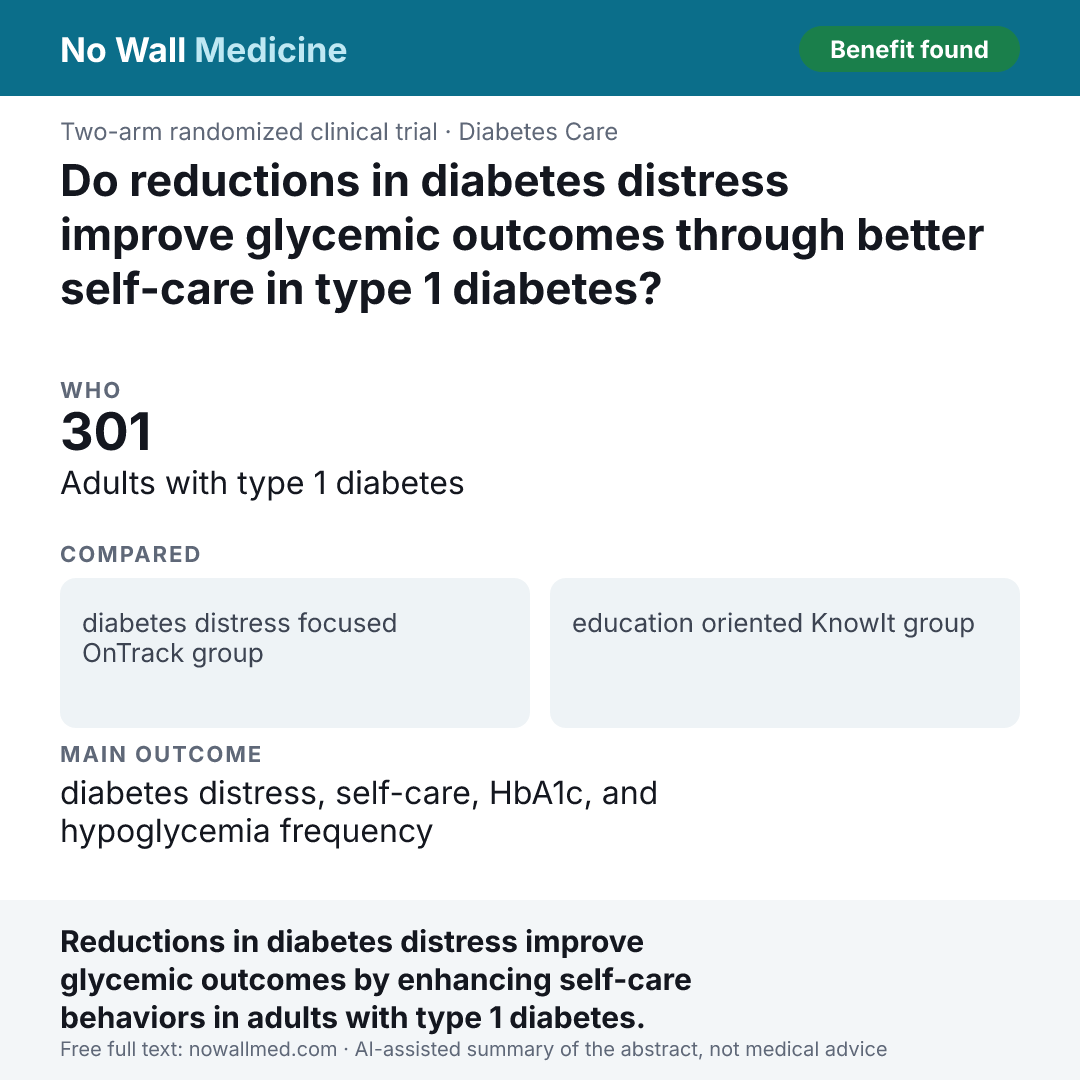
Reductions in Management Distress Following a Randomized Distress Intervention Are Associated With Improved Diabetes Behavioral and Glycemic Outcomes Over Time
Two-arm randomized clinical trialBenefit found
Do reductions in diabetes distress improve glycemic outcomes through better self-care in type 1 diabetes?
Who
301
Adults with type 1 diabetes
Compared
diabetes distress focused OnTrack group
education oriented KnowIt group
Main outcome
diabetes distress, self-care, HbA1c, and hypoglycemia frequency
Bottom line: Reductions in diabetes distress improve glycemic outcomes by enhancing self-care behaviors in adults with type 1 diabetes.
Diabetes Care · 2021-05-14 · Save PNG
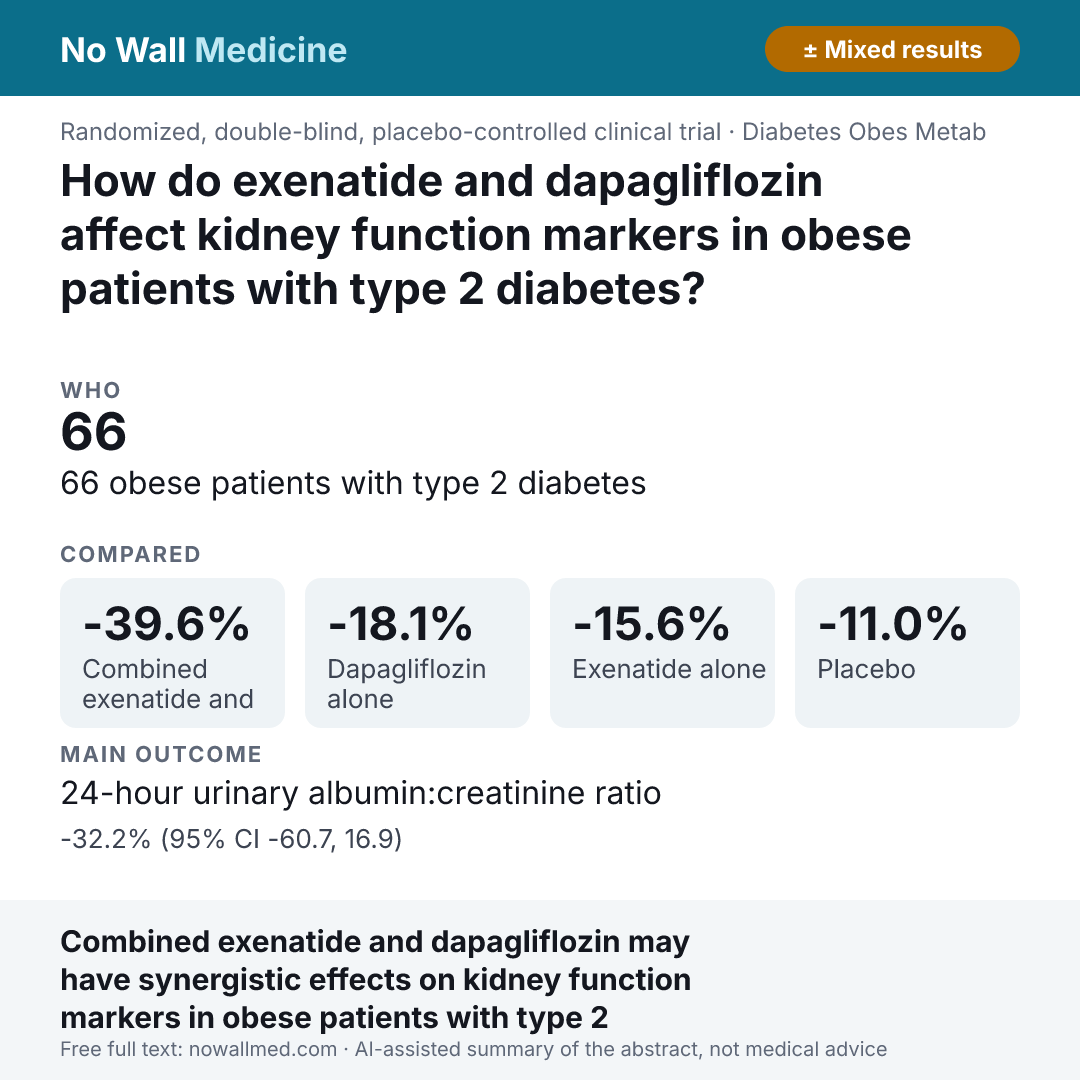
Effect of exenatide twice daily and dapagliflozin, alone and in combination, on markers of kidney function in obese patients with type 2 diabetes: A prespecified secondary analysis of a randomized controlled clinical trial
Randomized, double-blind, placebo-controlled clinical trialMixed results
How do exenatide and dapagliflozin affect kidney function markers in obese patients with type 2 diabetes?
Who
66
66 obese patients with type 2 diabetes
Compared
-39.6%Combined exenatide and dapagliflozin (95% CI -58.6, -11.9)
-18.1%Dapagliflozin alone (95% CI -43.1, 18.0)
-15.6%Exenatide alone (95% CI -41.4, 21.6)
-11.0%Placebo (95% CI -39.8, 31.5)
Main outcome
24-hour urinary albumin:creatinine ratio
Result: -32.2% (95% CI -60.7, 16.9)
Bottom line: Combined exenatide and dapagliflozin may have synergistic effects on kidney function markers in obese patients with type 2 diabetes.
Diabetes Obes Metab · 2021-05-14 · Save PNG
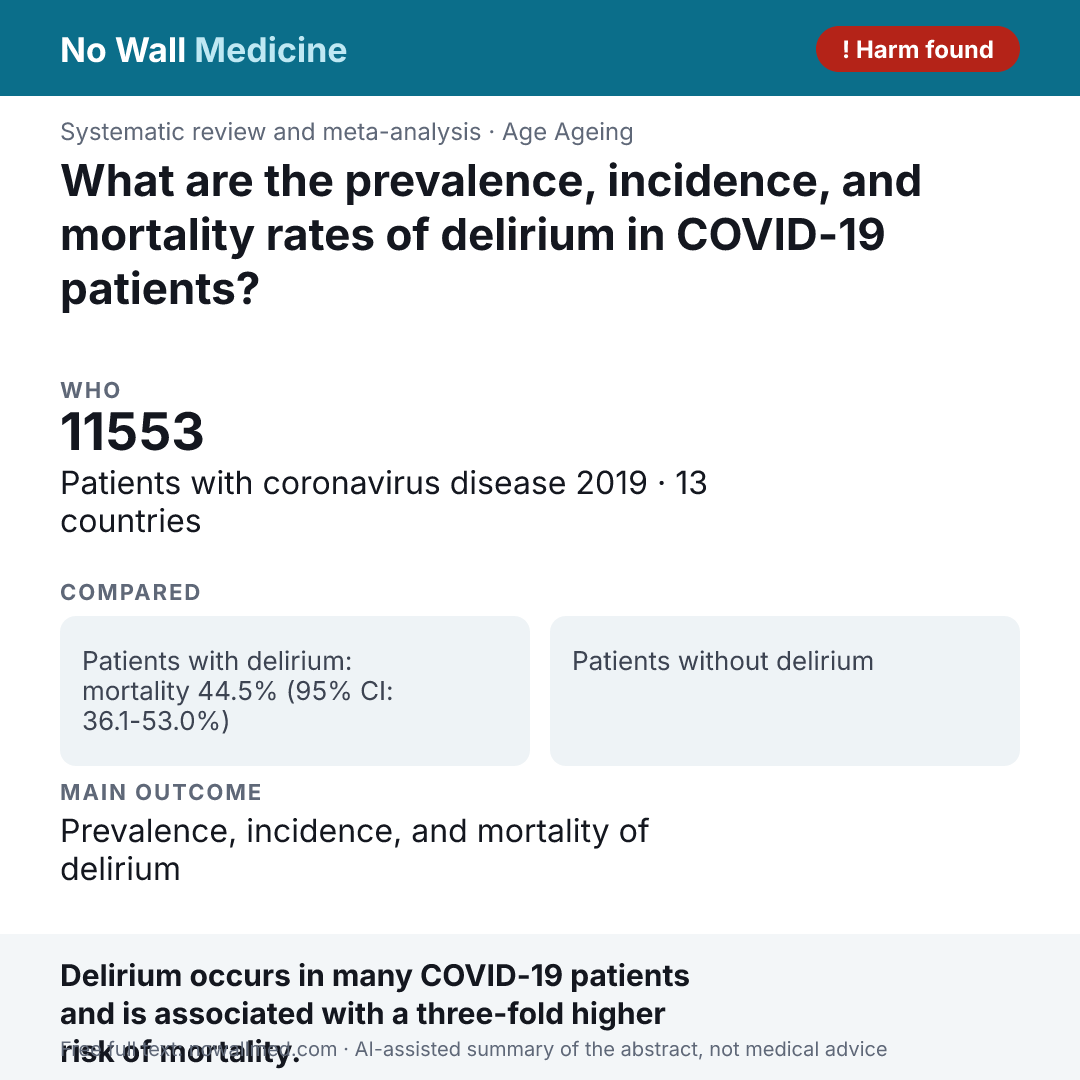
Prevalence, incidence and mortality of delirium in patients with COVID-19: a systematic review and meta-analysis
Systematic review and meta-analysisHarm found
What are the prevalence, incidence, and mortality rates of delirium in COVID-19 patients?
Who
11553
Patients with coronavirus disease 2019 · 13 countries
Compared
Patients with delirium: mortality 44.5% (95% CI: 36.1-53.0%)
Patients without delirium
Main outcome
Prevalence, incidence, and mortality of delirium
Result: odds ratio 3.2 (95% CI 2.1-4.8)
Bottom line: Delirium occurs in many COVID-19 patients and is associated with a three-fold higher risk of mortality.
Age Ageing · 2021-05-14 · Save PNG