Visual abstracts
New randomized trials and meta-analyses from leading journals at a glance: who was studied, what was compared, and what was found. Every paper is free to read in full.
All specialtiesCardiology 4800Oncology 4084Gastroenterology & Hepatology 1917Infectious Disease 3789Neurology 1886Psychiatry & Mental Health 2240Pulmonology 2061Critical Care 1335Endocrinology & Diabetes 2553Pediatrics 2914Surgery 2500Orthopedics & Sports Medicine 923Neurosurgery 532Cardiothoracic & Vascular Surgery 665Plastic & Reconstructive Surgery 585Nephrology 1115Rheumatology 815Hematology 1099Dermatology 619Ophthalmology 539Obstetrics & Gynecology 1661Public & Global Health 1044Radiology & Imaging 637Anesthesiology 959Urology 751ENT (Otolaryngology) 497Emergency Medicine 484Allergy & Immunology 310Geriatrics 974Family Medicine & Primary Care 538Medical Genetics & Genomics 662Pathology & Laboratory Medicine 156Physical Medicine & Rehabilitation 746Palliative Care 422Nutrition 1566Digital Health & AI 2191General Medicine 319
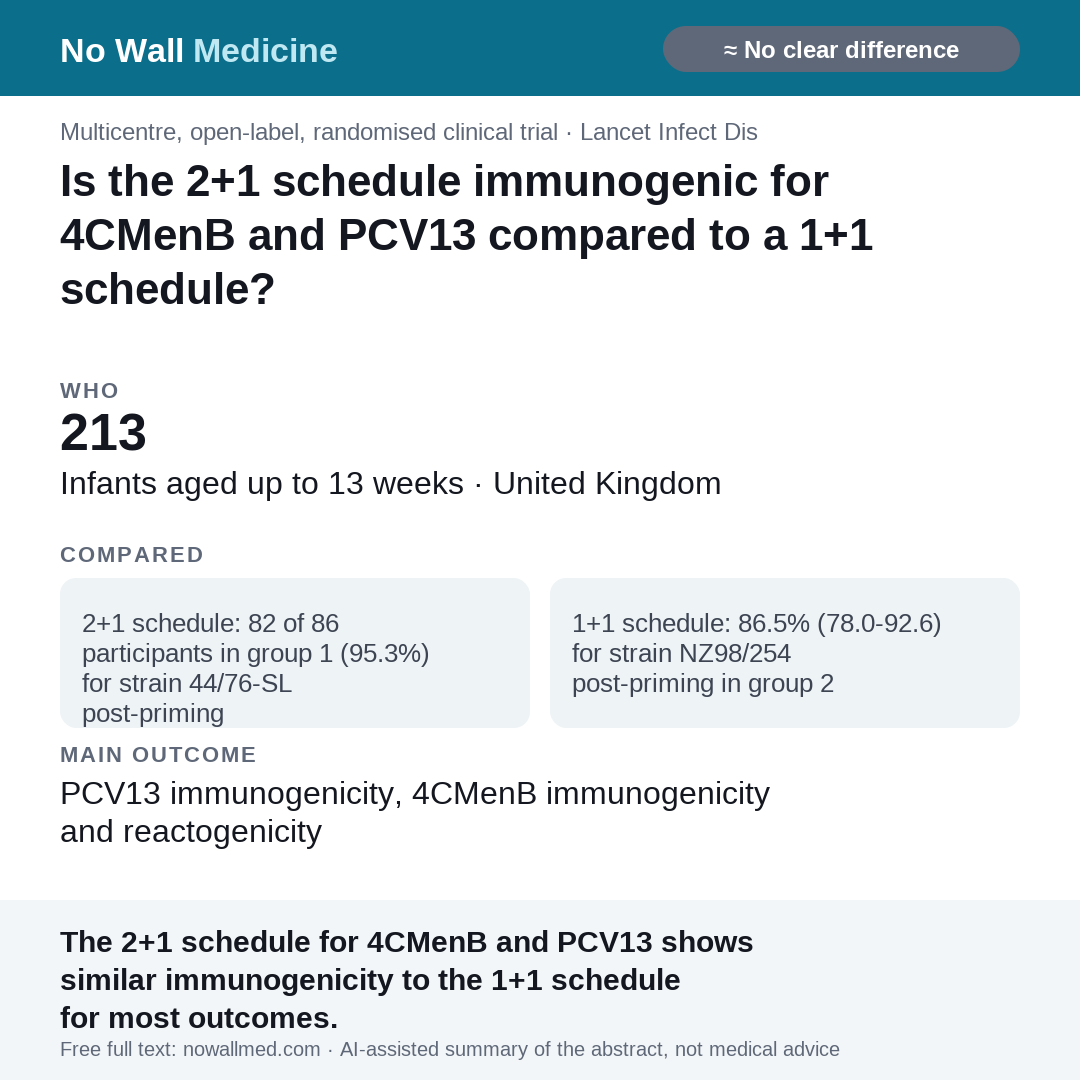
Immunogenicity of the UK group B meningococcal vaccine (4CMenB) schedule against groups B and C meningococcal strains (Sched3): outcomes of a multicentre, open-label, randomised controlled trial
Multicentre, open-label, randomised clinical trialNo clear difference
Is the 2+1 schedule immunogenic for 4CMenB and PCV13 compared to a 1+1 schedule?
Who
213
Infants aged up to 13 weeks · United Kingdom
Compared
2+1 schedule: 82 of 86 participants in group 1 (95.3%) for strain 44/76-SL post-priming
1+1 schedule: 86.5% (78.0-92.6) for strain NZ98/254 post-priming in group 2
Main outcome
PCV13 immunogenicity, 4CMenB immunogenicity and reactogenicity
Bottom line: The 2+1 schedule for 4CMenB and PCV13 shows similar immunogenicity to the 1+1 schedule for most outcomes.
Limitation: A suboptimal boost response for bactericidal antibodies against vaccine antigen fHbp was observed.
Lancet Infect Dis · 2021-01-08Download image
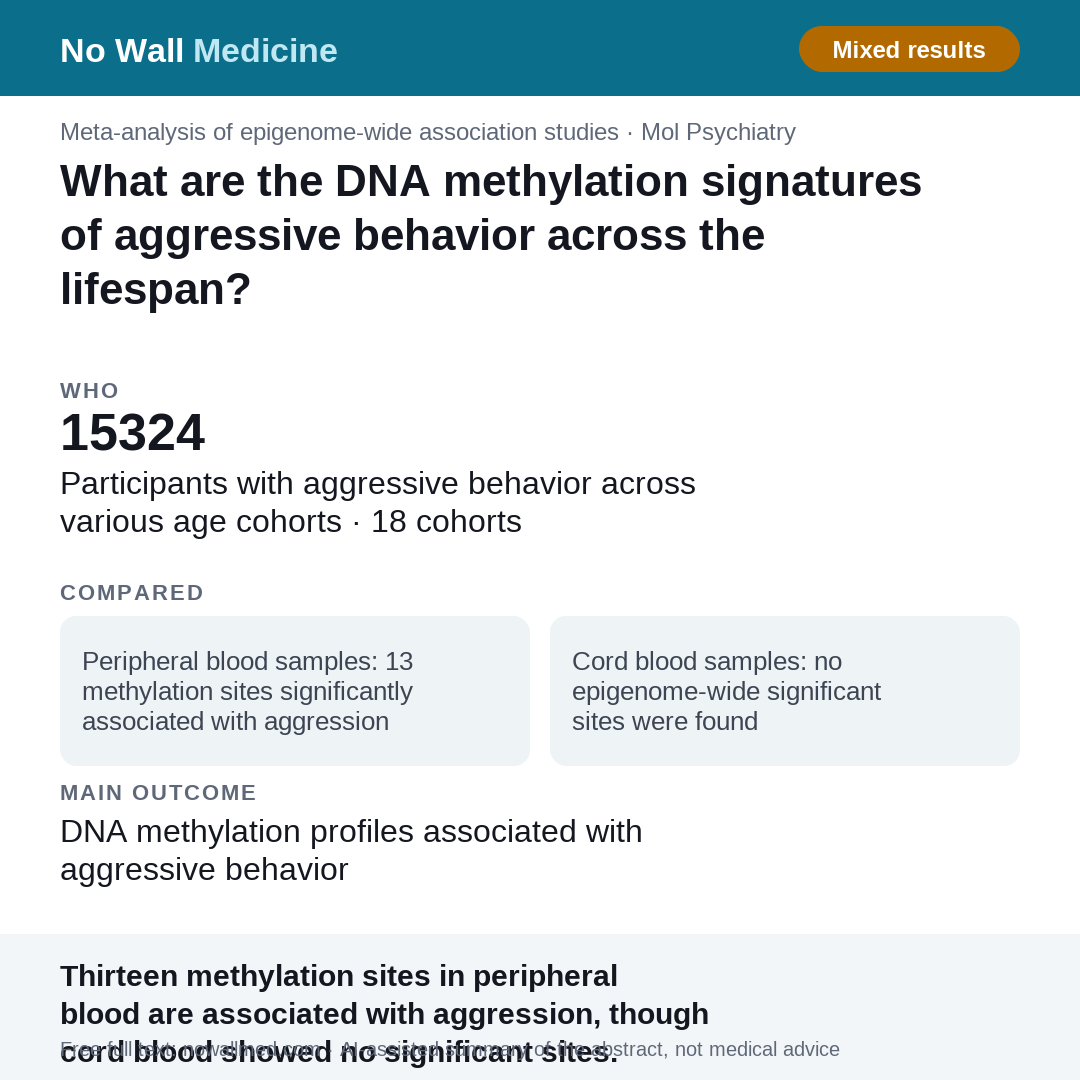
DNA methylation signatures of aggression and closely related constructs: A meta-analysis of epigenome-wide studies across the lifespan
Meta-analysis of epigenome-wide association studiesMixed results
What are the DNA methylation signatures of aggressive behavior across the lifespan?
Who
15324
Participants with aggressive behavior across various age cohorts · 18 cohorts
Compared
Peripheral blood samples: 13 methylation sites significantly associated with aggression
Cord blood samples: no epigenome-wide significant sites were found
Main outcome
DNA methylation profiles associated with aggressive behavior
Bottom line: Thirteen methylation sites in peripheral blood are associated with aggression, though cord blood showed no significant sites.
Mol Psychiatry · 2021-01-08Download image
The contribution of provitamin A biofortified cassava to vitamin A intake in Nigerian pre-schoolchildren
Randomized controlled trialBenefit found
Does biofortified yellow cassava increase vitamin A intake in Nigerian pre-schoolchildren?
Who
176
Pre-school Nigerian children · Nigeria
Compared
Yellow cassava: median 536 µg/d
White cassava: median 301 µg/d
Main outcome
Total retinol activity equivalent intake
Result: Exp(β) = 0·63; 95 % CI 0·56, 0·72
Bottom line: Yellow cassava increased total retinol activity equivalent intake and showed lower inadequacy compared to white cassava.
Br J Nutr · 2021-01-08Download image

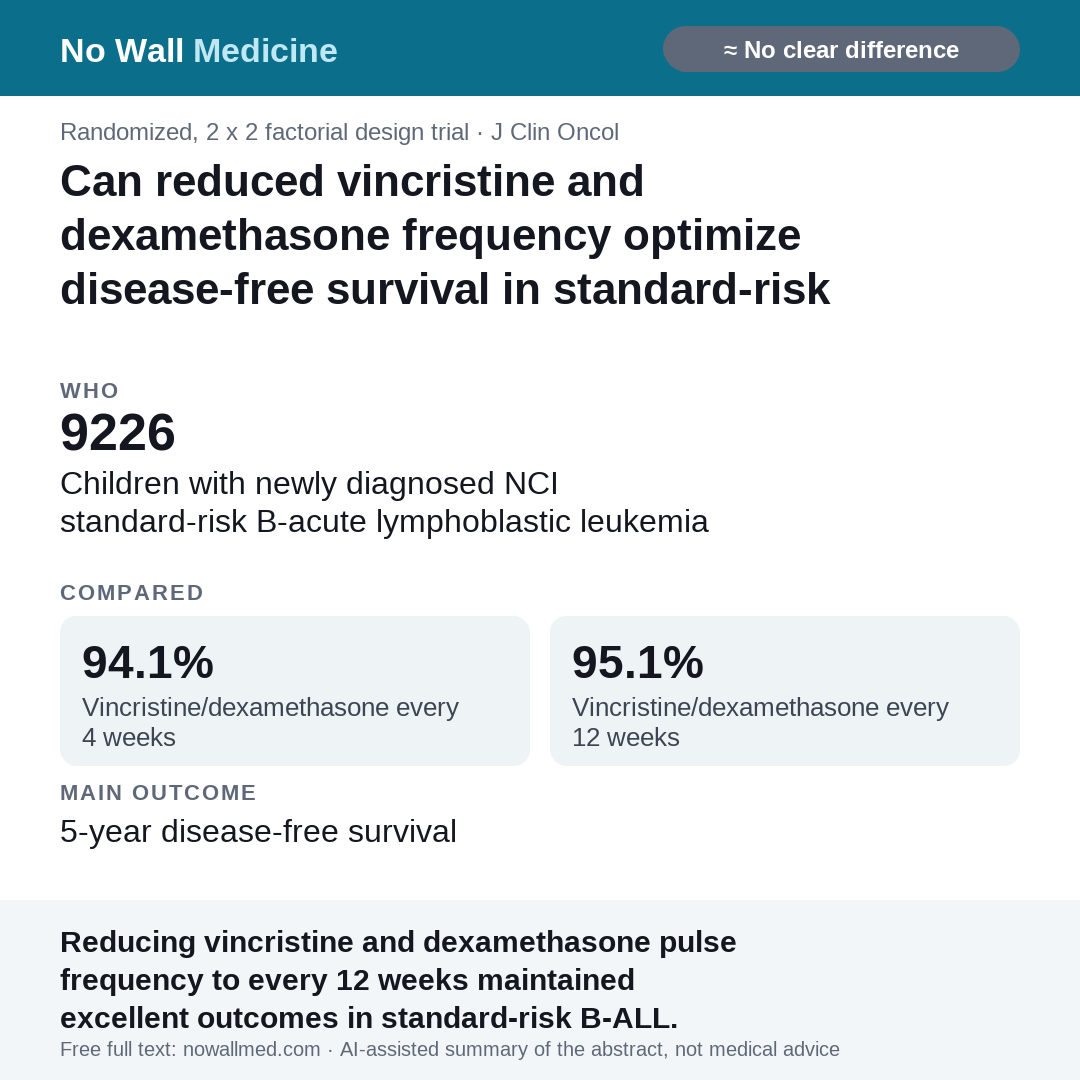
Excellent Outcomes With Reduced Frequency of Vincristine and Dexamethasone Pulses in Standard-Risk B-Lymphoblastic Leukemia: Results From Children's Oncology Group AALL0932
Randomized, 2 x 2 factorial design trialNo clear difference
Can reduced vincristine and dexamethasone frequency optimize disease-free survival in standard-risk B-ALL?
Who
9226
Children with newly diagnosed NCI standard-risk B-acute lymphoblastic leukemia
Compared
94.1%Vincristine/dexamethasone every 4 weeks (92.2% and 96.0%)
95.1%Vincristine/dexamethasone every 12 weeks (93.3% and 96.9%)
Main outcome
5-year disease-free survival
Bottom line: Reducing vincristine and dexamethasone pulse frequency to every 12 weeks maintained excellent outcomes in standard-risk B-ALL.
J Clin Oncol · 2021-01-07Download image
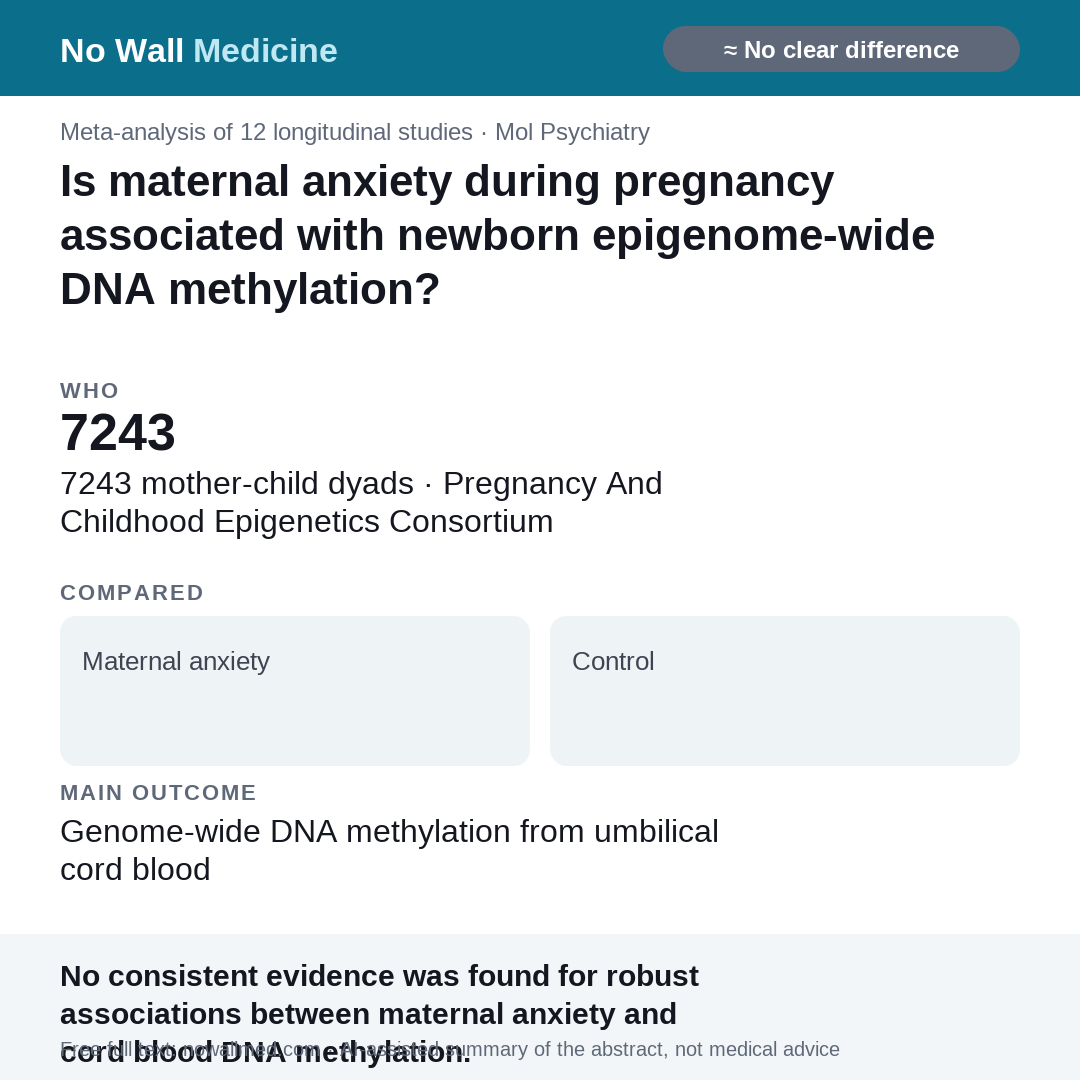
Maternal anxiety during pregnancy and newborn epigenome-wide DNA methylation
Meta-analysis of 12 longitudinal studiesNo clear difference
Is maternal anxiety during pregnancy associated with newborn epigenome-wide DNA methylation?
Who
7243
7243 mother-child dyads · Pregnancy And Childhood Epigenetics Consortium
Compared
Maternal anxiety
Control
Main outcome
Genome-wide DNA methylation from umbilical cord blood
Bottom line: No consistent evidence was found for robust associations between maternal anxiety and cord blood DNA methylation.
Mol Psychiatry · 2021-01-07Download image
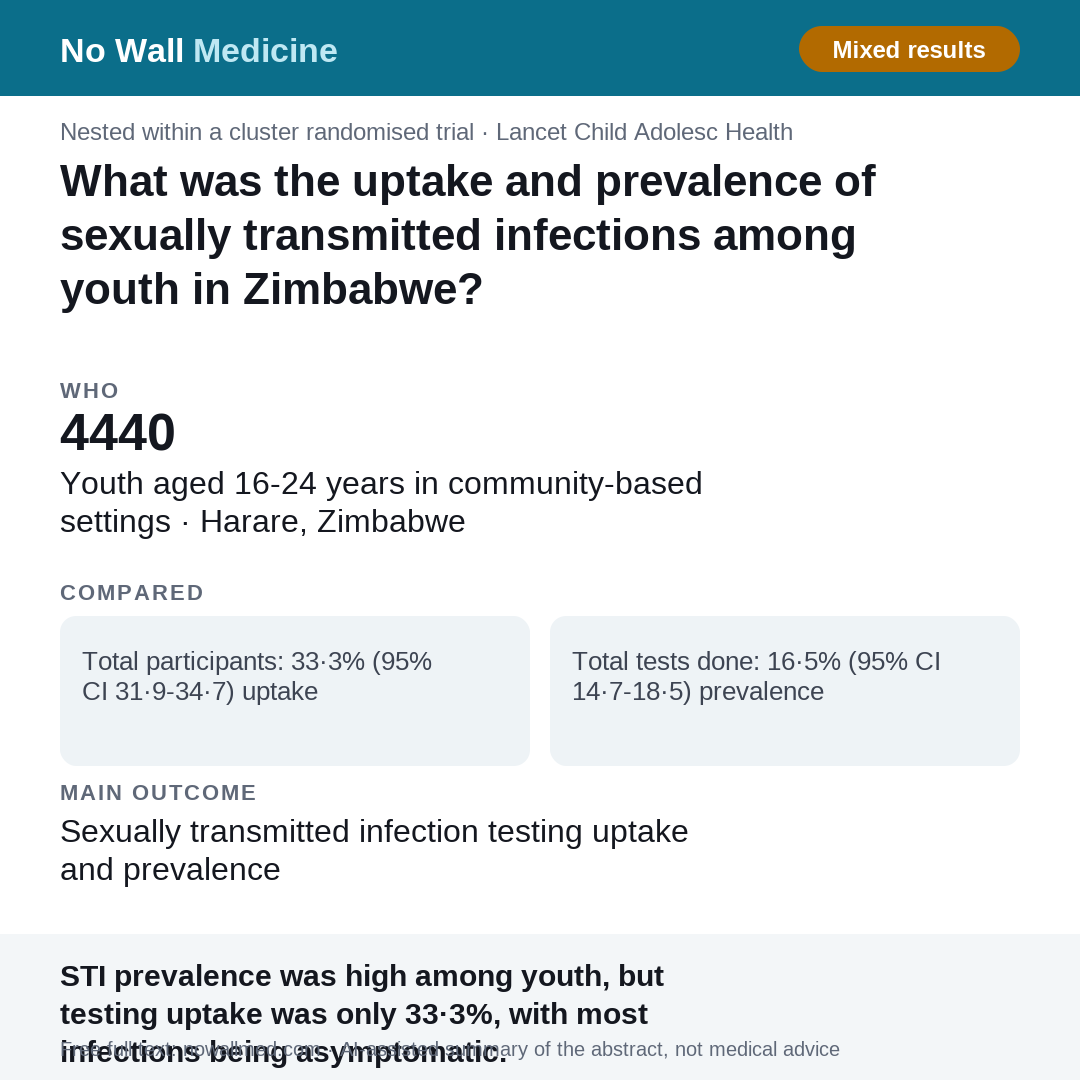
Uptake of and factors associated with testing for sexually transmitted infections in community-based settings among youth in Zimbabwe: a mixed-methods study
Nested within a cluster randomised trialMixed results
What was the uptake and prevalence of sexually transmitted infections among youth in Zimbabwe?
Who
4440
Youth aged 16-24 years in community-based settings · Harare, Zimbabwe
Compared
Total participants: 33·3% (95% CI 31·9-34·7) uptake
Total tests done: 16·5% (95% CI 14·7-18·5) prevalence
Main outcome
Sexually transmitted infection testing uptake and prevalence
Result: adjusted odds ratio 14·8 (95% CI 1·66-132·07) for symptoms
Bottom line: STI prevalence was high among youth, but testing uptake was only 33·3%, with most infections being asymptomatic.
Funded by: Wellcome Trust
Lancet Child Adolesc Health · 2021-01-06Download image
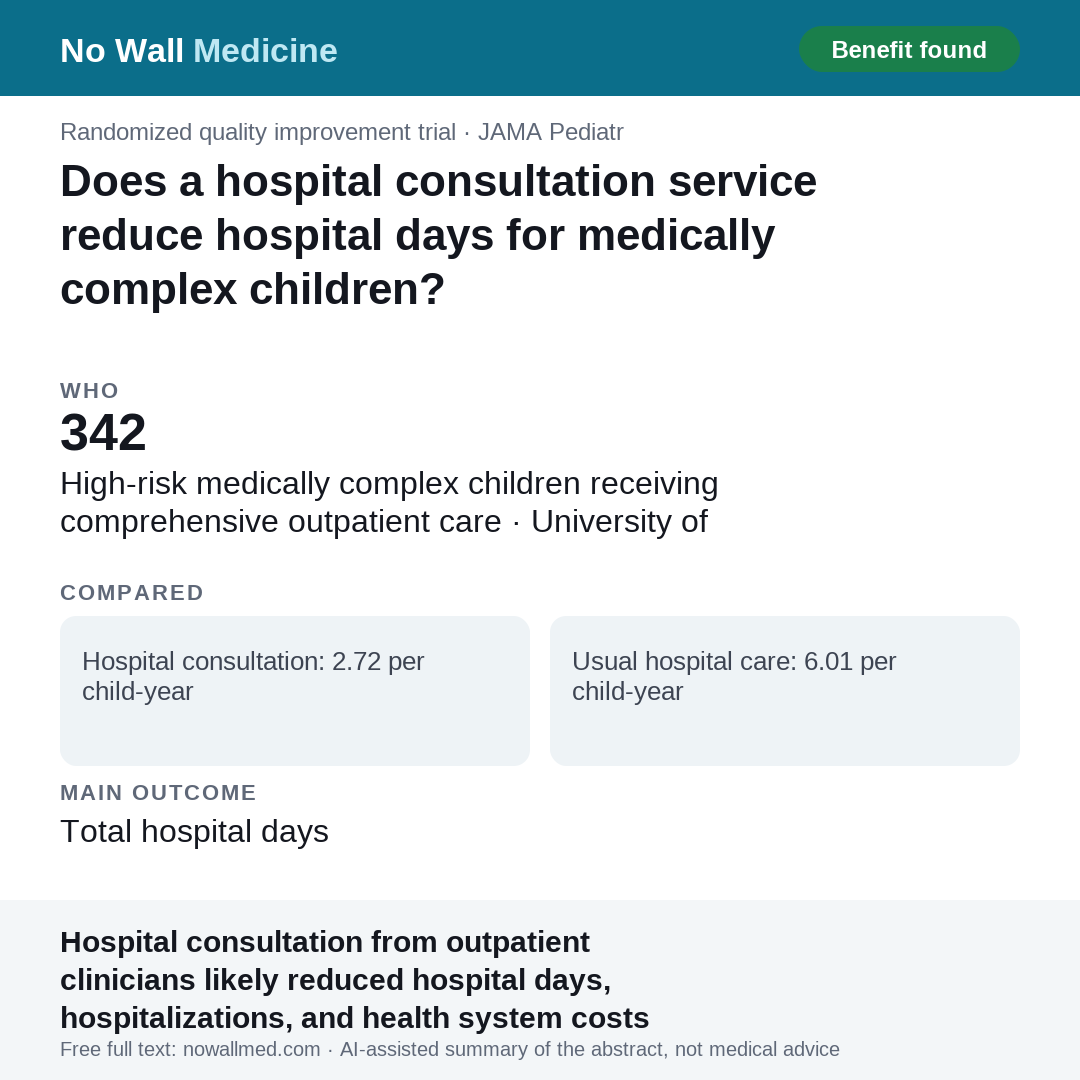
Hospital Consultation From Outpatient Clinicians for Medically Complex Children: A Randomized Clinical Trial
Randomized quality improvement trialBenefit found
Does a hospital consultation service reduce hospital days for medically complex children?
Who
342
High-risk medically complex children receiving comprehensive outpatient care · University of Texas Health Science Center at Houston
Compared
Hospital consultation: 2.72 per child-year
Usual hospital care: 6.01 per child-year
Main outcome
Total hospital days
Result: rate ratio 0.61 (95% credible interval 0.30 to 1.26)
Bottom line: Hospital consultation from outpatient clinicians likely reduced hospital days, hospitalizations, and health system costs for medically complex children.
JAMA Pediatr · 2021-01-04Download image
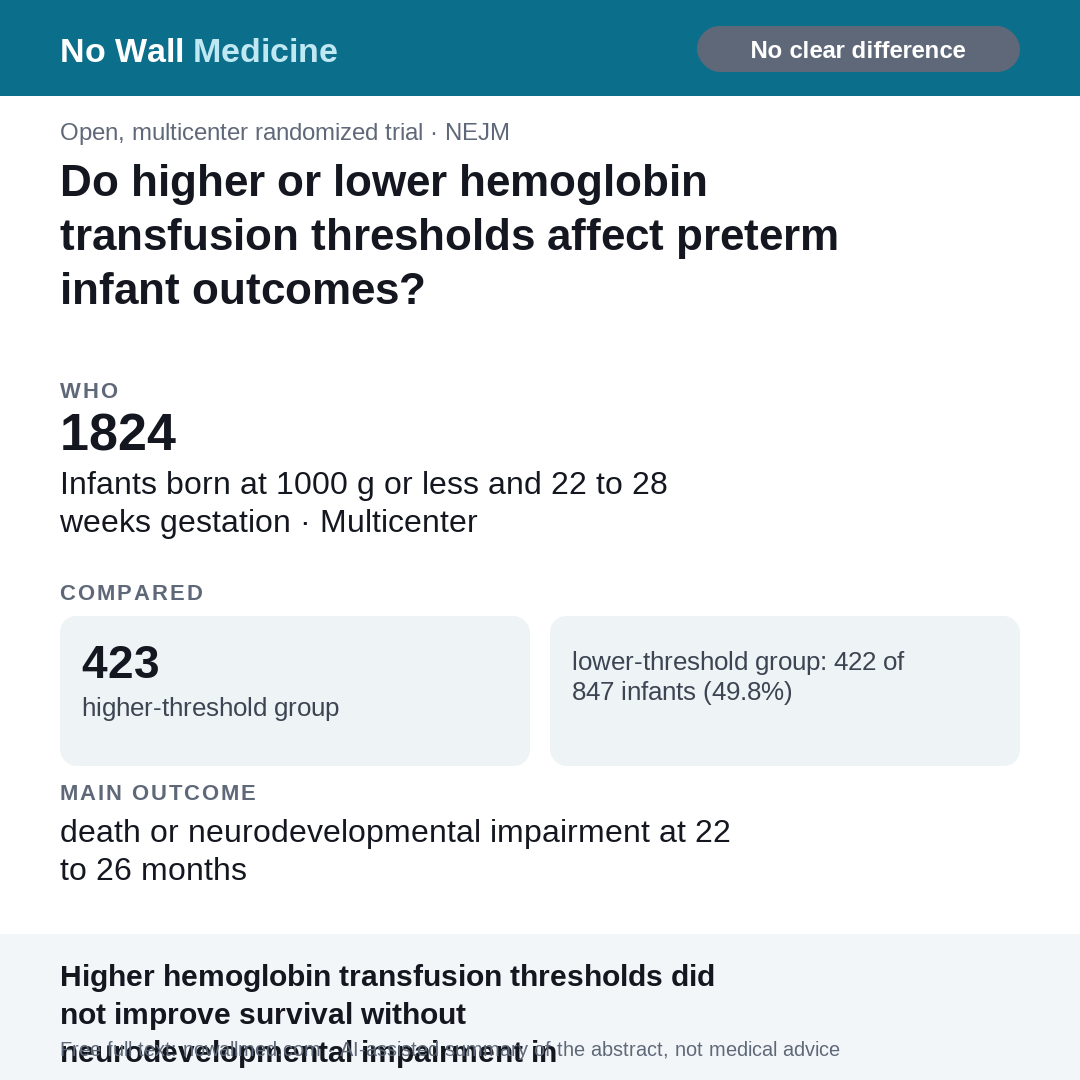
Higher or Lower Hemoglobin Transfusion Thresholds for Preterm Infants
Open, multicenter randomized trialNo clear difference
Do higher or lower hemoglobin transfusion thresholds affect preterm infant outcomes?
Who
1824
Infants born at 1000 g or less and 22 to 28 weeks gestation · Multicenter
Compared
423higher-threshold group (50.1%)
lower-threshold group: 422 of 847 infants (49.8%)
Main outcome
death or neurodevelopmental impairment at 22 to 26 months
Result: relative risk 1.00 (95% CI 0.92 to 1.10)
Bottom line: Higher hemoglobin transfusion thresholds did not improve survival without neurodevelopmental impairment in extremely-low-birth-weight infants.
Funded by: National Heart, Lung, and Blood Institute and others
NEJM · 2020-12-31Download image
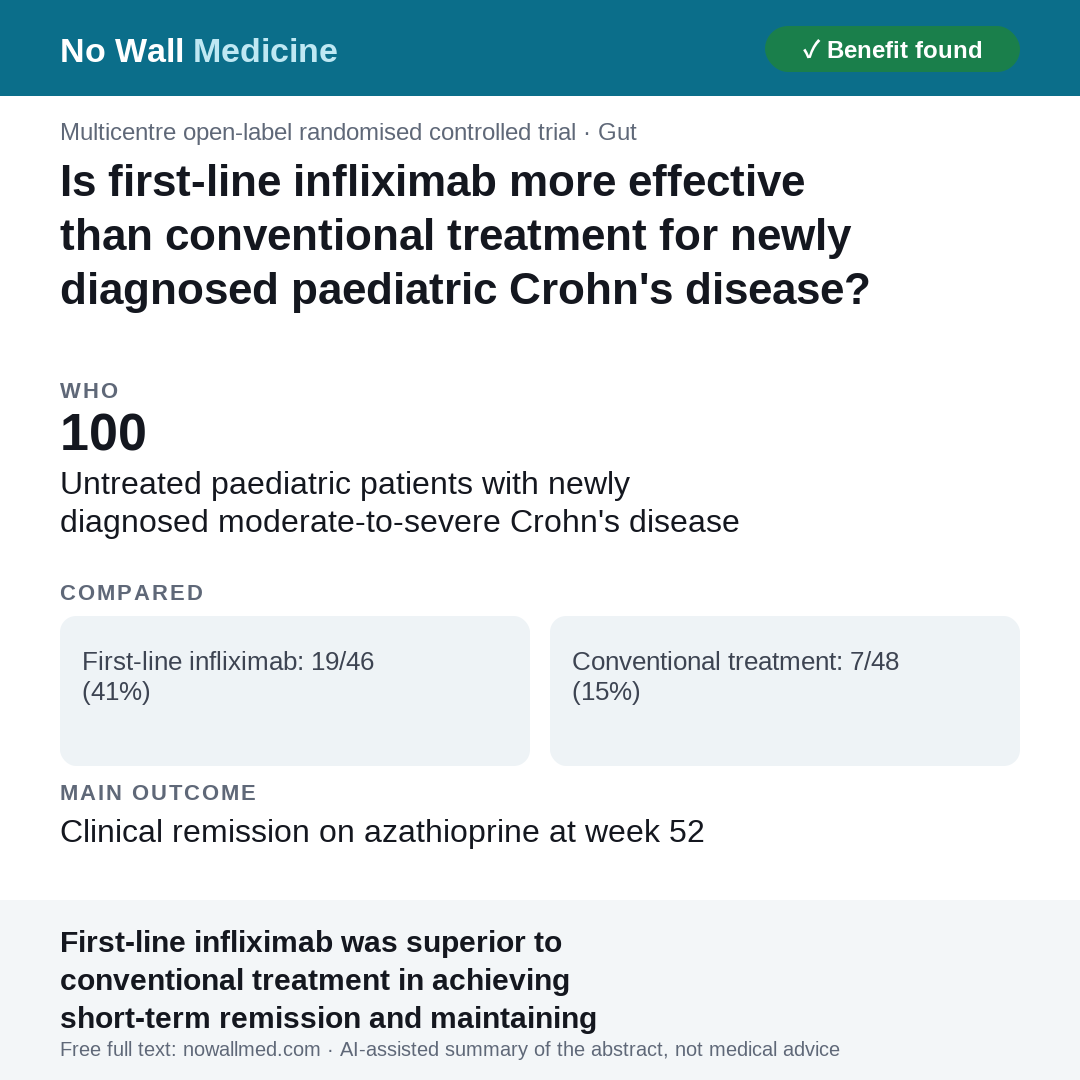
First-line treatment with infliximab versus conventional treatment in children with newly diagnosed moderate-to-severe Crohn's disease: an open-label multicentre randomised controlled trial
Multicentre open-label randomised controlled trialBenefit found
Is first-line infliximab more effective than conventional treatment for newly diagnosed paediatric Crohn's disease?
Who
100
Untreated paediatric patients with newly diagnosed moderate-to-severe Crohn's disease
Compared
First-line infliximab: 19/46 (41%)
Conventional treatment: 7/48 (15%)
Main outcome
Clinical remission on azathioprine at week 52
Bottom line: First-line infliximab was superior to conventional treatment in achieving short-term remission and maintaining remission on azathioprine monotherapy.
Gut · 2020-12-31Download image
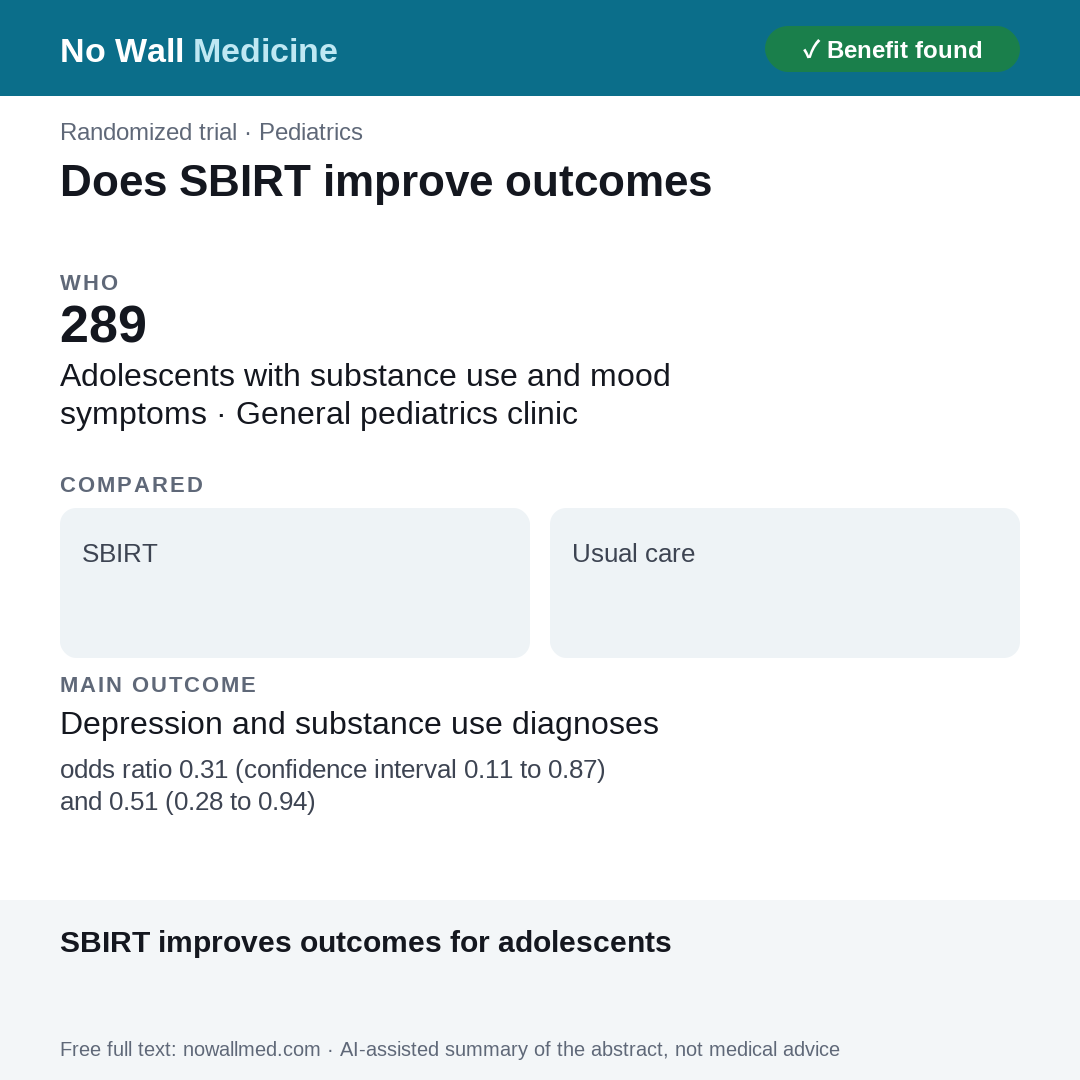
Three-Year Outcomes After Brief Treatment of Substance Use and Mood Symptoms
Randomized trialBenefit found
Does SBIRT improve outcomes
Who
289
Adolescents with substance use and mood symptoms · General pediatrics clinic
Compared
SBIRT
Usual care
Main outcome
Depression and substance use diagnoses
Result: odds ratio 0.31 (confidence interval 0.11 to 0.87) and 0.51 (0.28 to 0.94)
Bottom line: SBIRT improves outcomes for adolescents
Pediatrics · 2020-12-30Download image
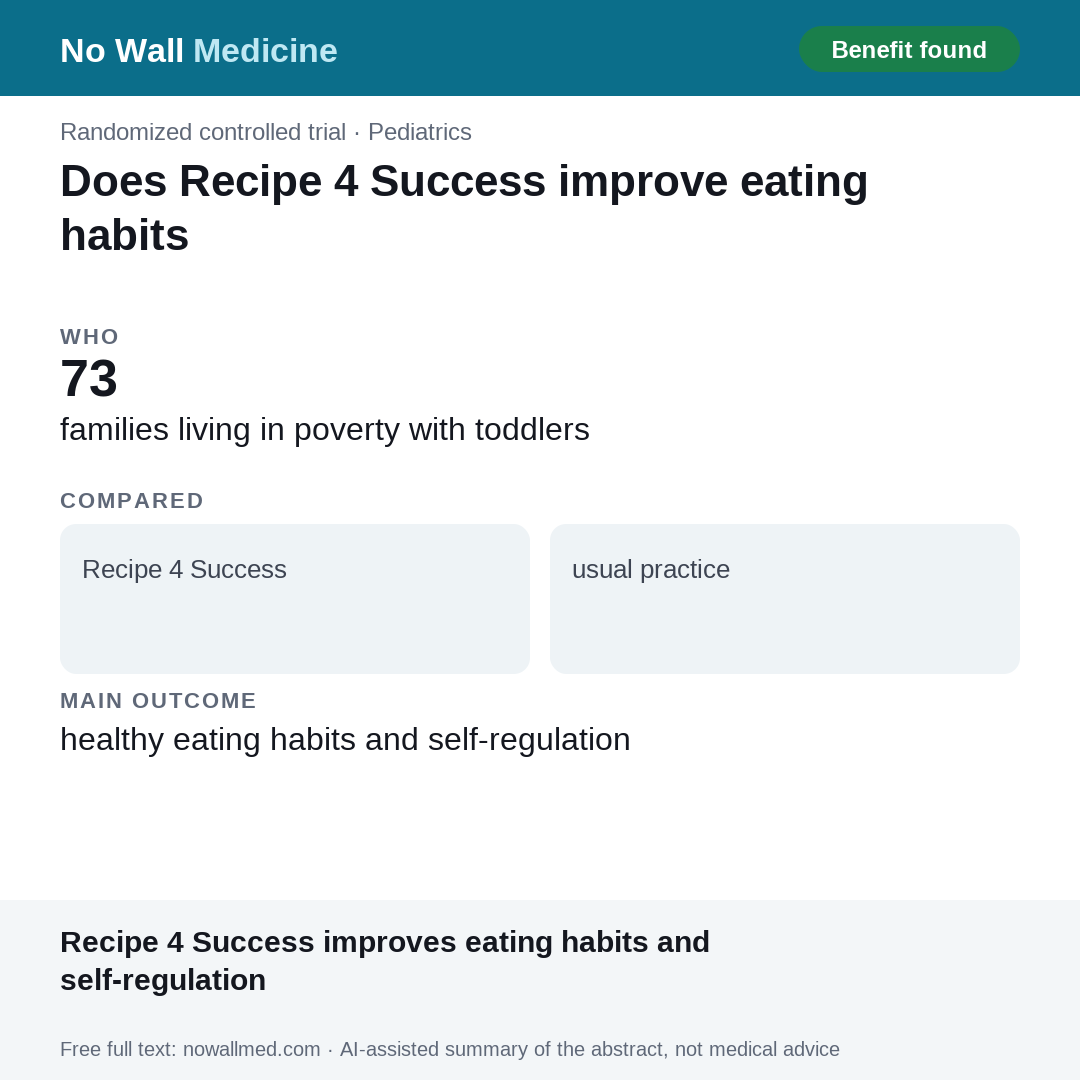
Improving Toddlers' Healthy Eating Habits and Self-regulation: A Randomized Controlled Trial
Randomized controlled trialBenefit found
Does Recipe 4 Success improve eating habits
Who
73
families living in poverty with toddlers
Compared
Recipe 4 Success
usual practice
Main outcome
healthy eating habits and self-regulation
Bottom line: Recipe 4 Success improves eating habits and self-regulation
Pediatrics · 2020-12-30Download image
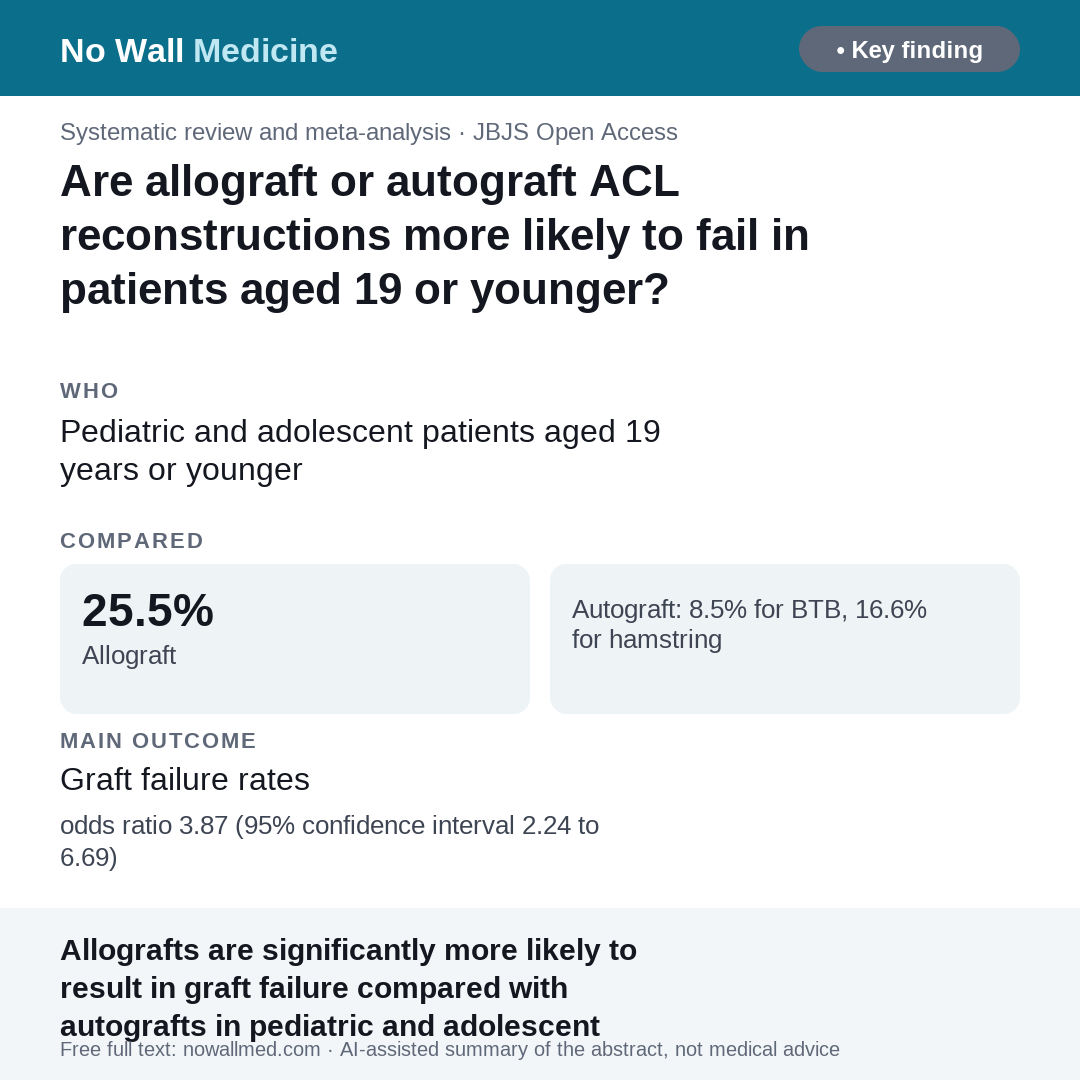
Failure Rates of Autograft and Allograft ACL Reconstruction in Patients 19 Years of Age and Younger: A Systematic Review and Meta-Analysis
Systematic review and meta-analysisHarm found
Are allograft or autograft ACL reconstructions more likely to fail in patients aged 19 or younger?
Who
Pediatric and adolescent patients aged 19 years or younger
Compared
25.5%Allograft
Autograft: 8.5% for BTB, 16.6% for hamstring
Main outcome
Graft failure rates
Result: odds ratio 3.87 (95% confidence interval 2.24 to 6.69)
Bottom line: Allografts are significantly more likely to result in graft failure compared with autografts in pediatric and adolescent patients.
Limitation: Additional studies are needed to improve understanding of variables associated with high failure rates.
JBJS Open Access · 2020-12-30Download image
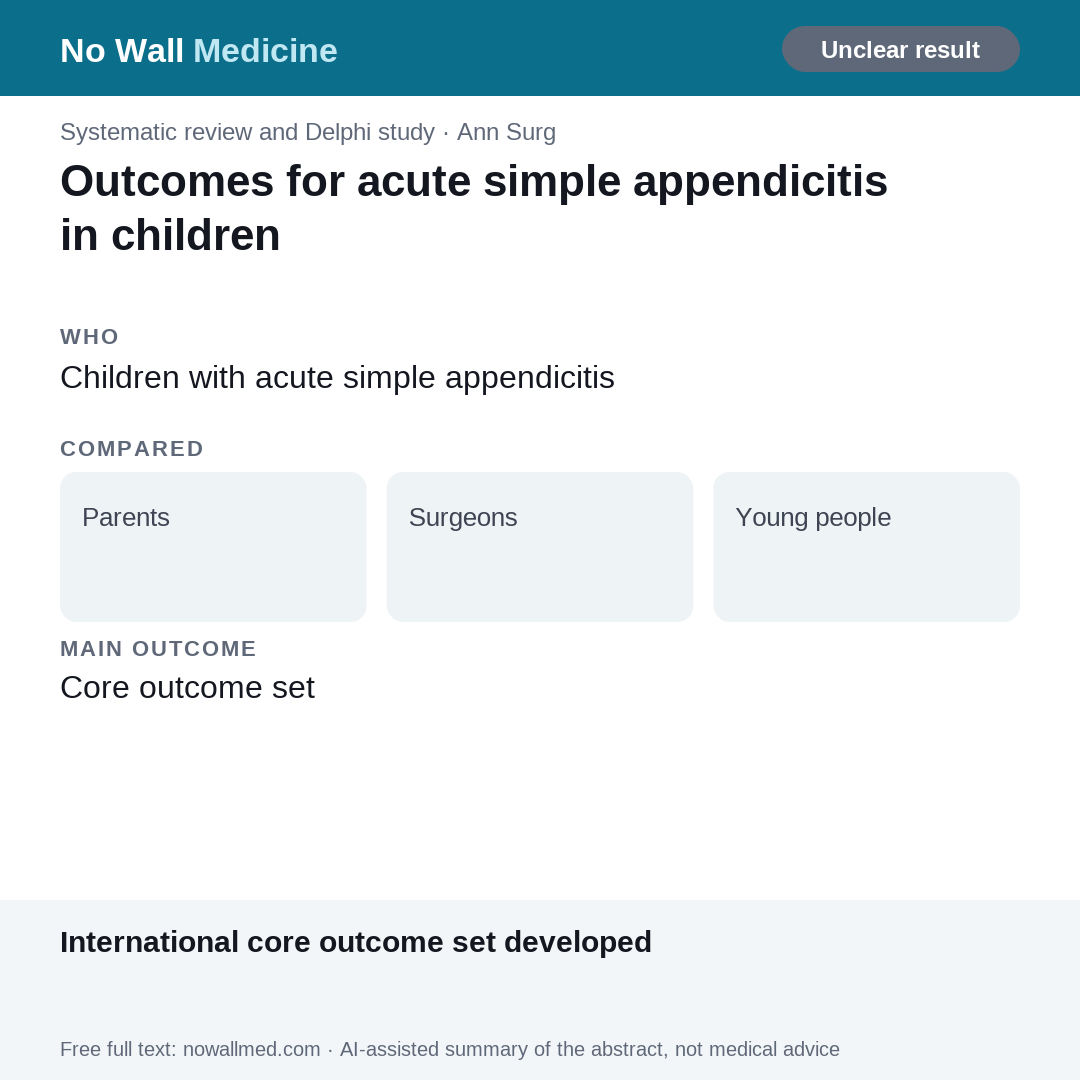
International Core Outcome Set for Acute Simple Appendicitis in Children: Results of a Systematic Review, Delphi Study, and Focus Croups With Young People
Systematic review and Delphi studyUnclear result
Outcomes for acute simple appendicitis in children
Who
Children with acute simple appendicitis
Compared
Parents
Surgeons
Young people
Main outcome
Core outcome set
Bottom line: International core outcome set developed
Ann Surg · 2020-12-29Download image
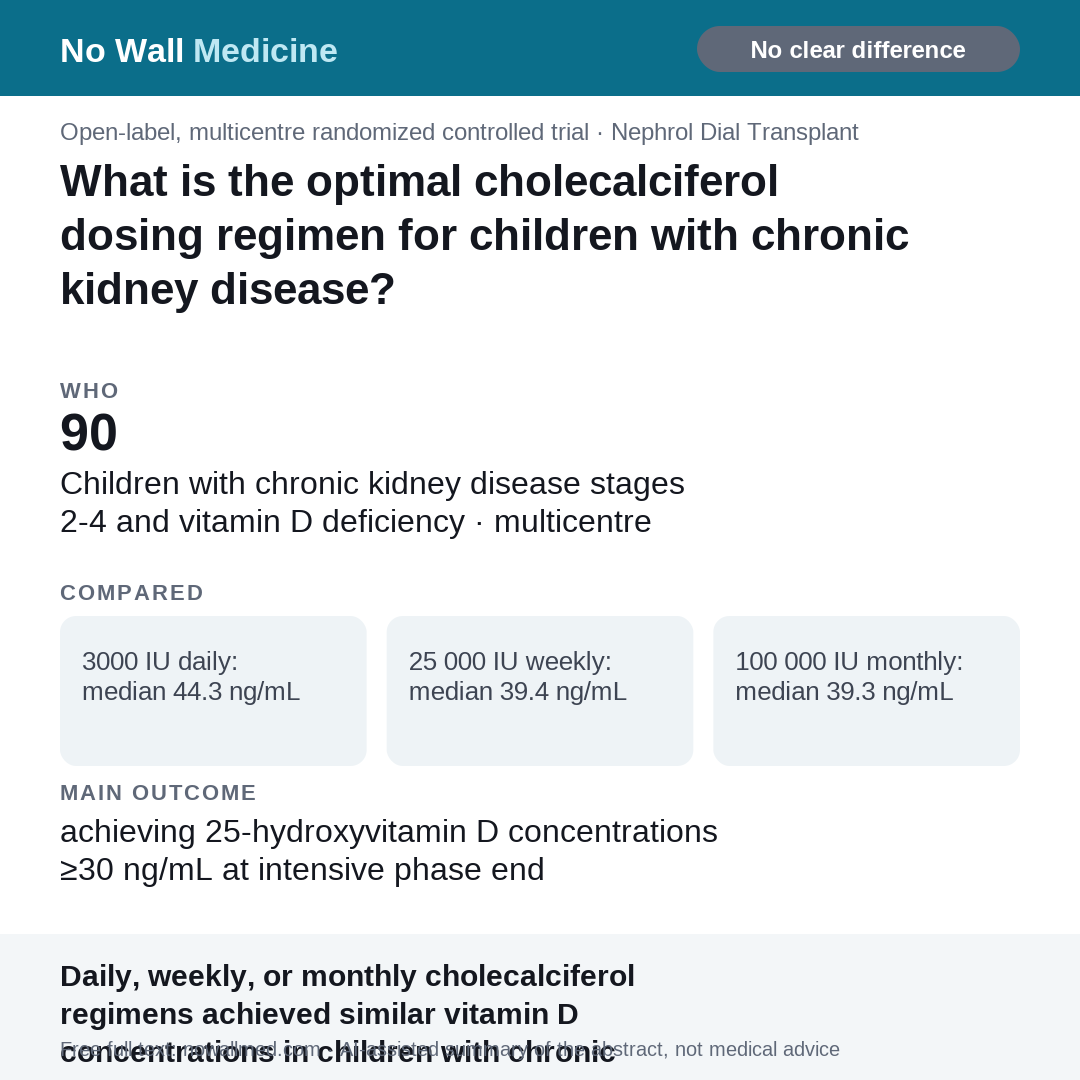
Determining the optimal cholecalciferol dosing regimen in children with CKD: a randomized controlled trial
Open-label, multicentre randomized controlled trialNo clear difference
What is the optimal cholecalciferol dosing regimen for children with chronic kidney disease?
Who
90
Children with chronic kidney disease stages 2-4 and vitamin D deficiency · multicentre
Compared
3000 IU daily: median 44.3 ng/mL
25 000 IU weekly: median 39.4 ng/mL
100 000 IU monthly: median 39.3 ng/mL
Main outcome
achieving 25-hydroxyvitamin D concentrations ≥30 ng/mL at intensive phase end
Bottom line: Daily, weekly, or monthly cholecalciferol regimens achieved similar vitamin D concentrations in children with chronic kidney disease.
Nephrol Dial Transplant · 2020-12-29Download image
PROSPECT guideline for elective caesarean section: updated systematic review and procedure-specific postoperative pain management recommendations
Systematic reviewMixed results
What are the optimal pain management recommendations for elective caesarean section under neuraxial anaesthesia?
Who
145
Patients undergoing elective caesarean section under neuraxial anaesthesia
Compared
Recommended interventions
Non-recommended interventions
Main outcome
Postoperative pain management after elective caesarean section
Bottom line: Optimal pain management includes intrathecal opioids, paracetamol, non-steroidal anti-inflammatory drugs, and specific surgical techniques.
Anaesthesia · 2020-12-28Download image

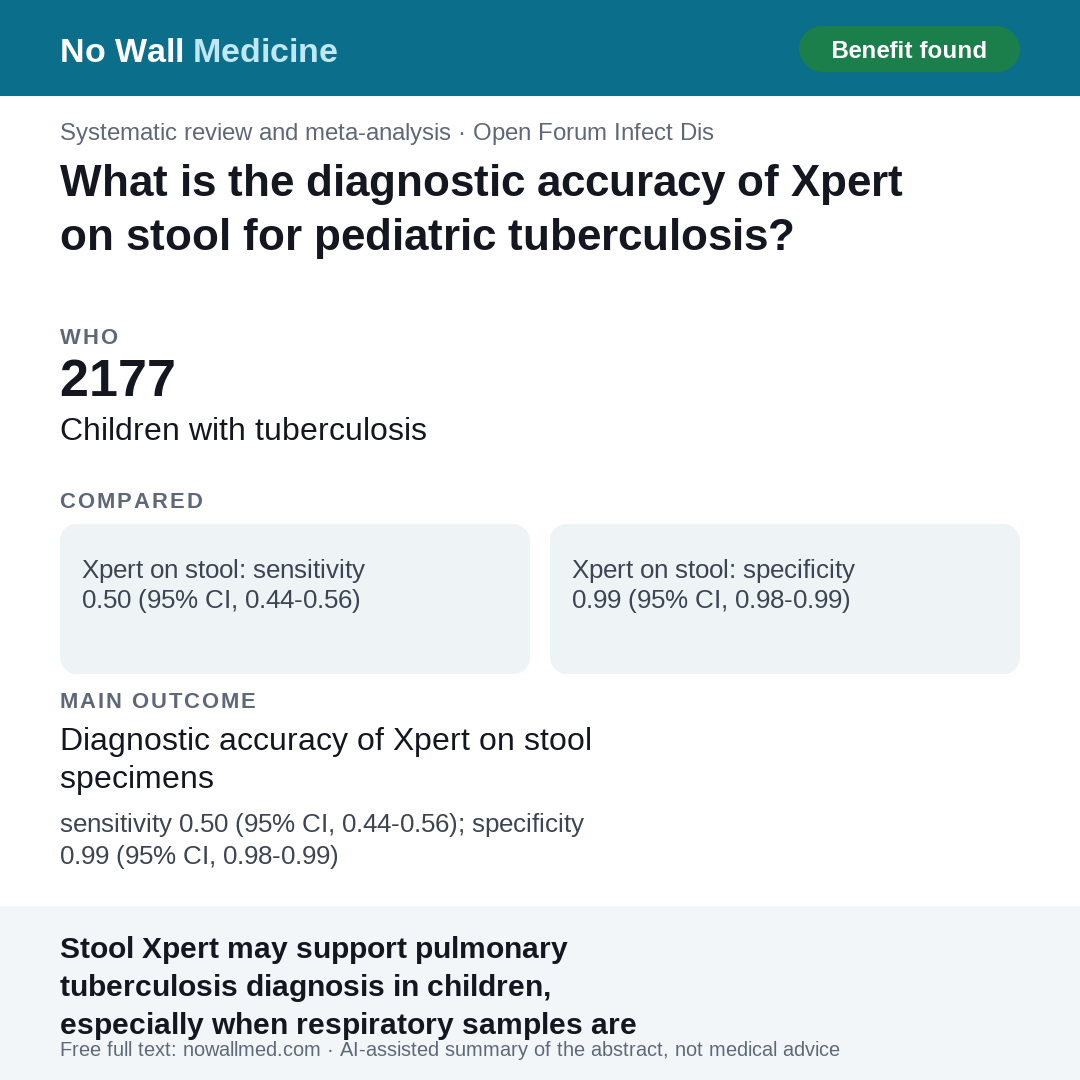
Variable Diagnostic Performance of Stool Xpert in Pediatric Tuberculosis: A Systematic Review and Meta-analysis
Systematic review and meta-analysisBenefit found
What is the diagnostic accuracy of Xpert on stool for pediatric tuberculosis?
Who
2177
Children with tuberculosis
Compared
Xpert on stool: sensitivity 0.50 (95% CI, 0.44-0.56)
Xpert on stool: specificity 0.99 (95% CI, 0.98-0.99)
Main outcome
Diagnostic accuracy of Xpert on stool specimens
Result: sensitivity 0.50 (95% CI, 0.44-0.56); specificity 0.99 (95% CI, 0.98-0.99)
Bottom line: Stool Xpert may support pulmonary tuberculosis diagnosis in children, especially when respiratory samples are unavailable.
Limitation: observed heterogeneity
Open Forum Infect Dis · 2020-12-28Download image
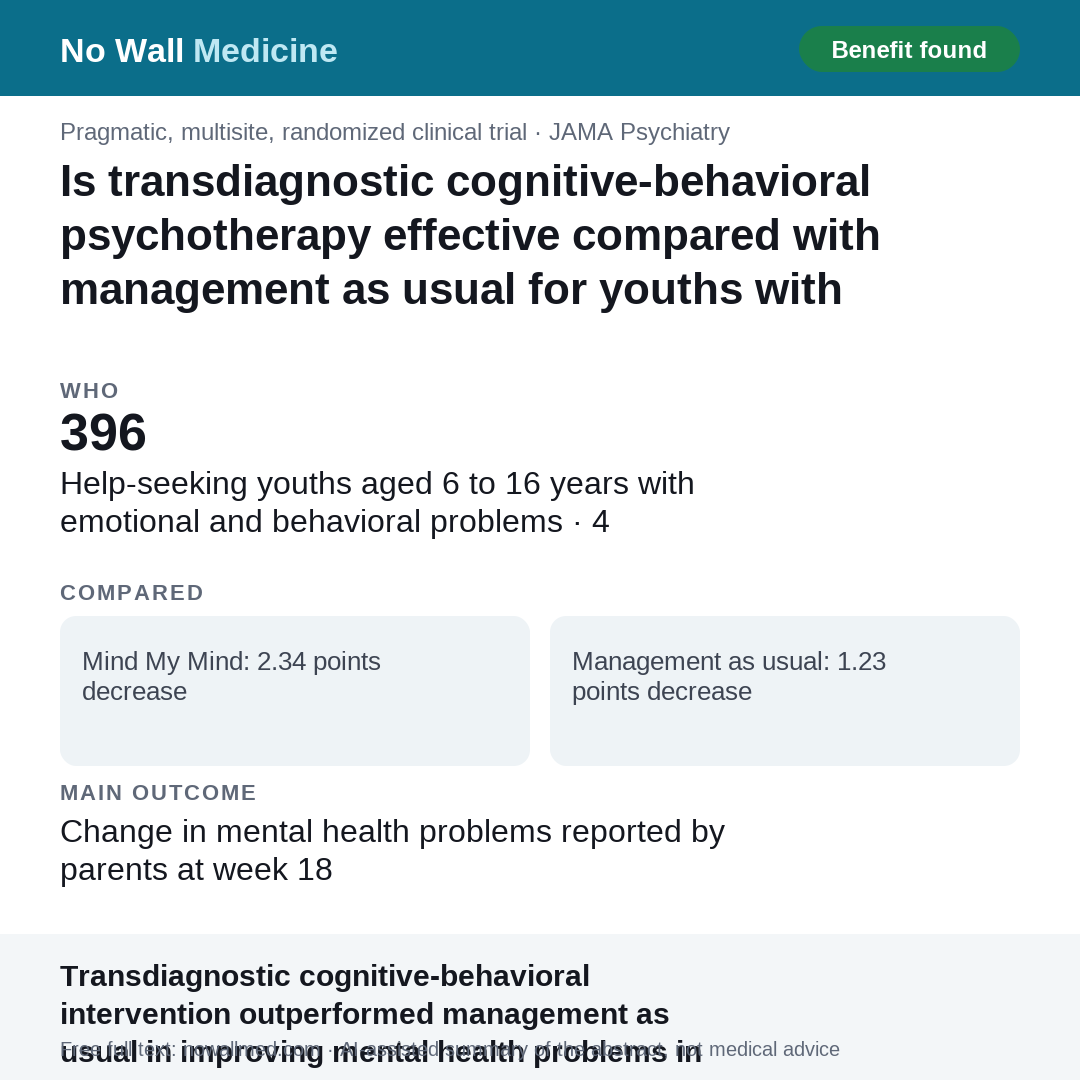
Effectiveness of Transdiagnostic Cognitive-Behavioral Psychotherapy Compared With Management as Usual for Youth With Common Mental Health Problems: A Randomized Clinical Trial
Pragmatic, multisite, randomized clinical trialBenefit found
Is transdiagnostic cognitive-behavioral psychotherapy effective compared with management as usual for youths with common mental health problems?
Who
396
Help-seeking youths aged 6 to 16 years with emotional and behavioral problems · 4 municipalities in Denmark
Compared
Mind My Mind: 2.34 points decrease
Management as usual: 1.23 points decrease
Main outcome
Change in mental health problems reported by parents at week 18
Result: between-group difference, 1.10 (95% CI, 0.75-1.45)
Bottom line: Transdiagnostic cognitive-behavioral intervention outperformed management as usual in improving mental health problems in youths.
JAMA Psychiatry · 2020-12-24Download image
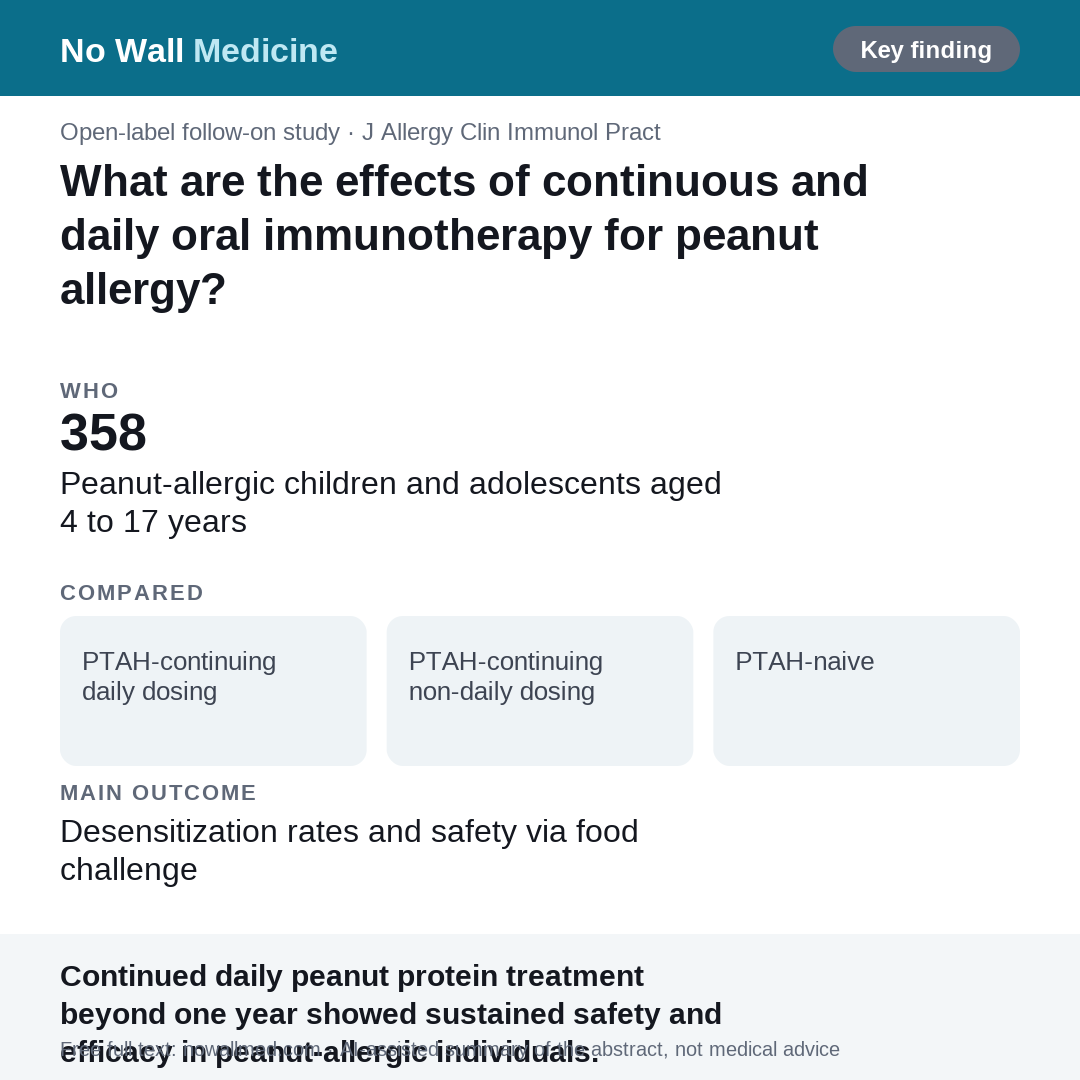
Continuous and Daily Oral Immunotherapy for Peanut Allergy: Results from a 2-Year Open-Label Follow-On Study
Open-label follow-on studyBenefit found
What are the effects of continuous and daily oral immunotherapy for peanut allergy?
Who
358
Peanut-allergic children and adolescents aged 4 to 17 years
Compared
PTAH-continuing daily dosing
PTAH-continuing non-daily dosing
PTAH-naive
Main outcome
Desensitization rates and safety via food challenge
Bottom line: Continued daily peanut protein treatment beyond one year showed sustained safety and efficacy in peanut-allergic individuals.
J Allergy Clin Immunol Pract · 2020-12-24Download image
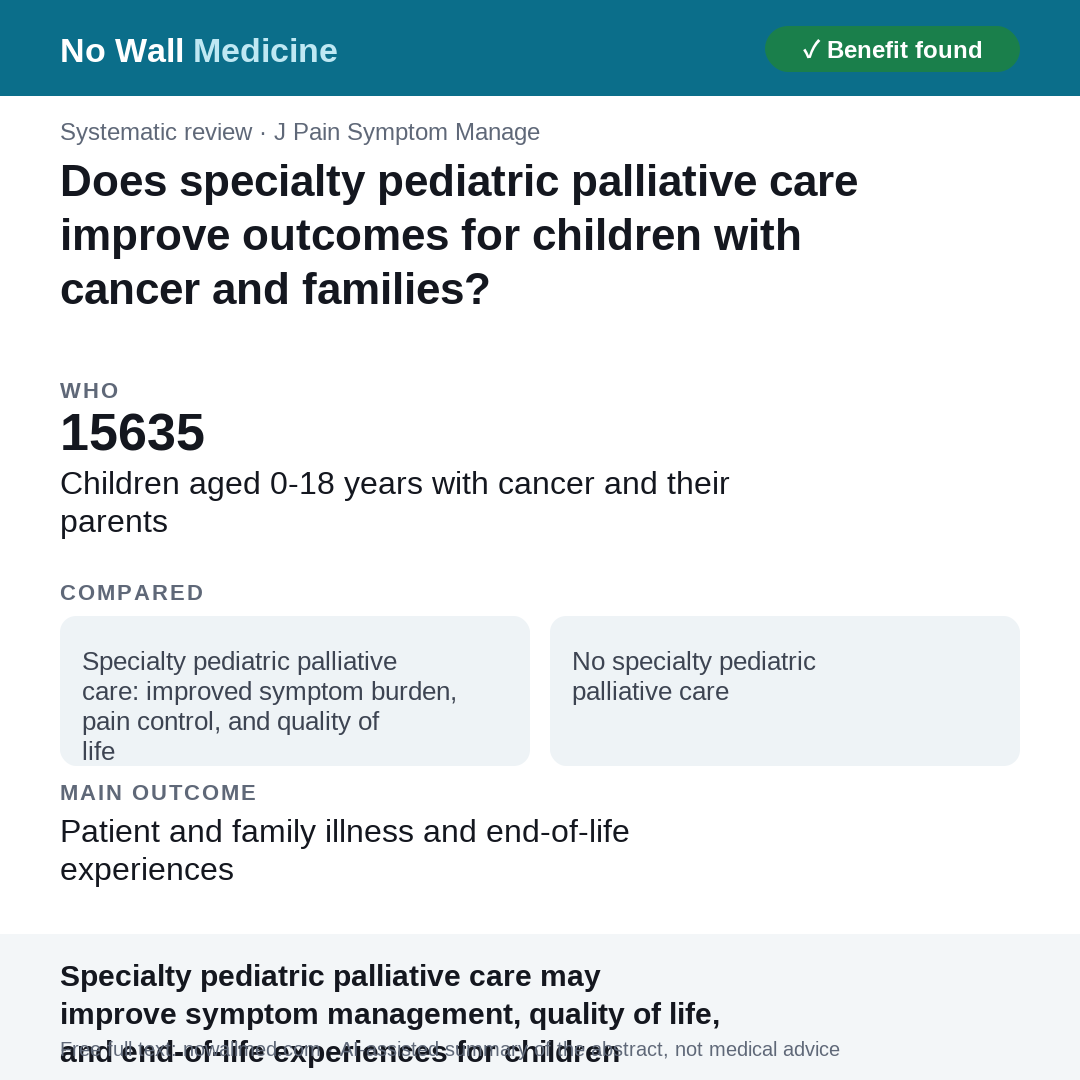
The Impact of Specialty Palliative Care in Pediatric Oncology: A Systematic Review
Systematic reviewBenefit found
Does specialty pediatric palliative care improve outcomes for children with cancer and families?
Who
15635
Children aged 0-18 years with cancer and their parents
Compared
Specialty pediatric palliative care: improved symptom burden, pain control, and quality of life
No specialty pediatric palliative care
Main outcome
Patient and family illness and end-of-life experiences
Bottom line: Specialty pediatric palliative care may improve symptom management, quality of life, and end-of-life experiences for children with cancer.
J Pain Symptom Manage · 2020-12-24Download image
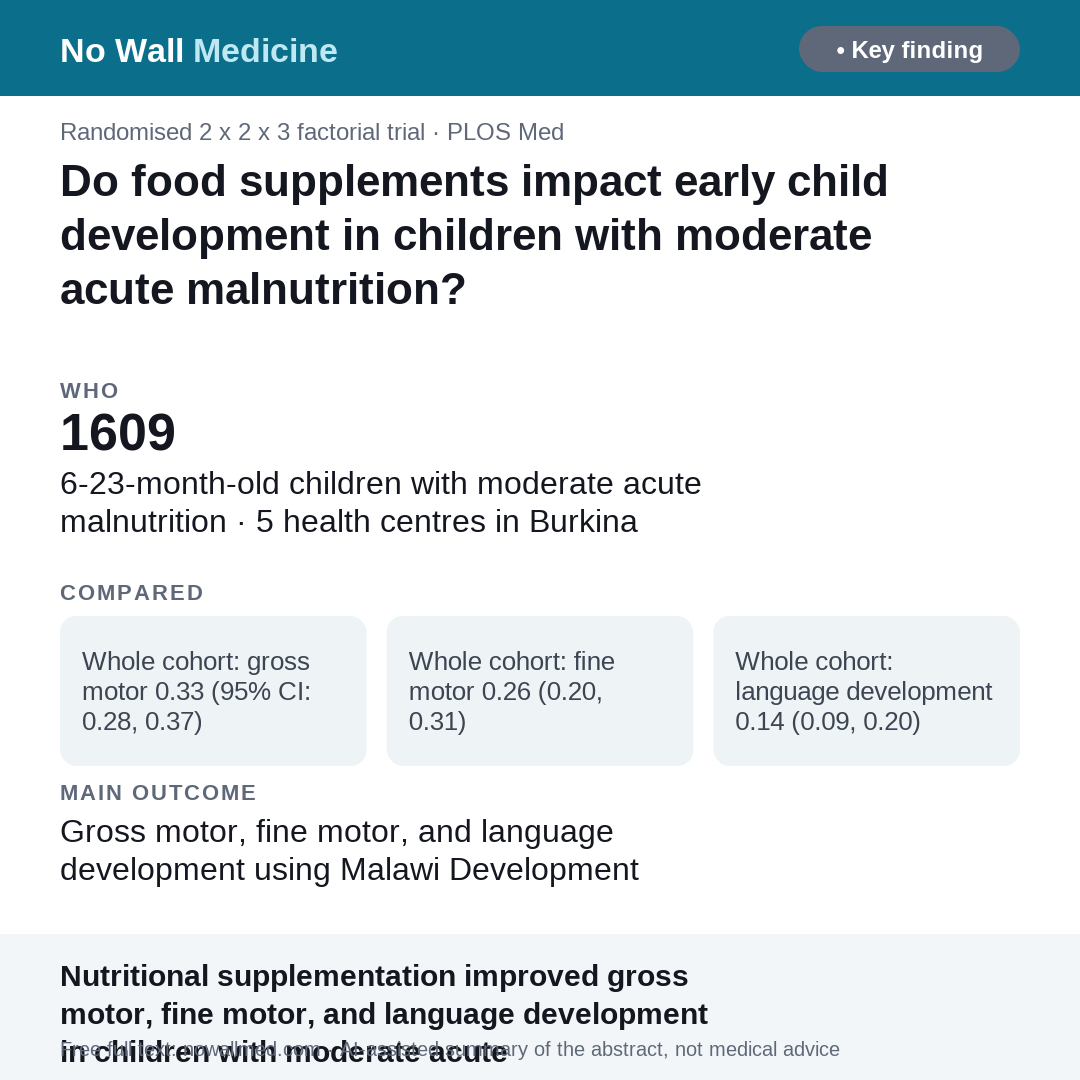
Impact of food supplements on early child development in children with moderate acute malnutrition: A randomised 2 x 2 x 3 factorial trial in Burkina Faso
Randomised 2 x 2 x 3 factorial trialBenefit found
Do food supplements impact early child development in children with moderate acute malnutrition?
Who
1609
6-23-month-old children with moderate acute malnutrition · 5 health centres in Burkina Faso
Compared
Whole cohort: gross motor 0.33 (95% CI: 0.28, 0.37)
Whole cohort: fine motor 0.26 (0.20, 0.31)
Whole cohort: language development 0.14 (0.09, 0.20)
Main outcome
Gross motor, fine motor, and language development using Malawi Development Assessment Tool
Bottom line: Nutritional supplementation improved gross motor, fine motor, and language development in children with moderate acute malnutrition.
PLOS Med · 2020-12-23Download image