Visual abstracts
New randomized trials and meta-analyses from leading journals at a glance: who was studied, what was compared, and what was found. Every paper is free to read in full.
All specialtiesCardiology 4800Oncology 4084Gastroenterology & Hepatology 1917Infectious Disease 3789Neurology 1886Psychiatry & Mental Health 2240Pulmonology 2061Critical Care 1335Endocrinology & Diabetes 2553Pediatrics 2914Surgery 2500Orthopedics & Sports Medicine 923Neurosurgery 532Cardiothoracic & Vascular Surgery 665Plastic & Reconstructive Surgery 585Nephrology 1115Rheumatology 815Hematology 1099Dermatology 619Ophthalmology 539Obstetrics & Gynecology 1661Public & Global Health 1044Radiology & Imaging 637Anesthesiology 959Urology 751ENT (Otolaryngology) 497Emergency Medicine 484Allergy & Immunology 310Geriatrics 974Family Medicine & Primary Care 538Medical Genetics & Genomics 662Pathology & Laboratory Medicine 156Physical Medicine & Rehabilitation 746Palliative Care 422Nutrition 1566Digital Health & AI 2191General Medicine 319
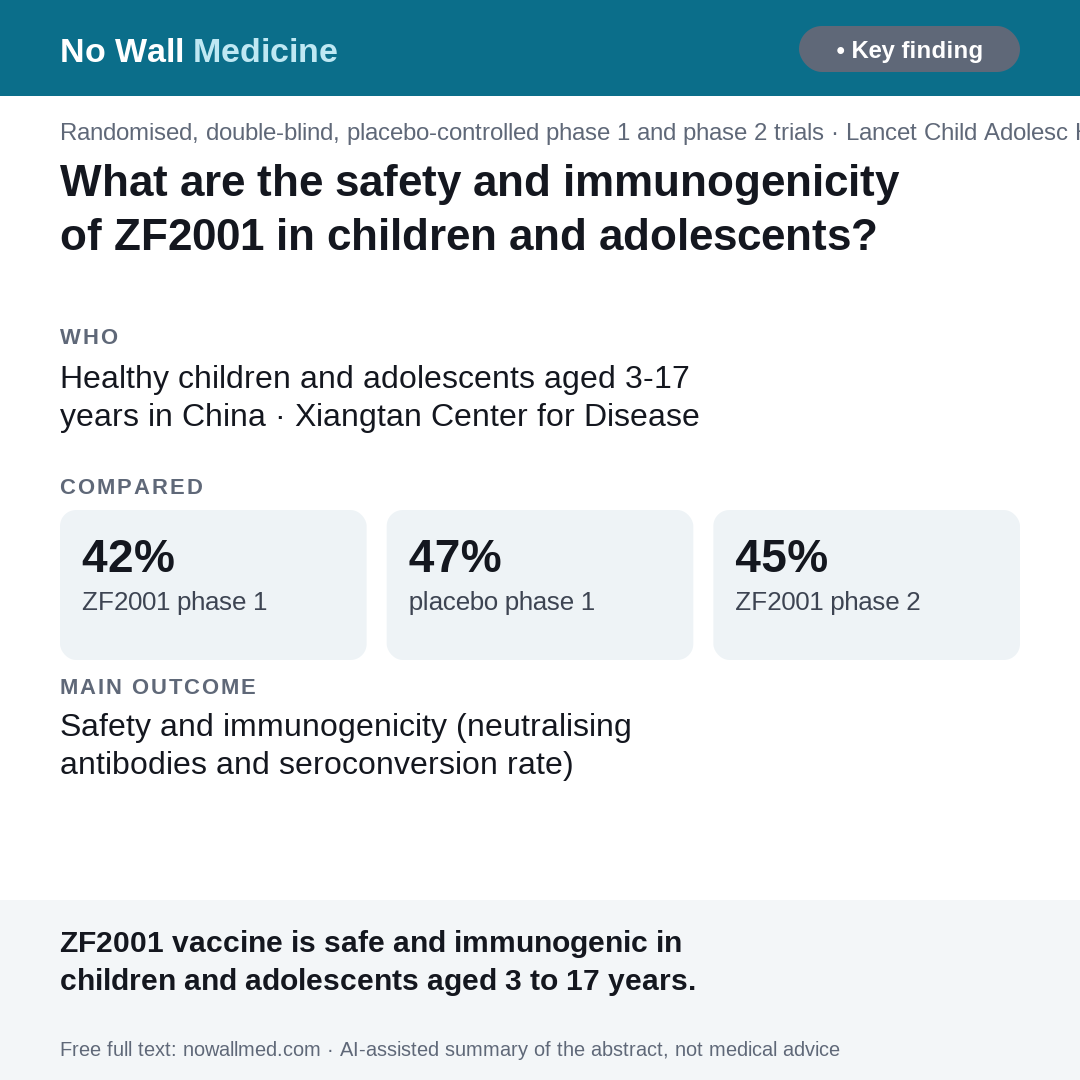
Safety and immunogenicity of a protein subunit COVID-19 vaccine (ZF2001) in healthy children and adolescents aged 3-17 years in China: a randomised, double-blind, placebo-controlled, phase 1 trial and an open-label, non-randomised, non-inferiority, phase 2 trial
Randomised, double-blind, placebo-controlled phase 1 and phase 2 trialsBenefit found
What are the safety and immunogenicity of ZF2001 in children and adolescents?
Who
Healthy children and adolescents aged 3-17 years in China · Xiangtan Center for Disease Control and Prevention, China
Compared
42%ZF2001 phase 1 (25/60)
47%placebo phase 1 (7/15)
45%ZF2001 phase 2 (179/400)
Main outcome
Safety and immunogenicity (neutralising antibodies and seroconversion rate)
Bottom line: ZF2001 vaccine is safe and immunogenic in children and adolescents aged 3 to 17 years.
Lancet Child Adolesc Health · 2023-02-17Download image
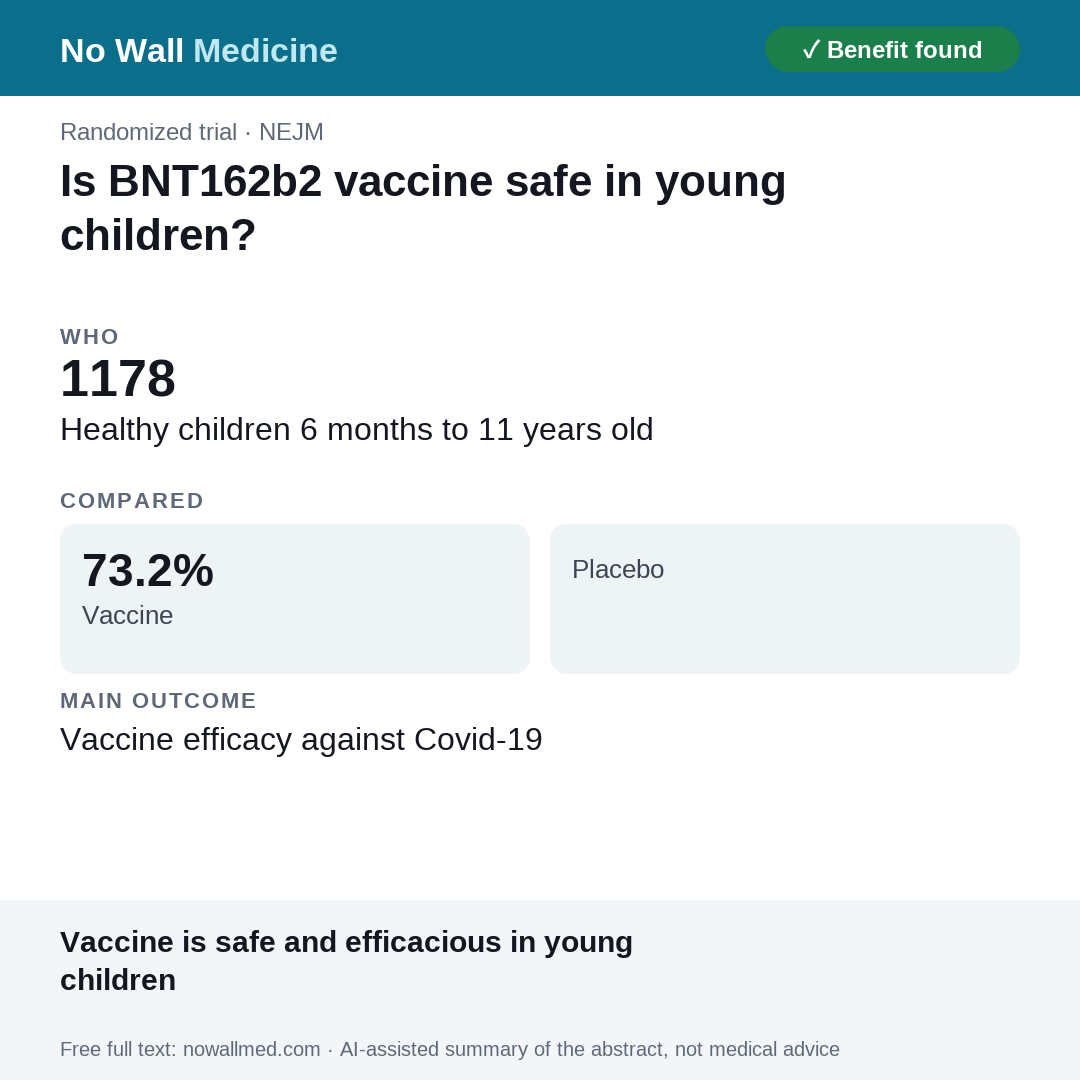
Evaluation of BNT162b2 Covid-19 Vaccine in Children Younger than 5 Years of Age
Randomized trialBenefit found
Is BNT162b2 vaccine safe in young children?
Who
1178
Healthy children 6 months to 11 years old
Compared
73.2%Vaccine (95% CI 43.8 to 87.6)
Placebo
Main outcome
Vaccine efficacy against Covid-19
Bottom line: Vaccine is safe and efficacious in young children
Funded by: BioNTech and Pfizer
NEJM · 2023-02-15Download image
School-Based Interventions to Prevent Dating and Relationship Violence and Gender-Based Violence: Systematic Review and Network Meta-Analysis
Systematic review and network meta-analysisBenefit found
How effective are school-based interventions for dating and gender-based violence?
Who
68
Children aged 5 to 18 years · School setting
Compared
Interventions
Control
Main outcome
Dating and relationship violence and gender-based violence victimization and perpetration
Result: long-term dating and relationship violence victimization odds ratio 0.82 (95% CI 0.68, 0.99)
Bottom line: School-based interventions show significant long-term benefits for dating and relationship violence, though evidence for gender-based violence is less certain.
Limitation: Certainty of findings was low or very low overall.
Am J Public Health · 2023-02-15Download image

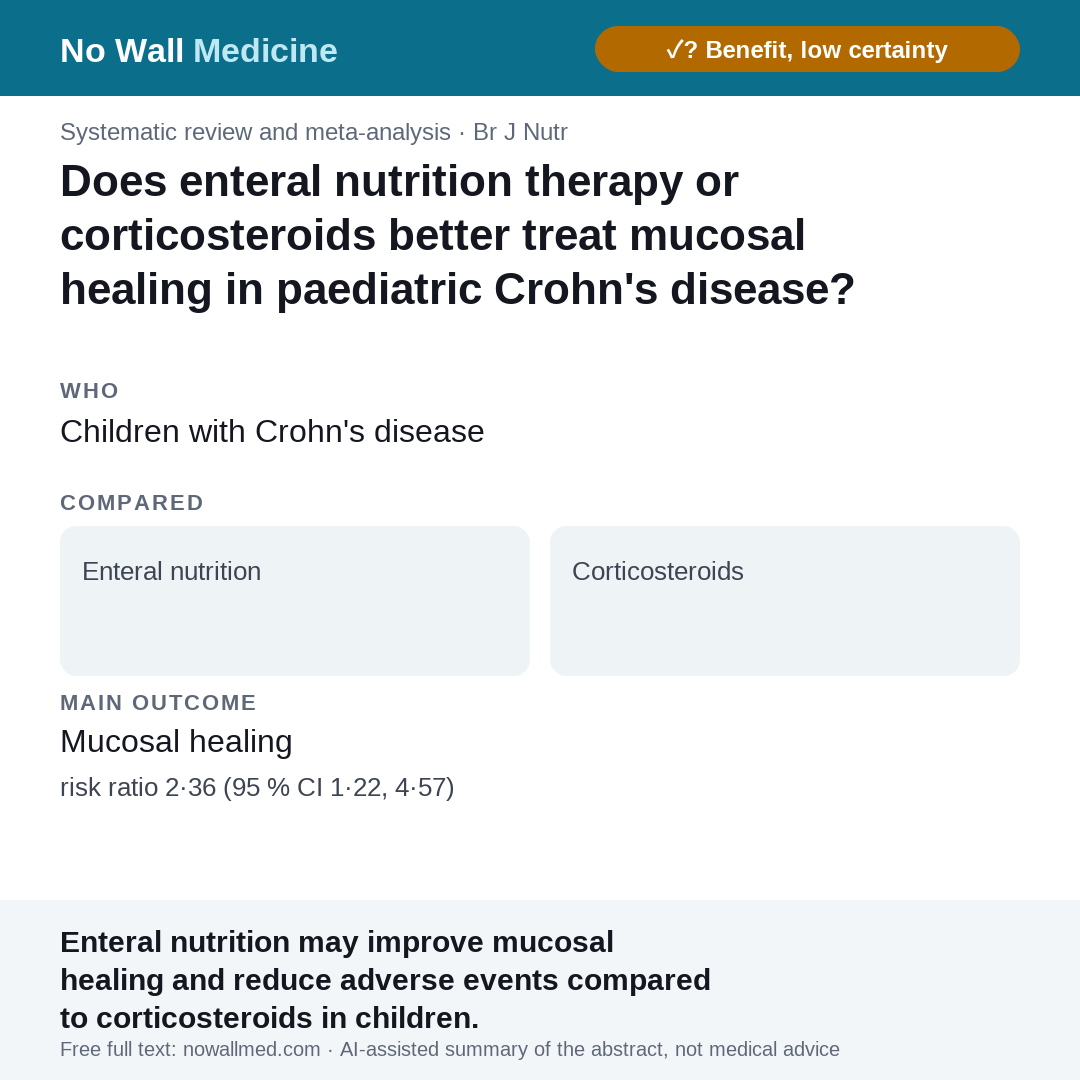
Microbiota signatures and mucosal healing in the use of enteral nutrition therapy v. corticosteroids for the treatment of children with Crohn's disease: a systematic review and meta-analysis
Systematic review and meta-analysisBenefit found
Does enteral nutrition therapy or corticosteroids better treat mucosal healing in paediatric Crohn's disease?
Who
Children with Crohn's disease
Compared
Enteral nutrition
Corticosteroids
Main outcome
Mucosal healing
Result: risk ratio 2·36 (95 % CI 1·22, 4·57)
Bottom line: Enteral nutrition may improve mucosal healing and reduce adverse events compared to corticosteroids in children.
Limitation: Limited available data and low certainty of evidence.
Br J Nutr · 2023-02-15Download image
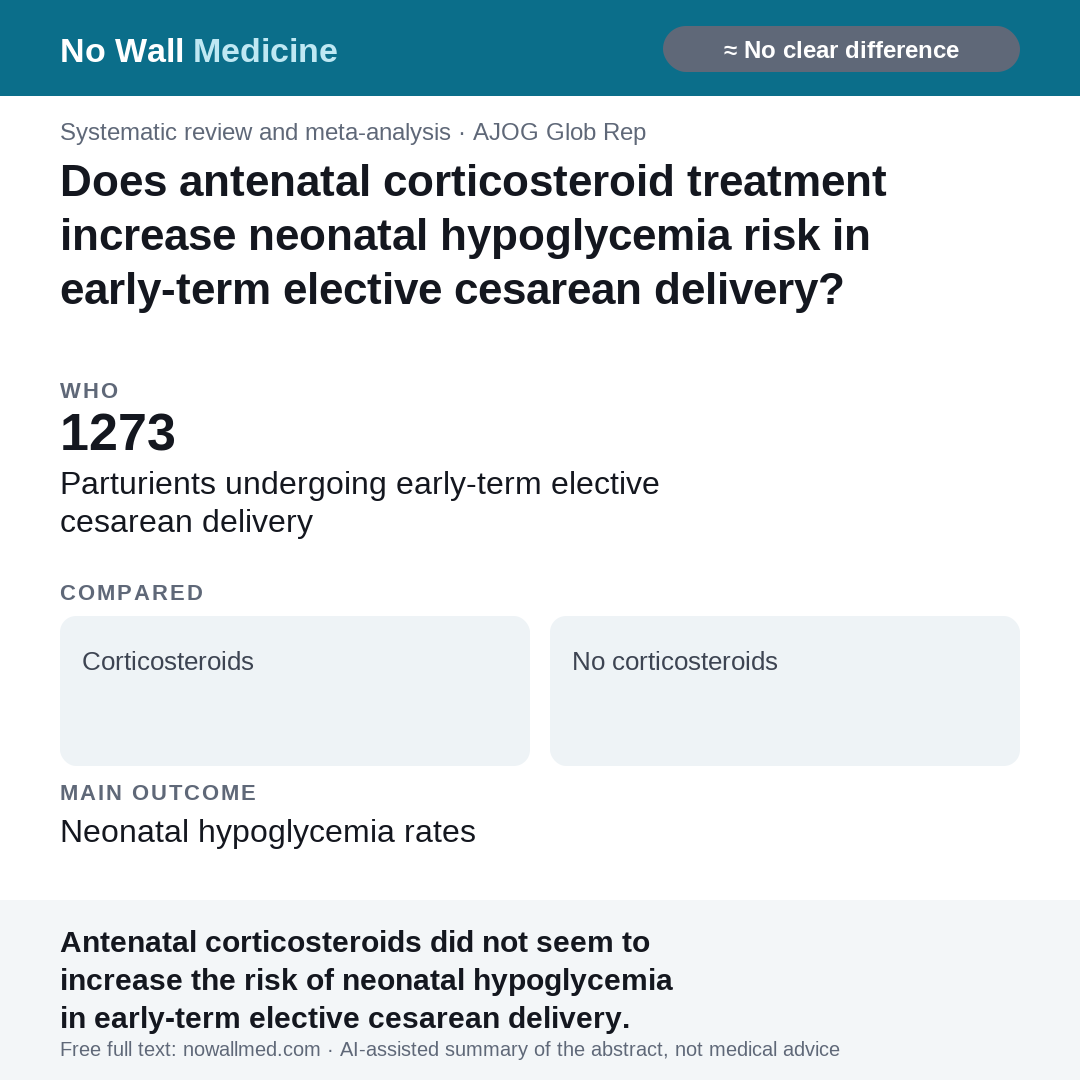
Neonatal hypoglycemia following antenatal corticosteroid treatment prior to elective cesarean delivery during the early term period: a meta-analysis
Systematic review and meta-analysisNo clear difference
Does antenatal corticosteroid treatment increase neonatal hypoglycemia risk in early-term elective cesarean delivery?
Who
1273
Parturients undergoing early-term elective cesarean delivery
Compared
Corticosteroids
No corticosteroids
Main outcome
Neonatal hypoglycemia rates
Result: odds ratio 1.80 (95% confidence interval 0.45-7.25)
Bottom line: Antenatal corticosteroids did not seem to increase the risk of neonatal hypoglycemia in early-term elective cesarean delivery.
Limitation: The effect size cannot be accounted for as definitive due to study quality and sample size.
AJOG Glob Rep · 2023-02-15Download image
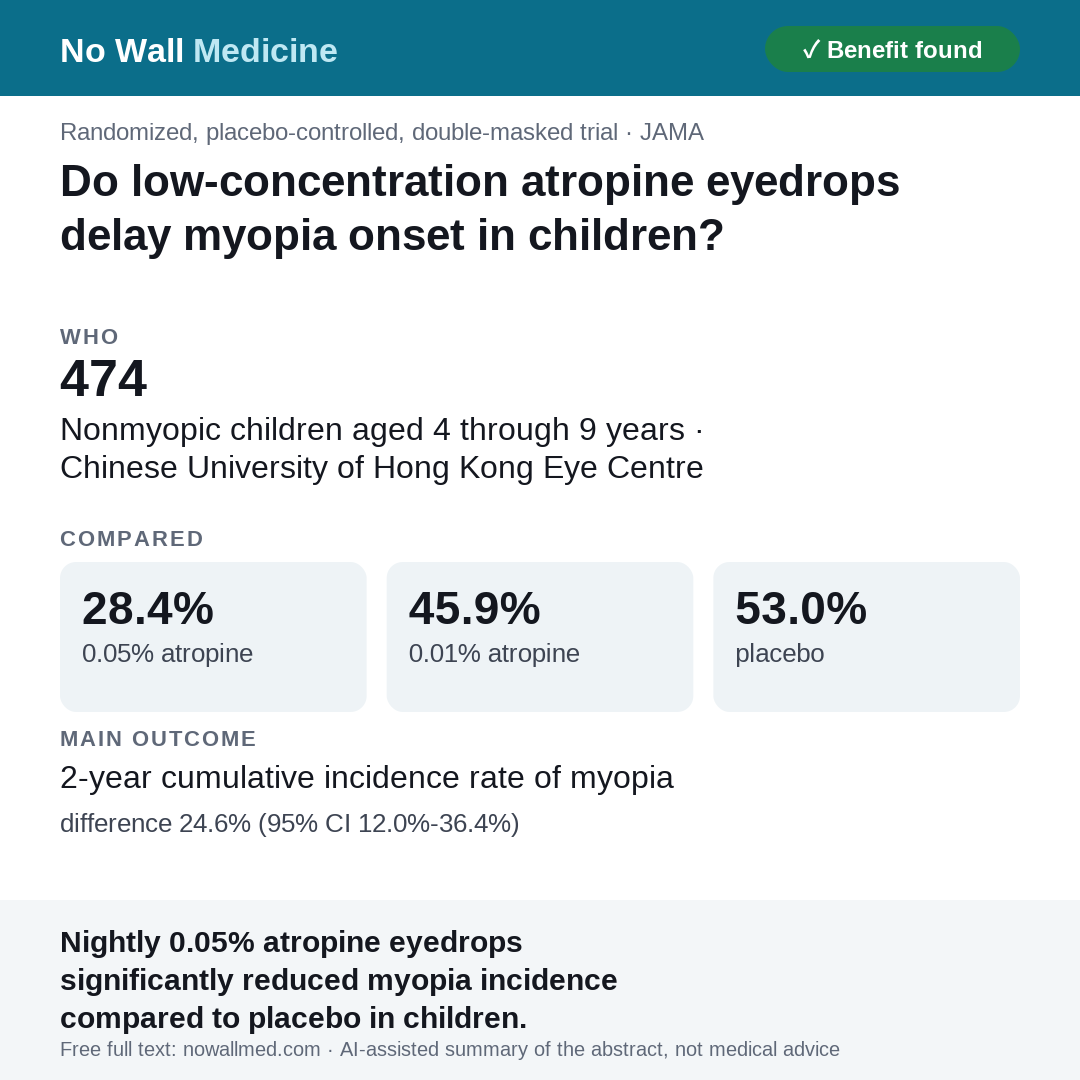
Effect of Low-Concentration Atropine Eyedrops vs Placebo on Myopia Incidence in Children: The LAMP2 Randomized Clinical Trial
Randomized, placebo-controlled, double-masked trialBenefit found
Do low-concentration atropine eyedrops delay myopia onset in children?
Who
474
Nonmyopic children aged 4 through 9 years · Chinese University of Hong Kong Eye Centre
Compared
28.4%0.05% atropine (33/116)
45.9%0.01% atropine (56/122)
53.0%placebo (61/115)
Main outcome
2-year cumulative incidence rate of myopia
Result: difference 24.6% (95% CI 12.0%-36.4%)
Bottom line: Nightly 0.05% atropine eyedrops significantly reduced myopia incidence compared to placebo in children.
JAMA · 2023-02-14Download image
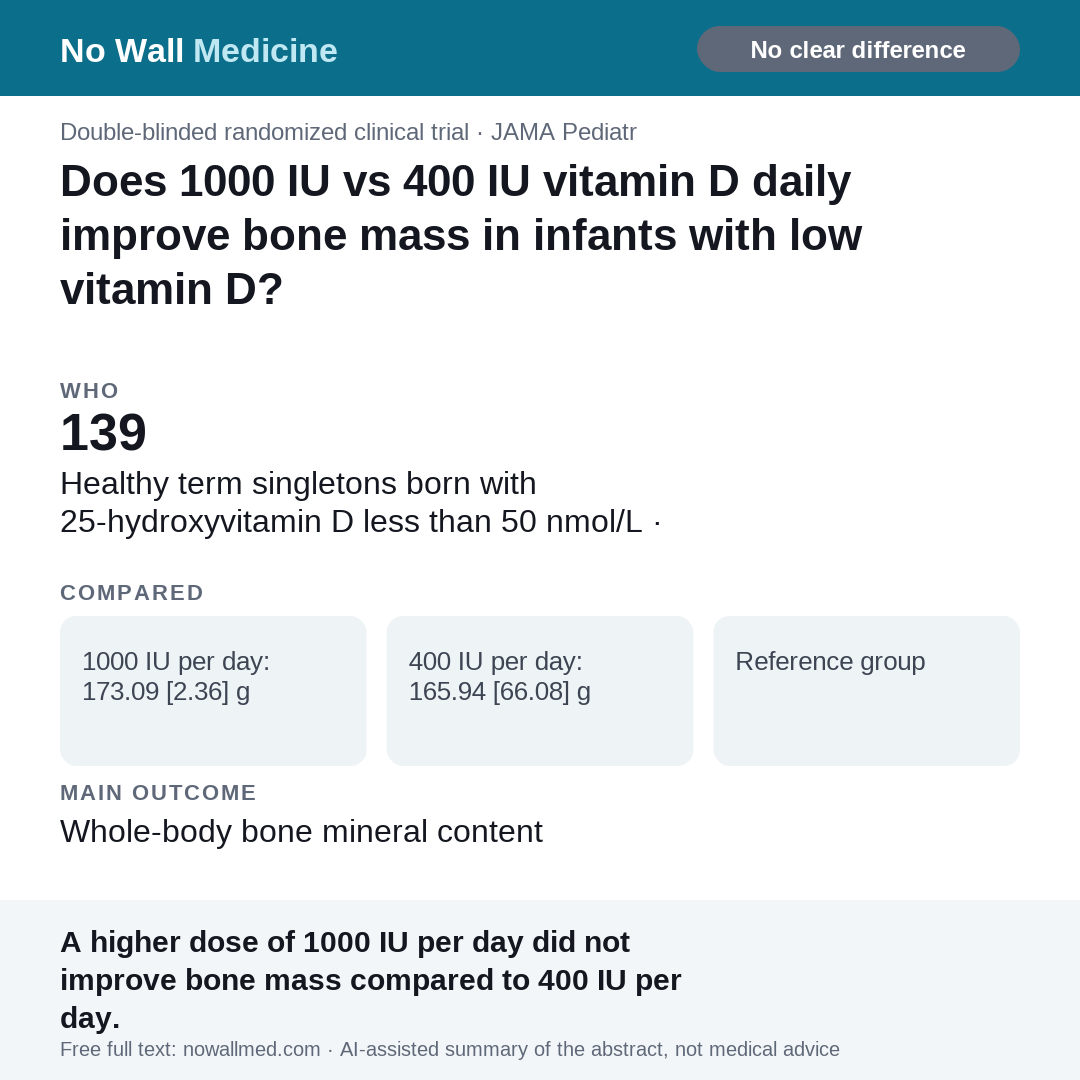
Effect of Vitamin D Supplementation on Bone Mass in Infants With 25-Hydroxyvitamin D Concentrations Less Than 50 nmol/L: A Prespecified Secondary Analysis of a Randomized Clinical Trial
Double-blinded randomized clinical trialNo clear difference
Does 1000 IU vs 400 IU vitamin D daily improve bone mass in infants with low vitamin D?
Who
139
Healthy term singletons born with 25-hydroxyvitamin D less than 50 nmol/L · Single center in Greater Montreal, Quebec, Canada
Compared
1000 IU per day: 173.09 [2.36] g
400 IU per day: 165.94 [66.08] g
Reference group
Main outcome
Whole-body bone mineral content
Bottom line: A higher dose of 1000 IU per day did not improve bone mass compared to 400 IU per day.
JAMA Pediatr · 2023-02-14Download image
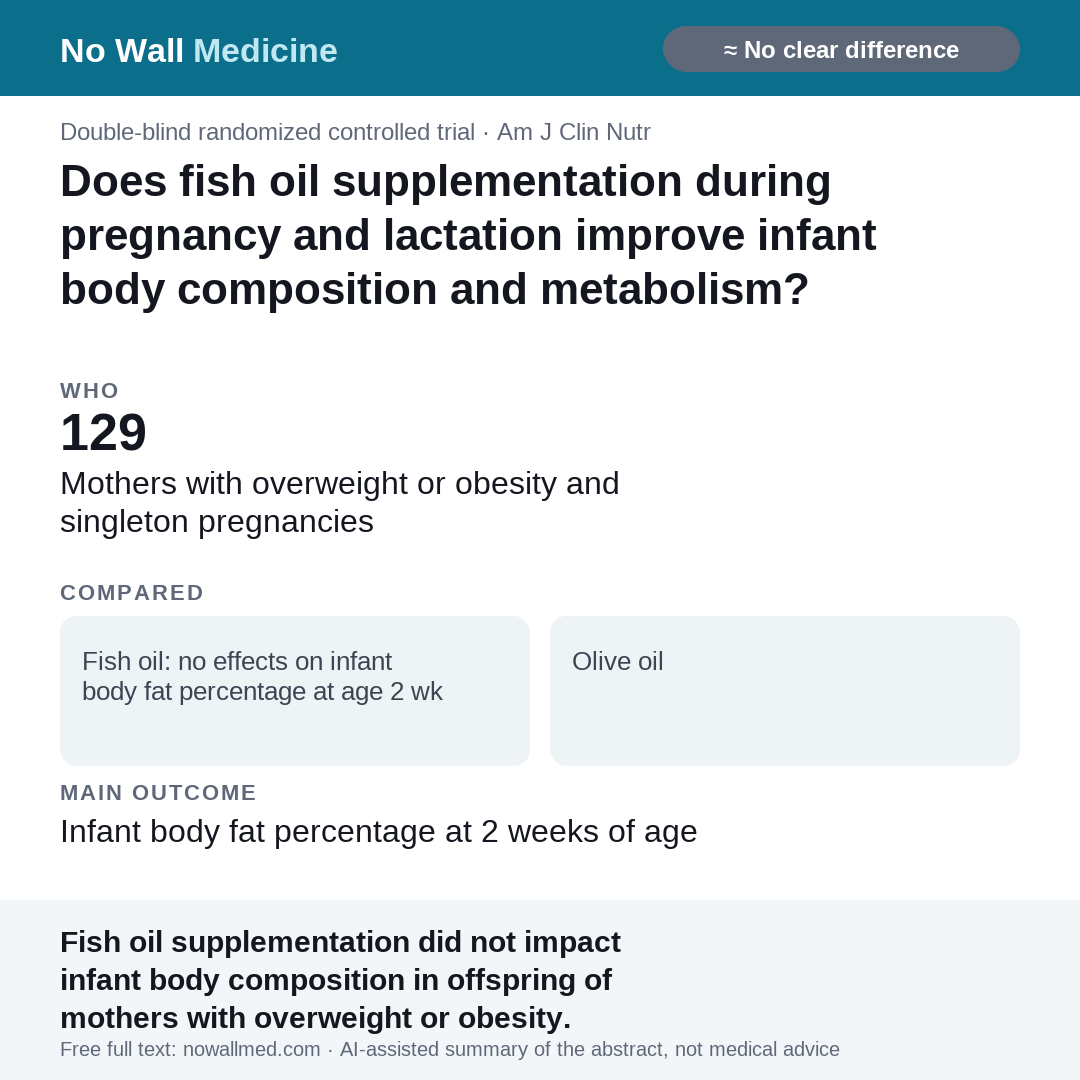
Fish oil supplementation during pregnancy and postpartum in mothers with overweight and obesity to improve body composition and metabolic health during infancy: A double-blind randomized controlled trial
Double-blind randomized controlled trialNo clear difference
Does fish oil supplementation during pregnancy and lactation improve infant body composition and metabolism?
Who
129
Mothers with overweight or obesity and singleton pregnancies
Compared
Fish oil: no effects on infant body fat percentage at age 2 wk
Olive oil
Main outcome
Infant body fat percentage at 2 weeks of age
Bottom line: Fish oil supplementation did not impact infant body composition in offspring of mothers with overweight or obesity.
Am J Clin Nutr · 2023-02-11Download image
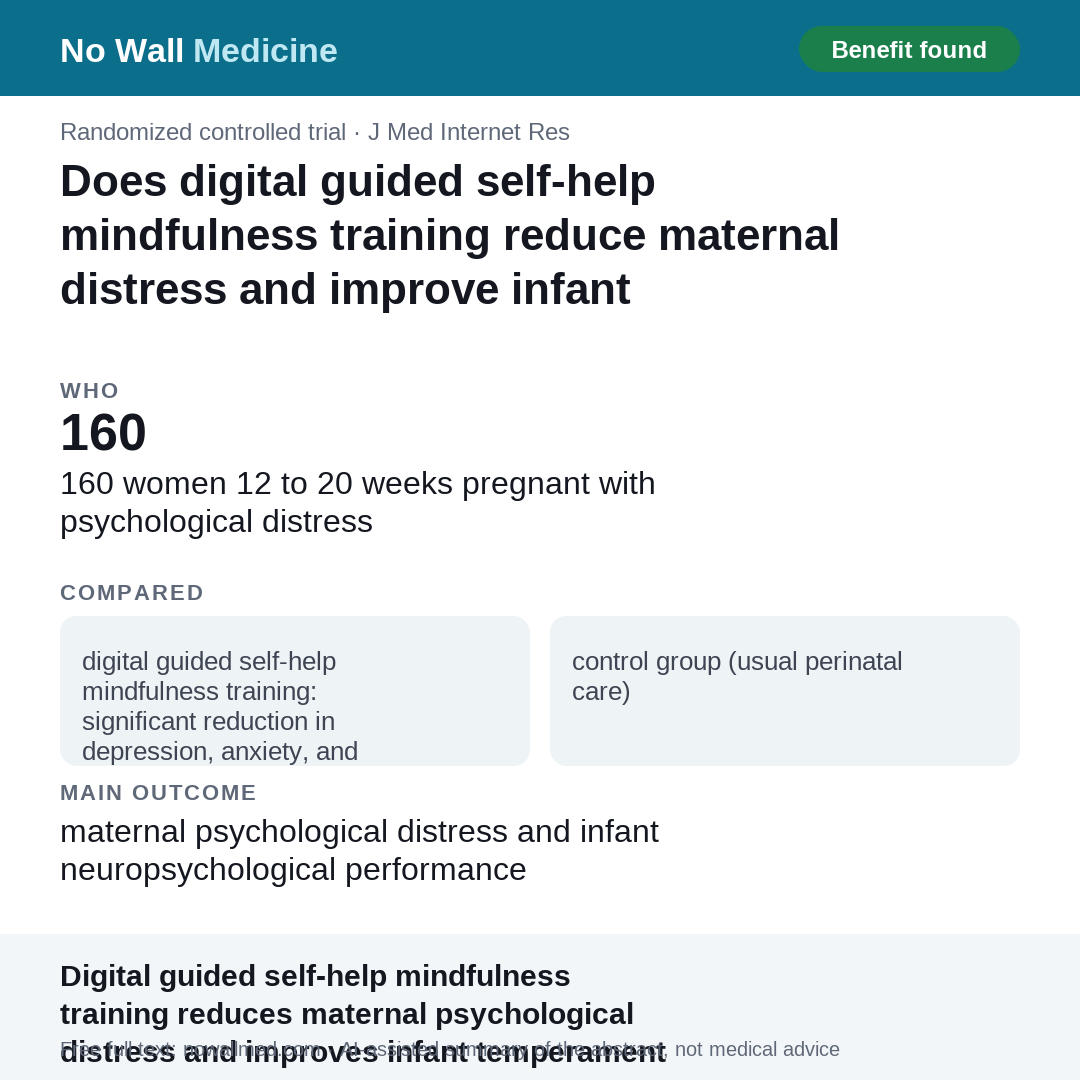
Cost-effectiveness of universal iron supplementation and iron-containing micronutrient powders for anemia among young children in rural Bangladesh: analysis of a randomized, placebo-controlled trial
Cost-effectiveness analysis of a randomized, placebo-controlled trialNo clear difference
Are iron supplements or micronutrient powders cost-effective for preventing anemia in young children?
Who
Children under 2 years old in rural Bangladesh · Rural Bangladesh
Compared
Multiple micronutrient powders: 0.0031 (95% CI: 0.0022, 0.0041) disability-adjusted life-years averted per child
Iron supplements: 0.0039 (95% CI: 0.0030, 0.0048) disability-adjusted life-years averted per child
No intervention
Main outcome
Incremental cost-effectiveness ratios in US dollars per disability-adjusted life-year averted
Result: $1645 ($1333, $2153) per disability-adjusted life-year averted for iron supplementation
Bottom line: Universal iron supplementation or micronutrient powders are not cost-effective for young children in rural Bangladesh.
Am J Clin Nutr · 2023-02-10Download image
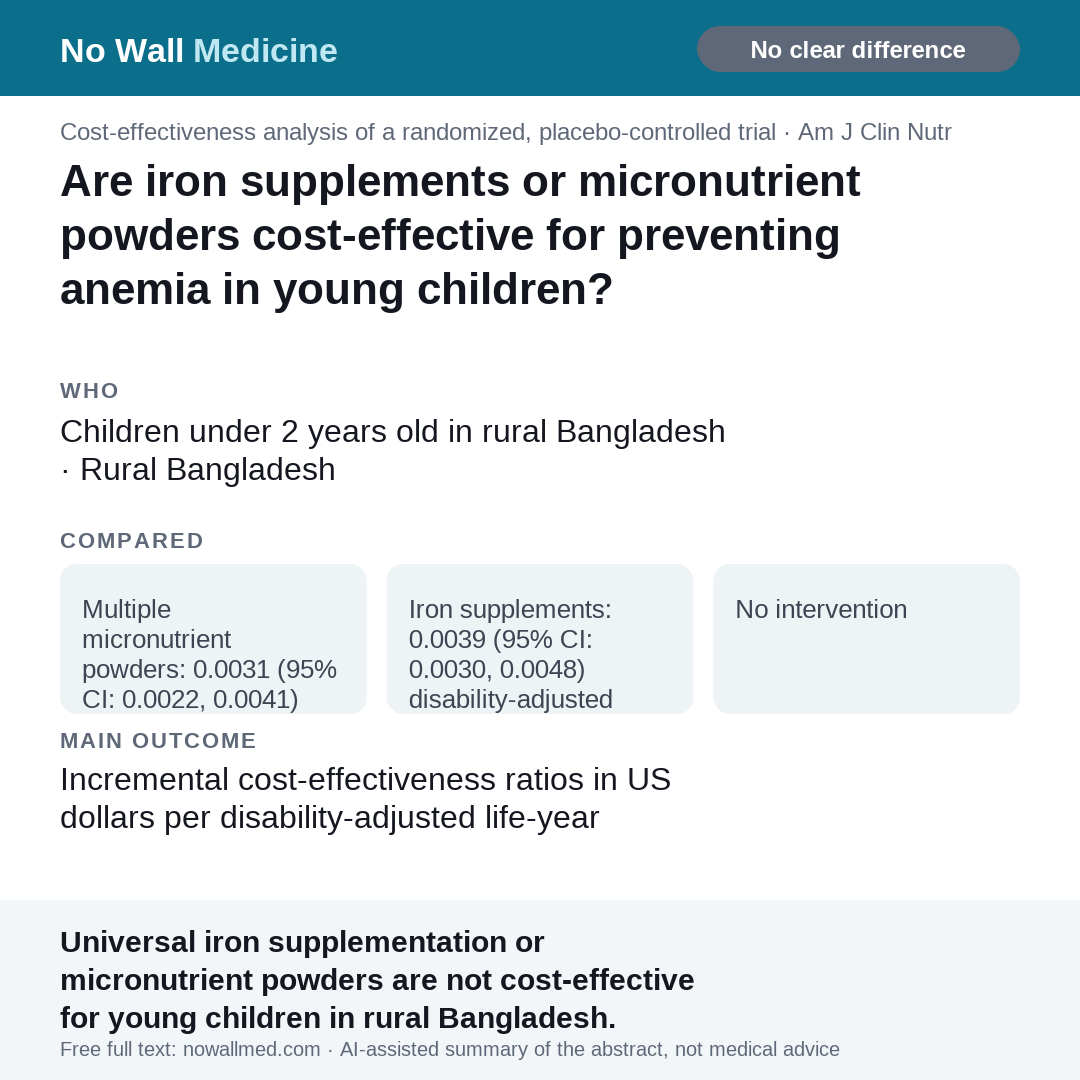
Preventive small-quantity lipid-based nutrient supplements reduce severe wasting and severe stunting among young children: an individual participant data meta-analysis of randomized controlled trials
Individual participant data meta-analysisBenefit found
Do small-quantity lipid-based nutrient supplements reduce severe wasting and severe stunting?
Who
Children 6 to 24 months of age
Compared
Small-quantity lipid-based nutrient supplements
Control
Main outcome
Prevalence of severe wasting and severe stunting
Result: severe wasting prevalence ratio 0.69 (95% CI: 0.55, 0.86); severe stunting prevalence ratio 0.83 (95% CI: 0.78, 0.90)
Bottom line: Small-quantity lipid-based nutrient supplements reduce the prevalence of severe wasting and severe stunting in young children.
Am J Clin Nutr · 2023-02-10Download image
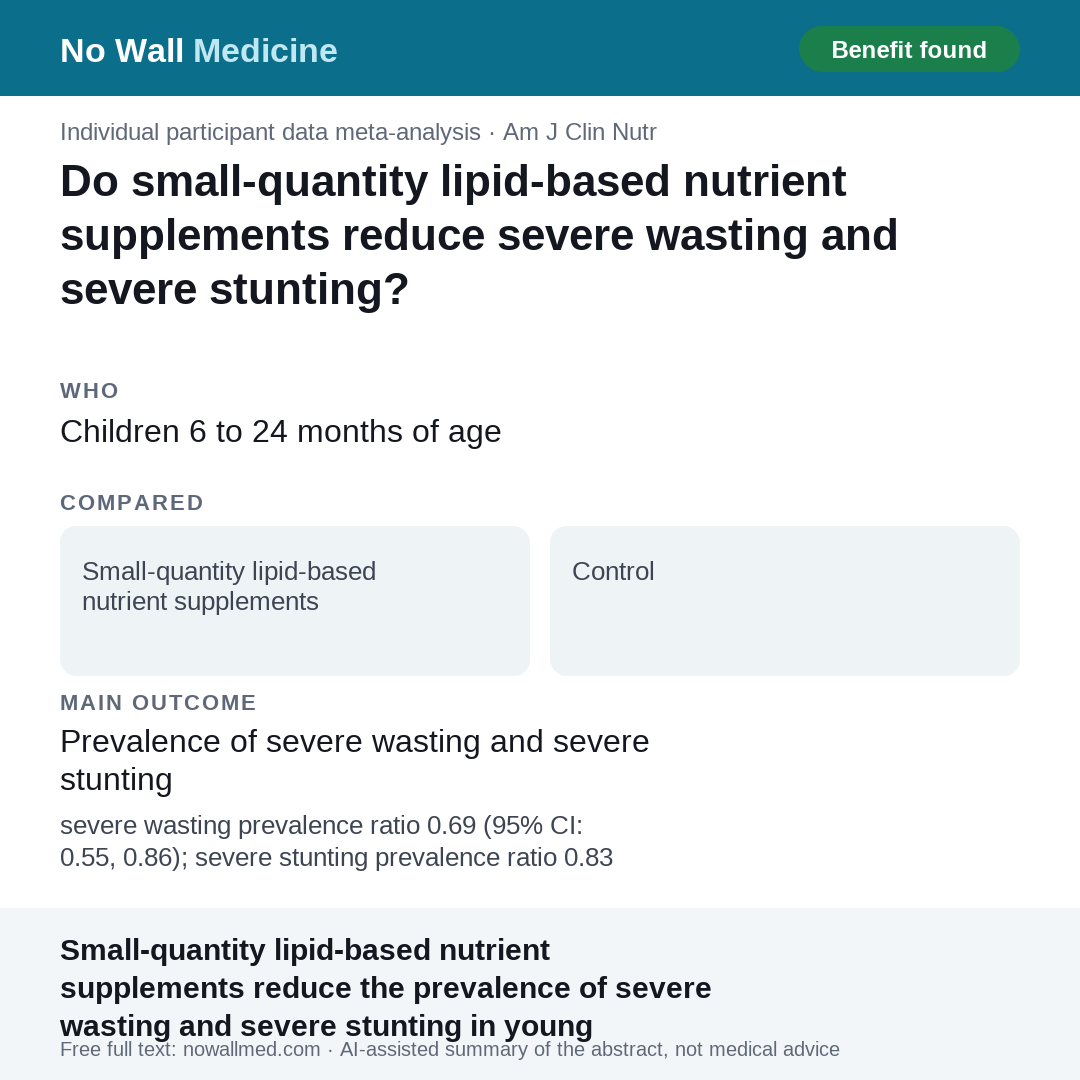
The Effect of Maternal Vitamin D Supplementation on Vitamin D Status of Exclusively Breastfeeding Mothers and Their Nursing Infants: A Systematic Review and Meta-Analysis of Randomized Clinical Trials
Systematic review and meta-analysis of randomized clinical trialsBenefit found
Does maternal vitamin D supplementation affect vitamin D status in breastfeeding mothers and infants?
Who
3337
Exclusively breastfeeding mothers and their nursing infants
Compared
Maternal vitamin D supplementation: 7.8 ng/mL increase at 1000 IU/d
Placebo or low doses
Main outcome
Serum 25-hydroxy vitamin D concentrations
Bottom line: Maternal vitamin D supplementation increases serum 25-hydroxy vitamin D concentrations in both breastfeeding mothers and their nursing infants.
Adv Nutr · 2023-02-10Download image
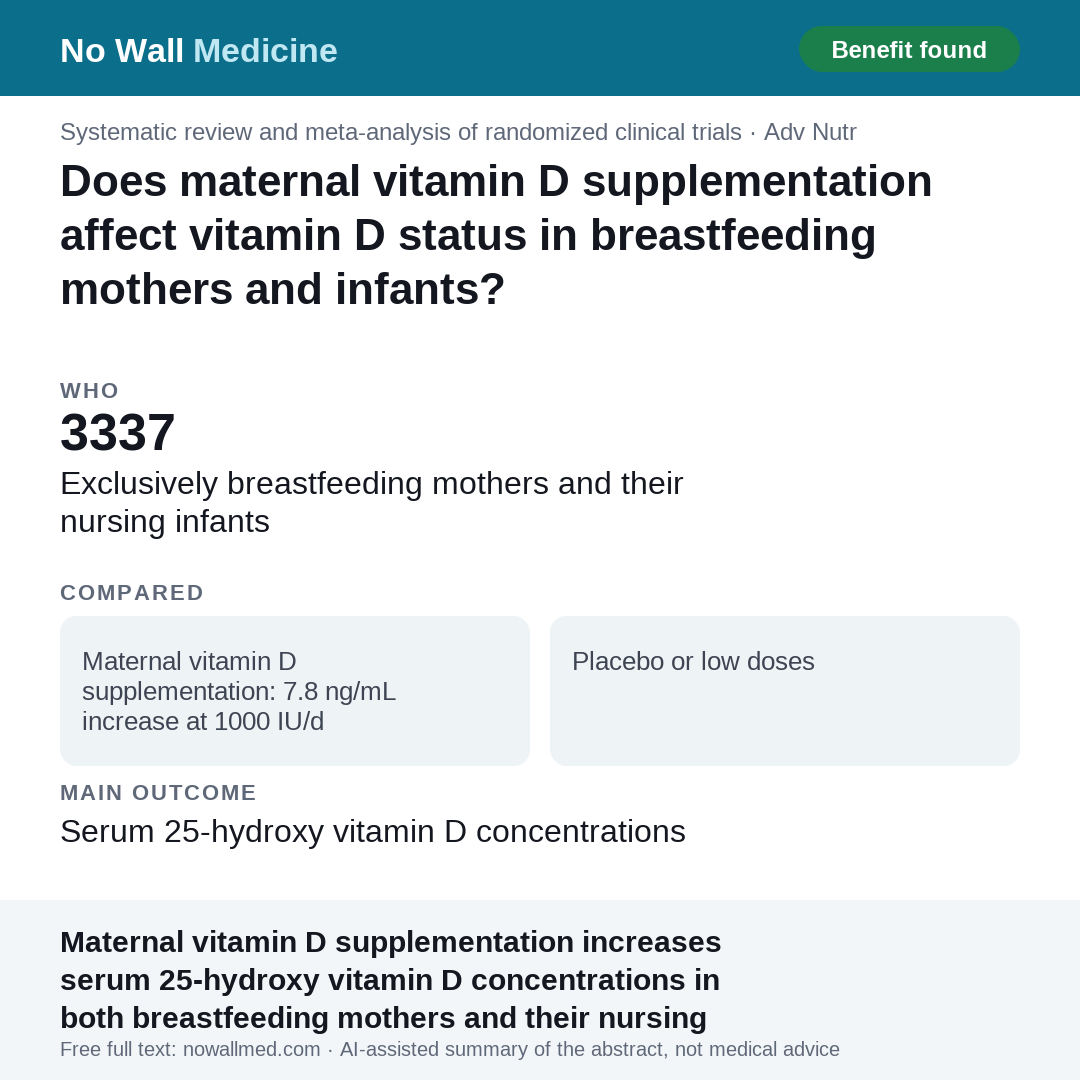
Effectiveness of Digital Guided Self-help Mindfulness Training During Pregnancy on Maternal Psychological Distress and Infant Neuropsychological Development: Randomized Controlled Trial
Randomized controlled trialBenefit found
Does digital guided self-help mindfulness training reduce maternal distress and improve infant neuropsychological development?
Who
160
160 women 12 to 20 weeks pregnant with psychological distress
Compared
digital guided self-help mindfulness training: significant reduction in depression, anxiety, and pregnancy-related anxiety symptoms
control group (usual perinatal care)
Main outcome
maternal psychological distress and infant neuropsychological performance
Bottom line: Digital guided self-help mindfulness training reduces maternal psychological distress and improves infant temperament scores.
J Med Internet Res · 2023-02-10Download image
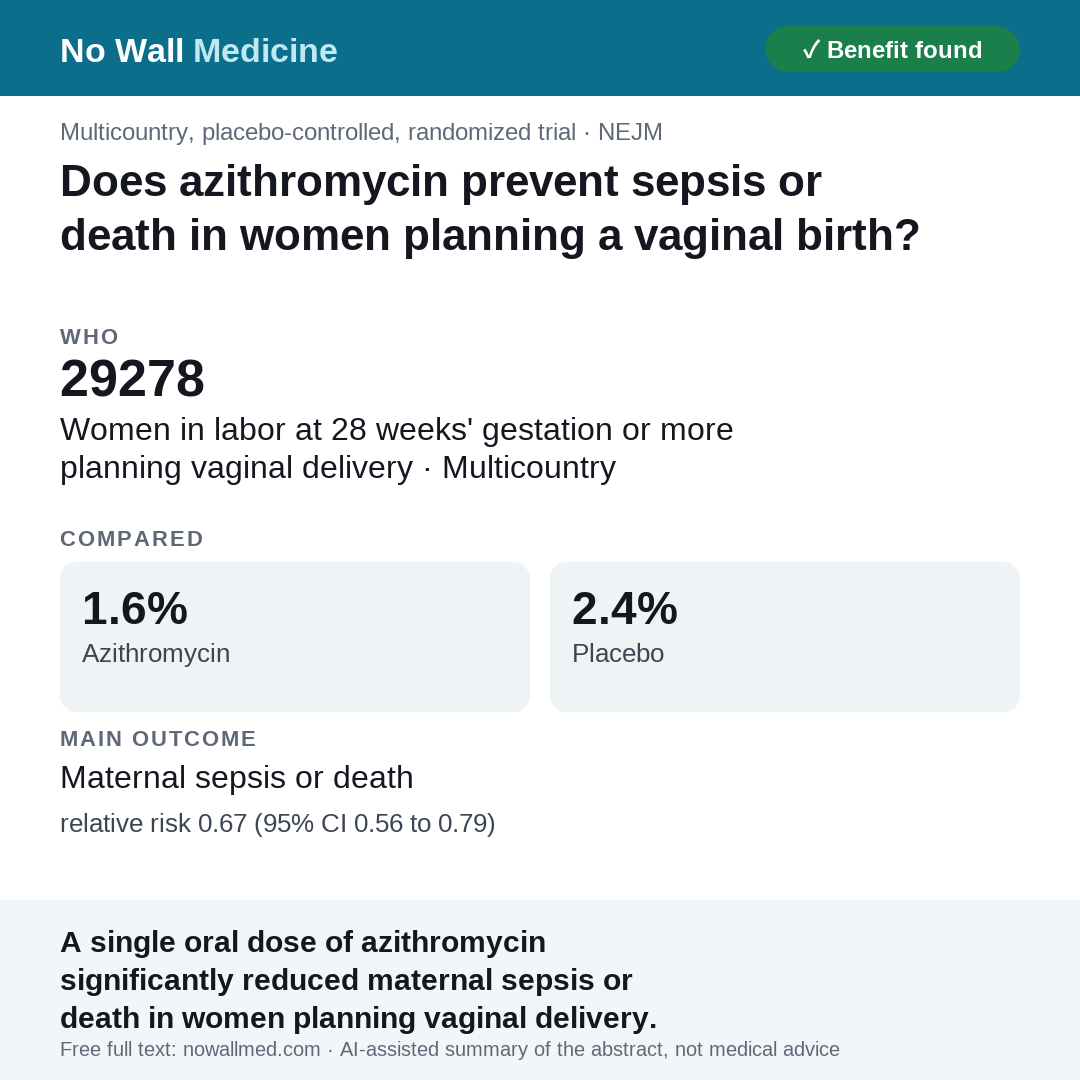
Azithromycin to Prevent Sepsis or Death in Women Planning a Vaginal Birth
Multicountry, placebo-controlled, randomized trialBenefit found
Does azithromycin prevent sepsis or death in women planning a vaginal birth?
Who
29278
Women in labor at 28 weeks' gestation or more planning vaginal delivery · Multicountry
Compared
1.6%Azithromycin
2.4%Placebo
Main outcome
Maternal sepsis or death
Result: relative risk 0.67 (95% CI 0.56 to 0.79)
Bottom line: A single oral dose of azithromycin significantly reduced maternal sepsis or death in women planning vaginal delivery.
Funded by: Eunice Kennedy Shriver National Institute of Child Health and Human Development
NEJM · 2023-02-09Download image
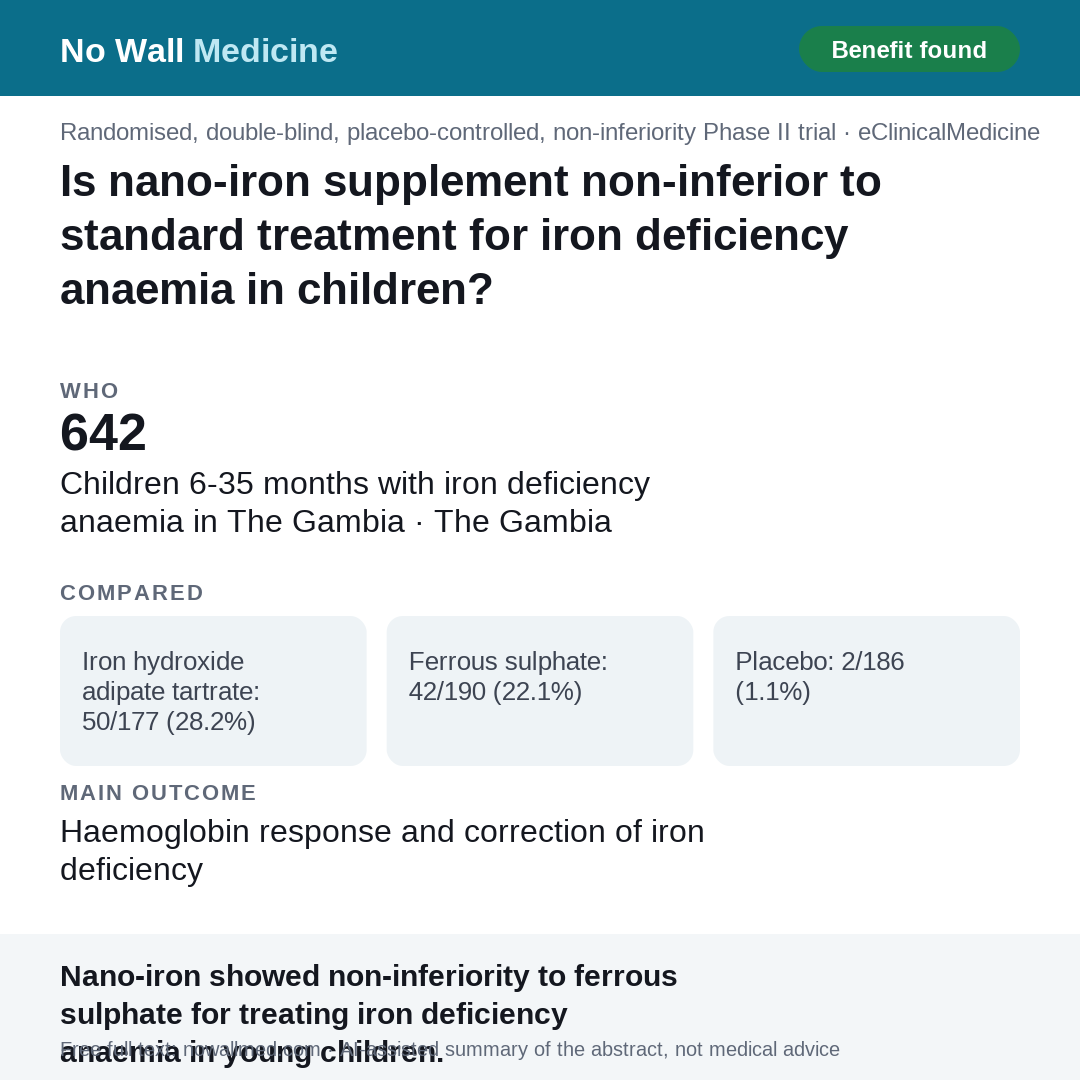
A novel nano-iron supplement versus standard treatment for iron deficiency anaemia in children 6-35 months (IHAT-GUT trial): a double-blind, randomised, placebo-controlled non-inferiority phase II trial in The Gambia
Randomised, double-blind, placebo-controlled, non-inferiority Phase II trialBenefit found
Is nano-iron supplement non-inferior to standard treatment for iron deficiency anaemia in children?
Who
642
Children 6-35 months with iron deficiency anaemia in The Gambia · The Gambia
Compared
Iron hydroxide adipate tartrate: 50/177 (28.2%)
Ferrous sulphate: 42/190 (22.1%)
Placebo: 2/186 (1.1%)
Main outcome
Haemoglobin response and correction of iron deficiency
Result: OR 1.39, 80% CI 1.01-1.91
Bottom line: Nano-iron showed non-inferiority to ferrous sulphate for treating iron deficiency anaemia in young children.
Funded by: Bill & Melinda Gates Foundation
eClinicalMedicine · 2023-02-09Download image
Use of a paediatric advice line for parents of infants recruited to a randomised controlled trial
Prospective cohort studyBenefit found
What are the characteristics and usage patterns of a paediatric advice line?
Who
1246
Parents of infants recruited to a randomized controlled trial · Melbourne
Compared
230Used paediatric advice line (18.5%)
Did not use paediatric advice line
Main outcome
Usage, reasons for calling, and sociodemographic characteristics
Bottom line: A paediatric advice line was used appropriately for minor concerns and may promote participant engagement.
BMJ Paediatr Open · 2023-02-09Download image
Exploring the Role of Antithrombin in Nephrotic Syndrome-Associated Hypercoagulopathy: A Multi-Cohort Study and Meta-Analysis
Multi-cohort study and meta-analysisNo clear difference
Does antithrombin deficiency drive hypercoagulopathy in nephrotic syndrome?
Who
Patients with nephrotic syndrome
Compared
Normal antithrombin levels
Antithrombin levels below 70%
Main outcome
Hypercoagulopathy in nephrotic syndrome
Bottom line: Antithrombin deficiency plays only a limited role in the hypercoagulopathy of nephrotic syndrome.
CJASN · 2023-02-08Download image
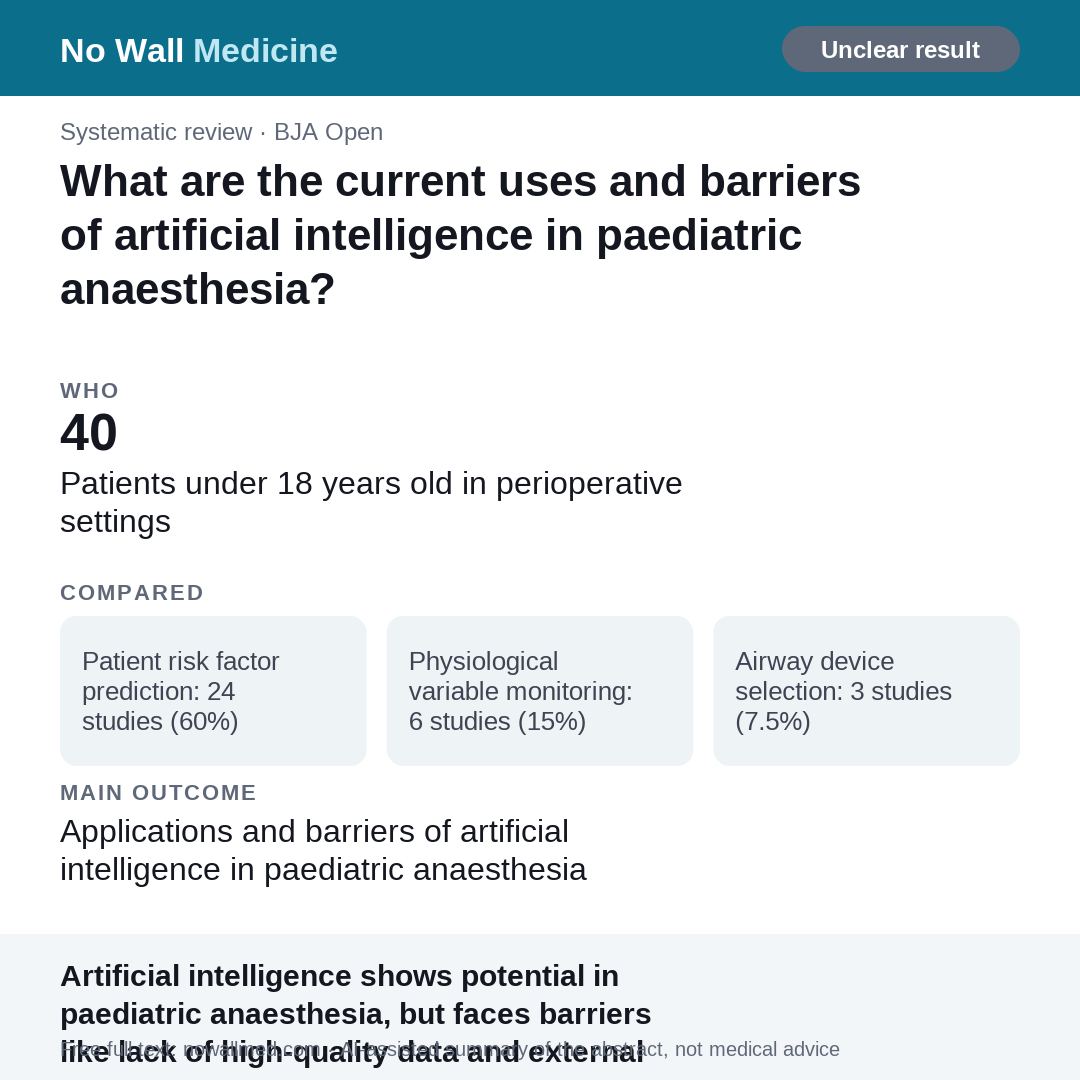
Use of artificial intelligence in paediatric anaesthesia: a systematic review
Systematic reviewUnclear result
What are the current uses and barriers of artificial intelligence in paediatric anaesthesia?
Who
40
Patients under 18 years old in perioperative settings
Compared
Patient risk factor prediction: 24 studies (60%)
Physiological variable monitoring: 6 studies (15%)
Airway device selection: 3 studies (7.5%)
Main outcome
Applications and barriers of artificial intelligence in paediatric anaesthesia
Bottom line: Artificial intelligence shows potential in paediatric anaesthesia, but faces barriers like lack of high-quality data and external validation.
Limitation: Lack of high-quality input data, lack of external validation, and unclear generalisability to diverse settings.
BJA Open · 2023-02-07Download image
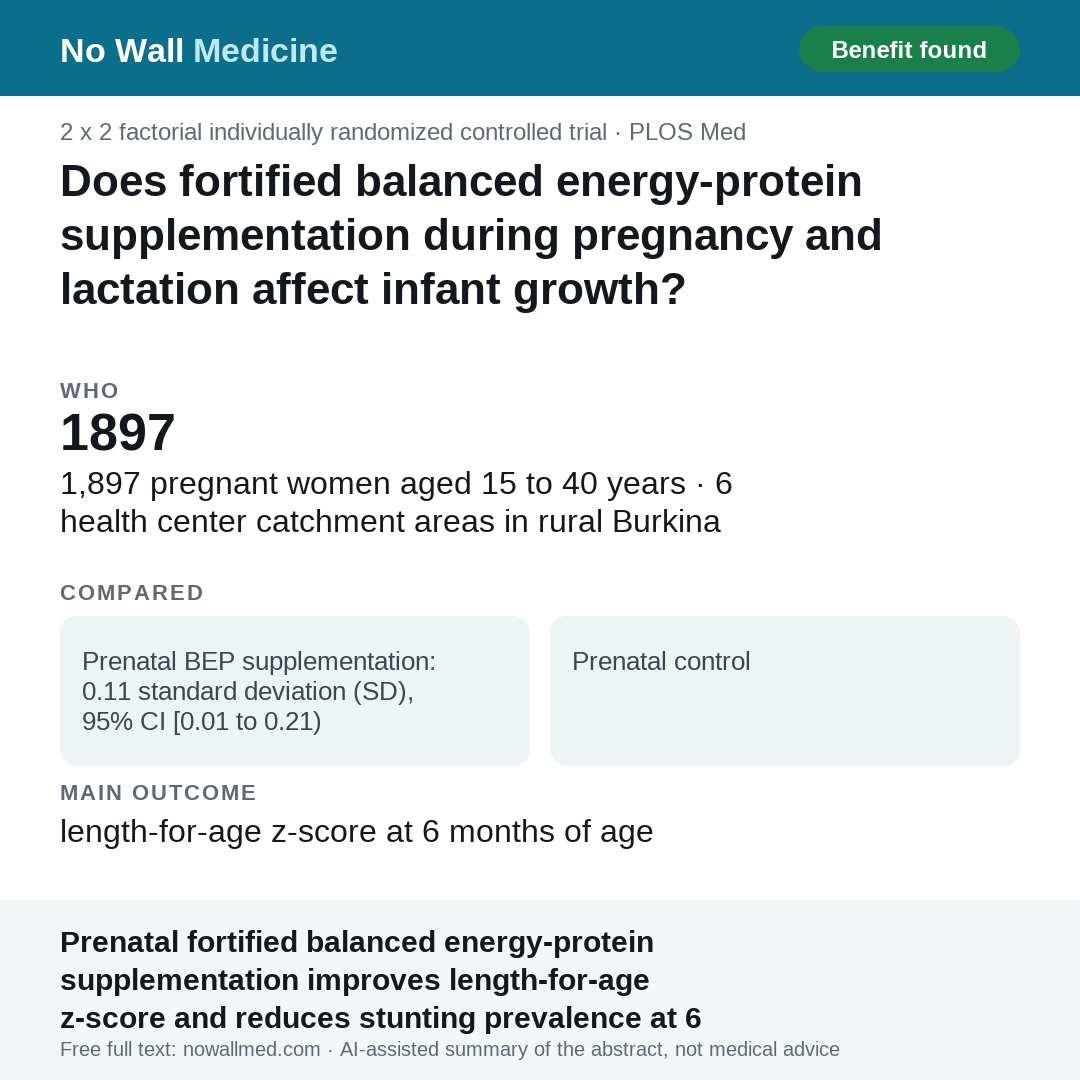
Fortified balanced energy-protein supplementation during pregnancy and lactation and infant growth in rural Burkina Faso: A 2 × 2 factorial individually randomized controlled trial
2 x 2 factorial individually randomized controlled trialBenefit found
Does fortified balanced energy-protein supplementation during pregnancy and lactation affect infant growth?
Who
1897
1,897 pregnant women aged 15 to 40 years · 6 health center catchment areas in rural Burkina Faso
Compared
Prenatal BEP supplementation: 0.11 standard deviation (SD), 95% CI [0.01 to 0.21)
Prenatal control
Main outcome
length-for-age z-score at 6 months of age
Result: 0.11 standard deviation (SD), 95% CI [0.01 to 0.21]
Bottom line: Prenatal fortified balanced energy-protein supplementation improves length-for-age z-score and reduces stunting prevalence at 6 months of age.
PLOS Med · 2023-02-06Download image
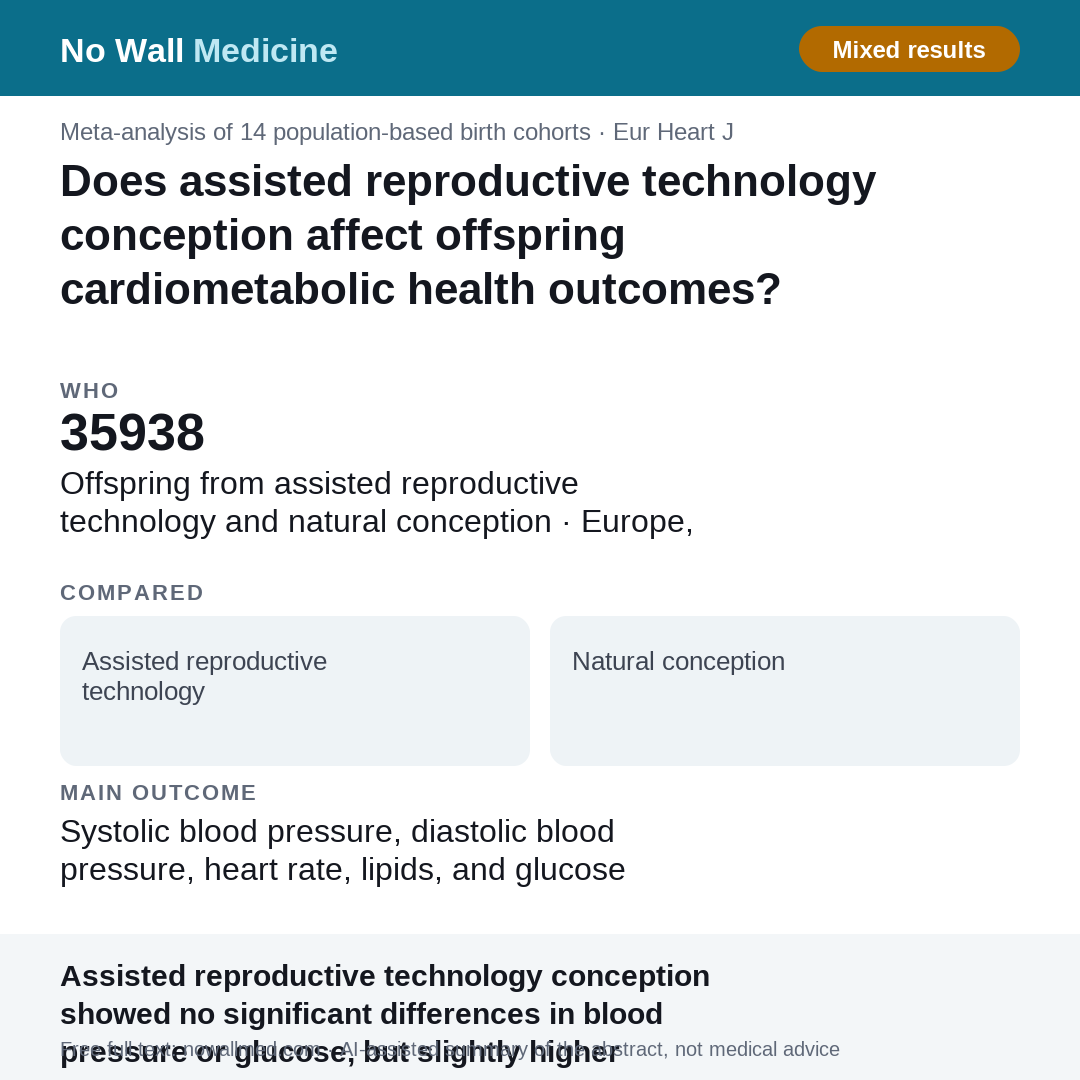
Long-term cardiometabolic health in people born after assisted reproductive technology: a multi-cohort analysis
Meta-analysis of 14 population-based birth cohortsMixed results
Does assisted reproductive technology conception affect offspring cardiometabolic health outcomes?
Who
35938
Offspring from assisted reproductive technology and natural conception · Europe, Australia, and Singapore
Compared
Assisted reproductive technology
Natural conception
Main outcome
Systolic blood pressure, diastolic blood pressure, heart rate, lipids, and glucose
Result: Total cholesterol (2.59%; 0.10-5.07), HDL cholesterol (4.16%; 2.52-5.81), LDL cholesterol (4.95%; 0.47-9.43)
Bottom line: Assisted reproductive technology conception showed no significant differences in blood pressure or glucose, but slightly higher cholesterol levels.
Limitation: Longer-term follow-up is warranted to investigate changes over adulthood.
Eur Heart J · 2023-02-06Download image
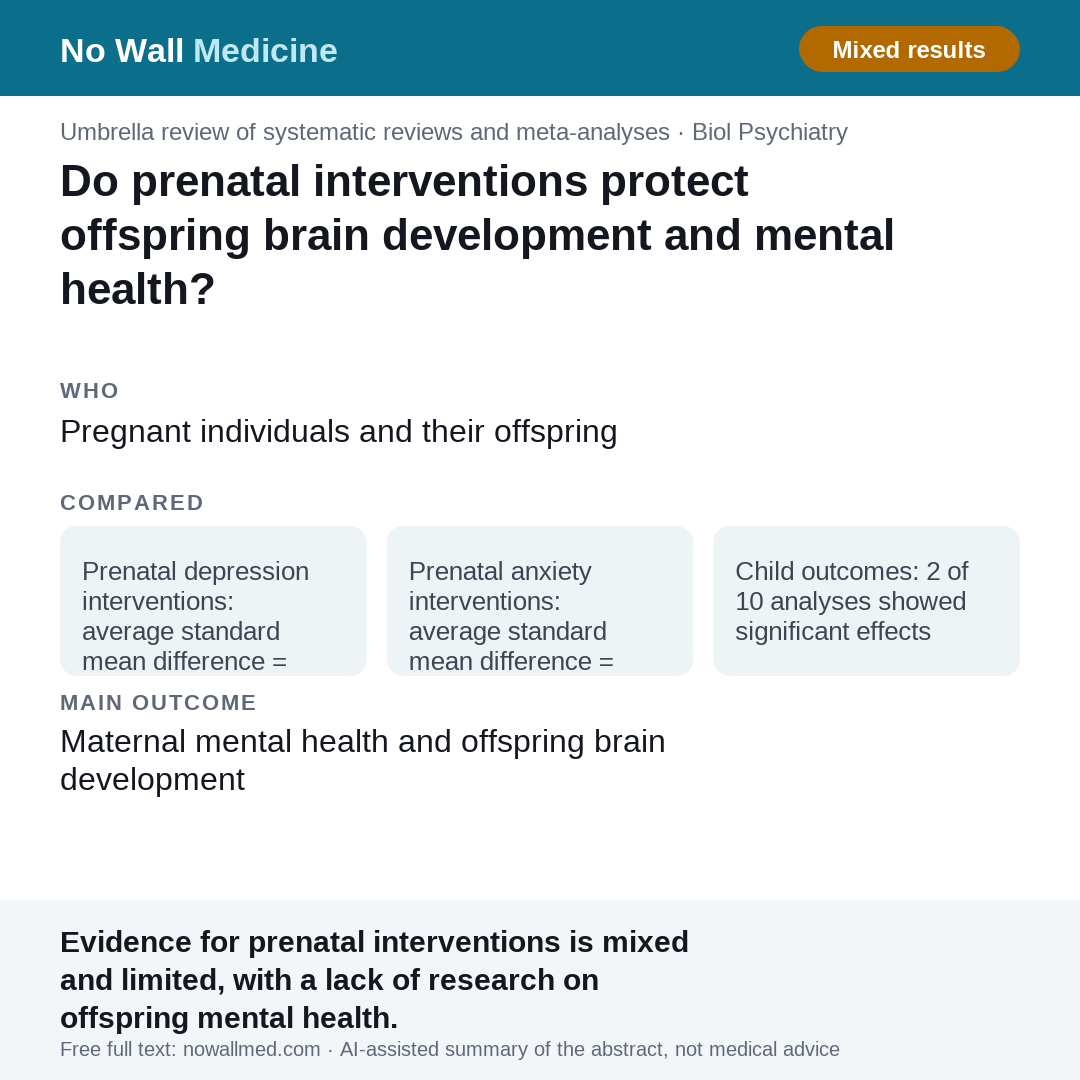
Maternal Mental Health and Offspring Brain Development: An Umbrella Review of Prenatal Interventions
Umbrella review of systematic reviews and meta-analysesMixed results
Do prenatal interventions protect offspring brain development and mental health?
Who
Pregnant individuals and their offspring
Compared
Prenatal depression interventions: average standard mean difference = -0.45
Prenatal anxiety interventions: average standard mean difference = -0.76
Child outcomes: 2 of 10 analyses showed significant effects
Main outcome
Maternal mental health and offspring brain development
Bottom line: Evidence for prenatal interventions is mixed and limited, with a lack of research on offspring mental health.
Limitation: None of the systematic reviews focused on offspring mental health or neurodevelopmental outcomes.
Biol Psychiatry · 2023-02-06Download image