Visual abstracts
New randomized trials and meta-analyses from leading journals at a glance: who was studied, what was compared, and what was found. Every paper is free to read in full.
All specialtiesCardiology 4877Oncology 4138Gastroenterology & Hepatology 1942Infectious Disease 3837Neurology 1905Psychiatry & Mental Health 2273Pulmonology 2143Critical Care 1365Endocrinology & Diabetes 2580Pediatrics 2980Surgery 2559Orthopedics & Sports Medicine 931Neurosurgery 537Cardiothoracic & Vascular Surgery 674Plastic & Reconstructive Surgery 591Nephrology 1133Rheumatology 823Hematology 1109Dermatology 621Ophthalmology 543Obstetrics & Gynecology 1686Public & Global Health 1058Radiology & Imaging 648Anesthesiology 986Urology 764ENT (Otolaryngology) 503Emergency Medicine 511Allergy & Immunology 313Geriatrics 981Family Medicine & Primary Care 562Medical Genetics & Genomics 676Pathology & Laboratory Medicine 159Physical Medicine & Rehabilitation 757Palliative Care 444Nutrition 1588Digital Health & AI 2201General Medicine 321
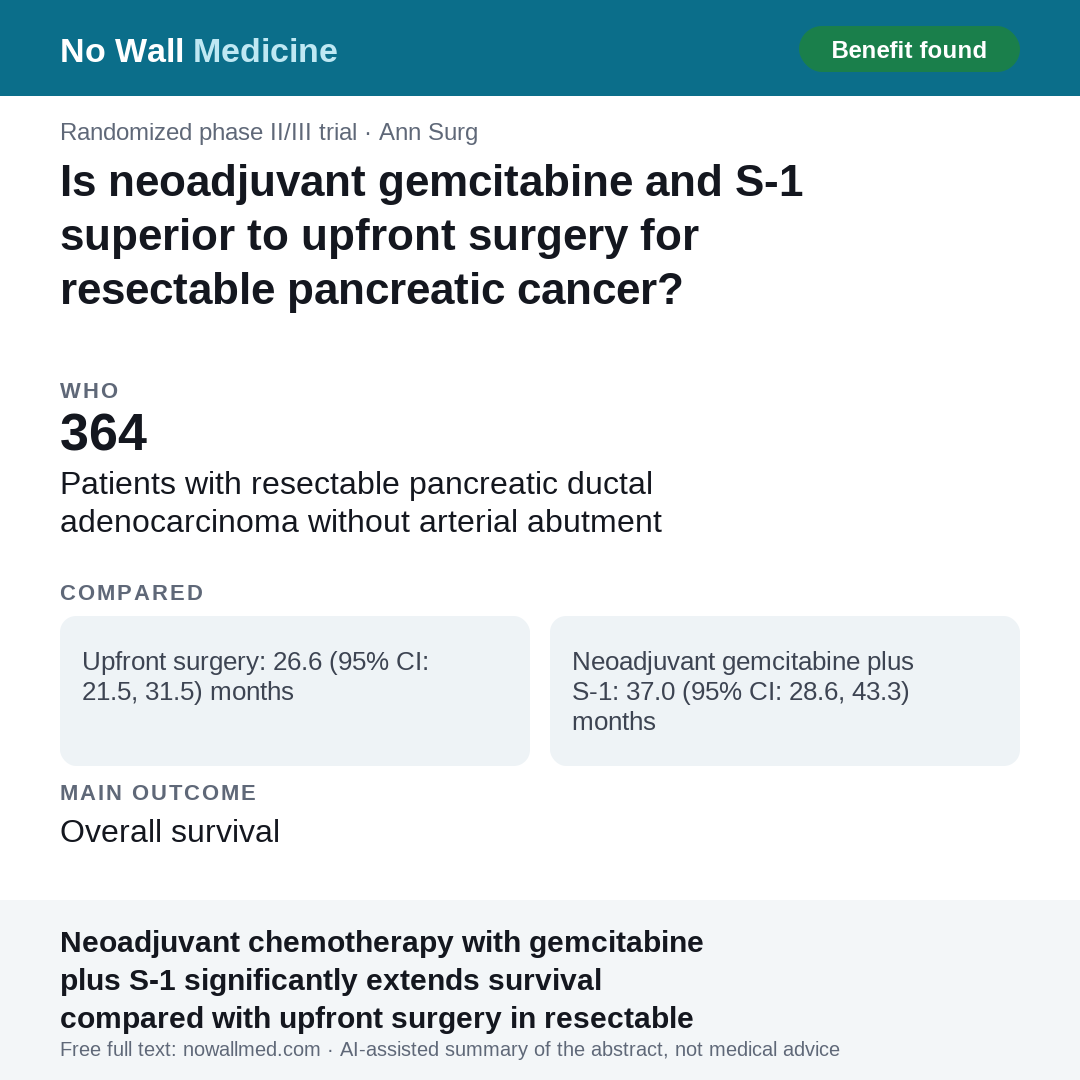
Neoadjuvant Chemotherapy With Gemcitabine and S-1 Versus Upfront Surgery for Resectable Pancreatic Cancer: Results of the Randomized Phase II/III Prep-02/JSAP05 Trial
Randomized phase II/III trialBenefit found
Is neoadjuvant gemcitabine and S-1 superior to upfront surgery for resectable pancreatic cancer?
Who
364
Patients with resectable pancreatic ductal adenocarcinoma without arterial abutment
Compared
Upfront surgery: 26.6 (95% CI: 21.5, 31.5) months
Neoadjuvant gemcitabine plus S-1: 37.0 (95% CI: 28.6, 43.3) months
Main outcome
Overall survival
Result: hazard ratio 0.73 (95% CI 0.56, 0.95)
Bottom line: Neoadjuvant chemotherapy with gemcitabine plus S-1 significantly extends survival compared with upfront surgery in resectable pancreatic cancer.
Ann Surg · 2025-04-16Download image
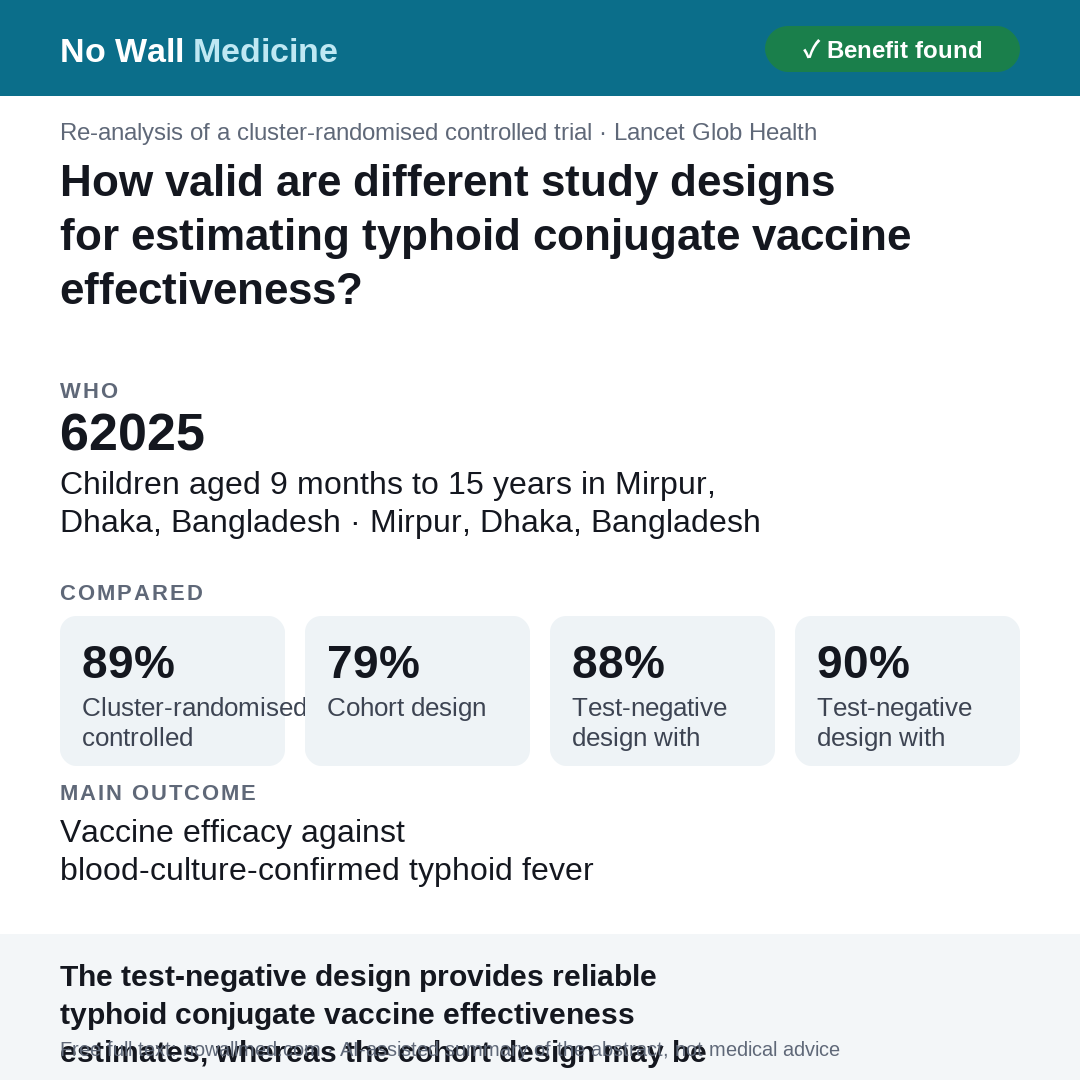
The validity of test-negative design for assessment of typhoid conjugate vaccine protection: comparison of estimates by different study designs using data from a cluster-randomised controlled trial
Re-analysis of a cluster-randomised controlled trialBenefit found
How valid are different study designs for estimating typhoid conjugate vaccine effectiveness?
Who
62025
Children aged 9 months to 15 years in Mirpur, Dhaka, Bangladesh · Mirpur, Dhaka, Bangladesh
Compared
89%Cluster-randomised controlled trial analysis (95% CI 81-93)
79%Cohort design (70-86)
88%Test-negative design with pan-negatives (79-93)
90%Test-negative design with other pathogens (75-96)
Main outcome
Vaccine efficacy against blood-culture-confirmed typhoid fever
Bottom line: The test-negative design provides reliable typhoid conjugate vaccine effectiveness estimates, whereas the cohort design may be biased by confounding.
Limitation: The cohort design can bias estimates due to unmeasured confounding effects like health-care-seeking behaviours.
Funded by: Bill & Melinda Gates Foundation
Lancet Glob Health · 2025-04-16Download image
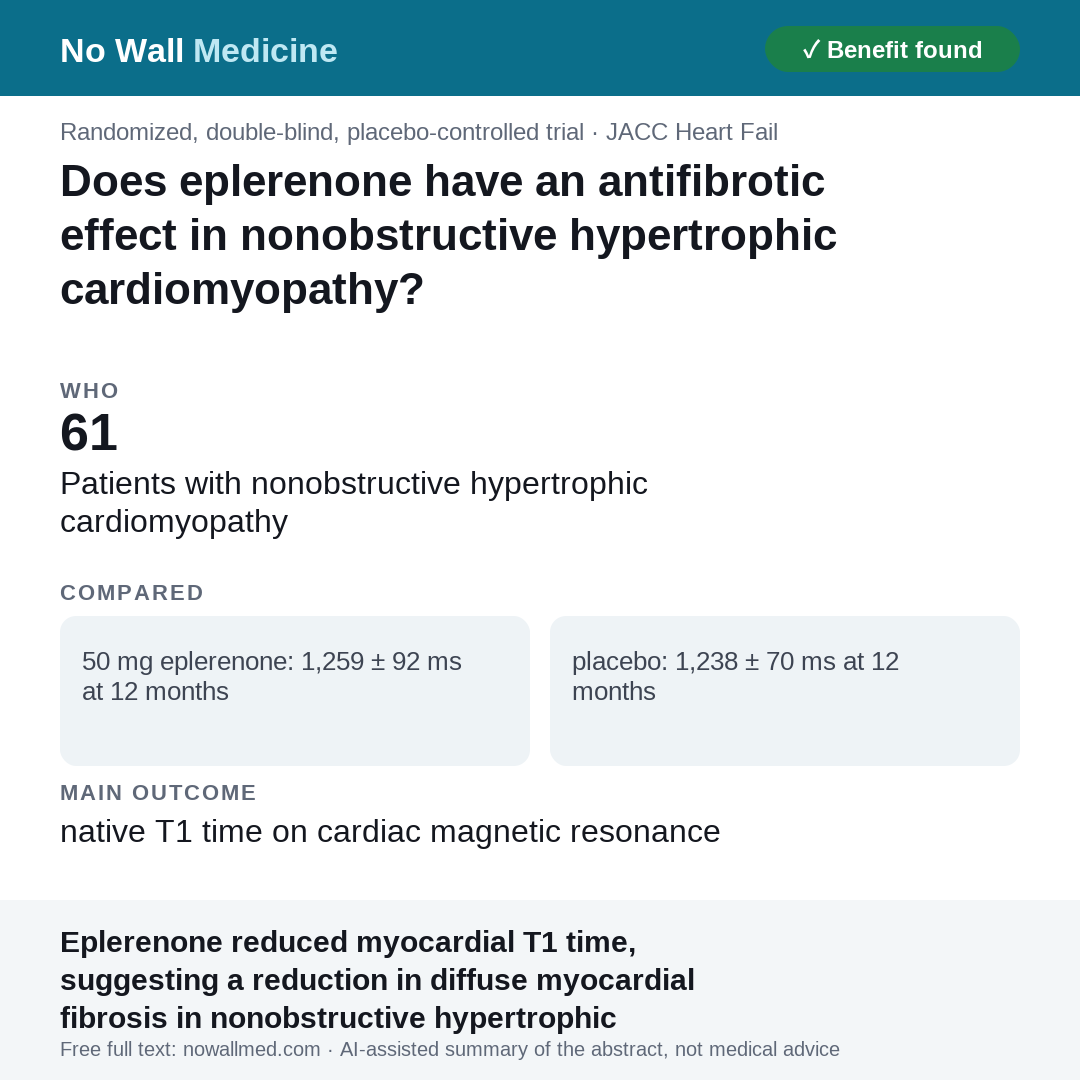
The Antifibrotic Effects of Eplerenone in Hypertrophic Cardiomyopathy: A Randomized Clinical Trial
Randomized, double-blind, placebo-controlled trialBenefit found
Does eplerenone have an antifibrotic effect in nonobstructive hypertrophic cardiomyopathy?
Who
61
Patients with nonobstructive hypertrophic cardiomyopathy
Compared
50 mg eplerenone: 1,259 ± 92 ms at 12 months
placebo: 1,238 ± 70 ms at 12 months
Main outcome
native T1 time on cardiac magnetic resonance
Result: 3.7% ± 9% reduction with eplerenone compared with a 1.1% ± 9% increase with placebo (P = 0.07)
Bottom line: Eplerenone reduced myocardial T1 time, suggesting a reduction in diffuse myocardial fibrosis in nonobstructive hypertrophic cardiomyopathy.
JACC Heart Fail · 2025-04-16Download image
Effects of Atrial Fibrillation Ablation for Heart Failure With Preserved Ejection Fraction: Insights From CABANA
Randomized trialBenefit found
Does atrial fibrillation ablation help heart failure patients
Who
1763
Patients with cardiovascular risk factors for stroke
Compared
Ablation
Drug therapy
Main outcome
Cardiovascular hospitalization or death
Result: hazard ratio 0.82 (95% CI: 0.69-0.98)
Bottom line: Ablation helps heart failure patients with preserved ejection fraction
JACC Heart Fail · 2025-04-16Download image
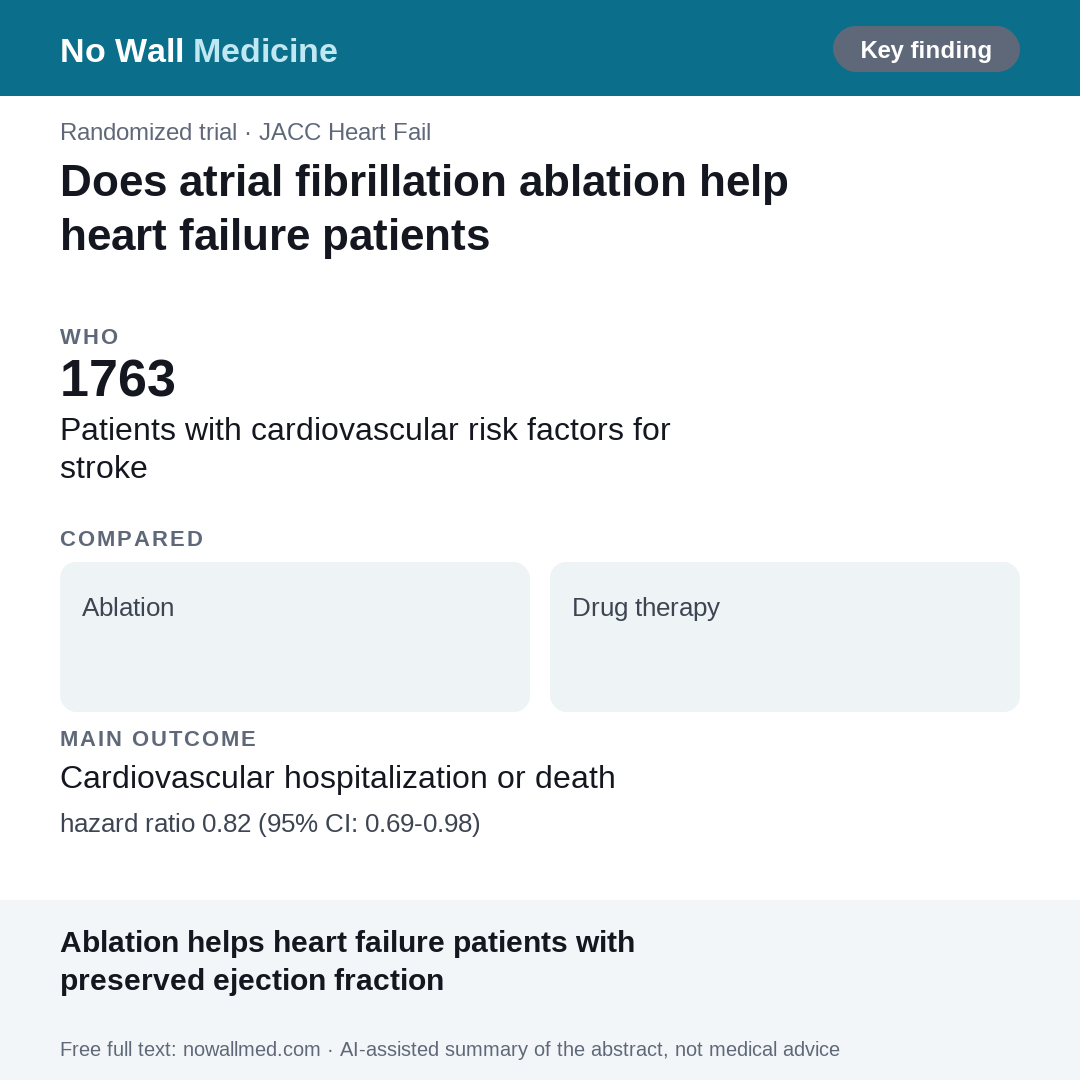
Open versus robotic-assisted partial nephrectomy in patients with intermediate/high-complexity kidney tumours: final results of the randomised, controlled, open-label, multicentre trial OpeRa
Randomized, open-label, multicentre trialNo clear difference
Is robotic-assisted partial nephrectomy superior to open partial nephrectomy for intermediate/high-complexity kidney tumours?
Who
240
Patients with intermediate/high-complexity renal tumours · 12 German hospitals
Compared
37%robotic-assisted partial nephrectomy
46%open partial nephrectomy
Main outcome
30-day post-operative complication rate
Result: -9.5% (95% confidence interval -23.1% to 4.2%)
Bottom line: Robotic-assisted partial nephrectomy showed no statistically significant difference in 30-day complication rates compared to open partial nephrectomy.
Ann Oncol · 2025-04-16Download image
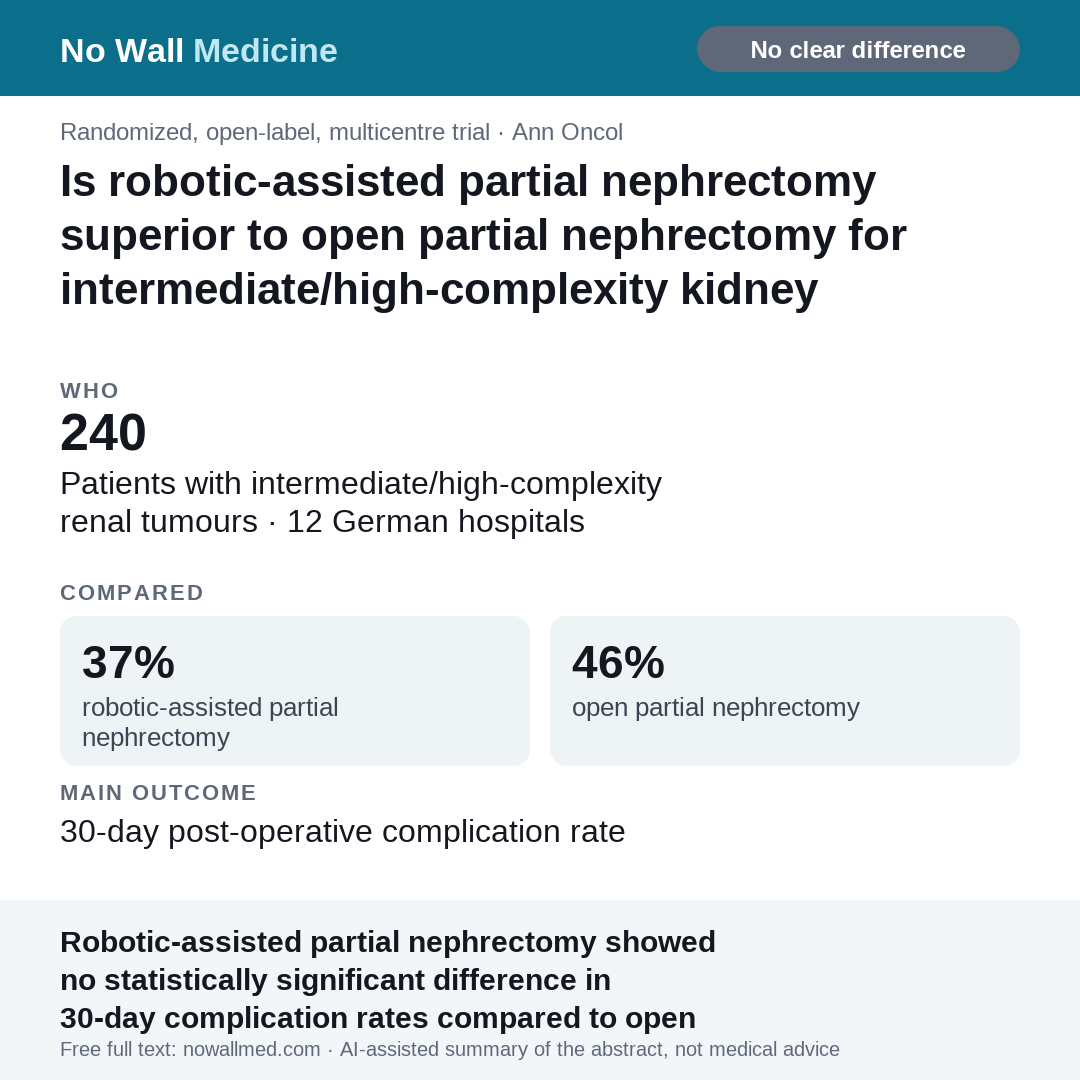
Clinical Trial: A Multicentre Randomised Controlled Trial of Carvedilol Versus Variceal Band Ligation in Primary Prevention of Variceal Bleeding in Liver Cirrhosis (CALIBRE Trial)
Multicentre, randomised, controlled, open-label trialNo clear difference
Is carvedilol or variceal band ligation better for primary prevention of variceal bleeding?
Who
265
Patients with cirrhosis and medium to large oesophageal varices · 52 sites
Compared
3.8%carvedilol
7.6%variceal band ligation
Main outcome
any variceal bleeding within 1 year of randomisation
Result: risk ratio 0.50 (95% confidence interval [CI]; 0.17-1.41)
Bottom line: Carvedilol and variceal band ligation showed no difference in preventing variceal bleeding in patients with cirrhosis.
Aliment Pharmacol Ther · 2025-04-16Download image
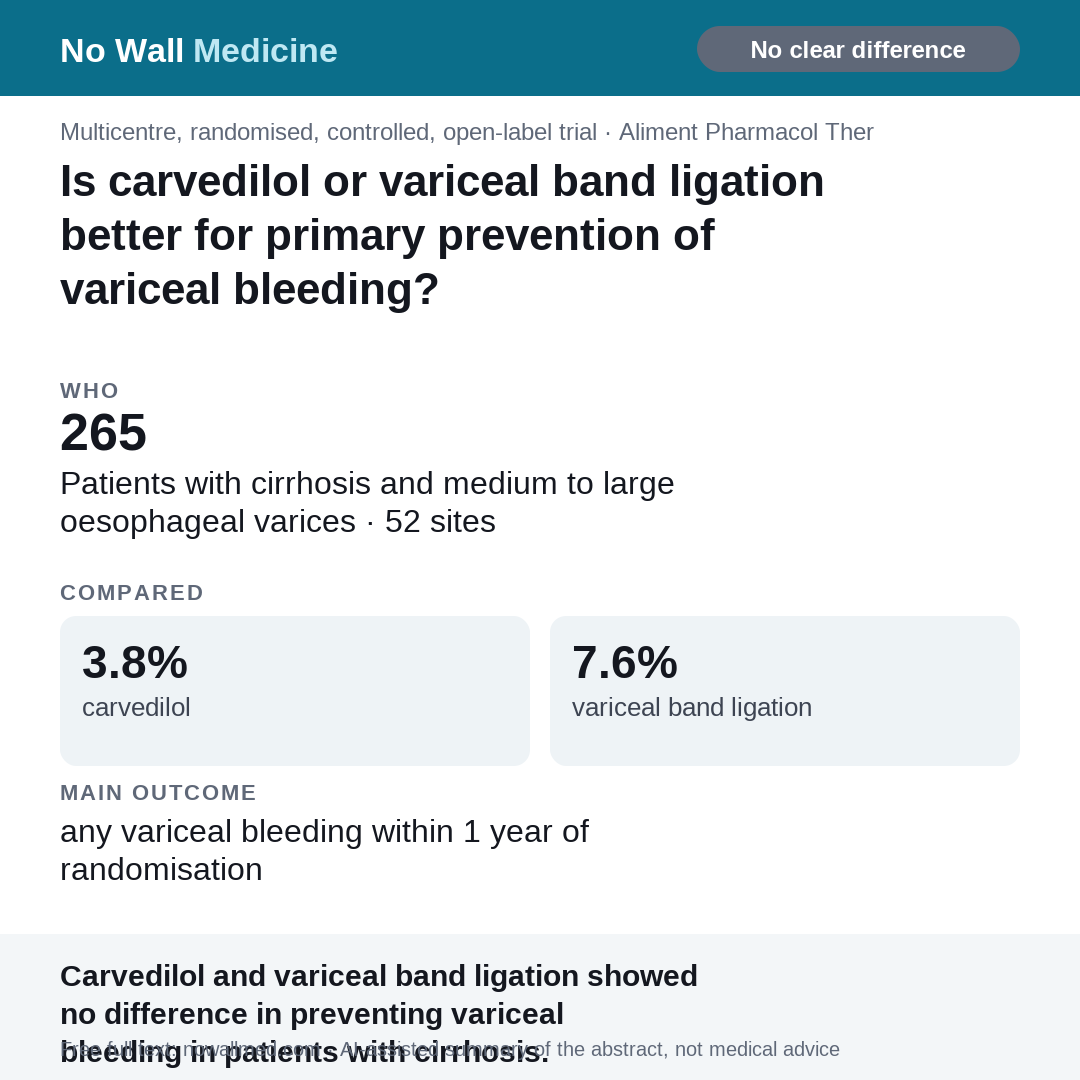
Gut Colonization With Vancomycin-Resistant Enterococcus Shapes the Gut Microbiome in the Intensive Care Unit
Observational longitudinal studyHarm found
How does vancomycin-resistant Enterococcus colonization affect the gut microbiome in intensive care patients?
Who
90
Medical intensive care unit patients admitted with sepsis · Medical intensive care unit
Compared
VRE positive samples: median Shannon index 1.90 (IQR, 0.89-2.66)
VRE negative samples: median Shannon index 2.64 (IQR, 1.58-3.22)
Main outcome
Gut microbiome alpha diversity
Bottom line: Vancomycin-resistant Enterococcus colonization was associated with lower gut microbiome alpha diversity in intensive care patients.
J Infect Dis · 2025-04-16Download image
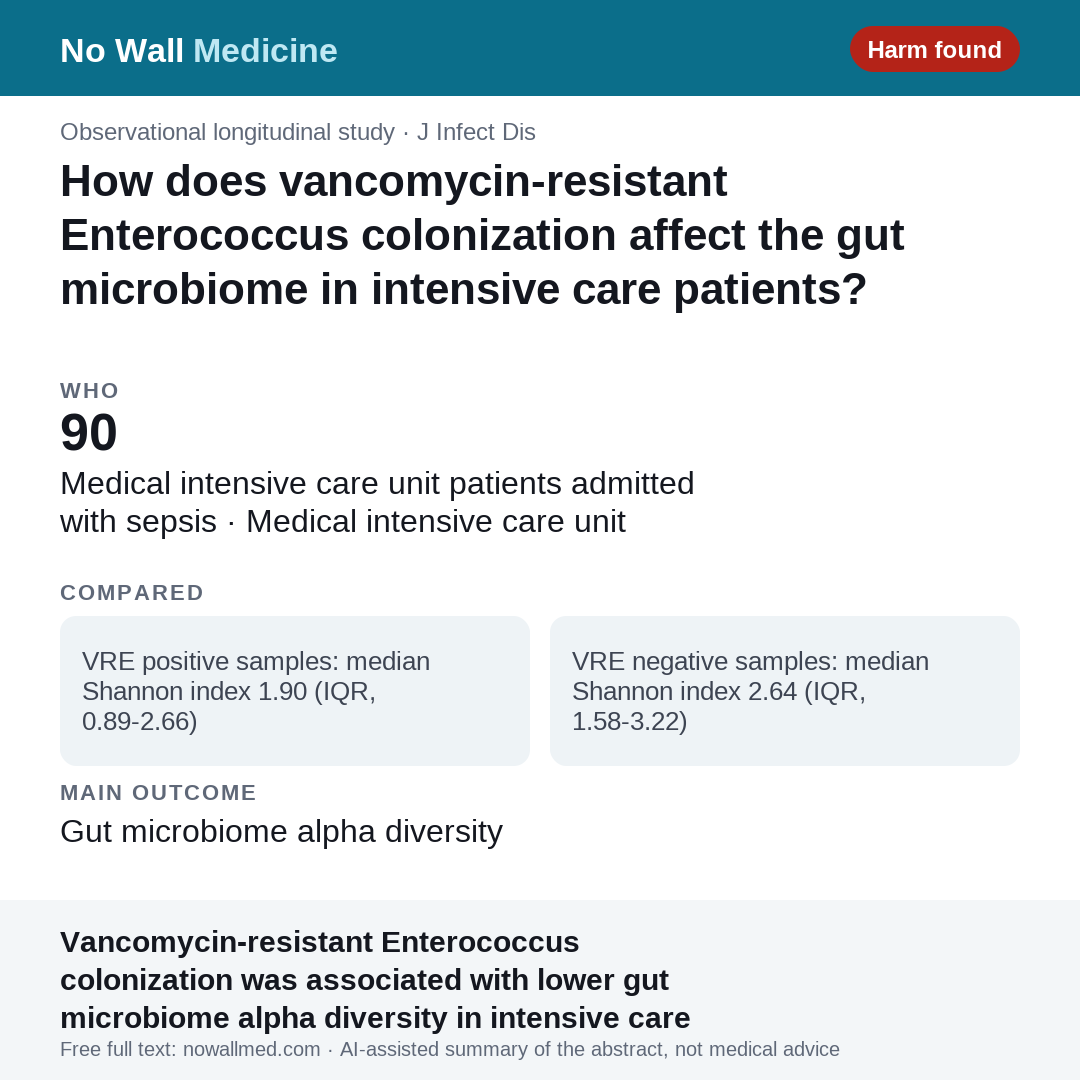
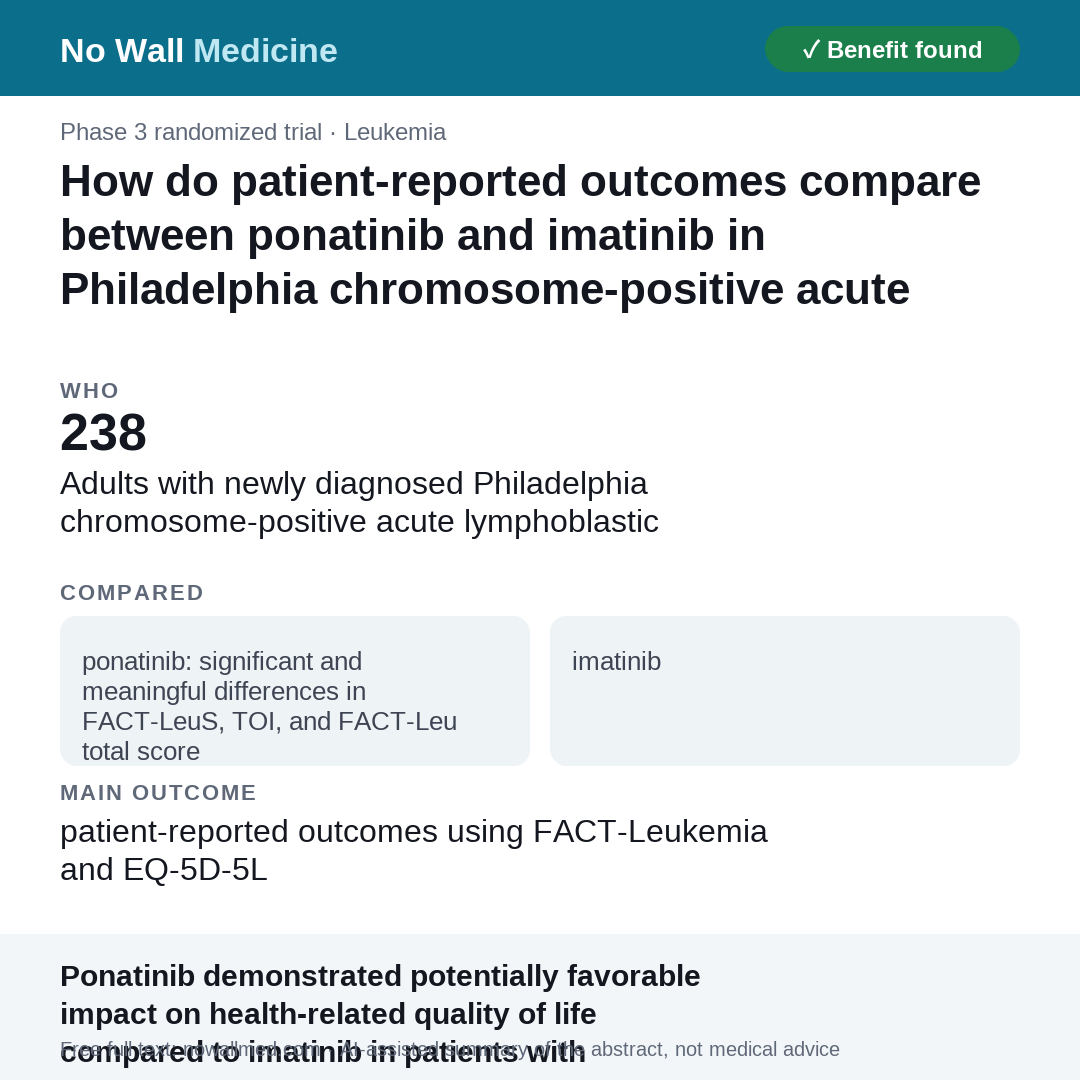
Patient-reported outcomes in Philadelphia chromosome-positive acute lymphoblastic leukemia patients treated with ponatinib or imatinib: results from the PhALLCON trial
Phase 3 randomized trialBenefit found
How do patient-reported outcomes compare between ponatinib and imatinib in Philadelphia chromosome-positive acute lymphoblastic leukemia?
Who
238
Adults with newly diagnosed Philadelphia chromosome-positive acute lymphoblastic leukemia
Compared
ponatinib: significant and meaningful differences in FACT-LeuS, TOI, and FACT-Leu total score
imatinib
Main outcome
patient-reported outcomes using FACT-Leukemia and EQ-5D-5L
Bottom line: Ponatinib demonstrated potentially favorable impact on health-related quality of life compared to imatinib in patients with Philadelphia chromosome-positive acute lymphoblastic leukemia.
Leukemia · 2025-04-16Download image
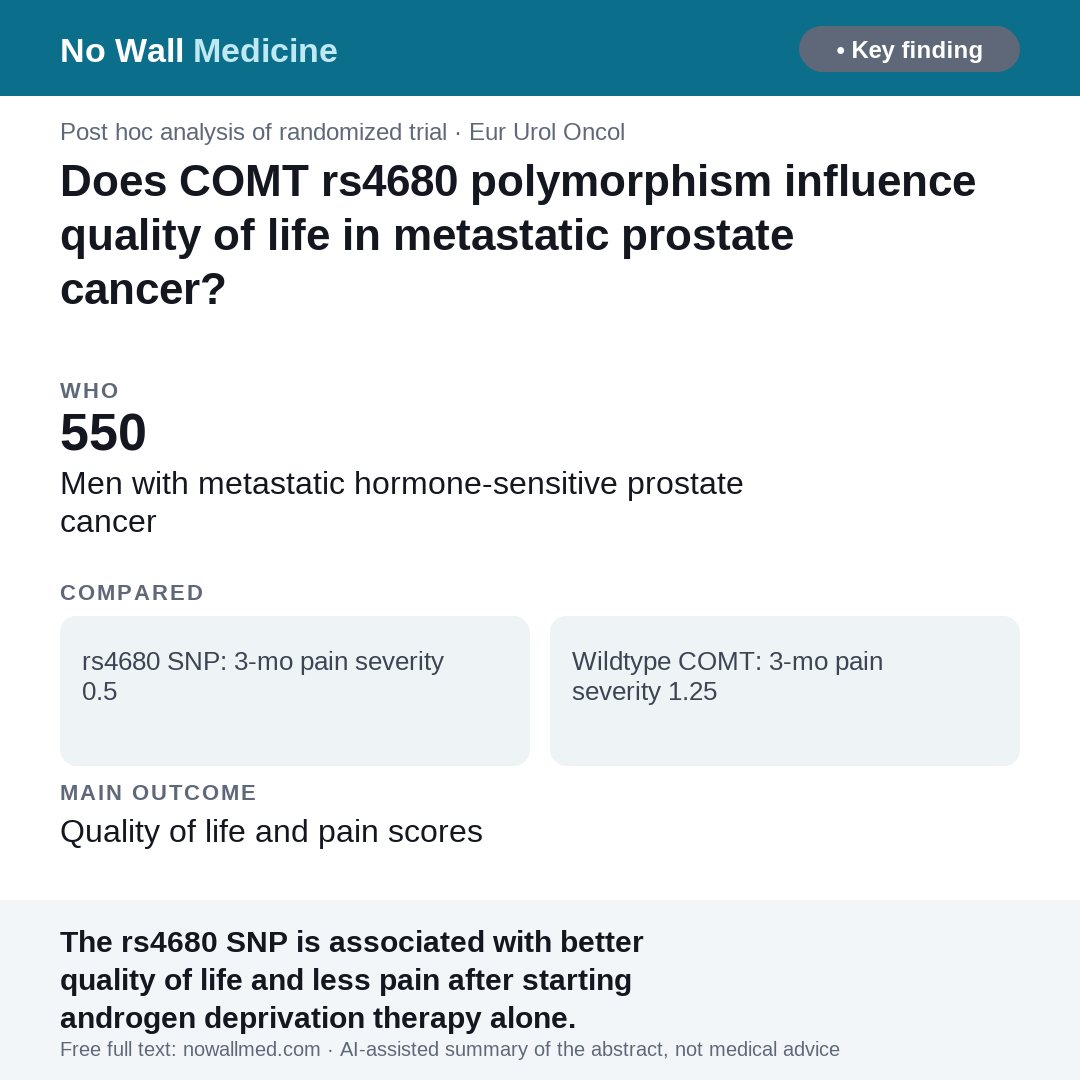
Genetic Drivers of Quality of Life in Prostate Cancer: An Evaluation of Genetic Polymorphisms and Patient-reported Outcomes in the E3805 CHAARTED trial
Post hoc analysis of randomized trialBenefit found
Does COMT rs4680 polymorphism influence quality of life in metastatic prostate cancer?
Who
550
Men with metastatic hormone-sensitive prostate cancer
Compared
rs4680 SNP: 3-mo pain severity 0.5
Wildtype COMT: 3-mo pain severity 1.25
Main outcome
Quality of life and pain scores
Bottom line: The rs4680 SNP is associated with better quality of life and less pain after starting androgen deprivation therapy alone.
Limitation: This was a post hoc analysis of the CHAARTED trial.
Eur Urol Oncol · 2025-04-16Download image
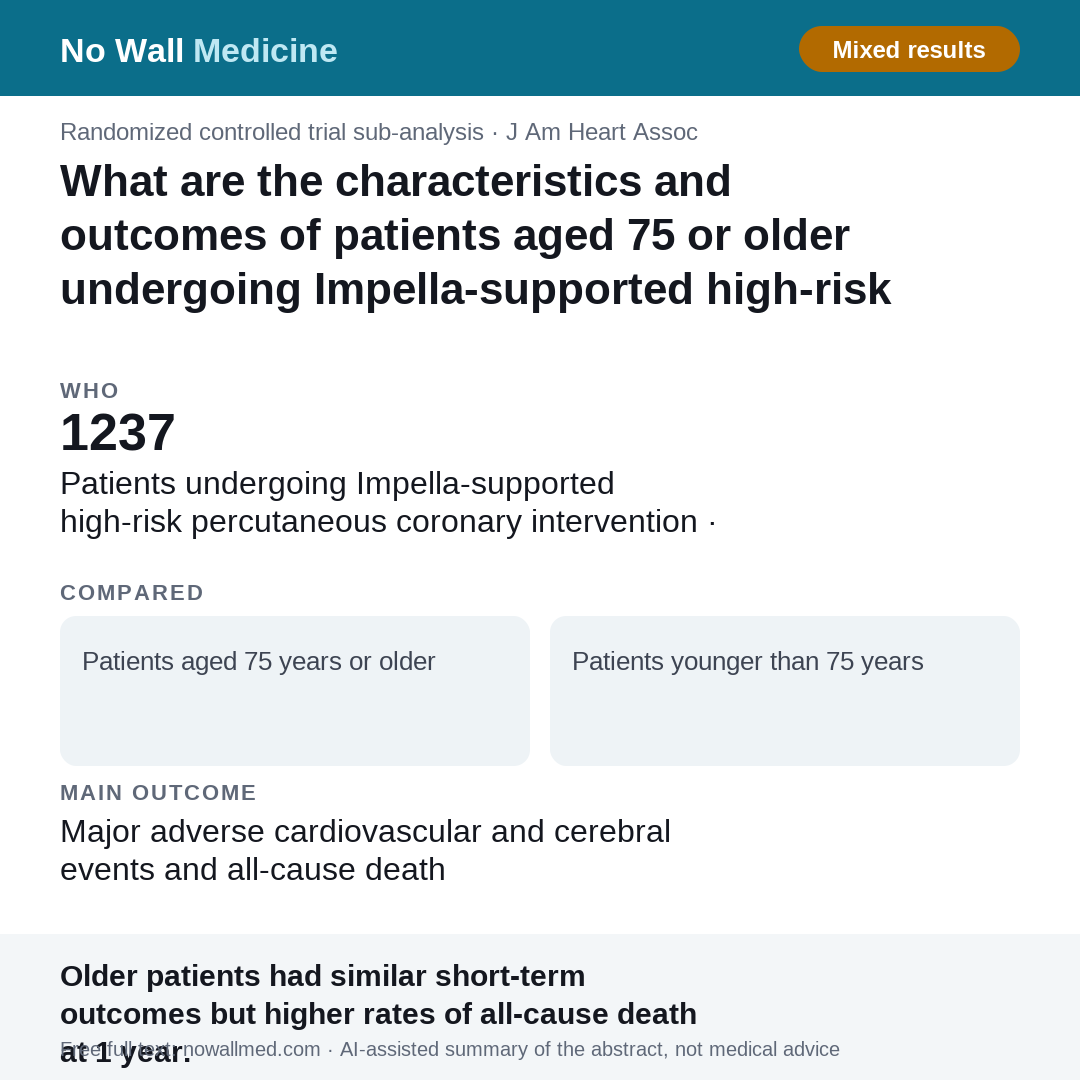
Characteristics and Outcomes of Older Patients Undergoing Protected Percutaneous Coronary Intervention With Impella
Randomized controlled trial sub-analysisMixed results
What are the characteristics and outcomes of patients aged 75 or older undergoing Impella-supported high-risk percutaneous coronary intervention?
Who
1237
Patients undergoing Impella-supported high-risk percutaneous coronary intervention · Multi-center
Compared
Patients aged 75 years or older
Patients younger than 75 years
Main outcome
Major adverse cardiovascular and cerebral events and all-cause death
Result: adjusted hazard ratio 1.99 (95% CI 1.24-3.18)
Bottom line: Older patients had similar short-term outcomes but higher rates of all-cause death at 1 year.
J Am Heart Assoc · 2025-04-16Download image
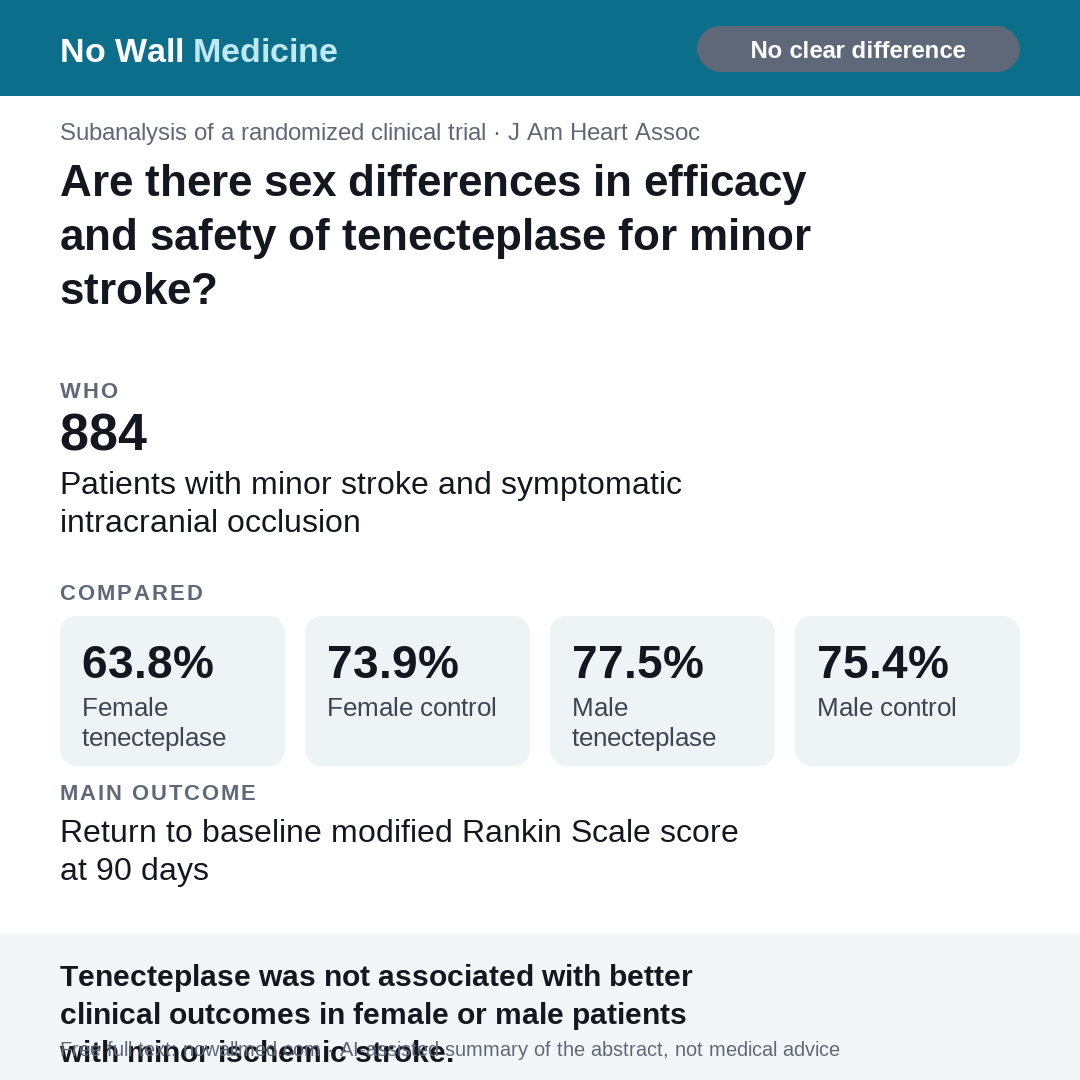
Sex Differences in Outcomes After Tenecteplase for Minor Stroke: A Subanalysis of the TEMPO-2 Trial
Subanalysis of a randomized clinical trialNo clear difference
Are there sex differences in efficacy and safety of tenecteplase for minor stroke?
Who
884
Patients with minor stroke and symptomatic intracranial occlusion
Compared
63.8%Female tenecteplase
73.9%Female control
77.5%Male tenecteplase
75.4%Male control
Main outcome
Return to baseline modified Rankin Scale score at 90 days
Result: aRR 0.87 (95% CI 0.76-1.00) in females; 1.03 (95% CI 0.94-1.13) in males
Bottom line: Tenecteplase was not associated with better clinical outcomes in female or male patients with minor ischemic stroke.
J Am Heart Assoc · 2025-04-16Download image
Apolipoprotein E Plasma Concentrations Are Predictive of Recurrent Strokes: Insights From the SPARCL Trial
Randomized trial analysisBenefit found
Are apolipoprotein E plasma concentrations predictive of recurrent strokes?
Who
4348
Patients with recent stroke or transient ischemic attack
Compared
Lowest apolipoprotein E quartile: hazard ratio 1.401 (95% CI 1.154-1.701)
Highest apolipoprotein E quartiles
Main outcome
Recurrent strokes or cerebrovascular events
Result: hazard ratio 1.401 (95% CI 1.154-1.701)
Bottom line: Low apolipoprotein E concentrations predict higher risk of recurrent cerebrovascular events in patients with recent stroke or transient ischemic attack.
J Am Heart Assoc · 2025-04-16Download image

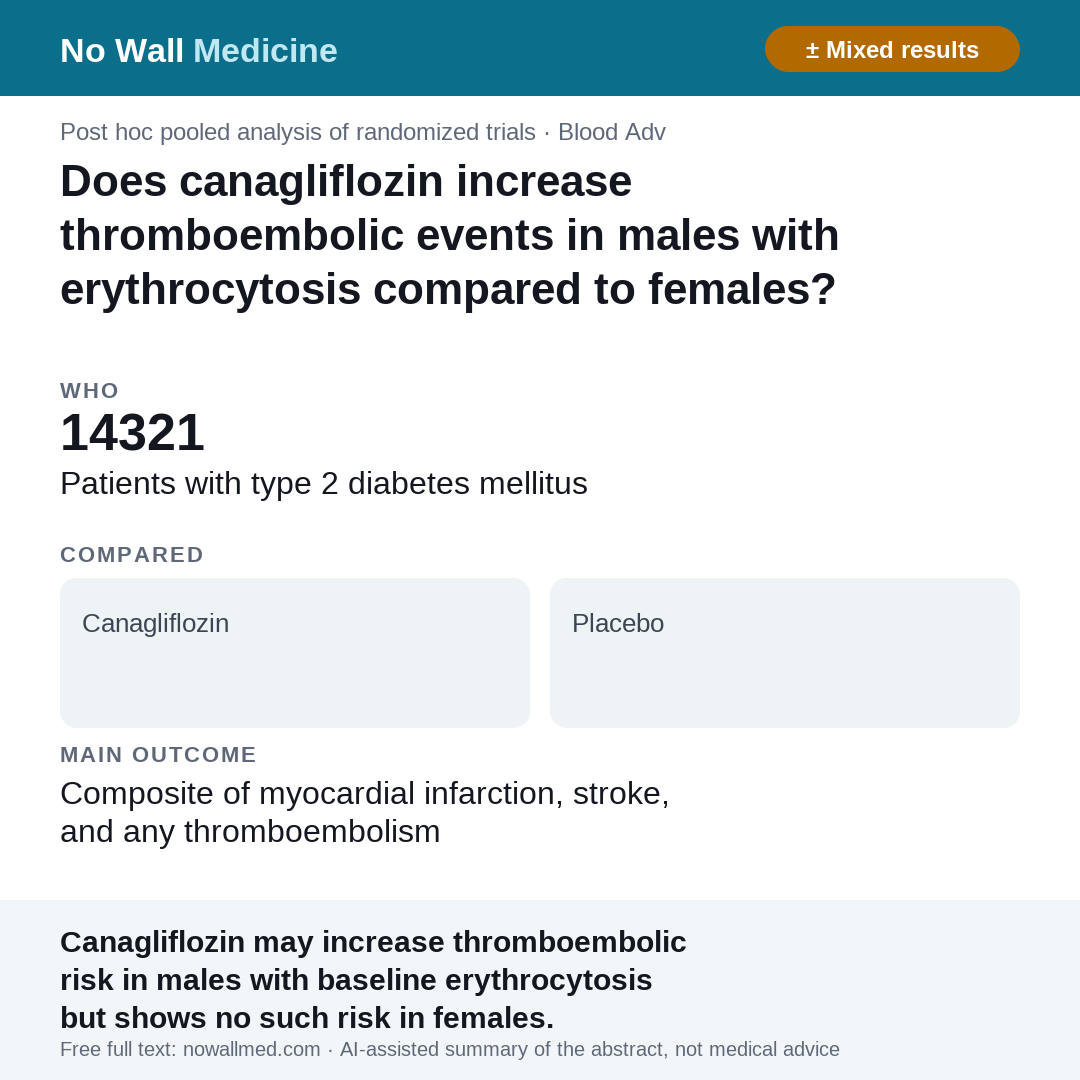
Canagliflozin may increase thromboembolic events in males with erythrocytosis but not in females
Post hoc pooled analysis of randomized trialsMixed results
Does canagliflozin increase thromboembolic events in males with erythrocytosis compared to females?
Who
14321
Patients with type 2 diabetes mellitus
Compared
Canagliflozin
Placebo
Main outcome
Composite of myocardial infarction, stroke, and any thromboembolism
Bottom line: Canagliflozin may increase thromboembolic risk in males with baseline erythrocytosis but shows no such risk in females.
Limitation: Post hoc pooled analysis of patient-level data
Blood Adv · 2025-04-16Download image
Resting-state hemodynamic changes and effects on upper limb function after multi-channel transcranial direct current stimulation to the ipsilesional primary motor cortex and anterior intraparietal sulcus in stroke patients: an fNIRS pilot study
Double-blind, randomized, sham-controlled trialBenefit found
Does multi-channel transcranial direct current stimulation affect hemodynamics and upper limb function in stroke?
Who
24
Stroke patients
Compared
Real multi-channel transcranial direct current stimulation: greater improvements in gross manual dexterity
Sham multi-channel transcranial direct current stimulation
Main outcome
Hemodynamic responses and upper limb motor function
Bottom line: Multi-channel transcranial direct current stimulation combined with exercises may improve cerebral hemodynamics and gross manual dexterity in stroke patients.
J Neuroeng Rehabil · 2025-04-16Download image

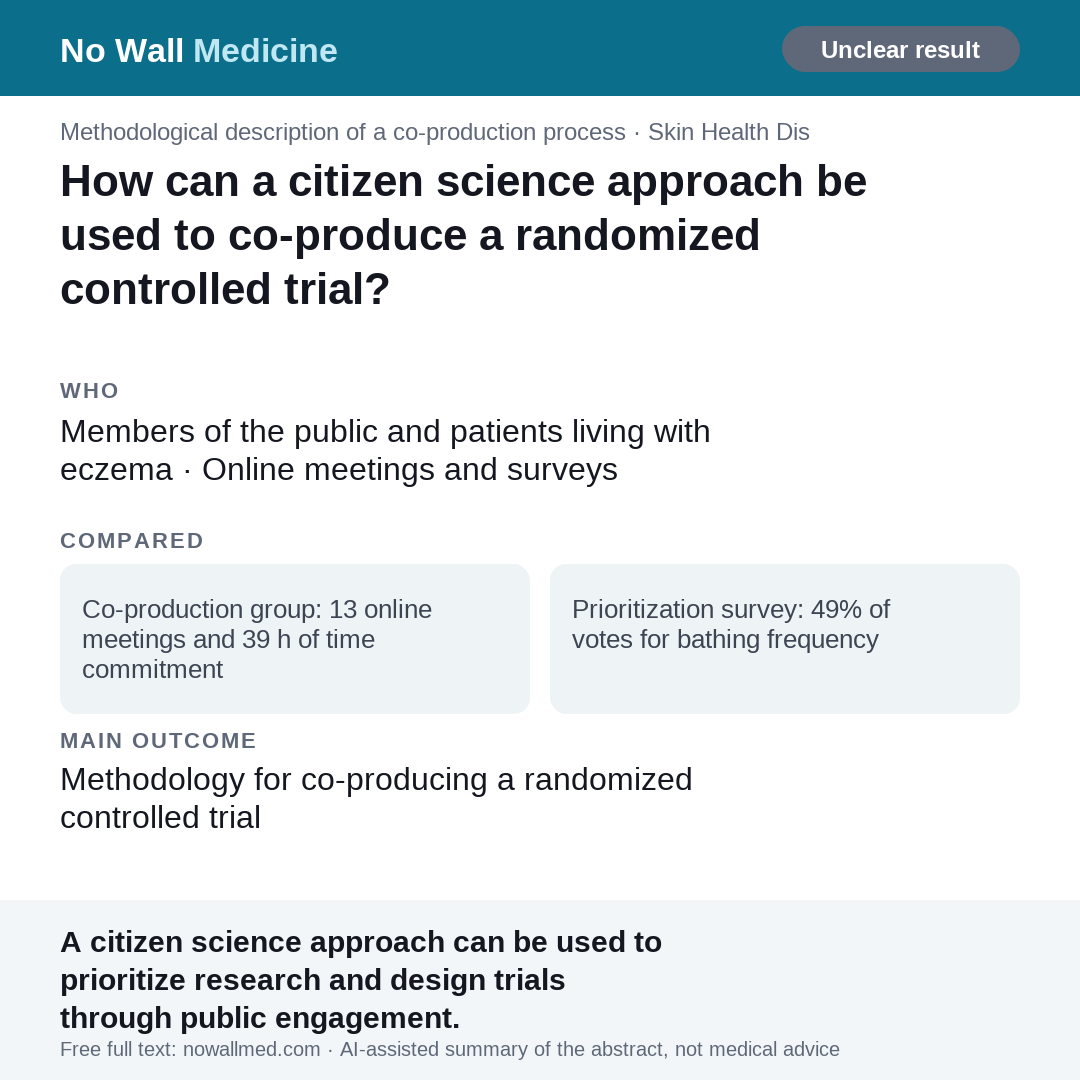
Co-producing a randomized controlled trial on the frequency of bathing in eczema: description of a citizen science approach
Methodological description of a co-production processUnclear result
How can a citizen science approach be used to co-produce a randomized controlled trial?
Who
Members of the public and patients living with eczema · Online meetings and surveys
Compared
Co-production group: 13 online meetings and 39 h of time commitment
Prioritization survey: 49% of votes for bathing frequency
Main outcome
Methodology for co-producing a randomized controlled trial
Bottom line: A citizen science approach can be used to prioritize research and design trials through public engagement.
Skin Health Dis · 2025-04-16Download image
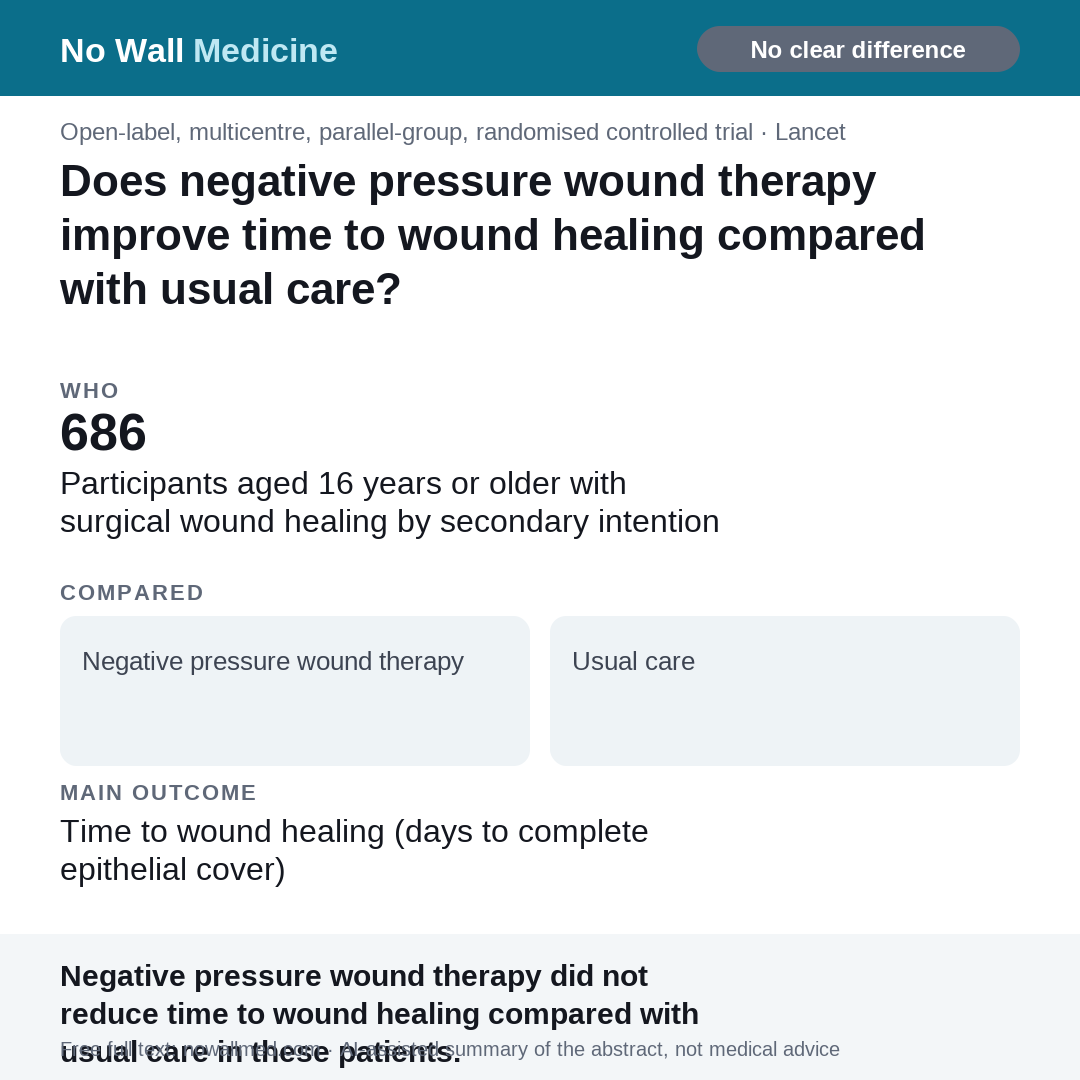
Negative pressure wound therapy versus usual care in patients with surgical wound healing by secondary intention in the UK (SWHSI-2): an open-label, multicentre, parallel-group, randomised controlled trial
Open-label, multicentre, parallel-group, randomised controlled trialNo clear difference
Does negative pressure wound therapy improve time to wound healing compared with usual care?
Who
686
Participants aged 16 years or older with surgical wound healing by secondary intention · 29 United Kingdom National Health Service Trusts
Compared
Negative pressure wound therapy
Usual care
Main outcome
Time to wound healing (days to complete epithelial cover)
Result: hazard ratio 1·08 (95% CI 0·88-1·32)
Bottom line: Negative pressure wound therapy did not reduce time to wound healing compared with usual care in these patients.
Funded by: National Institute for Health Research Health Technology Assessment Programme
Lancet · 2025-04-15Download image
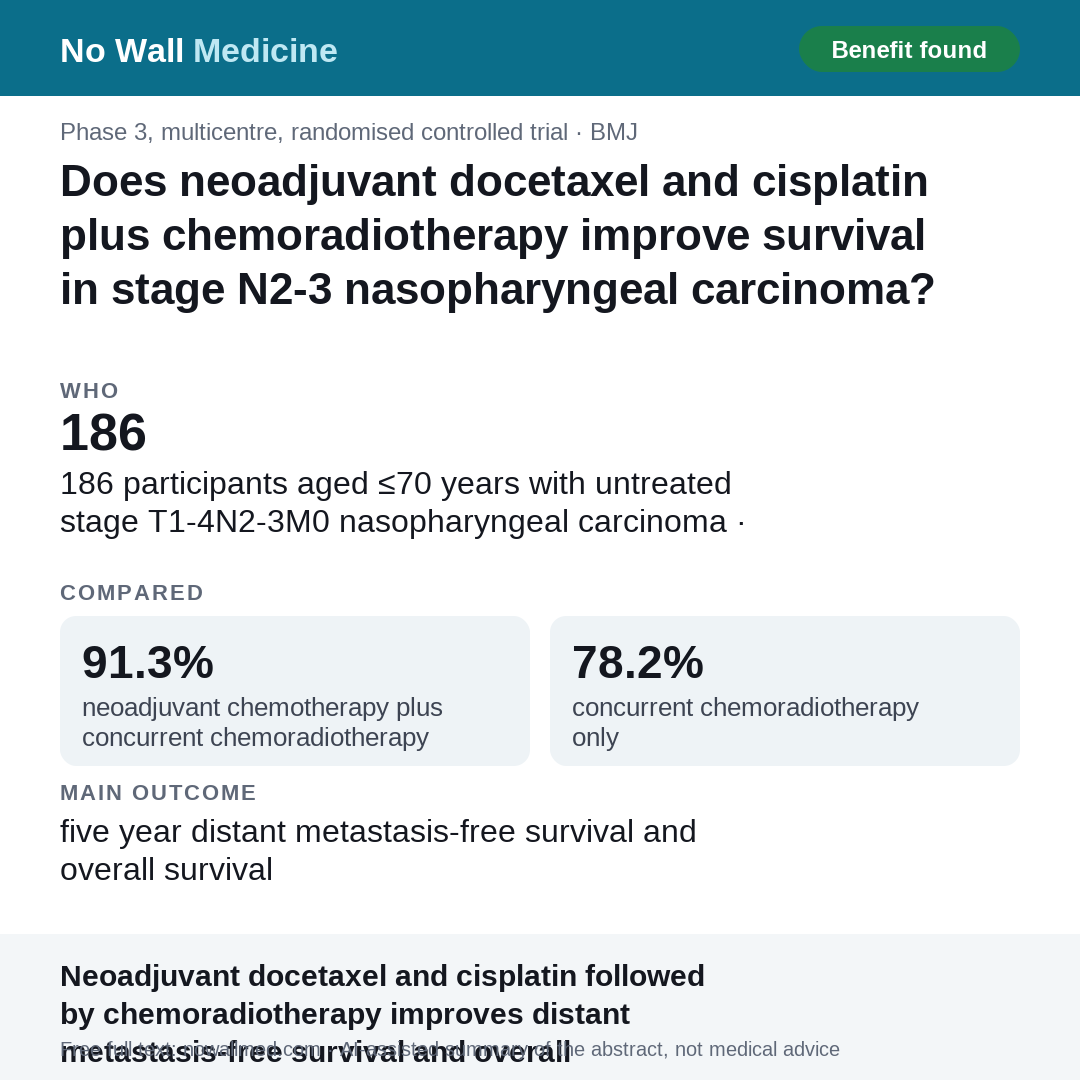
Four cycles of docetaxel plus cisplatin as neoadjuvant chemotherapy followed by concurrent chemoradiotherapy in stage N2-3 nasopharyngeal carcinoma: phase 3 multicentre randomised controlled trial
Phase 3, multicentre, randomised controlled trialBenefit found
Does neoadjuvant docetaxel and cisplatin plus chemoradiotherapy improve survival in stage N2-3 nasopharyngeal carcinoma?
Who
186
186 participants aged ≤70 years with untreated stage T1-4N2-3M0 nasopharyngeal carcinoma · Six sites in China
Compared
91.3%neoadjuvant chemotherapy plus concurrent chemoradiotherapy (95% CI 85.4% to 97.2%)
78.2%concurrent chemoradiotherapy only (69.8% to 86.6%)
Main outcome
five year distant metastasis-free survival and overall survival
Result: hazard ratio 0.41 (95% CI 0.19 to 0.87)
Bottom line: Neoadjuvant docetaxel and cisplatin followed by chemoradiotherapy improves distant metastasis-free survival and overall survival in N2-3 nasopharyngeal carcinoma.
BMJ · 2025-04-15Download image
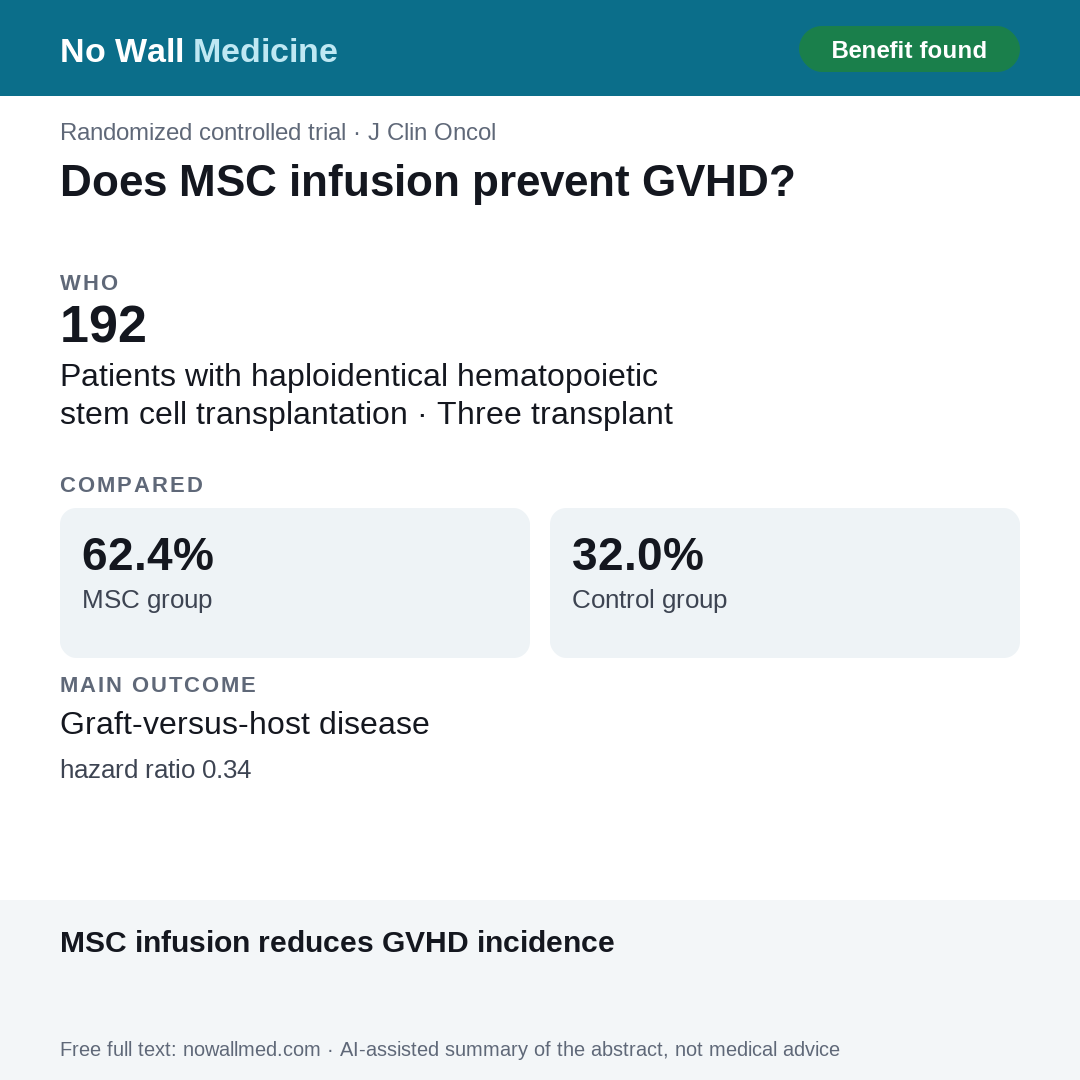
Sequential Infusion of Mesenchymal Stem Cell for Graft-Versus-Host Disease Prevention in Haploidentical Hematopoietic Stem Cell Transplantation: An Open-Label, Multicenter, Randomized Controlled Clinical Trial
Randomized controlled trialBenefit found
Does MSC infusion prevent GVHD?
Who
192
Patients with haploidentical hematopoietic stem cell transplantation · Three transplant centers in China
Compared
62.4%MSC group
32.0%Control group
Main outcome
Graft-versus-host disease
Result: hazard ratio 0.34
Bottom line: MSC infusion reduces GVHD incidence
J Clin Oncol · 2025-04-15Download image
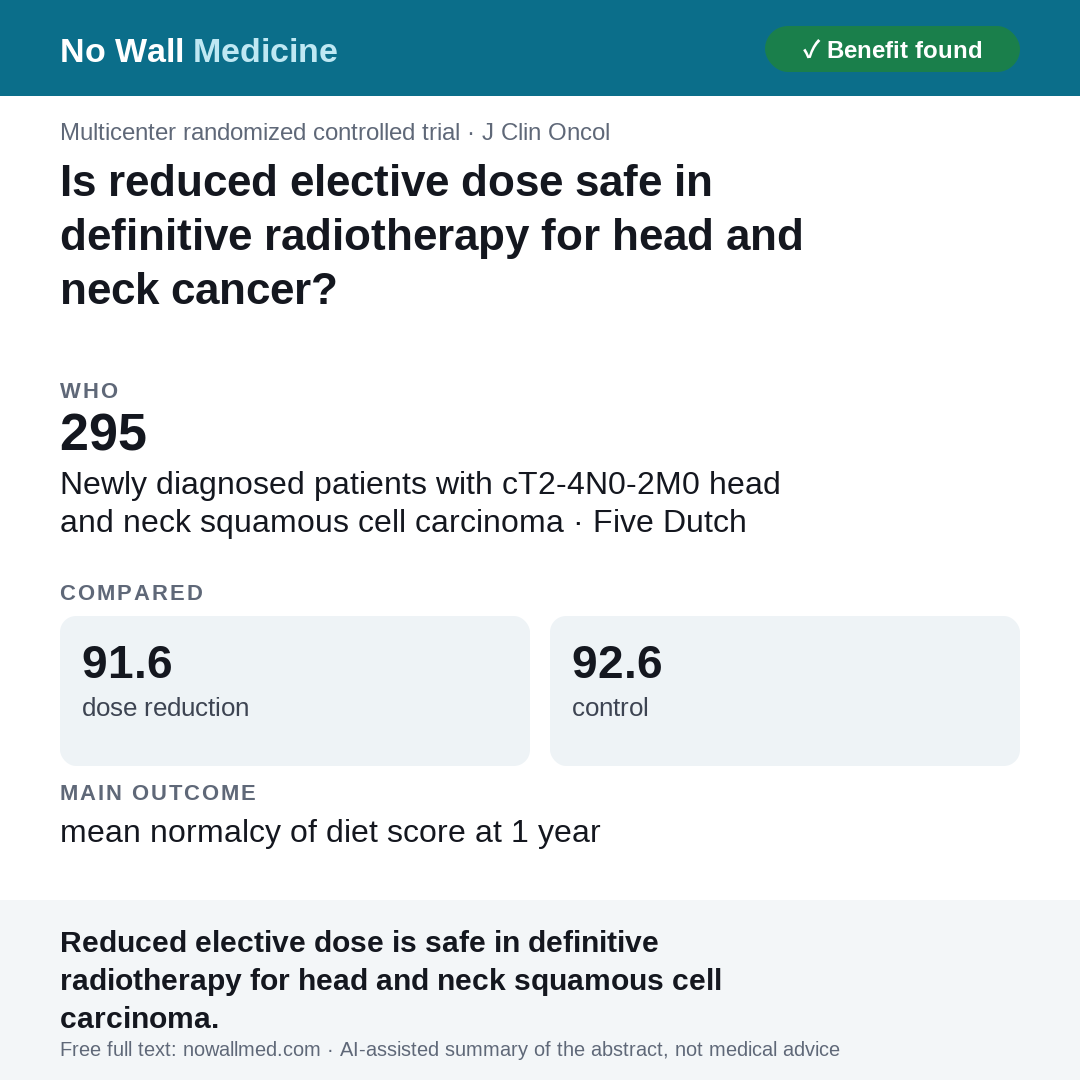
Clinical Benefit and Safety of Reduced Elective Dose in Definitive Radiotherapy for Head and Neck Squamous Cell Carcinoma: The UPGRADE-RT Multicenter Randomized Controlled Trial
Multicenter randomized controlled trialBenefit found
Is reduced elective dose safe in definitive radiotherapy for head and neck cancer?
Who
295
Newly diagnosed patients with cT2-4N0-2M0 head and neck squamous cell carcinoma · Five Dutch centers
Compared
91.6dose reduction (95% CI, 88.5 to 94.7)
92.6control (95% CI, 88.2 to 97.1)
Main outcome
mean normalcy of diet score at 1 year
Result: mean difference, -1.1 (95% CI, -6.5 to 4.4)
Bottom line: Reduced elective dose is safe in definitive radiotherapy for head and neck squamous cell carcinoma.
J Clin Oncol · 2025-04-15Download image
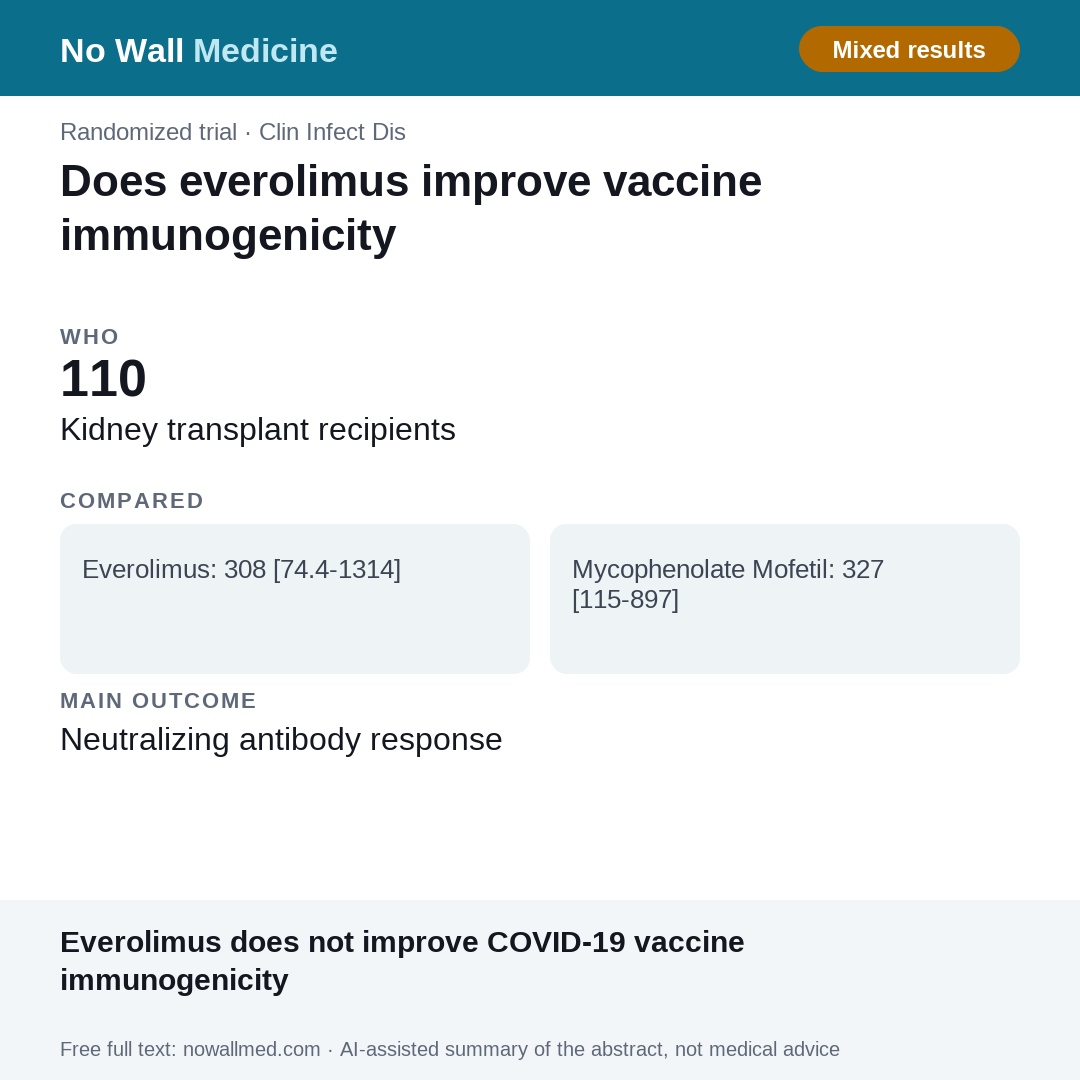
Replacing Mycophenolate Mofetil by Everolimus in Kidney Transplant Recipients to Increase Vaccine Immunogenicity: Results of a Randomized Controlled Trial
Randomized trialMixed results
Does everolimus improve vaccine immunogenicity
Who
110
Kidney transplant recipients
Compared
Everolimus: 308 [74.4-1314]
Mycophenolate Mofetil: 327 [115-897]
Main outcome
Neutralizing antibody response
Bottom line: Everolimus does not improve COVID-19 vaccine immunogenicity
Clin Infect Dis · 2025-04-15Download image