Visual abstracts
New randomized trials and meta-analyses from leading journals at a glance: who was studied, what was compared, and what was found. Every paper is free to read in full.
All specialtiesCardiology 950Oncology 847Gastroenterology & Hepatology 349Infectious Disease 661Neurology 389Psychiatry & Mental Health 475Pulmonology 416Critical Care 283Endocrinology & Diabetes 528Pediatrics 594Surgery 391Orthopedics & Sports Medicine 170Neurosurgery 120Cardiothoracic & Vascular Surgery 90Plastic & Reconstructive Surgery 145Nephrology 211Rheumatology 119Hematology 203Dermatology 89Ophthalmology 113Obstetrics & Gynecology 288Public & Global Health 185Radiology & Imaging 118Anesthesiology 152Urology 182ENT (Otolaryngology) 121Emergency Medicine 105Allergy & Immunology 65Geriatrics 176Family Medicine & Primary Care 116Medical Genetics & Genomics 94Pathology & Laboratory Medicine 30Physical Medicine & Rehabilitation 151Palliative Care 83Nutrition 231Digital Health & AI 489General Medicine 105
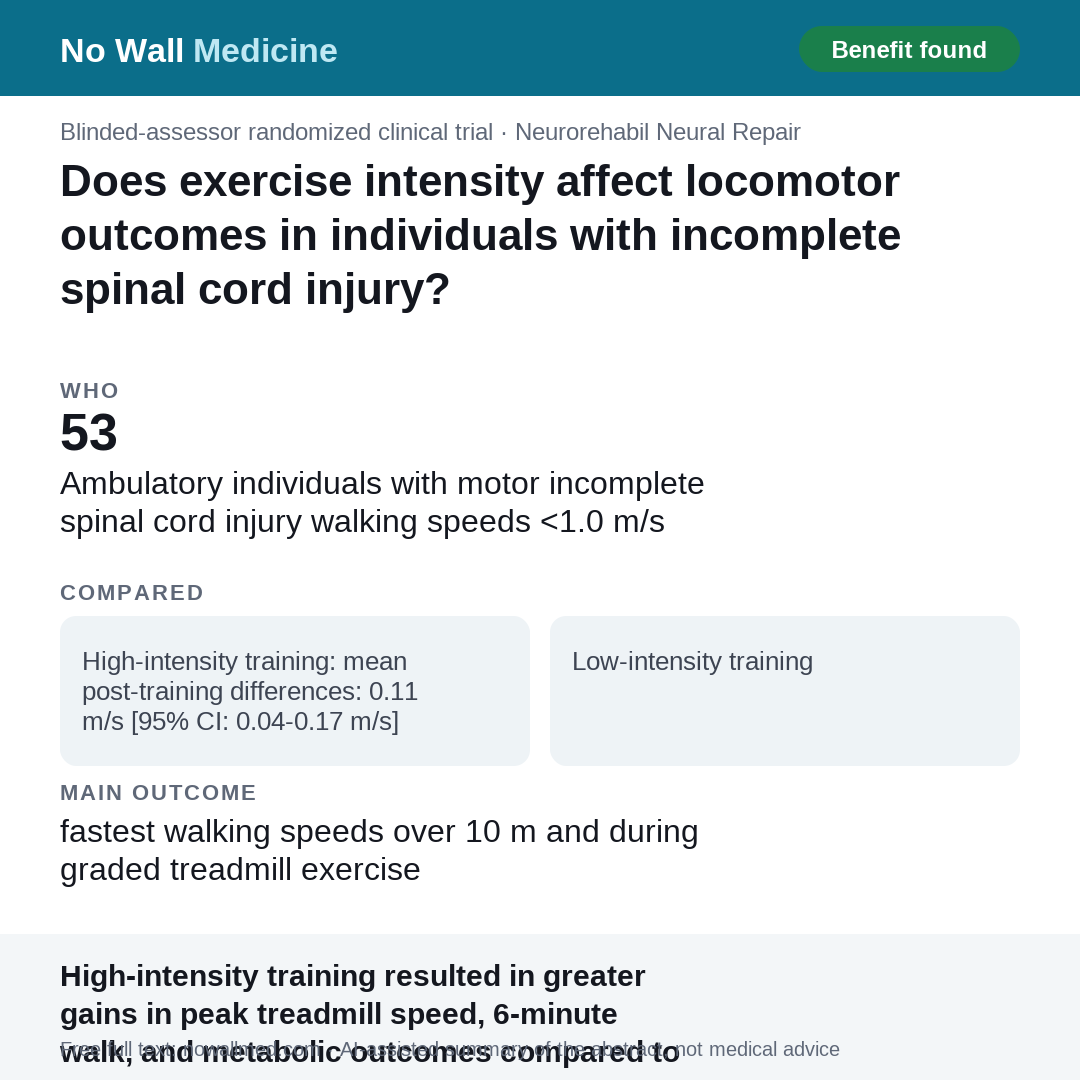
Higher Intensity Walking Training in Individuals With Chronic Motor Incomplete Spinal Cord Injury: A Randomized Clinical Trial
Blinded-assessor randomized clinical trialBenefit found
Does exercise intensity affect locomotor outcomes in individuals with incomplete spinal cord injury?
Who
53
Ambulatory individuals with motor incomplete spinal cord injury walking speeds <1.0 m/s
Compared
High-intensity training: mean post-training differences: 0.11 m/s [95% CI: 0.04-0.17 m/s]
Low-intensity training
Main outcome
fastest walking speeds over 10 m and during graded treadmill exercise
Result: mean differences: 0.25 m/s [0.15-0.34 m/s]
Bottom line: High-intensity training resulted in greater gains in peak treadmill speed, 6-minute walk, and metabolic outcomes compared to low-intensity training.
Neurorehabil Neural Repair · 2025-12-27Download image
Community and Academic Synergy for Cancer Survivorship Care Delivery Enhancement (Project CASCADE): a study protocol for a pragmatic, stepped-wedge, cluster-randomized trial in Texas primary care community health centers
Stepped-wedge, cluster-randomized trialUnclear result
Does a multi-component primary care intervention improve cancer survivorship care delivery?
Who
Cancer survivors in Texas community health centers · 8 Texas community health center sites
Compared
Intervention
Control
Main outcome
Screening for second primary cancers and clinician knowledge
Bottom line: This study protocol describes a trial to test a primary care-based survivorship care delivery intervention.
BMC Prim Care · 2025-12-27Download image

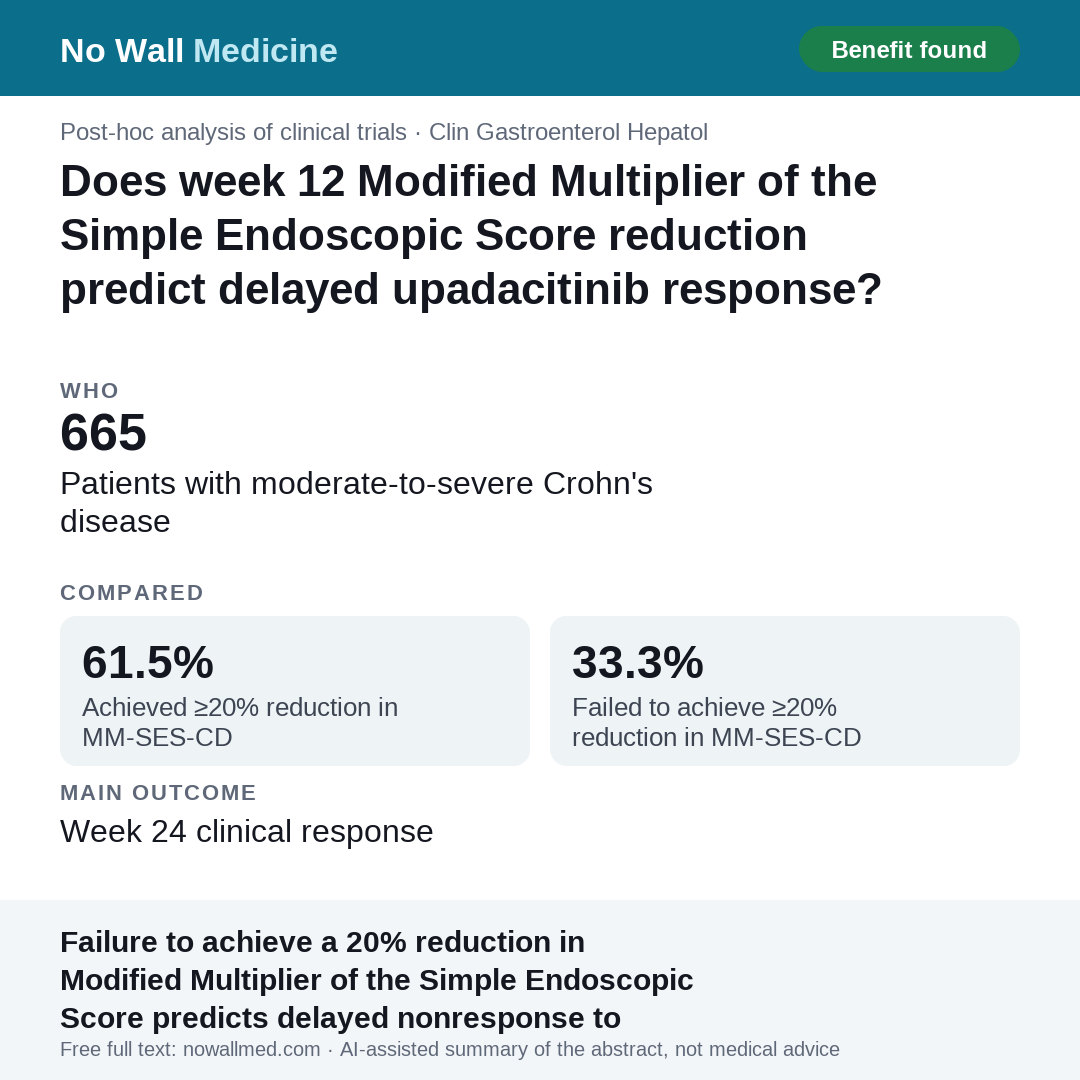
Week 12 Reduction in Modified Multiplier of the Simple Endoscopic Score for Crohn's Disease Is Predictive of Delayed Response to Upadacitinib in Crohn's Disease
Post-hoc analysis of clinical trialsBenefit found
Does week 12 Modified Multiplier of the Simple Endoscopic Score reduction predict delayed upadacitinib response?
Who
665
Patients with moderate-to-severe Crohn's disease
Compared
61.5%Achieved ≥20% reduction in MM-SES-CD
33.3%Failed to achieve ≥20% reduction in MM-SES-CD
Main outcome
Week 24 clinical response
Result: adjusted odds ratio 0.22 (95% confidence interval 0.09-0.53)
Bottom line: Failure to achieve a 20% reduction in Modified Multiplier of the Simple Endoscopic Score predicts delayed nonresponse to upadacitinib.
Clin Gastroenterol Hepatol · 2025-12-26Download image
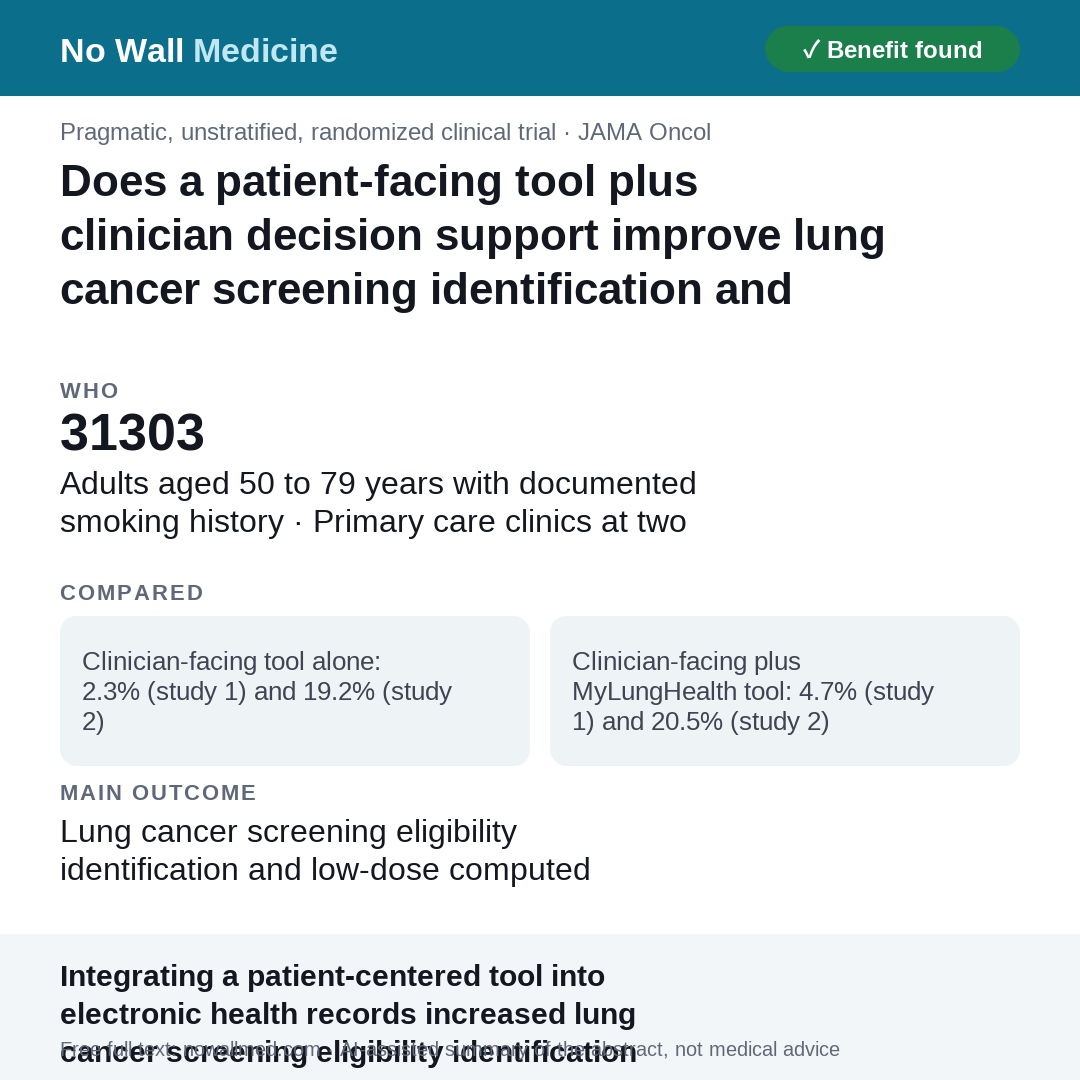
Enhancement of Patient-Centered Lung Cancer Screening: The MyLungHealth Randomized Clinical Trial
Pragmatic, unstratified, randomized clinical trialBenefit found
Does a patient-facing tool plus clinician decision support improve lung cancer screening identification and ordering?
Who
31303
Adults aged 50 to 79 years with documented smoking history · Primary care clinics at two US health systems
Compared
Clinician-facing tool alone: 2.3% (study 1) and 19.2% (study 2)
Clinician-facing plus MyLungHealth tool: 4.7% (study 1) and 20.5% (study 2)
Main outcome
Lung cancer screening eligibility identification and low-dose computed tomography ordering
Result: adjusted odds ratio 2.19 (95% CI 1.99-2.42) and 1.16 (95% CI 1.04-1.30)
Bottom line: Integrating a patient-centered tool into electronic health records increased lung cancer screening eligibility identification and low-dose computed tomography ordering.
Limitation: Absolute increases in the primary outcomes were more modest.
JAMA Oncol · 2025-12-26Download image
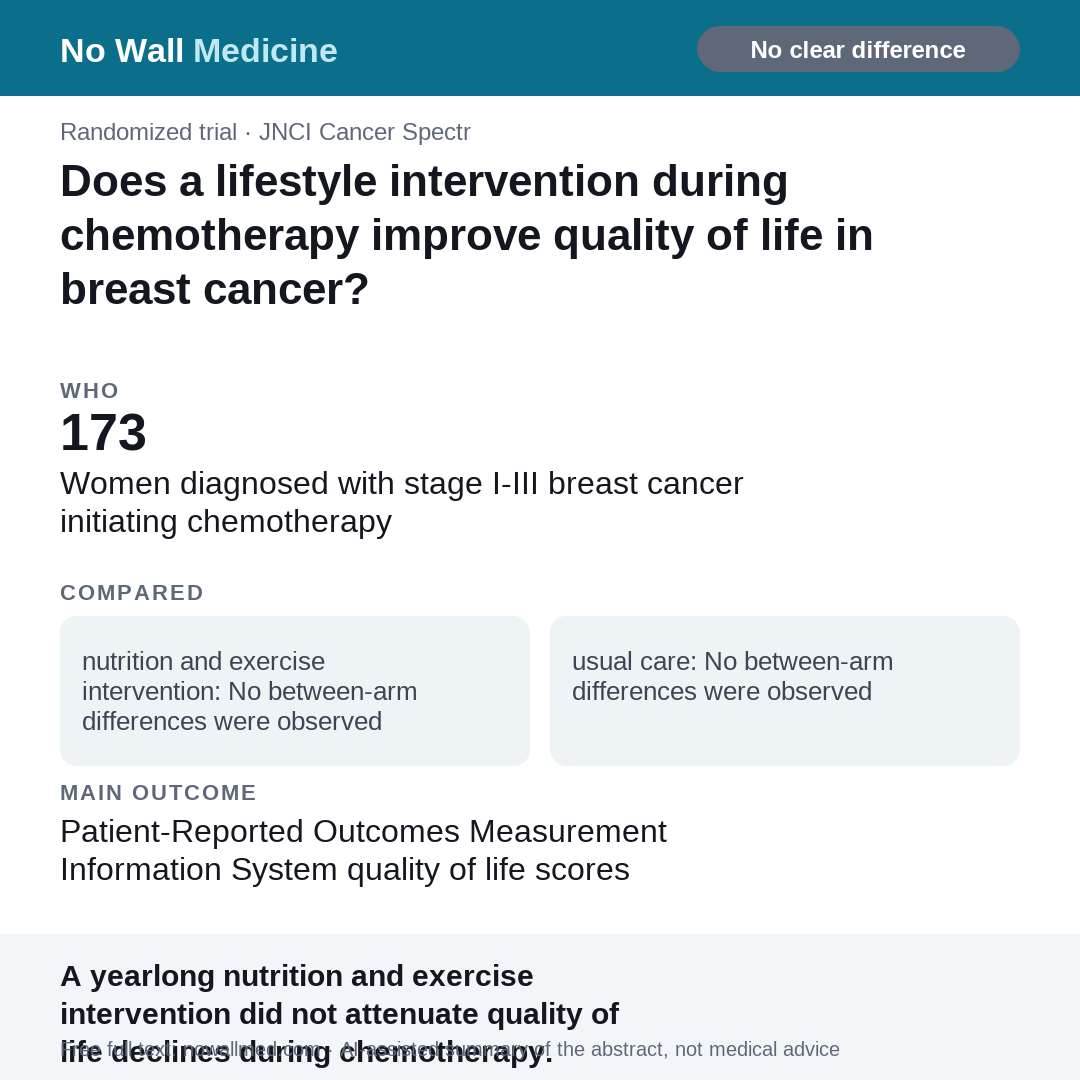
Effect of a lifestyle intervention during chemotherapy for breast cancer on quality of life
Randomized trialNo clear difference
Does a lifestyle intervention during chemotherapy improve quality of life in breast cancer?
Who
173
Women diagnosed with stage I-III breast cancer initiating chemotherapy
Compared
nutrition and exercise intervention: No between-arm differences were observed
usual care: No between-arm differences were observed
Main outcome
Patient-Reported Outcomes Measurement Information System quality of life scores
Bottom line: A yearlong nutrition and exercise intervention did not attenuate quality of life declines during chemotherapy.
JNCI Cancer Spectr · 2025-12-26Download image
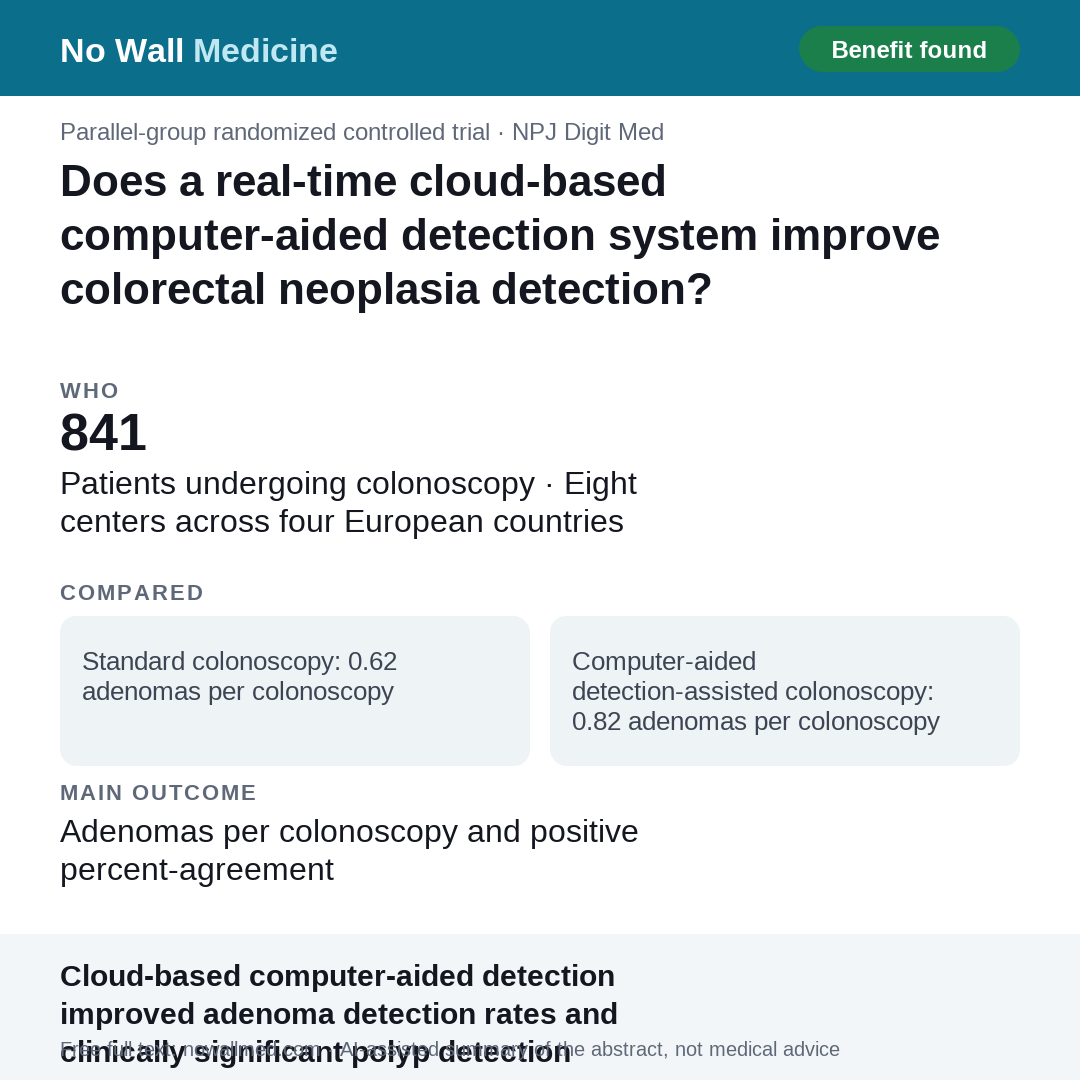
A novel cloud-based artificial intelligence for real-time detection of colorectal neoplasia - a randomized controlled trial (EAGLE)
Parallel-group randomized controlled trialBenefit found
Does a real-time cloud-based computer-aided detection system improve colorectal neoplasia detection?
Who
841
Patients undergoing colonoscopy · Eight centers across four European countries
Compared
Standard colonoscopy: 0.62 adenomas per colonoscopy
Computer-aided detection-assisted colonoscopy: 0.82 adenomas per colonoscopy
Main outcome
Adenomas per colonoscopy and positive percent-agreement
Result: Ratio 1.33 (95% CI 1.06-1.67)
Bottom line: Cloud-based computer-aided detection improved adenoma detection rates and clinically significant polyp detection during colonoscopy.
Limitation: Future research should explore optimizing computer-aided detection systems' performance.
NPJ Digit Med · 2025-12-26Download image
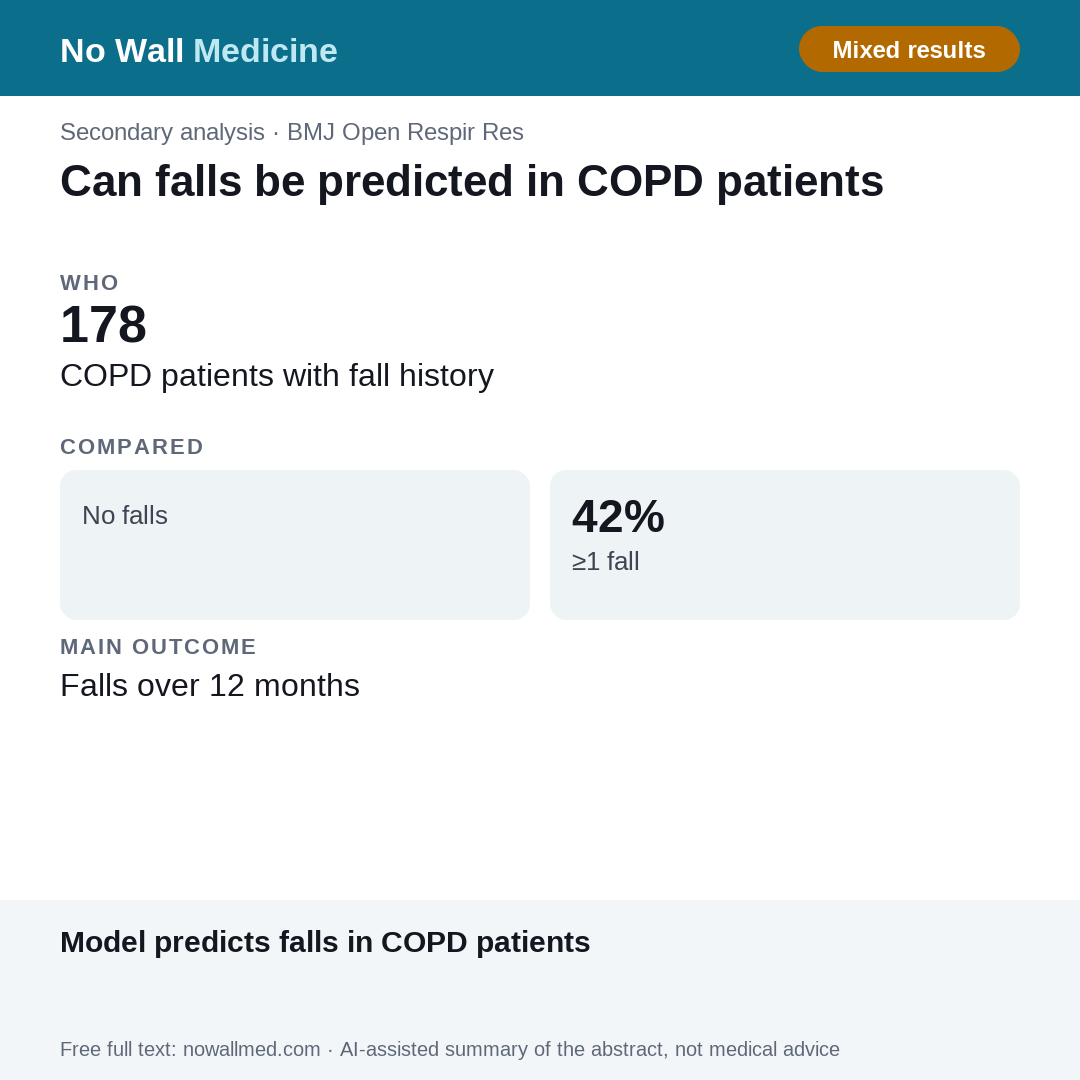
Development of a clinical prediction model for falls in individuals with COPD
Secondary analysisMixed results
Can falls be predicted in COPD patients
Who
178
COPD patients with fall history
Compared
No falls
42%≥1 fall (74/178)
Main outcome
Falls over 12 months
Bottom line: Model predicts falls in COPD patients
Limitation: Needs external validation
BMJ Open Respir Res · 2025-12-25Download image
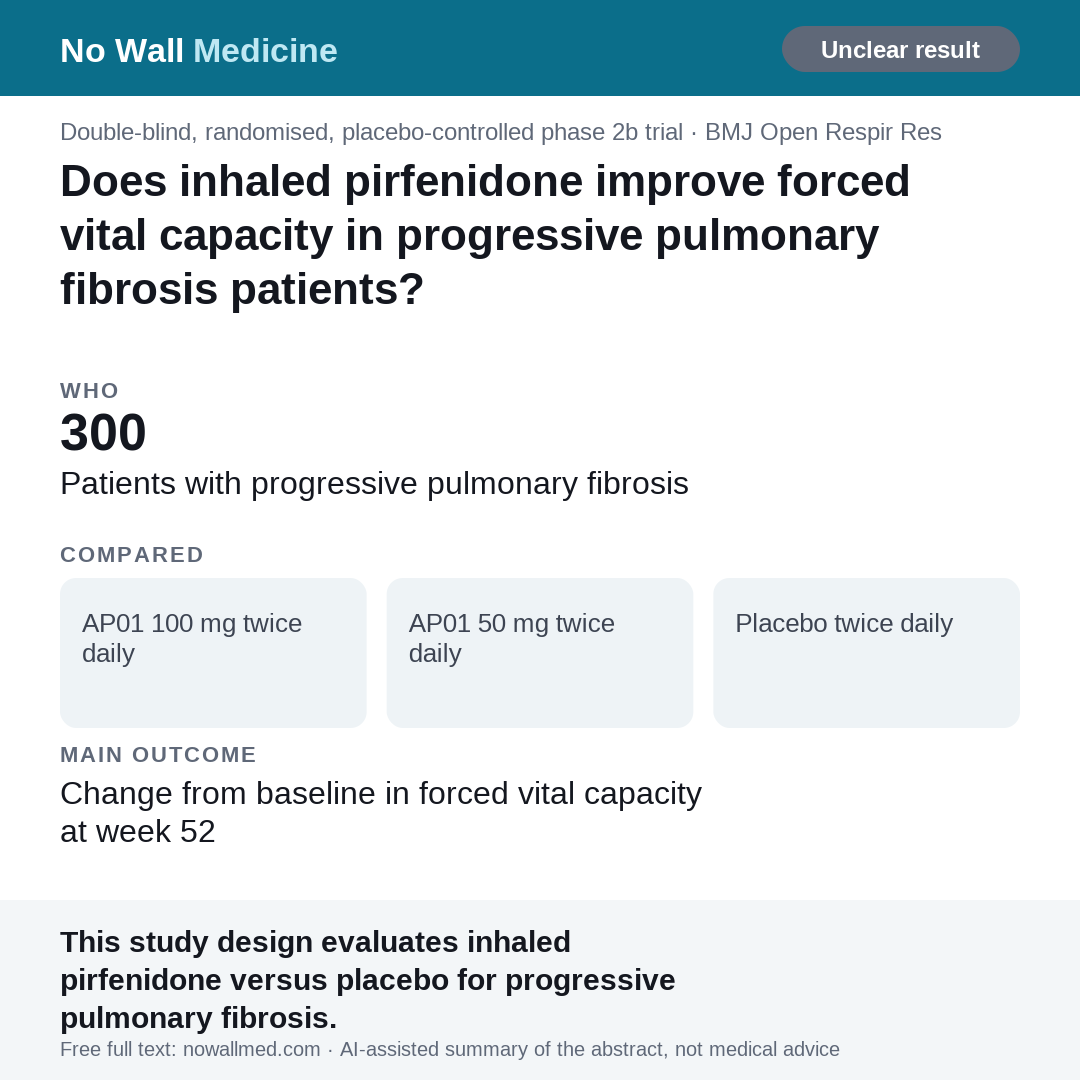
Design of the MIST study: a double-blind, randomised, placebo-controlled phase 2b trial of pirfenidone solution for inhalation in patients with progressive pulmonary fibrosis
Double-blind, randomised, placebo-controlled phase 2b trialUnclear result
Does inhaled pirfenidone improve forced vital capacity in progressive pulmonary fibrosis patients?
Who
300
Patients with progressive pulmonary fibrosis
Compared
AP01 100 mg twice daily
AP01 50 mg twice daily
Placebo twice daily
Main outcome
Change from baseline in forced vital capacity at week 52
Bottom line: This study design evaluates inhaled pirfenidone versus placebo for progressive pulmonary fibrosis.
BMJ Open Respir Res · 2025-12-25Download image
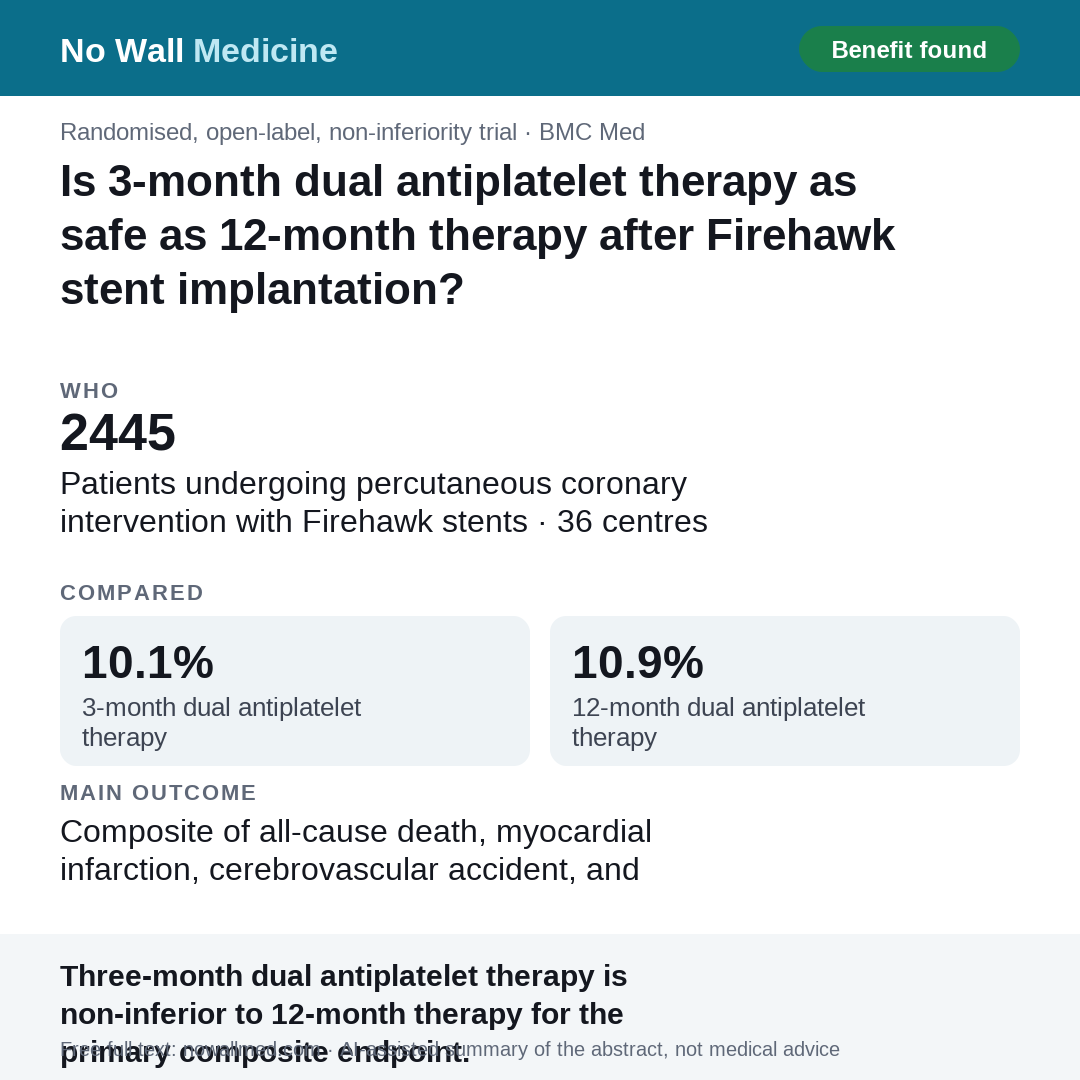
Three vs 12-month DAPT after implantation of biodegradable-polymer sirolimus-eluting coronary stent: a randomised clinical trial
Randomised, open-label, non-inferiority trialBenefit found
Is 3-month dual antiplatelet therapy as safe as 12-month therapy after Firehawk stent implantation?
Who
2445
Patients undergoing percutaneous coronary intervention with Firehawk stents · 36 centres in China
Compared
10.1%3-month dual antiplatelet therapy
10.9%12-month dual antiplatelet therapy
Main outcome
Composite of all-cause death, myocardial infarction, cerebrovascular accident, and major bleeding
Result: absolute rate difference, -0.76% (upper limit of 1-sided 97.5% CI, 1.70%)
Bottom line: Three-month dual antiplatelet therapy is non-inferior to 12-month therapy for the primary composite endpoint.
BMC Med · 2025-12-24Download image
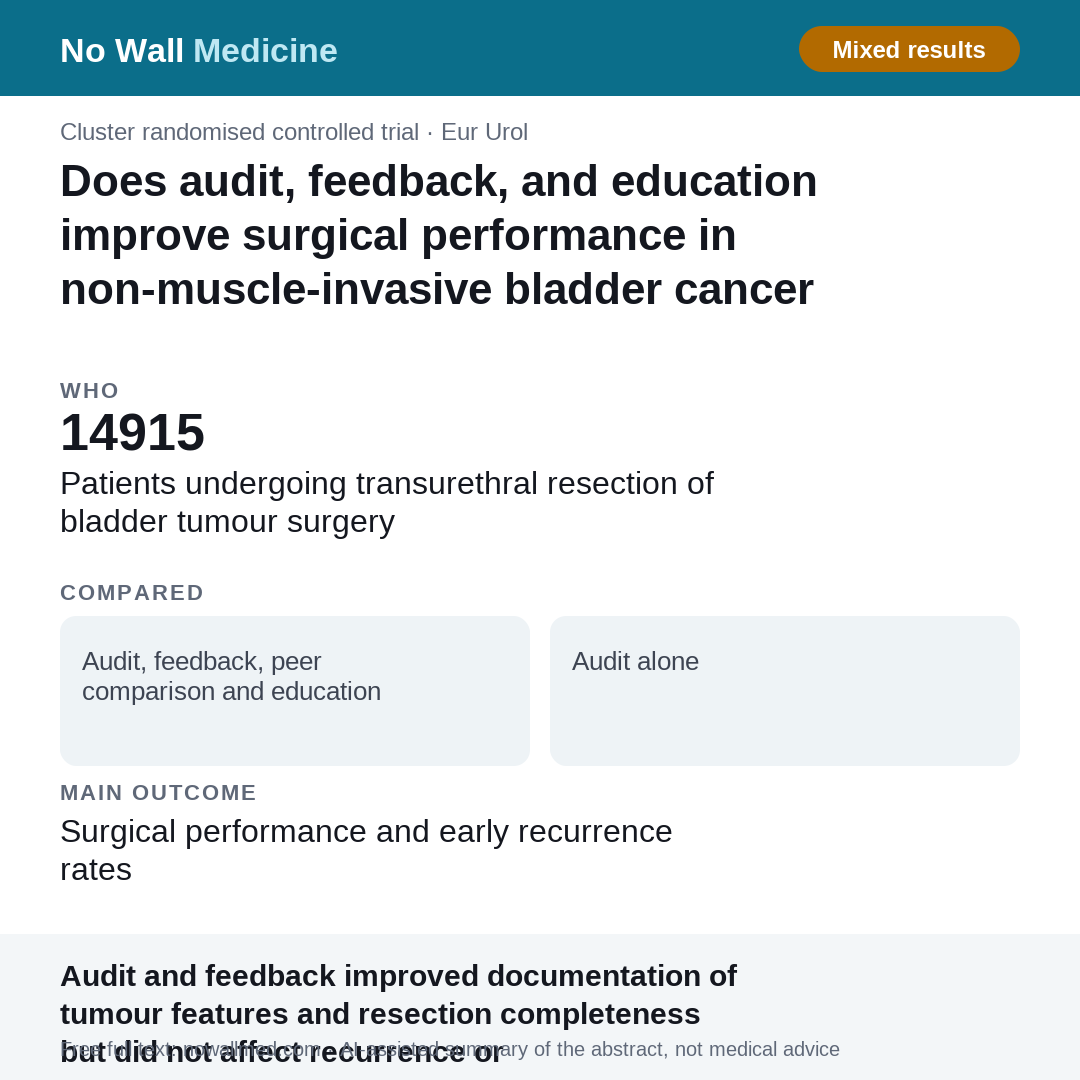
RESECT: A Randomised Controlled Trial of Audit and Feedback in Non-muscle-invasive Bladder Cancer Surgery
Cluster randomised controlled trialMixed results
Does audit, feedback, and education improve surgical performance in non-muscle-invasive bladder cancer surgery?
Who
14915
Patients undergoing transurethral resection of bladder tumour surgery
Compared
Audit, feedback, peer comparison and education
Audit alone
Main outcome
Surgical performance and early recurrence rates
Result: adjusted mean difference 6.0 (95% CI 1.8 to 10) for documentation of tumour features
Bottom line: Audit and feedback improved documentation of tumour features and resection completeness but did not affect recurrence or chemotherapy use.
Limitation: Improvements observed in the control arm may explain a lack of effect of the intervention.
Eur Urol · 2025-12-24Download image
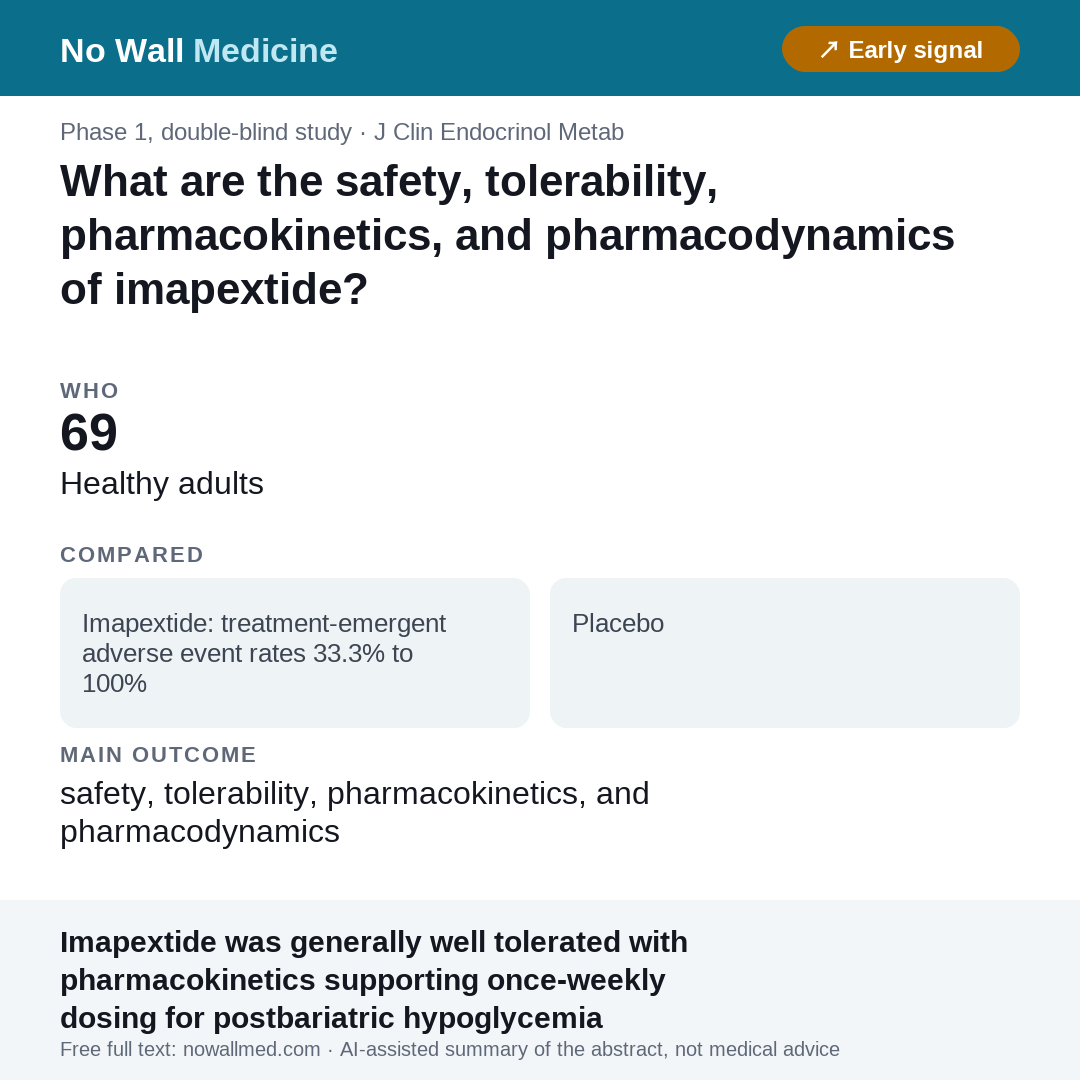
Sustained Action of Imapextide, A Glucagon-Like Peptide-1 Receptor Antagonist, in Healthy Volunteers
Phase 1, double-blind studyBenefit found
What are the safety, tolerability, pharmacokinetics, and pharmacodynamics of imapextide?
Who
69
Healthy adults
Compared
Imapextide: treatment-emergent adverse event rates 33.3% to 100%
Placebo
Main outcome
safety, tolerability, pharmacokinetics, and pharmacodynamics
Bottom line: Imapextide was generally well tolerated with pharmacokinetics supporting once-weekly dosing for postbariatric hypoglycemia treatment.
J Clin Endocrinol Metab · 2025-12-24Download image
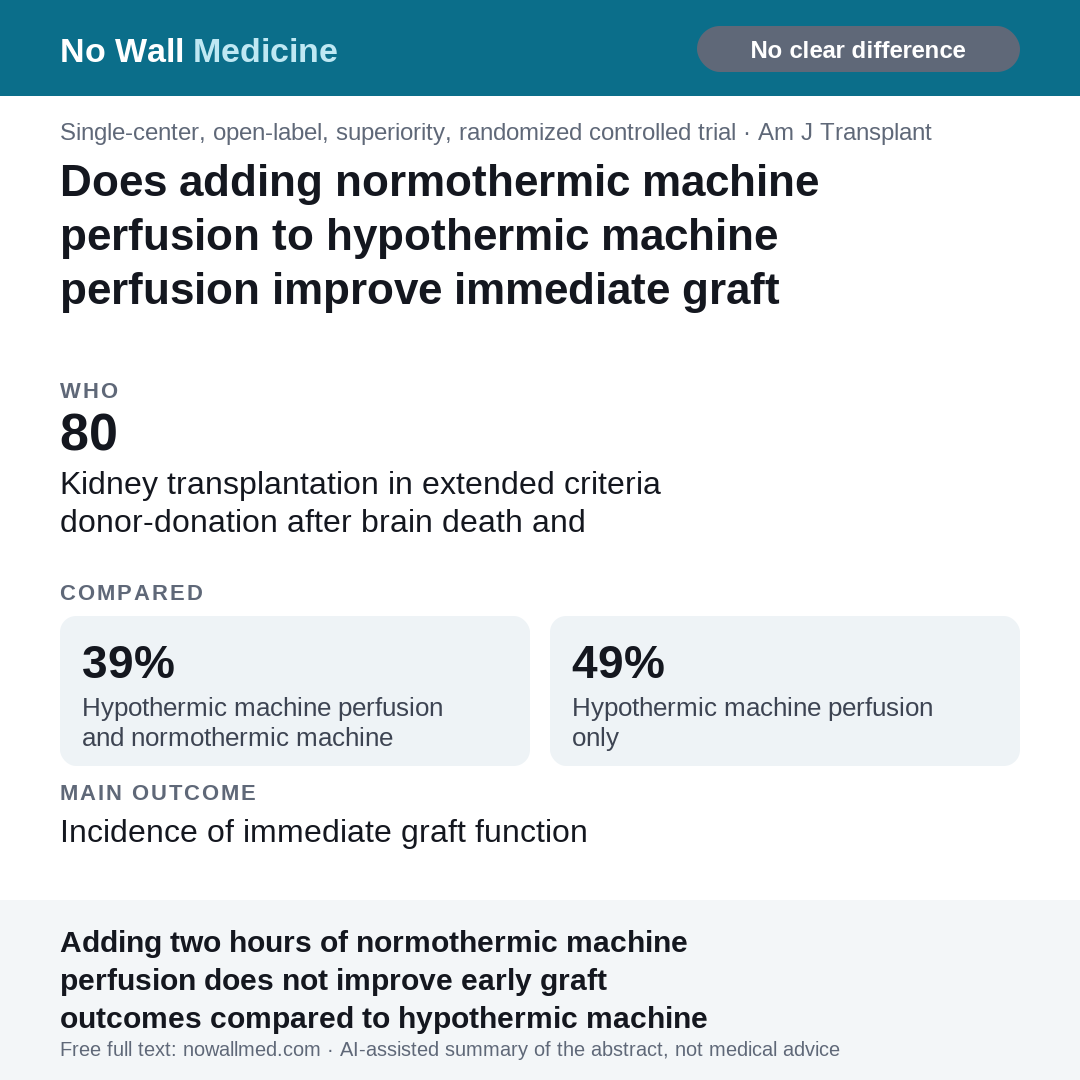
Normothermic versus hypothermic machine perfusion in kidney transplantation: A randomized controlled trial
Single-center, open-label, superiority, randomized controlled trialNo clear difference
Does adding normothermic machine perfusion to hypothermic machine perfusion improve immediate graft function?
Who
80
Kidney transplantation in extended criteria donor-donation after brain death and circulatory death · Single-center
Compared
39%Hypothermic machine perfusion and normothermic machine perfusion (16/41)
49%Hypothermic machine perfusion only (19/39)
Main outcome
Incidence of immediate graft function
Result: odds ratio 0.68 (95% confidence interval 0.28-1.64)
Bottom line: Adding two hours of normothermic machine perfusion does not improve early graft outcomes compared to hypothermic machine perfusion alone.
Am J Transplant · 2025-12-24Download image
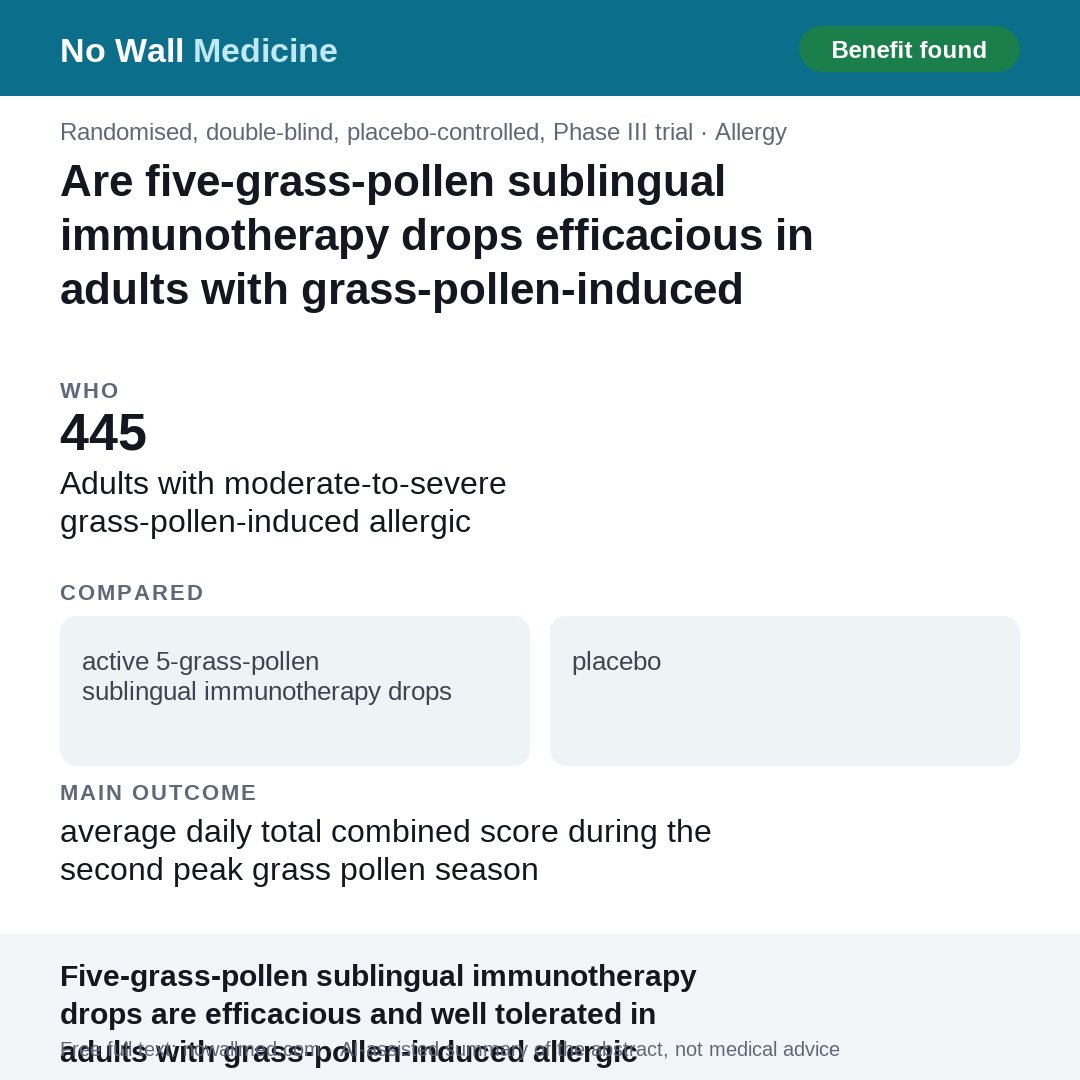
Five-Grass-Pollen Sublingual Immunotherapy Drops Are Efficacious and Well Tolerated in Adults: The RHAPSODY Phase III Trial
Randomised, double-blind, placebo-controlled, Phase III trialBenefit found
Are five-grass-pollen sublingual immunotherapy drops efficacious in adults with grass-pollen-induced allergic rhinoconjunctivitis?
Who
445
Adults with moderate-to-severe grass-pollen-induced allergic rhinoconjunctivitis with or without asthma · 45 investigating centres in six European countries
Compared
active 5-grass-pollen sublingual immunotherapy drops
placebo
Main outcome
average daily total combined score during the second peak grass pollen season
Result: average difference in the daily TCS: 1.88 (95% CI: 0.60-3.17)
Bottom line: Five-grass-pollen sublingual immunotherapy drops are efficacious and well tolerated in adults with grass-pollen-induced allergic rhinoconjunctivitis.
Allergy · 2025-12-24Download image
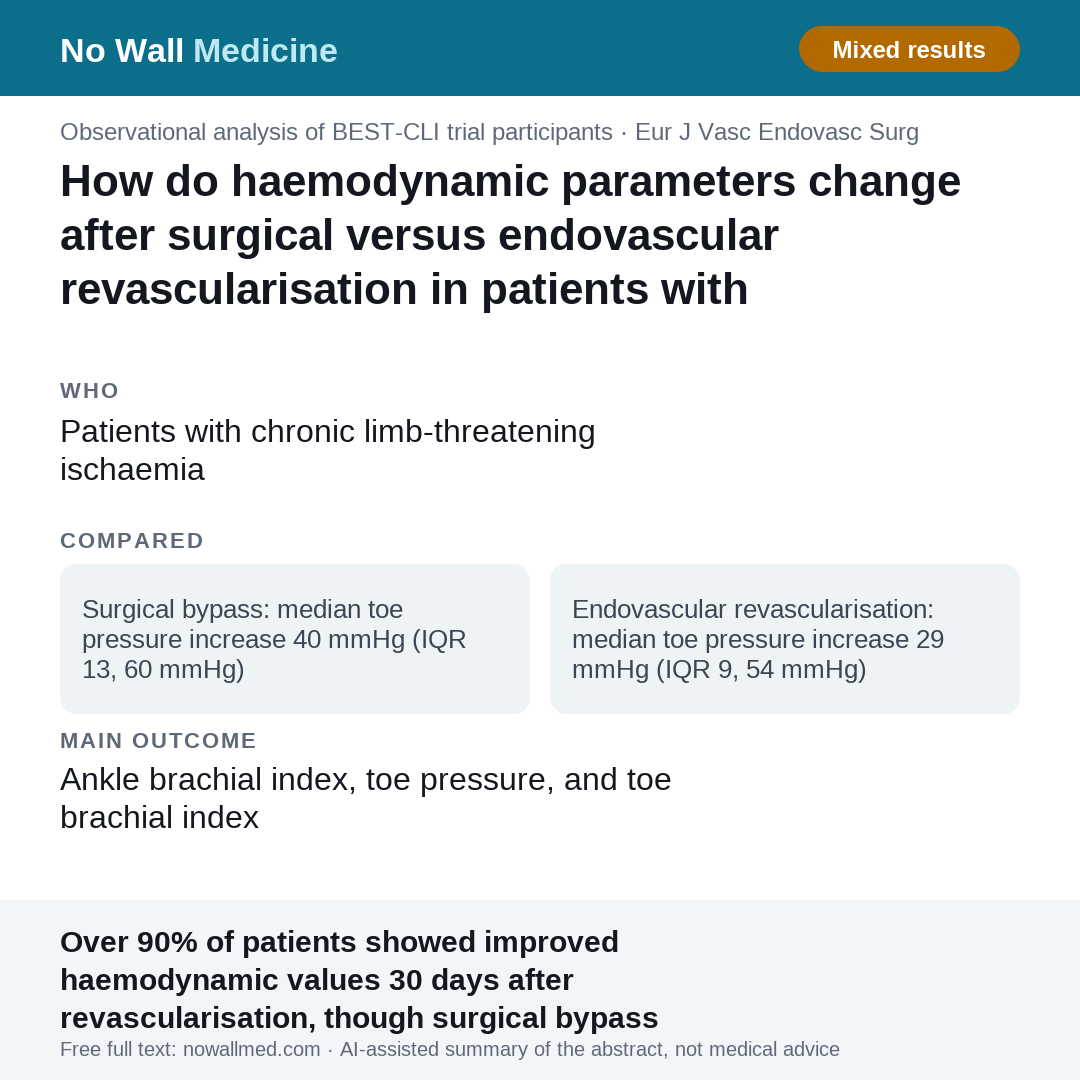
Baseline Haemodynamic Measurements and Immediate Change in Parameters after Revascularisation: Ankle Pressure, Ankle Brachial Index, Toe Pressure, and Toe Brachial Index Analysis of the BEST-CLI Participants
Observational analysis of BEST-CLI trial participantsMixed results
How do haemodynamic parameters change after surgical versus endovascular revascularisation in patients with chronic limb-threatening ischaemia?
Who
Patients with chronic limb-threatening ischaemia
Compared
Surgical bypass: median toe pressure increase 40 mmHg (IQR 13, 60 mmHg)
Endovascular revascularisation: median toe pressure increase 29 mmHg (IQR 9, 54 mmHg)
Main outcome
Ankle brachial index, toe pressure, and toe brachial index
Bottom line: Over 90% of patients showed improved haemodynamic values 30 days after revascularisation, though surgical bypass showed greater toe pressure increases.
Eur J Vasc Endovasc Surg · 2025-12-24Download image
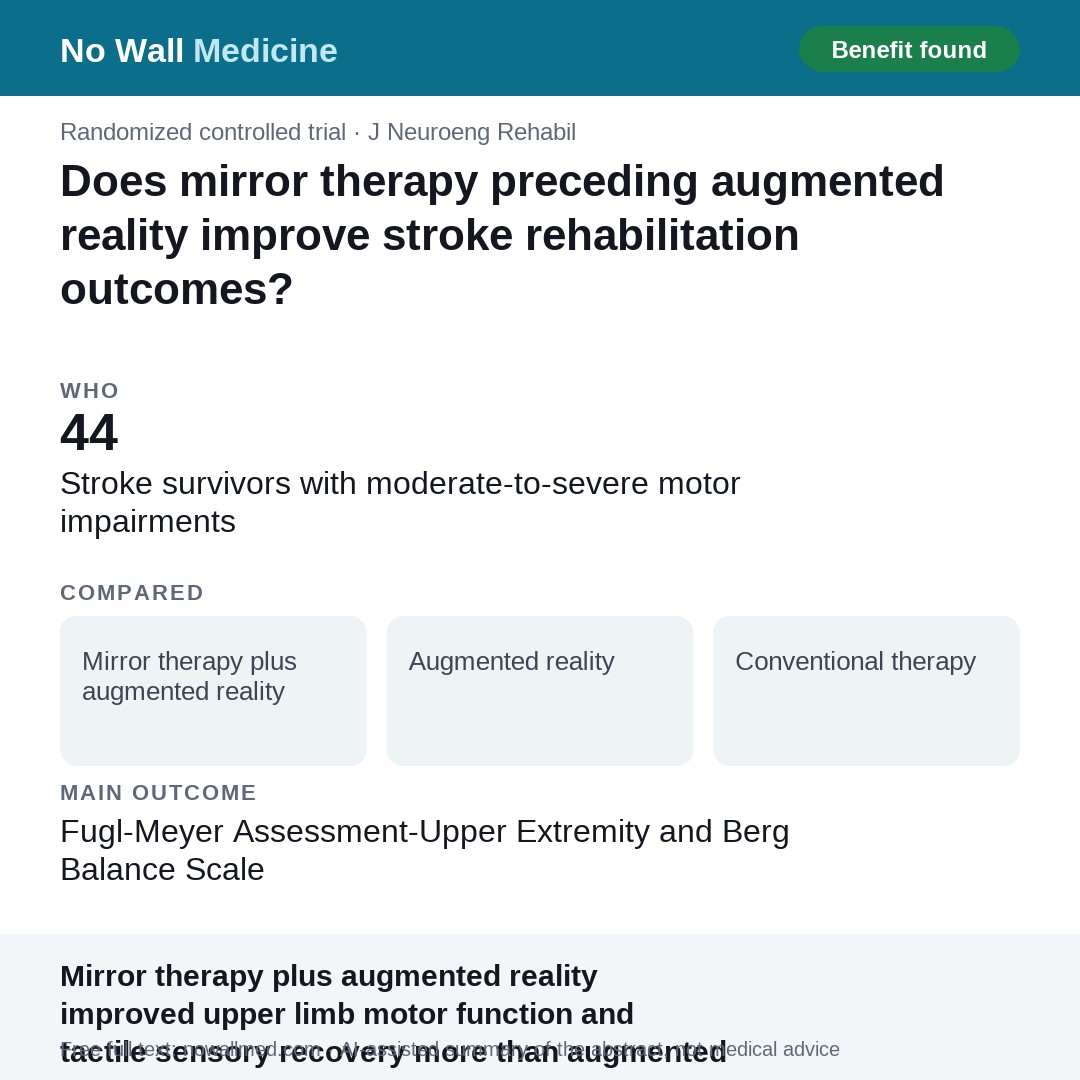
Effects of mirror therapy preceding augmented reality in stroke rehabilitation: a randomized controlled trial
Randomized controlled trialBenefit found
Does mirror therapy preceding augmented reality improve stroke rehabilitation outcomes?
Who
44
Stroke survivors with moderate-to-severe motor impairments
Compared
Mirror therapy plus augmented reality
Augmented reality
Conventional therapy
Main outcome
Fugl-Meyer Assessment-Upper Extremity and Berg Balance Scale
Bottom line: Mirror therapy plus augmented reality improved upper limb motor function and tactile sensory recovery more than augmented reality alone.
J Neuroeng Rehabil · 2025-12-24Download image
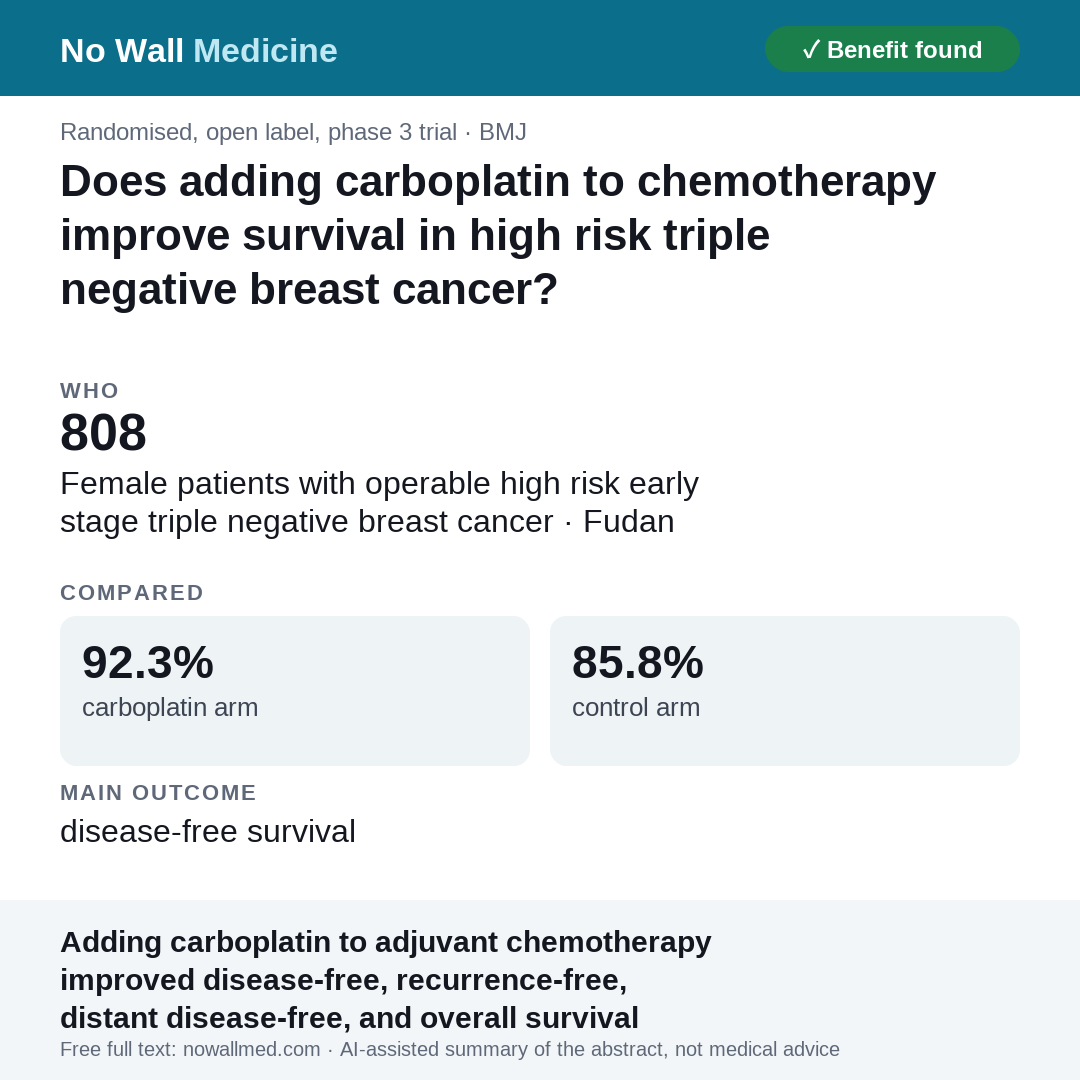
Effect of adjuvant carboplatin intensified chemotherapy versus standard chemotherapy on survival in women with high risk, early stage, triple negative breast cancer (CITRINE): randomised, open label phase 3 trial
Randomised, open label, phase 3 trialBenefit found
Does adding carboplatin to chemotherapy improve survival in high risk triple negative breast cancer?
Who
808
Female patients with operable high risk early stage triple negative breast cancer · Fudan University Shanghai Cancer Center in China
Compared
92.3%carboplatin arm
85.8%control arm
Main outcome
disease-free survival
Result: hazard ratio 0.64 (95% CI 0.43 to 0.95)
Bottom line: Adding carboplatin to adjuvant chemotherapy improved disease-free, recurrence-free, distant disease-free, and overall survival in high risk triple negative breast cancer.
Limitation: the assessment of the proportional hazards assumption showed that it was violated
BMJ · 2025-12-23Download image
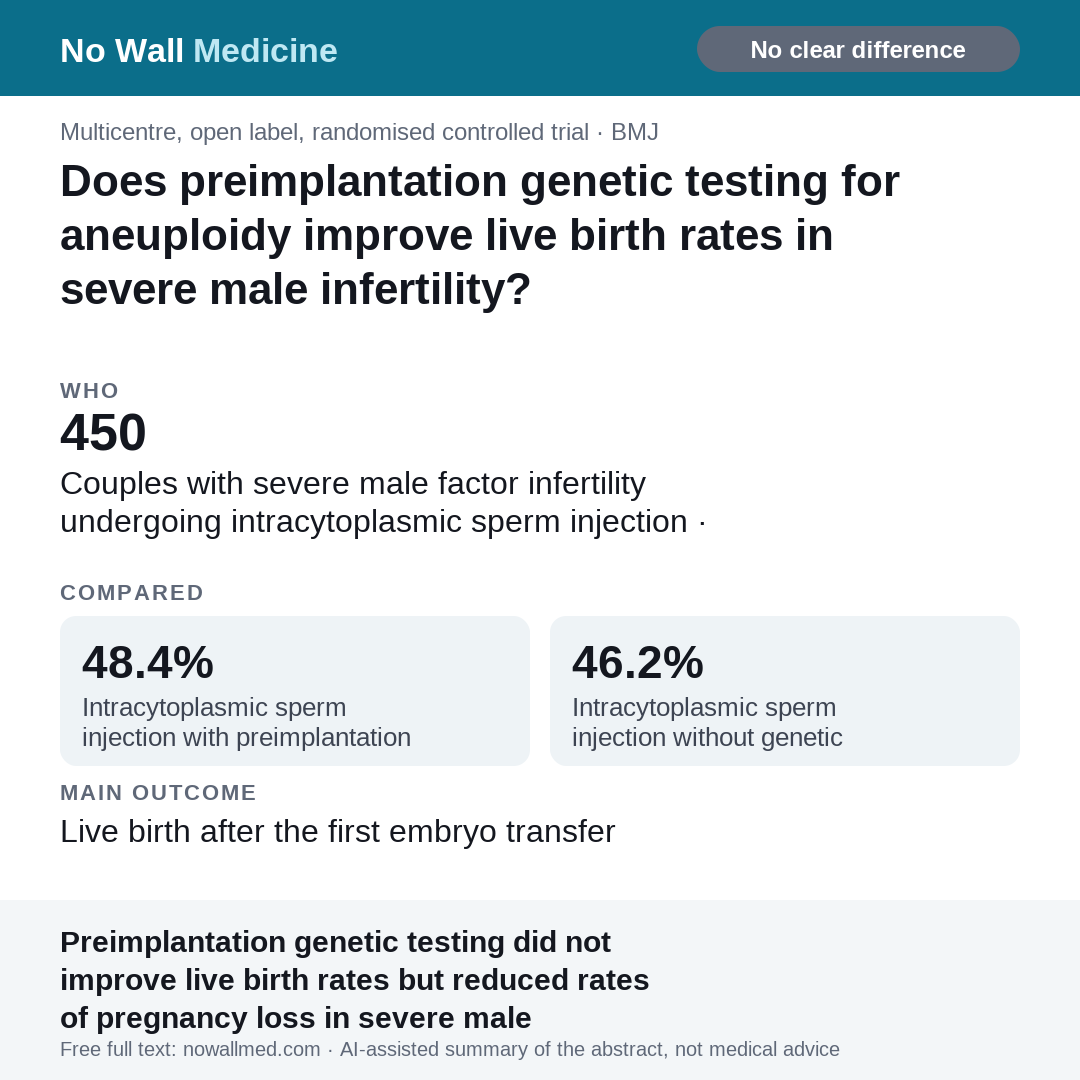
Preimplantation genetic testing for aneuploidy versus no genetic testing in couples undergoing intracytoplasmic sperm injection for severe male infertility: multicentre, open label, randomised controlled trial
Multicentre, open label, randomised controlled trialNo clear difference
Does preimplantation genetic testing for aneuploidy improve live birth rates in severe male infertility?
Who
450
Couples with severe male factor infertility undergoing intracytoplasmic sperm injection · Four reproductive medicine centres across China
Compared
48.4%Intracytoplasmic sperm injection with preimplantation genetic testing
46.2%Intracytoplasmic sperm injection without genetic testing
Main outcome
Live birth after the first embryo transfer
Result: odds ratio 1.09 (95% confidence interval 0.76 to 1.58)
Bottom line: Preimplantation genetic testing did not improve live birth rates but reduced rates of pregnancy loss in severe male infertility.
BMJ · 2025-12-23Download image
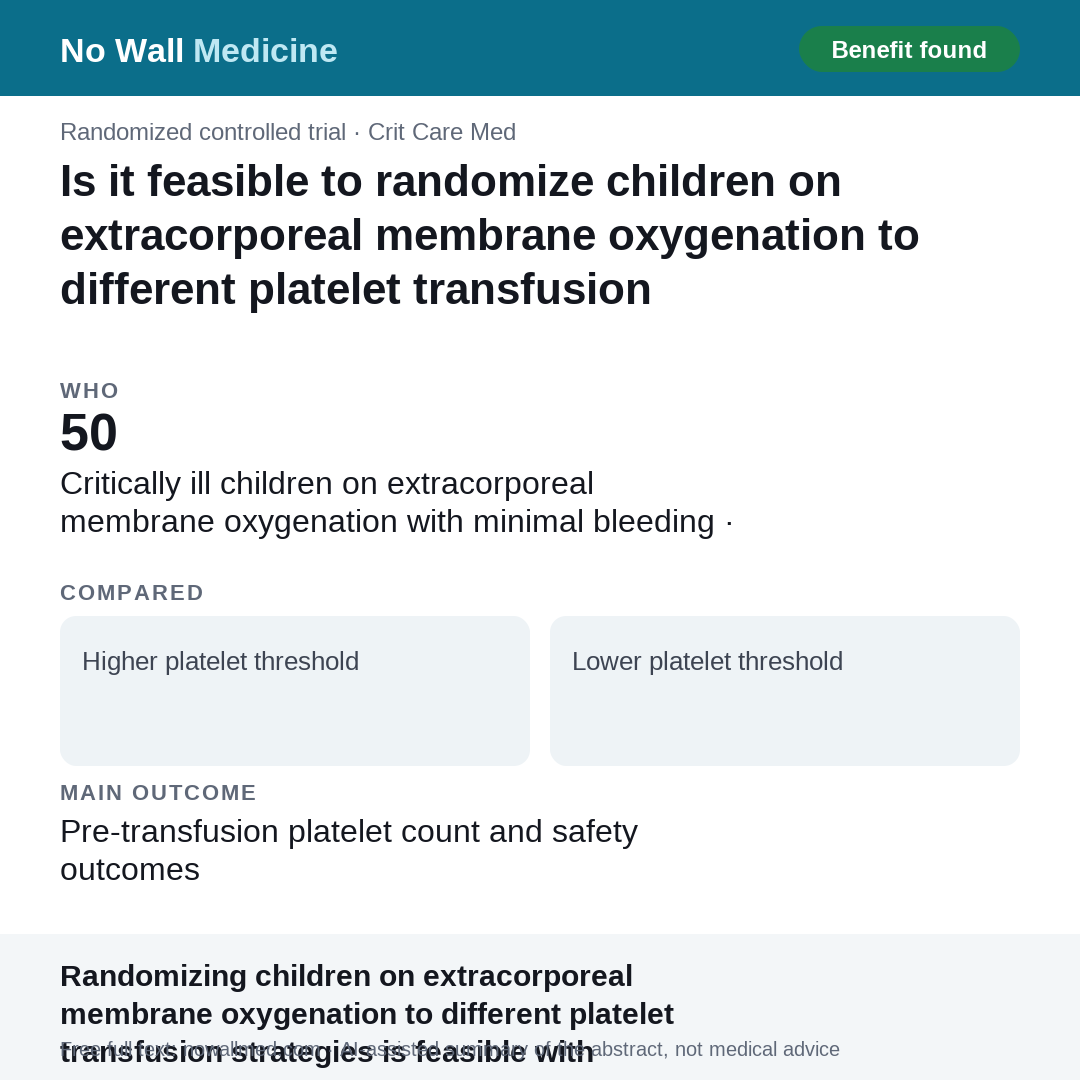
Platelet Transfusion Thresholds for Children Supported by Extracorporeal Membrane Oxygenation: The Extracorporeal Membrane Oxygenation Hemostatic Transfusions in Children (ECSTATIC) Feasibility Clinical Trial
Randomized controlled trialBenefit found
Is it feasible to randomize children on extracorporeal membrane oxygenation to different platelet transfusion thresholds?
Who
50
Critically ill children on extracorporeal membrane oxygenation with minimal bleeding · Ten centers in United States and Israel
Compared
Higher platelet threshold
Lower platelet threshold
Main outcome
Pre-transfusion platelet count and safety outcomes
Bottom line: Randomizing children on extracorporeal membrane oxygenation to different platelet transfusion strategies is feasible with excellent protocol compliance.
Crit Care Med · 2025-12-23Download image
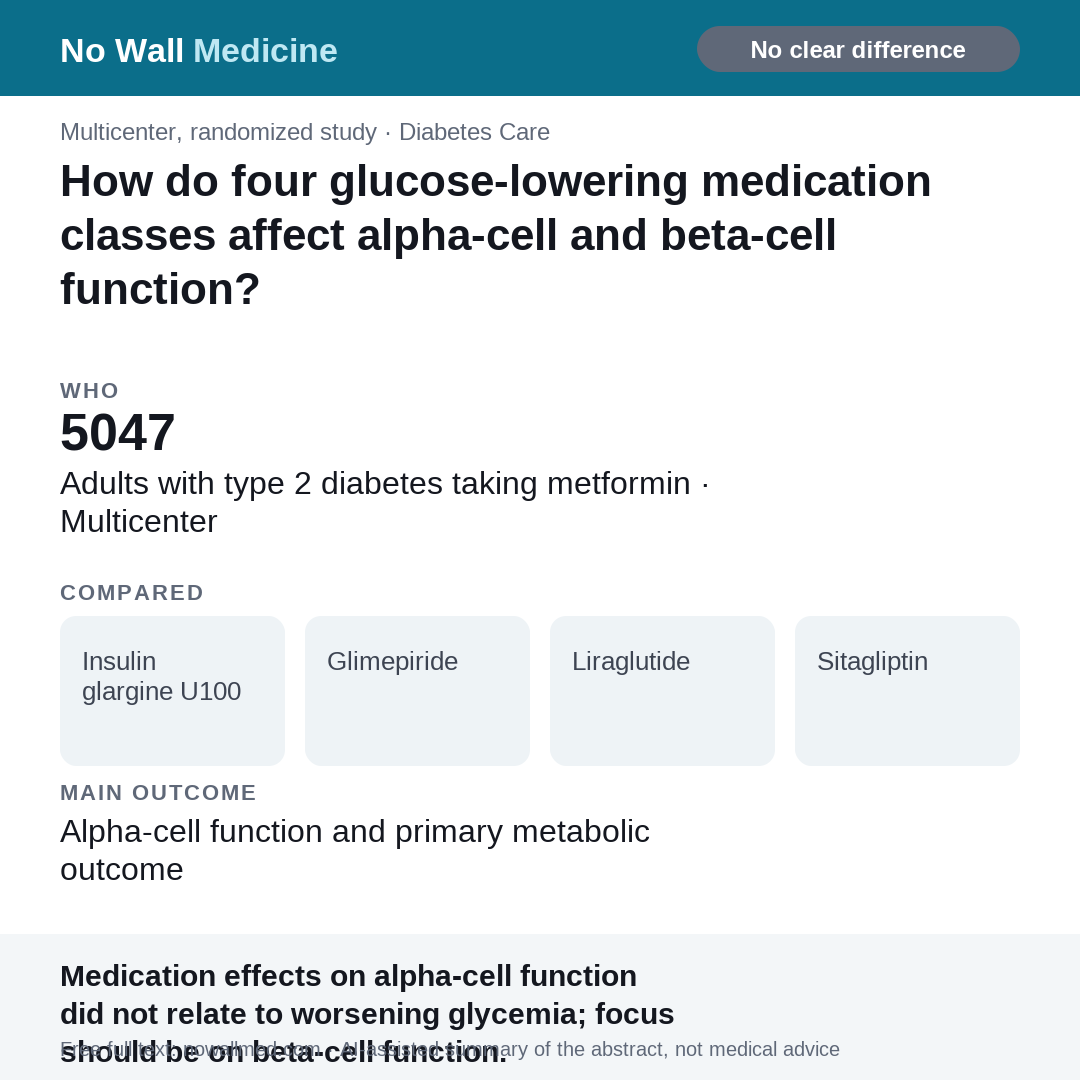
Differential Longitudinal Effects of Glucose-Lowering Medications on Glucagon and C-peptide Responses in the Glycemia Reduction Approaches in Diabetes: A Comparative Effectiveness Study (GRADE)
Multicenter, randomized studyNo clear difference
How do four glucose-lowering medication classes affect alpha-cell and beta-cell function?
Who
5047
Adults with type 2 diabetes taking metformin · Multicenter
Compared
Insulin glargine U100
Glimepiride
Liraglutide
Sitagliptin
Main outcome
Alpha-cell function and primary metabolic outcome
Bottom line: Medication effects on alpha-cell function did not relate to worsening glycemia; focus should be on beta-cell function.
Diabetes Care · 2025-12-23Download image
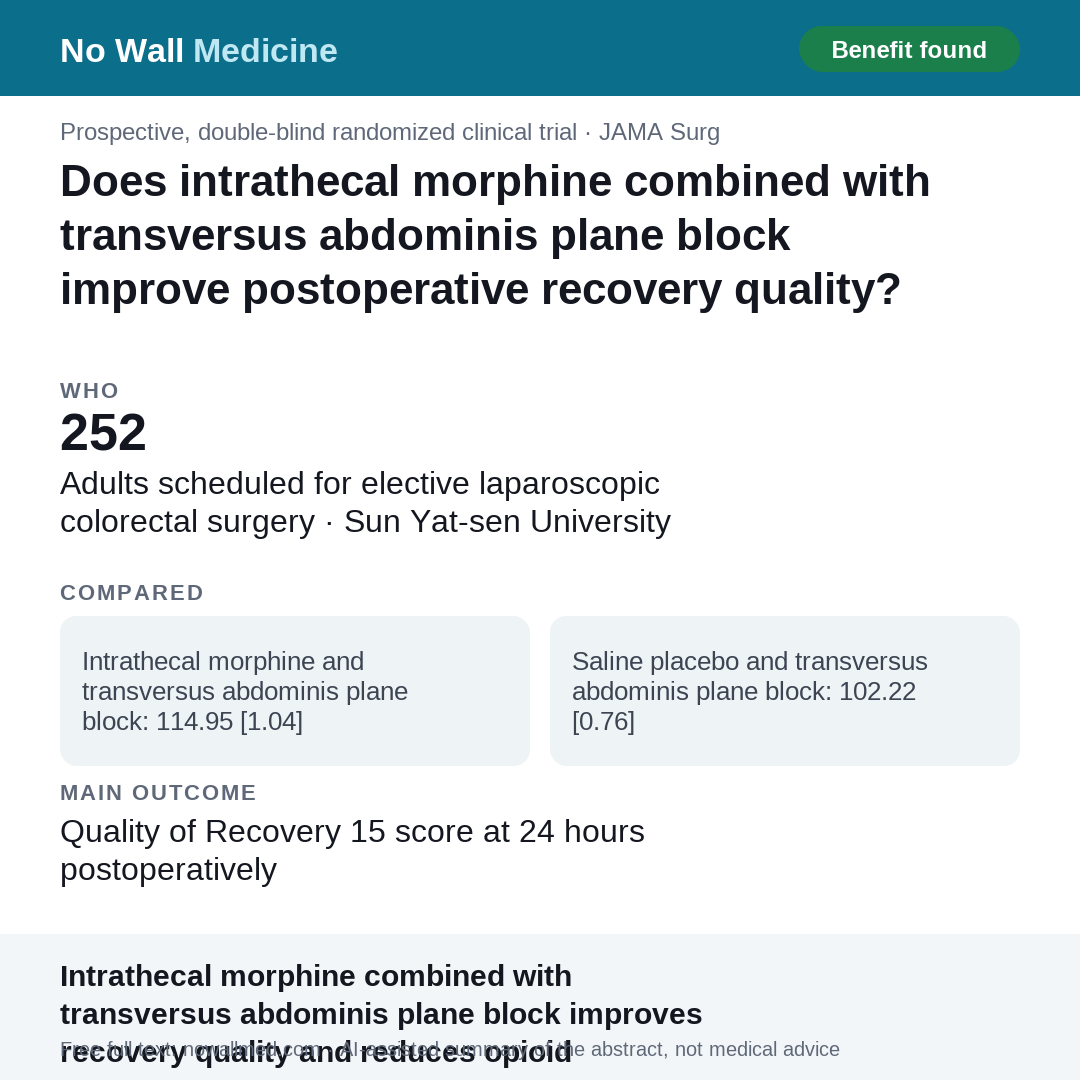
Intrathecal Morphine for Enhanced Recovery After Laparoscopic Colorectal Surgery: A Randomized Clinical Trial
Prospective, double-blind randomized clinical trialBenefit found
Does intrathecal morphine combined with transversus abdominis plane block improve postoperative recovery quality?
Who
252
Adults scheduled for elective laparoscopic colorectal surgery · Sun Yat-sen University Cancer Center
Compared
Intrathecal morphine and transversus abdominis plane block: 114.95 [1.04]
Saline placebo and transversus abdominis plane block: 102.22 [0.76]
Main outcome
Quality of Recovery 15 score at 24 hours postoperatively
Result: mean difference, 12.21; 95% CI, 9.91-14.51
Bottom line: Intrathecal morphine combined with transversus abdominis plane block improves recovery quality and reduces opioid consumption but increases pruritus risk.
JAMA Surg · 2025-12-23Download image