Visual abstracts
New randomized trials and meta-analyses from leading journals at a glance: who was studied, what was compared, and what was found. Every paper is free to read in full.
All specialtiesCardiology 4877Oncology 4138Gastroenterology & Hepatology 1942Infectious Disease 3837Neurology 1905Psychiatry & Mental Health 2273Pulmonology 2143Critical Care 1365Endocrinology & Diabetes 2580Pediatrics 2980Surgery 2559Orthopedics & Sports Medicine 931Neurosurgery 537Cardiothoracic & Vascular Surgery 674Plastic & Reconstructive Surgery 591Nephrology 1133Rheumatology 823Hematology 1109Dermatology 621Ophthalmology 543Obstetrics & Gynecology 1686Public & Global Health 1058Radiology & Imaging 648Anesthesiology 986Urology 764ENT (Otolaryngology) 503Emergency Medicine 511Allergy & Immunology 313Geriatrics 981Family Medicine & Primary Care 562Medical Genetics & Genomics 676Pathology & Laboratory Medicine 159Physical Medicine & Rehabilitation 757Palliative Care 444Nutrition 1588Digital Health & AI 2201General Medicine 321
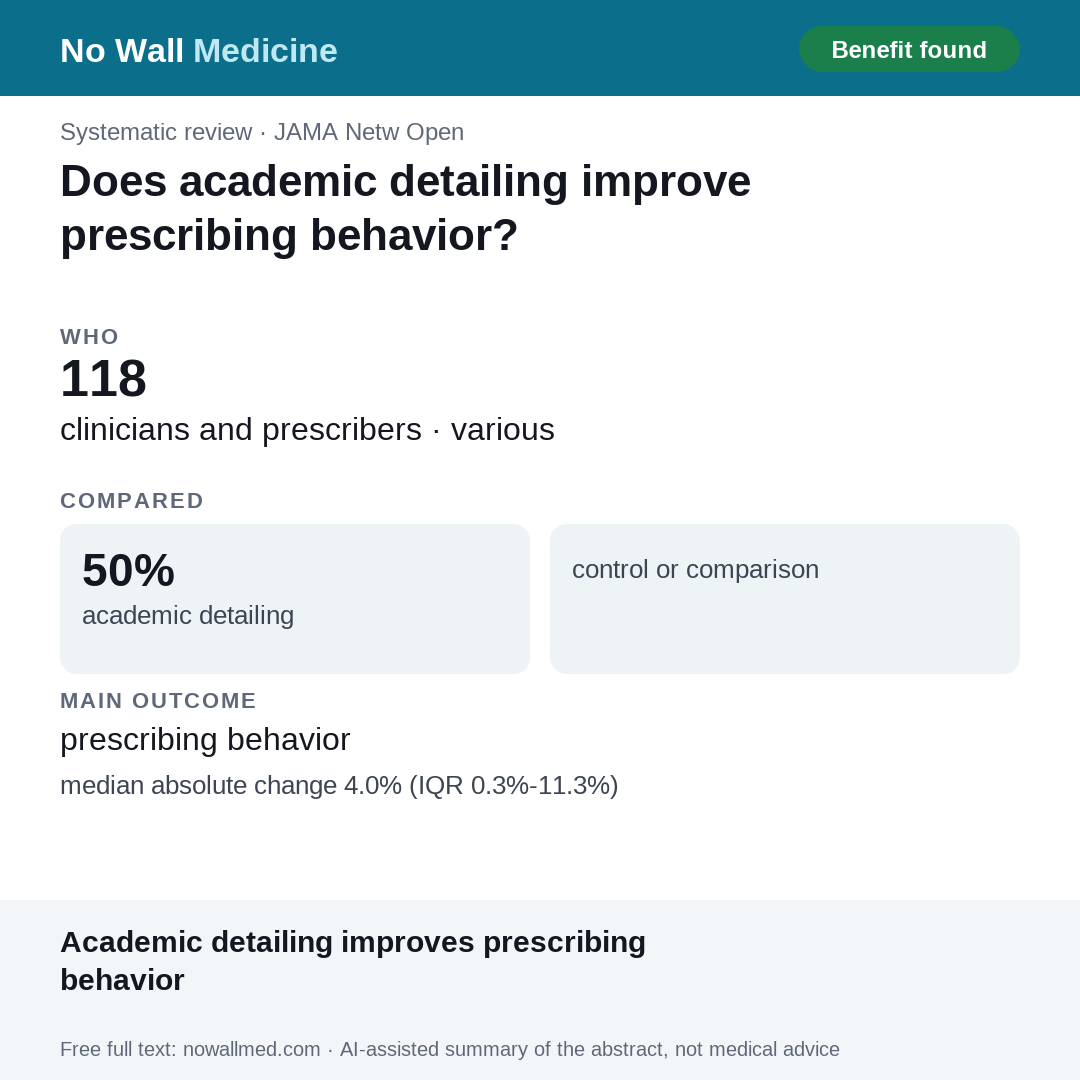
Academic Detailing Interventions and Evidence-Based Prescribing: A Systematic Review
Systematic reviewBenefit found
Does academic detailing improve prescribing behavior?
Who
118
clinicians and prescribers · various
Compared
50%academic detailing (18/36)
control or comparison
Main outcome
prescribing behavior
Result: median absolute change 4.0% (IQR 0.3%-11.3%)
Bottom line: Academic detailing improves prescribing behavior
Limitation: quality of evidence varied
JAMA Netw Open · 2025-01-02Download image
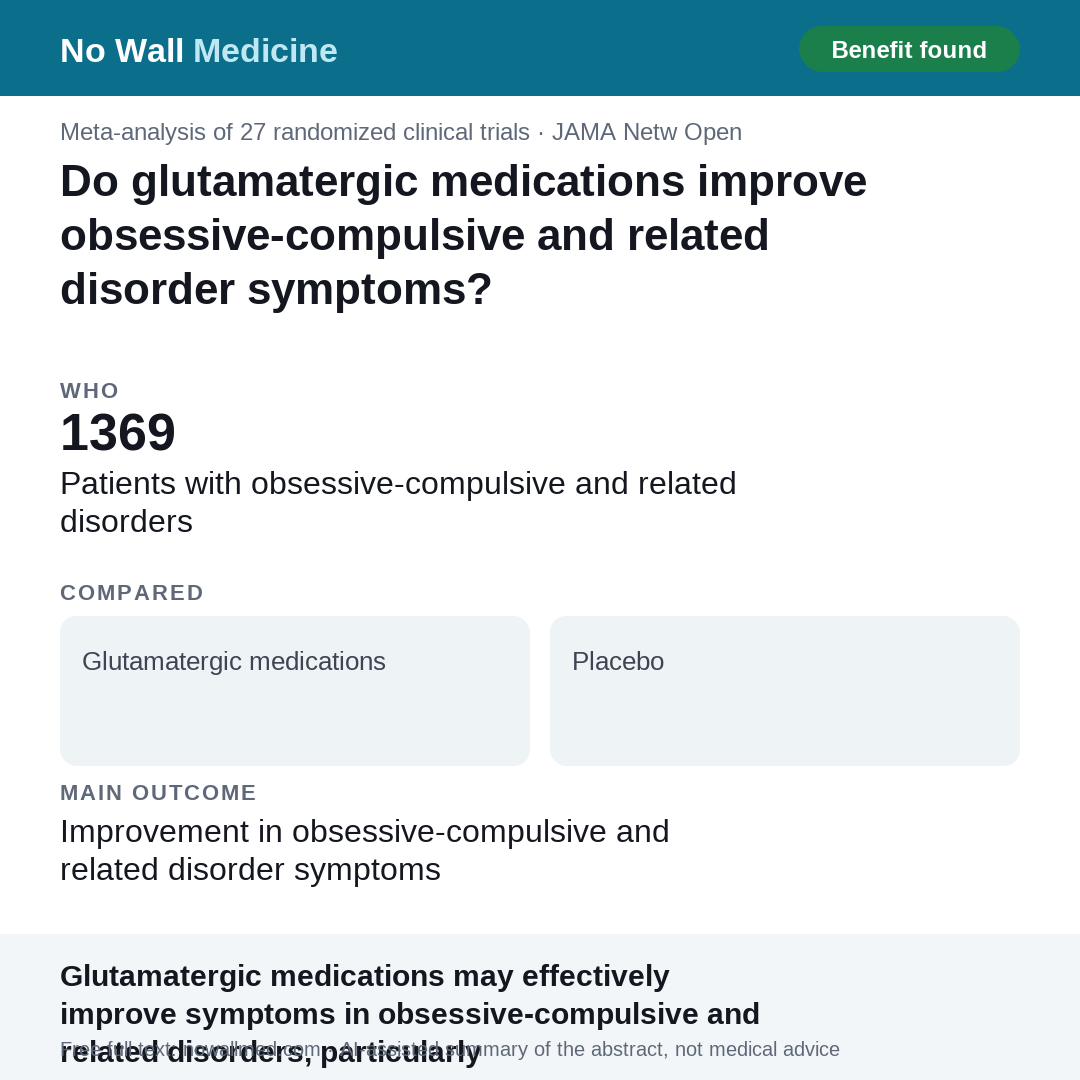
Glutamatergic Medications for Obsessive-Compulsive and Related Disorders: A Systematic Review and Meta-Analysis
Meta-analysis of 27 randomized clinical trialsBenefit found
Do glutamatergic medications improve obsessive-compulsive and related disorder symptoms?
Who
1369
Patients with obsessive-compulsive and related disorders
Compared
Glutamatergic medications
Placebo
Main outcome
Improvement in obsessive-compulsive and related disorder symptoms
Result: standardized mean difference -0.80 (95% CI -1.13 to -0.47)
Bottom line: Glutamatergic medications may effectively improve symptoms in obsessive-compulsive and related disorders, particularly obsessive-compulsive disorder.
Limitation: High heterogeneity and potential publication bias necessitate cautious interpretation.
JAMA Netw Open · 2025-01-02Download image
Social Determinants of Health and Suicide-Related Outcomes: A Review of Meta-Analyses
Review of 46 meta-analysesMixed results
What are the associations between social determinants of health and suicide-related outcomes?
Who
General population across various social determinant categories
Compared
Suicide mortality risk factors: 114.5 per 100 000 persons
28.9%Suicide attempt in homeless individuals (95% CI, 21.7%-37.2%)
27%Suicide attempt in incarcerated female youths (95% CI, 20%-34%)
12.2%Suicide attempt in incarcerated adults (95% CI, 7.1%-17.2%)
Main outcome
Suicide mortality, suicide attempt, and suicidal ideation
Bottom line: Social determinants like incarceration, firearm accessibility, and homelessness are strongly associated with increased suicide mortality, attempts, and ideation.
JAMA Psychiatry · 2025-01-02Download image

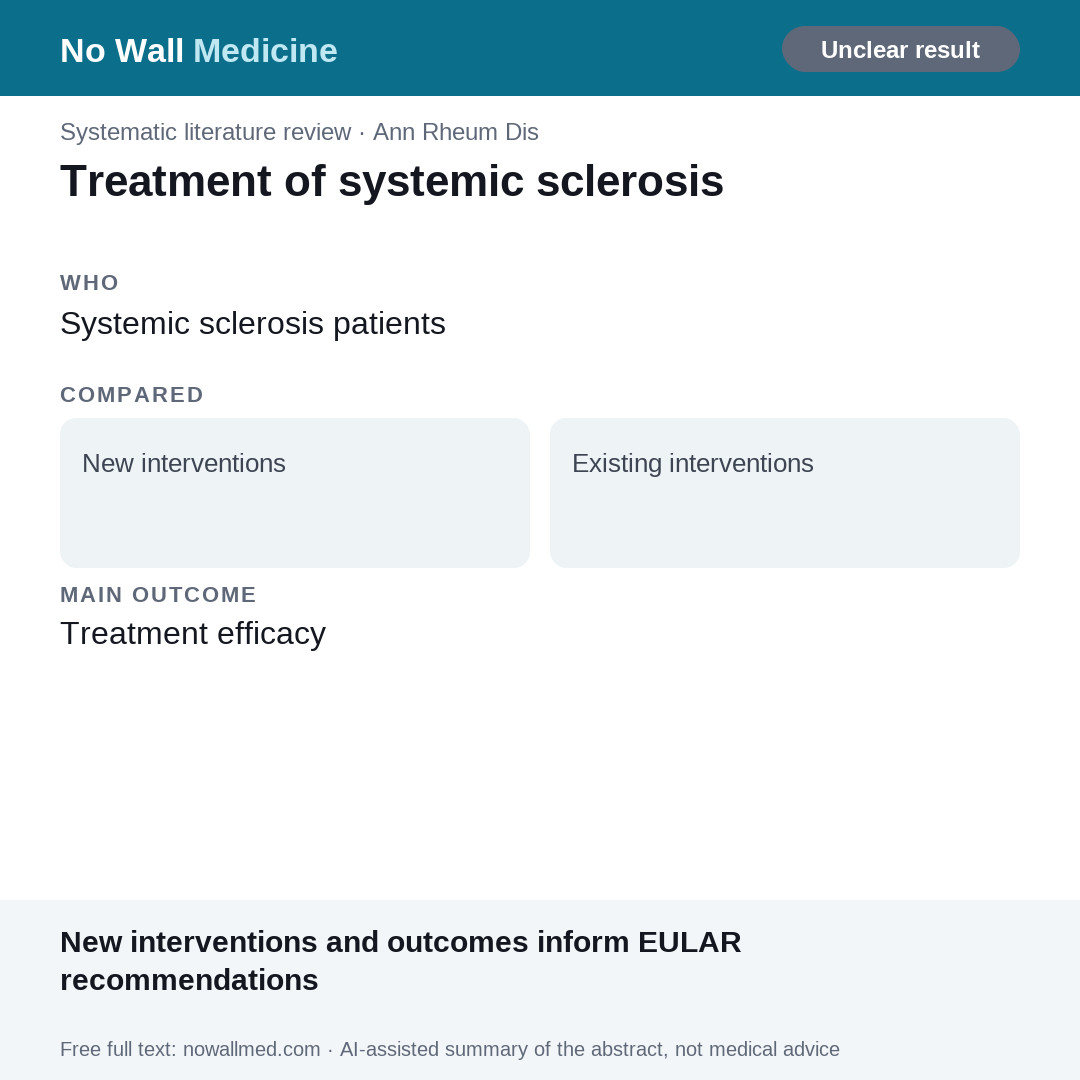
Results from the international collaborative systematic literature review informing the 2023 EULAR recommendations for the treatment of systemic sclerosis
Systematic literature reviewUnclear result
Treatment of systemic sclerosis
Who
Systemic sclerosis patients
Compared
New interventions
Existing interventions
Main outcome
Treatment efficacy
Bottom line: New interventions and outcomes inform EULAR recommendations
Ann Rheum Dis · 2025-01-02Download image
Weight and Procedural Abortion Complications: A Systematic Review
Systematic reviewNo clear difference
Is higher body weight associated with procedural abortion complications?
Who
38,960
People with body mass index 30 or higher · United States
Compared
Higher body weight
No significant relationship
Main outcome
Procedural abortion complications
Bottom line: Higher body weight was not associated with an increased risk of procedural abortion complications in the included studies.
Obstet Gynecol · 2025-01-02Download image

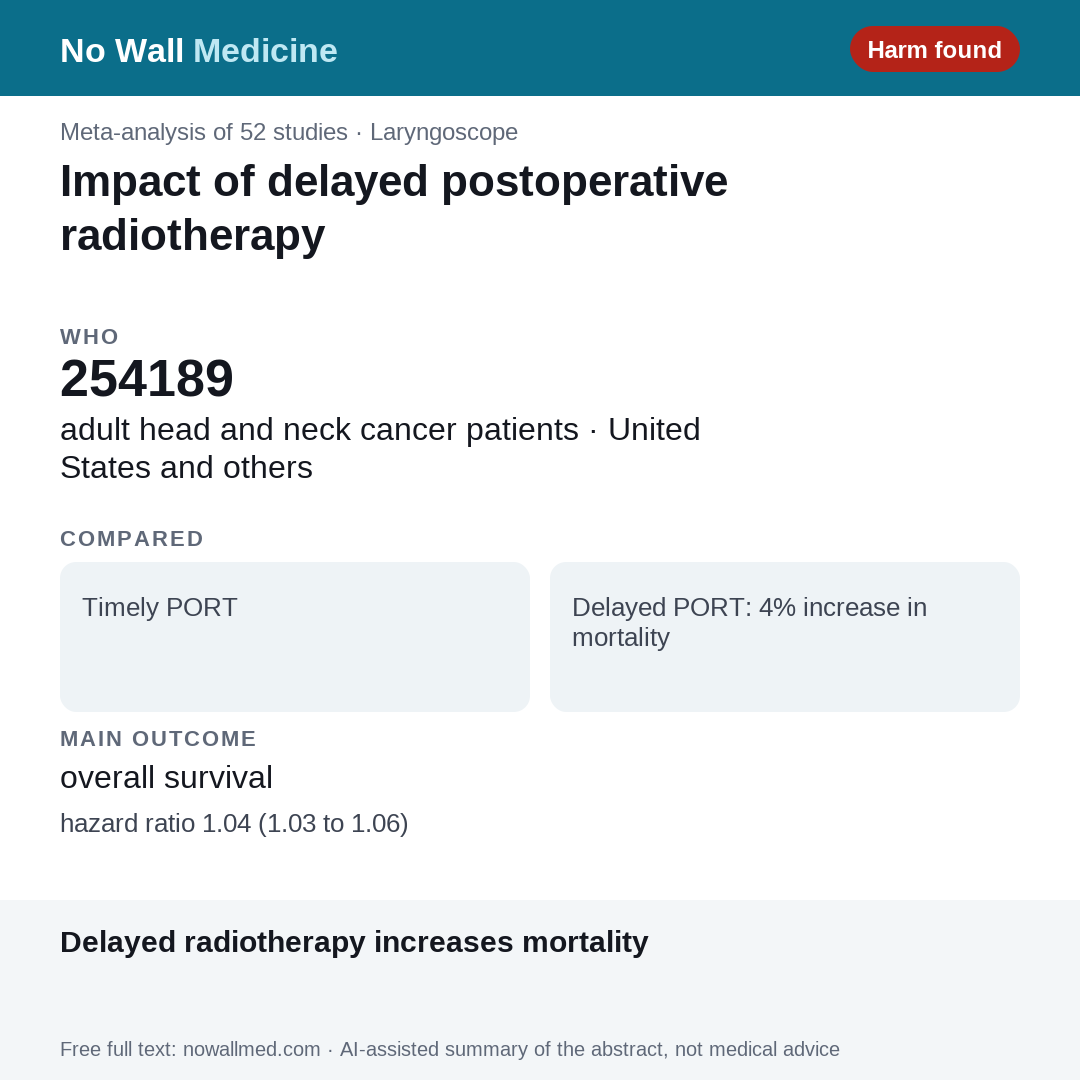
Delayed Postoperative Radiotherapy in Head & Neck Cancers-A Systematic Review and Meta-Analysis
Meta-analysis of 52 studiesHarm found
Impact of delayed postoperative radiotherapy
Who
254189
adult head and neck cancer patients · United States and others
Compared
Timely PORT
Delayed PORT: 4% increase in mortality
Main outcome
overall survival
Result: hazard ratio 1.04 (1.03 to 1.06)
Bottom line: Delayed radiotherapy increases mortality
Limitation: more research is needed
Laryngoscope · 2025-01-02Download image
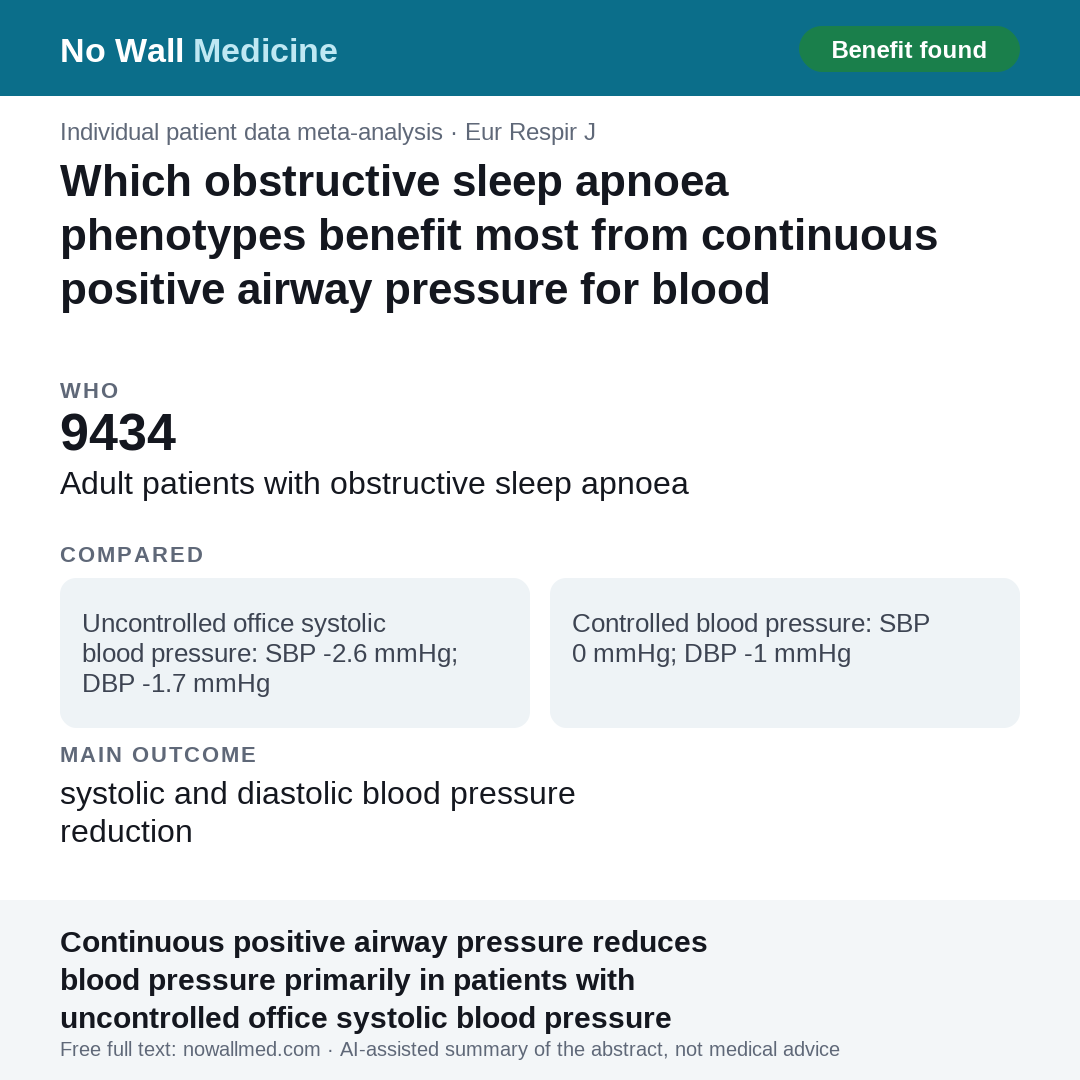
Effect of CPAP therapy on blood pressure in patients with obstructive sleep apnoea: a worldwide individual patient data meta-analysis
Individual patient data meta-analysisBenefit found
Which obstructive sleep apnoea phenotypes benefit most from continuous positive airway pressure for blood pressure reduction?
Who
9434
Adult patients with obstructive sleep apnoea
Compared
Uncontrolled office systolic blood pressure: SBP -2.6 mmHg; DBP -1.7 mmHg
Controlled blood pressure: SBP 0 mmHg; DBP -1 mmHg
Main outcome
systolic and diastolic blood pressure reduction
Bottom line: Continuous positive airway pressure reduces blood pressure primarily in patients with uncontrolled office systolic blood pressure at baseline.
Eur Respir J · 2025-01-02Download image
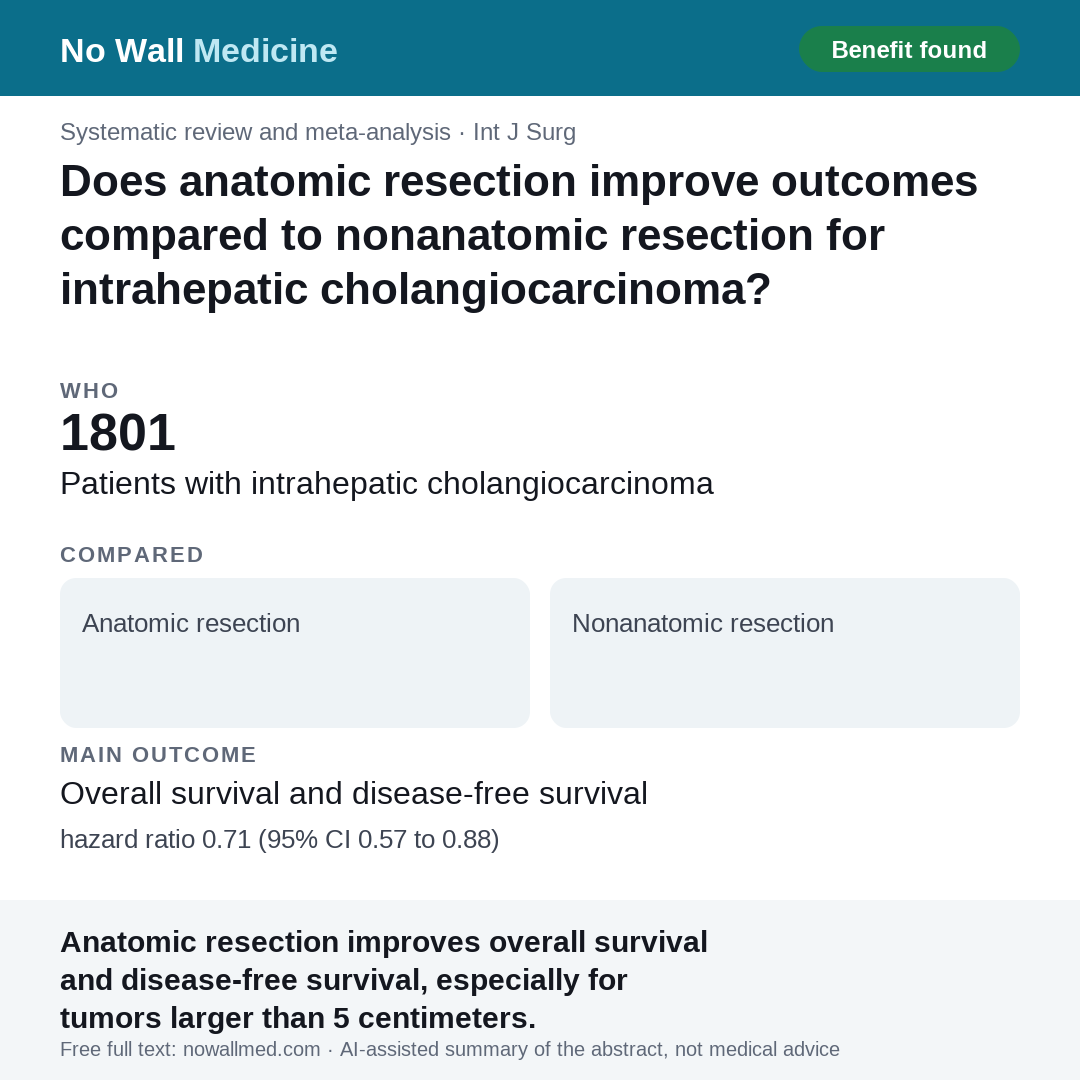
Anatomic versus nonanatomic resection for intrahepatic cholangiocarcinoma: a systematic review and meta-analysis
Systematic review and meta-analysisBenefit found
Does anatomic resection improve outcomes compared to nonanatomic resection for intrahepatic cholangiocarcinoma?
Who
1801
Patients with intrahepatic cholangiocarcinoma
Compared
Anatomic resection
Nonanatomic resection
Main outcome
Overall survival and disease-free survival
Result: hazard ratio 0.71 (95% CI 0.57 to 0.88)
Bottom line: Anatomic resection improves overall survival and disease-free survival, especially for tumors larger than 5 centimeters.
Int J Surg · 2025-01-01Download image
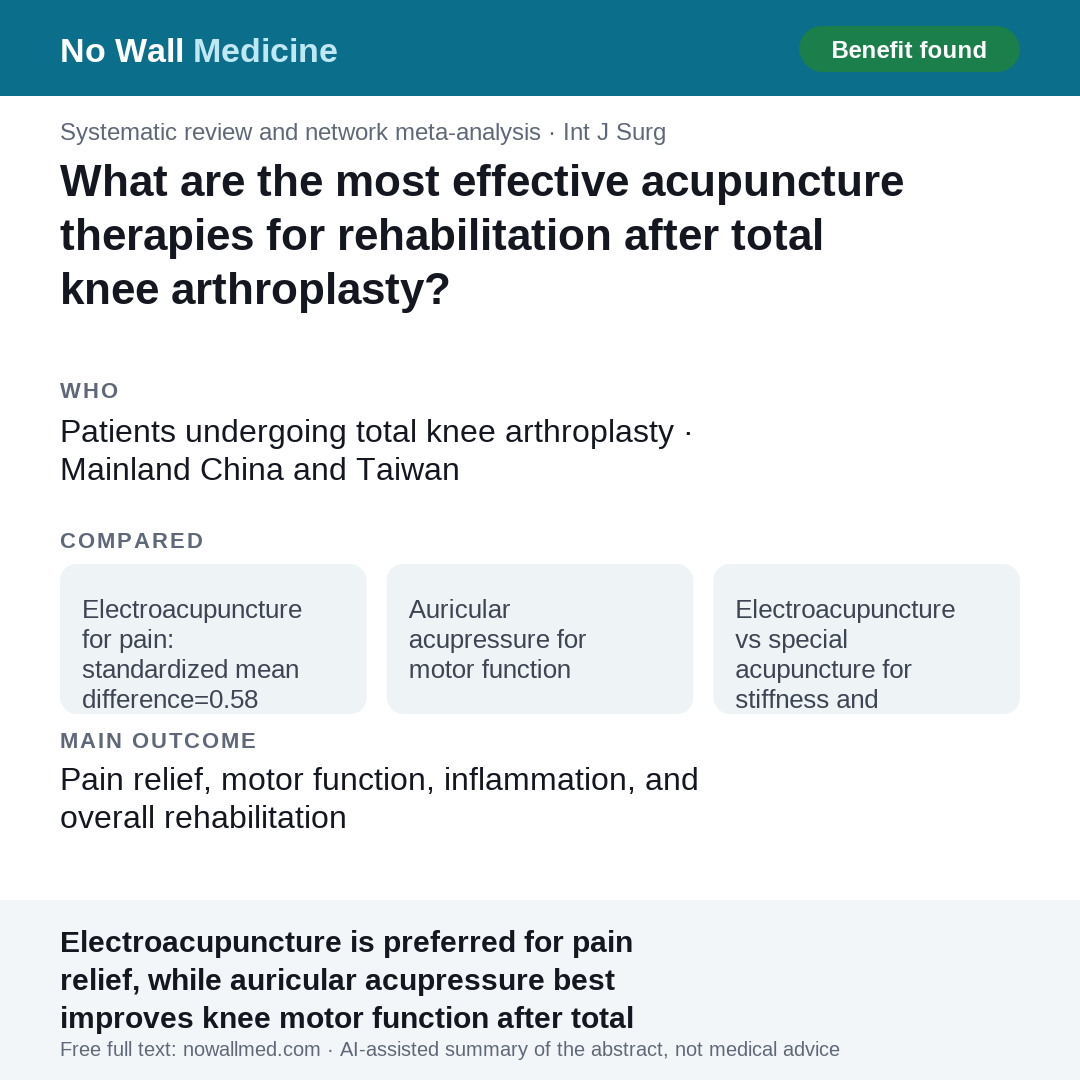
Acupuncture for rehabilitation after total knee arthroplasty: a systematic review and network meta-analysis
Systematic review and network meta-analysisBenefit found
What are the most effective acupuncture therapies for rehabilitation after total knee arthroplasty?
Who
Patients undergoing total knee arthroplasty · Mainland China and Taiwan
Compared
Electroacupuncture for pain: standardized mean difference=0.58
Auricular acupressure for motor function
Electroacupuncture vs special acupuncture for stiffness and inflammation
Main outcome
Pain relief, motor function, inflammation, and overall rehabilitation
Result: standardized mean difference=0.58 (95% CI=0.36-0.81)
Bottom line: Electroacupuncture is preferred for pain relief, while auricular acupressure best improves knee motor function after total knee arthroplasty.
Int J Surg · 2025-01-01Download image
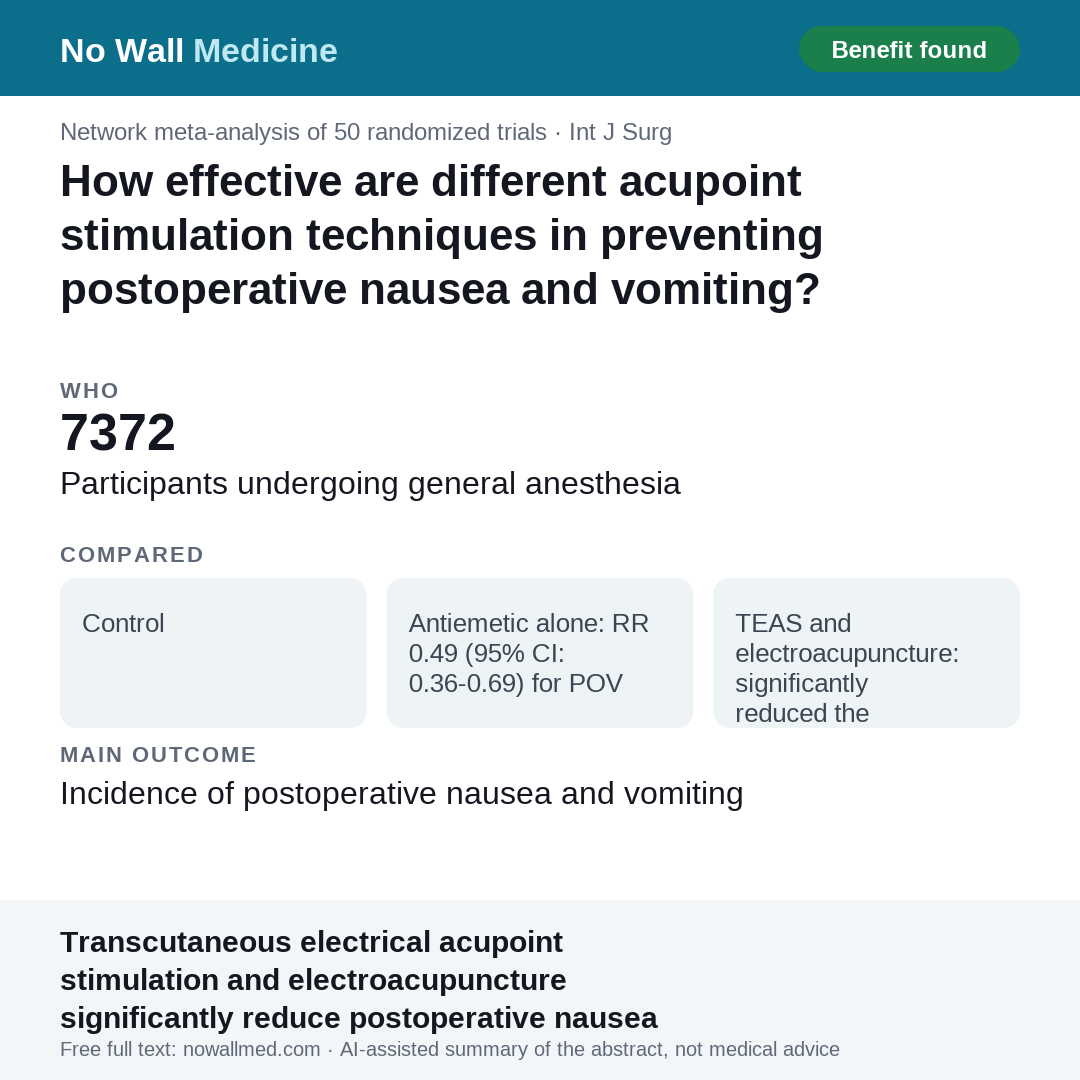
Comparative effectiveness of acupoint stimulation for preventing postoperative nausea and vomiting after general anesthesia: a network meta-analysis of randomized trials
Network meta-analysis of 50 randomized trialsBenefit found
How effective are different acupoint stimulation techniques in preventing postoperative nausea and vomiting?
Who
7372
Participants undergoing general anesthesia
Compared
Control
Antiemetic alone: RR 0.49 (95% CI: 0.36-0.69) for POV
TEAS and electroacupuncture: significantly reduced the incidence of PONV, PON, and POV
Main outcome
Incidence of postoperative nausea and vomiting
Bottom line: Transcutaneous electrical acupoint stimulation and electroacupuncture significantly reduce postoperative nausea and vomiting incidences.
Int J Surg · 2025-01-01Download image
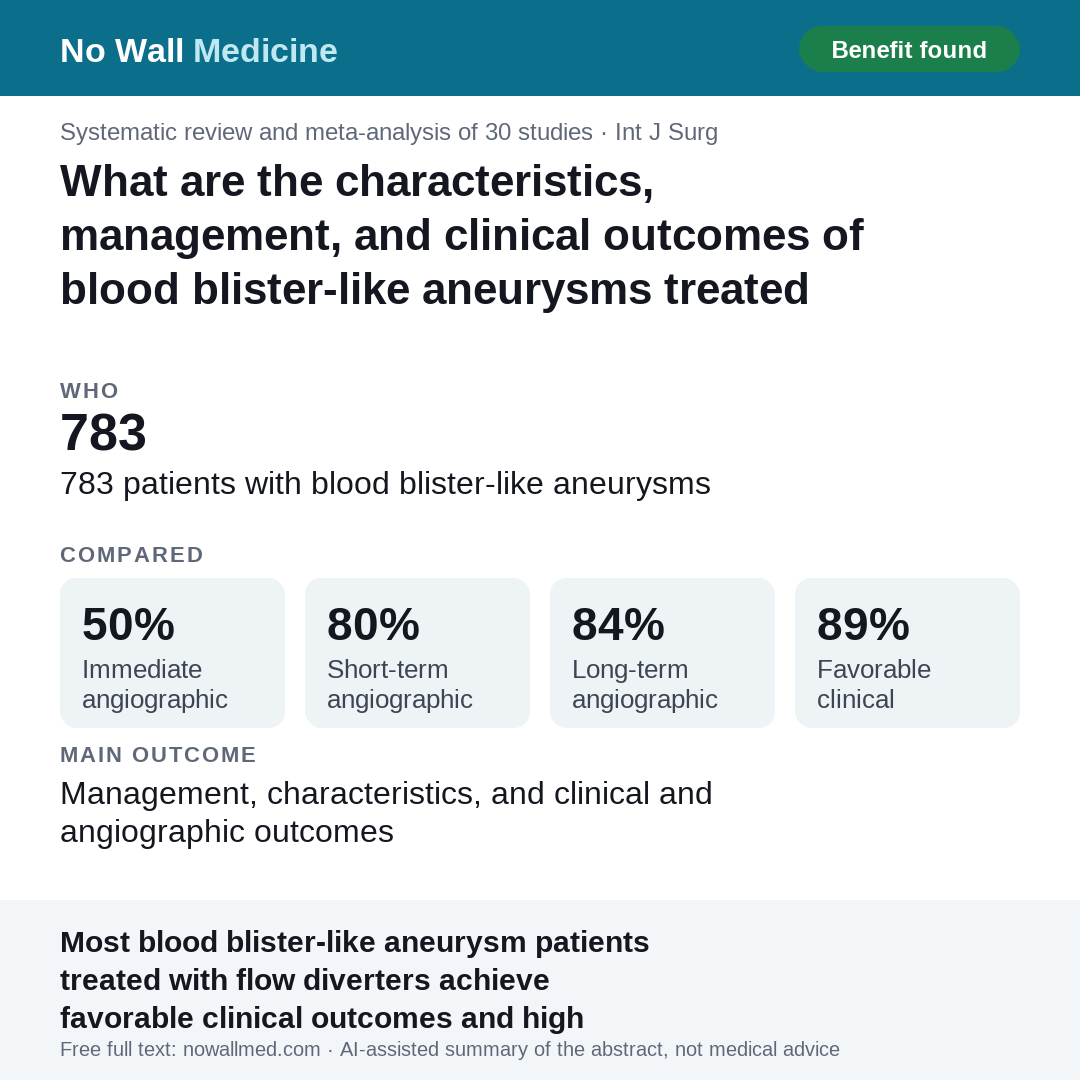
Comparative analysis of characteristics, management, and clinical outcome of blood blister-like aneurysms treated with flow diverter devices: a systematic review and meta-analysis of 30 studies
Systematic review and meta-analysis of 30 studiesBenefit found
What are the characteristics, management, and clinical outcomes of blood blister-like aneurysms treated with flow diverter devices?
Who
783
783 patients with blood blister-like aneurysms
Compared
50%Immediate angiographic occlusion (95% CI: 31-69%)
80%Short-term angiographic occlusion (95% CI: 67-92%)
84%Long-term angiographic occlusion (95% CI: 77-91%)
89%Favorable clinical outcome (mRS 0-2) (95% CI: 85-94%)
Main outcome
Management, characteristics, and clinical and angiographic outcomes
Bottom line: Most blood blister-like aneurysm patients treated with flow diverters achieve favorable clinical outcomes and high long-term occlusion rates.
Int J Surg · 2025-01-01Download image
Efficacy and safety of antireflux surgery in gastroesophageal-related cough: a systematic review and meta-analysis
Systematic review and meta-analysisBenefit found
Are antireflux procedures effective for gastroesophageal-related cough and other reflux symptoms?
Who
7431
Patients with gastroesophageal reflux disease
Compared
Antireflux surgery: 80.0% (95% CI: 75.4-84.2) cough remission rate
87.7%Heartburn remission rate (95% CI: 82.3-92.2)
91.2%Regurgitation remission rate (95% CI: 87.8-94.1)
Main outcome
Remission rates of cough, heartburn, and regurgitation
Bottom line: Antireflux procedures significantly improve gastroesophageal-related cough and other reflux symptoms in patients with gastroesophageal reflux disease.
Int J Surg · 2025-01-01Download image

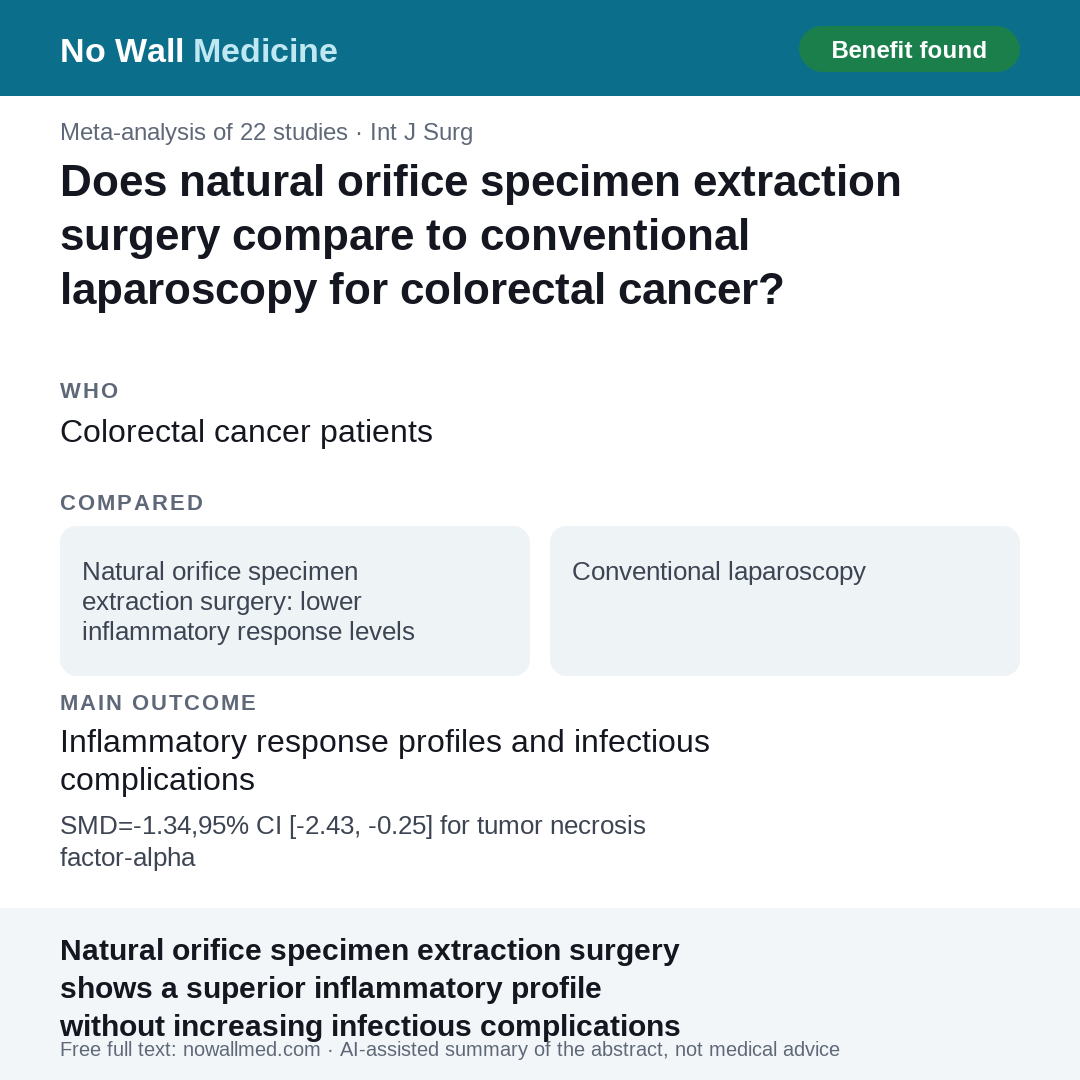
Comparison of postoperative inflammatory response between natural orifice specimen extraction surgery and conventional laparoscopy in the treatment of colorectal cancer: a meta-analysis and systematic review
Meta-analysis of 22 studiesBenefit found
Does natural orifice specimen extraction surgery compare to conventional laparoscopy for colorectal cancer?
Who
Colorectal cancer patients
Compared
Natural orifice specimen extraction surgery: lower inflammatory response levels
Conventional laparoscopy
Main outcome
Inflammatory response profiles and infectious complications
Result: SMD=-1.34,95% CI [-2.43, -0.25] for tumor necrosis factor-alpha
Bottom line: Natural orifice specimen extraction surgery shows a superior inflammatory profile without increasing infectious complications compared to conventional laparoscopy.
Int J Surg · 2025-01-01Download image
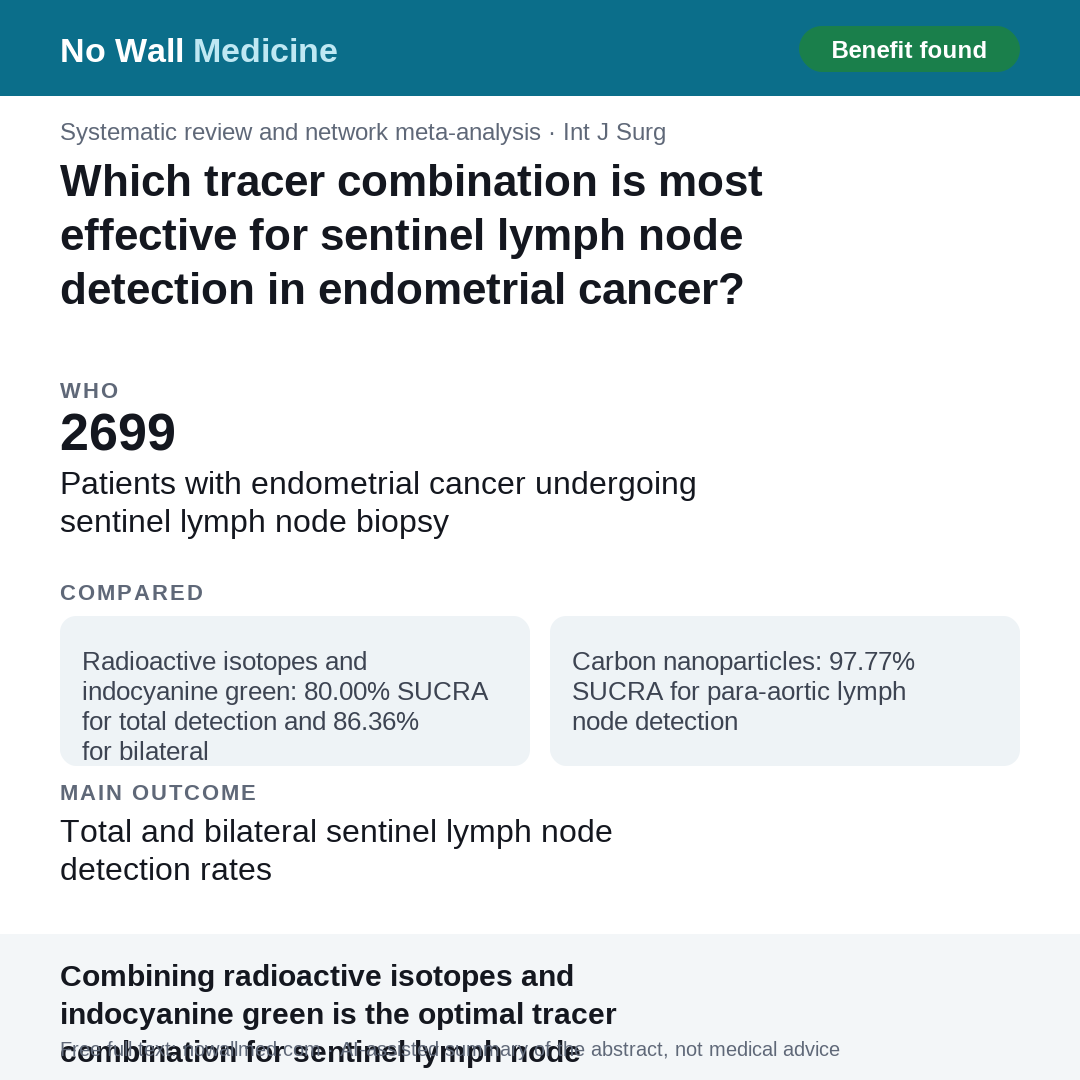
Comparison of different tracers in sentinel lymph node detection for endometrial cancer: a systematic review and network meta-analysis
Systematic review and network meta-analysisBenefit found
Which tracer combination is most effective for sentinel lymph node detection in endometrial cancer?
Who
2699
Patients with endometrial cancer undergoing sentinel lymph node biopsy
Compared
Radioactive isotopes and indocyanine green: 80.00% SUCRA for total detection and 86.36% for bilateral
Carbon nanoparticles: 97.77% SUCRA for para-aortic lymph node detection
Main outcome
Total and bilateral sentinel lymph node detection rates
Bottom line: Combining radioactive isotopes and indocyanine green is the optimal tracer combination for sentinel lymph node detection.
Int J Surg · 2025-01-01Download image
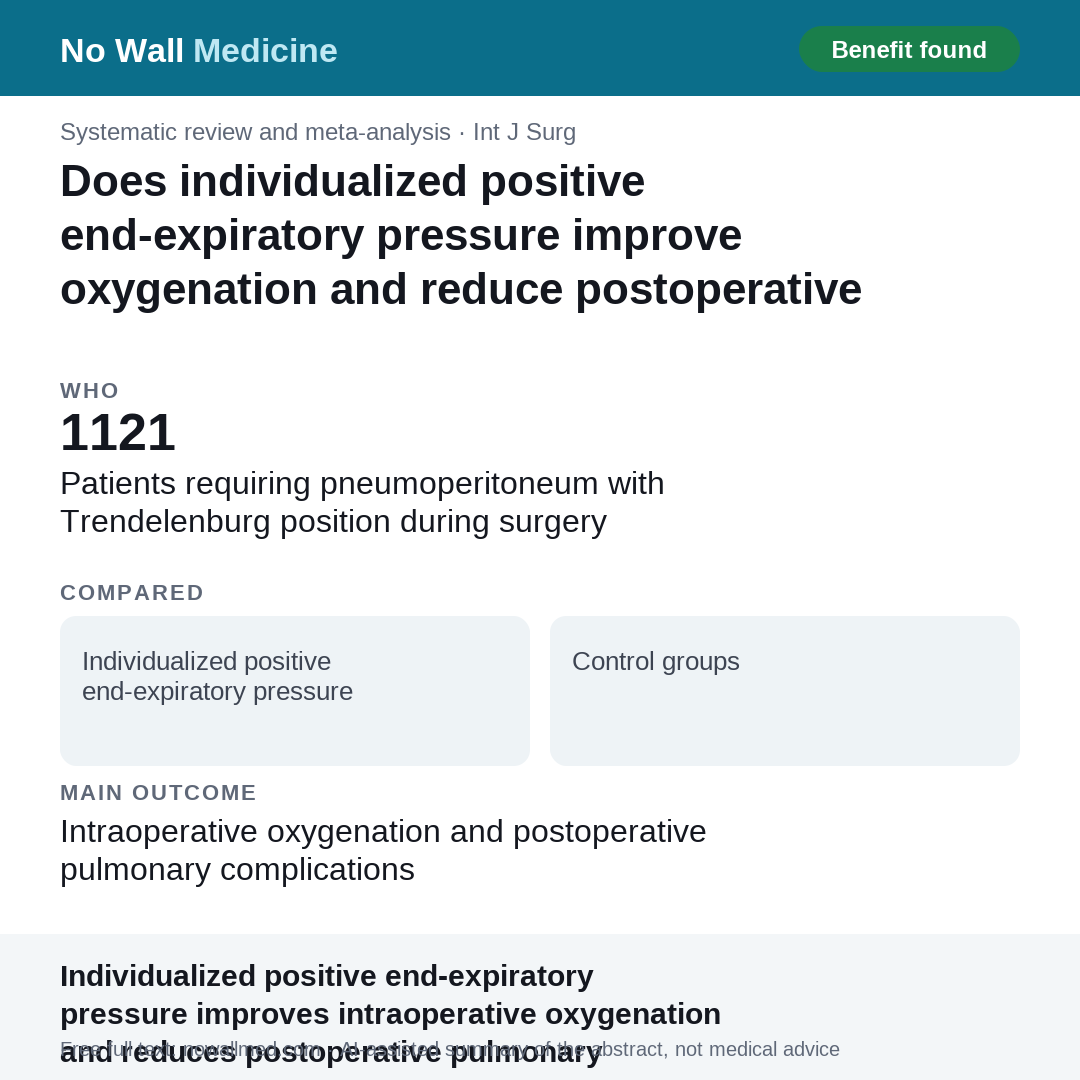
Effects of individualized positive end-expiratory pressure on intraoperative oxygenation and postoperative pulmonary complications in patients requiring pneumoperitoneum with Trendelenburg position: a systematic review and meta-analysis
Systematic review and meta-analysisBenefit found
Does individualized positive end-expiratory pressure improve oxygenation and reduce postoperative pulmonary complications?
Who
1121
Patients requiring pneumoperitoneum with Trendelenburg position during surgery
Compared
Individualized positive end-expiratory pressure
Control groups
Main outcome
Intraoperative oxygenation and postoperative pulmonary complications
Result: PaO2/FiO2 mean difference 56.52 mmHg (95% CI 33.98 to 79.06); PPC log risk ratio -0.50 (95% CI -0.84 to -0.16)
Bottom line: Individualized positive end-expiratory pressure improves intraoperative oxygenation and reduces postoperative pulmonary complications in these patients.
Int J Surg · 2025-01-01Download image
Efficacy and safety of phototherapies for upper lip scars in cleft lip patients: a systematic review and meta-analysis
Systematic review and meta-analysisBenefit found
Are phototherapies effective and safe for treating upper lip scars in cleft lip patients?
Who
Patients with upper lip scars after cleft lip surgery
Compared
Phototherapy
Routine care
Main outcome
Total Vancouver Scar Scale scores
Bottom line: Phototherapy significantly reduces total Vancouver Scar Scale scores for cleft lip scars with no serious complications.
Int J Surg · 2025-01-01Download image

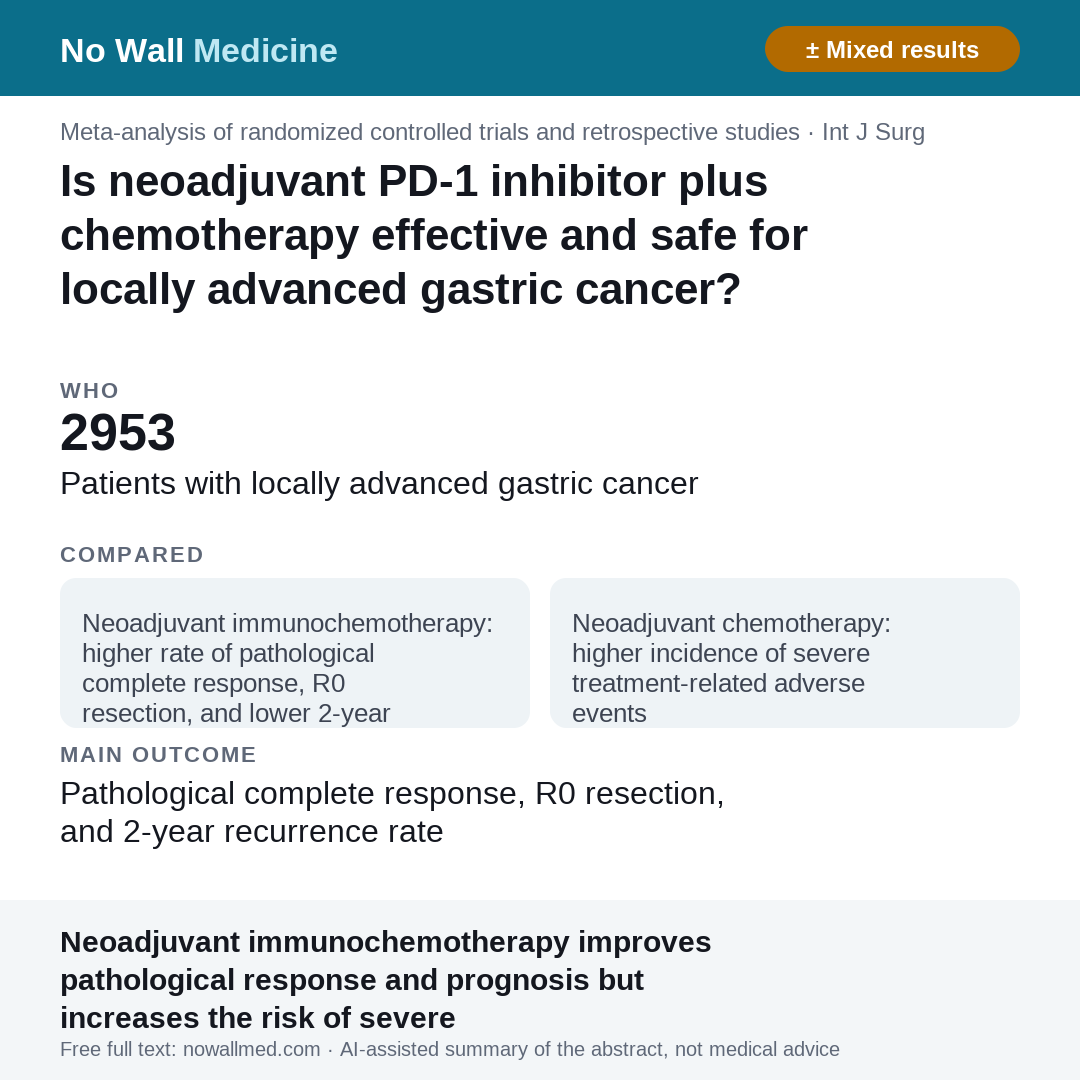
The safety and efficacy of neoadjuvant PD-1 inhibitor plus chemotherapy for patients with locally advanced gastric cancer: a systematic review and meta-analysis
Meta-analysis of randomized controlled trials and retrospective studiesMixed results
Is neoadjuvant PD-1 inhibitor plus chemotherapy effective and safe for locally advanced gastric cancer?
Who
2953
Patients with locally advanced gastric cancer
Compared
Neoadjuvant immunochemotherapy: higher rate of pathological complete response, R0 resection, and lower 2-year recurrence rate
Neoadjuvant chemotherapy: higher incidence of severe treatment-related adverse events
Main outcome
Pathological complete response, R0 resection, and 2-year recurrence rate
Bottom line: Neoadjuvant immunochemotherapy improves pathological response and prognosis but increases the risk of severe treatment-related adverse events.
Int J Surg · 2025-01-01Download image
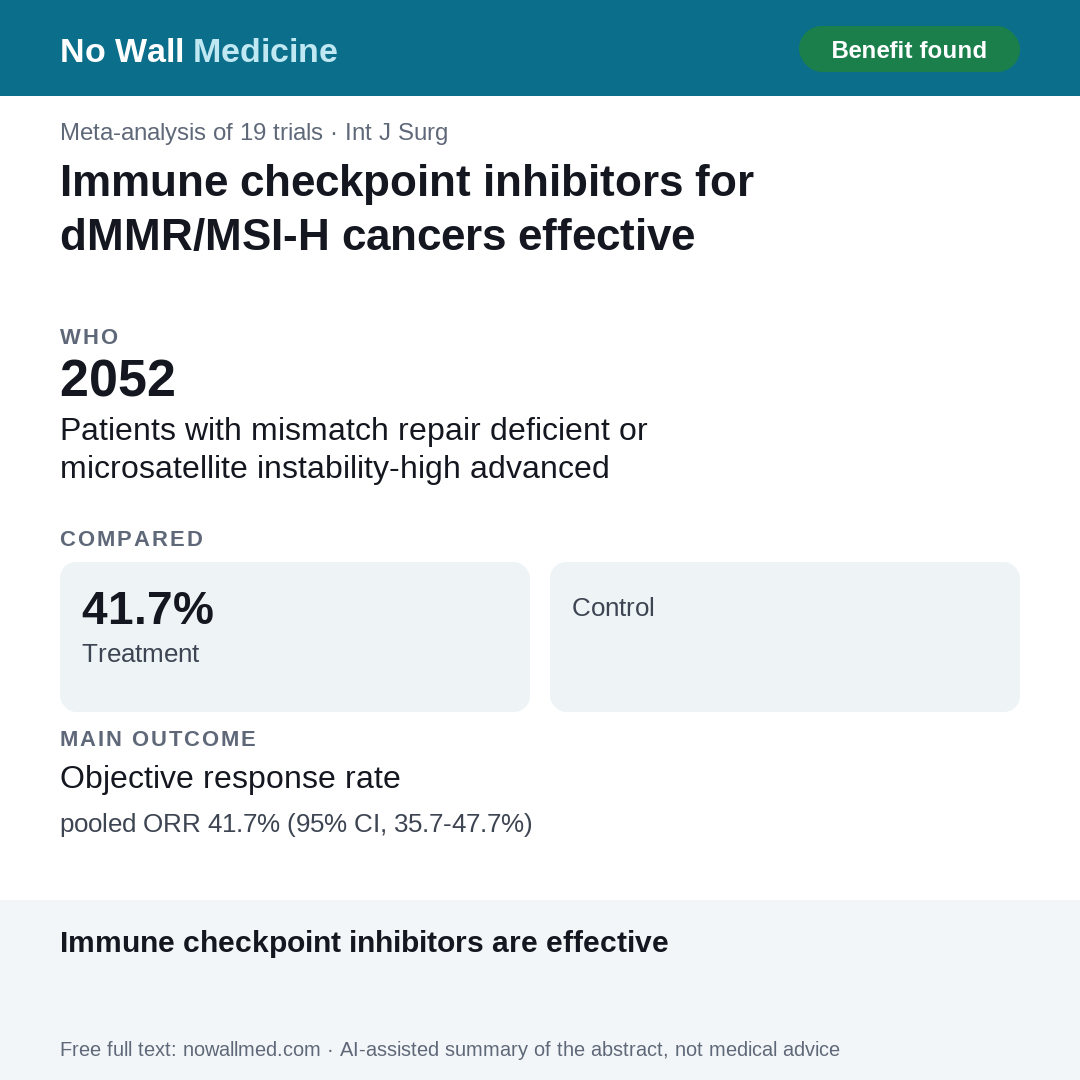
Immune checkpoint inhibitors for patients with mismatch repair deficient or microsatellite instability-high advanced cancers: a meta-analysis of phase I-III clinical trials
Meta-analysis of 19 trialsBenefit found
Immune checkpoint inhibitors for dMMR/MSI-H cancers effective
Who
2052
Patients with mismatch repair deficient or microsatellite instability-high advanced cancers
Compared
41.7%Treatment (95% CI, 35.7-47.7%)
Control
Main outcome
Objective response rate
Result: pooled ORR 41.7% (95% CI, 35.7-47.7%)
Bottom line: Immune checkpoint inhibitors are effective
Limitation: need head-to-head comparisons
Int J Surg · 2025-01-01Download image
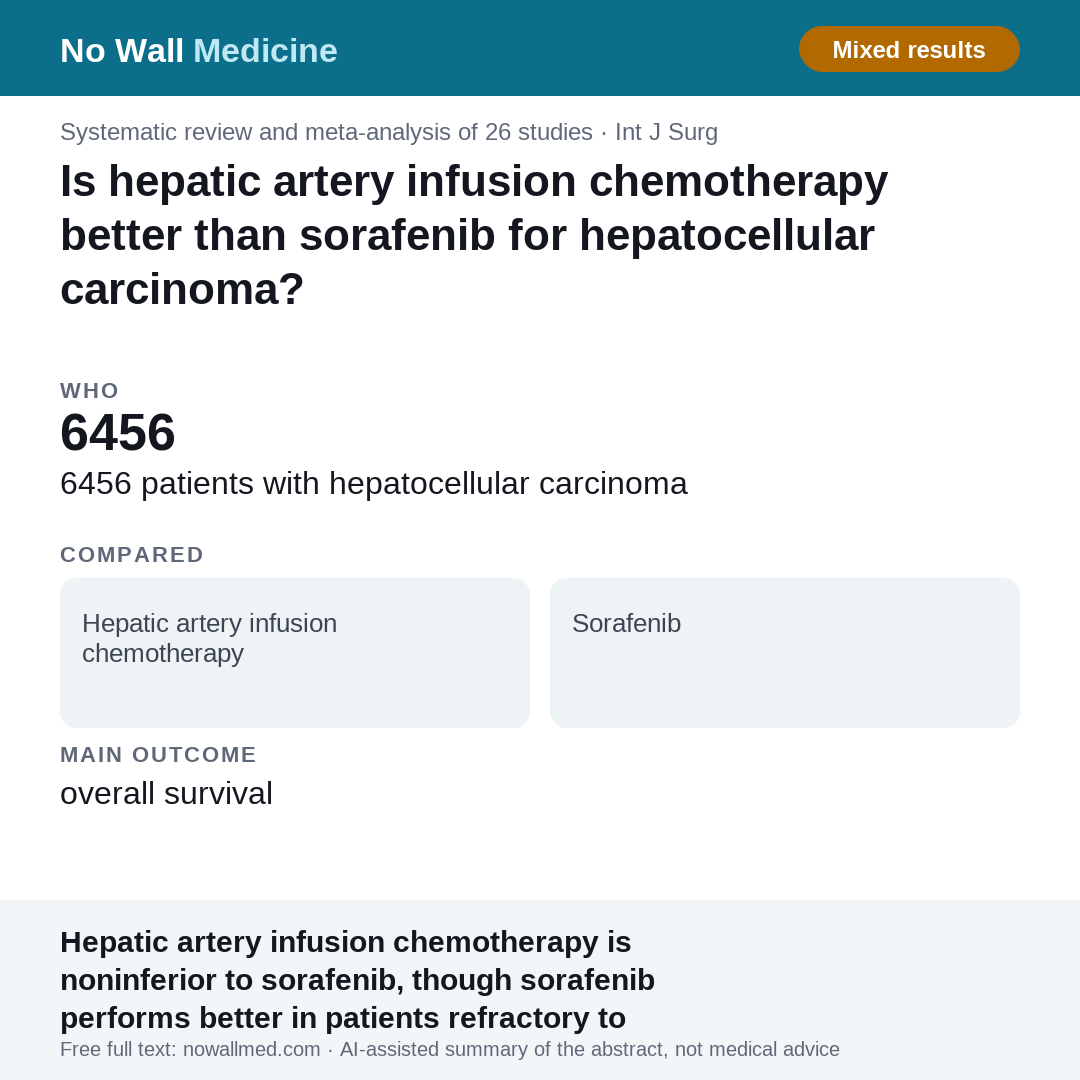
Optimal candidates and surrogate endpoints for HAIC versus Sorafenib in hepatocellular carcinoma: an updated systematic review and meta-analysis
Systematic review and meta-analysis of 26 studiesMixed results
Is hepatic artery infusion chemotherapy better than sorafenib for hepatocellular carcinoma?
Who
6456
6456 patients with hepatocellular carcinoma
Compared
Hepatic artery infusion chemotherapy
Sorafenib
Main outcome
overall survival
Bottom line: Hepatic artery infusion chemotherapy is noninferior to sorafenib, though sorafenib performs better in patients refractory to trans-arterial chemoembolization.
Int J Surg · 2025-01-01Download image
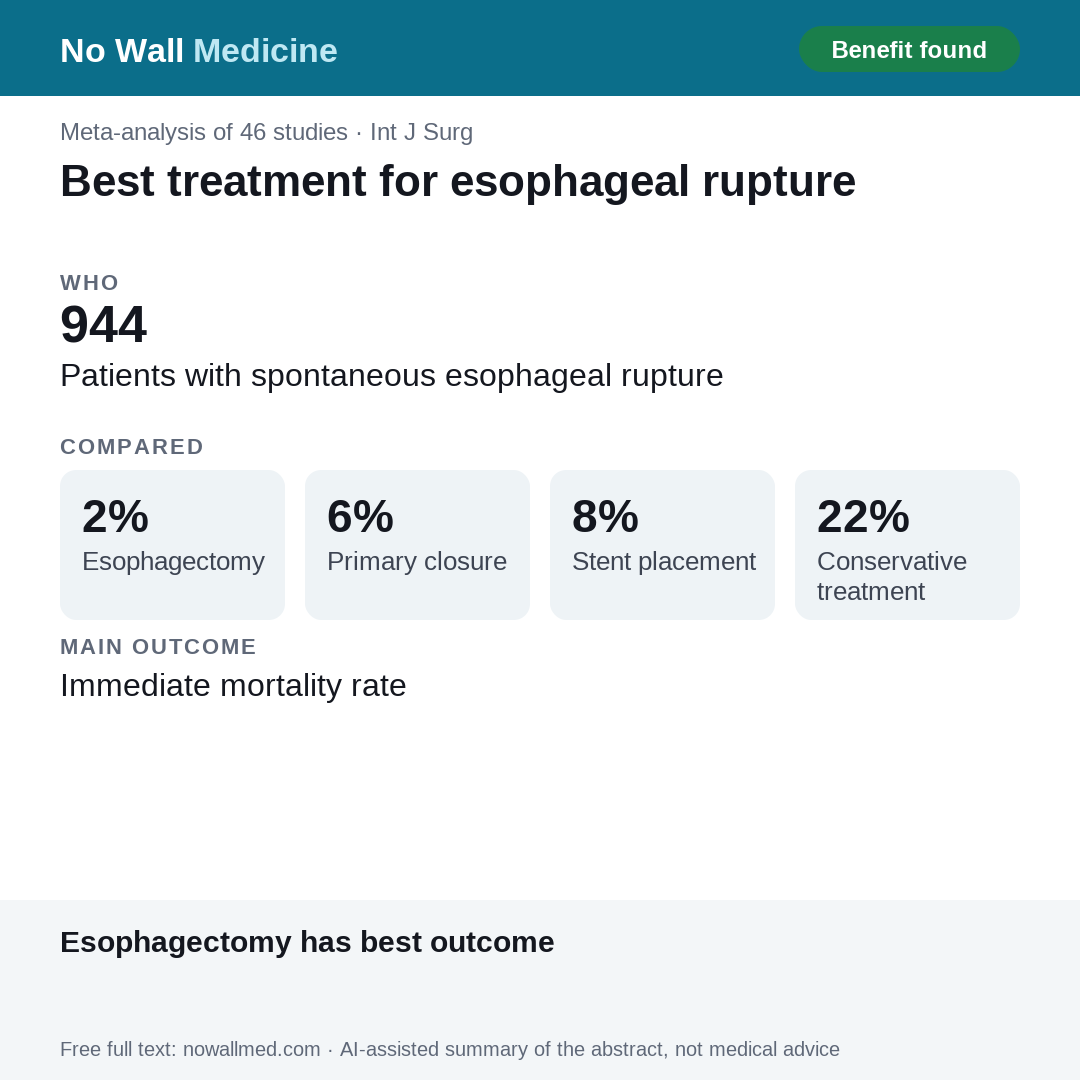
Outcome of treatment modalities for spontaneous esophageal rupture: a meta-analysis and case series
Meta-analysis of 46 studiesBenefit found
Best treatment for esophageal rupture
Who
944
Patients with spontaneous esophageal rupture
Compared
2%Esophagectomy (95% CI: 0.00-0.15)
6%Primary closure (95% CI: 0.04-0.09)
8%Stent placement (95% CI: 0.03-0.15)
22%Conservative treatment (95% CI: 0.03-0.47)
Main outcome
Immediate mortality rate
Bottom line: Esophagectomy has best outcome
Int J Surg · 2025-01-01Download image