Visual abstracts
New randomized trials and meta-analyses from leading journals at a glance: who was studied, what was compared, and what was found. Every paper is free to read in full.
All specialtiesCardiology 4876Oncology 4136Gastroenterology & Hepatology 1942Infectious Disease 3834Neurology 1902Psychiatry & Mental Health 2273Pulmonology 2143Critical Care 1364Endocrinology & Diabetes 2580Pediatrics 2980Surgery 2556Orthopedics & Sports Medicine 931Neurosurgery 537Cardiothoracic & Vascular Surgery 674Plastic & Reconstructive Surgery 590Nephrology 1133Rheumatology 823Hematology 1109Dermatology 621Ophthalmology 543Obstetrics & Gynecology 1686Public & Global Health 1058Radiology & Imaging 648Anesthesiology 986Urology 764ENT (Otolaryngology) 503Emergency Medicine 511Allergy & Immunology 313Geriatrics 978Family Medicine & Primary Care 562Medical Genetics & Genomics 676Pathology & Laboratory Medicine 159Physical Medicine & Rehabilitation 757Palliative Care 444Nutrition 1588Digital Health & AI 2197General Medicine 319
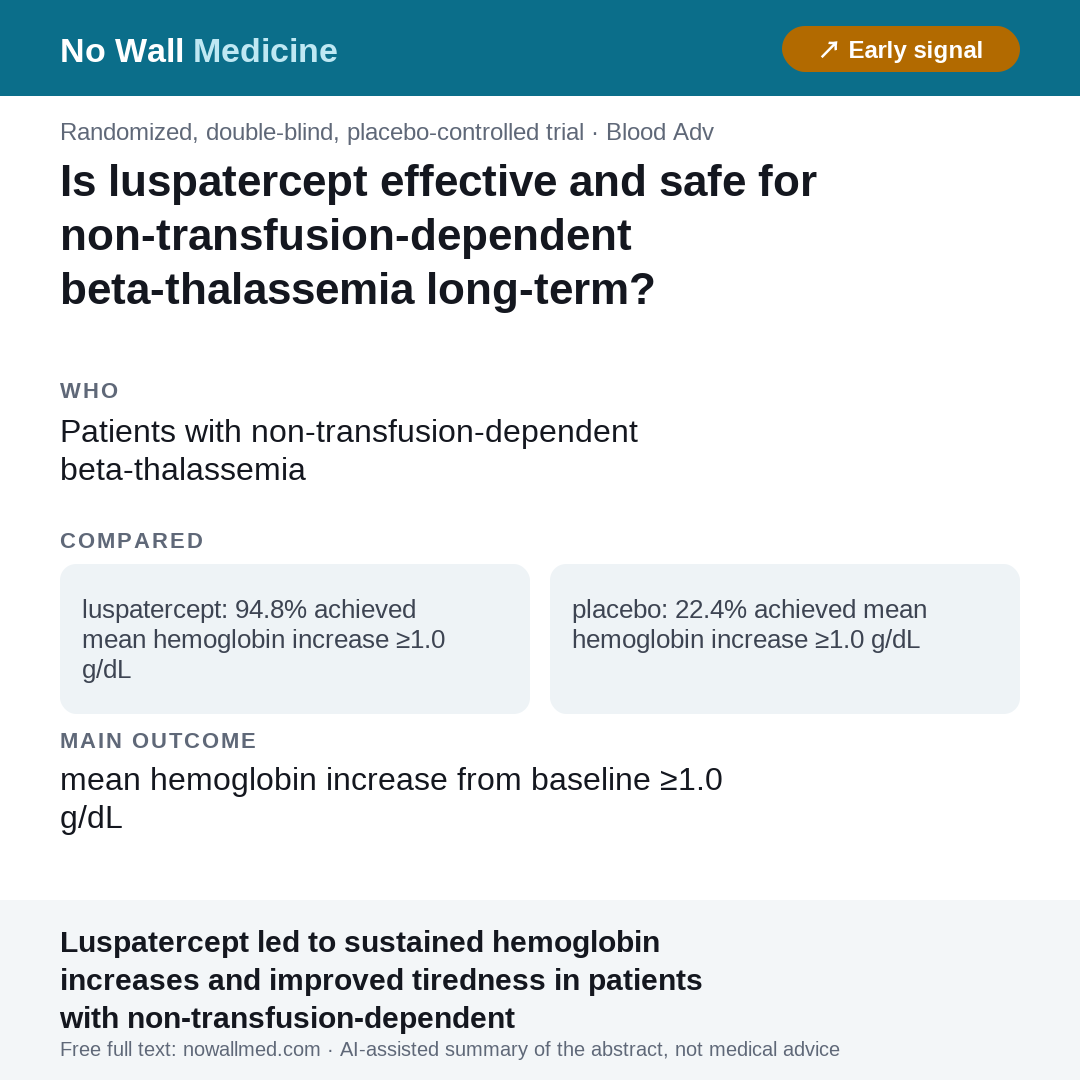
Efficacy and safety of luspatercept in non-transfusion-dependent β-thalassemia: long-term results from the BEYOND study
Randomized, double-blind, placebo-controlled trialBenefit found
Is luspatercept effective and safe for non-transfusion-dependent beta-thalassemia long-term?
Who
Patients with non-transfusion-dependent beta-thalassemia
Compared
luspatercept: 94.8% achieved mean hemoglobin increase ≥1.0 g/dL
placebo: 22.4% achieved mean hemoglobin increase ≥1.0 g/dL
Main outcome
mean hemoglobin increase from baseline ≥1.0 g/dL
Bottom line: Luspatercept led to sustained hemoglobin increases and improved tiredness in patients with non-transfusion-dependent beta-thalassemia.
Blood Adv · 2025-08-28Download image
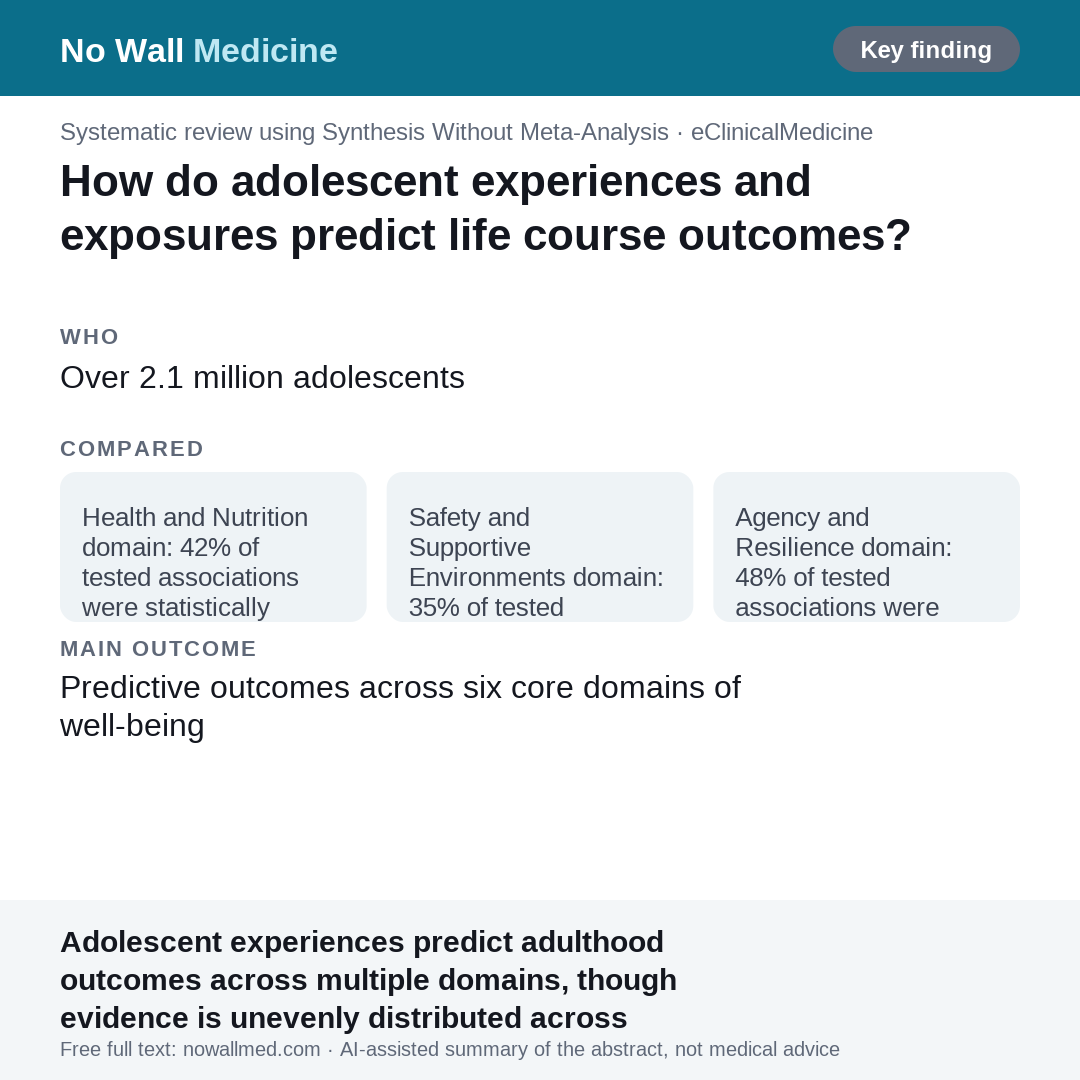
Adolescent experiences and exposures: a systematic review of life course outcomes
Systematic review using Synthesis Without Meta-AnalysisBenefit found
How do adolescent experiences and exposures predict life course outcomes?
Who
244
Over 2.1 million adolescents
Compared
Health and Nutrition domain: 42% of tested associations were statistically significant
Safety and Supportive Environments domain: 35% of tested associations were statistically significant
Agency and Resilience domain: 48% of tested associations were statistically significant
Main outcome
Predictive outcomes across six core domains of well-being
Bottom line: Adolescent experiences predict adulthood outcomes across multiple domains, though evidence is unevenly distributed across well-being domains.
Limitation: Evidence is unevenly distributed and lacks research on lower-income settings and demographic variables.
Funded by: Velux Stiftung, Zurich
eClinicalMedicine · 2025-08-26Download image
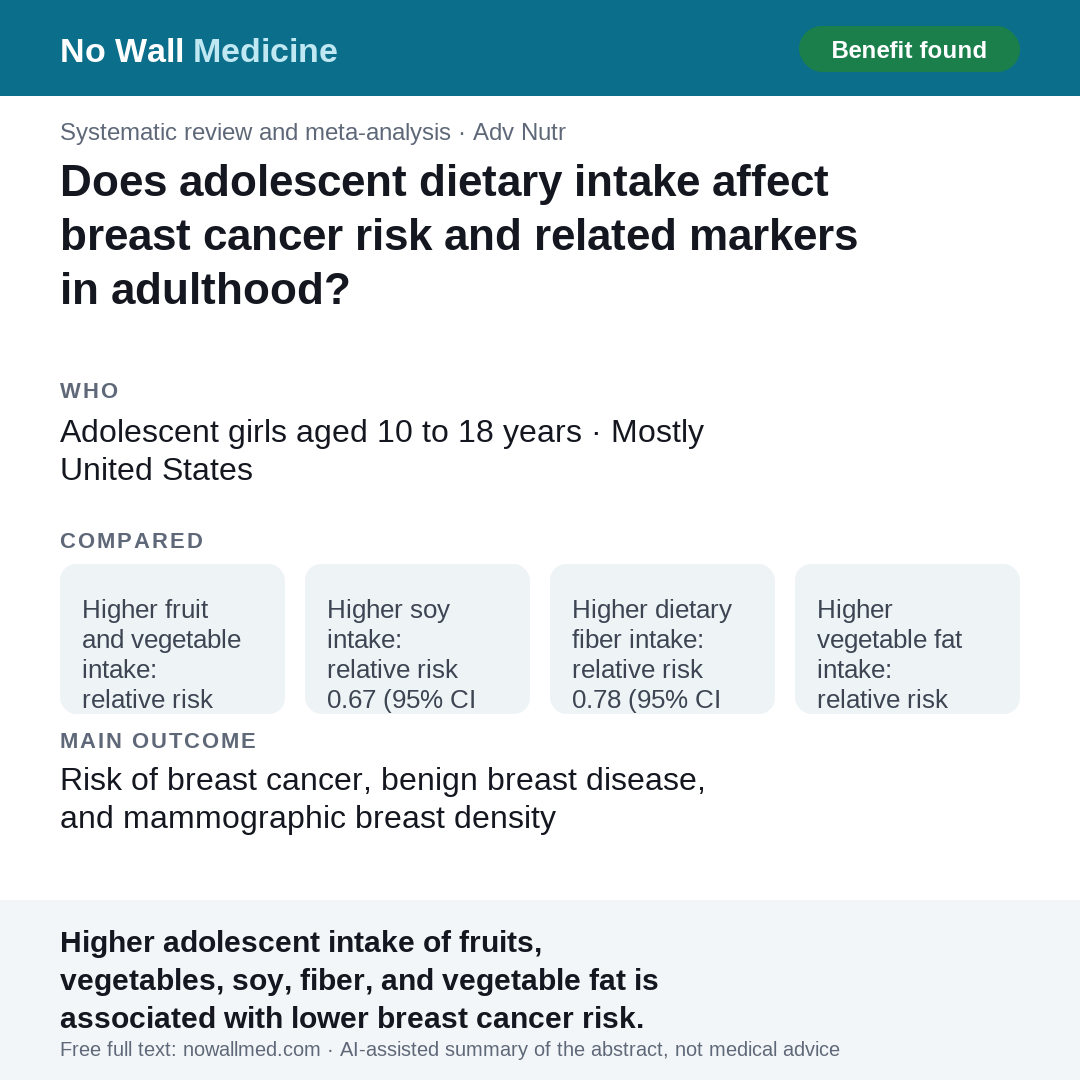
Adolescent Dietary Intake and Breast Cancer in Adulthood: A Systematic Review and Meta-analysis
Systematic review and meta-analysisBenefit found
Does adolescent dietary intake affect breast cancer risk and related markers in adulthood?
Who
Adolescent girls aged 10 to 18 years · Mostly United States
Compared
Higher fruit and vegetable intake: relative risk 0.90 (95% CI 0.82, 0.99)
Higher soy intake: relative risk 0.67 (95% CI 0.55, 0.82)
Higher dietary fiber intake: relative risk 0.78 (95% CI 0.67, 0.92)
Higher vegetable fat intake: relative risk 0.76 (95% CI 0.66, 0.88)
Main outcome
Risk of breast cancer, benign breast disease, and mammographic breast density
Bottom line: Higher adolescent intake of fruits, vegetables, soy, fiber, and vegetable fat is associated with lower breast cancer risk.
Adv Nutr · 2025-08-26Download image
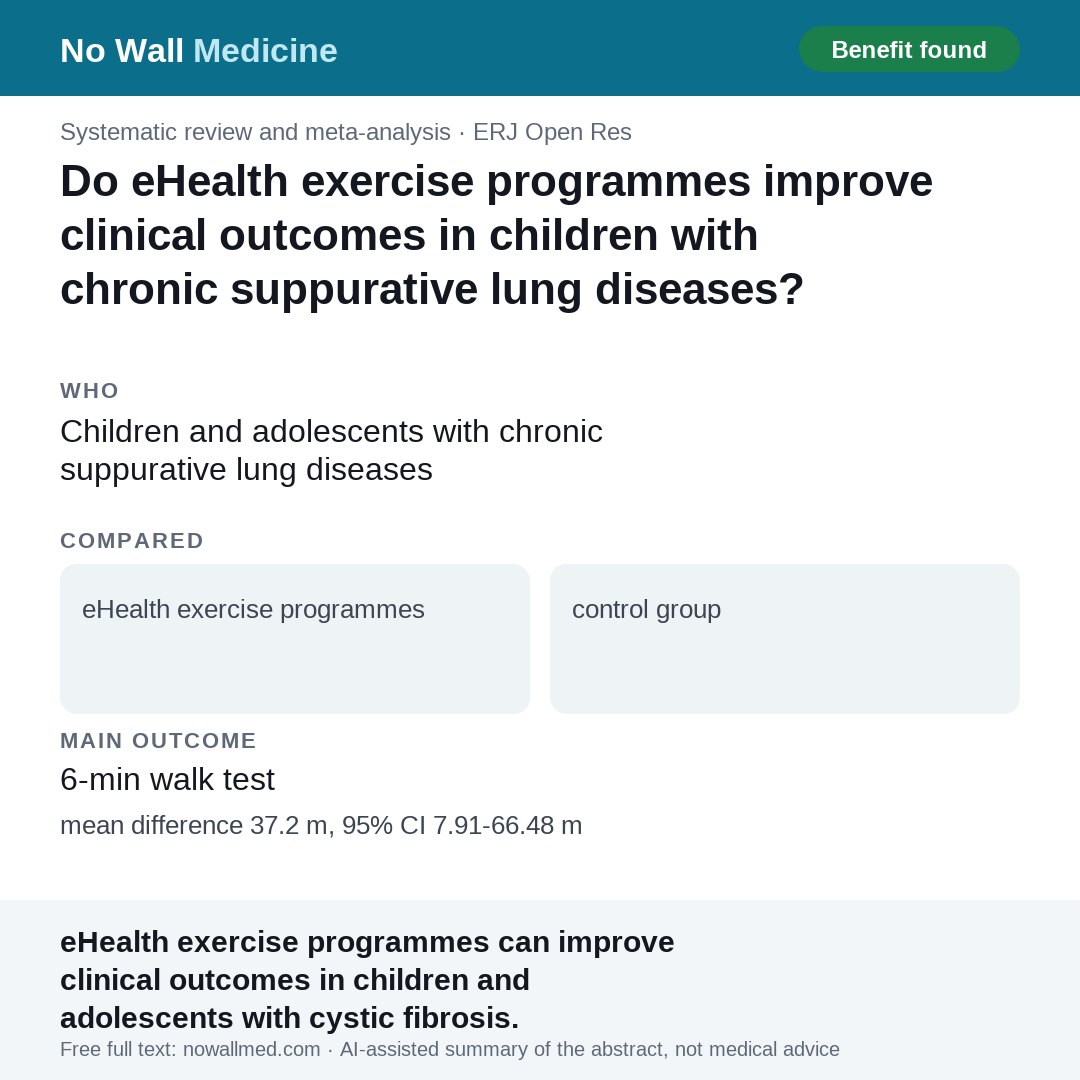
Effects of eHealth exercise on paediatric suppurative lung diseases: a systematic review and meta-analysis
Systematic review and meta-analysisBenefit found
Do eHealth exercise programmes improve clinical outcomes in children with chronic suppurative lung diseases?
Who
Children and adolescents with chronic suppurative lung diseases
Compared
eHealth exercise programmes
control group
Main outcome
6-min walk test
Result: mean difference 37.2 m, 95% CI 7.91-66.48 m
Bottom line: eHealth exercise programmes can improve clinical outcomes in children and adolescents with cystic fibrosis.
Limitation: most studies involved a considerable risk of bias
ERJ Open Res · 2025-08-26Download image
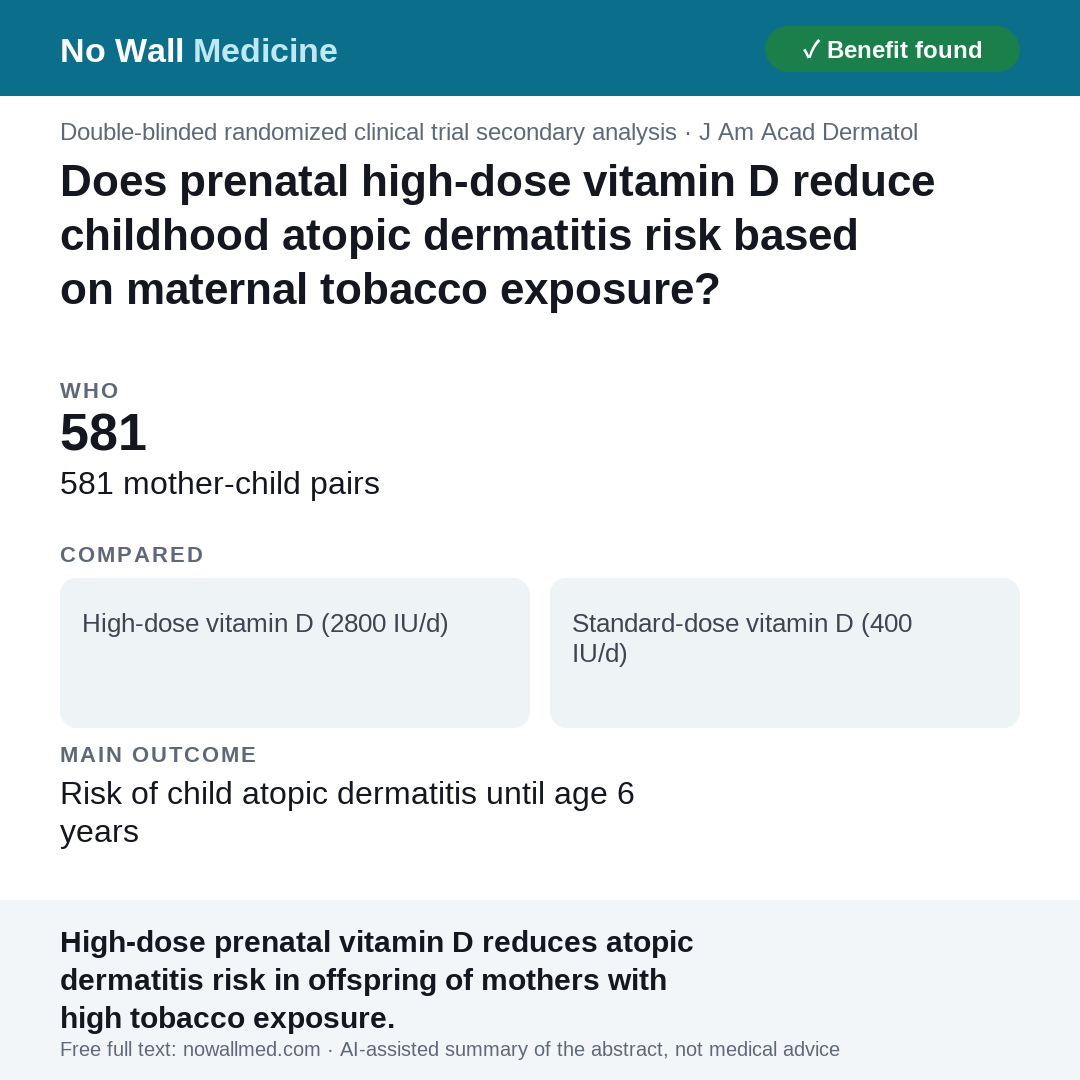
Effect of prenatal high-dose vitamin D on childhood atopic dermatitis is modified by maternal cotinine metabolome: A secondary analysis of a randomized clinical trial
Double-blinded randomized clinical trial secondary analysisBenefit found
Does prenatal high-dose vitamin D reduce childhood atopic dermatitis risk based on maternal tobacco exposure?
Who
581
581 mother-child pairs
Compared
High-dose vitamin D (2800 IU/d)
Standard-dose vitamin D (400 IU/d)
Main outcome
Risk of child atopic dermatitis until age 6 years
Result: adjusted hazard ratio = 0.36 (0.15-0.85)
Bottom line: High-dose prenatal vitamin D reduces atopic dermatitis risk in offspring of mothers with high tobacco exposure.
Limitation: This is an exploratory post hoc analysis of a randomized clinical trial.
J Am Acad Dermatol · 2025-08-25Download image
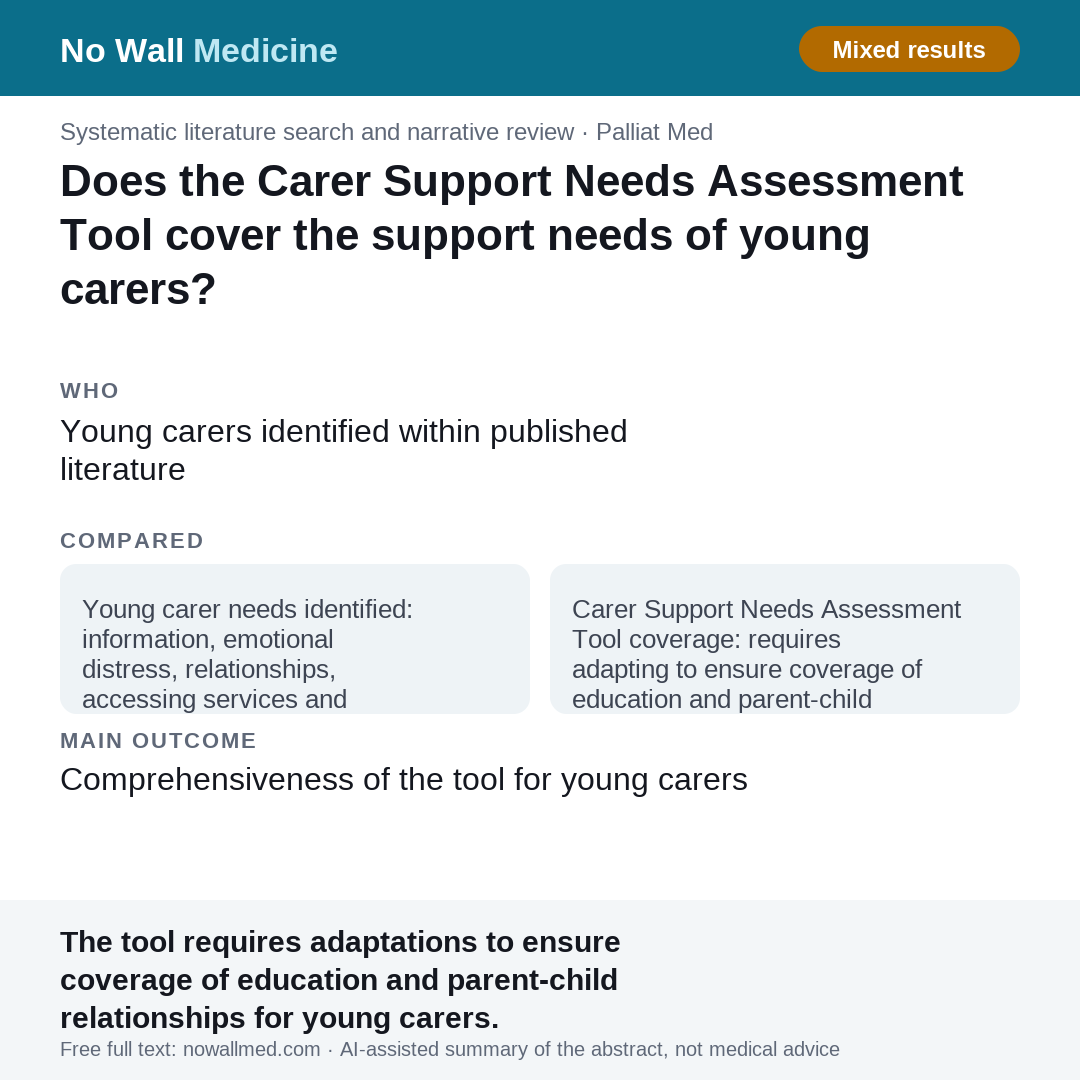
Does the Carer Support Needs Assessment Tool (CSNAT) cover the support needs of young carers? A systematic literature search and narrative review
Systematic literature search and narrative reviewMixed results
Does the Carer Support Needs Assessment Tool cover the support needs of young carers?
Who
Young carers identified within published literature
Compared
Young carer needs identified: information, emotional distress, relationships, accessing services and education
Carer Support Needs Assessment Tool coverage: requires adapting to ensure coverage of education and parent-child relationships
Main outcome
Comprehensiveness of the tool for young carers
Bottom line: The tool requires adaptations to ensure coverage of education and parent-child relationships for young carers.
Palliat Med · 2025-08-25Download image
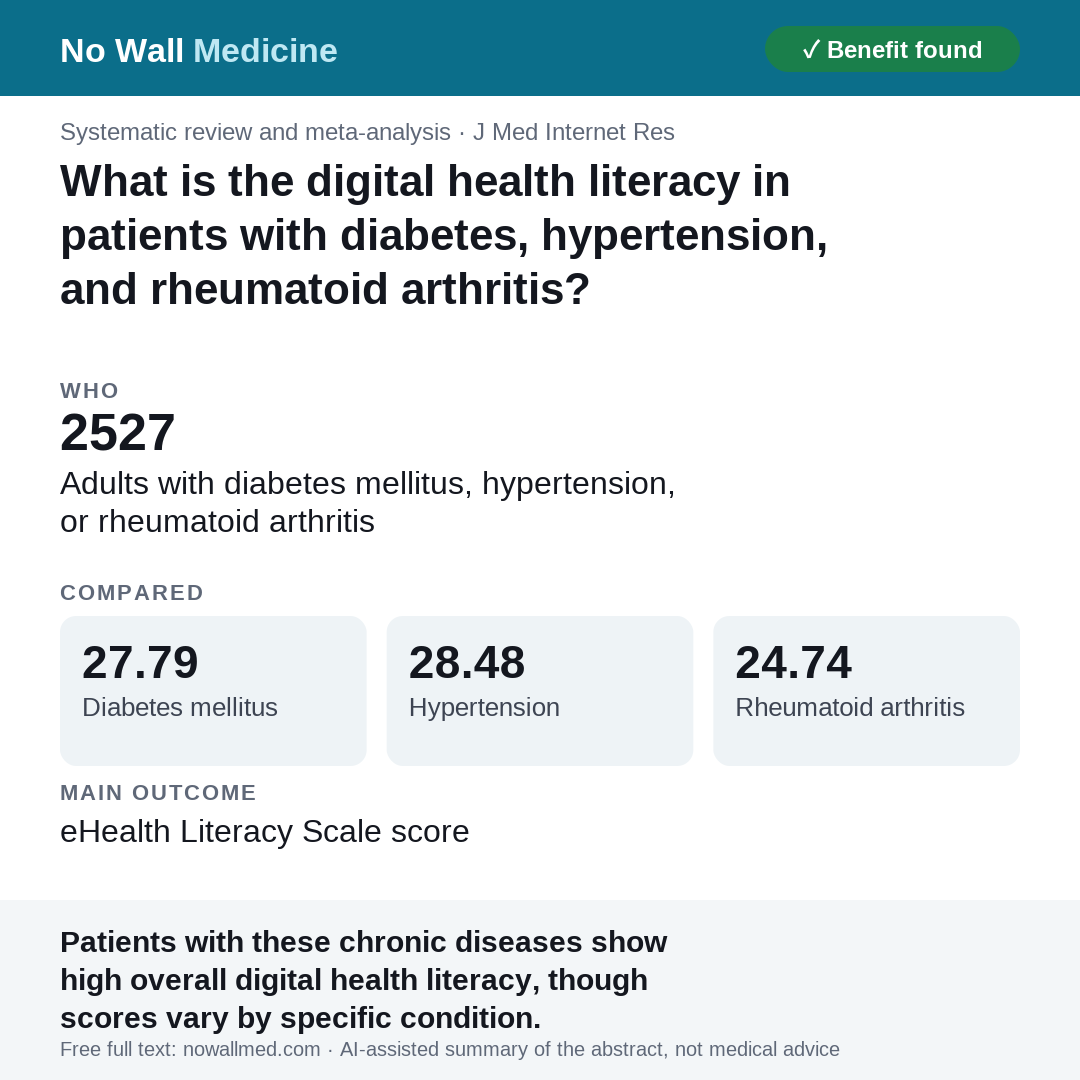
Digital Health Literacy in Patients With Common Chronic Diseases: Systematic Review and Meta-Analysis
Systematic review and meta-analysisBenefit found
What is the digital health literacy in patients with diabetes, hypertension, and rheumatoid arthritis?
Who
2527
Adults with diabetes mellitus, hypertension, or rheumatoid arthritis
Compared
27.79Diabetes mellitus
28.48Hypertension
24.74Rheumatoid arthritis
Main outcome
eHealth Literacy Scale score
Result: pooled mean eHEALS score 27.03 (95% CI 25.08-28.98)
Bottom line: Patients with these chronic diseases show high overall digital health literacy, though scores vary by specific condition.
Limitation: The scarcity of studies limits comprehensive analysis of digital health literacy determinants.
J Med Internet Res · 2025-08-25Download image
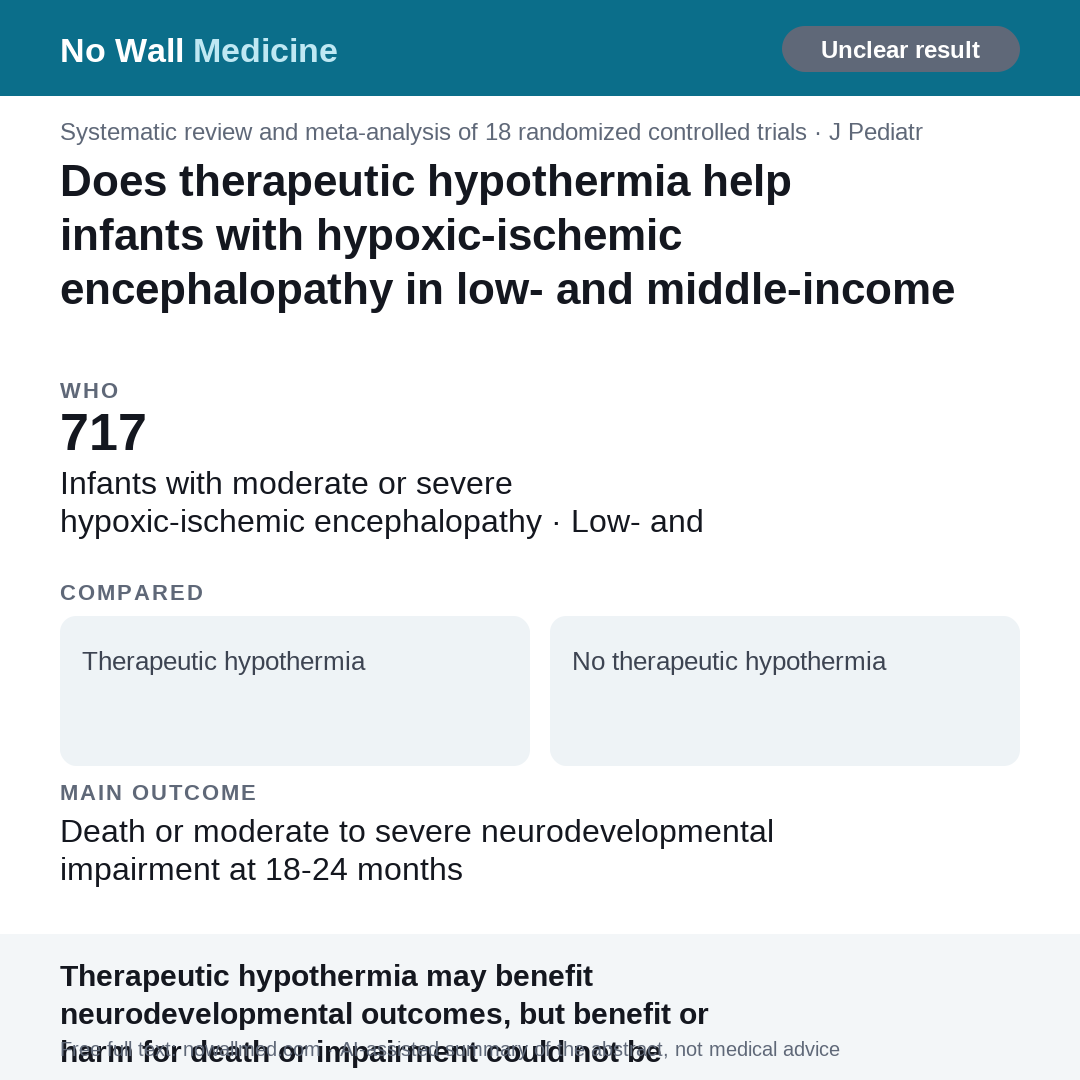
Therapeutic Hypothermia in Low- and Middle-Income Countries: A Systematic Review and Meta-Analysis
Systematic review and meta-analysis of 18 randomized controlled trialsUnclear result
Does therapeutic hypothermia help infants with hypoxic-ischemic encephalopathy in low- and middle-income countries?
Who
717
Infants with moderate or severe hypoxic-ischemic encephalopathy · Low- and middle-income countries
Compared
Therapeutic hypothermia
No therapeutic hypothermia
Main outcome
Death or moderate to severe neurodevelopmental impairment at 18-24 months
Result: relative risk 0.63 (95% CI 0.38-1.04)
Bottom line: Therapeutic hypothermia may benefit neurodevelopmental outcomes, but benefit or harm for death or impairment could not be excluded.
Limitation: Low certainty for neurodevelopmental impairment and high heterogeneity in studies.
J Pediatr · 2025-08-22Download image
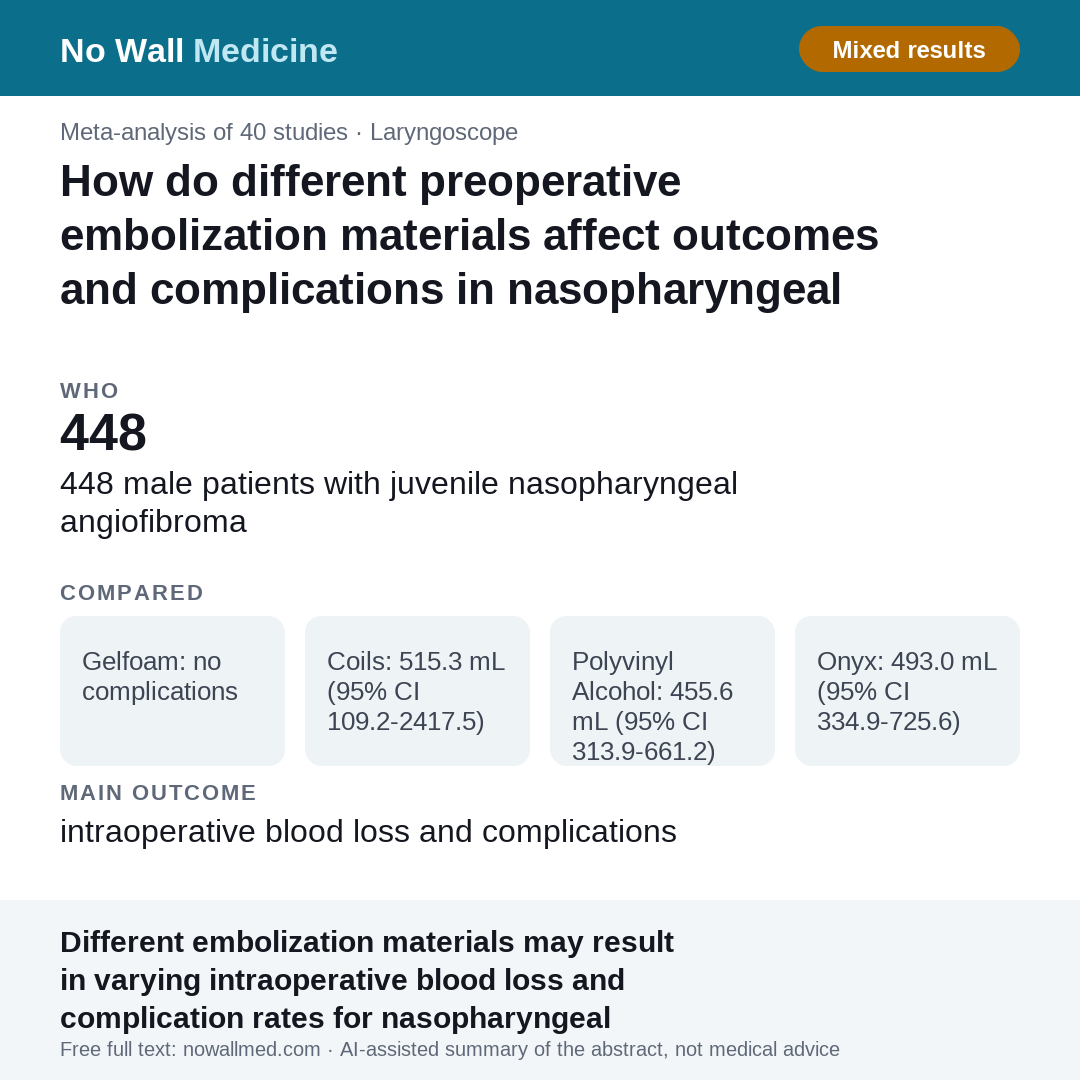
Materials Employed in Preoperative Embolization for Nasopharyngeal Angiofibroma: A Meta-Analysis
Meta-analysis of 40 studiesMixed results
How do different preoperative embolization materials affect outcomes and complications in nasopharyngeal angiofibroma?
Who
448
448 male patients with juvenile nasopharyngeal angiofibroma
Compared
Gelfoam: no complications
Coils: 515.3 mL (95% CI 109.2-2417.5)
Polyvinyl Alcohol: 455.6 mL (95% CI 313.9-661.2)
Onyx: 493.0 mL (95% CI 334.9-725.6)
Main outcome
intraoperative blood loss and complications
Bottom line: Different embolization materials may result in varying intraoperative blood loss and complication rates for nasopharyngeal angiofibroma treatment.
Limitation: Additional studies should be conducted to rigorously evaluate the differences.
Laryngoscope · 2025-08-22Download image
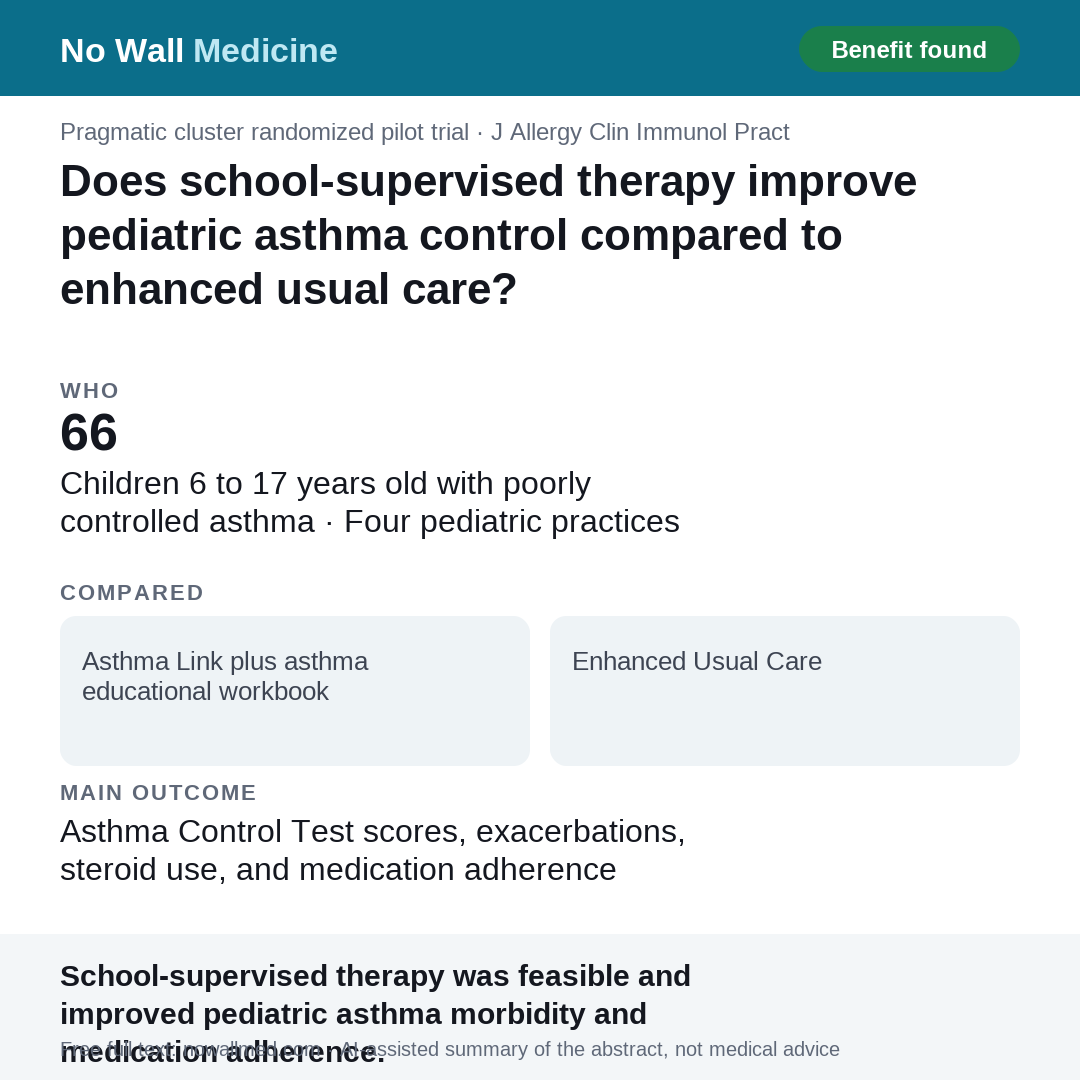
A Pilot Pragmatic Cluster Randomized Trial of School-Supervised Therapy to Improve Pediatric Asthma Control
Pragmatic cluster randomized pilot trialBenefit found
Does school-supervised therapy improve pediatric asthma control compared to enhanced usual care?
Who
66
Children 6 to 17 years old with poorly controlled asthma · Four pediatric practices
Compared
Asthma Link plus asthma educational workbook
Enhanced Usual Care
Main outcome
Asthma Control Test scores, exacerbations, steroid use, and medication adherence
Bottom line: School-supervised therapy was feasible and improved pediatric asthma morbidity and medication adherence.
J Allergy Clin Immunol Pract · 2025-08-22Download image
Two-year outcomes after selective early treatment of patent ductus arteriosus with ibuprofen in preterm babies: follow-up of Baby-OSCAR-a randomised controlled trial
Placebo-controlled masked randomized clinical trialNo clear difference
Does early ibuprofen treatment for patent ductus arteriosus improve 24-month neurodevelopmental and respiratory outcomes?
Who
653
Infants born 23+0 to 28+6 weeks' gestation · United Kingdom multi-center
Compared
ibuprofen group: 131/248 (53.0%)
placebo group: 134/259 (51.9%)
Main outcome
Survival without moderate or severe neurodevelopmental impairment
Result: adjusted risk ratio 1.01 (95% confidence interval 0.86-1.18)
Bottom line: Selective early ibuprofen treatment for patent ductus arteriosus showed no improvement in neurodevelopmental or respiratory outcomes at 24 months.
Funded by: National Institute for Health Research Health Technology Assessment Programme
eClinicalMedicine · 2025-08-20Download image

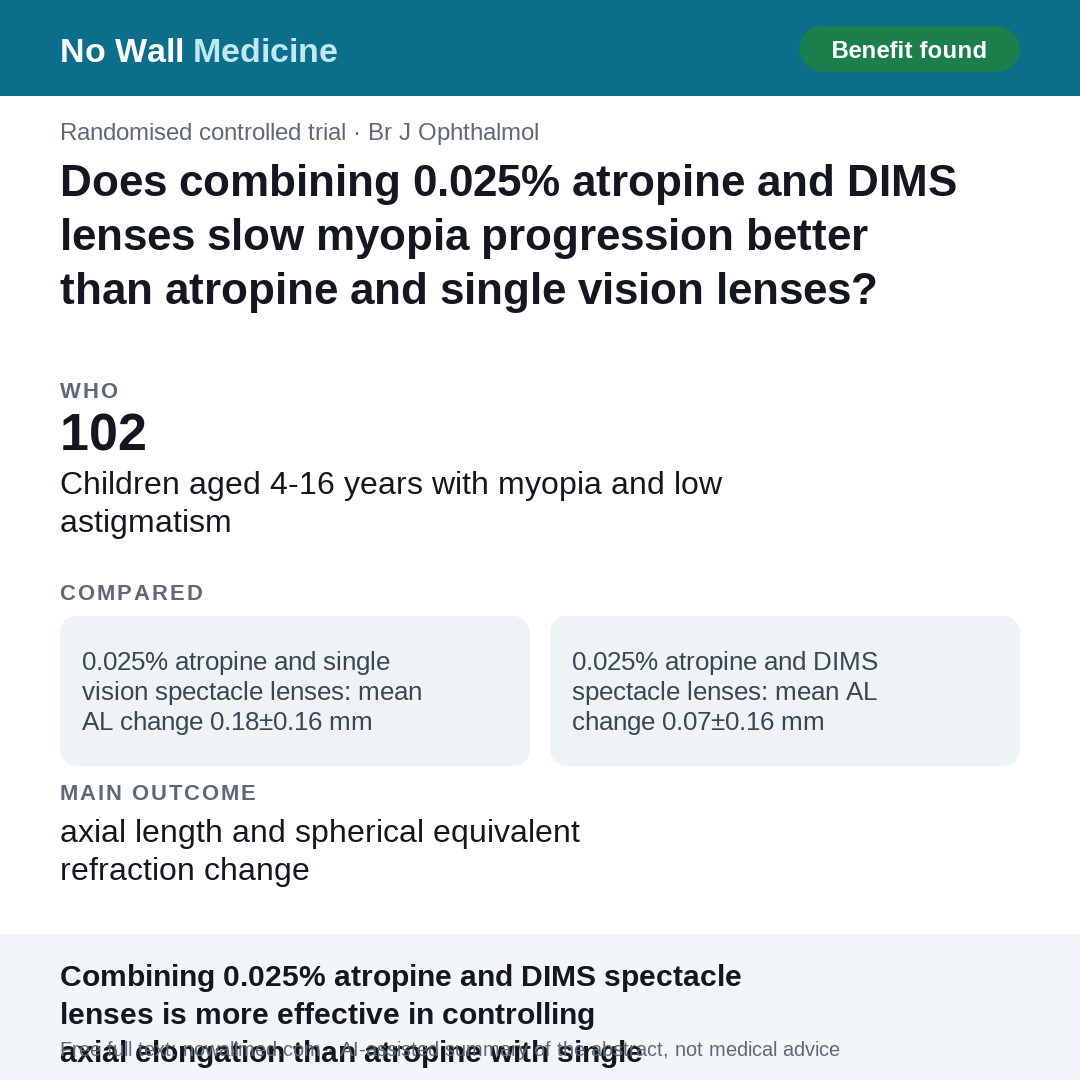
Atropine and Spectacle lens Combination Treatment (ASPECT): 12-month results of a randomised controlled trial for myopia control using a combination of Defocus Incorporated Multiple Segments (DIMS) lenses and 0.025% atropine
Randomised controlled trialBenefit found
Does combining 0.025% atropine and DIMS lenses slow myopia progression better than atropine and single vision lenses?
Who
102
Children aged 4-16 years with myopia and low astigmatism
Compared
0.025% atropine and single vision spectacle lenses: mean AL change 0.18±0.16 mm
0.025% atropine and DIMS spectacle lenses: mean AL change 0.07±0.16 mm
Main outcome
axial length and spherical equivalent refraction change
Result: mean difference 0.11, 95% CI 0.05 to 0.17
Bottom line: Combining 0.025% atropine and DIMS spectacle lenses is more effective in controlling axial elongation than atropine with single vision lenses.
Br J Ophthalmol · 2025-08-20Download image
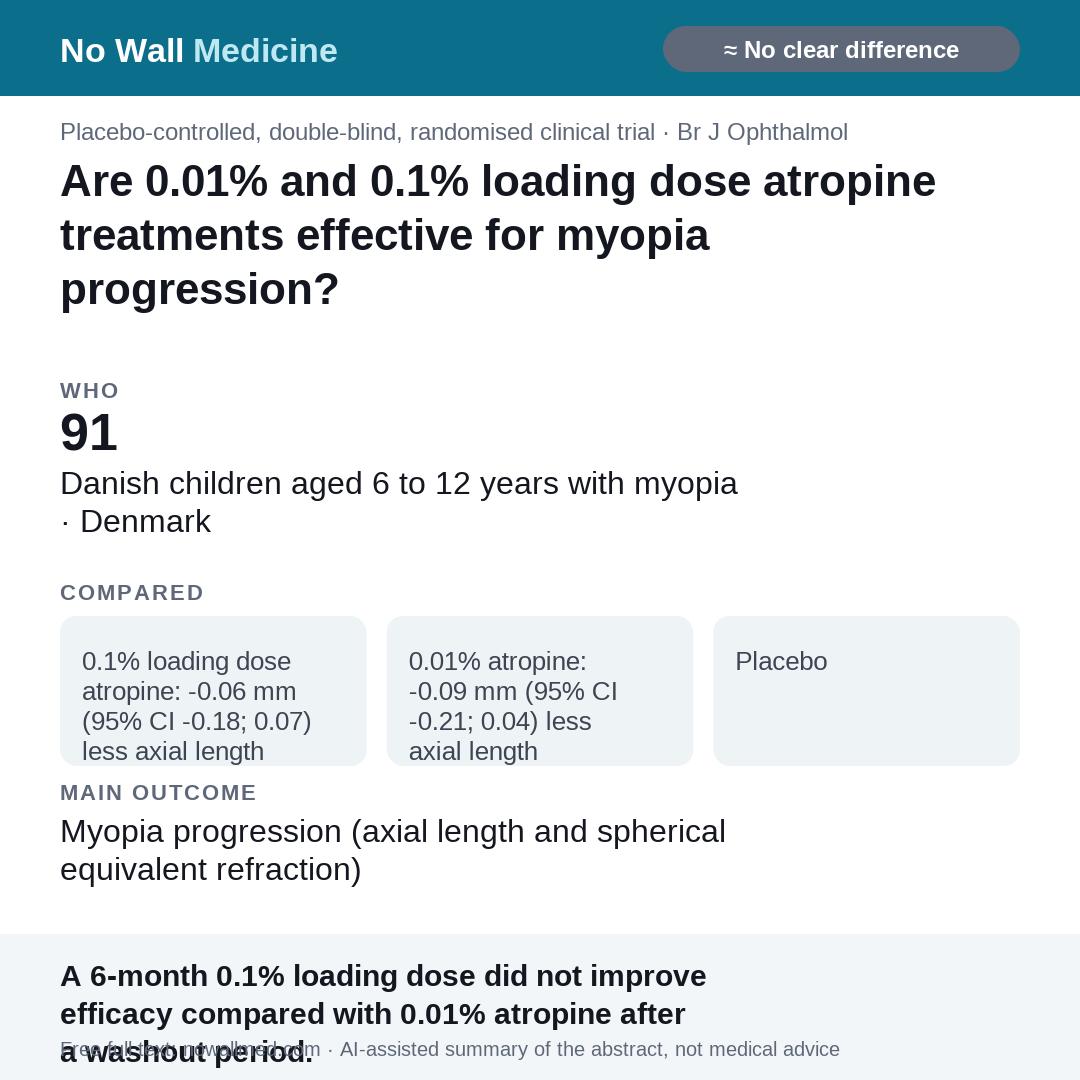
3-year results of 0.01% and 0.1% loading dose atropine treatment including washout in Danish children with myopia: a placebo-controlled, randomised clinical trial
Placebo-controlled, double-blind, randomised clinical trialNo clear difference
Are 0.01% and 0.1% loading dose atropine treatments effective for myopia progression?
Who
91
Danish children aged 6 to 12 years with myopia · Denmark
Compared
0.1% loading dose atropine: -0.06 mm (95% CI -0.18; 0.07) less axial length
0.01% atropine: -0.09 mm (95% CI -0.21; 0.04) less axial length
Placebo
Main outcome
Myopia progression (axial length and spherical equivalent refraction)
Bottom line: A 6-month 0.1% loading dose did not improve efficacy compared with 0.01% atropine after a washout period.
Br J Ophthalmol · 2025-08-20Download image
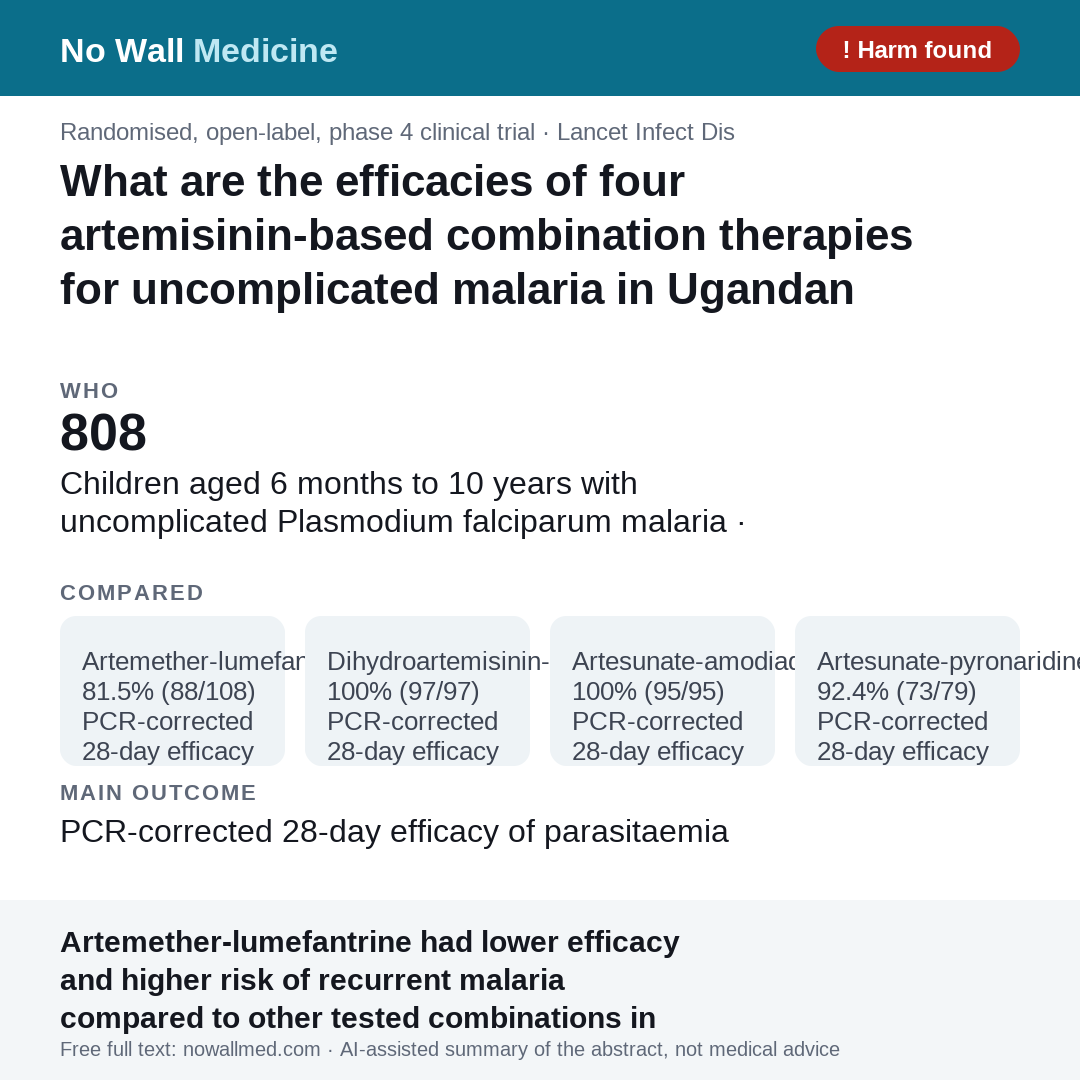
Efficacies of artemether-lumefantrine, artesunate-amodiaquine, dihydroartemisinin-piperaquine, and artesunate-pyronaridine for the treatment of uncomplicated Plasmodium falciparum malaria in children aged 6 months to 10 years in Uganda: a randomised, open-label, phase 4 clinical trial
Randomised, open-label, phase 4 clinical trialHarm found
What are the efficacies of four artemisinin-based combination therapies for uncomplicated malaria in Ugandan children?
Who
808
Children aged 6 months to 10 years with uncomplicated Plasmodium falciparum malaria · Three sites in Uganda
Compared
Artemether-lumefantrine: 81.5% (88/108) PCR-corrected 28-day efficacy
Dihydroartemisinin-piperaquine: 100% (97/97) PCR-corrected 28-day efficacy
Artesunate-amodiaquine: 100% (95/95) PCR-corrected 28-day efficacy
Artesunate-pyronaridine: 92.4% (73/79) PCR-corrected 28-day efficacy
Main outcome
PCR-corrected 28-day efficacy of parasitaemia
Bottom line: Artemether-lumefantrine had lower efficacy and higher risk of recurrent malaria compared to other tested combinations in Ugandan children.
Limitation: The trial was open-label, though investigators and outcome assessors were masked.
Funded by: US President's Malaria Initiative, US Agency for International Development
Lancet Infect Dis · 2025-08-19Download image
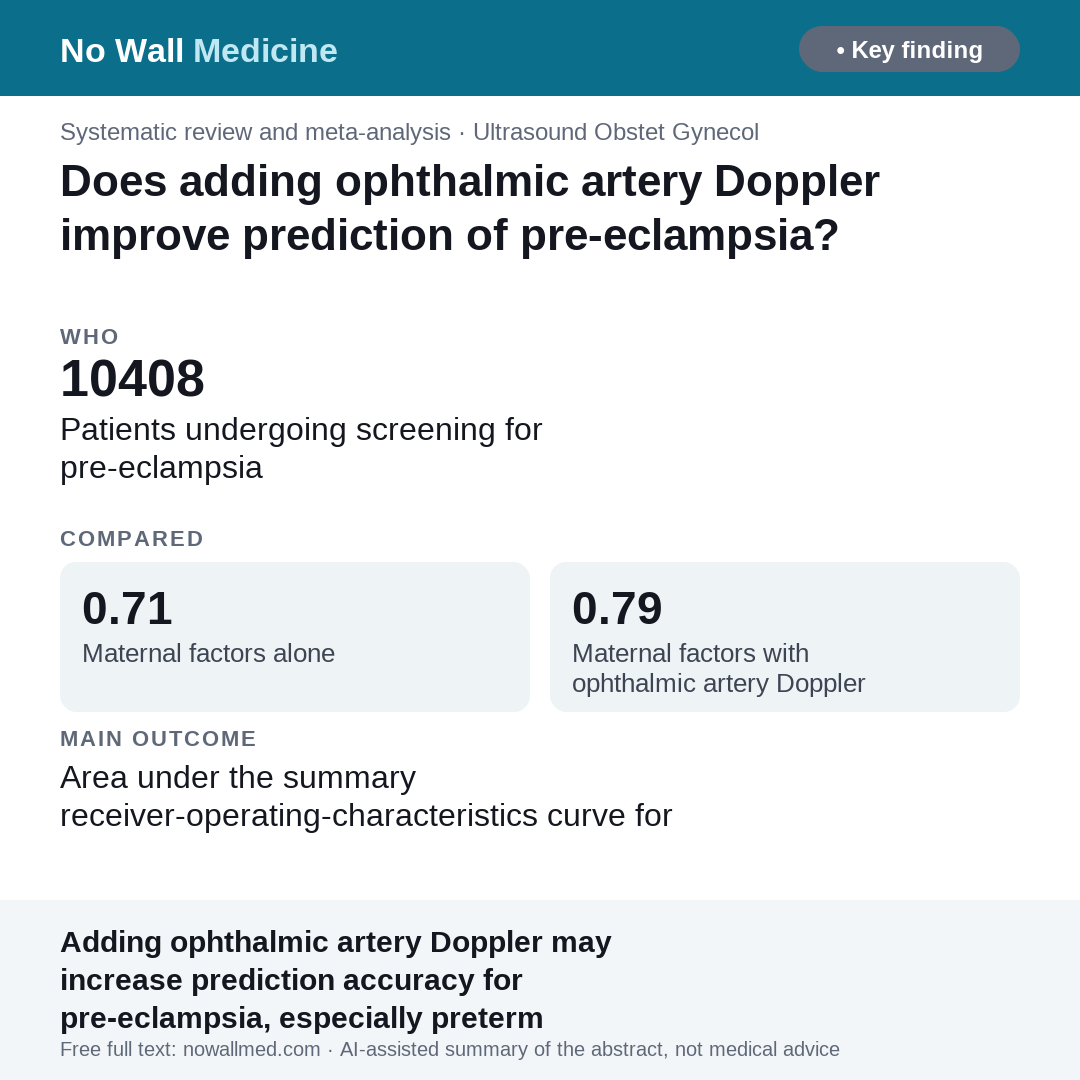
Added value of ophthalmic artery Doppler in prediction of pre-eclampsia: systematic review and meta-analysis
Systematic review and meta-analysisBenefit found
Does adding ophthalmic artery Doppler improve prediction of pre-eclampsia?
Who
10408
Patients undergoing screening for pre-eclampsia
Compared
0.71Maternal factors alone (95% CI, 0.68-0.75)
0.79Maternal factors with ophthalmic artery Doppler (95% CI, 0.72-0.87)
Main outcome
Area under the summary receiver-operating-characteristics curve for pre-eclampsia
Result: 0.79 (95% CI, 0.72-0.87)
Bottom line: Adding ophthalmic artery Doppler may increase prediction accuracy for pre-eclampsia, especially preterm pre-eclampsia.
Limitation: Overlapping 95% confidence intervals limit the robustness and applicability of these results.
Ultrasound Obstet Gynecol · 2025-08-19Download image
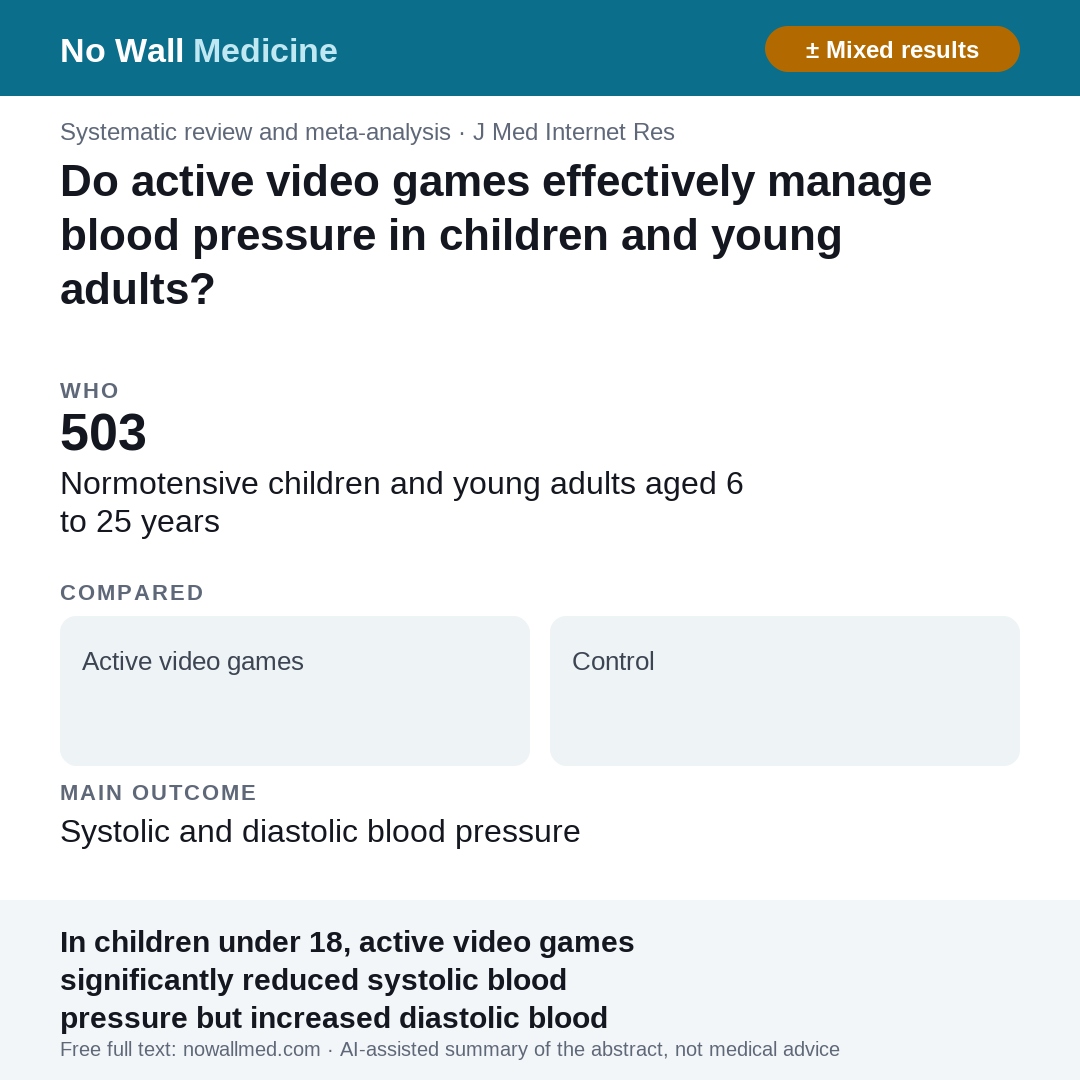
Role of Active Video Games in Blood Pressure Management Among Children and Young Adults: Systematic Review and Meta-Analysis
Systematic review and meta-analysisMixed results
Do active video games effectively manage blood pressure in children and young adults?
Who
503
Normotensive children and young adults aged 6 to 25 years
Compared
Active video games
Control
Main outcome
Systolic and diastolic blood pressure
Result: systolic blood pressure standardized mean difference -0.50 (95% CI -0.80 to -0.20); diastolic blood pressure standardized mean difference 0.23 (95% CI 0.02 to 0.44)
Bottom line: In children under 18, active video games significantly reduced systolic blood pressure but increased diastolic blood pressure.
Limitation: Small sample sizes, inadequate allocation concealment, and lack of blinding in included studies.
J Med Internet Res · 2025-08-19Download image
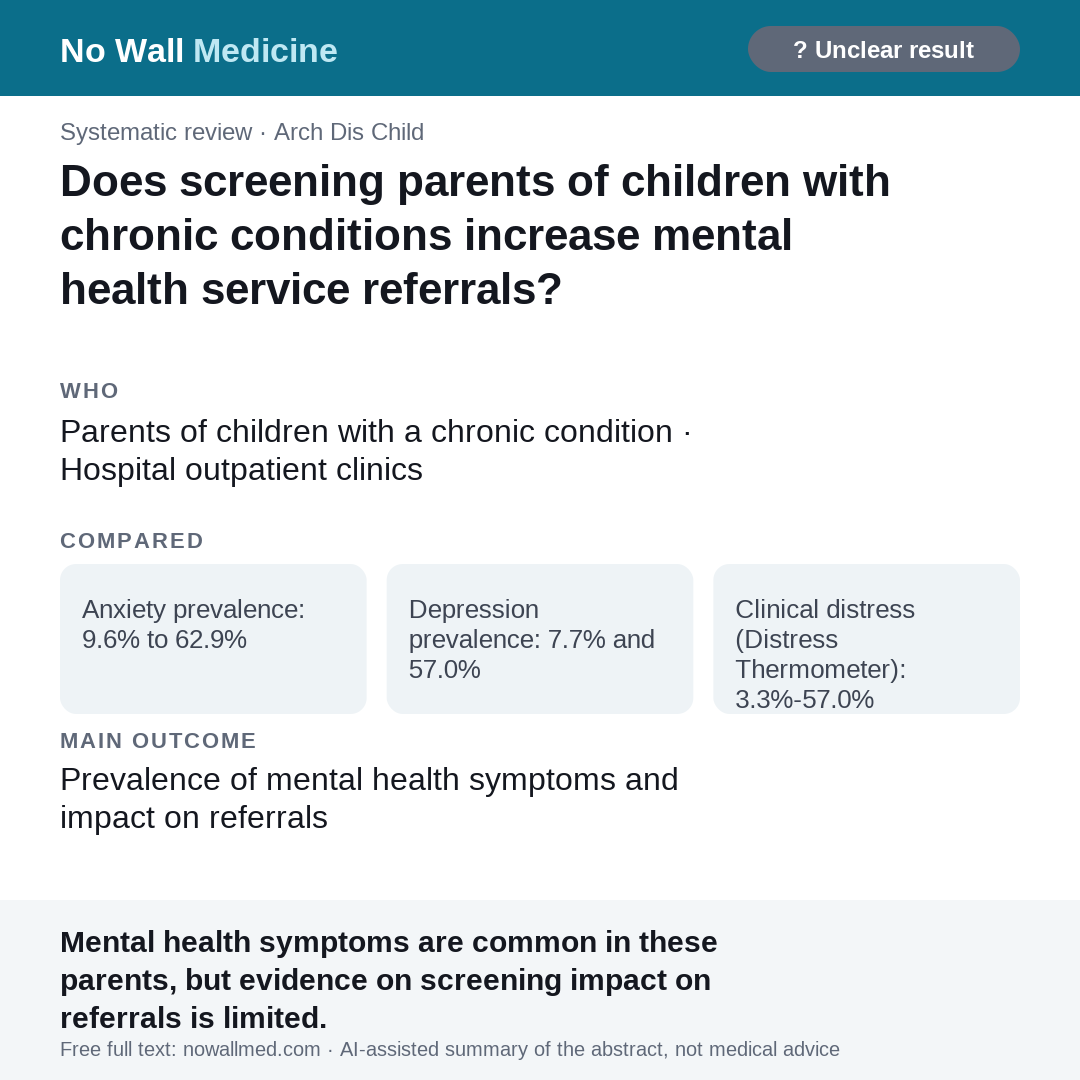
Screening parents of children with a chronic condition for mental health problems: a systematic review
Systematic reviewUnclear result
Does screening parents of children with chronic conditions increase mental health service referrals?
Who
Parents of children with a chronic condition · Hospital outpatient clinics
Compared
Anxiety prevalence: 9.6% to 62.9%
Depression prevalence: 7.7% and 57.0%
Clinical distress (Distress Thermometer): 3.3%-57.0%
Main outcome
Prevalence of mental health symptoms and impact on referrals
Bottom line: Mental health symptoms are common in these parents, but evidence on screening impact on referrals is limited.
Limitation: Limited detail on referral pathways, referrals made and uptake.
Arch Dis Child · 2025-08-18Download image
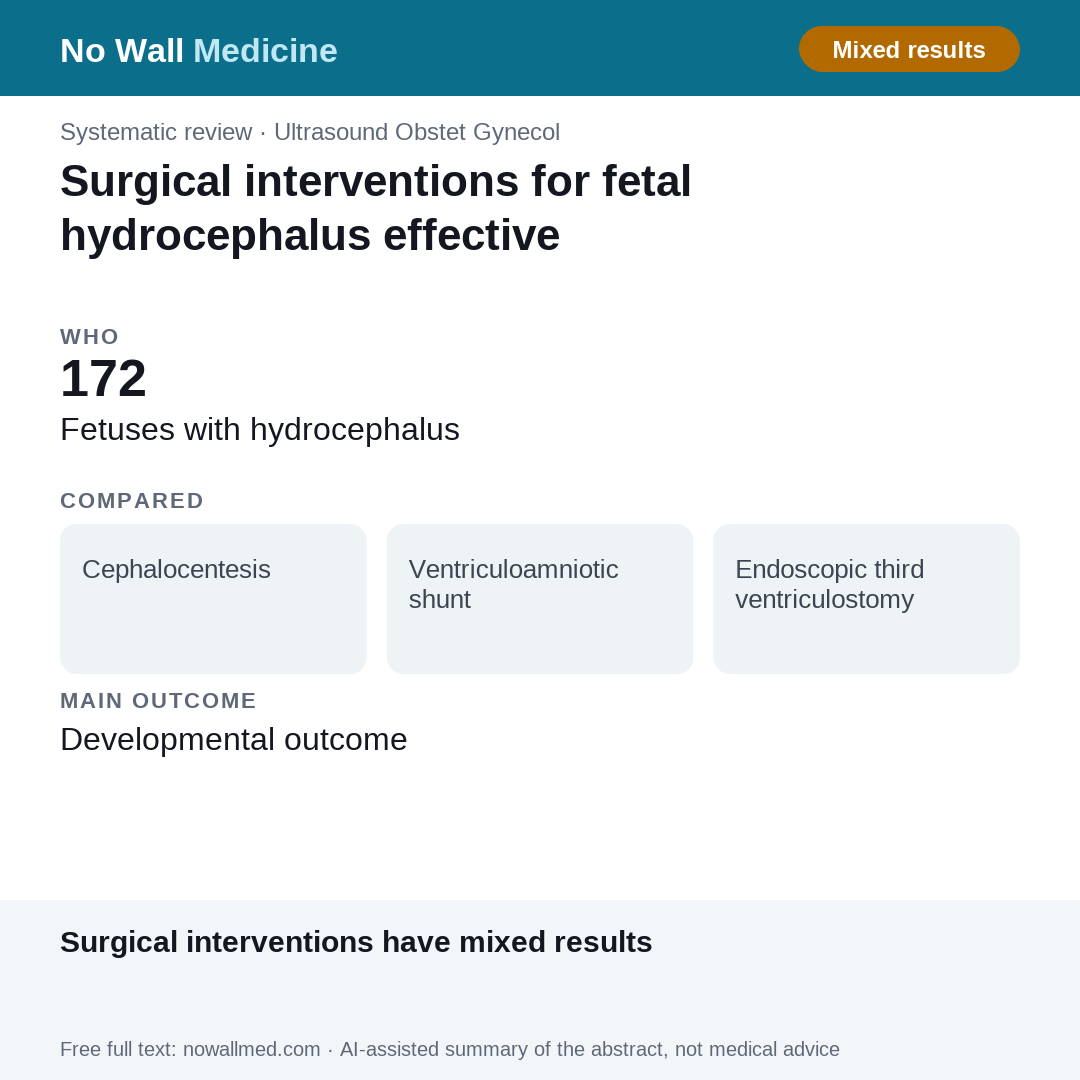
Surgical interventions for fetal hydrocephalus: systematic review
Systematic reviewMixed results
Surgical interventions for fetal hydrocephalus effective
Who
172
Fetuses with hydrocephalus
Compared
Cephalocentesis
Ventriculoamniotic shunt
Endoscopic third ventriculostomy
Main outcome
Developmental outcome
Bottom line: Surgical interventions have mixed results
Ultrasound Obstet Gynecol · 2025-08-18Download image
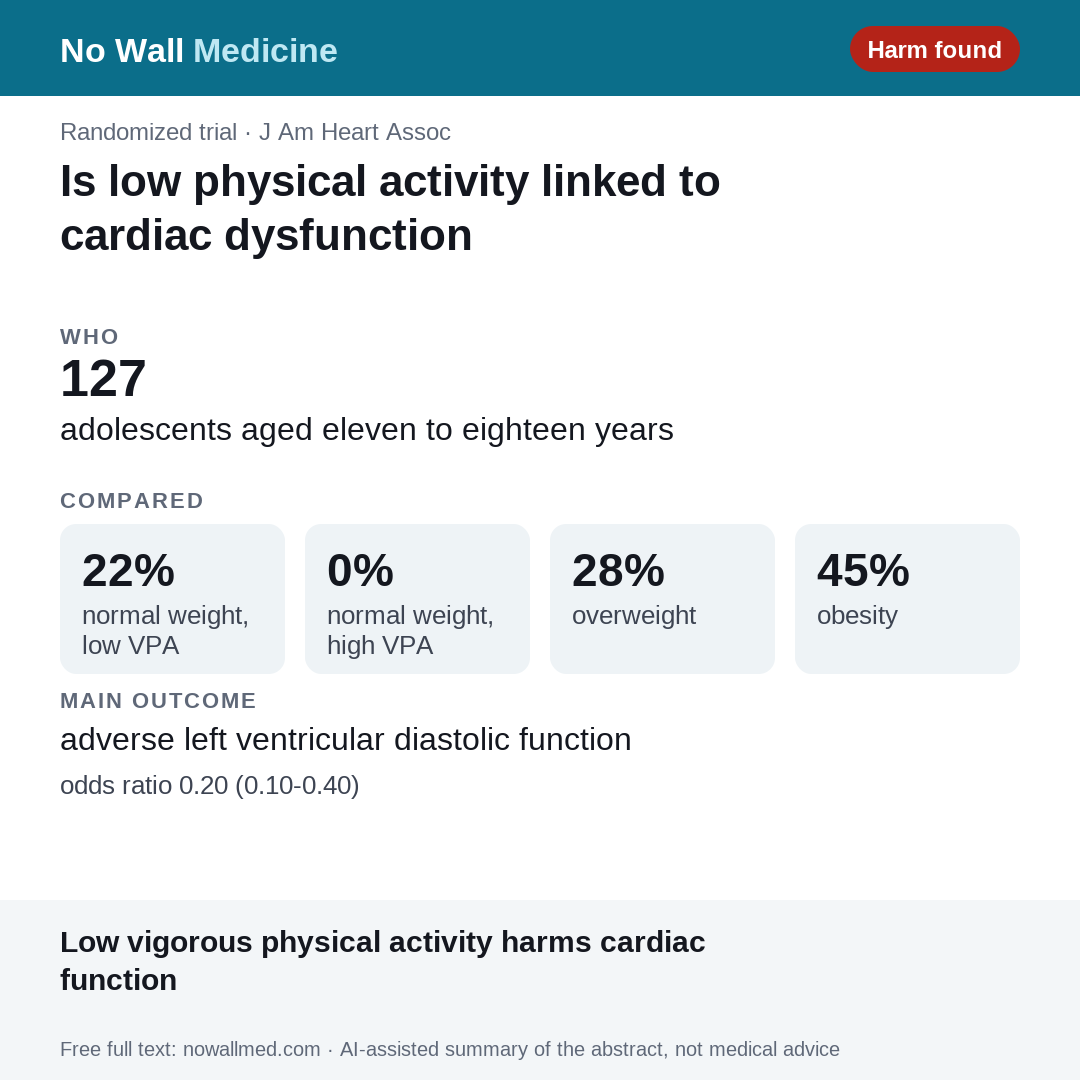
Early Cardiac Dysfunction in Adolescents With Low Vigorous Physical Activity
Randomized trialHarm found
Is low physical activity linked to cardiac dysfunction
Who
127
adolescents aged eleven to eighteen years
Compared
22%normal weight, low VPA
0%normal weight, high VPA
28%overweight
45%obesity
Main outcome
adverse left ventricular diastolic function
Result: odds ratio 0.20 (0.10-0.40)
Bottom line: Low vigorous physical activity harms cardiac function
J Am Heart Assoc · 2025-08-18Download image
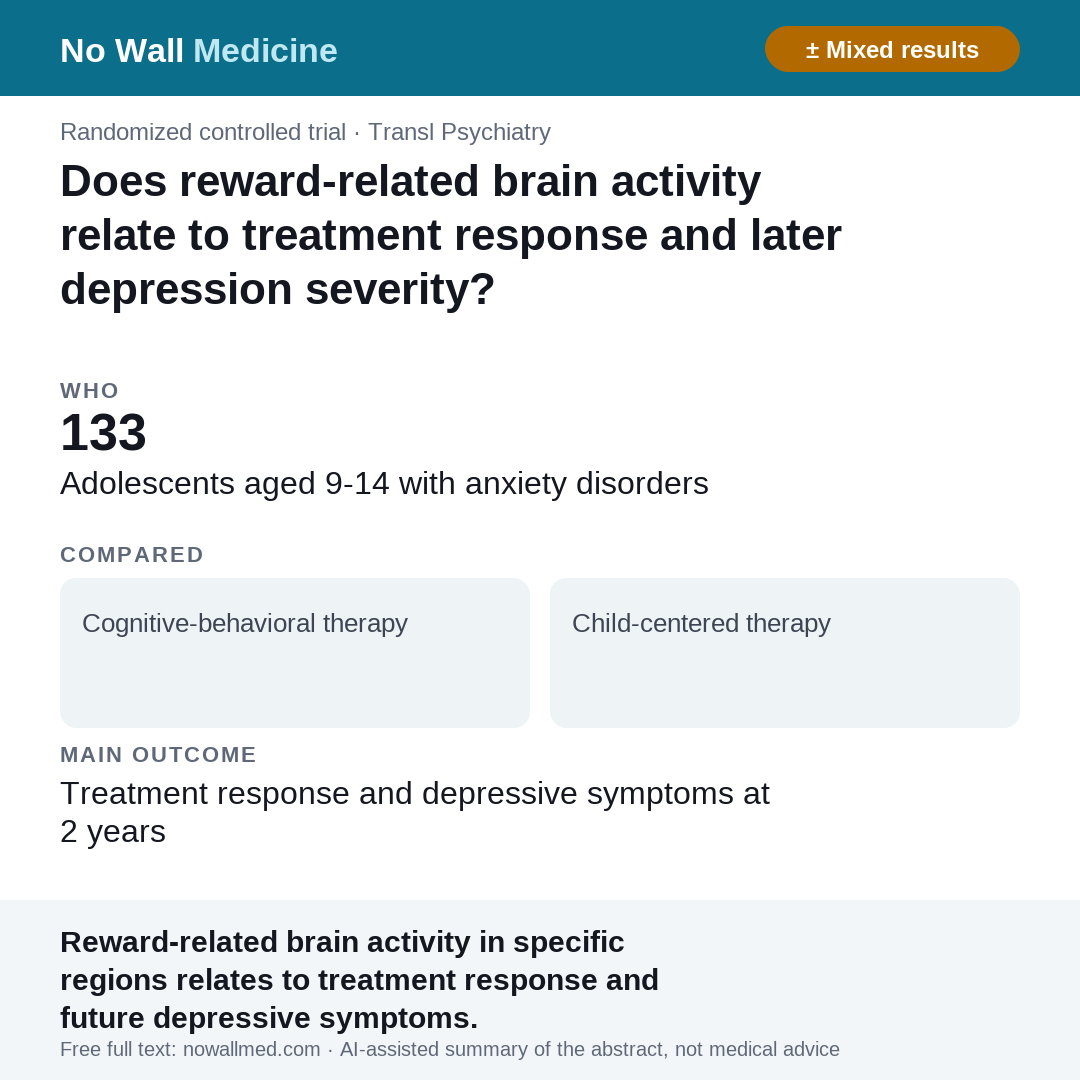
The role of reward-related brain activity in response to treatment and later depression severity: data from a randomized controlled trial in early adolescents with anxiety disorders
Randomized controlled trialMixed results
Does reward-related brain activity relate to treatment response and later depression severity?
Who
133
Adolescents aged 9-14 with anxiety disorders
Compared
Cognitive-behavioral therapy
Child-centered therapy
Main outcome
Treatment response and depressive symptoms at 2 years
Bottom line: Reward-related brain activity in specific regions relates to treatment response and future depressive symptoms.
Transl Psychiatry · 2025-08-16Download image