Visual abstracts
New randomized trials and meta-analyses from leading journals at a glance: who was studied, what was compared, and what was found. Every paper is free to read in full.
All specialtiesCardiology 4877Oncology 4138Gastroenterology & Hepatology 1942Infectious Disease 3837Neurology 1905Psychiatry & Mental Health 2273Pulmonology 2143Critical Care 1365Endocrinology & Diabetes 2580Pediatrics 2980Surgery 2559Orthopedics & Sports Medicine 931Neurosurgery 537Cardiothoracic & Vascular Surgery 674Plastic & Reconstructive Surgery 591Nephrology 1133Rheumatology 823Hematology 1109Dermatology 621Ophthalmology 543Obstetrics & Gynecology 1686Public & Global Health 1058Radiology & Imaging 648Anesthesiology 986Urology 764ENT (Otolaryngology) 503Emergency Medicine 511Allergy & Immunology 313Geriatrics 981Family Medicine & Primary Care 562Medical Genetics & Genomics 676Pathology & Laboratory Medicine 159Physical Medicine & Rehabilitation 757Palliative Care 444Nutrition 1588Digital Health & AI 2201General Medicine 321
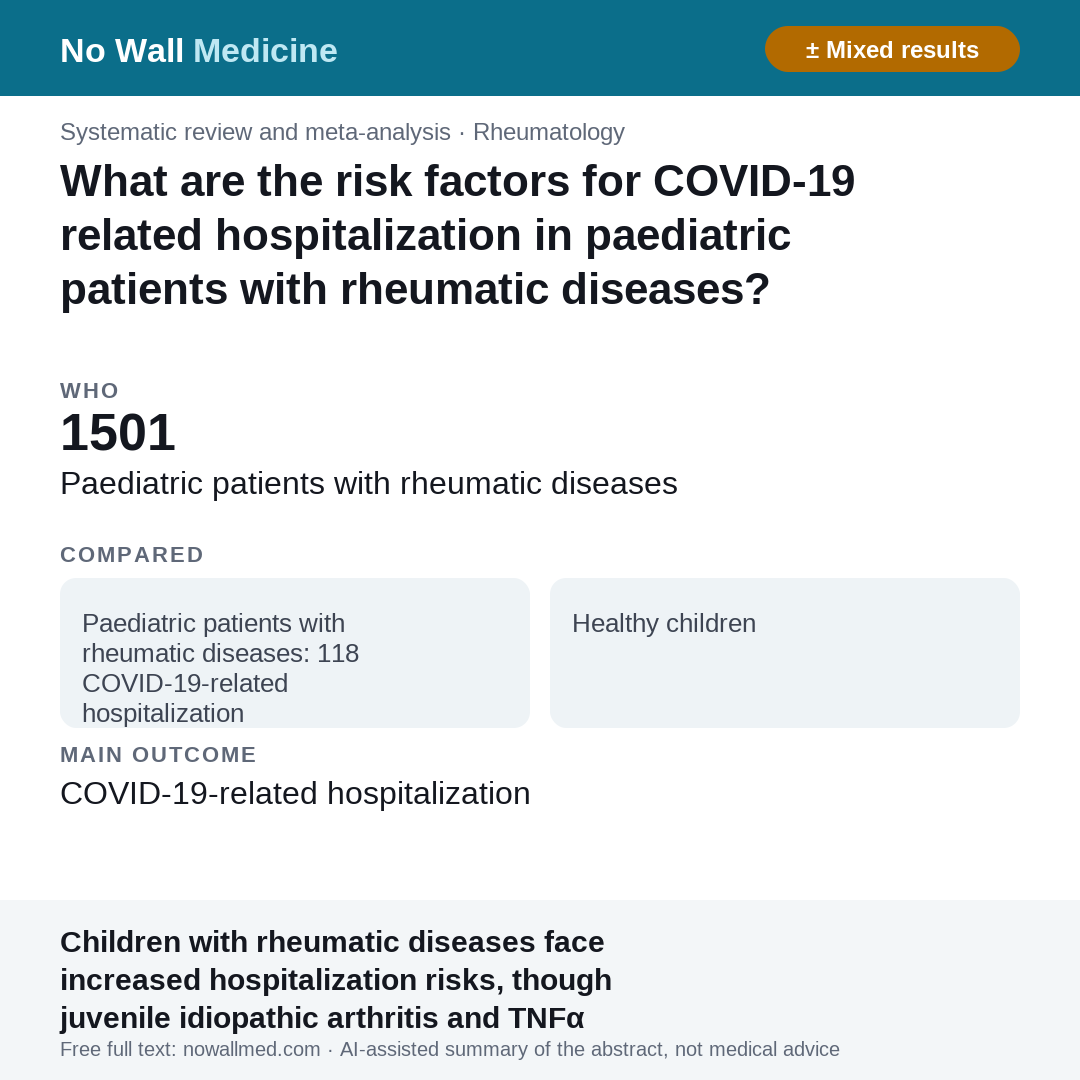
Risk factors of COVID-19 related hospitalization of paediatric patients with rheumatic diseases: a systematic review and meta-analysis
Systematic review and meta-analysisMixed results
What are the risk factors for COVID-19 related hospitalization in paediatric patients with rheumatic diseases?
Who
1501
Paediatric patients with rheumatic diseases
Compared
Paediatric patients with rheumatic diseases: 118 COVID-19-related hospitalization
Healthy children
Main outcome
COVID-19-related hospitalization
Bottom line: Children with rheumatic diseases face increased hospitalization risks, though juvenile idiopathic arthritis and TNFα inhibitors may reduce risk.
Rheumatology · 2024-12-15Download image
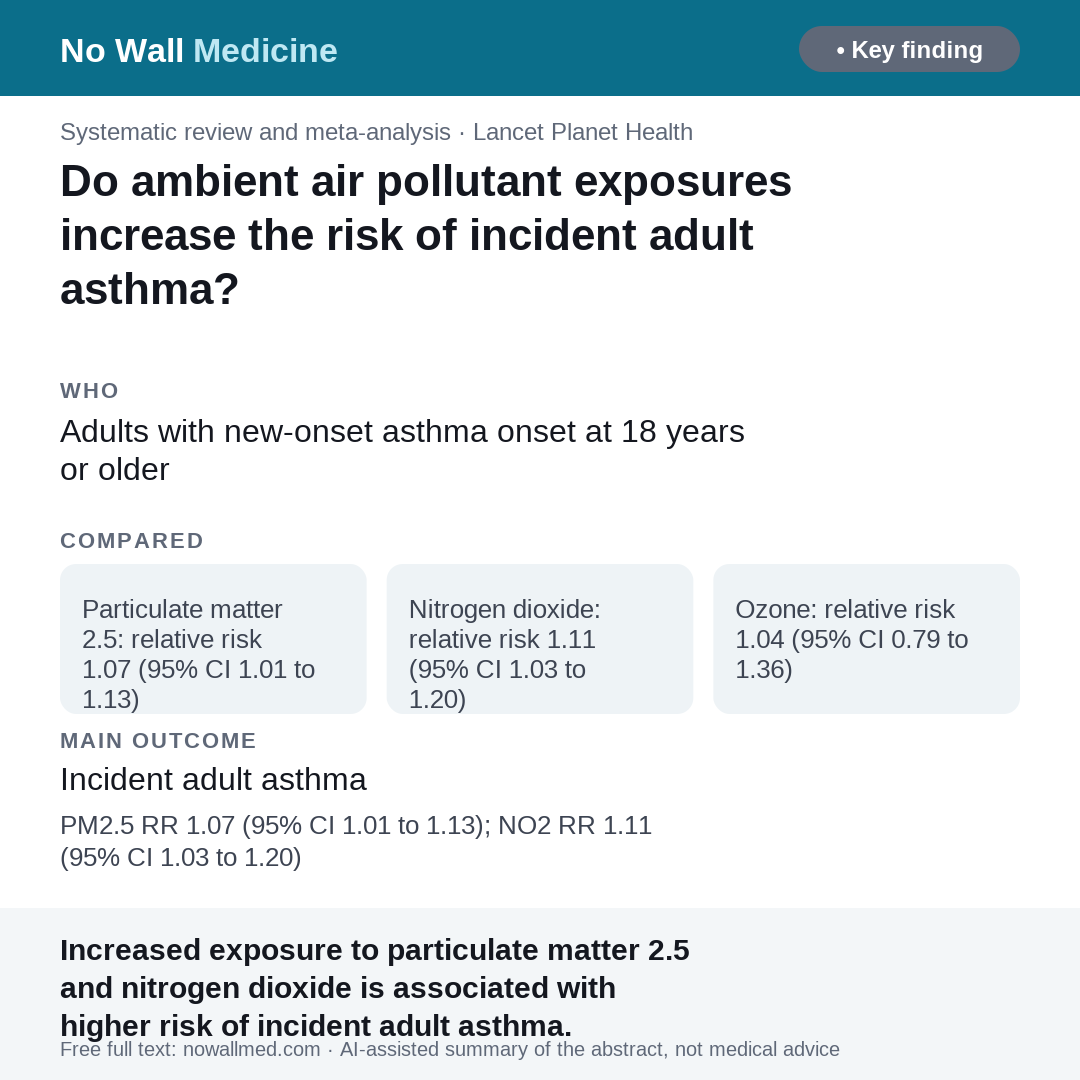
Ambient air pollution exposure and adult asthma incidence: a systematic review and meta-analysis
Systematic review and meta-analysisBenefit found
Do ambient air pollutant exposures increase the risk of incident adult asthma?
Who
Adults with new-onset asthma onset at 18 years or older
Compared
Particulate matter 2.5: relative risk 1.07 (95% CI 1.01 to 1.13)
Nitrogen dioxide: relative risk 1.11 (95% CI 1.03 to 1.20)
Ozone: relative risk 1.04 (95% CI 0.79 to 1.36)
Main outcome
Incident adult asthma
Result: PM2.5 RR 1.07 (95% CI 1.01 to 1.13); NO2 RR 1.11 (95% CI 1.03 to 1.20)
Bottom line: Increased exposure to particulate matter 2.5 and nitrogen dioxide is associated with higher risk of incident adult asthma.
Limitation: Substantial heterogeneity across studies (I2=88% for all analyses).
Lancet Planet Health · 2024-12-15Download image
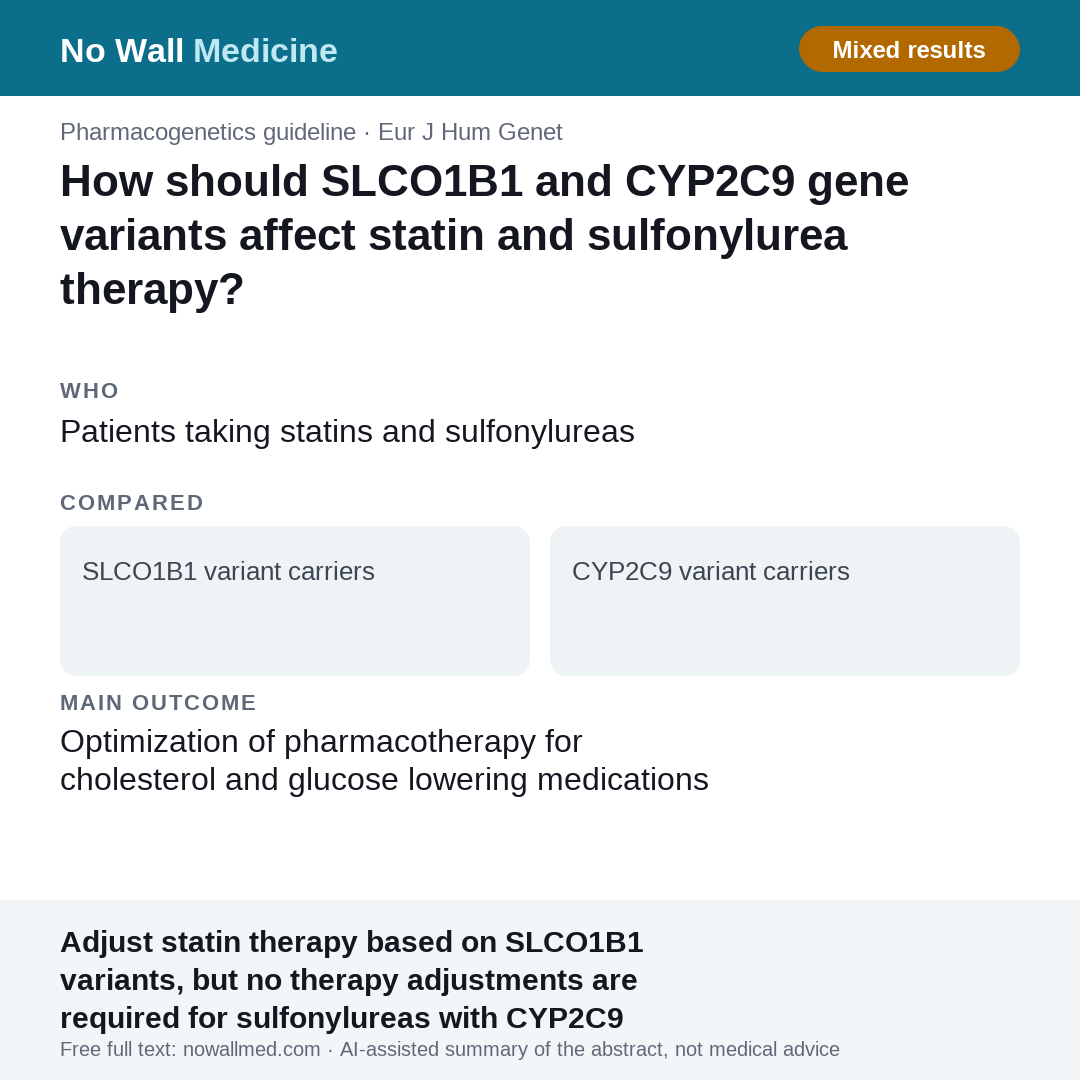
Dutch Pharmacogenetics Working Group (DPWG) guideline for the gene-drug interaction between SLCO1B1 and statins and CYP2C9 and sulfonylureas
Pharmacogenetics guidelineMixed results
How should SLCO1B1 and CYP2C9 gene variants affect statin and sulfonylurea therapy?
Who
Patients taking statins and sulfonylureas
Compared
SLCO1B1 variant carriers
CYP2C9 variant carriers
Main outcome
Optimization of pharmacotherapy for cholesterol and glucose lowering medications
Bottom line: Adjust statin therapy based on SLCO1B1 variants, but no therapy adjustments are required for sulfonylureas with CYP2C9 variants.
Eur J Hum Genet · 2024-12-15Download image
Surgical Site Allergic Contact Dermatitis Due to 2-Octyl Cyanoacrylate: A Systematic Review and FDA MAUDE Review
Systematic review and FDA database reviewUnclear result
What is the incidence and clinical management of surgical site allergic contact dermatitis from 2-octyl cyanoacrylate?
Who
Patients exposed to 2-octyl cyanoacrylate for surgical site skin closure · PubMed, Web of Science, Cochrane, and FDA MAUDE databases
Compared
Literature review studies: 0.5% to 14%
FDA MAUDE records: 609 unique records
Main outcome
Incidence, descriptions, and clinical management of cutaneous reactions
Bottom line: Incidences of cutaneous reactions to 2-octyl cyanoacrylate vary widely and clinical management guidelines remain unclear.
Aesthet Surg J · 2024-12-15Download image

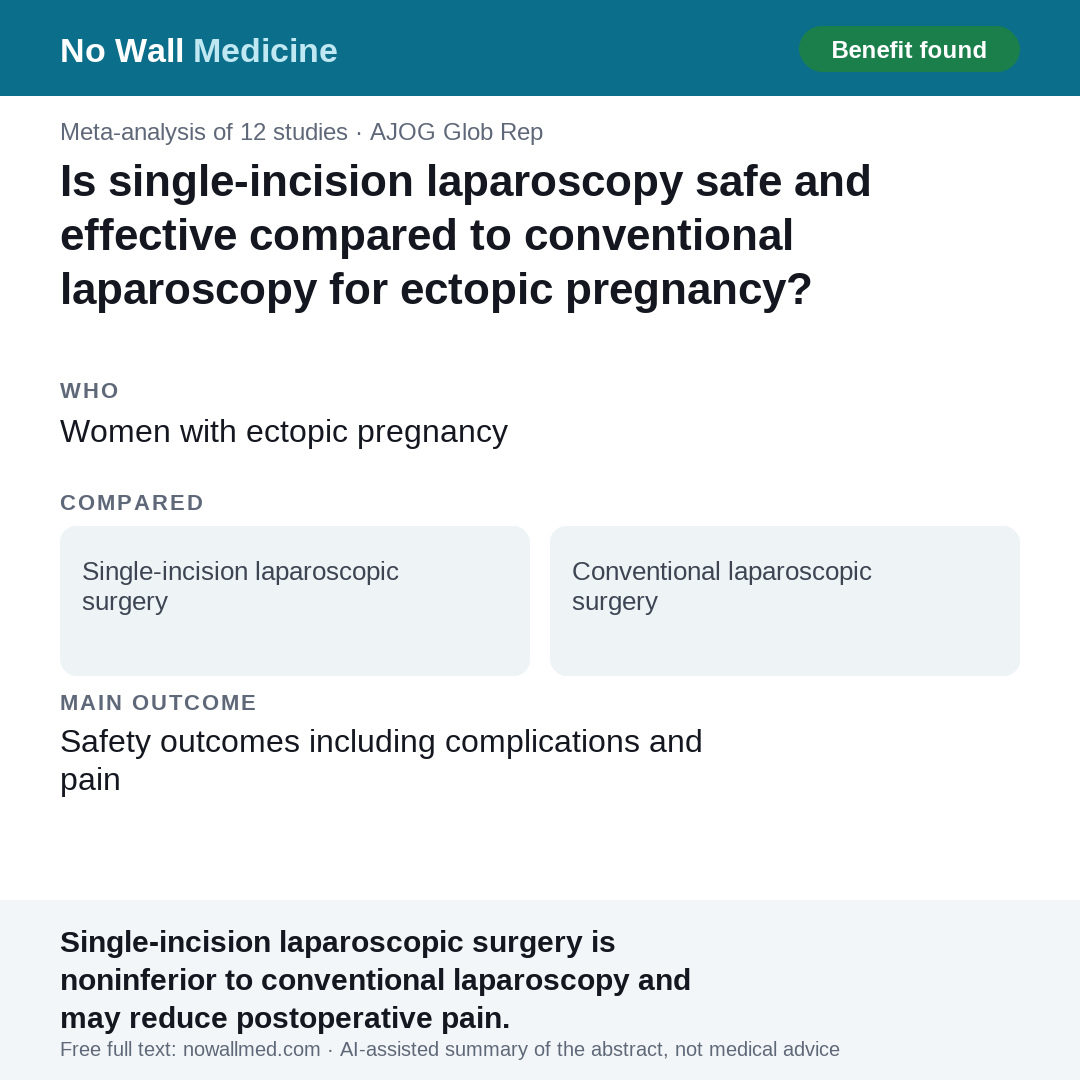
Noninferiority of single-incision laparoscopy vs conventional laparoscopy in salpingectomy or salpingotomy for ectopic pregnancy: a meta-analysis
Meta-analysis of 12 studiesBenefit found
Is single-incision laparoscopy safe and effective compared to conventional laparoscopy for ectopic pregnancy?
Who
Women with ectopic pregnancy
Compared
Single-incision laparoscopic surgery
Conventional laparoscopic surgery
Main outcome
Safety outcomes including complications and pain
Bottom line: Single-incision laparoscopic surgery is noninferior to conventional laparoscopy and may reduce postoperative pain.
AJOG Glob Rep · 2024-12-15Download image
Neuroimaging of postoperative pediatric cerebellar mutism syndrome: a systematic review
Systematic reviewMixed results
What are the neuroimaging features of postoperative pediatric cerebellar mutism syndrome?
Who
Children undergoing posterior fossa tumor surgery
Compared
Children with ppCMS: midline tumor localization, brainstem, superior cerebellar peduncle, or middle cerebellar peduncle involvement
Children without ppCMS
Main outcome
Neuroimaging features including structural, diffusion, and functional imaging
Bottom line: Postoperative cerebellar mutism syndrome is associated with efferent cerebellar pathway injury and frontal lobe hypoperfusion.
Limitation: Unclear ppCMS definition and qualitative image analysis without blinding for diagnosis.
Neurooncol Adv · 2024-12-14Download image

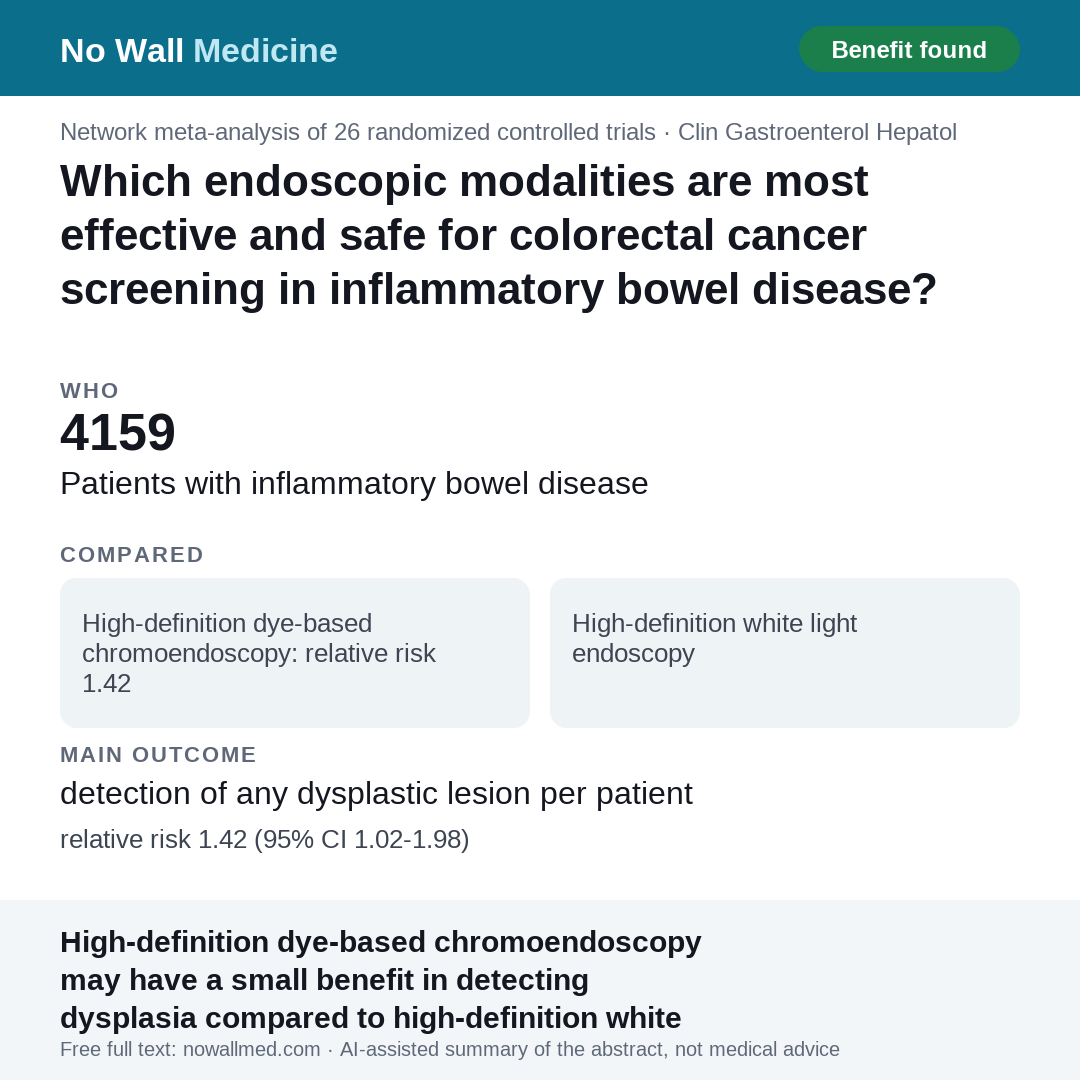
Comparative Efficacy and Safety of Endoscopic Modalities for Colorectal Cancer Screening in Inflammatory Bowel Disease: A Systematic Review and Network Meta-analysis
Network meta-analysis of 26 randomized controlled trialsBenefit found
Which endoscopic modalities are most effective and safe for colorectal cancer screening in inflammatory bowel disease?
Who
4159
Patients with inflammatory bowel disease
Compared
High-definition dye-based chromoendoscopy: relative risk 1.42
High-definition white light endoscopy
Main outcome
detection of any dysplastic lesion per patient
Result: relative risk 1.42 (95% CI 1.02-1.98)
Bottom line: High-definition dye-based chromoendoscopy may have a small benefit in detecting dysplasia compared to high-definition white light endoscopy.
Limitation: Limited data on serious adverse events precluded meta-analysis.
Clin Gastroenterol Hepatol · 2024-12-13Download image
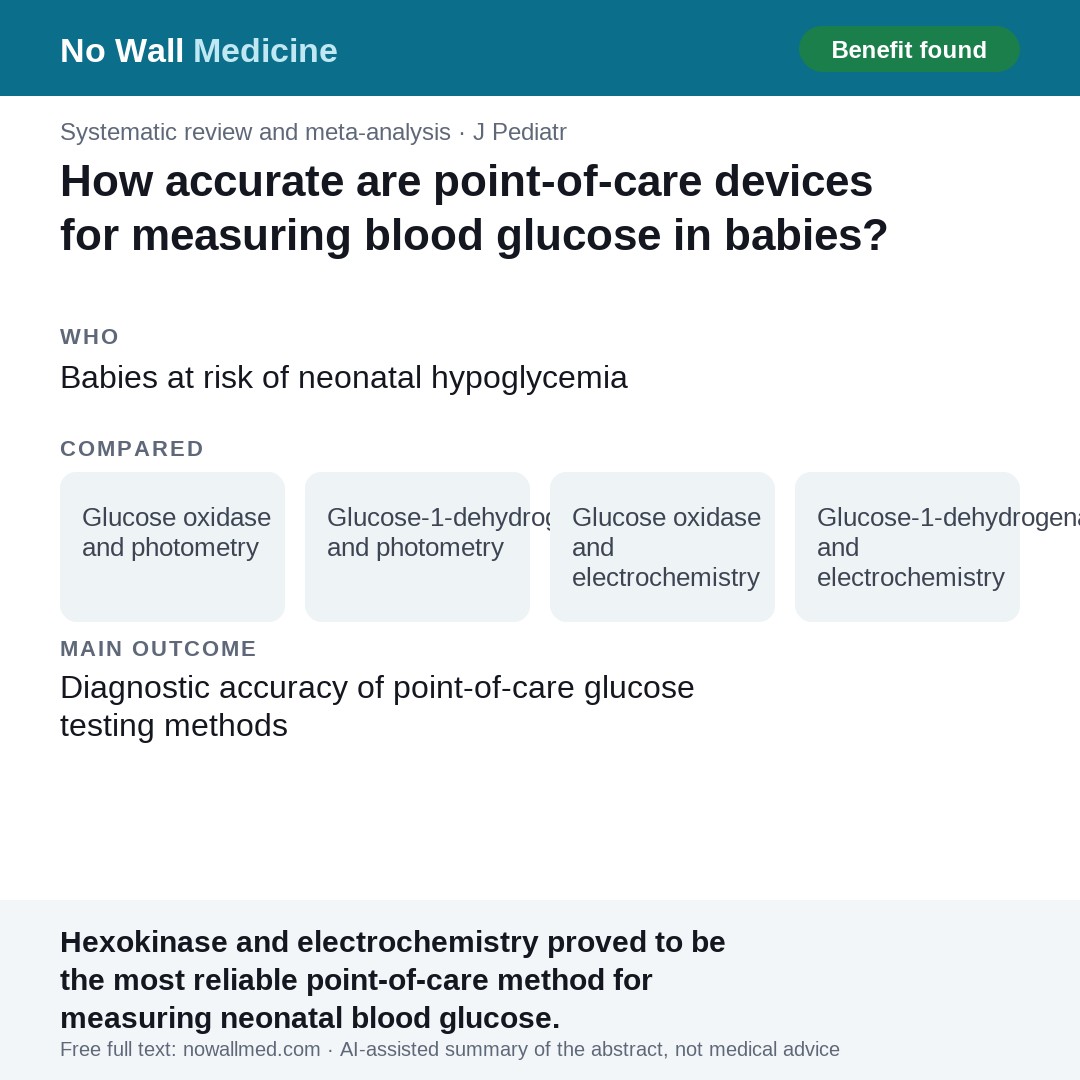
Glucose Testing Methods: A Systematic Review and Meta-Analysis of Diagnostic Accuracy of Point-of-Care Devices for Neonatal Hypoglycemia
Systematic review and meta-analysisBenefit found
How accurate are point-of-care devices for measuring blood glucose in babies?
Who
Babies at risk of neonatal hypoglycemia
Compared
Glucose oxidase and photometry
Glucose-1-dehydrogenase and photometry
Glucose oxidase and electrochemistry
Glucose-1-dehydrogenase and electrochemistry
Main outcome
Diagnostic accuracy of point-of-care glucose testing methods
Bottom line: Hexokinase and electrochemistry proved to be the most reliable point-of-care method for measuring neonatal blood glucose.
Limitation: Limited number of studies using the hexokinase and electrochemistry method.
J Pediatr · 2024-12-13Download image
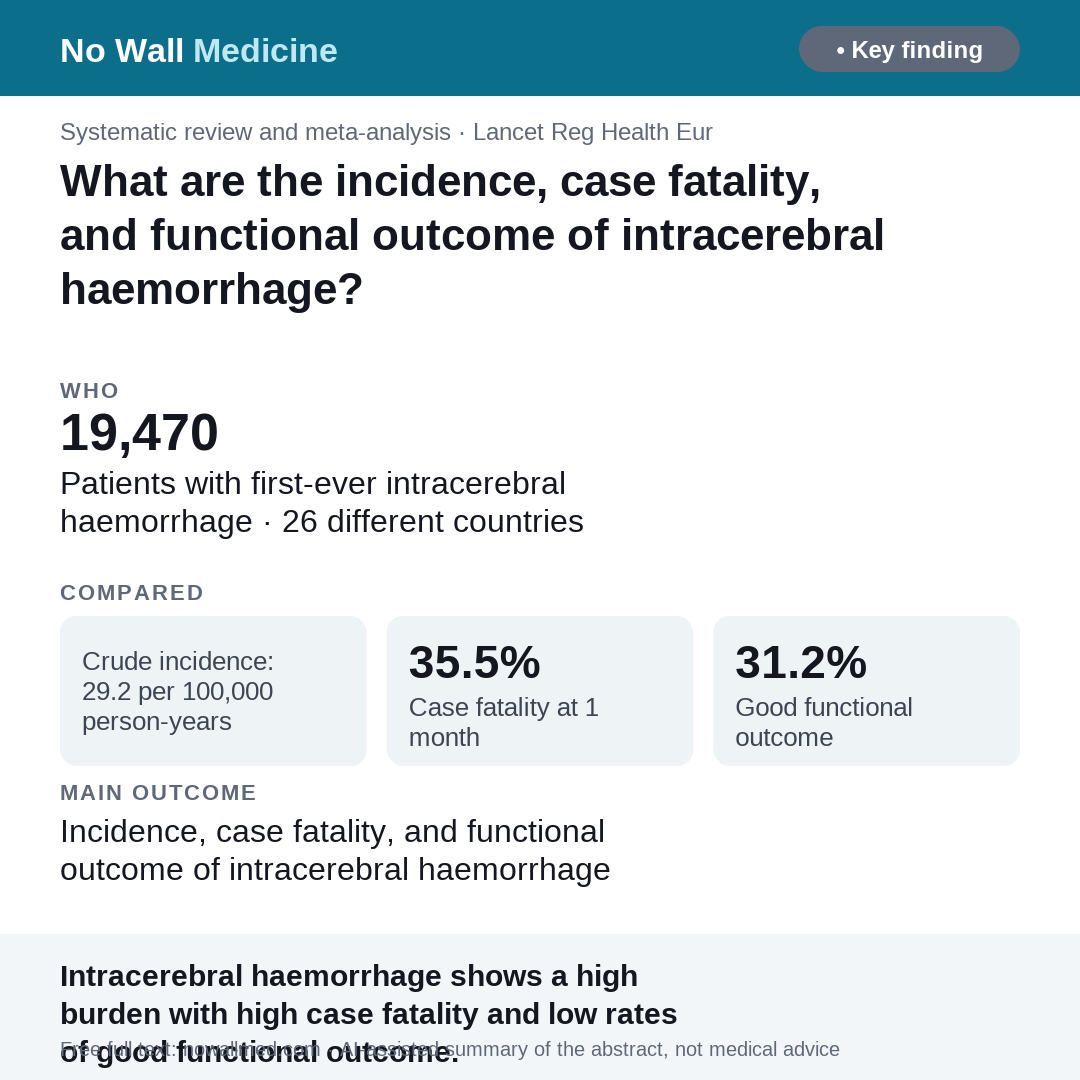
Incidence, case fatality, and functional outcome of intracerebral haemorrhage, according to age, sex, and country income level: a systematic review and meta-analysis
Systematic review and meta-analysisHarm found
What are the incidence, case fatality, and functional outcome of intracerebral haemorrhage?
Who
19,470
Patients with first-ever intracerebral haemorrhage · 26 different countries
Compared
Crude incidence: 29.2 per 100,000 person-years
35.5%Case fatality at 1 month
31.2%Good functional outcome
Main outcome
Incidence, case fatality, and functional outcome of intracerebral haemorrhage
Result: incidence 29.2 per 100,000 person-years (95% CI 23.3-36.4); case fatality 35.5% (95% CI 32.3-38.9); good functional outcome 31.2% (95% CI 24.7-38.6)
Bottom line: Intracerebral haemorrhage shows a high burden with high case fatality and low rates of good functional outcome.
Lancet Reg Health Eur · 2024-12-13Download image
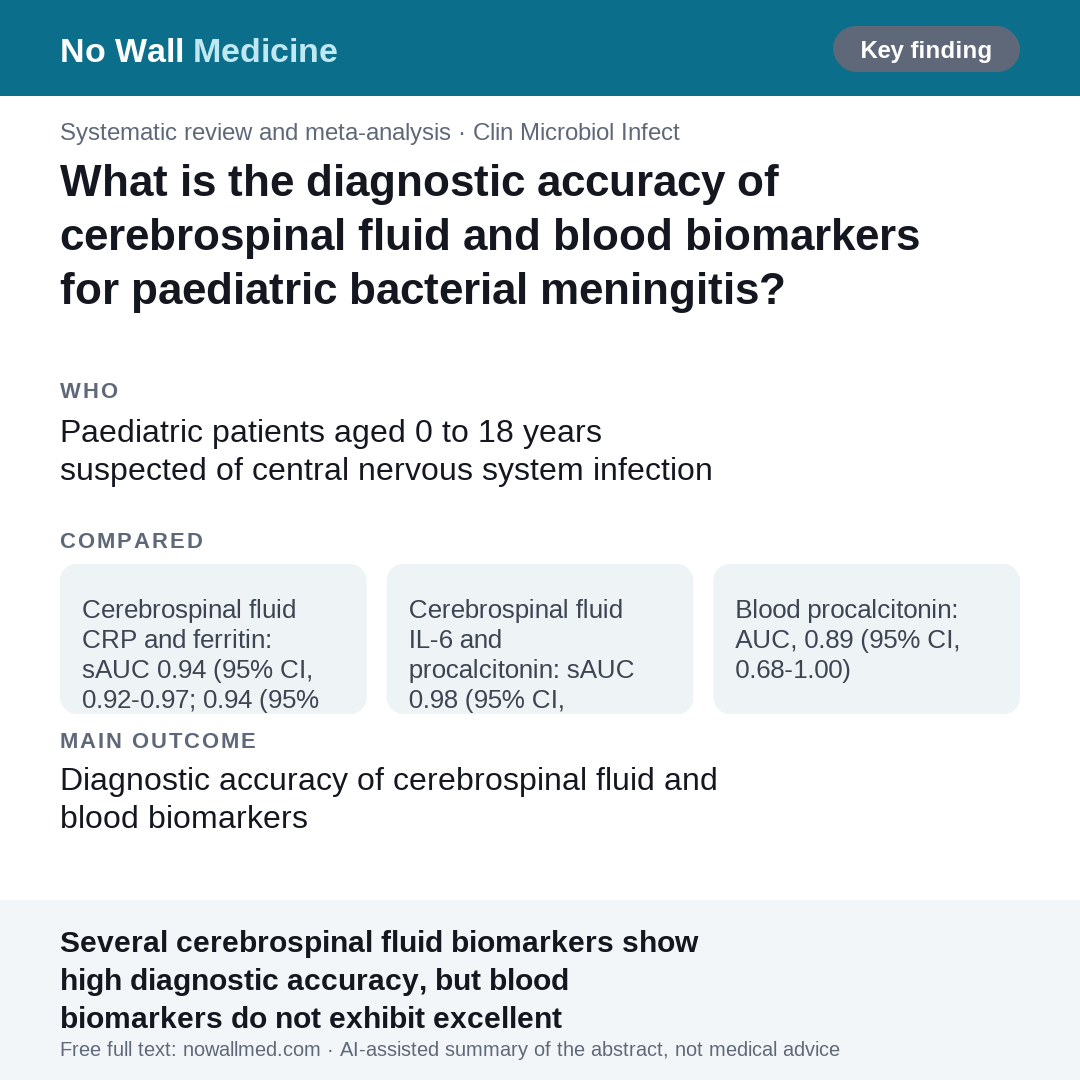
Biomarkers in paediatric bacterial meningitis: a systematic review and meta-analysis of diagnostic test accuracy
Systematic review and meta-analysisBenefit found
What is the diagnostic accuracy of cerebrospinal fluid and blood biomarkers for paediatric bacterial meningitis?
Who
Paediatric patients aged 0 to 18 years suspected of central nervous system infection
Compared
Cerebrospinal fluid CRP and ferritin: sAUC 0.94 (95% CI, 0.92-0.97; 0.94 (95% CI, 0.90-1.0))
Cerebrospinal fluid IL-6 and procalcitonin: sAUC 0.98 (95% CI, 0.96-1.00); sAUC 0.96 (95% CI, 0.94-0.99)
Blood procalcitonin: AUC, 0.89 (95% CI, 0.68-1.00)
Main outcome
Diagnostic accuracy of cerebrospinal fluid and blood biomarkers
Bottom line: Several cerebrospinal fluid biomarkers show high diagnostic accuracy, but blood biomarkers do not exhibit excellent discrimination.
Limitation: Validation in prospective, well-designed diagnostic accuracy studies in children is needed.
Clin Microbiol Infect · 2024-12-12Download image
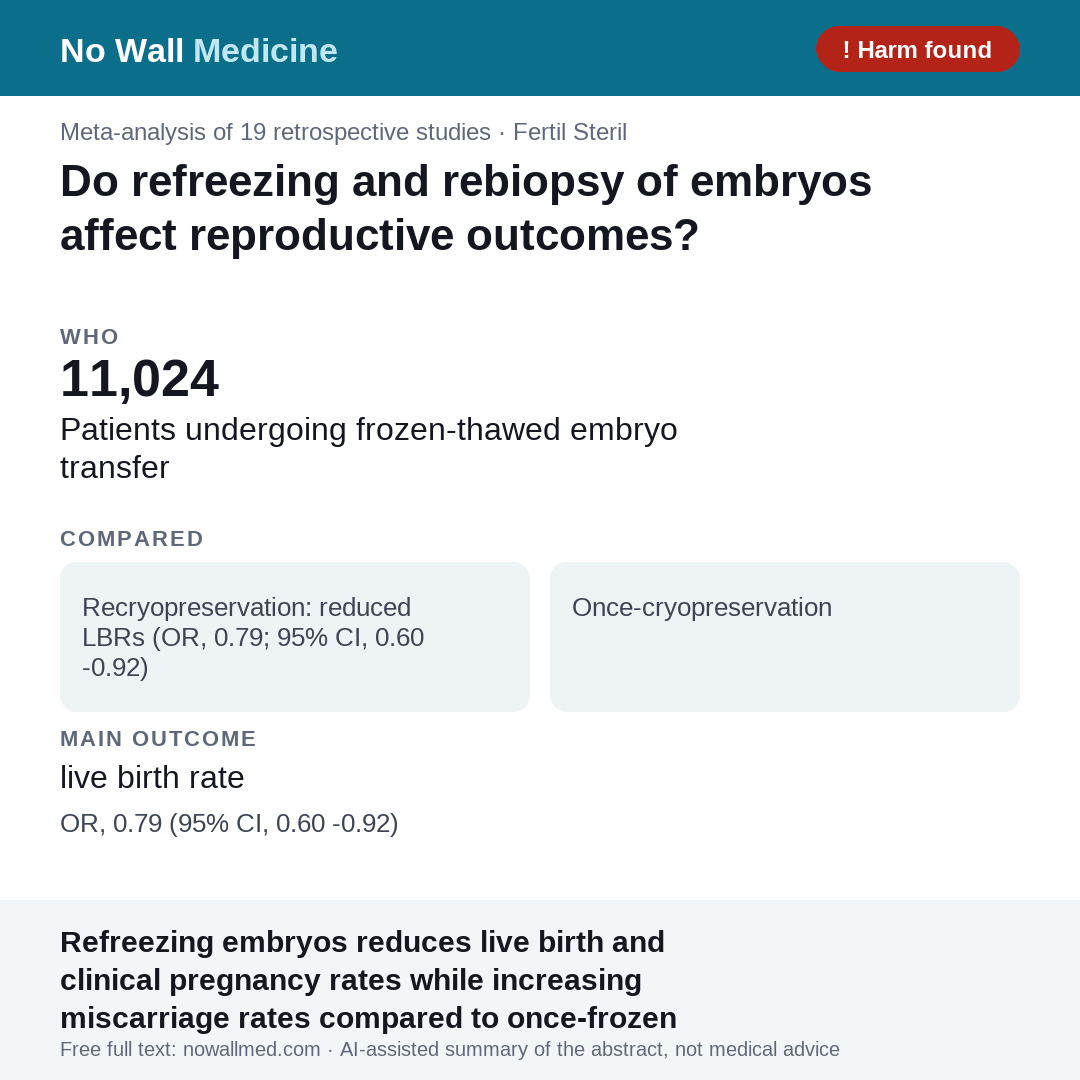
Systematic review and meta-analysis of the impact of the refreezing and rebiopsy embryos on reproductive outcomes in patients undergoing freeze-thaw embryo transfer
Meta-analysis of 19 retrospective studiesHarm found
Do refreezing and rebiopsy of embryos affect reproductive outcomes?
Who
11,024
Patients undergoing frozen-thawed embryo transfer
Compared
Recryopreservation: reduced LBRs (OR, 0.79; 95% CI, 0.60 -0.92)
Once-cryopreservation
Main outcome
live birth rate
Result: OR, 0.79 (95% CI, 0.60 -0.92)
Bottom line: Refreezing embryos reduces live birth and clinical pregnancy rates while increasing miscarriage rates compared to once-frozen embryos.
Fertil Steril · 2024-12-12Download image
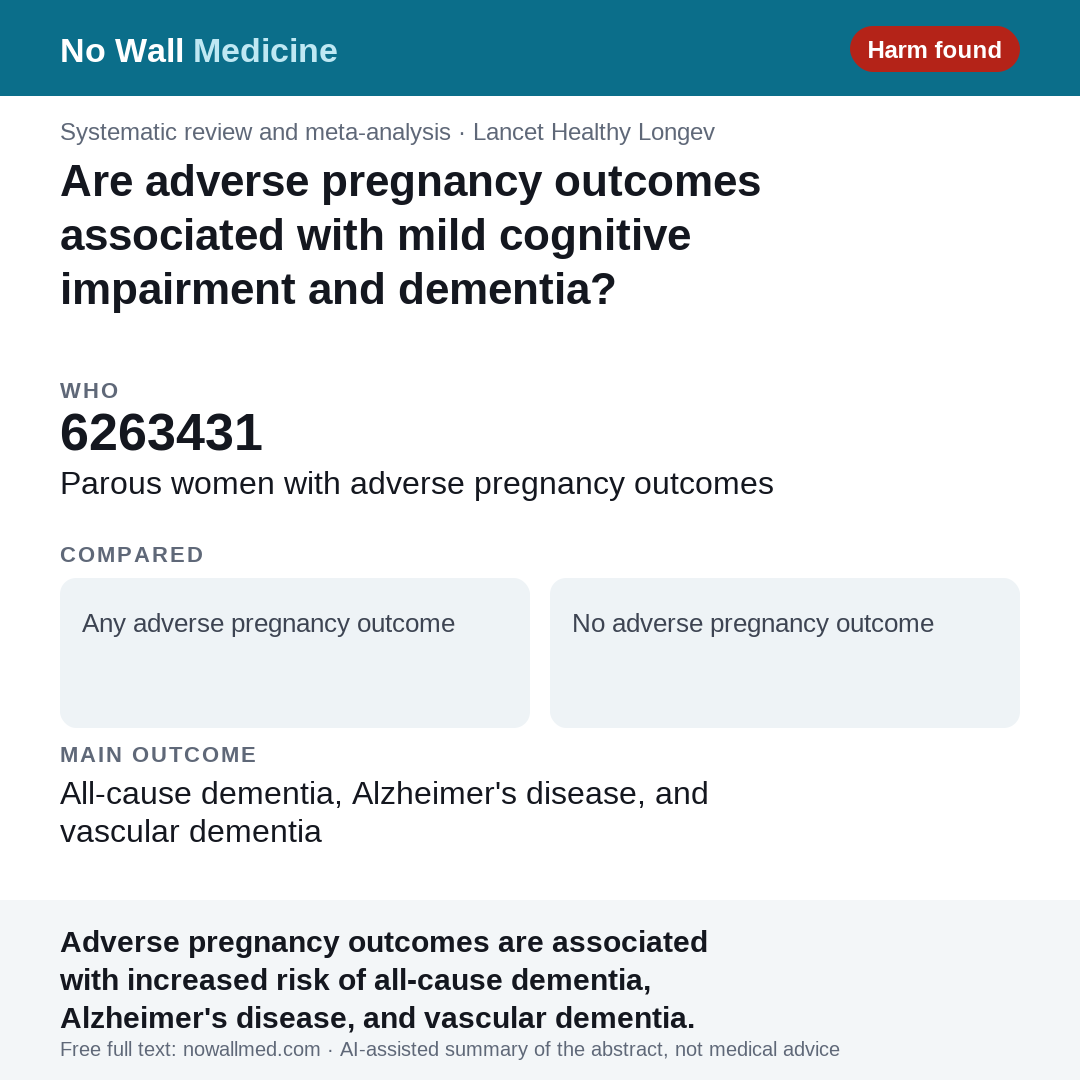
Associations between adverse pregnancy outcomes and cognitive impairment and dementia: a systematic review and meta-analysis
Systematic review and meta-analysisHarm found
Are adverse pregnancy outcomes associated with mild cognitive impairment and dementia?
Who
6263431
Parous women with adverse pregnancy outcomes
Compared
Any adverse pregnancy outcome
No adverse pregnancy outcome
Main outcome
All-cause dementia, Alzheimer's disease, and vascular dementia
Result: adjusted HR 1·32 (95% CI 1·17-1·49) for all-cause dementia
Bottom line: Adverse pregnancy outcomes are associated with increased risk of all-cause dementia, Alzheimer's disease, and vascular dementia.
Funded by: National Institutes of Health
Lancet Healthy Longev · 2024-12-12Download image
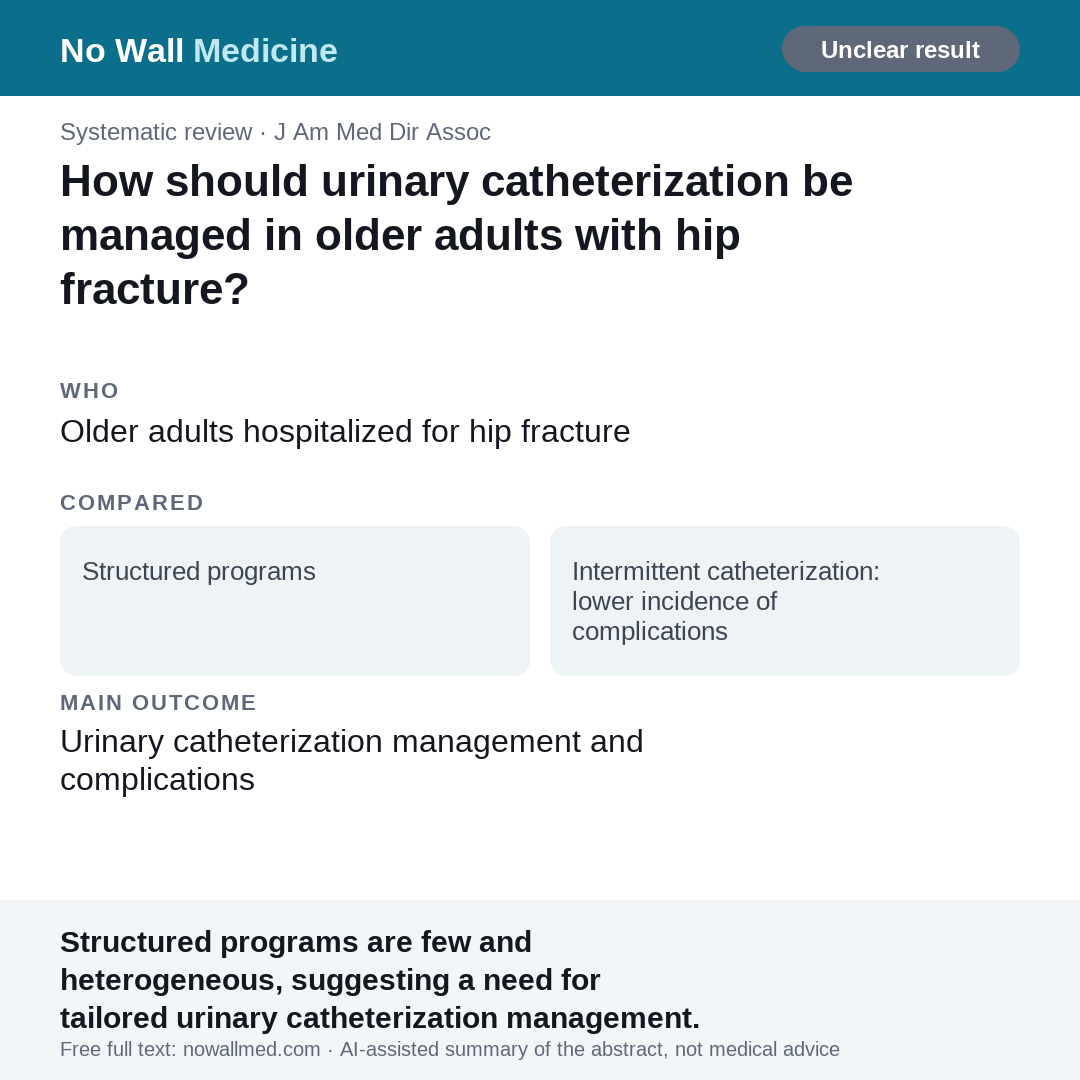
Urinary Catheterization Management in Older Adults with Hip Fracture: A Systematic Review
Systematic reviewUnclear result
How should urinary catheterization be managed in older adults with hip fracture?
Who
Older adults hospitalized for hip fracture
Compared
Structured programs
Intermittent catheterization: lower incidence of complications
Main outcome
Urinary catheterization management and complications
Bottom line: Structured programs are few and heterogeneous, suggesting a need for tailored urinary catheterization management.
Limitation: Studies on the implementation of structured programs were few and heterogeneous.
J Am Med Dir Assoc · 2024-12-12Download image
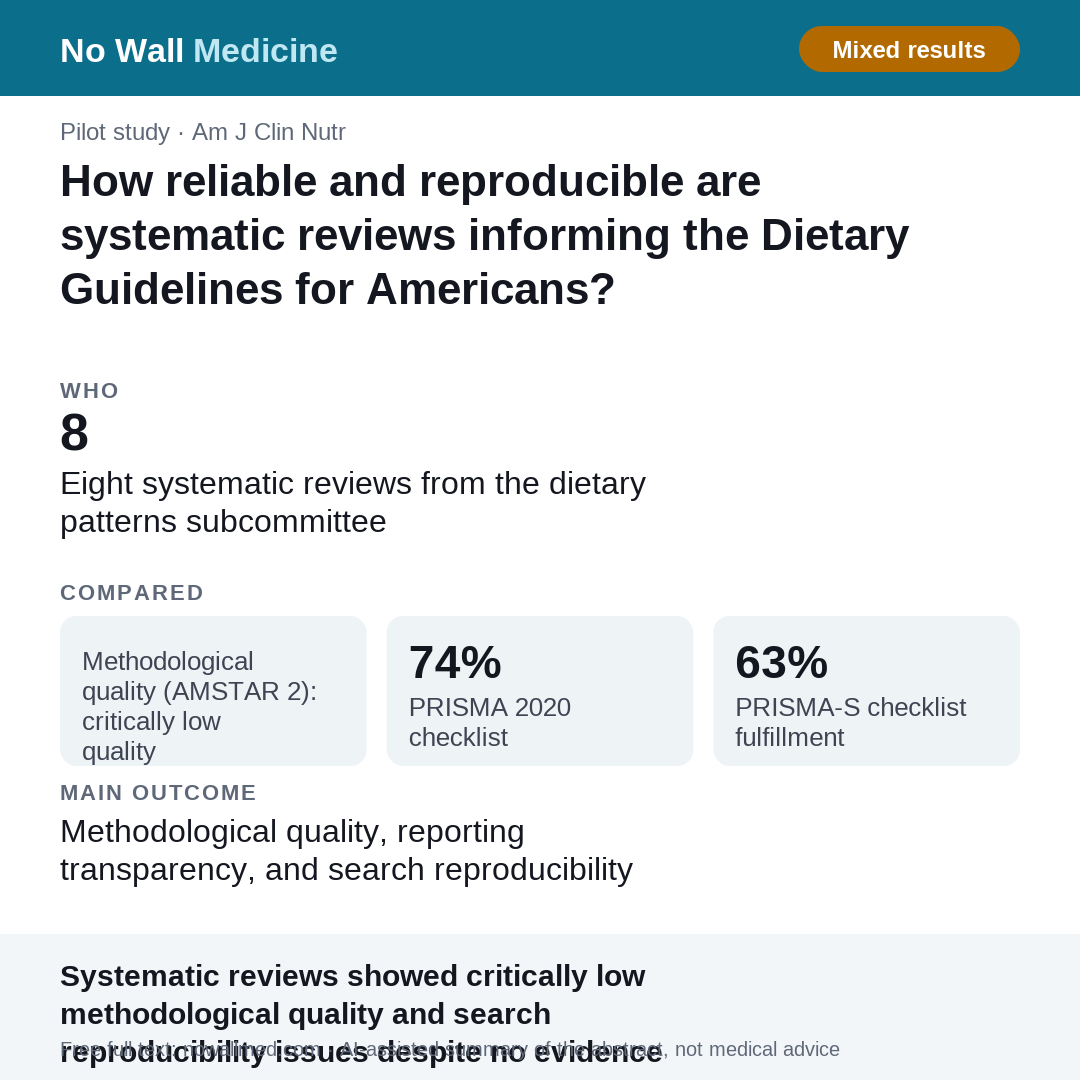
Reliability and reproducibility of systematic reviews informing the 2020-2025 Dietary Guidelines for Americans: a pilot study
Pilot studyMixed results
How reliable and reproducible are systematic reviews informing the Dietary Guidelines for Americans?
Who
8
Eight systematic reviews from the dietary patterns subcommittee
Compared
Methodological quality (AMSTAR 2): critically low quality
74%PRISMA 2020 checklist fulfillment
63%PRISMA-S checklist fulfillment
Main outcome
Methodological quality, reporting transparency, and search reproducibility
Bottom line: Systematic reviews showed critically low methodological quality and search reproducibility issues despite no evidence of interpretation bias.
Limitation: Additional research is needed to confirm impact on conclusion statements and generalizability.
Am J Clin Nutr · 2024-12-12Download image
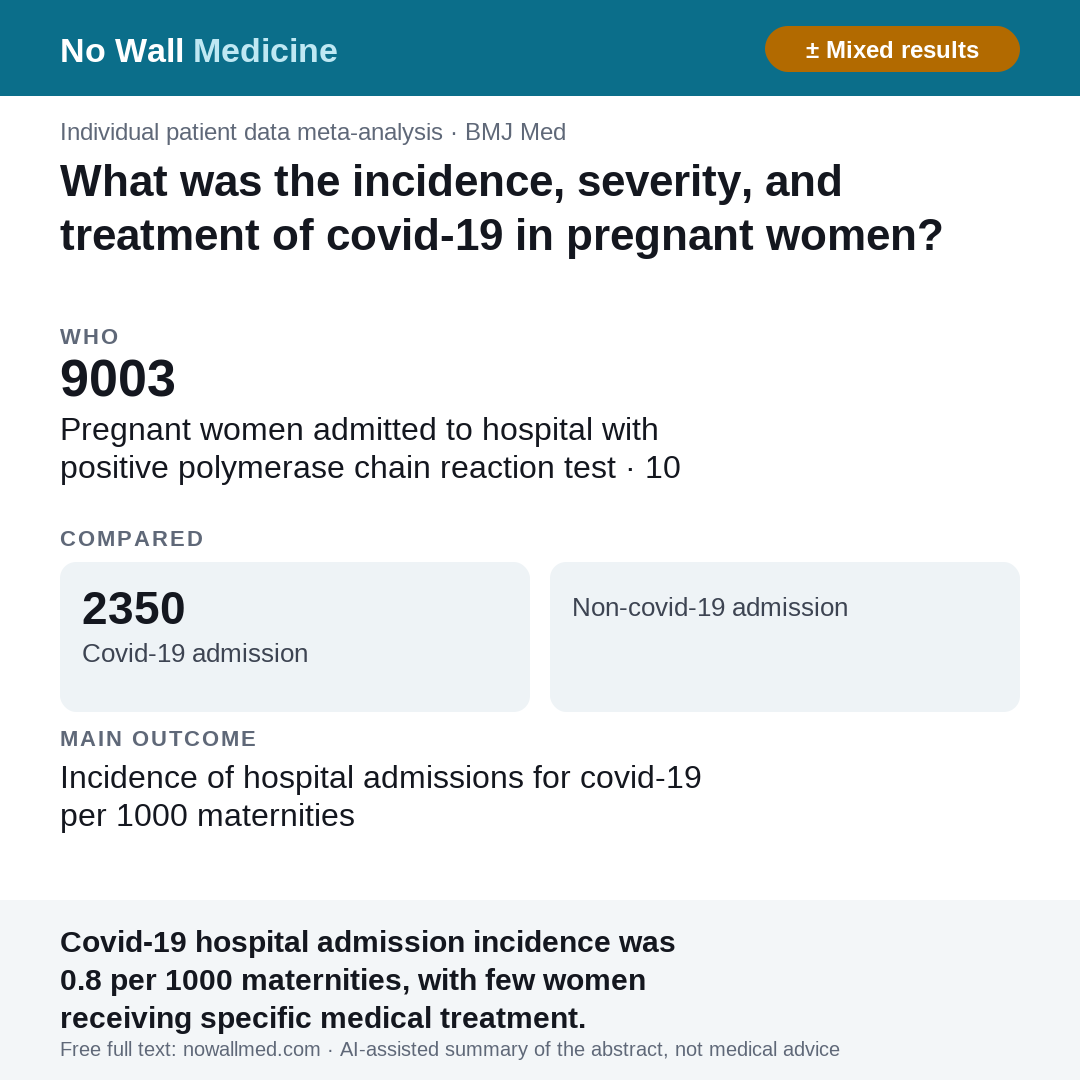
Pregnant women admitted to hospital with covid-19 in 10 European countries: individual patient data meta-analysis of population based cohorts in International Obstetric Survey Systems
Individual patient data meta-analysisMixed results
What was the incidence, severity, and treatment of covid-19 in pregnant women?
Who
9003
Pregnant women admitted to hospital with positive polymerase chain reaction test · 10 European countries
Compared
2350Covid-19 admission (26.1%)
Non-covid-19 admission
Main outcome
Incidence of hospital admissions for covid-19 per 1000 maternities
Result: 0.8 (95% confidence interval 0.5 to 1.2)
Bottom line: Covid-19 hospital admission incidence was 0.8 per 1000 maternities, with few women receiving specific medical treatment.
BMJ Med · 2024-12-12Download image
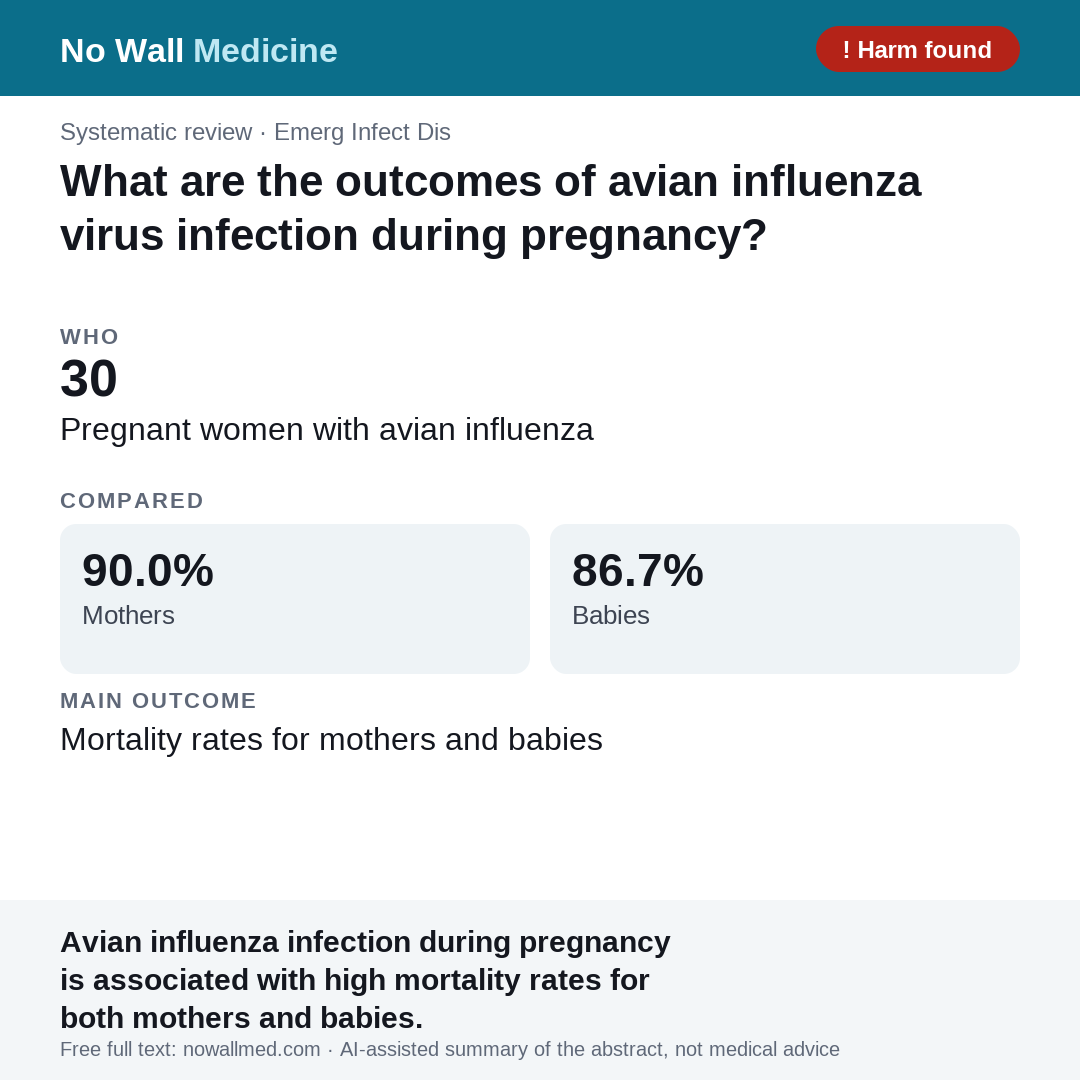
Systematic Review of Avian Influenza Virus Infection and Outcomes during Pregnancy
Systematic reviewHarm found
What are the outcomes of avian influenza virus infection during pregnancy?
Who
30
Pregnant women with avian influenza
Compared
90.0%Mothers (27/30)
86.7%Babies (26/30)
Main outcome
Mortality rates for mothers and babies
Bottom line: Avian influenza infection during pregnancy is associated with high mortality rates for both mothers and babies.
Limitation: The review is based on only 30 reported cases.
Emerg Infect Dis · 2024-12-12Download image
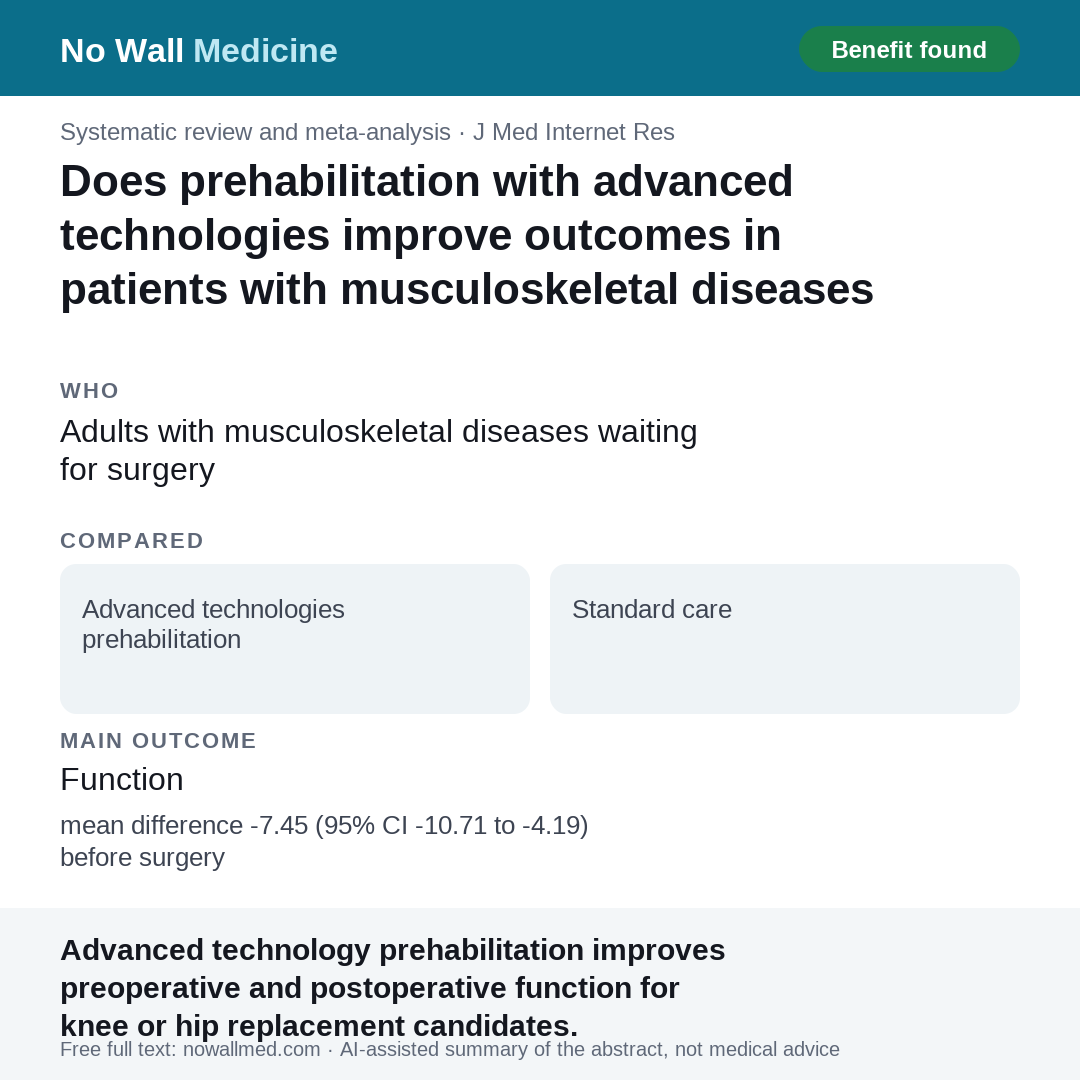
Effects of Prehabilitation With Advanced Technologies in Patients With Musculoskeletal Diseases Waiting for Surgery: Systematic Review and Meta-Analysis
Systematic review and meta-analysisBenefit found
Does prehabilitation with advanced technologies improve outcomes in patients with musculoskeletal diseases waiting for surgery?
Who
Adults with musculoskeletal diseases waiting for surgery
Compared
Advanced technologies prehabilitation
Standard care
Main outcome
Function
Result: mean difference -7.45 (95% CI -10.71 to -4.19) before surgery
Bottom line: Advanced technology prehabilitation improves preoperative and postoperative function for knee or hip replacement candidates.
J Med Internet Res · 2024-12-12Download image
Prehospital critical care beyond advanced life support for out-of-hospital cardiac arrest: A systematic review
Systematic review and meta-analysisBenefit found
Do prehospital critical care teams improve outcomes for out-of-hospital cardiac arrest patients?
Who
1,192,158
Patients with out-of-hospital cardiac arrest
Compared
Prehospital critical care
Non-critical care teams
Main outcome
Survival and neurological outcomes
Result: OR 1.95 (95% CI 1.35-2.82) for survival to hospital admission
Bottom line: Prehospital critical care teams are associated with improved survival and neurological outcomes for cardiac arrest patients.
Limitation: All included studies were non-randomised and certainty of evidence was low to very low.
Resusc Plus · 2024-12-12Download image

Neurofeedback for Attention-Deficit/Hyperactivity Disorder: A Systematic Review and Meta-Analysis
Meta-analysis of 38 randomized clinical trialsNo clear difference
Does neurofeedback improve ADHD symptoms and neuropsychological outcomes?
Who
2472
Participants aged 5 to 40 years with ADHD
Compared
Neurofeedback
Control
Main outcome
ADHD total symptom severity
Result: standardized mean difference 0.04 (95% CI -0.10 to 0.18)
Bottom line: Neurofeedback did not meaningfully benefit individuals with ADHD clinically or neuropsychologically at the group level.
JAMA Psychiatry · 2024-12-11Download image

Prognostic Factors Associated With Intracranial Hemorrhage and Ischemic Stroke During Venovenous Extracorporeal Membrane Oxygenation: A Systematic Review
Systematic reviewMixed results
What are the prognostic factors for intracranial hemorrhage and ischemic stroke during venovenous extracorporeal membrane oxygenation?
Who
Adult patients undergoing venovenous extracorporeal membrane oxygenation
Compared
Intracranial hemorrhage predictors: lower pH before venovenous extracorporeal membrane oxygenation
Intracranial hemorrhage predictors: greater decreases in partial pressure of carbon dioxide
Ischemic stroke predictors: no predictors identified in two or more studies
Main outcome
Predictors of intracranial hemorrhage and ischemic stroke
Bottom line: Blood gas parameter abnormalities and changes are probably associated with increased intracranial hemorrhage risk during venovenous extracorporeal membrane oxygenation.
Limitation: Additional high-quality studies are crucial to understanding pathophysiology and informing clinical practice.
Crit Care Med · 2024-12-11Download image