Visual abstracts
New randomized trials and meta-analyses from leading journals at a glance: who was studied, what was compared, and what was found. Every paper is free to read in full.
All specialtiesCardiology 1215Oncology 1055Gastroenterology & Hepatology 421Infectious Disease 795Neurology 504Psychiatry & Mental Health 614Pulmonology 512Critical Care 352Endocrinology & Diabetes 675Pediatrics 720Surgery 537Orthopedics & Sports Medicine 228Neurosurgery 164Cardiothoracic & Vascular Surgery 135Plastic & Reconstructive Surgery 187Nephrology 253Rheumatology 160Hematology 250Dermatology 117Ophthalmology 137Obstetrics & Gynecology 376Public & Global Health 238Radiology & Imaging 158Anesthesiology 218Urology 219ENT (Otolaryngology) 166Emergency Medicine 127Allergy & Immunology 83Geriatrics 248Family Medicine & Primary Care 150Medical Genetics & Genomics 126Pathology & Laboratory Medicine 36Physical Medicine & Rehabilitation 207Palliative Care 109Nutrition 313Digital Health & AI 610General Medicine 114
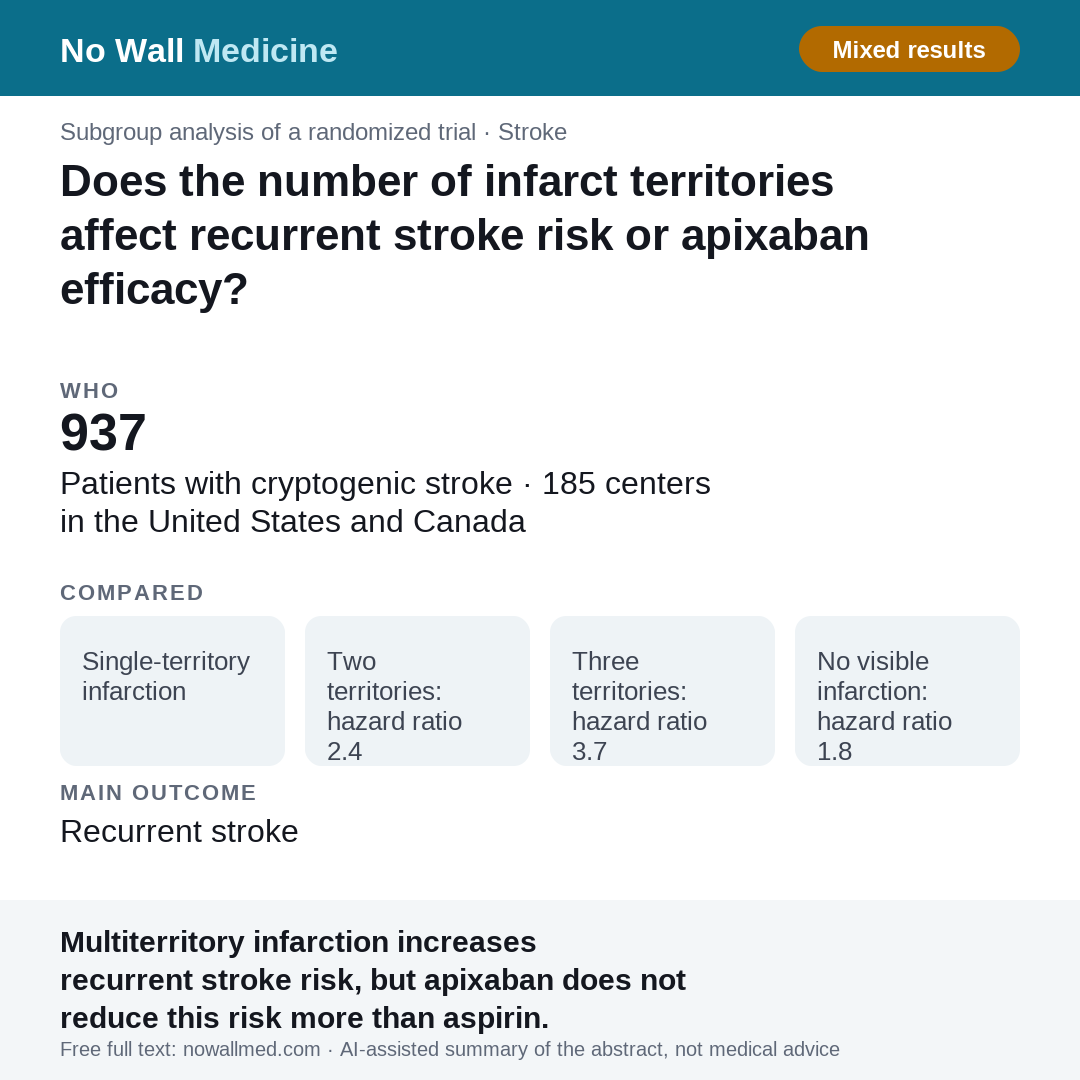
Multiterritory Brain Infarcts, Anticoagulation, and Recurrence After Cryptogenic Stroke: A Subgroup Analysis of the ARCADIA Trial
Subgroup analysis of a randomized trialMixed results
Does the number of infarct territories affect recurrent stroke risk or apixaban efficacy?
Who
937
Patients with cryptogenic stroke · 185 centers in the United States and Canada
Compared
Single-territory infarction
Two territories: hazard ratio 2.4
Three territories: hazard ratio 3.7
No visible infarction: hazard ratio 1.8
Main outcome
Recurrent stroke
Result: hazard ratio 2.4 (95% CI 1.3-4.2) for 2 territories; hazard ratio 3.7 (95% CI 1.5-9.3) for 3 territories
Bottom line: Multiterritory infarction increases recurrent stroke risk, but apixaban does not reduce this risk more than aspirin.
Stroke · 2025-12-05Download image
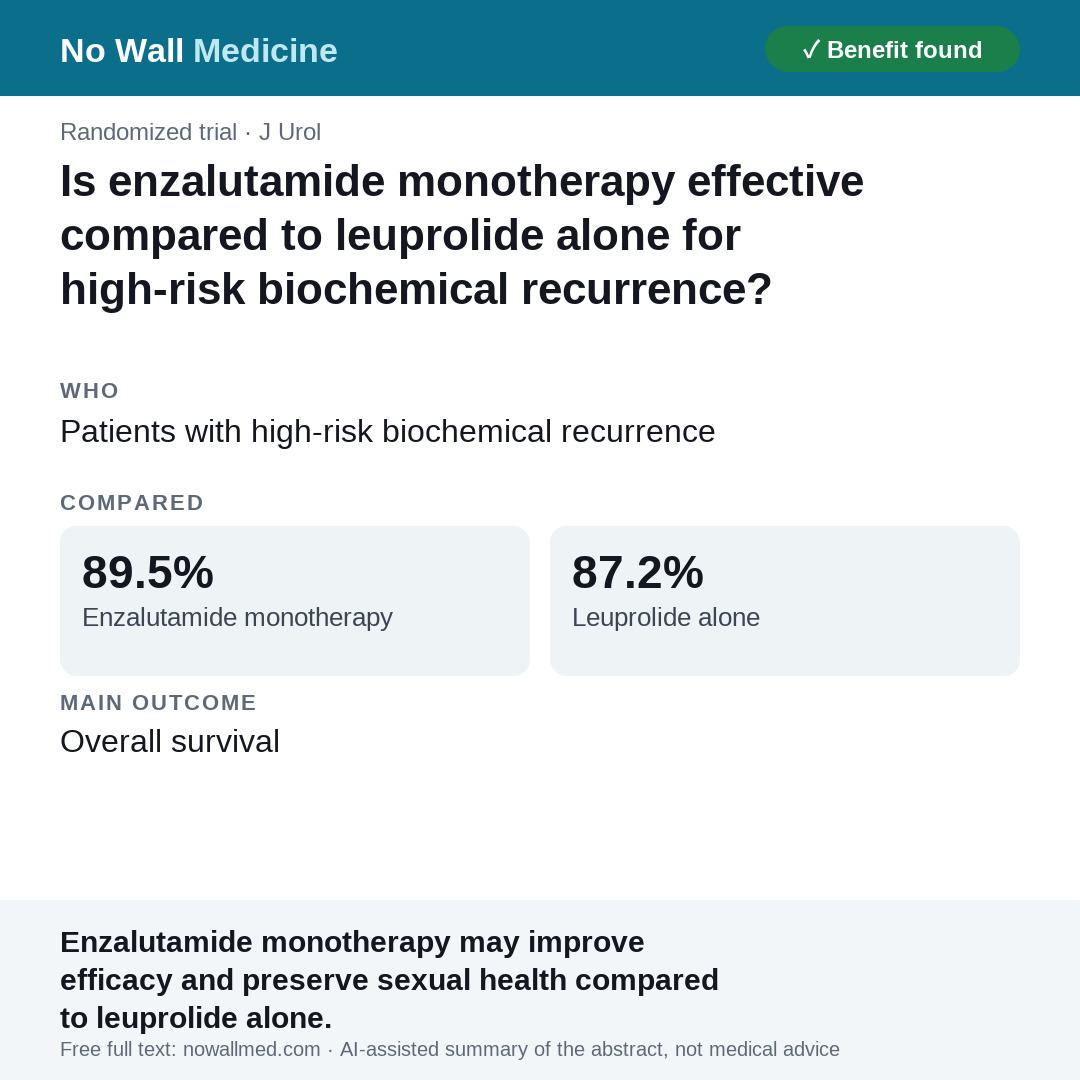
Enzalutamide Monotherapy for the Treatment of Prostate Cancer With High-Risk Biochemical Recurrence: EMBARK Secondary End Points
Randomized trialBenefit found
Is enzalutamide monotherapy effective compared to leuprolide alone for high-risk biochemical recurrence?
Who
Patients with high-risk biochemical recurrence
Compared
89.5%Enzalutamide monotherapy (85.6-92.4)
87.2%Leuprolide alone (83.0-90.4)
Main outcome
Overall survival
Bottom line: Enzalutamide monotherapy may improve efficacy and preserve sexual health compared to leuprolide alone.
J Urol · 2025-12-05Download image
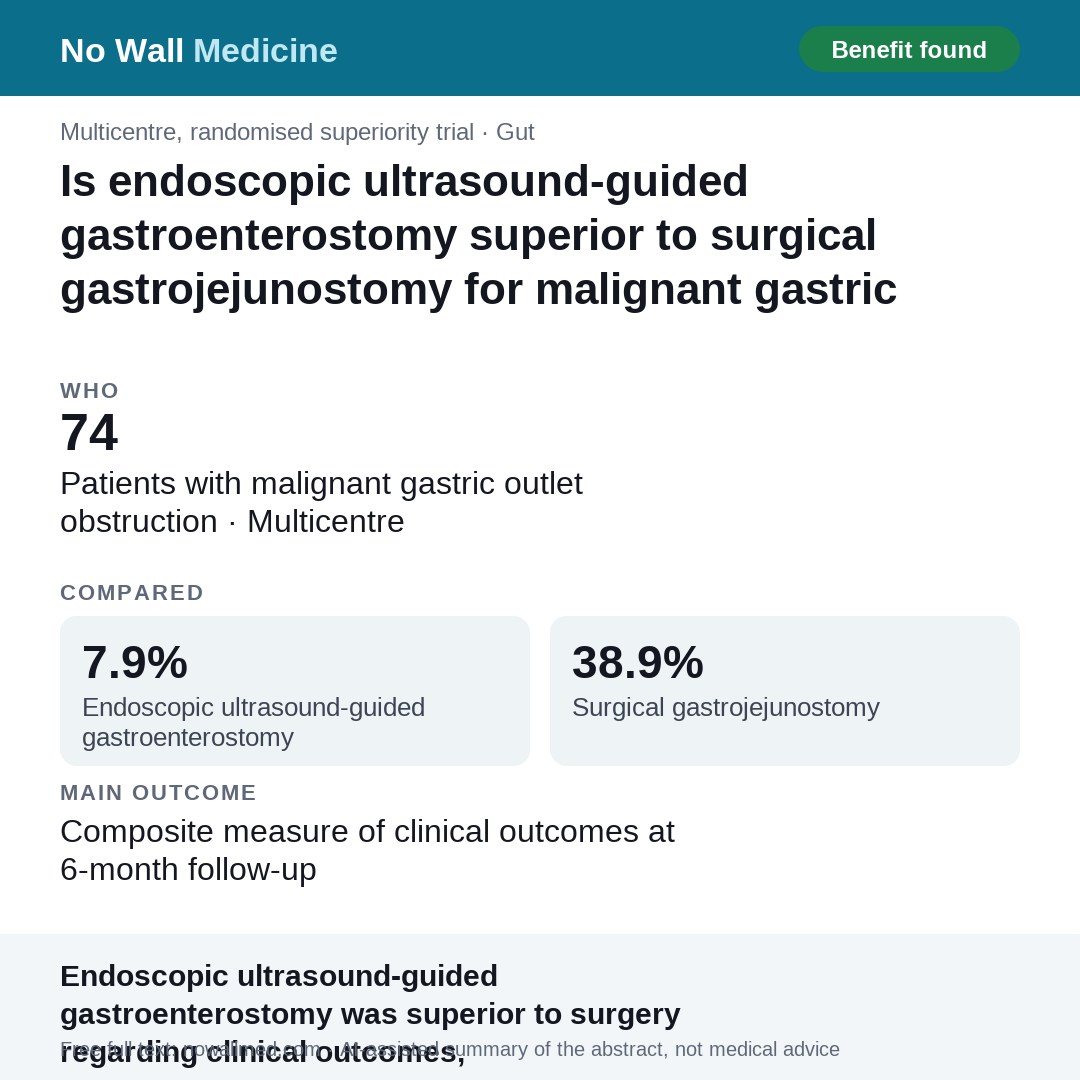
Endoscopic or surgical gastroenterostomy for malignant gastric outlet obstruction: a randomised trial
Multicentre, randomised superiority trialBenefit found
Is endoscopic ultrasound-guided gastroenterostomy superior to surgical gastrojejunostomy for malignant gastric outlet obstruction?
Who
74
Patients with malignant gastric outlet obstruction · Multicentre
Compared
7.9%Endoscopic ultrasound-guided gastroenterostomy
38.9%Surgical gastrojejunostomy
Main outcome
Composite measure of clinical outcomes at 6-month follow-up
Result: risk difference -31.0%, 95% CI -47.6% to -11.4%
Bottom line: Endoscopic ultrasound-guided gastroenterostomy was superior to surgery regarding clinical outcomes, hospitalisation, quality of life, and costs.
Gut · 2025-12-05Download image
Dexamethasone as a perineural adjuvant to a ropivacaine popliteal sciatic nerve block for pediatric foot surgery: a randomized, double-blind, placebo-controlled trial
Randomized, double-blind, placebo-controlled trialBenefit found
Does perineural dexamethasone affect block duration and opioid requirement in pediatric foot surgery?
Who
90
90 children aged 2-5 years undergoing foot or ankle surgery
Compared
0.5% ropivacaine with saline: 8.5 hours, SD 1.5 hours
0.5% ropivacaine plus dexamethasone 0.1 mg/kg: 18.4 hours, SD 2.6 hours
0.5% ropivacaine plus dexamethasone 0.05 mg/kg: 16 hours, SD 2.8 hours
Main outcome
time to first rescue opioid analgesia
Result: mean difference 2.2 hours (95% CI 0.7 to 3.6)
Bottom line: Perineural dexamethasone significantly prolonged motor block duration and time to first rescue opioid analgesia in children.
Reg Anesth Pain Med · 2025-12-05Download image

Analgesic effectiveness of methoxyflurane inhaler during genicular nerve block in knee osteoarthritis: a randomized controlled trial
Randomized controlled trialBenefit found
Is methoxyflurane inhaler effective for pain during genicular nerve block in knee osteoarthritis?
Who
42
42 adults with refractory knee osteoarthritis
Compared
Methoxyflurane inhaler with local anesthesia: 2 (1, 4) VNRS pain reduction
Local anesthesia only: -1 (-2, 0) VNRS pain reduction
Main outcome
Pain score on a 0-10 verbal numerical rating scale
Bottom line: Methoxyflurane inhaler combined with local anesthesia provided better procedural pain control than local anesthesia alone.
Reg Anesth Pain Med · 2025-12-05Download image

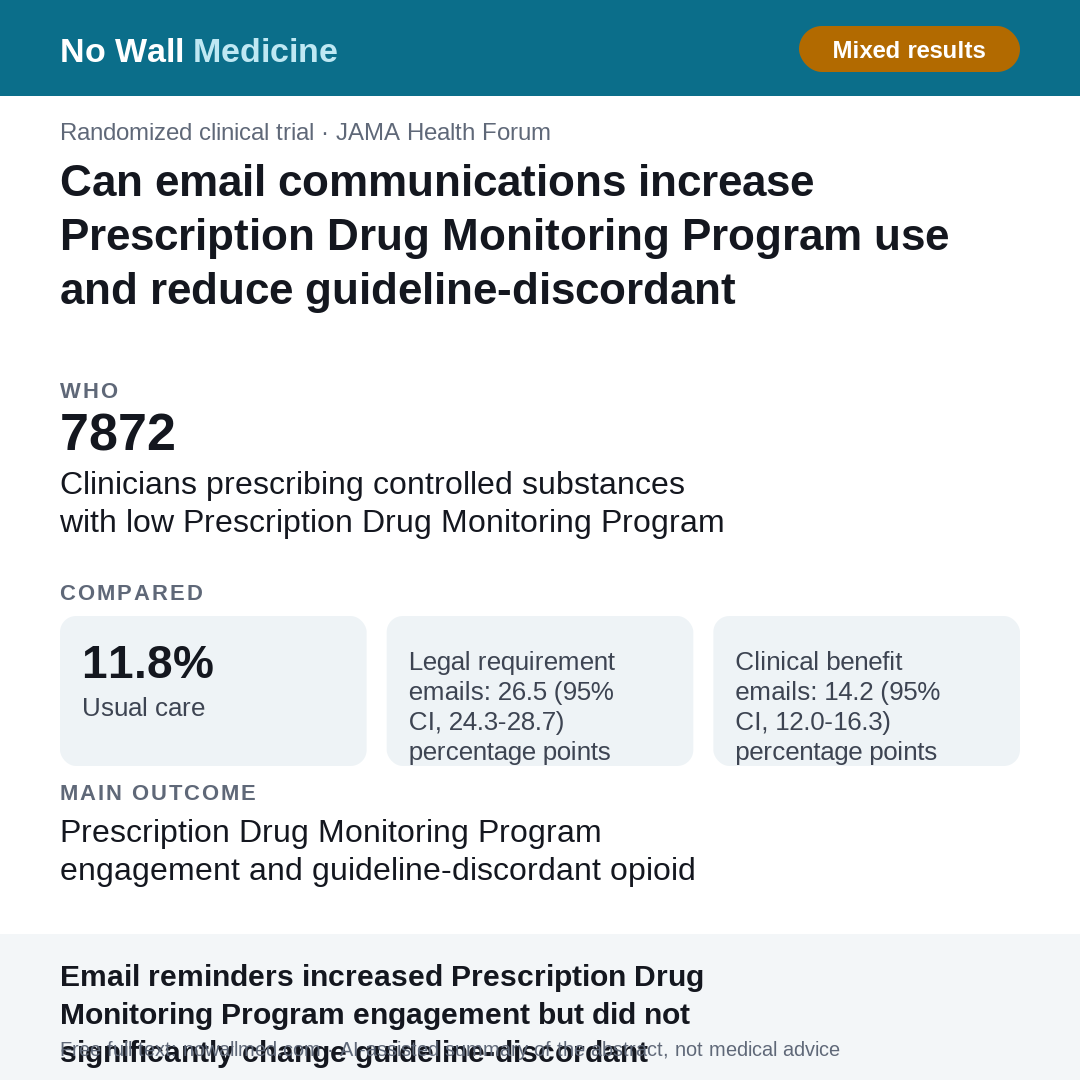
Prescription Drug Monitoring Program Reminder Emails, Program Use, and Prescribing: A Randomized Clinical Trial
Randomized clinical trialMixed results
Can email communications increase Prescription Drug Monitoring Program use and reduce guideline-discordant prescribing?
Who
7872
Clinicians prescribing controlled substances with low Prescription Drug Monitoring Program engagement · Minnesota, United States
Compared
11.8%Usual care (309 clinicians)
Legal requirement emails: 26.5 (95% CI, 24.3-28.7) percentage points
Clinical benefit emails: 14.2 (95% CI, 12.0-16.3) percentage points
Main outcome
Prescription Drug Monitoring Program engagement and guideline-discordant opioid prescribing
Bottom line: Email reminders increased Prescription Drug Monitoring Program engagement but did not significantly change guideline-discordant opioid prescribing.
Limitation: Emails did not trigger large-scale changes in prescribing.
JAMA Health Forum · 2025-12-05Download image
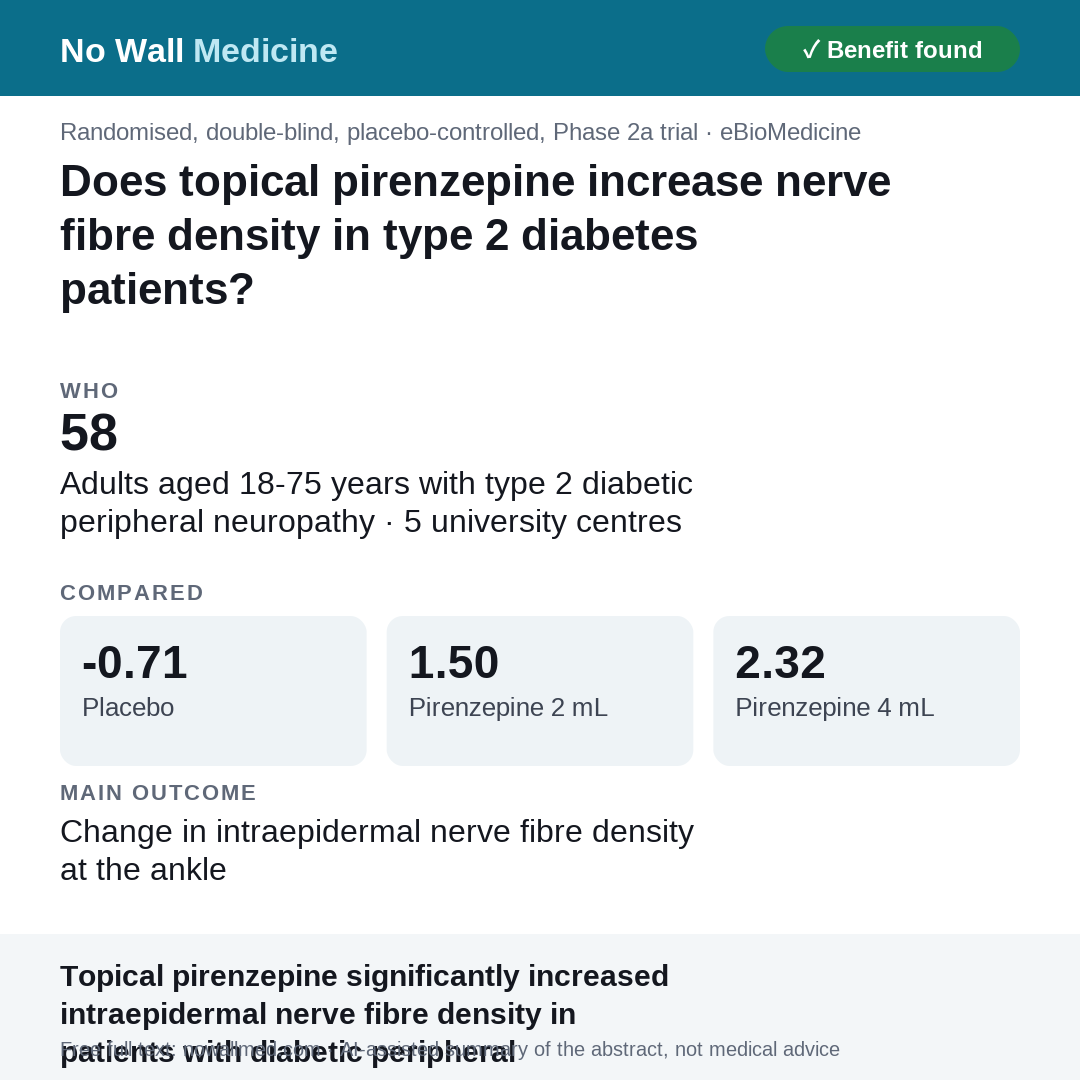
Topical application of the antimuscarinic pirenzepine increased lower limb nerve fibre density in a phase 2a study in type 2 patients with diabetes with peripheral neuropathy
Randomised, double-blind, placebo-controlled, Phase 2a trialBenefit found
Does topical pirenzepine increase nerve fibre density in type 2 diabetes patients?
Who
58
Adults aged 18-75 years with type 2 diabetic peripheral neuropathy · 5 university centres in Canada
Compared
-0.71Placebo (p = 0.39)
1.50Pirenzepine 2 mL (p = 0.048)
2.32Pirenzepine 4 mL (p = 0.006)
Main outcome
Change in intraepidermal nerve fibre density at the ankle
Bottom line: Topical pirenzepine significantly increased intraepidermal nerve fibre density in patients with diabetic peripheral neuropathy.
Limitation: Potential bias in per protocol analysis for quality of life scores.
eBioMedicine · 2025-12-05Download image
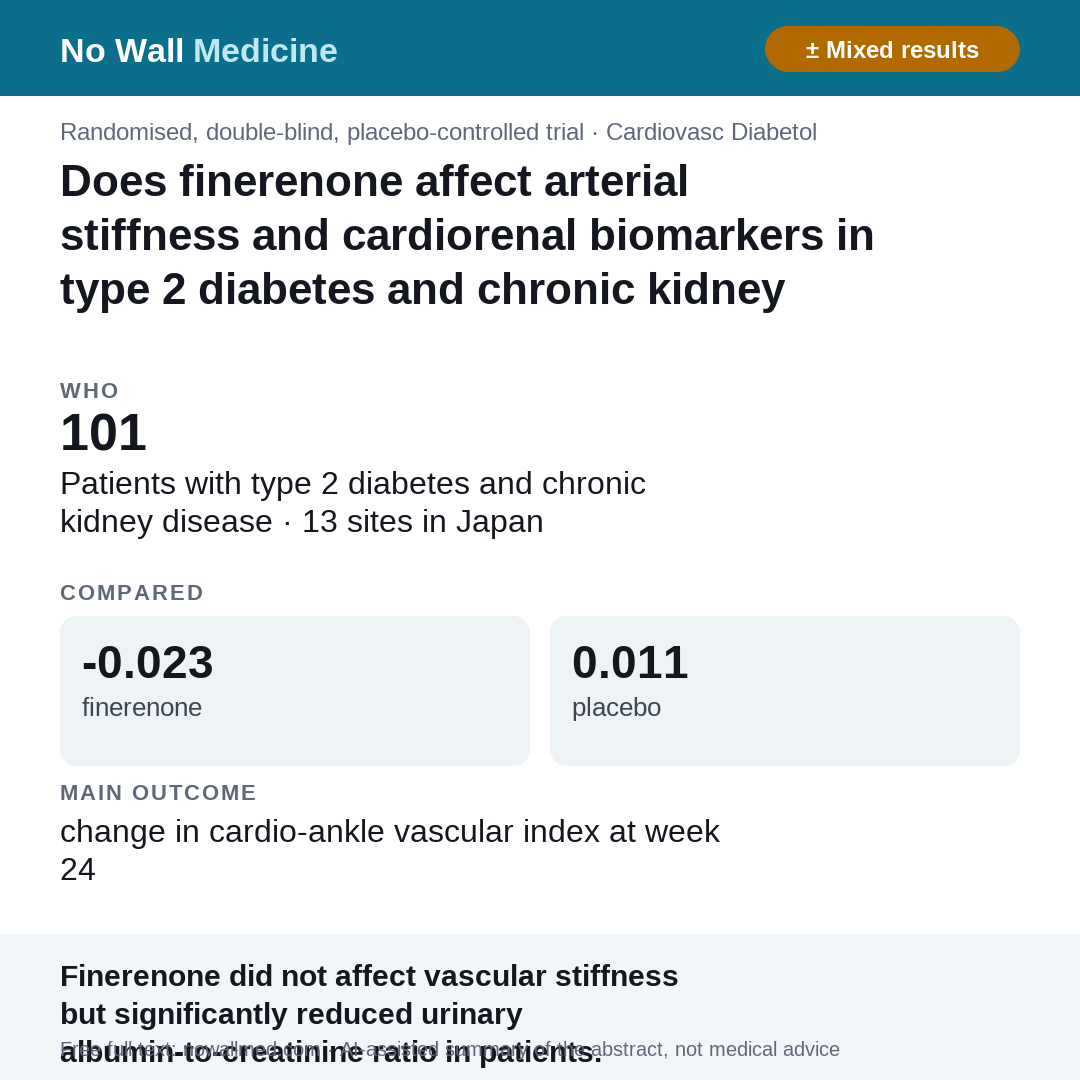
Effects of finerenone on arterial stiffness and cardiorenal biomarkers in patients with type 2 diabetes and chronic kidney disease: a randomised placebo-controlled mechanistic trial (FIVE-STAR)
Randomised, double-blind, placebo-controlled trialMixed results
Does finerenone affect arterial stiffness and cardiorenal biomarkers in type 2 diabetes and chronic kidney disease?
Who
101
Patients with type 2 diabetes and chronic kidney disease · 13 sites in Japan
Compared
-0.023finerenone (95% CI, -0.299 to 0.254)
0.011placebo (95% CI, -0.245 to 0.267)
Main outcome
change in cardio-ankle vascular index at week 24
Result: -0.057 (95% CI, -0.428 to 0.314)
Bottom line: Finerenone did not affect vascular stiffness but significantly reduced urinary albumin-to-creatinine ratio in patients.
Cardiovasc Diabetol · 2025-12-05Download image
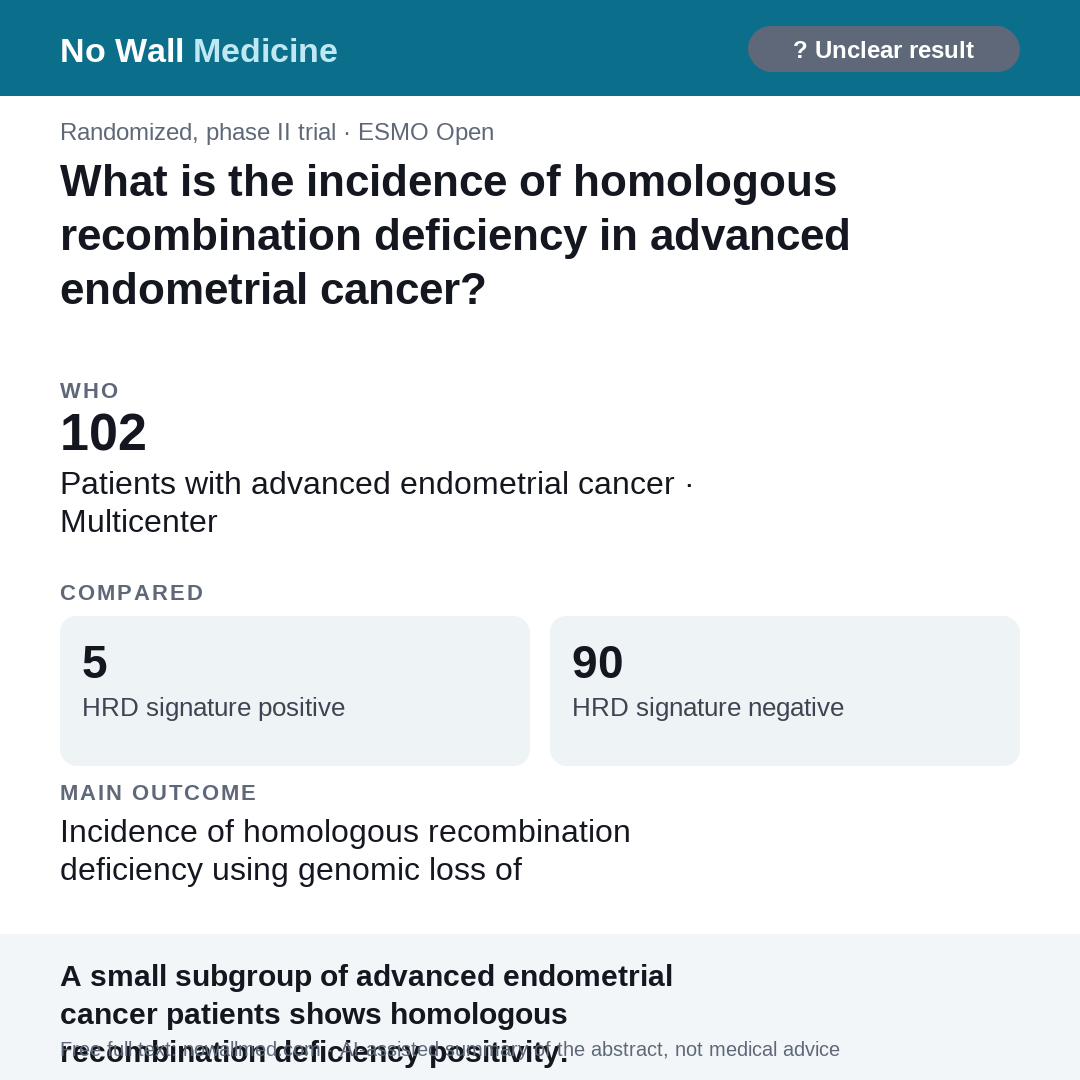
Homologous recombination repair status in advanced endometrial cancer: an exploratory biomarker analysis from the randomized, phase II MITOEND 3 trial
Randomized, phase II trialUnclear result
What is the incidence of homologous recombination deficiency in advanced endometrial cancer?
Who
102
Patients with advanced endometrial cancer · Multicenter
Compared
5HRD signature positive
90HRD signature negative
Main outcome
Incidence of homologous recombination deficiency using genomic loss of heterozygosity and signature
Bottom line: A small subgroup of advanced endometrial cancer patients shows homologous recombination deficiency positivity.
ESMO Open · 2025-12-05Download image
Influence of different airway devices on intra-arrest ventilation during bag-valve-device ventilation - a prospective randomized controlled cadaver study
Prospective randomized controlled cadaver studyBenefit found
How do different airway devices influence intra-arrest ventilation parameters?
Who
11
Thiel-embalmed human cadavers
Compared
Tracheal tube: ΔVt, 142.2 ± 125.5 ml
Supraglottic airway devices: ΔVt, 202.0 ± 153.1 ml
Main outcome
Difference between ideal and expiratory tidal volumes
Result: regression coefficient [RC] = -61.07 ml, 95% confidence interval [95% CI] = [-93.58;-28.55]
Bottom line: Tracheal tubes resulted in lower tidal volume differences and lower leakage compared to supraglottic airway devices.
Limitation: The study was conducted using human cadavers.
Crit Care · 2025-12-05Download image

A randomised clinical trial of a digital self-management package for people with interstitial lung disease: the REBUILD-SM protocol
Prospective, multicentre, randomised control trialUnclear result
Does a digital self-management package improve health-related quality of life in interstitial lung disease?
Who
People with interstitial lung disease · Four Australian tertiary hospitals
Compared
Intervention group
Control group
Main outcome
Change in health-related quality of life at 12 weeks
Bottom line: This protocol study evaluates a smartphone app for interstitial lung disease self-management.
Respir Res · 2025-12-05Download image
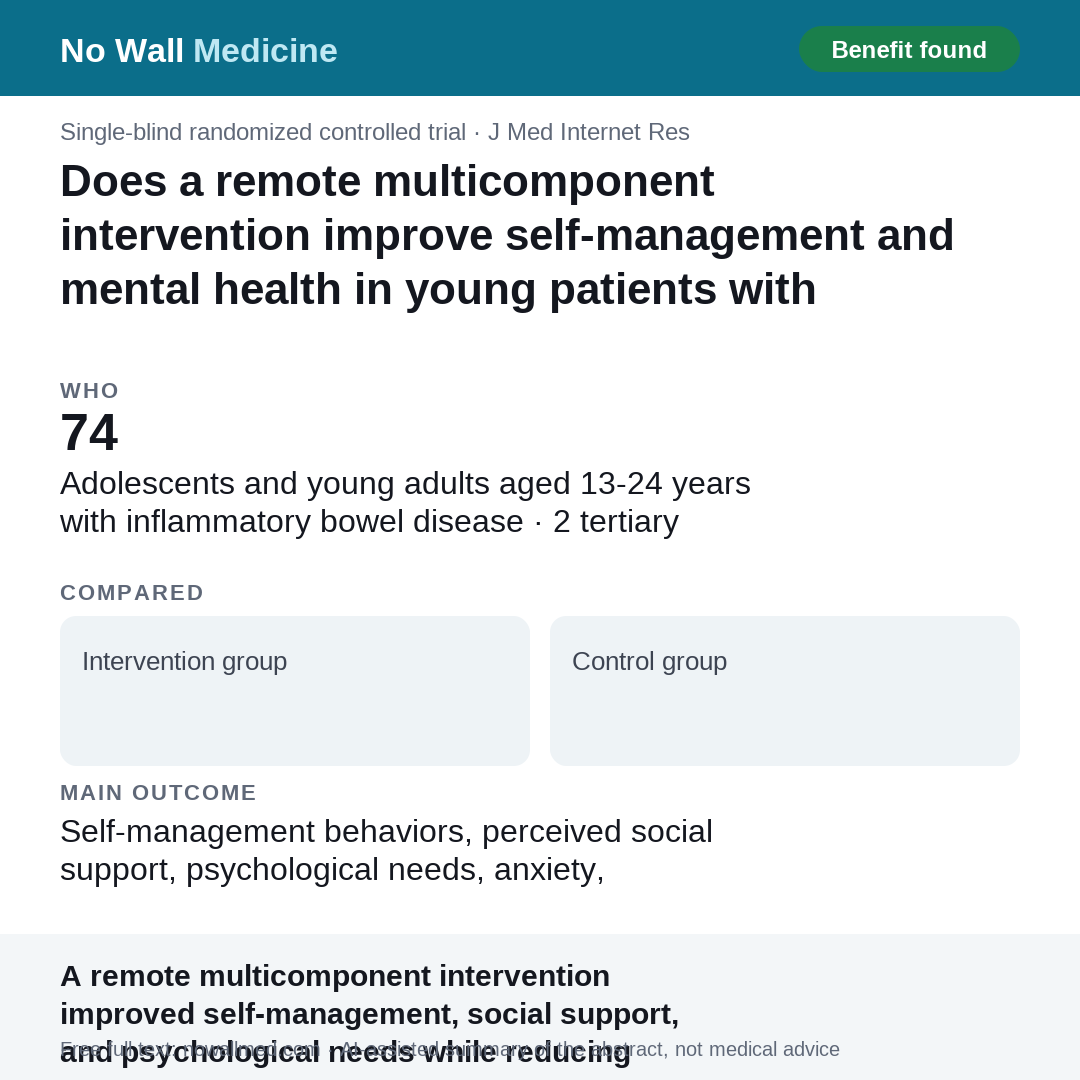
Effectiveness of a Remote Intervention Program for Self-Management Behaviors in Adolescents and Young Adults With Inflammatory Bowel Disease Based on the Self-Determination Theory: Randomized Controlled Trial Across 2 Centers
Single-blind randomized controlled trialBenefit found
Does a remote multicomponent intervention improve self-management and mental health in young patients with inflammatory bowel disease?
Who
74
Adolescents and young adults aged 13-24 years with inflammatory bowel disease · 2 tertiary hospitals in Chongqing, China
Compared
Intervention group
Control group
Main outcome
Self-management behaviors, perceived social support, psychological needs, anxiety, depression, and disease activity
Result: mean difference -16.676 (95% CI -24.370 to -8.982) for self-management at T1
Bottom line: A remote multicomponent intervention improved self-management, social support, and psychological needs while reducing anxiety, depression, and disease activity.
J Med Internet Res · 2025-12-05Download image
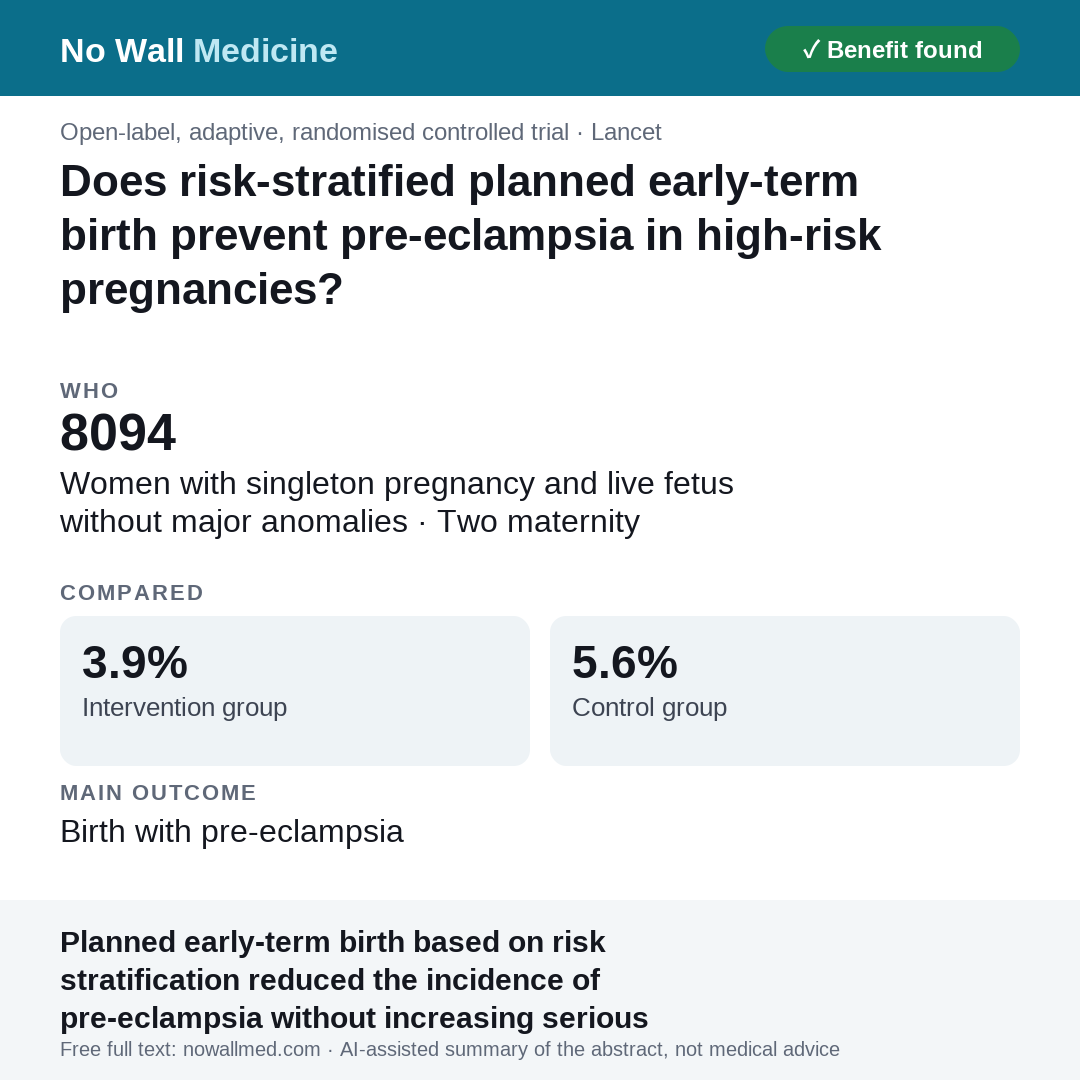
Scheduled birth at term for the prevention of pre-eclampsia (PREVENT-PE): an open-label randomised controlled trial
Open-label, adaptive, randomised controlled trialBenefit found
Does risk-stratified planned early-term birth prevent pre-eclampsia in high-risk pregnancies?
Who
8094
Women with singleton pregnancy and live fetus without major anomalies · Two maternity hospitals in the United Kingdom
Compared
3.9%Intervention group
5.6%Control group
Main outcome
Birth with pre-eclampsia
Result: adjusted risk ratio 0.70 (95% CI 0.58-0.86)
Bottom line: Planned early-term birth based on risk stratification reduced the incidence of pre-eclampsia without increasing serious adverse events.
Funded by: Fetal Medicine Foundation
Lancet · 2025-12-04Download image
Diet, body composition and metabolic and hormonal profile in women at high risk of breast cancer recurrence: A secondary mediation analysis of the DIANA-5 trial
Randomized controlled trial secondary mediation analysisBenefit found
Do dietary and body composition changes mediate lifestyle intervention benefits in breast cancer survivors?
Who
1542
Women with early-stage breast cancer and endocrine or metabolic risk factors
Compared
Intensive support
Standard healthy lifestyle recommendations
Main outcome
Anthropometric, metabolic, and hormonal measures
Bottom line: Lifestyle intervention benefits were mostly mediated by dietary adherence and reductions in waist circumference and fat mass/fat-free mass ratio.
Clin Nutr · 2025-12-04Download image

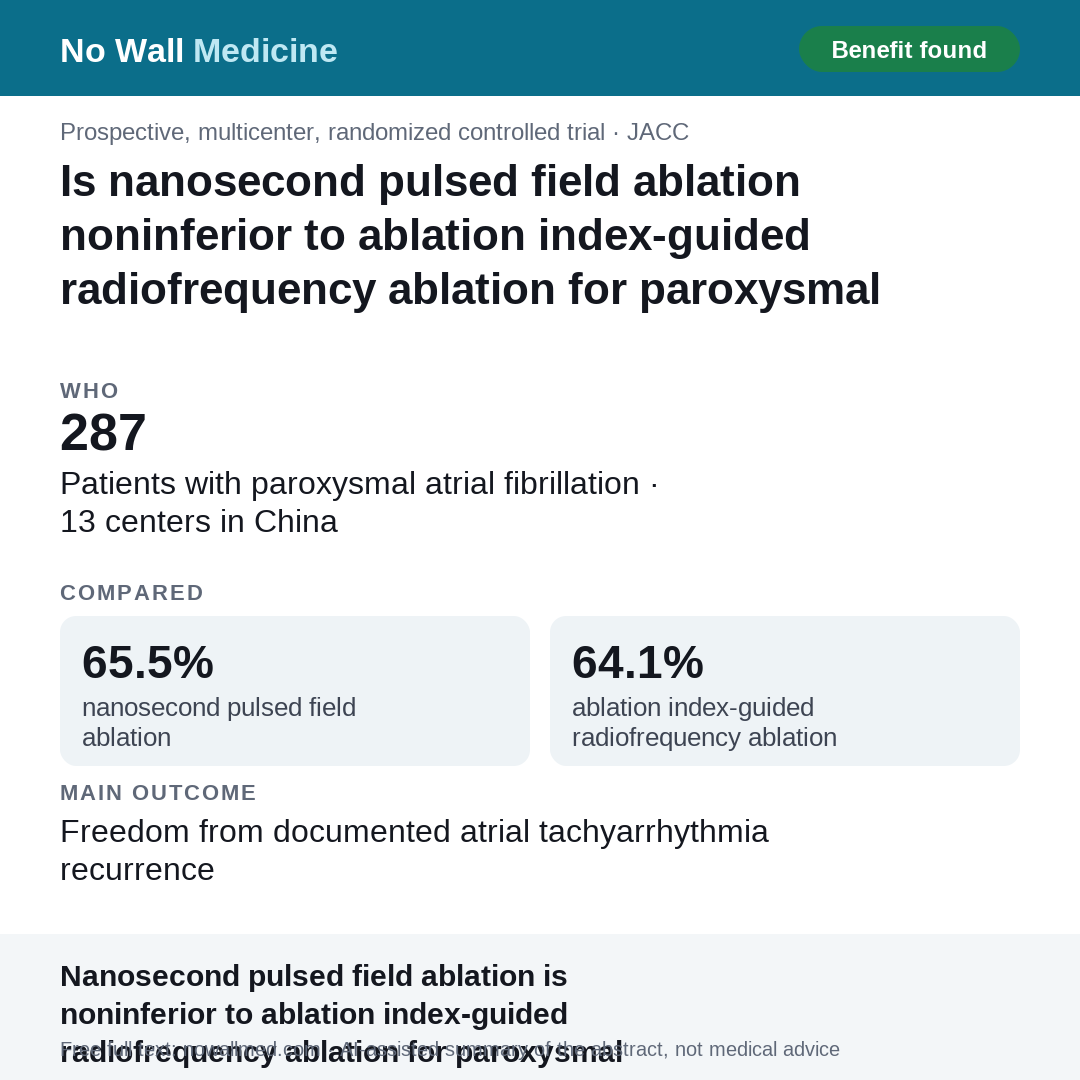
Pulsed Field Ablation Using a Novel Biphasic Catheter vs Thermal Ablation for Paroxysmal Atrial Fibrillation: InsightPFA Trial
Prospective, multicenter, randomized controlled trialBenefit found
Is nanosecond pulsed field ablation noninferior to ablation index-guided radiofrequency ablation for paroxysmal atrial fibrillation?
Who
287
Patients with paroxysmal atrial fibrillation · 13 centers in China
Compared
65.5%nanosecond pulsed field ablation
64.1%ablation index-guided radiofrequency ablation
Main outcome
Freedom from documented atrial tachyarrhythmia recurrence
Result: adjusted rate difference: 2.0%; 95% CI: -8.7% to 12.8%
Bottom line: Nanosecond pulsed field ablation is noninferior to ablation index-guided radiofrequency ablation for paroxysmal atrial fibrillation.
JACC · 2025-12-04Download image
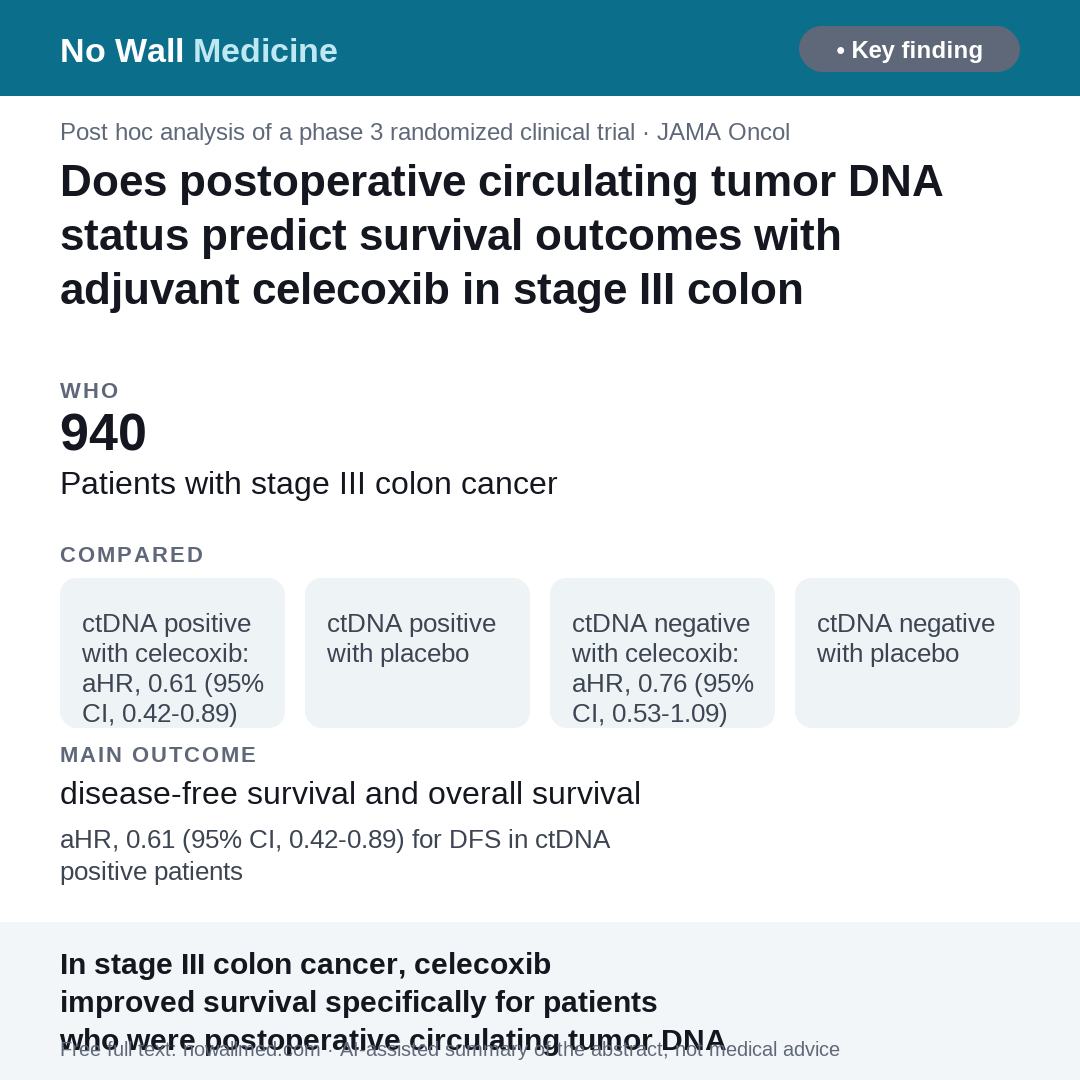
Predictive Role of Circulating Tumor DNA in Stage III Colon Cancer Treated With Celecoxib: A Post Hoc Analysis of the CALGB (Alliance)/SWOG 80702 Phase 3 Randomized Clinical Trial
Post hoc analysis of a phase 3 randomized clinical trialBenefit found
Does postoperative circulating tumor DNA status predict survival outcomes with adjuvant celecoxib in stage III colon cancer?
Who
940
Patients with stage III colon cancer
Compared
ctDNA positive with celecoxib: aHR, 0.61 (95% CI, 0.42-0.89) for DFS
ctDNA positive with placebo
ctDNA negative with celecoxib: aHR, 0.76 (95% CI, 0.53-1.09) for DFS
ctDNA negative with placebo
Main outcome
disease-free survival and overall survival
Result: aHR, 0.61 (95% CI, 0.42-0.89) for DFS in ctDNA positive patients
Bottom line: In stage III colon cancer, celecoxib improved survival specifically for patients who were postoperative circulating tumor DNA positive.
JAMA Oncol · 2025-12-04Download image
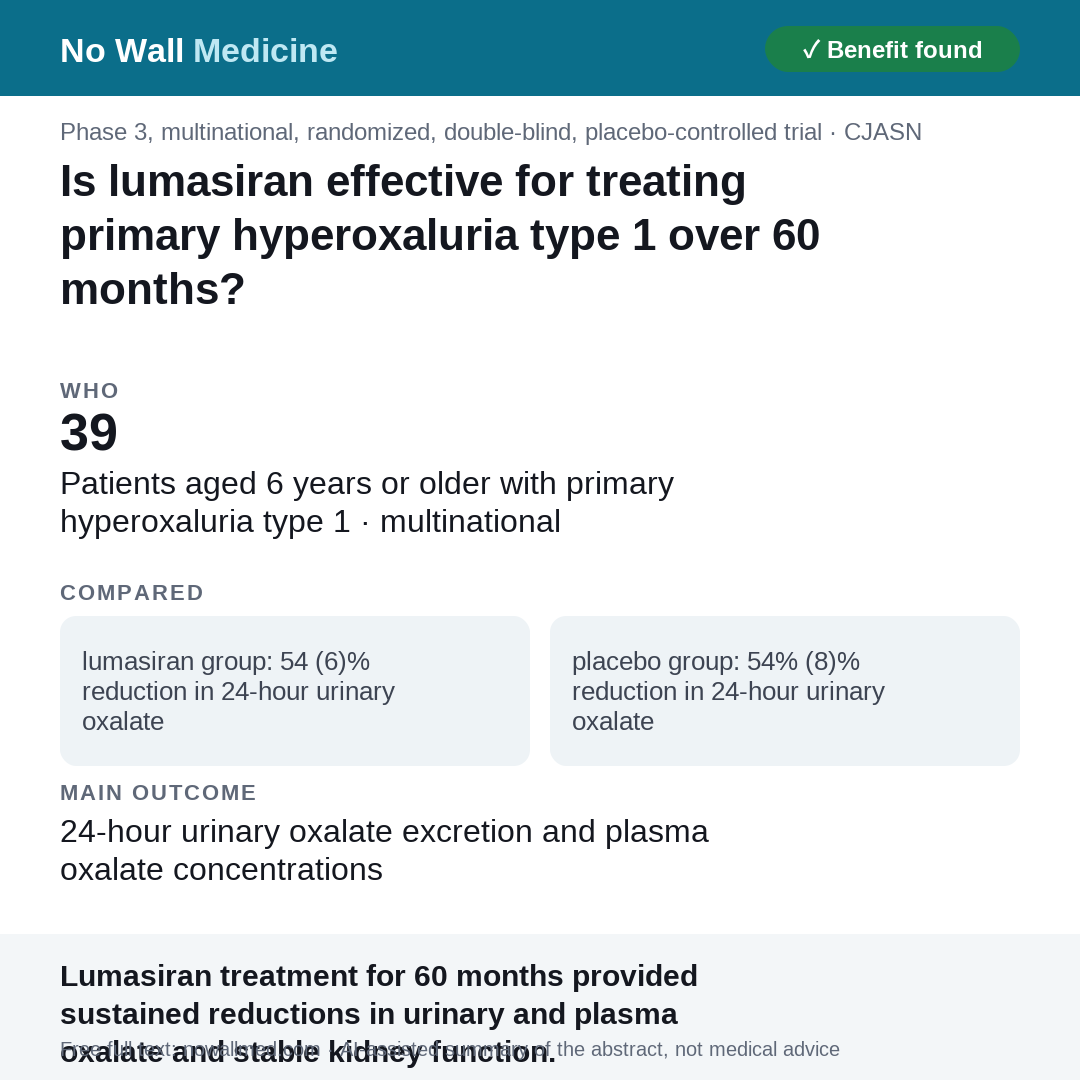
Final Results of the ILLUMINATE-A Phase 3 Clinical Trial of Lumasiran for Primary Hyperoxaluria 1
Phase 3, multinational, randomized, double-blind, placebo-controlled trialBenefit found
Is lumasiran effective for treating primary hyperoxaluria type 1 over 60 months?
Who
39
Patients aged 6 years or older with primary hyperoxaluria type 1 · multinational
Compared
lumasiran group: 54 (6)% reduction in 24-hour urinary oxalate
placebo group: 54% (8)% reduction in 24-hour urinary oxalate
Main outcome
24-hour urinary oxalate excretion and plasma oxalate concentrations
Bottom line: Lumasiran treatment for 60 months provided sustained reductions in urinary and plasma oxalate and stable kidney function.
CJASN · 2025-12-04Download image
Efficacy and Safety of SJP-0132 in Patients With Dry Eye Disease: A Phase 2b Randomized, Double-Masked, Dose-Finding Study
Randomized, double-masked, placebo-controlled, Phase 2b dose-response studyNo clear difference
What is the efficacy and safety of SJP-0132 in patients with dry eye disease?
Who
344
Outpatients aged 20 years or older with dry eye disease · Multicenter in Japan
Compared
SJP-0132 0.1%
SJP-0132 0.3%
SJP-0132 1.0%
Placebo
Main outcome
Change from baseline to week 4 in corneal fluorescein staining score
Result: between-group difference -0.8; 95% CI -1.7, 0.2
Bottom line: SJP-0132 showed dose-dependent efficacy and safety, though the primary endpoint difference was not statistically significant.
Am J Ophthalmol · 2025-12-04Download image

Transcranial direct current stimulation of primary motor cortex reduces thermal pain
Triple-blind, randomized within-subject crossover trialBenefit found
Does transcranial direct current stimulation of primary motor cortex reduce thermal pain?
Who
50
Healthy adults
Compared
Anodal transcranial direct current stimulation: significantly reduced pain
Cathodal transcranial direct current stimulation: increased pain relative to sham
Sham stimulation
Main outcome
Experimentally evoked thermal pain
Result: Cohen's d = 0.93 (anodal vs cathodal) and 0.85 (anodal vs sham)
Bottom line: Anodal transcranial direct current stimulation of the motor cortex significantly reduces thermal pain in healthy adults.
Pain · 2025-12-04Download image

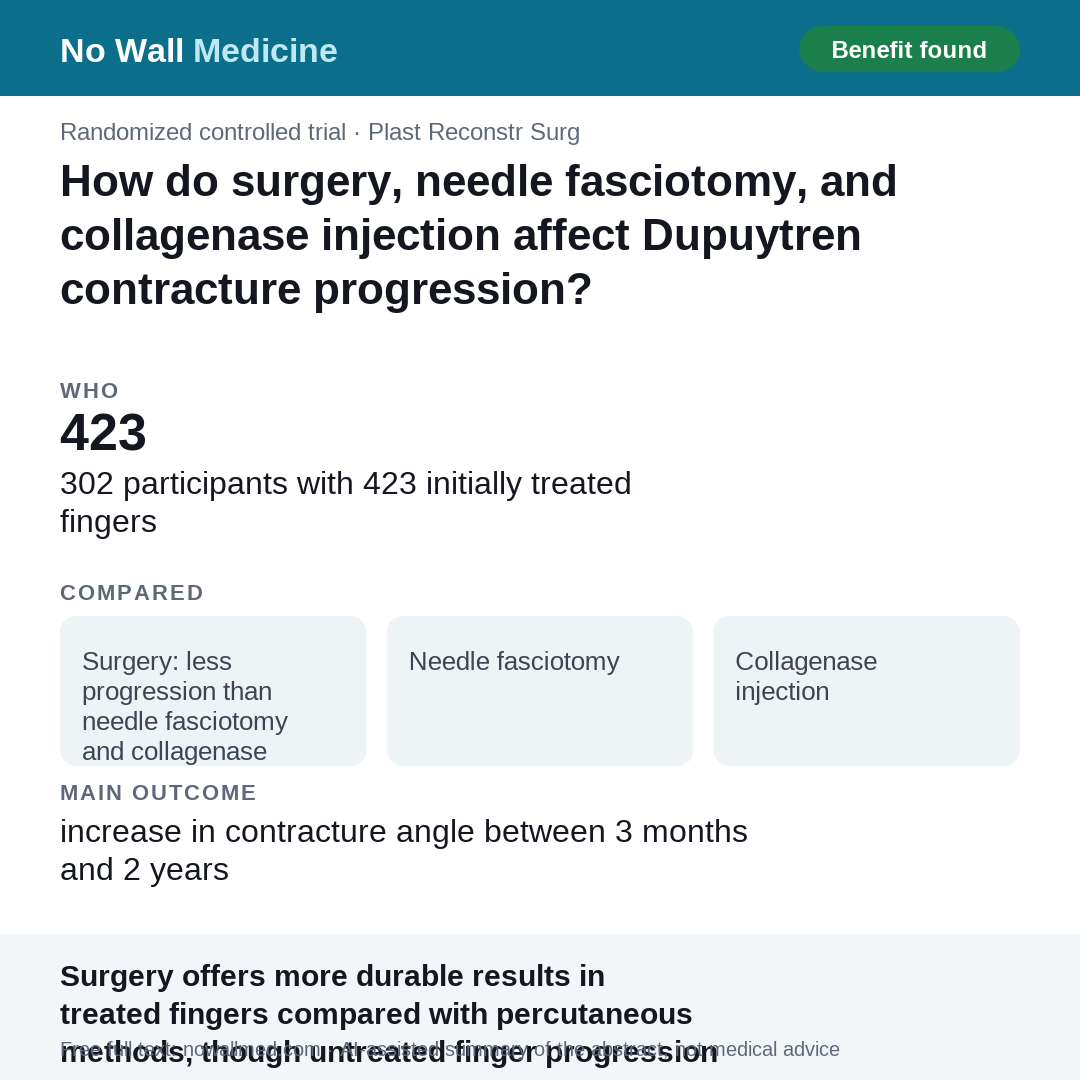
Progression of Dupuytren Contracture: A Randomized Controlled Trial Comparing Surgery, Needle Fasciotomy, and Collagenase Injection
Randomized controlled trialBenefit found
How do surgery, needle fasciotomy, and collagenase injection affect Dupuytren contracture progression?
Who
423
302 participants with 423 initially treated fingers
Compared
Surgery: less progression than needle fasciotomy and collagenase injection
Needle fasciotomy
Collagenase injection
Main outcome
increase in contracture angle between 3 months and 2 years
Result: mean difference 9.7 degrees (95% CI 3.7 to 16) vs needle fasciotomy; mean difference 6.0 degrees (95% CI 0.1 to 12) vs collagenase
Bottom line: Surgery offers more durable results in treated fingers compared with percutaneous methods, though untreated finger progression remains similar.
Plast Reconstr Surg · 2025-12-04Download image