Visual abstracts
New randomized trials and meta-analyses from leading journals at a glance: who was studied, what was compared, and what was found. Every paper is free to read in full.
All specialtiesCardiology 4763Oncology 4043Gastroenterology & Hepatology 1903Infectious Disease 3756Neurology 1872Psychiatry & Mental Health 2216Pulmonology 2044Critical Care 1319Endocrinology & Diabetes 2544Pediatrics 2889Surgery 2480Orthopedics & Sports Medicine 917Neurosurgery 525Cardiothoracic & Vascular Surgery 656Plastic & Reconstructive Surgery 574Nephrology 1107Rheumatology 810Hematology 1090Dermatology 611Ophthalmology 532Obstetrics & Gynecology 1645Public & Global Health 1037Radiology & Imaging 619Anesthesiology 958Urology 745ENT (Otolaryngology) 494Emergency Medicine 481Allergy & Immunology 309Geriatrics 972Family Medicine & Primary Care 534Medical Genetics & Genomics 659Pathology & Laboratory Medicine 156Physical Medicine & Rehabilitation 734Palliative Care 421Nutrition 1560Digital Health & AI 2137General Medicine 318
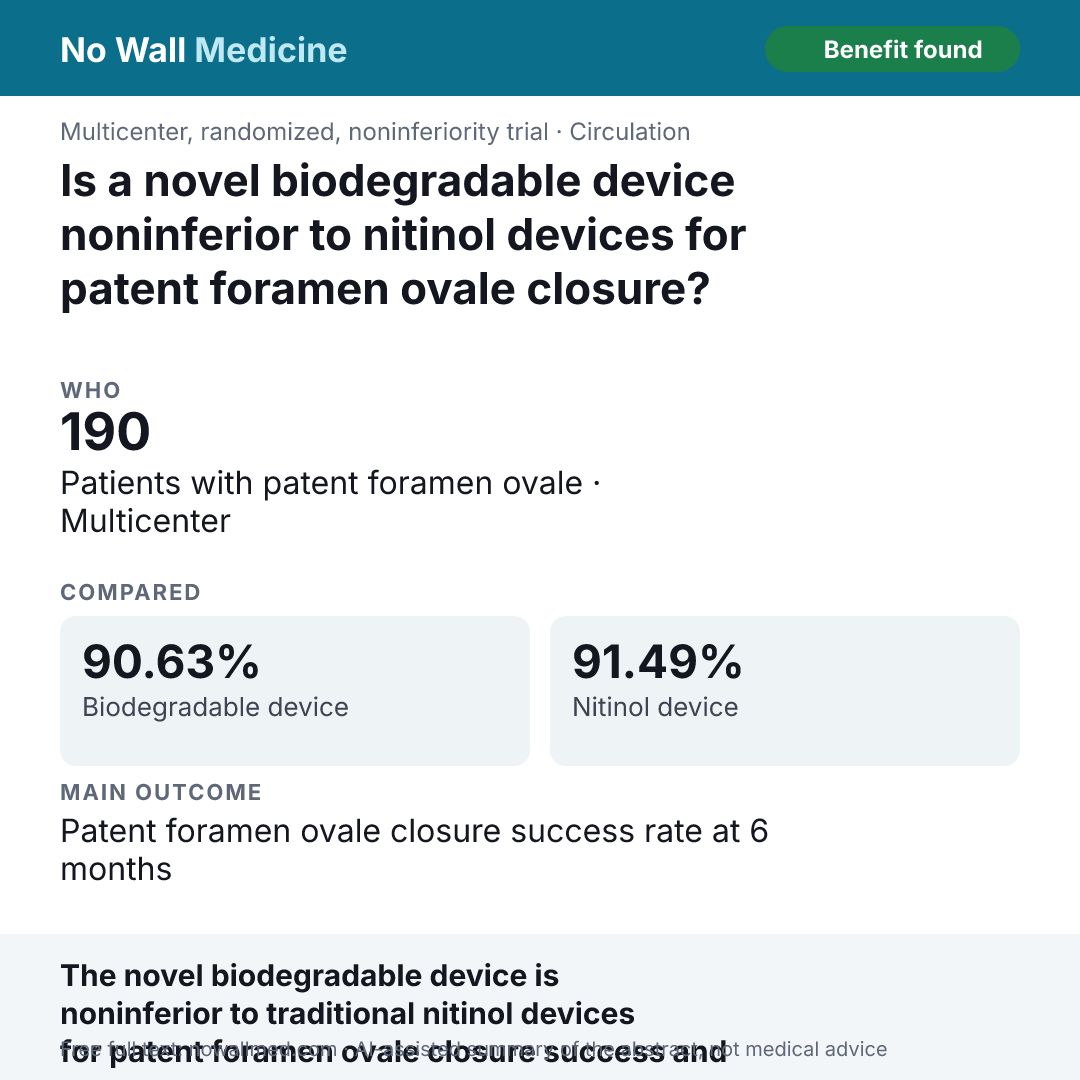
Transcatheter Closure of Patent Foramen Ovale With a Novel Biodegradable Device: A Prospective, Multicenter, Randomized Controlled Clinical Trial
Multicenter, randomized, noninferiority trialBenefit found
Is a novel biodegradable device noninferior to nitinol devices for patent foramen ovale closure?
Who
190
Patients with patent foramen ovale · Multicenter
Compared
90.63%Biodegradable device
91.49%Nitinol device
Main outcome
Patent foramen ovale closure success rate at 6 months
Result: absolute difference lower limit 95% CI -8.98%
Bottom line: The novel biodegradable device is noninferior to traditional nitinol devices for patent foramen ovale closure success and safety.
Circulation · 2025-10-13 · Save PNG
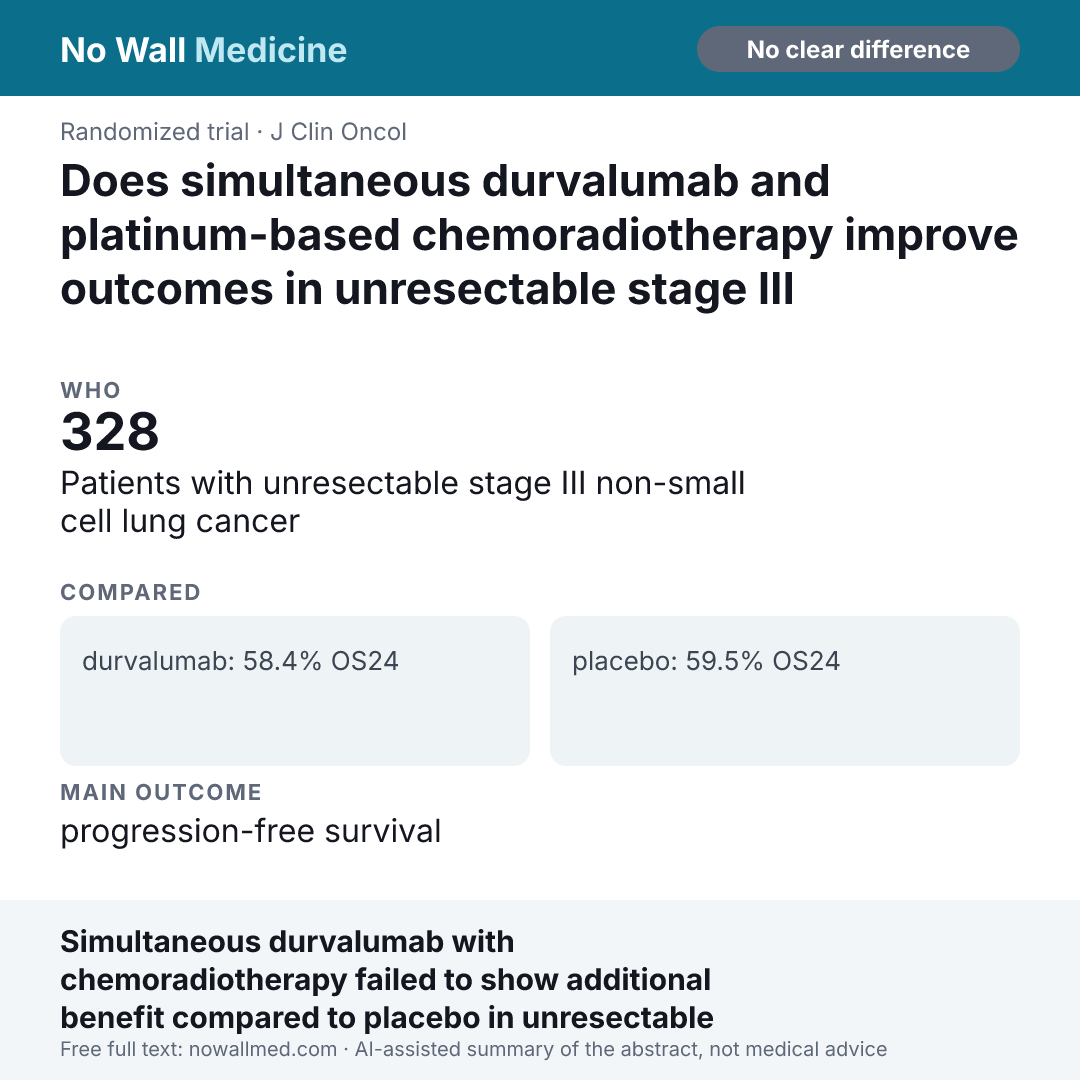
Simultaneous Durvalumab and Platinum-Based Chemoradiotherapy in Unresectable Stage III Non-Small Cell Lung Cancer: The Phase III PACIFIC-2 Study
Randomized trialNo clear difference
Does simultaneous durvalumab and platinum-based chemoradiotherapy improve outcomes in unresectable stage III non-small cell lung cancer?
Who
328
Patients with unresectable stage III non-small cell lung cancer
Compared
durvalumab: 58.4% OS24
placebo: 59.5% OS24
Main outcome
progression-free survival
Result: hazard ratio 0.85 (95% CI 0.65 to 1.12)
Bottom line: Simultaneous durvalumab with chemoradiotherapy failed to show additional benefit compared to placebo in unresectable stage III non-small cell lung cancer.
J Clin Oncol · 2025-10-13 · Save PNG
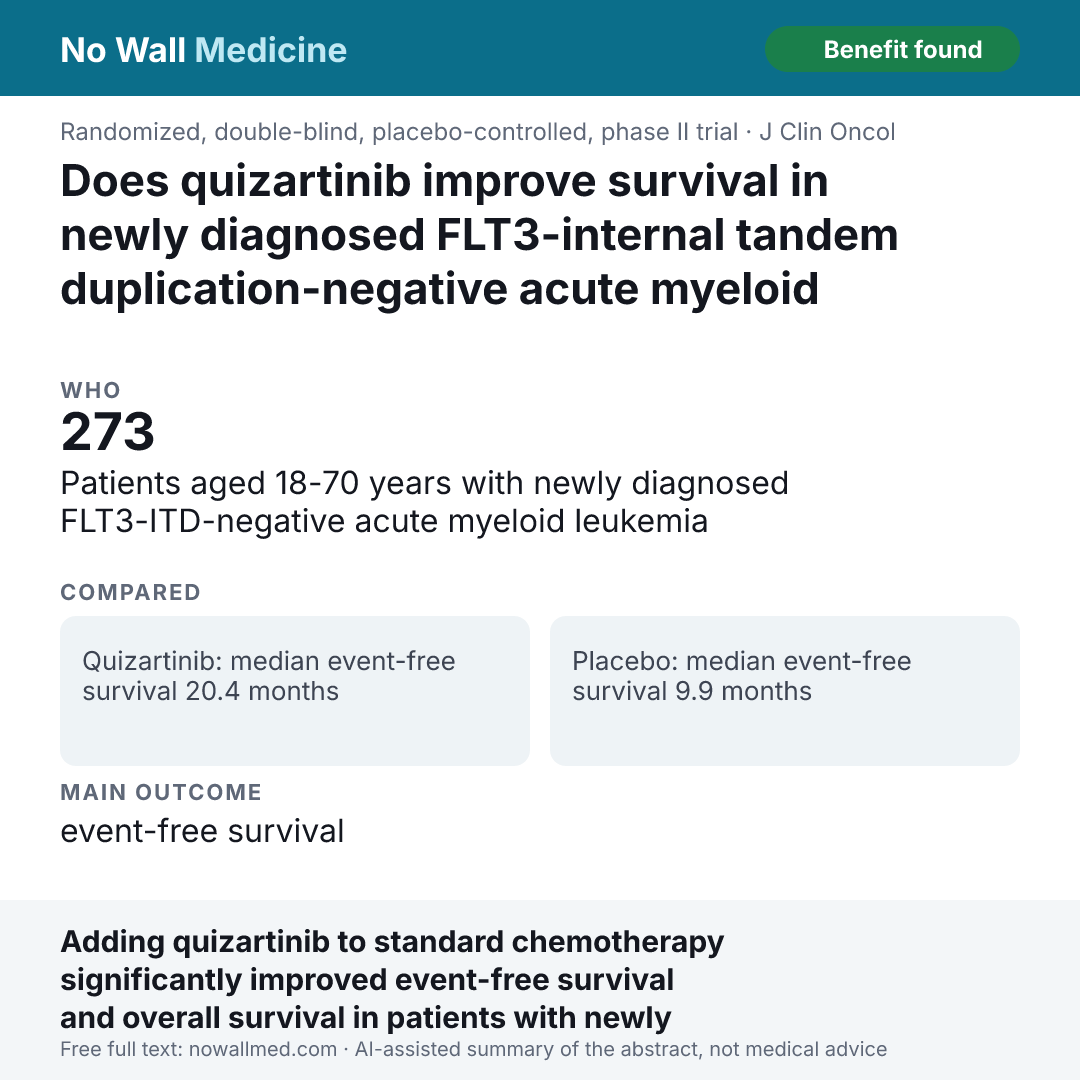
Quizartinib for Newly Diagnosed FLT3-Internal Tandem Duplication-Negative AML: The Randomized, Double-Blind, Placebo-Controlled, Phase II QUIWI Study
Randomized, double-blind, placebo-controlled, phase II trialBenefit found
Does quizartinib improve survival in newly diagnosed FLT3-internal tandem duplication-negative acute myeloid leukemia?
Who
273
Patients aged 18-70 years with newly diagnosed FLT3-ITD-negative acute myeloid leukemia
Compared
Quizartinib: median event-free survival 20.4 months
Placebo: median event-free survival 9.9 months
Main outcome
event-free survival
Bottom line: Adding quizartinib to standard chemotherapy significantly improved event-free survival and overall survival in patients with newly diagnosed FLT3-ITD-negative acute myeloid leukemia.
J Clin Oncol · 2025-10-13 · Save PNG
Sedation vs General Anesthesia for Endovascular Therapy in Acute Ischemic Stroke: The SEGA Randomized Clinical Trial
Multicenter randomized clinical trialNo clear difference
Is general anesthesia or moderate sedation better for endovascular therapy in acute ischemic stroke?
Who
260
Adult patients with acute ischemic stroke and large vessel occlusion · 10 comprehensive stroke centers in the US
Compared
General anesthesia
Moderate sedation
Main outcome
ordinal modified Rankin Scale score at 90 days
Result: odds ratio 1.22 (95% credible interval 0.79-1.87)
Bottom line: General anesthesia showed improved 90-day outcomes and reperfusion rates, but the difference was not statistically significant.
JAMA Neurol · 2025-10-13 · Save PNG

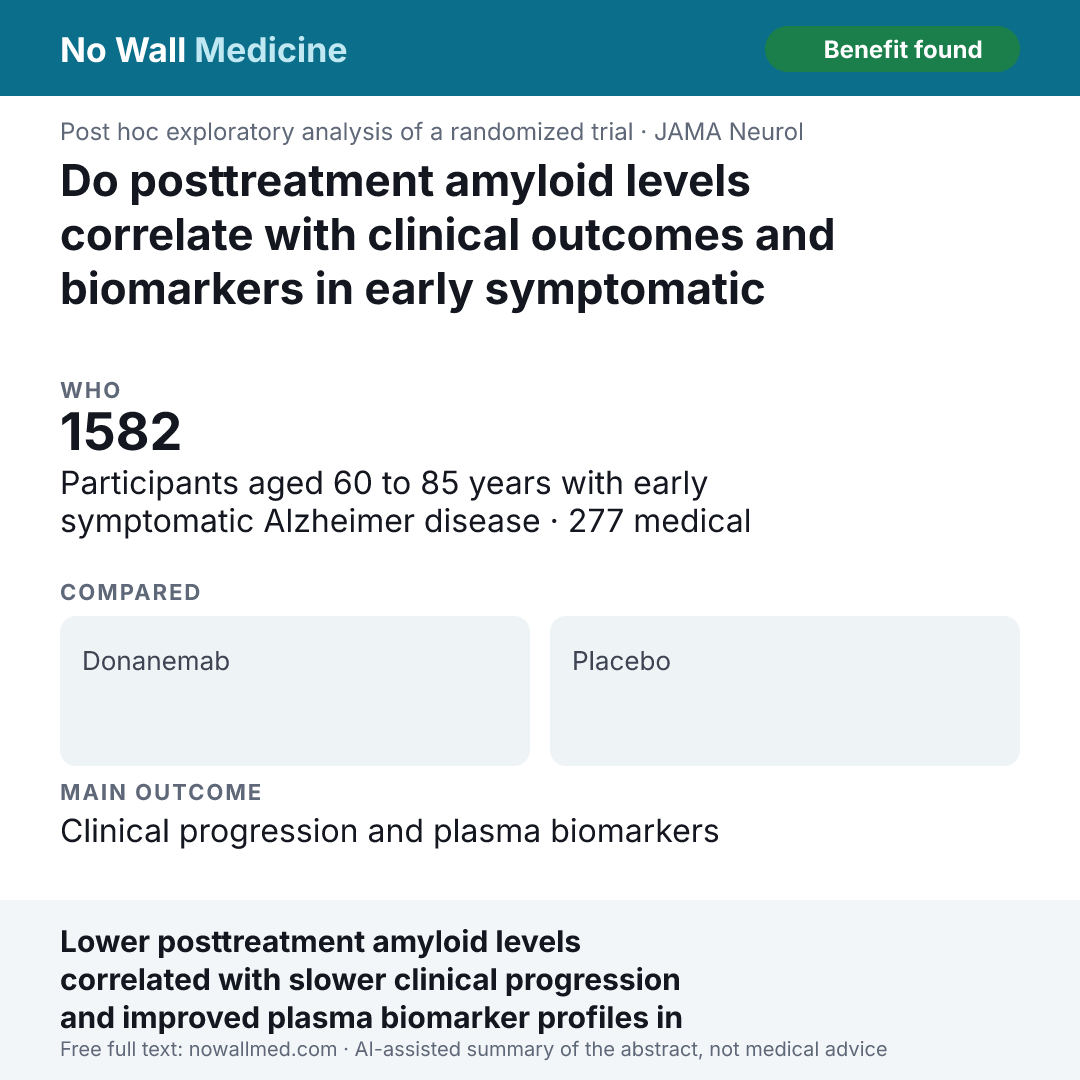
Posttreatment Amyloid Levels and Clinical Outcomes Following Donanemab for Early Symptomatic Alzheimer Disease: A Secondary Analysis of the TRAILBLAZER-ALZ 2 Randomized Clinical Trial
Post hoc exploratory analysis of a randomized trialBenefit found
Do posttreatment amyloid levels correlate with clinical outcomes and biomarkers in early symptomatic Alzheimer disease?
Who
1582
Participants aged 60 to 85 years with early symptomatic Alzheimer disease · 277 medical research centers in 8 countries
Compared
Donanemab
Placebo
Main outcome
Clinical progression and plasma biomarkers
Result: iADRS R2 0.73 (95% CI 0.37-0.97); CDR-SB R2 0.87 (95% CI 0.70-0.97)
Bottom line: Lower posttreatment amyloid levels correlated with slower clinical progression and improved plasma biomarker profiles in Alzheimer disease.
JAMA Neurol · 2025-10-13 · Save PNG
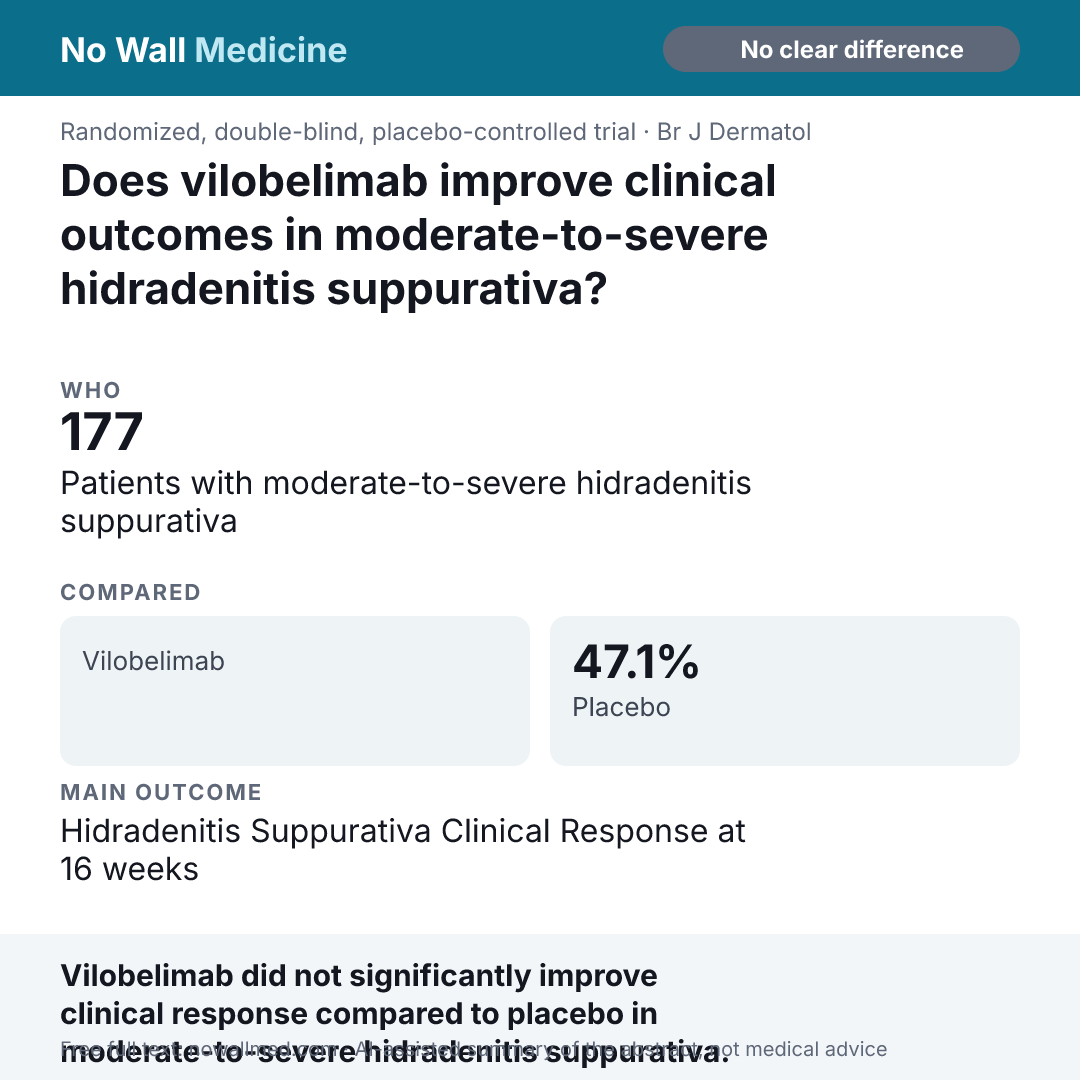
Vilobelimab to improve clinical outcomes in moderate-to-severe hidradenitis suppurativa through an adjunctive effect on draining tunnels: results of the SHINE double-blind placebo-controlled randomized trial
Randomized, double-blind, placebo-controlled trialNo clear difference
Does vilobelimab improve clinical outcomes in moderate-to-severe hidradenitis suppurativa?
Who
177
Patients with moderate-to-severe hidradenitis suppurativa
Compared
Vilobelimab
47.1%Placebo
Main outcome
Hidradenitis Suppurativa Clinical Response at 16 weeks
Bottom line: Vilobelimab did not significantly improve clinical response compared to placebo in moderate-to-severe hidradenitis suppurativa.
Br J Dermatol · 2025-10-13 · Save PNG
A Randomized Phase 1 Study Investigating Gut Microbiome Changes With Moxifloxacin vs Oral Vancomycin: Implications for Clostridioides difficile Risk
Phase 1, nonblinded, randomized clinical trialMixed results
How do moxifloxacin and oral vancomycin affect gut microbiome and metabolomic changes?
Who
Healthy volunteers aged 18 to 40 years
Compared
Moxifloxacin: minimal microbial disruption
Vancomycin: more significant changes in the microbiome
Main outcome
microbial taxonomic profile and metabolomic changes
Bottom line: Moxifloxacin causes specific microbiome and metabolomic changes, increasing risk for a shorter period than vancomycin.
J Infect Dis · 2025-10-13 · Save PNG

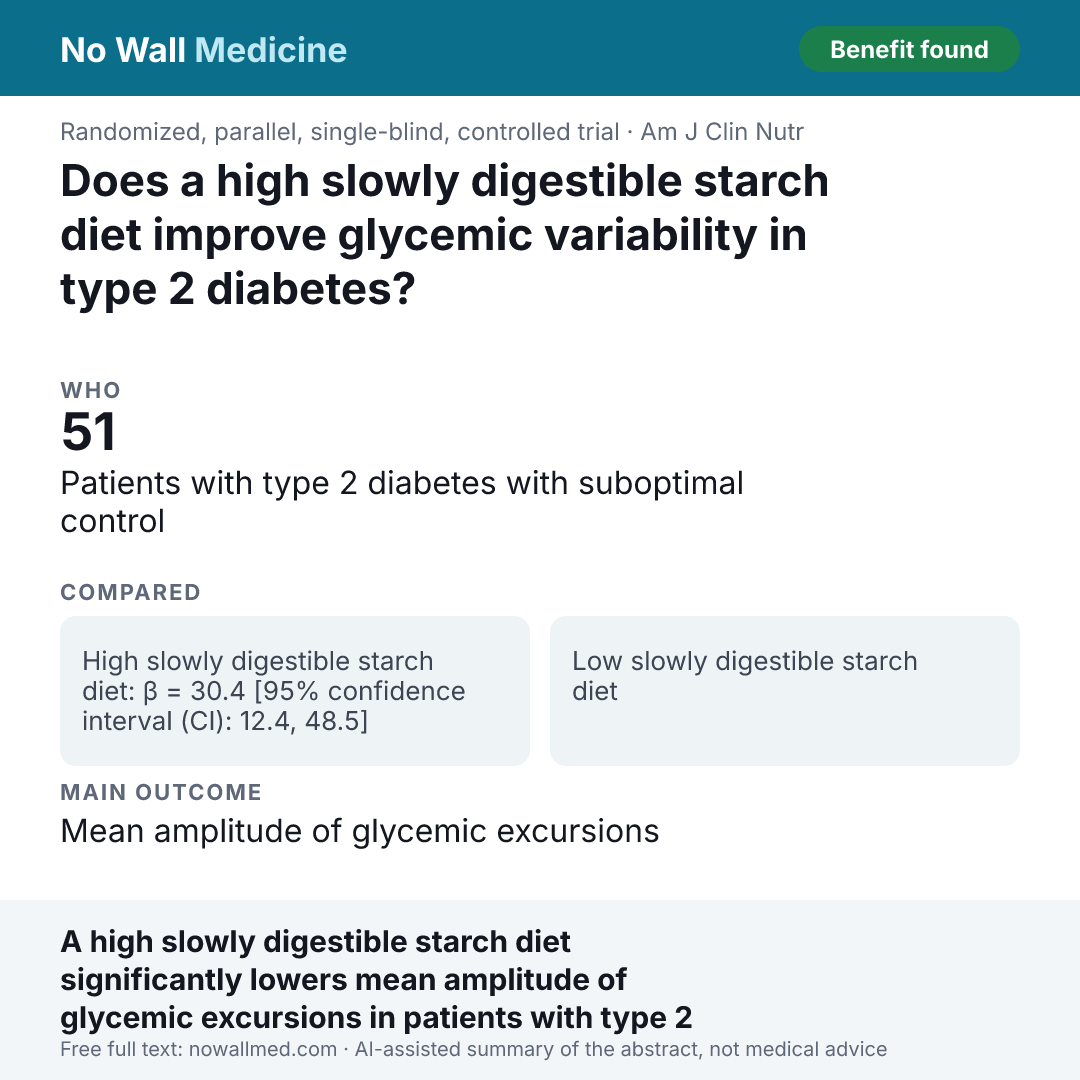
Optimizing glycemic variability in type 2 diabetes using simple dietary and culinary recommendations to modulate starch digestibility: a randomized controlled trial
Randomized, parallel, single-blind, controlled trialBenefit found
Does a high slowly digestible starch diet improve glycemic variability in type 2 diabetes?
Who
51
Patients with type 2 diabetes with suboptimal control
Compared
High slowly digestible starch diet: β = 30.4 [95% confidence interval (CI): 12.4, 48.5]
Low slowly digestible starch diet
Main outcome
Mean amplitude of glycemic excursions
Result: β = 30.4 [95% confidence interval (CI): 12.4, 48.5]
Bottom line: A high slowly digestible starch diet significantly lowers mean amplitude of glycemic excursions in patients with type 2 diabetes.
Am J Clin Nutr · 2025-10-13 · Save PNG
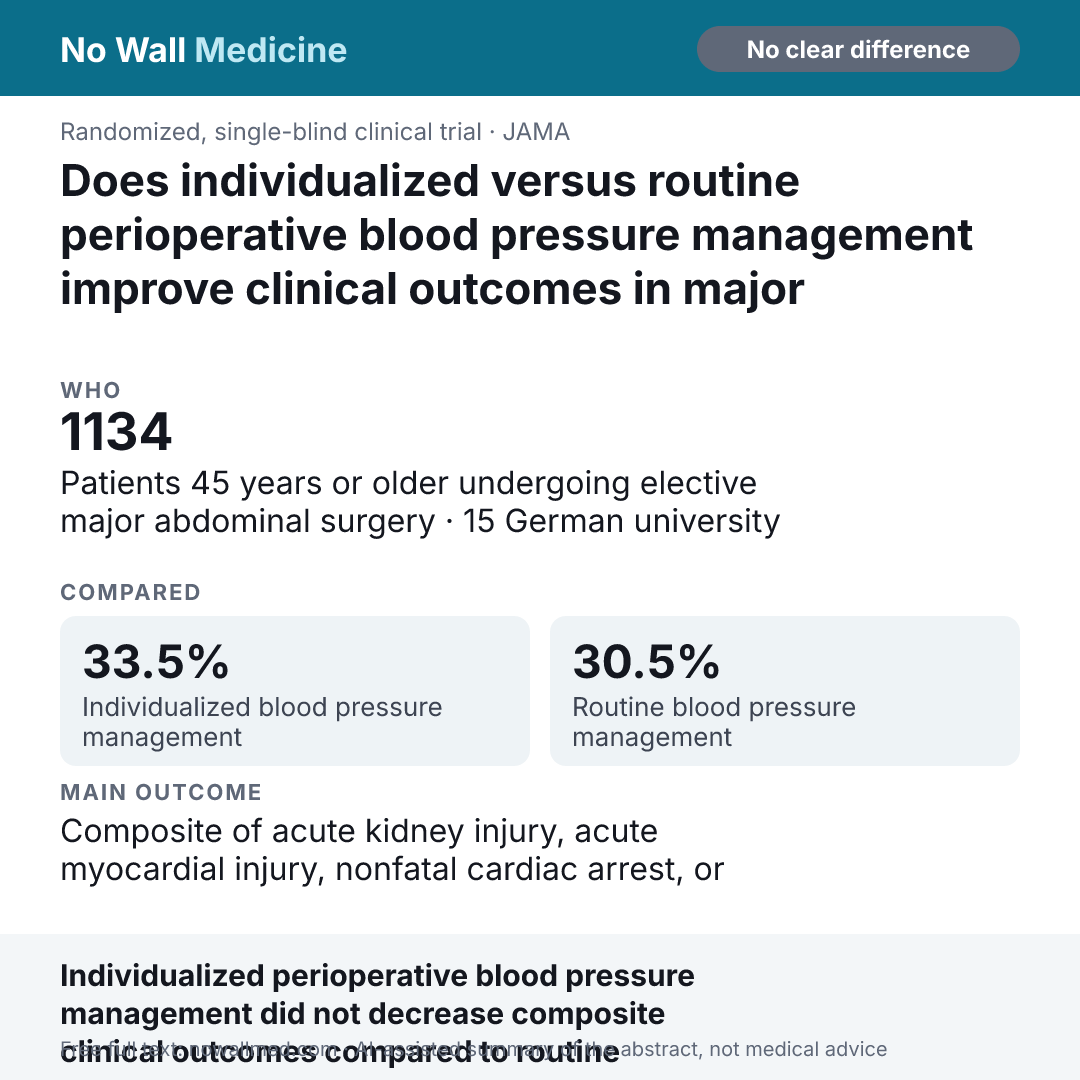
Individualized Perioperative Blood Pressure Management in Patients Undergoing Major Abdominal Surgery: The IMPROVE-multi Randomized Clinical Trial
Randomized, single-blind clinical trialNo clear difference
Does individualized versus routine perioperative blood pressure management improve clinical outcomes in major abdominal surgery?
Who
1134
Patients 45 years or older undergoing elective major abdominal surgery · 15 German university hospitals
Compared
33.5%Individualized blood pressure management (190/567)
30.5%Routine blood pressure management (173/567)
Main outcome
Composite of acute kidney injury, acute myocardial injury, nonfatal cardiac arrest, or death
Result: relative risk 1.10 (95% CI 0.93-1.30)
Bottom line: Individualized perioperative blood pressure management did not decrease composite clinical outcomes compared to routine management in high-risk abdominal surgery patients.
JAMA · 2025-10-12 · Save PNG
Proactive vs Reactive Treatment of Hypotension During Surgery: The PRETREAT Randomized Clinical Trial
Randomized clinical trialNo clear difference
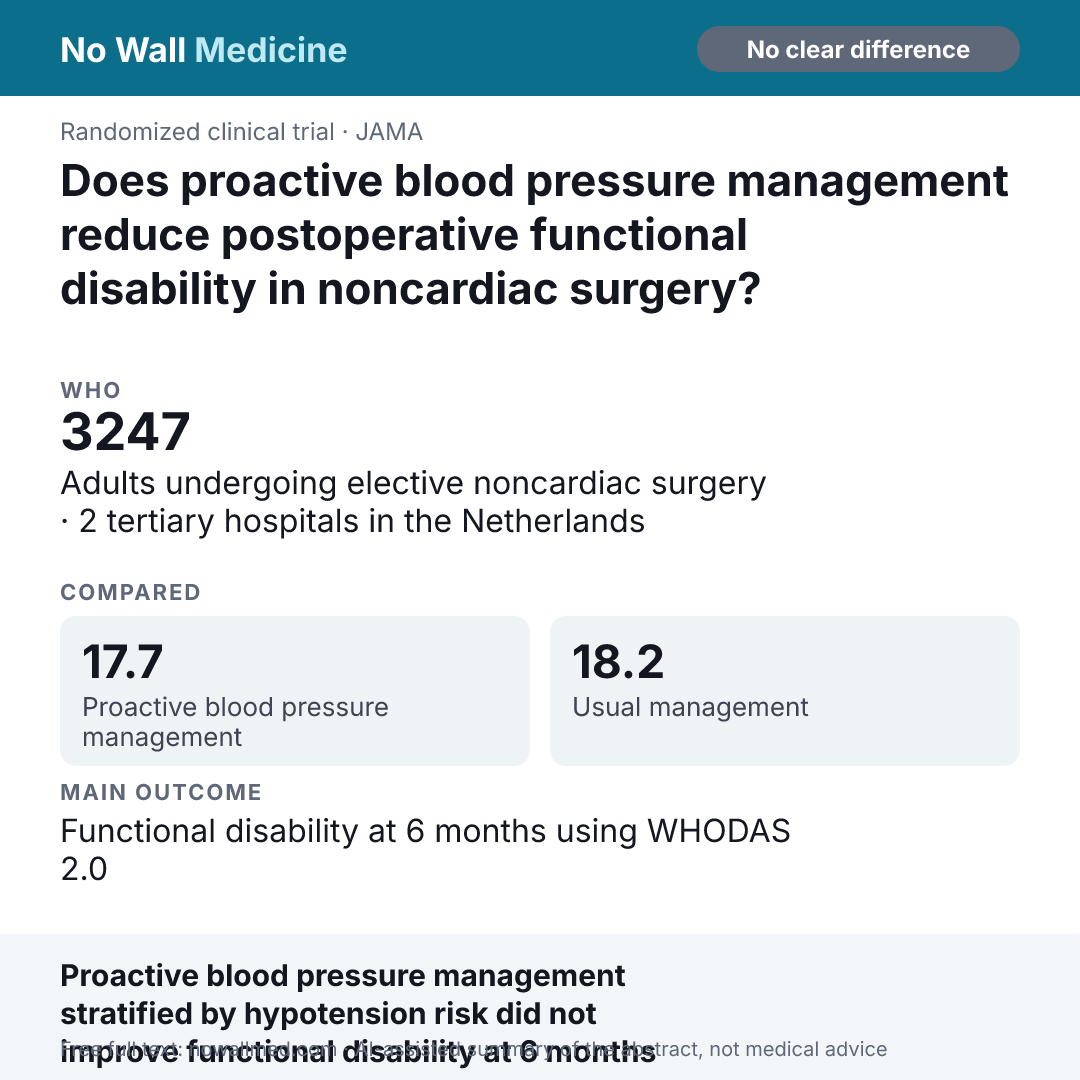
Does proactive blood pressure management reduce postoperative functional disability in noncardiac surgery?
Who
3247
Adults undergoing elective noncardiac surgery · 2 tertiary hospitals in the Netherlands
Compared
17.7Proactive blood pressure management (20.1)
18.2Usual management (20.5)
Main outcome
Functional disability at 6 months using WHODAS 2.0
Result: mean difference -0.5 (95% credible interval, -1.9 to 0.9)
Bottom line: Proactive blood pressure management stratified by hypotension risk did not improve functional disability at 6 months compared to usual care.
JAMA · 2025-10-12 · Save PNG
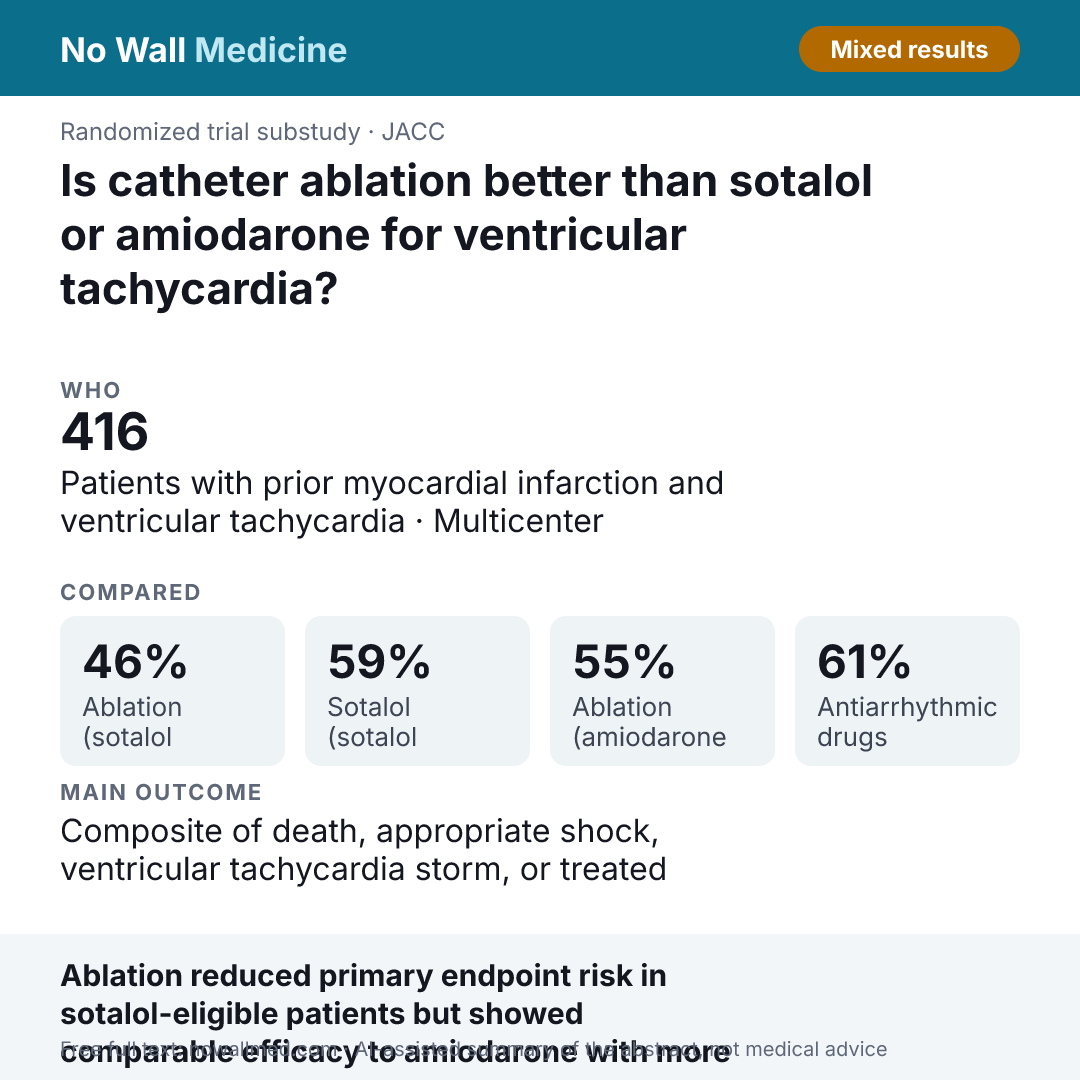
Catheter Ablation vs Sotalol or Amiodarone for Ventricular Tachycardia: A Substudy of the VANISH2 Trial
Randomized trial substudyMixed results
Is catheter ablation better than sotalol or amiodarone for ventricular tachycardia?
Who
416
Patients with prior myocardial infarction and ventricular tachycardia · Multicenter
Compared
46%Ablation (sotalol stratum)
59%Sotalol (sotalol stratum)
55%Ablation (amiodarone stratum)
61%Antiarrhythmic drugs (amiodarone stratum)
Main outcome
Composite of death, appropriate shock, ventricular tachycardia storm, or treated sustained ventricular tachycardia
Result: hazard ratio 0.64 (95% CI 0.43-0.94) for sotalol; hazard ratio 0.86 (95% CI 0.61-1.22) for amiodarone
Bottom line: Ablation reduced primary endpoint risk in sotalol-eligible patients but showed comparable efficacy to amiodarone with more adverse events.
JACC · 2025-10-11 · Save PNG
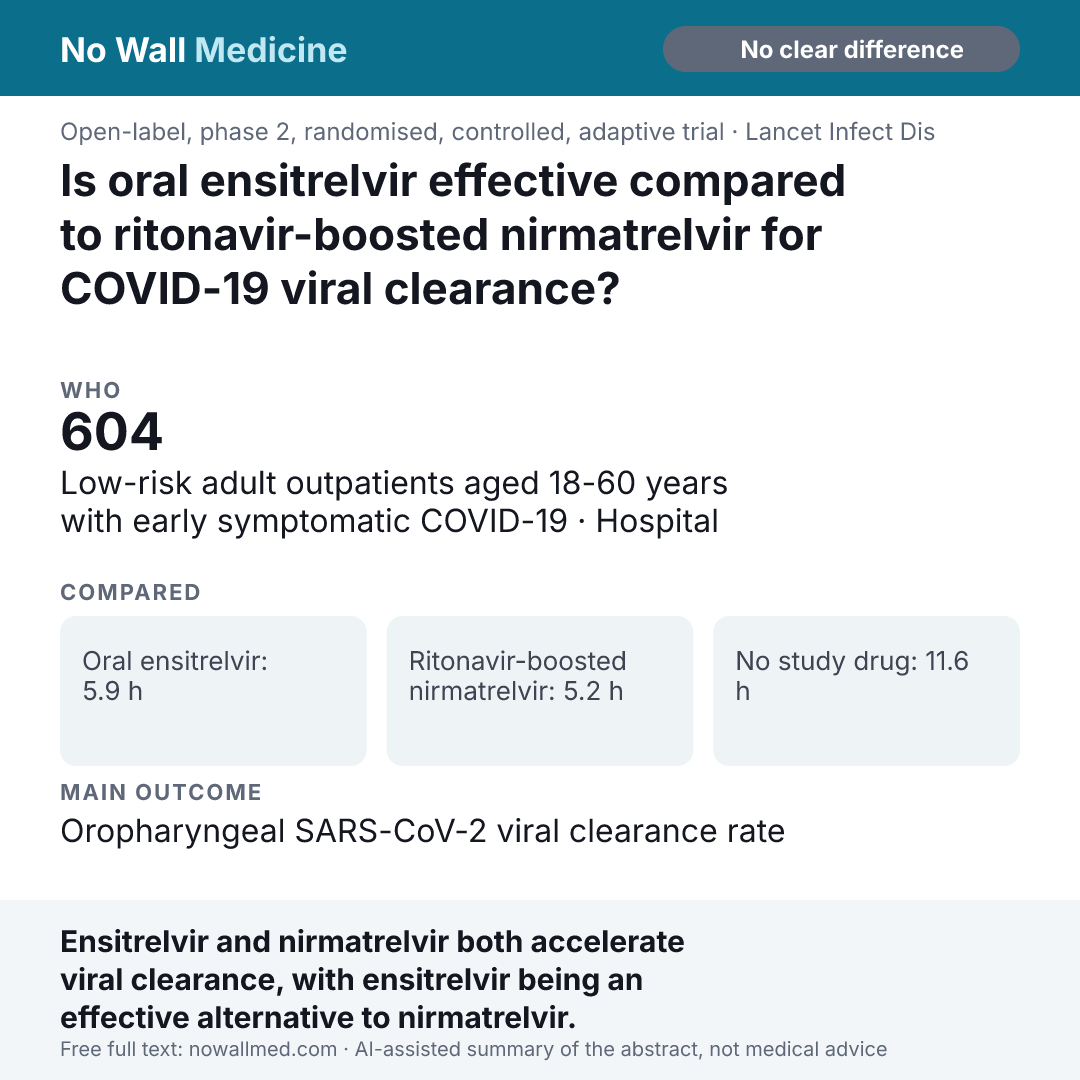
Antiviral efficacy of oral ensitrelvir versus oral ritonavir-boosted nirmatrelvir in COVID-19 (PLATCOV): an open-label, phase 2, randomised, controlled, adaptive trial
Open-label, phase 2, randomised, controlled, adaptive trialNo clear difference
Is oral ensitrelvir effective compared to ritonavir-boosted nirmatrelvir for COVID-19 viral clearance?
Who
604
Low-risk adult outpatients aged 18-60 years with early symptomatic COVID-19 · Hospital acute respiratory infection clinics in Thailand and Laos
Compared
Oral ensitrelvir: 5.9 h
Ritonavir-boosted nirmatrelvir: 5.2 h
No study drug: 11.6 h
Main outcome
Oropharyngeal SARS-CoV-2 viral clearance rate
Result: 16% slower (5-25) than ritonavir-boosted nirmatrelvir
Bottom line: Ensitrelvir and nirmatrelvir both accelerate viral clearance, with ensitrelvir being an effective alternative to nirmatrelvir.
Funded by: Wellcome Trust through the COVID-19 Therapeutics Accelerator
Lancet Infect Dis · 2025-10-11 · Save PNG
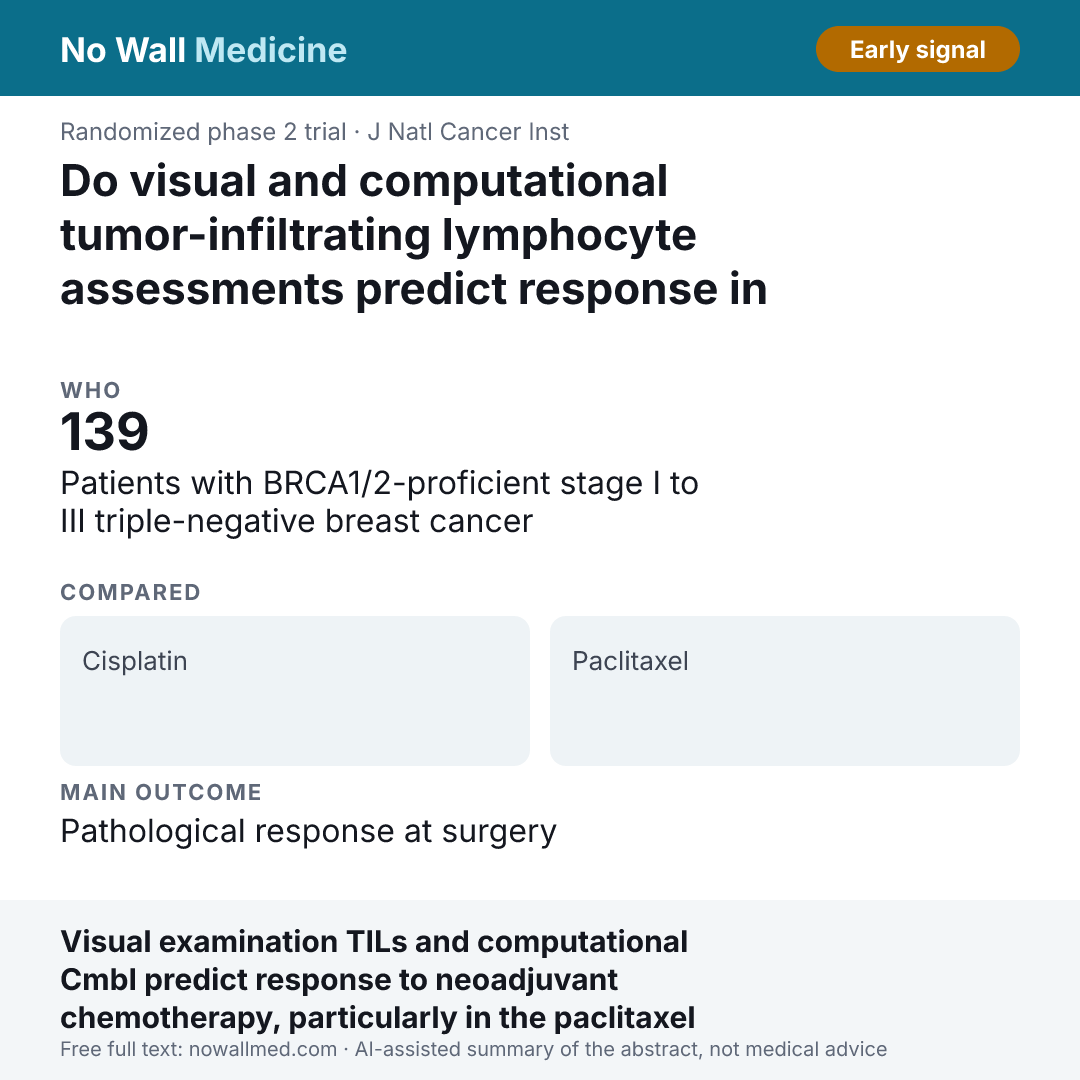
Prognostic value of visually and computationally assessed tumor-infiltrating lymphocytes in early-stage triple-negative breast cancer (TBCRC-030)
Randomized phase 2 trialEarly signal
Do visual and computational tumor-infiltrating lymphocyte assessments predict response in triple-negative breast cancer?
Who
139
Patients with BRCA1/2-proficient stage I to III triple-negative breast cancer
Compared
Cisplatin
Paclitaxel
Main outcome
Pathological response at surgery
Result: visual examination TILs odds ratio 1.86 (95% CI 1.24 to 2.87)
Bottom line: Visual examination TILs and computational CmbI predict response to neoadjuvant chemotherapy, particularly in the paclitaxel arm.
J Natl Cancer Inst · 2025-10-11 · Save PNG
Discriminatory Characteristics of Responders and Nonresponders of Patients With Sepsis to Neuromuscular Electrical Stimulation: A Subanalysis of a Randomized Controlled Double-Blinded Trial
Subanalysis of a randomized, controlled, double-blind trialMixed results
What characteristics distinguish responders and nonresponders to neuromuscular electrical stimulation in sepsis?
Who
15
Adult patients diagnosed with sepsis or septic shock · Intensive care unit at a private hospital
Compared
Responder group: De Morton Mobility Index increased from 19±20 points to 33±30 points
Nonresponder group: Rectus femoris thickness reduced by more than 10%
Main outcome
Ultrasonographic muscle characteristics and physical function variables
Bottom line: Surgical ICU Optimal Mobilization Score and De Morton Mobility Index characterize responders to neuromuscular electrical stimulation.
Arch Phys Med Rehabil · 2025-10-11 · Save PNG

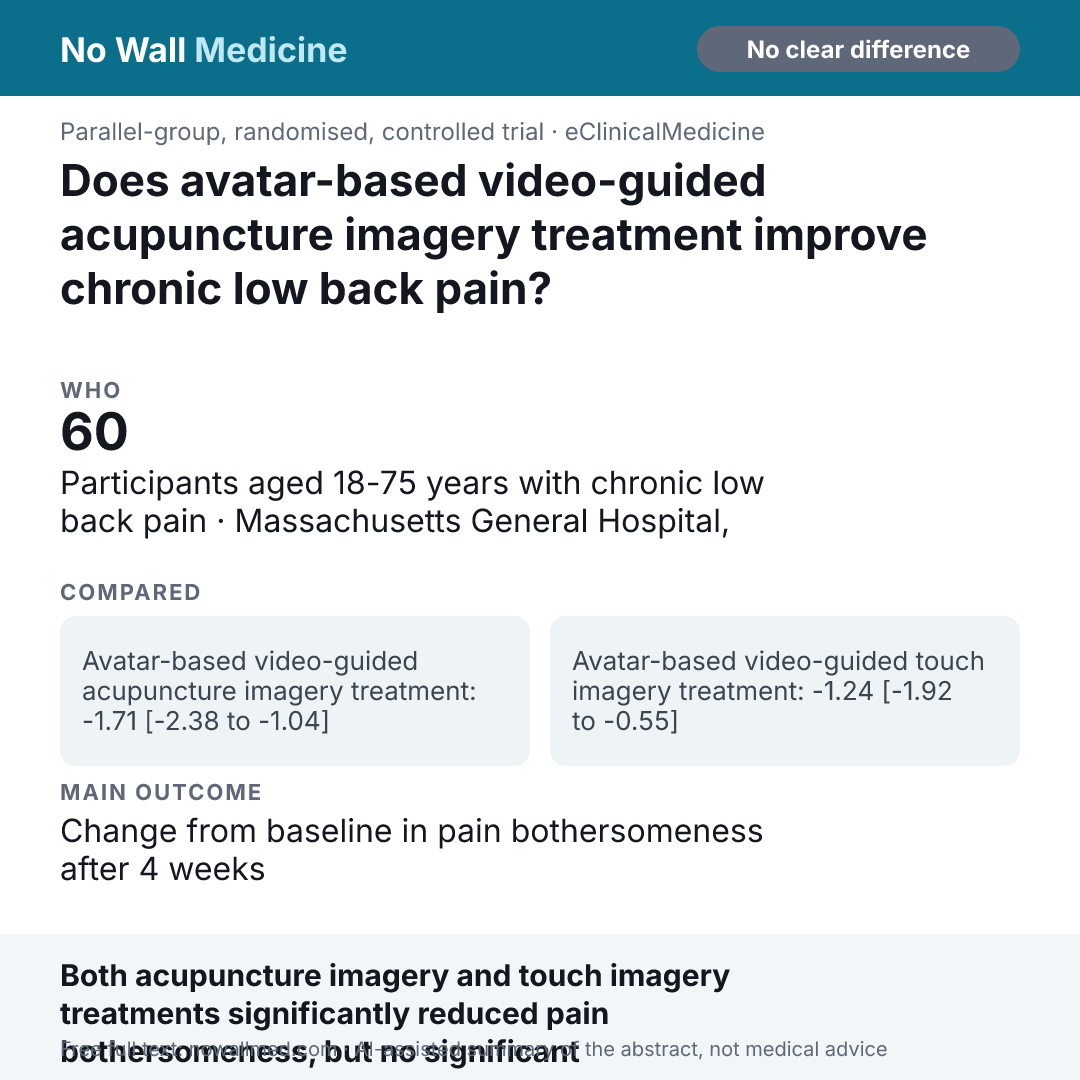
Novel avatar-based video-guided acupuncture imagery treatment for chronic low back pain: a randomised controlled trial in the USA
Parallel-group, randomised, controlled trialNo clear difference
Does avatar-based video-guided acupuncture imagery treatment improve chronic low back pain?
Who
60
Participants aged 18-75 years with chronic low back pain · Massachusetts General Hospital, USA
Compared
Avatar-based video-guided acupuncture imagery treatment: -1.71 [-2.38 to -1.04]
Avatar-based video-guided touch imagery treatment: -1.24 [-1.92 to -0.55]
Main outcome
Change from baseline in pain bothersomeness after 4 weeks
Result: -0.47 [-1.43 to 0.49]
Bottom line: Both acupuncture imagery and touch imagery treatments significantly reduced pain bothersomeness, but no significant difference was found between them.
Limitation: Short duration, limited treatment frequency, and small sample size may restrict generalisability.
Funded by: National Institutes of Health/National Center for Complementary and Integrative Health
eClinicalMedicine · 2025-10-10 · Save PNG
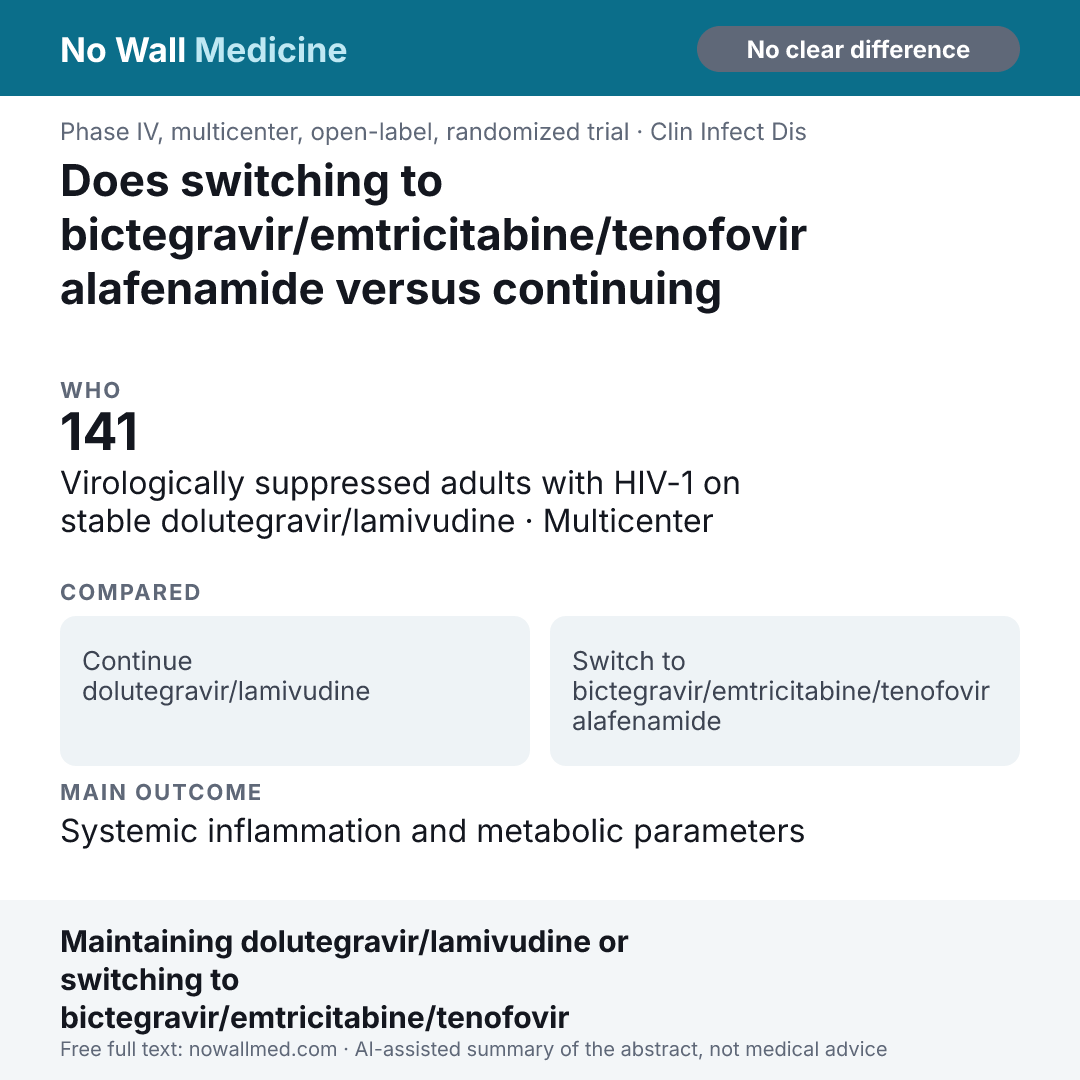
Comparable Inflammatory and Metabolic Outcomes After Switching to Bictegravir/Emtricitabine/Tenofovir Alafenamide Versus Continuing Dolutegravir/Lamivudine in Virologically Suppressed Adults With HIV (INSTINCT/GESIDA10918 Study)
Phase IV, multicenter, open-label, randomized trialNo clear difference
Does switching to bictegravir/emtricitabine/tenofovir alafenamide versus continuing dolutegravir/lamivudine affect inflammation and metabolism?
Who
141
Virologically suppressed adults with HIV-1 on stable dolutegravir/lamivudine · Multicenter
Compared
Continue dolutegravir/lamivudine
Switch to bictegravir/emtricitabine/tenofovir alafenamide
Main outcome
Systemic inflammation and metabolic parameters
Bottom line: Maintaining dolutegravir/lamivudine or switching to bictegravir/emtricitabine/tenofovir alafenamide showed equivalent inflammatory, metabolic, and immunologic profiles.
Clin Infect Dis · 2025-10-10 · Save PNG
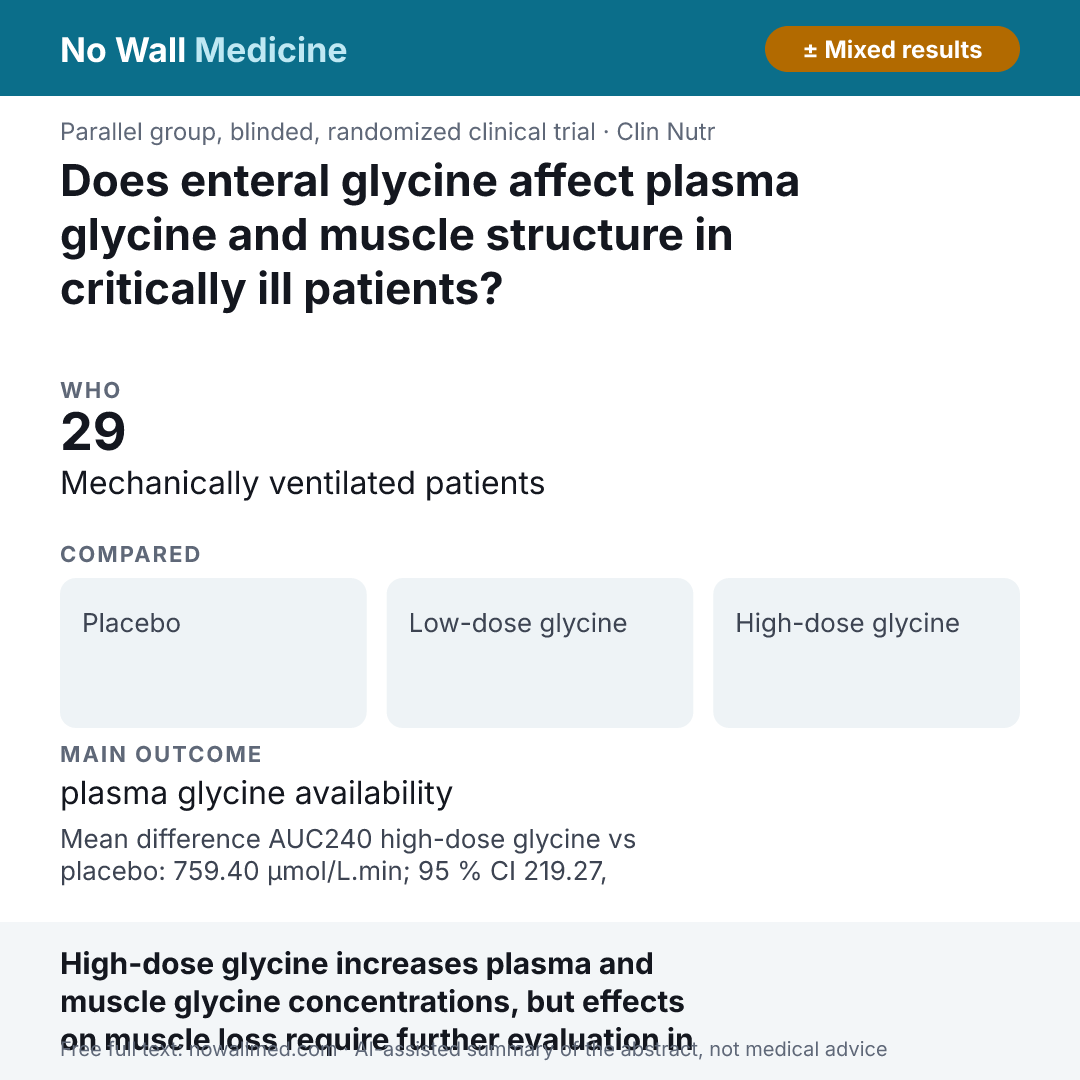
The effect of enteral glycine on plasma glycine and muscle structure, size, and function in the critically ill: A randomized controlled trial
Parallel group, blinded, randomized clinical trialMixed results
Does enteral glycine affect plasma glycine and muscle structure in critically ill patients?
Who
29
Mechanically ventilated patients
Compared
Placebo
Low-dose glycine
High-dose glycine
Main outcome
plasma glycine availability
Result: Mean difference AUC240 high-dose glycine vs placebo: 759.40 μmol/L.min; 95 % CI 219.27, 1299.54
Bottom line: High-dose glycine increases plasma and muscle glycine concentrations, but effects on muscle loss require further evaluation in larger studies.
Limitation: The effect of glycine on muscle loss warrants further evaluation in larger studies.
Clin Nutr · 2025-10-10 · Save PNG
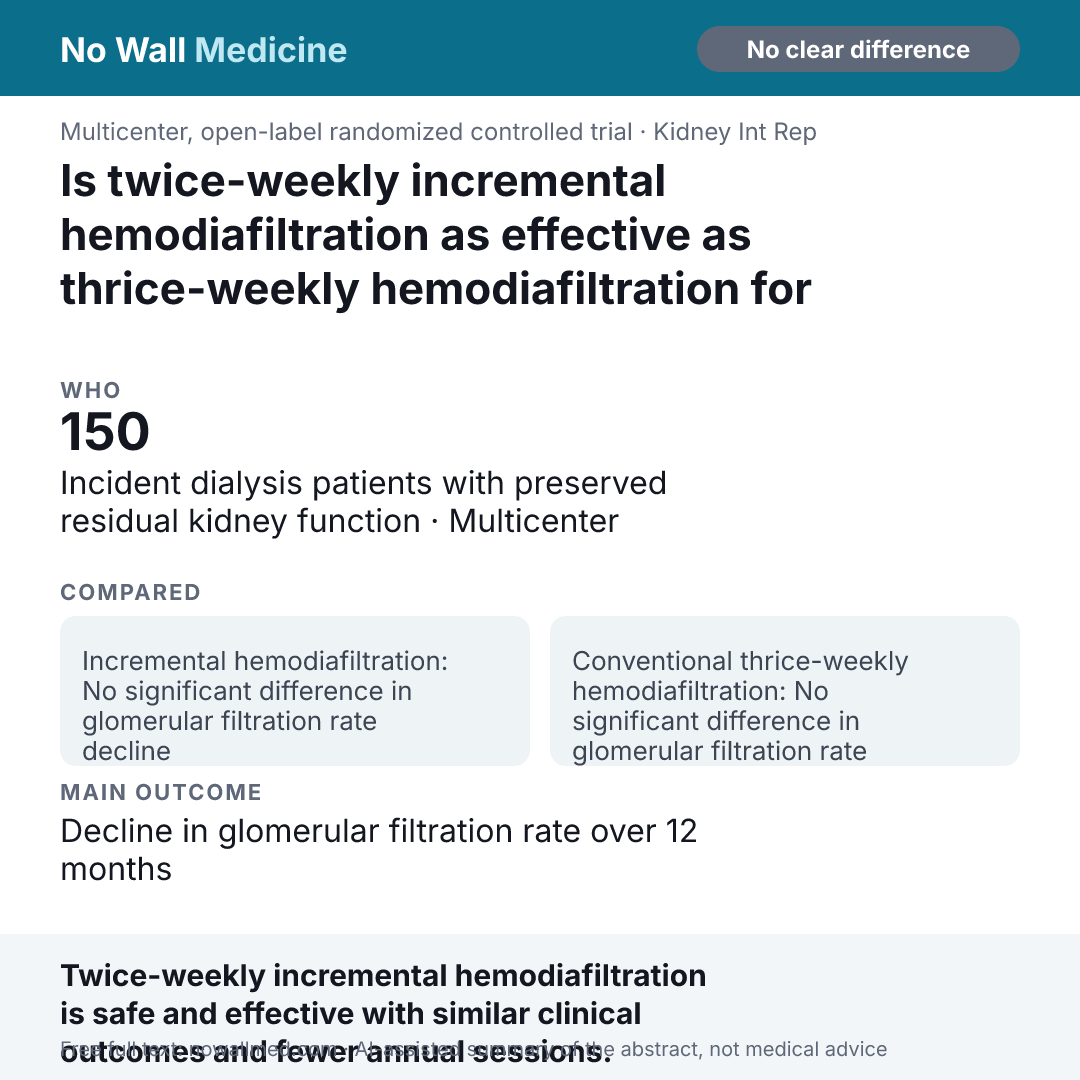
Randomized Trial of Twice-Weekly Versus Thrice-Weekly Hemodiafiltration for Initiation of Renal Replacement Therapy
Multicenter, open-label randomized controlled trialNo clear difference
Is twice-weekly incremental hemodiafiltration as effective as thrice-weekly hemodiafiltration for dialysis initiation?
Who
150
Incident dialysis patients with preserved residual kidney function · Multicenter
Compared
Incremental hemodiafiltration: No significant difference in glomerular filtration rate decline
Conventional thrice-weekly hemodiafiltration: No significant difference in glomerular filtration rate decline
Main outcome
Decline in glomerular filtration rate over 12 months
Bottom line: Twice-weekly incremental hemodiafiltration is safe and effective with similar clinical outcomes and fewer annual sessions.
Kidney Int Rep · 2025-10-10 · Save PNG
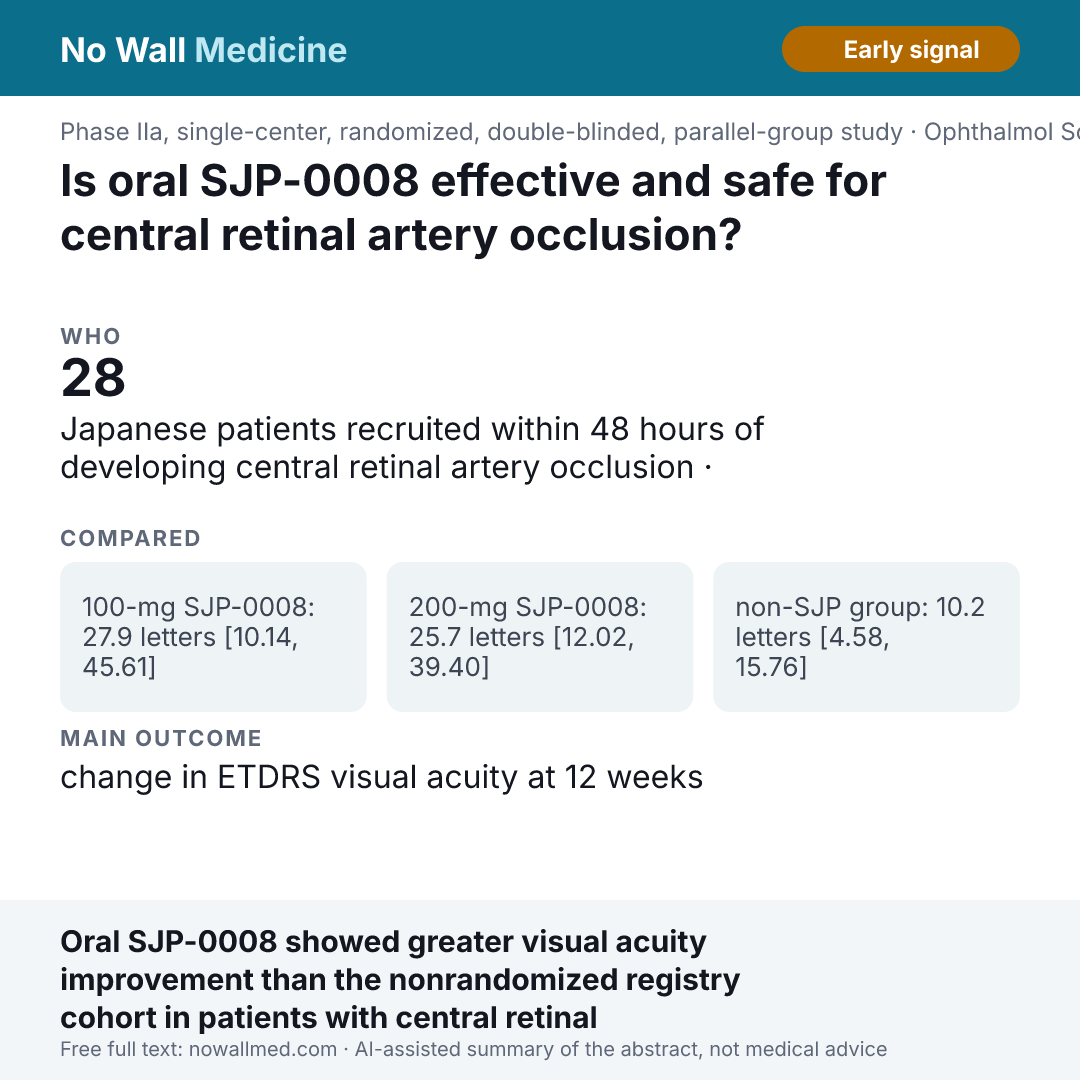
Safety and Efficacy of Orally Administered SJP-0008 in Central Retinal Artery Occlusion: A Phase IIa Randomized Clinical Trial
Phase IIa, single-center, randomized, double-blinded, parallel-group studyEarly signal
Is oral SJP-0008 effective and safe for central retinal artery occlusion?
Who
28
Japanese patients recruited within 48 hours of developing central retinal artery occlusion · single-center
Compared
100-mg SJP-0008: 27.9 letters [10.14, 45.61]
200-mg SJP-0008: 25.7 letters [12.02, 39.40]
non-SJP group: 10.2 letters [4.58, 15.76]
Main outcome
change in ETDRS visual acuity at 12 weeks
Bottom line: Oral SJP-0008 showed greater visual acuity improvement than the nonrandomized registry cohort in patients with central retinal artery occlusion.
Limitation: large-scale, multicenter randomized controlled trials are warranted to validate the findings
Ophthalmol Sci · 2025-10-10 · Save PNG
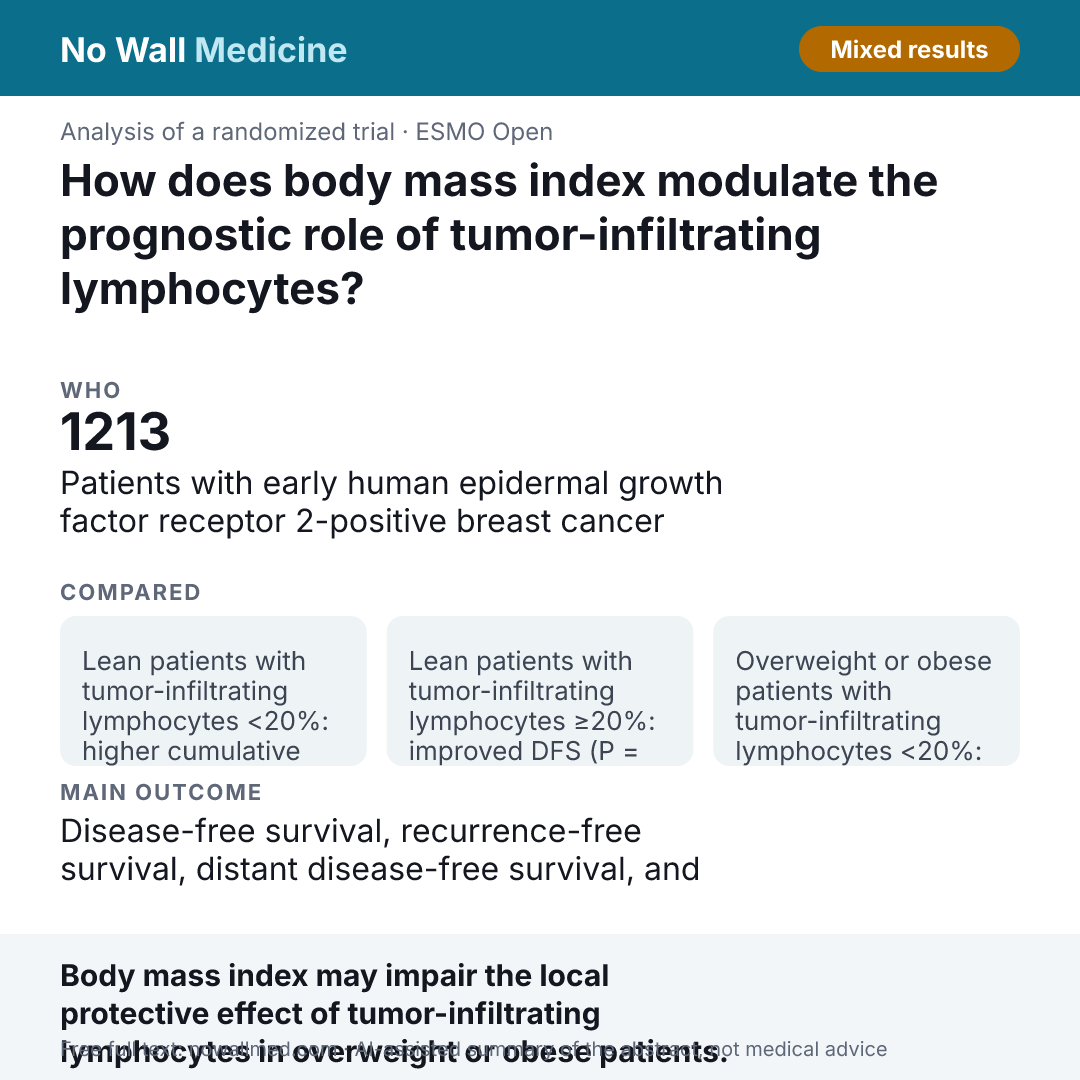
Interaction between tumor-infiltrating lymphocytes and BMI in early HER2-positive breast cancer: analysis of the ShortHER trial
Analysis of a randomized trialMixed results
How does body mass index modulate the prognostic role of tumor-infiltrating lymphocytes?
Who
1213
Patients with early human epidermal growth factor receptor 2-positive breast cancer
Compared
Lean patients with tumor-infiltrating lymphocytes <20%: higher cumulative incidence of locoregional relapse (P = 0.001)
Lean patients with tumor-infiltrating lymphocytes ≥20%: improved DFS (P = 0.007), RFS (P = 0.002) and DDFS (P = 0.027)
Overweight or obese patients with tumor-infiltrating lymphocytes <20%: higher cumulative incidence of distant relapse (P = 0.005)
Main outcome
Disease-free survival, recurrence-free survival, distant disease-free survival, and overall survival
Bottom line: Body mass index may impair the local protective effect of tumor-infiltrating lymphocytes in overweight or obese patients.
ESMO Open · 2025-10-10 · Save PNG