Visual abstracts
New randomized trials and meta-analyses from leading journals at a glance: who was studied, what was compared, and what was found. Every paper is free to read in full.
All specialtiesCardiology 4763Oncology 4040Gastroenterology & Hepatology 1904Infectious Disease 3758Neurology 1872Psychiatry & Mental Health 2216Pulmonology 2043Critical Care 1320Endocrinology & Diabetes 2540Pediatrics 2891Surgery 2485Orthopedics & Sports Medicine 917Neurosurgery 527Cardiothoracic & Vascular Surgery 657Plastic & Reconstructive Surgery 579Nephrology 1105Rheumatology 809Hematology 1092Dermatology 614Ophthalmology 532Obstetrics & Gynecology 1645Public & Global Health 1036Radiology & Imaging 617Anesthesiology 957Urology 743ENT (Otolaryngology) 491Emergency Medicine 481Allergy & Immunology 308Geriatrics 969Family Medicine & Primary Care 532Medical Genetics & Genomics 659Pathology & Laboratory Medicine 156Physical Medicine & Rehabilitation 735Palliative Care 421Nutrition 1556Digital Health & AI 2134General Medicine 318
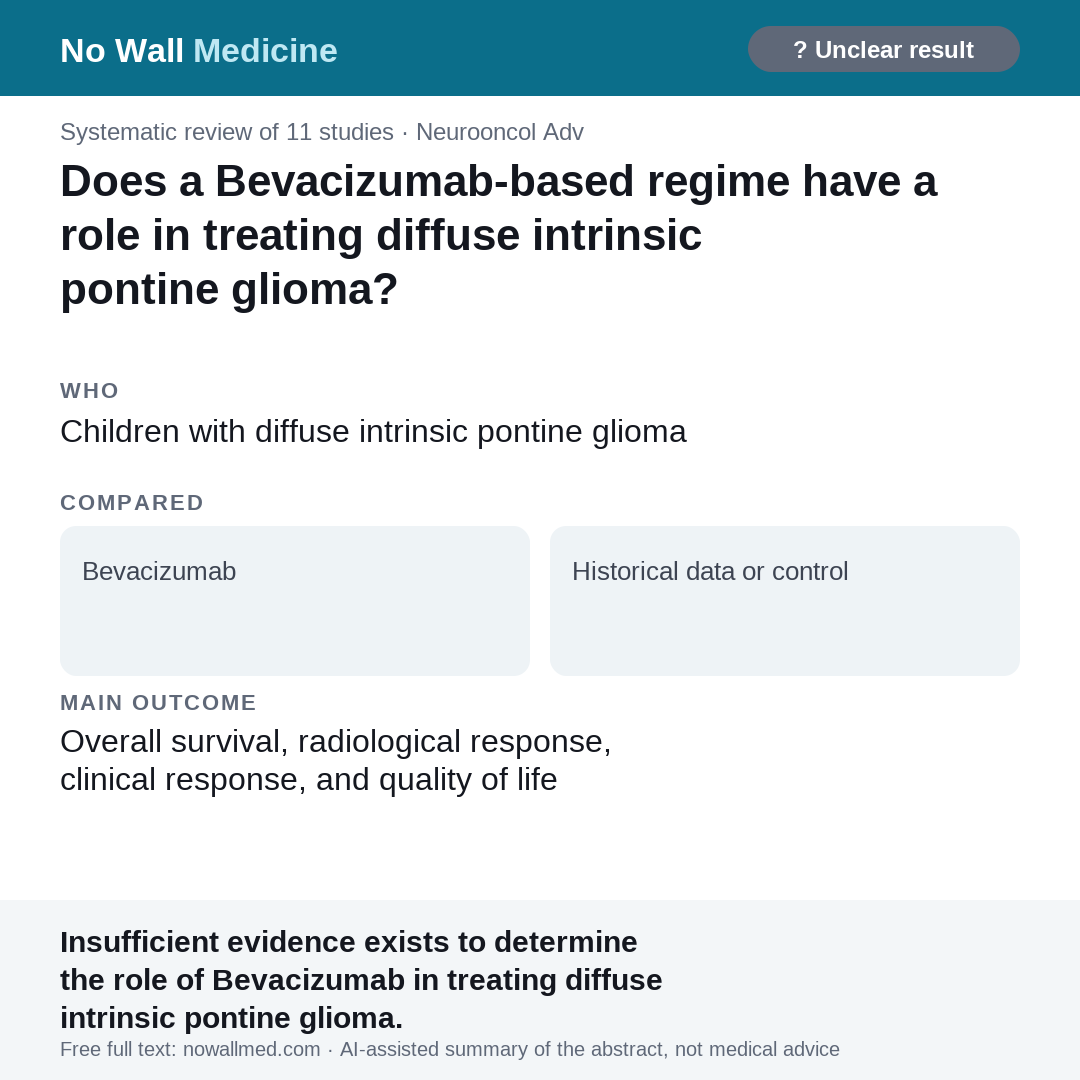
Does a Bevacizumab-based regime have a role in the treatment of children with diffuse intrinsic pontine glioma? A systematic review
Systematic review of 11 studiesUnclear result
Does a Bevacizumab-based regime have a role in treating diffuse intrinsic pontine glioma?
Who
Children with diffuse intrinsic pontine glioma
Compared
Bevacizumab
Historical data or control
Main outcome
Overall survival, radiological response, clinical response, and quality of life
Bottom line: Insufficient evidence exists to determine the role of Bevacizumab in treating diffuse intrinsic pontine glioma.
Limitation: Insufficient evidence available from the included studies.
Neurooncol Adv · 2022-06-24Download image
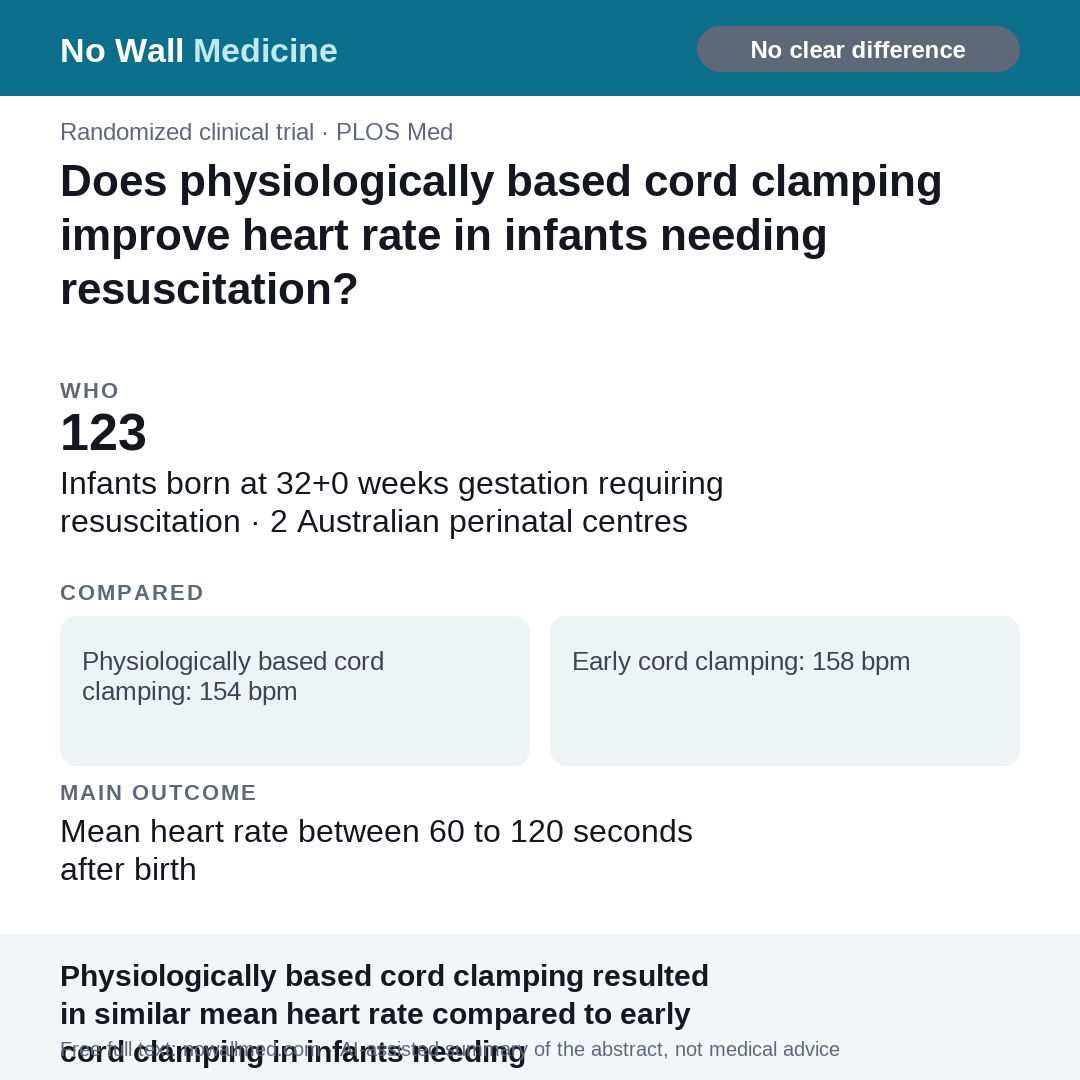
Physiologically based cord clamping for infants ≥32+0 weeks gestation: A randomised clinical trial and reference percentiles for heart rate and oxygen saturation for infants ≥35+0 weeks gestation
Randomized clinical trialNo clear difference
Does physiologically based cord clamping improve heart rate in infants needing resuscitation?
Who
123
Infants born at 32+0 weeks gestation requiring resuscitation · 2 Australian perinatal centres
Compared
Physiologically based cord clamping: 154 bpm
Early cord clamping: 158 bpm
Main outcome
Mean heart rate between 60 to 120 seconds after birth
Result: adjusted mean difference -6 bpm (95% CI -17 to 5 bpm)
Bottom line: Physiologically based cord clamping resulted in similar mean heart rate compared to early cord clamping in infants needing resuscitation.
Limitation: Small number of infants requiring prolonged or advanced resuscitation.
PLOS Med · 2022-06-23Download image
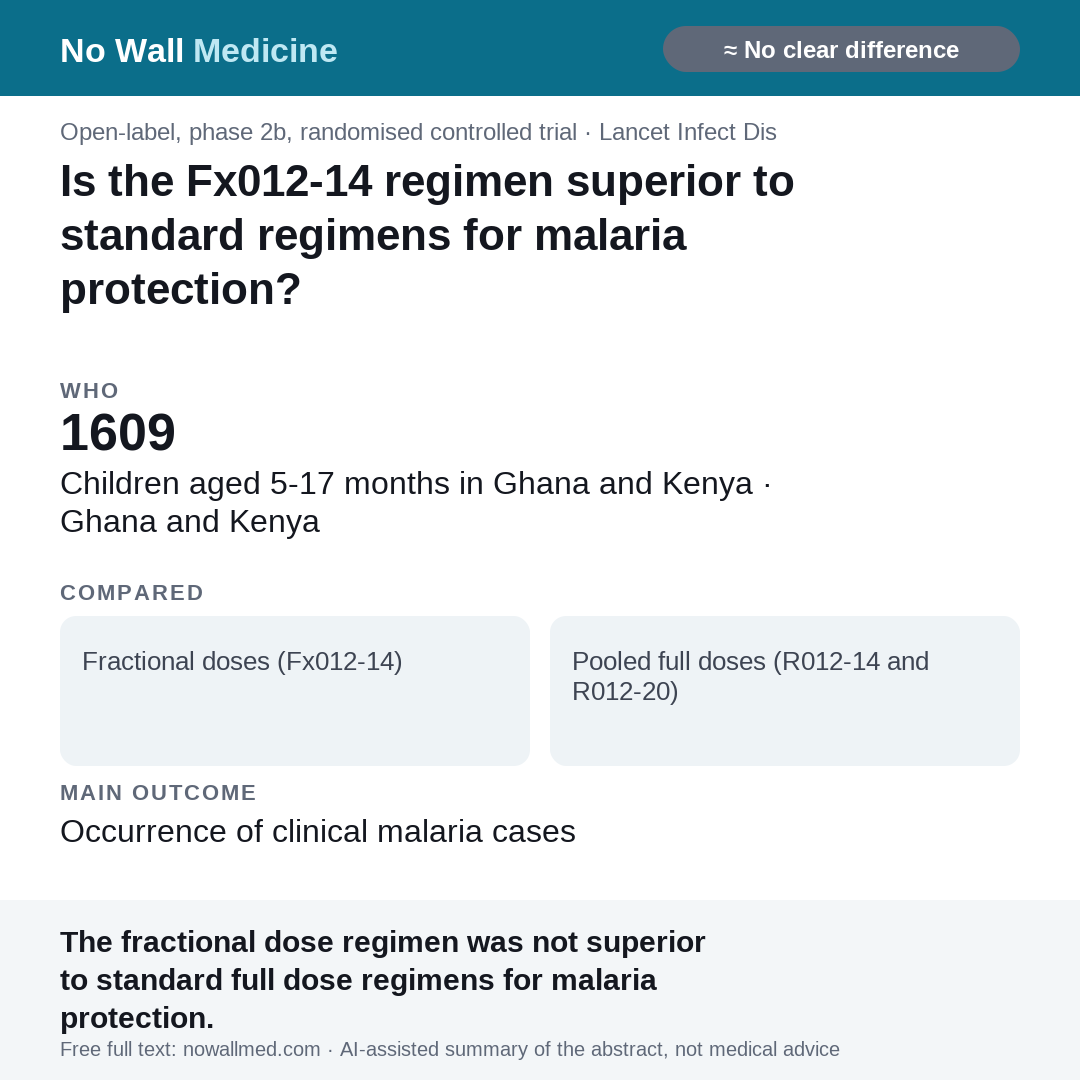
Efficacy of RTS,S/AS01E malaria vaccine administered according to different full, fractional, and delayed third or early fourth dose regimens in children aged 5-17 months in Ghana and Kenya: an open-label, phase 2b, randomised controlled trial
Open-label, phase 2b, randomised controlled trialNo clear difference
Is the Fx012-14 regimen superior to standard regimens for malaria protection?
Who
1609
Children aged 5-17 months in Ghana and Kenya · Ghana and Kenya
Compared
Fractional doses (Fx012-14)
Pooled full doses (R012-14 and R012-20)
Main outcome
Occurrence of clinical malaria cases
Result: incremental vaccine efficacy -21% (95% CI -57 to 7)
Bottom line: The fractional dose regimen was not superior to standard full dose regimens for malaria protection.
Funded by: GlaxoSmithKline Biologicals; PATH's Malaria Vaccine Initiative
Lancet Infect Dis · 2022-06-23Download image
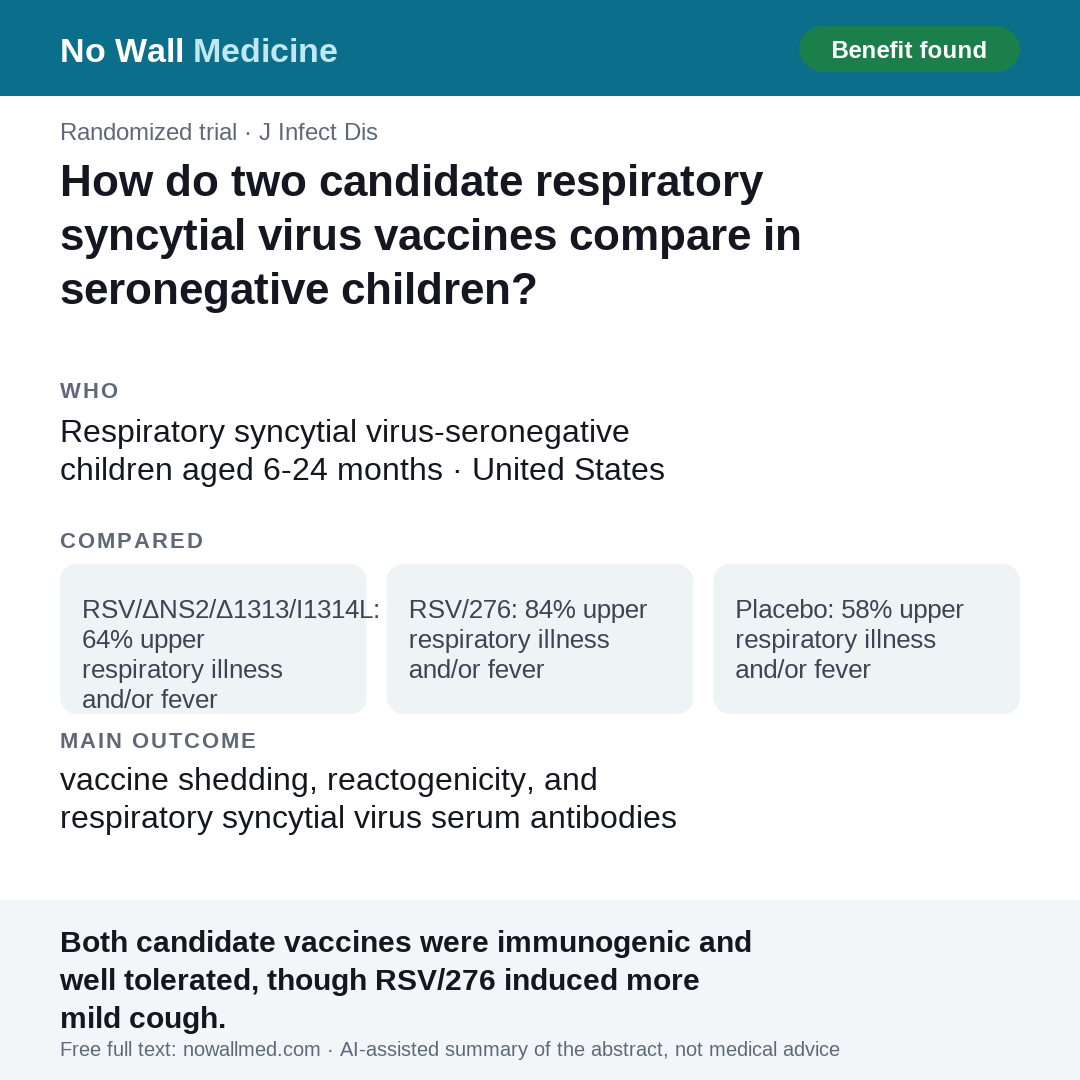
Evaluation of Recombinant Live-Attenuated Respiratory Syncytial Virus (RSV) Vaccines RSV/ΔNS2/Δ1313/I1314L and RSV/276 in RSV-Seronegative Children
Randomized trialBenefit found
How do two candidate respiratory syncytial virus vaccines compare in seronegative children?
Who
Respiratory syncytial virus-seronegative children aged 6-24 months · United States
Compared
RSV/ΔNS2/Δ1313/I1314L: 64% upper respiratory illness and/or fever
RSV/276: 84% upper respiratory illness and/or fever
Placebo: 58% upper respiratory illness and/or fever
Main outcome
vaccine shedding, reactogenicity, and respiratory syncytial virus serum antibodies
Bottom line: Both candidate vaccines were immunogenic and well tolerated, though RSV/276 induced more mild cough.
J Infect Dis · 2022-06-23Download image
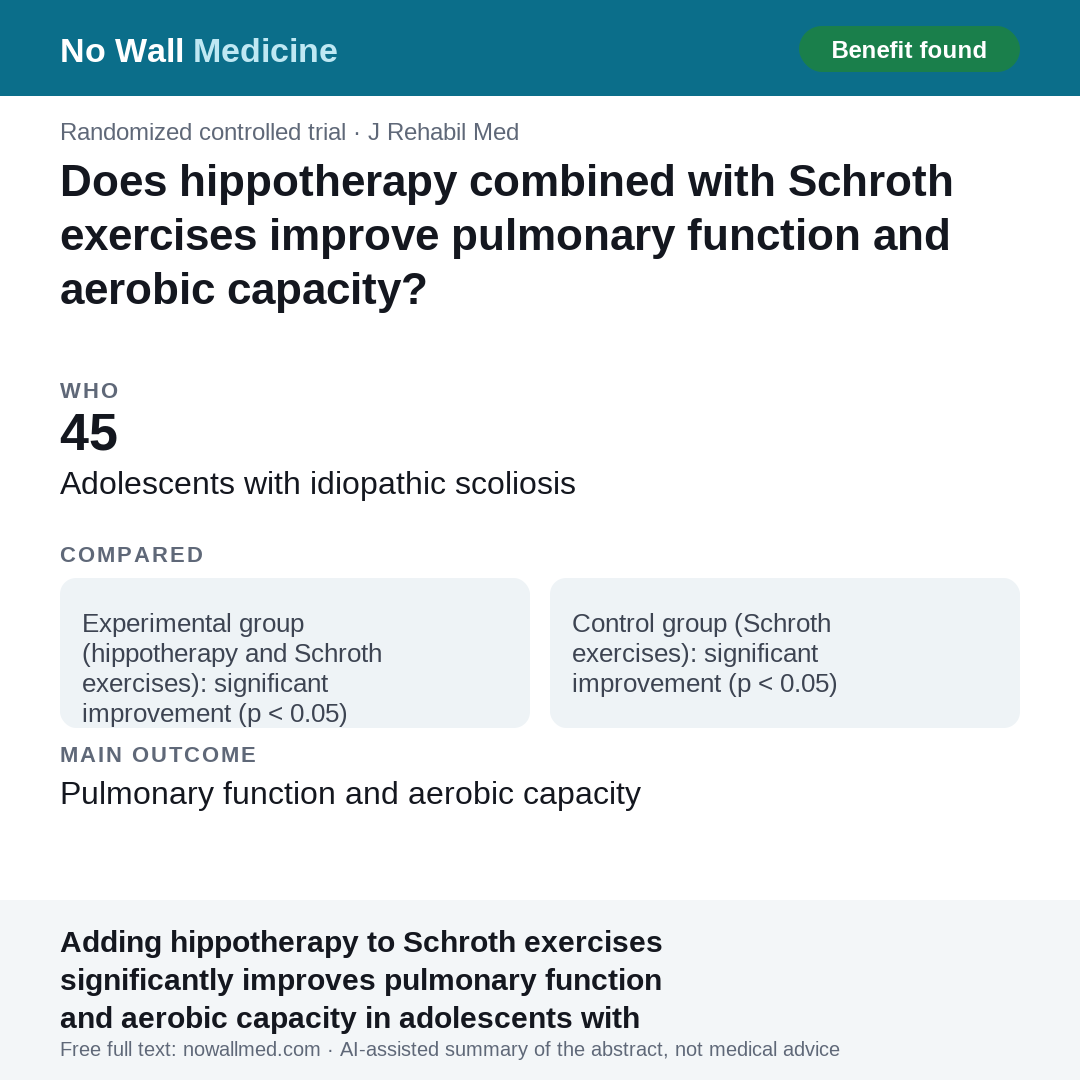
Pulmonary Function and Aerobic Capacity Responses to Equine Assisted Therapy in Adolescents with Idiopathic Scoliosis: A Randomized Controlled Trial
Randomized controlled trialBenefit found
Does hippotherapy combined with Schroth exercises improve pulmonary function and aerobic capacity?
Who
45
Adolescents with idiopathic scoliosis
Compared
Experimental group (hippotherapy and Schroth exercises): significant improvement (p < 0.05)
Control group (Schroth exercises): significant improvement (p < 0.05)
Main outcome
Pulmonary function and aerobic capacity
Bottom line: Adding hippotherapy to Schroth exercises significantly improves pulmonary function and aerobic capacity in adolescents with idiopathic scoliosis.
J Rehabil Med · 2022-06-23Download image
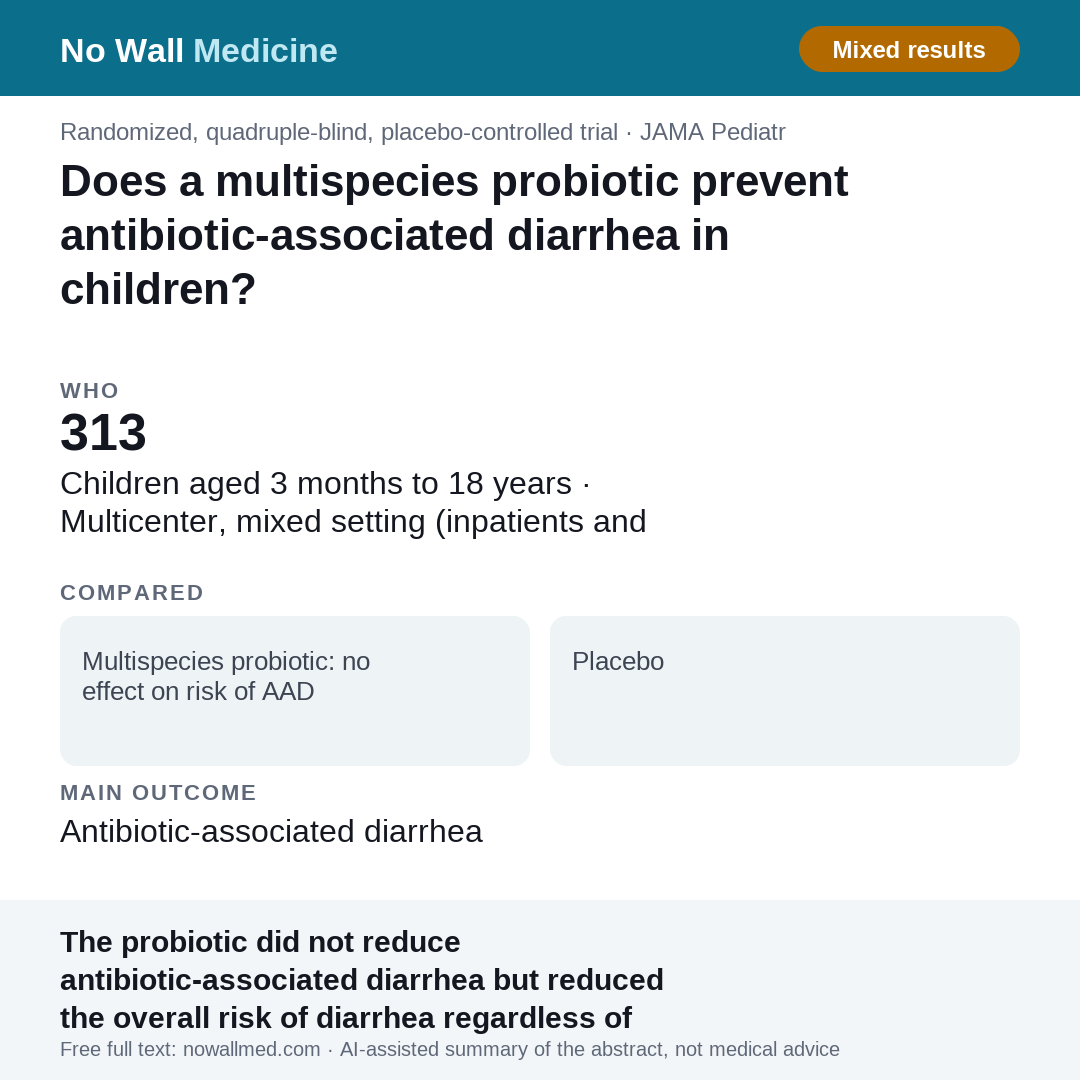
Multispecies Probiotic for the Prevention of Antibiotic-Associated Diarrhea in Children: A Randomized Clinical Trial
Randomized, quadruple-blind, placebo-controlled trialMixed results
Does a multispecies probiotic prevent antibiotic-associated diarrhea in children?
Who
313
Children aged 3 months to 18 years · Multicenter, mixed setting (inpatients and outpatients)
Compared
Multispecies probiotic: no effect on risk of AAD
Placebo
Main outcome
Antibiotic-associated diarrhea
Result: relative risk 0.81 (95% CI, 0.49-1.33)
Bottom line: The probiotic did not reduce antibiotic-associated diarrhea but reduced the overall risk of diarrhea regardless of etiology.
Limitation: The AAD definition has a significant effect on clinical trial results and their interpretation.
JAMA Pediatr · 2022-06-22Download image
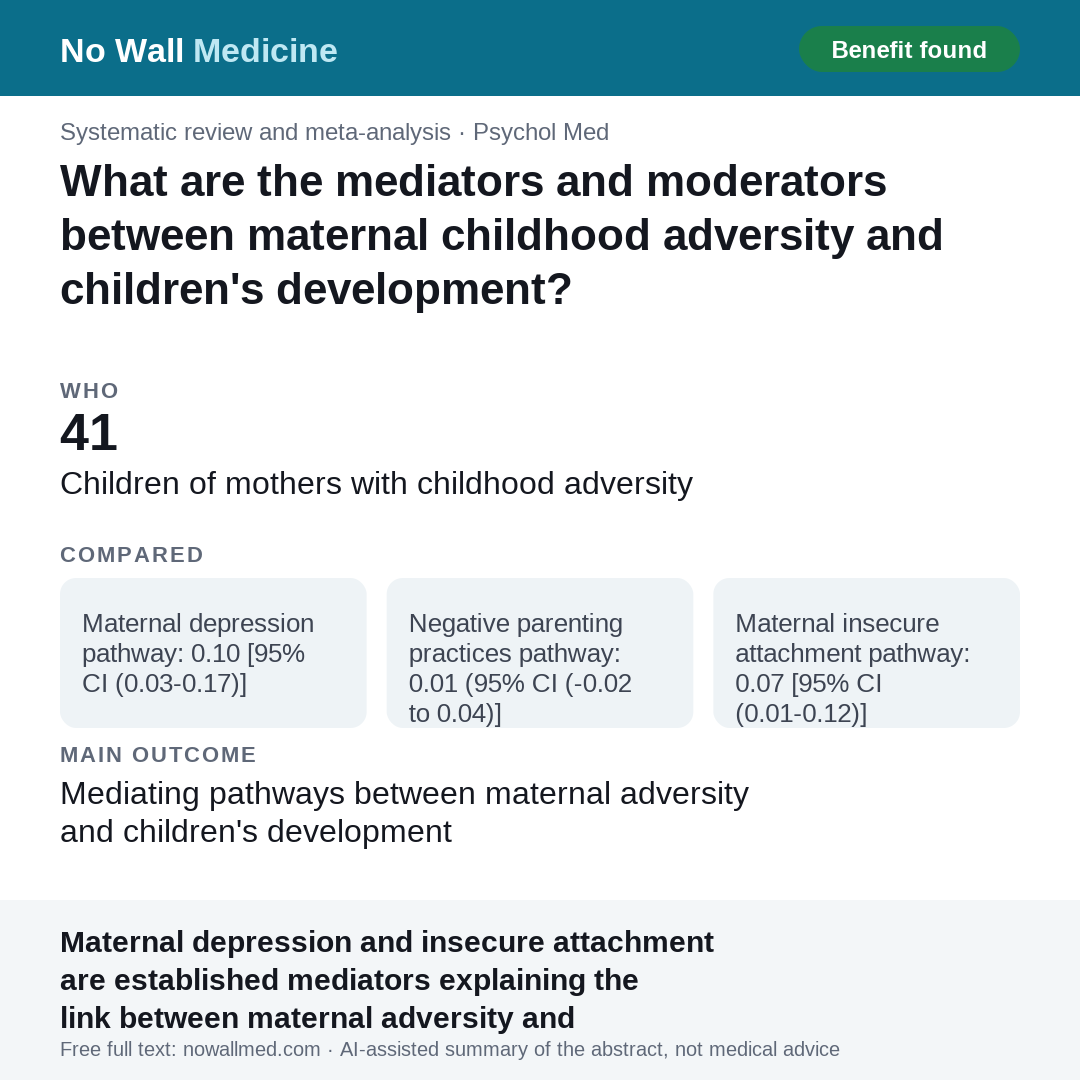
Mediators and moderators in the relationship between maternal childhood adversity and children's emotional and behavioural development: a systematic review and meta-analysis
Systematic review and meta-analysisBenefit found
What are the mediators and moderators between maternal childhood adversity and children's development?
Who
Children of mothers with childhood adversity
Compared
Maternal depression pathway: 0.10 [95% CI (0.03-0.17)]
Negative parenting practices pathway: 0.01 (95% CI (-0.02 to 0.04)]
Maternal insecure attachment pathway: 0.07 [95% CI (0.01-0.12)]
Main outcome
Mediating pathways between maternal adversity and children's development
Result: pooled indirect standardised effects: 0.10 [95% CI (0.03-0.17)], 0.01 (95% CI (-0.02 to 0.04)], and 0.07 [95% CI (0.01-0.12)]
Bottom line: Maternal depression and insecure attachment are established mediators explaining the link between maternal adversity and children's development.
Limitation: evidence for community-level mediators was limited
Psychol Med · 2022-06-22Download image
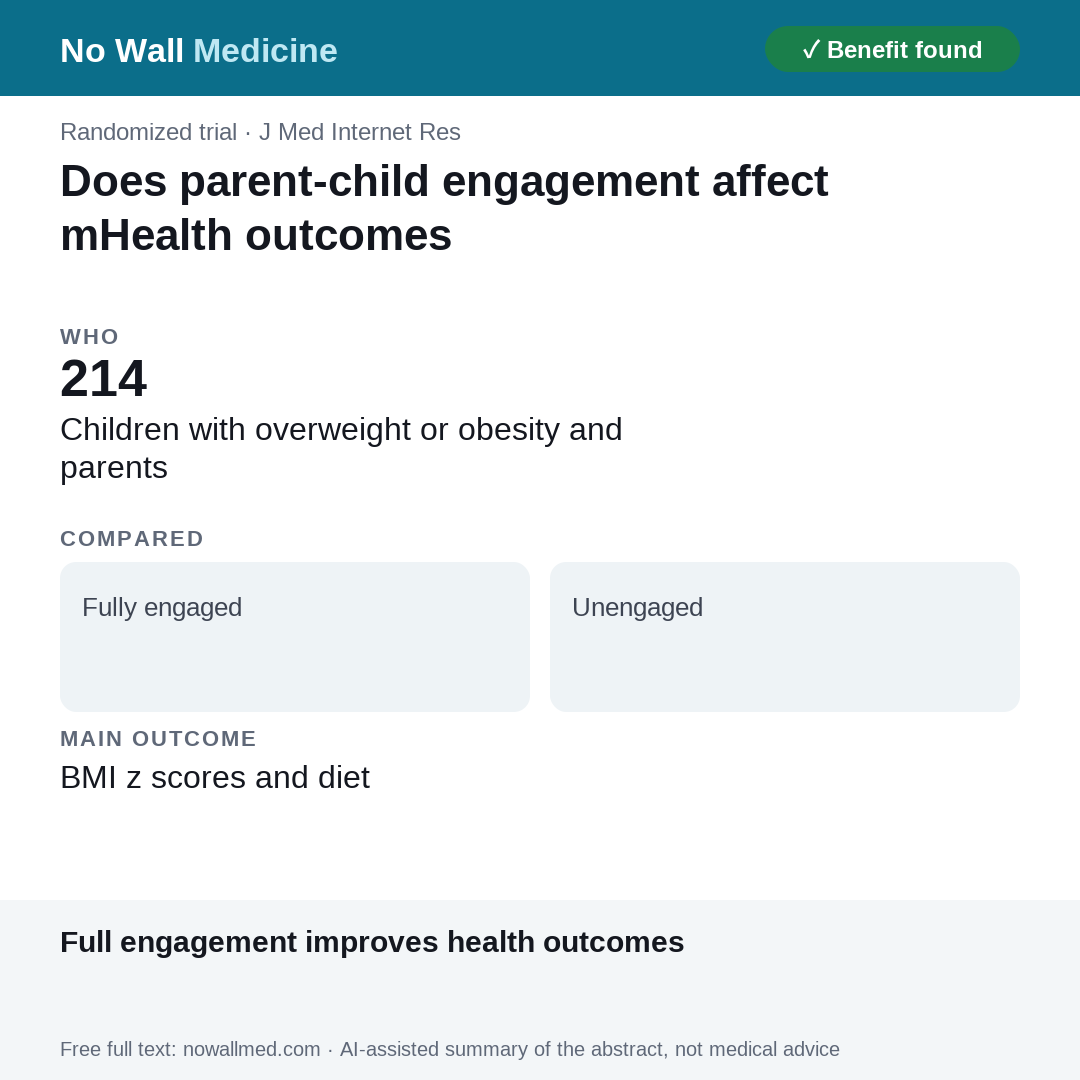
The Aim2Be mHealth Intervention for Children With Overweight or Obesity and Their Parents: Person-Centered Analyses to Uncover Digital Phenotypes
Randomized trialBenefit found
Does parent-child engagement affect mHealth outcomes
Who
214
Children with overweight or obesity and parents
Compared
Fully engaged
Unengaged
Main outcome
BMI z scores and diet
Bottom line: Full engagement improves health outcomes
J Med Internet Res · 2022-06-22Download image
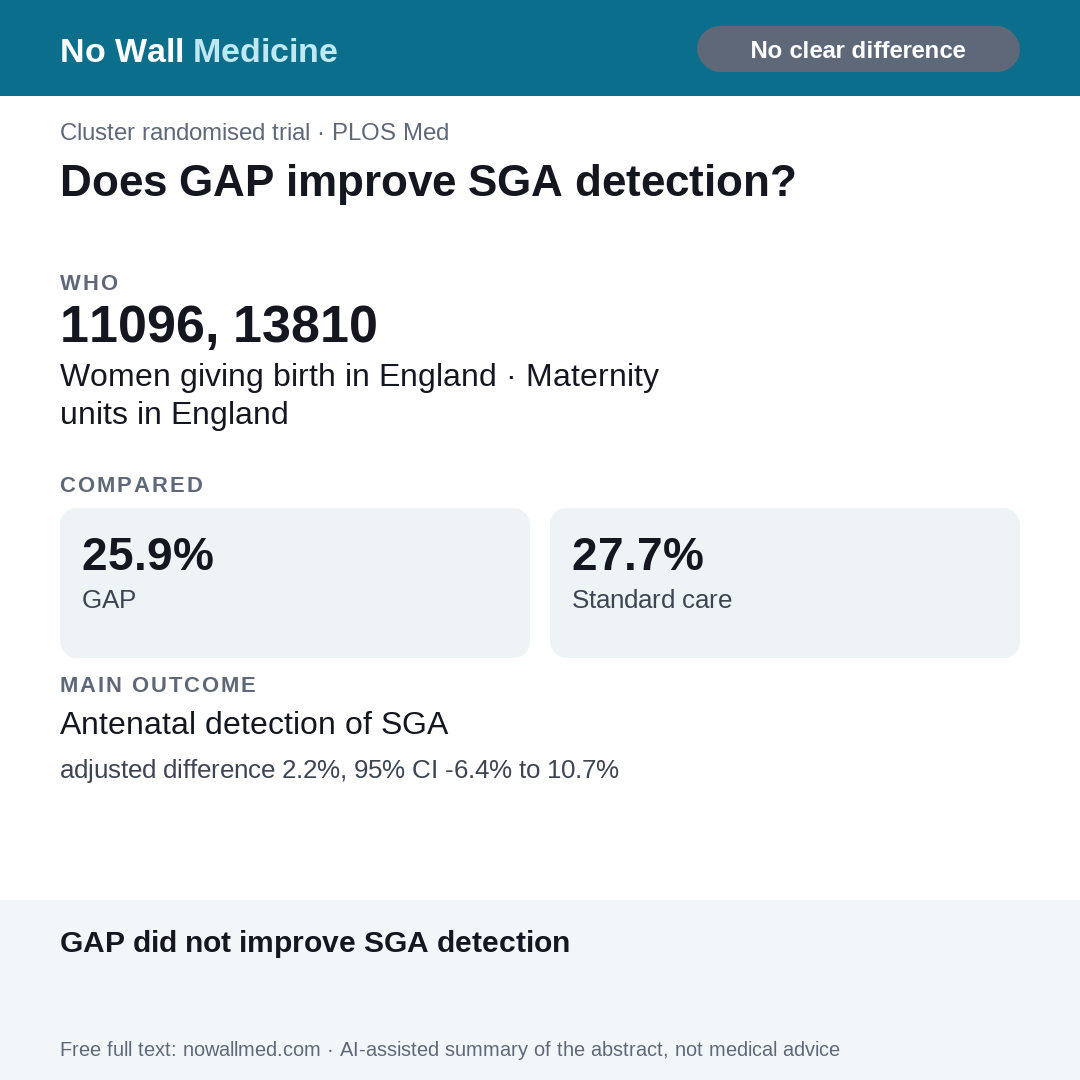
Evaluation of the Growth Assessment Protocol (GAP) for antenatal detection of small for gestational age: The DESiGN cluster randomised trial
Cluster randomised trialNo clear difference
Does GAP improve SGA detection?
Who
11096, 13810
Women giving birth in England · Maternity units in England
Compared
25.9%GAP
27.7%Standard care
Main outcome
Antenatal detection of SGA
Result: adjusted difference 2.2%, 95% CI -6.4% to 10.7%
Bottom line: GAP did not improve SGA detection
Limitation: modest number of clusters and missing data
PLOS Med · 2022-06-21Download image
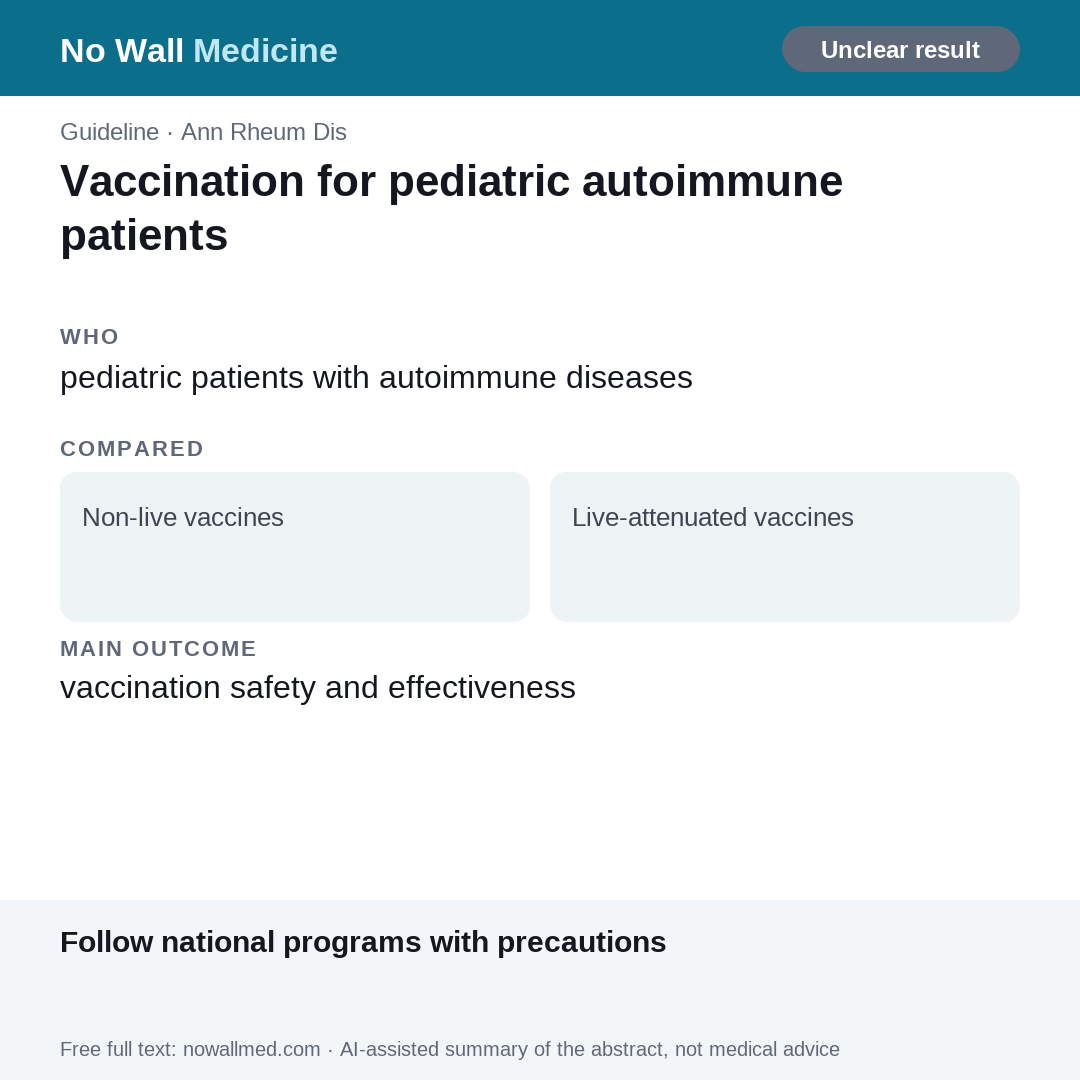
EULAR/PRES recommendations for vaccination of paediatric patients with autoimmune inflammatory rheumatic diseases: update 2021
GuidelineUnclear result
Vaccination for pediatric autoimmune patients
Who
pediatric patients with autoimmune diseases
Compared
Non-live vaccines
Live-attenuated vaccines
Main outcome
vaccination safety and effectiveness
Bottom line: Follow national programs with precautions
Ann Rheum Dis · 2022-06-20Download image
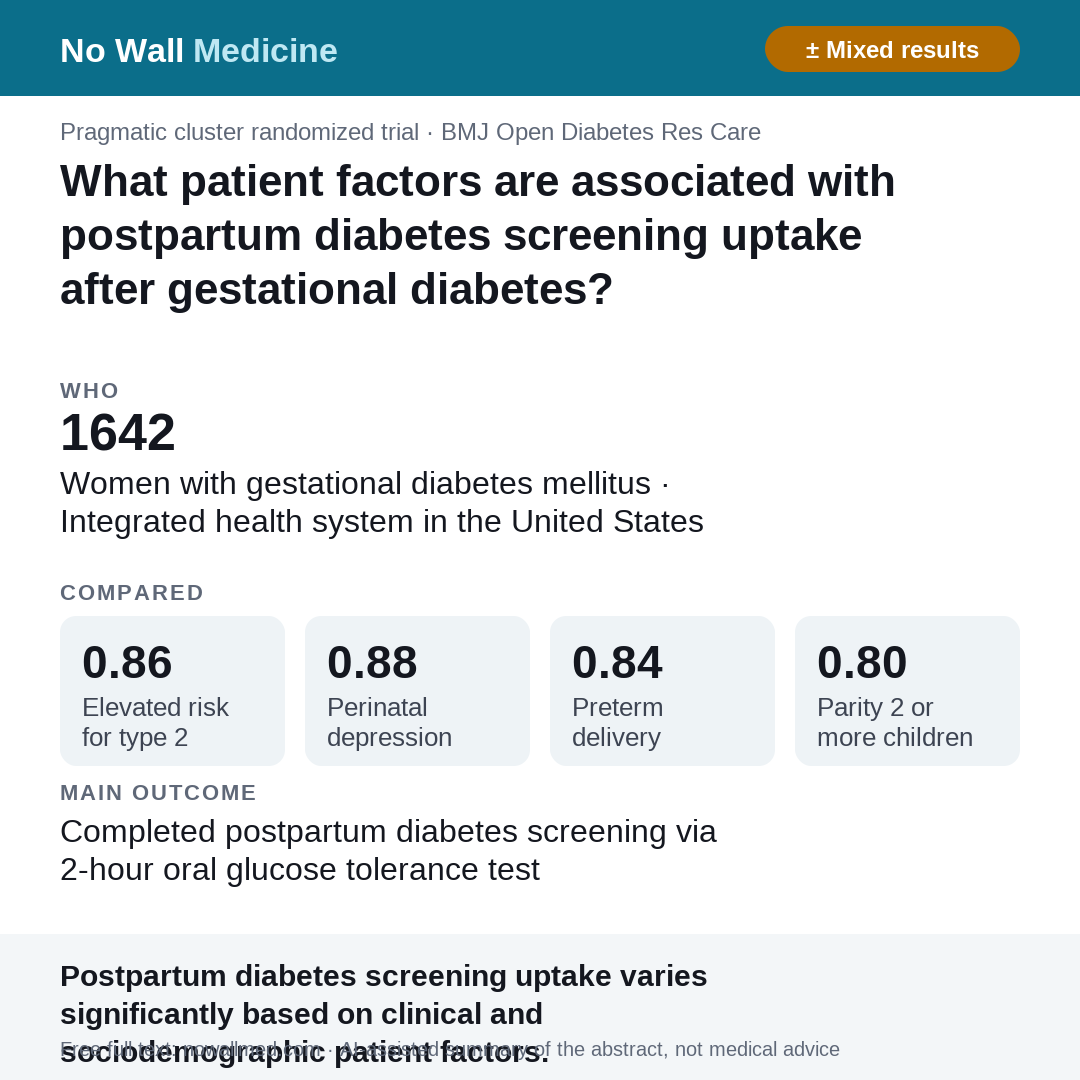
Uptake of guideline-recommended postpartum diabetes screening among diverse women with gestational diabetes: associations with patient factors in an integrated health system in USA
Pragmatic cluster randomized trialMixed results
What patient factors are associated with postpartum diabetes screening uptake after gestational diabetes?
Who
1642
Women with gestational diabetes mellitus · Integrated health system in the United States
Compared
0.86Elevated risk for type 2 diabetes (95% CI 0.75 to 0.98)
0.88Perinatal depression (0.79 to 0.98)
0.84Preterm delivery (0.72 to 0.98)
0.80Parity 2 or more children (0.69 to 0.93)
Main outcome
Completed postpartum diabetes screening via 2-hour oral glucose tolerance test
Bottom line: Postpartum diabetes screening uptake varies significantly based on clinical and sociodemographic patient factors.
BMJ Open Diabetes Res Care · 2022-06-20Download image
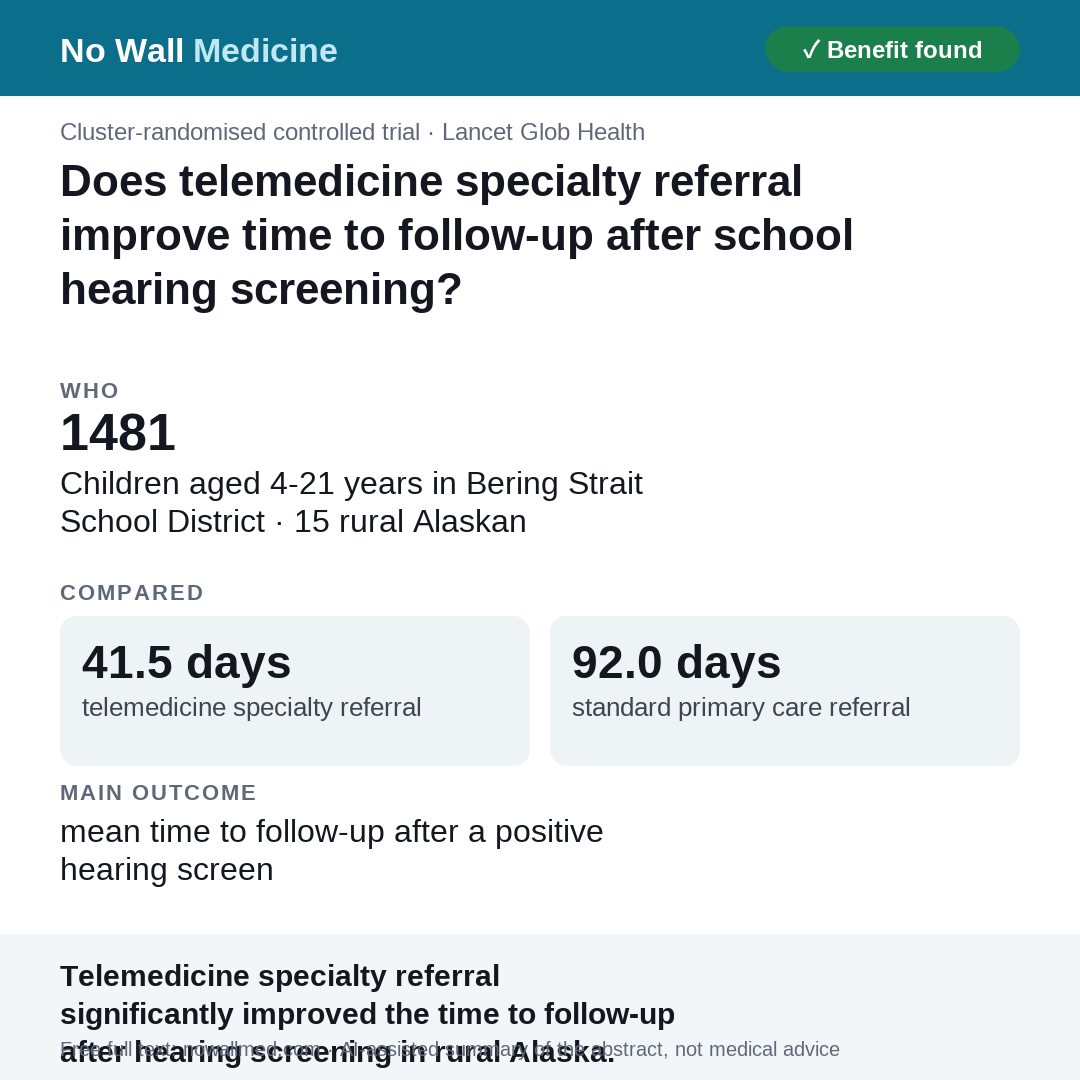
Mobile health school screening and telemedicine referral to improve access to specialty care in rural Alaska: a cluster- randomised controlled trial
Cluster-randomised controlled trialBenefit found
Does telemedicine specialty referral improve time to follow-up after school hearing screening?
Who
1481
Children aged 4-21 years in Bering Strait School District · 15 rural Alaskan communities, USA
Compared
41.5 daystelemedicine specialty referral (SD 55.7)
92.0 daysstandard primary care referral (75.8)
Main outcome
mean time to follow-up after a positive hearing screen
Result: adjusted event-time ratio 17.6 (95% CI 6.8-45.3)
Bottom line: Telemedicine specialty referral significantly improved the time to follow-up after hearing screening in rural Alaska.
Funded by: Patient-Centered Outcomes Research Institute
Lancet Glob Health · 2022-06-18Download image
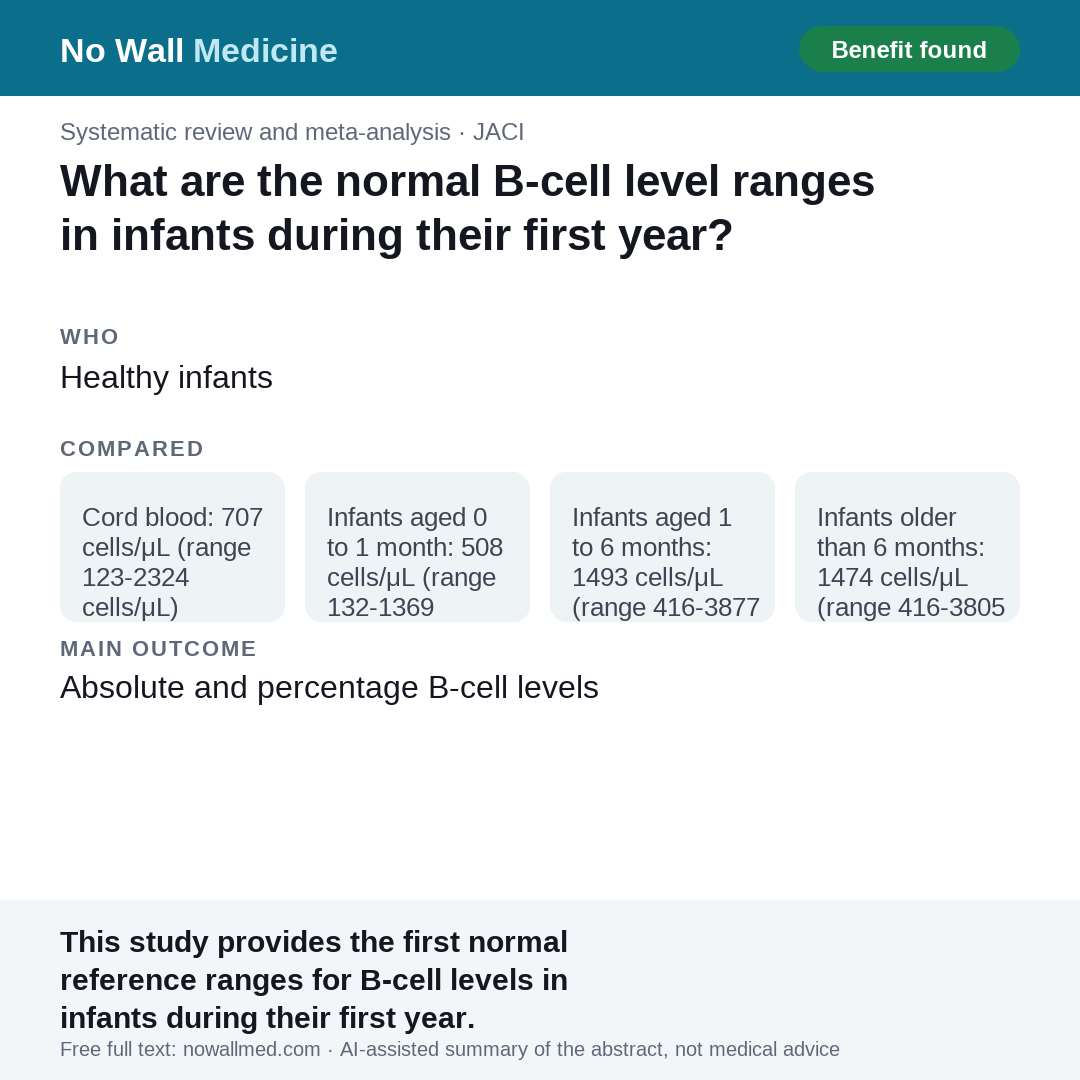
Normal B-cell ranges in infants: A systematic review and meta-analysis
Systematic review and meta-analysisBenefit found
What are the normal B-cell level ranges in infants during their first year?
Who
Healthy infants
Compared
Cord blood: 707 cells/μL (range 123-2324 cells/μL)
Infants aged 0 to 1 month: 508 cells/μL (range 132-1369 cells/μL)
Infants aged 1 to 6 months: 1493 cells/μL (range 416-3877 cells/μL)
Infants older than 6 months: 1474 cells/μL (range 416-3805 cells/μL)
Main outcome
Absolute and percentage B-cell levels
Bottom line: This study provides the first normal reference ranges for B-cell levels in infants during their first year.
JACI · 2022-06-18Download image
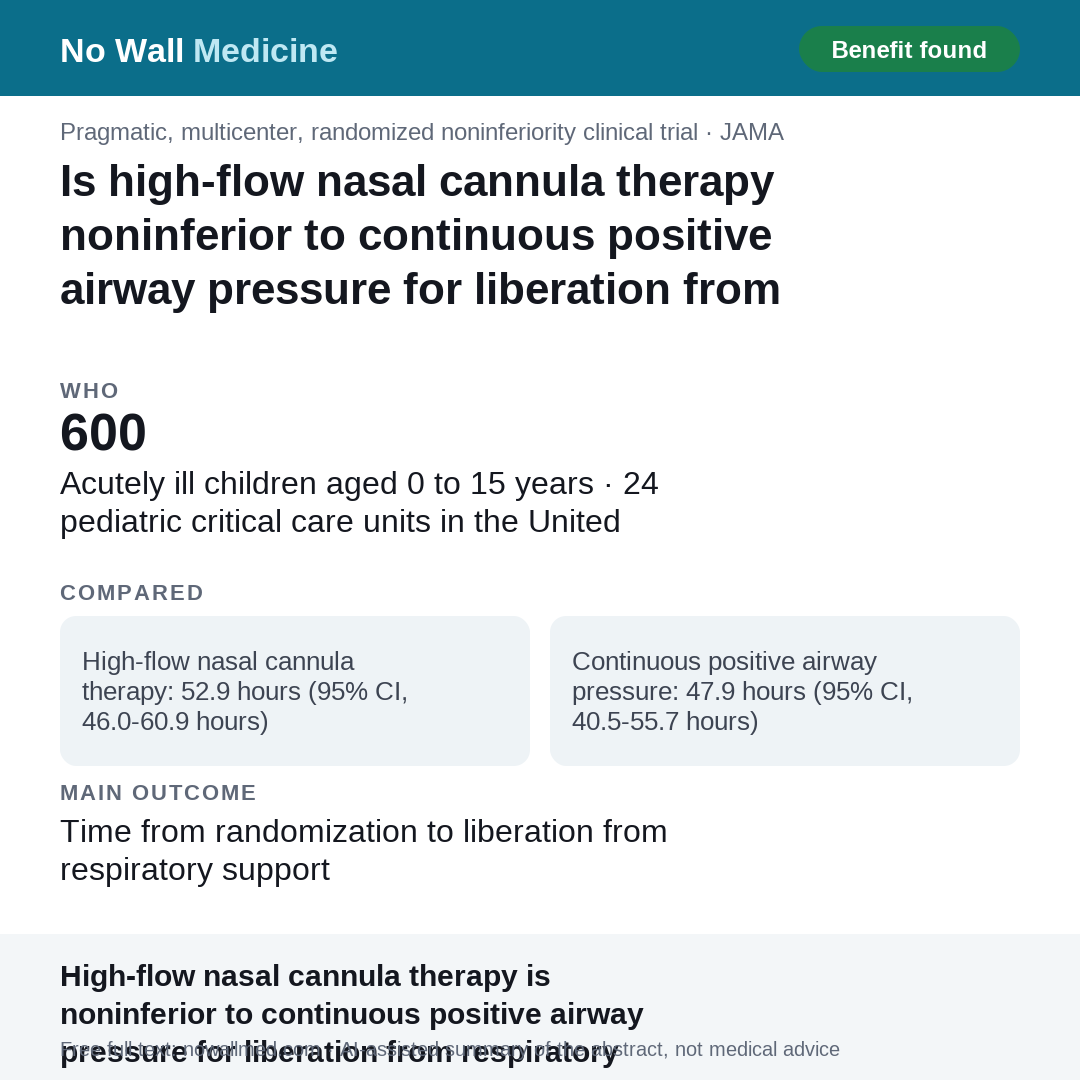
Effect of High-Flow Nasal Cannula Therapy vs Continuous Positive Airway Pressure Therapy on Liberation From Respiratory Support in Acutely Ill Children Admitted to Pediatric Critical Care Units: A Randomized Clinical Trial
Pragmatic, multicenter, randomized noninferiority clinical trialBenefit found
Is high-flow nasal cannula therapy noninferior to continuous positive airway pressure for liberation from respiratory support?
Who
600
Acutely ill children aged 0 to 15 years · 24 pediatric critical care units in the United Kingdom
Compared
High-flow nasal cannula therapy: 52.9 hours (95% CI, 46.0-60.9 hours)
Continuous positive airway pressure: 47.9 hours (95% CI, 40.5-55.7 hours)
Main outcome
Time from randomization to liberation from respiratory support
Result: adjusted hazard ratio 1.03 [1-sided 95% CI, 0.86-∞]
Bottom line: High-flow nasal cannula therapy is noninferior to continuous positive airway pressure for liberation from respiratory support in acutely ill children.
JAMA · 2022-06-17Download image
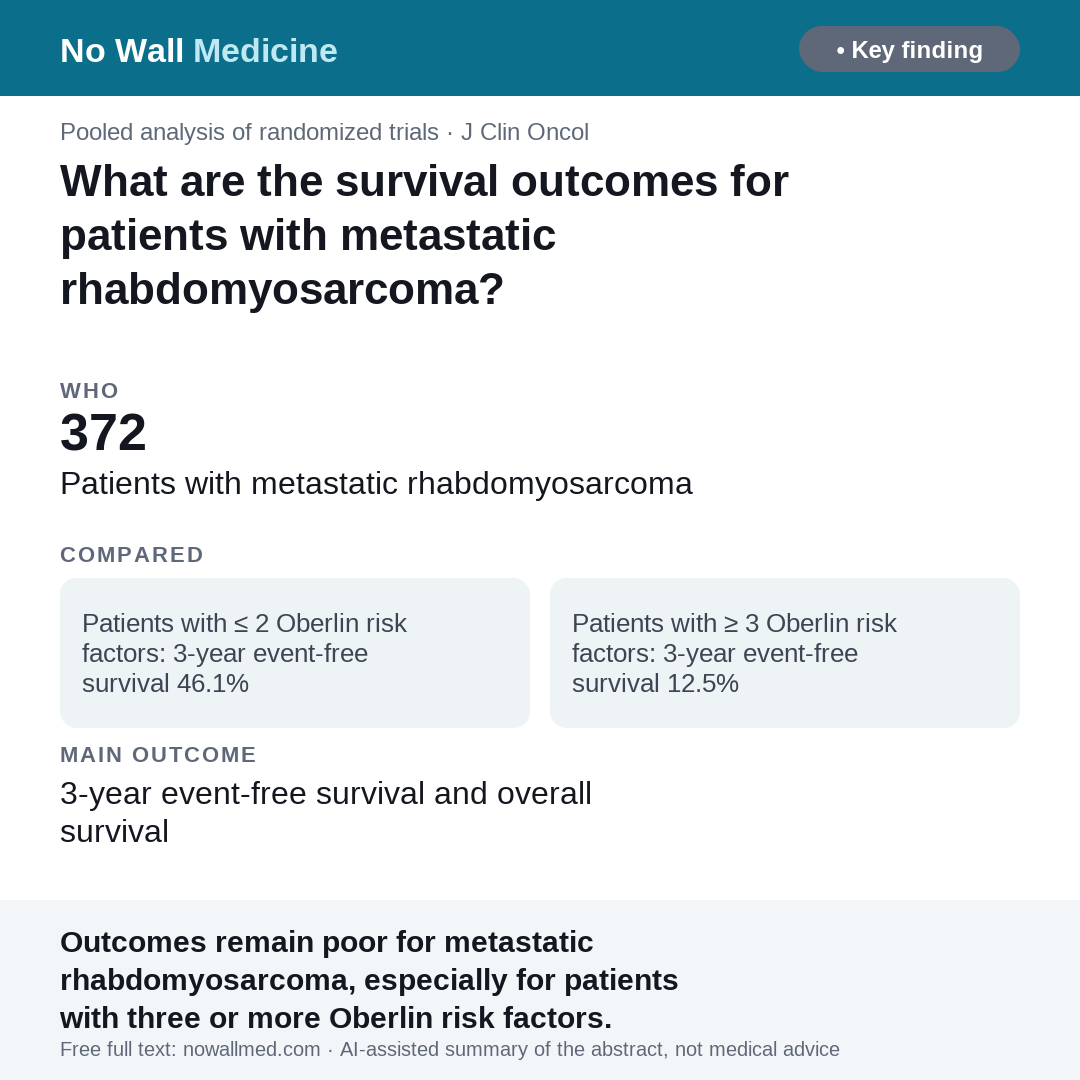
Metastatic Rhabdomyosarcoma: Results of the European Paediatric Soft Tissue Sarcoma Study Group MTS 2008 Study and Pooled Analysis With the Concurrent BERNIE Study
Pooled analysis of randomized trialsKey finding
What are the survival outcomes for patients with metastatic rhabdomyosarcoma?
Who
372
Patients with metastatic rhabdomyosarcoma
Compared
Patients with ≤ 2 Oberlin risk factors: 3-year event-free survival 46.1%
Patients with ≥ 3 Oberlin risk factors: 3-year event-free survival 12.5%
Main outcome
3-year event-free survival and overall survival
Bottom line: Outcomes remain poor for metastatic rhabdomyosarcoma, especially for patients with three or more Oberlin risk factors.
Limitation: Study design prevents determining if intensive regimens improved outcomes compared with historical cohorts.
J Clin Oncol · 2022-06-16Download image
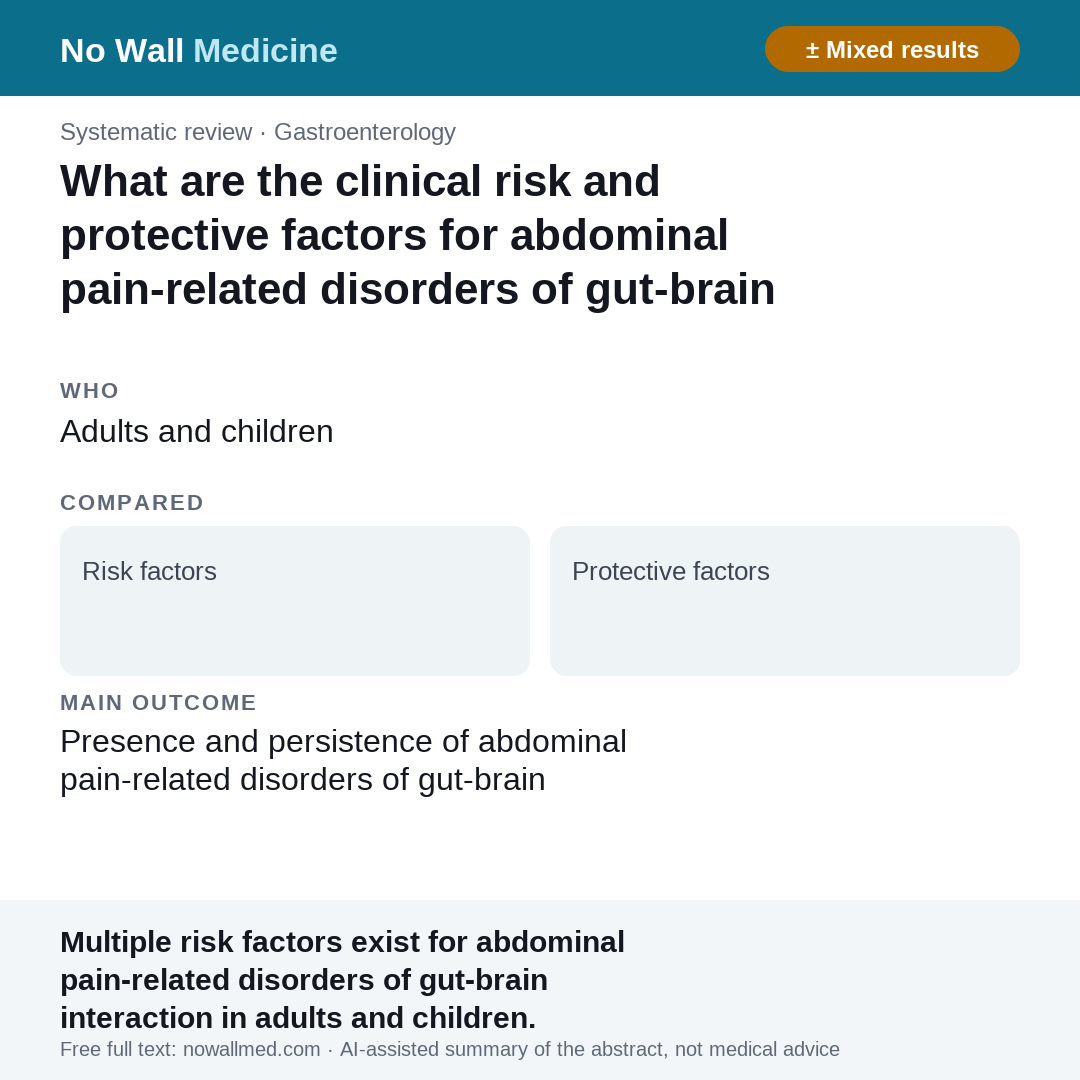
Risk Factors for Abdominal Pain-Related Disorders of Gut-Brain Interaction in Adults and Children: A Systematic Review
Systematic reviewMixed results
What are the clinical risk and protective factors for abdominal pain-related disorders of gut-brain interaction?
Who
Adults and children
Compared
Risk factors
Protective factors
Main outcome
Presence and persistence of abdominal pain-related disorders of gut-brain interaction
Bottom line: Multiple risk factors exist for abdominal pain-related disorders of gut-brain interaction in adults and children.
Limitation: Additional studies are needed in children, on protective factors, and on persistence.
Gastroenterology · 2022-06-16Download image
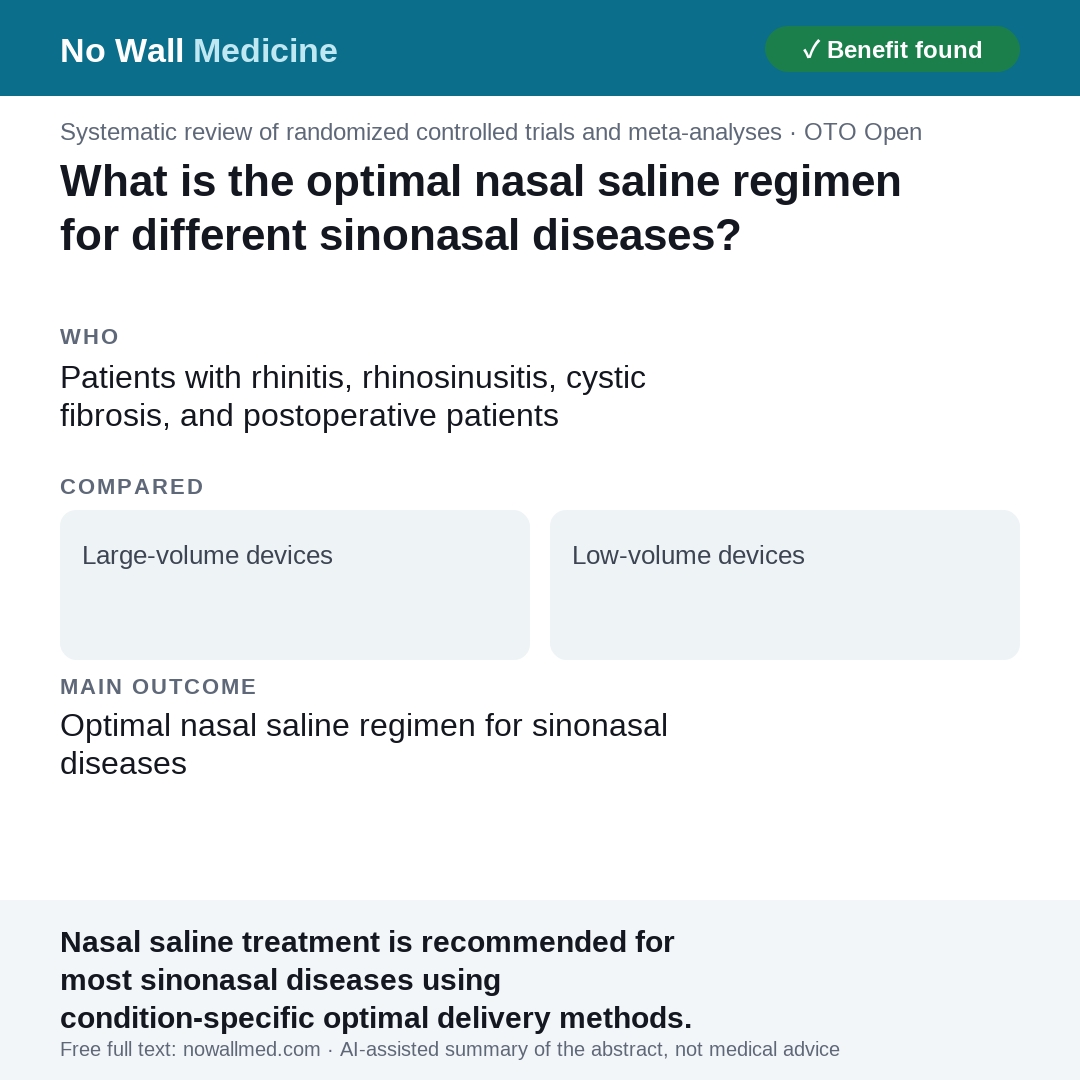
Optimal Device and Regimen of Nasal Saline Treatment for Sinonasal Diseases: Systematic Review
Systematic review of randomized controlled trials and meta-analysesBenefit found
What is the optimal nasal saline regimen for different sinonasal diseases?
Who
Patients with rhinitis, rhinosinusitis, cystic fibrosis, and postoperative patients
Compared
Large-volume devices
Low-volume devices
Main outcome
Optimal nasal saline regimen for sinonasal diseases
Bottom line: Nasal saline treatment is recommended for most sinonasal diseases using condition-specific optimal delivery methods.
Limitation: Data for cystic fibrosis and nonallergic rhinitis were limited.
OTO Open · 2022-06-13Download image
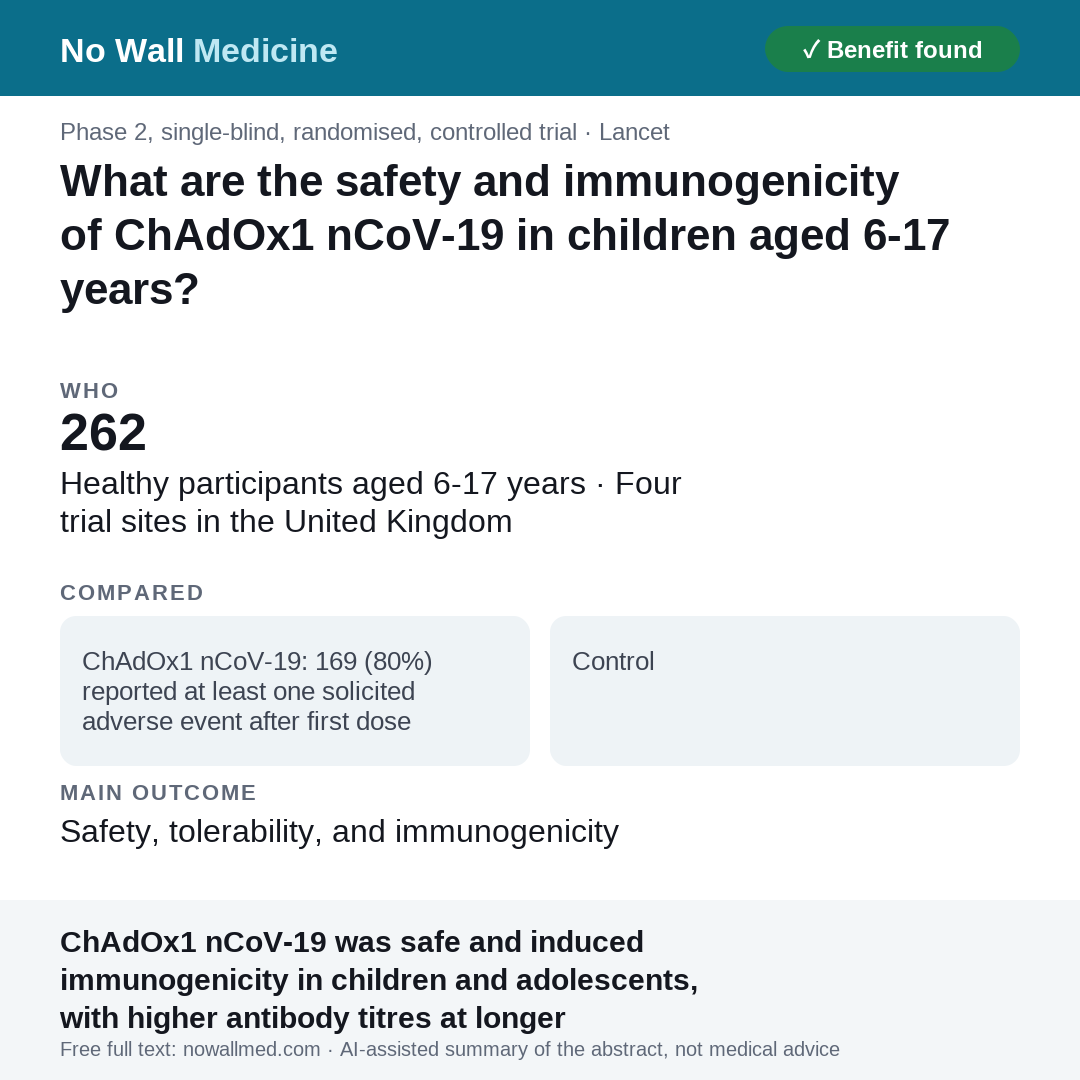
Safety and immunogenicity of the ChAdOx1 nCoV-19 (AZD1222) vaccine in children aged 6-17 years: a preliminary report of COV006, a phase 2 single-blind, randomised, controlled trial
Phase 2, single-blind, randomised, controlled trialBenefit found
What are the safety and immunogenicity of ChAdOx1 nCoV-19 in children aged 6-17 years?
Who
262
Healthy participants aged 6-17 years · Four trial sites in the United Kingdom
Compared
ChAdOx1 nCoV-19: 169 (80%) reported at least one solicited adverse event after first dose
Control
Main outcome
Safety, tolerability, and immunogenicity
Bottom line: ChAdOx1 nCoV-19 was safe and induced immunogenicity in children and adolescents, with higher antibody titres at longer intervals.
Lancet · 2022-06-12Download image
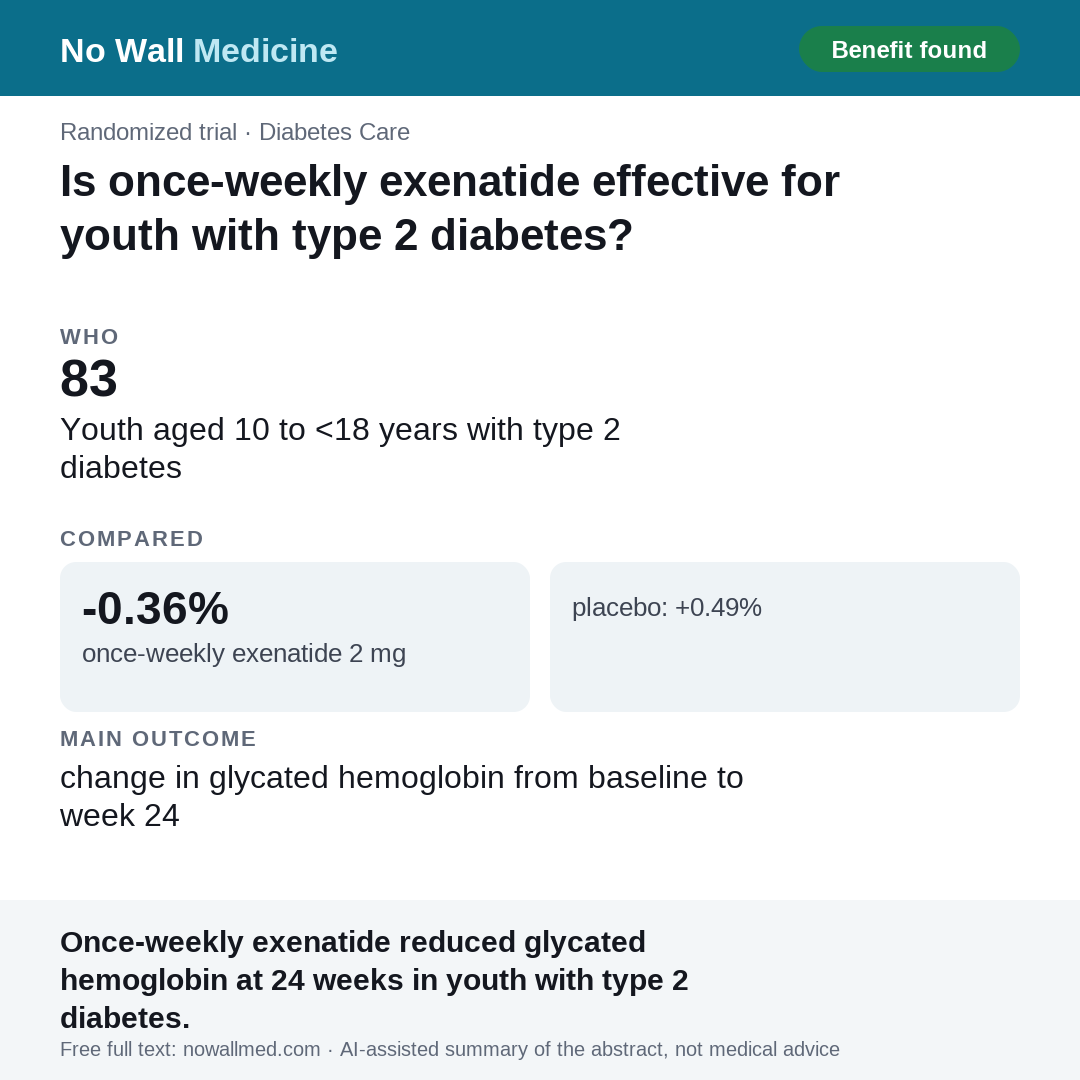
Once-Weekly Exenatide in Youth With Type 2 Diabetes
Randomized trialBenefit found
Is once-weekly exenatide effective for youth with type 2 diabetes?
Who
83
Youth aged 10 to <18 years with type 2 diabetes
Compared
-0.36%once-weekly exenatide 2 mg
placebo: +0.49%
Main outcome
change in glycated hemoglobin from baseline to week 24
Result: -0.85% (95% CI -1.51, -0.19)
Bottom line: Once-weekly exenatide reduced glycated hemoglobin at 24 weeks in youth with type 2 diabetes.
Diabetes Care · 2022-06-10Download image
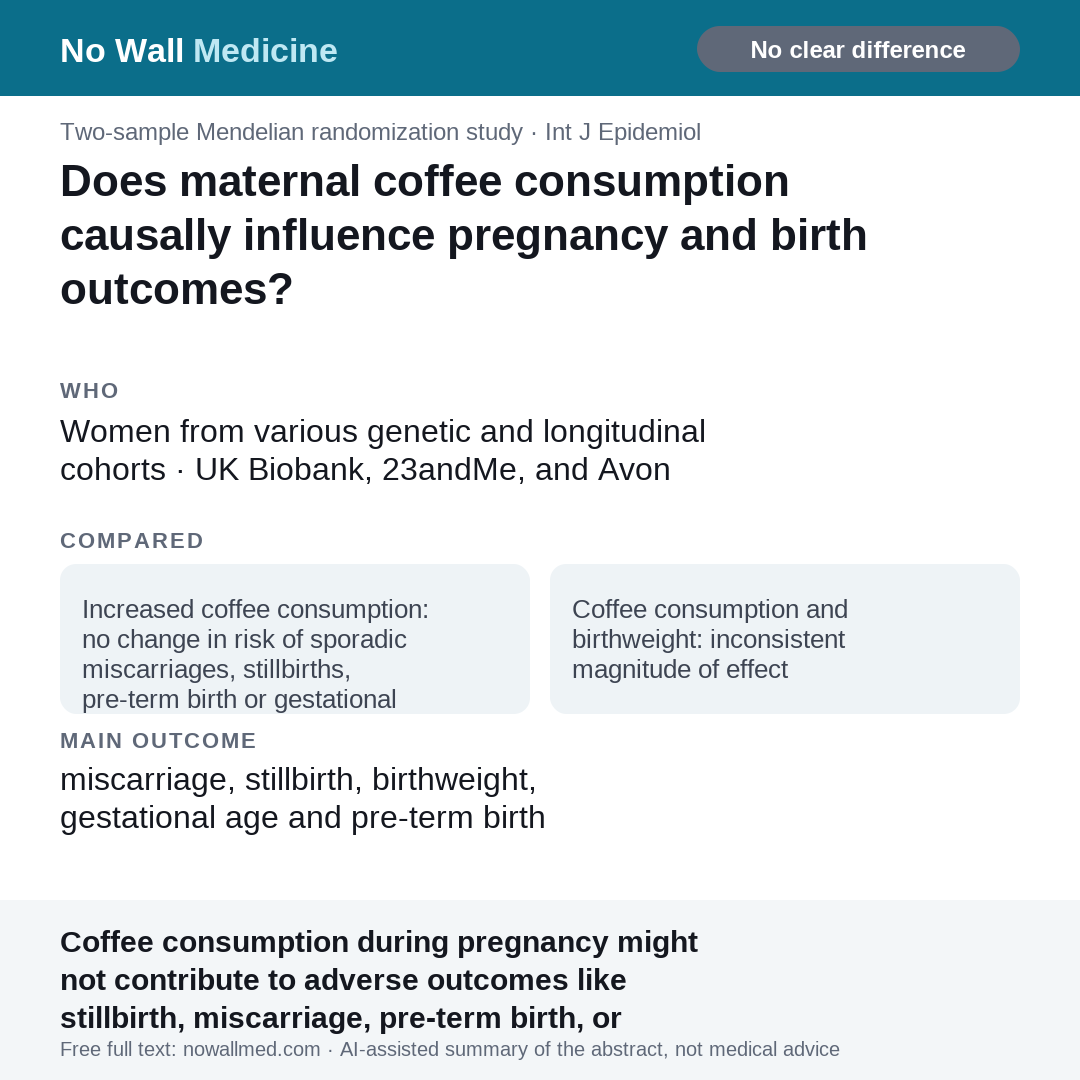
Mendelian randomization study of maternal coffee consumption and its influence on birthweight, stillbirth, miscarriage, gestational age and pre-term birth
Two-sample Mendelian randomization studyNo clear difference
Does maternal coffee consumption causally influence pregnancy and birth outcomes?
Who
Women from various genetic and longitudinal cohorts · UK Biobank, 23andMe, and Avon Longitudinal Study
Compared
Increased coffee consumption: no change in risk of sporadic miscarriages, stillbirths, pre-term birth or gestational age
Coffee consumption and birthweight: inconsistent magnitude of effect
Main outcome
miscarriage, stillbirth, birthweight, gestational age and pre-term birth
Bottom line: Coffee consumption during pregnancy might not contribute to adverse outcomes like stillbirth, miscarriage, pre-term birth, or lower birthweight.
Int J Epidemiol · 2022-06-10Download image