Visual abstracts
New randomized trials and meta-analyses from leading journals at a glance: who was studied, what was compared, and what was found. Every paper is free to read in full.
All specialtiesCardiology 4877Oncology 4138Gastroenterology & Hepatology 1942Infectious Disease 3837Neurology 1905Psychiatry & Mental Health 2273Pulmonology 2143Critical Care 1365Endocrinology & Diabetes 2580Pediatrics 2980Surgery 2559Orthopedics & Sports Medicine 931Neurosurgery 537Cardiothoracic & Vascular Surgery 674Plastic & Reconstructive Surgery 591Nephrology 1133Rheumatology 823Hematology 1109Dermatology 621Ophthalmology 543Obstetrics & Gynecology 1686Public & Global Health 1058Radiology & Imaging 648Anesthesiology 986Urology 764ENT (Otolaryngology) 503Emergency Medicine 511Allergy & Immunology 313Geriatrics 981Family Medicine & Primary Care 562Medical Genetics & Genomics 676Pathology & Laboratory Medicine 159Physical Medicine & Rehabilitation 757Palliative Care 444Nutrition 1588Digital Health & AI 2201General Medicine 321
Effects of virtual reality rehabilitation after spinal cord injury: a systematic review and meta-analysis
Systematic review and meta-analysisBenefit found
Does virtual reality intervention improve functional performance in spinal cord injury?
Who
248
Individuals with spinal cord injury
Compared
Virtual reality intervention
Control
Main outcome
Functional performance including walking and balance
Bottom line: Virtual reality shows promise in enhancing walking ability and balance function in individuals with spinal cord injury.
Limitation: Existing evidence for virtual reality interventions in spinal cord injury patients remains limited.
J Neuroeng Rehabil · 2024-10-28Download image

Impact of cardiovascular magnetic resonance-derived right ventricular ejection fraction on adverse outcomes: A robust Bayesian model-averaged meta-analysis
Bayesian model-averaged meta-analysisMixed results
Does cardiac magnetic resonance-derived right ventricular ejection fraction associate with adverse outcomes in cardiovascular diseases?
Who
21,166
Patients with eleven types of cardiovascular disease
Compared
Hypertrophic cardiomyopathy: hazard ratio 1.19 (95% credible interval 0.98-1.42)
Dilated cardiomyopathy: hazard ratio 1.16 (95% credible interval 1-1.22)
Pulmonary hypertension: hazard ratio 1.05 (95% credible interval 1-1.12)
Aortic stenosis: hazard ratio 1.15 (95% credible interval 0.97-1.34)
Main outcome
adverse outcomes
Bottom line: After adjusting for publication bias, right ventricular ejection fraction showed strong evidence of association with outcomes in only four diseases.
Limitation: Additional data may strengthen evidence regarding other cardiovascular diseases.
J Cardiovasc Magn Reson · 2024-10-28Download image

Biopsychosocial Approaches for the Management of Female Chronic Pelvic Pain: A Systematic Review
Systematic review of 14 randomized controlled trialsBenefit found
What are the available biopsychosocial approaches and outcomes for treating female chronic pelvic pain?
Who
871
Women with chronic pelvic pain
Compared
Cognitive Behavioural Therapy: improvements in pain reduction and emotional functioning
Acceptance Commitment Therapy: improvements in pain reduction and emotional functioning
Mindfulness-based approaches: improvements in pain reduction and emotional functioning
Physiotherapy-based interventions: improvements in pain reduction and emotional functioning
Main outcome
pain reduction and emotional functioning
Bottom line: Biopsychosocial approaches like cognitive behavioural therapy and acceptance commitment therapy effectively reduce pain and improve emotional functioning.
Limitation: Heterogeneity in outcomes prevented efficacy comparison and high risk of bias was identified in six studies.
BJOG · 2024-10-27Download image

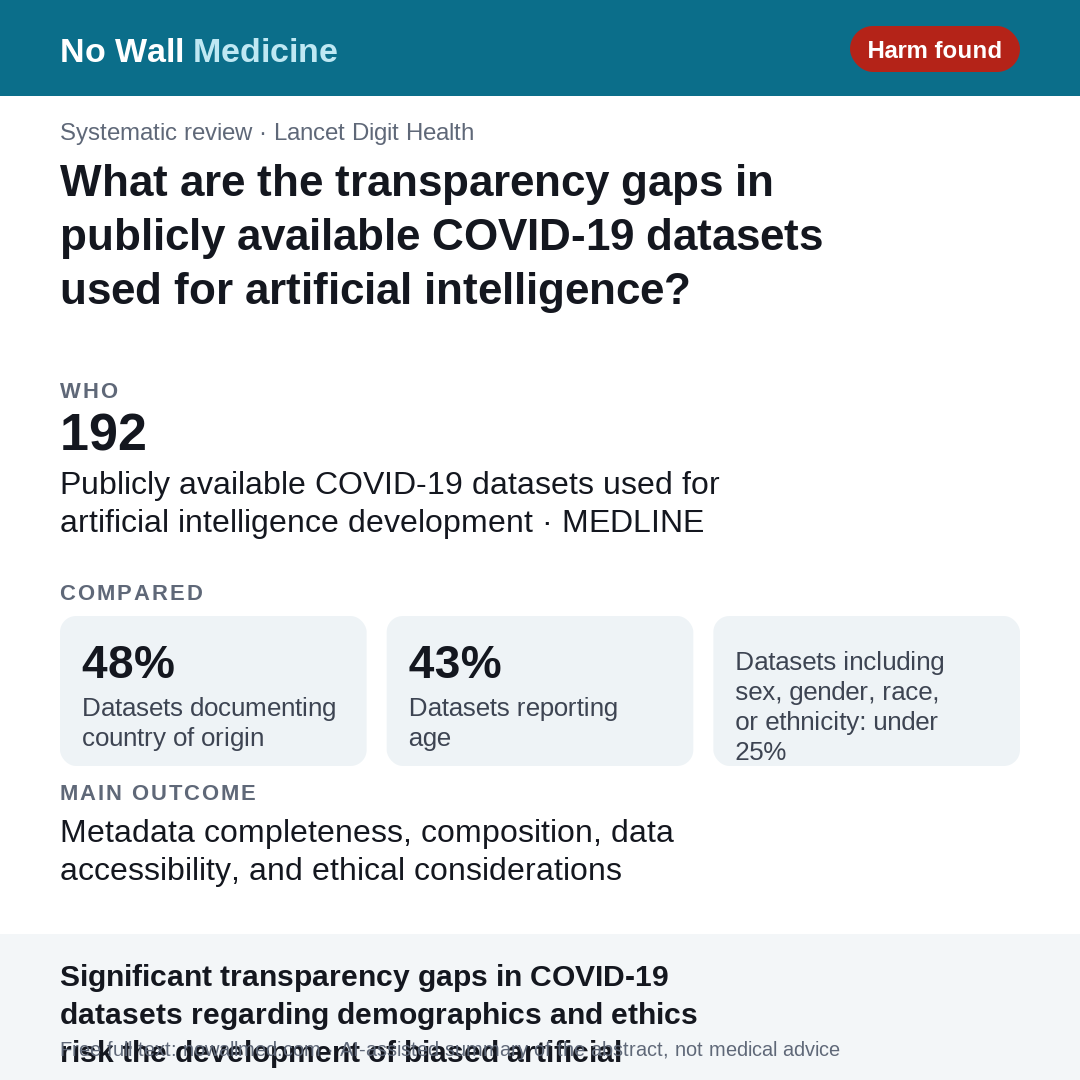
Revealing transparency gaps in publicly available COVID-19 datasets used for medical artificial intelligence development-a systematic review
Systematic reviewHarm found
What are the transparency gaps in publicly available COVID-19 datasets used for artificial intelligence?
Who
192
Publicly available COVID-19 datasets used for artificial intelligence development · MEDLINE and Google Dataset Search
Compared
48%Datasets documenting country of origin
43%Datasets reporting age
Datasets including sex, gender, race, or ethnicity: under 25%
Main outcome
Metadata completeness, composition, data accessibility, and ethical considerations
Bottom line: Significant transparency gaps in COVID-19 datasets regarding demographics and ethics risk the development of biased artificial intelligence models.
Lancet Digit Health · 2024-10-26Download image
Novel risk loci in LGI1-antibody encephalitis: genome-wide association study discovery and validation cohorts
Genome-wide association study and meta-analysisBenefit found
What are the genetic risk loci for leucine-rich glioma-inactivated 1 antibody encephalitis?
Who
Patients with leucine-rich glioma-inactivated 1 antibody encephalitis and European controls · France, United States, Britain, and Ireland
Compared
LGI1 antibody encephalitis patients
European controls
Main outcome
Identification of novel genetic risk loci
Bottom line: New non-human leukocyte antigen genetic loci including PTPRD, LINC00670, and COBL were identified in leucine-rich glioma-inactivated 1 antibody encephalitis.
Brain · 2024-10-26Download image

Preoperative Calcium or Vitamin D Supplement in Thyroidectomy: A Systematic Review and Meta-Analysis
Systematic review and meta-analysisBenefit found
Does preoperative calcium or vitamin D supplementation benefit patients undergoing total thyroidectomy?
Who
1504
Patients undergoing total thyroidectomy
Compared
Supplementation
Control
Main outcome
Postoperative calcium levels and hypocalcemia
Result: OR 0.41 (95% CI 0.27 to 0.62) for 48 h postoperative hypocalcemia
Bottom line: Preoperative calcium and vitamin D supplementation reduces postoperative symptomatic hypocalcemia and intravenous calcium supplementation needs.
Laryngoscope · 2024-10-26Download image

Defining ethical criteria to guide the expanded use of Noninvasive Prenatal Screening (NIPS): Lessons about severity from preimplantation genetic testing
Systematic review of reasons approachMixed results
Can ethical criteria for preimplantation genetic testing inform non-invasive prenatal screening policies?
Who
216
Documents regarding preimplantation genetic testing for genetic conditions
Compared
medical conditions: largely based on severity
non-medical conditions: no consensus around acceptability
Main outcome
ethical criteria used to justify preimplantation genetic testing
Bottom line: Severity criteria used for preimplantation genetic testing could guide policies for expanded non-invasive prenatal screening.
Eur J Hum Genet · 2024-10-26Download image

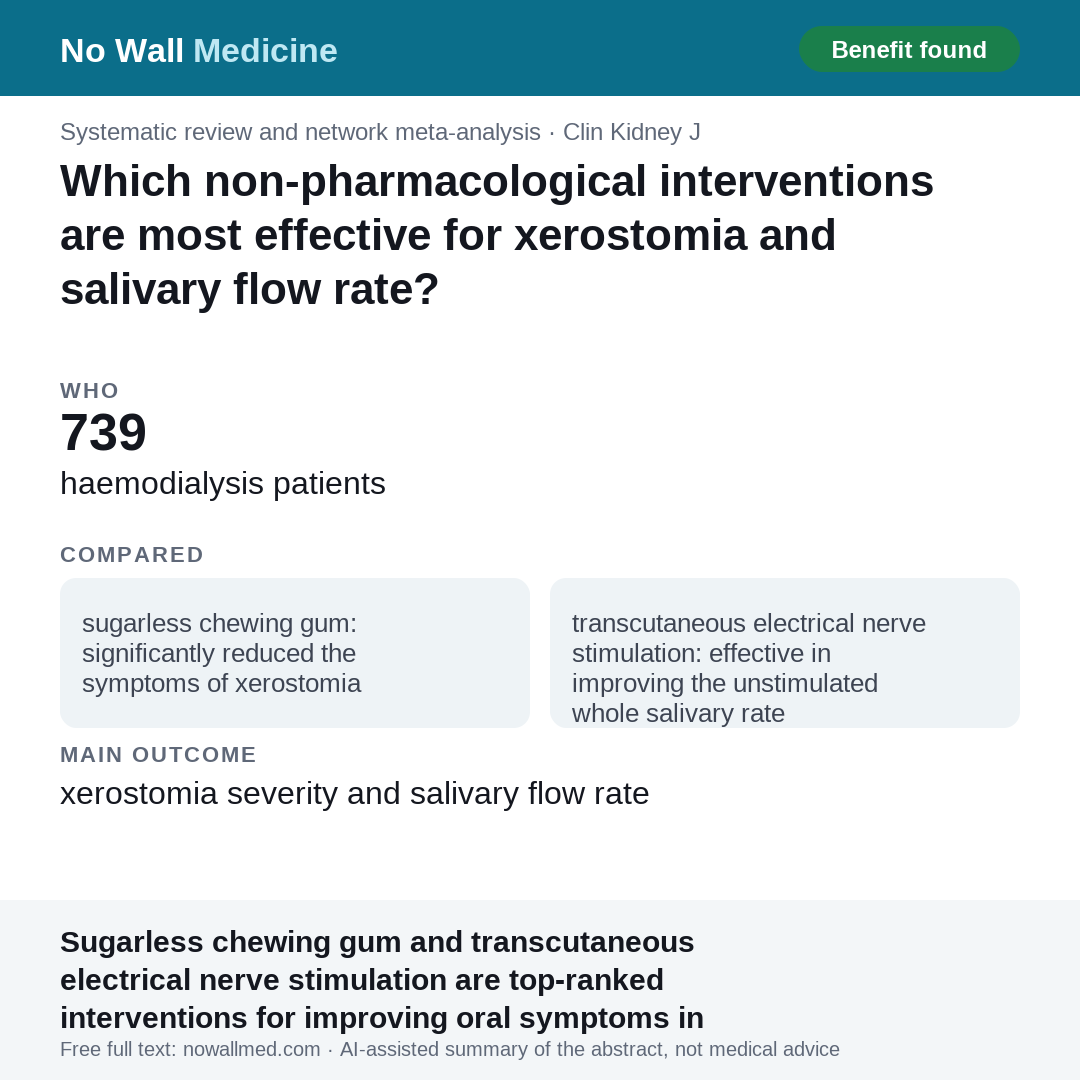
Comparative efficacy of non-pharmacological interventions on xerostomia and salivary flow rate among haemodialysis patients: A systematic review and network meta-analysis
Systematic review and network meta-analysisBenefit found
Which non-pharmacological interventions are most effective for xerostomia and salivary flow rate?
Who
739
haemodialysis patients
Compared
sugarless chewing gum: significantly reduced the symptoms of xerostomia
transcutaneous electrical nerve stimulation: effective in improving the unstimulated whole salivary rate
Main outcome
xerostomia severity and salivary flow rate
Bottom line: Sugarless chewing gum and transcutaneous electrical nerve stimulation are top-ranked interventions for improving oral symptoms in dialysis patients.
Clin Kidney J · 2024-10-26Download image
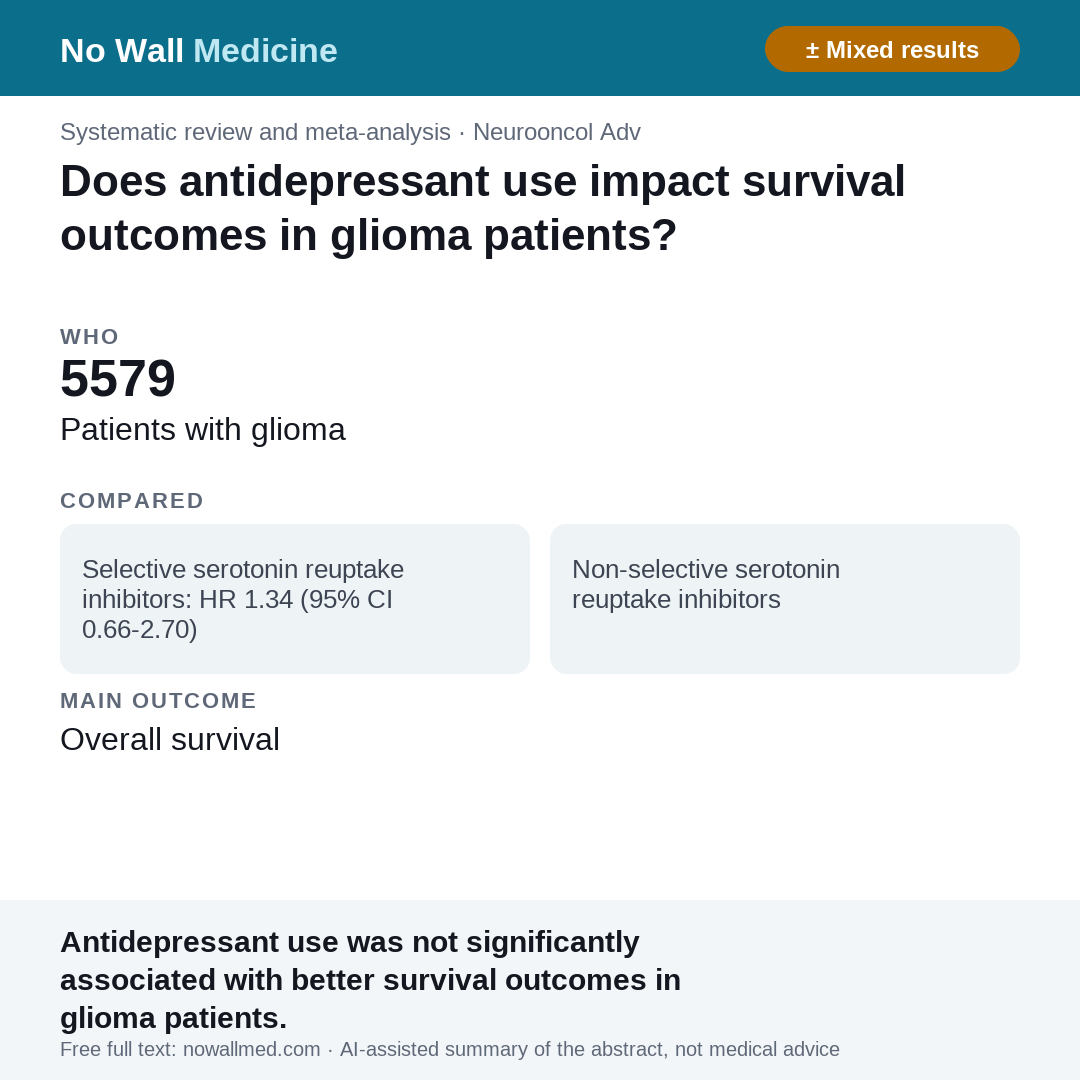
Impact of antidepressant use on survival outcomes in glioma patients: A systematic review and meta-analysis
Systematic review and meta-analysisMixed results
Does antidepressant use impact survival outcomes in glioma patients?
Who
5579
Patients with glioma
Compared
Selective serotonin reuptake inhibitors: HR 1.34 (95% CI 0.66-2.70)
Non-selective serotonin reuptake inhibitors
Main outcome
Overall survival
Bottom line: Antidepressant use was not significantly associated with better survival outcomes in glioma patients.
Limitation: Future clinical research should address patient heterogeneity to clarify effects.
Neurooncol Adv · 2024-10-26Download image
Diagnosis and Treatment of Tethered Spinal Cord: A Systematic Review
Systematic reviewMixed results
What is the evidence for diagnosis and treatment of tethered spinal cord?
Who
Patients with tethered spinal cord syndrome
Compared
MRI diagnosis: medium to high diagnostic sensitivity and specificity
Prophylactic surgery: motor function benefits and stability of neurologic status
Symptomatic surgical detethering: improvement in neurologic status
Main outcome
Diagnosis, prophylactic surgery, symptomatic treatment, and repeat surgery
Bottom line: MRI is effective for diagnosis, while surgical treatments show benefits but carry risks of complications.
Limitation: Insufficient evidence for clinical impact, ambulation, quality of life, and over- or undertreatment.
Pediatrics · 2024-10-25Download image

Mechanical Thrombectomy Access Score: A Systematic Review and Modified Delphi of Global Barriers to Endovascular Therapy
Systematic review and modified Delphi methodBenefit found
Can a score be created to measure drivers of mechanical thrombectomy access?
Who
Global barriers to mechanical thrombectomy for acute ischemic stroke
Compared
34Initial attributes identified
12Final consensus attributes
Main outcome
A mechanical thrombectomy access score ranging from 0 to 36
Bottom line: A new 12-attribute score was developed to quantify and identify global barriers to mechanical thrombectomy access.
Stroke · 2024-10-25Download image

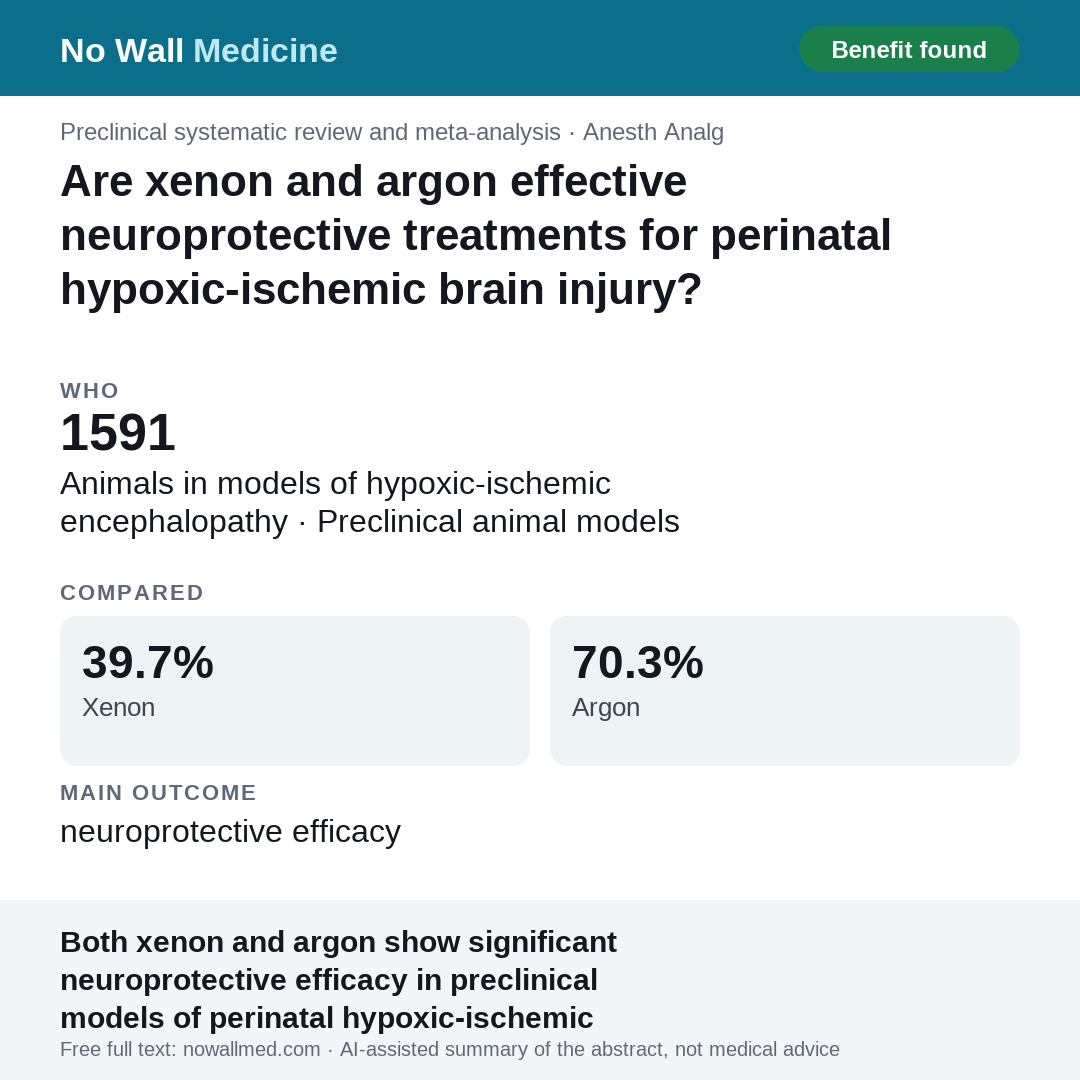
Xenon and Argon as Neuroprotective Treatments for Perinatal Hypoxic-Ischemic Brain Injury: A Preclinical Systematic Review and Meta-Analysis
Preclinical systematic review and meta-analysisBenefit found
Are xenon and argon effective neuroprotective treatments for perinatal hypoxic-ischemic brain injury?
Who
1591
Animals in models of hypoxic-ischemic encephalopathy · Preclinical animal models (mice, rats, and pigs)
Compared
39.7%Xenon (95% confidence interval 28.3%-51.1%)
70.3%Argon (95% confidence interval 59.0%-81.7%)
Main outcome
neuroprotective efficacy
Bottom line: Both xenon and argon show significant neuroprotective efficacy in preclinical models of perinatal hypoxic-ischemic encephalopathy.
Anesth Analg · 2024-10-25Download image
Multi-Organ Phenotypes of Offspring Born Following Hypertensive Disorders of Pregnancy: A Systematic Review
Systematic reviewMixed results
What are the associations of maternal hypertensive pregnancy with offspring multi-organ phenotypes?
Who
Offspring of hypertensive pregnancies and normotensive controls
Compared
Offspring of hypertensive pregnancies: structural and functional changes in the heart
Normotensive control population
Main outcome
Multi-organ structural and functional phenotypes
Bottom line: Evidence of multi-organ structural and functional differences in offspring of hypertensive pregnancies remains inconsistent.
Limitation: Evidence could be strengthened through well-designed and conducted prospective studies.
J Am Heart Assoc · 2024-10-25Download image

Non-invasive prediction of human embryonic ploidy using artificial intelligence: a systematic review and meta-analysis
Systematic review and meta-analysisBenefit found
How accurate is artificial intelligence for non-invasive prediction of embryonic ploidy?
Who
6879
6879 embryos (3110 euploid and 3769 aneuploid)
Compared
Artificial intelligence prediction: sensitivity 0.71 (95% CI: 0.59-0.81)
Artificial intelligence prediction: specificity 0.75 (95% CI: 0.69-0.80)
Main outcome
predicting embryonic euploidy
Result: area under the curve 0.80 (95% CI 0.76 to 0.83)
Bottom line: Artificial intelligence shows promising performance as an auxiliary decision-making tool for predicting embryonic euploidy using imaging.
Limitation: Heterogeneity was influenced by decision support system type, external validation, risk of bias, and publication year.
Funded by: National Key R&D Program of China and Shengjing Hospital
eClinicalMedicine · 2024-10-24Download image

The effect of prescription and over-the-counter medications on core temperature in adults during heat stress: a systematic review and meta-analysis
Systematic review and meta-analysisHarm found
Do medications listed by the WHO increase core temperature during heat stress?
Who
353
Adults exposed to exertional or passive heat stress
Compared
Drugs with high anticholinergic properties: +0.42°C
Non-selective beta-blockers: +0.11°C
Adrenaline: +0.41°C
Anti-Parkinson's agents: +0.13°C
Main outcome
Core temperature
Result: +0.42°C (95% CI 0.04, 0.79°C)
Bottom line: Certain medications like anticholinergics, beta-blockers, adrenaline, and anti-Parkinson's agents increase core temperature during heat stress.
Limitation: Evidence is predominantly limited to healthy young men with short heat stress exposures.
Funded by: National Health and Medical Research Council
eClinicalMedicine · 2024-10-24Download image

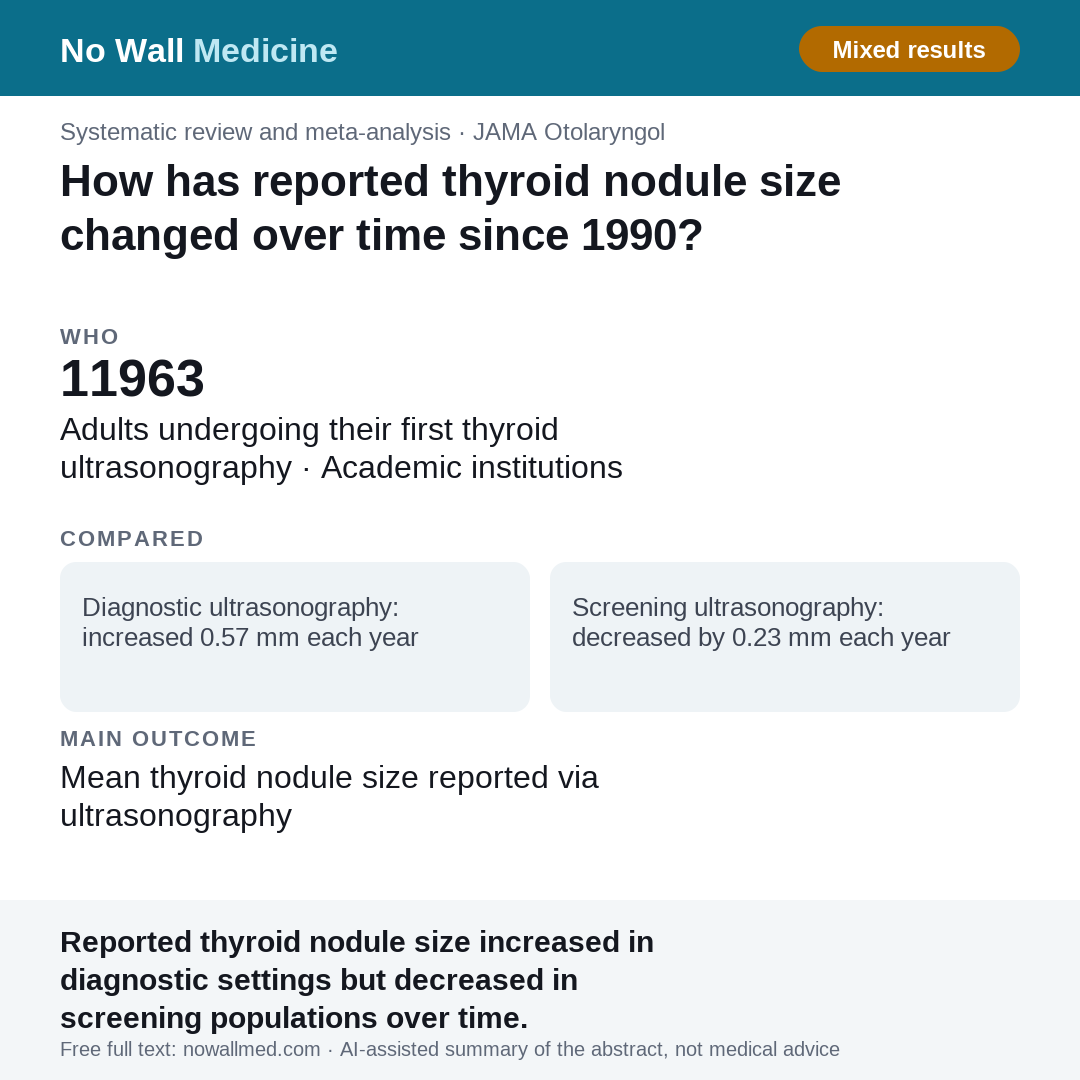
Temporal Trends in Thyroid Nodule Size on Ultrasonography: A Systematic Review and Meta-Analysis
Systematic review and meta-analysisMixed results
How has reported thyroid nodule size changed over time since 1990?
Who
11963
Adults undergoing their first thyroid ultrasonography · Academic institutions
Compared
Diagnostic ultrasonography: increased 0.57 mm each year
Screening ultrasonography: decreased by 0.23 mm each year
Main outcome
Mean thyroid nodule size reported via ultrasonography
Result: 0.52 mm increase each year (95% CI, 0.2-0.81)
Bottom line: Reported thyroid nodule size increased in diagnostic settings but decreased in screening populations over time.
JAMA Otolaryngol · 2024-10-24Download image
Systematic review and indirect treatment comparisons of ritlecitinib against baricitinib in alopecia areata
Systematic review and network meta-analysisNo clear difference
How does ritlecitinib compare to baricitinib for severe alopecia areata?
Who
Patients with severe alopecia areata
Compared
ritlecitinib 50 mg
baricitinib 4 mg
Main outcome
Severity of Alopecia Tool score less than or equal to 10 and 20
Result: odds ratio 0.96 (95% credible interval 0.18 to 7.21) for SALT ≤10
Bottom line: Ritlecitinib 50 mg and baricitinib 4 mg showed similar efficacy for severe alopecia areata at week 24.
J Eur Acad Dermatol Venereol · 2024-10-24Download image

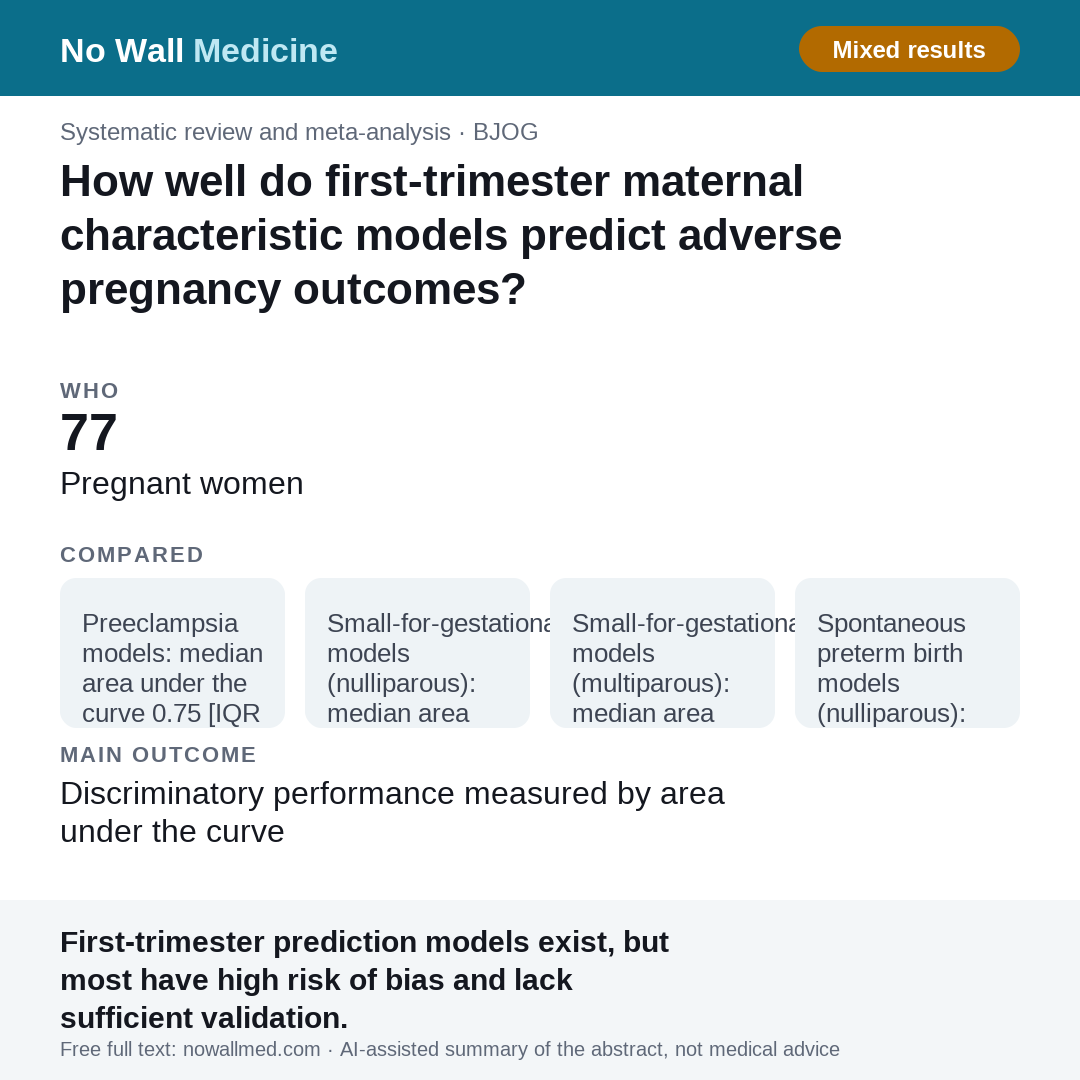
First-Trimester Prediction Models Based on Maternal Characteristics for Adverse Pregnancy Outcomes: A Systematic Review and Meta-Analysis
Systematic review and meta-analysisMixed results
How well do first-trimester maternal characteristic models predict adverse pregnancy outcomes?
Who
77
Pregnant women
Compared
Preeclampsia models: median area under the curve 0.75 [IQR 0.69-0.78]
Small-for-gestational-age models (nulliparous): median area under the curve 0.62 [0.60-0.71]
Small-for-gestational-age models (multiparous): median area under the curve 0.74 [0.72-0.74]
Spontaneous preterm birth models (nulliparous): median area under the curve 0.65 [0.61-0.67]
Main outcome
Discriminatory performance measured by area under the curve
Bottom line: First-trimester prediction models exist, but most have high risk of bias and lack sufficient validation.
Limitation: High risk of bias in 94.5% of developed models and limited validation reporting.
BJOG · 2024-10-24Download image
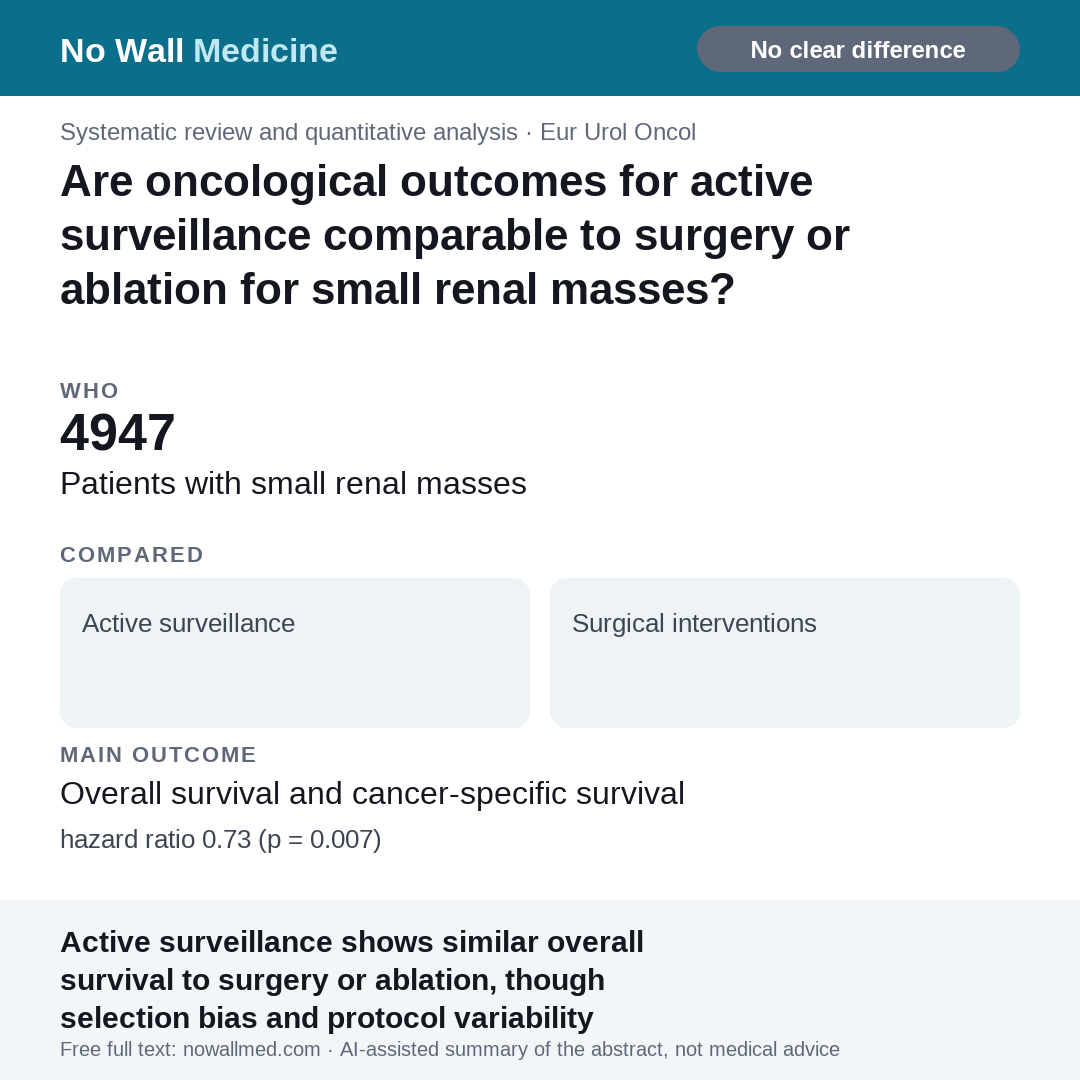
Oncological Outcomes of Active Surveillance versus Surgery or Ablation for Patients with Small Renal Masses: A Systematic Review and Quantitative Analysis
Systematic review and quantitative analysisNo clear difference
Are oncological outcomes for active surveillance comparable to surgery or ablation for small renal masses?
Who
4947
Patients with small renal masses
Compared
Active surveillance
Surgical interventions
Main outcome
Overall survival and cancer-specific survival
Result: hazard ratio 0.73 (p = 0.007)
Bottom line: Active surveillance shows similar overall survival to surgery or ablation, though selection bias and protocol variability exist.
Limitation: Selection bias in retrospective studies and classification of interventions in the SEER database study.
Eur Urol Oncol · 2024-10-24Download image
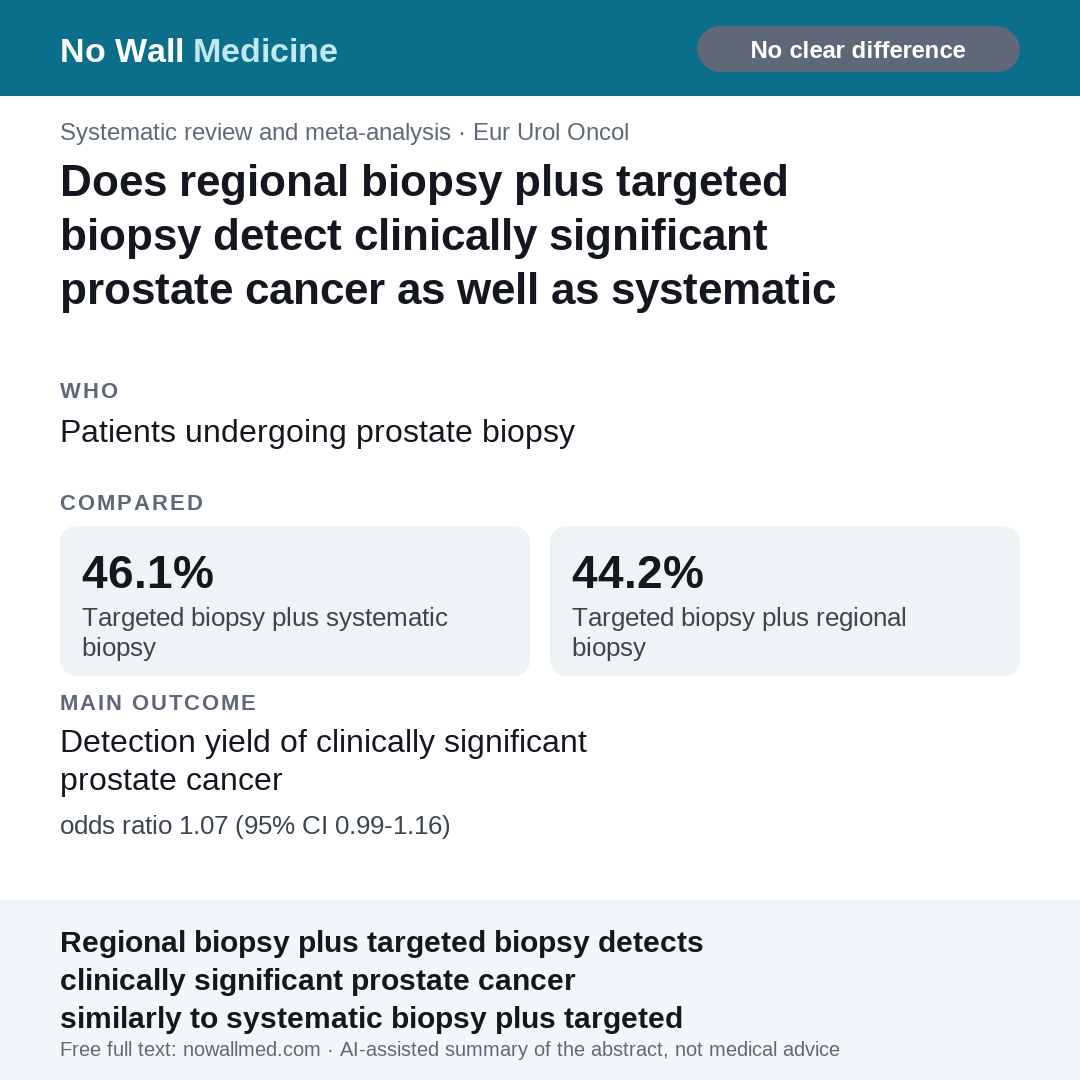
Regional Versus Systematic Biopsy in Addition to Targeted Biopsy: Results from a Systematic Review and Meta-analysis
Systematic review and meta-analysisNo clear difference
Does regional biopsy plus targeted biopsy detect clinically significant prostate cancer as well as systematic biopsy?
Who
Patients undergoing prostate biopsy
Compared
46.1%Targeted biopsy plus systematic biopsy
44.2%Targeted biopsy plus regional biopsy
Main outcome
Detection yield of clinically significant prostate cancer
Result: odds ratio 1.07 (95% CI 0.99-1.16)
Bottom line: Regional biopsy plus targeted biopsy detects clinically significant prostate cancer similarly to systematic biopsy plus targeted biopsy.
Limitation: Retrospective nature of most studies, heterogeneity of regional biopsy definition, and template.
Eur Urol Oncol · 2024-10-24Download image