Visual abstracts
New randomized trials and meta-analyses from leading journals at a glance: who was studied, what was compared, and what was found. Every paper is free to read in full.
All specialtiesCardiology 4763Oncology 4043Gastroenterology & Hepatology 1903Infectious Disease 3756Neurology 1872Psychiatry & Mental Health 2216Pulmonology 2044Critical Care 1319Endocrinology & Diabetes 2544Pediatrics 2889Surgery 2480Orthopedics & Sports Medicine 917Neurosurgery 525Cardiothoracic & Vascular Surgery 656Plastic & Reconstructive Surgery 574Nephrology 1107Rheumatology 810Hematology 1090Dermatology 611Ophthalmology 532Obstetrics & Gynecology 1645Public & Global Health 1037Radiology & Imaging 619Anesthesiology 958Urology 745ENT (Otolaryngology) 494Emergency Medicine 481Allergy & Immunology 309Geriatrics 972Family Medicine & Primary Care 534Medical Genetics & Genomics 659Pathology & Laboratory Medicine 156Physical Medicine & Rehabilitation 734Palliative Care 421Nutrition 1560Digital Health & AI 2137General Medicine 318
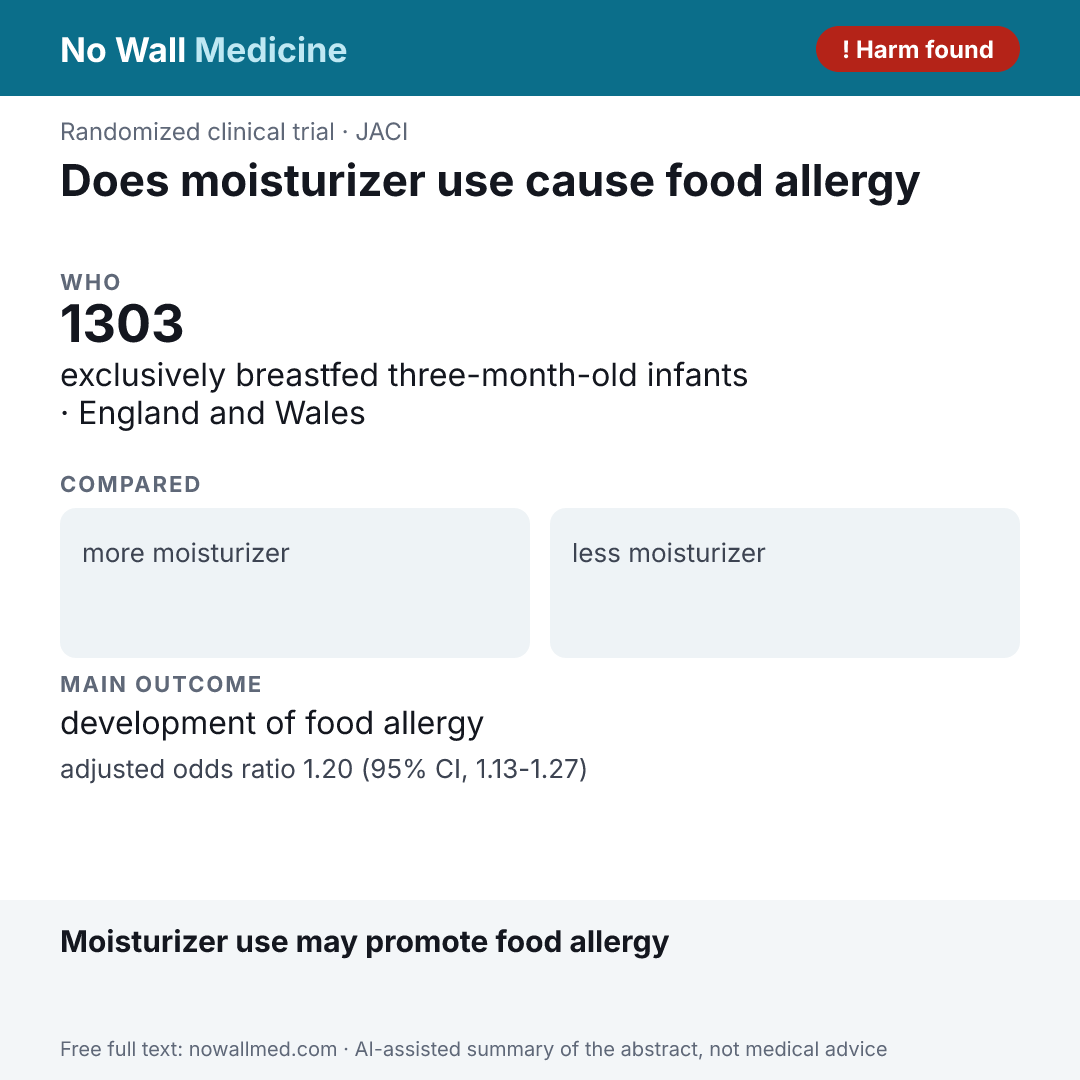
Association of frequent moisturizer use in early infancy with the development of food allergy
Randomized clinical trialHarm found
Does moisturizer use cause food allergy
Who
1303
exclusively breastfed three-month-old infants · England and Wales
Compared
more moisturizer
less moisturizer
Main outcome
development of food allergy
Result: adjusted odds ratio 1.20 (95% CI, 1.13-1.27)
Bottom line: Moisturizer use may promote food allergy
JACI · 2021-03-08 · Save PNG
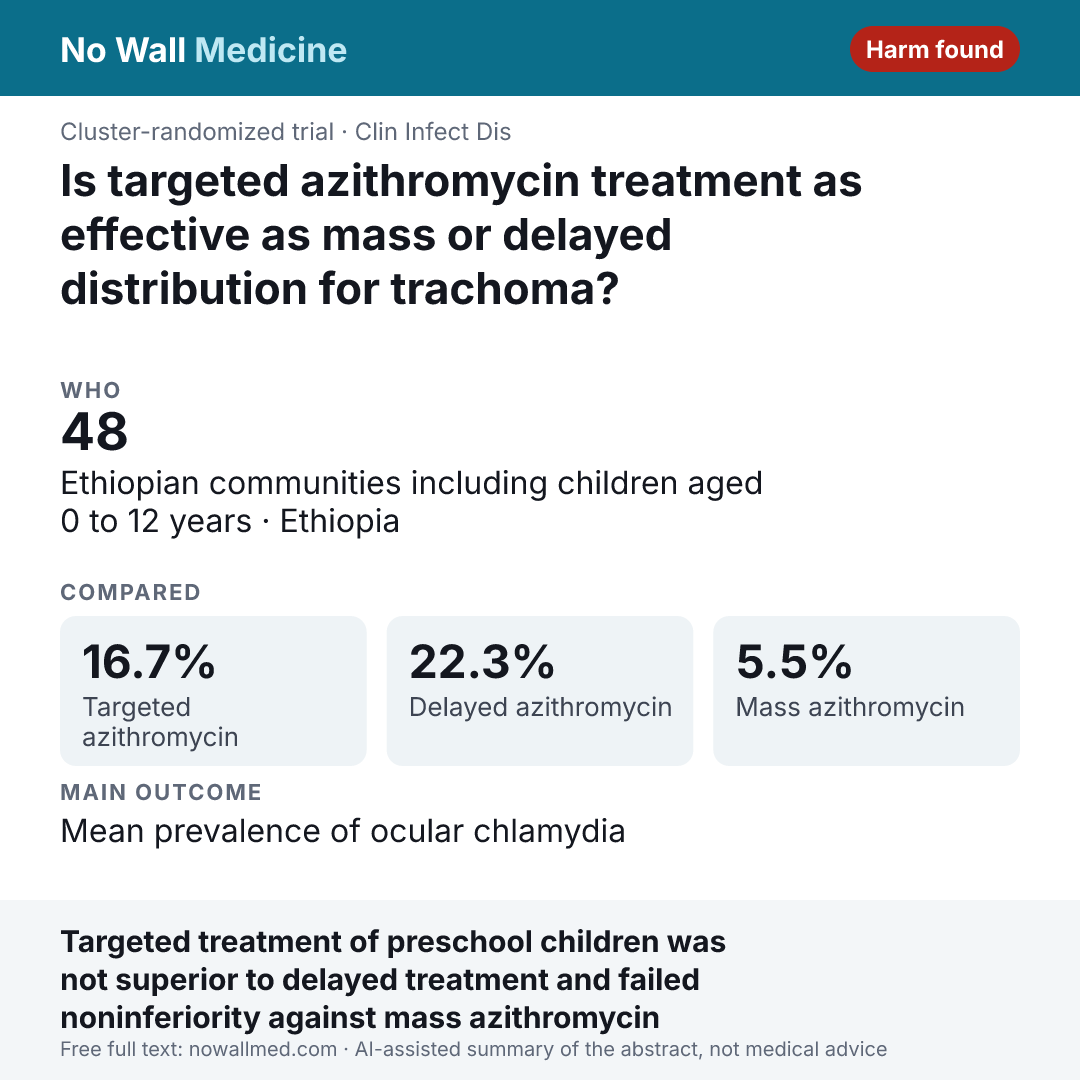
Targeted Antibiotics for Trachoma: A Cluster-Randomized Trial
Cluster-randomized trialHarm found
Is targeted azithromycin treatment as effective as mass or delayed distribution for trachoma?
Who
48
Ethiopian communities including children aged 0 to 12 years · Ethiopia
Compared
16.7%Targeted azithromycin (95% CI: 9.0%-24.4%)
22.3%Delayed azithromycin (95% CI: 11.1%-33.6%)
5.5%Mass azithromycin (95% CI: 0.3%-10.7%)
Main outcome
Mean prevalence of ocular chlamydia
Result: adjusted risk difference 8.5 percentage points higher in the targeted arm, 95% CI: 0.9 pp-16.1 pp higher
Bottom line: Targeted treatment of preschool children was not superior to delayed treatment and failed noninferiority against mass azithromycin distribution.
Clin Infect Dis · 2021-03-07 · Save PNG
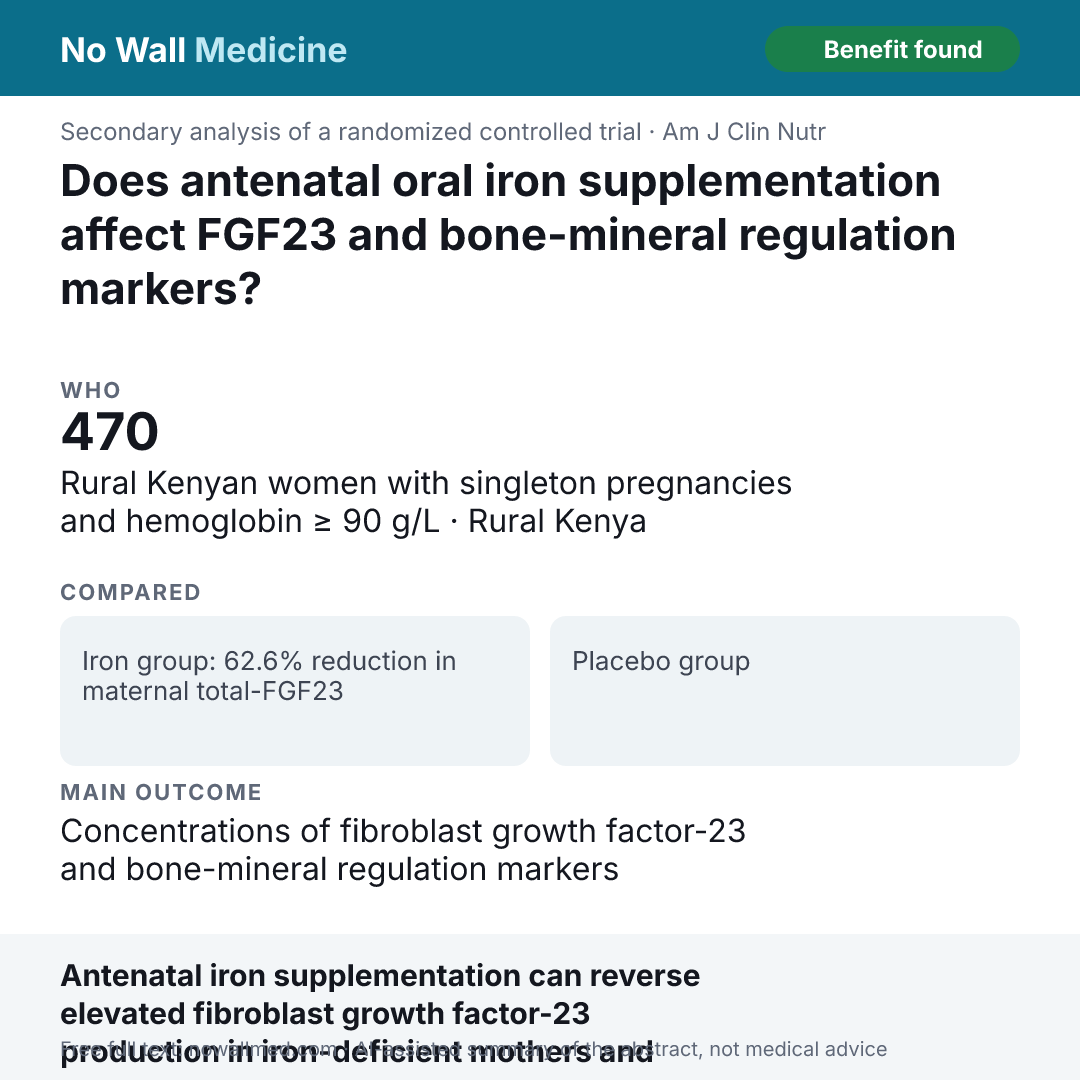
Antenatal iron supplementation, FGF23, and bone metabolism in Kenyan women and their offspring: secondary analysis of a randomized controlled trial
Secondary analysis of a randomized controlled trialBenefit found
Does antenatal oral iron supplementation affect FGF23 and bone-mineral regulation markers?
Who
470
Rural Kenyan women with singleton pregnancies and hemoglobin ≥ 90 g/L · Rural Kenya
Compared
Iron group: 62.6% reduction in maternal total-FGF23
Placebo group
Main outcome
Concentrations of fibroblast growth factor-23 and bone-mineral regulation markers
Result: 62.6% (95% CI: 53.0%, 70.3%) reduction in maternal total-FGF23
Bottom line: Antenatal iron supplementation can reverse elevated fibroblast growth factor-23 production in iron-deficient mothers and their neonates.
Am J Clin Nutr · 2021-03-07 · Save PNG
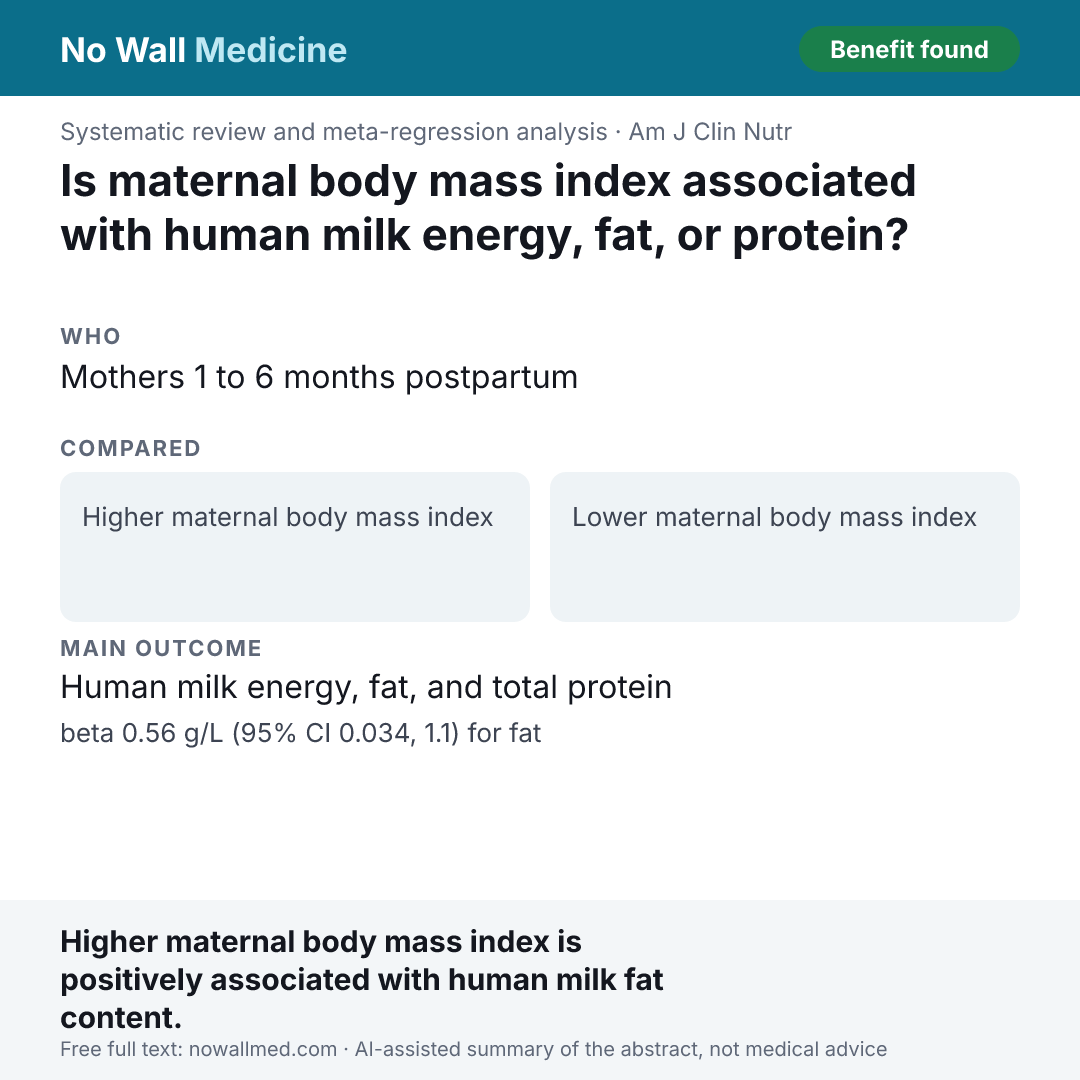
Maternal BMI is positively associated with human milk fat: a systematic review and meta-regression analysis
Systematic review and meta-regression analysisBenefit found
Is maternal body mass index associated with human milk energy, fat, or protein?
Who
Mothers 1 to 6 months postpartum
Compared
Higher maternal body mass index
Lower maternal body mass index
Main outcome
Human milk energy, fat, and total protein
Result: beta 0.56 g/L (95% CI 0.034, 1.1) for fat
Bottom line: Higher maternal body mass index is positively associated with human milk fat content.
Am J Clin Nutr · 2021-03-07 · Save PNG
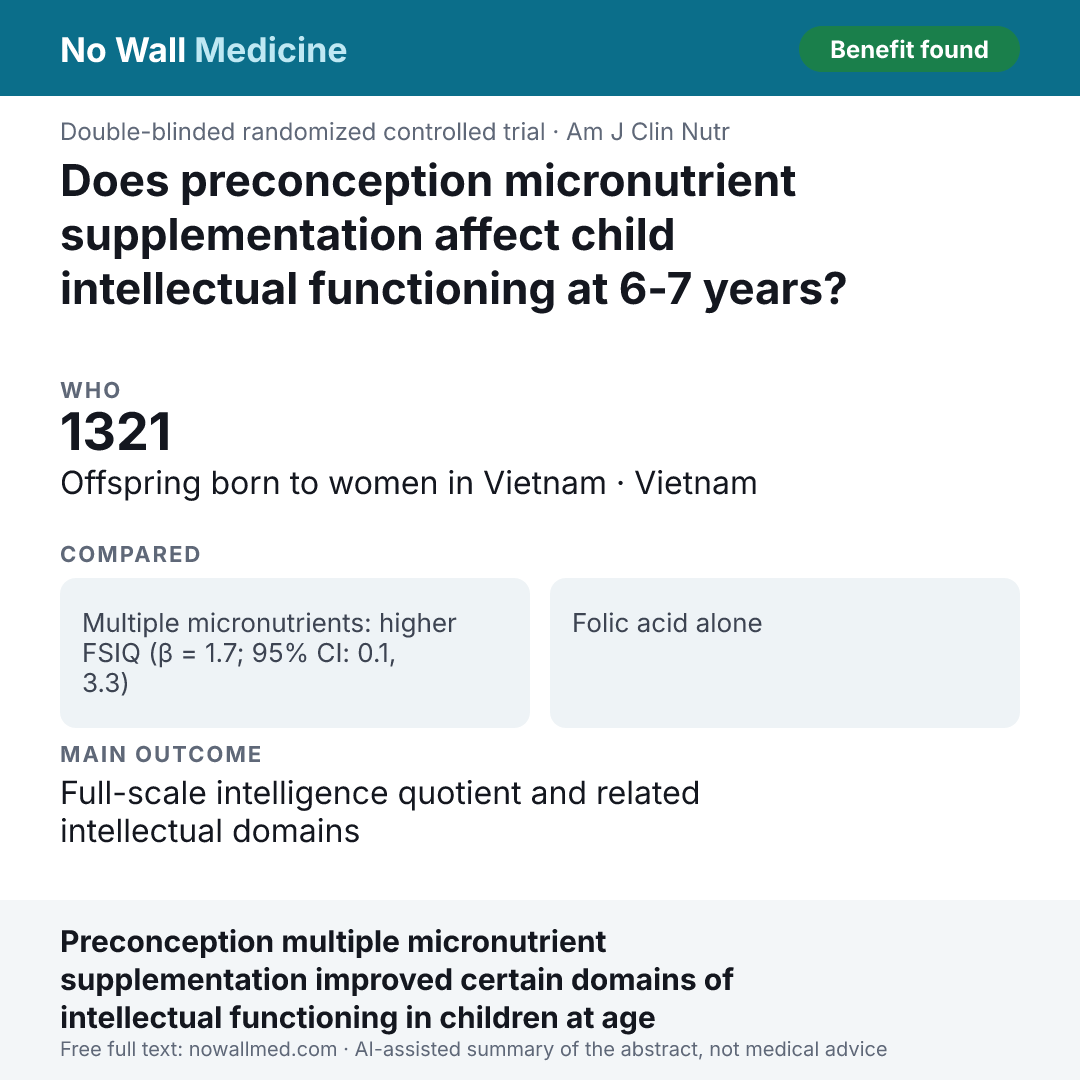
Preconception micronutrient supplementation positively affects child intellectual functioning at 6 y of age: A randomized controlled trial in Vietnam
Double-blinded randomized controlled trialBenefit found
Does preconception micronutrient supplementation affect child intellectual functioning at 6-7 years?
Who
1321
Offspring born to women in Vietnam · Vietnam
Compared
Multiple micronutrients: higher FSIQ (β = 1.7; 95% CI: 0.1, 3.3)
Folic acid alone
Main outcome
Full-scale intelligence quotient and related intellectual domains
Result: β = 1.7 (95% CI: 0.1, 3.3)
Bottom line: Preconception multiple micronutrient supplementation improved certain domains of intellectual functioning in children at age 6-7 years.
Am J Clin Nutr · 2021-03-06 · Save PNG
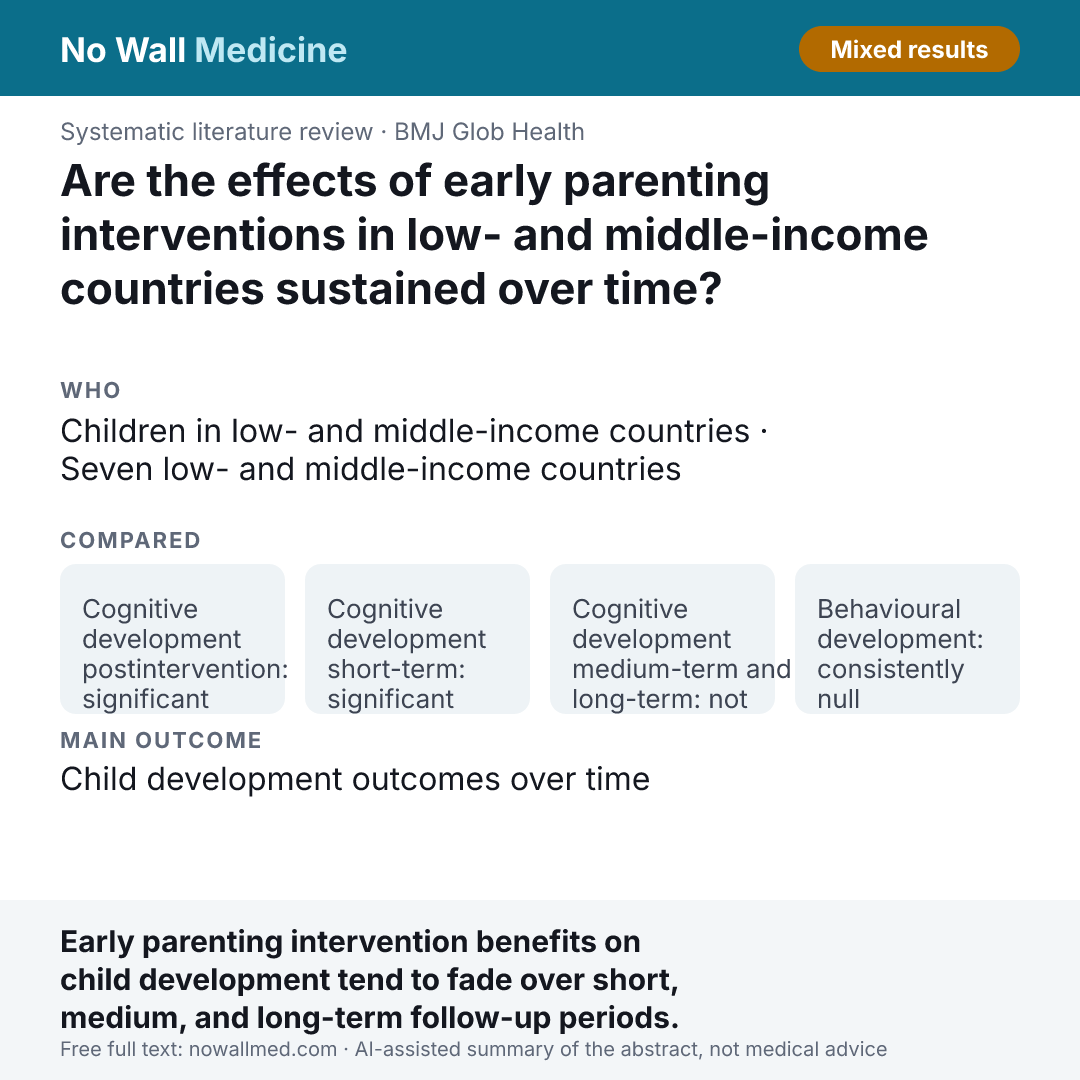
Short-term, medium-term and long-term effects of early parenting interventions in low- and middle-income countries: a systematic review
Systematic literature reviewMixed results
Are the effects of early parenting interventions in low- and middle-income countries sustained over time?
Who
Children in low- and middle-income countries · Seven low- and middle-income countries
Compared
Cognitive development postintervention: significant
Cognitive development short-term: significant
Cognitive development medium-term and long-term: not significant
Behavioural development: consistently null
Main outcome
Child development outcomes over time
Bottom line: Early parenting intervention benefits on child development tend to fade over short, medium, and long-term follow-up periods.
Limitation: Few longer-term follow-up studies were available in the identified trials.
BMJ Glob Health · 2021-03-06 · Save PNG
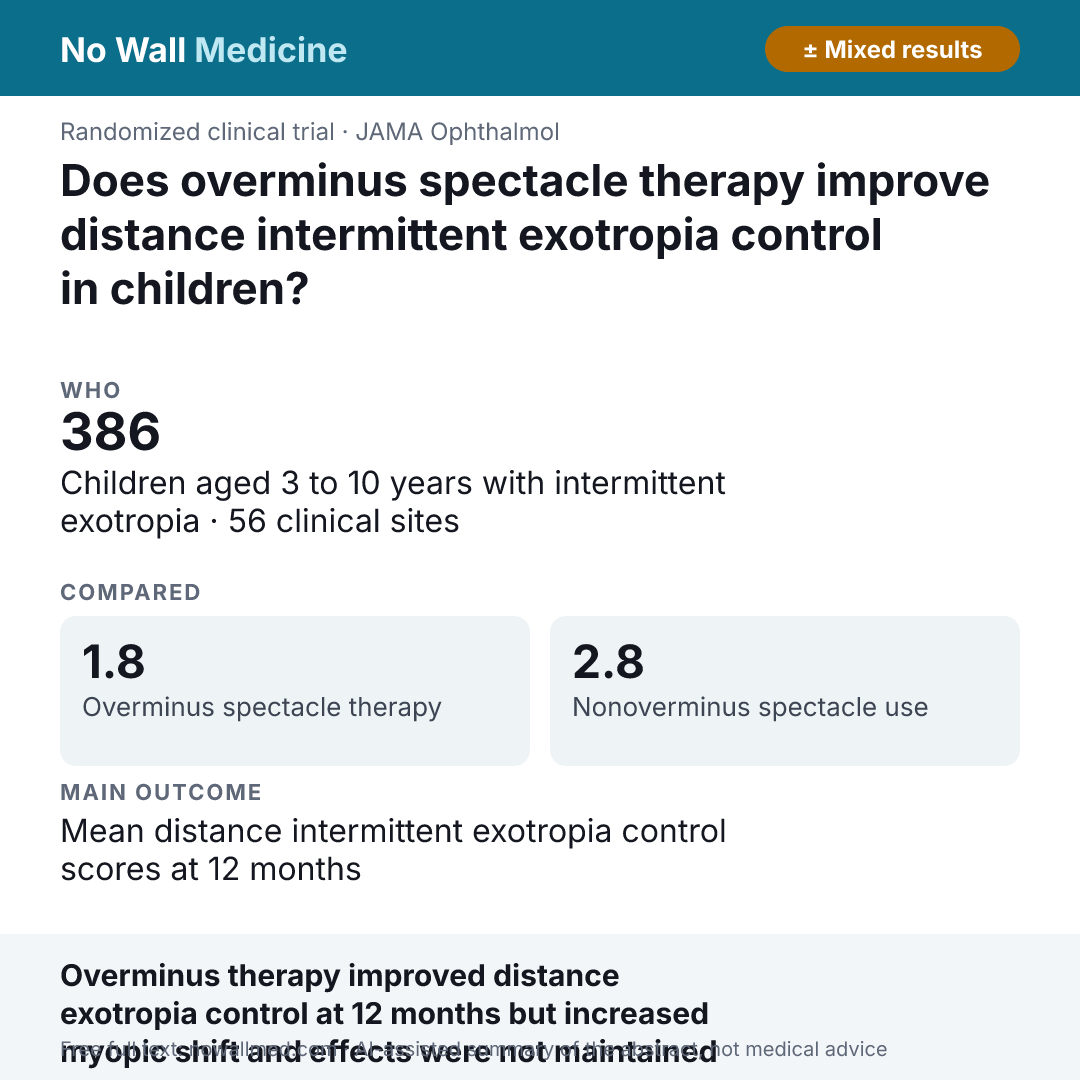
Overminus Lens Therapy for Children 3 to 10 Years of Age With Intermittent Exotropia: A Randomized Clinical Trial
Randomized clinical trialMixed results
Does overminus spectacle therapy improve distance intermittent exotropia control in children?
Who
386
Children aged 3 to 10 years with intermittent exotropia · 56 clinical sites
Compared
1.8Overminus spectacle therapy
2.8Nonoverminus spectacle use
Main outcome
Mean distance intermittent exotropia control scores at 12 months
Result: adjusted difference, -0.8; 95% CI, -1.0 to -0.5
Bottom line: Overminus therapy improved distance exotropia control at 12 months but increased myopic shift and effects were not maintained after tapering.
JAMA Ophthalmol · 2021-03-05 · Save PNG
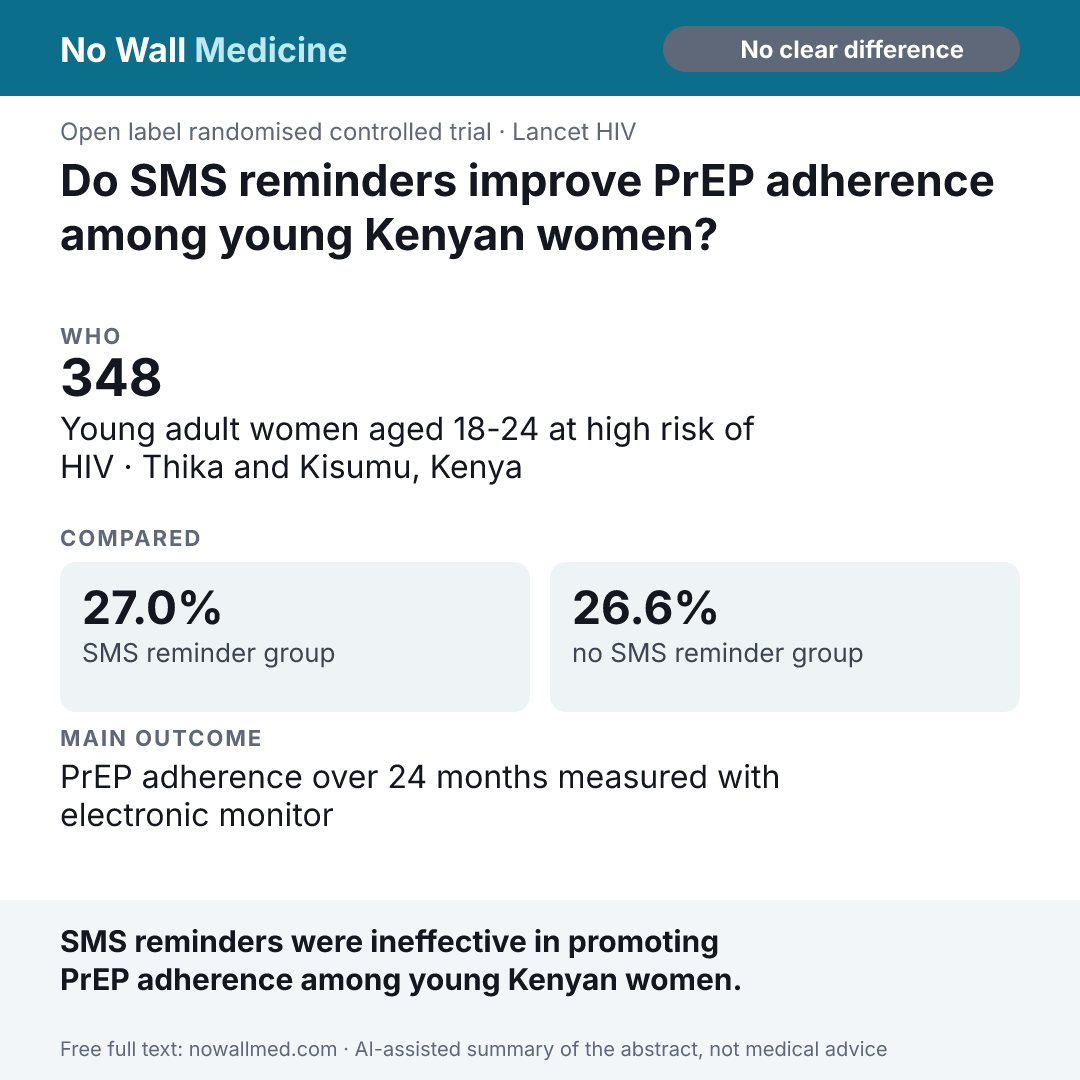
Effect of SMS reminders on PrEP adherence in young Kenyan women (MPYA study): a randomised controlled trial
Open label randomised controlled trialNo clear difference
Do SMS reminders improve PrEP adherence among young Kenyan women?
Who
348
Young adult women aged 18-24 at high risk of HIV · Thika and Kisumu, Kenya
Compared
27.0%SMS reminder group
26.6%no SMS reminder group
Main outcome
PrEP adherence over 24 months measured with electronic monitor
Result: adjusted incidence rate ratio 1.16 (95% CI 0.93 to 1.45)
Bottom line: SMS reminders were ineffective in promoting PrEP adherence among young Kenyan women.
Limitation: Overall low adherence in the trial
Funded by: US National Institute of Mental Health
Lancet HIV · 2021-03-04 · Save PNG
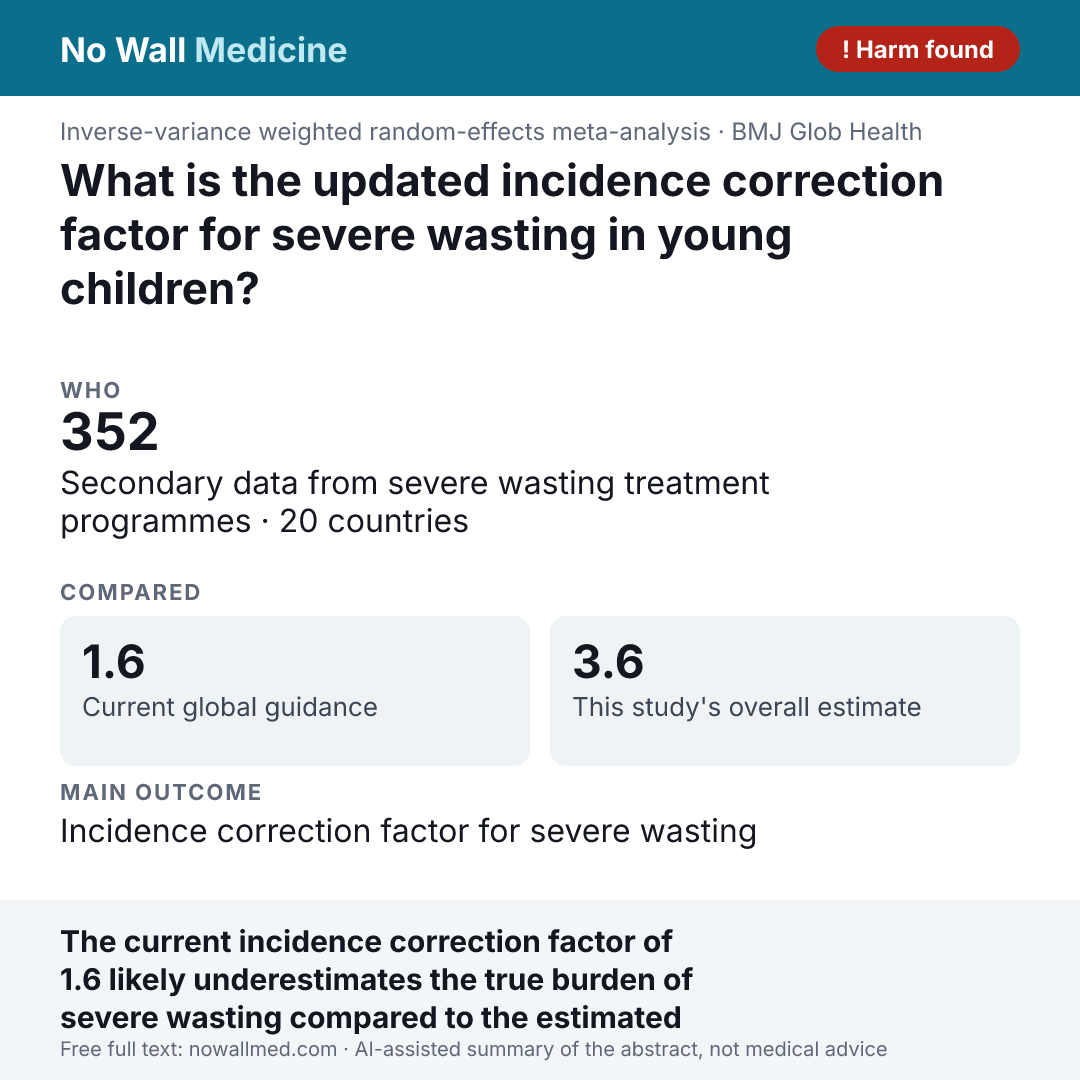
Improving estimates of the burden of severe wasting: analysis of secondary prevalence and incidence data from 352 sites
Inverse-variance weighted random-effects meta-analysisHarm found
What is the updated incidence correction factor for severe wasting in young children?
Who
352
Secondary data from severe wasting treatment programmes · 20 countries
Compared
1.6Current global guidance
3.6This study's overall estimate
Main outcome
Incidence correction factor for severe wasting
Result: 3.6 (95% CI 3.4 to 3.9)
Bottom line: The current incidence correction factor of 1.6 likely underestimates the true burden of severe wasting compared to the estimated 3.6.
BMJ Glob Health · 2021-03-03 · Save PNG
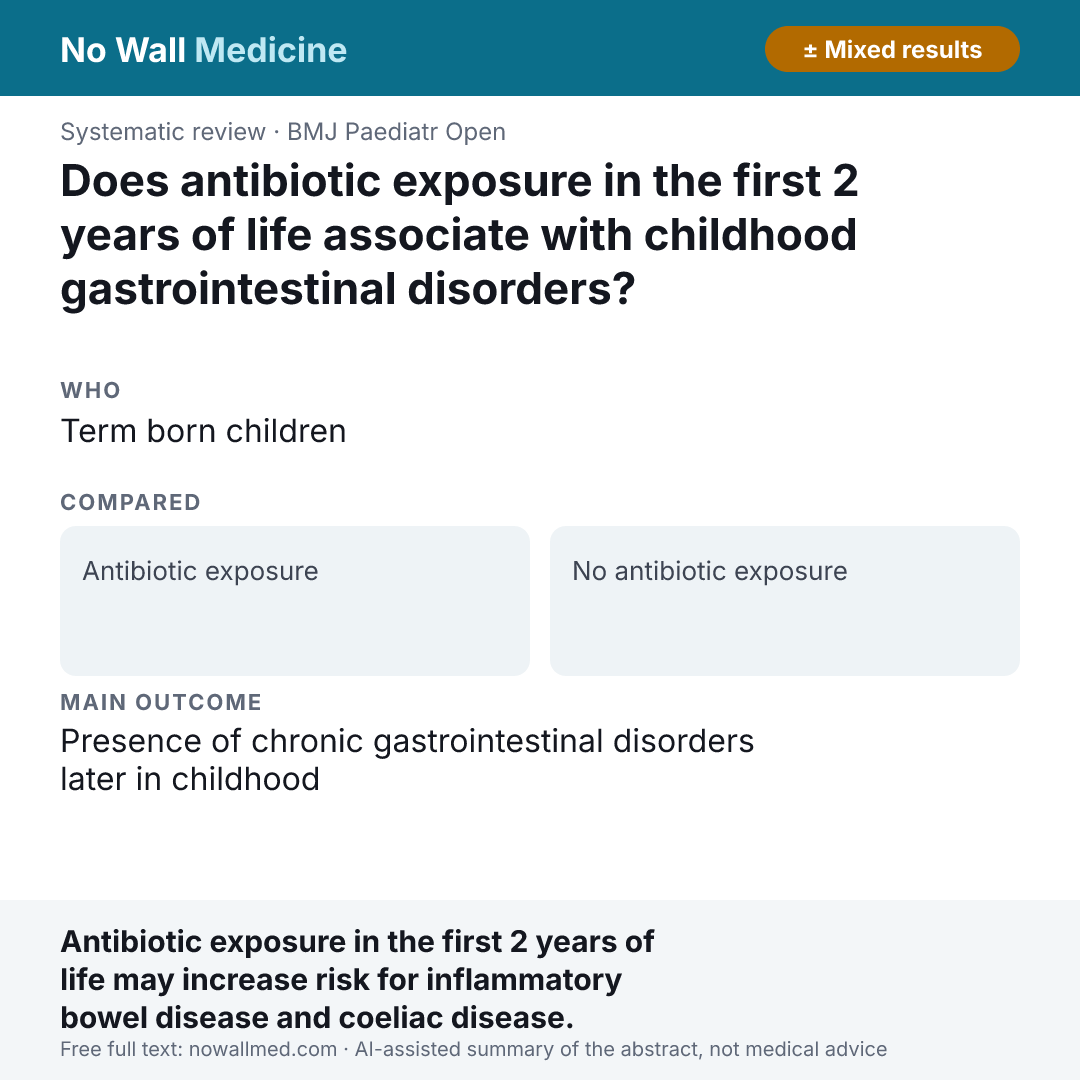
Early life antibiotics and childhood gastrointestinal disorders: a systematic review
Systematic reviewMixed results
Does antibiotic exposure in the first 2 years of life associate with childhood gastrointestinal disorders?
Who
Term born children
Compared
Antibiotic exposure
No antibiotic exposure
Main outcome
Presence of chronic gastrointestinal disorders later in childhood
Bottom line: Antibiotic exposure in the first 2 years of life may increase risk for inflammatory bowel disease and coeliac disease.
BMJ Paediatr Open · 2021-03-03 · Save PNG
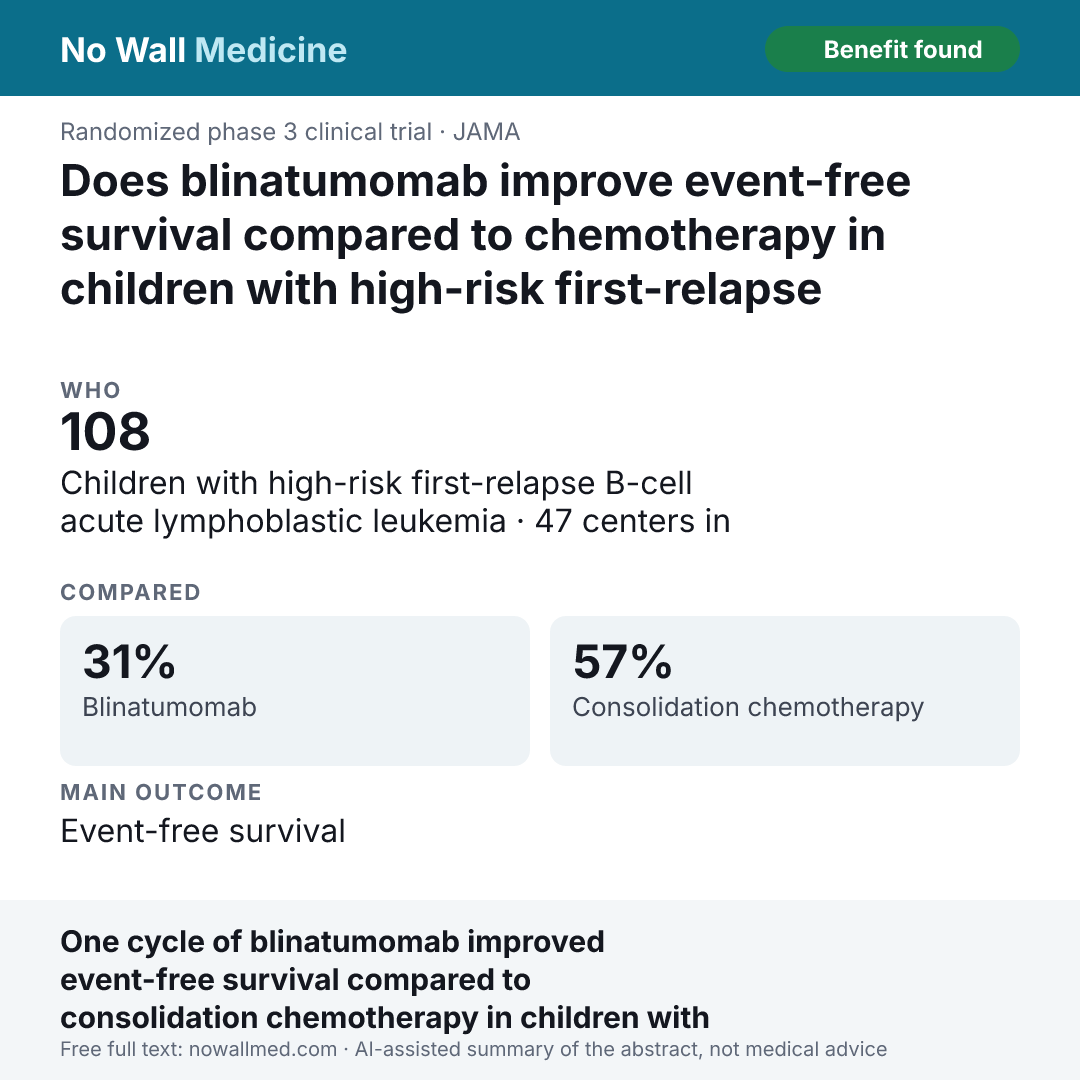
Effect of Blinatumomab vs Chemotherapy on Event-Free Survival Among Children With High-risk First-Relapse B-Cell Acute Lymphoblastic Leukemia: A Randomized Clinical Trial
Randomized phase 3 clinical trialBenefit found
Does blinatumomab improve event-free survival compared to chemotherapy in children with high-risk first-relapse B-cell acute lymphoblastic leukemia?
Who
108
Children with high-risk first-relapse B-cell acute lymphoblastic leukemia · 47 centers in 13 countries
Compared
31%Blinatumomab
57%Consolidation chemotherapy
Main outcome
Event-free survival
Result: hazard ratio 0.33 (95% CI 0.18 to 0.61)
Bottom line: One cycle of blinatumomab improved event-free survival compared to consolidation chemotherapy in children with high-risk first-relapse B-cell acute lymphoblastic leukemia.
JAMA · 2021-03-02 · Save PNG
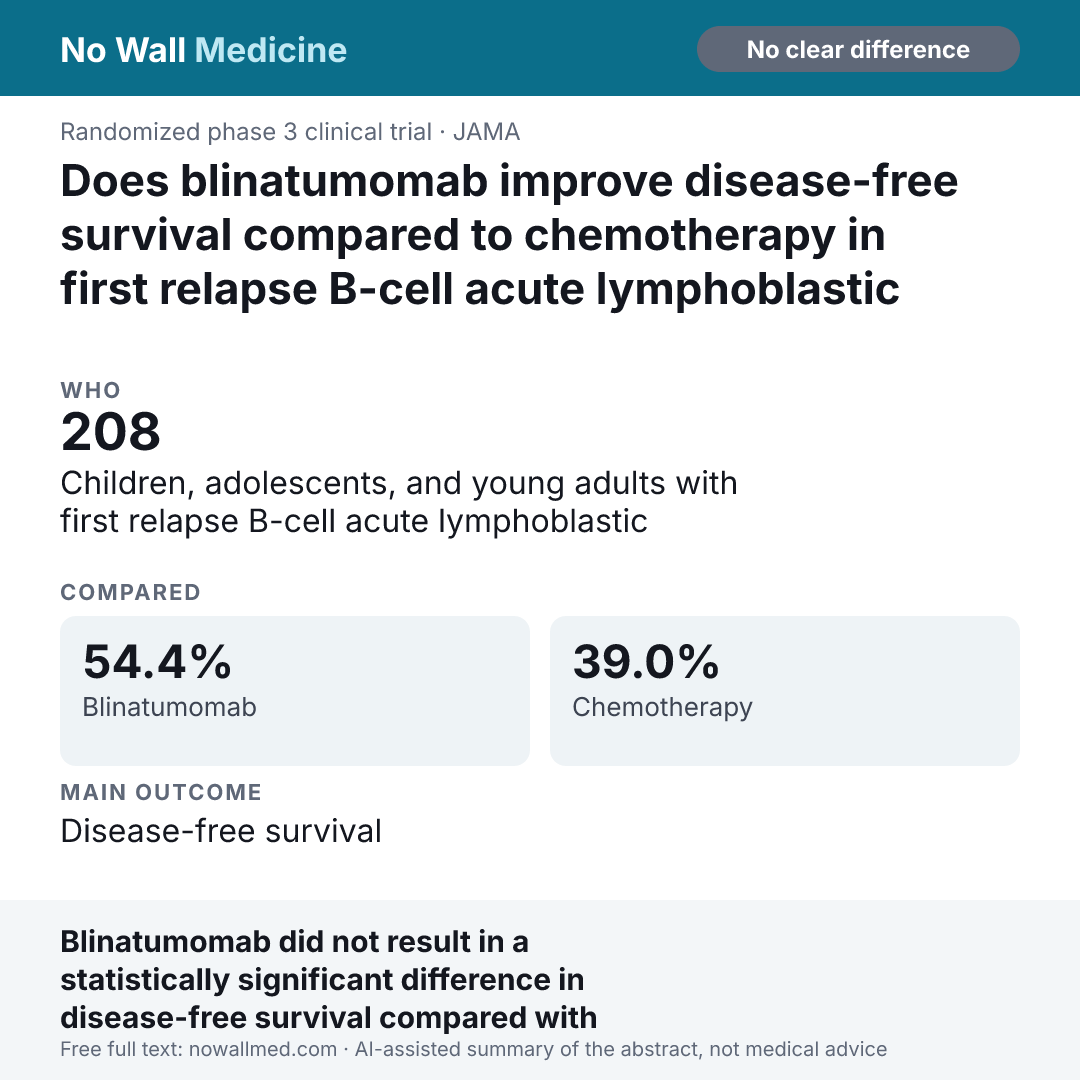
Effect of Postreinduction Therapy Consolidation With Blinatumomab vs Chemotherapy on Disease-Free Survival in Children, Adolescents, and Young Adults With First Relapse of B-Cell Acute Lymphoblastic Leukemia: A Randomized Clinical Trial
Randomized phase 3 clinical trialNo clear difference
Does blinatumomab improve disease-free survival compared to chemotherapy in first relapse B-cell acute lymphoblastic leukemia?
Who
208
Children, adolescents, and young adults with first relapse B-cell acute lymphoblastic leukemia · 155 hospitals in US, Canada, Australia, and New Zealand
Compared
54.4%Blinatumomab
39.0%Chemotherapy
Main outcome
Disease-free survival
Result: hazard ratio 0.70 (95% CI 0.47-1.03)
Bottom line: Blinatumomab did not result in a statistically significant difference in disease-free survival compared with chemotherapy.
Limitation: Study interpretation is limited by early termination with possible underpowering for the primary end point.
JAMA · 2021-03-02 · Save PNG
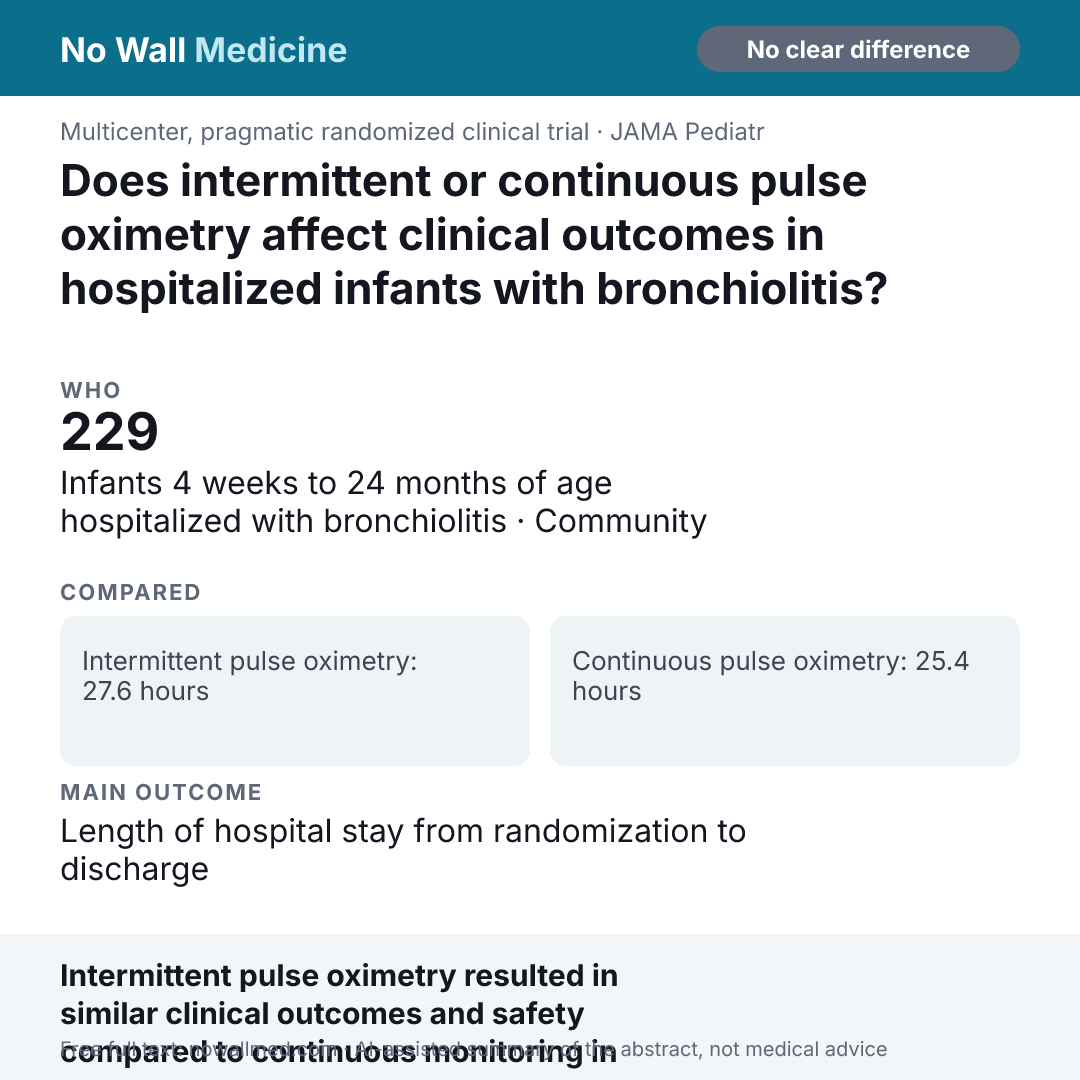
Intermittent vs Continuous Pulse Oximetry in Hospitalized Infants With Stabilized Bronchiolitis: A Randomized Clinical Trial
Multicenter, pragmatic randomized clinical trialNo clear difference
Does intermittent or continuous pulse oximetry affect clinical outcomes in hospitalized infants with bronchiolitis?
Who
229
Infants 4 weeks to 24 months of age hospitalized with bronchiolitis · Community and children's hospitals in Ontario, Canada
Compared
Intermittent pulse oximetry: 27.6 hours
Continuous pulse oximetry: 25.4 hours
Main outcome
Length of hospital stay from randomization to discharge
Result: difference of medians, 2.2 hours (95% CI, -1.9 to 6.3 hours)
Bottom line: Intermittent pulse oximetry resulted in similar clinical outcomes and safety compared to continuous monitoring in stabilized bronchiolitis infants.
JAMA Pediatr · 2021-03-02 · Save PNG
Association between antibiotics and gut microbiome dysbiosis in children: systematic review and meta-analysis
Systematic review and meta-analysisHarm found
Do antibiotics cause gut microbiome dysbiosis in children?
Who
Children aged 0 to 18 years
Compared
Macrolide exposure: significant reduction in alpha-diversity
Control
Main outcome
Microbiome richness, diversity, or composition
Result: mean difference -0.86 (95% CI -1.59, -0.13)
Bottom line: Antibiotic exposure is associated with reduced microbiome diversity, richness, and changes in bacterial abundance in children.
Gut Microbes · 2021-03-02 · Save PNG

Preterm Birth and the Development of Visual Attention During the First 2 Years of Life: A Systematic Review and Meta-analysis
Systematic review and meta-analysisKey finding
Is preterm birth associated with visual attention impairments during the first 2 years of life?
Who
3998
Generally healthy infants born preterm or full term
Compared
Preterm birth
Full term
Main outcome
Visual attention indices
Result: Cohen d, -0.77 (95% CI, -1.23 to -0.31) for visual-following in infancy
Bottom line: Preterm birth is associated with impairments in various visual attention indices during early life development.
JAMA Netw Open · 2021-03-01 · Save PNG

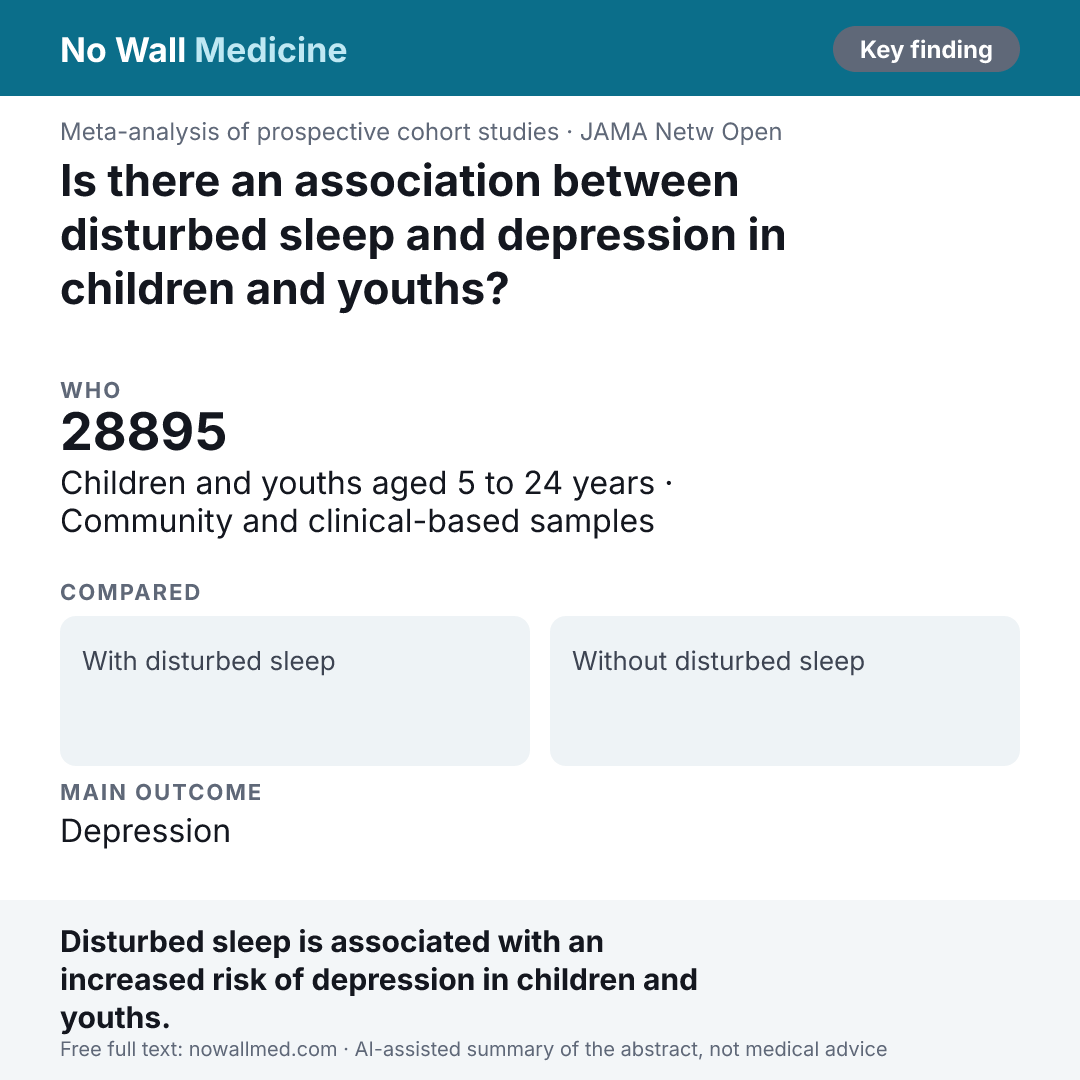
Association Between Disturbed Sleep and Depression in Children and Youths: A Systematic Review and Meta-analysis of Cohort Studies
Meta-analysis of prospective cohort studiesKey finding
Is there an association between disturbed sleep and depression in children and youths?
Who
28895
Children and youths aged 5 to 24 years · Community and clinical-based samples
Compared
With disturbed sleep
Without disturbed sleep
Main outcome
Depression
Result: odds ratio 1.50 (95% CI 1.13-2.00)
Bottom line: Disturbed sleep is associated with an increased risk of depression in children and youths.
Limitation: Substantial publication bias was found.
JAMA Netw Open · 2021-03-01 · Save PNG
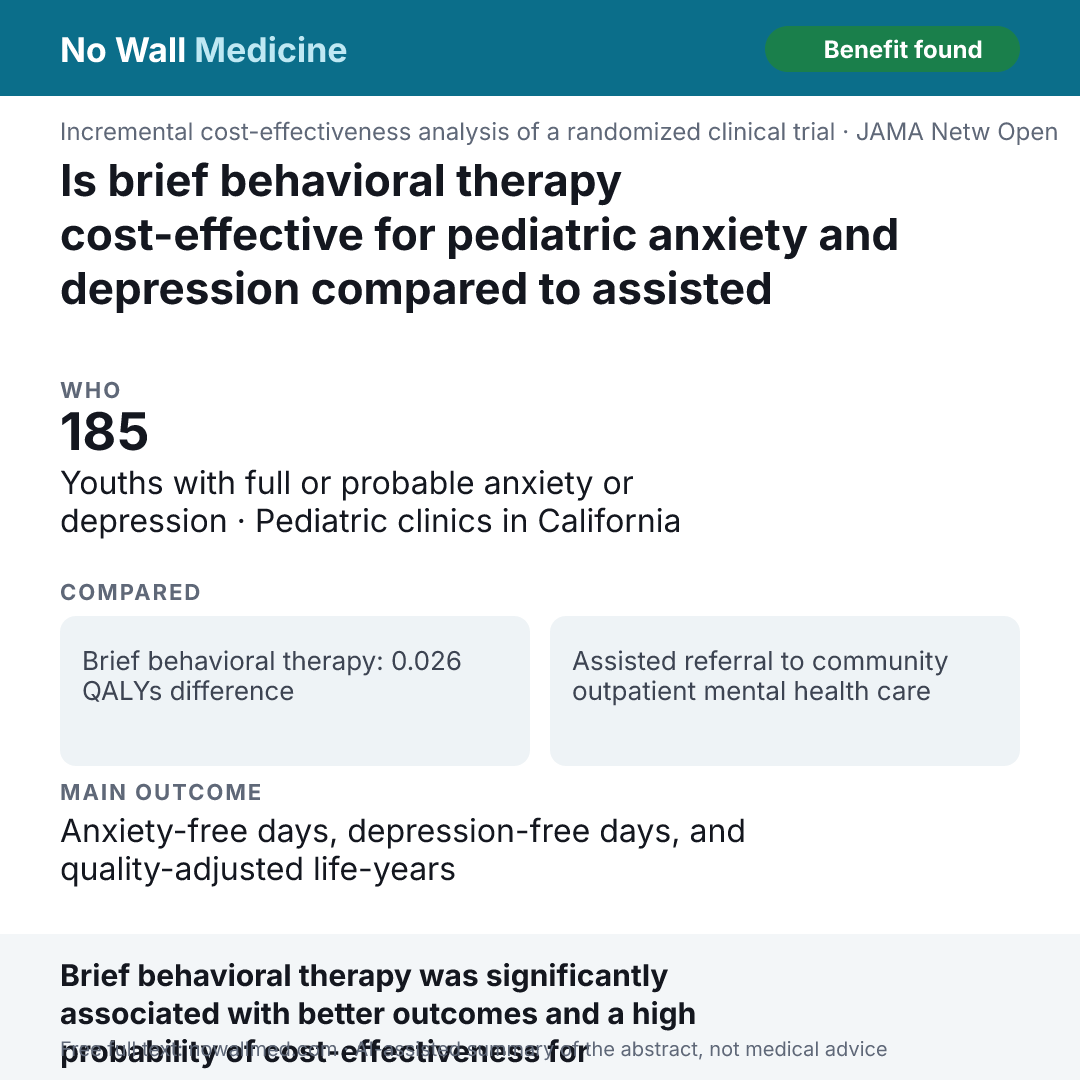
Cost-effectiveness of Brief Behavioral Therapy for Pediatric Anxiety and Depression in Primary Care
Incremental cost-effectiveness analysis of a randomized clinical trialBenefit found
Is brief behavioral therapy cost-effective for pediatric anxiety and depression compared to assisted referral?
Who
185
Youths with full or probable anxiety or depression · Pediatric clinics in California and Pennsylvania
Compared
Brief behavioral therapy: 0.026 QALYs difference
Assisted referral to community outpatient mental health care
Main outcome
Anxiety-free days, depression-free days, and quality-adjusted life-years
Result: incremental cost-effectiveness ratio -$41 414 per QALY (95% CI -$220 601 to $11 468)
Bottom line: Brief behavioral therapy was significantly associated with better outcomes and a high probability of cost-effectiveness for pediatric anxiety and depression.
JAMA Netw Open · 2021-03-01 · Save PNG
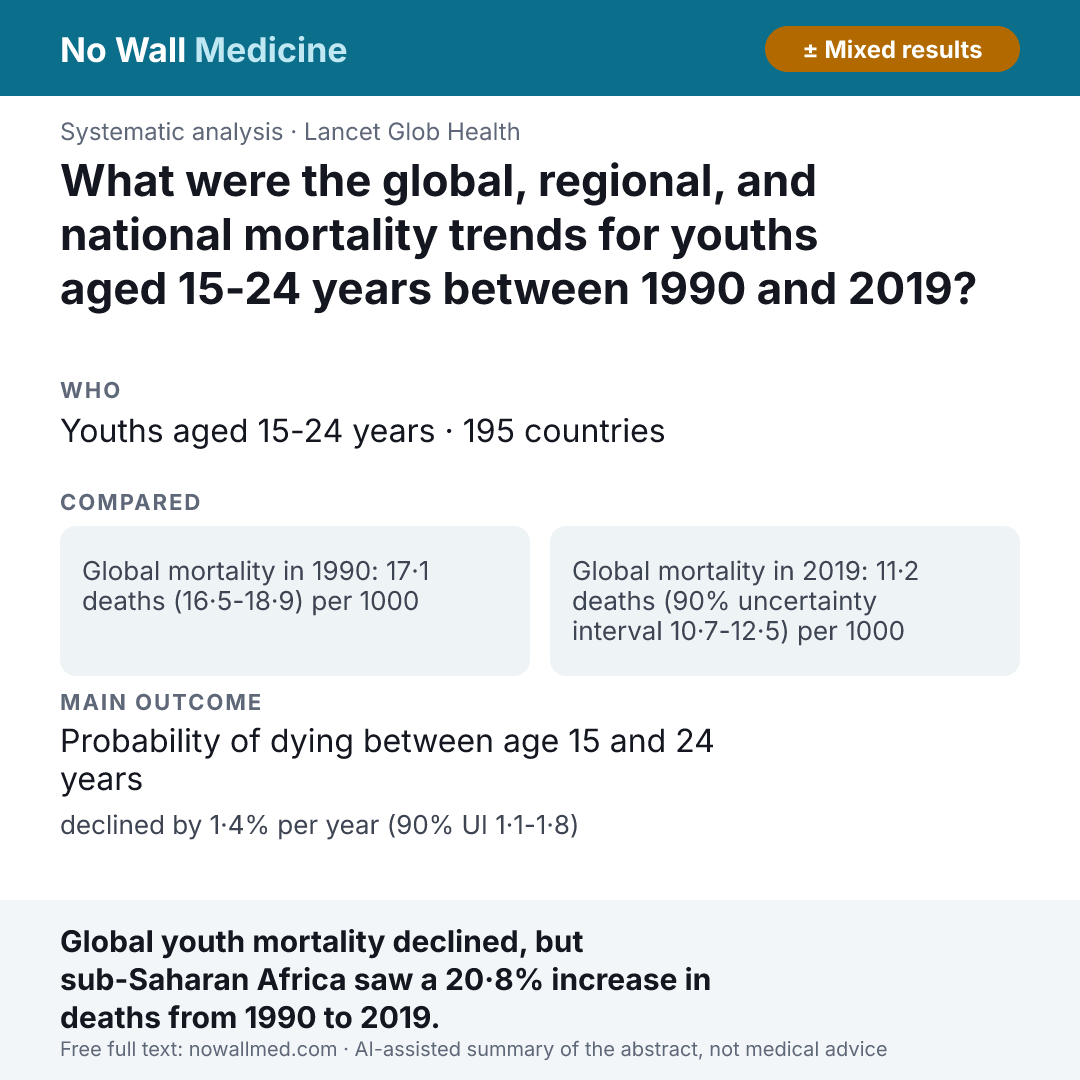
Global, regional, and national mortality trends in youth aged 15-24 years between 1990 and 2019: a systematic analysis
Systematic analysisMixed results
What were the global, regional, and national mortality trends for youths aged 15-24 years between 1990 and 2019?
Who
Youths aged 15-24 years · 195 countries
Compared
Global mortality in 1990: 17·1 deaths (16·5-18·9) per 1000
Global mortality in 2019: 11·2 deaths (90% uncertainty interval 10·7-12·5) per 1000
Main outcome
Probability of dying between age 15 and 24 years
Result: declined by 1·4% per year (90% UI 1·1-1·8)
Bottom line: Global youth mortality declined, but sub-Saharan Africa saw a 20·8% increase in deaths from 1990 to 2019.
Funded by: UN Children's Fund, Bill & Melinda Gates Foundation, USAID
Lancet Glob Health · 2021-03-01 · Save PNG
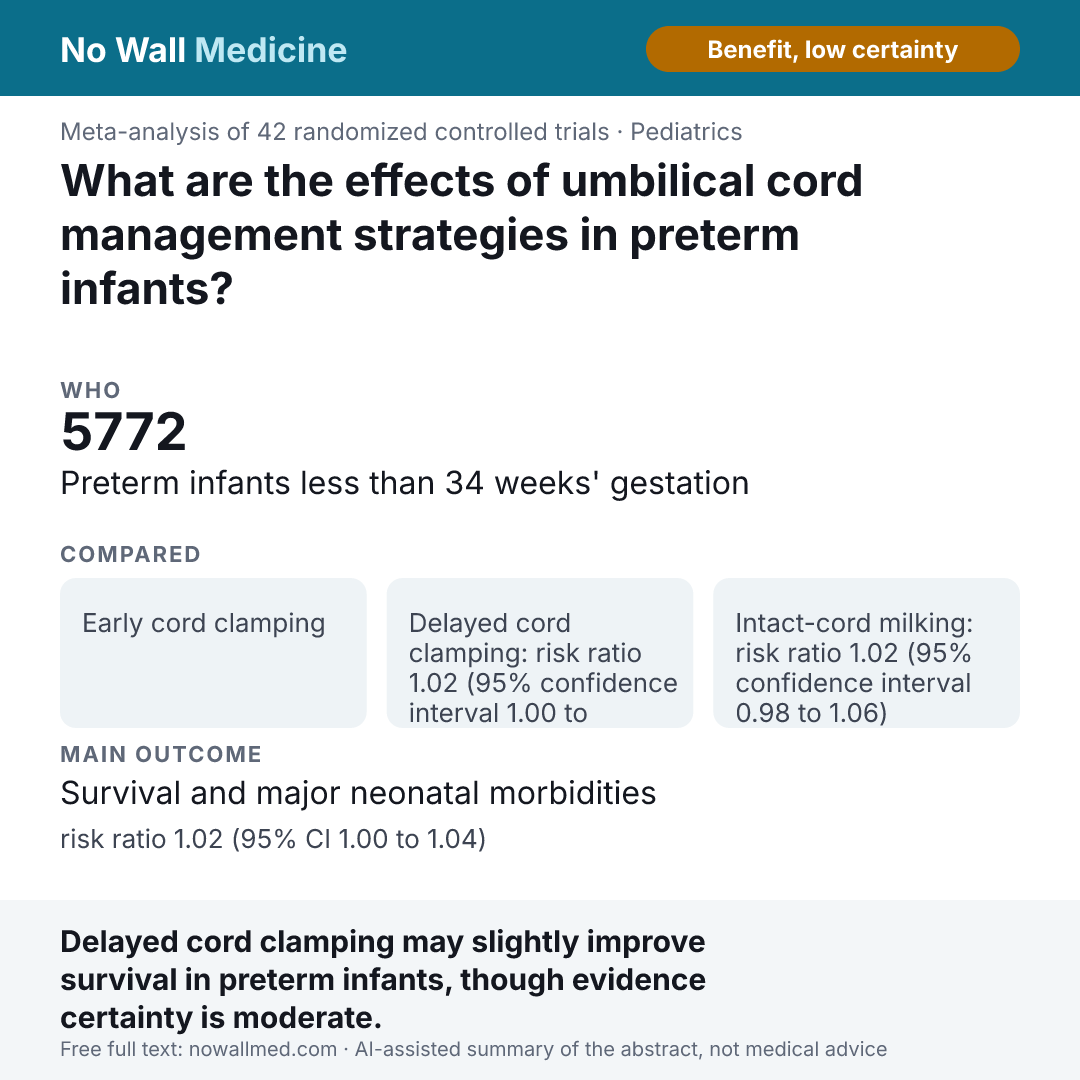
Umbilical Cord Management for Newborns <34 Weeks' Gestation: A Meta-analysis
Meta-analysis of 42 randomized controlled trialsBenefit, low certainty
What are the effects of umbilical cord management strategies in preterm infants?
Who
5772
Preterm infants less than 34 weeks' gestation
Compared
Early cord clamping
Delayed cord clamping: risk ratio 1.02 (95% confidence interval 1.00 to 1.04)
Intact-cord milking: risk ratio 1.02 (95% confidence interval 0.98 to 1.06)
Main outcome
Survival and major neonatal morbidities
Result: risk ratio 1.02 (95% CI 1.00 to 1.04)
Bottom line: Delayed cord clamping may slightly improve survival in preterm infants, though evidence certainty is moderate.
Limitation: Certainty of evidence was low for many comparisons and outcomes.
Pediatrics · 2021-02-27 · Save PNG
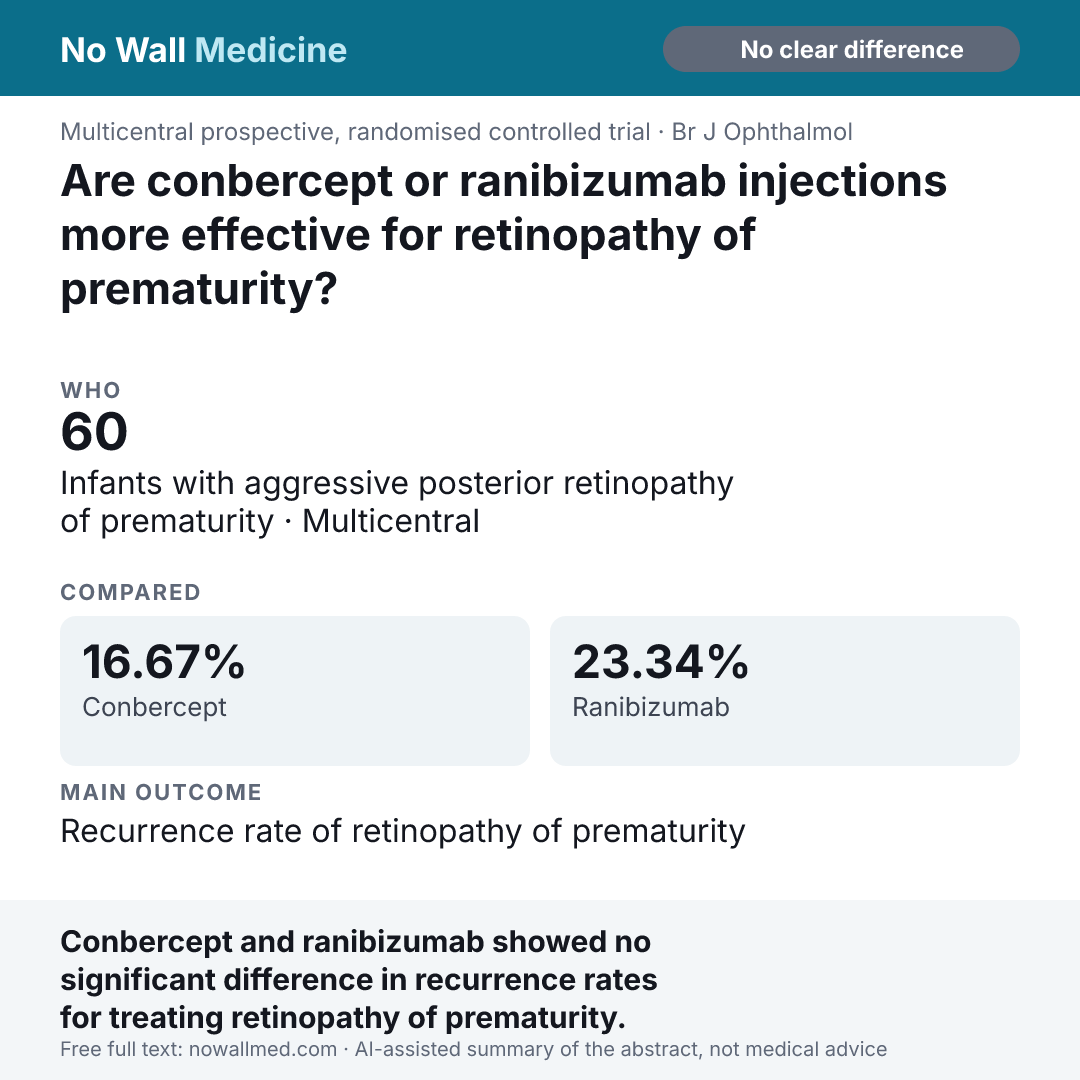
Comparison of clinical outcomes of conbercept versus ranibizumab treatment for retinopathy of prematurity: a multicentral prospective randomised controlled trial
Multicentral prospective, randomised controlled trialNo clear difference
Are conbercept or ranibizumab injections more effective for retinopathy of prematurity?
Who
60
Infants with aggressive posterior retinopathy of prematurity · Multicentral
Compared
16.67%Conbercept
23.34%Ranibizumab
Main outcome
Recurrence rate of retinopathy of prematurity
Bottom line: Conbercept and ranibizumab showed no significant difference in recurrence rates for treating retinopathy of prematurity.
Br J Ophthalmol · 2021-02-26 · Save PNG