Visual abstracts
New randomized trials and meta-analyses from leading journals at a glance: who was studied, what was compared, and what was found. Every paper is free to read in full.
All specialtiesCardiology 4780Oncology 4080Gastroenterology & Hepatology 1914Infectious Disease 3775Neurology 1883Psychiatry & Mental Health 2238Pulmonology 2058Critical Care 1331Endocrinology & Diabetes 2550Pediatrics 2908Surgery 2496Orthopedics & Sports Medicine 922Neurosurgery 532Cardiothoracic & Vascular Surgery 662Plastic & Reconstructive Surgery 584Nephrology 1111Rheumatology 812Hematology 1095Dermatology 617Ophthalmology 537Obstetrics & Gynecology 1656Public & Global Health 1041Radiology & Imaging 637Anesthesiology 958Urology 751ENT (Otolaryngology) 497Emergency Medicine 484Allergy & Immunology 310Geriatrics 973Family Medicine & Primary Care 538Medical Genetics & Genomics 662Pathology & Laboratory Medicine 156Physical Medicine & Rehabilitation 744Palliative Care 422Nutrition 1564Digital Health & AI 2188General Medicine 318
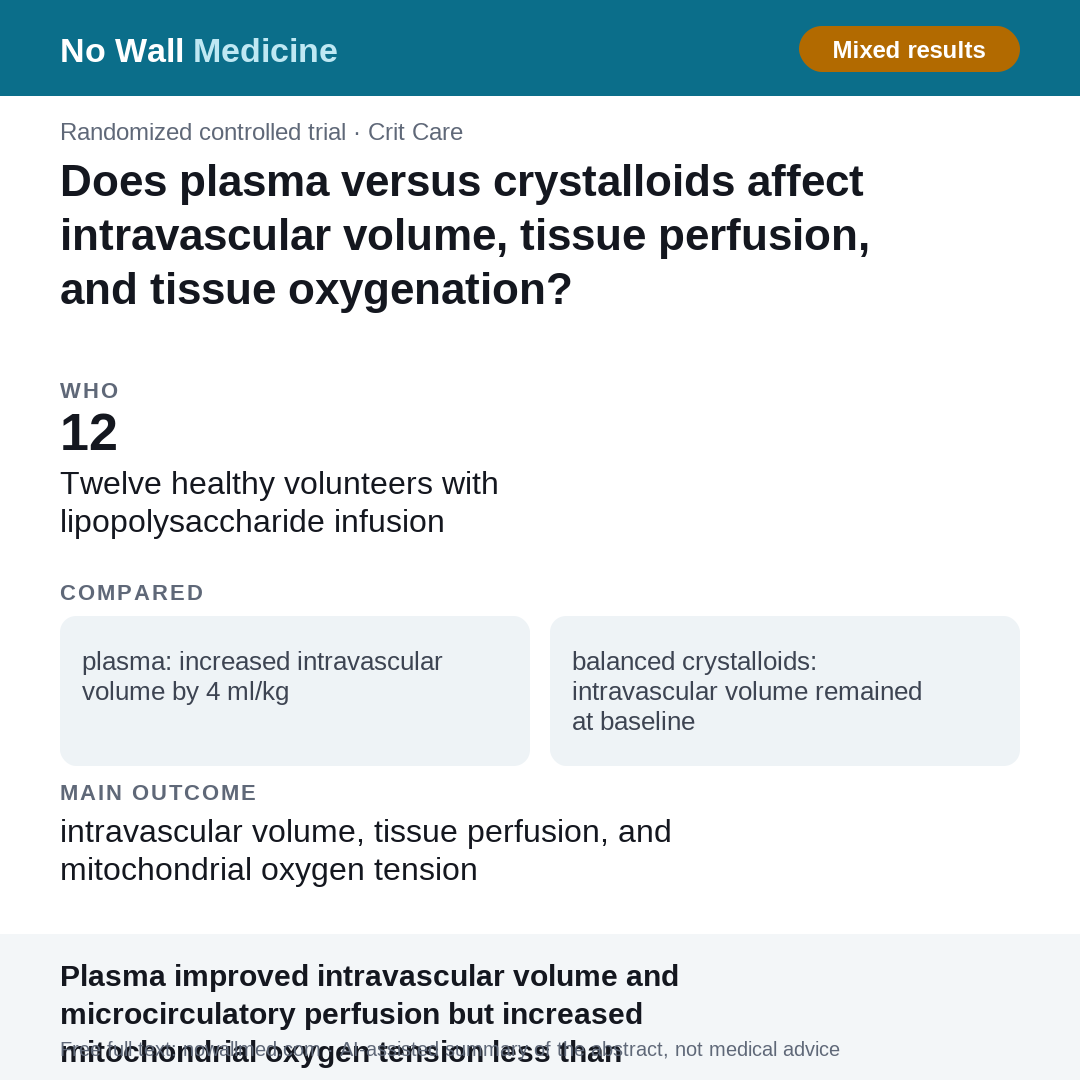
The effect of plasma versus crystalloids on intravascular volume, tissue perfusion and tissue oxygenation: a randomized controlled trial in a human endotoxemia model
Randomized controlled trialMixed results
Does plasma versus crystalloids affect intravascular volume, tissue perfusion, and tissue oxygenation?
Who
12
Twelve healthy volunteers with lipopolysaccharide infusion
Compared
plasma: increased intravascular volume by 4 ml/kg
balanced crystalloids: intravascular volume remained at baseline
Main outcome
intravascular volume, tissue perfusion, and mitochondrial oxygen tension
Bottom line: Plasma improved intravascular volume and microcirculatory perfusion but increased mitochondrial oxygen tension less than crystalloids.
Limitation: The study used a human endotoxemia model in healthy volunteers without shock.
Crit Care · 2026-02-24Download image
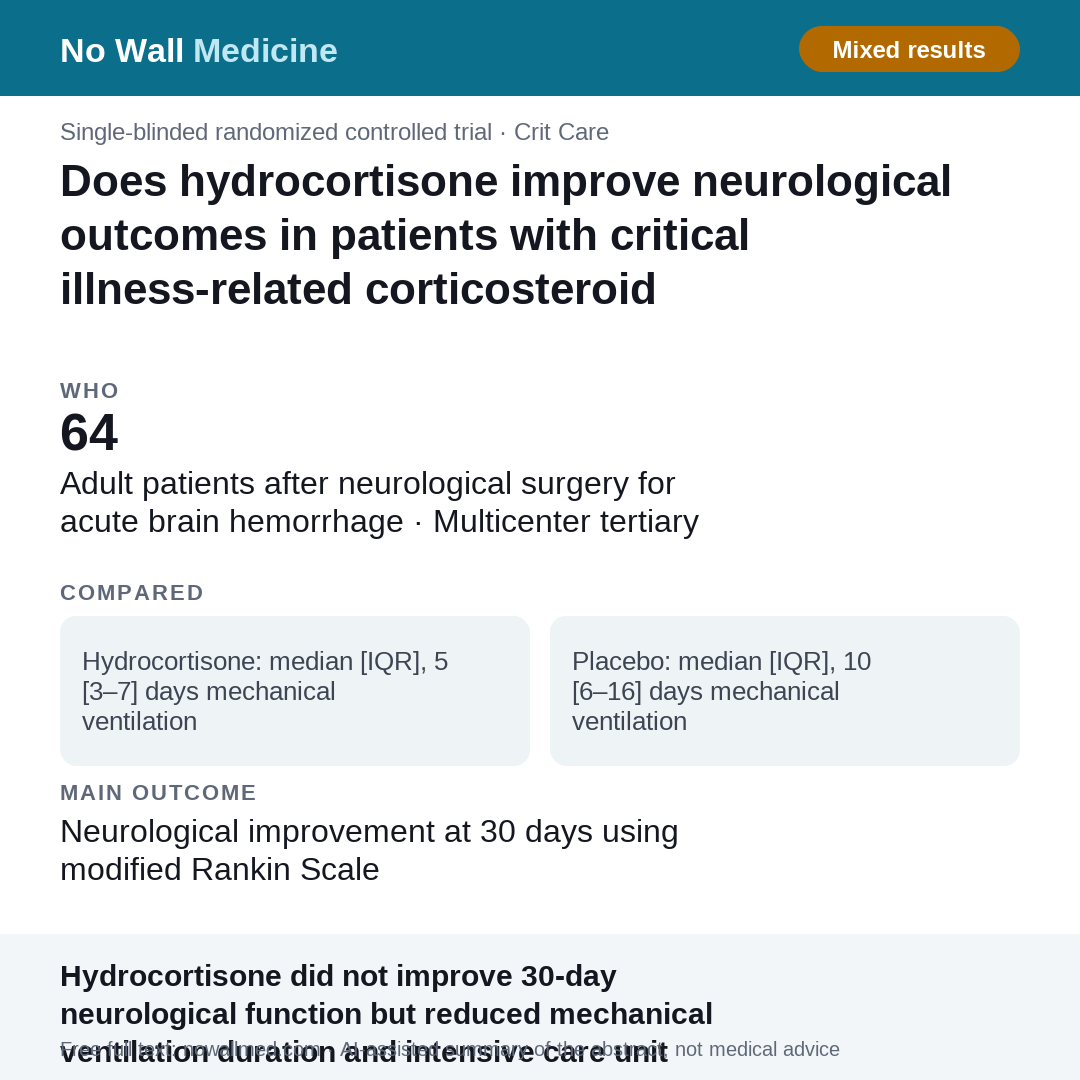
Critical illness-related corticosteroid insufficiency after acute brain hemorrhage surgery: a prospective cohort study with a randomized trial of hydrocortisone : HYdrocortisone theraPy in nEurocRitical illness; HYPER study
Single-blinded randomized controlled trialMixed results
Does hydrocortisone improve neurological outcomes in patients with critical illness-related corticosteroid insufficiency?
Who
64
Adult patients after neurological surgery for acute brain hemorrhage · Multicenter tertiary care hospitals
Compared
Hydrocortisone: median [IQR], 5 [3–7] days mechanical ventilation
Placebo: median [IQR], 10 [6–16] days mechanical ventilation
Main outcome
Neurological improvement at 30 days using modified Rankin Scale
Bottom line: Hydrocortisone did not improve 30-day neurological function but reduced mechanical ventilation duration and intensive care unit stay.
Crit Care · 2026-02-24Download image
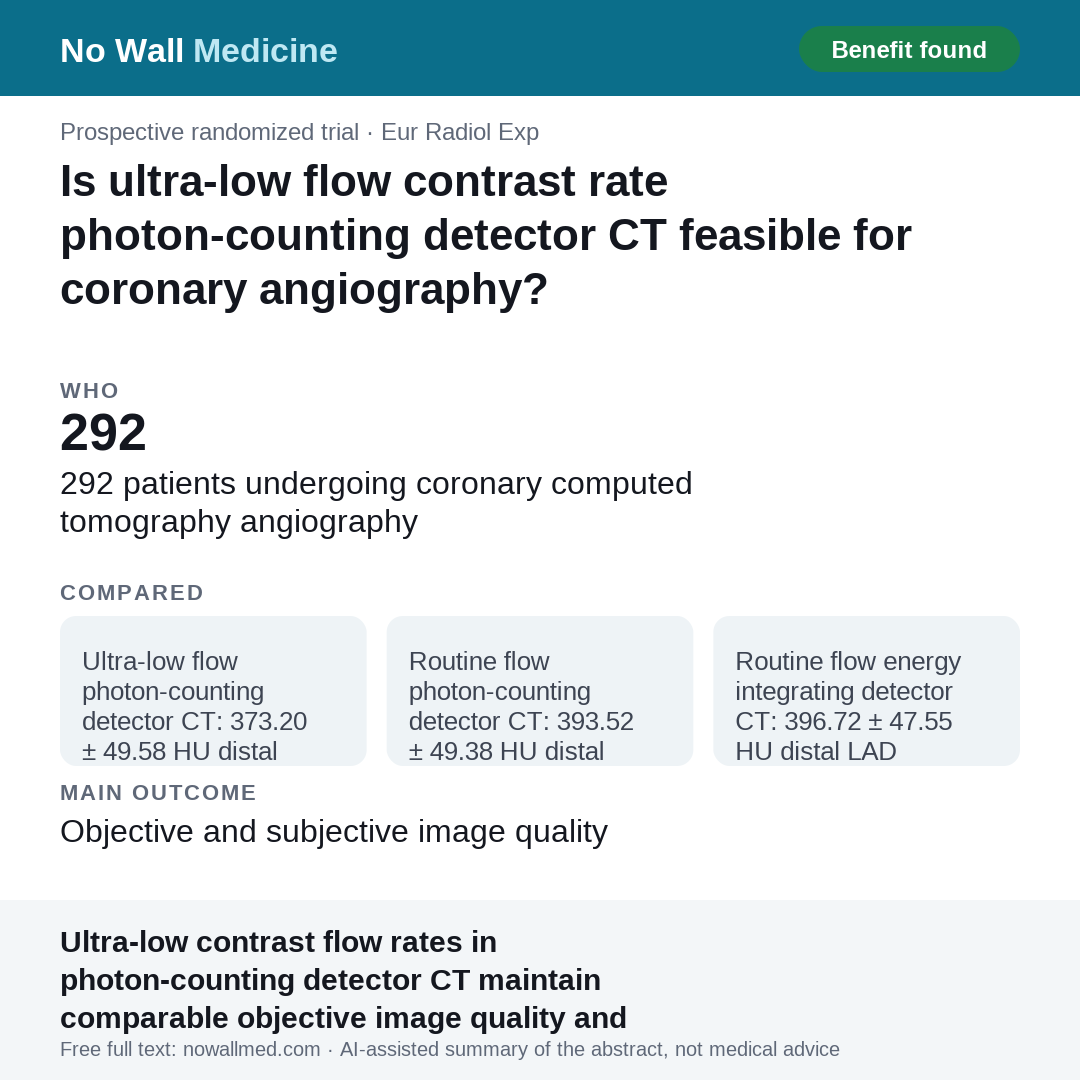
Feasibility of ultra-low flow rate coronary CT angiography using photon-counting detector CT: a prospective randomized trial
Prospective randomized trialBenefit found
Is ultra-low flow contrast rate photon-counting detector CT feasible for coronary angiography?
Who
292
292 patients undergoing coronary computed tomography angiography
Compared
Ultra-low flow photon-counting detector CT: 373.20 ± 49.58 HU distal LAD attenuation
Routine flow photon-counting detector CT: 393.52 ± 49.38 HU distal LAD attenuation
Routine flow energy integrating detector CT: 396.72 ± 47.55 HU distal LAD attenuation
Main outcome
Objective and subjective image quality
Bottom line: Ultra-low contrast flow rates in photon-counting detector CT maintain comparable objective image quality and acceptable diagnostic performance.
Eur Radiol Exp · 2026-02-24Download image
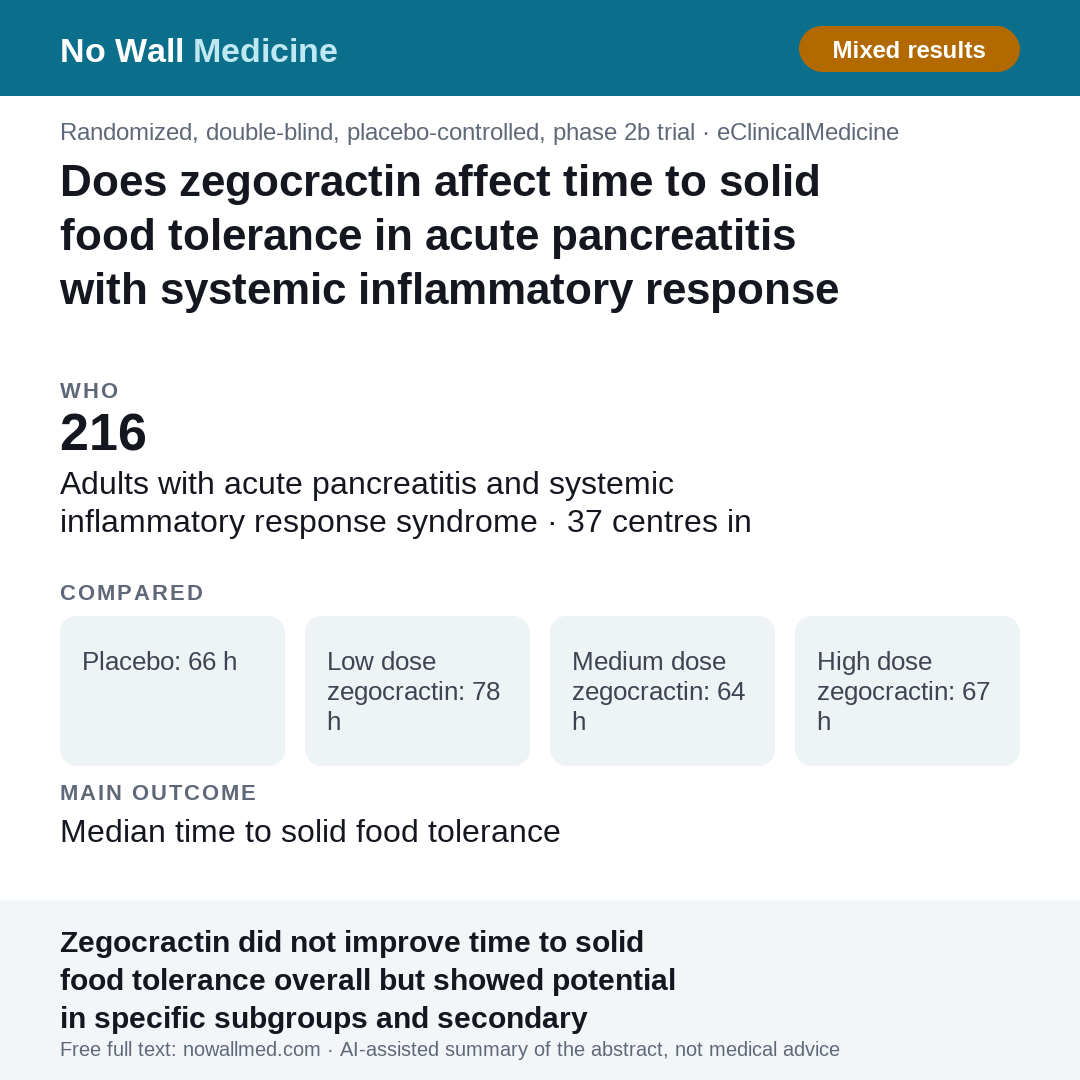
Zegocractin for acute pancreatitis with systemic inflammatory response syndrome: a randomized, controlled, dose-ranging, phase 2b trial
Randomized, double-blind, placebo-controlled, phase 2b trialMixed results
Does zegocractin affect time to solid food tolerance in acute pancreatitis with systemic inflammatory response syndrome?
Who
216
Adults with acute pancreatitis and systemic inflammatory response syndrome · 37 centres in the US and India
Compared
Placebo: 66 h
Low dose zegocractin: 78 h
Medium dose zegocractin: 64 h
High dose zegocractin: 67 h
Main outcome
Median time to solid food tolerance
Result: exploratory win ratio for high dose zegocractin compared to placebo 1.640 (95% CI 1.030-2.612)
Bottom line: Zegocractin did not improve time to solid food tolerance overall but showed potential in specific subgroups and secondary outcomes.
Funded by: CalciMedica
eClinicalMedicine · 2026-02-23Download image
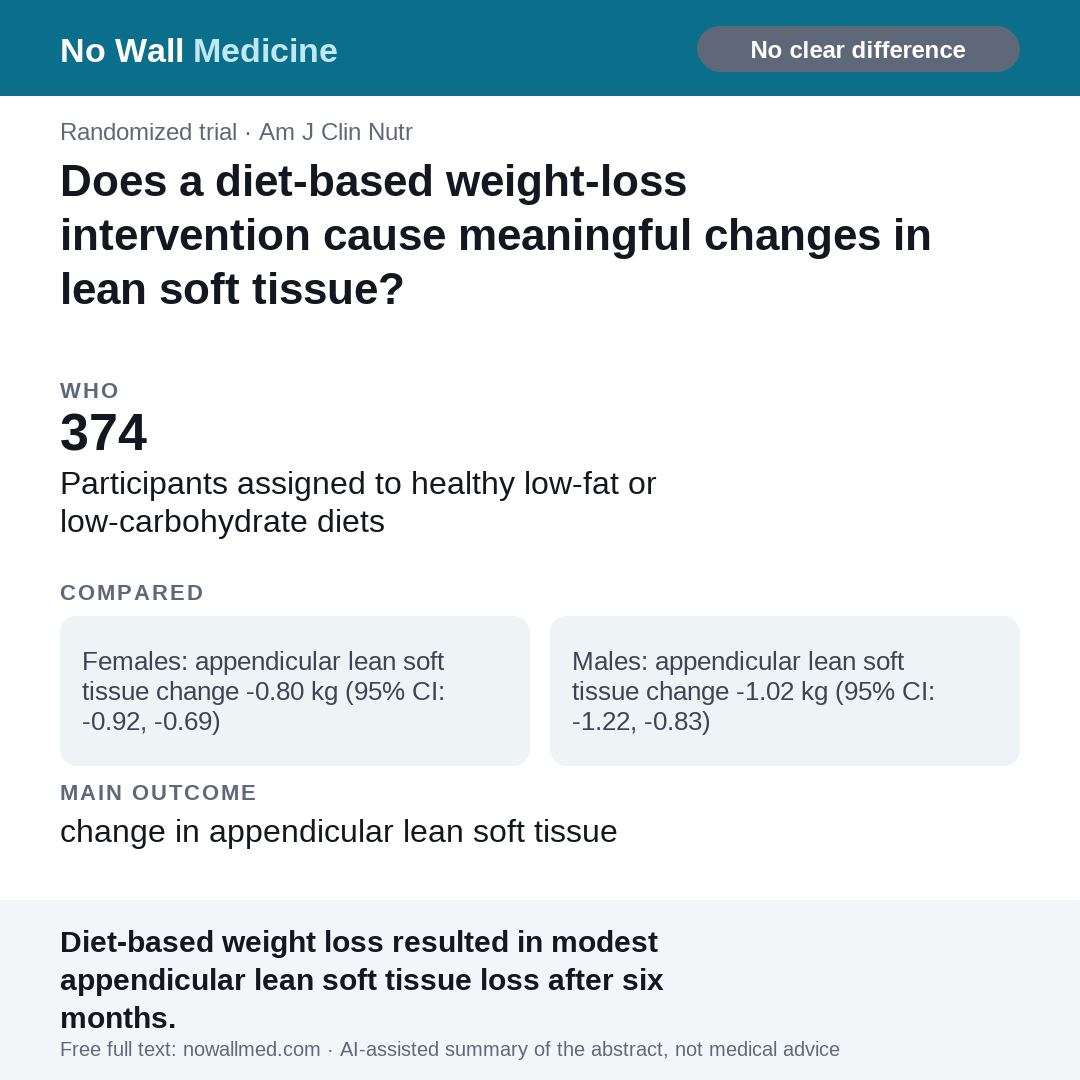
Diet-based weight-loss intervention is not associated with a meaningful change in lean soft tissue
Randomized trialNo clear difference
Does a diet-based weight-loss intervention cause meaningful changes in lean soft tissue?
Who
374
Participants assigned to healthy low-fat or low-carbohydrate diets
Compared
Females: appendicular lean soft tissue change -0.80 kg (95% CI: -0.92, -0.69)
Males: appendicular lean soft tissue change -1.02 kg (95% CI: -1.22, -0.83)
Main outcome
change in appendicular lean soft tissue
Bottom line: Diet-based weight loss resulted in modest appendicular lean soft tissue loss after six months.
Am J Clin Nutr · 2026-02-23Download image
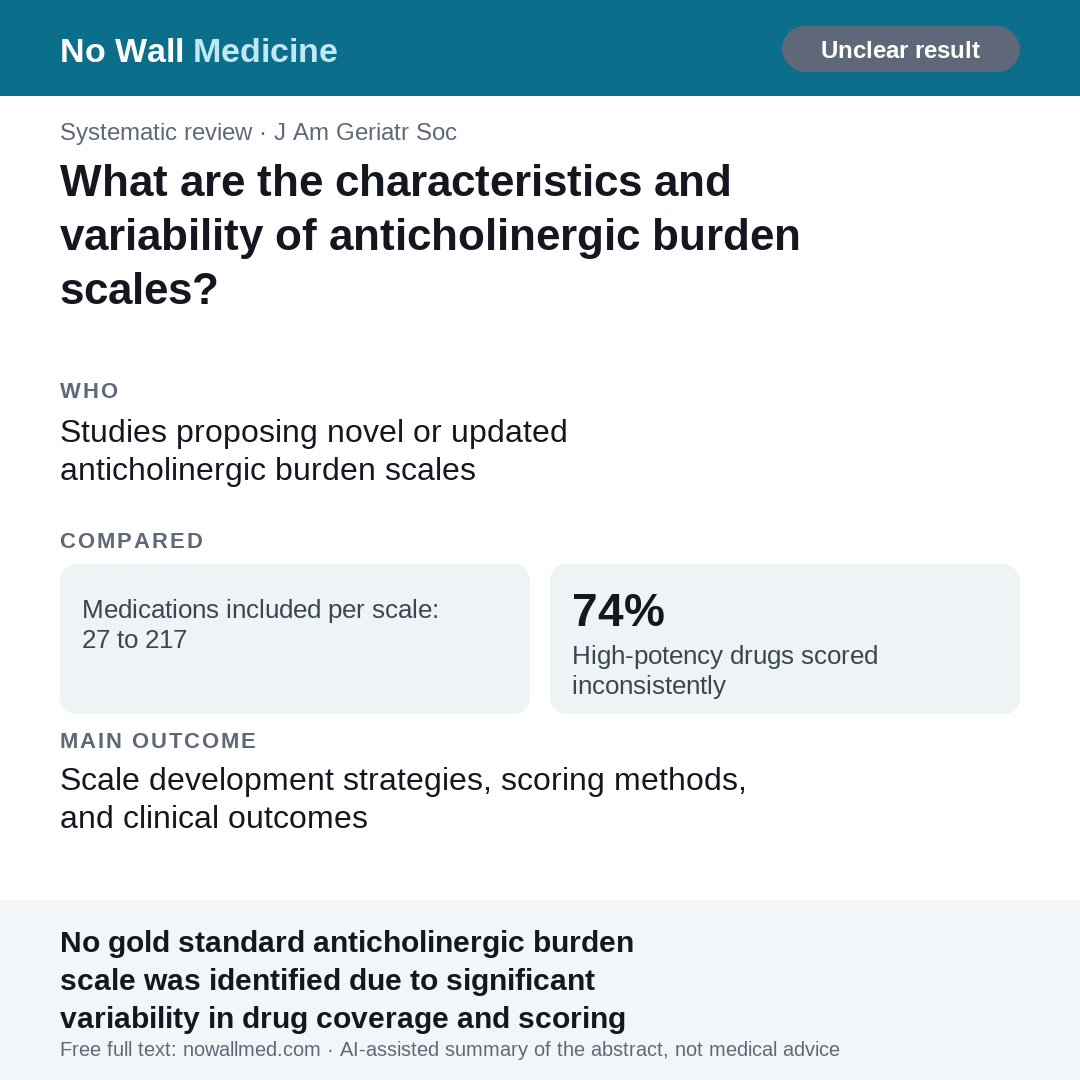
Anticholinergic Medication Burden Scales: A Systematic Review
Systematic reviewUnclear result
What are the characteristics and variability of anticholinergic burden scales?
Who
Studies proposing novel or updated anticholinergic burden scales
Compared
Medications included per scale: 27 to 217
74%High-potency drugs scored inconsistently
Main outcome
Scale development strategies, scoring methods, and clinical outcomes
Bottom line: No gold standard anticholinergic burden scale was identified due to significant variability in drug coverage and scoring methods.
J Am Geriatr Soc · 2026-02-23Download image
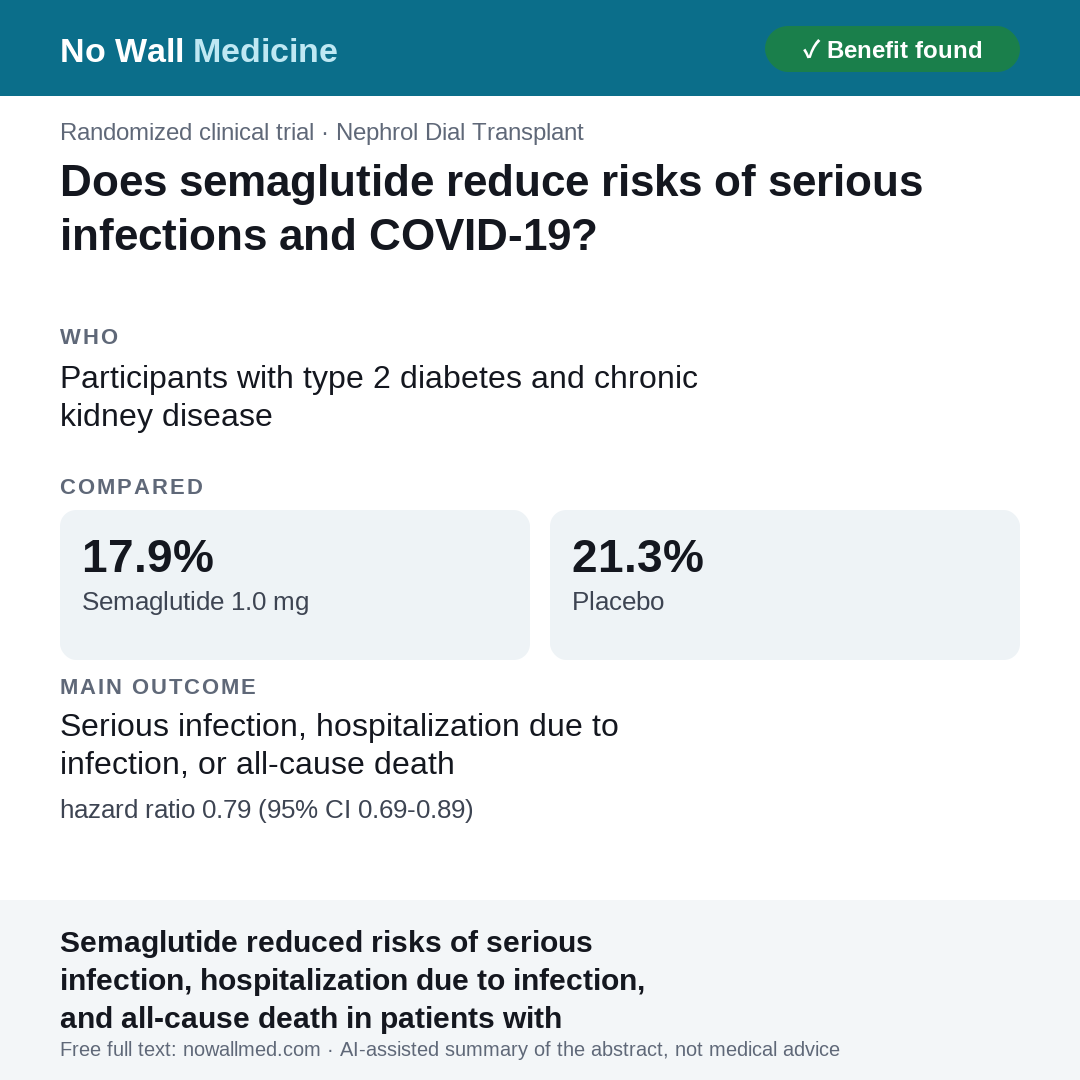
Effect of semaglutide on COVID-19 and other infections: an analysis from the FLOW randomized clinical trial
Randomized clinical trialBenefit found
Does semaglutide reduce risks of serious infections and COVID-19?
Who
Participants with type 2 diabetes and chronic kidney disease
Compared
17.9%Semaglutide 1.0 mg
21.3%Placebo
Main outcome
Serious infection, hospitalization due to infection, or all-cause death
Result: hazard ratio 0.79 (95% CI 0.69-0.89)
Bottom line: Semaglutide reduced risks of serious infection, hospitalization due to infection, and all-cause death in patients with diabetes and kidney disease.
Nephrol Dial Transplant · 2026-02-23Download image
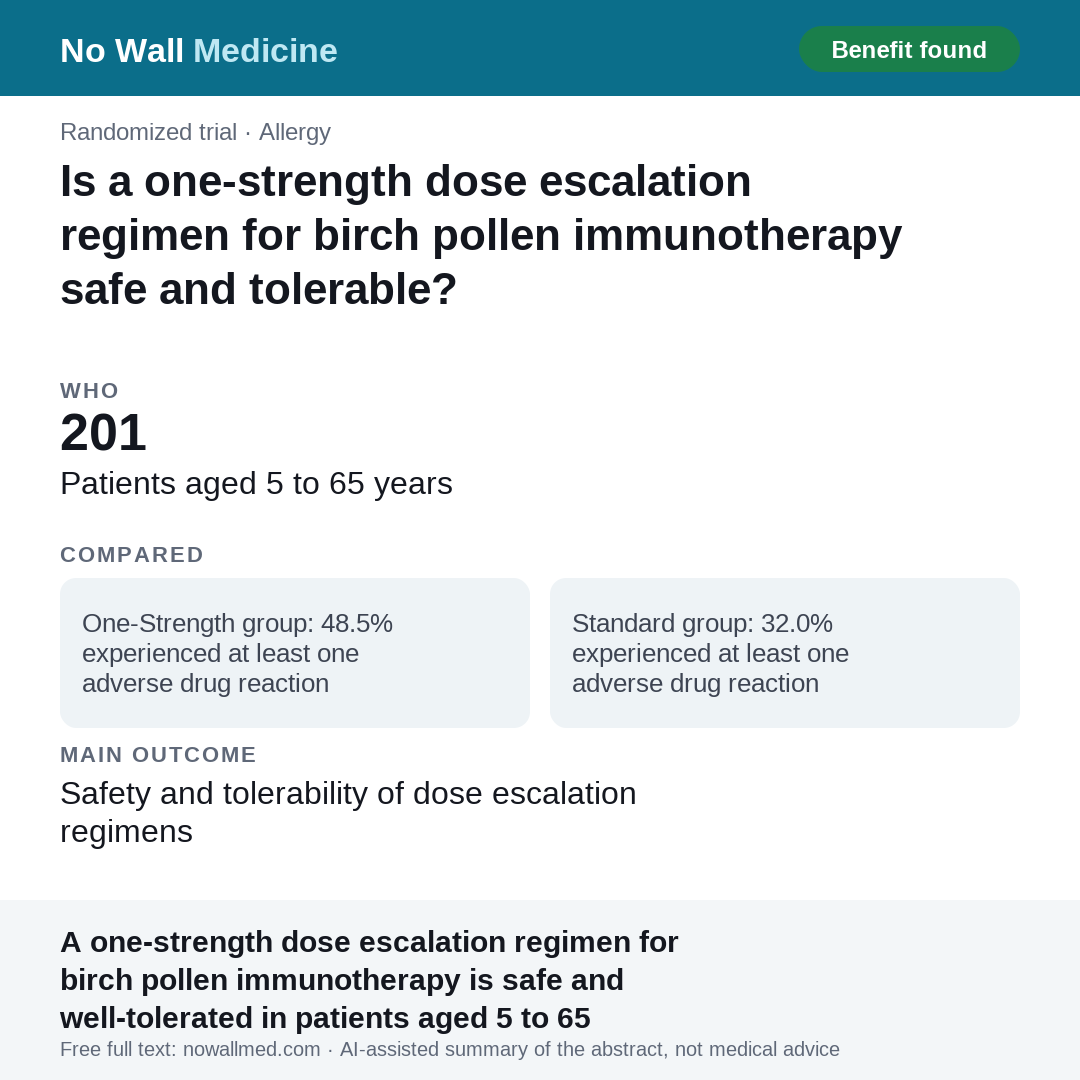
A One-Strength Dose Escalation Regimen for Birch Pollen Subcutaneous Immunotherapy Is Safe and Tolerable in Children, Adolescents, and Adults
Randomized trialBenefit found
Is a one-strength dose escalation regimen for birch pollen immunotherapy safe and tolerable?
Who
201
Patients aged 5 to 65 years
Compared
One-Strength group: 48.5% experienced at least one adverse drug reaction
Standard group: 32.0% experienced at least one adverse drug reaction
Main outcome
Safety and tolerability of dose escalation regimens
Bottom line: A one-strength dose escalation regimen for birch pollen immunotherapy is safe and well-tolerated in patients aged 5 to 65 years.
Allergy · 2026-02-23Download image
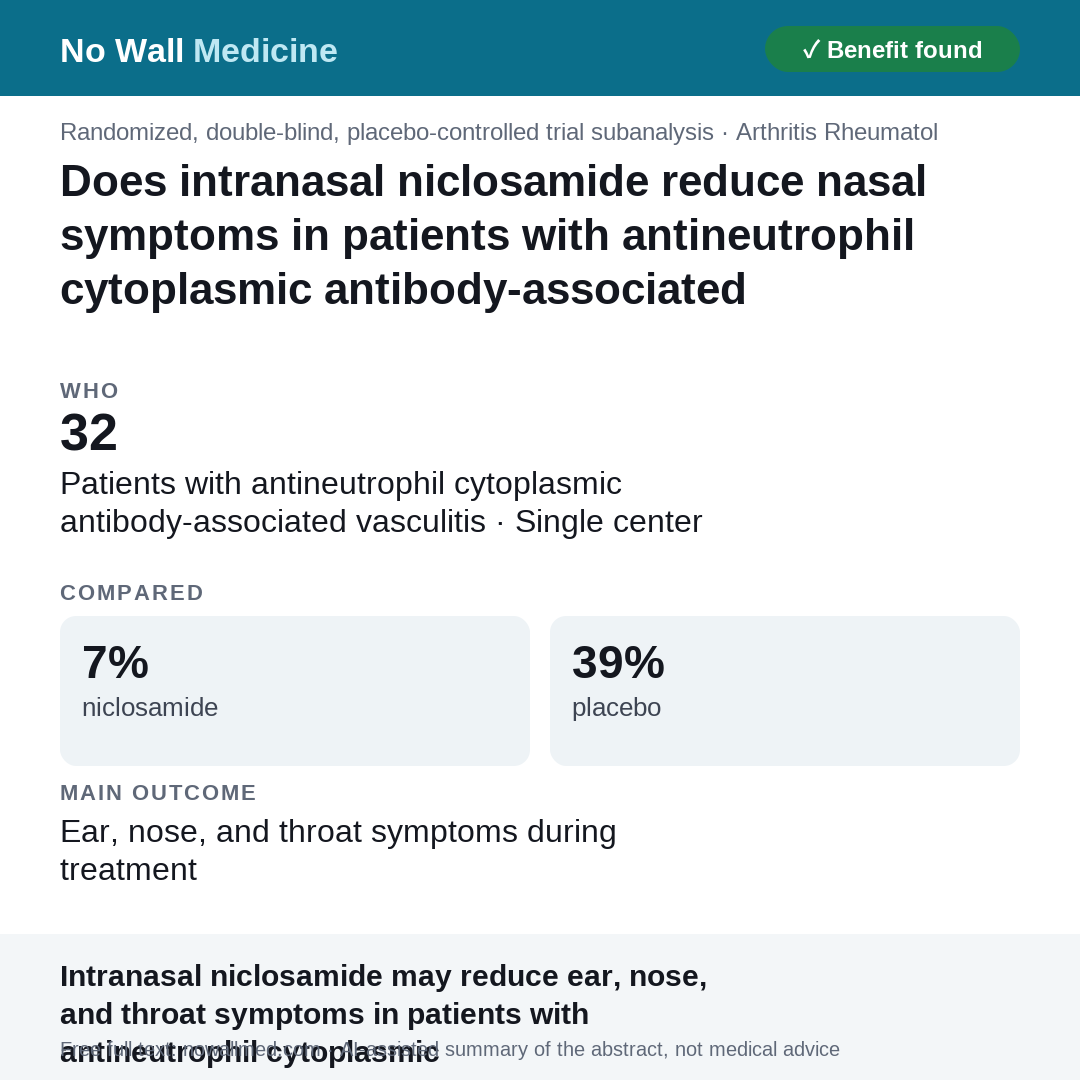
The Effect of Intranasal Niclosamide on Nasal Symptoms in Patients with Antineutrophil Cytoplasmic Antibody-Associated Vasculitis
Randomized, double-blind, placebo-controlled trial subanalysisBenefit found
Does intranasal niclosamide reduce nasal symptoms in patients with antineutrophil cytoplasmic antibody-associated vasculitis?
Who
32
Patients with antineutrophil cytoplasmic antibody-associated vasculitis · Single center
Compared
7%niclosamide (1 of 14)
39%placebo (7 of 18)
Main outcome
Ear, nose, and throat symptoms during treatment
Result: P = 0.04
Bottom line: Intranasal niclosamide may reduce ear, nose, and throat symptoms in patients with antineutrophil cytoplasmic antibody-associated vasculitis.
Arthritis Rheumatol · 2026-02-23Download image
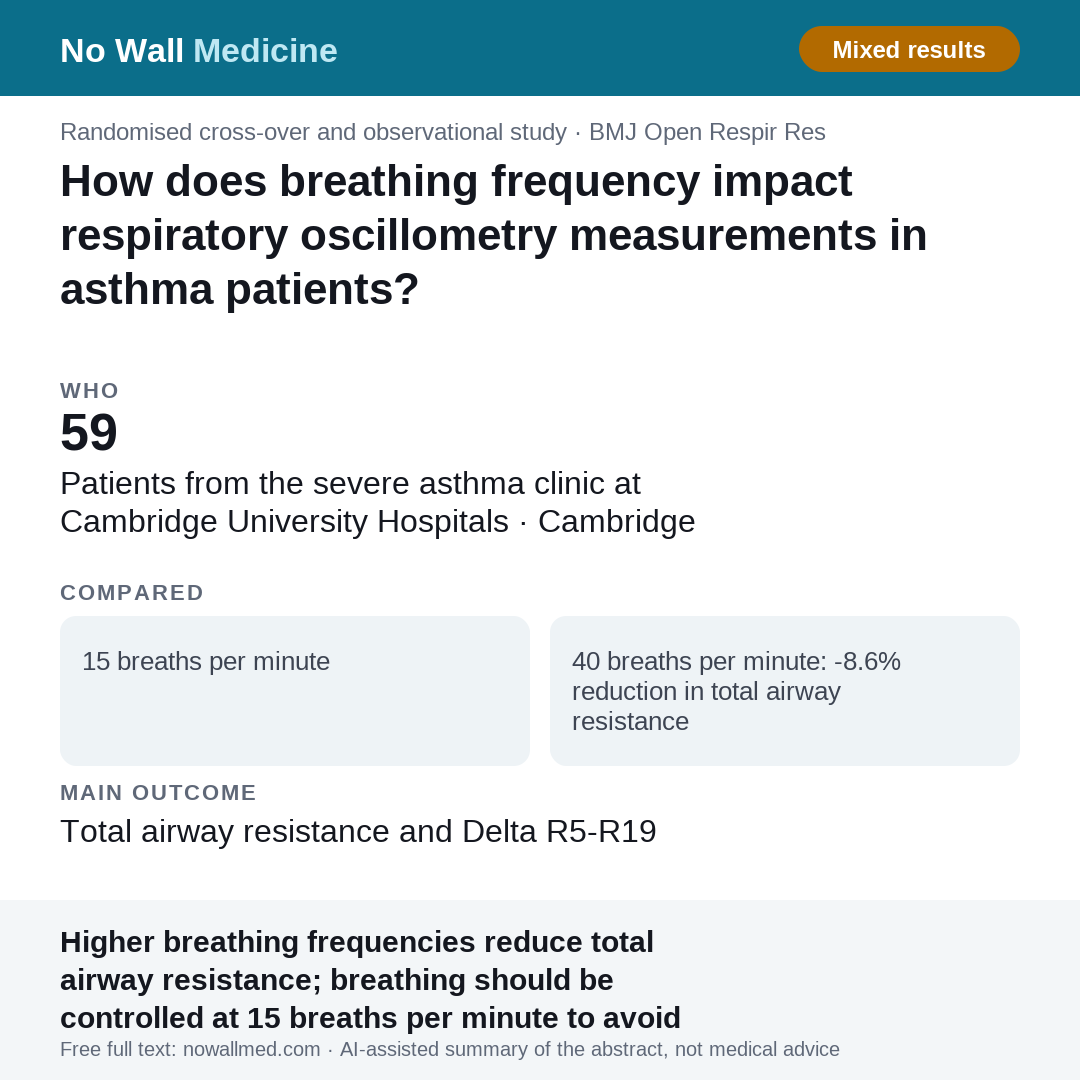
Impact of breathing frequency on respiratory oscillometry measurements: a randomised cross-over and observational study of asthma patients
Randomised cross-over and observational studyMixed results
How does breathing frequency impact respiratory oscillometry measurements in asthma patients?
Who
59
Patients from the severe asthma clinic at Cambridge University Hospitals · Cambridge University Hospitals
Compared
15 breaths per minute
40 breaths per minute: -8.6% reduction in total airway resistance
Main outcome
Total airway resistance and Delta R5-R19
Bottom line: Higher breathing frequencies reduce total airway resistance; breathing should be controlled at 15 breaths per minute to avoid misclassification.
BMJ Open Respir Res · 2026-02-23Download image
AI and Wearables for Early Detection of Cognitive Impairment and Dementia: Systematic Review
Systematic review and narrative synthesisBenefit found
Can wearable devices detect early cognitive impairment and dementia?
Who
200000
Human participants with a mean age 50 years or older
Compared
Disrupted sleep, circadian rhythm, and activity patterns: linked to worse cognitive outcomes
Machine learning and deep learning approaches: area under the curve values between approximately 0.70 and 0.95
Main outcome
early detection and prevention of cognitive impairment and dementia
Bottom line: Wearable-derived behavioral markers show promise for early risk stratification through continuous, passive monitoring.
Limitation: Small sample sizes, short monitoring durations, and limited external validation.
J Med Internet Res · 2026-02-23Download image

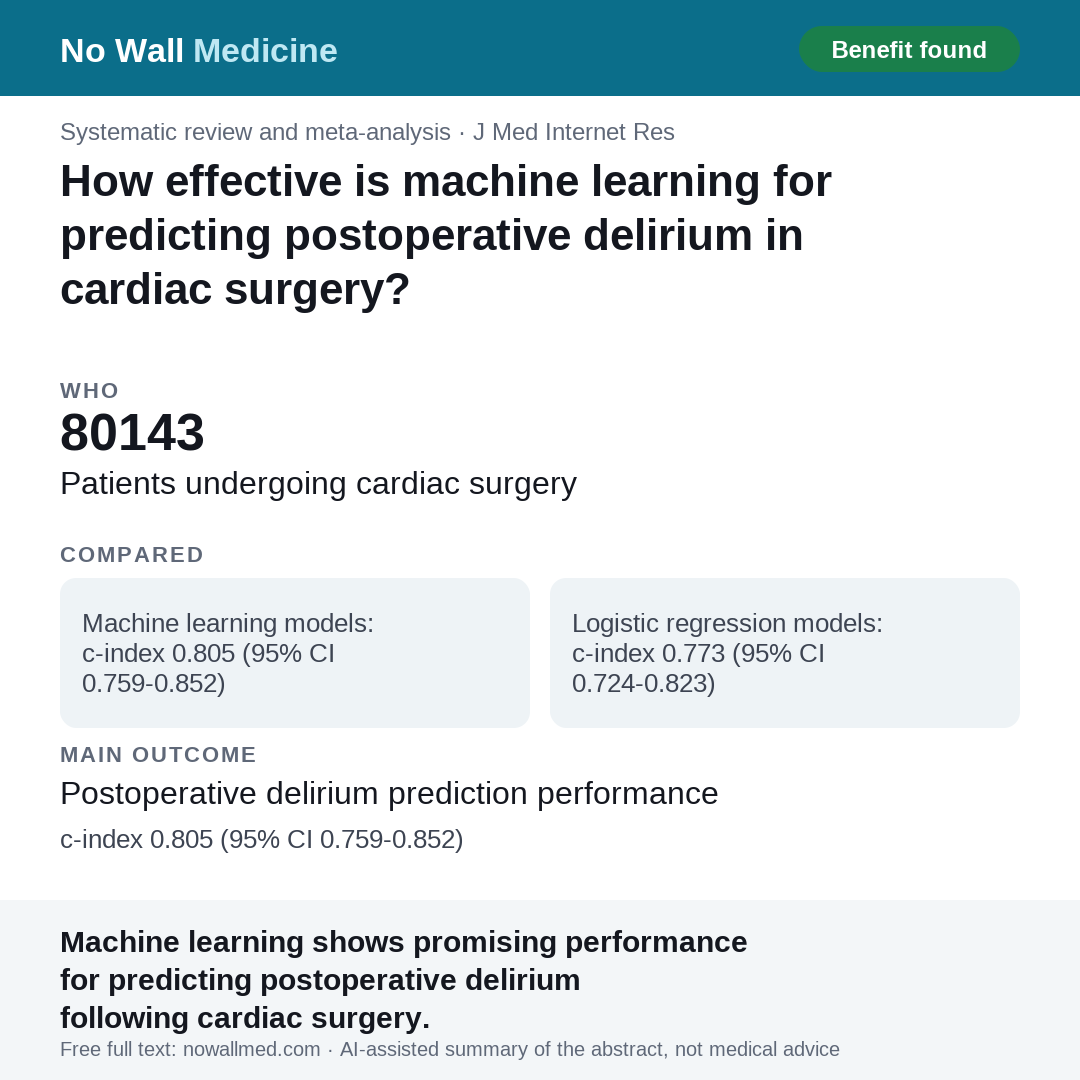
The Predictive Value of Machine Learning for Postoperative Delirium in Cardiac Surgery: Systematic Review and Meta-Analysis
Systematic review and meta-analysisKey finding
How effective is machine learning for predicting postoperative delirium in cardiac surgery?
Who
80143
Patients undergoing cardiac surgery
Compared
Machine learning models: c-index 0.805 (95% CI 0.759-0.852)
Logistic regression models: c-index 0.773 (95% CI 0.724-0.823)
Main outcome
Postoperative delirium prediction performance
Result: c-index 0.805 (95% CI 0.759-0.852)
Bottom line: Machine learning shows promising performance for predicting postoperative delirium following cardiac surgery.
Limitation: Limited number of studies and validation approaches necessitate cautious interpretation.
J Med Internet Res · 2026-02-23Download image
Barriers and enablers of implementing spiritual care at the end of life: a mixed-methods systematic review using the theoretical domains framework
Mixed-methods systematic reviewMixed results
What are the barriers and enablers of implementing spiritual care at the end of life?
Who
Patients and healthcare providers in palliative care
Compared
Barriers: 16 sub-themes
Enablers: 16 sub-themes
Main outcome
Barriers and enablers of implementing spiritual care
Bottom line: Implementation requires shifting from spiritual rescue toward longitudinal spiritual integration and multidisciplinary training.
BMC Palliat Care · 2026-02-23Download image

Otoplasty for prominent ear: A systematic review of surgical techniques
Systematic review of 22 studiesUnclear result
What is the most effective surgical technique for otoplasty for prominent ear?
Who
Individuals with prominent ear malformation
Compared
Hybrid methods
Single-technique or suture plus flap
Main outcome
Complications, recurrence, reoperation, infection, scar formation, and haematoma
Bottom line: Hybrid methods may lower recurrence and reoperation rates, but high-quality randomized controlled trials are needed.
Limitation: High-quality, long-term randomised control trials are required to determine the superior technique.
JPRAS Open · 2026-02-23Download image
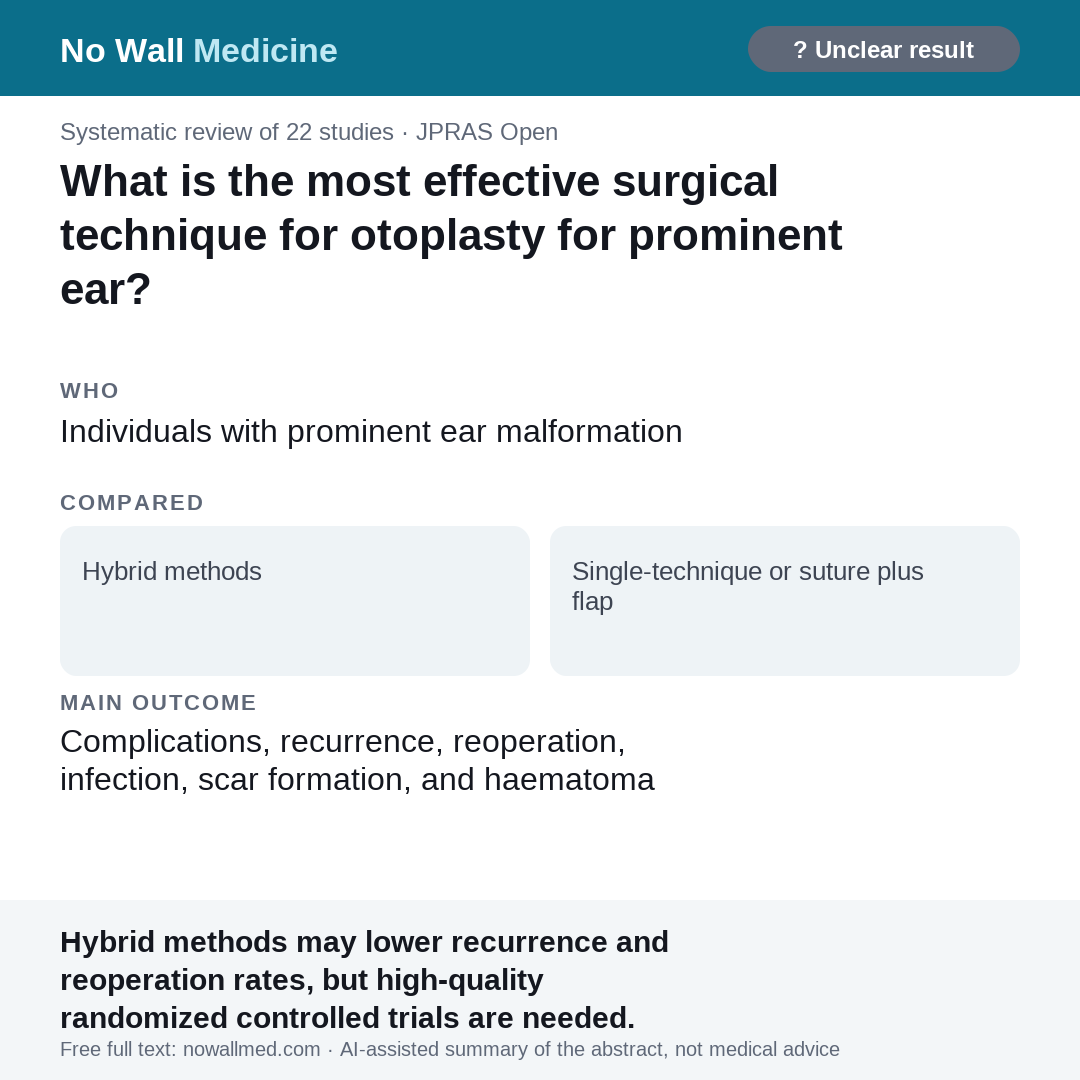
Safety and efficacy of intensive task-specific training in people with recent spinal cord injury: a phase 3, pragmatic, randomised, assessor-blinded, superiority trial
Phase 3, pragmatic, randomised, assessor-blinded, superiority trialNo clear difference
Does intensive task-specific training improve recovery following recent spinal cord injury?
Who
220
People with recent spinal cord injury receiving inpatient rehabilitation · 15 hospitals in six countries
Compared
78·76Usual care (SD 17·34)
78·36Usual care plus intensive training (SD 17·00)
Main outcome
Total Motor Score of the International Standards for the Neurological Classification of SCI
Result: mean between-group difference 0·93 (95% CI -1·63 to 3·48)
Bottom line: Intensive task-specific training supplemented with strength training did not significantly improve motor recovery in people with recent spinal cord injury.
Funded by: New South Wales Ministry of Health, University of Sydney, and Wings for Life
Lancet Neurol · 2026-02-22Download image
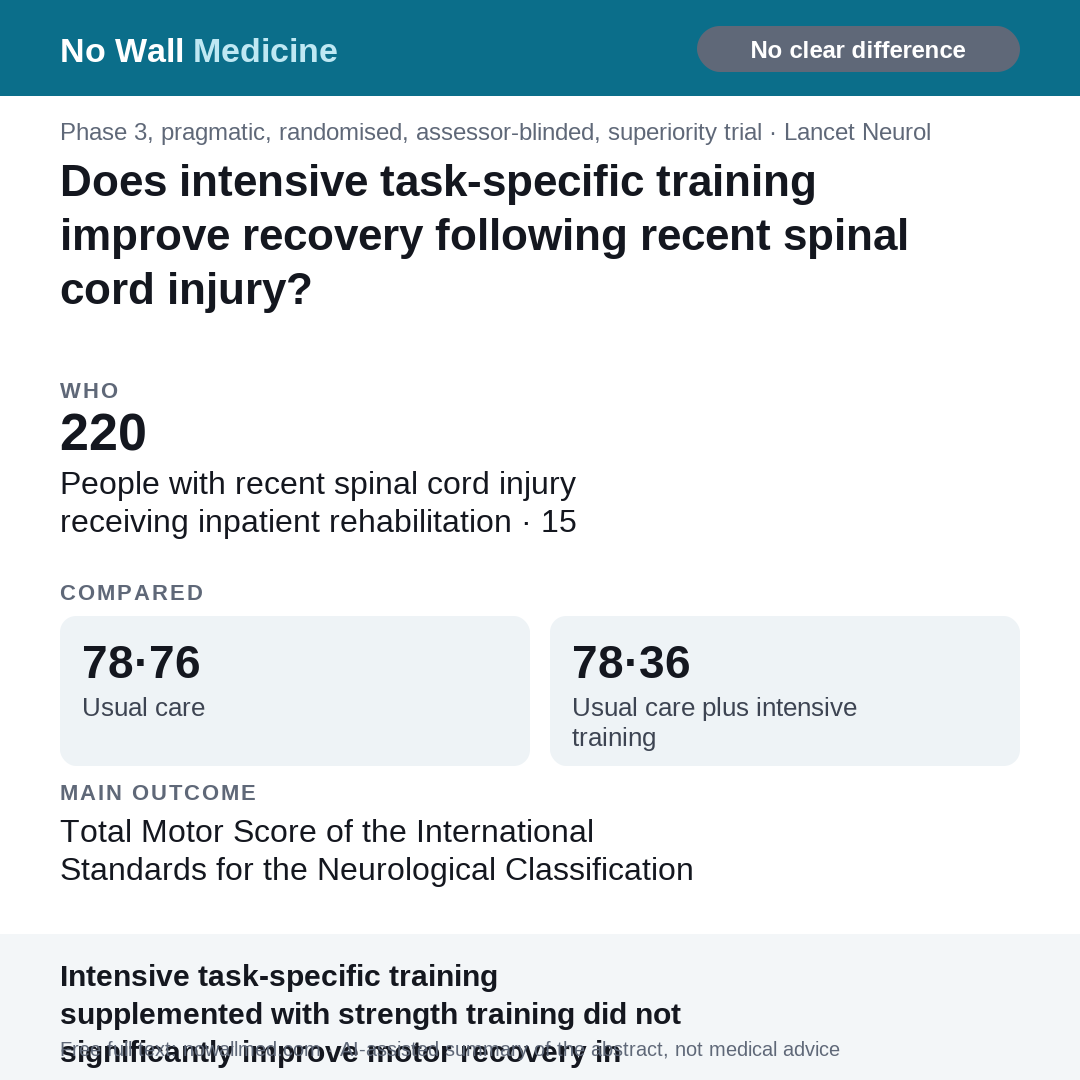
Outcomes of deprescribing for people with life-limiting conditions: A systematic review
Systematic reviewBenefit found
What are the outcomes of deprescribing in people with life-limiting conditions?
Who
People with life-limiting conditions · Nursing homes, long-term care facilities, and hospitals
Compared
Deprescribing
Control
Main outcome
Clinical outcomes including medication burden, mortality, and costs
Bottom line: Deprescribing may reduce medication burden and costs, though mortality impacts and risks require careful monitoring.
Limitation: Further research should explore how outcomes vary by disease condition and medication type.
Palliat Med · 2026-02-22Download image
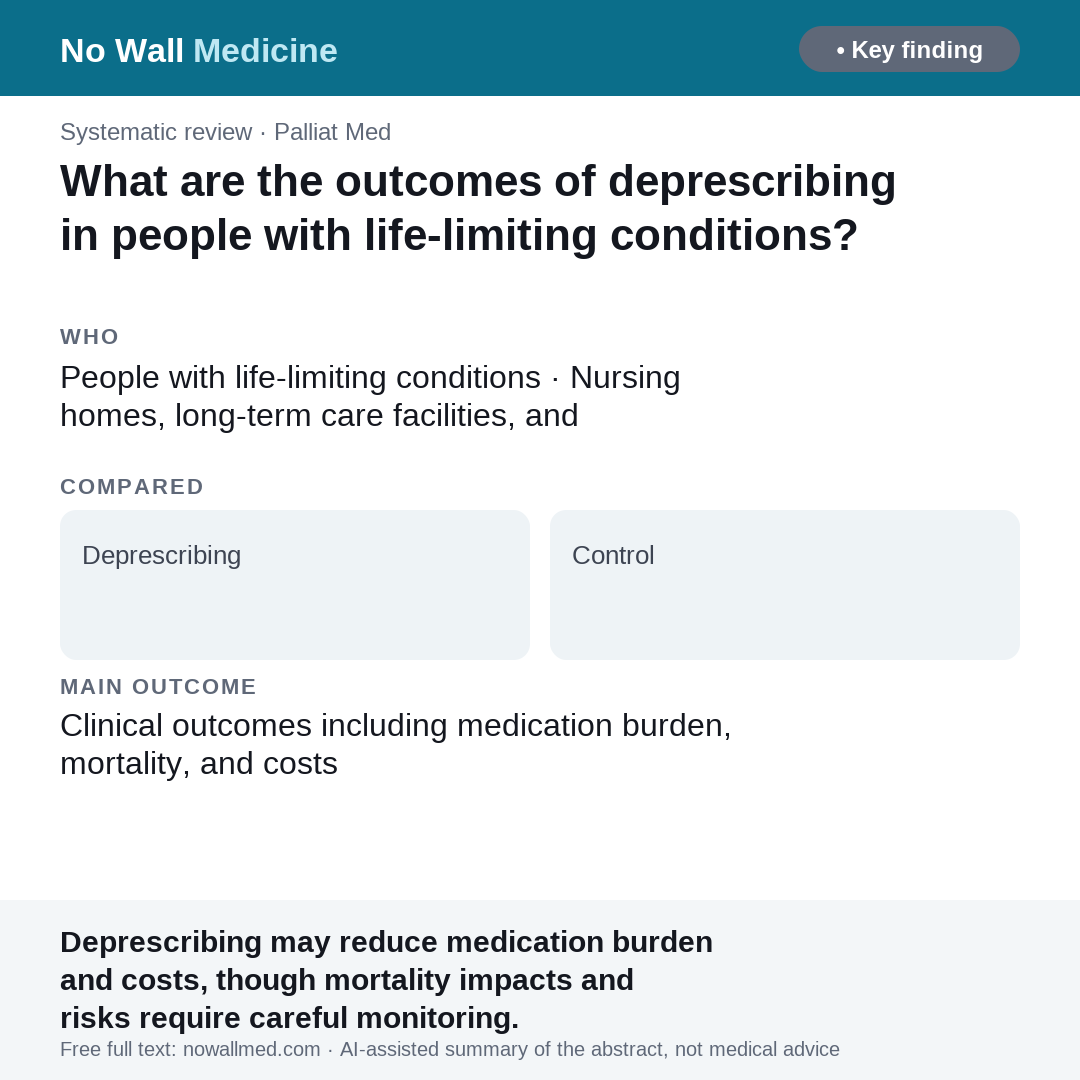
A Systematic Review and Meta-Analysis of the Recurrence of Autoimmune Encephalitis
Systematic review and meta-analysis of 39 observational studiesMixed results
What is the recurrence rate and risk factors for autoimmune encephalitis?
Who
Patients with autoimmune encephalitis
Compared
0.162Overall autoimmune encephalitis (95% CI, 0.121-0.207)
0.148Anti-NMDAR encephalitis (95% CI, 0.108-0.193)
Main outcome
Recurrence rate of autoimmune encephalitis
Bottom line: The overall recurrence rate was 0.162, with second-line treatment and teratoma removal decreasing recurrence risk.
Ann Clin Transl Neurol · 2026-02-22Download image
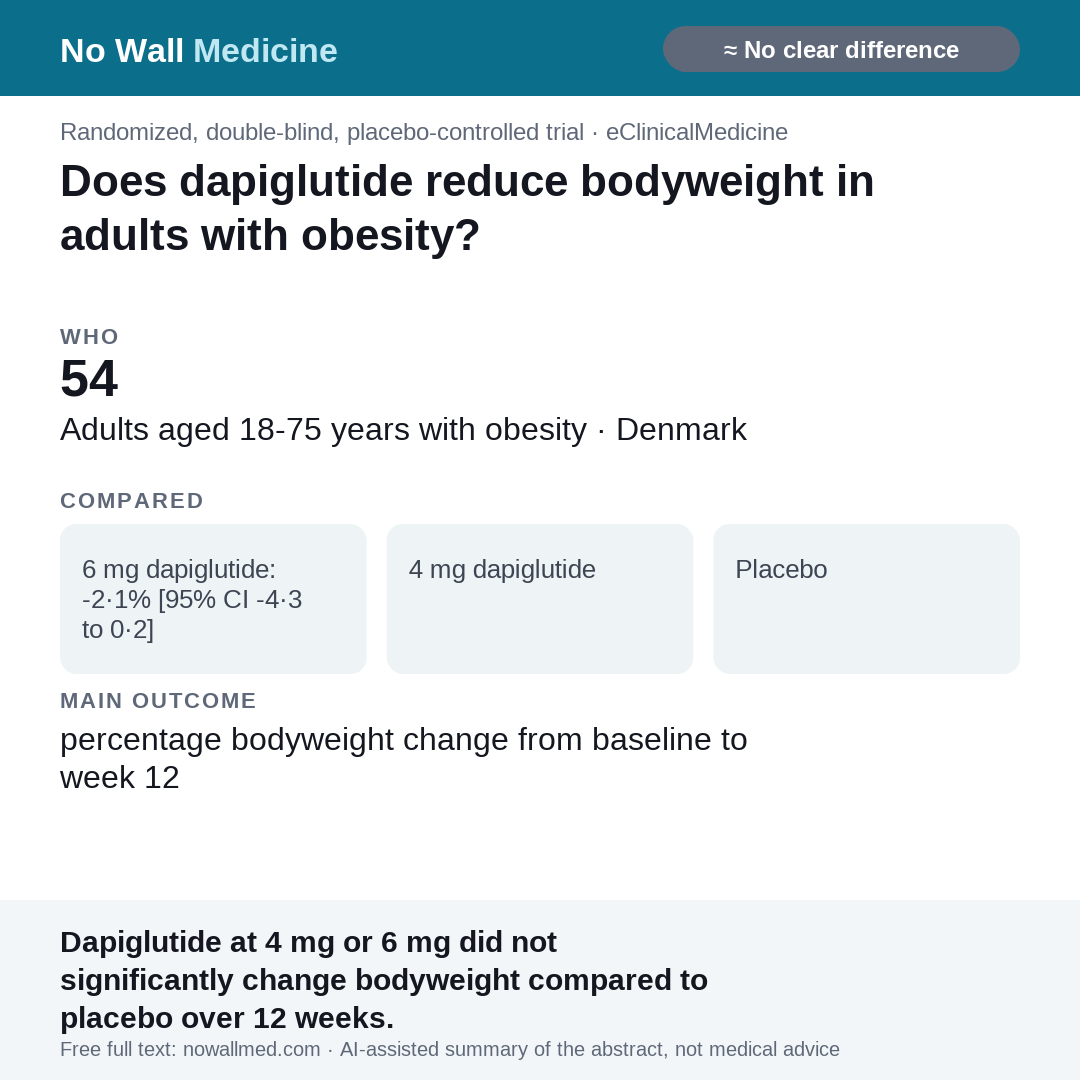
Dapiglutide, a dual GLP-1 and GLP-2 receptor agonist, for obesity: a randomised, double-blind, placebo-controlled parallel-group, proof-of-concept trial
Randomized, double-blind, placebo-controlled trialNo clear difference
Does dapiglutide reduce bodyweight in adults with obesity?
Who
54
Adults aged 18-75 years with obesity · Denmark
Compared
6 mg dapiglutide: -2·1% [95% CI -4·3 to 0·2]
4 mg dapiglutide
Placebo
Main outcome
percentage bodyweight change from baseline to week 12
Bottom line: Dapiglutide at 4 mg or 6 mg did not significantly change bodyweight compared to placebo over 12 weeks.
Funded by: Zealand Pharma
eClinicalMedicine · 2026-02-21Download image
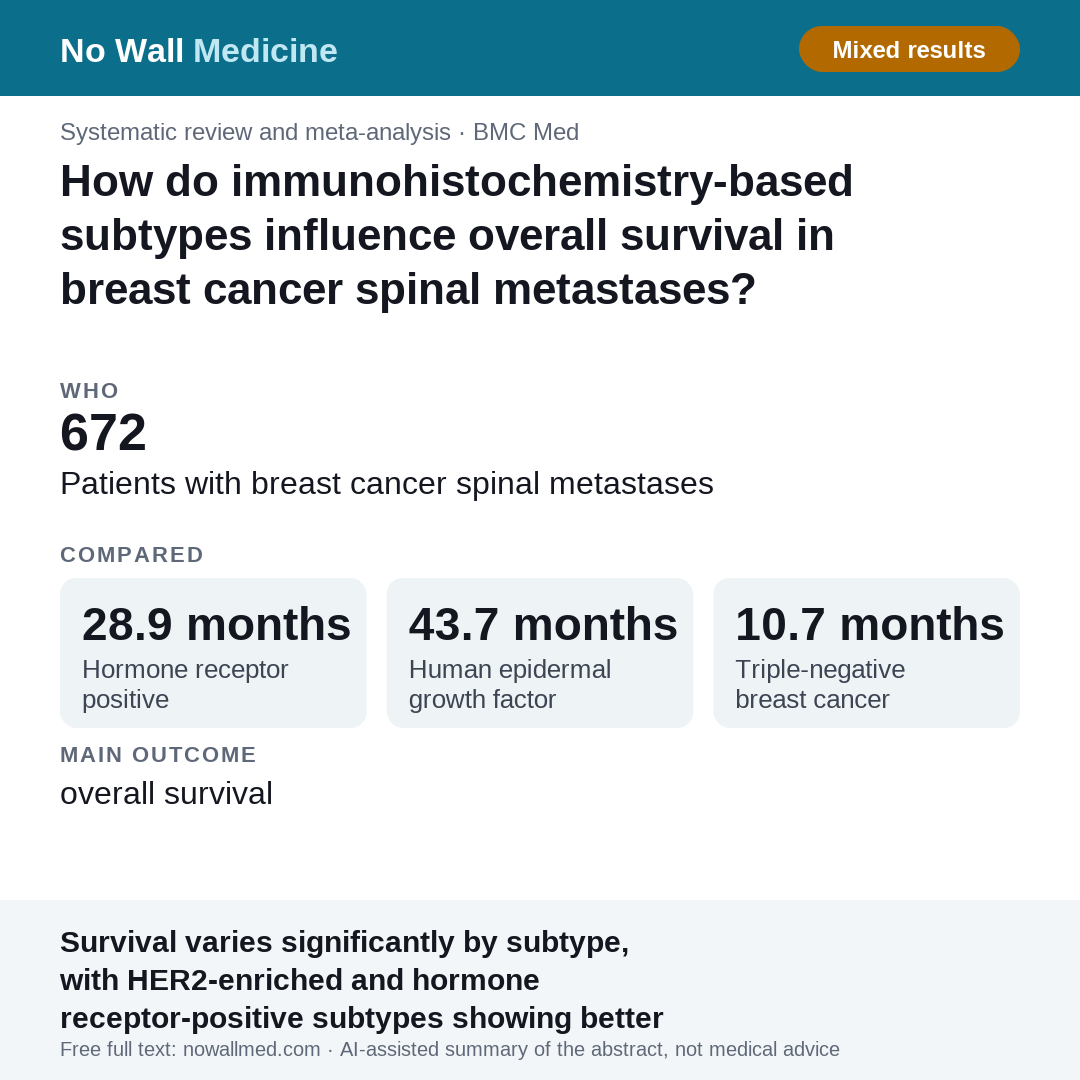
The influence of immunohistochemistry-based subtypes on overall survival in breast cancer spine metastases: a systematic review and meta-analysis
Systematic review and meta-analysisMixed results
How do immunohistochemistry-based subtypes influence overall survival in breast cancer spinal metastases?
Who
672
Patients with breast cancer spinal metastases
Compared
28.9 monthsHormone receptor positive (95% CI 26.0-35.6)
43.7 monthsHuman epidermal growth factor receptor 2-enriched (31.9-48.7)
10.7 monthsTriple-negative breast cancer (8.9-19.2)
Main outcome
overall survival
Bottom line: Survival varies significantly by subtype, with HER2-enriched and hormone receptor-positive subtypes showing better outcomes than triple-negative breast cancer.
BMC Med · 2026-02-21Download image
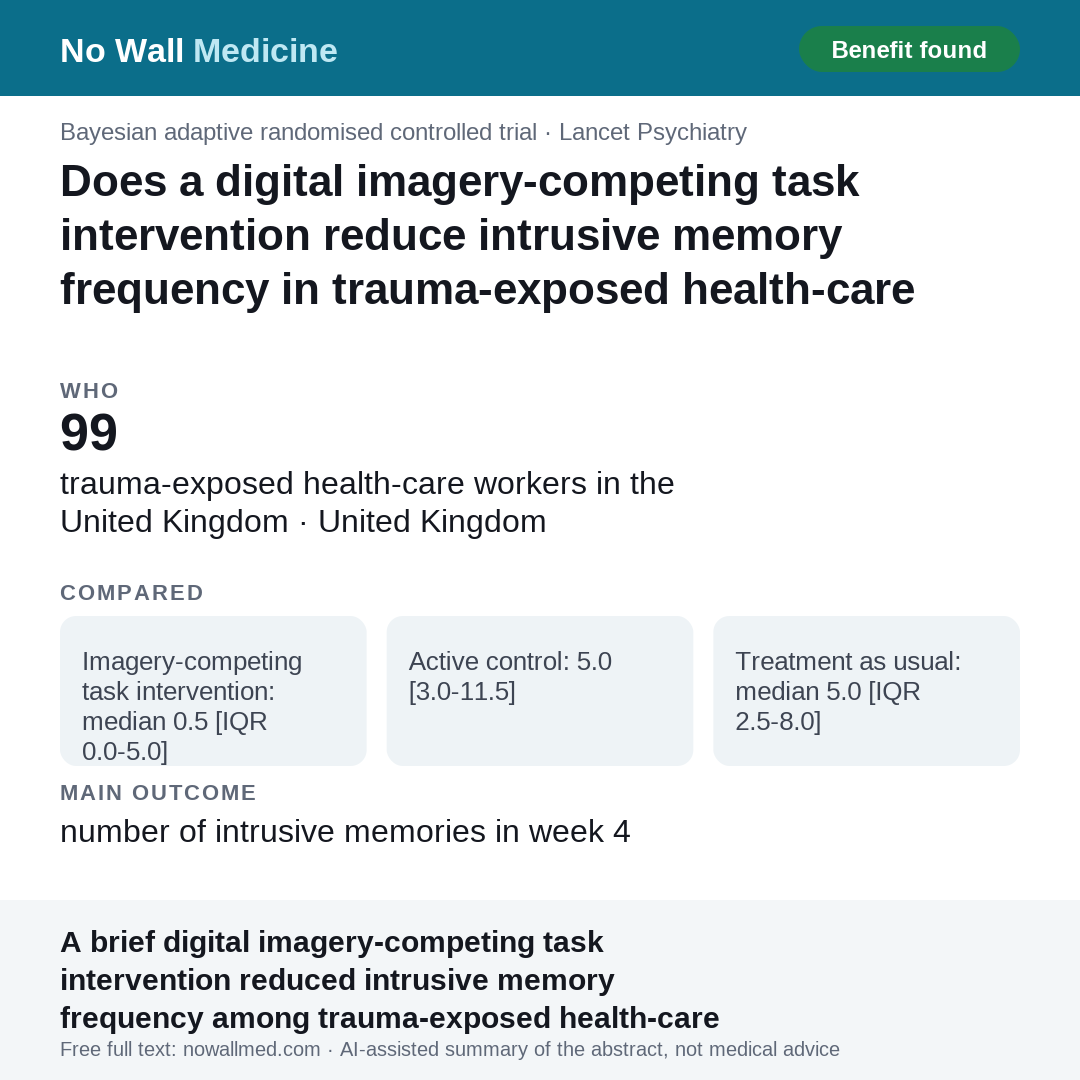
A digital imagery-competing task intervention for stopping intrusive memories in trauma-exposed health-care staff during the COVID-19 pandemic in the UK: a Bayesian adaptive randomised clinical trial
Bayesian adaptive randomised controlled trialBenefit found
Does a digital imagery-competing task intervention reduce intrusive memory frequency in trauma-exposed health-care staff?
Who
99
trauma-exposed health-care workers in the United Kingdom · United Kingdom
Compared
Imagery-competing task intervention: median 0.5 [IQR 0.0-5.0]
Active control: 5.0 [3.0-11.5]
Treatment as usual: median 5.0 [IQR 2.5-8.0]
Main outcome
number of intrusive memories in week 4
Result: βactive control>ICTI 1.29 (95% CrI 0.64-2.00); βtreatment as usual>ICTI 1.21 (95% CrI 0.49-1.98)
Bottom line: A brief digital imagery-competing task intervention reduced intrusive memory frequency among trauma-exposed health-care workers.
Funded by: Wellcome Trust, Swedish Research Council, UK Medical Research Council, and NIHR
Lancet Psychiatry · 2026-02-21Download image