Visual abstracts
New randomized trials and meta-analyses from leading journals at a glance: who was studied, what was compared, and what was found. Every paper is free to read in full.
All specialtiesCardiology 4877Oncology 4138Gastroenterology & Hepatology 1942Infectious Disease 3837Neurology 1905Psychiatry & Mental Health 2273Pulmonology 2143Critical Care 1365Endocrinology & Diabetes 2580Pediatrics 2980Surgery 2559Orthopedics & Sports Medicine 931Neurosurgery 537Cardiothoracic & Vascular Surgery 674Plastic & Reconstructive Surgery 591Nephrology 1133Rheumatology 823Hematology 1109Dermatology 621Ophthalmology 543Obstetrics & Gynecology 1686Public & Global Health 1058Radiology & Imaging 648Anesthesiology 986Urology 764ENT (Otolaryngology) 503Emergency Medicine 511Allergy & Immunology 313Geriatrics 981Family Medicine & Primary Care 562Medical Genetics & Genomics 676Pathology & Laboratory Medicine 159Physical Medicine & Rehabilitation 757Palliative Care 444Nutrition 1588Digital Health & AI 2201General Medicine 321
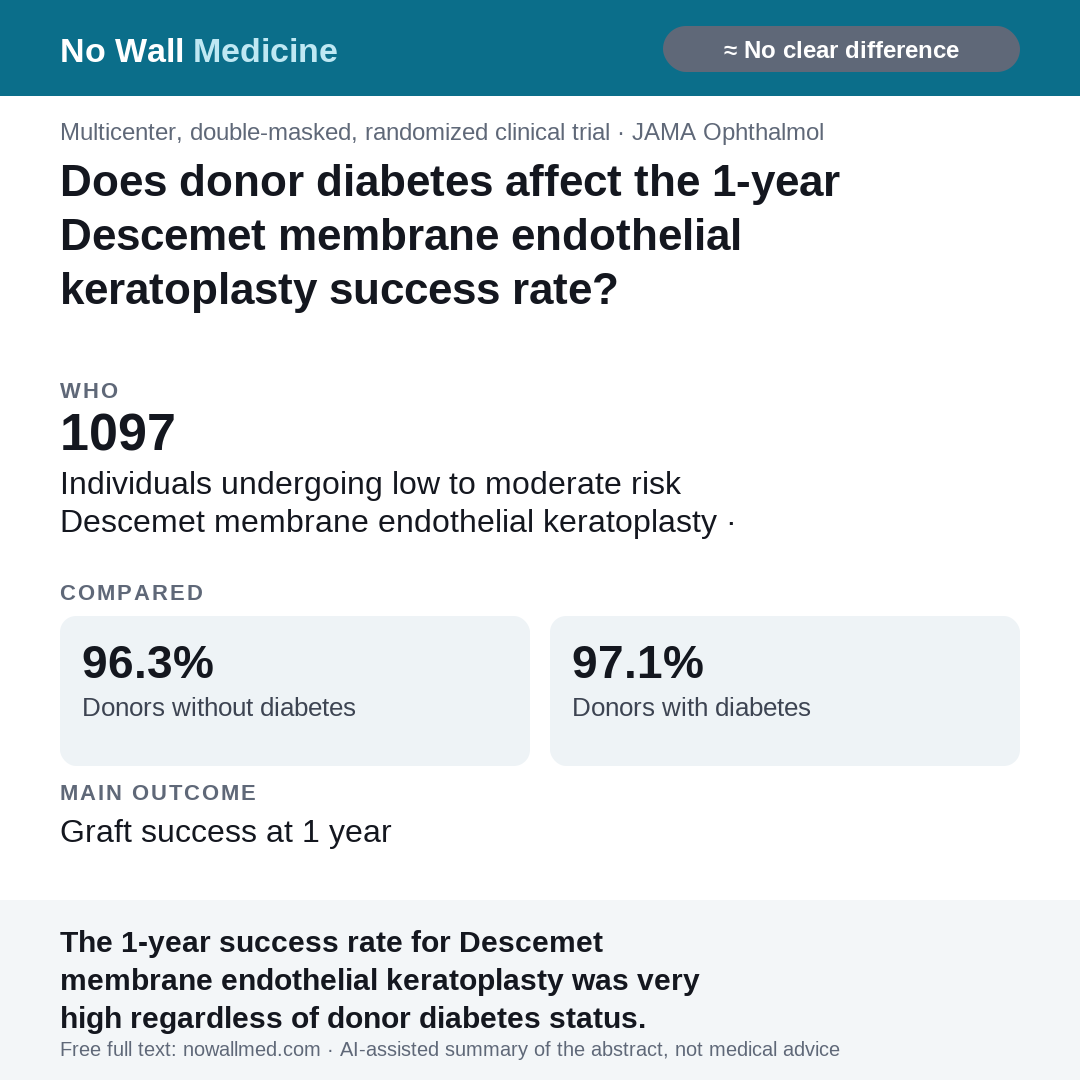
Donor Diabetes and 1-Year Descemet Membrane Endothelial Keratoplasty Success Rate: A Randomized Clinical Trial
Multicenter, double-masked, randomized clinical trialNo clear difference
Does donor diabetes affect the 1-year Descemet membrane endothelial keratoplasty success rate?
Who
1097
Individuals undergoing low to moderate risk Descemet membrane endothelial keratoplasty · 28 clinical sites in the US
Compared
96.3%Donors without diabetes (95% CI, 95.0%-97.5%)
97.1%Donors with diabetes (95% CI, 95.5%-98.4%)
Main outcome
Graft success at 1 year
Result: difference between groups = 0.7 percentage points; 95% CI, -1.2 to 2.6
Bottom line: The 1-year success rate for Descemet membrane endothelial keratoplasty was very high regardless of donor diabetes status.
JAMA Ophthalmol · 2025-10-17Download image
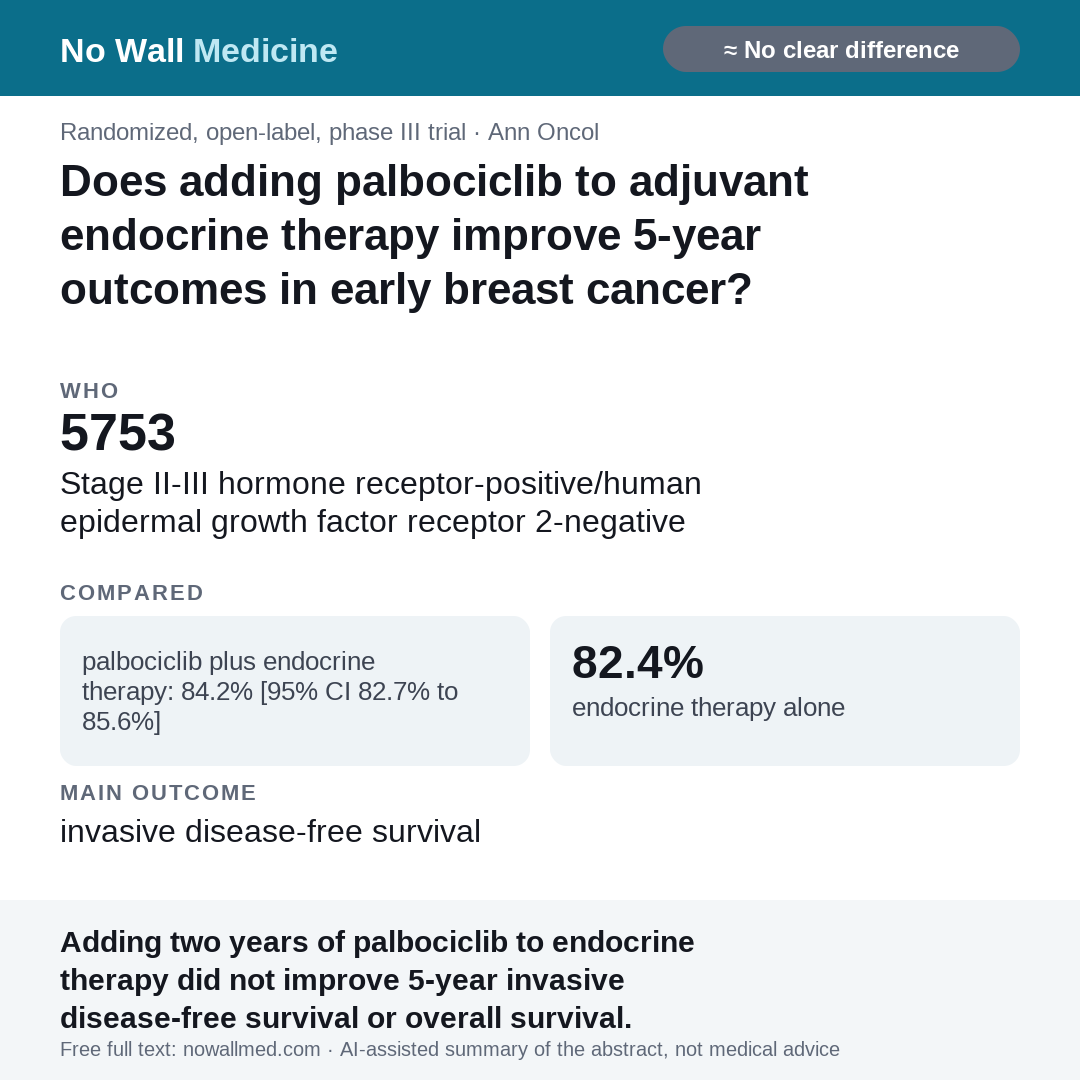
Palbociclib with adjuvant endocrine therapy in early breast cancer: 5-year follow-up analysis of the global multicenter, open-label, randomized phase III PALLAS trial (ABCSG-42/AFT-05/PrE0109/BIG-14-13)
Randomized, open-label, phase III trialNo clear difference
Does adding palbociclib to adjuvant endocrine therapy improve 5-year outcomes in early breast cancer?
Who
5753
Stage II-III hormone receptor-positive/human epidermal growth factor receptor 2-negative breast cancer · international
Compared
palbociclib plus endocrine therapy: 84.2% [95% CI 82.7% to 85.6%]
82.4%endocrine therapy alone (95% CI 80.8% to 83.9%)
Main outcome
invasive disease-free survival
Result: hazard ratio 0.88, 95% CI 0.77-1.01
Bottom line: Adding two years of palbociclib to endocrine therapy did not improve 5-year invasive disease-free survival or overall survival.
Ann Oncol · 2025-10-17Download image
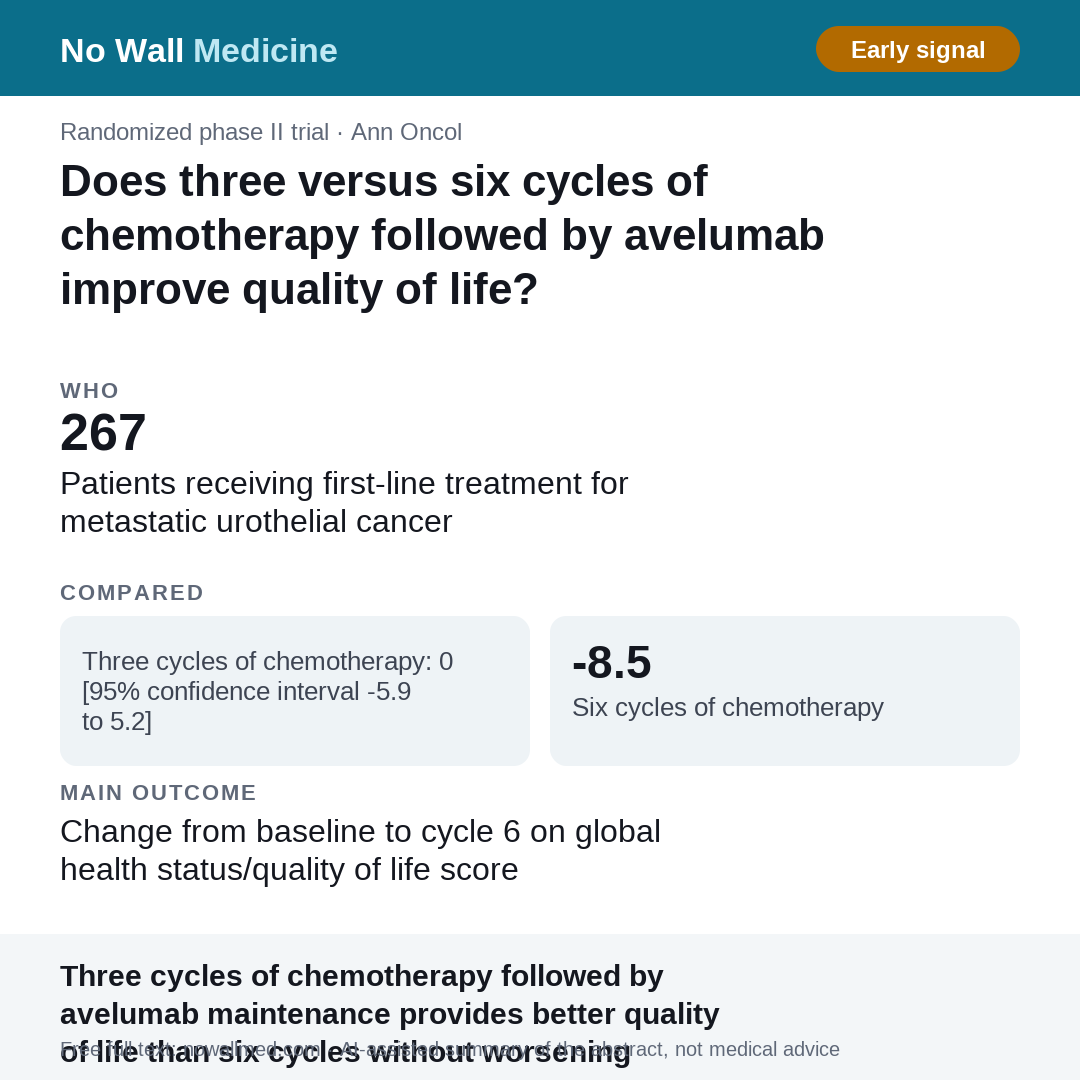
Three versus six cycles of platinum-based chemotherapy followed by avelumab maintenance as first-line treatment for advanced urothelial cancer: the phase II DISCUS trial
Randomized phase II trialBenefit found
Does three versus six cycles of chemotherapy followed by avelumab improve quality of life?
Who
267
Patients receiving first-line treatment for metastatic urothelial cancer
Compared
Three cycles of chemotherapy: 0 [95% confidence interval -5.9 to 5.2]
-8.5Six cycles of chemotherapy (95% CI -14.1 to -2.9)
Main outcome
Change from baseline to cycle 6 on global health status/quality of life score
Result: +8.5 points, 95% CI 0.7-16.3, P = 0.016
Bottom line: Three cycles of chemotherapy followed by avelumab maintenance provides better quality of life than six cycles without worsening overall survival.
Ann Oncol · 2025-10-17Download image
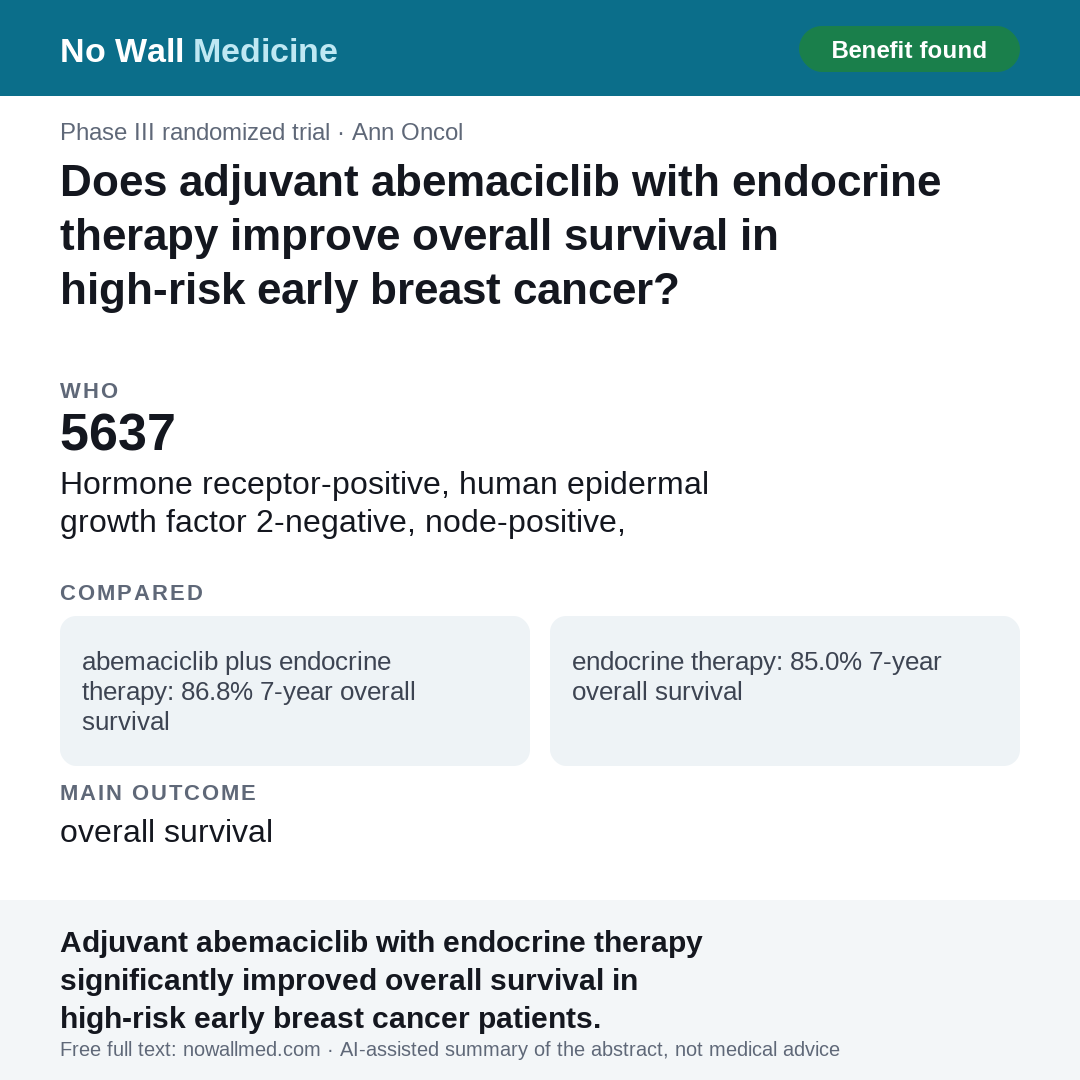
Overall survival with abemaciclib in early breast cancer
Phase III randomized trialBenefit found
Does adjuvant abemaciclib with endocrine therapy improve overall survival in high-risk early breast cancer?
Who
5637
Hormone receptor-positive, human epidermal growth factor 2-negative, node-positive, high-risk early breast cancer
Compared
abemaciclib plus endocrine therapy: 86.8% 7-year overall survival
endocrine therapy: 85.0% 7-year overall survival
Main outcome
overall survival
Result: hazard ratio 0.842, 95% confidence interval 0.722-0.981
Bottom line: Adjuvant abemaciclib with endocrine therapy significantly improved overall survival in high-risk early breast cancer patients.
Ann Oncol · 2025-10-17Download image
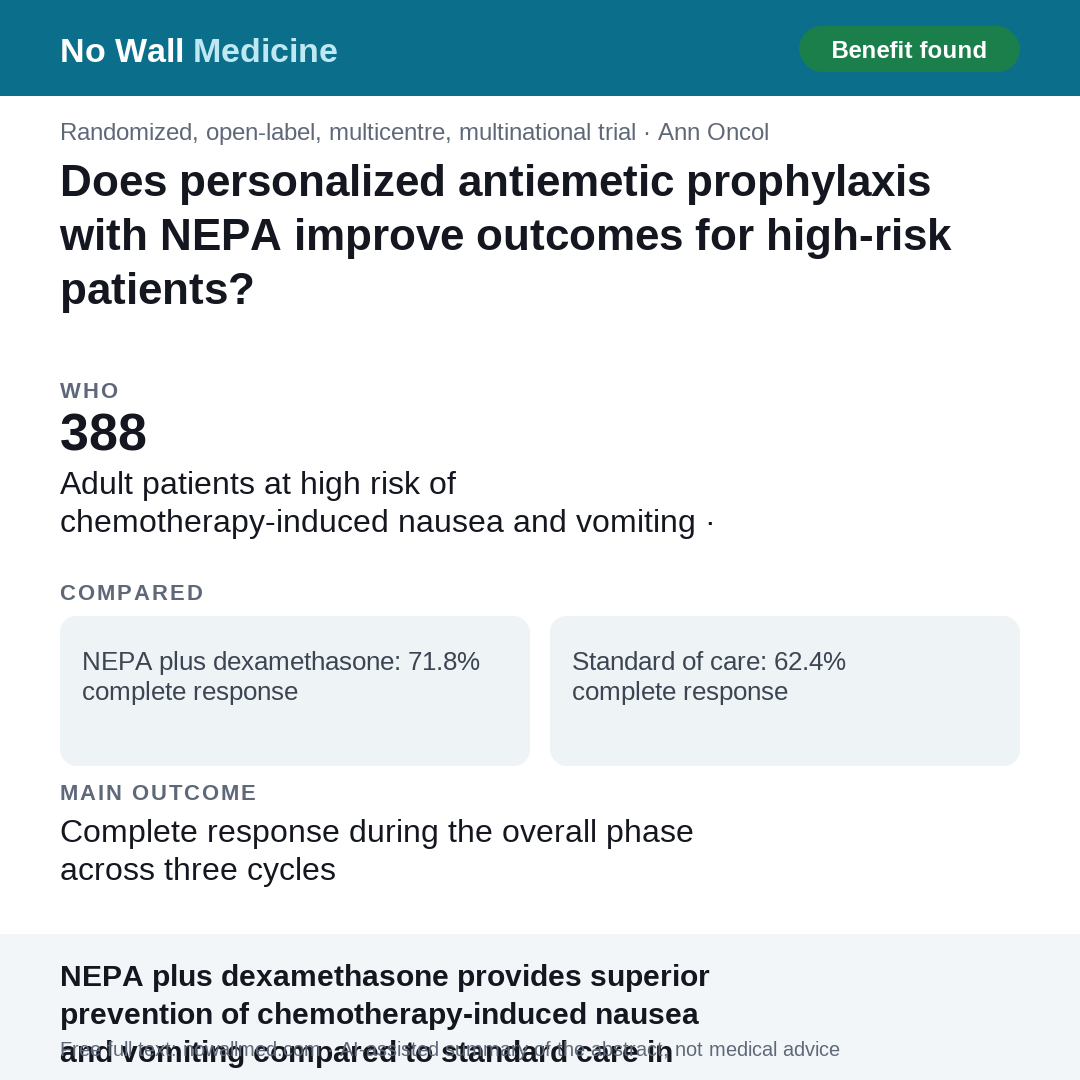
Personalised antiemetic prophylaxis with NEPA for patients at high risk of chemotherapy-induced nausea and vomiting receiving moderately emetogenic chemotherapy: results from the randomised, multinational MyRisk trial
Randomized, open-label, multicentre, multinational trialBenefit found
Does personalized antiemetic prophylaxis with NEPA improve outcomes for high-risk patients?
Who
388
Adult patients at high risk of chemotherapy-induced nausea and vomiting · Multicentre, multinational
Compared
NEPA plus dexamethasone: 71.8% complete response
Standard of care: 62.4% complete response
Main outcome
Complete response during the overall phase across three cycles
Result: odds ratio 1.67 (95% confidence interval 1.12-2.49)
Bottom line: NEPA plus dexamethasone provides superior prevention of chemotherapy-induced nausea and vomiting compared to standard care in high-risk patients.
Ann Oncol · 2025-10-17Download image
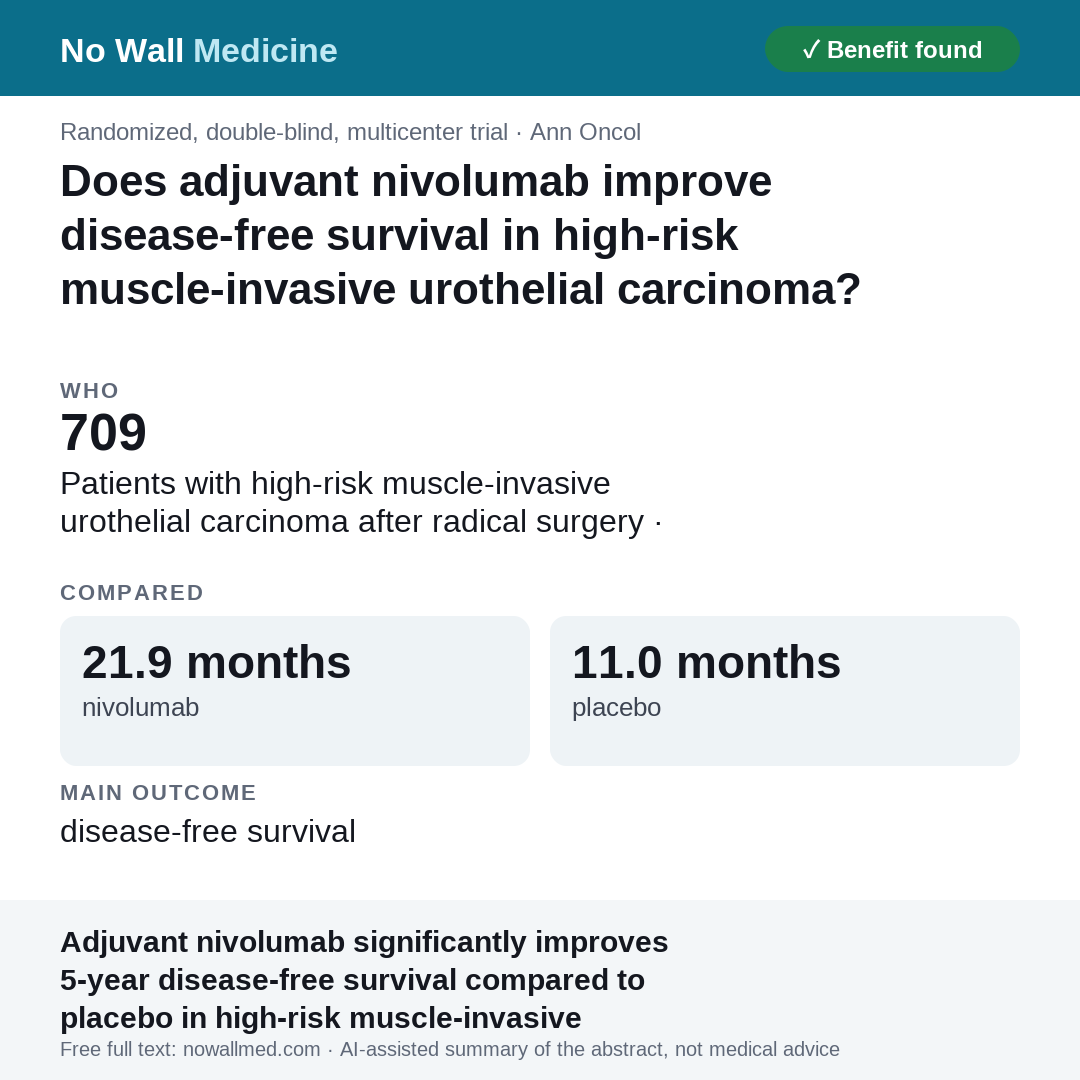
Adjuvant nivolumab versus placebo for high-risk muscle-invasive urothelial carcinoma: 5-year efficacy and ctDNA results from CheckMate 274
Randomized, double-blind, multicenter trialBenefit found
Does adjuvant nivolumab improve disease-free survival in high-risk muscle-invasive urothelial carcinoma?
Who
709
Patients with high-risk muscle-invasive urothelial carcinoma after radical surgery · multicenter
Compared
21.9 monthsnivolumab
11.0 monthsplacebo
Main outcome
disease-free survival
Result: hazard ratio 0.74 (95% CI 0.61-0.90)
Bottom line: Adjuvant nivolumab significantly improves 5-year disease-free survival compared to placebo in high-risk muscle-invasive urothelial carcinoma.
Ann Oncol · 2025-10-17Download image
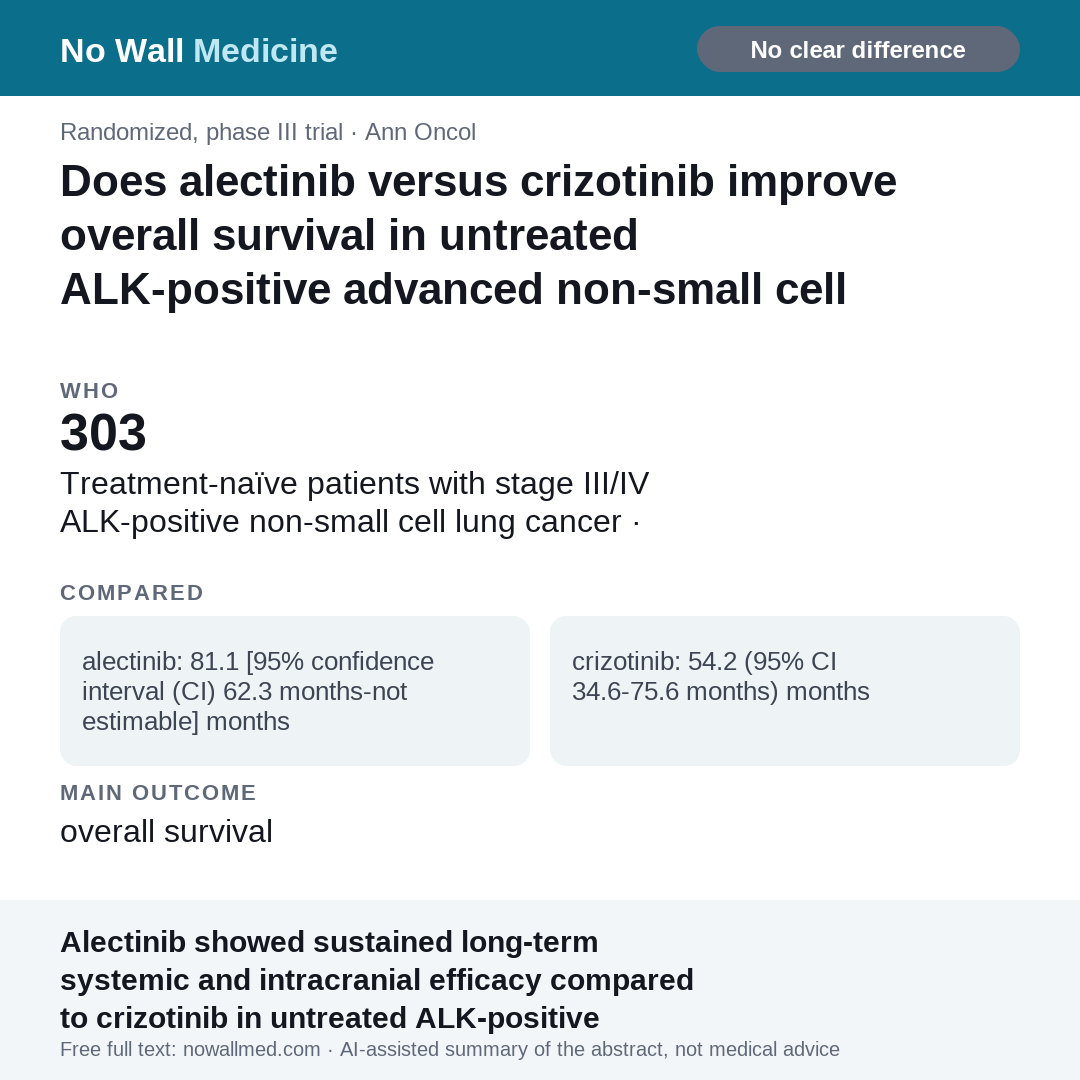
Alectinib versus crizotinib in previously untreated ALK-positive advanced non-small cell lung cancer: final overall survival analysis of the phase III ALEX study
Randomized, phase III trialNo clear difference
Does alectinib versus crizotinib improve overall survival in untreated ALK-positive advanced non-small cell lung cancer?
Who
303
Treatment-naïve patients with stage III/IV ALK-positive non-small cell lung cancer · Global
Compared
alectinib: 81.1 [95% confidence interval (CI) 62.3 months-not estimable] months
crizotinib: 54.2 (95% CI 34.6-75.6 months) months
Main outcome
overall survival
Result: hazard ratio 0.78 (95% CI 0.56-1.08)
Bottom line: Alectinib showed sustained long-term systemic and intracranial efficacy compared to crizotinib in untreated ALK-positive non-small cell lung cancer.
Ann Oncol · 2025-10-17Download image
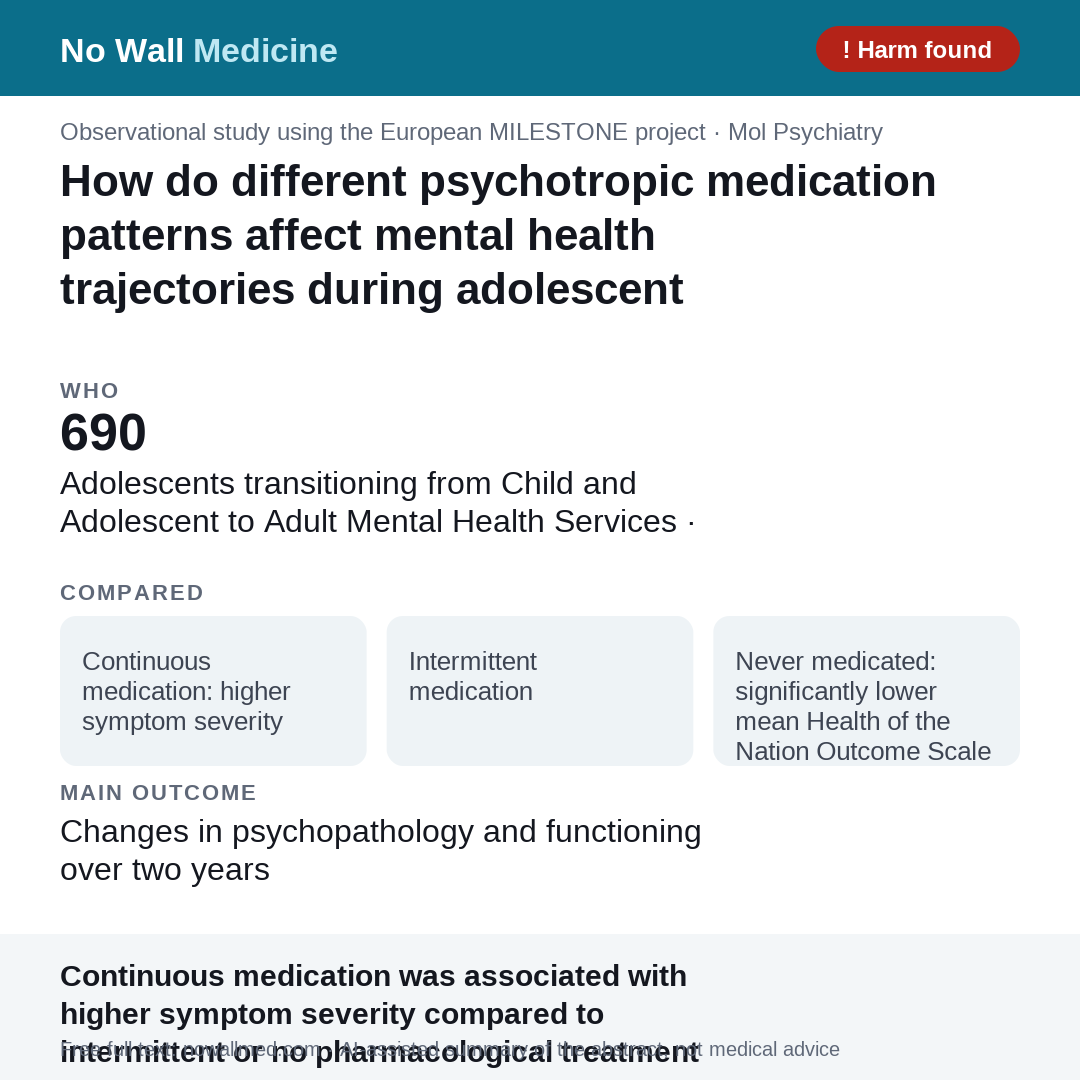
Mental health trajectories of adolescents treated with psychotropic medications: insights from the european milestone study
Observational study using the European MILESTONE projectHarm found
How do different psychotropic medication patterns affect mental health trajectories during adolescent transition?
Who
690
Adolescents transitioning from Child and Adolescent to Adult Mental Health Services · European sites
Compared
Continuous medication: higher symptom severity
Intermittent medication
Never medicated: significantly lower mean Health of the Nation Outcome Scale for Child and Adolescents ratings
Main outcome
Changes in psychopathology and functioning over two years
Bottom line: Continuous medication was associated with higher symptom severity compared to intermittent or no pharmacological treatment during transition.
Mol Psychiatry · 2025-10-17Download image
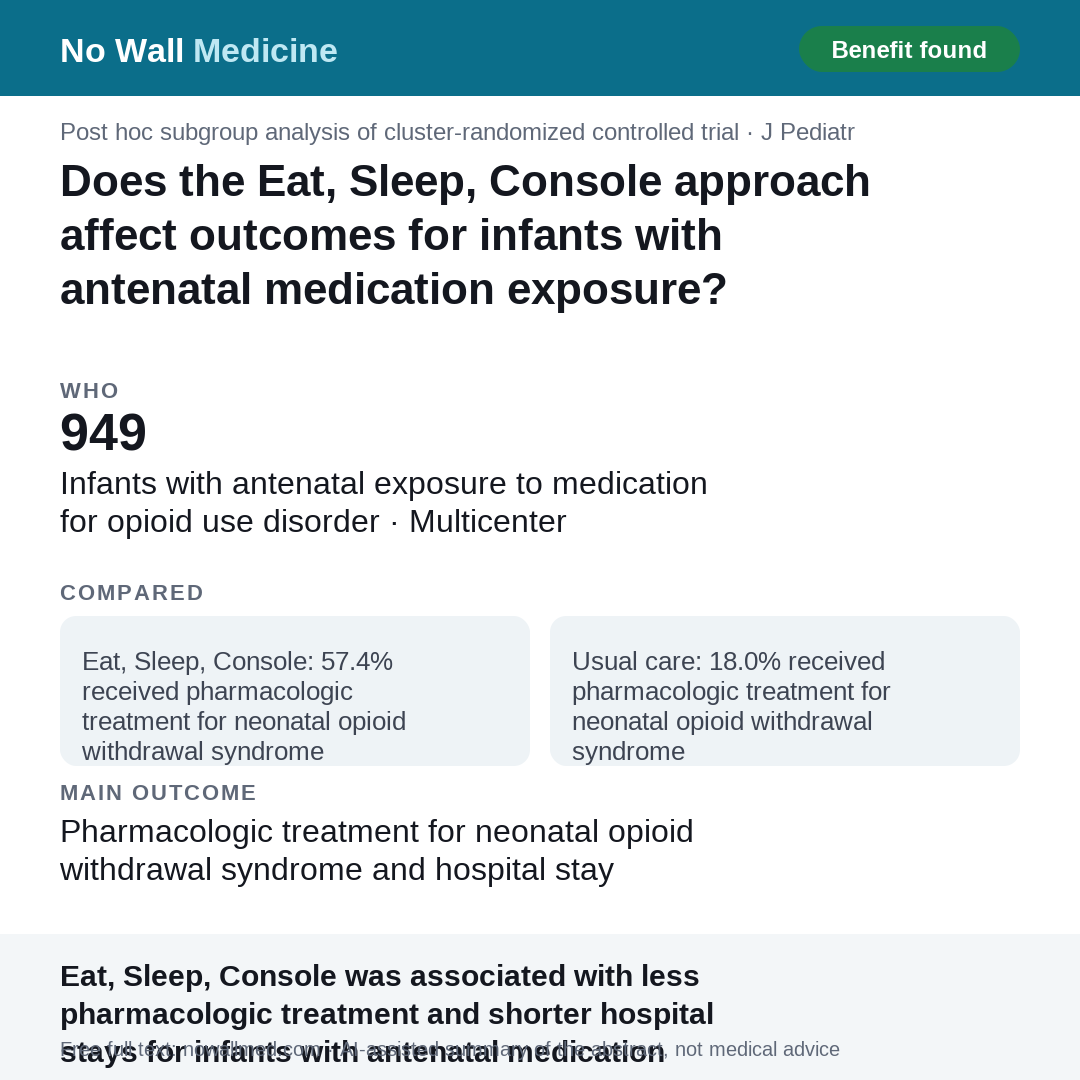
Antenatal Exposure to Medication for Opioid Use Disorder and Infant Outcomes in the Eat, Sleep, Console for Neonatal Opioid Withdrawal Randomized Controlled Trial
Post hoc subgroup analysis of cluster-randomized controlled trialBenefit found
Does the Eat, Sleep, Console approach affect outcomes for infants with antenatal medication exposure?
Who
949
Infants with antenatal exposure to medication for opioid use disorder · Multicenter
Compared
Eat, Sleep, Console: 57.4% received pharmacologic treatment for neonatal opioid withdrawal syndrome
Usual care: 18.0% received pharmacologic treatment for neonatal opioid withdrawal syndrome
Main outcome
Pharmacologic treatment for neonatal opioid withdrawal syndrome and hospital stay
Result: absolute difference 39.4%; 95% CI: 30.6-48.2
Bottom line: Eat, Sleep, Console was associated with less pharmacologic treatment and shorter hospital stays for infants with antenatal medication exposure.
J Pediatr · 2025-10-17Download image
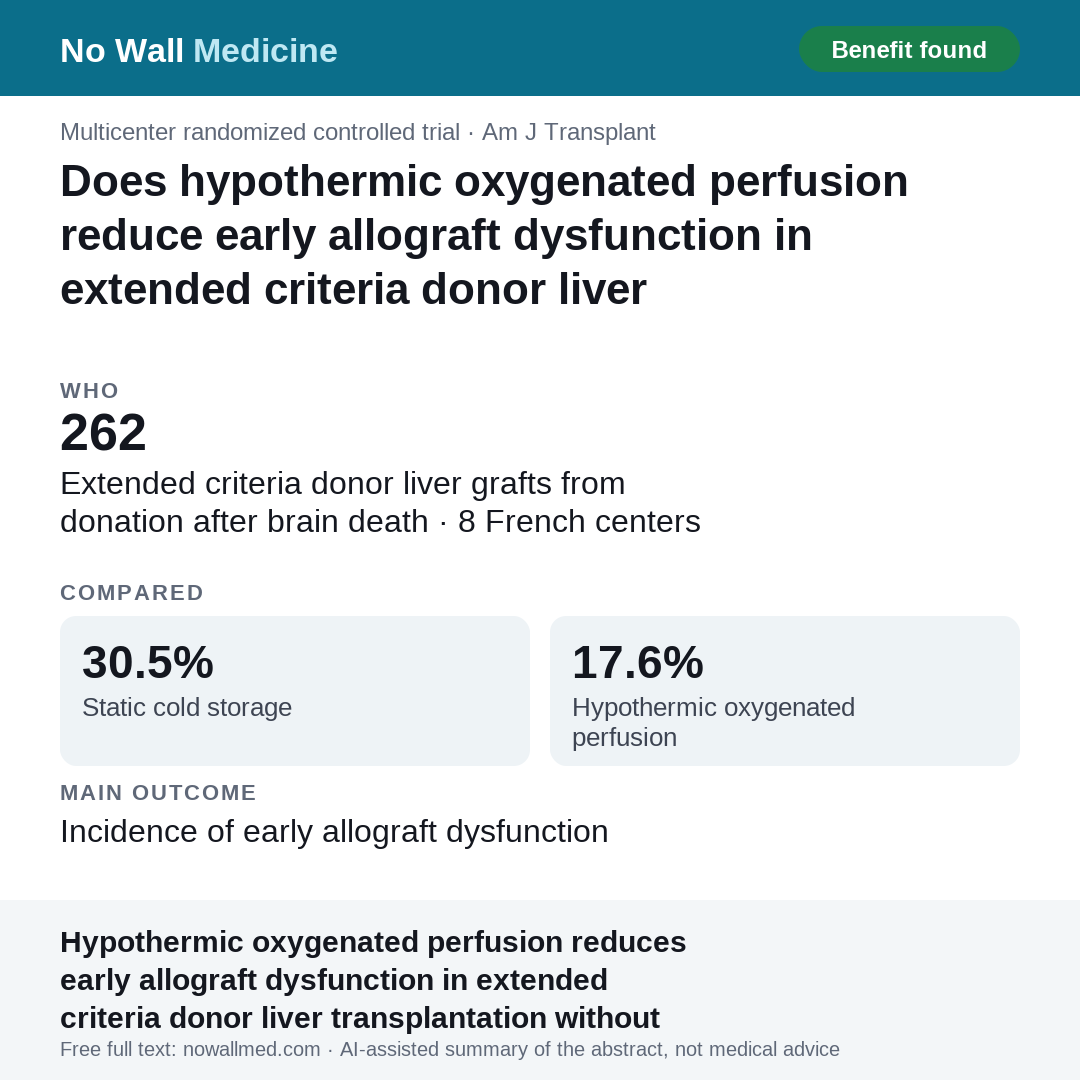
A French multicenter randomized controlled trial of hypothermic oxygenated perfusion in extended criteria donor liver transplantation
Multicenter randomized controlled trialBenefit found
Does hypothermic oxygenated perfusion reduce early allograft dysfunction in extended criteria donor liver transplantation?
Who
262
Extended criteria donor liver grafts from donation after brain death · 8 French centers
Compared
30.5%Static cold storage
17.6%Hypothermic oxygenated perfusion
Main outcome
Incidence of early allograft dysfunction
Bottom line: Hypothermic oxygenated perfusion reduces early allograft dysfunction in extended criteria donor liver transplantation without affecting mortality.
Am J Transplant · 2025-10-17Download image
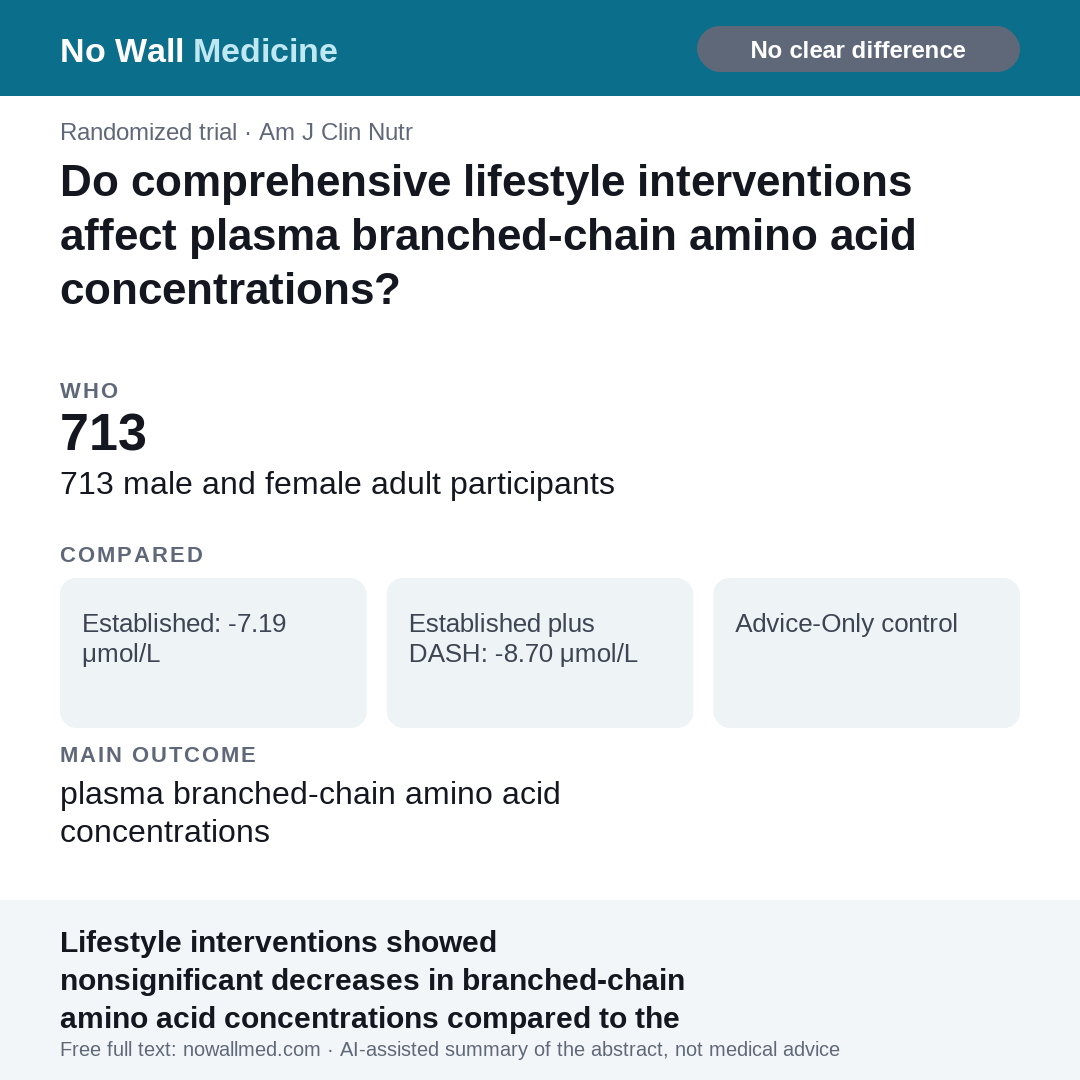
Impact of comprehensive lifestyle interventions on plasma branched-chain amino acid concentrations: a randomized trial
Randomized trialNo clear difference
Do comprehensive lifestyle interventions affect plasma branched-chain amino acid concentrations?
Who
713
713 male and female adult participants
Compared
Established: -7.19 μmol/L
Established plus DASH: -8.70 μmol/L
Advice-Only control
Main outcome
plasma branched-chain amino acid concentrations
Bottom line: Lifestyle interventions showed nonsignificant decreases in branched-chain amino acid concentrations compared to the control group.
Am J Clin Nutr · 2025-10-17Download image
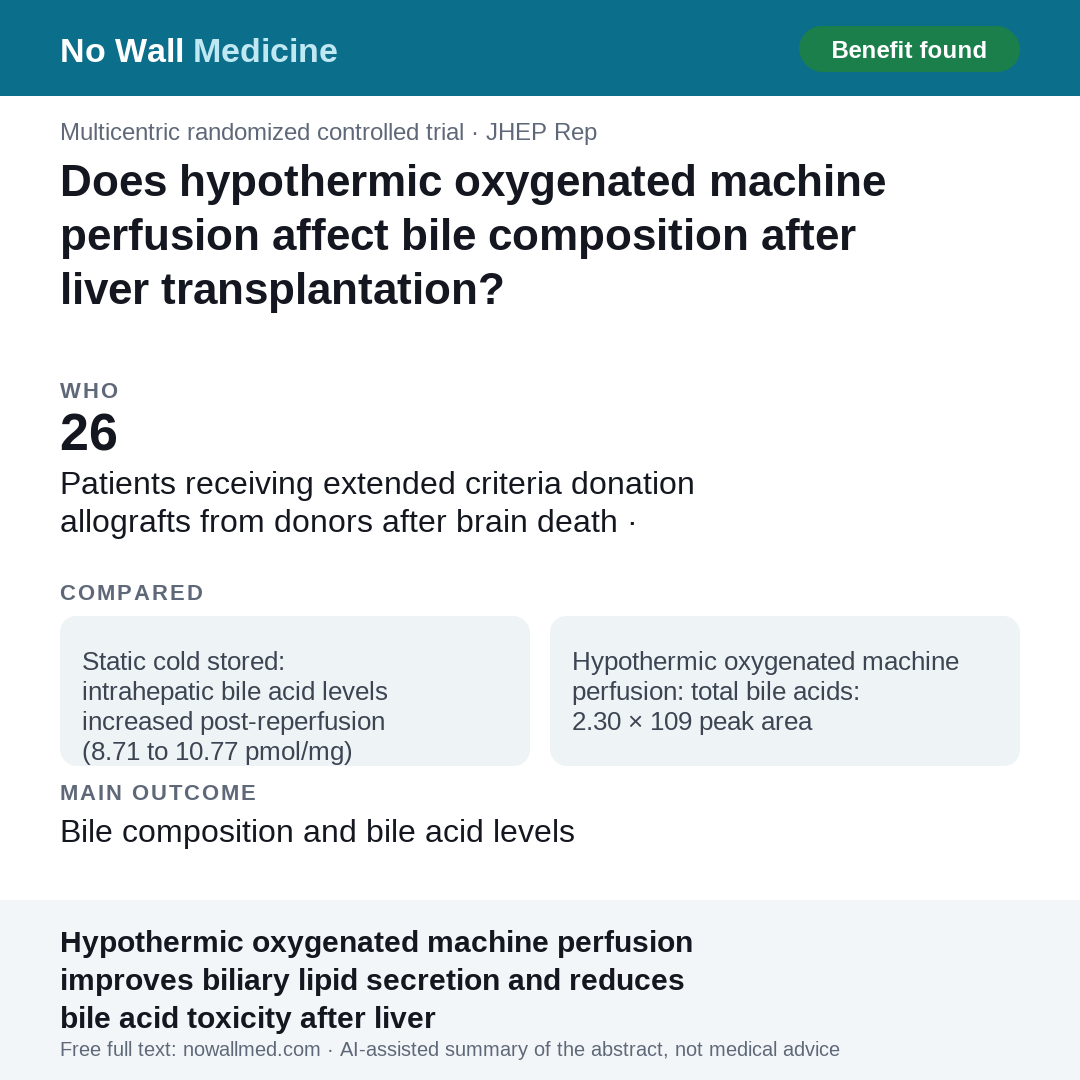
Effects of hypothermic oxygenated machine perfusion on bile composition after liver transplantation - Findings from a randomized controlled trial
Multicentric randomized controlled trialBenefit found
Does hypothermic oxygenated machine perfusion affect bile composition after liver transplantation?
Who
26
Patients receiving extended criteria donation allografts from donors after brain death · multicentric
Compared
Static cold stored: intrahepatic bile acid levels increased post-reperfusion (8.71 to 10.77 pmol/mg)
Hypothermic oxygenated machine perfusion: total bile acids: 2.30 × 10⁹ peak area
Main outcome
Bile composition and bile acid levels
Result: total BAs: 2.30 × 10⁹ vs. 2.03 × 10⁹ peak area, p = 0.047
Bottom line: Hypothermic oxygenated machine perfusion improves biliary lipid secretion and reduces bile acid toxicity after liver transplantation.
JHEP Rep · 2025-10-17Download image
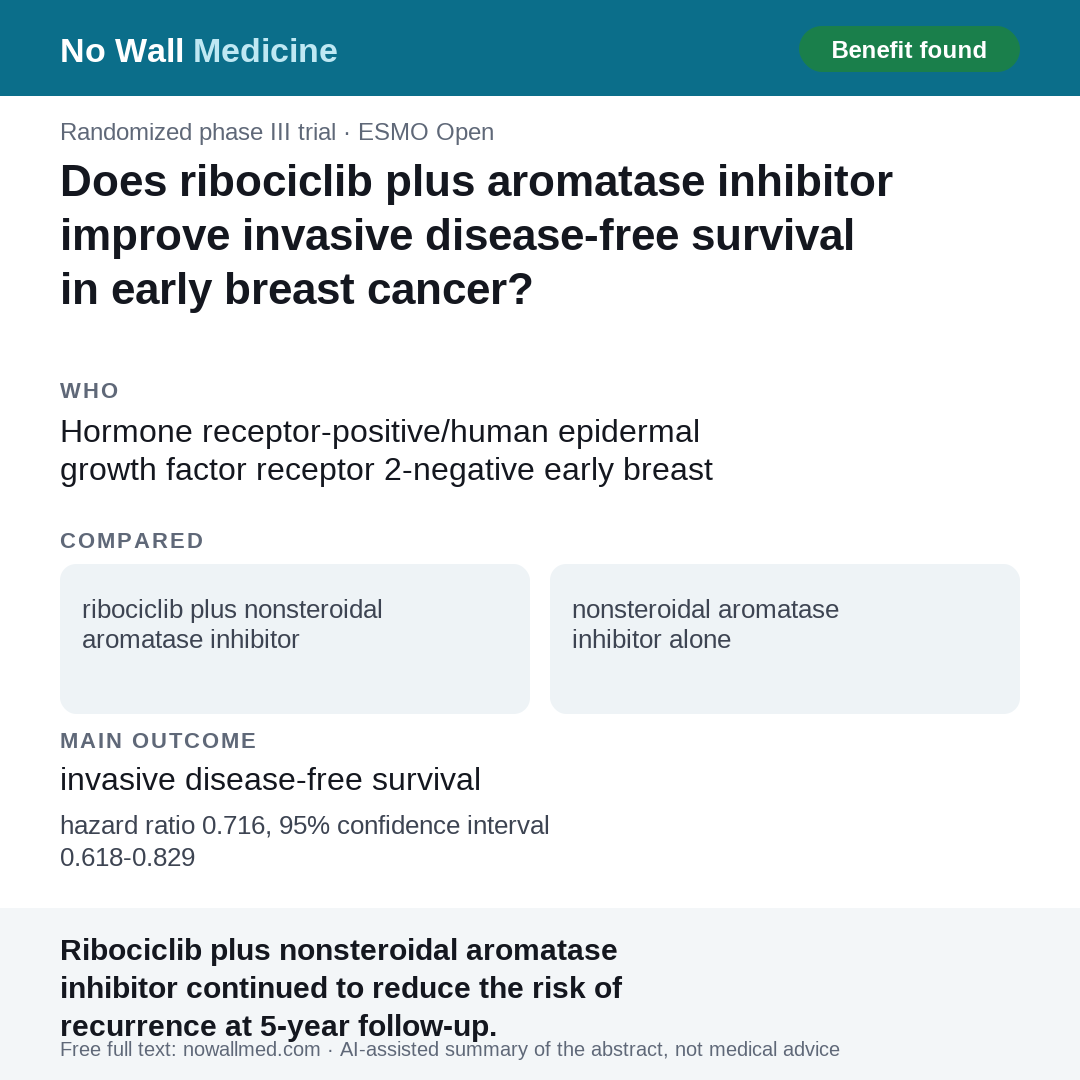
Adjuvant ribociclib plus nonsteroidal aromatase inhibitor therapy in patients with HR-positive/HER2-negative early breast cancer: 5-year follow-up of NATALEE efficacy outcomes and updated overall survival
Randomized phase III trialBenefit found
Does ribociclib plus aromatase inhibitor improve invasive disease-free survival in early breast cancer?
Who
Hormone receptor-positive/human epidermal growth factor receptor 2-negative early breast cancer patients
Compared
ribociclib plus nonsteroidal aromatase inhibitor
nonsteroidal aromatase inhibitor alone
Main outcome
invasive disease-free survival
Result: hazard ratio 0.716, 95% confidence interval 0.618-0.829
Bottom line: Ribociclib plus nonsteroidal aromatase inhibitor continued to reduce the risk of recurrence at 5-year follow-up.
ESMO Open · 2025-10-17Download image
Cortical gyrification predicts initial treatment response in adults with ADHD
Randomized trialBenefit found
Does cortical gyrification predict ADHD treatment response
Who
121
Adults with Attention-Deficit/Hyperactivity Disorder
Compared
Methylphenidate
Psychotherapy
Placebo
Main outcome
Treatment response
Bottom line: Cortical gyrification predicts treatment response
Transl Psychiatry · 2025-10-17Download image

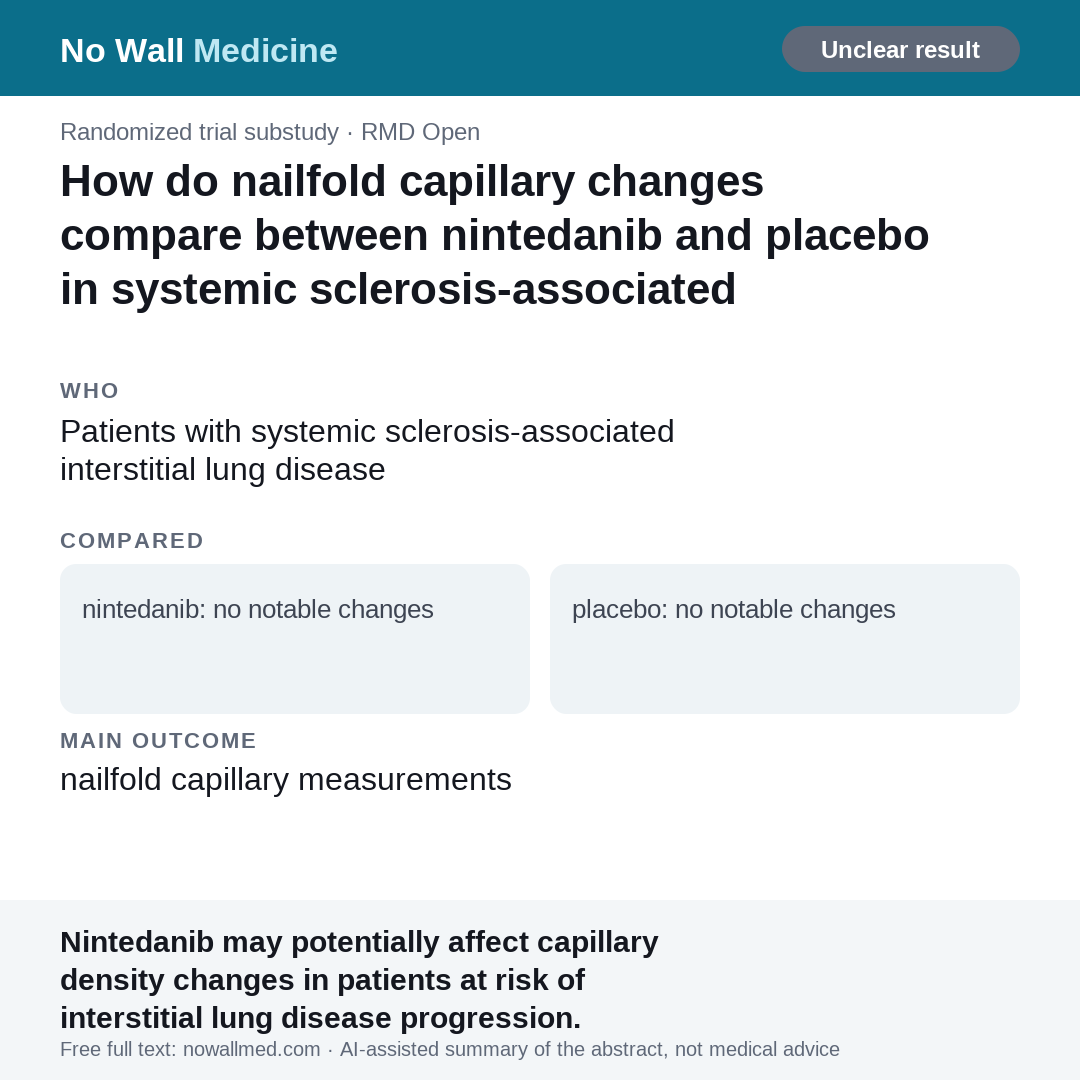
Nailfold capillaroscopy in patients with systemic sclerosis-associated interstitial lung disease: a substudy of the SENSCIS trial
Randomized trial substudyUnclear result
How do nailfold capillary changes compare between nintedanib and placebo in systemic sclerosis-associated interstitial lung disease?
Who
Patients with systemic sclerosis-associated interstitial lung disease
Compared
nintedanib: no notable changes
placebo: no notable changes
Main outcome
nailfold capillary measurements
Bottom line: Nintedanib may potentially affect capillary density changes in patients at risk of interstitial lung disease progression.
RMD Open · 2025-10-17Download image
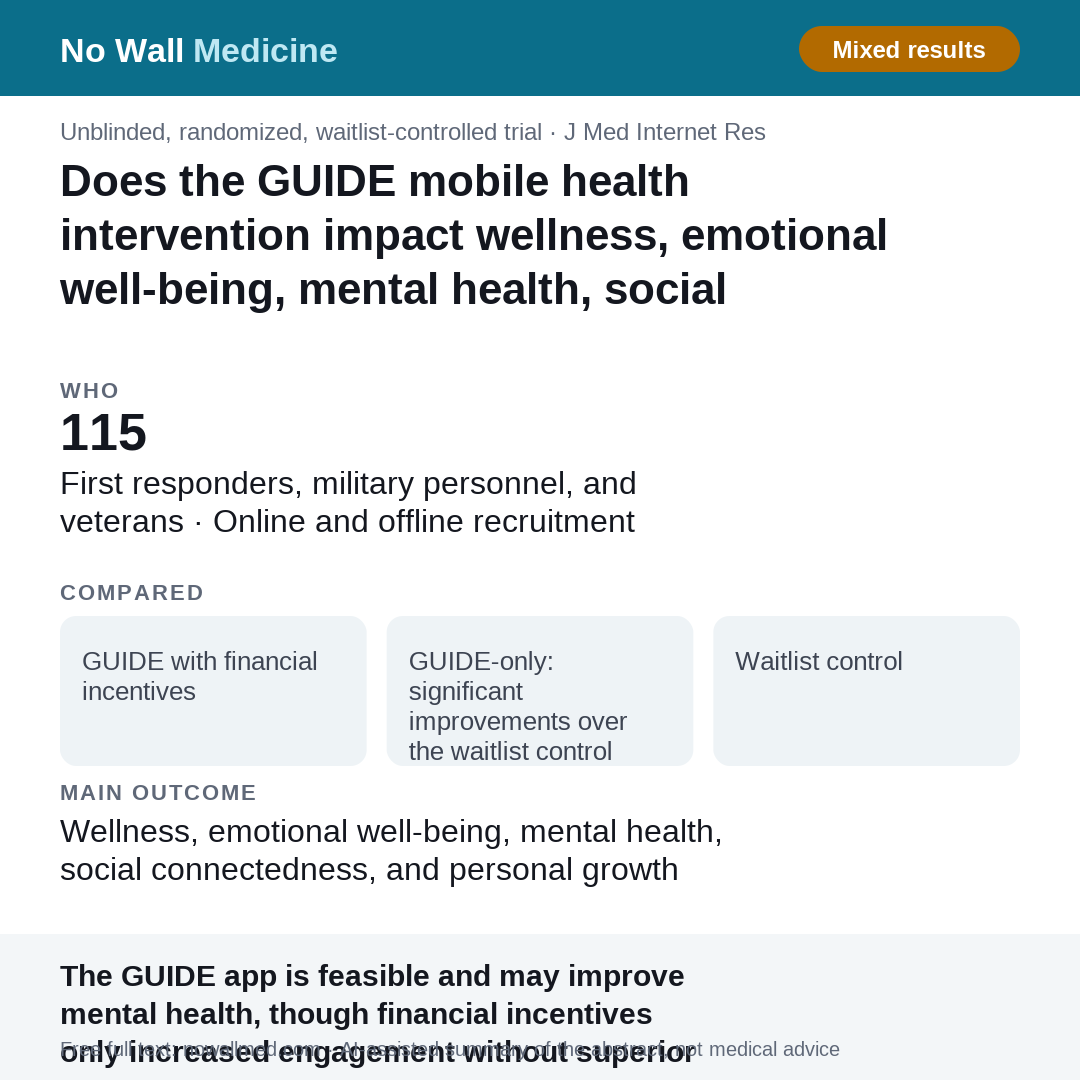
Evaluating a Mobile Health Intervention (GUIDE App) for First Responders, Military Personnel, and Veterans: Randomized Controlled Trial
Unblinded, randomized, waitlist-controlled trialMixed results
Does the GUIDE mobile health intervention impact wellness, emotional well-being, mental health, social connectedness, and personal growth?
Who
115
First responders, military personnel, and veterans · Online and offline recruitment
Compared
GUIDE with financial incentives
GUIDE-only: significant improvements over the waitlist control group in wellness (d=0.05-0.31), emotional well-being (d=0.06-0.31), depression (d=-0.30), and anxiety (d=-0.29)
Waitlist control
Main outcome
Wellness, emotional well-being, mental health, social connectedness, and personal growth
Bottom line: The GUIDE app is feasible and may improve mental health, though financial incentives only increased engagement without superior clinical outcomes.
Limitation: Future research should assess whether improvements are sustained in the long term.
J Med Internet Res · 2025-10-17Download image
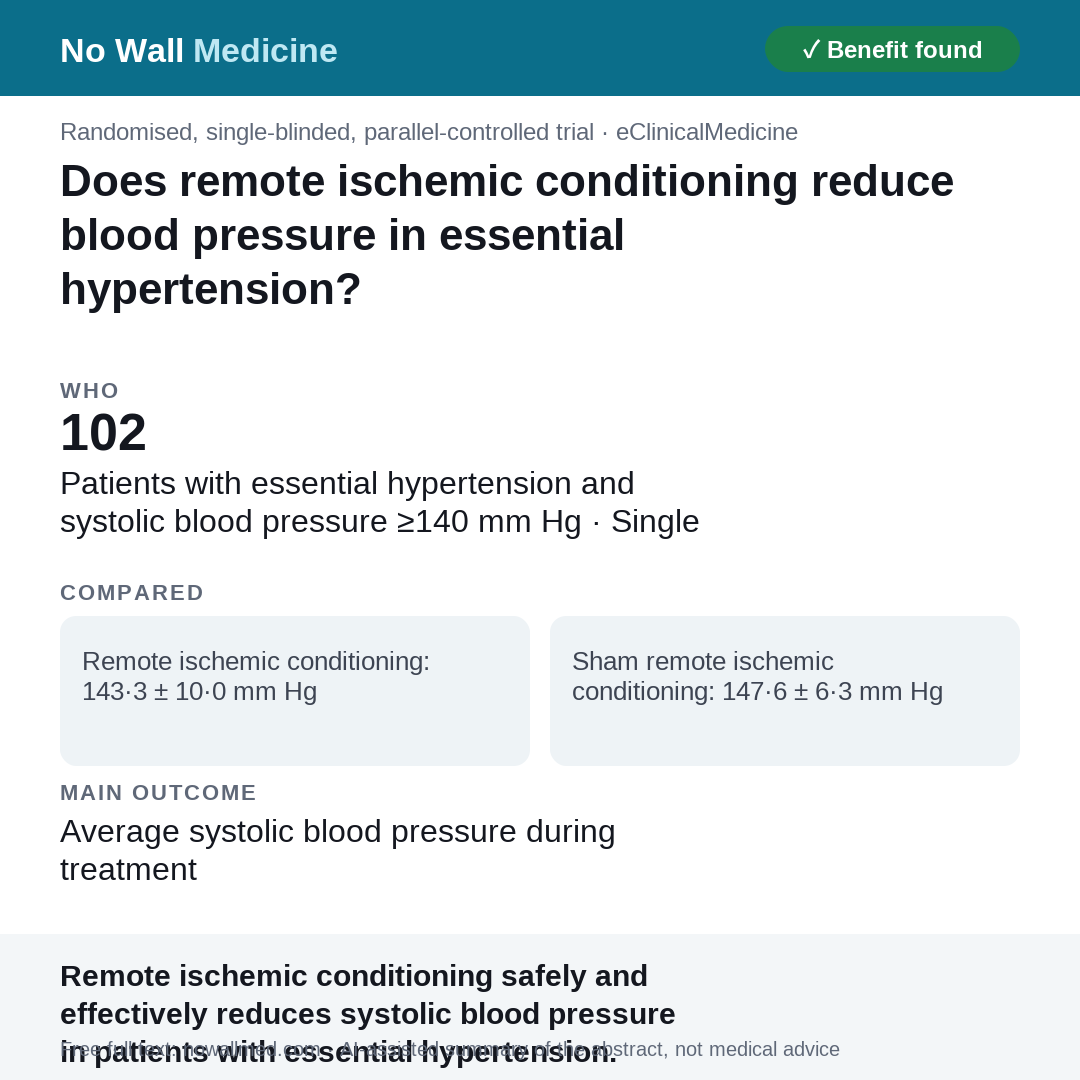
Efficacy of remote ischemic conditioning on blood pressure in essential hypertension in China (RICBP-EH): a randomised, controlled, parallel-group trial
Randomised, single-blinded, parallel-controlled trialBenefit found
Does remote ischemic conditioning reduce blood pressure in essential hypertension?
Who
102
Patients with essential hypertension and systolic blood pressure ≥140 mm Hg · Single centre in Changchun, China
Compared
Remote ischemic conditioning: 143·3 ± 10·0 mm Hg
Sham remote ischemic conditioning: 147·6 ± 6·3 mm Hg
Main outcome
Average systolic blood pressure during treatment
Result: -4·8 mm Hg [95% CI, -6·9, -2·7 mm Hg]
Bottom line: Remote ischemic conditioning safely and effectively reduces systolic blood pressure in patients with essential hypertension.
Limitation: Further research is warranted to explore the underlying mechanisms of blood pressure-lowering effects.
Funded by: National Natural Science Foundation of China and others
eClinicalMedicine · 2025-10-16Download image
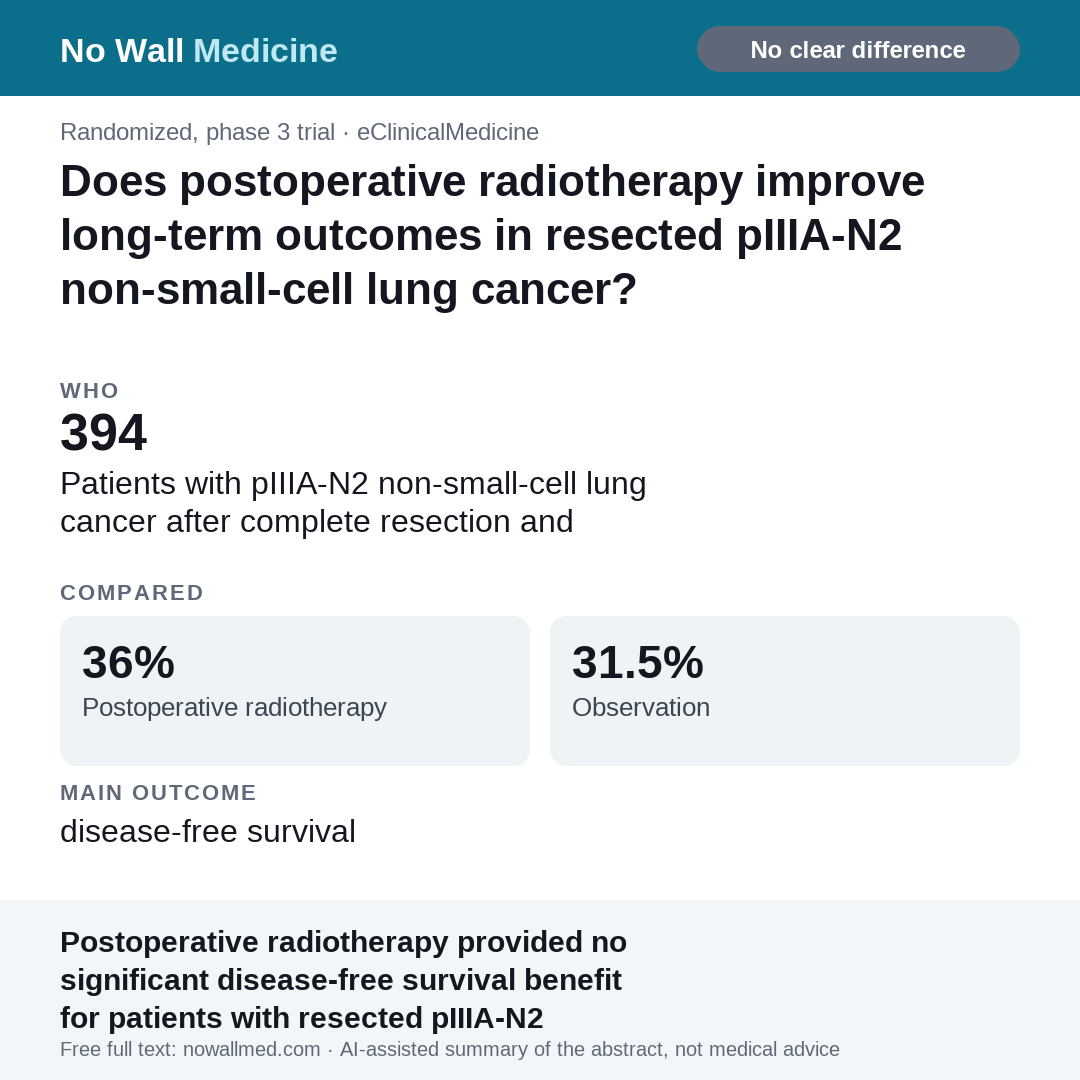
Long-term outcomes of postoperative radiotherapy for patients with pIIIA-N2 non-small-cell lung cancer after complete resection and adjuvant chemotherapy (PORT-C): a single-centre, randomized, phase 3 trial
Randomized, phase 3 trialNo clear difference
Does postoperative radiotherapy improve long-term outcomes in resected pIIIA-N2 non-small-cell lung cancer?
Who
394
Patients with pIIIA-N2 non-small-cell lung cancer after complete resection and chemotherapy · Single-centre
Compared
36%Postoperative radiotherapy (95% CI, 28.9%-43.1%)
31.5%Observation (95% CI, 24.6%-38.4%)
Main outcome
disease-free survival
Result: hazard ratio 0.90 (95% CI 0.70-1.12)
Bottom line: Postoperative radiotherapy provided no significant disease-free survival benefit for patients with resected pIIIA-N2 non-small-cell lung cancer.
Funded by: National Key R&D Program of China and others
eClinicalMedicine · 2025-10-16Download image
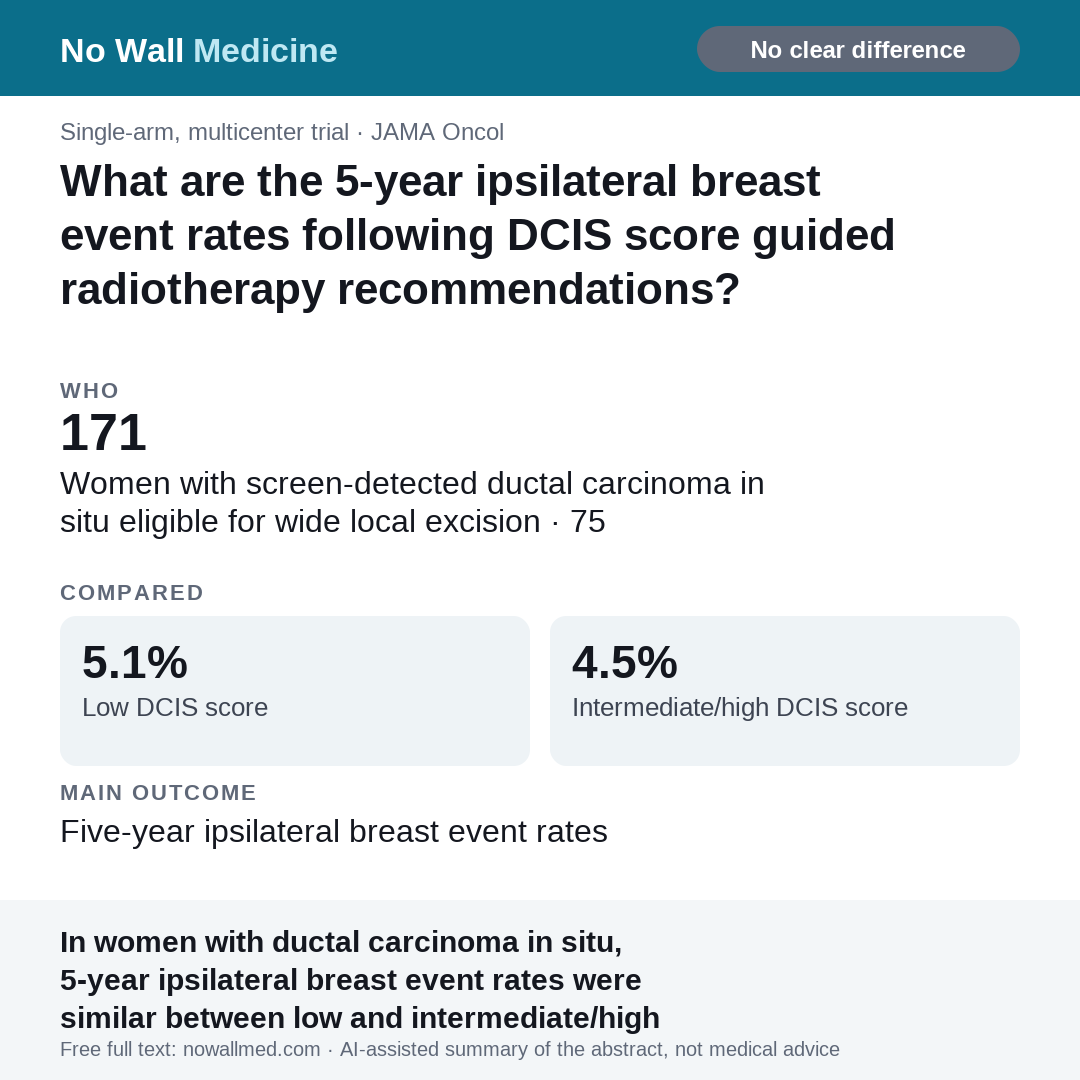
Radiotherapy With a 12-Gene Expression Assay for Ductal Carcinoma In Situ: A Randomized Clinical Trial
Single-arm, multicenter trialNo clear difference
What are the 5-year ipsilateral breast event rates following DCIS score guided radiotherapy recommendations?
Who
171
Women with screen-detected ductal carcinoma in situ eligible for wide local excision · 75 institutions within the Eastern Cooperative Oncology Group-American College of Radiology Imaging Network
Compared
5.1%Low DCIS score (95% CI, 1.9%-12.9%)
4.5%Intermediate/high DCIS score (95% CI, 1.7%-11.7%)
Main outcome
Five-year ipsilateral breast event rates
Bottom line: In women with ductal carcinoma in situ, 5-year ipsilateral breast event rates were similar between low and intermediate/high DCIS scores.
Limitation: Despite a limited sample size, these data potentially provide support, although confirmatory studies are needed.
JAMA Oncol · 2025-10-16Download image
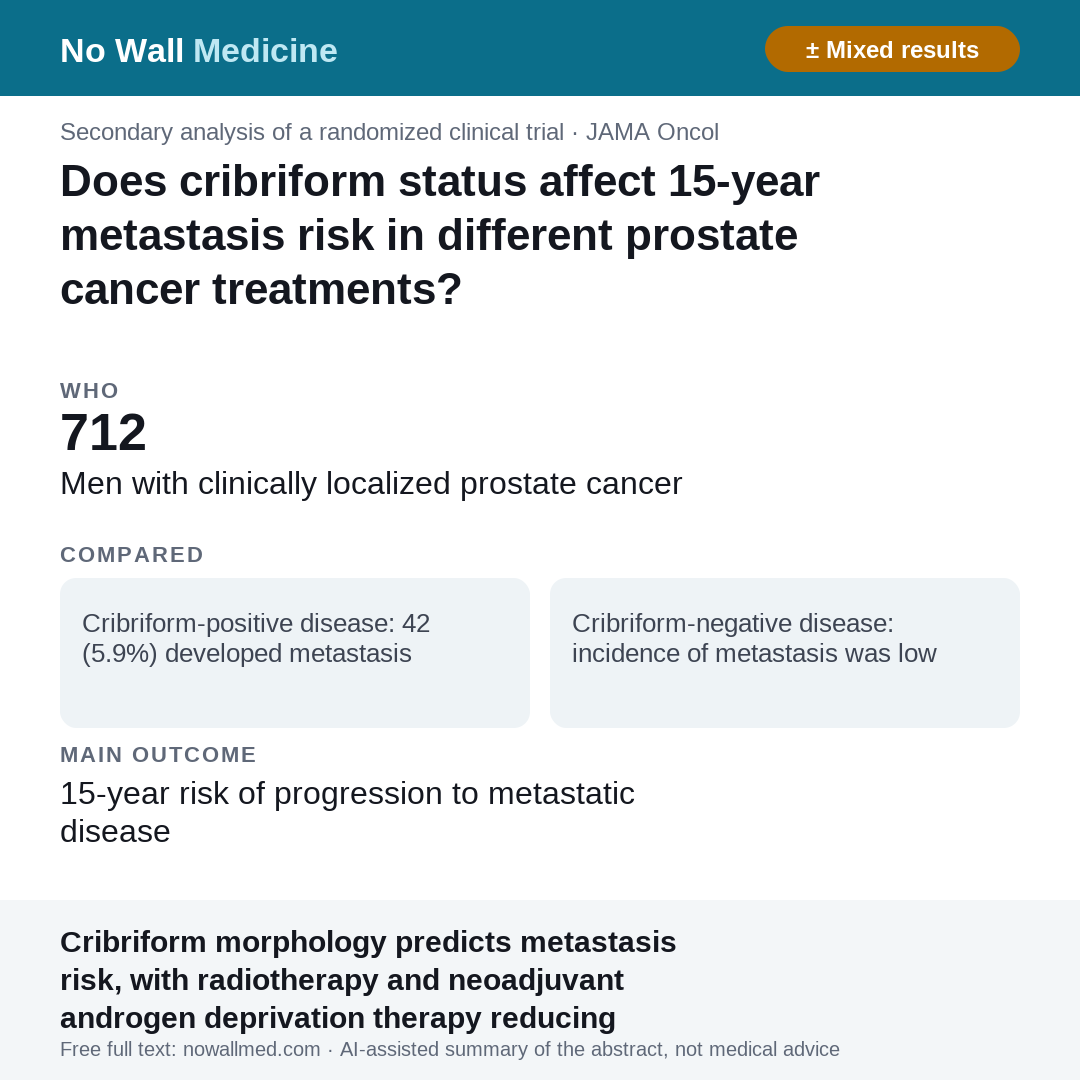
Active Monitoring, Surgery, and Radiotherapy for Cribriform-Positive and Cribriform-Negative Prostate Cancer: A Secondary Analysis of the PROTECT Randomized Clinical Trial
Secondary analysis of a randomized clinical trialMixed results
Does cribriform status affect 15-year metastasis risk in different prostate cancer treatments?
Who
712
Men with clinically localized prostate cancer
Compared
Cribriform-positive disease: 42 (5.9%) developed metastasis
Cribriform-negative disease: incidence of metastasis was low
Main outcome
15-year risk of progression to metastatic disease
Result: hazard ratio 3.61 (95% CI 1.60-8.11)
Bottom line: Cribriform morphology predicts metastasis risk, with radiotherapy and neoadjuvant androgen deprivation therapy reducing long-term risk.
JAMA Oncol · 2025-10-16Download image