Visual abstracts
New randomized trials and meta-analyses from leading journals at a glance: who was studied, what was compared, and what was found. Every paper is free to read in full.
All specialtiesCardiology 2907Oncology 2471Gastroenterology & Hepatology 1113Infectious Disease 1880Neurology 1164Psychiatry & Mental Health 1346Pulmonology 1212Critical Care 802Endocrinology & Diabetes 1476Pediatrics 1726Surgery 1516Orthopedics & Sports Medicine 524Neurosurgery 350Cardiothoracic & Vascular Surgery 327Plastic & Reconstructive Surgery 419Nephrology 603Rheumatology 442Hematology 644Dermatology 350Ophthalmology 326Obstetrics & Gynecology 958Public & Global Health 541Radiology & Imaging 412Anesthesiology 589Urology 486ENT (Otolaryngology) 329Emergency Medicine 320Allergy & Immunology 184Geriatrics 617Family Medicine & Primary Care 338Medical Genetics & Genomics 343Pathology & Laboratory Medicine 101Physical Medicine & Rehabilitation 461Palliative Care 251Nutrition 803Digital Health & AI 1375General Medicine 210
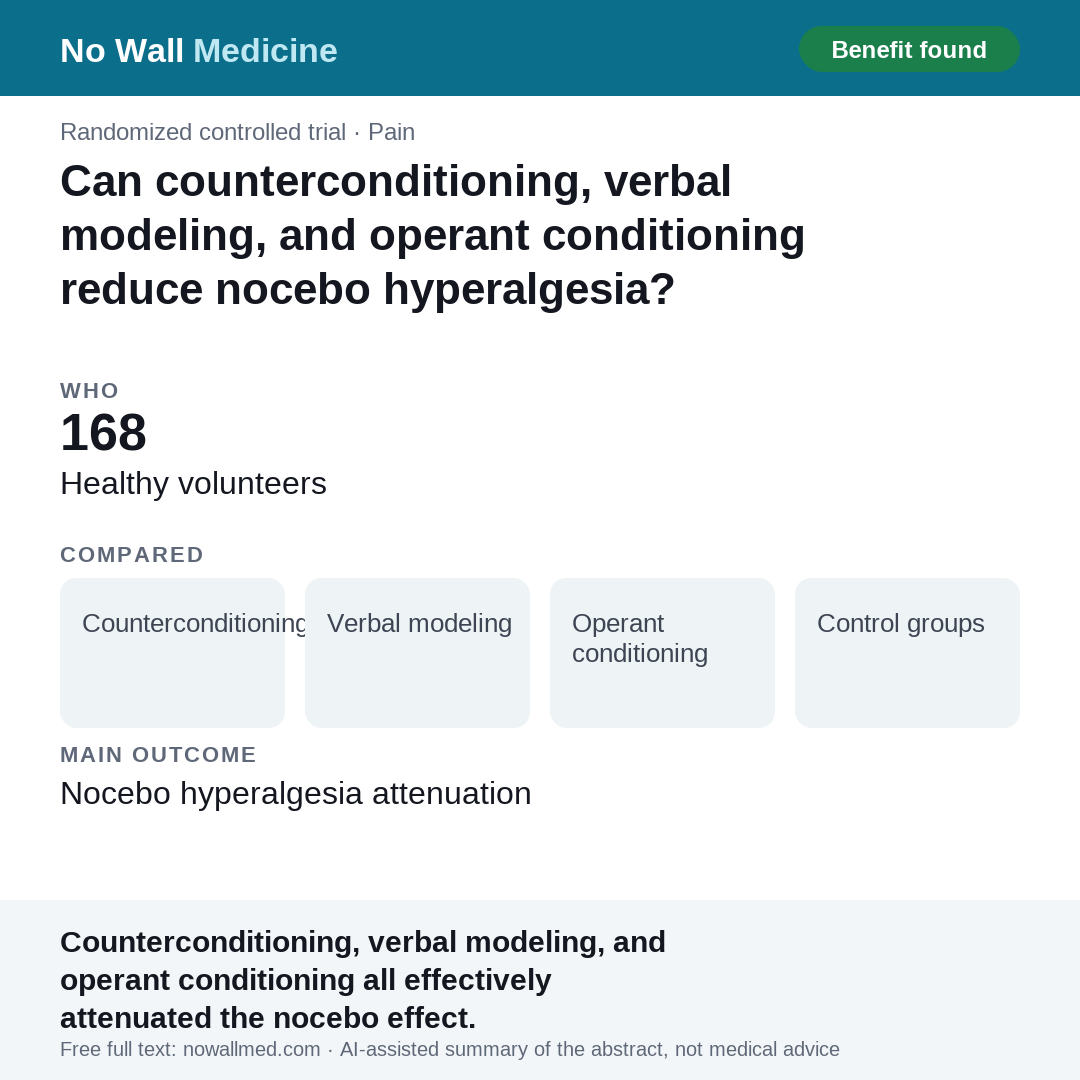
Verbal modeling, counterconditioning, and operant conditioning are effective in nocebo hyperalgesia attenuation
Randomized controlled trialBenefit found
Can counterconditioning, verbal modeling, and operant conditioning reduce nocebo hyperalgesia?
Who
168
Healthy volunteers
Compared
Counterconditioning
Verbal modeling
Operant conditioning
Control groups
Main outcome
Nocebo hyperalgesia attenuation
Bottom line: Counterconditioning, verbal modeling, and operant conditioning all effectively attenuated the nocebo effect.
Pain · 2026-03-04Download image
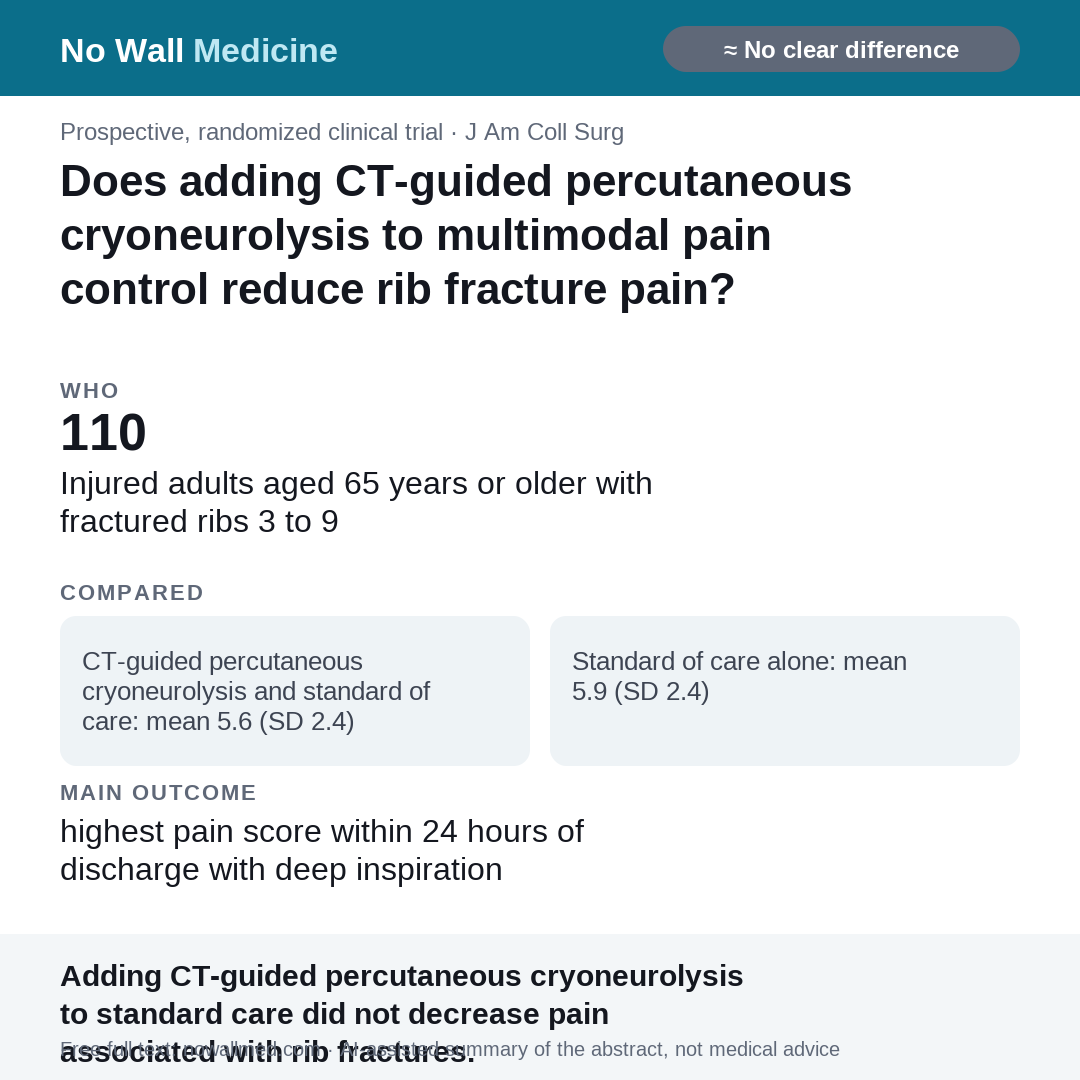
Early Percutaneous Cryoneurolysis for Pain Control After Rib Fracture for Older Patients: A Prospective Randomized Clinical Trial
Prospective, randomized clinical trialNo clear difference
Does adding CT-guided percutaneous cryoneurolysis to multimodal pain control reduce rib fracture pain?
Who
110
Injured adults aged 65 years or older with fractured ribs 3 to 9
Compared
CT-guided percutaneous cryoneurolysis and standard of care: mean 5.6 (SD 2.4)
Standard of care alone: mean 5.9 (SD 2.4)
Main outcome
highest pain score within 24 hours of discharge with deep inspiration
Bottom line: Adding CT-guided percutaneous cryoneurolysis to standard care did not decrease pain associated with rib fractures.
J Am Coll Surg · 2026-03-04Download image
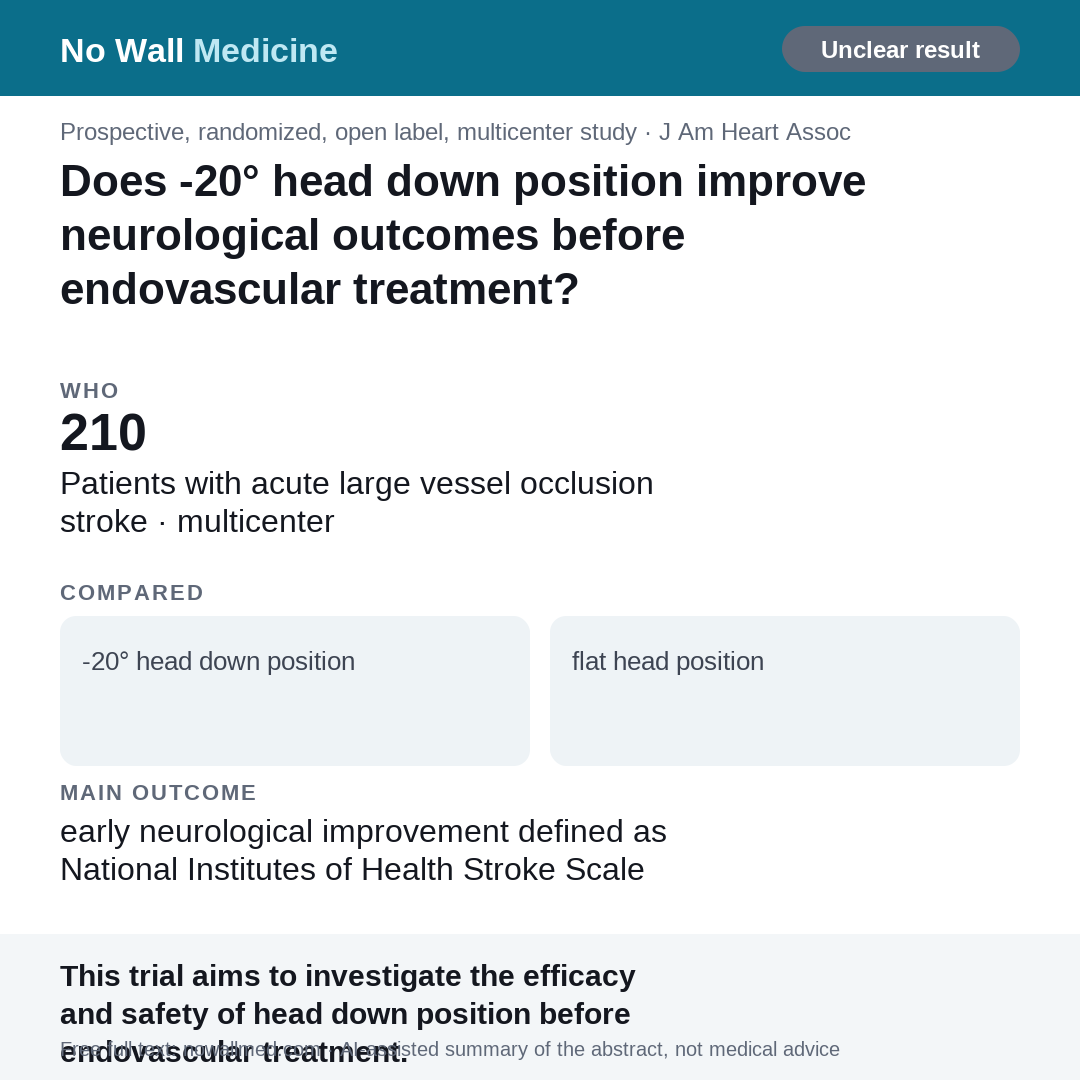
Head Down Position Before Endovascular Treatment for Large Vessel Occlusion: Clinical Trial Design
Prospective, randomized, open label, multicenter studyUnclear result
Does -20° head down position improve neurological outcomes before endovascular treatment?
Who
210
Patients with acute large vessel occlusion stroke · multicenter
Compared
-20° head down position
flat head position
Main outcome
early neurological improvement defined as National Institutes of Health Stroke Scale reduction
Bottom line: This trial aims to investigate the efficacy and safety of head down position before endovascular treatment.
J Am Heart Assoc · 2026-03-04Download image
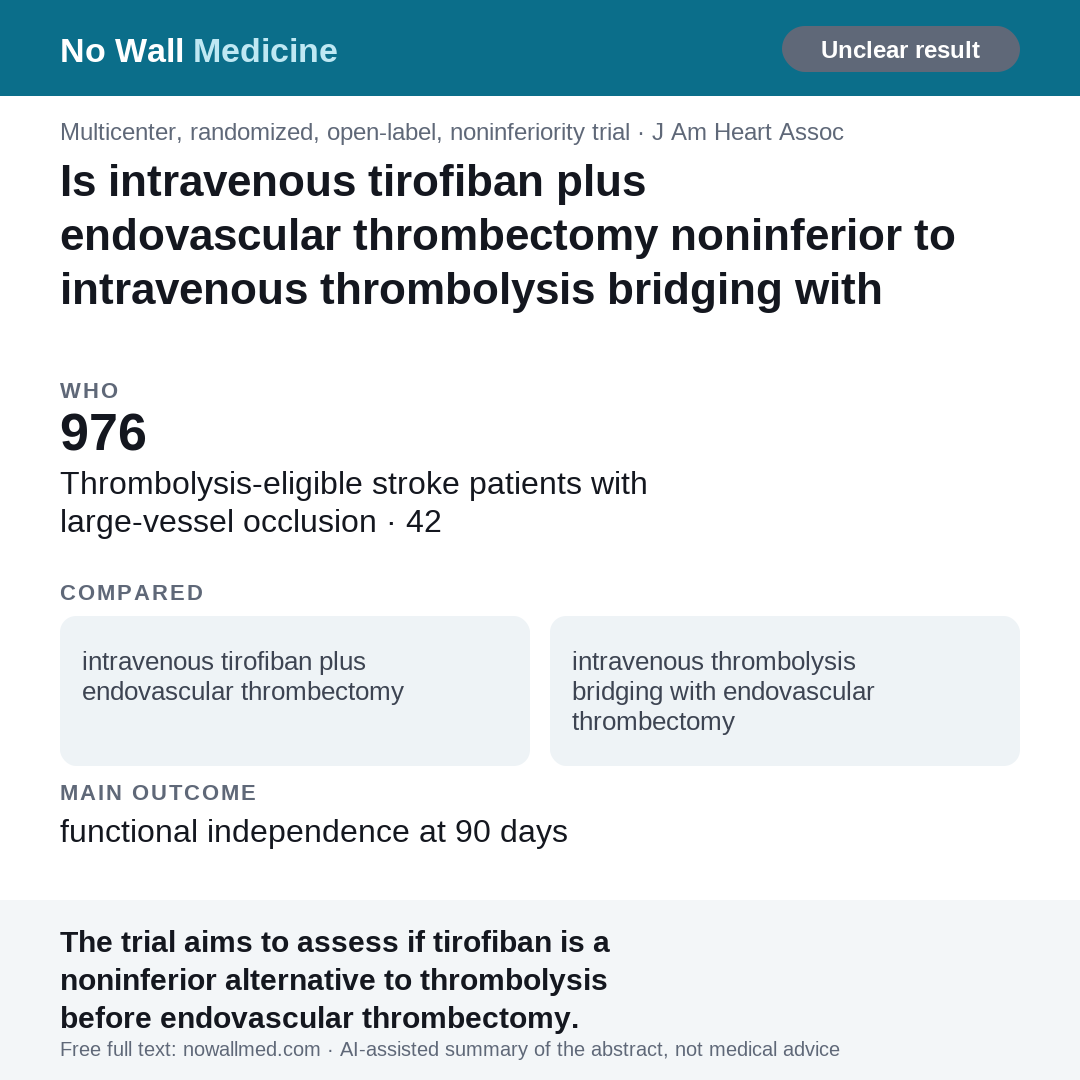
ADJUVANT Randomized Controlled Trial: Rationale and Design
Multicenter, randomized, open-label, noninferiority trialUnclear result
Is intravenous tirofiban plus endovascular thrombectomy noninferior to intravenous thrombolysis bridging with endovascular thrombectomy?
Who
976
Thrombolysis-eligible stroke patients with large-vessel occlusion · 42 thrombectomy-capable centers in China
Compared
intravenous tirofiban plus endovascular thrombectomy
intravenous thrombolysis bridging with endovascular thrombectomy
Main outcome
functional independence at 90 days
Bottom line: The trial aims to assess if tirofiban is a noninferior alternative to thrombolysis before endovascular thrombectomy.
J Am Heart Assoc · 2026-03-04Download image
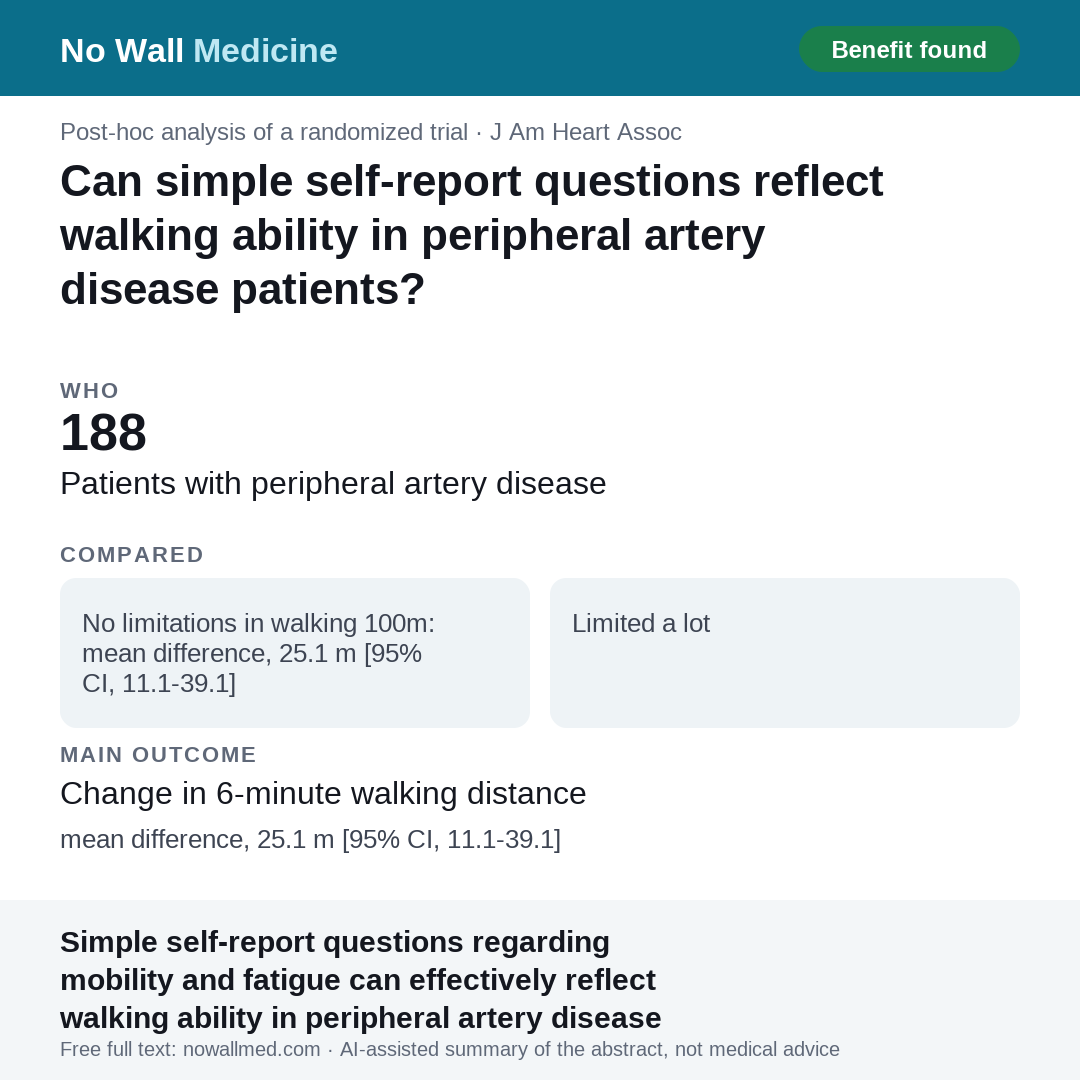
Remote Self-Report Assessment of Walking Impairment in Peripheral Artery Disease
Post-hoc analysis of a randomized trialBenefit found
Can simple self-report questions reflect walking ability in peripheral artery disease patients?
Who
188
Patients with peripheral artery disease
Compared
No limitations in walking 100m: mean difference, 25.1 m [95% CI, 11.1-39.1]
Limited a lot
Main outcome
Change in 6-minute walking distance
Result: mean difference, 25.1 m [95% CI, 11.1-39.1]
Bottom line: Simple self-report questions regarding mobility and fatigue can effectively reflect walking ability in peripheral artery disease patients.
J Am Heart Assoc · 2026-03-04Download image
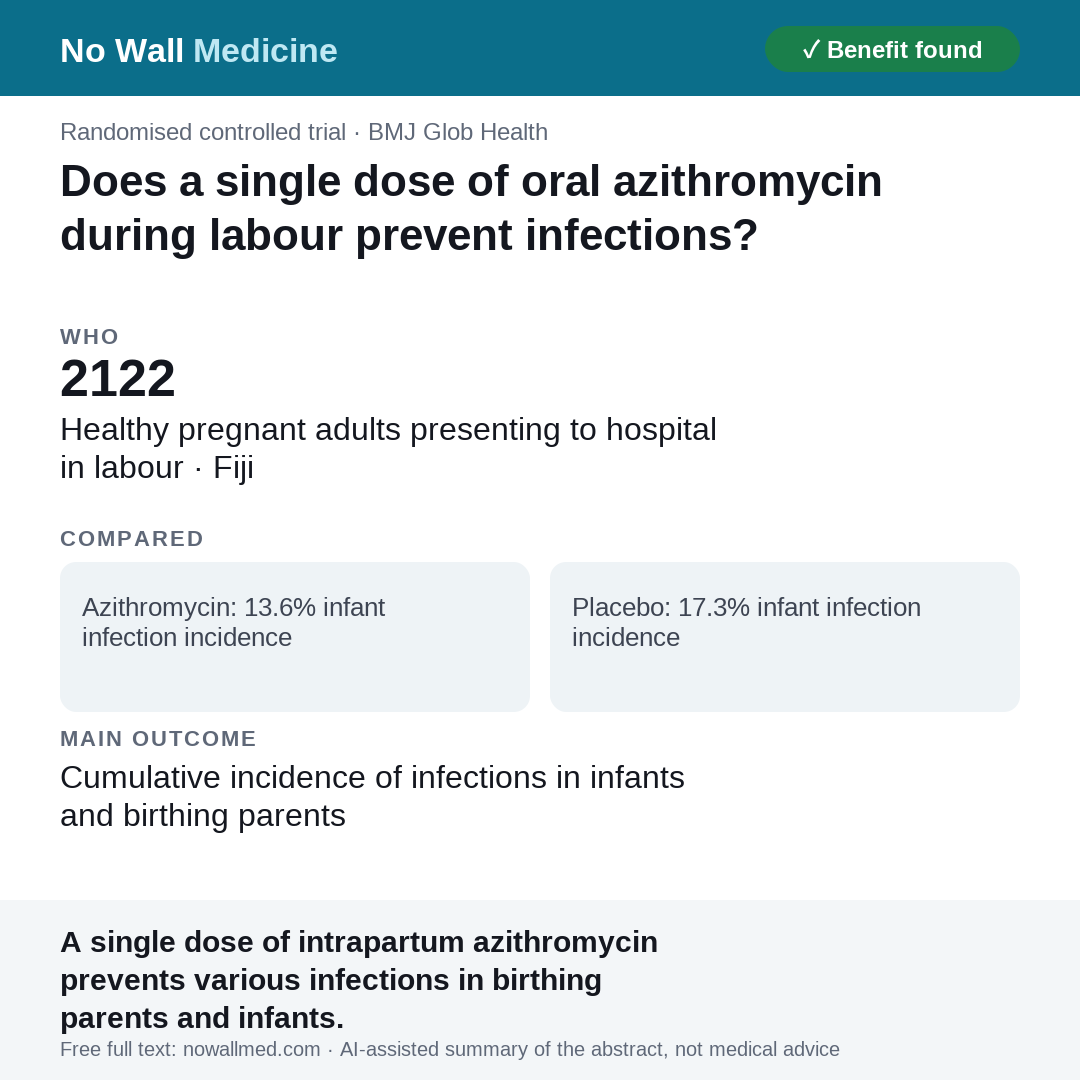
The efficacy of a single dose of oral azithromycin in labour to prevent infections in infants and birthing parents in Fiji: secondary outcomes from a randomised controlled trial
Randomised controlled trialBenefit found
Does a single dose of oral azithromycin during labour prevent infections?
Who
2122
Healthy pregnant adults presenting to hospital in labour · Fiji
Compared
Azithromycin: 13.6% infant infection incidence
Placebo: 17.3% infant infection incidence
Main outcome
Cumulative incidence of infections in infants and birthing parents
Result: risk ratio 0.79 (95% CI 0.63 to 0.99)
Bottom line: A single dose of intrapartum azithromycin prevents various infections in birthing parents and infants.
Limitation: Further research is required to characterise impacts on antimicrobial resistance and the infant microbiome.
BMJ Glob Health · 2026-03-04Download image
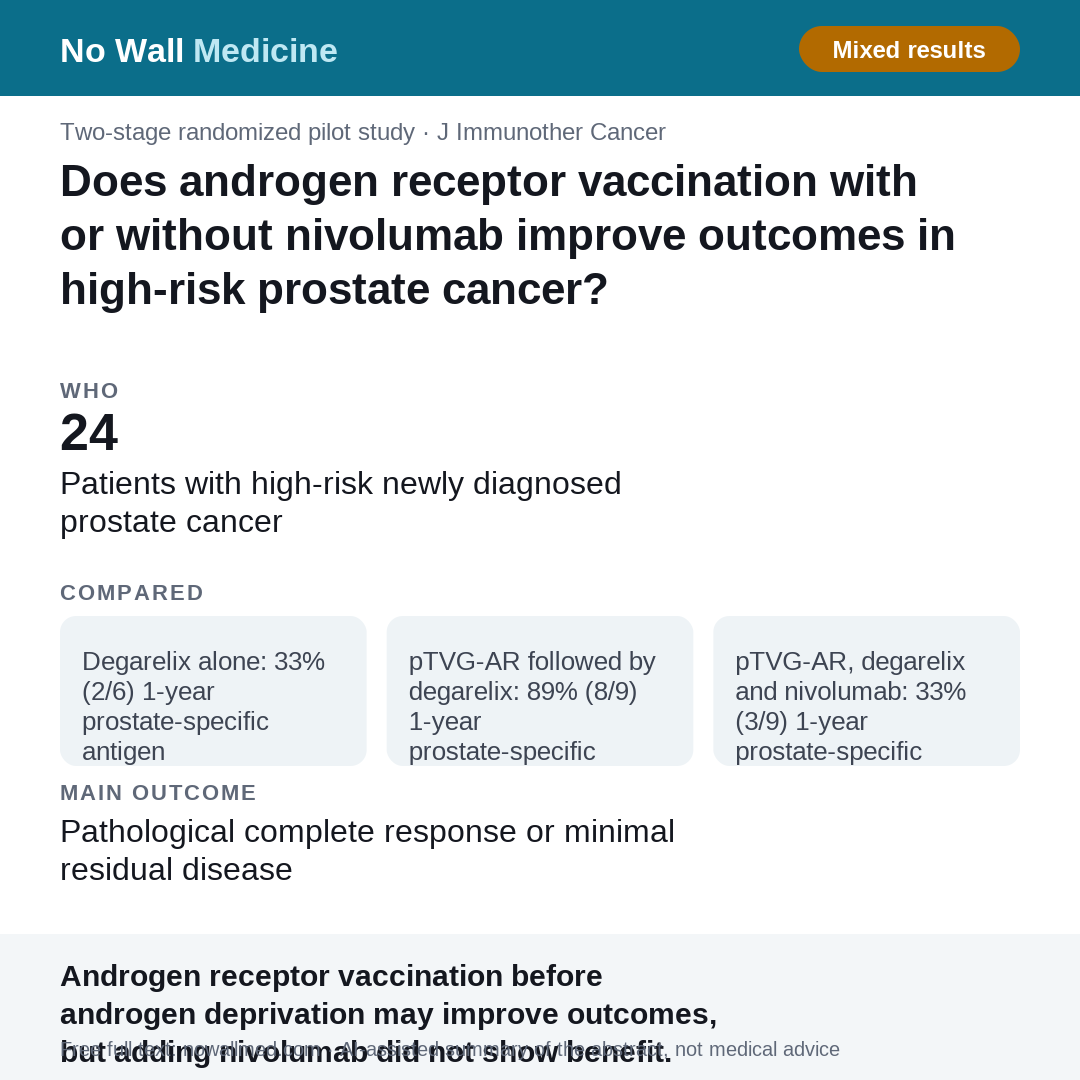
Androgen deprivation, androgen receptor-targeted vaccination, and nivolumab in patients with high-risk localized prostate cancer
Two-stage randomized pilot studyMixed results
Does androgen receptor vaccination with or without nivolumab improve outcomes in high-risk prostate cancer?
Who
24
Patients with high-risk newly diagnosed prostate cancer
Compared
Degarelix alone: 33% (2/6) 1-year prostate-specific antigen progression-free survival
pTVG-AR followed by degarelix: 89% (8/9) 1-year prostate-specific antigen progression-free survival
pTVG-AR, degarelix and nivolumab: 33% (3/9) 1-year prostate-specific antigen progression-free survival
Main outcome
Pathological complete response or minimal residual disease
Bottom line: Androgen receptor vaccination before androgen deprivation may improve outcomes, but adding nivolumab did not show benefit.
J Immunother Cancer · 2026-03-04Download image
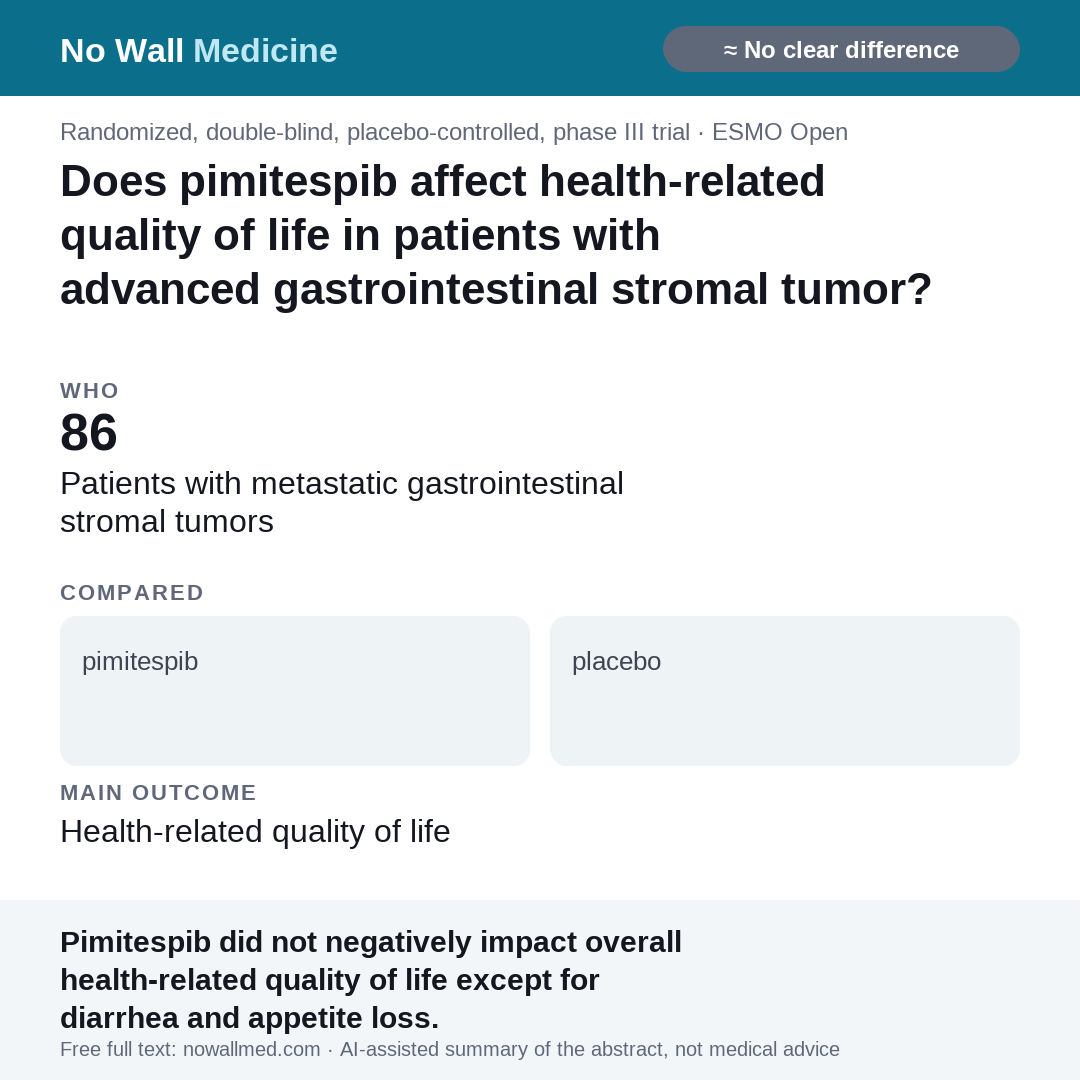
Quality-of-life outcomes with pimitespib in patients with advanced gastrointestinal stromal tumor: results from the randomized, double-blind, placebo-controlled, phase III, CHAPTER-GIST-301 study
Randomized, double-blind, placebo-controlled, phase III trialNo clear difference
Does pimitespib affect health-related quality of life in patients with advanced gastrointestinal stromal tumor?
Who
86
Patients with metastatic gastrointestinal stromal tumors
Compared
pimitespib
placebo
Main outcome
Health-related quality of life
Result: hazard ratio 4.82 (95% confidence interval 2.17-10.71) for diarrhea
Bottom line: Pimitespib did not negatively impact overall health-related quality of life except for diarrhea and appetite loss.
ESMO Open · 2026-03-04Download image
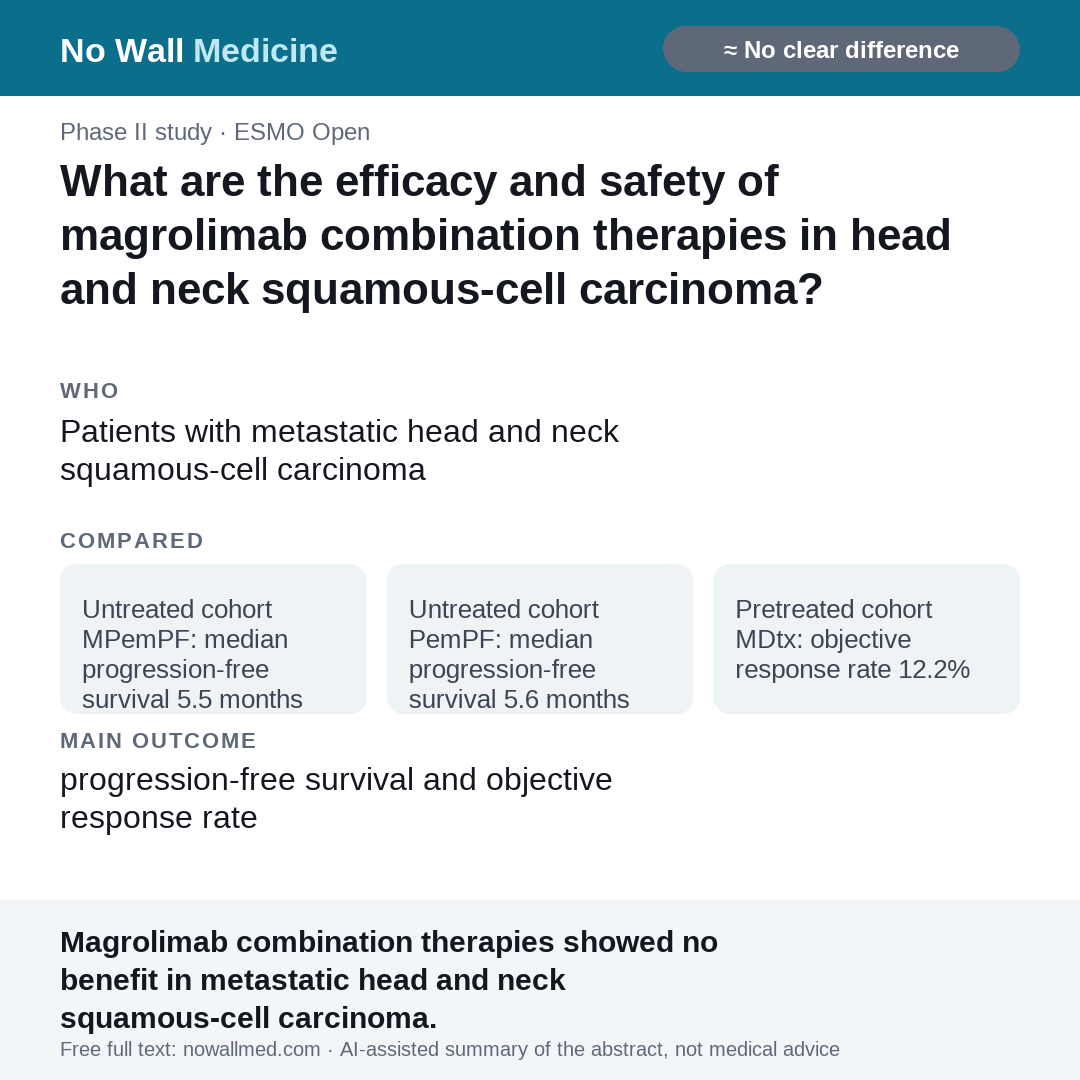
Phase II study of magrolimab combination therapies in patients with head and neck squamous-cell carcinoma
Phase II studyNo clear difference
What are the efficacy and safety of magrolimab combination therapies in head and neck squamous-cell carcinoma?
Who
Patients with metastatic head and neck squamous-cell carcinoma
Compared
Untreated cohort MPemPF: median progression-free survival 5.5 months
Untreated cohort PemPF: median progression-free survival 5.6 months
Pretreated cohort MDtx: objective response rate 12.2%
Main outcome
progression-free survival and objective response rate
Result: hazard ratio 1.314 (95% confidence interval 0.809-2.136)
Bottom line: Magrolimab combination therapies showed no benefit in metastatic head and neck squamous-cell carcinoma.
ESMO Open · 2026-03-04Download image
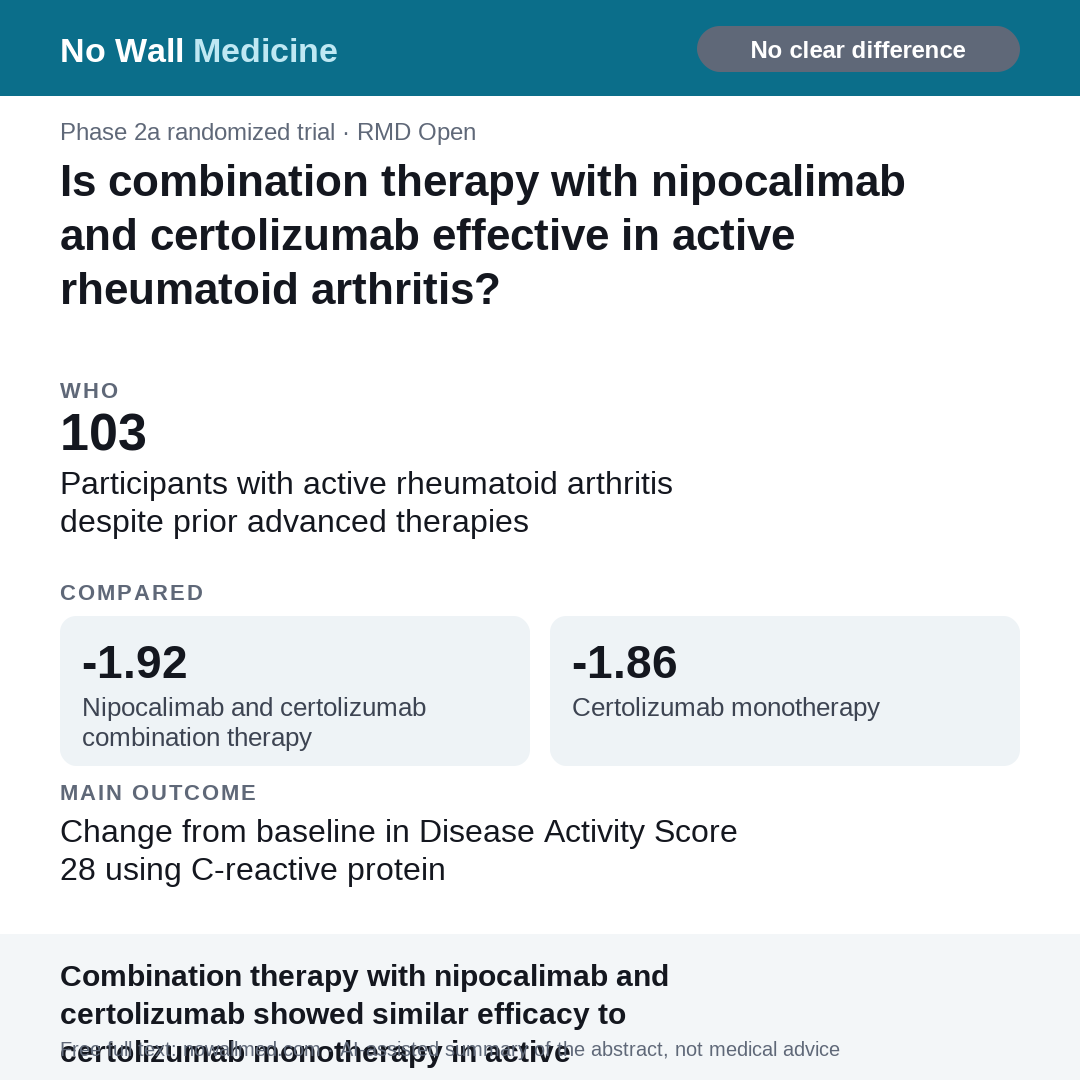
Nipocalimab and certolizumab combination therapy in participants with active rheumatoid arthritis despite prior treatment with advanced therapies: results from the phase 2a DAISY-RA study
Phase 2a randomized trialNo clear difference
Is combination therapy with nipocalimab and certolizumab effective in active rheumatoid arthritis?
Who
103
Participants with active rheumatoid arthritis despite prior advanced therapies
Compared
-1.92Nipocalimab and certolizumab combination therapy (90% CI -2.48 to -1.36)
-1.86Certolizumab monotherapy (90% CI -2.44 to -1.28)
Main outcome
Change from baseline in Disease Activity Score 28 using C-reactive protein
Result: p=0.822
Bottom line: Combination therapy with nipocalimab and certolizumab showed similar efficacy to certolizumab monotherapy in active rheumatoid arthritis.
RMD Open · 2026-03-04Download image
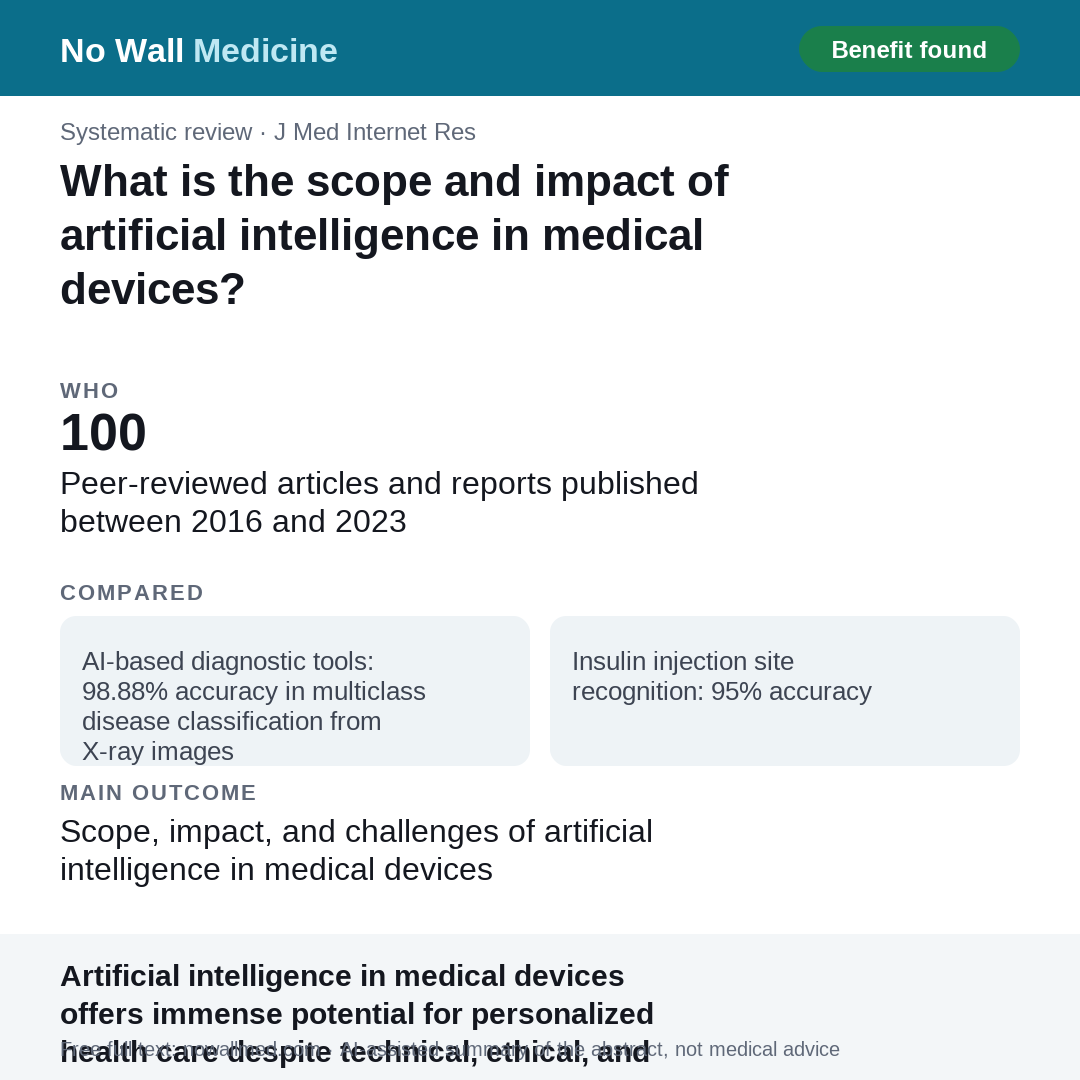
Artificial Intelligence Applications in Medical Devices for Personalized Health Care Solutions: Systematic Review
Systematic reviewBenefit found
What is the scope and impact of artificial intelligence in medical devices?
Who
100
Peer-reviewed articles and reports published between 2016 and 2023
Compared
AI-based diagnostic tools: 98.88% accuracy in multiclass disease classification from X-ray images
Insulin injection site recognition: 95% accuracy
Main outcome
Scope, impact, and challenges of artificial intelligence in medical devices
Bottom line: Artificial intelligence in medical devices offers immense potential for personalized health care despite technical, ethical, and regulatory challenges.
J Med Internet Res · 2026-03-04Download image
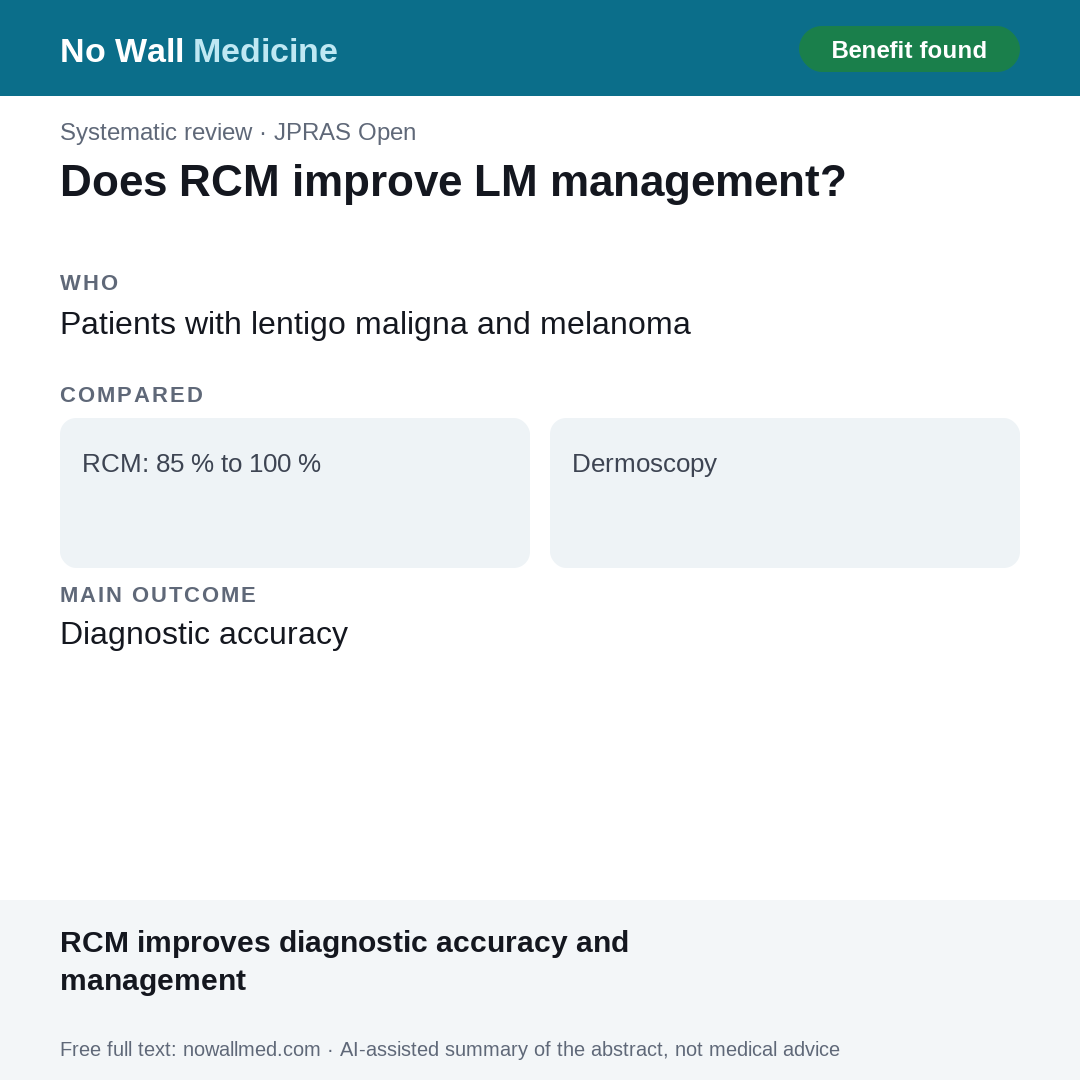
Reflectance confocal microscopy in the management of lentigo maligna and lentigo maligna melanoma: a systematic review
Systematic reviewBenefit found
Does RCM improve LM management?
Who
Patients with lentigo maligna and melanoma
Compared
RCM: 85 % to 100 %
Dermoscopy
Main outcome
Diagnostic accuracy
Bottom line: RCM improves diagnostic accuracy and management
Limitation: Cost and limited availability
JPRAS Open · 2026-03-04Download image
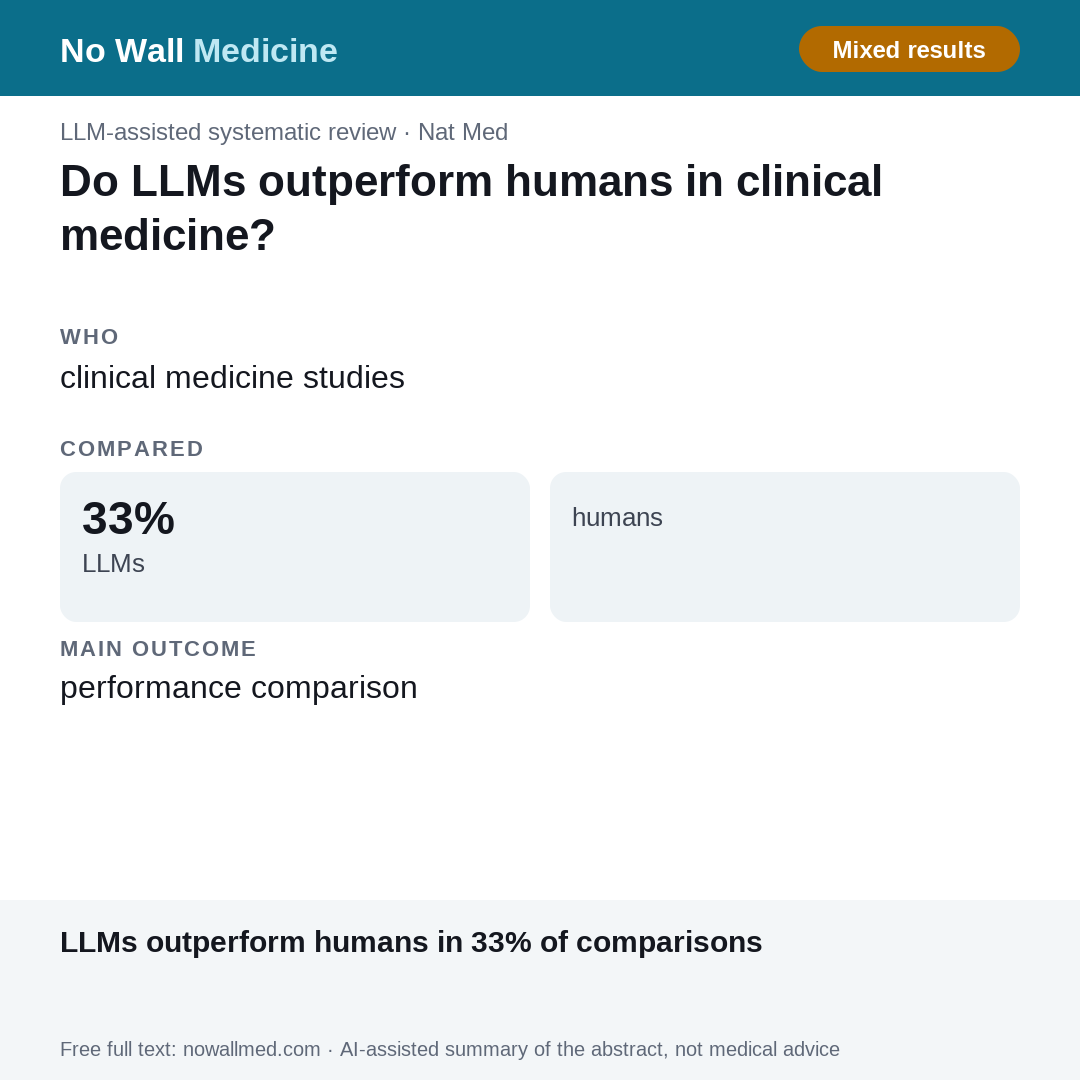
LLM-assisted systematic review of large language models in clinical medicine
LLM-assisted systematic reviewMixed results
Do LLMs outperform humans in clinical medicine?
Who
4609
clinical medicine studies
Compared
33%LLMs
humans
Main outcome
performance comparison
Bottom line: LLMs outperform humans in 33% of comparisons
Limitation: small sample sizes in at least 25% of studies
Nat Med · 2026-03-03Download image
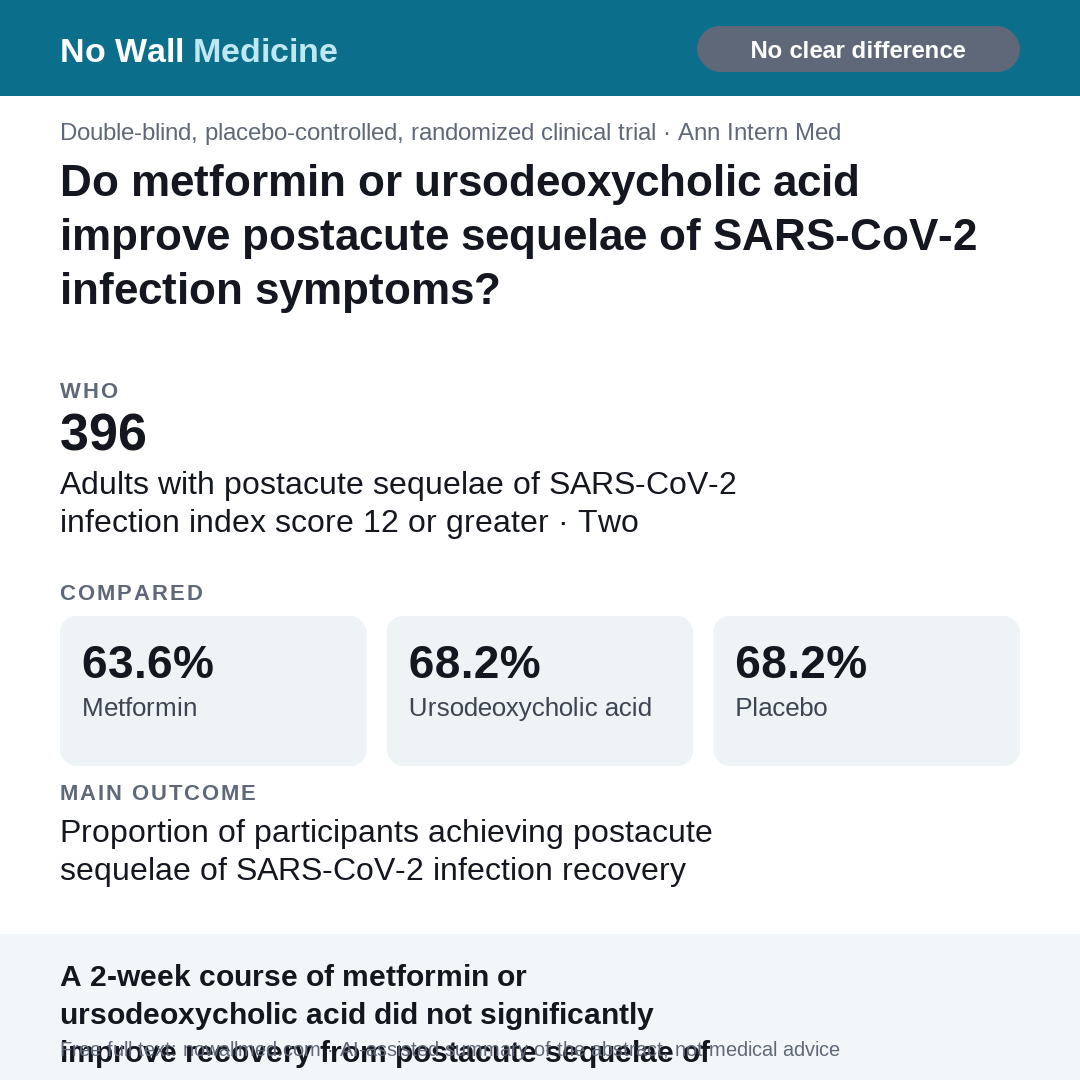
Neither Metformin nor Ursodeoxycholic Acid Effectively Treats Postacute Sequelae of COVID-19 : A Randomized Clinical Trial
Double-blind, placebo-controlled, randomized clinical trialNo clear difference
Do metformin or ursodeoxycholic acid improve postacute sequelae of SARS-CoV-2 infection symptoms?
Who
396
Adults with postacute sequelae of SARS-CoV-2 infection index score 12 or greater · Two tertiary hospitals in South Korea
Compared
63.6%Metformin (84 of 132)
68.2%Ursodeoxycholic acid (90 of 132)
68.2%Placebo (90 of 132)
Main outcome
Proportion of participants achieving postacute sequelae of SARS-CoV-2 infection recovery
Bottom line: A 2-week course of metformin or ursodeoxycholic acid did not significantly improve recovery from postacute sequelae of SARS-CoV-2 infection.
Limitation: Findings may not be generalizable to patients with more severe or persistent long COVID.
Funded by: National Institute of Infectious Diseases, National Institute of Health, South Korea
Ann Intern Med · 2026-03-03Download image
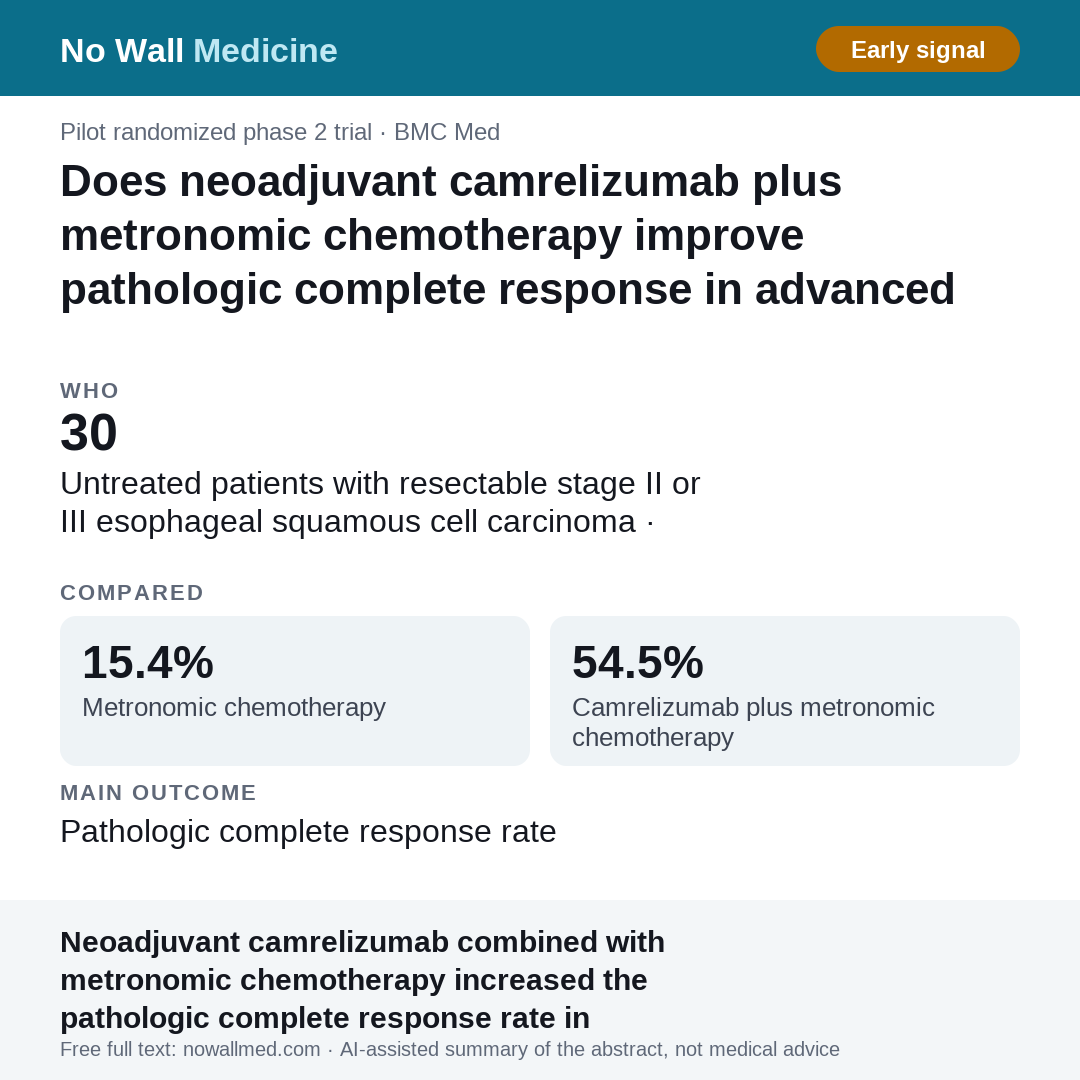
Neoadjuvant camrelizumab combined with metronomic chemotherapy in patients with advanced esophageal squamous cell carcinoma: a pilot randomized phase 2 trial
Pilot randomized phase 2 trialBenefit found
Does neoadjuvant camrelizumab plus metronomic chemotherapy improve pathologic complete response in advanced esophageal squamous cell carcinoma?
Who
30
Untreated patients with resectable stage II or III esophageal squamous cell carcinoma · Single-center
Compared
15.4%Metronomic chemotherapy
54.5%Camrelizumab plus metronomic chemotherapy
Main outcome
Pathologic complete response rate
Bottom line: Neoadjuvant camrelizumab combined with metronomic chemotherapy increased the pathologic complete response rate in esophageal squamous cell carcinoma.
Limitation: This was a pilot phase 2 trial
BMC Med · 2026-03-03Download image
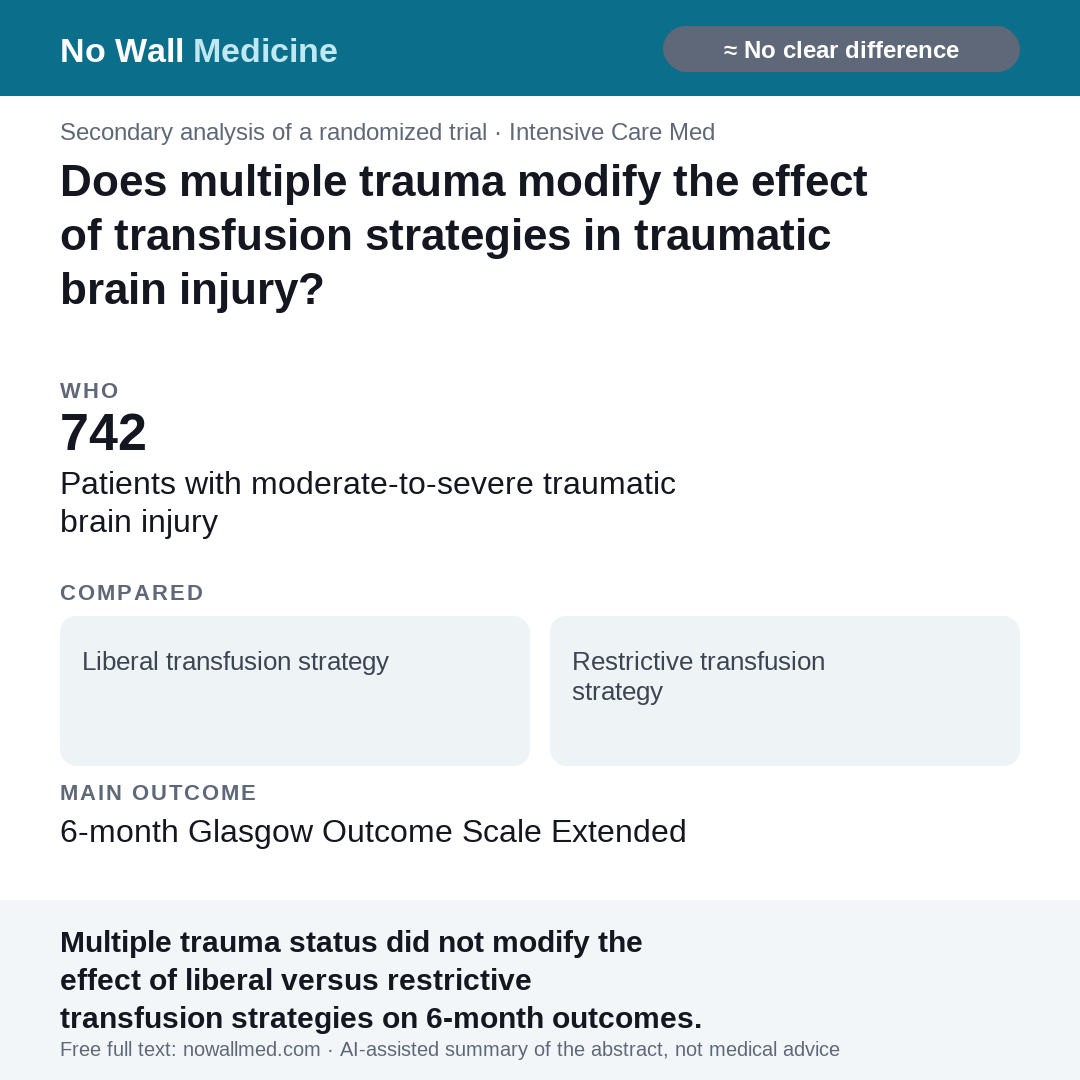
Influence of multiple trauma on the effect of transfusion strategies in patients with traumatic brain injury: a sub-study of the HEMOTION trial
Secondary analysis of a randomized trialNo clear difference
Does multiple trauma modify the effect of transfusion strategies in traumatic brain injury?
Who
742
Patients with moderate-to-severe traumatic brain injury
Compared
Liberal transfusion strategy
Restrictive transfusion strategy
Main outcome
6-month Glasgow Outcome Scale Extended
Result: no interaction between multiple trauma status and transfusion strategies
Bottom line: Multiple trauma status did not modify the effect of liberal versus restrictive transfusion strategies on 6-month outcomes.
Intensive Care Med · 2026-03-03Download image
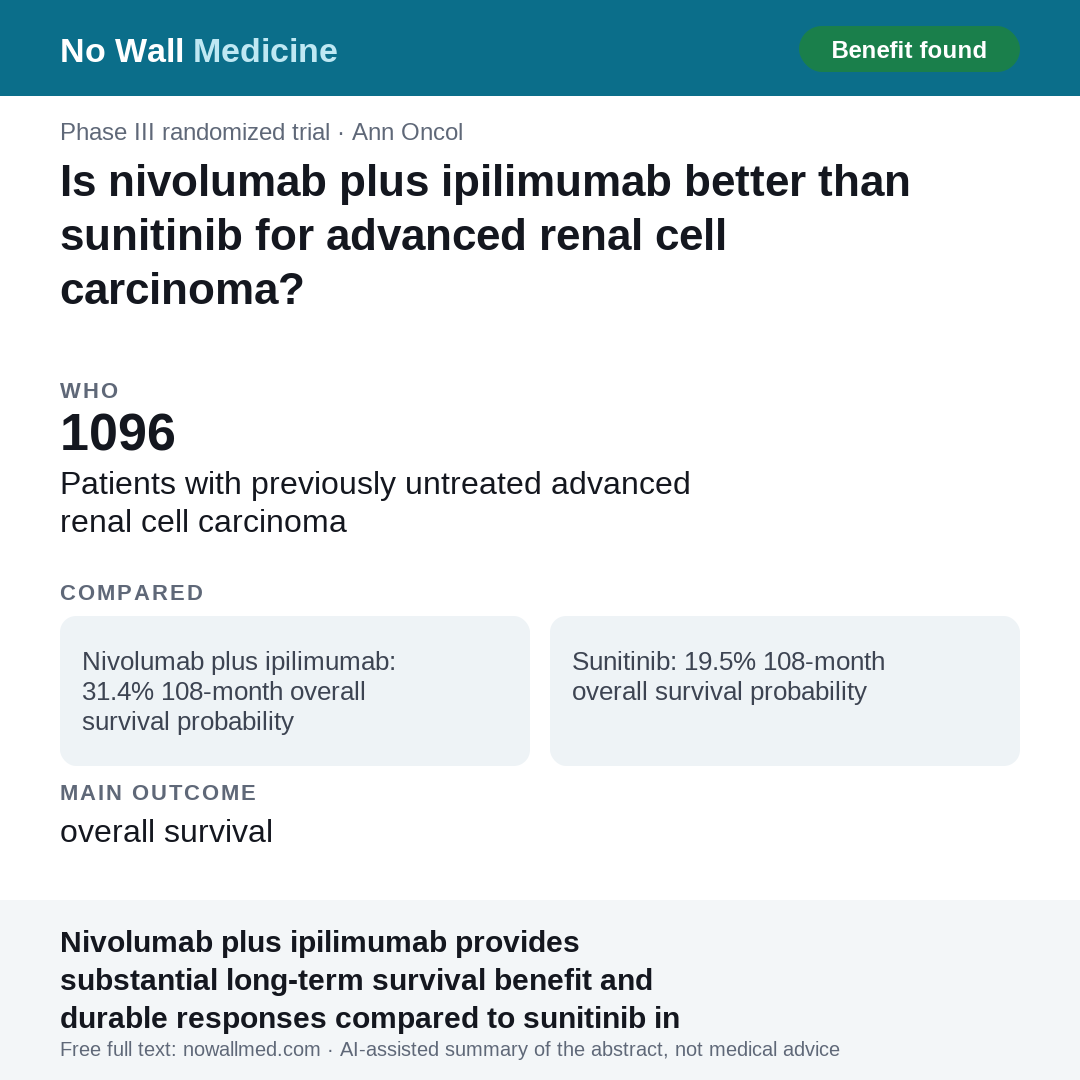
Nivolumab plus ipilimumab versus sunitinib for first-line treatment of advanced renal cell carcinoma: final analysis of efficacy and safety from the phase III CheckMate 214 trial
Phase III randomized trialBenefit found
Is nivolumab plus ipilimumab better than sunitinib for advanced renal cell carcinoma?
Who
1096
Patients with previously untreated advanced renal cell carcinoma
Compared
Nivolumab plus ipilimumab: 31.4% 108-month overall survival probability
Sunitinib: 19.5% 108-month overall survival probability
Main outcome
overall survival
Result: hazard ratio 0.71 (95% CI 0.62 to 0.82)
Bottom line: Nivolumab plus ipilimumab provides substantial long-term survival benefit and durable responses compared to sunitinib in advanced renal cell carcinoma.
Ann Oncol · 2026-03-03Download image
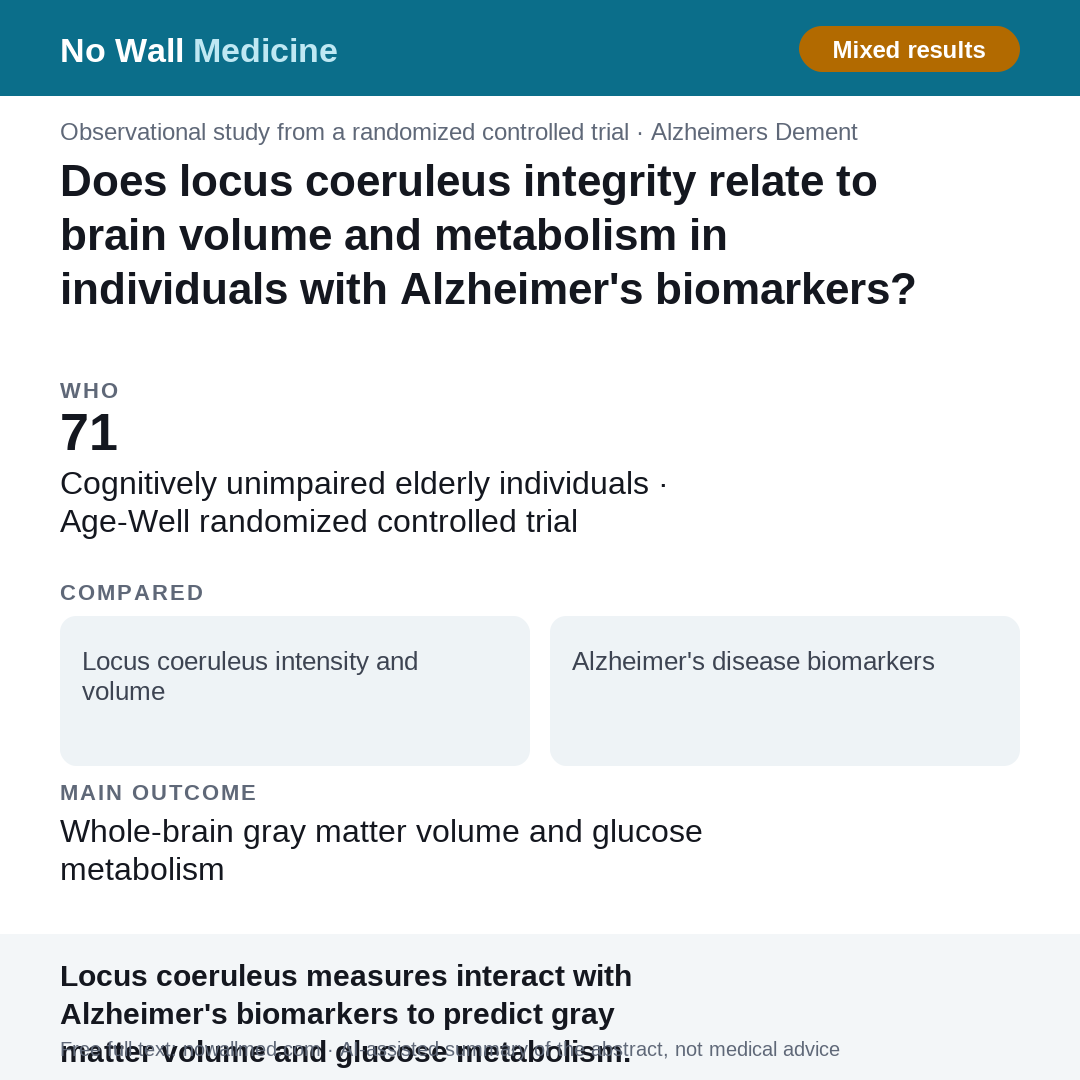
Altered locus coeruleus links to atrophy and hypometabolism in individuals with high Alzheimer's disease biomarkers
Observational study from a randomized controlled trialMixed results
Does locus coeruleus integrity relate to brain volume and metabolism in individuals with Alzheimer's biomarkers?
Who
71
Cognitively unimpaired elderly individuals · Age-Well randomized controlled trial
Compared
Locus coeruleus intensity and volume
Alzheimer's disease biomarkers
Main outcome
Whole-brain gray matter volume and glucose metabolism
Bottom line: Locus coeruleus measures interact with Alzheimer's biomarkers to predict gray matter volume and glucose metabolism.
Alzheimers Dement · 2026-03-03Download image
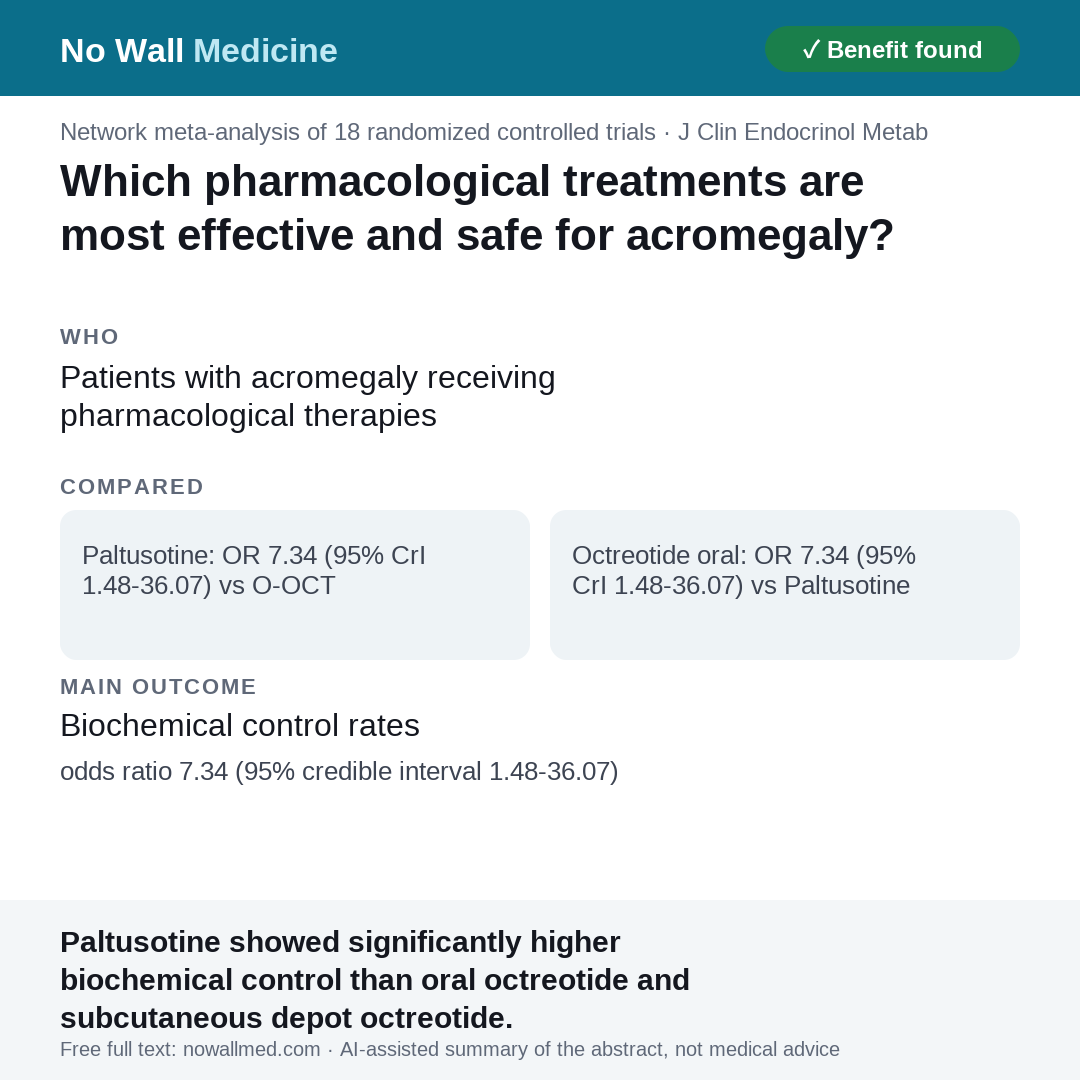
Efficacy and safety of pharmacologic therapies in acromegaly: a systematic literature review and network meta-analysis
Systematic review and network meta-analysisBenefit found
What are the efficacy and safety of pharmacological treatments for acromegaly?
Who
Patients with acromegaly
Compared
Paltusotine: significantly higher biochemical control vs O-OCT and SC-OCT-D
Other pharmacological treatments: comparable biochemical control rates
Main outcome
Biochemical control and safety
Result: paltusotine biochemical control odds ratios 7.34 (95% CrI 1.48-36.07) and 7.85 (95% CrI 1.72-36.25)
Bottom line: Paltusotine shows promising efficacy, safety, and lower discontinuation rates compared to oral or subcutaneous octreotide in acromegaly.
J Clin Endocrinol Metab · 2026-03-03Download image
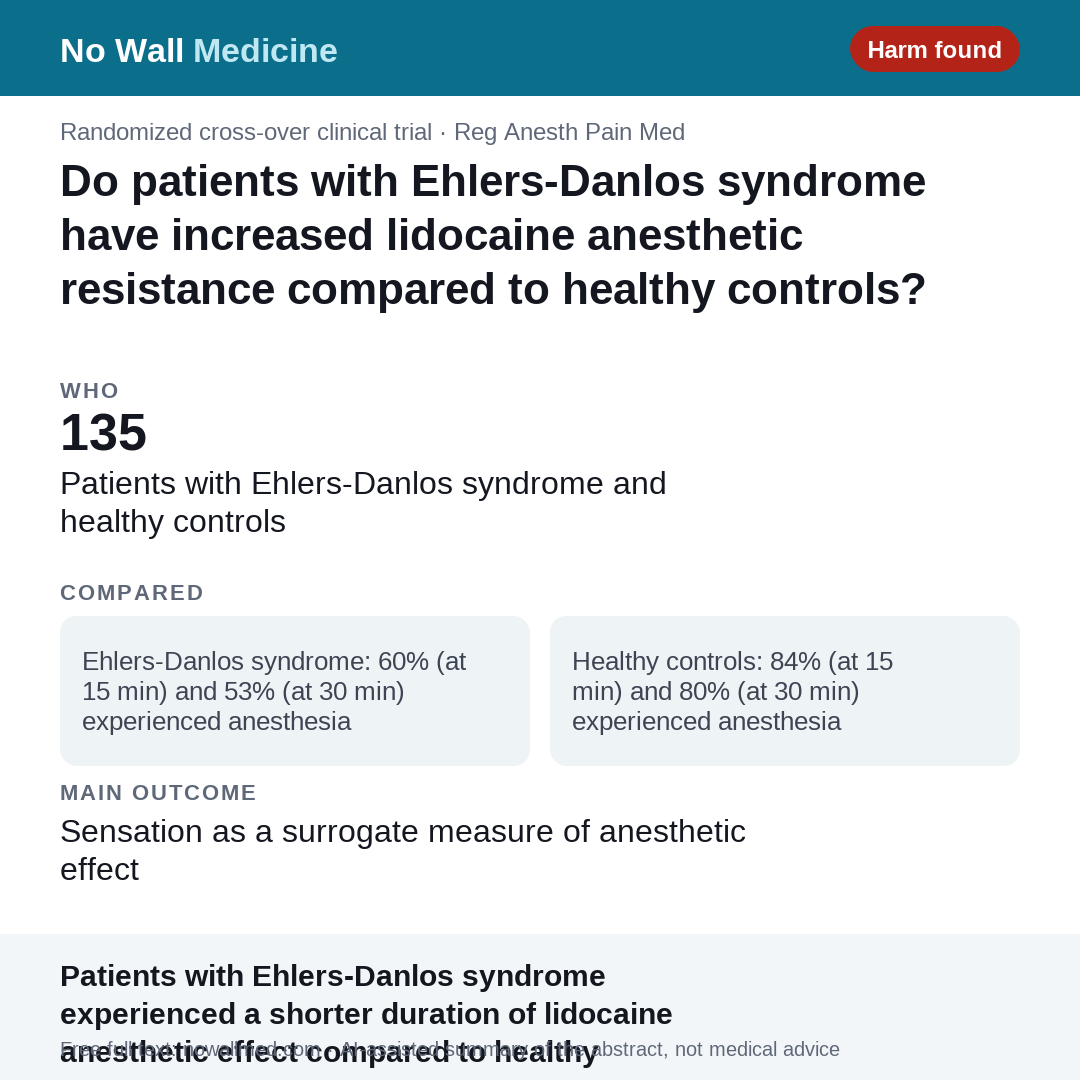
Patients with Ehlers-Danlos syndrome experience reduced effectiveness of lidocaine local anesthetic: a randomized cross-over clinical trial
Randomized cross-over clinical trialHarm found
Do patients with Ehlers-Danlos syndrome have increased lidocaine anesthetic resistance compared to healthy controls?
Who
135
Patients with Ehlers-Danlos syndrome and healthy controls
Compared
Ehlers-Danlos syndrome: 60% (at 15 min) and 53% (at 30 min) experienced anesthesia
Healthy controls: 84% (at 15 min) and 80% (at 30 min) experienced anesthesia
Main outcome
Sensation as a surrogate measure of anesthetic effect
Bottom line: Patients with Ehlers-Danlos syndrome experienced a shorter duration of lidocaine anesthetic effect compared to healthy controls.
Reg Anesth Pain Med · 2026-03-03Download image