Visual abstracts
New randomized trials and meta-analyses from leading journals at a glance: who was studied, what was compared, and what was found. Every paper is free to read in full.
All specialtiesCardiology 4763Oncology 4042Gastroenterology & Hepatology 1902Infectious Disease 3756Neurology 1872Psychiatry & Mental Health 2214Pulmonology 2042Critical Care 1319Endocrinology & Diabetes 2544Pediatrics 2889Surgery 2479Orthopedics & Sports Medicine 917Neurosurgery 525Cardiothoracic & Vascular Surgery 656Plastic & Reconstructive Surgery 574Nephrology 1107Rheumatology 810Hematology 1090Dermatology 611Ophthalmology 532Obstetrics & Gynecology 1645Public & Global Health 1037Radiology & Imaging 617Anesthesiology 957Urology 745ENT (Otolaryngology) 494Emergency Medicine 481Allergy & Immunology 309Geriatrics 972Family Medicine & Primary Care 533Medical Genetics & Genomics 659Pathology & Laboratory Medicine 156Physical Medicine & Rehabilitation 734Palliative Care 421Nutrition 1560Digital Health & AI 2133General Medicine 318
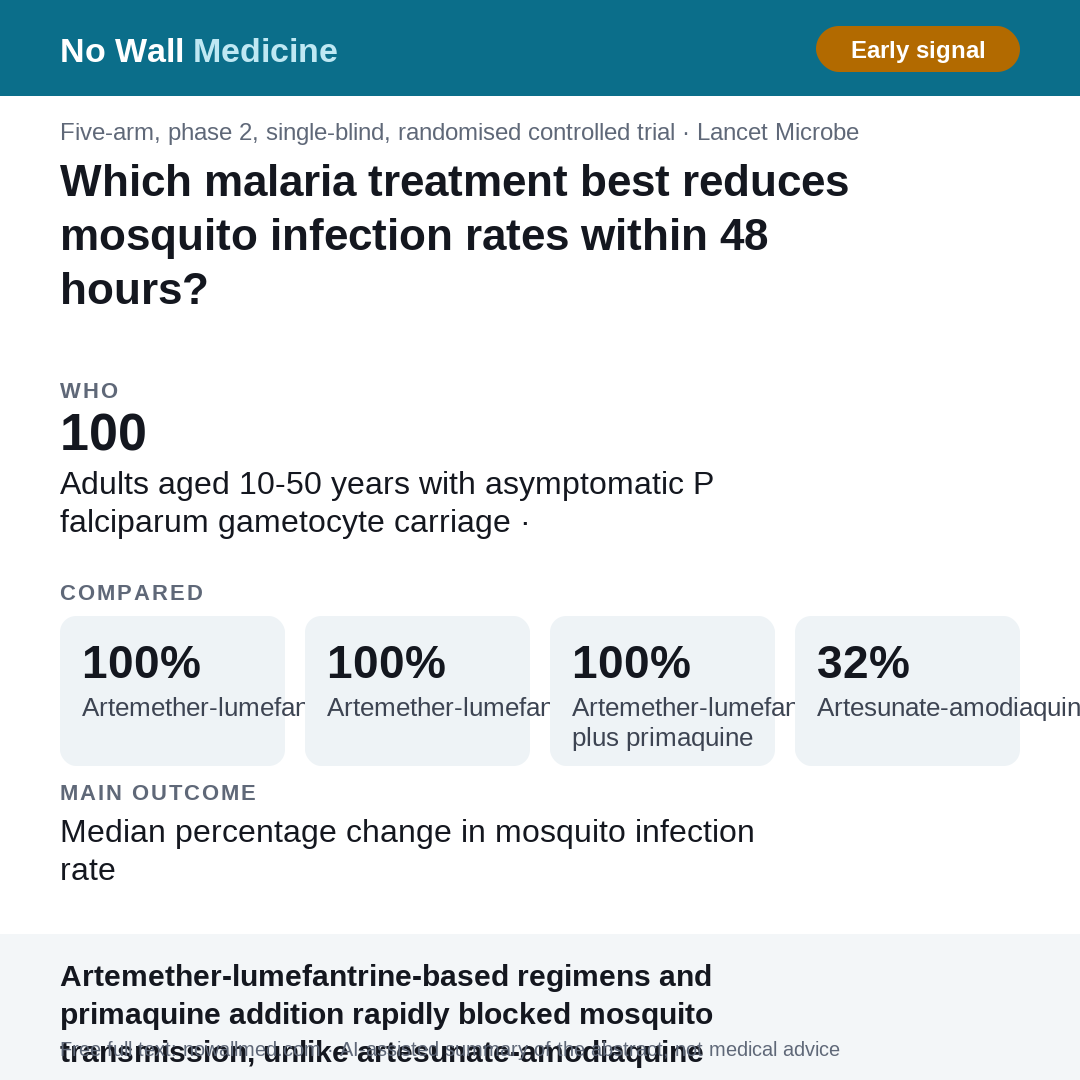
Artemether-lumefantrine-amodiaquine or artesunate-amodiaquine combined with single low-dose primaquine to reduce Plasmodium falciparum malaria transmission in Ouélessébougou, Mali: a five-arm, phase 2, single-blind, randomised controlled trial
Five-arm, phase 2, single-blind, randomised controlled trialEarly signal
Which malaria treatment best reduces mosquito infection rates within 48 hours?
Who
100
Adults aged 10-50 years with asymptomatic P falciparum gametocyte carriage · Ouélessébougou, Mali
Compared
100%Artemether-lumefantrine (IQR 100 to 100)
100%Artemether-lumefantrine-amodiaquine (IQR 100 to 100)
100%Artemether-lumefantrine-amodiaquine plus primaquine (IQR 100 to 100)
32%Artesunate-amodiaquine (IQR -10.9 to 79.4)
Main outcome
Median percentage change in mosquito infection rate
Result: Artesunate-amodiaquine 32% (IQR -10.9 to 79.4) vs 100% in other groups
Bottom line: Artemether-lumefantrine-based regimens and primaquine addition rapidly blocked mosquito transmission, unlike artesunate-amodiaquine alone.
Funded by: Bill & Melinda Gates Foundation
Lancet Microbe · 2024-12-17Download image
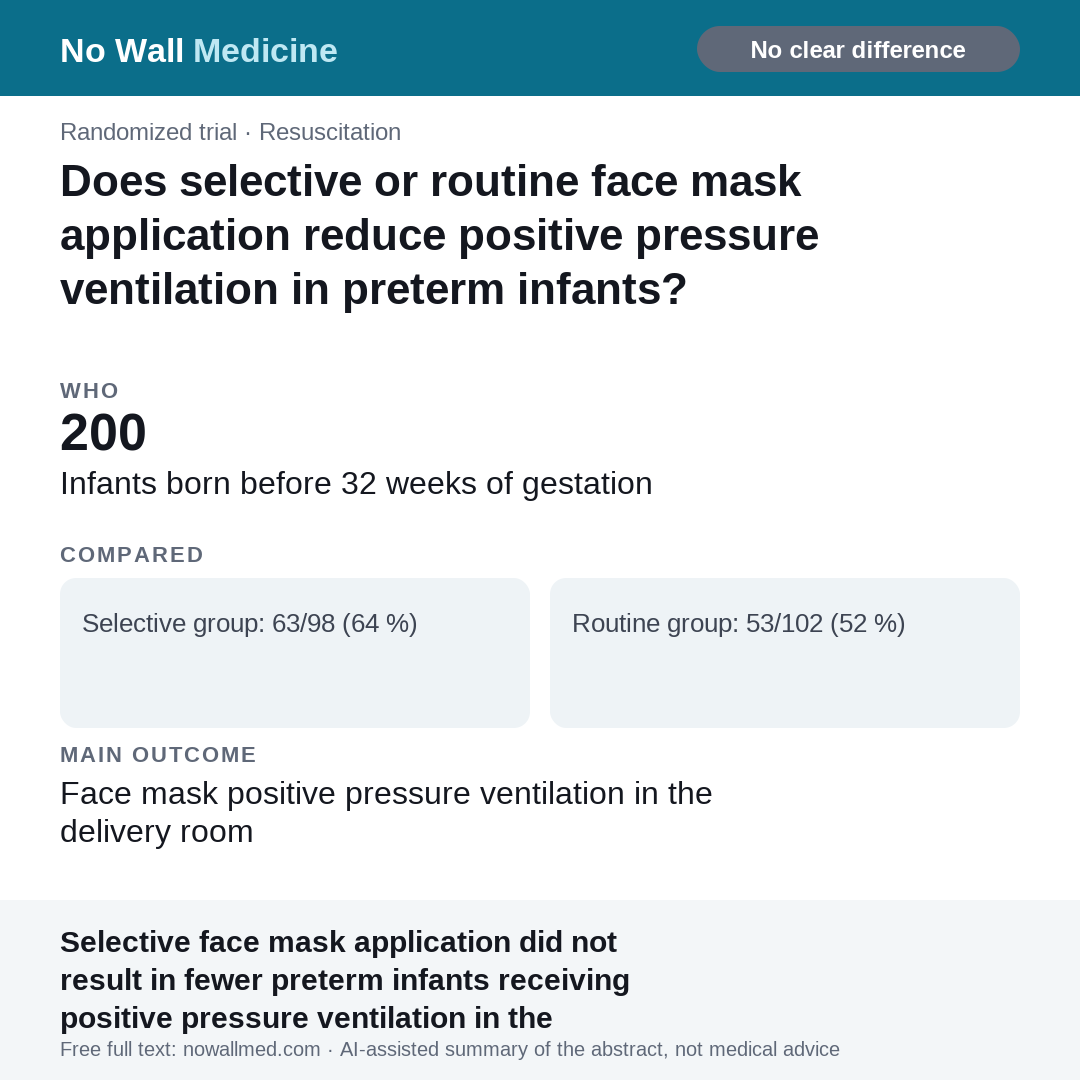
Selective or routine face mask application for breathing support of preterm infants at birth: a randomised trial
Randomized trialNo clear difference
Does selective or routine face mask application reduce positive pressure ventilation in preterm infants?
Who
200
Infants born before 32 weeks of gestation
Compared
Selective group: 63/98 (64 %)
Routine group: 53/102 (52 %)
Main outcome
Face mask positive pressure ventilation in the delivery room
Result: relative risk 1.24 (95% CI 0.98-1.57)
Bottom line: Selective face mask application did not result in fewer preterm infants receiving positive pressure ventilation in the delivery room.
Resuscitation · 2024-12-17Download image
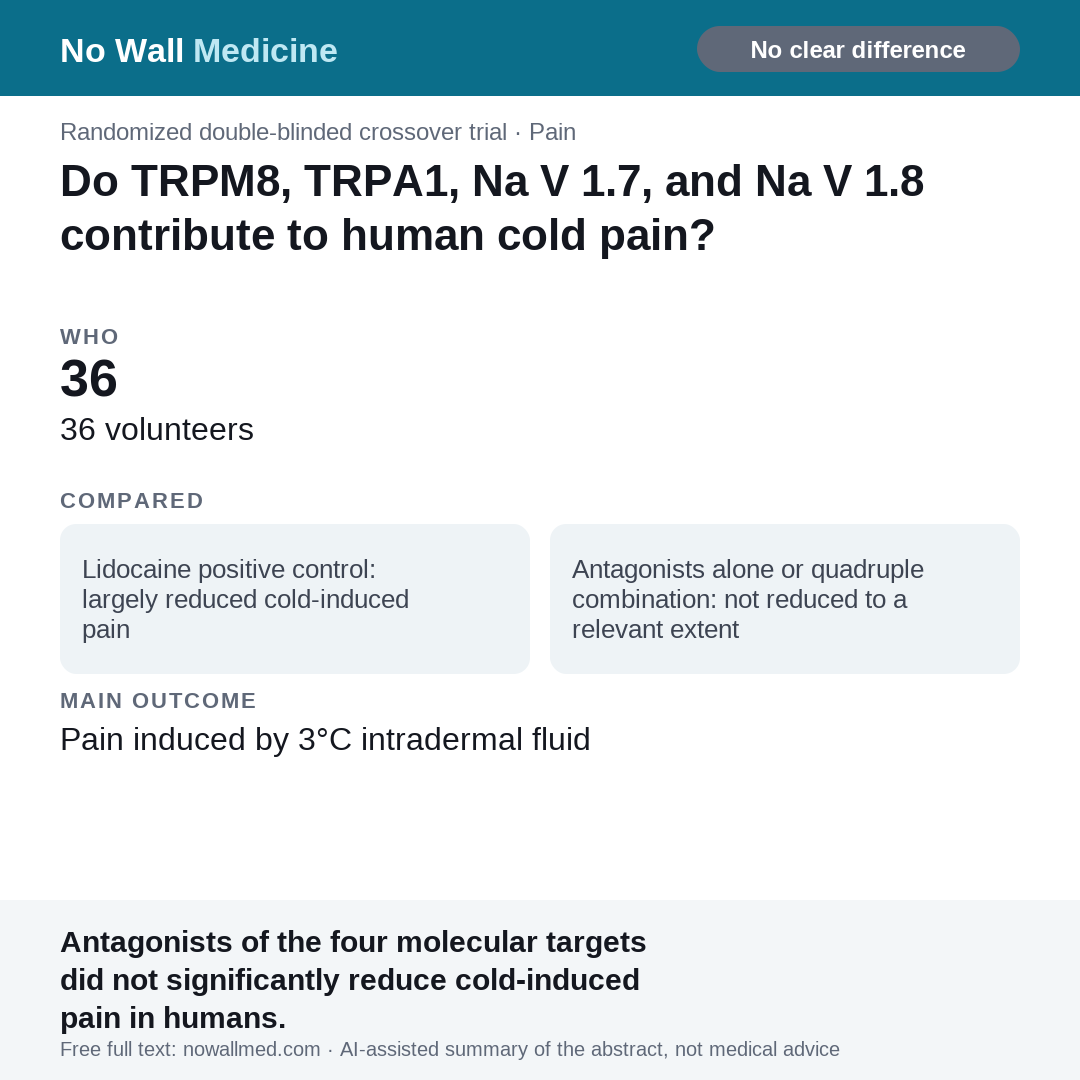
Human cold pain: a randomized crossover trial
Randomized double-blinded crossover trialNo clear difference
Do TRPM8, TRPA1, Na V 1.7, and Na V 1.8 contribute to human cold pain?
Who
36
36 volunteers
Compared
Lidocaine positive control: largely reduced cold-induced pain
Antagonists alone or quadruple combination: not reduced to a relevant extent
Main outcome
Pain induced by 3°C intradermal fluid
Bottom line: Antagonists of the four molecular targets did not significantly reduce cold-induced pain in humans.
Limitation: Further mechanisms contributing to human cold pain need to be considered.
Pain · 2024-12-17Download image
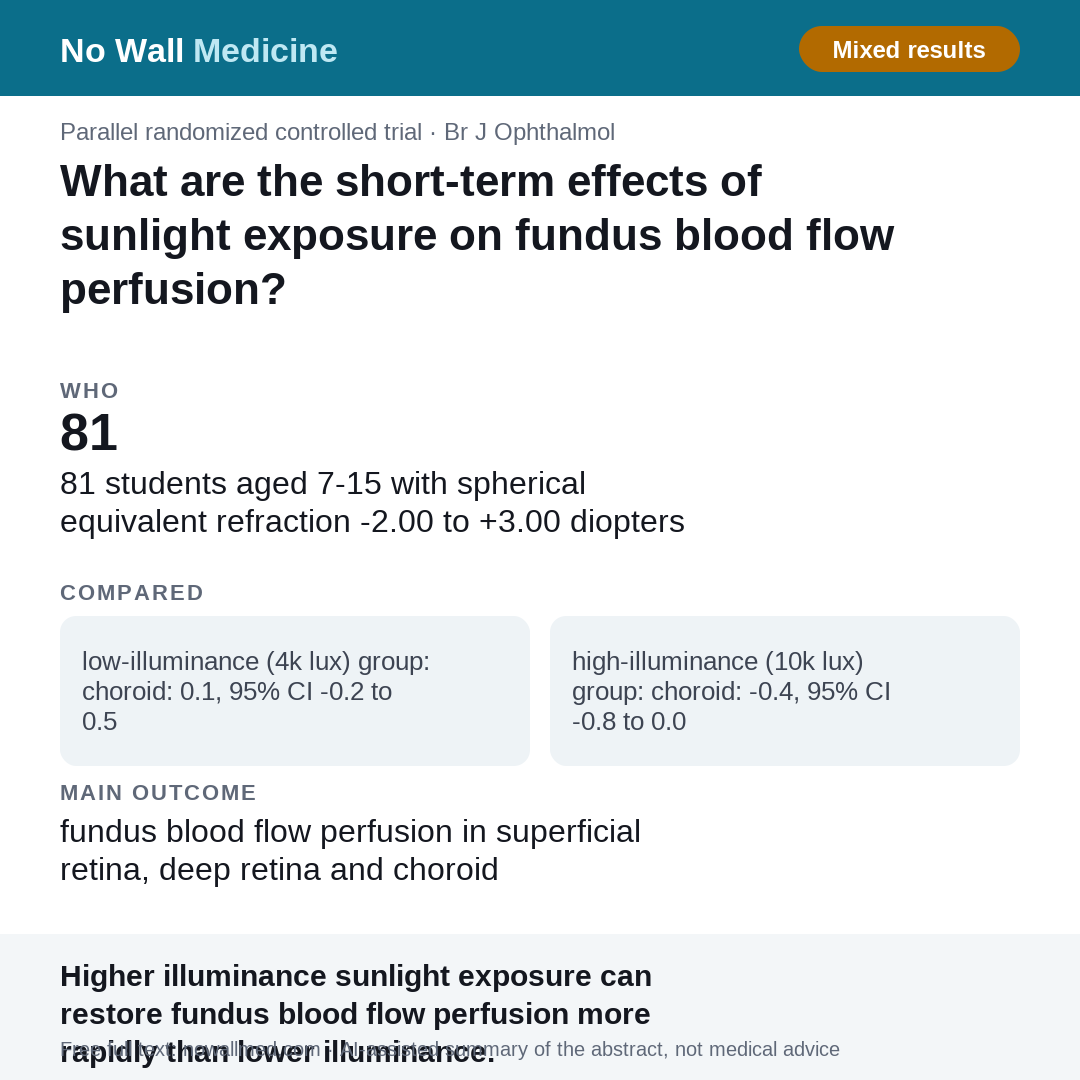
Short-term effects of sunlight exposure on fundus blood flow perfusion in children: a randomised controlled trial
Parallel randomized controlled trialMixed results
What are the short-term effects of sunlight exposure on fundus blood flow perfusion?
Who
81
81 students aged 7-15 with spherical equivalent refraction -2.00 to +3.00 diopters
Compared
low-illuminance (4k lux) group: choroid: 0.1, 95% CI -0.2 to 0.5
high-illuminance (10k lux) group: choroid: -0.4, 95% CI -0.8 to 0.0
Main outcome
fundus blood flow perfusion in superficial retina, deep retina and choroid
Bottom line: Higher illuminance sunlight exposure can restore fundus blood flow perfusion more rapidly than lower illuminance.
Br J Ophthalmol · 2024-12-17Download image
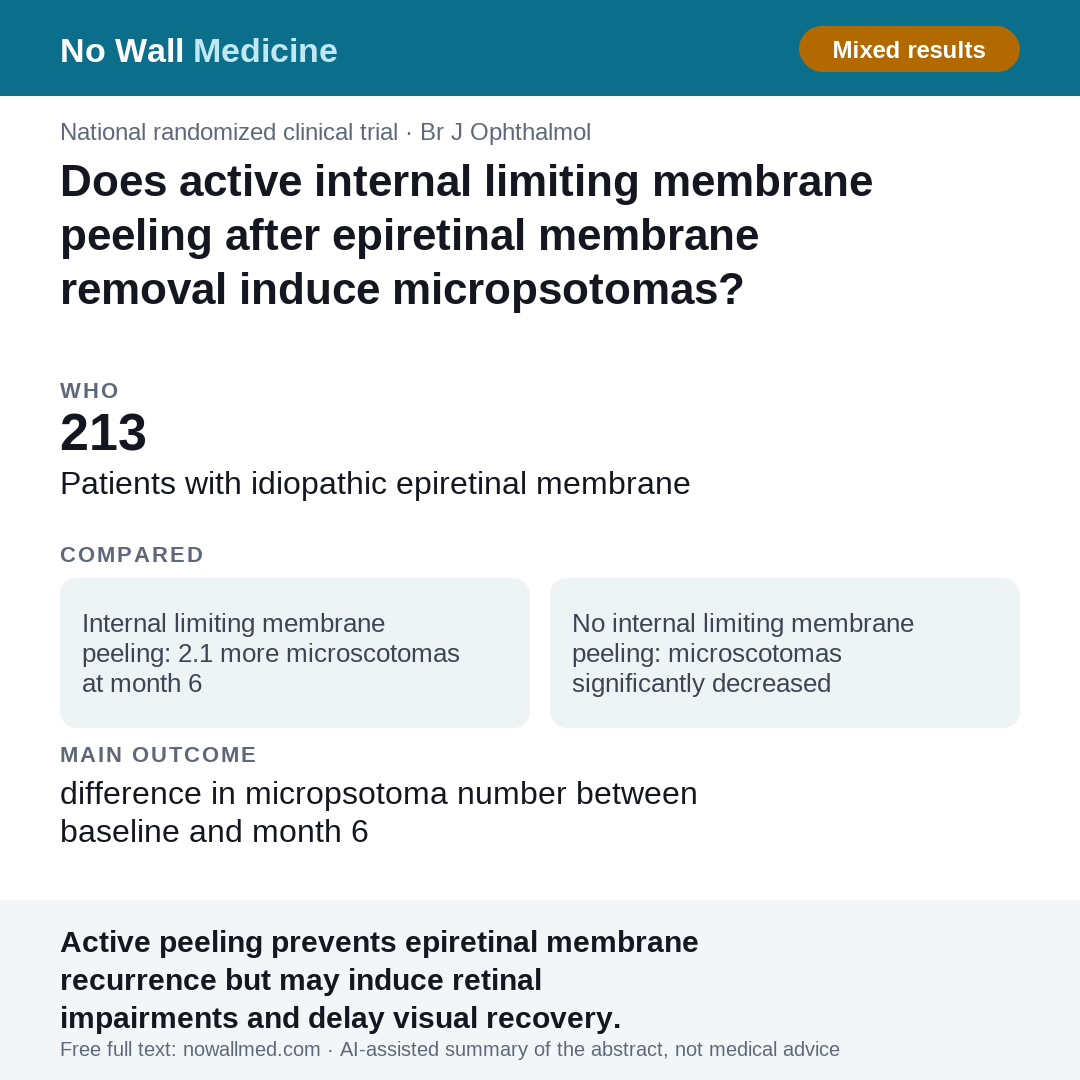
Pros and cons of internal limiting membrane peeling during epiretinal membrane surgery: a randomised clinical trial with microperimetry (PEELING)
National randomized clinical trialMixed results
Does active internal limiting membrane peeling after epiretinal membrane removal induce micropsotomas?
Who
213
Patients with idiopathic epiretinal membrane
Compared
Internal limiting membrane peeling: 2.1 more microscotomas at month 6
No internal limiting membrane peeling: microscotomas significantly decreased
Main outcome
difference in micropsotoma number between baseline and month 6
Result: 2.1 more microscotomas in ILM peeling group (-0.5;4.7) p=0.1155
Bottom line: Active peeling prevents epiretinal membrane recurrence but may induce retinal impairments and delay visual recovery.
Br J Ophthalmol · 2024-12-17Download image
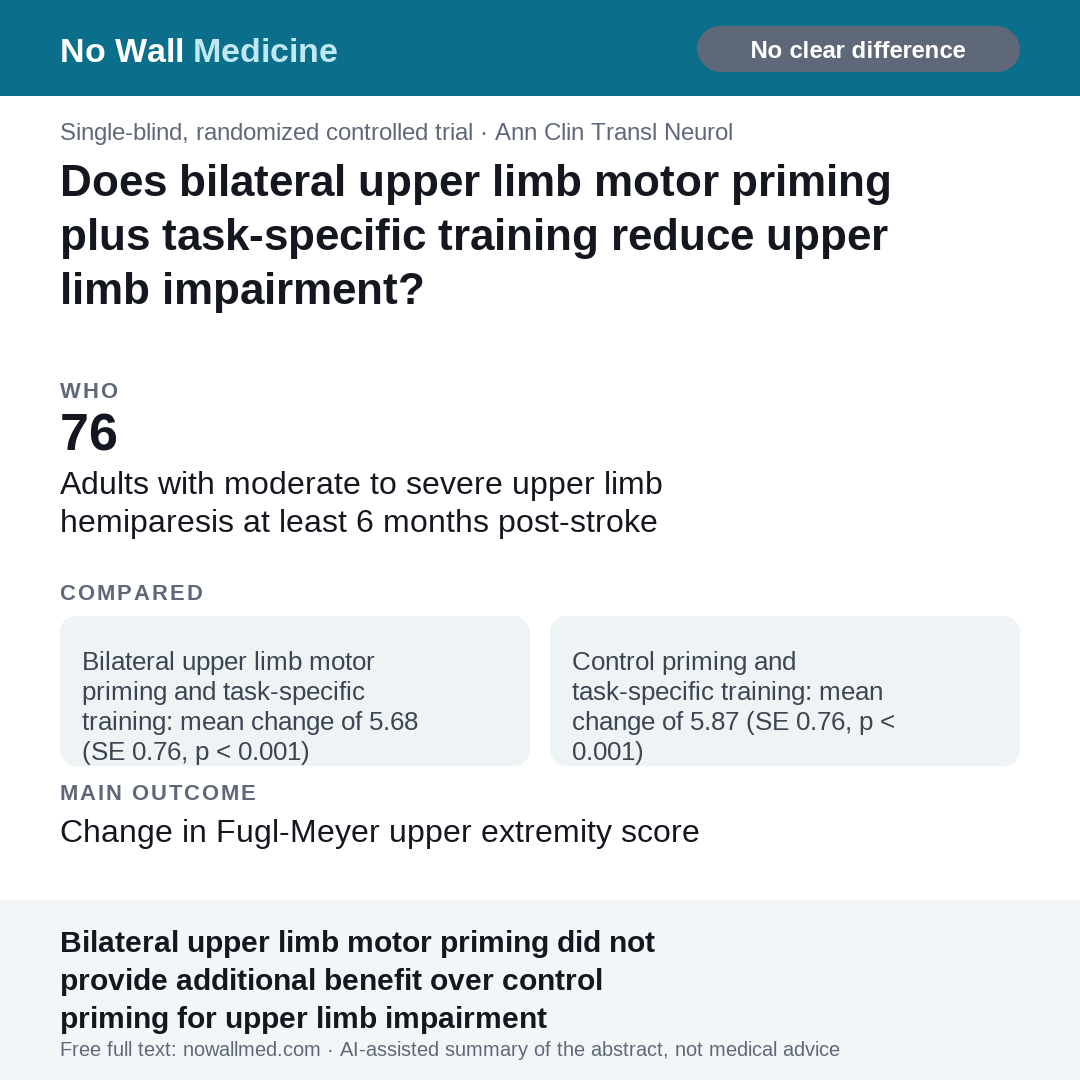
Priming and task-specific training for arm weakness post stroke: A randomized controlled trial
Single-blind, randomized controlled trialNo clear difference
Does bilateral upper limb motor priming plus task-specific training reduce upper limb impairment?
Who
76
Adults with moderate to severe upper limb hemiparesis at least 6 months post-stroke
Compared
Bilateral upper limb motor priming and task-specific training: mean change of 5.68 (SE 0.76, p < 0.001)
Control priming and task-specific training: mean change of 5.87 (SE 0.76, p < 0.001)
Main outcome
Change in Fugl-Meyer upper extremity score
Result: mean difference of -0.20 (95% CI = [-2.37, 1.97], SE = 1.08, p = 0.86)
Bottom line: Bilateral upper limb motor priming did not provide additional benefit over control priming for upper limb impairment post-stroke.
Ann Clin Transl Neurol · 2024-12-17Download image
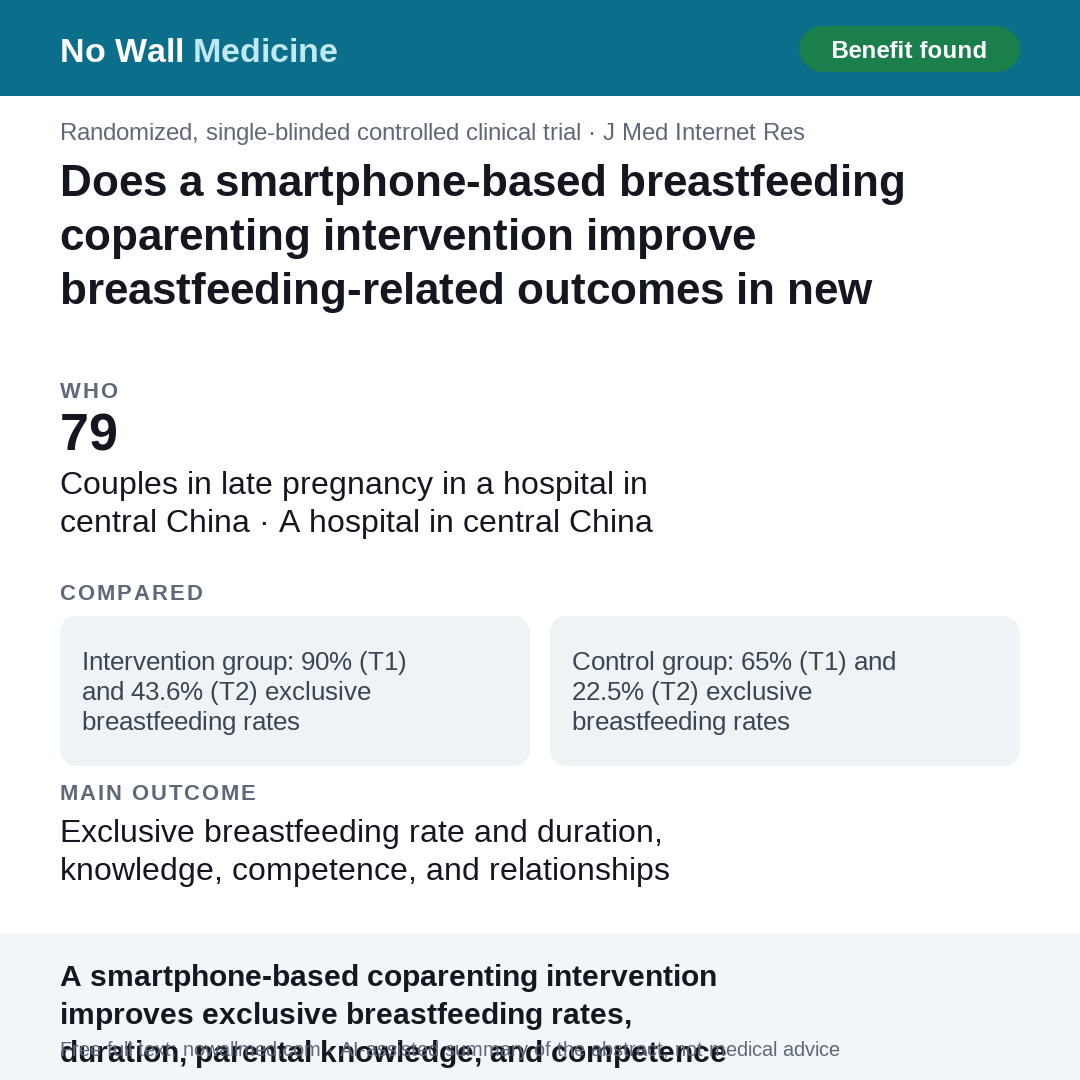
Effects of a Smartphone-Based Breastfeeding Coparenting Intervention Program on Breastfeeding-Related Outcomes in Couples During First Pregnancy: Randomized Controlled Trial
Randomized, single-blinded controlled clinical trialBenefit found
Does a smartphone-based breastfeeding coparenting intervention improve breastfeeding-related outcomes in new couples?
Who
79
Couples in late pregnancy in a hospital in central China · A hospital in central China
Compared
Intervention group: 90% (T1) and 43.6% (T2) exclusive breastfeeding rates
Control group: 65% (T1) and 22.5% (T2) exclusive breastfeeding rates
Main outcome
Exclusive breastfeeding rate and duration, knowledge, competence, and relationships
Bottom line: A smartphone-based coparenting intervention improves exclusive breastfeeding rates, duration, parental knowledge, and competence while reducing paternal depressive symptoms.
J Med Internet Res · 2024-12-17Download image
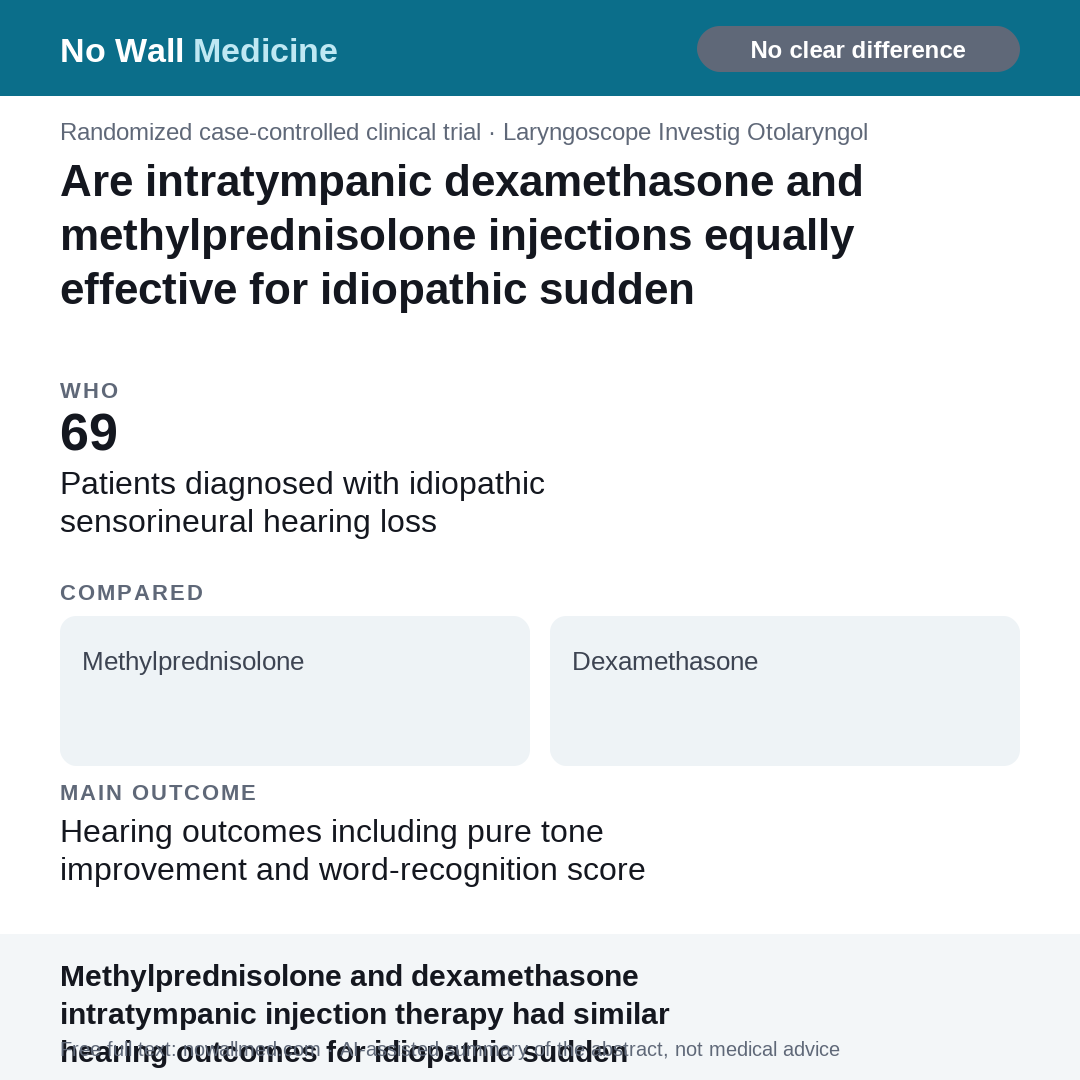
Comparison between intratympanic injection of dexamethasone and methylprednisolone in idiopathic sudden sensorineural hearing loss: A randomized clinical trial
Randomized case-controlled clinical trialNo clear difference
Are intratympanic dexamethasone and methylprednisolone injections equally effective for idiopathic sudden sensorineural hearing loss?
Who
69
Patients diagnosed with idiopathic sensorineural hearing loss
Compared
Methylprednisolone
Dexamethasone
Main outcome
Hearing outcomes including pure tone improvement and word-recognition score
Bottom line: Methylprednisolone and dexamethasone intratympanic injection therapy had similar hearing outcomes for idiopathic sudden sensorineural hearing loss.
Laryngoscope Investig Otolaryngol · 2024-12-17Download image
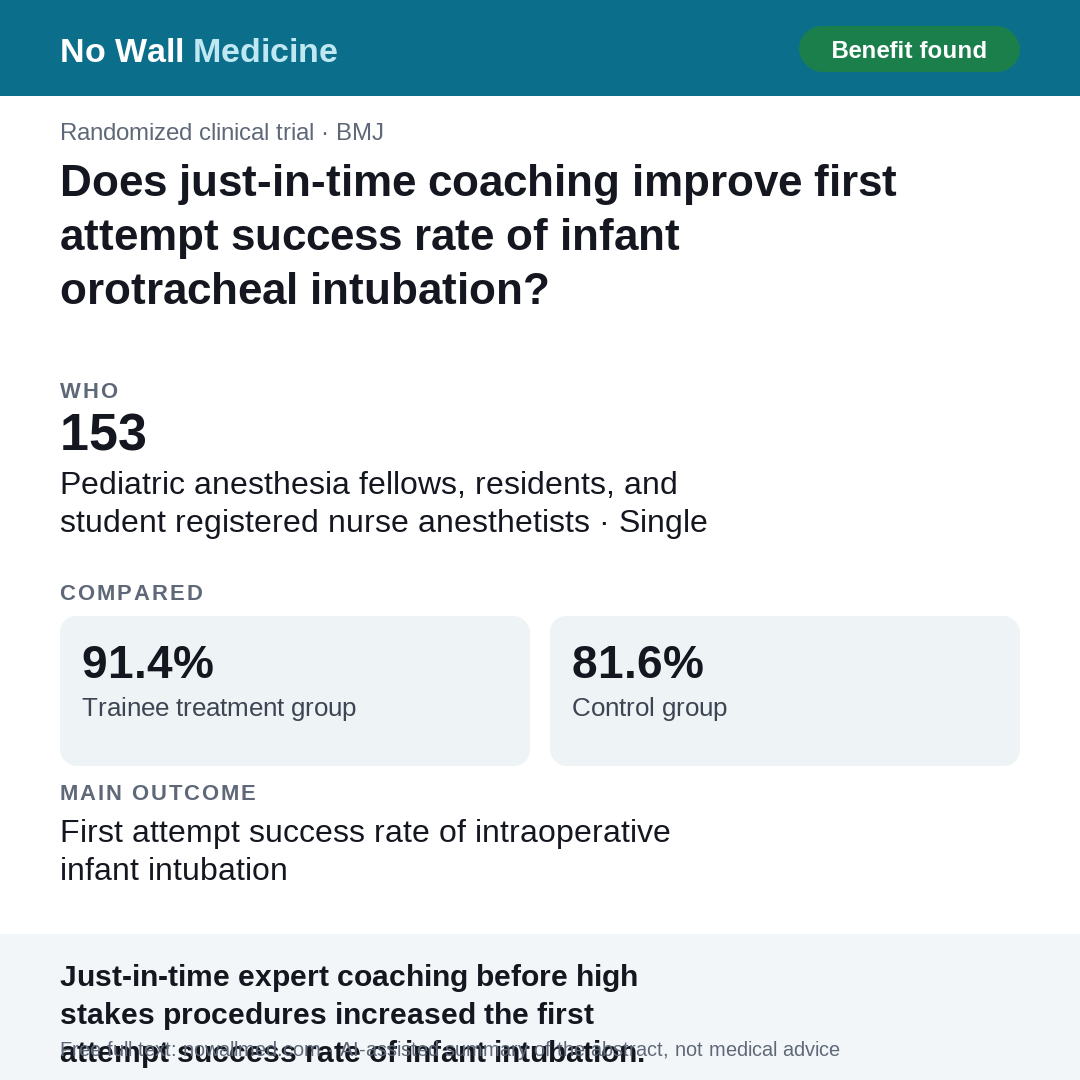
Coaching inexperienced clinicians before a high stakes medical procedure: randomized clinical trial
Randomized clinical trialBenefit found
Does just-in-time coaching improve first attempt success rate of infant orotracheal intubation?
Who
153
Pediatric anesthesia fellows, residents, and student registered nurse anesthetists · Single center quaternary children's hospital in Boston, MA, USA
Compared
91.4%Trainee treatment group (212/232)
81.6%Control group (231/283)
Main outcome
First attempt success rate of intraoperative infant intubation
Result: odds ratio 2.42 (95% confidence interval 1.45 to 4.04)
Bottom line: Just-in-time expert coaching before high stakes procedures increased the first attempt success rate of infant intubation.
Limitation: Randomized evaluation in other settings is warranted.
BMJ · 2024-12-16Download image
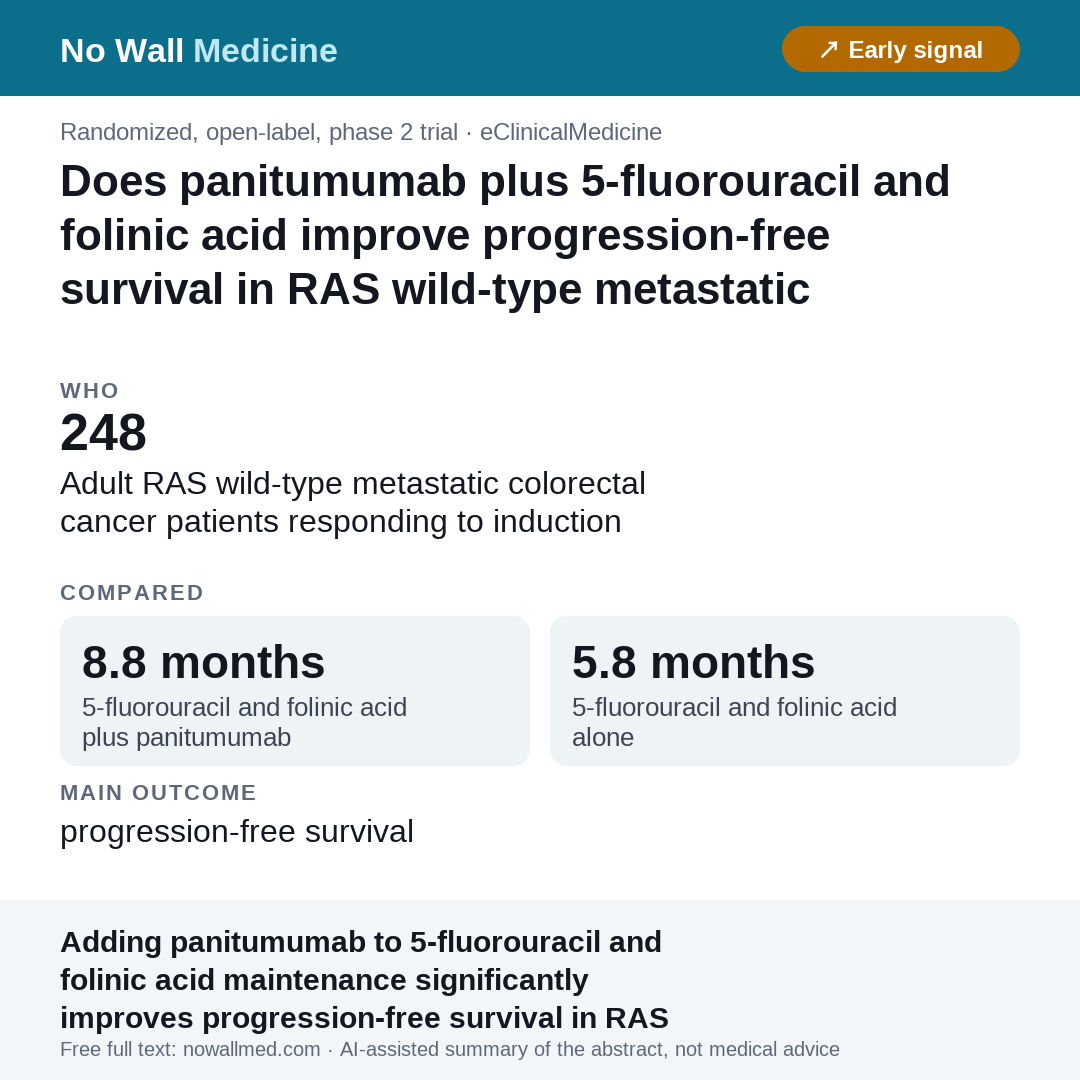
Panitumumab plus 5-fluorouracil and folinic acid or 5-fluorouracil and folinic acid alone as maintenance therapy in RAS wild-type metastatic colorectal cancer (PanaMa, AIO KRK 0212): final efficacy analysis of a randomised, open-label, phase 2 trial
Randomized, open-label, phase 2 trialEarly signal
Does panitumumab plus 5-fluorouracil and folinic acid improve progression-free survival in RAS wild-type metastatic colorectal cancer?
Who
248
Adult RAS wild-type metastatic colorectal cancer patients responding to induction therapy
Compared
8.8 months5-fluorouracil and folinic acid plus panitumumab
5.8 months5-fluorouracil and folinic acid alone
Main outcome
progression-free survival
Result: hazard ratio 0.73 (95% CI 0.56-0.94)
Bottom line: Adding panitumumab to 5-fluorouracil and folinic acid maintenance significantly improves progression-free survival in RAS wild-type metastatic colorectal cancer.
Funded by: Amgen
eClinicalMedicine · 2024-12-16Download image
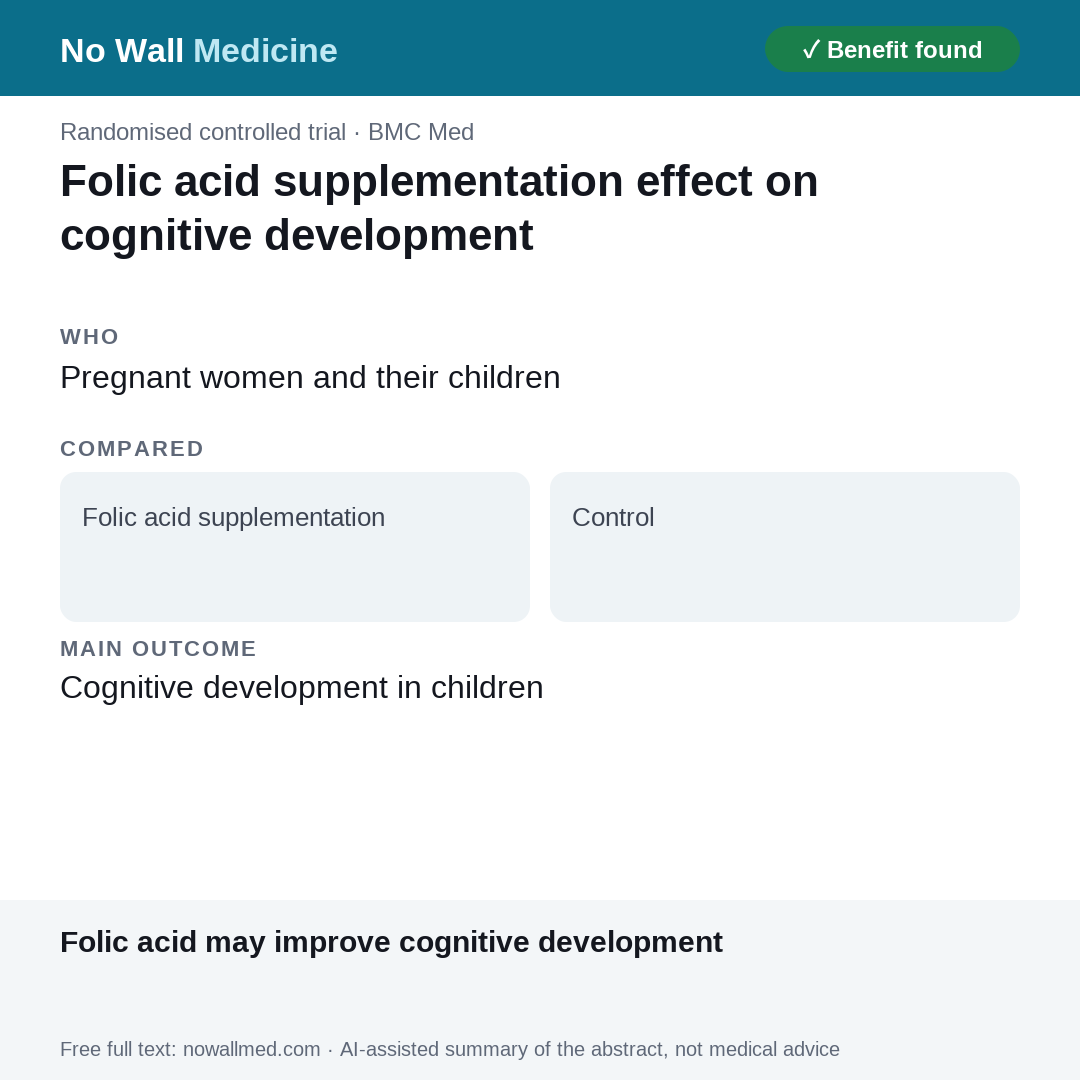
Cognitive benefits of folic acid supplementation during pregnancy track with epigenetic changes at an imprint regulator
Randomised controlled trialBenefit found
Folic acid supplementation effect on cognitive development
Who
Pregnant women and their children
Compared
Folic acid supplementation
Control
Main outcome
Cognitive development in children
Bottom line: Folic acid may improve cognitive development
Limitation: Small numbers require further validation
BMC Med · 2024-12-16Download image
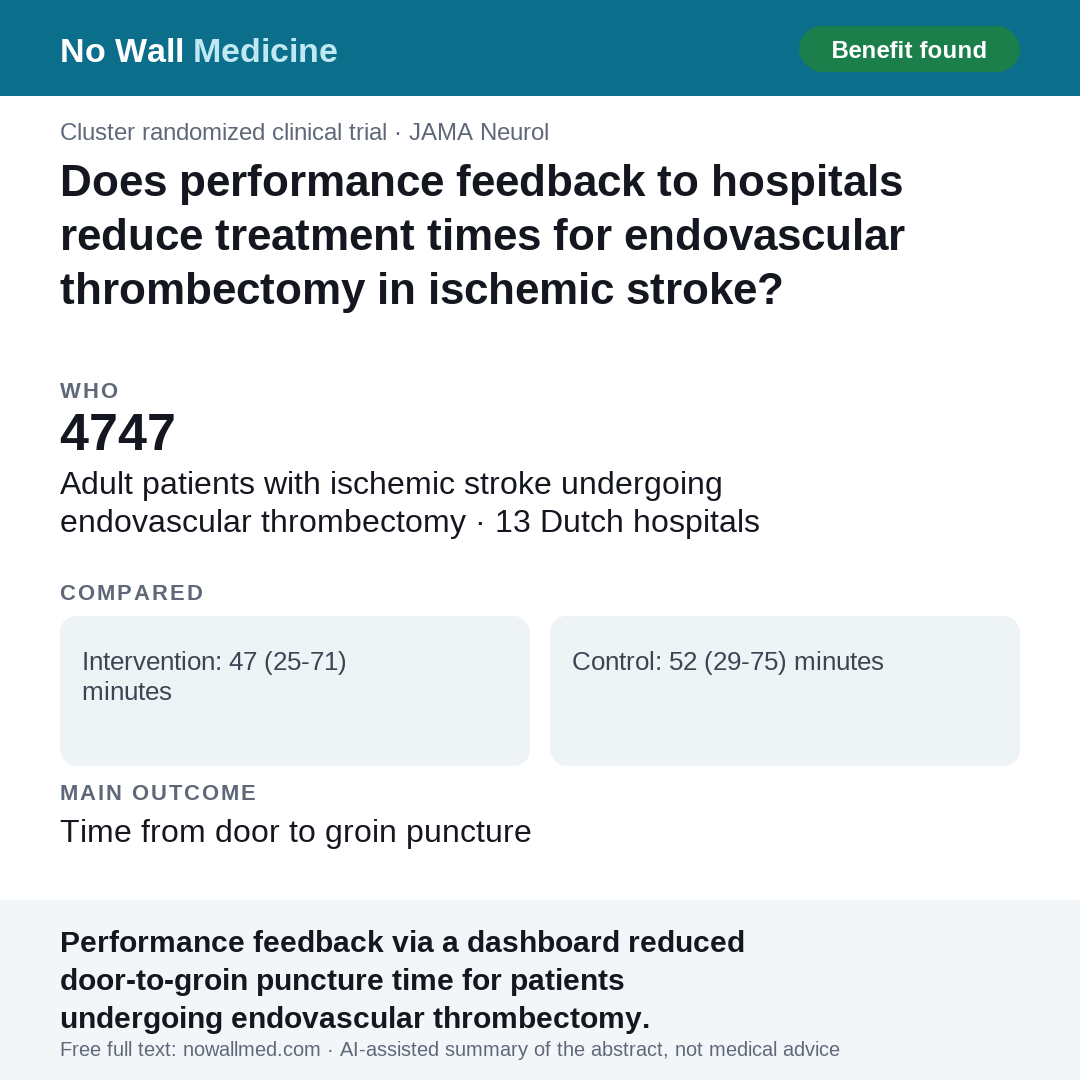
Quality Improvement Intervention for Reducing Acute Treatment Times in Ischemic Stroke: A Cluster Randomized Clinical Trial
Cluster randomized clinical trialBenefit found
Does performance feedback to hospitals reduce treatment times for endovascular thrombectomy in ischemic stroke?
Who
4747
Adult patients with ischemic stroke undergoing endovascular thrombectomy · 13 Dutch hospitals
Compared
Intervention: 47 (25-71) minutes
Control: 52 (29-75) minutes
Main outcome
Time from door to groin puncture
Result: adjusted absolute reduction was 5 minutes (β = -4.8; 95% CI, -9.5 to -0.1)
Bottom line: Performance feedback via a dashboard reduced door-to-groin puncture time for patients undergoing endovascular thrombectomy.
JAMA Neurol · 2024-12-16Download image
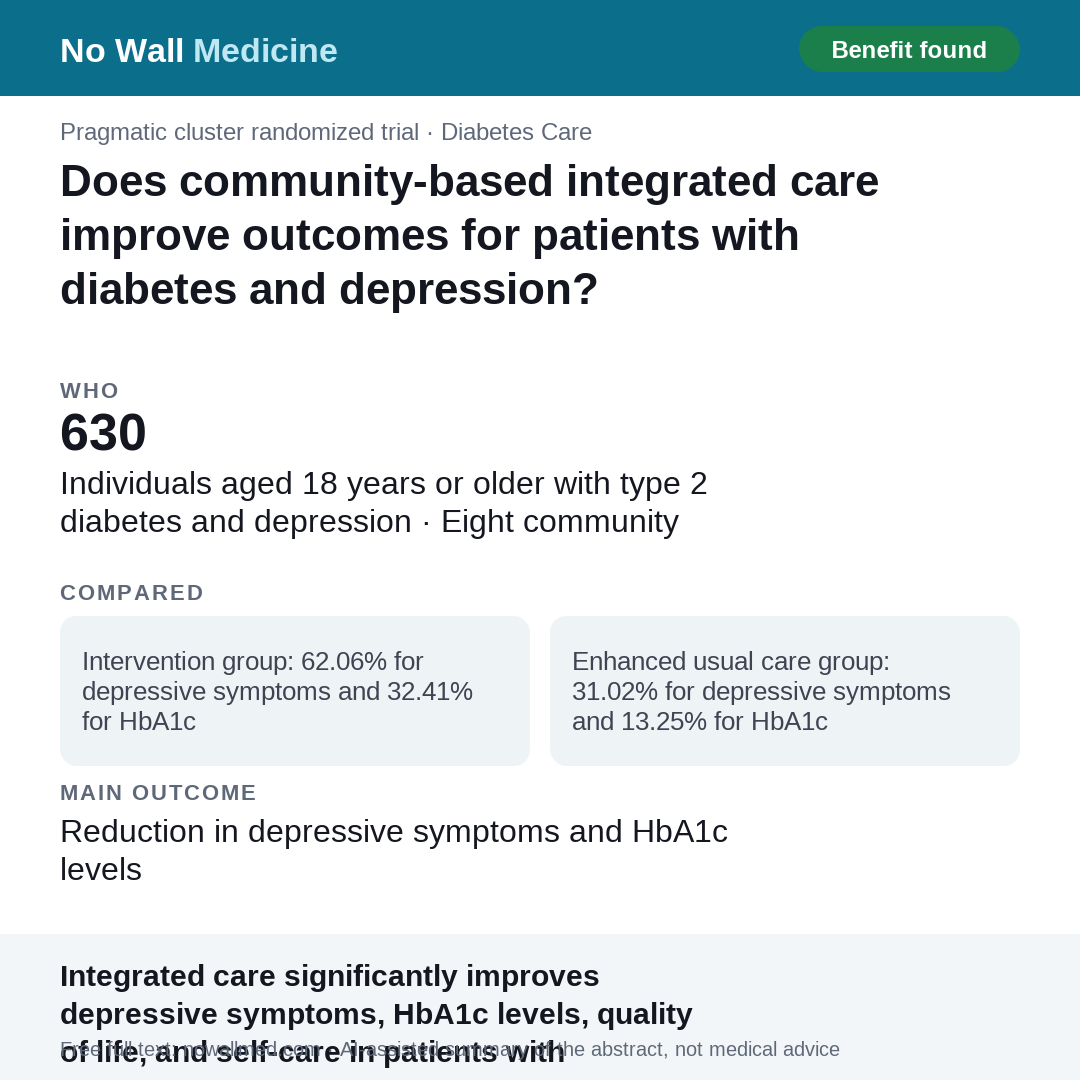
Effect of Community-Based Integrated Care for Patients With Diabetes and Depression (CIC-PDD) in China: A Pragmatic Cluster-Randomized Trial
Pragmatic cluster randomized trialBenefit found
Does community-based integrated care improve outcomes for patients with diabetes and depression?
Who
630
Individuals aged 18 years or older with type 2 diabetes and depression · Eight community health centers in China
Compared
Intervention group: 62.06% for depressive symptoms and 32.41% for HbA1c
Enhanced usual care group: 31.02% for depressive symptoms and 13.25% for HbA1c
Main outcome
Reduction in depressive symptoms and HbA1c levels
Result: risk difference 31.03% (95% CI 21.85-40.21) for depressive symptoms
Bottom line: Integrated care significantly improves depressive symptoms, HbA1c levels, quality of life, and self-care in patients with diabetes and depression.
Diabetes Care · 2024-12-16Download image
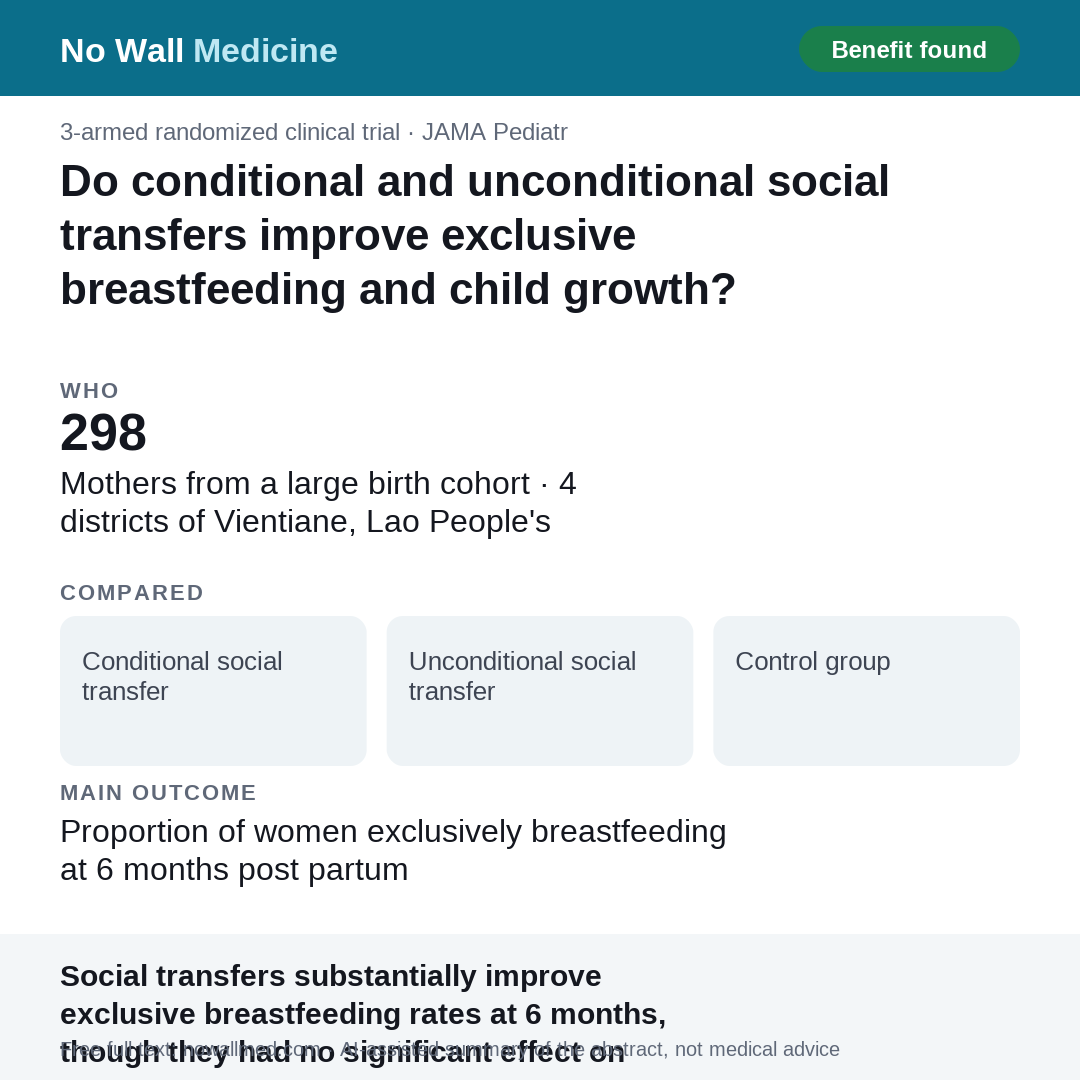
Conditional and Unconditional Social Transfers, Early-Life Nutrition, and Child Growth: A Randomized Clinical Trial
3-armed randomized clinical trialBenefit found
Do conditional and unconditional social transfers improve exclusive breastfeeding and child growth?
Who
298
Mothers from a large birth cohort · 4 districts of Vientiane, Lao People's Democratic Republic
Compared
Conditional social transfer
Unconditional social transfer
Control group
Main outcome
Proportion of women exclusively breastfeeding at 6 months post partum
Result: adjusted odds ratio 4.60 (95% CI, 2.10-10.07) and 2.51 (95% CI, 1.11-5.66)
Bottom line: Social transfers substantially improve exclusive breastfeeding rates at 6 months, though they had no significant effect on child growth.
JAMA Pediatr · 2024-12-16Download image
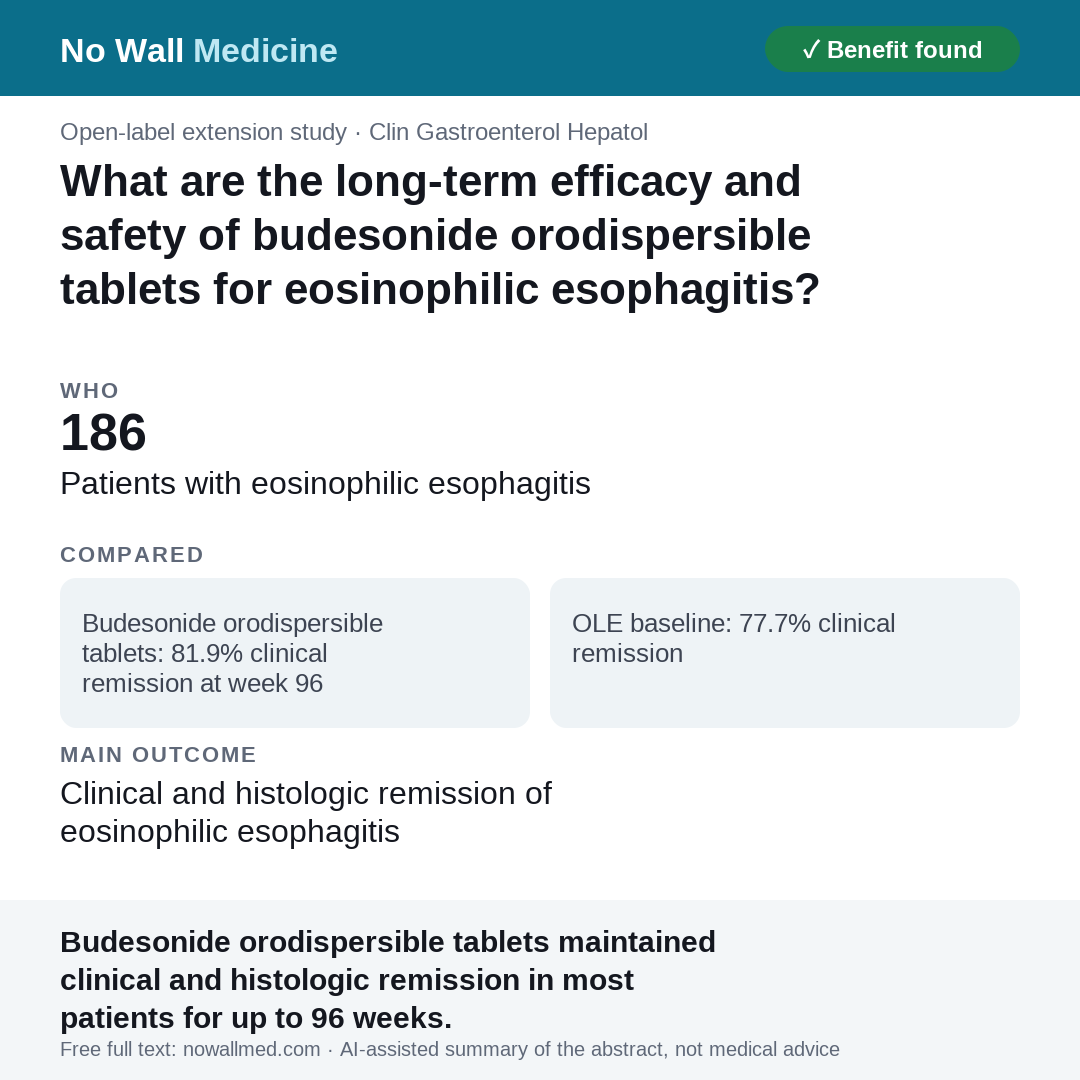
Efficacy and Safety of Budesonide Orodispersible Tablets for Eosinophilic Esophagitis up to 3 Years: An Open-Label Extension Study
Open-label extension studyBenefit found
What are the long-term efficacy and safety of budesonide orodispersible tablets for eosinophilic esophagitis?
Who
186
Patients with eosinophilic esophagitis
Compared
Budesonide orodispersible tablets: 81.9% clinical remission at week 96
OLE baseline: 77.7% clinical remission
Main outcome
Clinical and histologic remission of eosinophilic esophagitis
Bottom line: Budesonide orodispersible tablets maintained clinical and histologic remission in most patients for up to 96 weeks.
Clin Gastroenterol Hepatol · 2024-12-16Download image
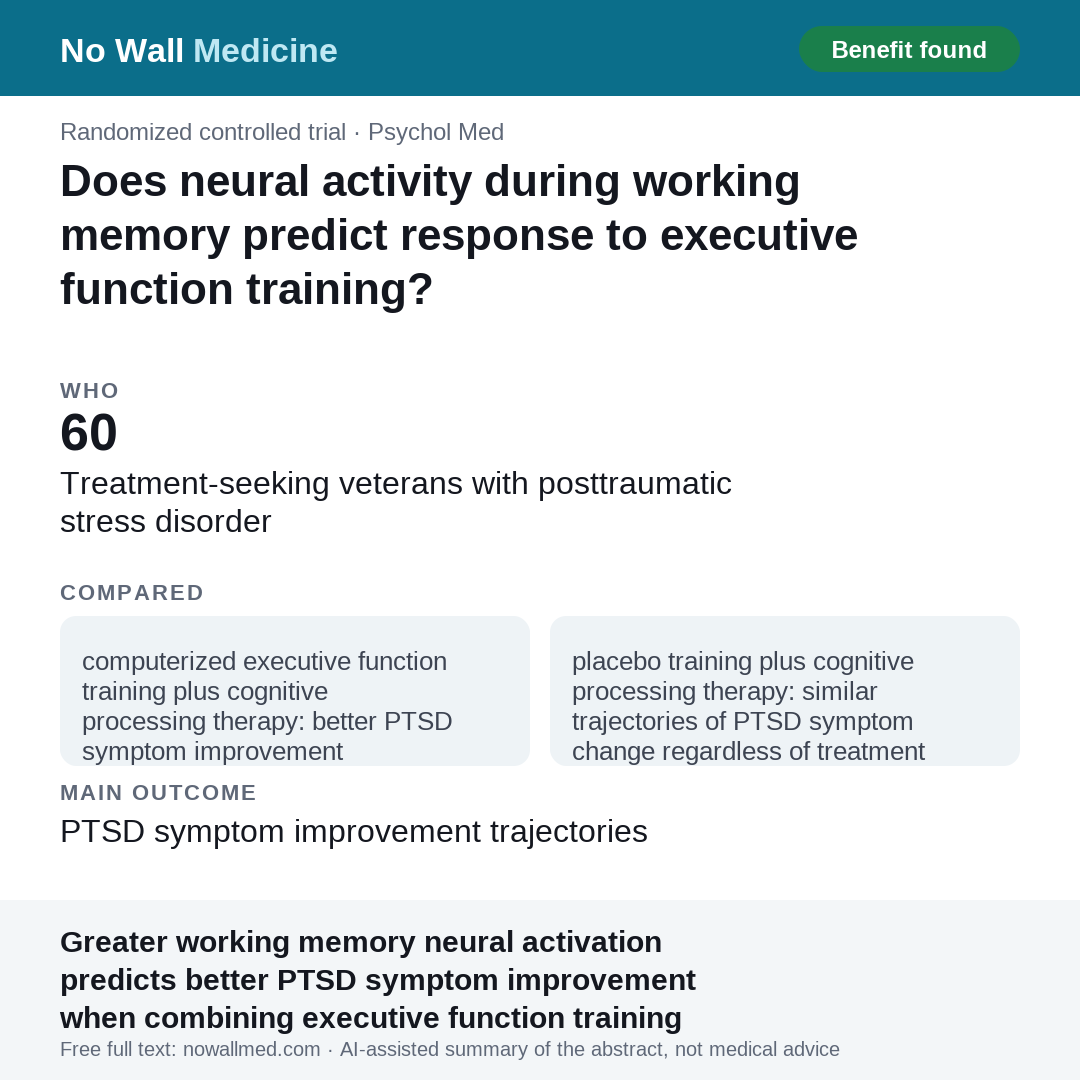
Neural activity during working memory predicts clinical response to computerized executive function training prior to cognitive processing therapy
Randomized controlled trialKey finding
Does neural activity during working memory predict response to executive function training?
Who
60
Treatment-seeking veterans with posttraumatic stress disorder
Compared
computerized executive function training plus cognitive processing therapy: better PTSD symptom improvement trajectories in those with greater activation
placebo training plus cognitive processing therapy: similar trajectories of PTSD symptom change regardless of treatment condition
Main outcome
PTSD symptom improvement trajectories
Bottom line: Greater working memory neural activation predicts better PTSD symptom improvement when combining executive function training with cognitive processing therapy.
Psychol Med · 2024-12-16Download image
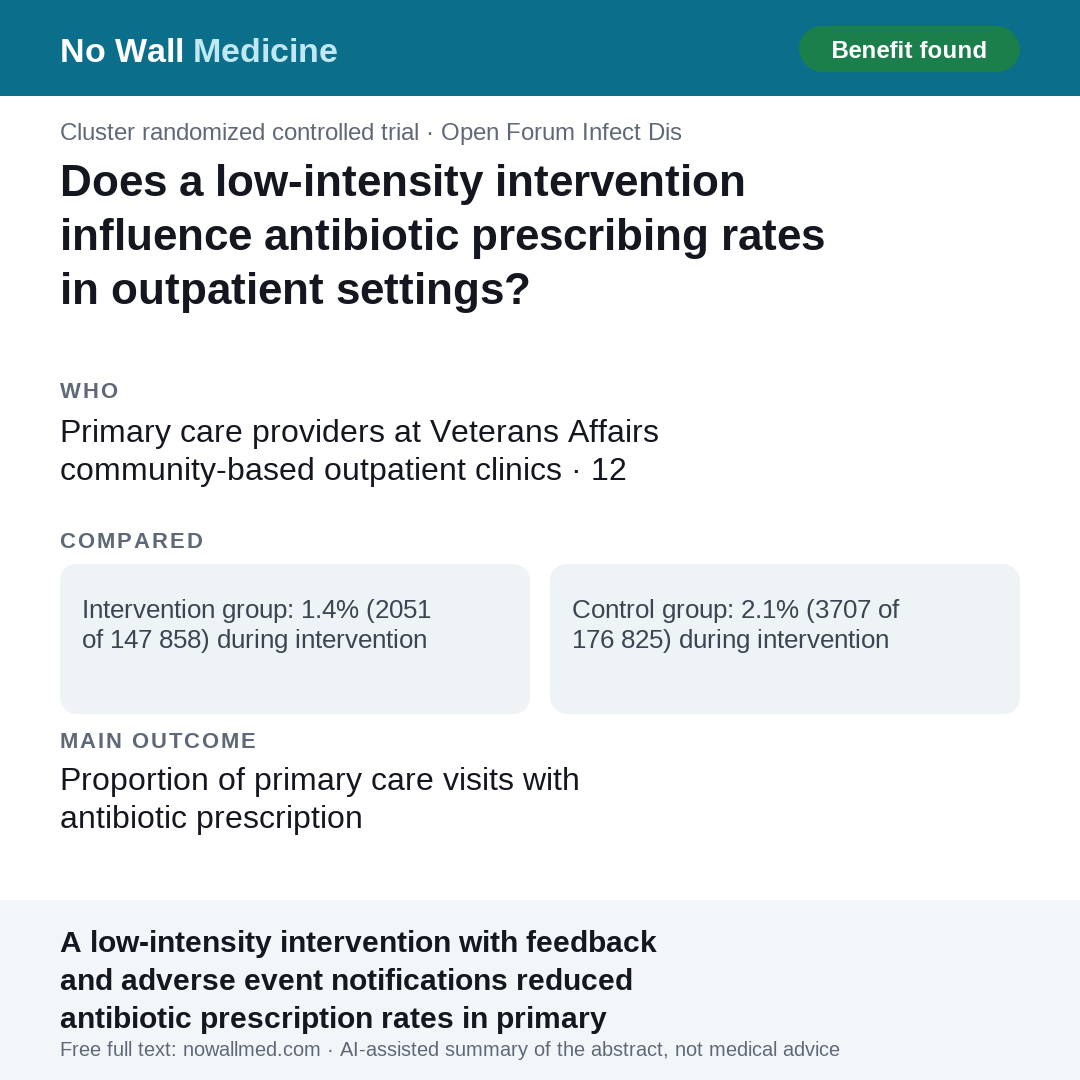
Feasibility of a Low-Intensity Intervention to Influence Antibiotic Prescribing Rates Use in Outpatient Settings: A Cluster Randomized Controlled Clinical Trial
Cluster randomized controlled trialBenefit found
Does a low-intensity intervention influence antibiotic prescribing rates in outpatient settings?
Who
Primary care providers at Veterans Affairs community-based outpatient clinics · 12 Veterans Affairs community-based outpatient clinics
Compared
Intervention group: 1.4% (2051 of 147 858) during intervention
Control group: 2.1% (3707 of 176 825) during intervention
Main outcome
Proportion of primary care visits with antibiotic prescription
Result: odds ratio 1.30 (95% CI 1.04-1.62)
Bottom line: A low-intensity intervention with feedback and adverse event notifications reduced antibiotic prescription rates in primary care.
Open Forum Infect Dis · 2024-12-16Download image
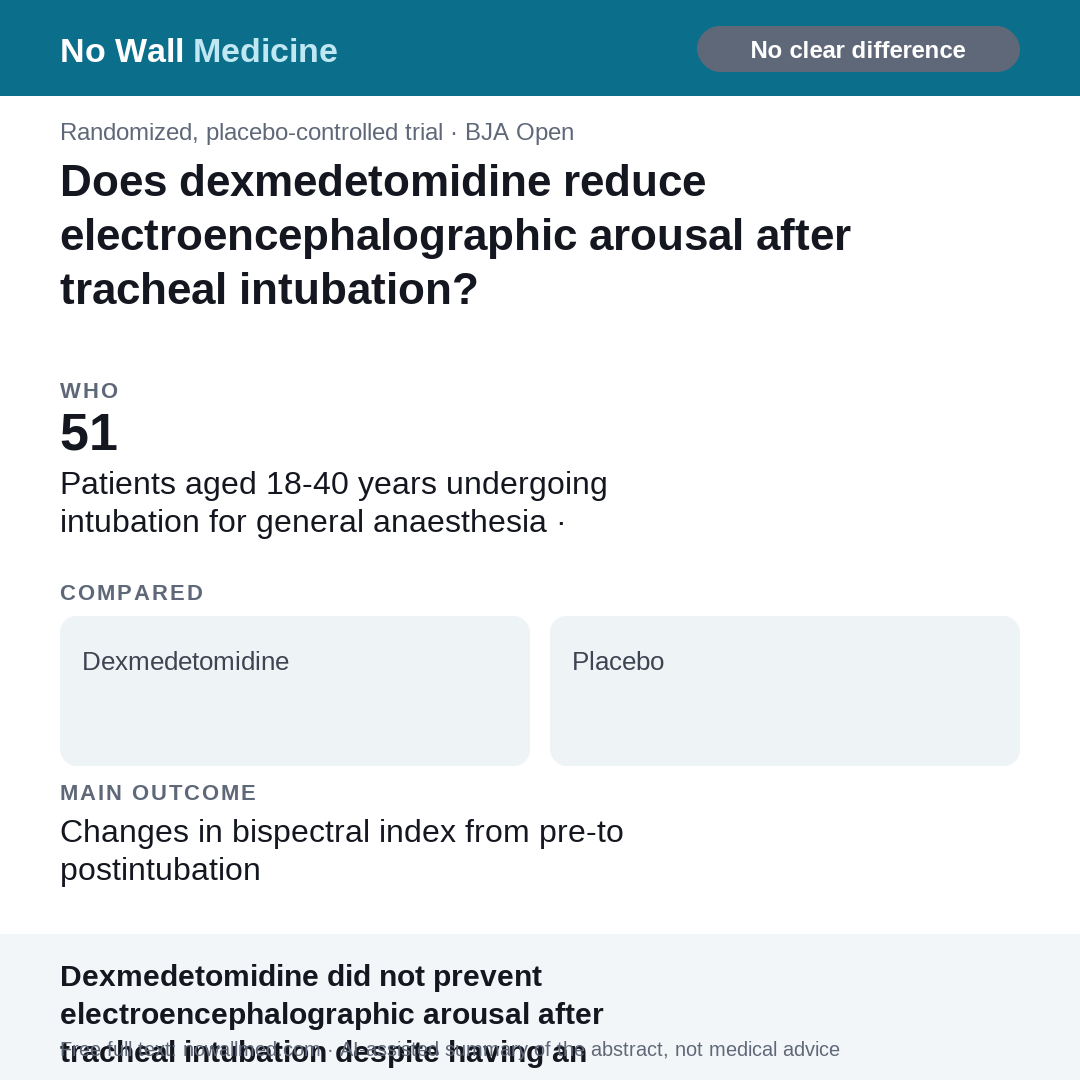
Noradrenergic suppression to reduce electroencephalographic arousal after intubation: a randomised, placebo-controlled trial
Randomized, placebo-controlled trialNo clear difference
Does dexmedetomidine reduce electroencephalographic arousal after tracheal intubation?
Who
51
Patients aged 18-40 years undergoing intubation for general anaesthesia · Single-site
Compared
Dexmedetomidine
Placebo
Main outcome
Changes in bispectral index from pre-to postintubation
Result: mean difference -1.13 (95% CI -4.87 to 2.62)
Bottom line: Dexmedetomidine did not prevent electroencephalographic arousal after tracheal intubation despite having an anaesthetic-sparing effect.
BJA Open · 2024-12-16Download image
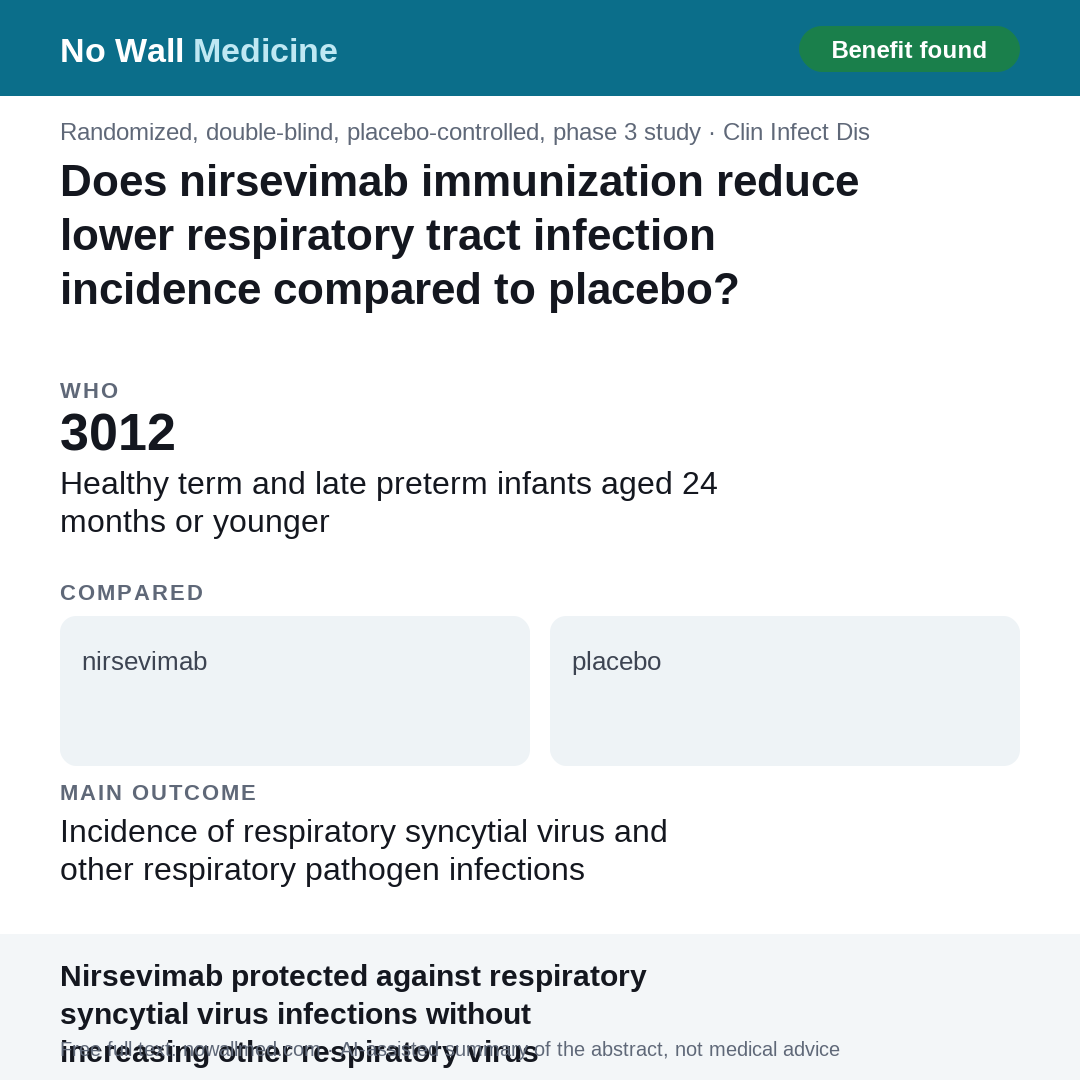
Lower Respiratory Tract Infections Following Respiratory Syncytial Virus Monoclonal Antibody Nirsevimab Immunization Versus Placebo: Analysis From a Phase 3 Randomized Clinical Trial (MELODY)
Randomized, double-blind, placebo-controlled, phase 3 studyBenefit found
Does nirsevimab immunization reduce lower respiratory tract infection incidence compared to placebo?
Who
3012
Healthy term and late preterm infants aged 24 months or younger
Compared
nirsevimab
placebo
Main outcome
Incidence of respiratory syncytial virus and other respiratory pathogen infections
Bottom line: Nirsevimab protected against respiratory syncytial virus infections without increasing other respiratory virus infections.
Clin Infect Dis · 2024-12-15Download image
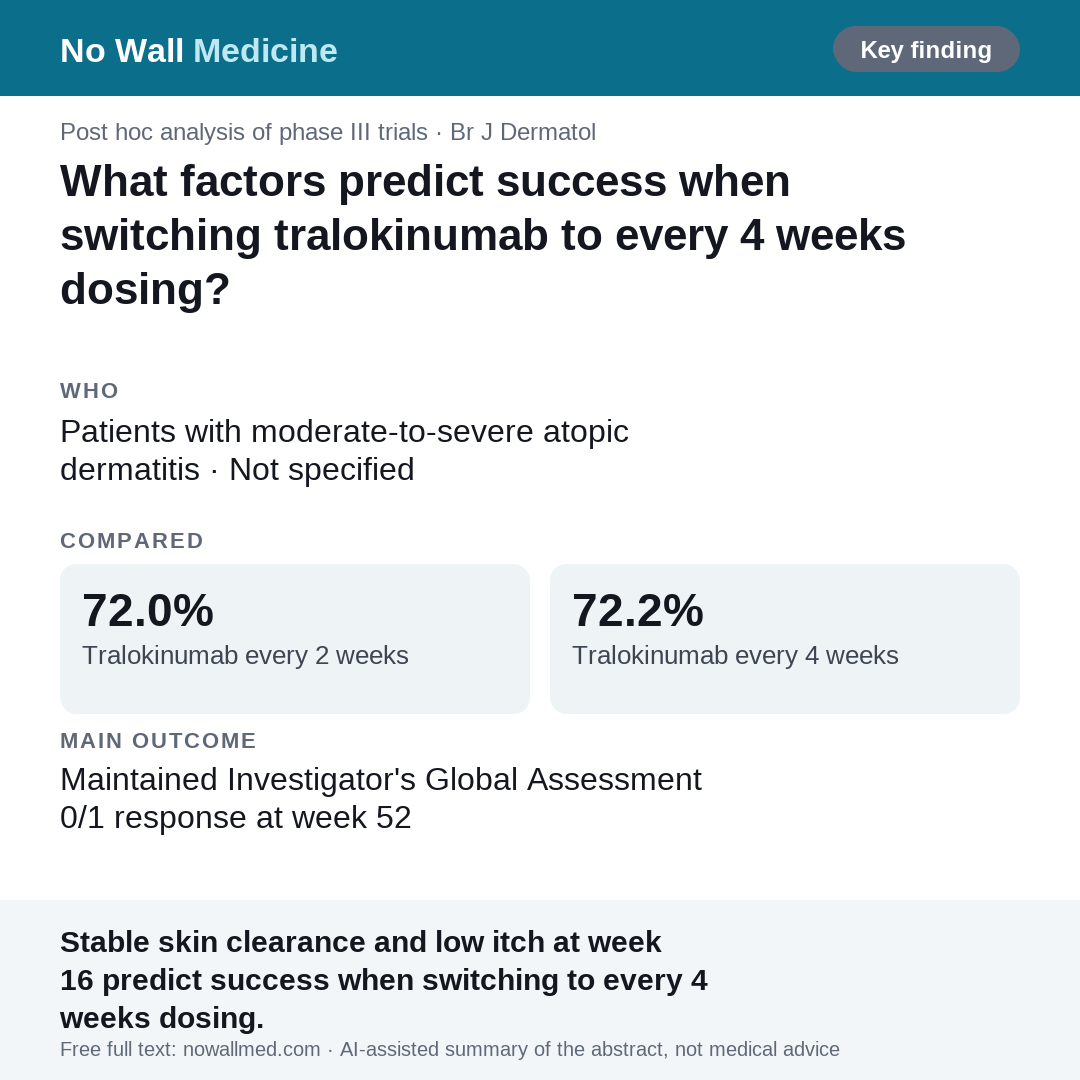
Predicting success with reduced dosing frequency of tralokinumab in patients with moderate-to-severe atopic dermatitis
Post hoc analysis of phase III trialsKey finding
What factors predict success when switching tralokinumab to every 4 weeks dosing?
Who
Patients with moderate-to-severe atopic dermatitis · Not specified
Compared
72.0%Tralokinumab every 2 weeks
72.2%Tralokinumab every 4 weeks
Main outcome
Maintained Investigator's Global Assessment 0/1 response at week 52
Bottom line: Stable skin clearance and low itch at week 16 predict success when switching to every 4 weeks dosing.
Br J Dermatol · 2024-12-15Download image