Visual abstracts
New randomized trials and meta-analyses from leading journals at a glance: who was studied, what was compared, and what was found. Every paper is free to read in full.
All specialtiesCardiology 4763Oncology 4042Gastroenterology & Hepatology 1902Infectious Disease 3756Neurology 1872Psychiatry & Mental Health 2214Pulmonology 2042Critical Care 1319Endocrinology & Diabetes 2544Pediatrics 2889Surgery 2479Orthopedics & Sports Medicine 917Neurosurgery 525Cardiothoracic & Vascular Surgery 656Plastic & Reconstructive Surgery 574Nephrology 1107Rheumatology 810Hematology 1090Dermatology 611Ophthalmology 532Obstetrics & Gynecology 1645Public & Global Health 1037Radiology & Imaging 617Anesthesiology 957Urology 745ENT (Otolaryngology) 494Emergency Medicine 481Allergy & Immunology 309Geriatrics 972Family Medicine & Primary Care 533Medical Genetics & Genomics 659Pathology & Laboratory Medicine 156Physical Medicine & Rehabilitation 734Palliative Care 421Nutrition 1560Digital Health & AI 2133General Medicine 318
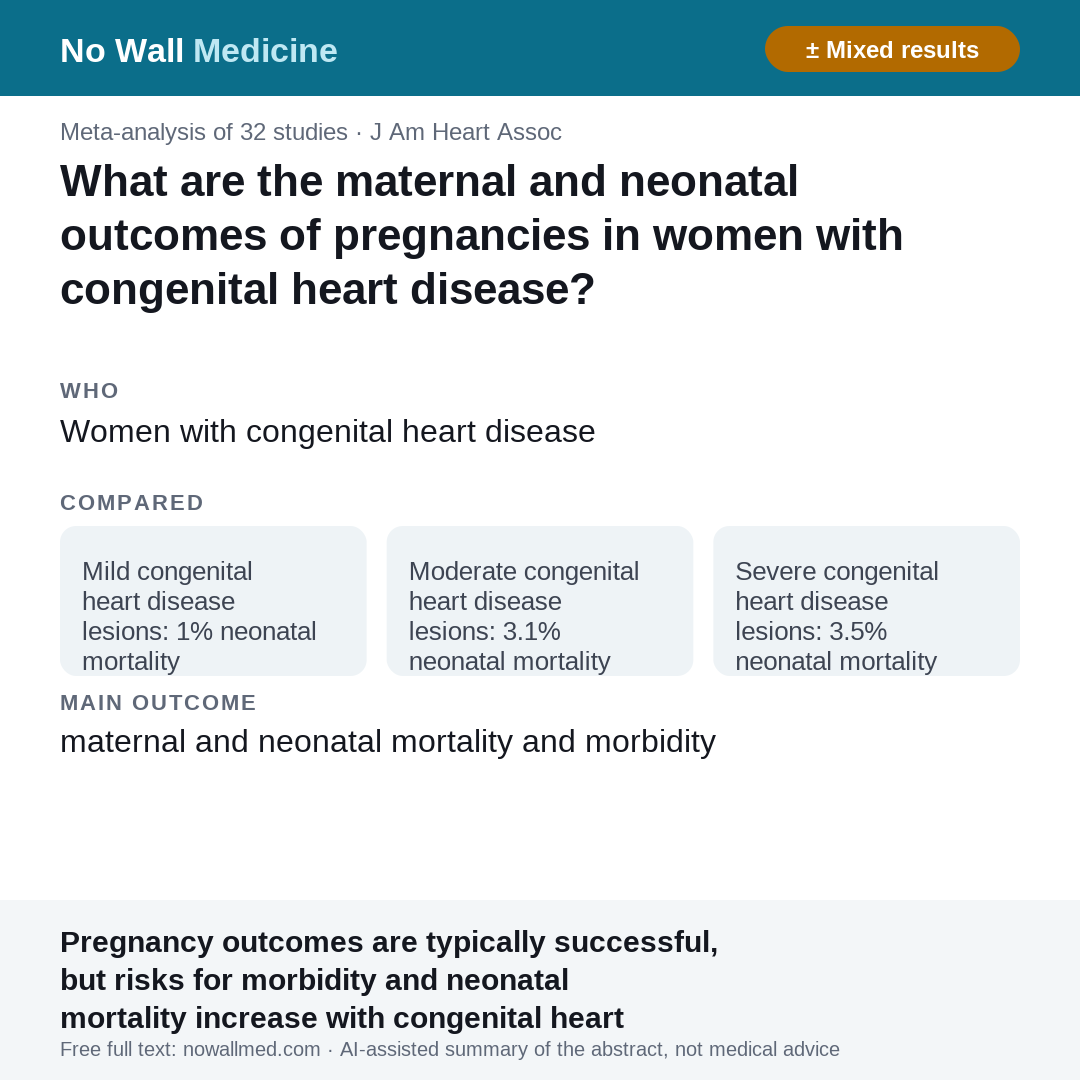
Maternal and Neonatal Outcomes of Pregnancies in Women With Congenital Heart Disease: A Meta-Analysis
Meta-analysis of 32 studiesMixed results
What are the maternal and neonatal outcomes of pregnancies in women with congenital heart disease?
Who
Women with congenital heart disease
Compared
Mild congenital heart disease lesions: 1% neonatal mortality
Moderate congenital heart disease lesions: 3.1% neonatal mortality
Severe congenital heart disease lesions: 3.5% neonatal mortality
Main outcome
maternal and neonatal mortality and morbidity
Bottom line: Pregnancy outcomes are typically successful, but risks for morbidity and neonatal mortality increase with congenital heart disease severity.
Limitation: There were too few maternal deaths in any group to pool data.
J Am Heart Assoc · 2021-04-06Download image
Association of Umbilical Cord Management Strategies With Outcomes of Preterm Infants: A Systematic Review and Network Meta-analysis
Systematic review and network meta-analysisBenefit found
Which umbilical cord management strategy is best for preventing preterm infant mortality and morbidities?
Who
6852
Preterm infants
Compared
Immediate umbilical cord clamping
Delayed umbilical cord clamping: 7.6% vs 5.0%
Umbilical cord milking
Main outcome
Predischarge mortality
Result: odds ratio 0.64 (95% credible interval 0.39 to 0.99)
Bottom line: Delayed umbilical cord clamping reduces mortality, intraventricular hemorrhage, and transfusion needs compared to immediate clamping in preterm infants.
JAMA Pediatr · 2021-04-05Download image

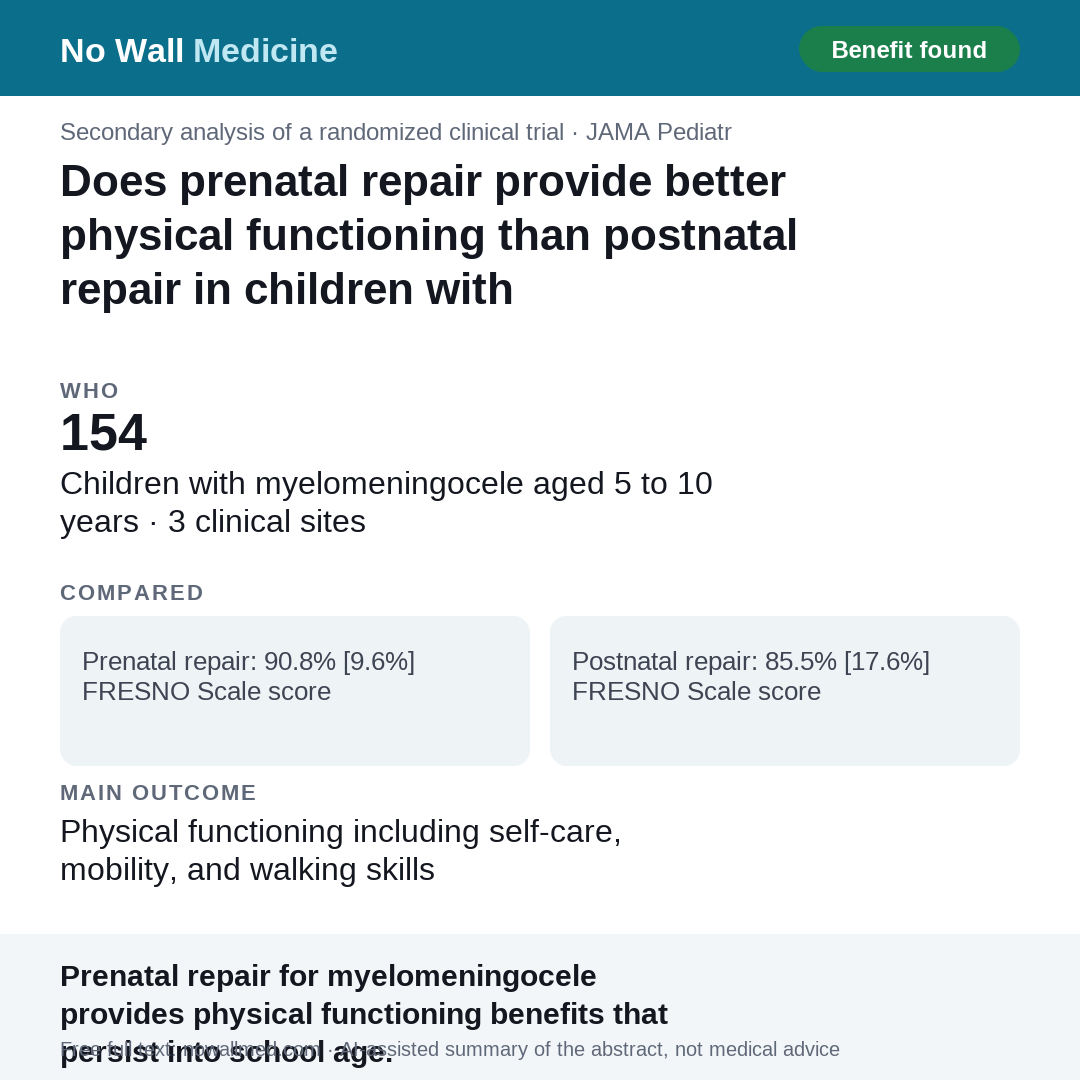
Prenatal Repair and Physical Functioning Among Children With Myelomeningocele: A Secondary Analysis of a Randomized Clinical Trial
Secondary analysis of a randomized clinical trialBenefit found
Does prenatal repair provide better physical functioning than postnatal repair in children with myelomeningocele?
Who
154
Children with myelomeningocele aged 5 to 10 years · 3 clinical sites
Compared
Prenatal repair: 90.8% [9.6%] FRESNO Scale score
Postnatal repair: 85.5% [17.6%] FRESNO Scale score
Main outcome
Physical functioning including self-care, mobility, and walking skills
Result: adjusted relative risk 1.70 (95% CI, 1.23-2.34) for community ambulation
Bottom line: Prenatal repair for myelomeningocele provides physical functioning benefits that persist into school age.
JAMA Pediatr · 2021-04-05Download image
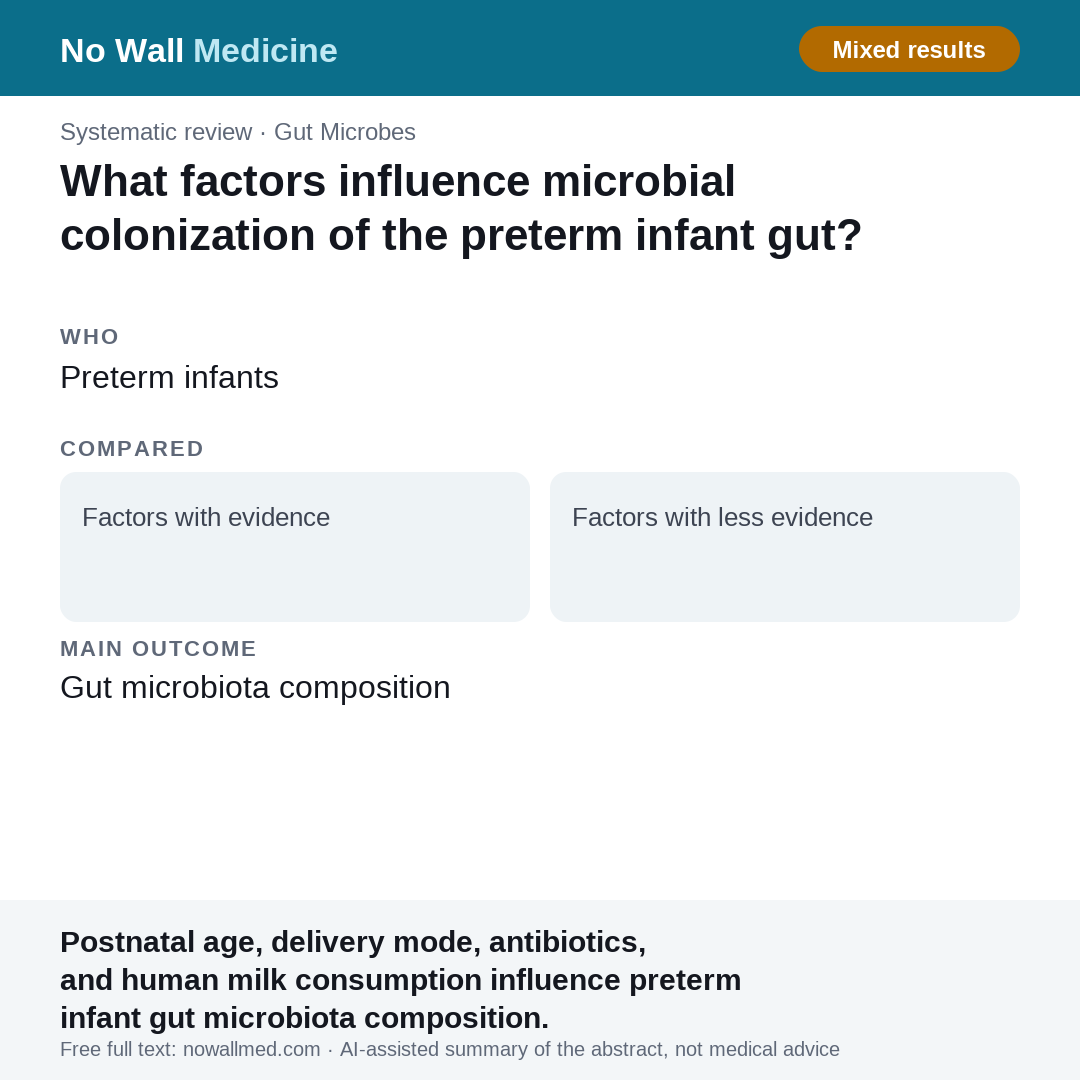
A systematic review of the factors influencing microbial colonization of the preterm infant gut
Systematic reviewMixed results
What factors influence microbial colonization of the preterm infant gut?
Who
Preterm infants
Compared
Factors with evidence
Factors with less evidence
Main outcome
Gut microbiota composition
Bottom line: Postnatal age, delivery mode, antibiotics, and human milk consumption influence preterm infant gut microbiota composition.
Gut Microbes · 2021-04-05Download image
Optimal initial antibiotic regimen for the treatment of acute appendicitis: a systematic review and network meta-analysis with surgical intervention as the common comparator
Network meta-analysis of randomized controlled trials and observational studiesMixed results
What is the optimal initial antibiotic regimen for treating acute appendicitis?
Who
4551
Adult and paediatric patients with acute appendicitis
Compared
Surgery
Cephalosporins
Beta-lactam/beta-lactamase inhibitor combination
Carbapenems
Main outcome
1 year treatment success and treatment-related complications
Result: OR: 3.50, 95% credible interval: 0.55-38.63
Bottom line: Carbapenems may be recommended for non-operative management due to fewer complications compared to surgery.
J Antimicrob Chemother · 2021-04-02Download image

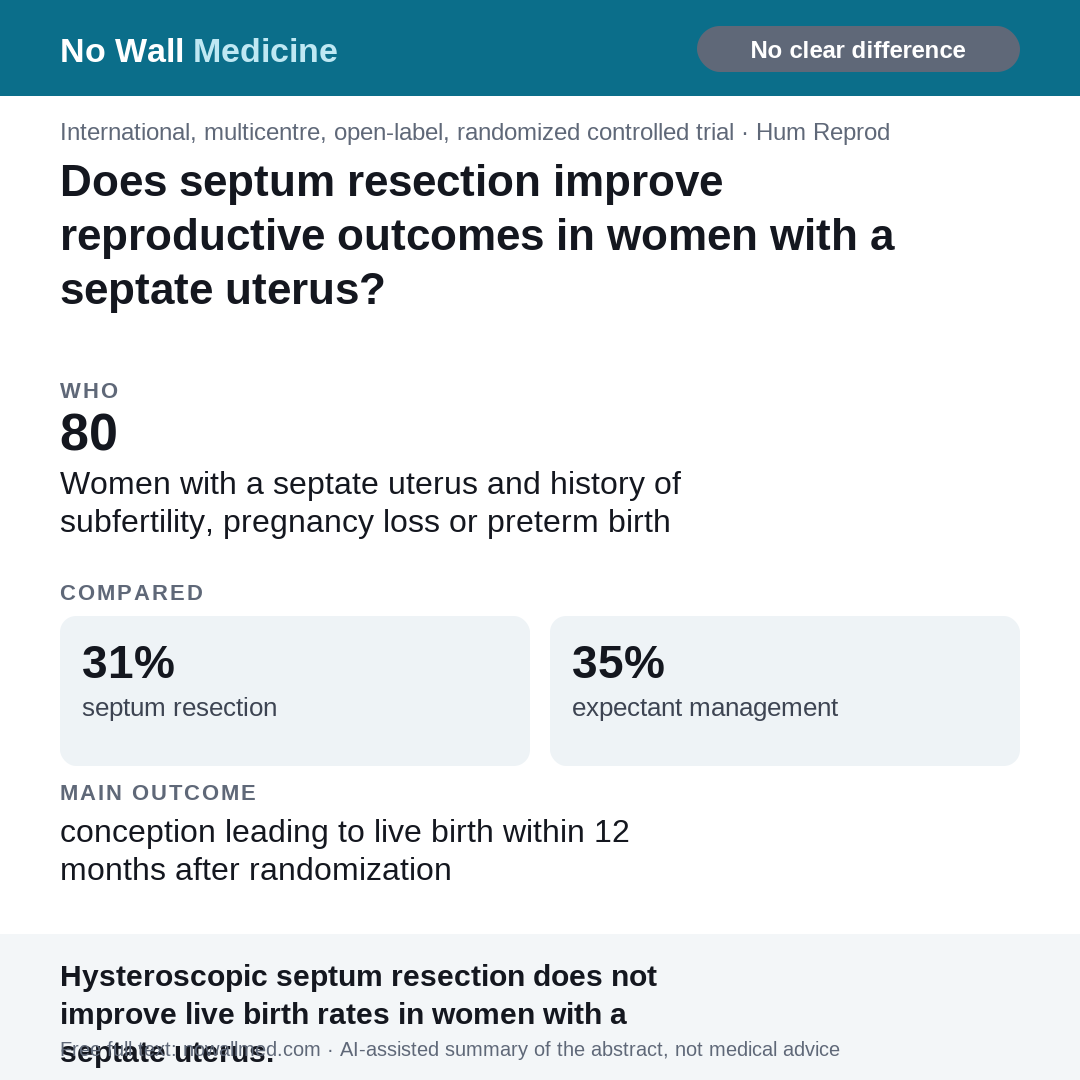
Septum resection versus expectant management in women with a septate uterus: an international multicentre open-label randomized controlled trial
International, multicentre, open-label, randomized controlled trialNo clear difference
Does septum resection improve reproductive outcomes in women with a septate uterus?
Who
80
Women with a septate uterus and history of subfertility, pregnancy loss or preterm birth · 10 centres in The Netherlands, UK, USA and Iran
Compared
31%septum resection
35%expectant management
Main outcome
conception leading to live birth within 12 months after randomization
Result: relative risk 0.88 (95% CI 0.47 to 1.65)
Bottom line: Hysteroscopic septum resection does not improve live birth rates in women with a septate uterus.
Limitation: the sample size was still limited and recruitment took a long period
Hum Reprod · 2021-04-02Download image
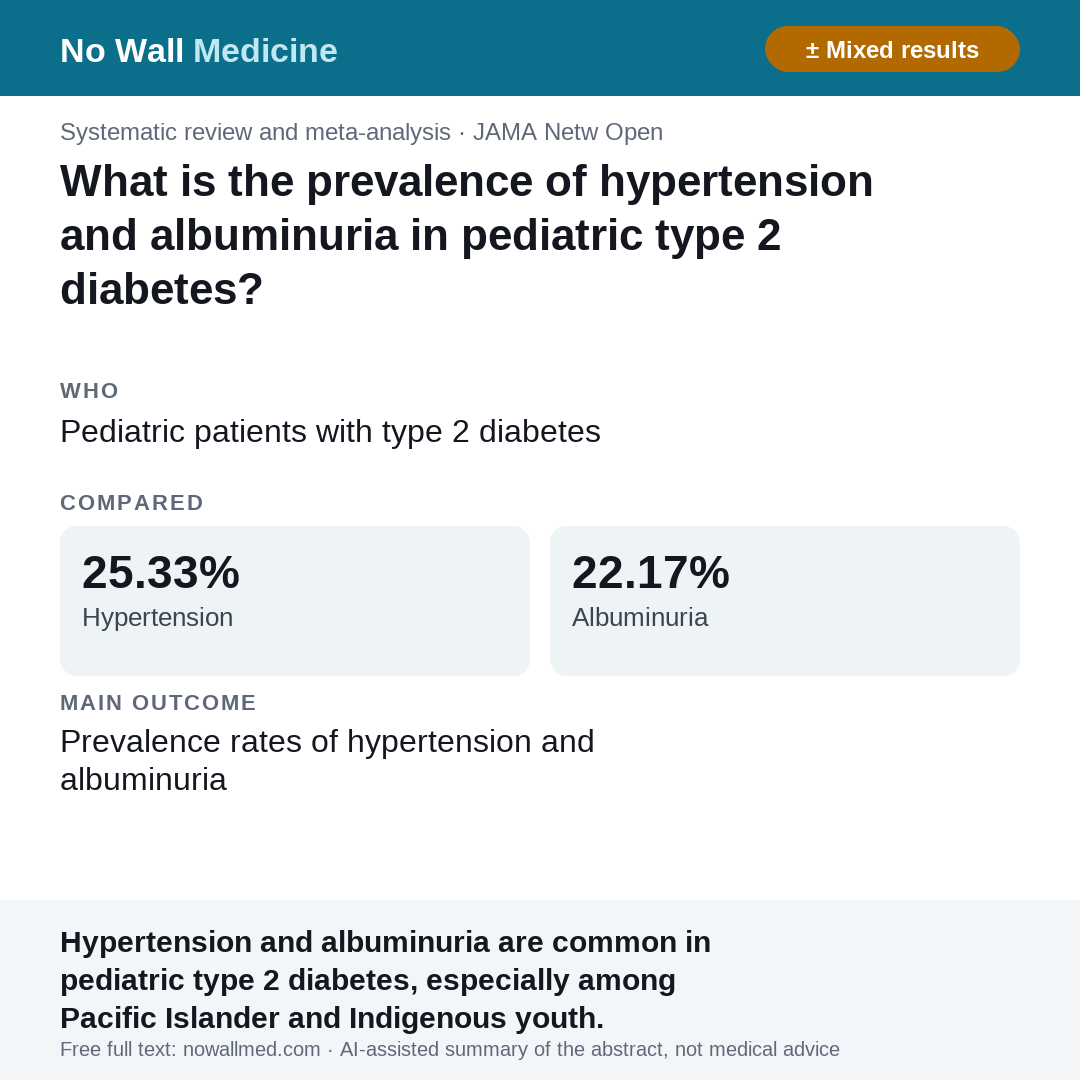
Prevalence of Hypertension and Albuminuria in Pediatric Type 2 Diabetes: A Systematic Review and Meta-analysis
Systematic review and meta-analysisMixed results
What is the prevalence of hypertension and albuminuria in pediatric type 2 diabetes?
Who
Pediatric patients with type 2 diabetes
Compared
25.33%Hypertension (95% CI, 19.57%-31.53%)
22.17%Albuminuria (95% CI, 17.34%-27.38%)
Main outcome
Prevalence rates of hypertension and albuminuria
Bottom line: Hypertension and albuminuria are common in pediatric type 2 diabetes, especially among Pacific Islander and Indigenous youth.
Limitation: Heterogeneity was high among studies
JAMA Netw Open · 2021-04-01Download image
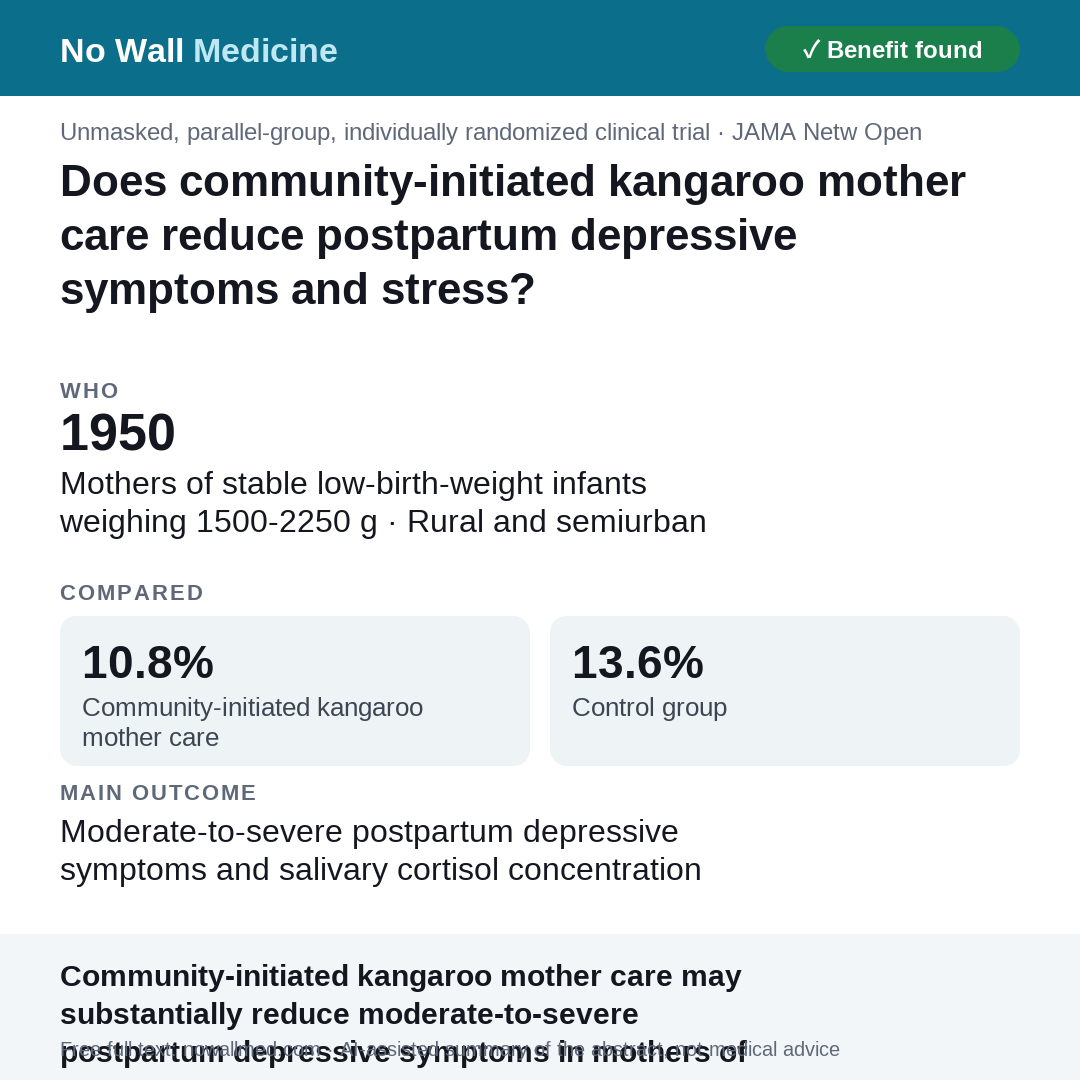
Effect of Community-Initiated Kangaroo Mother Care on Postpartum Depressive Symptoms and Stress Among Mothers of Low-Birth-Weight Infants: A Randomized Clinical Trial
Unmasked, parallel-group, individually randomized clinical trialBenefit found
Does community-initiated kangaroo mother care reduce postpartum depressive symptoms and stress?
Who
1950
Mothers of stable low-birth-weight infants weighing 1500-2250 g · Rural and semiurban low-income populations in North India
Compared
10.8%Community-initiated kangaroo mother care (105/974)
13.6%Control group (116/852)
Main outcome
Moderate-to-severe postpartum depressive symptoms and salivary cortisol concentration
Result: adjusted relative risk 0.75 (95% CI, 0.59-0.96)
Bottom line: Community-initiated kangaroo mother care may substantially reduce moderate-to-severe postpartum depressive symptoms in mothers of low-birth-weight infants.
JAMA Netw Open · 2021-04-01Download image
Comparative Efficacy and Acceptability of Psychotherapies for Self-harm and Suicidal Behavior Among Children and Adolescents: A Systematic Review and Network Meta-analysis
Systematic review and network meta-analysisMixed results
What is the comparative efficacy of psychotherapies for self-harm and suicidality in children and adolescents?
Who
5406
Children and adolescents with self-harm and suicidal behavior
Compared
Dialectical behavioral therapies: OR 0.28 (95% CI 0.12-0.64) for self-harm
Mentalization-based therapies: OR 0.38 (95% CI 0.15-0.97) for self-harm
Control conditions
Main outcome
Dichotomized self-harm and suicidal ideation
Bottom line: Some psychotherapies reduce self-harm and suicidal ideation, but high risk of bias prevents consistent comparative estimates.
Limitation: High risk of bias, heterogeneity, publication bias, inconsistency, and imprecision.
JAMA Netw Open · 2021-04-01Download image

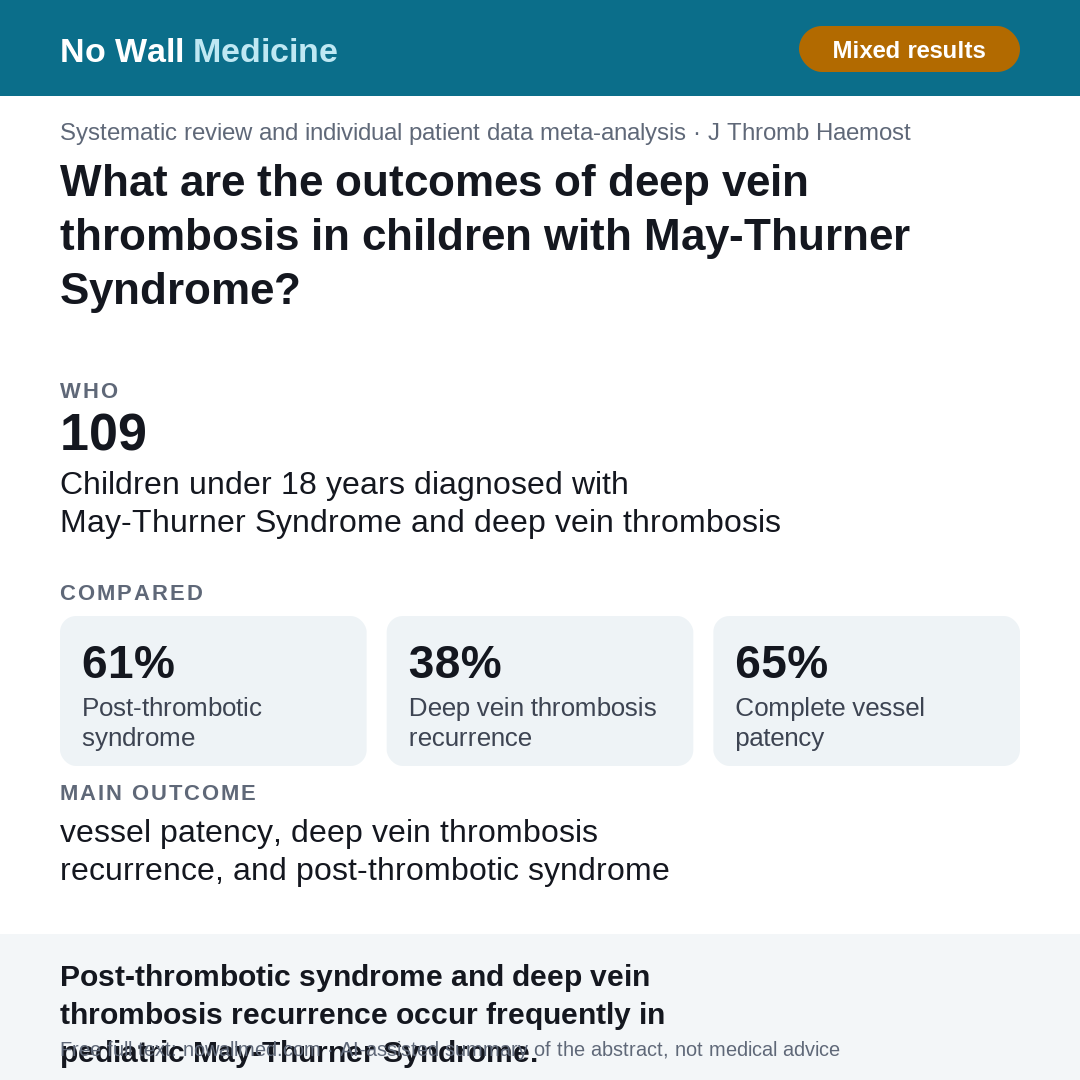
Pediatric May-Thurner Syndrome-Systematic review and individual patient data meta-analysis
Systematic review and individual patient data meta-analysisMixed results
What are the outcomes of deep vein thrombosis in children with May-Thurner Syndrome?
Who
109
Children under 18 years diagnosed with May-Thurner Syndrome and deep vein thrombosis
Compared
61%Post-thrombotic syndrome
38%Deep vein thrombosis recurrence
65%Complete vessel patency post-treatment
Main outcome
vessel patency, deep vein thrombosis recurrence, and post-thrombotic syndrome
Bottom line: Post-thrombotic syndrome and deep vein thrombosis recurrence occur frequently in pediatric May-Thurner Syndrome.
Limitation: The models developed to predict and explain post-thrombotic syndrome performed poorly overall.
J Thromb Haemost · 2021-04-01Download image
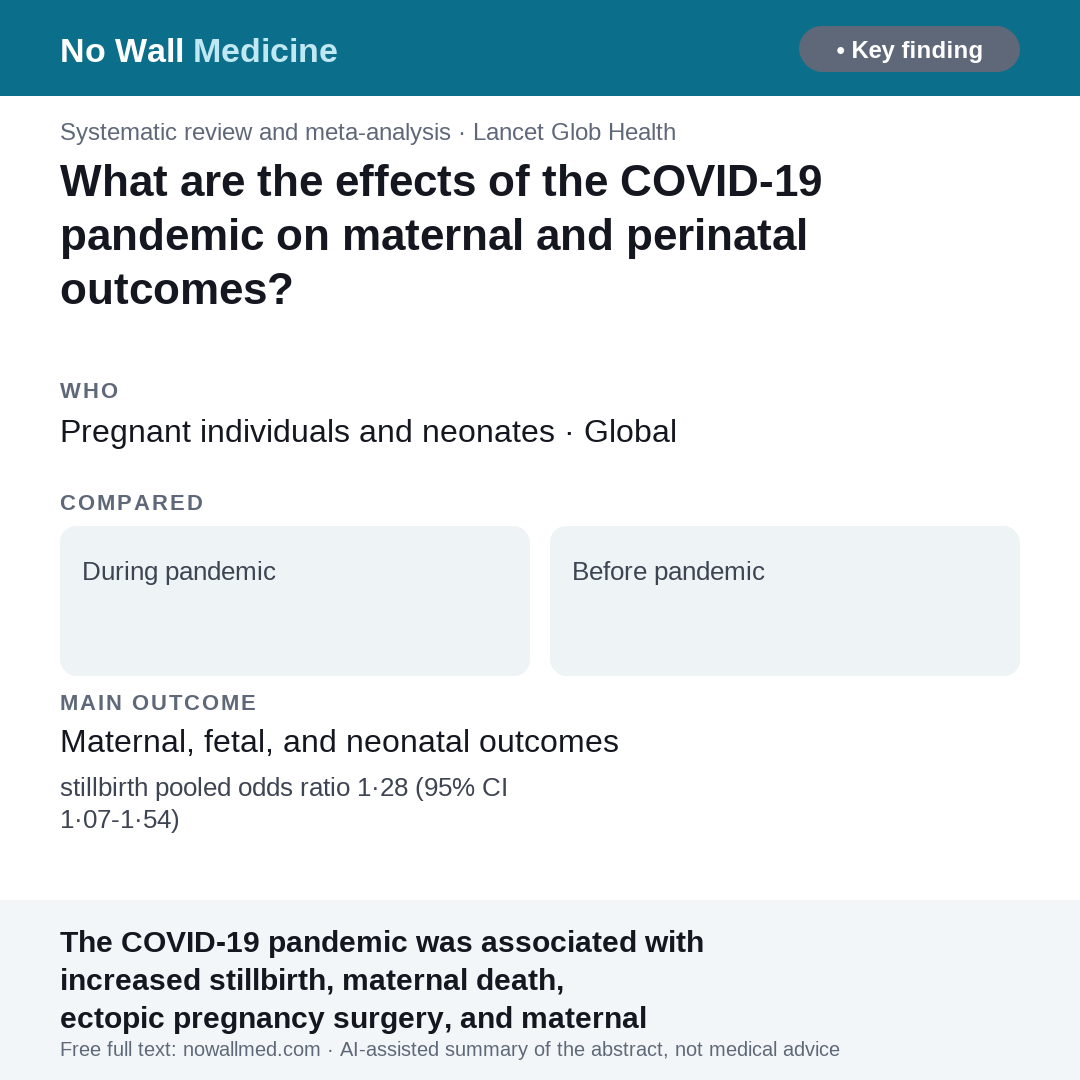
Effects of the COVID-19 pandemic on maternal and perinatal outcomes: a systematic review and meta-analysis
Systematic review and meta-analysisKey finding
What are the effects of the COVID-19 pandemic on maternal and perinatal outcomes?
Who
Pregnant individuals and neonates · Global
Compared
During pandemic
Before pandemic
Main outcome
Maternal, fetal, and neonatal outcomes
Result: stillbirth pooled odds ratio 1·28 (95% CI 1·07-1·54)
Bottom line: The COVID-19 pandemic was associated with increased stillbirth, maternal death, ectopic pregnancy surgery, and maternal depression.
Lancet Glob Health · 2021-03-31Download image
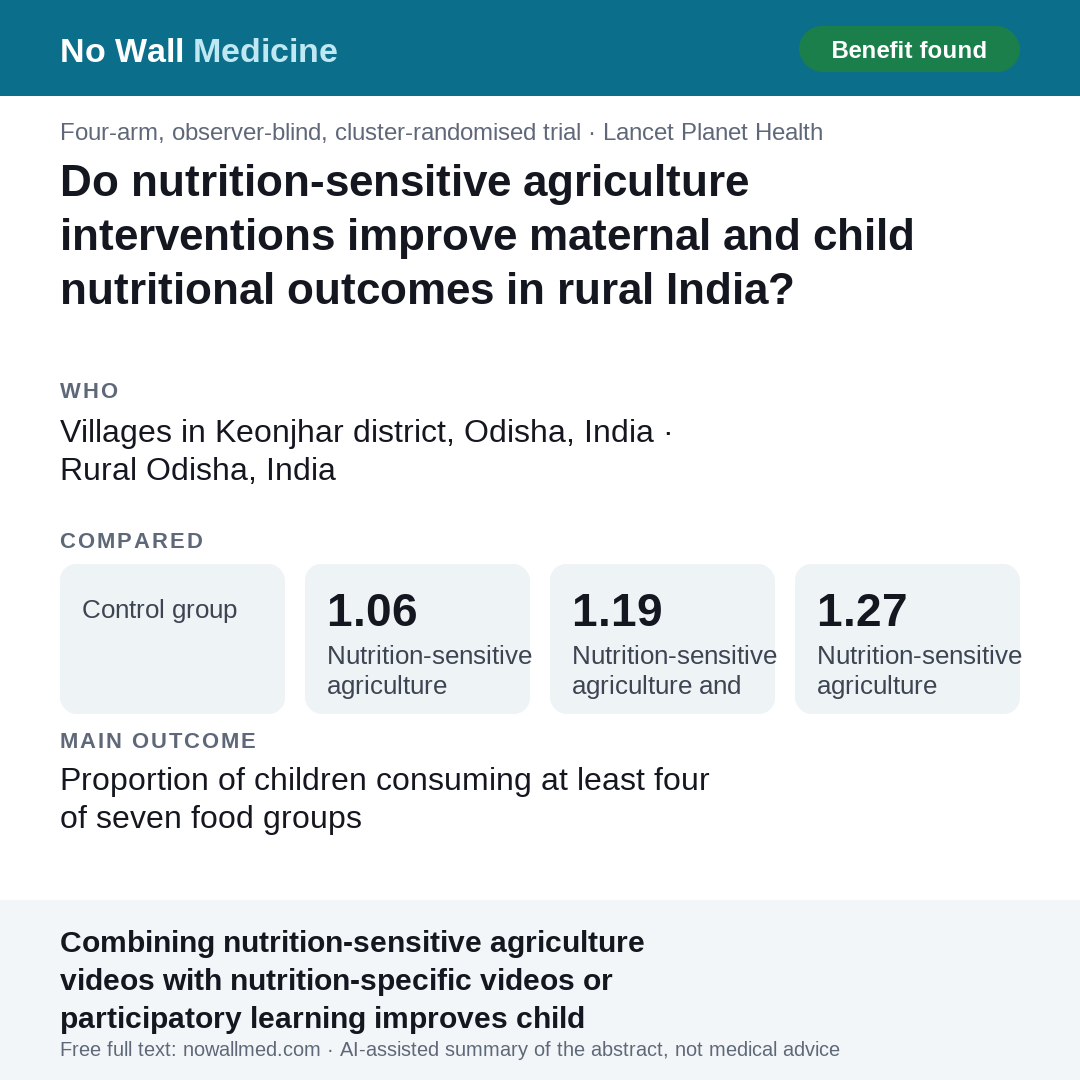
Effect of nutrition-sensitive agriculture interventions with participatory videos and women's group meetings on maternal and child nutritional outcomes in rural Odisha, India (UPAVAN trial): a four-arm, observer-blind, cluster-randomised controlled trial
Four-arm, observer-blind, cluster-randomised trialBenefit found
Do nutrition-sensitive agriculture interventions improve maternal and child nutritional outcomes in rural India?
Who
Villages in Keonjhar district, Odisha, India · Rural Odisha, India
Compared
Control group
1.06Nutrition-sensitive agriculture videos (95% CI 0.91 to 1.23)
1.19Nutrition-sensitive agriculture and nutrition-specific videos (95% CI 1.03 to 1.37)
1.27Nutrition-sensitive agriculture videos and participatory learning and action (95% CI 1.11 to 1.46)
Main outcome
Proportion of children consuming at least four of seven food groups
Result: adjusted relative risk 1.19 (95% CI 1.03 to 1.37)
Bottom line: Combining nutrition-sensitive agriculture videos with nutrition-specific videos or participatory learning improves child dietary diversity in rural India.
Funded by: Bill & Melinda Gates Foundation, UK AID, USAID
Lancet Planet Health · 2021-03-31Download image
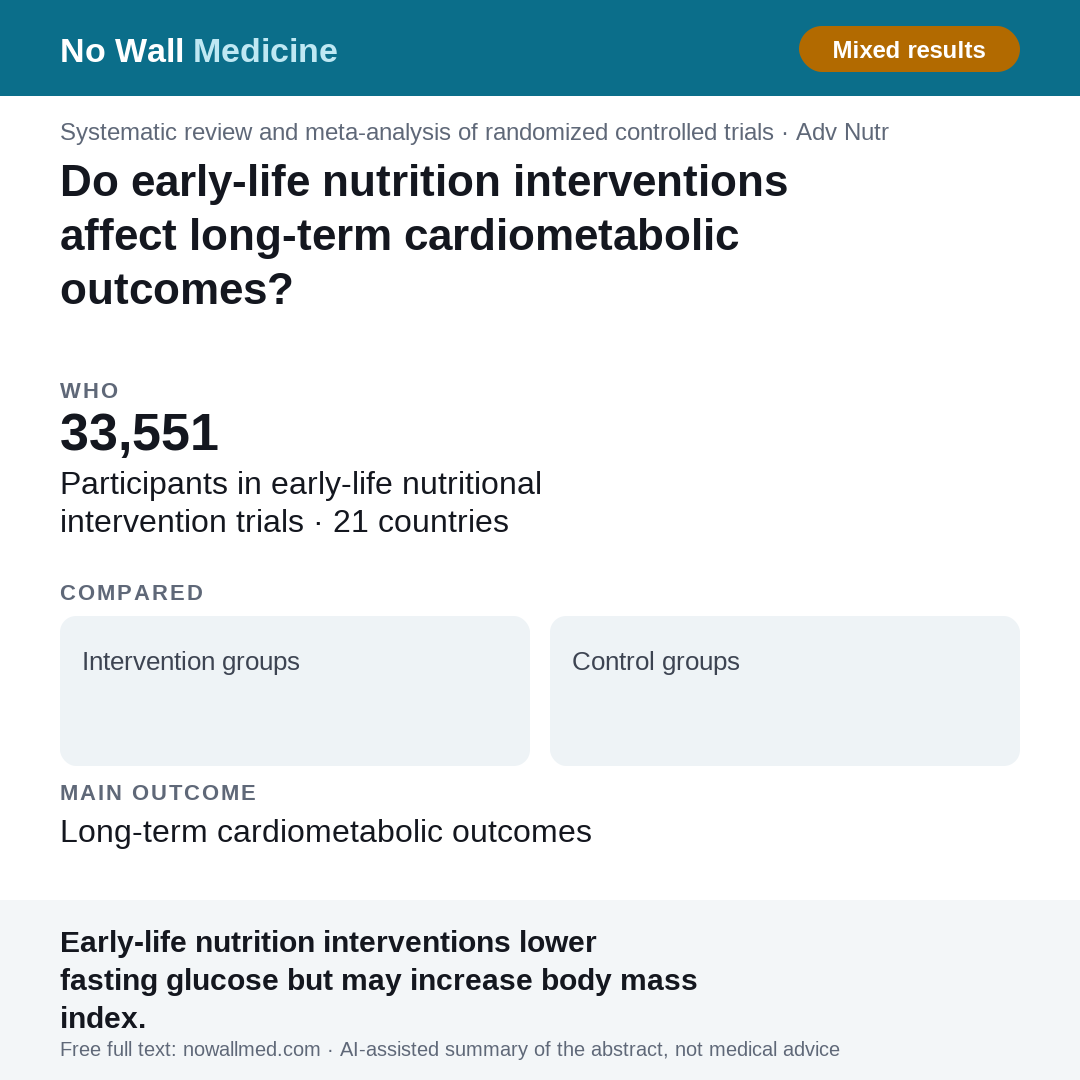
Early-Life Nutrition Interventions and Associated Long-Term Cardiometabolic Outcomes: A Systematic Review and Meta-Analysis of Randomized Controlled Trials
Systematic review and meta-analysis of randomized controlled studiesMixed results
Do early-life nutrition interventions affect long-term cardiometabolic outcomes?
Who
33,551
Participants in early-life nutritional intervention trials · 21 countries
Compared
Intervention groups
Control groups
Main outcome
Long-term cardiometabolic outcomes
Result: fasting glucose concentration 0.04 mmol/L lower (95% CI: -0.05, -0.02 mmol/L)
Bottom line: Early-life nutrition interventions lower fasting glucose but may increase body mass index.
Adv Nutr · 2021-03-31Download image
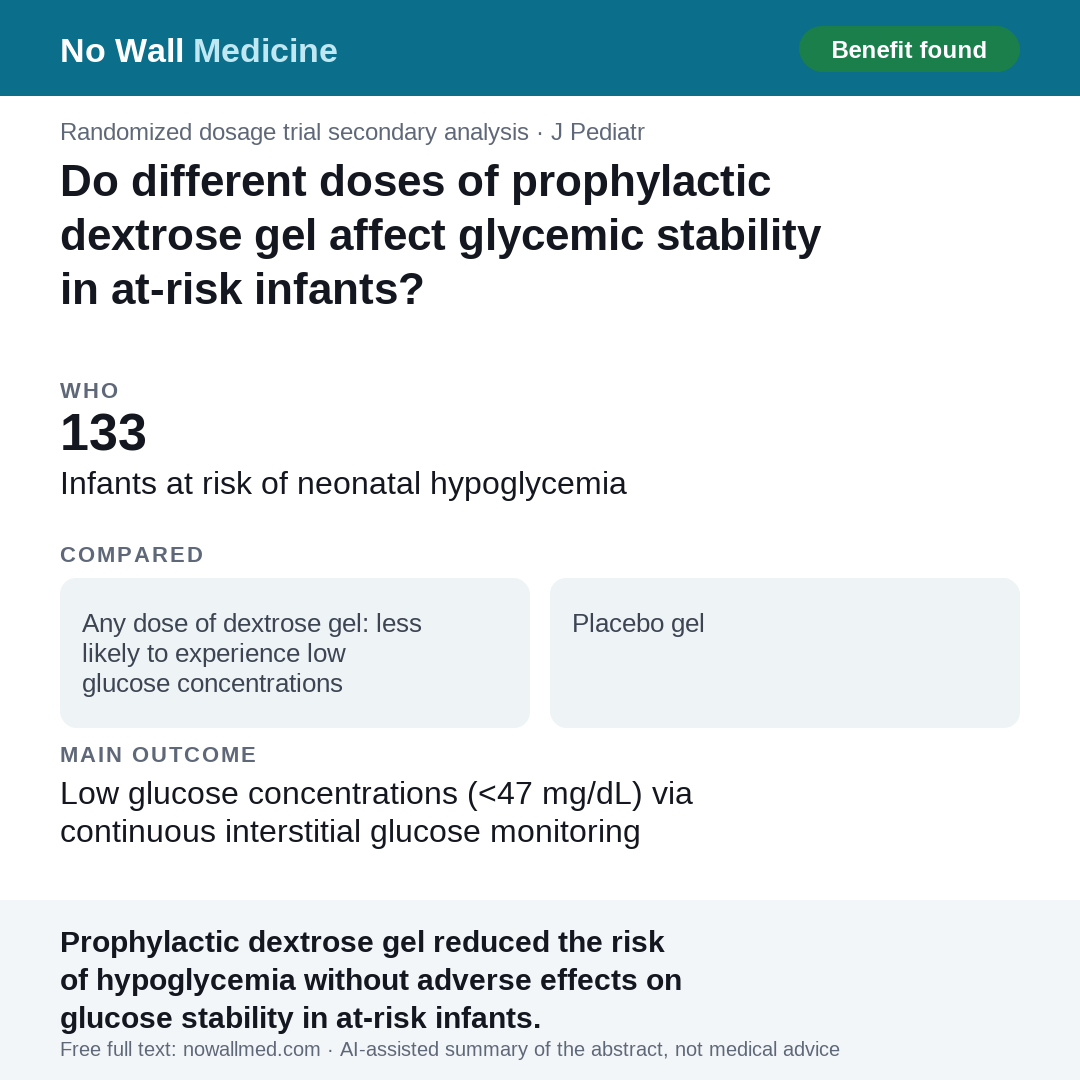
Effect of Prophylactic Dextrose Gel on Continuous Measures of Neonatal Glycemia: Secondary Analysis of the Pre-hPOD Trial
Randomized dosage trial secondary analysisBenefit found
Do different doses of prophylactic dextrose gel affect glycemic stability in at-risk infants?
Who
133
Infants at risk of neonatal hypoglycemia
Compared
Any dose of dextrose gel: less likely to experience low glucose concentrations
Placebo gel
Main outcome
Low glucose concentrations (<47 mg/dL) via continuous interstitial glucose monitoring
Result: relative risk 0.70 (95% CI 0.50-0.10)
Bottom line: Prophylactic dextrose gel reduced the risk of hypoglycemia without adverse effects on glucose stability in at-risk infants.
J Pediatr · 2021-03-30Download image
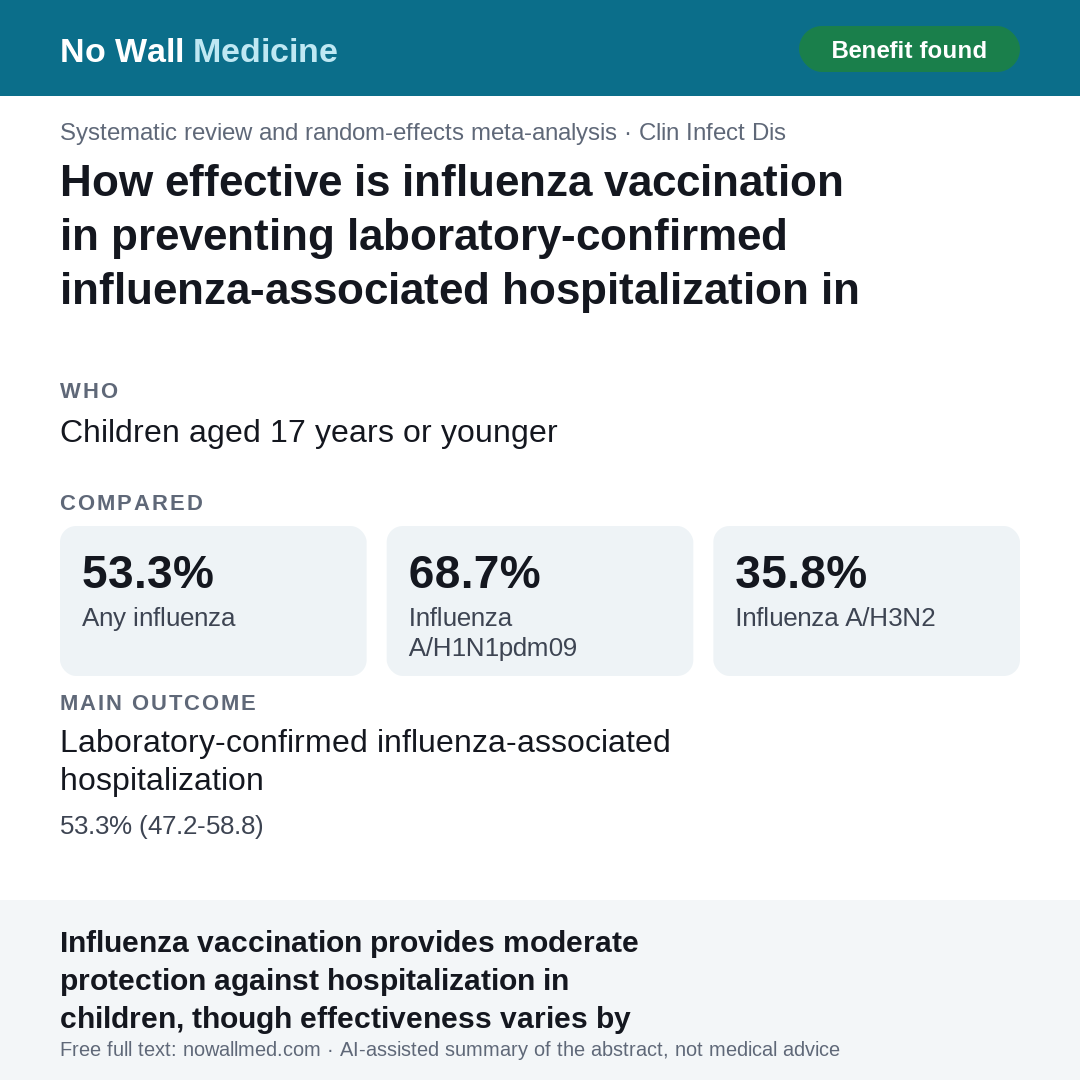
Effectiveness of Influenza Vaccination in Preventing Hospitalization Due to Influenza in Children: A Systematic Review and Meta-analysis
Systematic review and random-effects meta-analysisBenefit found
How effective is influenza vaccination in preventing laboratory-confirmed influenza-associated hospitalization in children?
Who
Children aged 17 years or younger
Compared
53.3%Any influenza (47.2-58.8)
68.7%Influenza A/H1N1pdm09 (56.9-77.2)
35.8%Influenza A/H3N2 (23.4-46.3)
Main outcome
Laboratory-confirmed influenza-associated hospitalization
Result: 53.3% (47.2-58.8)
Bottom line: Influenza vaccination provides moderate protection against hospitalization in children, though effectiveness varies by subtype and vaccine type.
Clin Infect Dis · 2021-03-28Download image
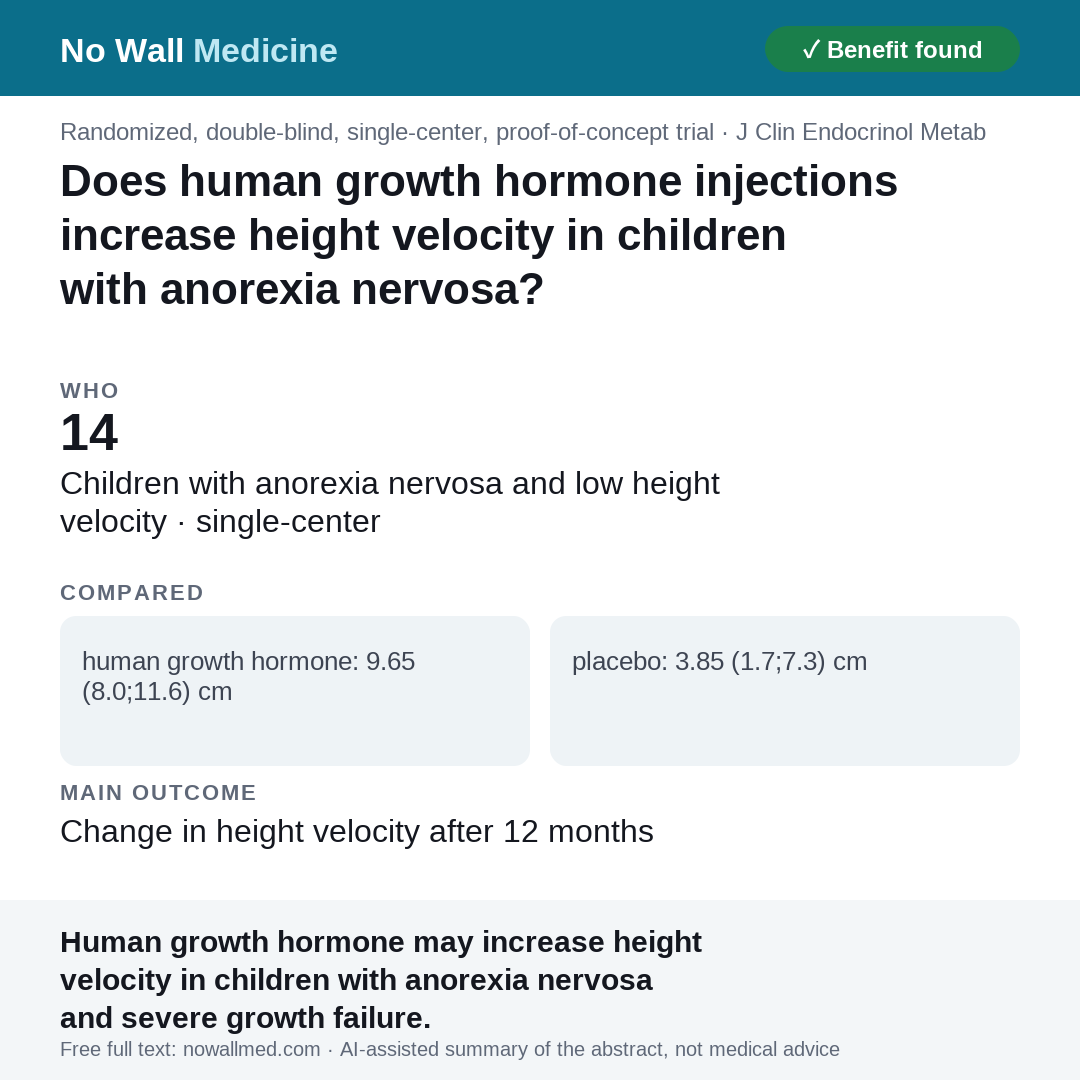
One Year of GH Treatment for Growth Failure in Children With Anorexia Nervosa: A Randomized Placebo-Controlled Trial
Randomized, double-blind, single-center, proof-of-concept trialBenefit found
Does human growth hormone injections increase height velocity in children with anorexia nervosa?
Who
14
Children with anorexia nervosa and low height velocity · single-center
Compared
human growth hormone: 9.65 (8.0;11.6) cm
placebo: 3.85 (1.7;7.3) cm
Main outcome
Change in height velocity after 12 months
Result: absolute median difference 5.8 (-1.85;9.68) cm
Bottom line: Human growth hormone may increase height velocity in children with anorexia nervosa and severe growth failure.
J Clin Endocrinol Metab · 2021-03-28Download image
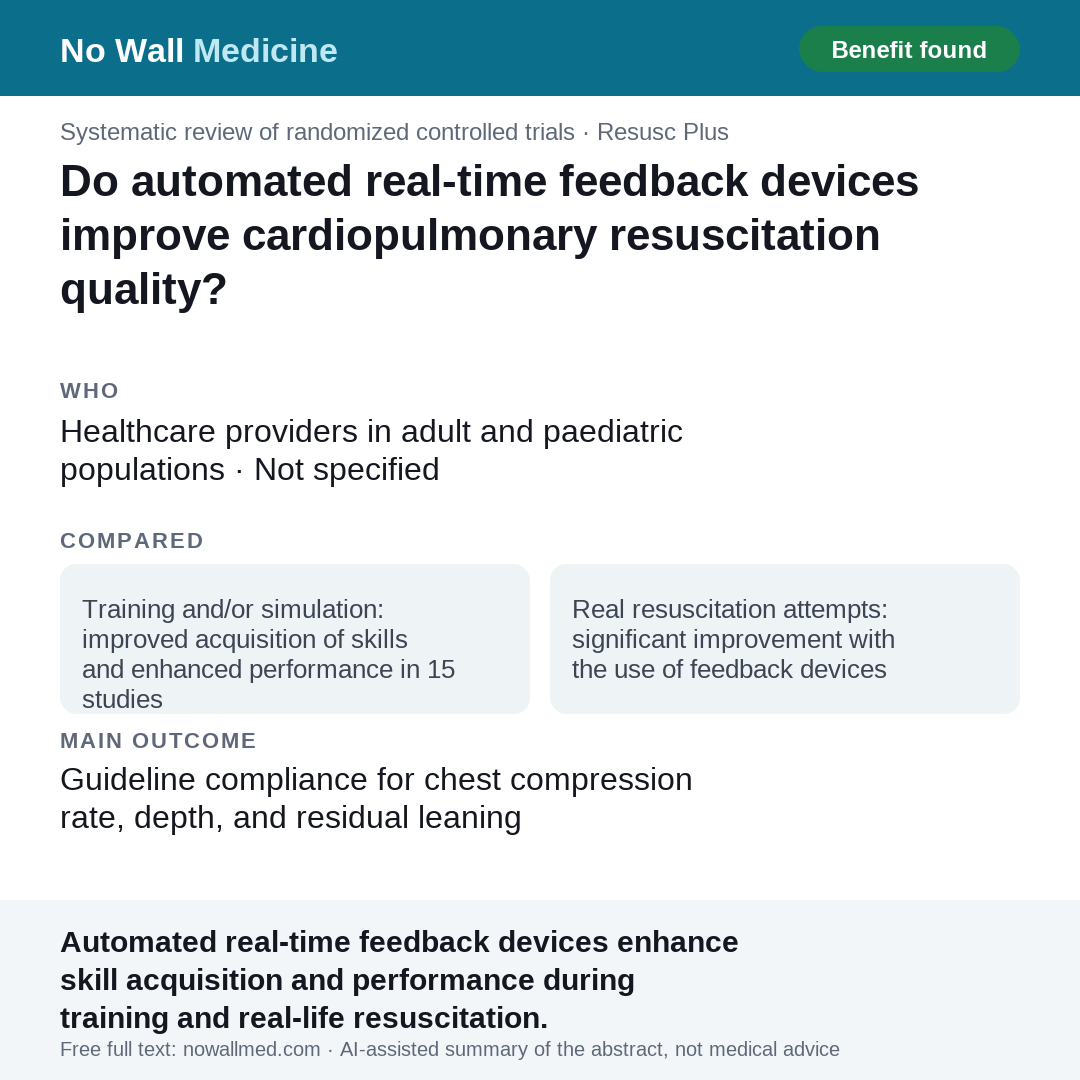
Do automated real-time feedback devices improve CPR quality? A systematic review of literature
Systematic review of randomized controlled trialsBenefit found
Do automated real-time feedback devices improve cardiopulmonary resuscitation quality?
Who
Healthcare providers in adult and paediatric populations · Not specified
Compared
Training and/or simulation: improved acquisition of skills and enhanced performance in 15 studies
Real resuscitation attempts: significant improvement with the use of feedback devices
Main outcome
Guideline compliance for chest compression rate, depth, and residual leaning
Bottom line: Automated real-time feedback devices enhance skill acquisition and performance during training and real-life resuscitation.
Resusc Plus · 2021-03-27Download image
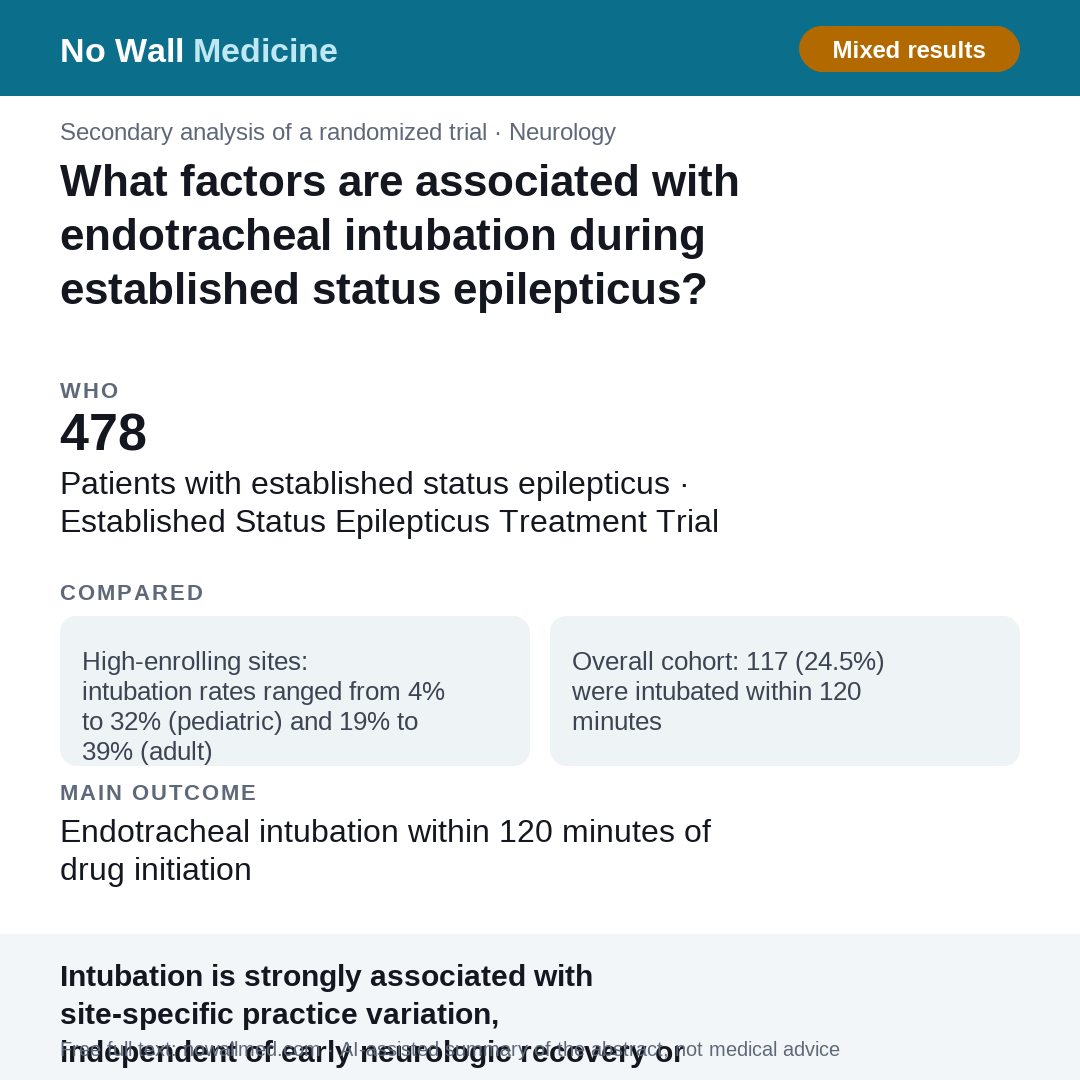
Early Neurologic Recovery, Practice Pattern Variation, and the Risk of Endotracheal Intubation Following Established Status Epilepticus
Secondary analysis of a randomized trialMixed results
What factors are associated with endotracheal intubation during established status epilepticus?
Who
478
Patients with established status epilepticus · Established Status Epilepticus Treatment Trial sites
Compared
High-enrolling sites: intubation rates ranged from 4% to 32% (pediatric) and 19% to 39% (adult)
Overall cohort: 117 (24.5%) were intubated within 120 minutes
Main outcome
Endotracheal intubation within 120 minutes of drug initiation
Result: adjusted odds ratio 8.12 (95% CI 3.08-21.4)
Bottom line: Intubation is strongly associated with site-specific practice variation, independent of early neurologic recovery or baseline characteristics.
Neurology · 2021-03-23Download image
Outpatient Cervical Ripening: A Systematic Review and Meta-analysis
Systematic review and meta-analysisNo clear difference
Is outpatient cervical ripening as effective and safe as inpatient cervical ripening?
Who
9618
Pregnant women at or beyond 37 weeks of gestation
Compared
Outpatient cervical ripening
Inpatient cervical ripening
Main outcome
Incidence of cesarean delivery
Bottom line: Outpatient cervical ripening with dinoprostone or single-balloon catheters did not increase cesarean deliveries in low-risk pregnancies.
Limitation: All findings were low or insufficient strength of evidence and not statistically significant.
Obstet Gynecol · 2021-03-23Download image

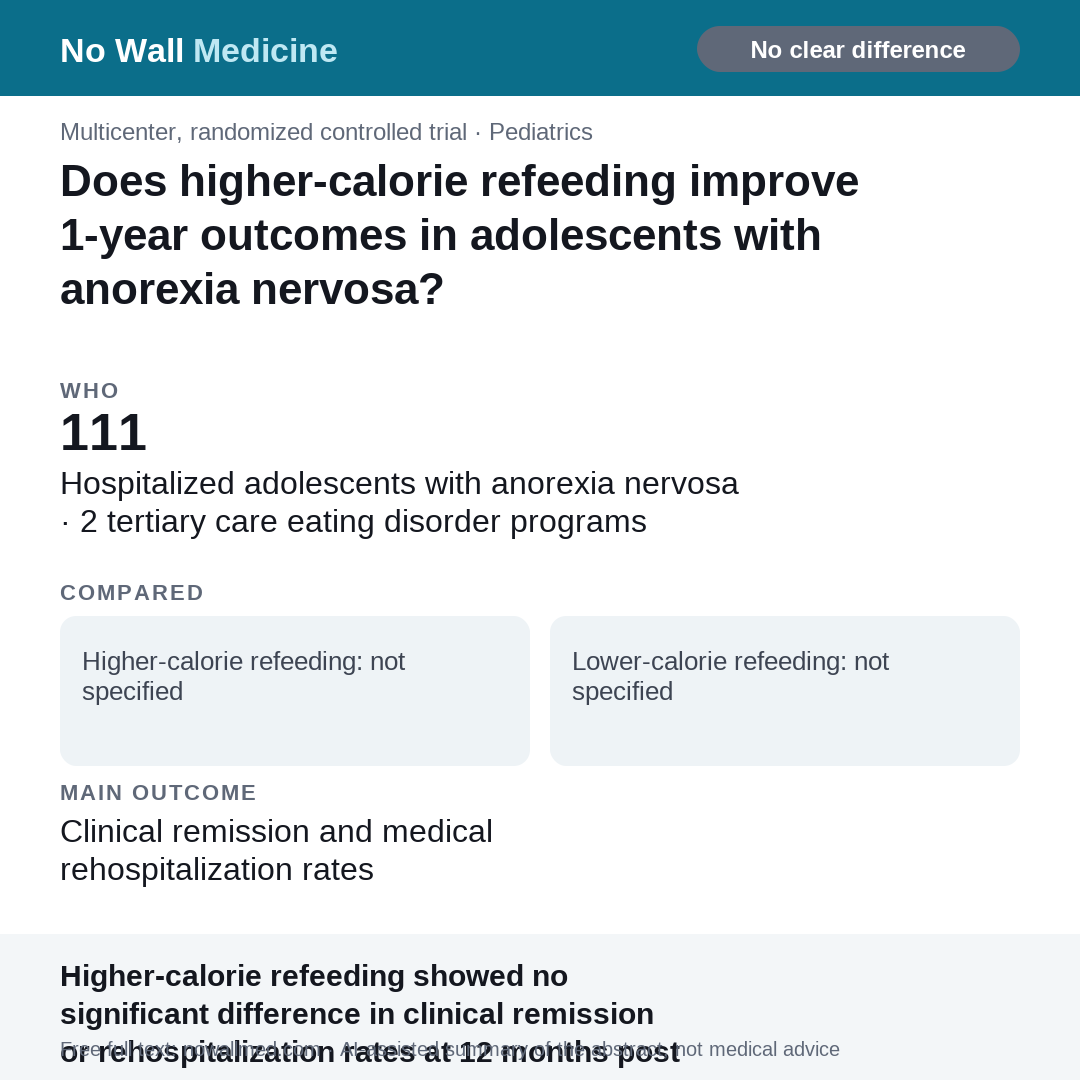
Higher-Calorie Refeeding in Anorexia Nervosa: 1-Year Outcomes From a Randomized Controlled Trial
Multicenter, randomized controlled trialNo clear difference
Does higher-calorie refeeding improve 1-year outcomes in adolescents with anorexia nervosa?
Who
111
Hospitalized adolescents with anorexia nervosa · 2 tertiary care eating disorder programs
Compared
Higher-calorie refeeding: not specified
Lower-calorie refeeding: not specified
Main outcome
Clinical remission and medical rehospitalization rates
Bottom line: Higher-calorie refeeding showed no significant difference in clinical remission or rehospitalization rates at 12 months post discharge.
Pediatrics · 2021-03-22Download image