Visual abstracts
New randomized trials and meta-analyses from leading journals at a glance: who was studied, what was compared, and what was found. Every paper is free to read in full.
All specialtiesCardiology 4763Oncology 4043Gastroenterology & Hepatology 1903Infectious Disease 3756Neurology 1872Psychiatry & Mental Health 2216Pulmonology 2044Critical Care 1319Endocrinology & Diabetes 2544Pediatrics 2889Surgery 2480Orthopedics & Sports Medicine 917Neurosurgery 525Cardiothoracic & Vascular Surgery 656Plastic & Reconstructive Surgery 574Nephrology 1107Rheumatology 810Hematology 1090Dermatology 611Ophthalmology 532Obstetrics & Gynecology 1645Public & Global Health 1037Radiology & Imaging 619Anesthesiology 958Urology 745ENT (Otolaryngology) 494Emergency Medicine 481Allergy & Immunology 309Geriatrics 972Family Medicine & Primary Care 534Medical Genetics & Genomics 659Pathology & Laboratory Medicine 156Physical Medicine & Rehabilitation 734Palliative Care 421Nutrition 1560Digital Health & AI 2137General Medicine 318
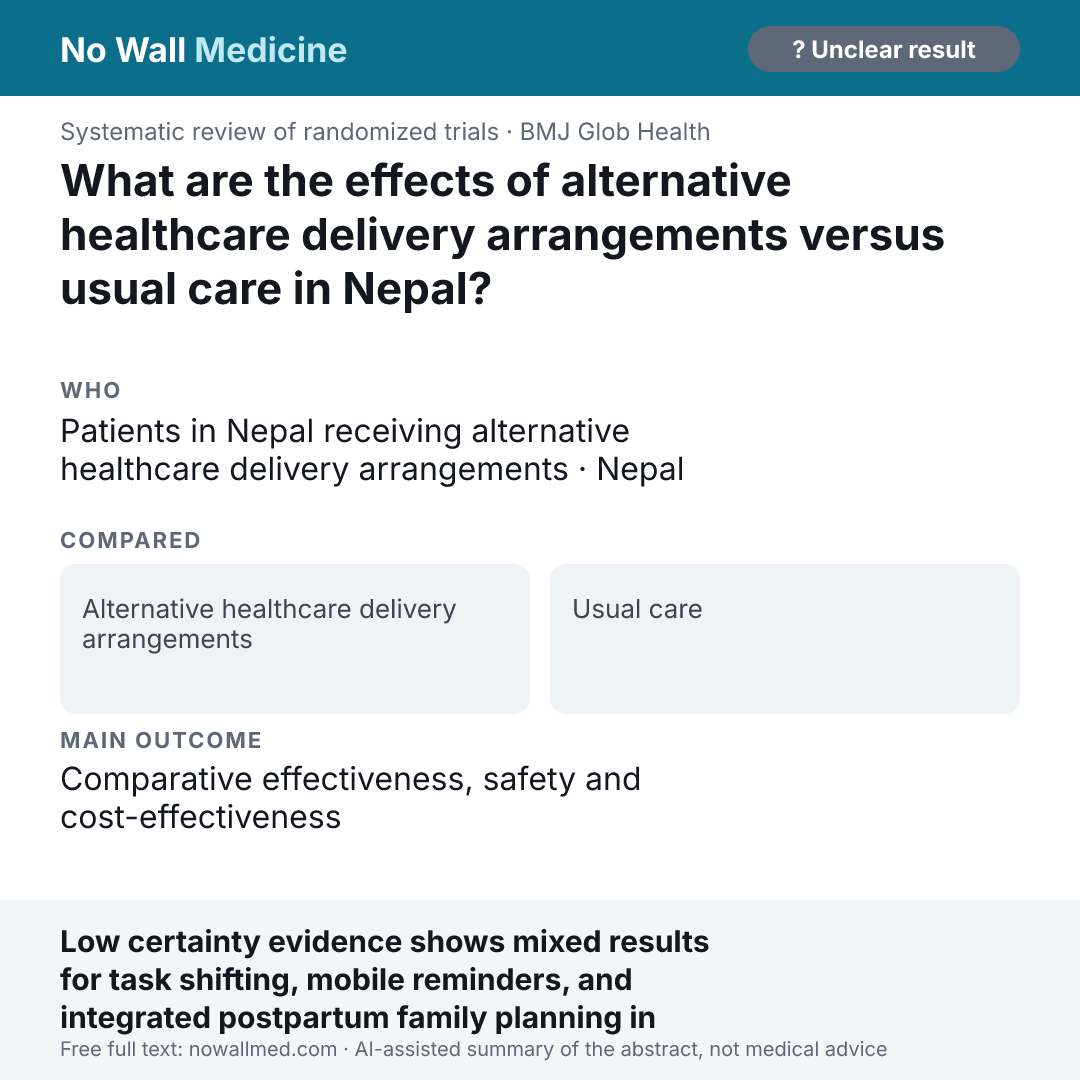
Alternative healthcare delivery arrangements in Nepal: a systematic review of comparative effectiveness, safety and cost-effectiveness studies
Systematic review of randomized trialsUnclear result
What are the effects of alternative healthcare delivery arrangements versus usual care in Nepal?
Who
Patients in Nepal receiving alternative healthcare delivery arrangements · Nepal
Compared
Alternative healthcare delivery arrangements
Usual care
Main outcome
Comparative effectiveness, safety and cost-effectiveness
Bottom line: Low certainty evidence shows mixed results for task shifting, mobile reminders, and integrated postpartum family planning in Nepal.
Limitation: Limited low-certainty evidence and insufficient evidence on cost, safety, and perspectives.
BMJ Glob Health · 2025-01-04 · Save PNG
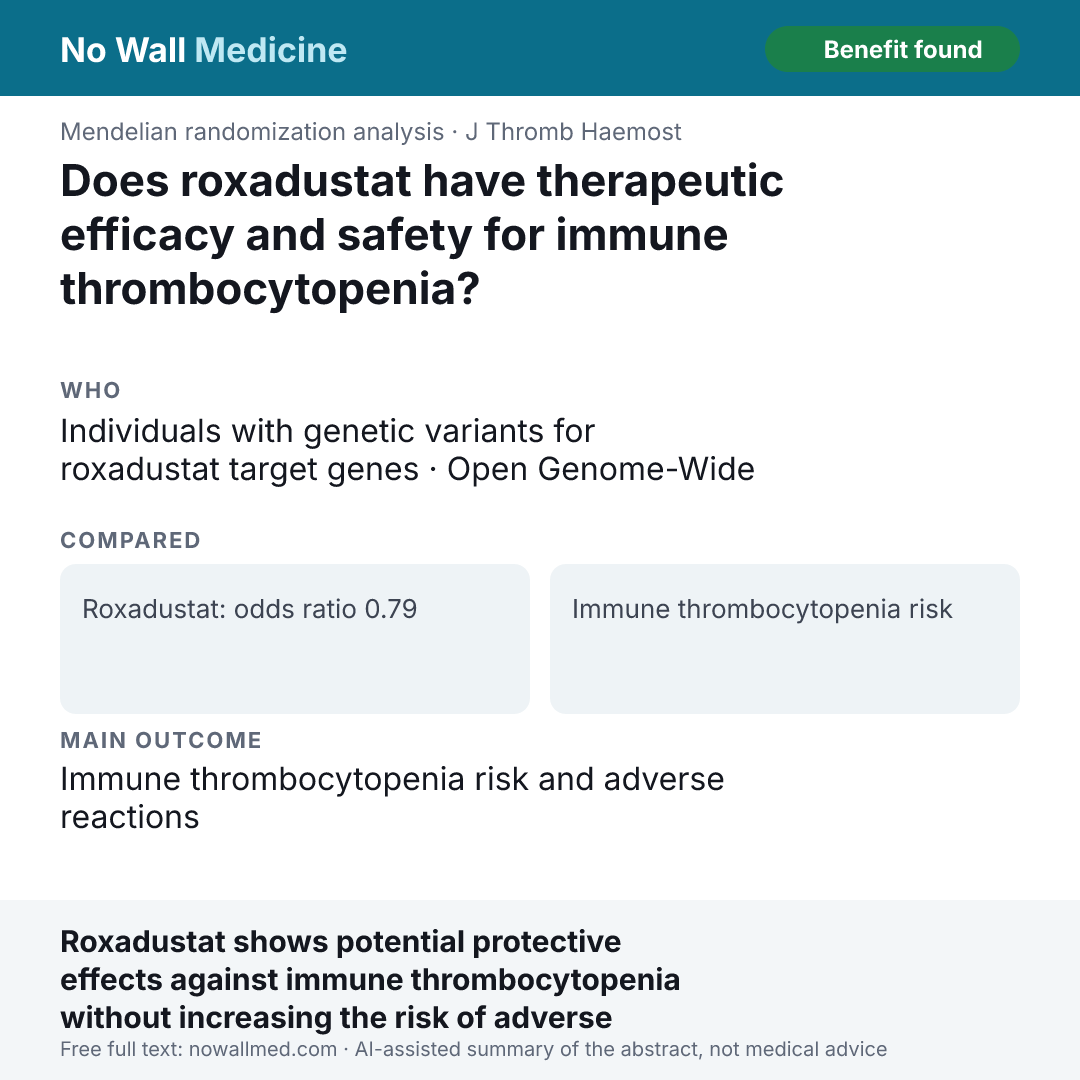
Therapeutic potential of roxadustat in immune thrombocytopenia: a Mendelian randomization analysis
Mendelian randomization analysisBenefit found
Does roxadustat have therapeutic efficacy and safety for immune thrombocytopenia?
Who
Individuals with genetic variants for roxadustat target genes · Open Genome-Wide Association Study project
Compared
Roxadustat: odds ratio 0.79
Immune thrombocytopenia risk
Main outcome
Immune thrombocytopenia risk and adverse reactions
Result: odds ratio 0.79 (95% CI 0.66-0.95)
Bottom line: Roxadustat shows potential protective effects against immune thrombocytopenia without increasing the risk of adverse outcomes.
J Thromb Haemost · 2025-01-03 · Save PNG
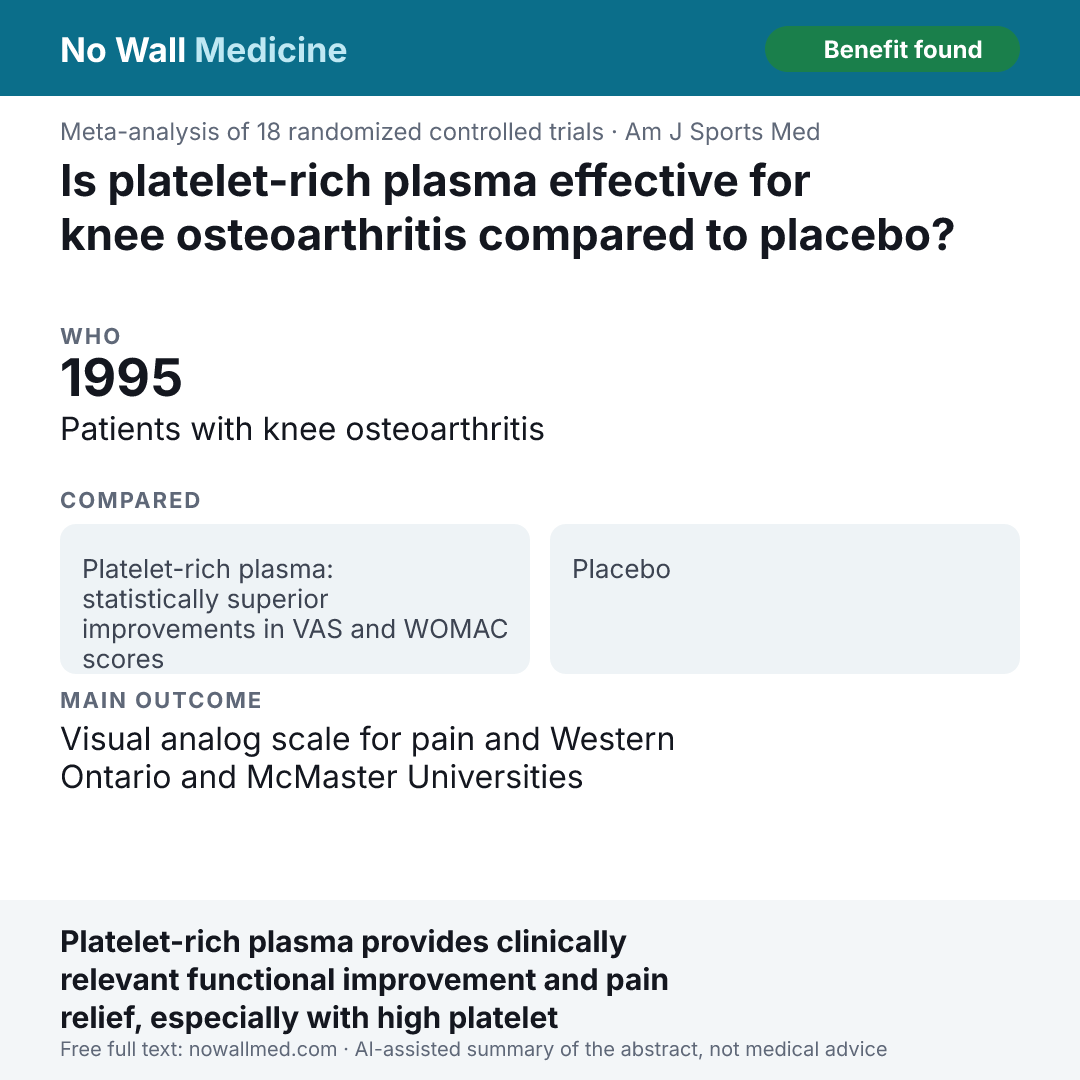
PRP Injections for the Treatment of Knee Osteoarthritis: The Improvement Is Clinically Significant and Influenced by Platelet Concentration: A Meta-analysis of Randomized Controlled Trials
Meta-analysis of 18 randomized controlled trialsBenefit found
Is platelet-rich plasma effective for knee osteoarthritis compared to placebo?
Who
1995
Patients with knee osteoarthritis
Compared
Platelet-rich plasma: statistically superior improvements in VAS and WOMAC scores
Placebo
Main outcome
Visual analog scale for pain and Western Ontario and McMaster Universities Osteoarthritis Index scores
Bottom line: Platelet-rich plasma provides clinically relevant functional improvement and pain relief, especially with high platelet concentrations.
Am J Sports Med · 2025-01-03 · Save PNG
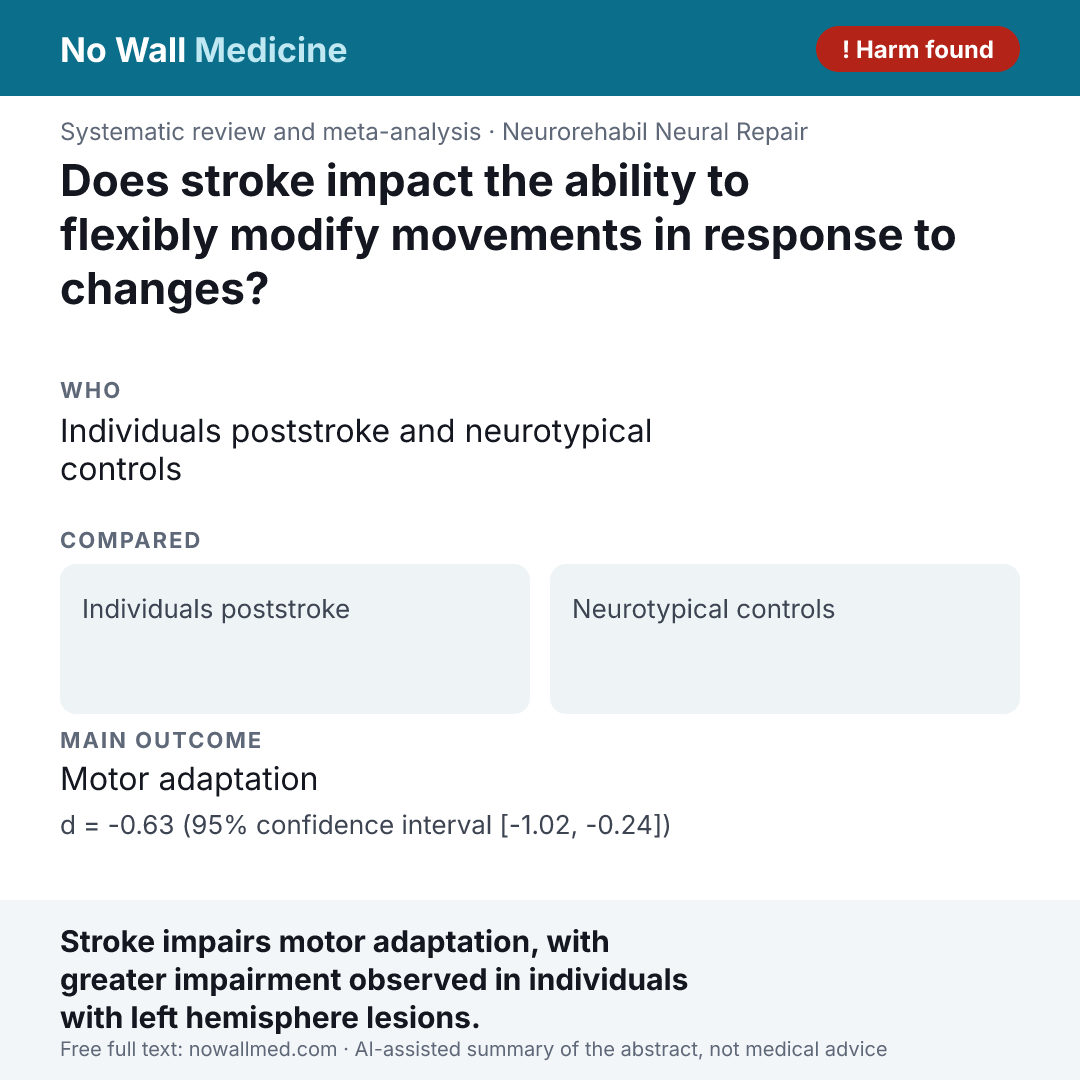
The Detrimental Effect of Stroke on Motor Adaptation
Systematic review and meta-analysisHarm found
Does stroke impact the ability to flexibly modify movements in response to changes?
Who
Individuals poststroke and neurotypical controls
Compared
Individuals poststroke
Neurotypical controls
Main outcome
Motor adaptation
Result: d = -0.63 (95% confidence interval [-1.02, -0.24])
Bottom line: Stroke impairs motor adaptation, with greater impairment observed in individuals with left hemisphere lesions.
Neurorehabil Neural Repair · 2025-01-03 · Save PNG
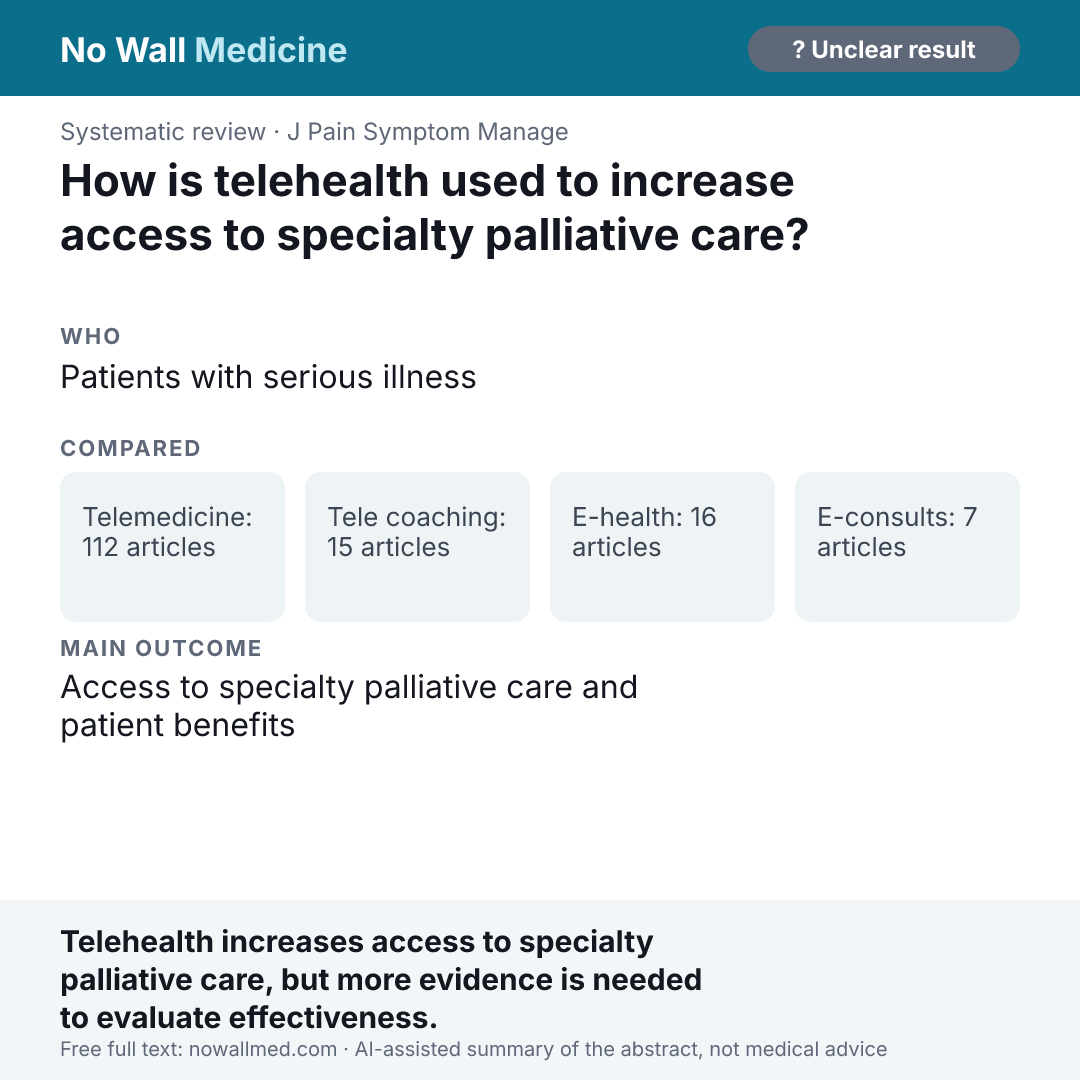
How is Telehealth Used to Increase Access to Specialty Palliative Care? A Systematic Review
Systematic reviewUnclear result
How is telehealth used to increase access to specialty palliative care?
Who
Patients with serious illness
Compared
Telemedicine: 112 articles
Tele coaching: 15 articles
E-health: 16 articles
E-consults: 7 articles
Main outcome
Access to specialty palliative care and patient benefits
Bottom line: Telehealth increases access to specialty palliative care, but more evidence is needed to evaluate effectiveness.
J Pain Symptom Manage · 2025-01-03 · Save PNG
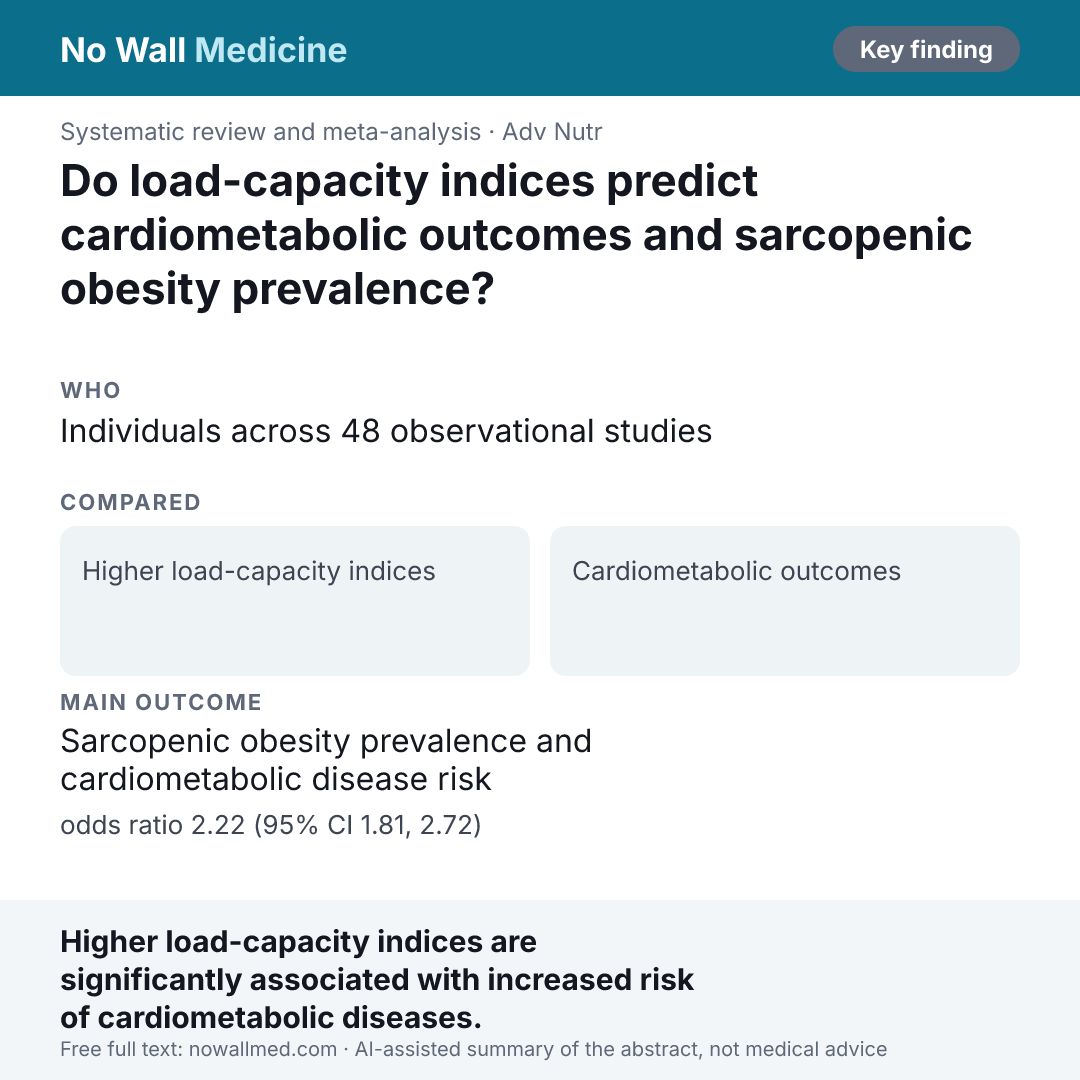
Beyond Traditional Body Composition Metrics: Load-Capacity Indices Emerge as Predictors of Cardiometabolic Outcomes-A Systematic Review and Meta-Analysis
Systematic review and meta-analysisKey finding
Do load-capacity indices predict cardiometabolic outcomes and sarcopenic obesity prevalence?
Who
Individuals across 48 observational studies
Compared
Higher load-capacity indices
Cardiometabolic outcomes
Main outcome
Sarcopenic obesity prevalence and cardiometabolic disease risk
Result: odds ratio 2.22 (95% CI 1.81, 2.72)
Bottom line: Higher load-capacity indices are significantly associated with increased risk of cardiometabolic diseases.
Adv Nutr · 2025-01-03 · Save PNG
Ethnicity and health-related quality of life in the post stroke population: a systematic review
Systematic reviewMixed results
What is the association between ethnicity and health-related quality of life in post-stroke populations?
Who
12,430
Post-stroke populations with at least 2 distinct ethnic groups
Compared
Minority ethnic groups: lower health-related quality of life in 8 studies
Predominant ethnic group
Main outcome
Health-related quality of life
Bottom line: Most studies show racial or ethnic disparities in post-stroke health-related quality of life.
J Rehabil Med · 2025-01-03 · Save PNG

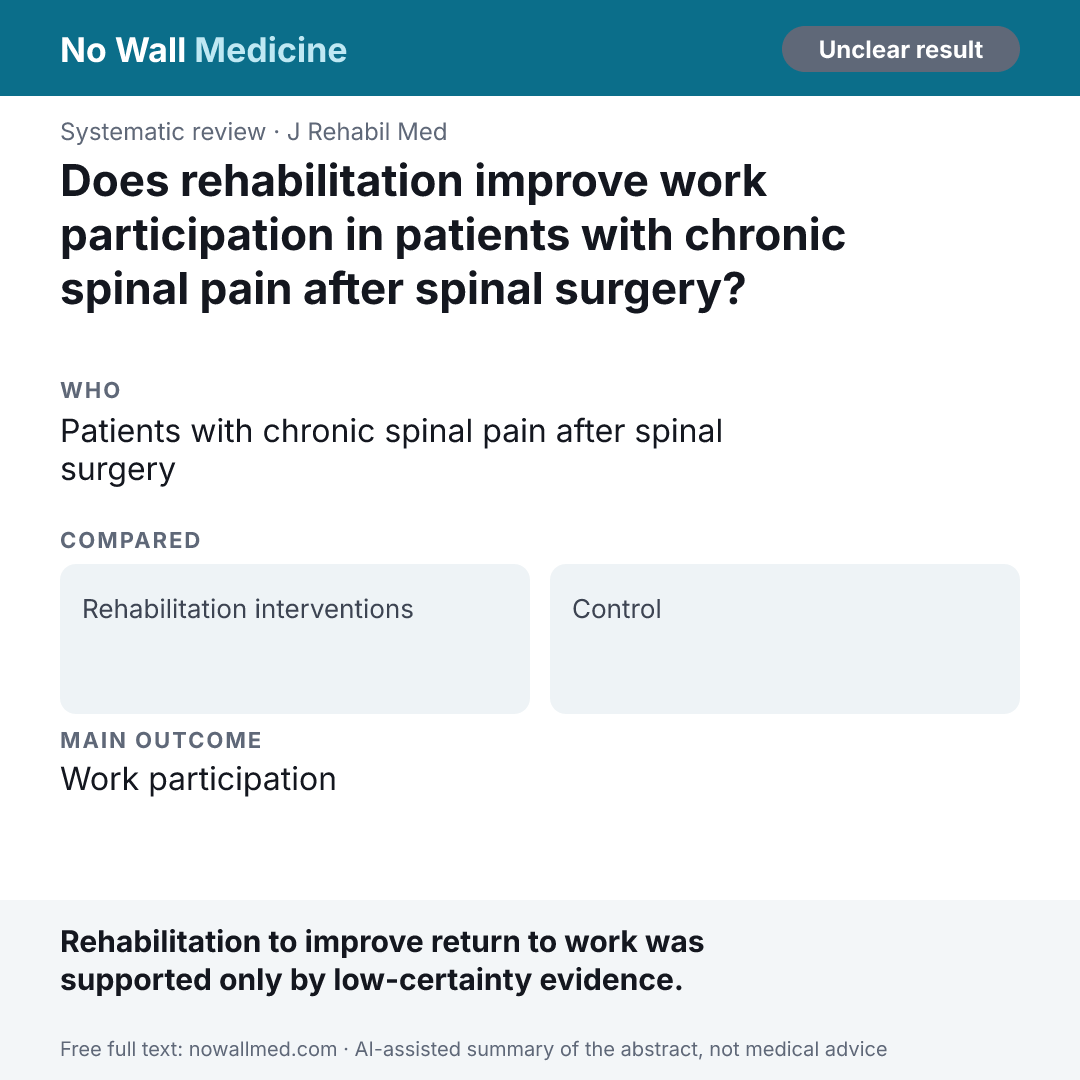
Does rehabilitation improve work participation in patients with chronic spinal pain after spinal surgery: a systematic review
Systematic reviewUnclear result
Does rehabilitation improve work participation in patients with chronic spinal pain after spinal surgery?
Who
Patients with chronic spinal pain after spinal surgery
Compared
Rehabilitation interventions
Control
Main outcome
Work participation
Bottom line: Rehabilitation to improve return to work was supported only by low-certainty evidence.
Limitation: The review was based on low-certainty evidence.
J Rehabil Med · 2025-01-03 · Save PNG
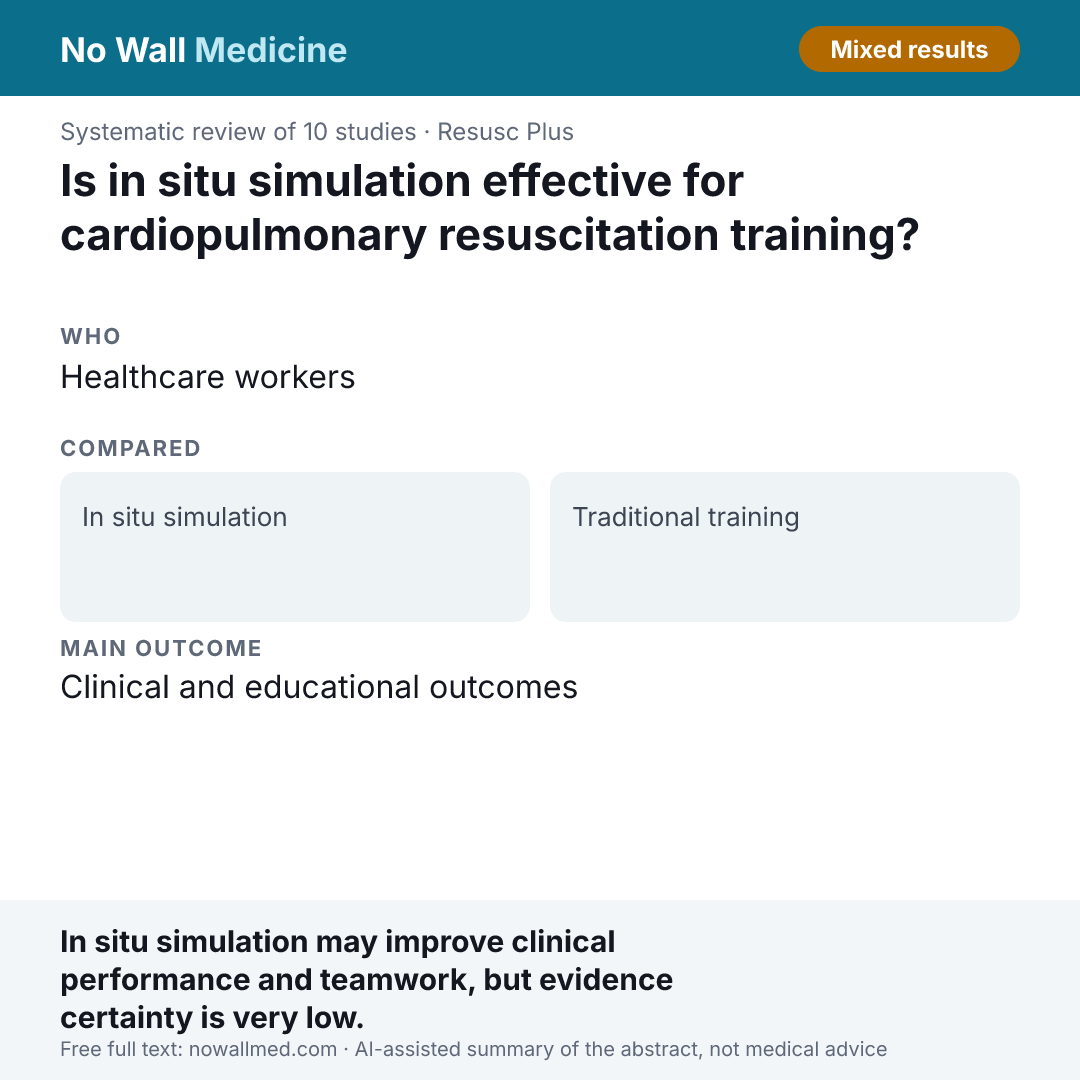
In situ simulation for cardiopulmonary resuscitation training: A systematic review
Systematic review of 10 studiesMixed results
Is in situ simulation effective for cardiopulmonary resuscitation training?
Who
Healthcare workers
Compared
In situ simulation
Traditional training
Main outcome
Clinical and educational outcomes
Bottom line: In situ simulation may improve clinical performance and teamwork, but evidence certainty is very low.
Limitation: Very low certainty of evidence due to risk of bias, inconsistency, and imprecision.
Resusc Plus · 2025-01-03 · Save PNG
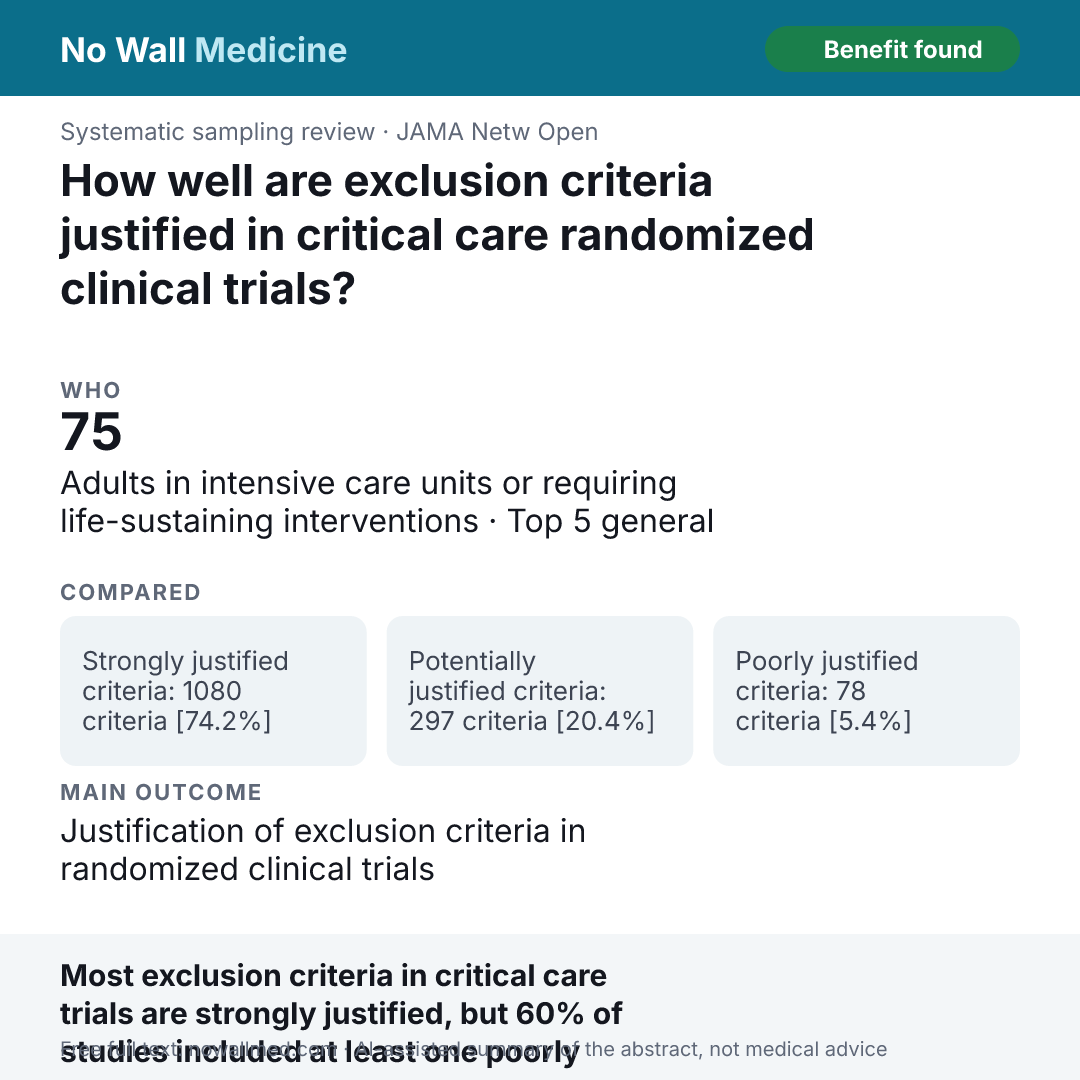
Eligibility Criteria of Randomized Clinical Trials in Critical Care Medicine
Systematic sampling reviewBenefit found
How well are exclusion criteria justified in critical care randomized clinical trials?
Who
75
Adults in intensive care units or requiring life-sustaining interventions · Top 5 general internal medicine journals
Compared
Strongly justified criteria: 1080 criteria [74.2%]
Potentially justified criteria: 297 criteria [20.4%]
Poorly justified criteria: 78 criteria [5.4%]
Main outcome
Justification of exclusion criteria in randomized clinical trials
Bottom line: Most exclusion criteria in critical care trials are strongly justified, but 60% of studies included at least one poorly justified criterion.
JAMA Netw Open · 2025-01-02 · Save PNG
Academic Detailing Interventions and Evidence-Based Prescribing: A Systematic Review
Systematic reviewBenefit found
Does academic detailing improve prescribing behavior?
Who
clinicians and prescribers · various
Compared
50%academic detailing (18/36)
control or comparison
Main outcome
prescribing behavior
Result: median absolute change 4.0% (IQR 0.3%-11.3%)
Bottom line: Academic detailing improves prescribing behavior
Limitation: quality of evidence varied
JAMA Netw Open · 2025-01-02 · Save PNG

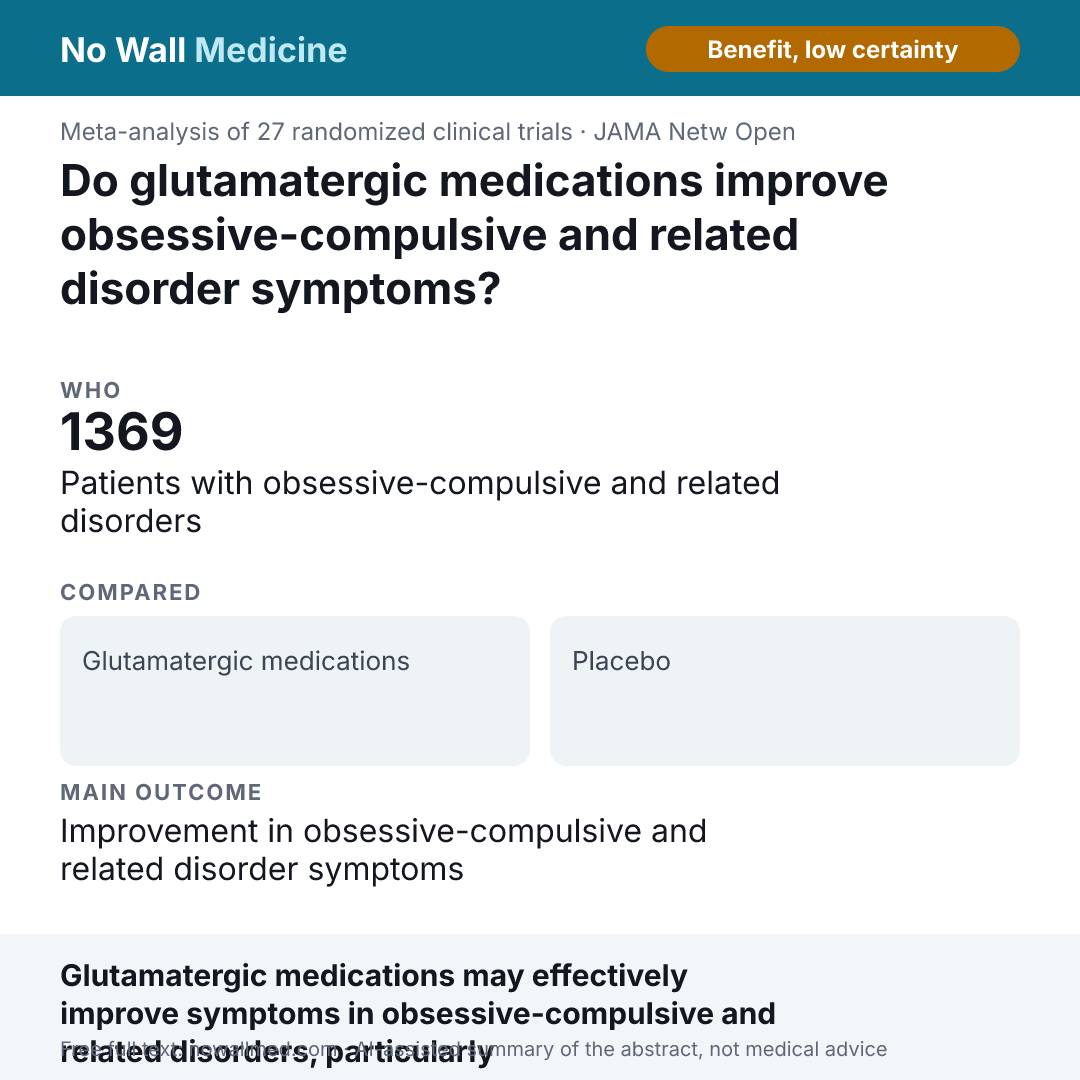
Glutamatergic Medications for Obsessive-Compulsive and Related Disorders: A Systematic Review and Meta-Analysis
Meta-analysis of 27 randomized clinical trialsBenefit, low certainty
Do glutamatergic medications improve obsessive-compulsive and related disorder symptoms?
Who
1369
Patients with obsessive-compulsive and related disorders
Compared
Glutamatergic medications
Placebo
Main outcome
Improvement in obsessive-compulsive and related disorder symptoms
Result: standardized mean difference -0.80 (95% CI -1.13 to -0.47)
Bottom line: Glutamatergic medications may effectively improve symptoms in obsessive-compulsive and related disorders, particularly obsessive-compulsive disorder.
Limitation: High heterogeneity and potential publication bias necessitate cautious interpretation.
JAMA Netw Open · 2025-01-02 · Save PNG
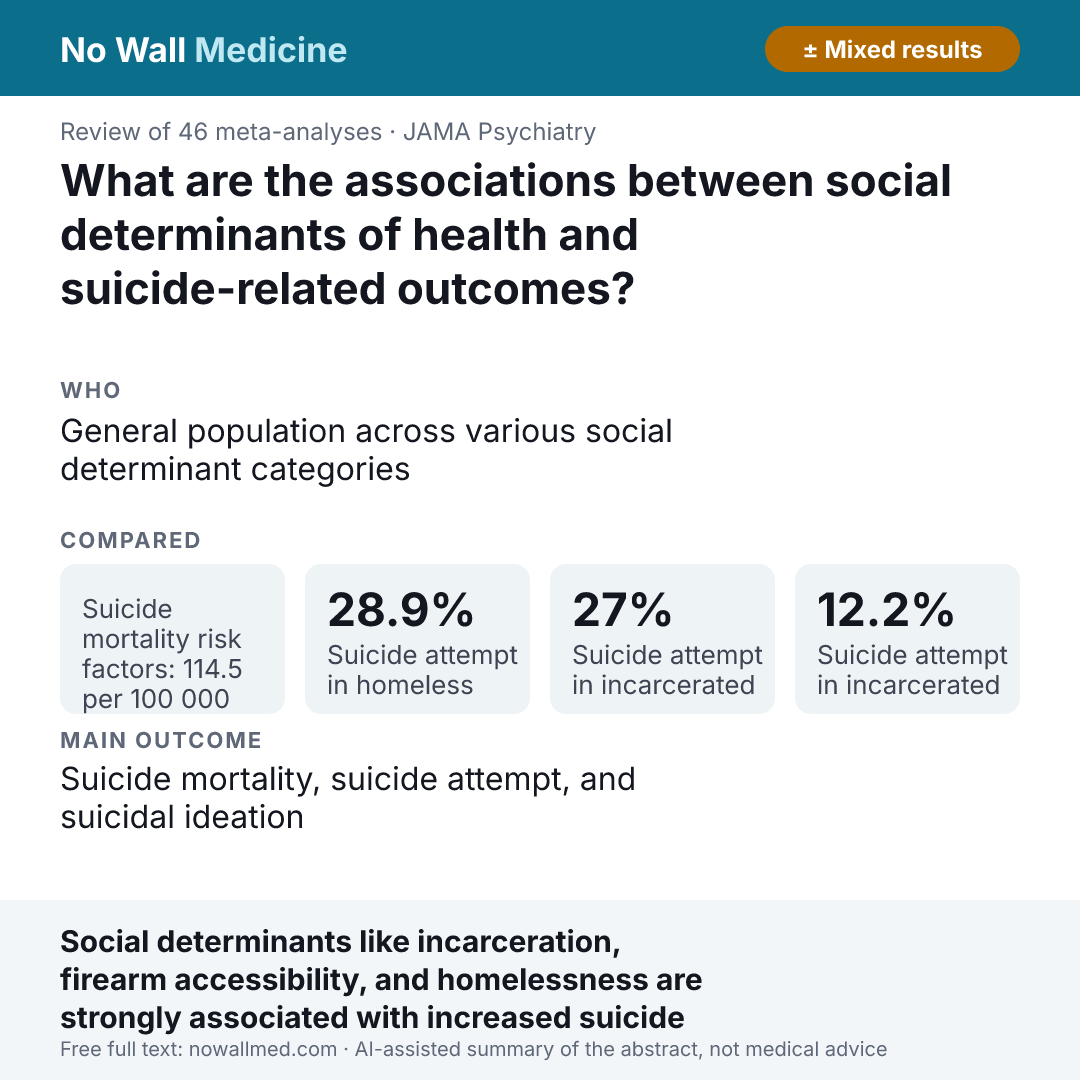
Social Determinants of Health and Suicide-Related Outcomes: A Review of Meta-Analyses
Review of 46 meta-analysesMixed results
What are the associations between social determinants of health and suicide-related outcomes?
Who
General population across various social determinant categories
Compared
Suicide mortality risk factors: 114.5 per 100 000 persons
28.9%Suicide attempt in homeless individuals (95% CI, 21.7%-37.2%)
27%Suicide attempt in incarcerated female youths (95% CI, 20%-34%)
12.2%Suicide attempt in incarcerated adults (95% CI, 7.1%-17.2%)
Main outcome
Suicide mortality, suicide attempt, and suicidal ideation
Bottom line: Social determinants like incarceration, firearm accessibility, and homelessness are strongly associated with increased suicide mortality, attempts, and ideation.
JAMA Psychiatry · 2025-01-02 · Save PNG
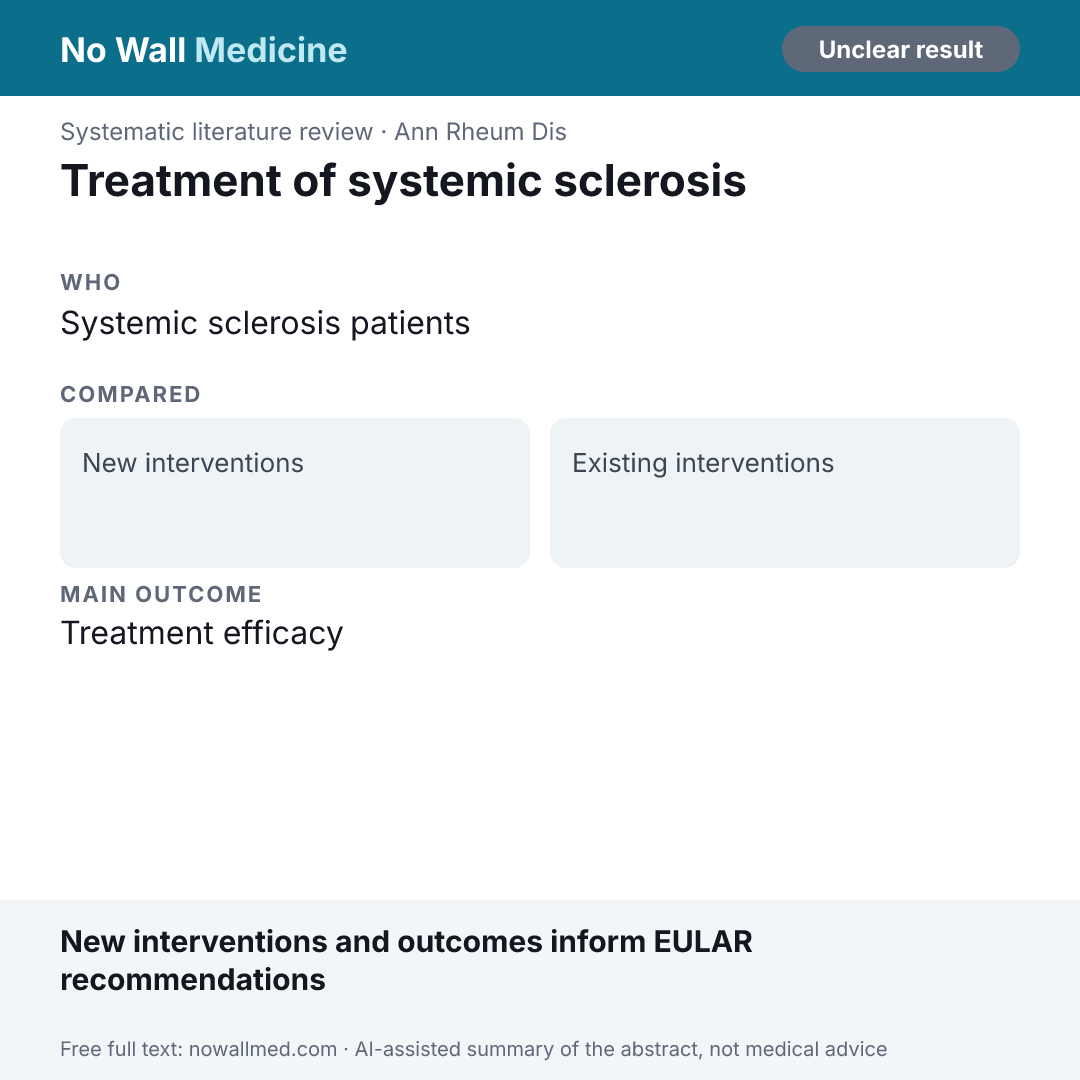
Results from the international collaborative systematic literature review informing the 2023 EULAR recommendations for the treatment of systemic sclerosis
Systematic literature reviewUnclear result
Treatment of systemic sclerosis
Who
Systemic sclerosis patients
Compared
New interventions
Existing interventions
Main outcome
Treatment efficacy
Bottom line: New interventions and outcomes inform EULAR recommendations
Ann Rheum Dis · 2025-01-02 · Save PNG
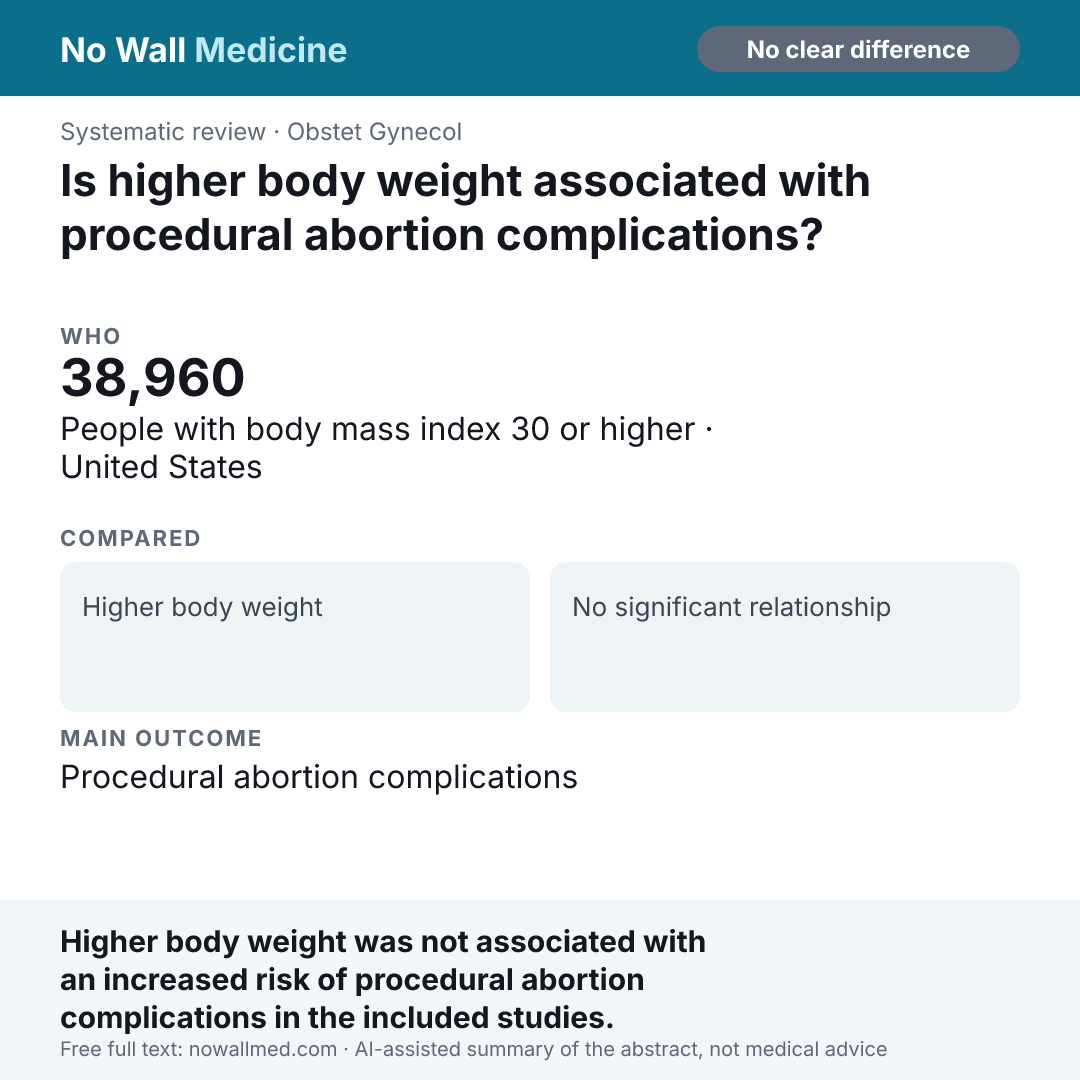
Weight and Procedural Abortion Complications: A Systematic Review
Systematic reviewNo clear difference
Is higher body weight associated with procedural abortion complications?
Who
38,960
People with body mass index 30 or higher · United States
Compared
Higher body weight
No significant relationship
Main outcome
Procedural abortion complications
Bottom line: Higher body weight was not associated with an increased risk of procedural abortion complications in the included studies.
Obstet Gynecol · 2025-01-02 · Save PNG
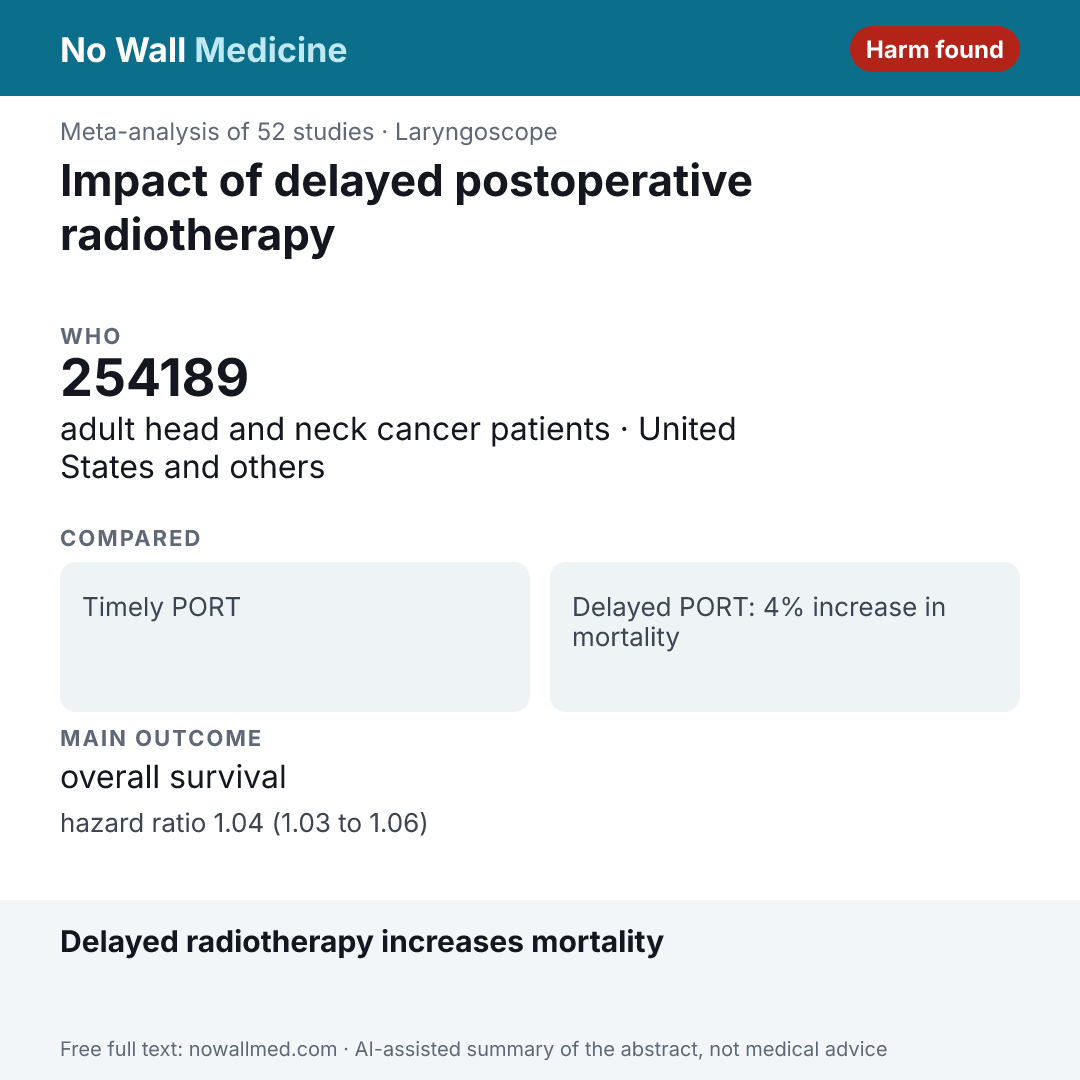
Delayed Postoperative Radiotherapy in Head & Neck Cancers-A Systematic Review and Meta-Analysis
Meta-analysis of 52 studiesHarm found
Impact of delayed postoperative radiotherapy
Who
254189
adult head and neck cancer patients · United States and others
Compared
Timely PORT
Delayed PORT: 4% increase in mortality
Main outcome
overall survival
Result: hazard ratio 1.04 (1.03 to 1.06)
Bottom line: Delayed radiotherapy increases mortality
Limitation: more research is needed
Laryngoscope · 2025-01-02 · Save PNG
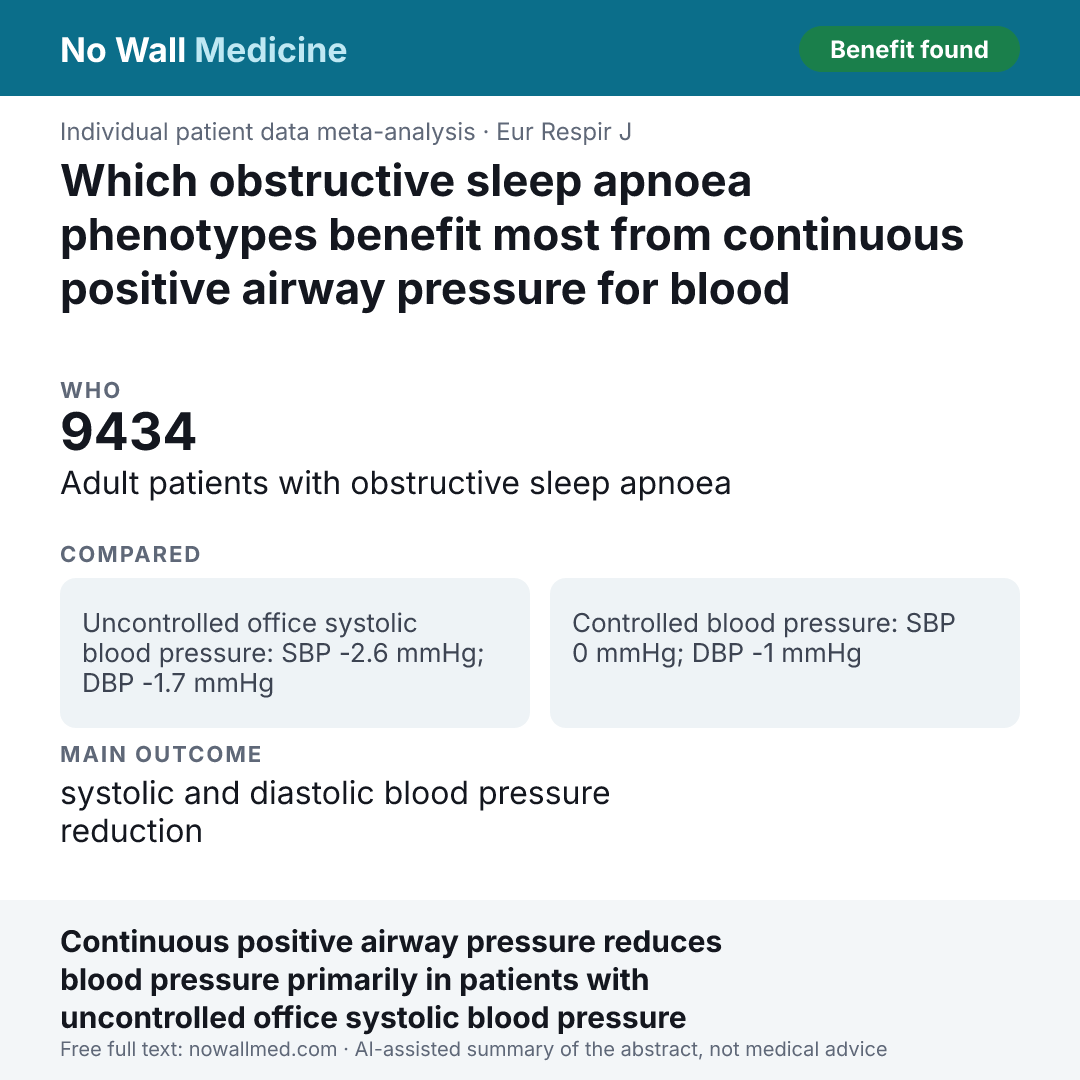
Effect of CPAP therapy on blood pressure in patients with obstructive sleep apnoea: a worldwide individual patient data meta-analysis
Individual patient data meta-analysisBenefit found
Which obstructive sleep apnoea phenotypes benefit most from continuous positive airway pressure for blood pressure reduction?
Who
9434
Adult patients with obstructive sleep apnoea
Compared
Uncontrolled office systolic blood pressure: SBP -2.6 mmHg; DBP -1.7 mmHg
Controlled blood pressure: SBP 0 mmHg; DBP -1 mmHg
Main outcome
systolic and diastolic blood pressure reduction
Bottom line: Continuous positive airway pressure reduces blood pressure primarily in patients with uncontrolled office systolic blood pressure at baseline.
Eur Respir J · 2025-01-02 · Save PNG
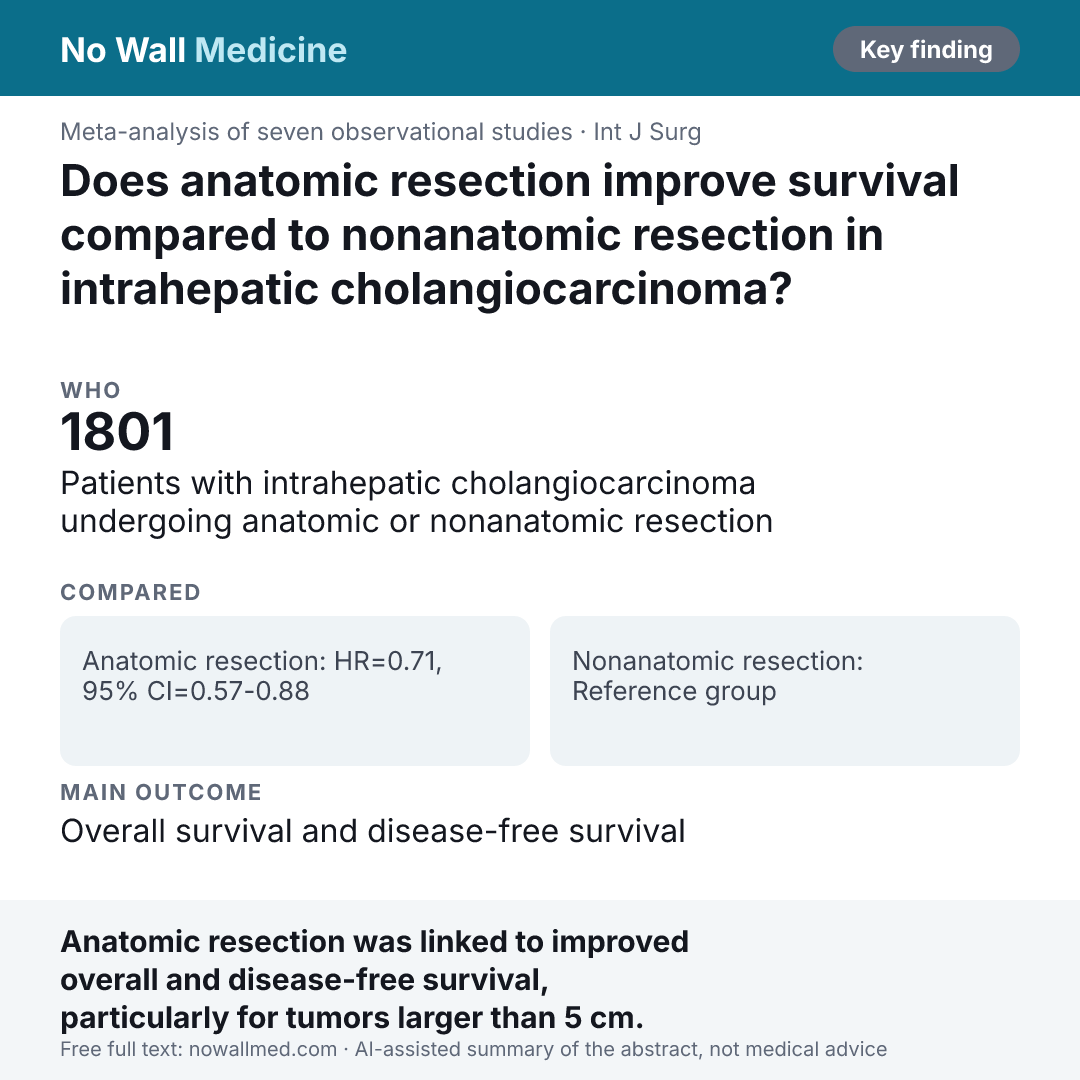
Anatomic versus nonanatomic resection for intrahepatic cholangiocarcinoma: a systematic review and meta-analysis
Meta-analysis of seven observational studiesKey finding
Does anatomic resection improve survival compared to nonanatomic resection in intrahepatic cholangiocarcinoma?
Who
1801
Patients with intrahepatic cholangiocarcinoma undergoing anatomic or nonanatomic resection
Compared
Anatomic resection: HR=0.71, 95% CI=0.57-0.88
Nonanatomic resection: Reference group
Main outcome
Overall survival and disease-free survival
Result: HR=0.71, 95% CI=0.57-0.88
Bottom line: Anatomic resection was linked to improved overall and disease-free survival, particularly for tumors larger than 5 cm.
Int J Surg · 2025-01-01 · Save PNG
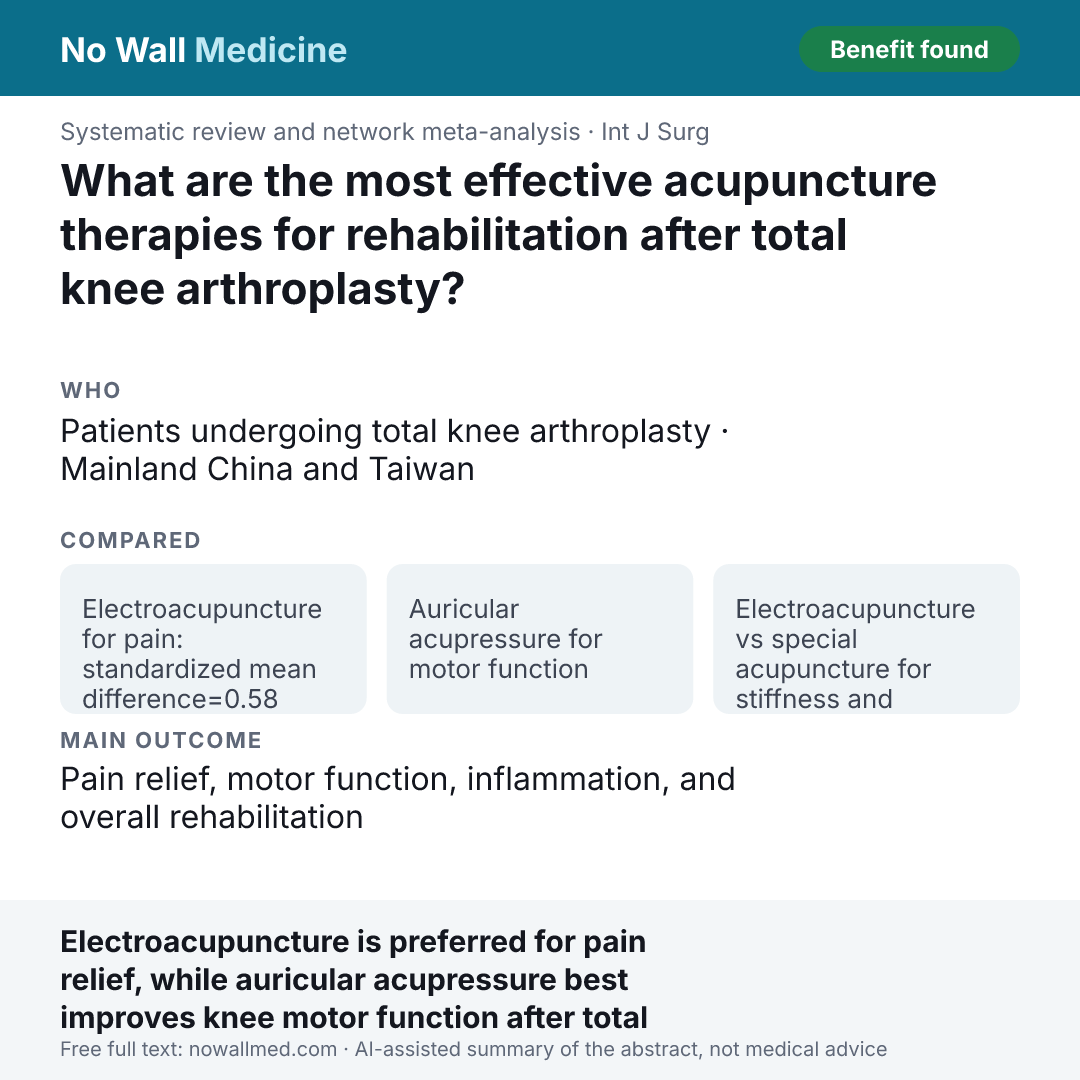
Acupuncture for rehabilitation after total knee arthroplasty: a systematic review and network meta-analysis
Systematic review and network meta-analysisBenefit found
What are the most effective acupuncture therapies for rehabilitation after total knee arthroplasty?
Who
Patients undergoing total knee arthroplasty · Mainland China and Taiwan
Compared
Electroacupuncture for pain: standardized mean difference=0.58
Auricular acupressure for motor function
Electroacupuncture vs special acupuncture for stiffness and inflammation
Main outcome
Pain relief, motor function, inflammation, and overall rehabilitation
Result: standardized mean difference=0.58 (95% CI=0.36-0.81)
Bottom line: Electroacupuncture is preferred for pain relief, while auricular acupressure best improves knee motor function after total knee arthroplasty.
Int J Surg · 2025-01-01 · Save PNG
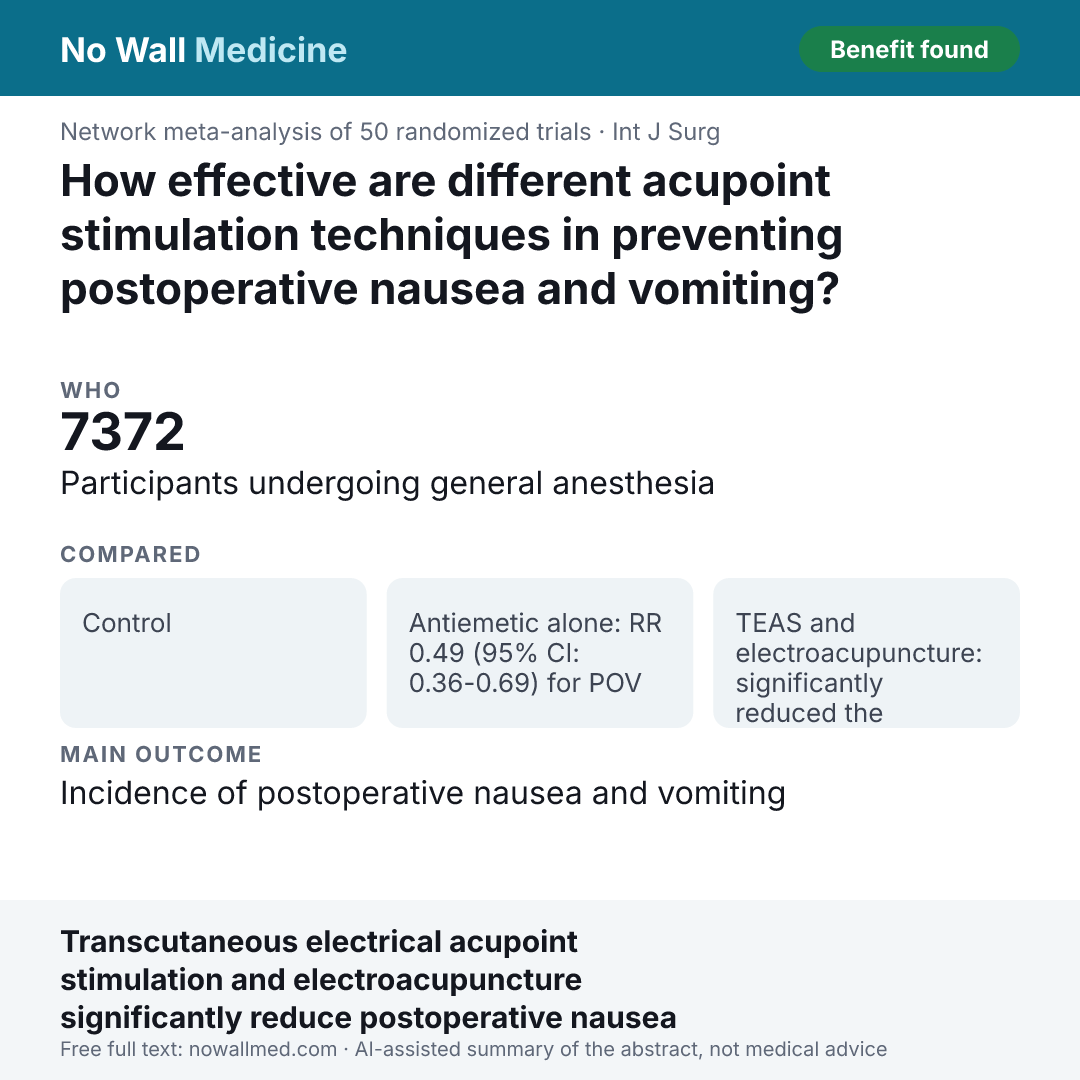
Comparative effectiveness of acupoint stimulation for preventing postoperative nausea and vomiting after general anesthesia: a network meta-analysis of randomized trials
Network meta-analysis of 50 randomized trialsBenefit found
How effective are different acupoint stimulation techniques in preventing postoperative nausea and vomiting?
Who
7372
Participants undergoing general anesthesia
Compared
Control
Antiemetic alone: RR 0.49 (95% CI: 0.36-0.69) for POV
TEAS and electroacupuncture: significantly reduced the incidence of PONV, PON, and POV
Main outcome
Incidence of postoperative nausea and vomiting
Bottom line: Transcutaneous electrical acupoint stimulation and electroacupuncture significantly reduce postoperative nausea and vomiting incidences.
Int J Surg · 2025-01-01 · Save PNG