Visual abstracts
New randomized trials and meta-analyses from leading journals at a glance: who was studied, what was compared, and what was found. Every paper is free to read in full.
All specialtiesCardiology 4763Oncology 4042Gastroenterology & Hepatology 1902Infectious Disease 3756Neurology 1872Psychiatry & Mental Health 2214Pulmonology 2042Critical Care 1319Endocrinology & Diabetes 2544Pediatrics 2889Surgery 2479Orthopedics & Sports Medicine 917Neurosurgery 525Cardiothoracic & Vascular Surgery 656Plastic & Reconstructive Surgery 574Nephrology 1107Rheumatology 810Hematology 1090Dermatology 611Ophthalmology 532Obstetrics & Gynecology 1645Public & Global Health 1037Radiology & Imaging 617Anesthesiology 957Urology 745ENT (Otolaryngology) 494Emergency Medicine 481Allergy & Immunology 309Geriatrics 972Family Medicine & Primary Care 533Medical Genetics & Genomics 659Pathology & Laboratory Medicine 156Physical Medicine & Rehabilitation 734Palliative Care 421Nutrition 1560Digital Health & AI 2133General Medicine 318
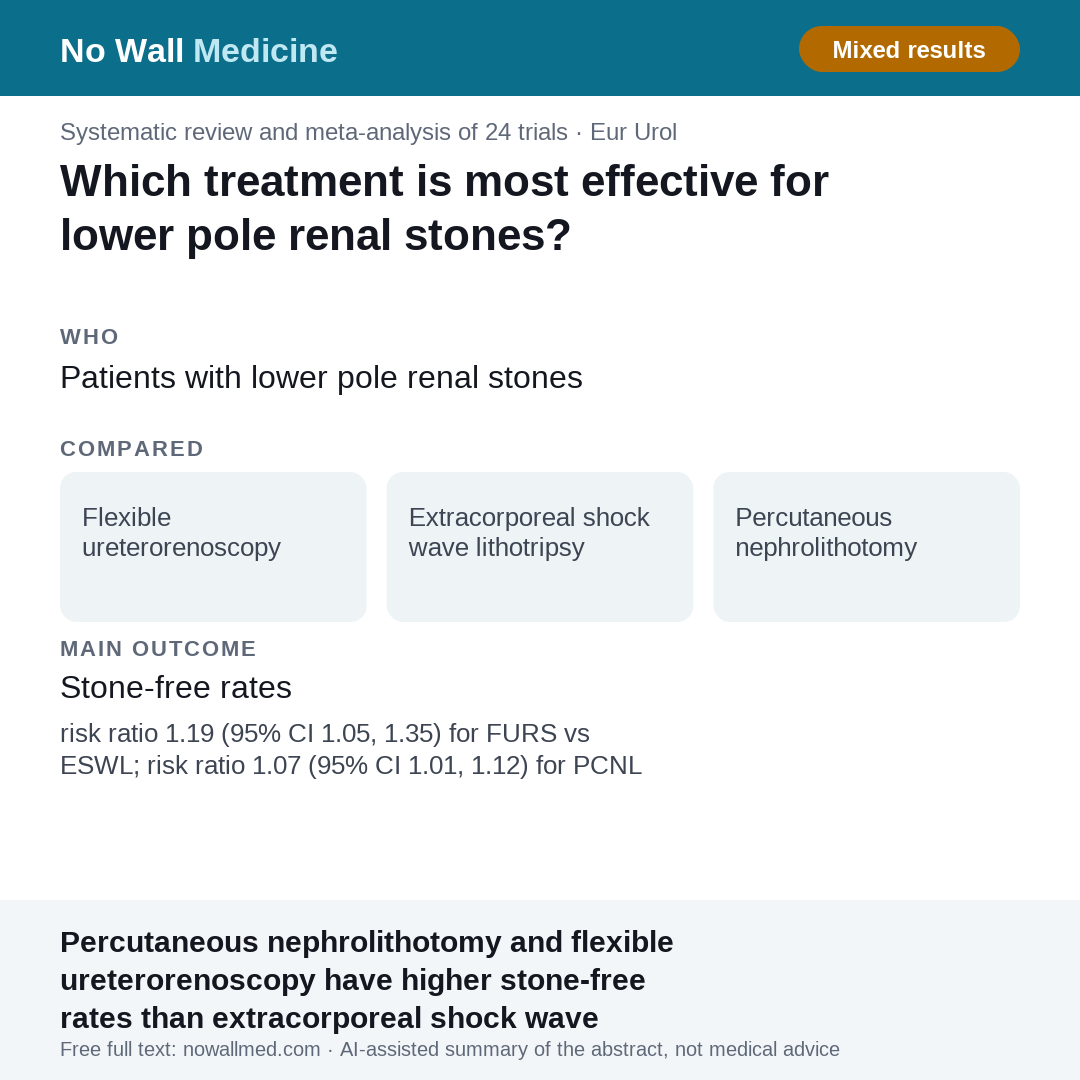
Updated Systematic Review and Meta-analysis of Extracorporeal Shock Wave Lithotripsy, Flexible Ureterorenoscopy, and Percutaneous Nephrolithotomy for Lower Pole Renal Stones
Systematic review and meta-analysis of 24 trialsMixed results
Which treatment is most effective for lower pole renal stones?
Who
Patients with lower pole renal stones
Compared
Flexible ureterorenoscopy
Extracorporeal shock wave lithotripsy
Percutaneous nephrolithotomy
Main outcome
Stone-free rates
Result: risk ratio 1.19 (95% CI 1.05, 1.35) for FURS vs ESWL; risk ratio 1.07 (95% CI 1.01, 1.12) for PCNL vs FURS; risk ratio 1.42 (95% CI 1.28, 1.58) for PCNL vs ESWL
Bottom line: Percutaneous nephrolithotomy and flexible ureterorenoscopy have higher stone-free rates than extracorporeal shock wave lithotripsy.
Eur Urol · 2025-03-13Download image
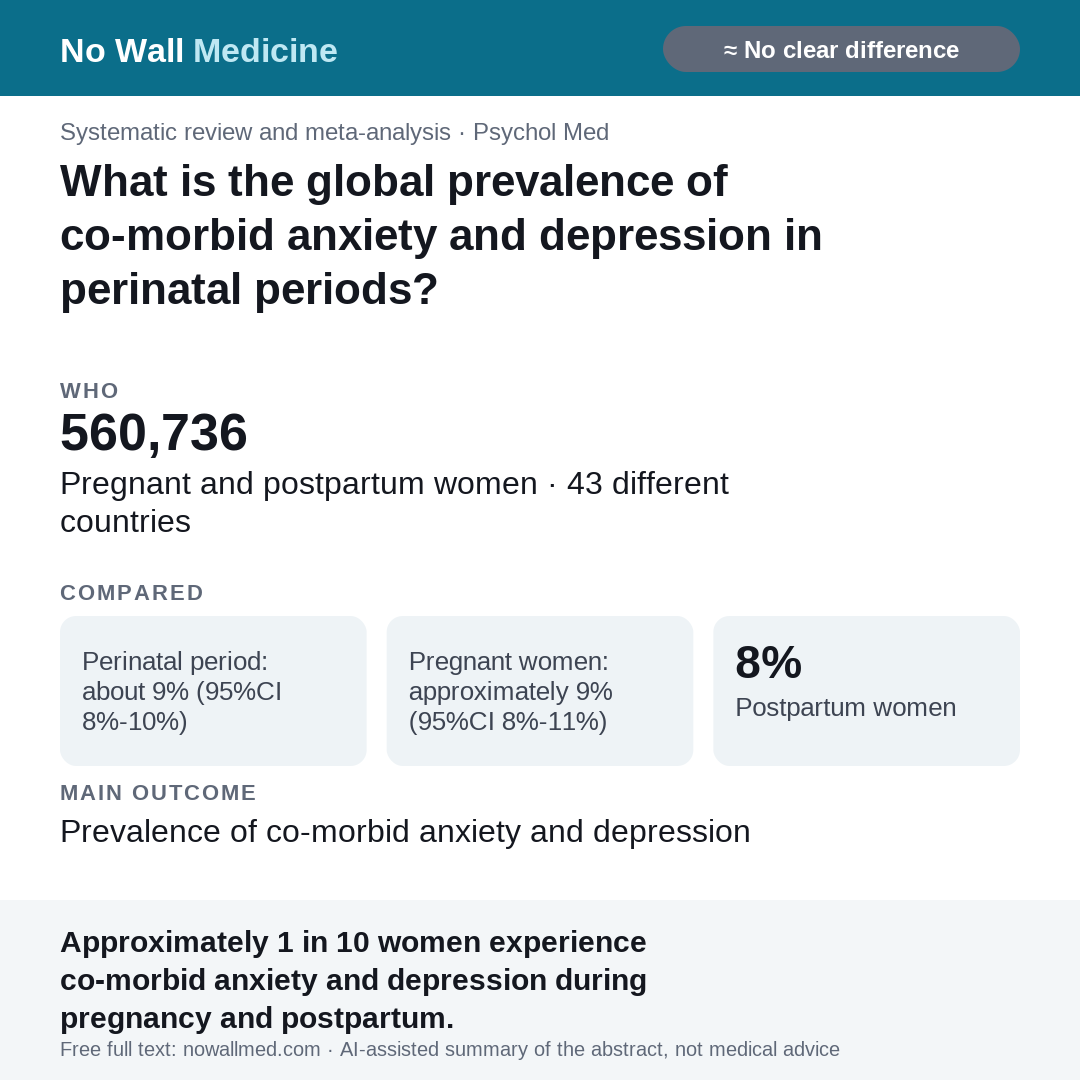
Prevalence of co-morbid anxiety and depression in pregnancy and postpartum: a systematic review and meta-analysis
Systematic review and meta-analysisNo clear difference
What is the global prevalence of co-morbid anxiety and depression in perinatal periods?
Who
560,736
Pregnant and postpartum women · 43 different countries
Compared
Perinatal period: about 9% (95%CI 8%-10%)
Pregnant women: approximately 9% (95%CI 8%-11%)
8%Postpartum women (95%CI 7%-10%)
Main outcome
Prevalence of co-morbid anxiety and depression
Bottom line: Approximately 1 in 10 women experience co-morbid anxiety and depression during pregnancy and postpartum.
Limitation: Prevalence varied significantly by assessment time points, country, study design, and assessment tool.
Psychol Med · 2025-03-13Download image
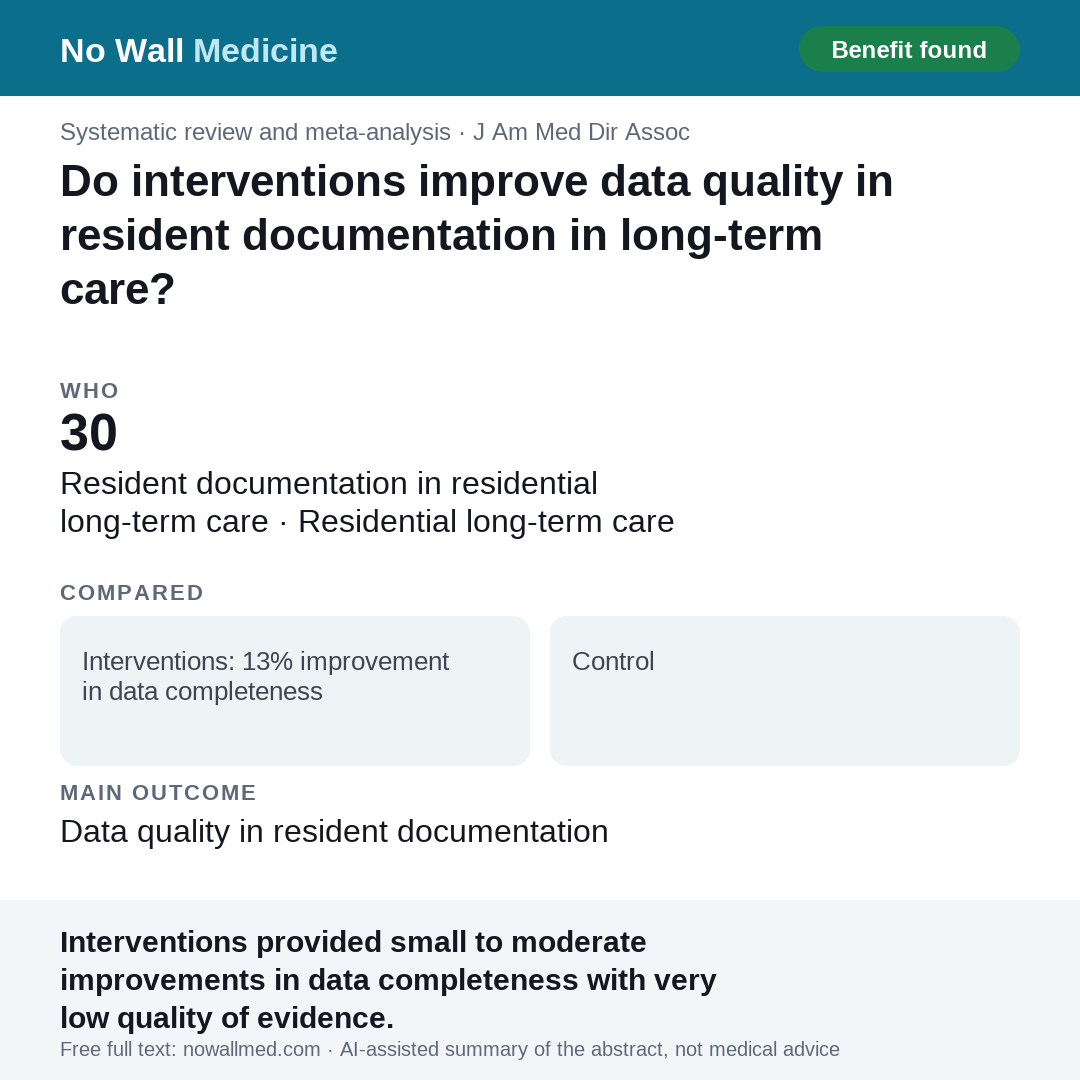
Data Quality of Resident Documentation in Long-Term Care: A Systematic Review and Meta-analysis
Systematic review and meta-analysisBenefit found
Do interventions improve data quality in resident documentation in long-term care?
Who
Resident documentation in residential long-term care · Residential long-term care
Compared
Interventions: 13% improvement in data completeness
Control
Main outcome
Data quality in resident documentation
Result: 13% (95% CI, 7%-20%)
Bottom line: Interventions provided small to moderate improvements in data completeness with very low quality of evidence.
Limitation: Most findings were limited to completeness; timeliness and accuracy remain understudied.
J Am Med Dir Assoc · 2025-03-13Download image
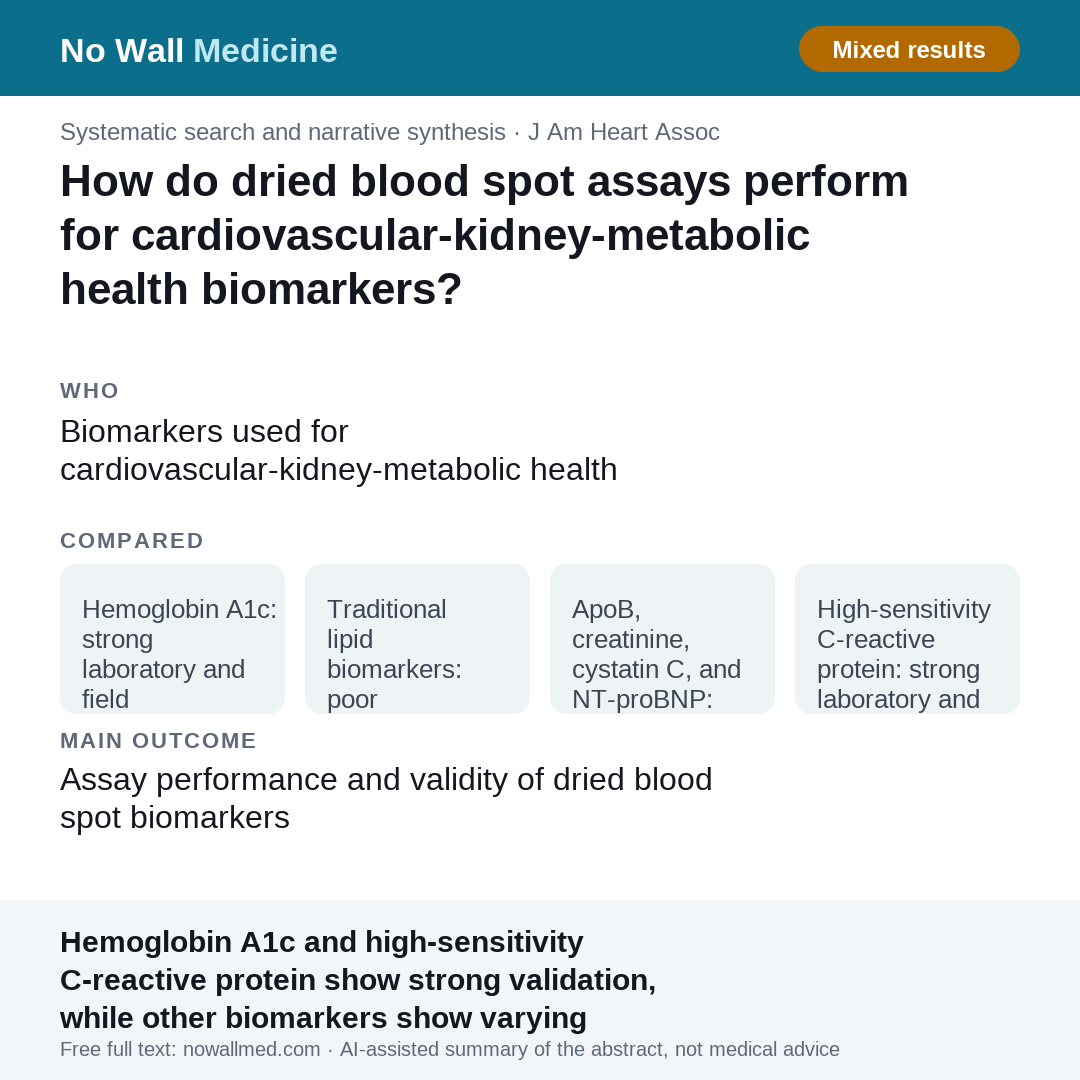
Dried Blood Spots to Assess Cardiovascular-Kidney-Metabolic Health
Systematic search and narrative synthesisMixed results
How do dried blood spot assays perform for cardiovascular-kidney-metabolic health biomarkers?
Who
Biomarkers used for cardiovascular-kidney-metabolic health assessment · Literature search through April 2024
Compared
Hemoglobin A1c: strong laboratory and field validation
Traditional lipid biomarkers: poor performance in field validation studies
ApoB, creatinine, cystatin C, and NT-proBNP: promising initial laboratory validation results
High-sensitivity C-reactive protein: strong laboratory and field validation
Main outcome
Assay performance and validity of dried blood spot biomarkers
Bottom line: Hemoglobin A1c and high-sensitivity C-reactive protein show strong validation, while other biomarkers show varying performance levels.
J Am Heart Assoc · 2025-03-13Download image
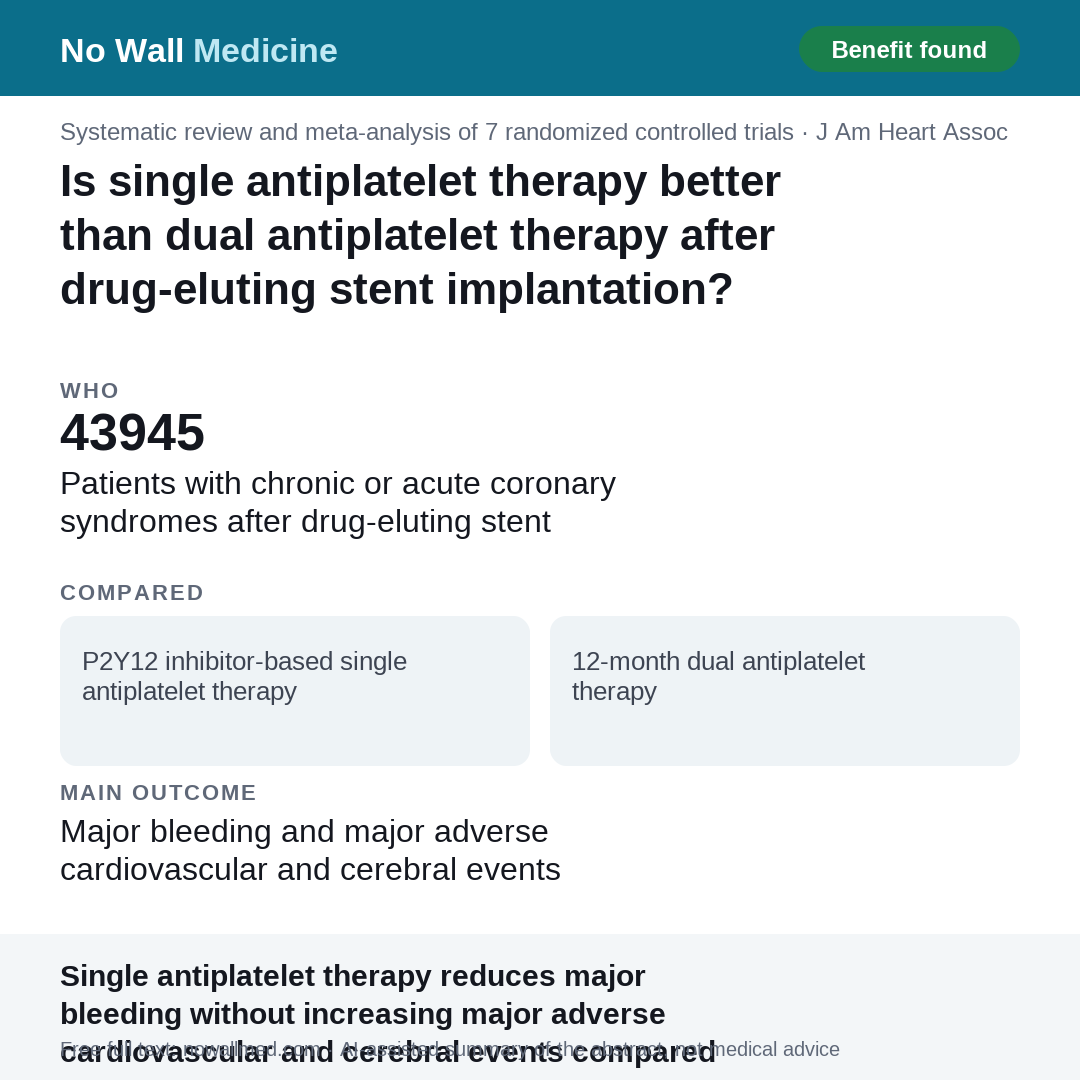
P2Y12 Inhibitor-Based Single Antiplatelet Therapy Versus Conventional Dual Antiplatelet Therapy After Newer-Generation Drug-Eluting Stent Implantation in Chronic and Acute Coronary Syndromes: A Systematic Review and Meta-Analysis of Randomized Clinical Trials
Systematic review and meta-analysis of 7 randomized controlled trialsBenefit found
Is single antiplatelet therapy better than dual antiplatelet therapy after drug-eluting stent implantation?
Who
43945
Patients with chronic or acute coronary syndromes after drug-eluting stent implantation
Compared
P2Y12 inhibitor-based single antiplatelet therapy
12-month dual antiplatelet therapy
Main outcome
Major bleeding and major adverse cardiovascular and cerebral events
Result: risk ratio 0.63 (95% CI 0.48-0.82) for major bleeding
Bottom line: Single antiplatelet therapy reduces major bleeding without increasing major adverse cardiovascular and cerebral events compared to 12-month dual antiplatelet therapy.
J Am Heart Assoc · 2025-03-13Download image
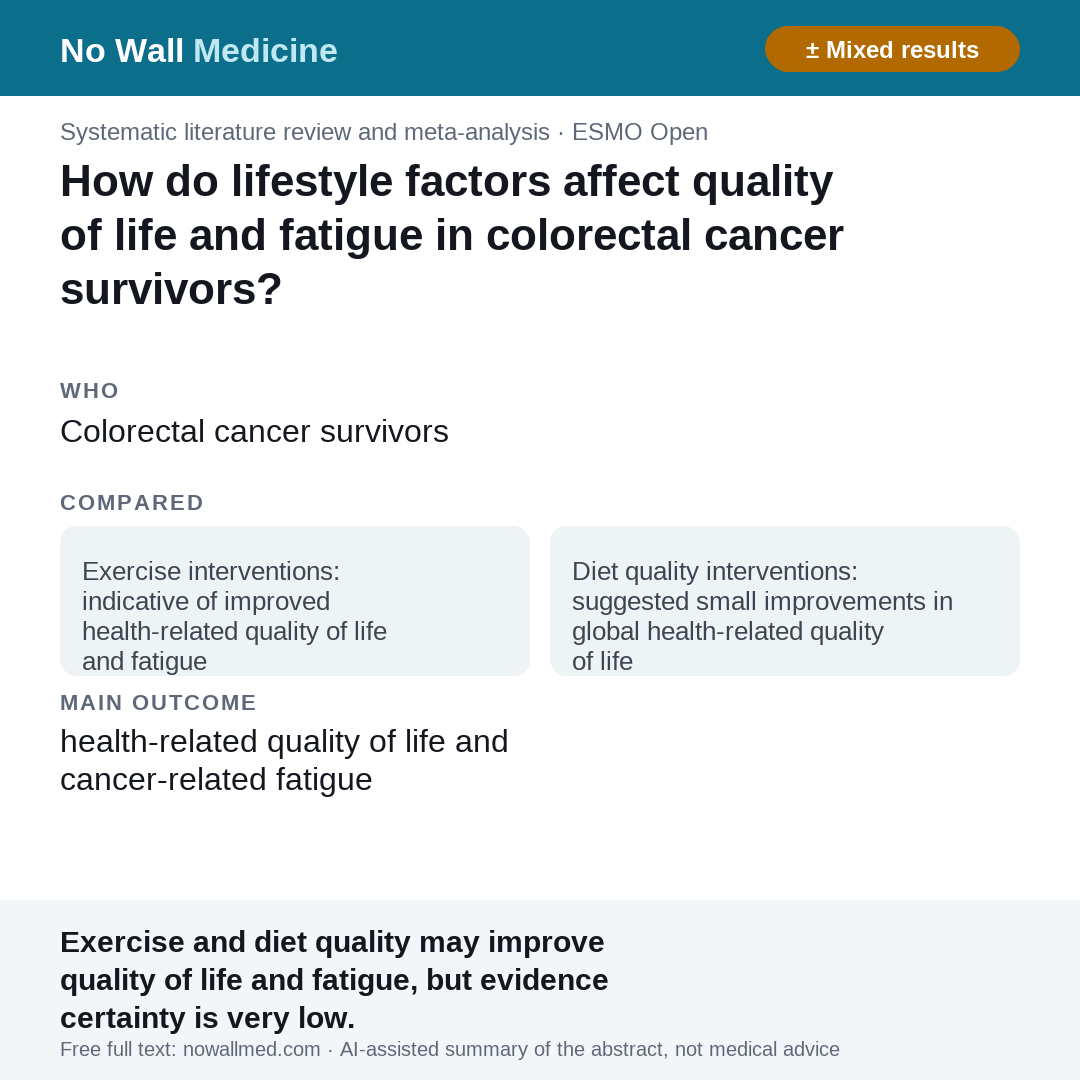
The role of physical activity, sedentary behaviour, diet, adiposity and body composition on health-related quality of life and cancer-related fatigue after diagnosis of colorectal cancer: a Global Cancer Update Programme (CUP Global) systematic literature review and meta-analysis
Systematic literature review and meta-analysisMixed results
How do lifestyle factors affect quality of life and fatigue in colorectal cancer survivors?
Who
Colorectal cancer survivors
Compared
Exercise interventions: indicative of improved health-related quality of life and fatigue
Diet quality interventions: suggested small improvements in global health-related quality of life
Main outcome
health-related quality of life and cancer-related fatigue
Bottom line: Exercise and diet quality may improve quality of life and fatigue, but evidence certainty is very low.
Limitation: High risk of bias and very low certainty of effect due to limited evidence.
ESMO Open · 2025-03-13Download image
Preventive Services for Food Insecurity: Evidence Report and Systematic Review for the US Preventive Services Task Force
Systematic reviewUnclear result
What are the benefits and harms of screening and interventions for food insecurity?
Who
People in United States health care settings · United States
Compared
29.6%Screening intervention
29.8%Usual care
Main outcome
Food insecurity, dietary, physiologic, quality of life, and health outcomes
Bottom line: Brief screening tools are sensitive, but most intervention studies had high risk of bias, limiting firm conclusions.
Limitation: Most studies of interventions to improve food insecurity had high risk of bias.
JAMA · 2025-03-12Download image

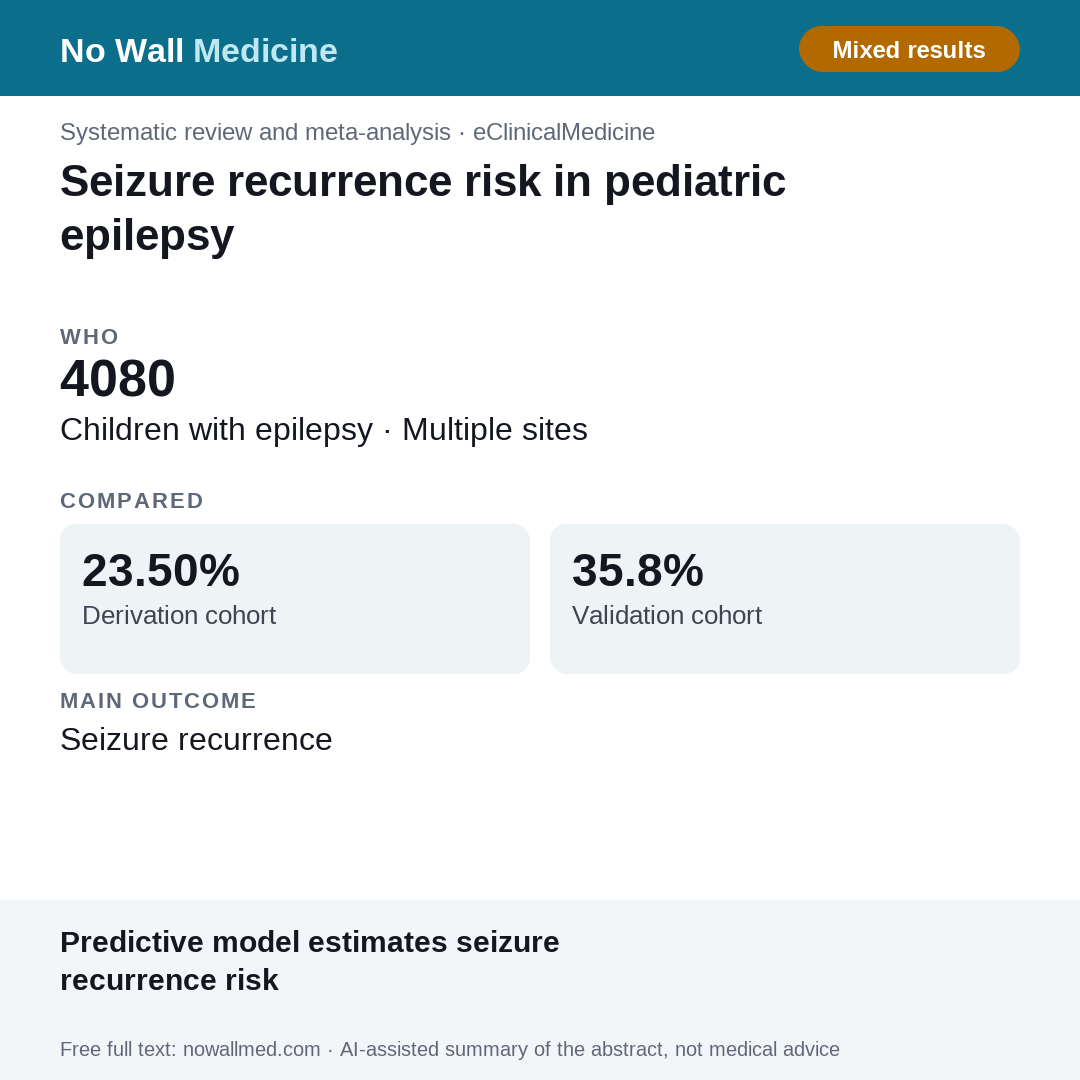
Development and validation of a predictive model for seizure recurrence following discontinuation of antiseizure medication in children with epilepsy: a systematic review and meta-analysis, and prospective cohort study
Systematic review and meta-analysisMixed results
Seizure recurrence risk in pediatric epilepsy
Who
4080
Children with epilepsy · Multiple sites
Compared
23.50%Derivation cohort (959/4080)
35.8%Validation cohort (122/341)
Main outcome
Seizure recurrence
Bottom line: Predictive model estimates seizure recurrence risk
Funded by: Chongqing Medical University
eClinicalMedicine · 2025-03-12Download image
Preoperative educational briefings: systematic review and novel evidence-based framework
Systematic reviewBenefit found
How do preoperative educational briefings impact surgical education and performance metrics?
Who
Surgical trainees · Operating room environment
Compared
Pre-educational briefing
Post-educational briefing: 93 demonstrated improvement
Main outcome
Surgical education and performance metrics
Bottom line: Structured preoperative educational briefing significantly improves surgical education and performance outcomes.
Br J Surg · 2025-03-12Download image

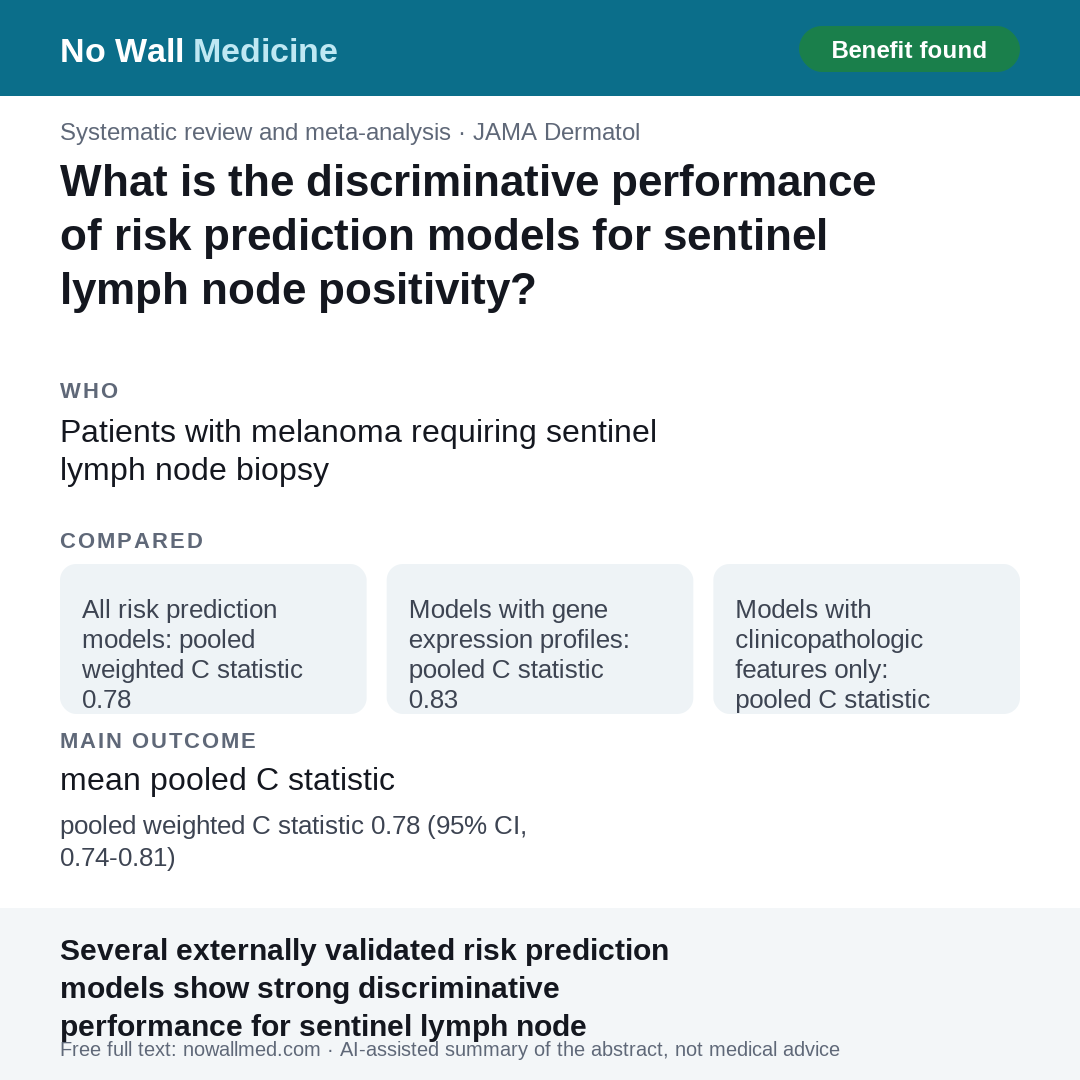
Risk Prediction Models for Sentinel Node Positivity in Melanoma: A Systematic Review and Meta-Analysis
Systematic review and meta-analysisKey finding
What is the discriminative performance of risk prediction models for sentinel lymph node positivity?
Who
Patients with melanoma requiring sentinel lymph node biopsy
Compared
All risk prediction models: pooled weighted C statistic 0.78
Models with gene expression profiles: pooled C statistic 0.83
Models with clinicopathologic features only: pooled C statistic 0.77
Main outcome
mean pooled C statistic
Result: pooled weighted C statistic 0.78 (95% CI, 0.74-0.81)
Bottom line: Several externally validated risk prediction models show strong discriminative performance for sentinel lymph node positivity in melanoma.
JAMA Dermatol · 2025-03-12Download image
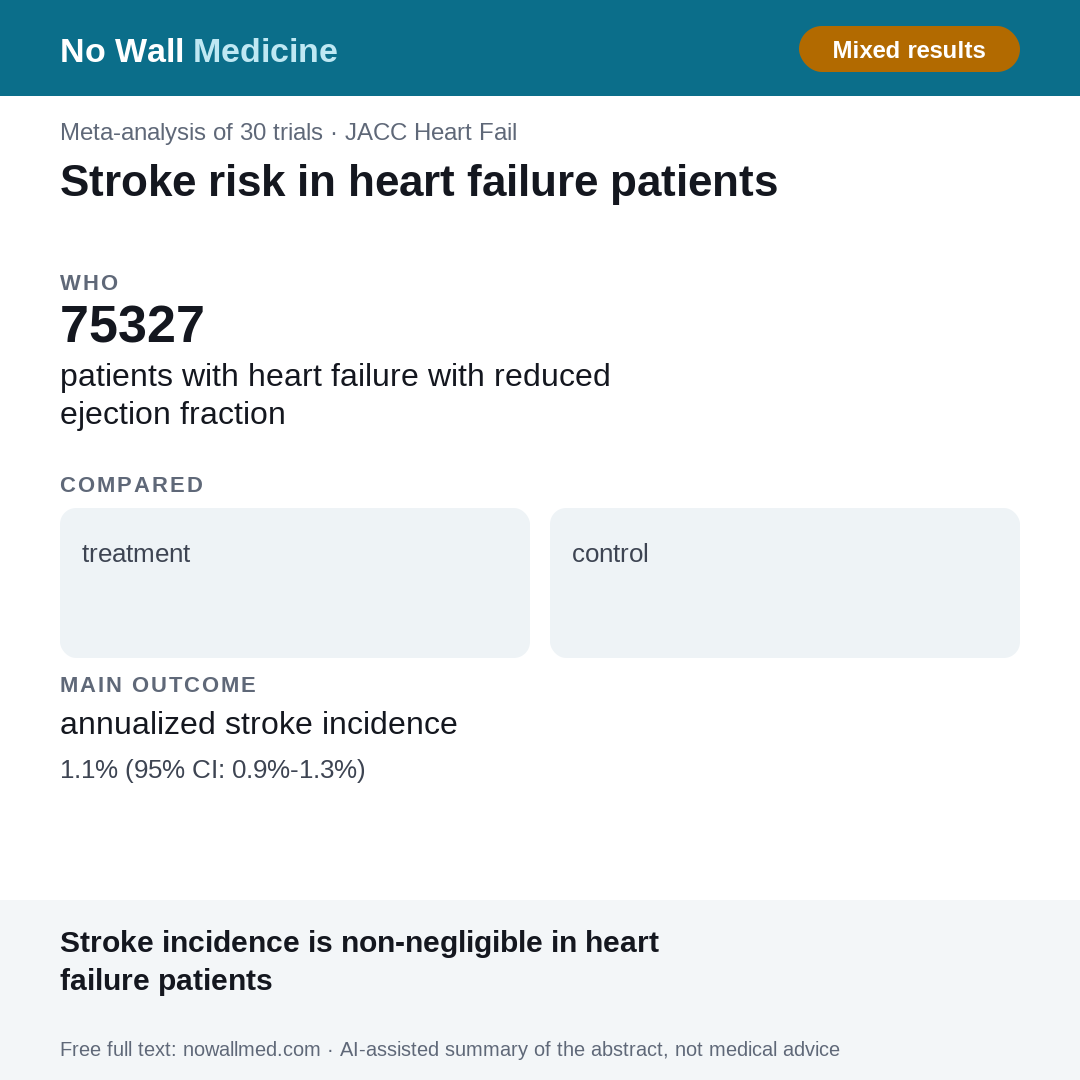
Stroke in Heart Failure With Reduced Ejection Fraction: Systematic Review and Meta-Analysis of Randomized Trials
Meta-analysis of 30 trialsMixed results
Stroke risk in heart failure patients
Who
75327
patients with heart failure with reduced ejection fraction
Compared
treatment
control
Main outcome
annualized stroke incidence
Result: 1.1% (95% CI: 0.9%-1.3%)
Bottom line: Stroke incidence is non-negligible in heart failure patients
Limitation: high heterogeneity across trials
JACC Heart Fail · 2025-03-12Download image
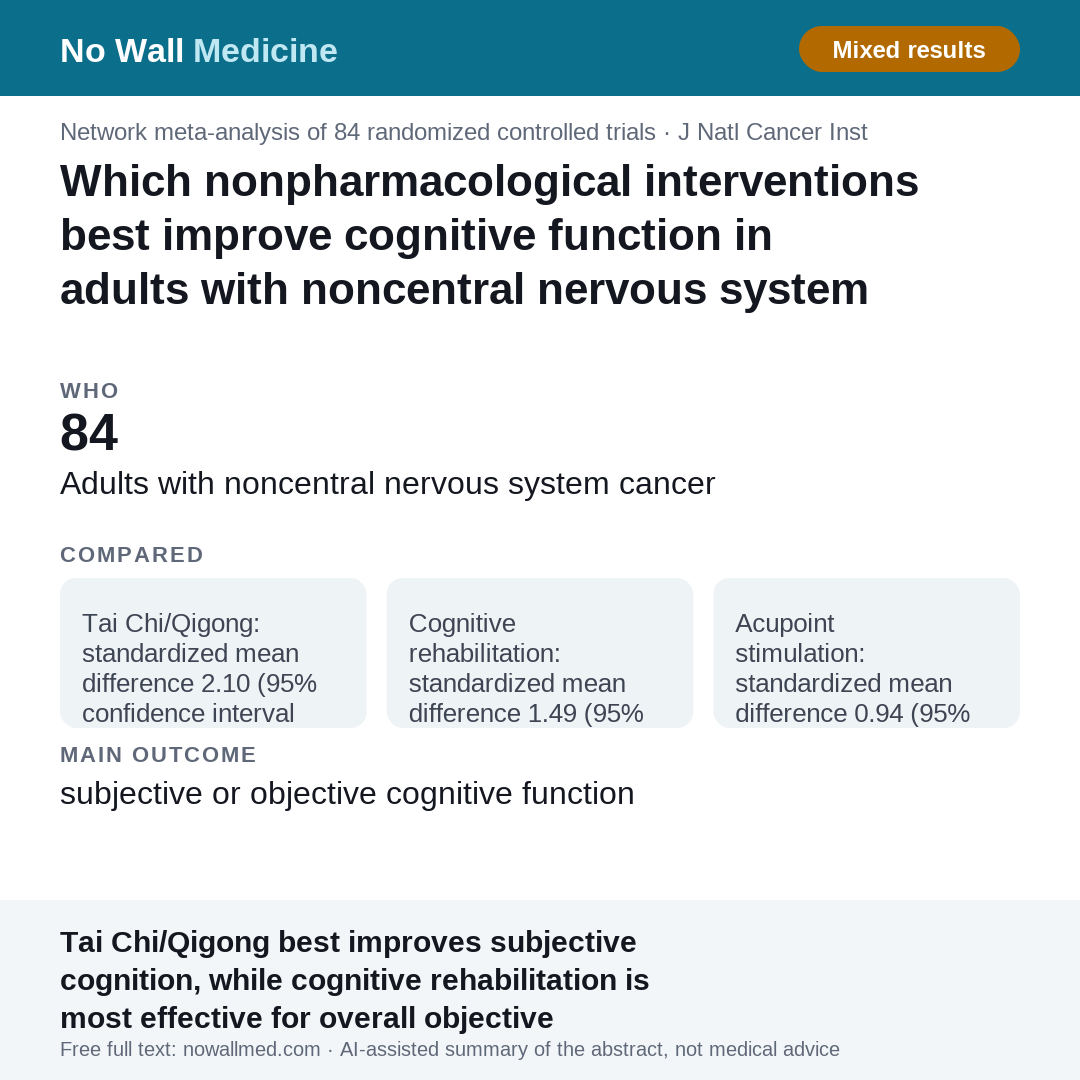
Comparative effectiveness of various nonpharmacological interventions, including traditional Chinese medicine-based interventions for cancer-related cognitive impairment: a comprehensive network meta-analysis
Network meta-analysis of 84 randomized controlled trialsMixed results
Which nonpharmacological interventions best improve cognitive function in adults with noncentral nervous system cancer?
Who
Adults with noncentral nervous system cancer
Compared
Tai Chi/Qigong: standardized mean difference 2.10 (95% confidence interval 0.62 to 3.59)
Cognitive rehabilitation: standardized mean difference 1.49 (95% confidence interval 0.41 to 2.58)
Acupoint stimulation: standardized mean difference 0.94 (95% confidence interval 0.13 to 1.76)
Main outcome
subjective or objective cognitive function
Bottom line: Tai Chi/Qigong best improves subjective cognition, while cognitive rehabilitation is most effective for overall objective cognitive function.
J Natl Cancer Inst · 2025-03-12Download image
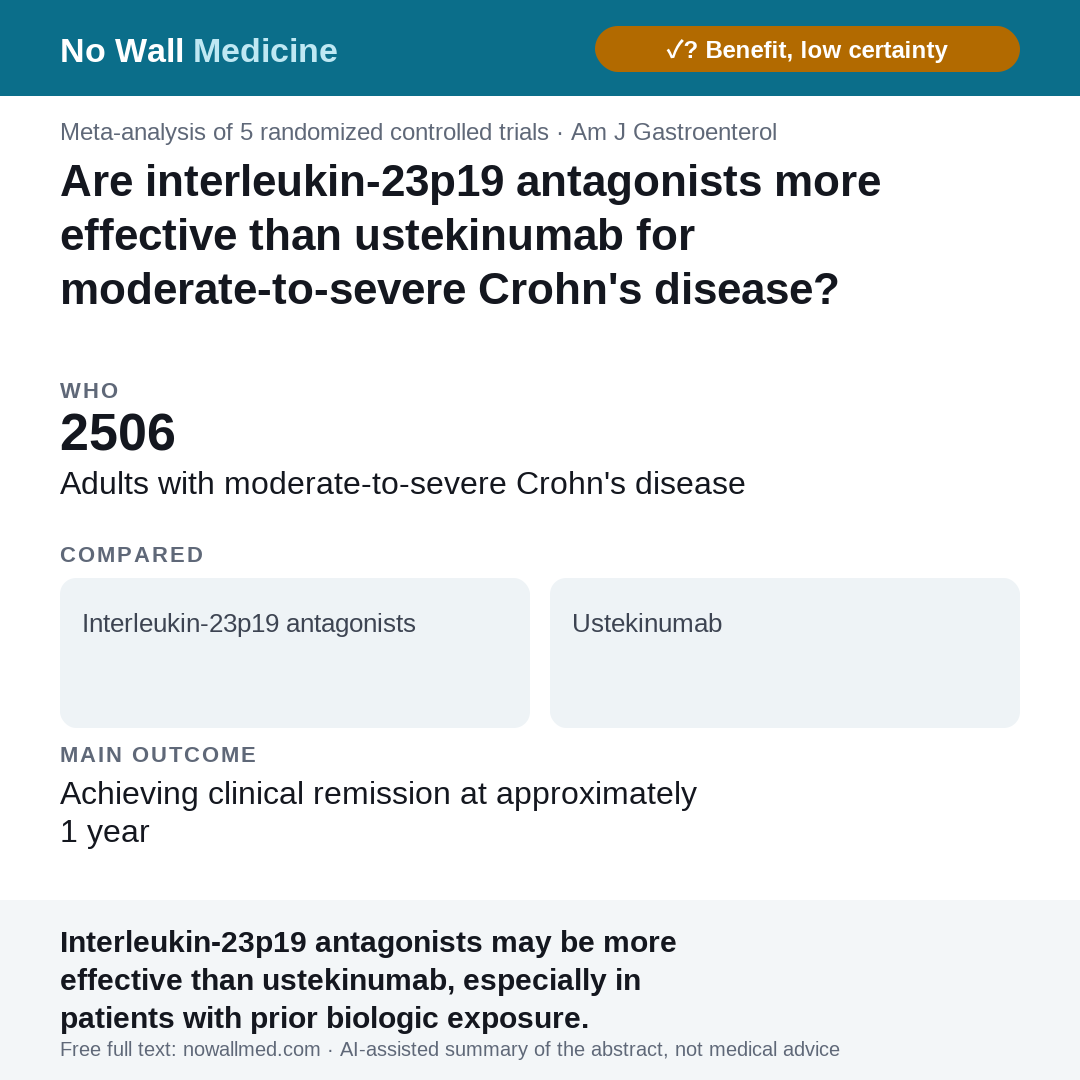
IL-23p19 Antagonists vs Ustekinumab for Treatment of Crohn's Disease: A Meta-Analysis of Randomized Controlled Trials
Meta-analysis of 5 randomized controlled trialsBenefit, low certainty
Are interleukin-23p19 antagonists more effective than ustekinumab for moderate-to-severe Crohn's disease?
Who
2506
Adults with moderate-to-severe Crohn's disease
Compared
Interleukin-23p19 antagonists
Ustekinumab
Main outcome
Achieving clinical remission at approximately 1 year
Result: relative risk 1.18 (95% confidence interval 1.02-1.36)
Bottom line: Interleukin-23p19 antagonists may be more effective than ustekinumab, especially in patients with prior biologic exposure.
Am J Gastroenterol · 2025-03-12Download image
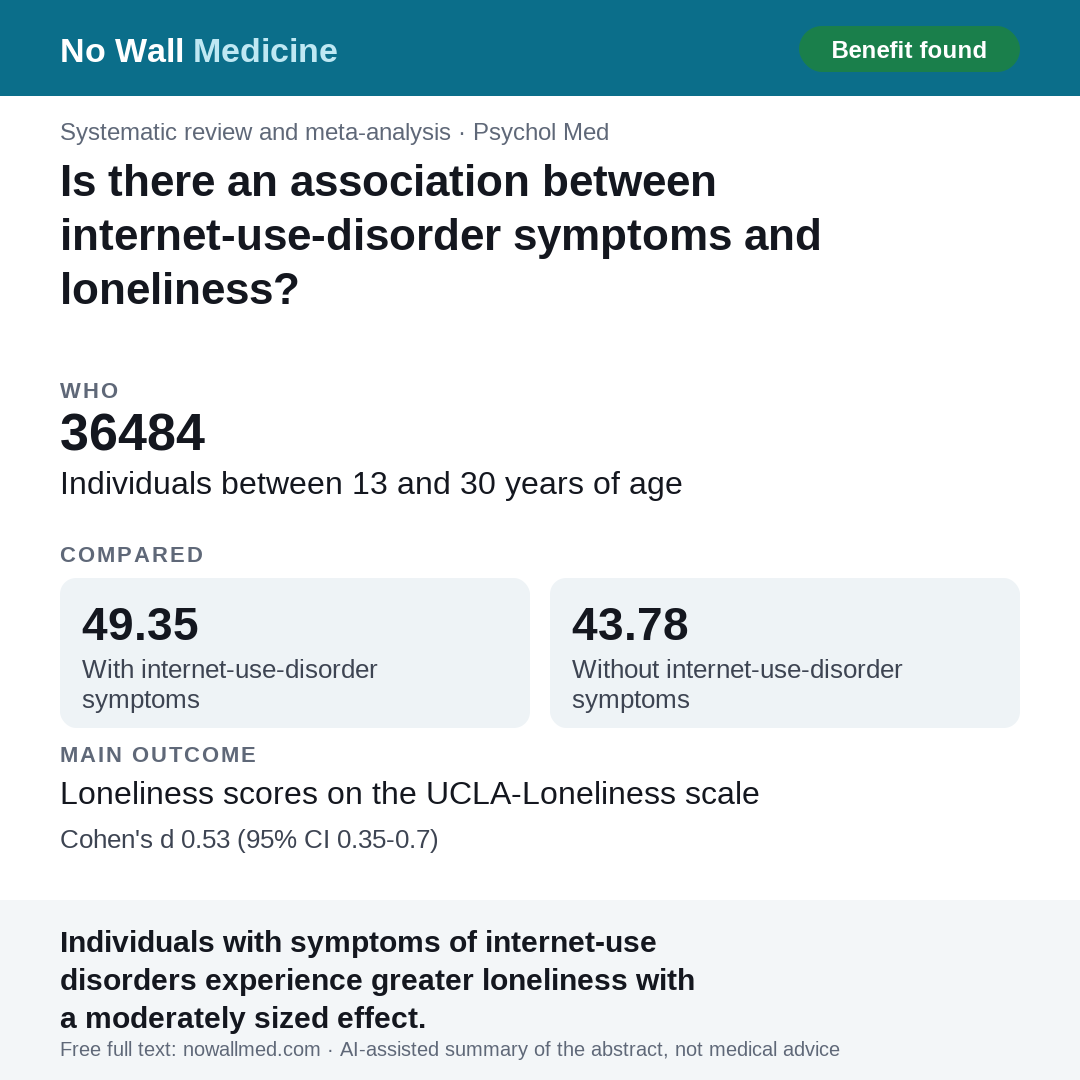
The association between internet-use-disorder symptoms and loneliness: a systematic review and meta-analysis with a categorical approach
Systematic review and meta-analysisBenefit found
Is there an association between internet-use-disorder symptoms and loneliness?
Who
36484
Individuals between 13 and 30 years of age
Compared
49.35With internet-use-disorder symptoms (43.84-54.85)
43.78Without internet-use-disorder symptoms (37.47-50.08)
Main outcome
Loneliness scores on the UCLA-Loneliness scale
Result: Cohen's d 0.53 (95% CI 0.35-0.7)
Bottom line: Individuals with symptoms of internet-use disorders experience greater loneliness with a moderately sized effect.
Limitation: While there was no indication of publication bias, heterogeneity was high.
Psychol Med · 2025-03-12Download image
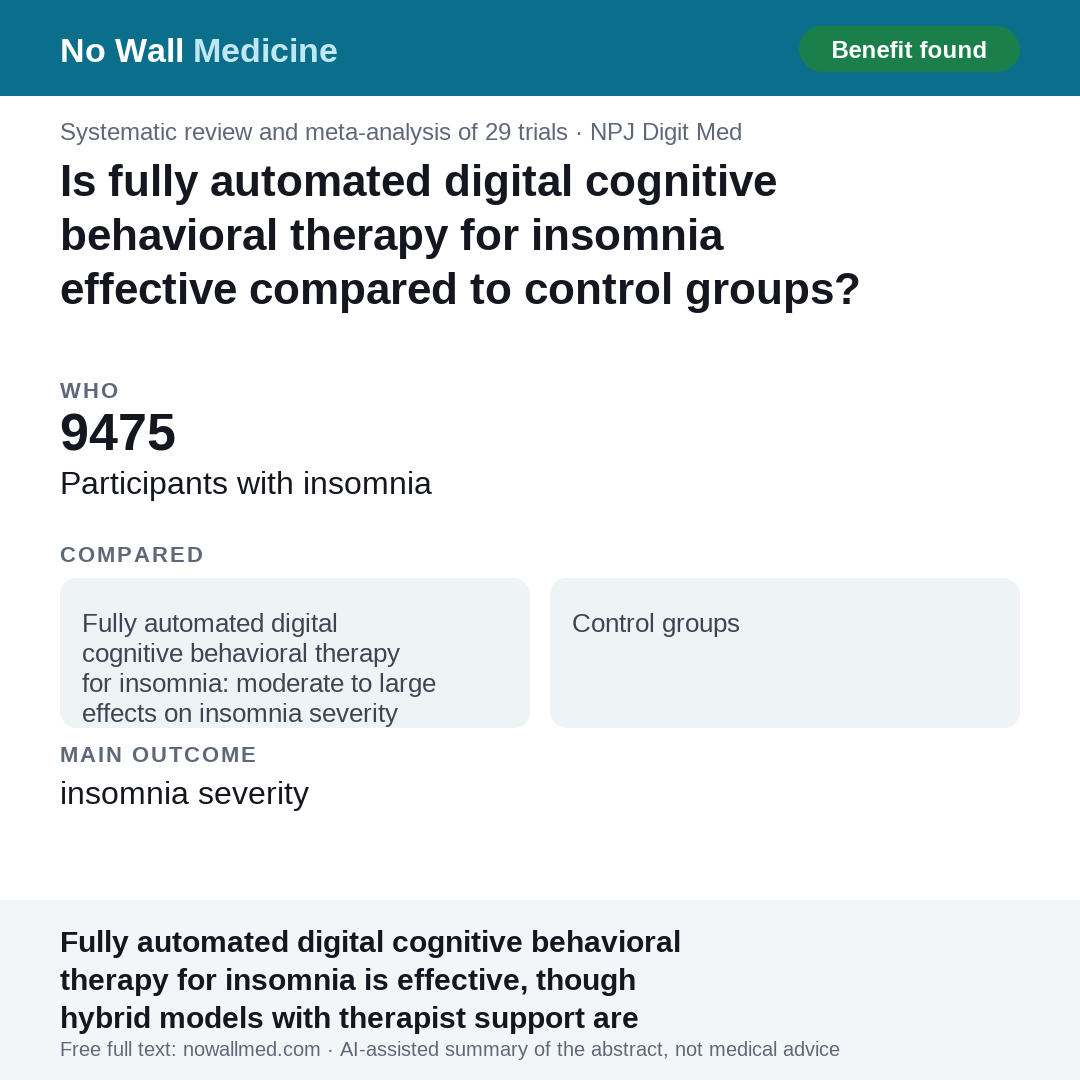
Systematic review and meta-analysis on fully automated digital cognitive behavioral therapy for insomnia
Systematic review and meta-analysis of 29 trialsBenefit found
Is fully automated digital cognitive behavioral therapy for insomnia effective compared to control groups?
Who
9475
Participants with insomnia
Compared
Fully automated digital cognitive behavioral therapy for insomnia: moderate to large effects on insomnia severity
Control groups
Main outcome
insomnia severity
Bottom line: Fully automated digital cognitive behavioral therapy for insomnia is effective, though hybrid models with therapist support are more beneficial.
Limitation: FA dCBT-I was less effective than therapist-assisted cognitive behavioral therapy for insomnia.
NPJ Digit Med · 2025-03-12Download image
Health Care Delivery of Clinical Preventive Services for People With Disabilities : A Systematic Review
Systematic reviewUnclear result
Preventive services for people with disabilities
Who
people with disabilities
Compared
intervention
control
Main outcome
receipt of preventive services
Bottom line: Barriers exist to preventive services
Limitation: high methodological heterogeneity
Funded by: Agency for Healthcare Research and Quality
Ann Intern Med · 2025-03-11Download image

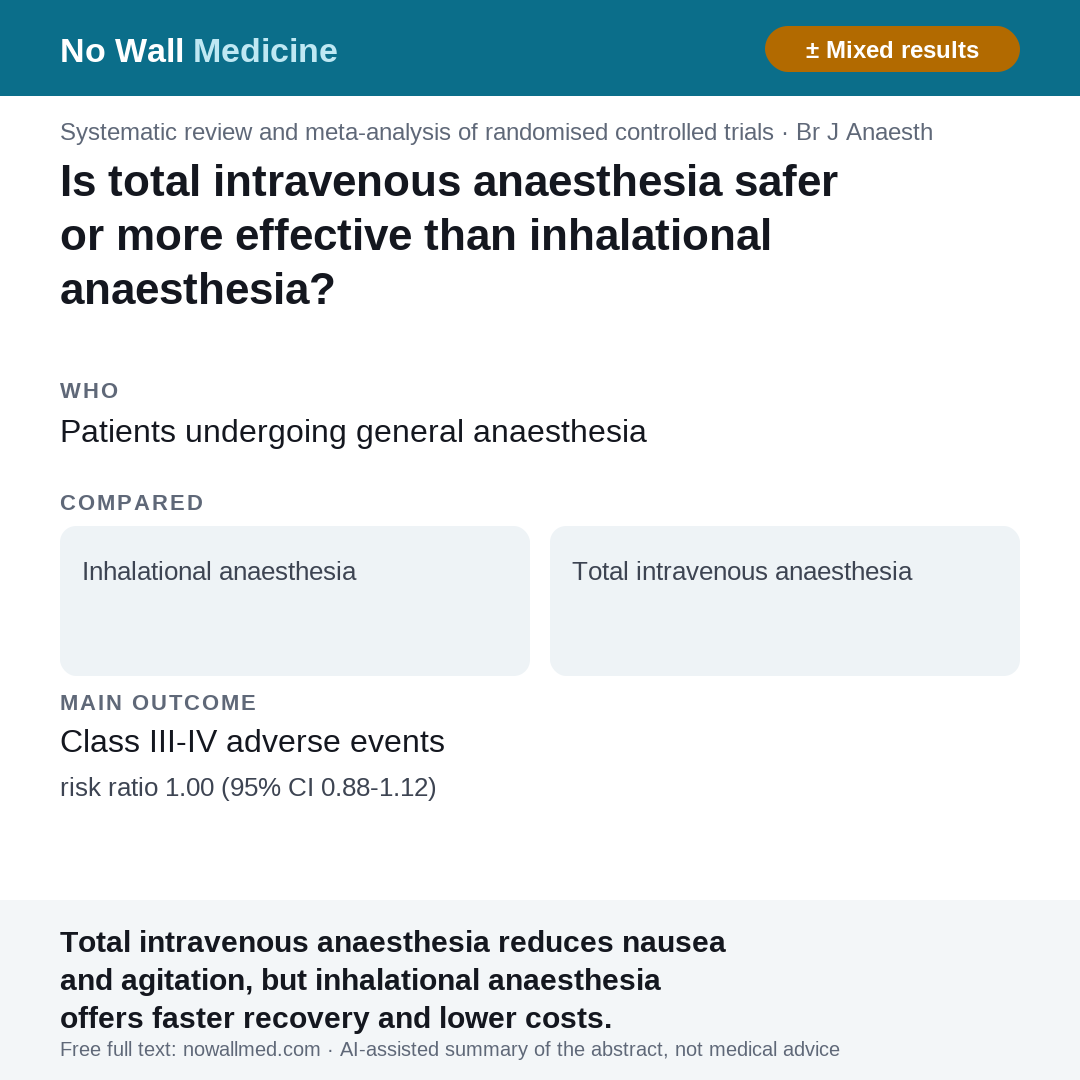
Safety and recovery profile of patients after inhalational anaesthesia versus target-controlled or manual total intravenous anaesthesia: a systematic review and meta-analysis of randomised controlled trials
Systematic review and meta-analysis of randomised controlled trialsMixed results
Is total intravenous anaesthesia safer or more effective than inhalational anaesthesia?
Who
Patients undergoing general anaesthesia
Compared
Inhalational anaesthesia
Total intravenous anaesthesia
Main outcome
Class III-IV adverse events
Result: risk ratio 1.00 (95% CI 0.88-1.12)
Bottom line: Total intravenous anaesthesia reduces nausea and agitation, but inhalational anaesthesia offers faster recovery and lower costs.
Br J Anaesth · 2025-03-11Download image
The analgesic effects of novel fascial plane blocks compared with intrathecal morphine after Caesarean delivery: a systematic review and meta-analysis
Systematic review and meta-analysisMixed results
Are fascial plane blocks as effective as intrathecal morphine for post-Caesarean analgesia?
Who
1525
Patients undergoing Caesarean delivery
Compared
Intrathecal morphine
Transversus abdominus plane block
Quadratus lumborum block
Erector spinae plane block
Main outcome
Rest pain intensity at 6 hours on visual analogue scale
Result: mean difference 1.21 cm (95% CI 0.42-2.00) for TAP block
Bottom line: Quadratus lumborum block provides similar analgesia and fewer side-effects compared to intrathecal morphine, unlike transversus abdominus plane blocks.
Br J Anaesth · 2025-03-11Download image

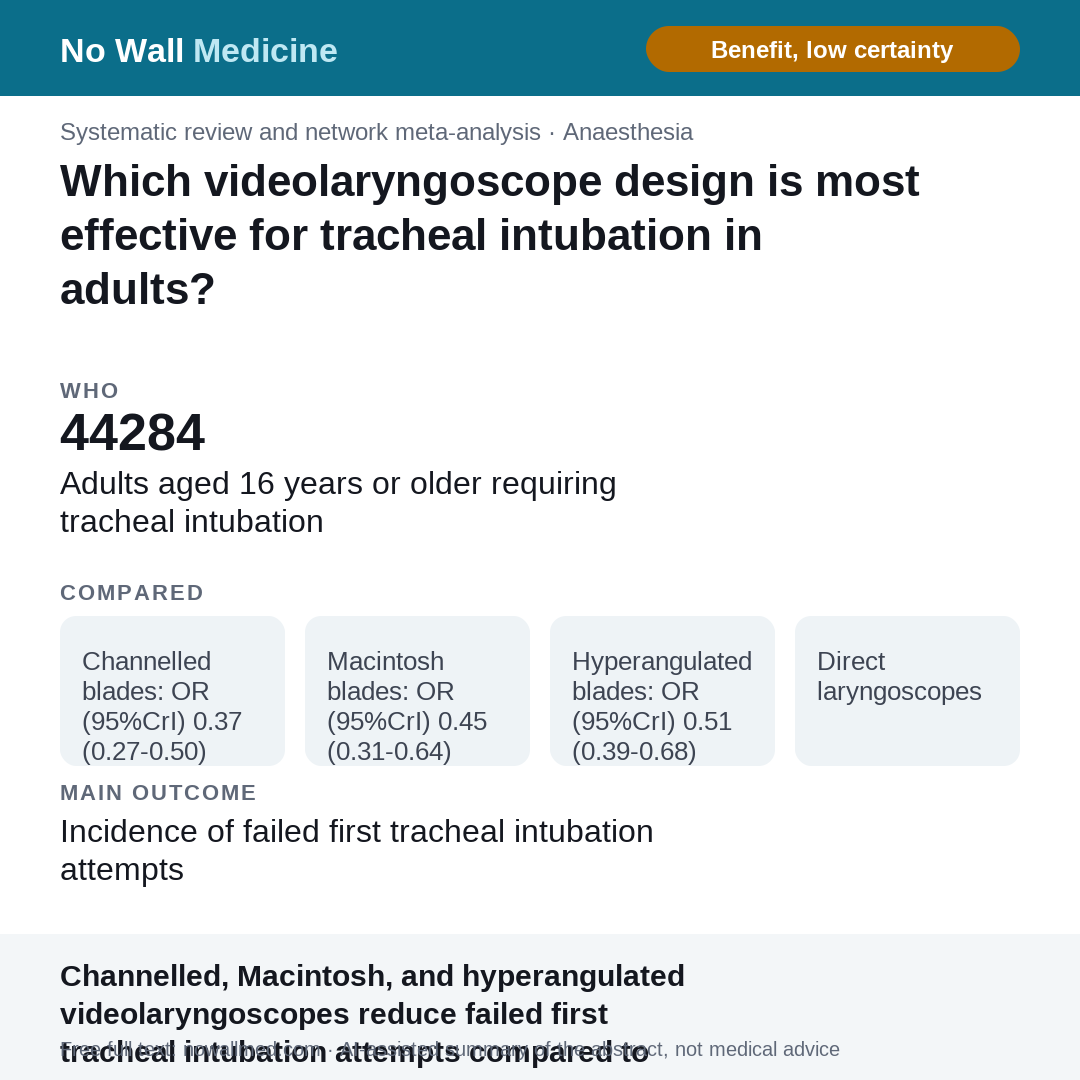
Videolaryngoscope designs for tracheal intubation in adults: a systematic review with network meta-analysis of randomised controlled trials
Systematic review and network meta-analysisBenefit, low certainty
Which videolaryngoscope design is most effective for tracheal intubation in adults?
Who
44284
Adults aged 16 years or older requiring tracheal intubation
Compared
Channelled blades: OR (95%CrI) 0.37 (0.27-0.50)
Macintosh blades: OR (95%CrI) 0.45 (0.31-0.64)
Hyperangulated blades: OR (95%CrI) 0.51 (0.39-0.68)
Direct laryngoscopes
Main outcome
Incidence of failed first tracheal intubation attempts
Result: OR (95%CrI) 0.37 (0.27-0.50) for channelled blades
Bottom line: Channelled, Macintosh, and hyperangulated videolaryngoscopes reduce failed first tracheal intubation attempts compared to direct laryngoscopy.
Limitation: No definitive conclusions can be drawn regarding comparative performance across different video-assisted devices and designs.
Anaesthesia · 2025-03-11Download image
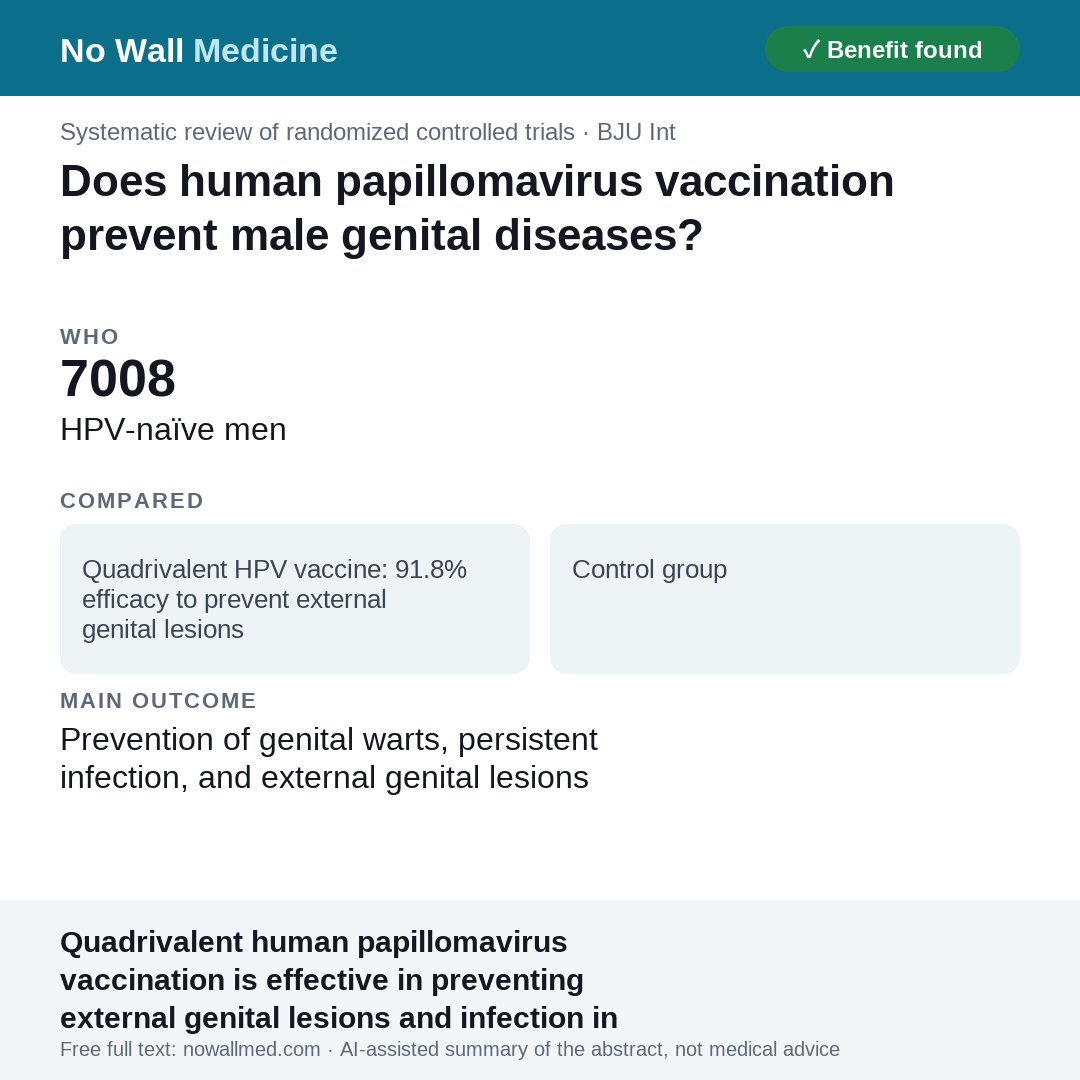
Efficacy of human papillomavirus vaccines in the prevention of male genital diseases: a systematic review
Systematic review of randomized controlled trialsBenefit found
Does human papillomavirus vaccination prevent male genital diseases?
Who
7008
HPV-naïve men
Compared
Quadrivalent HPV vaccine: 91.8% efficacy to prevent external genital lesions
Control group
Main outcome
Prevention of genital warts, persistent infection, and external genital lesions
Bottom line: Quadrivalent human papillomavirus vaccination is effective in preventing external genital lesions and infection in HPV-naïve men.
Limitation: Low incidence of male genital malignancies in control groups led to underpowered evidence for cancer prevention.
BJU Int · 2025-03-11Download image