Visual abstracts
New randomized trials and meta-analyses from leading journals at a glance: who was studied, what was compared, and what was found. Every paper is free to read in full.
All specialtiesCardiology 4763Oncology 4042Gastroenterology & Hepatology 1902Infectious Disease 3756Neurology 1872Psychiatry & Mental Health 2214Pulmonology 2042Critical Care 1319Endocrinology & Diabetes 2544Pediatrics 2889Surgery 2479Orthopedics & Sports Medicine 917Neurosurgery 525Cardiothoracic & Vascular Surgery 656Plastic & Reconstructive Surgery 574Nephrology 1107Rheumatology 810Hematology 1090Dermatology 611Ophthalmology 532Obstetrics & Gynecology 1645Public & Global Health 1037Radiology & Imaging 617Anesthesiology 957Urology 745ENT (Otolaryngology) 494Emergency Medicine 481Allergy & Immunology 309Geriatrics 972Family Medicine & Primary Care 533Medical Genetics & Genomics 659Pathology & Laboratory Medicine 156Physical Medicine & Rehabilitation 734Palliative Care 421Nutrition 1560Digital Health & AI 2133General Medicine 318
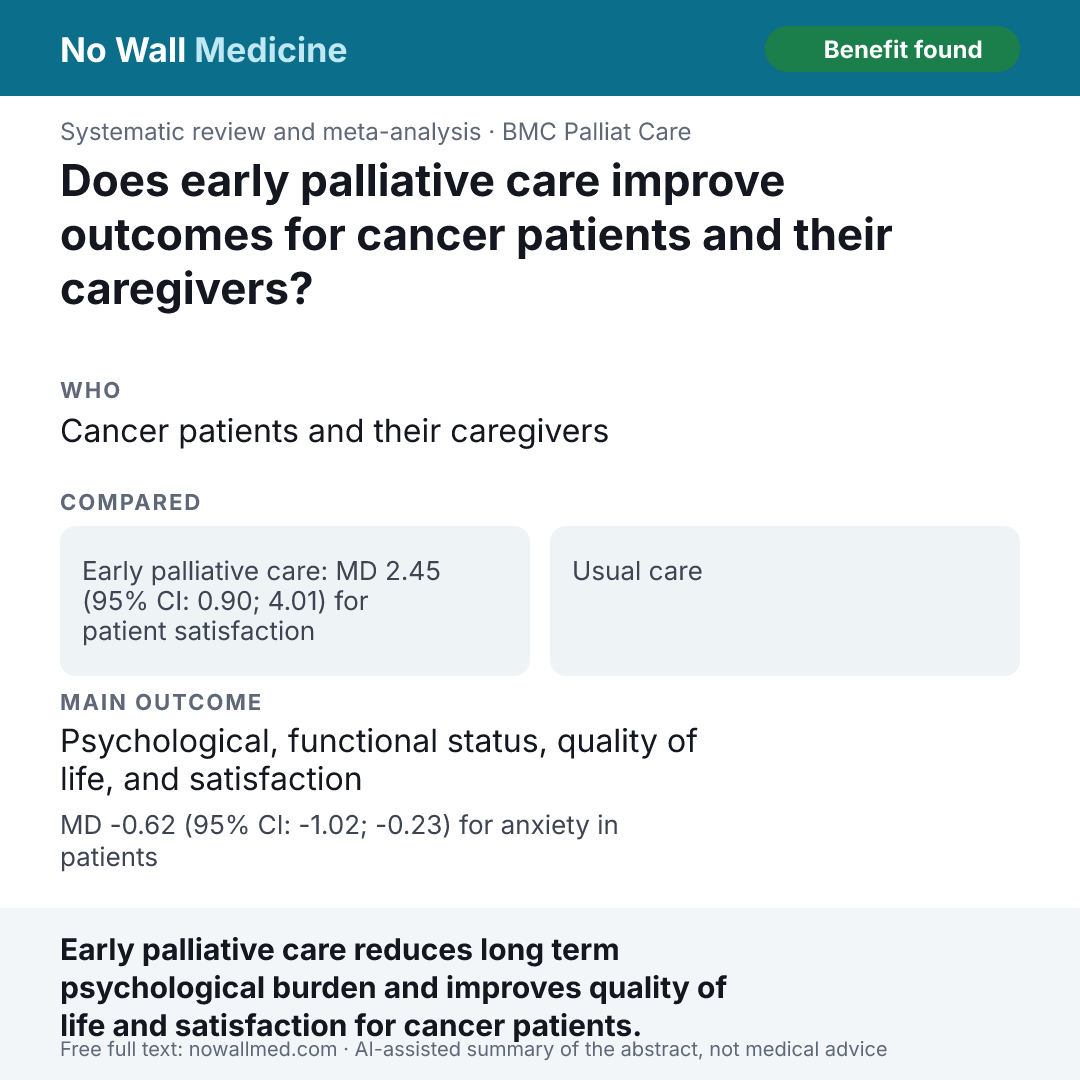
The benefits of early palliative care on psychological well-being, functional status, and health-related quality of life among cancer patients and their caregivers: a systematic review and meta-analysis
Systematic review and meta-analysisBenefit found
Does early palliative care improve outcomes for cancer patients and their caregivers?
Who
Cancer patients and their caregivers
Compared
Early palliative care: MD 2.45 (95% CI: 0.90; 4.01) for patient satisfaction
Usual care
Main outcome
Psychological, functional status, quality of life, and satisfaction
Result: MD -0.62 (95% CI: -1.02; -0.23) for anxiety in patients
Bottom line: Early palliative care reduces long term psychological burden and improves quality of life and satisfaction for cancer patients.
BMC Palliat Care · 2025-04-28 · Save PNG
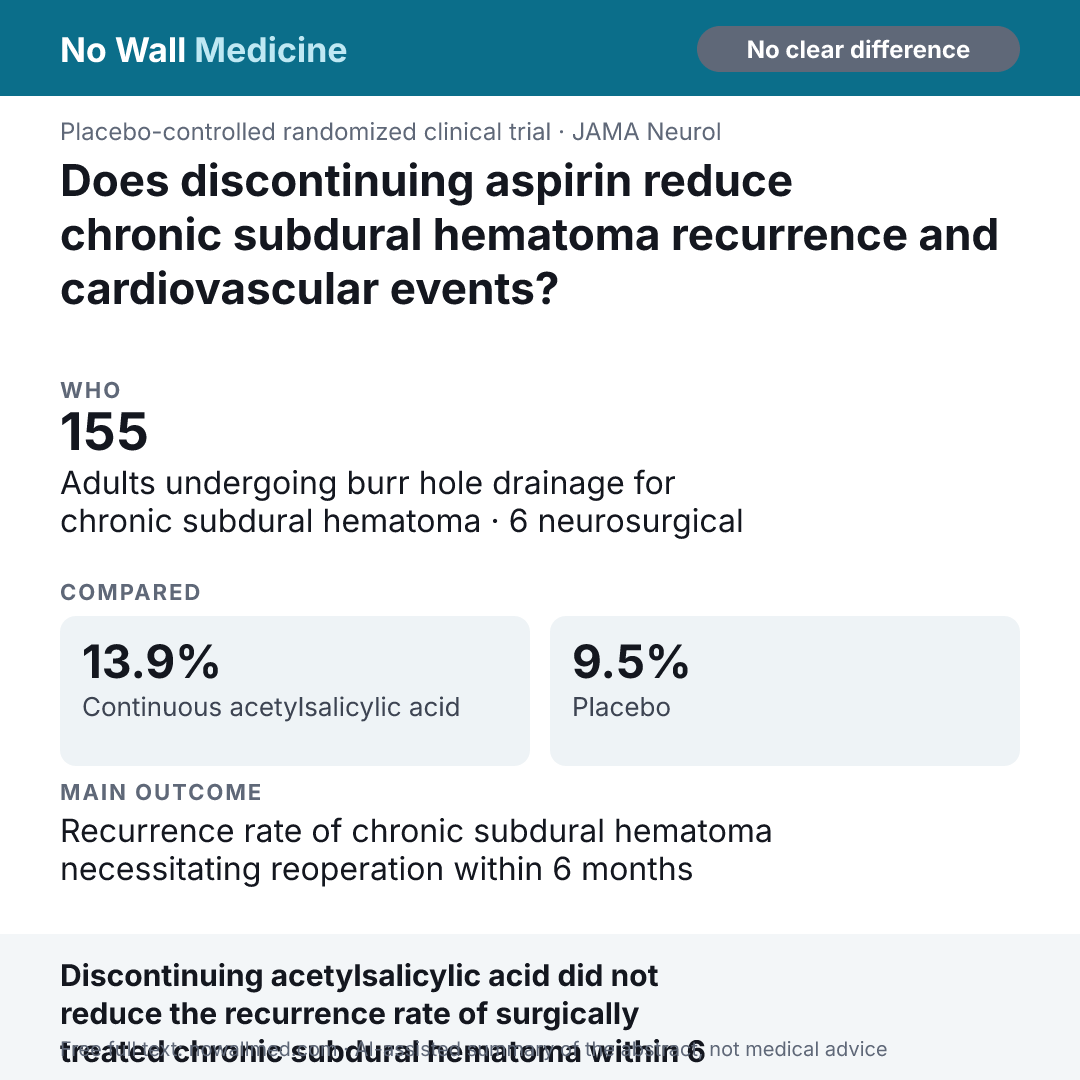
Aspirin Continuation or Discontinuation in Surgically Treated Chronic Subdural Hematoma: A Randomized Clinical Trial
Placebo-controlled randomized clinical trialNo clear difference
Does discontinuing aspirin reduce chronic subdural hematoma recurrence and cardiovascular events?
Who
155
Adults undergoing burr hole drainage for chronic subdural hematoma · 6 neurosurgical centers in Switzerland
Compared
13.9%Continuous acetylsalicylic acid
9.5%Placebo
Main outcome
Recurrence rate of chronic subdural hematoma necessitating reoperation within 6 months
Result: weighted risk difference 4.4% (95% CI, -7.2% to 15.9%)
Bottom line: Discontinuing acetylsalicylic acid did not reduce the recurrence rate of surgically treated chronic subdural hematoma within 6 months.
JAMA Neurol · 2025-04-27 · Save PNG
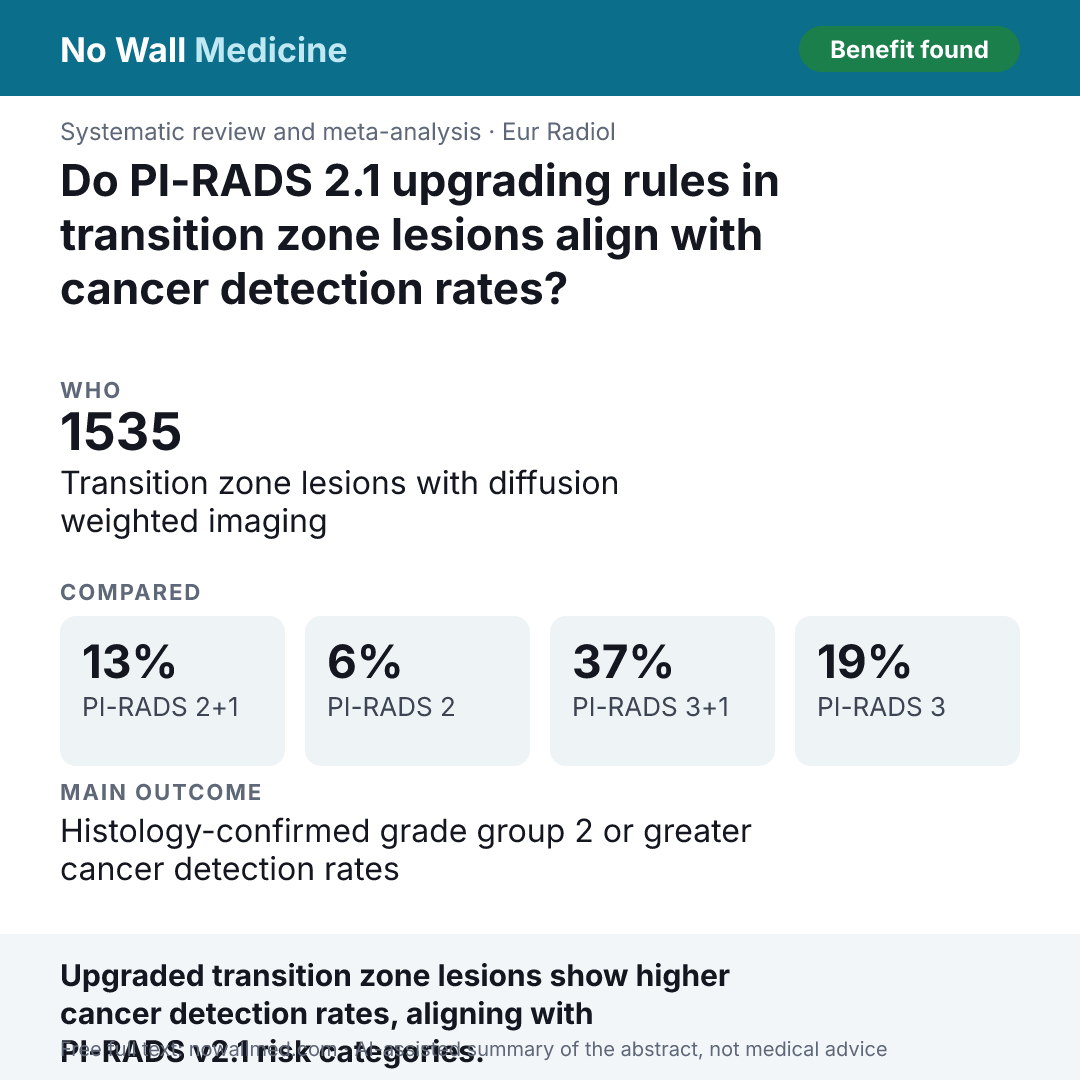
Detection rates for prostate cancer using PI-RADS 2.1 upgrading rules in transition zone lesions align with risk assessment categories: a systematic review and meta-analysis
Systematic review and meta-analysisBenefit found
Do PI-RADS 2.1 upgrading rules in transition zone lesions align with cancer detection rates?
Who
1535
Transition zone lesions with diffusion weighted imaging
Compared
13%PI-RADS 2+1 (6%-23%)
6%PI-RADS 2 (4%-10%)
37%PI-RADS 3+1 (24%-52%)
19%PI-RADS 3 (15%-25%)
Main outcome
Histology-confirmed grade group 2 or greater cancer detection rates
Result: OR 3.37 (1.53-7.44) for 2+1 vs 2; OR 2.67 (1.27-5.59) for 3+1 vs 3
Bottom line: Upgraded transition zone lesions show higher cancer detection rates, aligning with PI-RADS v2.1 risk categories.
Limitation: High rate of grade group 1 and benign findings emphasizes need to minimize overdiagnosis.
Eur Radiol · 2025-04-27 · Save PNG
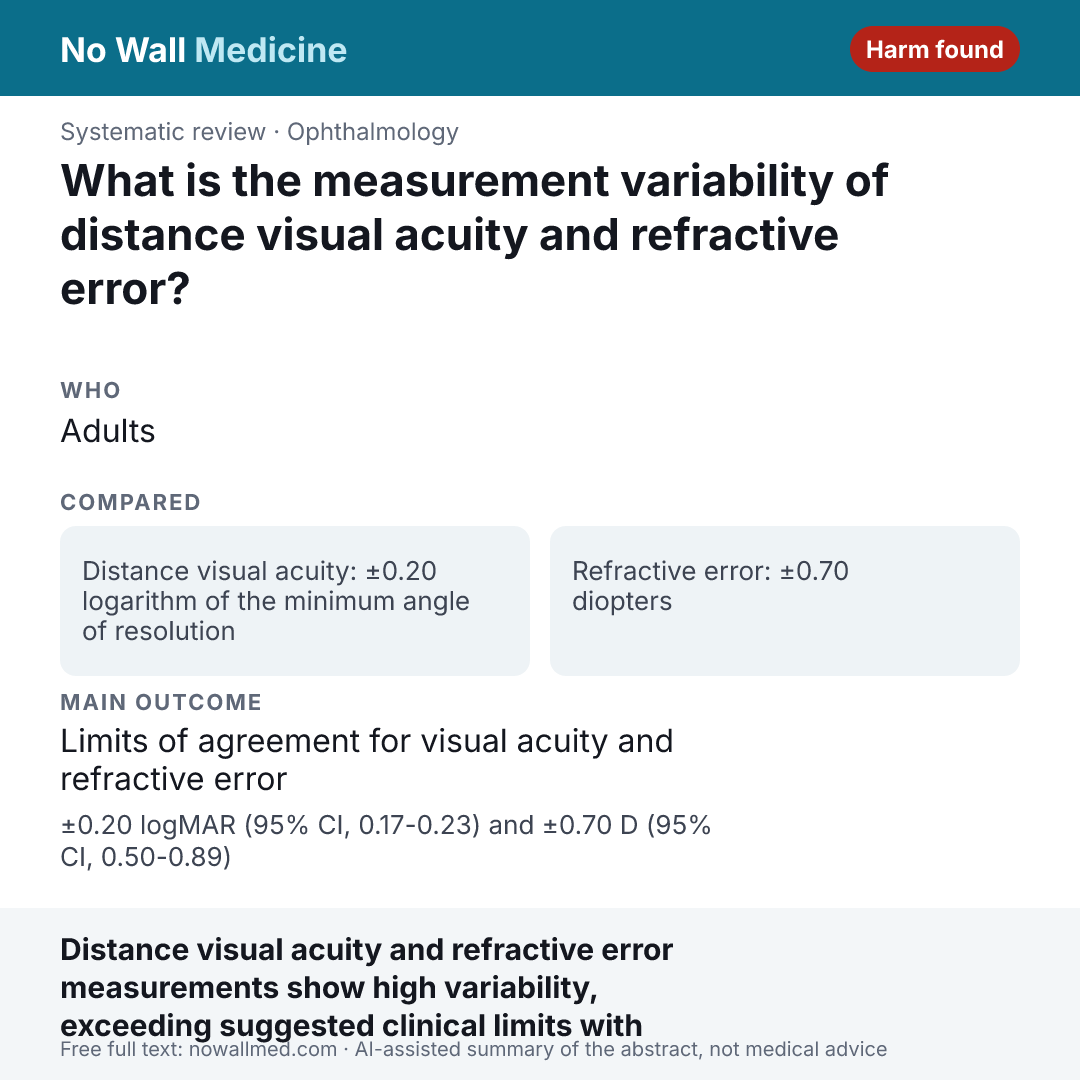
Determining the Variability Associated with Visual Acuity and Refractive Error Measurements: A Systematic Review
Systematic reviewHarm found
What is the measurement variability of distance visual acuity and refractive error?
Who
Adults
Compared
Distance visual acuity: ±0.20 logarithm of the minimum angle of resolution
Refractive error: ±0.70 diopters
Main outcome
Limits of agreement for visual acuity and refractive error
Result: ±0.20 logMAR (95% CI, 0.17-0.23) and ±0.70 D (95% CI, 0.50-0.89)
Bottom line: Distance visual acuity and refractive error measurements show high variability, exceeding suggested clinical limits with very low certainty of evidence.
Limitation: Most studies had high or unclear risk of bias and certainty of evidence was very low.
Ophthalmology · 2025-04-26 · Save PNG
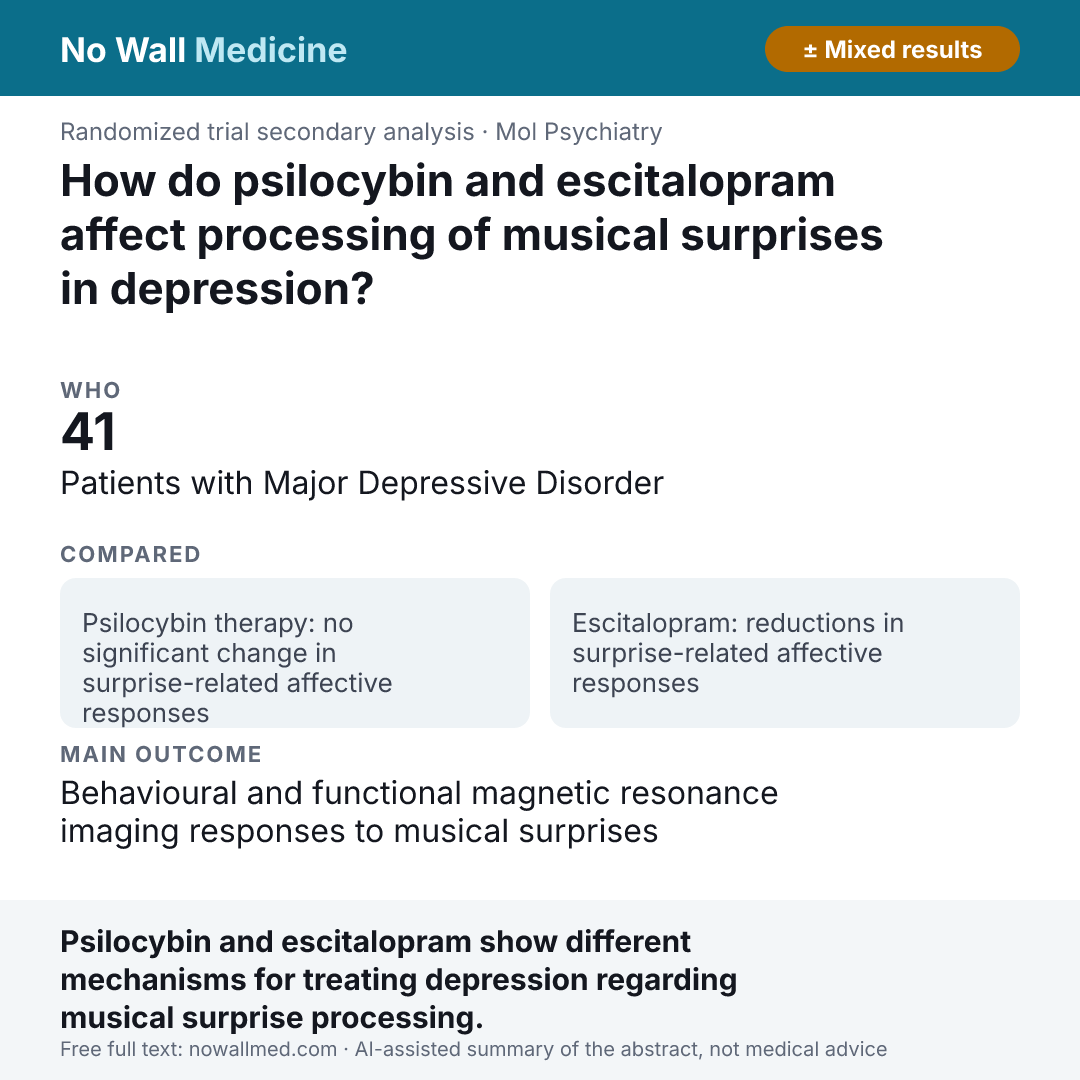
Dissociable effects of psilocybin and escitalopram for depression on processing of musical surprises
Randomized trial secondary analysisMixed results
How do psilocybin and escitalopram affect processing of musical surprises in depression?
Who
41
Patients with Major Depressive Disorder
Compared
Psilocybin therapy: no significant change in surprise-related affective responses
Escitalopram: reductions in surprise-related affective responses
Main outcome
Behavioural and functional magnetic resonance imaging responses to musical surprises
Bottom line: Psilocybin and escitalopram show different mechanisms for treating depression regarding musical surprise processing.
Mol Psychiatry · 2025-04-26 · Save PNG
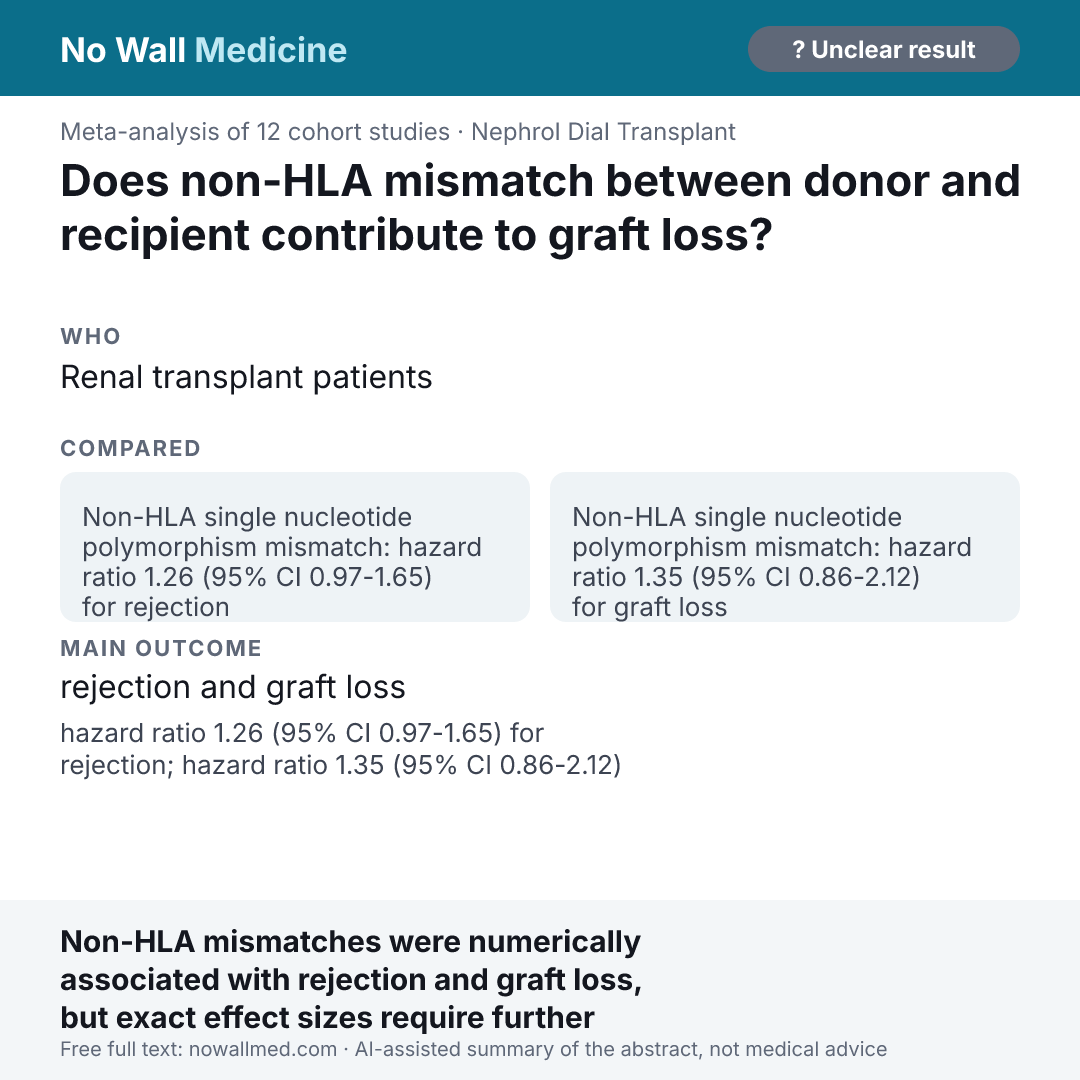
Genome-wide donor-recipient non-HLA mismatch and graft loss
Meta-analysis of 12 cohort studiesUnclear result
Does non-HLA mismatch between donor and recipient contribute to graft loss?
Who
Renal transplant patients
Compared
Non-HLA single nucleotide polymorphism mismatch: hazard ratio 1.26 (95% CI 0.97-1.65) for rejection
Non-HLA single nucleotide polymorphism mismatch: hazard ratio 1.35 (95% CI 0.86-2.12) for graft loss
Main outcome
rejection and graft loss
Result: hazard ratio 1.26 (95% CI 0.97-1.65) for rejection; hazard ratio 1.35 (95% CI 0.86-2.12) for graft loss
Bottom line: Non-HLA mismatches were numerically associated with rejection and graft loss, but exact effect sizes require further investigation.
Nephrol Dial Transplant · 2025-04-26 · Save PNG
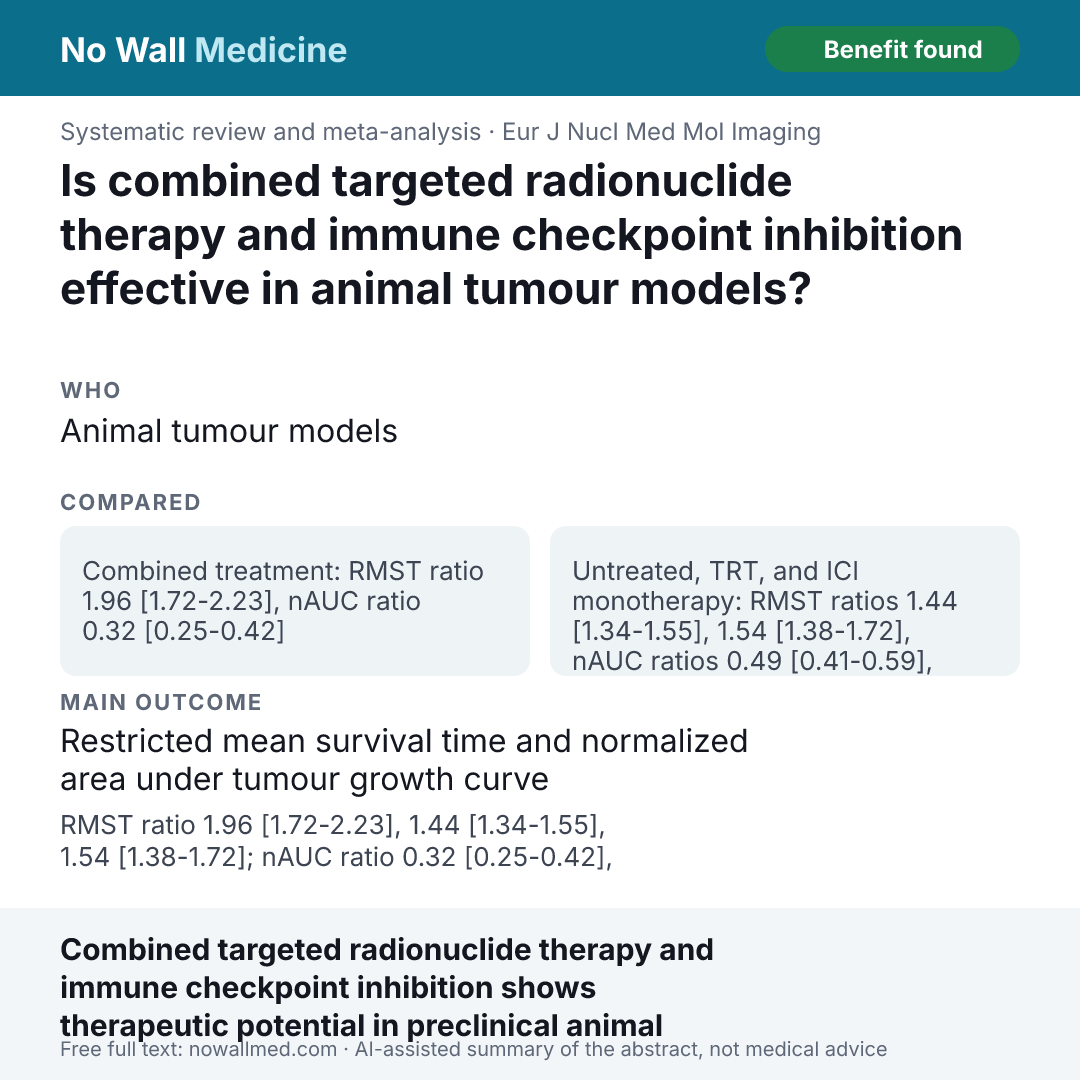
Efficacy of combined targeted radionuclide therapy and immune checkpoint Inhibition in animal tumour models: a systematic review and meta-analysis of the literature
Systematic review and meta-analysisBenefit found
Is combined targeted radionuclide therapy and immune checkpoint inhibition effective in animal tumour models?
Who
Animal tumour models
Compared
Combined treatment: RMST ratio 1.96 [1.72-2.23], nAUC ratio 0.32 [0.25-0.42]
Untreated, TRT, and ICI monotherapy: RMST ratios 1.44 [1.34-1.55], 1.54 [1.38-1.72], nAUC ratios 0.49 [0.41-0.59], 0.41 [0.31-0.55]
Main outcome
Restricted mean survival time and normalized area under tumour growth curve
Result: RMST ratio 1.96 [1.72-2.23], 1.44 [1.34-1.55], 1.54 [1.38-1.72]; nAUC ratio 0.32 [0.25-0.42], 0.49 [0.41-0.59], 0.41 [0.31-0.55]
Bottom line: Combined targeted radionuclide therapy and immune checkpoint inhibition shows therapeutic potential in preclinical animal tumour models.
Limitation: Poor reporting in studies and high between-study heterogeneity.
Eur J Nucl Med Mol Imaging · 2025-04-26 · Save PNG
Ethnic inequalities in palliative care prescribing in high income countries - a rapid systematic review
Rapid systematic reviewHarm found
Are there ethnic inequalities in palliative care prescribing in high income countries?
Who
Adults residing in high income countries · United States
Compared
Minority populations: less likely to receive pain management medications
Non-Hispanic whites
Main outcome
Palliative care symptom management prescribing
Bottom line: Minority populations are less likely to receive pain management medications, particularly opioids, compared to non-Hispanic whites.
BMC Palliat Care · 2025-04-26 · Save PNG

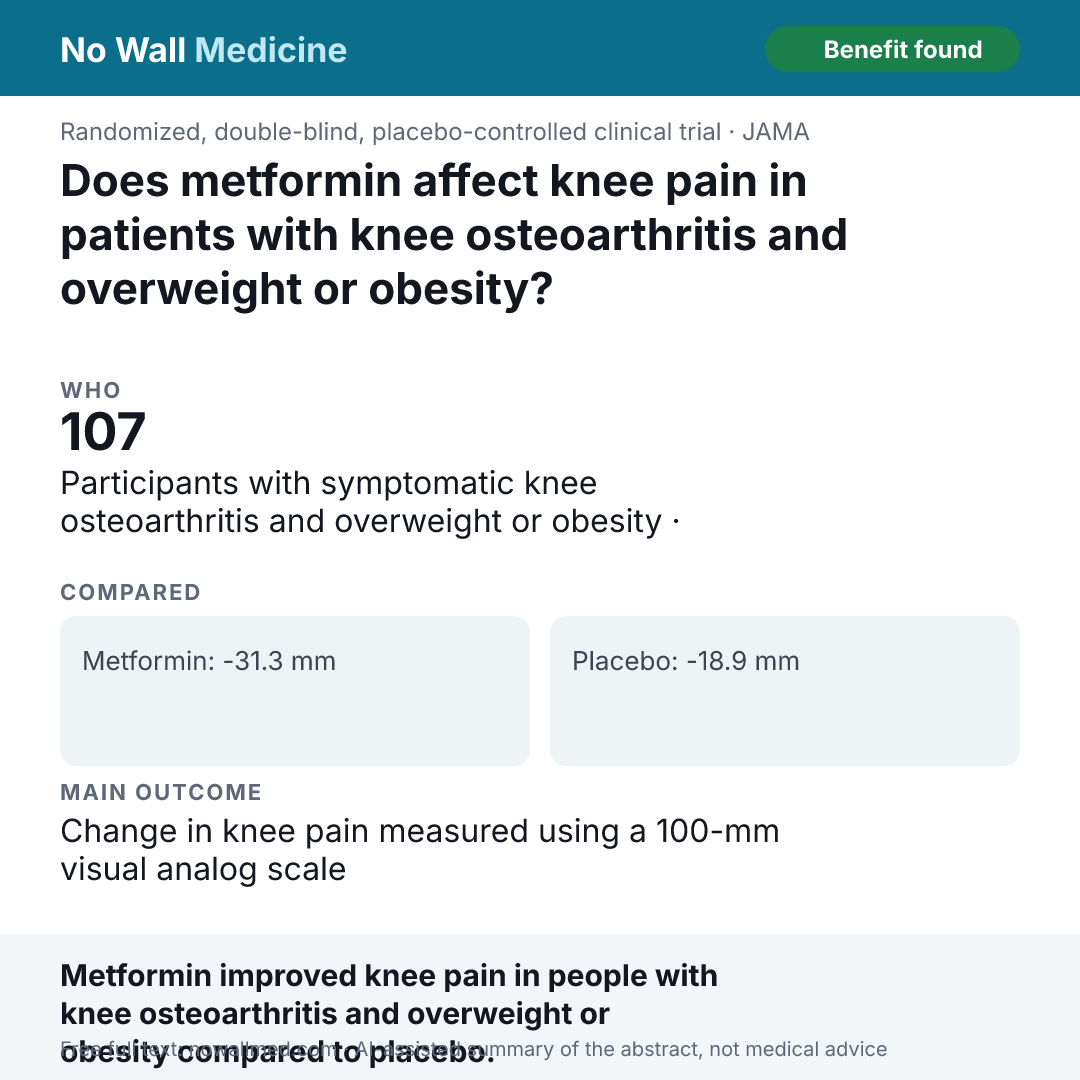
Metformin for Knee Osteoarthritis in Patients With Overweight or Obesity: A Randomized Clinical Trial
Randomized, double-blind, placebo-controlled clinical trialBenefit found
Does metformin affect knee pain in patients with knee osteoarthritis and overweight or obesity?
Who
107
Participants with symptomatic knee osteoarthritis and overweight or obesity · Victoria, Australia
Compared
Metformin: -31.3 mm
Placebo: -18.9 mm
Main outcome
Change in knee pain measured using a 100-mm visual analog scale
Result: standardized mean difference 0.43 (95% CI, 0.02-0.83)
Bottom line: Metformin improved knee pain in people with knee osteoarthritis and overweight or obesity compared to placebo.
JAMA · 2025-04-25 · Save PNG
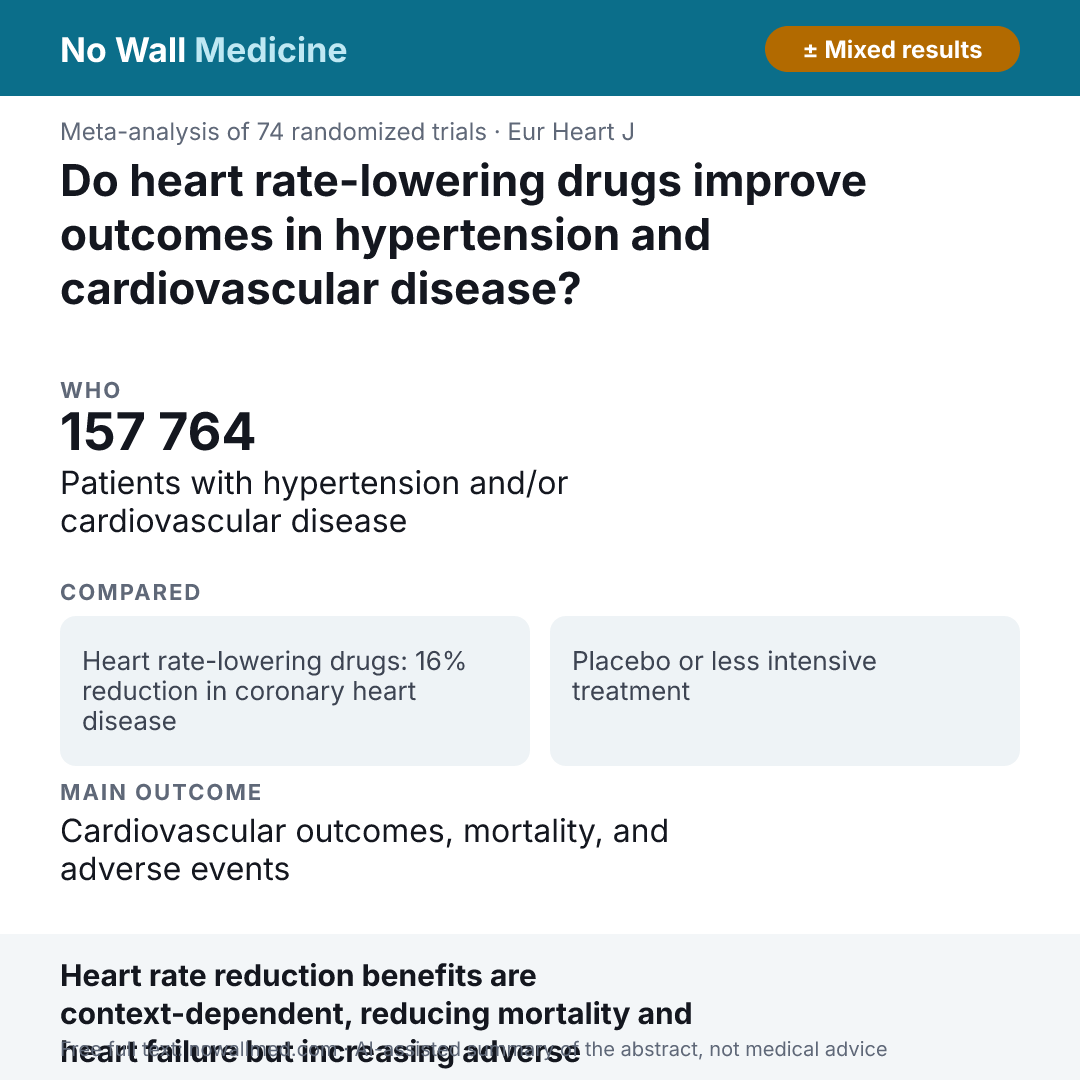
Heart rate-lowering drugs and outcomes in hypertension and/or cardiovascular disease: a meta-analysis
Meta-analysis of 74 randomized trialsMixed results
Do heart rate-lowering drugs improve outcomes in hypertension and cardiovascular disease?
Who
157 764
Patients with hypertension and/or cardiovascular disease
Compared
Heart rate-lowering drugs: 16% reduction in coronary heart disease
Placebo or less intensive treatment
Main outcome
Cardiovascular outcomes, mortality, and adverse events
Result: coronary heart disease reduction 16%, heart failure 9%, cardiovascular mortality 14%, all-cause mortality 13%
Bottom line: Heart rate reduction benefits are context-dependent, reducing mortality and heart failure but increasing adverse event-driven discontinuations.
Eur Heart J · 2025-04-25 · Save PNG
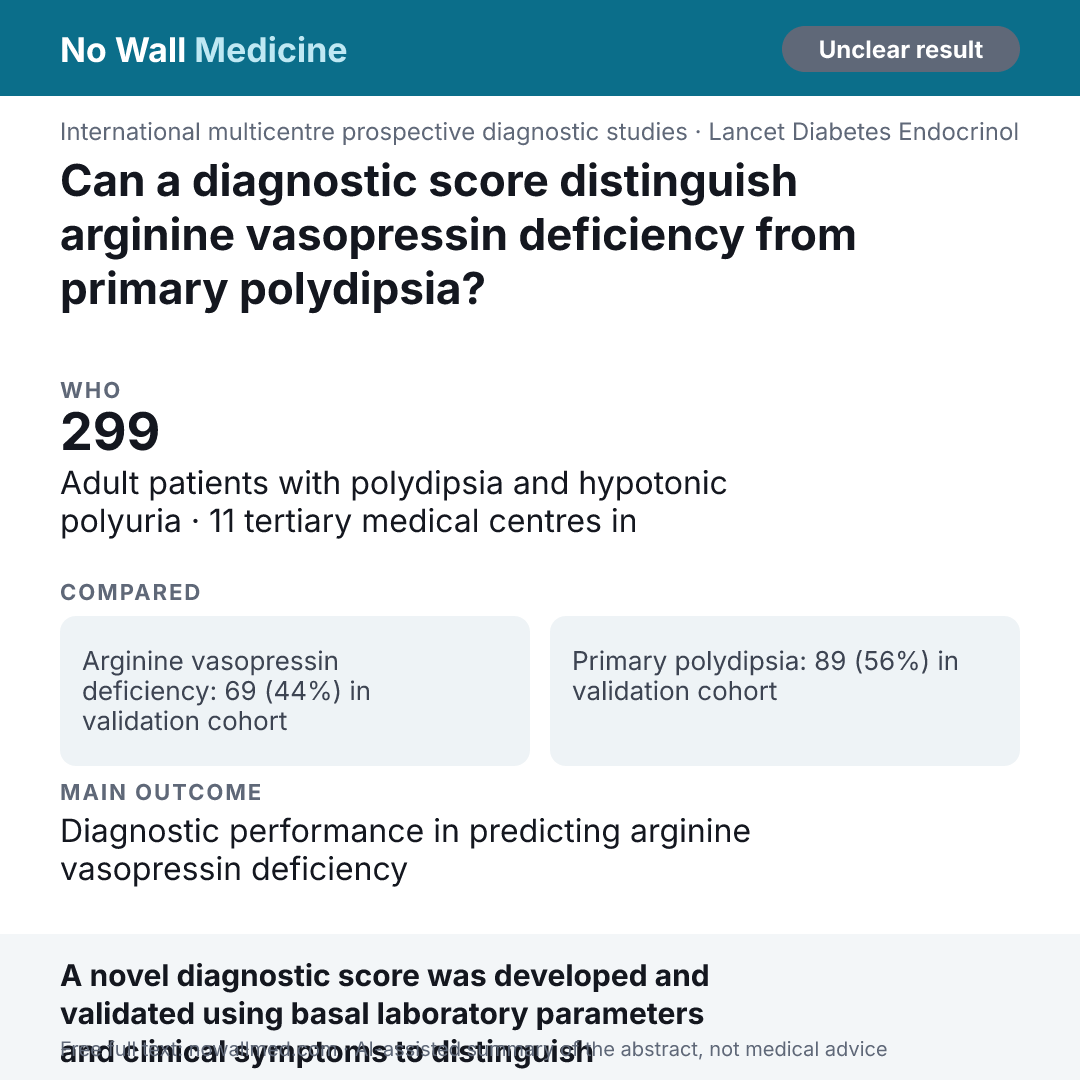
A novel diagnostic score for diagnosing arginine vasopressin deficiency (central diabetes insipidus) or primary polydipsia with basal laboratory and clinical parameters: results from two international multicentre prospective diagnostic studies
International multicentre prospective diagnostic studiesUnclear result
Can a diagnostic score distinguish arginine vasopressin deficiency from primary polydipsia?
Who
299
Adult patients with polydipsia and hypotonic polyuria · 11 tertiary medical centres in Switzerland, Germany, Brazil, Netherlands, Italy, UK
Compared
Arginine vasopressin deficiency: 69 (44%) in validation cohort
Primary polydipsia: 89 (56%) in validation cohort
Main outcome
Diagnostic performance in predicting arginine vasopressin deficiency
Bottom line: A novel diagnostic score was developed and validated using basal laboratory parameters and clinical symptoms to distinguish arginine vasopressin deficiency.
Lancet Diabetes Endocrinol · 2025-04-25 · Save PNG
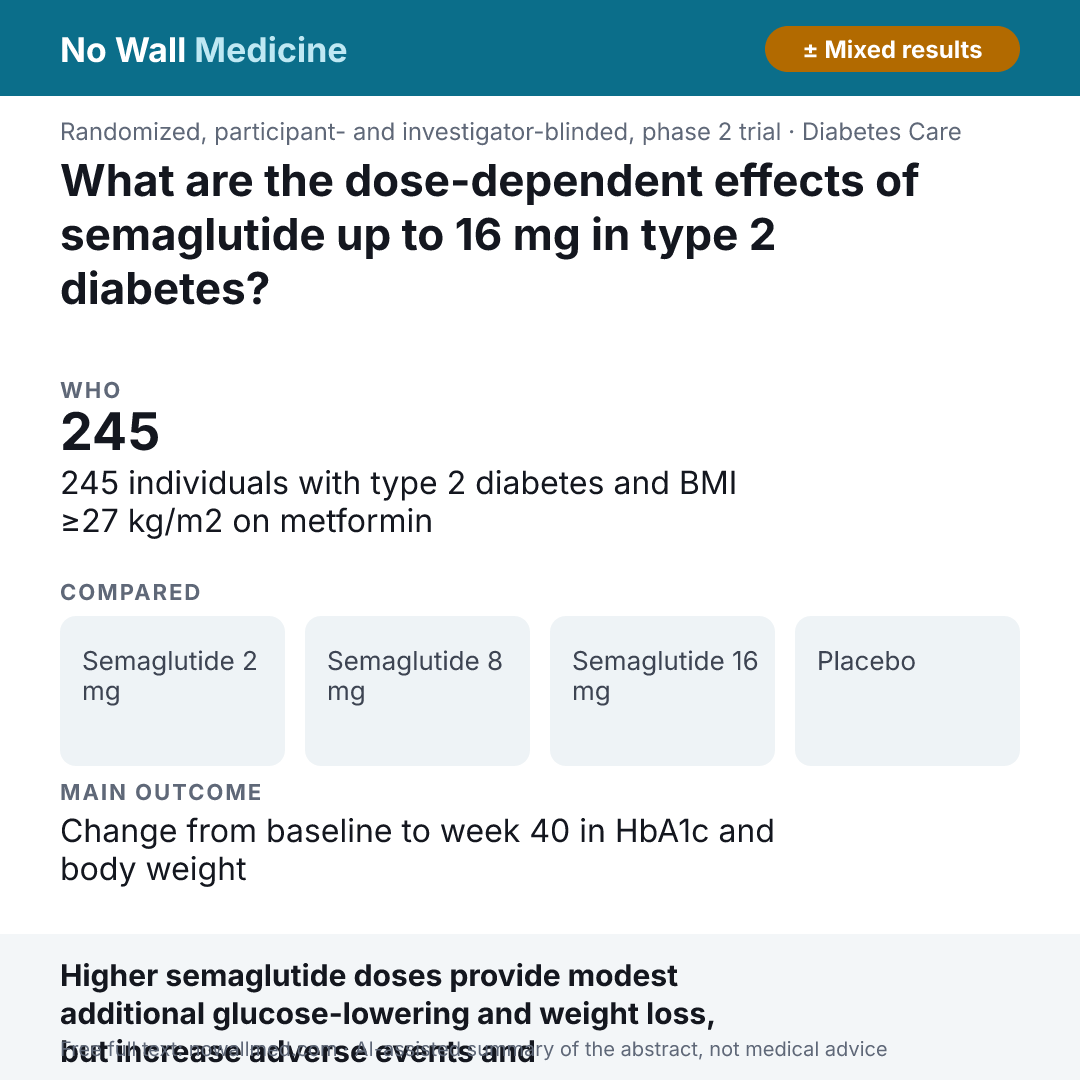
High-Dose Semaglutide (Up to 16 mg) in People With Type 2 Diabetes and Overweight or Obesity: A Randomized, Placebo-Controlled, Phase 2 Trial
Randomized, participant- and investigator-blinded, phase 2 trialMixed results
What are the dose-dependent effects of semaglutide up to 16 mg in type 2 diabetes?
Who
245
245 individuals with type 2 diabetes and BMI ≥27 kg/m2 on metformin
Compared
Semaglutide 2 mg
Semaglutide 8 mg
Semaglutide 16 mg
Placebo
Main outcome
Change from baseline to week 40 in HbA1c and body weight
Result: -3.4 kg (-6.0 to -0.8; P = 0.011) for weight change
Bottom line: Higher semaglutide doses provide modest additional glucose-lowering and weight loss, but increase adverse events and discontinuations.
Diabetes Care · 2025-04-25 · Save PNG
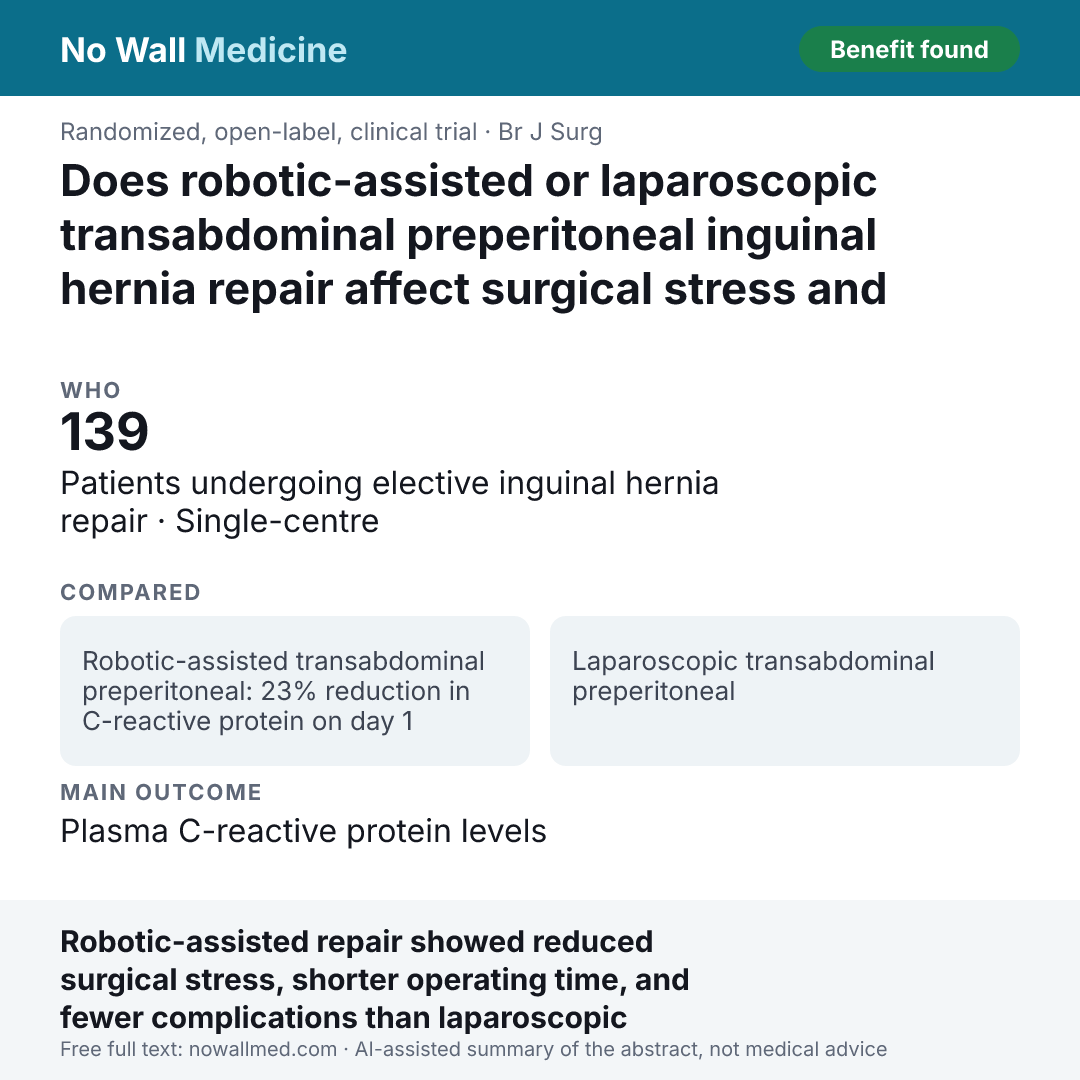
Inflammatory response and short-term outcomes after laparoscopic versus robotic transabdominal preperitoneal inguinal hernia repair: randomized clinical trial (ROLAIS)
Randomized, open-label, clinical trialBenefit found
Does robotic-assisted or laparoscopic transabdominal preperitoneal inguinal hernia repair affect surgical stress and outcomes?
Who
139
Patients undergoing elective inguinal hernia repair · Single-centre
Compared
Robotic-assisted transabdominal preperitoneal: 23% reduction in C-reactive protein on day 1
Laparoscopic transabdominal preperitoneal
Main outcome
Plasma C-reactive protein levels
Bottom line: Robotic-assisted repair showed reduced surgical stress, shorter operating time, and fewer complications than laparoscopic repair.
Limitation: Findings require further multicentre trials to assess long-term outcomes and generalizability.
Br J Surg · 2025-04-25 · Save PNG
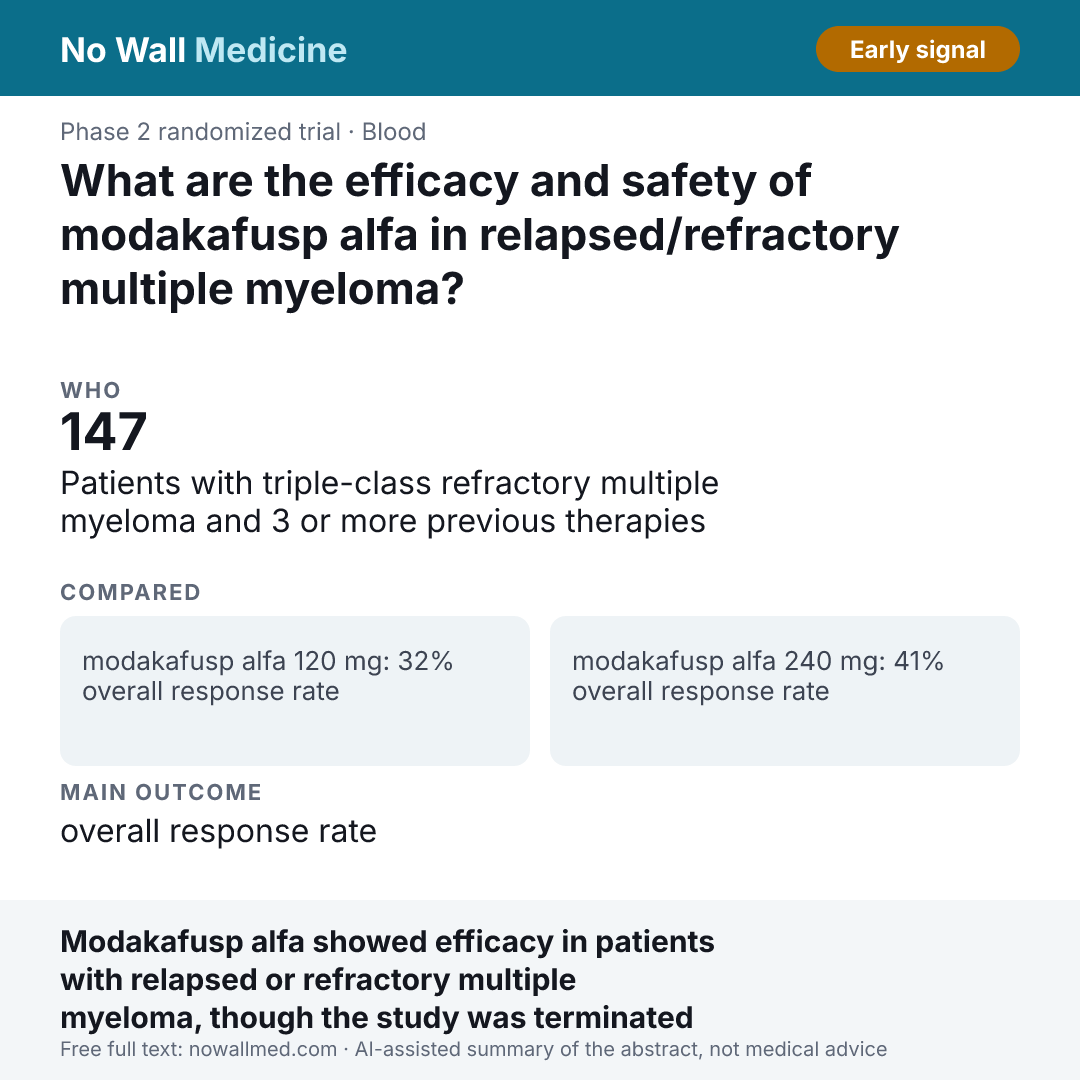
A phase 2 randomized study of modakafusp alfa as a single agent for patients with relapsed/refractory multiple myeloma
Phase 2 randomized trialEarly signal
What are the efficacy and safety of modakafusp alfa in relapsed/refractory multiple myeloma?
Who
147
Patients with triple-class refractory multiple myeloma and 3 or more previous therapies
Compared
modakafusp alfa 120 mg: 32% overall response rate
modakafusp alfa 240 mg: 41% overall response rate
Main outcome
overall response rate
Bottom line: Modakafusp alfa showed efficacy in patients with relapsed or refractory multiple myeloma, though the study was terminated early.
Blood · 2025-04-25 · Save PNG
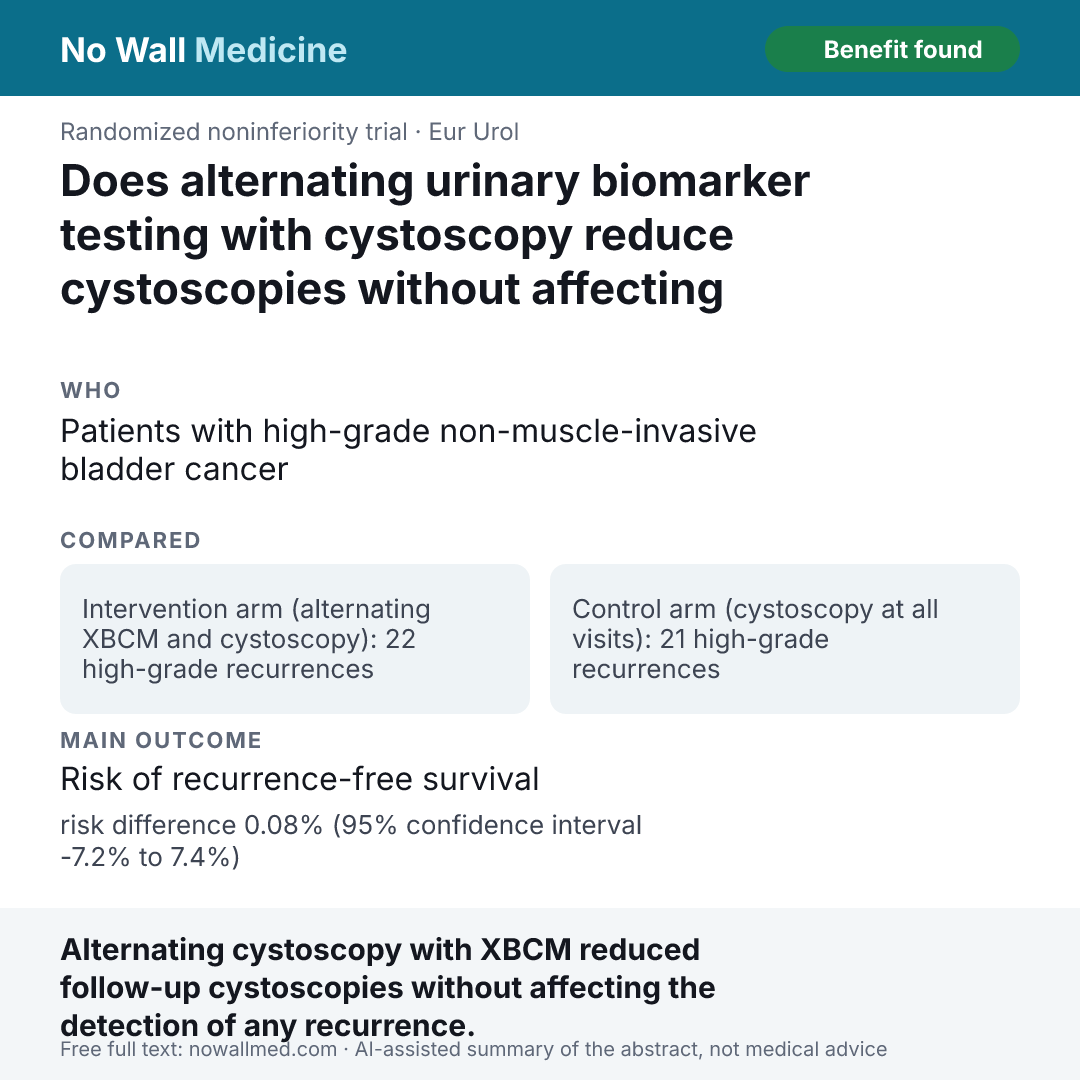
Use of the Xpert Bladder Cancer Monitor Urinary Biomarker Test for Guiding Cystoscopy in High-grade Non-muscle-invasive Bladder Cancer: Results from the Randomized Controlled DaBlaCa-15 Trial
Randomized noninferiority trialBenefit found
Does alternating urinary biomarker testing with cystoscopy reduce cystoscopies without affecting recurrence detection?
Who
Patients with high-grade non-muscle-invasive bladder cancer
Compared
Intervention arm (alternating XBCM and cystoscopy): 22 high-grade recurrences
Control arm (cystoscopy at all visits): 21 high-grade recurrences
Main outcome
Risk of recurrence-free survival
Result: risk difference 0.08% (95% confidence interval -7.2% to 7.4%)
Bottom line: Alternating cystoscopy with XBCM reduced follow-up cystoscopies without affecting the detection of any recurrence.
Limitation: A lower-than-expected rate of recurrence in both study arms.
Eur Urol · 2025-04-25 · Save PNG
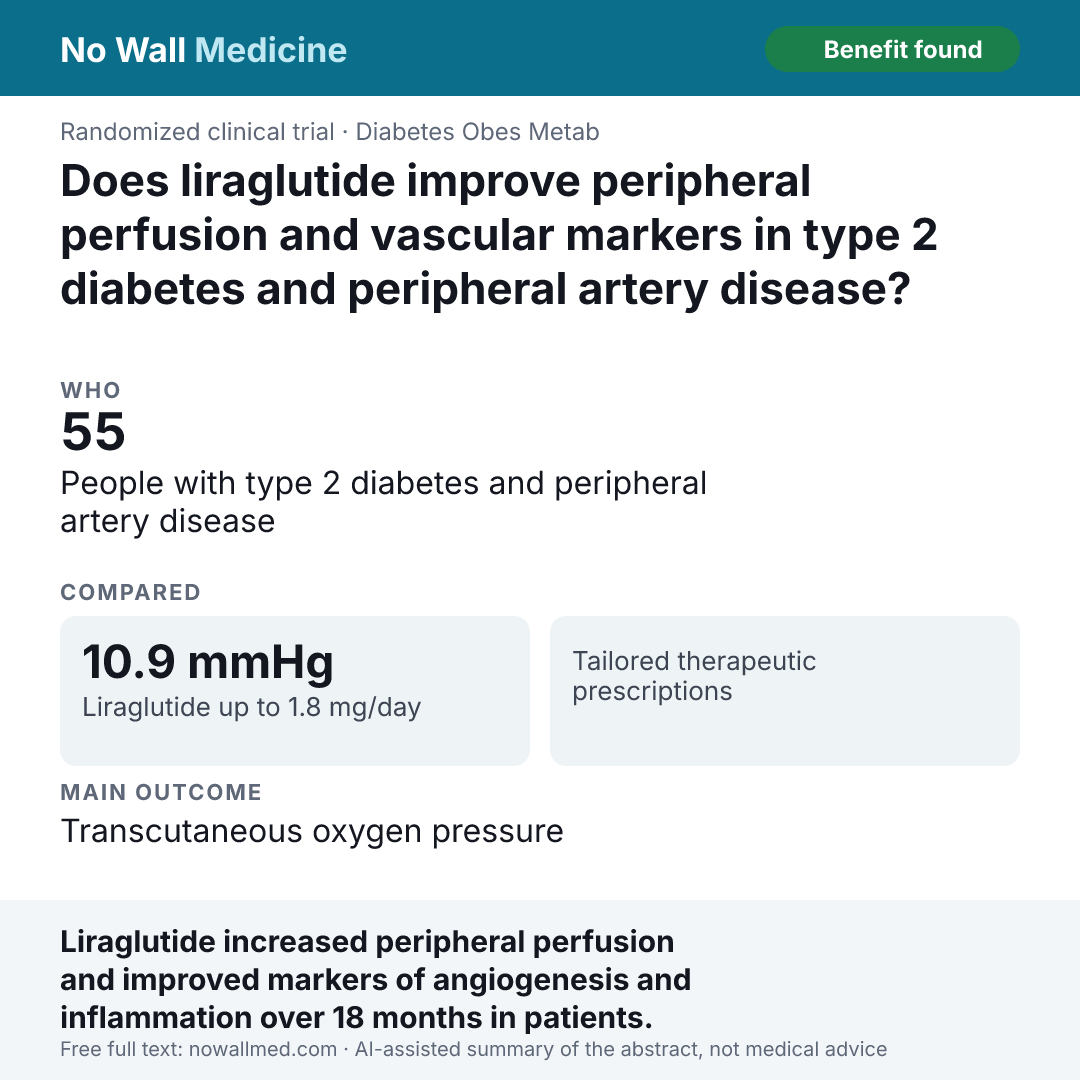
Liraglutide improves peripheral perfusion and markers of angiogenesis and inflammation in people with type 2 diabetes and peripheral artery disease: An 18-month follow-up of a randomized clinical trial
Randomized clinical trialBenefit found
Does liraglutide improve peripheral perfusion and vascular markers in type 2 diabetes and peripheral artery disease?
Who
55
People with type 2 diabetes and peripheral artery disease
Compared
10.9 mmHgLiraglutide up to 1.8 mg/day (95% CI, 7.6 to 14.1 mmHg)
Tailored therapeutic prescriptions
Main outcome
Transcutaneous oxygen pressure
Result: estimated treated difference (95% CI), 10.9 mmHg (7.6 to 14.1 mmHg)
Bottom line: Liraglutide increased peripheral perfusion and improved markers of angiogenesis and inflammation over 18 months in patients.
Diabetes Obes Metab · 2025-04-25 · Save PNG
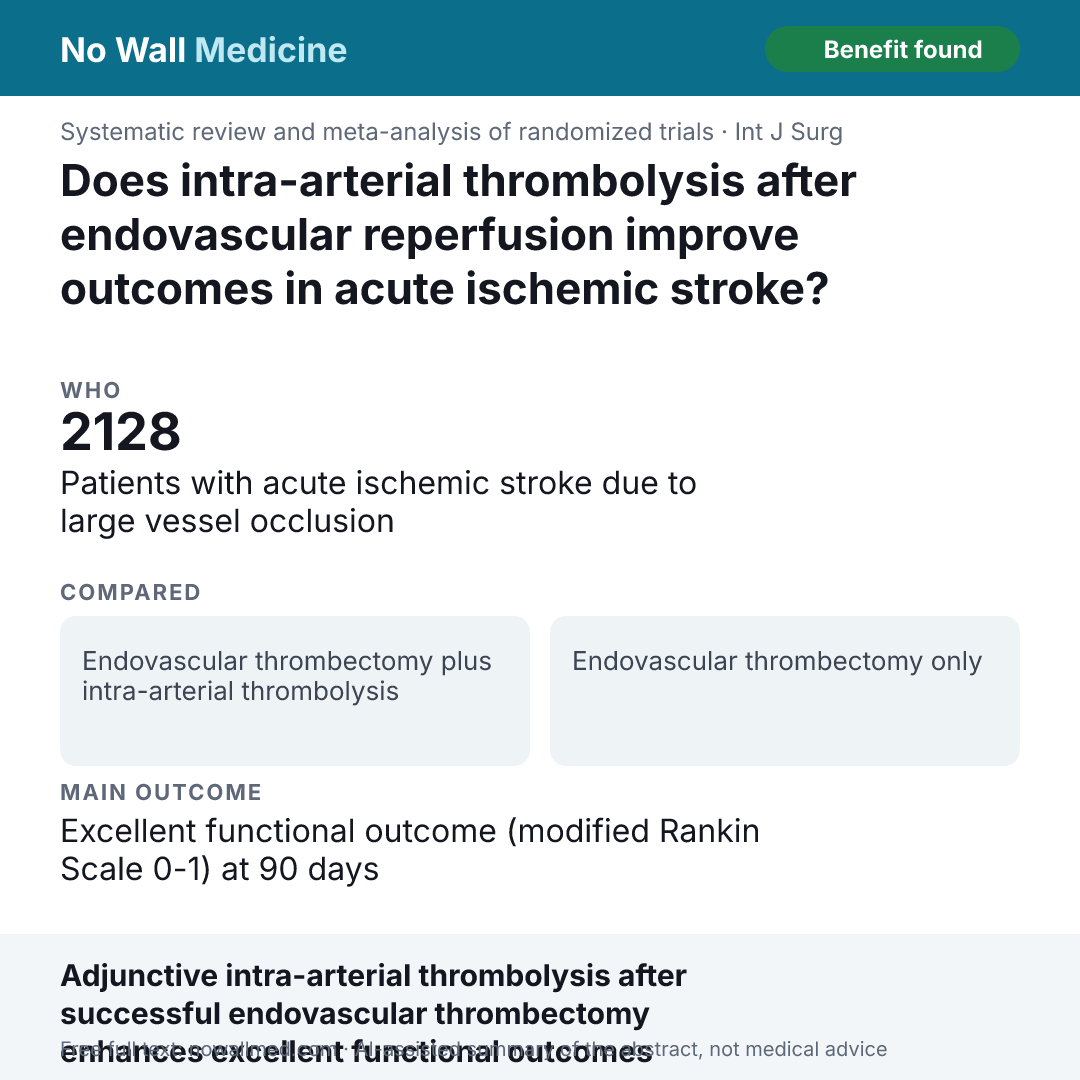
Efficacy and safety of intra-arterial thrombolysis after endovascular reperfusion for acute ischemic stroke: a systematic review and meta-analysis of randomized trials
Systematic review and meta-analysis of randomized trialsBenefit found
Does intra-arterial thrombolysis after endovascular reperfusion improve outcomes in acute ischemic stroke?
Who
2128
Patients with acute ischemic stroke due to large vessel occlusion
Compared
Endovascular thrombectomy plus intra-arterial thrombolysis
Endovascular thrombectomy only
Main outcome
Excellent functional outcome (modified Rankin Scale 0-1) at 90 days
Result: RR 1.23 (95% CI 1.11-1.36)
Bottom line: Adjunctive intra-arterial thrombolysis after successful endovascular thrombectomy enhances excellent functional outcomes without increasing hemorrhage or mortality.
Int J Surg · 2025-04-25 · Save PNG
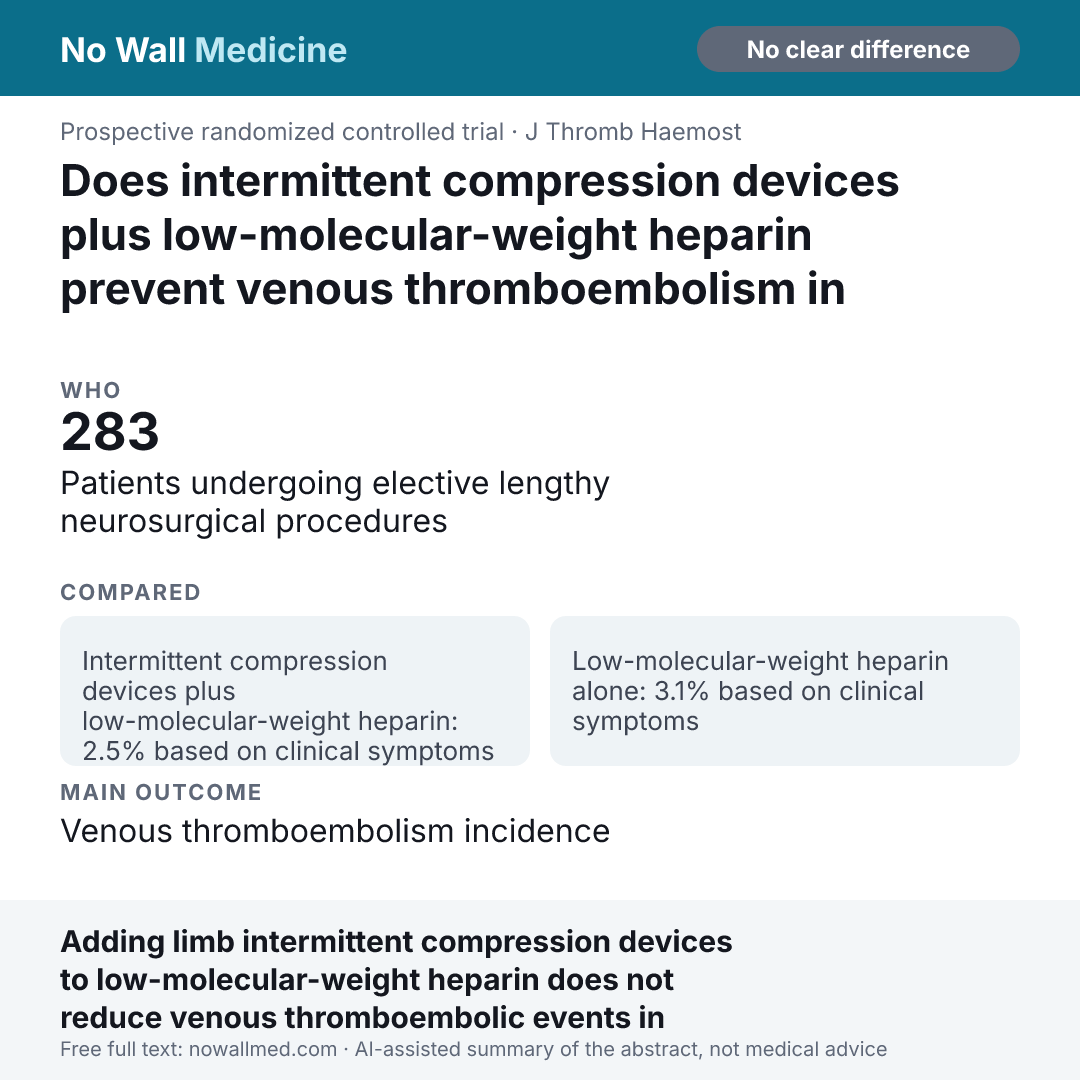
Intermittent compression devices as antithrombotic strategy in neurosurgical interventions: a prospective randomized controlled trial (Trial In Prevention of Post-Operative ThromboEmbolic Events)
Prospective randomized controlled trialNo clear difference
Does intermittent compression devices plus low-molecular-weight heparin prevent venous thromboembolism in neurosurgery?
Who
283
Patients undergoing elective lengthy neurosurgical procedures
Compared
Intermittent compression devices plus low-molecular-weight heparin: 2.5% based on clinical symptoms
Low-molecular-weight heparin alone: 3.1% based on clinical symptoms
Main outcome
Venous thromboembolism incidence
Result: relative risk 0.7 (95% CI, 0.2-3.3)
Bottom line: Adding limb intermittent compression devices to low-molecular-weight heparin does not reduce venous thromboembolic events in neurosurgical patients.
J Thromb Haemost · 2025-04-25 · Save PNG
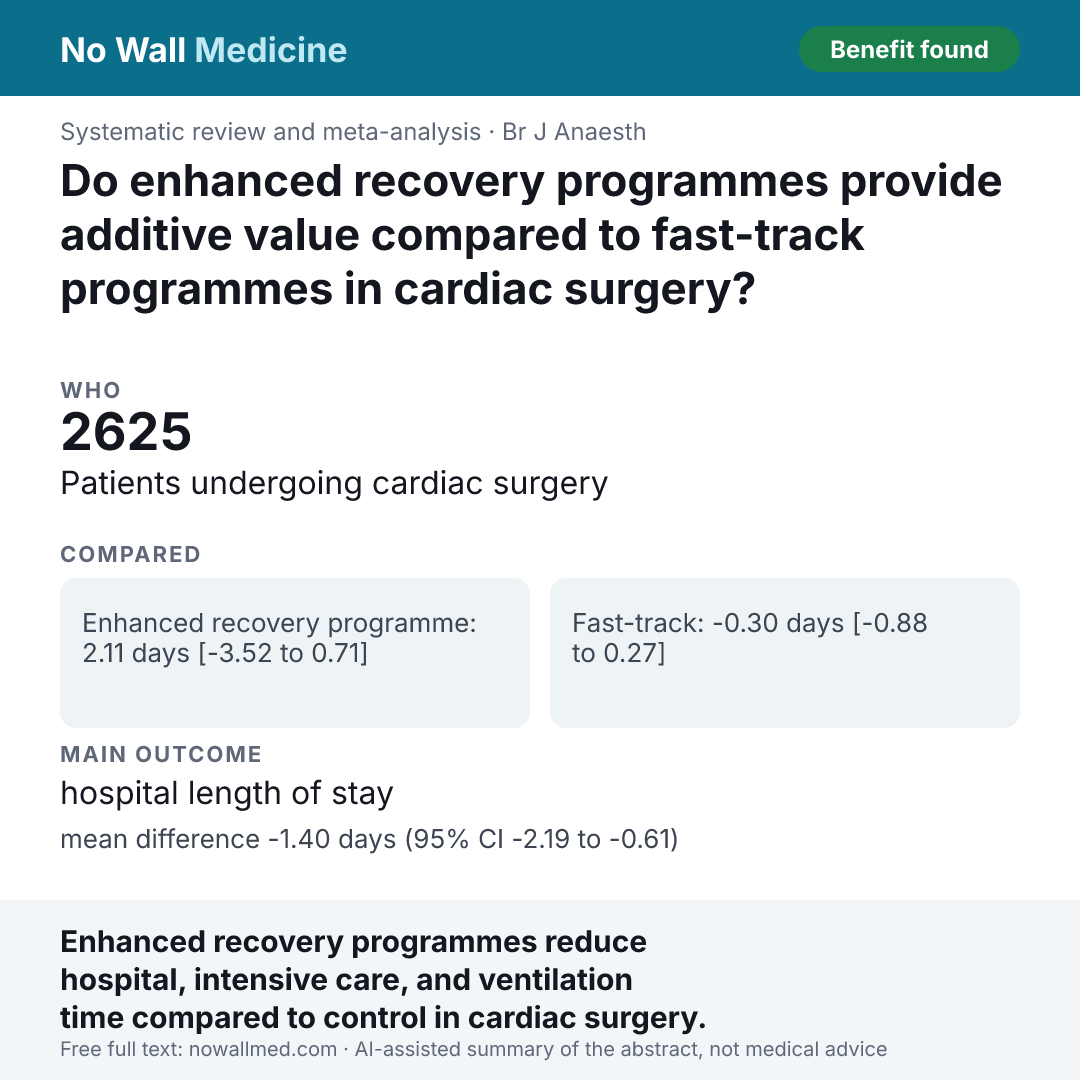
Efficacy of enhanced recovery programmes for cardiac surgery: a systematic review and meta-analysis
Systematic review and meta-analysisBenefit found
Do enhanced recovery programmes provide additive value compared to fast-track programmes in cardiac surgery?
Who
2625
Patients undergoing cardiac surgery
Compared
Enhanced recovery programme: 2.11 days [-3.52 to 0.71]
Fast-track: -0.30 days [-0.88 to 0.27]
Main outcome
hospital length of stay
Result: mean difference -1.40 days (95% CI -2.19 to -0.61)
Bottom line: Enhanced recovery programmes reduce hospital, intensive care, and ventilation time compared to control in cardiac surgery.
Br J Anaesth · 2025-04-25 · Save PNG
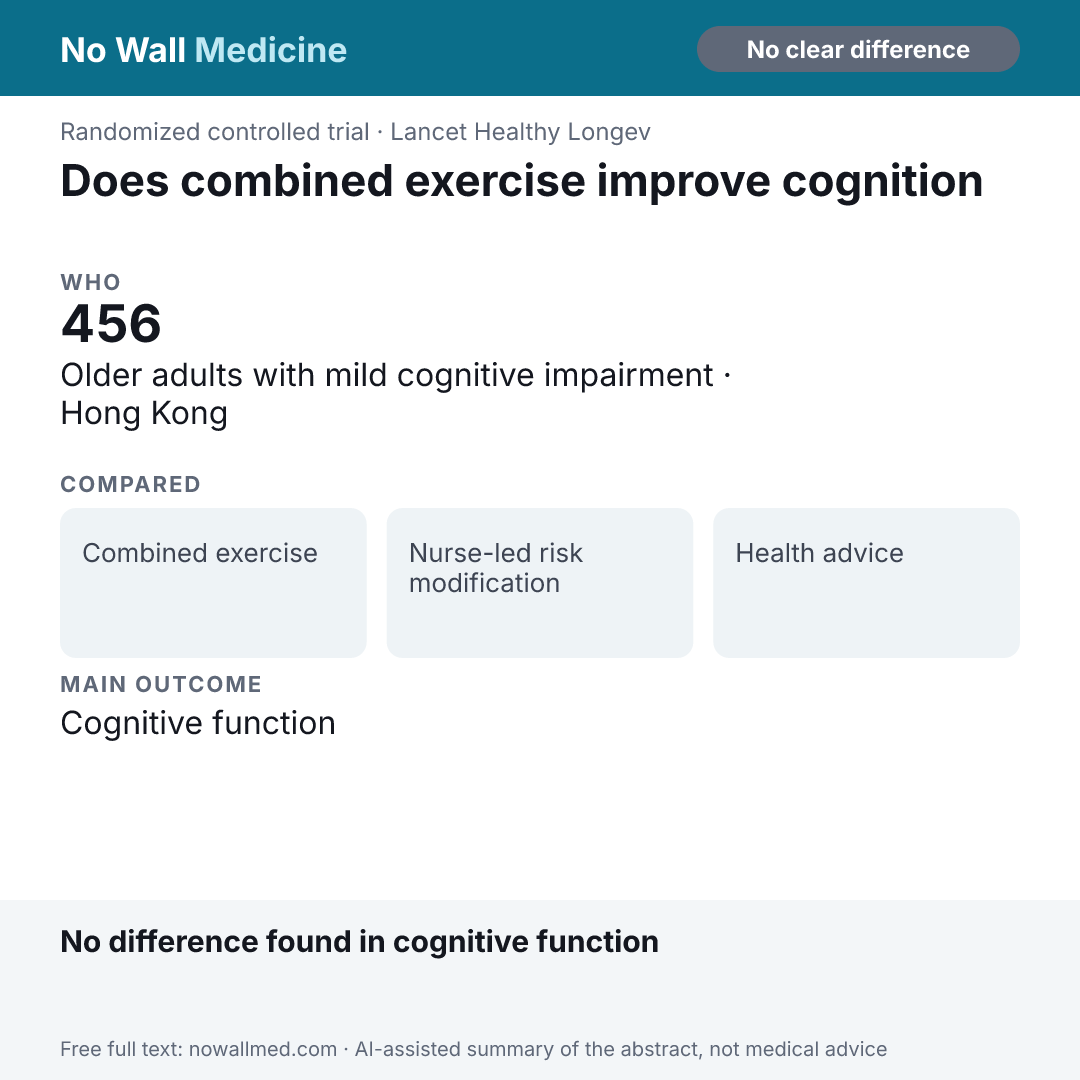
Combined mind-body physical exercise, cognitive training, and nurse-led risk factor modification to enhance cognition among older adults with mild cognitive impairment in primary care: a three-arm randomised controlled trial
Randomized controlled trialNo clear difference
Does combined exercise improve cognition
Who
456
Older adults with mild cognitive impairment · Hong Kong
Compared
Combined exercise
Nurse-led risk modification
Health advice
Main outcome
Cognitive function
Bottom line: No difference found in cognitive function
Funded by: Health and Medical Research Fund
Lancet Healthy Longev · 2025-04-25 · Save PNG