Visual abstracts
New randomized trials and meta-analyses from leading journals at a glance: who was studied, what was compared, and what was found. Every paper is free to read in full.
All specialtiesCardiology 4765Oncology 4048Gastroenterology & Hepatology 1906Infectious Disease 3759Neurology 1874Psychiatry & Mental Health 2217Pulmonology 2046Critical Care 1323Endocrinology & Diabetes 2545Pediatrics 2891Surgery 2482Orthopedics & Sports Medicine 917Neurosurgery 526Cardiothoracic & Vascular Surgery 657Plastic & Reconstructive Surgery 574Nephrology 1108Rheumatology 810Hematology 1090Dermatology 611Ophthalmology 532Obstetrics & Gynecology 1646Public & Global Health 1037Radiology & Imaging 620Anesthesiology 958Urology 745ENT (Otolaryngology) 494Emergency Medicine 481Allergy & Immunology 309Geriatrics 973Family Medicine & Primary Care 534Medical Genetics & Genomics 659Pathology & Laboratory Medicine 156Physical Medicine & Rehabilitation 736Palliative Care 421Nutrition 1561Digital Health & AI 2136General Medicine 316
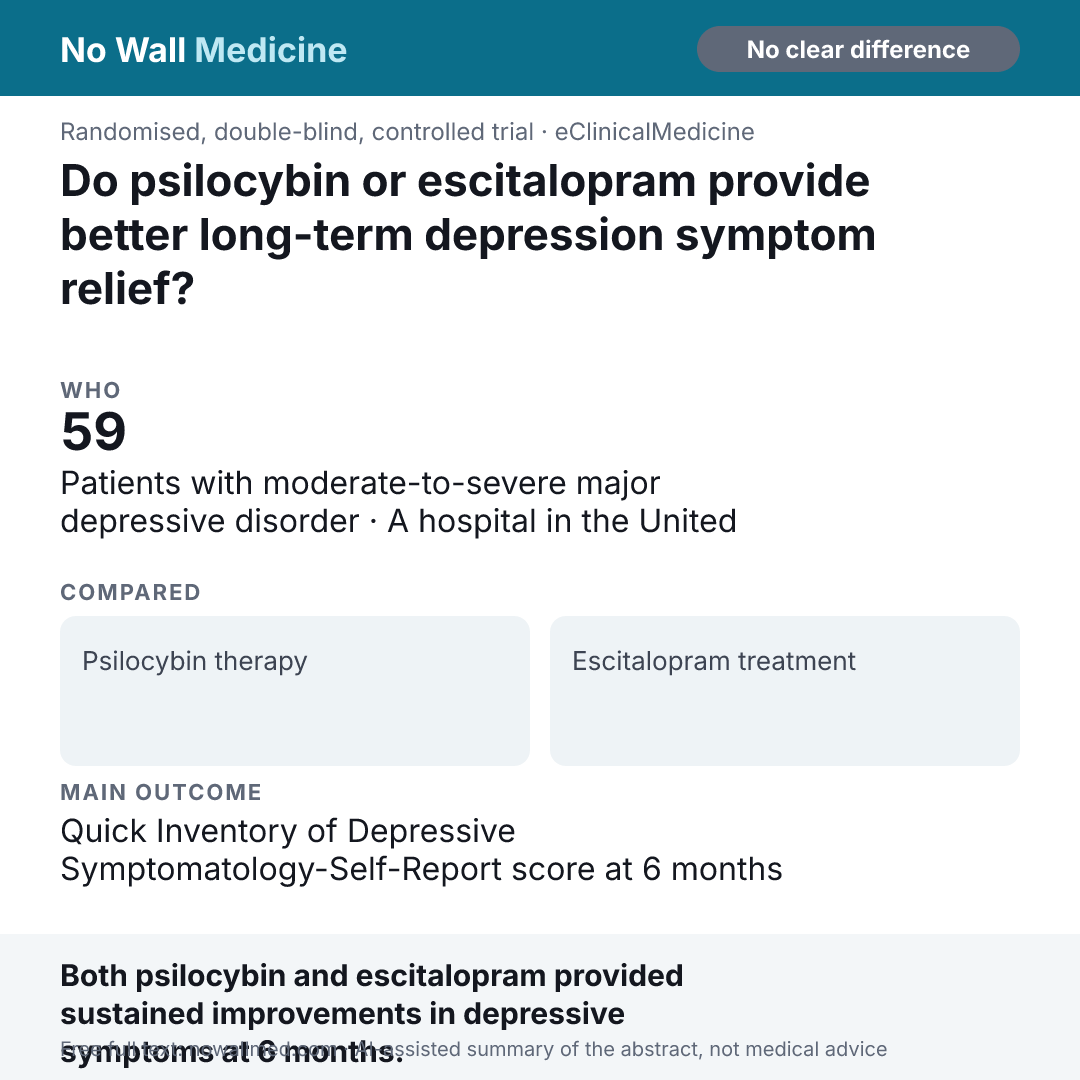
Effect of psilocybin versus escitalopram on depression symptom severity in patients with moderate-to-severe major depressive disorder: observational 6-month follow-up of a phase 2, double-blind, randomised, controlled trial
Randomised, double-blind, controlled trialNo clear difference
Do psilocybin or escitalopram provide better long-term depression symptom relief?
Who
59
Patients with moderate-to-severe major depressive disorder · A hospital in the United Kingdom
Compared
Psilocybin therapy
Escitalopram treatment
Main outcome
Quick Inventory of Depressive Symptomatology-Self-Report score at 6 months
Result: mean between-condition difference 1.51 (95% CI: -1.35, 4.38)
Bottom line: Both psilocybin and escitalopram provided sustained improvements in depressive symptoms at 6 months.
Limitation: Suboptimal power, missing data, potential additional interventions, and reliance on self-reported assessments.
Funded by: Alexander Mosley Charitable Trust and Imperial College London
eClinicalMedicine · 2024-09-21 · Save PNG
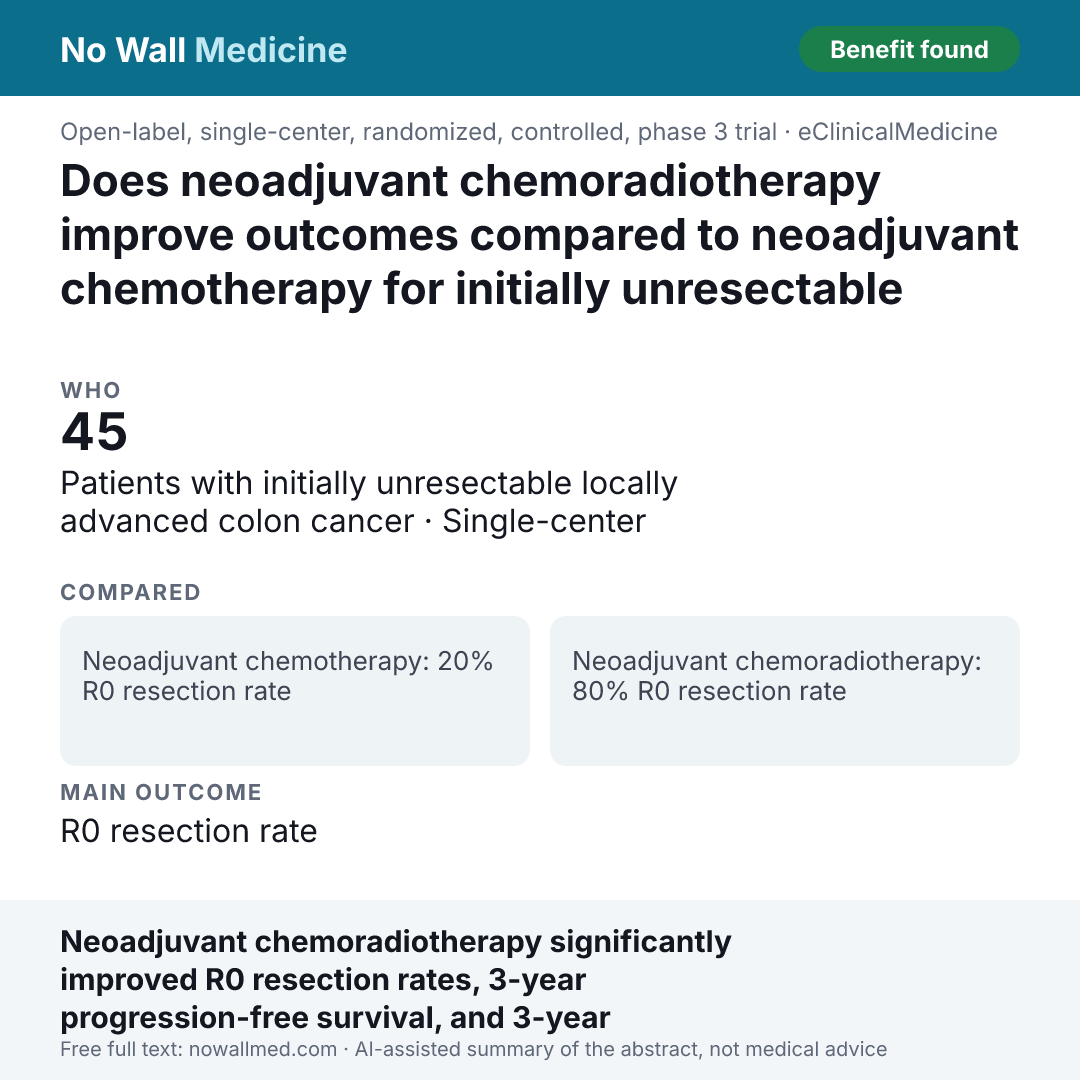
Neoadjuvant chemoradiotherapy versus neoadjuvant chemotherapy for initially unresectable locally advanced colon cancer: short-term outcomes of an open-label, single-centre, randomised, controlled, phase 3 trial
Open-label, single-center, randomized, controlled, phase 3 trialBenefit found
Does neoadjuvant chemoradiotherapy improve outcomes compared to neoadjuvant chemotherapy for initially unresectable locally advanced colon cancer?
Who
45
Patients with initially unresectable locally advanced colon cancer · Single-center
Compared
Neoadjuvant chemotherapy: 20% R0 resection rate
Neoadjuvant chemoradiotherapy: 80% R0 resection rate
Main outcome
R0 resection rate
Bottom line: Neoadjuvant chemoradiotherapy significantly improved R0 resection rates, 3-year progression-free survival, and 3-year overall survival compared to neoadjuvant chemotherapy.
Funded by: National Natural Science Foundation of China and Natural Science Foundation of Guangdong Province
eClinicalMedicine · 2024-09-21 · Save PNG
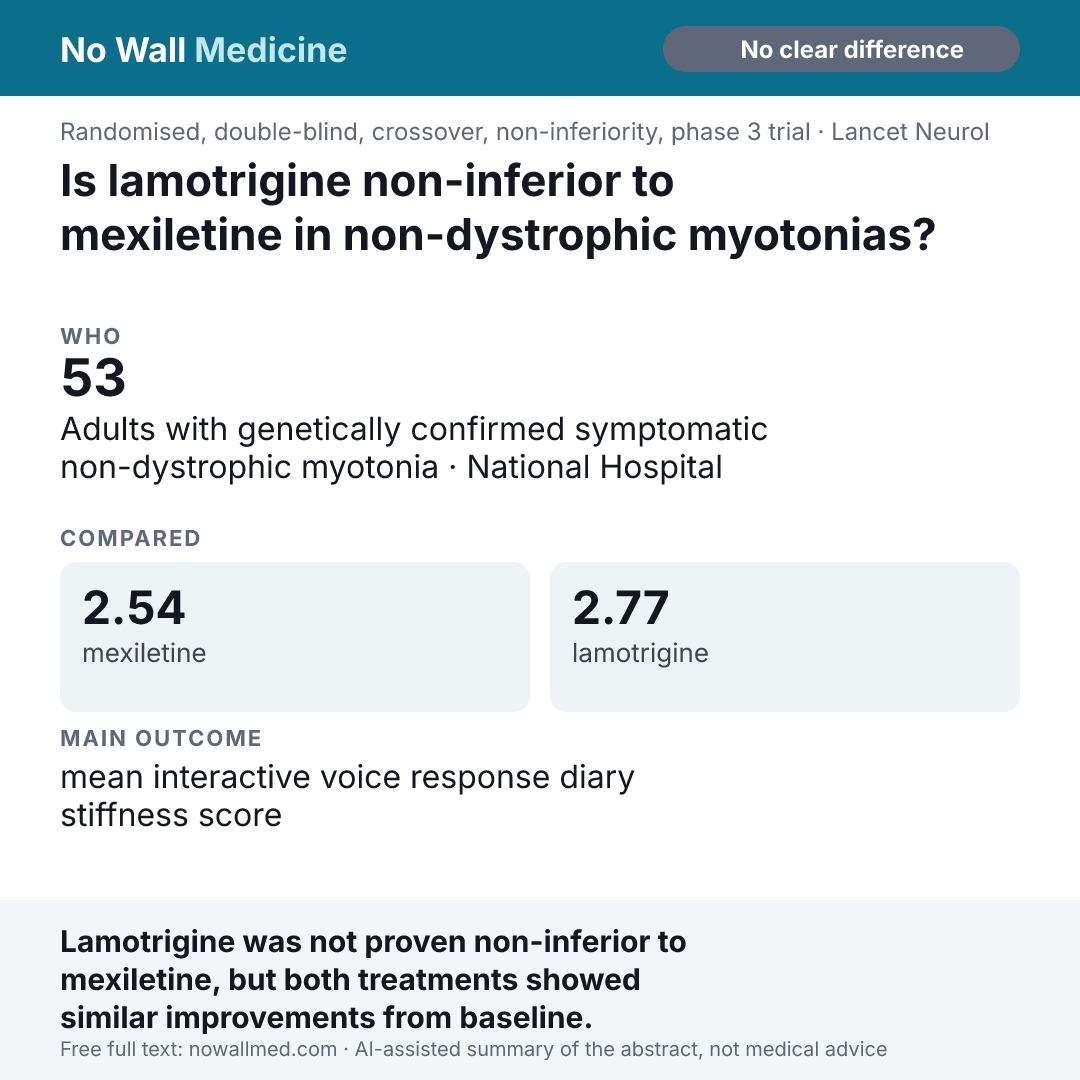
Mexiletine versus lamotrigine in non-dystrophic myotonias: a randomised, double-blind, head-to-head, crossover, non-inferiority, phase 3 trial
Randomised, double-blind, crossover, non-inferiority, phase 3 trialNo clear difference
Is lamotrigine non-inferior to mexiletine in non-dystrophic myotonias?
Who
53
Adults with genetically confirmed symptomatic non-dystrophic myotonia · National Hospital for Neurology and Neurosurgery (London, UK)
Compared
2.54mexiletine (95% CI 1.98 to 3.10)
2.77lamotrigine (2.21 to 3.32)
Main outcome
mean interactive voice response diary stiffness score
Result: mean mexiletine-lamotrigine difference -0.23 (95% CI -0.63 to 0.17)
Bottom line: Lamotrigine was not proven non-inferior to mexiletine, but both treatments showed similar improvements from baseline.
Funded by: Neuromuscular Study Group, Jon Moulton Charity Trust, UCLH BRC
Lancet Neurol · 2024-09-21 · Save PNG
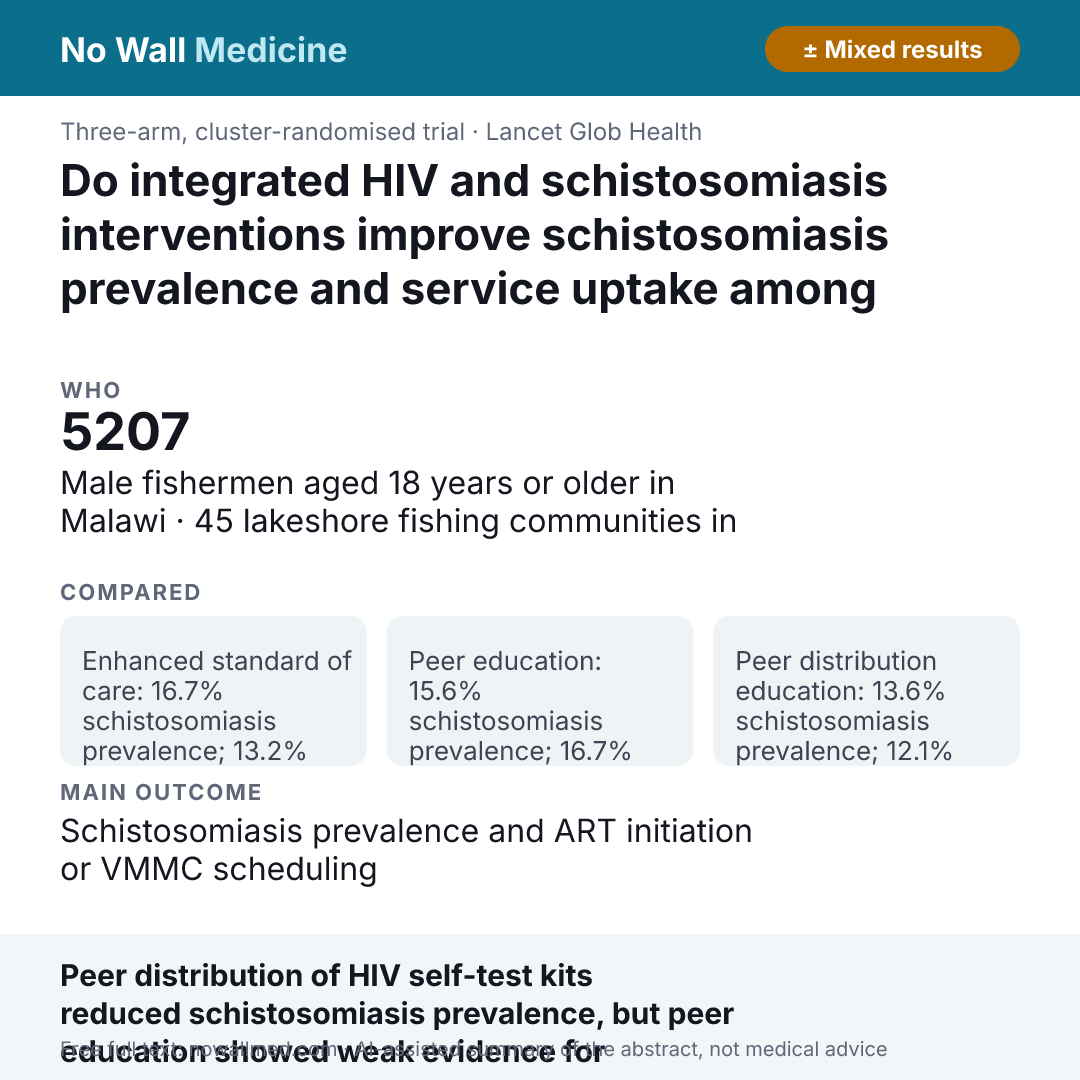
Combined interventions for the testing and treatment of HIV and schistosomiasis among fishermen in Malawi: a three-arm, cluster-randomised trial
Three-arm, cluster-randomised trialMixed results
Do integrated HIV and schistosomiasis interventions improve schistosomiasis prevalence and service uptake among fishermen?
Who
5207
Male fishermen aged 18 years or older in Malawi · 45 lakeshore fishing communities in Mangochi, Malawi
Compared
Enhanced standard of care: 16.7% schistosomiasis prevalence; 13.2% ART or VMMC uptake
Peer education: 15.6% schistosomiasis prevalence; 16.7% ART or VMMC uptake
Peer distribution education: 13.6% schistosomiasis prevalence; 12.1% ART or VMMC uptake
Main outcome
Schistosomiasis prevalence and ART initiation or VMMC scheduling
Result: adjusted risk ratio 0.80 (95% CI 0.69-0.94) for schistosomiasis in PDE
Bottom line: Peer distribution of HIV self-test kits reduced schistosomiasis prevalence, but peer education showed weak evidence for increasing HIV service uptake.
Funded by: Wellcome Trust and the UK National Institute for Health Research
Lancet Glob Health · 2024-09-21 · Save PNG
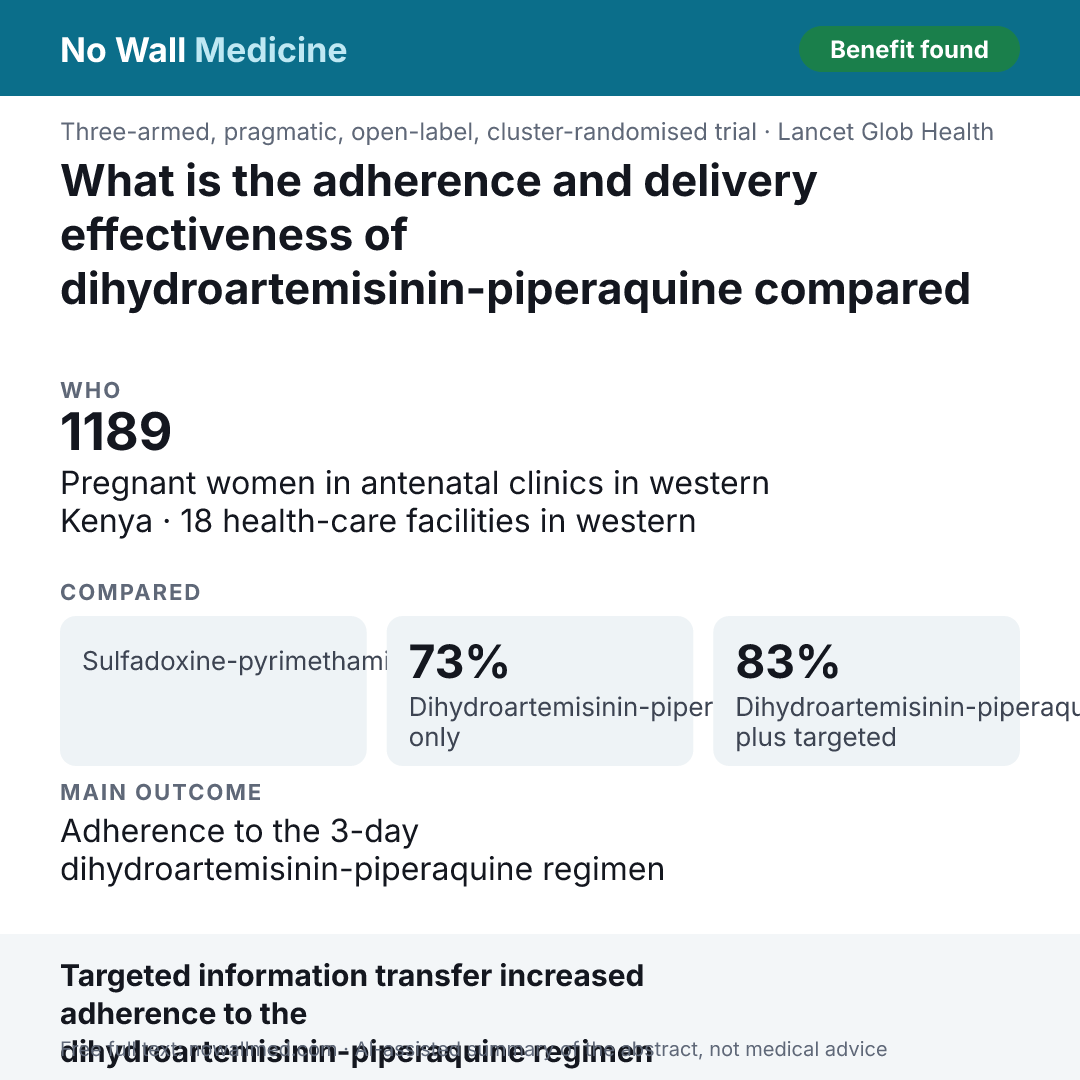
Delivery effectiveness of and adherence to intermittent preventive treatment for malaria in pregnancy with dihydroartemisinin-piperaquine with or without targeted information transfer or sulfadoxine-pyrimethamine in western Kenya: a three-armed, pragmatic, open-label, cluster-randomised trial
Three-armed, pragmatic, open-label, cluster-randomised trialBenefit found
What is the adherence and delivery effectiveness of dihydroartemisinin-piperaquine compared to sulfadoxine-pyrimethamine?
Who
1189
Pregnant women in antenatal clinics in western Kenya · 18 health-care facilities in western Kenya
Compared
Sulfadoxine-pyrimethamine
73%Dihydroartemisinin-piperaquine only (196/267)
83%Dihydroartemisinin-piperaquine plus targeted information transfer (266/319)
Main outcome
Adherence to the 3-day dihydroartemisinin-piperaquine regimen
Result: adjusted relative risk 1·16 (95% CI 1·03-1·31)
Bottom line: Targeted information transfer increased adherence to the dihydroartemisinin-piperaquine regimen compared to dihydroartemisinin-piperaquine alone.
Limitation: Masking was not possible.
Lancet Glob Health · 2024-09-21 · Save PNG
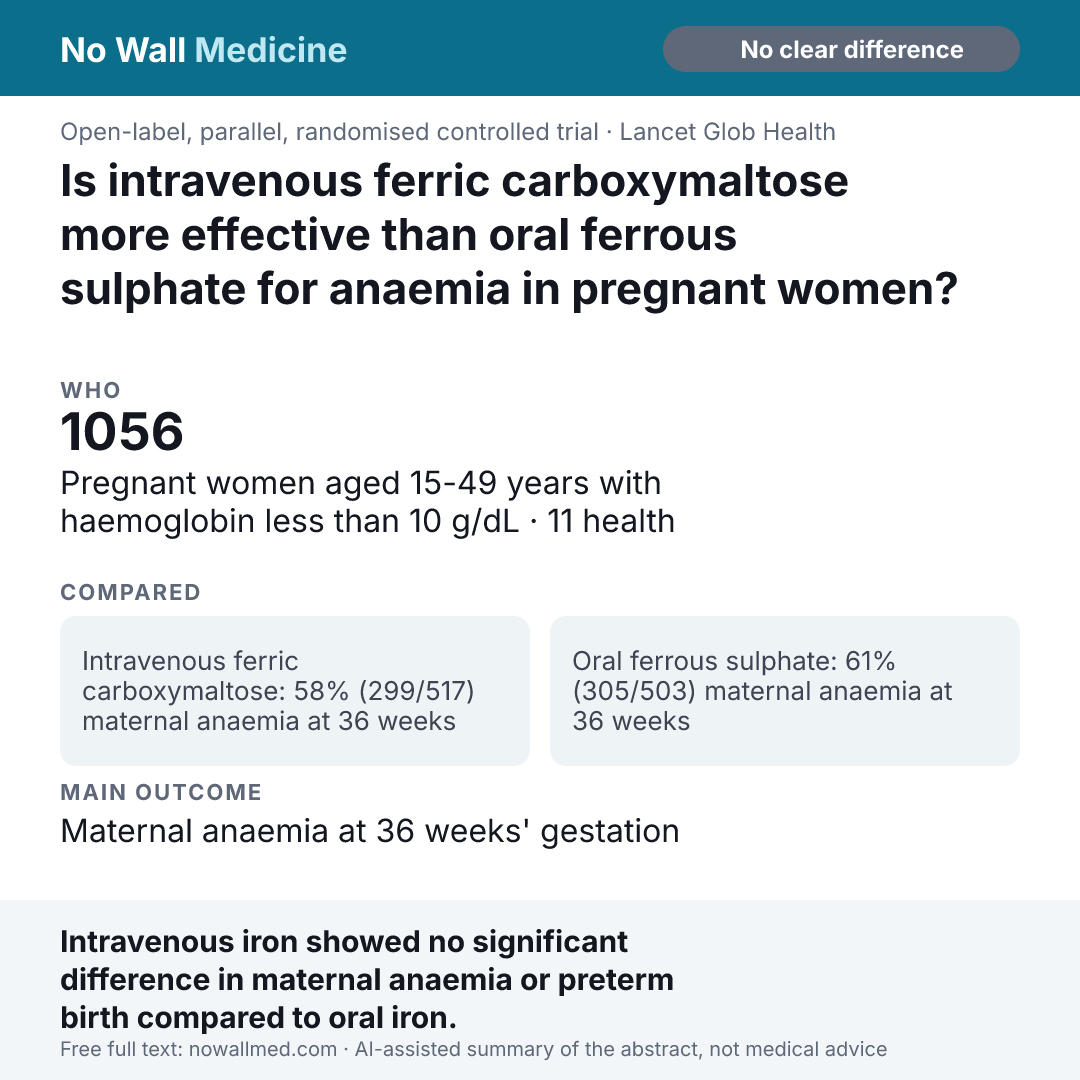
Intravenous versus oral iron for anaemia among pregnant women in Nigeria (IVON): an open-label, randomised controlled trial
Open-label, parallel, randomised controlled trialNo clear difference
Is intravenous ferric carboxymaltose more effective than oral ferrous sulphate for anaemia in pregnant women?
Who
1056
Pregnant women aged 15-49 years with haemoglobin less than 10 g/dL · 11 health facilities in Nigeria
Compared
Intravenous ferric carboxymaltose: 58% (299/517) maternal anaemia at 36 weeks
Oral ferrous sulphate: 61% (305/503) maternal anaemia at 36 weeks
Main outcome
Maternal anaemia at 36 weeks' gestation
Result: risk ratio 0·95, 95% CI 0·85-1·06
Bottom line: Intravenous iron showed no significant difference in maternal anaemia or preterm birth compared to oral iron.
Funded by: Bill & Melinda Gates Foundation
Lancet Glob Health · 2024-09-21 · Save PNG
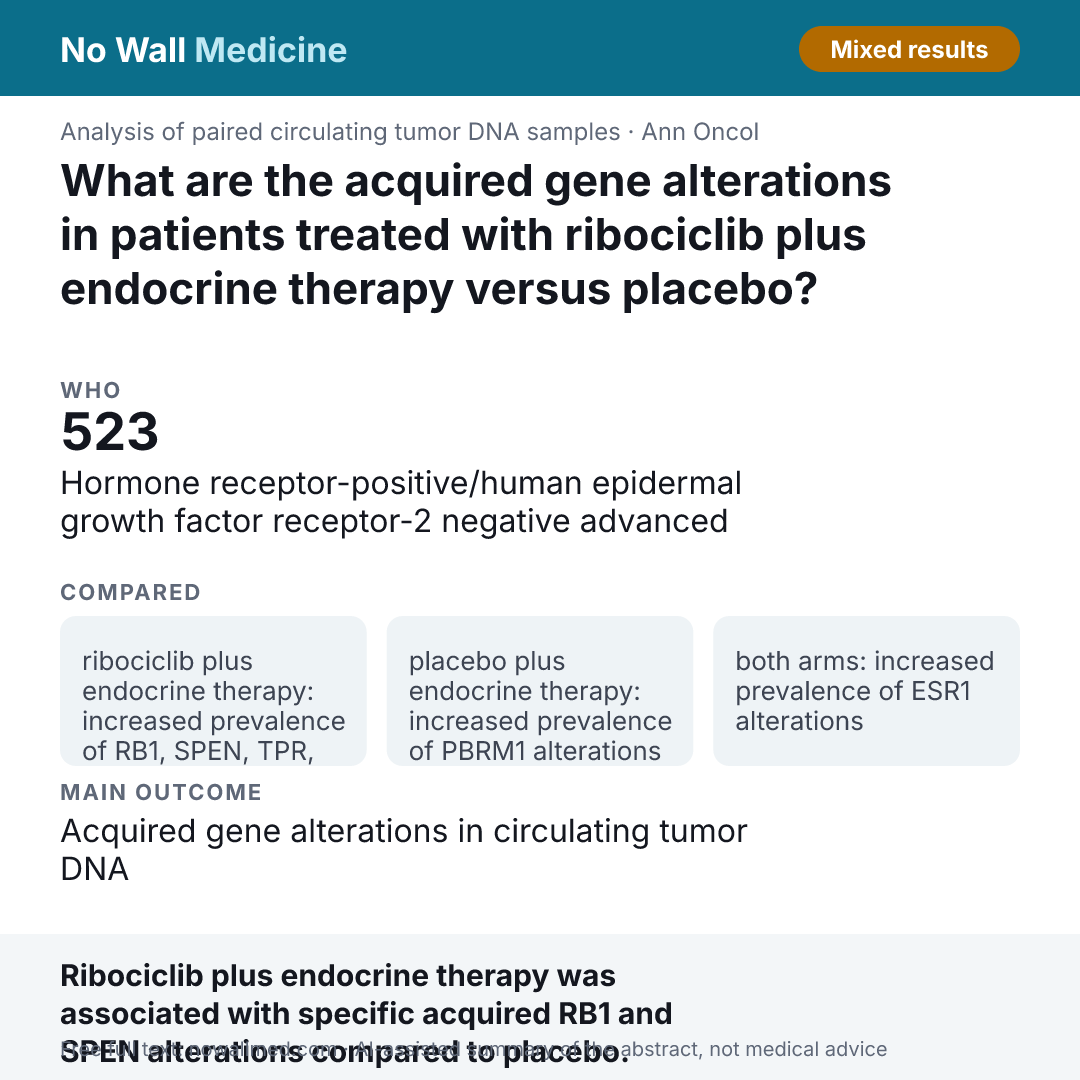
Acquired gene alterations in patients treated with ribociclib plus endocrine therapy or endocrine therapy alone using baseline and end-of-treatment circulating tumor DNA samples in the MONALEESA-2, -3, and -7 trials
Analysis of paired circulating tumor DNA samplesMixed results
What are the acquired gene alterations in patients treated with ribociclib plus endocrine therapy versus placebo?
Who
523
Hormone receptor-positive/human epidermal growth factor receptor-2 negative advanced breast cancer patients · MONALEESA-2, -3, and -7 trials
Compared
ribociclib plus endocrine therapy: increased prevalence of RB1, SPEN, TPR, PCDH15, and FGFR2 alterations
placebo plus endocrine therapy: increased prevalence of PBRM1 alterations
both arms: increased prevalence of ESR1 alterations
Main outcome
Acquired gene alterations in circulating tumor DNA
Bottom line: Ribociclib plus endocrine therapy was associated with specific acquired RB1 and SPEN alterations compared to placebo.
Ann Oncol · 2024-09-21 · Save PNG
A whole-food, plant-based intensive lifestyle intervention improves glycaemic control and reduces medications in individuals with type 2 diabetes: a randomised controlled trial
Randomised controlled trialBenefit found
Does a whole-food, plant-based intervention improve glycaemic control and reduce medications in type 2 diabetes?
Who
169
Adults aged 18-75 years with type 2 diabetes · Marshall Islands
Compared
Whole-food, plant-based intervention with moderate exercise: -16 mmol/mol [-1.4%] at week 24
Standard medical care: -8 mmol/mol [-0.7%] at week 24
Main outcome
Glycaemic control and glucose-lowering medication use
Bottom line: A whole-food, plant-based lifestyle intervention improved glycaemic control and reduced diabetes and cardiovascular medication use.
Funded by: Department of the Army
Diabetologia · 2024-09-21 · Save PNG
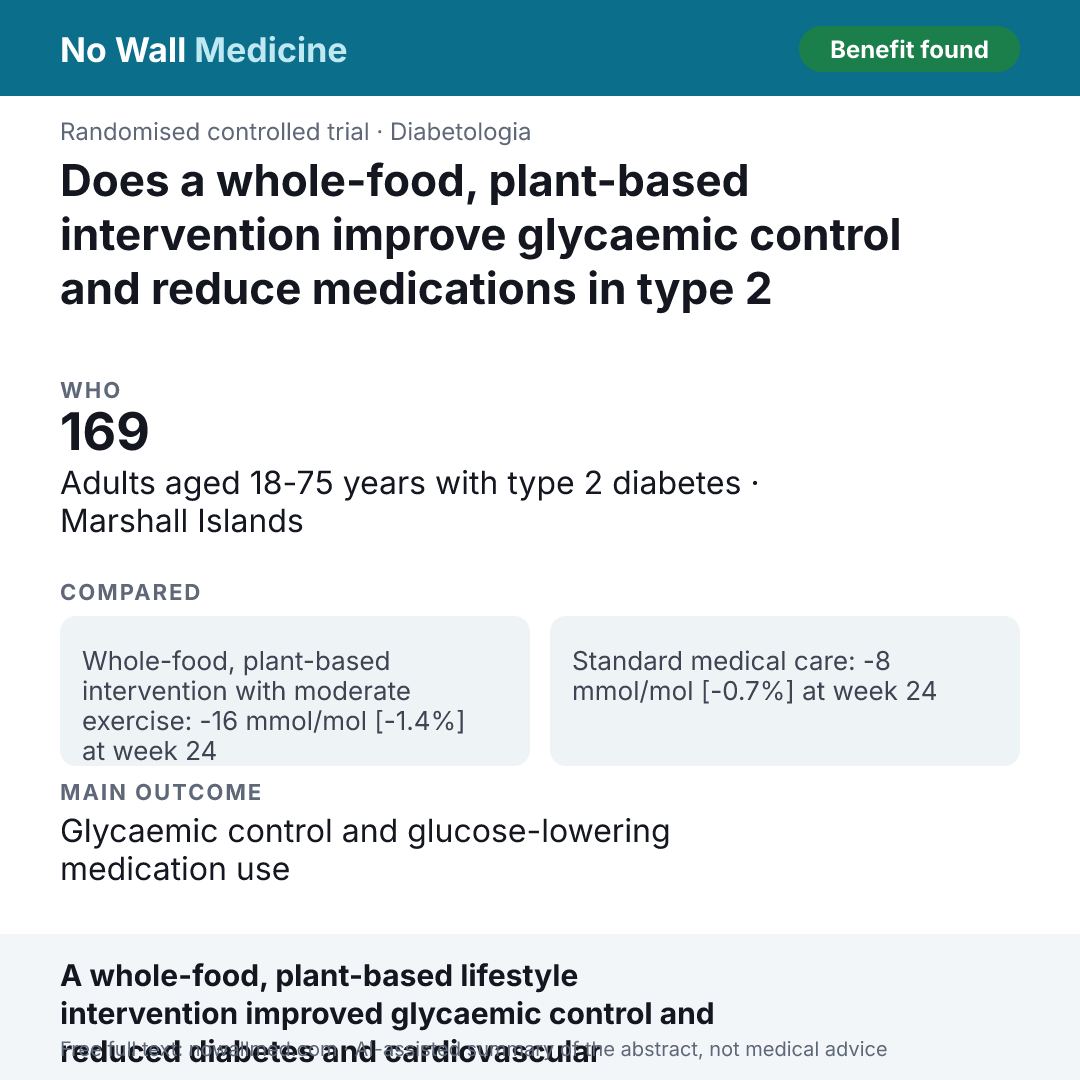
Canagliflozin and iron metabolism in the CREDENCE trial
Post hoc analysis of a randomized trialBenefit found
How does canagliflozin affect iron metabolism and cardiorenal outcomes in chronic kidney disease?
Who
4401
Patients with type 2 diabetes and chronic kidney disease
Compared
Canagliflozin: increased TIBC by 2.1% and decreased ferritin by 11.5%
Placebo
Main outcome
Iron markers, hemoglobin, and cardiorenal outcomes
Result: hazard ratio 0.70 (95% CI 0.56, 0.87)
Bottom line: Canagliflozin increases iron utilization and improves hemoglobin and clinical outcomes regardless of baseline iron deficiency status.
Nephrol Dial Transplant · 2024-09-21 · Save PNG
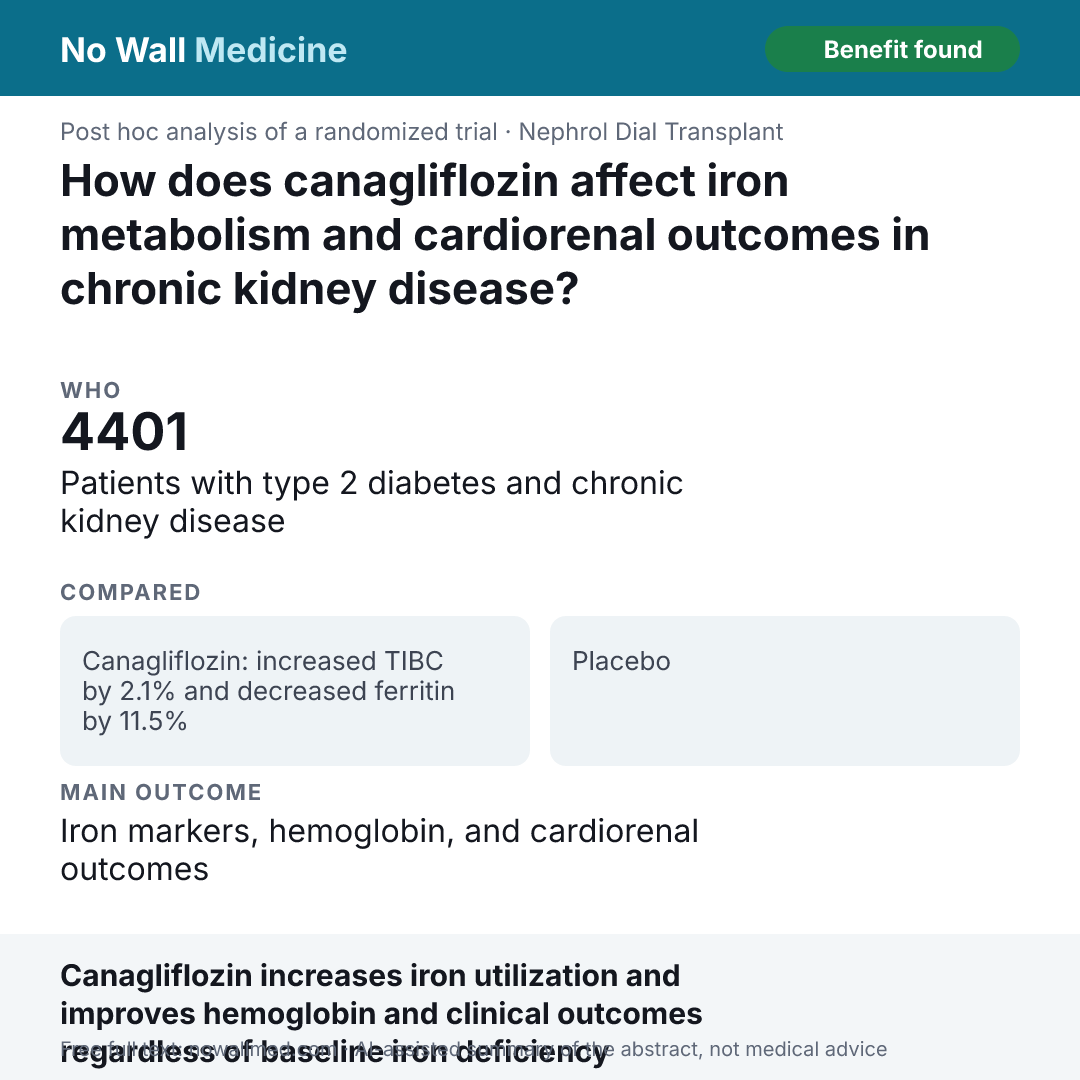
The Impact of Milk on Gut Permeability, Fecal 16S rRNA Gene Microbiota Profiling, and Fecal Metabolomics in Children with Moderate Malnutrition in Sierra Leone: A Double-Blind, Randomized Controlled Trial
Randomized, double-blind, controlled trialNo clear difference
Does milk protein and carbohydrate affect intestinal permeability and gut microbiota in malnourished children?
Who
413
Children with wasting in rural Sierra Leone · Rural Sierra Leone
Compared
Milk protein and milk carbohydrate: 0.01 (-0.05, 0.07) %L excretion
Milk protein and vegetable carbohydrate: 0.05 (-0.01, 0.11) %L excretion
Vegetable protein and milk carbohydrate: 0.01 (-0.05, 0.07) %L excretion
Vegetable protein and vegetable carbohydrate
Main outcome
Intestinal permeability, fecal microbiota, and fecal metabolomics
Bottom line: Four weeks of supplementary feeding with milk did not improve intestinal permeability or fecal microbiota in malnourished children.
Am J Clin Nutr · 2024-09-21 · Save PNG
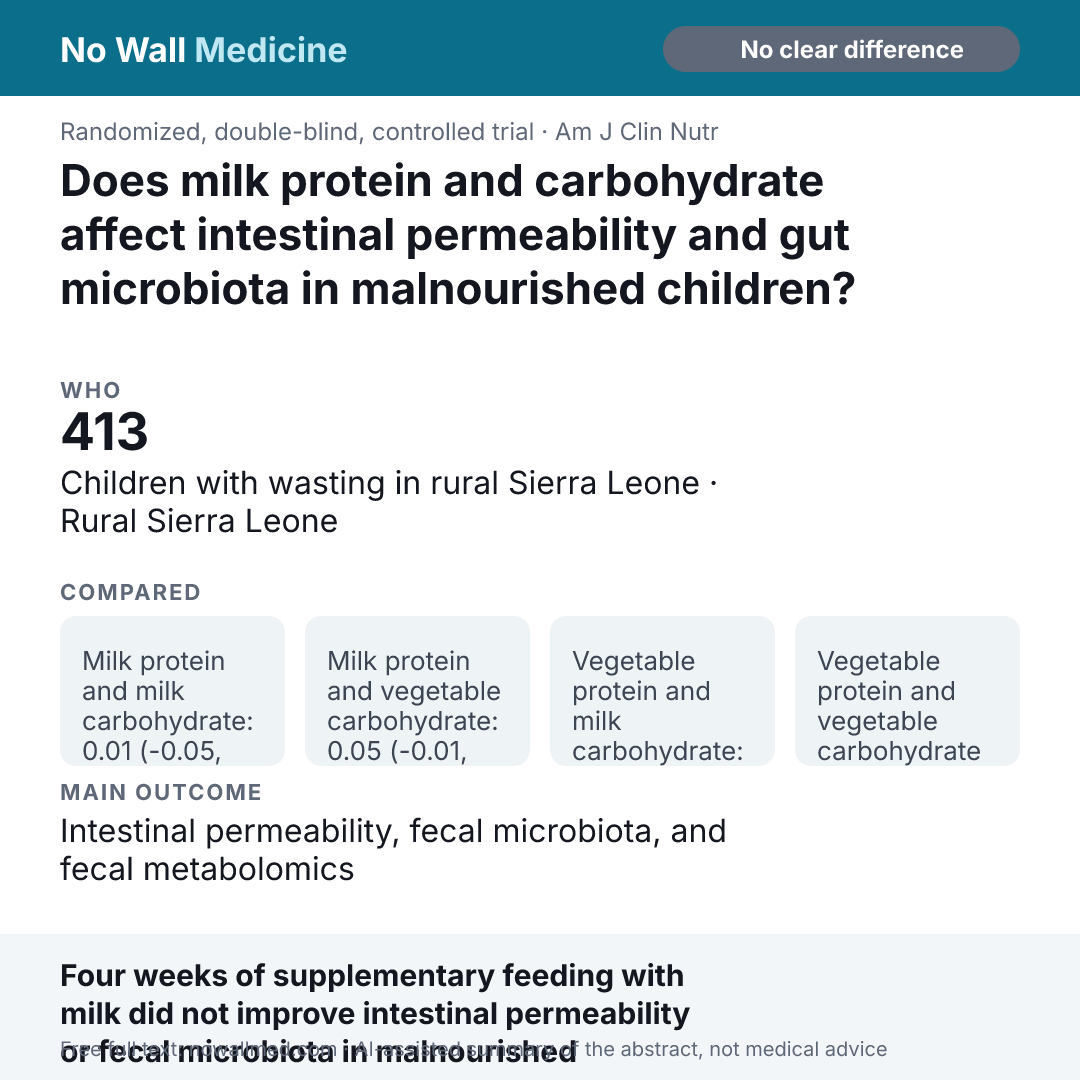
Sex differences in clinical presentation, treatment response, and side effects of nutritional therapy among patients at nutritional risk: a secondary analysis of the randomized clinical trial EFFORT
Secondary analysis of a randomized controlled trialNo clear difference
Do sex differences exist in clinical presentation, treatment response, and side effects of nutritional therapy?
Who
2028
Malnourished medical inpatients at risk · Multicenter
Compared
Female patients: HR 0.76 (95% CI 0.45, 1.27)
Male patients: HR 0.81 (95% CI 0.54, 1.21)
Main outcome
Effect of nutritional support on mortality
Result: HR 0.76 (95% CI 0.45, 1.27) vs HR 0.81 (95% CI 0.54, 1.21)
Bottom line: Nutritional support response was similar in both sexes, though females had different clinical presentations.
Am J Clin Nutr · 2024-09-21 · Save PNG
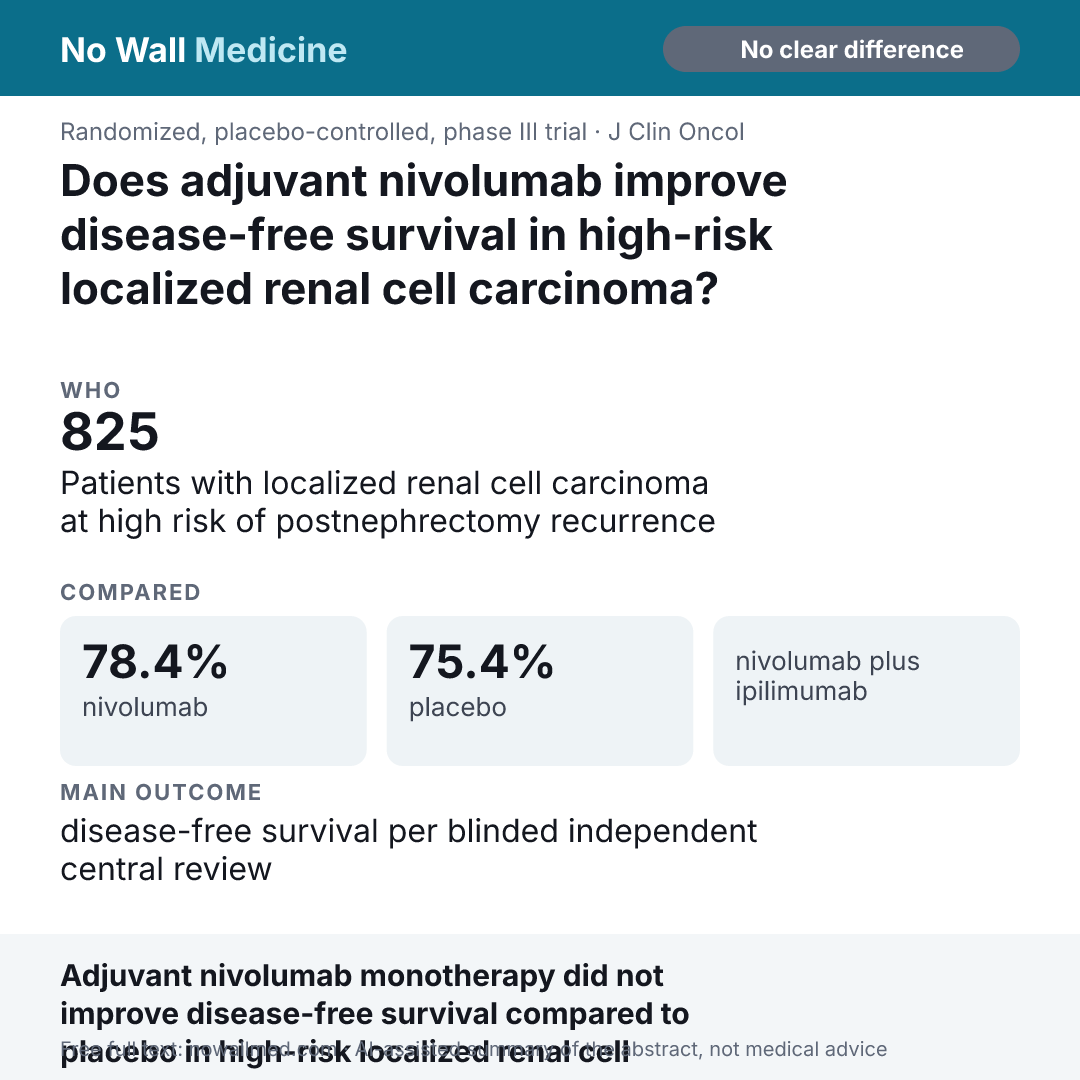
Adjuvant Nivolumab for Localized Renal Cell Carcinoma at High Risk of Recurrence After Nephrectomy: Part B of the Randomized, Placebo-Controlled, Phase III CheckMate 914 Trial
Randomized, placebo-controlled, phase III trialNo clear difference
Does adjuvant nivolumab improve disease-free survival in high-risk localized renal cell carcinoma?
Who
825
Patients with localized renal cell carcinoma at high risk of postnephrectomy recurrence
Compared
78.4%nivolumab
75.4%placebo
nivolumab plus ipilimumab
Main outcome
disease-free survival per blinded independent central review
Result: hazard ratio 0.87 (95% CI 0.62 to 1.21)
Bottom line: Adjuvant nivolumab monotherapy did not improve disease-free survival compared to placebo in high-risk localized renal cell carcinoma.
J Clin Oncol · 2024-09-20 · Save PNG
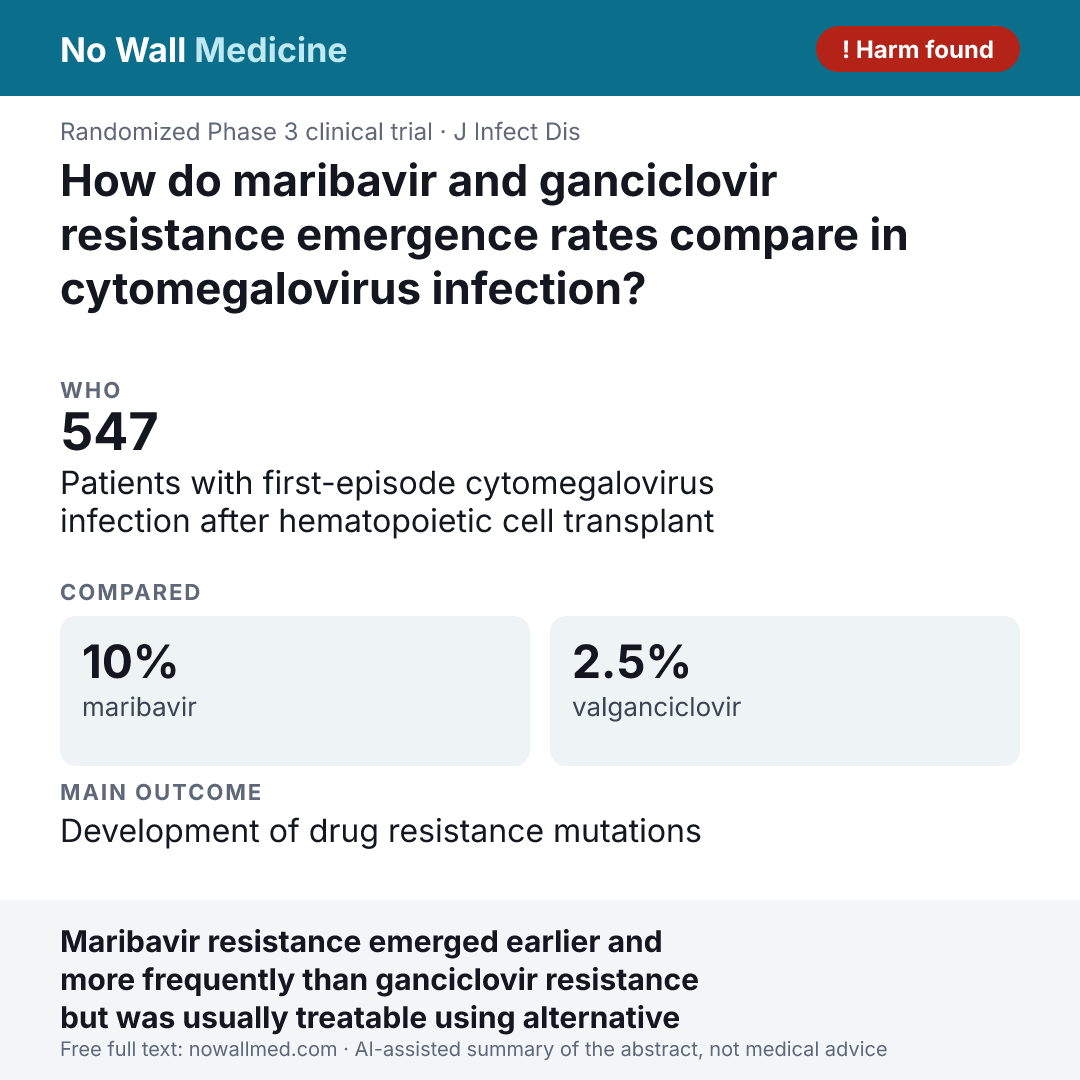
Comparative Emergence of Maribavir and Ganciclovir Resistance in a Randomized Phase 3 Clinical Trial for Treatment of Cytomegalovirus Infection
Randomized Phase 3 clinical trialHarm found
How do maribavir and ganciclovir resistance emergence rates compare in cytomegalovirus infection?
Who
547
Patients with first-episode cytomegalovirus infection after hematopoietic cell transplant
Compared
10%maribavir
2.5%valganciclovir
Main outcome
Development of drug resistance mutations
Bottom line: Maribavir resistance emerged earlier and more frequently than ganciclovir resistance but was usually treatable using alternative therapy.
J Infect Dis · 2024-09-20 · Save PNG
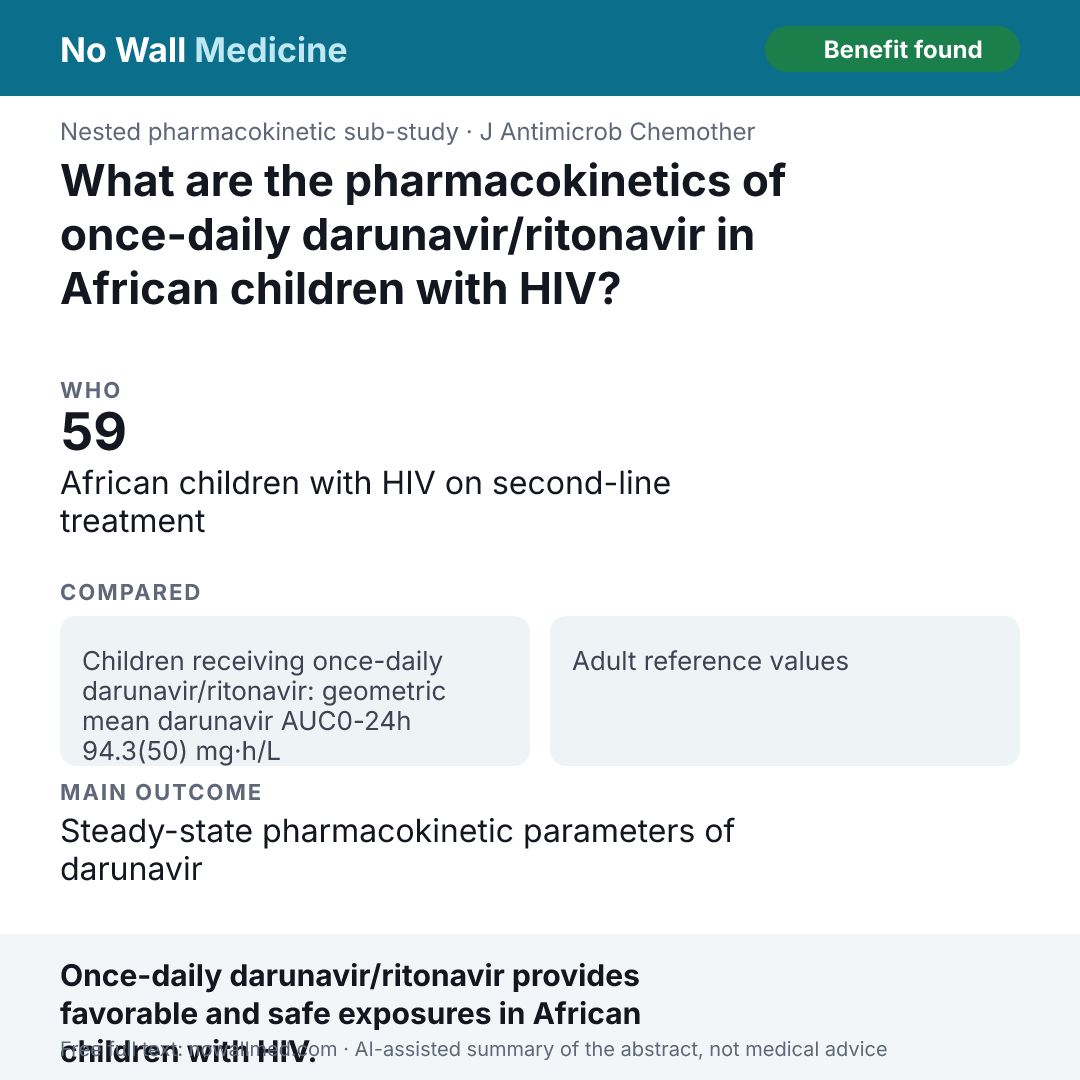
Pharmacokinetics of once-daily darunavir/ritonavir in second-line treatment in African children with HIV
Nested pharmacokinetic sub-studyBenefit found
What are the pharmacokinetics of once-daily darunavir/ritonavir in African children with HIV?
Who
59
African children with HIV on second-line treatment
Compared
Children receiving once-daily darunavir/ritonavir: geometric mean darunavir AUC0-24h 94.3(50) mg·h/L
Adult reference values
Main outcome
Steady-state pharmacokinetic parameters of darunavir
Bottom line: Once-daily darunavir/ritonavir provides favorable and safe exposures in African children with HIV.
J Antimicrob Chemother · 2024-09-20 · Save PNG
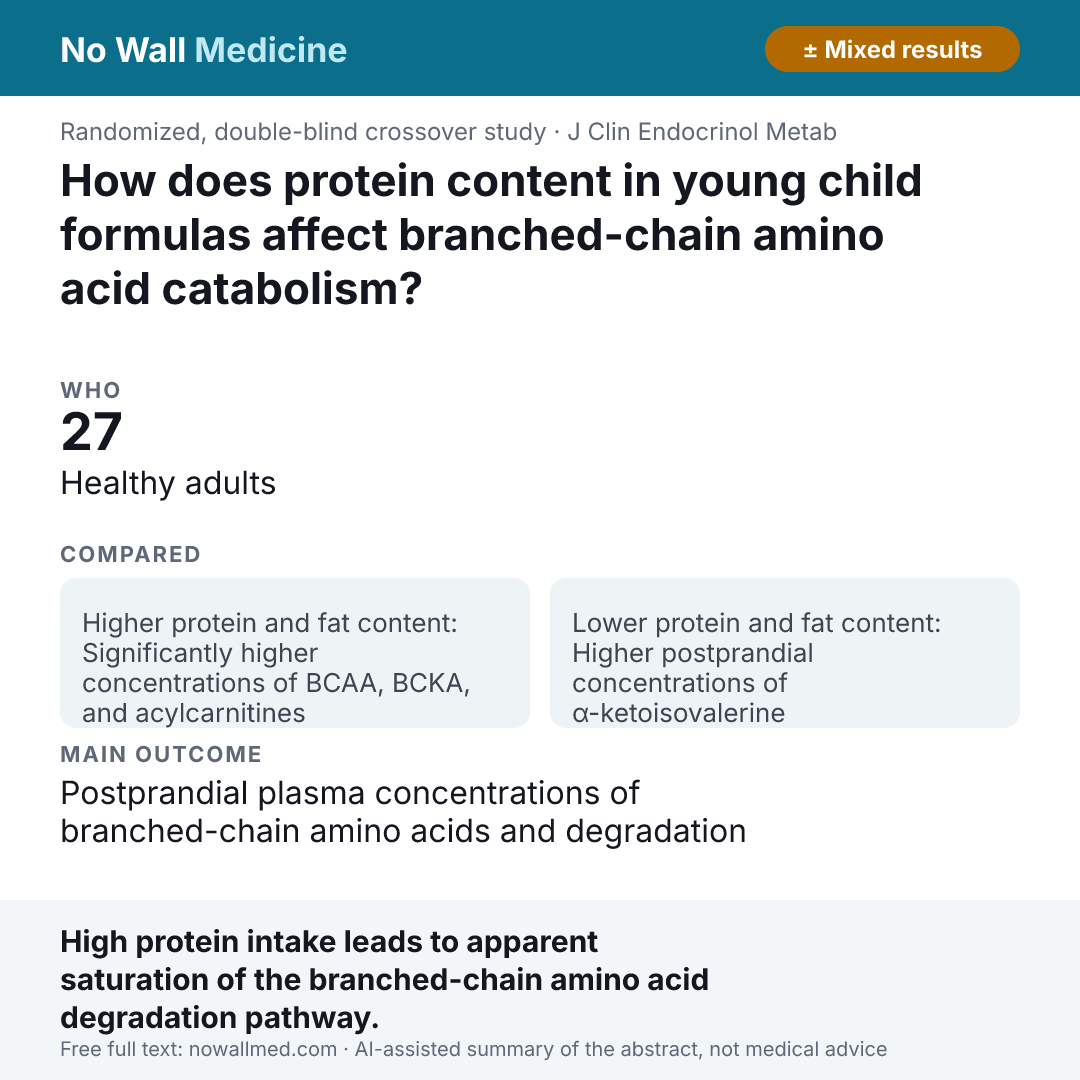
Apparent Saturation of Branched-Chain Amino Acid Catabolism After High Dietary Milk Protein Intake in Healthy Adults
Randomized, double-blind crossover studyMixed results
How does protein content in young child formulas affect branched-chain amino acid catabolism?
Who
27
Healthy adults
Compared
Higher protein and fat content: Significantly higher concentrations of BCAA, BCKA, and acylcarnitines
Lower protein and fat content: Higher postprandial concentrations of α-ketoisovalerine
Main outcome
Postprandial plasma concentrations of branched-chain amino acids and degradation products
Bottom line: High protein intake leads to apparent saturation of the branched-chain amino acid degradation pathway.
J Clin Endocrinol Metab · 2024-09-20 · Save PNG
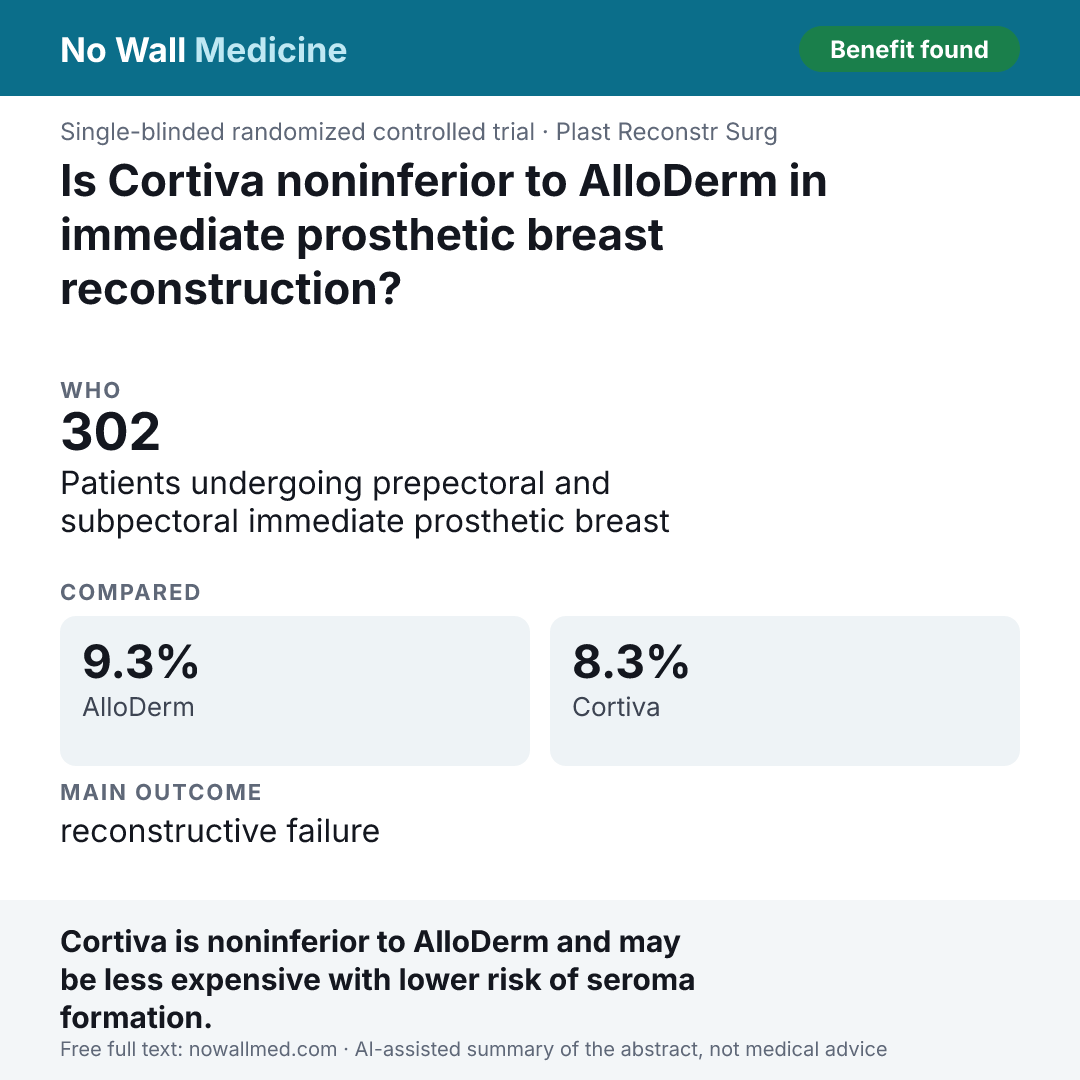
Cortiva versus AlloDerm in Prepectoral and Partial Submuscular Implant-Based Breast Reconstruction: A Randomized Clinical Trial
Single-blinded randomized controlled trialBenefit found
Is Cortiva noninferior to AlloDerm in immediate prosthetic breast reconstruction?
Who
302
Patients undergoing prepectoral and subpectoral immediate prosthetic breast reconstruction · 2 academic hospitals
Compared
9.3%AlloDerm
8.3%Cortiva
Main outcome
reconstructive failure
Result: odds ratio 1.93 (95% CI 1.01 to 3.67) for seroma
Bottom line: Cortiva is noninferior to AlloDerm and may be less expensive with lower risk of seroma formation.
Plast Reconstr Surg · 2024-09-20 · Save PNG
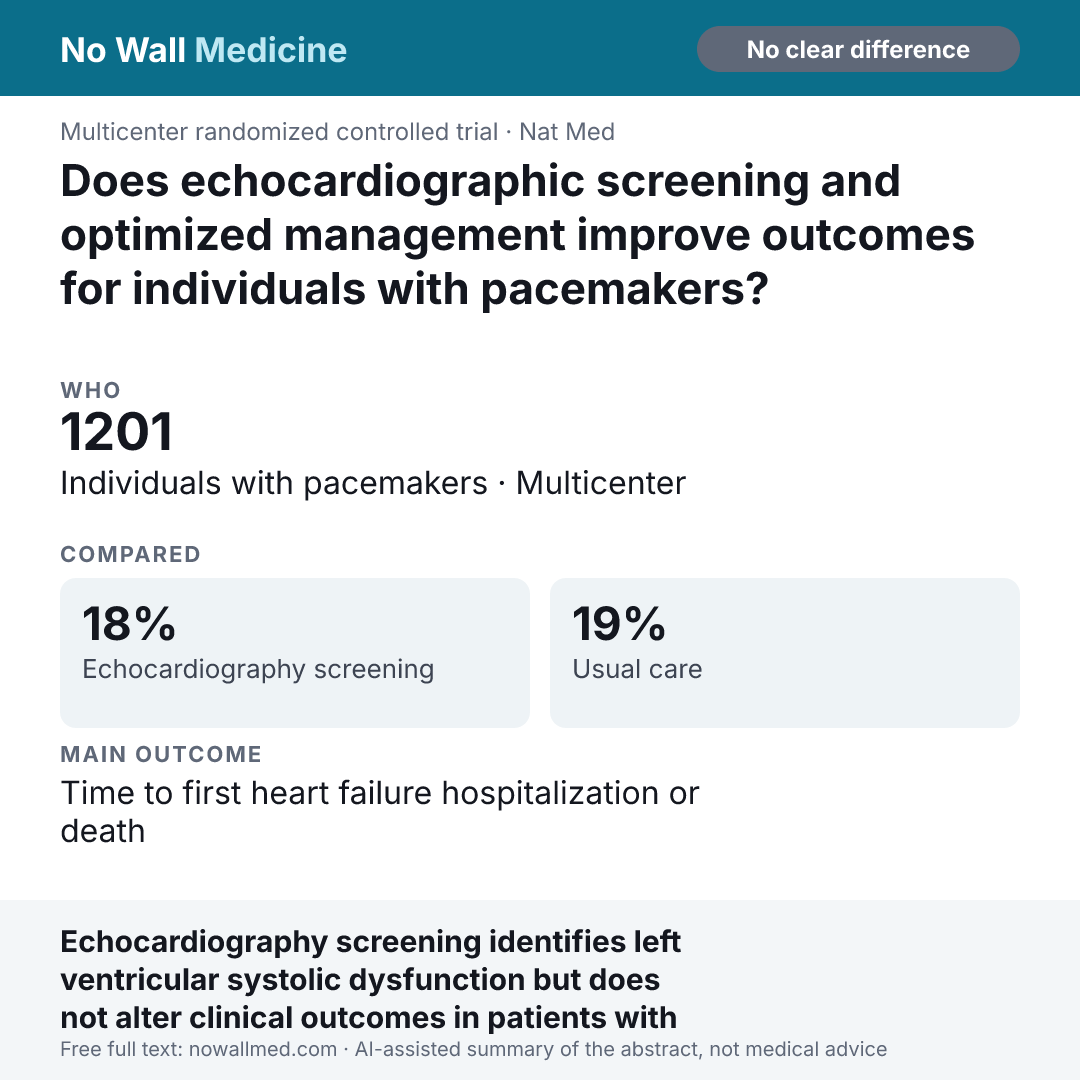
Echocardiographic screening for heart failure and optimization of the care pathway for individuals with pacemakers: a randomized controlled trial
Multicenter randomized controlled trialNo clear difference
Does echocardiographic screening and optimized management improve outcomes for individuals with pacemakers?
Who
1201
Individuals with pacemakers · Multicenter
Compared
18%Echocardiography screening (106/600)
19%Usual care (115/601)
Main outcome
Time to first heart failure hospitalization or death
Result: hazard ratio 0.89 (95% confidence interval 0.69, 1.17)
Bottom line: Echocardiography screening identifies left ventricular systolic dysfunction but does not alter clinical outcomes in patients with pacemakers.
Nat Med · 2024-09-19 · Save PNG
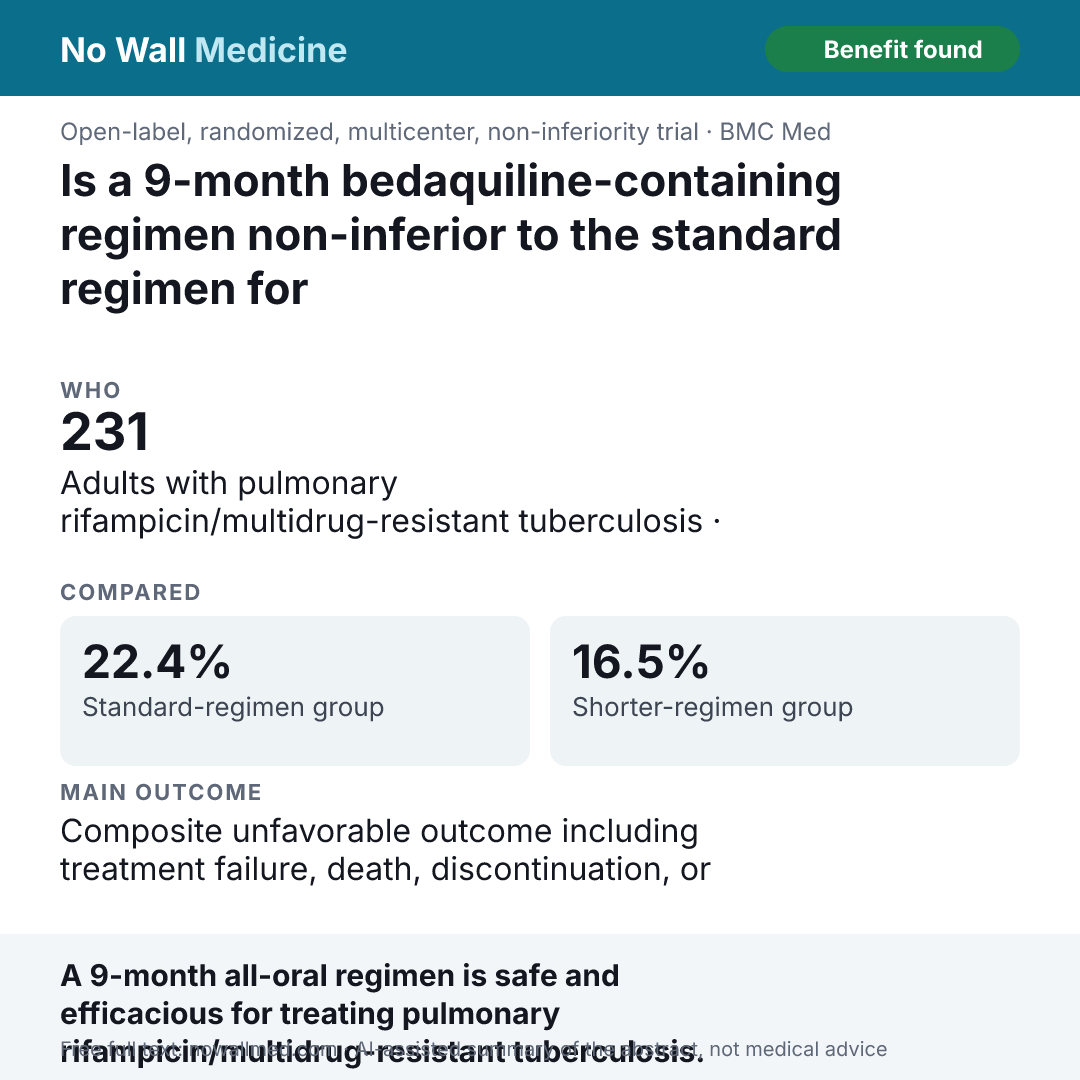
Nine months of bedaquiline, linezolid, levofloxacin, clofazimine, and cycloserine chemotherapy for rifampicin/multidrug-resistant tuberculosis: a multicenter, randomized, open-label non-inferiority trial in China
Open-label, randomized, multicenter, non-inferiority trialBenefit found
Is a 9-month bedaquiline-containing regimen non-inferior to the standard regimen for rifampicin/multidrug-resistant tuberculosis?
Who
231
Adults with pulmonary rifampicin/multidrug-resistant tuberculosis · Sixteen hospitals in China
Compared
22.4%Standard-regimen group
16.5%Shorter-regimen group
Main outcome
Composite unfavorable outcome including treatment failure, death, discontinuation, or loss to follow-up
Result: risk difference 5.9 percentage points (97.5% CI -5.8 to 17.5)
Bottom line: A 9-month all-oral regimen is safe and efficacious for treating pulmonary rifampicin/multidrug-resistant tuberculosis.
BMC Med · 2024-09-19 · Save PNG
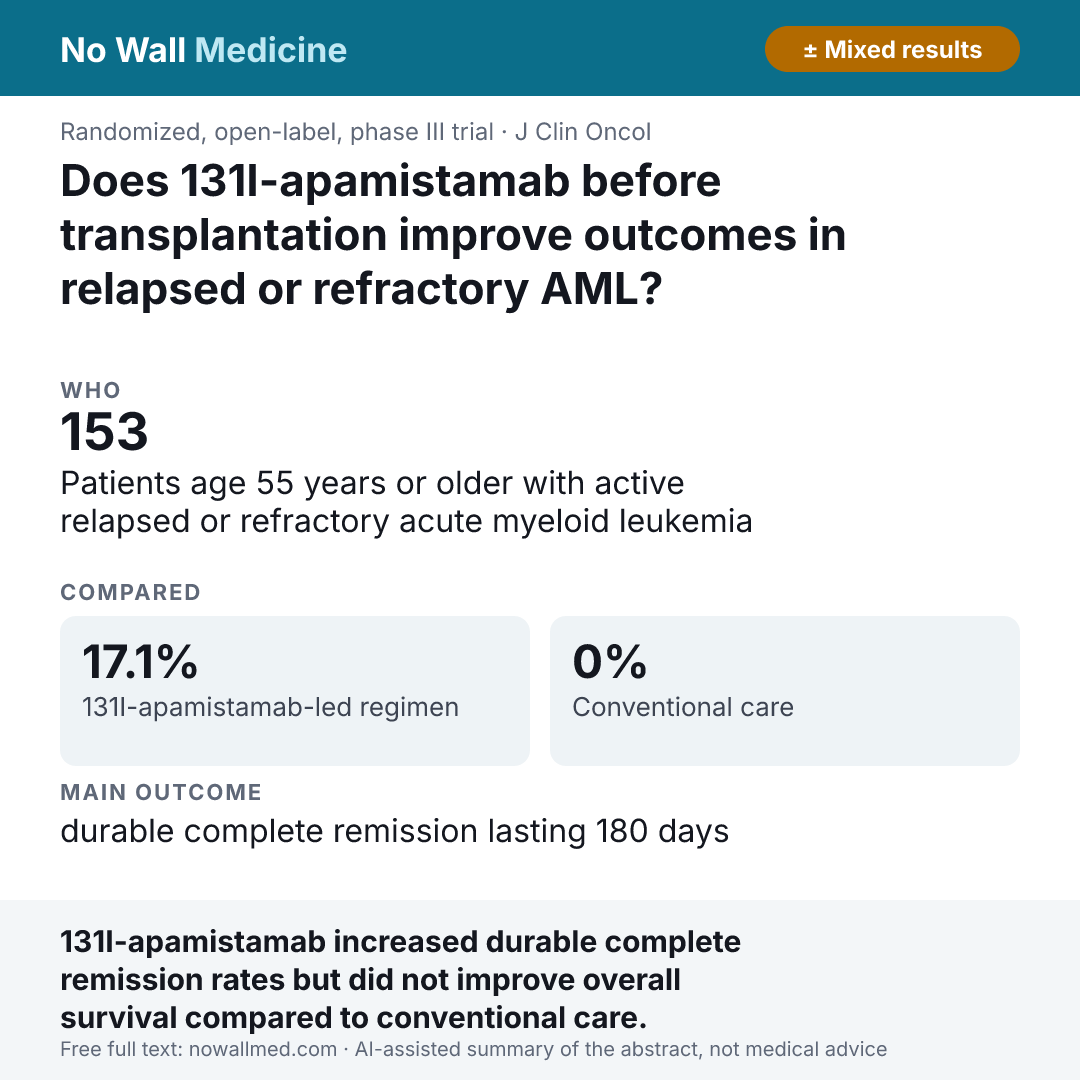
Randomized Phase III SIERRA Trial of 131I-Apamistamab Before Allogeneic Hematopoietic Cell Transplantation Versus Conventional Care for Relapsed/Refractory AML
Randomized, open-label, phase III trialMixed results
Does 131I-apamistamab before transplantation improve outcomes in relapsed or refractory AML?
Who
153
Patients age 55 years or older with active relapsed or refractory acute myeloid leukemia
Compared
17.1%131I-apamistamab-led regimen (95% CI, 9.4 to 27.5)
0%Conventional care (95% CI, 0 to 4.7)
Main outcome
durable complete remission lasting 180 days
Result: hazard ratio 0.23 (95% CI 0.15 to 0.34) for event-free survival
Bottom line: 131I-apamistamab increased durable complete remission rates but did not improve overall survival compared to conventional care.
J Clin Oncol · 2024-09-19 · Save PNG
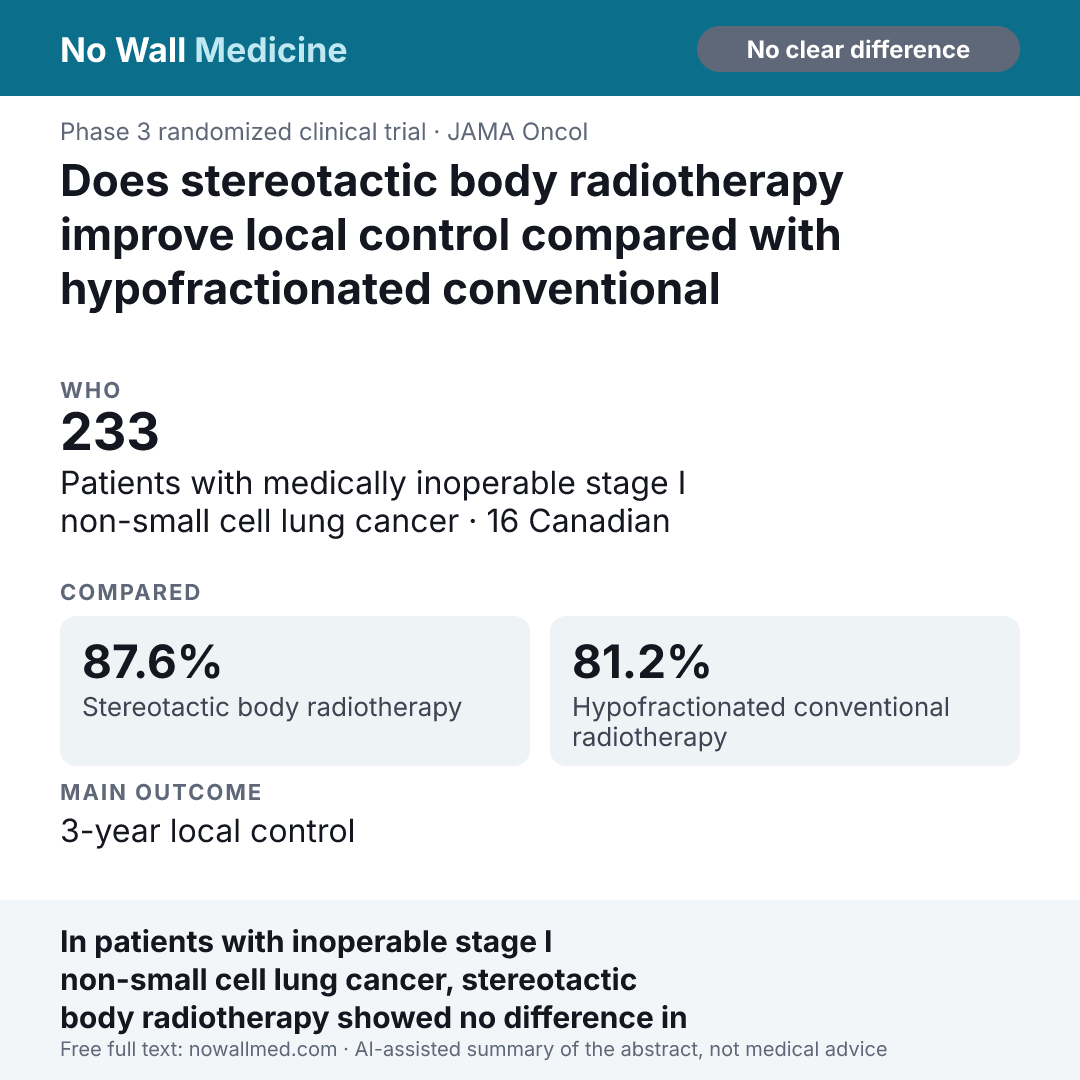
Stereotactic vs Hypofractionated Radiotherapy for Inoperable Stage I Non-Small Cell Lung Cancer: The LUSTRE Phase 3 Randomized Clinical Trial
Phase 3 randomized clinical trialNo clear difference
Does stereotactic body radiotherapy improve local control compared with hypofractionated conventional radiotherapy?
Who
233
Patients with medically inoperable stage I non-small cell lung cancer · 16 Canadian centers
Compared
87.6%Stereotactic body radiotherapy (95% CI, 81.9%-93.4%)
81.2%Hypofractionated conventional radiotherapy (95% CI, 71.9%-90.5%)
Main outcome
3-year local control
Result: hazard ratio 0.61 (95% CI, 0.31-1.20)
Bottom line: In patients with inoperable stage I non-small cell lung cancer, stereotactic body radiotherapy showed no difference in local control compared with conventional radiotherapy.
Limitation: further research is necessary to determine if SBRT is more effective for peripheral and central non-small cell lung cancer
JAMA Oncol · 2024-09-19 · Save PNG