Visual abstracts
New randomized trials and meta-analyses from leading journals at a glance: who was studied, what was compared, and what was found. Every paper is free to read in full.
All specialtiesCardiology 4877Oncology 4138Gastroenterology & Hepatology 1942Infectious Disease 3837Neurology 1905Psychiatry & Mental Health 2273Pulmonology 2143Critical Care 1365Endocrinology & Diabetes 2580Pediatrics 2980Surgery 2559Orthopedics & Sports Medicine 931Neurosurgery 537Cardiothoracic & Vascular Surgery 674Plastic & Reconstructive Surgery 591Nephrology 1133Rheumatology 823Hematology 1109Dermatology 621Ophthalmology 543Obstetrics & Gynecology 1686Public & Global Health 1058Radiology & Imaging 648Anesthesiology 986Urology 764ENT (Otolaryngology) 503Emergency Medicine 511Allergy & Immunology 313Geriatrics 981Family Medicine & Primary Care 562Medical Genetics & Genomics 676Pathology & Laboratory Medicine 159Physical Medicine & Rehabilitation 757Palliative Care 444Nutrition 1588Digital Health & AI 2201General Medicine 321
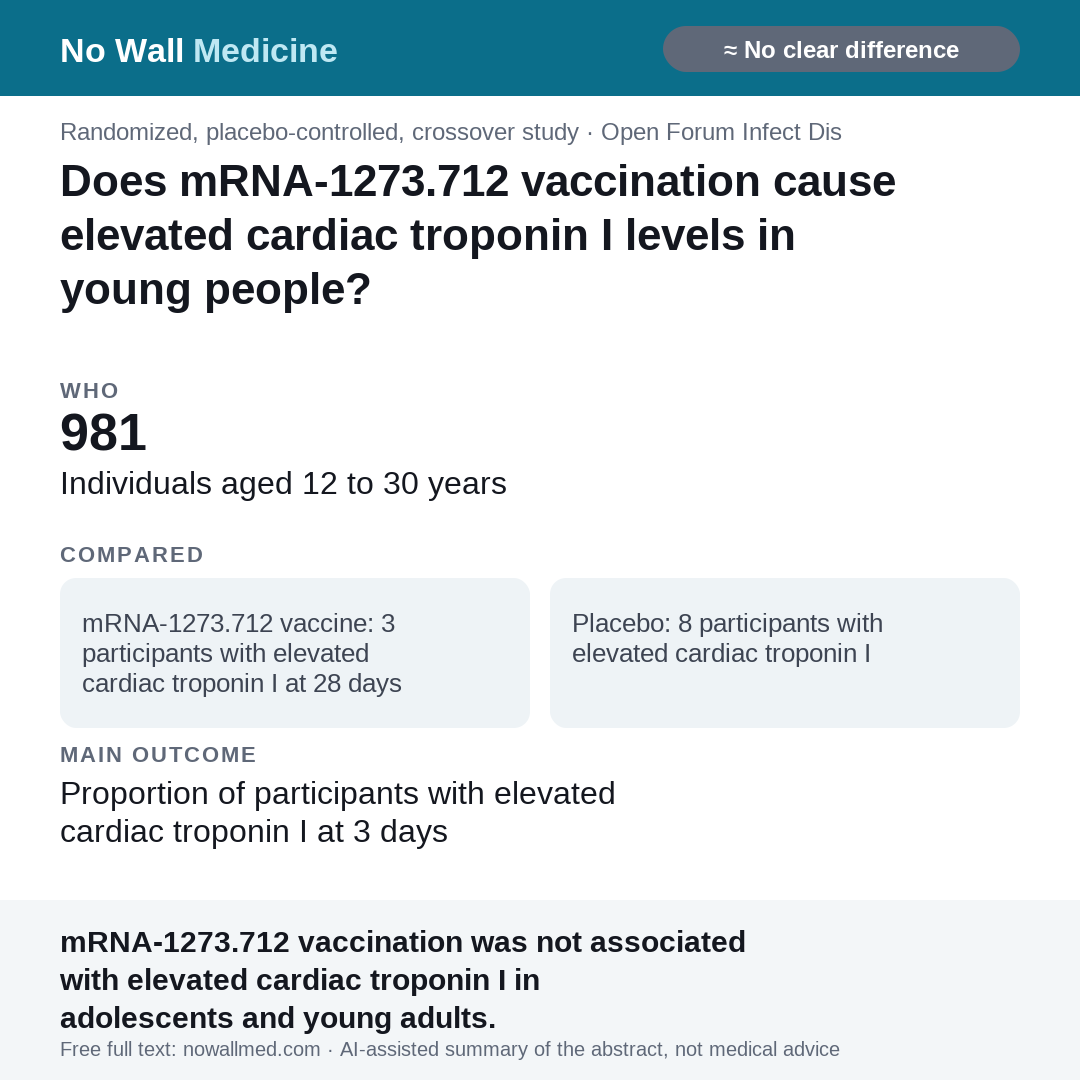
Evaluation of Cardiac Troponin Levels in Individuals Aged 12-30 Years Following mRNA-1273 Vaccination: Results From a Randomized Placebo-Controlled Trial
Randomized, placebo-controlled, crossover studyNo clear difference
Does mRNA-1273.712 vaccination cause elevated cardiac troponin I levels in young people?
Who
981
Individuals aged 12 to 30 years
Compared
mRNA-1273.712 vaccine: 3 participants with elevated cardiac troponin I at 28 days
Placebo: 8 participants with elevated cardiac troponin I
Main outcome
Proportion of participants with elevated cardiac troponin I at 3 days
Bottom line: mRNA-1273.712 vaccination was not associated with elevated cardiac troponin I in adolescents and young adults.
Open Forum Infect Dis · 2026-03-21Download image
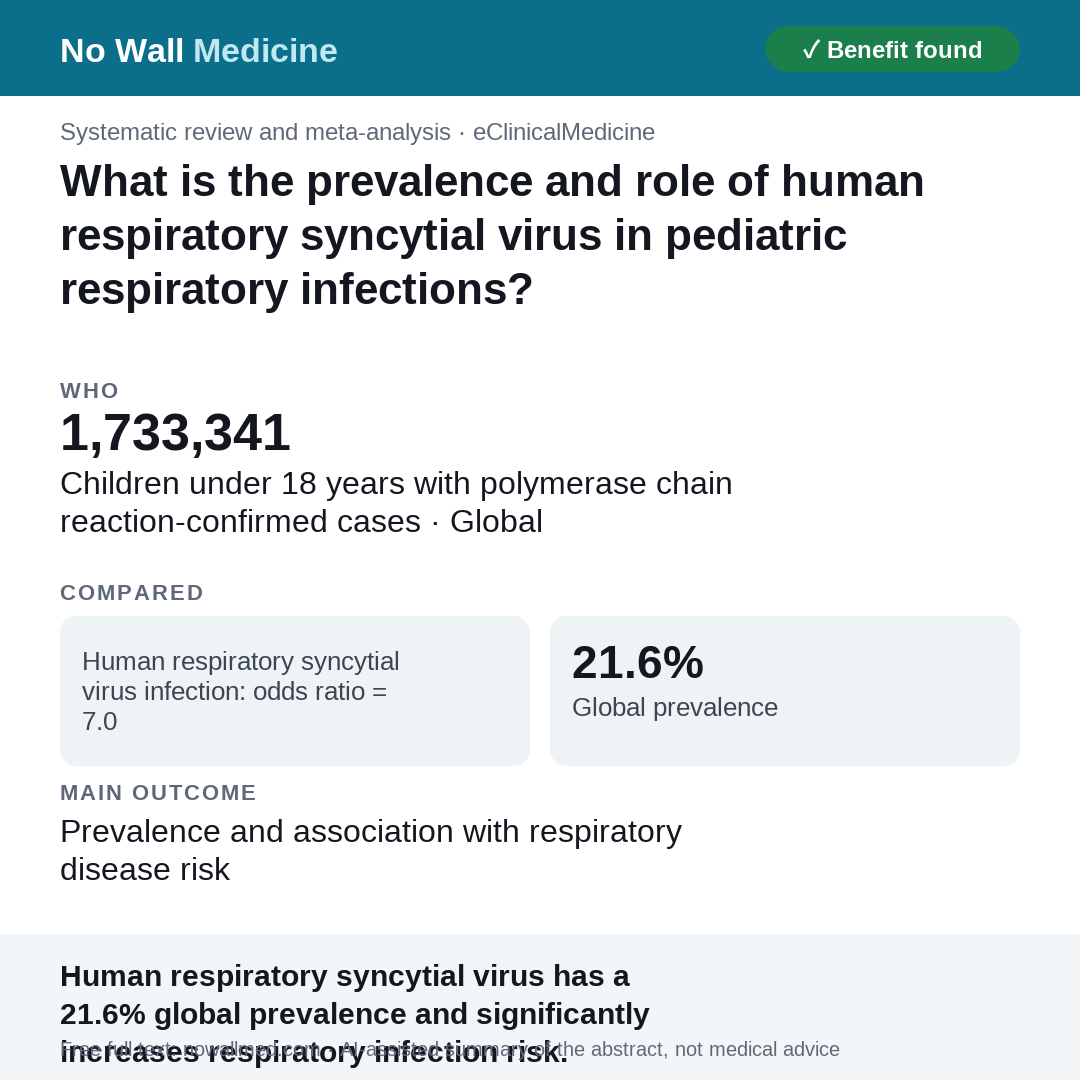
The prevalence and role of human respiratory syncytial virus in pediatric respiratory tract infections: a systematic review and meta-analysis of global data
Systematic review and meta-analysisBenefit found
What is the prevalence and role of human respiratory syncytial virus in pediatric respiratory infections?
Who
1,733,341
Children under 18 years with polymerase chain reaction-confirmed cases · Global
Compared
Human respiratory syncytial virus infection: odds ratio = 7.0
21.6%Global prevalence
Main outcome
Prevalence and association with respiratory disease risk
Result: odds ratio = 7.0
Bottom line: Human respiratory syncytial virus has a 21.6% global prevalence and significantly increases respiratory infection risk.
eClinicalMedicine · 2026-03-20Download image
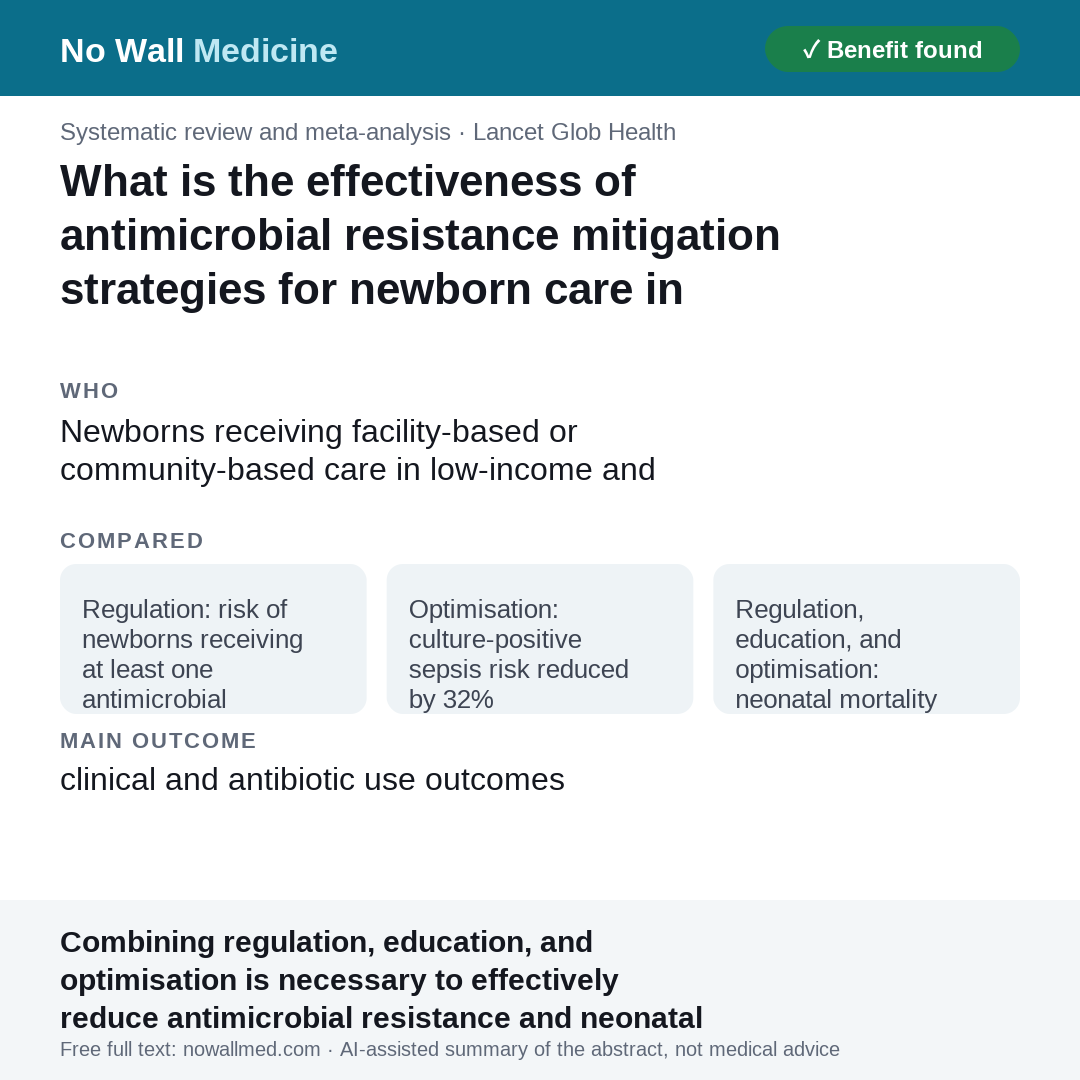
Strategies to reduce antimicrobial resistance in newborns in low-income and middle-income countries: a systematic review and meta-analysis
Systematic review and meta-analysisBenefit found
What is the effectiveness of antimicrobial resistance mitigation strategies for newborn care in low-income and middle-income countries?
Who
Newborns receiving facility-based or community-based care in low-income and middle-income countries · Low-income and middle-income countries
Compared
Regulation: risk of newborns receiving at least one antimicrobial reduced by 21%
Optimisation: culture-positive sepsis risk reduced by 32%
Regulation, education, and optimisation: neonatal mortality risk reduced by 27%
Main outcome
clinical and antibiotic use outcomes
Bottom line: Combining regulation, education, and optimisation is necessary to effectively reduce antimicrobial resistance and neonatal mortality.
Funded by: Bill & Melinda Gates Foundation
Lancet Glob Health · 2026-03-20Download image
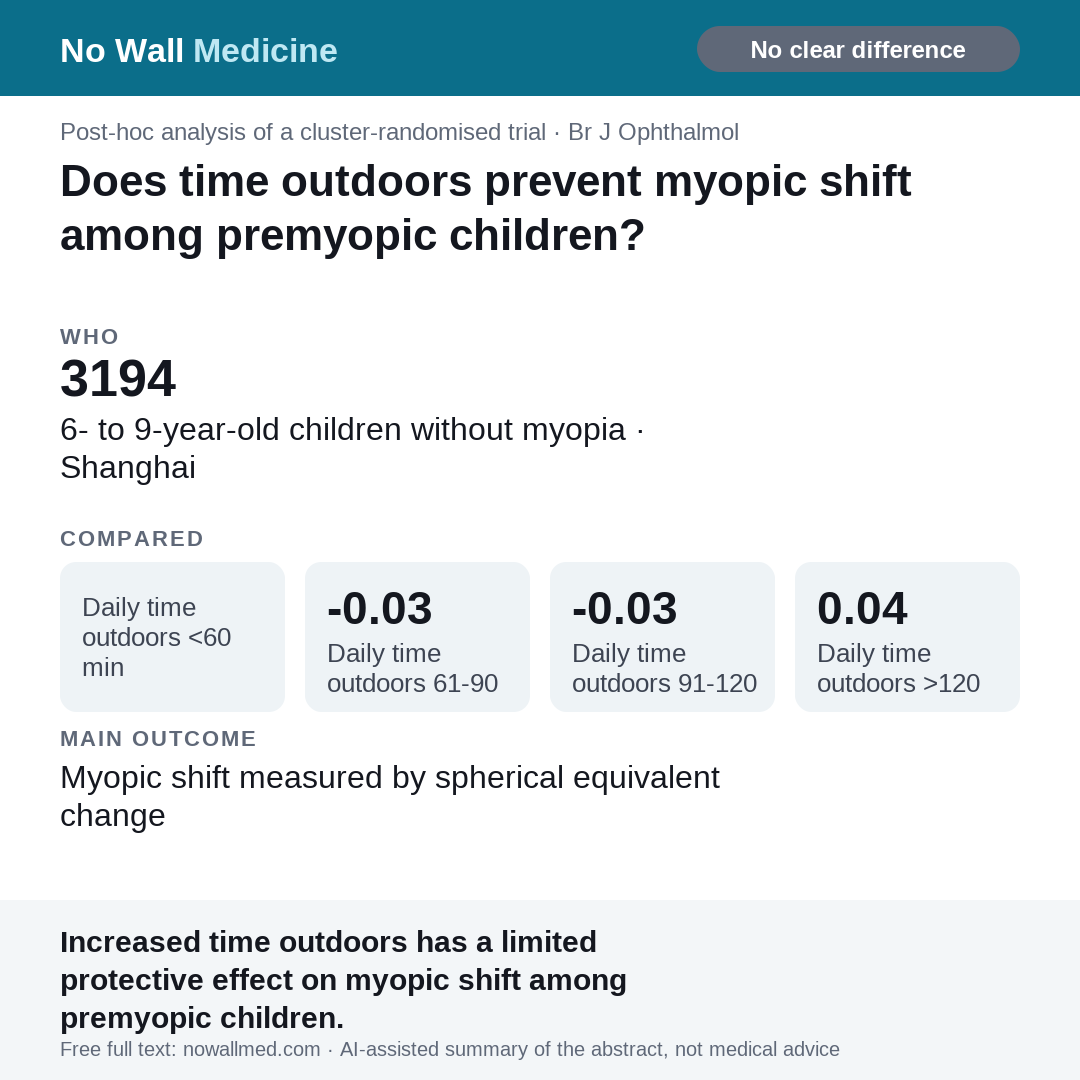
Time outdoors prevents myopia in hyperopic children, but protection is weaker in premyopic children: a post-hoc analysis of a cluster-randomised trial
Post-hoc analysis of a cluster-randomised trialNo clear difference
Does time outdoors prevent myopic shift among premyopic children?
Who
3194
6- to 9-year-old children without myopia · Shanghai
Compared
Daily time outdoors <60 min
-0.03Daily time outdoors 61-90 min/d (95% CI -0.10 to 0.05)
-0.03Daily time outdoors 91-120 min/d (95% CI -0.11 to 0.05)
0.04Daily time outdoors >120 min/d (95% CI -0.05 to 0.14)
Main outcome
Myopic shift measured by spherical equivalent change
Bottom line: Increased time outdoors has a limited protective effect on myopic shift among premyopic children.
Br J Ophthalmol · 2026-03-20Download image
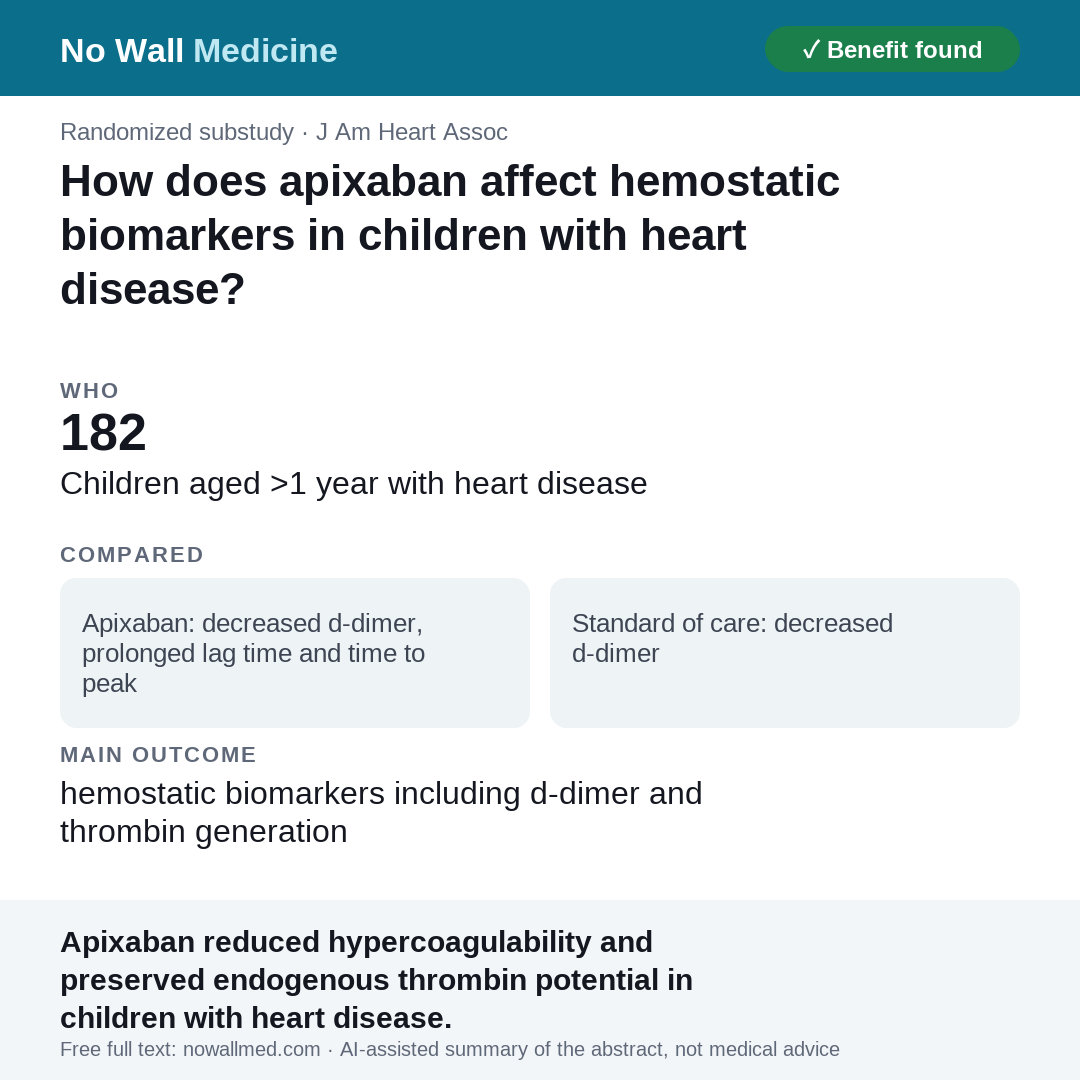
Ex Vivo Effect of Apixaban on Hemostatic Biomarkers in Children With Heart Disease: A SAXOPHONE Trial Substudy
Randomized substudyBenefit found
How does apixaban affect hemostatic biomarkers in children with heart disease?
Who
182
Children aged >1 year with heart disease
Compared
Apixaban: decreased d-dimer, prolonged lag time and time to peak
Standard of care: decreased d-dimer
Main outcome
hemostatic biomarkers including d-dimer and thrombin generation
Bottom line: Apixaban reduced hypercoagulability and preserved endogenous thrombin potential in children with heart disease.
J Am Heart Assoc · 2026-03-20Download image
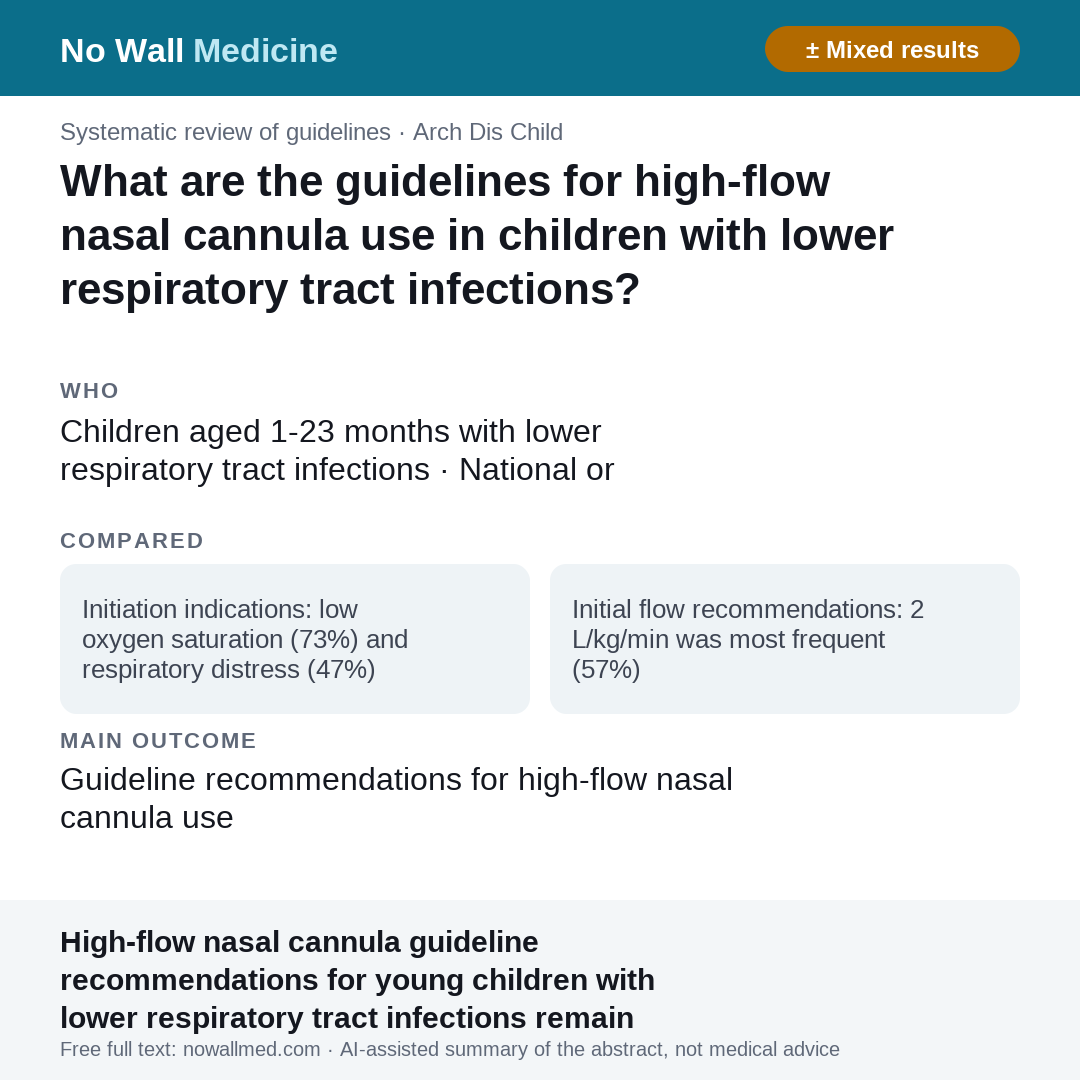
High-flow nasal cannula for lower respiratory infections in children under 2 years: a systematic review of indications
Systematic review of guidelinesMixed results
What are the guidelines for high-flow nasal cannula use in children with lower respiratory tract infections?
Who
Children aged 1-23 months with lower respiratory tract infections · National or international guidelines
Compared
Initiation indications: low oxygen saturation (73%) and respiratory distress (47%)
Initial flow recommendations: 2 L/kg/min was most frequent (57%)
Main outcome
Guideline recommendations for high-flow nasal cannula use
Bottom line: High-flow nasal cannula guideline recommendations for young children with lower respiratory tract infections remain inconsistent across different sources.
Arch Dis Child · 2026-03-19Download image
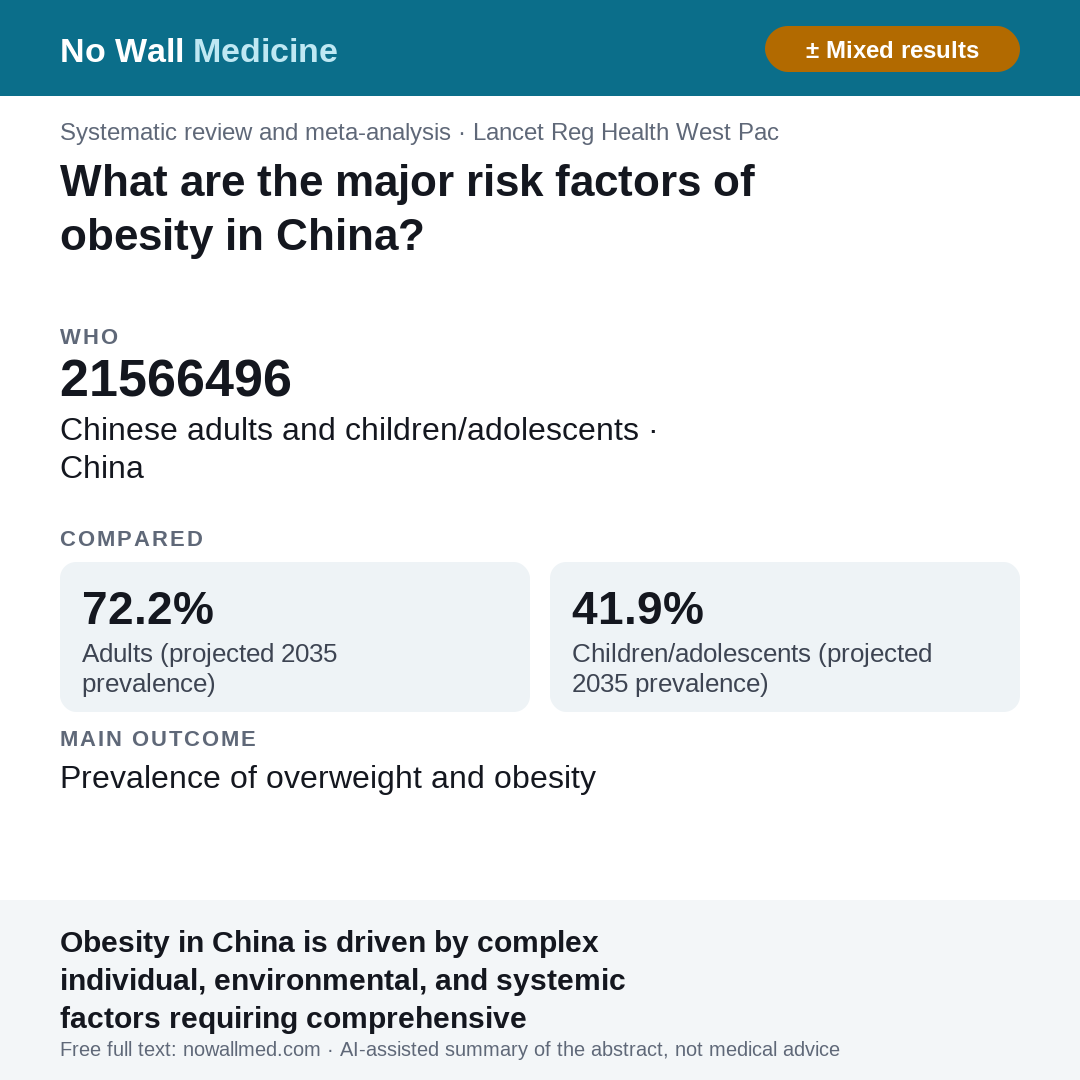
Major risk factors of obesity in China and recommendations for future prevention and control efforts: a systematic review and meta-analysis
Systematic review and meta-analysisMixed results
What are the major risk factors of obesity in China?
Who
21566496
Chinese adults and children/adolescents · China
Compared
72.2%Adults (projected 2035 prevalence) (95% CI 69.7%-74.7%)
41.9%Children/adolescents (projected 2035 prevalence) (37.4%-46.1%)
Main outcome
Prevalence of overweight and obesity
Bottom line: Obesity in China is driven by complex individual, environmental, and systemic factors requiring comprehensive government-led strategies.
Funded by: Chinese National Science and Technology Innovation 2030
Lancet Reg Health West Pac · 2026-03-19Download image
Systematic review of climate change interventions for improving child health
Systematic review of 52 studiesUnclear result
What interventions improve child health in climate change
Who
4381
Children affected by climate change
Compared
Interventions
Control
Main outcome
Child health outcomes
Bottom line: Some interventions improve child health in climate change
BMJ Paediatr Open · 2026-03-19Download image
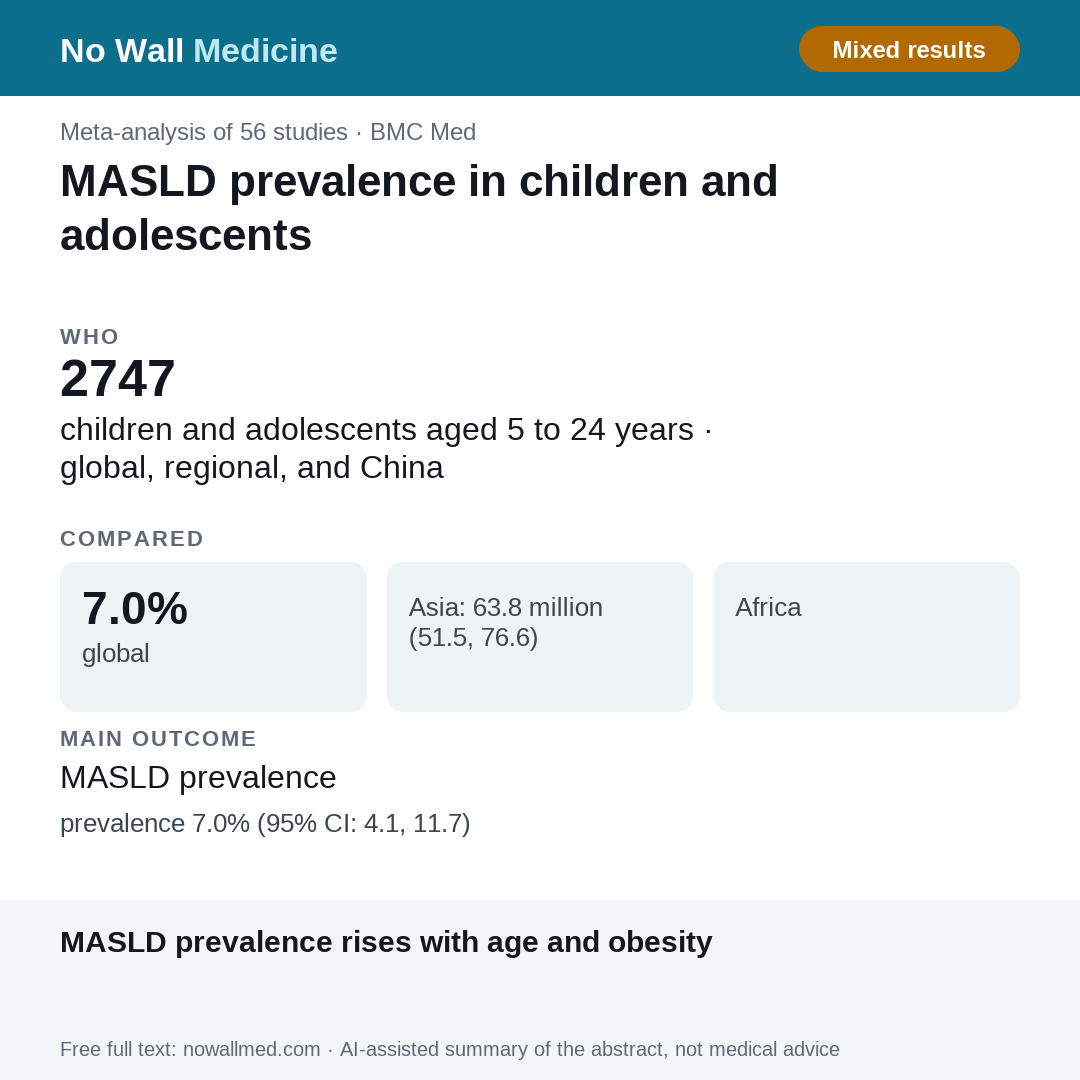
Global and regional prevalence, burden, and risk factors for MASLD in children and adolescents aged 5 to 24 years: a systematic review, meta-analysis, and modeling study
Meta-analysis of 56 studiesMixed results
MASLD prevalence in children and adolescents
Who
2747
children and adolescents aged 5 to 24 years · global, regional, and China
Compared
7.0%global (95% CI: 4.1, 11.7)
Asia: 63.8 million (51.5, 76.6)
Africa
Main outcome
MASLD prevalence
Result: prevalence 7.0% (95% CI: 4.1, 11.7)
Bottom line: MASLD prevalence rises with age and obesity
BMC Med · 2026-03-18Download image
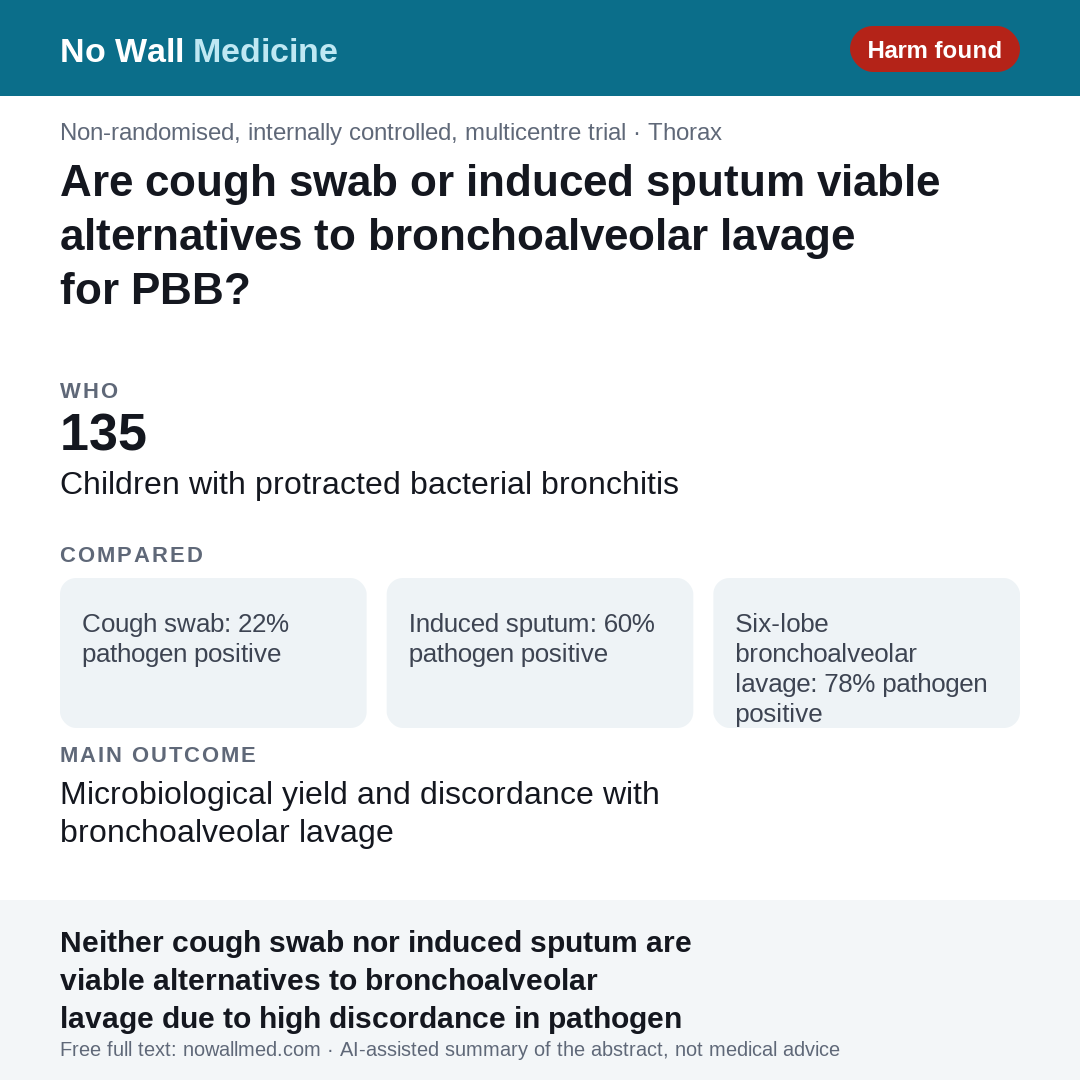
Comparison of Lower Airway Sampling Strategies in Children with Protracted Bacterial Bronchitis (CLASSIC-PBB): a non-randomised, internally controlled, multicentre trial
Non-randomised, internally controlled, multicentre trialHarm found
Are cough swab or induced sputum viable alternatives to bronchoalveolar lavage for PBB?
Who
135
Children with protracted bacterial bronchitis
Compared
Cough swab: 22% pathogen positive
Induced sputum: 60% pathogen positive
Six-lobe bronchoalveolar lavage: 78% pathogen positive
Main outcome
Microbiological yield and discordance with bronchoalveolar lavage
Result: cough swab/BAL6 discordance OR 30.3 (95% CI 9.6 to 95.8)
Bottom line: Neither cough swab nor induced sputum are viable alternatives to bronchoalveolar lavage due to high discordance in pathogen yield.
Thorax · 2026-03-18Download image
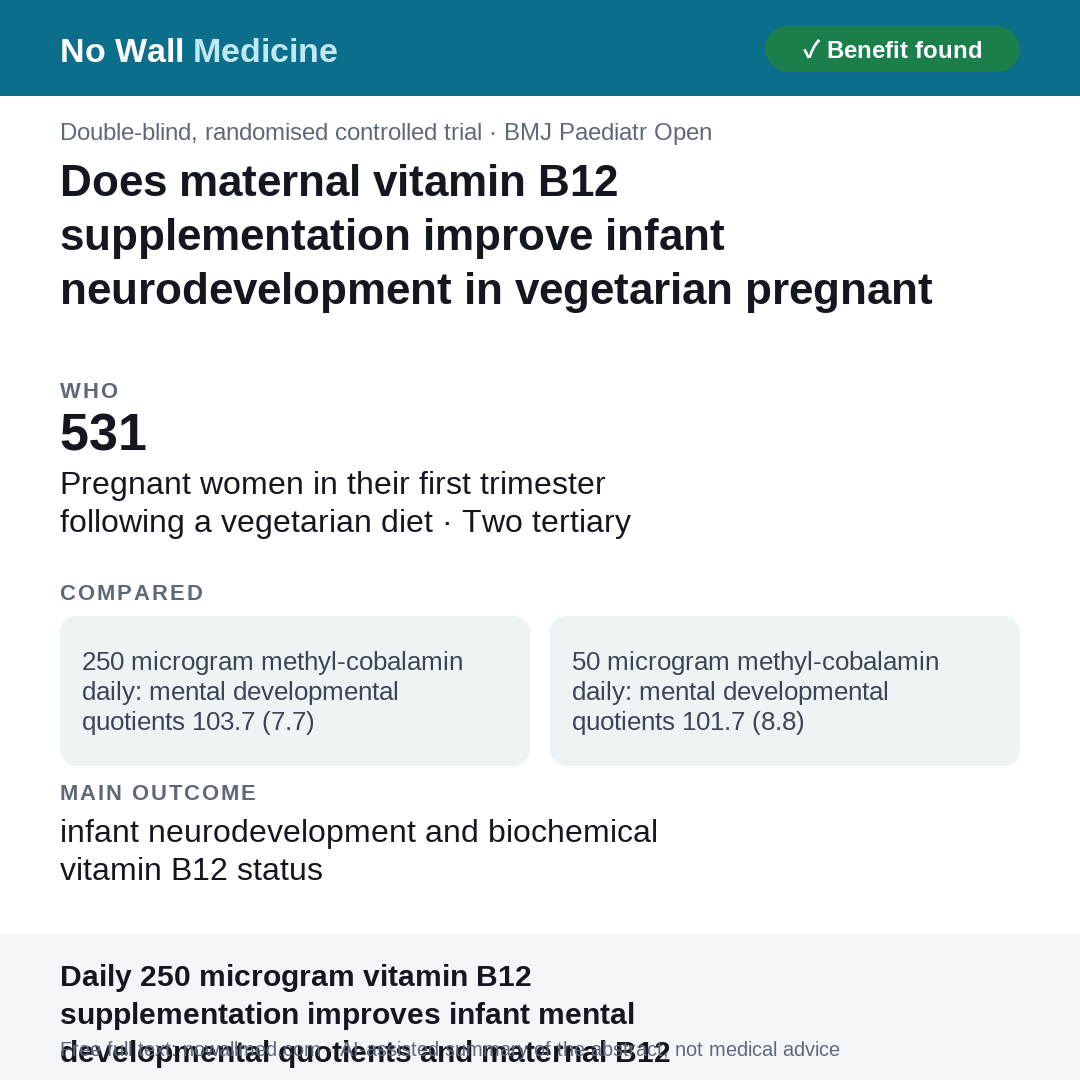
Maternal supplementation of vitamin B12 in predominantly vegetarian pregnant women improves their vitamin B12 status and the neurodevelopment of their infants: the MATCOBIND multicentric double-blind randomised control trial
Double-blind, randomised controlled trialBenefit found
Does maternal vitamin B12 supplementation improve infant neurodevelopment in vegetarian pregnant women?
Who
531
Pregnant women in their first trimester following a vegetarian diet · Two tertiary maternity care centres in India and Nepal
Compared
250 microgram methyl-cobalamin daily: mental developmental quotients 103.7 (7.7)
50 microgram methyl-cobalamin daily: mental developmental quotients 101.7 (8.8)
Main outcome
infant neurodevelopment and biochemical vitamin B12 status
Result: mean difference of 7.8 centiles (p=0.007)
Bottom line: Daily 250 microgram vitamin B12 supplementation improves infant mental developmental quotients and maternal B12 status in vegetarian mothers.
BMJ Paediatr Open · 2026-03-18Download image
Mass azithromycin distribution and antibiotic resistance in the gut and nasopharynx: a cluster-randomized trial
Double-blind, cluster-randomized, placebo-controlled trialMixed results
Does mass azithromycin distribution impact gut and nasopharyngeal antibiotic resistance?
Who
Children in participating communities in Niger · Niger
Compared
child-azithromycin (1-59-month olds): 1.16 fold change in gut macrolide AMR
infant-azithromycin (1-11-month olds): 1.04× fold change in gut macrolide AMR
placebo (12-59-month olds)
Main outcome
Changes in gut and nasopharynx macrolide antimicrobial resistance
Result: 1.16, 95% confidence interval (CI): 1.06-1.28
Bottom line: Mass azithromycin administration increased gut macrolide resistance but did not significantly affect nasopharyngeal resistance.
Nat Med · 2026-03-17Download image

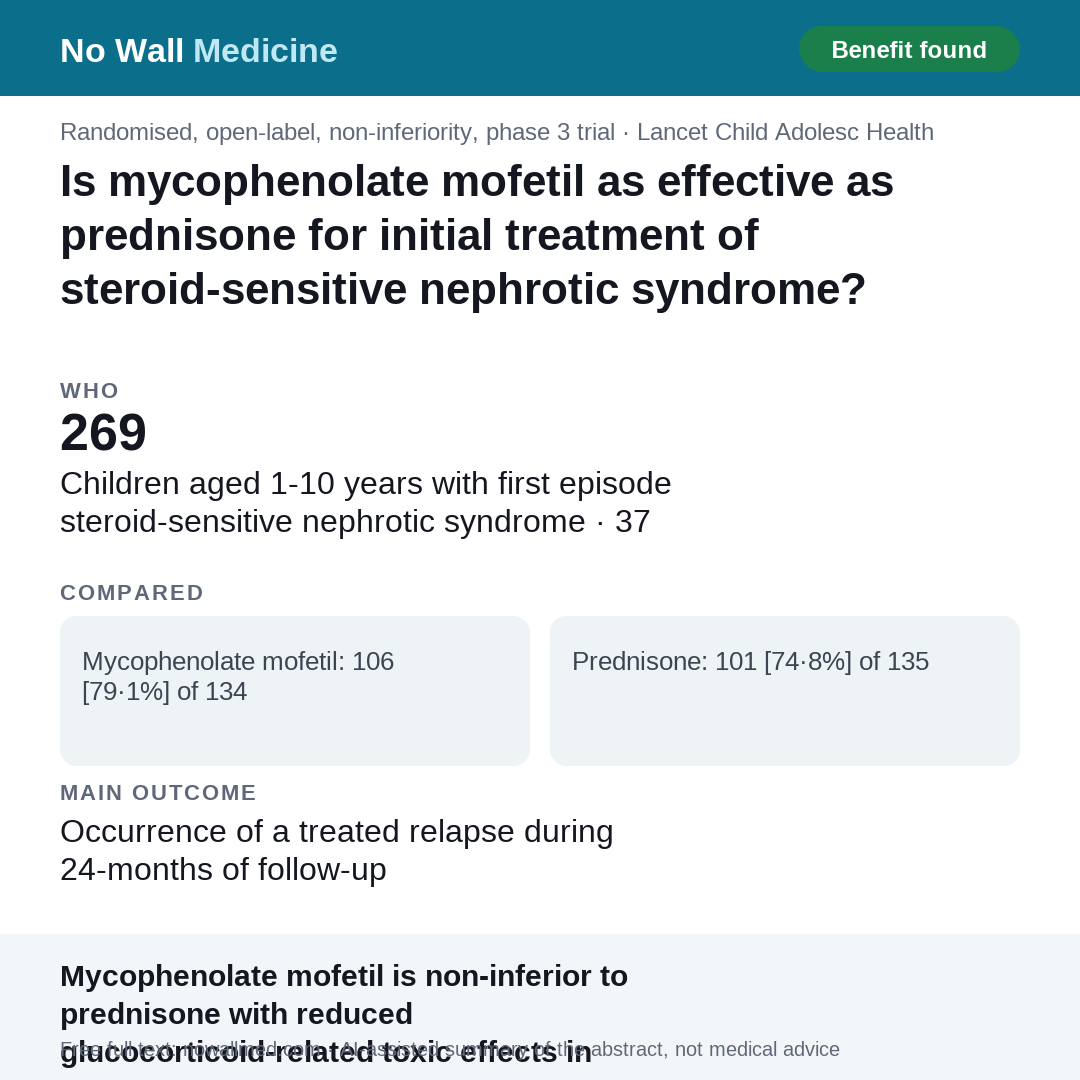
Mycophenolate mofetil versus prednisone for the initial treatment of idiopathic steroid-sensitive nephrotic syndrome in children in Germany (INTENT): a multicentre, open-label, randomised, controlled, parallel-group, non-inferiority, phase 3 trial
Randomised, open-label, non-inferiority, phase 3 trialBenefit found
Is mycophenolate mofetil as effective as prednisone for initial treatment of steroid-sensitive nephrotic syndrome?
Who
269
Children aged 1-10 years with first episode steroid-sensitive nephrotic syndrome · 37 hospitals in Germany
Compared
Mycophenolate mofetil: 106 [79·1%] of 134
Prednisone: 101 [74·8%] of 135
Main outcome
Occurrence of a treated relapse during 24-months of follow-up
Result: difference 4·3% [90% CIs -4·2 to 12·7]
Bottom line: Mycophenolate mofetil is non-inferior to prednisone with reduced glucocorticoid-related toxic effects in children.
Funded by: German Federal Ministry of Education and Research
Lancet Child Adolesc Health · 2026-03-16Download image
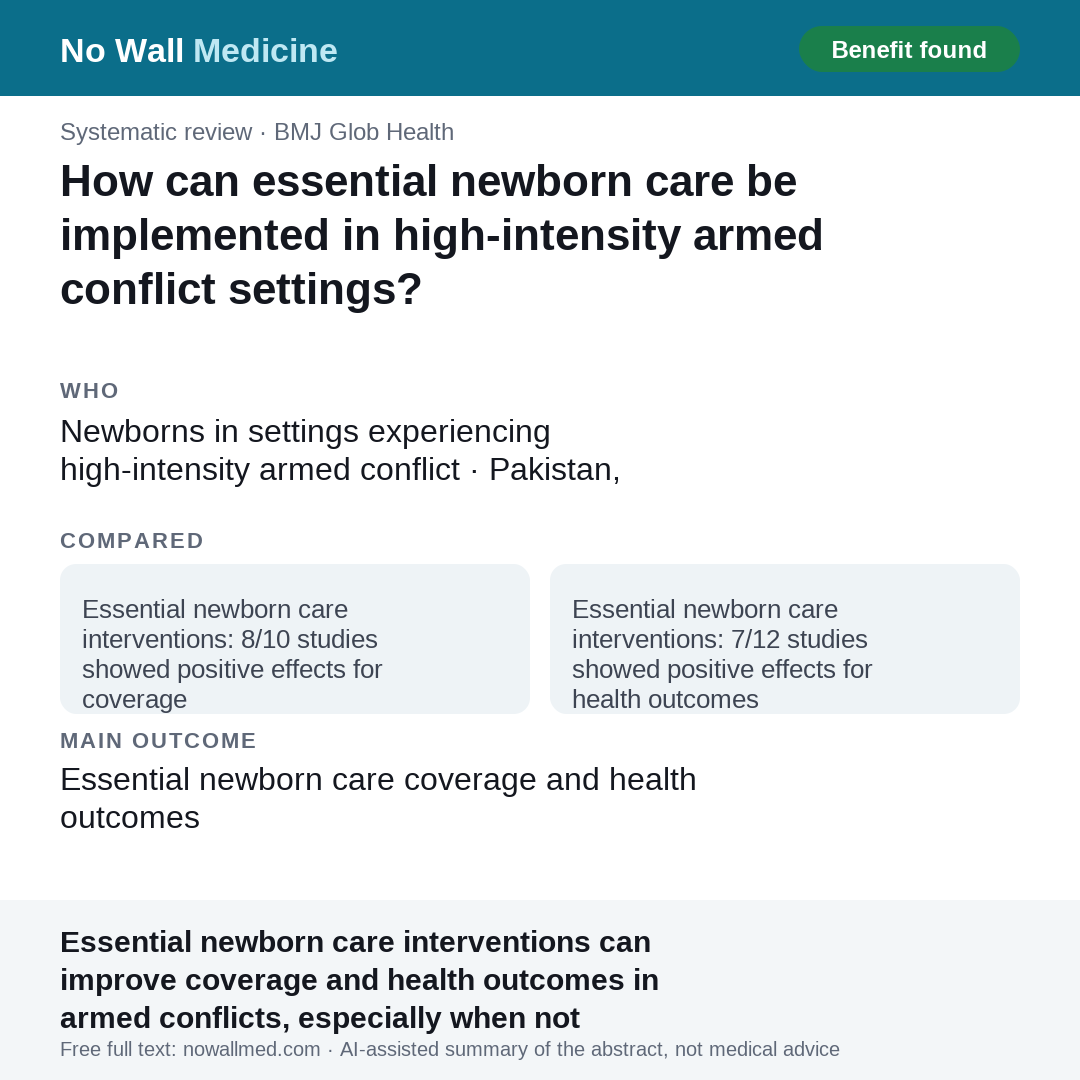
Implementation of essential newborn care in settings of high-intensity armed conflict: a systematic review
Systematic reviewBenefit found
How can essential newborn care be implemented in high-intensity armed conflict settings?
Who
32
Newborns in settings experiencing high-intensity armed conflict · Pakistan, South Sudan, and other high-intensity armed conflict settings
Compared
Essential newborn care interventions: 8/10 studies showed positive effects for coverage
Essential newborn care interventions: 7/12 studies showed positive effects for health outcomes
Main outcome
Essential newborn care coverage and health outcomes
Bottom line: Essential newborn care interventions can improve coverage and health outcomes in armed conflicts, especially when not dependent on functional health facilities.
Limitation: Lack of grey and non-English literature and studies on sick newborns or comprehensive care packages.
BMJ Glob Health · 2026-03-16Download image
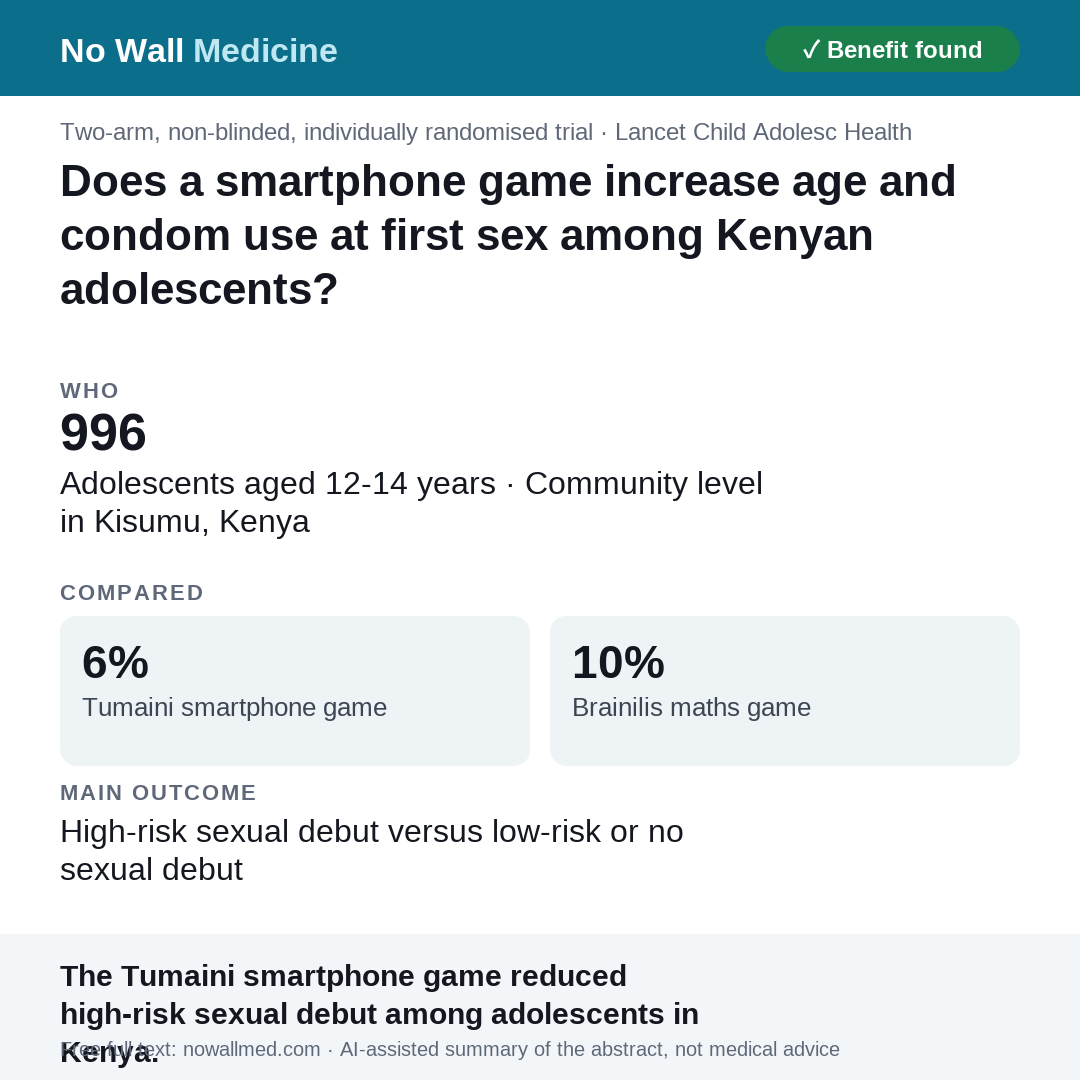
Efficacy of a smartphone game to increase age and condom use at first sex among adolescents in Kenya (Tumaini): a randomised controlled trial
Two-arm, non-blinded, individually randomised trialBenefit found
Does a smartphone game increase age and condom use at first sex among Kenyan adolescents?
Who
996
Adolescents aged 12-14 years · Community level in Kisumu, Kenya
Compared
6%Tumaini smartphone game (23 of 407)
10%Brainilis maths game (41 of 409)
Main outcome
High-risk sexual debut versus low-risk or no sexual debut
Result: risk ratio 0.56 (95% CI 0.34-0.92)
Bottom line: The Tumaini smartphone game reduced high-risk sexual debut among adolescents in Kenya.
Funded by: US National Institute of Mental Health and Emory Center for AIDS Research
Lancet Child Adolesc Health · 2026-03-13Download image
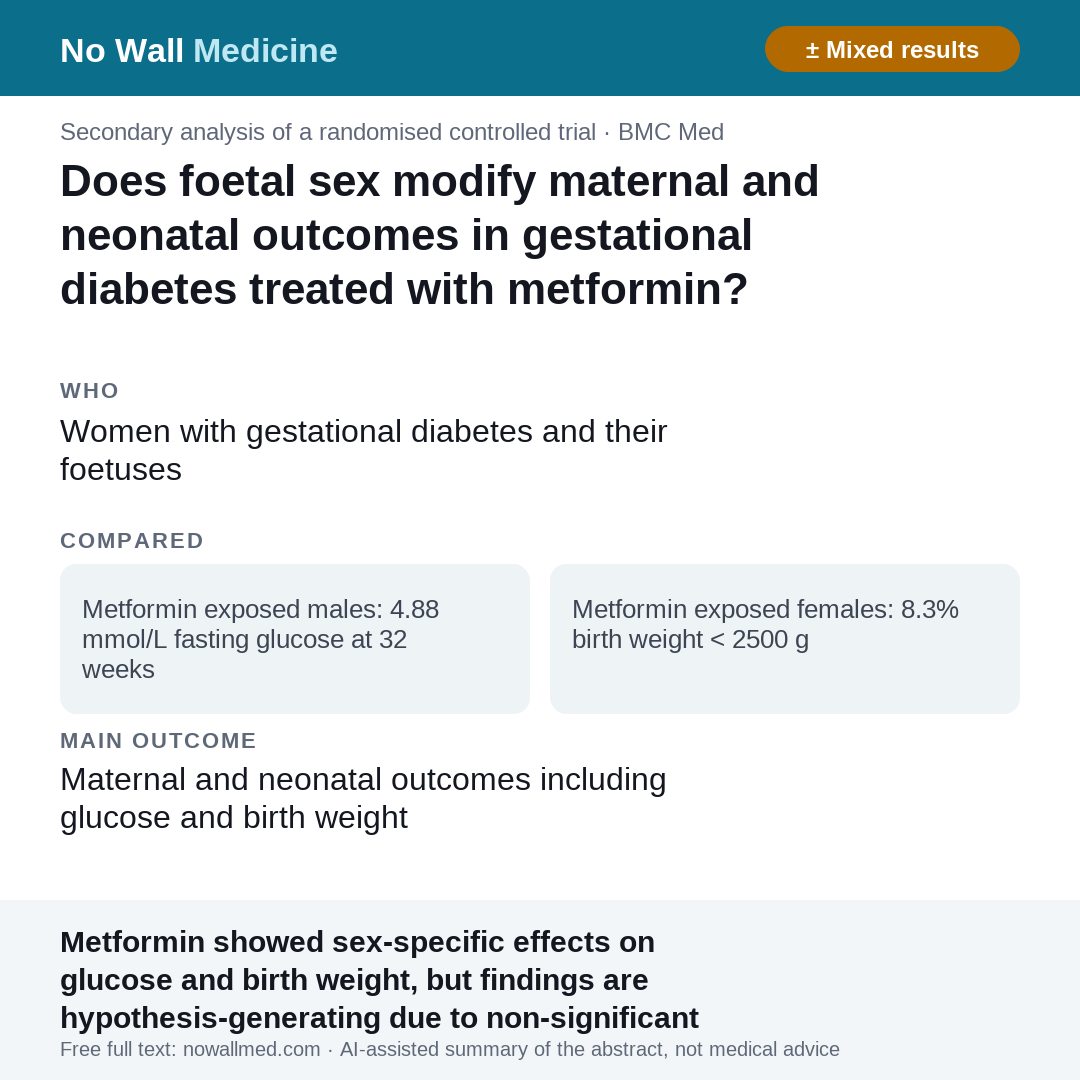
The role of male foetal sex on maternal and neonatal outcomes in pregnancies complicated by gestational diabetes-secondary analysis of a randomised placebo controlled clinical trial of metformin in gestational diabetes (EMERGE)
Secondary analysis of a randomised controlled trialMixed results
Does foetal sex modify maternal and neonatal outcomes in gestational diabetes treated with metformin?
Who
Women with gestational diabetes and their foetuses
Compared
Metformin exposed males: 4.88 mmol/L fasting glucose at 32 weeks
Metformin exposed females: 8.3% birth weight < 2500 g
Main outcome
Maternal and neonatal outcomes including glucose and birth weight
Bottom line: Metformin showed sex-specific effects on glucose and birth weight, but findings are hypothesis-generating due to non-significant interactions.
Limitation: The sex-by-treatment interaction was not significant, so findings are hypothesis-generating.
BMC Med · 2026-03-12Download image
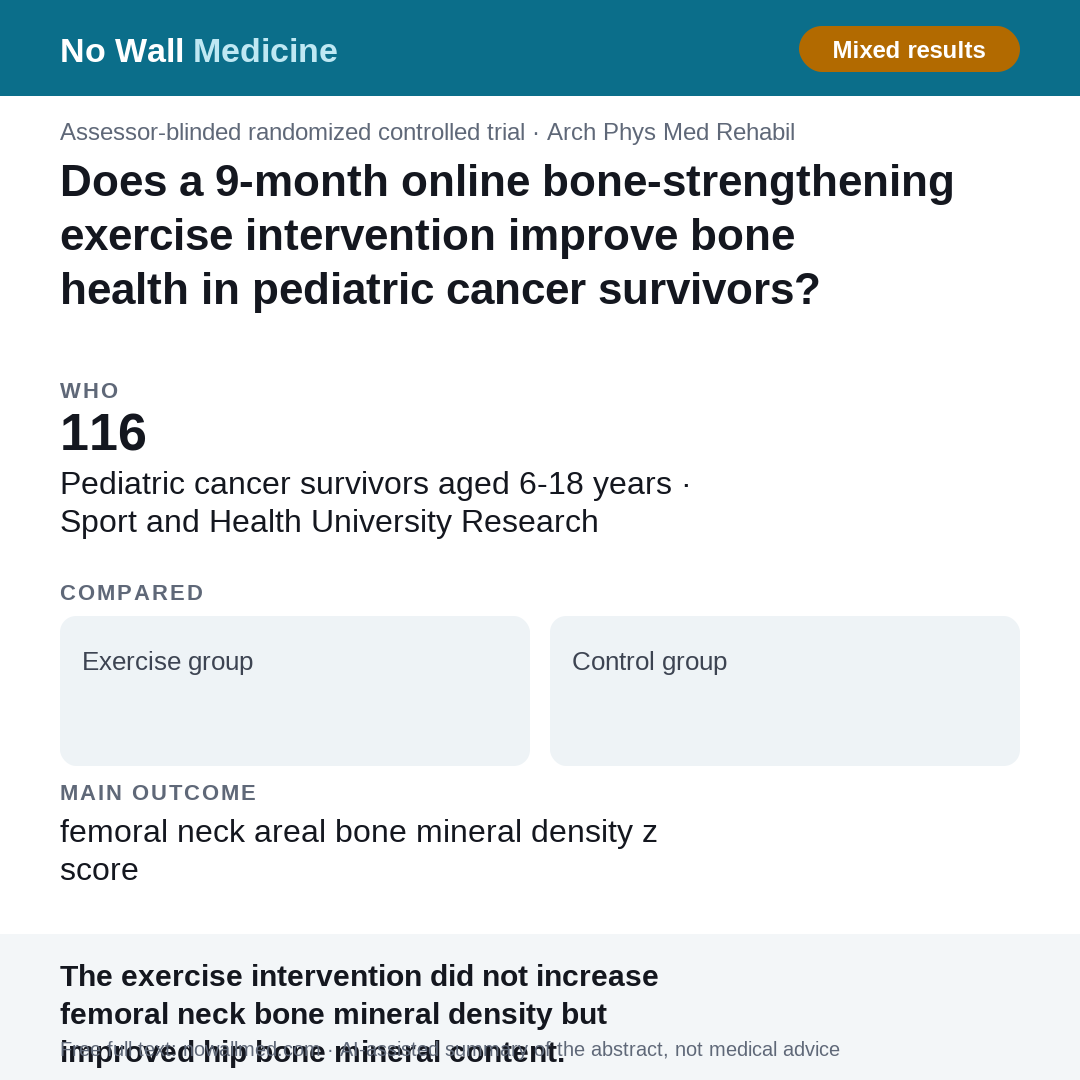
Effects of a Bone-Strengthening Exercise Intervention on Bone Health in Pediatric Cancer Survivors: A Randomized Controlled Trial
Assessor-blinded randomized controlled trialMixed results
Does a 9-month online bone-strengthening exercise intervention improve bone health in pediatric cancer survivors?
Who
116
Pediatric cancer survivors aged 6-18 years · Sport and Health University Research Institute, Spain
Compared
Exercise group
Control group
Main outcome
femoral neck areal bone mineral density z score
Bottom line: The exercise intervention did not increase femoral neck bone mineral density but improved hip bone mineral content.
Arch Phys Med Rehabil · 2026-03-12Download image
Serotype-specific Immunity and Association With Pneumococcal Carriage Following 3+1, 3+0, and 2+1 Schedules of 10-valent Pneumococcal Conjugate Vaccine
Randomized controlled trialNo clear difference
Is immunity linked to pneumococcal carriage?
Who
Infants in Vietnam · Vietnam
Compared
3 + 1 schedule
3 + 0 schedule
2 + 1 schedule
Main outcome
Pneumococcal carriage
Bottom line: No link between immunity and carriage found
J Infect Dis · 2026-03-12Download image

Spherical Equivalent Refraction Versus Axial Length for Monitoring Childhood Myopia and Estimating Disease Risk: A Systematic Review and Meta-Analysis
Systematic review and meta-analysisMixed results
Is spherical equivalent refraction or axial length better for monitoring myopia and predicting pathology?
Who
Population-based observational studies with at least 200 eyes · PubMed and Embase searched from 1990 to July 2025
Compared
Axial length: retinal pathology odds ratio 3.85 per +1 mm
Spherical equivalent refraction: cataract odds ratio 3.09 to 4.58
Main outcome
monitoring myopia progression and predicting myopia-related pathology
Bottom line: Axial length identifies high retinal risk, but spherical equivalent refraction better captures cataract and glaucoma risk across most patients.
Limitation: Certainty of evidence was lower for incidence and descriptive blocks.
Am J Ophthalmol · 2026-03-11Download image

Low- vs standard-dose regimens as induction for pediatric AML: a multicenter, randomized noninferiority trial
Randomized, multicenter, noninferiority trialBenefit found
Is low-dose chemotherapy noninferior to standard-dose chemotherapy for induction in pediatric AML?
Who
Patients with acute myeloid leukemia aged under 18 years · Multicenter
Compared
Low-dose chemotherapy: 95.1% complete remission or complete remission with incomplete count recovery
Standard-dose chemotherapy: 95.3% complete remission or complete remission with incomplete count recovery
Main outcome
Complete remission or complete remission with incomplete count recovery rates
Bottom line: Low-dose chemotherapy induction is noninferior to standard-dose chemotherapy for pediatric acute myeloid leukemia patients.
Blood · 2026-03-11Download image