Visual abstracts
New randomized trials and meta-analyses from leading journals at a glance: who was studied, what was compared, and what was found. Every paper is free to read in full.
All specialtiesCardiology 4763Oncology 4042Gastroenterology & Hepatology 1902Infectious Disease 3756Neurology 1872Psychiatry & Mental Health 2214Pulmonology 2042Critical Care 1319Endocrinology & Diabetes 2544Pediatrics 2889Surgery 2479Orthopedics & Sports Medicine 917Neurosurgery 525Cardiothoracic & Vascular Surgery 656Plastic & Reconstructive Surgery 574Nephrology 1107Rheumatology 810Hematology 1090Dermatology 611Ophthalmology 532Obstetrics & Gynecology 1645Public & Global Health 1037Radiology & Imaging 617Anesthesiology 957Urology 745ENT (Otolaryngology) 494Emergency Medicine 481Allergy & Immunology 309Geriatrics 972Family Medicine & Primary Care 533Medical Genetics & Genomics 659Pathology & Laboratory Medicine 156Physical Medicine & Rehabilitation 734Palliative Care 421Nutrition 1560Digital Health & AI 2133General Medicine 318
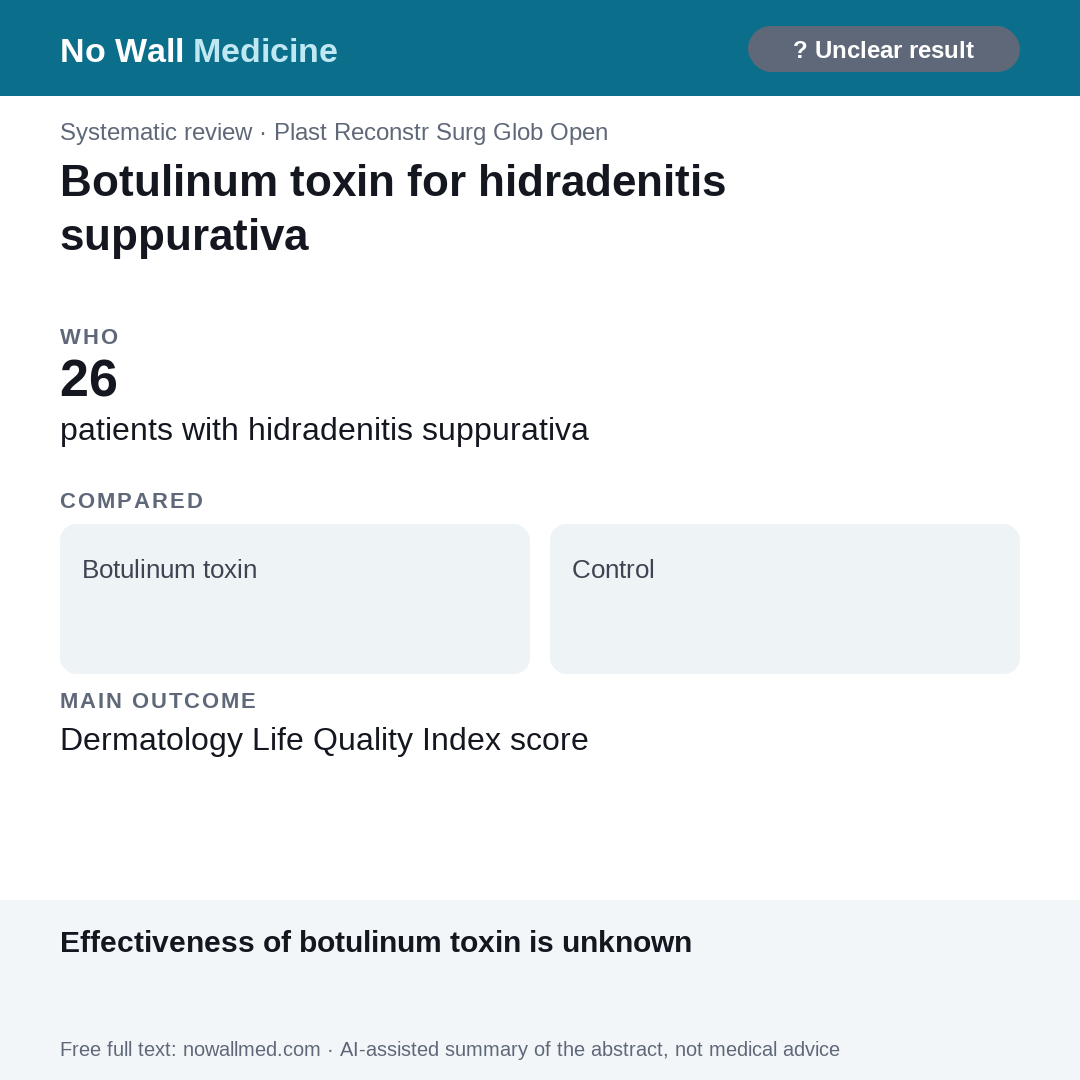
The Use of Botulinum Toxin in the Management of Hidradenitis Suppurativa: A Systematic Review
Systematic reviewUnclear result
Botulinum toxin for hidradenitis suppurativa
Who
26
patients with hidradenitis suppurativa
Compared
Botulinum toxin
Control
Main outcome
Dermatology Life Quality Index score
Bottom line: Effectiveness of botulinum toxin is unknown
Plast Reconstr Surg Glob Open · 2022-11-18Download image
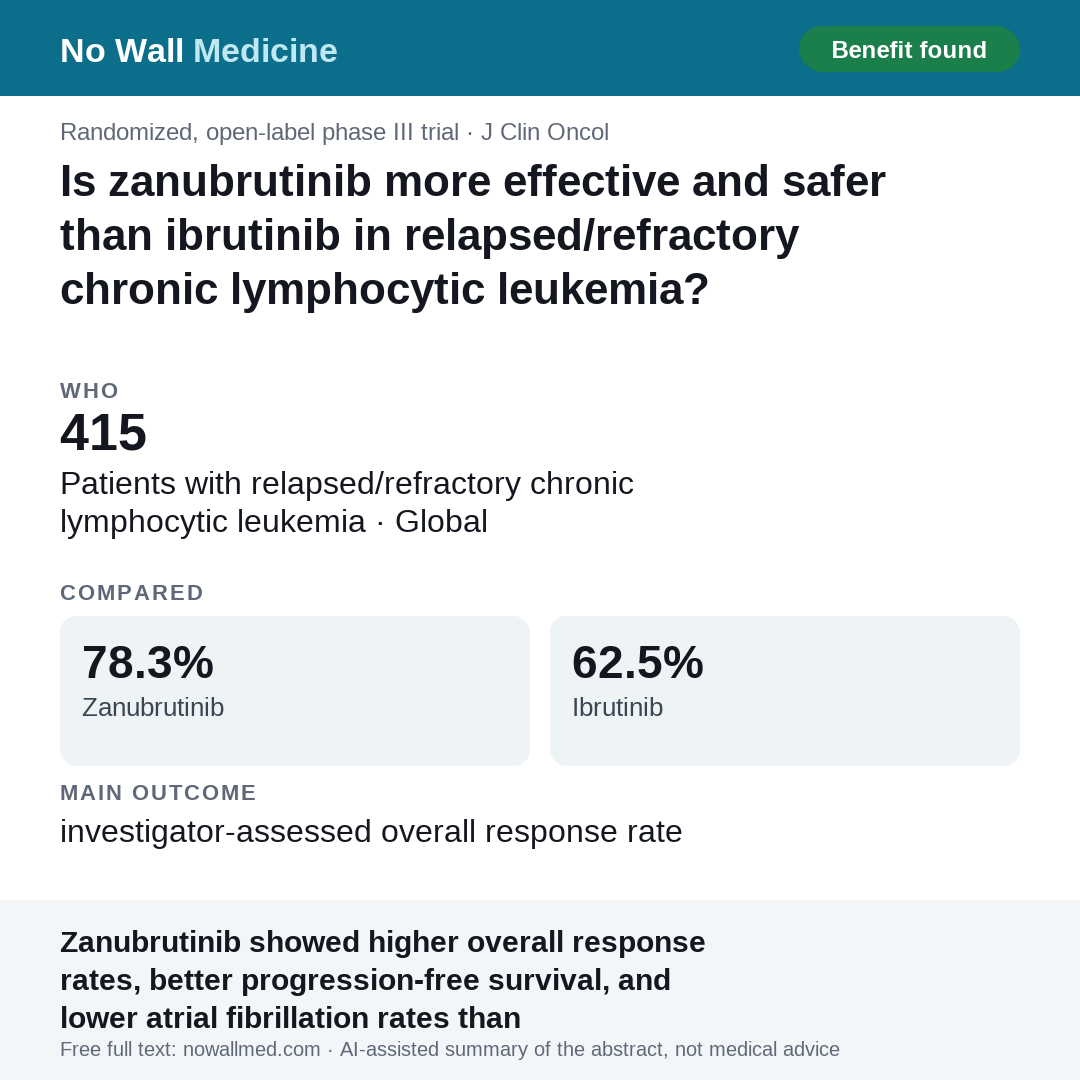
Zanubrutinib Versus Ibrutinib in Relapsed/Refractory Chronic Lymphocytic Leukemia and Small Lymphocytic Lymphoma: Interim Analysis of a Randomized Phase III Trial
Randomized, open-label phase III trialBenefit found
Is zanubrutinib more effective and safer than ibrutinib in relapsed/refractory chronic lymphocytic leukemia?
Who
415
Patients with relapsed/refractory chronic lymphocytic leukemia · Global
Compared
78.3%Zanubrutinib (95% CI, 72.0 to 83.7)
62.5%Ibrutinib (95% CI, 55.5 to 69.1)
Main outcome
investigator-assessed overall response rate
Result: hazard ratio 0.40 (95% CI 0.23 to 0.69)
Bottom line: Zanubrutinib showed higher overall response rates, better progression-free survival, and lower atrial fibrillation rates than ibrutinib.
J Clin Oncol · 2022-11-17Download image
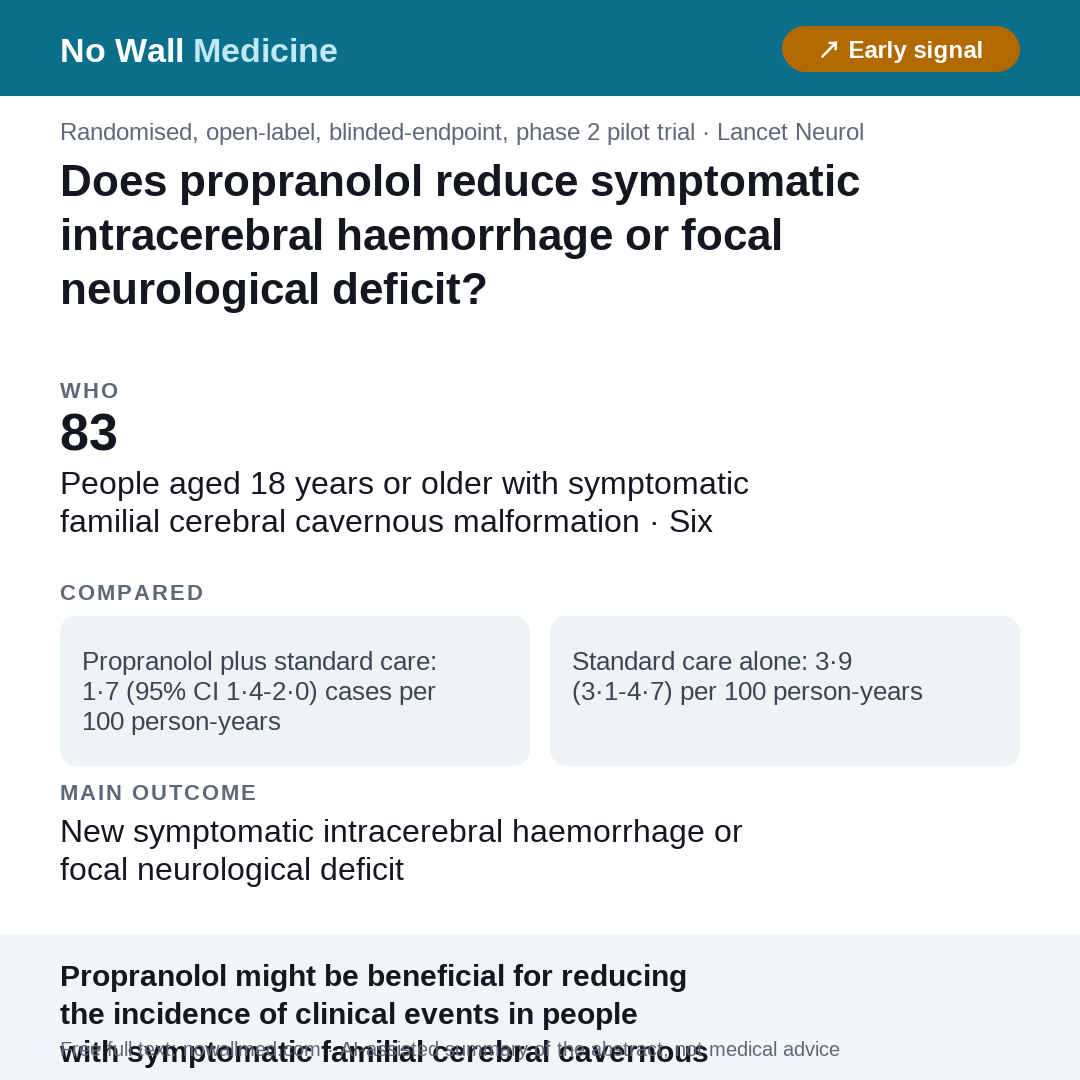
Safety and efficacy of propranolol for treatment of familial cerebral cavernous malformations (Treat_CCM): a randomised, open-label, blinded-endpoint, phase 2 pilot trial
Randomised, open-label, blinded-endpoint, phase 2 pilot trialEarly signal
Does propranolol reduce symptomatic intracerebral haemorrhage or focal neurological deficit?
Who
83
People aged 18 years or older with symptomatic familial cerebral cavernous malformation · Six national reference centres for rare diseases in Italy
Compared
Propranolol plus standard care: 1·7 (95% CI 1·4-2·0) cases per 100 person-years
Standard care alone: 3·9 (3·1-4·7) per 100 person-years
Main outcome
New symptomatic intracerebral haemorrhage or focal neurological deficit
Result: univariable hazard ratio [HR] 0·43, 80% CI 0·18-0·98
Bottom line: Propranolol might be beneficial for reducing the incidence of clinical events in people with symptomatic familial cerebral cavernous malformations.
Funded by: Italian Medicines Agency, Associazione Italiana per la Ricerca sul Cancro, Swedish Science Council
Lancet Neurol · 2022-11-17Download image
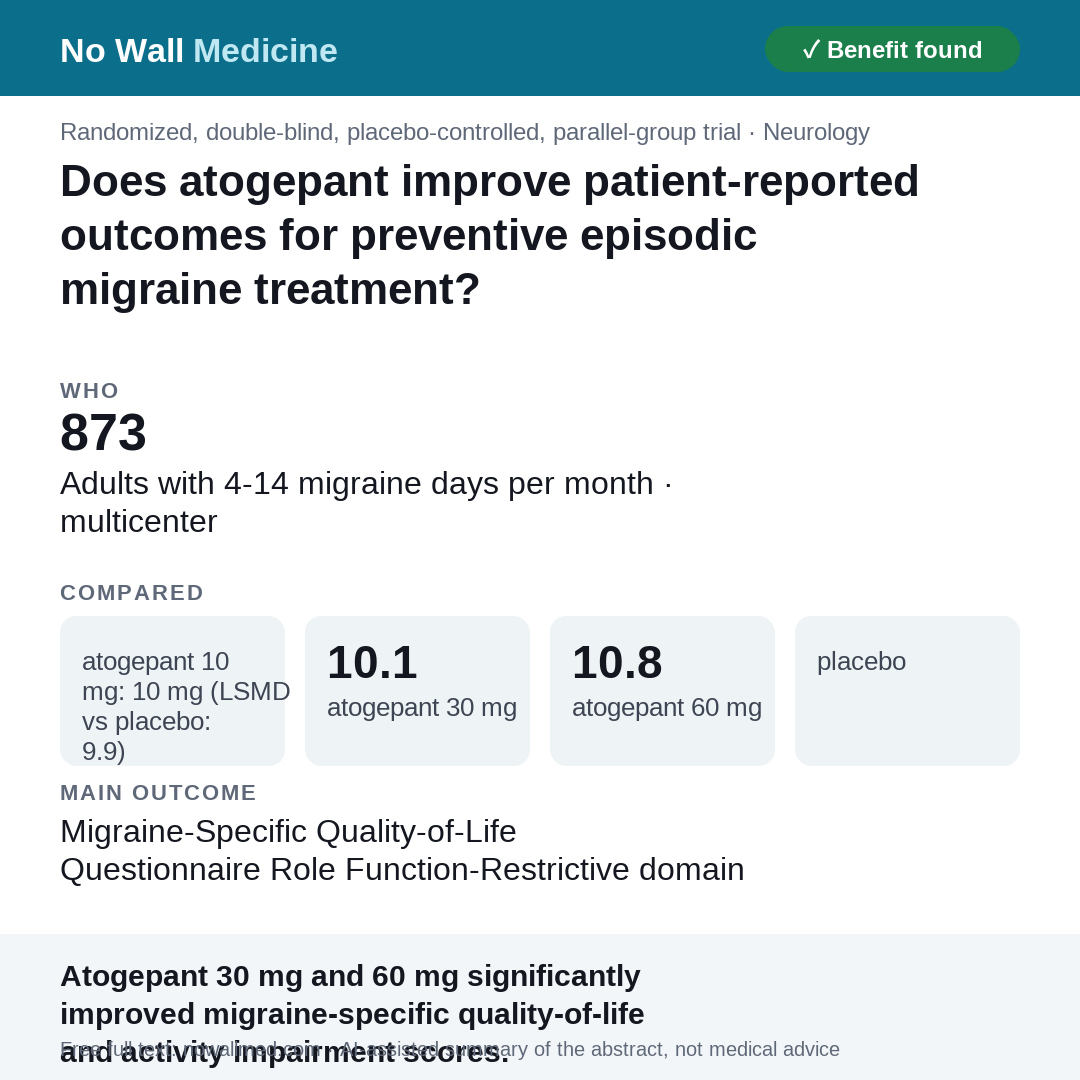
Effect of Atogepant for Preventive Migraine Treatment on Patient-Reported Outcomes in the Randomized, Double-blind, Phase 3 ADVANCE Trial
Randomized, double-blind, placebo-controlled, parallel-group trialBenefit found
Does atogepant improve patient-reported outcomes for preventive episodic migraine treatment?
Who
873
Adults with 4-14 migraine days per month · multicenter
Compared
atogepant 10 mg: 10 mg (LSMD vs placebo: 9.9)
10.1atogepant 30 mg (LSMD vs placebo)
10.8atogepant 60 mg (LSMD vs placebo)
placebo
Main outcome
Migraine-Specific Quality-of-Life Questionnaire Role Function-Restrictive domain
Result: LSMD vs placebo: 10 mg [9.9]; 30 mg [10.1]; 60 mg [10.8]
Bottom line: Atogepant 30 mg and 60 mg significantly improved migraine-specific quality-of-life and activity impairment scores.
Neurology · 2022-11-17Download image
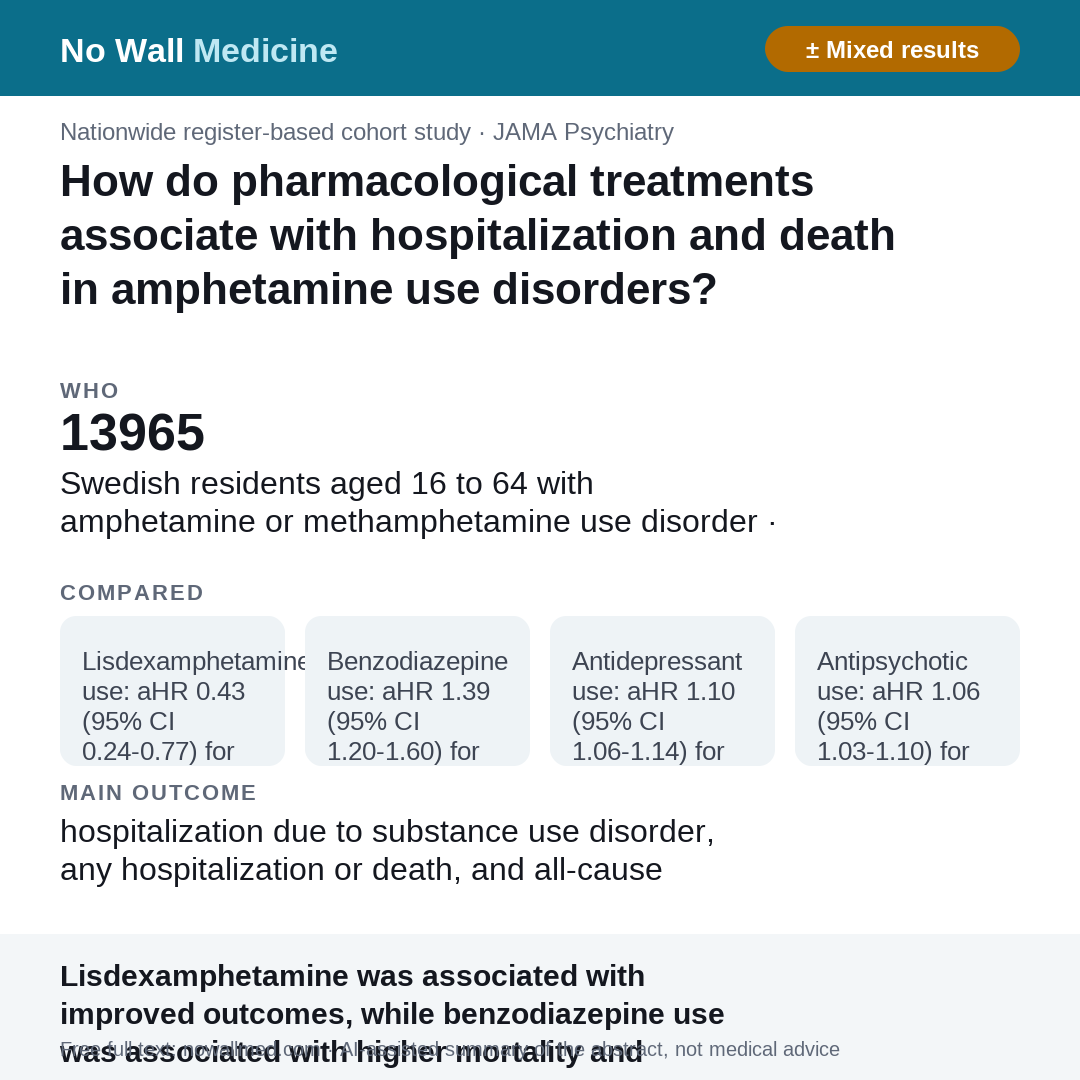
Association of Pharmacological Treatments and Hospitalization and Death in Individuals With Amphetamine Use Disorders in a Swedish Nationwide Cohort of 13 965 Patients
Nationwide register-based cohort studyMixed results
How do pharmacological treatments associate with hospitalization and death in amphetamine use disorders?
Who
13965
Swedish residents aged 16 to 64 with amphetamine or methamphetamine use disorder · Sweden
Compared
Lisdexamphetamine use: aHR 0.43 (95% CI 0.24-0.77) for all-cause mortality
Benzodiazepine use: aHR 1.39 (95% CI 1.20-1.60) for all-cause mortality
Antidepressant use: aHR 1.10 (95% CI 1.06-1.14) for any hospitalization or death
Antipsychotic use: aHR 1.06 (95% CI 1.03-1.10) for any hospitalization or death
Main outcome
hospitalization due to substance use disorder, any hospitalization or death, and all-cause mortality
Result: lisdexamphetamine aHR 0.43 (95% CI 0.24-0.77) for all-cause mortality
Bottom line: Lisdexamphetamine was associated with improved outcomes, while benzodiazepine use was associated with higher mortality and hospitalization risks.
JAMA Psychiatry · 2022-11-17Download image
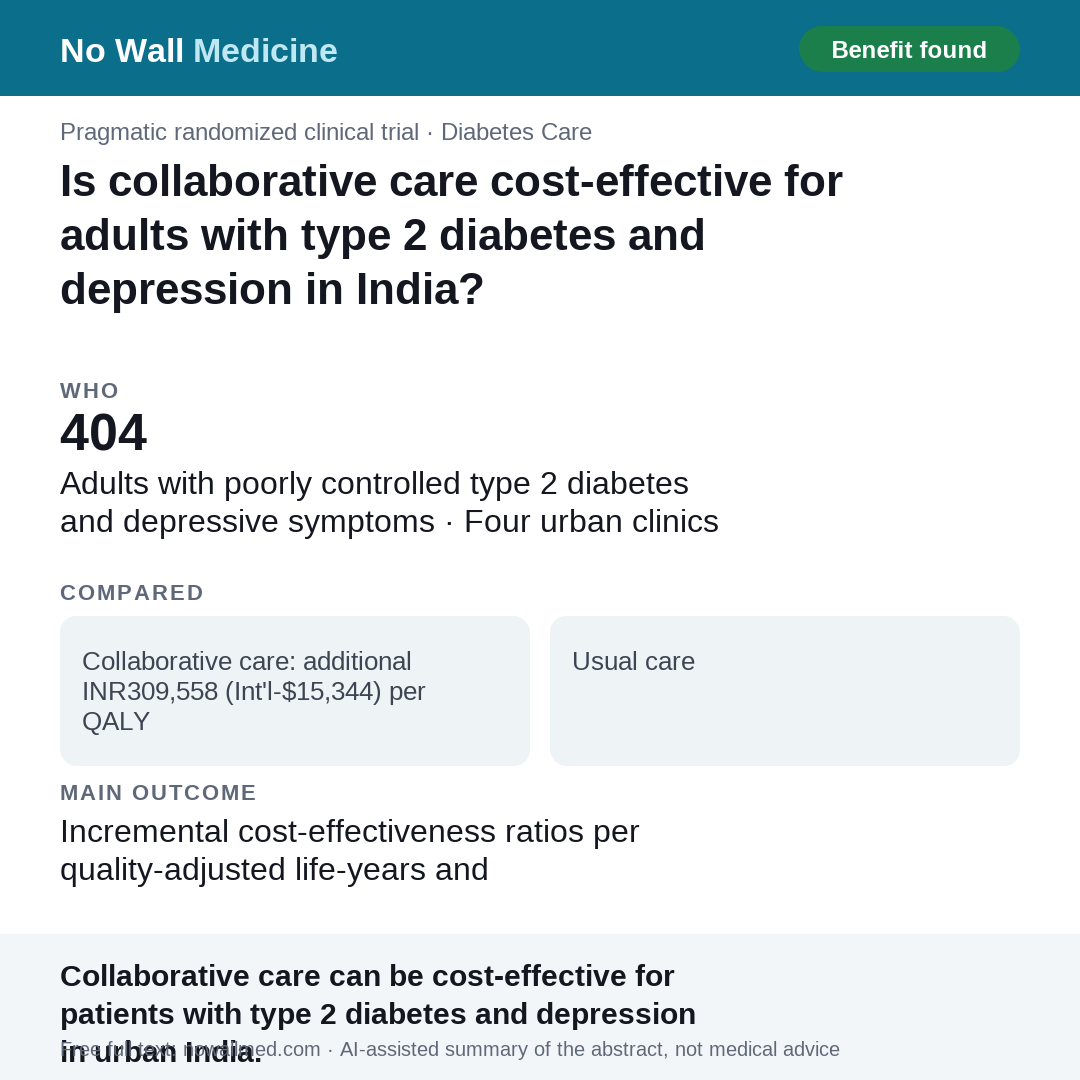
Cost-Effectiveness of a Collaborative Care Model Among Patients With Type 2 Diabetes and Depression in India
Pragmatic randomized clinical trialBenefit found
Is collaborative care cost-effective for adults with type 2 diabetes and depression in India?
Who
404
Adults with poorly controlled type 2 diabetes and depressive symptoms · Four urban clinics in India
Compared
Collaborative care: additional INR309,558 (Int'l-$15,344) per QALY
Usual care
Main outcome
Incremental cost-effectiveness ratios per quality-adjusted life-years and depression-free days
Result: INR309,558 (Int'l-$15,344) per QALY
Bottom line: Collaborative care can be cost-effective for patients with type 2 diabetes and depression in urban India.
Diabetes Care · 2022-11-17Download image
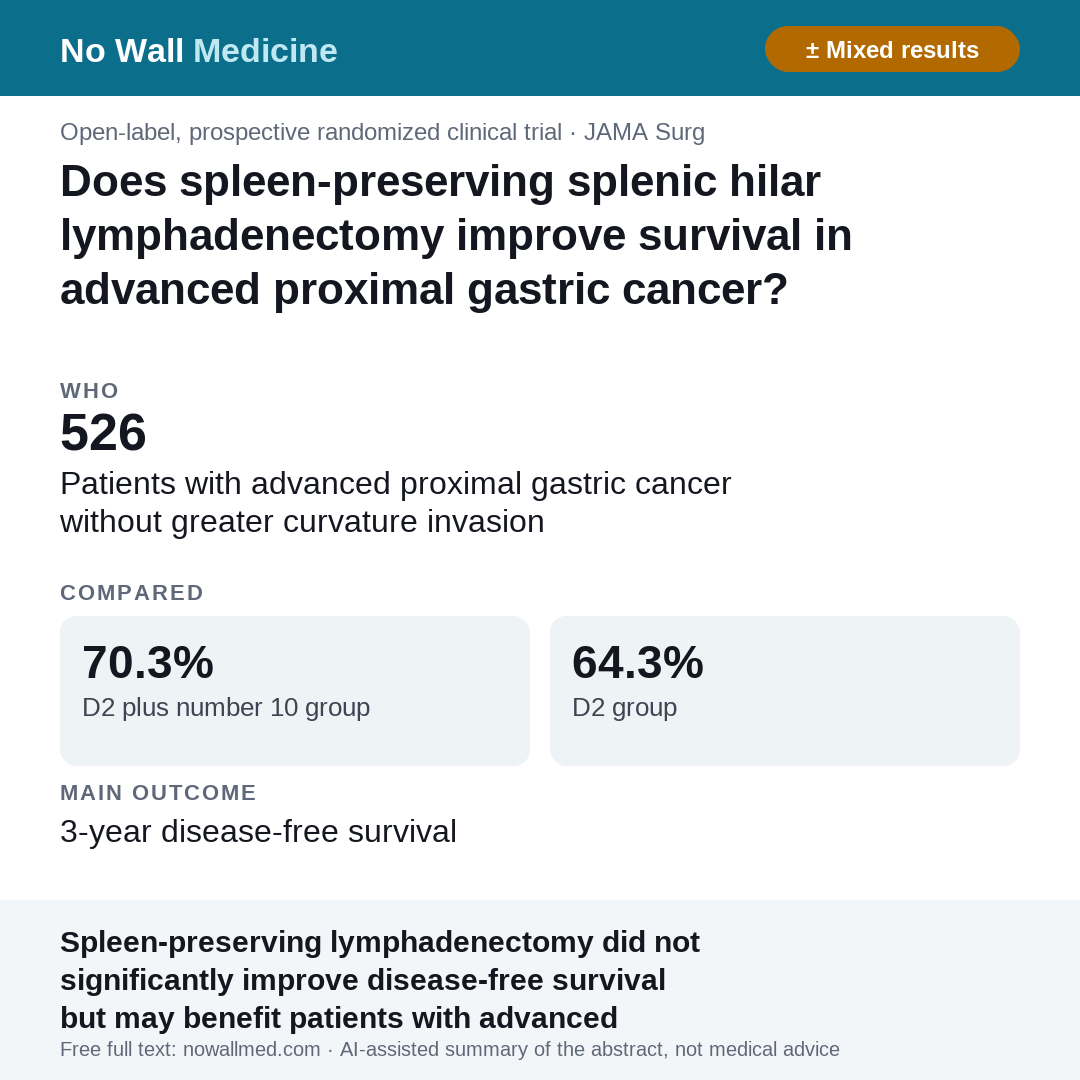
Assessment of Laparoscopic Spleen-Preserving Hilar Lymphadenectomy for Advanced Proximal Gastric Cancer Without Invasion Into the Greater Curvature: A Randomized Clinical Trial
Open-label, prospective randomized clinical trialMixed results
Does spleen-preserving splenic hilar lymphadenectomy improve survival in advanced proximal gastric cancer?
Who
526
Patients with advanced proximal gastric cancer without greater curvature invasion
Compared
70.3%D2 plus number 10 group (95% CI, 64.8-75.8)
64.3%D2 group (95% CI, 58.4-70.2)
Main outcome
3-year disease-free survival
Result: hazard ratio 0.86 (95% CI, 0.63-1.16)
Bottom line: Spleen-preserving lymphadenectomy did not significantly improve disease-free survival but may benefit patients with advanced posterior gastric cancer.
JAMA Surg · 2022-11-17Download image
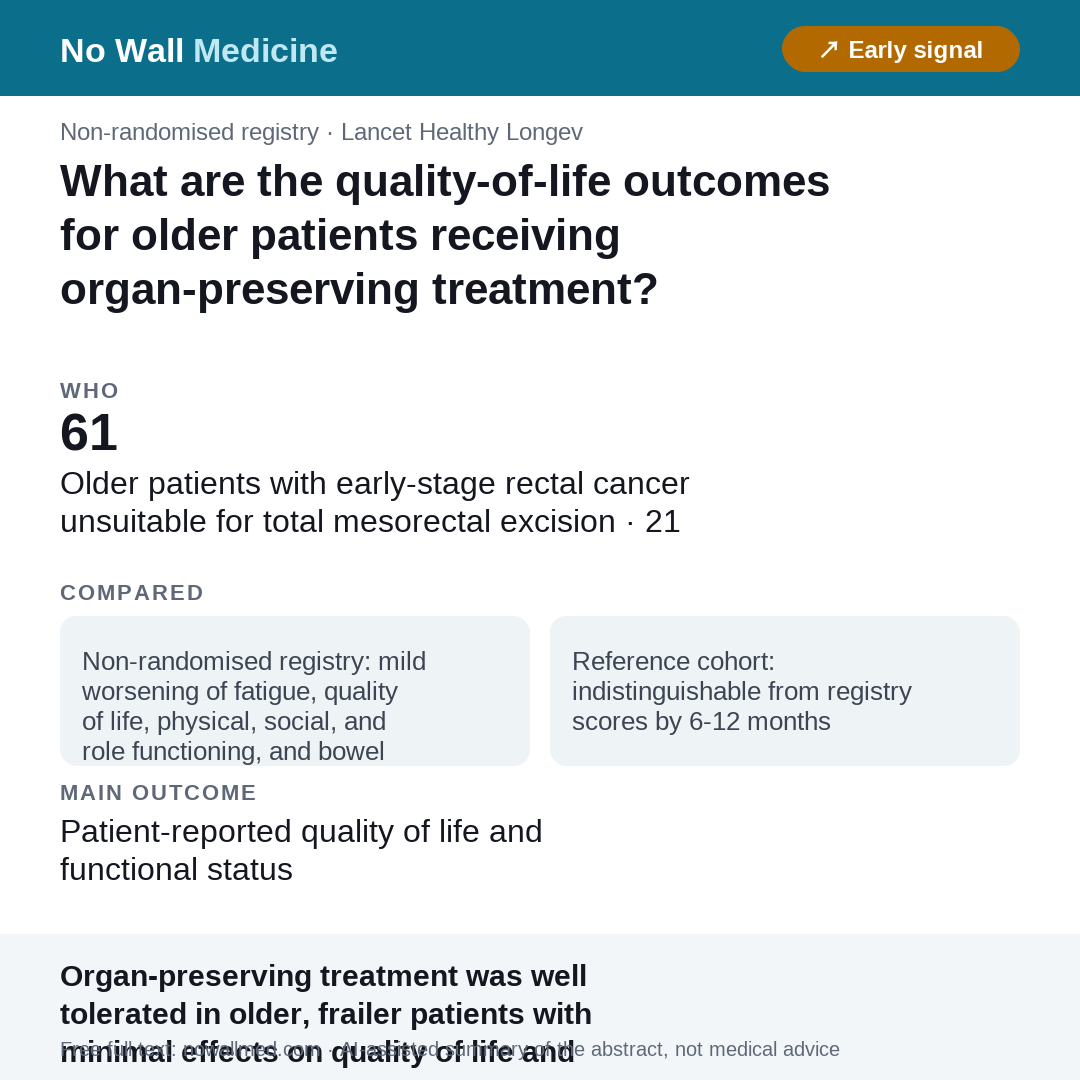
Quality-of-life outcomes in older patients with early-stage rectal cancer receiving organ-preserving treatment with hypofractionated short-course radiotherapy followed by transanal endoscopic microsurgery (TREC): non-randomised registry of patients unsuitable for total mesorectal excision
Non-randomised registryEarly signal
What are the quality-of-life outcomes for older patients receiving organ-preserving treatment?
Who
61
Older patients with early-stage rectal cancer unsuitable for total mesorectal excision · 21 centres across the United Kingdom
Compared
Non-randomised registry: mild worsening of fatigue, quality of life, physical, social, and role functioning, and bowel function 3 months postoperatively
Reference cohort: indistinguishable from registry scores by 6-12 months
Main outcome
Patient-reported quality of life and functional status
Bottom line: Organ-preserving treatment was well tolerated in older, frailer patients with minimal effects on quality of life and functional status.
Funded by: Cancer Research UK
Lancet Healthy Longev · 2022-11-17Download image
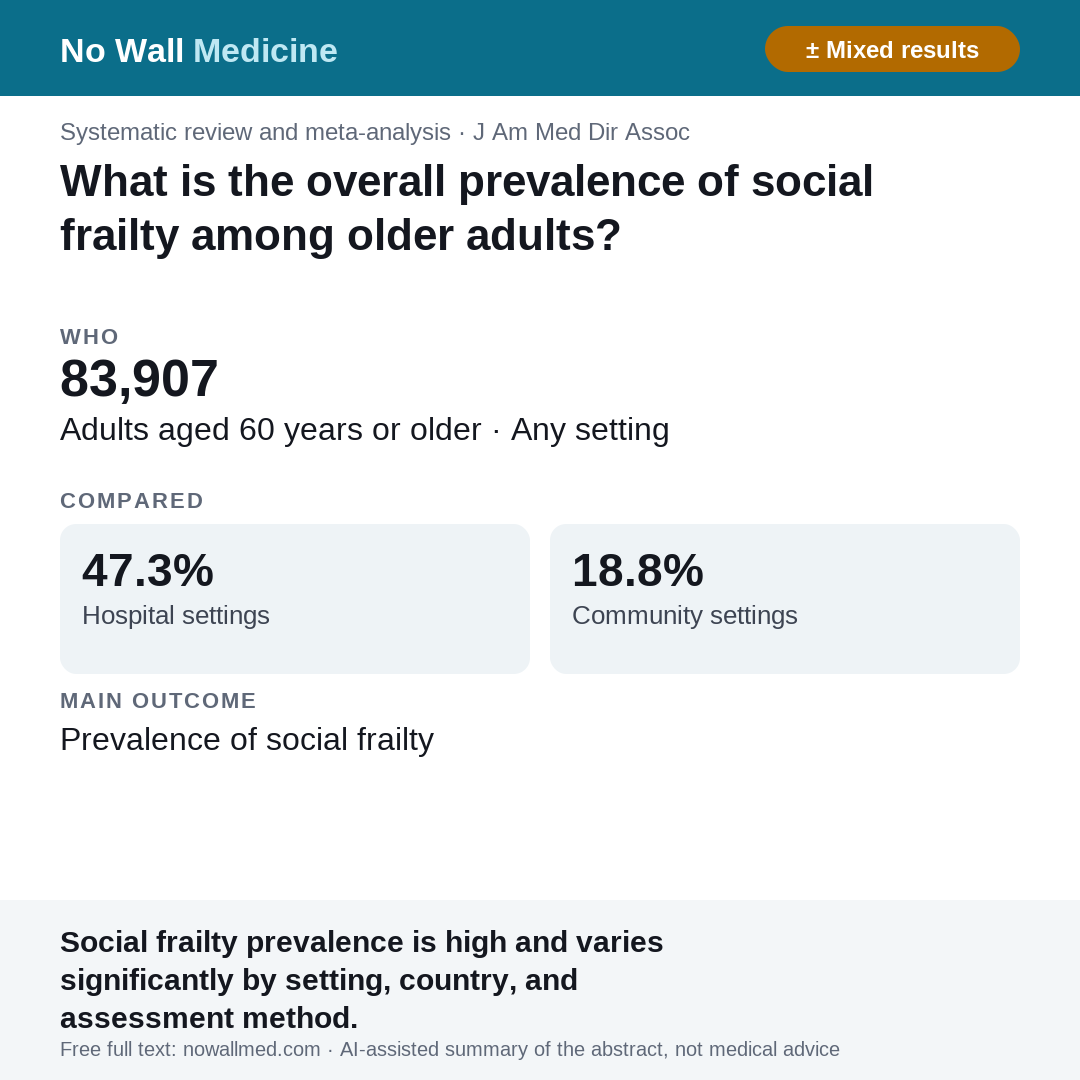
The Prevalence of Social Frailty Among Older Adults: A Systematic Review and Meta-Analysis
Systematic review and meta-analysisMixed results
What is the overall prevalence of social frailty among older adults?
Who
83,907
Adults aged 60 years or older · Any setting
Compared
47.3%Hospital settings (95% CI: 32.2%-62.4%)
18.8%Community settings (95% CI: 14.9%-22.7%)
Main outcome
Prevalence of social frailty
Bottom line: Social frailty prevalence is high and varies significantly by setting, country, and assessment method.
Limitation: Lack of consensus on measurement tools and need for more geographically representative populations.
J Am Med Dir Assoc · 2022-11-17Download image
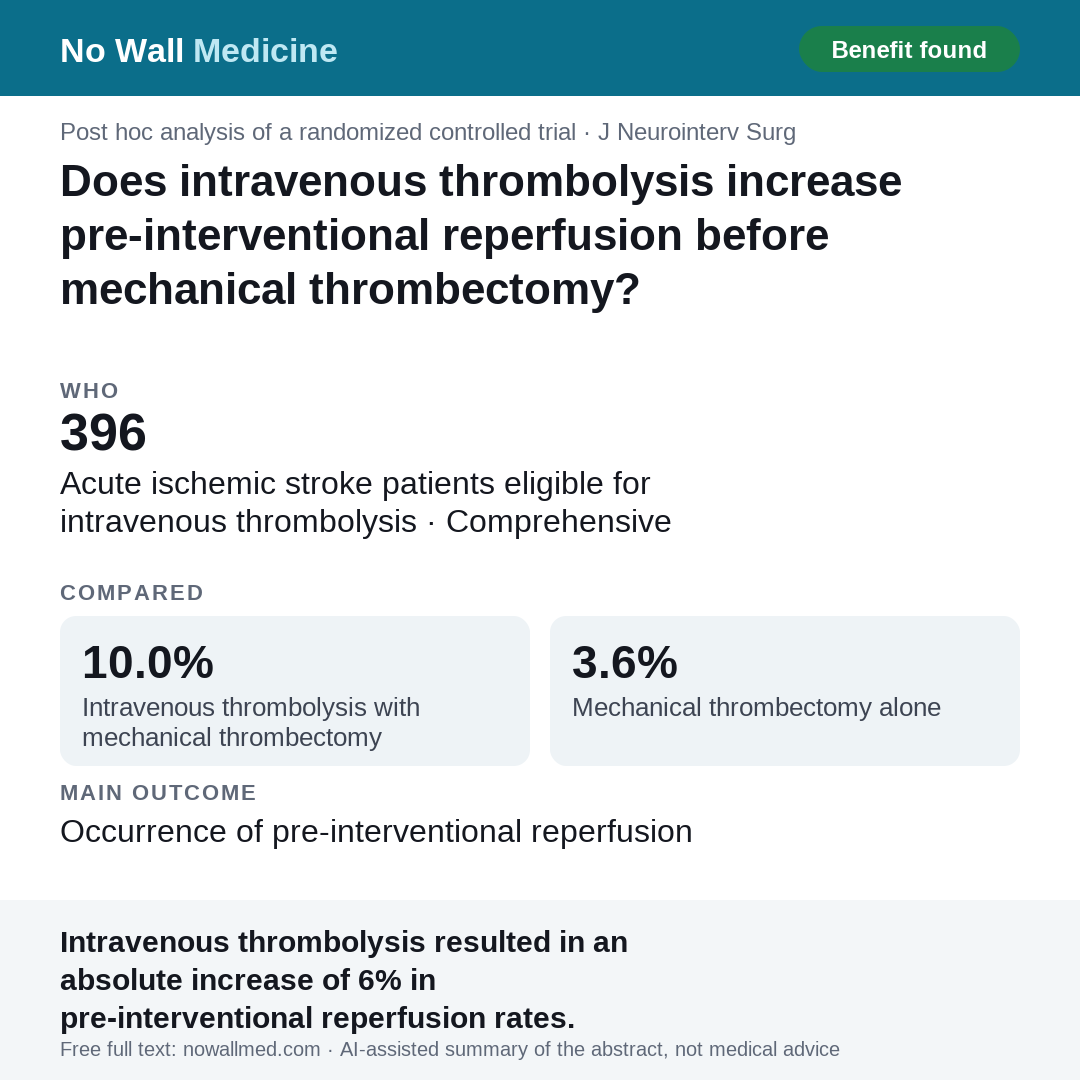
Association of intravenous thrombolysis and pre-interventional reperfusion: a post hoc analysis of the SWIFT DIRECT trial
Post hoc analysis of a randomized controlled trialBenefit found
Does intravenous thrombolysis increase pre-interventional reperfusion before mechanical thrombectomy?
Who
396
Acute ischemic stroke patients eligible for intravenous thrombolysis · Comprehensive stroke centers
Compared
10.0%Intravenous thrombolysis with mechanical thrombectomy
3.6%Mechanical thrombectomy alone
Main outcome
Occurrence of pre-interventional reperfusion
Result: adjusted odds ratio 2.91 (95% CI 1.23 to 6.87)
Bottom line: Intravenous thrombolysis resulted in an absolute increase of 6% in pre-interventional reperfusion rates.
J Neurointerv Surg · 2022-11-17Download image
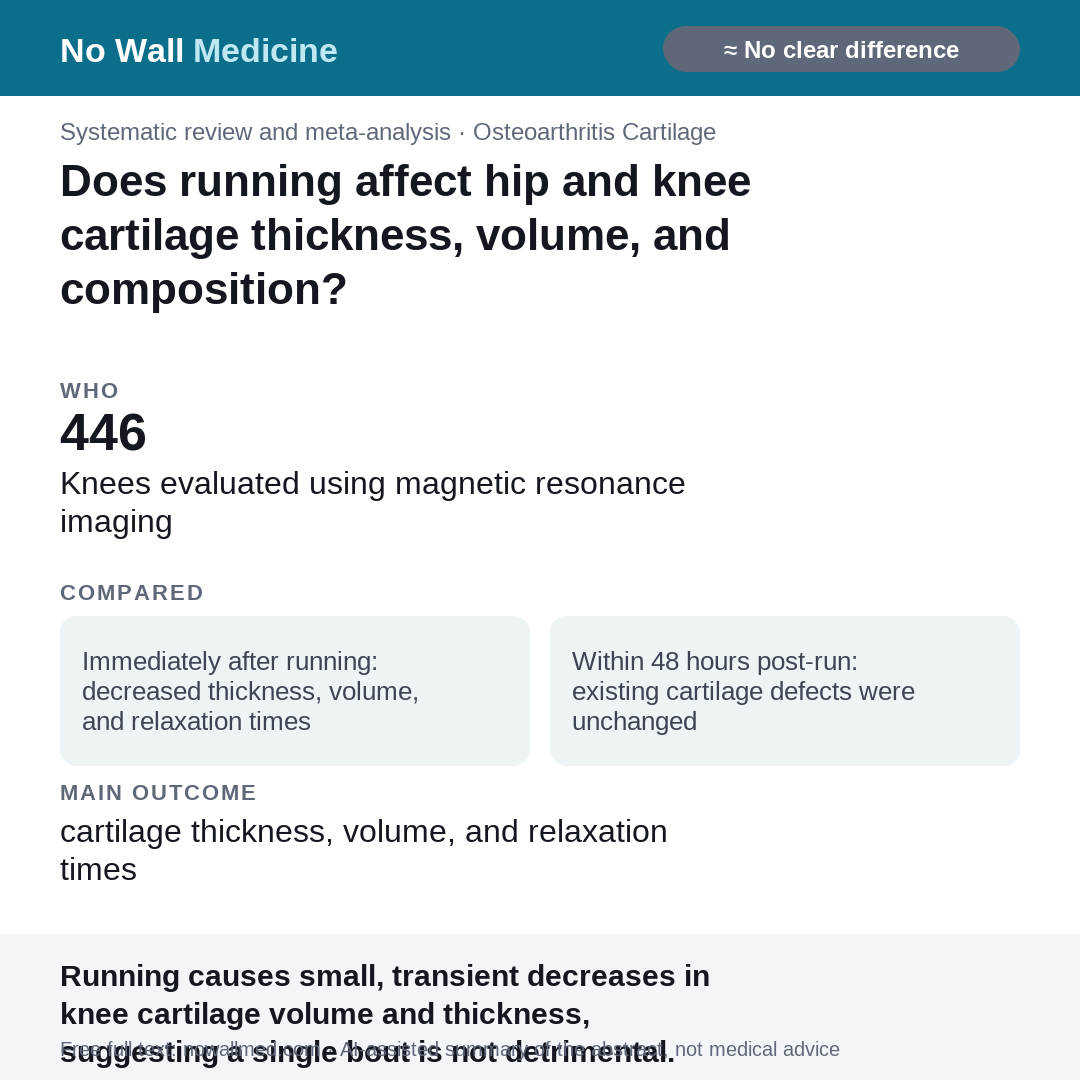
Is running good or bad for your knees? A systematic review and meta-analysis of cartilage morphology and composition changes in the tibiofemoral and patellofemoral joints
Systematic review and meta-analysisNo clear difference
Does running affect hip and knee cartilage thickness, volume, and composition?
Who
446
Knees evaluated using magnetic resonance imaging
Compared
Immediately after running: decreased thickness, volume, and relaxation times
Within 48 hours post-run: existing cartilage defects were unchanged
Main outcome
cartilage thickness, volume, and relaxation times
Bottom line: Running causes small, transient decreases in knee cartilage volume and thickness, suggesting a single bout is not detrimental.
Limitation: There is very low certainty evidence and hip cartilage changes are unknown.
Osteoarthritis Cartilage · 2022-11-17Download image
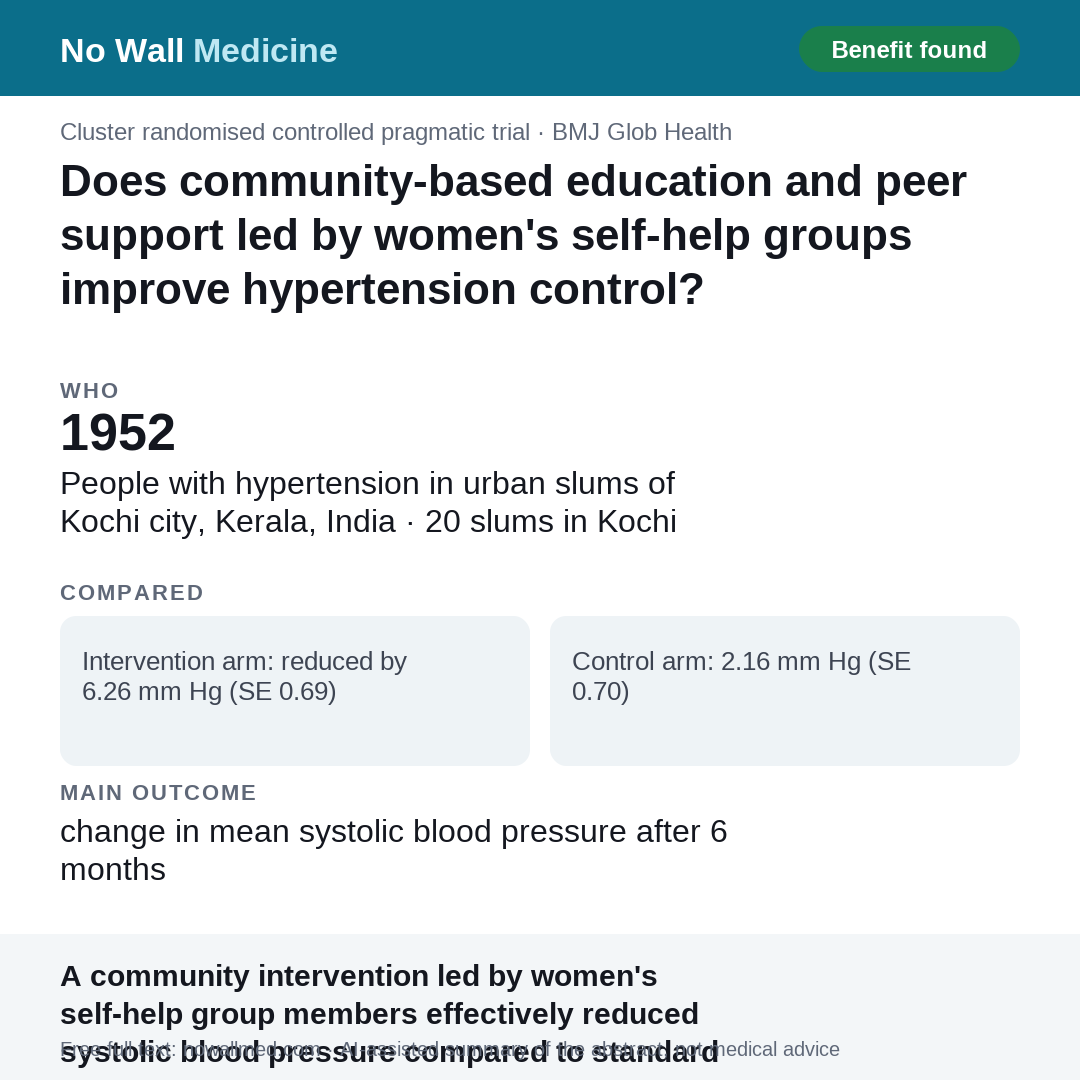
Effectiveness of a community-based education and peer support led by women's self-help groups in improving the control of hypertension in urban slums of Kerala, India: a cluster randomised controlled pragmatic trial
Cluster randomised controlled pragmatic trialBenefit found
Does community-based education and peer support led by women's self-help groups improve hypertension control?
Who
1952
People with hypertension in urban slums of Kochi city, Kerala, India · 20 slums in Kochi city, Kerala, India
Compared
Intervention arm: reduced by 6.26 mm Hg (SE 0.69)
Control arm: 2.16 mm Hg (SE 0.70)
Main outcome
change in mean systolic blood pressure after 6 months
Result: 4.09 (95% CI 2.15 to 4.09)
Bottom line: A community intervention led by women's self-help group members effectively reduced systolic blood pressure compared to standard care.
BMJ Glob Health · 2022-11-17Download image
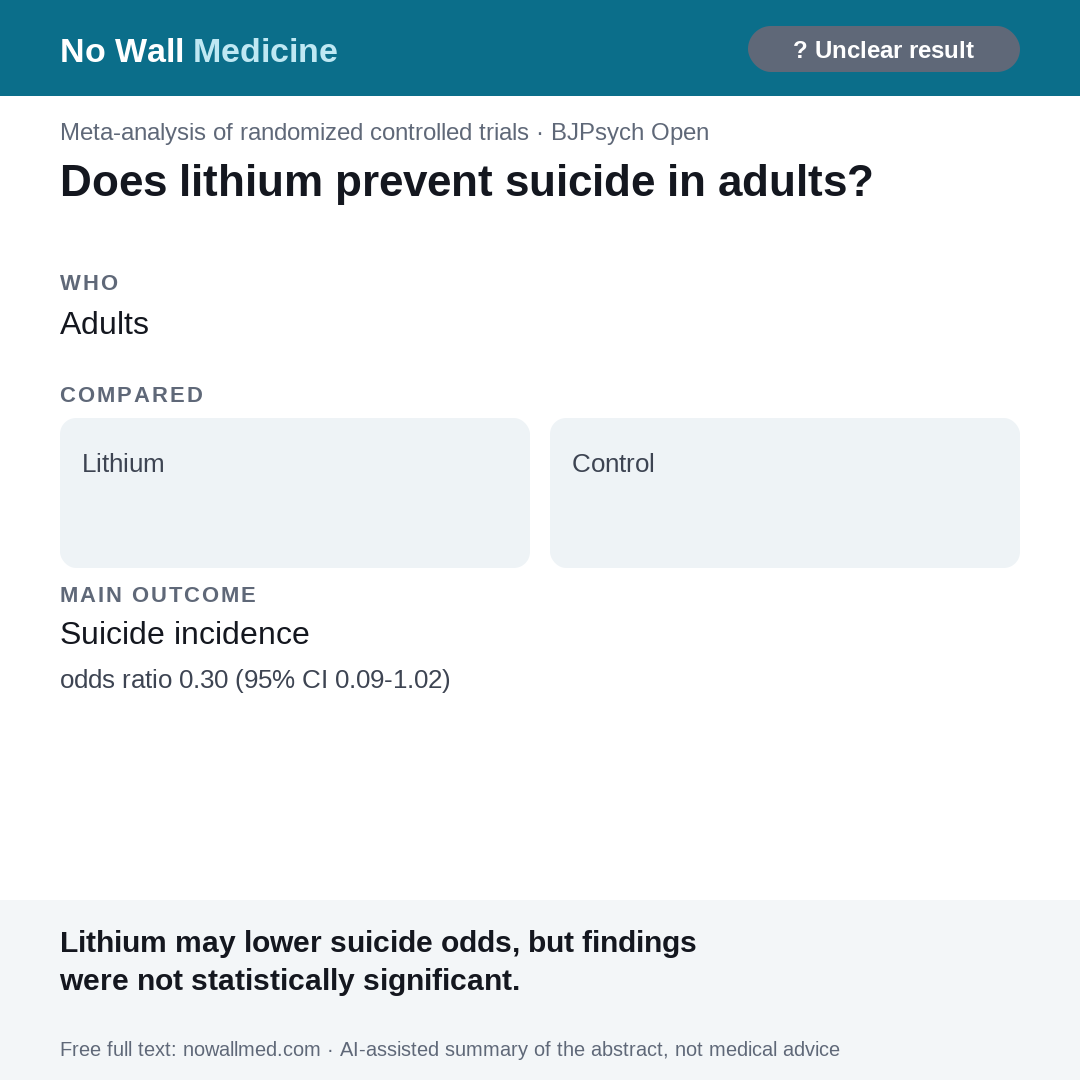
Lithium in the prevention of suicide in adults: systematic review and meta-analysis of clinical trials
Meta-analysis of randomized controlled trialsUnclear result
Does lithium prevent suicide in adults?
Who
Adults
Compared
Lithium
Control
Main outcome
Suicide incidence
Result: odds ratio 0.30 (95% CI 0.09-1.02)
Bottom line: Lithium may lower suicide odds, but findings were not statistically significant.
Limitation: Available trials have involved small samples.
BJPsych Open · 2022-11-17Download image
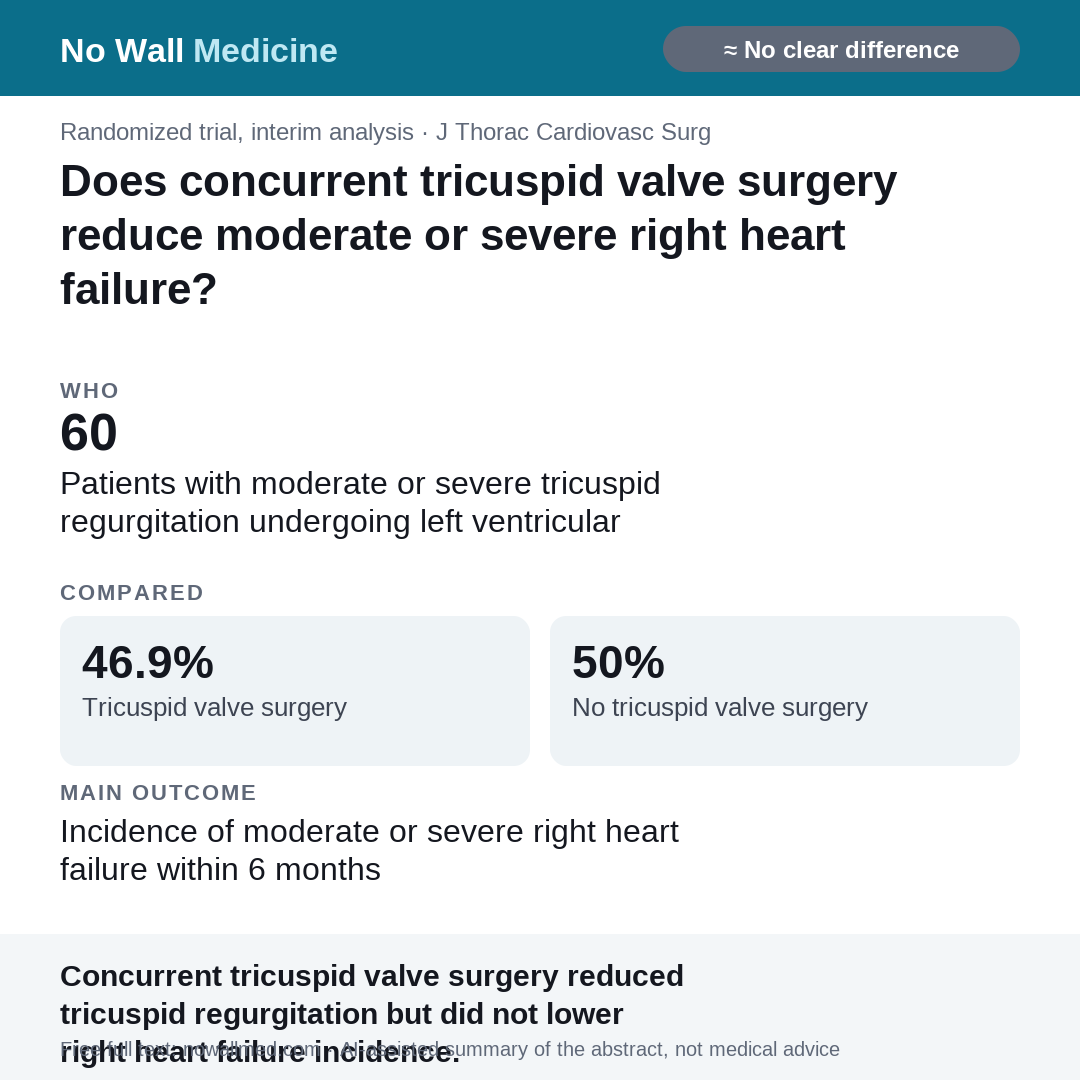
Surgical Treatment of Tricuspid Valve Regurgitation in Patients Undergoing Left Ventricular Assist Device Implantation: Interim analysis of the TVVAD trial
Randomized trial, interim analysisNo clear difference
Does concurrent tricuspid valve surgery reduce moderate or severe right heart failure?
Who
60
Patients with moderate or severe tricuspid regurgitation undergoing left ventricular assist device implantation
Compared
46.9%Tricuspid valve surgery
50%No tricuspid valve surgery
Main outcome
Incidence of moderate or severe right heart failure within 6 months
Bottom line: Concurrent tricuspid valve surgery reduced tricuspid regurgitation but did not lower right heart failure incidence.
Limitation: This report describes a planned interim analysis of the first 60 randomized patients.
J Thorac Cardiovasc Surg · 2022-11-16Download image
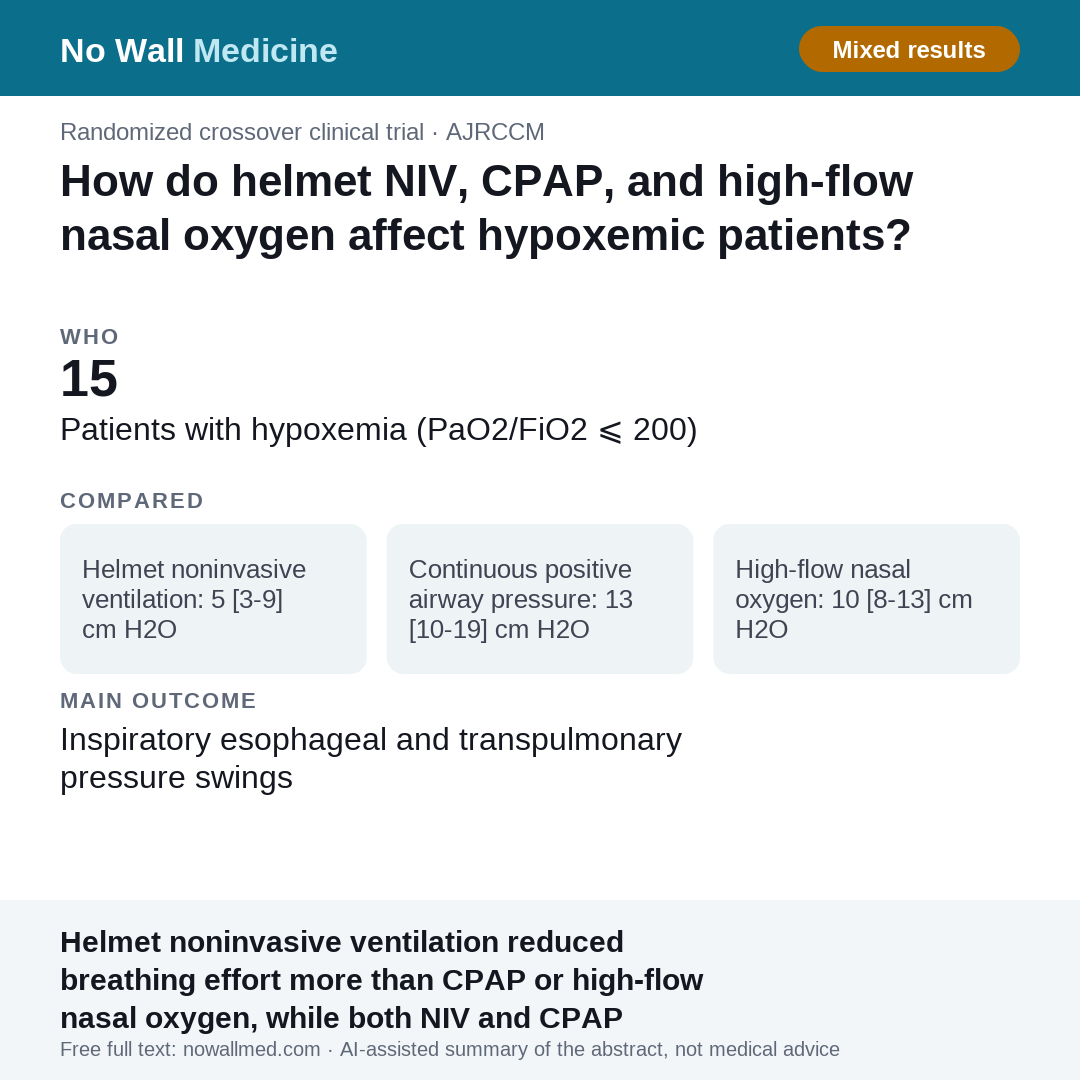
Respective Effects of Helmet Pressure Support, Continuous Positive Airway Pressure, and Nasal High-Flow in Hypoxemic Respiratory Failure: A Randomized Crossover Clinical Trial
Randomized crossover clinical trialMixed results
How do helmet NIV, CPAP, and high-flow nasal oxygen affect hypoxemic patients?
Who
15
Patients with hypoxemia (PaO2/FiO2 ⩽ 200)
Compared
Helmet noninvasive ventilation: 5 [3-9] cm H2O
Continuous positive airway pressure: 13 [10-19] cm H2O
High-flow nasal oxygen: 10 [8-13] cm H2O
Main outcome
Inspiratory esophageal and transpulmonary pressure swings
Bottom line: Helmet noninvasive ventilation reduced breathing effort more than CPAP or high-flow nasal oxygen, while both NIV and CPAP improved oxygenation.
AJRCCM · 2022-11-16Download image
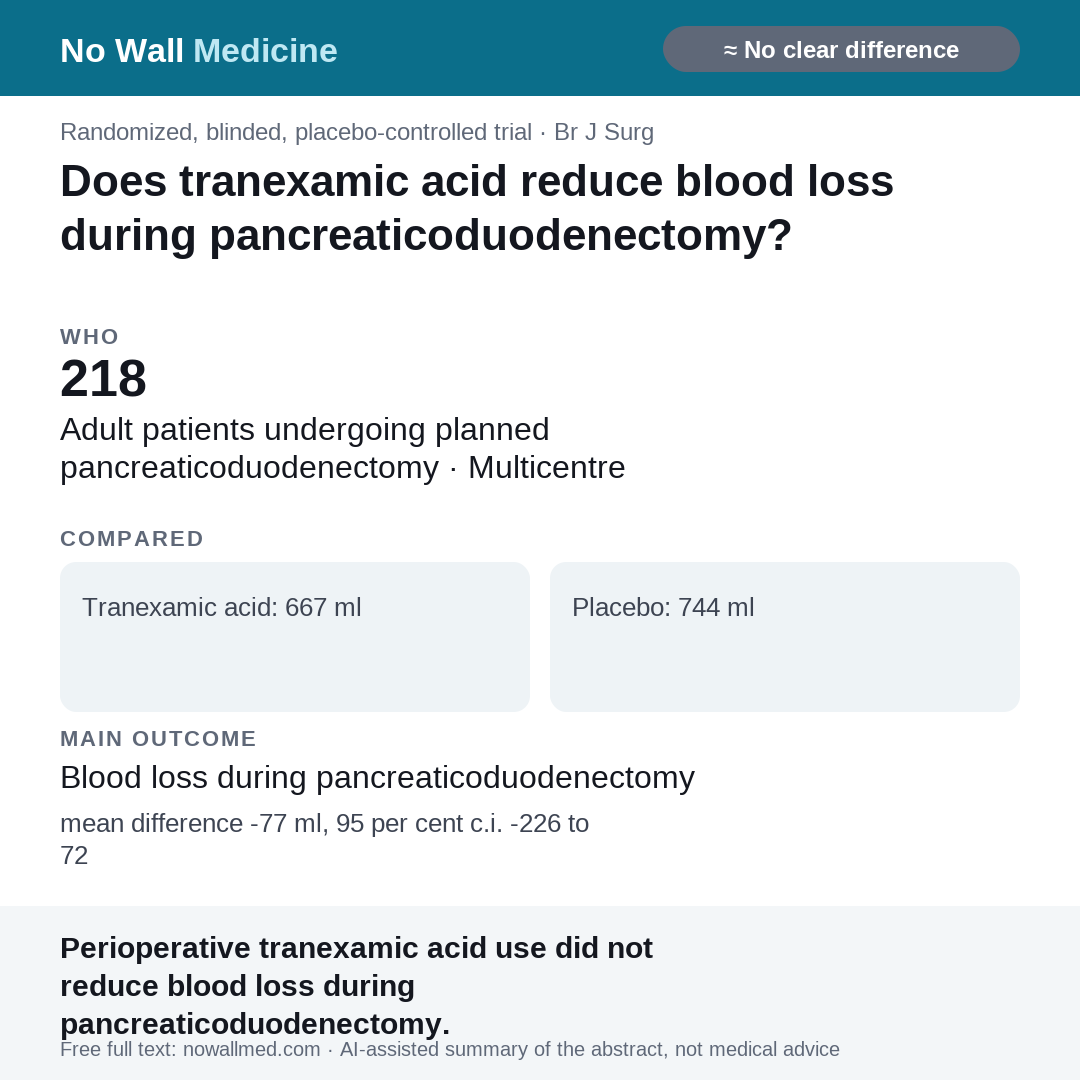
Tranexamic acid and blood loss in pancreaticoduodenectomy: TAC-PD randomized clinical trial
Randomized, blinded, placebo-controlled trialNo clear difference
Does tranexamic acid reduce blood loss during pancreaticoduodenectomy?
Who
218
Adult patients undergoing planned pancreaticoduodenectomy · Multicentre
Compared
Tranexamic acid: 667 ml
Placebo: 744 ml
Main outcome
Blood loss during pancreaticoduodenectomy
Result: mean difference -77 ml, 95 per cent c.i. -226 to 72
Bottom line: Perioperative tranexamic acid use did not reduce blood loss during pancreaticoduodenectomy.
Br J Surg · 2022-11-16Download image
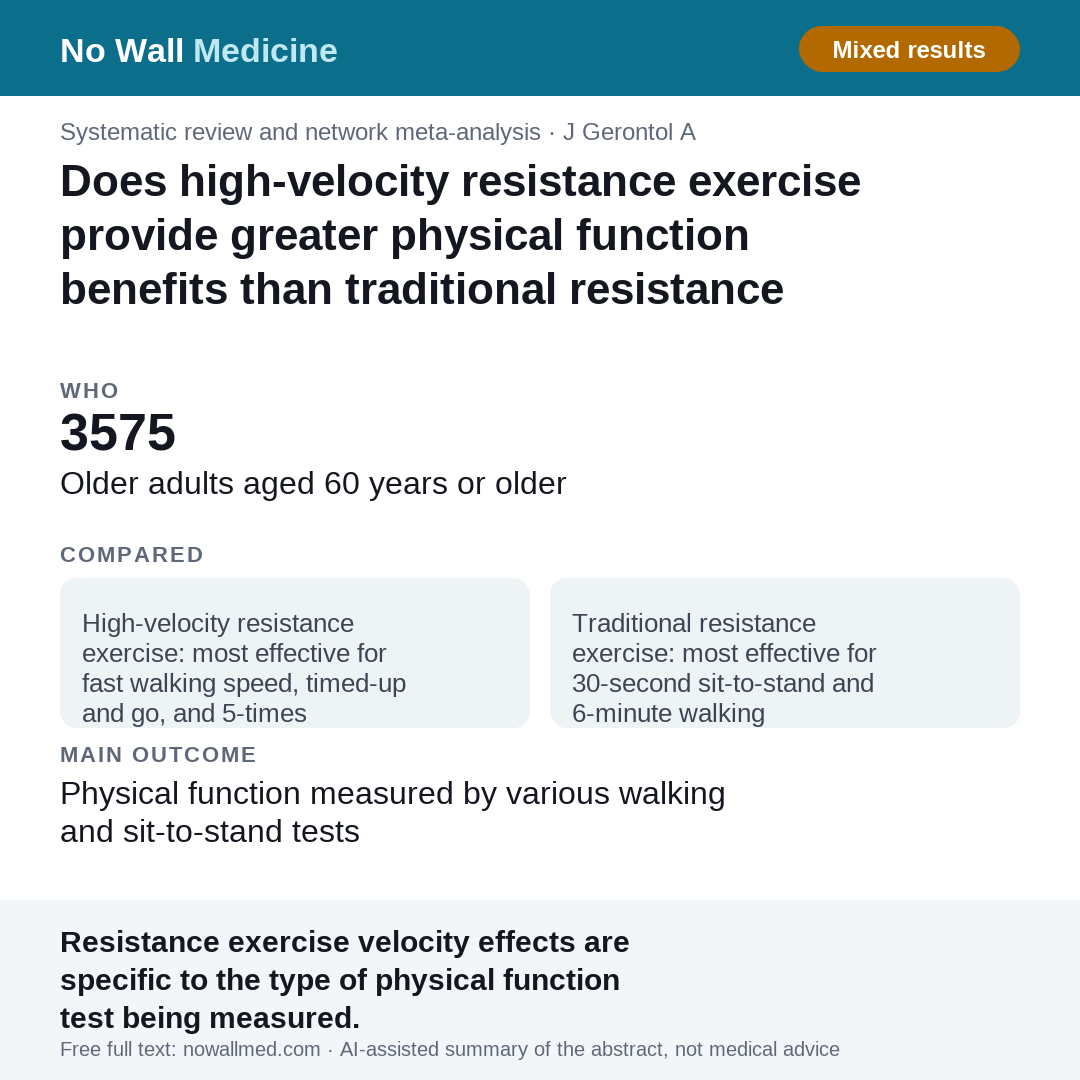
Does High-Velocity Resistance Exercise Elicit Greater Physical Function Benefits Than Traditional Resistance Exercise in Older Adults? A Systematic Review and Network Meta-Analysis of 79 Trials
Systematic review and network meta-analysisMixed results
Does high-velocity resistance exercise provide greater physical function benefits than traditional resistance exercise?
Who
3575
Older adults aged 60 years or older
Compared
High-velocity resistance exercise: most effective for fast walking speed, timed-up and go, and 5-times sit-to-stand
Traditional resistance exercise: most effective for 30-second sit-to-stand and 6-minute walking
Main outcome
Physical function measured by various walking and sit-to-stand tests
Bottom line: Resistance exercise velocity effects are specific to the type of physical function test being measured.
J Gerontol A · 2022-11-16Download image
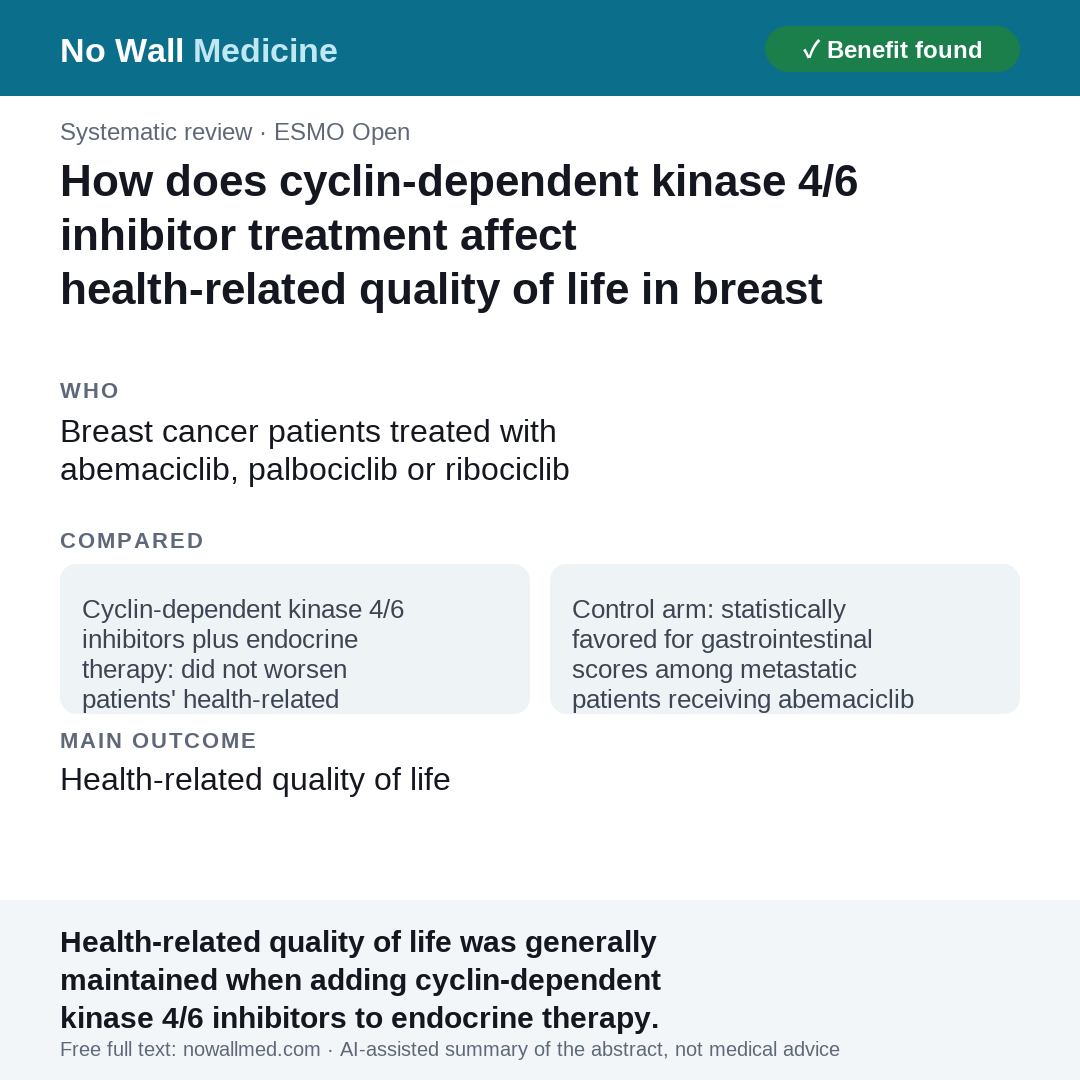
Health-related quality of life in breast cancer patients treated with CDK4/6 inhibitors: a systematic review
Systematic reviewBenefit found
How does cyclin-dependent kinase 4/6 inhibitor treatment affect health-related quality of life in breast cancer?
Who
Breast cancer patients treated with abemaciclib, palbociclib or ribociclib
Compared
Cyclin-dependent kinase 4/6 inhibitors plus endocrine therapy: did not worsen patients' health-related quality of life
Control arm: statistically favored for gastrointestinal scores among metastatic patients receiving abemaciclib
Main outcome
Health-related quality of life
Bottom line: Health-related quality of life was generally maintained when adding cyclin-dependent kinase 4/6 inhibitors to endocrine therapy.
Limitation: Methodological heterogeneity across studies does not allow a proper comparison.
ESMO Open · 2022-11-16Download image
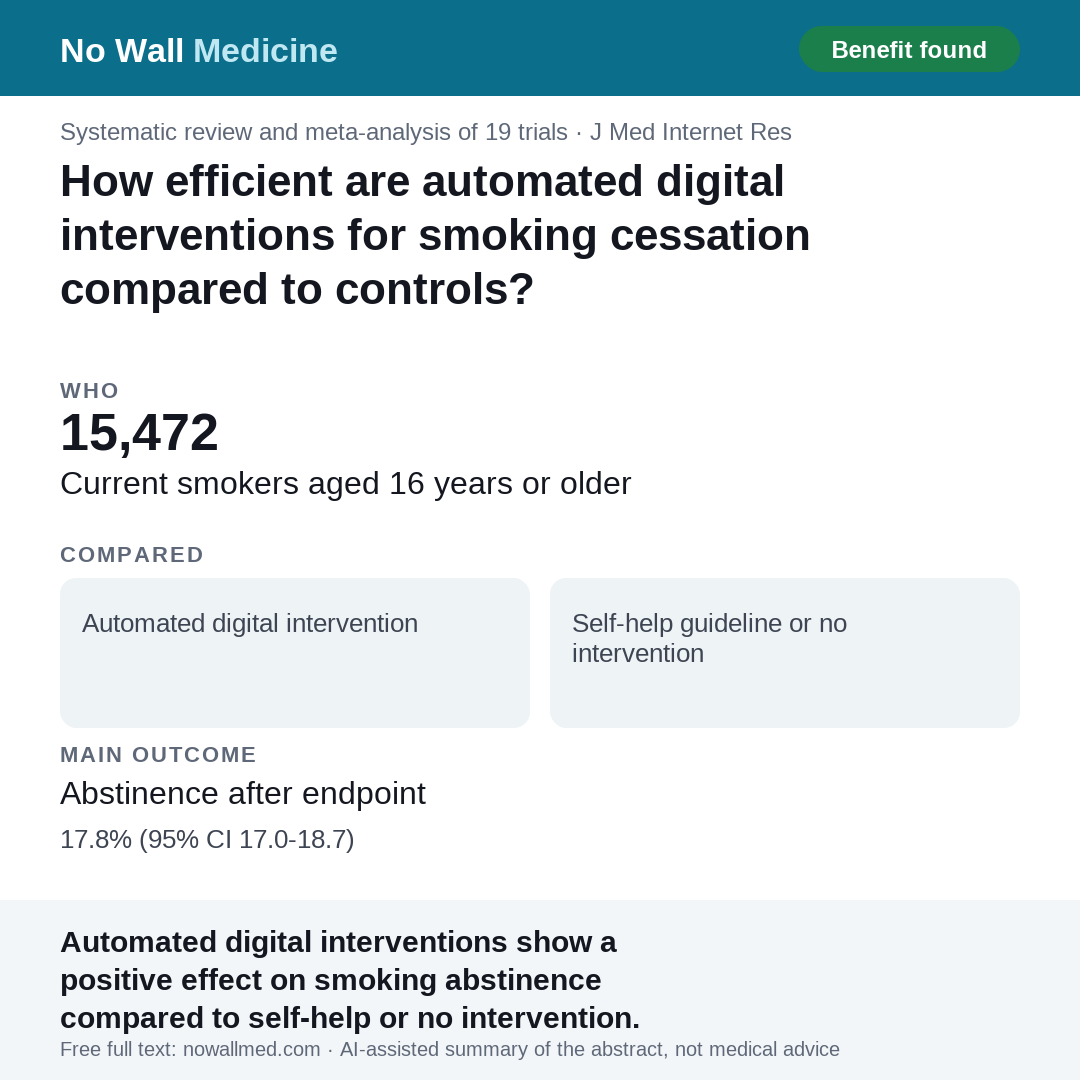
Automated Digital Interventions and Smoking Cessation: Systematic Review and Meta-analysis Relating Efficiency to a Psychological Theory of Intervention Perspective
Systematic review and meta-analysis of 19 trialsBenefit found
How efficient are automated digital interventions for smoking cessation compared to controls?
Who
15,472
Current smokers aged 16 years or older
Compared
Automated digital intervention
Self-help guideline or no intervention
Main outcome
Abstinence after endpoint
Result: 17.8% (95% CI 17.0-18.7)
Bottom line: Automated digital interventions show a positive effect on smoking abstinence compared to self-help or no intervention.
J Med Internet Res · 2022-11-16Download image
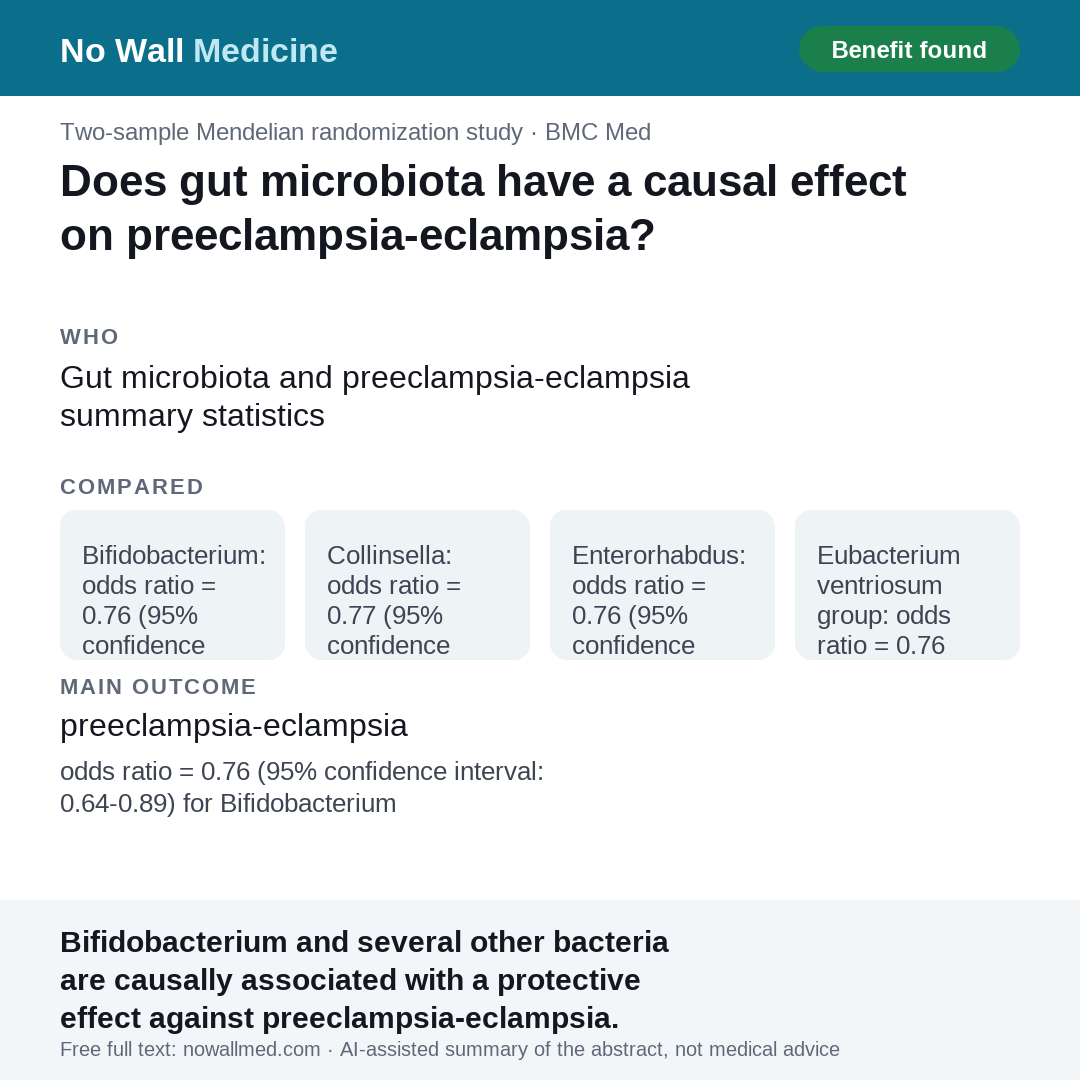
Association between gut microbiota and preeclampsia-eclampsia: a two-sample Mendelian randomization study
Two-sample Mendelian randomization studyBenefit found
Does gut microbiota have a causal effect on preeclampsia-eclampsia?
Who
Gut microbiota and preeclampsia-eclampsia summary statistics
Compared
Bifidobacterium: odds ratio = 0.76 (95% confidence interval: 0.64-0.89)
Collinsella: odds ratio = 0.77 (95% confidence interval: 0.60-0.98)
Enterorhabdus: odds ratio = 0.76 (95% confidence interval: 0.62-0.93)
Eubacterium ventriosum group: odds ratio = 0.76 (95% confidence interval: 0.63-0.91)
Main outcome
preeclampsia-eclampsia
Result: odds ratio = 0.76 (95% confidence interval: 0.64-0.89) for Bifidobacterium
Bottom line: Bifidobacterium and several other bacteria are causally associated with a protective effect against preeclampsia-eclampsia.
Limitation: Further randomized controlled trials are needed to clarify the protective effect of probiotics.
BMC Med · 2022-11-15Download image