Visual abstracts
New randomized trials and meta-analyses from leading journals at a glance: who was studied, what was compared, and what was found. Every paper is free to read in full.
All specialtiesCardiology 4763Oncology 4043Gastroenterology & Hepatology 1903Infectious Disease 3756Neurology 1872Psychiatry & Mental Health 2216Pulmonology 2044Critical Care 1319Endocrinology & Diabetes 2544Pediatrics 2889Surgery 2480Orthopedics & Sports Medicine 917Neurosurgery 525Cardiothoracic & Vascular Surgery 656Plastic & Reconstructive Surgery 574Nephrology 1107Rheumatology 810Hematology 1090Dermatology 611Ophthalmology 532Obstetrics & Gynecology 1645Public & Global Health 1037Radiology & Imaging 619Anesthesiology 958Urology 745ENT (Otolaryngology) 494Emergency Medicine 481Allergy & Immunology 309Geriatrics 972Family Medicine & Primary Care 534Medical Genetics & Genomics 659Pathology & Laboratory Medicine 156Physical Medicine & Rehabilitation 734Palliative Care 421Nutrition 1560Digital Health & AI 2137General Medicine 318
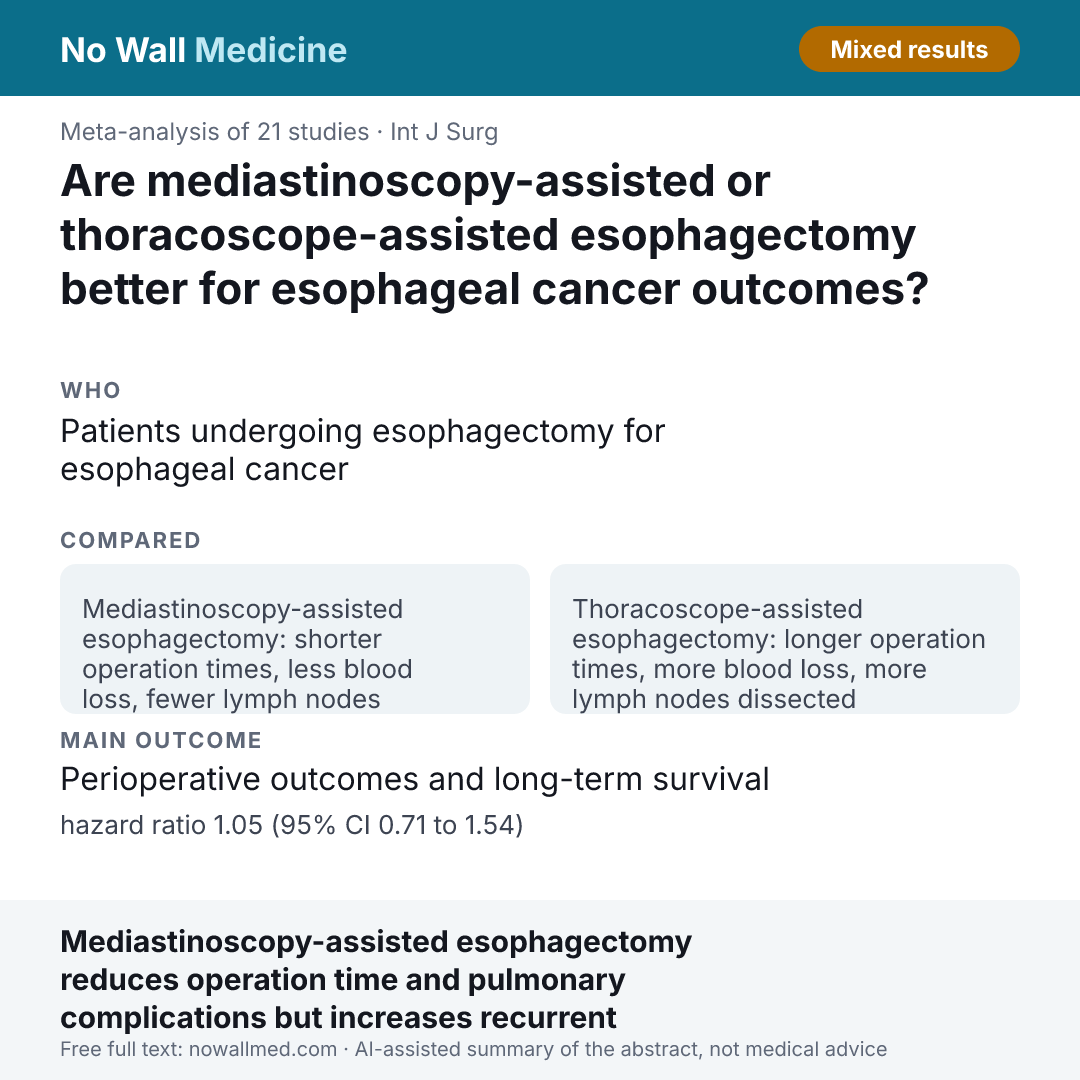
Substitute or coexistence? Mediastinoscopy-assisted versus thoracoscope-assisted esophagectomy in esophageal cancer: a meta-analysis of perioperative outcomes and long-term survival
Meta-analysis of 21 studiesMixed results
Are mediastinoscopy-assisted or thoracoscope-assisted esophagectomy better for esophageal cancer outcomes?
Who
Patients undergoing esophagectomy for esophageal cancer
Compared
Mediastinoscopy-assisted esophagectomy: shorter operation times, less blood loss, fewer lymph nodes dissected
Thoracoscope-assisted esophagectomy: longer operation times, more blood loss, more lymph nodes dissected
Main outcome
Perioperative outcomes and long-term survival
Result: hazard ratio 1.05 (95% CI 0.71 to 1.54)
Bottom line: Mediastinoscopy-assisted esophagectomy reduces operation time and pulmonary complications but increases recurrent laryngeal nerve injury risk.
Int J Surg · 2024-09-01 · Save PNG
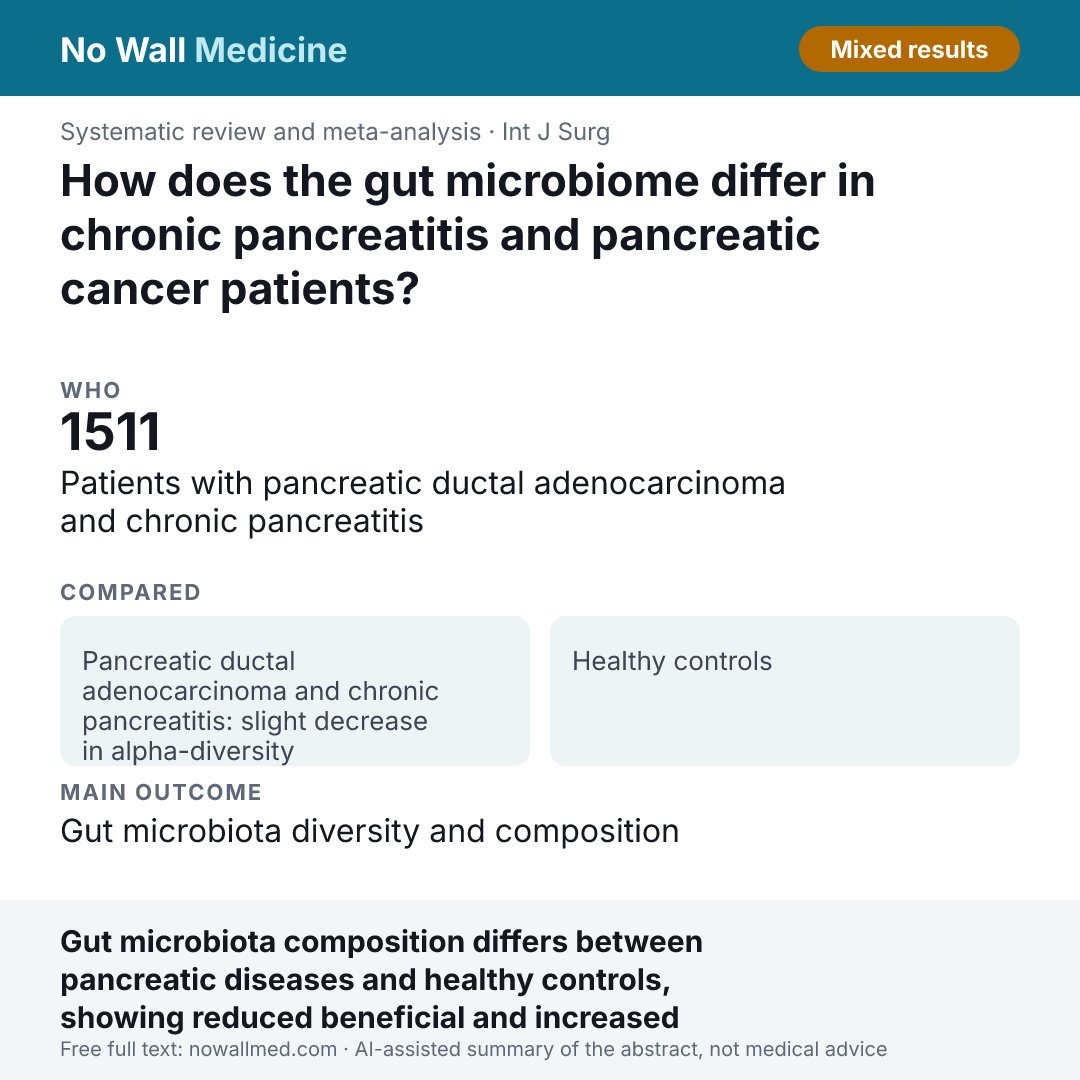
Gut microbiome changes associated with chronic pancreatitis and pancreatic cancer: a systematic review and meta-analysis
Systematic review and meta-analysisMixed results
How does the gut microbiome differ in chronic pancreatitis and pancreatic cancer patients?
Who
1511
Patients with pancreatic ductal adenocarcinoma and chronic pancreatitis
Compared
Pancreatic ductal adenocarcinoma and chronic pancreatitis: slight decrease in alpha-diversity
Healthy controls
Main outcome
Gut microbiota diversity and composition
Bottom line: Gut microbiota composition differs between pancreatic diseases and healthy controls, showing reduced beneficial and increased pathogenic species.
Int J Surg · 2024-09-01 · Save PNG
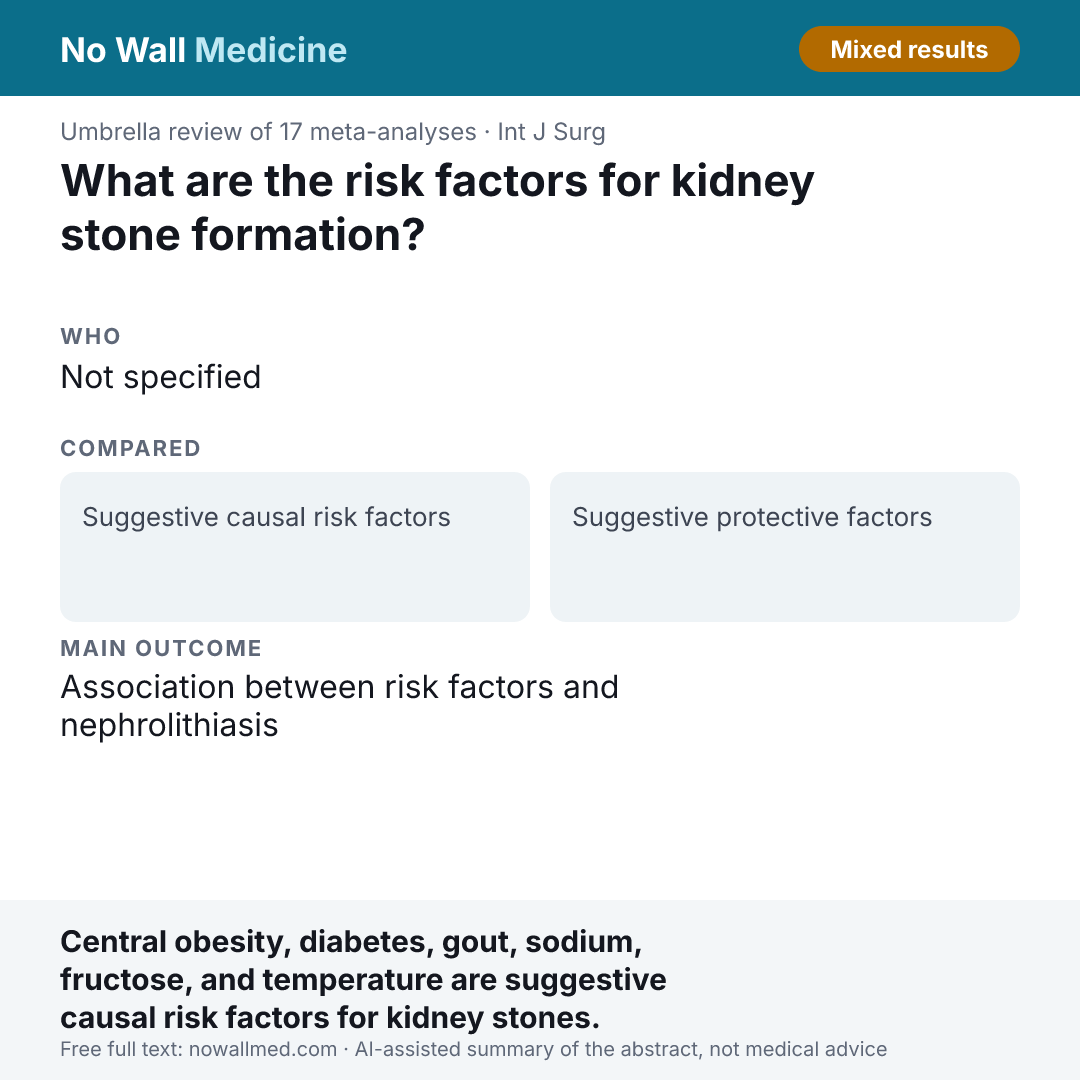
Risk factors for nephrolithiasis formation: an umbrella review
Umbrella review of 17 meta-analysesMixed results
What are the risk factors for kidney stone formation?
Who
Not specified
Compared
Suggestive causal risk factors
Suggestive protective factors
Main outcome
Association between risk factors and nephrolithiasis
Bottom line: Central obesity, diabetes, gout, sodium, fructose, and temperature are suggestive causal risk factors for kidney stones.
Int J Surg · 2024-09-01 · Save PNG
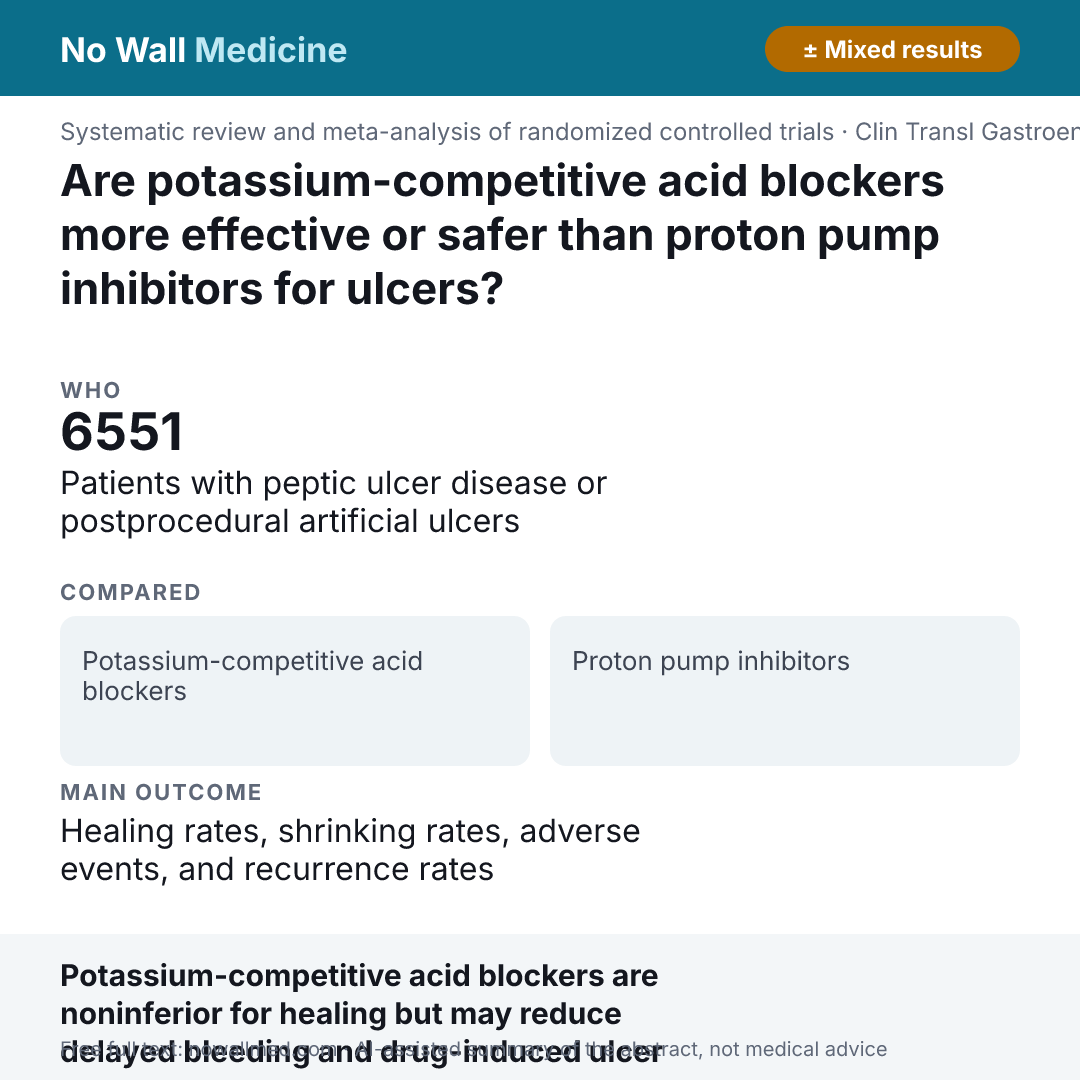
Efficacy and Safety of Potassium-Competitive Acid Blockers vs Proton Pump Inhibitors for Peptic Ulcer Disease or Postprocedural Artificial Ulcers: A Systematic Review and Meta-analysis
Systematic review and meta-analysis of randomized controlled trialsMixed results
Are potassium-competitive acid blockers more effective or safer than proton pump inhibitors for ulcers?
Who
6551
Patients with peptic ulcer disease or postprocedural artificial ulcers
Compared
Potassium-competitive acid blockers
Proton pump inhibitors
Main outcome
Healing rates, shrinking rates, adverse events, and recurrence rates
Result: RR 1.01 (95% CI 0.98-1.04) for PUD healing rate
Bottom line: Potassium-competitive acid blockers are noninferior for healing but may reduce delayed bleeding and drug-induced ulcer recurrence.
Limitation: More standardized experiments are needed for further applications and more precise conclusions.
Clin Transl Gastroenterol · 2024-09-01 · Save PNG
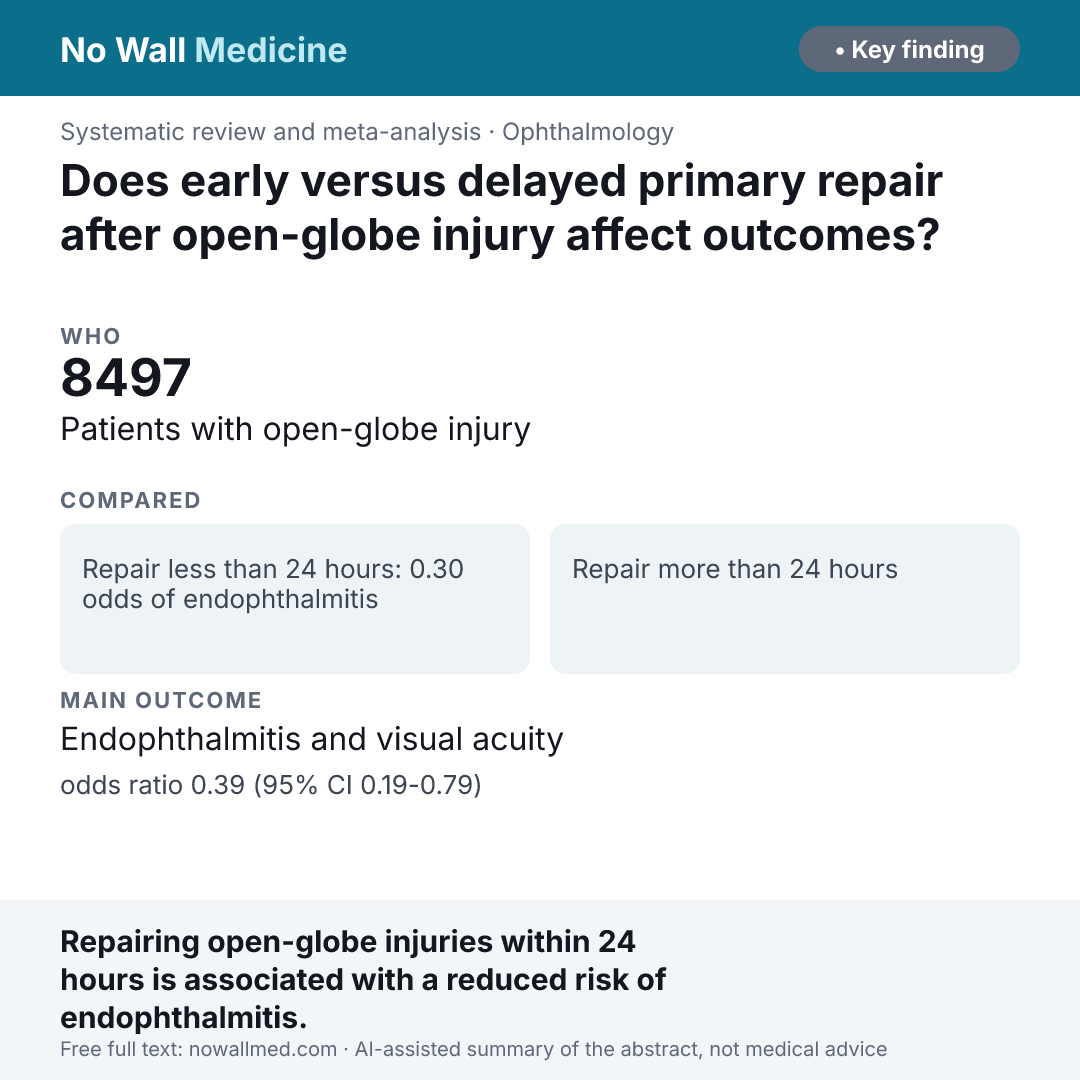
Early versus Delayed Timing of Primary Repair after Open-Globe Injury: A Systematic Review and Meta-analysis
Systematic review and meta-analysisKey finding
Does early versus delayed primary repair after open-globe injury affect outcomes?
Who
8497
Patients with open-globe injury
Compared
Repair less than 24 hours: 0.30 odds of endophthalmitis
Repair more than 24 hours
Main outcome
Endophthalmitis and visual acuity
Result: odds ratio 0.39 (95% CI 0.19-0.79)
Bottom line: Repairing open-globe injuries within 24 hours is associated with a reduced risk of endophthalmitis.
Limitation: All included studies were retrospective and nonrandomized, demonstrating low certainty of evidence.
Ophthalmology · 2024-08-31 · Save PNG
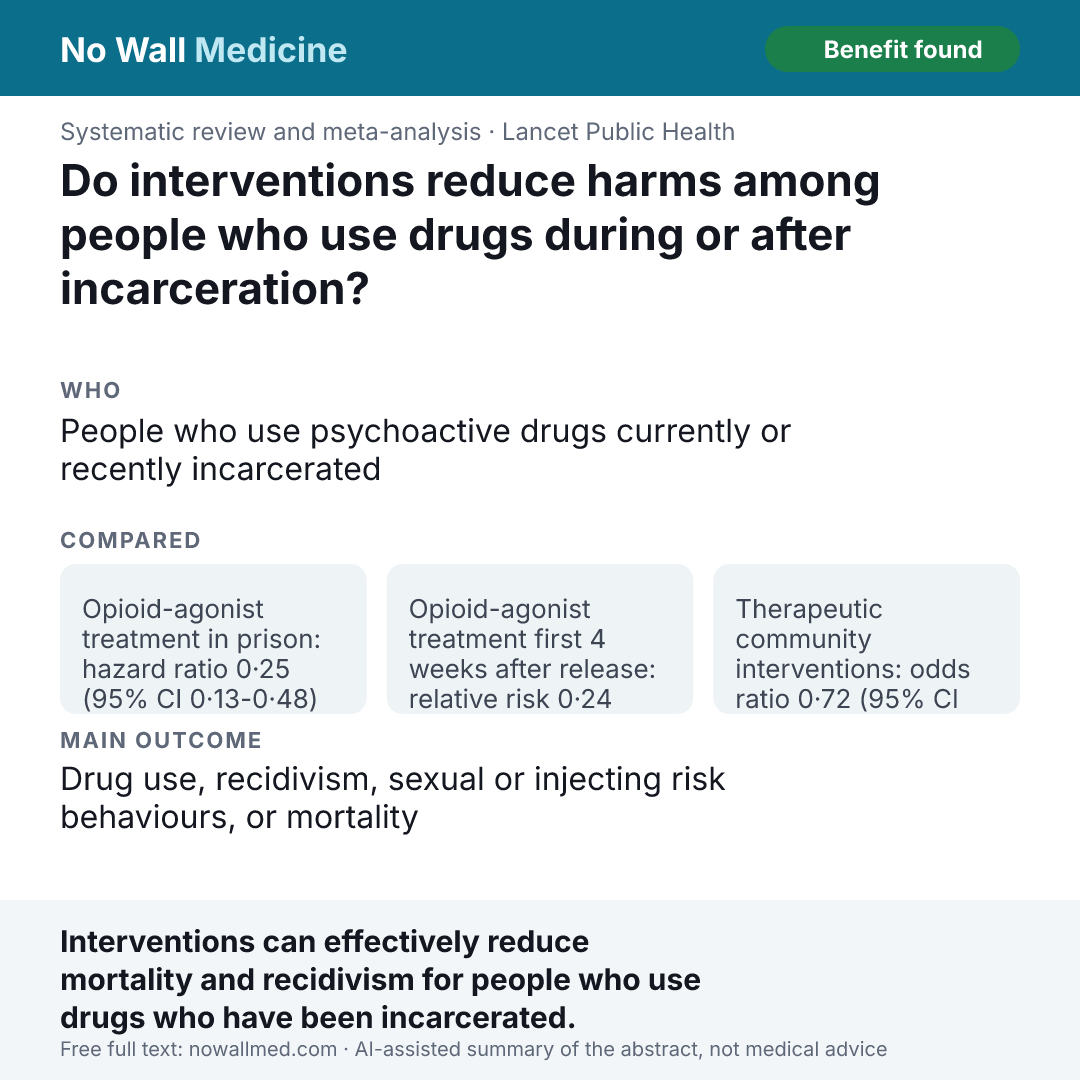
Interventions to reduce harms related to drug use among people who experience incarceration: systematic review and meta-analysis
Systematic review and meta-analysisBenefit found
Do interventions reduce harms among people who use drugs during or after incarceration?
Who
People who use psychoactive drugs currently or recently incarcerated
Compared
Opioid-agonist treatment in prison: hazard ratio 0·25 (95% CI 0·13-0·48)
Opioid-agonist treatment first 4 weeks after release: relative risk 0·24 (95% CI 0·15-0·37)
Therapeutic community interventions: odds ratio 0·72 (95% CI 0·55-0·95)
Main outcome
Drug use, recidivism, sexual or injecting risk behaviours, or mortality
Bottom line: Interventions can effectively reduce mortality and recidivism for people who use drugs who have been incarcerated.
Limitation: Substantial gaps in research examining risk behaviours and mortality during incarceration.
Funded by: Australian National Health and Medical Research Council
Lancet Public Health · 2024-08-31 · Save PNG
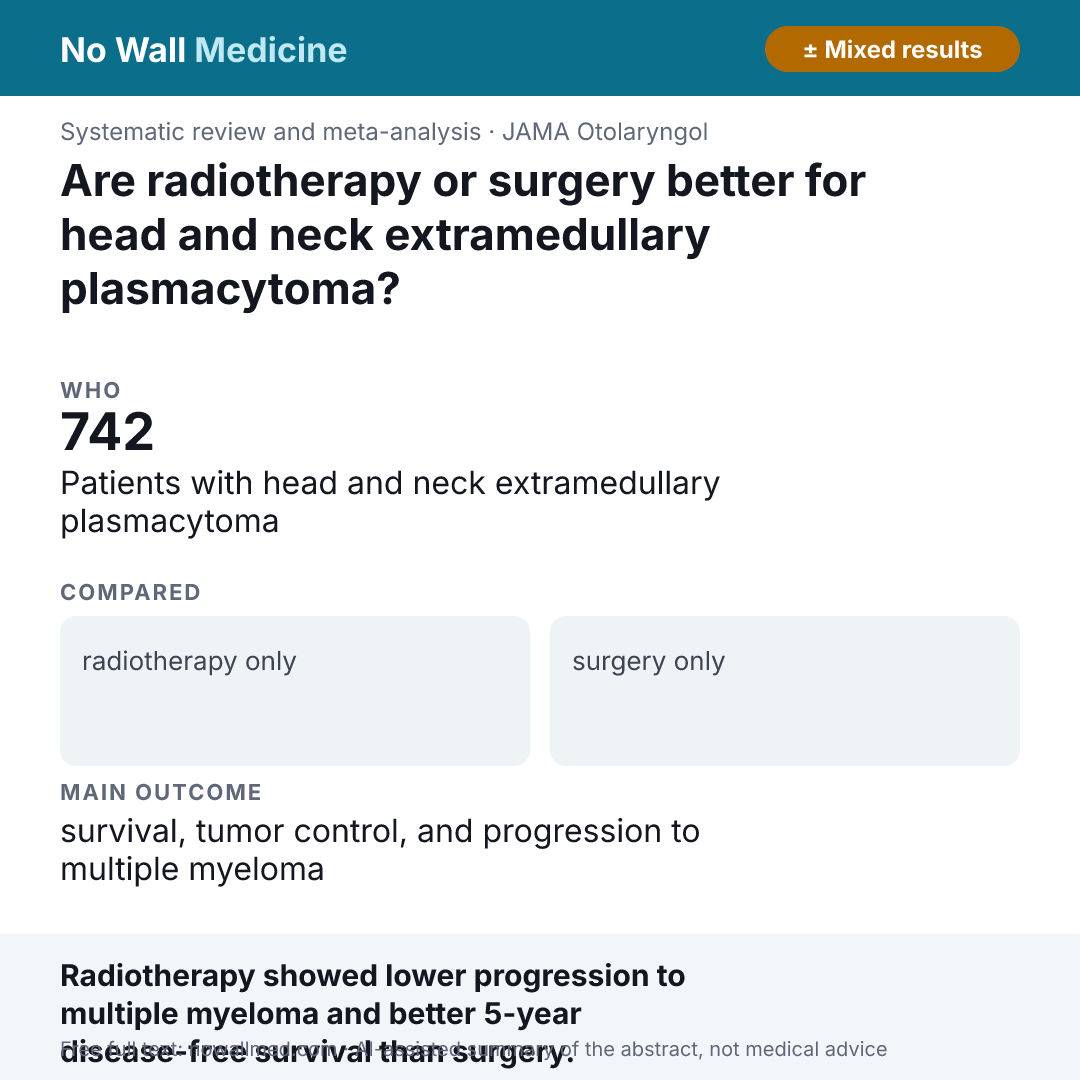
Radiotherapy vs Surgery for Survival and Locoregional Control of Head and Neck Extramedullary Plasmacytoma: A Systematic Review and Meta-Analysis
Systematic review and meta-analysisMixed results
Are radiotherapy or surgery better for head and neck extramedullary plasmacytoma?
Who
742
Patients with head and neck extramedullary plasmacytoma
Compared
radiotherapy only
surgery only
Main outcome
survival, tumor control, and progression to multiple myeloma
Result: odds ratio 0.4 (95% CI 0.1-0.9) for progression to multiple myeloma
Bottom line: Radiotherapy showed lower progression to multiple myeloma and better 5-year disease-free survival than surgery.
JAMA Otolaryngol · 2024-08-31 · Save PNG
Low C-Reactive Protein Alleles in Hepatocyte Nuclear Factor 1A Are Associated With an Increased Risk of Cardiovascular Disease
Meta-analysisHarm found
Are low C-reactive protein alleles in HNF1A associated with cardiovascular disease risk?
Who
Individuals with common HNF1A coding variants
Compared
Low C-reactive protein alleles: increased risk of cardiovascular disease (OR 1.03; 95% CI, 1.03-1.04)
Control
Main outcome
Cardiovascular disease risk
Result: odds ratio 1.03 (95% CI 1.03-1.04)
Bottom line: Low C-reactive protein alleles in HNF1A are associated with an increased risk of cardiovascular disease.
J Clin Endocrinol Metab · 2024-08-31 · Save PNG
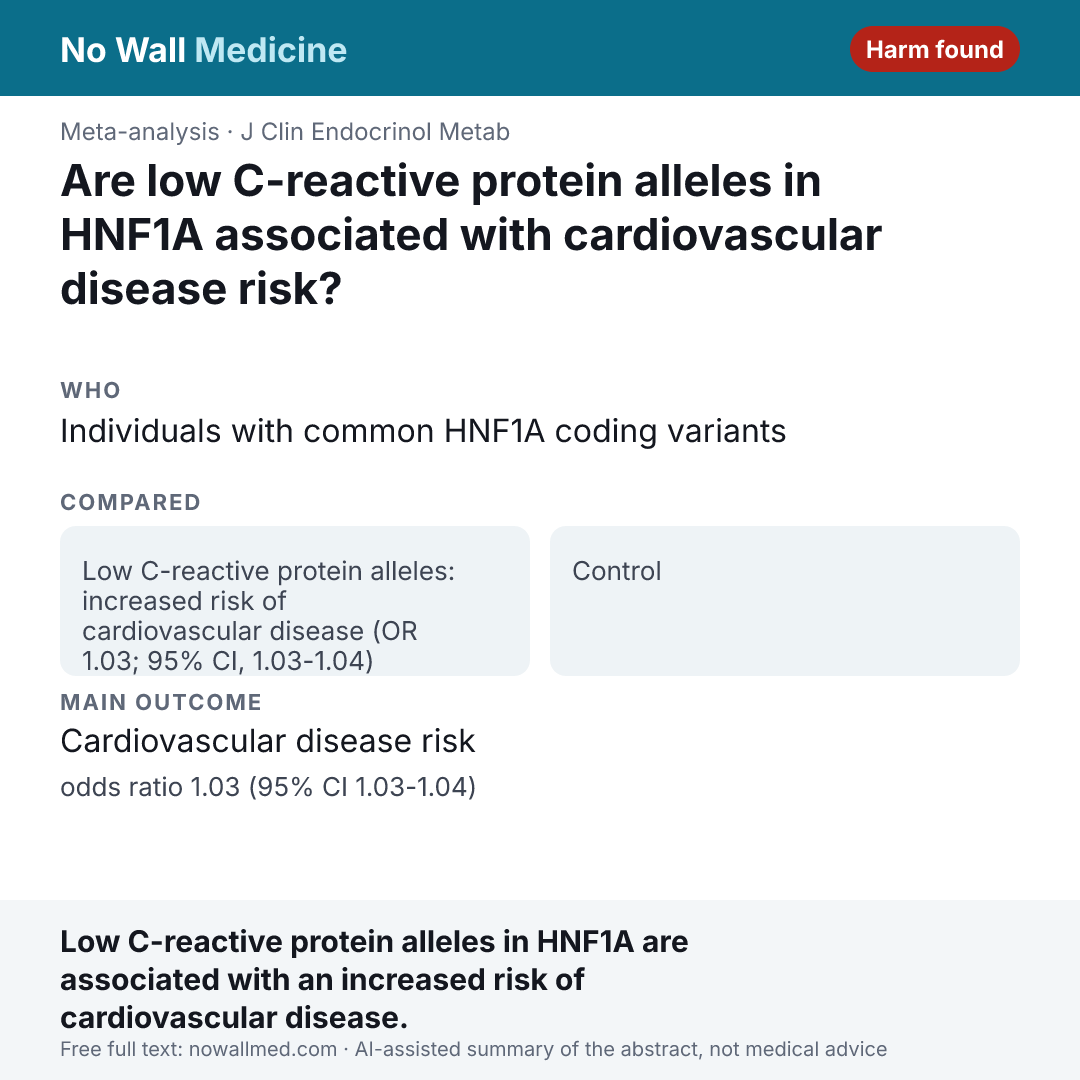
Efficacy of lifestyle weight loss interventions on regression to normoglycemia and progression to type 2 diabetes in individuals with prediabetes: a systematic review and pairwise and dose-response meta-analyses
Systematic review and meta-analysesBenefit found
How does lifestyle weight loss affect normoglycemia regression and type 2 diabetes progression?
Who
14,742
Participants with prediabetes
Compared
Lifestyle weight loss interventions: regression to normoglycemia increased by 11/100 participants
Control
Main outcome
regression to normoglycemia and progression to type 2 diabetes
Result: risk ratio 0.59 (95% CI 0.51, 0.67) for diabetes progression
Bottom line: Lifestyle weight loss shows a linear dose-response relationship for improving normoglycemia and preventing type 2 diabetes.
Am J Clin Nutr · 2024-08-31 · Save PNG
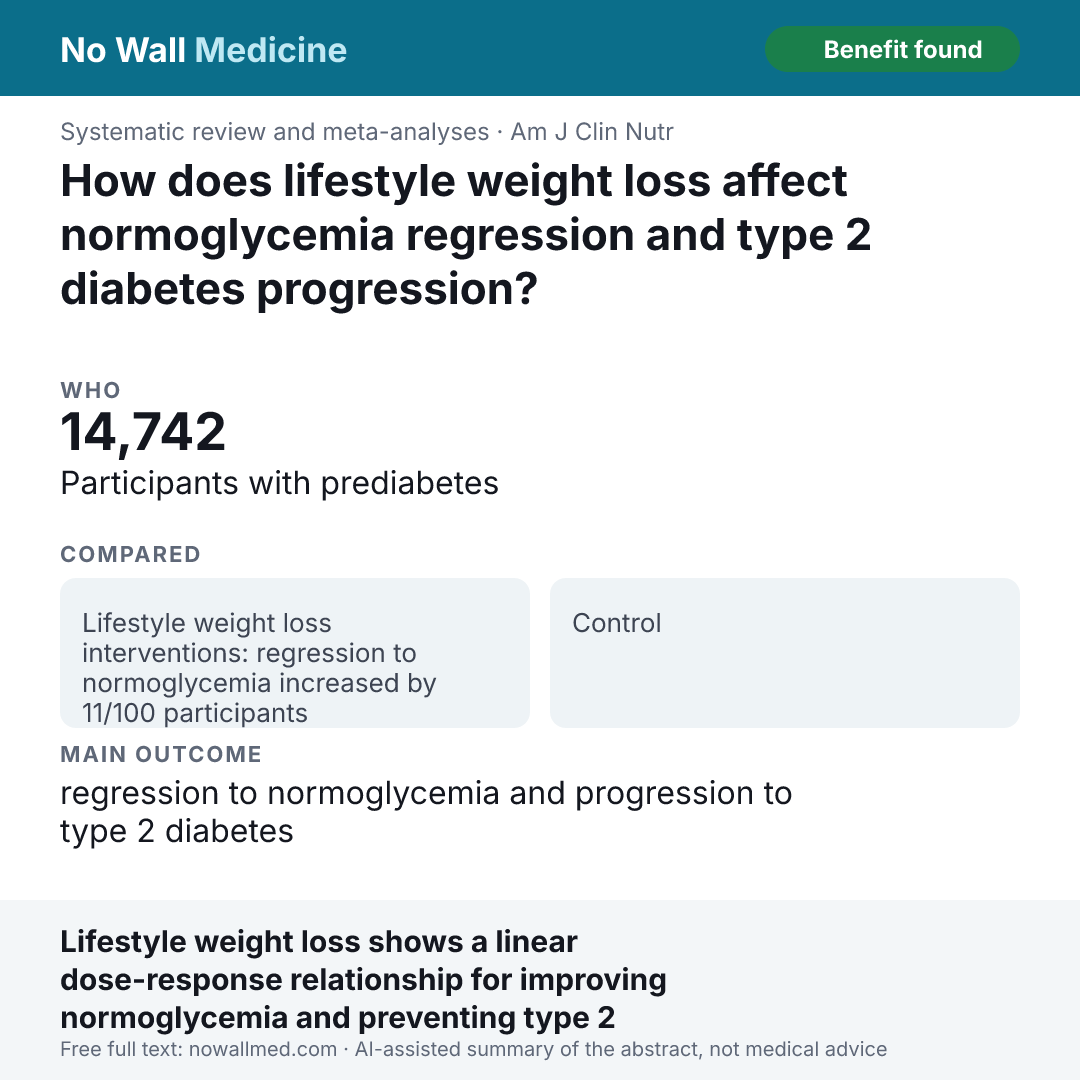
Impaired glucose metabolism and the risk of vascular events and mortality after ischemic stroke: A systematic review and meta-analysis
Systematic review and meta-analysisHarm found
Does impaired glucose metabolism increase risk of vascular events and mortality after stroke?
Who
Patients with ischemic stroke and transient ischemic attack
Compared
1.58Diabetes mellitus (95% CI 1.34-1.85)
Normoglycemia
Main outcome
Composite of vascular outcomes
Result: pooled hazard ratio 1.58 (95% CI 1.34-1.85)
Bottom line: Diabetes mellitus is associated with increased risk for composite vascular events, recurrent stroke, cardiac events, and all-cause mortality.
Limitation: There was a high heterogeneity across most outcomes.
Cardiovasc Diabetol · 2024-08-31 · Save PNG
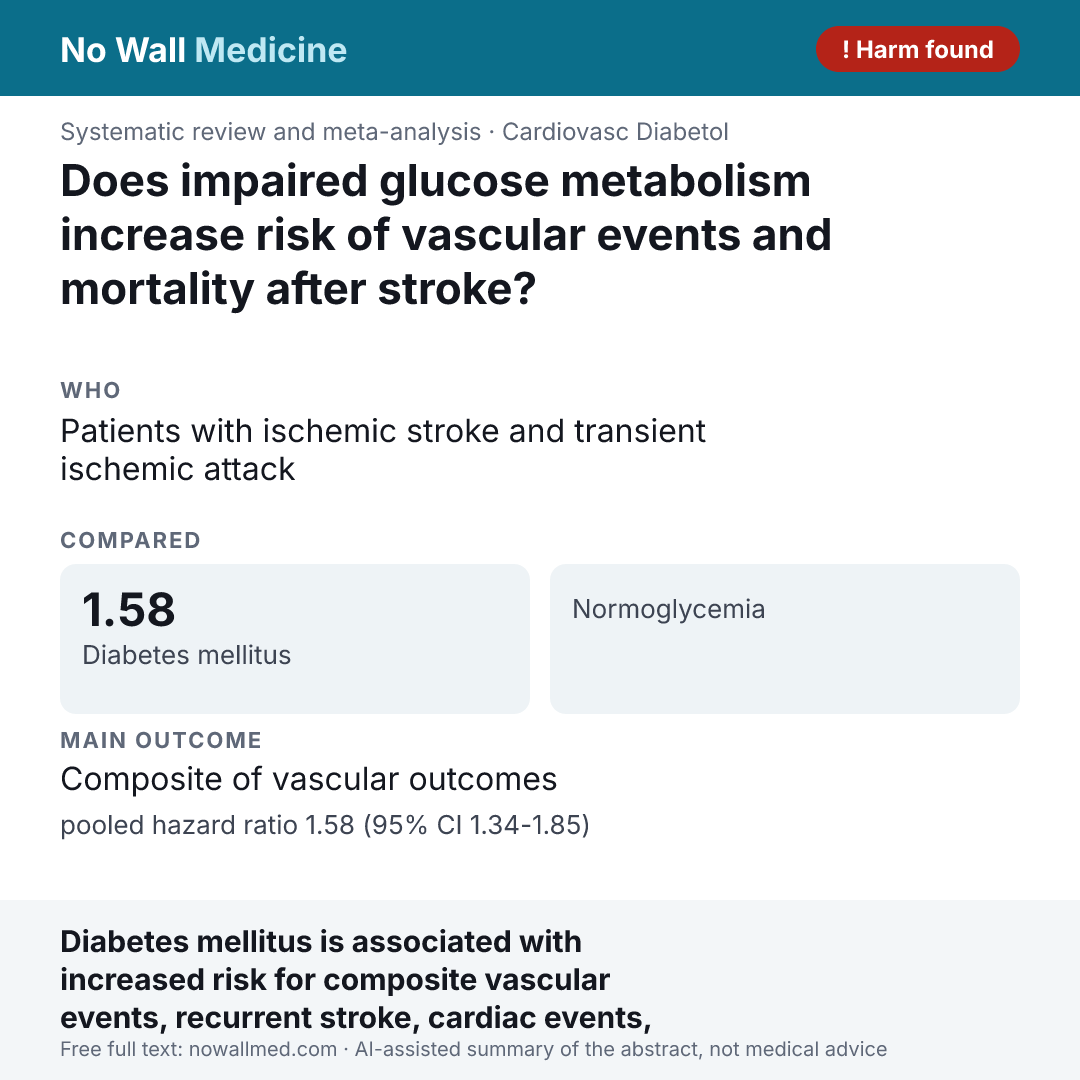
Comparative effects of glucagon-like peptide-1 receptor agonists and sodium-glucose co-transporter-2 inhibitors on heart failure with preserved ejection fraction in diabetic patients: a meta-analysis
Meta-analysis of randomized controlled trials and observational studiesBenefit found
How do glucagon-like peptide-1 receptor agonists and sodium-glucose co-transporter-2 inhibitors affect heart failure?
Who
3,428
Patients with type 2 diabetes and heart failure with preserved ejection fraction
Compared
Glucagon-like peptide-1 receptor agonists: mean difference 2.8%, 95% CI 1.5 to 4.1
Sodium-glucose co-transporter-2 inhibitors: mean difference 3.2%, 95% CI 2.0 to 4.4
Main outcome
Changes in left ventricular ejection fraction
Result: not explicitly pooled for a single effect estimate
Bottom line: Both therapies improve ejection fraction and functional capacity, but sodium-glucose co-transporter-2 inhibitors reduce myocardial fibrosis more effectively.
Limitation: Further research is needed on long-term outcomes and potential combined therapy effects.
Cardiovasc Diabetol · 2024-08-31 · Save PNG
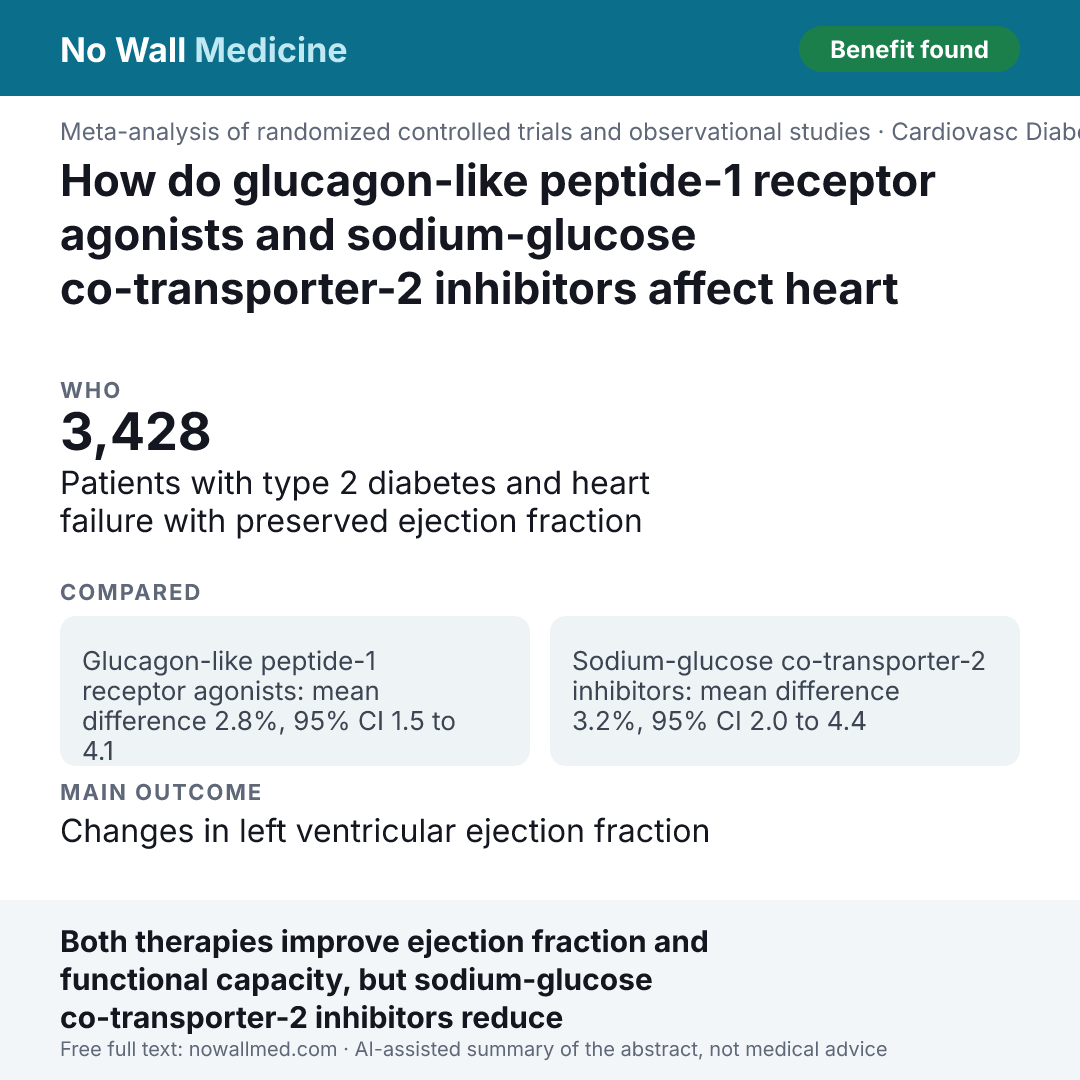
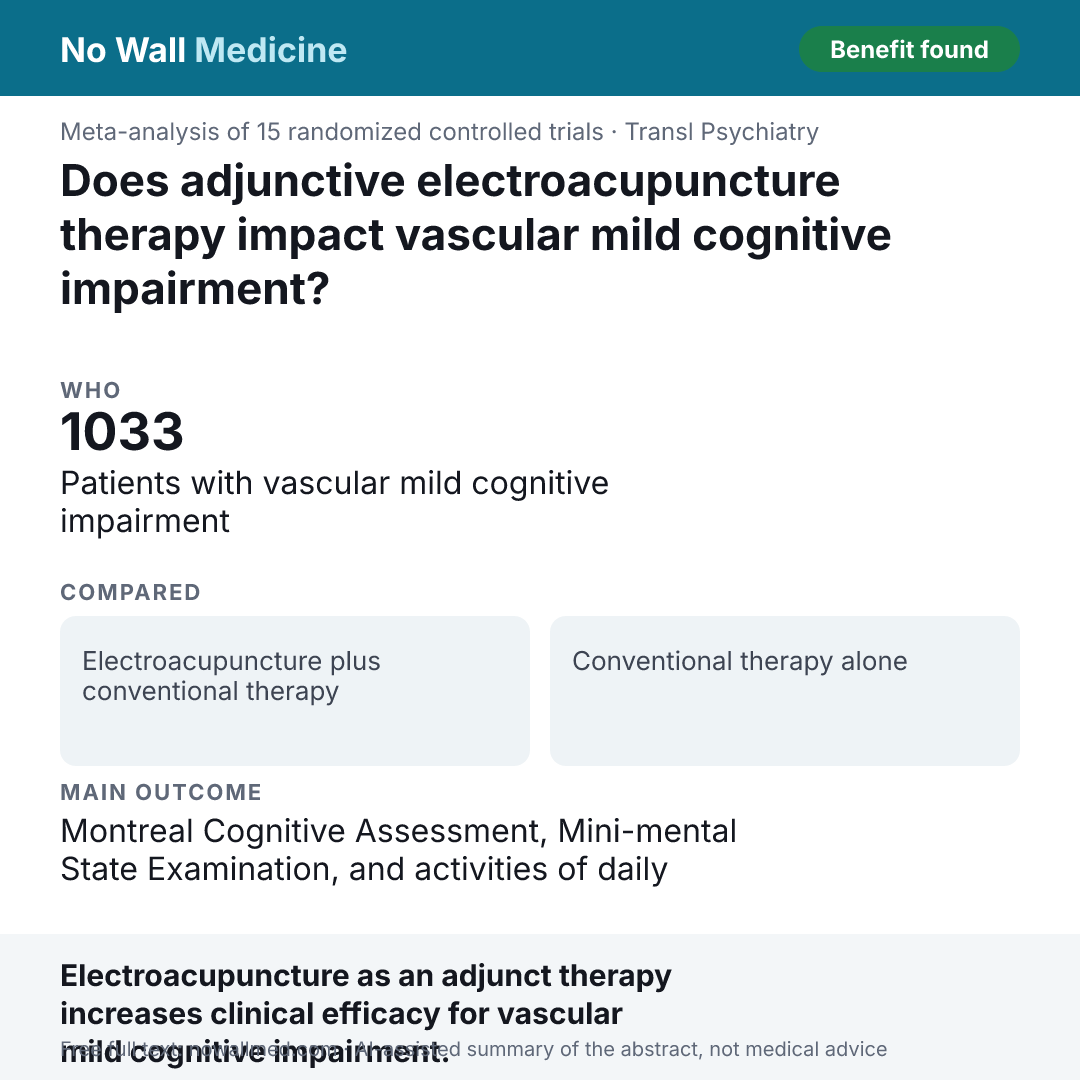
Assessment of fluid responsiveness using pulse pressure variation, stroke volume variation, plethysmographic variability index, central venous pressure, and inferior vena cava variation in patients undergoing mechanical ventilation: a systematic review and meta-analysis
Systematic review and meta-analysisBenefit found
How effective are different maneuvers for assessing fluid responsiveness in mechanically ventilated patients?
Who
2711
Mechanically ventilated patients
Compared
Pulse pressure variation: AUC 0.87 (0.84-0.90)
Stroke volume variation: AUC 0.87 (0.84-0.91)
Plethysmographic variability index: AUC 0.88 (0.82-0.94)
Central venous pressure: AUC 0.77 (0.69-0.87)
Main outcome
Predicting fluid responsiveness
Bottom line: Pulse pressure variation, stroke volume variation, and plethysmographic variability index are superior to central venous pressure and inferior vena cava variation.
Limitation: There is no data supporting any of the mentioned maneuvers as being the best.
Crit Care · 2024-08-31 · Save PNG
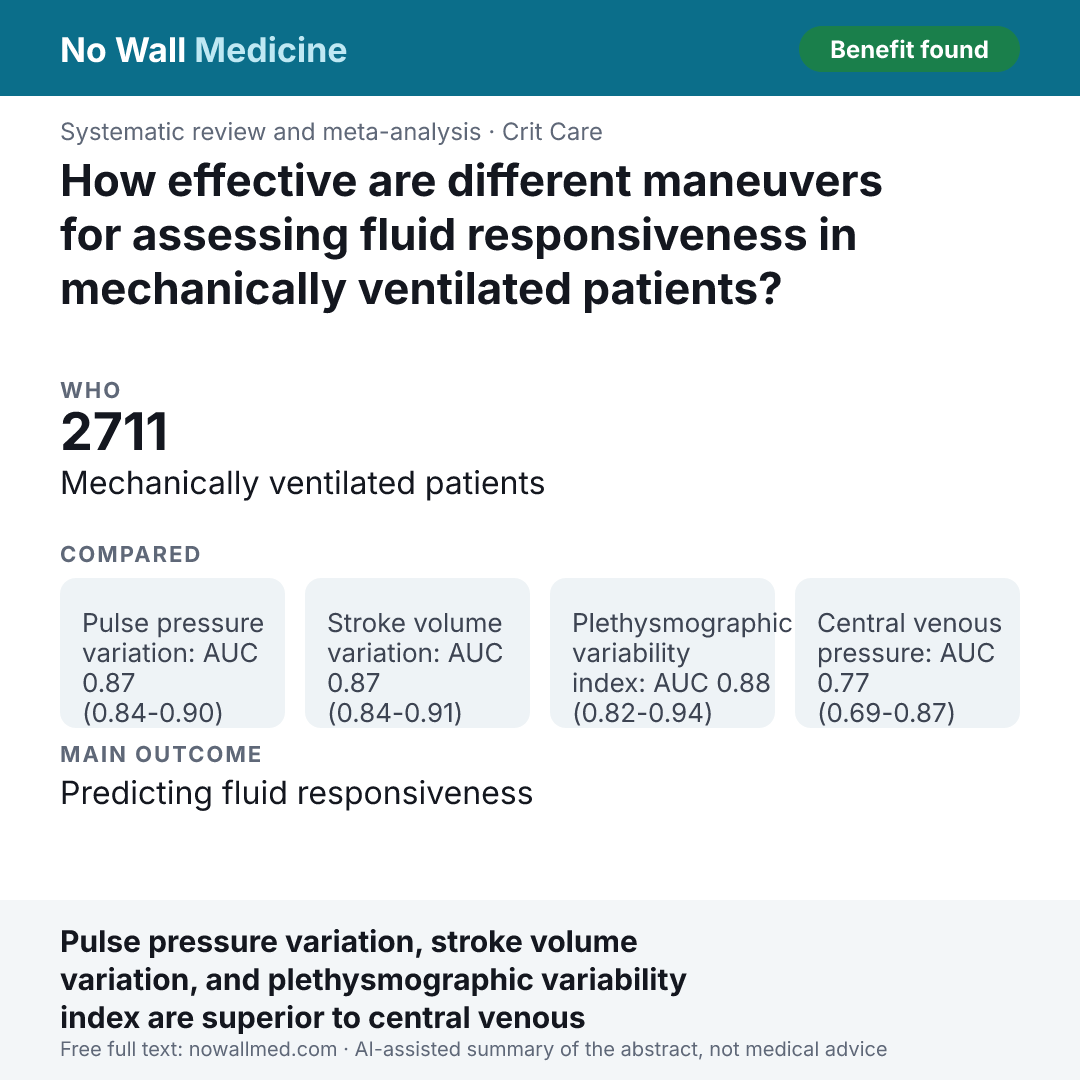
Increased somatic mosaicism in autosomal and X chromosomes for suicide death
Observational study with meta-analysis of two cohortsMixed results
Association between mosaic chromosomal alterations and suicide death
Who
773
Suicide decedents and controls with blood-derived SNP-array data
Compared
Suicide decedents: OR = 1.78
Controls
Main outcome
Total mosaic chromosomal alterations in autosomal chromosomes
Result: odds ratio 1.78 (p = 1.28 × 10⁻⁶)
Bottom line: Suicide was linked to increased somatic mosaicism in autosomal and X chromosomes.
Mol Psychiatry · 2024-08-30 · Save PNG
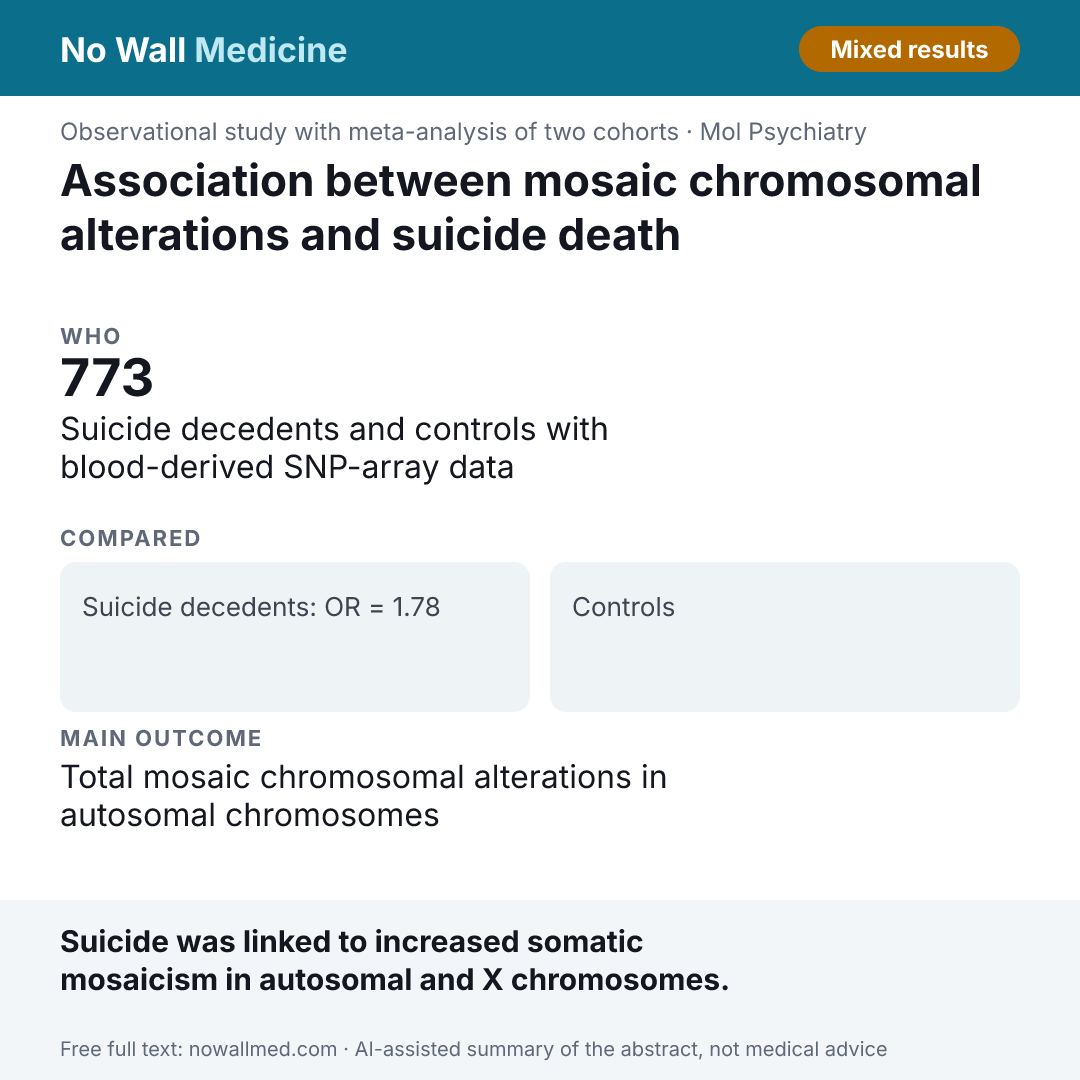
Association Between Undernutrition and Mortality and Amputation Outcomes in Chronic Limb Threatening Ischaemia: A Systematic Review
Systematic review of 49 observational studiesHarm found
Does undernutrition associate with mortality and amputation in chronic limb threatening ischaemia?
Who
6818
Patients with chronic limb threatening ischaemia
Compared
Undernutrition
No undernutrition
Main outcome
Death, amputation, or a composite of the two
Bottom line: Undernutrition is consistently associated with increased risk of death and amputation in chronic limb threatening ischaemia patients.
Limitation: The quality of evidence was poor, and certainty of evidence very low.
Eur J Vasc Endovasc Surg · 2024-08-30 · Save PNG
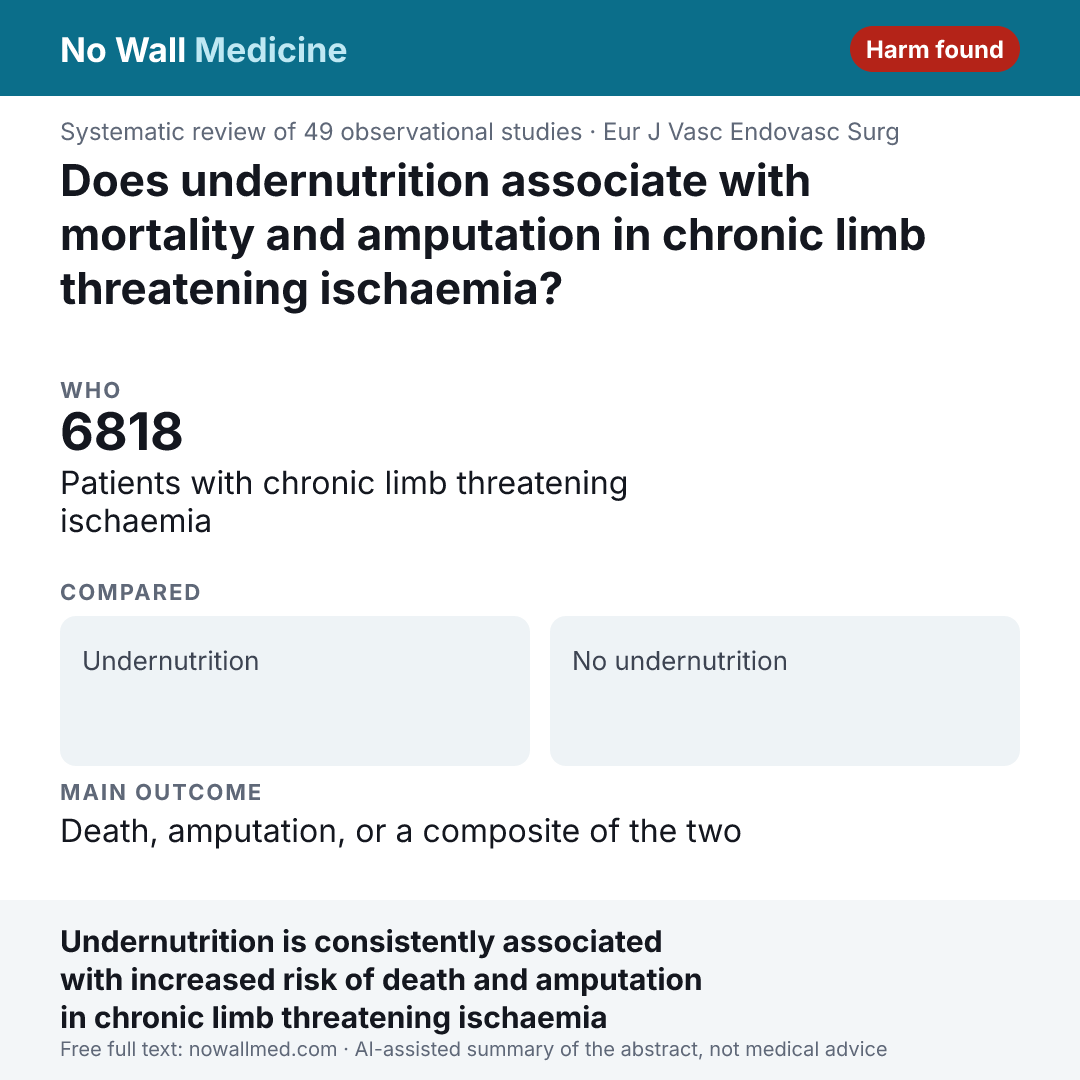
Meta-analysis with trial sequential analysis investigating the impact of adjunctive electroacupuncture therapy on vascular mild cognitive impairment
Meta-analysis of 15 randomized controlled trialsBenefit found
Does adjunctive electroacupuncture therapy impact vascular mild cognitive impairment?
Who
1033
Patients with vascular mild cognitive impairment
Compared
Electroacupuncture plus conventional therapy
Conventional therapy alone
Main outcome
Montreal Cognitive Assessment, Mini-mental State Examination, and activities of daily living
Result: SMD 0.72 (95% CI 0.55 to 0.88) for Montreal Cognitive Assessment
Bottom line: Electroacupuncture as an adjunct therapy increases clinical efficacy for vascular mild cognitive impairment.
Limitation: It is encouraged to conduct studies of the highest quality standards.
Transl Psychiatry · 2024-08-30 · Save PNG
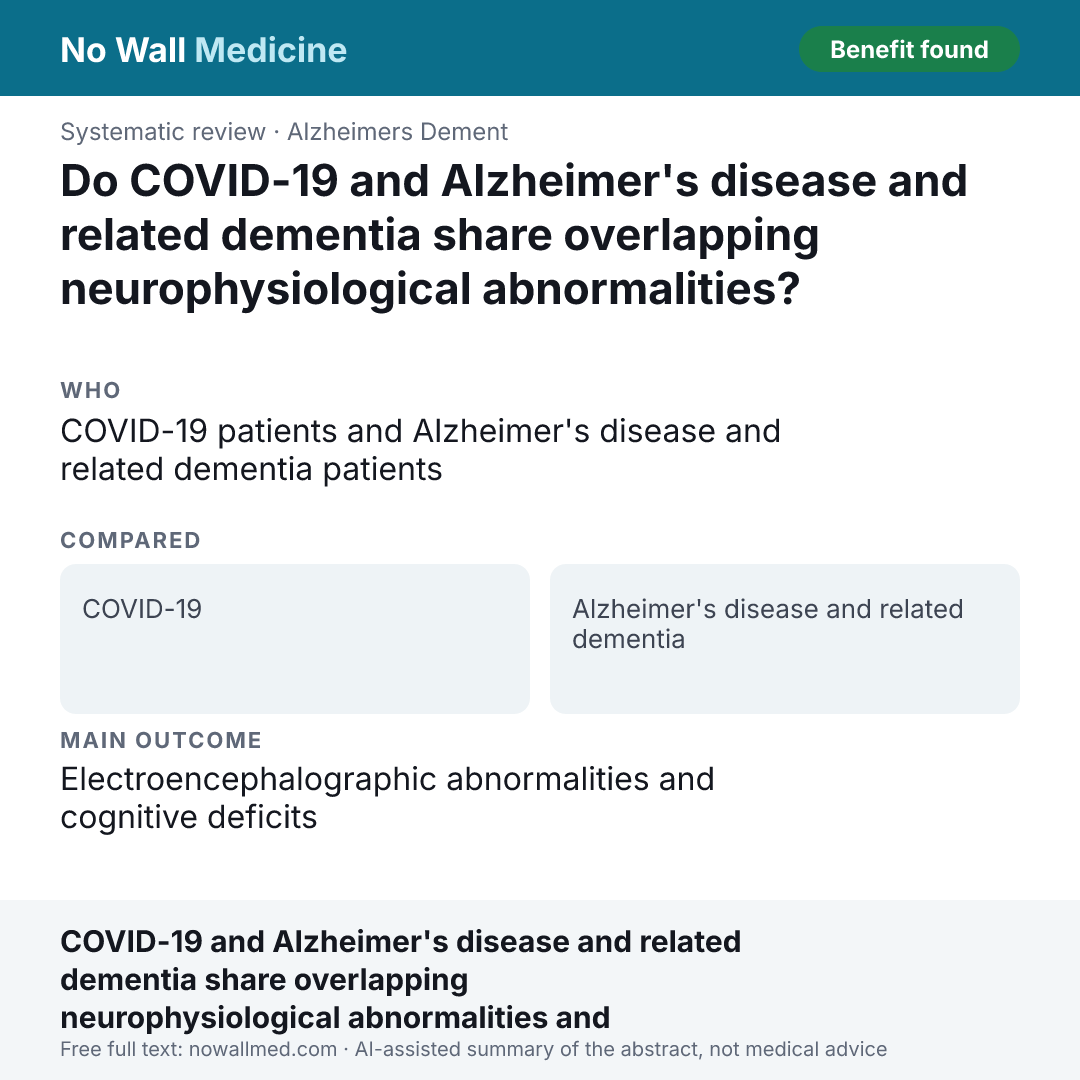
Parallel electrophysiological abnormalities due to COVID-19 infection and to Alzheimer's disease and related dementia
Systematic reviewBenefit found
Do COVID-19 and Alzheimer's disease and related dementia share overlapping neurophysiological abnormalities?
Who
COVID-19 patients and Alzheimer's disease and related dementia patients
Compared
COVID-19
Alzheimer's disease and related dementia
Main outcome
Electroencephalographic abnormalities and cognitive deficits
Bottom line: COVID-19 and Alzheimer's disease and related dementia share overlapping neurophysiological abnormalities and neuroinflammatory mechanisms.
Alzheimers Dement · 2024-08-29 · Save PNG
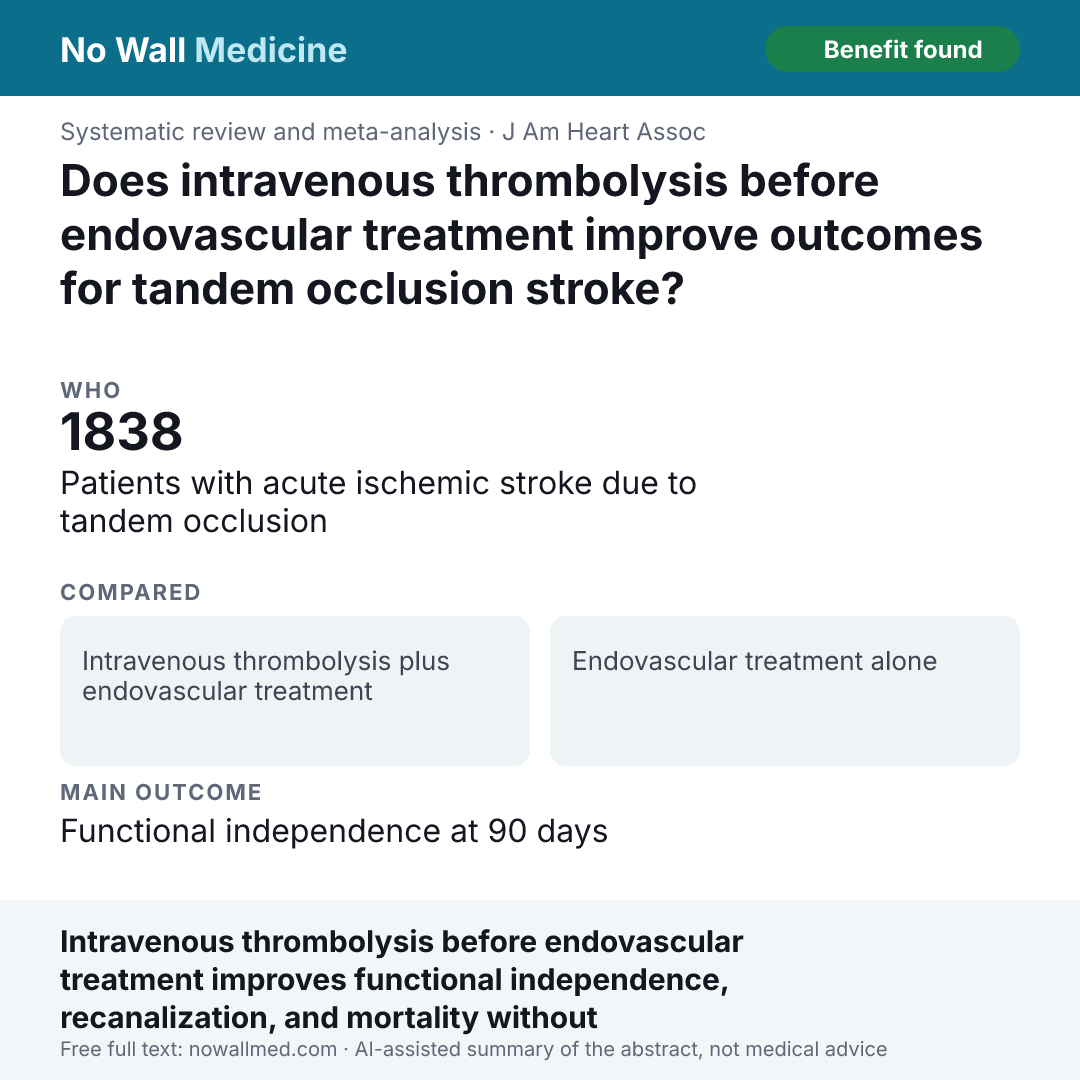
Endovascular Treatment With or Without Intravenous Thrombolysis for Acute Ischemic Stroke Due to Tandem Occlusion: A Systematic Review and Meta-Analysis
Systematic review and meta-analysisBenefit found
Does intravenous thrombolysis before endovascular treatment improve outcomes for tandem occlusion stroke?
Who
1838
Patients with acute ischemic stroke due to tandem occlusion
Compared
Intravenous thrombolysis plus endovascular treatment
Endovascular treatment alone
Main outcome
Functional independence at 90 days
Result: odds ratio 1.39 (95% CI 1.14-1.69)
Bottom line: Intravenous thrombolysis before endovascular treatment improves functional independence, recanalization, and mortality without increasing symptomatic intracerebral hemorrhage.
J Am Heart Assoc · 2024-08-29 · Save PNG
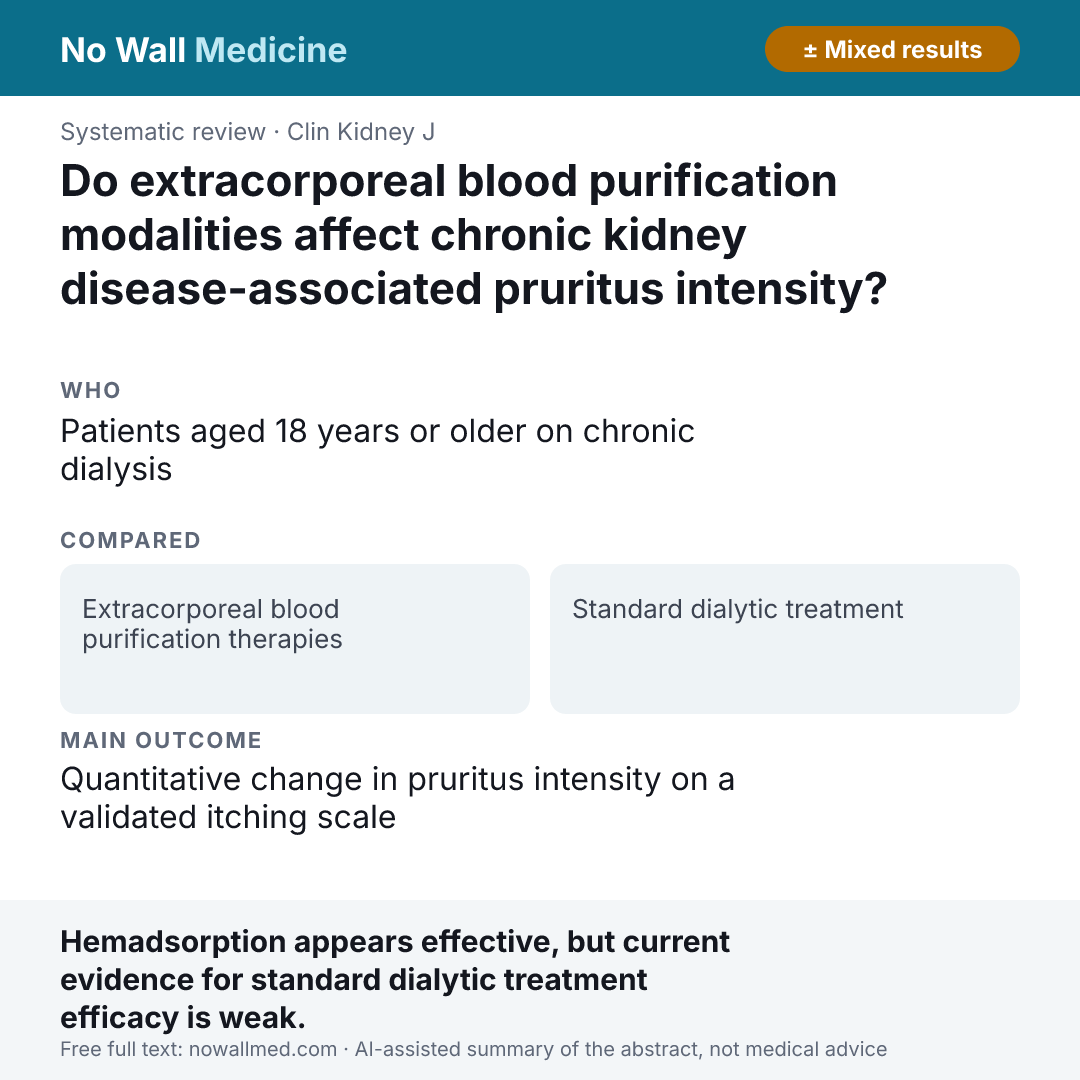
The role of blood purification therapies in the treatment of chronic kidney disease-associated pruritus: a systematic review
Systematic reviewMixed results
Do extracorporeal blood purification modalities affect chronic kidney disease-associated pruritus intensity?
Who
Patients aged 18 years or older on chronic dialysis
Compared
Extracorporeal blood purification therapies
Standard dialytic treatment
Main outcome
Quantitative change in pruritus intensity on a validated itching scale
Bottom line: Hemadsorption appears effective, but current evidence for standard dialytic treatment efficacy is weak.
Limitation: Heterogeneity in diagnostic tools, treatment, selection bias, small sample sizes, and short follow-up durations.
Clin Kidney J · 2024-08-29 · Save PNG
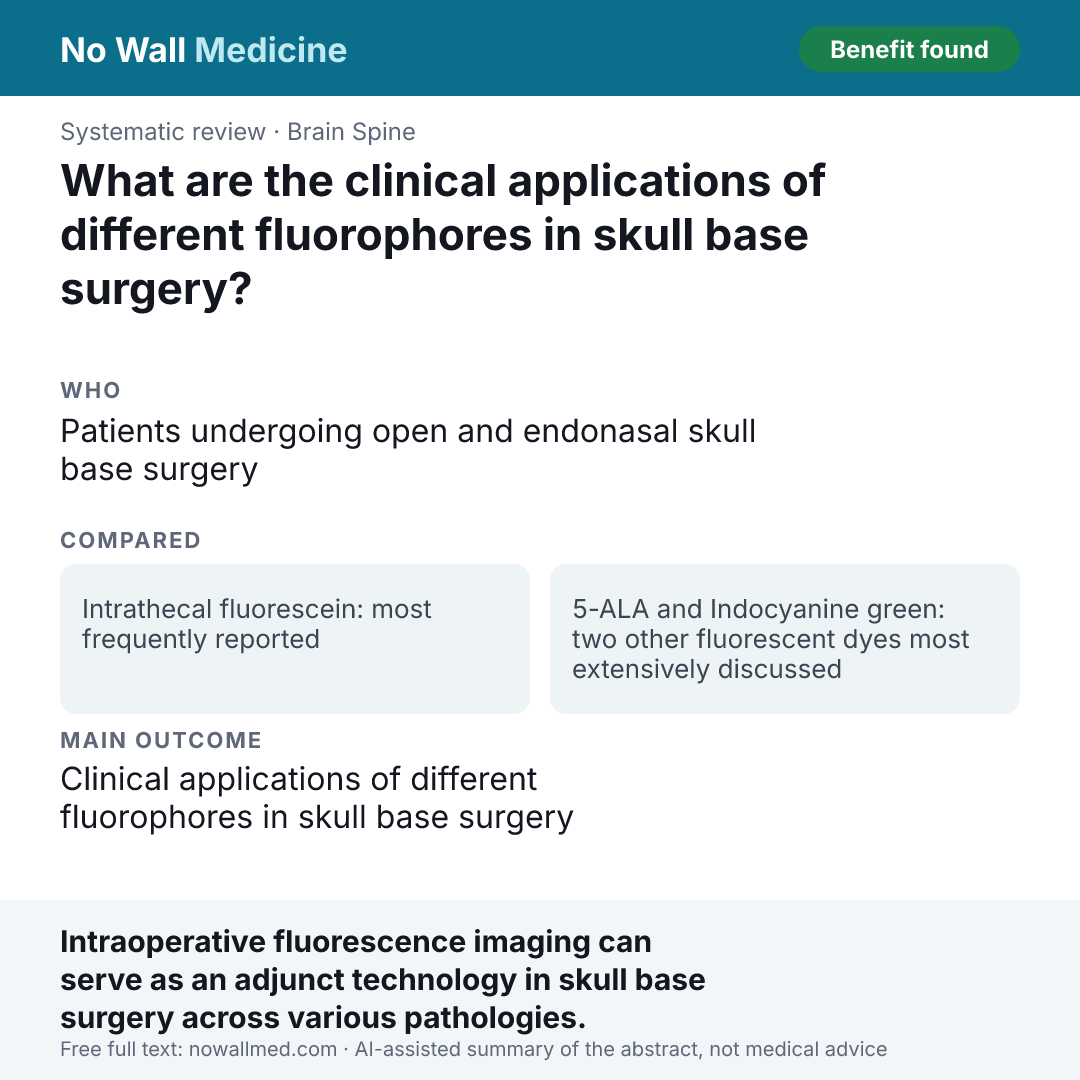
Fluorescence guidance in skull base surgery: Applications and limitations - A systematic review
Systematic reviewBenefit found
What are the clinical applications of different fluorophores in skull base surgery?
Who
Patients undergoing open and endonasal skull base surgery
Compared
Intrathecal fluorescein: most frequently reported
5-ALA and Indocyanine green: two other fluorescent dyes most extensively discussed
Main outcome
Clinical applications of different fluorophores in skull base surgery
Bottom line: Intraoperative fluorescence imaging can serve as an adjunct technology in skull base surgery across various pathologies.
Brain Spine · 2024-08-29 · Save PNG
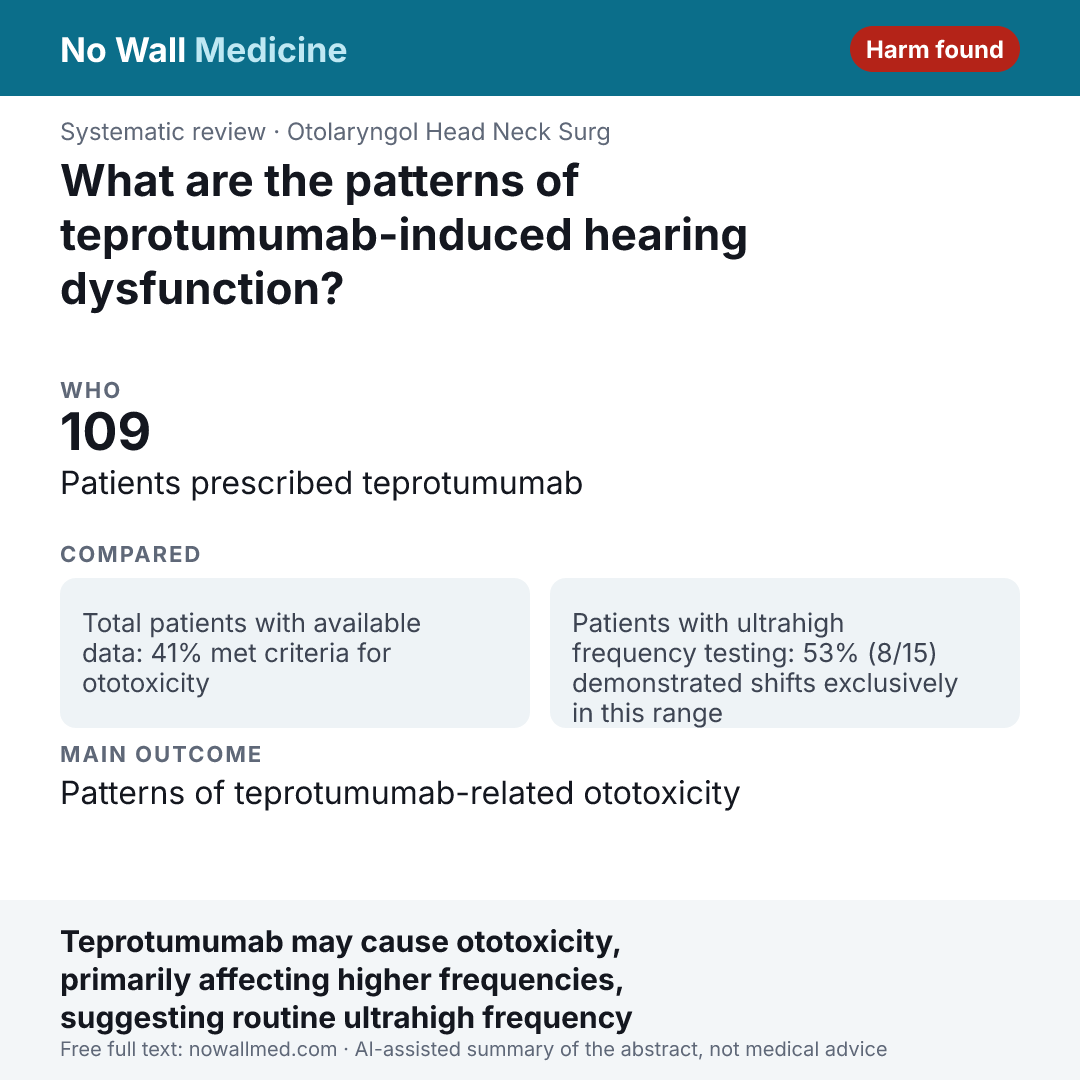
Patterns of Teprotumumab-Induced Hearing Dysfunction: A Systematic Review
Systematic reviewHarm found
What are the patterns of teprotumumab-induced hearing dysfunction?
Who
109
Patients prescribed teprotumumab
Compared
Total patients with available data: 41% met criteria for ototoxicity
Patients with ultrahigh frequency testing: 53% (8/15) demonstrated shifts exclusively in this range
Main outcome
Patterns of teprotumumab-related ototoxicity
Bottom line: Teprotumumab may cause ototoxicity, primarily affecting higher frequencies, suggesting routine ultrahigh frequency hearing screening may be warranted.
Limitation: The true incidence of ototoxicity remains unknown and more data is needed.
Otolaryngol Head Neck Surg · 2024-08-28 · Save PNG