Visual abstracts
New randomized trials and meta-analyses from leading journals at a glance: who was studied, what was compared, and what was found. Every paper is free to read in full.
All specialtiesCardiology 4763Oncology 4043Gastroenterology & Hepatology 1903Infectious Disease 3756Neurology 1872Psychiatry & Mental Health 2216Pulmonology 2044Critical Care 1319Endocrinology & Diabetes 2544Pediatrics 2889Surgery 2480Orthopedics & Sports Medicine 917Neurosurgery 525Cardiothoracic & Vascular Surgery 656Plastic & Reconstructive Surgery 574Nephrology 1107Rheumatology 810Hematology 1090Dermatology 611Ophthalmology 532Obstetrics & Gynecology 1645Public & Global Health 1037Radiology & Imaging 619Anesthesiology 958Urology 745ENT (Otolaryngology) 494Emergency Medicine 481Allergy & Immunology 309Geriatrics 972Family Medicine & Primary Care 534Medical Genetics & Genomics 659Pathology & Laboratory Medicine 156Physical Medicine & Rehabilitation 734Palliative Care 421Nutrition 1560Digital Health & AI 2137General Medicine 318
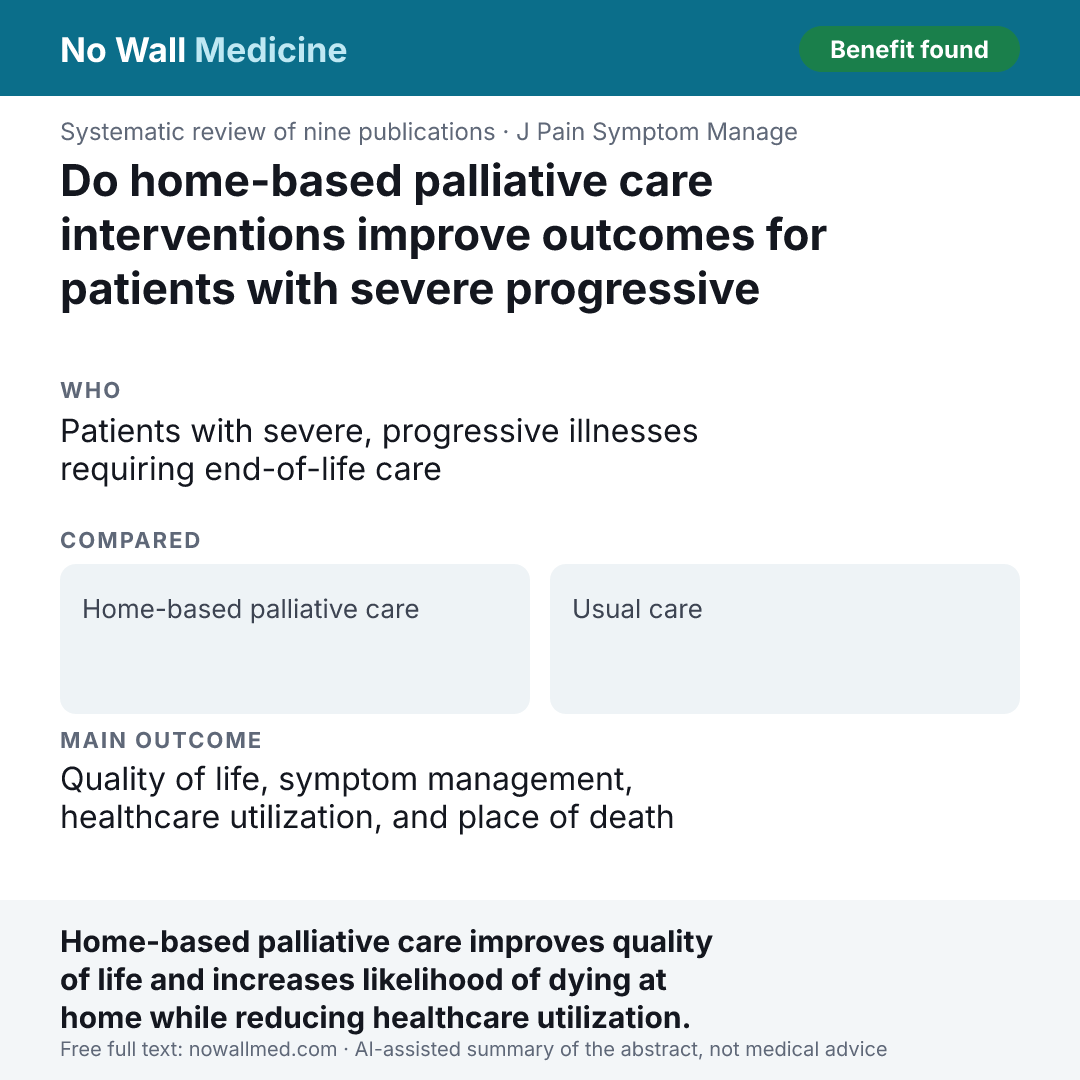
Enhancing End-of-Life Care With Home-Based Palliative Interventions: A Systematic Review
Systematic review of nine publicationsBenefit found
Do home-based palliative care interventions improve outcomes for patients with severe progressive illnesses?
Who
Patients with severe, progressive illnesses requiring end-of-life care
Compared
Home-based palliative care
Usual care
Main outcome
Quality of life, symptom management, healthcare utilization, and place of death
Bottom line: Home-based palliative care improves quality of life and increases likelihood of dying at home while reducing healthcare utilization.
J Pain Symptom Manage · 2024-08-03 · Save PNG
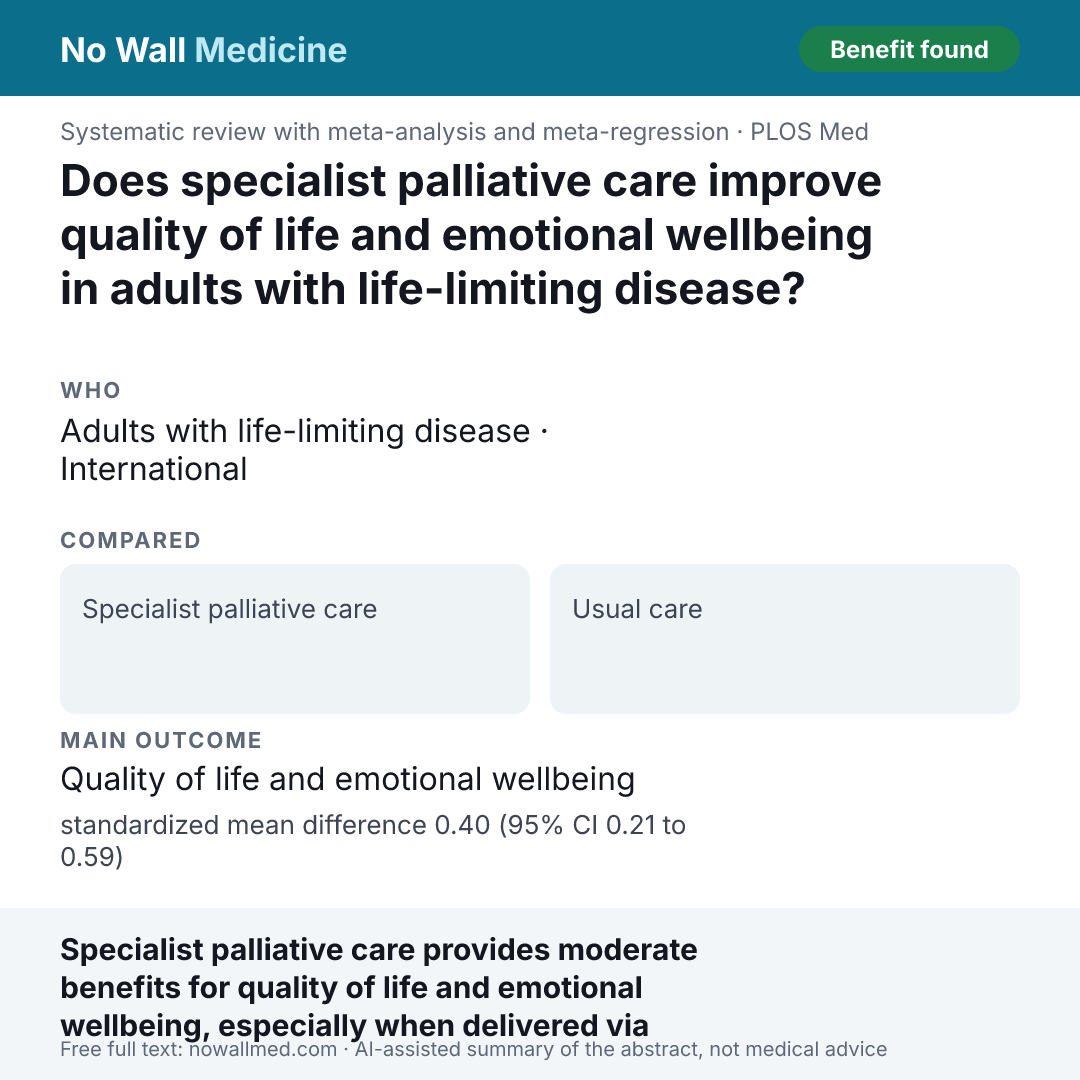
Benefits of specialist palliative care by identifying active ingredients of service composition, structure, and delivery model: A systematic review with meta-analysis and meta-regression
Systematic review with meta-analysis and meta-regressionBenefit found
Does specialist palliative care improve quality of life and emotional wellbeing in adults with life-limiting disease?
Who
Adults with life-limiting disease · International
Compared
Specialist palliative care
Usual care
Main outcome
Quality of life and emotional wellbeing
Result: standardized mean difference 0.40 (95% CI 0.21 to 0.59)
Bottom line: Specialist palliative care provides moderate benefits for quality of life and emotional wellbeing, especially when delivered via multidisciplinary models.
Limitation: Minimally clinically important difference effect sizes may be biased by relying on non-palliative care samples.
PLOS Med · 2024-08-02 · Save PNG
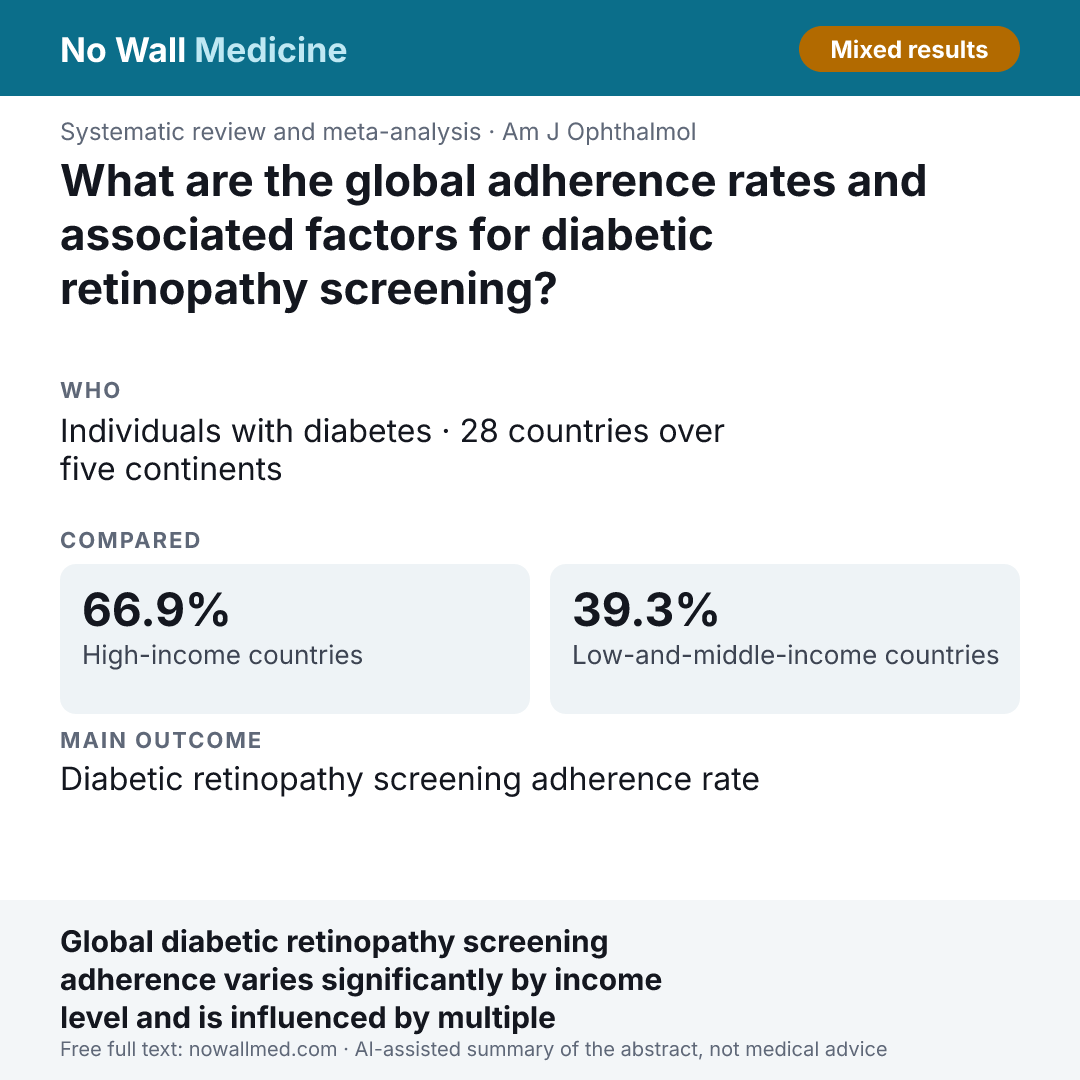
Factors Affecting Global Adherence for the Uptake of Diabetic Retinopathy Screening: A Systematic Review and Meta-Analysis
Systematic review and meta-analysisMixed results
What are the global adherence rates and associated factors for diabetic retinopathy screening?
Who
Individuals with diabetes · 28 countries over five continents
Compared
66.9%High-income countries
39.3%Low-and-middle-income countries
Main outcome
Diabetic retinopathy screening adherence rate
Bottom line: Global diabetic retinopathy screening adherence varies significantly by income level and is influenced by multiple sociodemographic and clinical factors.
Am J Ophthalmol · 2024-08-02 · Save PNG
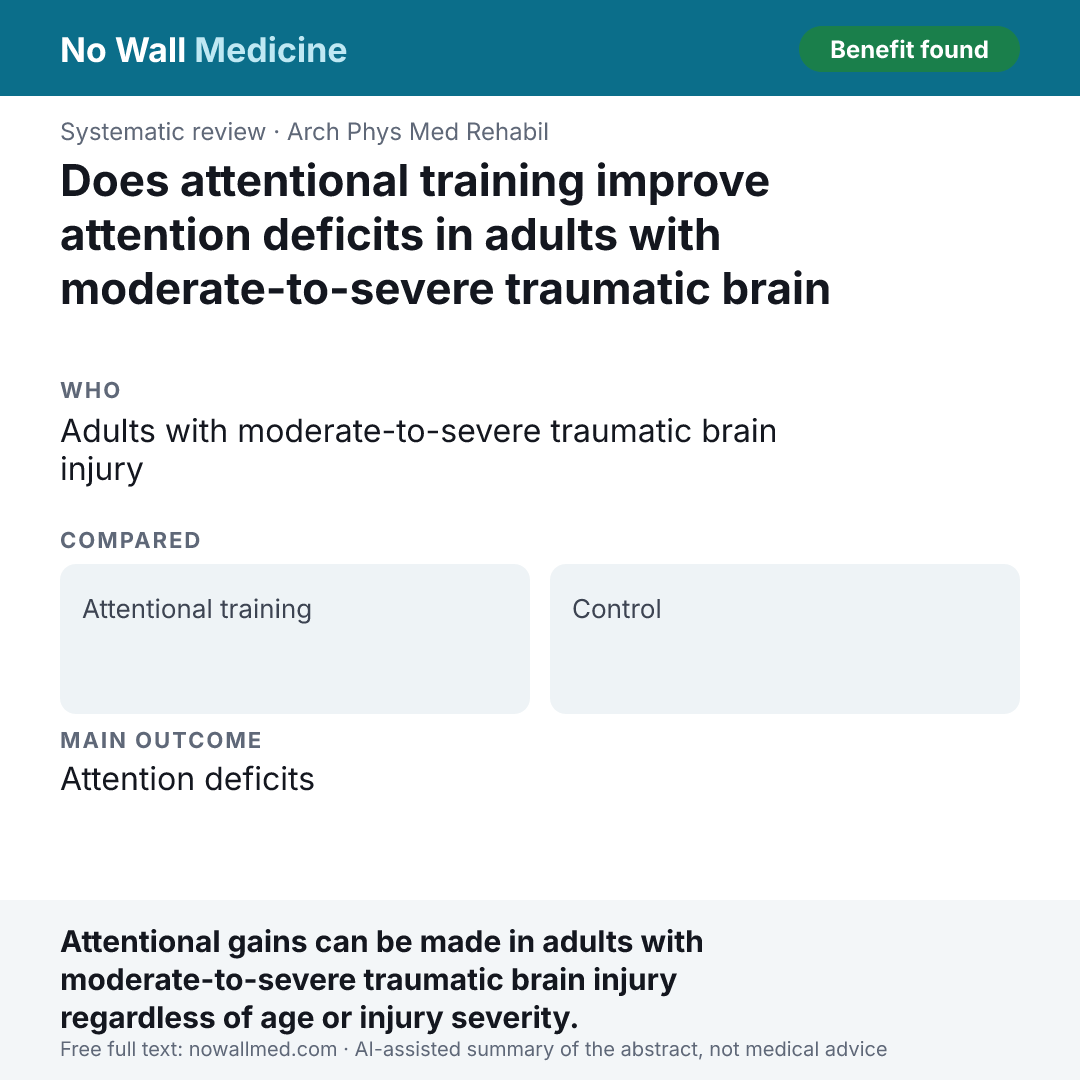
Attention Training After Moderate-to-Severe Traumatic Brain Injury in Adults: A Systematic Review
Systematic reviewBenefit found
Does attentional training improve attention deficits in adults with moderate-to-severe traumatic brain injury?
Who
Adults with moderate-to-severe traumatic brain injury
Compared
Attentional training
Control
Main outcome
Attention deficits
Bottom line: Attentional gains can be made in adults with moderate-to-severe traumatic brain injury regardless of age or injury severity.
Limitation: Limited evidence supporting the ecological validity and transfer of treatment effects to daily activities.
Arch Phys Med Rehabil · 2024-08-02 · Save PNG
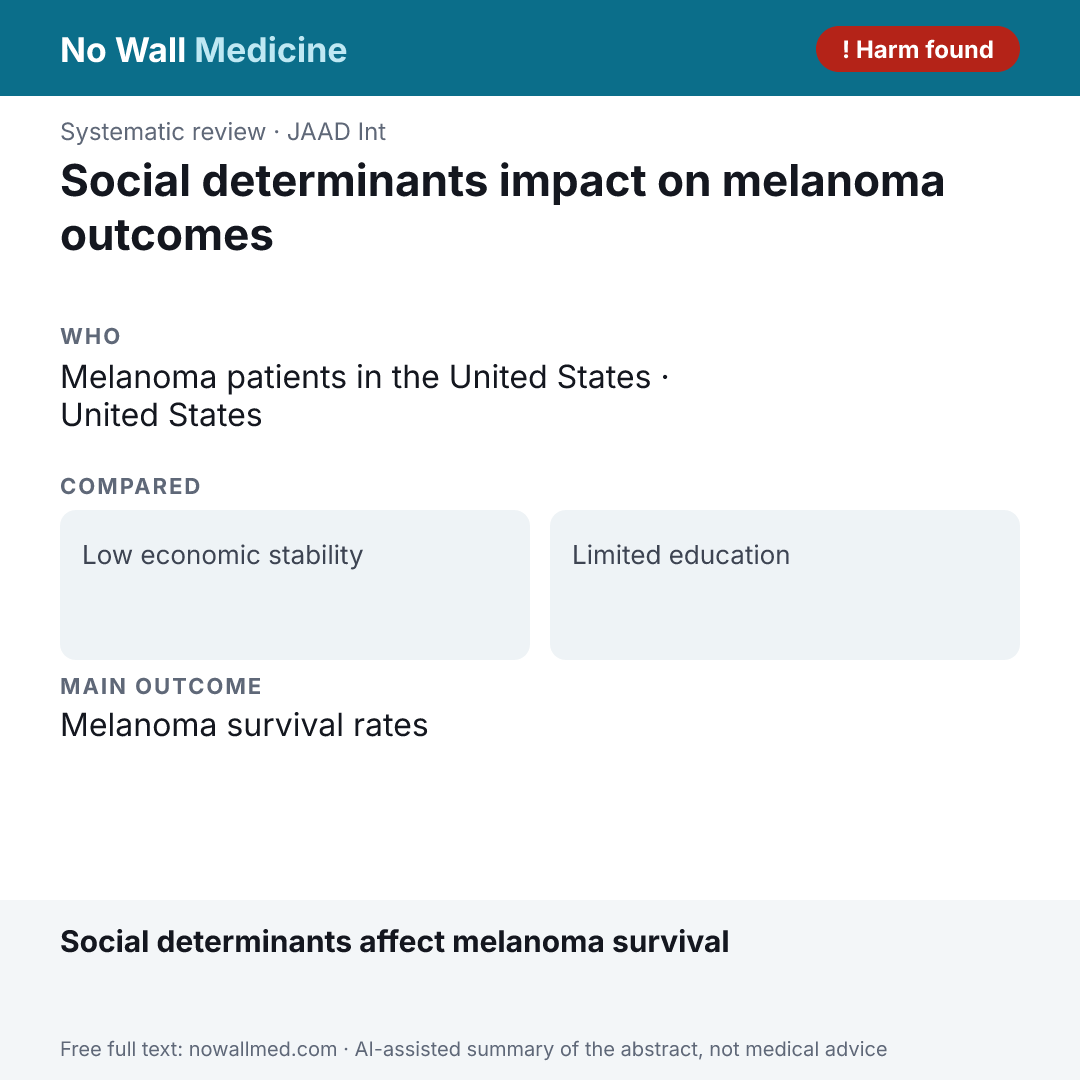
The intersection of melanoma survival and social determinants of health in the United States: A systematic review
Systematic reviewHarm found
Social determinants impact on melanoma outcomes
Who
Melanoma patients in the United States · United States
Compared
Low economic stability
Limited education
Main outcome
Melanoma survival rates
Bottom line: Social determinants affect melanoma survival
Limitation: Many SDoH not analyzed at patient level
JAAD Int · 2024-08-02 · Save PNG
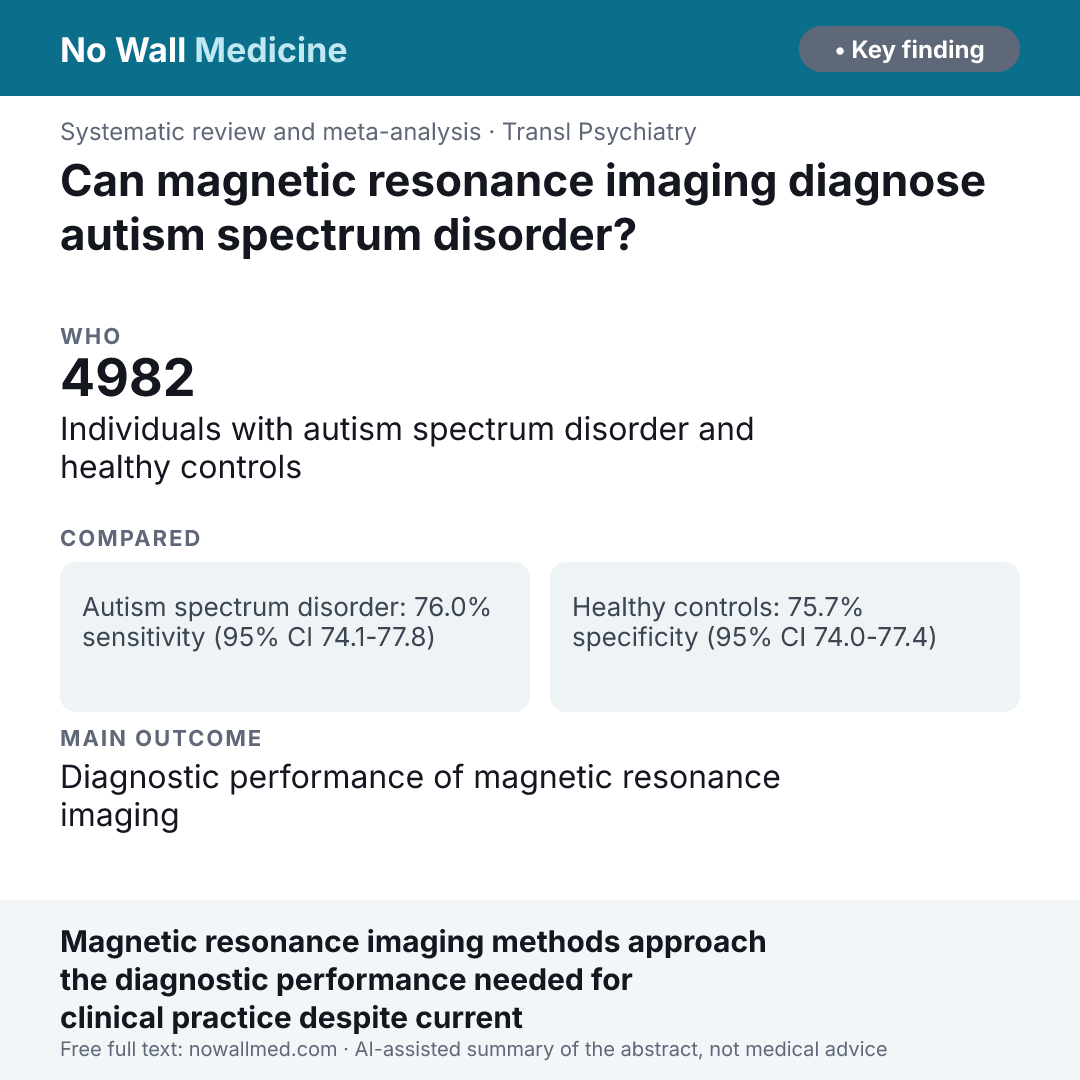
The diagnosis of ASD with MRI: a systematic review and meta-analysis
Systematic review and meta-analysisKey finding
Can magnetic resonance imaging diagnose autism spectrum disorder?
Who
4982
Individuals with autism spectrum disorder and healthy controls
Compared
Autism spectrum disorder: 76.0% sensitivity (95% CI 74.1-77.8)
Healthy controls: 75.7% specificity (95% CI 74.0-77.4)
Main outcome
Diagnostic performance of magnetic resonance imaging
Result: area under curve 0.823
Bottom line: Magnetic resonance imaging methods approach the diagnostic performance needed for clinical practice despite current limitations.
Limitation: Heterogeneity and uncertainty about the generalization of diagnostic performance.
Transl Psychiatry · 2024-08-02 · Save PNG
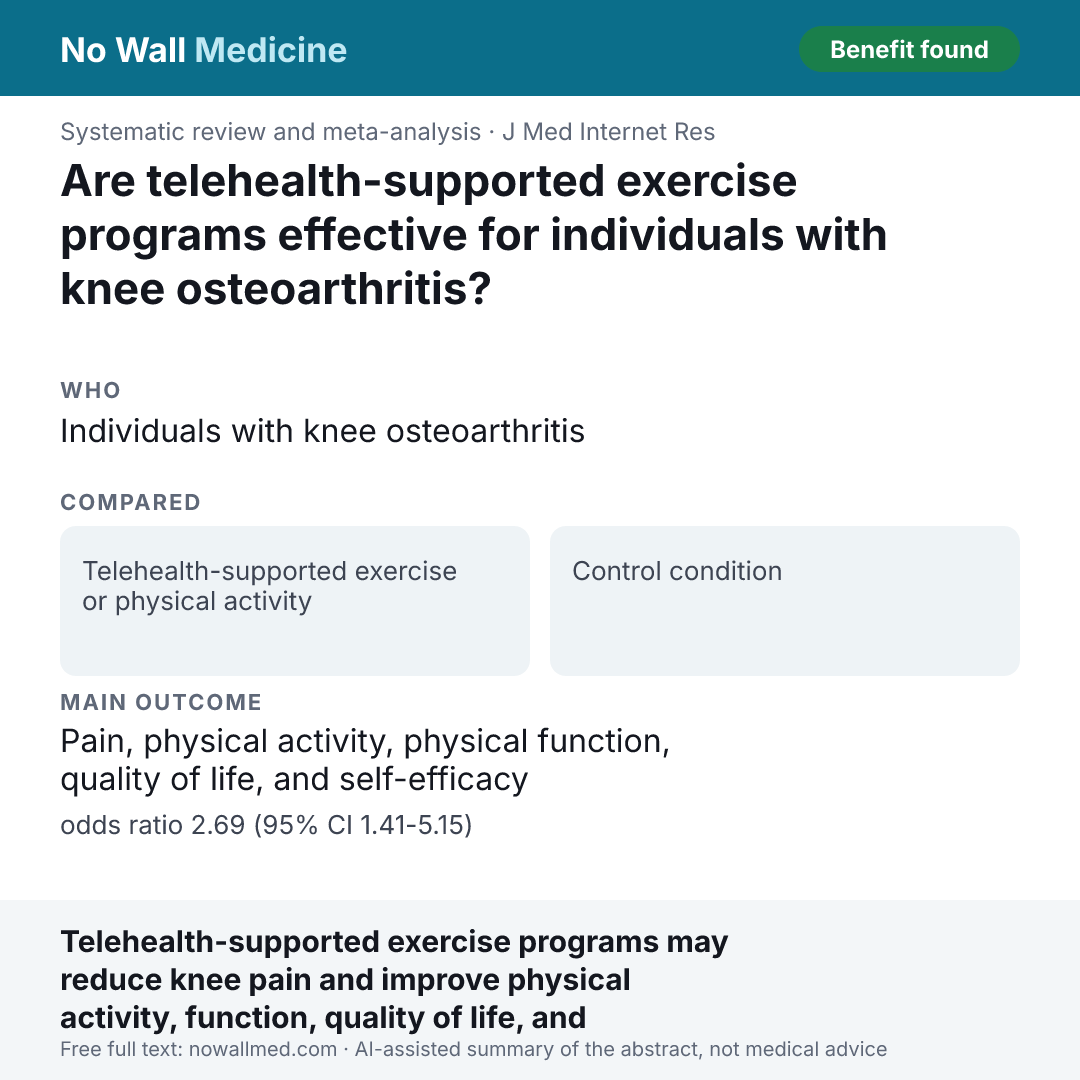
Telehealth-Supported Exercise or Physical Activity Programs for Knee Osteoarthritis: Systematic Review and Meta-Analysis
Systematic review and meta-analysisBenefit found
Are telehealth-supported exercise programs effective for individuals with knee osteoarthritis?
Who
Individuals with knee osteoarthritis
Compared
Telehealth-supported exercise or physical activity
Control condition
Main outcome
Pain, physical activity, physical function, quality of life, and self-efficacy
Result: odds ratio 2.69 (95% CI 1.41-5.15)
Bottom line: Telehealth-supported exercise programs may reduce knee pain and improve physical activity, function, quality of life, and global improvement.
Limitation: Future research should consider longer implementation durations and assess feasibility of incorporating wearables.
J Med Internet Res · 2024-08-02 · Save PNG
Implementing AI in Hospitals to Achieve a Learning Health System: Systematic Review of Current Enablers and Barriers
Systematic literature reviewMixed results
What are the enablers and barriers to implementing artificial intelligence in hospital settings?
Who
Studies on artificial intelligence implementation in hospital settings · Hospital settings
Compared
65%Studies implementing AI analytics (17/26)
35%Studies providing implementation guidelines (9/26)
Main outcome
Enablers and barriers to real-world artificial intelligence implementation
Bottom line: Implementing artificial intelligence in hospitals involves 28 enablers and 18 barriers, primarily related to information and technology.
J Med Internet Res · 2024-08-02 · Save PNG

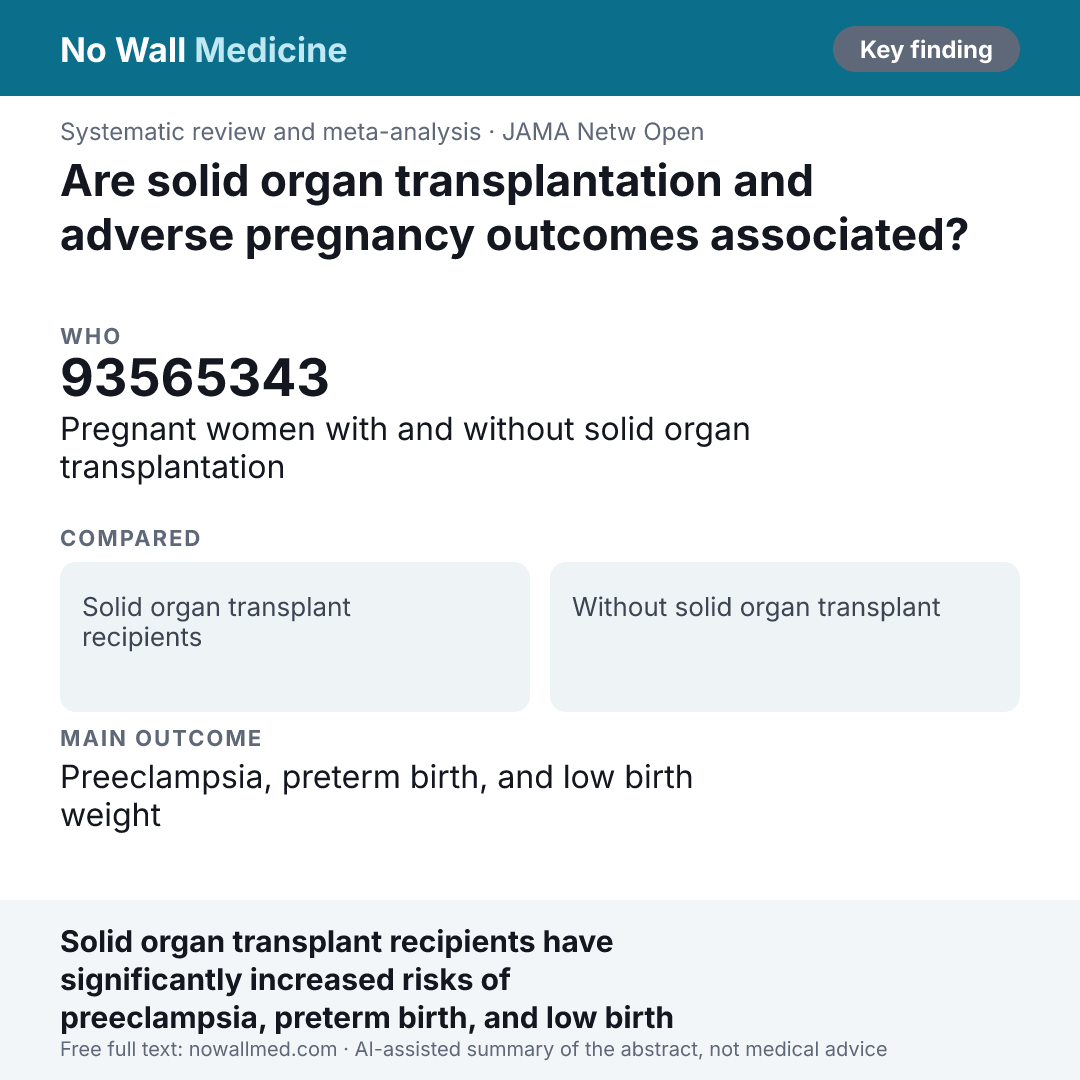
Adverse Pregnancy Outcomes in Solid Organ Transplant Recipients: A Systematic Review and Meta-Analysis
Systematic review and meta-analysisKey finding
Are solid organ transplantation and adverse pregnancy outcomes associated?
Who
93565343
Pregnant women with and without solid organ transplantation
Compared
Solid organ transplant recipients
Without solid organ transplant
Main outcome
Preeclampsia, preterm birth, and low birth weight
Result: adjusted odds ratio 5.83 (95% CI 3.45-9.87) for preeclampsia
Bottom line: Solid organ transplant recipients have significantly increased risks of preeclampsia, preterm birth, and low birth weight.
JAMA Netw Open · 2024-08-01 · Save PNG
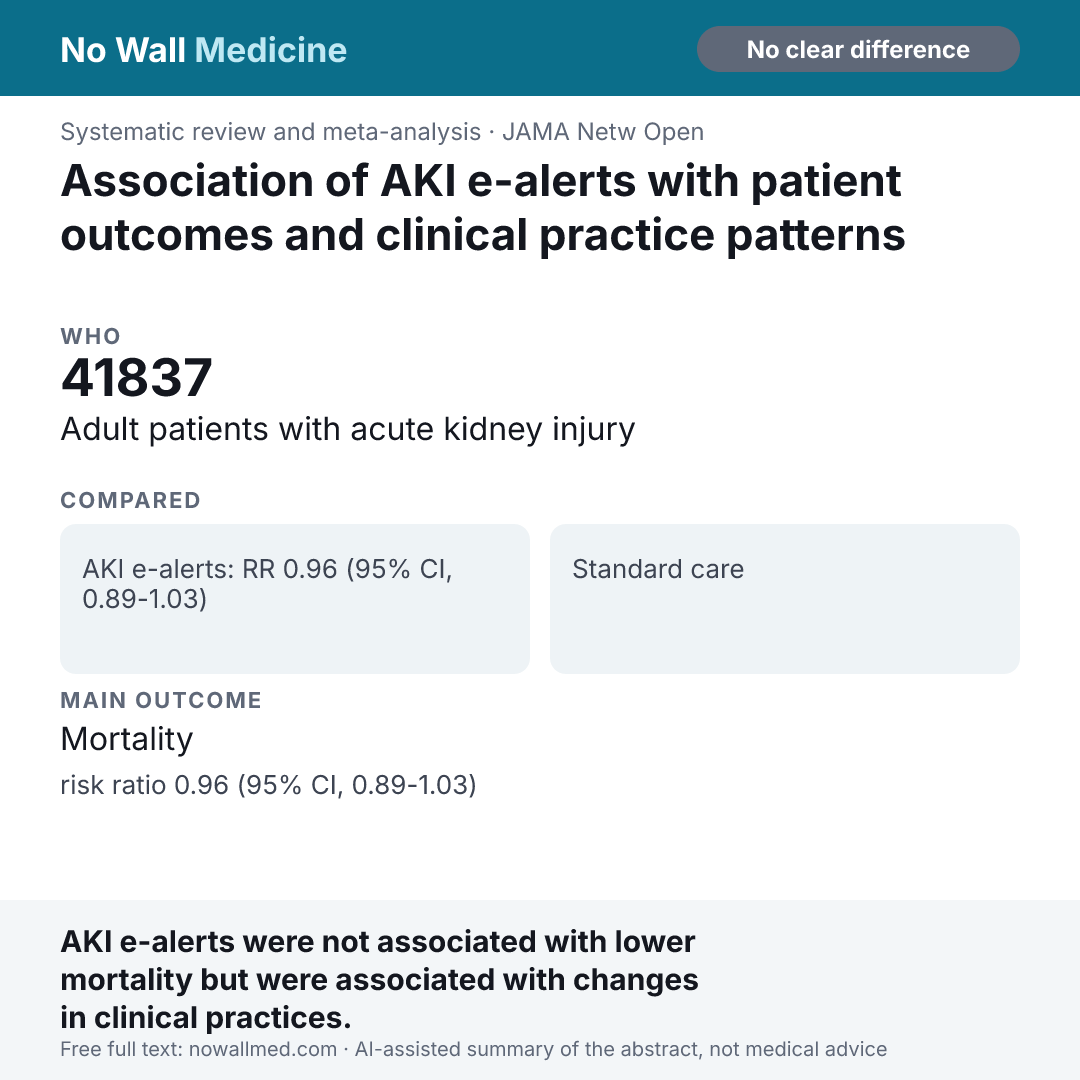
Electronic Alert Systems for Patients With Acute Kidney Injury: A Systematic Review and Meta-Analysis
Systematic review and meta-analysisNo clear difference
Association of AKI e-alerts with patient outcomes and clinical practice patterns
Who
41837
Adult patients with acute kidney injury
Compared
AKI e-alerts: RR 0.96 (95% CI, 0.89-1.03)
Standard care
Main outcome
Mortality
Result: risk ratio 0.96 (95% CI, 0.89-1.03)
Bottom line: AKI e-alerts were not associated with lower mortality but were associated with changes in clinical practices.
Limitation: Further research is needed to confirm these results
JAMA Netw Open · 2024-08-01 · Save PNG
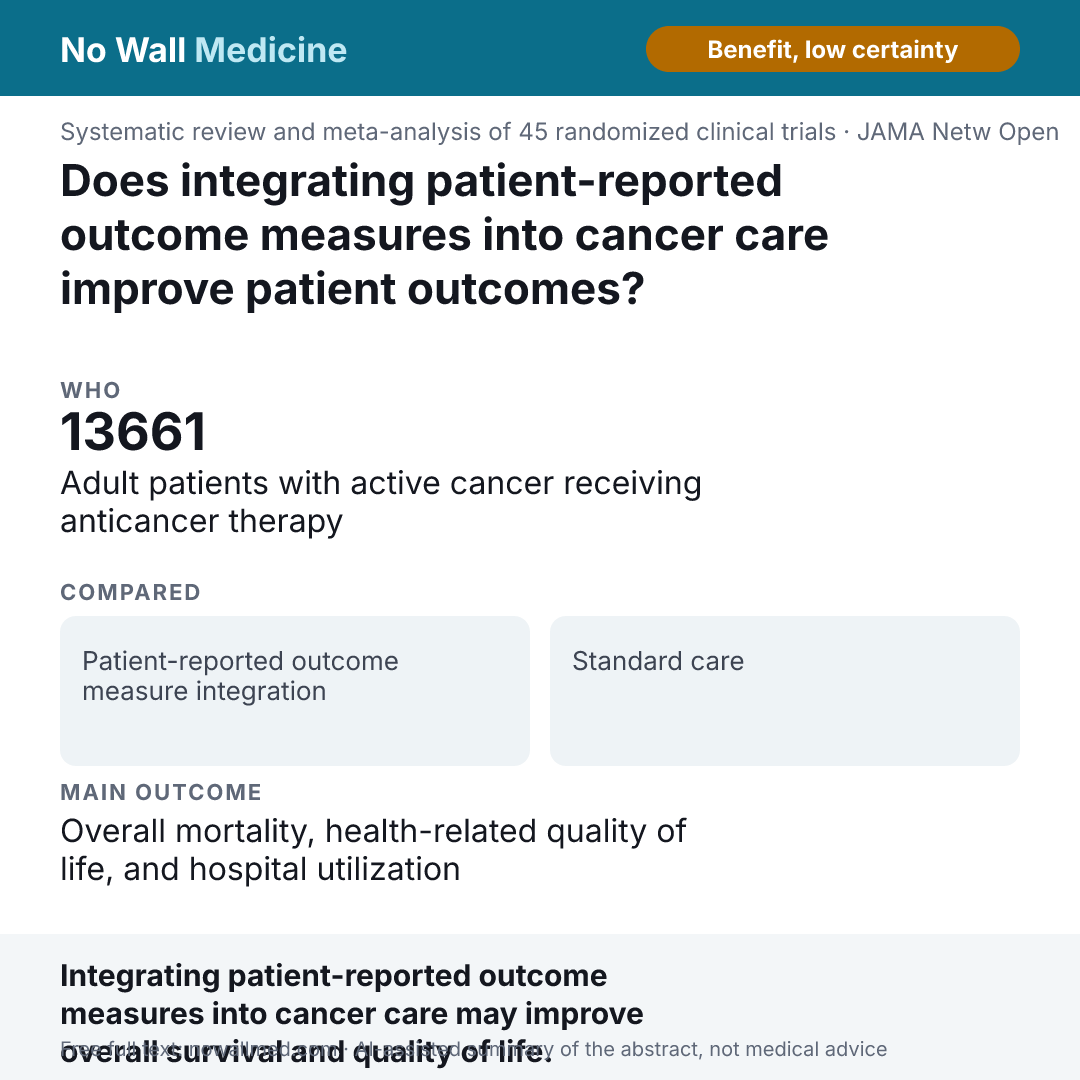
Patient-Reported Outcome Measures in Cancer Care: An Updated Systematic Review and Meta-Analysis
Systematic review and meta-analysis of 45 randomized clinical trialsBenefit, low certainty
Does integrating patient-reported outcome measures into cancer care improve patient outcomes?
Who
13661
Adult patients with active cancer receiving anticancer therapy
Compared
Patient-reported outcome measure integration
Standard care
Main outcome
Overall mortality, health-related quality of life, and hospital utilization
Result: hazard ratio 0.84 (95% CI, 0.72-0.98)
Bottom line: Integrating patient-reported outcome measures into cancer care may improve overall survival and quality of life.
JAMA Netw Open · 2024-08-01 · Save PNG
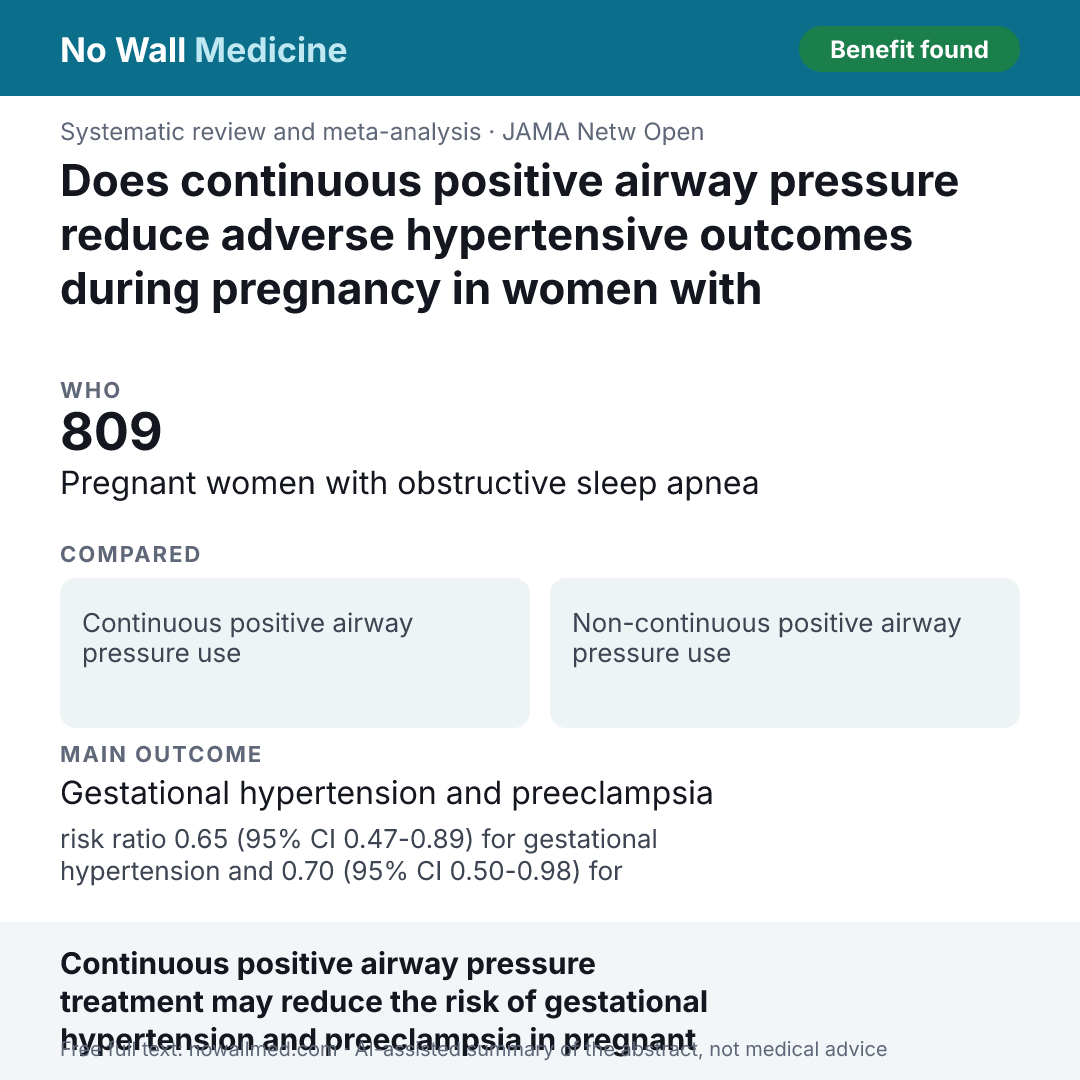
Continuous Positive Airway Pressure Treatment and Hypertensive Adverse Outcomes in Pregnancy: A Systematic Review and Meta-Analysis
Systematic review and meta-analysisBenefit found
Does continuous positive airway pressure reduce adverse hypertensive outcomes during pregnancy in women with obstructive sleep apnea?
Who
809
Pregnant women with obstructive sleep apnea
Compared
Continuous positive airway pressure use
Non-continuous positive airway pressure use
Main outcome
Gestational hypertension and preeclampsia
Result: risk ratio 0.65 (95% CI 0.47-0.89) for gestational hypertension and 0.70 (95% CI 0.50-0.98) for preeclampsia
Bottom line: Continuous positive airway pressure treatment may reduce the risk of gestational hypertension and preeclampsia in pregnant women with obstructive sleep apnea.
JAMA Netw Open · 2024-08-01 · Save PNG
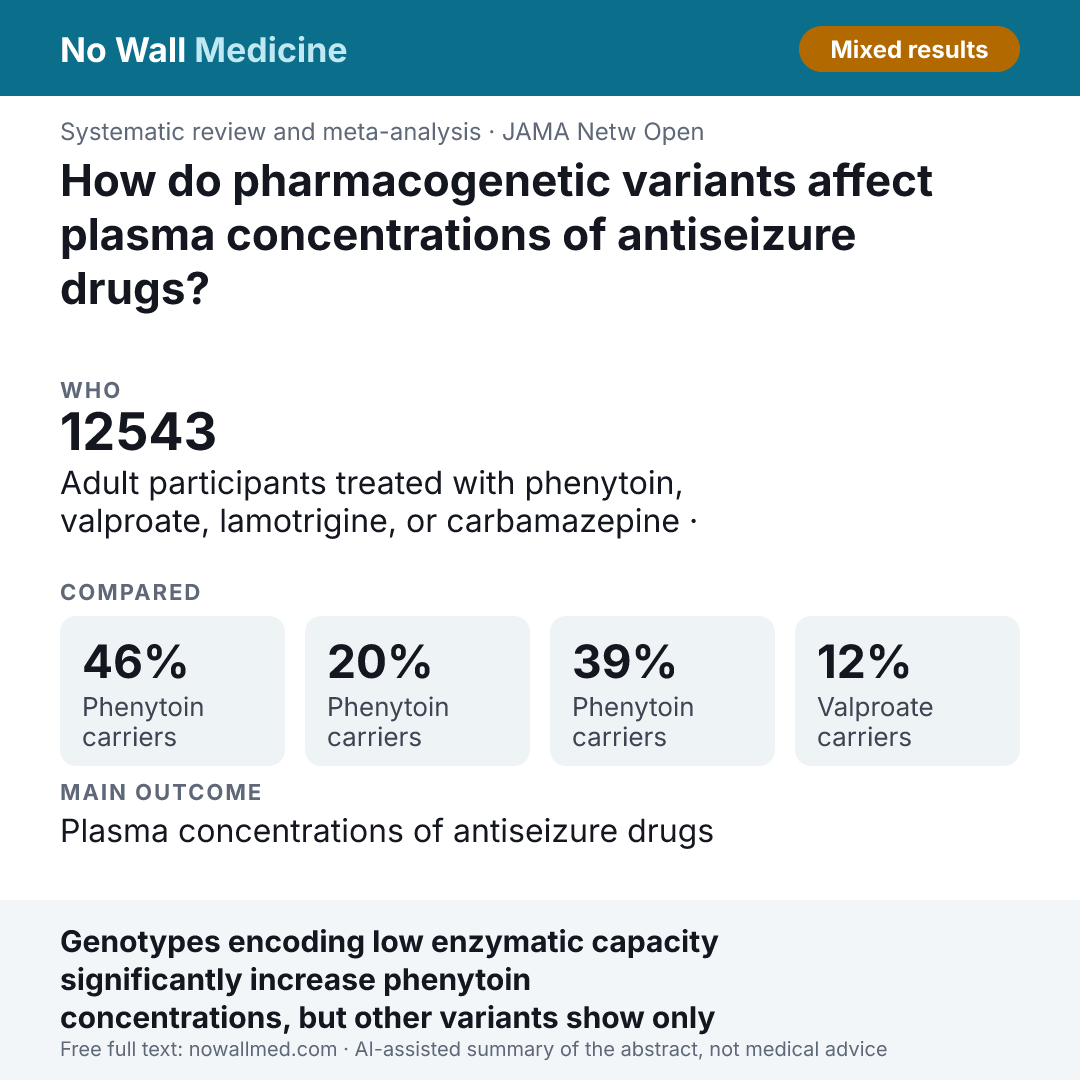
Pharmacogenetic Variants and Plasma Concentrations of Antiseizure Drugs: A Systematic Review and Meta-Analysis
Systematic review and meta-analysisMixed results
How do pharmacogenetic variants affect plasma concentrations of antiseizure drugs?
Who
12543
Adult participants treated with phenytoin, valproate, lamotrigine, or carbamazepine · East Asian and White or European cohorts
Compared
46%Phenytoin carriers (CYP2C9 intermediate) (95% CI, 33%-61%)
20%Phenytoin carriers (CYP2C19 intermediate) (95% CI, 17%-30%)
39%Phenytoin carriers (CYP2C19 poor) (95% CI, 24%-56%)
12%Valproate carriers (CYP2C9 intermediate) (95% CI, 4%-20%)
Main outcome
Plasma concentrations of antiseizure drugs
Bottom line: Genotypes encoding low enzymatic capacity significantly increase phenytoin concentrations, but other variants show only marginal clinical relevance.
JAMA Netw Open · 2024-08-01 · Save PNG
Global Case Fatality of Bacterial Meningitis During an 80-Year Period: A Systematic Review and Meta-Analysis
Systematic review and meta-analysisBenefit found
What are the worldwide pathogen distribution and case fatality ratios of community-acquired bacterial meningitis?
Who
157656
Patients with community-acquired bacterial meningitis · 108 countries
Compared
32%Before 1961 (95% CI, 24%-40%)
15%After 2010 (95% CI, 12%-19%)
Main outcome
Case fatality ratios of bacterial meningitis
Result: 18% (95% CI, 16%-19%)
Bottom line: Case fatality ratios of community-acquired bacterial meningitis have declined significantly from 1935 to 2019.
JAMA Netw Open · 2024-08-01 · Save PNG

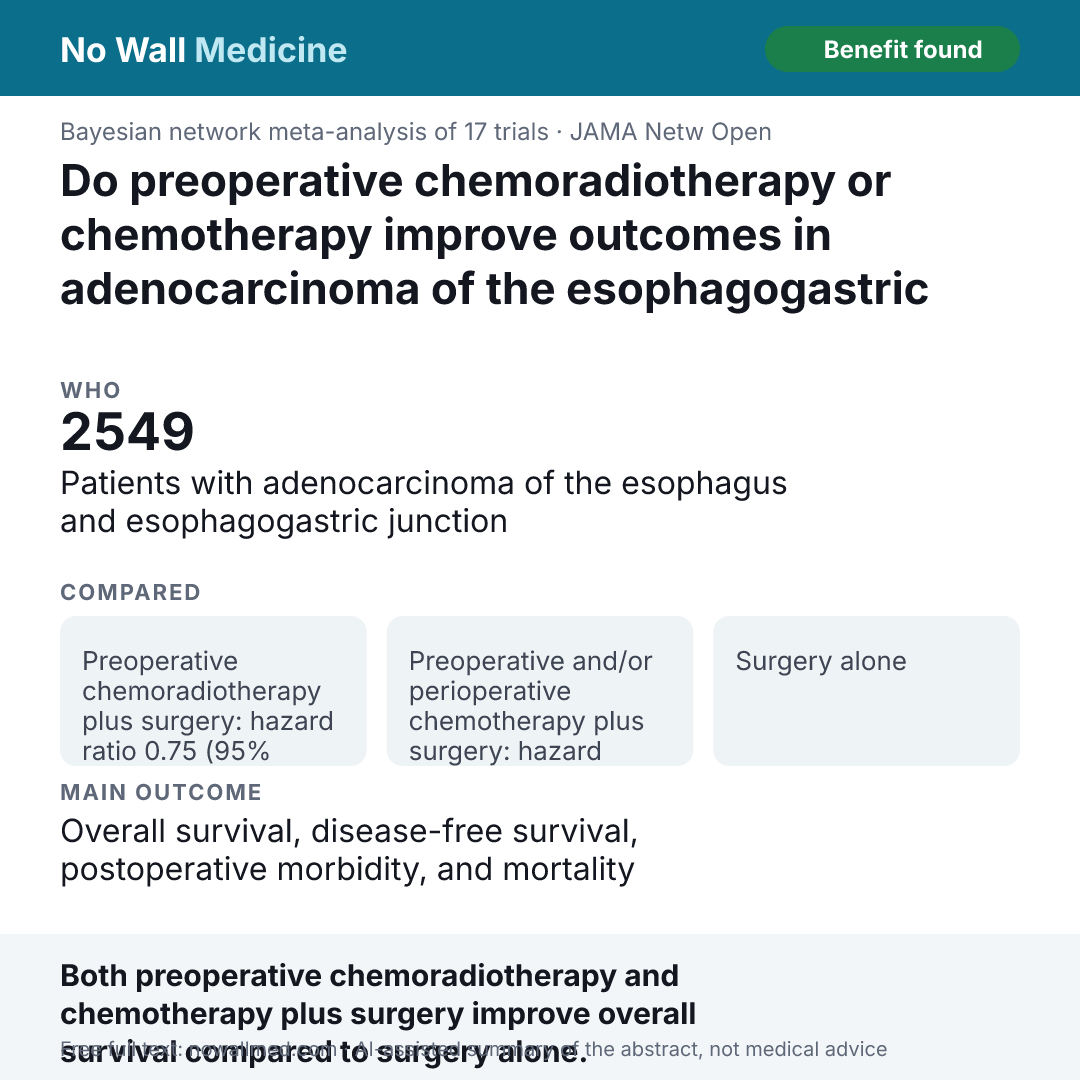
Preoperative Chemoradiotherapy vs Chemotherapy for Adenocarcinoma of the Esophagogastric Junction: A Network Meta-Analysis
Bayesian network meta-analysis of 17 trialsBenefit found
Do preoperative chemoradiotherapy or chemotherapy improve outcomes in adenocarcinoma of the esophagogastric junction?
Who
2549
Patients with adenocarcinoma of the esophagus and esophagogastric junction
Compared
Preoperative chemoradiotherapy plus surgery: hazard ratio 0.75 (95% credible interval 0.62-0.90)
Preoperative and/or perioperative chemotherapy plus surgery: hazard ratio 0.78 (95% credible interval 0.64-0.91)
Surgery alone
Main outcome
Overall survival, disease-free survival, postoperative morbidity, and mortality
Result: hazard ratio 1.04 (95% credible interval 0.83-1.28)
Bottom line: Both preoperative chemoradiotherapy and chemotherapy plus surgery improve overall survival compared to surgery alone.
JAMA Netw Open · 2024-08-01 · Save PNG
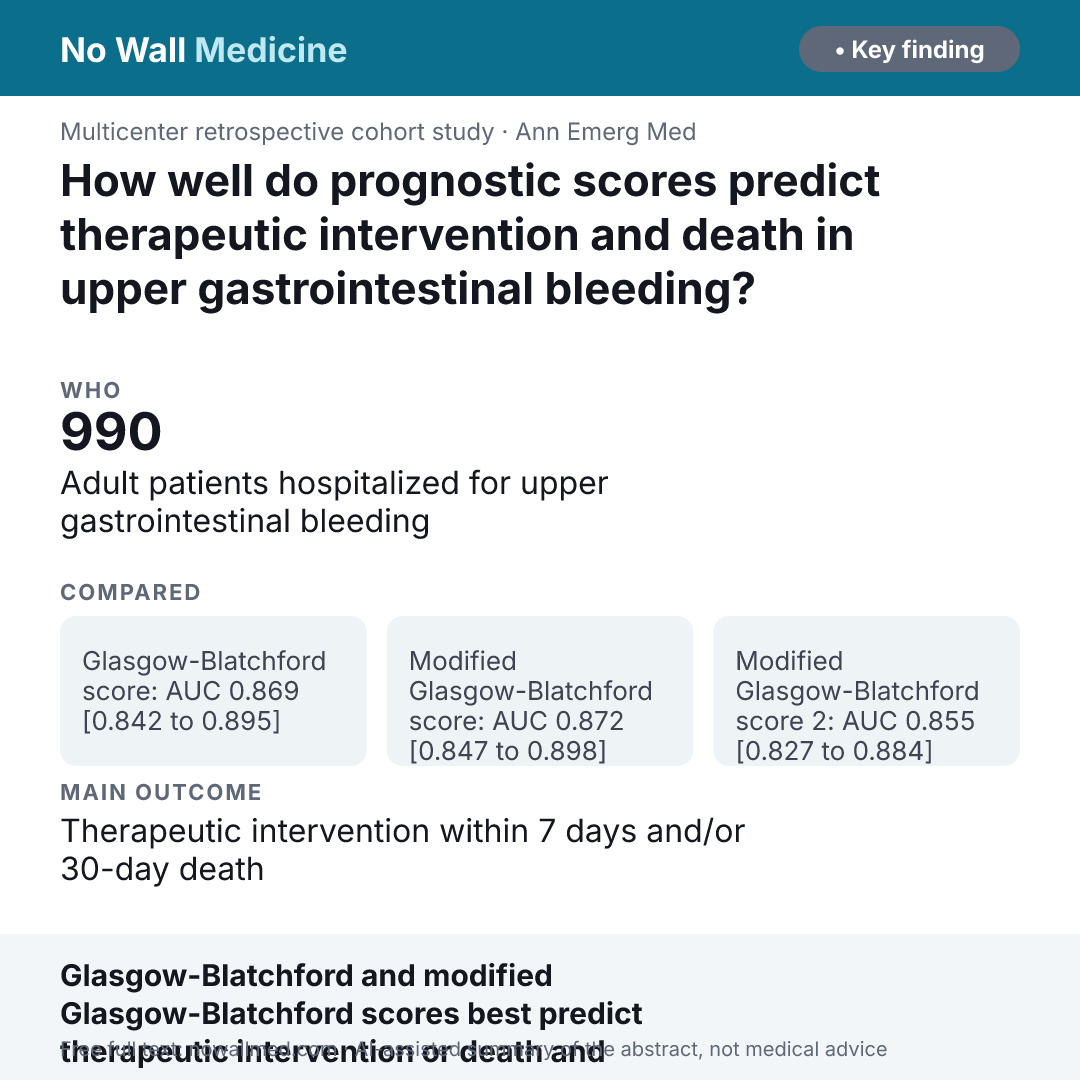
Assessment of Prognostic Scores for Emergency Department Patients With Upper Gastrointestinal Bleeding
Multicenter retrospective cohort studyKey finding
How well do prognostic scores predict therapeutic intervention and death in upper gastrointestinal bleeding?
Who
990
Adult patients hospitalized for upper gastrointestinal bleeding
Compared
Glasgow-Blatchford score: AUC 0.869 [0.842 to 0.895]
Modified Glasgow-Blatchford score: AUC 0.872 [0.847 to 0.898]
Modified Glasgow-Blatchford score 2: AUC 0.855 [0.827 to 0.884]
Main outcome
Therapeutic intervention within 7 days and/or 30-day death
Bottom line: Glasgow-Blatchford and modified Glasgow-Blatchford scores best predict therapeutic intervention or death and identify low-risk patients.
Ann Emerg Med · 2024-08-01 · Save PNG
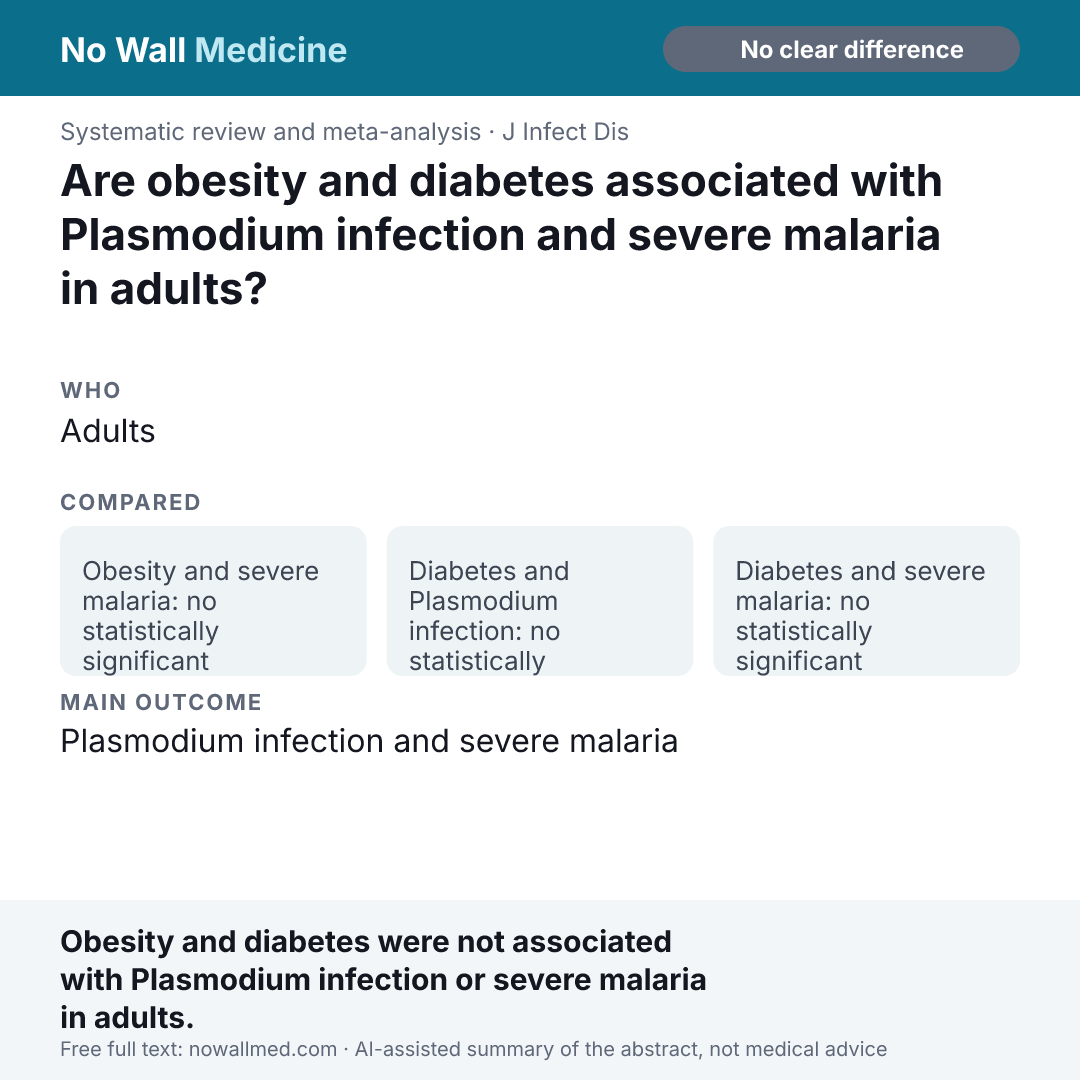
Obesity, Diabetes, Plasmodium Infection, and Severe Malaria in Adults: A Systematic Review and Meta-analysis
Systematic review and meta-analysisNo clear difference
Are obesity and diabetes associated with Plasmodium infection and severe malaria in adults?
Who
Adults
Compared
Obesity and severe malaria: no statistically significant relationship
Diabetes and Plasmodium infection: no statistically significant relationship
Diabetes and severe malaria: no statistically significant relationship
Main outcome
Plasmodium infection and severe malaria
Bottom line: Obesity and diabetes were not associated with Plasmodium infection or severe malaria in adults.
J Infect Dis · 2024-08-01 · Save PNG
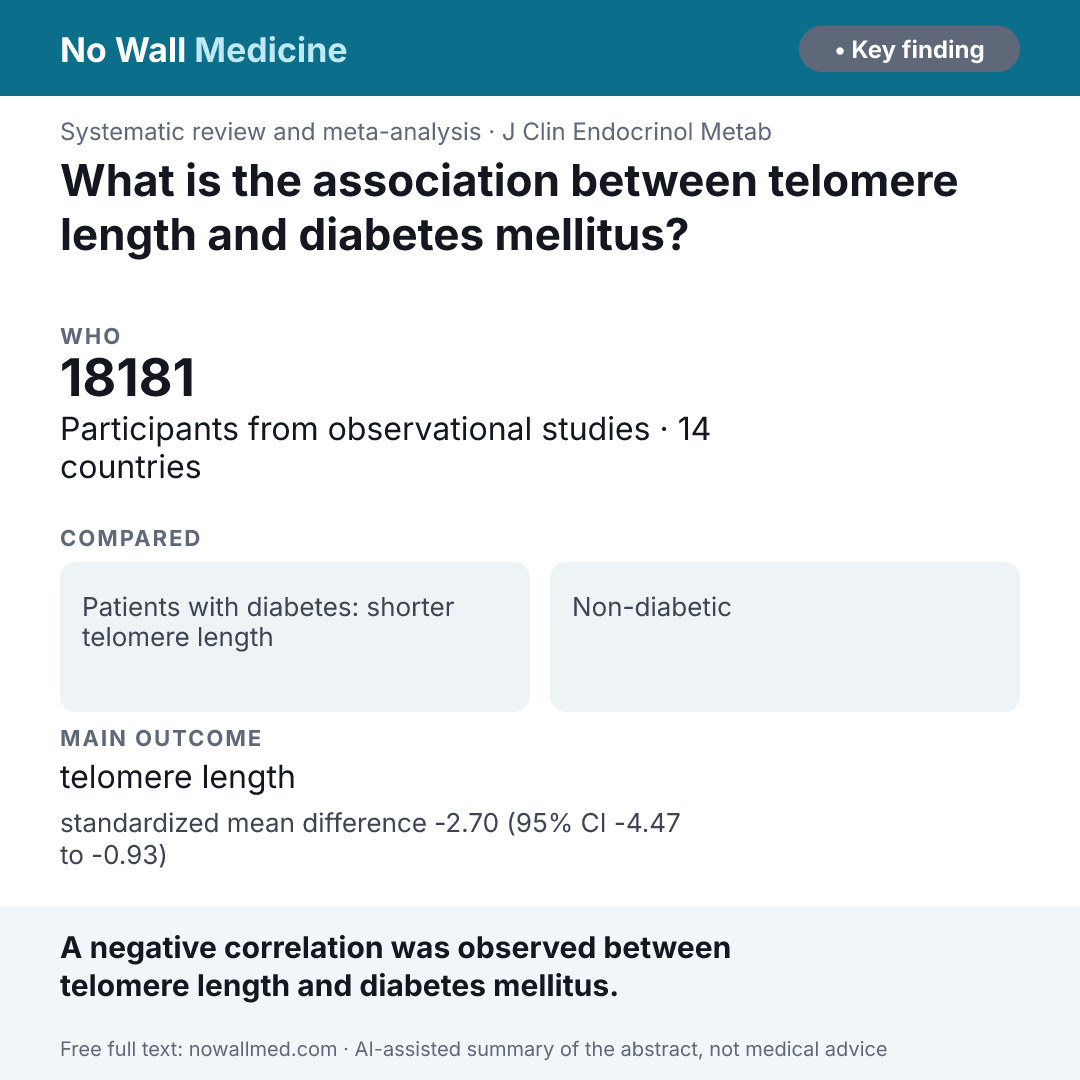
The Association Between Telomere Length and Diabetes Mellitus: Accumulated Evidence From Observational Studies
Systematic review and meta-analysisKey finding
What is the association between telomere length and diabetes mellitus?
Who
18181
Participants from observational studies · 14 countries
Compared
Patients with diabetes: shorter telomere length
Non-diabetic
Main outcome
telomere length
Result: standardized mean difference -2.70 (95% CI -4.47 to -0.93)
Bottom line: A negative correlation was observed between telomere length and diabetes mellitus.
J Clin Endocrinol Metab · 2024-08-01 · Save PNG
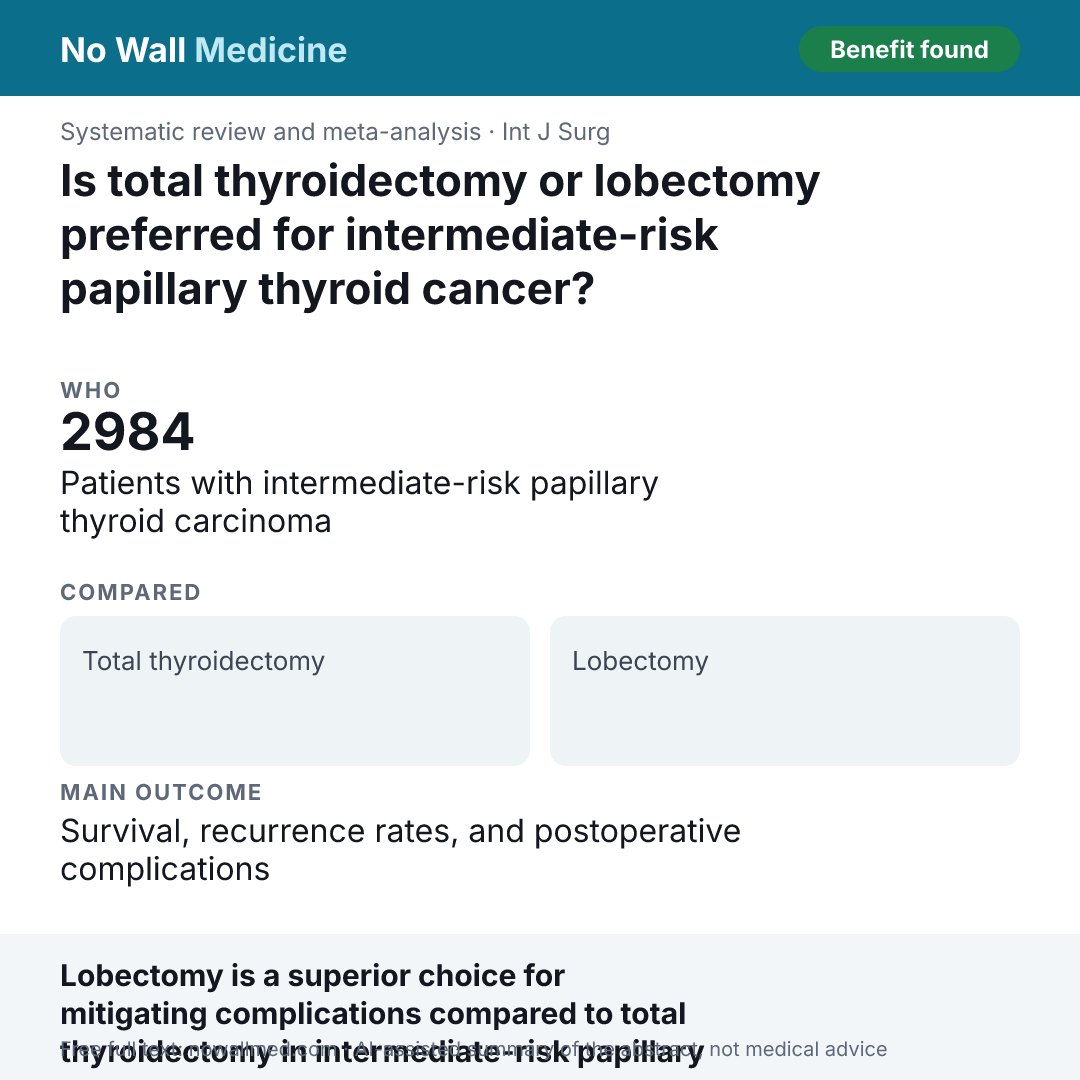
The preferred surgical choice for intermediate-risk papillary thyroid cancer: total thyroidectomy or lobectomy? A systematic review and meta-analysis
Systematic review and meta-analysisBenefit found
Is total thyroidectomy or lobectomy preferred for intermediate-risk papillary thyroid cancer?
Who
2984
Patients with intermediate-risk papillary thyroid carcinoma
Compared
Total thyroidectomy
Lobectomy
Main outcome
Survival, recurrence rates, and postoperative complications
Result: risk ratio 0.32 (95% CI 0.24-0.44)
Bottom line: Lobectomy is a superior choice for mitigating complications compared to total thyroidectomy in intermediate-risk papillary thyroid cancer.
Int J Surg · 2024-08-01 · Save PNG
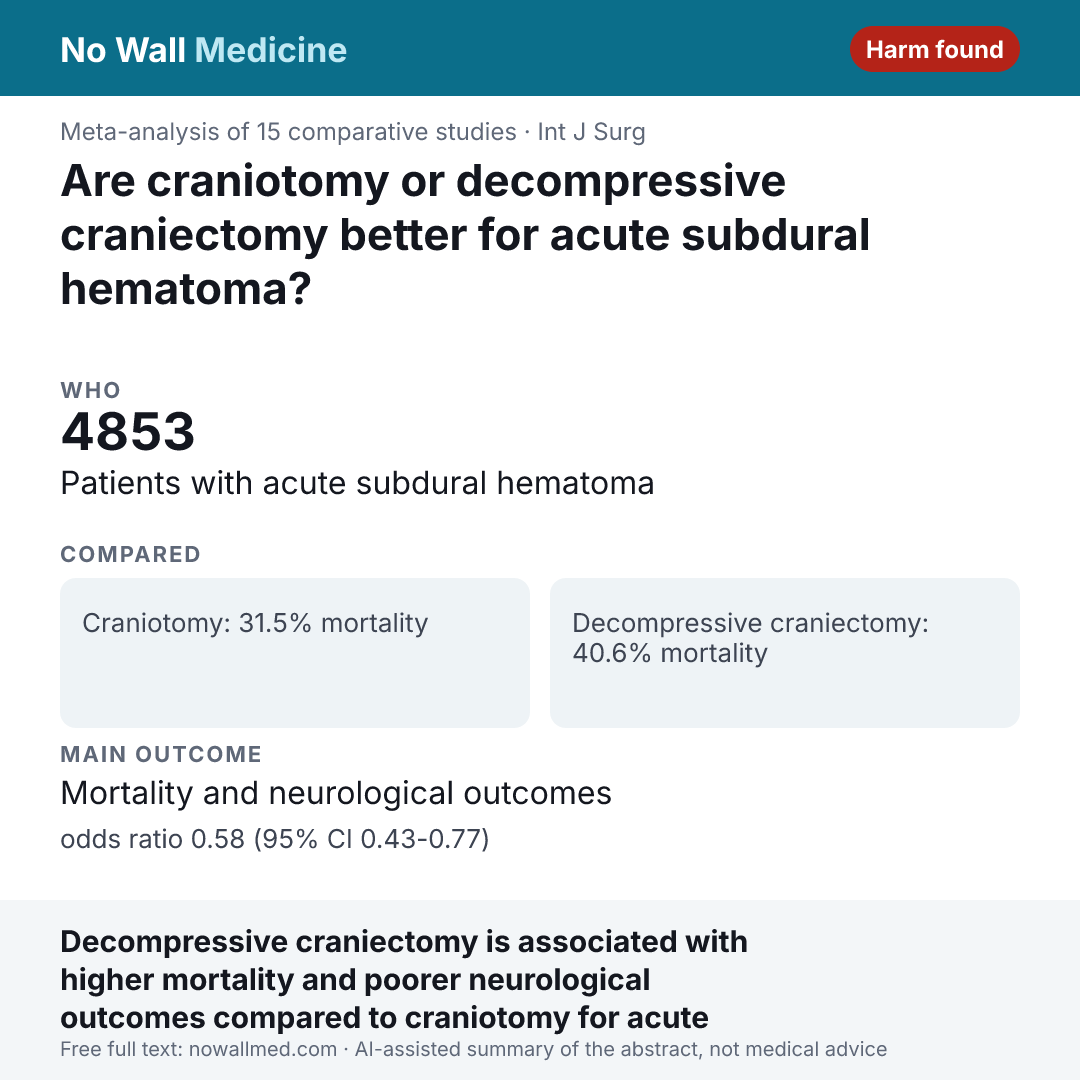
Comparison of craniotomy and decompressive craniectomy for acute subdural hematoma: a meta-analysis of comparative study
Meta-analysis of 15 comparative studiesHarm found
Are craniotomy or decompressive craniectomy better for acute subdural hematoma?
Who
4853
Patients with acute subdural hematoma
Compared
Craniotomy: 31.5% mortality
Decompressive craniectomy: 40.6% mortality
Main outcome
Mortality and neurological outcomes
Result: odds ratio 0.58 (95% CI 0.43-0.77)
Bottom line: Decompressive craniectomy is associated with higher mortality and poorer neurological outcomes compared to craniotomy for acute subdural hematoma.
Int J Surg · 2024-08-01 · Save PNG