Visual abstracts
New randomized trials and meta-analyses from leading journals at a glance: who was studied, what was compared, and what was found. Every paper is free to read in full.
All specialtiesCardiology 4765Oncology 4048Gastroenterology & Hepatology 1906Infectious Disease 3759Neurology 1874Psychiatry & Mental Health 2217Pulmonology 2046Critical Care 1323Endocrinology & Diabetes 2545Pediatrics 2891Surgery 2482Orthopedics & Sports Medicine 917Neurosurgery 526Cardiothoracic & Vascular Surgery 657Plastic & Reconstructive Surgery 574Nephrology 1108Rheumatology 810Hematology 1090Dermatology 611Ophthalmology 532Obstetrics & Gynecology 1646Public & Global Health 1037Radiology & Imaging 620Anesthesiology 958Urology 745ENT (Otolaryngology) 494Emergency Medicine 481Allergy & Immunology 309Geriatrics 973Family Medicine & Primary Care 534Medical Genetics & Genomics 659Pathology & Laboratory Medicine 156Physical Medicine & Rehabilitation 736Palliative Care 421Nutrition 1561Digital Health & AI 2136General Medicine 316
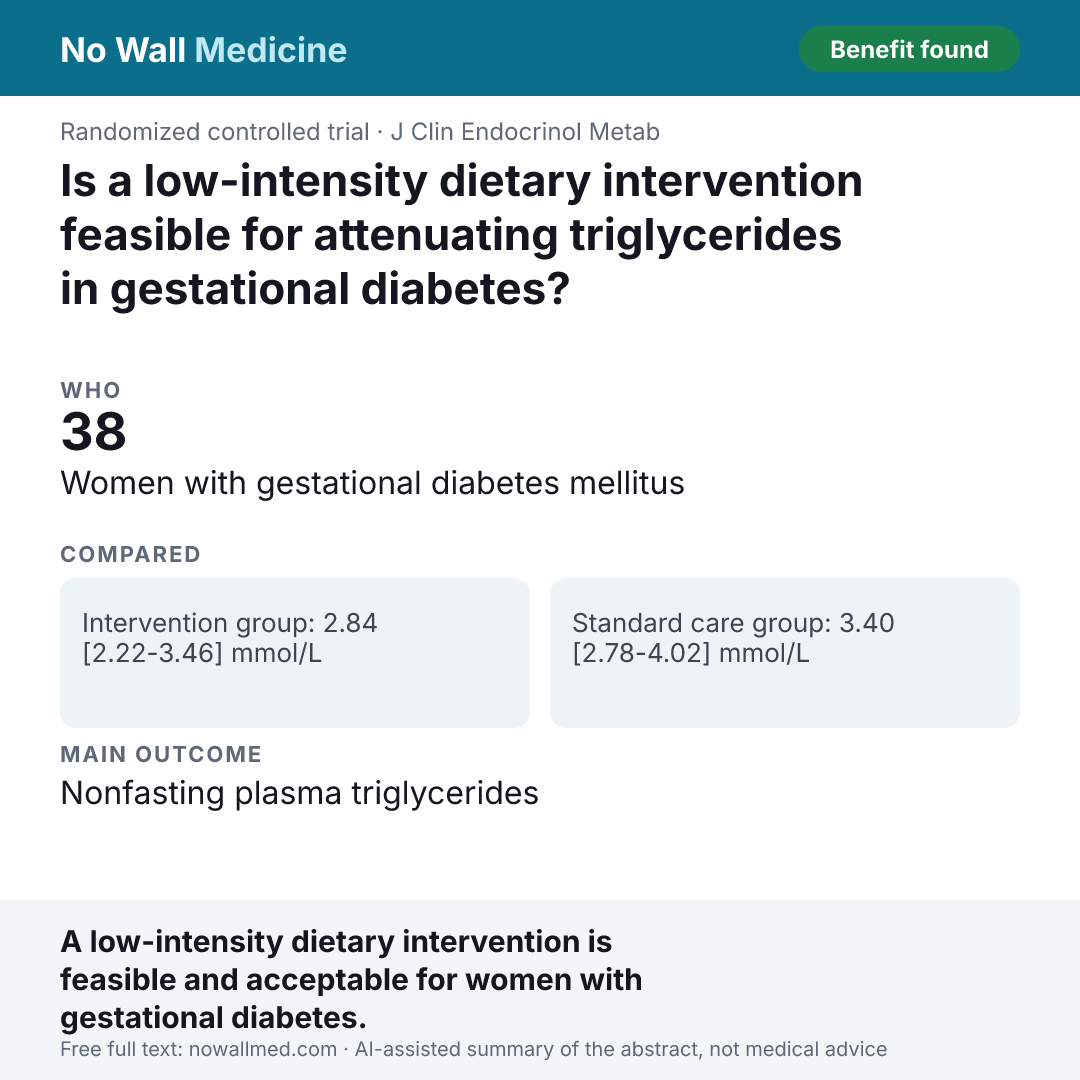
A Low-Intensity Nutrition Intervention Targeting Triglycerides in Gestational Diabetes: A Feasibility RCT
Randomized controlled trialBenefit found
Is a low-intensity dietary intervention feasible for attenuating triglycerides in gestational diabetes?
Who
38
Women with gestational diabetes mellitus
Compared
Intervention group: 2.84 [2.22-3.46] mmol/L
Standard care group: 3.40 [2.78-4.02] mmol/L
Main outcome
Nonfasting plasma triglycerides
Bottom line: A low-intensity dietary intervention is feasible and acceptable for women with gestational diabetes.
J Clin Endocrinol Metab · 2025-05-16 · Save PNG
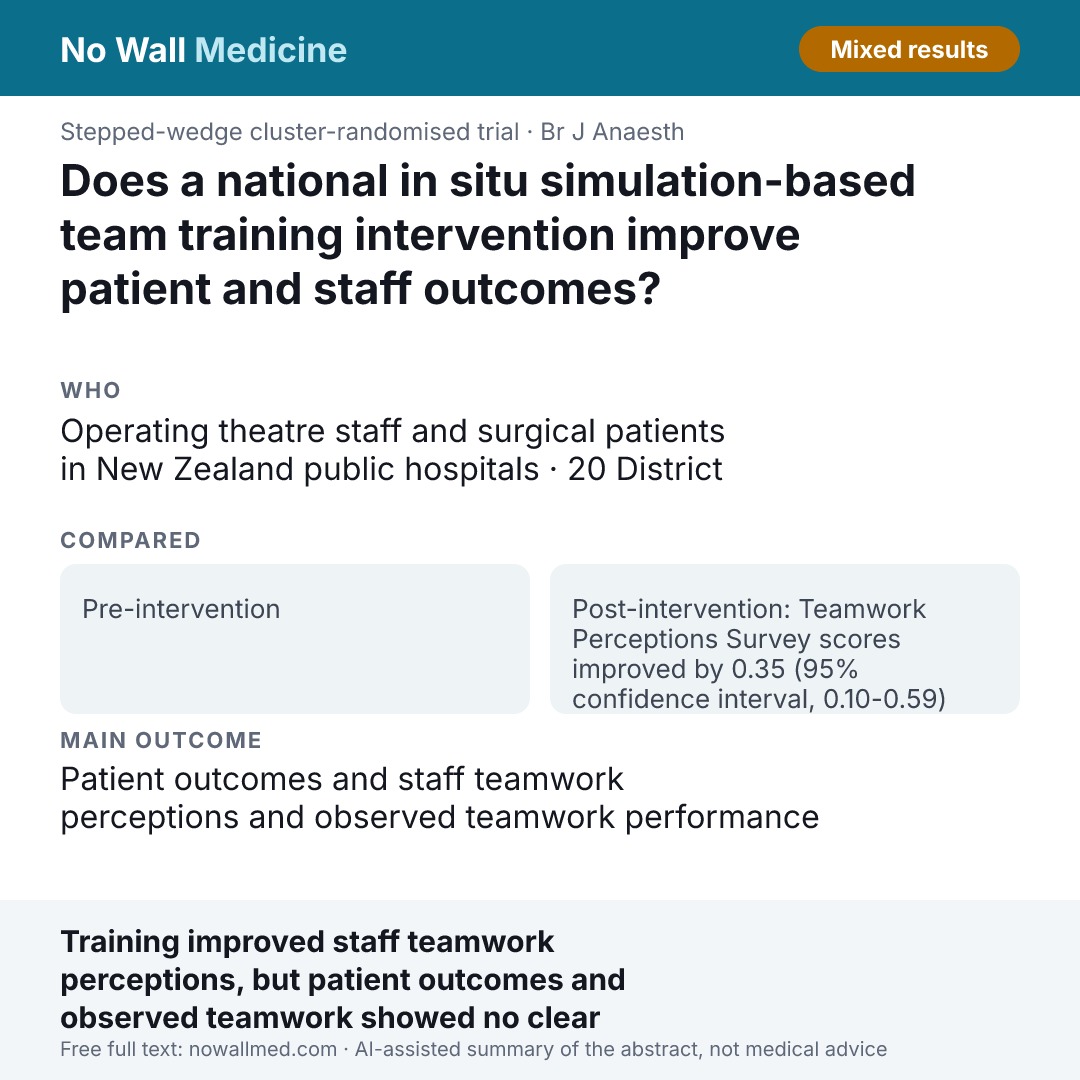
Effects of a national team training intervention for operating theatre teams on patient and staff outcomes: a stepped-wedge cluster-randomised trial and mixed-methods study
Stepped-wedge cluster-randomised trialMixed results
Does a national in situ simulation-based team training intervention improve patient and staff outcomes?
Who
Operating theatre staff and surgical patients in New Zealand public hospitals · 20 District Health Boards in New Zealand
Compared
Pre-intervention
Post-intervention: Teamwork Perceptions Survey scores improved by 0.35 (95% confidence interval, 0.10-0.59)
Main outcome
Patient outcomes and staff teamwork perceptions and observed teamwork performance
Bottom line: Training improved staff teamwork perceptions, but patient outcomes and observed teamwork showed no clear improvement.
Limitation: Could not separate intervention effect from temporal factors like the COVID-19 pandemic.
Br J Anaesth · 2025-05-16 · Save PNG
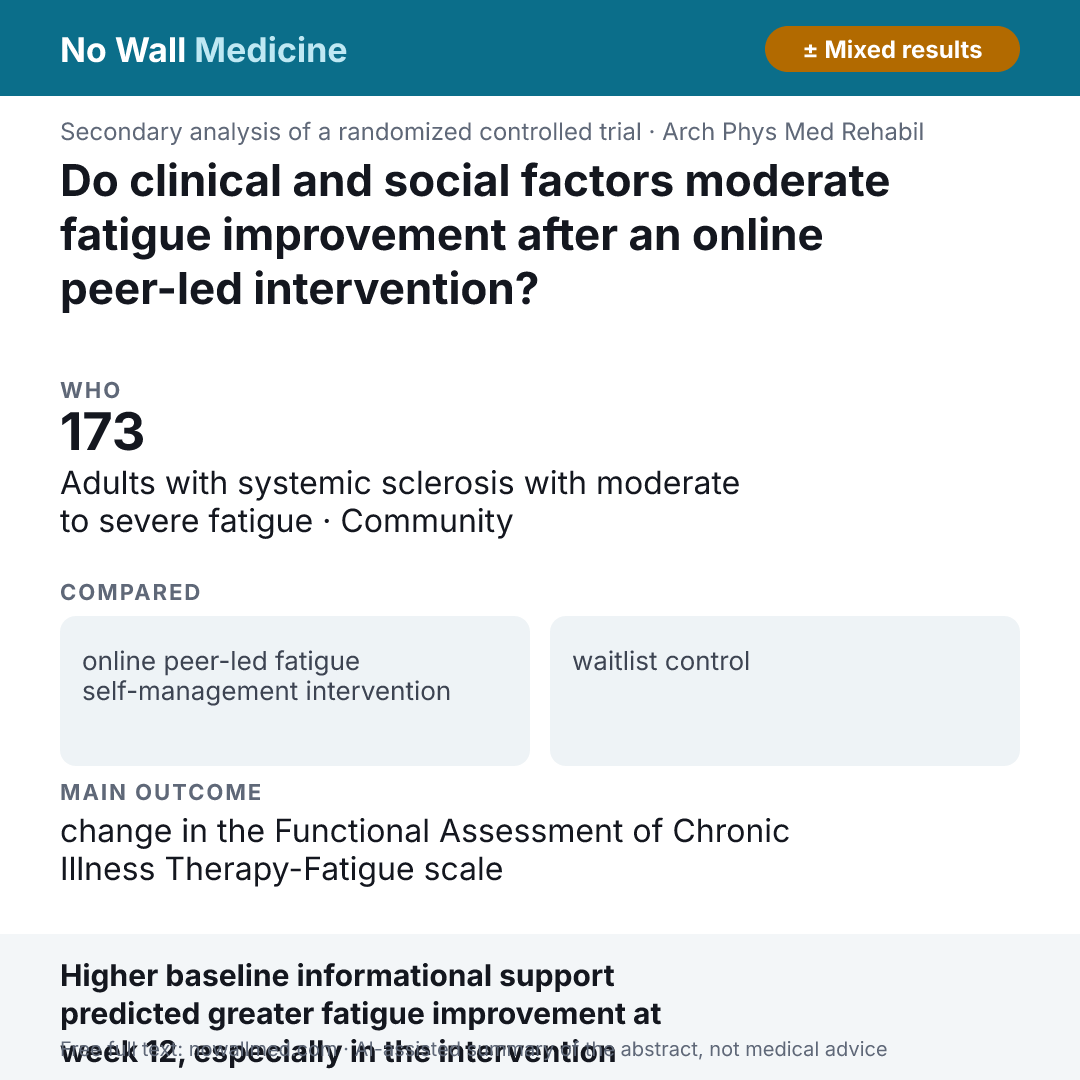
Moderating Effects of Clinical and Social Factors on Fatigue Improvement After an Online Peer-Led Fatigue Self-management Intervention in People With Systemic Sclerosis: A Secondary Analysis of a Randomized Controlled Trial
Secondary analysis of a randomized controlled trialMixed results
Do clinical and social factors moderate fatigue improvement after an online peer-led intervention?
Who
173
Adults with systemic sclerosis with moderate to severe fatigue · Community
Compared
online peer-led fatigue self-management intervention
waitlist control
Main outcome
change in the Functional Assessment of Chronic Illness Therapy-Fatigue scale
Bottom line: Higher baseline informational support predicted greater fatigue improvement at week 12, especially in the intervention group.
Arch Phys Med Rehabil · 2025-05-16 · Save PNG
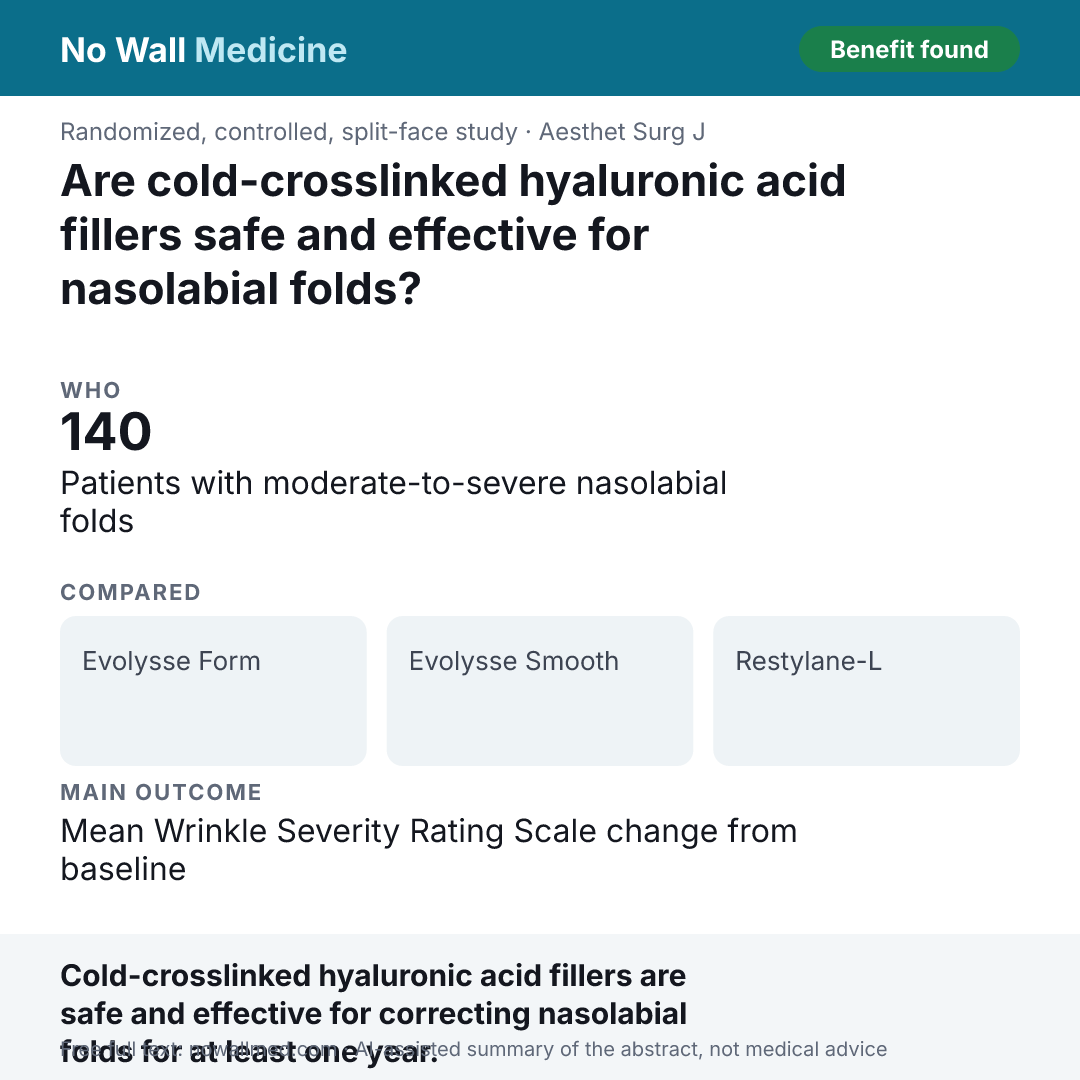
Long-term Safety and Effectiveness of Cold-Crosslinked Hyaluronic Acid Fillers: Multicenter, Randomized, Controlled, Double-Blind Study
Randomized, controlled, split-face studyBenefit found
Are cold-crosslinked hyaluronic acid fillers safe and effective for nasolabial folds?
Who
140
Patients with moderate-to-severe nasolabial folds
Compared
Evolysse Form
Evolysse Smooth
Restylane-L
Main outcome
Mean Wrinkle Severity Rating Scale change from baseline
Bottom line: Cold-crosslinked hyaluronic acid fillers are safe and effective for correcting nasolabial folds for at least one year.
Aesthet Surg J · 2025-05-16 · Save PNG
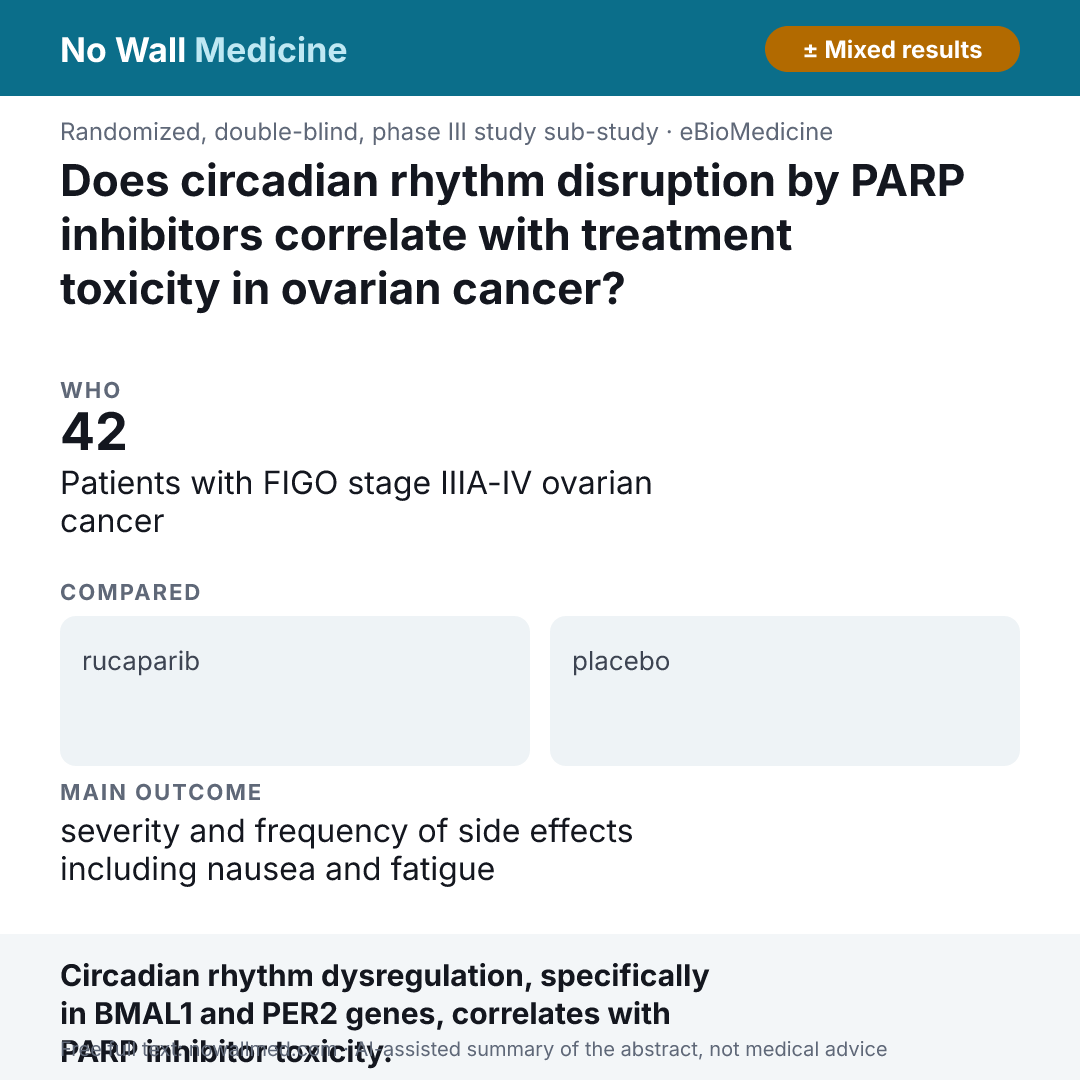
Circadian rhythm disruption by PARP inhibitors correlates with treatment toxicity in patients with ovarian cancer and is a predictor of side effects
Randomized, double-blind, phase III study sub-studyMixed results
Does circadian rhythm disruption by PARP inhibitors correlate with treatment toxicity in ovarian cancer?
Who
42
Patients with FIGO stage IIIA-IV ovarian cancer
Compared
rucaparib
placebo
Main outcome
severity and frequency of side effects including nausea and fatigue
Bottom line: Circadian rhythm dysregulation, specifically in BMAL1 and PER2 genes, correlates with PARP inhibitor toxicity.
Funded by: Dr. Rolf Schwiete Stiftung, MSH Medical School Hamburg, and Clovis Oncology
eBioMedicine · 2025-05-16 · Save PNG
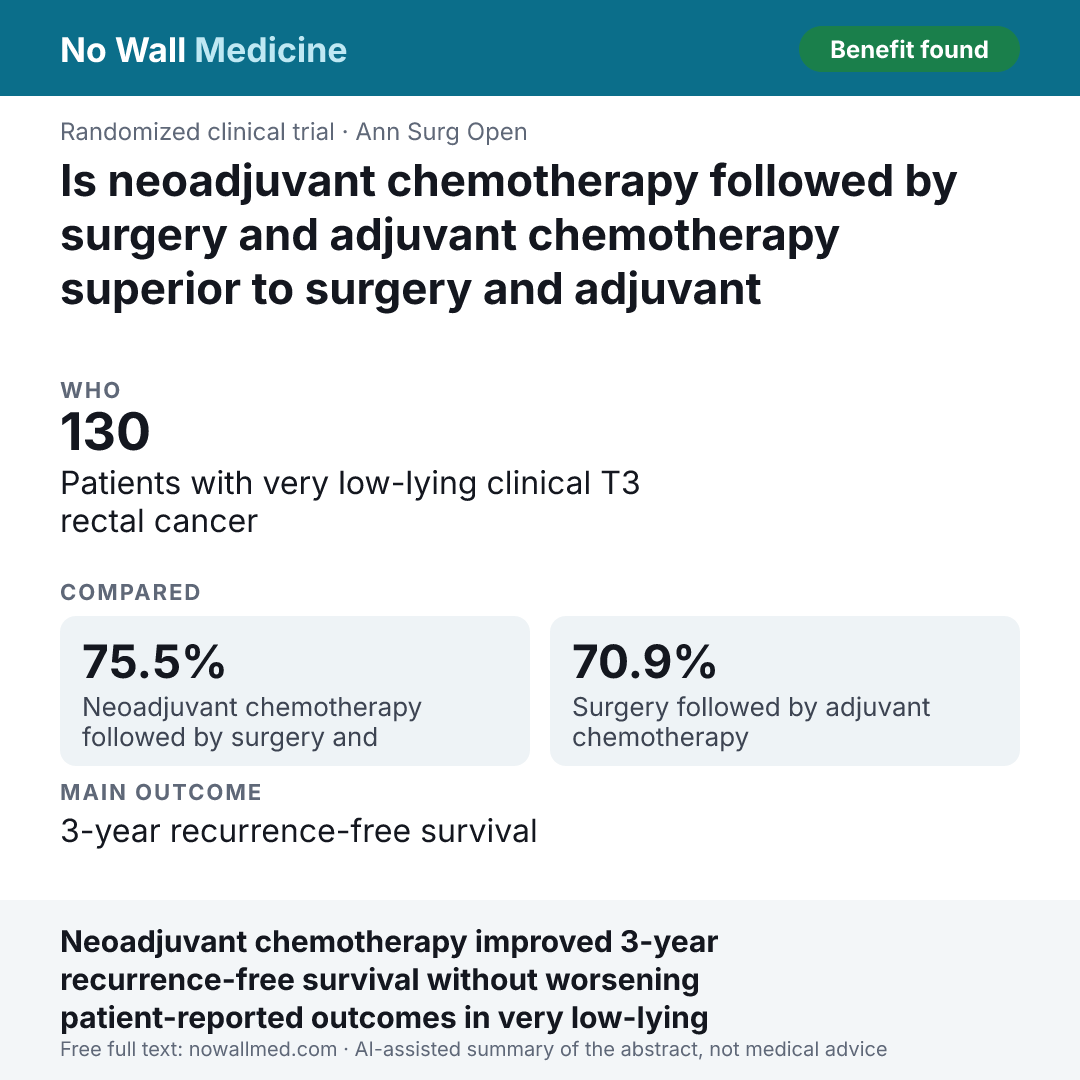
Neoadjuvant Chemotherapy Versus Adjuvant Chemotherapy for Very Low-Lying Clinical T3 Rectal Cancer: The NAIR Phase 2/3 Randomized Clinical Trial
Randomized clinical trialBenefit found
Is neoadjuvant chemotherapy followed by surgery and adjuvant chemotherapy superior to surgery and adjuvant chemotherapy?
Who
130
Patients with very low-lying clinical T3 rectal cancer
Compared
75.5%Neoadjuvant chemotherapy followed by surgery and adjuvant chemotherapy
70.9%Surgery followed by adjuvant chemotherapy
Main outcome
3-year recurrence-free survival
Result: hazard ratio 0.67, 60% confidence interval 0.48-0.86, 95% confidence interval 0.34-1.32
Bottom line: Neoadjuvant chemotherapy improved 3-year recurrence-free survival without worsening patient-reported outcomes in very low-lying clinical T3 rectal cancer.
Limitation: Local recurrence rate remained high.
Ann Surg Open · 2025-05-16 · Save PNG
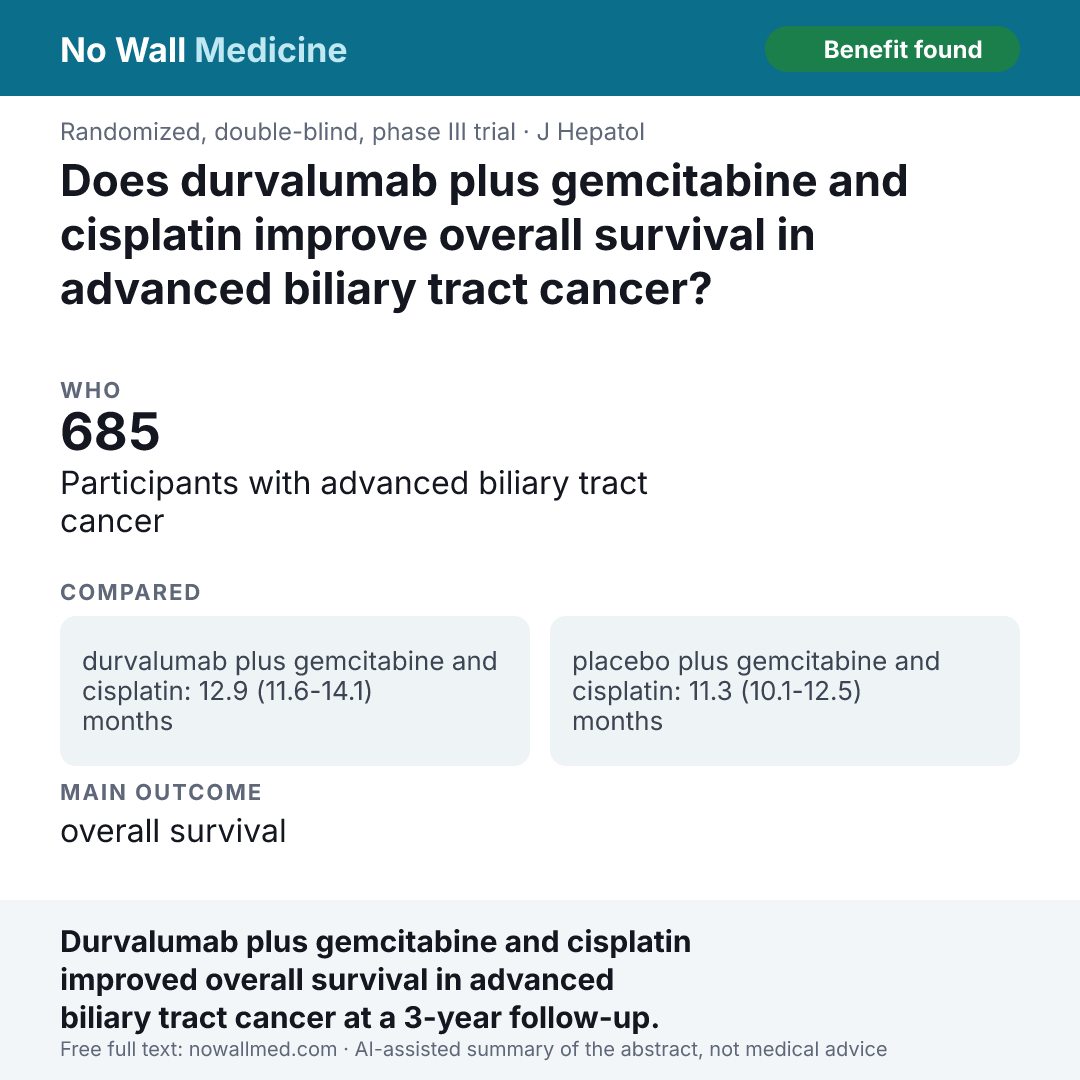
Durvalumab plus chemotherapy in advanced biliary tract cancer: 3-year overall survival update from the phase III TOPAZ-1 study
Randomized, double-blind, phase III trialBenefit found
Does durvalumab plus gemcitabine and cisplatin improve overall survival in advanced biliary tract cancer?
Who
685
Participants with advanced biliary tract cancer
Compared
durvalumab plus gemcitabine and cisplatin: 12.9 (11.6-14.1) months
placebo plus gemcitabine and cisplatin: 11.3 (10.1-12.5) months
Main outcome
overall survival
Result: hazard ratio 0.74 (95% CI 0.63-0.87)
Bottom line: Durvalumab plus gemcitabine and cisplatin improved overall survival in advanced biliary tract cancer at a 3-year follow-up.
J Hepatol · 2025-05-15 · Save PNG
Tympanoplasty With Eustachian Tube Balloon Dilation for Chronic Inflammatory Middle Ear Disease: A Randomized Clinical Trial
Single-blind, monocentric, randomized clinical trialNo clear difference
Does adding Eustachian tube balloon dilation to tympanoplasty improve outcomes?
Who
76
Patients with chronic inflammatory middle ear disease and Eustachian tube dysfunction · A tertiary referral center
Compared
Tympanoplasty only: 1.62 [95% CI, 0.66-2.59]
Tympanoplasty plus Eustachian tube balloon dilation: 1.41 [95% CI, 0.43-2.39]
Main outcome
Change in Eustachian Tube Score
Result: 0.21 (95% CI, -1.17 to 1.59)
Bottom line: Adding Eustachian tube balloon dilation to tympanoplasty did not improve Eustachian tube scores, hearing, or subjective function.
JAMA Otolaryngol · 2025-05-15 · Save PNG
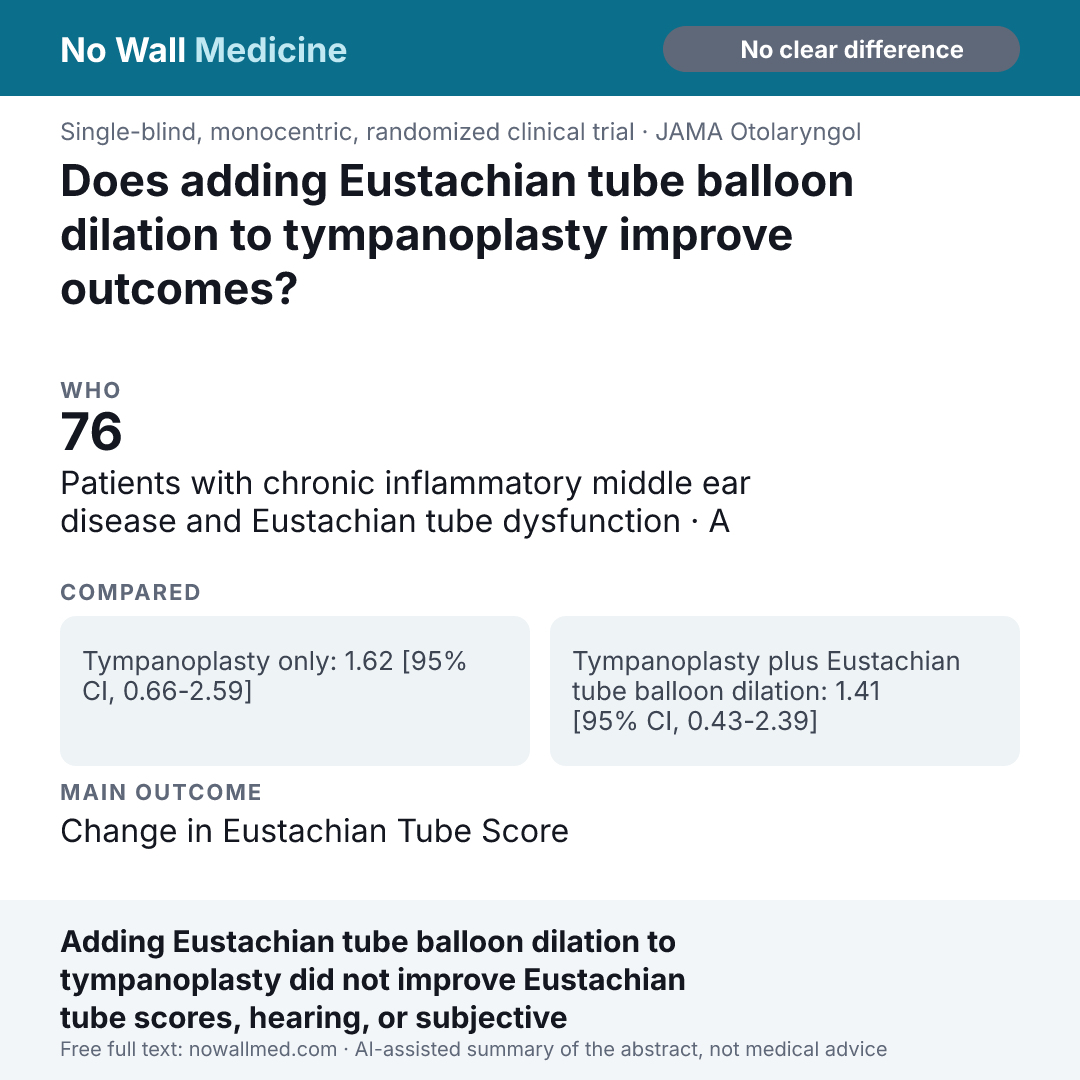
Hearing Aid Service Models, Technology, and Patient Outcomes: A Randomized Clinical Trial
Randomized clinical trialMixed results
How do hearing aid service models and technology levels affect patient outcomes?
Who
245
Adults older than 55 years with mild to moderate hearing loss · University of Iowa and Vanderbilt University Medical Center
Compared
Audiologist service model: 0.33 points higher than OTC+ and OTC
Audiologist limited service OTC+ model: close to 4 points
Over-the-counter OTC model: close to 4 points
Main outcome
Glasgow Hearing Aid Benefit Profile global score
Result: 0.33 points (95% CI, 0.14-0.52) vs OTC+
Bottom line: Audiologist fitting provided better outcomes than over-the-counter models, but both models yielded positive results.
JAMA Otolaryngol · 2025-05-15 · Save PNG
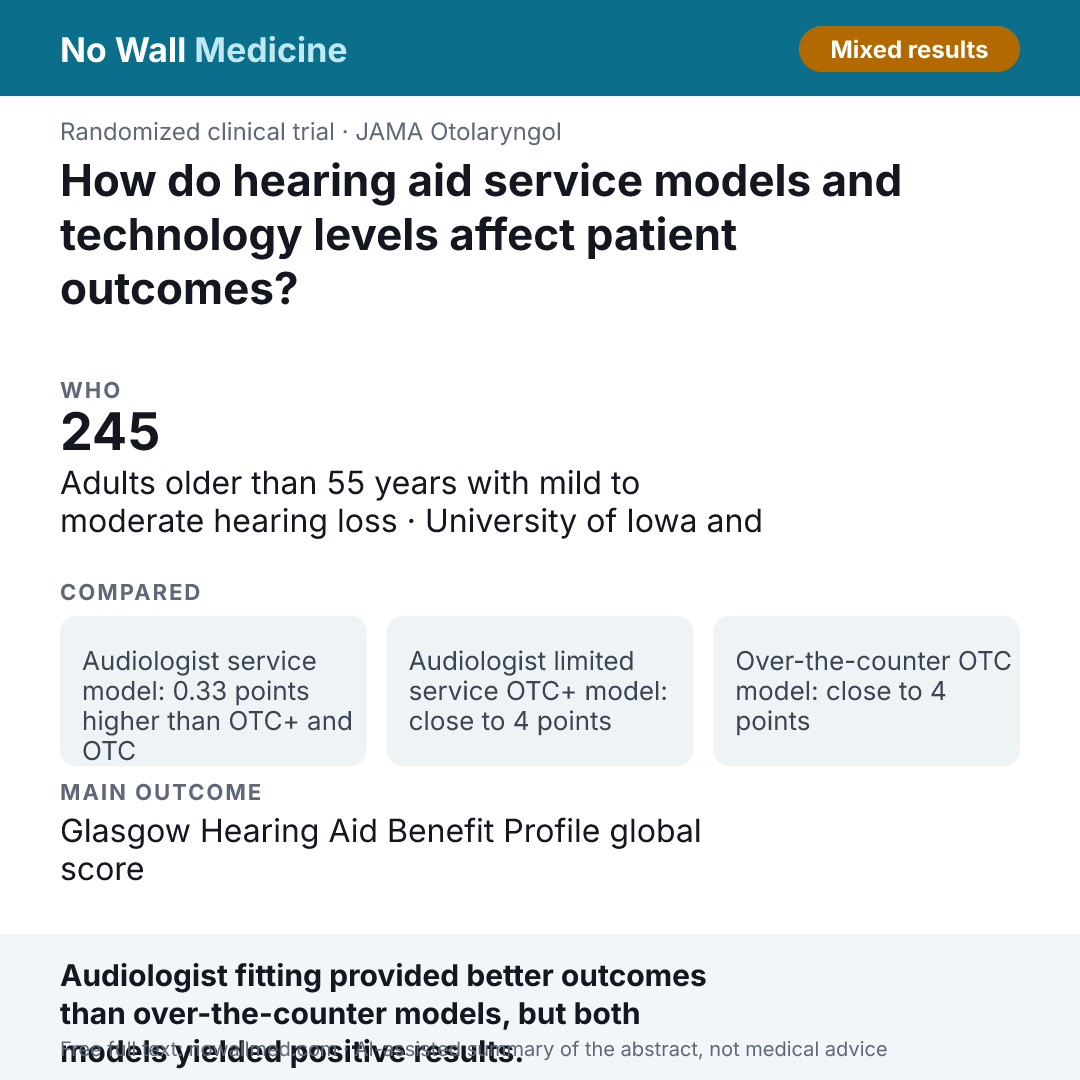
Cognitive benefits of hearing intervention vary by risk of cognitive decline: A secondary analysis of the ACHIEVE trial
Secondary analysis of a randomized trialKey finding
Does hearing intervention benefit participants with higher predicted risk of cognitive decline?
Who
977
Dementia-free participants with hearing loss · Local community
Compared
Top quartile predicted risk hearing intervention: 61.6% (95% confidence interval [CI]: 33.7%-94.1%) slower
Top quartile predicted risk control
Main outcome
3-year cognitive decline
Result: 61.6% (95% confidence interval [CI]: 33.7%-94.1%) slower
Bottom line: Hearing intervention slowed 3-year cognitive decline most effectively in individuals with high predicted risk.
Alzheimers Dement · 2025-05-15 · Save PNG
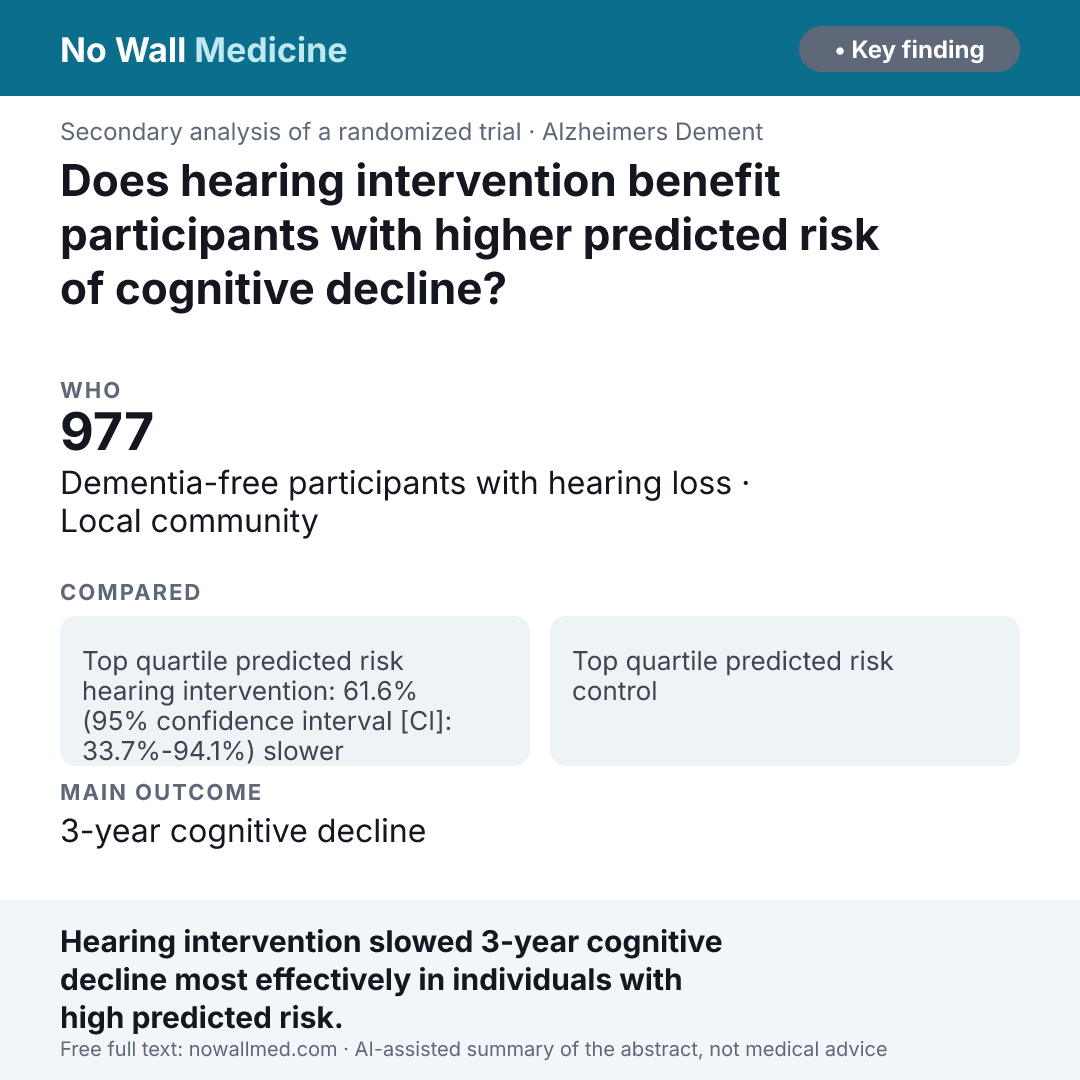
Cardiovascular Benefit of Colchicine in Relation to Baseline Risk: A Secondary Analysis of the LoDoCo2 Trial
Randomized trial secondary analysisBenefit found
Does colchicine benefit patients with chronic coronary syndrome across different baseline risk levels?
Who
5522
Patients with chronic coronary syndrome
Compared
Colchicine 0.5 mg
Placebo
Main outcome
Composite of cardiovascular death, myocardial infarction, stroke, or coronary revascularization
Result: hazard ratio 0.72 (95% CI 0.56-0.94) in high-risk patients
Bottom line: Colchicine provides consistent relative and absolute cardiovascular benefits across high, intermediate, and low baseline risk patients.
J Am Heart Assoc · 2025-05-15 · Save PNG
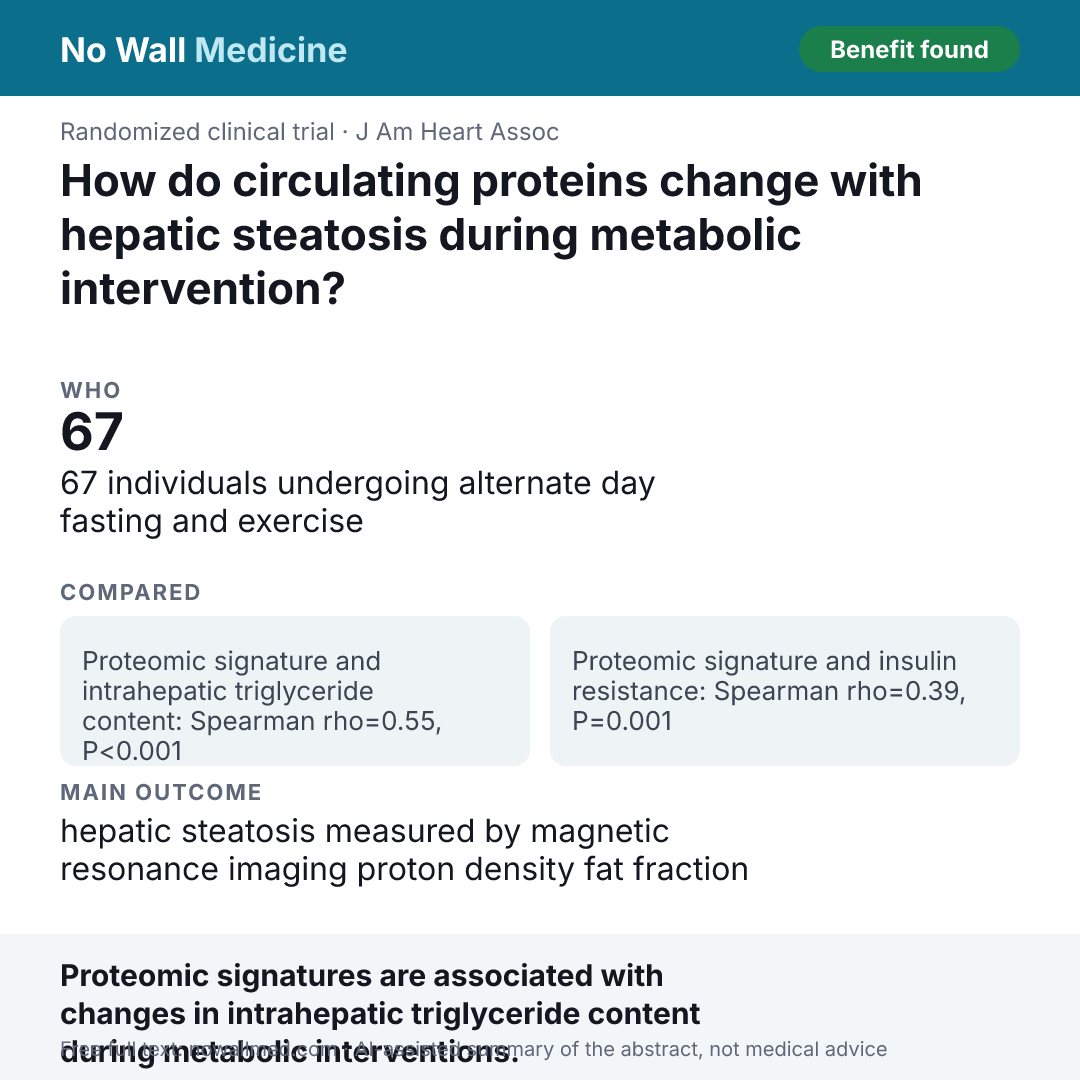
Synergistic Network Pharmacology: Preclinical Validation and Clinical Safety in Acute Ischemic Stroke
Preclinical validation and phase I trialEarly signal
Does a triple-drug combination provide neuroprotection in acute ischemic stroke?
Who
C57/Bl6 mice, humanized NOX5-knock-in mice, and healthy volunteers
Compared
Triple-drug combination: reduced infarct size
Individual compound doses: full protection when combined
Main outcome
Infarct size and hemorrhagic transformation
Bottom line: A mechanism-based triple-drug combination reduced infarct size and prevented hemorrhagic transformation in preclinical stroke models.
J Am Heart Assoc · 2025-05-15 · Save PNG
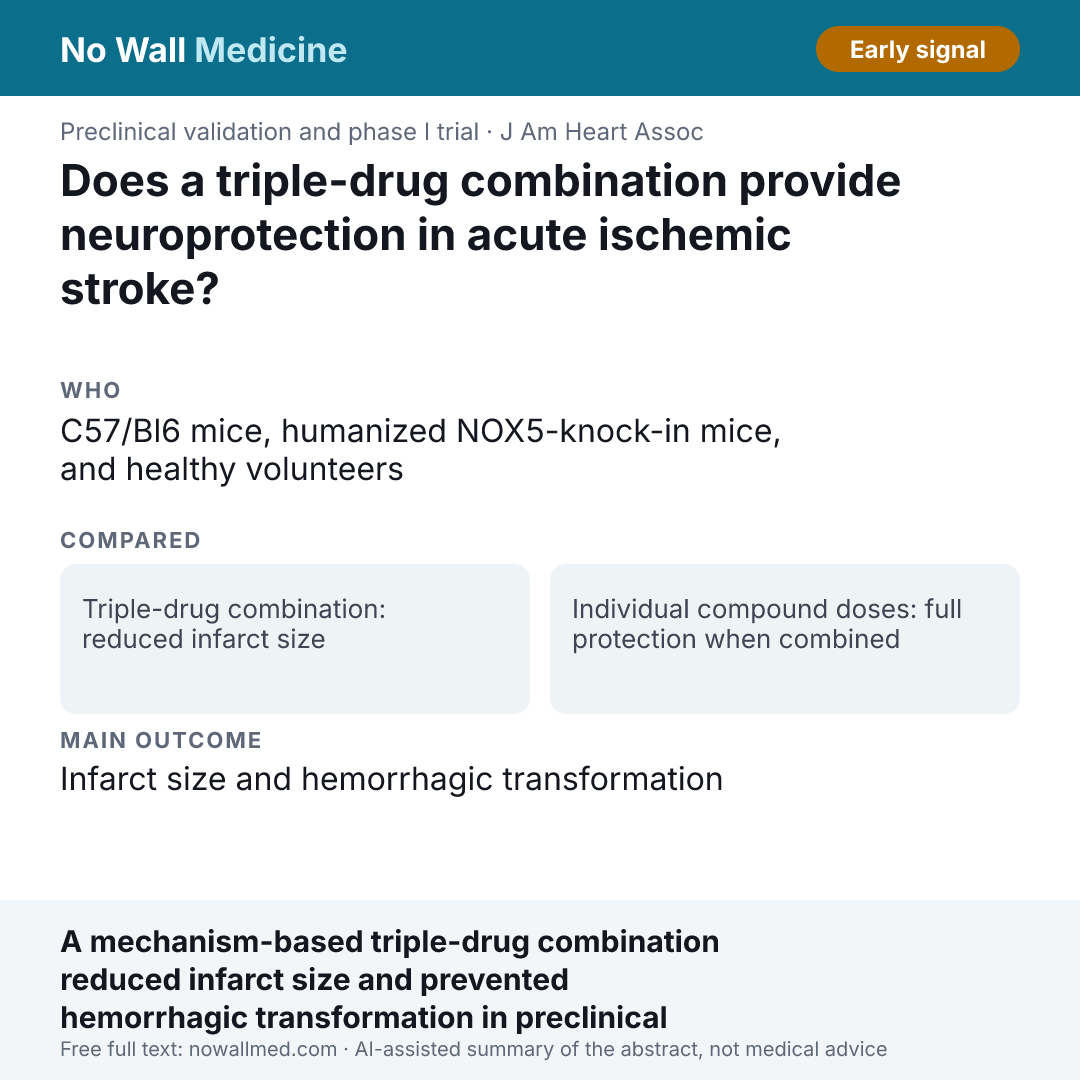
Comparing Major Gastrointestinal Bleeding in Patients Receiving Edoxaban Versus Warfarin After Transcatheter Aortic Valve Replacement: Results From the Randomized ENVISAGE-TAVI AF Trial
On-treatment analysis of a randomized trialHarm found
Is major gastrointestinal bleeding risk different between edoxaban and vitamin K antagonists after TAVR?
Who
1377
Patients with atrial fibrillation after successful transcatheter aortic valve replacement
Compared
67.5%Edoxaban
Vitamin K antagonist
Main outcome
Major gastrointestinal bleeding
Bottom line: Patients receiving edoxaban had a higher risk of major gastrointestinal bleeding compared to vitamin K antagonists.
J Am Heart Assoc · 2025-05-15 · Save PNG
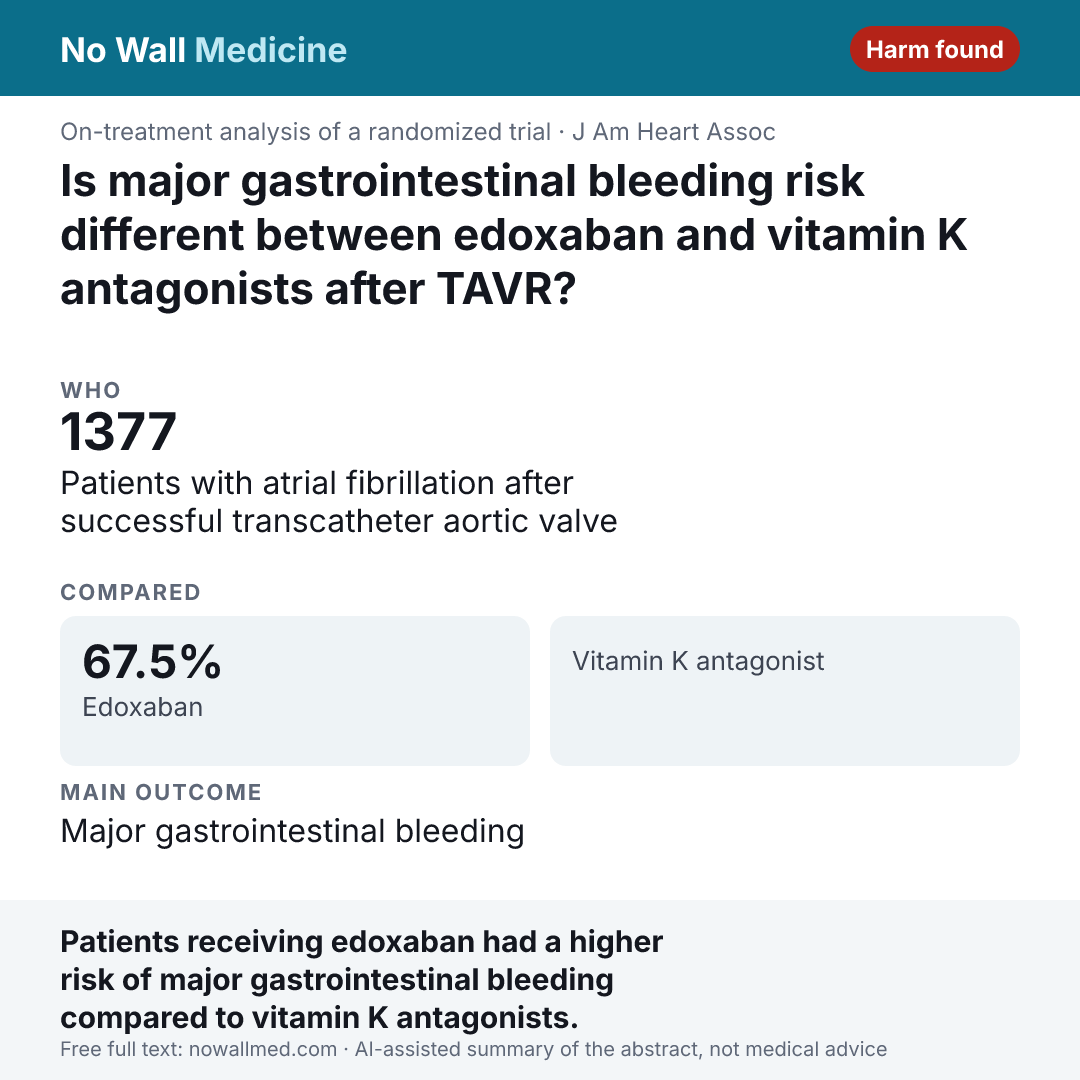
Sustained Improvements After Intervention to Prevent Contrast-Associated Acute Kidney Injury: A Randomized Controlled Trial
2x2 factorial cluster-randomized trialBenefit found
Are improvements in acute kidney injury outcomes sustained after the intervention ends?
Who
4160
adult patients undergoing coronary angiography or percutaneous coronary interventions · 20 Veterans Affairs sites
Compared
virtual learning collaborative plus automated surveillance reporting
technical assistance alone
Main outcome
acute kidney injury within 7 days of cardiac catheterization
Result: adjusted odds ratio 0.60 (95% CI 0.42-0.86)
Bottom line: Team-based coaching with automated surveillance dashboards sustained a reduction in acute kidney injury after the intervention ended.
J Am Heart Assoc · 2025-05-15 · Save PNG
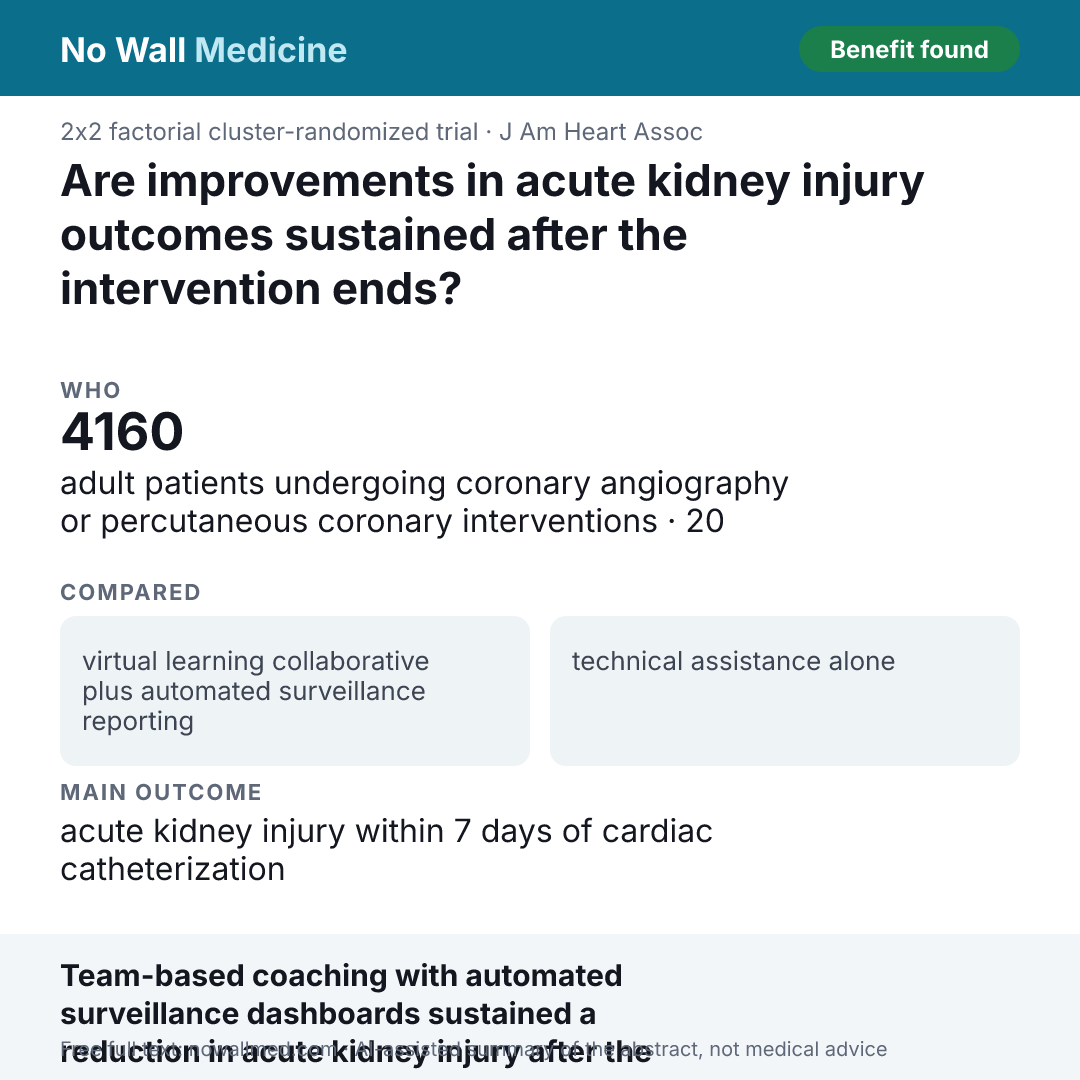
Circulating Proteomics Identifies a Dynamic Profile of Hepatic Steatosis During Metabolic Intervention
Randomized clinical trialBenefit found
How do circulating proteins change with hepatic steatosis during metabolic intervention?
Who
67
67 individuals undergoing alternate day fasting and exercise
Compared
Proteomic signature and intrahepatic triglyceride content: Spearman rho=0.55, P<0.001
Proteomic signature and insulin resistance: Spearman rho=0.39, P=0.001
Main outcome
hepatic steatosis measured by magnetic resonance imaging proton density fat fraction
Result: beta=0.12, P<0.001
Bottom line: Proteomic signatures are associated with changes in intrahepatic triglyceride content during metabolic interventions.
J Am Heart Assoc · 2025-05-15 · Save PNG
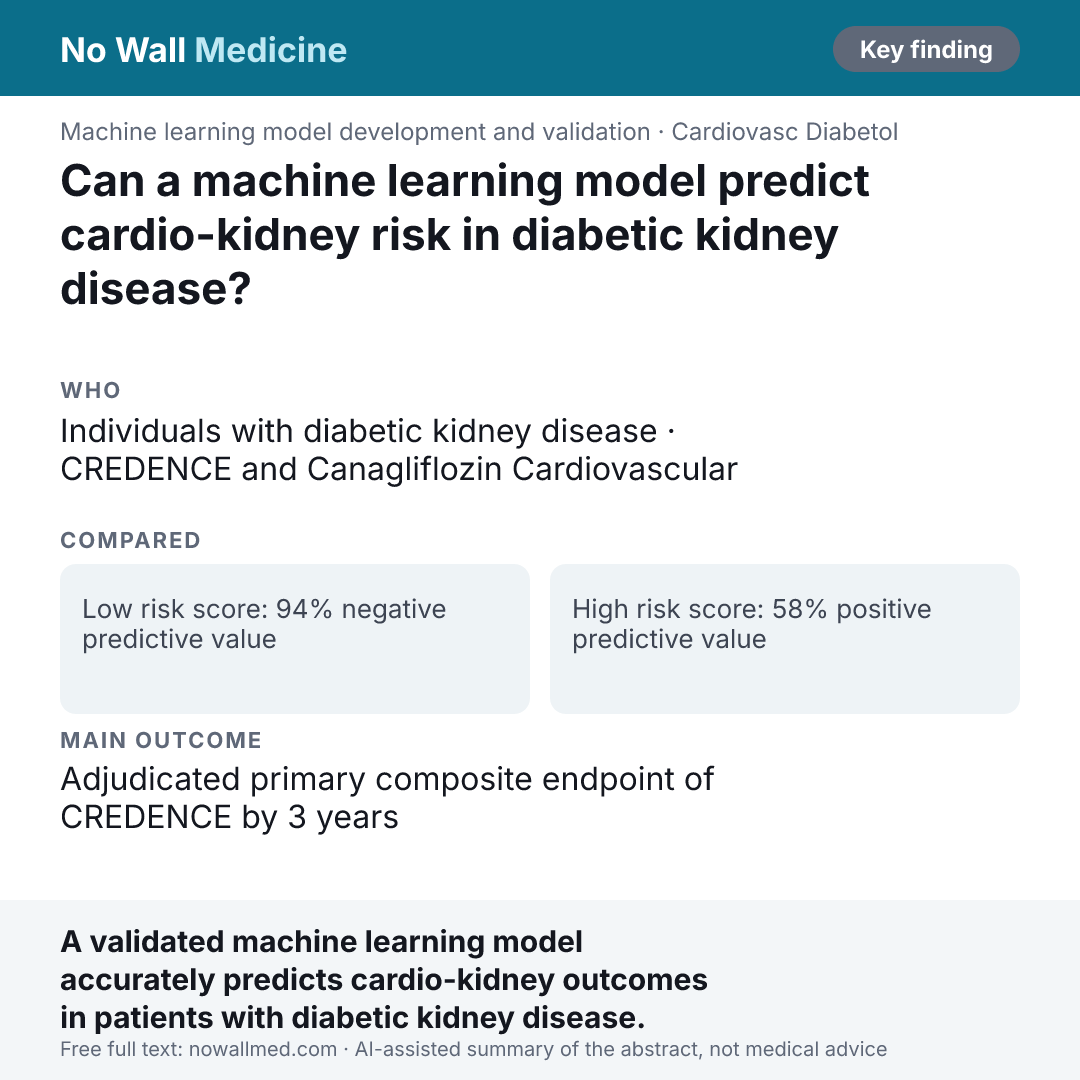
A validated multivariable machine learning model to predict cardio-kidney risk in diabetic kidney disease
Machine learning model development and validationKey finding
Can a machine learning model predict cardio-kidney risk in diabetic kidney disease?
Who
Individuals with diabetic kidney disease · CREDENCE and Canagliflozin Cardiovascular Assessment Study cohorts
Compared
Low risk score: 94% negative predictive value
High risk score: 58% positive predictive value
Main outcome
Adjudicated primary composite endpoint of CREDENCE by 3 years
Result: hazard ratio 3.43 (95% CI 2.72-4.32)
Bottom line: A validated machine learning model accurately predicts cardio-kidney outcomes in patients with diabetic kidney disease.
Cardiovasc Diabetol · 2025-05-15 · Save PNG
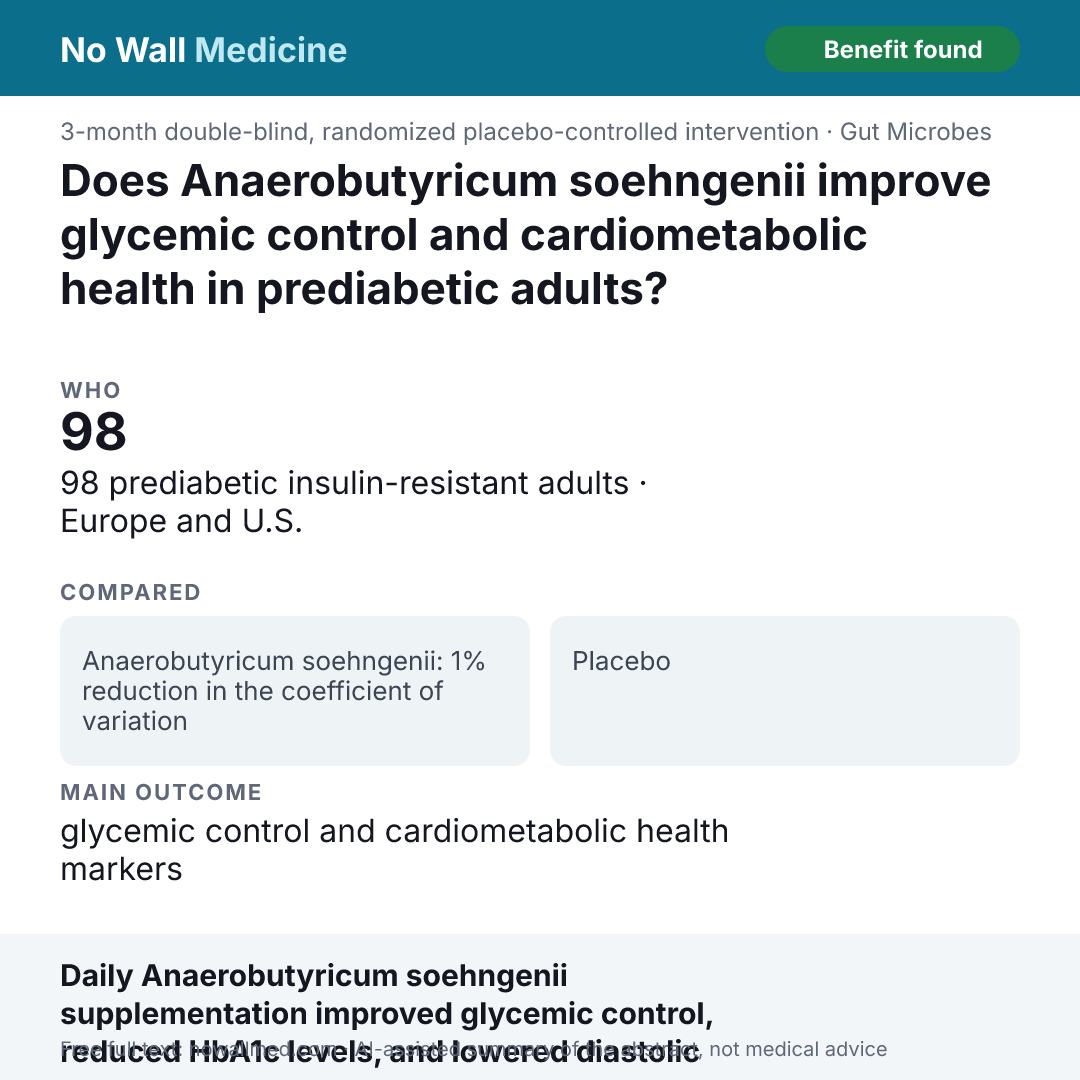
Anaerobutyricum soehngenii improves glycemic control and other markers of cardio-metabolic health in adults at risk of type 2 diabetes
3-month double-blind, randomized placebo-controlled interventionBenefit found
Does Anaerobutyricum soehngenii improve glycemic control and cardiometabolic health in prediabetic adults?
Who
98
98 prediabetic insulin-resistant adults · Europe and U.S.
Compared
Anaerobutyricum soehngenii: 1% reduction in the coefficient of variation
Placebo
Main outcome
glycemic control and cardiometabolic health markers
Bottom line: Daily Anaerobutyricum soehngenii supplementation improved glycemic control, reduced HbA1c levels, and lowered diastolic blood pressure in prediabetic adults.
Gut Microbes · 2025-05-15 · Save PNG
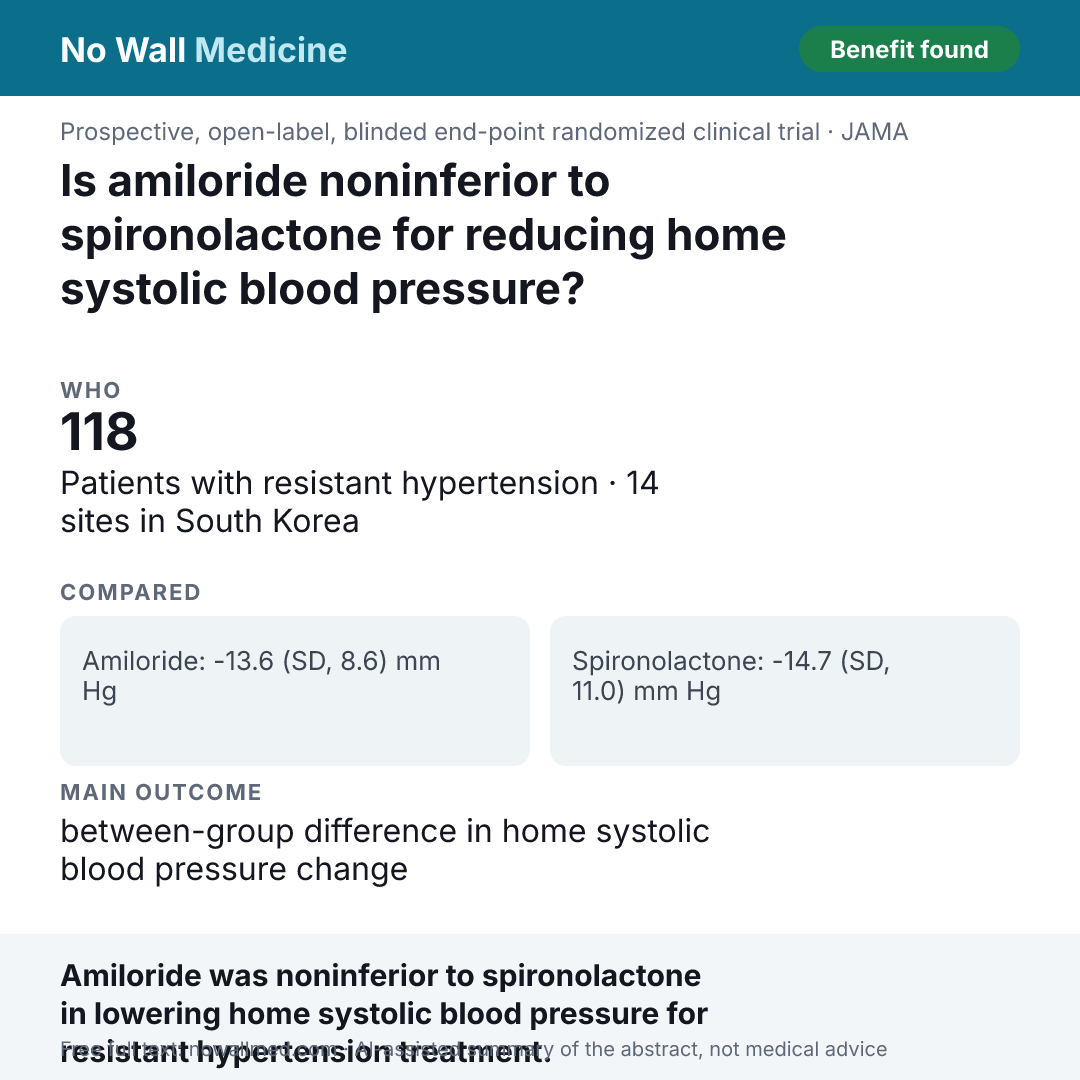
Spironolactone vs Amiloride for Resistant Hypertension: A Randomized Clinical Trial
Prospective, open-label, blinded end-point randomized clinical trialBenefit found
Is amiloride noninferior to spironolactone for reducing home systolic blood pressure?
Who
118
Patients with resistant hypertension · 14 sites in South Korea
Compared
Amiloride: -13.6 (SD, 8.6) mm Hg
Spironolactone: -14.7 (SD, 11.0) mm Hg
Main outcome
between-group difference in home systolic blood pressure change
Result: -0.68 mm Hg; 90% CI, -3.50 to 2.14 mm Hg
Bottom line: Amiloride was noninferior to spironolactone in lowering home systolic blood pressure for resistant hypertension treatment.
JAMA · 2025-05-14 · Save PNG
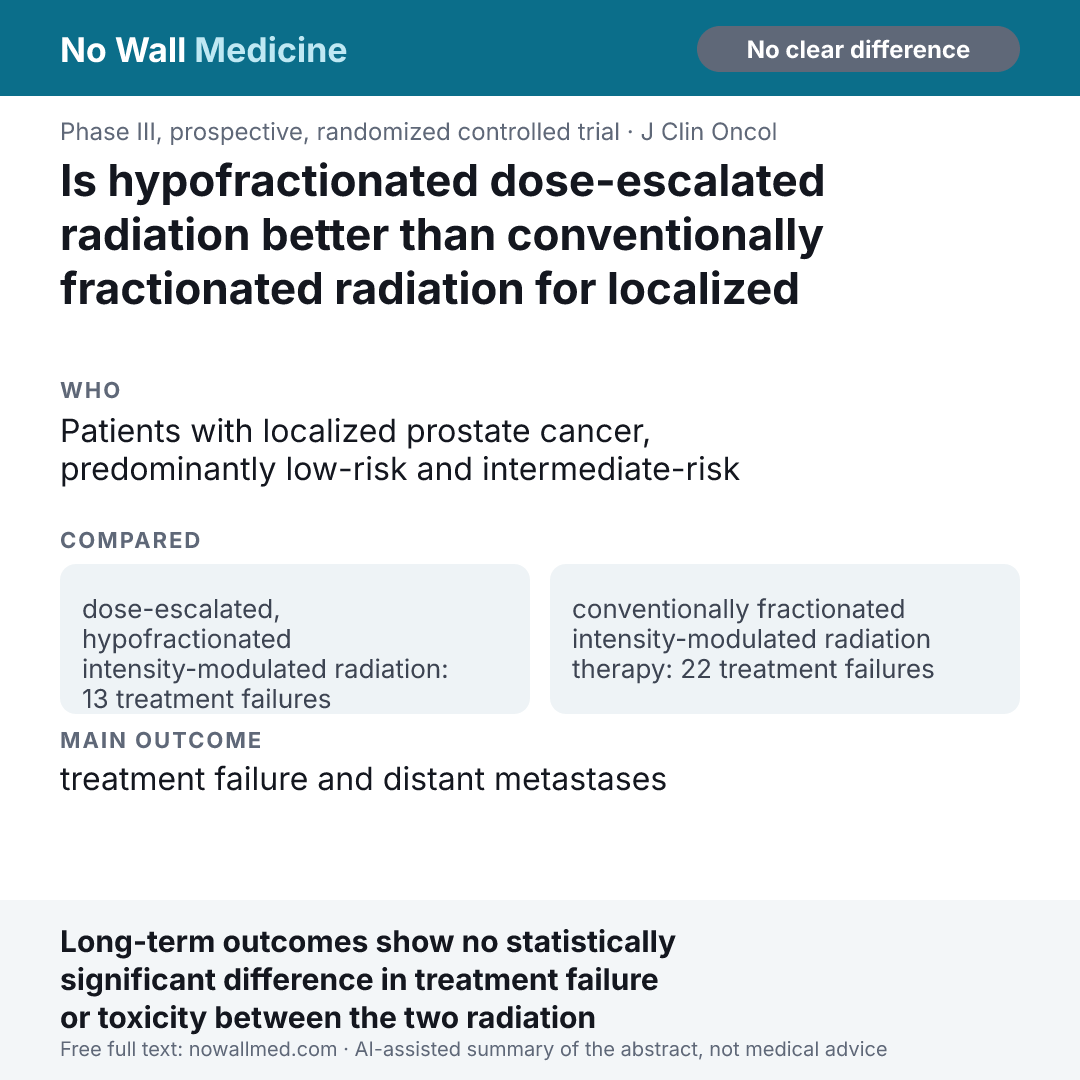
Hypofractionated, Dose-Escalated Radiation Versus Conventionally Fractionated Radiation for Localized Prostate Cancer: Long-Term Update of a Phase III, Prospective, Randomized Controlled Trial
Phase III, prospective, randomized controlled trialNo clear difference
Is hypofractionated dose-escalated radiation better than conventionally fractionated radiation for localized prostate cancer?
Who
Patients with localized prostate cancer, predominantly low-risk and intermediate-risk disease · MD Anderson
Compared
dose-escalated, hypofractionated intensity-modulated radiation: 13 treatment failures
conventionally fractionated intensity-modulated radiation therapy: 22 treatment failures
Main outcome
treatment failure and distant metastases
Bottom line: Long-term outcomes show no statistically significant difference in treatment failure or toxicity between the two radiation methods.
J Clin Oncol · 2025-05-14 · Save PNG
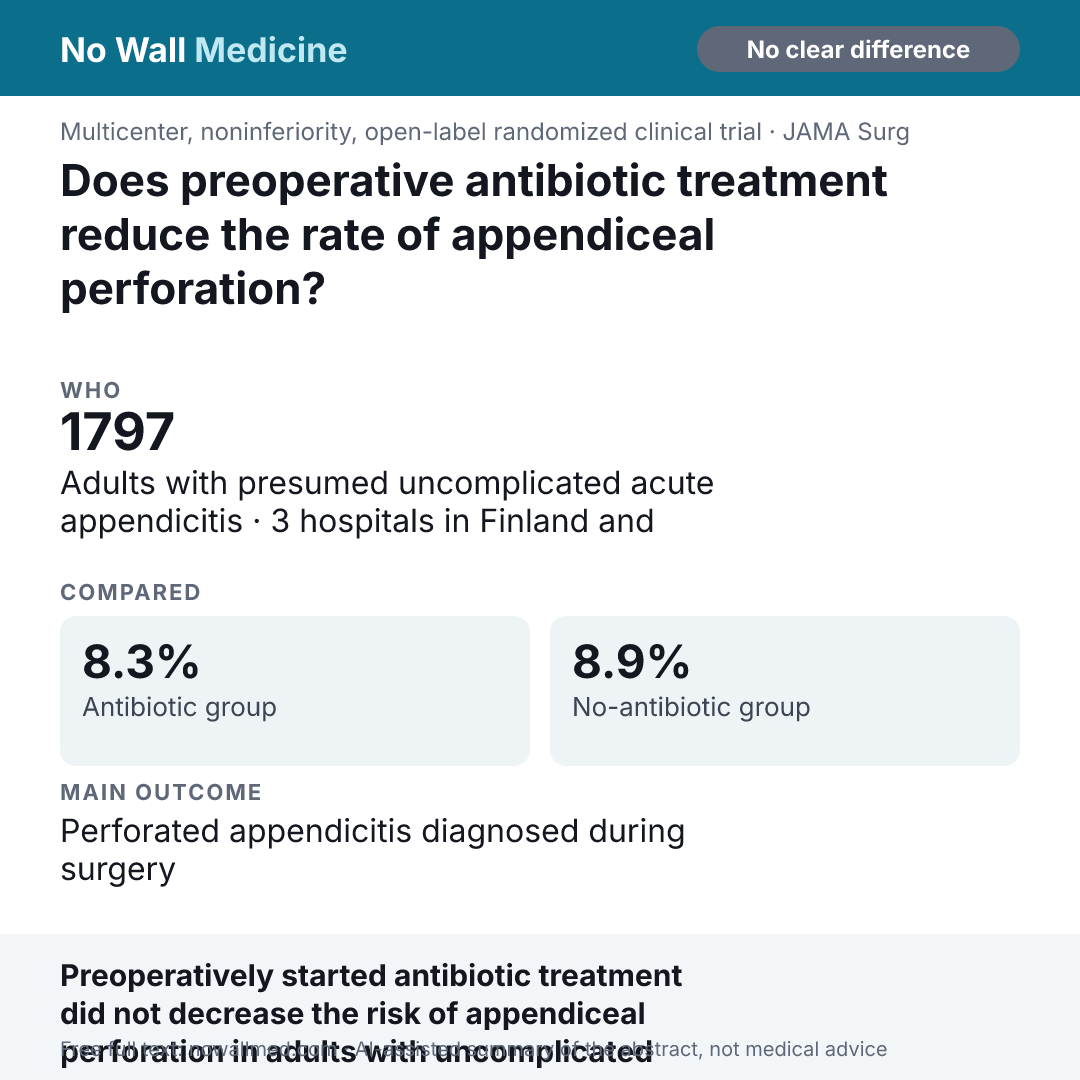
Role of Preoperative Antibiotic Treatment While Awaiting Appendectomy: The PERFECT-Antibiotics Randomized Clinical Trial
Multicenter, noninferiority, open-label randomized clinical trialNo clear difference
Does preoperative antibiotic treatment reduce the rate of appendiceal perforation?
Who
1797
Adults with presumed uncomplicated acute appendicitis · 3 hospitals in Finland and Norway
Compared
8.3%Antibiotic group
8.9%No-antibiotic group
Main outcome
Perforated appendicitis diagnosed during surgery
Result: risk ratio 1.07 (95% CI 0.79 to 1.45)
Bottom line: Preoperatively started antibiotic treatment did not decrease the risk of appendiceal perforation in adults with uncomplicated acute appendicitis.
JAMA Surg · 2025-05-14 · Save PNG