Visual abstracts
New randomized trials and meta-analyses from leading journals at a glance: who was studied, what was compared, and what was found. Every paper is free to read in full.
All specialtiesCardiology 4763Oncology 4043Gastroenterology & Hepatology 1903Infectious Disease 3756Neurology 1872Psychiatry & Mental Health 2216Pulmonology 2044Critical Care 1319Endocrinology & Diabetes 2544Pediatrics 2889Surgery 2480Orthopedics & Sports Medicine 917Neurosurgery 525Cardiothoracic & Vascular Surgery 656Plastic & Reconstructive Surgery 574Nephrology 1107Rheumatology 810Hematology 1090Dermatology 611Ophthalmology 532Obstetrics & Gynecology 1645Public & Global Health 1037Radiology & Imaging 619Anesthesiology 958Urology 745ENT (Otolaryngology) 494Emergency Medicine 481Allergy & Immunology 309Geriatrics 972Family Medicine & Primary Care 534Medical Genetics & Genomics 659Pathology & Laboratory Medicine 156Physical Medicine & Rehabilitation 734Palliative Care 421Nutrition 1560Digital Health & AI 2137General Medicine 318
The effectiveness of various CSF diversion surgeries in idiopathic normal pressure hydrocephalus: a systematic review and meta-analysis
Systematic review and meta-analysisMixed results
What is the effectiveness of various cerebrospinal fluid diversion surgeries in idiopathic normal pressure hydrocephalus?
Who
4811
Patients with idiopathic normal pressure hydrocephalus
Compared
75%Ventriculoperitoneal shunting (95% CI 70-79%)
75%Ventriculoatrial shunting (95% CI: 70-80%)
70%Lumboperitoneal shunting (95% CI: 52-83%)
69%Endoscopic third-ventriculostomy (95% CI: 58-78%)
Main outcome
Efficacy defined as symptomatic improvement
Result: more than 74% (95% CI: 70-78%)
Bottom line: Most patients show symptomatic improvement, but only half see improvements in urinary and cognitive dysfunction.
Limitation: The stagnant efficacy and frequent complications highlight the need for improved patient selection criteria.
eClinicalMedicine · 2024-10-30 · Save PNG

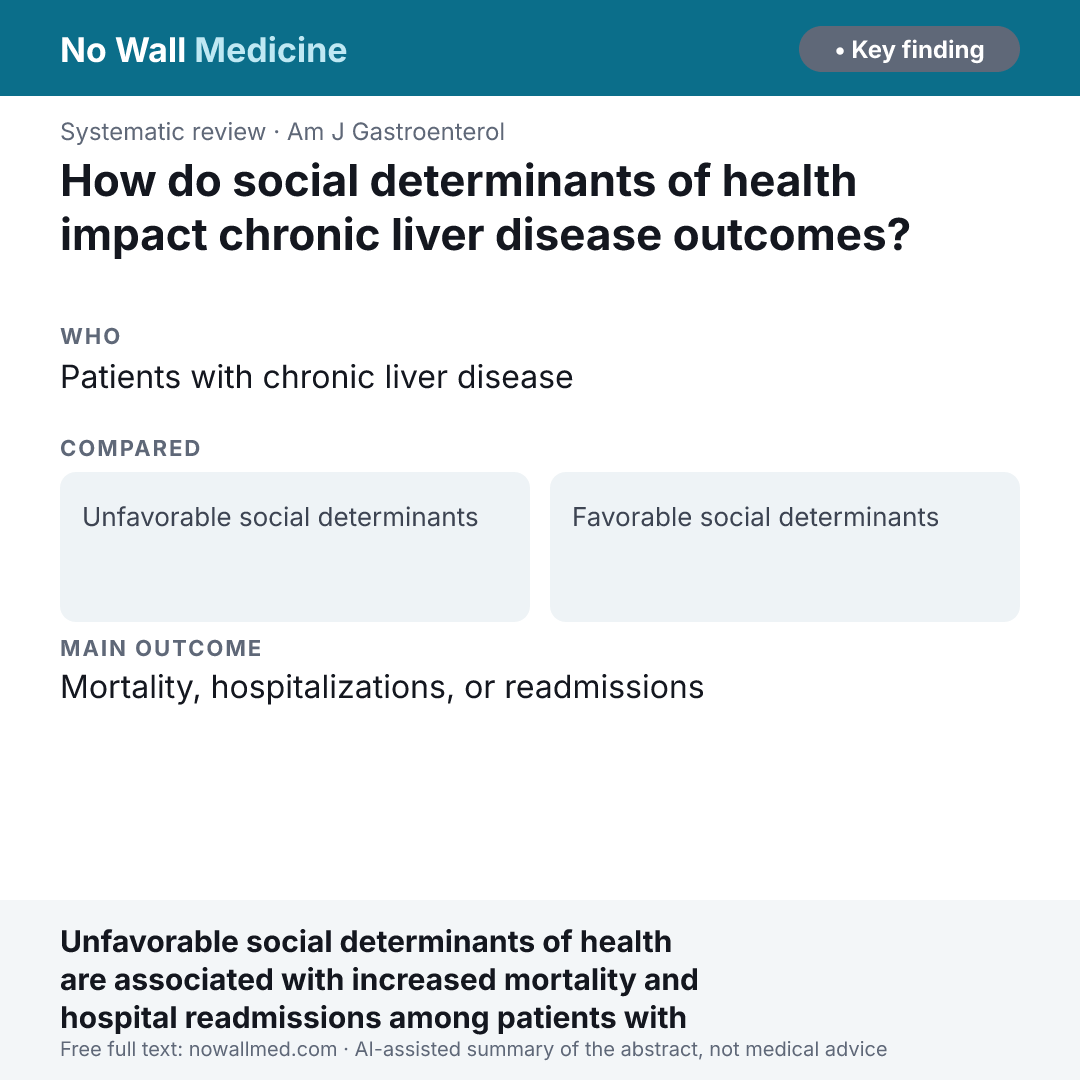
Social Disadvantage and Disparities in Chronic Liver Disease: A Systematic Review
Systematic reviewKey finding
How do social determinants of health impact chronic liver disease outcomes?
Who
Patients with chronic liver disease
Compared
Unfavorable social determinants
Favorable social determinants
Main outcome
Mortality, hospitalizations, or readmissions
Bottom line: Unfavorable social determinants of health are associated with increased mortality and hospital readmissions among patients with chronic liver disease.
Limitation: Most included studies had some concern or high risk of bias.
Am J Gastroenterol · 2024-10-30 · Save PNG
Impact of social transition in relation to gender for children and adolescents: a systematic review
Systematic review and narrative synthesisUnclear result
What are the outcomes of social transition for children and adolescents experiencing gender dysphoria?
Who
Children and adolescents under 18 years experiencing gender dysphoria or incongruence · Primarily United States
Compared
Children who socially transitioned: no difference in mental health outcomes
Adolescents who socially transitioned: mixed evidence
Main outcome
Mental health and gender identity outcomes
Bottom line: There is an absence of robust evidence regarding the benefits or harms of social transition for children and adolescents.
Arch Dis Child · 2024-10-30 · Save PNG

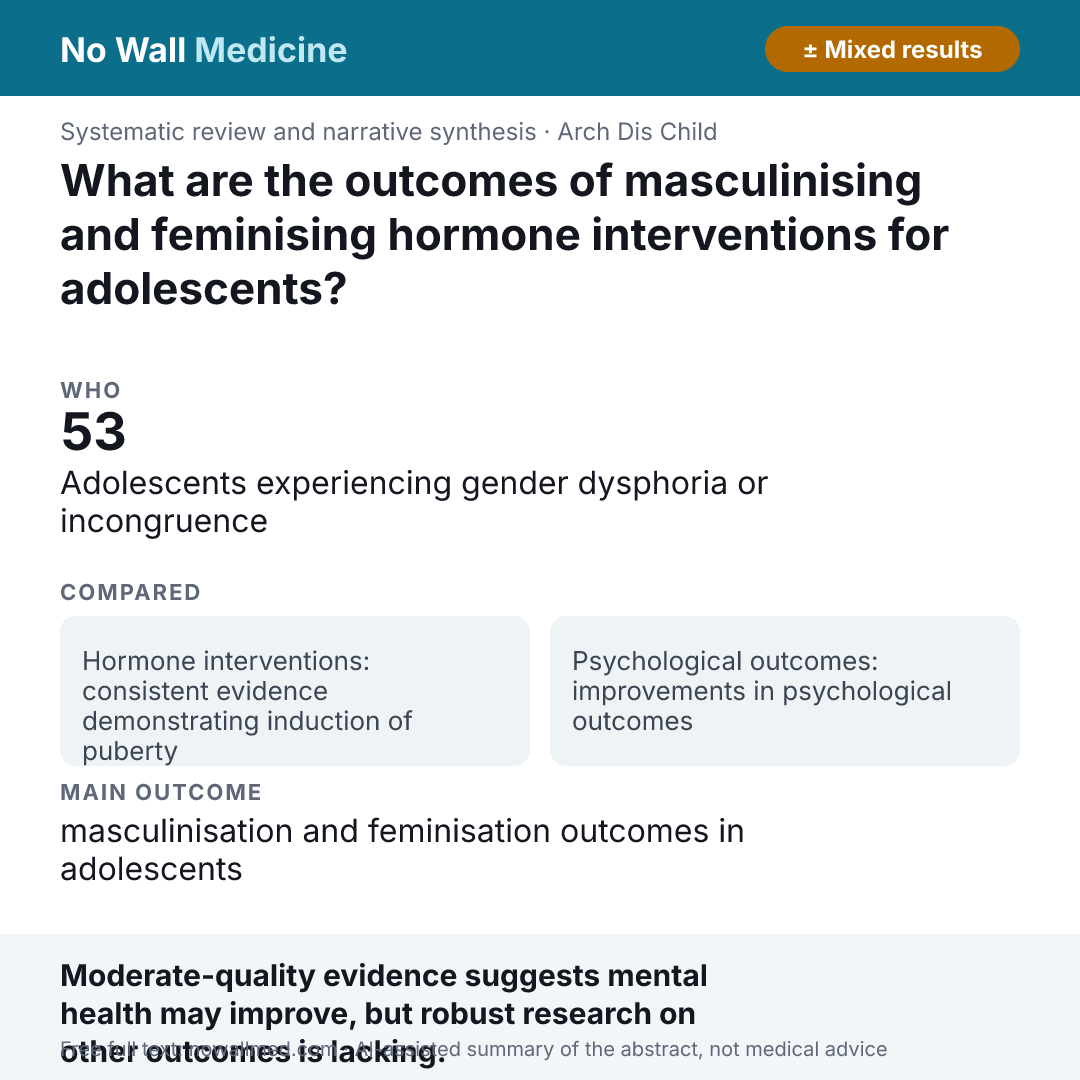
Masculinising and feminising hormone interventions for adolescents experiencing gender dysphoria or incongruence: a systematic review
Systematic review and narrative synthesisMixed results
What are the outcomes of masculinising and feminising hormone interventions for adolescents?
Who
53
Adolescents experiencing gender dysphoria or incongruence
Compared
Hormone interventions: consistent evidence demonstrating induction of puberty
Psychological outcomes: improvements in psychological outcomes
Main outcome
masculinisation and feminisation outcomes in adolescents
Bottom line: Moderate-quality evidence suggests mental health may improve, but robust research on other outcomes is lacking.
Limitation: Most studies included adolescents receiving puberty suppression, making it difficult to determine hormone effects alone.
Arch Dis Child · 2024-10-30 · Save PNG
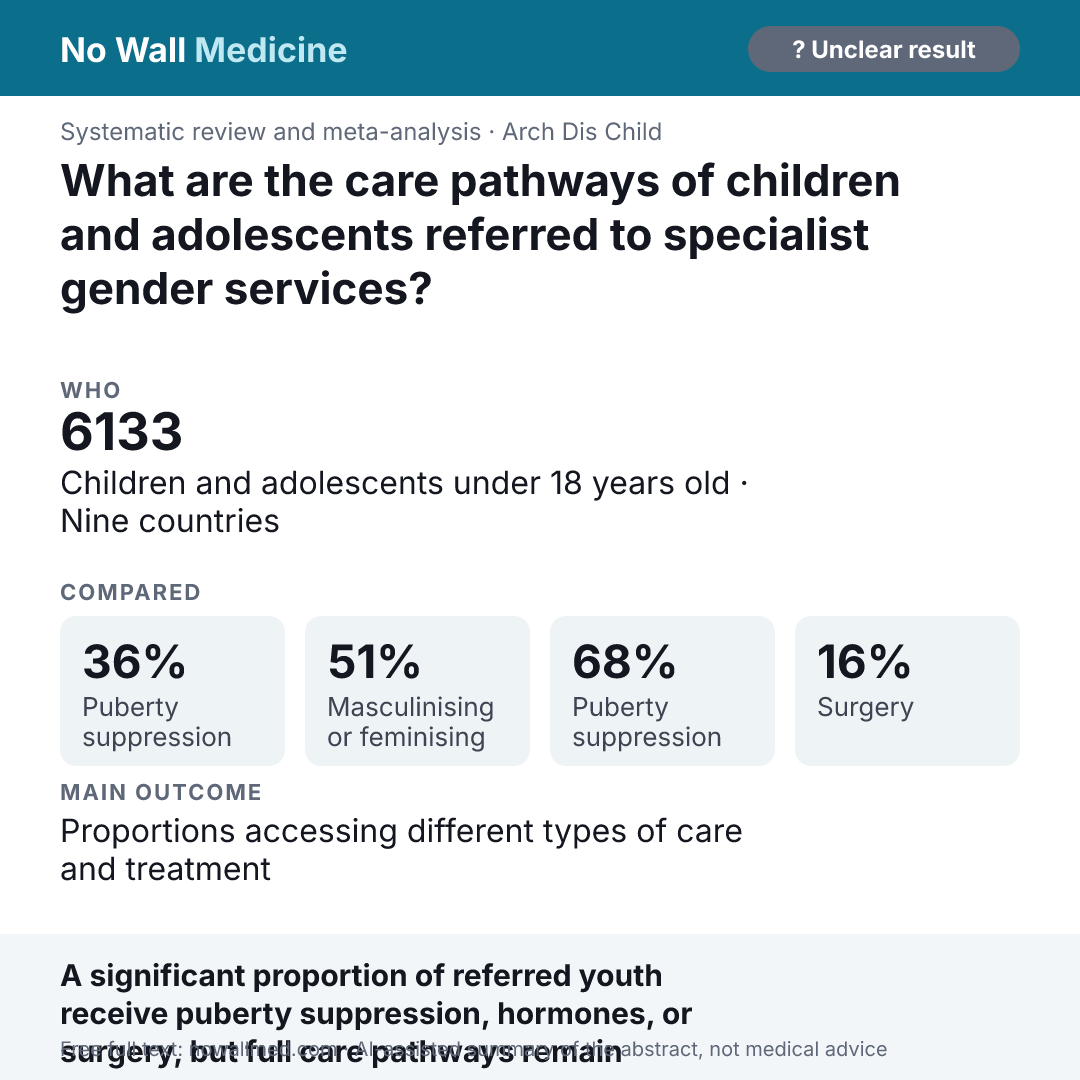
Care pathways of children and adolescents referred to specialist gender services: a systematic review
Systematic review and meta-analysisUnclear result
What are the care pathways of children and adolescents referred to specialist gender services?
Who
6133
Children and adolescents under 18 years old · Nine countries
Compared
36%Puberty suppression (95% CI 27% to 45%)
51%Masculinising or feminising hormones (95% CI 40% to 62%)
68%Puberty suppression and/or hormones (95% CI 57% to 77%)
16%Surgery (95% CI 10% to 24%)
Main outcome
Proportions accessing different types of care and treatment
Bottom line: A significant proportion of referred youth receive puberty suppression, hormones, or surgery, but full care pathways remain unknown.
Limitation: No study systematically reported information about the full pathway or psychological care received.
Arch Dis Child · 2024-10-30 · Save PNG
Clinical guidelines for children and adolescents experiencing gender dysphoria or incongruence: a systematic review of recommendations (part 2)
Systematic review and narrative synthesisMixed results
What are the recommendations for managing children and adolescents with gender dysphoria or incongruence?
Who
Children and adolescents aged 0 to 18 years · International, regional, and national guidelines
Compared
Prepubertal children: psychosocial care
Eligible adolescents: puberty suppressants followed by hormones
Adolescents entering adulthood: surgical interventions
Main outcome
Management recommendations in published clinical guidelines
Bottom line: Guidelines show similar care pathways but lack consensus on assessment processes and timing for psychological or hormonal interventions.
Limitation: Limited guidance on psychological care, prepubertal management, or non-binary gender identity.
Arch Dis Child · 2024-10-30 · Save PNG

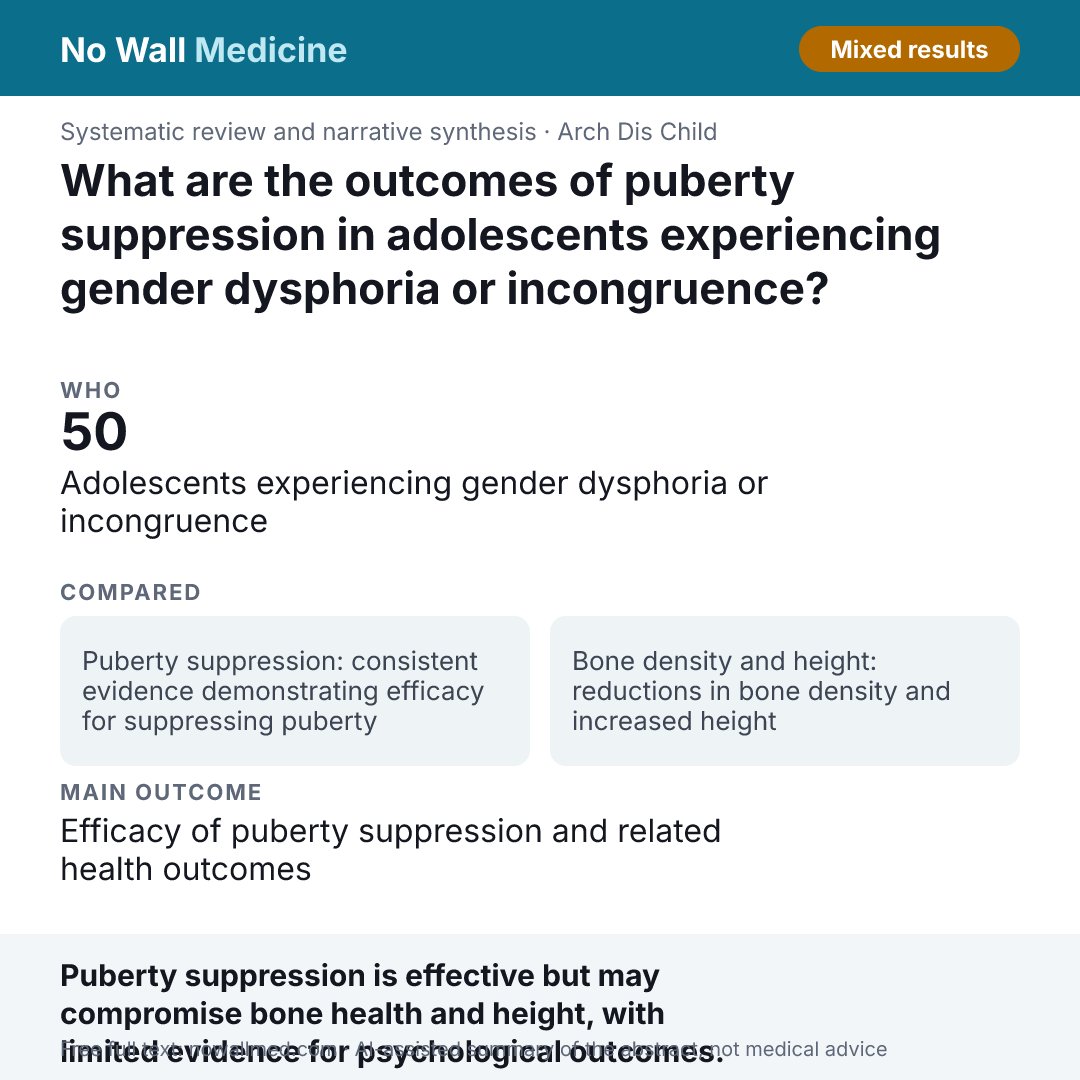
Interventions to suppress puberty in adolescents experiencing gender dysphoria or incongruence: a systematic review
Systematic review and narrative synthesisMixed results
What are the outcomes of puberty suppression in adolescents experiencing gender dysphoria or incongruence?
Who
50
Adolescents experiencing gender dysphoria or incongruence
Compared
Puberty suppression: consistent evidence demonstrating efficacy for suppressing puberty
Bone density and height: reductions in bone density and increased height
Main outcome
Efficacy of puberty suppression and related health outcomes
Bottom line: Puberty suppression is effective but may compromise bone health and height, with limited evidence for psychological outcomes.
Limitation: Lack of high-quality research assessing various health and psychological impacts.
Arch Dis Child · 2024-10-30 · Save PNG
Characteristics of children and adolescents referred to specialist gender services: a systematic review
Systematic reviewMixed results
What are the numbers and characteristics of children and adolescents referred to specialist gender services?
Who
Children and adolescents under 18 years old · 17 countries
Compared
Referrals: twofold to threefold increase in the number of referrals
Gender presentation: Approximately 60% had made steps to present in preferred gender
Main outcome
Demographic, gender-related, mental health, neurodevelopmental, and adverse childhood experience data
Bottom line: Referrals are increasing, but there is inconsistent collection and reporting of key demographic and mental health data.
Arch Dis Child · 2024-10-30 · Save PNG

Psychosocial support interventions for children and adolescents experiencing gender dysphoria or incongruence: a systematic review
Systematic reviewUnclear result
Do psychosocial support interventions help
Who
children and adolescents with gender dysphoria · US, Australia, Canada, New Zealand, UK
Compared
intervention
control
Main outcome
mental health and psychosocial outcomes
Bottom line: Interventions show benefit or no change
Limitation: small number of low-quality studies
Arch Dis Child · 2024-10-30 · Save PNG

Cost and cost-effectiveness of digital technologies for support of tuberculosis treatment adherence: a systematic review
Systematic reviewMixed results
What are the costs and cost-effectiveness of digital technologies for tuberculosis treatment adherence?
Who
Patients with tuberculosis infection or disease · Various settings including high-income countries
Compared
Digital adherence technologies
Healthcare provider directly observed therapy
Main outcome
Costs and cost-effectiveness of digital technologies
Bottom line: Digital technologies may be cost saving or cost-effective, particularly in high-income settings, but findings are highly variable.
Limitation: Only eight studies adequately reported most Consolidated Health Economic Evaluation Reporting Standards elements.
BMJ Glob Health · 2024-10-30 · Save PNG

Health Care Professionals' Experience of Using AI: Systematic Review With Narrative Synthesis
Systematic review with narrative synthesisMixed results
What are the experiences of health care professionals using non-knowledge-based artificial intelligence tools?
Who
Health care professionals using non-knowledge-based artificial intelligence tools · 9 different countries
Compared
Qualitative studies
Quantitative studies
Mixed methods studies
Main outcome
Experiences of using non-knowledge-based artificial intelligence for clinical decision-making
Bottom line: Health care professionals reported varied opinions on artificial intelligence value, with concerns regarding understanding and trust.
J Med Internet Res · 2024-10-30 · Save PNG

Positron Emission Tomography Imaging of Pheochromocytoma and Paraganglioma-18F-FDOPA vs Somatostatin Analogues
Systematic literature reviewMixed results
Which positron emission tomography tracer is most effective for pheochromocytoma and paraganglioma?
Who
Individuals with pheochromocytoma and paraganglioma
Compared
18F-FDOPA: higher sensitivity for pheochromocytoma
68Ga-DOTA-conjugated somatostatin analogues: higher sensitivity for metastatic sympathetic and head-neck paraganglioma
Main outcome
Diagnostic sensitivity of positron emission tomography tracers
Bottom line: 18F-FDOPA is most sensitive for pheochromocytoma, while somatostatin analogues are superior for metastatic and SDHx-related paraganglioma.
J Clin Endocrinol Metab · 2024-10-29 · Save PNG

Associations between amyloid-β load and cognition in cerebrovascular disease beyond cerebral amyloid angiopathy: a systematic review and meta-analysis of positron emission tomography studies
Systematic review and meta-analysisKey finding
Is amyloid-beta deposition associated with cognitive impairment in non-cerebral amyloid angiopathy cerebrovascular disease?
Who
2894
Non-cerebral amyloid angiopathy cerebrovascular disease patients
Compared
Higher amyloid-beta deposition: standardized mean difference = -0.43
Lower amyloid-beta deposition
Main outcome
Global cognitive performance
Result: standardized mean difference = -0.43, P < 0.001
Bottom line: Higher amyloid-beta load is associated with lower global cognitive performance in non-cerebral amyloid angiopathy cerebrovascular disease patients.
Age Ageing · 2024-10-29 · Save PNG

Sleep disorders associated with cranial radiation-A systematic review
Systematic reviewHarm found
Sleep disorders after cranial radiation
Who
2948
primary brain tumor patients
Compared
radiation therapy
control
Main outcome
sleep disturbances
Bottom line: Cranial radiation causes sleep disorders
Limitation: inconsistent terminology and high bias risk
Neuro Oncol · 2024-10-29 · Save PNG

Effects of Dietary Approaches and Exercise Interventions on Gestational Diabetes Mellitus: A Systematic Review and Bayesian Network Meta-analysis
Systematic review and Bayesian network meta-analysisBenefit, low certainty
Which lifestyle therapies are most effective for gestational diabetes mellitus?
Who
2712
women with gestational diabetes mellitus
Compared
Dietary approaches to stop hypertension diet: MD: -11.52; 95% credible intervals (CrIs): -14.01, -9.07
Low glycemic index diets: MD: -6.3; 95% CrI: -9.9, -2.7
Resistance exercise: 67% (95% CrI: 48%, 85%) reduction in insulin requirements
Main outcome
maternal glucose control, birth weight, macrosomia, preterm birth, and insulin therapy
Bottom line: DASH diet, low glycemic index diets, and resistance exercise may benefit maternal outcomes in gestational diabetes mellitus.
Limitation: Future research with higher quality and evidence grades is necessary.
Adv Nutr · 2024-10-29 · Save PNG

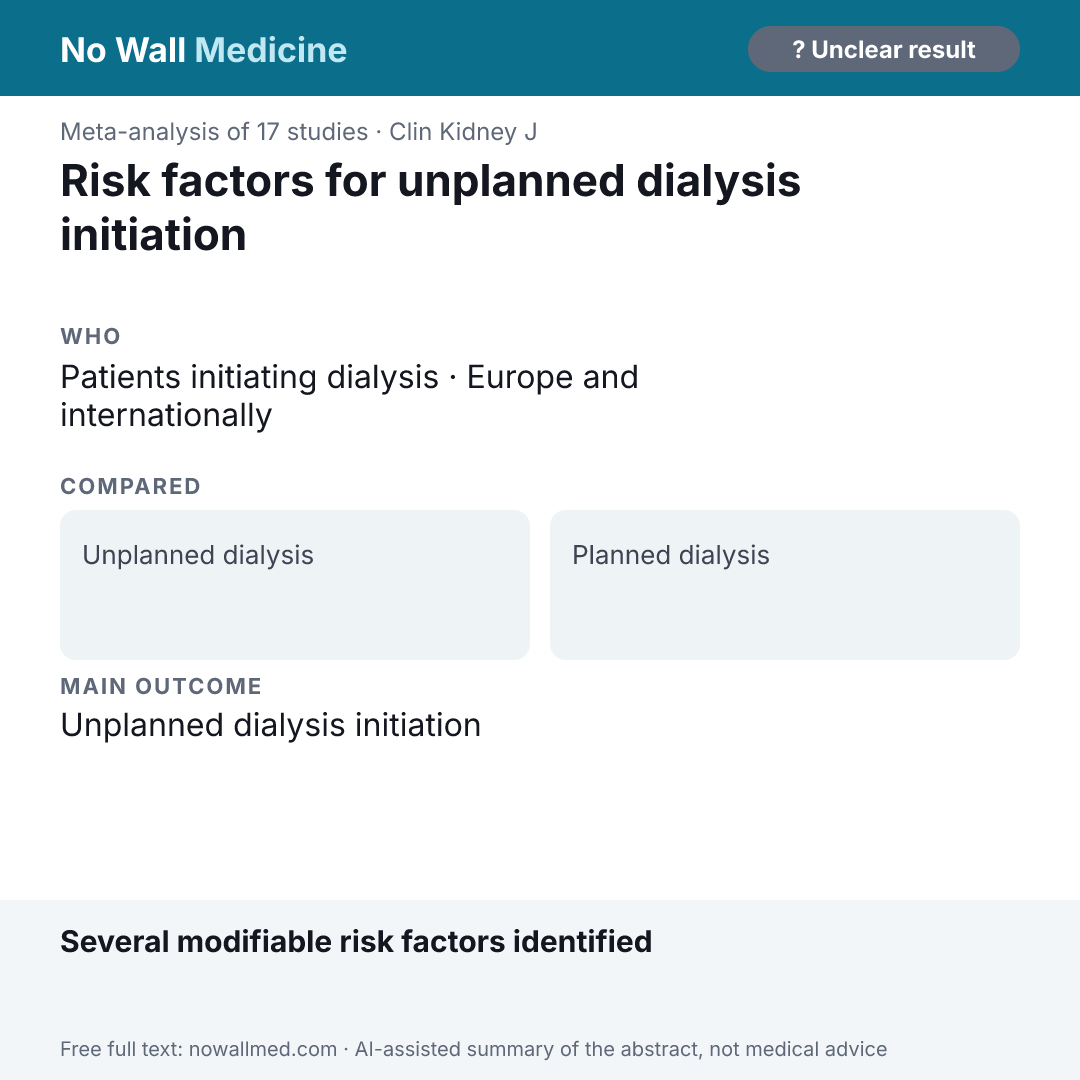
An updated systematic review of the risk factors for unplanned dialysis initiation
Meta-analysis of 17 studiesUnclear result
Risk factors for unplanned dialysis initiation
Who
Patients initiating dialysis · Europe and internationally
Compared
Unplanned dialysis
Planned dialysis
Main outcome
Unplanned dialysis initiation
Bottom line: Several modifiable risk factors identified
Limitation: Lack of high-quality data
Clin Kidney J · 2024-10-29 · Save PNG
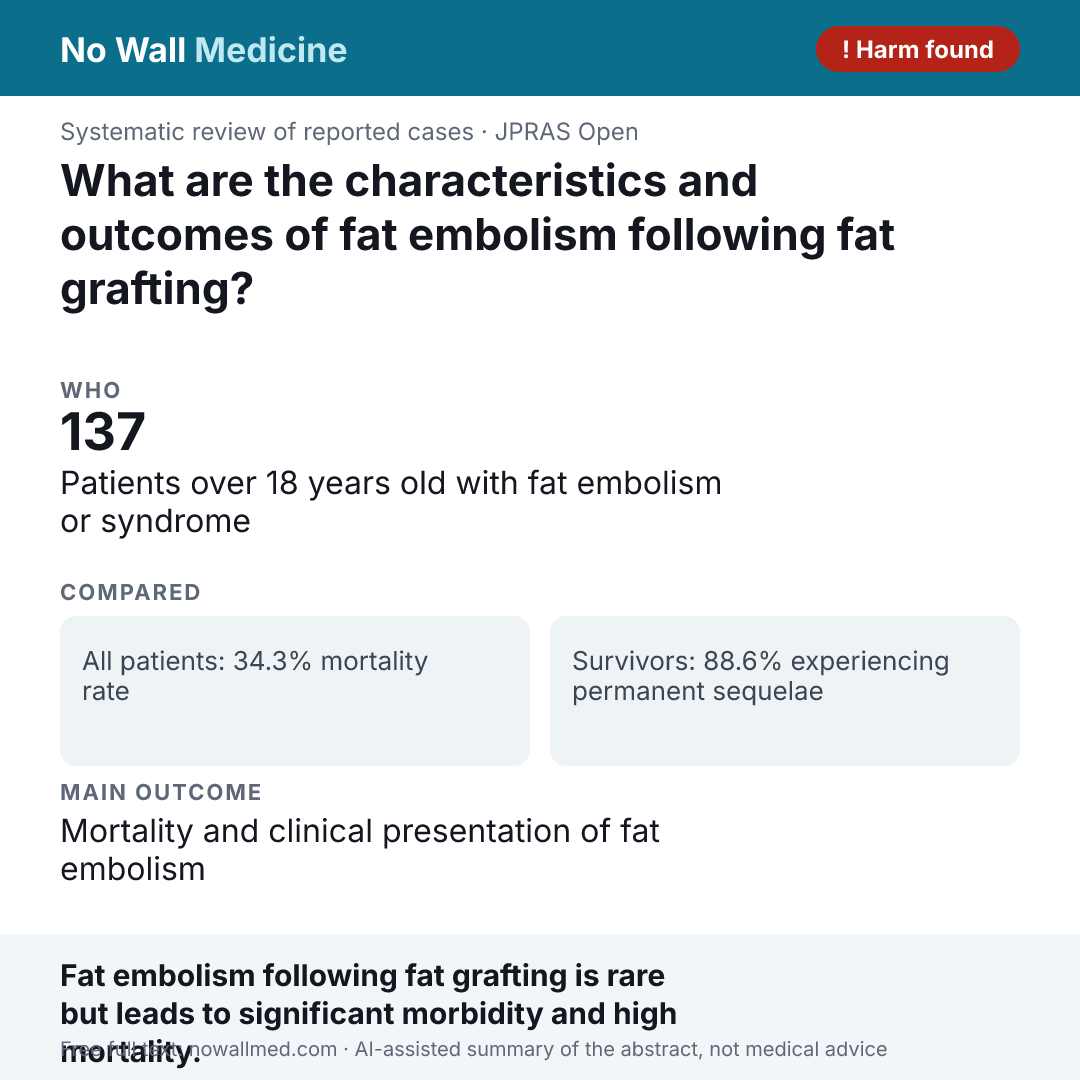
Fat embolism following fat grafting: A systematic review of reported cases
Systematic review of reported casesHarm found
What are the characteristics and outcomes of fat embolism following fat grafting?
Who
137
Patients over 18 years old with fat embolism or syndrome
Compared
All patients: 34.3% mortality rate
Survivors: 88.6% experiencing permanent sequelae
Main outcome
Mortality and clinical presentation of fat embolism
Bottom line: Fat embolism following fat grafting is rare but leads to significant morbidity and high mortality.
Limitation: Heterogeneity, recall bias, language limitations, and potential publication bias.
JPRAS Open · 2024-10-29 · Save PNG
Immediate Versus Staged Complete Revascularization for Patients With ST-Segment-Elevation Myocardial Infarction and Multivessel Disease: A Network Meta-Analysis of Randomized Trials
Network meta-analysis of 9 randomized trialsMixed results
Is immediate, staged in-hospital, or staged out-of-hospital revascularization best for ST-segment-elevation myocardial infarction?
Who
4270
Patients with ST-segment-elevation myocardial infarction and multivessel disease
Compared
Immediate nonculprit percutaneous coronary intervention
Staged in-hospital nonculprit percutaneous coronary intervention: odds ratio 1.29-[95% CI, 0.91-1.82]
Staged out-of-hospital nonculprit percutaneous coronary intervention: odds ratio 1.67-[95% CI, 1.21-2.30]
Main outcome
major adverse cardiac events
Result: odds ratio 1.67-[95% CI, 1.21-2.30]
Bottom line: Staged out-of-hospital revascularization increased major adverse cardiac events compared to immediate nonculprit percutaneous coronary intervention.
J Am Heart Assoc · 2024-10-29 · Save PNG

Safety and efficacy of intravenous thrombolytic therapy in the extended window up to 24 hours: A systematic review and meta-analysis
Systematic review and meta-analysisMixed results
Is intravenous thrombolytic therapy safe and effective in the extended therapeutic window?
Who
2221
Patients with acute ischemic stroke
Compared
Intravenous thrombolytic therapy: mRS 0-1: RR 1.21 95% CI 1.1-1.34
Controls
Main outcome
Functional outcome, symptomatic intracranial hemorrhage, and mortality at 90 days
Result: mRS 0-1: RR 1.21 95% CI 1.1-1.34; sICH: RR 2.93 95% CI 1.53-5.6
Bottom line: Intravenous thrombolytic therapy improves functional recovery but increases symptomatic intracranial hemorrhage risk in the extended window.
Ann Clin Transl Neurol · 2024-10-29 · Save PNG

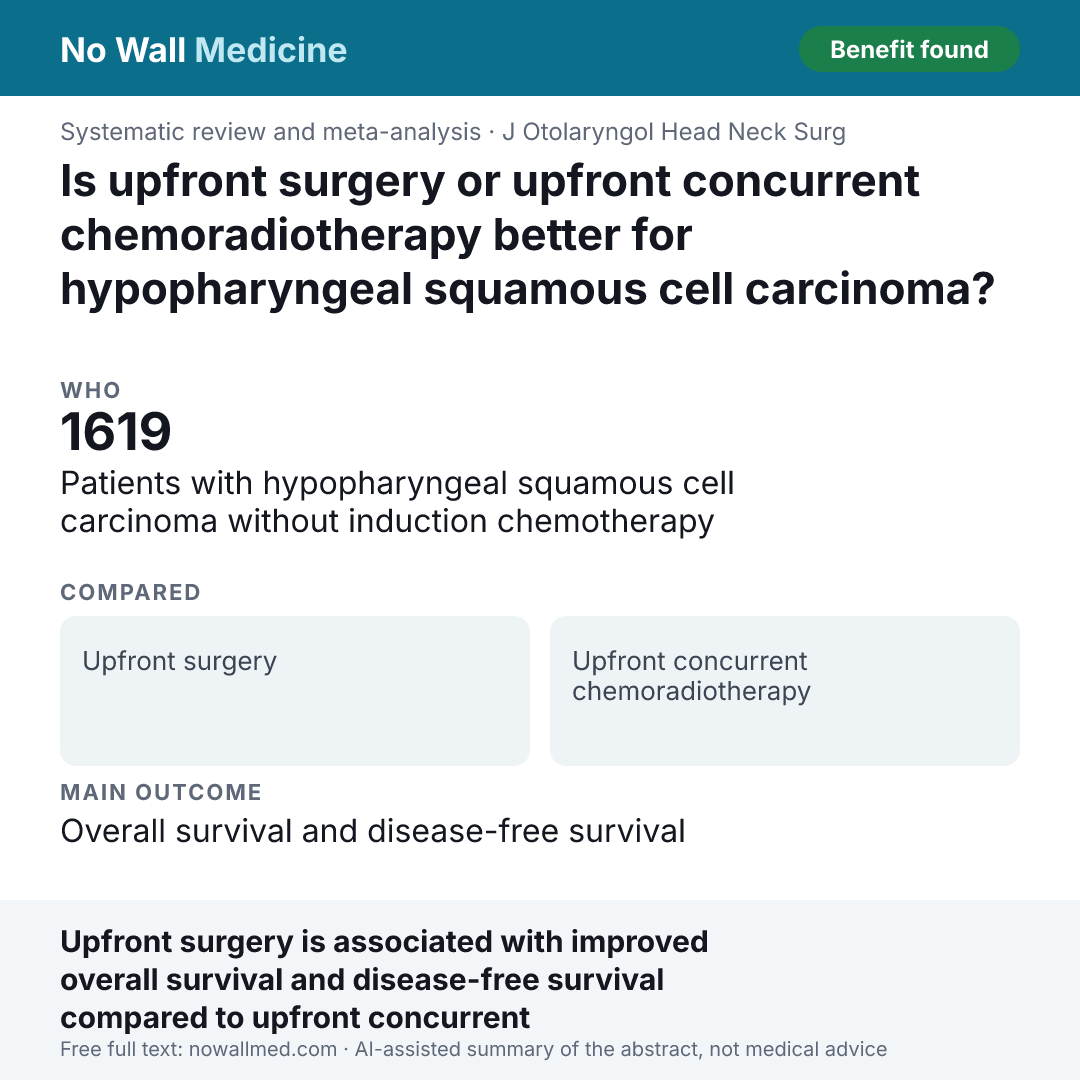
Upfront Surgery Versus Upfront Concurrent Chemoradiotherapy as Primary Modality in Hypopharyngeal Squamous Cell Carcinoma: A Systematic Review and Meta-Analysis
Systematic review and meta-analysisBenefit found
Is upfront surgery or upfront concurrent chemoradiotherapy better for hypopharyngeal squamous cell carcinoma?
Who
1619
Patients with hypopharyngeal squamous cell carcinoma without induction chemotherapy
Compared
Upfront surgery
Upfront concurrent chemoradiotherapy
Main outcome
Overall survival and disease-free survival
Result: aHR 0.66 (95% CI 0.57-0.78) for overall survival
Bottom line: Upfront surgery is associated with improved overall survival and disease-free survival compared to upfront concurrent chemoradiotherapy.
J Otolaryngol Head Neck Surg · 2024-10-29 · Save PNG