Visual abstracts
New randomized trials and meta-analyses from leading journals at a glance: who was studied, what was compared, and what was found. Every paper is free to read in full.
All specialtiesCardiology 4763Oncology 4042Gastroenterology & Hepatology 1902Infectious Disease 3756Neurology 1872Psychiatry & Mental Health 2214Pulmonology 2042Critical Care 1319Endocrinology & Diabetes 2544Pediatrics 2889Surgery 2479Orthopedics & Sports Medicine 917Neurosurgery 525Cardiothoracic & Vascular Surgery 656Plastic & Reconstructive Surgery 574Nephrology 1107Rheumatology 810Hematology 1090Dermatology 611Ophthalmology 532Obstetrics & Gynecology 1645Public & Global Health 1037Radiology & Imaging 617Anesthesiology 957Urology 745ENT (Otolaryngology) 494Emergency Medicine 481Allergy & Immunology 309Geriatrics 972Family Medicine & Primary Care 533Medical Genetics & Genomics 659Pathology & Laboratory Medicine 156Physical Medicine & Rehabilitation 734Palliative Care 421Nutrition 1560Digital Health & AI 2133General Medicine 318
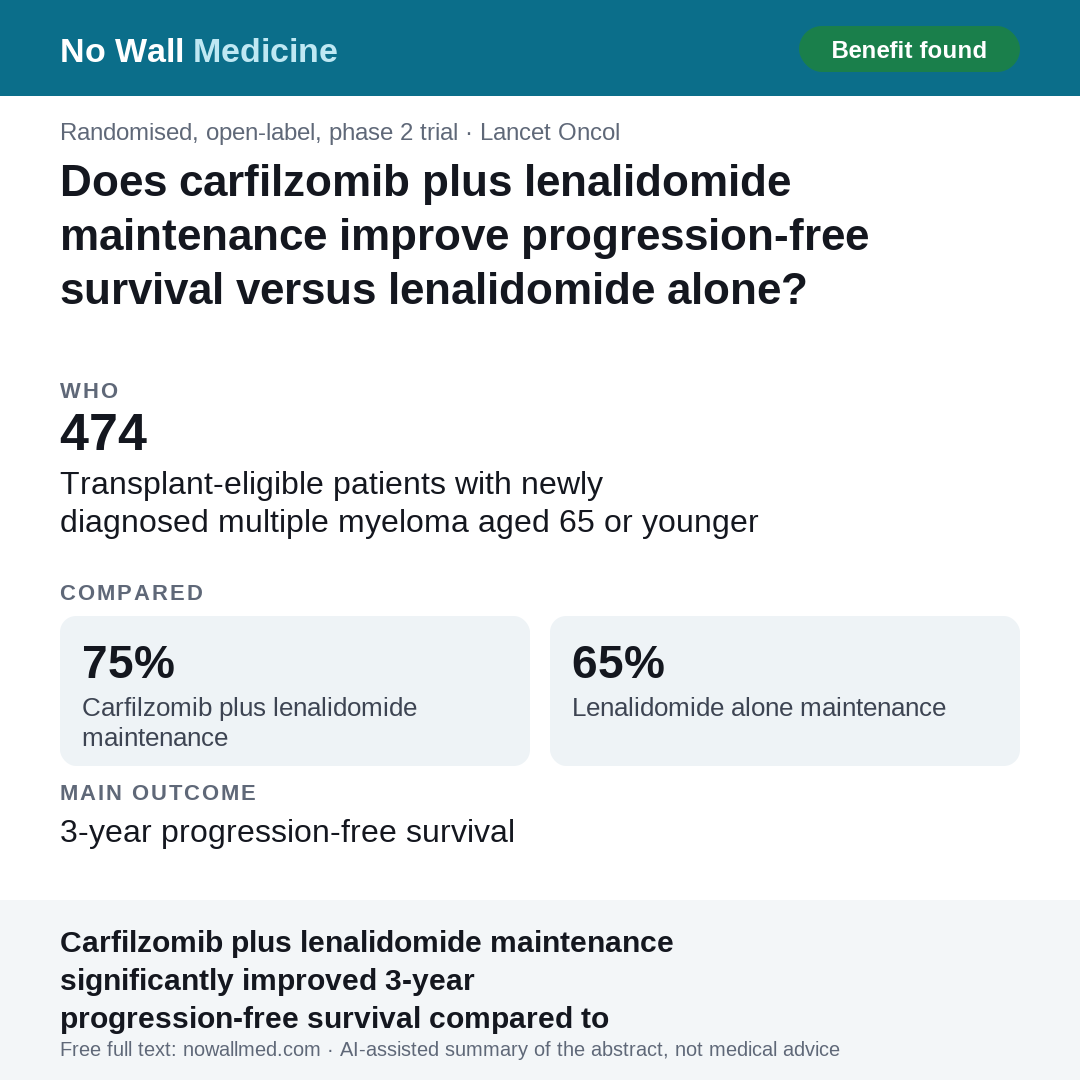
Carfilzomib with cyclophosphamide and dexamethasone or lenalidomide and dexamethasone plus autologous transplantation or carfilzomib plus lenalidomide and dexamethasone, followed by maintenance with carfilzomib plus lenalidomide or lenalidomide alone for patients with newly diagnosed multiple myeloma (FORTE): a randomised, open-label, phase 2 trial
Randomised, open-label, phase 2 trialEarly signal
Does carfilzomib plus lenalidomide maintenance improve progression-free survival versus lenalidomide alone?
Who
474
Transplant-eligible patients with newly diagnosed multiple myeloma aged 65 or younger · 42 Italian academic and community practice centres
Compared
75%Carfilzomib plus lenalidomide maintenance (95% CI 68-82)
65%Lenalidomide alone maintenance (58-72)
Main outcome
3-year progression-free survival
Result: hazard ratio 0.64 (95% CI 0.44-0.94)
Bottom line: Carfilzomib plus lenalidomide maintenance significantly improved 3-year progression-free survival compared to lenalidomide alone.
Lancet Oncol · 2021-11-11Download image
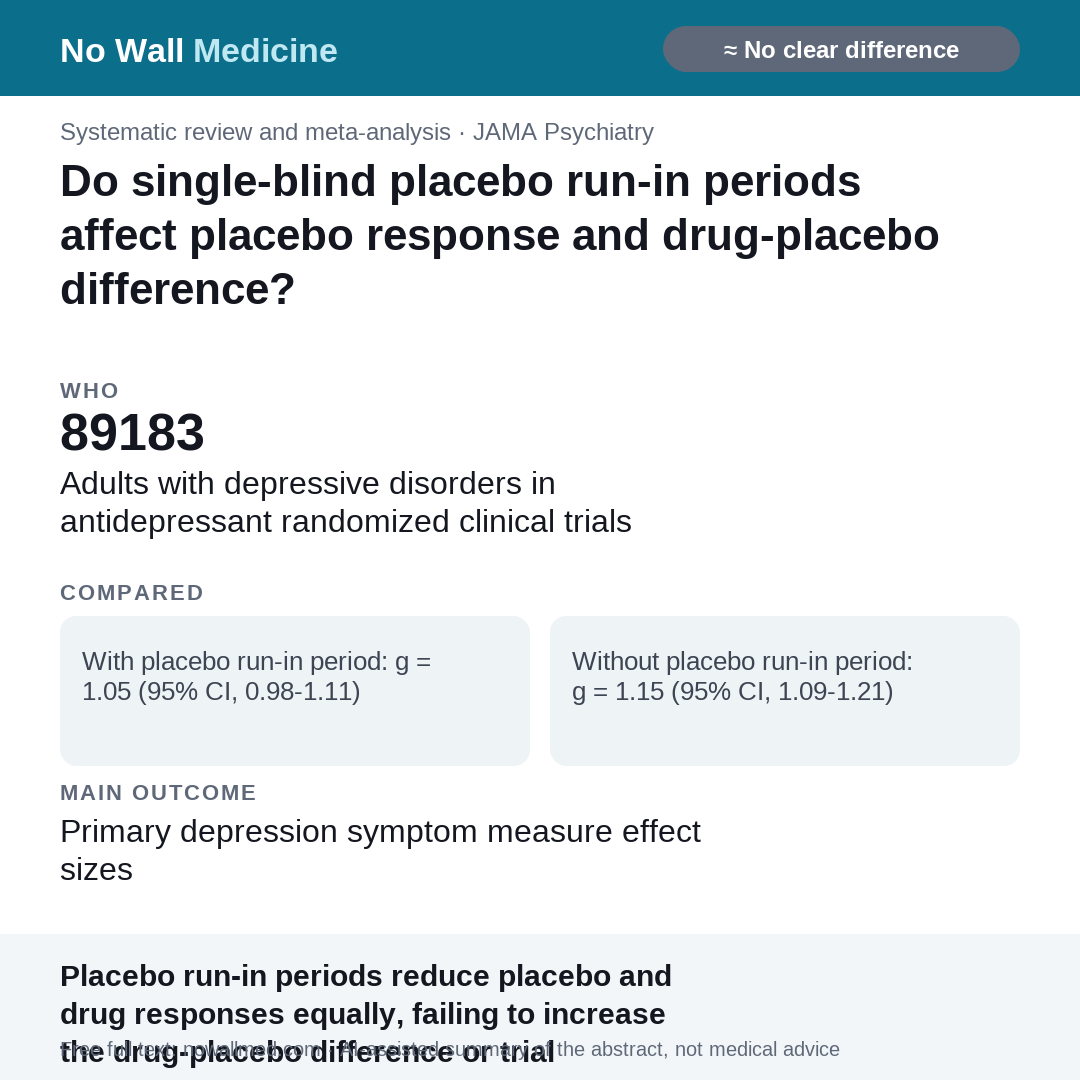
Association of Single-blind Placebo Run-in Periods With the Placebo Response in Randomized Clinical Trials of Antidepressants: A Systematic Review and Meta-analysis
Systematic review and meta-analysisNo clear difference
Do single-blind placebo run-in periods affect placebo response and drug-placebo difference?
Who
89183
Adults with depressive disorders in antidepressant randomized clinical trials
Compared
With placebo run-in period: g = 1.05 (95% CI, 0.98-1.11)
Without placebo run-in period: g = 1.15 (95% CI, 1.09-1.21)
Main outcome
Primary depression symptom measure effect sizes
Result: g = 0.33 (95% CI, 0.29-0.38) vs g = 0.34 (95% CI, 0.30-0.38)
Bottom line: Placebo run-in periods reduce placebo and drug responses equally, failing to increase the drug-placebo difference or trial sensitivity.
JAMA Psychiatry · 2021-11-11Download image
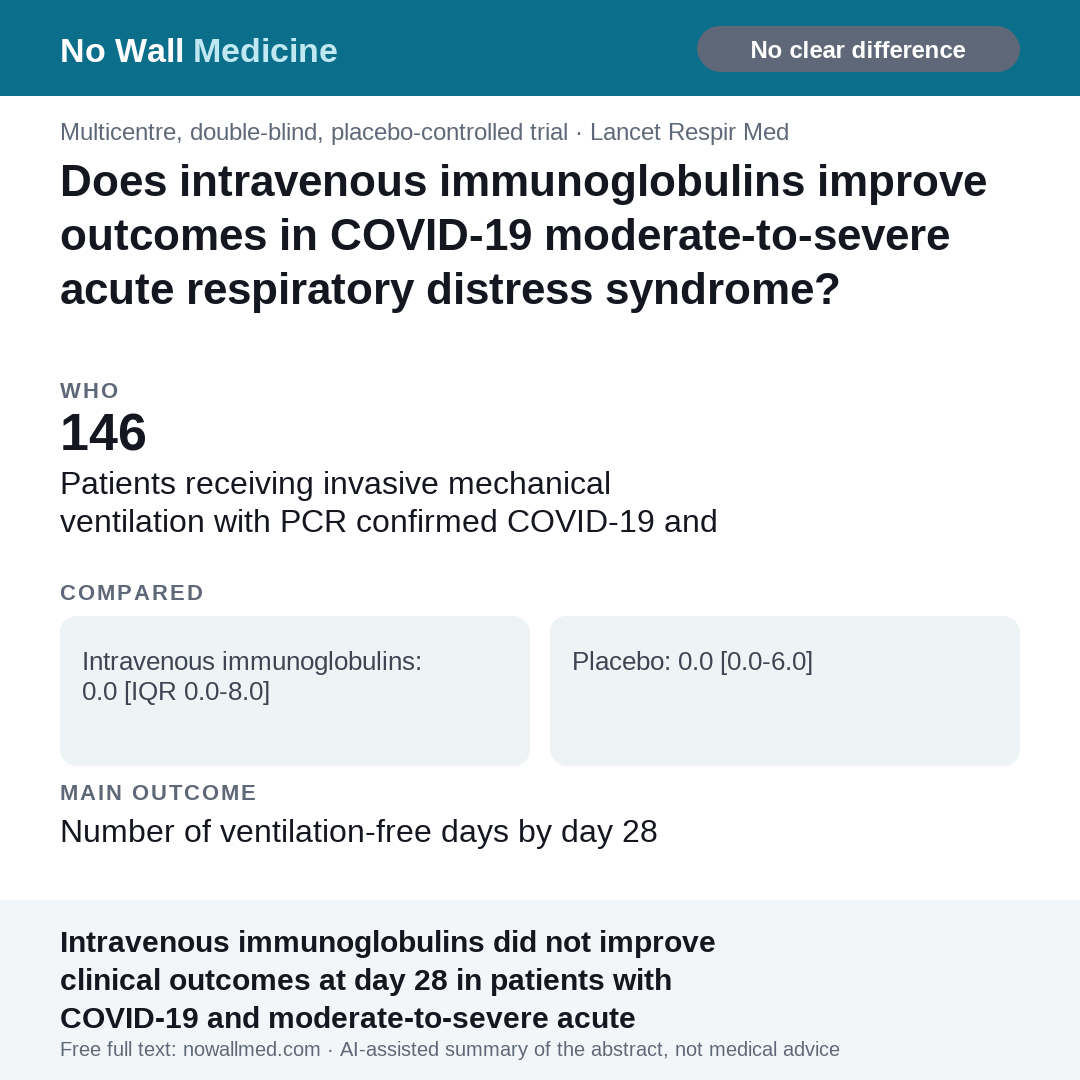
Intravenous immunoglobulins in patients with COVID-19-associated moderate-to-severe acute respiratory distress syndrome (ICAR): multicentre, double-blind, placebo-controlled, phase 3 trial
Multicentre, double-blind, placebo-controlled trialNo clear difference
Does intravenous immunoglobulins improve outcomes in COVID-19 moderate-to-severe acute respiratory distress syndrome?
Who
146
Patients receiving invasive mechanical ventilation with PCR confirmed COVID-19 and moderate-to-severe acute respiratory distress syndrome · 43 centres in France
Compared
Intravenous immunoglobulins: 0.0 [IQR 0.0-8.0]
Placebo: 0.0 [0.0-6.0]
Main outcome
Number of ventilation-free days by day 28
Result: difference estimate 0.0 [0.0-0.0]; p=0.21
Bottom line: Intravenous immunoglobulins did not improve clinical outcomes at day 28 in patients with COVID-19 and moderate-to-severe acute respiratory distress syndrome.
Funded by: Programme Hospitalier de Recherche Clinique
Lancet Respir Med · 2021-11-11Download image
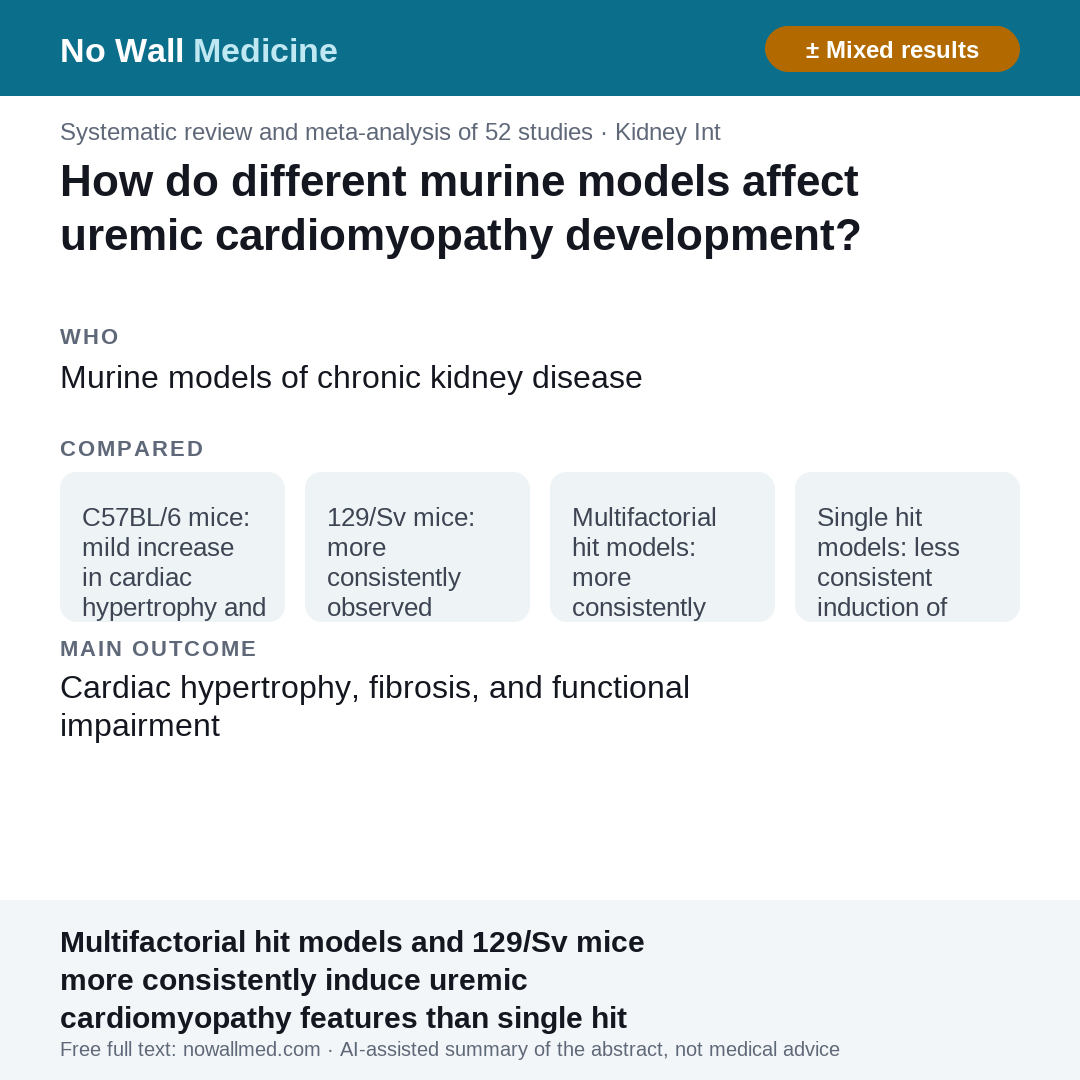
A systematic review and meta-analysis of murine models of uremic cardiomyopathy
Systematic review and meta-analysis of 52 studiesMixed results
How do different murine models affect uremic cardiomyopathy development?
Who
Murine models of chronic kidney disease
Compared
C57BL/6 mice: mild increase in cardiac hypertrophy and fibrosis
129/Sv mice: more consistently observed cardiac hypertrophy
Multifactorial hit models: more consistently induced cardiac hypertrophy and fibrosis
Single hit models: less consistent induction of hypertrophy and fibrosis
Main outcome
Cardiac hypertrophy, fibrosis, and functional impairment
Bottom line: Multifactorial hit models and 129/Sv mice more consistently induce uremic cardiomyopathy features than single hit C57BL/6 models.
Kidney Int · 2021-11-11Download image
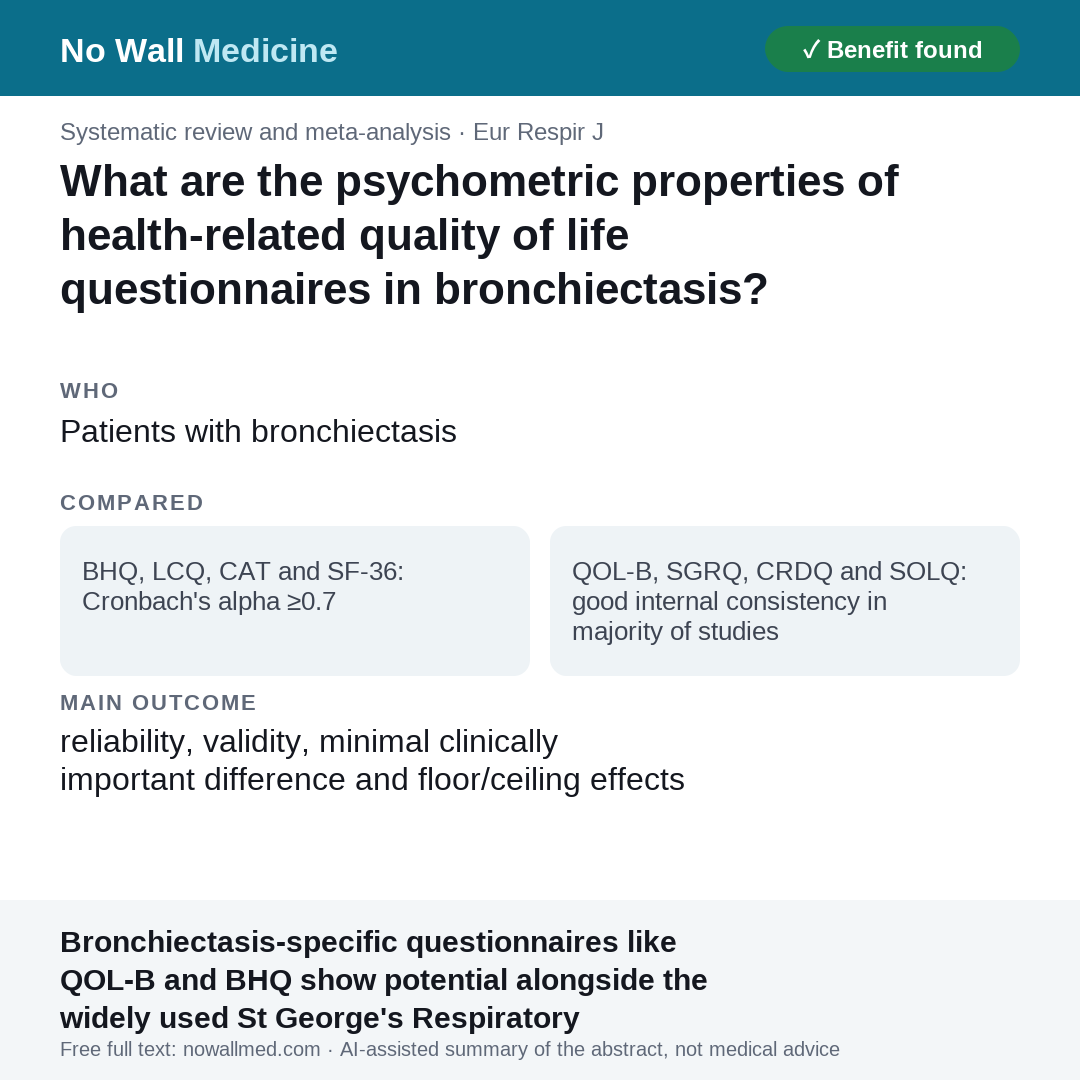
Psychometrics of health-related quality of life questionnaires in bronchiectasis: a systematic review and meta-analysis
Systematic review and meta-analysisBenefit found
What are the psychometric properties of health-related quality of life questionnaires in bronchiectasis?
Who
Patients with bronchiectasis
Compared
BHQ, LCQ, CAT and SF-36: Cronbach's alpha ≥0.7
QOL-B, SGRQ, CRDQ and SOLQ: good internal consistency in majority of studies
Main outcome
reliability, validity, minimal clinically important difference and floor/ceiling effects
Bottom line: Bronchiectasis-specific questionnaires like QOL-B and BHQ show potential alongside the widely used St George's Respiratory Questionnaire.
Limitation: Future studies should focus on medium- to long-term reliability, responsiveness and minimal clinically important difference.
Eur Respir J · 2021-11-11Download image
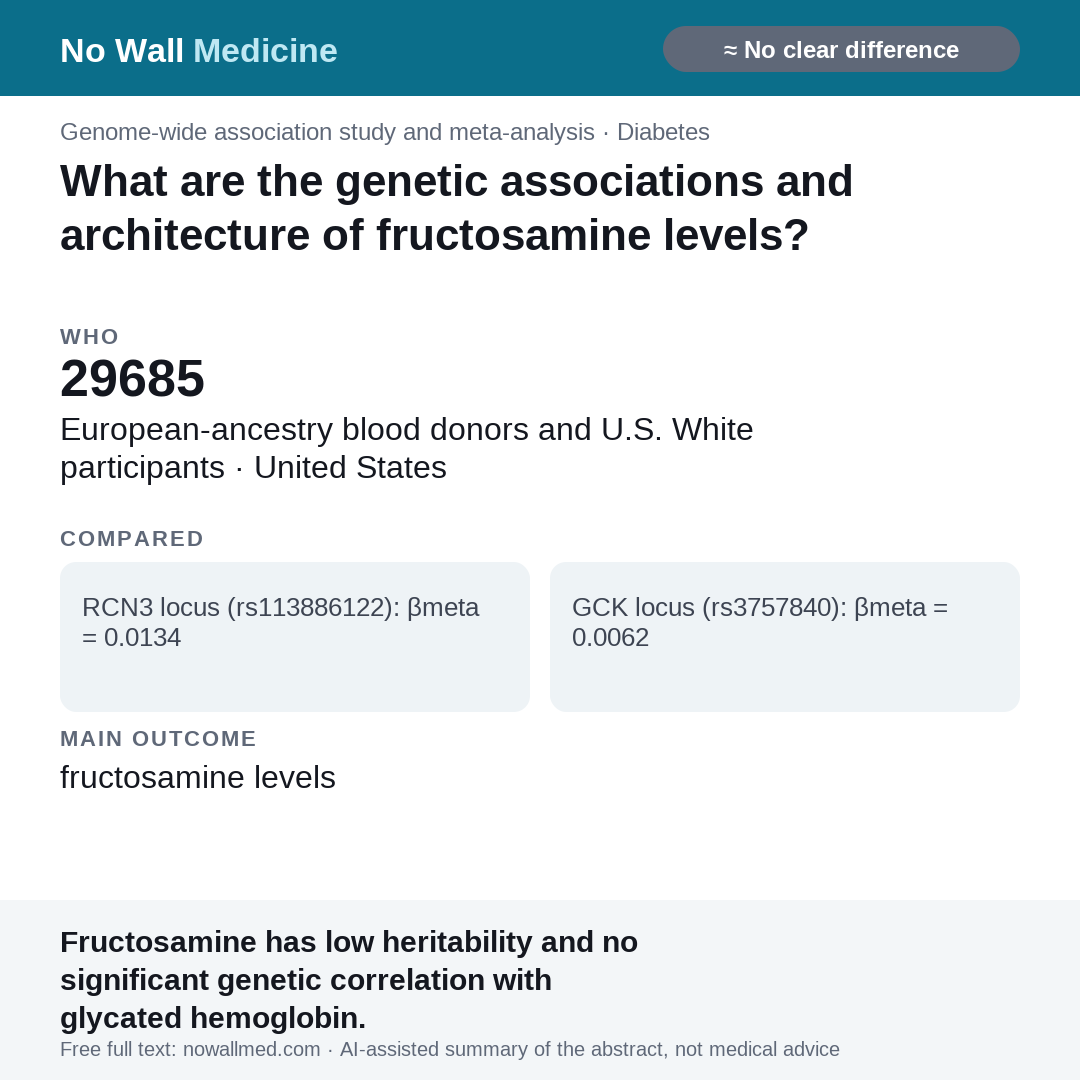
An Expanded Genome-Wide Association Study of Fructosamine Levels Identifies RCN3 as a Replicating Locus and Implicates FCGRT as the Effector Transcript
Genome-wide association study and meta-analysisNo clear difference
What are the genetic associations and architecture of fructosamine levels?
Who
29685
European-ancestry blood donors and U.S. White participants · United States
Compared
RCN3 locus (rs113886122): βmeta = 0.0134
GCK locus (rs3757840): βmeta = 0.0062
Main outcome
fructosamine levels
Bottom line: Fructosamine has low heritability and no significant genetic correlation with glycated hemoglobin.
Diabetes · 2021-11-11Download image
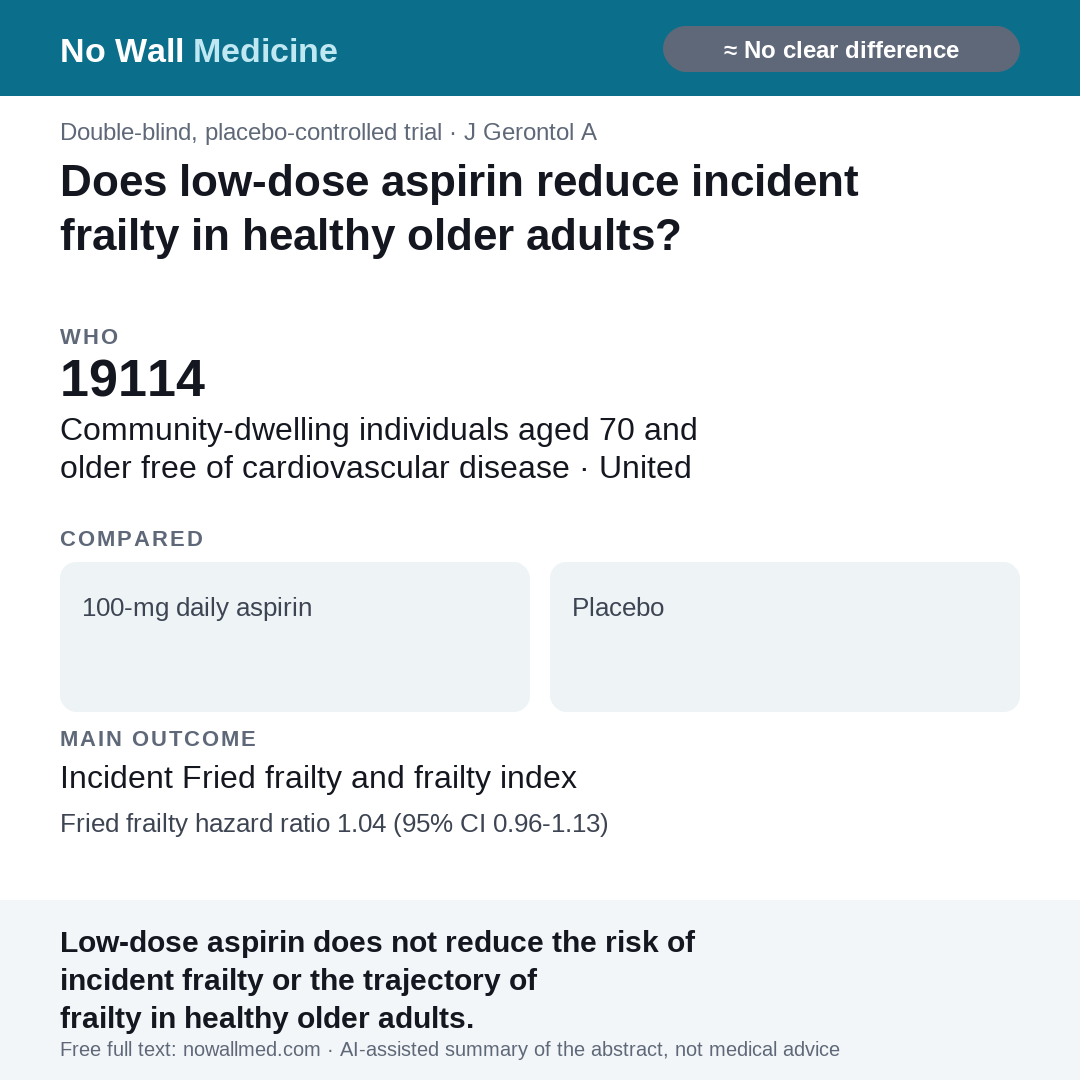
The Effect of Low-Dose Aspirin on Frailty Phenotype and Frailty Index in Community-Dwelling Older Adults in the ASPirin in Reducing Events in the Elderly Study
Double-blind, placebo-controlled trialNo clear difference
Does low-dose aspirin reduce incident frailty in healthy older adults?
Who
19114
Community-dwelling individuals aged 70 and older free of cardiovascular disease · United States and Australia
Compared
100-mg daily aspirin
Placebo
Main outcome
Incident Fried frailty and frailty index
Result: Fried frailty hazard ratio 1.04 (95% CI 0.96-1.13)
Bottom line: Low-dose aspirin does not reduce the risk of incident frailty or the trajectory of frailty in healthy older adults.
J Gerontol A · 2021-11-11Download image
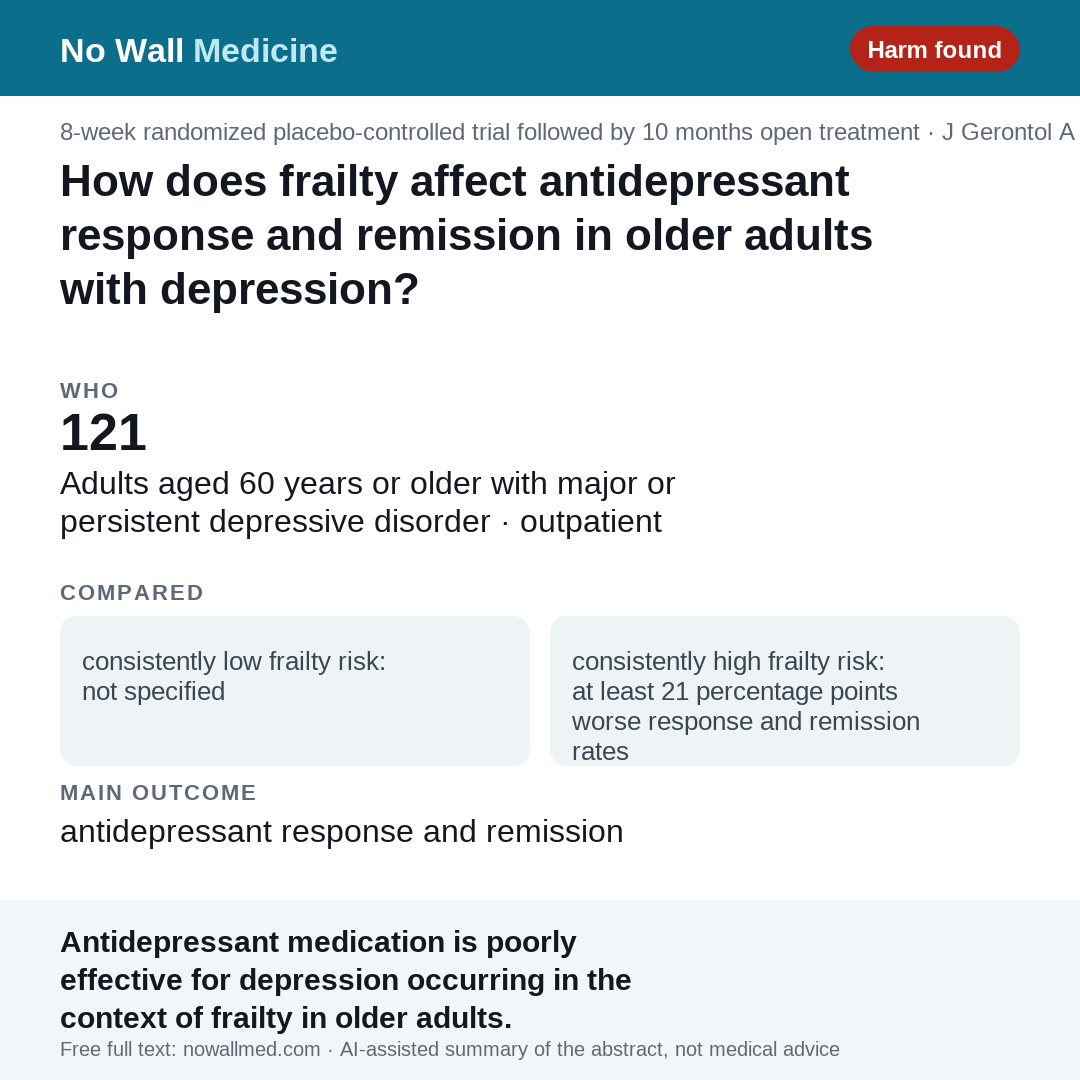
Frailty and Depression in Late Life: A High-Risk Comorbidity With Distinctive Clinical Presentation and Poor Antidepressant Response
8-week randomized placebo-controlled trial followed by 10 months open treatmentHarm found
How does frailty affect antidepressant response and remission in older adults with depression?
Who
121
Adults aged 60 years or older with major or persistent depressive disorder · outpatient research clinic
Compared
consistently low frailty risk: not specified
consistently high frailty risk: at least 21 percentage points worse response and remission rates
Main outcome
antidepressant response and remission
Bottom line: Antidepressant medication is poorly effective for depression occurring in the context of frailty in older adults.
J Gerontol A · 2021-11-11Download image
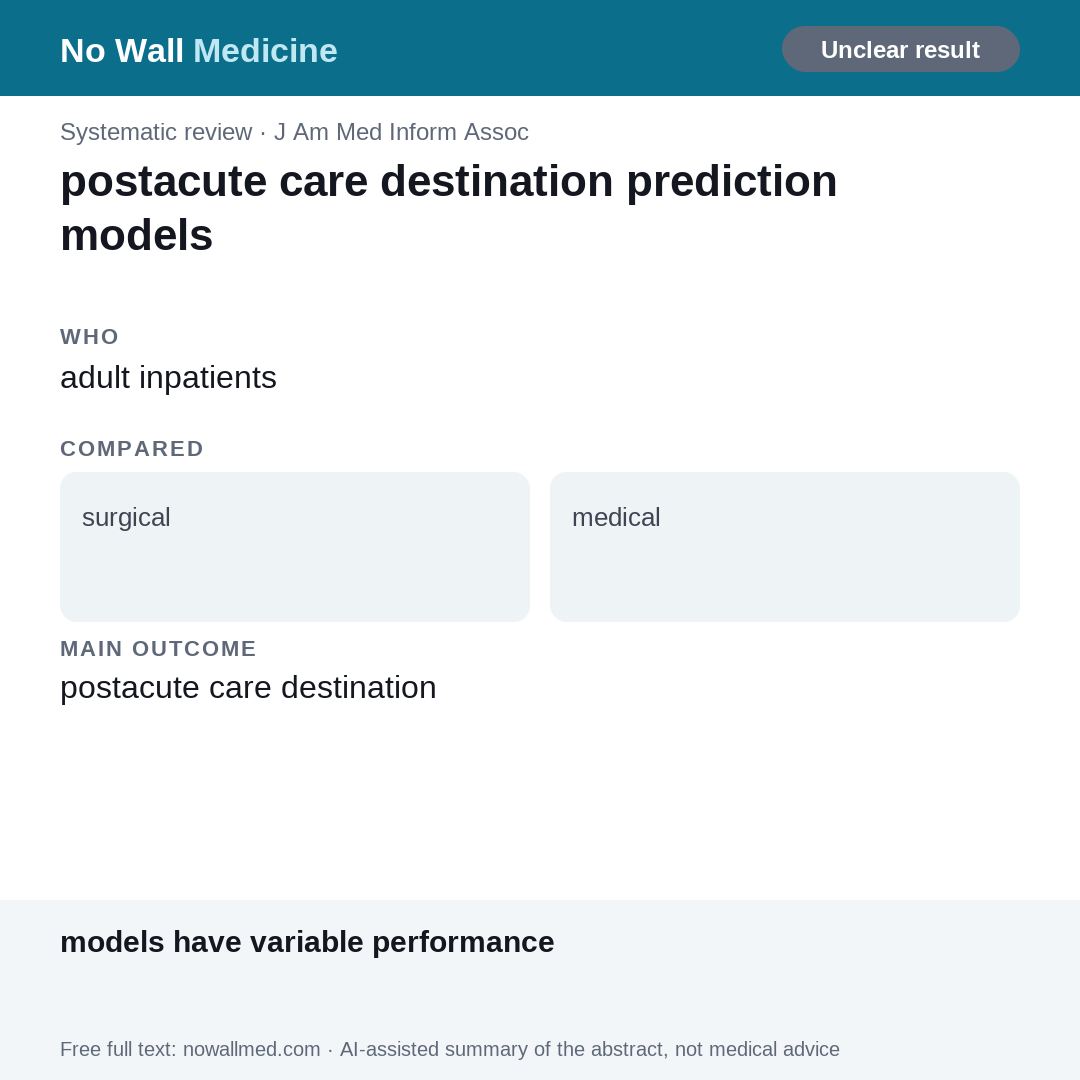
Systematic review of prediction models for postacute care destination decision-making
Systematic reviewUnclear result
postacute care destination prediction models
Who
adult inpatients
Compared
surgical
medical
Main outcome
postacute care destination
Bottom line: models have variable performance
Limitation: inconsistent development and validation
J Am Med Inform Assoc · 2021-11-11Download image
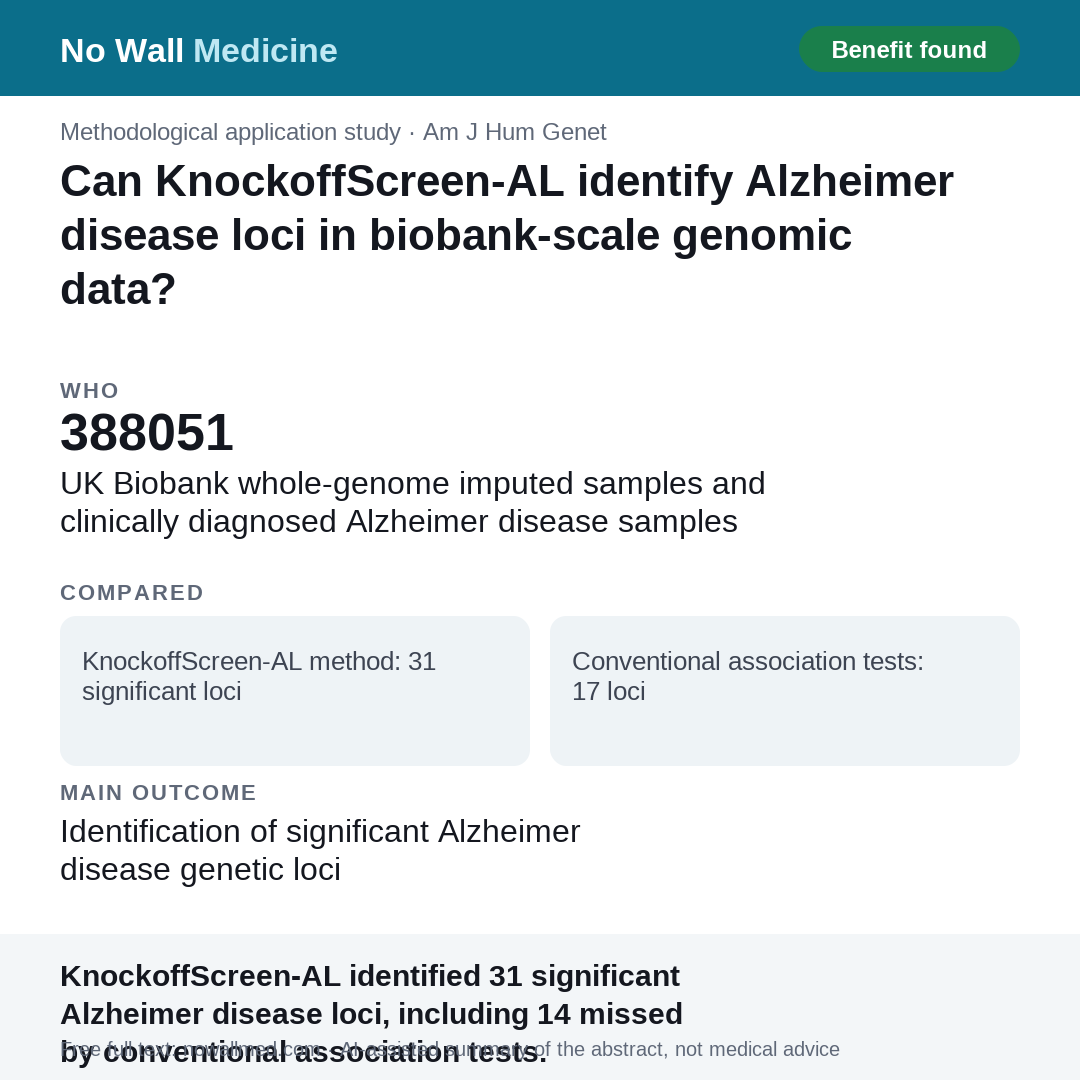
Genome-wide analysis of common and rare variants via multiple knockoffs at biobank scale, with an application to Alzheimer disease genetics
Methodological application studyBenefit found
Can KnockoffScreen-AL identify Alzheimer disease loci in biobank-scale genomic data?
Who
388051
UK Biobank whole-genome imputed samples and clinically diagnosed Alzheimer disease samples · UK Biobank
Compared
KnockoffScreen-AL method: 31 significant loci
Conventional association tests: 17 loci
Main outcome
Identification of significant Alzheimer disease genetic loci
Result: 14 loci missed by conventional association tests
Bottom line: KnockoffScreen-AL identified 31 significant Alzheimer disease loci, including 14 missed by conventional association tests.
Am J Hum Genet · 2021-11-11Download image
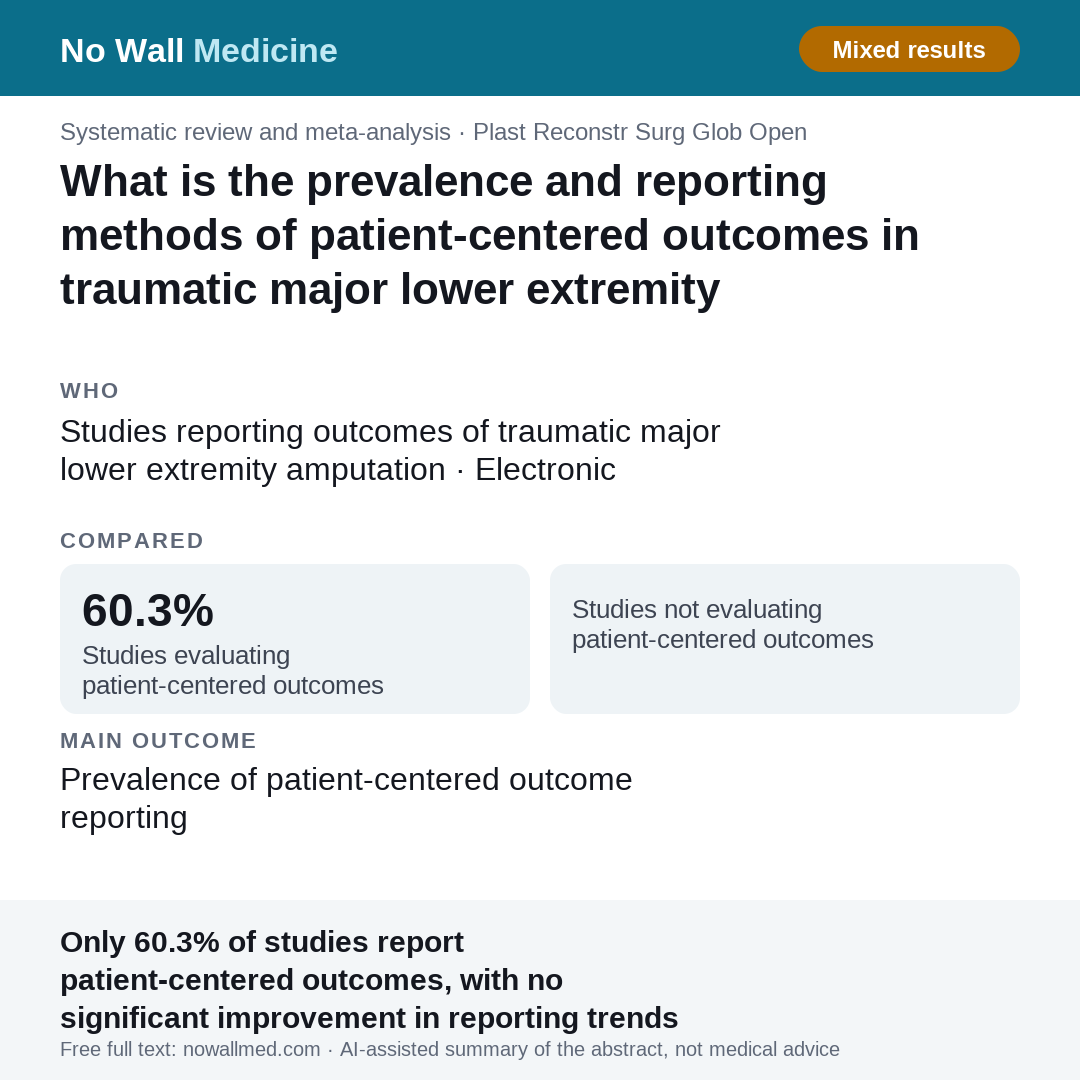
Patient-reported Outcome Measures following Traumatic Lower Extremity Amputation: A Systematic Review and Meta-analysis
Systematic review and meta-analysisMixed results
What is the prevalence and reporting methods of patient-centered outcomes in traumatic major lower extremity amputation studies?
Who
Studies reporting outcomes of traumatic major lower extremity amputation · Electronic database search of Ovid MEDLINE
Compared
60.3%Studies evaluating patient-centered outcomes
Studies not evaluating patient-centered outcomes
Main outcome
Prevalence of patient-centered outcome reporting
Bottom line: Only 60.3% of studies report patient-centered outcomes, with no significant improvement in reporting trends over two decades.
Plast Reconstr Surg Glob Open · 2021-11-11Download image
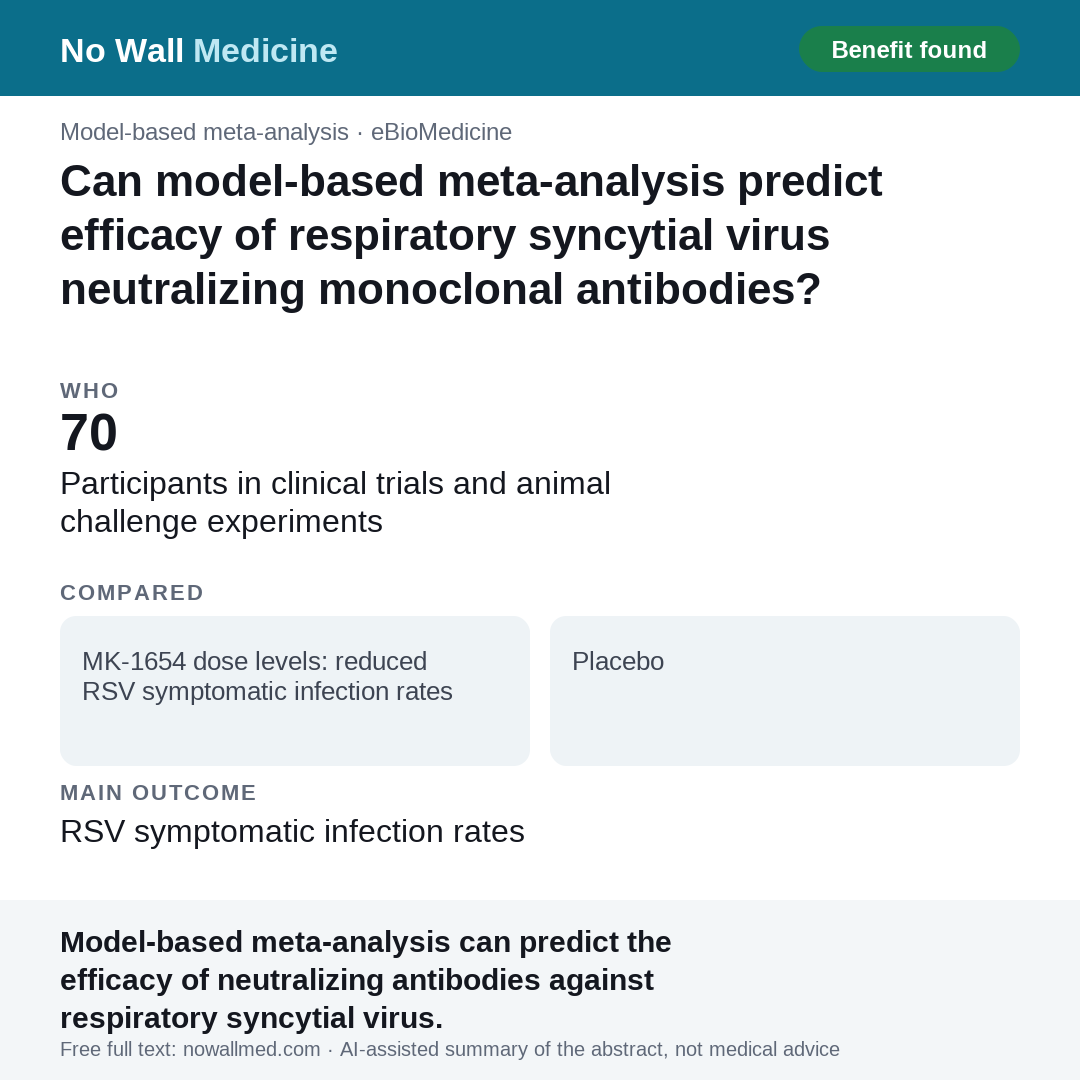
Forward and reverse translational approaches to predict efficacy of neutralizing respiratory syncytial virus (RSV) antibody prophylaxis
Model-based meta-analysisKey finding
Can model-based meta-analysis predict efficacy of respiratory syncytial virus neutralizing monoclonal antibodies?
Who
70
Participants in clinical trials and animal challenge experiments
Compared
MK-1654 dose levels: reduced RSV symptomatic infection rates
Placebo
Main outcome
RSV symptomatic infection rates
Bottom line: Model-based meta-analysis can predict the efficacy of neutralizing antibodies against respiratory syncytial virus.
eBioMedicine · 2021-11-11Download image
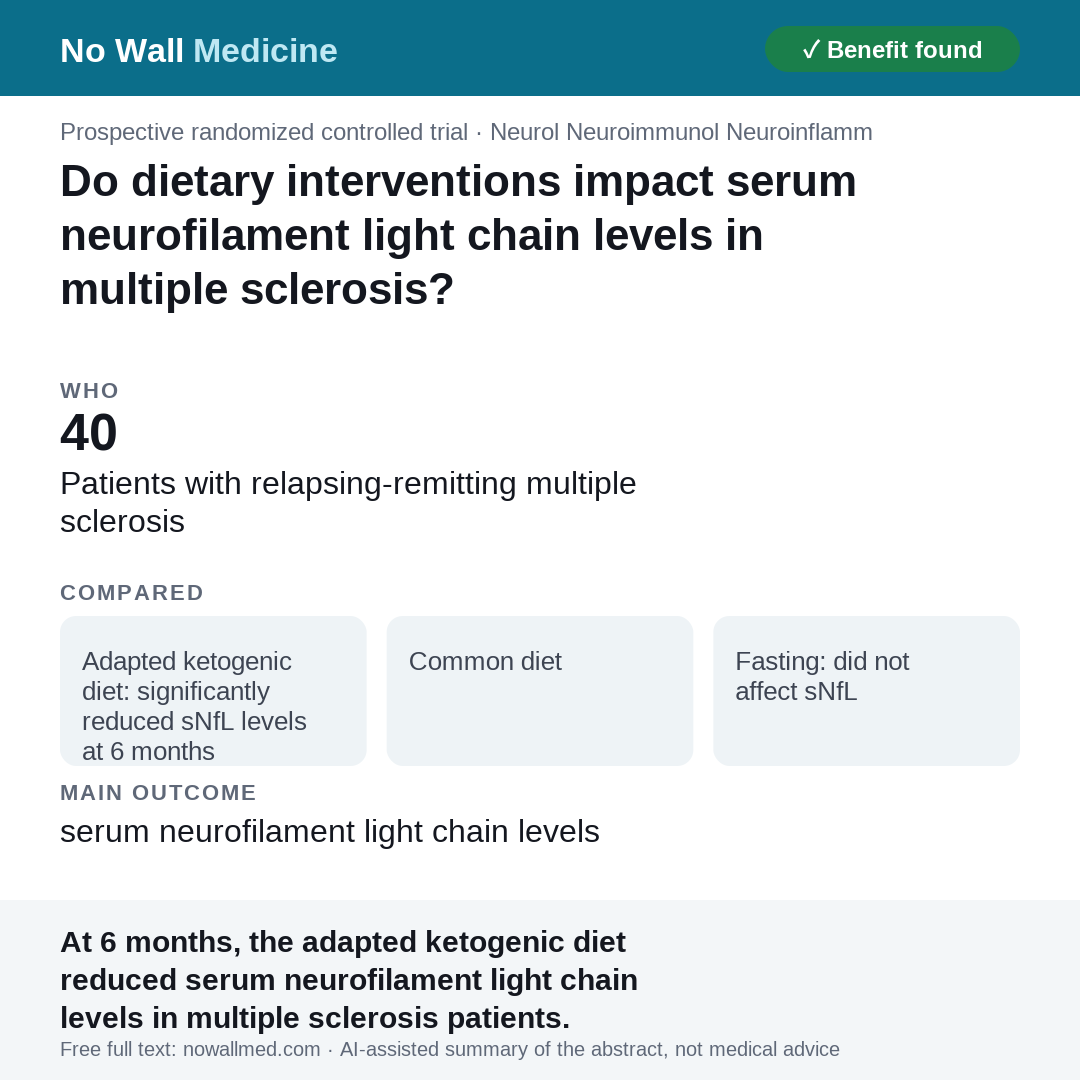
Impact of Dietary Intervention on Serum Neurofilament Light Chain in Multiple Sclerosis
Prospective randomized controlled trialBenefit found
Do dietary interventions impact serum neurofilament light chain levels in multiple sclerosis?
Who
40
Patients with relapsing-remitting multiple sclerosis
Compared
Adapted ketogenic diet: significantly reduced sNfL levels at 6 months
Common diet
Fasting: did not affect sNfL
Main outcome
serum neurofilament light chain levels
Bottom line: At 6 months, the adapted ketogenic diet reduced serum neurofilament light chain levels in multiple sclerosis patients.
Neurol Neuroimmunol Neuroinflamm · 2021-11-11Download image
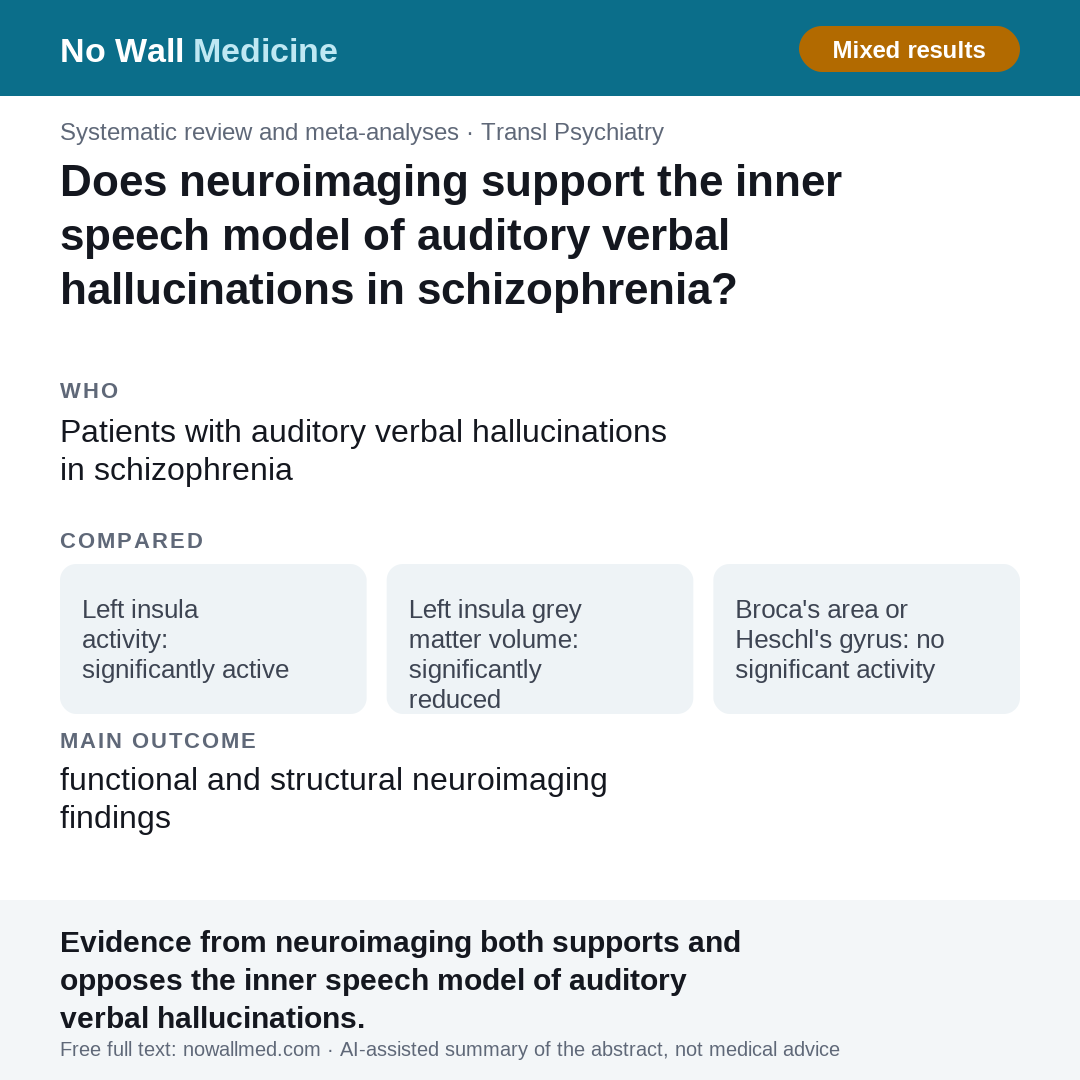
A review of functional and structural neuroimaging studies to investigate the inner speech model of auditory verbal hallucinations in schizophrenia
Systematic review and meta-analysesMixed results
Does neuroimaging support the inner speech model of auditory verbal hallucinations in schizophrenia?
Who
Patients with auditory verbal hallucinations in schizophrenia
Compared
Left insula activity: significantly active
Left insula grey matter volume: significantly reduced
Broca's area or Heschl's gyrus: no significant activity
Main outcome
functional and structural neuroimaging findings
Bottom line: Evidence from neuroimaging both supports and opposes the inner speech model of auditory verbal hallucinations.
Transl Psychiatry · 2021-11-11Download image
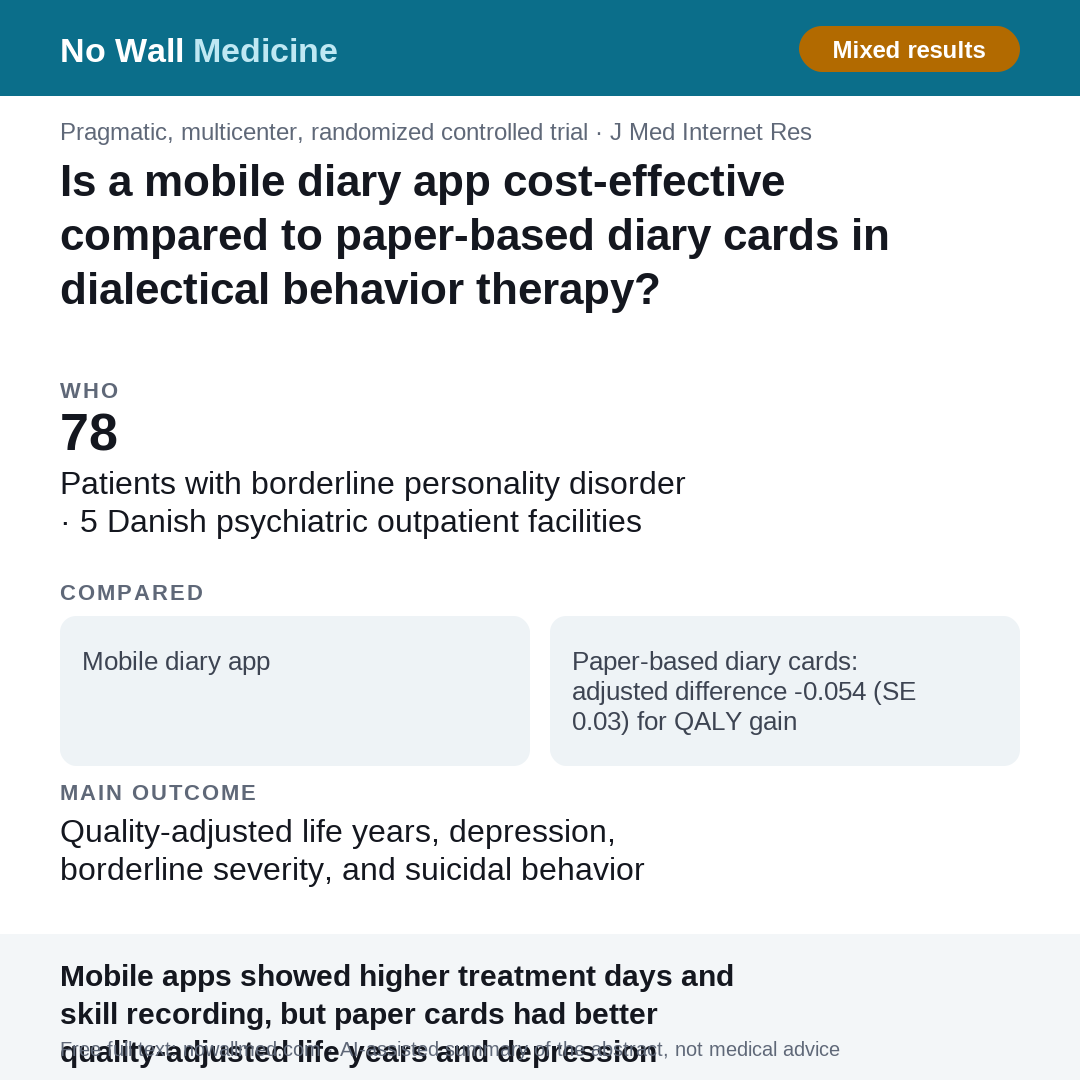
Mobile Diary App Versus Paper-Based Diary Cards for Patients With Borderline Personality Disorder: Economic Evaluation
Pragmatic, multicenter, randomized controlled trialMixed results
Is a mobile diary app cost-effective compared to paper-based diary cards in dialectical behavior therapy?
Who
78
Patients with borderline personality disorder · 5 Danish psychiatric outpatient facilities
Compared
Mobile diary app
Paper-based diary cards: adjusted difference -0.054 (SE 0.03) for QALY gain
Main outcome
Quality-adjusted life years, depression, borderline severity, and suicidal behavior
Result: adjusted difference -0.054 (SE 0.03) for QALY gain
Bottom line: Mobile apps showed higher treatment days and skill recording, but paper cards had better quality-adjusted life years and depression reduction.
J Med Internet Res · 2021-11-11Download image
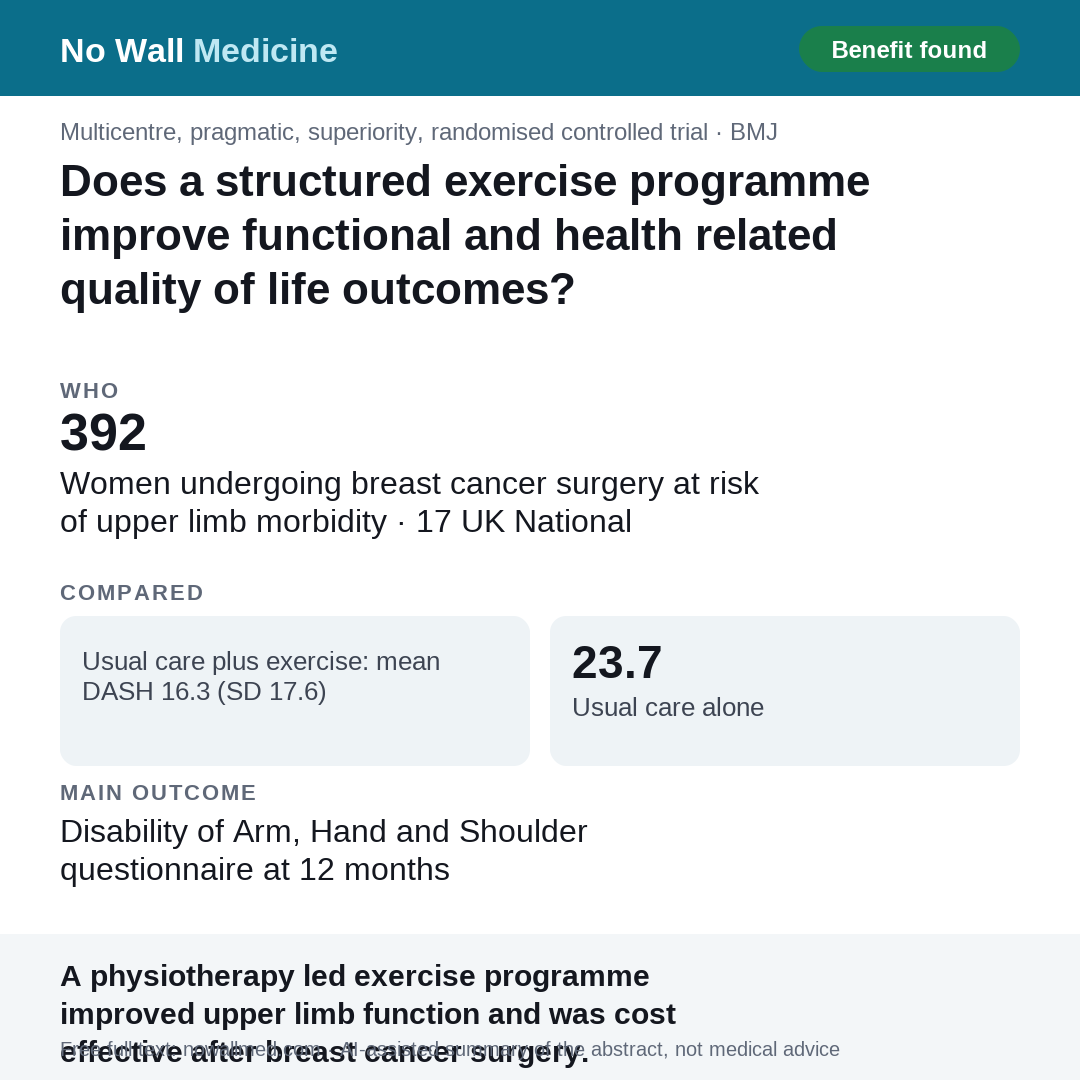
Exercise versus usual care after non-reconstructive breast cancer surgery (UK PROSPER): multicentre randomised controlled trial and economic evaluation
Multicentre, pragmatic, superiority, randomised controlled trialBenefit found
Does a structured exercise programme improve functional and health related quality of life outcomes?
Who
392
Women undergoing breast cancer surgery at risk of upper limb morbidity · 17 UK National Health Service cancer centres
Compared
Usual care plus exercise: mean DASH 16.3 (SD 17.6)
23.7Usual care alone (22.9)
Main outcome
Disability of Arm, Hand and Shoulder questionnaire at 12 months
Result: adjusted mean difference 7.81, 95% confidence interval 3.17 to 12.44
Bottom line: A physiotherapy led exercise programme improved upper limb function and was cost effective after breast cancer surgery.
BMJ · 2021-11-10Download image
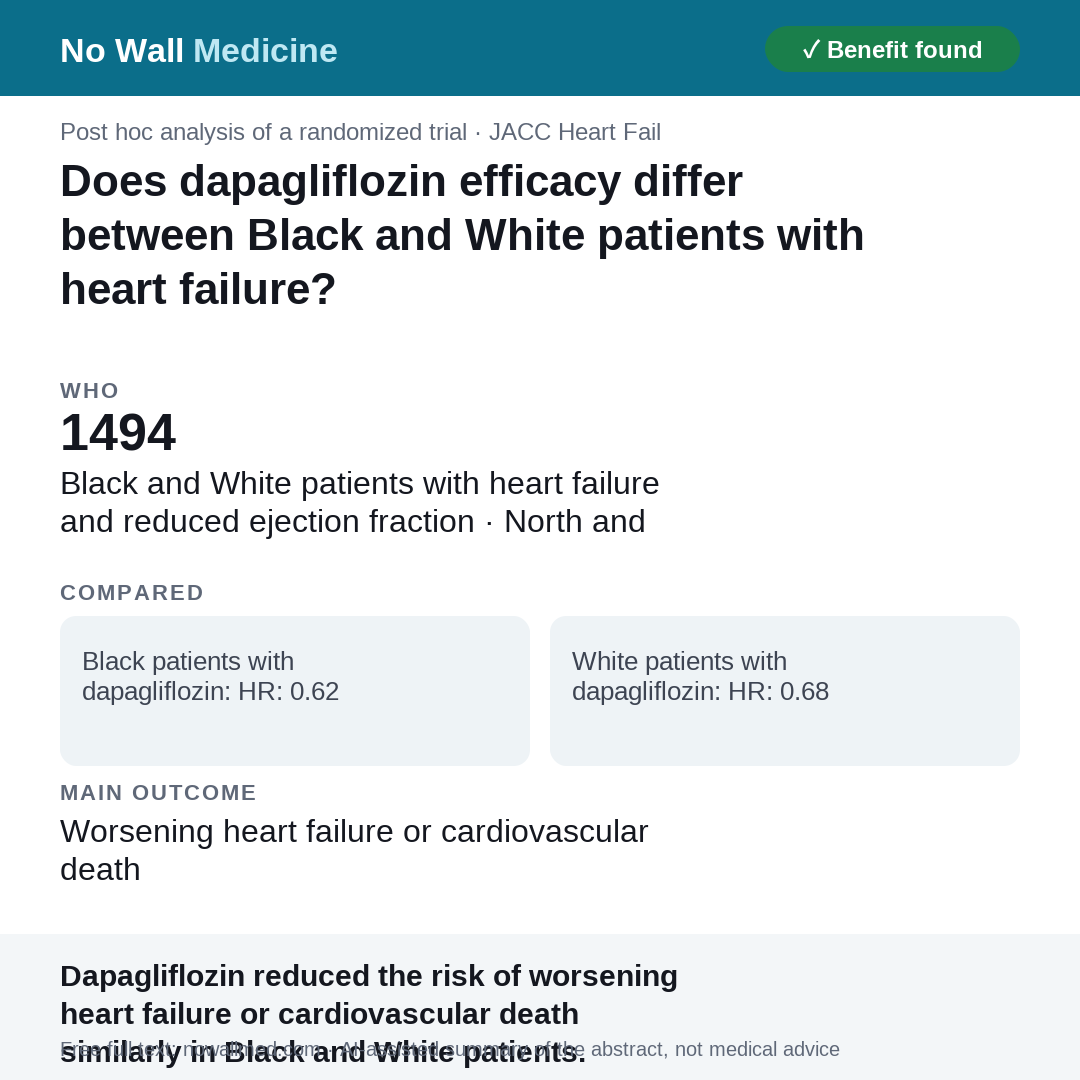
Efficacy of Dapagliflozin in Black Versus White Patients With Heart Failure and Reduced Ejection Fraction
Post hoc analysis of a randomized trialBenefit found
Does dapagliflozin efficacy differ between Black and White patients with heart failure?
Who
1494
Black and White patients with heart failure and reduced ejection fraction · North and South America
Compared
Black patients with dapagliflozin: HR: 0.62
White patients with dapagliflozin: HR: 0.68
Main outcome
Worsening heart failure or cardiovascular death
Result: HR: 0.62 (95% CI: 0.37-1.03) in Black and HR: 0.68 (95% CI: 0.52-0.90) in White
Bottom line: Dapagliflozin reduced the risk of worsening heart failure or cardiovascular death similarly in Black and White patients.
JACC Heart Fail · 2021-11-10Download image
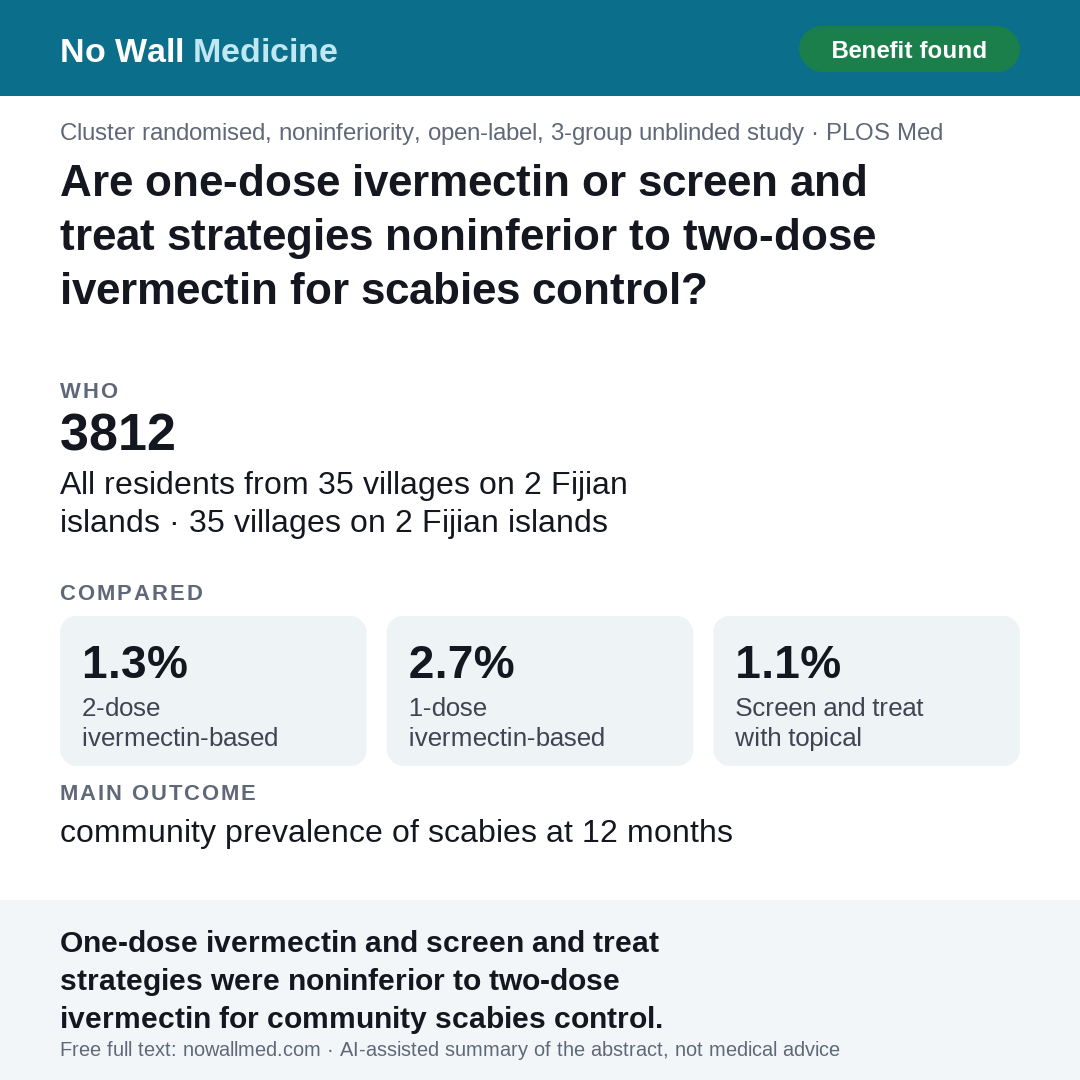
Community control strategies for scabies: A cluster randomised noninferiority trial
Cluster randomised, noninferiority, open-label, 3-group unblinded studyBenefit found
Are one-dose ivermectin or screen and treat strategies noninferior to two-dose ivermectin for scabies control?
Who
3812
All residents from 35 villages on 2 Fijian islands · 35 villages on 2 Fijian islands
Compared
1.3%2-dose ivermectin-based mass drug administration (95% CI 0.6 to 2.5)
2.7%1-dose ivermectin-based mass drug administration (95% CI 1.1 to 6.5)
1.1%Screen and treat with topical permethrin 5% (95% CI 0.6 to 2.0)
Main outcome
community prevalence of scabies at 12 months
Result: risk difference 1.2% (95% CI -0.2 to 2.7)
Bottom line: One-dose ivermectin and screen and treat strategies were noninferior to two-dose ivermectin for community scabies control.
Limitation: Scabies diagnosis by nonexperts, lower baseline prevalence than anticipated, and addition of other medications.
PLOS Med · 2021-11-10Download image
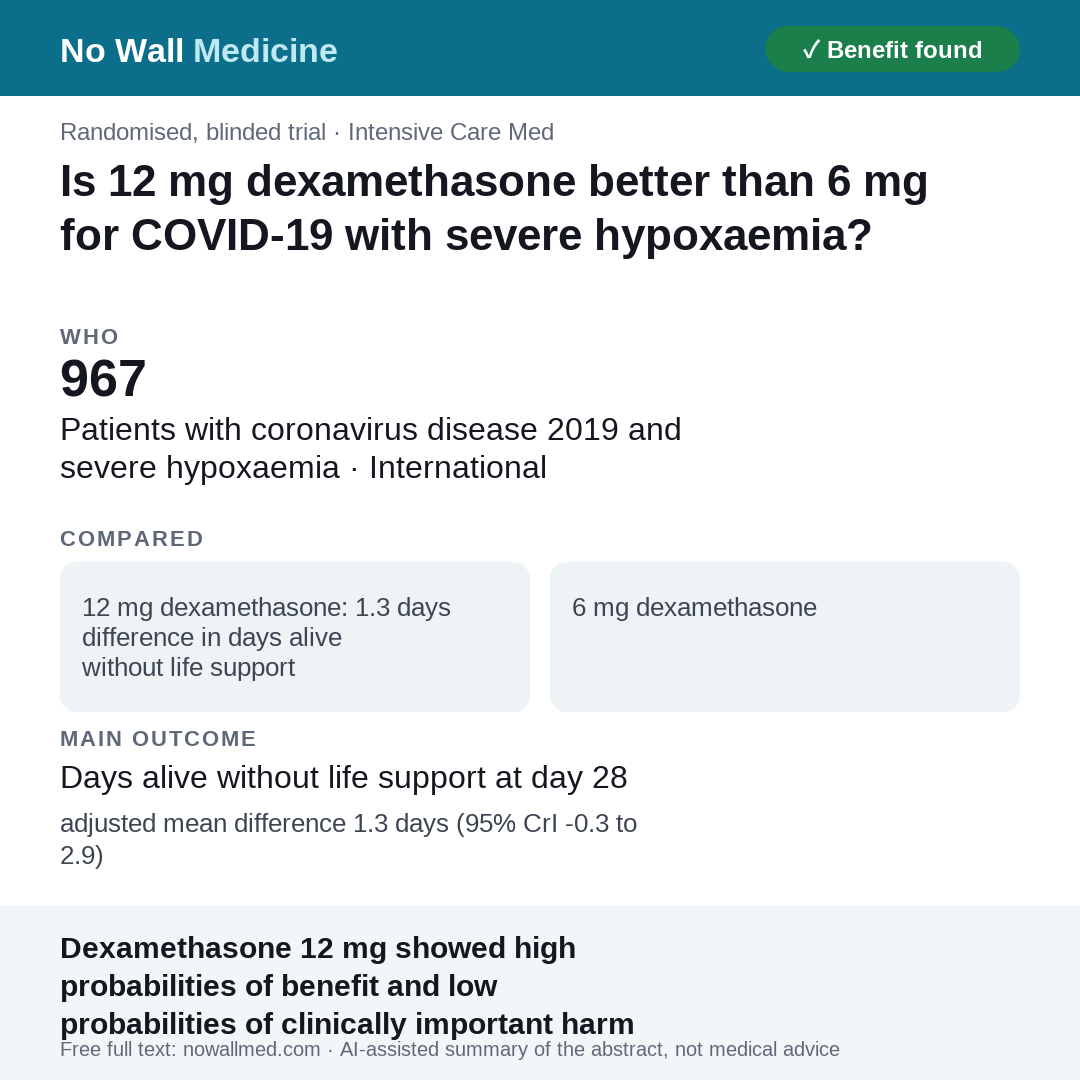
Dexamethasone 12 mg versus 6 mg for patients with COVID-19 and severe hypoxaemia: a pre-planned, secondary Bayesian analysis of the COVID STEROID 2 trial
Randomised, blinded trialBenefit found
Is 12 mg dexamethasone better than 6 mg for COVID-19 with severe hypoxaemia?
Who
967
Patients with coronavirus disease 2019 and severe hypoxaemia · International
Compared
12 mg dexamethasone: 1.3 days difference in days alive without life support
6 mg dexamethasone
Main outcome
Days alive without life support at day 28
Result: adjusted mean difference 1.3 days (95% CrI -0.3 to 2.9)
Bottom line: Dexamethasone 12 mg showed high probabilities of benefit and low probabilities of clinically important harm compared to 6 mg.
Intensive Care Med · 2021-11-10Download image
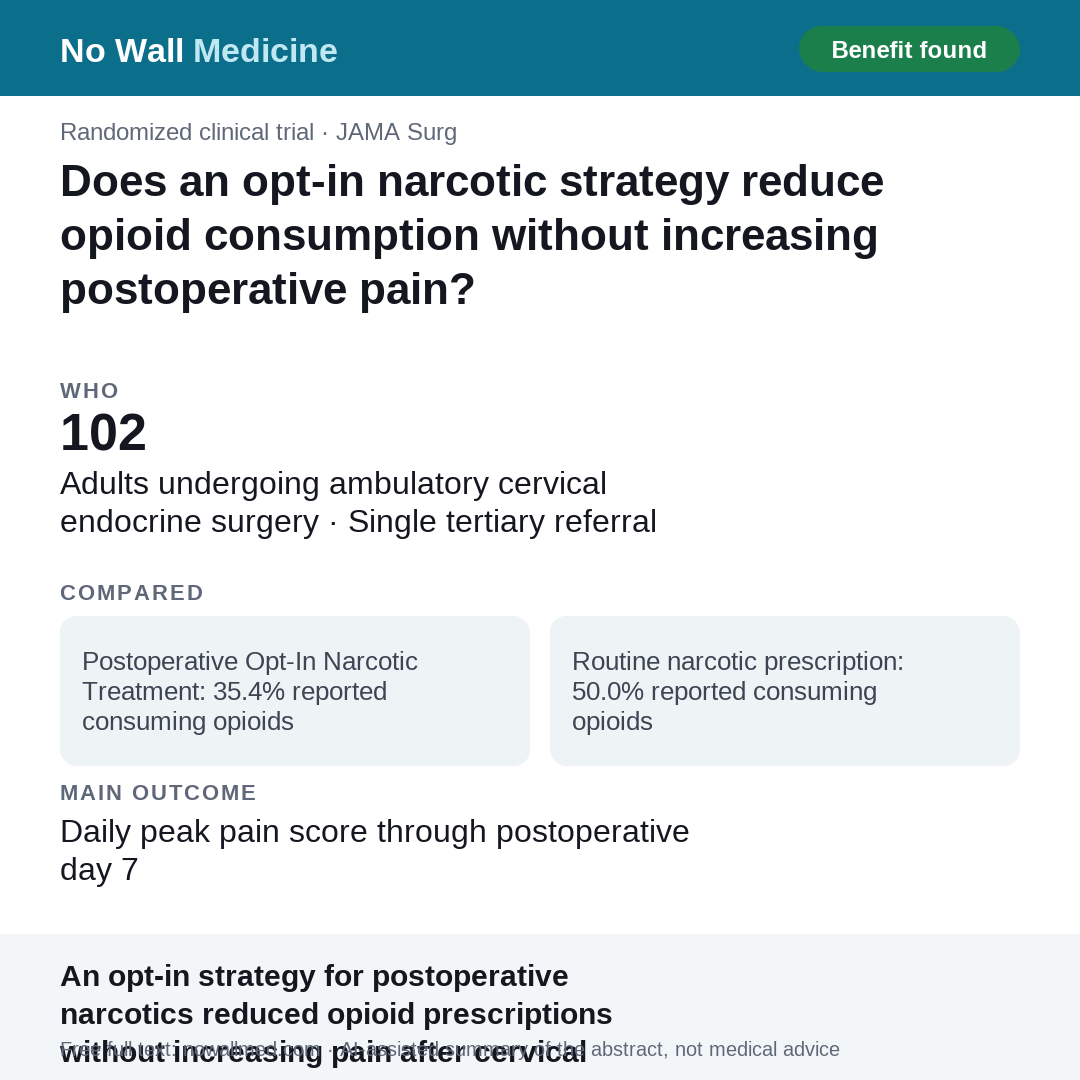
Patient-Centered Decision-making for Postoperative Narcotic-Free Endocrine Surgery: A Randomized Clinical Trial
Randomized clinical trialBenefit found
Does an opt-in narcotic strategy reduce opioid consumption without increasing postoperative pain?
Who
102
Adults undergoing ambulatory cervical endocrine surgery · Single tertiary referral center
Compared
Postoperative Opt-In Narcotic Treatment: 35.4% reported consuming opioids
Routine narcotic prescription: 50.0% reported consuming opioids
Main outcome
Daily peak pain score through postoperative day 7
Result: median peak outpatient pain scores 6 (interquartile range, 5-7) vs 6 (interquartile range, 4-8)
Bottom line: An opt-in strategy for postoperative narcotics reduced opioid prescriptions without increasing pain after cervical endocrine surgery.
JAMA Surg · 2021-11-10Download image