Visual abstracts
New randomized trials and meta-analyses from leading journals at a glance: who was studied, what was compared, and what was found. Every paper is free to read in full.
All specialtiesCardiology 4765Oncology 4048Gastroenterology & Hepatology 1906Infectious Disease 3759Neurology 1874Psychiatry & Mental Health 2217Pulmonology 2046Critical Care 1323Endocrinology & Diabetes 2545Pediatrics 2891Surgery 2482Orthopedics & Sports Medicine 917Neurosurgery 526Cardiothoracic & Vascular Surgery 657Plastic & Reconstructive Surgery 574Nephrology 1108Rheumatology 810Hematology 1090Dermatology 611Ophthalmology 532Obstetrics & Gynecology 1646Public & Global Health 1037Radiology & Imaging 620Anesthesiology 958Urology 745ENT (Otolaryngology) 494Emergency Medicine 481Allergy & Immunology 309Geriatrics 973Family Medicine & Primary Care 534Medical Genetics & Genomics 659Pathology & Laboratory Medicine 156Physical Medicine & Rehabilitation 736Palliative Care 421Nutrition 1561Digital Health & AI 2136General Medicine 316
Validity of nutrition screening tools for risk of malnutrition among hospitalized adult patients: A systematic review and meta-analysis
Systematic review and meta-analysisMixed results
Which nutritional screening tool is most valid for assessing malnutrition risk in hospitalized adults?
Who
Hospitalized adult patients
Compared
Malnutrition Universal Screening Tool vs SGA: sensitivity 0.84 (95% CI 0.73-0.91), specificity 0.85 (0.75-0.91)
Malnutrition Universal Screening Tool vs ESPEN: sensitivity 0.97 (0.53-0.99), specificity 0.80 (0.50-0.94)
Malnutrition Screening Tool vs SGA: sensitivity 0.81 (0.67-0.90), specificity 0.79 (0.72-0.74)
Mini Nutritional Assessment-Short Form vs ESPEN: sensitivity 0.99 (0.41-0.99), specificity 0.60 (0.45-0.73)
Main outcome
Validity of nutritional screening tools for malnutrition risk
Bottom line: The Malnutrition Universal Screening Tool demonstrated high accuracy, but study quality varied greatly, potentially introducing bias.
Limitation: The quality of the included studies varied greatly, possibly introducing bias in the results.
Clin Nutr · 2024-03-15 · Save PNG

Quantifying Overlapping Forms of Malnutrition Across Latin America: A Systematic Literature Review and Meta-Analysis of Prevalence Estimates
Systematic literature review and meta-analysisMixed results
What is the prevalence of double burden of malnutrition typologies in Latin America and the Caribbean?
Who
Individuals across 27 Latin American and Caribbean countries · 27 Latin American and Caribbean countries
Compared
24.3%Adult with overweight and child with anemia (95% CI: 18.8%, 30.2%)
8.5%Adult with overweight and child with stunting (95% CI: 7.7, 9.3)
Main outcome
Prevalence of identified double burden of malnutrition typologies
Bottom line: Double burden of malnutrition prevalence in Latin America and the Caribbean ranges between 0% and 24%.
Limitation: All prevalences carried large heterogeneity (I2>90%) and life course estimates were insufficient.
Adv Nutr · 2024-03-15 · Save PNG

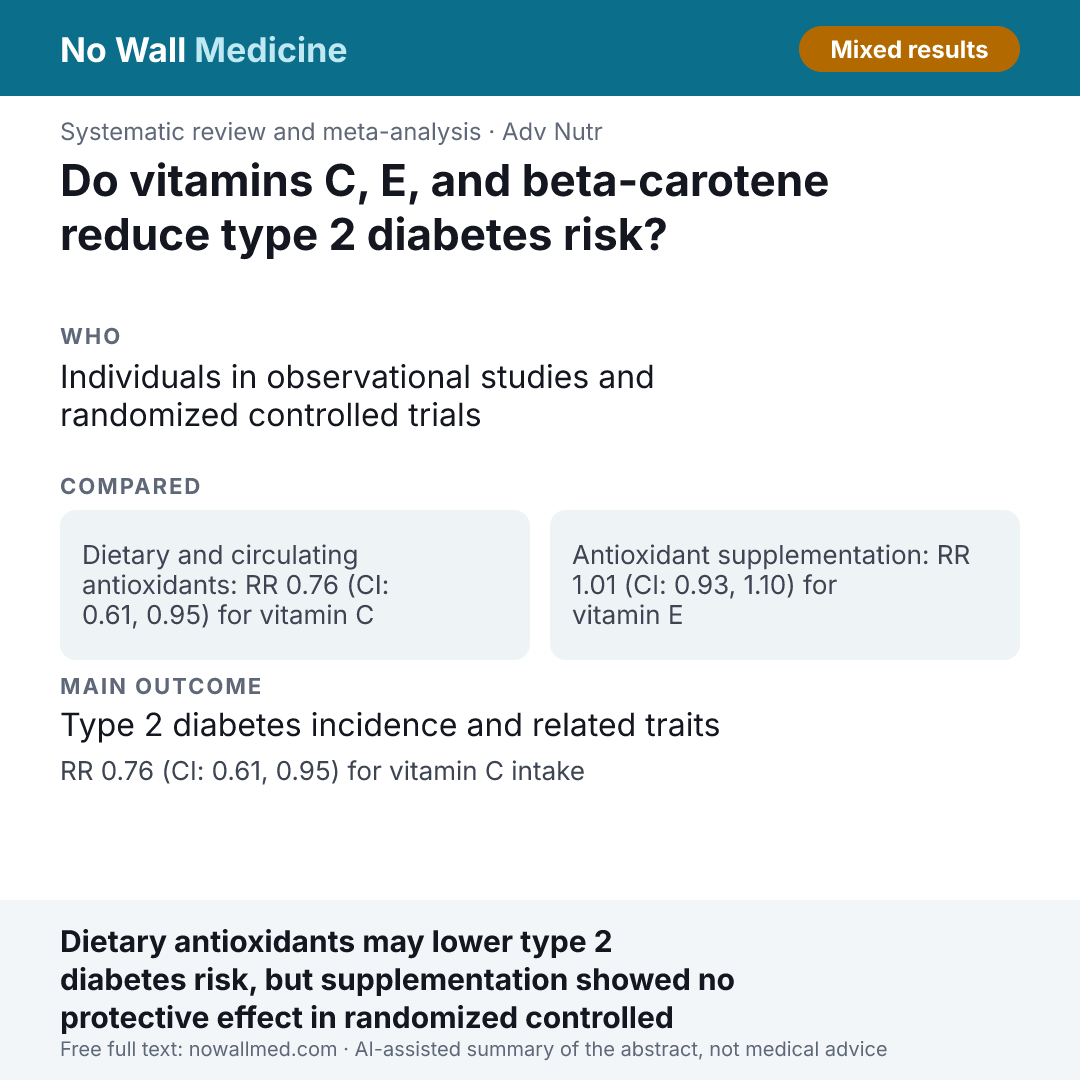
Vitamins C, E, and β-Carotene and Risk of Type 2 Diabetes: A Systematic Review and Meta-Analysis
Systematic review and meta-analysisMixed results
Do vitamins C, E, and beta-carotene reduce type 2 diabetes risk?
Who
Individuals in observational studies and randomized controlled trials
Compared
Dietary and circulating antioxidants: RR 0.76 (CI: 0.61, 0.95) for vitamin C
Antioxidant supplementation: RR 1.01 (CI: 0.93, 1.10) for vitamin E
Main outcome
Type 2 diabetes incidence and related traits
Result: RR 0.76 (CI: 0.61, 0.95) for vitamin C intake
Bottom line: Dietary antioxidants may lower type 2 diabetes risk, but supplementation showed no protective effect in randomized controlled trials.
Limitation: Certainty of evidence was low to moderate for several associations.
Adv Nutr · 2024-03-15 · Save PNG
Comparing interventions for early psychosis: a systematic review and component network meta-analysis
Systematic review and component network meta-analysisBenefit found
Which components of early psychosis intervention services are most effective?
Who
4599
Participants with early psychosis
Compared
Psychological interventions: iSMD -0.24 (95% CI -0.44 to -0.05) for negative symptoms
Addition of case management: iSMD -1.17 (95% CI -2.24 to -0.11) for negative symptoms
Main outcome
Negative and positive psychotic symptoms and social functioning
Bottom line: Psychological interventions and case management added to pharmacotherapy provide clinical benefits for early psychosis.
Limitation: Small number of studies and sparsely connected networks.
Funded by: National Institute for Health and Care Research
eClinicalMedicine · 2024-03-14 · Save PNG

Efficacy and safety of gut microbiota-based therapies in autoimmune and rheumatic diseases: a systematic review and meta-analysis of 80 randomized controlled trials
Systematic review and meta-analysis of 80 randomized controlled trialsMixed results
Are gut microbiota-based therapies effective for autoimmune and rheumatic diseases?
Who
Patients with 14 types of autoimmune and rheumatic diseases
Compared
Gut microbiota-based therapies
Control
Main outcome
Symptoms and/or inflammatory factors
Bottom line: Gut microbiota-based therapies may improve several autoimmune diseases but show no significant effect for rheumatoid arthritis and spondyloarthritis.
BMC Med · 2024-03-13 · Save PNG

Cannabis and Cannabinoids in Adults With Cancer: ASCO Guideline
ASCO Guideline based on systematic reviewMixed results
Should cannabis and cannabinoids be used for adults with cancer?
Who
adults with cancer
Compared
Cancer-directed treatment
Refractory chemotherapy-induced nausea and vomiting: may improve
Main outcome
antineoplastic effects, toxicity, symptoms, and quality of life
Bottom line: Recommend against cannabis for cancer-directed treatment but it may improve refractory chemotherapy-induced nausea and vomiting.
J Clin Oncol · 2024-03-13 · Save PNG

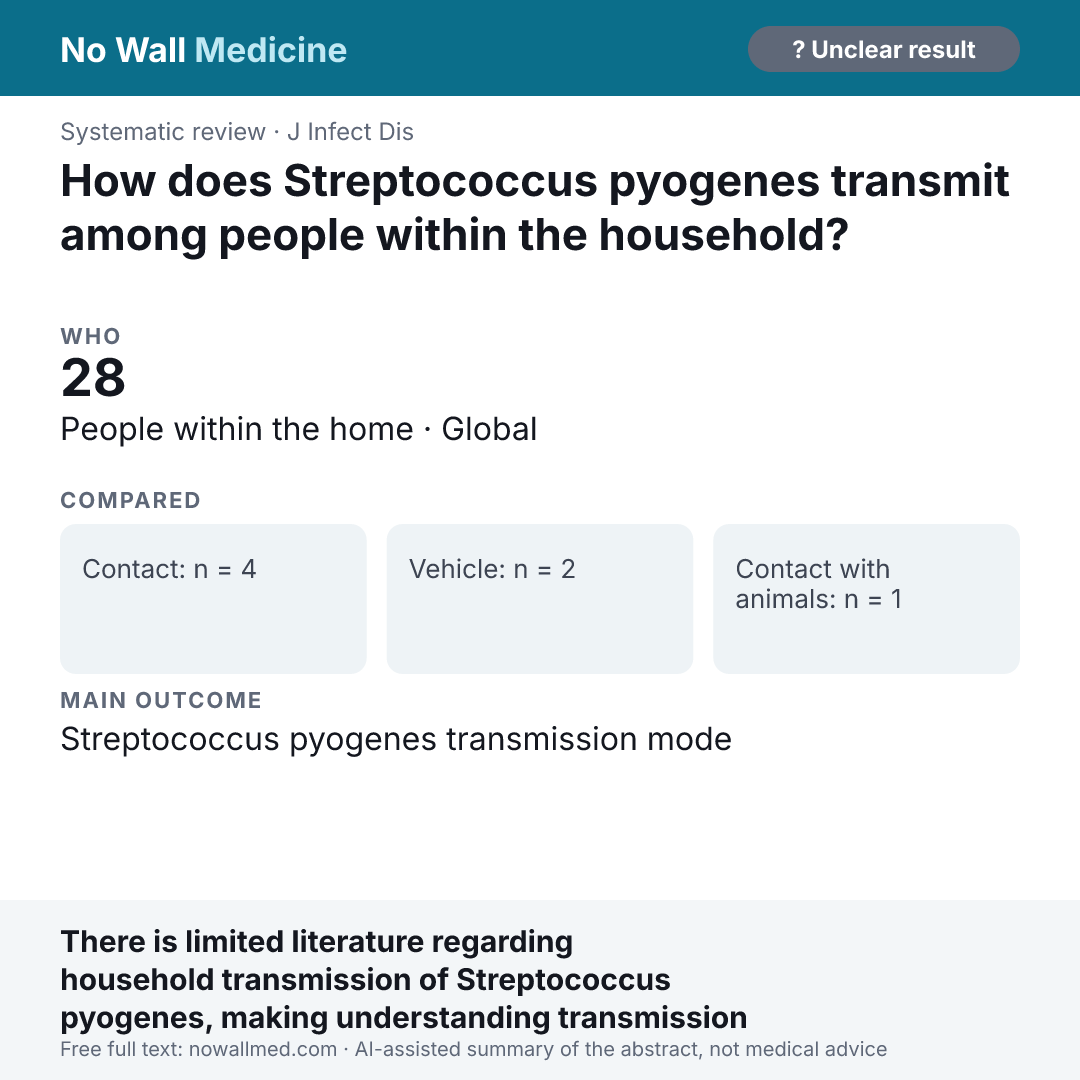
Systematic Review of Household Transmission of Strep A: A Potential Site for Prevention That Has Eluded Attention
Systematic reviewUnclear result
How does Streptococcus pyogenes transmit among people within the household?
Who
28
People within the home · Global
Compared
Contact: n = 4
Vehicle: n = 2
Contact with animals: n = 1
Main outcome
Streptococcus pyogenes transmission mode
Bottom line: There is limited literature regarding household transmission of Streptococcus pyogenes, making understanding transmission imperative to guide control methods.
Limitation: Only 7 studies provided sufficient detail to identify the transmission mode.
Funded by: Australian National Health and Medical Research Council
J Infect Dis · 2024-03-13 · Save PNG
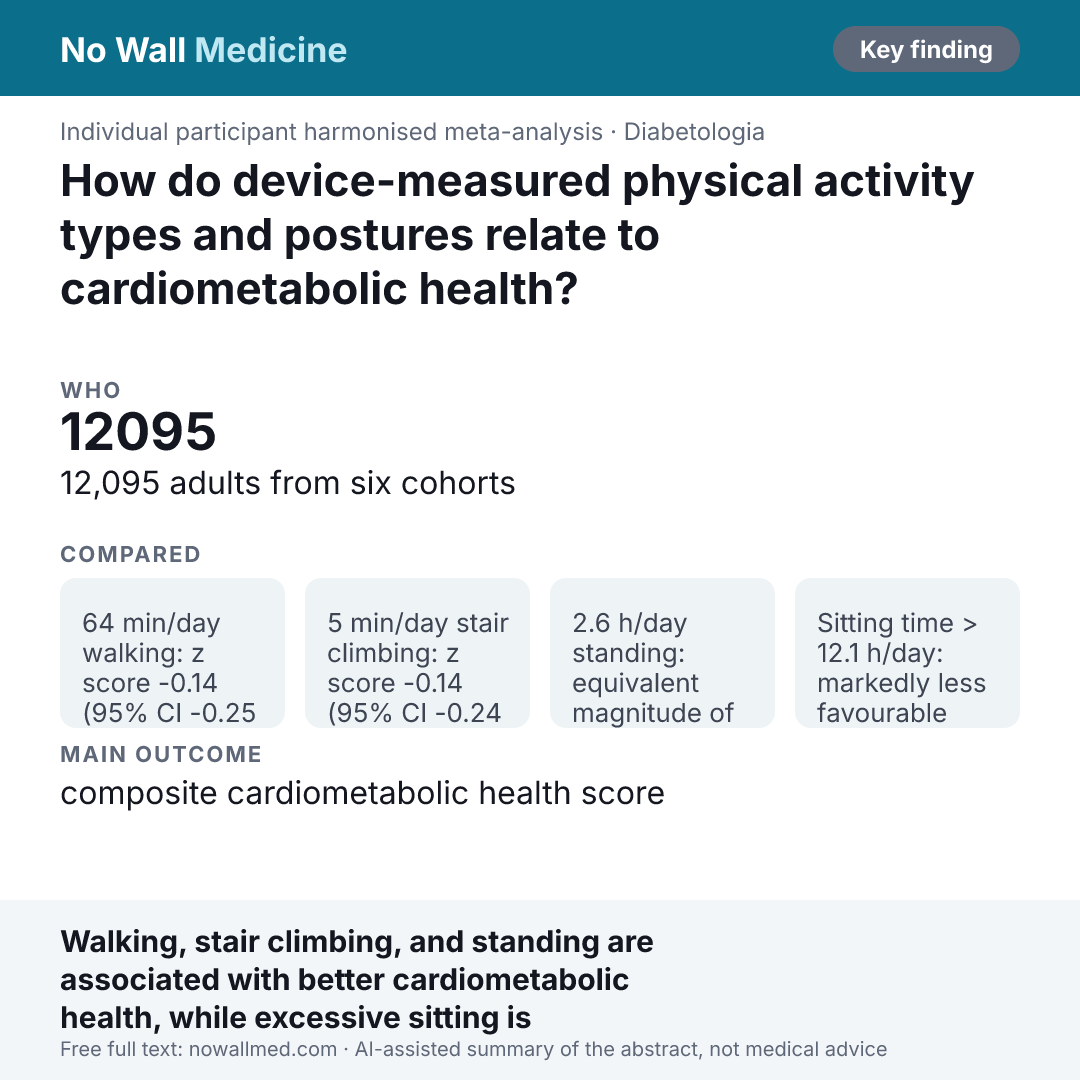
Relationship of device measured physical activity type and posture with cardiometabolic health markers: pooled dose-response associations from the Prospective Physical Activity, Sitting and Sleep Consortium
Individual participant harmonised meta-analysisKey finding
How do device-measured physical activity types and postures relate to cardiometabolic health?
Who
12095
12,095 adults from six cohorts
Compared
64 min/day walking: z score -0.14 (95% CI -0.25 to -0.02)
5 min/day stair climbing: z score -0.14 (95% CI -0.24 to -0.03)
2.6 h/day standing: equivalent magnitude of association
Sitting time > 12.1 h/day: markedly less favourable
Main outcome
composite cardiometabolic health score
Bottom line: Walking, stair climbing, and standing are associated with better cardiometabolic health, while excessive sitting is deleterious.
Diabetologia · 2024-03-13 · Save PNG
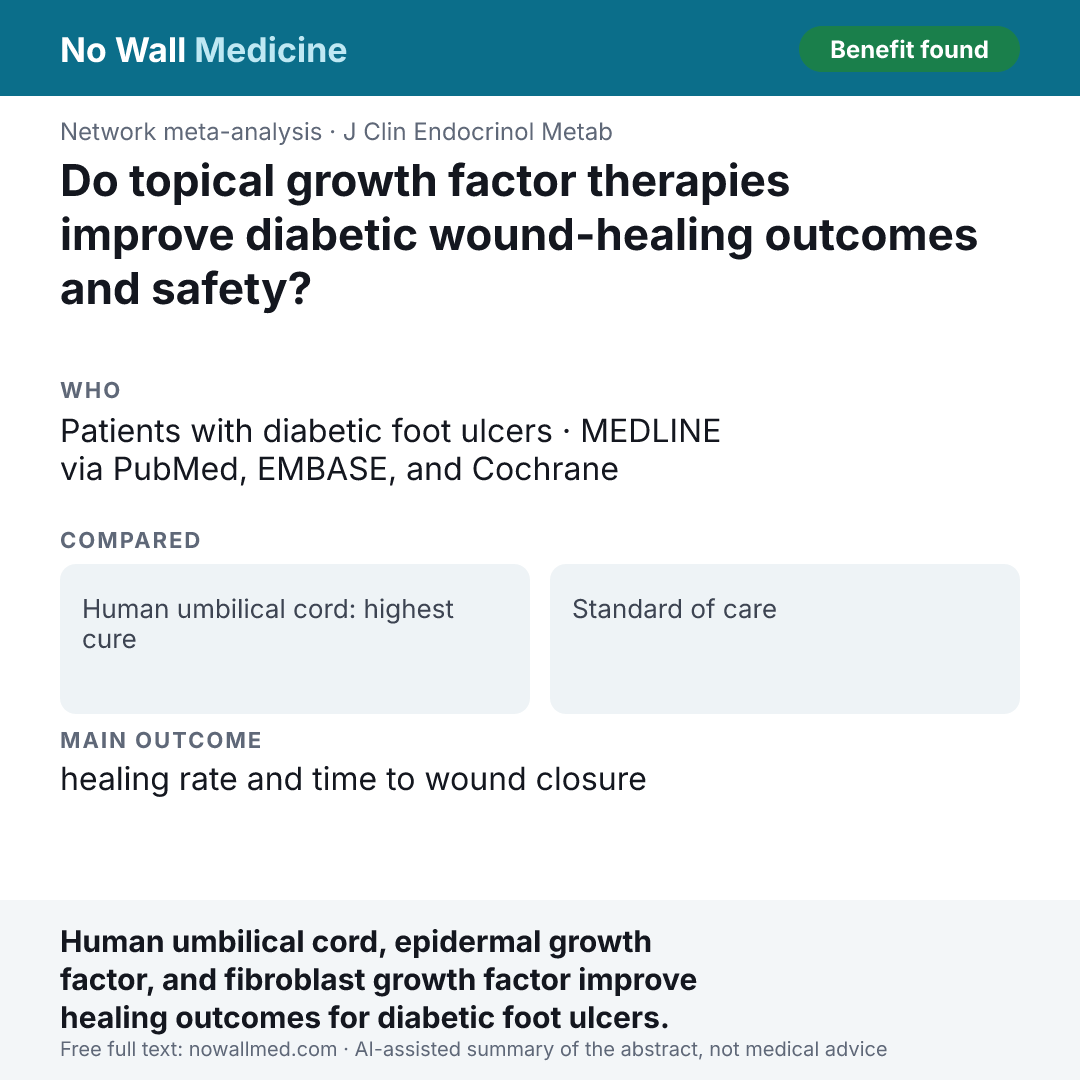
Improving Diabetic Wound-Healing Outcomes With Topical Growth Factor Therapies
Network meta-analysisBenefit found
Do topical growth factor therapies improve diabetic wound-healing outcomes and safety?
Who
Patients with diabetic foot ulcers · MEDLINE via PubMed, EMBASE, and Cochrane
Compared
Human umbilical cord: highest cure
Standard of care
Main outcome
healing rate and time to wound closure
Bottom line: Human umbilical cord, epidermal growth factor, and fibroblast growth factor improve healing outcomes for diabetic foot ulcers.
J Clin Endocrinol Metab · 2024-03-13 · Save PNG
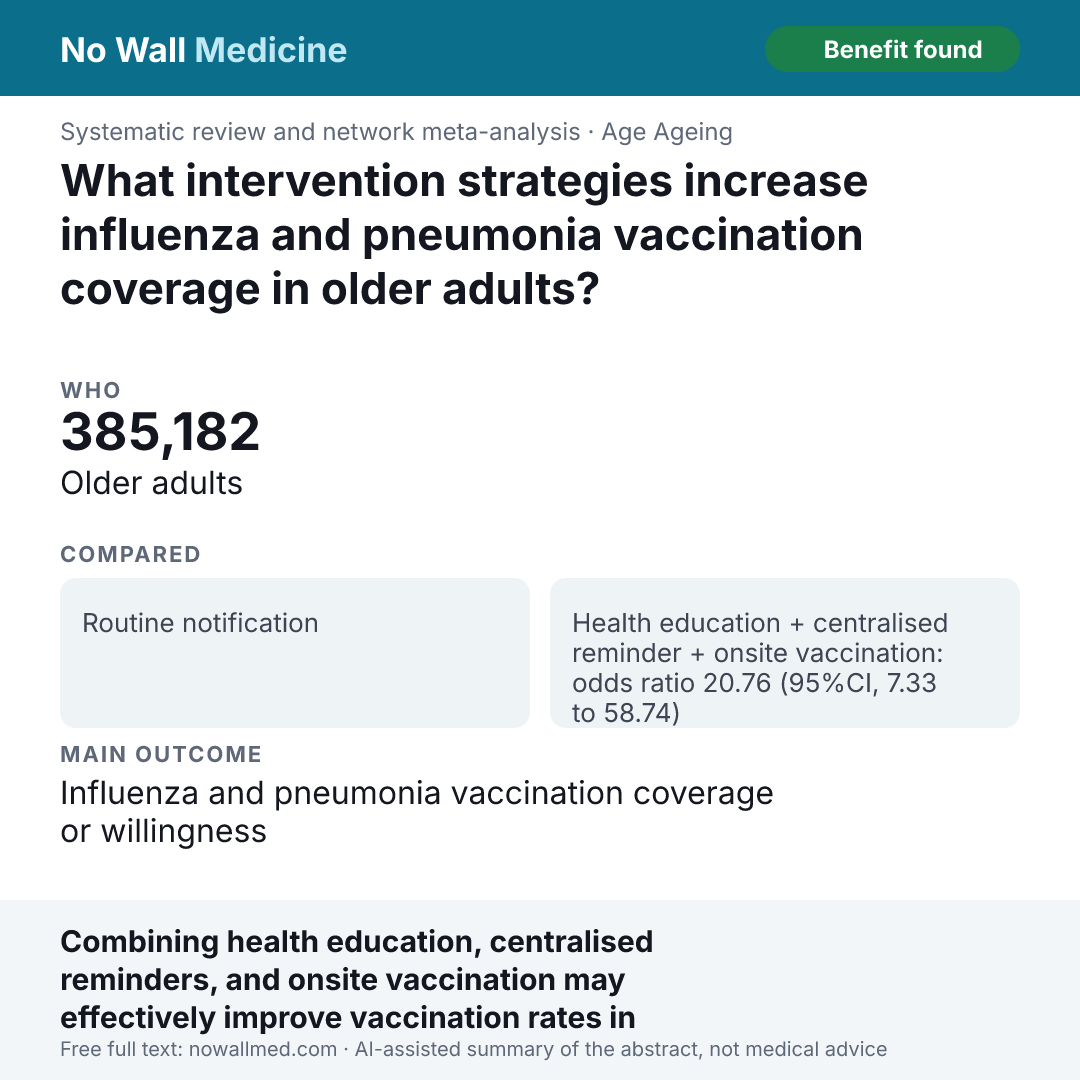
Strategies to increase the coverage of influenza and pneumonia vaccination in older adults: a systematic review and network meta-analysis
Systematic review and network meta-analysisBenefit found
What intervention strategies increase influenza and pneumonia vaccination coverage in older adults?
Who
385,182
Older adults
Compared
Routine notification
Health education + centralised reminder + onsite vaccination: odds ratio 20.76 (95%CI, 7.33 to 58.74)
Main outcome
Influenza and pneumonia vaccination coverage or willingness
Result: odds ratio 20.76 (95%CI, 7.33 to 58.74)
Bottom line: Combining health education, centralised reminders, and onsite vaccination may effectively improve vaccination rates in older adults.
Age Ageing · 2024-03-13 · Save PNG
Shared decision-making in palliative cancer care: A systematic review and metasynthesis
Systematic review and metasynthesisUnclear result
Shared decision-making in palliative cancer care
Who
people with cancer, carers, healthcare professionals
Compared
Shared decision-making
No shared decision-making
Main outcome
experience of shared decision-making
Bottom line: Shared decision-making is complex in palliative cancer care
Limitation: conceptual confusion
Palliat Med · 2024-03-13 · Save PNG

Mass drug administration for neglected tropical disease control and elimination: a systematic review of ethical reasons
Systematic review of qualitative analysisMixed results
What are the ethical reasons for and against mass drug administration for neglected tropical disease control?
Who
60
Publications regarding mass drug administration for neglected tropical diseases
Compared
20Positive ethical reasons (32.7%)
13Ambivalent ethical reasons (21.3%)
28Negative ethical reasons (45.9%)
Main outcome
Ethical reasons for and against mass drug administration
Bottom line: Mass drug administration presents diverse ethical reasons, with negative implications being the most frequent among identified reasons.
Limitation: Due to the diversity of included studies, no general recommendations can be made.
BMJ Glob Health · 2024-03-13 · Save PNG

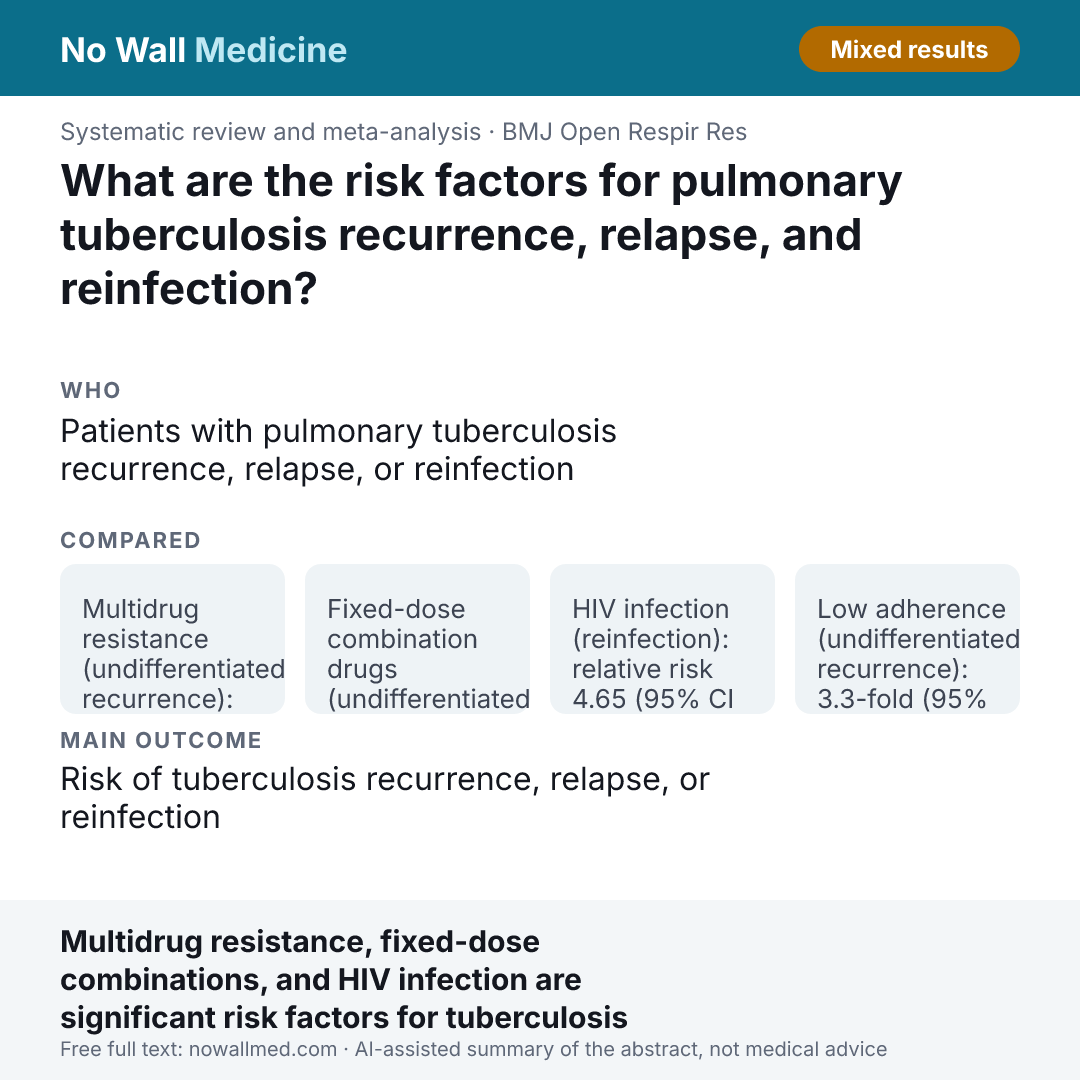
Risk factors for pulmonary tuberculosis recurrence, relapse and reinfection: a systematic review and meta-analysis
Systematic review and meta-analysisMixed results
What are the risk factors for pulmonary tuberculosis recurrence, relapse, and reinfection?
Who
Patients with pulmonary tuberculosis recurrence, relapse, or reinfection
Compared
Multidrug resistance (undifferentiated recurrence): relative risk 3.49 (95% CI 1.86 to 6.53)
Fixed-dose combination drugs (undifferentiated recurrence): relative risk 2.29 (95% CI 1.10 to 4.75)
HIV infection (reinfection): relative risk 4.65 (95% CI 1.71 to 12.65)
Low adherence (undifferentiated recurrence): 3.3-fold (95% CI 2.37 to 4.62)
Main outcome
Risk of tuberculosis recurrence, relapse, or reinfection
Bottom line: Multidrug resistance, fixed-dose combinations, and HIV infection are significant risk factors for tuberculosis recurrence and reinfection.
Limitation: Wide variety of factors studied, inconsistency in confounding control, and few studies used molecular genotyping.
BMJ Open Respir Res · 2024-03-13 · Save PNG
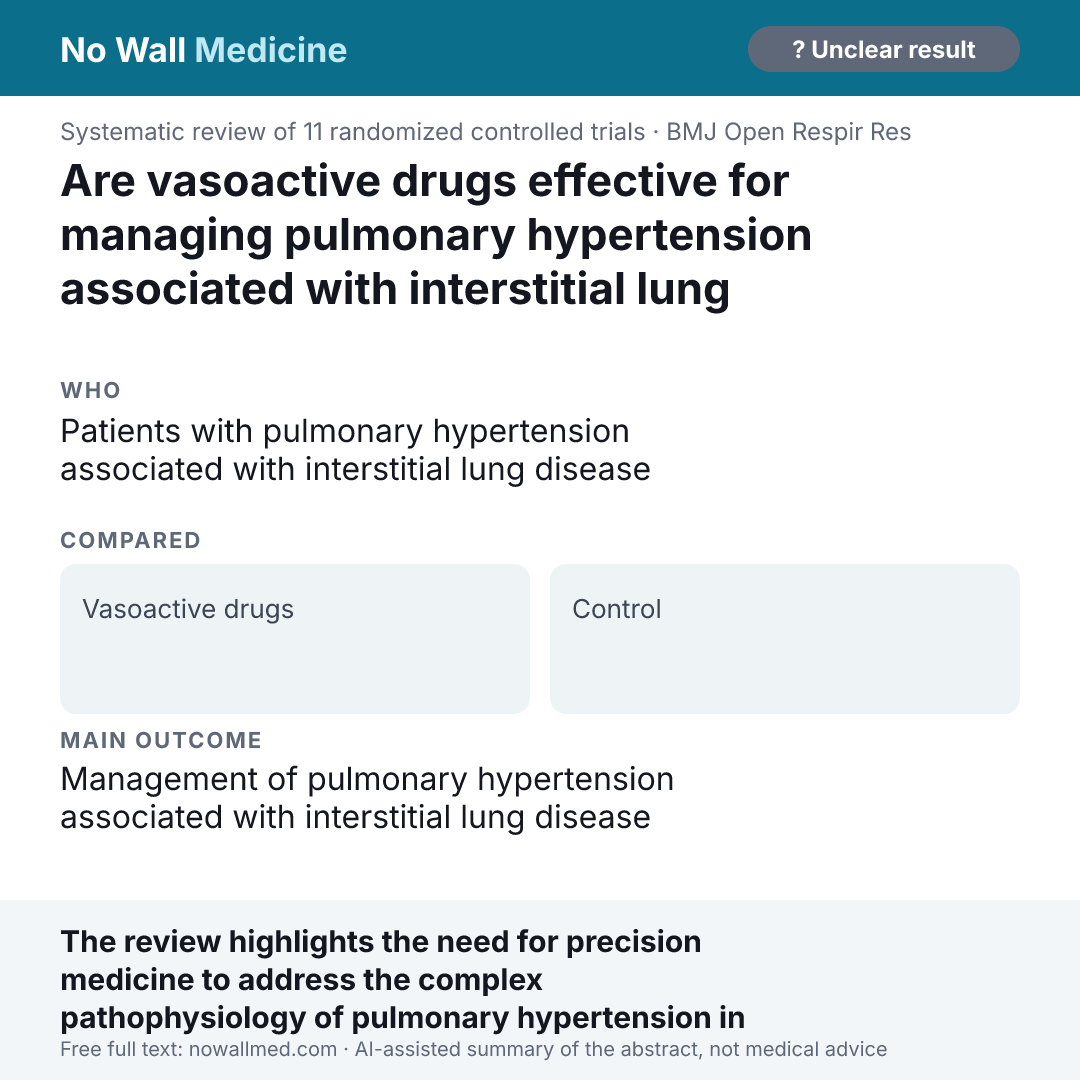
Vasoactive drugs for the treatment of pulmonary hypertension associated with interstitial lung diseases: a systematic review
Systematic review of 11 randomized controlled trialsUnclear result
Are vasoactive drugs effective for managing pulmonary hypertension associated with interstitial lung diseases?
Who
Patients with pulmonary hypertension associated with interstitial lung disease
Compared
Vasoactive drugs
Control
Main outcome
Management of pulmonary hypertension associated with interstitial lung disease
Bottom line: The review highlights the need for precision medicine to address the complex pathophysiology of pulmonary hypertension in interstitial lung disease.
Limitation: Studies are limited by population heterogeneity, short-term follow-up, and uncertain clinical significance of outcomes.
BMJ Open Respir Res · 2024-03-13 · Save PNG
The influence of n-3 polyunsaturated fatty acids on cognitive function in individuals without dementia: a systematic review and dose-response meta-analysis
Systematic review and dose-response meta-analysisBenefit found
Do n-3 polyunsaturated fatty acids influence cognitive function in individuals without dementia?
Who
9660
Middle-aged or older adults aged 40 years or older without dementia
Compared
n-3 polyunsaturated fatty acids
Control
Main outcome
Cognitive function, specifically executive function
Bottom line: n-3 polyunsaturated fatty acid supplementation may benefit executive function in middle-aged and elderly individuals.
BMC Med · 2024-03-12 · Save PNG

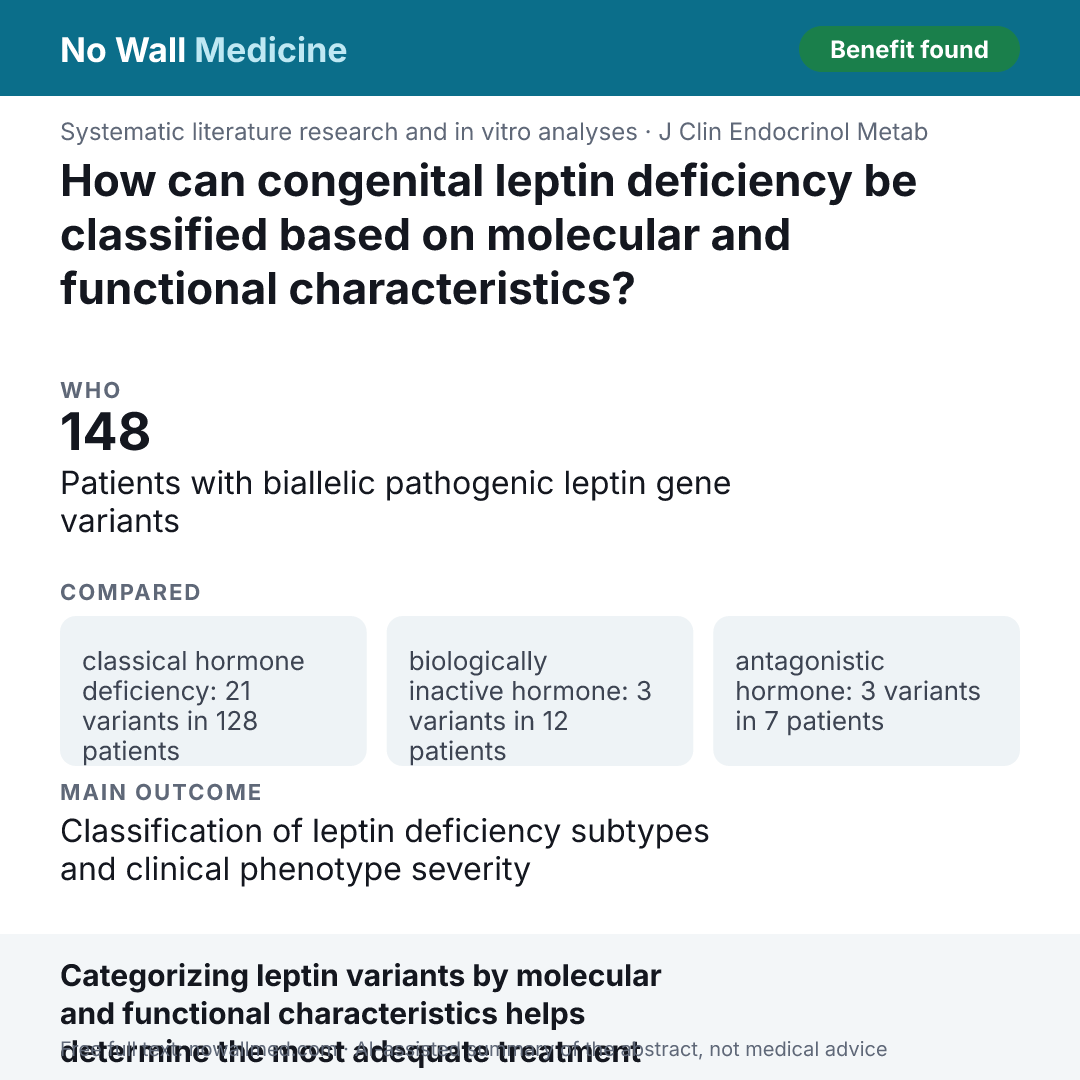
Classification of Congenital Leptin Deficiency
Systematic literature research and in vitro analysesBenefit found
How can congenital leptin deficiency be classified based on molecular and functional characteristics?
Who
148
Patients with biallelic pathogenic leptin gene variants
Compared
classical hormone deficiency: 21 variants in 128 patients
biologically inactive hormone: 3 variants in 12 patients
antagonistic hormone: 3 variants in 7 patients
Main outcome
Classification of leptin deficiency subtypes and clinical phenotype severity
Bottom line: Categorizing leptin variants by molecular and functional characteristics helps determine the most adequate treatment approach.
J Clin Endocrinol Metab · 2024-03-12 · Save PNG
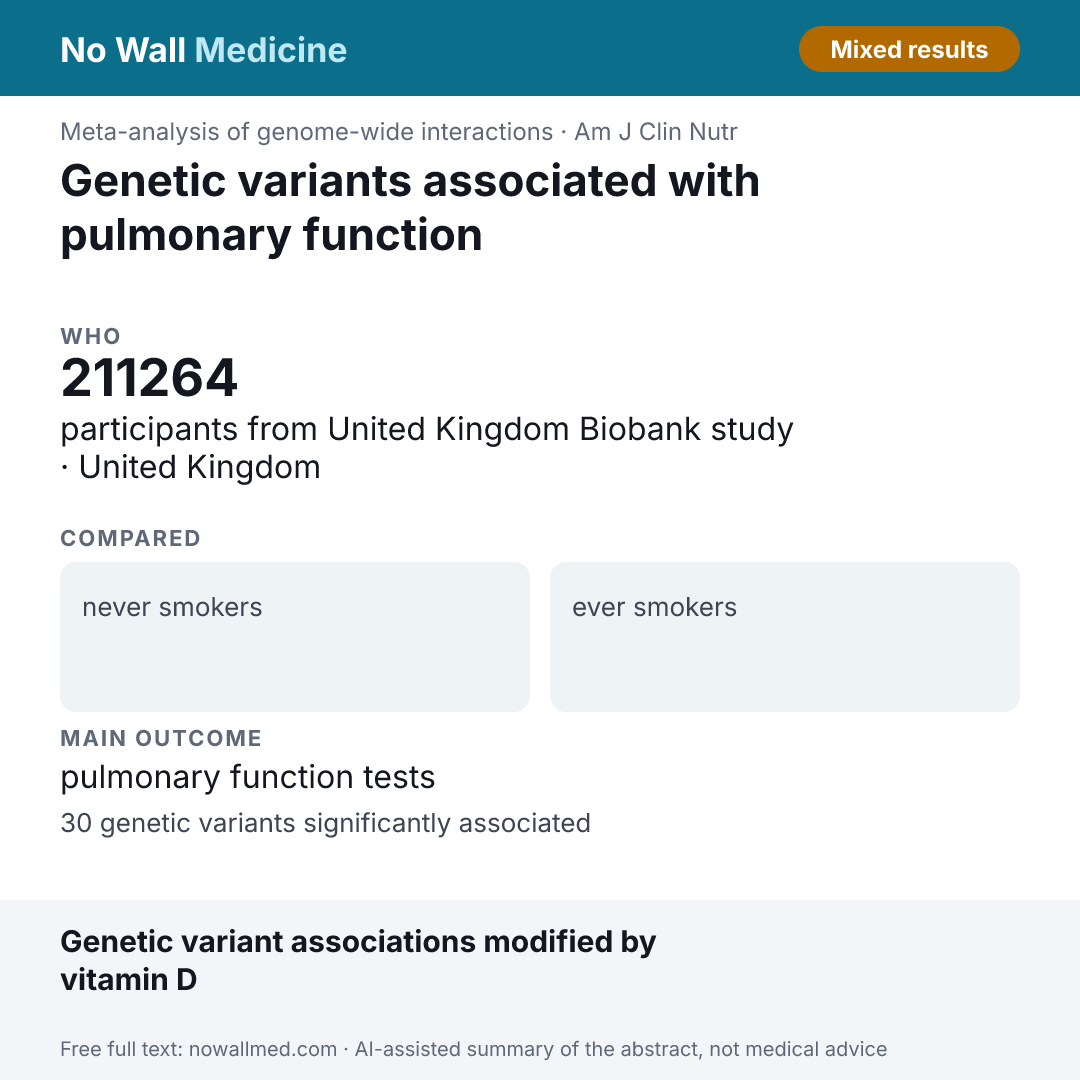
Exploiting meta-analysis of genome-wide interaction with serum 25-hydroxyvitamin D to identify novel genetic loci associated with pulmonary function
Meta-analysis of genome-wide interactionsMixed results
Genetic variants associated with pulmonary function
Who
211264
participants from United Kingdom Biobank study · United Kingdom
Compared
never smokers
ever smokers
Main outcome
pulmonary function tests
Result: 30 genetic variants significantly associated
Bottom line: Genetic variant associations modified by vitamin D
Am J Clin Nutr · 2024-03-12 · Save PNG
Antithrombotic Therapy in Cerebral Cavernous Malformations: A Systematic Review, Meta-Analysis, and Network Meta-Analysis
Systematic review, meta-analysis, and network meta-analysisBenefit found
Does antithrombotic therapy affect intracranial hemorrhage risk in cerebral cavernous malformations?
Who
2709
Patients with cerebral cavernous malformations
Compared
Antithrombotic therapy: lower risk of intracranial hemorrhage
No antithrombotic therapy
Main outcome
risk of intracranial hemorrhage
Result: odds ratio 0.56 (95% CI 0.45-0.7)
Bottom line: Antithrombotic therapy was associated with a lower risk of intracranial hemorrhage in patients with cerebral cavernous malformations.
Limitation: Fundamental biases in study design, such as ascertainment and assignment bias, limit the weight of conclusions.
J Am Heart Assoc · 2024-03-12 · Save PNG

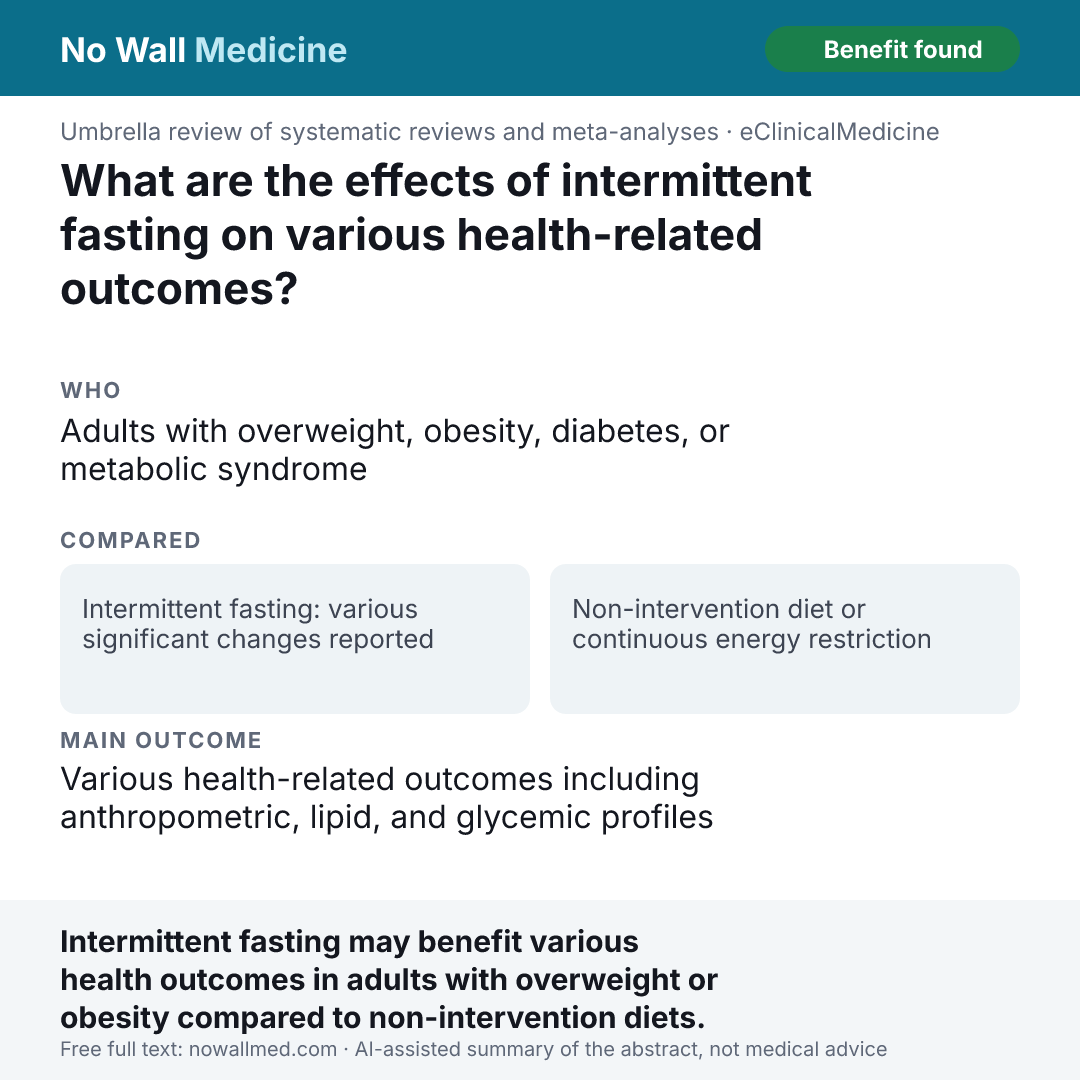
Intermittent fasting and health outcomes: an umbrella review of systematic reviews and meta-analyses of randomised controlled trials
Umbrella review of systematic reviews and meta-analysesBenefit found
What are the effects of intermittent fasting on various health-related outcomes?
Who
Adults with overweight, obesity, diabetes, or metabolic syndrome
Compared
Intermittent fasting: various significant changes reported
Non-intervention diet or continuous energy restriction
Main outcome
Various health-related outcomes including anthropometric, lipid, and glycemic profiles
Bottom line: Intermittent fasting may benefit various health outcomes in adults with overweight or obesity compared to non-intervention diets.
Funded by: National Key Research and Development Program of China
eClinicalMedicine · 2024-03-11 · Save PNG
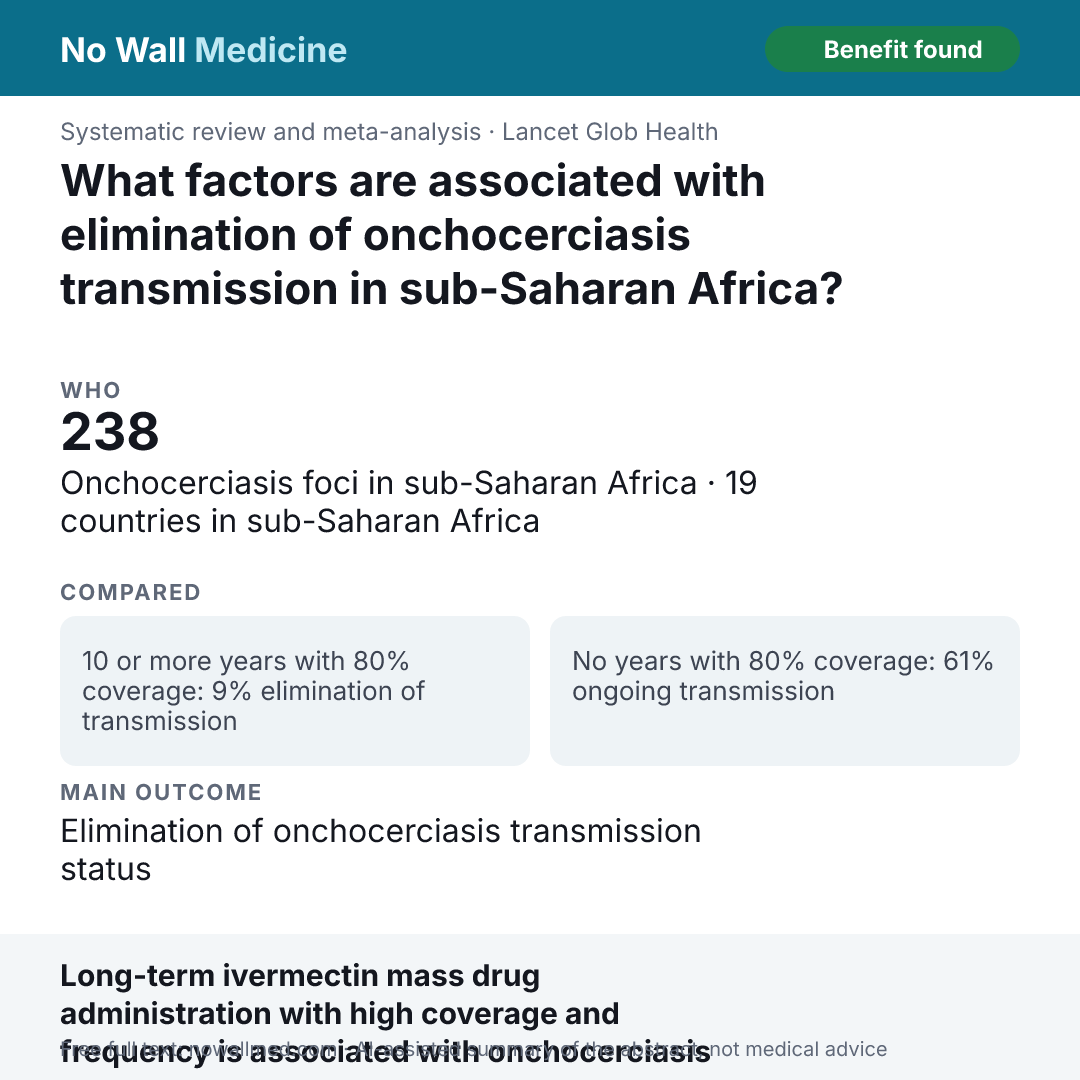
Elimination of transmission of onchocerciasis (river blindness) with long-term ivermectin mass drug administration with or without vector control in sub-Saharan Africa: a systematic review and meta-analysis
Systematic review and meta-analysisBenefit found
What factors are associated with elimination of onchocerciasis transmission in sub-Saharan Africa?
Who
238
Onchocerciasis foci in sub-Saharan Africa · 19 countries in sub-Saharan Africa
Compared
10 or more years with 80% coverage: 9% elimination of transmission
No years with 80% coverage: 61% ongoing transmission
Main outcome
Elimination of onchocerciasis transmission status
Result: log-odds 8·5 (95% CI 3·5 to 13·5)
Bottom line: Long-term ivermectin mass drug administration with high coverage and frequency is associated with onchocerciasis transmission elimination.
Funded by: Bill & Melinda Gates Foundation
Lancet Glob Health · 2024-03-11 · Save PNG