Visual abstracts
New randomized trials and meta-analyses from leading journals at a glance: who was studied, what was compared, and what was found. Every paper is free to read in full.
All specialtiesCardiology 4833Oncology 4115Gastroenterology & Hepatology 1934Infectious Disease 3825Neurology 1901Psychiatry & Mental Health 2256Pulmonology 2082Critical Care 1346Endocrinology & Diabetes 2572Pediatrics 2940Surgery 2525Orthopedics & Sports Medicine 926Neurosurgery 534Cardiothoracic & Vascular Surgery 671Plastic & Reconstructive Surgery 591Nephrology 1124Rheumatology 823Hematology 1104Dermatology 620Ophthalmology 543Obstetrics & Gynecology 1684Public & Global Health 1056Radiology & Imaging 641Anesthesiology 962Urology 754ENT (Otolaryngology) 503Emergency Medicine 489Allergy & Immunology 313Geriatrics 982Family Medicine & Primary Care 541Medical Genetics & Genomics 675Pathology & Laboratory Medicine 157Physical Medicine & Rehabilitation 751Palliative Care 424Nutrition 1580Digital Health & AI 2195General Medicine 321
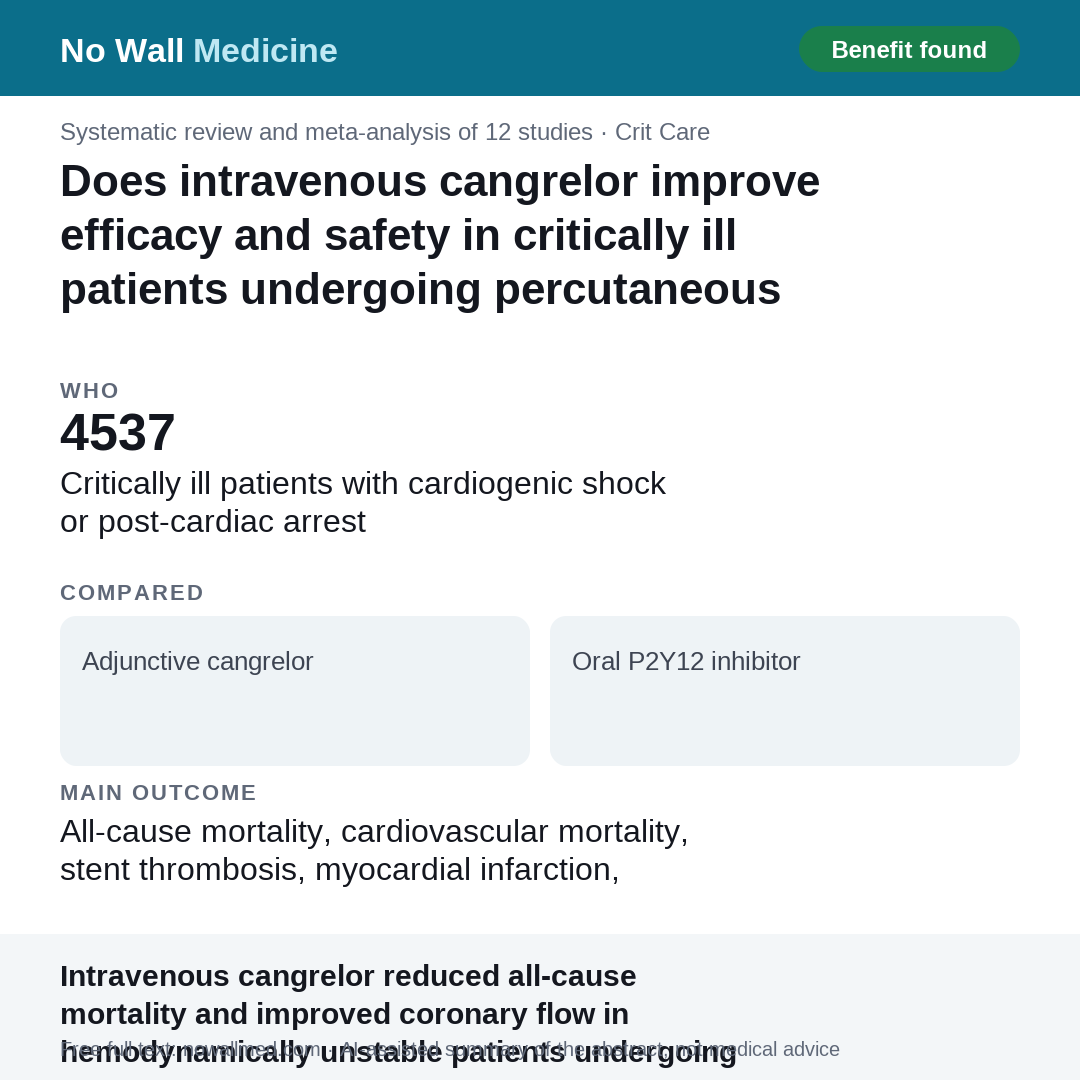
Cangrelor in critically ill patients with cardiogenic shock or post-cardiac arrest undergoing percutaneous coronary intervention: a systematic review and meta-analysis
Systematic review and meta-analysis of 12 studiesBenefit found
Does intravenous cangrelor improve efficacy and safety in critically ill patients undergoing percutaneous coronary intervention?
Who
4537
Critically ill patients with cardiogenic shock or post-cardiac arrest
Compared
Adjunctive cangrelor
Oral P2Y12 inhibitor
Main outcome
All-cause mortality, cardiovascular mortality, stent thrombosis, myocardial infarction, stroke, and TIMI 3 flow
Result: RR, 0.90; 95% CI, 0.82–0.98
Bottom line: Intravenous cangrelor reduced all-cause mortality and improved coronary flow in hemodynamically unstable patients undergoing percutaneous coronary intervention.
Limitation: Pending confirmation of overall clinical benefit in large-scale randomized trials.
Crit Care · 2025-12-28Download image
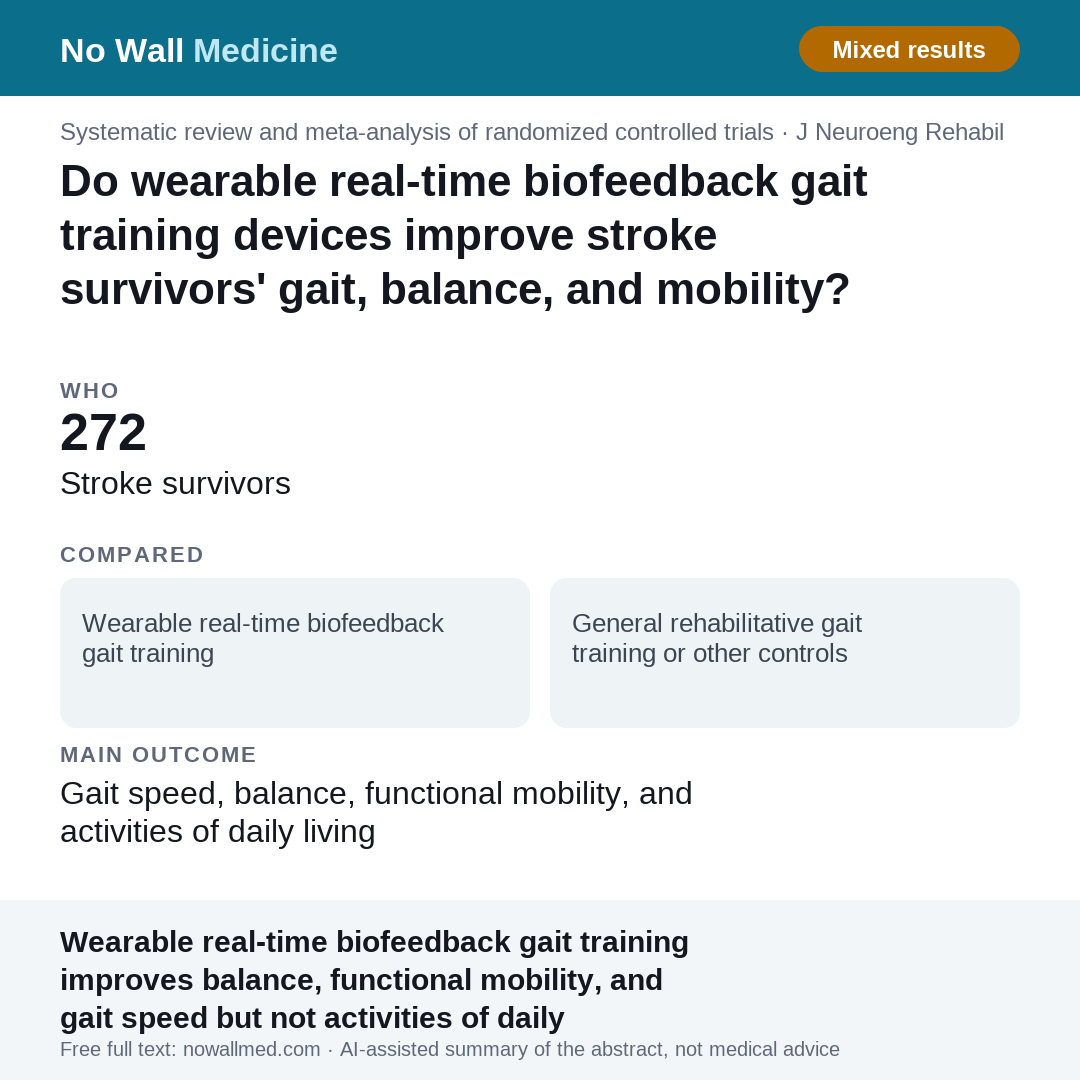
Can wearable real-time biofeedback gait training devices improve gait speed, balance, functional mobility and activities of daily living (ADL) in individuals post-stroke? A systematic review and meta-analysis of randomized controlled trials
Systematic review and meta-analysis of randomized controlled trialsMixed results
Do wearable real-time biofeedback gait training devices improve stroke survivors' gait, balance, and mobility?
Who
272
Stroke survivors
Compared
Wearable real-time biofeedback gait training
General rehabilitative gait training or other controls
Main outcome
Gait speed, balance, functional mobility, and activities of daily living
Result: SMD 0.41 (P=0.02) for gait speed; SMD 0.44 (P=0.03) for Berg Balance Scale; SMD -0.36 (P=0.01) for Timed Up and Go Test
Bottom line: Wearable real-time biofeedback gait training improves balance, functional mobility, and gait speed but not activities of daily living.
J Neuroeng Rehabil · 2025-12-28Download image
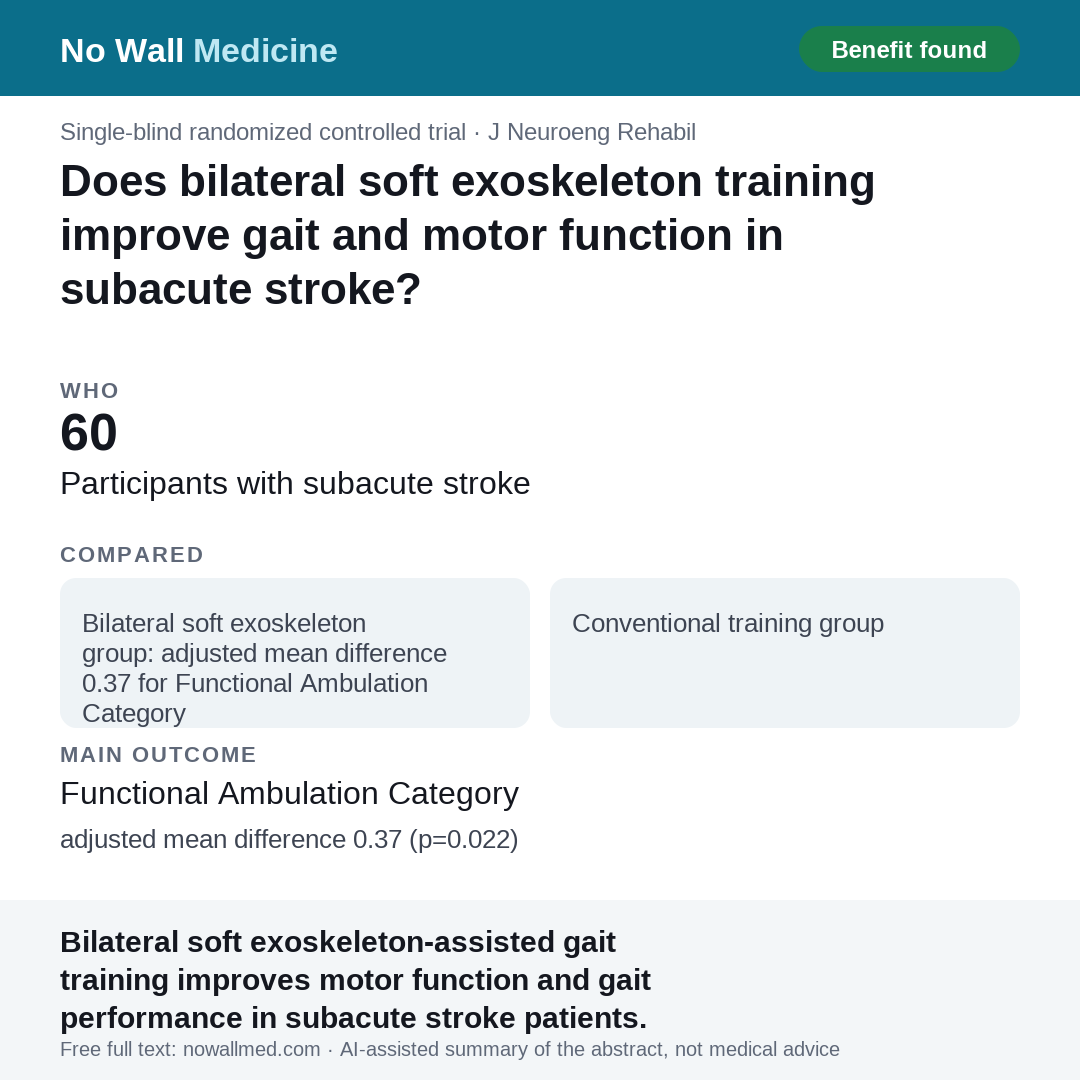
Efficacy of bilateral soft exoskeleton training for people with subacute stroke: a randomized controlled trial
Single-blind randomized controlled trialBenefit found
Does bilateral soft exoskeleton training improve gait and motor function in subacute stroke?
Who
60
Participants with subacute stroke
Compared
Bilateral soft exoskeleton group: adjusted mean difference 0.37 for Functional Ambulation Category
Conventional training group
Main outcome
Functional Ambulation Category
Result: adjusted mean difference 0.37 (p=0.022)
Bottom line: Bilateral soft exoskeleton-assisted gait training improves motor function and gait performance in subacute stroke patients.
Limitation: Further studies with larger cohorts and longer follow-up are needed.
J Neuroeng Rehabil · 2025-12-28Download image
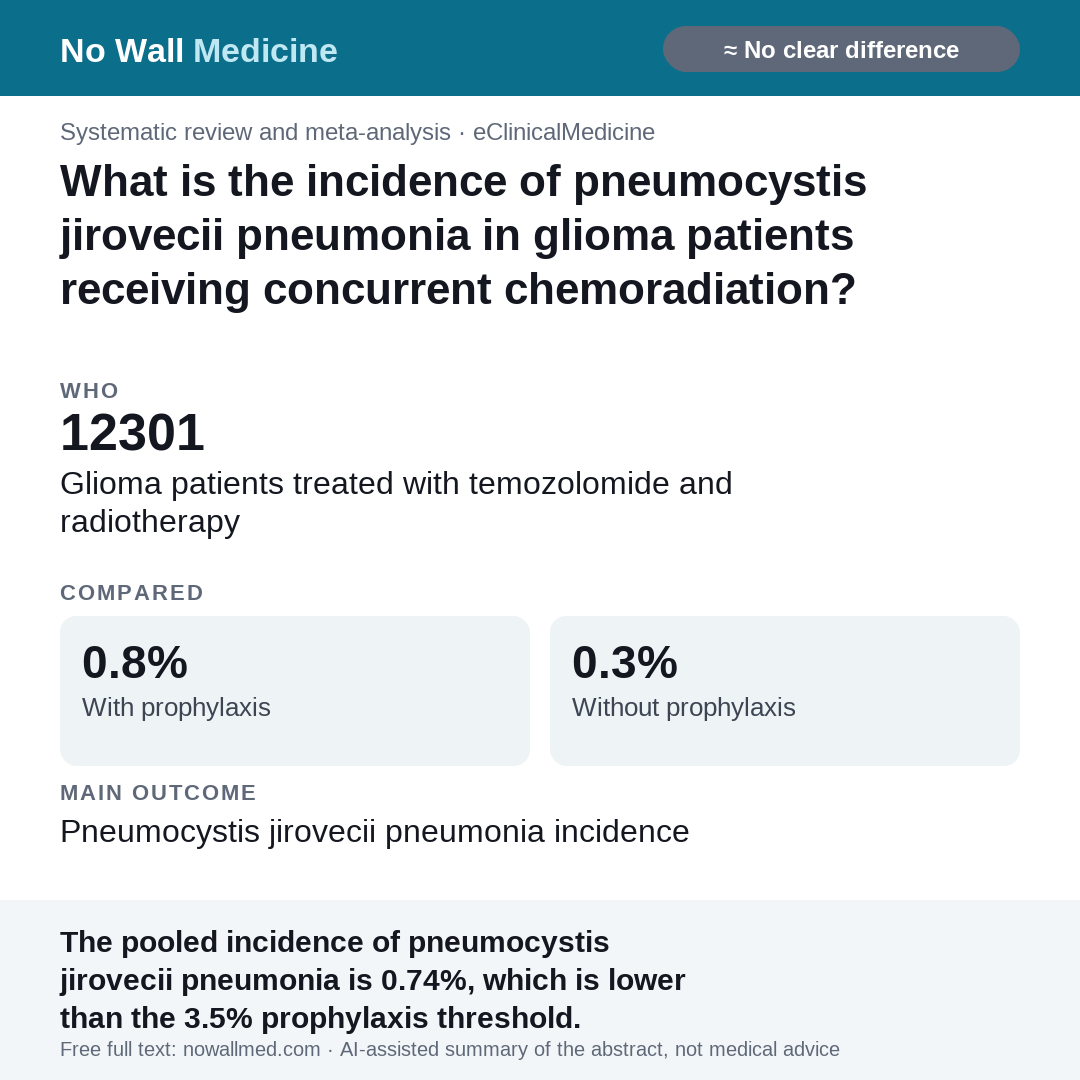
Pneumocystis jirovecii pneumonia prophylaxis in patients with glioma receiving concurrent chemoradiation: a systematic review and meta-analysis
Systematic review and meta-analysisNo clear difference
What is the incidence of pneumocystis jirovecii pneumonia in glioma patients receiving concurrent chemoradiation?
Who
12301
Glioma patients treated with temozolomide and radiotherapy
Compared
0.8%With prophylaxis (14/1765)
0.3%Without prophylaxis (9/2719)
Main outcome
Pneumocystis jirovecii pneumonia incidence
Result: 0.74% (95% CI, 0.59-0.93%)
Bottom line: The pooled incidence of pneumocystis jirovecii pneumonia is 0.74%, which is lower than the 3.5% prophylaxis threshold.
Limitation: Heterogeneity in study populations, lack of standardized diagnostic confirmation, and incomplete reporting of steroid administration.
Funded by: Qassim University
eClinicalMedicine · 2025-12-27Download image
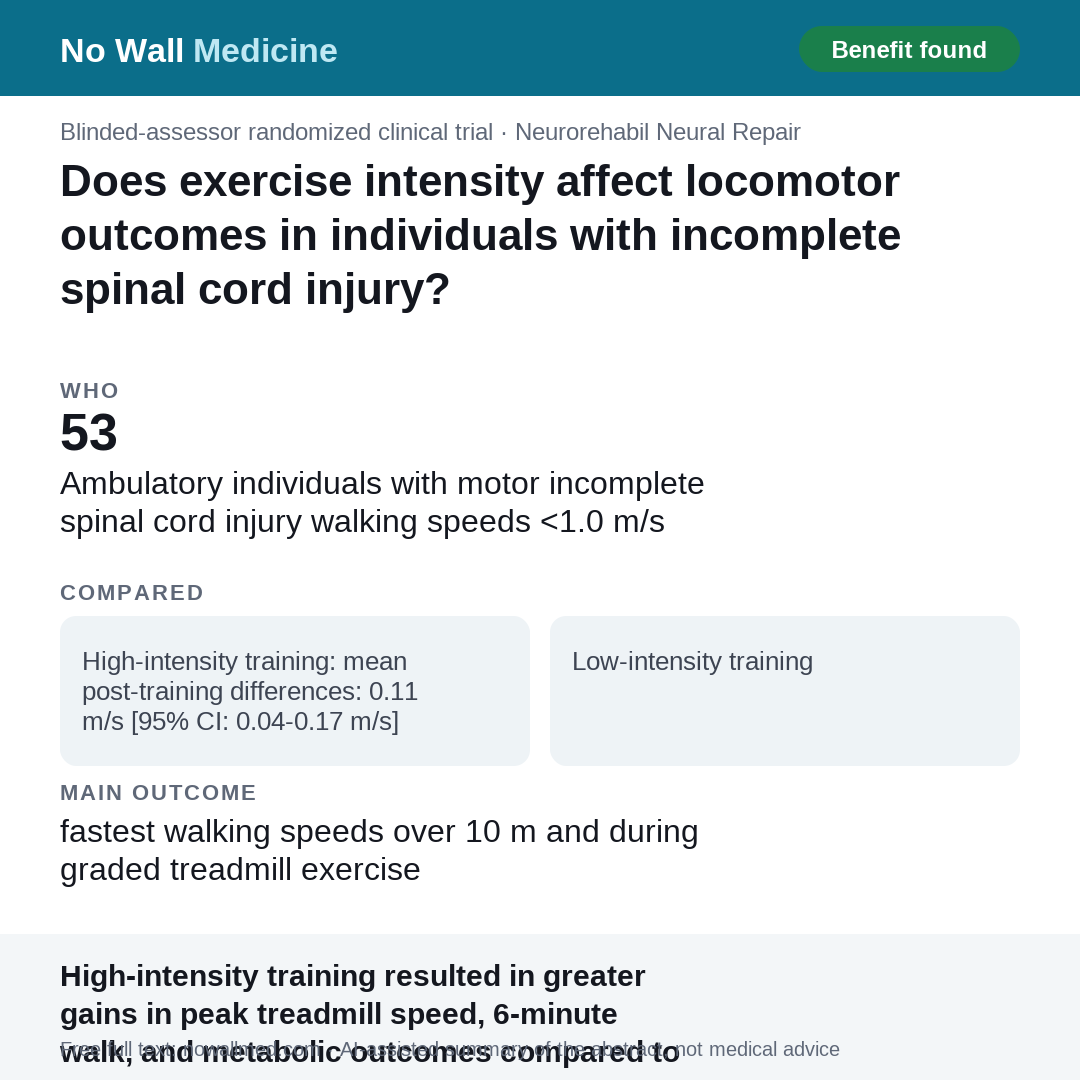
Higher Intensity Walking Training in Individuals With Chronic Motor Incomplete Spinal Cord Injury: A Randomized Clinical Trial
Blinded-assessor randomized clinical trialBenefit found
Does exercise intensity affect locomotor outcomes in individuals with incomplete spinal cord injury?
Who
53
Ambulatory individuals with motor incomplete spinal cord injury walking speeds <1.0 m/s
Compared
High-intensity training: mean post-training differences: 0.11 m/s [95% CI: 0.04-0.17 m/s]
Low-intensity training
Main outcome
fastest walking speeds over 10 m and during graded treadmill exercise
Result: mean differences: 0.25 m/s [0.15-0.34 m/s]
Bottom line: High-intensity training resulted in greater gains in peak treadmill speed, 6-minute walk, and metabolic outcomes compared to low-intensity training.
Neurorehabil Neural Repair · 2025-12-27Download image
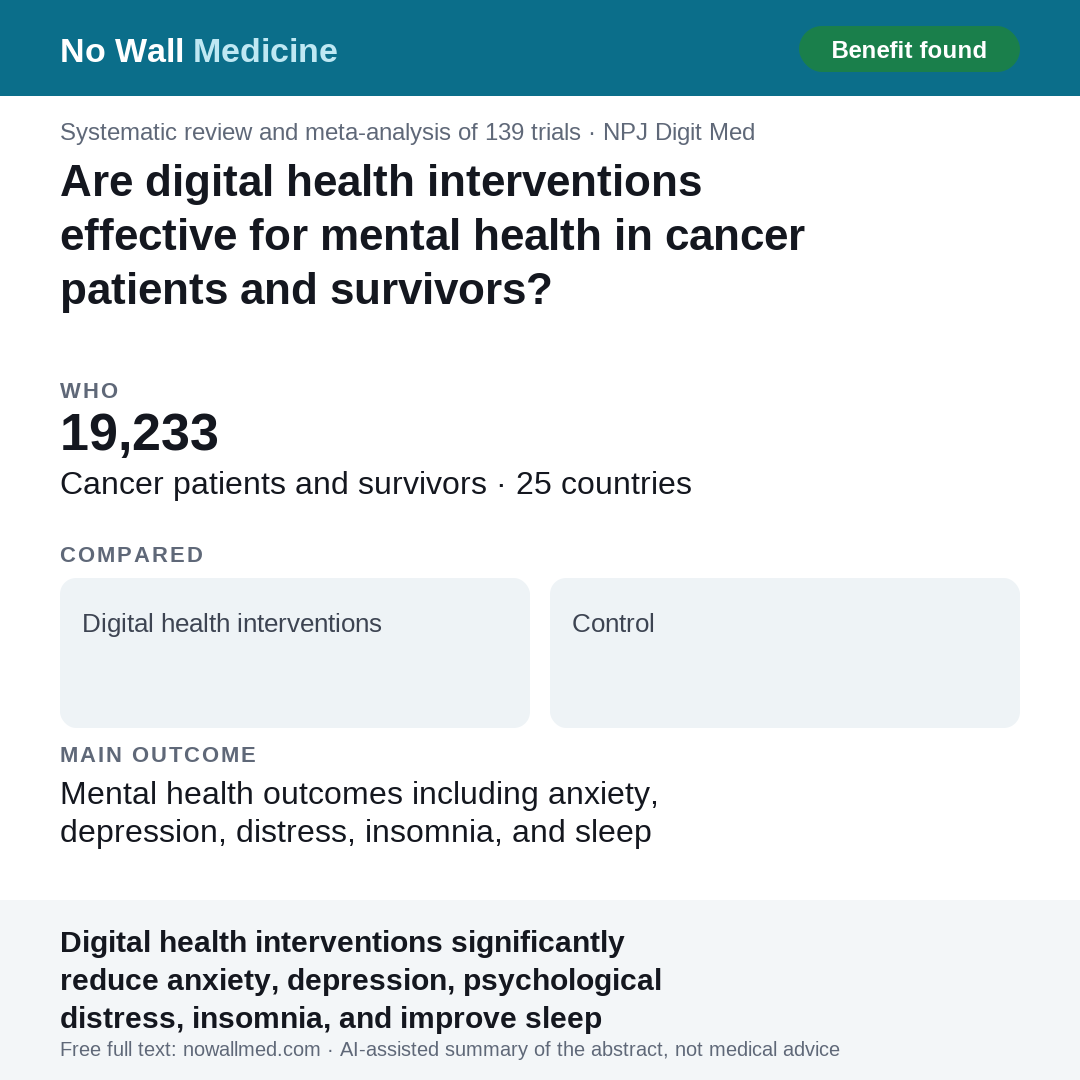
Systematic review and meta-analysis of digital interventions for mental health in cancer patients and survivors
Systematic review and meta-analysis of 139 trialsBenefit found
Are digital health interventions effective for mental health in cancer patients and survivors?
Who
19,233
Cancer patients and survivors · 25 countries
Compared
Digital health interventions
Control
Main outcome
Mental health outcomes including anxiety, depression, distress, insomnia, and sleep quality
Bottom line: Digital health interventions significantly reduce anxiety, depression, psychological distress, insomnia, and improve sleep quality in cancer populations.
NPJ Digit Med · 2025-12-27Download image
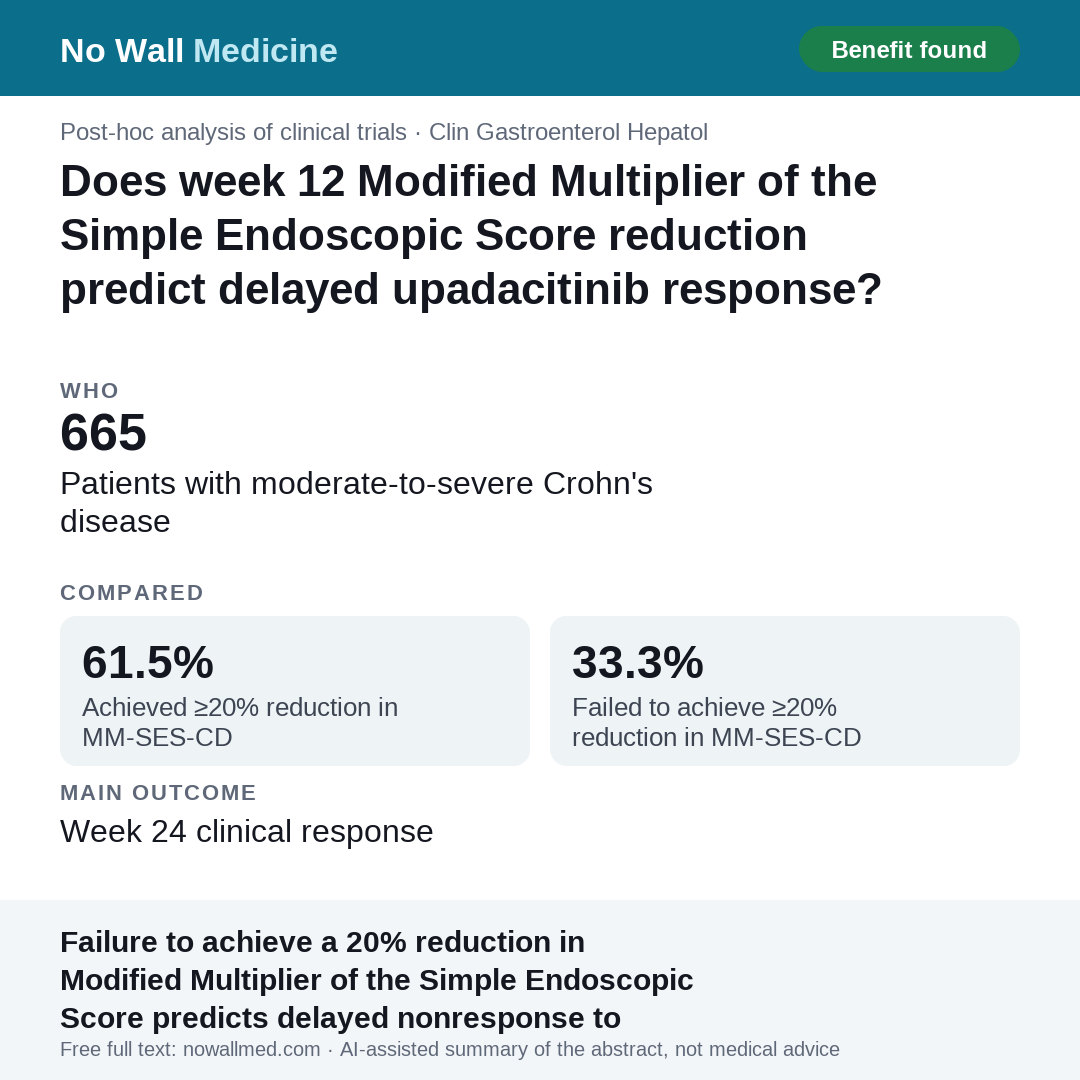
Week 12 Reduction in Modified Multiplier of the Simple Endoscopic Score for Crohn's Disease Is Predictive of Delayed Response to Upadacitinib in Crohn's Disease
Post-hoc analysis of clinical trialsBenefit found
Does week 12 Modified Multiplier of the Simple Endoscopic Score reduction predict delayed upadacitinib response?
Who
665
Patients with moderate-to-severe Crohn's disease
Compared
61.5%Achieved ≥20% reduction in MM-SES-CD
33.3%Failed to achieve ≥20% reduction in MM-SES-CD
Main outcome
Week 24 clinical response
Result: adjusted odds ratio 0.22 (95% confidence interval 0.09-0.53)
Bottom line: Failure to achieve a 20% reduction in Modified Multiplier of the Simple Endoscopic Score predicts delayed nonresponse to upadacitinib.
Clin Gastroenterol Hepatol · 2025-12-26Download image
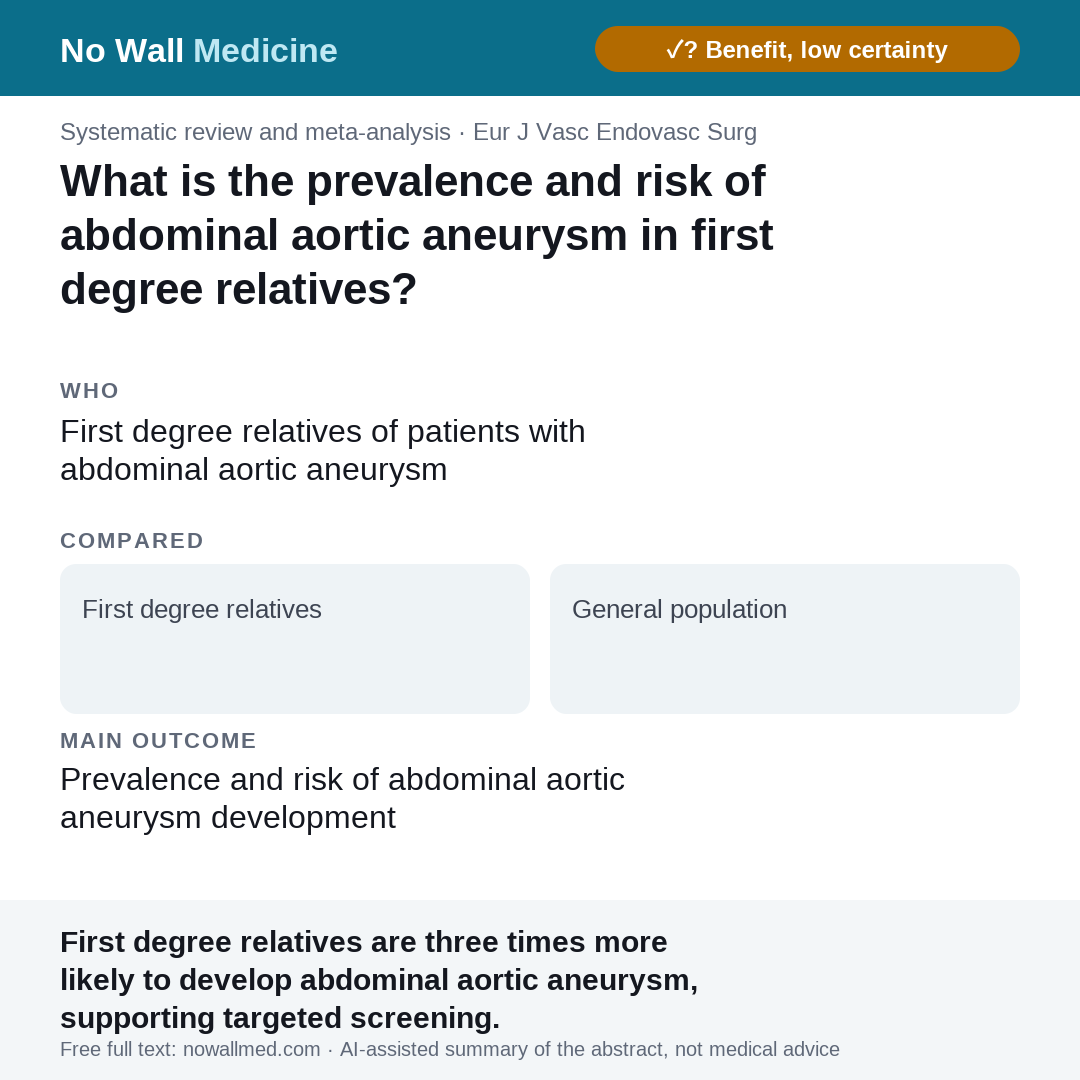
Editor's Choice - The Prevalence of Abdominal Aortic Aneurysm in First Degree Relatives: A Systematic Review and Meta-analysis
Systematic review and meta-analysisBenefit found
What is the prevalence and risk of abdominal aortic aneurysm in first degree relatives?
Who
First degree relatives of patients with abdominal aortic aneurysm
Compared
First degree relatives
General population
Main outcome
Prevalence and risk of abdominal aortic aneurysm development
Result: odds ratio 3.19 (95% CI 1.90 - 5.37)
Bottom line: First degree relatives are three times more likely to develop abdominal aortic aneurysm, supporting targeted screening.
Eur J Vasc Endovasc Surg · 2025-12-26Download image
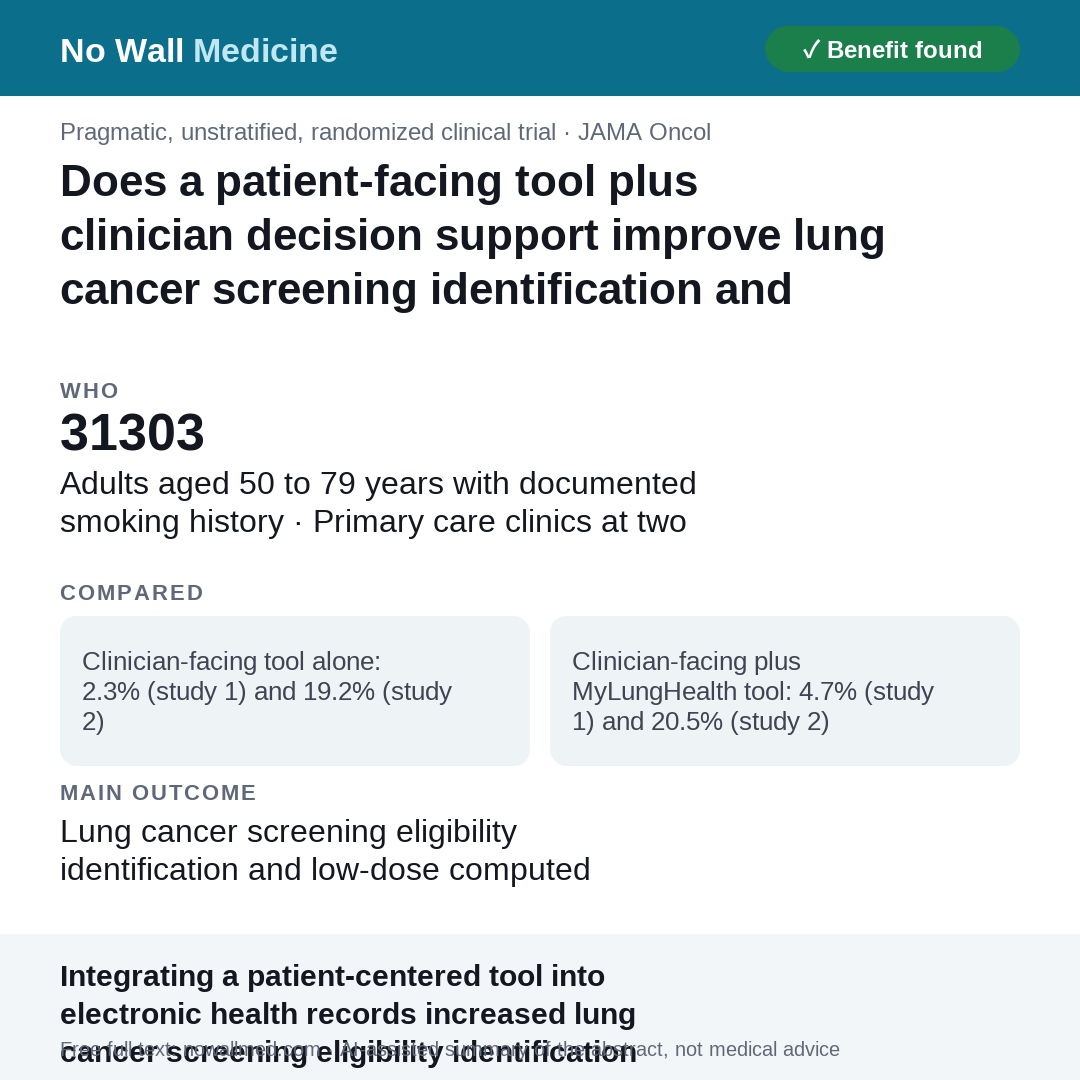
Enhancement of Patient-Centered Lung Cancer Screening: The MyLungHealth Randomized Clinical Trial
Pragmatic, unstratified, randomized clinical trialBenefit found
Does a patient-facing tool plus clinician decision support improve lung cancer screening identification and ordering?
Who
31303
Adults aged 50 to 79 years with documented smoking history · Primary care clinics at two US health systems
Compared
Clinician-facing tool alone: 2.3% (study 1) and 19.2% (study 2)
Clinician-facing plus MyLungHealth tool: 4.7% (study 1) and 20.5% (study 2)
Main outcome
Lung cancer screening eligibility identification and low-dose computed tomography ordering
Result: adjusted odds ratio 2.19 (95% CI 1.99-2.42) and 1.16 (95% CI 1.04-1.30)
Bottom line: Integrating a patient-centered tool into electronic health records increased lung cancer screening eligibility identification and low-dose computed tomography ordering.
Limitation: Absolute increases in the primary outcomes were more modest.
JAMA Oncol · 2025-12-26Download image
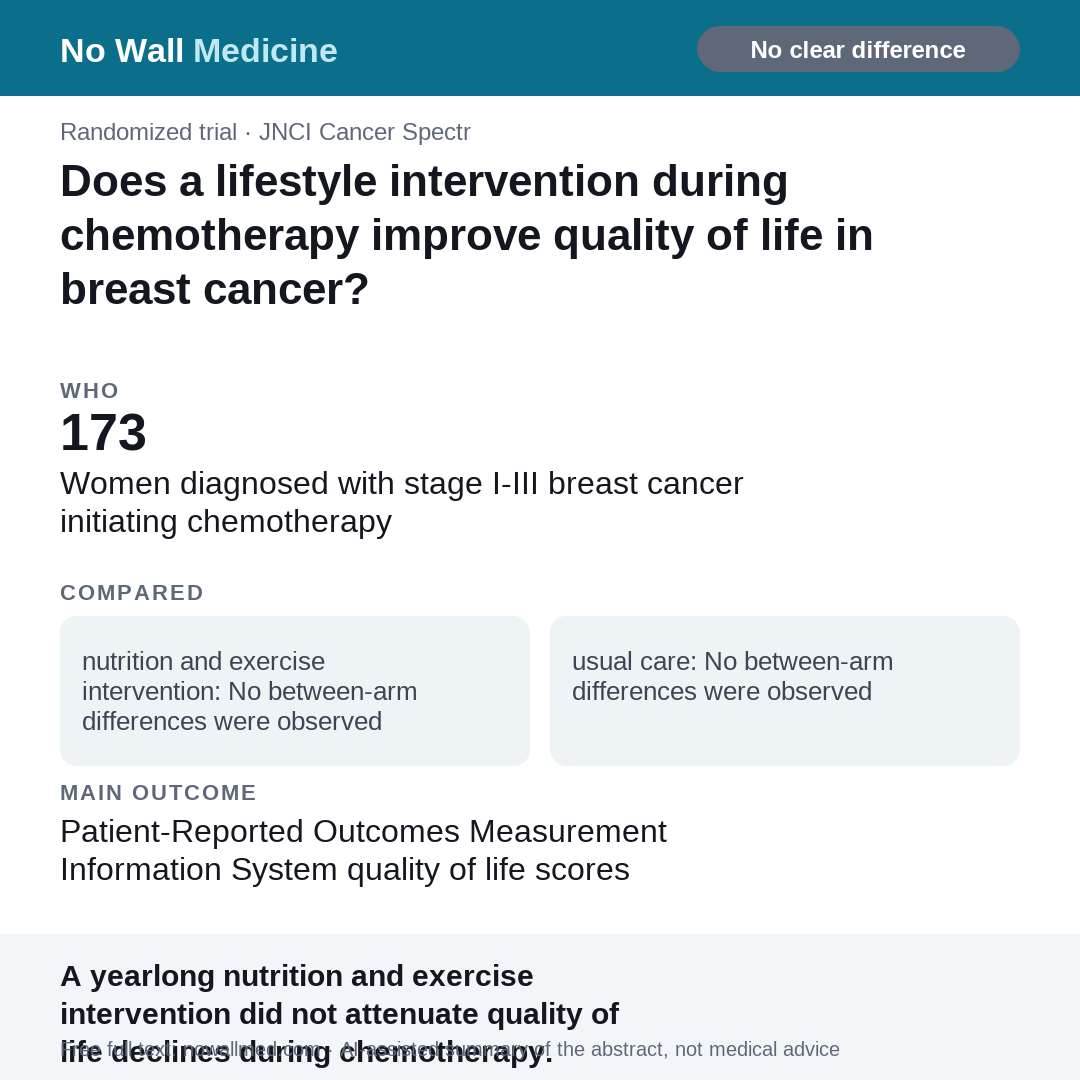
Effect of a lifestyle intervention during chemotherapy for breast cancer on quality of life
Randomized trialNo clear difference
Does a lifestyle intervention during chemotherapy improve quality of life in breast cancer?
Who
173
Women diagnosed with stage I-III breast cancer initiating chemotherapy
Compared
nutrition and exercise intervention: No between-arm differences were observed
usual care: No between-arm differences were observed
Main outcome
Patient-Reported Outcomes Measurement Information System quality of life scores
Bottom line: A yearlong nutrition and exercise intervention did not attenuate quality of life declines during chemotherapy.
JNCI Cancer Spectr · 2025-12-26Download image
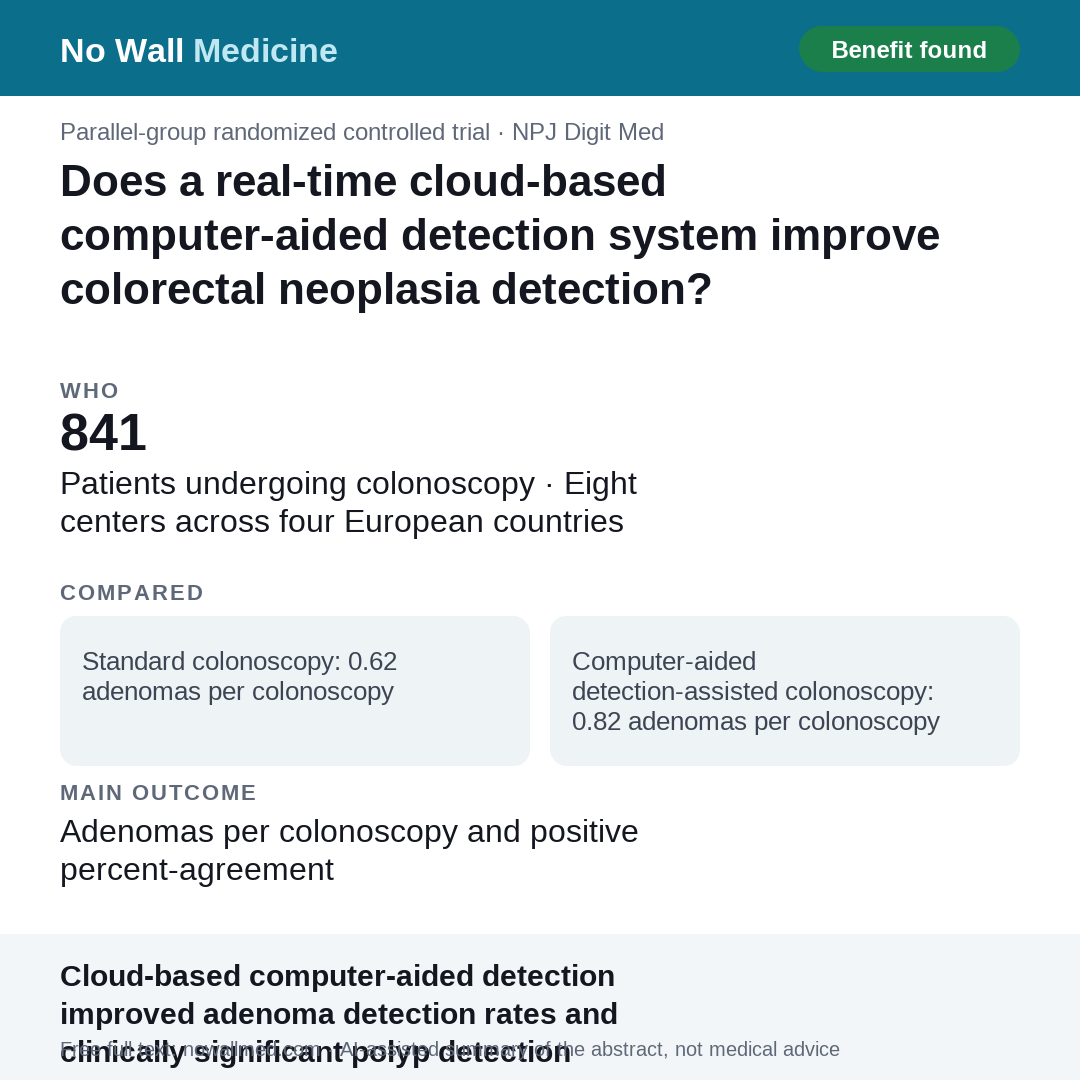
A novel cloud-based artificial intelligence for real-time detection of colorectal neoplasia - a randomized controlled trial (EAGLE)
Parallel-group randomized controlled trialBenefit found
Does a real-time cloud-based computer-aided detection system improve colorectal neoplasia detection?
Who
841
Patients undergoing colonoscopy · Eight centers across four European countries
Compared
Standard colonoscopy: 0.62 adenomas per colonoscopy
Computer-aided detection-assisted colonoscopy: 0.82 adenomas per colonoscopy
Main outcome
Adenomas per colonoscopy and positive percent-agreement
Result: Ratio 1.33 (95% CI 1.06-1.67)
Bottom line: Cloud-based computer-aided detection improved adenoma detection rates and clinically significant polyp detection during colonoscopy.
Limitation: Future research should explore optimizing computer-aided detection systems' performance.
NPJ Digit Med · 2025-12-26Download image
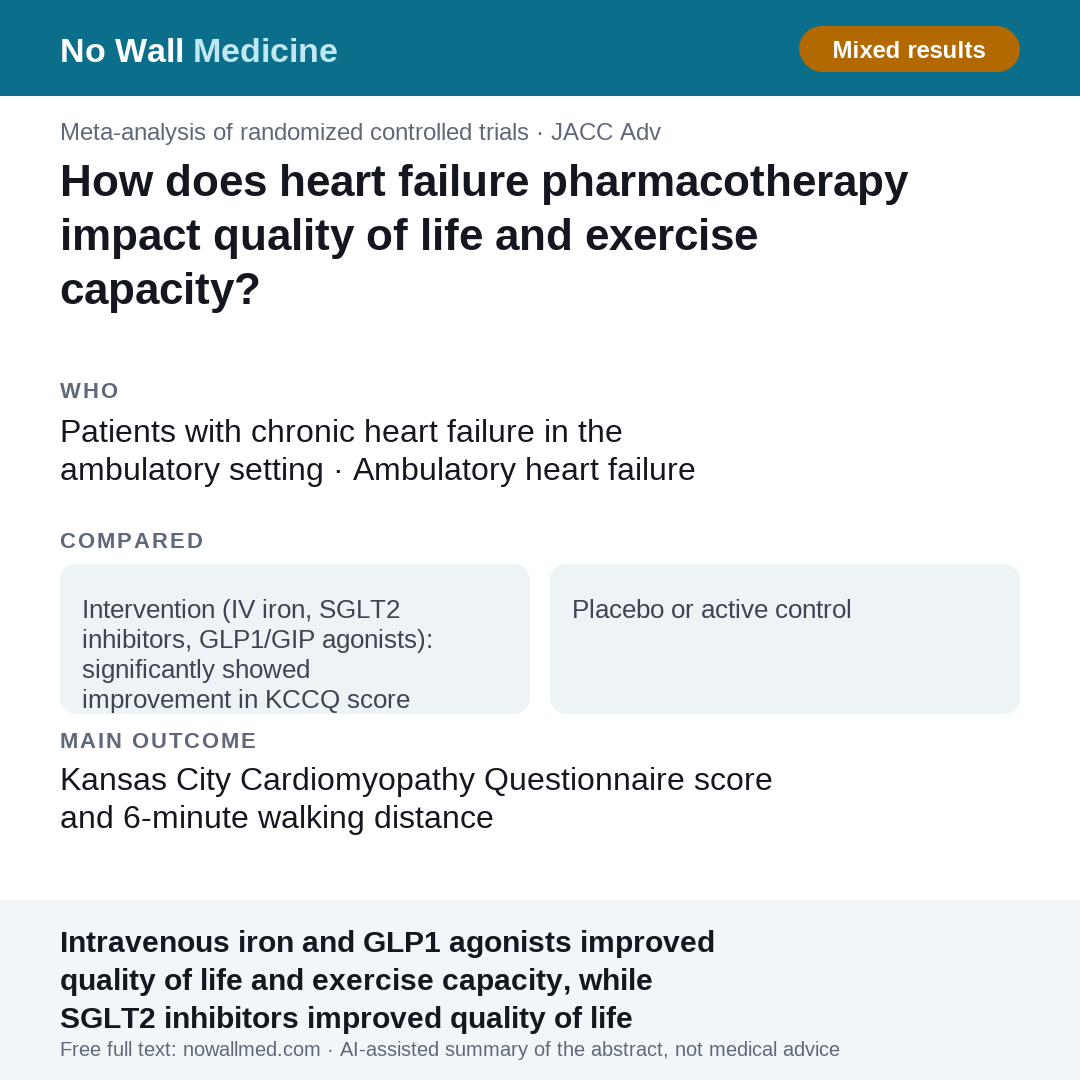
Patient-Centered Outcomes in Heart Failure Pharmacotherapy: A Meta-Analysis of Randomized Controlled Trials
Meta-analysis of randomized controlled trialsMixed results
How does heart failure pharmacotherapy impact quality of life and exercise capacity?
Who
Patients with chronic heart failure in the ambulatory setting · Ambulatory heart failure setting
Compared
Intervention (IV iron, SGLT2 inhibitors, GLP1/GIP agonists): significantly showed improvement in KCCQ score
Placebo or active control
Main outcome
Kansas City Cardiomyopathy Questionnaire score and 6-minute walking distance
Bottom line: Intravenous iron and GLP1 agonists improved quality of life and exercise capacity, while SGLT2 inhibitors improved quality of life only.
JACC Adv · 2025-12-25Download image
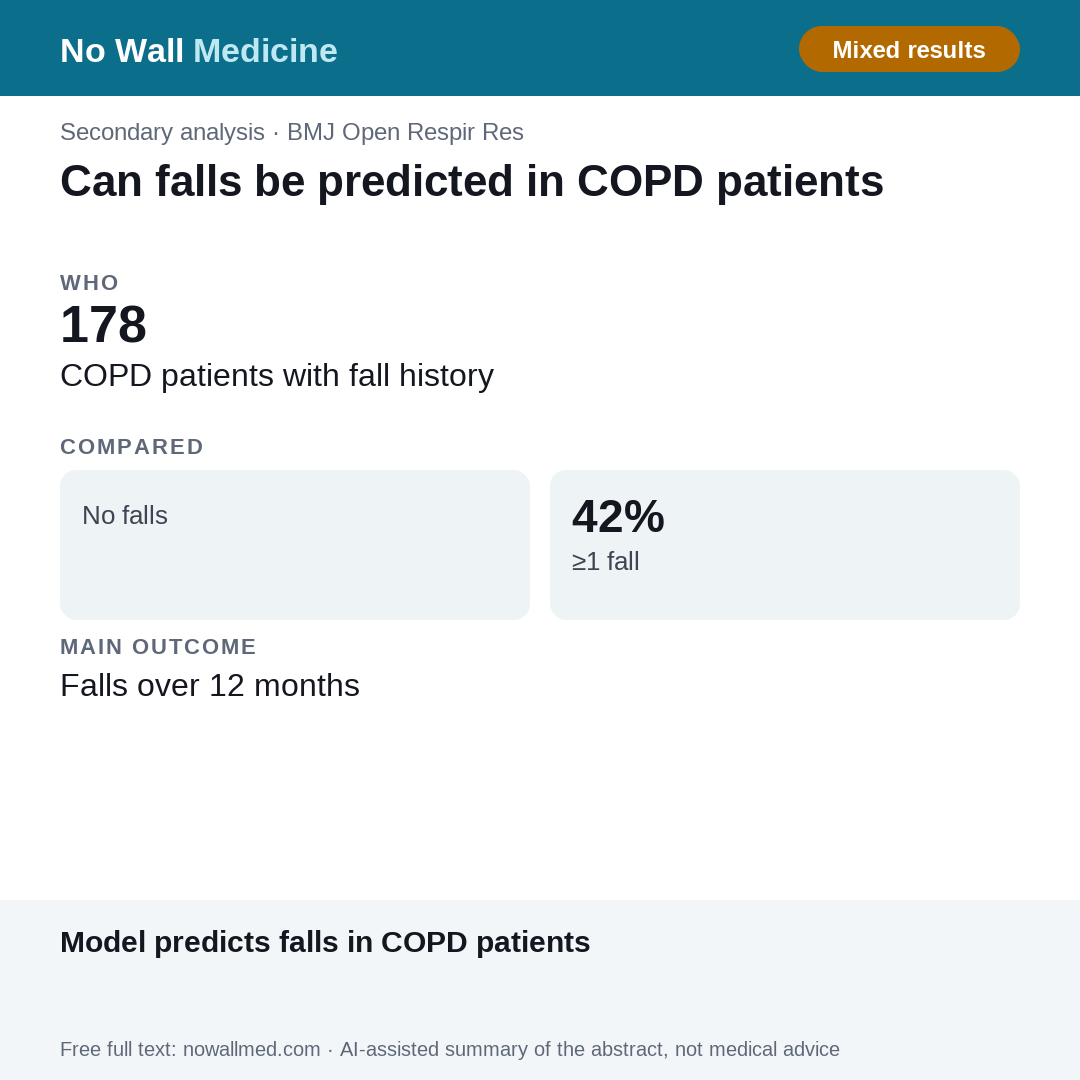
Development of a clinical prediction model for falls in individuals with COPD
Secondary analysisMixed results
Can falls be predicted in COPD patients
Who
178
COPD patients with fall history
Compared
No falls
42%≥1 fall (74/178)
Main outcome
Falls over 12 months
Bottom line: Model predicts falls in COPD patients
Limitation: Needs external validation
BMJ Open Respir Res · 2025-12-25Download image
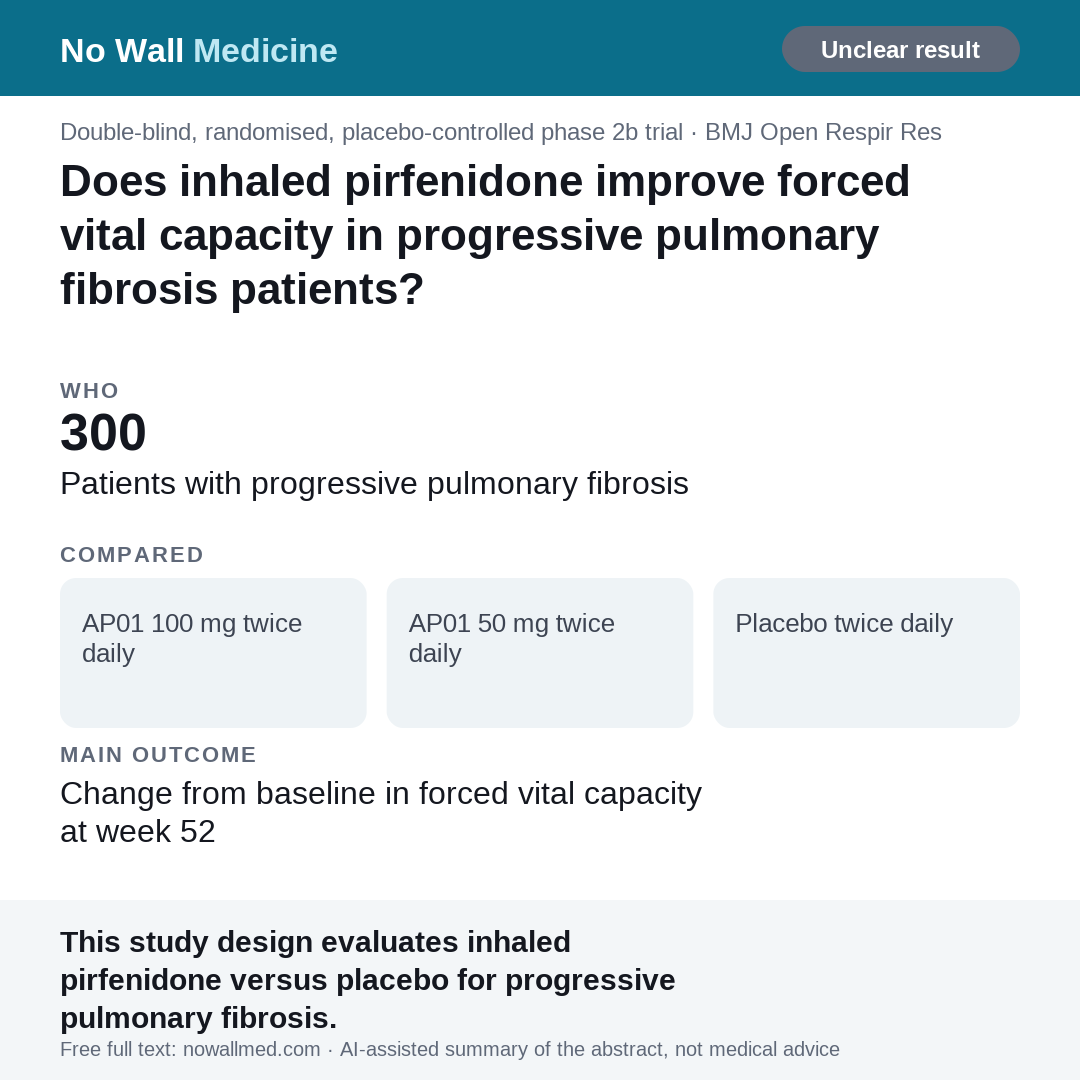
Design of the MIST study: a double-blind, randomised, placebo-controlled phase 2b trial of pirfenidone solution for inhalation in patients with progressive pulmonary fibrosis
Double-blind, randomised, placebo-controlled phase 2b trialUnclear result
Does inhaled pirfenidone improve forced vital capacity in progressive pulmonary fibrosis patients?
Who
300
Patients with progressive pulmonary fibrosis
Compared
AP01 100 mg twice daily
AP01 50 mg twice daily
Placebo twice daily
Main outcome
Change from baseline in forced vital capacity at week 52
Bottom line: This study design evaluates inhaled pirfenidone versus placebo for progressive pulmonary fibrosis.
BMJ Open Respir Res · 2025-12-25Download image
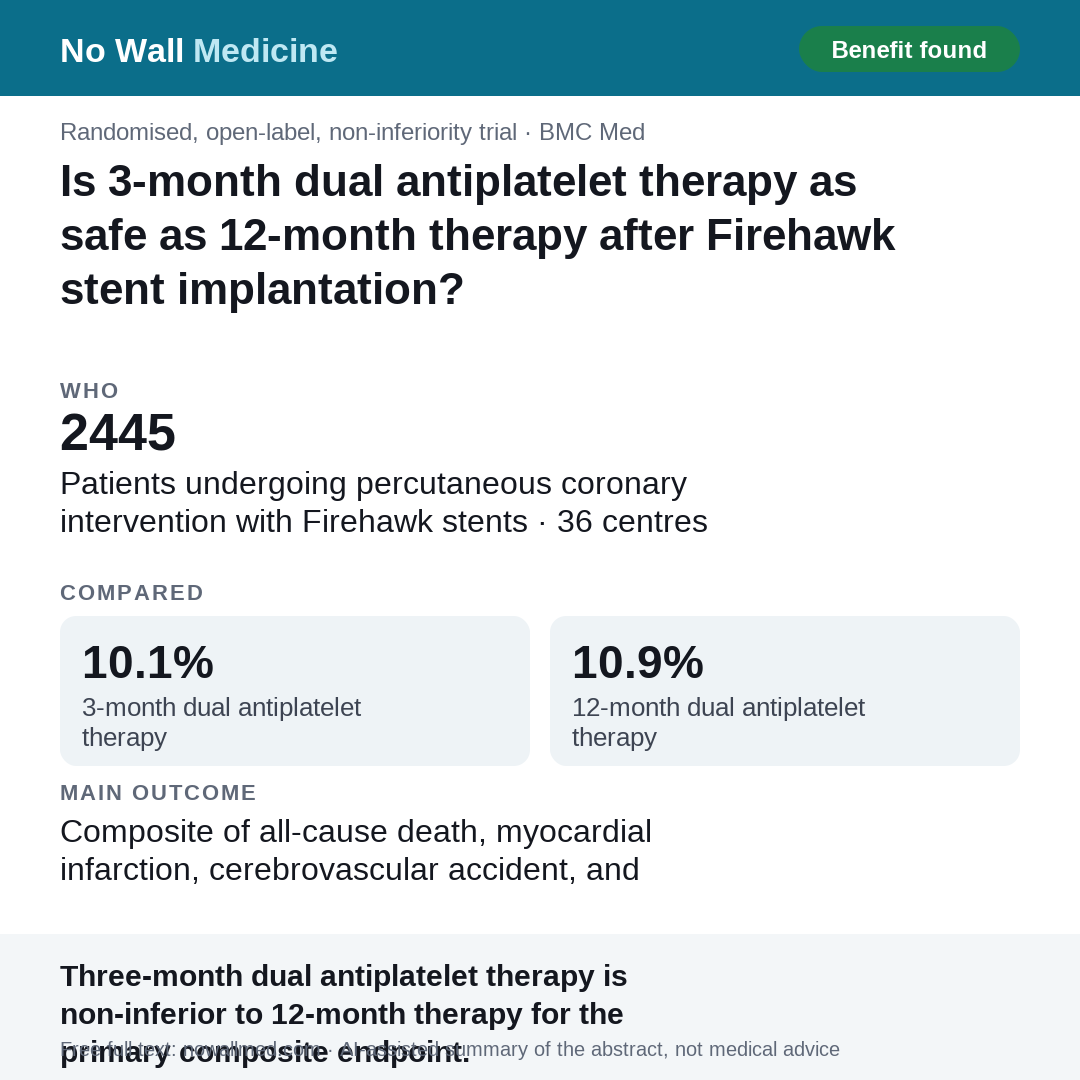
Three vs 12-month DAPT after implantation of biodegradable-polymer sirolimus-eluting coronary stent: a randomised clinical trial
Randomised, open-label, non-inferiority trialBenefit found
Is 3-month dual antiplatelet therapy as safe as 12-month therapy after Firehawk stent implantation?
Who
2445
Patients undergoing percutaneous coronary intervention with Firehawk stents · 36 centres in China
Compared
10.1%3-month dual antiplatelet therapy
10.9%12-month dual antiplatelet therapy
Main outcome
Composite of all-cause death, myocardial infarction, cerebrovascular accident, and major bleeding
Result: absolute rate difference, -0.76% (upper limit of 1-sided 97.5% CI, 1.70%)
Bottom line: Three-month dual antiplatelet therapy is non-inferior to 12-month therapy for the primary composite endpoint.
BMC Med · 2025-12-24Download image
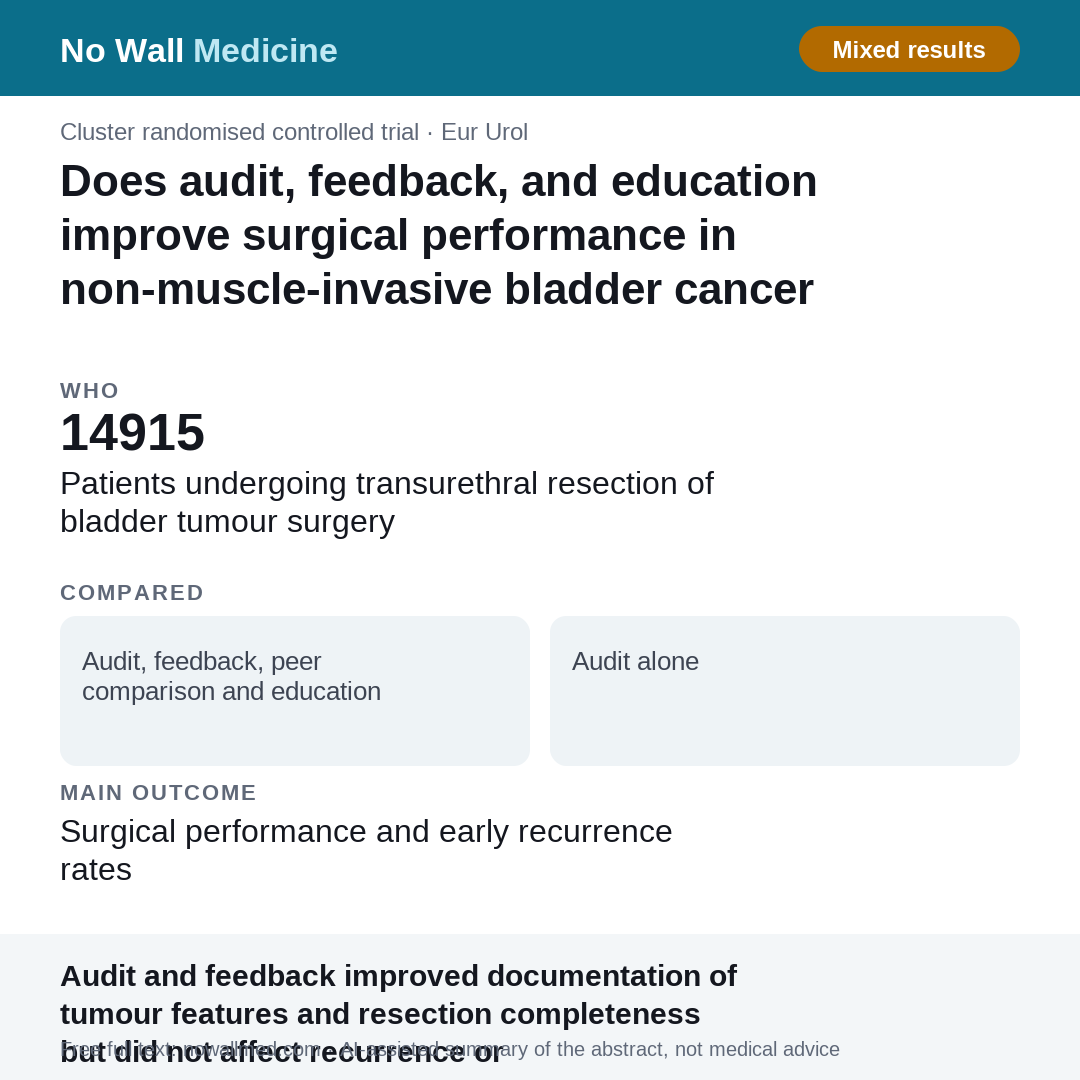
RESECT: A Randomised Controlled Trial of Audit and Feedback in Non-muscle-invasive Bladder Cancer Surgery
Cluster randomised controlled trialMixed results
Does audit, feedback, and education improve surgical performance in non-muscle-invasive bladder cancer surgery?
Who
14915
Patients undergoing transurethral resection of bladder tumour surgery
Compared
Audit, feedback, peer comparison and education
Audit alone
Main outcome
Surgical performance and early recurrence rates
Result: adjusted mean difference 6.0 (95% CI 1.8 to 10) for documentation of tumour features
Bottom line: Audit and feedback improved documentation of tumour features and resection completeness but did not affect recurrence or chemotherapy use.
Limitation: Improvements observed in the control arm may explain a lack of effect of the intervention.
Eur Urol · 2025-12-24Download image
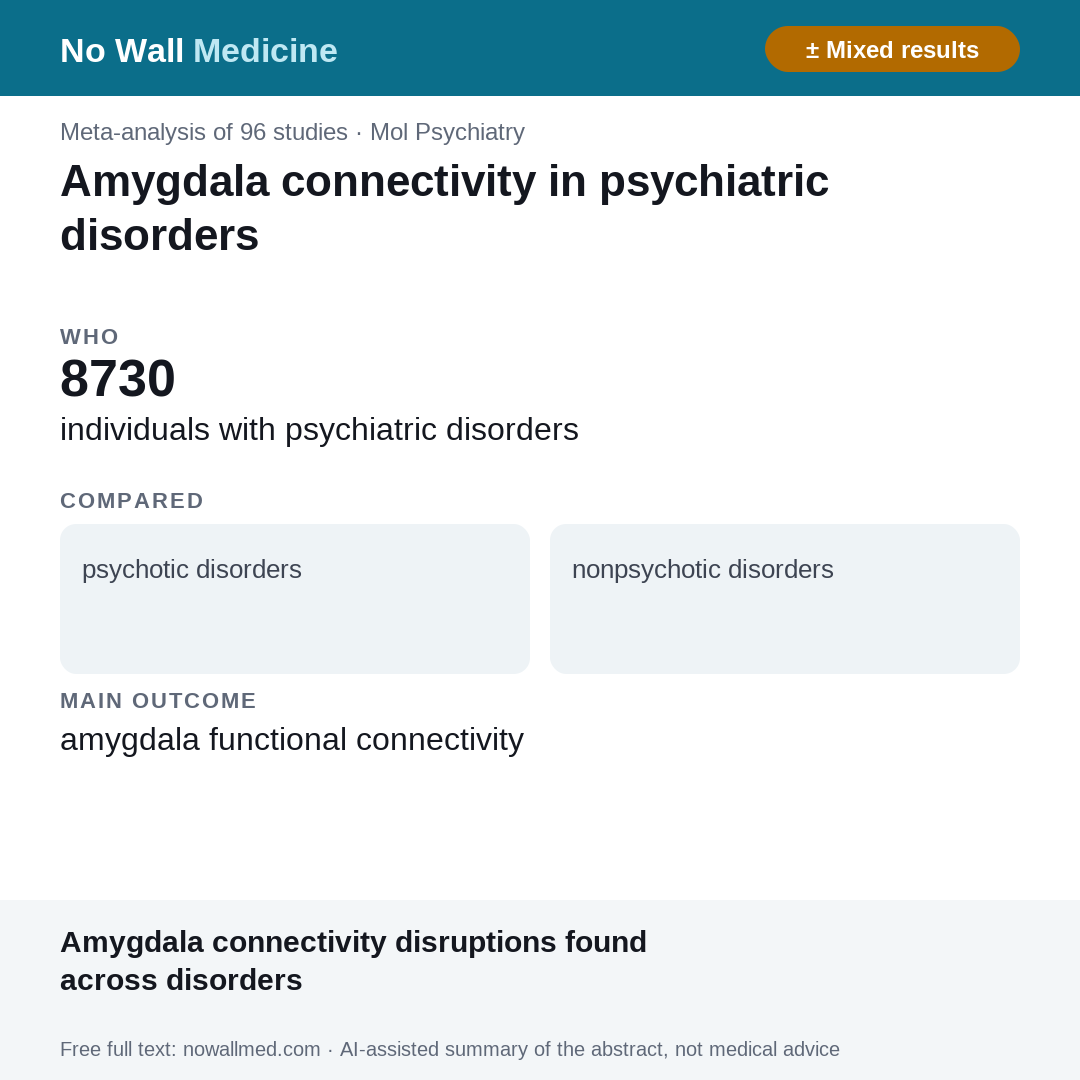
Common alterations of whole and subregion-specific amygdala intrinsic functional connectivity across psychiatric disorders: a meta-analysis
Meta-analysis of 96 studiesMixed results
Amygdala connectivity in psychiatric disorders
Who
8730
individuals with psychiatric disorders
Compared
psychotic disorders
nonpsychotic disorders
Main outcome
amygdala functional connectivity
Bottom line: Amygdala connectivity disruptions found across disorders
Mol Psychiatry · 2025-12-24Download image
Sustained Action of Imapextide, A Glucagon-Like Peptide-1 Receptor Antagonist, in Healthy Volunteers
Phase 1, double-blind studyEarly signal
What are the safety, tolerability, pharmacokinetics, and pharmacodynamics of imapextide?
Who
69
Healthy adults
Compared
Imapextide: treatment-emergent adverse event rates 33.3% to 100%
Placebo
Main outcome
safety, tolerability, pharmacokinetics, and pharmacodynamics
Bottom line: Imapextide was generally well tolerated with pharmacokinetics supporting once-weekly dosing for postbariatric hypoglycemia treatment.
J Clin Endocrinol Metab · 2025-12-24Download image

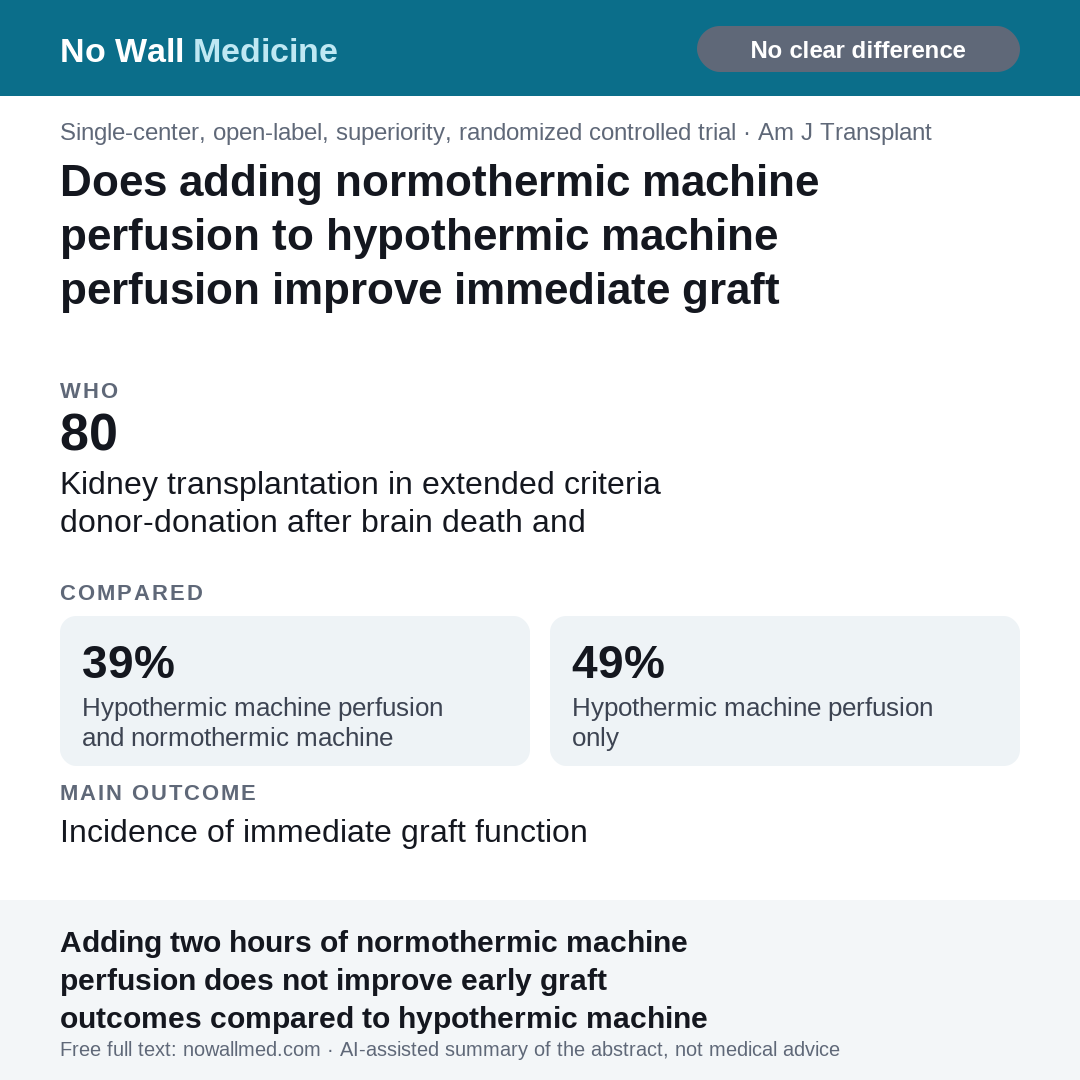
Normothermic versus hypothermic machine perfusion in kidney transplantation: A randomized controlled trial
Single-center, open-label, superiority, randomized controlled trialNo clear difference
Does adding normothermic machine perfusion to hypothermic machine perfusion improve immediate graft function?
Who
80
Kidney transplantation in extended criteria donor-donation after brain death and circulatory death · Single-center
Compared
39%Hypothermic machine perfusion and normothermic machine perfusion (16/41)
49%Hypothermic machine perfusion only (19/39)
Main outcome
Incidence of immediate graft function
Result: odds ratio 0.68 (95% confidence interval 0.28-1.64)
Bottom line: Adding two hours of normothermic machine perfusion does not improve early graft outcomes compared to hypothermic machine perfusion alone.
Am J Transplant · 2025-12-24Download image
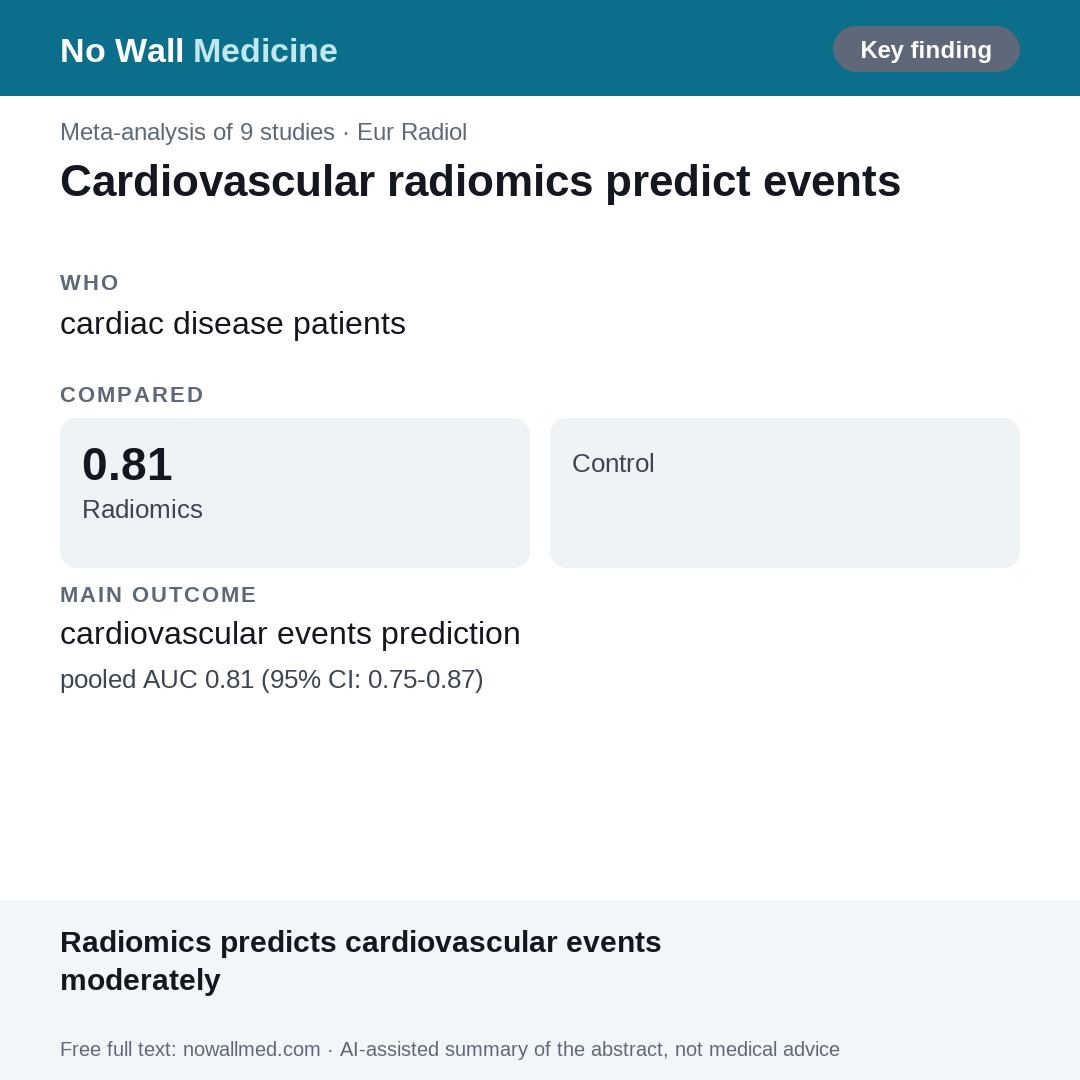
CT and MRI radiomics in cardiovascular risk prediction: a systematic review and meta-analysis by the EuSoMII Radiomics Auditing Group
Meta-analysis of 9 studiesBenefit found
Cardiovascular radiomics predict events
Who
202
cardiac disease patients
Compared
0.81Radiomics (95% CI: 0.75-0.87)
Control
Main outcome
cardiovascular events prediction
Result: pooled AUC 0.81 (95% CI: 0.75-0.87)
Bottom line: Radiomics predicts cardiovascular events moderately
Limitation: high heterogeneity and publication bias
Eur Radiol · 2025-12-24Download image