Visual abstracts
New randomized trials and meta-analyses from leading journals at a glance: who was studied, what was compared, and what was found. Every paper is free to read in full.
All specialtiesCardiology 311Oncology 235Gastroenterology & Hepatology 133Infectious Disease 245Neurology 142Psychiatry & Mental Health 210Pulmonology 139Critical Care 91Endocrinology & Diabetes 186Pediatrics 138Surgery 91Orthopedics & Sports Medicine 60Neurosurgery 17Cardiothoracic & Vascular Surgery 34Plastic & Reconstructive Surgery 62Nephrology 63Rheumatology 59Hematology 74Dermatology 31Ophthalmology 52Obstetrics & Gynecology 89Public & Global Health 94Radiology & Imaging 26Anesthesiology 52Urology 72ENT (Otolaryngology) 40Emergency Medicine 29Allergy & Immunology 30Geriatrics 91Family Medicine & Primary Care 46Medical Genetics & Genomics 28Pathology & Laboratory Medicine 5Physical Medicine & Rehabilitation 76Palliative Care 45Nutrition 109Digital Health & AI 260General Medicine 40
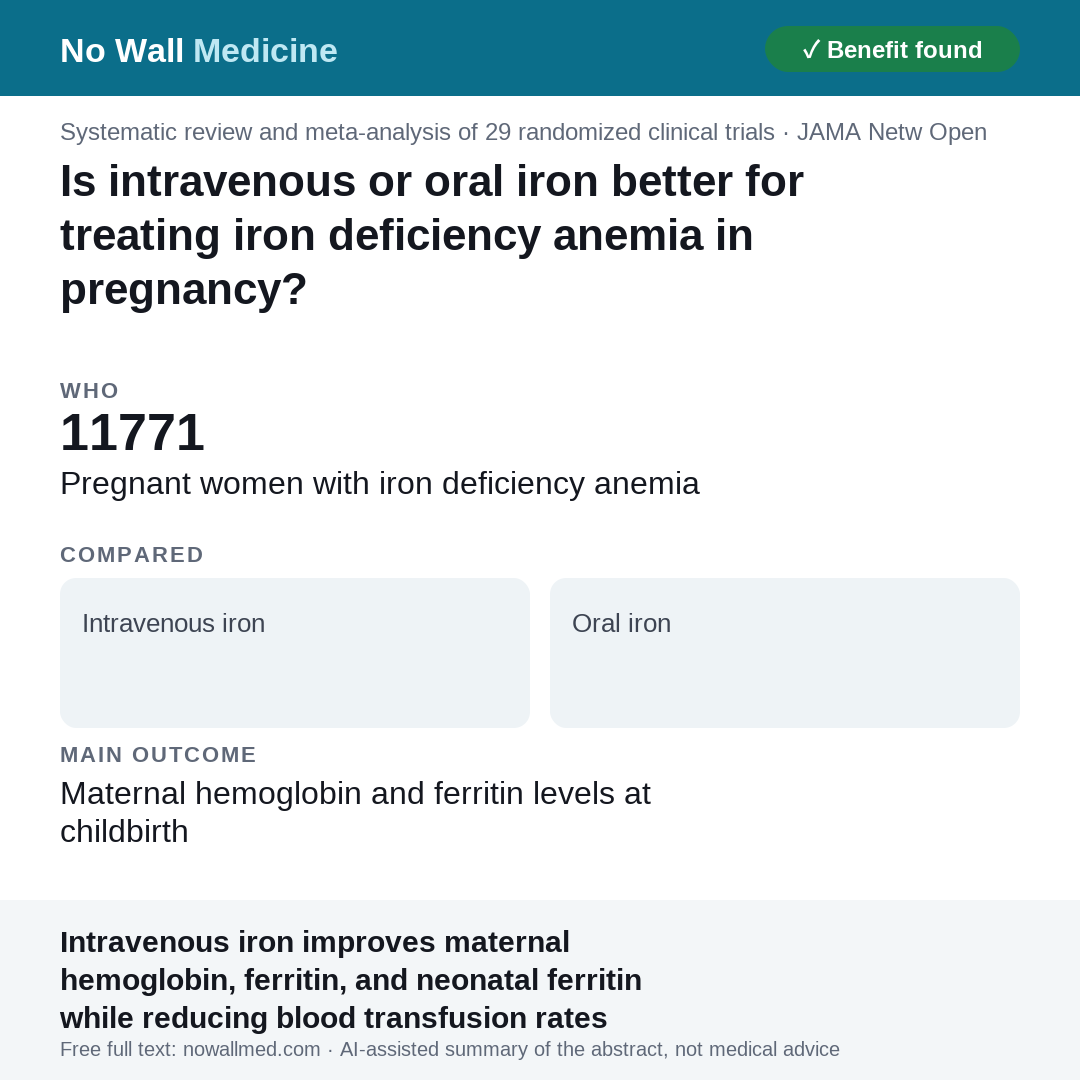
Intravenous vs Oral Iron for Treating Iron Deficiency Anemia in Pregnancy: A Systematic Review and Meta-Analysis
Systematic review and meta-analysis of 29 randomized clinical trialsBenefit found
Is intravenous or oral iron better for treating iron deficiency anemia in pregnancy?
Who
11771
Pregnant women with iron deficiency anemia
Compared
Intravenous iron
Oral iron
Main outcome
Maternal hemoglobin and ferritin levels at childbirth
Result: maternal hemoglobin WMD 0.59 g/dL (95% CI, 0.31-0.87 g/dL)
Bottom line: Intravenous iron improves maternal hemoglobin, ferritin, and neonatal ferritin while reducing blood transfusion rates compared to oral iron.
JAMA Netw Open · 2026-09-01Download image
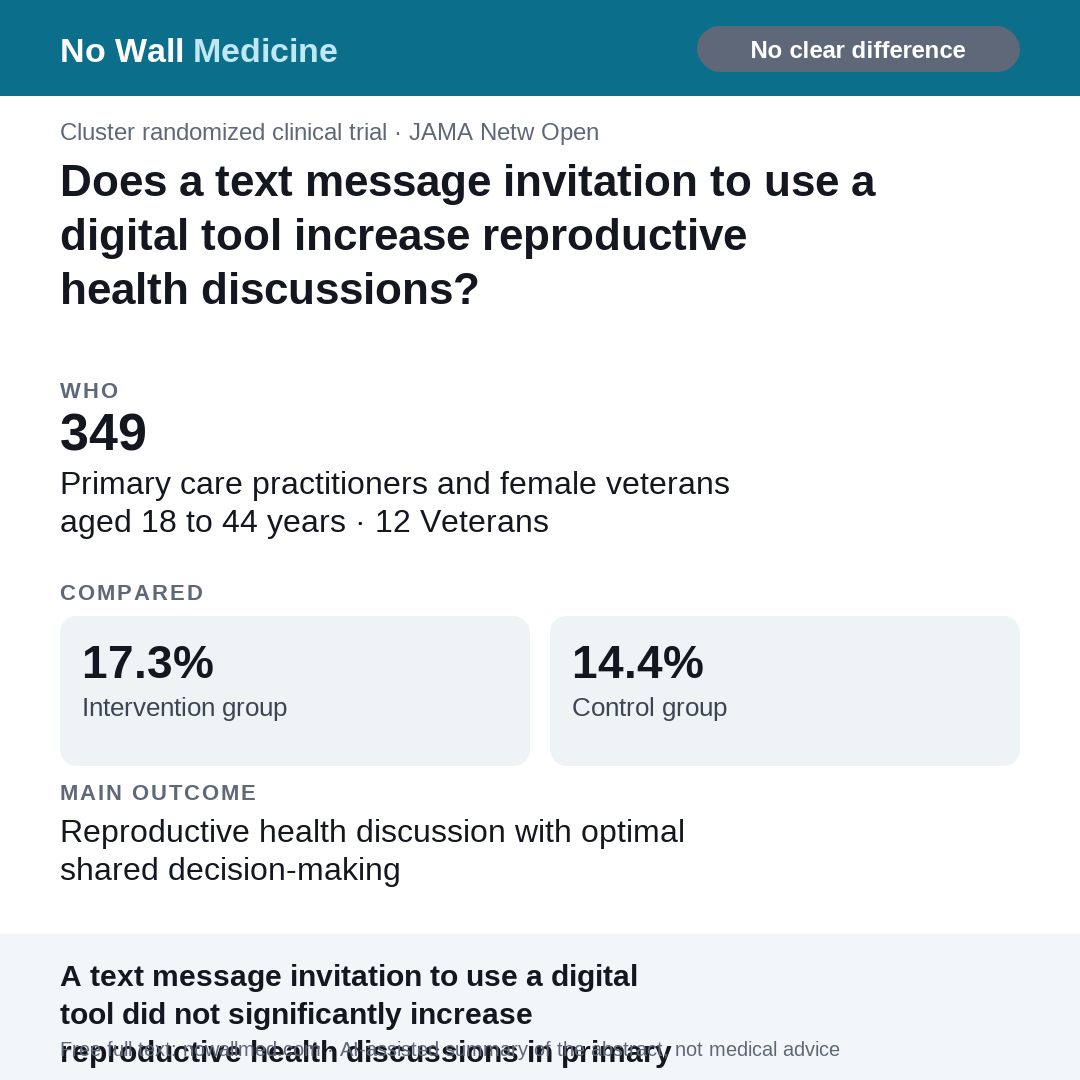
Text Message Delivery of a Digital Tool for Reproductive Health Discussions in Primary Care: A Cluster Randomized Clinical Trial
Cluster randomized clinical trialNo clear difference
Does a text message invitation to use a digital tool increase reproductive health discussions?
Who
349
Primary care practitioners and female veterans aged 18 to 44 years · 12 Veterans Administration health care systems
Compared
17.3%Intervention group
14.4%Control group
Main outcome
Reproductive health discussion with optimal shared decision-making
Result: adjusted odds ratio 1.46 (95% CI 0.70-3.06)
Bottom line: A text message invitation to use a digital tool did not significantly increase reproductive health discussions in primary care.
JAMA Netw Open · 2026-09-01Download image
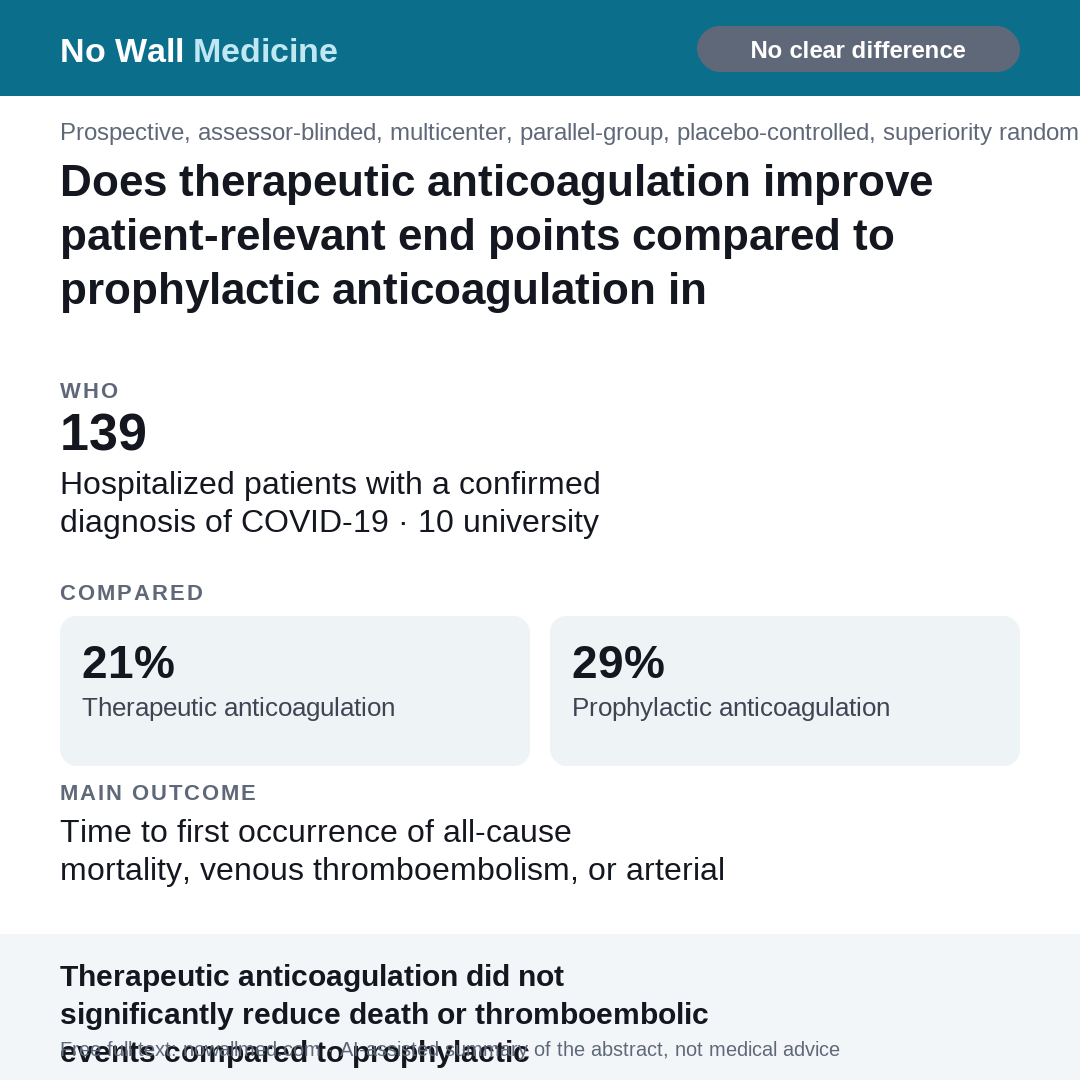
Prophylactic vs Therapeutic Anticoagulation in Hospitalized Patients With COVID-19: A Randomized Clinical Trial
Prospective, assessor-blinded, multicenter, parallel-group, placebo-controlled, superiority randomized clinical trialNo clear difference
Does therapeutic anticoagulation improve patient-relevant end points compared to prophylactic anticoagulation in hospitalized COVID-19 patients?
Who
139
Hospitalized patients with a confirmed diagnosis of COVID-19 · 10 university hospitals in Germany
Compared
21%Therapeutic anticoagulation (14 of 67)
29%Prophylactic anticoagulation (20 of 70)
Main outcome
Time to first occurrence of all-cause mortality, venous thromboembolism, or arterial thromboembolism
Result: hazard ratio 0.74 (95% CI 0.38-1.48)
Bottom line: Therapeutic anticoagulation did not significantly reduce death or thromboembolic events compared to prophylactic anticoagulation in hospitalized COVID-19 patients.
JAMA Netw Open · 2026-09-01Download image
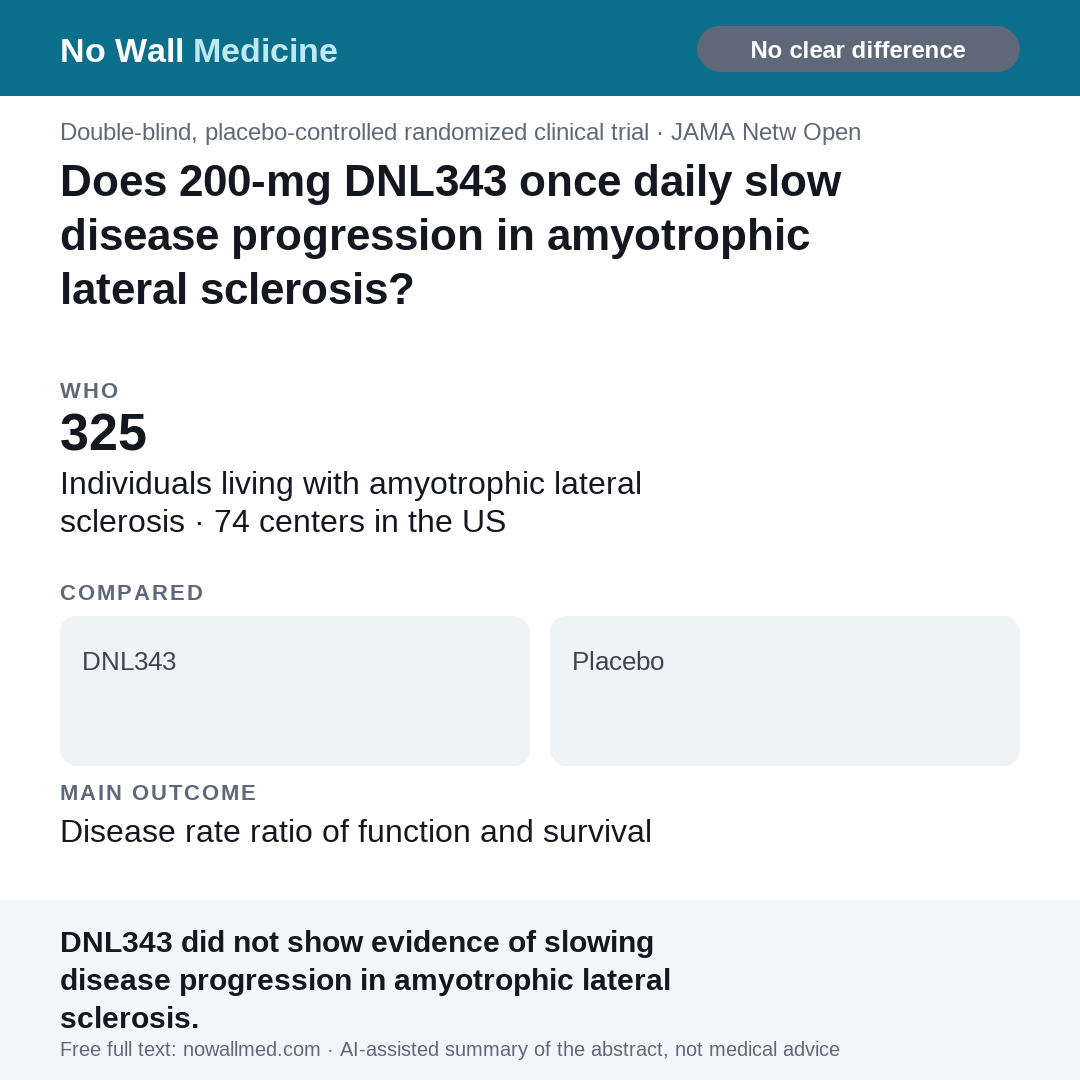
DNL343 and Disease Progression in Amyotrophic Lateral Sclerosis: A Randomized Clinical Trial
Double-blind, placebo-controlled randomized clinical trialNo clear difference
Does 200-mg DNL343 once daily slow disease progression in amyotrophic lateral sclerosis?
Who
325
Individuals living with amyotrophic lateral sclerosis · 74 centers in the US
Compared
DNL343
Placebo
Main outcome
Disease rate ratio of function and survival
Result: disease rate ratio 1.04 (95% credible interval, 0.83-1.32)
Bottom line: DNL343 did not show evidence of slowing disease progression in amyotrophic lateral sclerosis.
JAMA Netw Open · 2026-09-01Download image
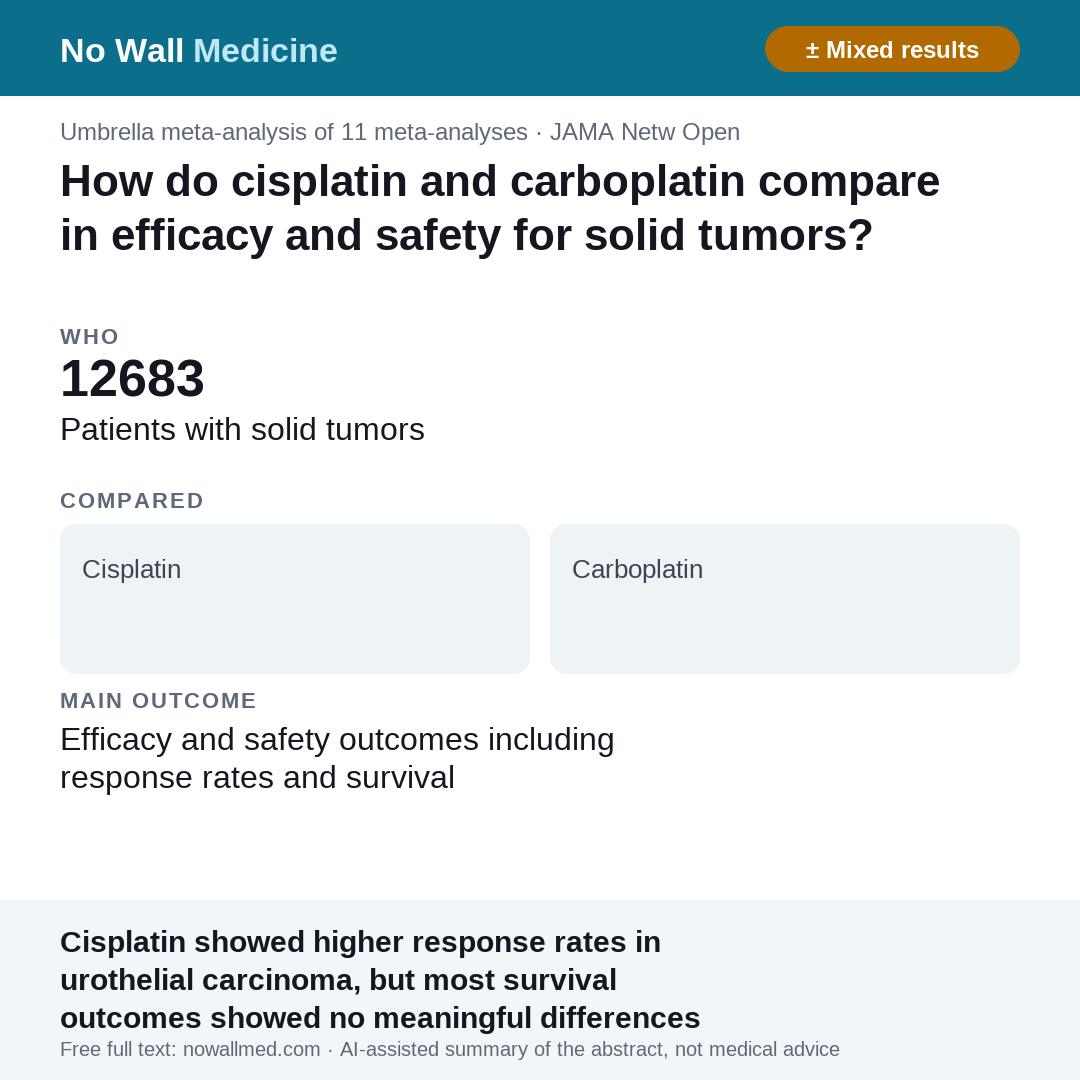
Reappraisal of Cisplatin vs Carboplatin Treatment for Solid Tumors: An Umbrella Meta-Analysis
Umbrella meta-analysis of 11 meta-analysesMixed results
How do cisplatin and carboplatin compare in efficacy and safety for solid tumors?
Who
12683
Patients with solid tumors
Compared
Cisplatin
Carboplatin
Main outcome
Efficacy and safety outcomes including response rates and survival
Bottom line: Cisplatin showed higher response rates in urothelial carcinoma, but most survival outcomes showed no meaningful differences between treatments.
JAMA Netw Open · 2026-09-01Download image
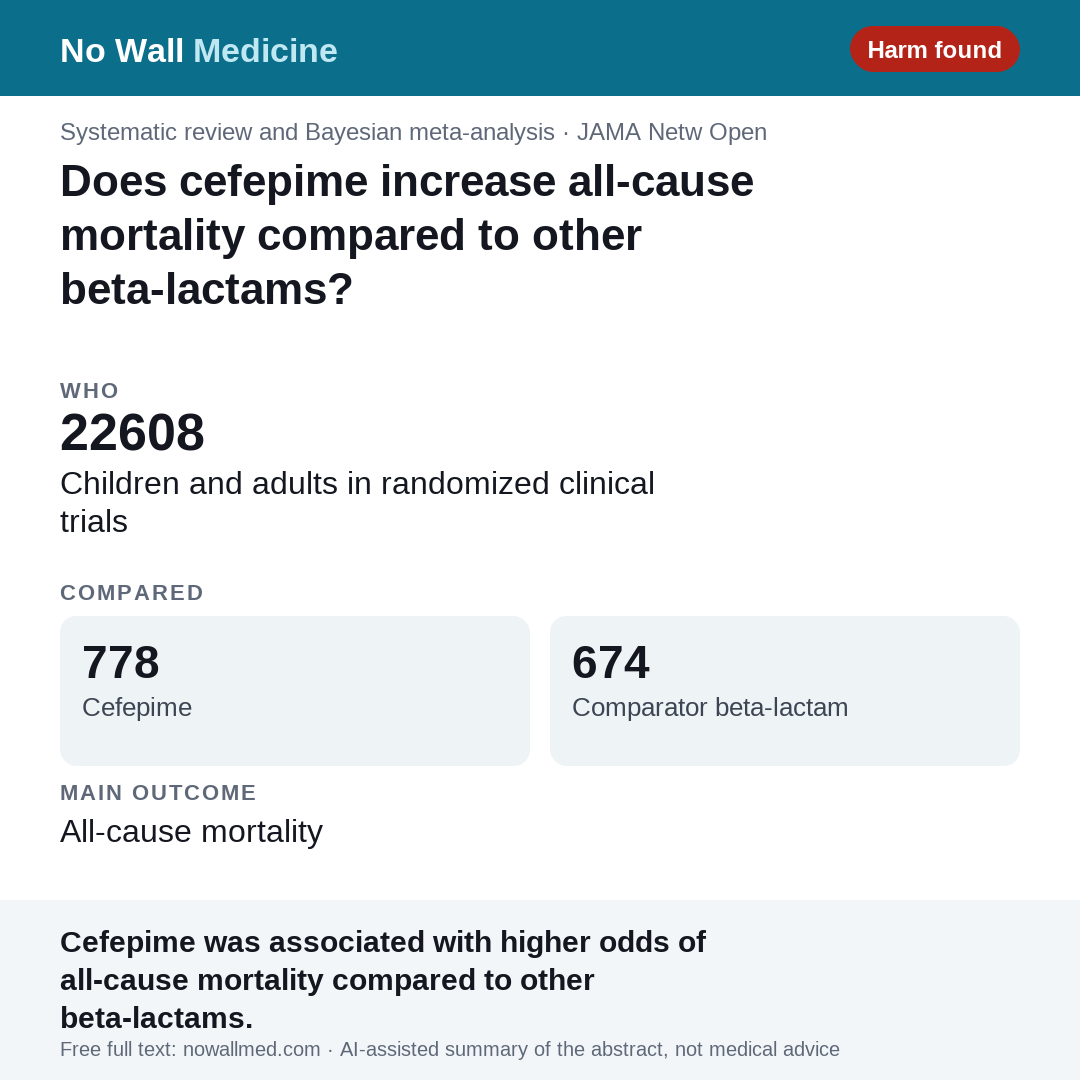
Cefepime and Mortality: A Systematic Review and Bayesian Meta-Analysis
Systematic review and Bayesian meta-analysisHarm found
Does cefepime increase all-cause mortality compared to other beta-lactams?
Who
22608
Children and adults in randomized clinical trials
Compared
778Cefepime (6.6%)
674Comparator beta-lactam (6.2%)
Main outcome
All-cause mortality
Result: odds ratio 1.10 (95% credible interval 0.98-1.24)
Bottom line: Cefepime was associated with higher odds of all-cause mortality compared to other beta-lactams.
JAMA Netw Open · 2026-09-01Download image
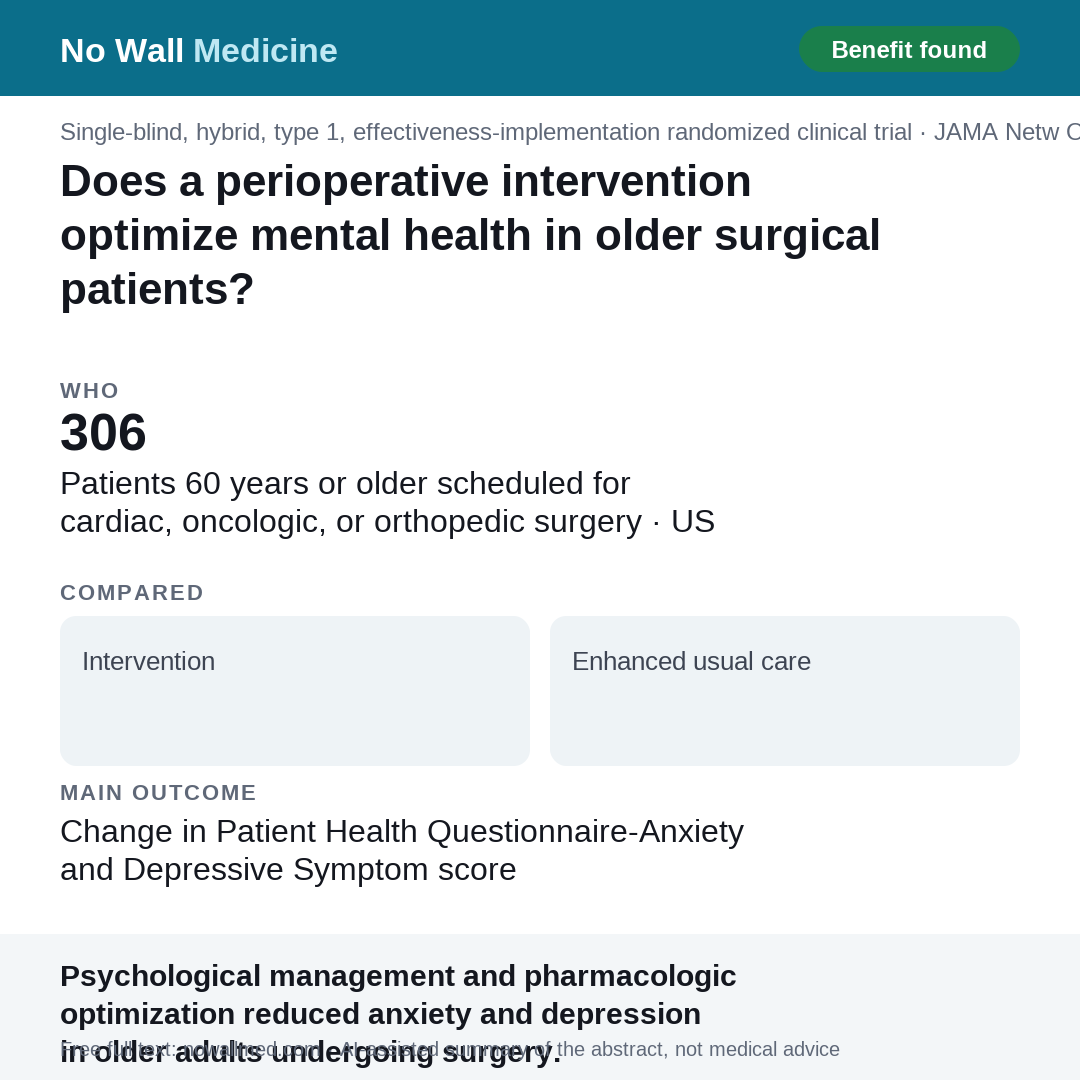
Perioperative Depression and Anxiety Care in Older Patients: A Randomized Clinical Trial
Single-blind, hybrid, type 1, effectiveness-implementation randomized clinical trialBenefit found
Does a perioperative intervention optimize mental health in older surgical patients?
Who
306
Patients 60 years or older scheduled for cardiac, oncologic, or orthopedic surgery · US academic and community practice hospital network
Compared
Intervention
Enhanced usual care
Main outcome
Change in Patient Health Questionnaire-Anxiety and Depressive Symptom score
Result: mean difference, 2.20 (95% CI, 0.16-4.24)
Bottom line: Psychological management and pharmacologic optimization reduced anxiety and depression in older adults undergoing surgery.
Limitation: Future studies should assess reproducibility and determine which patients benefit most.
JAMA Netw Open · 2026-09-01Download image
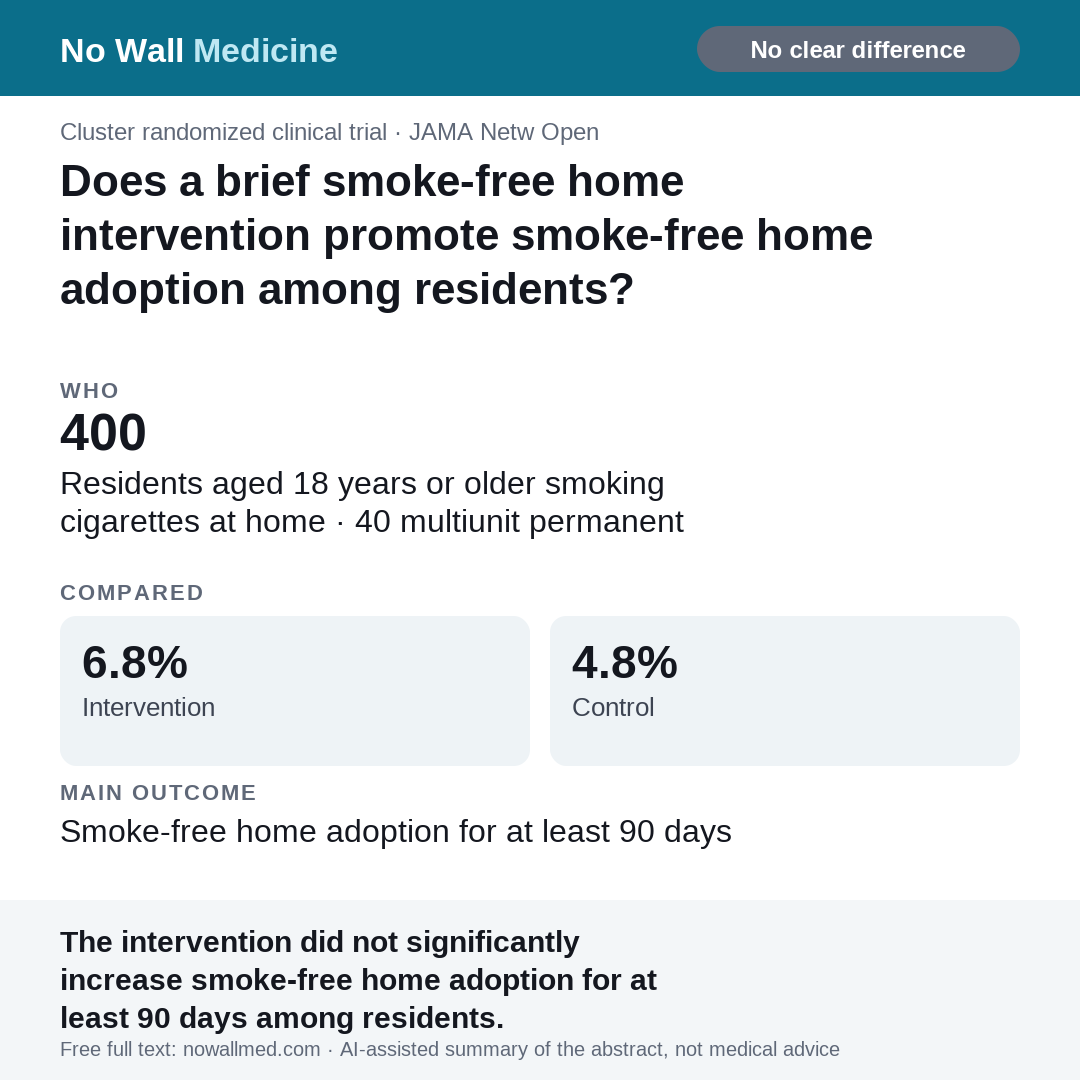
Smoke-Free Home Intervention in Permanent Supportive Housing: A Cluster Randomized Clinical Trial
Cluster randomized clinical trialNo clear difference
Does a brief smoke-free home intervention promote smoke-free home adoption among residents?
Who
400
Residents aged 18 years or older smoking cigarettes at home · 40 multiunit permanent supportive housing sites, San Francisco Bay area
Compared
6.8%Intervention
4.8%Control
Main outcome
Smoke-free home adoption for at least 90 days
Result: odds ratio 1.45 (95% CI, 0.69-3.07)
Bottom line: The intervention did not significantly increase smoke-free home adoption for at least 90 days among residents.
JAMA Netw Open · 2026-09-01Download image
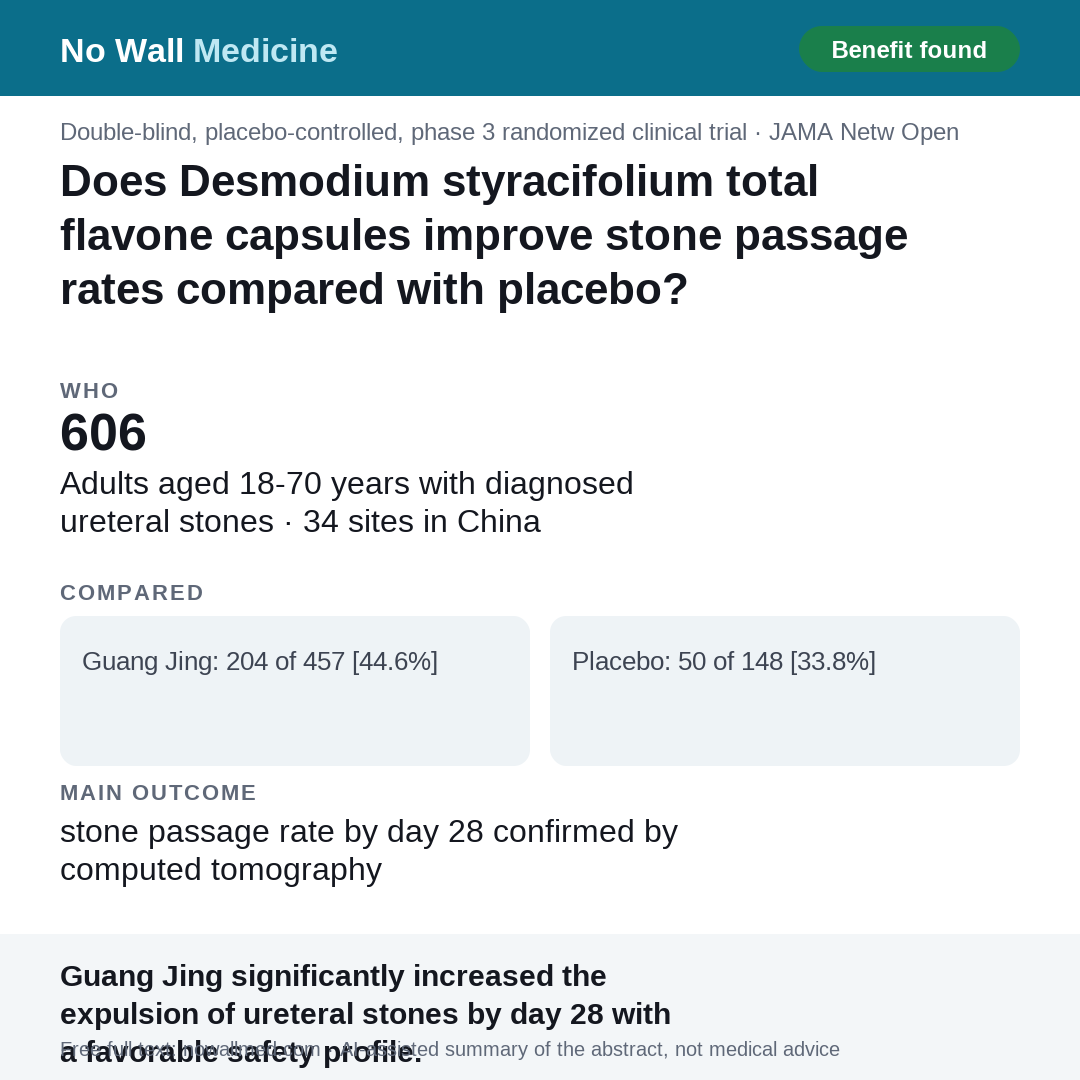
Desmodium styracifolium Total Flavone Capsules for Urolithiasis: A Phase 3 Randomized Clinical Trial
Double-blind, placebo-controlled, phase 3 randomized clinical trialBenefit found
Does Desmodium styracifolium total flavone capsules improve stone passage rates compared with placebo?
Who
606
Adults aged 18-70 years with diagnosed ureteral stones · 34 sites in China
Compared
Guang Jing: 204 of 457 [44.6%]
Placebo: 50 of 148 [33.8%]
Main outcome
stone passage rate by day 28 confirmed by computed tomography
Result: relative risk 1.32 (95% CI 1.03-1.69)
Bottom line: Guang Jing significantly increased the expulsion of ureteral stones by day 28 with a favorable safety profile.
JAMA Netw Open · 2026-09-01Download image
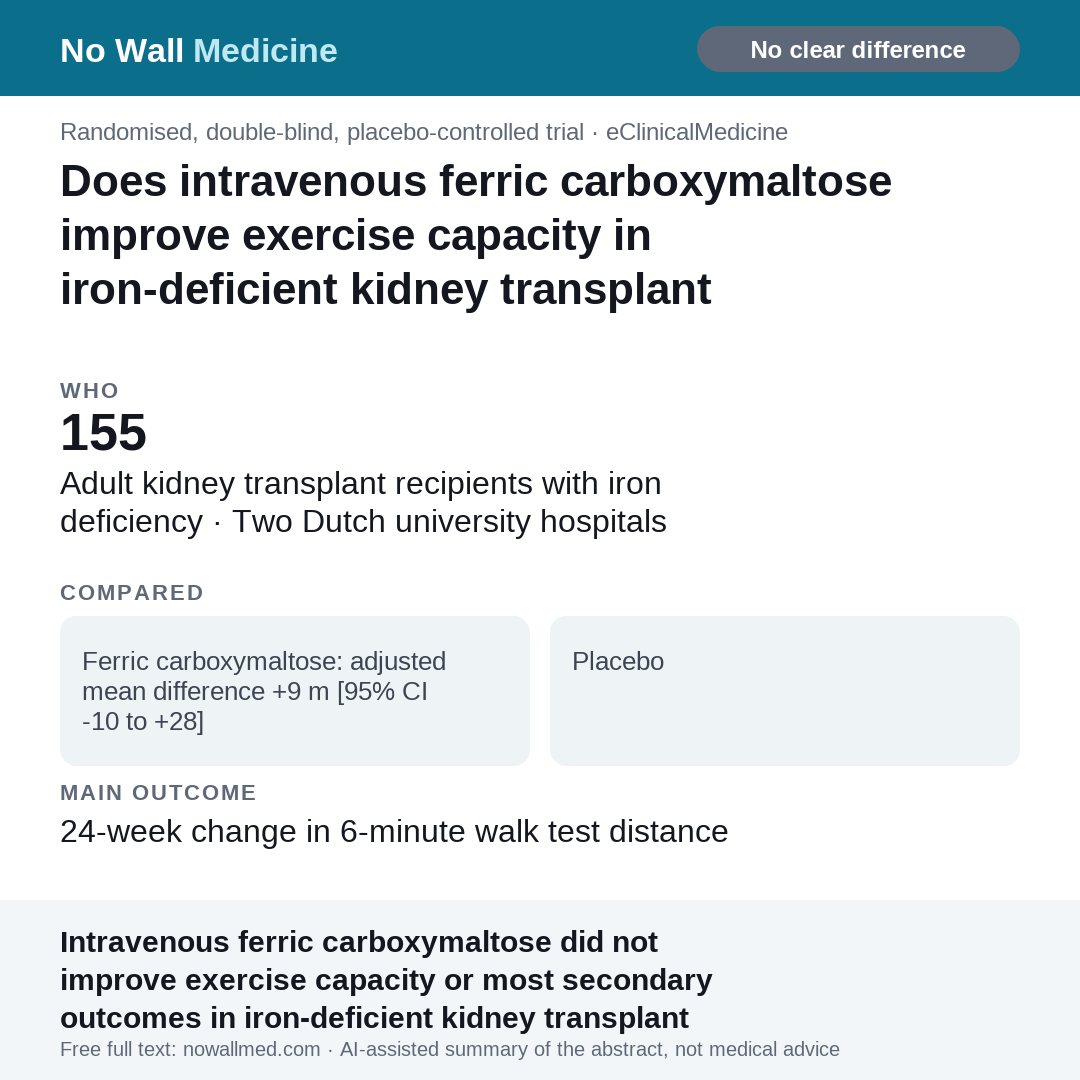
Intravenous ferric carboxymaltose and exercise capacity in iron-deficient kidney transplant recipients: a randomised, placebo-controlled trial in the Netherlands
Randomised, double-blind, placebo-controlled trialNo clear difference
Does intravenous ferric carboxymaltose improve exercise capacity in iron-deficient kidney transplant recipients?
Who
155
Adult kidney transplant recipients with iron deficiency · Two Dutch university hospitals
Compared
Ferric carboxymaltose: adjusted mean difference +9 m [95% CI -10 to +28]
Placebo
Main outcome
24-week change in 6-minute walk test distance
Result: adjusted mean difference +9 m [95% CI -10 to +28]
Bottom line: Intravenous ferric carboxymaltose did not improve exercise capacity or most secondary outcomes in iron-deficient kidney transplant recipients.
Funded by: Dutch Kidney Foundation, Dutch Heart Foundation, CSL Vifor
eClinicalMedicine · 2026-09-01Download image
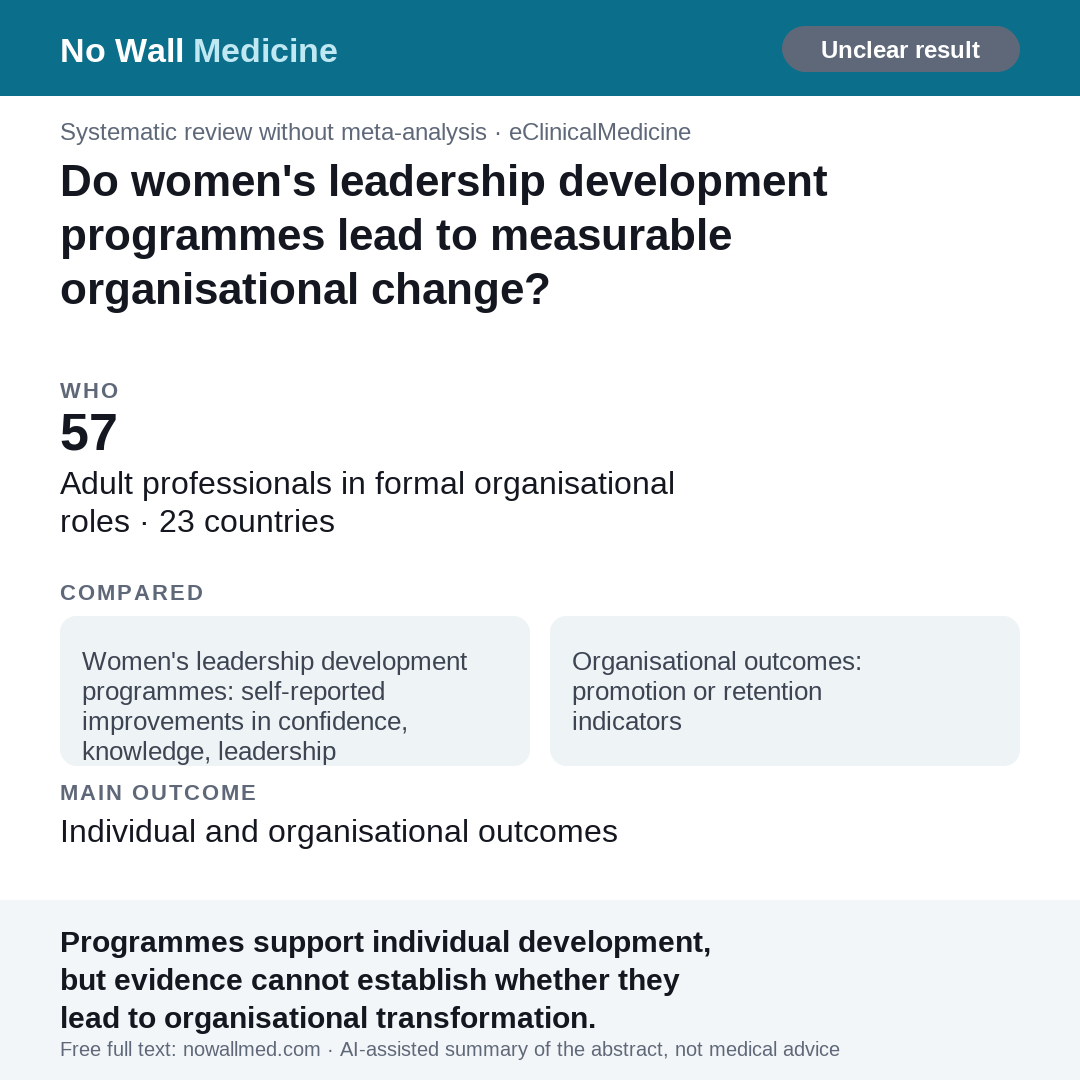
Women's leadership development programmes and gender equality: a systematic review in healthcare, academia and beyond
Systematic review without meta-analysisUnclear result
Do women's leadership development programmes lead to measurable organisational change?
Who
57
Adult professionals in formal organisational roles · 23 countries
Compared
Women's leadership development programmes: self-reported improvements in confidence, knowledge, leadership capability, and behaviour
Organisational outcomes: promotion or retention indicators
Main outcome
Individual and organisational outcomes
Bottom line: Programmes support individual development, but evidence cannot establish whether they lead to organisational transformation.
Limitation: None of the included studies used randomisation and subjective measures predominated.
Funded by: Australian National Health and Medical Research Council
eClinicalMedicine · 2026-09-01Download image
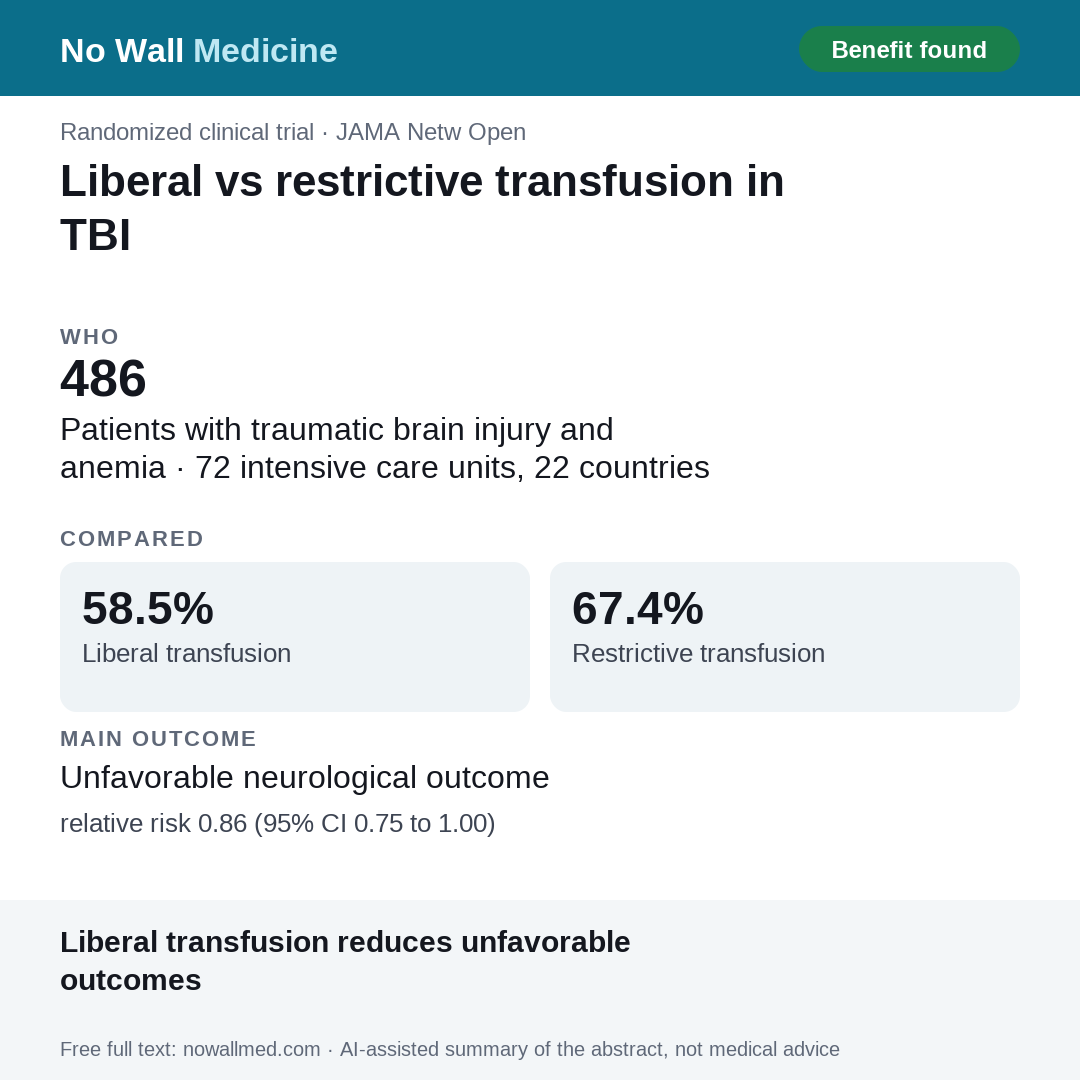
Restrictive vs Liberal Transfusion Strategy in Traumatic Brain Injury: A Secondary Analysis of the TRAIN Trial
Randomized clinical trialBenefit found
Liberal vs restrictive transfusion in TBI
Who
486
Patients with traumatic brain injury and anemia · 72 intensive care units, 22 countries
Compared
58.5%Liberal transfusion (138/236)
67.4%Restrictive transfusion (161/239)
Main outcome
Unfavorable neurological outcome
Result: relative risk 0.86 (95% CI 0.75 to 1.00)
Bottom line: Liberal transfusion reduces unfavorable outcomes
Limitation: inherent uncertainty of the estimate
JAMA Netw Open · 2026-09-01Download image
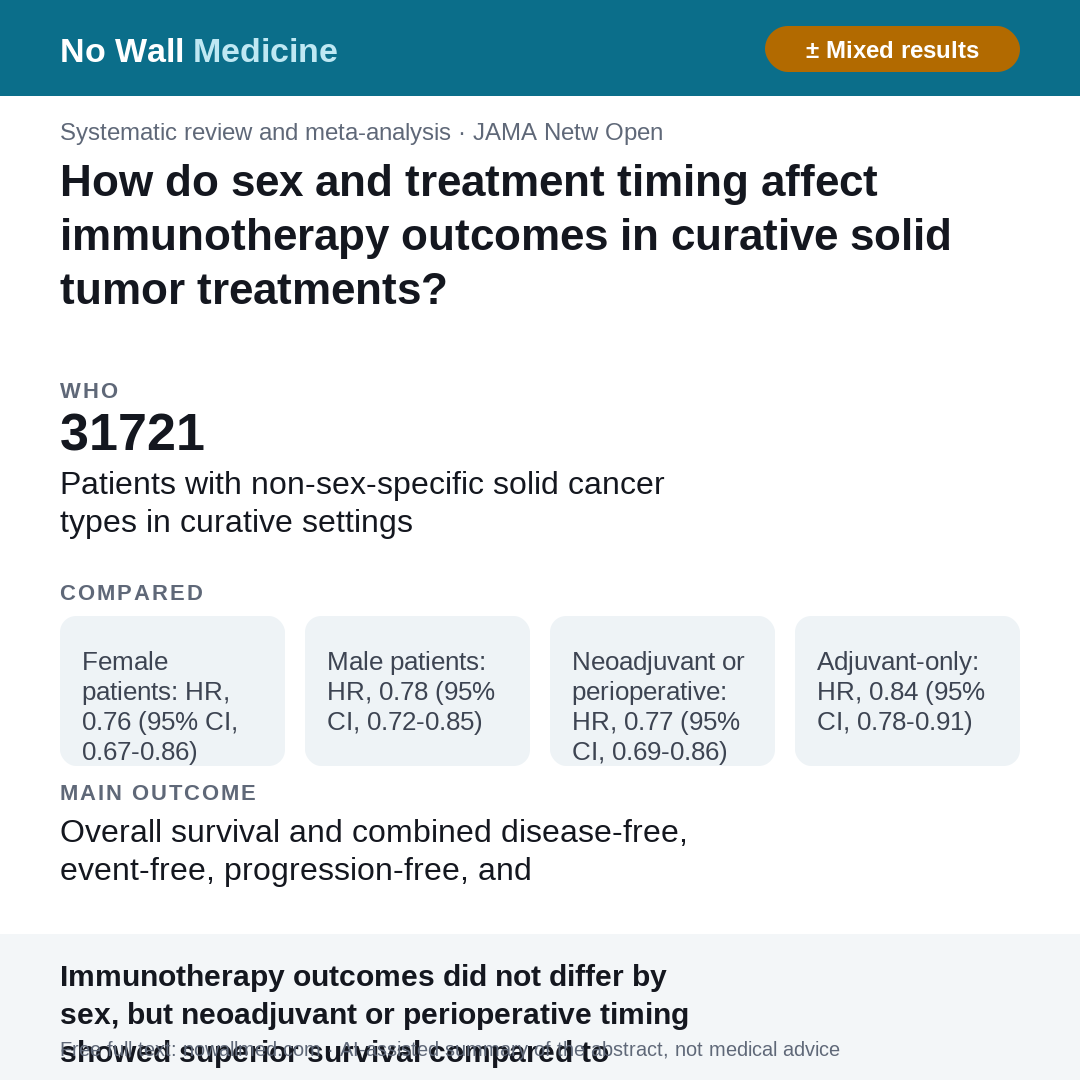
Sex, Timing, and Outcomes of Curative-Intent Immunotherapy: A Systematic Review and Meta-Analysis
Systematic review and meta-analysisMixed results
How do sex and treatment timing affect immunotherapy outcomes in curative solid tumor treatments?
Who
31721
Patients with non-sex-specific solid cancer types in curative settings
Compared
Female patients: HR, 0.76 (95% CI, 0.67-0.86)
Male patients: HR, 0.78 (95% CI, 0.72-0.85)
Neoadjuvant or perioperative: HR, 0.77 (95% CI, 0.69-0.86)
Adjuvant-only: HR, 0.84 (95% CI, 0.78-0.91)
Main outcome
Overall survival and combined disease-free, event-free, progression-free, and recurrence-free survival
Result: hazard ratio 0.83 (95% CI, 0.79-0.89) for overall survival
Bottom line: Immunotherapy outcomes did not differ by sex, but neoadjuvant or perioperative timing showed superior survival compared to adjuvant-only use.
JAMA Netw Open · 2026-09-01Download image
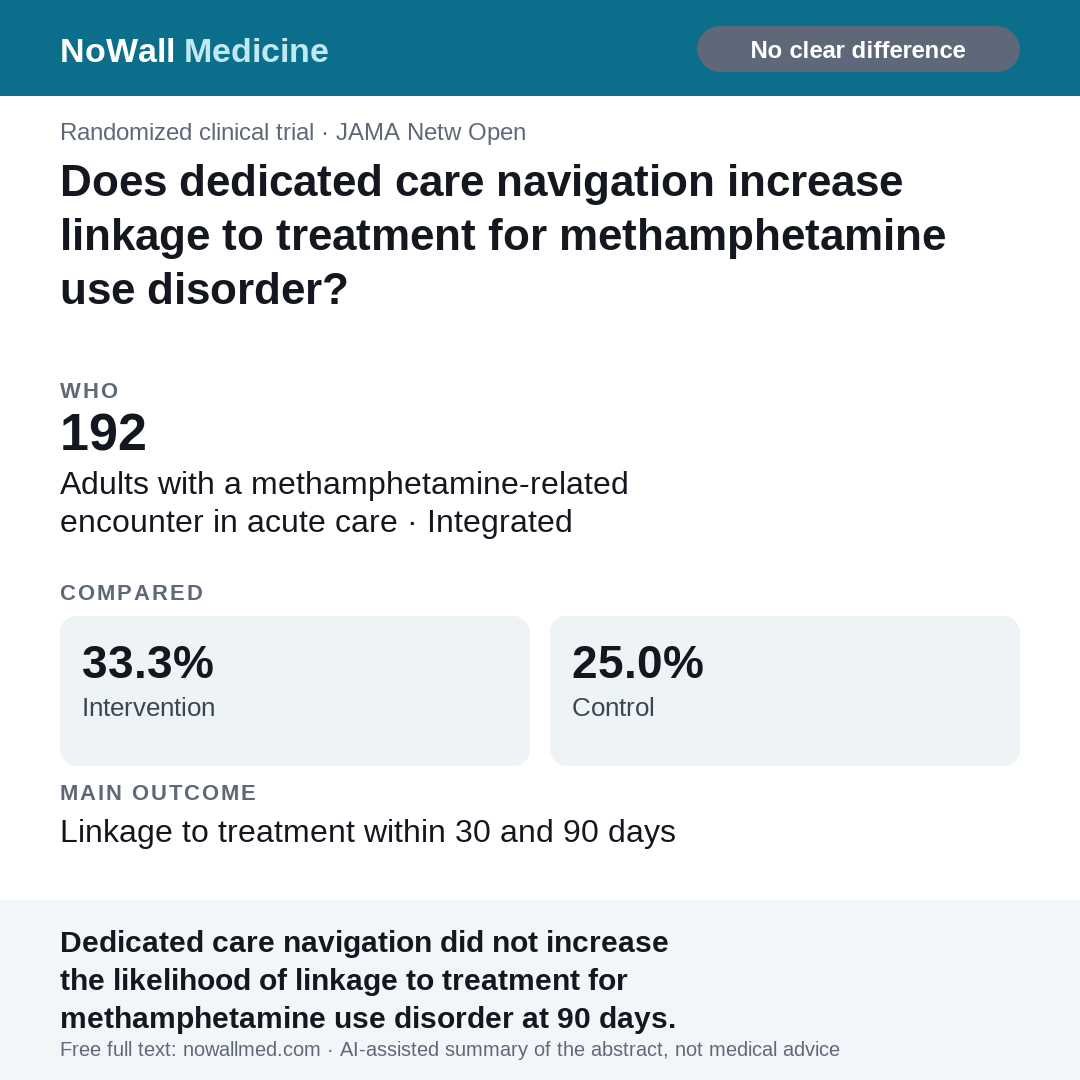
Care Navigation for Methamphetamine Use Disorder: A Randomized Clinical Trial
Randomized clinical trialNo clear difference
Does dedicated care navigation increase linkage to treatment for methamphetamine use disorder?
Who
192
Adults with a methamphetamine-related encounter in acute care · Integrated safety-net health system in Denver, Colorado
Compared
33.3%Intervention
25.0%Control
Main outcome
Linkage to treatment within 30 and 90 days
Result: risk ratio 1.33 (95% CI 0.85 to 2.09)
Bottom line: Dedicated care navigation did not increase the likelihood of linkage to treatment for methamphetamine use disorder at 90 days.
JAMA Netw Open · 2026-09-01Download image
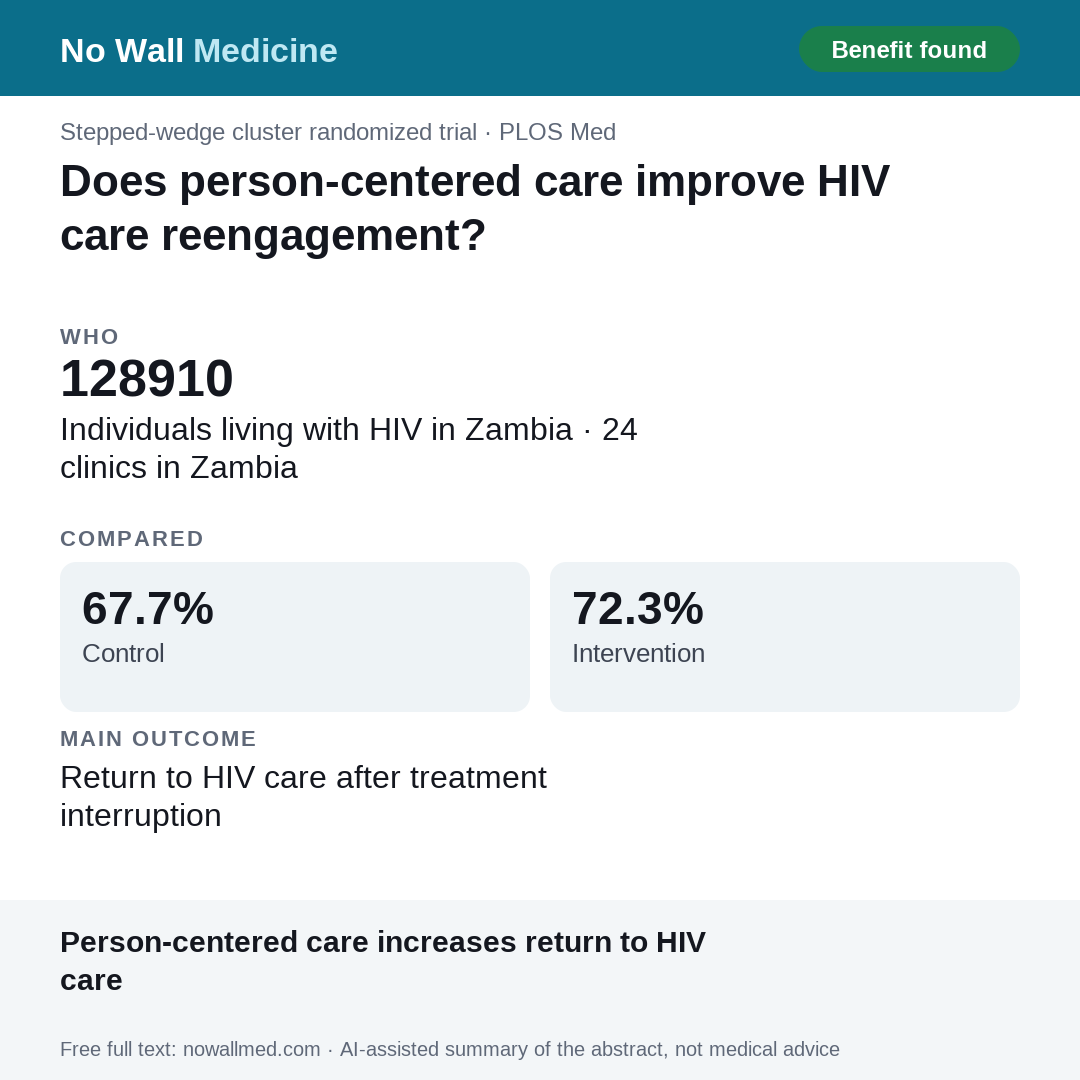
Effect of a person-centered care intervention on return and sustained reengagement after treatment interruptions from HIV care in Zambia: A post-hoc analysis of a stepped-wedged cluster randomized trial
Stepped-wedge cluster randomized trialBenefit found
Does person-centered care improve HIV care reengagement?
Who
128910
Individuals living with HIV in Zambia · 24 clinics in Zambia
Compared
67.7%Control
72.3%Intervention
Main outcome
Return to HIV care after treatment interruption
Result: Adjusted hazard ratio 1.16 (CI 1.12,1.20)
Bottom line: Person-centered care increases return to HIV care
Limitation: Post-hoc analysis and stepped-wedge design limitations
PLOS Med · 2026-09-01Download image
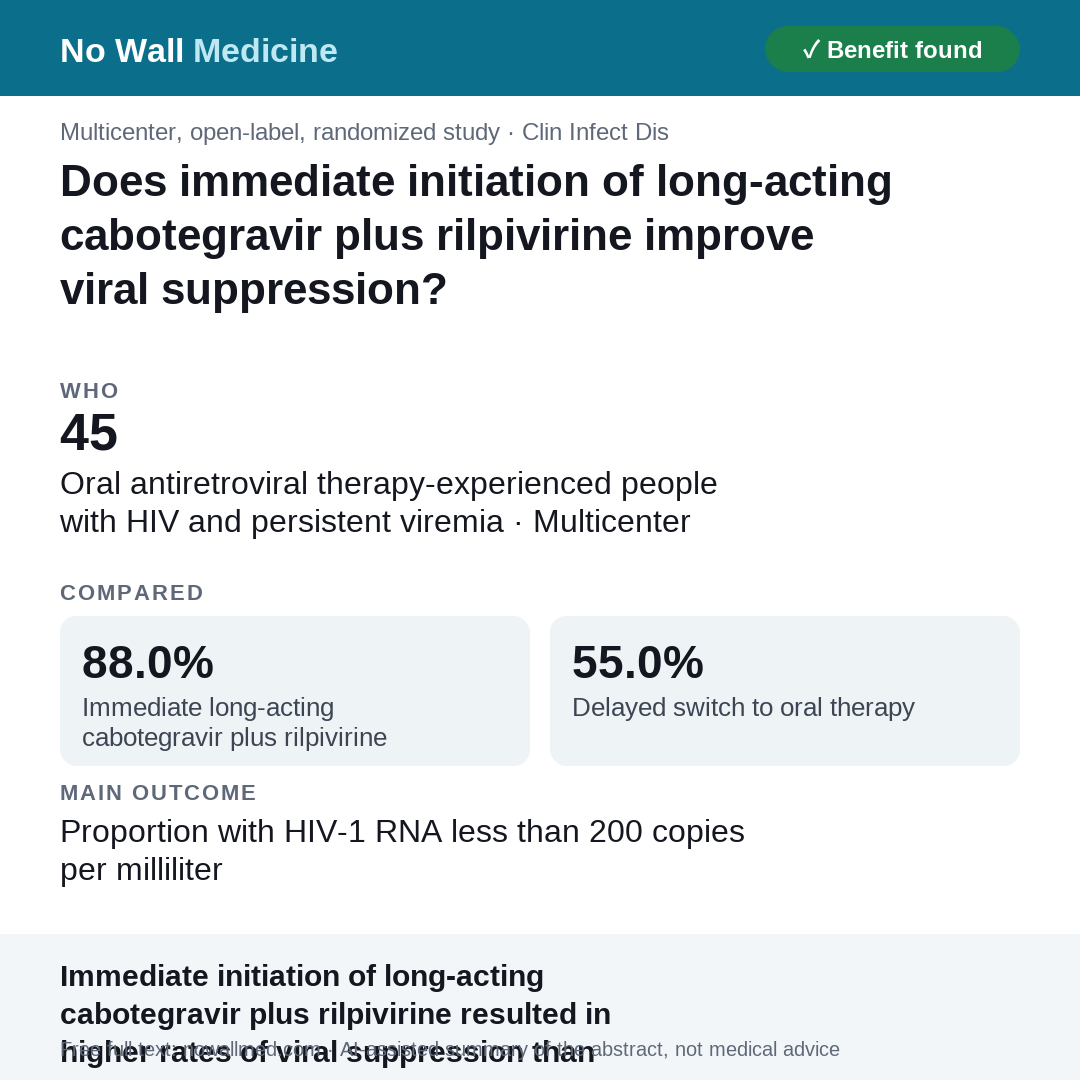
Direct Initiation of Long-Acting Cabotegravir Plus Rilpivirine in People with HIV and Suboptimal Virologic Suppression: A Randomized Trial
Multicenter, open-label, randomized studyBenefit found
Does immediate initiation of long-acting cabotegravir plus rilpivirine improve viral suppression?
Who
45
Oral antiretroviral therapy-experienced people with HIV and persistent viremia · Multicenter
Compared
88.0%Immediate long-acting cabotegravir plus rilpivirine (22/25)
55.0%Delayed switch to oral therapy (11/20)
Main outcome
Proportion with HIV-1 RNA less than 200 copies per milliliter
Result: relative risk for failure 0.27 (95% CI 0.08-0.86)
Bottom line: Immediate initiation of long-acting cabotegravir plus rilpivirine resulted in higher rates of viral suppression than continued oral therapy.
Clin Infect Dis · 2026-09-01Download image
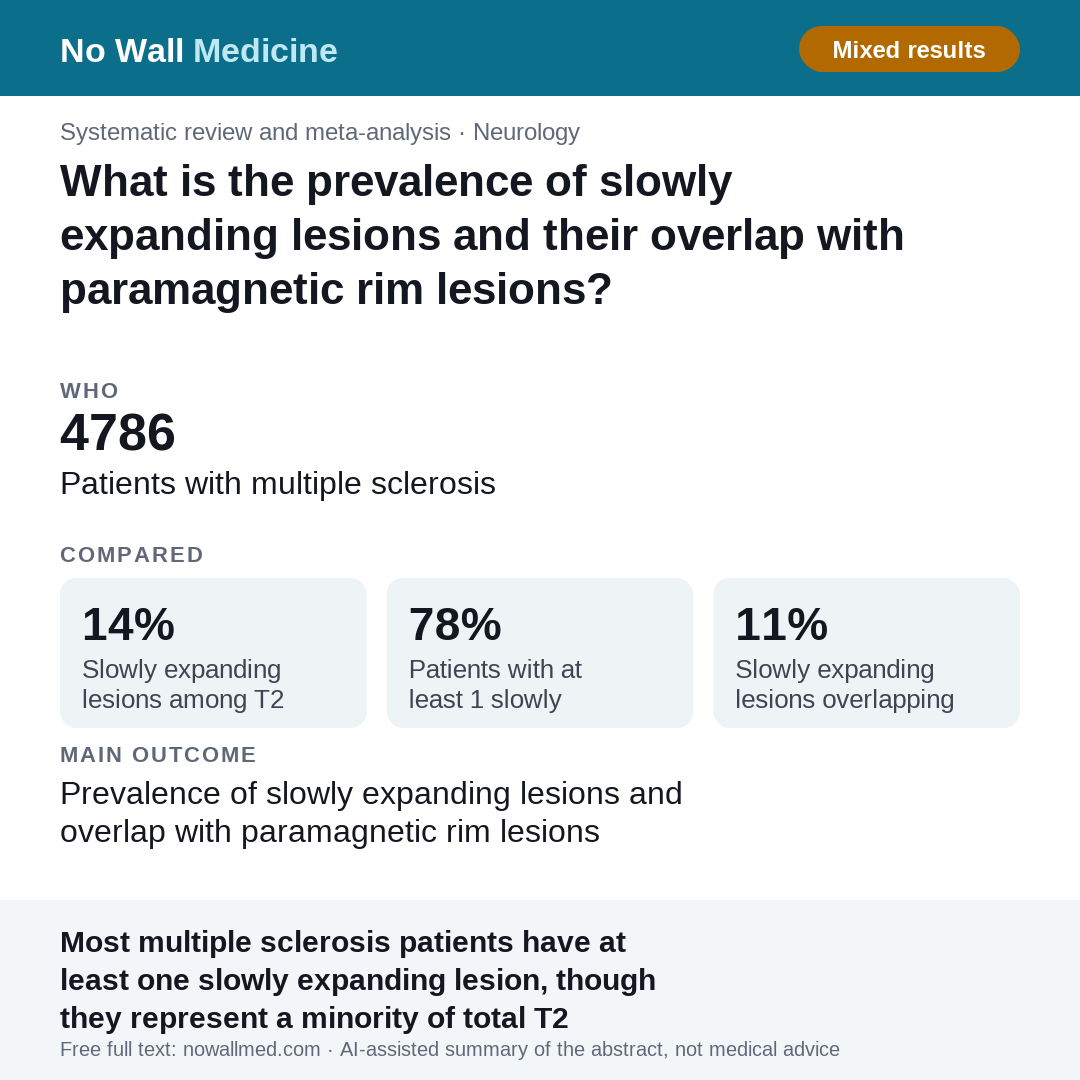
Prevalence of Slowly Expanding Lesions in Patients With Multiple Sclerosis: A Systematic Review and Meta-Analysis
Systematic review and meta-analysisMixed results
What is the prevalence of slowly expanding lesions and their overlap with paramagnetic rim lesions?
Who
4786
Patients with multiple sclerosis
Compared
14%Slowly expanding lesions among T2 lesions (95% CI 10-21)
78%Patients with at least 1 slowly expanding lesion (67-85)
11%Slowly expanding lesions overlapping with paramagnetic rim lesions (6-20)
Main outcome
Prevalence of slowly expanding lesions and overlap with paramagnetic rim lesions
Bottom line: Most multiple sclerosis patients have at least one slowly expanding lesion, though they represent a minority of total T2 lesions.
Limitation: Possible publication bias, high unexplained heterogeneity, and differences in identification methods or MRI timing.
Neurology · 2026-09-01Download image
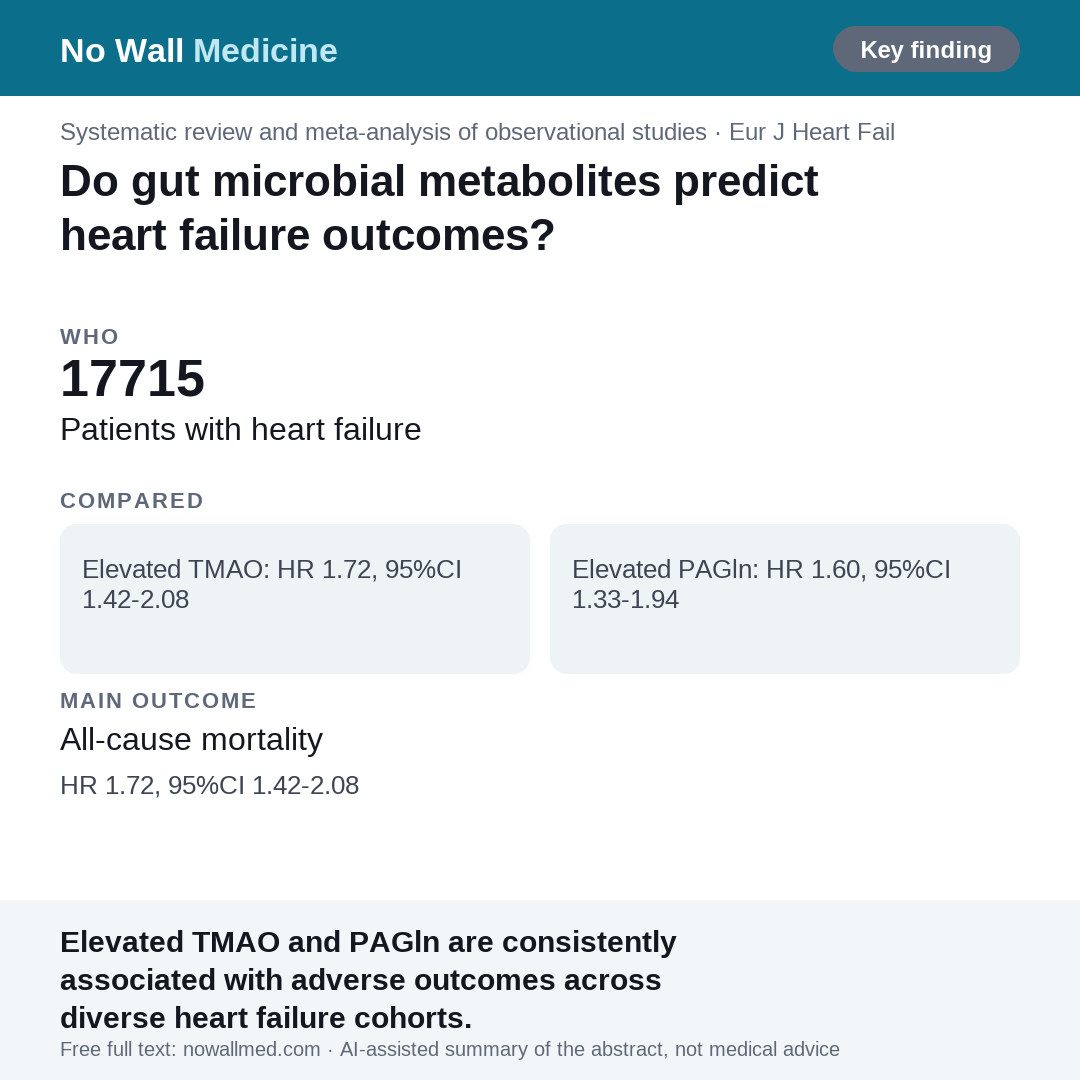
Gut microbiome-derived metabolites as prognostic biomarkers in heart failure: a systematic review and meta-analysis
Systematic review and meta-analysisBenefit found
Are gut microbiome-derived metabolites prognostic biomarkers in heart failure?
Who
17,715
Patients with heart failure
Compared
Elevated trimethylamine-N-oxide: hazard ratio 1.72 (95%CI 1.42-2.08)
Elevated phenylacetylglutamine: hazard ratio 1.60 (95%CI 1.33-1.94)
Main outcome
all-cause mortality and major adverse cardiac events
Result: hazard ratio 1.72 (95%CI 1.42-2.08)
Bottom line: Elevated trimethylamine-N-oxide and phenylacetylglutamine are consistently associated with increased mortality and major adverse cardiac events in heart failure.
Eur J Heart Fail · 2026-09-01Download image
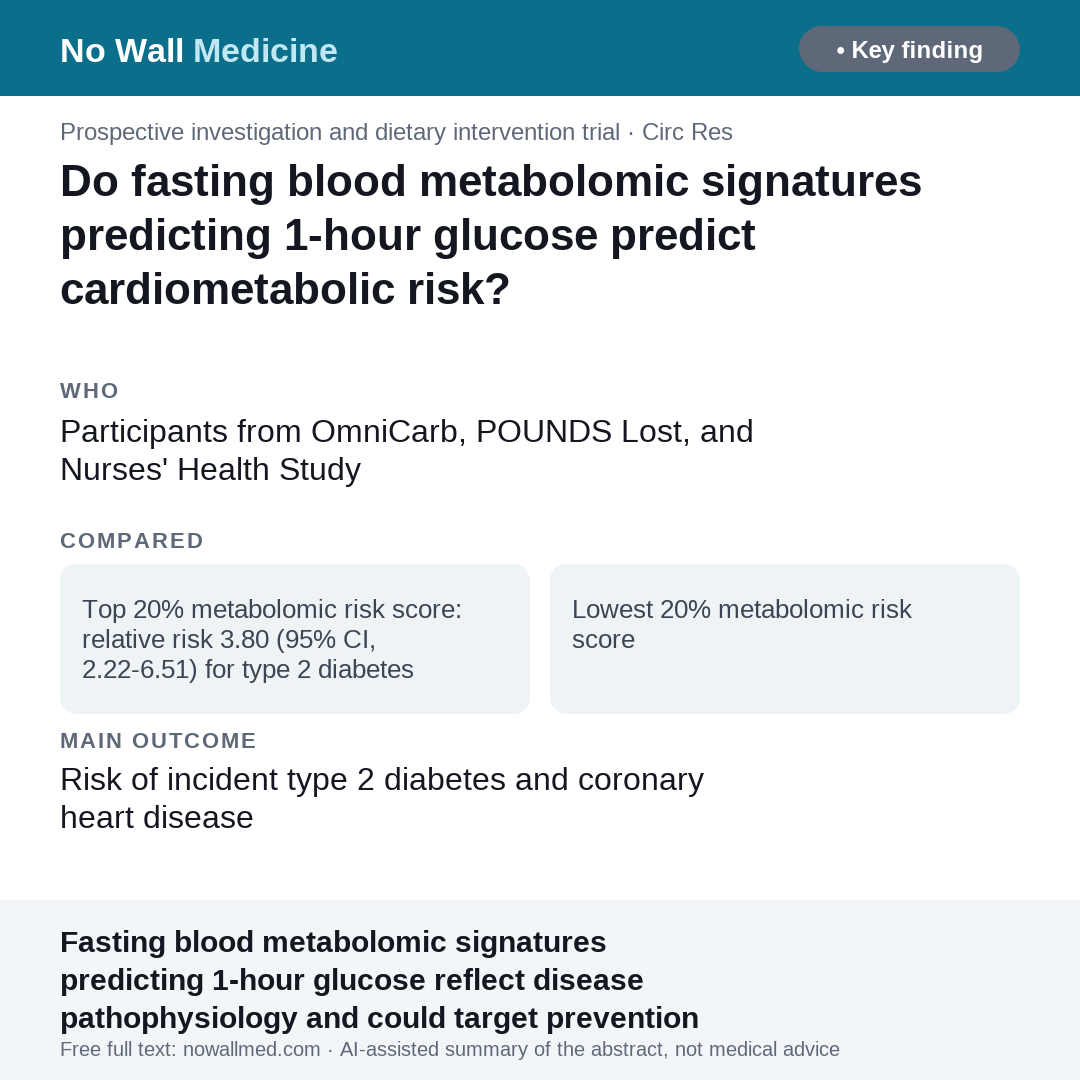
Blood Metabolomic Signatures of 1-Hour Glucose Predict Cardiometabolic Risk
Prospective investigation and dietary intervention trialBenefit found
Do fasting blood metabolomic signatures predicting 1-hour glucose predict cardiometabolic risk?
Who
Participants from OmniCarb, POUNDS Lost, and Nurses' Health Study
Compared
Top 20% metabolomic risk score: relative risk 3.80 (95% CI, 2.22-6.51) for type 2 diabetes
Lowest 20% metabolomic risk score
Main outcome
Risk of incident type 2 diabetes and coronary heart disease
Result: relative risk 3.80 (95% CI, 2.22-6.51) for type 2 diabetes
Bottom line: Fasting blood metabolomic signatures predicting 1-hour glucose reflect disease pathophysiology and could target prevention of cardiometabolic disease.
Circ Res · 2026-09-01Download image
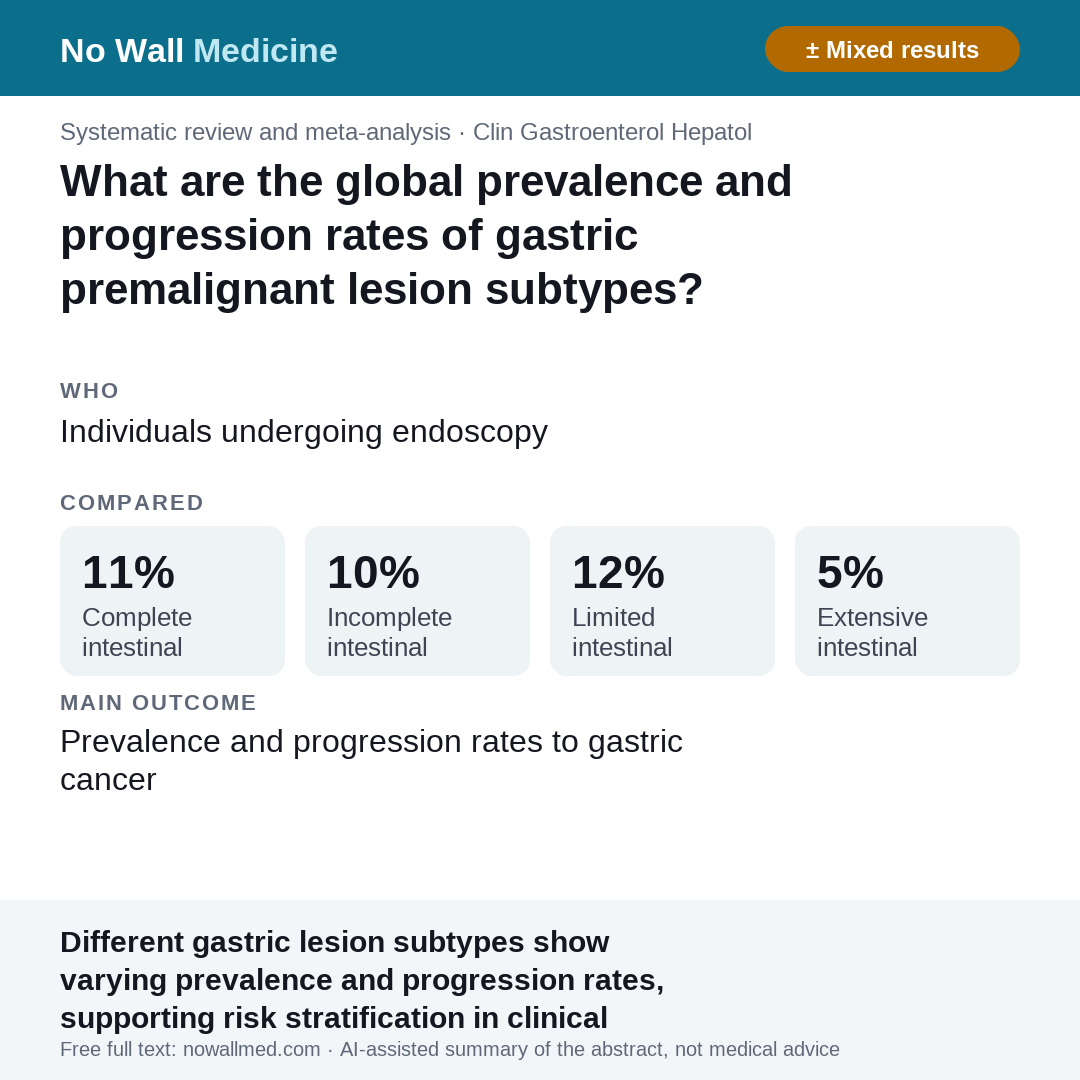
Prevalence and Progression of Subtypes of Gastric Premalignant Lesions: A Systematic Review and Meta-Analysis
Systematic review and meta-analysisMixed results
What are the global prevalence and progression rates of gastric premalignant lesion subtypes?
Who
Individuals undergoing endoscopy
Compared
11%Complete intestinal metaplasia (95% CI, 8%-15%)
10%Incomplete intestinal metaplasia (95% CI, 6%-14%)
12%Limited intestinal metaplasia (95% CI, 8%-17%)
5%Extensive intestinal metaplasia (95% CI, 4%-8%)
Main outcome
Prevalence and progression rates to gastric cancer
Bottom line: Different gastric lesion subtypes show varying prevalence and progression rates, supporting risk stratification in clinical management.
Limitation: Substantial heterogeneity was observed for all estimates.
Clin Gastroenterol Hepatol · 2026-09-01Download image