Visual abstracts
New randomized trials and meta-analyses from leading journals at a glance: who was studied, what was compared, and what was found. Every paper is free to read in full.
All specialtiesCardiology 1401Oncology 1242Gastroenterology & Hepatology 507Infectious Disease 901Neurology 578Psychiatry & Mental Health 698Pulmonology 596Critical Care 408Endocrinology & Diabetes 764Pediatrics 834Surgery 661Orthopedics & Sports Medicine 263Neurosurgery 188Cardiothoracic & Vascular Surgery 157Plastic & Reconstructive Surgery 220Nephrology 297Rheumatology 186Hematology 292Dermatology 147Ophthalmology 157Obstetrics & Gynecology 441Public & Global Health 273Radiology & Imaging 178Anesthesiology 269Urology 260ENT (Otolaryngology) 190Emergency Medicine 155Allergy & Immunology 92Geriatrics 292Family Medicine & Primary Care 175Medical Genetics & Genomics 147Pathology & Laboratory Medicine 43Physical Medicine & Rehabilitation 245Palliative Care 127Nutrition 369Digital Health & AI 726General Medicine 123
Evaluating the association between bronchoscopic severity of burns-related smoke inhalation injury and clinical outcomes: A systematic review and meta-analysis
Systematic review and meta-analysisMixed results
Does bronchoscopic severity of smoke inhalation injury associate with clinical outcomes?
Who
Patients with burns-related smoke inhalation injury
Compared
More severe injury (AIS grades 3-4)
Milder injury (AIS grades 1-2)
Main outcome
Pneumonia, acute respiratory distress syndrome, and mortality
Result: pneumonia RD 0.319 (95% CI 0.020-0.618), ARDS RD 0.242 (95% CI 0.118-0.367)
Bottom line: Severe bronchoscopic grades are associated with increased pneumonia and acute respiratory distress syndrome, but mortality association was not statistically significant.
Limitation: Substantial study heterogeneity and inconsistent grading methodologies limit confidence in these associations.
Burns · 2025-10-01Download image

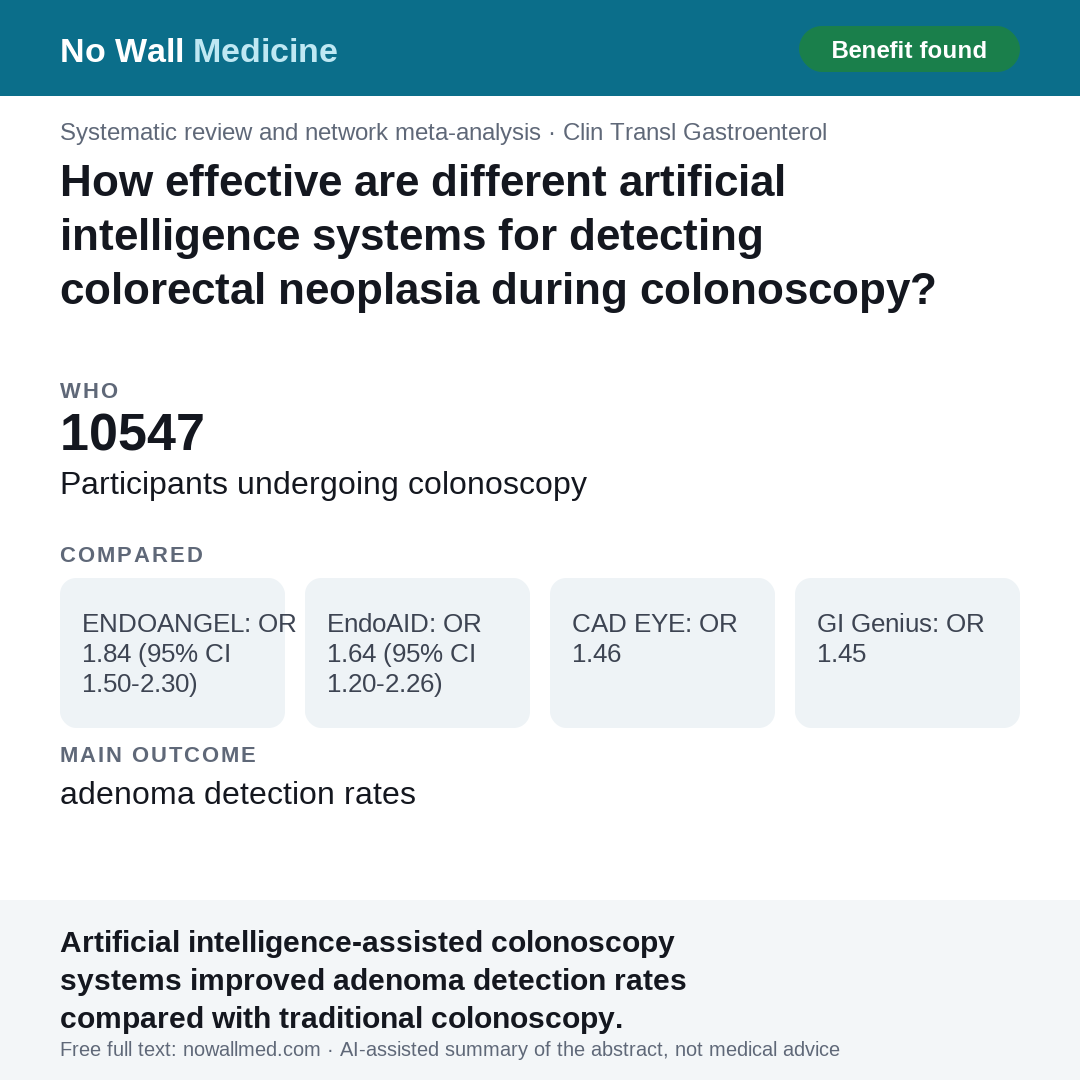
Novel Artificial Intelligence Systems in Detecting Adenomas in Colonoscopy: A Systemic Review and Network Meta-Analysis
Systematic review and network meta-analysisBenefit found
How effective are different artificial intelligence systems for detecting colorectal neoplasia during colonoscopy?
Who
10547
Participants undergoing colonoscopy
Compared
ENDOANGEL: OR 1.84 (95% CI 1.50-2.30)
EndoAID: OR 1.64 (95% CI 1.20-2.26)
CAD EYE: OR 1.46
GI Genius: OR 1.45
Main outcome
adenoma detection rates
Bottom line: Artificial intelligence-assisted colonoscopy systems improved adenoma detection rates compared with traditional colonoscopy.
Limitation: additional large-scale studies are needed to confirm these findings
Clin Transl Gastroenterol · 2025-10-01Download image
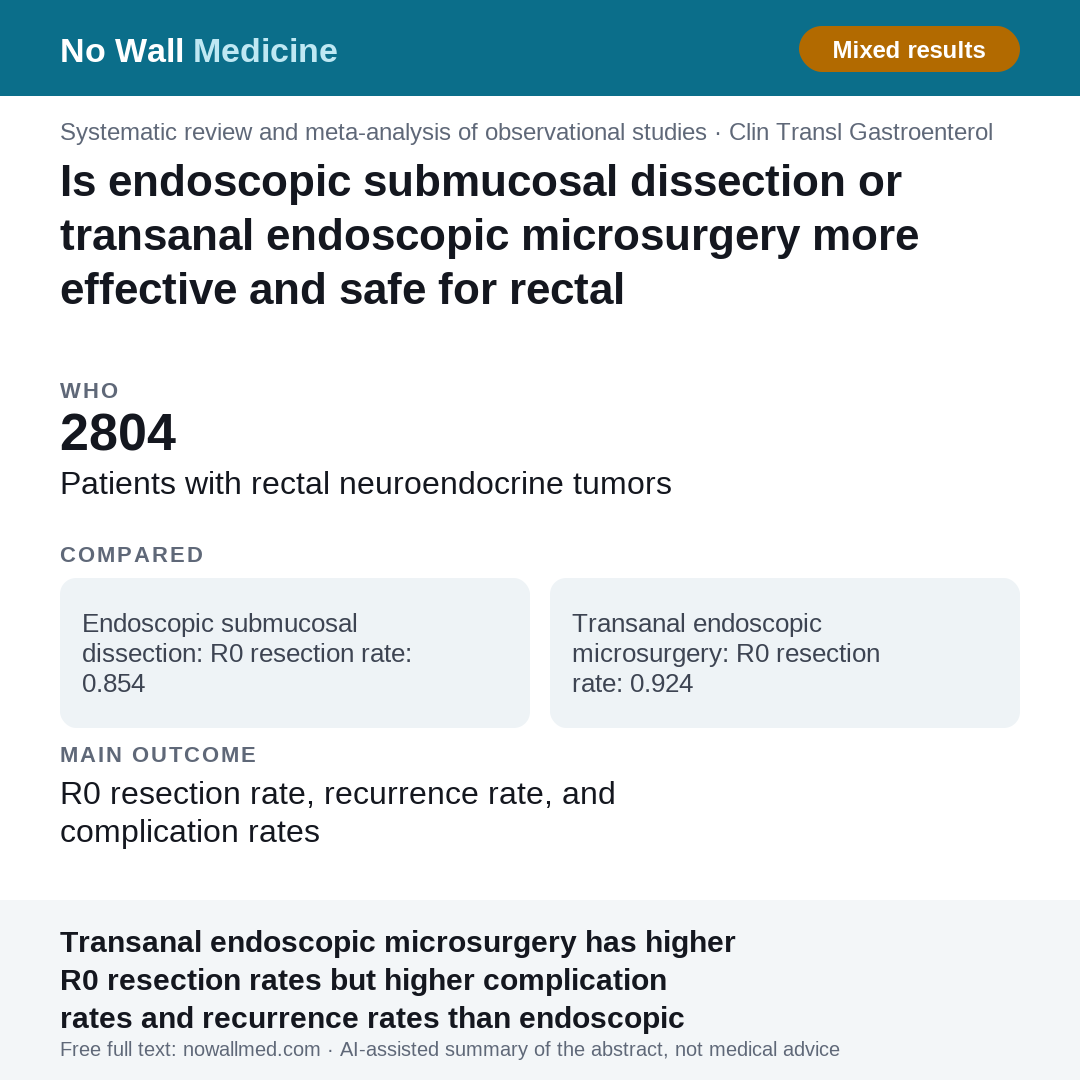
Endoscopic Submucosal Dissection and Transanal Endoscopic Microsurgery in the Treatment of Rectal Neuroendocrine Tumors: Systematic Review and Meta-Analysis of the Observational Studies
Systematic review and meta-analysis of observational studiesMixed results
Is endoscopic submucosal dissection or transanal endoscopic microsurgery more effective and safe for rectal neuroendocrine tumors?
Who
2804
Patients with rectal neuroendocrine tumors
Compared
Endoscopic submucosal dissection: R0 resection rate: 0.854
Transanal endoscopic microsurgery: R0 resection rate: 0.924
Main outcome
R0 resection rate, recurrence rate, and complication rates
Result: risk ratio for R0 resection was approximately 10% lower for ESD
Bottom line: Transanal endoscopic microsurgery has higher R0 resection rates but higher complication rates and recurrence rates than endoscopic submucosal dissection.
Clin Transl Gastroenterol · 2025-10-01Download image
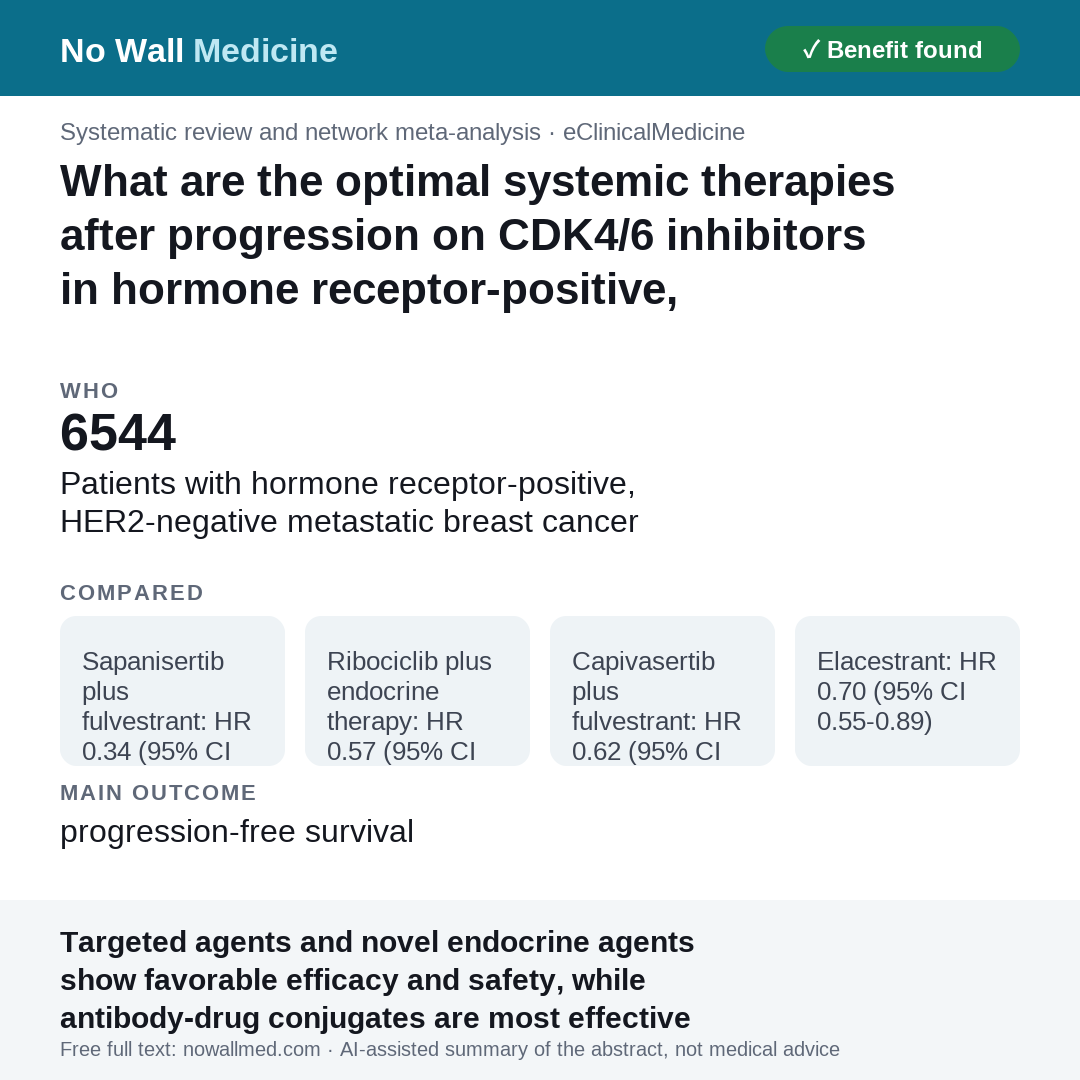
Efficacy and safety of systemic therapies following progression on CDK4/6 inhibitors in patients with HR+/HER2- metastatic breast cancer: a systematic review and network meta-analysis
Systematic review and network meta-analysisBenefit found
What are the optimal systemic therapies after progression on CDK4/6 inhibitors in hormone receptor-positive, HER2-negative metastatic breast cancer?
Who
6544
Patients with hormone receptor-positive, HER2-negative metastatic breast cancer progressing on CDK4/6 inhibitor therapy
Compared
Sapanisertib plus fulvestrant: HR 0.34 (95% CI 0.14-0.82)
Ribociclib plus endocrine therapy: HR 0.57 (95% CI 0.39-0.84)
Capivasertib plus fulvestrant: HR 0.62 (95% CI 0.51-0.75)
Elacestrant: HR 0.70 (95% CI 0.55-0.89)
Main outcome
progression-free survival
Result: HR 0.34 (95% CI 0.14-0.82) for sapanisertib plus fulvestrant
Bottom line: Targeted agents and novel endocrine agents show favorable efficacy and safety, while antibody-drug conjugates are most effective when chemotherapy is required.
Funded by: Italian Ministry of University and Research and European Union
eClinicalMedicine · 2025-09-30Download image
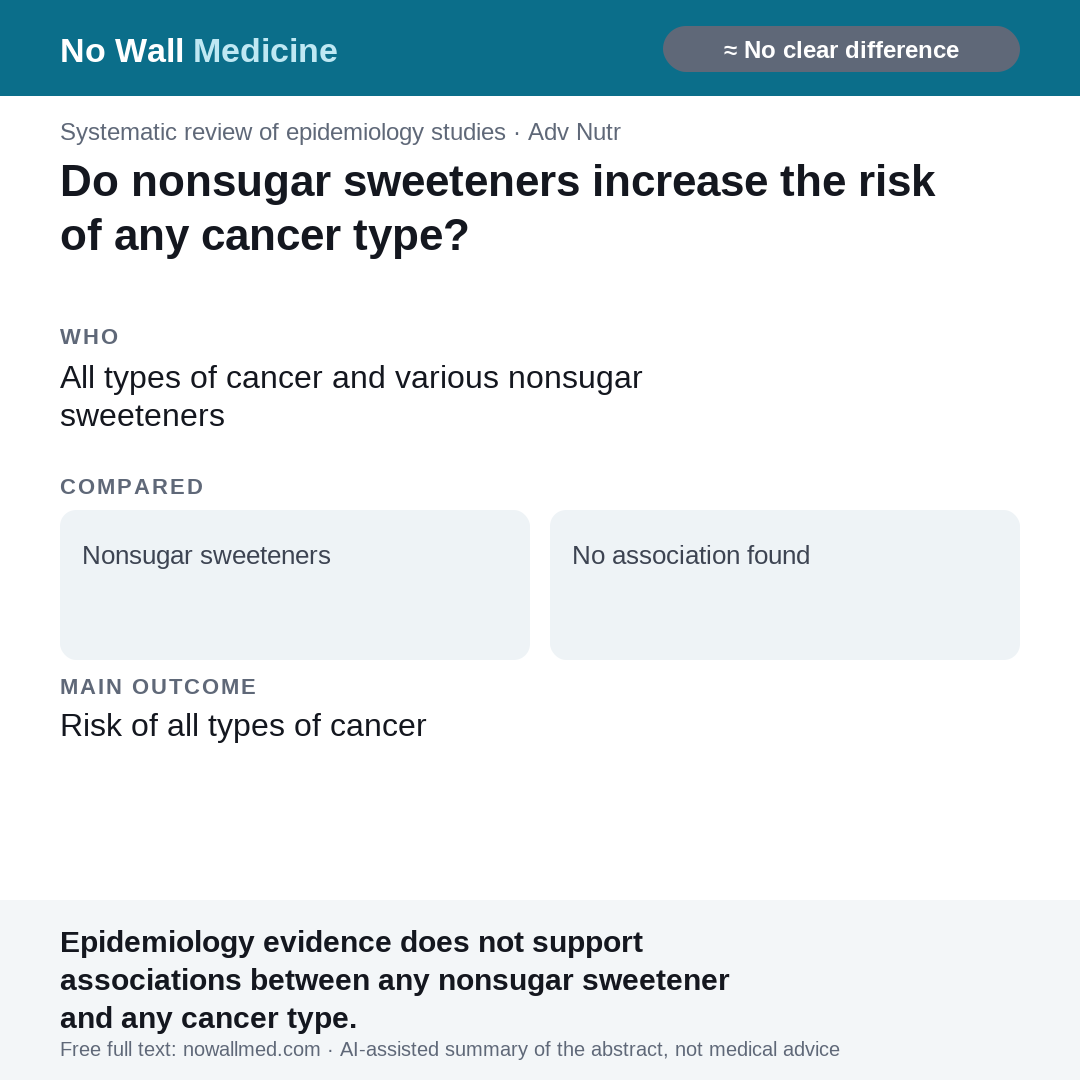
A Systematic Review of Nonsugar Sweeteners and Cancer Epidemiology Studies
Systematic review of epidemiology studiesNo clear difference
Do nonsugar sweeteners increase the risk of any cancer type?
Who
All types of cancer and various nonsugar sweeteners
Compared
Nonsugar sweeteners
No association found
Main outcome
Risk of all types of cancer
Bottom line: Epidemiology evidence does not support associations between any nonsugar sweetener and any cancer type.
Limitation: Self-reported intake leads to exposure misclassification and potential recall bias.
Adv Nutr · 2025-09-30Download image
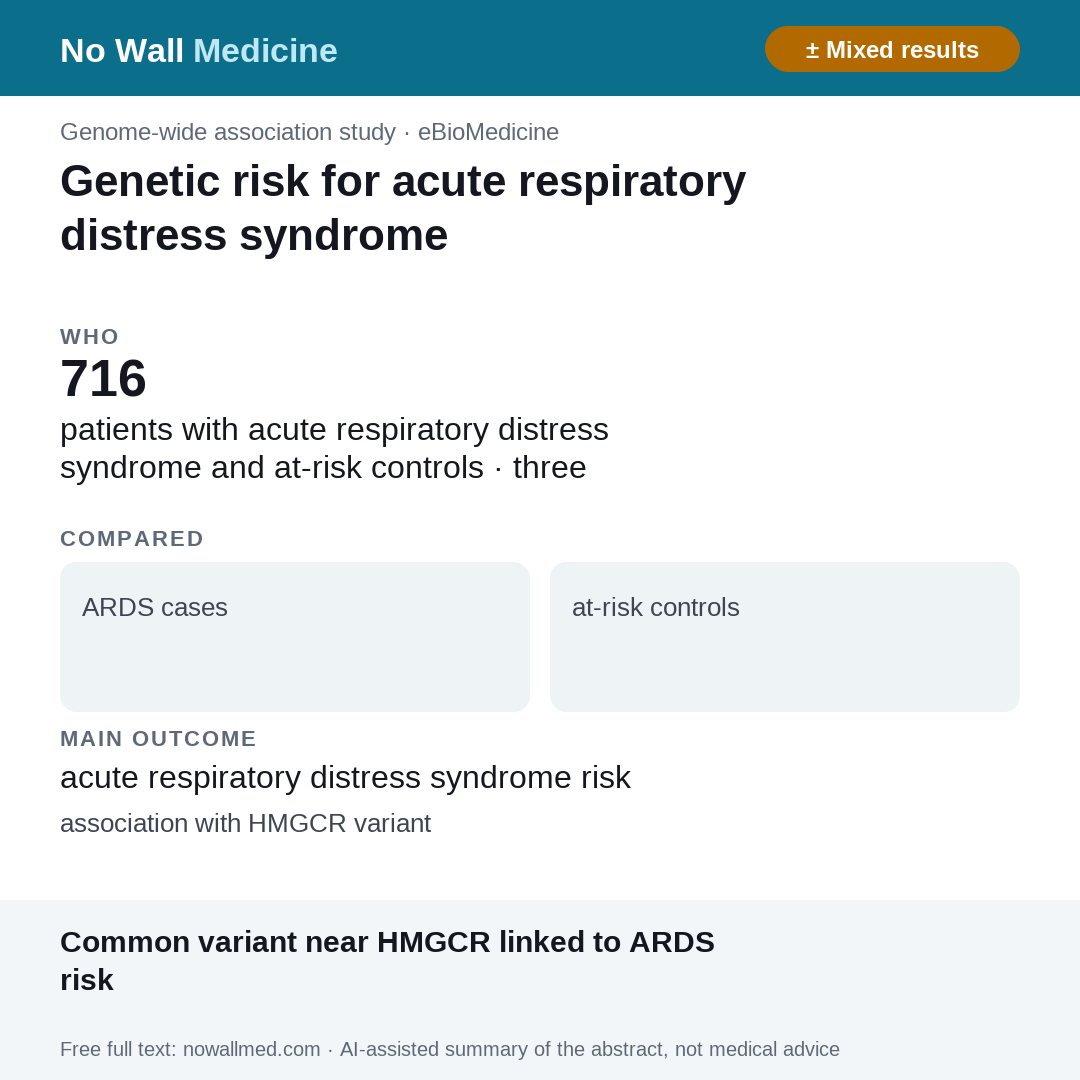
Genome-wide association study of susceptibility to acute respiratory distress syndrome
Genome-wide association studyMixed results
Genetic risk for acute respiratory distress syndrome
Who
716
patients with acute respiratory distress syndrome and at-risk controls · three independent studies
Compared
ARDS cases
at-risk controls
Main outcome
acute respiratory distress syndrome risk
Result: association with HMGCR variant
Bottom line: Common variant near HMGCR linked to ARDS risk
Funded by: Wellcome Trust and others
eBioMedicine · 2025-09-30Download image
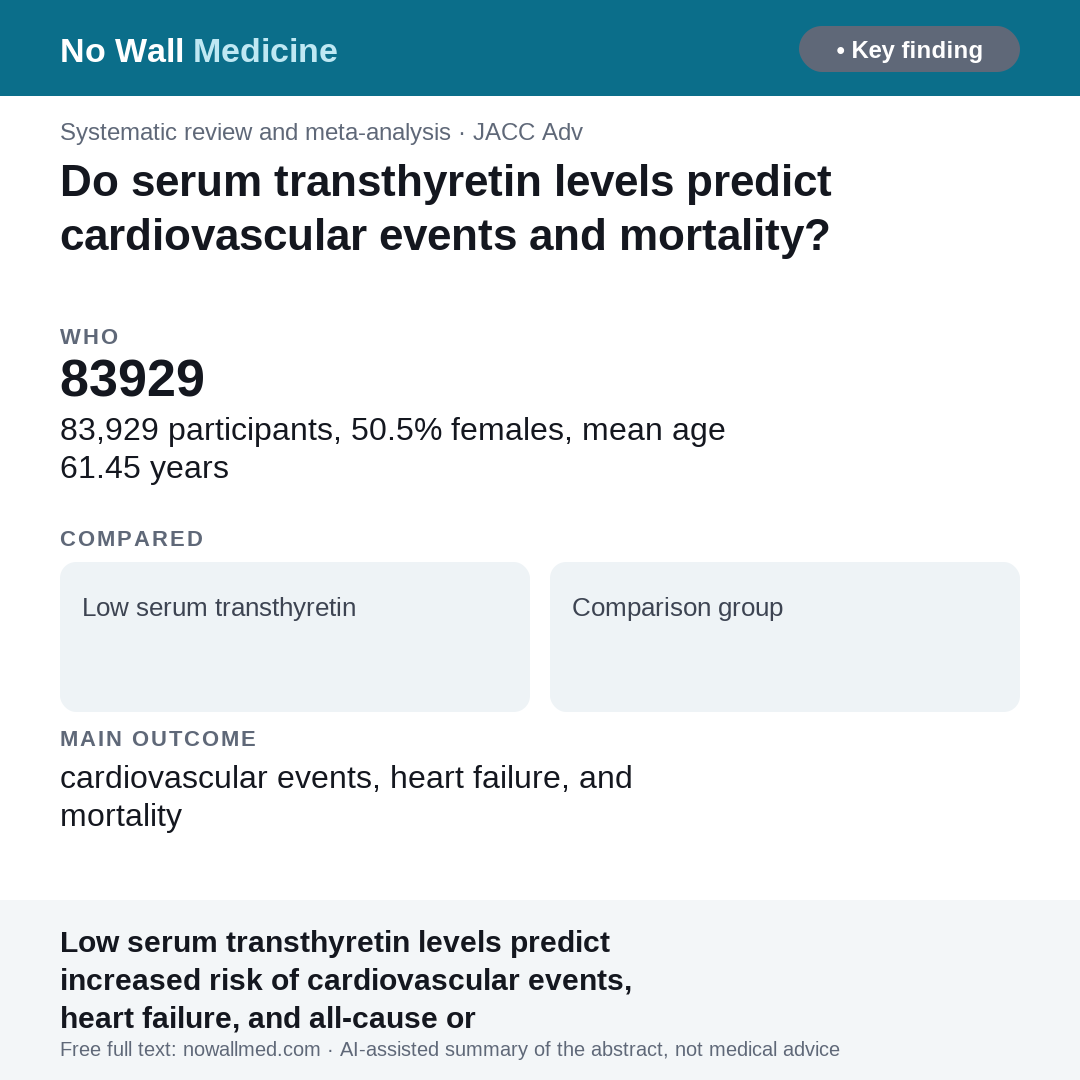
Serum Transthyretin as Prognostic Biomarker for Cardiovascular Events and Mortality: A Systematic Review and Meta-Analysis
Systematic review and meta-analysisBenefit found
Do serum transthyretin levels predict cardiovascular events and mortality?
Who
83929
83,929 participants, 50.5% females, mean age 61.45 years
Compared
Low serum transthyretin
Comparison group
Main outcome
cardiovascular events, heart failure, and mortality
Result: hazard ratio 1.54 (95% CI 1.30-1.83) for cardiovascular events
Bottom line: Low serum transthyretin levels predict increased risk of cardiovascular events, heart failure, and all-cause or cardiovascular mortality.
JACC Adv · 2025-09-30Download image
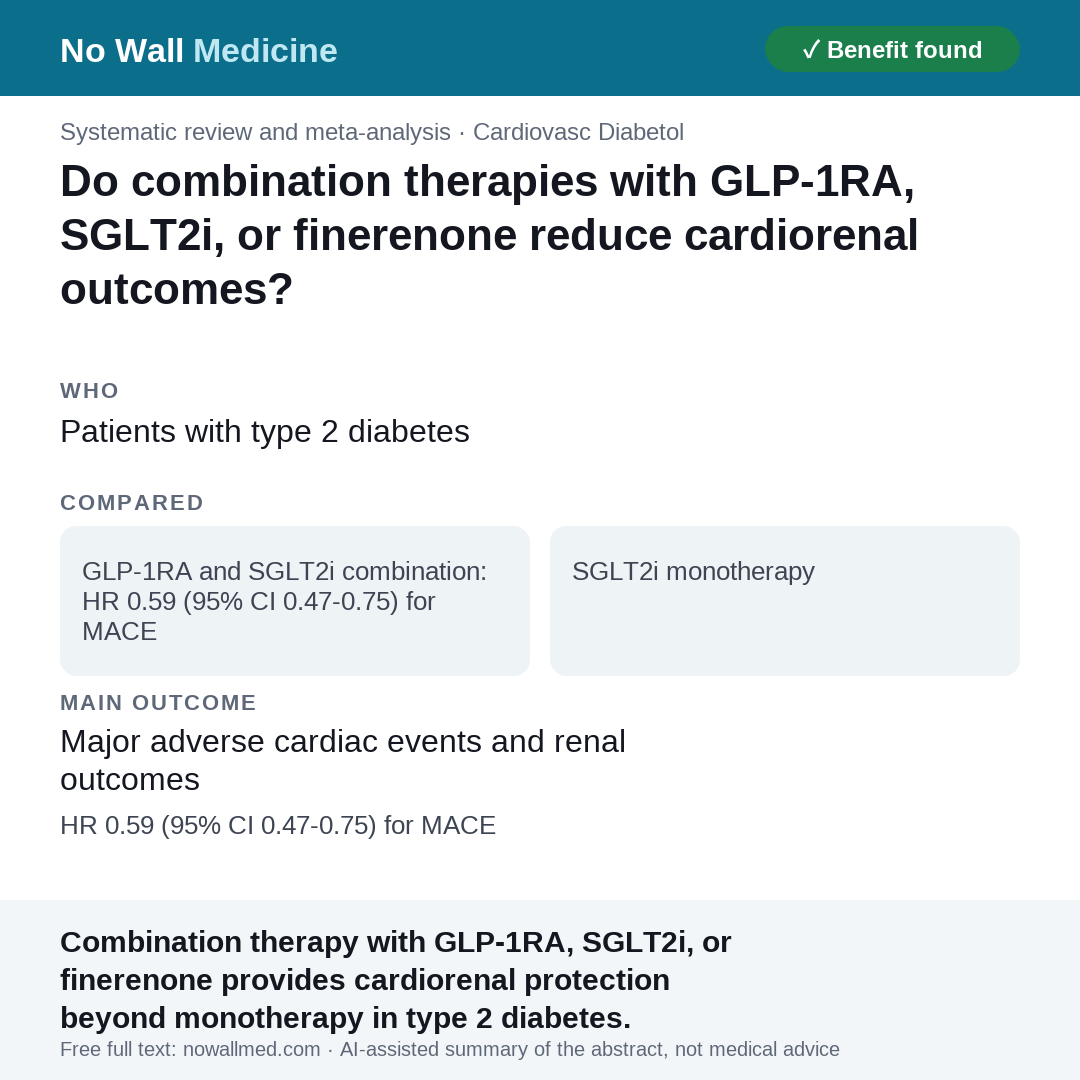
Cardiovascular and renal outcomes of dual combination therapies with glucagon-like peptide-1 receptor agonists and sodium-glucose transport protein 2 inhibitors: a systematic review and meta-analysis
Systematic review and meta-analysisBenefit found
Do combination therapies with GLP-1RA, SGLT2i, or finerenone reduce cardiorenal outcomes?
Who
Patients with type 2 diabetes
Compared
GLP-1RA and SGLT2i combination: HR 0.59 (95% CI 0.47-0.75) for MACE
SGLT2i monotherapy
Main outcome
Major adverse cardiac events and renal outcomes
Result: HR 0.59 (95% CI 0.47-0.75) for MACE
Bottom line: Combination therapy with GLP-1RA, SGLT2i, or finerenone provides cardiorenal protection beyond monotherapy in type 2 diabetes.
Cardiovasc Diabetol · 2025-09-30Download image
Circulating biomarkers of vasoplegia: a systematic review
Systematic reviewMixed results
What circulating biomarkers are associated with vasoplegia incidence, severity, prediction, and progression?
Who
Adult patients in critical care or perioperative settings · Diverse critical care and perioperative settings
Compared
Renin: correlated with vasopressor requirements and haemodynamic instability
Adrenomedullin: predictive of vasoplegia development and duration
Main outcome
Circulating biomarkers associated with vasoplegia
Bottom line: Renin and adrenomedullin are promising candidate biomarkers, but lack of standardization prevents definitive comparative analysis.
Limitation: Heterogeneity in definitions, biomarker measurement, and diagnostic criteria precluded meta-analysis.
Ann Intensive Care · 2025-09-30Download image

A systematic review of real-world gait-related digital mobility outcomes in Parkinson's disease
Systematic reviewBenefit found
What is the clinical utility of real-world digital mobility outcomes in Parkinson's disease?
Who
People with Parkinson's disease · Eight databases searched
Compared
Parkinson's disease
Controls
Main outcome
Real-world gait-based digital mobility outcomes
Bottom line: Real-world digital mobility outcomes offer valuable insight into Parkinson's disease mobility.
NPJ Digit Med · 2025-09-30Download image

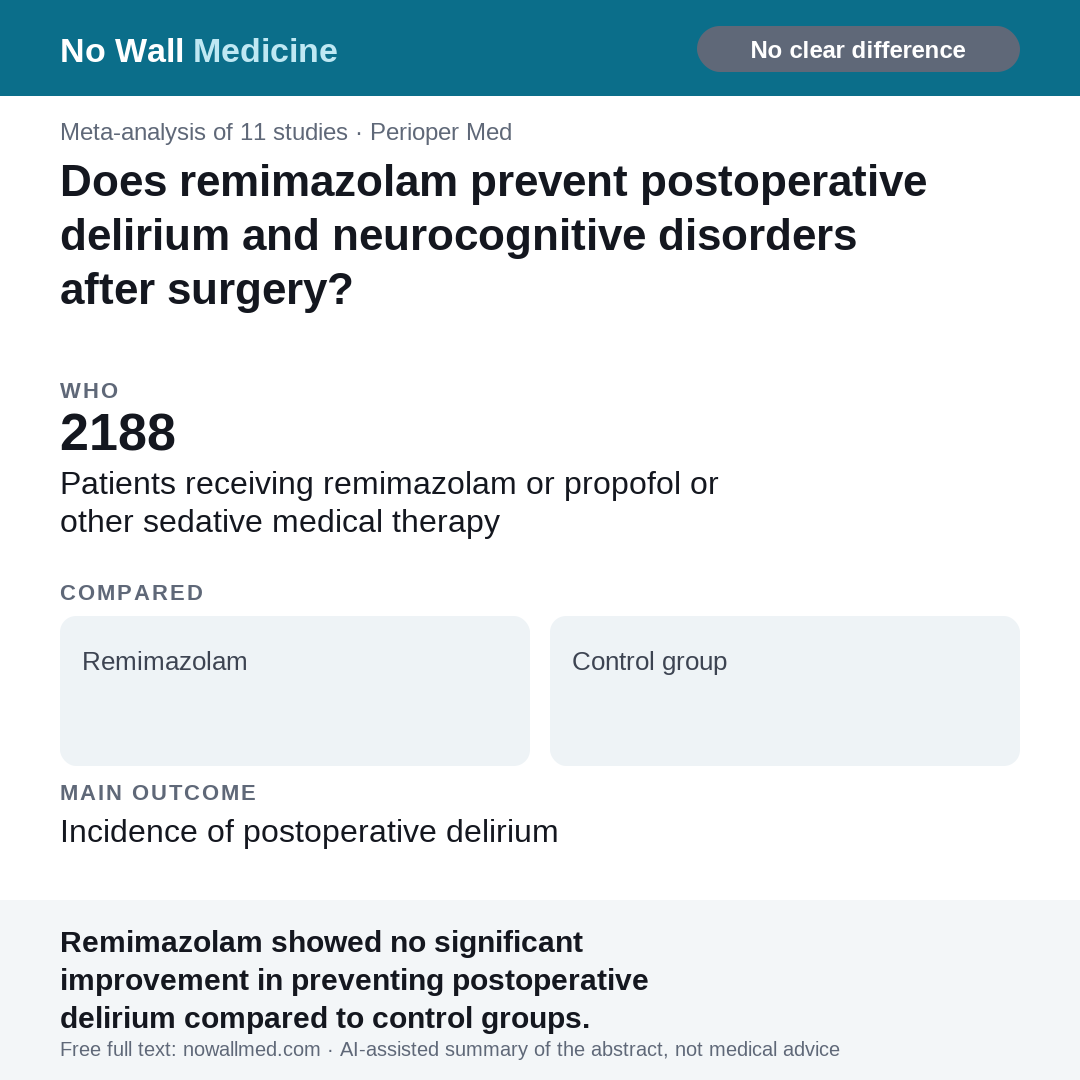
Perioperative remimazolam administration to prevent delirium and neurocognitive disorders after surgery: a systematic review and meta-analysis
Meta-analysis of 11 studiesNo clear difference
Does remimazolam prevent postoperative delirium and neurocognitive disorders after surgery?
Who
2188
Patients receiving remimazolam or propofol or other sedative medical therapy
Compared
Remimazolam
Control group
Main outcome
Incidence of postoperative delirium
Result: OR = 0.79, 95% CI 0.53-1.17
Bottom line: Remimazolam showed no significant improvement in preventing postoperative delirium compared to control groups.
Limitation: Further prospective studies are needed to confirm effects on postoperative cognitive dysfunction.
Perioper Med · 2025-09-30Download image
Prophylactic antibiotics in hand trauma surgery: a network meta-analysis
Network meta-analysisUnclear result
Do prophylactic antibiotics reduce surgical site infection risk in hand trauma surgery?
Who
3898
Patients undergoing surgery for hand and wrist trauma
Compared
Prophylactic antibiotics
Placebo or no antibiotics
Main outcome
Surgical site infection prevalence
Result: relative risk 0.29 (95% c.i. 0.04, 2.13)
Bottom line: There was insufficient evidence to support routine prophylactic antibiotic use in hand trauma surgery.
Limitation: Low event rates, wide confidence intervals, and moderate-to-high risk of bias in most studies.
Br J Surg · 2025-09-29Download image

Mental health outcomes associated with military sexual trauma in serving and ex-servicewomen: A systematic review
Systematic reviewHarm found
What are the mental health outcomes of military sexual trauma in serving and ex-servicewomen?
Who
Serving and ex-servicewomen · International
Compared
Military sexual assault: stronger relationship with adverse mental health
Other military sexual trauma experiences: weaker relationship with adverse mental health
Main outcome
Mental health outcomes
Bottom line: Military sexual trauma is associated with adverse mental health outcomes, especially sexual assault.
Psychol Med · 2025-09-29Download image

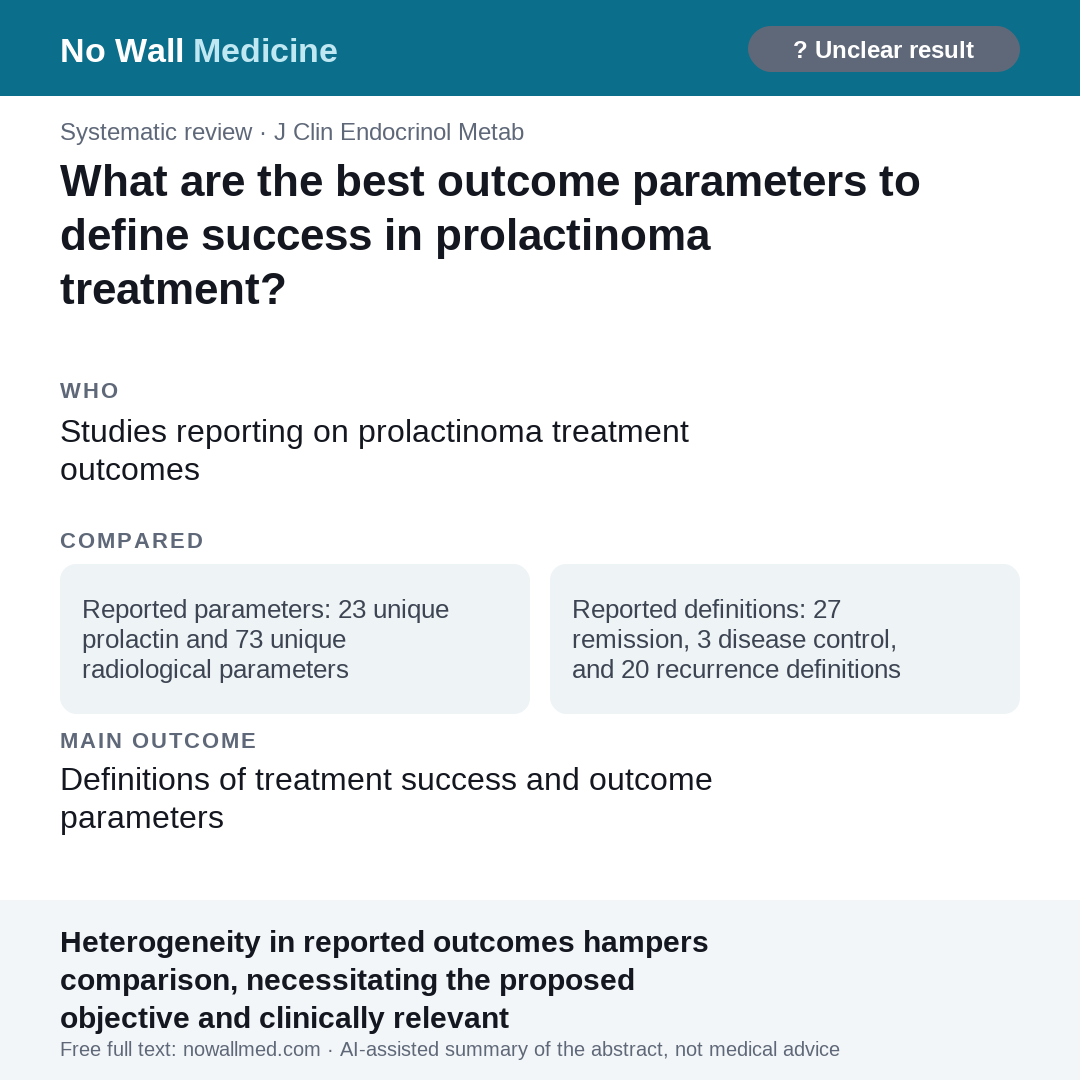
How to Define Success in Prolactinoma Treatment-A Systematic Review and Theoretical Framework
Systematic reviewUnclear result
What are the best outcome parameters to define success in prolactinoma treatment?
Who
Studies reporting on prolactinoma treatment outcomes
Compared
Reported parameters: 23 unique prolactin and 73 unique radiological parameters
Reported definitions: 27 remission, 3 disease control, and 20 recurrence definitions
Main outcome
Definitions of treatment success and outcome parameters
Bottom line: Heterogeneity in reported outcomes hampers comparison, necessitating the proposed objective and clinically relevant definitions for prolactinoma treatment success.
J Clin Endocrinol Metab · 2025-09-29Download image
Glycaemic control and variability with different commercially available hybrid closed loop systems in people with type 1 diabetes: A systematic review and meta-analysis of randomized controlled trials
Systematic review and meta-analysis of randomized controlled trialsMixed results
How do different hybrid closed loop systems perform in people with type 1 diabetes?
Who
People with type 1 diabetes
Compared
Children (mean age < 18 years): mean time in range 64.1% (95% CI: 61-67.2)
Adults (mean age ≥ 18 years): mean time in range 70.8% (95% CI: 68.6-73)
Main outcome
time in range and hemoglobin A1c
Bottom line: Commercial hybrid closed loop systems show different achievements of glucose metrics and hemoglobin A1c in people with type 1 diabetes.
Diabetes Obes Metab · 2025-09-29Download image

Dietary Intake Trajectories from Early Life and Associated Health Outcomes: A Systematic Review
Systematic reviewMixed results
Dietary intake trajectories impact health
Who
children and adolescents
Compared
unhealthy diet
healthy diet
Main outcome
health outcomes
Bottom line: Dietary intake trajectories impact health outcomes
Adv Nutr · 2025-09-29Download image

Venous thromboembolic event risk with PARP inhibitors in solid tumors: a systematic review and meta-analysis
Meta-analysis of 38 randomized controlled trialsMixed results
What is the risk of venous thromboembolic events with poly ADP-ribose polymerase inhibitors?
Who
15008
Patients with prostate, breast, ovarian, pancreatic, glioblastoma, and lung cancers
Compared
2.4%Poly ADP-ribose polymerase inhibitors
1.6%Control group
Main outcome
Incidence of any-grade venous thromboembolic events
Result: odds ratio 1.37 (95% CI 1.00-1.88)
Bottom line: Poly ADP-ribose polymerase inhibitors may increase venous thromboembolic event risk, especially in prostate and pancreatic cancer.
Limitation: Study heterogeneity, wide confidence intervals, and absence of patient-level data.
ESMO Open · 2025-09-29Download image

Meta-analysis of the brain transcriptomes of multiple genetic mouse models of schizophrenia highlights dysregulation in striatum and thalamus
Meta-analysisMixed results
What are the brain transcriptomic profiles in mouse models of schizophrenia risk genes?
Who
Mice with loss-of-function mutations in seven schizophrenia risk genes
Compared
Striatum: downregulation of synapse- and oxidative phosphorylation-related gene sets
Thalamus (schizophrenia and bipolar association): synapse-related gene sets were upregulated
Thalamus (schizophrenia and developmental delay/intellectual disability): synapse-related gene sets were downregulated
Main outcome
Brain transcriptomic profiles across different brain regions
Bottom line: Schizophrenia risk gene models show convergent striatal disturbance and divergent thalamic transcriptomic phenotypes.
Transl Psychiatry · 2025-09-29Download image

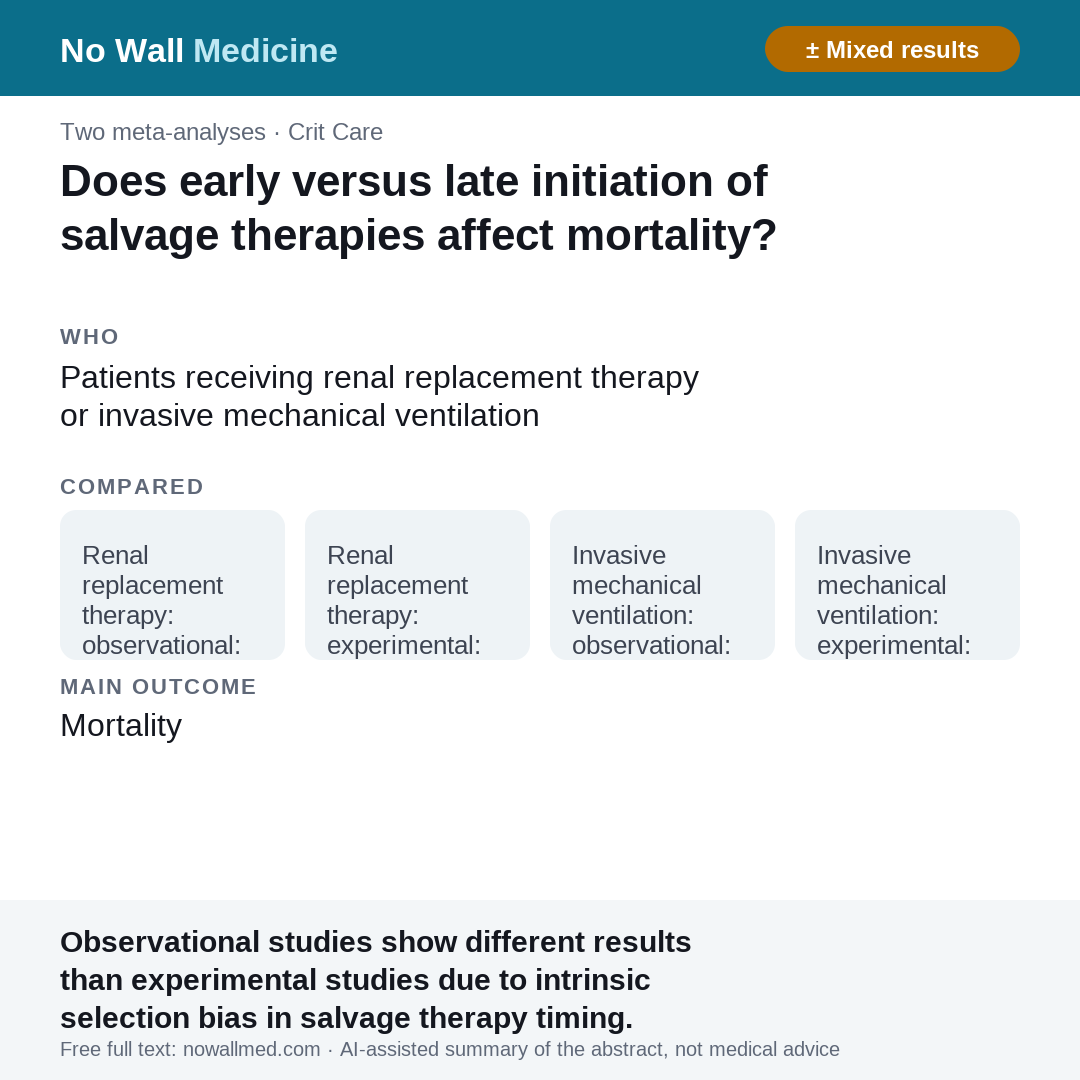
Observational studies of early versus late salvage therapies in critical care exhibit intrinsic selection bias: two meta-analyses
Two meta-analysesMixed results
Does early versus late initiation of salvage therapies affect mortality?
Who
Patients receiving renal replacement therapy or invasive mechanical ventilation
Compared
Renal replacement therapy: observational: OR 0.52 (95% CI 0.42-0.63)
Renal replacement therapy: experimental: OR 0.94 (95% CI 0.76-1.17)
Invasive mechanical ventilation: observational: OR 1.25 (95% CI 1.03-1.52)
Invasive mechanical ventilation: experimental: OR 1.86 (95% CI 0.90-3.86)
Main outcome
Mortality
Bottom line: Observational studies show different results than experimental studies due to intrinsic selection bias in salvage therapy timing.
Limitation: Selection bias in observational studies, worsened by only including subjects who receive the therapy.
Crit Care · 2025-09-29Download image
Meta-analysis reveals transcription factors and DNA binding domain variants associated with congenital heart defect and orofacial cleft
Meta-analysisUnclear result
Genes for heart and face defects
Who
3835
congenital anomaly patients and parents
Compared
heart defect
orofacial cleft
Main outcome
genetic diagnoses
Bottom line: New genes found for heart and face defects
NPJ Genom Med · 2025-09-29Download image