Visual abstracts
New randomized trials and meta-analyses from leading journals at a glance: who was studied, what was compared, and what was found. Every paper is free to read in full.
All specialtiesCardiology 4763Oncology 4042Gastroenterology & Hepatology 1902Infectious Disease 3756Neurology 1872Psychiatry & Mental Health 2214Pulmonology 2042Critical Care 1319Endocrinology & Diabetes 2544Pediatrics 2889Surgery 2479Orthopedics & Sports Medicine 917Neurosurgery 525Cardiothoracic & Vascular Surgery 656Plastic & Reconstructive Surgery 574Nephrology 1107Rheumatology 810Hematology 1090Dermatology 611Ophthalmology 532Obstetrics & Gynecology 1645Public & Global Health 1037Radiology & Imaging 617Anesthesiology 957Urology 745ENT (Otolaryngology) 494Emergency Medicine 481Allergy & Immunology 309Geriatrics 972Family Medicine & Primary Care 533Medical Genetics & Genomics 659Pathology & Laboratory Medicine 156Physical Medicine & Rehabilitation 734Palliative Care 421Nutrition 1560Digital Health & AI 2133General Medicine 318
RTS,S/AS02A Malaria Vaccine-Induced IgG Responses Equally Recognize Native-Like Fucosylated and Nonfucosylated Plasmodium falciparum Circumsporozoite Proteins
Randomized trialNo clear difference
Do RTS,S/AS02A malaria vaccine-induced IgG antibodies recognize nonfucosylated or fucosylated proteins better?
Who
Individuals vaccinated with RTS,S/AS02A malaria vaccine
Compared
Nonfucosylated Plasmodium falciparum circumsporozoite proteins
Fucosylated Plasmodium falciparum circumsporozoite proteins
Main outcome
Immunoglobulin G recognition of protein types
Bottom line: RTS,S/AS02A-induced antibodies recognize nonfucosylated and fucosylated proteins equally, suggesting fucosylation does not affect recognition.
J Infect Dis · 2023-10-27Download image
Ethnic differences of the care pathway following an out-of-hospital cardiac event: A systematic review
Systematic reviewMixed results
Do care pathways for acute cardiac events differ between minoritised and non-minoritised ethnic populations?
Who
Adults with acute cardiac events · Not specified
Compared
Minoritised ethnic populations
Non-minoritised populations
Main outcome
Care pathway variables including time to care and transportation
Bottom line: Considerable differences exist in cardiac care pathways for minoritised populations due to various remediable barriers and enablers.
Resuscitation · 2023-10-27Download image
Subxiphoid versus lateral intercostal thoracoscopic thymectomy for suspected thymoma: Results of a randomized controlled trial
Multicenter, open-label, randomized clinical superiority trialMixed results
Is subxiphoid approach better than lateral intercostal approach for thoracoscopic thymectomy?
Who
101
Participants clinically diagnosed with Masaoka-Koga I-II thymoma · Multicenter
Compared
Subxiphoid approach thoracoscopic thymectomy: lower pain Visual Analog Scale score area under the curve
Lateral intercostal approach thoracoscopic thymectomy
Main outcome
Postoperative pain and length of hospital stay
Result: difference, -4.82; 98.3% CI, -8.84 to -0.80
Bottom line: Subxiphoid approach improved pain but showed no difference in hospital stay or opioid consumption.
J Thorac Cardiovasc Surg · 2023-10-27Download image
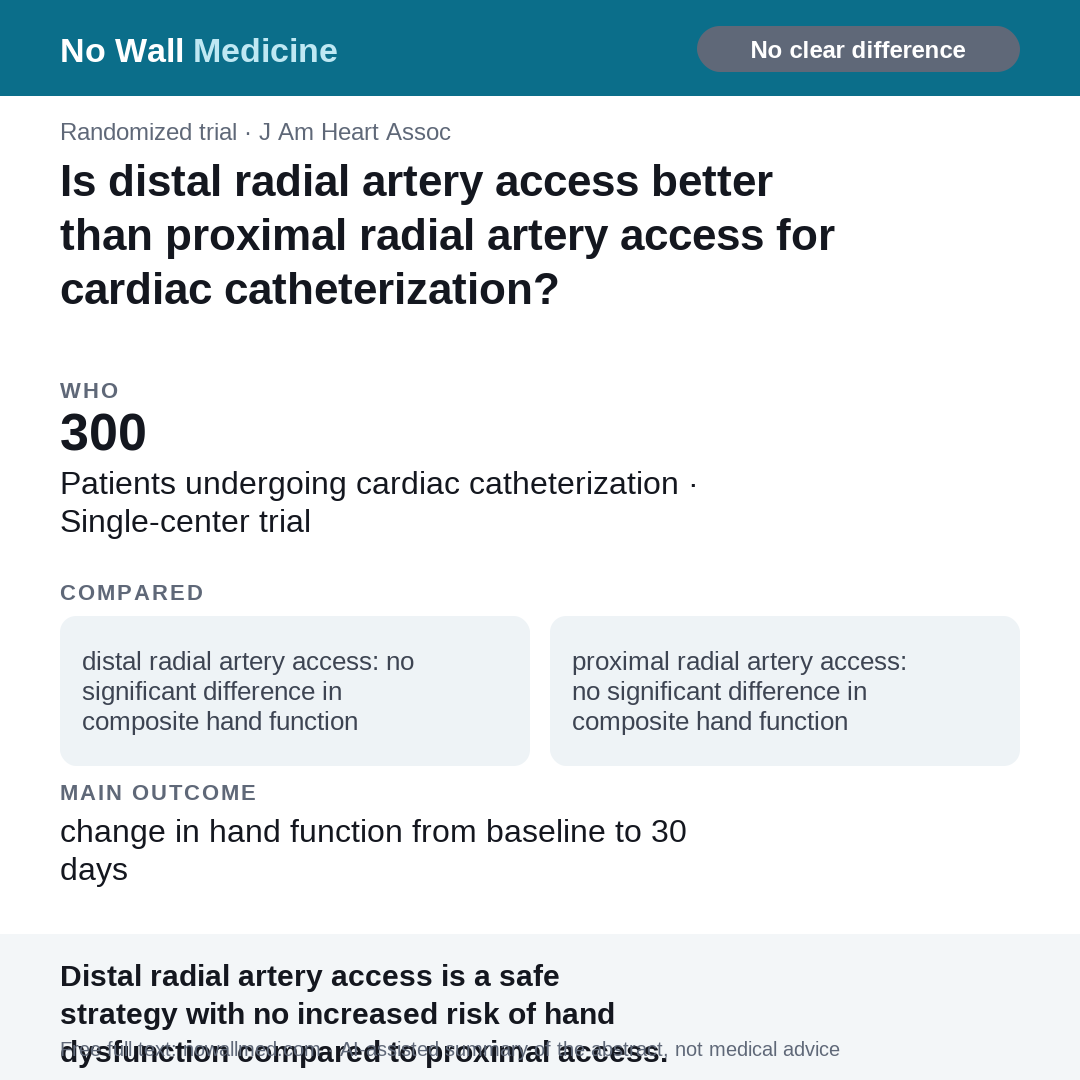
Distal Versus Proximal Radial Artery Access for Cardiac Catheterization: 30-Day Outcomes of the DIPRA Study
Randomized trialNo clear difference
Is distal radial artery access better than proximal radial artery access for cardiac catheterization?
Who
300
Patients undergoing cardiac catheterization · Single-center trial
Compared
distal radial artery access: no significant difference in composite hand function
proximal radial artery access: no significant difference in composite hand function
Main outcome
change in hand function from baseline to 30 days
Bottom line: Distal radial artery access is a safe strategy with no increased risk of hand dysfunction compared to proximal access.
J Am Heart Assoc · 2023-10-27Download image
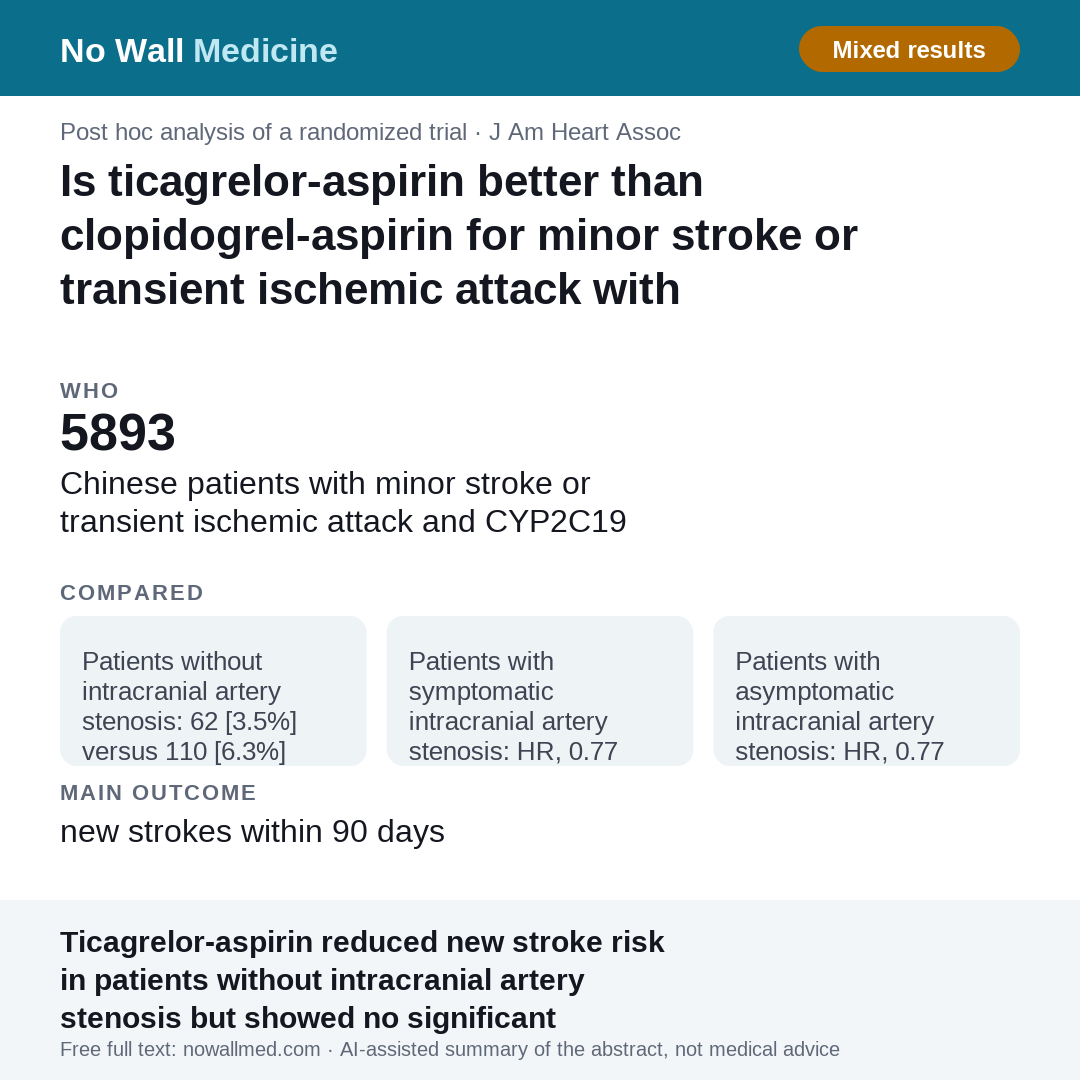
Ticagrelor Versus Clopidogrel in Minor Stroke or Transient Ischemic Attack With Intracranial Artery Stenosis: A Post Hoc Analysis of CHANCE-2
Post hoc analysis of a randomized trialMixed results
Is ticagrelor-aspirin better than clopidogrel-aspirin for minor stroke or transient ischemic attack with intracranial artery stenosis?
Who
5893
Chinese patients with minor stroke or transient ischemic attack and CYP2C19 loss-of-function alleles
Compared
Patients without intracranial artery stenosis: 62 [3.5%] versus 110 [6.3%]
Patients with symptomatic intracranial artery stenosis: HR, 0.77 [95% CI, 0.56-1.05]
Patients with asymptomatic intracranial artery stenosis: HR, 0.77 [95% CI, 0.43-1.38]
Main outcome
new strokes within 90 days
Result: hazard ratio 0.57 (95% CI 0.41-0.78) for patients without intracranial artery stenosis
Bottom line: Ticagrelor-aspirin reduced new stroke risk in patients without intracranial artery stenosis but showed no significant difference in other groups.
J Am Heart Assoc · 2023-10-27Download image
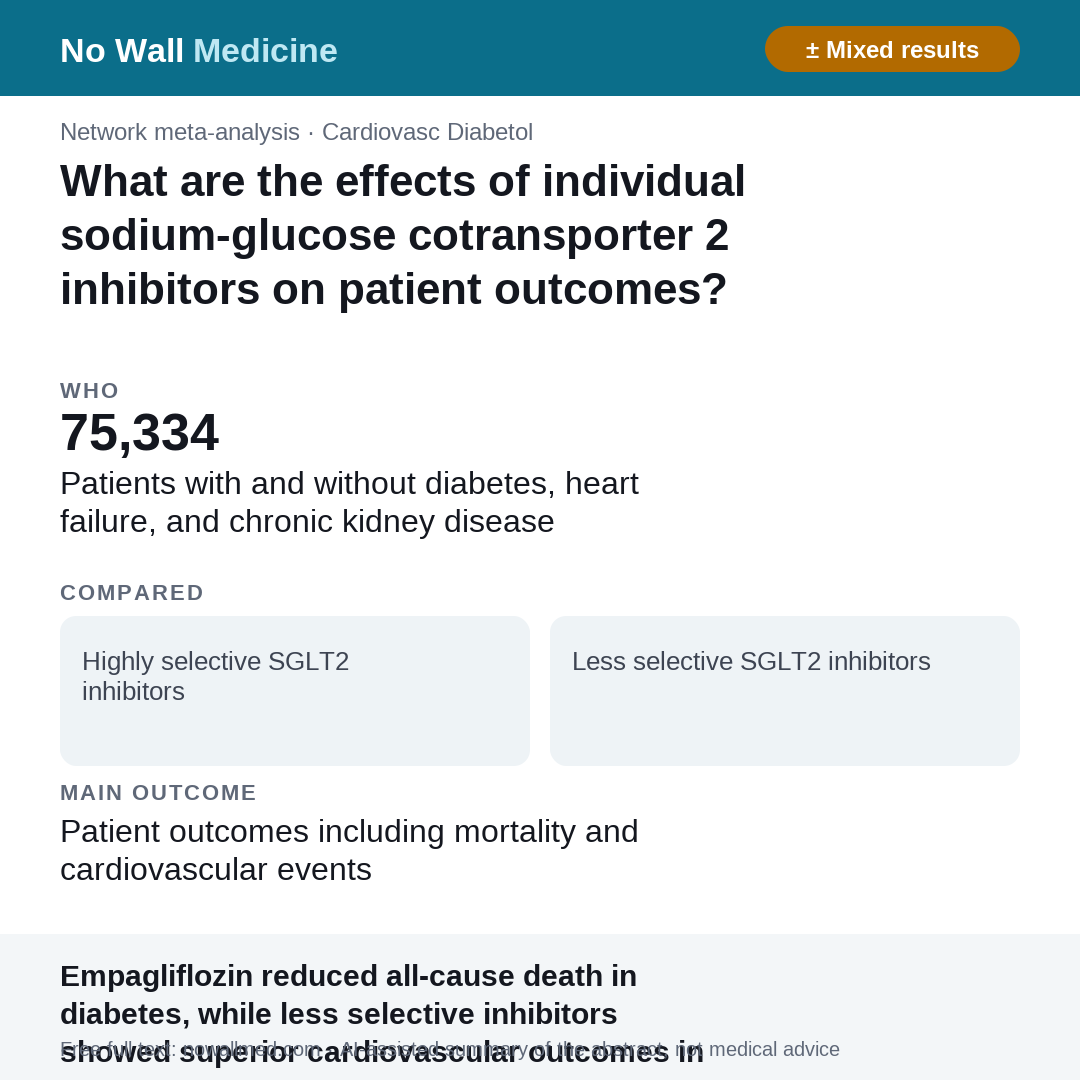
Impact of SGLT2 inhibitors on patient outcomes: a network meta-analysis
Network meta-analysisMixed results
What are the effects of individual sodium-glucose cotransporter 2 inhibitors on patient outcomes?
Who
75,334
Patients with and without diabetes, heart failure, and chronic kidney disease
Compared
Highly selective SGLT2 inhibitors
Less selective SGLT2 inhibitors
Main outcome
Patient outcomes including mortality and cardiovascular events
Result: RR 0.75 (95% CI 0.62 to 0.90) for MACE in heart failure patients
Bottom line: Empagliflozin reduced all-cause death in diabetes, while less selective inhibitors showed superior cardiovascular outcomes in heart failure patients.
Cardiovasc Diabetol · 2023-10-27Download image
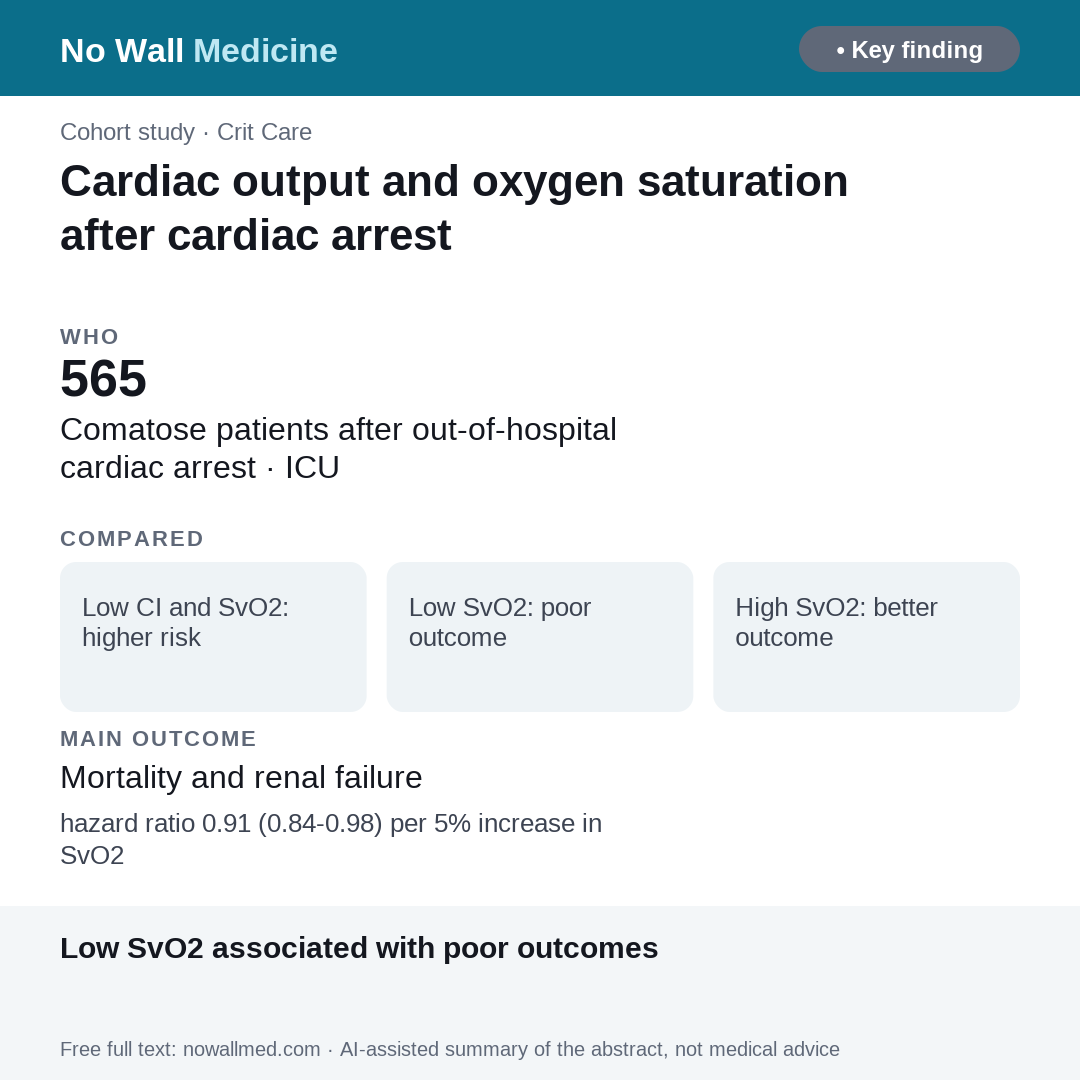
Serial assessments of cardiac output and mixed venous oxygen saturation in comatose patients after out-of-hospital cardiac arrest
Cohort studyKey finding
Cardiac output and oxygen saturation after cardiac arrest
Who
565
Comatose patients after out-of-hospital cardiac arrest · ICU
Compared
Low CI and SvO2: higher risk
Low SvO2: poor outcome
High SvO2: better outcome
Main outcome
Mortality and renal failure
Result: hazard ratio 0.91 (0.84-0.98) per 5% increase in SvO2
Bottom line: Low SvO2 associated with poor outcomes
Crit Care · 2023-10-27Download image
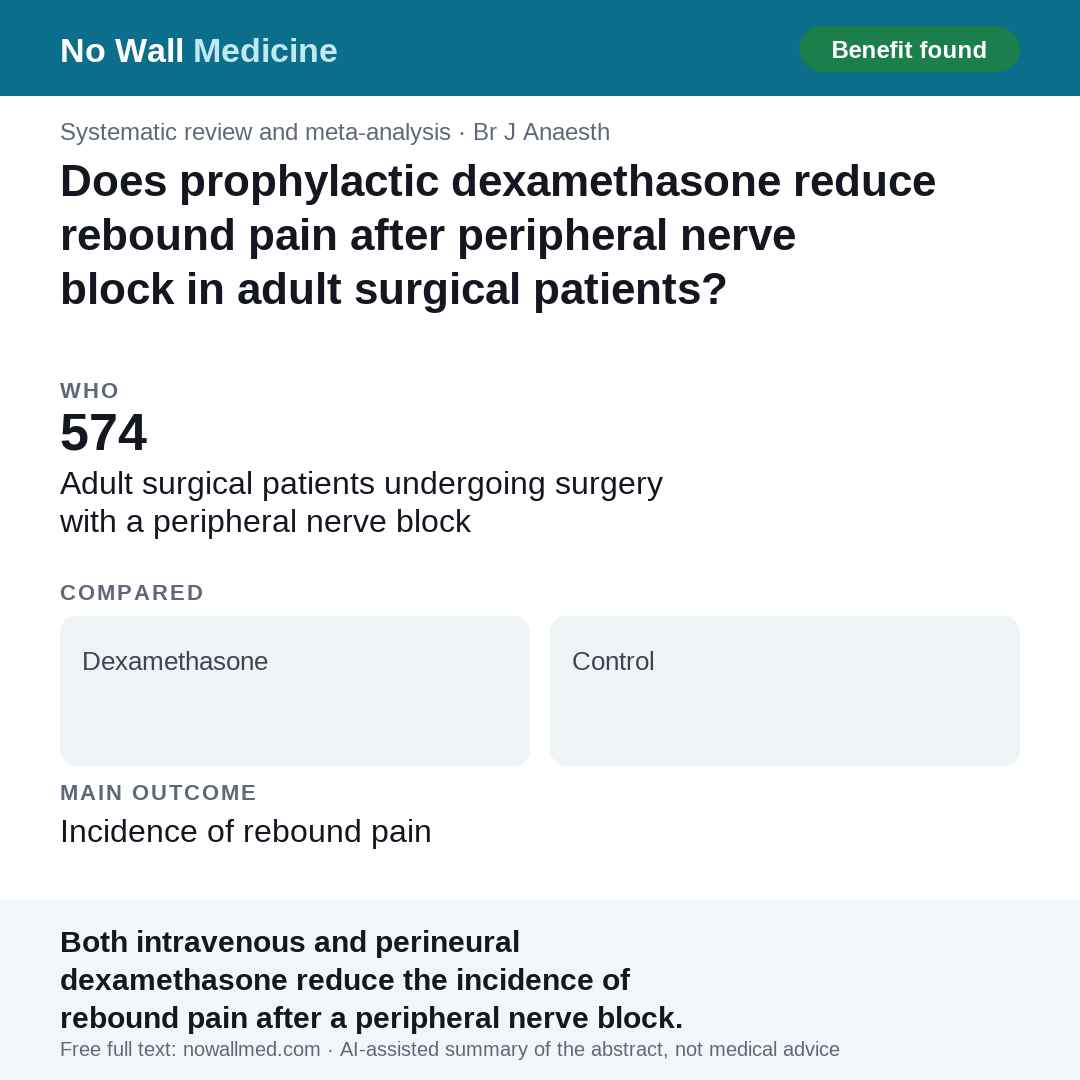
Prophylactic dexamethasone for rebound pain after peripheral nerve block in adult surgical patients: systematic review, meta-analysis, and trial sequential analysis of randomised controlled trials
Systematic review and meta-analysisBenefit found
Does prophylactic dexamethasone reduce rebound pain after peripheral nerve block in adult surgical patients?
Who
574
Adult surgical patients undergoing surgery with a peripheral nerve block
Compared
Dexamethasone
Control
Main outcome
Incidence of rebound pain
Result: odds ratio 0.16 (95% confidence interval 0.10-0.27)
Bottom line: Both intravenous and perineural dexamethasone reduce the incidence of rebound pain after a peripheral nerve block.
Br J Anaesth · 2023-10-26Download image
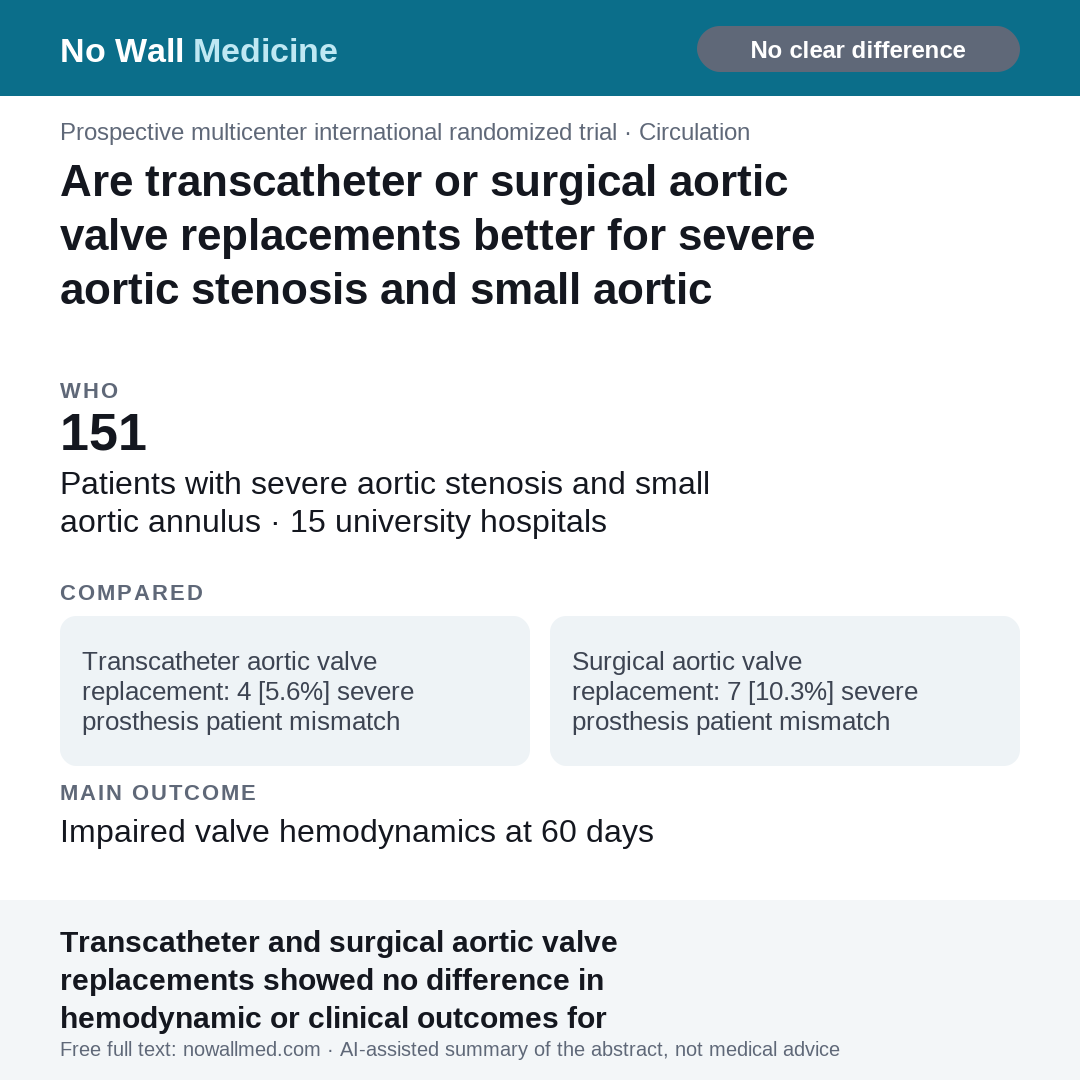
Transcatheter or Surgical Aortic Valve Replacement in Patients With Severe Aortic Stenosis and Small Aortic Annulus: A Randomized Clinical Trial
Prospective multicenter international randomized trialNo clear difference
Are transcatheter or surgical aortic valve replacements better for severe aortic stenosis and small aortic annulus?
Who
151
Patients with severe aortic stenosis and small aortic annulus · 15 university hospitals
Compared
Transcatheter aortic valve replacement: 4 [5.6%] severe prosthesis patient mismatch
Surgical aortic valve replacement: 7 [10.3%] severe prosthesis patient mismatch
Main outcome
Impaired valve hemodynamics at 60 days
Bottom line: Transcatheter and surgical aortic valve replacements showed no difference in hemodynamic or clinical outcomes for patients with small aortic annulus.
Limitation: Limited sample size leading to an underpowered study
Circulation · 2023-10-26Download image
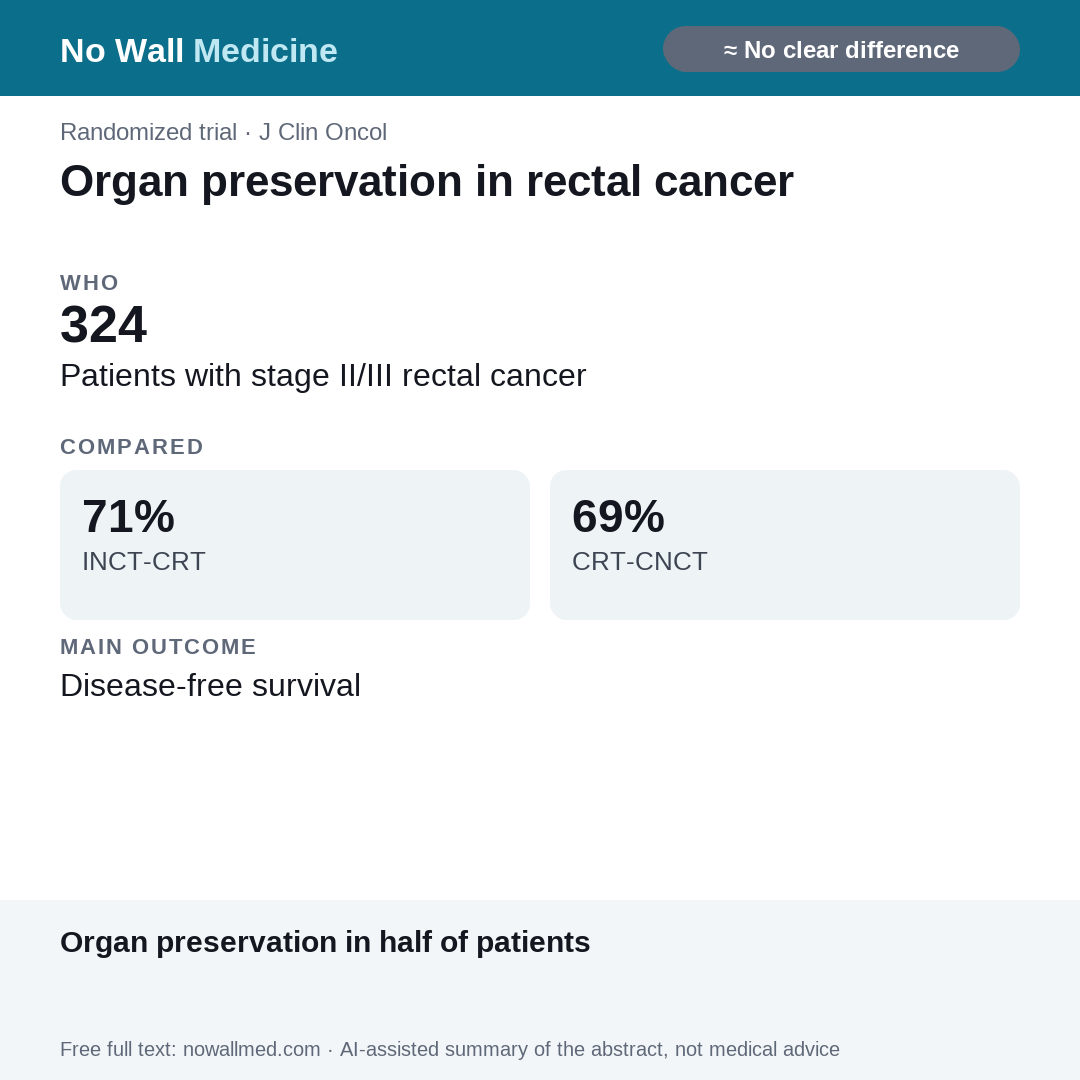
Long-Term Results of Organ Preservation in Patients With Rectal Adenocarcinoma Treated With Total Neoadjuvant Therapy: The Randomized Phase II OPRA Trial
Randomized trialNo clear difference
Organ preservation in rectal cancer
Who
324
Patients with stage II/III rectal cancer
Compared
71%INCT-CRT (95% CI, 64 to 79)
69%CRT-CNCT (95% CI, 62 to 77)
Main outcome
Disease-free survival
Bottom line: Organ preservation in half of patients
J Clin Oncol · 2023-10-26Download image
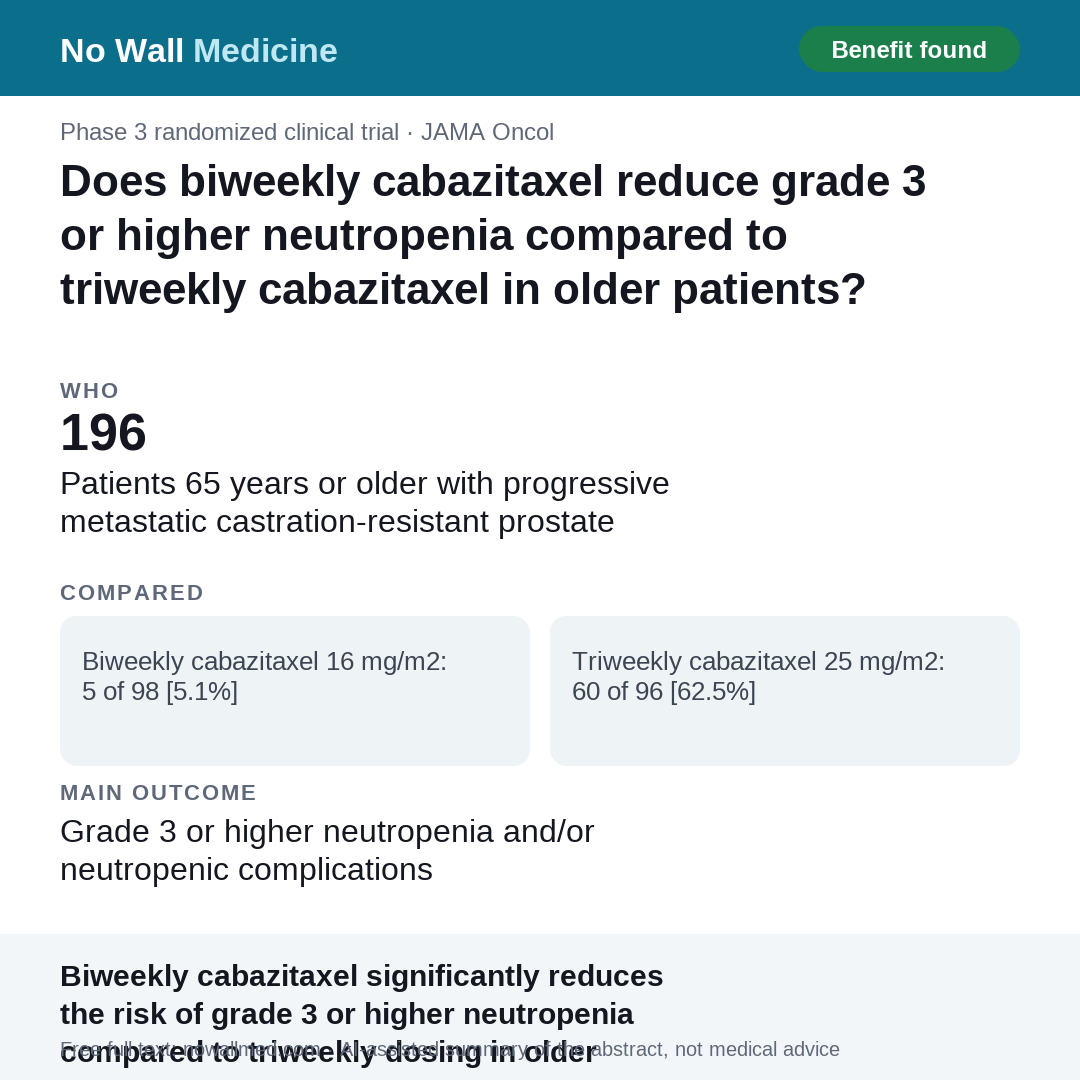
Biweekly vs Triweekly Cabazitaxel in Older Patients With Metastatic Castration-Resistant Prostate Cancer: The CABASTY Phase 3 Randomized Clinical Trial
Phase 3 randomized clinical trialBenefit found
Does biweekly cabazitaxel reduce grade 3 or higher neutropenia compared to triweekly cabazitaxel in older patients?
Who
196
Patients 65 years or older with progressive metastatic castration-resistant prostate cancer · France and Germany (25 centers)
Compared
Biweekly cabazitaxel 16 mg/m2: 5 of 98 [5.1%]
Triweekly cabazitaxel 25 mg/m2: 60 of 96 [62.5%]
Main outcome
Grade 3 or higher neutropenia and/or neutropenic complications
Result: odds ratio 0.03 (95% CI 0.01 to 0.08)
Bottom line: Biweekly cabazitaxel significantly reduces the risk of grade 3 or higher neutropenia compared to triweekly dosing in older patients.
JAMA Oncol · 2023-10-26Download image
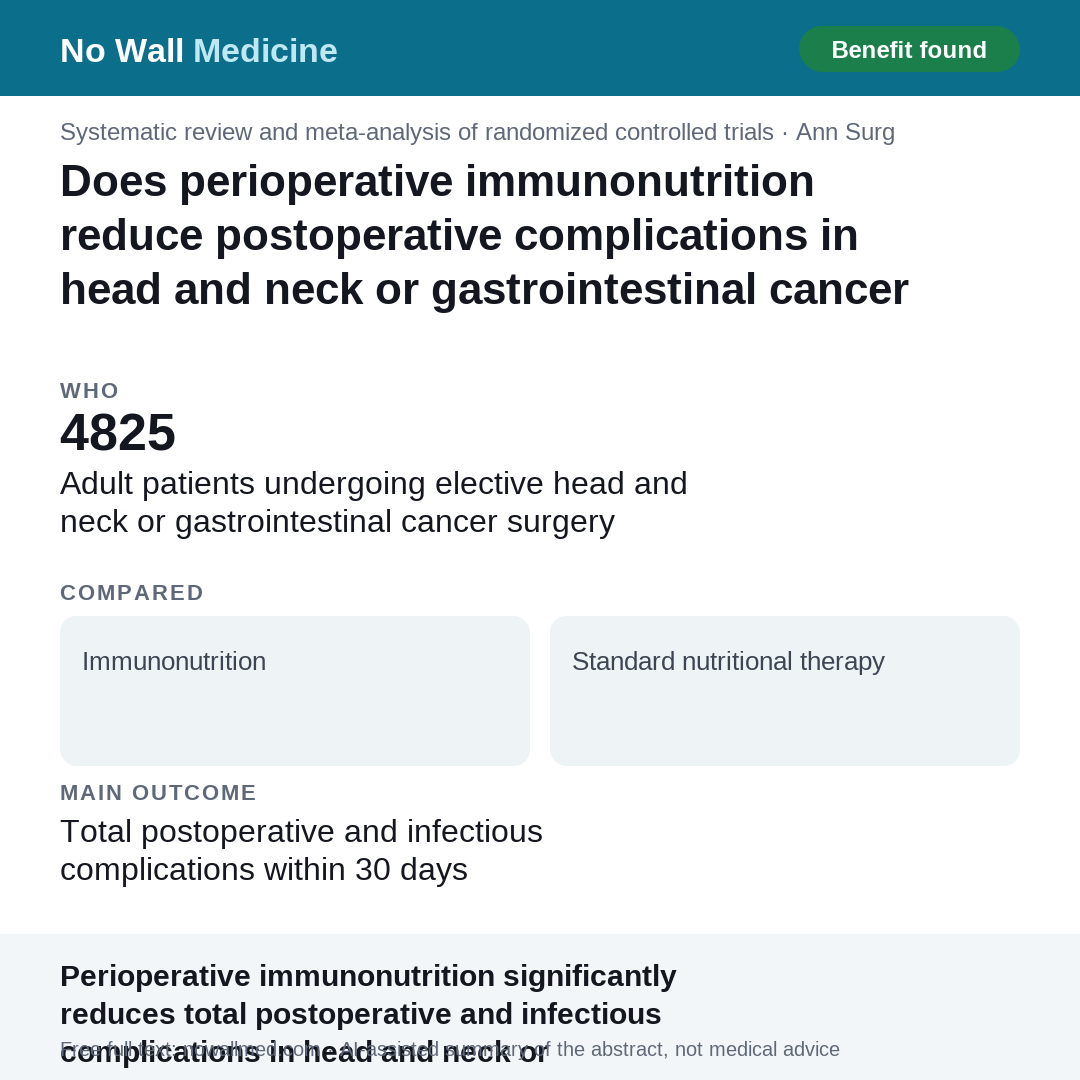
Impact of Perioperative Immunonutrition on Postoperative Outcomes for Patients Undergoing Head and Neck or Gastrointestinal Cancer Surgeries: A Systematic Review and Meta-analysis of Randomized Controlled Trials
Systematic review and meta-analysis of randomized controlled trialsBenefit found
Does perioperative immunonutrition reduce postoperative complications in head and neck or gastrointestinal cancer surgeries?
Who
4825
Adult patients undergoing elective head and neck or gastrointestinal cancer surgery
Compared
Immunonutrition
Standard nutritional therapy
Main outcome
Total postoperative and infectious complications within 30 days
Result: relative risk ratio 0.78 (95% CI, 0.66-0.93) for total postoperative complications
Bottom line: Perioperative immunonutrition significantly reduces total postoperative and infectious complications in head and neck or gastrointestinal cancer patients.
Ann Surg · 2023-10-26Download image
The association of medications and supplements with human male reproductive health: a systematic review
Systematic reviewUnclear result
Medications impact on male fertility
Who
reproductive-aged individuals
Compared
medications
reproductively favorable alternatives
Main outcome
male reproductive health
Bottom line: Some medications harm male fertility
Fertil Steril · 2023-10-26Download image
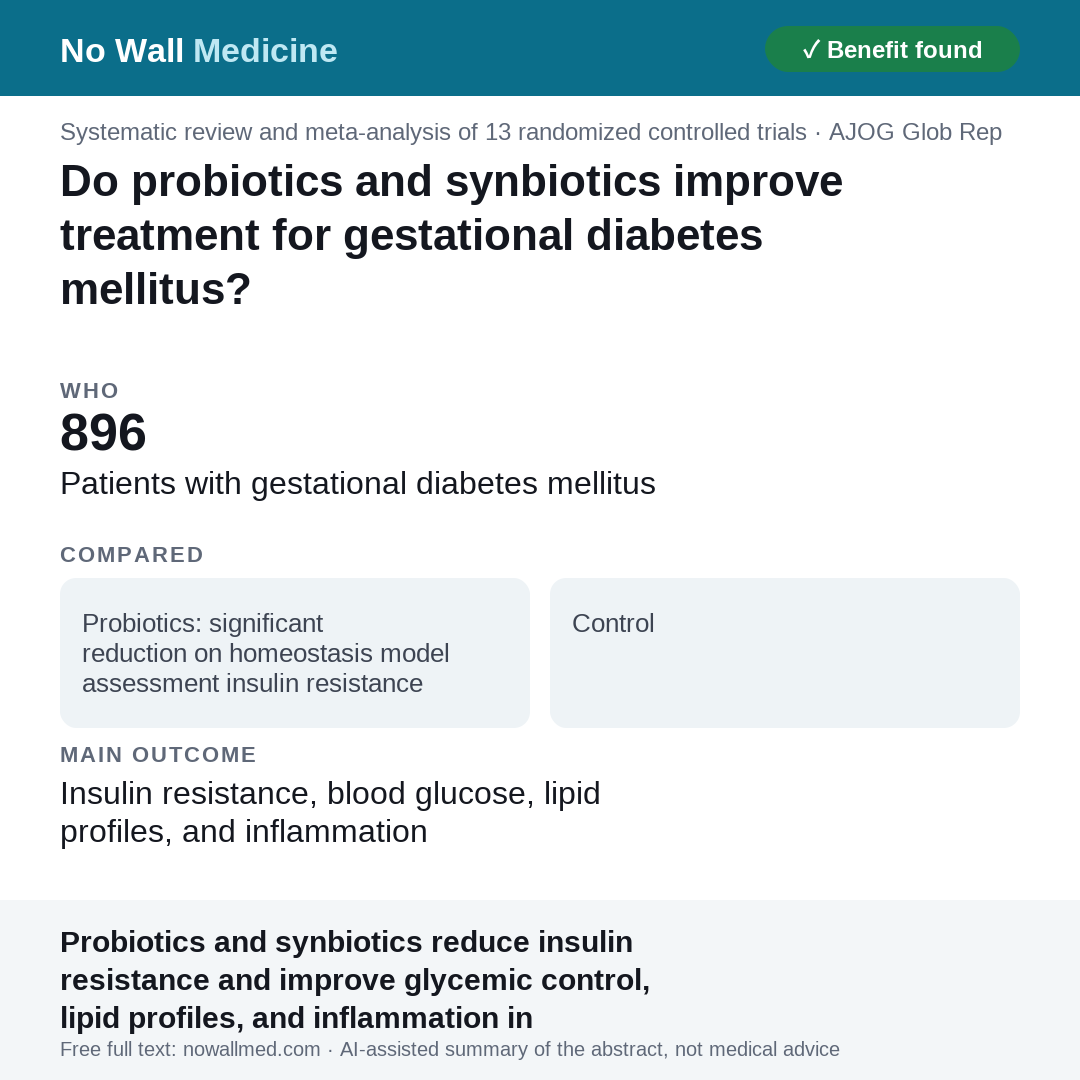
The role of probiotics and synbiotics on treatment of gestational diabetes: systematic review and meta-analysis
Systematic review and meta-analysis of 13 randomized controlled trialsBenefit found
Do probiotics and synbiotics improve treatment for gestational diabetes mellitus?
Who
896
Patients with gestational diabetes mellitus
Compared
Probiotics: significant reduction on homeostasis model assessment insulin resistance
Control
Main outcome
Insulin resistance, blood glucose, lipid profiles, and inflammation
Result: mean difference, -0.72 (95% confidence interval, -1.07 to -0.38)
Bottom line: Probiotics and synbiotics reduce insulin resistance and improve glycemic control, lipid profiles, and inflammation in gestational diabetes.
Limitation: Large-scale, well-designed randomized controlled trials with longer follow-up periods are required.
AJOG Glob Rep · 2023-10-26Download image
Neural correlates of aggression in personality disorders from the perspective of DSM-5 maladaptive traits: a systematic review
Systematic reviewUnclear result
What are the neural correlates of aggression in personality disorders via maladaptive traits?
Who
Patients with borderline personality disorder and antisocial personality disorder
Compared
Anger/hostility: alterations in the interplay between prefrontal and subcortical regions
Impulsivity: alterations of fronto-temporal-limbic regions and signaling systems
Risk taking: weaker cortico-striatal connectivity
Callousness: insufficient evidence
Main outcome
Neural correlates of aggression linked to maladaptive traits
Bottom line: Neuroimaging links specific traits to aggression, but there is a paucity of studies examining callousness.
Limitation: Relative paucity of neuroimaging studies examining maladaptive traits relevant to aggression.
Transl Psychiatry · 2023-10-26Download image

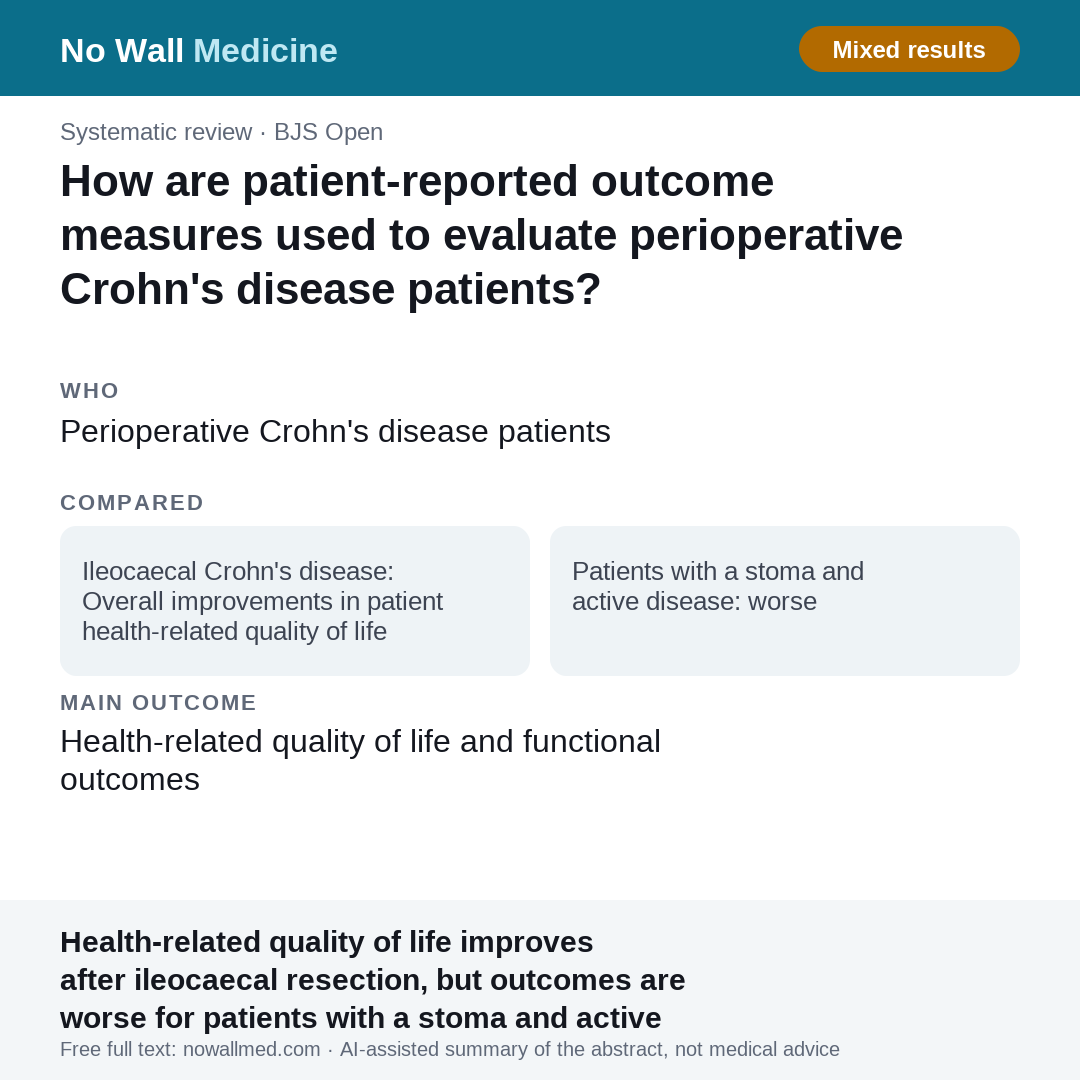
Patient-reported outcome measures and surgery for Crohn's disease: systematic review
Systematic reviewMixed results
How are patient-reported outcome measures used to evaluate perioperative Crohn's disease patients?
Who
Perioperative Crohn's disease patients
Compared
Ileocaecal Crohn's disease: Overall improvements in patient health-related quality of life
Patients with a stoma and active disease: worse
Main outcome
Health-related quality of life and functional outcomes
Bottom line: Health-related quality of life improves after ileocaecal resection, but outcomes are worse for patients with a stoma and active disease.
Limitation: Significant variations in how patient-reported outcome measures are used to evaluate outcomes.
BJS Open · 2023-10-26Download image
Creatively Adapting Touch-Based Practices to the Web Format During the COVID-19 Pandemic: Systematic Review
Systematic reviewBenefit found
Can touch-based practices adapt to web format?
Who
practitioners of touch-based fields
Compared
touch-based practices
web format adaptations
Main outcome
successful adaptation methods
Bottom line: Innovative methods help adapt touch-based practices online
J Med Internet Res · 2023-10-26Download image

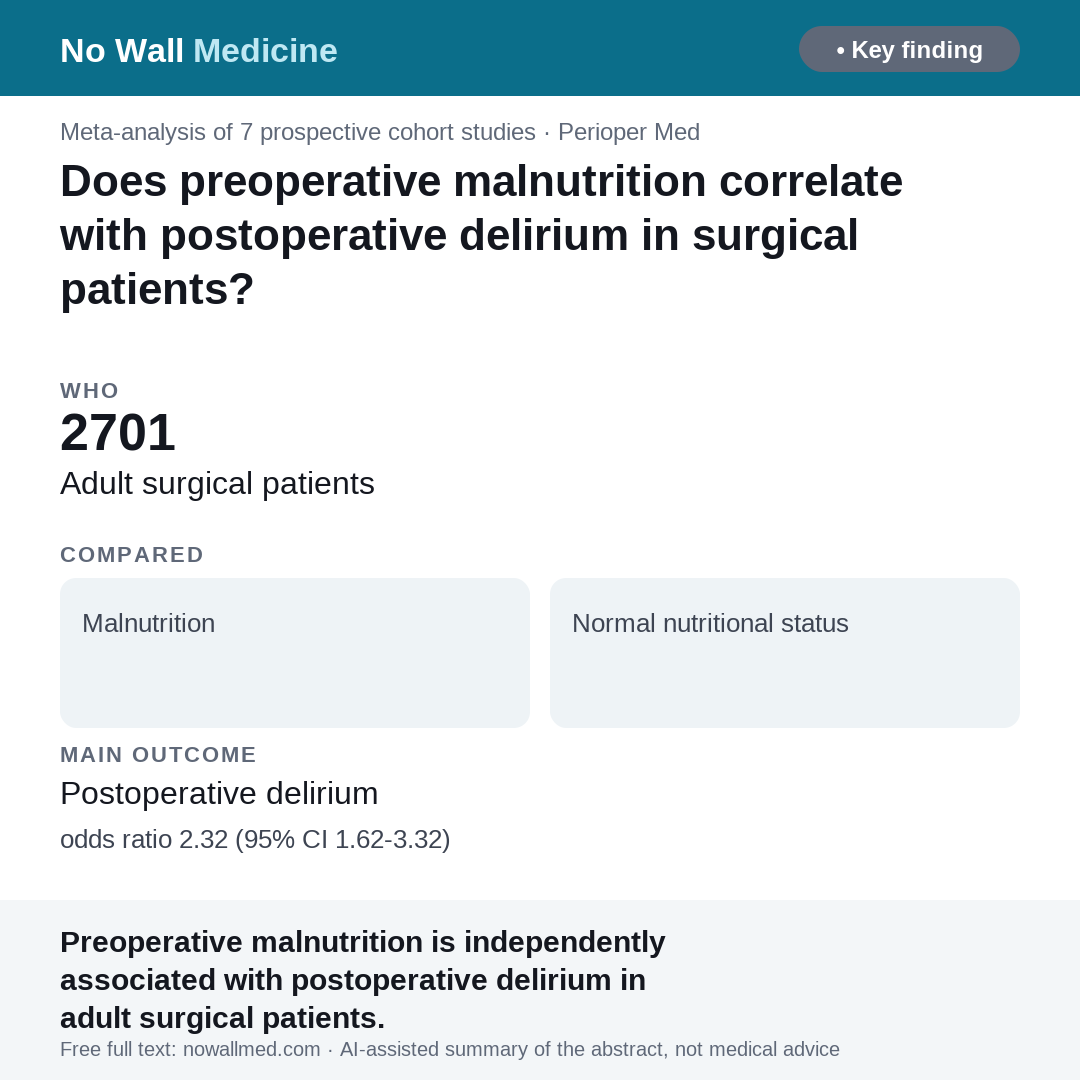
The impact of preoperative malnutrition on postoperative delirium: a systematic review and meta-analysis
Meta-analysis of 7 prospective cohort studiesKey finding
Does preoperative malnutrition correlate with postoperative delirium in surgical patients?
Who
2701
Adult surgical patients
Compared
Malnutrition
Normal nutritional status
Main outcome
Postoperative delirium
Result: odds ratio 2.32 (95% CI 1.62-3.32)
Bottom line: Preoperative malnutrition is independently associated with postoperative delirium in adult surgical patients.
Perioper Med · 2023-10-26Download image
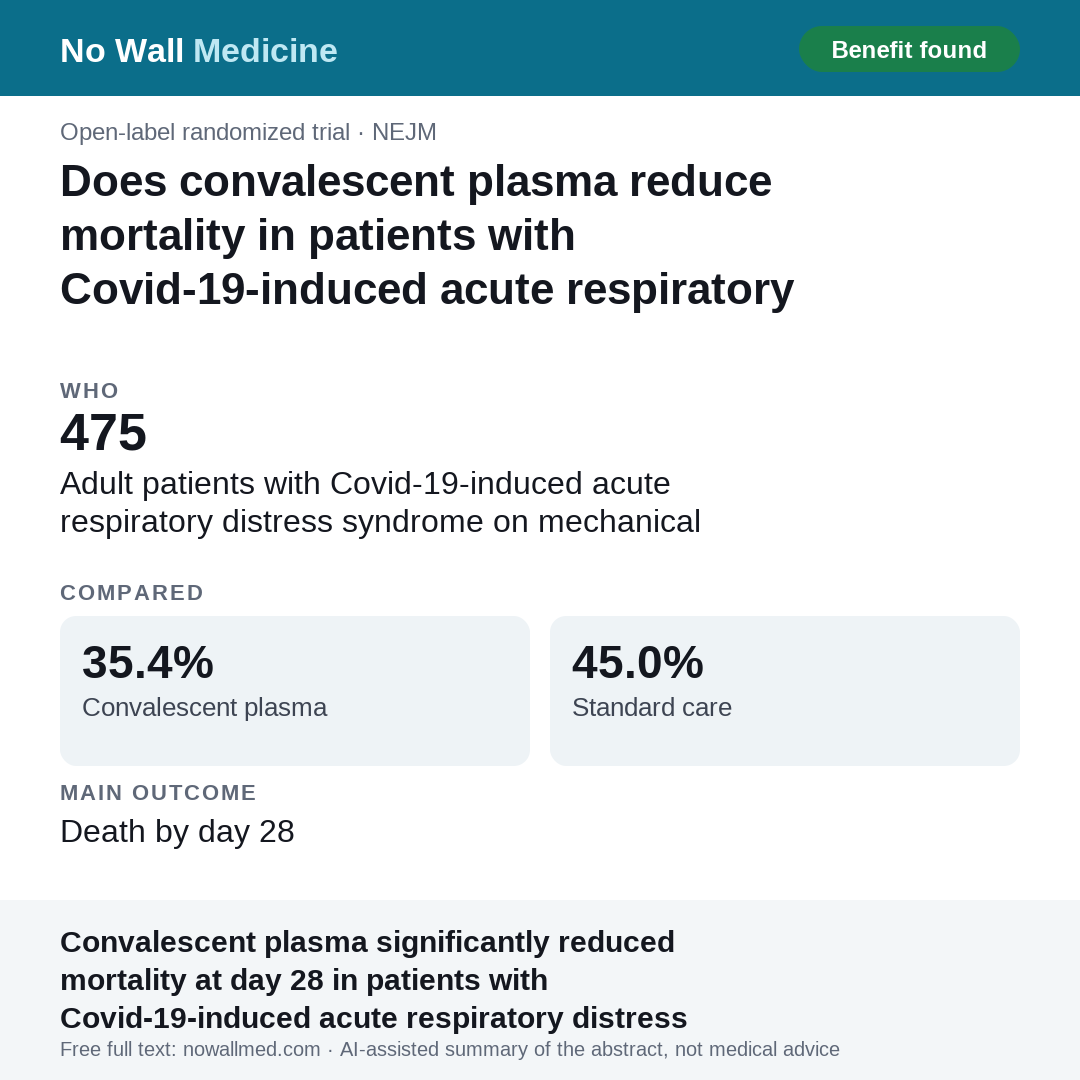
Convalescent Plasma for Covid-19-Induced ARDS in Mechanically Ventilated Patients
Open-label randomized trialBenefit found
Does convalescent plasma reduce mortality in patients with Covid-19-induced acute respiratory distress syndrome?
Who
475
Adult patients with Covid-19-induced acute respiratory distress syndrome on mechanical ventilation
Compared
35.4%Convalescent plasma
45.0%Standard care
Main outcome
Death by day 28
Bottom line: Convalescent plasma significantly reduced mortality at day 28 in patients with Covid-19-induced acute respiratory distress syndrome.
Funded by: Belgian Health Care Knowledge Center
NEJM · 2023-10-25Download image
Simvastatin in Critically Ill Patients with Covid-19
Randomized, controlled trialNo clear difference
Does simvastatin improve respiratory and cardiovascular organ support-free days in critically ill Covid-19 patients?
Who
2684
Critically ill patients with Covid-19 not receiving statins at baseline · International
Compared
11Simvastatin 80 mg daily (interquartile range, -1 to 17)
7Control (interquartile range, -1 to 16)
Main outcome
Respiratory and cardiovascular organ support-free days
Result: posterior median adjusted odds ratio 1.15 (95% credible interval, 0.98 to 1.34)
Bottom line: Simvastatin did not meet prespecified criteria for superiority in critically ill patients with Covid-19.
NEJM · 2023-10-25Download image