Visual abstracts
New randomized trials and meta-analyses from leading journals at a glance: who was studied, what was compared, and what was found. Every paper is free to read in full.
All specialtiesCardiology 4763Oncology 4043Gastroenterology & Hepatology 1903Infectious Disease 3756Neurology 1872Psychiatry & Mental Health 2216Pulmonology 2044Critical Care 1319Endocrinology & Diabetes 2544Pediatrics 2889Surgery 2480Orthopedics & Sports Medicine 917Neurosurgery 525Cardiothoracic & Vascular Surgery 656Plastic & Reconstructive Surgery 574Nephrology 1107Rheumatology 810Hematology 1090Dermatology 611Ophthalmology 532Obstetrics & Gynecology 1645Public & Global Health 1037Radiology & Imaging 619Anesthesiology 958Urology 745ENT (Otolaryngology) 494Emergency Medicine 481Allergy & Immunology 309Geriatrics 972Family Medicine & Primary Care 534Medical Genetics & Genomics 659Pathology & Laboratory Medicine 156Physical Medicine & Rehabilitation 734Palliative Care 421Nutrition 1560Digital Health & AI 2137General Medicine 318
The role of the skin microbiome in inherited ichthyoses: A systematic review
Systematic reviewMixed results
What is the skin microbiome profile and role of dysbiosis in inherited ichthyoses?
Who
Patients with non-syndromic and syndromic ichthyosis genotypes
Compared
Inherited ichthyoses: significant dysbiosis with altered alpha and beta diversity
Commensal microbes: significantly reduced
Main outcome
Skin microbiome profile and significance of dysbiosis
Bottom line: Inherited ichthyoses show distinct microbiome profiles with increased pathogens and reduced commensal microbes linked to disease severity.
Limitation: The heterogeneity of studies is a limitation.
JAAD Int · 2025-07-11 · Save PNG

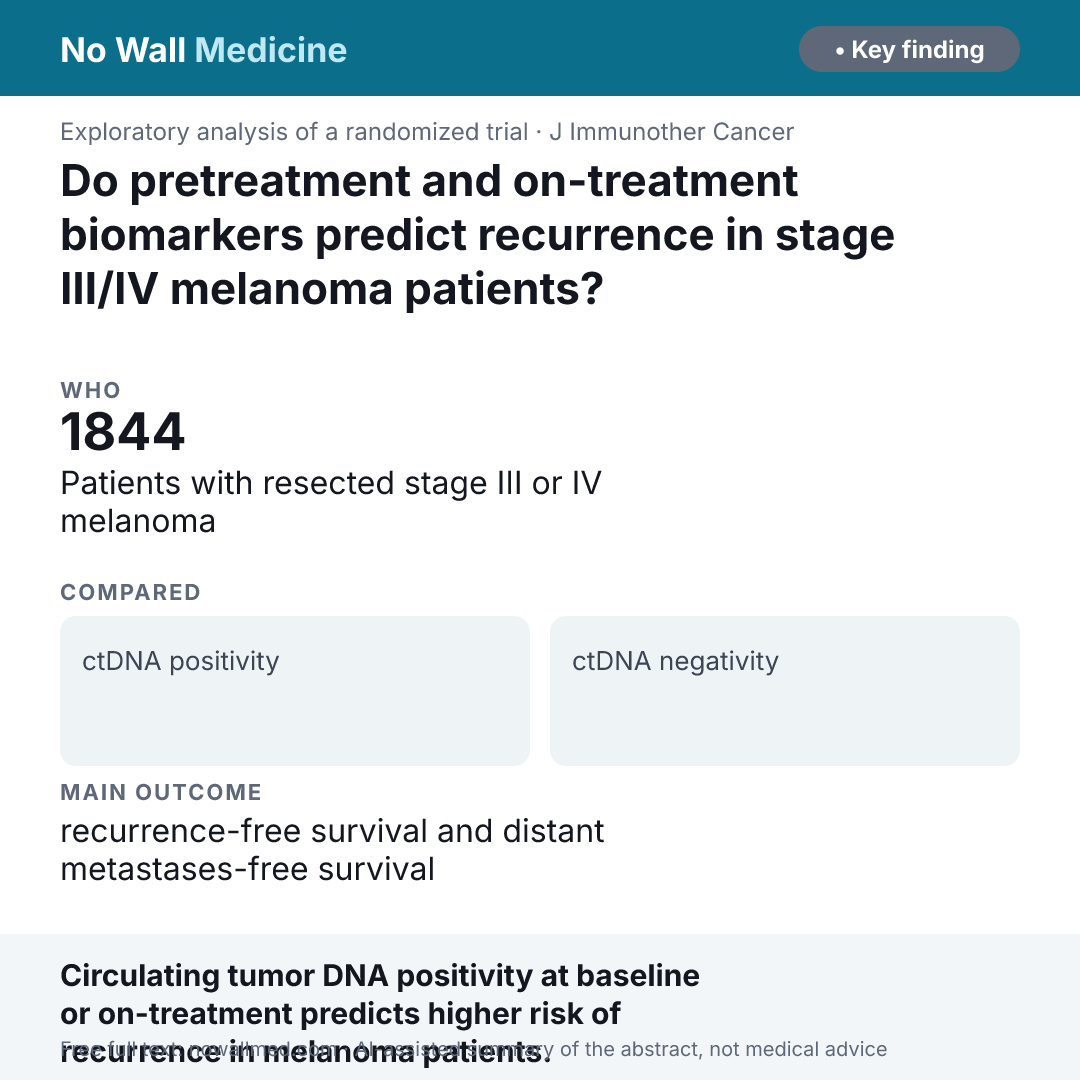
Pretreatment and on-treatment ctDNA and tissue biomarkers predict recurrence in patients with stage IIIB-D/IV melanoma treated with adjuvant immunotherapy: CheckMate 915
Exploratory analysis of a randomized trialKey finding
Do pretreatment and on-treatment biomarkers predict recurrence in stage III/IV melanoma patients?
Who
1844
Patients with resected stage III or IV melanoma
Compared
ctDNA positivity
ctDNA negativity
Main outcome
recurrence-free survival and distant metastases-free survival
Result: hazard ratio 1.97 (95% CI 1.57 to 2.46)
Bottom line: Circulating tumor DNA positivity at baseline or on-treatment predicts higher risk of recurrence in melanoma patients.
J Immunother Cancer · 2025-07-11 · Save PNG
Effects of dapagliflozin on urinary output, fluid balance, and biochemistry in critically ill patients: a post-hoc secondary analysis of the DEFENDER trial
Post-hoc secondary analysis of a randomized trialMixed results
Does dapagliflozin affect urinary output, fluid balance, and biochemistry in critically ill patients?
Who
401
Critically ill patients with acute organ dysfunction
Compared
Dapagliflozin 10 mg daily: day 5 urinary output: +157 mL/day
Standard care
Main outcome
Urinary output, fluid balance, and biochemistry over five days
Bottom line: Dapagliflozin may increase urinary output and reduce fluid balance but could increase vasopressor requirements in critically ill patients.
Limitation: This is an exploratory, post-hoc secondary analysis with heterogeneous treatment effects.
Crit Care · 2025-07-11 · Save PNG

Comparative renal effects of angiotensin receptor neprilysin inhibitors and ACEi/ARB: a systematic review and meta-analysis
Systematic review and meta-analysisBenefit found
Do angiotensin receptor neprilysin inhibitors have different renal effects compared to ACEi or ARB?
Who
Patients with cardiovascular disease or chronic kidney disease
Compared
Angiotensin receptor neprilysin inhibitors
Renin-angiotensin system inhibitors
Main outcome
Renal impairment, eGFR decline, end-stage renal disease, and worsening renal function
Result: 37% reduction in the odds of ≥50% decline in eGFR or ESRD
Bottom line: Angiotensin receptor neprilysin inhibitors showed reduced risk of renal impairment and major eGFR decline compared to renin-angiotensin system inhibitors.
Limitation: Further randomized controlled trials are needed to understand renal effects better.
Clin Kidney J · 2025-07-11 · Save PNG

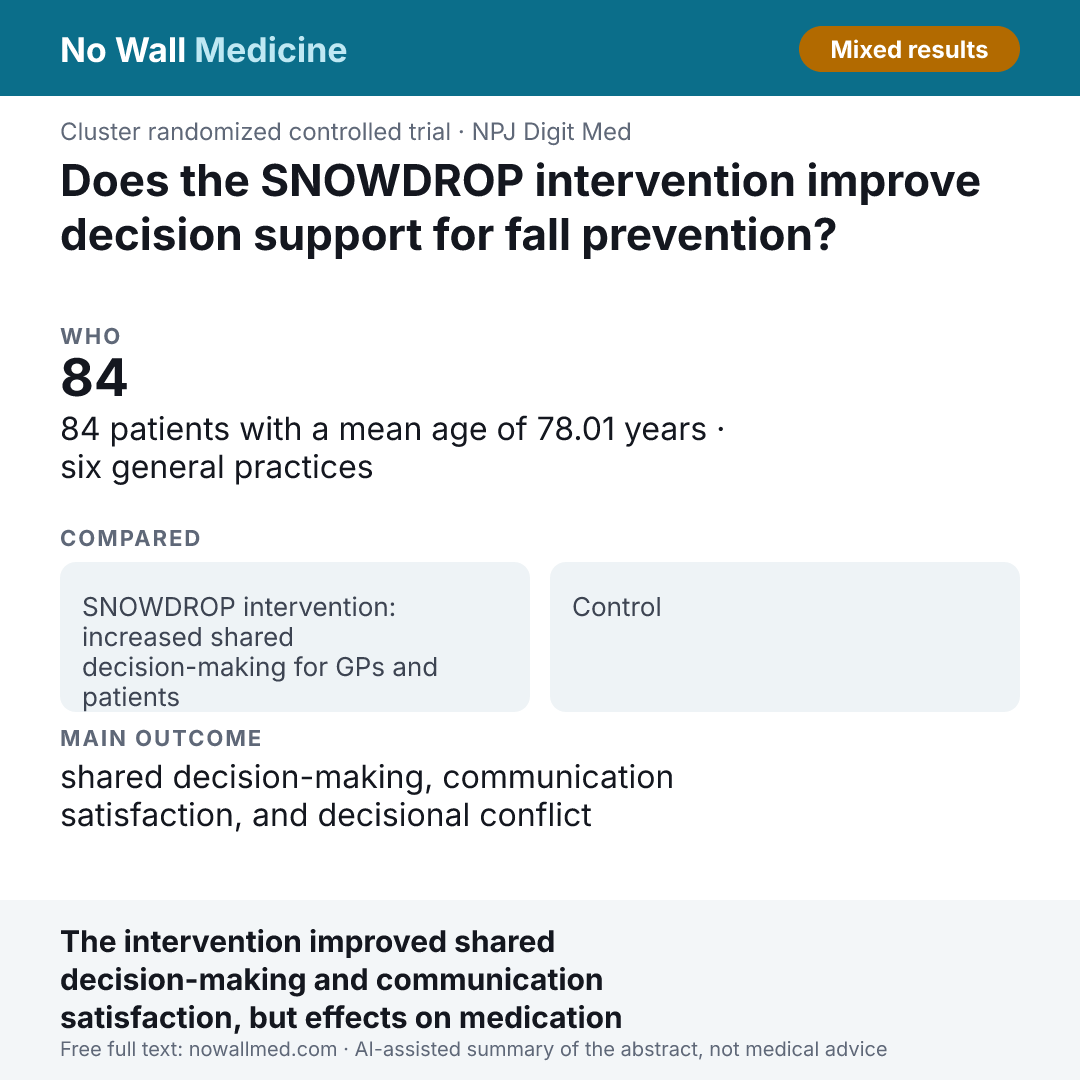
A randomized controlled trial to evaluate innovative decision support in the context of fall prevention
Cluster randomized controlled trialMixed results
Does the SNOWDROP intervention improve decision support for fall prevention?
Who
84
84 patients with a mean age of 78.01 years · six general practices
Compared
SNOWDROP intervention: increased shared decision-making for GPs and patients
Control
Main outcome
shared decision-making, communication satisfaction, and decisional conflict
Bottom line: The intervention improved shared decision-making and communication satisfaction, but effects on medication changes were inconclusive.
NPJ Digit Med · 2025-07-11 · Save PNG
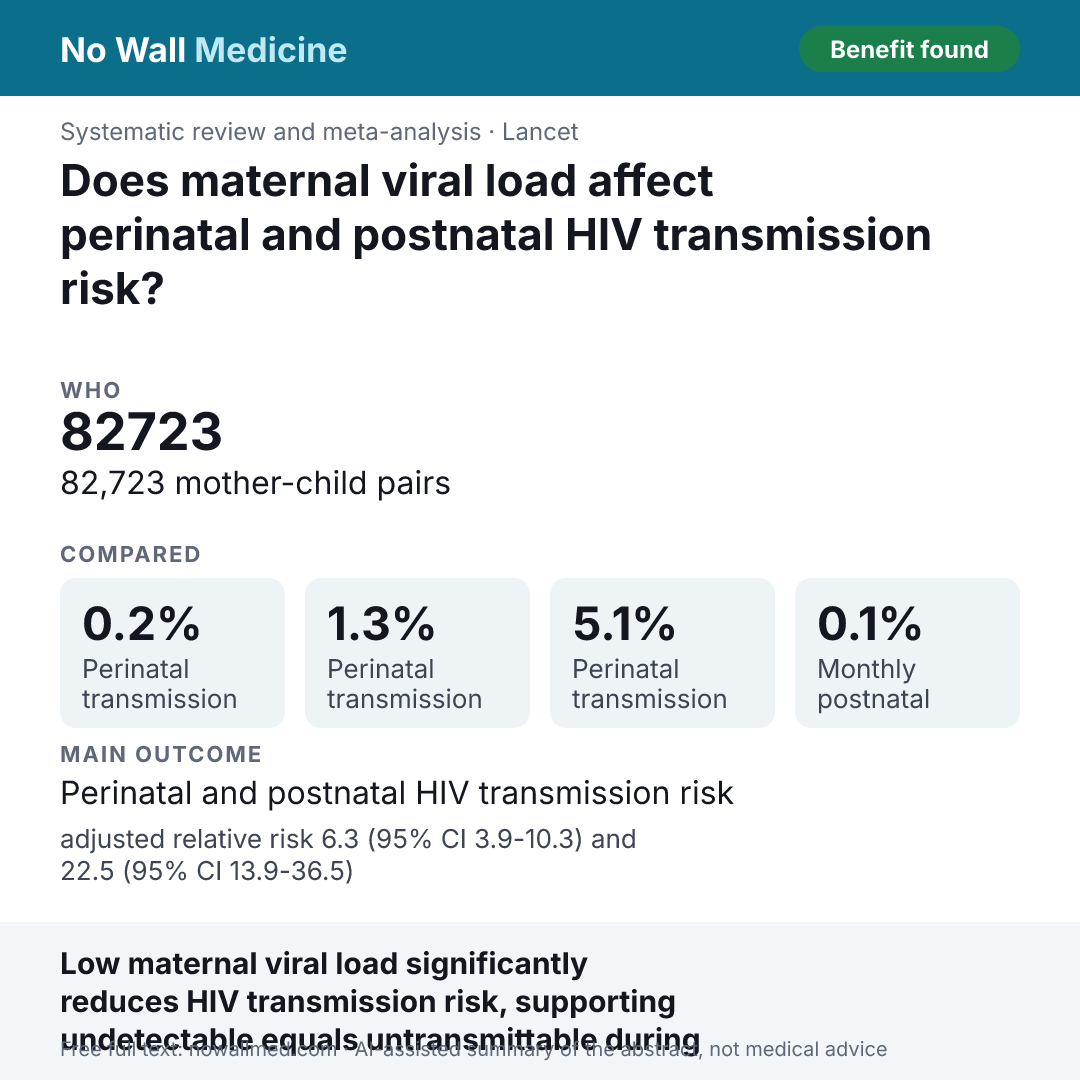
Estimating the effect of maternal viral load on perinatal and postnatal HIV transmission: a systematic review and meta-analysis
Systematic review and meta-analysisBenefit found
Does maternal viral load affect perinatal and postnatal HIV transmission risk?
Who
82723
82,723 mother-child pairs
Compared
0.2%Perinatal transmission <50 copies per mL (95% CI 0.2-0.3)
1.3%Perinatal transmission 50-999 copies per mL (1.0-1.7)
5.1%Perinatal transmission ≥1000 copies per mL (2.6-7.9)
0.1%Monthly postnatal transmission <50 copies per mL (0.0-0.4)
Main outcome
Perinatal and postnatal HIV transmission risk
Result: adjusted relative risk 6.3 (95% CI 3.9-10.3) and 22.5 (95% CI 13.9-36.5)
Bottom line: Low maternal viral load significantly reduces HIV transmission risk, supporting undetectable equals untransmittable during pregnancy and birth.
Funded by: National Institutes of Health, WHO, and Massachusetts General Hospital
Lancet · 2025-07-10 · Save PNG
Targeting the angiopoietin-like protein 3/8 complex with a monoclonal antibody in patients with mixed hyperlipidemia: a phase 1 trial
Randomized trialBenefit found
Is LY3475766 safe and effective
Who
48
Adults with mixed hyperlipidemia
Compared
LY3475766
Placebo
Main outcome
Lipoprotein levels
Bottom line: LY3475766 reduces bad lipids and increases good
Limitation: Effects on cardiovascular risk unknown
Nat Med · 2025-07-10 · Save PNG

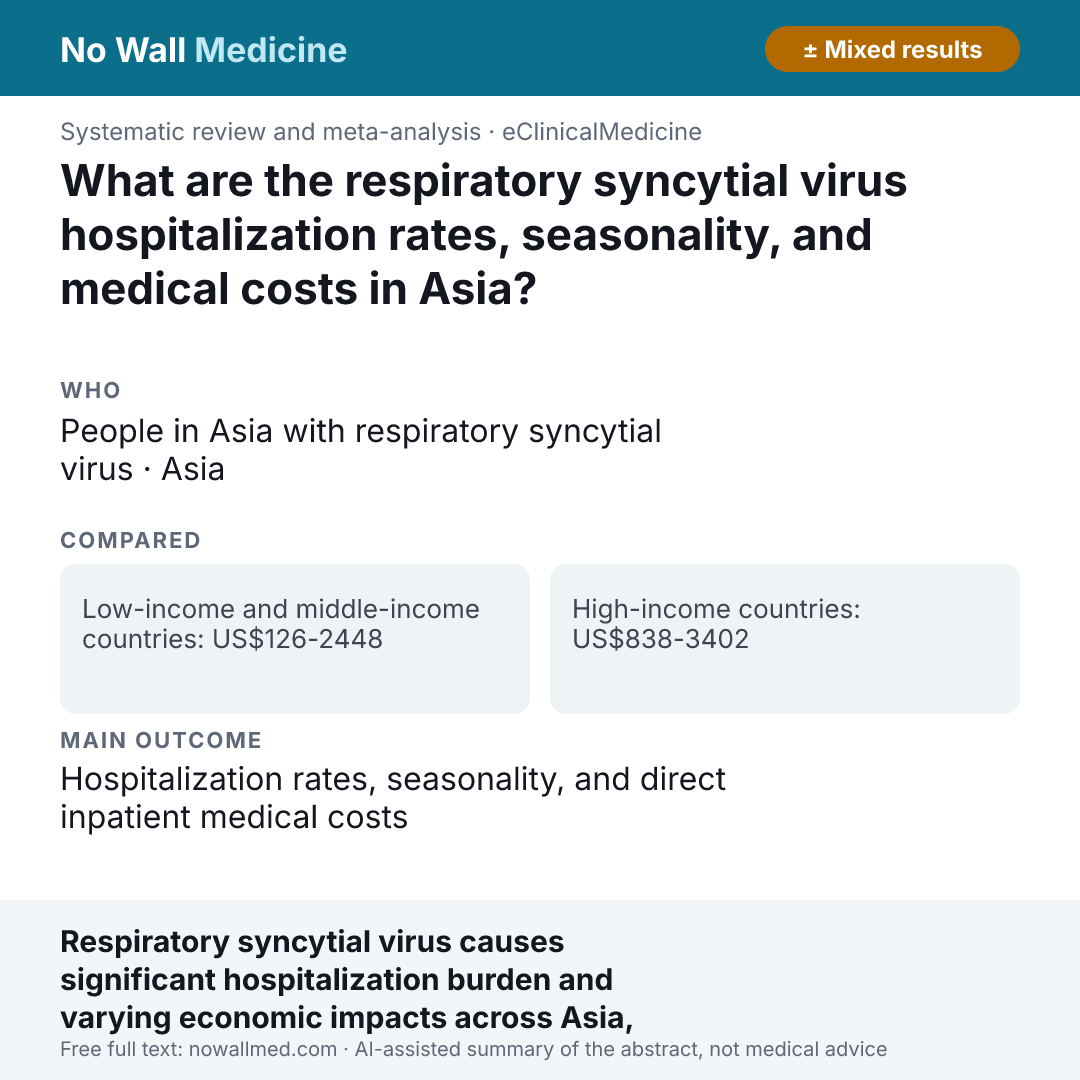
Respiratory syncytial virus hospitalization costs, rates, and seasonality in Asia: a systematic review and meta-analysis
Systematic review and meta-analysisMixed results
What are the respiratory syncytial virus hospitalization rates, seasonality, and medical costs in Asia?
Who
People in Asia with respiratory syncytial virus · Asia
Compared
Low-income and middle-income countries: US$126-2448
High-income countries: US$838-3402
Main outcome
Hospitalization rates, seasonality, and direct inpatient medical costs
Bottom line: Respiratory syncytial virus causes significant hospitalization burden and varying economic impacts across Asia, especially among young children.
Limitation: High heterogeneity in cost estimates suggests variability in healthcare access and economic conditions.
Funded by: Lee Kong Chian School of Medicine-Ministry of Education and National Centre for Infectious Diseases
eClinicalMedicine · 2025-07-10 · Save PNG
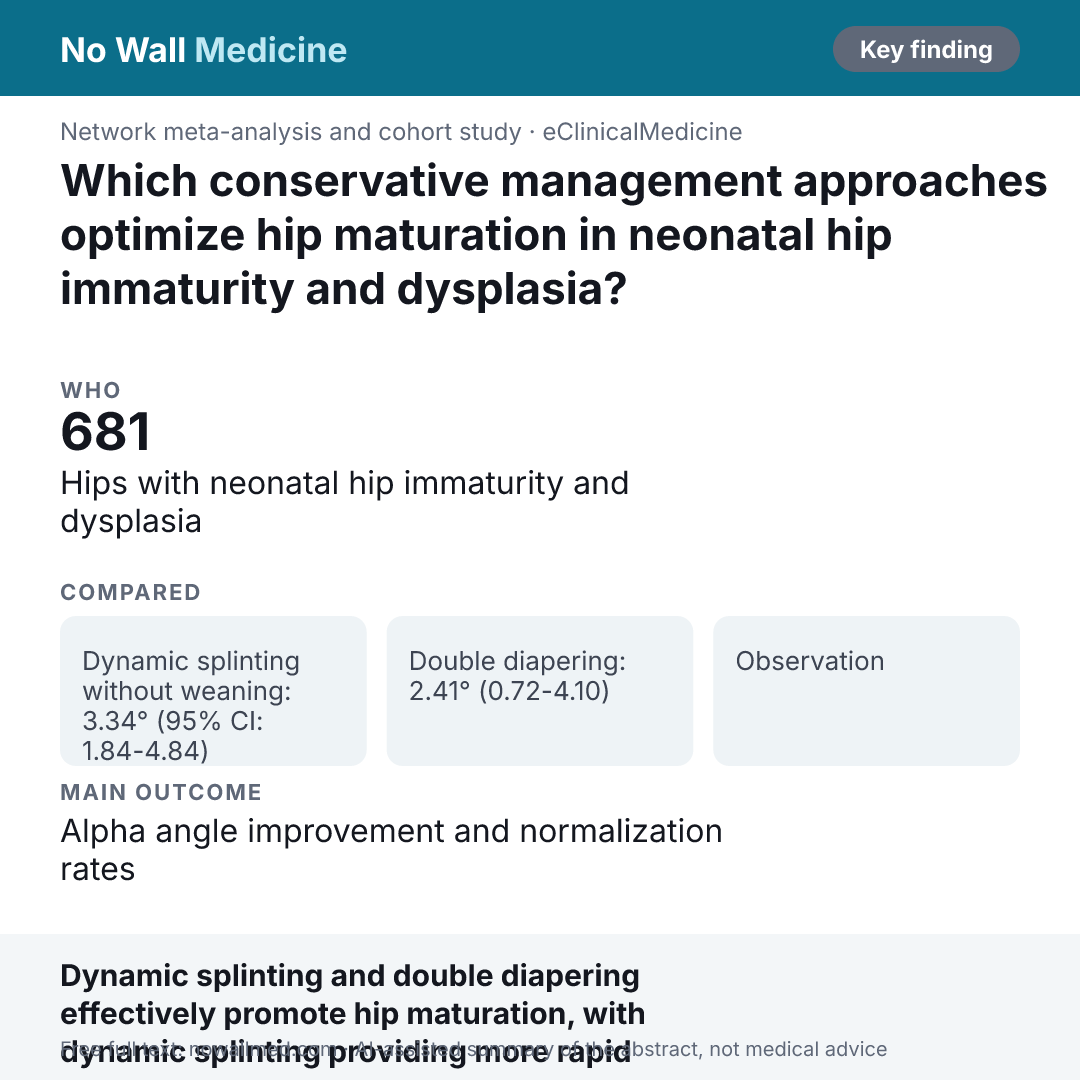
Optimizing early hip maturation strategies in neonatal hip immaturity and dysplasia: a cohort study and network meta-analysis
Network meta-analysis and cohort studyKey finding
Which conservative management approaches optimize hip maturation in neonatal hip immaturity and dysplasia?
Who
681
Hips with neonatal hip immaturity and dysplasia
Compared
Dynamic splinting without weaning: 3.34° (95% CI: 1.84-4.84)
Double diapering: 2.41° (0.72-4.10)
Observation
Main outcome
Alpha angle improvement and normalization rates
Result: weighted mean difference 3.34° (95% CI: 1.84-4.84)
Bottom line: Dynamic splinting and double diapering effectively promote hip maturation, with dynamic splinting providing more rapid improvements.
Funded by: National Science and Technology Council and National Cheng Kung University Hospital
eClinicalMedicine · 2025-07-10 · Save PNG
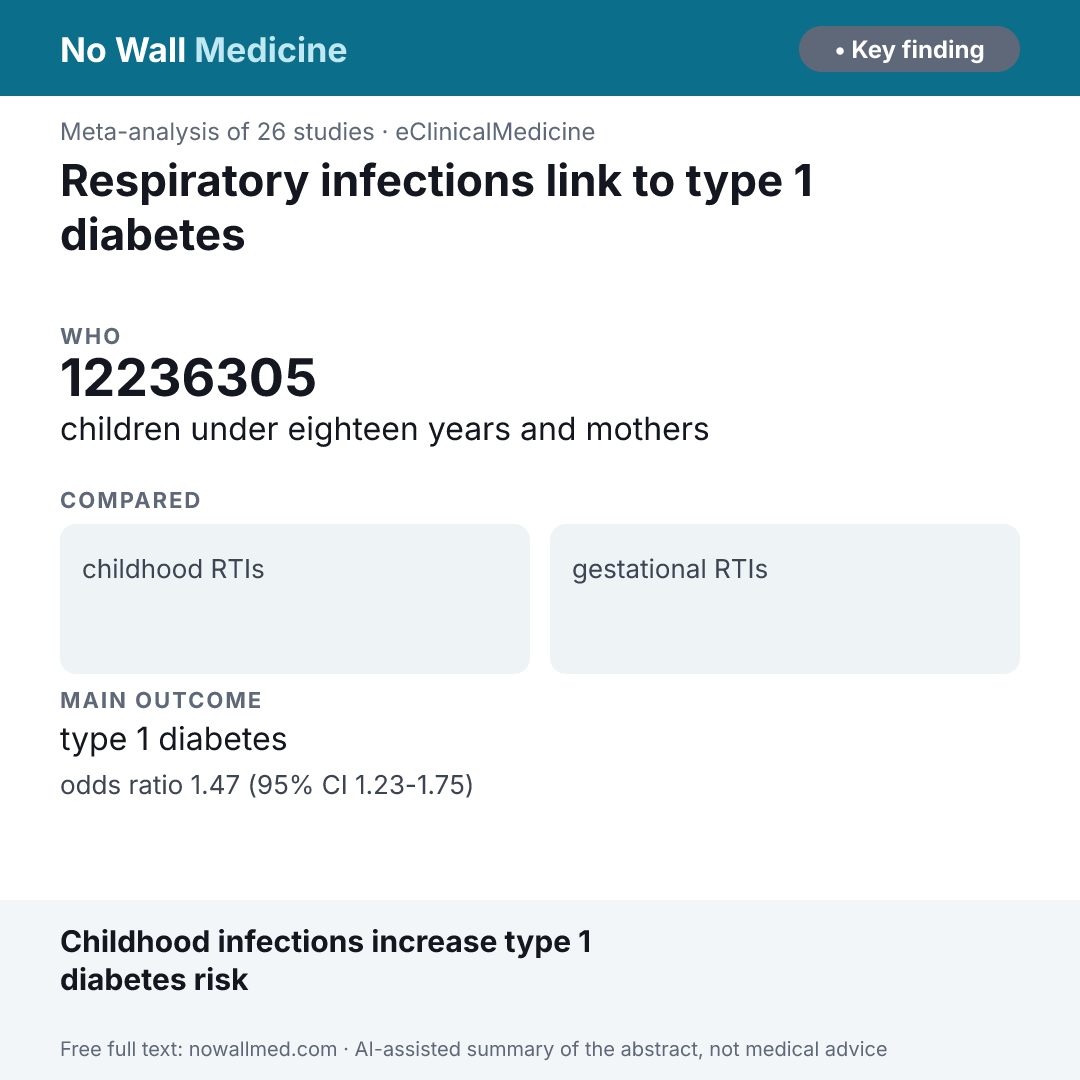
Respiratory infections in pregnancy and early life-association with the development of islet autoimmunity and type 1 diabetes in children: systematic review and meta-analysis of observational studies
Meta-analysis of 26 studiesKey finding
Respiratory infections link to type 1 diabetes
Who
12236305
children under eighteen years and mothers
Compared
childhood RTIs
gestational RTIs
Main outcome
type 1 diabetes
Result: odds ratio 1.47 (95% CI 1.23-1.75)
Bottom line: Childhood infections increase type 1 diabetes risk
Funded by: JDRF, NHMRC
eClinicalMedicine · 2025-07-10 · Save PNG
Global outbreaks of respiratory syncytial virus infections from 1960 to 2025: a systematic review and meta-analysis
Systematic review and meta-analysisBenefit found
What are the prevalence, outbreak size, attack rate, and case fatality rate of RSV outbreaks?
Who
2282
Laboratory-confirmed respiratory syncytial virus outbreaks in all age groups · 25 countries
Compared
12.29%1990s (95% CI: 2.51-25.95)
1.24%2010-2025 (95% CI: 0.01-3.73)
Main outcome
case fatality rate
Result: 1.24% (95% CI: 0.01-3.73) in 2010-2025
Bottom line: Respiratory syncytial virus outbreaks show a decreasing case fatality rate over time, though risks remain high in specific subgroups.
Funded by: Zhejiang Provincial Program and Zhejiang Provincial Disease Control and Prevention Administration
eClinicalMedicine · 2025-07-10 · Save PNG

Fertility in patients with advanced-stage classic Hodgkin lymphoma treated with BrECADD versus eBEACOPP: a secondary analysis of the multicentre, randomised, parallel, open-label, phase 3 HD21 trial
Randomized, parallel, open-label, phase 3 trialKey finding
How do BrECADD and eBEACOPP compare regarding fertility outcomes in advanced classic Hodgkin lymphoma?
Who
1183
Patients with advanced-stage classic Hodgkin lymphoma · 233 trial sites in nine countries
Compared
BrECADD: 95.3% (95% CI 92.0-98.8) 4-year gonadal function recovery in women
eBEACOPP: 73.3% (66.9-80.4) 4-year gonadal function recovery in women
Main outcome
Gonadal function recovery and fertility outcomes
Result: HR 1.69 (95% CI 1.34-2.14) in women; HR 3.28 (2.51-4.30) in men
Bottom line: BrECADD resulted in significantly better gonadal function recovery and higher parenthood rates in men compared to eBEACOPP.
Funded by: Takeda Oncology
Lancet Oncol · 2025-07-10 · Save PNG

Adjuvant Chemoradiation and Immunotherapy for Extrahepatic Cholangiocarcinoma and Gallbladder Cancer: A Randomized Clinical Trial
Randomized clinical trialBenefit found
Is adjuvant immunotherapy with chemoradiotherapy effective for extrahepatic cholangiocarcinoma and gallbladder cancer?
Who
93
Patients with extrahepatic cholangiocarcinoma and gallbladder cancer after curative resection
Compared
95.7%Camrelizumab plus capecitabine and radiotherapy (1-year OS)
80.9%Observation (1-year OS)
Main outcome
Overall survival
Result: hazard ratio 0.43 (95% CI 0.24-0.79)
Bottom line: Camrelizumab plus concurrent capecitabine and radiotherapy improved overall survival in patients with resectable extrahepatic cholangiocarcinoma and gallbladder cancer.
Limitation: Efficacy warrants further study with active treatment as the control group.
JAMA Oncol · 2025-07-10 · Save PNG

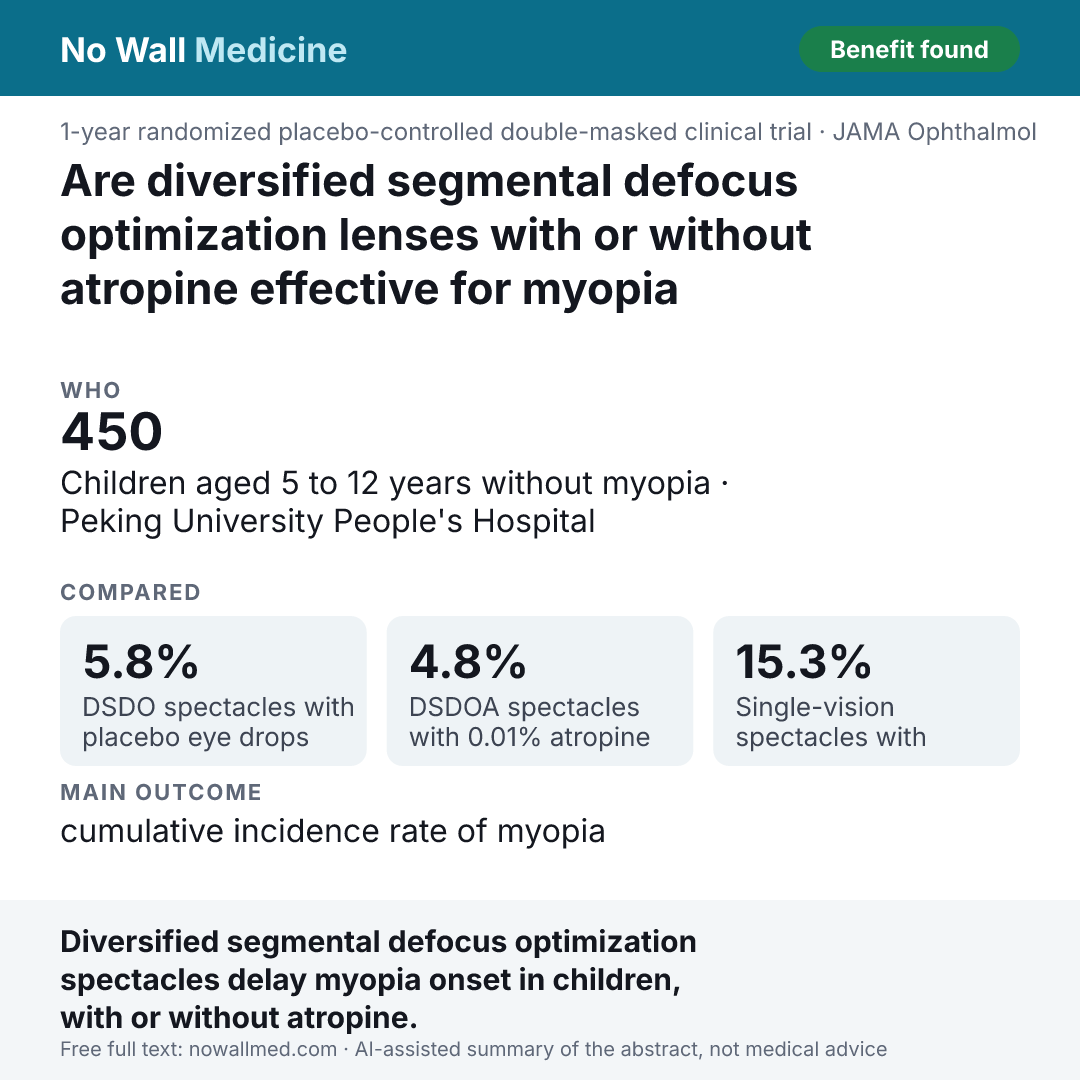
Diversified Segmental Defocus Optimization Lenses With and Without Atropine for Myopia Prevention: A Randomized Clinical Trial
1-year randomized placebo-controlled double-masked clinical trialBenefit found
Are diversified segmental defocus optimization lenses with or without atropine effective for myopia prevention?
Who
450
Children aged 5 to 12 years without myopia · Peking University People's Hospital
Compared
5.8%DSDO spectacles with placebo eye drops (7/121)
4.8%DSDOA spectacles with 0.01% atropine eye drops (6/125)
15.3%Single-vision spectacles with placebo eye drops (19/124)
Main outcome
cumulative incidence rate of myopia
Result: DSDO: difference, 9.5%; 95% CI, 1.9-17.5; DSDOA: difference, 10.5%; 95% CI, 3.3-18.4
Bottom line: Diversified segmental defocus optimization spectacles delay myopia onset in children, with or without atropine.
JAMA Ophthalmol · 2025-07-10 · Save PNG
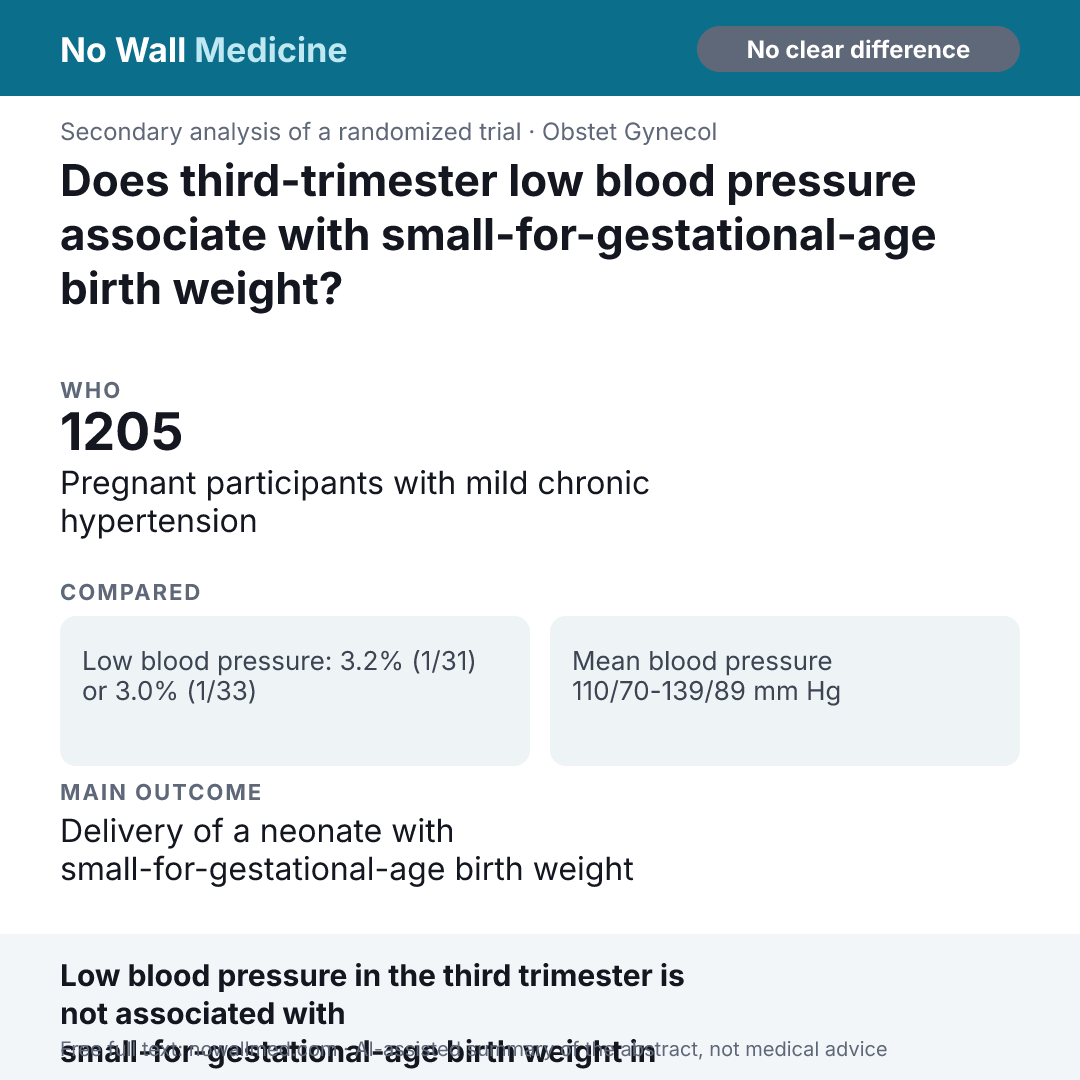
Relationship Between Third-Trimester Low Maternal Blood Pressure and Small-for-Gestational-Age Birth Weight in Pregnant Individuals With Mild Chronic Hypertension
Secondary analysis of a randomized trialNo clear difference
Does third-trimester low blood pressure associate with small-for-gestational-age birth weight?
Who
1205
Pregnant participants with mild chronic hypertension
Compared
Low blood pressure: 3.2% (1/31) or 3.0% (1/33)
Mean blood pressure 110/70-139/89 mm Hg
Main outcome
Delivery of a neonate with small-for-gestational-age birth weight
Result: adjusted odds ratio 0.46 (95% CI 0.06-3.58) or 0.53 (95% CI 0.07-4.01)
Bottom line: Low blood pressure in the third trimester is not associated with small-for-gestational-age birth weight in patients with mild chronic hypertension.
Obstet Gynecol · 2025-07-10 · Save PNG
Evaluating the impact of the second-stage and pushing duration on maternal and neonatal outcomes: a systematic review and meta-analysis
Systematic review and meta-analysisHarm found
Does second stage and pushing duration affect maternal and neonatal outcomes?
Who
Nulliparous and multiparous individuals in labor
Compared
Second stage or pushing duration ≥60 minutes
Second stage or pushing duration <60 minutes
Main outcome
Cesarean delivery, maternal and neonatal morbidity
Bottom line: Prolonged second stage and pushing duration increase risks of maternal and neonatal morbidity, especially in nulliparous individuals.
Limitation: Pooled estimates rely on a small, clinically heterogeneous subset of studies.
AJOG · 2025-07-10 · Save PNG

Primary cardioprotective effect of sacubitril/valsartan in breast cancer patients receiving adjuvant therapy
Randomized trialBenefit found
Does sacubitril/valsartan prevent cancer therapy-related cardiac dysfunction in early breast cancer patients?
Who
100
Newly diagnosed treatment-naïve patients with early breast cancer
Compared
0sacubitril/valsartan
26.3%standard care (21/80)
Main outcome
development of cancer therapy-related cardiac dysfunction
Bottom line: Low-dose sacubitril/valsartan may prevent cancer therapy-related cardiac dysfunction in early breast cancer patients undergoing adjuvant therapy.
Eur J Heart Fail · 2025-07-10 · Save PNG

Meta-Analysis: Intravenous Versus Subcutaneous Infliximab in Inflammatory Bowel Disease
Systematic review and network meta-analysisBenefit found
Is subcutaneous infliximab more effective than intravenous infliximab in inflammatory bowel disease?
Who
2519
Patients with Crohn's disease and ulcerative colitis
Compared
Subcutaneous infliximab: Ranked first in all comparisons
Intravenous infliximab
Main outcome
Clinical response, clinical remission, and endoscopic remission
Bottom line: Subcutaneous infliximab may offer clinical benefit over intravenous formulation for clinical response and remission in inflammatory bowel disease.
Limitation: Further head-to-head trials are needed to confirm the relative efficacy between these formulations.
Aliment Pharmacol Ther · 2025-07-10 · Save PNG

The efficacy of adjunctive Garcinia mangostana Linn. (mangosteen) pericarp extract for bipolar depression: 24-week randomised controlled trial
Randomised, multisite, double-blind, placebo-controlled trialMixed results
Does adjunctive mangosteen pericarp extract improve bipolar depression symptoms?
Who
152
Adults with bipolar I or II and moderate depressive symptoms · Multisite
Compared
Mangosteen
Placebo control
Main outcome
Depression symptom reduction
Bottom line: Mangosteen showed limited efficacy in mood and functional symptoms but not manic symptoms or quality of life.
Limitation: Differences were attenuated at week 28 post-discontinuation assessment.
Br J Psychiatry · 2025-07-10 · Save PNG

Axial Growth and Meridian Modulation of Cornea Power in Children Wearing Orthokeratology Lenses of Different Back Optic Zone Diameters
Randomized, double-blinded, controlled clinical trialBenefit found
How do different back optic zone diameters affect axial length growth and corneal refraction power shift?
Who
Children aged 8 to 15 years with refraction of -1.00 to -4.00 diopters
Compared
5.0 mm back optic zone diameter: 0.15 ± 0.13 mm axial length growth
6.2 mm back optic zone diameter: 0.24 ± 0.17 mm axial length growth
Main outcome
axial length growth and relative corneal refraction power shift
Bottom line: Children wearing orthokeratology lenses with a smaller back optic zone diameter had slower axial length growth.
Am J Ophthalmol · 2025-07-10 · Save PNG