Visual abstracts
New randomized trials and meta-analyses from leading journals at a glance: who was studied, what was compared, and what was found. Every paper is free to read in full.
All specialtiesCardiology 4877Oncology 4138Gastroenterology & Hepatology 1942Infectious Disease 3837Neurology 1905Psychiatry & Mental Health 2273Pulmonology 2143Critical Care 1365Endocrinology & Diabetes 2580Pediatrics 2980Surgery 2559Orthopedics & Sports Medicine 931Neurosurgery 537Cardiothoracic & Vascular Surgery 674Plastic & Reconstructive Surgery 591Nephrology 1133Rheumatology 823Hematology 1109Dermatology 621Ophthalmology 543Obstetrics & Gynecology 1686Public & Global Health 1058Radiology & Imaging 648Anesthesiology 986Urology 764ENT (Otolaryngology) 503Emergency Medicine 511Allergy & Immunology 313Geriatrics 981Family Medicine & Primary Care 562Medical Genetics & Genomics 676Pathology & Laboratory Medicine 159Physical Medicine & Rehabilitation 757Palliative Care 444Nutrition 1588Digital Health & AI 2201General Medicine 321
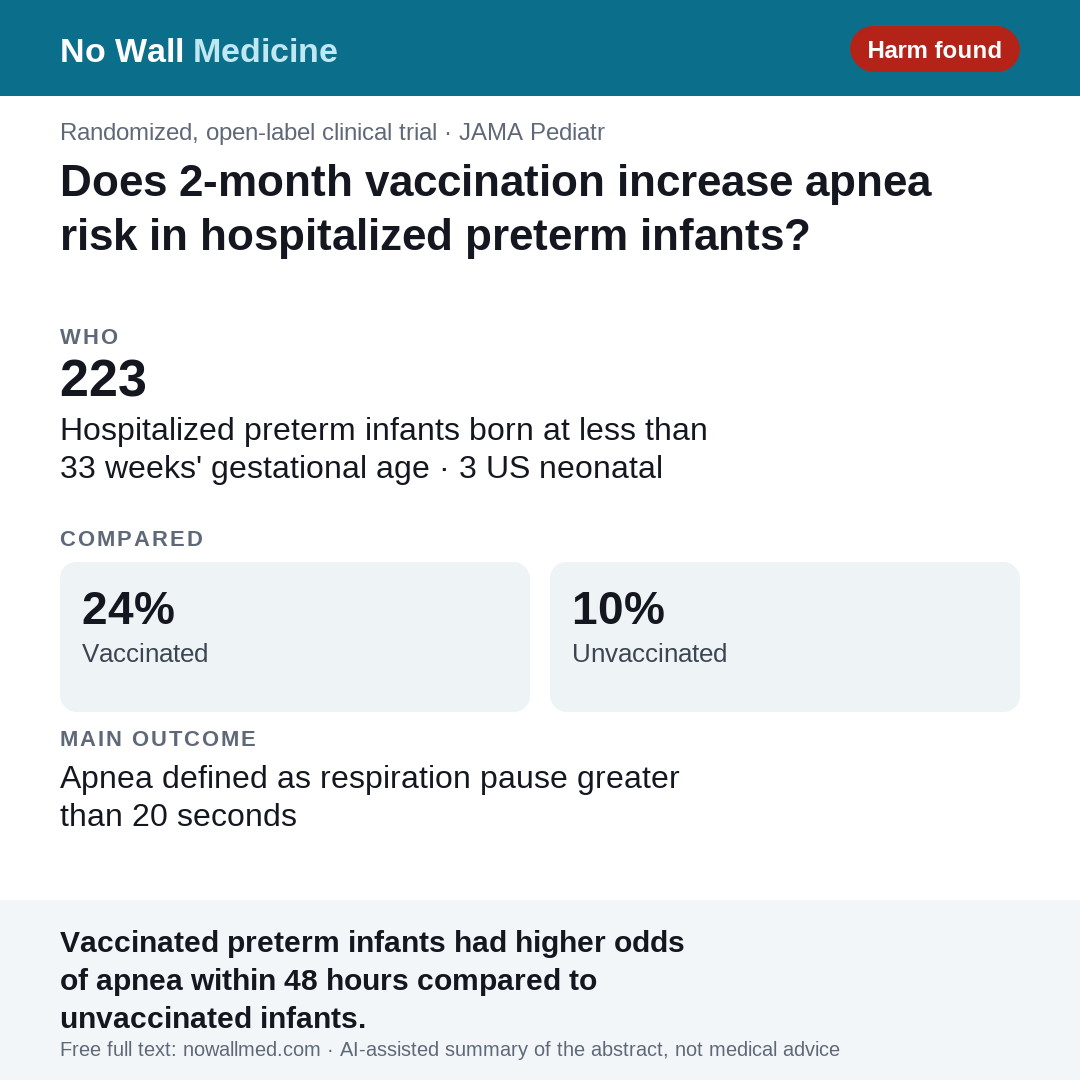
Apnea After 2-Month Vaccinations in Hospitalized Preterm Infants: A Randomized Clinical Trial
Randomized, open-label clinical trialHarm found
Does 2-month vaccination increase apnea risk in hospitalized preterm infants?
Who
223
Hospitalized preterm infants born at less than 33 weeks' gestational age · 3 US neonatal intensive care units
Compared
24%Vaccinated
10%Unvaccinated
Main outcome
Apnea defined as respiration pause greater than 20 seconds
Result: adjusted odds ratio 2.70 (95% CI 1.27 to 5.73)
Bottom line: Vaccinated preterm infants had higher odds of apnea within 48 hours compared to unvaccinated infants.
JAMA Pediatr · 2025-01-06Download image
The Influence of Study Quality, Age, and Geographic Factors on PCOS Prevalence-A Systematic Review and Meta-analysis
Systematic review and meta-analysisMixed results
What is the global prevalence of polycystic ovary syndrome?
Who
561287
Women in unselected populations · Global
Compared
10.89%High-quality Rotterdam criteria
10.61%High-quality Androgen Excess and PCOS Society criteria
6.63%High-quality National Institutes of Health criteria
Main outcome
Polycystic ovary syndrome prevalence
Bottom line: Global polycystic ovary syndrome prevalence varies depending on the diagnostic criteria and study quality used.
Limitation: No studies were available in the African Region.
J Clin Endocrinol Metab · 2025-01-06Download image

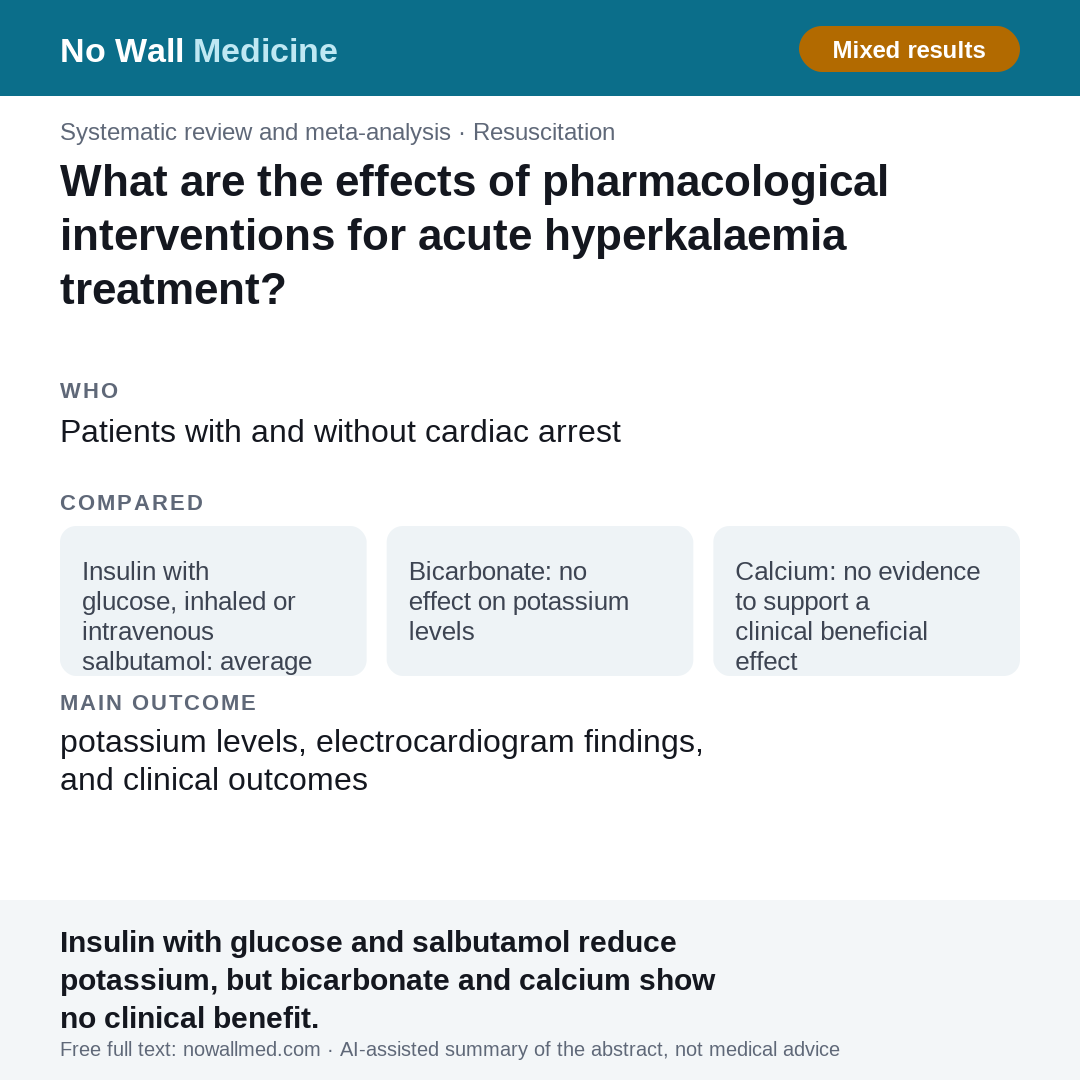
Pharmacological interventions for the acute treatment of hyperkalaemia: A systematic review and meta-analysis
Systematic review and meta-analysisMixed results
What are the effects of pharmacological interventions for acute hyperkalaemia treatment?
Who
Patients with and without cardiac arrest
Compared
Insulin with glucose, inhaled or intravenous salbutamol: average reduction in potassium between 0.7 and 1.2 mmol/l
Bicarbonate: no effect on potassium levels
Calcium: no evidence to support a clinical beneficial effect
Main outcome
potassium levels, electrocardiogram findings, and clinical outcomes
Bottom line: Insulin with glucose and salbutamol reduce potassium, but bicarbonate and calcium show no clinical benefit.
Limitation: very low to low certainty of evidence
Resuscitation · 2025-01-04Download image
Racial and Ethnic Disparities in Pediatric Counseling on Nutrition, Lifestyle, and Weight: A Secondary Analysis of the BP-CATCH Randomized Clinical Trial
Secondary analysis of a cluster randomized clinical trialMixed results
Are there racial and ethnic disparities in pediatric counseling on nutrition, lifestyle, and weight?
Who
2677
Children with high blood pressure measurements · Urban, suburban, and rural pediatric primary care practices in the US
Compared
Hispanic participants: 52.1% (95% CI, 46.1%-58.2%) for all 3 topics
Other groups
Main outcome
Receipt of counseling on nutrition, lifestyle, and weight
Bottom line: Hispanic children received higher rates of nutrition, lifestyle, and combined counseling, but no disparities were found in weight counseling.
JAMA Netw Open · 2025-01-02Download image

Risk Factors for Developmental Dysplasia of the Hip Before 3 Months of Age: A Meta-Analysis
Meta-analysis of 20 studiesMixed results
What are the risk factors for sonography-verified developmental dysplasia of the hip before 3 months?
Who
64543
64,543 infants younger than 3 months
Compared
Breech presentation: OR 4.15 (95% CI 2.62-6.57)
Family history of developmental dysplasia of the hip: OR 3.83 (95% CI 2.05-7.15)
Female sex: OR 2.50 (95% CI 1.74-3.59)
Oligohydramnios: OR 3.76 (95% CI 1.66-8.53)
Main outcome
Risk of sonography-verified developmental dysplasia of the hip
Bottom line: Breech presentation, family history, female sex, oligohydramnios, and high birth weight increase developmental dysplasia of the hip risk.
Limitation: Heterogeneity was high in all tested factors except high birth weight.
JAMA Netw Open · 2025-01-02Download image

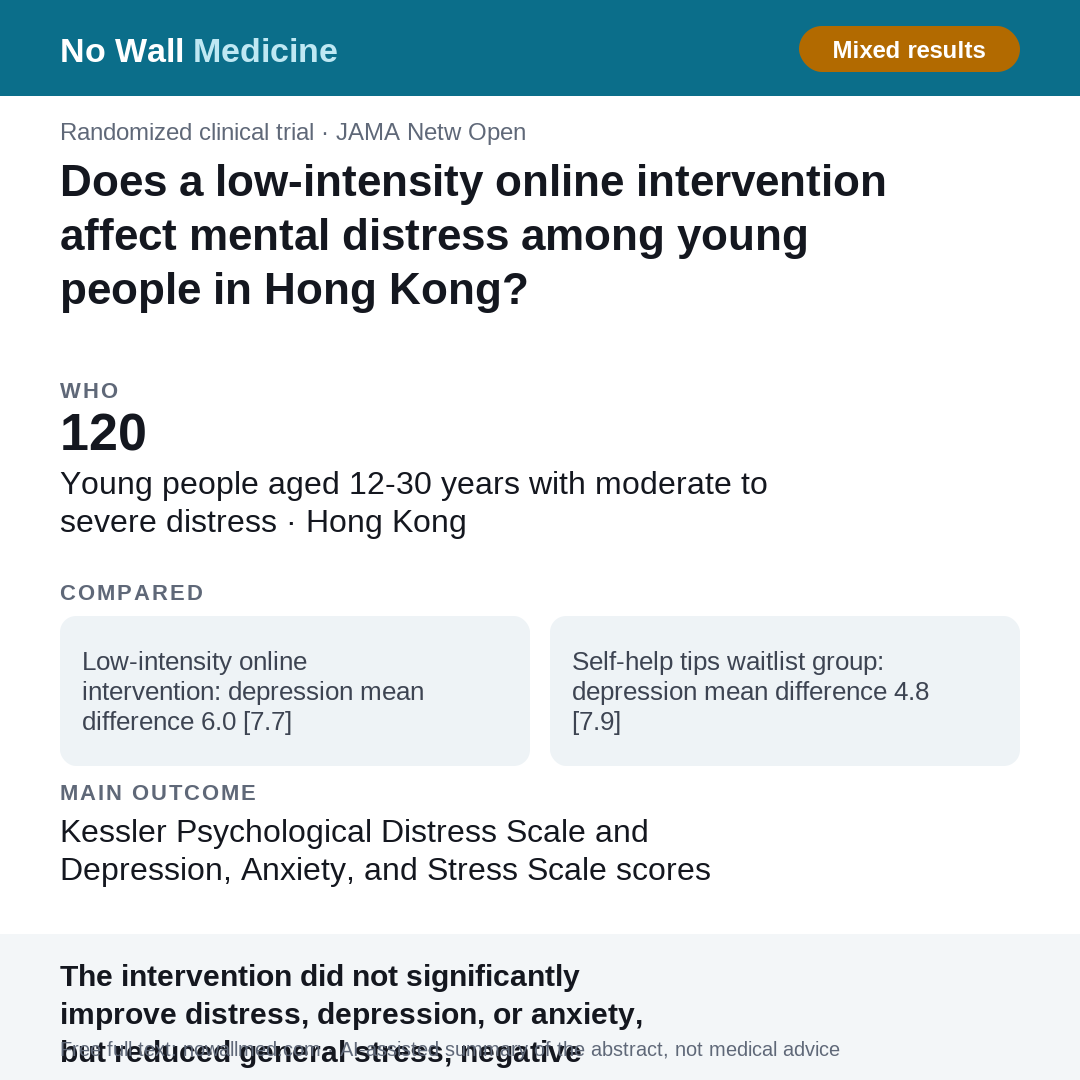
Low-Intensity Online Intervention for Mental Distress Among Help-Seeking Young People in Hong Kong: A Randomized Clinical Trial
Randomized clinical trialMixed results
Does a low-intensity online intervention affect mental distress among young people in Hong Kong?
Who
120
Young people aged 12-30 years with moderate to severe distress · Hong Kong
Compared
Low-intensity online intervention: depression mean difference 6.0 [7.7]
Self-help tips waitlist group: depression mean difference 4.8 [7.9]
Main outcome
Kessler Psychological Distress Scale and Depression, Anxiety, and Stress Scale scores
Bottom line: The intervention did not significantly improve distress, depression, or anxiety, but reduced general stress, negative emotions, and increased resilience.
Limitation: Caution is needed due to missing data.
JAMA Netw Open · 2025-01-02Download image
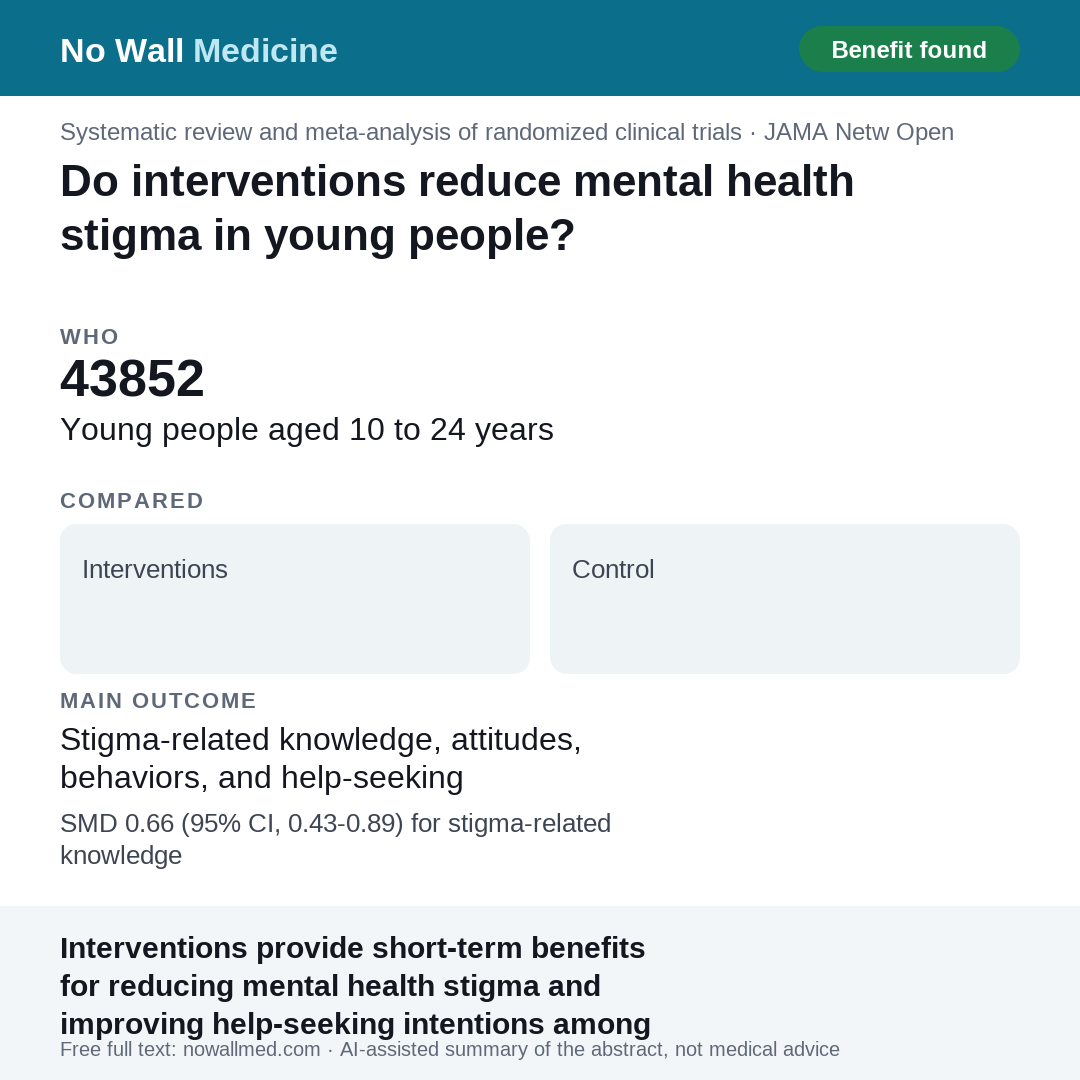
Interventions to Reduce Mental Health Stigma in Young People: A Systematic Review and Meta-Analysis
Systematic review and meta-analysis of randomized clinical trialsBenefit found
Do interventions reduce mental health stigma in young people?
Who
43852
Young people aged 10 to 24 years
Compared
Interventions
Control
Main outcome
Stigma-related knowledge, attitudes, behaviors, and help-seeking
Result: SMD 0.66 (95% CI, 0.43-0.89) for stigma-related knowledge
Bottom line: Interventions provide short-term benefits for reducing mental health stigma and improving help-seeking intentions among young people.
Limitation: Further high-quality randomized clinical trials with long-term follow-up are needed.
JAMA Netw Open · 2025-01-02Download image
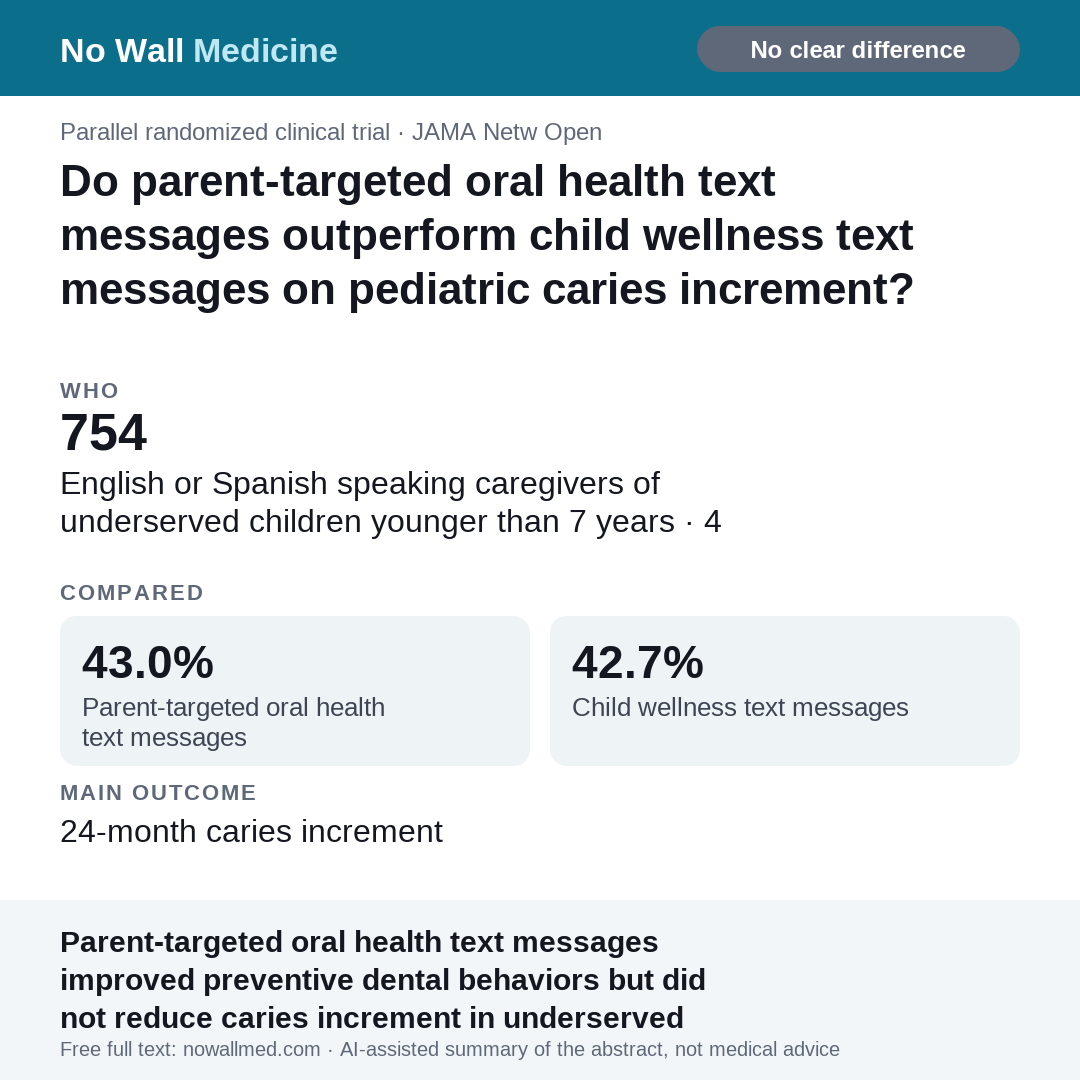
Parent-Targeted Oral Health Text Messaging for Underserved Children Attending Pediatric Clinics: A Randomized Clinical Trial
Parallel randomized clinical trialNo clear difference
Do parent-targeted oral health text messages outperform child wellness text messages on pediatric caries increment?
Who
754
English or Spanish speaking caregivers of underserved children younger than 7 years · 4 pediatric medical clinic sites in Boston, Massachusetts
Compared
43.0%Parent-targeted oral health text messages
42.7%Child wellness text messages
Main outcome
24-month caries increment
Result: adjusted odds ratio 0.99 (95% CI 0.63-1.56)
Bottom line: Parent-targeted oral health text messages improved preventive dental behaviors but did not reduce caries increment in underserved children.
JAMA Netw Open · 2025-01-02Download image
Social Determinants of Health and Suicide-Related Outcomes: A Review of Meta-Analyses
Review of 46 meta-analysesMixed results
What are the associations between social determinants of health and suicide-related outcomes?
Who
General population across various social determinant categories
Compared
Suicide mortality risk factors: 114.5 per 100 000 persons
28.9%Suicide attempt in homeless individuals (95% CI, 21.7%-37.2%)
27%Suicide attempt in incarcerated female youths (95% CI, 20%-34%)
12.2%Suicide attempt in incarcerated adults (95% CI, 7.1%-17.2%)
Main outcome
Suicide mortality, suicide attempt, and suicidal ideation
Bottom line: Social determinants like incarceration, firearm accessibility, and homelessness are strongly associated with increased suicide mortality, attempts, and ideation.
JAMA Psychiatry · 2025-01-02Download image

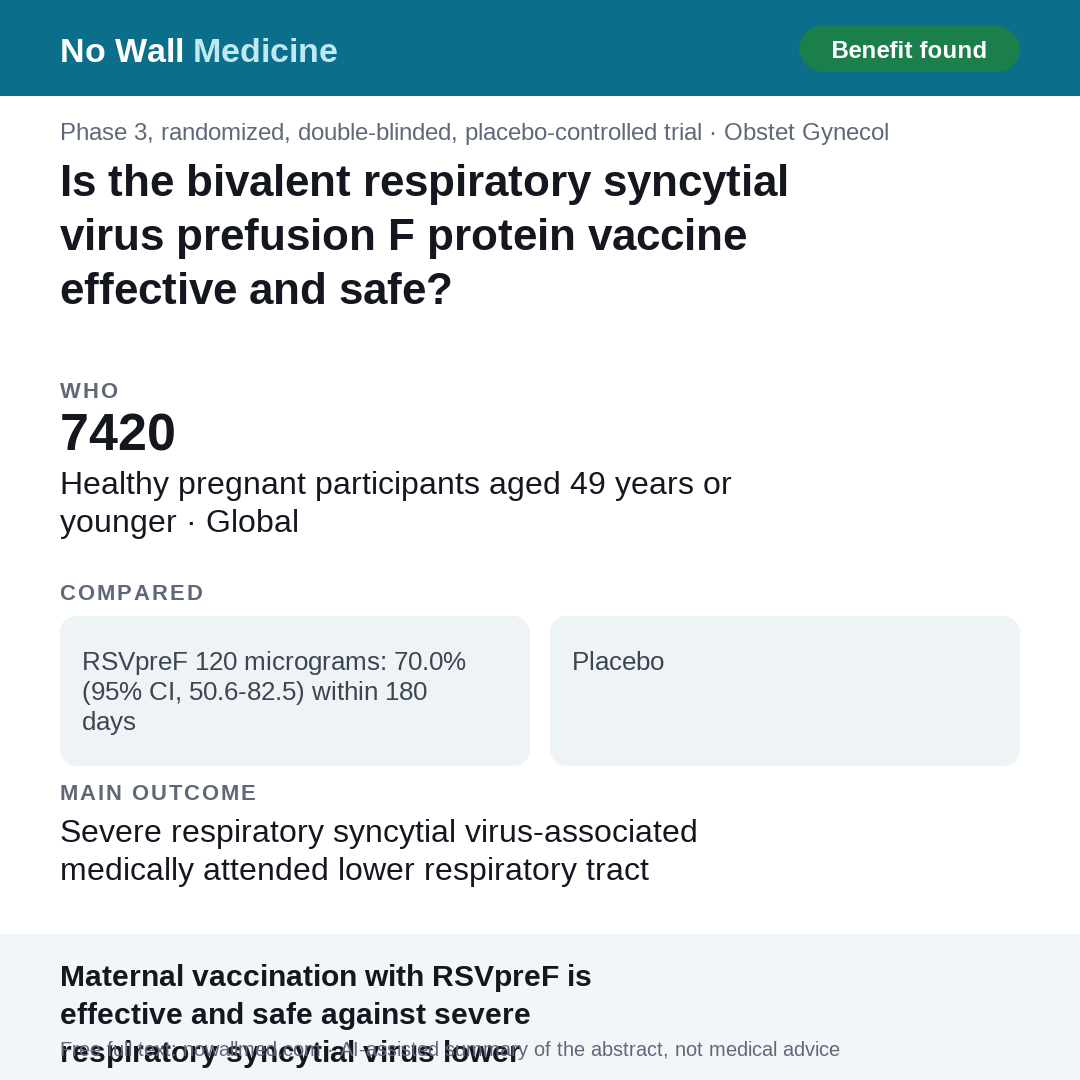
Efficacy, Safety, and Immunogenicity of the MATISSE (Maternal Immunization Study for Safety and Efficacy) Maternal Respiratory Syncytial Virus Prefusion F Protein Vaccine Trial
Phase 3, randomized, double-blinded, placebo-controlled trialBenefit found
Is the bivalent respiratory syncytial virus prefusion F protein vaccine effective and safe?
Who
7420
Healthy pregnant participants aged 49 years or younger · Global
Compared
RSVpreF 120 micrograms: 70.0% (95% CI, 50.6-82.5) within 180 days
Placebo
Main outcome
Severe respiratory syncytial virus-associated medically attended lower respiratory tract illness
Result: vaccine efficacy 70.0% (95% CI, 50.6-82.5) within 180 days
Bottom line: Maternal vaccination with RSVpreF is effective and safe against severe respiratory syncytial virus lower respiratory tract illness in infants.
Obstet Gynecol · 2025-01-02Download image
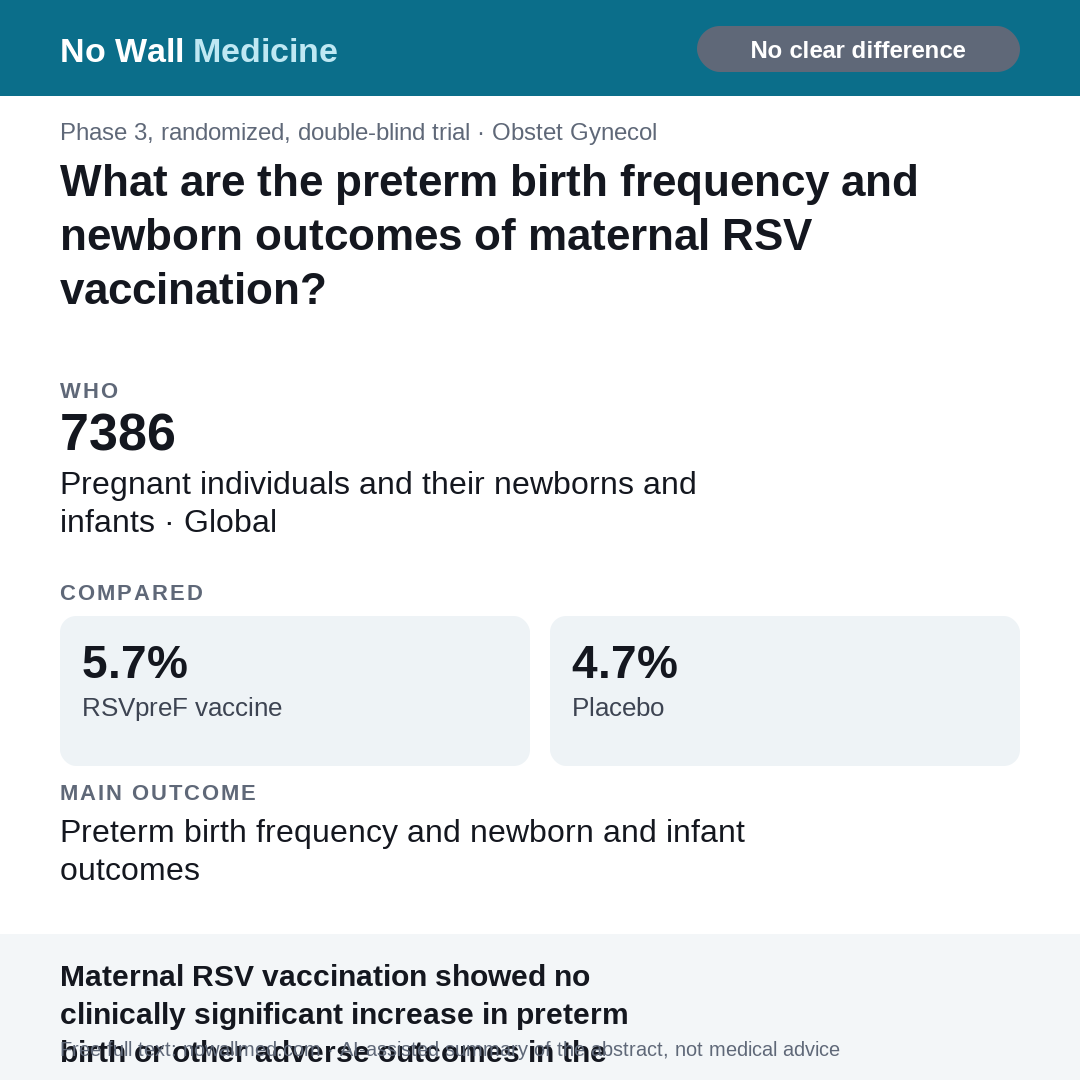
Preterm Birth Frequency and Associated Outcomes From the MATISSE (Maternal Immunization Study for Safety and Efficacy) Maternal Trial of the Bivalent Respiratory Syncytial Virus Prefusion F Protein Vaccine
Phase 3, randomized, double-blind trialNo clear difference
What are the preterm birth frequency and newborn outcomes of maternal RSV vaccination?
Who
7386
Pregnant individuals and their newborns and infants · Global
Compared
5.7%RSVpreF vaccine
4.7%Placebo
Main outcome
Preterm birth frequency and newborn and infant outcomes
Result: relative risk 1.20 (95% CI, 0.98-1.46)
Bottom line: Maternal RSV vaccination showed no clinically significant increase in preterm birth or other adverse outcomes in the overall analysis.
Funded by: Pfizer
Obstet Gynecol · 2025-01-02Download image
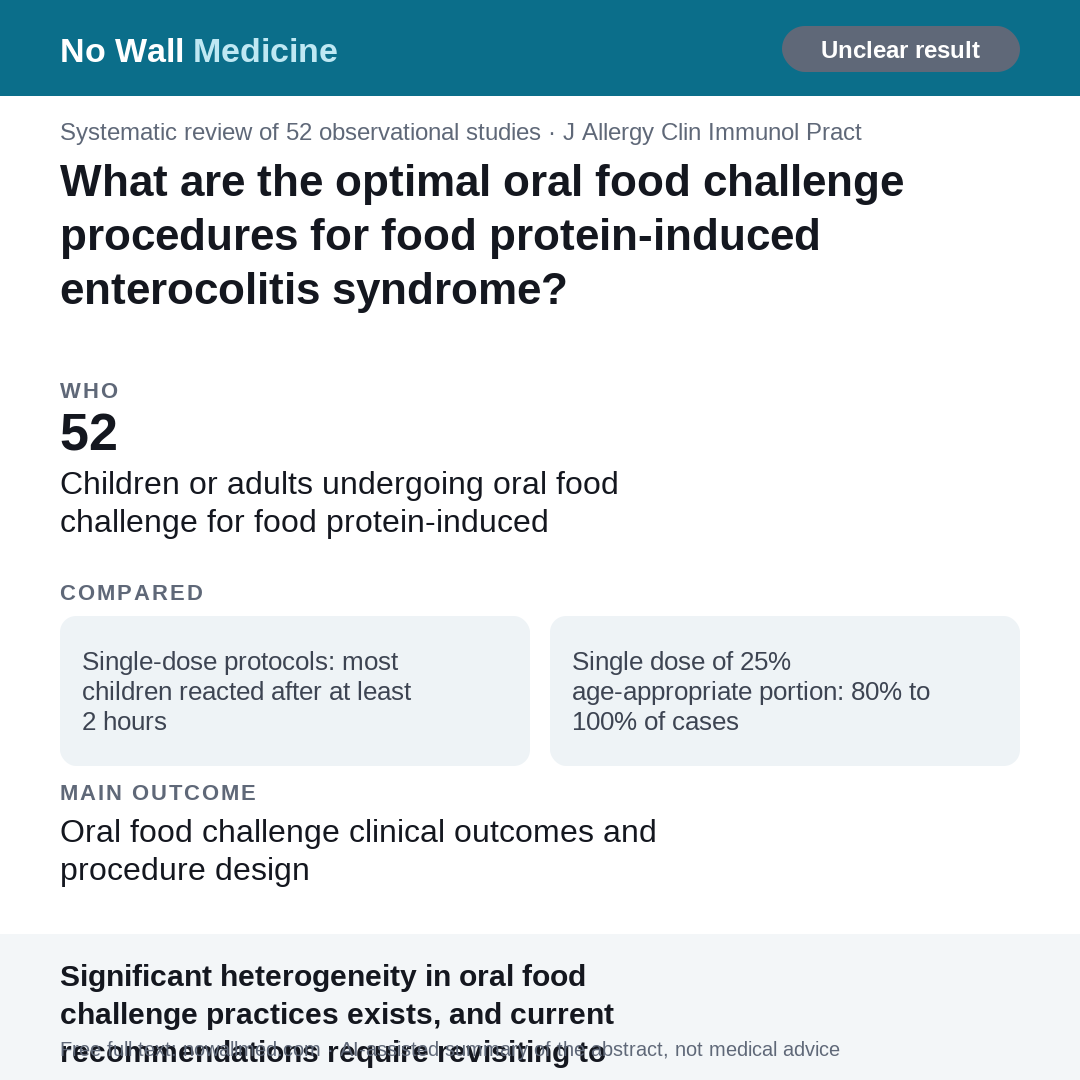
Oral Food Challenge Protocols in Food Protein-Induced Enterocolitis Syndrome: A Systematic Review
Systematic review of 52 observational studiesUnclear result
What are the optimal oral food challenge procedures for food protein-induced enterocolitis syndrome?
Who
52
Children or adults undergoing oral food challenge for food protein-induced enterocolitis syndrome
Compared
Single-dose protocols: most children reacted after at least 2 hours
Single dose of 25% age-appropriate portion: 80% to 100% of cases
Main outcome
Oral food challenge clinical outcomes and procedure design
Bottom line: Significant heterogeneity in oral food challenge practices exists, and current recommendations require revisiting to improve safety and accuracy.
Limitation: Methodological heterogeneity and insufficient outcome reporting prevented assessment of protocol characteristics associated with safer outcomes.
J Allergy Clin Immunol Pract · 2024-12-31Download image
Prediction of good neurological outcome after return of circulation following paediatric cardiac arrest: A systematic review and meta-analysis
Systematic review and meta-analysisBenefit found
Can predictors assess good neurological outcome in children after cardiac arrest?
Who
2974
Children following out-of-hospital or in-hospital cardiac arrest
Compared
High sensitivity predictors: FPR < 30%
Low sensitivity predictors: FPR < 30%
Main outcome
good neurological outcome
Bottom line: Individual clinical, electrophysiological, neuroimaging, or biomarker tests can predict good neurological outcomes in children.
Limitation: Moderate to high risk of bias and heterogeneity in studies.
Resuscitation · 2024-12-30Download image

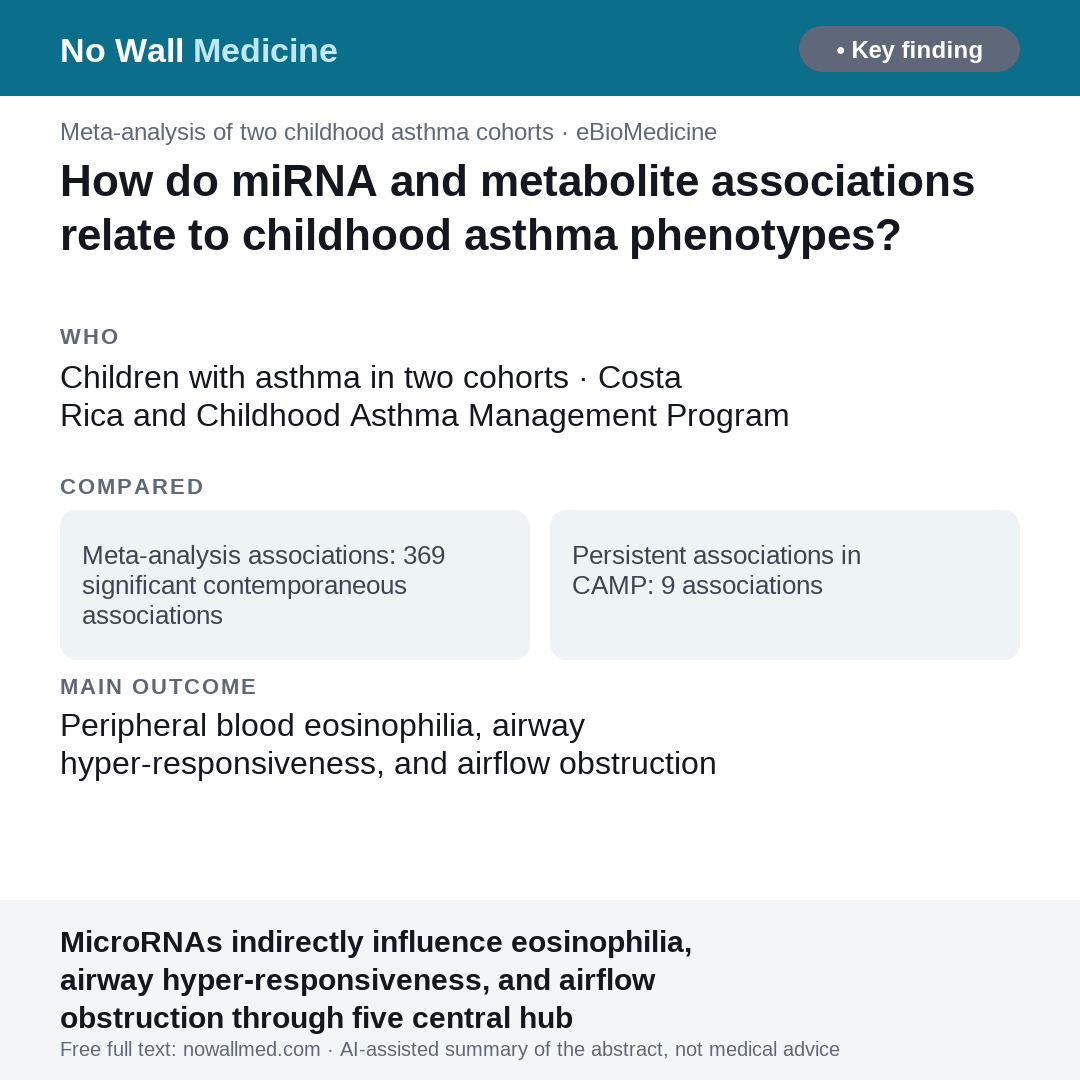
miRNAome-metabolome wide association study reveals effects of miRNA regulation in eosinophilia and airflow obstruction in childhood asthma
Meta-analysis of two childhood asthma cohortsBenefit found
How do miRNA and metabolite associations relate to childhood asthma phenotypes?
Who
Children with asthma in two cohorts · Costa Rica and Childhood Asthma Management Program
Compared
Meta-analysis associations: 369 significant contemporaneous associations
Persistent associations in CAMP: 9 associations
Main outcome
Peripheral blood eosinophilia, airway hyper-responsiveness, and airflow obstruction
Bottom line: MicroRNAs indirectly influence eosinophilia, airway hyper-responsiveness, and airflow obstruction through five central hub metabolites in childhood asthma.
Funded by: National Heart, Lung, and Blood Institute
eBioMedicine · 2024-12-30Download image
Prevalence and natural development of thoracolumbar kyphosis in achondroplasia: A systematic review and meta-analysis
Systematic review and meta-analysisMixed results
What is the prevalence and natural development of thoracolumbar kyphosis in achondroplasia?
Who
852
Individuals with achondroplasia
Compared
87%Under two years old (95% CI 80%-91%)
33%Age three (24%-43%)
26%Five to ten years (19%-35%)
23%10-20 years (16%-31%)
Main outcome
Pooled prevalence of thoracolumbar kyphosis stratified by age
Bottom line: Thoracolumbar kyphosis is most prevalent in early childhood and often resolves, but persists in one-fourth of cases into adulthood.
Brain Spine · 2024-12-30Download image

Efficacy and Safety of Mydriatic Microdrops for Retinopathy of Prematurity Screening: The MyMiROPS Randomized Clinical Trial
Randomized, double-masked, noninferiority, crossover trialBenefit found
Are mydriatic microdrops noninferior to standard drops for retinopathy of prematurity screening?
Who
83
Infants undergoing retinopathy of prematurity screening · Tertiary center in Northern Greece
Compared
Microdrops: noninferior at 90 and 120 minutes
Standard drops: noninferior at 90 and 120 minutes
Main outcome
Horizontal pupil diameter at 45, 90, and 120 minutes
Result: mean difference 0.12 (95% CI 0.01 to 0.23) at 45 minutes
Bottom line: Mydriatic microdrops are noninferior to standard drops for pupil dilation in preterm infants.
JAMA Ophthalmol · 2024-12-26Download image

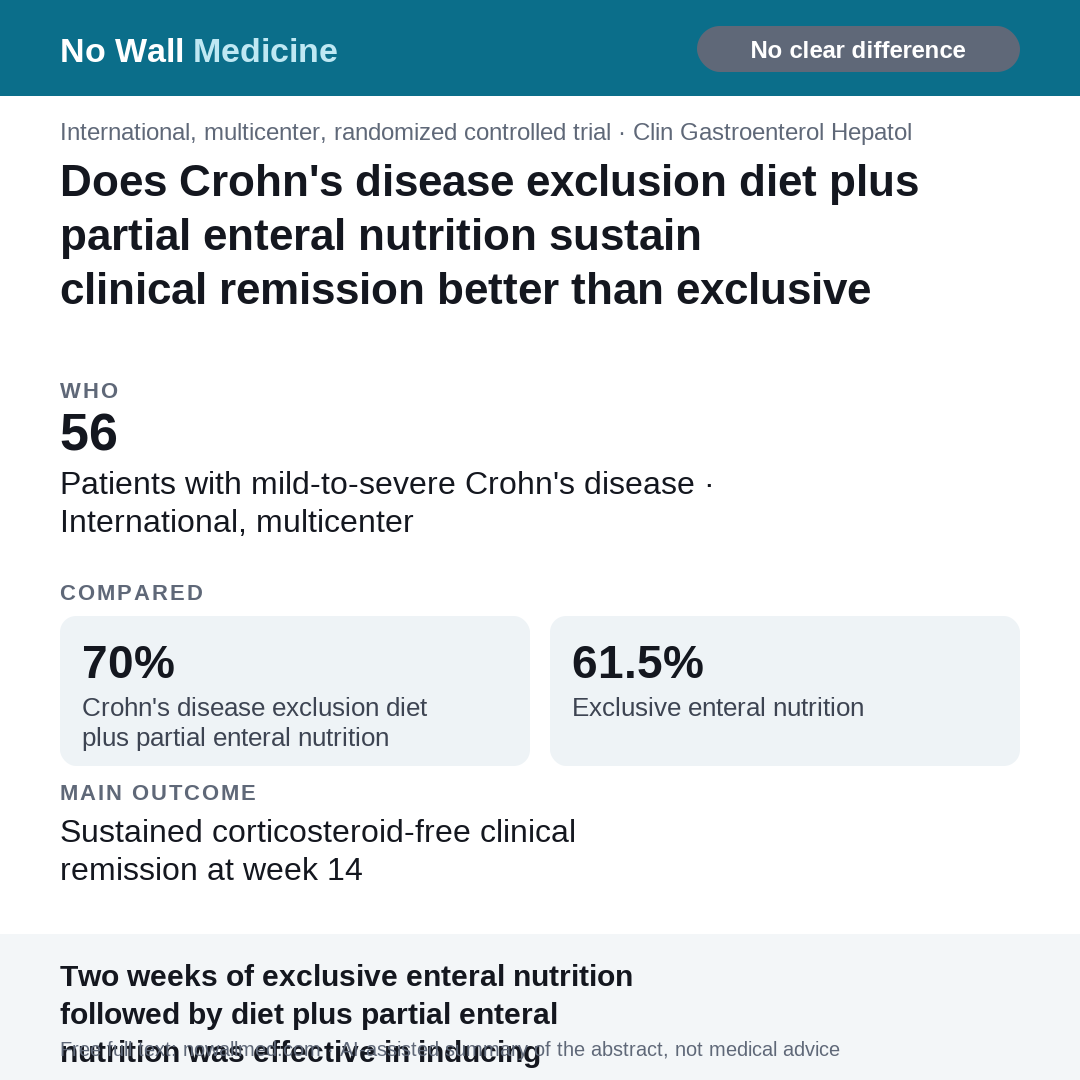
Modified Crohn's Disease Exclusion Diet Maintains Remission in Pediatric Crohn's Disease: Randomized Controlled Trial
International, multicenter, randomized controlled trialNo clear difference
Does Crohn's disease exclusion diet plus partial enteral nutrition sustain clinical remission better than exclusive enteral nutrition?
Who
56
Patients with mild-to-severe Crohn's disease · International, multicenter
Compared
70%Crohn's disease exclusion diet plus partial enteral nutrition (21/30)
61.5%Exclusive enteral nutrition (16/26)
Main outcome
Sustained corticosteroid-free clinical remission at week 14
Bottom line: Two weeks of exclusive enteral nutrition followed by diet plus partial enteral nutrition was effective in inducing remission.
Limitation: The study was underpowered due to failed target recruitment during the COVID-19 pandemic.
Clin Gastroenterol Hepatol · 2024-12-26Download image
Genotype-Guided Asthma Treatment Reduces Exacerbations in Children: Meta-Analysis of Two Randomized Control Trials
Individual participant data meta-analysis of two randomized controlled trialsBenefit found
Does genotype-guided treatment reduce asthma exacerbations in children?
Who
193
Children with uncontrolled asthma despite inhaled corticosteroids · Netherlands, Switzerland, England, and Scotland
Compared
Genotype-guided treatment
Control group
Main outcome
Asthma exacerbation rates
Result: -0.08 (95%CI -0.16 to -0.00, p = 0.04)
Bottom line: Genotype-guided step-up treatment may lower asthma exacerbation rates in children with uncontrolled asthma.
Allergy · 2024-12-26Download image

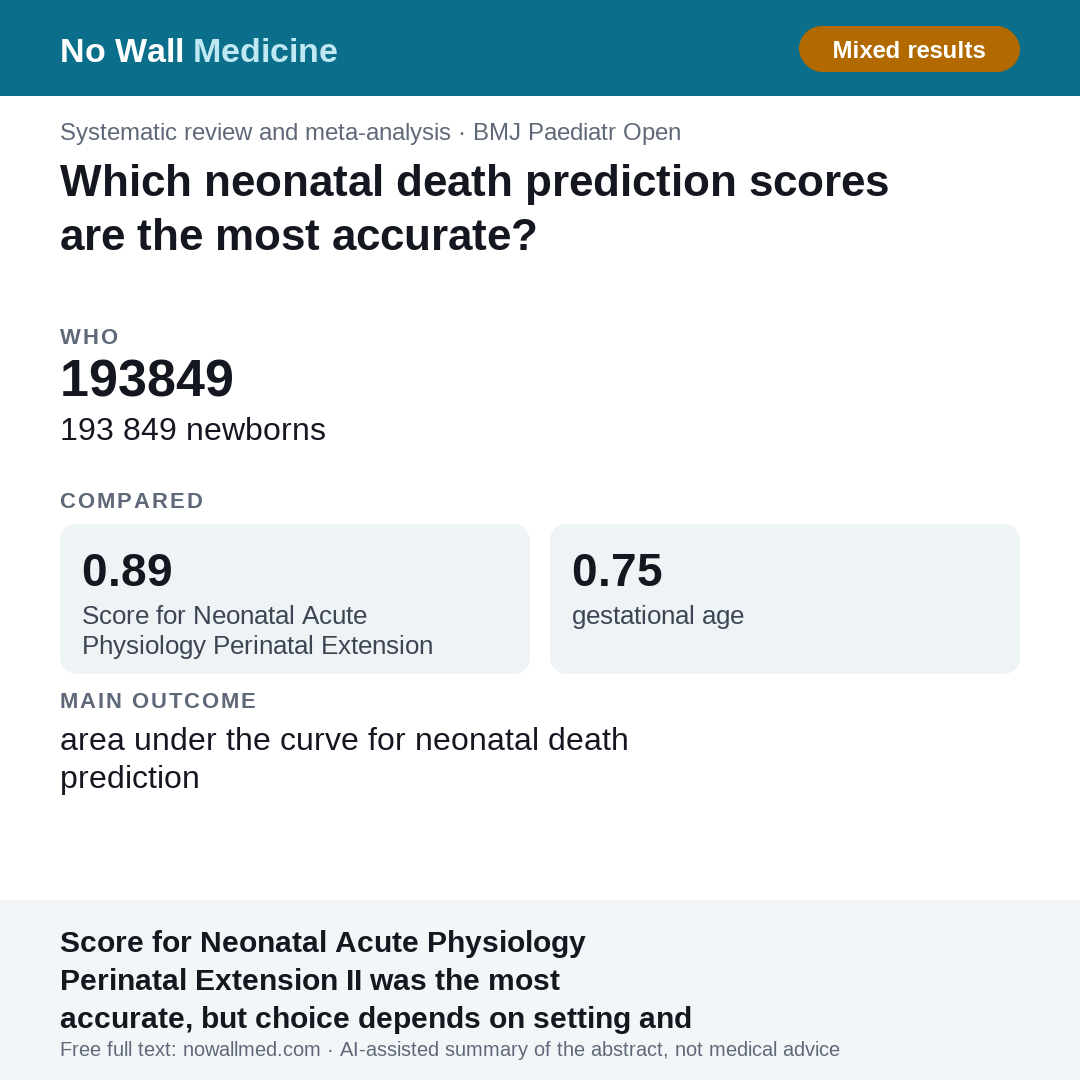
Neonatal death prediction scores: a systematic review and meta-analysis
Systematic review and meta-analysisMixed results
Which neonatal death prediction scores are the most accurate?
Who
193849
193 849 newborns
Compared
0.89Score for Neonatal Acute Physiology Perinatal Extension II (95% CI 0.86 to 0.92)
0.75gestational age (95% CI 0.71 to 0.79)
Main outcome
area under the curve for neonatal death prediction
Bottom line: Score for Neonatal Acute Physiology Perinatal Extension II was the most accurate, but choice depends on setting and practicality.
BMJ Paediatr Open · 2024-12-24Download image
Global prevalence of Helicobacter pylori antibiotic resistance among children in the world health organization regions between 2000 and 2023: a systematic review and meta-analysis
Systematic review and meta-analysisHarm found
What is the global prevalence of Helicobacter pylori antibiotic resistance among children?
Who
15,953
Children with Helicobacter pylori infection · 28 countries in 5 World Health Organization regions
Compared
35.3%Metronidazole resistance (5482/15,529, 95% CI: 28.7-42.6)
32.6%Clarithromycin resistance (5071/15,555, 95% CI: 27.7-37.9)
13.2%Levofloxacin resistance (1091/8271, 95% CI: 9.3-18.4)
4.8%Amoxicillin resistance (495/10305, 95% CI: 2.5-8.8)
Main outcome
Prevalence of antibiotic resistance to clarithromycin, metronidazole, levofloxacin, amoxicillin, and tetracycline
Bottom line: Escalating antibiotic resistance in children infected with Helicobacter pylori requires urgent global attention and regional surveillance networks.
BMC Med · 2024-12-23Download image