Visual abstracts
New randomized trials and meta-analyses from leading journals at a glance: who was studied, what was compared, and what was found. Every paper is free to read in full.
All specialtiesCardiology 1742Oncology 1499Gastroenterology & Hepatology 645Infectious Disease 1099Neurology 719Psychiatry & Mental Health 857Pulmonology 742Critical Care 503Endocrinology & Diabetes 939Pediatrics 1028Surgery 853Orthopedics & Sports Medicine 324Neurosurgery 220Cardiothoracic & Vascular Surgery 194Plastic & Reconstructive Surgery 272Nephrology 359Rheumatology 236Hematology 383Dermatology 190Ophthalmology 207Obstetrics & Gynecology 564Public & Global Health 337Radiology & Imaging 235Anesthesiology 348Urology 308ENT (Otolaryngology) 233Emergency Medicine 195Allergy & Immunology 112Geriatrics 373Family Medicine & Primary Care 211Medical Genetics & Genomics 186Pathology & Laboratory Medicine 55Physical Medicine & Rehabilitation 306Palliative Care 154Nutrition 462Digital Health & AI 924General Medicine 135
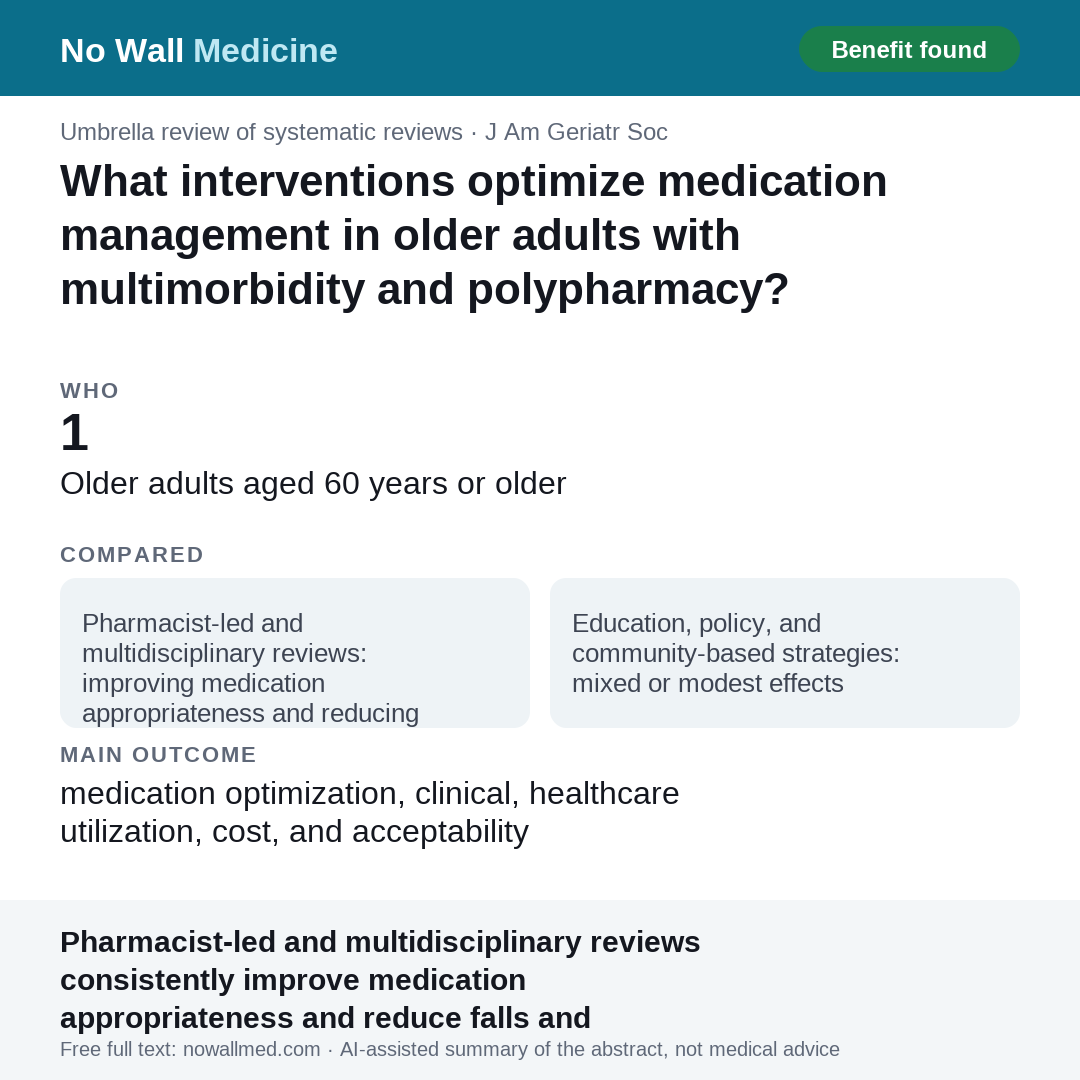
Interventions to Optimize Medication Management in Older Adults: An Umbrella Review of Systematic Reviews
Umbrella review of systematic reviewsBenefit found
What interventions optimize medication management in older adults with multimorbidity and polypharmacy?
Who
1
Older adults aged 60 years or older
Compared
Pharmacist-led and multidisciplinary reviews: improving medication appropriateness and reducing falls and unplanned healthcare use
Education, policy, and community-based strategies: mixed or modest effects
Main outcome
medication optimization, clinical, healthcare utilization, cost, and acceptability
Bottom line: Pharmacist-led and multidisciplinary reviews consistently improve medication appropriateness and reduce falls and unplanned healthcare use.
Limitation: Evidence strength was limited by methodological heterogeneity and variable methodological quality.
J Am Geriatr Soc · 2026-06-24Download image
How loneliness and social isolation are linked to cognitive decline among older adults? A systematic review of underlying physiological and psychobehavioral mechanisms
Systematic reviewMixed results
What are the physiological and psychobehavioral mechanisms linking loneliness and social isolation to cognitive decline?
Who
Older adults
Compared
Loneliness and social isolation
Cognitive decline
Main outcome
Mechanisms linking loneliness and social isolation to cognitive decline
Bottom line: Loneliness and social isolation link to cognitive decline through various physiological and psychobehavioral pathways.
Alzheimers Dement · 2026-06-24Download image

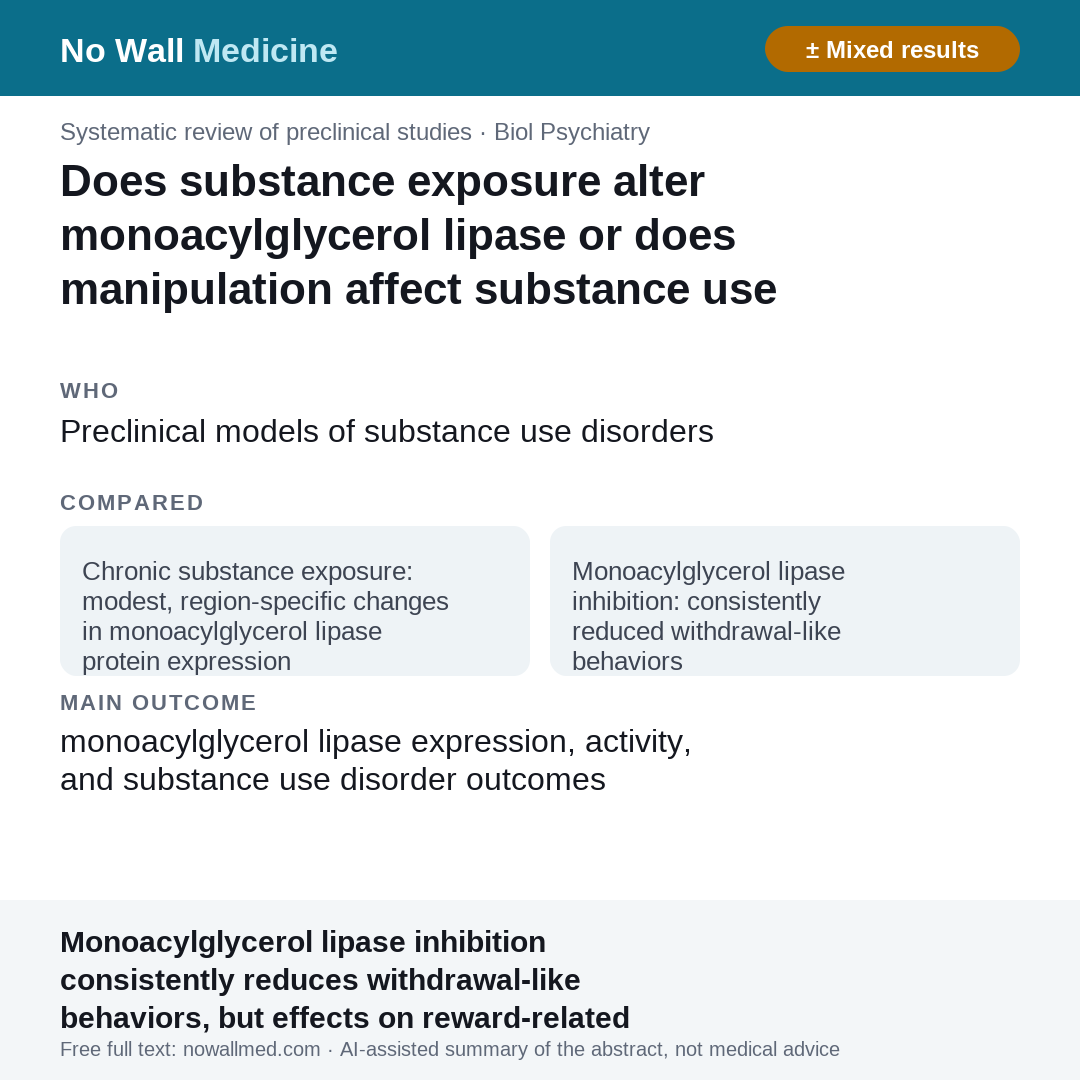
The Role of Monoacylglycerol Lipase in Substance Use: A Systematic Review of Preclinical Studies
Systematic review of preclinical studiesMixed results
Does substance exposure alter monoacylglycerol lipase or does manipulation affect substance use outcomes?
Who
42
Preclinical models of substance use disorders
Compared
Chronic substance exposure: modest, region-specific changes in monoacylglycerol lipase protein expression
Monoacylglycerol lipase inhibition: consistently reduced withdrawal-like behaviors
Main outcome
monoacylglycerol lipase expression, activity, and substance use disorder outcomes
Bottom line: Monoacylglycerol lipase inhibition consistently reduces withdrawal-like behaviors, but effects on reward-related behaviors are more variable.
Biol Psychiatry · 2026-06-24Download image
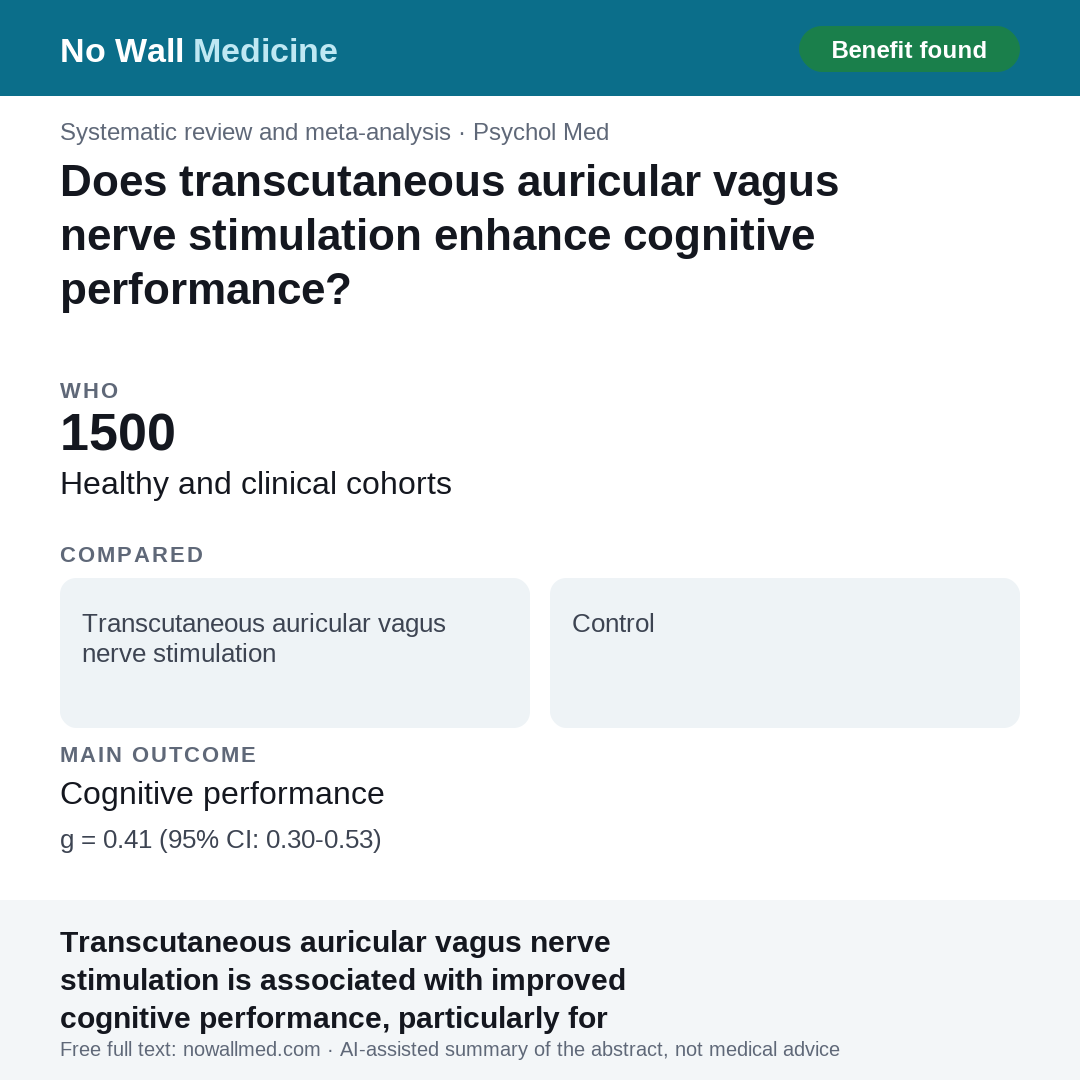
Sorting the mind: cognitive enhancement through transcutaneous auricular vagus nerve stimulation: a systematic review and meta-analysis
Systematic review and meta-analysisBenefit found
Does transcutaneous auricular vagus nerve stimulation enhance cognitive performance?
Who
1500
Healthy and clinical cohorts
Compared
Transcutaneous auricular vagus nerve stimulation
Control
Main outcome
Cognitive performance
Result: g = 0.41 (95% CI: 0.30-0.53)
Bottom line: Transcutaneous auricular vagus nerve stimulation is associated with improved cognitive performance, particularly for executive functions and learning.
Psychol Med · 2026-06-24Download image
The experiences of living with dementia within an under-served geographical area: a systematic review and qualitative synthesis
Systematic review and qualitative synthesisMixed results
What are the experiences of living with dementia in under-served geographical areas?
Who
15
People living with dementia in rural, coastal or deprived areas · Not specified
Compared
Rural areas
Deprived areas
Main outcome
Experiences of living with dementia
Bottom line: Living with dementia in under-served areas involves navigating stigma, fragmented healthcare, and limited service availability.
Limitation: No included studies were set in coastal areas.
Age Ageing · 2026-06-24Download image

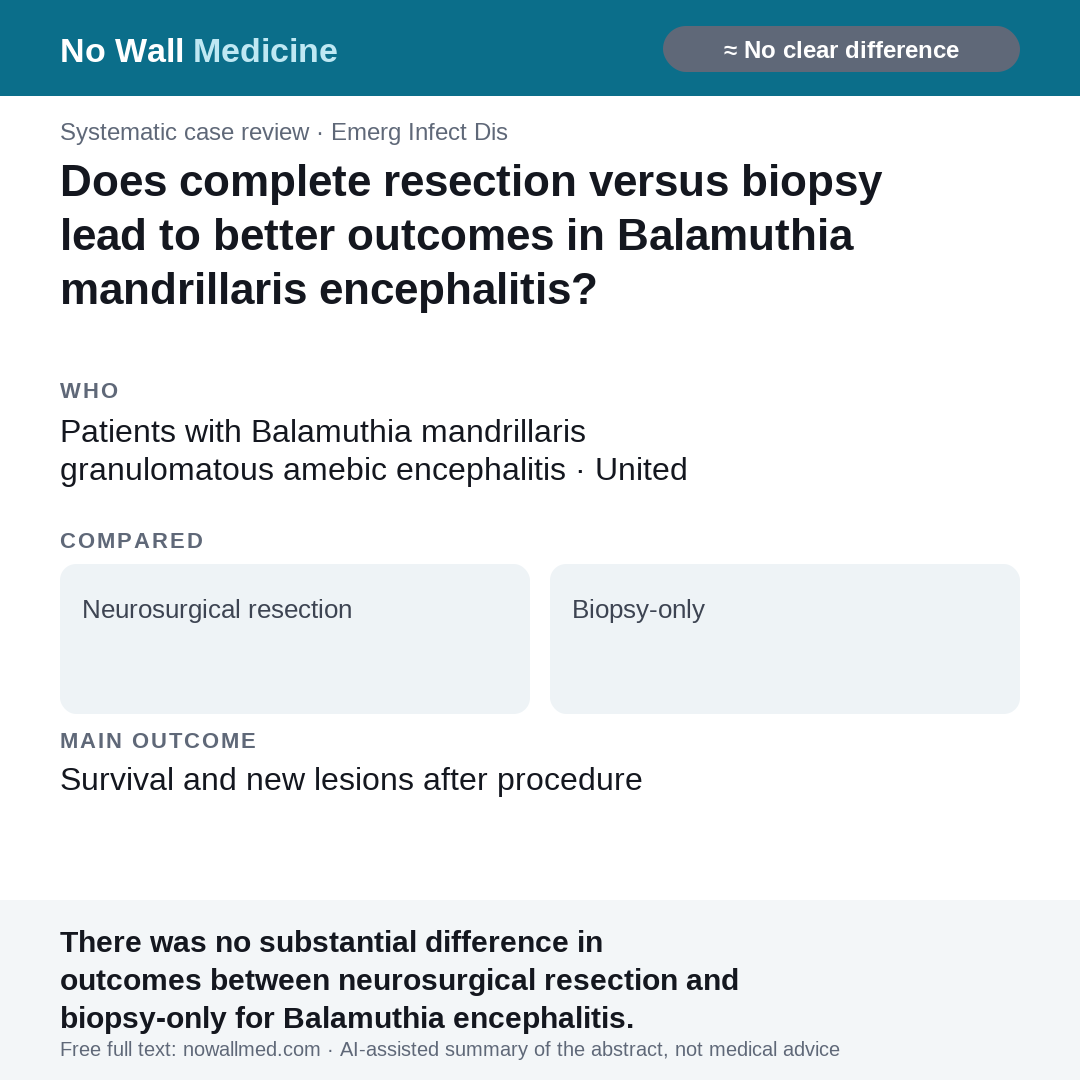
Neurosurgical Biopsy and Resection for Diagnosis and Treatment of Balamuthia mandrillaris Amebic Encephalitis, United States
Systematic case reviewNo clear difference
Does complete resection versus biopsy lead to better outcomes in Balamuthia mandrillaris encephalitis?
Who
Patients with Balamuthia mandrillaris granulomatous amebic encephalitis · United States
Compared
Neurosurgical resection
Biopsy-only
Main outcome
Survival and new lesions after procedure
Bottom line: There was no substantial difference in outcomes between neurosurgical resection and biopsy-only for Balamuthia encephalitis.
Limitation: Case review, number of cases, and incomplete data available.
Emerg Infect Dis · 2026-06-24Download image
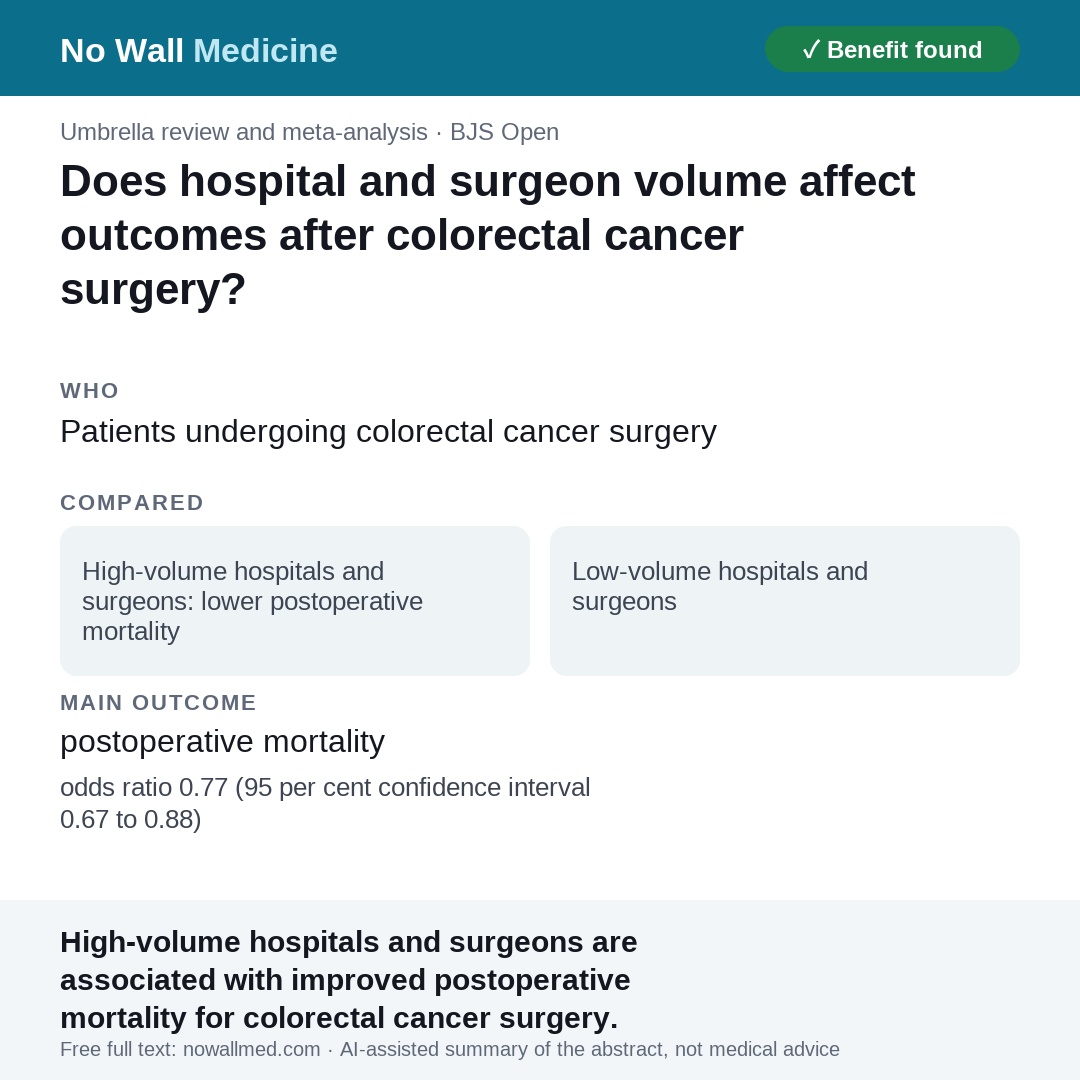
Hospital and surgeon volume versus outcomes after colorectal cancer surgery: umbrella review and meta-analysis
Umbrella review and meta-analysisBenefit found
Does hospital and surgeon volume affect outcomes after colorectal cancer surgery?
Who
Patients undergoing colorectal cancer surgery
Compared
High-volume hospitals and surgeons: lower postoperative mortality
Low-volume hospitals and surgeons
Main outcome
postoperative mortality
Result: odds ratio 0.77 (95 per cent confidence interval 0.67 to 0.88)
Bottom line: High-volume hospitals and surgeons are associated with improved postoperative mortality for colorectal cancer surgery.
Limitation: Heterogeneity of existing volume definitions makes a specific cut-off definition unclear.
BJS Open · 2026-06-24Download image
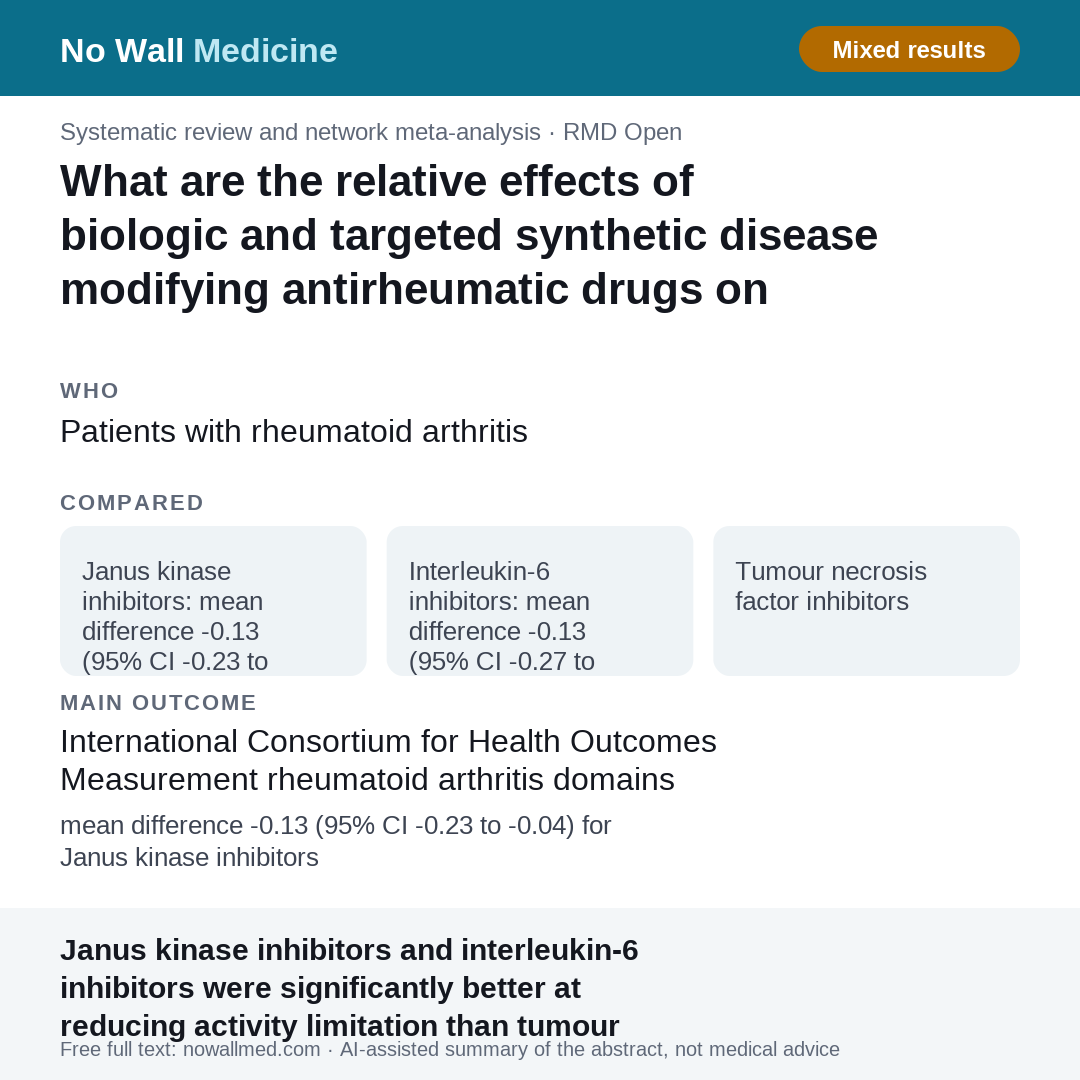
Effects of biologic and targeted synthetic disease modifying antirheumatic drugs (b/tsDMARDs) on patient-reported outcome domains in rheumatoid arthritis: a systematic review and network meta-analyses
Systematic review and network meta-analysisMixed results
What are the relative effects of biologic and targeted synthetic disease modifying antirheumatic drugs on patient-reported outcomes?
Who
Patients with rheumatoid arthritis
Compared
Janus kinase inhibitors: mean difference -0.13 (95% CI -0.23 to -0.04)
Interleukin-6 inhibitors: mean difference -0.13 (95% CI -0.27 to -0.00)
Tumour necrosis factor inhibitors
Main outcome
International Consortium for Health Outcomes Measurement rheumatoid arthritis domains
Result: mean difference -0.13 (95% CI -0.23 to -0.04) for Janus kinase inhibitors
Bottom line: Janus kinase inhibitors and interleukin-6 inhibitors were significantly better at reducing activity limitation than tumour necrosis factor inhibitors.
Limitation: Heterogeneity within comparisons ranged from low to very high (I²=0%-96%).
RMD Open · 2026-06-24Download image
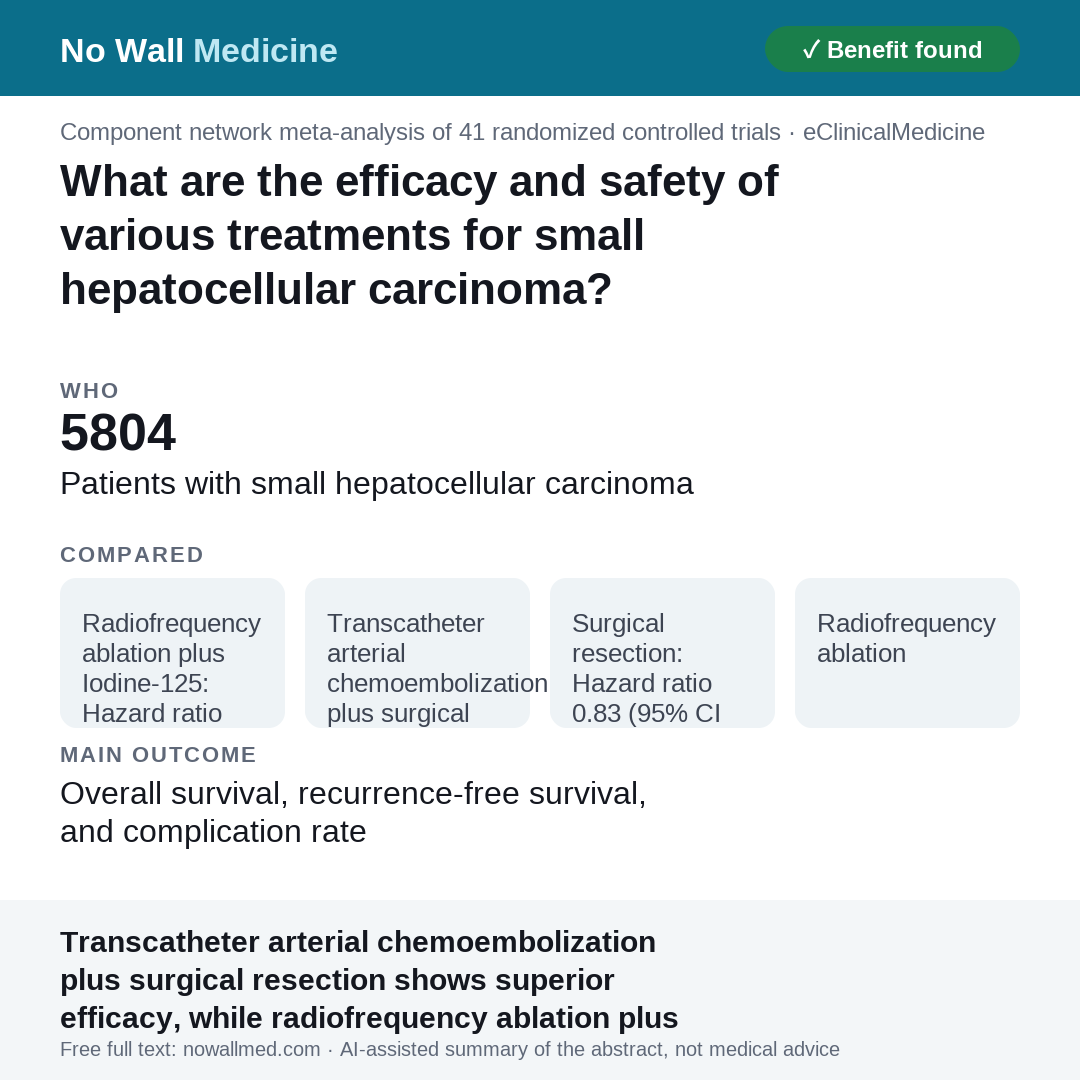
Efficacy and safety of multiple treatments for small hepatocellular carcinoma: an updated systematic review and component network meta analysis
Component network meta-analysis of 41 randomized controlled trialsBenefit found
What are the efficacy and safety of various treatments for small hepatocellular carcinoma?
Who
5804
Patients with small hepatocellular carcinoma
Compared
Radiofrequency ablation plus Iodine-125: Hazard ratio 0.50 (95% CI 0.31-0.81)
Transcatheter arterial chemoembolization plus surgical resection: Hazard ratio 0.30 (95% CI 0.16-0.58)
Surgical resection: Hazard ratio 0.83 (95% CI 0.71-0.98)
Radiofrequency ablation
Main outcome
Overall survival, recurrence-free survival, and complication rate
Bottom line: Transcatheter arterial chemoembolization plus surgical resection shows superior efficacy, while radiofrequency ablation plus Iodine-125 is a potential alternative.
eClinicalMedicine · 2026-06-23Download image
Prevalence and epidemiological patterns of Neisseria gonorrhoeae infection in sub-Saharan Africa, 1964-2025: Systematic review, meta-analyses, and meta-regressions
Systematic review and meta-analysesMixed results
What is the prevalence and epidemiological pattern of Neisseria gonorrhoeae in sub-Saharan Africa?
Who
People in sub-Saharan Africa · sub-Saharan Africa
Compared
3.2%General population urogenital prevalence (95% CI: 2.9-3.5)
11.5%Female sex workers urogenital prevalence (95% CI: 9.9-13.2)
2.8%Men who have sex with men urogenital prevalence (95% CI: 2.4-3.3)
Main outcome
Neisseria gonorrhoeae prevalence
Bottom line: Neisseria gonorrhoeae prevalence is high in sub-Saharan Africa, particularly in key populations, though it has declined over time.
PLOS Med · 2026-06-23Download image

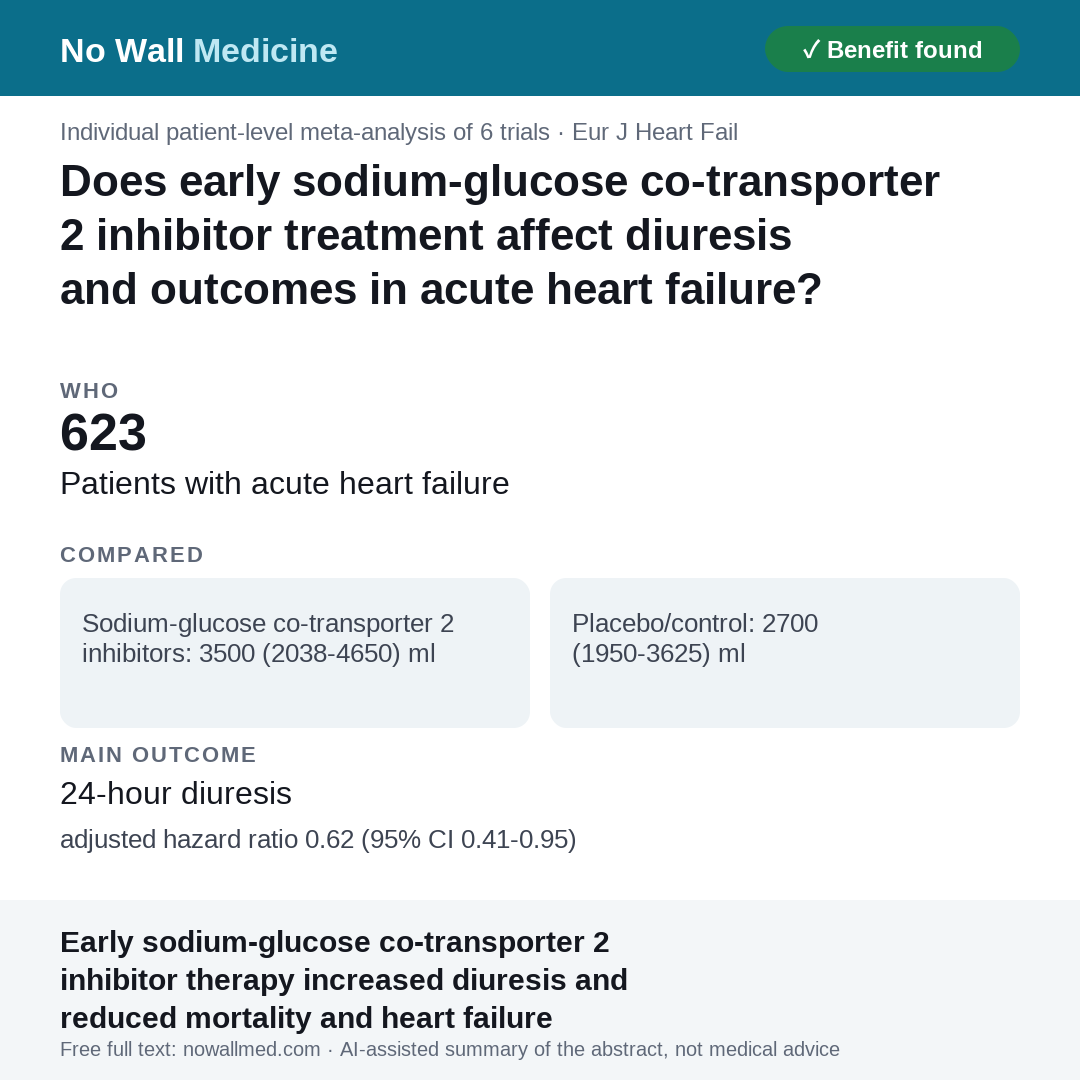
Early effects of SGLT2 inhibitors in acute heart failure: an individual patient-level meta-analysis
Individual patient-level meta-analysis of 6 trialsBenefit found
Does early sodium-glucose co-transporter 2 inhibitor treatment affect diuresis and outcomes in acute heart failure?
Who
623
Patients with acute heart failure
Compared
Sodium-glucose co-transporter 2 inhibitors: 3500 (2038-4650) ml
Placebo/control: 2700 (1950-3625) ml
Main outcome
24-hour diuresis
Result: adjusted hazard ratio 0.62 (95% CI 0.41-0.95)
Bottom line: Early sodium-glucose co-transporter 2 inhibitor therapy increased diuresis and reduced mortality and heart failure rehospitalization risks.
Eur J Heart Fail · 2026-06-23Download image
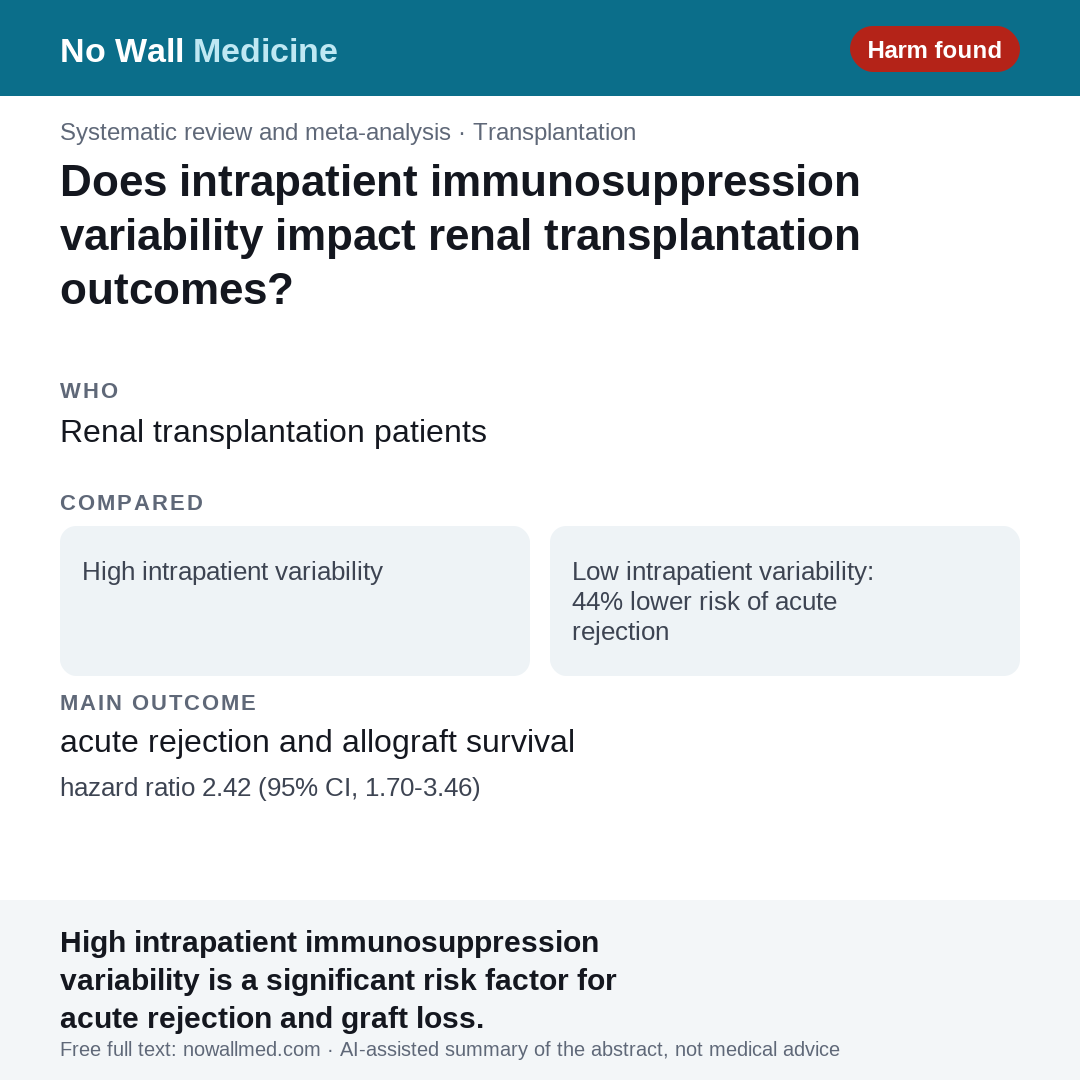
Impact of Intrapatient Immunosuppression Variability in Renal Transplantation Outcomes: A Systematic Review and Meta-analysis
Systematic review and meta-analysisHarm found
Does intrapatient immunosuppression variability impact renal transplantation outcomes?
Who
Renal transplantation patients
Compared
High intrapatient variability
Low intrapatient variability: 44% lower risk of acute rejection
Main outcome
acute rejection and allograft survival
Result: hazard ratio 2.42 (95% CI, 1.70-3.46)
Bottom line: High intrapatient immunosuppression variability is a significant risk factor for acute rejection and graft loss.
Transplantation · 2026-06-23Download image
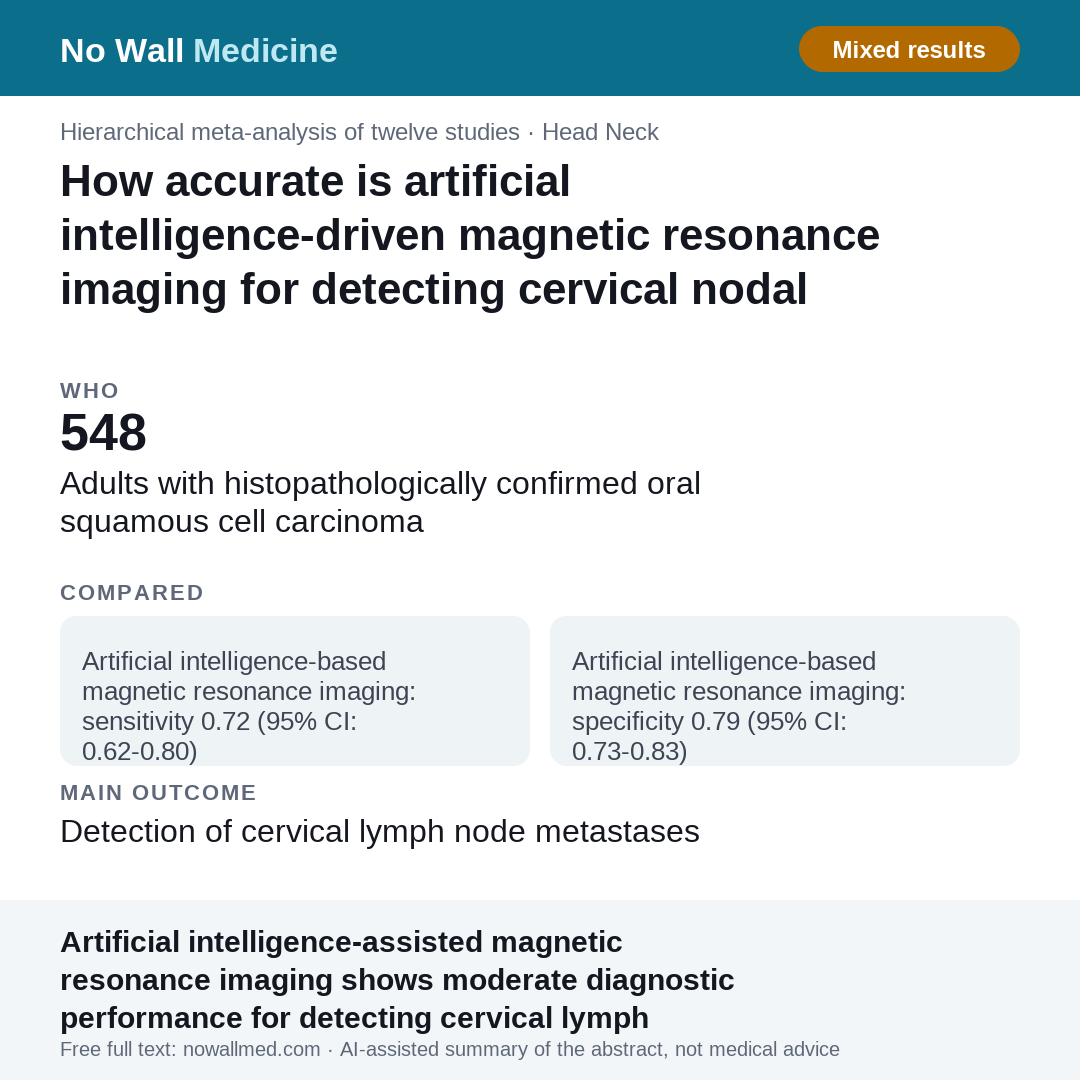
Artificial Intelligence-Driven MRI for Cervical Nodal Metastasis Detection in Oral Squamous Cell Carcinoma: A Hierarchical Meta-Analysis of Diagnostic Accuracy
Hierarchical meta-analysis of twelve studiesMixed results
How accurate is artificial intelligence-driven magnetic resonance imaging for detecting cervical nodal metastasis?
Who
548
Adults with histopathologically confirmed oral squamous cell carcinoma
Compared
Artificial intelligence-based magnetic resonance imaging: sensitivity 0.72 (95% CI: 0.62-0.80)
Artificial intelligence-based magnetic resonance imaging: specificity 0.79 (95% CI: 0.73-0.83)
Main outcome
Detection of cervical lymph node metastases
Result: area under the curve 0.82
Bottom line: Artificial intelligence-assisted magnetic resonance imaging shows moderate diagnostic performance for detecting cervical lymph node metastasis.
Limitation: Evidence certainty was low and multicenter validation is required.
Head Neck · 2026-06-23Download image
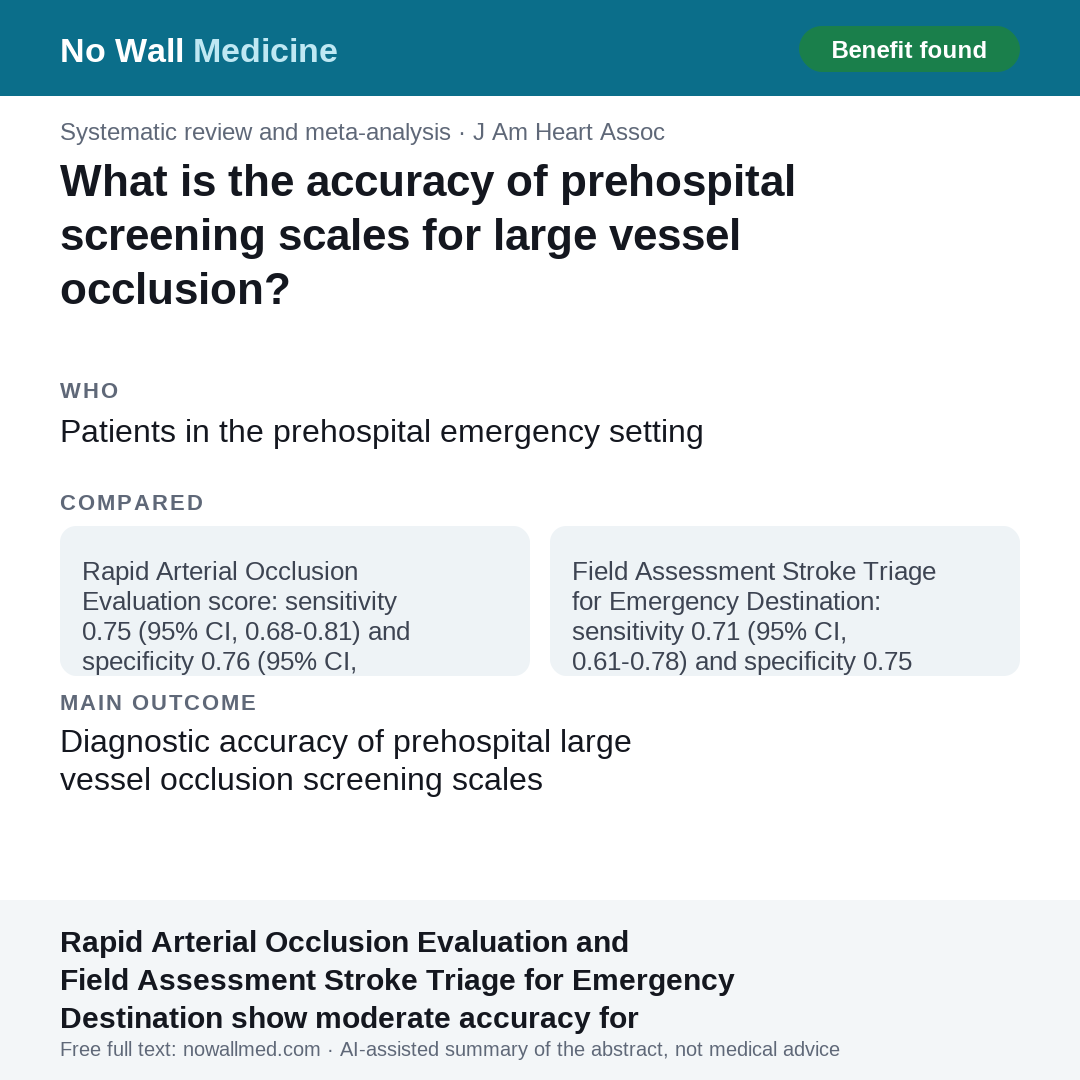
Stroke Scales for Large Vessel Occlusion in the Prehospital Emergency Setting: A Systematic Review and Meta-Analysis
Systematic review and meta-analysisBenefit found
What is the accuracy of prehospital screening scales for large vessel occlusion?
Who
Patients in the prehospital emergency setting
Compared
Rapid Arterial Occlusion Evaluation score: sensitivity 0.75 (95% CI, 0.68-0.81) and specificity 0.76 (95% CI, 0.68-0.84)
Field Assessment Stroke Triage for Emergency Destination: sensitivity 0.71 (95% CI, 0.61-0.78) and specificity 0.75 (95% CI, 0.64-0.83)
Main outcome
Diagnostic accuracy of prehospital large vessel occlusion screening scales
Bottom line: Rapid Arterial Occlusion Evaluation and Field Assessment Stroke Triage for Emergency Destination show moderate accuracy for prehospital large vessel occlusion triage.
Limitation: Need for further validation
J Am Heart Assoc · 2026-06-23Download image
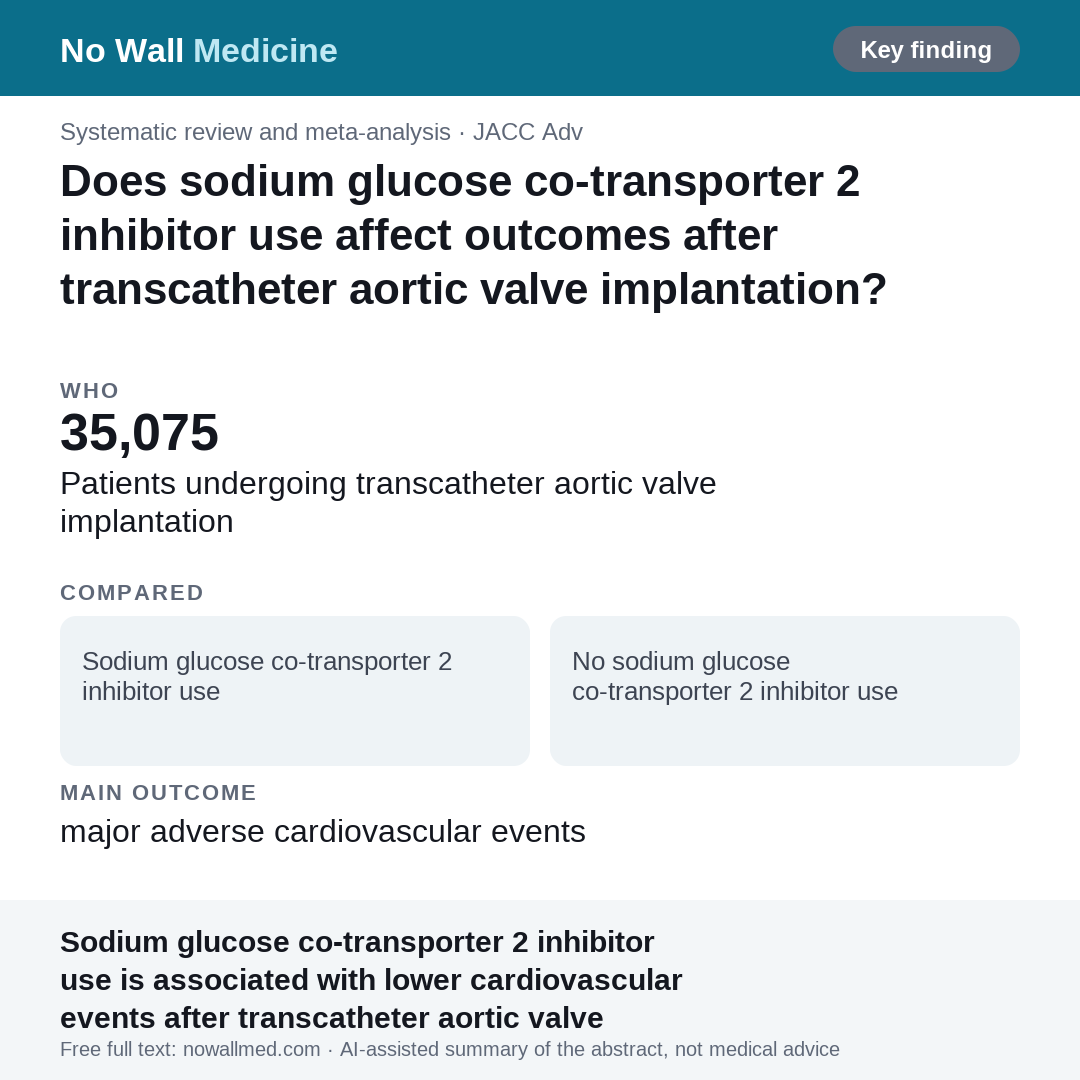
SGLT-2 Inhibitors and Outcomes After Transcatheter Aortic Valve Implantation: A Systematic Review and Meta-Analysis
Systematic review and meta-analysisBenefit found
Does sodium glucose co-transporter 2 inhibitor use affect outcomes after transcatheter aortic valve implantation?
Who
35,075
Patients undergoing transcatheter aortic valve implantation
Compared
Sodium glucose co-transporter 2 inhibitor use
No sodium glucose co-transporter 2 inhibitor use
Main outcome
major adverse cardiovascular events
Result: hazard ratio 0.65 (95% CI 0.44-0.95)
Bottom line: Sodium glucose co-transporter 2 inhibitor use is associated with lower cardiovascular events after transcatheter aortic valve implantation.
Limitation: Low certainty due to predominance of observational studies and potential bias.
JACC Adv · 2026-06-23Download image
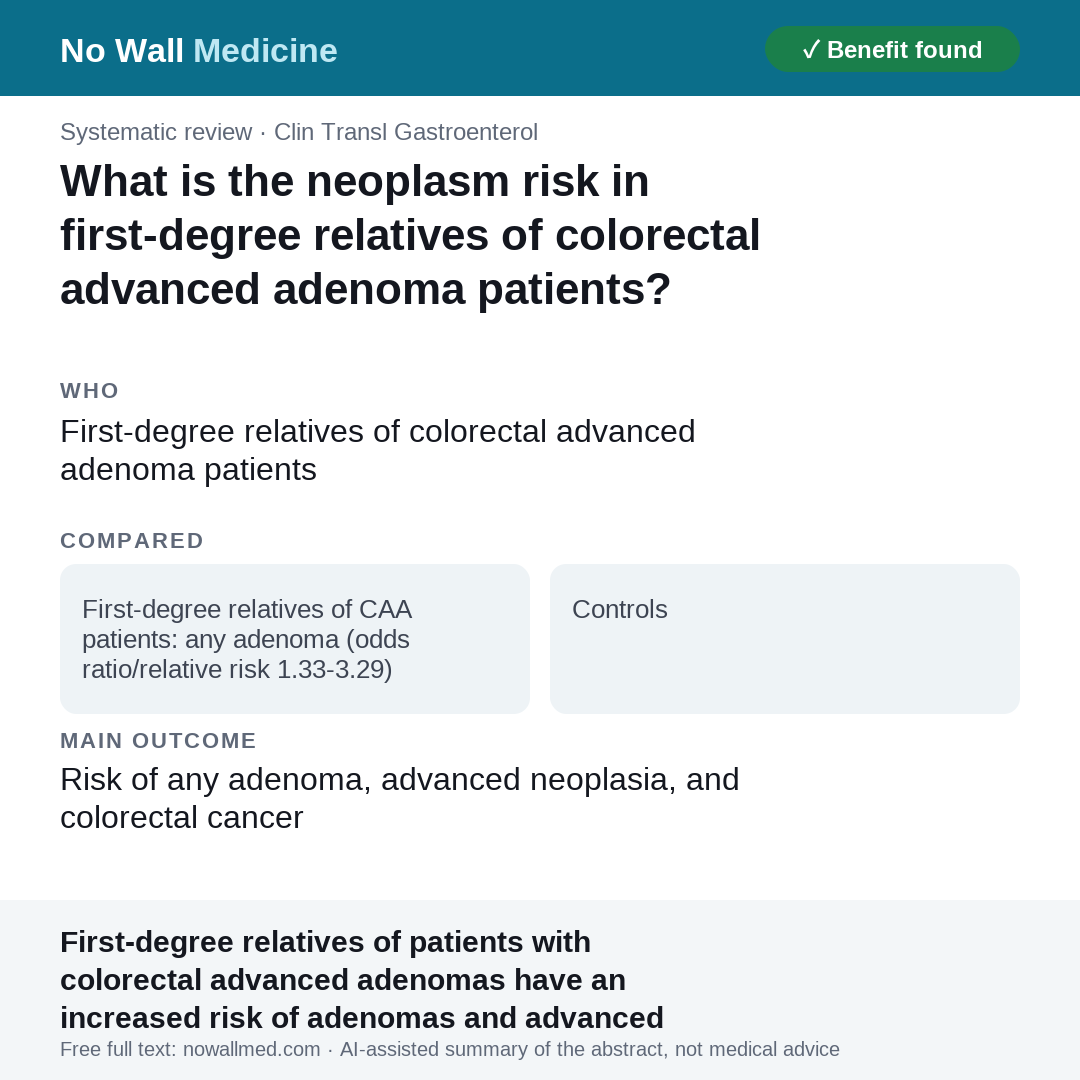
Risk of Colorectal Neoplasia in First-Degree Relatives of Colorectal Advanced Adenoma Patients: A Systematic Review
Systematic reviewBenefit found
What is the neoplasm risk in first-degree relatives of colorectal advanced adenoma patients?
Who
First-degree relatives of colorectal advanced adenoma patients
Compared
First-degree relatives of CAA patients: any adenoma (odds ratio/relative risk 1.33-3.29)
Controls
Main outcome
Risk of any adenoma, advanced neoplasia, and colorectal cancer
Result: advanced neoplasia (odds ratio/relative risk 1.65-6.33, 95% confidence intervals 1.01-43.8)
Bottom line: First-degree relatives of patients with colorectal advanced adenomas have an increased risk of adenomas and advanced neoplasia.
Limitation: Evidence certainty is limited and colorectal cancer risk findings were inconsistent.
Clin Transl Gastroenterol · 2026-06-23Download image
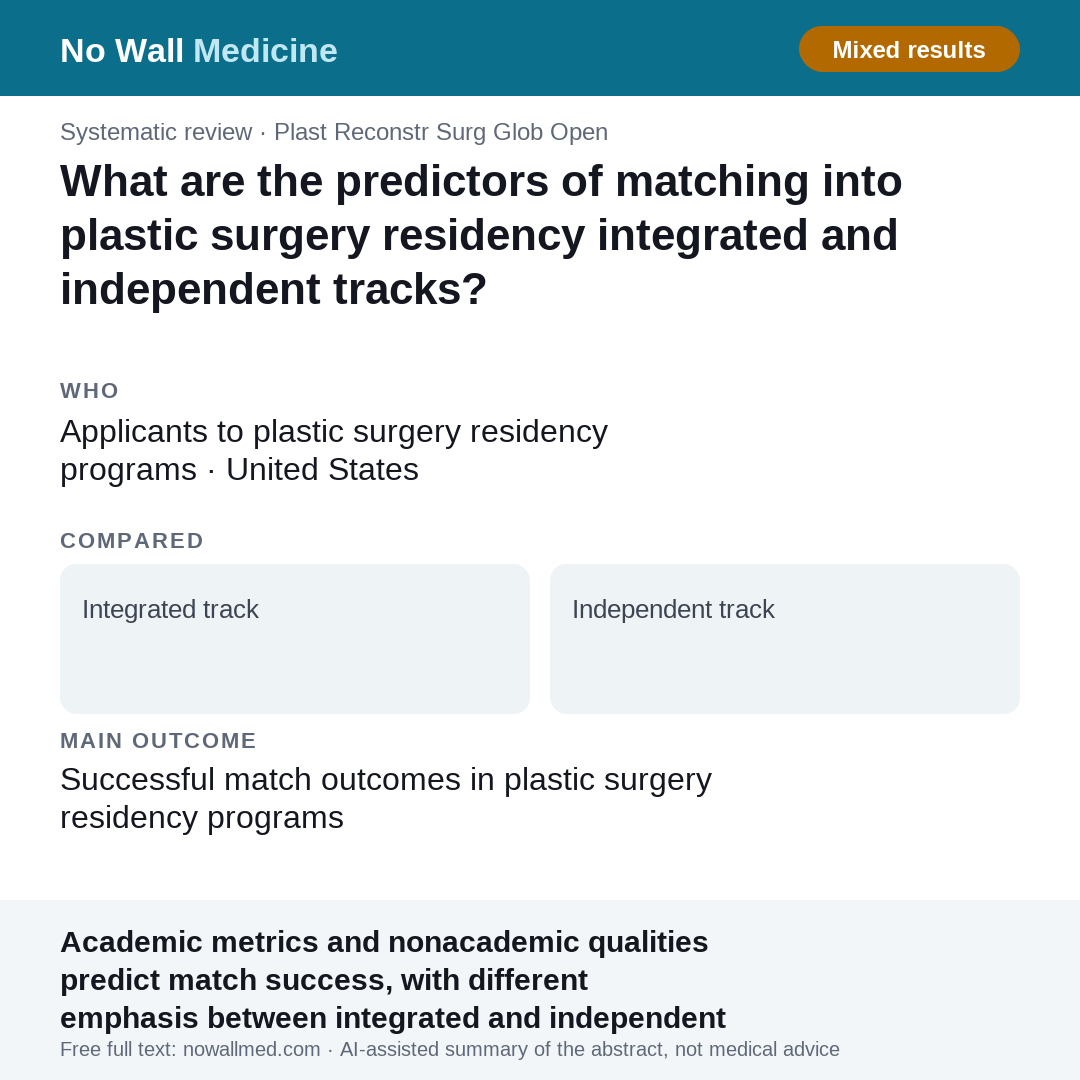
Predictors of Matching into Plastic Surgery Residency Integrated and Independent Tracks: A Systematic Review
Systematic reviewMixed results
What are the predictors of matching into plastic surgery residency integrated and independent tracks?
Who
Applicants to plastic surgery residency programs · United States
Compared
Integrated track
Independent track
Main outcome
Successful match outcomes in plastic surgery residency programs
Bottom line: Academic metrics and nonacademic qualities predict match success, with different emphasis between integrated and independent tracks.
Plast Reconstr Surg Glob Open · 2026-06-23Download image
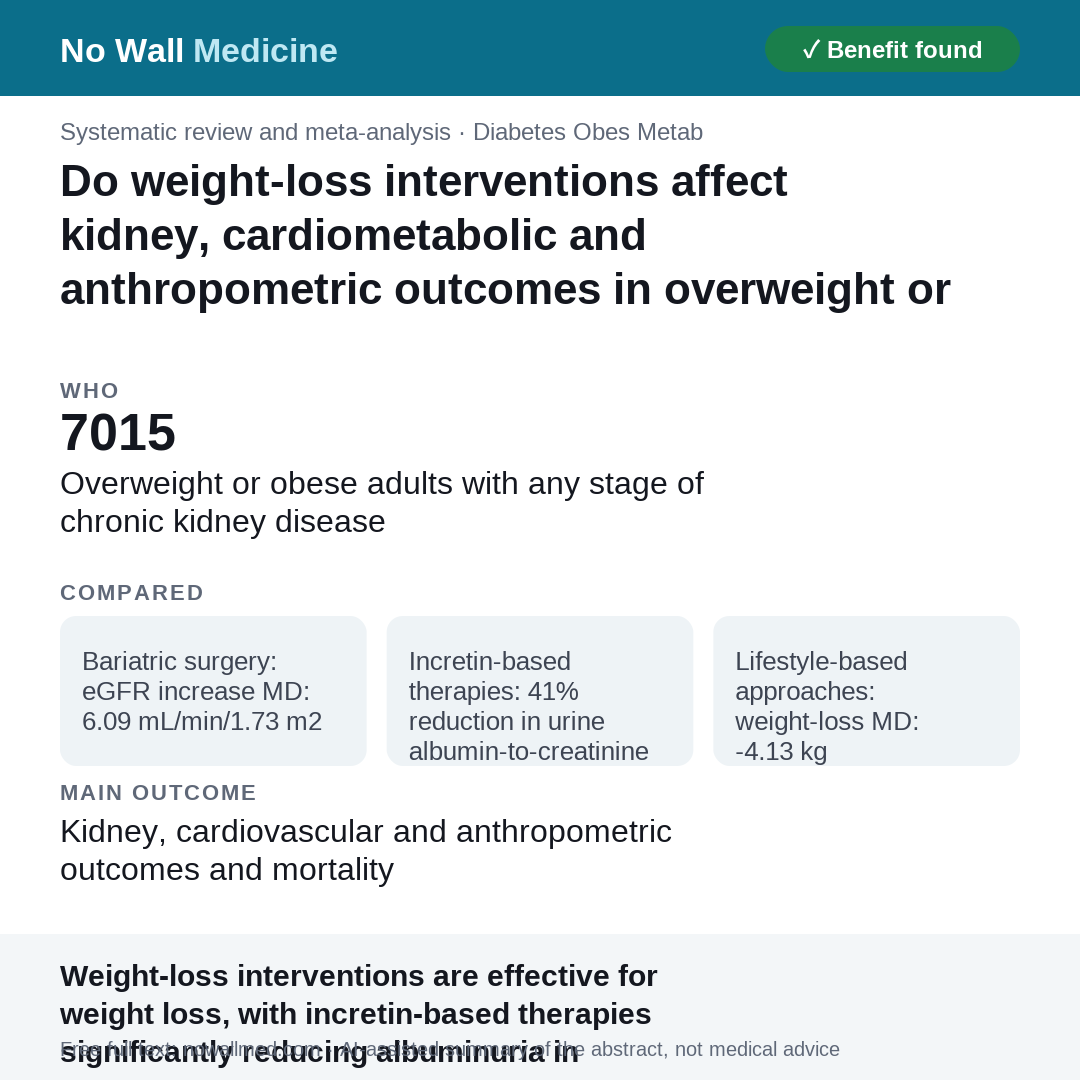
Effects of Weight-Loss Interventions on Kidney, Cardiometabolic and Anthropometric Outcomes in Adults With CKD and Overweight or Obesity: A Systematic Review and Meta-Analysis
Systematic review and meta-analysisBenefit found
Do weight-loss interventions affect kidney, cardiometabolic and anthropometric outcomes in overweight or obese adults with chronic kidney disease?
Who
7015
Overweight or obese adults with any stage of chronic kidney disease
Compared
Bariatric surgery: eGFR increase MD: 6.09 mL/min/1.73 m2
Incretin-based therapies: 41% reduction in urine albumin-to-creatinine ratio
Lifestyle-based approaches: weight-loss MD: -4.13 kg
Main outcome
Kidney, cardiovascular and anthropometric outcomes and mortality
Bottom line: Weight-loss interventions are effective for weight loss, with incretin-based therapies significantly reducing albuminuria in patients with chronic kidney disease.
Limitation: Cardiovascular outcomes and mortality data were lacking.
Diabetes Obes Metab · 2026-06-22Download image
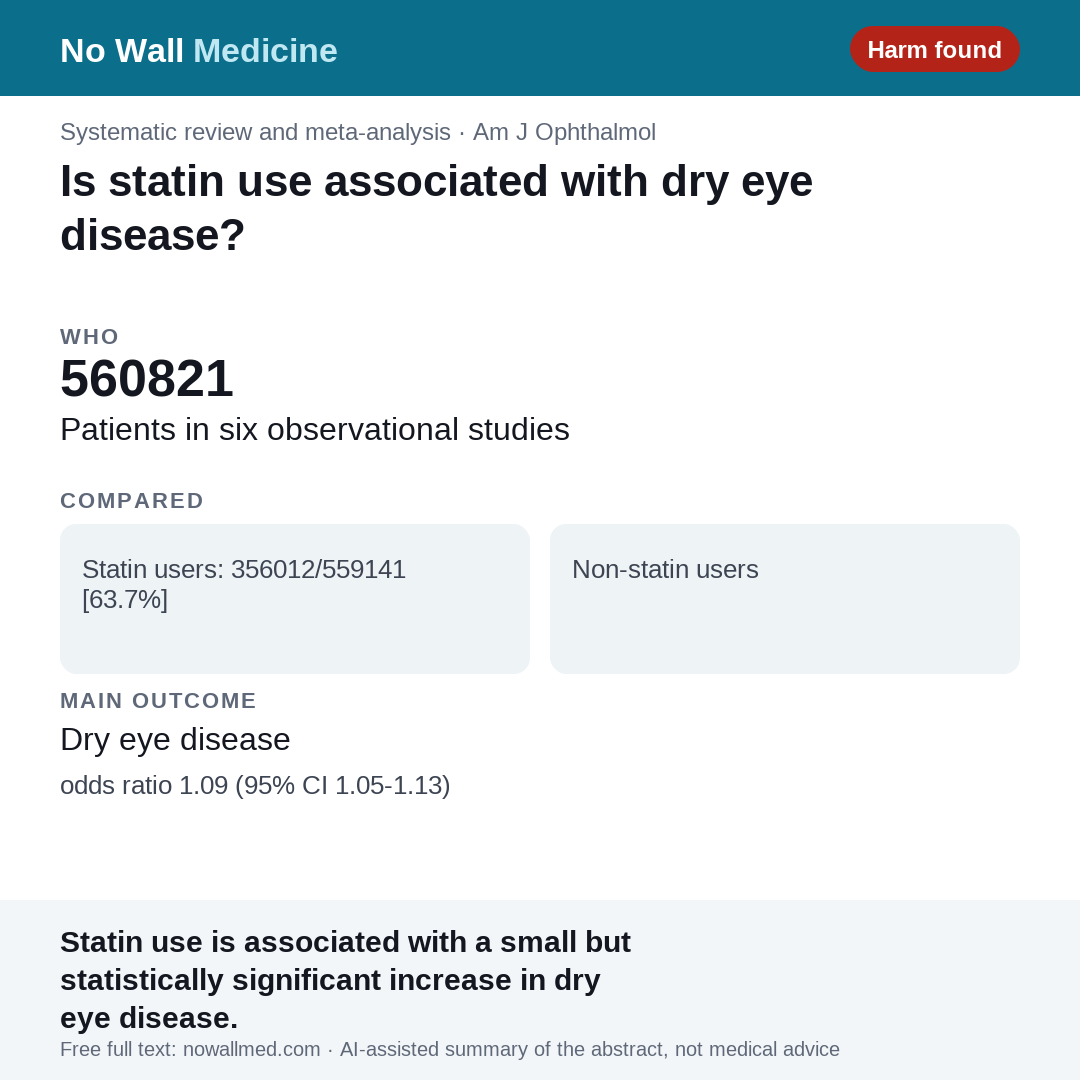
Association Between Statin Use and Dry Eye Disease: A Systematic Review and Meta-Analysis
Systematic review and meta-analysisHarm found
Is statin use associated with dry eye disease?
Who
560821
Patients in six observational studies
Compared
Statin users: 356012/559141 [63.7%]
Non-statin users
Main outcome
Dry eye disease
Result: odds ratio 1.09 (95% CI 1.05-1.13)
Bottom line: Statin use is associated with a small but statistically significant increase in dry eye disease.
Limitation: Very low-certainty evidence due to limitations in study design and serious inconsistency.
Am J Ophthalmol · 2026-06-22Download image
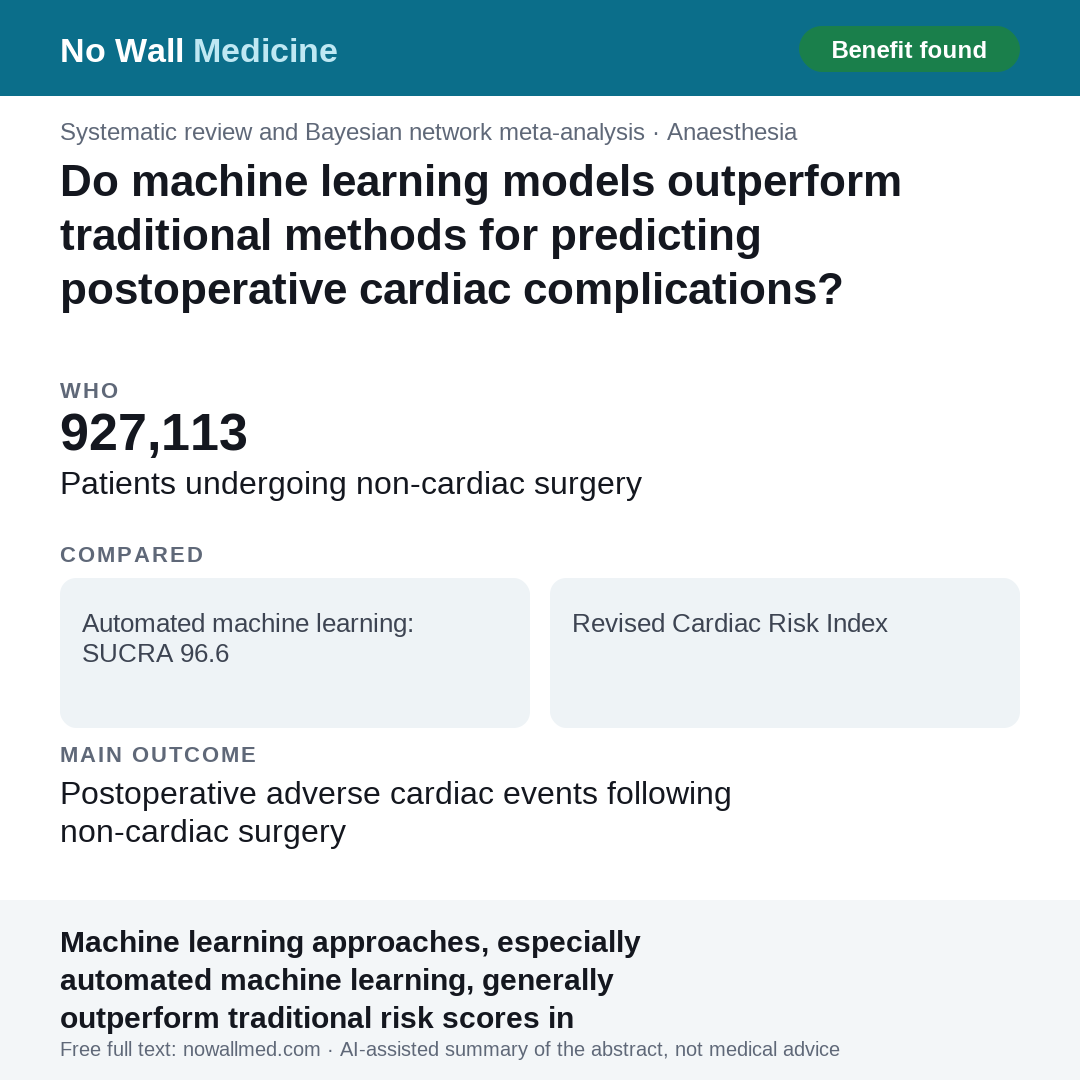
Machine learning vs. traditional methods for predicting postoperative cardiac complications after non-cardiac surgery: a systematic review and Bayesian network meta-analysis
Systematic review and Bayesian network meta-analysisBenefit found
Do machine learning models outperform traditional methods for predicting postoperative cardiac complications?
Who
927,113
Patients undergoing non-cardiac surgery
Compared
Automated machine learning: SUCRA 96.6
Revised Cardiac Risk Index
Main outcome
Postoperative adverse cardiac events following non-cardiac surgery
Result: mean difference 0.28 (95%CrI 0.16-0.40)
Bottom line: Machine learning approaches, especially automated machine learning, generally outperform traditional risk scores in predicting postoperative cardiac complications.
Limitation: Lack of external validation and low number of low risk of bias studies.
Anaesthesia · 2026-06-22Download image