Visual abstracts
New randomized trials and meta-analyses from leading journals at a glance: who was studied, what was compared, and what was found. Every paper is free to read in full.
All specialtiesCardiology 4833Oncology 4115Gastroenterology & Hepatology 1934Infectious Disease 3825Neurology 1901Psychiatry & Mental Health 2256Pulmonology 2082Critical Care 1346Endocrinology & Diabetes 2572Pediatrics 2940Surgery 2525Orthopedics & Sports Medicine 926Neurosurgery 534Cardiothoracic & Vascular Surgery 671Plastic & Reconstructive Surgery 591Nephrology 1124Rheumatology 823Hematology 1104Dermatology 620Ophthalmology 543Obstetrics & Gynecology 1684Public & Global Health 1056Radiology & Imaging 641Anesthesiology 962Urology 754ENT (Otolaryngology) 503Emergency Medicine 489Allergy & Immunology 313Geriatrics 982Family Medicine & Primary Care 541Medical Genetics & Genomics 675Pathology & Laboratory Medicine 157Physical Medicine & Rehabilitation 751Palliative Care 424Nutrition 1580Digital Health & AI 2195General Medicine 321
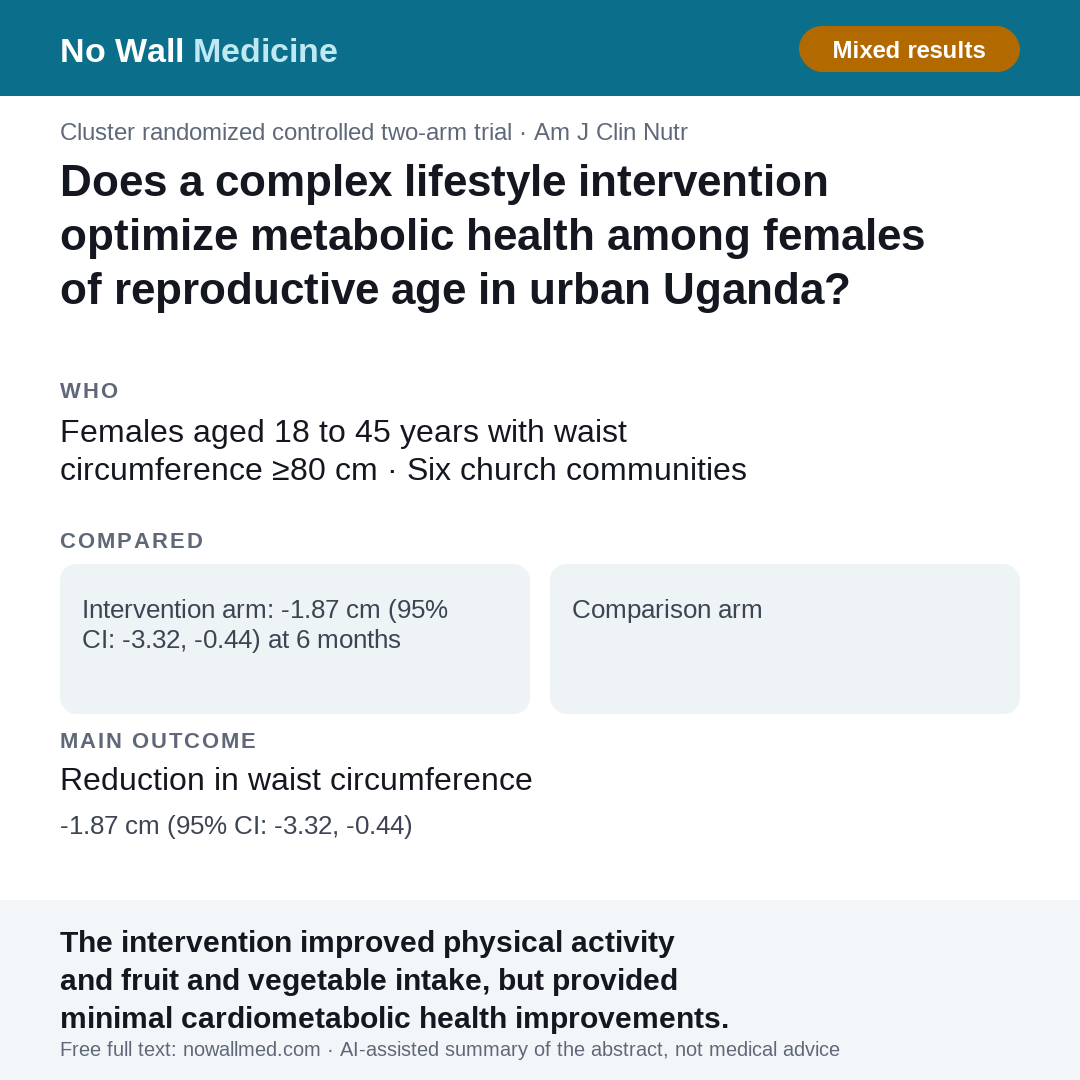
Effect of a complex lifestyle intervention to optimize metabolic health among females of reproductive age in urban Uganda, a randomized controlled trial
Cluster randomized controlled two-arm trialMixed results
Does a complex lifestyle intervention optimize metabolic health among females of reproductive age in urban Uganda?
Who
Females aged 18 to 45 years with waist circumference ≥80 cm · Six church communities in Kampala, Uganda
Compared
Intervention arm: -1.87 cm (95% CI: -3.32, -0.44) at 6 months
Comparison arm
Main outcome
Reduction in waist circumference
Result: -1.87 cm (95% CI: -3.32, -0.44)
Bottom line: The intervention improved physical activity and fruit and vegetable intake, but provided minimal cardiometabolic health improvements.
Am J Clin Nutr · 2022-12-23Download image
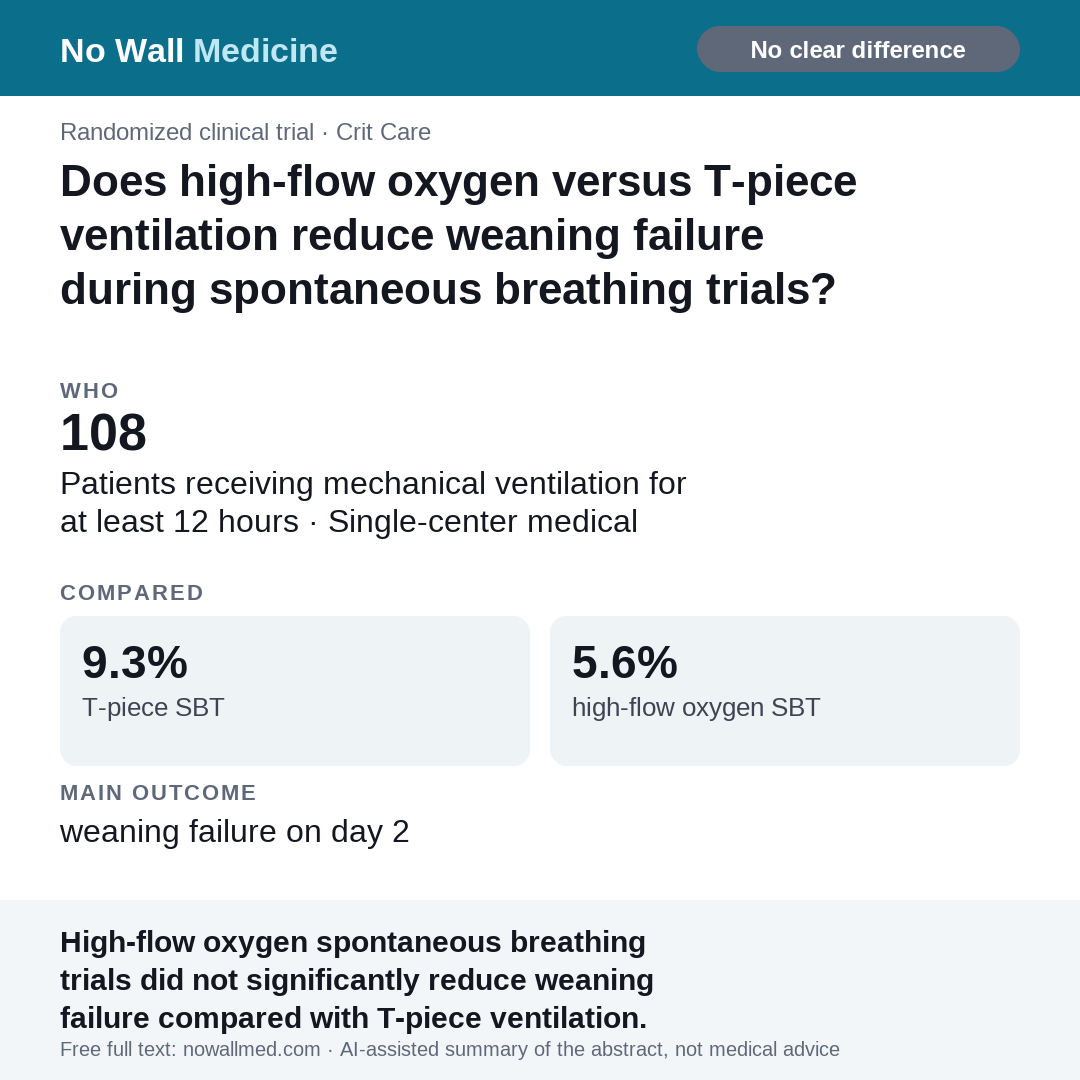
Effect of high-flow oxygen versus T-piece ventilation strategies during spontaneous breathing trials on weaning failure among patients receiving mechanical ventilation: a randomized controlled trial
Randomized clinical trialNo clear difference
Does high-flow oxygen versus T-piece ventilation reduce weaning failure during spontaneous breathing trials?
Who
108
Patients receiving mechanical ventilation for at least 12 hours · Single-center medical intensive care unit
Compared
9.3%T-piece SBT
5.6%high-flow oxygen SBT
Main outcome
weaning failure on day 2
Result: difference, 3.7% (95% CI, -6.1-13.6)
Bottom line: High-flow oxygen spontaneous breathing trials did not significantly reduce weaning failure compared with T-piece ventilation.
Limitation: The study may have been underpowered to detect a clinically important treatment effect.
Crit Care · 2022-12-23Download image
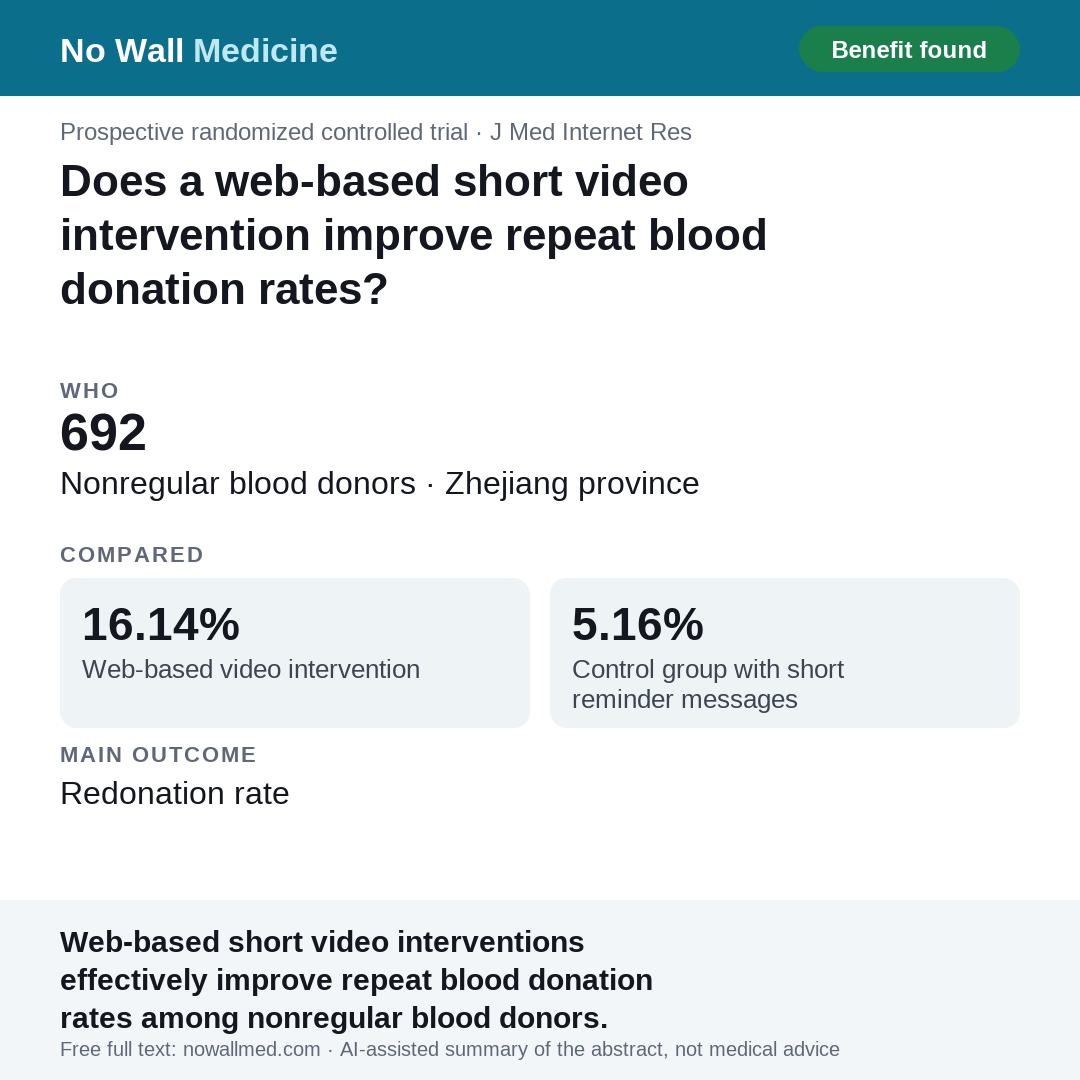
Web-Based Short Video Intervention and Short Message Comparison of Repeat Blood Donation Behavior Based on an Extended Theory of Planned Behavior: Prospective Randomized Controlled Trial Study
Prospective randomized controlled trialBenefit found
Does a web-based short video intervention improve repeat blood donation rates?
Who
692
Nonregular blood donors · Zhejiang province
Compared
16.14%Web-based video intervention
5.16%Control group with short reminder messages
Main outcome
Redonation rate
Bottom line: Web-based short video interventions effectively improve repeat blood donation rates among nonregular blood donors.
J Med Internet Res · 2022-12-23Download image
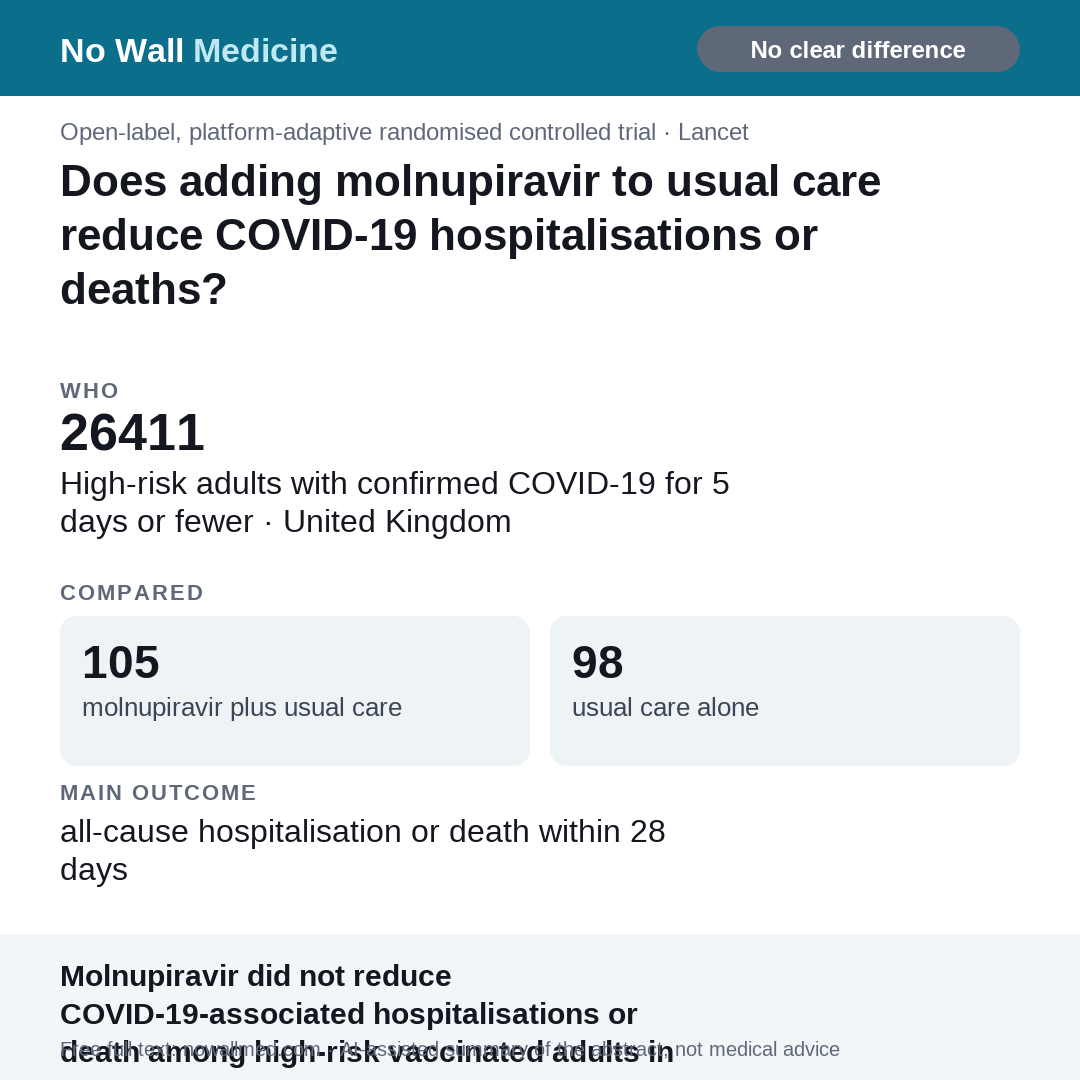
Molnupiravir plus usual care versus usual care alone as early treatment for adults with COVID-19 at increased risk of adverse outcomes (PANORAMIC): an open-label, platform-adaptive randomised controlled trial
Open-label, platform-adaptive randomised controlled trialNo clear difference
Does adding molnupiravir to usual care reduce COVID-19 hospitalisations or deaths?
Who
26411
High-risk adults with confirmed COVID-19 for 5 days or fewer · United Kingdom
Compared
105molnupiravir plus usual care (1%)
98usual care alone (1%)
Main outcome
all-cause hospitalisation or death within 28 days
Result: adjusted odds ratio 1·06 (95% Bayesian credible interval 0·81-1·41)
Bottom line: Molnupiravir did not reduce COVID-19-associated hospitalisations or death among high-risk vaccinated adults in the community.
Funded by: UK National Institute for Health and Care Research
Lancet · 2022-12-22Download image
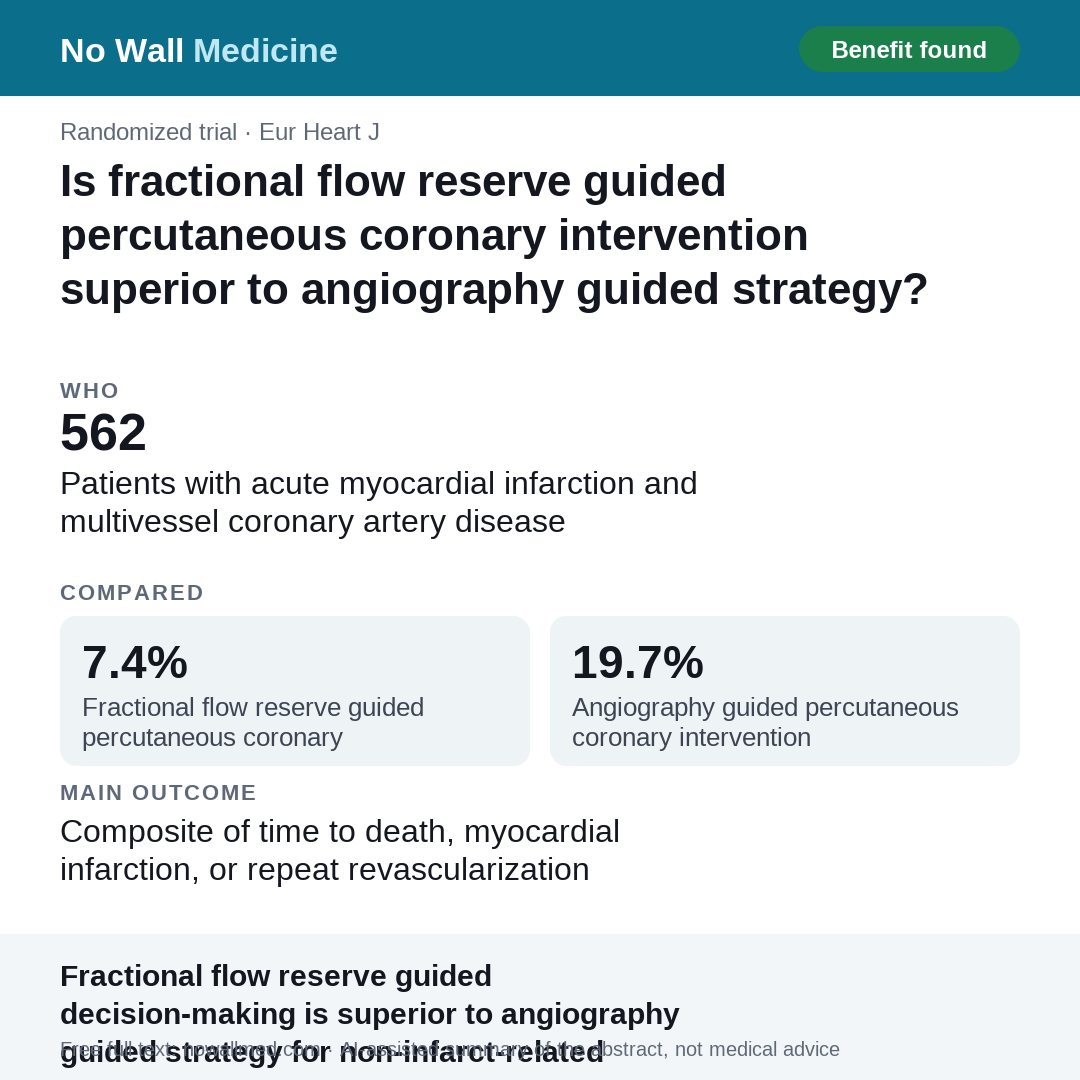
Fractional flow reserve versus angiography-guided strategy in acute myocardial infarction with multivessel disease: a randomized trial
Randomized trialBenefit found
Is fractional flow reserve guided percutaneous coronary intervention superior to angiography guided strategy?
Who
562
Patients with acute myocardial infarction and multivessel coronary artery disease
Compared
7.4%Fractional flow reserve guided percutaneous coronary intervention
19.7%Angiography guided percutaneous coronary intervention
Main outcome
Composite of time to death, myocardial infarction, or repeat revascularization
Result: hazard ratio 0.43 (95% confidence interval, 0.25-0.75)
Bottom line: Fractional flow reserve guided decision-making is superior to angiography guided strategy for non-infarct-related artery lesions.
Eur Heart J · 2022-12-22Download image
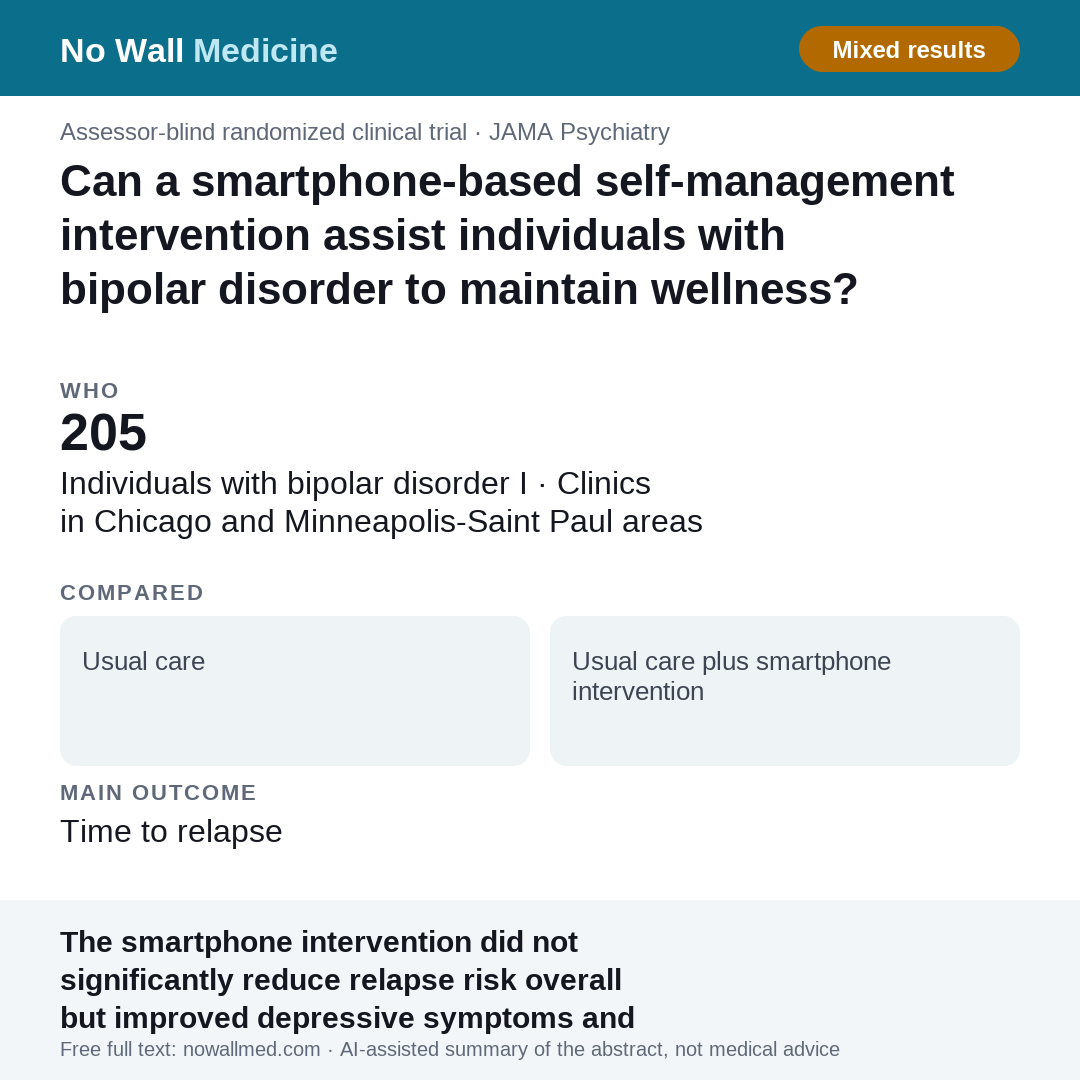
Effects of a Smartphone-Based Self-management Intervention for Individuals With Bipolar Disorder on Relapse, Symptom Burden, and Quality of Life: A Randomized Clinical Trial
Assessor-blind randomized clinical trialMixed results
Can a smartphone-based self-management intervention assist individuals with bipolar disorder to maintain wellness?
Who
205
Individuals with bipolar disorder I · Clinics in Chicago and Minneapolis-Saint Paul areas
Compared
Usual care
Usual care plus smartphone intervention
Main outcome
Time to relapse
Result: hazard ratio 0.65 (95% CI 0.39-1.09)
Bottom line: The smartphone intervention did not significantly reduce relapse risk overall but improved depressive symptoms and relational quality of life.
Limitation: The trial did not detect a significant improvement in the primary outcome of time to relapse.
JAMA Psychiatry · 2022-12-22Download image
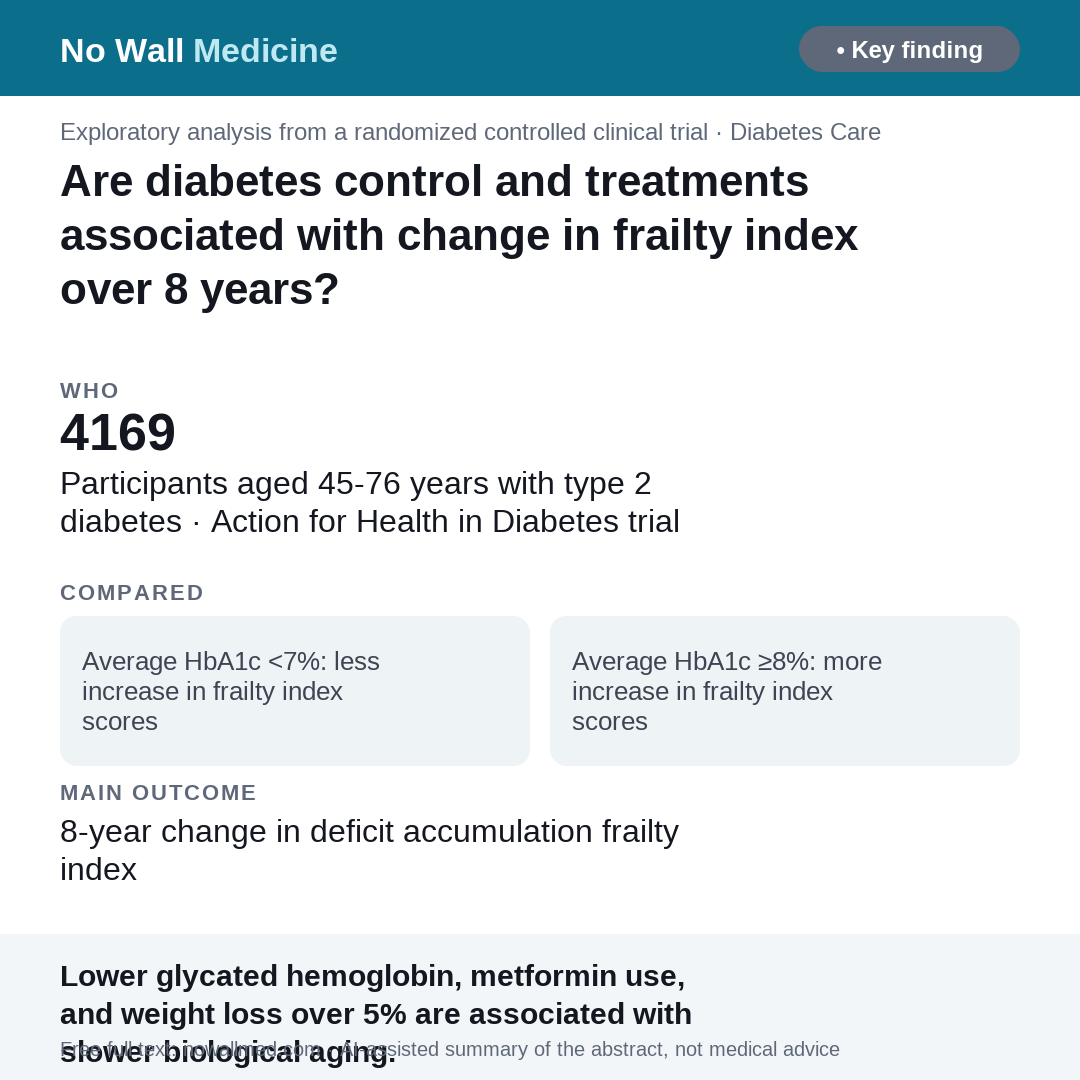
An Examination of Whether Diabetes Control and Treatments Are Associated With Change in Frailty Index Across 8 Years: An Ancillary Exploratory Study From the Action for Health in Diabetes (Look AHEAD) Trial
Exploratory analysis from a randomized controlled clinical trialBenefit found
Are diabetes control and treatments associated with change in frailty index over 8 years?
Who
4169
Participants aged 45-76 years with type 2 diabetes · Action for Health in Diabetes trial
Compared
Average HbA1c <7%: less increase in frailty index scores
Average HbA1c ≥8%: more increase in frailty index scores
Main outcome
8-year change in deficit accumulation frailty index
Bottom line: Lower glycated hemoglobin, metformin use, and weight loss over 5% are associated with slower biological aging.
Limitation: Exploratory analysis using pooled data from intervention groups
Diabetes Care · 2022-12-22Download image
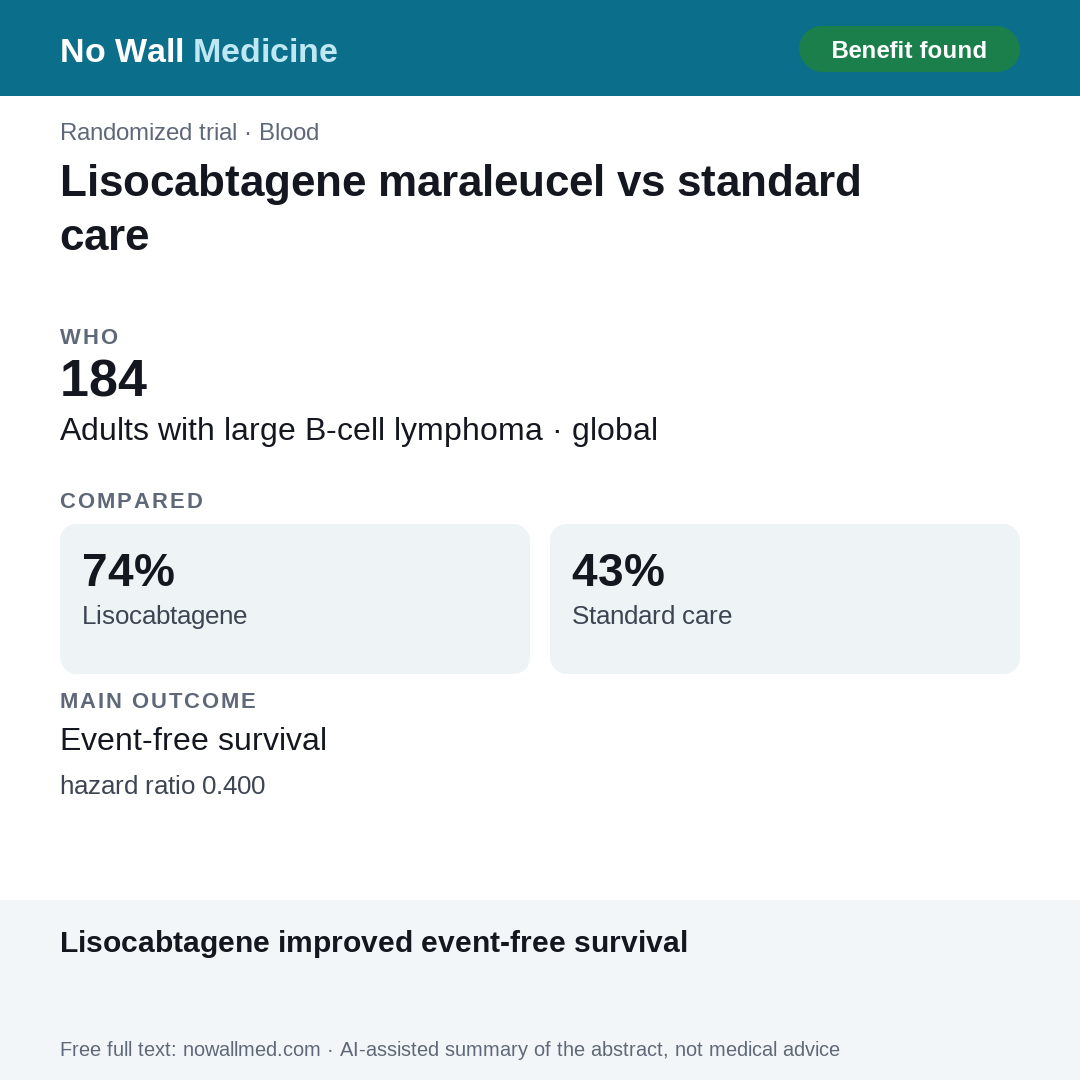
Lisocabtagene maraleucel as second-line therapy for large B-cell lymphoma: primary analysis of the phase 3 TRANSFORM study
Randomized trialBenefit found
Lisocabtagene maraleucel vs standard care
Who
184
Adults with large B-cell lymphoma · global
Compared
74%Lisocabtagene
43%Standard care
Main outcome
Event-free survival
Result: hazard ratio 0.400
Bottom line: Lisocabtagene improved event-free survival
Blood · 2022-12-22Download image
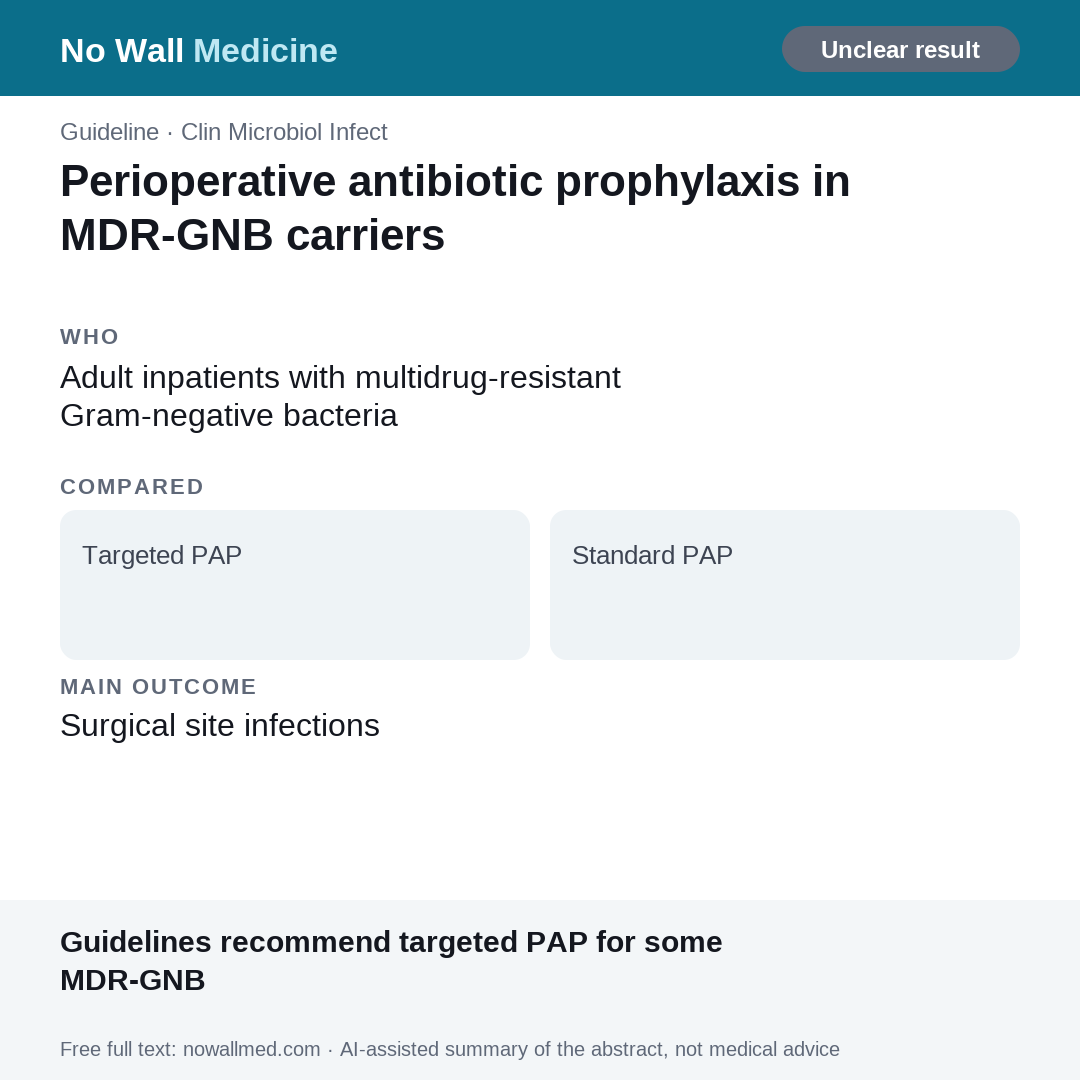
ESCMID/EUCIC clinical practice guidelines on perioperative antibiotic prophylaxis in patients colonized by multidrug-resistant Gram-negative bacteria before surgery
GuidelineUnclear result
Perioperative antibiotic prophylaxis in MDR-GNB carriers
Who
Adult inpatients with multidrug-resistant Gram-negative bacteria
Compared
Targeted PAP
Standard PAP
Main outcome
Surgical site infections
Bottom line: Guidelines recommend targeted PAP for some MDR-GNB
Limitation: Low level of evidence and moderate to high risk of bias
Clin Microbiol Infect · 2022-12-22Download image
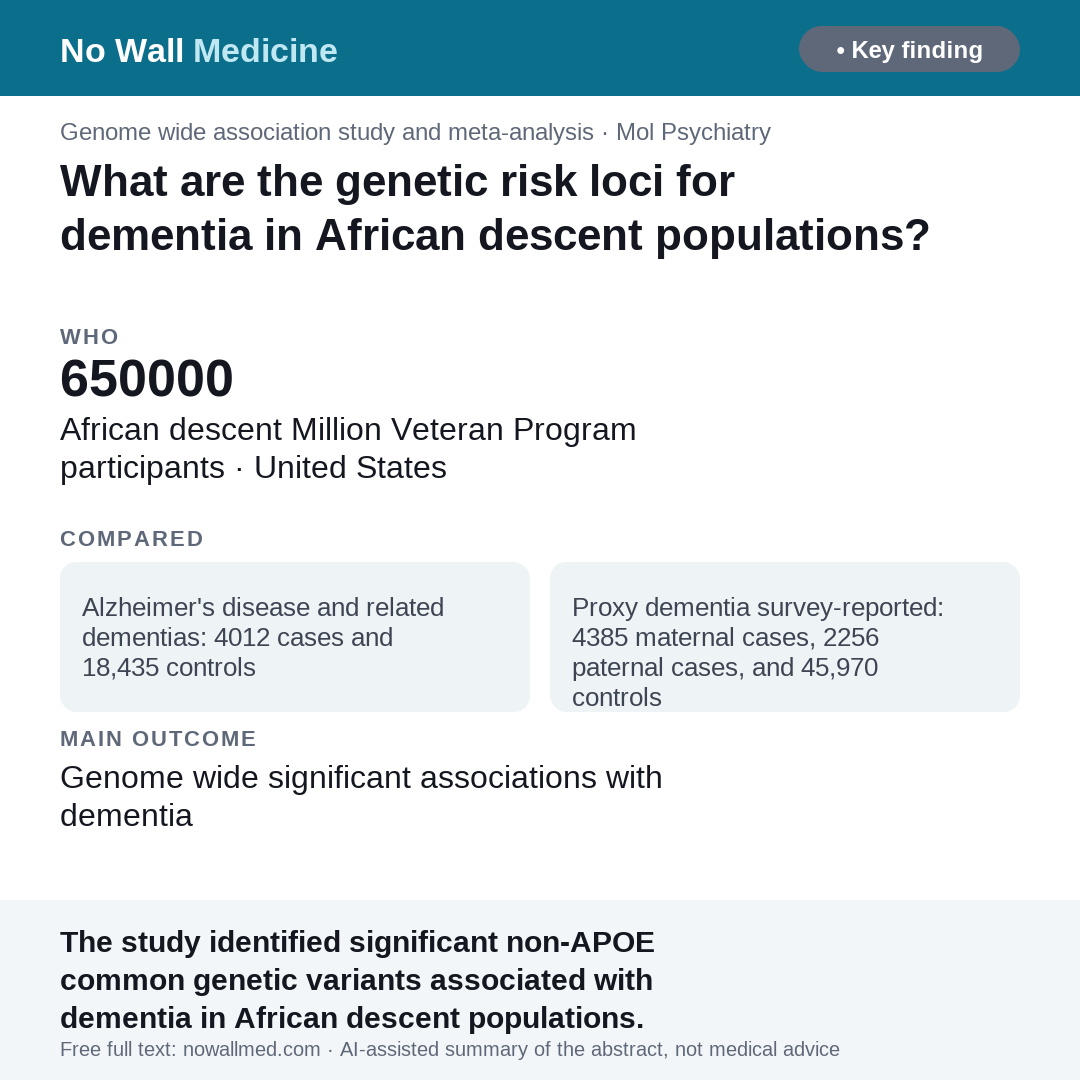
African ancestry GWAS of dementia in a large military cohort identifies significant risk loci
Genome wide association study and meta-analysisBenefit found
What are the genetic risk loci for dementia in African descent populations?
Who
650000
African descent Million Veteran Program participants · United States
Compared
Alzheimer's disease and related dementias: 4012 cases and 18,435 controls
Proxy dementia survey-reported: 4385 maternal cases, 2256 paternal cases, and 45,970 controls
Main outcome
Genome wide significant associations with dementia
Bottom line: The study identified significant non-APOE common genetic variants associated with dementia in African descent populations.
Mol Psychiatry · 2022-12-22Download image
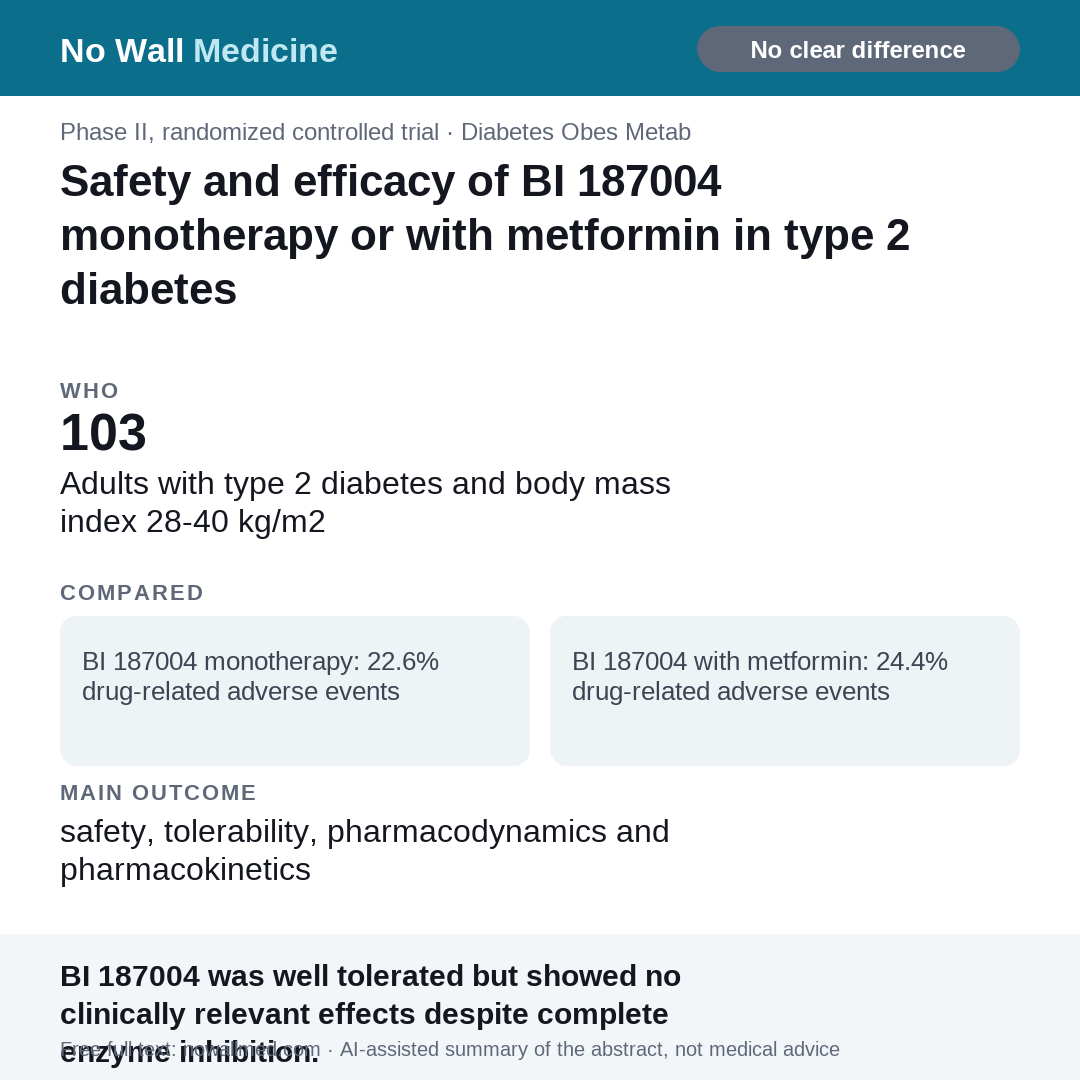
Safety, tolerability, pharmacodynamics and pharmacokinetics following once-daily doses of BI 187004, an inhibitor of 11 beta-hydroxysteroid dehydrogenase-1, over 28 days in patients with type 2 diabetes mellitus and overweight or obesity
Phase II, randomized controlled trialNo clear difference
Safety and efficacy of BI 187004 monotherapy or with metformin in type 2 diabetes
Who
103
Adults with type 2 diabetes and body mass index 28-40 kg/m2
Compared
BI 187004 monotherapy: 22.6% drug-related adverse events
BI 187004 with metformin: 24.4% drug-related adverse events
Main outcome
safety, tolerability, pharmacodynamics and pharmacokinetics
Bottom line: BI 187004 was well tolerated but showed no clinically relevant effects despite complete enzyme inhibition.
Diabetes Obes Metab · 2022-12-22Download image
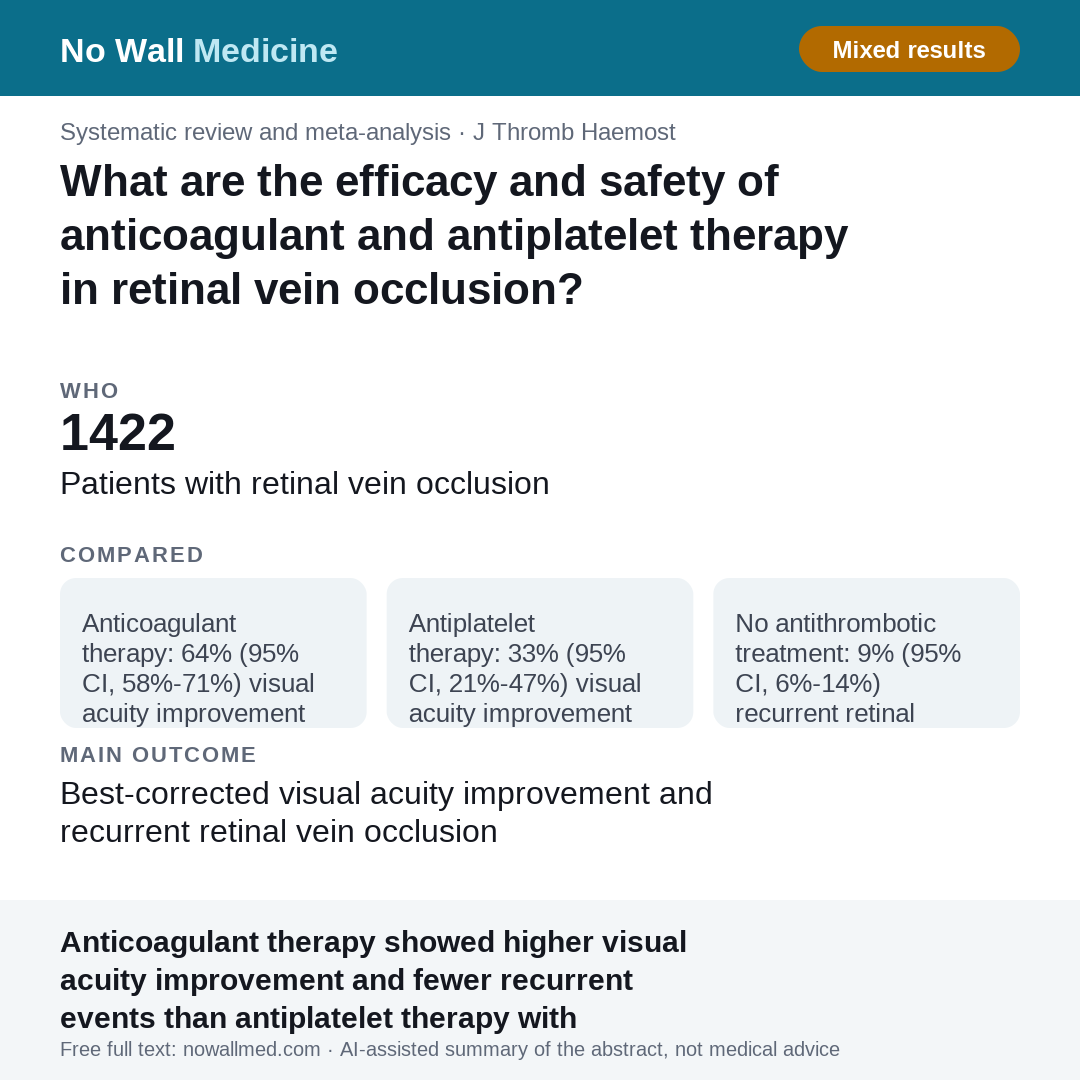
Antithrombotic treatment for retinal vein occlusion: a systematic review and meta-analysis
Systematic review and meta-analysisMixed results
What are the efficacy and safety of anticoagulant and antiplatelet therapy in retinal vein occlusion?
Who
1422
Patients with retinal vein occlusion
Compared
Anticoagulant therapy: 64% (95% CI, 58%-71%) visual acuity improvement
Antiplatelet therapy: 33% (95% CI, 21%-47%) visual acuity improvement
No antithrombotic treatment: 9% (95% CI, 6%-14%) recurrent retinal vein occlusion
Main outcome
Best-corrected visual acuity improvement and recurrent retinal vein occlusion
Bottom line: Anticoagulant therapy showed higher visual acuity improvement and fewer recurrent events than antiplatelet therapy with acceptable bleeding risks.
J Thromb Haemost · 2022-12-22Download image
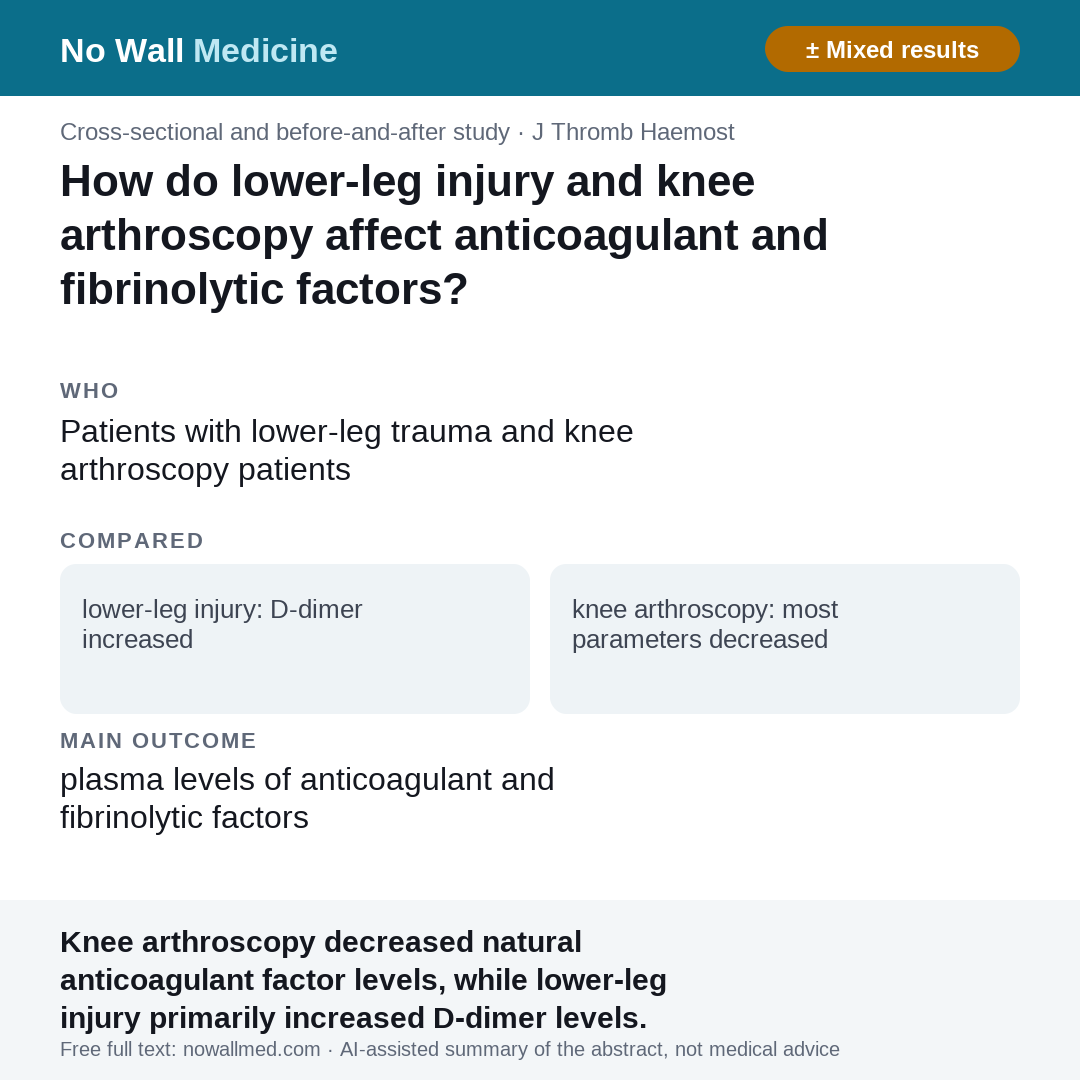
The influence of lower-leg injury and knee arthroscopy on natural anticoagulants and fibrinolysis
Cross-sectional and before-and-after studyMixed results
How do lower-leg injury and knee arthroscopy affect anticoagulant and fibrinolytic factors?
Who
Patients with lower-leg trauma and knee arthroscopy patients
Compared
lower-leg injury: D-dimer increased
knee arthroscopy: most parameters decreased
Main outcome
plasma levels of anticoagulant and fibrinolytic factors
Bottom line: Knee arthroscopy decreased natural anticoagulant factor levels, while lower-leg injury primarily increased D-dimer levels.
J Thromb Haemost · 2022-12-22Download image
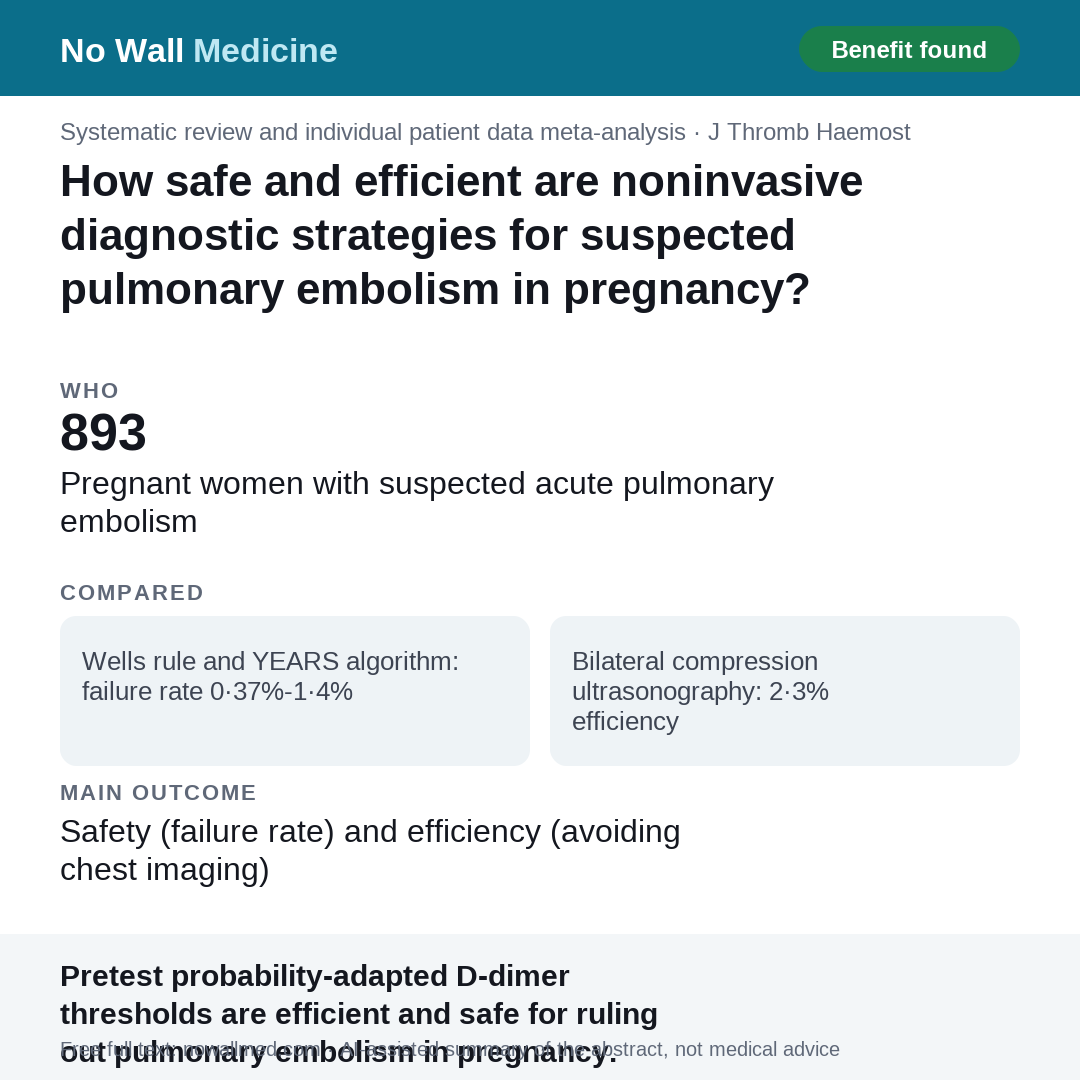
Noninvasive diagnostic work-up for suspected acute pulmonary embolism during pregnancy: a systematic review and meta-analysis of individual patient data
Systematic review and individual patient data meta-analysisBenefit found
How safe and efficient are noninvasive diagnostic strategies for suspected pulmonary embolism in pregnancy?
Who
893
Pregnant women with suspected acute pulmonary embolism
Compared
Wells rule and YEARS algorithm: failure rate 0·37%-1·4%
Bilateral compression ultrasonography: 2·3% efficiency
Main outcome
Safety (failure rate) and efficiency (avoiding chest imaging)
Bottom line: Pretest probability-adapted D-dimer thresholds are efficient and safe for ruling out pulmonary embolism in pregnancy.
Limitation: Only 2 relevant studies were identified for the meta-analysis.
J Thromb Haemost · 2022-12-22Download image
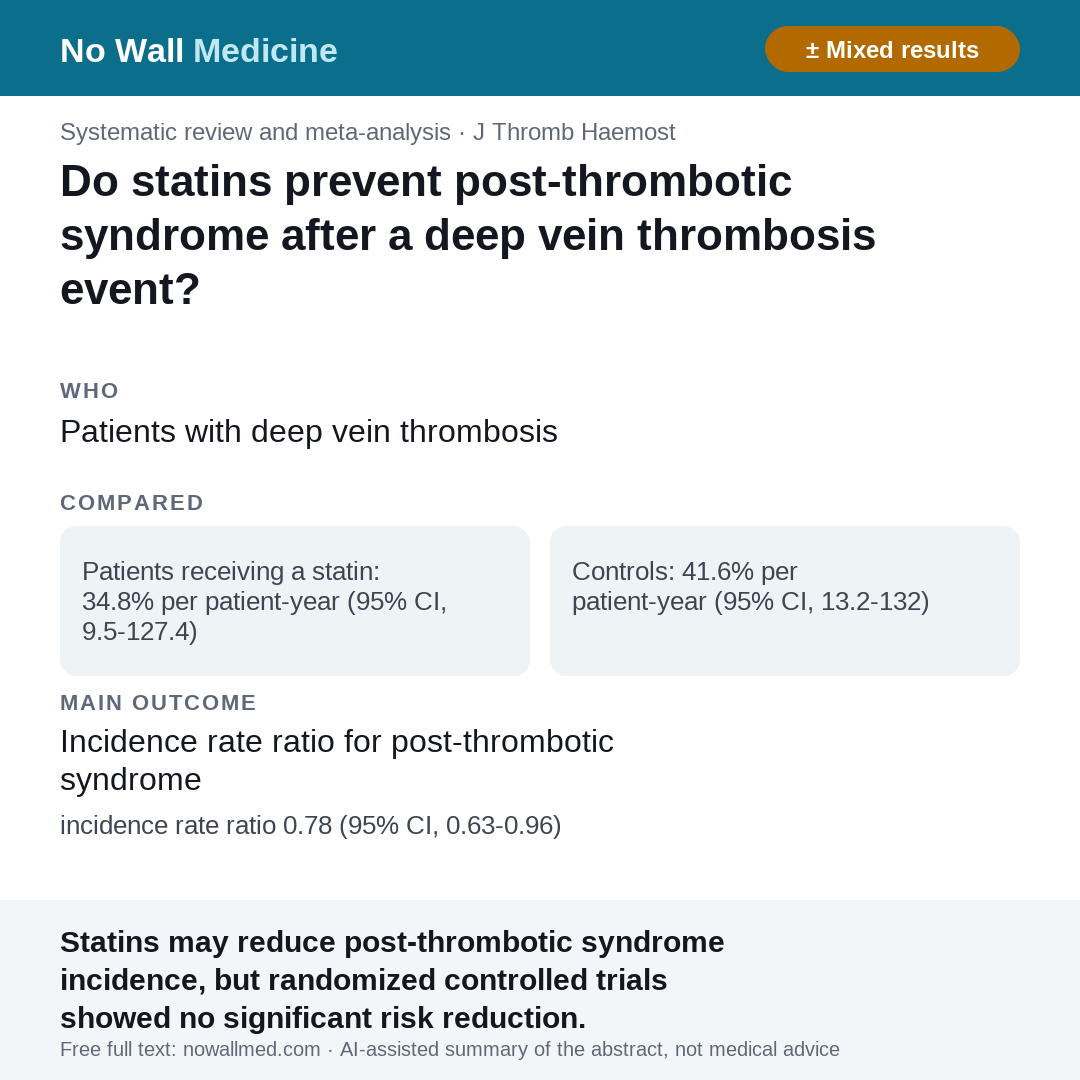
Role of statins in the prevention of post-thrombotic syndrome after a deep vein thrombosis event: a systematic review and meta-analysis
Systematic review and meta-analysisMixed results
Do statins prevent post-thrombotic syndrome after a deep vein thrombosis event?
Who
Patients with deep vein thrombosis
Compared
Patients receiving a statin: 34.8% per patient-year (95% CI, 9.5-127.4)
Controls: 41.6% per patient-year (95% CI, 13.2-132)
Main outcome
Incidence rate ratio for post-thrombotic syndrome
Result: incidence rate ratio 0.78 (95% CI, 0.63-0.96)
Bottom line: Statins may reduce post-thrombotic syndrome incidence, but randomized controlled trials showed no significant risk reduction.
J Thromb Haemost · 2022-12-22Download image
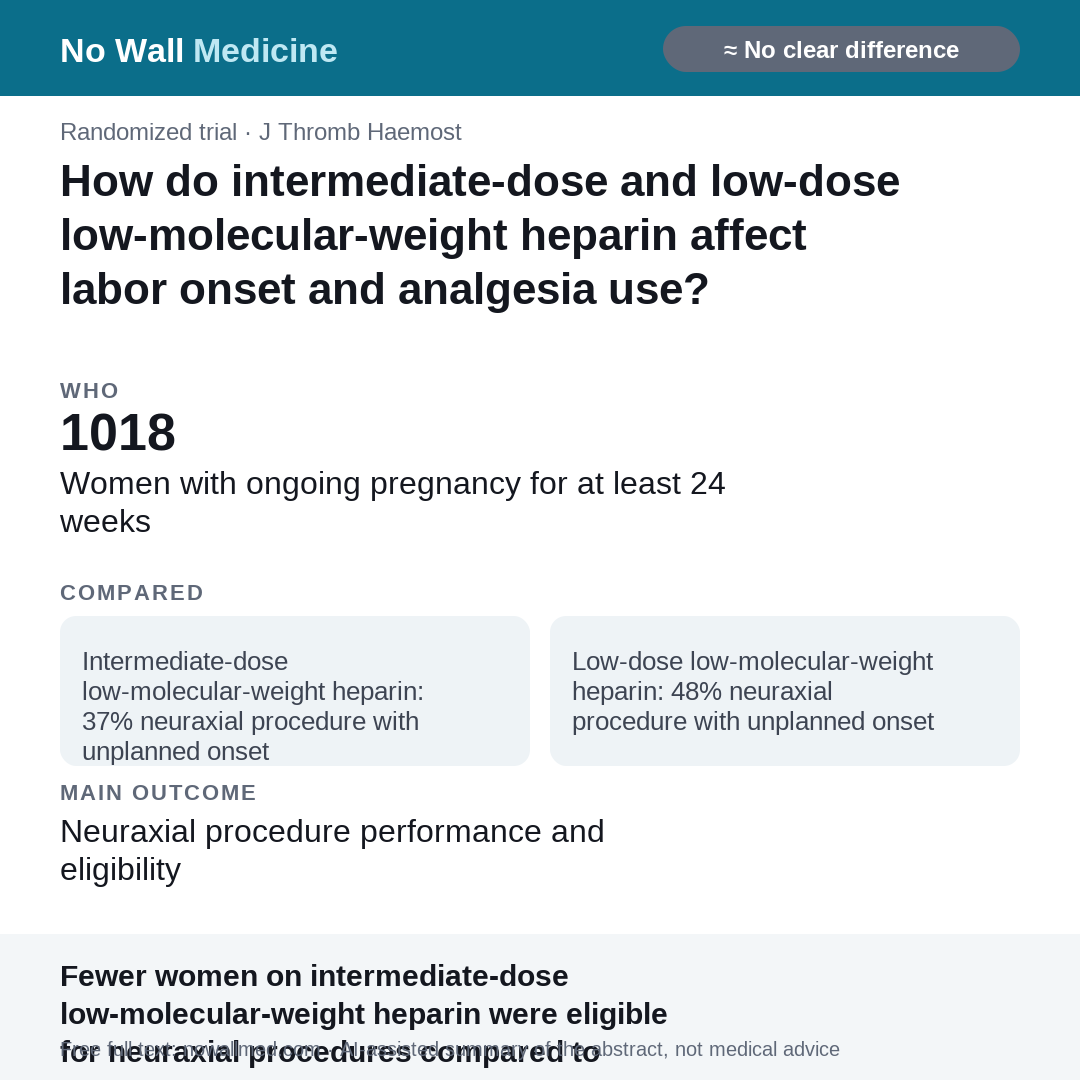
Onset of labor and use of analgesia in women using thromboprophylaxis with 2 doses of low-molecular-weight heparin: insights from the Highlow study
Randomized trialNo clear difference
How do intermediate-dose and low-dose low-molecular-weight heparin affect labor onset and analgesia use?
Who
1018
Women with ongoing pregnancy for at least 24 weeks
Compared
Intermediate-dose low-molecular-weight heparin: 37% neuraxial procedure with unplanned onset
Low-dose low-molecular-weight heparin: 48% neuraxial procedure with unplanned onset
Main outcome
Neuraxial procedure performance and eligibility
Result: risk difference -11%, 95% CI -20% to -2%
Bottom line: Fewer women on intermediate-dose low-molecular-weight heparin were eligible for neuraxial procedures compared to low-dose users.
J Thromb Haemost · 2022-12-22Download image
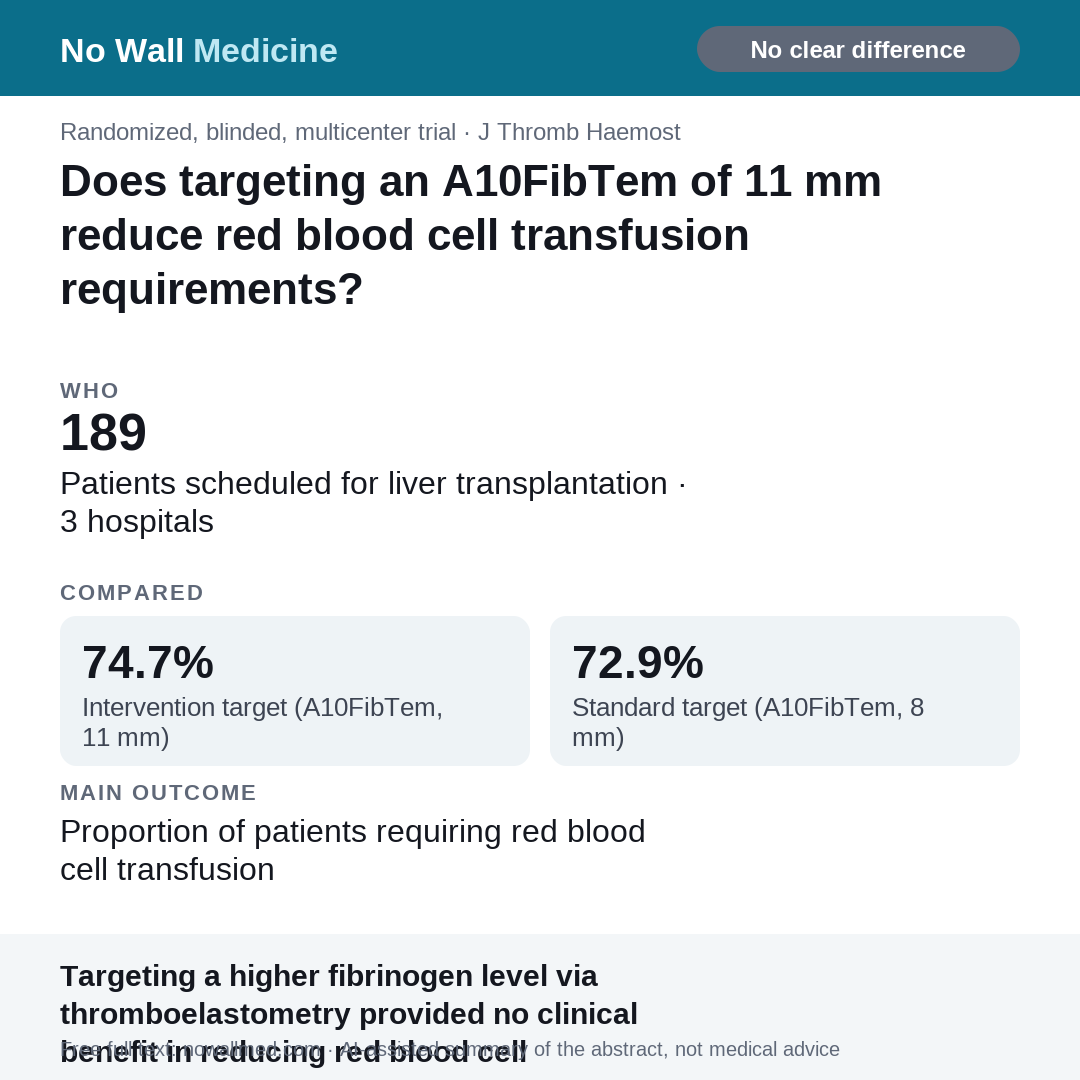
Blood component requirements in liver transplantation: effect of 2 thromboelastometry-guided strategies for bolus fibrinogen infusion-the TROMBOFIB randomized trial
Randomized, blinded, multicenter trialNo clear difference
Does targeting an A10FibTem of 11 mm reduce red blood cell transfusion requirements?
Who
189
Patients scheduled for liver transplantation · 3 hospitals
Compared
74.7%Intervention target (A10FibTem, 11 mm) (95% CI, 65.5%-83.3%)
72.9%Standard target (A10FibTem, 8 mm) (95% CI, 62.2%-82.0%)
Main outcome
Proportion of patients requiring red blood cell transfusion
Result: absolute difference, 1.8% (95% CI, -11.1% to 14.78%)
Bottom line: Targeting a higher fibrinogen level via thromboelastometry provided no clinical benefit in reducing red blood cell transfusion requirements.
Limitation: Similar low plasma fibrinogen concentrations could explain the lack of significant between-group outcomes.
J Thromb Haemost · 2022-12-22Download image
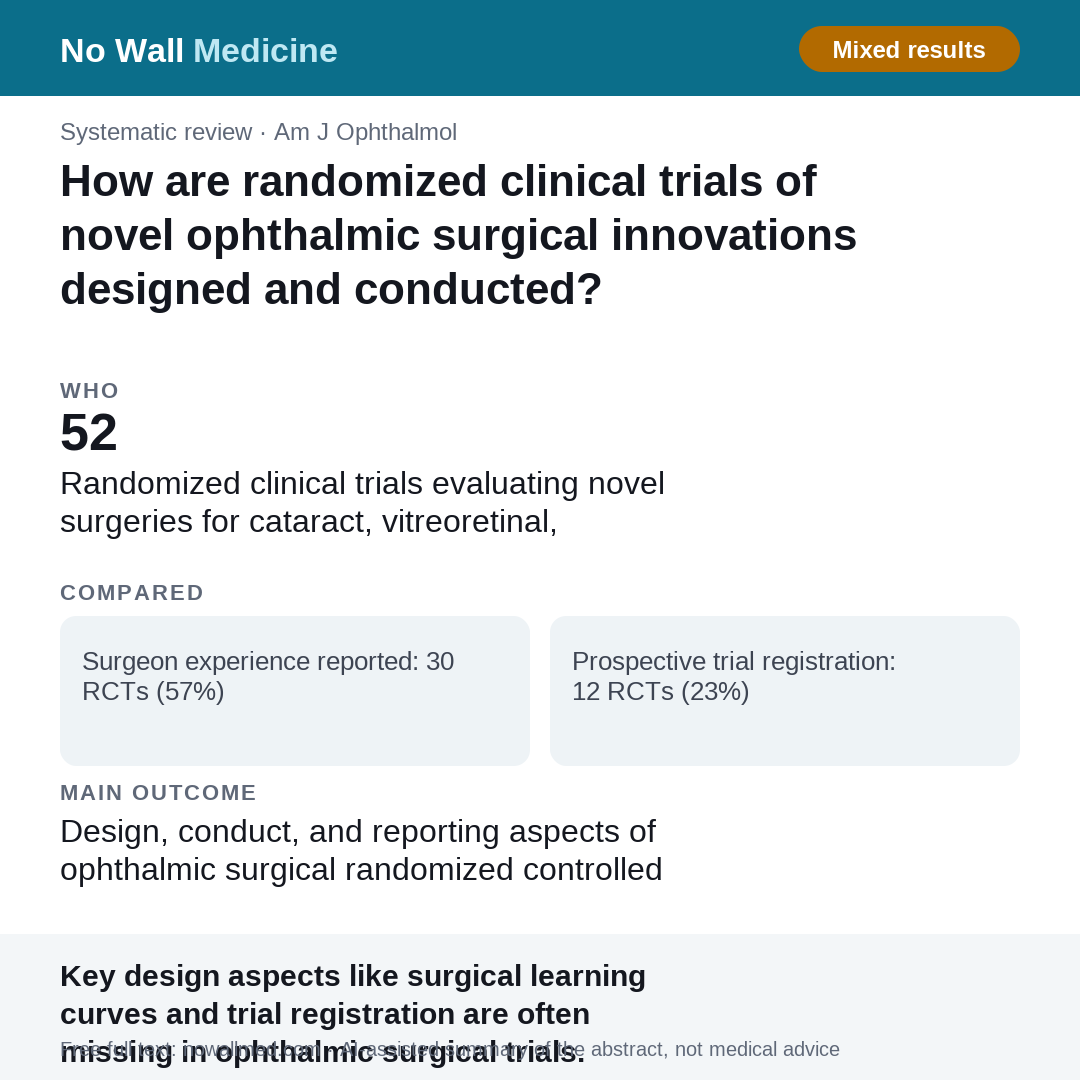
Design and Conduct of Randomized Clinical Trials Evaluating Surgical Innovations in Ophthalmology: A Systematic Review
Systematic reviewMixed results
How are randomized clinical trials of novel ophthalmic surgical innovations designed and conducted?
Who
52
Randomized clinical trials evaluating novel surgeries for cataract, vitreoretinal, glaucoma, and corneal diseases
Compared
Surgeon experience reported: 30 RCTs (57%)
Prospective trial registration: 12 RCTs (23%)
Main outcome
Design, conduct, and reporting aspects of ophthalmic surgical randomized controlled trials
Bottom line: Key design aspects like surgical learning curves and trial registration are often missing in ophthalmic surgical trials.
Am J Ophthalmol · 2022-12-22Download image
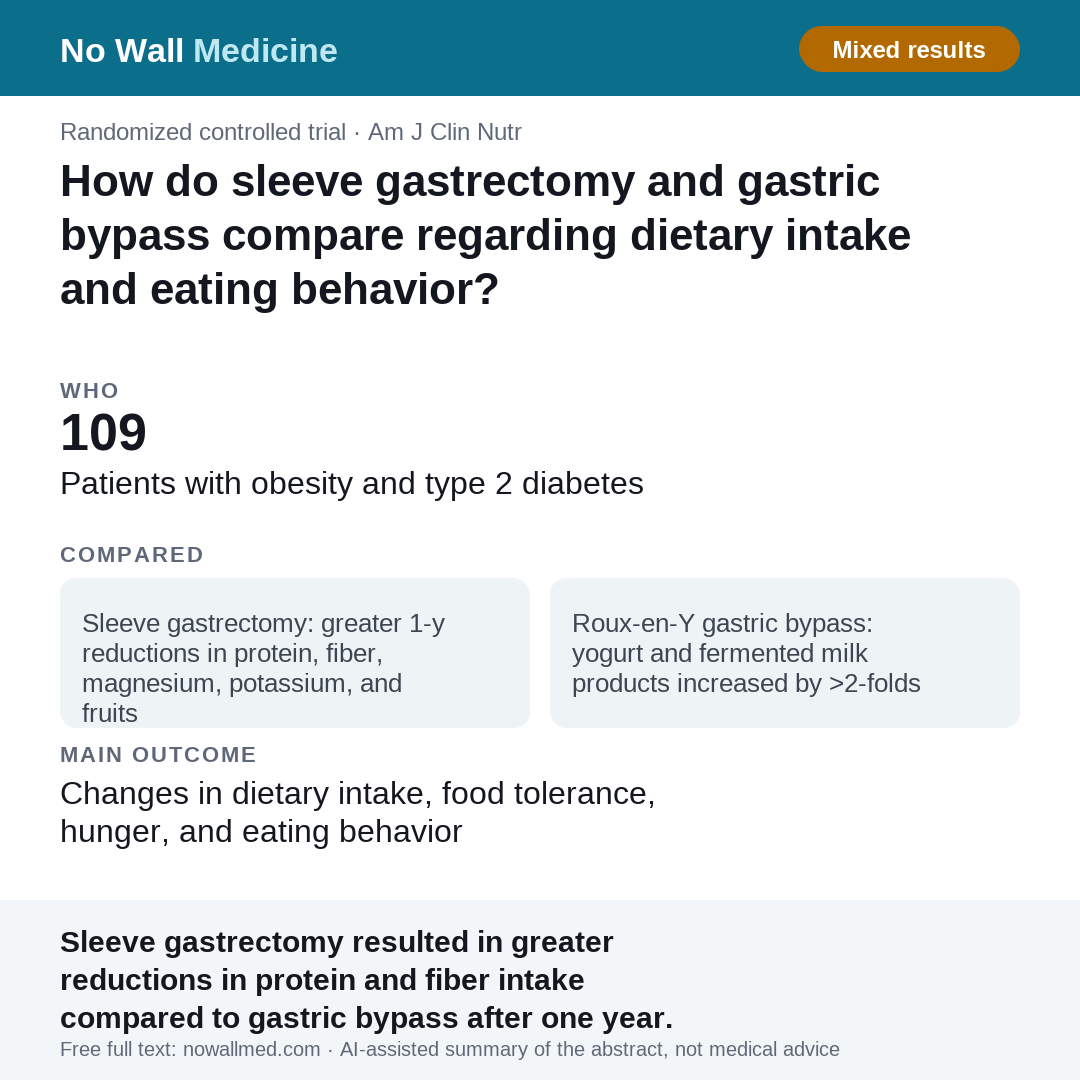
Changes in dietary intake, food tolerance, hedonic hunger, binge eating problems, and gastrointestinal symptoms after sleeve gastrectomy compared with after gastric bypass; 1-year results from the Oseberg study-a randomized controlled trial
Randomized controlled trialMixed results
How do sleeve gastrectomy and gastric bypass compare regarding dietary intake and eating behavior?
Who
109
Patients with obesity and type 2 diabetes
Compared
Sleeve gastrectomy: greater 1-y reductions in protein, fiber, magnesium, potassium, and fruits
Roux-en-Y gastric bypass: yogurt and fermented milk products increased by >2-folds
Main outcome
Changes in dietary intake, food tolerance, hunger, and eating behavior
Bottom line: Sleeve gastrectomy resulted in greater reductions in protein and fiber intake compared to gastric bypass after one year.
Am J Clin Nutr · 2022-12-22Download image
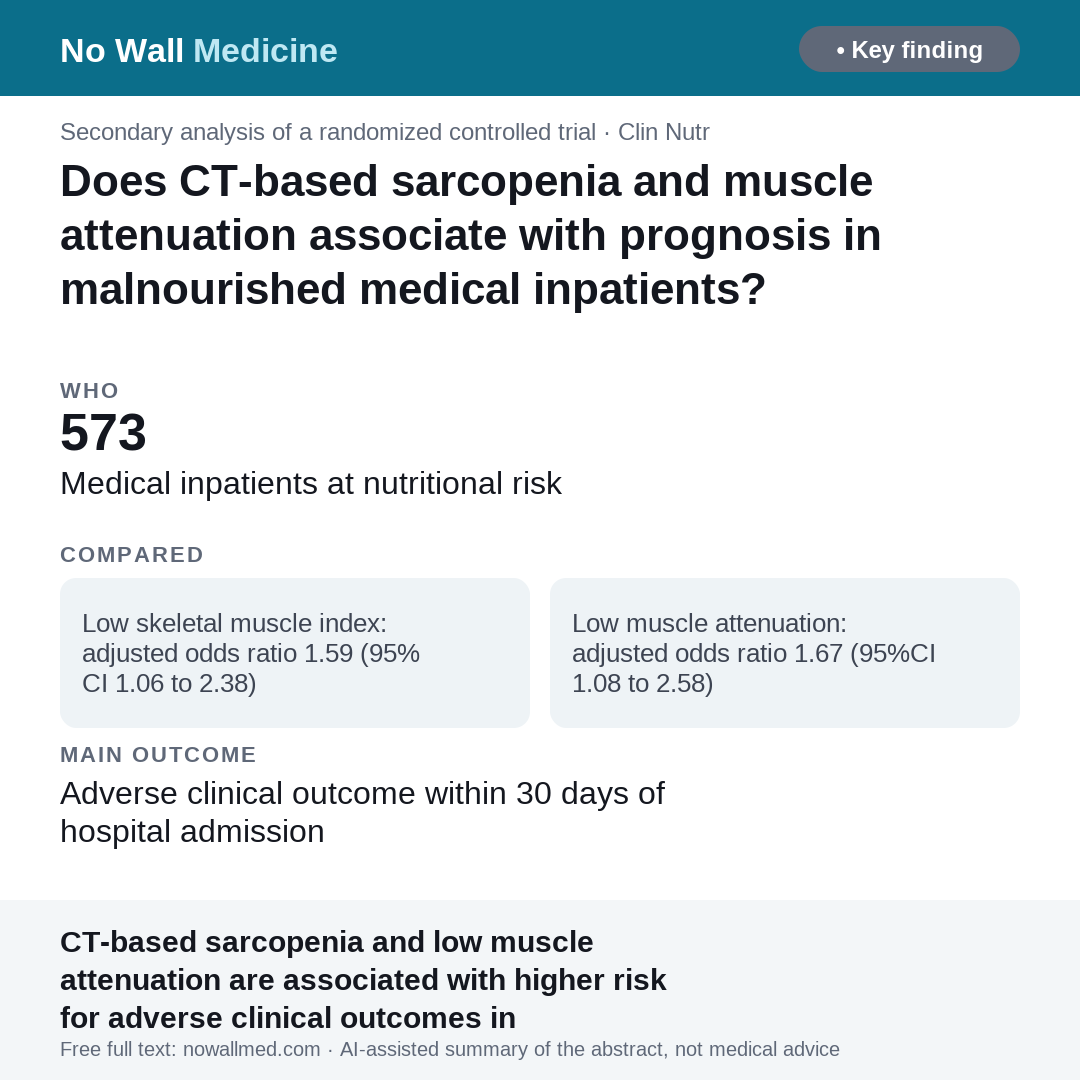
Association of CT-based diagnosis of sarcopenia with prognosis and treatment response in patients at risk of malnutrition - A secondary analysis of the Effect of early nutritional support on Frailty, Functional Outcomes, and Recovery of malnourished medical inpatients Trial (EFFORT) trial
Secondary analysis of a randomized controlled trialHarm found
Does CT-based sarcopenia and muscle attenuation associate with prognosis in malnourished medical inpatients?
Who
573
Medical inpatients at nutritional risk
Compared
Low skeletal muscle index: adjusted odds ratio 1.59 (95% CI 1.06 to 2.38)
Low muscle attenuation: adjusted odds ratio 1.67 (95%CI 1.08 to 2.58)
Main outcome
Adverse clinical outcome within 30 days of hospital admission
Bottom line: CT-based sarcopenia and low muscle attenuation are associated with higher risk for adverse clinical outcomes in malnourished patients.
Clin Nutr · 2022-12-22Download image