Visual abstracts
New randomized trials and meta-analyses from leading journals at a glance: who was studied, what was compared, and what was found. Every paper is free to read in full.
All specialtiesCardiology 1909Oncology 1644Gastroenterology & Hepatology 733Infectious Disease 1213Neurology 792Psychiatry & Mental Health 937Pulmonology 817Critical Care 554Endocrinology & Diabetes 1032Pediatrics 1139Surgery 971Orthopedics & Sports Medicine 354Neurosurgery 240Cardiothoracic & Vascular Surgery 210Plastic & Reconstructive Surgery 297Nephrology 393Rheumatology 268Hematology 413Dermatology 211Ophthalmology 225Obstetrics & Gynecology 625Public & Global Health 371Radiology & Imaging 261Anesthesiology 381Urology 332ENT (Otolaryngology) 255Emergency Medicine 214Allergy & Immunology 126Geriatrics 408Family Medicine & Primary Care 226Medical Genetics & Genomics 205Pathology & Laboratory Medicine 60Physical Medicine & Rehabilitation 334Palliative Care 168Nutrition 515Digital Health & AI 1006General Medicine 149
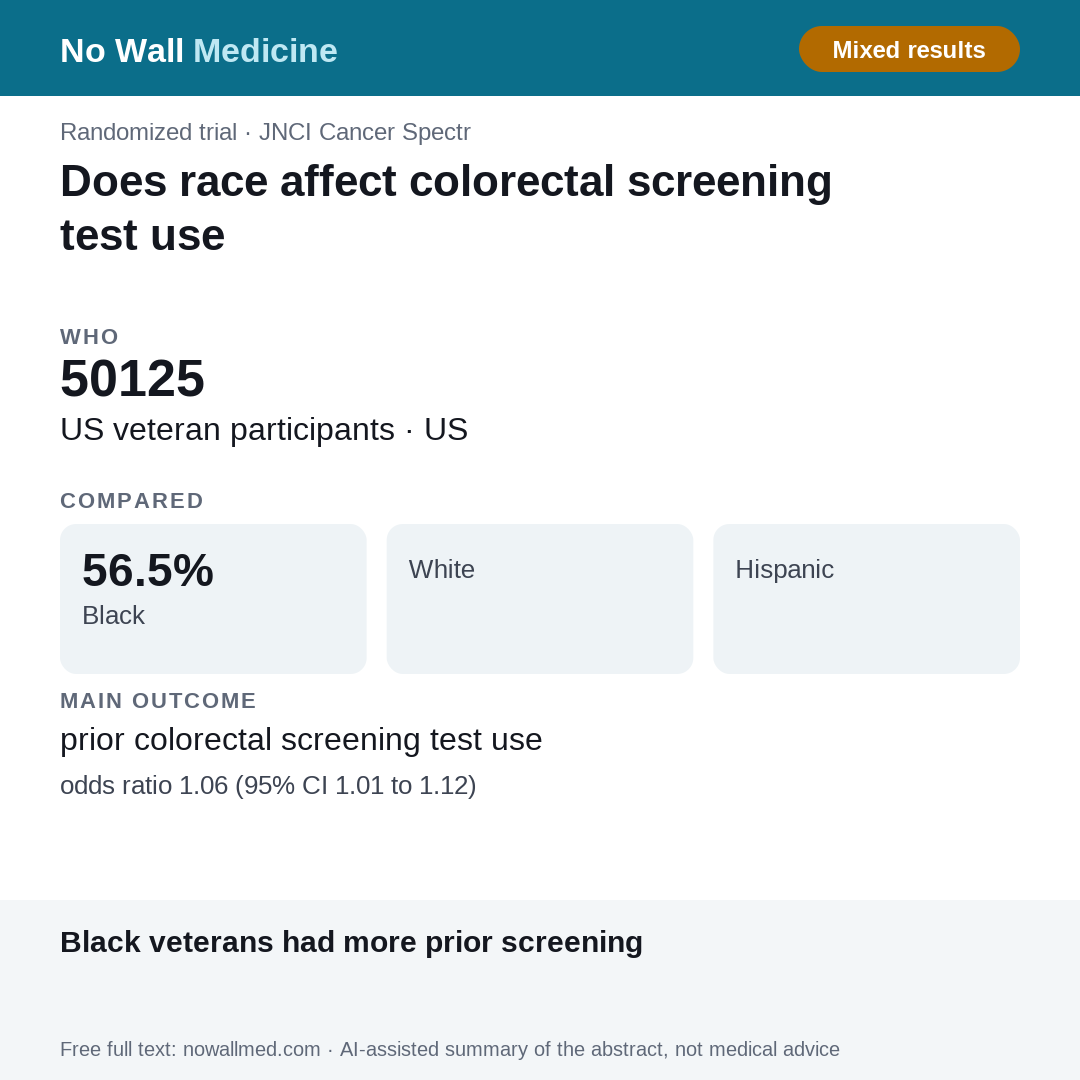
Race, ethnicity, and prior colorectal screening test use in CONFIRM colonoscopy vs fecal immunochemical testing trial participants
Randomized trialMixed results
Does race affect colorectal screening test use
Who
50125
US veteran participants · US
Compared
56.5%Black
White
Hispanic
Main outcome
prior colorectal screening test use
Result: odds ratio 1.06 (95% CI 1.01 to 1.12)
Bottom line: Black veterans had more prior screening
JNCI Cancer Spectr · 2026-08-26Download image
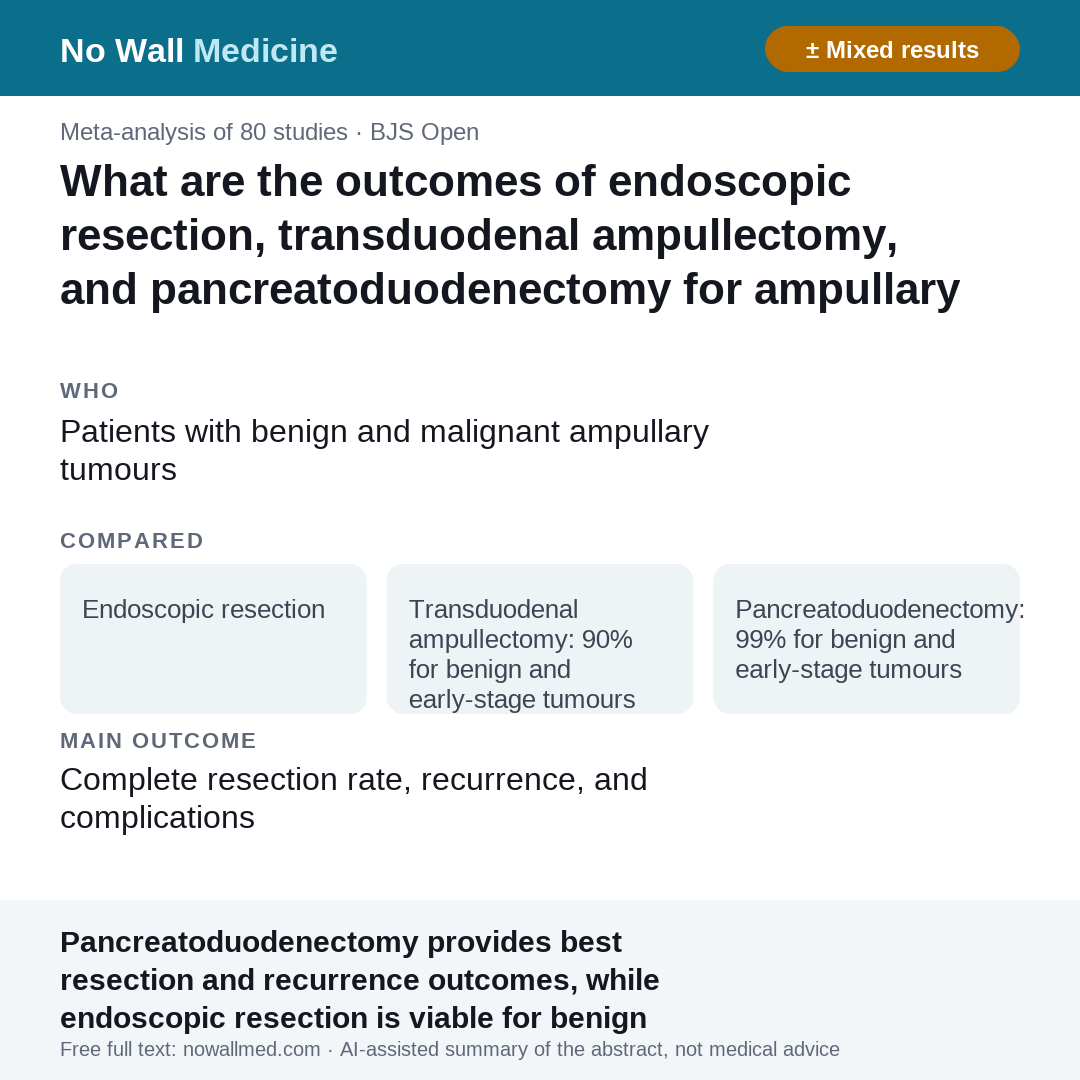
Therapeutic strategies and outcomes in the management of ampullary tumours: meta-analysis
Meta-analysis of 80 studiesMixed results
What are the outcomes of endoscopic resection, transduodenal ampullectomy, and pancreatoduodenectomy for ampullary tumours?
Who
80
Patients with benign and malignant ampullary tumours
Compared
Endoscopic resection
Transduodenal ampullectomy: 90% for benign and early-stage tumours
Pancreatoduodenectomy: 99% for benign and early-stage tumours
Main outcome
Complete resection rate, recurrence, and complications
Bottom line: Pancreatoduodenectomy provides best resection and recurrence outcomes, while endoscopic resection is viable for benign tumours.
Limitation: Further prospective research is needed to optimize preoperative diagnostics to distinguish benign from malignant tumours.
BJS Open · 2026-08-26Download image
Rethinking Pediatric Asthma Education Through Large Language Model Generation and Simplification: Randomized Double-Blind Study
Randomized, double-blind evaluation studyNo clear difference
How do AI-generated and AI-simplified asthma materials compare to expert-authored responses?
Who
Medical professionals and pediatric patient families
Compared
Published expert-authored responses: 72.97 (SD 14.88) for professionals and 64.18 (SD 15.76) for families
AI-generated responses: 76.17 (SD 12.59) for professionals and 68.77 (SD 16.47) for families
AI-simplified responses: 72.98 (SD 12.64) for professionals and 65.47 (SD 16.52) for families
Main outcome
Total scores on a 19-item Likert scale questionnaire
Bottom line: AI-generated and simplified asthma materials showed no significant difference in perceived quality compared to expert-authored responses.
J Med Internet Res · 2026-08-26Download image

AI-Based Approaches to Refugee Mental Health Care: Systematic Integrative Review
Systematic integrative reviewUnclear result
How is artificial intelligence used in refugee mental health research and care?
Who
23
Refugee and forcibly displaced populations
Compared
Detection, Prediction, and Classification: 15/23 (65.2%)
Intervention and Clinical Support: 4/23 (17.4%)
Information Synthesis: 5/23 (21.7%)
Main outcome
Functional categories of artificial intelligence applications in refugee mental health
Bottom line: Artificial intelligence in refugee mental health focuses on detection, intervention, and information synthesis, though biases and access barriers remain.
Limitation: Potential biases, lack of contextual understanding, and structural barriers in technology access.
J Med Internet Res · 2026-08-26Download image

Improvement of Clinical Practice Guideline Appraisal by Human Experts and AI Agents by Using Structured Guidance: Systematic Review, Meta-Analysis, and Validation Study
Systematic review, meta-analysis, and validation studyBenefit found
Does structured guidance improve agreement between human experts and AI agents in guideline appraisal?
Who
227
227 rehabilitation clinical practice guidelines
Compared
AI agents without structured guidance: ICC=0.608-0.629
AI agents with structured guidance: DeepSeek-R1 0.709 and o1-mini 0.687
Main outcome
Agreement between human experts and AI agents
Bottom line: Structured guidance improves agreement between human experts and AI agents for clinical practice guideline appraisal.
J Med Internet Res · 2026-08-26Download image

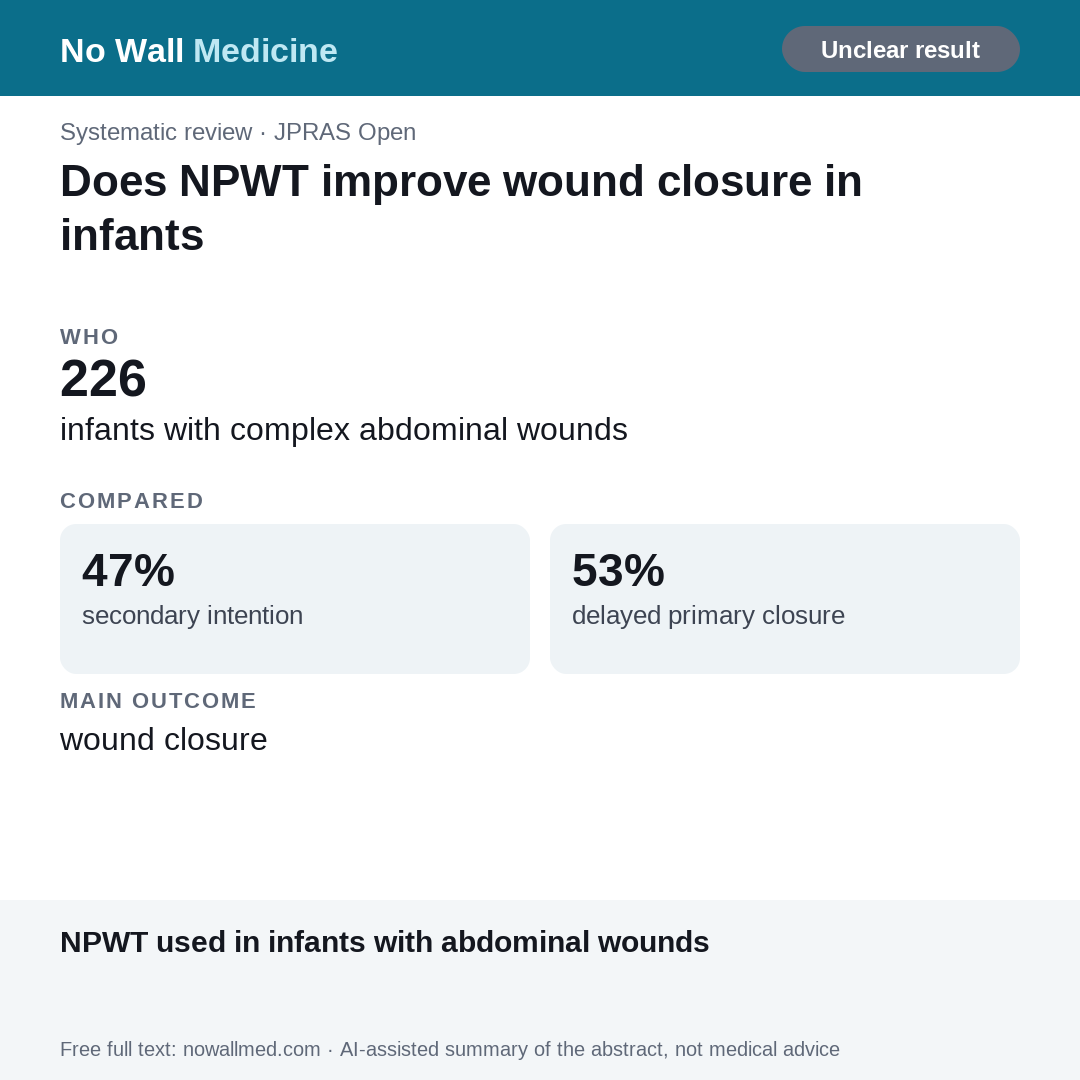
Negative pressure wound therapy in infants with complex abdominal wounds: A systematic review of clinical applications and closure strategies
Systematic reviewUnclear result
Does NPWT improve wound closure in infants
Who
226
infants with complex abdominal wounds
Compared
47%secondary intention
53%delayed primary closure
Main outcome
wound closure
Bottom line: NPWT used in infants with abdominal wounds
Limitation: heterogeneous protocols and bias risk
JPRAS Open · 2026-08-26Download image
Safety and immunogenicity of GBS6 in pregnant women living with and without HIV and their infants in Uganda (PREPARE WP4): a double-blind, randomised, placebo-controlled, phase 2 clinical trial
Double-blind, randomised, placebo-controlled, phase 2 clinical trialBenefit found
Is GBS6 vaccine safe and immunogenic in pregnant women with or without HIV?
Who
300
Pregnant women aged 18-40 years living with or without HIV · Five antenatal care facilities in Kampala, Uganda
Compared
GBS6 vaccine: 86 serious adverse events recorded
Placebo: 86 serious adverse events recorded
Main outcome
Maternal and infant safety, reactogenicity, and immunogenicity
Bottom line: GBS6 vaccine was safe and induced maternal antibodies in pregnant women living with or without HIV.
Lancet Infect Dis · 2026-08-25Download image

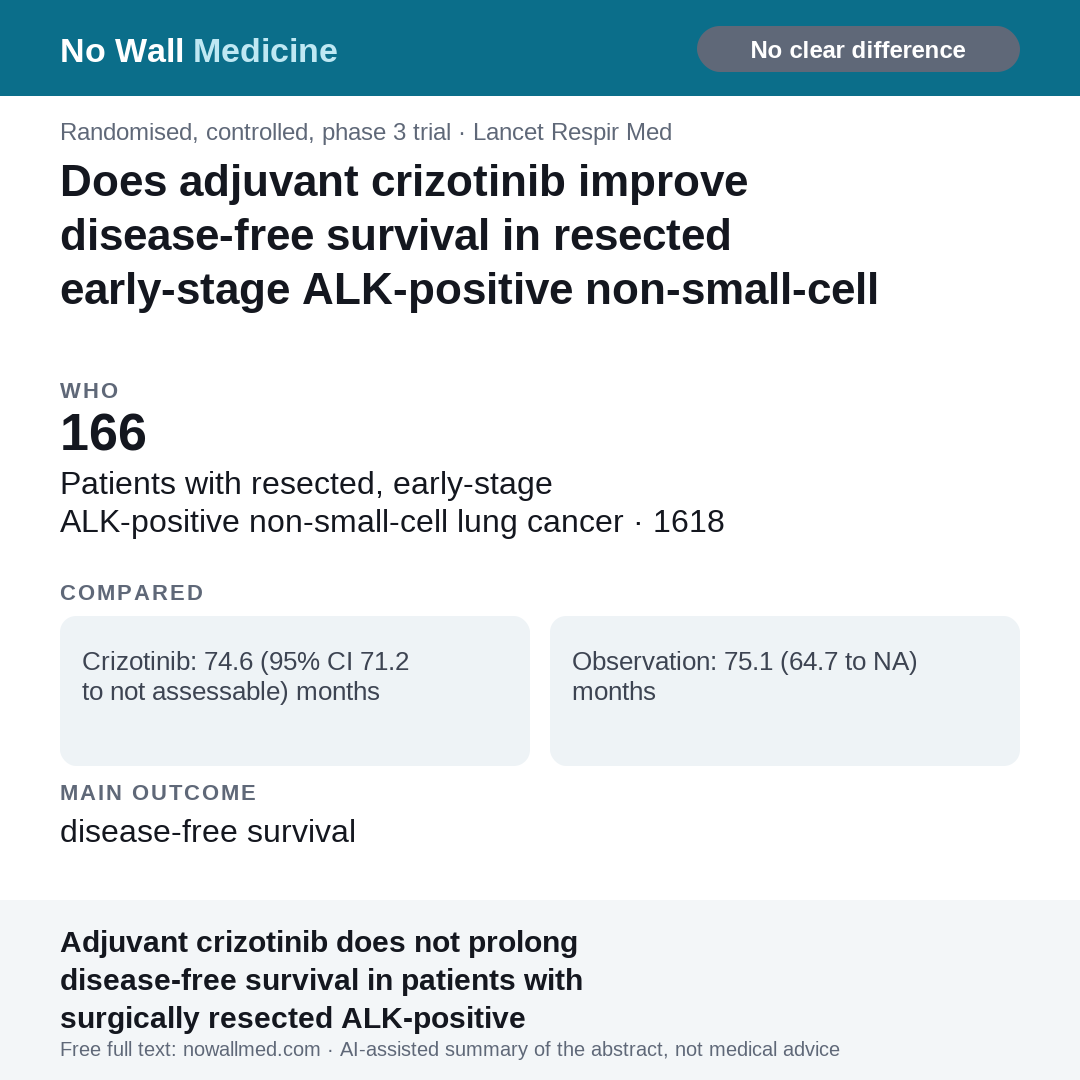
Crizotinib versus observation or placebo for surgically resected early-stage ALK-positive non-small-cell lung cancer (Eastern Cooperative Oncology Group-American College of Radiology Imaging Network E4512): a phase 3 trial
Randomised, controlled, phase 3 trialNo clear difference
Does adjuvant crizotinib improve disease-free survival in resected early-stage ALK-positive non-small-cell lung cancer?
Who
166
Patients with resected, early-stage ALK-positive non-small-cell lung cancer · 1618 sites across the USA, Guam, and Puerto Rico
Compared
Crizotinib: 74.6 (95% CI 71.2 to not assessable) months
Observation: 75.1 (64.7 to NA) months
Main outcome
disease-free survival
Result: hazard ratio 1.08 (95% CI 0.61 to 1.90)
Bottom line: Adjuvant crizotinib does not prolong disease-free survival in patients with surgically resected ALK-positive non-small-cell lung cancer.
Funded by: National Cancer Institute of the US National Institutes of Health
Lancet Respir Med · 2026-08-25Download image
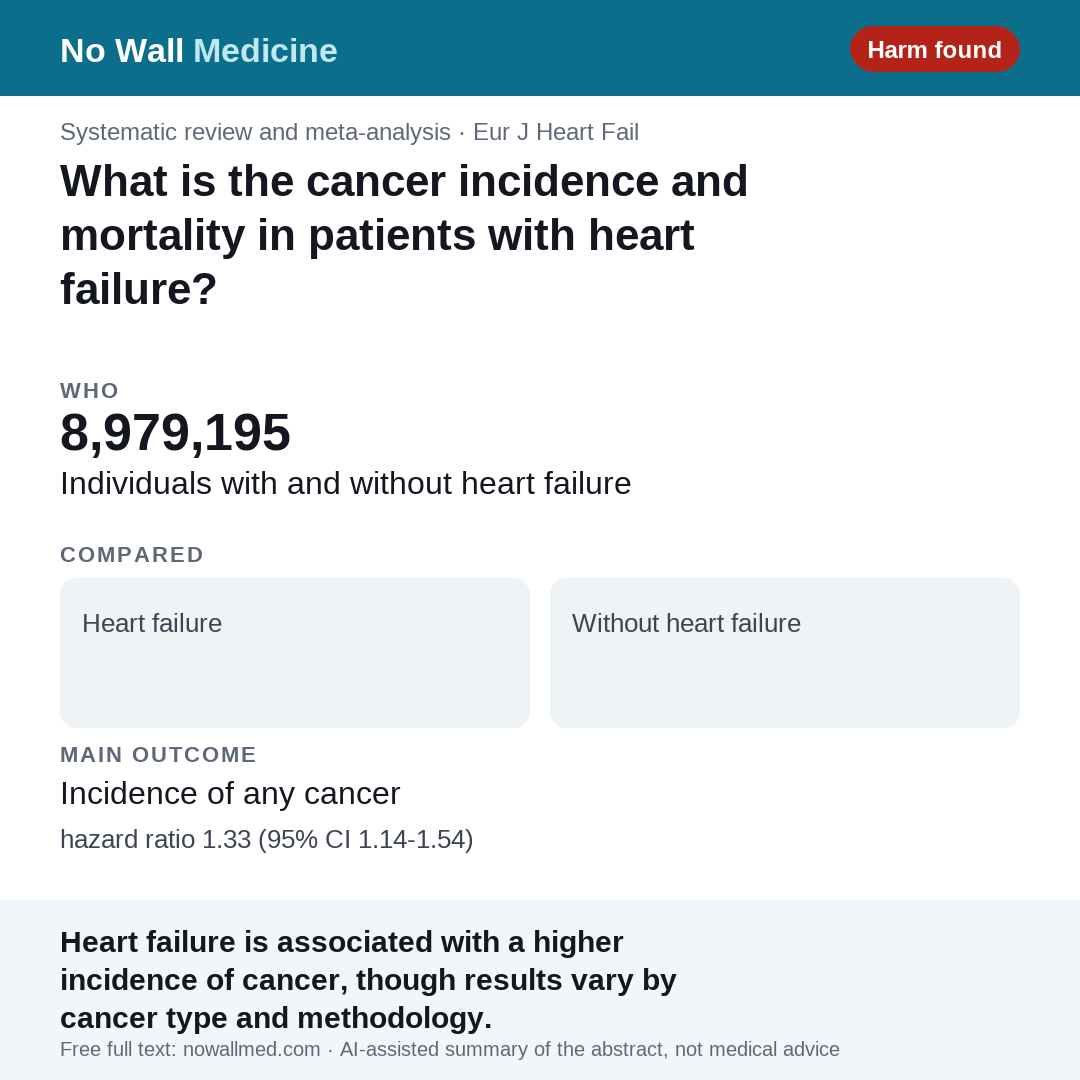
Heart Failure and Cancer: Incidence and Mortality Patterns, A Systematic Review and Meta-analysis
Systematic review and meta-analysisHarm found
What is the cancer incidence and mortality in patients with heart failure?
Who
8,979,195
Individuals with and without heart failure
Compared
Heart failure
Without heart failure
Main outcome
Incidence of any cancer
Result: hazard ratio 1.33 (95% CI 1.14-1.54)
Bottom line: Heart failure is associated with a higher incidence of cancer, though results vary by cancer type and methodology.
Limitation: Substantial heterogeneity and mortality data were sparse and heterogeneous.
Eur J Heart Fail · 2026-08-25Download image
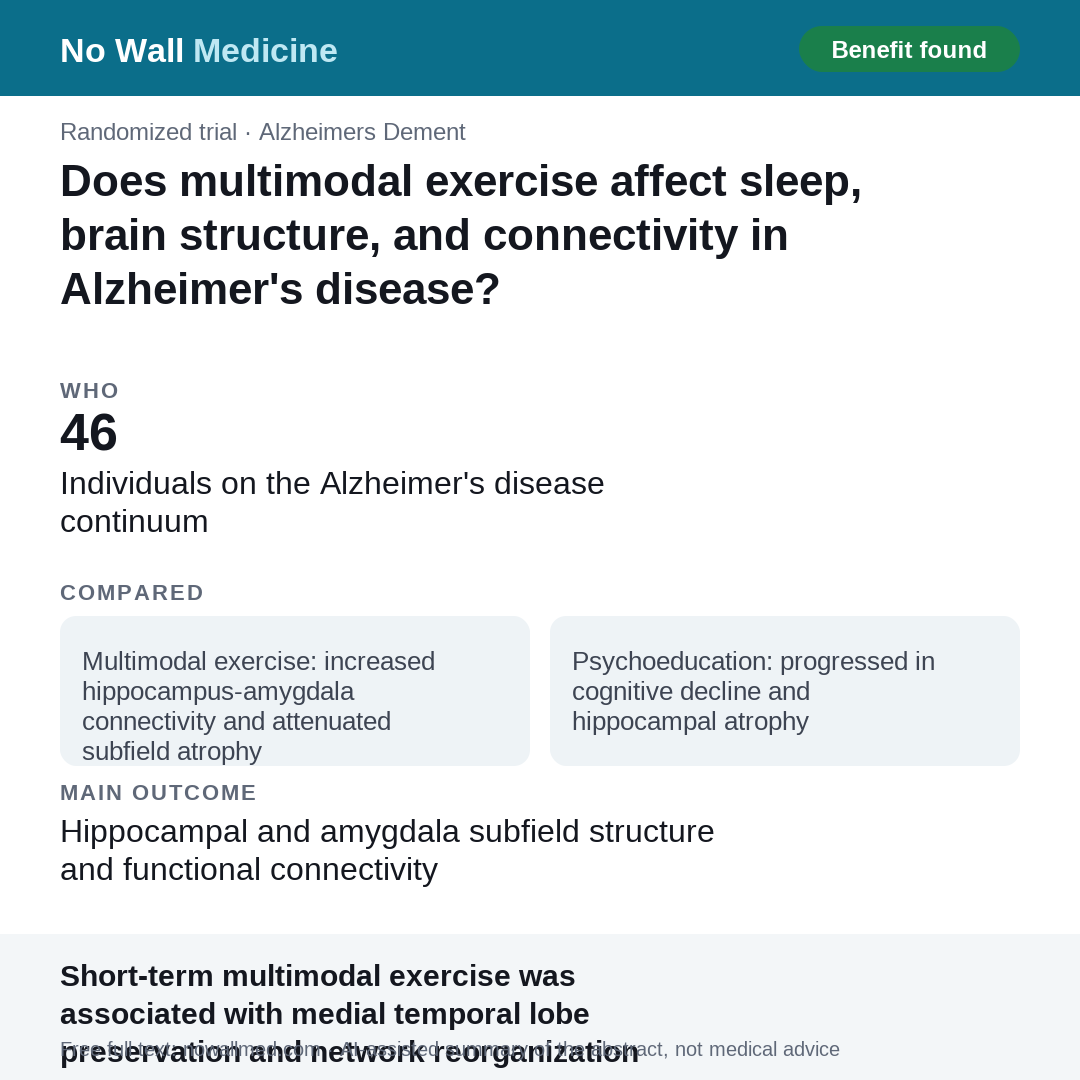
Longitudinal effects of physical activity on sleep in association with hippocampal-amygdala subfield structure and functional connectivity in Alzheimer's disease
Randomized trialBenefit found
Does multimodal exercise affect sleep, brain structure, and connectivity in Alzheimer's disease?
Who
46
Individuals on the Alzheimer's disease continuum
Compared
Multimodal exercise: increased hippocampus-amygdala connectivity and attenuated subfield atrophy
Psychoeducation: progressed in cognitive decline and hippocampal atrophy
Main outcome
Hippocampal and amygdala subfield structure and functional connectivity
Bottom line: Short-term multimodal exercise was associated with medial temporal lobe preservation and network reorganization linked to sleep.
Alzheimers Dement · 2026-08-25Download image
The role of antifactor Xa monitoring in the dosing and administration of low-molecular-weight heparins in pregnancy: a systematic review and meta-analysis
Meta-analysis of 94 studiesUnclear result
LMWH dosing in pregnancy safety
Who
5007
pregnant women with mechanical heart valves or at risk of venous thromboembolism
Compared
Fixed dose
Weight-based dose
Anti-Xa-monitored dose
Main outcome
thromboembolic complications and major bleeding
Bottom line: LMWH dosing methods have overlapping event rates
Limitation: small sample sizes and low certainty of evidence
J Thromb Haemost · 2026-08-25Download image

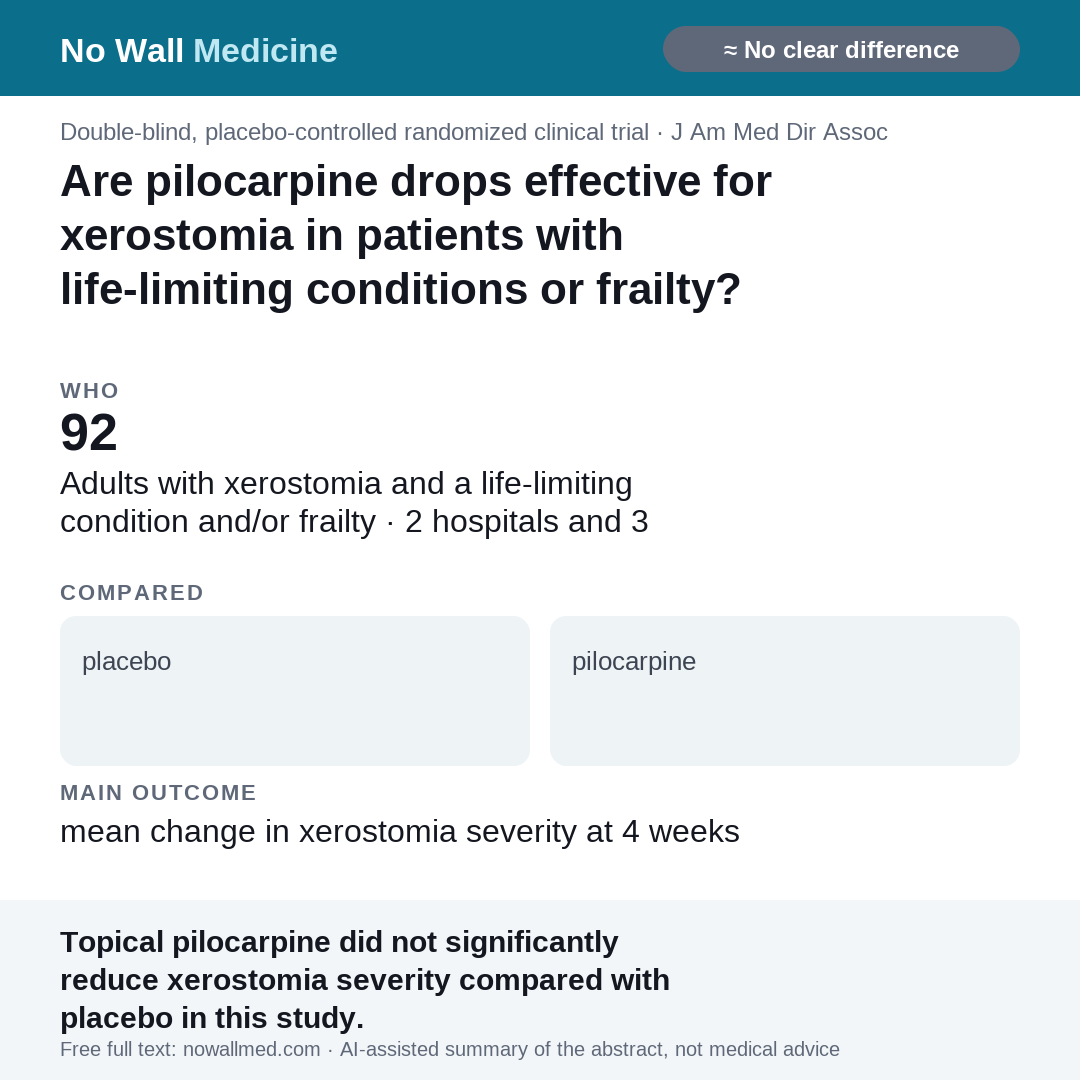
Pilocarpine Drops for Xerostomia in Patients With a Life-Limiting Condition or Frailty: A Double-Blind Placebo-Controlled Randomized Clinical Trial
Double-blind, placebo-controlled randomized clinical trialNo clear difference
Are pilocarpine drops effective for xerostomia in patients with life-limiting conditions or frailty?
Who
92
Adults with xerostomia and a life-limiting condition and/or frailty · 2 hospitals and 3 nursing homes in the Netherlands
Compared
placebo
pilocarpine
Main outcome
mean change in xerostomia severity at 4 weeks
Result: adjusted β = -0.37; (95% CI, -1.31 to 0.58)
Bottom line: Topical pilocarpine did not significantly reduce xerostomia severity compared with placebo in this study.
Limitation: The current study was underpowered.
J Am Med Dir Assoc · 2026-08-25Download image
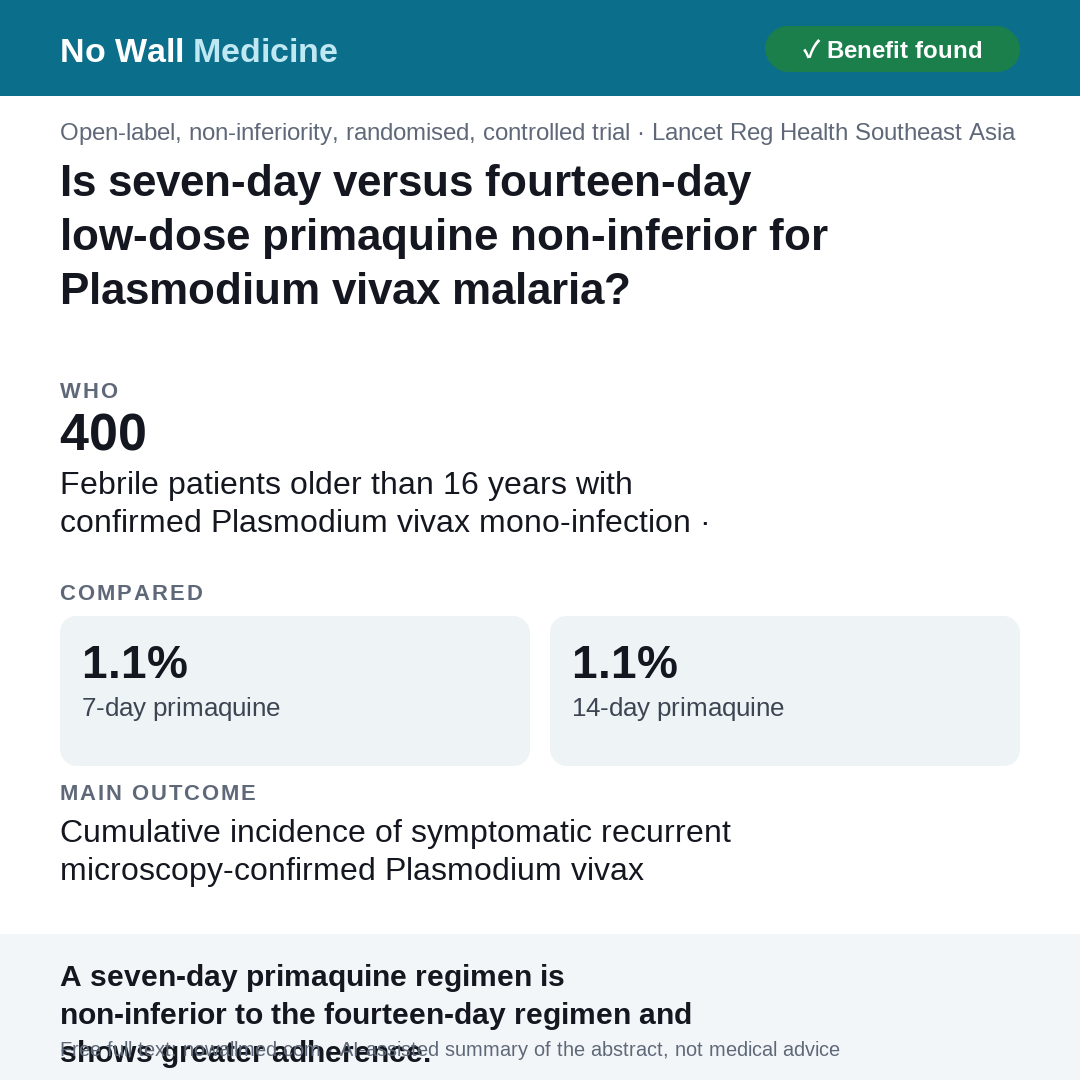
Seven-day versus fourteen-day low-dose primaquine for Plasmodium vivax malaria in India: an open-label, non-inferiority, randomised, controlled trial
Open-label, non-inferiority, randomised, controlled trialBenefit found
Is seven-day versus fourteen-day low-dose primaquine non-inferior for Plasmodium vivax malaria?
Who
400
Febrile patients older than 16 years with confirmed Plasmodium vivax mono-infection · Two sites in India
Compared
1.1%7-day primaquine (95% CI 0.0-4.1)
1.1%14-day primaquine (95% CI 0.0-4.4)
Main outcome
Cumulative incidence of symptomatic recurrent microscopy-confirmed Plasmodium vivax parasitaemia
Bottom line: A seven-day primaquine regimen is non-inferior to the fourteen-day regimen and shows greater adherence.
Limitation: The overall number of recurrences was lower than anticipated, limiting the precision of the estimates.
Funded by: Infectious Diseases Data Observatory and Bill & Melinda Gates Foundation
Lancet Reg Health Southeast Asia · 2026-08-25Download image
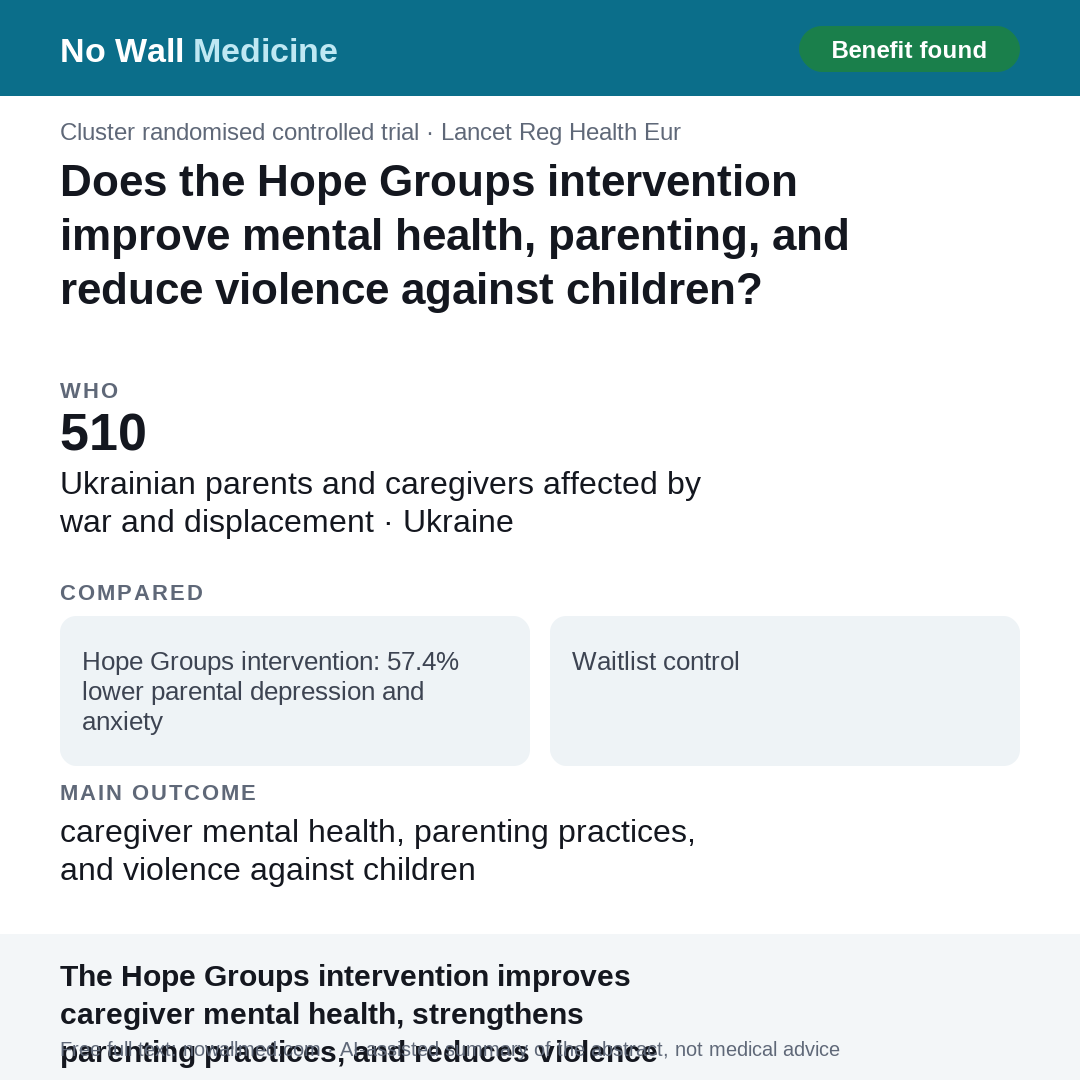
Effectiveness of the hope groups intervention on mental health, parenting practices, and violence against children among Ukrainian parents and caregivers affected by war and displacement: a cluster randomised controlled trial
Cluster randomised controlled trialBenefit found
Does the Hope Groups intervention improve mental health, parenting, and reduce violence against children?
Who
510
Ukrainian parents and caregivers affected by war and displacement · Ukraine
Compared
Hope Groups intervention: 57.4% lower parental depression and anxiety
Waitlist control
Main outcome
caregiver mental health, parenting practices, and violence against children
Result: β = -2.85; 95% CI = -3.49, -2.22; β = -0.5; 95% CI = -0.64, -0.36; β = 1.32, 95% CI = 0.92, 1.71
Bottom line: The Hope Groups intervention improves caregiver mental health, strengthens parenting practices, and reduces violence against children during war.
Funded by: Global Parenting Initiative, Moderna Foundation, and World Without Orphans
Lancet Reg Health Eur · 2026-08-25Download image
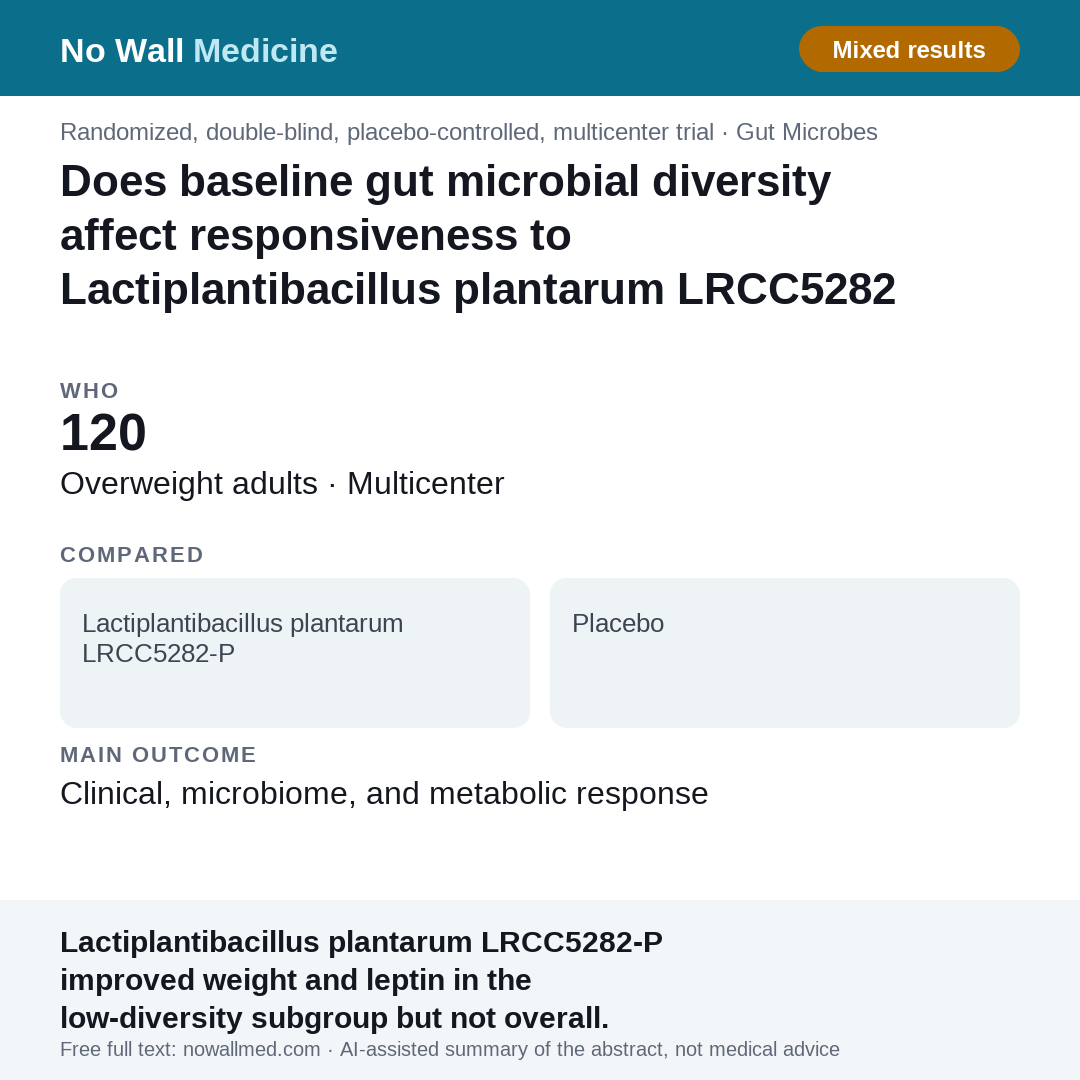
Gut microbial diversity at baseline conditions the clinical, microbiome, and metabolic response to paraprobiotic Lactiplantibacillus plantarum LRCC5282 in overweight adults
Randomized, double-blind, placebo-controlled, multicenter trialMixed results
Does baseline gut microbial diversity affect responsiveness to Lactiplantibacillus plantarum LRCC5282 in overweight adults?
Who
120
Overweight adults · Multicenter
Compared
Lactiplantibacillus plantarum LRCC5282-P
Placebo
Main outcome
Clinical, microbiome, and metabolic response
Bottom line: Lactiplantibacillus plantarum LRCC5282-P improved weight and leptin in the low-diversity subgroup but not overall.
Limitation: Further studies are warranted to elucidate the biological pathways underlying this responsiveness.
Gut Microbes · 2026-08-25Download image
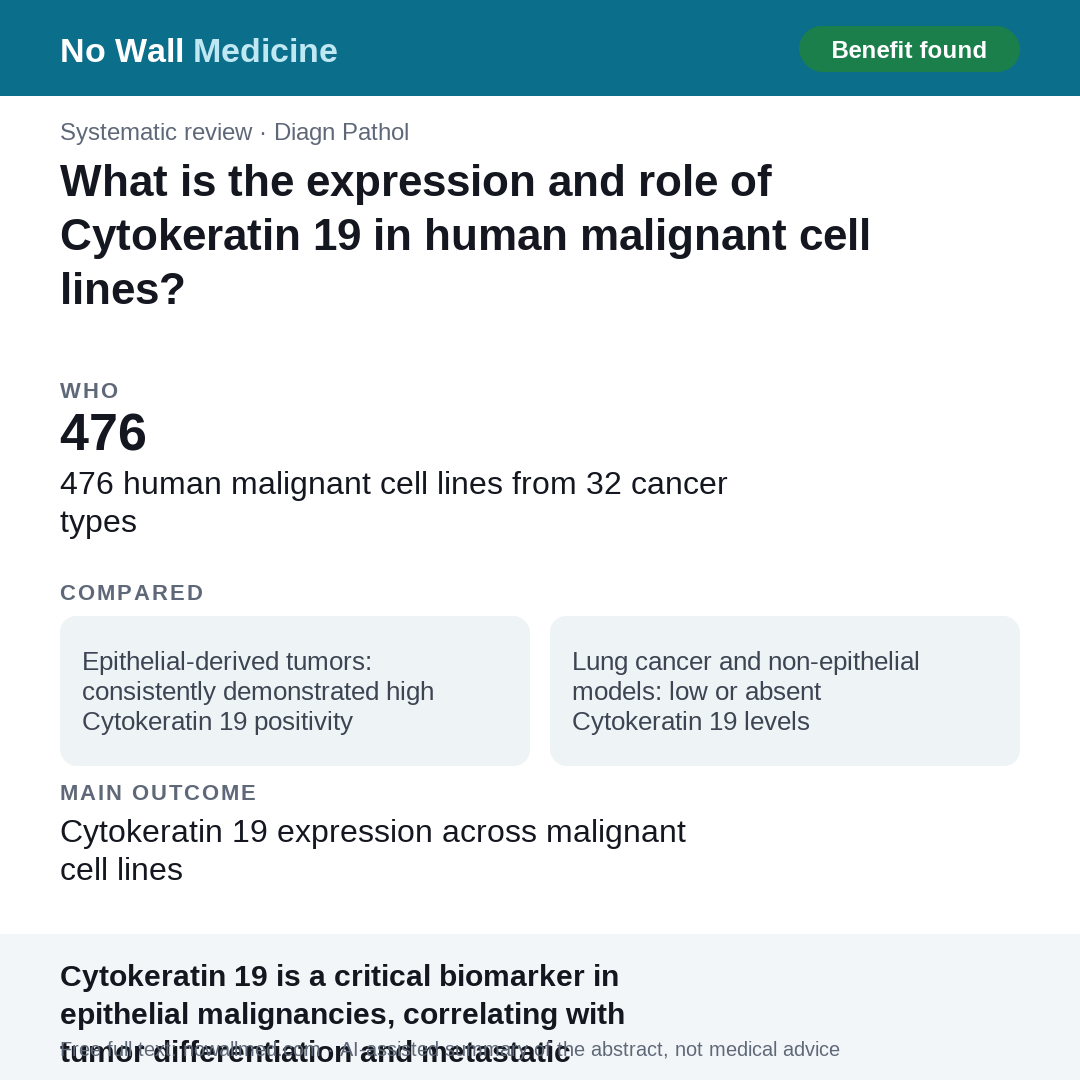
Cytokeratin 19 role in malignancy: a systematic review
Systematic reviewBenefit found
What is the expression and role of Cytokeratin 19 in human malignant cell lines?
Who
476
476 human malignant cell lines from 32 cancer types
Compared
Epithelial-derived tumors: consistently demonstrated high Cytokeratin 19 positivity
Lung cancer and non-epithelial models: low or absent Cytokeratin 19 levels
Main outcome
Cytokeratin 19 expression across malignant cell lines
Bottom line: Cytokeratin 19 is a critical biomarker in epithelial malignancies, correlating with tumor differentiation and metastatic behavior.
Diagn Pathol · 2026-08-25Download image
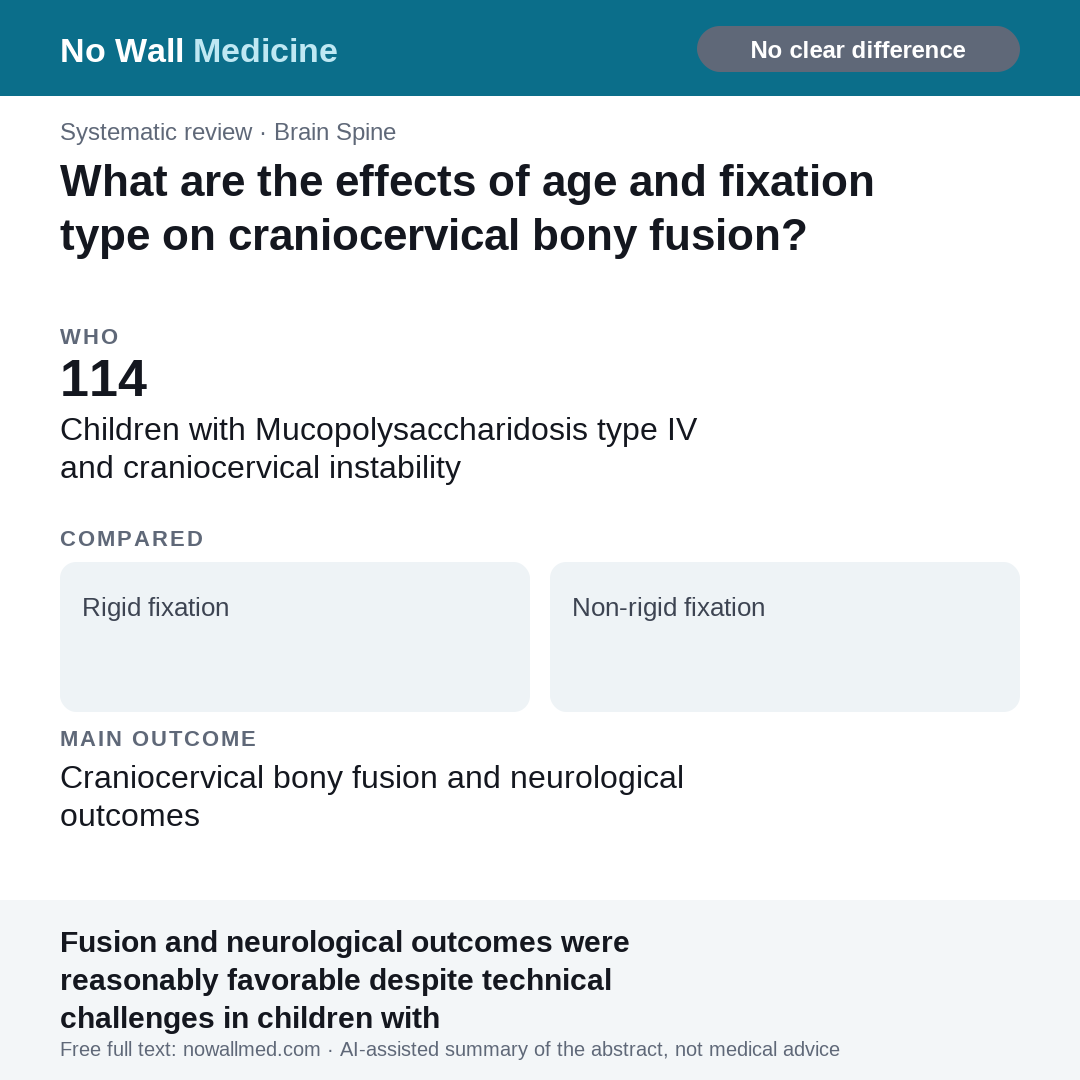
Surgery for craniocervical instability and spinal cord compression in children with Mucopolysaccharidosis type IV: A systematic review
Systematic reviewNo clear difference
What are the effects of age and fixation type on craniocervical bony fusion?
Who
114
Children with Mucopolysaccharidosis type IV and craniocervical instability
Compared
Rigid fixation
Non-rigid fixation
Main outcome
Craniocervical bony fusion and neurological outcomes
Result: OR 2.44 (95% CI 0.24-330.60)
Bottom line: Fusion and neurological outcomes were reasonably favorable despite technical challenges in children with Mucopolysaccharidosis type IV.
Brain Spine · 2026-08-25Download image
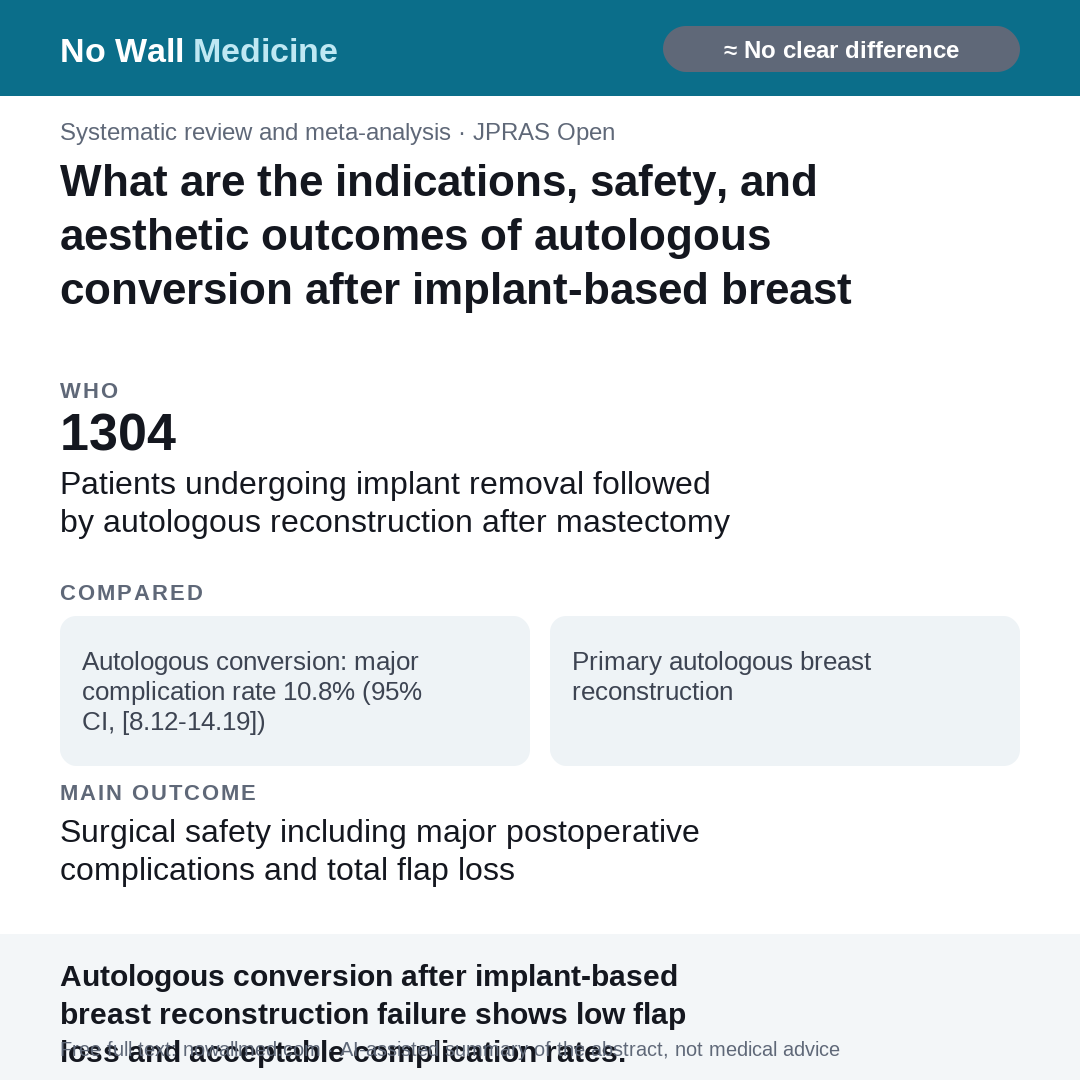
Indications, safety and aesthetic outcomes of autologous conversion after implant-based breast reconstruction failure: A systematic review and meta-analysis
Systematic review and meta-analysisNo clear difference
What are the indications, safety, and aesthetic outcomes of autologous conversion after implant-based breast reconstruction failure?
Who
1304
Patients undergoing implant removal followed by autologous reconstruction after mastectomy
Compared
Autologous conversion: major complication rate 10.8% (95% CI, [8.12-14.19])
Primary autologous breast reconstruction
Main outcome
Surgical safety including major postoperative complications and total flap loss
Result: RR 1.68 (95% CI 0.70 to 4.01)
Bottom line: Autologous conversion after implant-based breast reconstruction failure shows low flap loss and acceptable complication rates.
JPRAS Open · 2026-08-25Download image
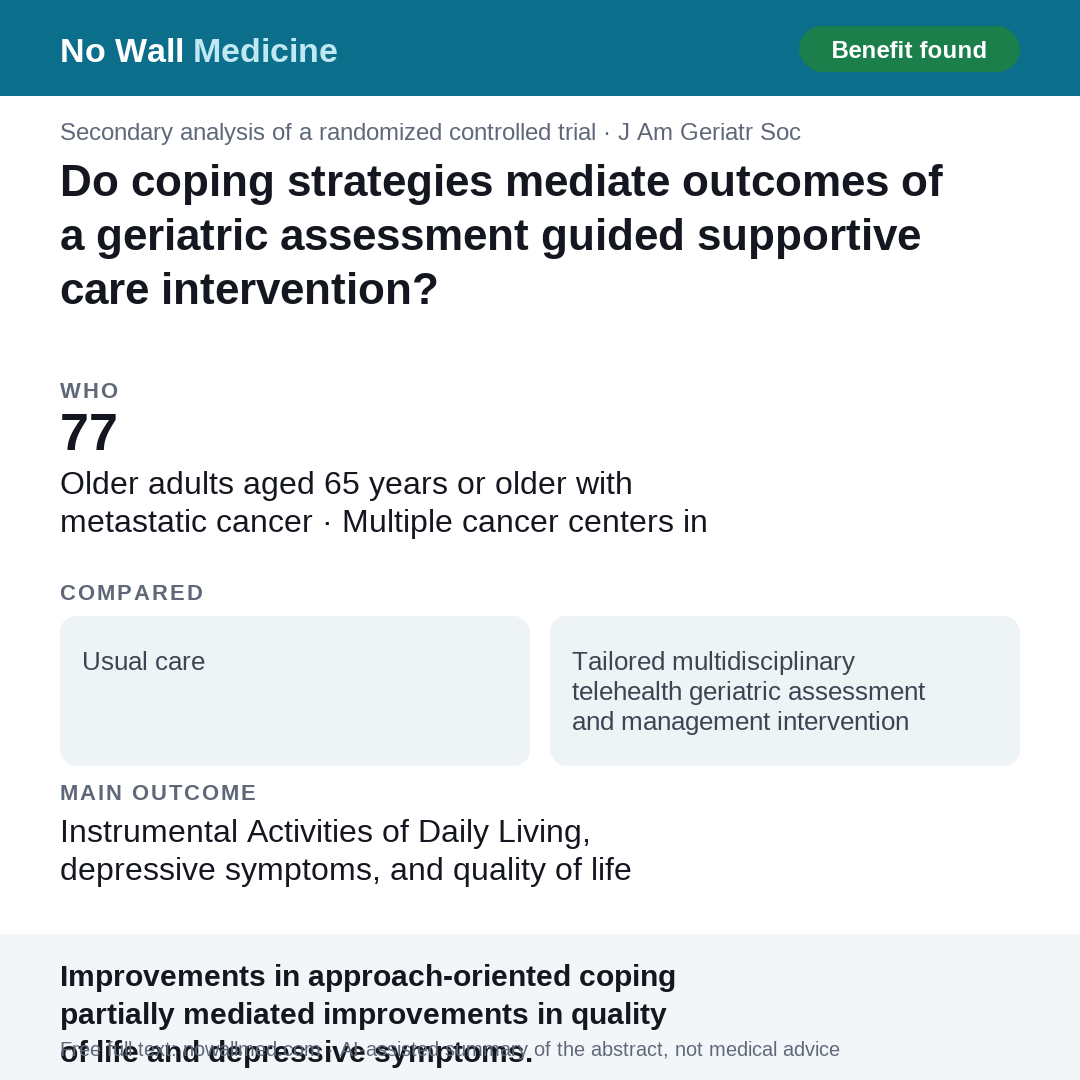
Mechanisms of Benefit in Geriatric Assessment (GA): Approach-Oriented Coping Mediates Outcomes of a GA-Guided Supportive Care Intervention (GAIN-S)
Secondary analysis of a randomized controlled trialBenefit found
Do coping strategies mediate outcomes of a geriatric assessment guided supportive care intervention?
Who
77
Older adults aged 65 years or older with metastatic cancer · Multiple cancer centers in Brazil
Compared
Usual care
Tailored multidisciplinary telehealth geriatric assessment and management intervention
Main outcome
Instrumental Activities of Daily Living, depressive symptoms, and quality of life
Bottom line: Improvements in approach-oriented coping partially mediated improvements in quality of life and depressive symptoms.
J Am Geriatr Soc · 2026-08-24Download image
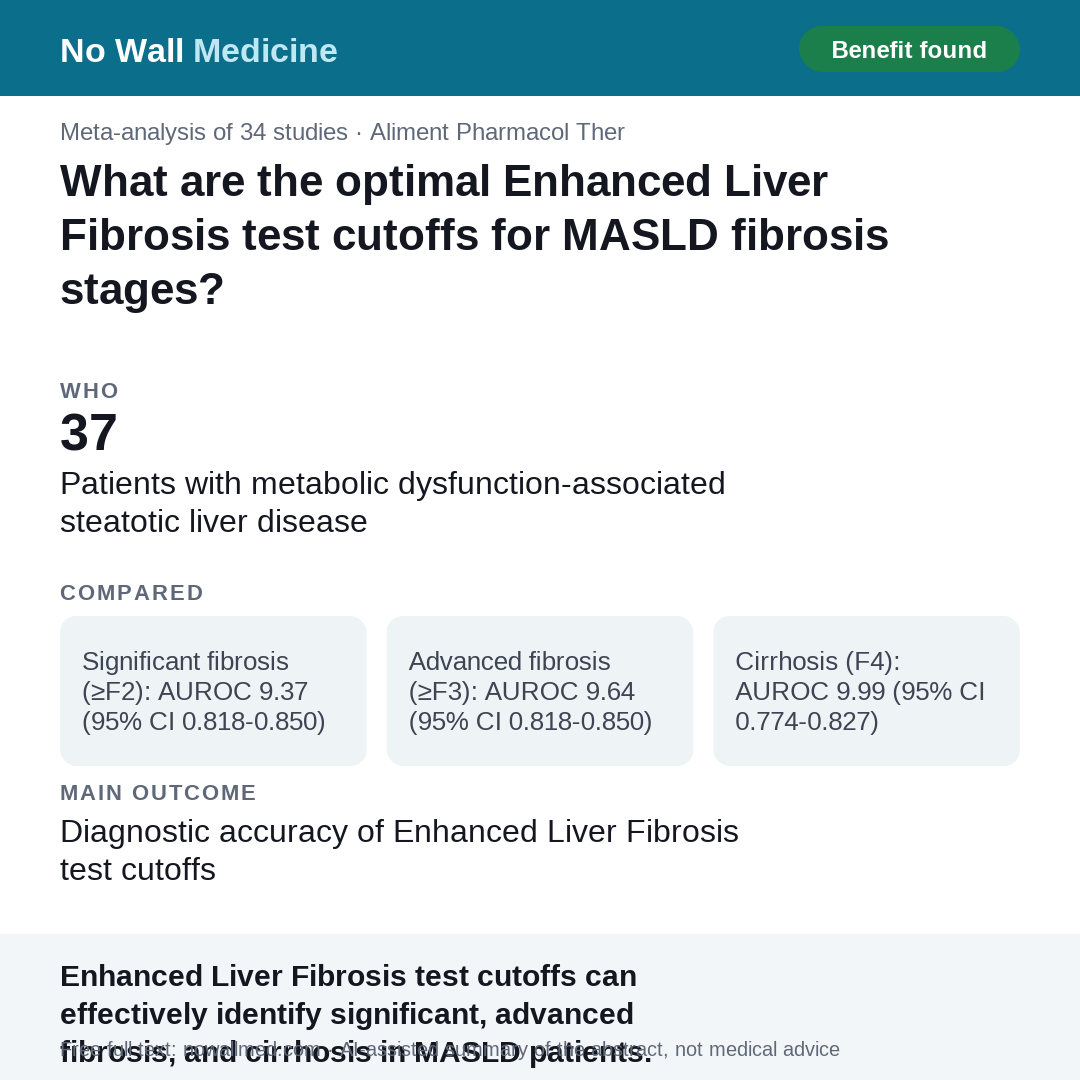
Meta-Analysis: Enhanced Liver Fibrosis (ELF) Test for Identifying Significant Fibrosis, Advanced Fibrosis, and Cirrhosis in Patients With Metabolic Dysfunction-Associated Steatotic Liver Disease
Meta-analysis of 34 studiesBenefit found
What are the optimal Enhanced Liver Fibrosis test cutoffs for MASLD fibrosis stages?
Who
37
Patients with metabolic dysfunction-associated steatotic liver disease
Compared
Significant fibrosis (F2): AUROC 9.37 (95% CI 0.818 [0.781-0.850])
Advanced fibrosis (F3): AUROC 9.64 (95% CI 0.818 [0.782-0.850])
Cirrhosis (F4): AUROC 9.99 (95% CI 0.774 [0.711-0.827])
Main outcome
Diagnostic accuracy of Enhanced Liver Fibrosis test cutoffs
Bottom line: Enhanced Liver Fibrosis test cutoffs can identify significant, advanced fibrosis, and cirrhosis in MASLD patients.
Aliment Pharmacol Ther · 2026-08-24Download image