Visual abstracts
New randomized trials and meta-analyses from leading journals at a glance: who was studied, what was compared, and what was found. Every paper is free to read in full.
All specialtiesCardiology 842Oncology 763Gastroenterology & Hepatology 307Infectious Disease 626Neurology 350Psychiatry & Mental Health 430Pulmonology 366Critical Care 245Endocrinology & Diabetes 480Pediatrics 536Surgery 324Orthopedics & Sports Medicine 162Neurosurgery 93Cardiothoracic & Vascular Surgery 87Plastic & Reconstructive Surgery 124Nephrology 197Rheumatology 108Hematology 182Dermatology 80Ophthalmology 97Obstetrics & Gynecology 261Public & Global Health 167Radiology & Imaging 98Anesthesiology 114Urology 162ENT (Otolaryngology) 91Emergency Medicine 73Allergy & Immunology 58Geriatrics 160Family Medicine & Primary Care 111Medical Genetics & Genomics 91Pathology & Laboratory Medicine 24Physical Medicine & Rehabilitation 148Palliative Care 81Nutrition 223Digital Health & AI 460General Medicine 101
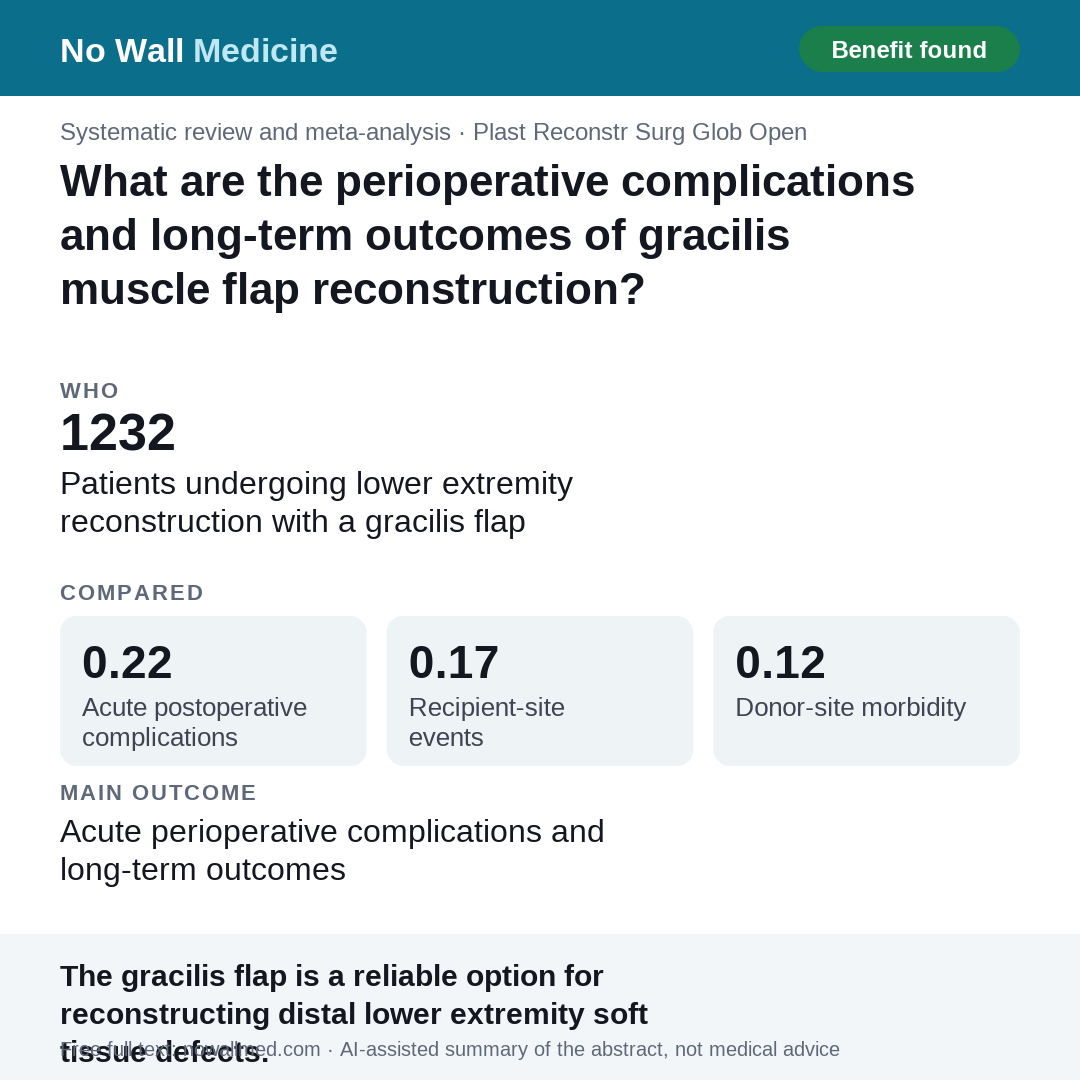
Gracilis Muscle Flap for Ankle Soft Tissue Reconstruction: A Systematic Review and Meta-analysis of Postoperative Outcomes
Systematic review and meta-analysisBenefit found
What are the perioperative complications and long-term outcomes of gracilis muscle flap reconstruction?
Who
1232
Patients undergoing lower extremity reconstruction with a gracilis flap
Compared
0.22Acute postoperative complications
0.17Recipient-site events
0.12Donor-site morbidity
Main outcome
Acute perioperative complications and long-term outcomes
Bottom line: The gracilis flap is a reliable option for reconstructing distal lower extremity soft tissue defects.
Plast Reconstr Surg Glob Open · 2025-12-16Download image
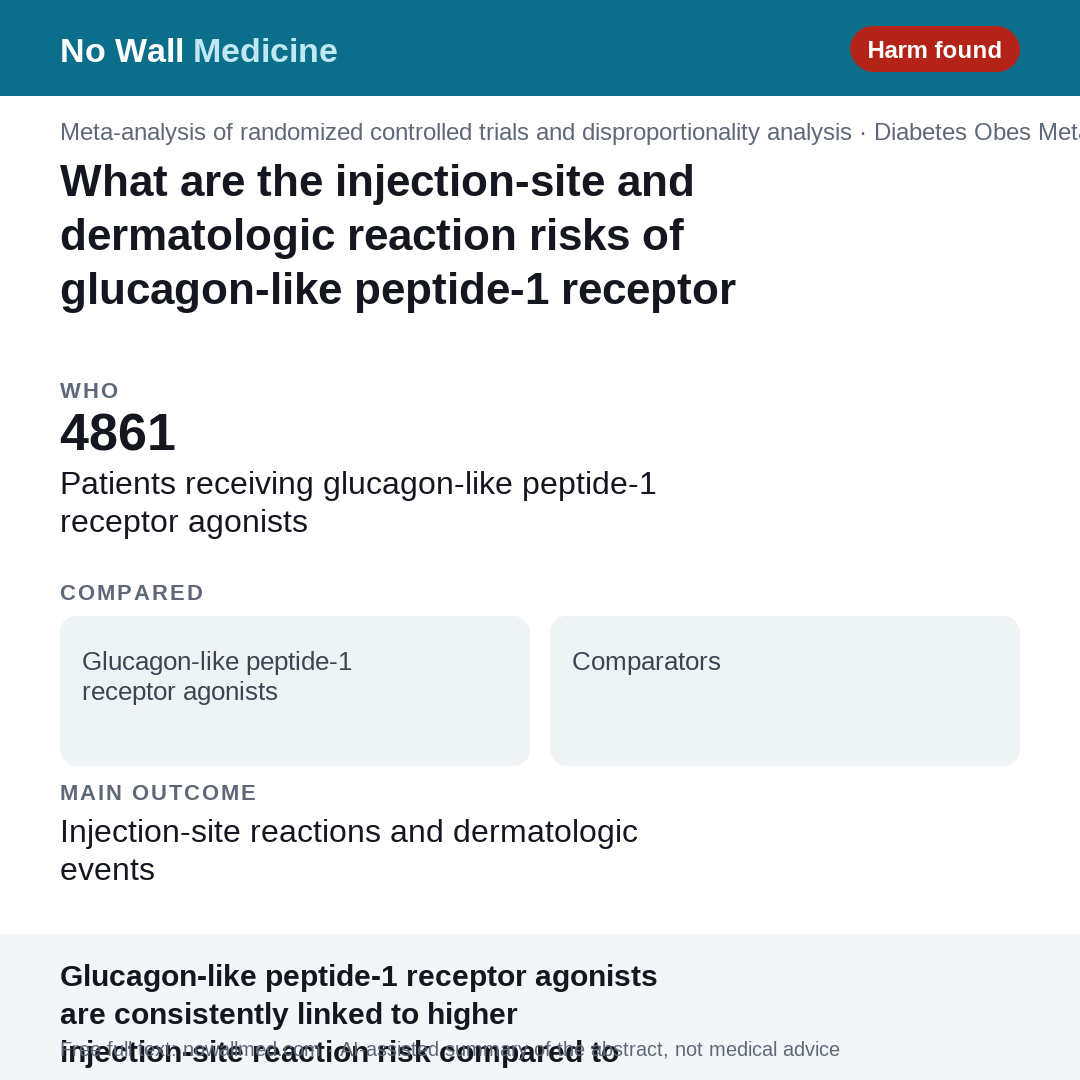
Injection-site and dermatologic reactions associated with glucagon-like peptide-1 receptor agonists: Insights from meta-analysis of randomised controlled trials and real-world evidence
Meta-analysis of randomized controlled trials and disproportionality analysisHarm found
What are the injection-site and dermatologic reaction risks of glucagon-like peptide-1 receptor agonists?
Who
4861
Patients receiving glucagon-like peptide-1 receptor agonists
Compared
Glucagon-like peptide-1 receptor agonists
Comparators
Main outcome
Injection-site reactions and dermatologic events
Result: risk ratio 3.55 (95% confidence interval, 2.35-5.36)
Bottom line: Glucagon-like peptide-1 receptor agonists are consistently linked to higher injection-site reaction risk compared to comparators.
Diabetes Obes Metab · 2025-12-15Download image
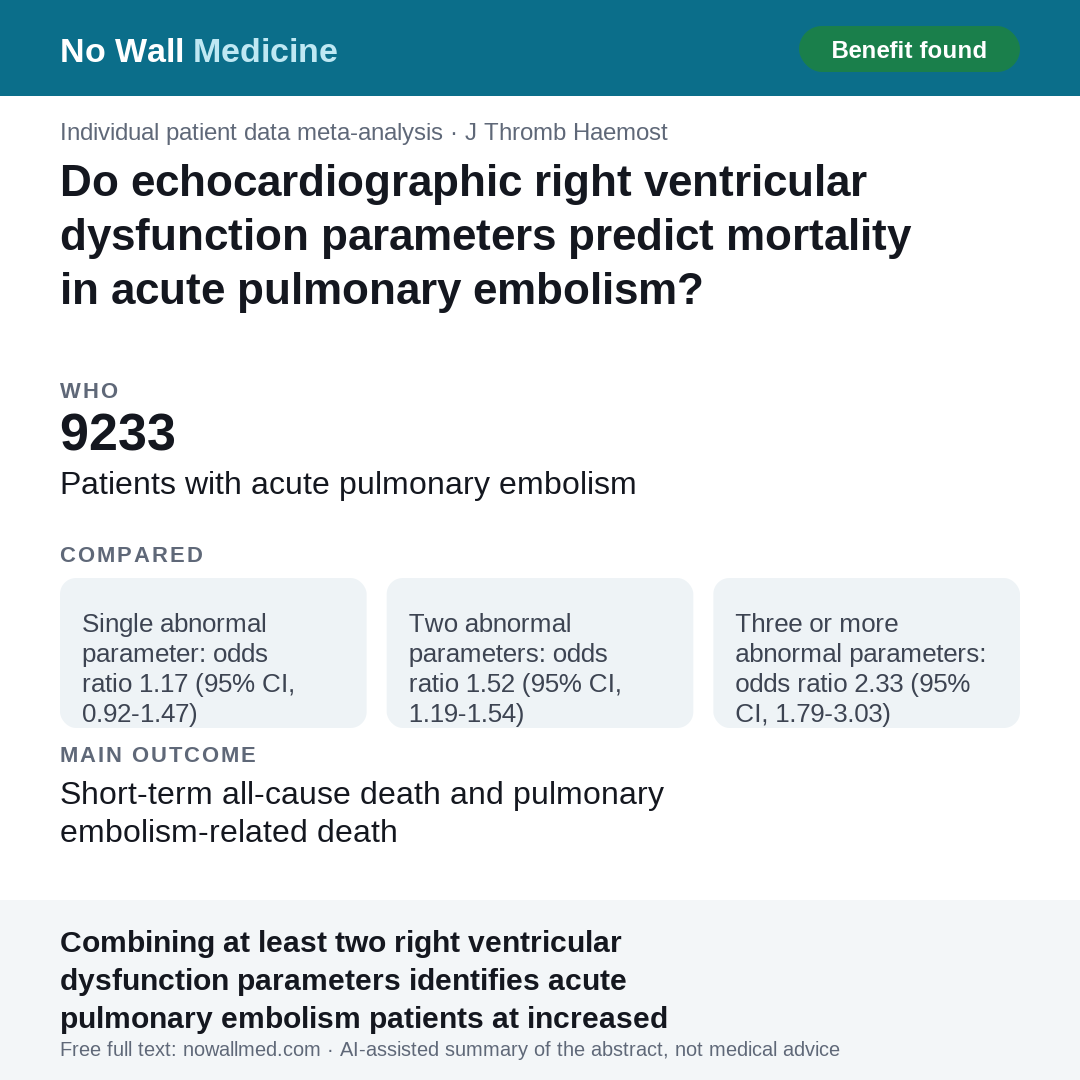
Right ventricular dysfunction on echocardiography to predict mortality in acute pulmonary embolism: an individual patient data meta-analysis
Individual patient data meta-analysisBenefit found
Do echocardiographic right ventricular dysfunction parameters predict mortality in acute pulmonary embolism?
Who
9233
Patients with acute pulmonary embolism
Compared
Single abnormal parameter: odds ratio 1.17 (95% CI, 0.92-1.47)
Two abnormal parameters: odds ratio 1.52 (95% CI, 1.19-1.54)
Three or more abnormal parameters: odds ratio 2.33 (95% CI, 1.79-3.03)
Main outcome
Short-term all-cause death and pulmonary embolism-related death
Result: odds ratio 2.33 (95% CI, 1.79-3.03) for three or more parameters
Bottom line: Combining at least two right ventricular dysfunction parameters identifies acute pulmonary embolism patients at increased risk for death.
J Thromb Haemost · 2025-12-15Download image
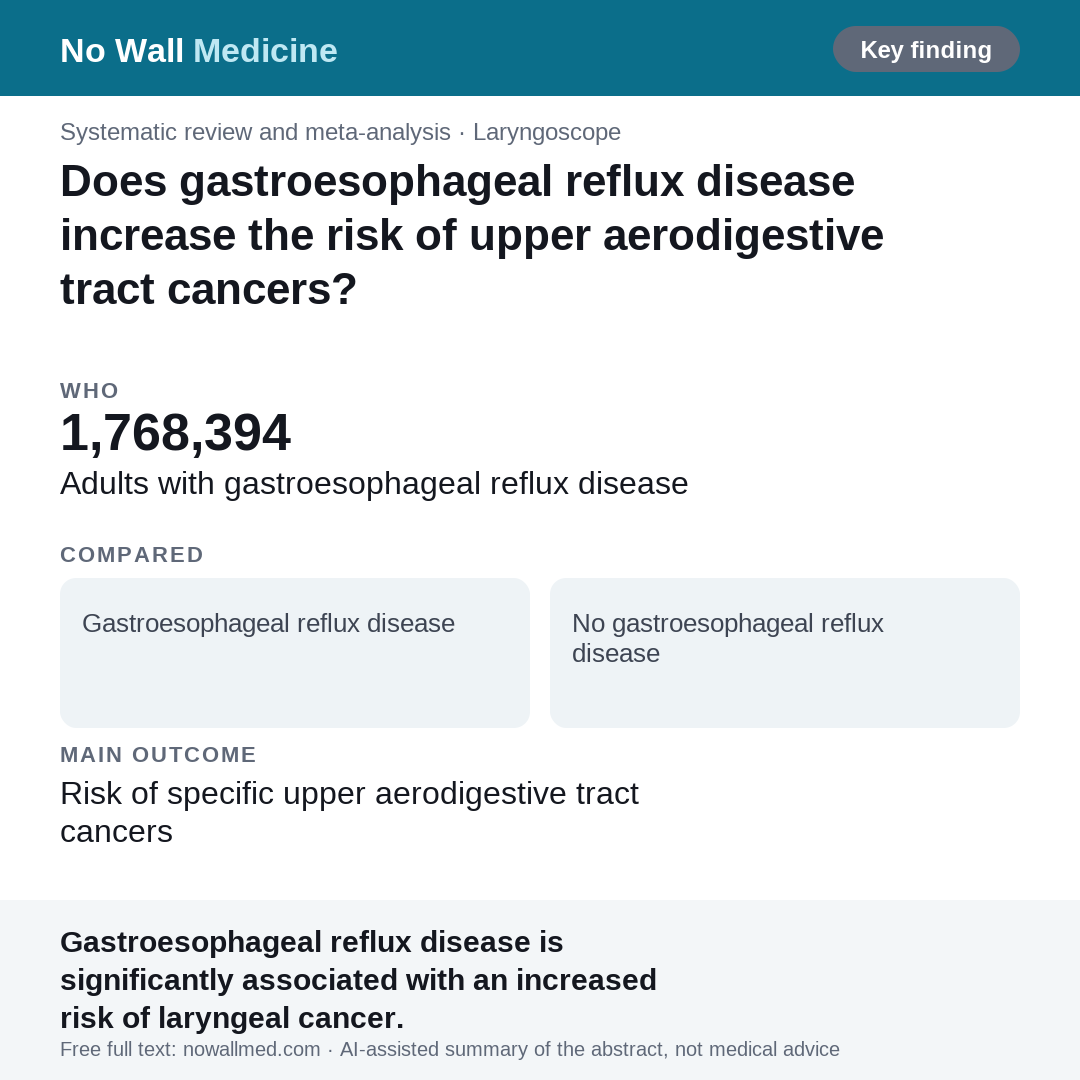
GERD and Upper Aerodigestive Tract Cancer Risk: A Systematic Review and Meta-Analysis
Systematic review and meta-analysisBenefit found
Does gastroesophageal reflux disease increase the risk of upper aerodigestive tract cancers?
Who
1,768,394
Adults with gastroesophageal reflux disease
Compared
Gastroesophageal reflux disease
No gastroesophageal reflux disease
Main outcome
Risk of specific upper aerodigestive tract cancers
Result: relative risk 1.65 (95% CI 1.19-2.31) for laryngeal cancer
Bottom line: Gastroesophageal reflux disease is significantly associated with an increased risk of laryngeal cancer.
Laryngoscope · 2025-12-15Download image
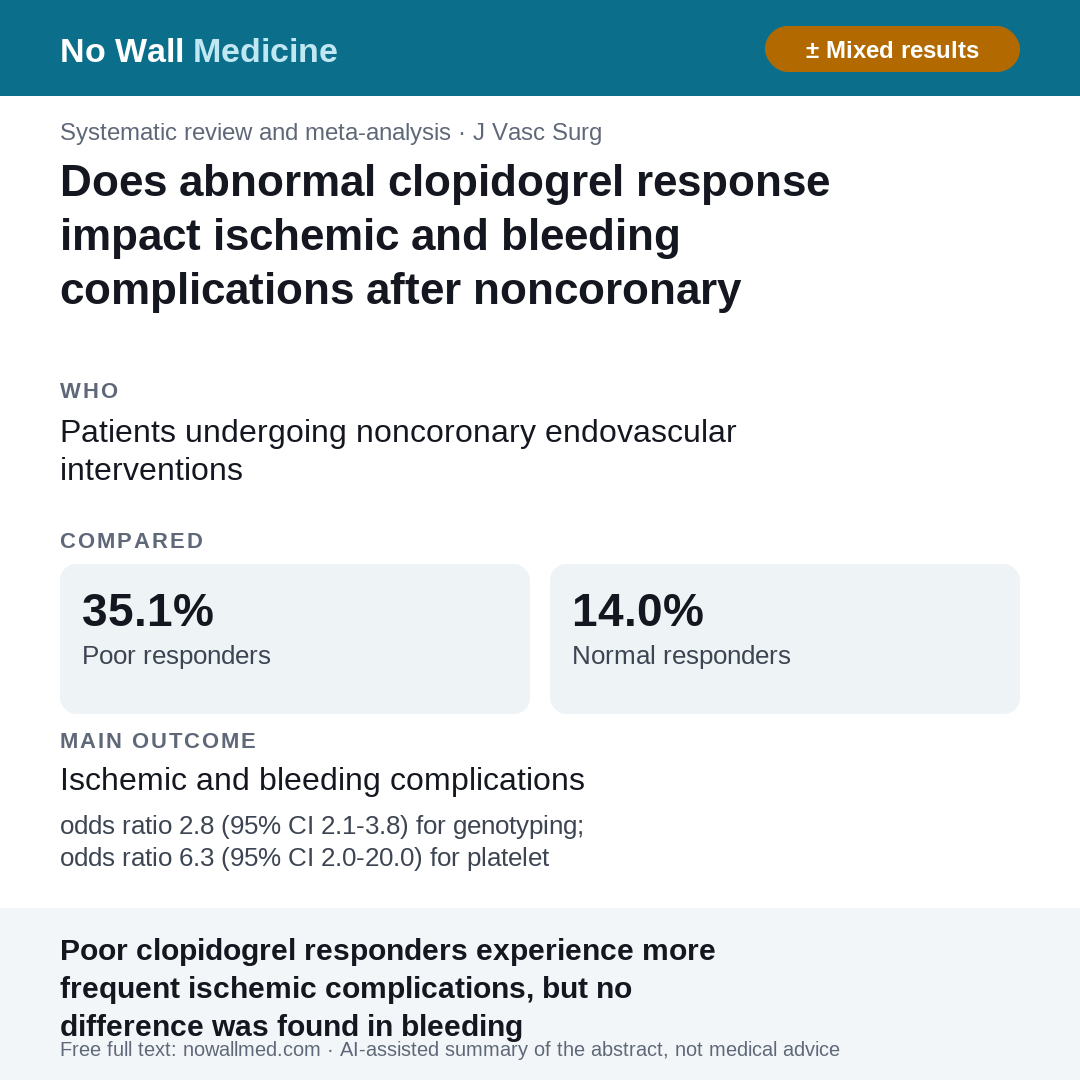
A systematic review and meta-analysis of the impact of clopidogrel responsiveness on ischemic and bleeding complications after noncoronary endovascular procedures
Systematic review and meta-analysisMixed results
Does abnormal clopidogrel response impact ischemic and bleeding complications after noncoronary endovascular procedures?
Who
Patients undergoing noncoronary endovascular interventions
Compared
35.1%Poor responders
14.0%Normal responders
Main outcome
Ischemic and bleeding complications
Result: odds ratio 2.8 (95% CI 2.1-3.8) for genotyping; odds ratio 6.3 (95% CI 2.0-20.0) for platelet function testing
Bottom line: Poor clopidogrel responders experience more frequent ischemic complications, but no difference was found in bleeding complications.
Limitation: The low number of papers precluded a formal comparison of effectiveness of genotyping versus platelet function testing.
J Vasc Surg · 2025-12-15Download image
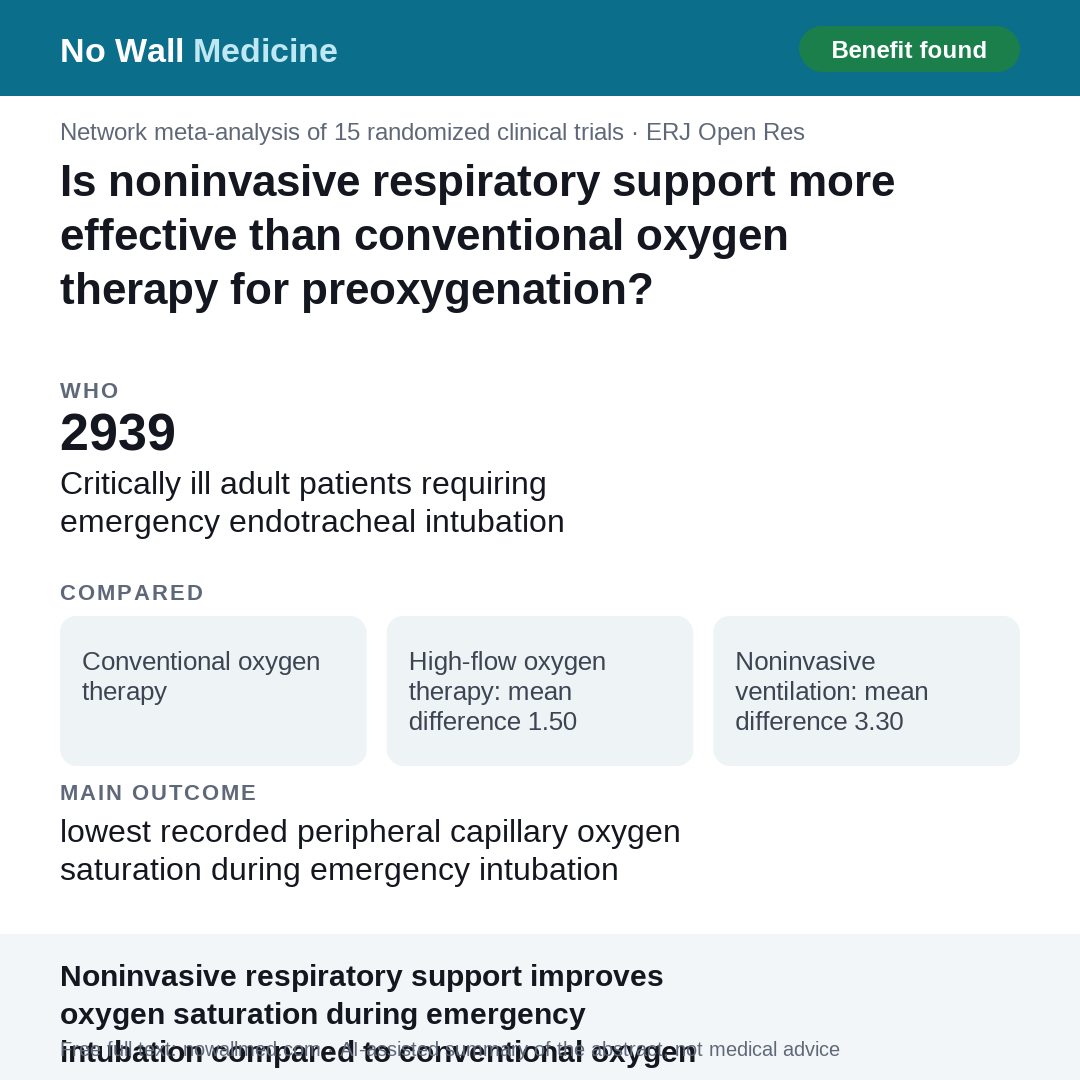
Noninvasive respiratory support for preoxygenation in emergency intubation: a systematic review and network meta-analysis
Network meta-analysis of 15 randomized clinical trialsBenefit found
Is noninvasive respiratory support more effective than conventional oxygen therapy for preoxygenation?
Who
2939
Critically ill adult patients requiring emergency endotracheal intubation
Compared
Conventional oxygen therapy
High-flow oxygen therapy: mean difference 1.50
Noninvasive ventilation: mean difference 3.30
Main outcome
lowest recorded peripheral capillary oxygen saturation during emergency intubation
Result: mean difference for HFOT 1.50 (95% CI 0.43-2.58); NIV 3.30 (95% CI 1.81-4.79)
Bottom line: Noninvasive respiratory support improves oxygen saturation during emergency intubation compared to conventional oxygen therapy, though evidence certainty is low.
ERJ Open Res · 2025-12-15Download image
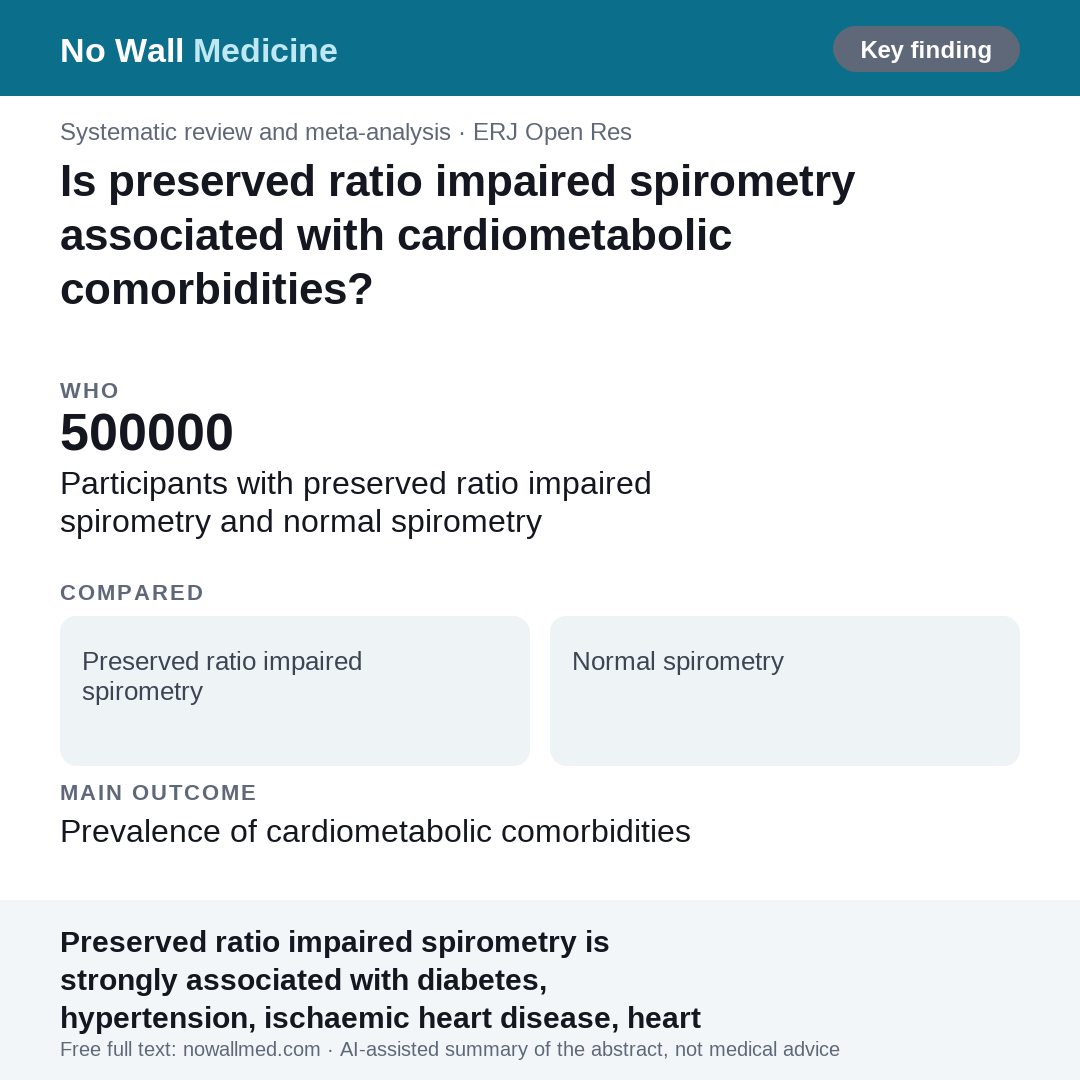
Associations of preserved ratio impaired spirometry with cardiometabolic comorbidities: a systematic review and meta-analysis
Systematic review and meta-analysisHarm found
Is preserved ratio impaired spirometry associated with cardiometabolic comorbidities?
Who
500000
Participants with preserved ratio impaired spirometry and normal spirometry
Compared
Preserved ratio impaired spirometry
Normal spirometry
Main outcome
Prevalence of cardiometabolic comorbidities
Result: diabetes OR 2.08 (95% CI 1.78-2.42), hypertension OR 1.78 (95% CI 1.55-2.03), ischaemic heart disease OR 2.05 (95% CI 1.59-2.64), heart failure OR 2.82 (95% CI 1.40-5.67), hypercholesterolaemia OR 1.46 (95% CI 1.16-1.85)
Bottom line: Preserved ratio impaired spirometry is strongly associated with diabetes, hypertension, ischaemic heart disease, heart failure, and hypercholesterolaemia.
ERJ Open Res · 2025-12-15Download image
Mobile Phone Messaging-Based Interventions to Improve Physical Activity in Patients With Cancer: Systematic Review and Meta-Analysis
Systematic review and meta-analysis of randomized controlled trialsMixed results
Do mobile phone messaging interventions improve physical activity in patients with cancer?
Who
777
Patients with cancer
Compared
Mobile phone messaging interventions
Control
Main outcome
Objective physical activity, self-reported physical activity, and step count
Result: standardized mean difference 0.37 (95% CI 0.10 to 0.64) for objective physical activity
Bottom line: Mobile phone messaging modestly improves objective physical activity, but has limited impact on self-reported activity or step count.
Limitation: Evidence for sustained long-term benefit remains limited.
J Med Internet Res · 2025-12-15Download image

Meta-Analysis: High anti-HBs Titers are Associated with Significantly Reduced Risk of Hepatitis B Virus Reactivation During Rituximab Treatment
Meta-analysis of cohort studiesBenefit found
Does anti-HBs titer affect hepatitis B virus reactivation risk during rituximab treatment?
Who
Patients with resolved hepatitis B infection on rituximab without prophylaxis
Compared
27.3%anti-HBs negative (51/195)
13.8%titer < 100 iU/L (47/379)
3.5%titer > 100 iU/L (8/339)
Main outcome
incidence of hepatitis B virus reactivation
Bottom line: Higher anti-HBs titers are associated with a significantly reduced risk of hepatitis B virus reactivation during rituximab treatment.
Aliment Pharmacol Ther · 2025-12-14Download image

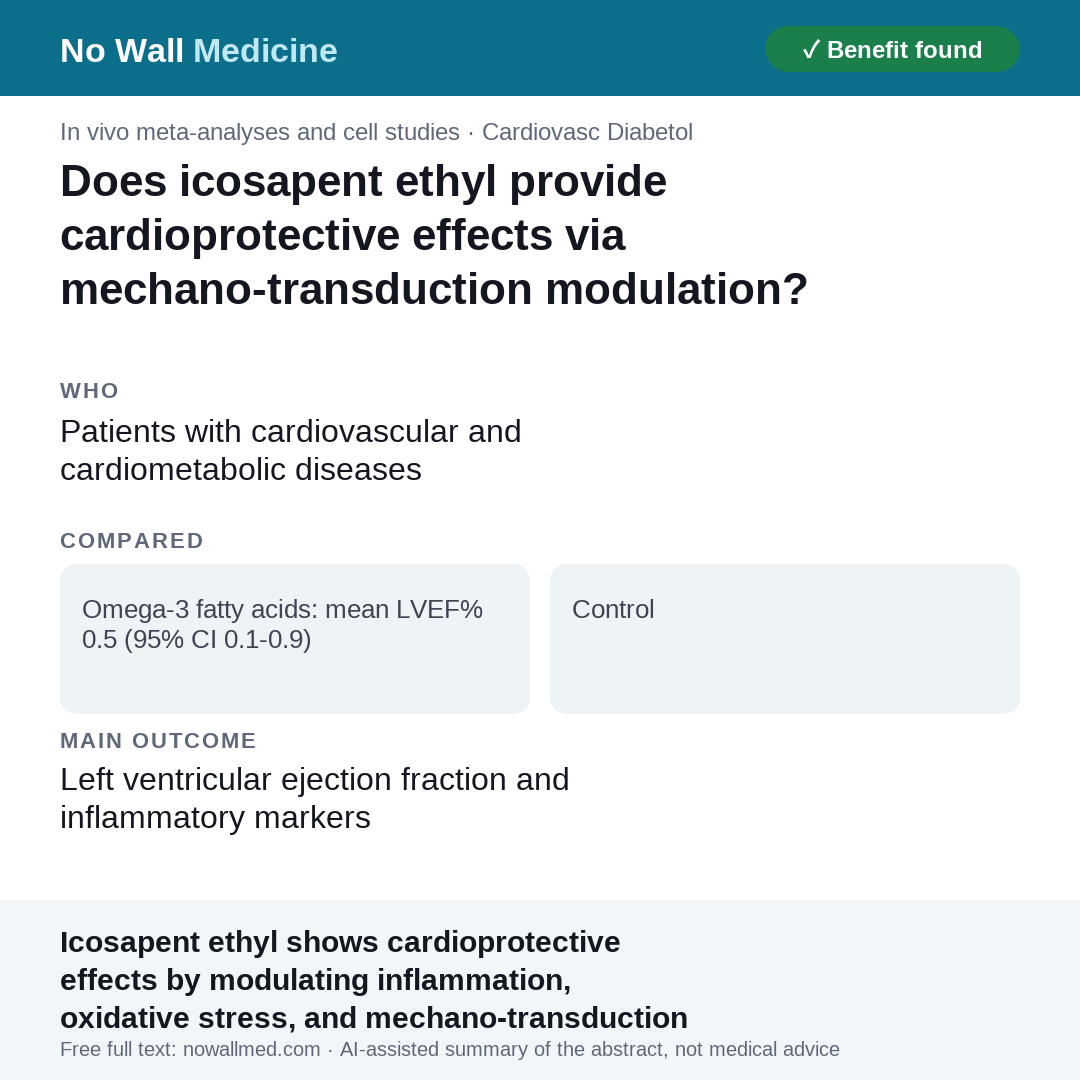
Cardioprotective mechanism of ω-3 fatty acid icosapent ethyl (IPE) in cardiomyocytes: role in high glucose and shear stress-induced mechano-transduction dysregulation
In vivo meta-analyses and cell studiesBenefit found
Does icosapent ethyl provide cardioprotective effects via mechano-transduction modulation?
Who
Patients with cardiovascular and cardiometabolic diseases
Compared
Omega-3 fatty acids: mean LVEF% 0.5 (95% CI 0.1-0.9)
Control
Main outcome
Left ventricular ejection fraction and inflammatory markers
Result: mean LVEF% 0.5 (95% CI 0.1-0.9); inflammatory markers mean -1.24 (95% CI 2.05-0.44)
Bottom line: Icosapent ethyl shows cardioprotective effects by modulating inflammation, oxidative stress, and mechano-transduction dysregulation.
Cardiovasc Diabetol · 2025-12-13Download image
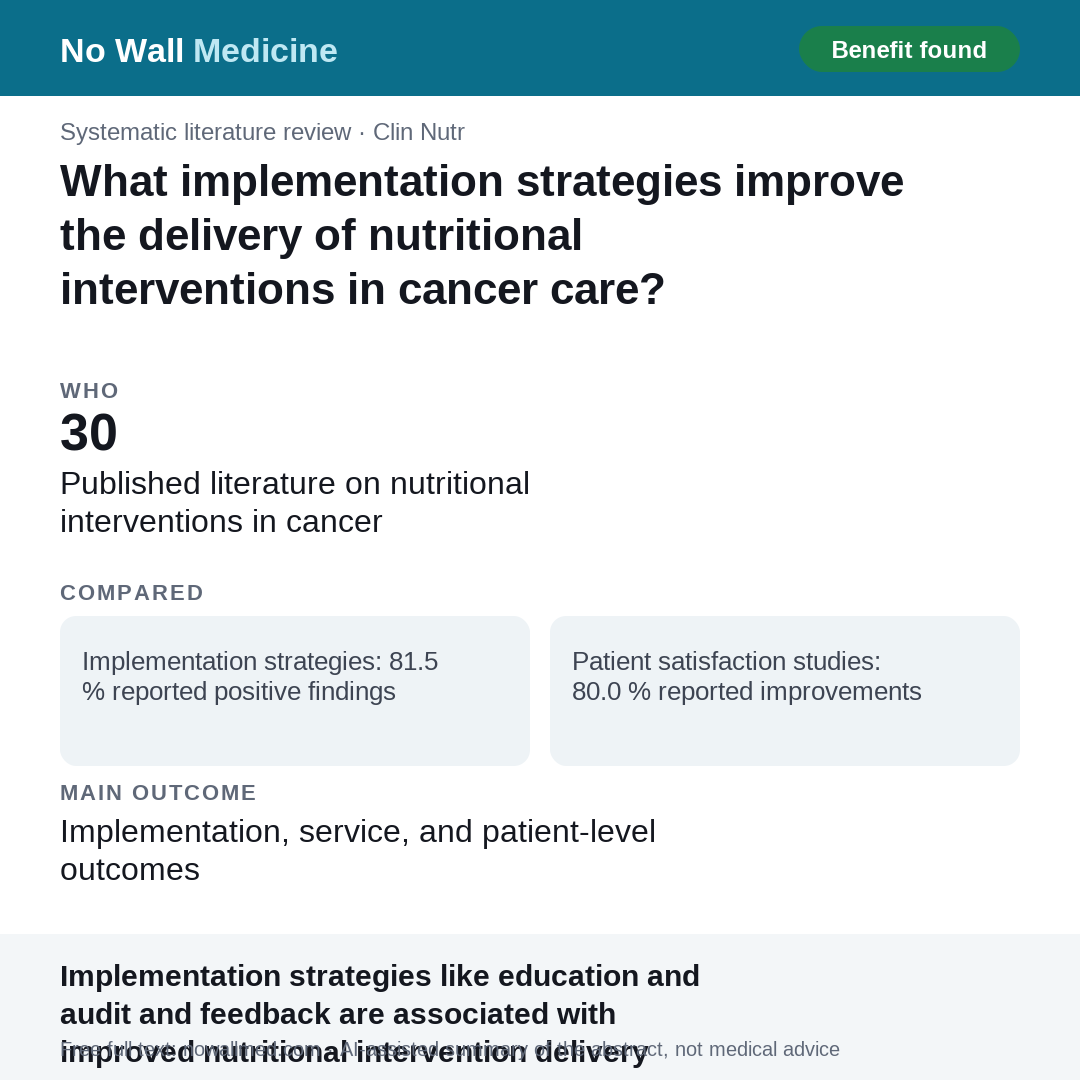
Implementation strategies for integrating nutritional interventions into cancer care: A systematic literature review
Systematic literature reviewBenefit found
What implementation strategies improve the delivery of nutritional interventions in cancer care?
Who
30
Published literature on nutritional interventions in cancer
Compared
Implementation strategies: 81.5 % reported positive findings
Patient satisfaction studies: 80.0 % reported improvements
Main outcome
Implementation, service, and patient-level outcomes
Bottom line: Implementation strategies like education and audit and feedback are associated with improved nutritional intervention delivery in cancer.
Clin Nutr · 2025-12-12Download image
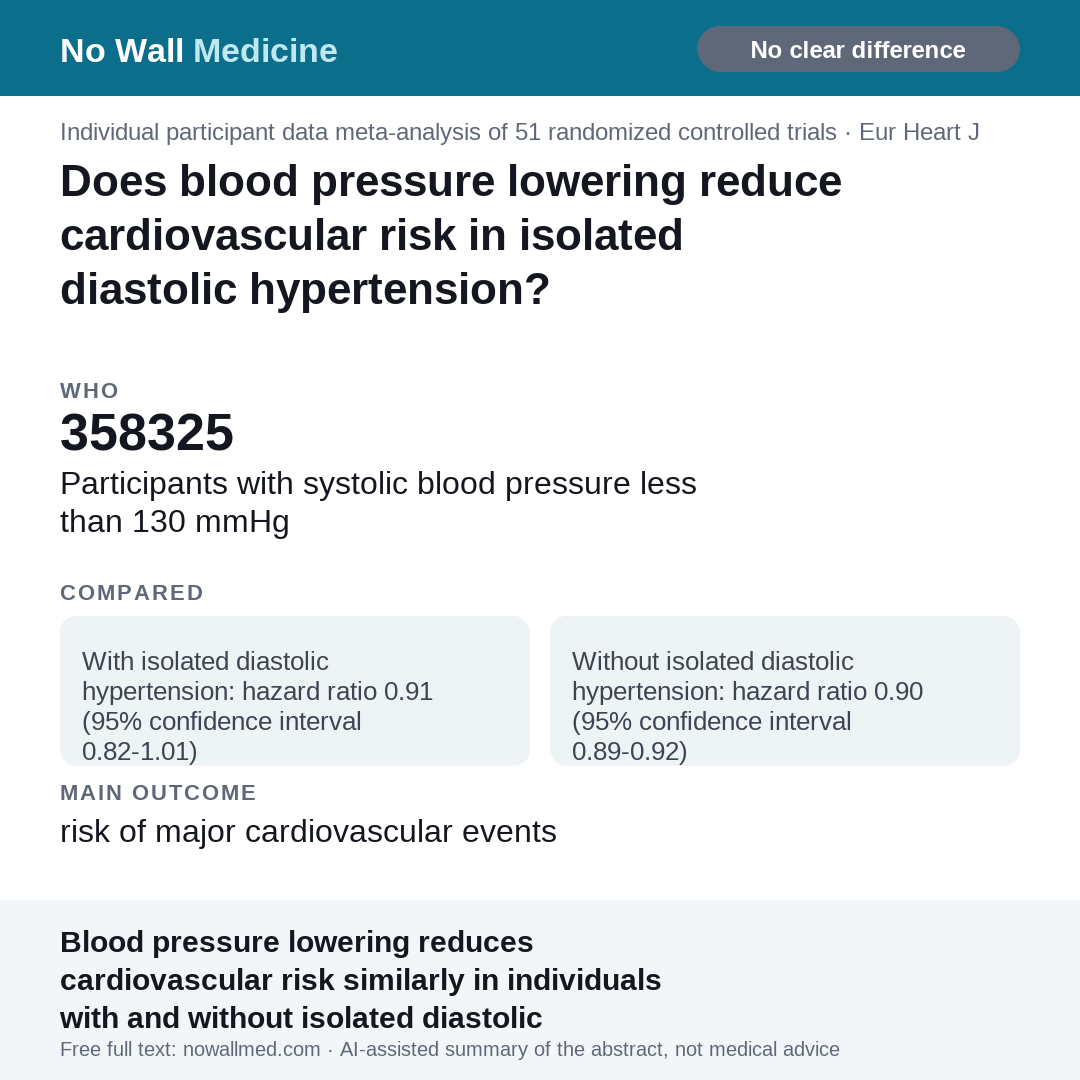
Blood pressure lowering in isolated diastolic hypertension and cardiovascular risk: an individual patient data meta-analysis
Individual participant data meta-analysis of 51 randomized controlled trialsNo clear difference
Does blood pressure lowering reduce cardiovascular risk in isolated diastolic hypertension?
Who
358325
Participants with systolic blood pressure less than 130 mmHg
Compared
With isolated diastolic hypertension: hazard ratio 0.91 (95% confidence interval 0.82-1.01)
Without isolated diastolic hypertension: hazard ratio 0.90 (95% confidence interval 0.89-0.92)
Main outcome
risk of major cardiovascular events
Result: hazard ratio 0.91 (95% CI 0.82-1.01) vs hazard ratio 0.90 (95% CI 0.89-0.92)
Bottom line: Blood pressure lowering reduces cardiovascular risk similarly in individuals with and without isolated diastolic hypertension.
Eur Heart J · 2025-12-12Download image
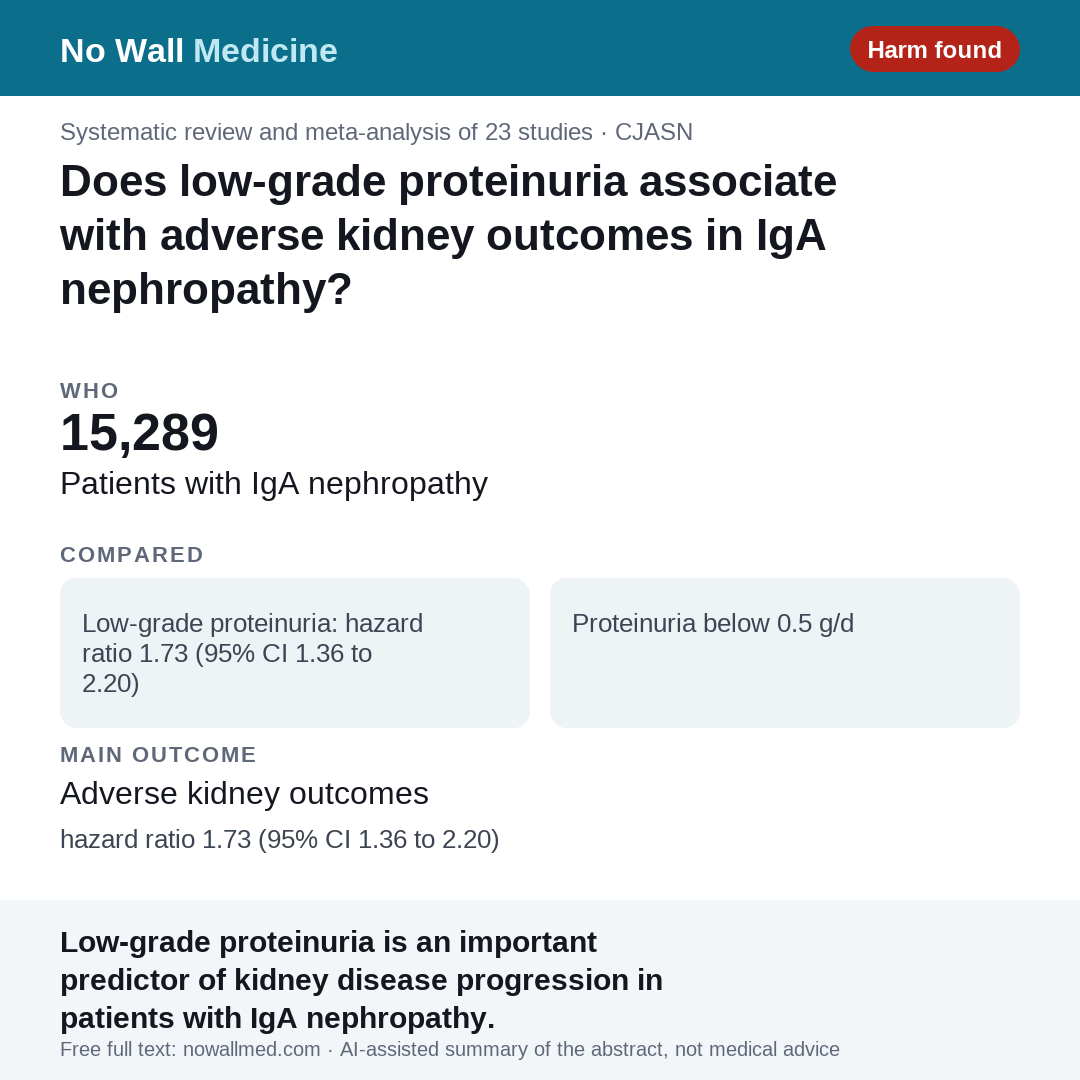
The Association between Low-Grade Proteinuria and Adverse Kidney Outcomes in IgA Nephropathy: A Systematic Review and Meta-Analysis
Systematic review and meta-analysis of 23 studiesHarm found
Does low-grade proteinuria associate with adverse kidney outcomes in IgA nephropathy?
Who
15,289
Patients with IgA nephropathy
Compared
Low-grade proteinuria: hazard ratio 1.73 (95% CI 1.36 to 2.20)
Proteinuria below 0.5 g/d
Main outcome
Adverse kidney outcomes
Result: hazard ratio 1.73 (95% CI 1.36 to 2.20)
Bottom line: Low-grade proteinuria is an important predictor of kidney disease progression in patients with IgA nephropathy.
CJASN · 2025-12-12Download image
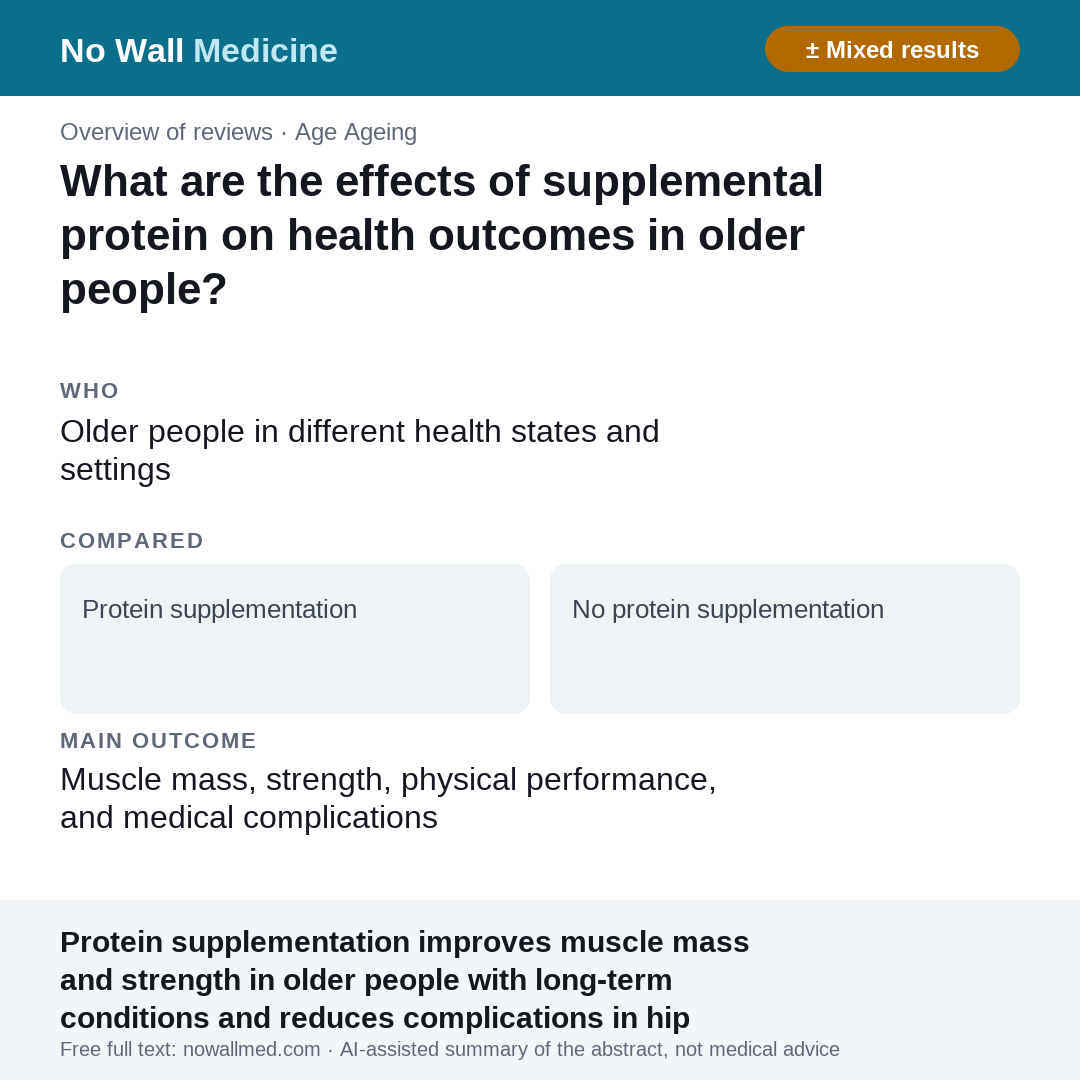
Effects of supplemental protein in older people: an overview of meta-analyses
Overview of reviewsMixed results
What are the effects of supplemental protein on health outcomes in older people?
Who
Older people in different health states and settings
Compared
Protein supplementation
No protein supplementation
Main outcome
Muscle mass, strength, physical performance, and medical complications
Bottom line: Protein supplementation improves muscle mass and strength in older people with long-term conditions and reduces complications in hip fracture patients.
Age Ageing · 2025-12-12Download image
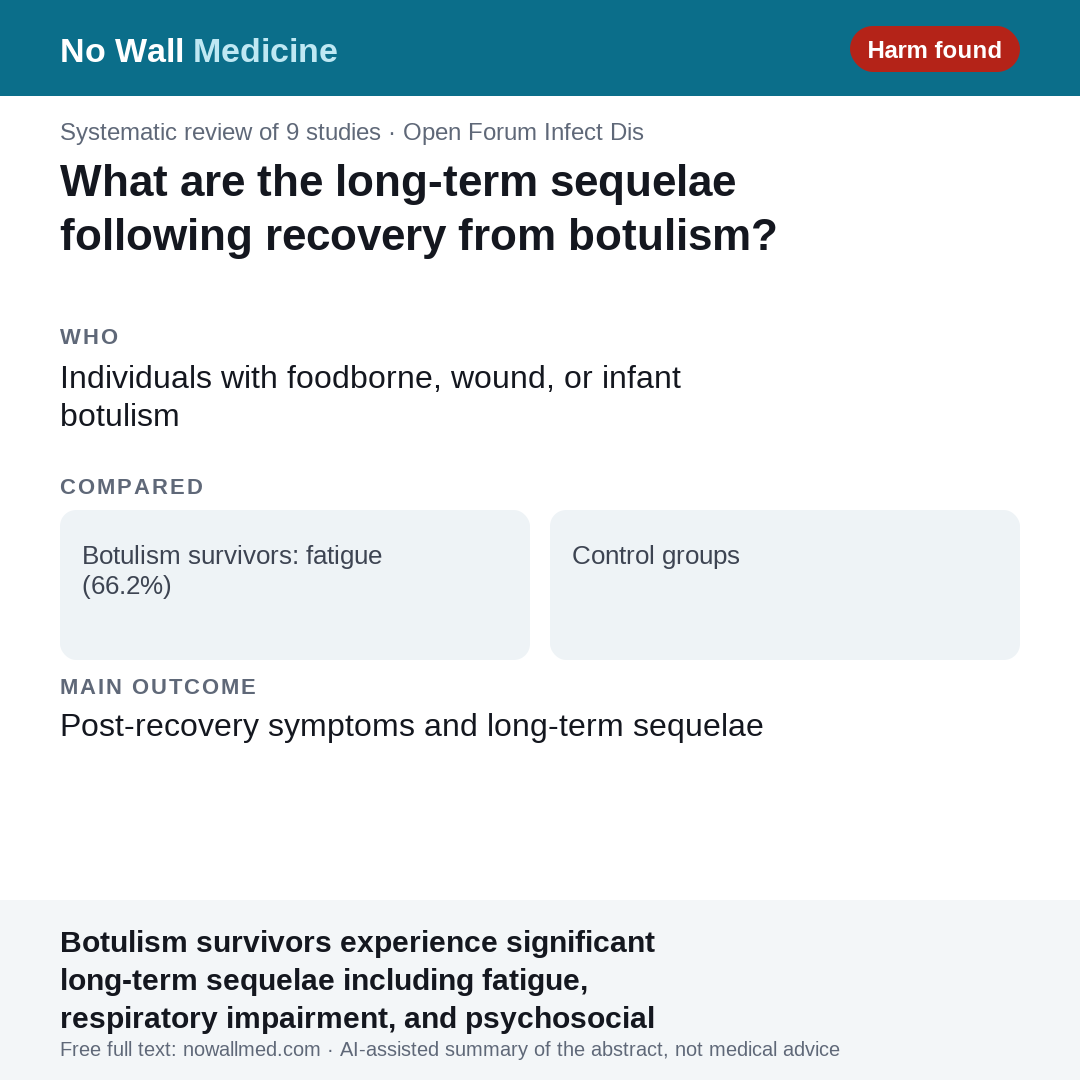
Botulism Sequelae: A Systematic Review
Systematic review of 9 studiesHarm found
What are the long-term sequelae following recovery from botulism?
Who
Individuals with foodborne, wound, or infant botulism
Compared
Botulism survivors: fatigue (66.2%)
Control groups
Main outcome
Post-recovery symptoms and long-term sequelae
Bottom line: Botulism survivors experience significant long-term sequelae including fatigue, respiratory impairment, and psychosocial dysfunction.
Limitation: Need for standardized outcome measures and longitudinal studies.
Open Forum Infect Dis · 2025-12-12Download image
Relevance and consequence of economic and social resources of severely ill persons and their informal caregivers at the end-of-life: a systematic review of qualitative studies
Systematic review of qualitative studiesMixed results
How do economic and social resources affect severely ill persons and informal caregivers?
Who
Severely ill persons and their informal caregivers · High-income countries
Compared
Economic resources
Social resources
Main outcome
Perceptions of relevance and consequences of economic and social resources
Bottom line: End-of-life burden is closely linked to available economic and social resources for patients and caregivers.
BMC Palliat Care · 2025-12-12Download image

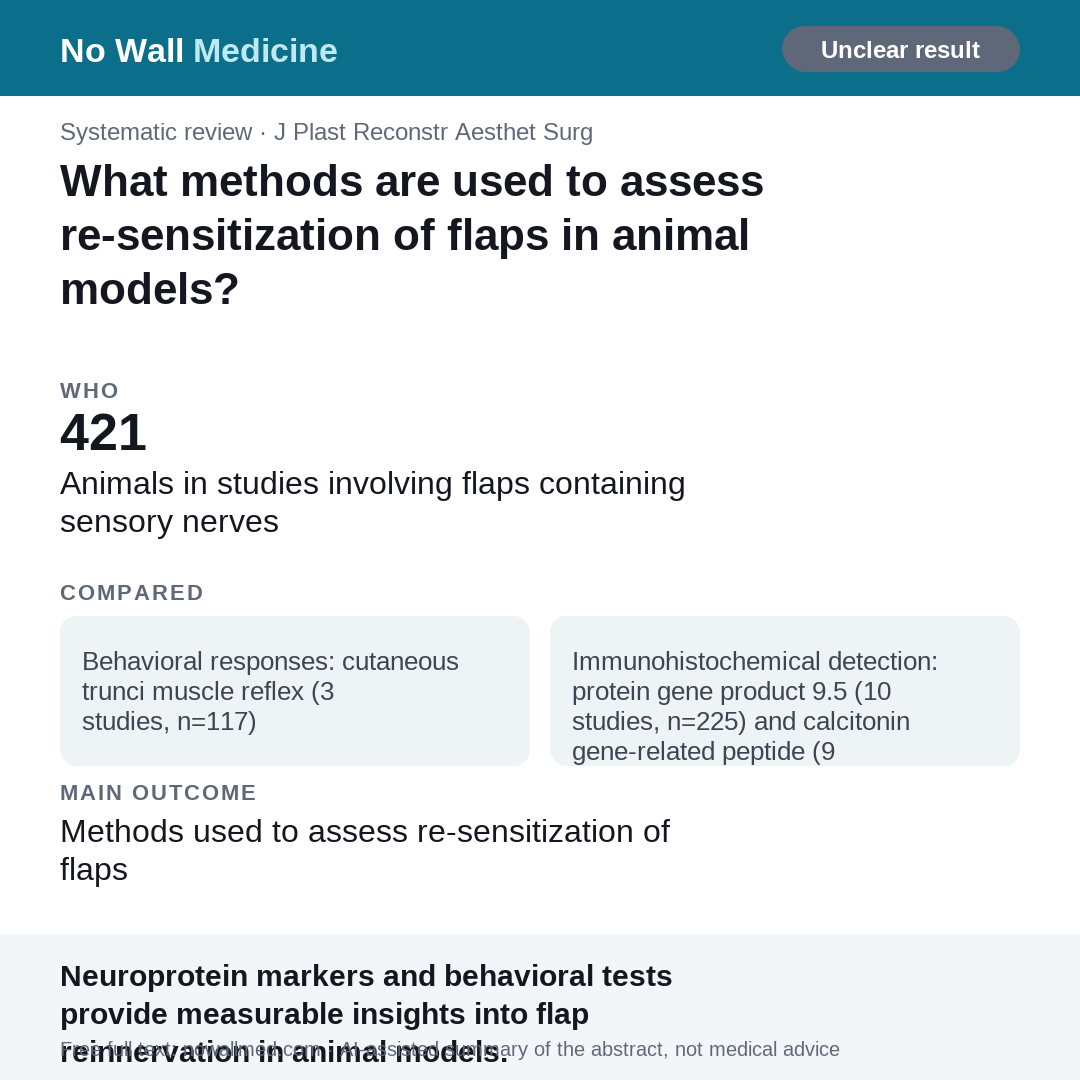
Evaluation of resensibilization in flaps containing sensory nerves in the animal model: A systematic review of the literature
Systematic reviewUnclear result
What methods are used to assess re-sensitization of flaps in animal models?
Who
421
Animals in studies involving flaps containing sensory nerves
Compared
Behavioral responses: cutaneous trunci muscle reflex (3 studies, n=117)
Immunohistochemical detection: protein gene product 9.5 (10 studies, n=225) and calcitonin gene-related peptide (9 studies, n=218)
Main outcome
Methods used to assess re-sensitization of flaps
Bottom line: Neuroprotein markers and behavioral tests provide measurable insights into flap reinnervation in animal models.
Limitation: Methodological variability limited direct comparisons between the assessment tools.
J Plast Reconstr Aesthet Surg · 2025-12-11Download image
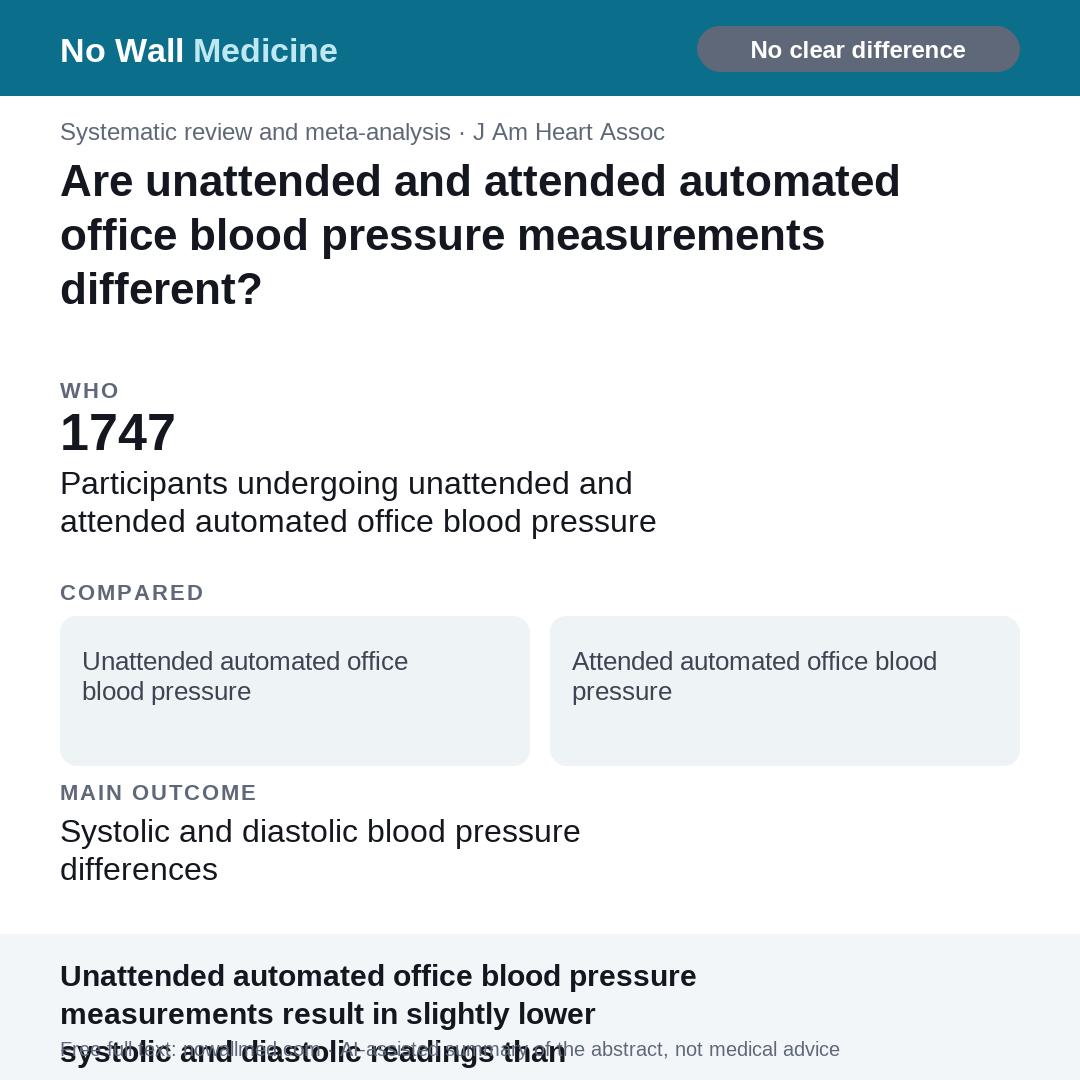
Revisiting Unattended Versus Attended Automated Office Blood Pressure Measurements: A Systematic Review and Meta-Analysis
Systematic review and meta-analysisNo clear difference
Are unattended and attended automated office blood pressure measurements different?
Who
1747
Participants undergoing unattended and attended automated office blood pressure measurements
Compared
Unattended automated office blood pressure
Attended automated office blood pressure
Main outcome
Systolic and diastolic blood pressure differences
Result: weighted mean difference systolic -2.7 (-4.7 to -0.6) mm Hg
Bottom line: Unattended automated office blood pressure measurements result in slightly lower systolic and diastolic readings than attended measurements.
Limitation: The overall difference was largely driven by a single outlier study.
J Am Heart Assoc · 2025-12-11Download image
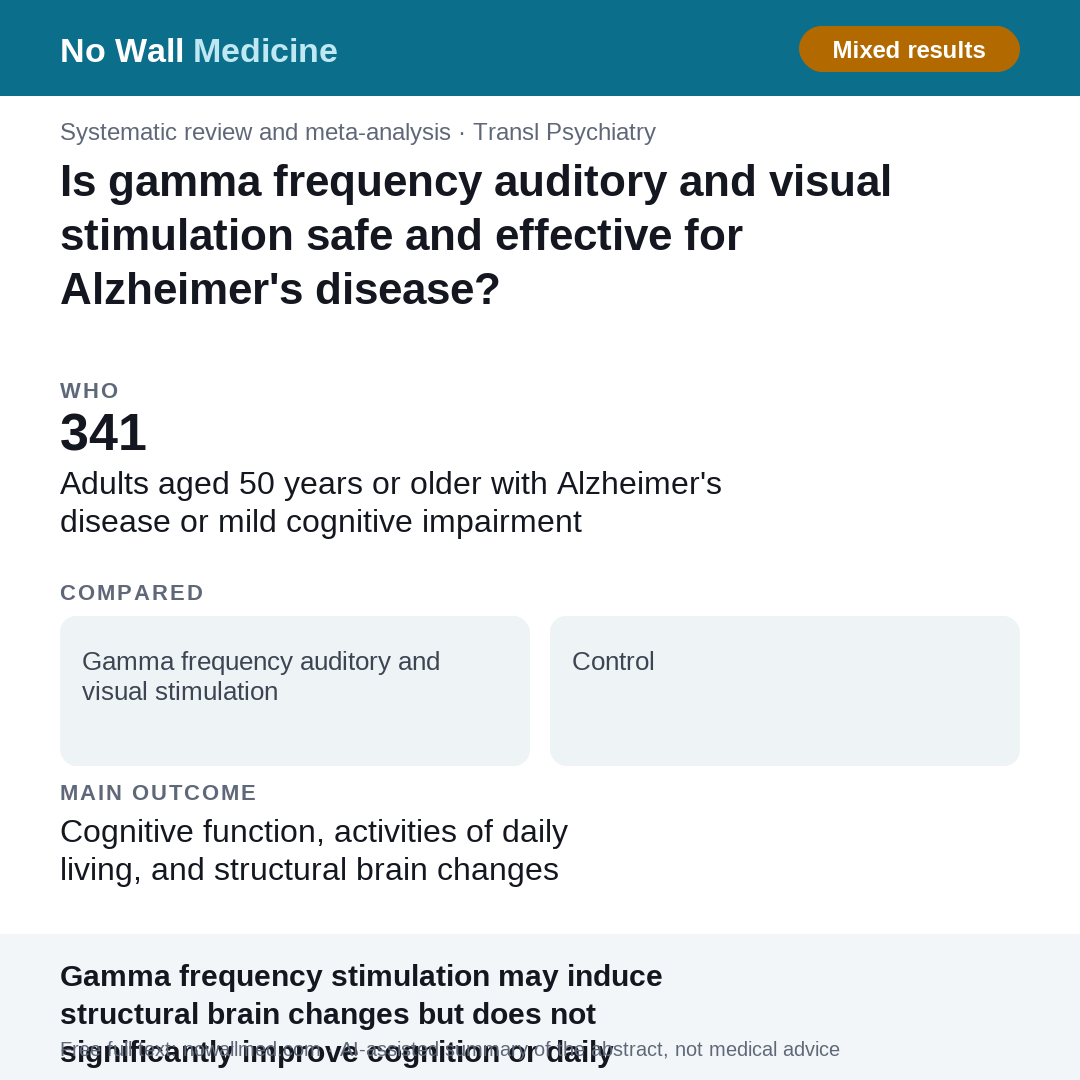
The safety and efficacy of gamma frequency auditory and visual stimulation in the treatment of alzheimer's disease: a systematic review and meta-analysis
Systematic review and meta-analysisMixed results
Is gamma frequency auditory and visual stimulation safe and effective for Alzheimer's disease?
Who
341
Adults aged 50 years or older with Alzheimer's disease or mild cognitive impairment
Compared
Gamma frequency auditory and visual stimulation
Control
Main outcome
Cognitive function, activities of daily living, and structural brain changes
Result: SMD 0.16 (95% CI -0.36 to 0.68) for cognitive function
Bottom line: Gamma frequency stimulation may induce structural brain changes but does not significantly improve cognition or daily functioning.
Limitation: High heterogeneity was observed.
Transl Psychiatry · 2025-12-11Download image
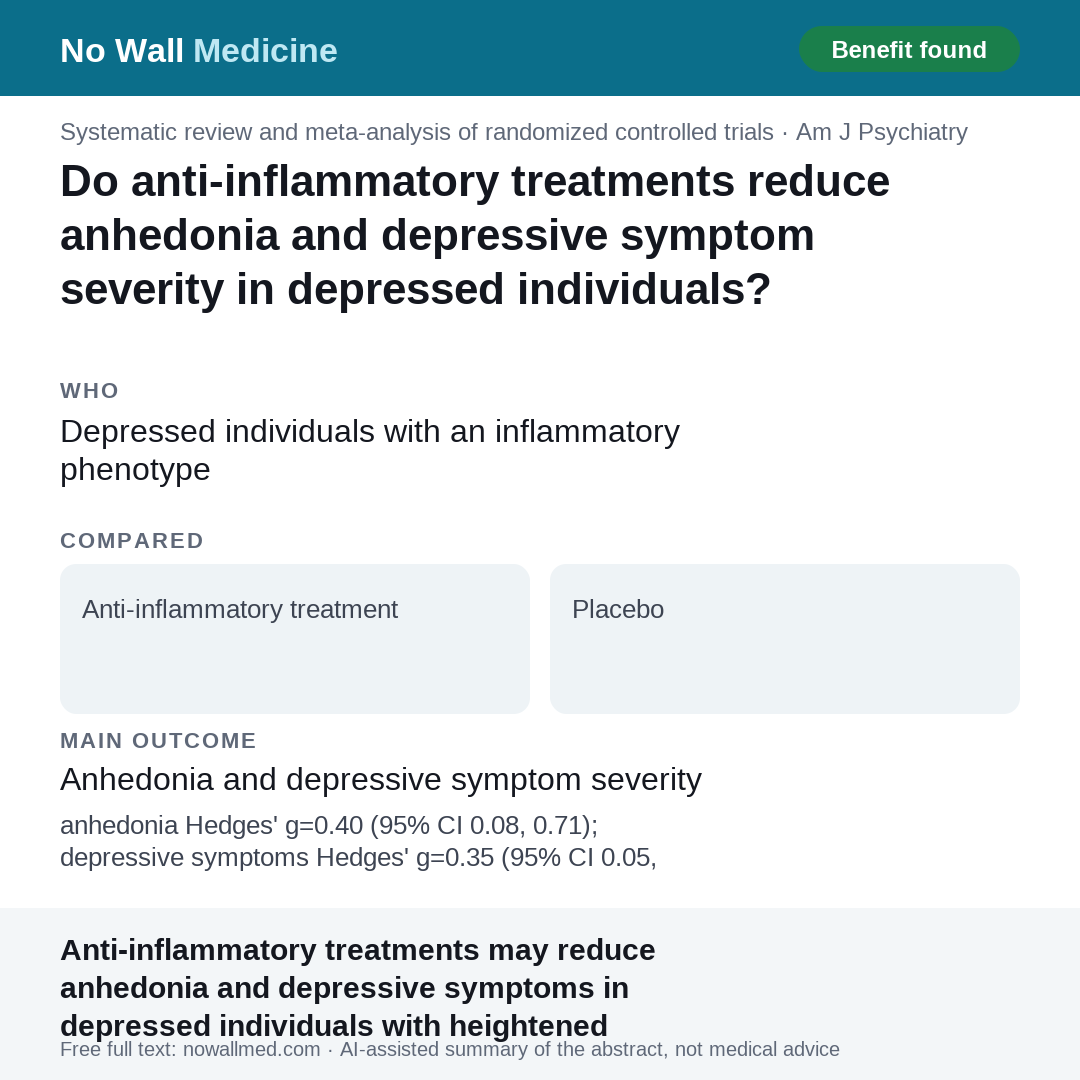
Effect of Anti-Inflammatory Treatment on Depressive Symptom Severity and Anhedonia in Depressed Individuals With Elevated Inflammation: Systematic Review and Meta-Analysis of Randomized Controlled Trials
Systematic review and meta-analysis of randomized controlled trialsBenefit found
Do anti-inflammatory treatments reduce anhedonia and depressive symptom severity in depressed individuals?
Who
Depressed individuals with an inflammatory phenotype
Compared
Anti-inflammatory treatment
Placebo
Main outcome
Anhedonia and depressive symptom severity
Result: anhedonia Hedges' g=0.40 (95% CI 0.08, 0.71); depressive symptoms Hedges' g=0.35 (95% CI 0.05, 0.64)
Bottom line: Anti-inflammatory treatments may reduce anhedonia and depressive symptoms in depressed individuals with heightened inflammation.
Am J Psychiatry · 2025-12-10Download image