Visual abstracts
New randomized trials and meta-analyses from leading journals at a glance: who was studied, what was compared, and what was found. Every paper is free to read in full.
All specialtiesCardiology 4763Oncology 4042Gastroenterology & Hepatology 1902Infectious Disease 3756Neurology 1872Psychiatry & Mental Health 2214Pulmonology 2042Critical Care 1319Endocrinology & Diabetes 2544Pediatrics 2889Surgery 2479Orthopedics & Sports Medicine 917Neurosurgery 525Cardiothoracic & Vascular Surgery 656Plastic & Reconstructive Surgery 574Nephrology 1107Rheumatology 810Hematology 1090Dermatology 611Ophthalmology 532Obstetrics & Gynecology 1645Public & Global Health 1037Radiology & Imaging 617Anesthesiology 957Urology 745ENT (Otolaryngology) 494Emergency Medicine 481Allergy & Immunology 309Geriatrics 972Family Medicine & Primary Care 533Medical Genetics & Genomics 659Pathology & Laboratory Medicine 156Physical Medicine & Rehabilitation 734Palliative Care 421Nutrition 1560Digital Health & AI 2133General Medicine 318
Systematic review of deep learning image analyses for the diagnosis and monitoring of skin disease
Systematic reviewMixed results
How accurate are deep learning image analyses for diagnosing and monitoring skin diseases?
Who
64
Studies applying deep learning to skin images
Compared
Acne diagnosis accuracy: median 94%, IQR 86-98
Rosacea diagnosis accuracy: 94%, 90-97
Eczema diagnosis accuracy: 93%, 90-99
Psoriasis diagnosis accuracy: 89%, 78-92
Main outcome
Accuracy of deep learning algorithms in disease diagnosis or severity assessment
Bottom line: Deep learning shows potential for skin disease diagnosis, but current research has significant methodological and reporting limitations.
Limitation: High risk-of-bias and high-level applicability concerns in most studies, with limited reporting on ethnicity or skin type.
NPJ Digit Med · 2023-09-27Download image

Antidepressant and antipsychotic side-effects and personalised prescribing: a systematic review and digital tool development
Umbrella review and digital tool developmentBenefit found
Can a digital tool support personalised prescribing based on antidepressant and antipsychotic side-effects?
Who
65594
Adults with schizophrenia or major depressive disorder
Compared
Antipsychotics: 32 drugs and 14 side-effects
Antidepressants: 37 drugs and nine side-effects
Main outcome
Side-effect databases and a digital decision support tool
Bottom line: A digital tool was developed to help clinicians and patients balance side-effects through personalised, evidence-based prescribing decisions.
Funded by: National Institute for Health and Care Research, Maudsley Charity, Wellcome Trust, Medical Research Council
Lancet Psychiatry · 2023-09-26Download image

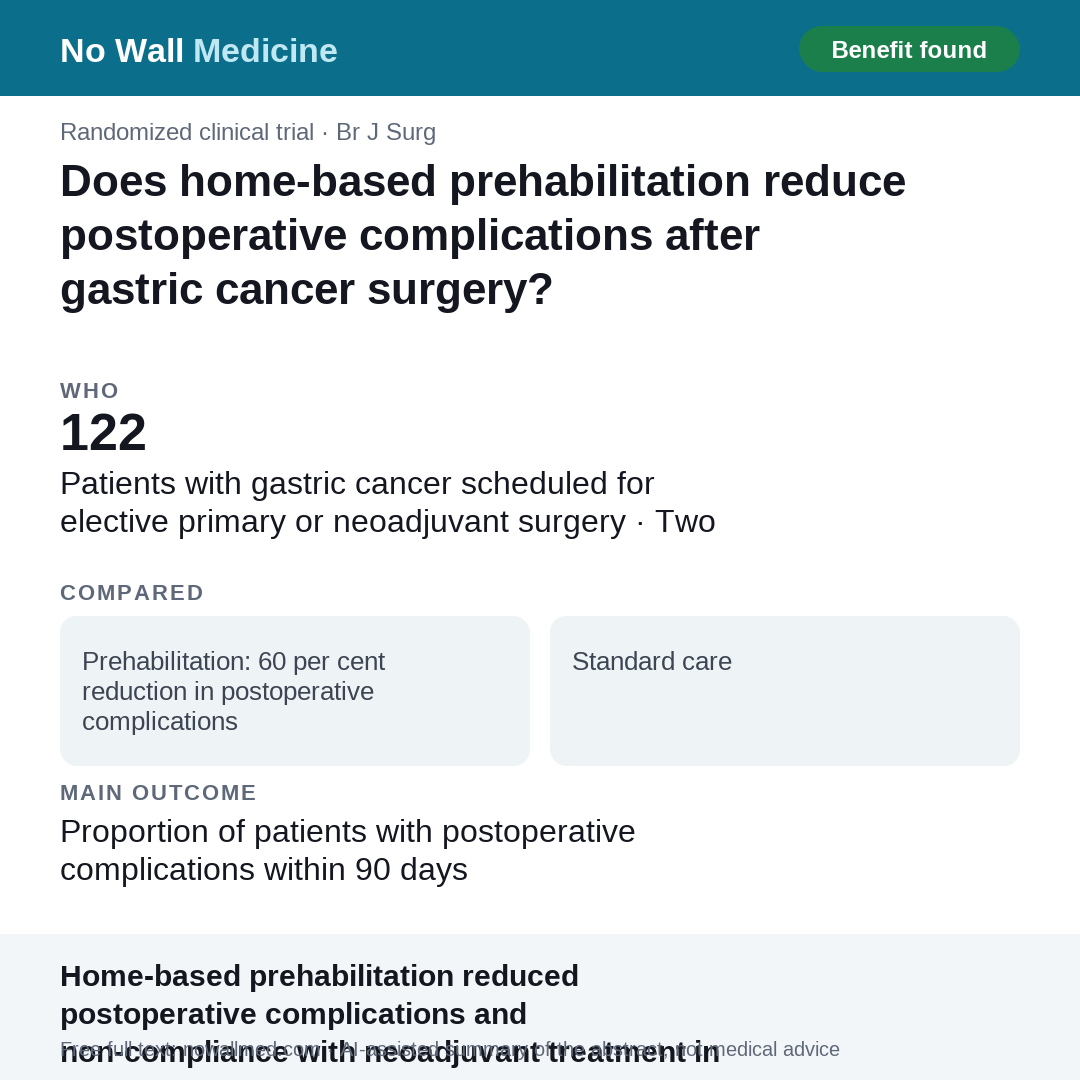
Effect of home-based prehabilitation on postoperative complications after surgery for gastric cancer: randomized clinical trial
Randomized clinical trialBenefit found
Does home-based prehabilitation reduce postoperative complications after gastric cancer surgery?
Who
122
Patients with gastric cancer scheduled for elective primary or neoadjuvant surgery · Two centres in Lithuania
Compared
Prehabilitation: 60 per cent reduction in postoperative complications
Standard care
Main outcome
Proportion of patients with postoperative complications within 90 days
Result: risk ratio 0.40 (95 per cent c.i. 0.24 to 0.66)
Bottom line: Home-based prehabilitation reduced postoperative complications and non-compliance with neoadjuvant treatment in gastric cancer patients.
Br J Surg · 2023-09-26Download image
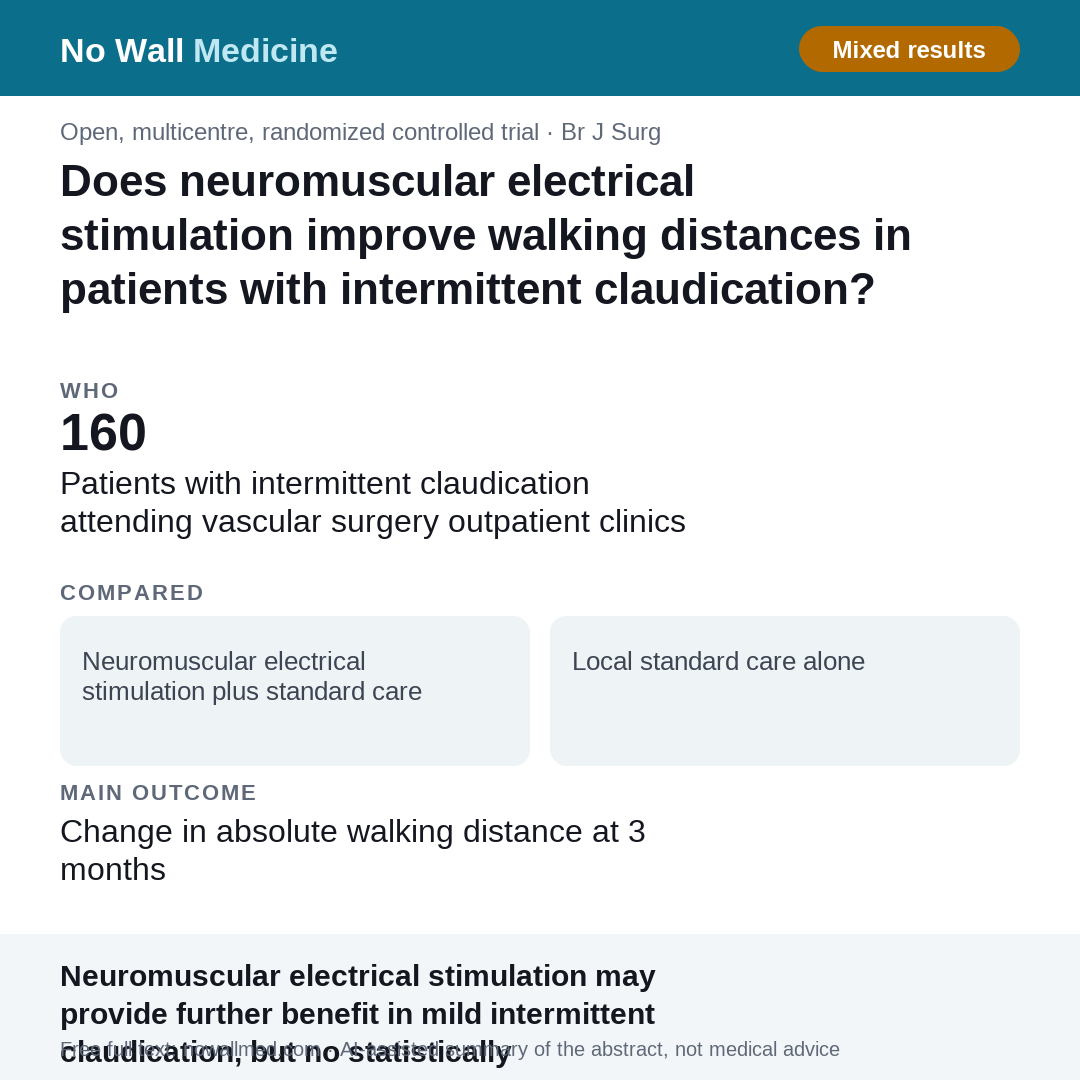
Neuromuscular Electrical Stimulation for Intermittent Claudication (NESIC): multicentre, randomized controlled trial
Open, multicentre, randomized controlled trialMixed results
Does neuromuscular electrical stimulation improve walking distances in patients with intermittent claudication?
Who
160
Patients with intermittent claudication attending vascular surgery outpatient clinics · Multicentre vascular surgery outpatient clinics
Compared
Neuromuscular electrical stimulation plus standard care
Local standard care alone
Main outcome
Change in absolute walking distance at 3 months
Bottom line: Neuromuscular electrical stimulation may provide further benefit in mild intermittent claudication, but no statistically significant effect was observed overall.
Funded by: Medical Research Council and National Institute for Health and Care Research
Br J Surg · 2023-09-26Download image
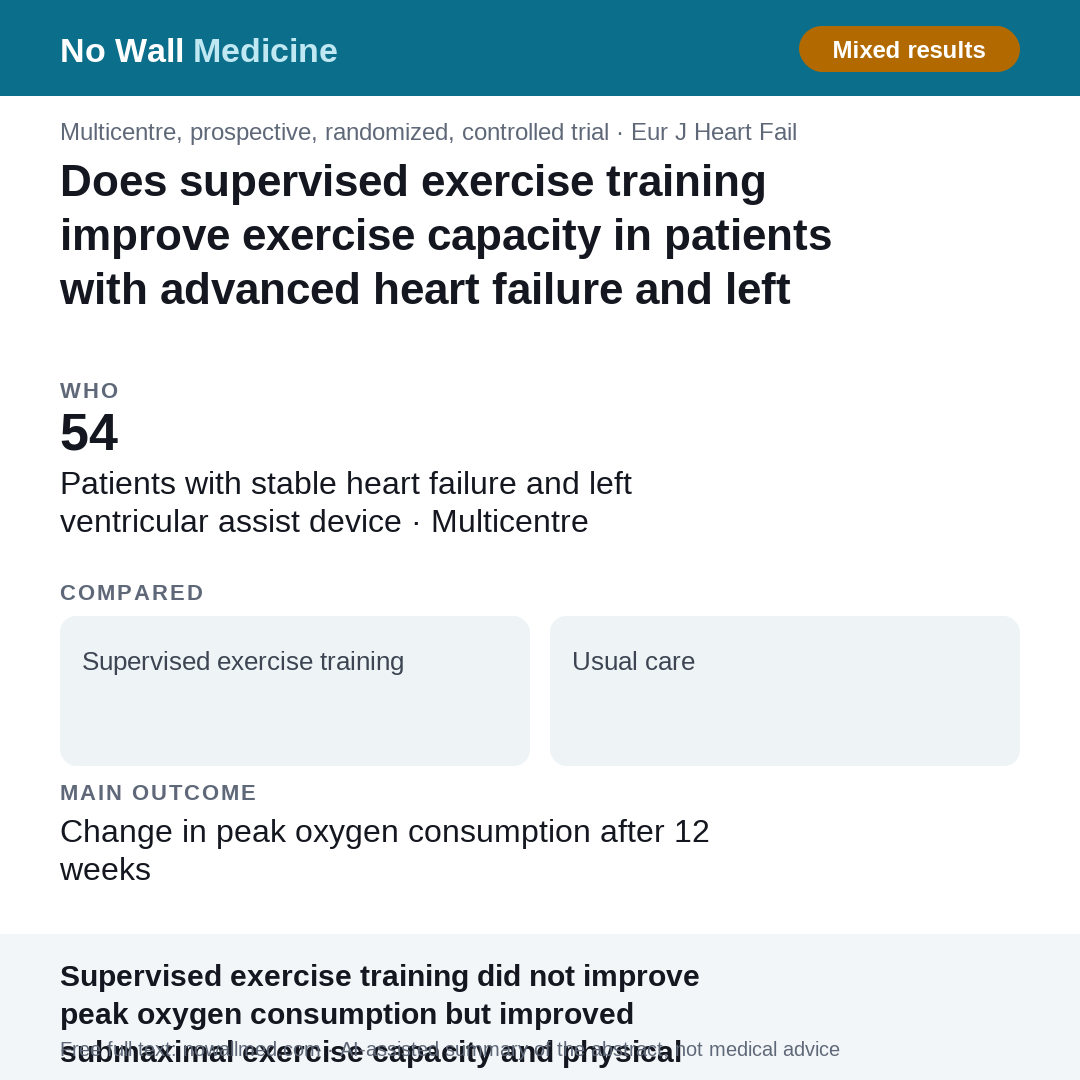
Supervised exercise training in patients with advanced heart failure and left ventricular assist device: A multicentre randomized controlled trial (Ex-VAD trial)
Multicentre, prospective, randomized, controlled trialMixed results
Does supervised exercise training improve exercise capacity in patients with advanced heart failure and left ventricular assist device?
Who
54
Patients with stable heart failure and left ventricular assist device · Multicentre
Compared
Supervised exercise training
Usual care
Main outcome
Change in peak oxygen consumption after 12 weeks
Result: mean difference 0.826 ml/min/kg (95% CI -0.37, 2.03)
Bottom line: Supervised exercise training did not improve peak oxygen consumption but improved submaximal exercise capacity and physical quality of life.
Eur J Heart Fail · 2023-09-26Download image
Comparative efficacy and safety of non-neuraxial analgesic techniques for midline laparotomy: a systematic review and frequentist network meta-analysis of randomised controlled trials
Systematic review and network meta-analysisBenefit, low certainty
Which non-neuraxial analgesic techniques are most effective after midline laparotomy?
Who
4410
Adult patients undergoing midline laparotomy
Compared
continuous rectus sheath block
continuous transversus abdominis plane block
placebo/no intervention
Main outcome
24-h cumulative opioid consumption and 24-h resting pain score
Bottom line: Continuous rectus sheath block and continuous transversus abdominis plane block were most efficacious for reducing opioid consumption and pain.
Limitation: Future studies should compare techniques for upper versus lower midline laparotomy.
Br J Anaesth · 2023-09-26Download image

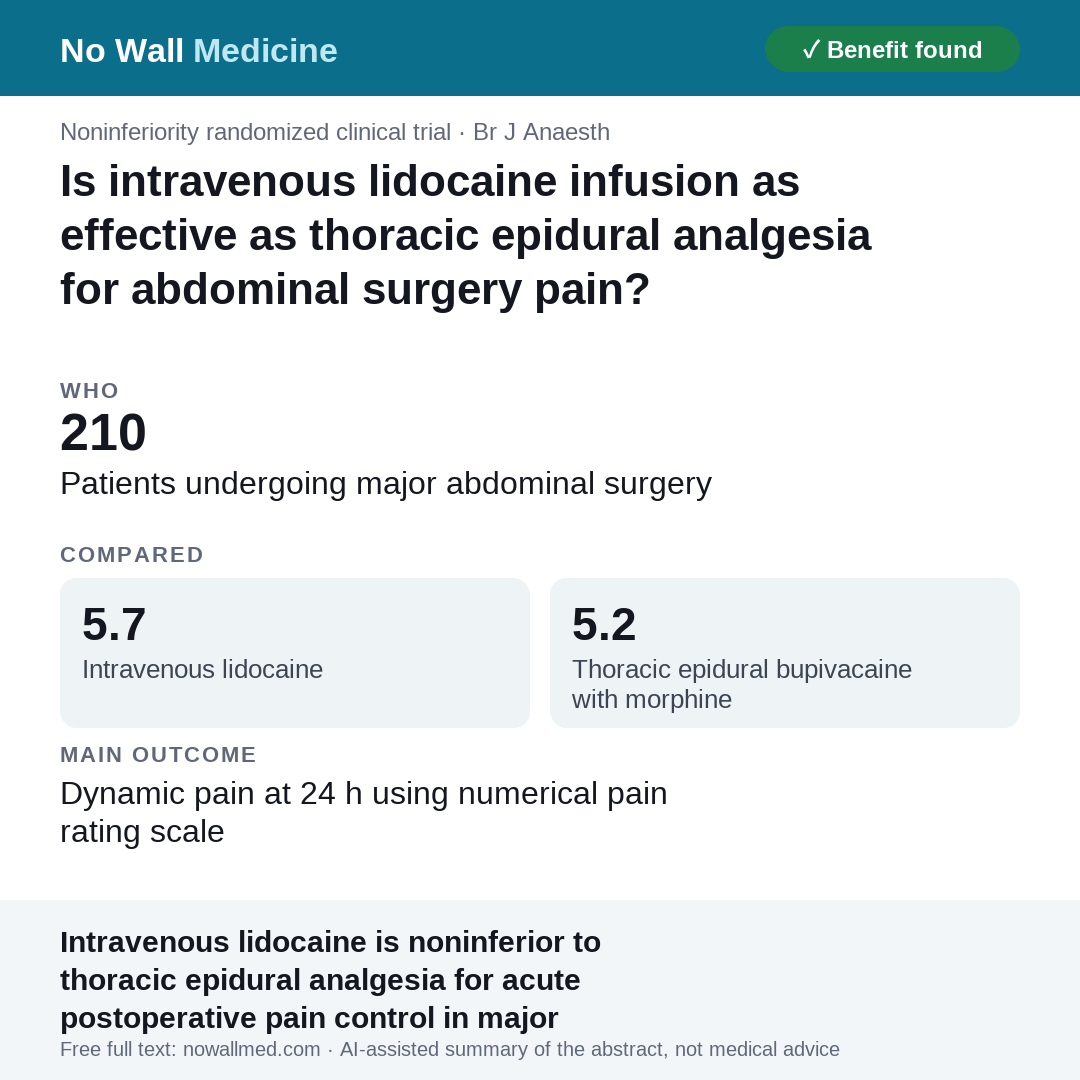
Therapeutic efficacy of intravenous lidocaine infusion compared with thoracic epidural analgesia in major abdominal surgery: a noninferiority randomised clinical trial
Noninferiority randomized clinical trialBenefit found
Is intravenous lidocaine infusion as effective as thoracic epidural analgesia for abdominal surgery pain?
Who
210
Patients undergoing major abdominal surgery
Compared
5.7Intravenous lidocaine (1.8)
5.2Thoracic epidural bupivacaine with morphine (1.9)
Main outcome
Dynamic pain at 24 h using numerical pain rating scale
Result: difference of 0.53 (95% confidence interval 0.0-1.0)
Bottom line: Intravenous lidocaine is noninferior to thoracic epidural analgesia for acute postoperative pain control in major abdominal surgery.
Br J Anaesth · 2023-09-26Download image
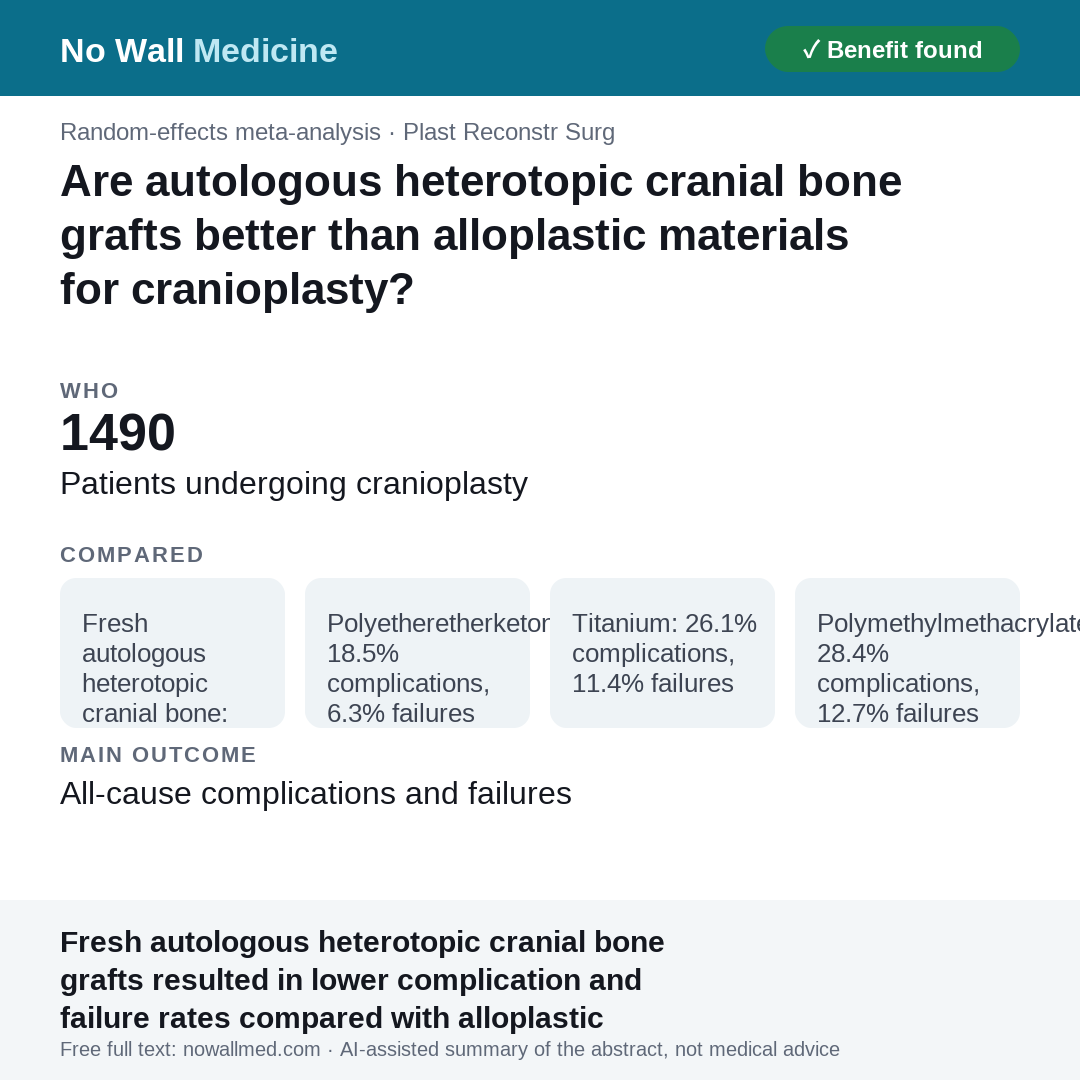
Complications and Failures of Autologous Heterotopic Cranial Bone versus Alloplastic Cranioplasties
Random-effects meta-analysisBenefit found
Are autologous heterotopic cranial bone grafts better than alloplastic materials for cranioplasty?
Who
1490
Patients undergoing cranioplasty
Compared
Fresh autologous heterotopic cranial bone: 6.2% complications, 2.2% failures
Polyetheretherketone: 18.5% complications, 6.3% failures
Titanium: 26.1% complications, 11.4% failures
Polymethylmethacrylate: 28.4% complications, 12.7% failures
Main outcome
All-cause complications and failures
Bottom line: Fresh autologous heterotopic cranial bone grafts resulted in lower complication and failure rates compared with alloplastic materials.
Plast Reconstr Surg · 2023-09-26Download image
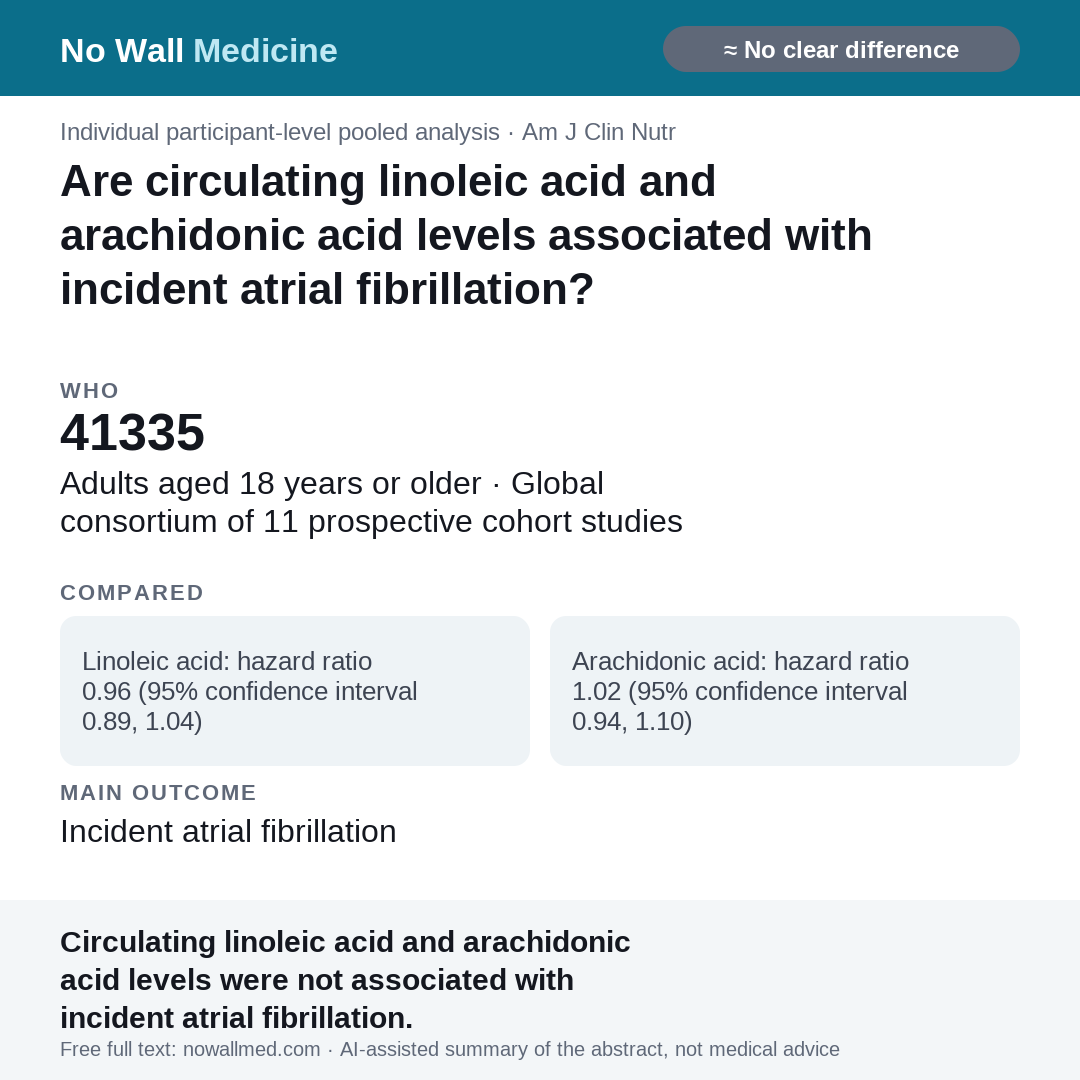
n-6 fatty acid biomarkers and incident atrial fibrillation: an individual participant-level pooled analysis of 11 international prospective studies
Individual participant-level pooled analysisNo clear difference
Are circulating linoleic acid and arachidonic acid levels associated with incident atrial fibrillation?
Who
41335
Adults aged 18 years or older · Global consortium of 11 prospective cohort studies
Compared
Linoleic acid: hazard ratio 0.96 (95% confidence interval 0.89, 1.04)
Arachidonic acid: hazard ratio 1.02 (95% confidence interval 0.94, 1.10)
Main outcome
Incident atrial fibrillation
Bottom line: Circulating linoleic acid and arachidonic acid levels were not associated with incident atrial fibrillation.
Am J Clin Nutr · 2023-09-26Download image
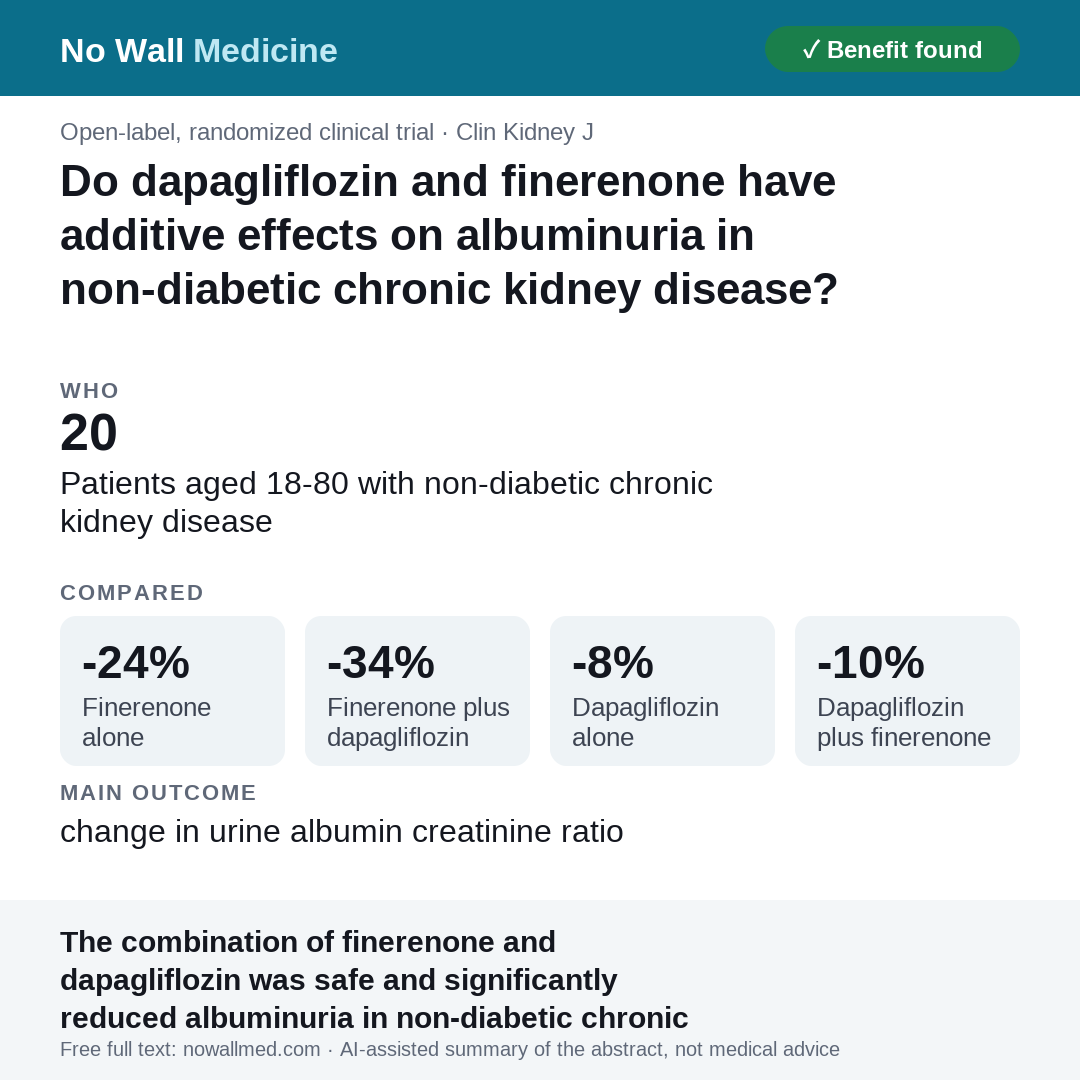
Additive effects of dapagliflozin and finerenone on albuminuria in non-diabetic CKD: an open-label randomized clinical trial
Open-label, randomized clinical trialBenefit found
Do dapagliflozin and finerenone have additive effects on albuminuria in non-diabetic chronic kidney disease?
Who
20
Patients aged 18-80 with non-diabetic chronic kidney disease
Compared
-24%Finerenone alone (95% CI, -36% to -11%)
-34%Finerenone plus dapagliflozin (95% CI, -47% to -18%)
-8%Dapagliflozin alone (95% CI, -22 to 9%)
-10%Dapagliflozin plus finerenone (95% CI, -28% to 12%)
Main outcome
change in urine albumin creatinine ratio
Bottom line: The combination of finerenone and dapagliflozin was safe and significantly reduced albuminuria in non-diabetic chronic kidney disease.
Clin Kidney J · 2023-09-26Download image
Impact of New Cardiovascular Events on Quality of Life and Hospital Costs in People With Cardiovascular Disease in the United Kingdom and United States
Randomized trial analysisHarm found
How do new cardiovascular events impact quality of life and hospital costs?
Who
21820
People with prior cardiovascular disease · Europe and North America
Compared
Nonhemorrhagic stroke: -0.067 [United Kingdom], -0.069 [US]
Heart failure admission: -0.072 [United Kingdom], -0.103 [US]
Incident cancer: -0.064 [United Kingdom], -0.068 [US]
Noncoronary revascularization: -0.071 [United Kingdom], -0.061 [US]
Main outcome
Quality of life and hospital costs
Bottom line: Stroke, heart failure, and noncoronary revascularization reduce quality of life, and all cardiovascular events increase hospital costs.
J Am Heart Assoc · 2023-09-26Download image

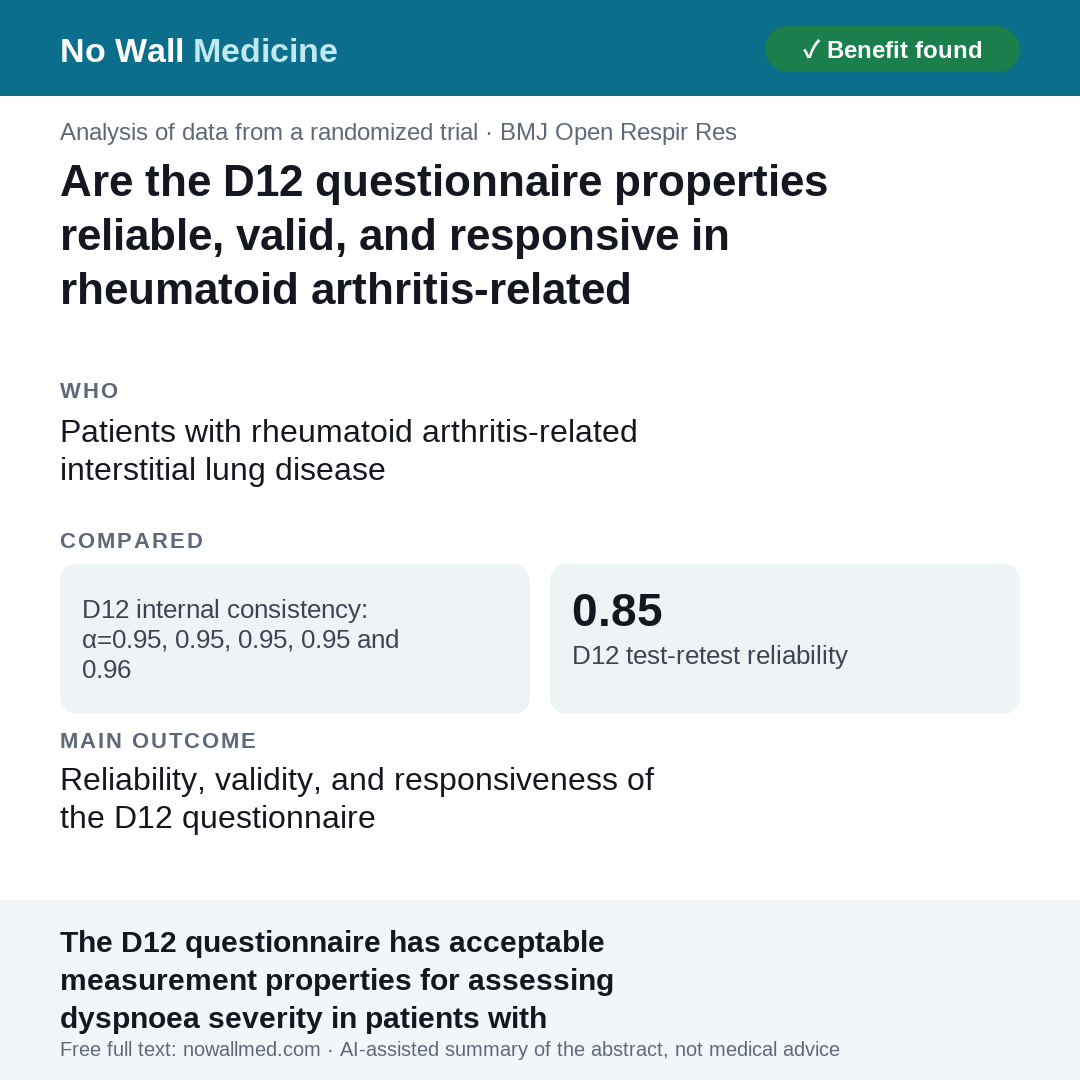
Reliability and responsiveness of the D12 and validity of its scores as a measure of dyspnoea severity in patients with rheumatoid arthritis-related interstitial lung disease
Analysis of data from a randomized trialBenefit found
Are the D12 questionnaire properties reliable, valid, and responsive in rheumatoid arthritis-related interstitial lung disease?
Who
Patients with rheumatoid arthritis-related interstitial lung disease
Compared
D12 internal consistency: α=0.95, 0.95, 0.95, 0.95 and 0.96
0.85D12 test-retest reliability (0.71 to 0.92)
Main outcome
Reliability, validity, and responsiveness of the D12 questionnaire
Bottom line: The D12 questionnaire has acceptable measurement properties for assessing dyspnoea severity in patients with rheumatoid arthritis-related interstitial lung disease.
BMJ Open Respir Res · 2023-09-26Download image
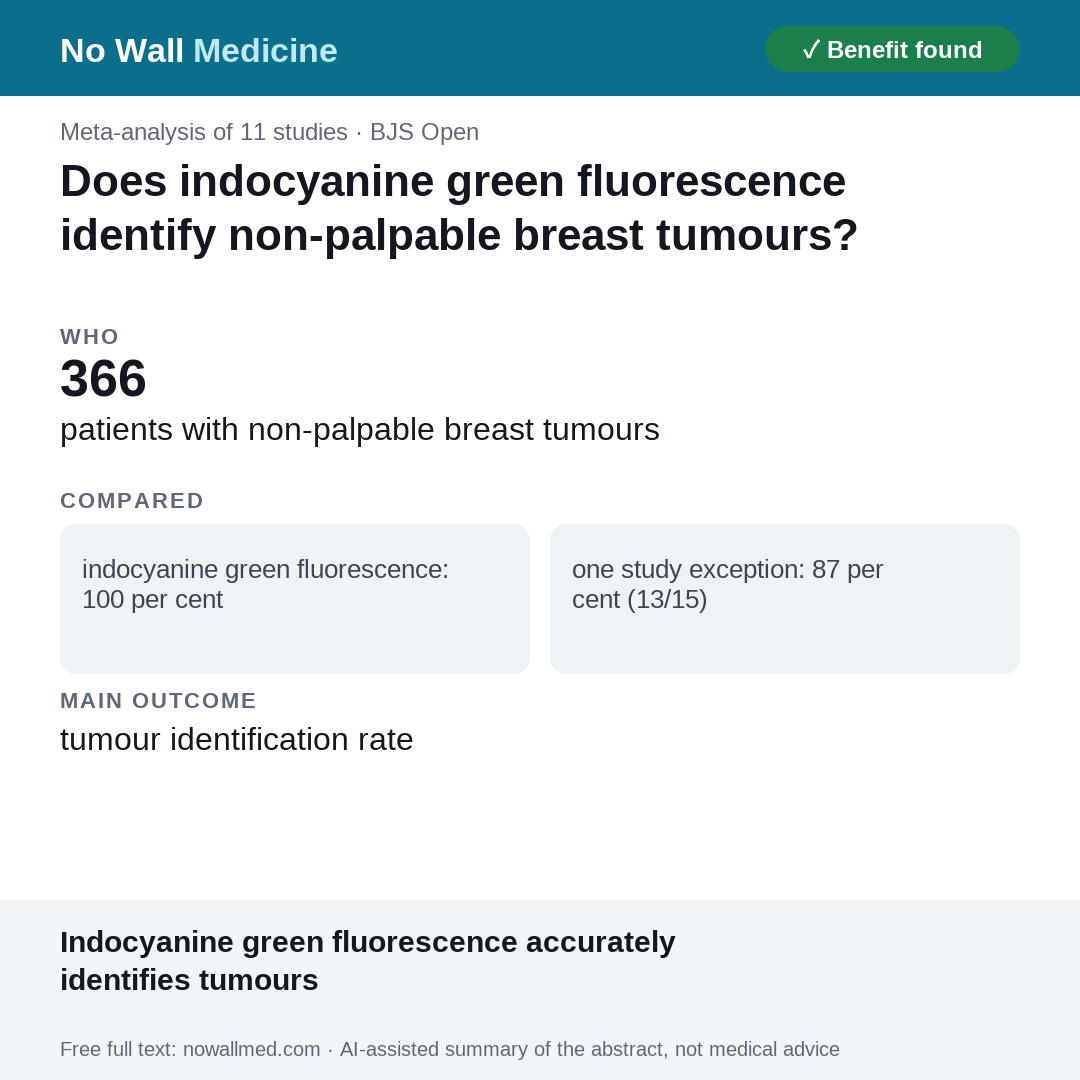
Efficacy of indocyanine green fluorescence for the identification of non-palpable breast tumours: systematic review
Meta-analysis of 11 studiesBenefit found
Does indocyanine green fluorescence identify non-palpable breast tumours?
Who
366
patients with non-palpable breast tumours
Compared
indocyanine green fluorescence: 100 per cent
one study exception: 87 per cent (13/15)
Main outcome
tumour identification rate
Bottom line: Indocyanine green fluorescence accurately identifies tumours
Limitation: limited number of studies
BJS Open · 2023-09-26Download image
Identifying malnutrition in emergency general surgery: systematic review
Systematic reviewUnclear result
Methods to define malnutrition in surgery
Who
adult emergency general surgery patients
Compared
nutrition screening tools
assessment tools
Main outcome
malnutrition identification
Bottom line: Variation in malnutrition identification methods exists
BJS Open · 2023-09-26Download image

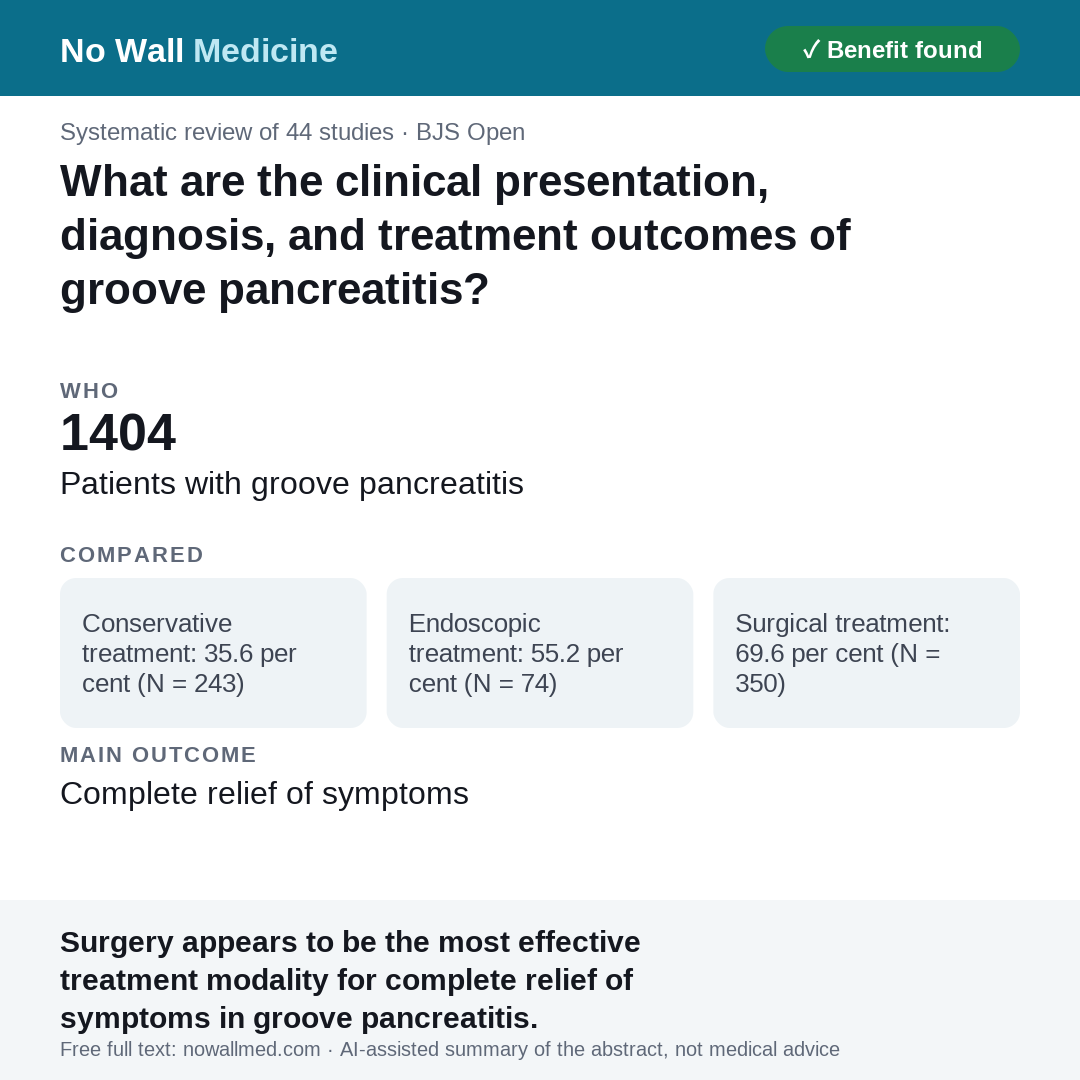
Systematic review on groove pancreatitis: management of a rare disease
Systematic review of 44 studiesBenefit found
What are the clinical presentation, diagnosis, and treatment outcomes of groove pancreatitis?
Who
1404
Patients with groove pancreatitis
Compared
Conservative treatment: 35.6 per cent (N = 243)
Endoscopic treatment: 55.2 per cent (N = 74)
Surgical treatment: 69.6 per cent (N = 350)
Main outcome
Complete relief of symptoms
Bottom line: Surgery appears to be the most effective treatment modality for complete relief of symptoms in groove pancreatitis.
BJS Open · 2023-09-26Download image
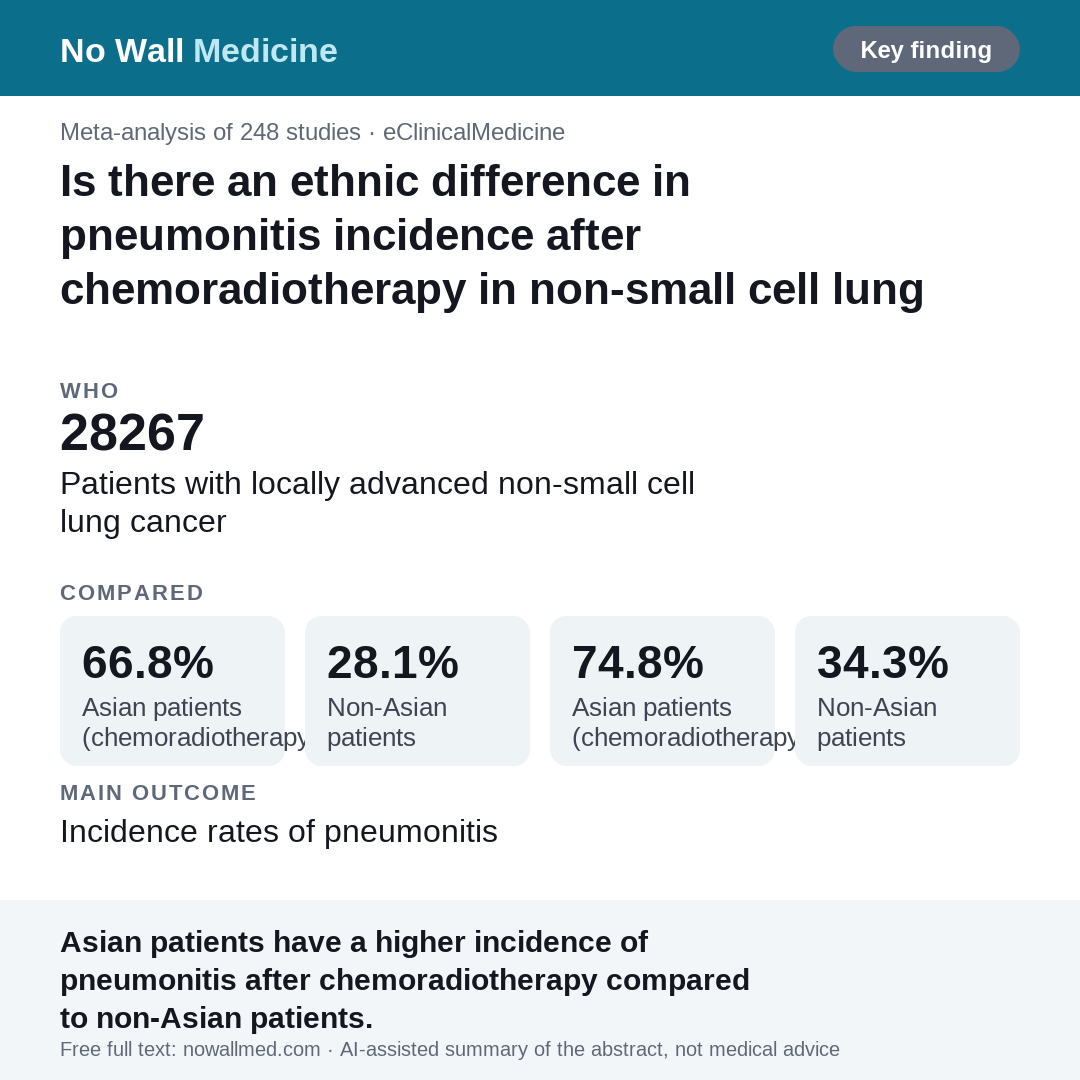
Comparison of post-chemoradiotherapy pneumonitis between Asian and non-Asian patients with locally advanced non-small cell lung cancer: a systematic review and meta-analysis
Meta-analysis of 248 studiesKey finding
Is there an ethnic difference in pneumonitis incidence after chemoradiotherapy in non-small cell lung cancer?
Who
28267
Patients with locally advanced non-small cell lung cancer
Compared
66.8%Asian patients (chemoradiotherapy without immunotherapy) (95% CI: 59.2%-73.9%)
28.1%Non-Asian patients (chemoradiotherapy without immunotherapy) (95% CI: 20.4%-36.4%)
74.8%Asian patients (chemoradiotherapy plus immunotherapy) (95% CI: 63.7%-84.5%)
34.3%Non-Asian patients (chemoradiotherapy plus immunotherapy) (95% CI: 28.7%-40.2%)
Main outcome
Incidence rates of pneumonitis
Bottom line: Asian patients have a higher incidence of pneumonitis after chemoradiotherapy compared to non-Asian patients.
eClinicalMedicine · 2023-09-25Download image
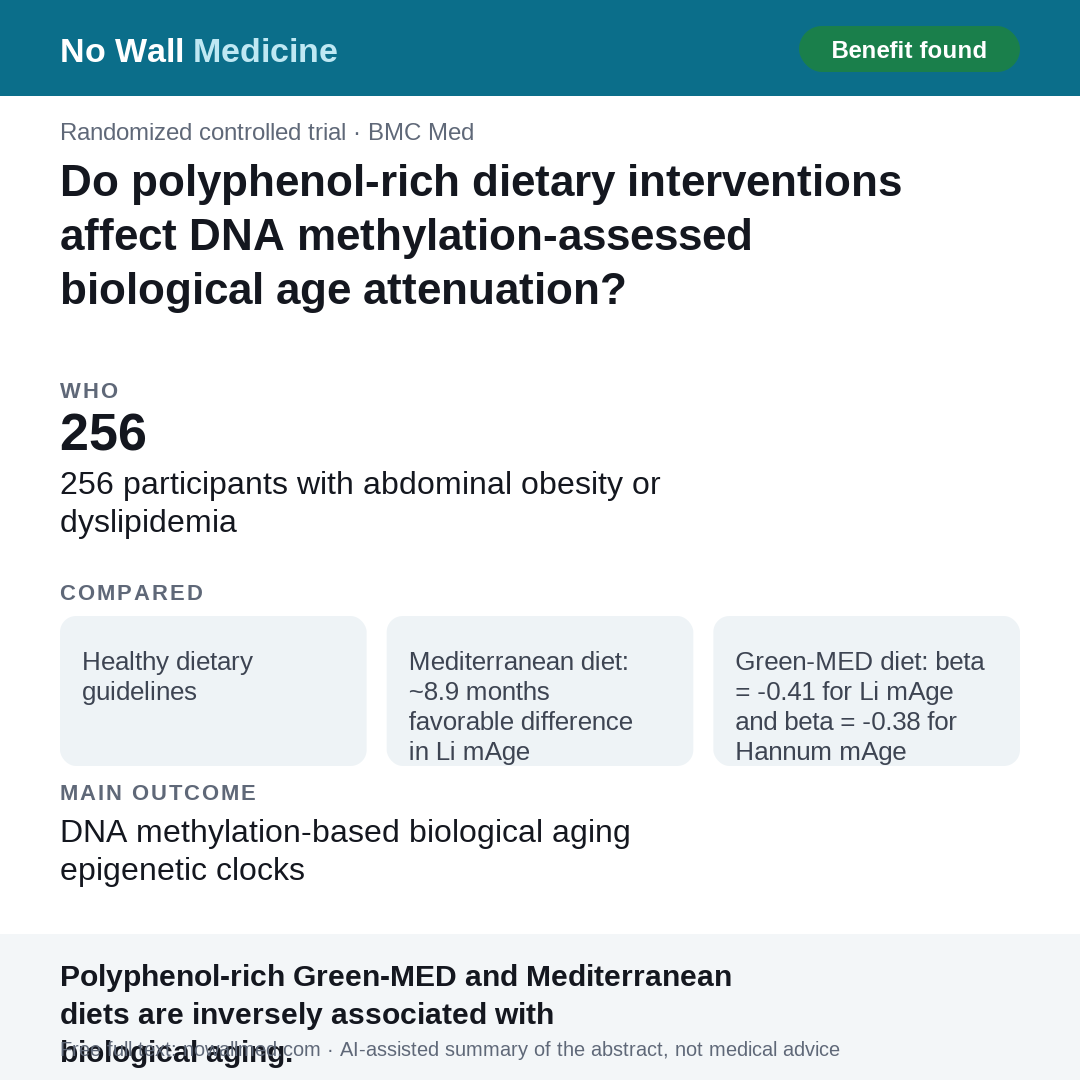
The effect of polyphenols on DNA methylation-assessed biological age attenuation: the DIRECT PLUS randomized controlled trial
Randomized controlled trialBenefit found
Do polyphenol-rich dietary interventions affect DNA methylation-assessed biological age attenuation?
Who
256
256 participants with abdominal obesity or dyslipidemia
Compared
Healthy dietary guidelines
Mediterranean diet: ~8.9 months favorable difference in Li mAge
Green-MED diet: beta = -0.41 for Li mAge and beta = -0.38 for Hannum mAge
Main outcome
DNA methylation-based biological aging epigenetic clocks
Result: beta = -0.41 (p = 0.004) for Li mAge
Bottom line: Polyphenol-rich Green-MED and Mediterranean diets are inversely associated with biological aging.
BMC Med · 2023-09-25Download image
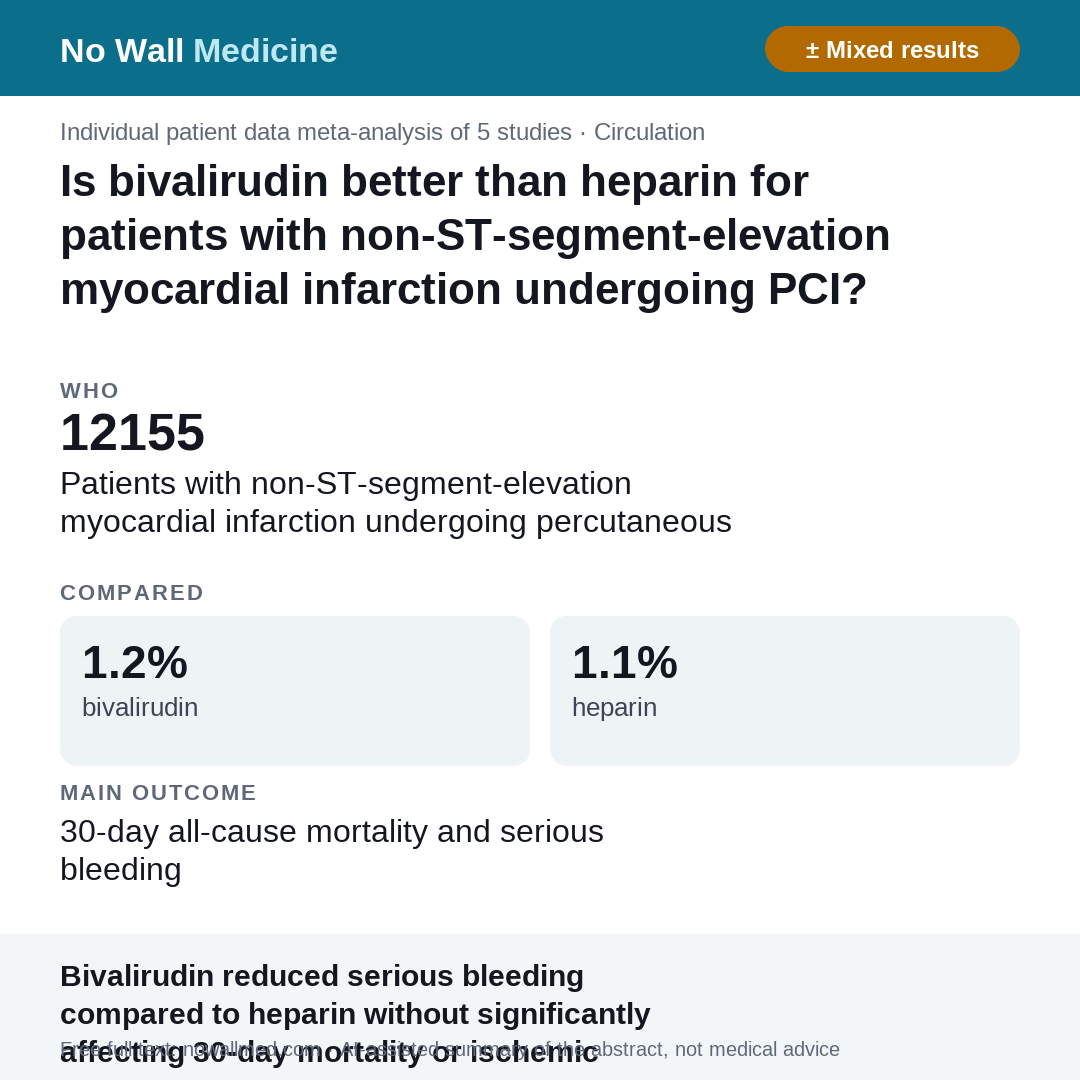
Bivalirudin Versus Heparin During PCI in NSTEMI: Individual Patient Data Meta-Analysis of Large Randomized Trials
Individual patient data meta-analysis of 5 studiesMixed results
Is bivalirudin better than heparin for patients with non-ST-segment-elevation myocardial infarction undergoing PCI?
Who
12155
Patients with non-ST-segment-elevation myocardial infarction undergoing percutaneous coronary intervention
Compared
1.2%bivalirudin
1.1%heparin
Main outcome
30-day all-cause mortality and serious bleeding
Result: adjusted odds ratio 0.59 (95% CI 0.48-0.72) for serious bleeding
Bottom line: Bivalirudin reduced serious bleeding compared to heparin without significantly affecting 30-day mortality or ischemic events.
Circulation · 2023-09-25Download image
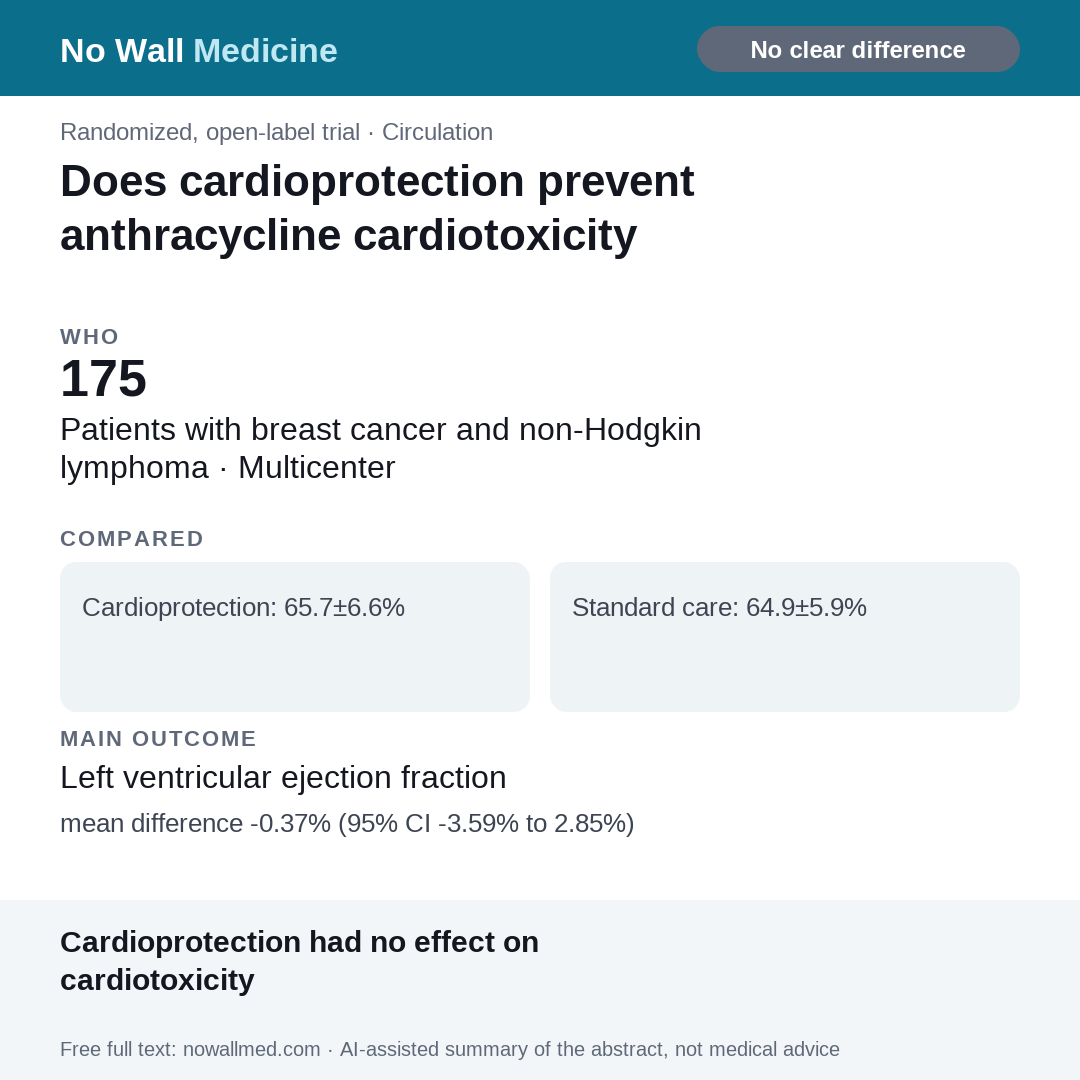
Multicenter, Prospective, Randomized Controlled Trial of High-Sensitivity Cardiac Troponin I-Guided Combination Angiotensin Receptor Blockade and Beta-Blocker Therapy to Prevent Anthracycline Cardiotoxicity: The Cardiac CARE Trial
Randomized, open-label trialNo clear difference
Does cardioprotection prevent anthracycline cardiotoxicity
Who
175
Patients with breast cancer and non-Hodgkin lymphoma · Multicenter
Compared
Cardioprotection: 65.7±6.6%
Standard care: 64.9±5.9%
Main outcome
Left ventricular ejection fraction
Result: mean difference -0.37% (95% CI -3.59% to 2.85%)
Bottom line: Cardioprotection had no effect on cardiotoxicity
Circulation · 2023-09-25Download image
Prophylactic Radiation Therapy Versus Standard of Care for Patients With High-Risk Asymptomatic Bone Metastases: A Multicenter, Randomized Phase II Clinical Trial
Multicenter, randomized controlled trialBenefit found
Does prophylactic radiation therapy prevent skeletal-related events in asymptomatic high-risk bone metastases?
Who
78
Adult patients with widely metastatic solid tumor malignancies · Three institutions in the United States
Compared
Radiation therapy: 1.6% (1/62) skeletal-related events at 1 year
Standard of care alone: 29% (14/49) skeletal-related events at 1 year
Main outcome
Skeletal-related events
Result: hazard ratio 0.49 (95% CI 0.27 to 0.89)
Bottom line: Prophylactic radiation to asymptomatic high-risk bone metastases reduced skeletal-related events, hospitalizations, and improved overall survival.
J Clin Oncol · 2023-09-25Download image