Visual abstracts
New randomized trials and meta-analyses from leading journals at a glance: who was studied, what was compared, and what was found. Every paper is free to read in full.
All specialtiesCardiology 2506Oncology 2131Gastroenterology & Hepatology 951Infectious Disease 1569Neurology 995Psychiatry & Mental Health 1161Pulmonology 1043Critical Care 691Endocrinology & Diabetes 1303Pediatrics 1466Surgery 1276Orthopedics & Sports Medicine 457Neurosurgery 305Cardiothoracic & Vascular Surgery 276Plastic & Reconstructive Surgery 376Nephrology 518Rheumatology 361Hematology 546Dermatology 284Ophthalmology 297Obstetrics & Gynecology 817Public & Global Health 456Radiology & Imaging 343Anesthesiology 499Urology 423ENT (Otolaryngology) 307Emergency Medicine 279Allergy & Immunology 155Geriatrics 524Family Medicine & Primary Care 291Medical Genetics & Genomics 276Pathology & Laboratory Medicine 78Physical Medicine & Rehabilitation 416Palliative Care 212Nutrition 656Digital Health & AI 1215General Medicine 183
Antimicrobial resistance in bacterial pathogens causing community-acquired and hospital-acquired lower respiratory tract infections (2010-24): a systematic review and meta-analysis
Systematic review and meta-analysisHarm found
What is the prevalence of antimicrobial resistance in bacterial pathogens causing lower respiratory tract infections?
Who
336389
Individuals with microbiologically confirmed lower respiratory tract infections · 51 countries
Compared
23.7%Community-acquired lower respiratory tract infections
47.4%Hospital-acquired lower respiratory tract infections
Main outcome
Antimicrobial resistance prevalence for target bacterial pathogens
Bottom line: Antimicrobial resistance in lower respiratory tract infections is concerningly high, with significant regional and socioeconomic disparities observed.
Funded by: Fleming Fund, US Centers for Disease Control and Prevention, WHO
Lancet Microbe · 2026-05-11Download image

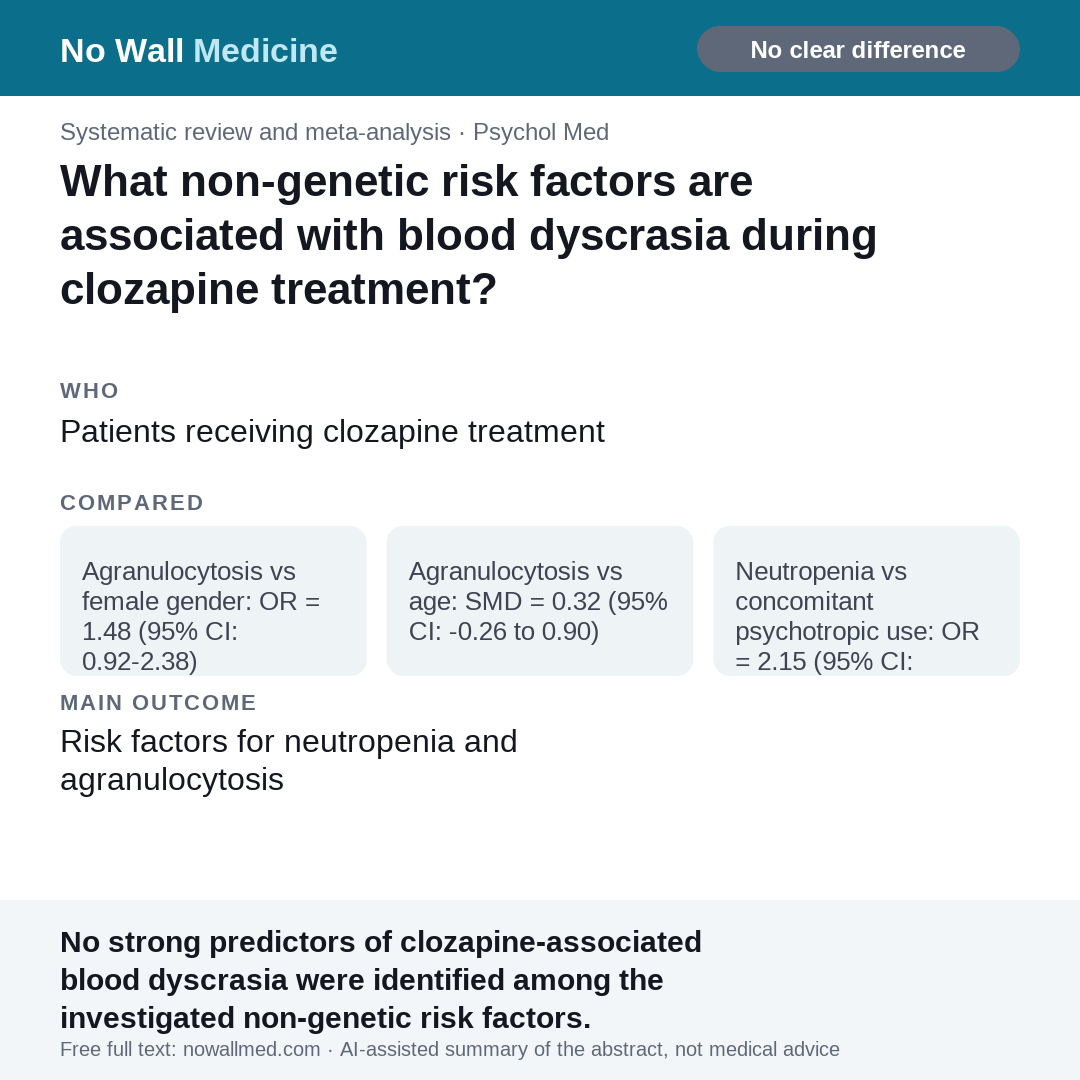
Risk factors associated with blood dyscrasia during clozapine treatment: a systematic review and meta-analysis
Systematic review and meta-analysisNo clear difference
What non-genetic risk factors are associated with blood dyscrasia during clozapine treatment?
Who
Patients receiving clozapine treatment
Compared
Agranulocytosis vs female gender: OR = 1.48 (95% CI: 0.92-2.38)
Agranulocytosis vs age: SMD = 0.32 (95% CI: -0.26 to 0.90)
Neutropenia vs concomitant psychotropic use: OR = 2.15 (95% CI: 1.13-4.07)
Main outcome
Risk factors for neutropenia and agranulocytosis
Bottom line: No strong predictors of clozapine-associated blood dyscrasia were identified among the investigated non-genetic risk factors.
Limitation: Study variability, surveillance bias, and lack of consistent differentiation between agranulocytosis and milder neutropenia.
Psychol Med · 2026-05-11Download image
DNA methylation signatures of bilateral hippocampal volume, asymmetry and atrophy: a cross-omics analysis in the general population
Meta-analysis of six cohortsUnclear result
DNA methylation and hippocampal volume link
Who
8156
healthy adults in general population
Compared
left hippocampal volume
right hippocampal volume
Main outcome
hippocampal volume and asymmetry
Bottom line: DNA methylation linked to hippocampal volume
Funded by: Institutional funds and others
eBioMedicine · 2026-05-11Download image

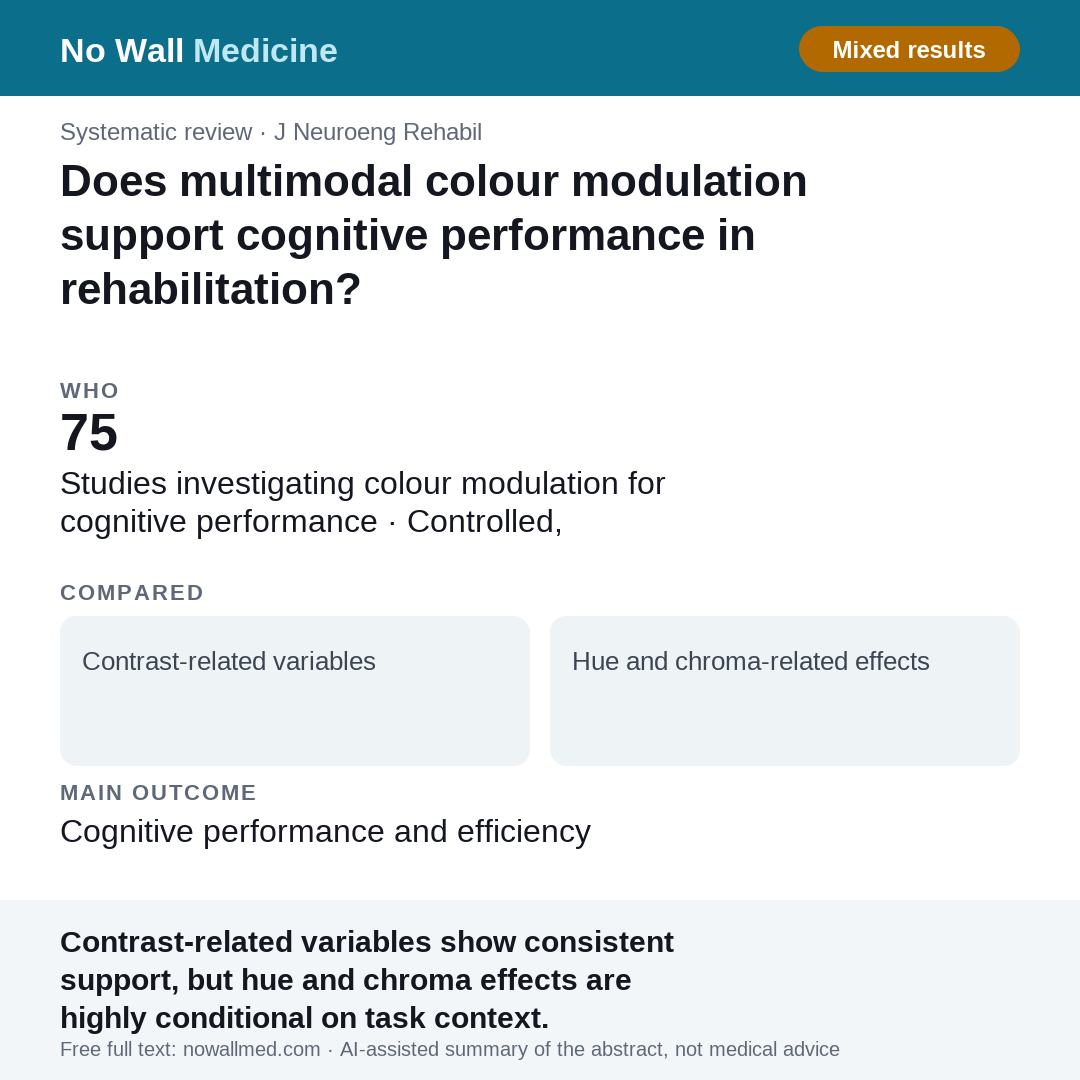
Multimodal colour modulation for cognitive enhancement in intelligent rehabilitation: a systematic review and translational guidance
Systematic reviewMixed results
Does multimodal colour modulation support cognitive performance in rehabilitation?
Who
75
Studies investigating colour modulation for cognitive performance · Controlled, predominantly non-clinical task settings
Compared
Contrast-related variables
Hue and chroma-related effects
Main outcome
Cognitive performance and efficiency
Bottom line: Contrast-related variables show consistent support, but hue and chroma effects are highly conditional on task context.
Limitation: Most evidence derives from controlled, non-clinical settings rather than direct rehabilitation deployment.
J Neuroeng Rehabil · 2026-05-11Download image
Risk factors for sudden cardiac death or sudden unexplained death in patients treated with clozapine: systematic review
Systematic reviewHarm found
Risk factors for sudden cardiac death in clozapine patients
Who
498
clozapine-treated patients with schizophrenia
Compared
high dose
low dose
Main outcome
sudden cardiac death
Bottom line: Clozapine increases risk of sudden cardiac death
Limitation: study heterogeneity
BJPsych Open · 2026-05-11Download image

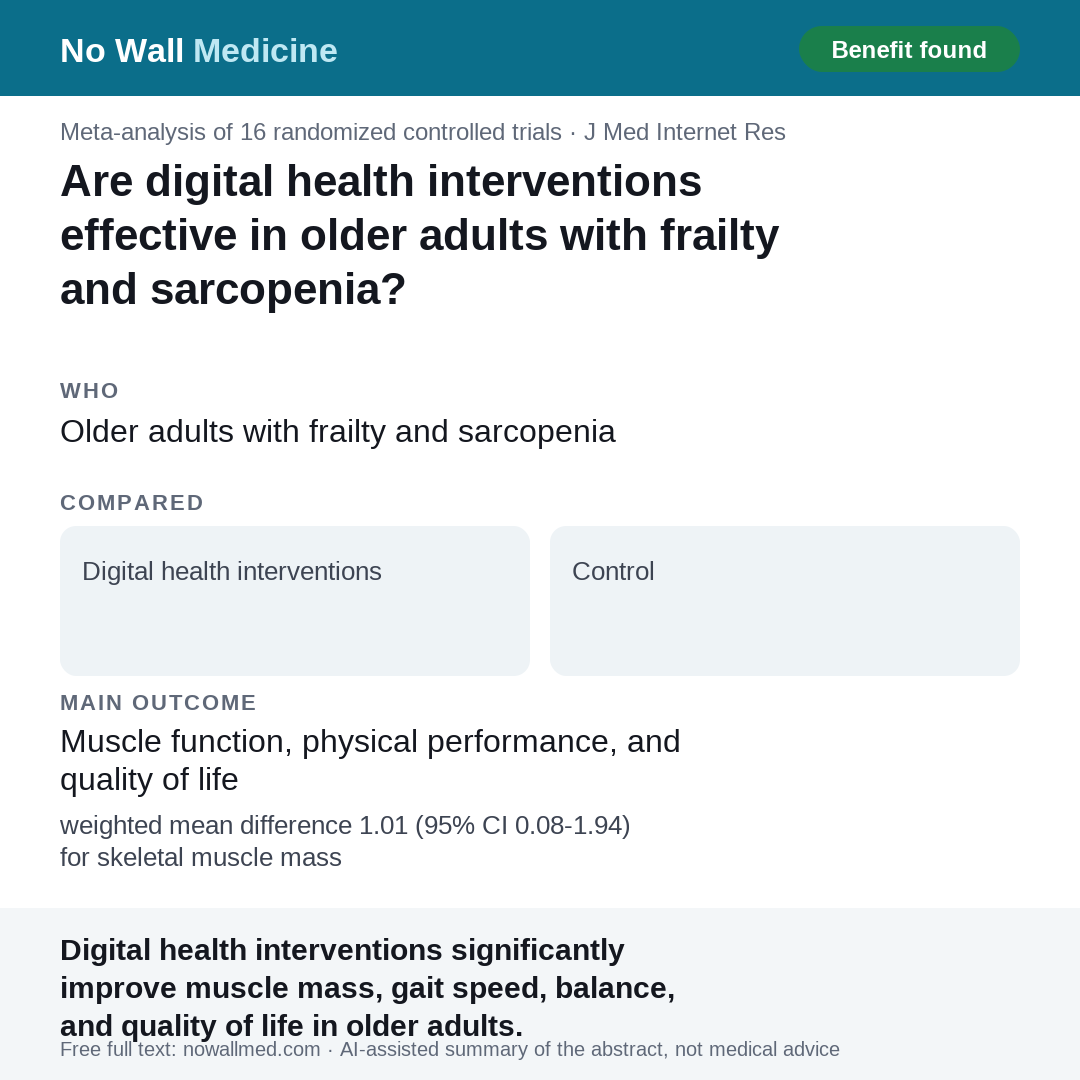
Effectiveness of Digital Health Interventions in Older Adults With Frailty and Sarcopenia: Systematic Review and Meta-Analysis of Randomized Controlled Trials
Meta-analysis of 16 randomized controlled trialsBenefit found
Are digital health interventions effective in older adults with frailty and sarcopenia?
Who
Older adults with frailty and sarcopenia
Compared
Digital health interventions
Control
Main outcome
Muscle function, physical performance, and quality of life
Result: weighted mean difference 1.01 (95% CI 0.08-1.94) for skeletal muscle mass
Bottom line: Digital health interventions significantly improve muscle mass, gait speed, balance, and quality of life in older adults.
Limitation: Low evidence quality and substantial between-study heterogeneity indicated by wide prediction intervals.
J Med Internet Res · 2026-05-11Download image
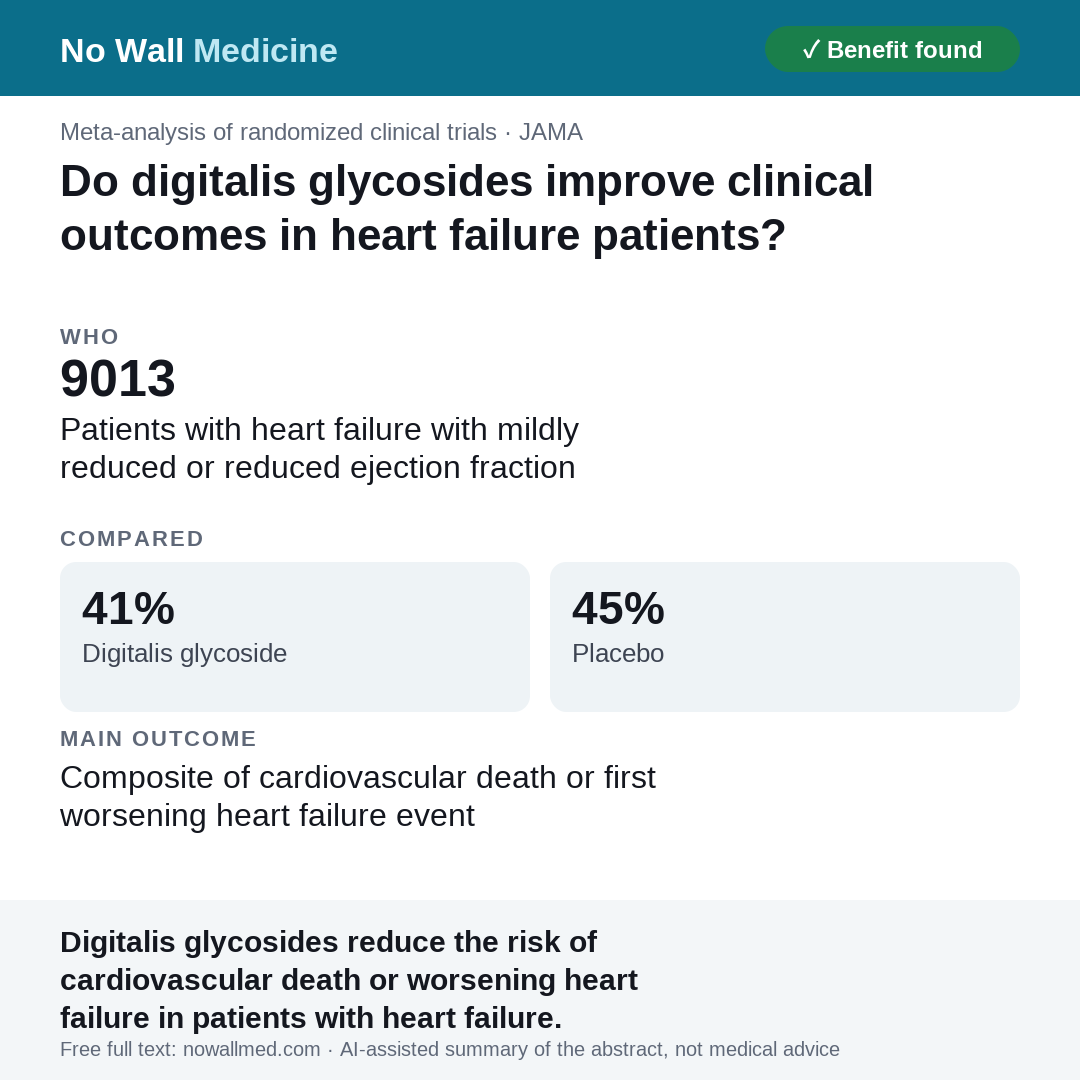
Efficacy and Safety of Digitalis Glycosides in Heart Failure: A Meta-Analysis
Meta-analysis of randomized clinical trialsBenefit found
Do digitalis glycosides improve clinical outcomes in heart failure patients?
Who
9013
Patients with heart failure with mildly reduced or reduced ejection fraction
Compared
41%Digitalis glycoside (1852/4510)
45%Placebo (2037/4503)
Main outcome
Composite of cardiovascular death or first worsening heart failure event
Result: hazard ratio 0.85 (95% CI 0.80-0.90)
Bottom line: Digitalis glycosides reduce the risk of cardiovascular death or worsening heart failure in patients with heart failure.
JAMA · 2026-05-10Download image
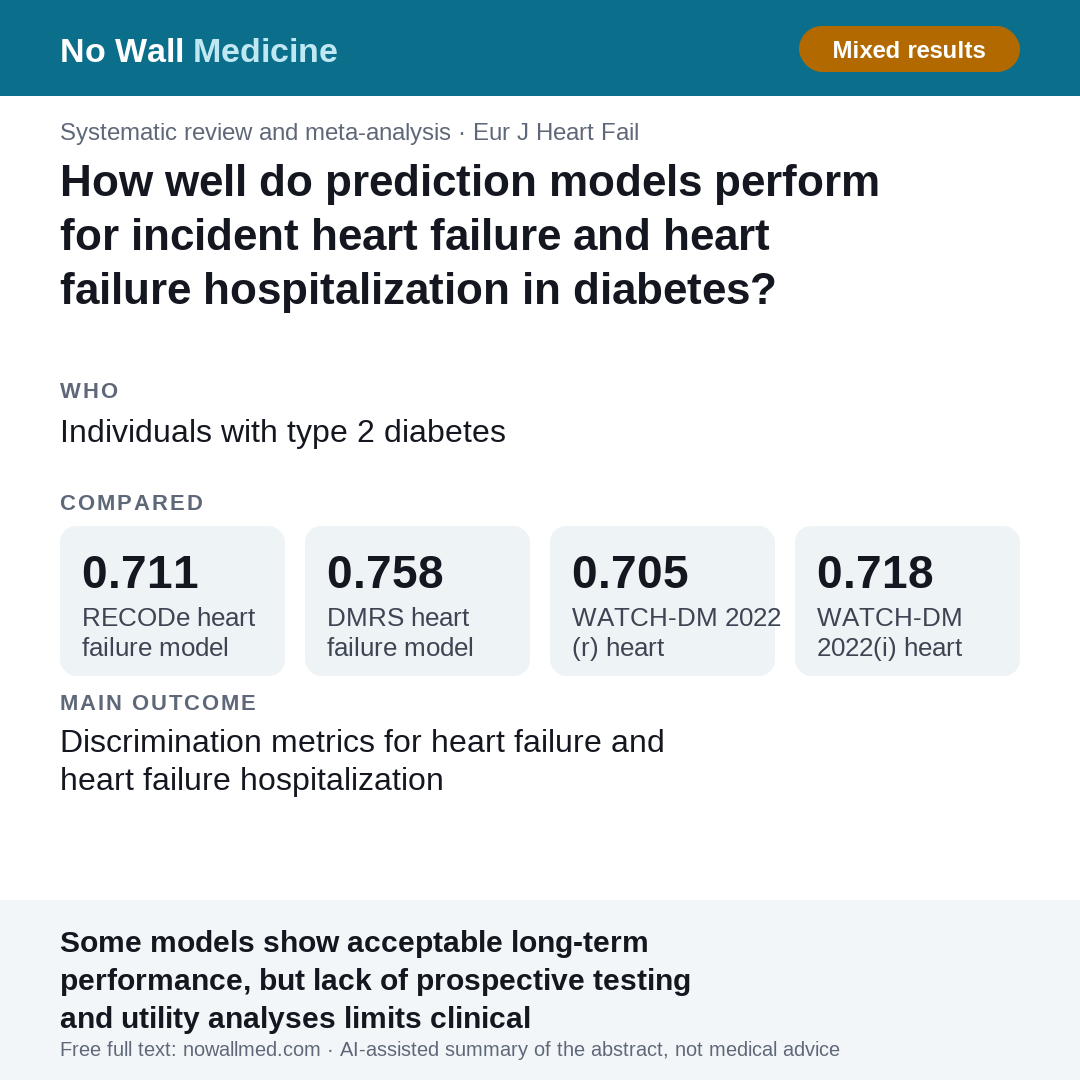
Performance of prediction models for incident heart failure and heart failure hospitalization in individuals with type 2 diabetes: a systematic review and meta-analysis
Systematic review and meta-analysisMixed results
How well do prediction models perform for incident heart failure and heart failure hospitalization in diabetes?
Who
Individuals with type 2 diabetes
Compared
0.711RECODe heart failure model (95% CI 0.651-0.767)
0.758DMRS heart failure model (95% CI 0.684-0.827)
0.705WATCH-DM 2022 (r) heart failure hospitalization model (95% CI, 0.624-0.795)
0.718WATCH-DM 2022(i) heart failure hospitalization model (95% CI 0.587-0.850)
Main outcome
Discrimination metrics for heart failure and heart failure hospitalization
Bottom line: Some models show acceptable long-term performance, but lack of prospective testing and utility analyses limits clinical translation.
Limitation: None of the models were prospectively tested and only three underwent clinical utility analysis.
Eur J Heart Fail · 2026-05-10Download image
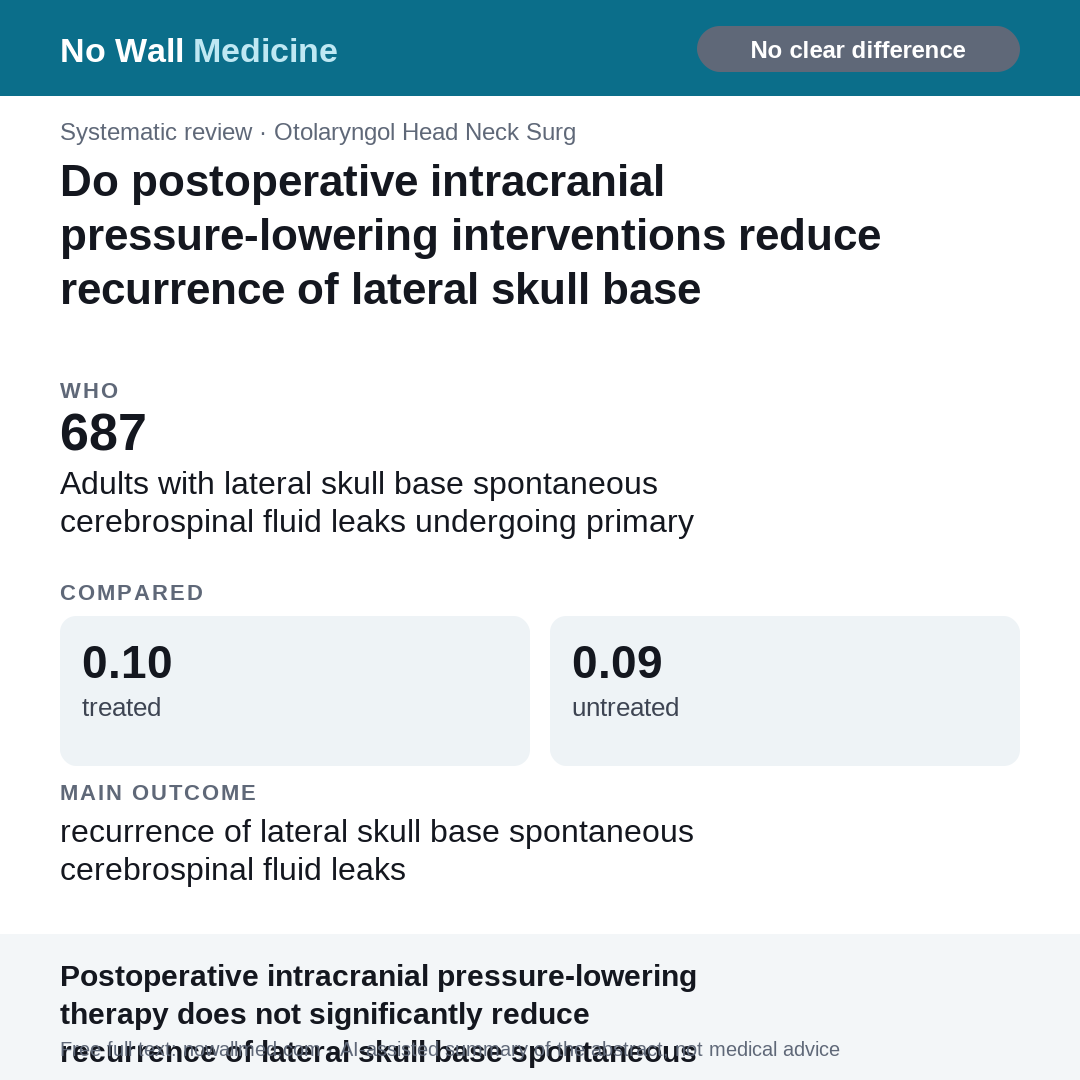
Risk Reduction of Recurrent Cerebrospinal Fluid Leaks With Postoperative Intracranial Pressure Management: A Systematic Review
Systematic reviewNo clear difference
Do postoperative intracranial pressure-lowering interventions reduce recurrence of lateral skull base spontaneous cerebrospinal fluid leaks?
Who
687
Adults with lateral skull base spontaneous cerebrospinal fluid leaks undergoing primary repair
Compared
0.10treated (95% CI: 0.04-0.26)
0.09untreated (95% CI: 0.07-0.12)
Main outcome
recurrence of lateral skull base spontaneous cerebrospinal fluid leaks
Result: risk ratio 1.16 (95% CI 0.14-9.76)
Bottom line: Postoperative intracranial pressure-lowering therapy does not significantly reduce recurrence of lateral skull base spontaneous cerebrospinal fluid leaks.
Limitation: heterogeneity in patient selection and intervention practices
Otolaryngol Head Neck Surg · 2026-05-10Download image
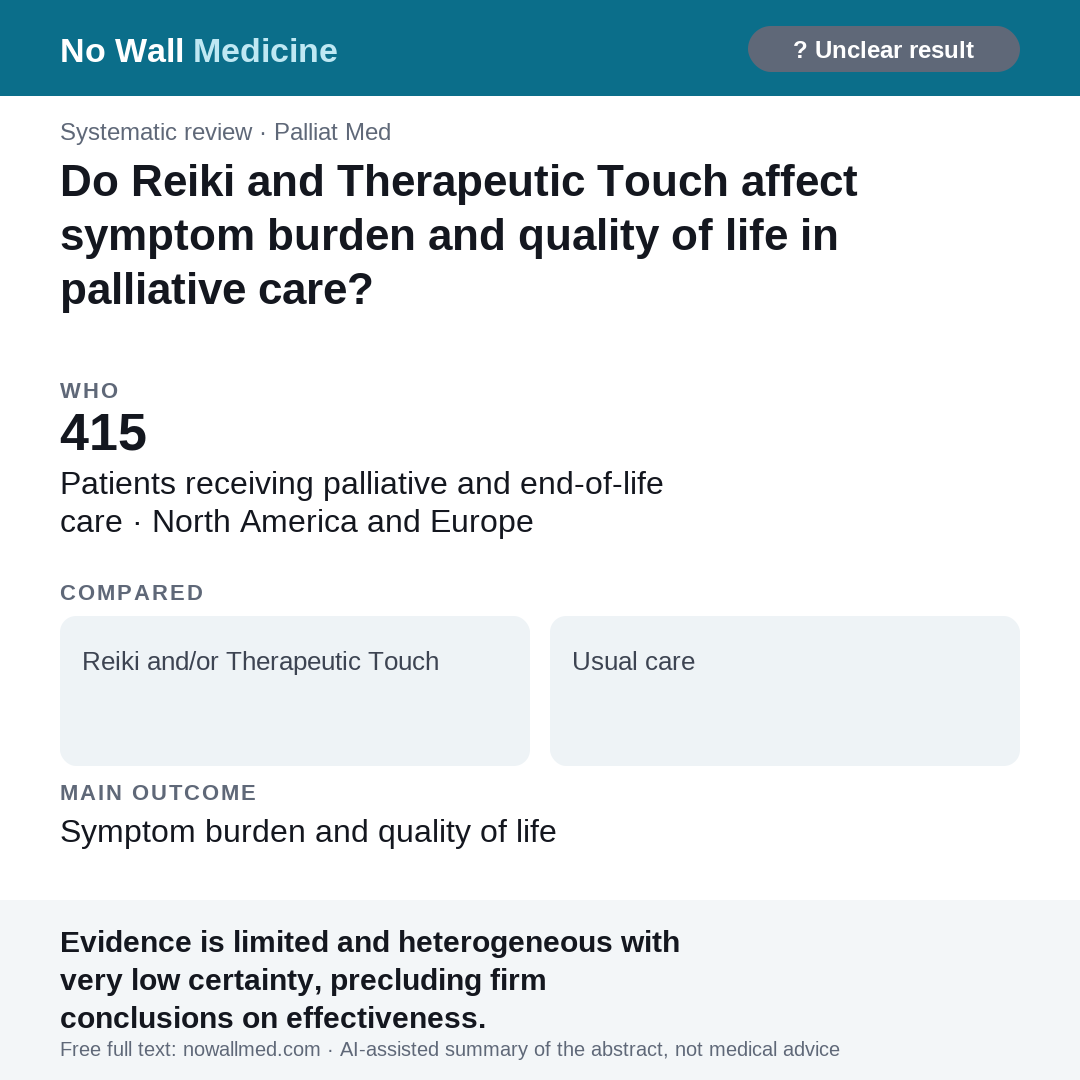
Reiki and Therapeutic Touch for symptom burden and quality of life in palliative settings: A systematic review
Systematic reviewUnclear result
Do Reiki and Therapeutic Touch affect symptom burden and quality of life in palliative care?
Who
415
Patients receiving palliative and end-of-life care · North America and Europe
Compared
Reiki and/or Therapeutic Touch
Usual care
Main outcome
Symptom burden and quality of life
Bottom line: Evidence is limited and heterogeneous with very low certainty, precluding firm conclusions on effectiveness.
Limitation: Very low certainty of evidence and risk of bias in included studies.
Palliat Med · 2026-05-10Download image
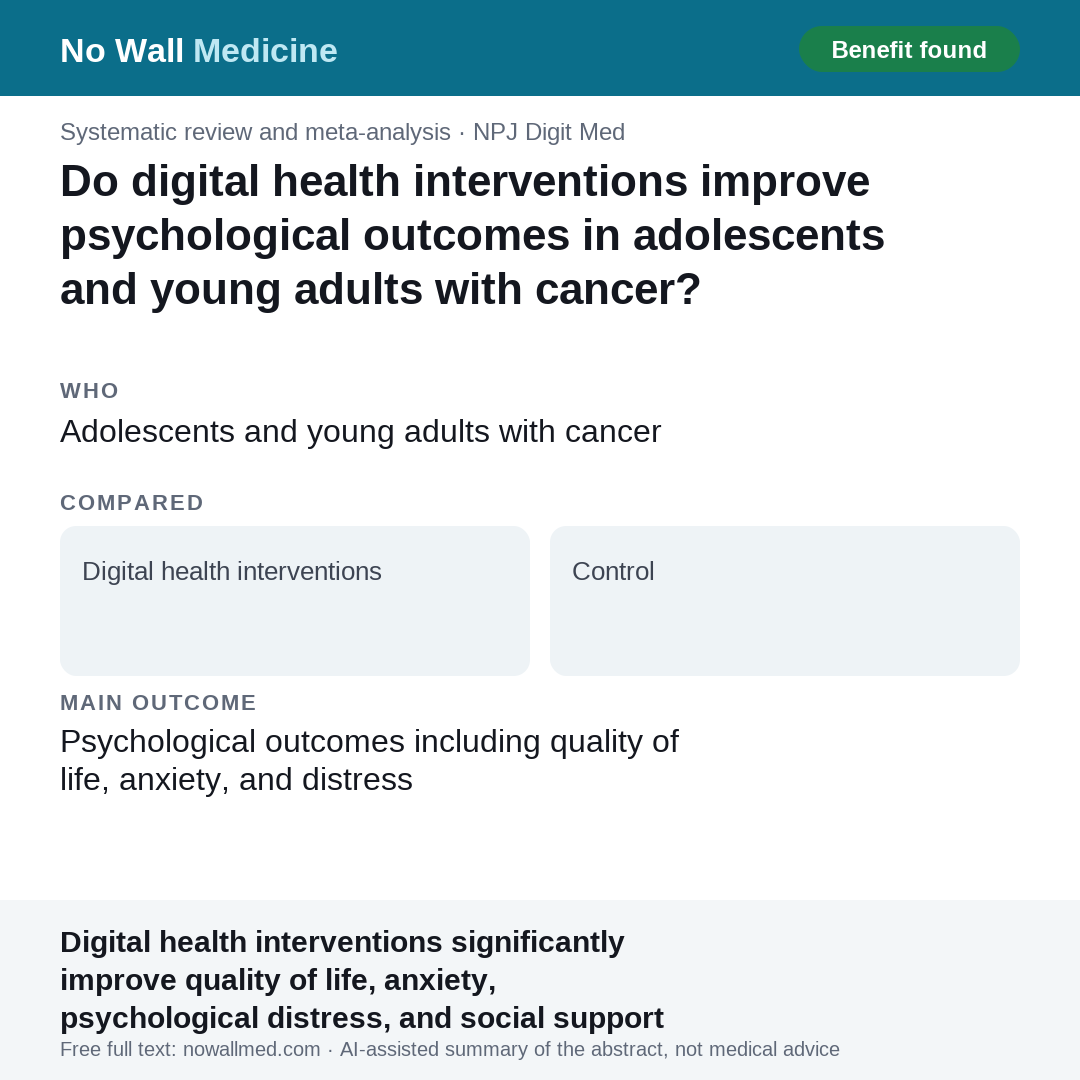
Digital health interventions for psychological outcomes among adolescents and young adults with cancer: a systematic review and meta-analysis
Systematic review and meta-analysisBenefit found
Do digital health interventions improve psychological outcomes in adolescents and young adults with cancer?
Who
Adolescents and young adults with cancer
Compared
Digital health interventions
Control
Main outcome
Psychological outcomes including quality of life, anxiety, and distress
Bottom line: Digital health interventions significantly improve quality of life, anxiety, psychological distress, and social support in adolescents and young adults with cancer.
Limitation: Future randomized controlled trials are needed to evaluate cognitive impairment and cost-effectiveness.
NPJ Digit Med · 2026-05-09Download image
The association between team-based model of care characteristics and patient outcomes in community health centres: a systematic review
Systematic reviewBenefit found
How do team-based care characteristics in community health centres associate with patient outcomes?
Who
36
Interprofessional teams in community health centres · Not specified
Compared
Adjusted staffing patterns: improved patient satisfaction and increased number of visits
Adding a chiropractor: reduced opioid prescriptions and patient pain
Including a pharmacist: improved hepatitis management and patient satisfaction
Specialized interprofessional teams: better health outcomes and care management
Main outcome
Patient outcomes and team characteristics
Bottom line: Specific team compositions and staffing adjustments in community health centres are associated with improved patient outcomes.
Limitation: Inconsistent findings regarding nurse practitioners and physician assistants impact on patients seen.
BMC Prim Care · 2026-05-09Download image

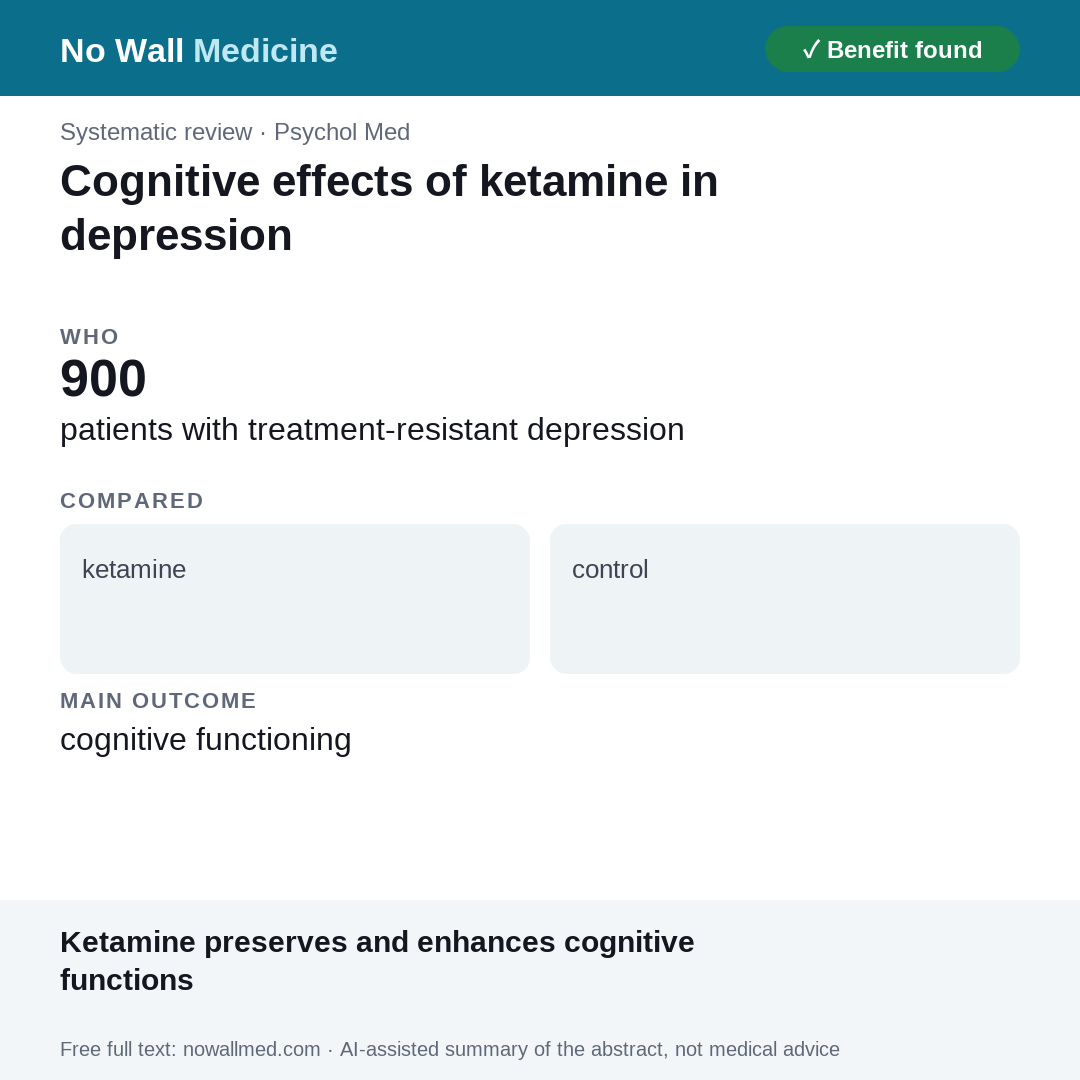
Cognitive effects of intravenous Ketamine in treatment-resistant depression: A systematic review
Systematic reviewBenefit found
Cognitive effects of ketamine in depression
Who
900
patients with treatment-resistant depression
Compared
ketamine
control
Main outcome
cognitive functioning
Bottom line: Ketamine preserves and enhances cognitive functions
Limitation: lack of longitudinal studies
Psychol Med · 2026-05-08Download image
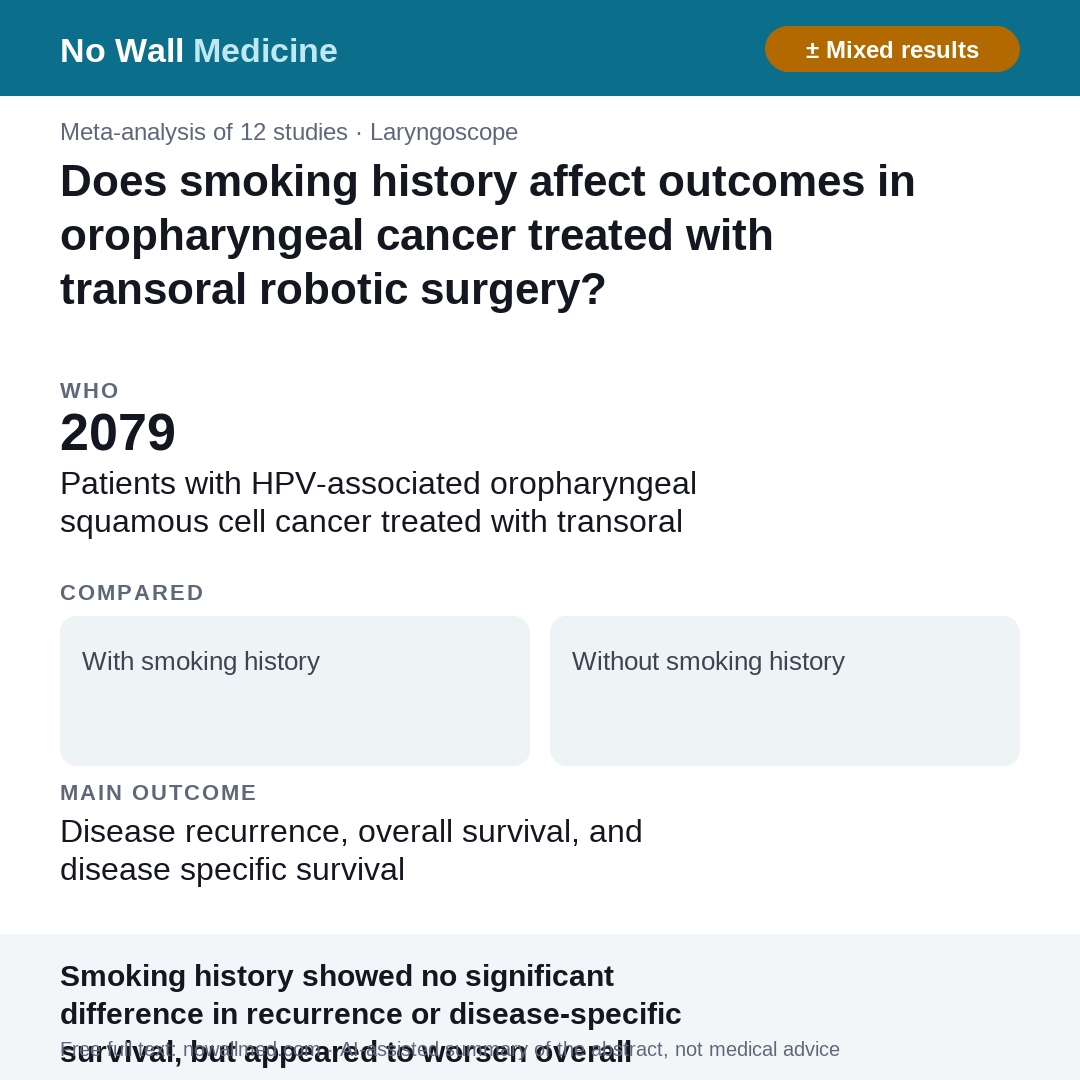
Effect of Smoking in Oropharyngeal Cancer Treated With TORS: Systematic Review and Meta-Analysis
Meta-analysis of 12 studiesMixed results
Does smoking history affect outcomes in oropharyngeal cancer treated with transoral robotic surgery?
Who
2079
Patients with HPV-associated oropharyngeal squamous cell cancer treated with transoral robotic surgery
Compared
With smoking history
Without smoking history
Main outcome
Disease recurrence, overall survival, and disease specific survival
Result: hazard ratio 1.4 (95% confidence interval 1.0-2.0) for disease recurrence
Bottom line: Smoking history showed no significant difference in recurrence or disease-specific survival, but appeared to worsen overall survival.
Laryngoscope · 2026-05-08Download image
The prevalence of varus thrust: A systematic review and meta-analysis
Systematic review and meta-analysisMixed results
What is the prevalence of varus thrust in adults with and without knee osteoarthritis?
Who
Adults with and without knee osteoarthritis
Compared
20.6%Knees with knee osteoarthritis (95% CI: 15.4%-27.0%)
26.9%Individuals with knee osteoarthritis (95% CI: 21.6%-32.9%)
Main outcome
Prevalence of varus thrust during gait
Bottom line: Varus thrust is prevalent in knee osteoarthritis, especially in those with varus alignment and severe radiographic disease.
Limitation: Evidence in adults without knee osteoarthritis remains limited.
Osteoarthritis Cartilage · 2026-05-08Download image

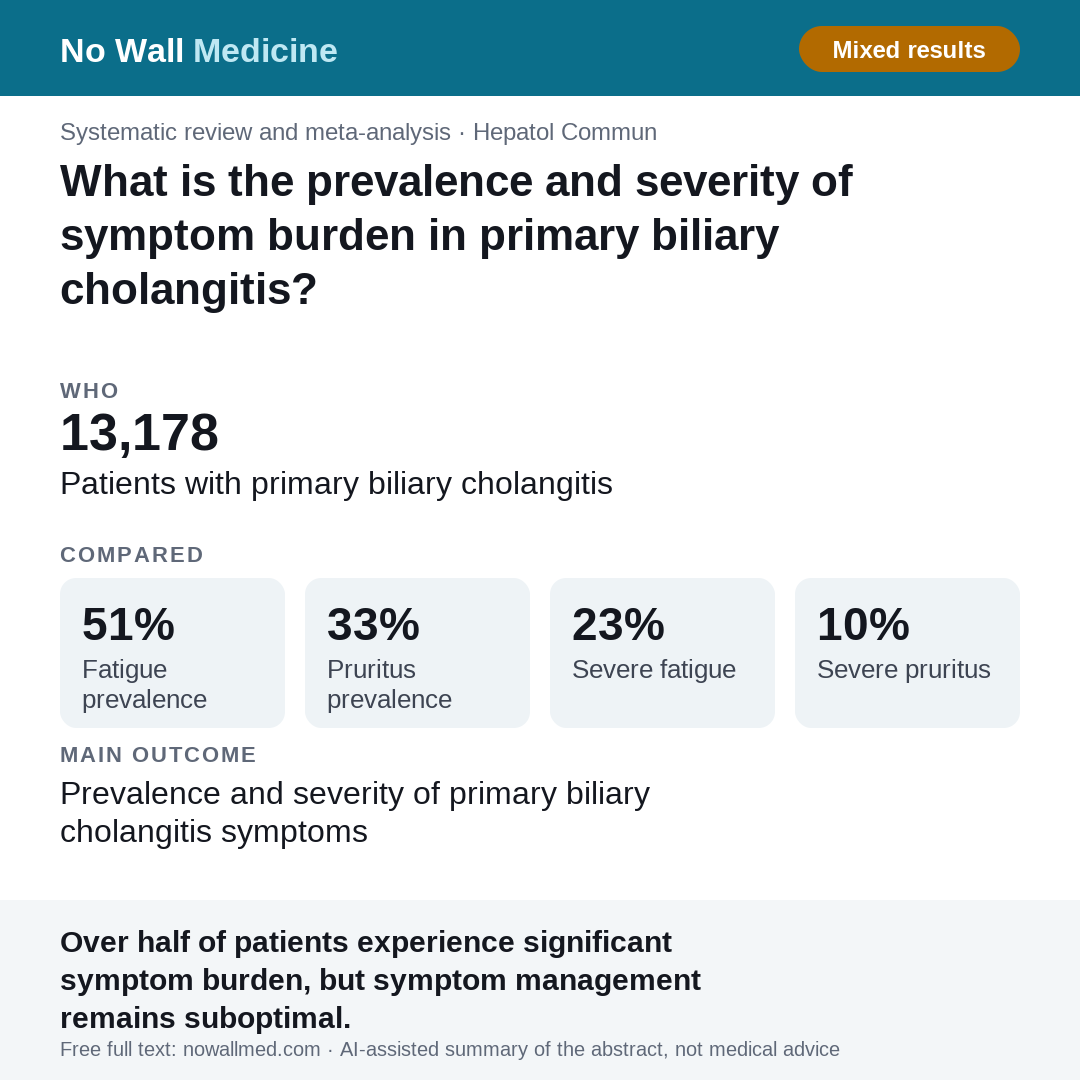
Symptom burden and treatment patterns in primary biliary cholangitis: A systematic review and meta-analysis
Systematic review and meta-analysisMixed results
What is the prevalence and severity of symptom burden in primary biliary cholangitis?
Who
13,178
Patients with primary biliary cholangitis
Compared
51%Fatigue prevalence
33%Pruritus prevalence
23%Severe fatigue
10%Severe pruritus
Main outcome
Prevalence and severity of primary biliary cholangitis symptoms
Bottom line: Over half of patients experience significant symptom burden, but symptom management remains suboptimal.
Limitation: There is an unmet need for standardized assessment and consistent reporting.
Hepatol Commun · 2026-05-08Download image
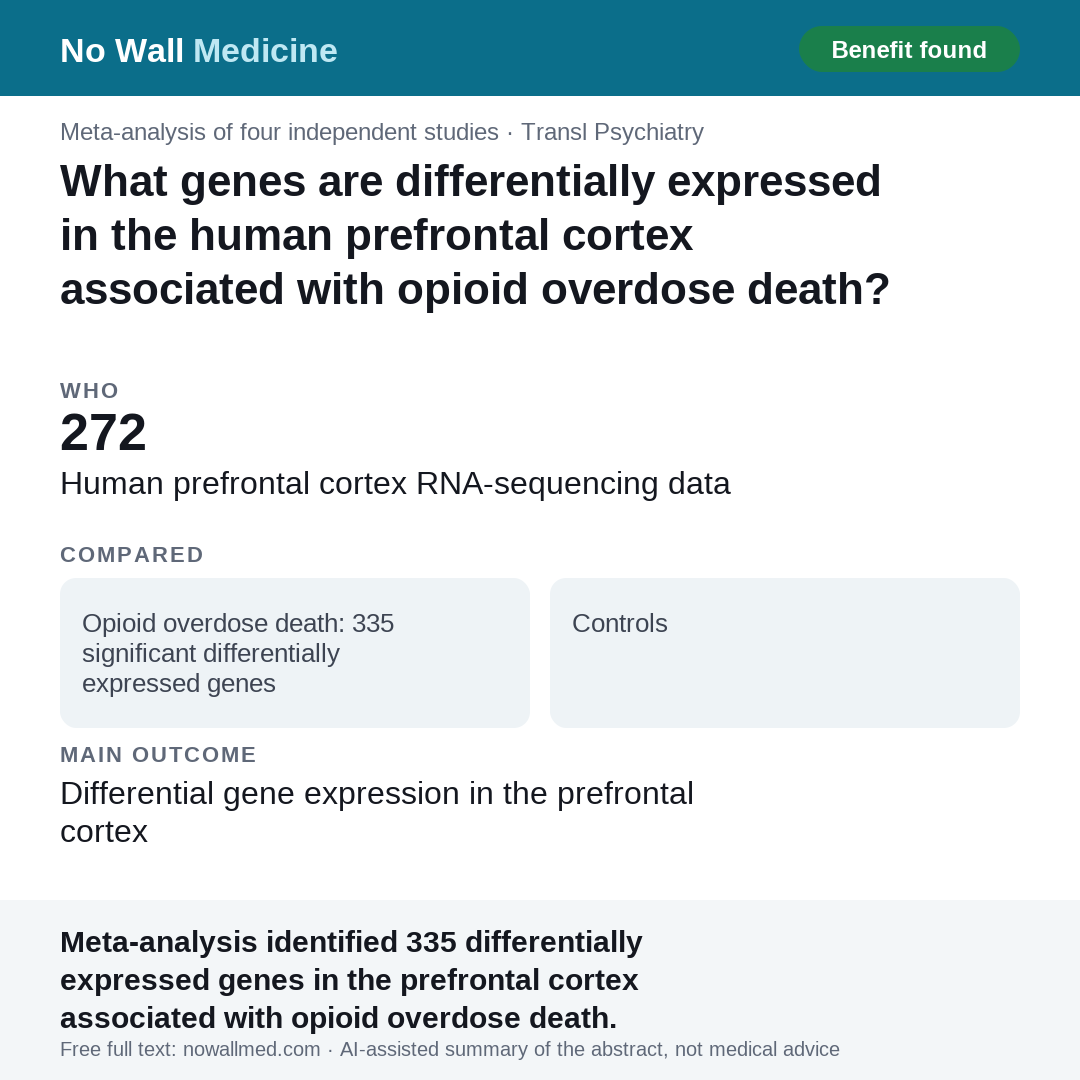
Identifying novel gene dysregulation associated with opioid overdose death: a meta-analysis of differential gene expression in human prefrontal cortex
Meta-analysis of four independent studiesBenefit found
What genes are differentially expressed in the human prefrontal cortex associated with opioid overdose death?
Who
272
Human prefrontal cortex RNA-sequencing data
Compared
Opioid overdose death: 335 significant differentially expressed genes
Controls
Main outcome
Differential gene expression in the prefrontal cortex
Bottom line: Meta-analysis identified 335 differentially expressed genes in the prefrontal cortex associated with opioid overdose death.
Transl Psychiatry · 2026-05-08Download image
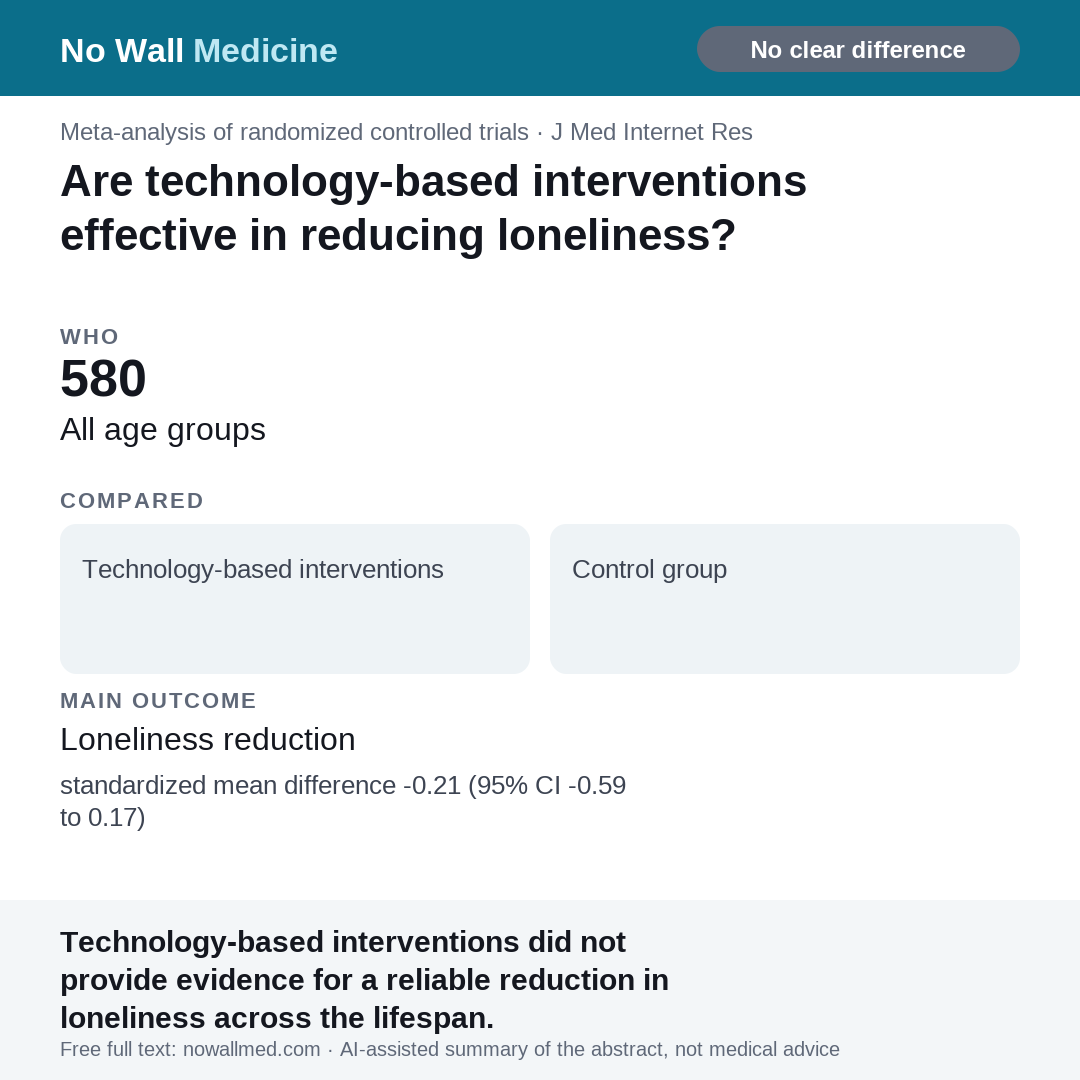
Efficacy of Technology-Based Interventions on the Reduction of Loneliness: Systematic Review and Meta-Analysis
Meta-analysis of randomized controlled trialsNo clear difference
Are technology-based interventions effective in reducing loneliness?
Who
580
All age groups
Compared
Technology-based interventions
Control group
Main outcome
Loneliness reduction
Result: standardized mean difference -0.21 (95% CI -0.59 to 0.17)
Bottom line: Technology-based interventions did not provide evidence for a reliable reduction in loneliness across the lifespan.
Limitation: Limited number of eligible trials prevented analysis of potential moderators.
J Med Internet Res · 2026-05-08Download image
Barriers and Facilitators to Patient Acceptance of Artificial Intelligence in Health Care: Systematic Review
Systematic reviewMixed results
What are the barriers and facilitators influencing patient acceptance of artificial intelligence?
Who
61
Adult patients
Compared
Barriers: complexity, lack of trust, reduced interaction, privacy, and high costs
Facilitators: transparent governance, interpretability, communication, and human-centered design
Main outcome
Barriers and facilitators of patient acceptance of medical artificial intelligence
Bottom line: Performance and effort expectancies are primary determinants of patient acceptance of medical artificial intelligence.
J Med Internet Res · 2026-05-08Download image

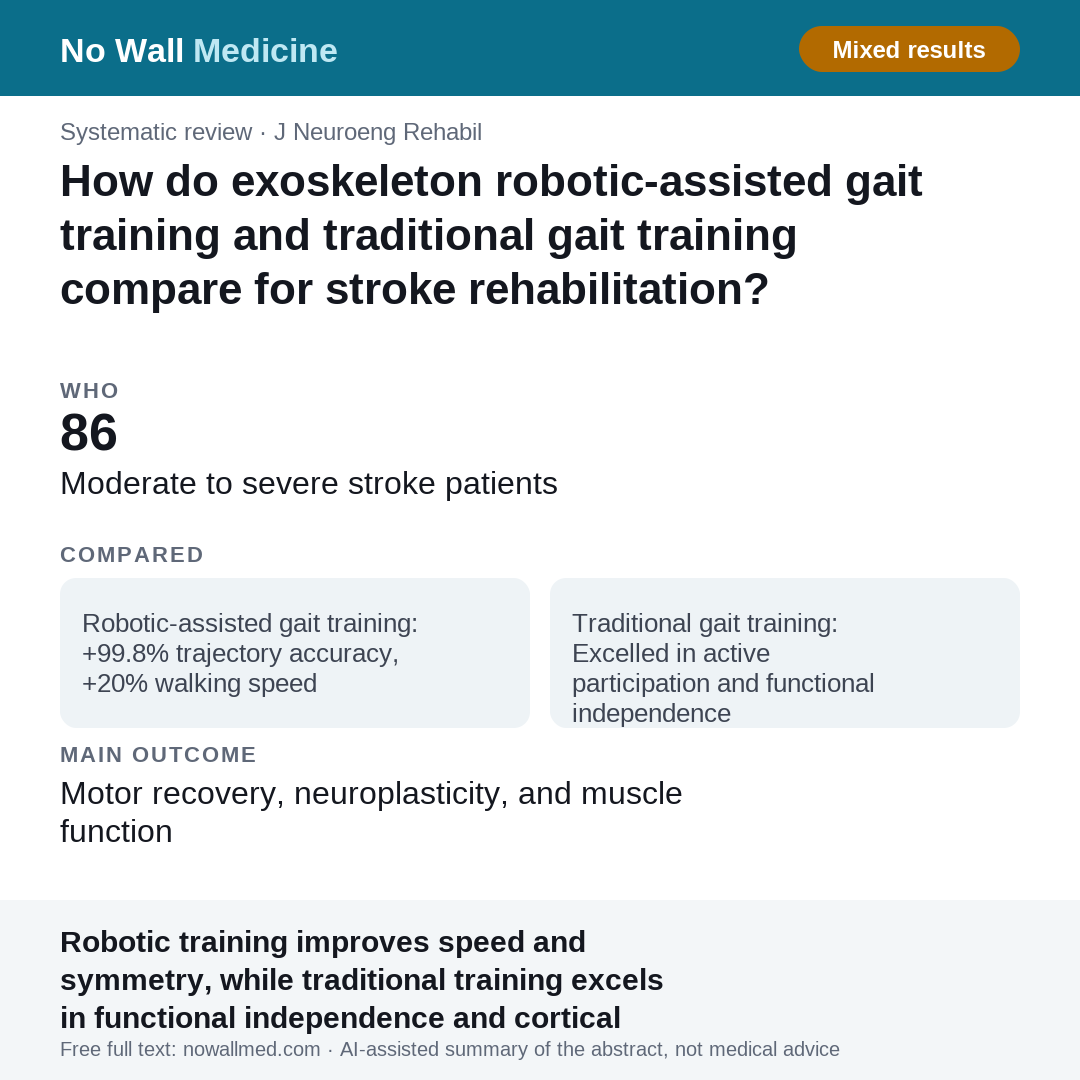
Post-stroke lower limb rehabilitation: a comparative study between exoskeleton robots and traditional gait training
Systematic reviewMixed results
How do exoskeleton robotic-assisted gait training and traditional gait training compare for stroke rehabilitation?
Who
86
Moderate to severe stroke patients
Compared
Robotic-assisted gait training: +99.8% trajectory accuracy, +20% walking speed
Traditional gait training: Excelled in active participation and functional independence
Main outcome
Motor recovery, neuroplasticity, and muscle function
Bottom line: Robotic training improves speed and symmetry, while traditional training excels in functional independence and cortical engagement.
J Neuroeng Rehabil · 2026-05-08Download image