Visual abstracts
New randomized trials and meta-analyses from leading journals at a glance: who was studied, what was compared, and what was found. Every paper is free to read in full.
All specialtiesCardiology 2730Oncology 2304Gastroenterology & Hepatology 1049Infectious Disease 1727Neurology 1093Psychiatry & Mental Health 1261Pulmonology 1147Critical Care 754Endocrinology & Diabetes 1404Pediatrics 1601Surgery 1407Orthopedics & Sports Medicine 503Neurosurgery 334Cardiothoracic & Vascular Surgery 300Plastic & Reconstructive Surgery 404Nephrology 568Rheumatology 416Hematology 595Dermatology 321Ophthalmology 311Obstetrics & Gynecology 900Public & Global Health 498Radiology & Imaging 377Anesthesiology 546Urology 452ENT (Otolaryngology) 322Emergency Medicine 302Allergy & Immunology 175Geriatrics 579Family Medicine & Primary Care 314Medical Genetics & Genomics 308Pathology & Laboratory Medicine 85Physical Medicine & Rehabilitation 442Palliative Care 239Nutrition 735Digital Health & AI 1300General Medicine 196
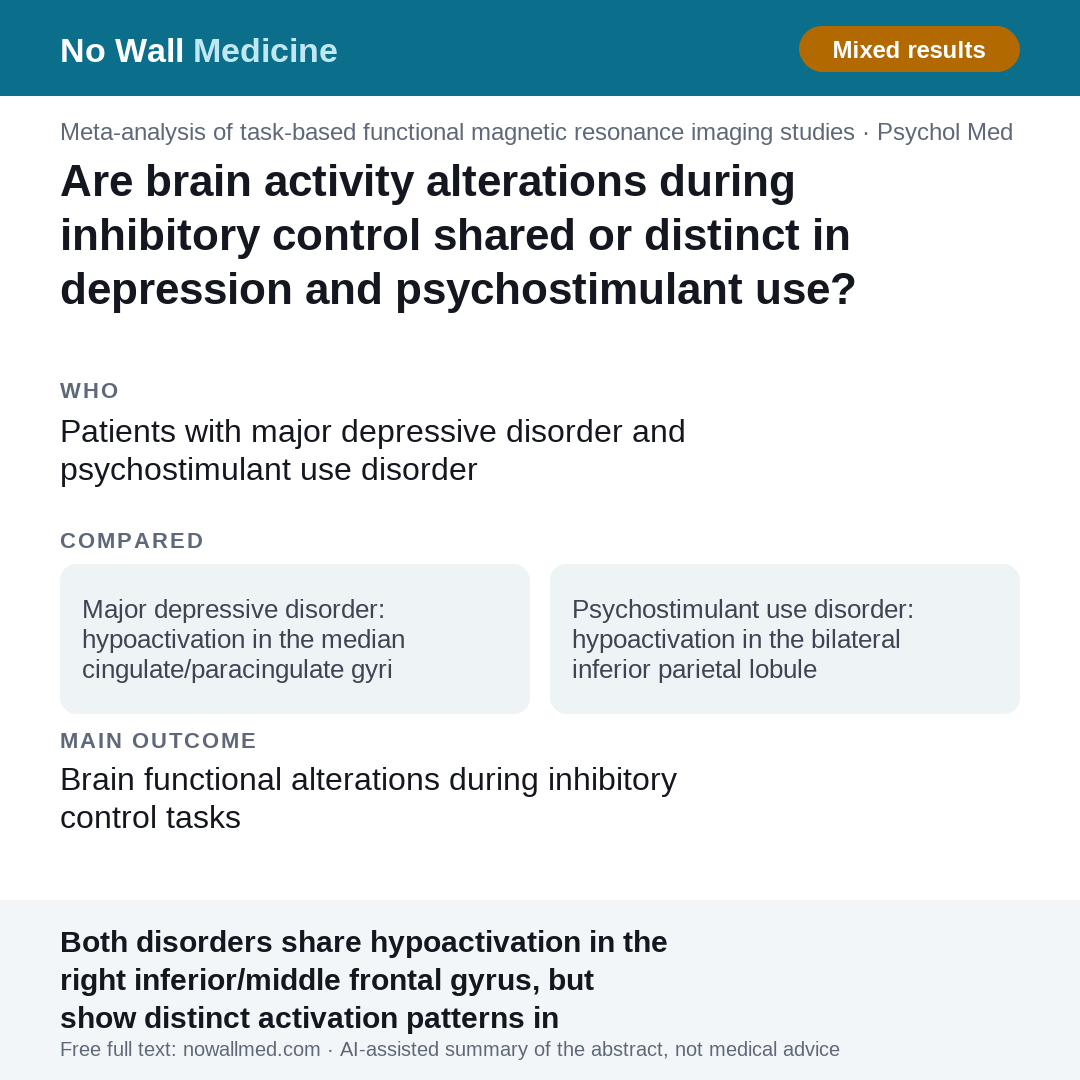
Common and distinct patterns of brain activity alterations during inhibitory control in depression and psychostimulant users: a comparative meta-analysis of task-based fMRI studies
Meta-analysis of task-based functional magnetic resonance imaging studiesMixed results
Are brain activity alterations during inhibitory control shared or distinct in depression and psychostimulant use?
Who
Patients with major depressive disorder and psychostimulant use disorder
Compared
Major depressive disorder: hypoactivation in the median cingulate/paracingulate gyri
Psychostimulant use disorder: hypoactivation in the bilateral inferior parietal lobule
Main outcome
Brain functional alterations during inhibitory control tasks
Bottom line: Both disorders share hypoactivation in the right inferior/middle frontal gyrus, but show distinct activation patterns in cingulate and parietal regions.
Psychol Med · 2025-07-28Download image
Mapping Evidence and Constructing an Analytic Framework: An Umbrella Review Summarizing Primary Care Family Physicians' Experiences With Clinical Integration
Umbrella reviewUnclear result
What are the barriers and facilitators for family physicians in clinical integration?
Who
Primary care family physicians
Compared
Professional theme: 86% of reviews
Systems theme: 48% of reviews
Practices theme: 23% of reviews
Organizations theme: 22% of reviews
Main outcome
Barriers and facilitators of clinical integration
Bottom line: An analytic framework of 9 themes and 21 subthemes was developed to map clinical integration factors.
Ann Fam Med · 2025-07-28Download image

Enhancing Surgical Safety and Efficiency: Systematic Review and Single-Arm Meta-Analysis of Surgical Data Recorders
Meta-analysis of 17 studiesUnclear result
Do surgical data recorders improve safety
Who
surgical patients and staff
Compared
surgical data recorders
traditional methods
Main outcome
adverse events and distractions
Bottom line: Surgical data recorders provide accurate reporting
Limitation: confounding and small sample sizes
J Med Internet Res · 2025-07-28Download image

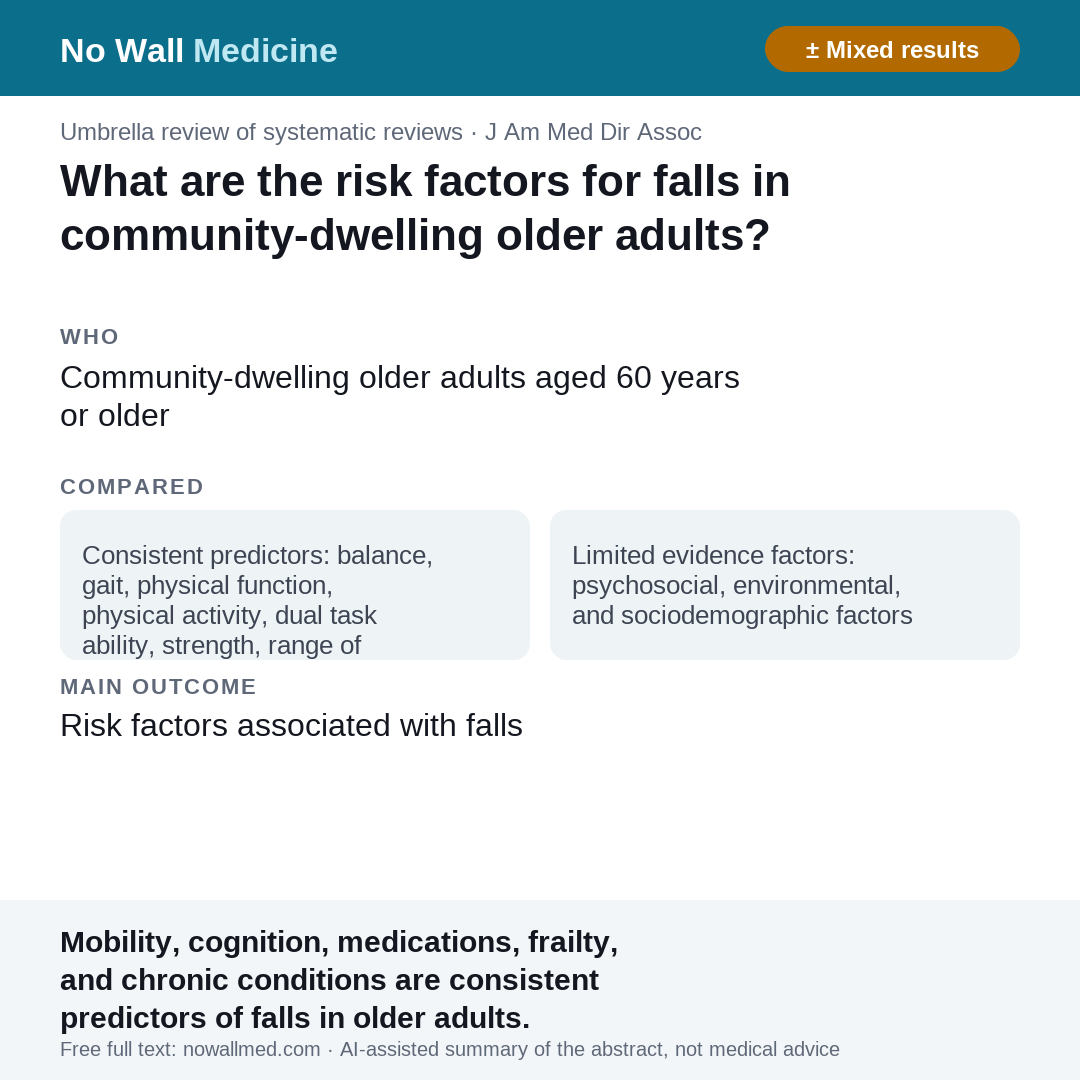
Risk Factors for Falls in Community-Dwelling Older Adults: An Umbrella Review
Umbrella review of systematic reviewsMixed results
What are the risk factors for falls in community-dwelling older adults?
Who
Community-dwelling older adults aged 60 years or older
Compared
Consistent predictors: balance, gait, physical function, physical activity, dual task ability, strength, range of motion, cognition, medications, frailty, and chronic conditions
Limited evidence factors: psychosocial, environmental, and sociodemographic factors
Main outcome
Risk factors associated with falls
Bottom line: Mobility, cognition, medications, frailty, and chronic conditions are consistent predictors of falls in older adults.
Limitation: There was a paucity of evidence for psychosocial, environmental, and sociodemographic factors.
J Am Med Dir Assoc · 2025-07-26Download image
Caregiver-reported barriers and facilitators to hospice enrollment for persons with dementia: A systematic review of qualitative evidence
Systematic review and thematic synthesisMixed results
What are caregiver-reported barriers and facilitators to hospice enrollment for persons with dementia?
Who
Caregivers of persons with dementia
Compared
11Facilitators
15Barriers
Main outcome
Caregiver-reported barriers and facilitators to hospice enrollment
Bottom line: Caregivers face intrapersonal, interpersonal, emotional, logistical, and physical challenges when enrolling persons with dementia in hospice.
Palliat Med · 2025-07-26Download image

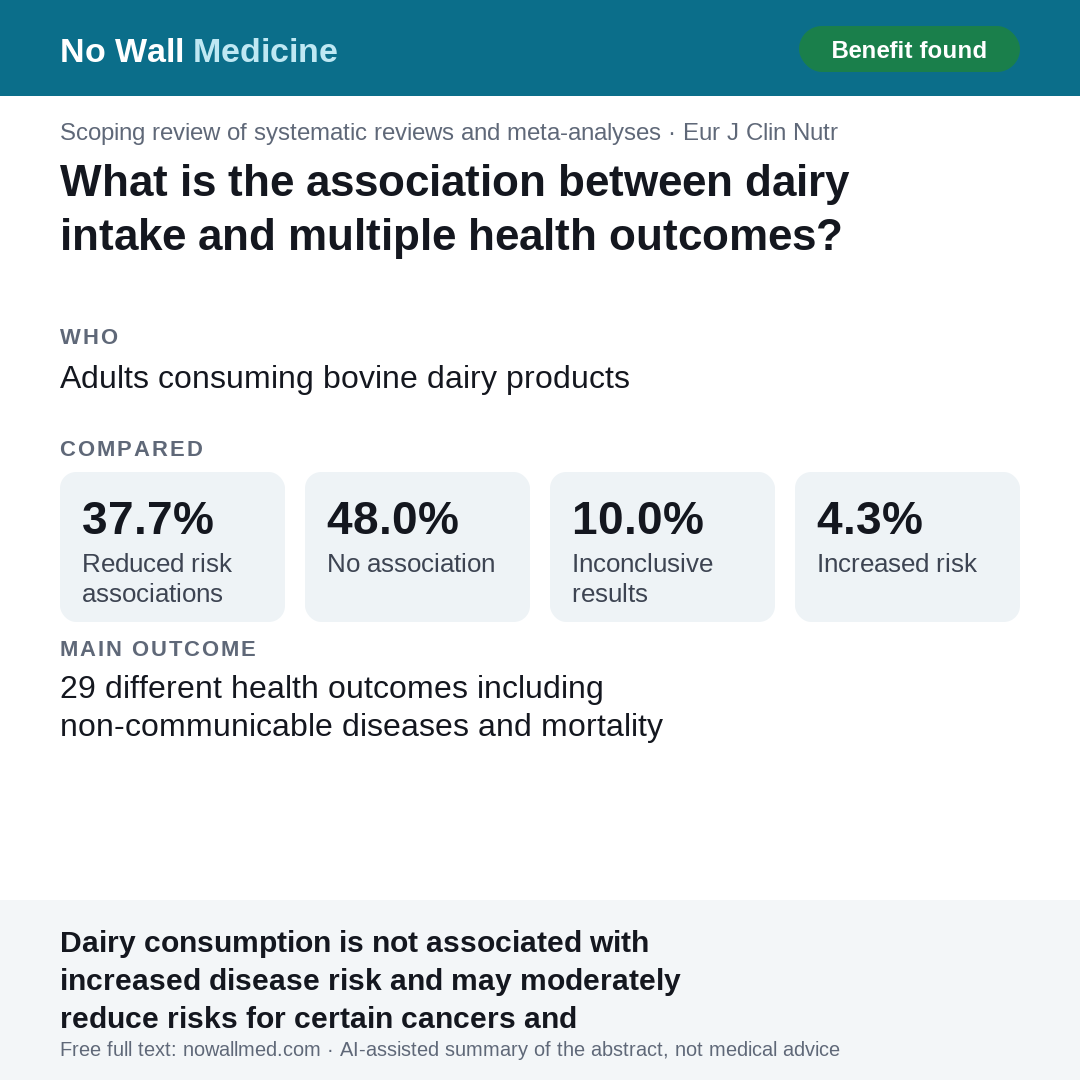
Association between dairy intake and multiple health outcomes: a scoping review of systematic reviews and meta-analyses
Scoping review of systematic reviews and meta-analysesBenefit found
What is the association between dairy intake and multiple health outcomes?
Who
Adults consuming bovine dairy products
Compared
37.7%Reduced risk associations
48.0%No association
10.0%Inconclusive results
4.3%Increased risk
Main outcome
29 different health outcomes including non-communicable diseases and mortality
Bottom line: Dairy consumption is not associated with increased disease risk and may moderately reduce risks for certain cancers and cardiovascular outcomes.
Eur J Clin Nutr · 2025-07-26Download image
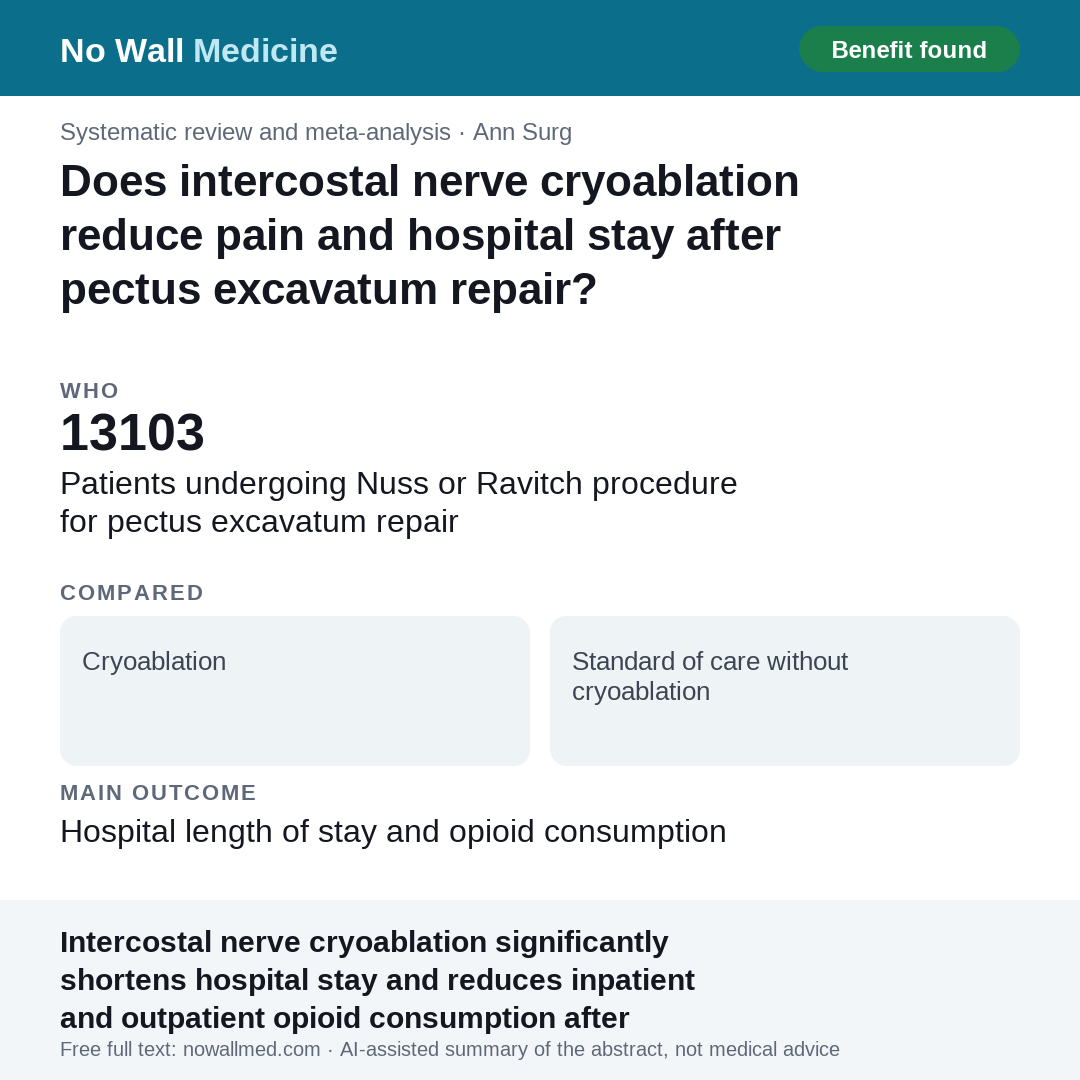
Intercostal Nerve Cryoablation During Pectus Excavatum Surgery for Postoperative Pain Management: A Systematic Review and Meta-analysis
Systematic review and meta-analysisBenefit found
Does intercostal nerve cryoablation reduce pain and hospital stay after pectus excavatum repair?
Who
13103
Patients undergoing Nuss or Ravitch procedure for pectus excavatum repair
Compared
Cryoablation
Standard of care without cryoablation
Main outcome
Hospital length of stay and opioid consumption
Result: hospital length of stay difference -1.8 days (95% CI: -2.12, -1.42)
Bottom line: Intercostal nerve cryoablation significantly shortens hospital stay and reduces inpatient and outpatient opioid consumption after pectus excavatum repair.
Ann Surg · 2025-07-25Download image
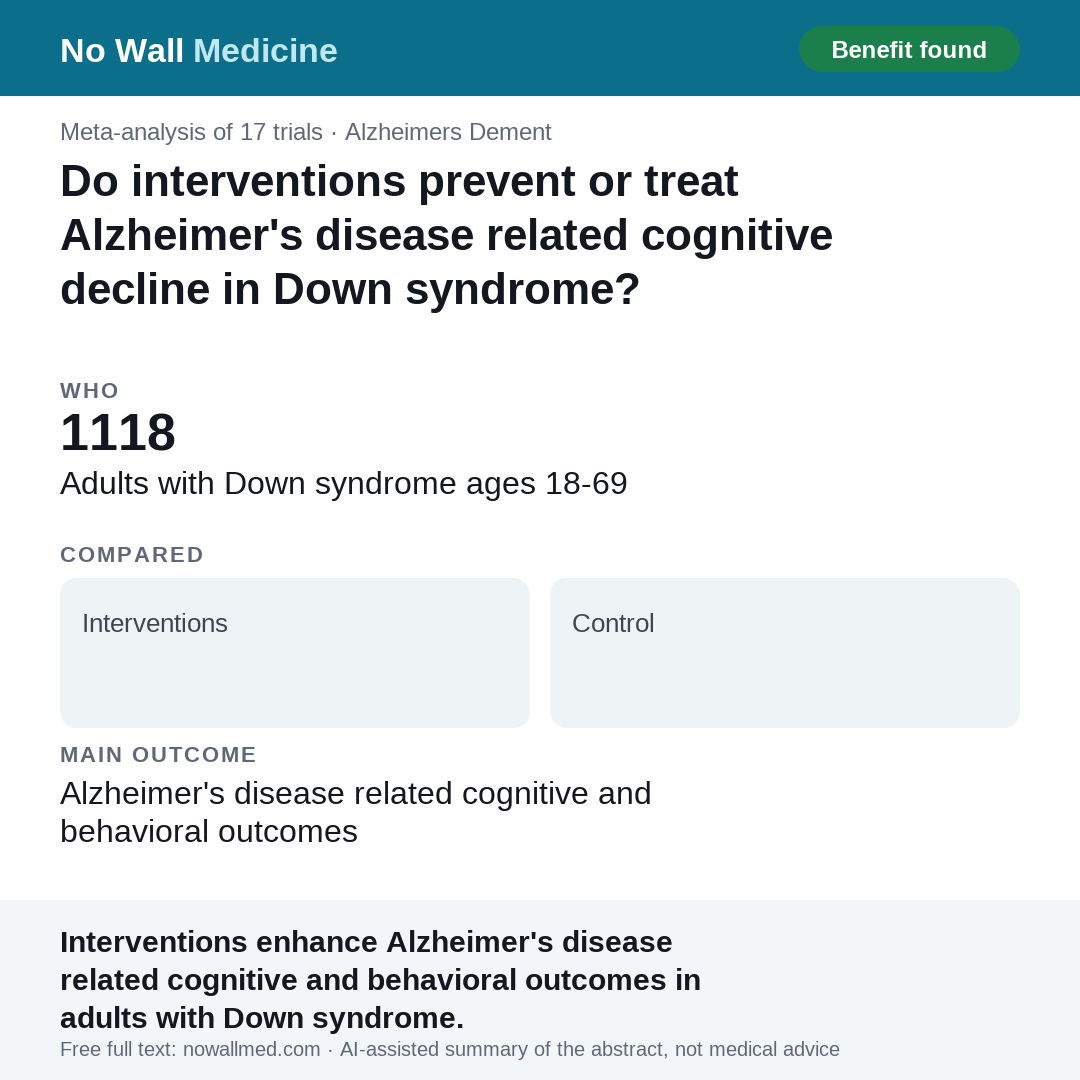
A meta-analysis and systematic review of interventions to prevent or treat cognitive decline related to Alzheimer's disease in adults with Down syndrome
Meta-analysis of 17 trialsBenefit found
Do interventions prevent or treat Alzheimer's disease related cognitive decline in Down syndrome?
Who
1118
Adults with Down syndrome ages 18-69
Compared
Interventions
Control
Main outcome
Alzheimer's disease related cognitive and behavioral outcomes
Result: d = 0.29 (95% CI 0.16-0.40)
Bottom line: Interventions enhance Alzheimer's disease related cognitive and behavioral outcomes in adults with Down syndrome.
Limitation: High heterogeneity was noted, which was not explained by intervention type or outcome.
Alzheimers Dement · 2025-07-25Download image
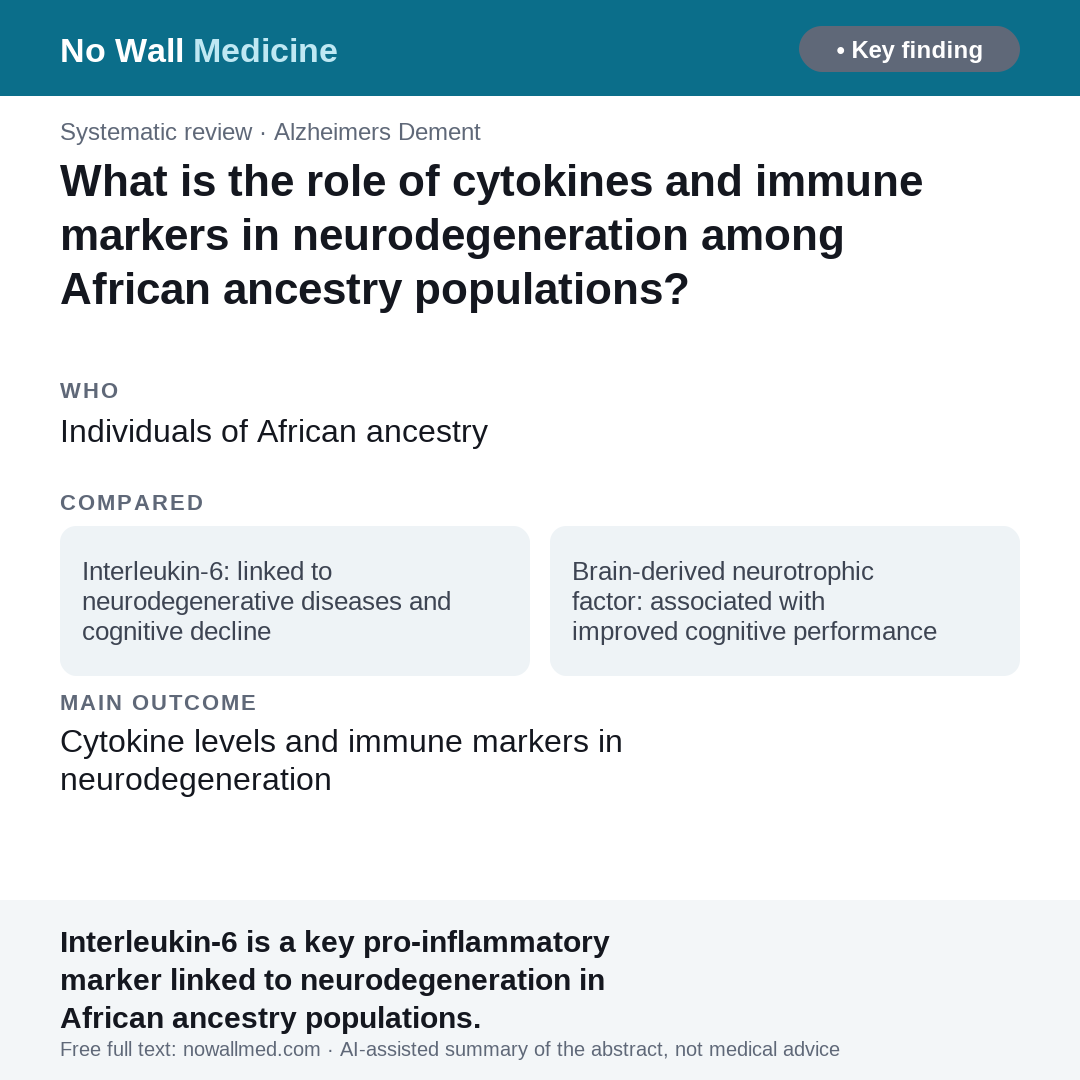
Cytokines and immune biomarkers in neurodegeneration and cognitive function: A systematic review among individuals of African ancestry
Systematic reviewBenefit found
What is the role of cytokines and immune markers in neurodegeneration among African ancestry populations?
Who
Individuals of African ancestry
Compared
Interleukin-6: linked to neurodegenerative diseases and cognitive decline
Brain-derived neurotrophic factor: associated with improved cognitive performance
Main outcome
Cytokine levels and immune markers in neurodegeneration
Bottom line: Interleukin-6 is a key pro-inflammatory marker linked to neurodegeneration in African ancestry populations.
Alzheimers Dement · 2025-07-25Download image
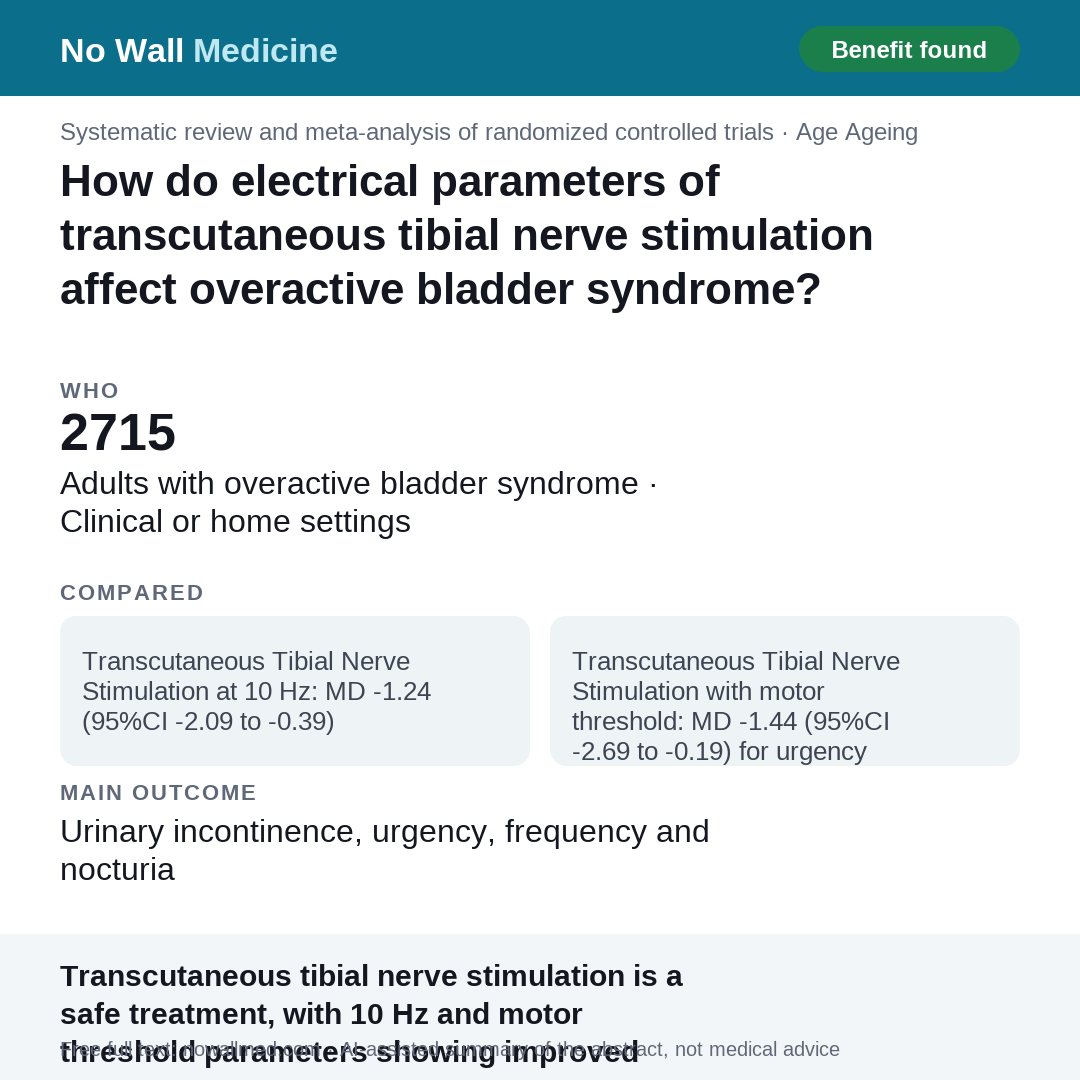
The importance of electrical parameters on transcutaneous tibial nerve stimulation for overactive bladder syndrome: a systematic review and meta-analysis
Systematic review and meta-analysis of randomized controlled trialsBenefit found
How do electrical parameters of transcutaneous tibial nerve stimulation affect overactive bladder syndrome?
Who
2715
Adults with overactive bladder syndrome · Clinical or home settings
Compared
Transcutaneous Tibial Nerve Stimulation at 10 Hz: MD -1.24 (95%CI -2.09 to -0.39)
Transcutaneous Tibial Nerve Stimulation with motor threshold: MD -1.44 (95%CI -2.69 to -0.19) for urgency
Main outcome
Urinary incontinence, urgency, frequency and nocturia
Bottom line: Transcutaneous tibial nerve stimulation is a safe treatment, with 10 Hz and motor threshold parameters showing improved symptoms.
Limitation: Certainty is reduced due to the small number of studies and participants.
Age Ageing · 2025-07-25Download image
Salvage flap reconstruction for recurrent head and neck cancer after radiotherapy: A systematic review
Systematic review of 27 cohort studiesUnclear result
Do pedicled or free flap reconstructions lead to better outcomes in recurrent head and neck cancer?
Who
6879
Patients with recurrent head and neck cancer after radiotherapy
Compared
Free flaps: total flap loss 0 to 29 %
Free flaps: partial flap loss 0 to 14.7 %
Main outcome
Flap reconstruction outcomes
Bottom line: A direct comparison between pedicled and free flaps cannot be made with available data.
Limitation: Heterogeneity in study designs and poor reporting of patient-relevant outcomes.
JPRAS Open · 2025-07-25Download image

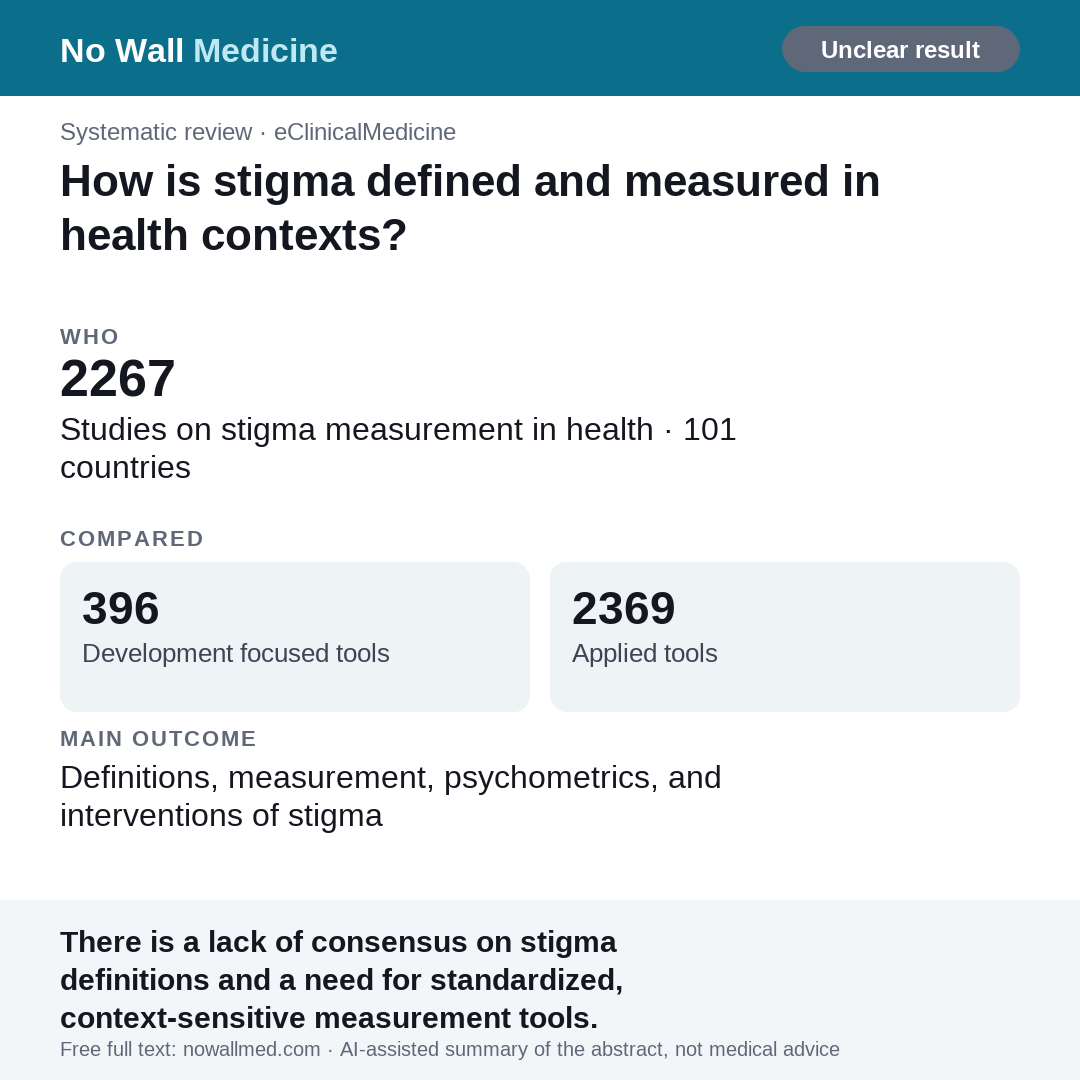
Stigma measurement in health: a systematic review
Systematic reviewUnclear result
How is stigma defined and measured in health contexts?
Who
2267
Studies on stigma measurement in health · 101 countries
Compared
396Development focused tools (15.2%)
2369Applied tools (91.0%)
Main outcome
Definitions, measurement, psychometrics, and interventions of stigma
Bottom line: There is a lack of consensus on stigma definitions and a need for standardized, context-sensitive measurement tools.
Limitation: Lack of consensus on definitions, limited pediatric research, and insufficient attention to structural drivers.
Funded by: St. Jude Children's Research Hospital, National Cancer Institute, ALSA, Siteman Cancer Center
eClinicalMedicine · 2025-07-24Download image
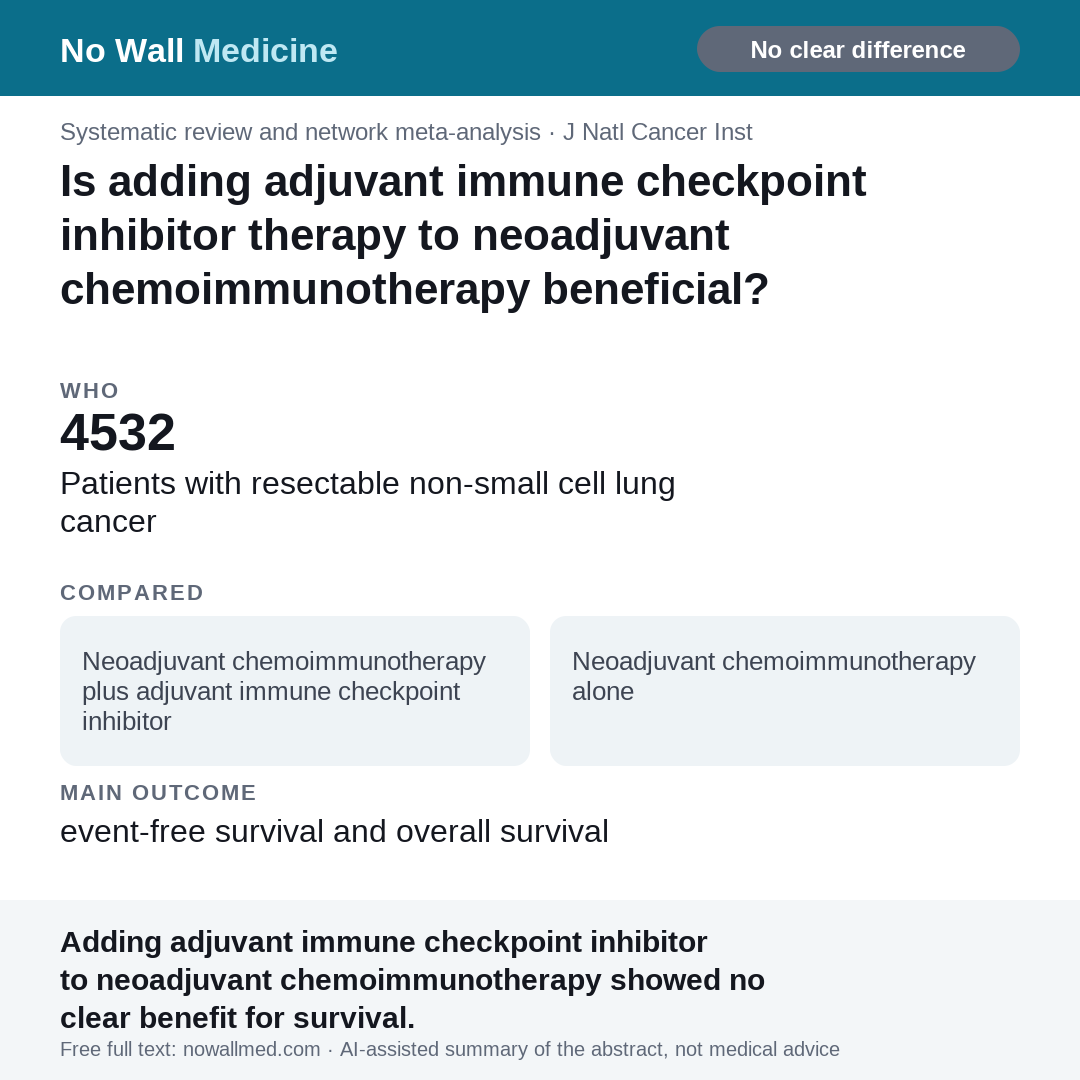
Immune checkpoint inhibitors as neoadjuvant therapy for resectable non-small cell lung cancer: a systematic review and network meta-analysis
Systematic review and network meta-analysisNo clear difference
Is adding adjuvant immune checkpoint inhibitor therapy to neoadjuvant chemoimmunotherapy beneficial?
Who
4532
Patients with resectable non-small cell lung cancer
Compared
Neoadjuvant chemoimmunotherapy plus adjuvant immune checkpoint inhibitor
Neoadjuvant chemoimmunotherapy alone
Main outcome
event-free survival and overall survival
Result: hazard ratio 0.97 (95% CI 0.67 to 1.41)
Bottom line: Adding adjuvant immune checkpoint inhibitor to neoadjuvant chemoimmunotherapy showed no clear benefit for survival.
Limitation: Further research is needed to directly compare neoadjuvant-only versus perioperative chemoimmunotherapy.
J Natl Cancer Inst · 2025-07-24Download image
Identifying genomic surveillance gaps in Africa for the global public health response to West Nile virus: a systematic review
Systematic reviewUnclear result
What is the status of West Nile virus molecular testing and genomic sequencing in Africa?
Who
West Nile virus in Africa · Africa, Canary Islands, and Réunion Island
Compared
24Countries with publications
16Countries with genomic sequences
Main outcome
Status of molecular testing and genomic sequencing
Bottom line: Substantial knowledge gaps exist regarding West Nile virus disease burden and molecular epidemiology in Africa.
Lancet Microbe · 2025-07-24Download image

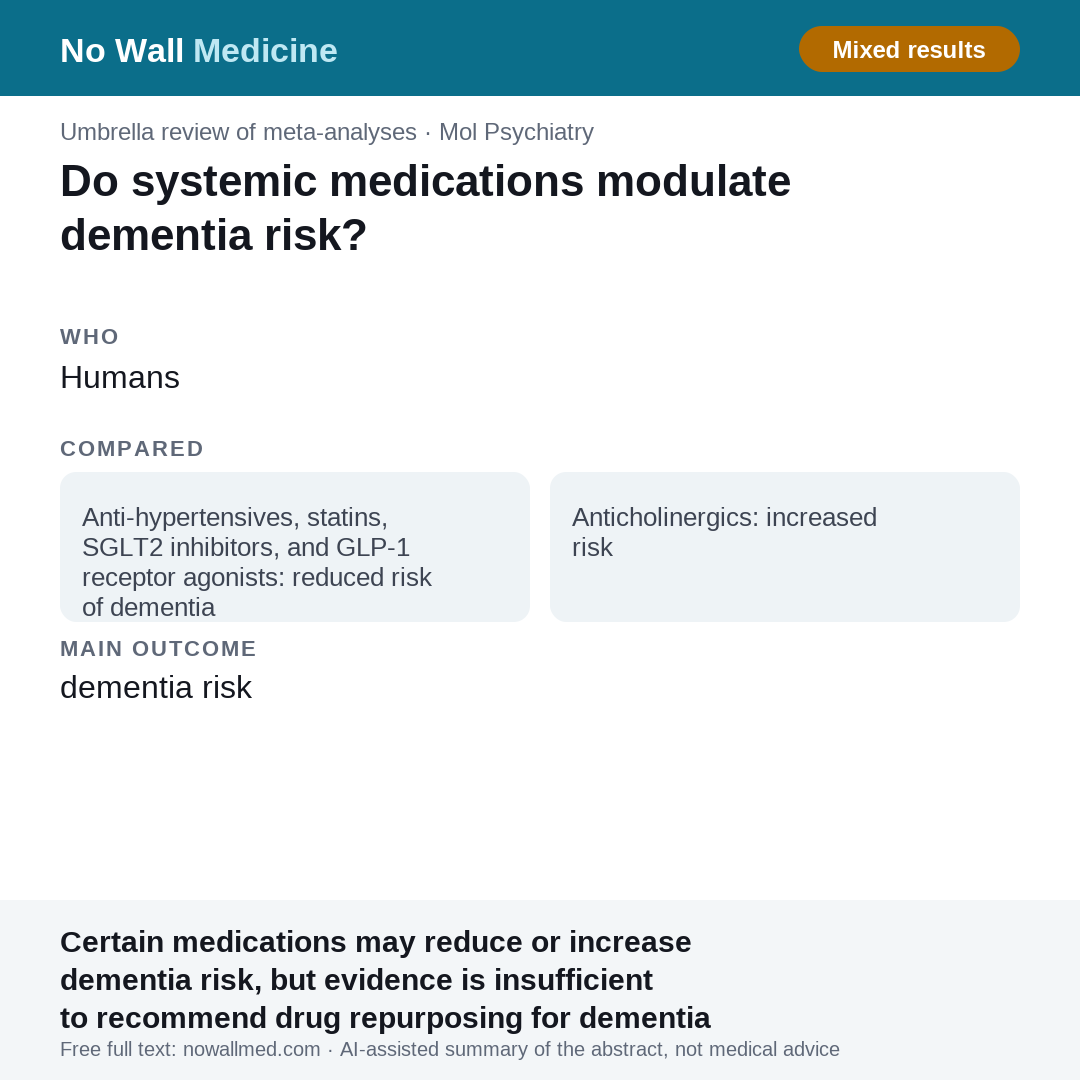
Systemic medications and dementia risk: a systematic umbrella review
Umbrella review of meta-analysesMixed results
Do systemic medications modulate dementia risk?
Who
Humans
Compared
Anti-hypertensives, statins, SGLT2 inhibitors, and GLP-1 receptor agonists: reduced risk of dementia
Anticholinergics: increased risk
Main outcome
dementia risk
Bottom line: Certain medications may reduce or increase dementia risk, but evidence is insufficient to recommend drug repurposing for dementia prevention.
Limitation: Confounding by indication and potential reverse causality were important limitations.
Mol Psychiatry · 2025-07-24Download image
How to diagnose TB in migrants? A systematic review of reviews and decision tree analytical modelling exercise to evaluate properties for single and combined tuberculosis screening tests
Systematic review of reviews and decision tree modellingBenefit found
Do interferon-gamma release assays add value to tuberculosis screening algorithms for migrants?
Who
Migrants being screened for active tuberculosis
Compared
QuantiFERON/chest X-ray/Xpert algorithm: diagnostic odds ratio 24 670
Cough/chest X-ray followed by Xpert: sensitivity 0.88
Cough/chest X-ray followed by Ultra: sensitivity 0.92
Main outcome
Diagnostic test properties and accuracy of tuberculosis screening algorithms
Result: diagnostic odds ratio 24 670 (95% CI 11 630-52 328)
Bottom line: Adding interferon-gamma release assays to active tuberculosis screening pathways significantly improves diagnostic accuracy for migrants.
Eur Respir J · 2025-07-24Download image

Inadvertent placement of thoracic stent grafts in false lumen during aortic dissection surgery - unicentric analysis and systematic review
Retrospective study and systematic reviewHarm found
What are the causes, management, and outcomes of thoracic endovascular aortic repair stent graft misplacement?
Who
35
Patients with aortic dissection undergoing thoracic endovascular aortic repair · China Medical University Hospital and published studies
Compared
Endovascular retrograde stent extension: improved survival
Overall cases: 28.6% mortality
Main outcome
Clinical outcomes and mortality
Bottom line: Accidental stent graft placement in the false lumen markedly increases mortality, primarily due to multiorgan failure.
Limitation: Potential for publication bias may lead to misleading conclusions.
Int J Surg · 2025-07-24Download image

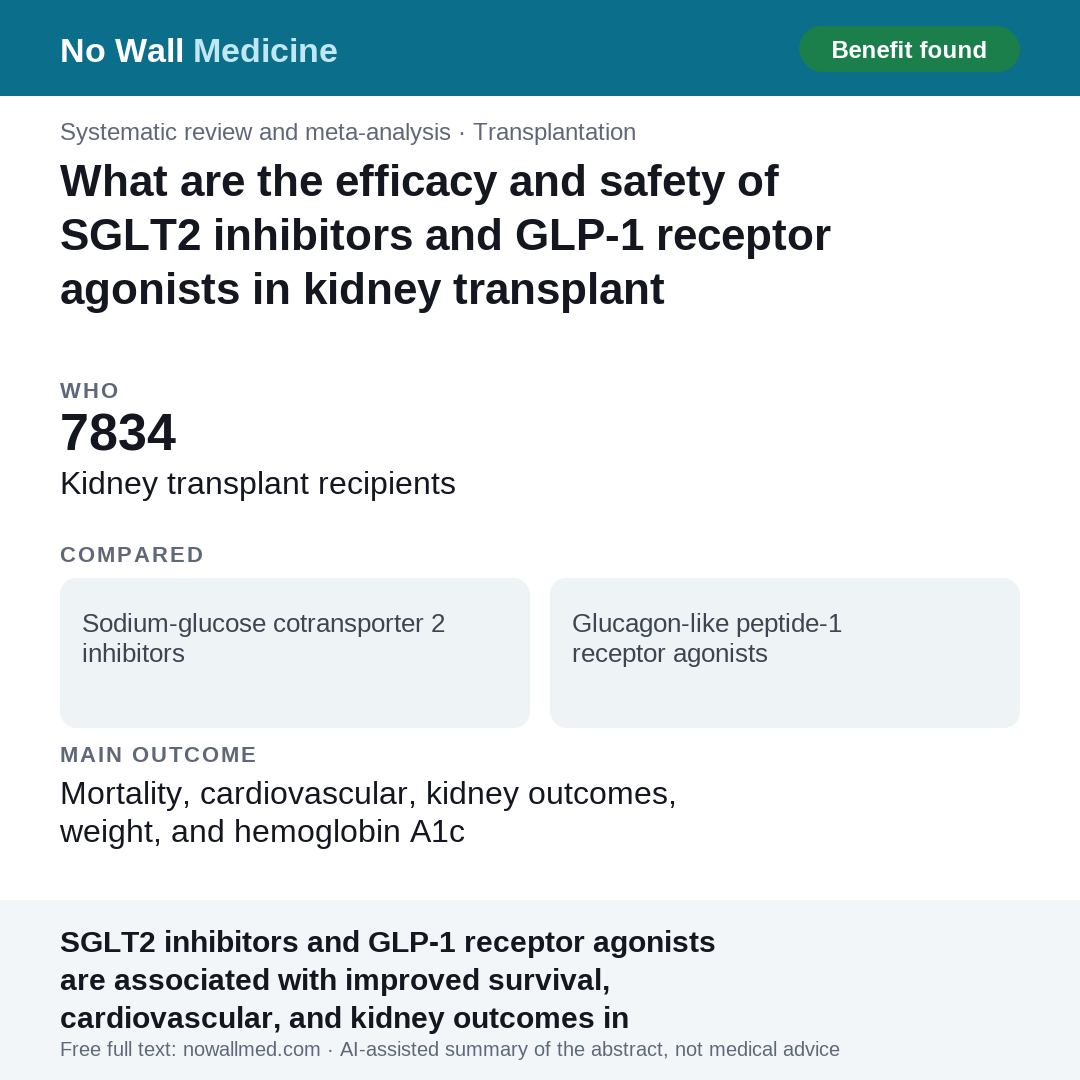
SGLT2 Inhibitors and GLP-1 Receptor Agonists in Kidney Transplantation: A Systematic Review and Meta-Analysis
Systematic review and meta-analysisBenefit found
What are the efficacy and safety of SGLT2 inhibitors and GLP-1 receptor agonists in kidney transplant recipients?
Who
7834
Kidney transplant recipients
Compared
Sodium-glucose cotransporter 2 inhibitors
Glucagon-like peptide-1 receptor agonists
Main outcome
Mortality, cardiovascular, kidney outcomes, weight, and hemoglobin A1c
Bottom line: SGLT2 inhibitors and GLP-1 receptor agonists are associated with improved survival, cardiovascular, and kidney outcomes in kidney transplant recipients.
Limitation: Future randomized controlled trials are necessary to confirm the efficacy and safety.
Transplantation · 2025-07-24Download image
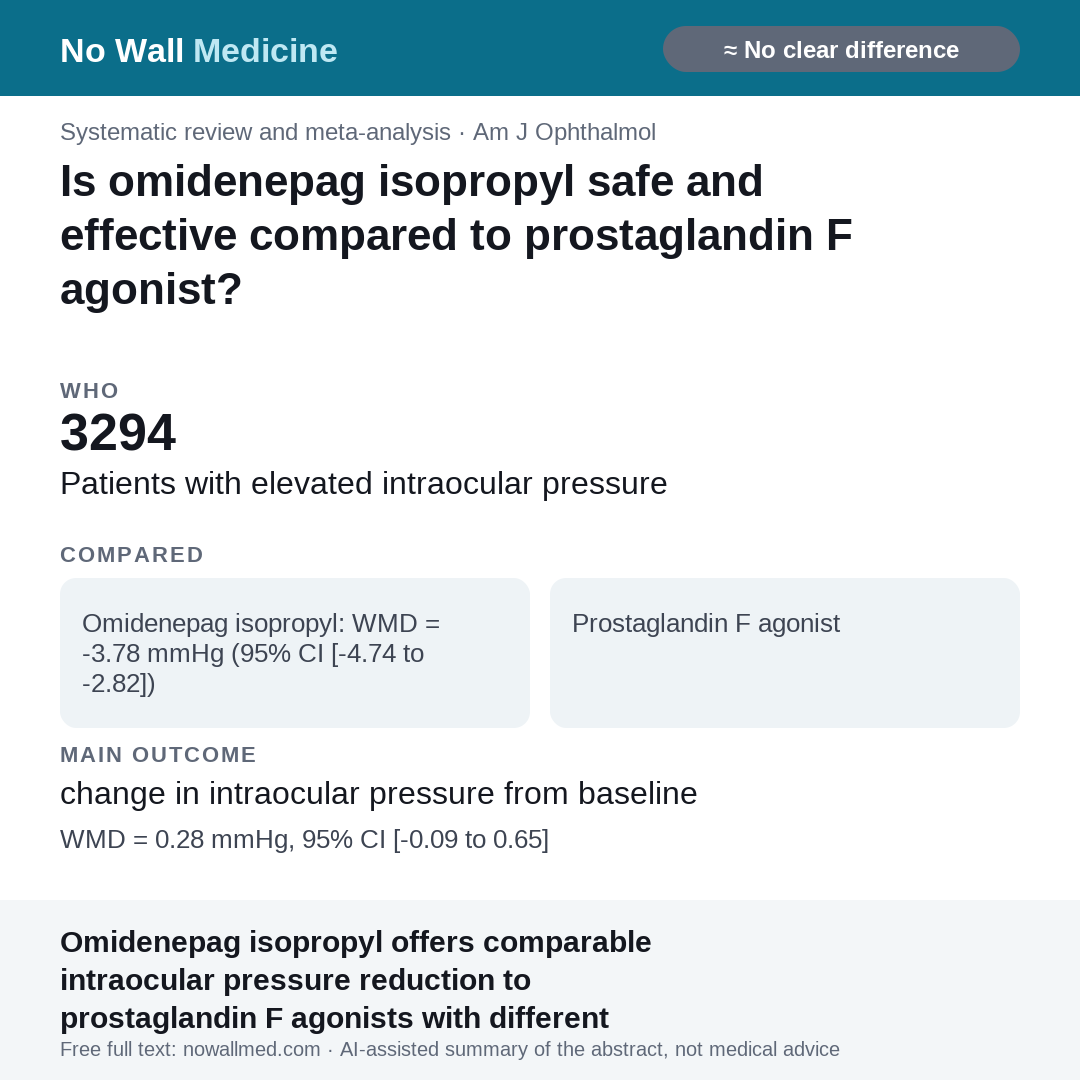
Safety and Efficacy of Omidenepag Isopropyl for Elevated Intraocular Pressure: A Systematic Review and Meta-Analysis
Systematic review and meta-analysisNo clear difference
Is omidenepag isopropyl safe and effective compared to prostaglandin F agonist?
Who
3294
Patients with elevated intraocular pressure
Compared
Omidenepag isopropyl: WMD = -3.78 mmHg (95% CI [-4.74 to -2.82])
Prostaglandin F agonist
Main outcome
change in intraocular pressure from baseline
Result: WMD = 0.28 mmHg, 95% CI [-0.09 to 0.65]
Bottom line: Omidenepag isopropyl offers comparable intraocular pressure reduction to prostaglandin F agonists with different ocular adverse event profiles.
Limitation: Short follow-up periods constrained the assessment of long-term efficacy and rare adverse events.
Am J Ophthalmol · 2025-07-24Download image
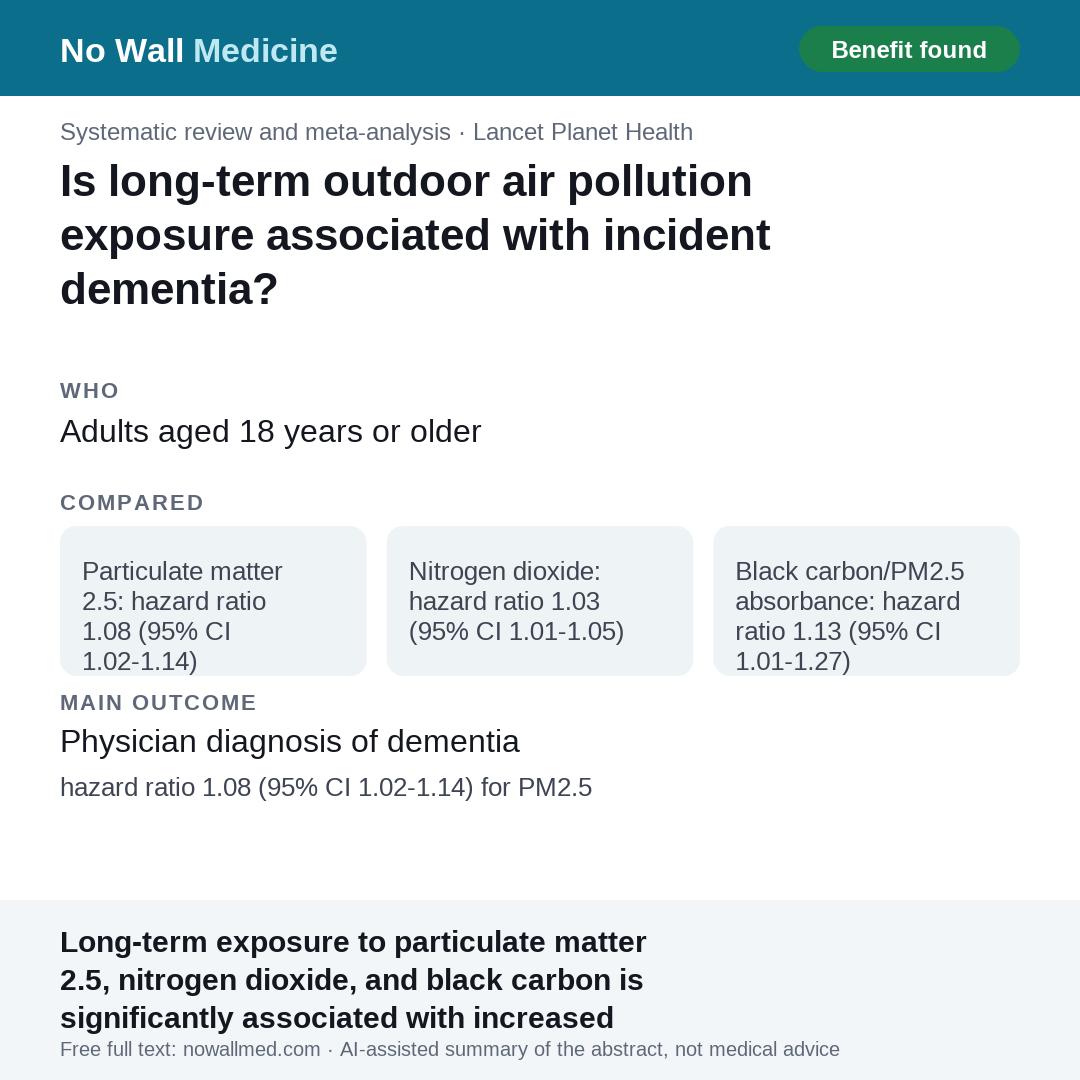
Long-term air pollution exposure and incident dementia: a systematic review and meta-analysis
Systematic review and meta-analysisBenefit found
Is long-term outdoor air pollution exposure associated with incident dementia?
Who
Adults aged 18 years or older
Compared
Particulate matter 2.5: hazard ratio 1.08 (95% CI 1.02-1.14)
Nitrogen dioxide: hazard ratio 1.03 (95% CI 1.01-1.05)
Black carbon/PM2.5 absorbance: hazard ratio 1.13 (95% CI 1.01-1.27)
Main outcome
Physician diagnosis of dementia
Result: hazard ratio 1.08 (95% CI 1.02-1.14) for PM2.5
Bottom line: Long-term exposure to particulate matter 2.5, nitrogen dioxide, and black carbon is significantly associated with increased dementia risk.
Limitation: Moderate to considerable heterogeneity between studies in these pooled analyses.
Funded by: European Research Council
Lancet Planet Health · 2025-07-24Download image