Visual abstracts
New randomized trials and meta-analyses from leading journals at a glance: who was studied, what was compared, and what was found. Every paper is free to read in full.
All specialtiesCardiology 3142Oncology 2671Gastroenterology & Hepatology 1220Infectious Disease 2085Neurology 1251Psychiatry & Mental Health 1479Pulmonology 1316Critical Care 888Endocrinology & Diabetes 1582Pediatrics 1877Surgery 1670Orthopedics & Sports Medicine 558Neurosurgery 373Cardiothoracic & Vascular Surgery 363Plastic & Reconstructive Surgery 449Nephrology 660Rheumatology 489Hematology 696Dermatology 376Ophthalmology 349Obstetrics & Gynecology 1042Public & Global Health 592Radiology & Imaging 444Anesthesiology 643Urology 535ENT (Otolaryngology) 343Emergency Medicine 347Allergy & Immunology 198Geriatrics 658Family Medicine & Primary Care 359Medical Genetics & Genomics 378Pathology & Laboratory Medicine 104Physical Medicine & Rehabilitation 497Palliative Care 275Nutrition 885Digital Health & AI 1498General Medicine 220
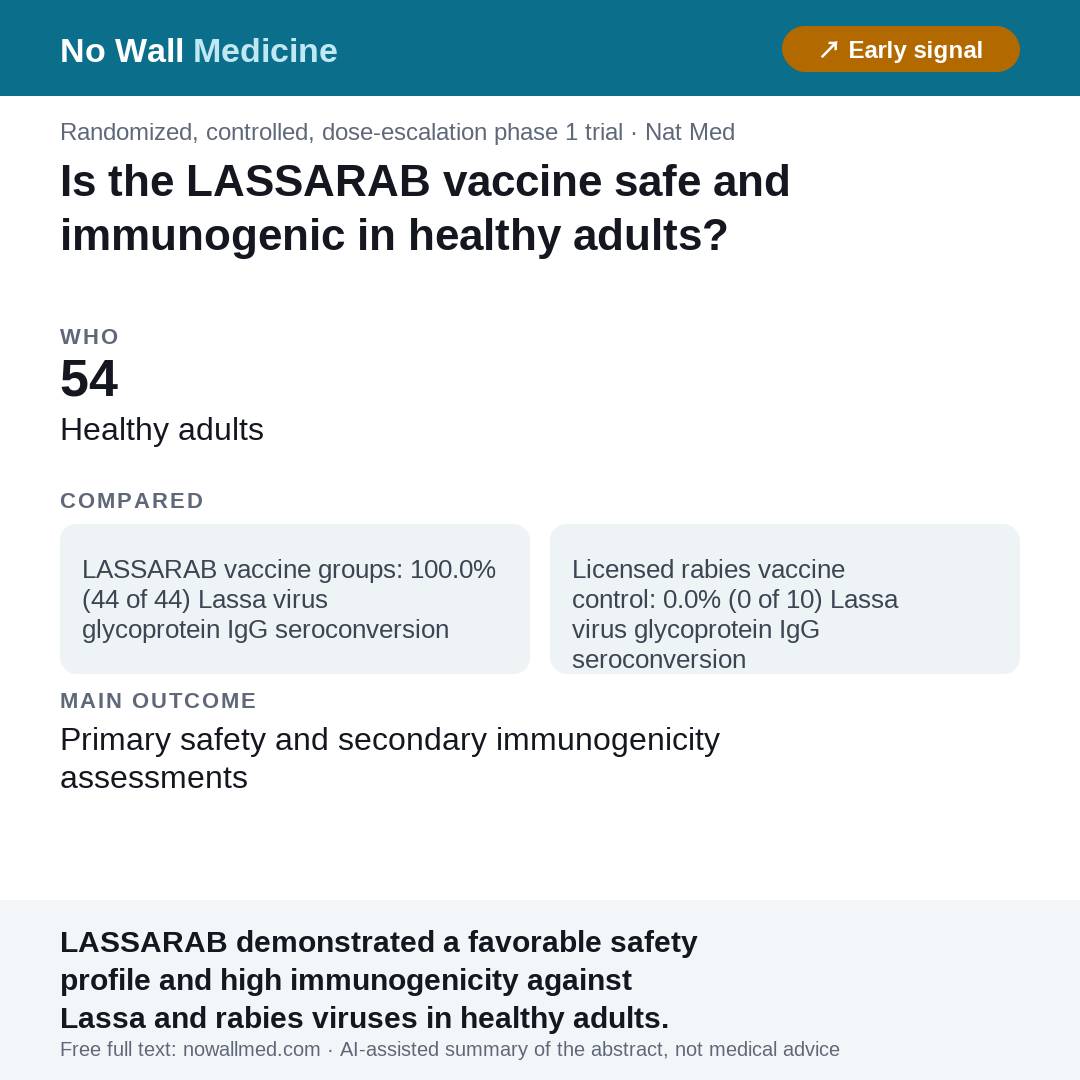
Adjuvanted inactivated rabies virus-vectored Lassa virus vaccine in healthy adults: a phase 1 trial
Randomized, controlled, dose-escalation phase 1 trialBenefit found
Is the LASSARAB vaccine safe and immunogenic in healthy adults?
Who
54
Healthy adults
Compared
LASSARAB vaccine groups: 100.0% (44 of 44) Lassa virus glycoprotein IgG seroconversion
Licensed rabies vaccine control: 0.0% (0 of 10) Lassa virus glycoprotein IgG seroconversion
Main outcome
Primary safety and secondary immunogenicity assessments
Bottom line: LASSARAB demonstrated a favorable safety profile and high immunogenicity against Lassa and rabies viruses in healthy adults.
Limitation: There were no prespecified hypotheses or formal power calculations.
Nat Med · 2026-06-09Download image
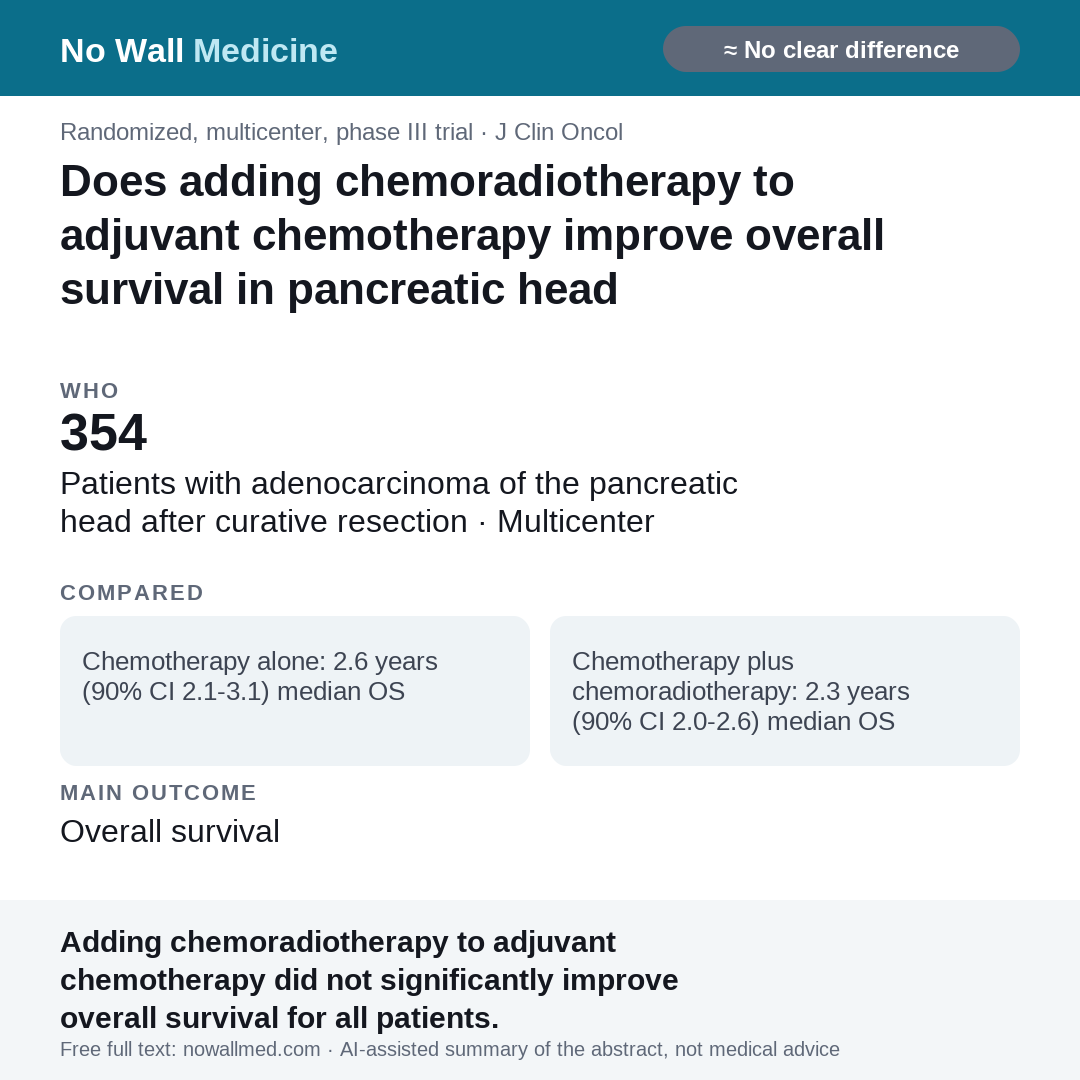
Adjuvant Chemotherapy ± Chemoradiotherapy for Adenocarcinoma of the Pancreatic Head: Results of the Radiotherapy Random Assignment of NRG Oncology/RTOG 0848
Randomized, multicenter, phase III trialNo clear difference
Does adding chemoradiotherapy to adjuvant chemotherapy improve overall survival in pancreatic head adenocarcinoma?
Who
354
Patients with adenocarcinoma of the pancreatic head after curative resection · Multicenter
Compared
Chemotherapy alone: 2.6 years (90% CI 2.1-3.1) median OS
Chemotherapy plus chemoradiotherapy: 2.3 years (90% CI 2.0-2.6) median OS
Main outcome
Overall survival
Result: hazard ratio 0.96 (90% CI 0.79 to 1.18)
Bottom line: Adding chemoradiotherapy to adjuvant chemotherapy did not significantly improve overall survival for all patients.
Limitation: The benefit of chemoradiotherapy was only observed in node-negative patients.
J Clin Oncol · 2026-06-09Download image
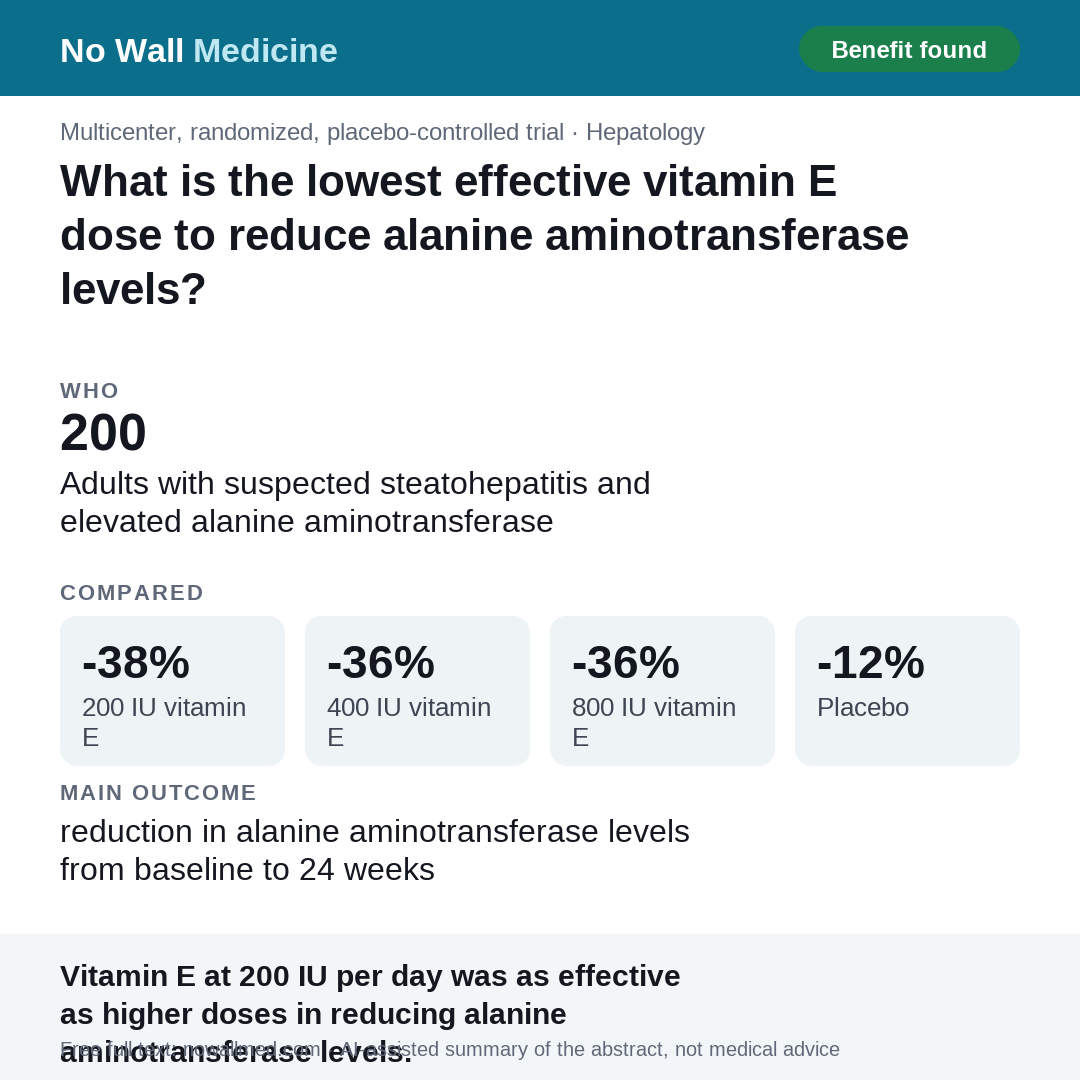
Vitamin E dosing study (VEDS) in patients with metabolic dysfunction-associated steatotic liver disease with elevated aminotransferases: A multicenter, randomized, placebo-controlled trial
Multicenter, randomized, placebo-controlled trialBenefit found
What is the lowest effective vitamin E dose to reduce alanine aminotransferase levels?
Who
200
Adults with suspected steatohepatitis and elevated alanine aminotransferase
Compared
-38%200 IU vitamin E
-36%400 IU vitamin E
-36%800 IU vitamin E
-12%Placebo
Main outcome
reduction in alanine aminotransferase levels from baseline to 24 weeks
Bottom line: Vitamin E at 200 IU per day was as effective as higher doses in reducing alanine aminotransferase levels.
Hepatology · 2026-06-09Download image
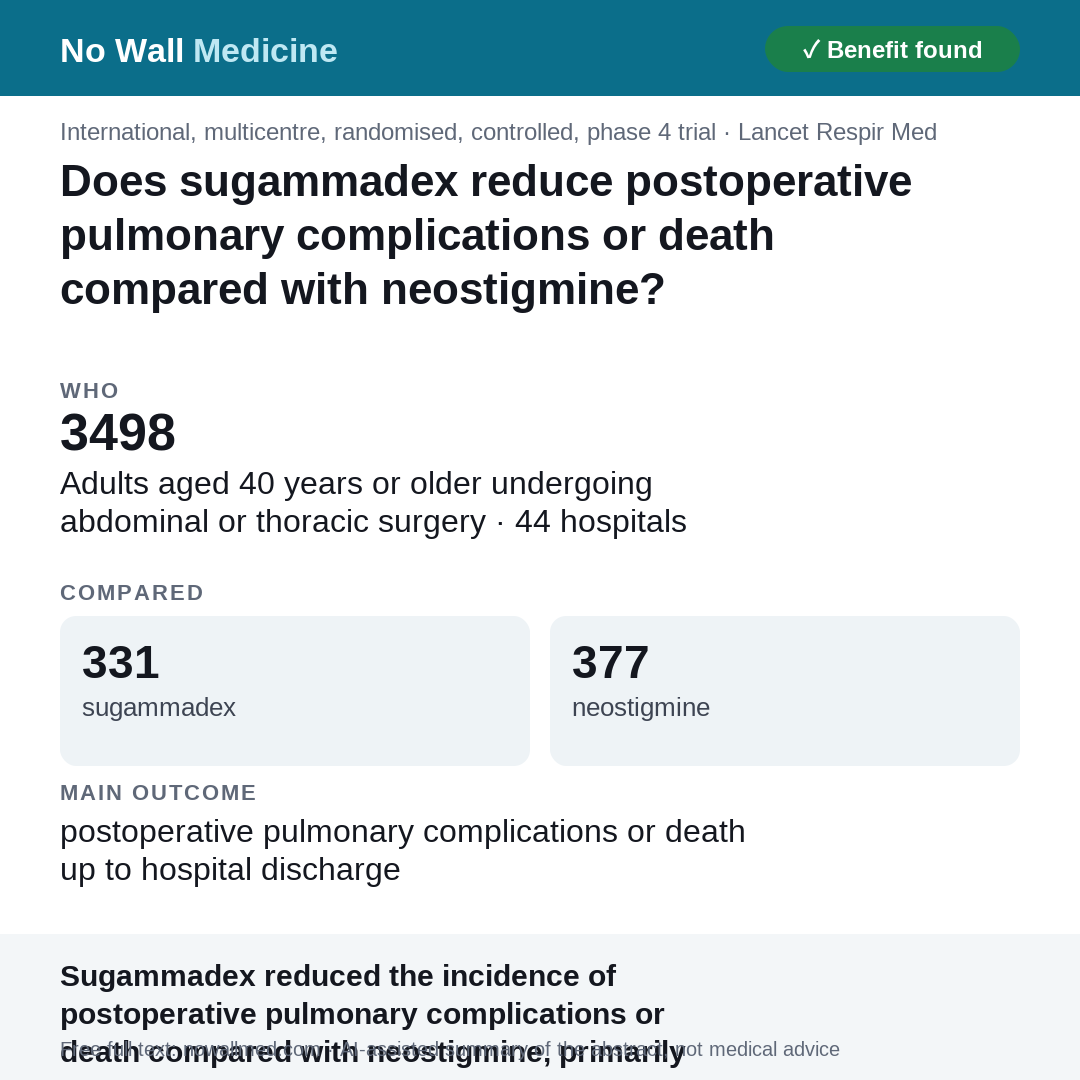
Sugammadex versus neostigmine for reversal of neuromuscular blockade and postoperative pulmonary complications (SNaPP): an international, randomised, controlled, phase 4 trial
International, multicentre, randomised, controlled, phase 4 trialBenefit found
Does sugammadex reduce postoperative pulmonary complications or death compared with neostigmine?
Who
3498
Adults aged 40 years or older undergoing abdominal or thoracic surgery · 44 hospitals in Australia, Aotearoa New Zealand, and Hong Kong
Compared
331sugammadex (19·0%)
377neostigmine (21·5%)
Main outcome
postoperative pulmonary complications or death up to hospital discharge
Result: risk ratio 0·88 (95% CI 0·77-1·00)
Bottom line: Sugammadex reduced the incidence of postoperative pulmonary complications or death compared with neostigmine, primarily driven by reduced atelectasis.
Funded by: Australian Medical Research Future Fund and Hong Kong Health and Medical Research Fund
Lancet Respir Med · 2026-06-09Download image
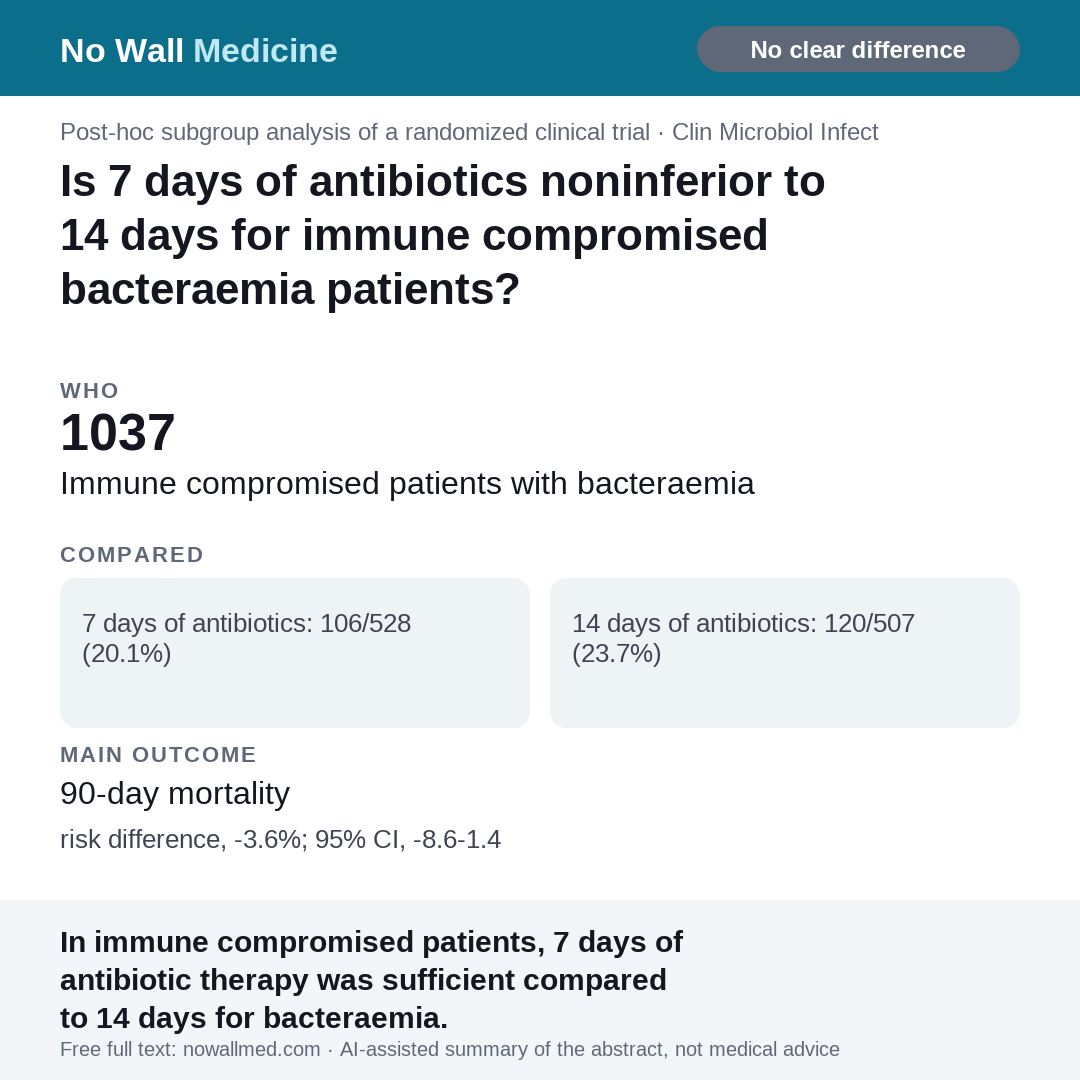
Duration of antibiotic therapy for bacteraemia in immune compromised hosts-a post-hoc subgroup analysis of the Bacteremia Antibiotic Length Actually Needed For Clinical Effectiveness (BALANCE) randomized clinical trial
Post-hoc subgroup analysis of a randomized clinical trialNo clear difference
Is 7 days of antibiotics noninferior to 14 days for immune compromised bacteraemia patients?
Who
1037
Immune compromised patients with bacteraemia
Compared
7 days of antibiotics: 106/528 (20.1%)
14 days of antibiotics: 120/507 (23.7%)
Main outcome
90-day mortality
Result: risk difference, -3.6%; 95% CI, -8.6-1.4
Bottom line: In immune compromised patients, 7 days of antibiotic therapy was sufficient compared to 14 days for bacteraemia.
Limitation: This was a post-hoc subgroup analysis.
Clin Microbiol Infect · 2026-06-09Download image
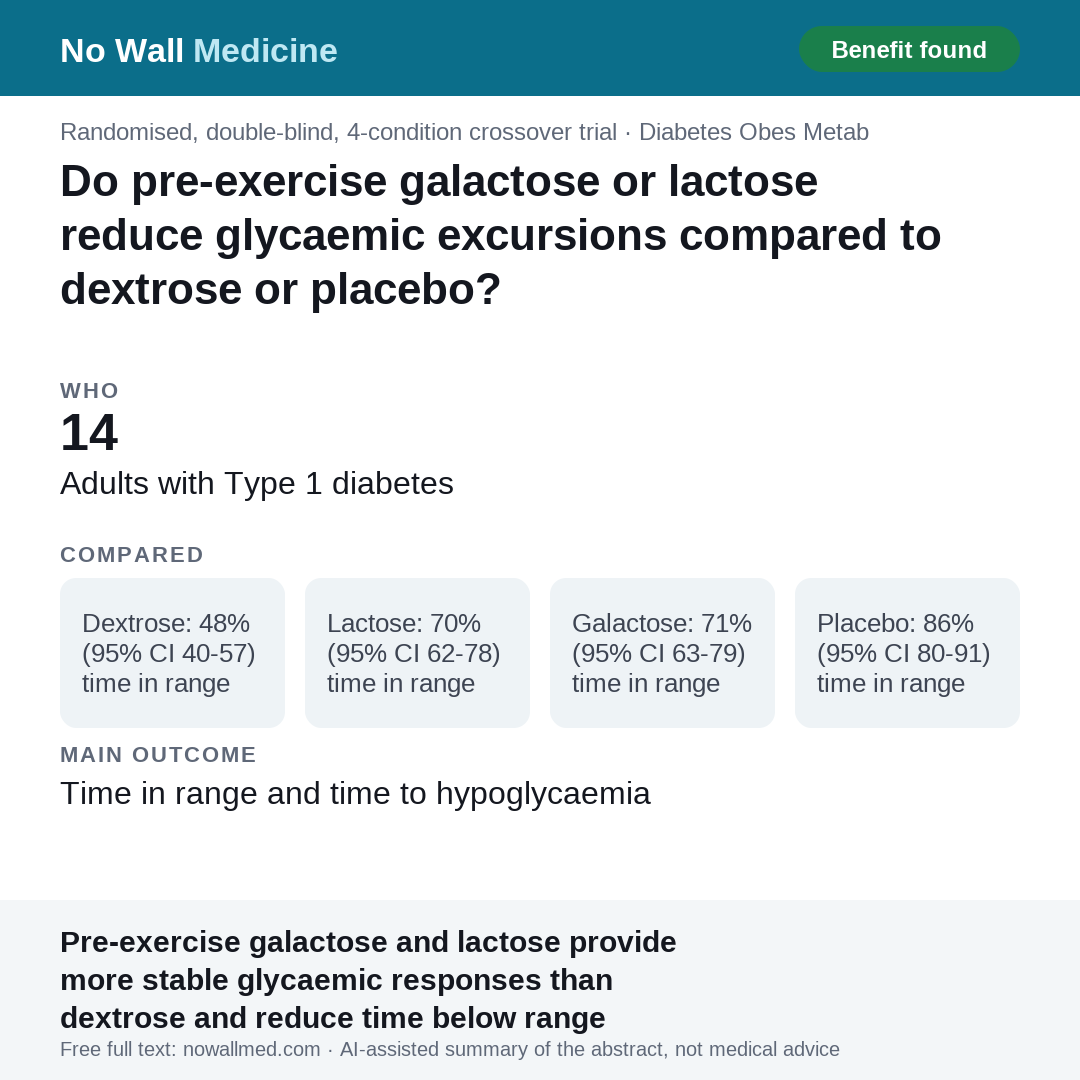
Pre-Exercise Galactose or Lactose Reduces Glycaemic Excursions During Exercise in Adults With Type 1 Diabetes: A Randomised, Double-Blind, Crossover Trial
Randomised, double-blind, 4-condition crossover trialBenefit found
Do pre-exercise galactose or lactose reduce glycaemic excursions compared to dextrose or placebo?
Who
14
Adults with Type 1 diabetes
Compared
Dextrose: 48% (95% CI 40-57) time in range
Lactose: 70% (95% CI 62-78) time in range
Galactose: 71% (95% CI 63-79) time in range
Placebo: 86% (95% CI 80-91) time in range
Main outcome
Time in range and time to hypoglycaemia
Bottom line: Pre-exercise galactose and lactose provide more stable glycaemic responses than dextrose and reduce time below range compared to placebo.
Diabetes Obes Metab · 2026-06-09Download image
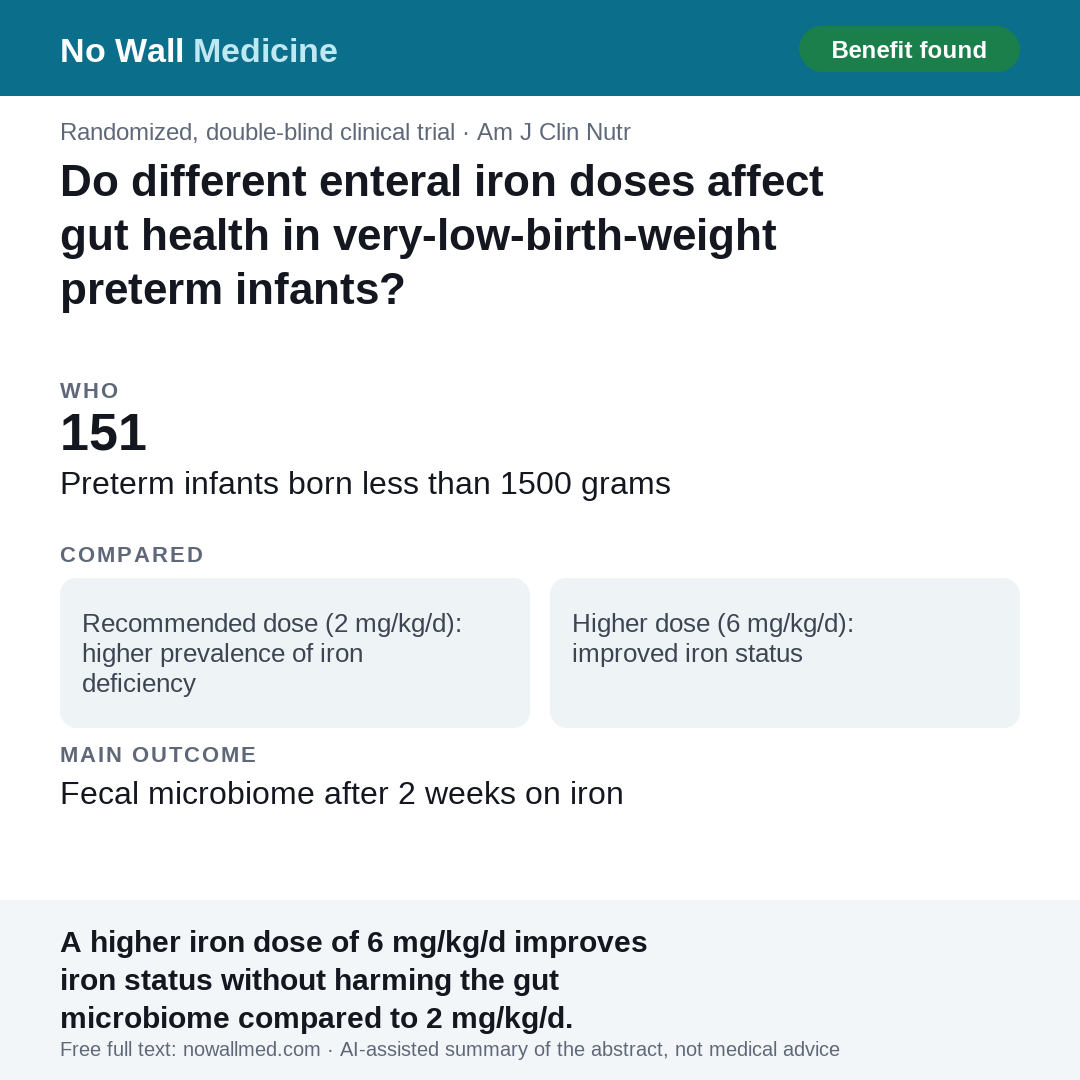
Enteral iron dose effect on iron storage, intestinal barrier, and gut microbiome in preterm infants: a randomized clinical trial
Randomized, double-blind clinical trialBenefit found
Do different enteral iron doses affect gut health in very-low-birth-weight preterm infants?
Who
151
Preterm infants born less than 1500 grams
Compared
Recommended dose (2 mg/kg/d): higher prevalence of iron deficiency
Higher dose (6 mg/kg/d): improved iron status
Main outcome
Fecal microbiome after 2 weeks on iron
Bottom line: A higher iron dose of 6 mg/kg/d improves iron status without harming the gut microbiome compared to 2 mg/kg/d.
Limitation: Subgroup analysis of singletons showed significant differences in temporal shifts in bacterial community structure.
Am J Clin Nutr · 2026-06-09Download image
Mobile intervention for emerging adults with regular cannabis use: a micro-randomized trial
Micro-randomized trialMixed results
Does a personalized just-in-time adaptive intervention improve engagement and cannabis use?
Who
122
Emerging adults with regular cannabis use
Compared
Intervention message delivery: b = 0.044; 95% CI: 0.018, 0.070
No message: b = 0.008; 95% CI: -0.003, 0.020
Main outcome
Proximal engagement and proximal cannabis use
Bottom line: The intervention increased proximal engagement but did not affect proximal cannabis use among emerging adults.
Funded by: National Institute of Health and the Brzoznowski family
Lancet Reg Health Am · 2026-06-09Download image

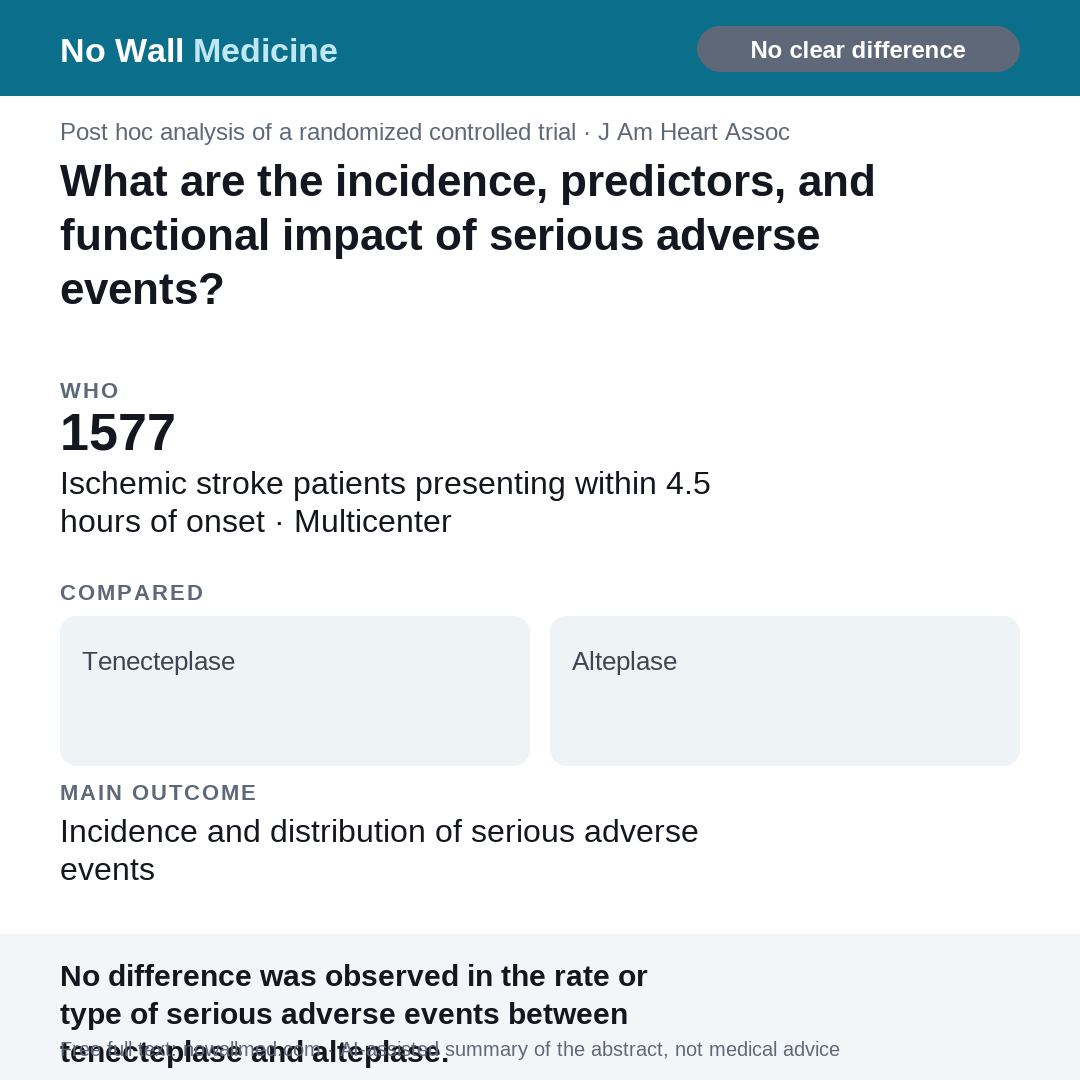
Predictors and Consequences of Serious Adverse Events in Patients Treated With Thrombolysis: A Prespecified Secondary Analysis of the AcT Trial
Post hoc analysis of a randomized controlled trialNo clear difference
What are the incidence, predictors, and functional impact of serious adverse events?
Who
1577
Ischemic stroke patients presenting within 4.5 hours of onset · Multicenter
Compared
Tenecteplase
Alteplase
Main outcome
Incidence and distribution of serious adverse events
Bottom line: No difference was observed in the rate or type of serious adverse events between tenecteplase and alteplase.
J Am Heart Assoc · 2026-06-09Download image
Large Core Stroke Thrombectomy Is Safe and Effective Regardless of Prior Antithrombotic or Thrombolytic Treatment: A Secondary Analysis of the Randomized TENSION Trial
Prospective randomized open-label blinded-end point clinical trialBenefit found
Is endovascular thrombectomy safe and effective regardless of prior antithrombotic or thrombolytic treatment?
Who
246
Patients with acute ischemic stroke, large vessel occlusion, and large infarct
Compared
Endovascular thrombectomy with medical therapy
Medical therapy alone
Main outcome
Functional outcome at 90 days
Bottom line: Endovascular thrombectomy is safe and effective regardless of prior antiplatelet, anticoagulant, or intravenous thrombolysis treatment.
J Am Heart Assoc · 2026-06-09Download image

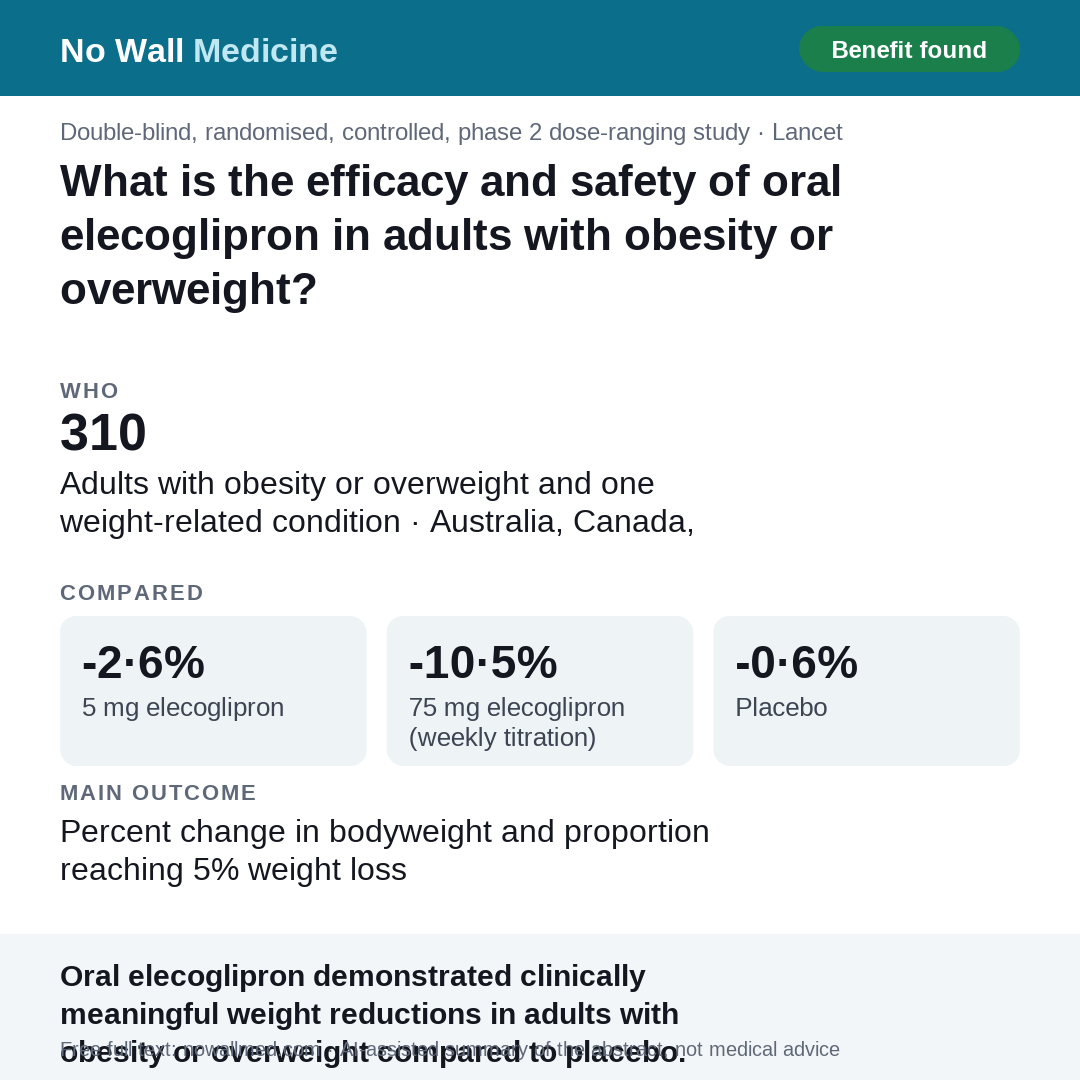
Elecoglipron, an oral small molecule GLP-1 receptor agonist in adults with obesity or overweight (VISTA): a multicentre, phase 2, randomised, placebo-controlled clinical trial
Double-blind, randomised, controlled, phase 2 dose-ranging studyBenefit found
What is the efficacy and safety of oral elecoglipron in adults with obesity or overweight?
Who
310
Adults with obesity or overweight and one weight-related condition · Australia, Canada, Germany, Japan, Taiwan, UK, and USA
Compared
-2·6%5 mg elecoglipron
-10·5%75 mg elecoglipron (weekly titration)
-0·6%Placebo
Main outcome
Percent change in bodyweight and proportion reaching 5% weight loss
Bottom line: Oral elecoglipron demonstrated clinically meaningful weight reductions in adults with obesity or overweight compared to placebo.
Funded by: AstraZeneca
Lancet · 2026-06-08Download image
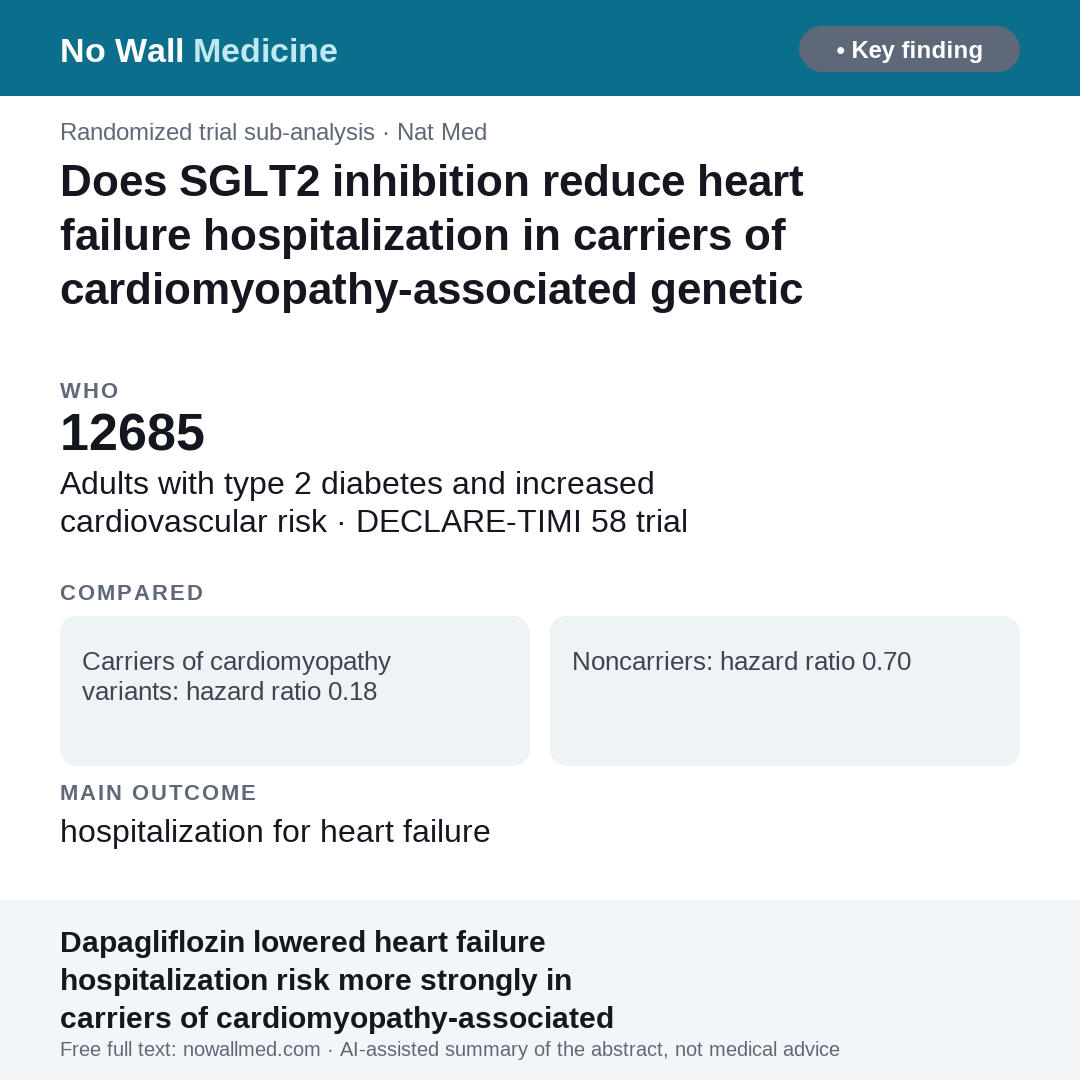
Effects of SGLT2 inhibition on incident heart failure in carriers of cardiomyopathy-associated genetic variants
Randomized trial sub-analysisBenefit found
Does SGLT2 inhibition reduce heart failure hospitalization in carriers of cardiomyopathy-associated genetic variants?
Who
12685
Adults with type 2 diabetes and increased cardiovascular risk · DECLARE-TIMI 58 trial
Compared
Carriers of cardiomyopathy variants: hazard ratio 0.18
Noncarriers: hazard ratio 0.70
Main outcome
hospitalization for heart failure
Result: hazard ratio 0.18 (95% confidence interval 0.04-0.86) vs hazard ratio 0.70 (95% confidence interval 0.57-0.86)
Bottom line: Dapagliflozin lowered heart failure hospitalization risk more strongly in carriers of cardiomyopathy-associated genetic variants than in noncarriers.
Nat Med · 2026-06-08Download image
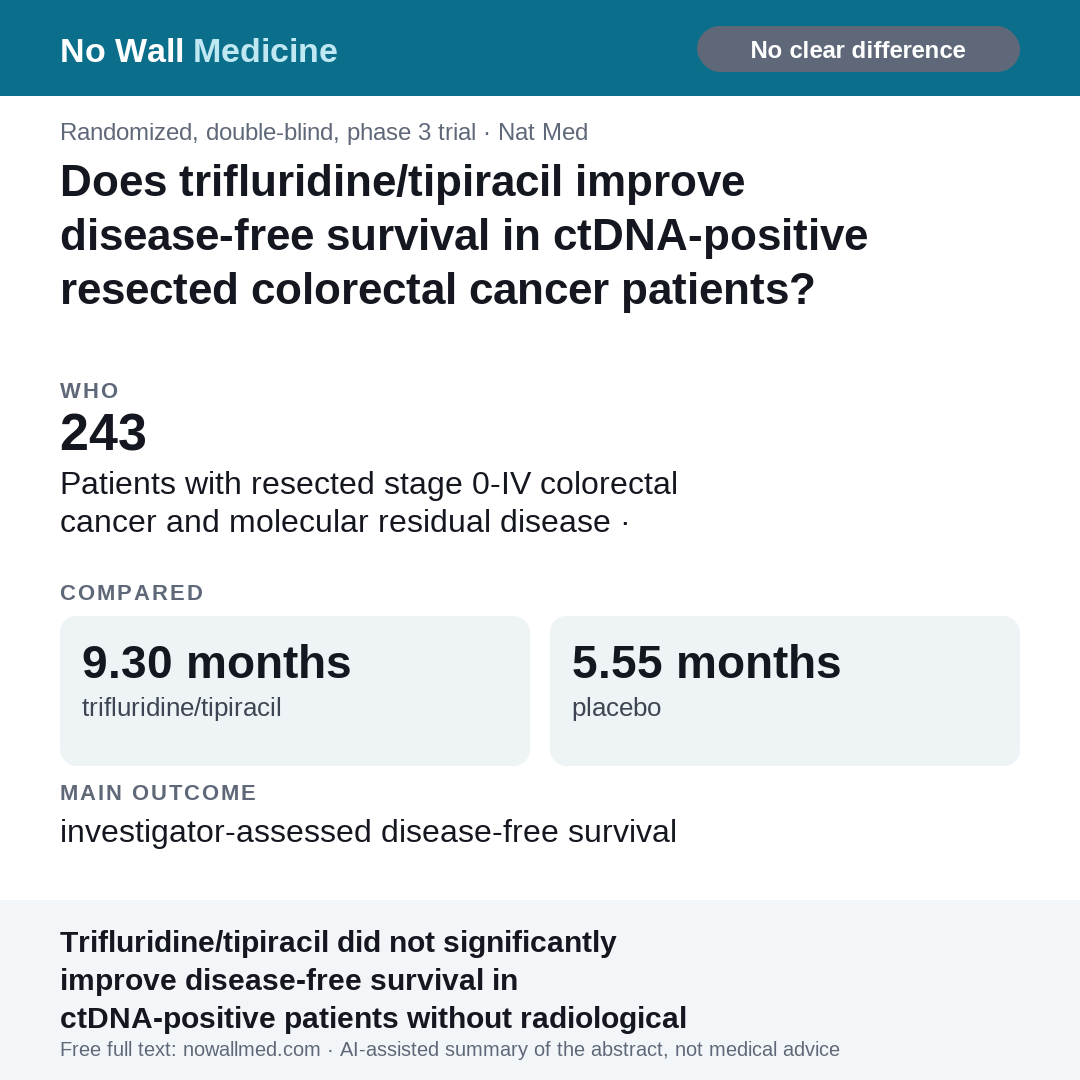
Post-adjuvant chemotherapy in ctDNA-positive patients with resected colorectal cancer: a randomized phase 3 trial
Randomized, double-blind, phase 3 trialNo clear difference
Does trifluridine/tipiracil improve disease-free survival in ctDNA-positive resected colorectal cancer patients?
Who
243
Patients with resected stage 0-IV colorectal cancer and molecular residual disease · CIRCULATE-Japan platform
Compared
9.30 monthstrifluridine/tipiracil
5.55 monthsplacebo
Main outcome
investigator-assessed disease-free survival
Result: hazard ratio 0.79 (95% confidence interval: 0.60-1.05)
Bottom line: Trifluridine/tipiracil did not significantly improve disease-free survival in ctDNA-positive patients without radiological disease.
Nat Med · 2026-06-08Download image
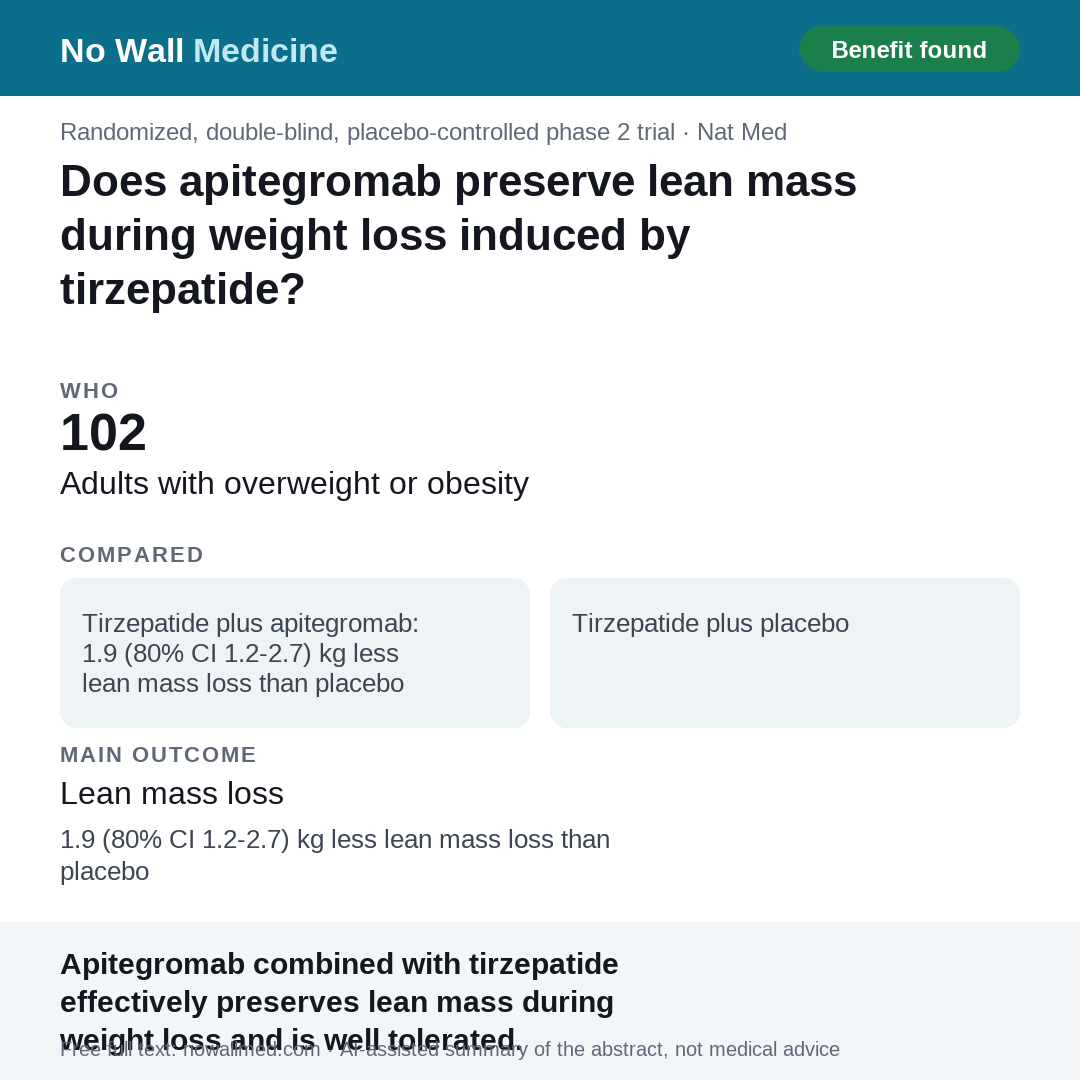
Apitegromab for lean mass preservation during tirzepatide-induced weight loss: a randomized, double-blind, placebo-controlled phase 2 trial
Randomized, double-blind, placebo-controlled phase 2 trialBenefit found
Does apitegromab preserve lean mass during weight loss induced by tirzepatide?
Who
102
Adults with overweight or obesity
Compared
Tirzepatide plus apitegromab: 1.9 (80% CI 1.2-2.7) kg less lean mass loss than placebo
Tirzepatide plus placebo
Main outcome
Lean mass loss
Result: 1.9 (80% CI 1.2-2.7) kg less lean mass loss than placebo
Bottom line: Apitegromab combined with tirzepatide effectively preserves lean mass during weight loss and is well tolerated.
Nat Med · 2026-06-08Download image
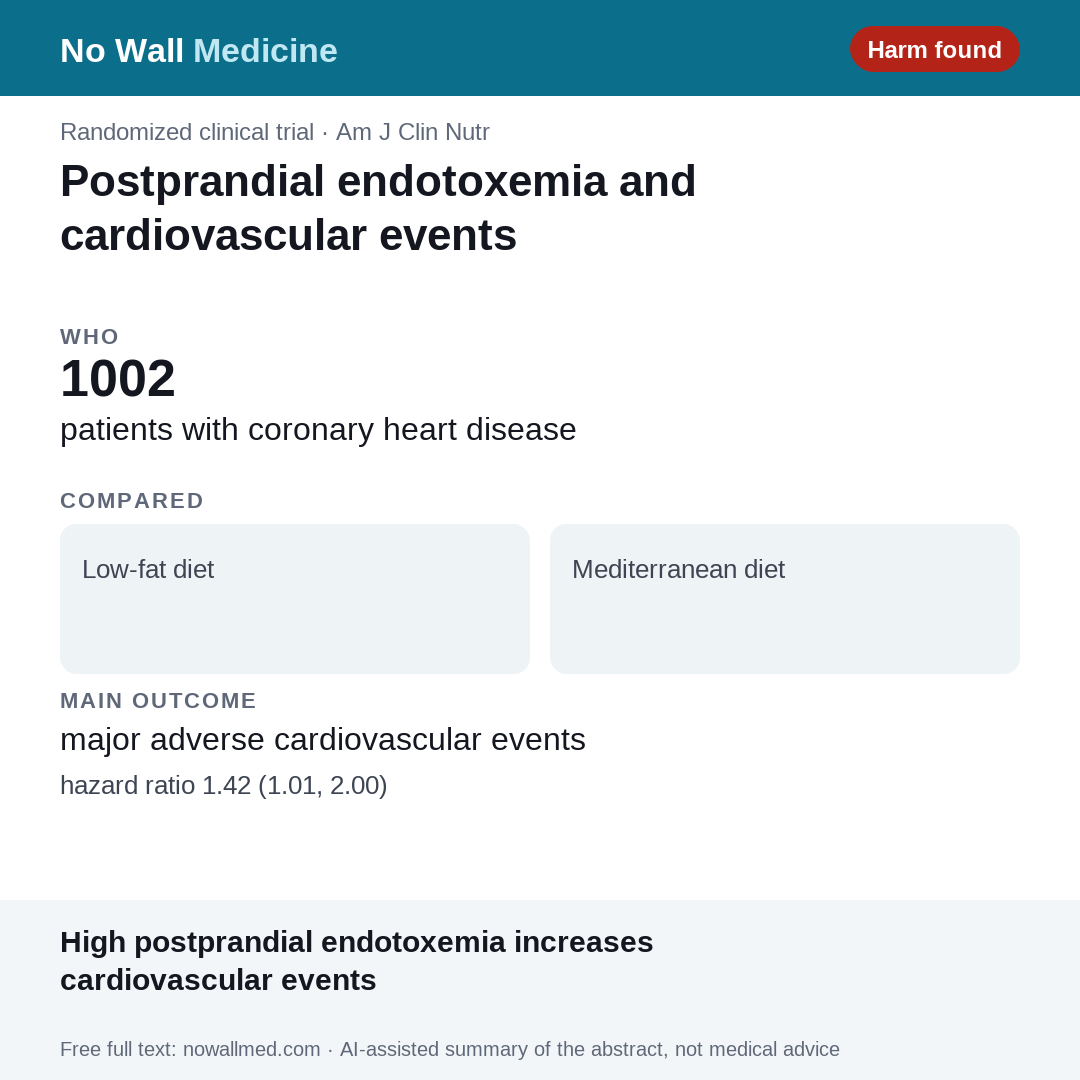
High postprandial endotoxemia is associated with recurrence of cardiovascular events in patients with coronary heart disease: from the CORDIOPREV randomized clinical trial
Randomized clinical trialHarm found
Postprandial endotoxemia and cardiovascular events
Who
1002
patients with coronary heart disease
Compared
Low-fat diet
Mediterranean diet
Main outcome
major adverse cardiovascular events
Result: hazard ratio 1.42 (1.01, 2.00)
Bottom line: High postprandial endotoxemia increases cardiovascular events
Am J Clin Nutr · 2026-06-08Download image
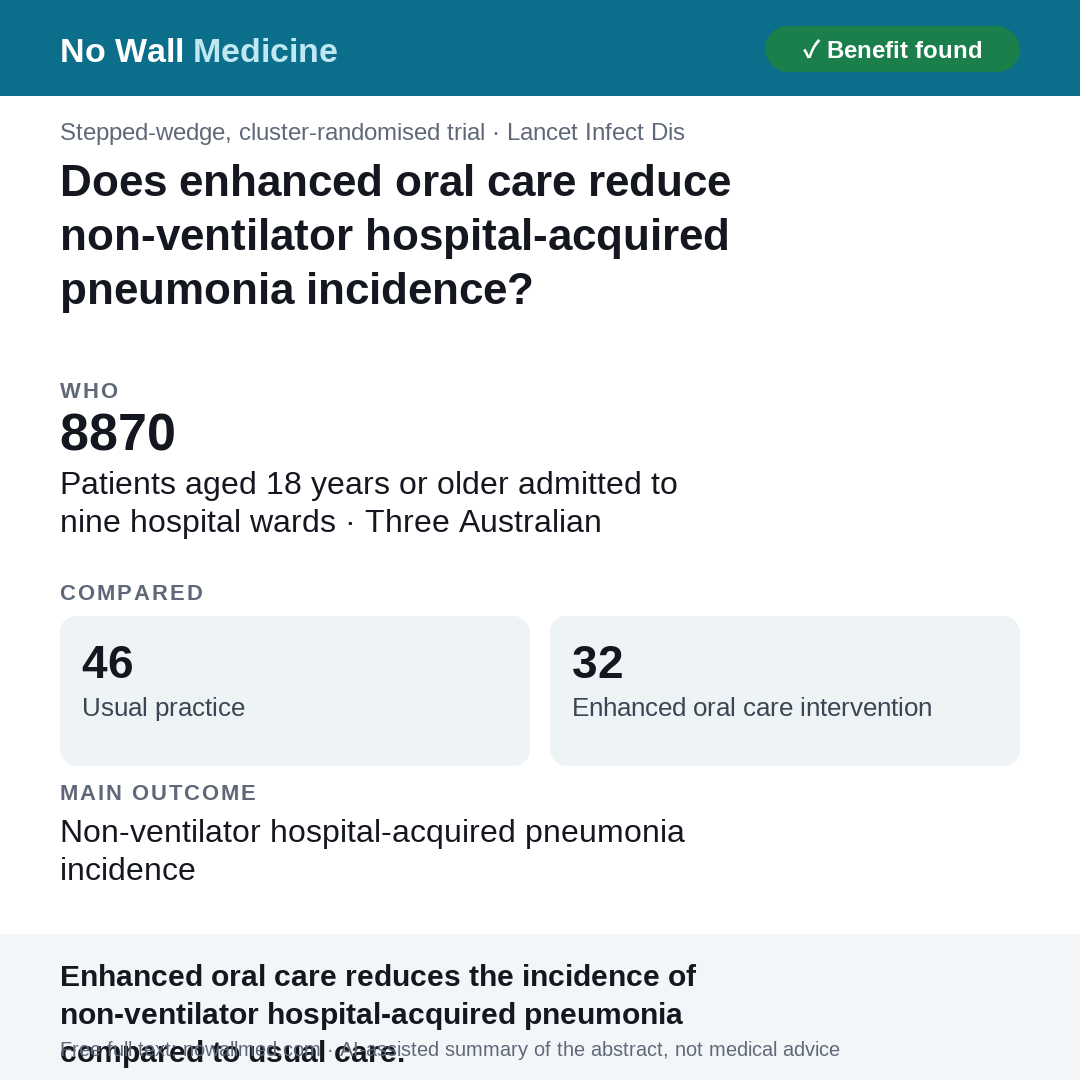
Effectiveness of oral care for the prevention of non-ventilator hospital-acquired pneumonia (HAPPEN): a multicentre, stepped-wedge, cluster-randomised trial in Australia
Stepped-wedge, cluster-randomised trialBenefit found
Does enhanced oral care reduce non-ventilator hospital-acquired pneumonia incidence?
Who
8870
Patients aged 18 years or older admitted to nine hospital wards · Three Australian hospitals
Compared
46Usual practice (1.0%)
32Enhanced oral care intervention (0.7%)
Main outcome
Non-ventilator hospital-acquired pneumonia incidence
Result: hazard ratio 0.40 (95% CI 0.19-0.82)
Bottom line: Enhanced oral care reduces the incidence of non-ventilator hospital-acquired pneumonia compared to usual care.
Funded by: Medical Research Future Fund
Lancet Infect Dis · 2026-06-08Download image
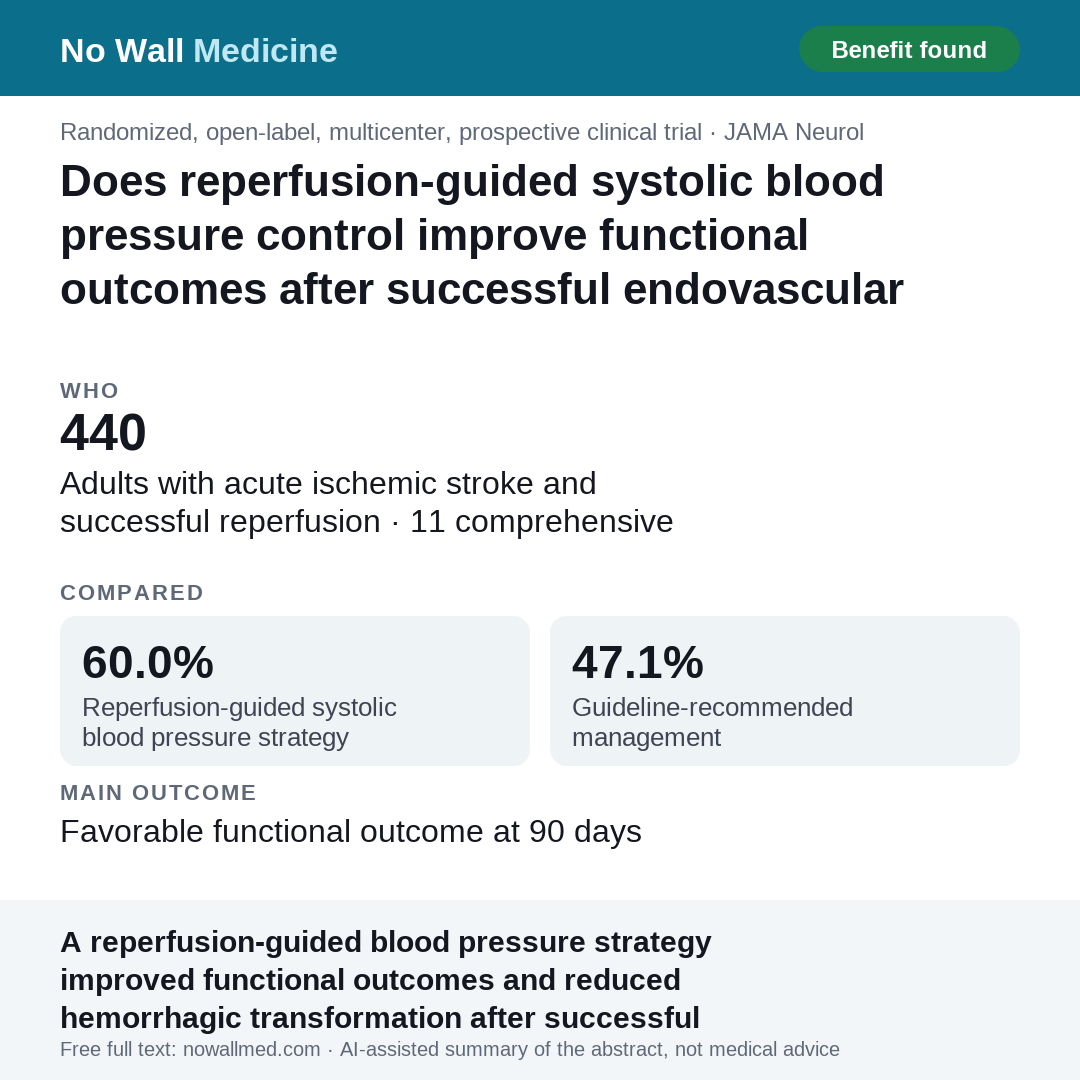
Personalized Blood Pressure Targeting After Endovascular Therapy for Acute Ischemic Stroke: A Randomized Clinical Trial
Randomized, open-label, multicenter, prospective clinical trialBenefit found
Does reperfusion-guided systolic blood pressure control improve functional outcomes after successful endovascular therapy?
Who
440
Adults with acute ischemic stroke and successful reperfusion · 11 comprehensive stroke centers in Spain
Compared
60.0%Reperfusion-guided systolic blood pressure strategy
47.1%Guideline-recommended management
Main outcome
Favorable functional outcome at 90 days
Result: absolute risk difference, 13.3%; 95% CI, 4.1%-22.6%
Bottom line: A reperfusion-guided blood pressure strategy improved functional outcomes and reduced hemorrhagic transformation after successful endovascular therapy.
JAMA Neurol · 2026-06-08Download image
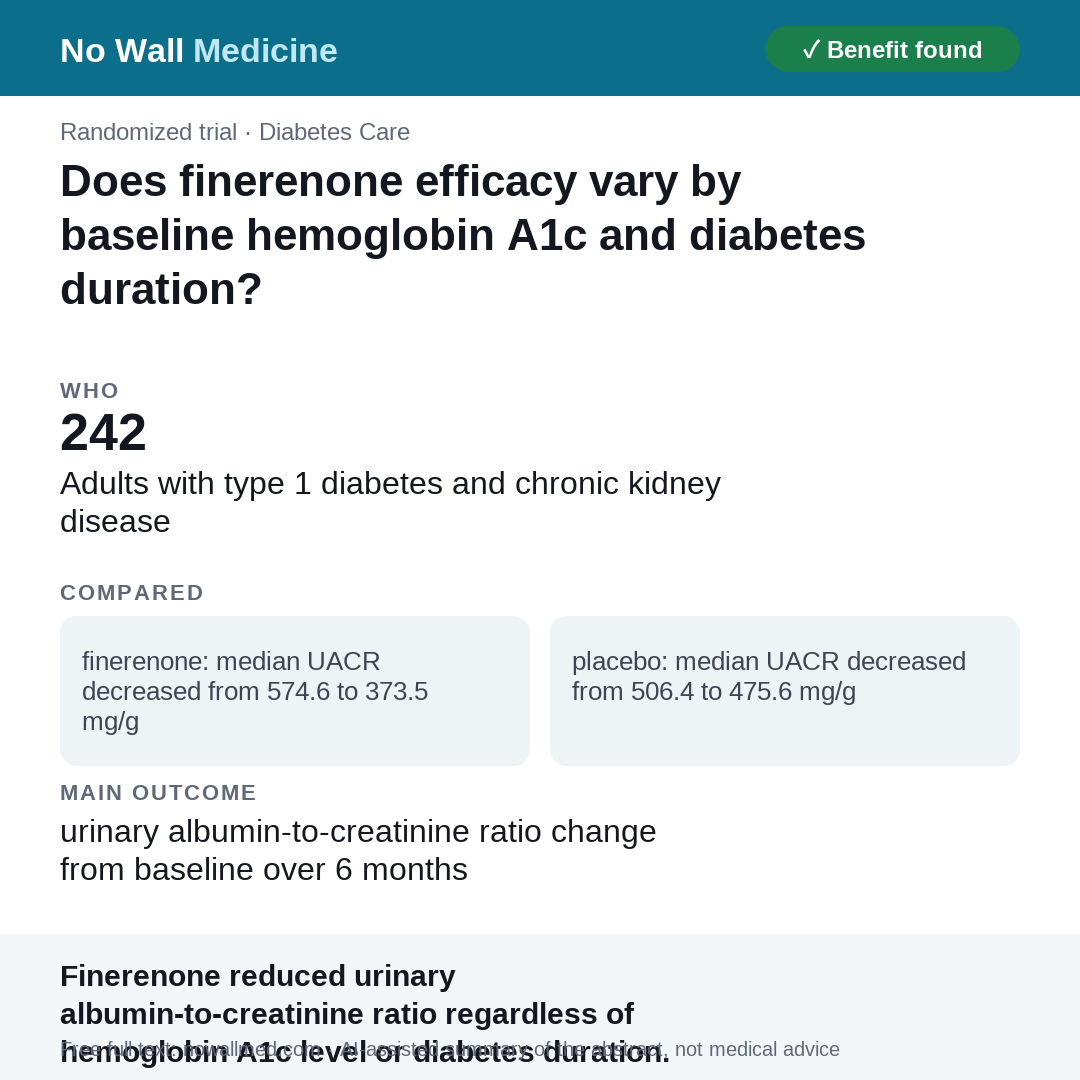
Effect of Finerenone on Albuminuria in Type 1 Diabetes by Baseline HbA1c Level and Diabetes Duration: An Exploratory Analysis of the FINE-ONE Trial
Randomized trialBenefit found
Does finerenone efficacy vary by baseline hemoglobin A1c and diabetes duration?
Who
242
Adults with type 1 diabetes and chronic kidney disease
Compared
finerenone: median UACR decreased from 574.6 to 373.5 mg/g
placebo: median UACR decreased from 506.4 to 475.6 mg/g
Main outcome
urinary albumin-to-creatinine ratio change from baseline over 6 months
Result: -25% placebo-corrected change (95% CI -35%, -13%; P = 0.0001)
Bottom line: Finerenone reduced urinary albumin-to-creatinine ratio regardless of hemoglobin A1c level or diabetes duration.
Diabetes Care · 2026-06-08Download image
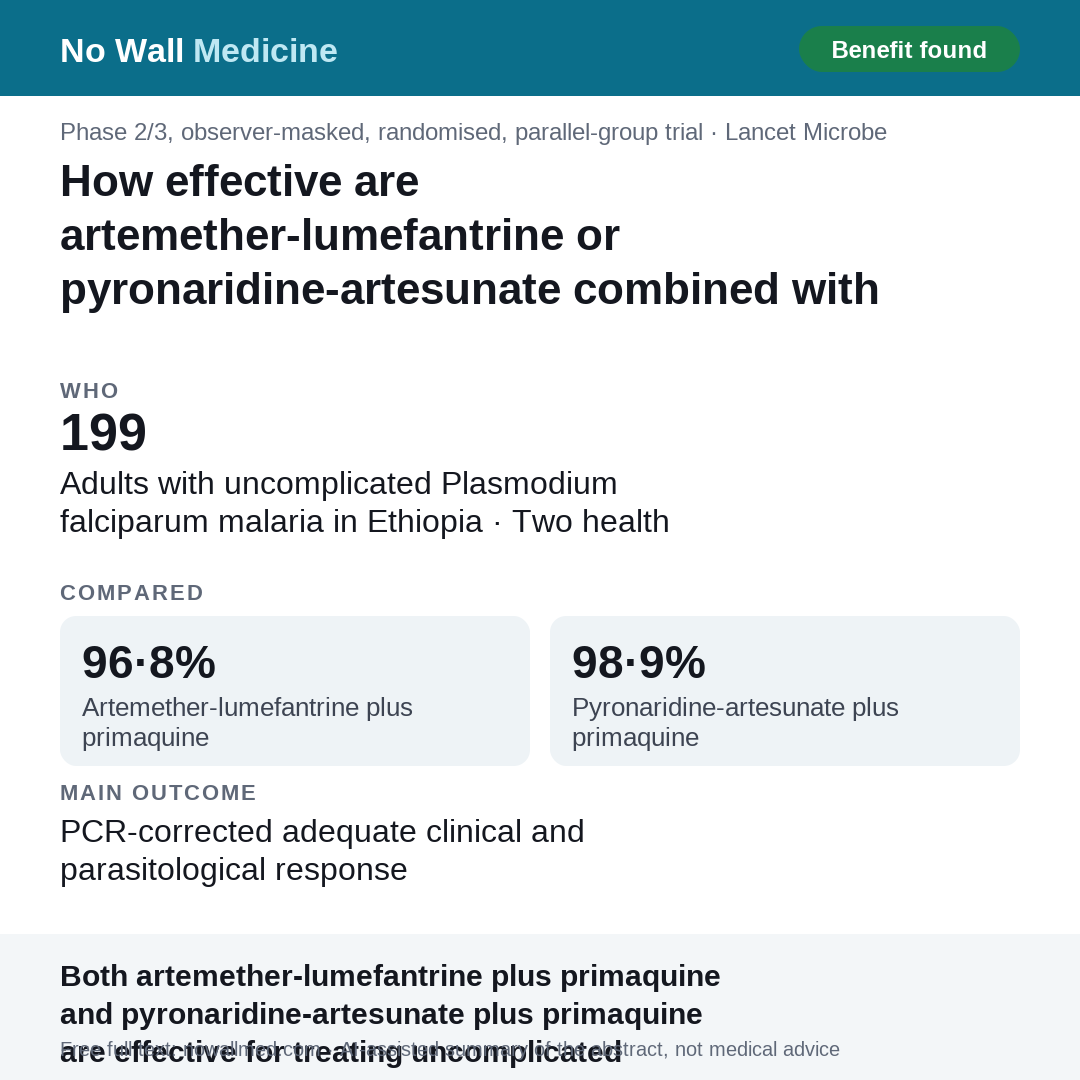
Evaluation of the effectiveness of artemether-lumefantrine and artesunate-pyronaridine each combined with single low-dose primaquine in adults with Plasmodium falciparum infection in Ethiopia: a phase 2/3, observer-masked, randomised, parallel-group trial
Phase 2/3, observer-masked, randomised, parallel-group trialBenefit found
How effective are artemether-lumefantrine or pyronaridine-artesunate combined with primaquine for uncomplicated malaria?
Who
199
Adults with uncomplicated Plasmodium falciparum malaria in Ethiopia · Two health centres in Ethiopia
Compared
96·8%Artemether-lumefantrine plus primaquine (95% CI 90·9-99·3)
98·9%Pyronaridine-artesunate plus primaquine (93·9-99·9)
Main outcome
PCR-corrected adequate clinical and parasitological response
Bottom line: Both artemether-lumefantrine plus primaquine and pyronaridine-artesunate plus primaquine are effective for treating uncomplicated Plasmodium falciparum malaria.
Funded by: US President's Malaria Initiative, Gates Foundation, and Wellcome Trust
Lancet Microbe · 2026-06-08Download image
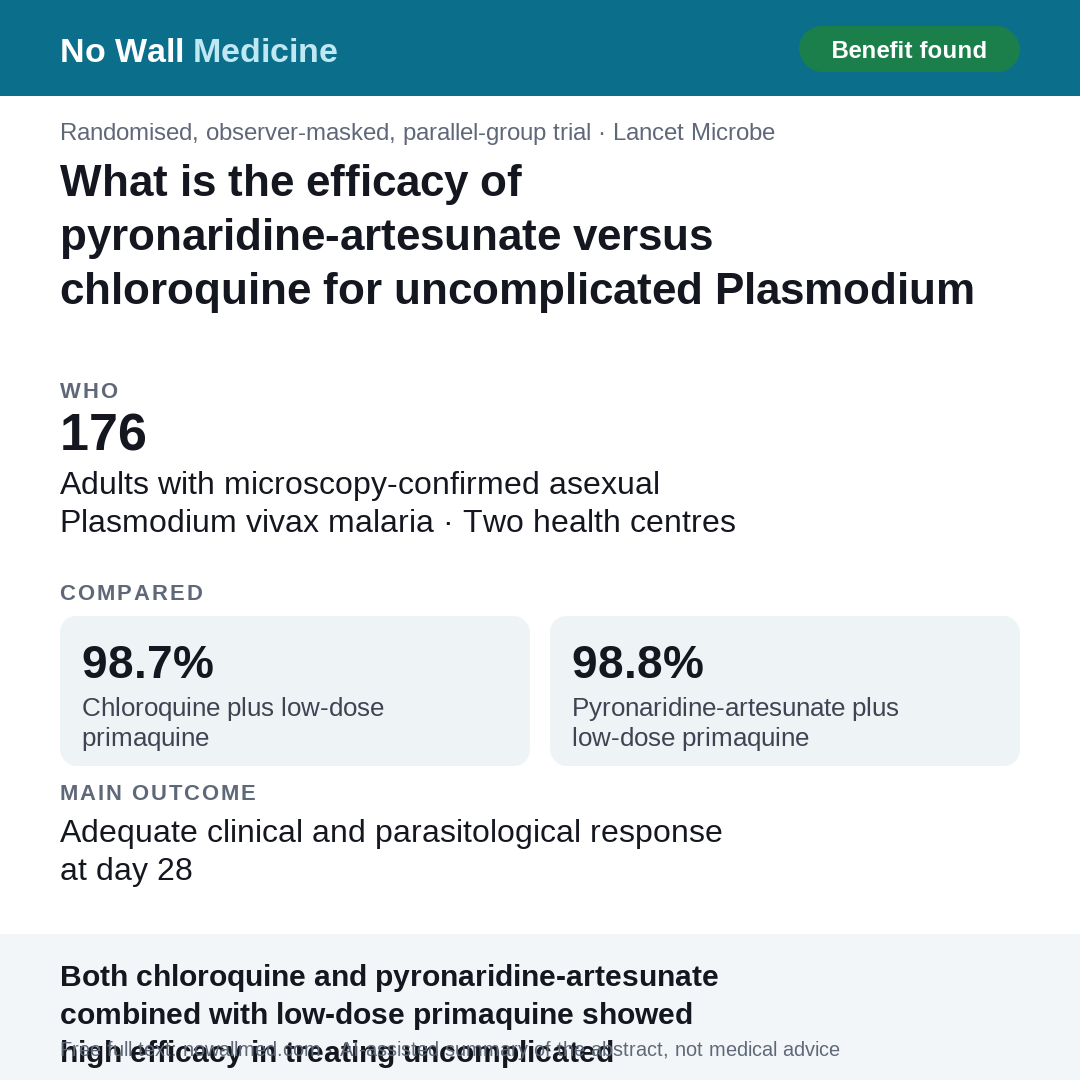
Efficacy of chloroquine plus low-dose primaquine and pyronaridine-artesunate plus low-dose primaquine against Plasmodium vivax malaria in adults and transmission to mosquitoes in Ethiopia: a phase 2/3, observer-masked, randomised, parallel-group trial
Randomised, observer-masked, parallel-group trialBenefit found
What is the efficacy of pyronaridine-artesunate versus chloroquine for uncomplicated Plasmodium vivax malaria?
Who
176
Adults with microscopy-confirmed asexual Plasmodium vivax malaria · Two health centres in Ethiopia
Compared
98.7%Chloroquine plus low-dose primaquine (78 of 79; 95% CI 91.3-99.8)
98.8%Pyronaridine-artesunate plus low-dose primaquine (82 of 83; 95% CI 91.7-99.8)
Main outcome
Adequate clinical and parasitological response at day 28
Bottom line: Both chloroquine and pyronaridine-artesunate combined with low-dose primaquine showed high efficacy in treating uncomplicated Plasmodium vivax malaria.
Lancet Microbe · 2026-06-08Download image