Visual abstracts
New randomized trials and meta-analyses from leading journals at a glance: who was studied, what was compared, and what was found. Every paper is free to read in full.
All specialtiesCardiology 2730Oncology 2304Gastroenterology & Hepatology 1049Infectious Disease 1727Neurology 1093Psychiatry & Mental Health 1261Pulmonology 1147Critical Care 754Endocrinology & Diabetes 1404Pediatrics 1601Surgery 1407Orthopedics & Sports Medicine 503Neurosurgery 334Cardiothoracic & Vascular Surgery 300Plastic & Reconstructive Surgery 404Nephrology 568Rheumatology 416Hematology 595Dermatology 321Ophthalmology 311Obstetrics & Gynecology 900Public & Global Health 498Radiology & Imaging 377Anesthesiology 546Urology 452ENT (Otolaryngology) 322Emergency Medicine 302Allergy & Immunology 175Geriatrics 579Family Medicine & Primary Care 314Medical Genetics & Genomics 308Pathology & Laboratory Medicine 85Physical Medicine & Rehabilitation 442Palliative Care 239Nutrition 735Digital Health & AI 1300General Medicine 196
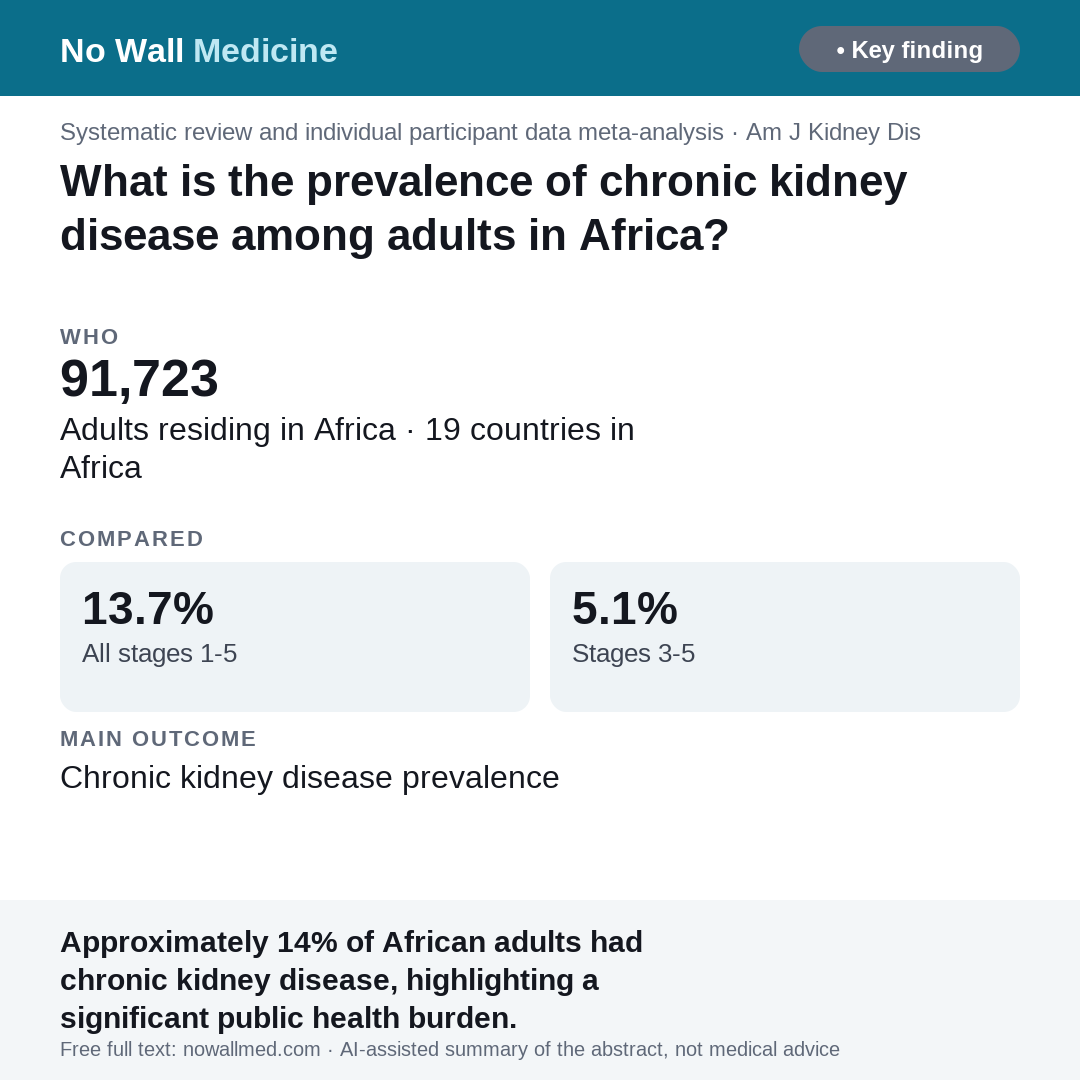
Prevalence of CKD Among Adults in Africa: A Systematic Review and Meta-Analysis
Systematic review and individual participant data meta-analysisBenefit found
What is the prevalence of chronic kidney disease among adults in Africa?
Who
91,723
Adults residing in Africa · 19 countries in Africa
Compared
13.7%All stages 1-5 (95% CI, 11.0-16.4)
5.1%Stages 3-5 (95% CI, 4.3-5.8)
Main outcome
Chronic kidney disease prevalence
Bottom line: Approximately 14% of African adults had chronic kidney disease, highlighting a significant public health burden.
Limitation: Variations in study quality, substantial heterogeneity, and gaps in geographic representation.
Am J Kidney Dis · 2026-04-28Download image
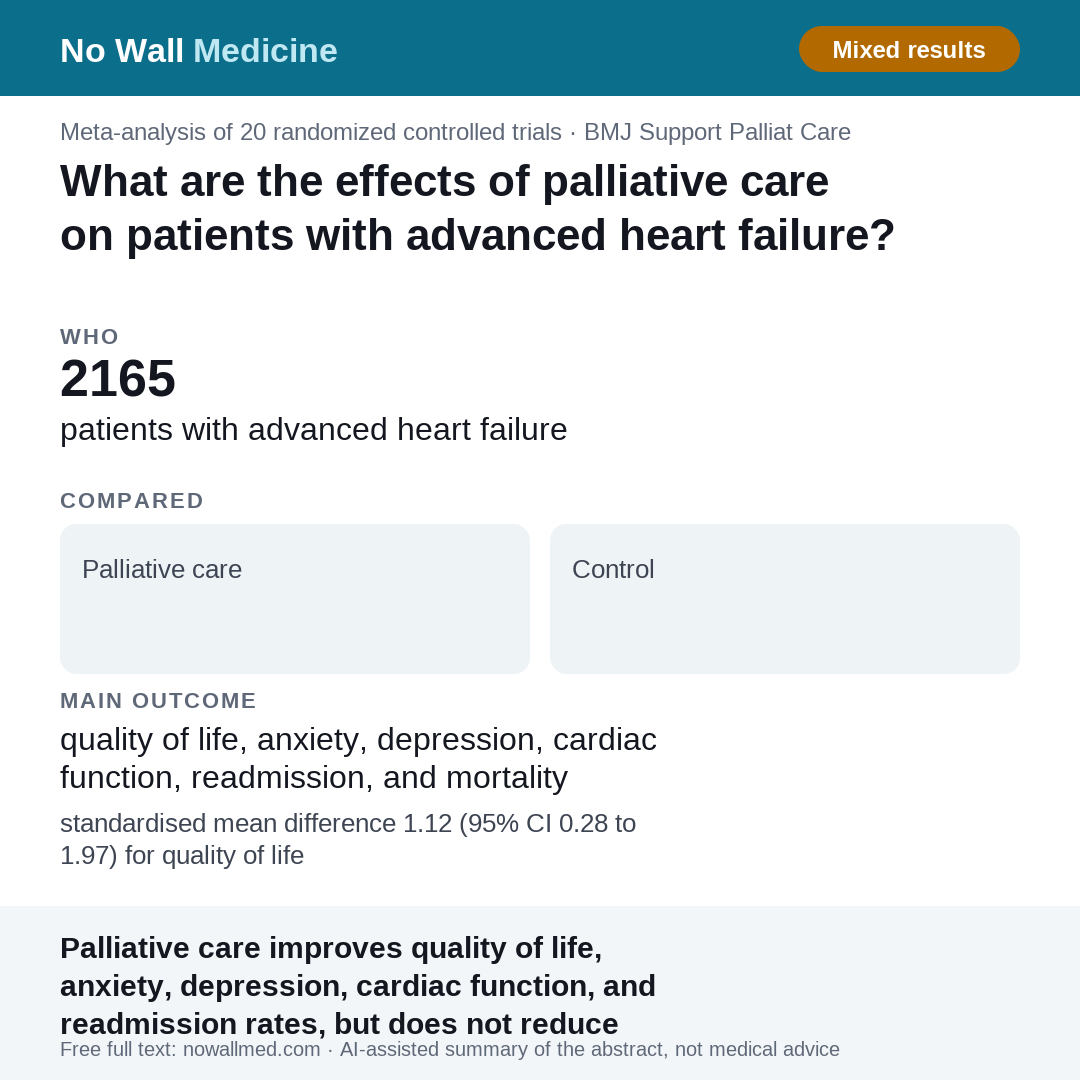
Palliative care in advanced heart failure: systematic review and meta-analysis
Meta-analysis of 20 randomized controlled trialsMixed results
What are the effects of palliative care on patients with advanced heart failure?
Who
2165
patients with advanced heart failure
Compared
Palliative care
Control
Main outcome
quality of life, anxiety, depression, cardiac function, readmission, and mortality
Result: standardised mean difference 1.12 (95% CI 0.28 to 1.97) for quality of life
Bottom line: Palliative care improves quality of life, anxiety, depression, cardiac function, and readmission rates, but does not reduce mortality.
Limitation: The certainty of evidence across the outcomes ranged from low to moderate.
BMJ Support Palliat Care · 2026-04-28Download image
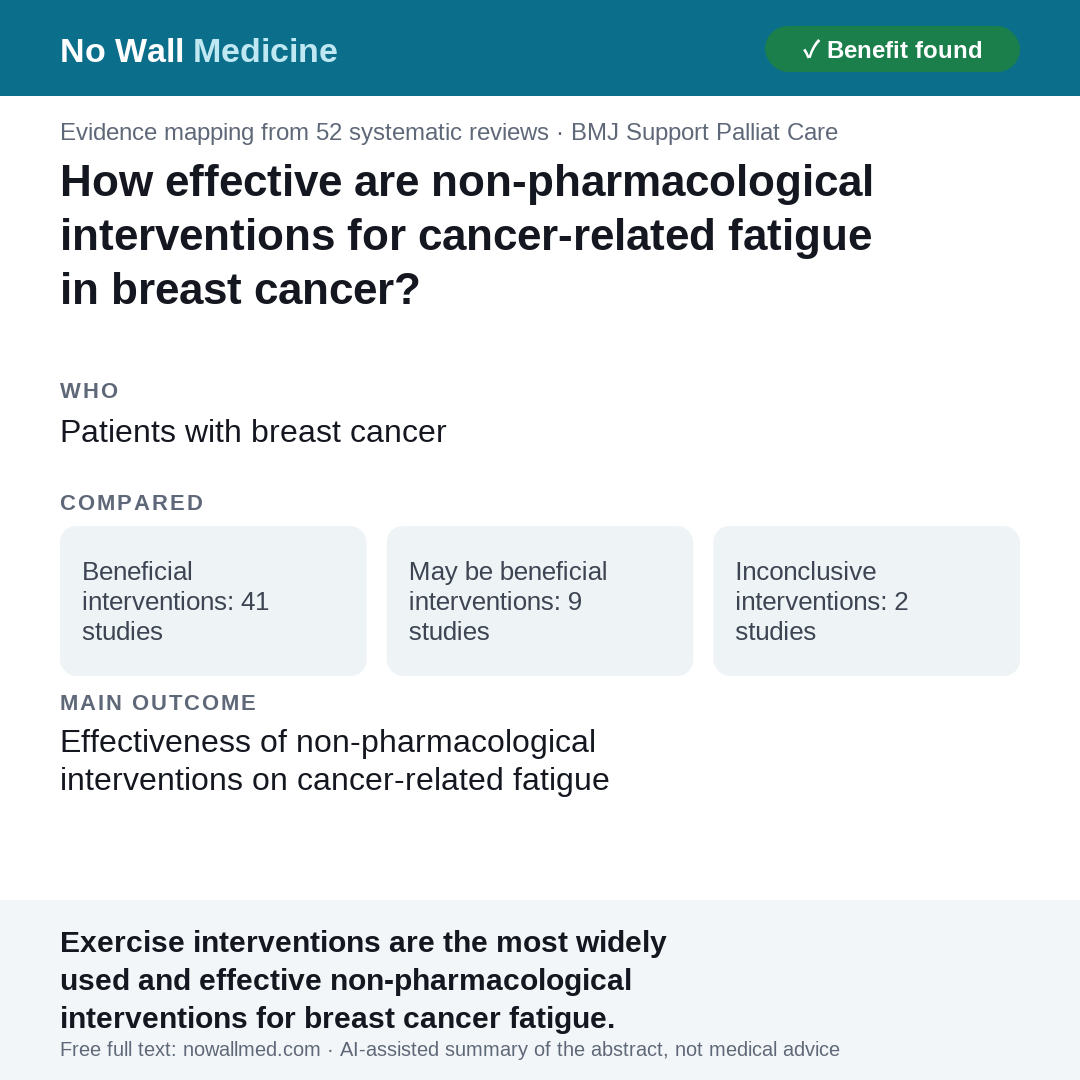
Exercise and mind-body therapies for fatigue in breast cancer: evidence mapping from systematic reviews
Evidence mapping from 52 systematic reviewsBenefit found
How effective are non-pharmacological interventions for cancer-related fatigue in breast cancer?
Who
Patients with breast cancer
Compared
Beneficial interventions: 41 studies
May be beneficial interventions: 9 studies
Inconclusive interventions: 2 studies
Main outcome
Effectiveness of non-pharmacological interventions on cancer-related fatigue
Bottom line: Exercise interventions are the most widely used and effective non-pharmacological interventions for breast cancer fatigue.
Limitation: Need for more large-sample, high-quality, prospective randomised trials and systematic reviews.
BMJ Support Palliat Care · 2026-04-28Download image
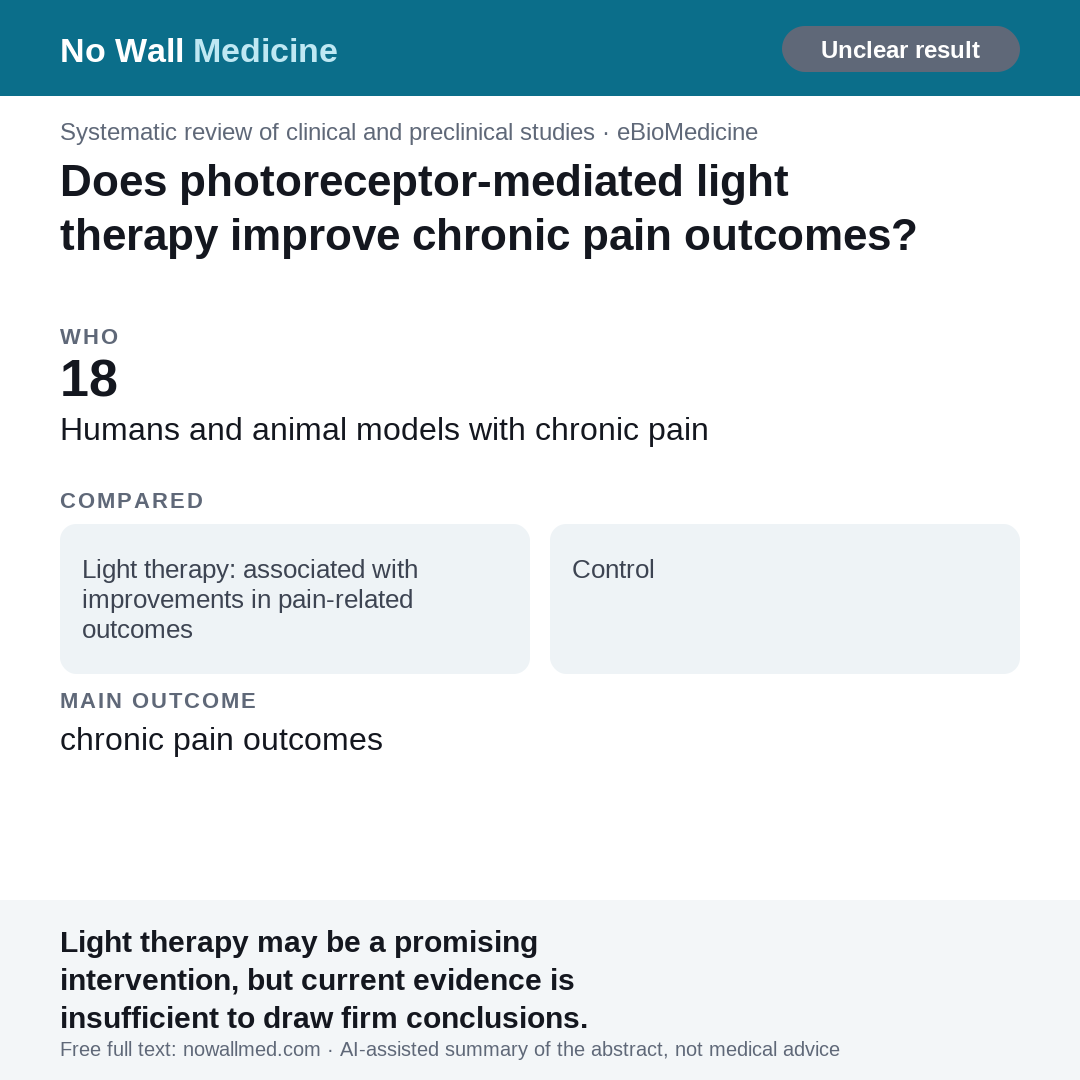
Shedding light on pain management: a translational systematic review of light therapy for the treatment of chronic pain
Systematic review of clinical and preclinical studiesUnclear result
Does photoreceptor-mediated light therapy improve chronic pain outcomes?
Who
18
Humans and animal models with chronic pain
Compared
Light therapy: associated with improvements in pain-related outcomes
Control
Main outcome
chronic pain outcomes
Bottom line: Light therapy may be a promising intervention, but current evidence is insufficient to draw firm conclusions.
Limitation: Methodological heterogeneity, unclear risk of bias in preclinical studies, and incomplete circadian rhythm assessment.
Funded by: Canadian Institutes of Health Research
eBioMedicine · 2026-04-28Download image
Respiratory tract diseases and lung function in coke oven plant workers: a 50-year global systematic evaluation and meta-analysis
Systematic review and meta-analysis of 38 studiesHarm found
Do coke oven emissions increase respiratory diseases, lung function issues, and mortality?
Who
38
Coke production workers · Global
Compared
Exposed to coke oven emissions
Comparator
Main outcome
Respiratory diseases, lung function, lung cancer, and mortality
Bottom line: Exposure to coke oven emissions is significantly associated with higher mortality and respiratory disease risks.
Limitation: Significant heterogeneity across studies with an I-squared value of 98.9%
Respir Res · 2026-04-28Download image

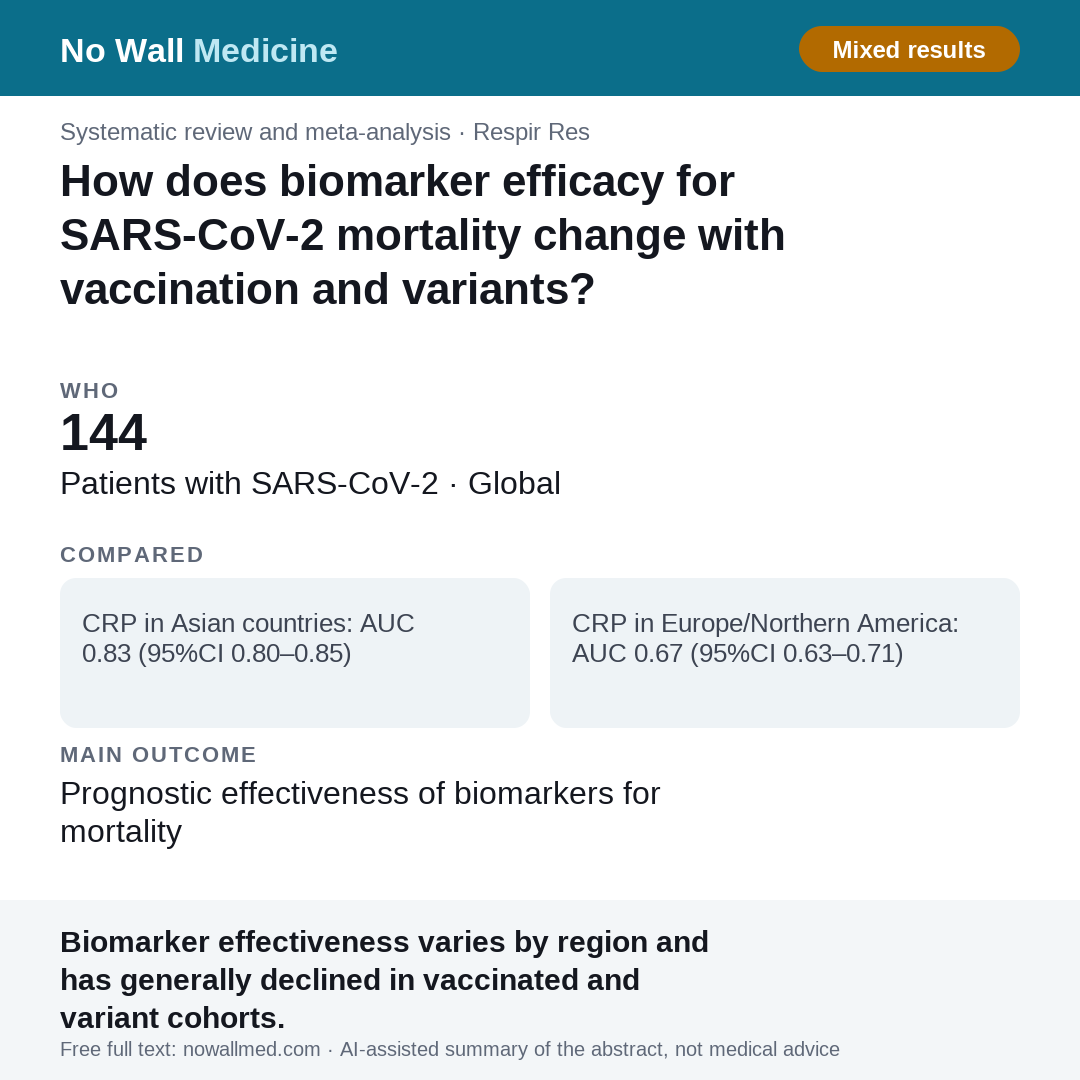
Tracking the evolution of biomarker efficacy in SARS-CoV-2: a global meta-analyses series
Systematic review and meta-analysisMixed results
How does biomarker efficacy for SARS-CoV-2 mortality change with vaccination and variants?
Who
144
Patients with SARS-CoV-2 · Global
Compared
CRP in Asian countries: AUC 0.83 (95%CI 0.80–0.85)
CRP in Europe/Northern America: AUC 0.67 (95%CI 0.63–0.71)
Main outcome
Prognostic effectiveness of biomarkers for mortality
Bottom line: Biomarker effectiveness varies by region and has generally declined in vaccinated and variant cohorts.
Respir Res · 2026-04-28Download image
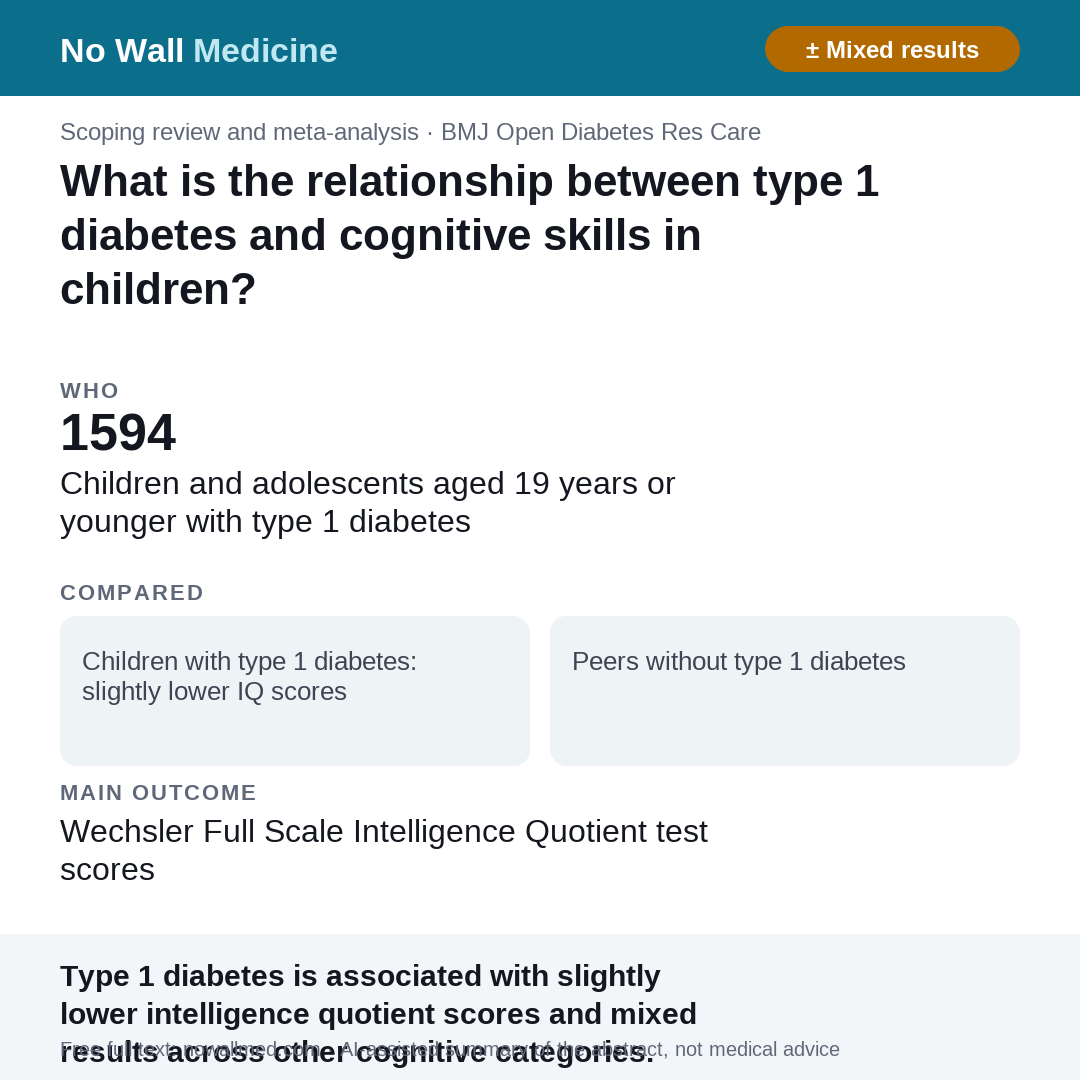
Cognitive skills in children and adolescents with type 1 diabetes: a scoping review and meta-analysis
Scoping review and meta-analysisMixed results
What is the relationship between type 1 diabetes and cognitive skills in children?
Who
1594
Children and adolescents aged 19 years or younger with type 1 diabetes
Compared
Children with type 1 diabetes: slightly lower IQ scores
Peers without type 1 diabetes
Main outcome
Wechsler Full Scale Intelligence Quotient test scores
Result: mean difference -3.49 (95% CI -6.16 to -0.82)
Bottom line: Type 1 diabetes is associated with slightly lower intelligence quotient scores and mixed results across other cognitive categories.
BMJ Open Diabetes Res Care · 2026-04-28Download image
Media Exposure and Its Association With Vaccine Attitudes, Intentions, and Hesitancy: Systematic Review
Systematic reviewBenefit found
How do communication channels associate with vaccine hesitancy and adherence?
Who
Adults in peer-reviewed studies · Global
Compared
Adaptive public health campaigns: 8% weekly increase in uptake
Controls
Main outcome
Vaccine hesitancy and adherence
Result: relative risk 1.08 (95% CI 1.01-1.15)
Bottom line: Tailored communication via radio, web, and social media can significantly improve vaccine acceptance and adherence.
Limitation: The review advocates for longitudinal research to establish definitive causal links.
J Med Internet Res · 2026-04-28Download image

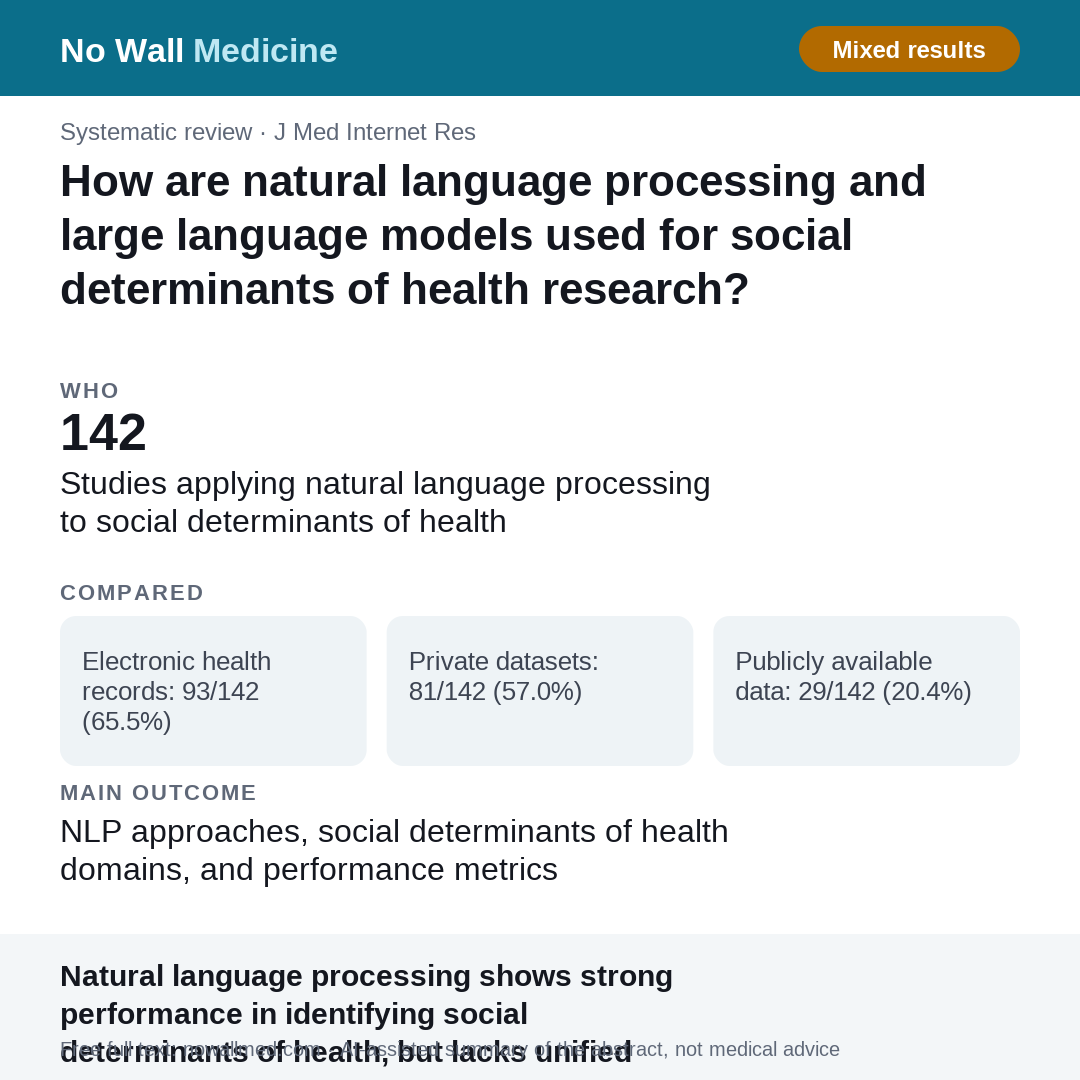
Applications of Natural Language Processing and Large Language Models for Social Determinants of Health: Systematic Review
Systematic reviewMixed results
How are natural language processing and large language models used for social determinants of health research?
Who
142
Studies applying natural language processing to social determinants of health
Compared
Electronic health records: 93/142 (65.5%)
Private datasets: 81/142 (57.0%)
Publicly available data: 29/142 (20.4%)
Main outcome
NLP approaches, social determinants of health domains, and performance metrics
Bottom line: Natural language processing shows strong performance in identifying social determinants of health, but lacks unified frameworks and public benchmarks.
Limitation: Methodological heterogeneity, limited code sharing, and unclear model interpretability or reproducibility practices.
J Med Internet Res · 2026-04-28Download image
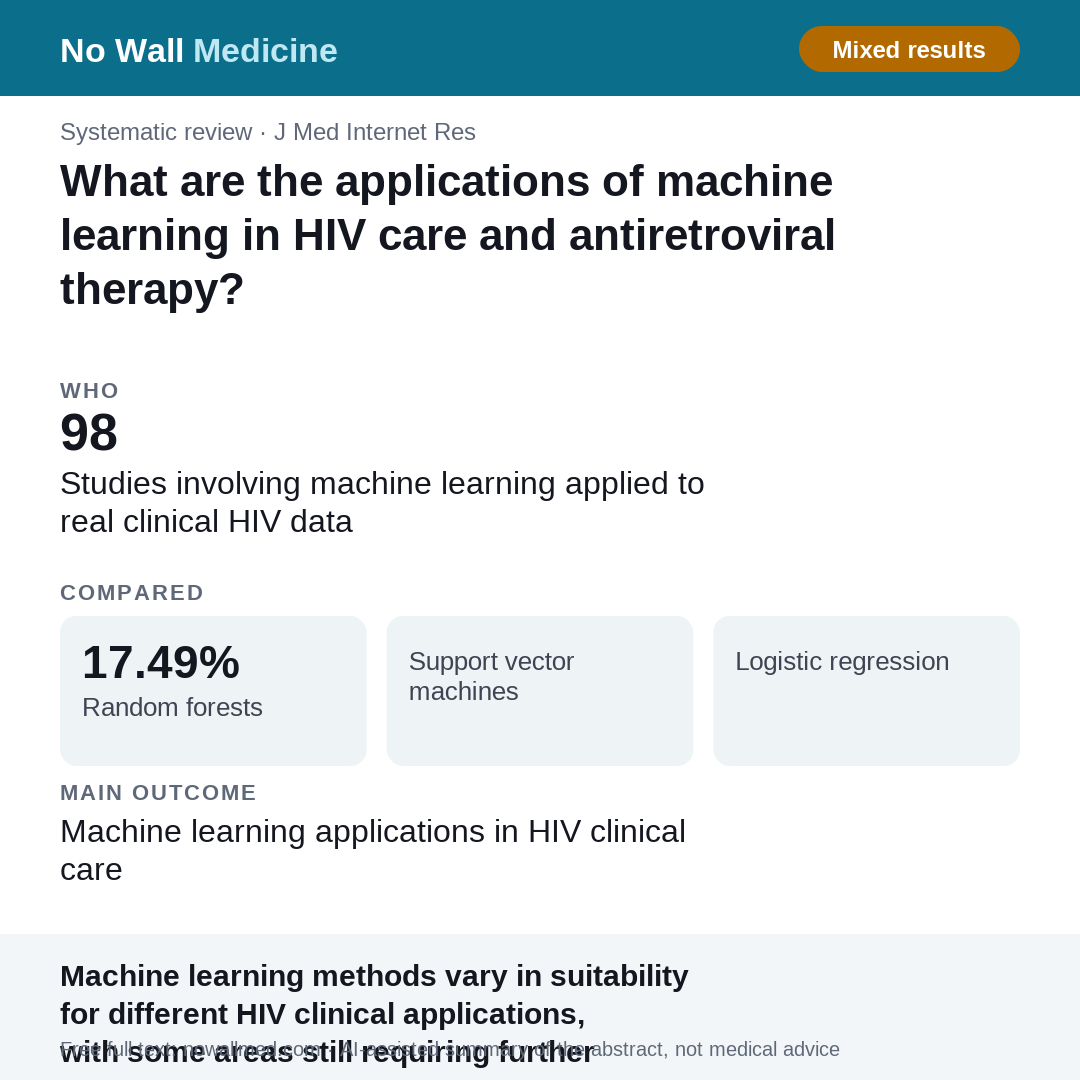
Machine Learning in HIV Care and Antiretroviral Therapy: Systematic Review
Systematic reviewMixed results
What are the applications of machine learning in HIV care and antiretroviral therapy?
Who
98
Studies involving machine learning applied to real clinical HIV data
Compared
17.49%Random forests (43/247)
Support vector machines
Logistic regression
Main outcome
Machine learning applications in HIV clinical care
Bottom line: Machine learning methods vary in suitability for different HIV clinical applications, with some areas still requiring further exploration.
Limitation: Some areas like treatment recommendations and adherence still lack artificial intelligence algorithms.
J Med Internet Res · 2026-04-28Download image
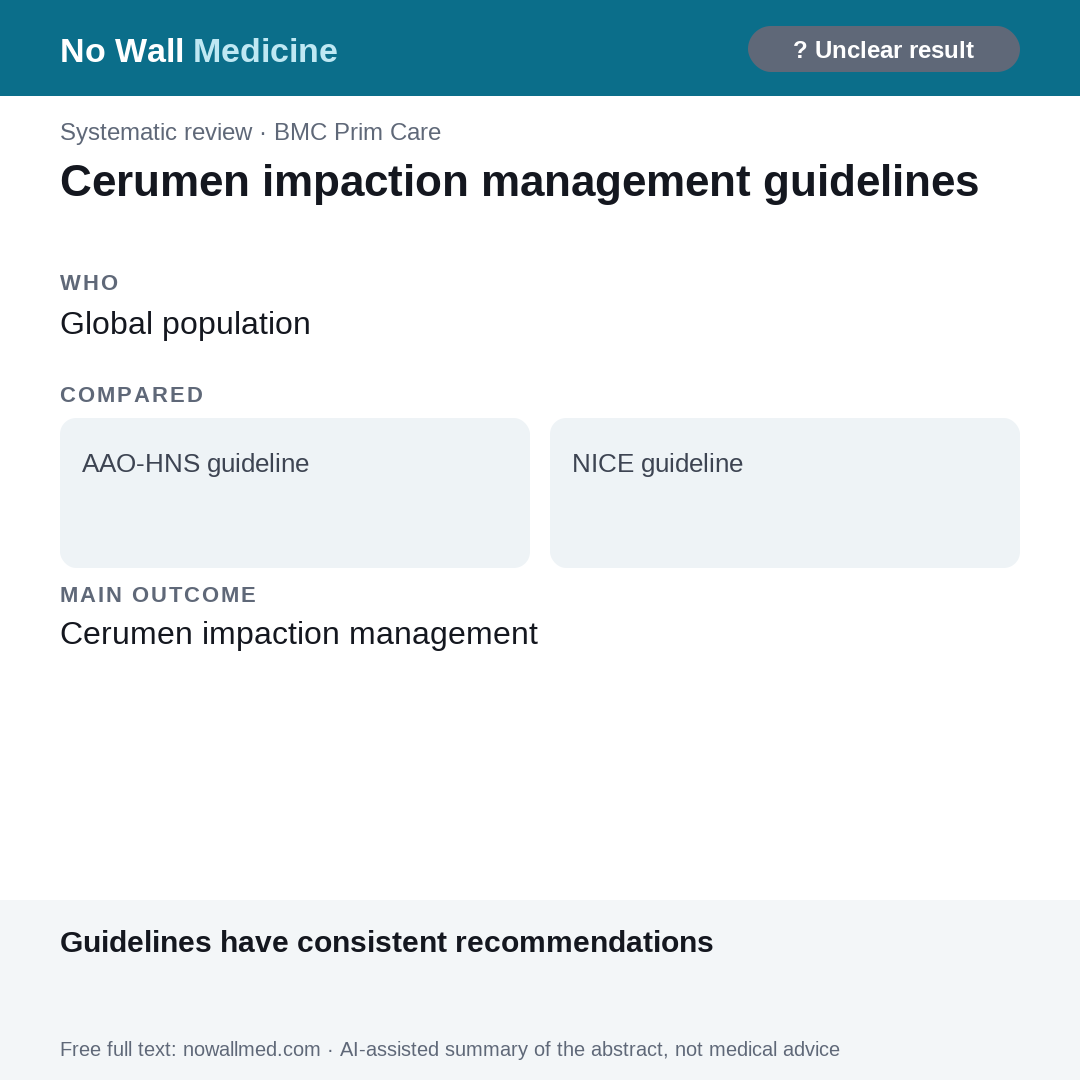
Unpacking cerumen impaction: a systematic review of clinical practice guidelines to support the development of the world health organization package of ear and hearing care interventions
Systematic reviewUnclear result
Cerumen impaction management guidelines
Who
Global population
Compared
AAO-HNS guideline
NICE guideline
Main outcome
Cerumen impaction management
Bottom line: Guidelines have consistent recommendations
BMC Prim Care · 2026-04-28Download image
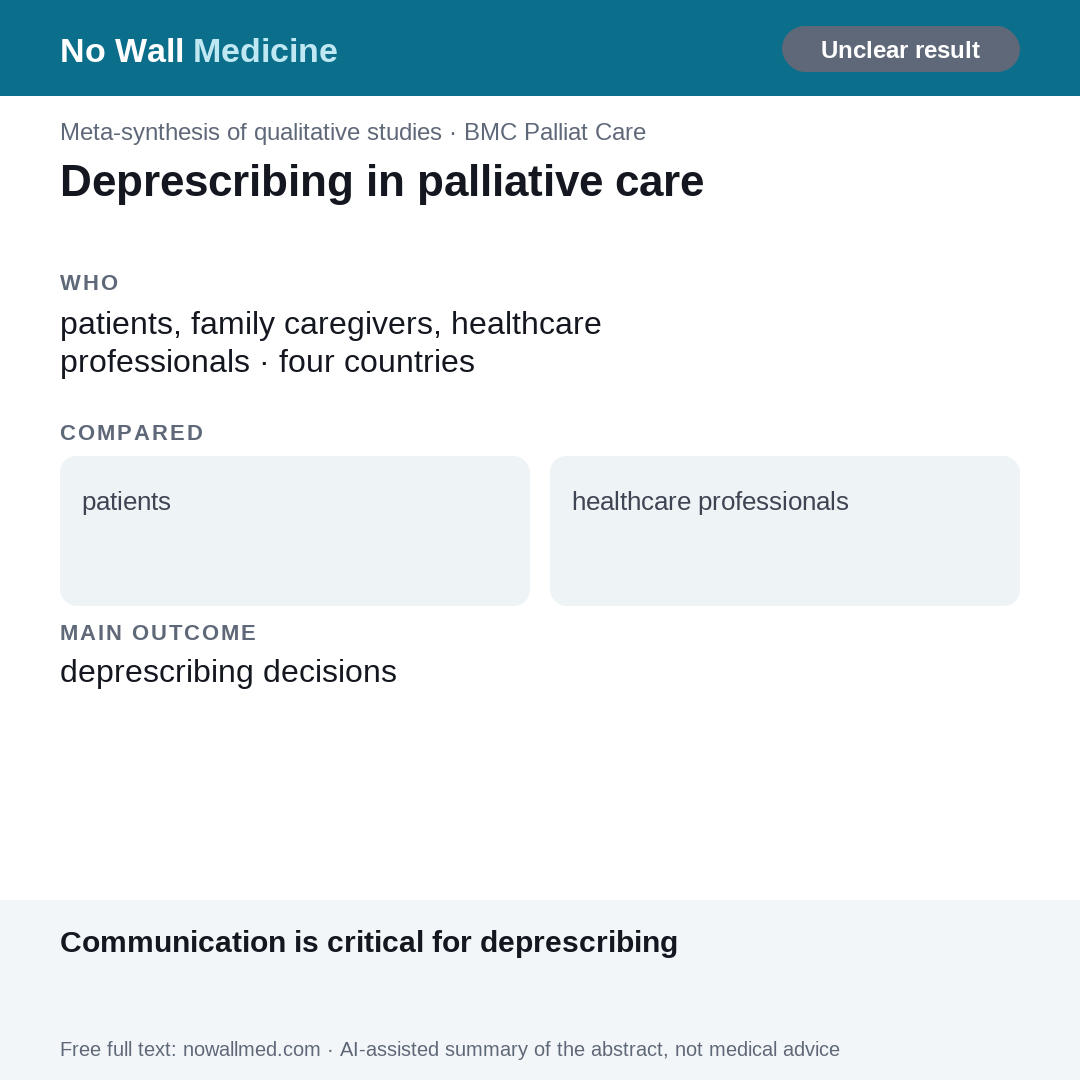
Deprescribing decisions in palliative care: a qualitative meta-synthesis of multi-stakeholder experiences and influencing factors
Meta-synthesis of qualitative studiesUnclear result
Deprescribing in palliative care
Who
patients, family caregivers, healthcare professionals · four countries
Compared
patients
healthcare professionals
Main outcome
deprescribing decisions
Bottom line: Communication is critical for deprescribing
BMC Palliat Care · 2026-04-28Download image
Anticipatory charging of the defibrillator: a systematic review
Systematic reviewMixed results
Does anticipatory defibrillator charging improve patient outcomes and resuscitation performance?
Who
Patients and simulation participants in cardiac arrest · MEDLINE, EMBASE, and Cochrane library
Compared
Anticipatory charging: consistently reduced pre-shock and peri-shock pauses
Charging after rhythm analysis
Main outcome
Patient outcomes and resuscitation performance
Bottom line: Anticipatory charging reduces chest compression interruptions but its impact on survival and neurological outcomes remains uncertain.
Limitation: Very low certainty of evidence due to high risk of bias and indirectness.
Resusc Plus · 2026-04-28Download image

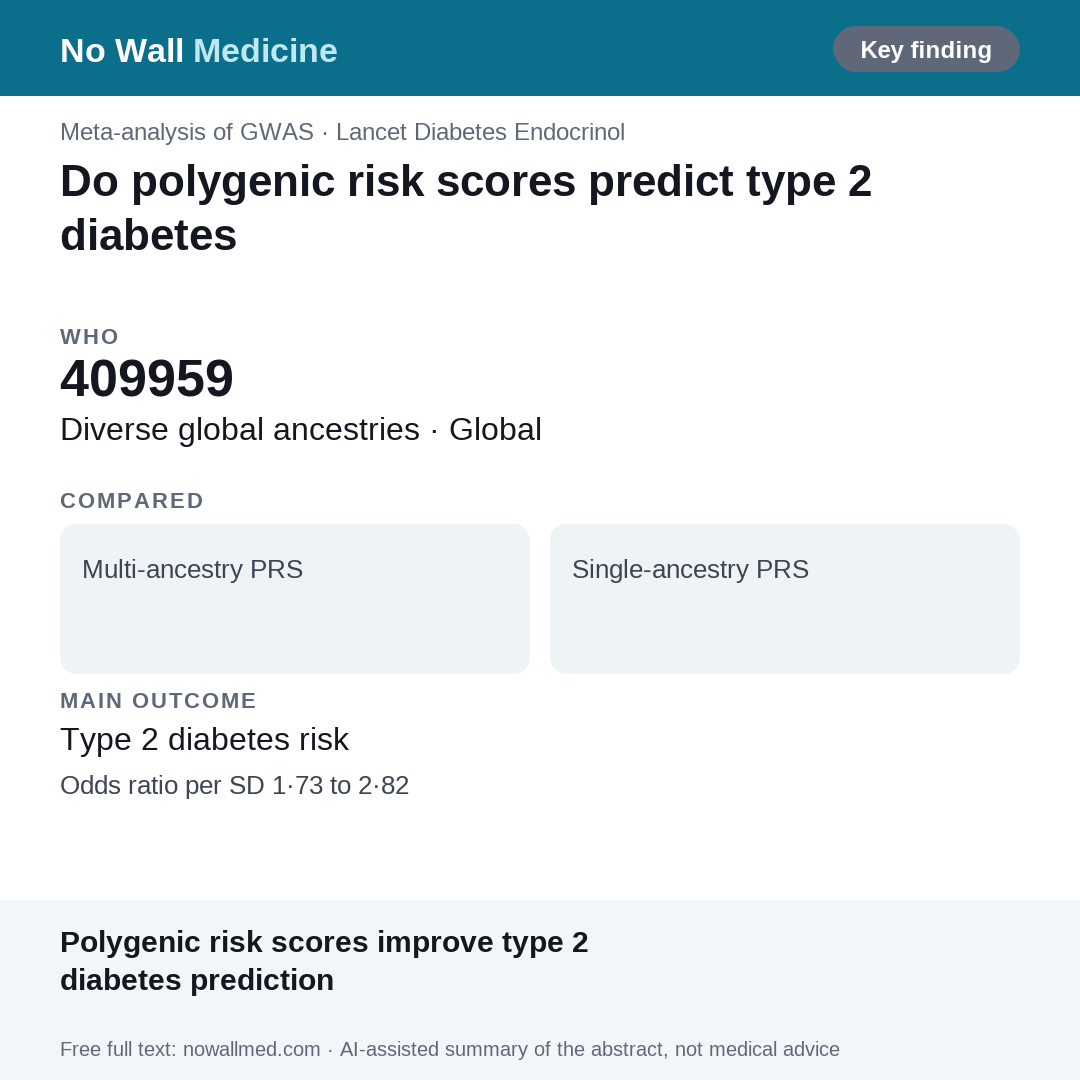
Multi-ancestry polygenic risk scores for the prediction of type 2 diabetes and complications in diverse ancestries
Meta-analysis of GWASBenefit found
Do polygenic risk scores predict type 2 diabetes
Who
409959
Diverse global ancestries · Global
Compared
Multi-ancestry PRS
Single-ancestry PRS
Main outcome
Type 2 diabetes risk
Result: Odds ratio per SD 1·73 to 2·82
Bottom line: Polygenic risk scores improve type 2 diabetes prediction
Limitation: Poor performance in non-European populations
Funded by: National Human Genome Research Institute
Lancet Diabetes Endocrinol · 2026-04-27Download image
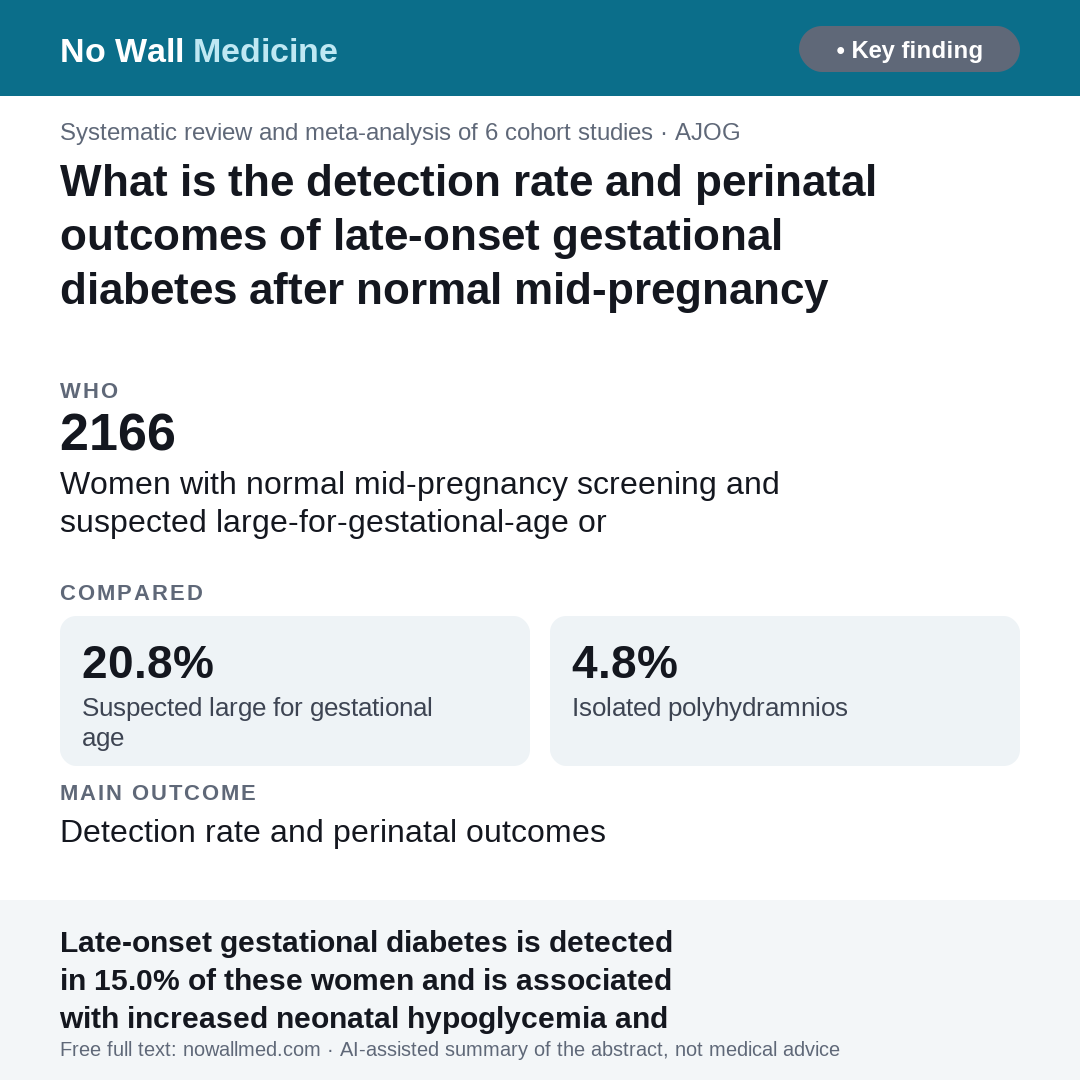
Late-onset diagnosis of gestational diabetes after normal mid-pregnancy screening in women with large for gestational age or polyhydramnios: a systematic review and meta-analysis
Systematic review and meta-analysis of 6 cohort studiesHarm found
What is the detection rate and perinatal outcomes of late-onset gestational diabetes after normal mid-pregnancy screening?
Who
2166
Women with normal mid-pregnancy screening and suspected large-for-gestational-age or polyhydramnios
Compared
20.8%Suspected large for gestational age (95% confidence interval, 17.4%-24.6%)
4.8%Isolated polyhydramnios (95% confidence interval, 2.0%-10.8%)
Main outcome
Detection rate and perinatal outcomes
Result: pooled detection rate 15.0% (95% confidence interval, 9.9%-21.0%)
Bottom line: Late-onset gestational diabetes is detected in 15.0% of these women and is associated with increased neonatal hypoglycemia and cesarean delivery.
AJOG · 2026-04-27Download image
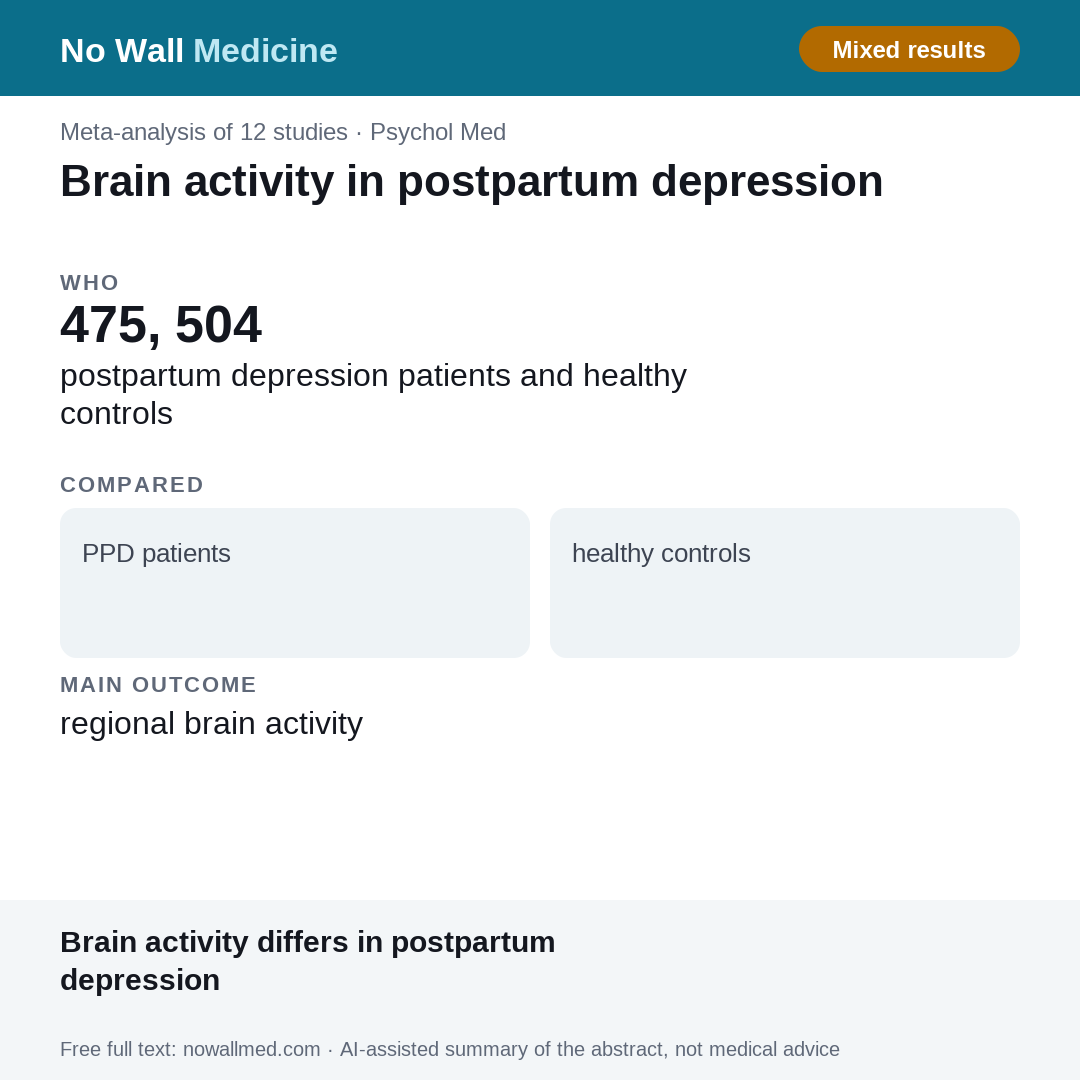
Intrinsic regional brain activity differences and its relationship with neurotransmitter and gene expression in postpartum depression: a voxel-based meta-analysis
Meta-analysis of 12 studiesMixed results
Brain activity in postpartum depression
Who
475, 504
postpartum depression patients and healthy controls
Compared
PPD patients
healthy controls
Main outcome
regional brain activity
Bottom line: Brain activity differs in postpartum depression
Psychol Med · 2026-04-27Download image
Cognitive performance in offspring of parents with severe mental illness: a meta-analysis
Meta-analysis of 109 studiesHarm found
Does parental severe mental illness associate with offspring cognitive and academic performance?
Who
1,586,339
Offspring of parents with schizophrenia, bipolar disorder, or major depressive disorder
Compared
Offspring of parents with severe mental illnesses
Controls
Main outcome
Cognitive and academic performance
Bottom line: Offspring of parents with schizophrenia or bipolar disorder are at increased risk of cognitive difficulties.
Psychol Med · 2026-04-27Download image

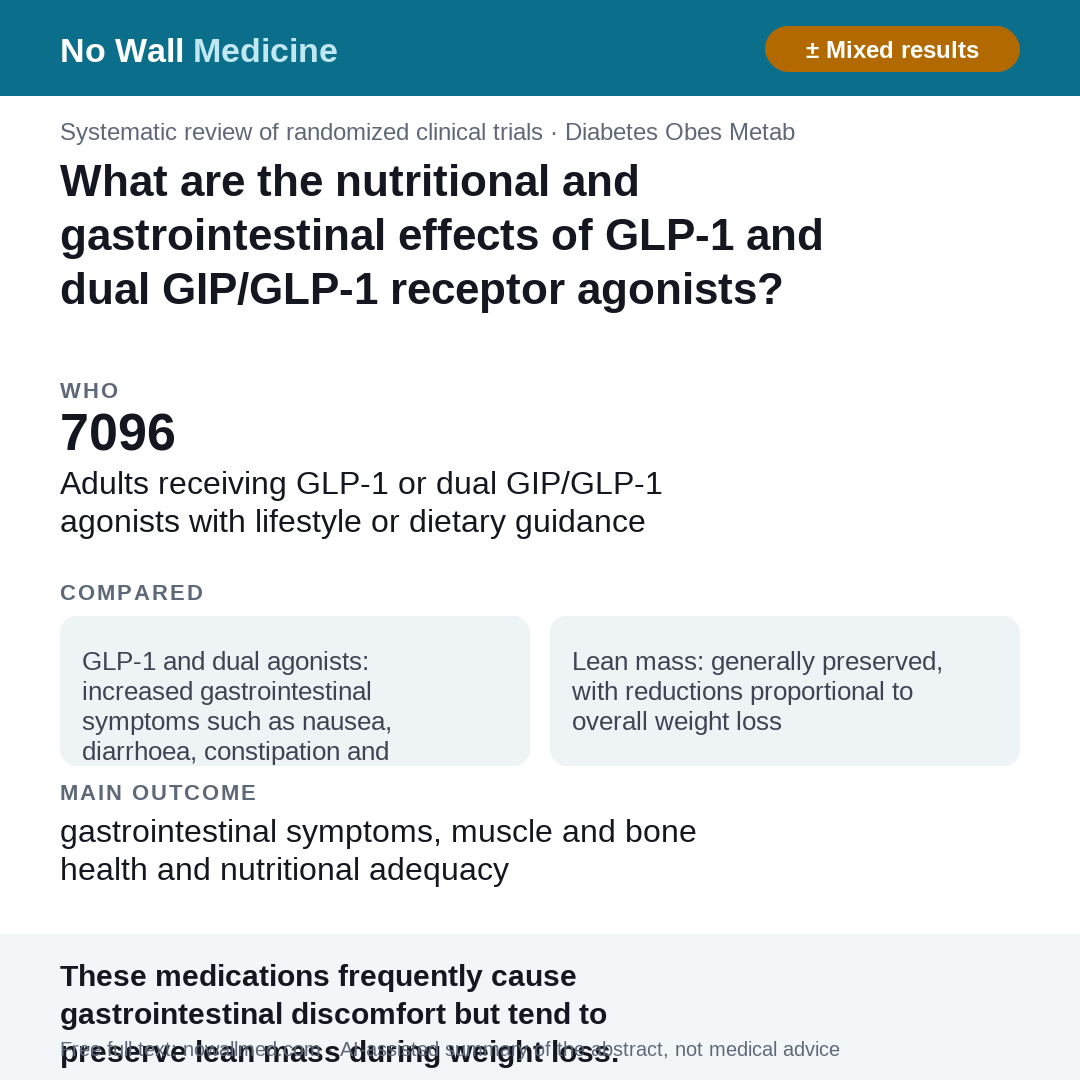
Dietary Strategies and Nutritional Management in Patients Receiving GLP-1 and Dual GIP/GLP-1 Receptor Agonists as Adjuncts to Lifestyle Interventions: A Systematic Review of Randomised Clinical Trials
Systematic review of randomized clinical trialsMixed results
What are the nutritional and gastrointestinal effects of GLP-1 and dual GIP/GLP-1 receptor agonists?
Who
7096
Adults receiving GLP-1 or dual GIP/GLP-1 agonists with lifestyle or dietary guidance
Compared
GLP-1 and dual agonists: increased gastrointestinal symptoms such as nausea, diarrhoea, constipation and vomiting
Lean mass: generally preserved, with reductions proportional to overall weight loss
Main outcome
gastrointestinal symptoms, muscle and bone health and nutritional adequacy
Bottom line: These medications frequently cause gastrointestinal discomfort but tend to preserve lean mass during weight loss.
Limitation: Evidence on optimal nutritional approaches remains limited and no study directly assessed bone health.
Diabetes Obes Metab · 2026-04-27Download image
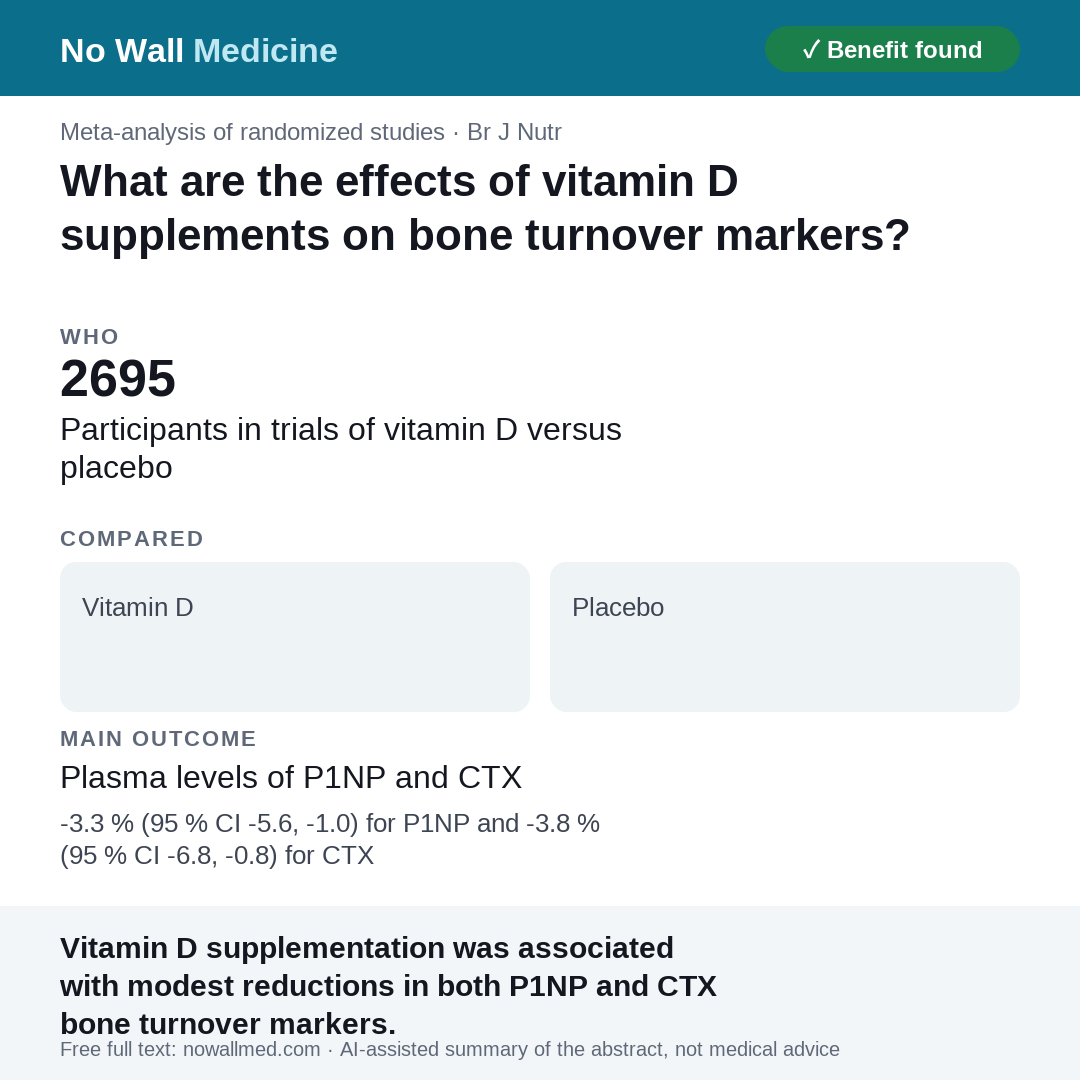
Effects of vitamin D on biochemical markers of osteoporosis: a meta-analysis of randomised trials
Meta-analysis of randomized trialsBenefit found
What are the effects of vitamin D supplements on bone turnover markers?
Who
2695
Participants in trials of vitamin D versus placebo
Compared
Vitamin D
Placebo
Main outcome
Plasma levels of P1NP and CTX
Result: -3.3 % (95 % CI -5.6, -1.0) for P1NP and -3.8 % (95 % CI -6.8, -0.8) for CTX
Bottom line: Vitamin D supplementation was associated with modest reductions in both P1NP and CTX bone turnover markers.
Br J Nutr · 2026-04-27Download image
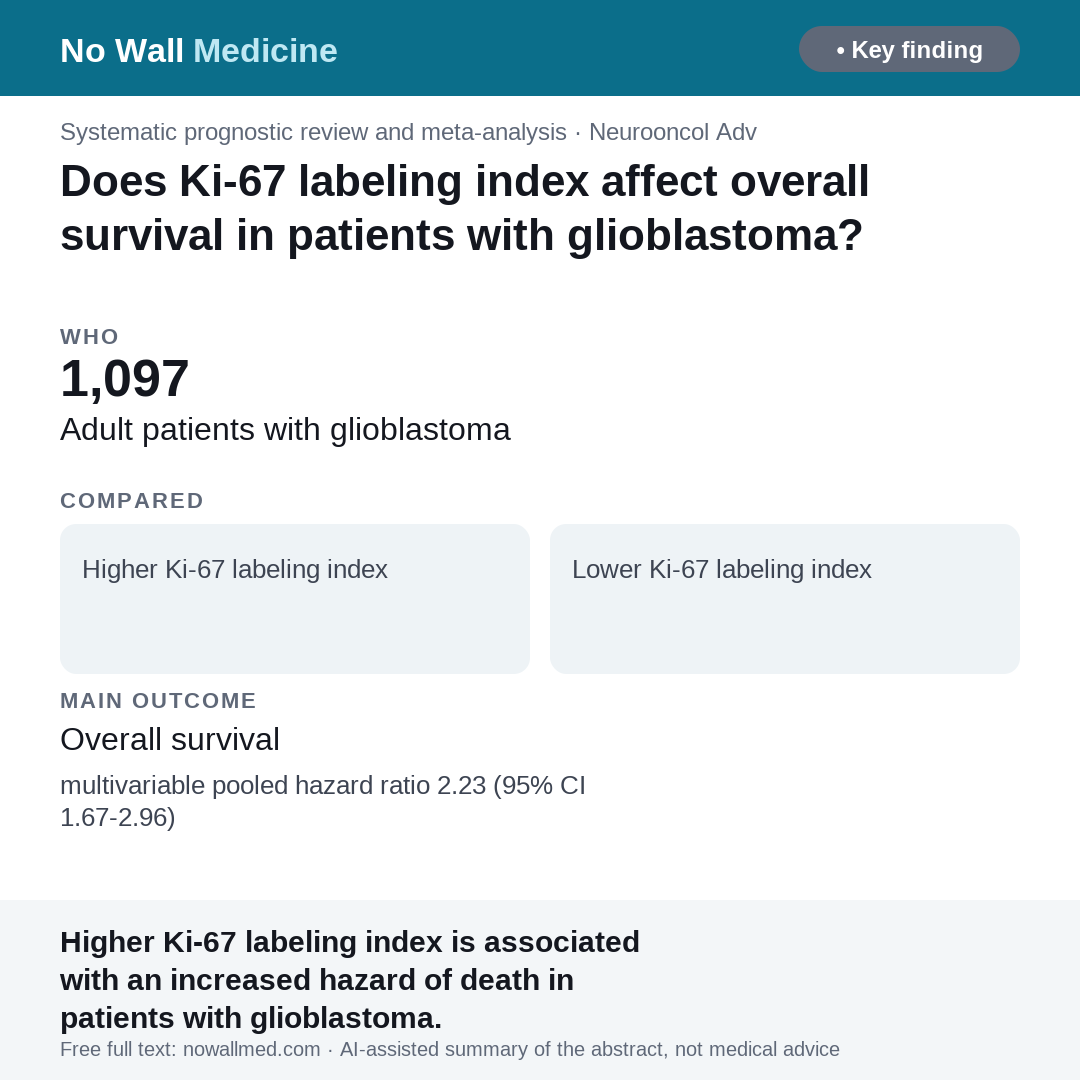
Ki-67 and overall survival in patients with glioblastoma: A systematic prognostic review and meta-analysis
Systematic prognostic review and meta-analysisHarm found
Does Ki-67 labeling index affect overall survival in patients with glioblastoma?
Who
1,097
Adult patients with glioblastoma
Compared
Higher Ki-67 labeling index
Lower Ki-67 labeling index
Main outcome
Overall survival
Result: multivariable pooled hazard ratio 2.23 (95% CI 1.67-2.96)
Bottom line: Higher Ki-67 labeling index is associated with an increased hazard of death in patients with glioblastoma.
Limitation: Concerns for selective study participation and heterogeneous Ki-67 cutoffs.
Neurooncol Adv · 2026-04-27Download image