Visual abstracts
New randomized trials and meta-analyses from leading journals at a glance: who was studied, what was compared, and what was found. Every paper is free to read in full.
All specialtiesCardiology 4877Oncology 4138Gastroenterology & Hepatology 1942Infectious Disease 3837Neurology 1905Psychiatry & Mental Health 2273Pulmonology 2143Critical Care 1365Endocrinology & Diabetes 2580Pediatrics 2980Surgery 2559Orthopedics & Sports Medicine 931Neurosurgery 537Cardiothoracic & Vascular Surgery 674Plastic & Reconstructive Surgery 591Nephrology 1133Rheumatology 823Hematology 1109Dermatology 621Ophthalmology 543Obstetrics & Gynecology 1686Public & Global Health 1058Radiology & Imaging 648Anesthesiology 986Urology 764ENT (Otolaryngology) 503Emergency Medicine 511Allergy & Immunology 313Geriatrics 981Family Medicine & Primary Care 562Medical Genetics & Genomics 676Pathology & Laboratory Medicine 159Physical Medicine & Rehabilitation 757Palliative Care 444Nutrition 1588Digital Health & AI 2201General Medicine 321
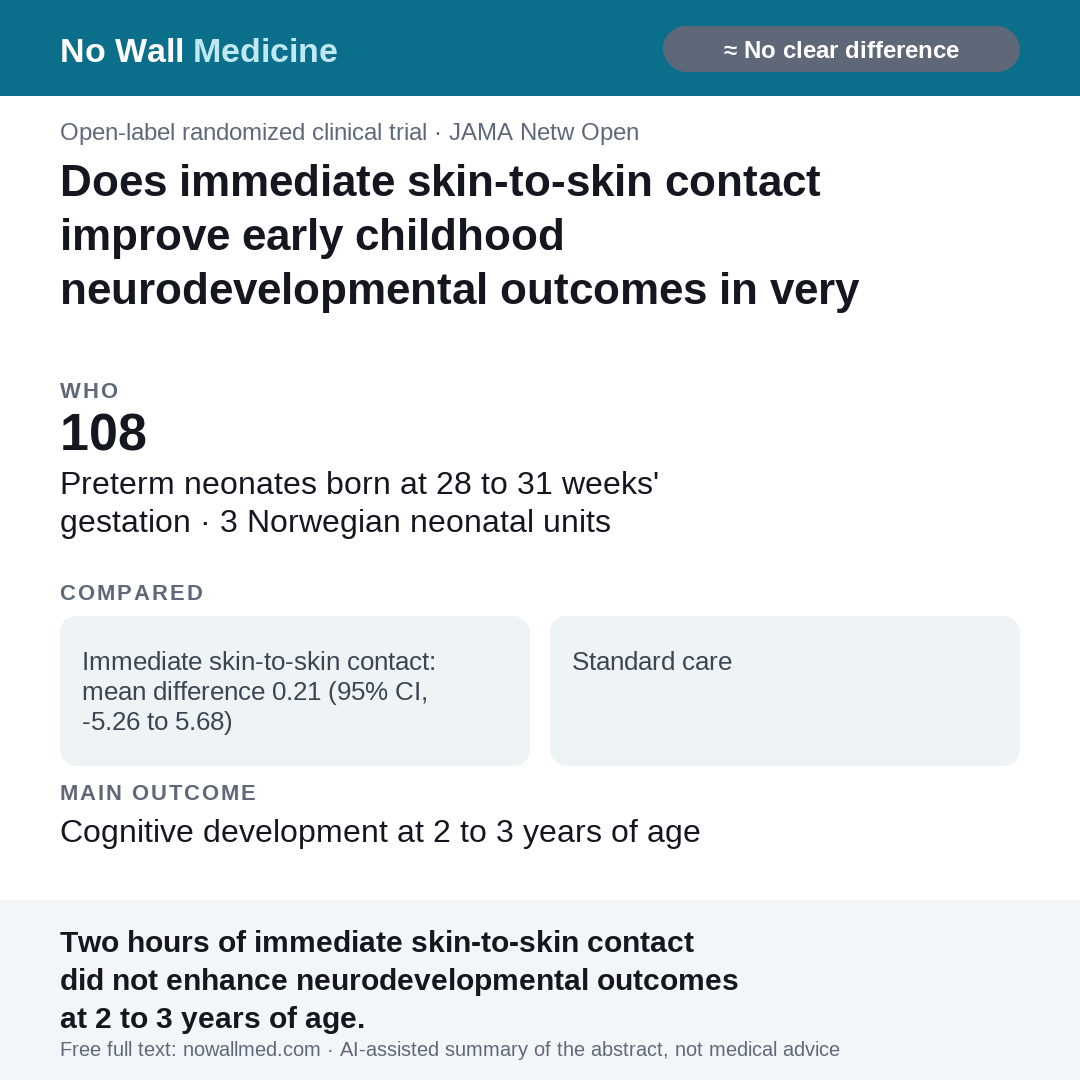
Immediate Skin-to-Skin Contact in Very Preterm Neonates and Early Childhood Neurodevelopment: A Randomized Clinical Trial
Open-label randomized clinical trialNo clear difference
Does immediate skin-to-skin contact improve early childhood neurodevelopmental outcomes in very preterm neonates?
Who
108
Preterm neonates born at 28 to 31 weeks' gestation · 3 Norwegian neonatal units
Compared
Immediate skin-to-skin contact: mean difference 0.21 (95% CI, -5.26 to 5.68)
Standard care
Main outcome
Cognitive development at 2 to 3 years of age
Result: mean difference 0.21 (95% CI, -5.26 to 5.68)
Bottom line: Two hours of immediate skin-to-skin contact did not enhance neurodevelopmental outcomes at 2 to 3 years of age.
JAMA Netw Open · 2025-04-01Download image
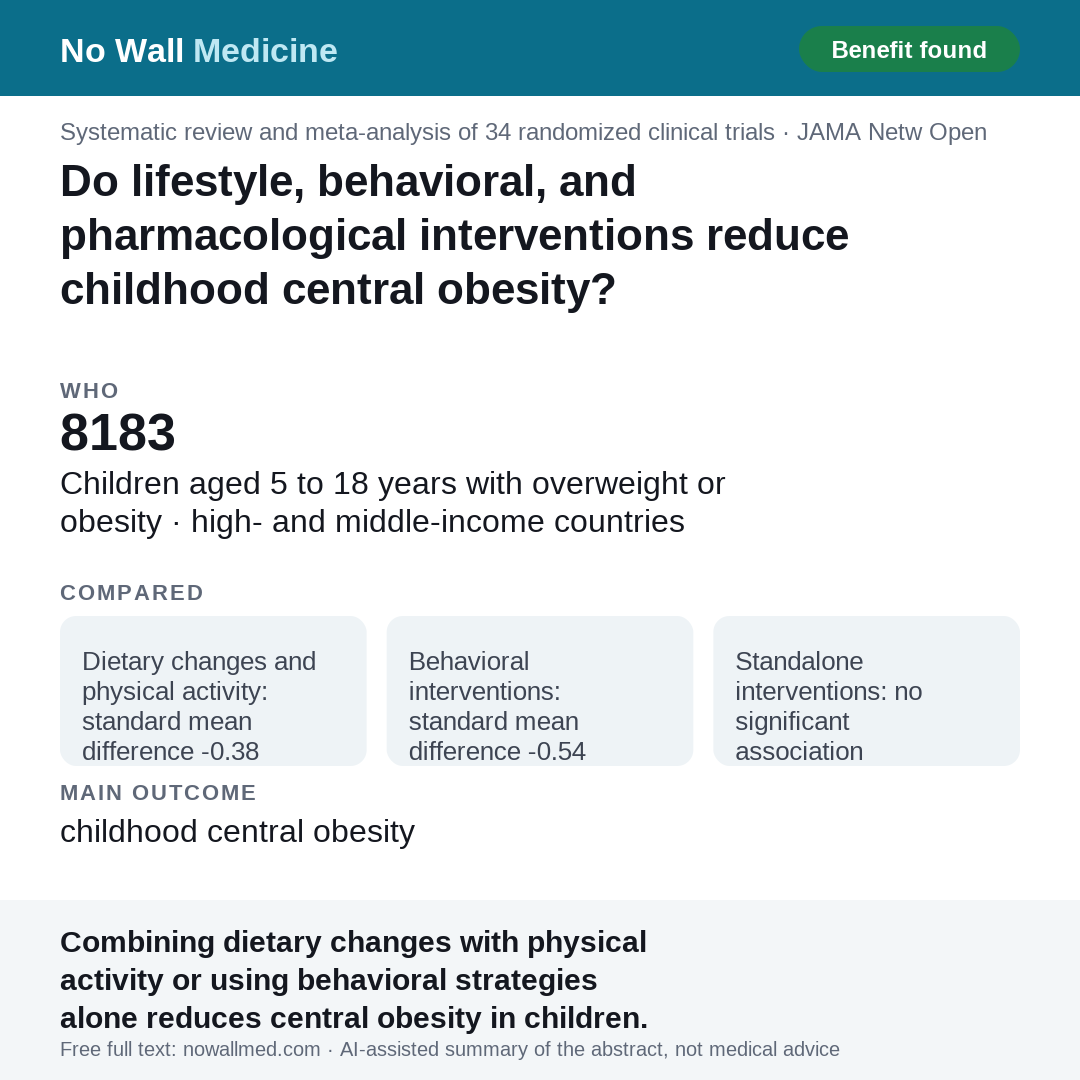
Interventions for Childhood Central Obesity: A Systematic Review and Meta-Analysis
Systematic review and meta-analysis of 34 randomized clinical trialsBenefit found
Do lifestyle, behavioral, and pharmacological interventions reduce childhood central obesity?
Who
8183
Children aged 5 to 18 years with overweight or obesity · high- and middle-income countries
Compared
Dietary changes and physical activity: standard mean difference -0.38 (95% CI -0.58 to -0.19)
Behavioral interventions: standard mean difference -0.54 (95% CI -1.06 to -0.03)
Standalone interventions: no significant association
Main outcome
childhood central obesity
Result: standard mean difference -0.38 (95% CI -0.58 to -0.19)
Bottom line: Combining dietary changes with physical activity or using behavioral strategies alone reduces central obesity in children.
Limitation: 8 studies were deemed to have a higher risk of bias
JAMA Netw Open · 2025-04-01Download image
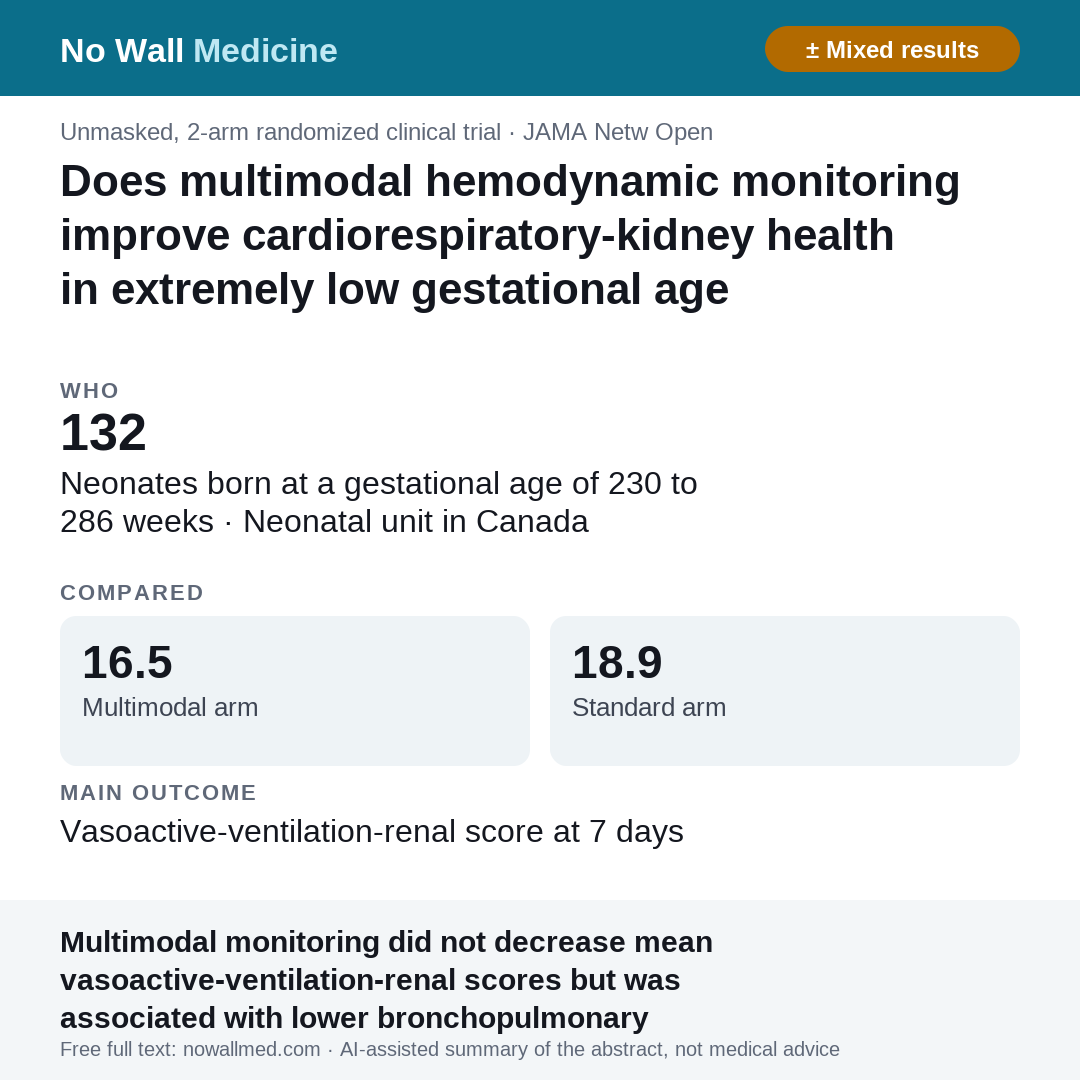
Multimodal Monitoring of Hemodynamics in Neonates With Extremely Low Gestational Age: A Randomized Clinical Trial
Unmasked, 2-arm randomized clinical trialMixed results
Does multimodal hemodynamic monitoring improve cardiorespiratory-kidney health in extremely low gestational age neonates?
Who
132
Neonates born at a gestational age of 230 to 286 weeks · Neonatal unit in Canada
Compared
16.5Multimodal arm (15.4)
18.9Standard arm (20.2)
Main outcome
Vasoactive-ventilation-renal score at 7 days
Bottom line: Multimodal monitoring did not decrease mean vasoactive-ventilation-renal scores but was associated with lower bronchopulmonary dysplasia incidence.
JAMA Netw Open · 2025-04-01Download image
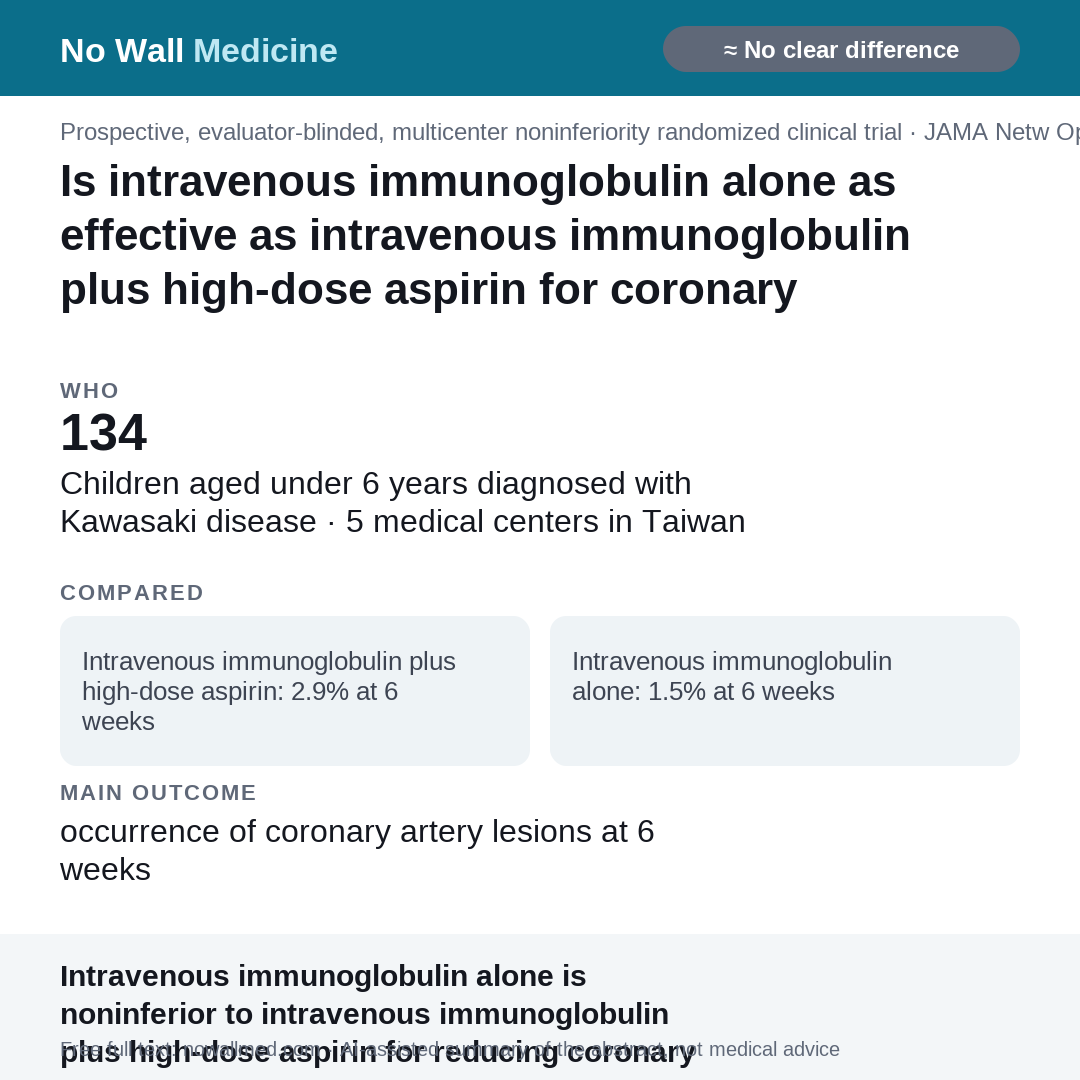
Intravenous Immunoglobulin Alone for Coronary Artery Lesion Treatment of Kawasaki Disease: A Randomized Clinical Trial
Prospective, evaluator-blinded, multicenter noninferiority randomized clinical trialNo clear difference
Is intravenous immunoglobulin alone as effective as intravenous immunoglobulin plus high-dose aspirin for coronary artery lesions?
Who
134
Children aged under 6 years diagnosed with Kawasaki disease · 5 medical centers in Taiwan
Compared
Intravenous immunoglobulin plus high-dose aspirin: 2.9% at 6 weeks
Intravenous immunoglobulin alone: 1.5% at 6 weeks
Main outcome
occurrence of coronary artery lesions at 6 weeks
Result: 0.7 percentage points (95% CI, -4.5 to 5.8 percentage points)
Bottom line: Intravenous immunoglobulin alone is noninferior to intravenous immunoglobulin plus high-dose aspirin for reducing coronary artery lesions.
Limitation: Future studies across diverse racial and ethnic groups beyond the Asian population may be necessary.
JAMA Netw Open · 2025-04-01Download image
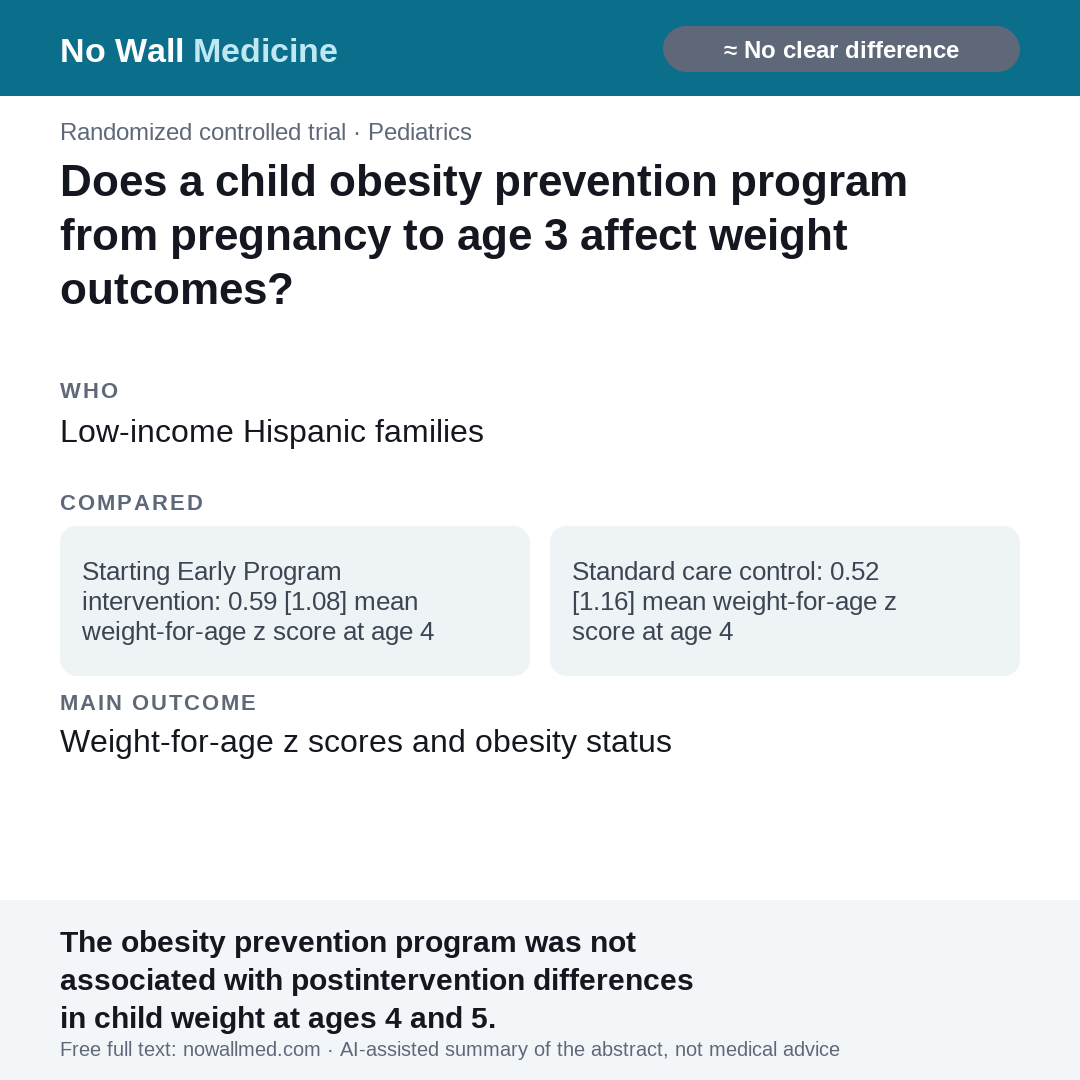
Child Obesity Prevention From Pregnancy: Long-Term Follow-Up of the Starting Early Program Trial
Randomized controlled trialNo clear difference
Does a child obesity prevention program from pregnancy to age 3 affect weight outcomes?
Who
Low-income Hispanic families
Compared
Starting Early Program intervention: 0.59 [1.08] mean weight-for-age z score at age 4
Standard care control: 0.52 [1.16] mean weight-for-age z score at age 4
Main outcome
Weight-for-age z scores and obesity status
Bottom line: The obesity prevention program was not associated with postintervention differences in child weight at ages 4 and 5.
Pediatrics · 2025-04-01Download image
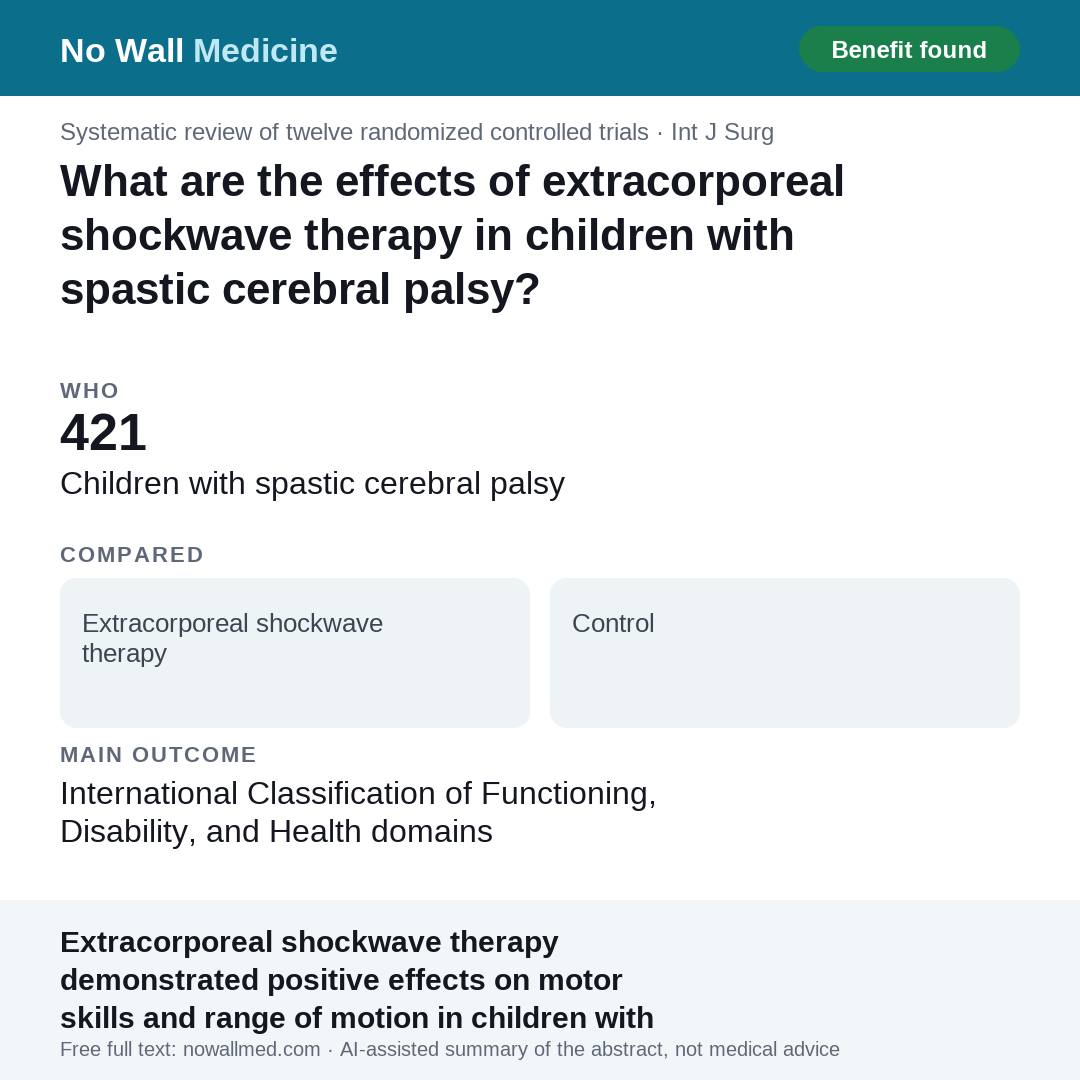
The effects of extracorporeal shock wave therapy in children with cerebral palsy: a systematic review
Systematic review of twelve randomized controlled trialsBenefit found
What are the effects of extracorporeal shockwave therapy in children with spastic cerebral palsy?
Who
421
Children with spastic cerebral palsy
Compared
Extracorporeal shockwave therapy
Control
Main outcome
International Classification of Functioning, Disability, and Health domains
Result: effect sizes ranging from moderate (0.65) to very large (14.62)
Bottom line: Extracorporeal shockwave therapy demonstrated positive effects on motor skills and range of motion in children with spastic cerebral palsy.
Limitation: PEDro scores ranged from three to eight
Int J Surg · 2025-04-01Download image
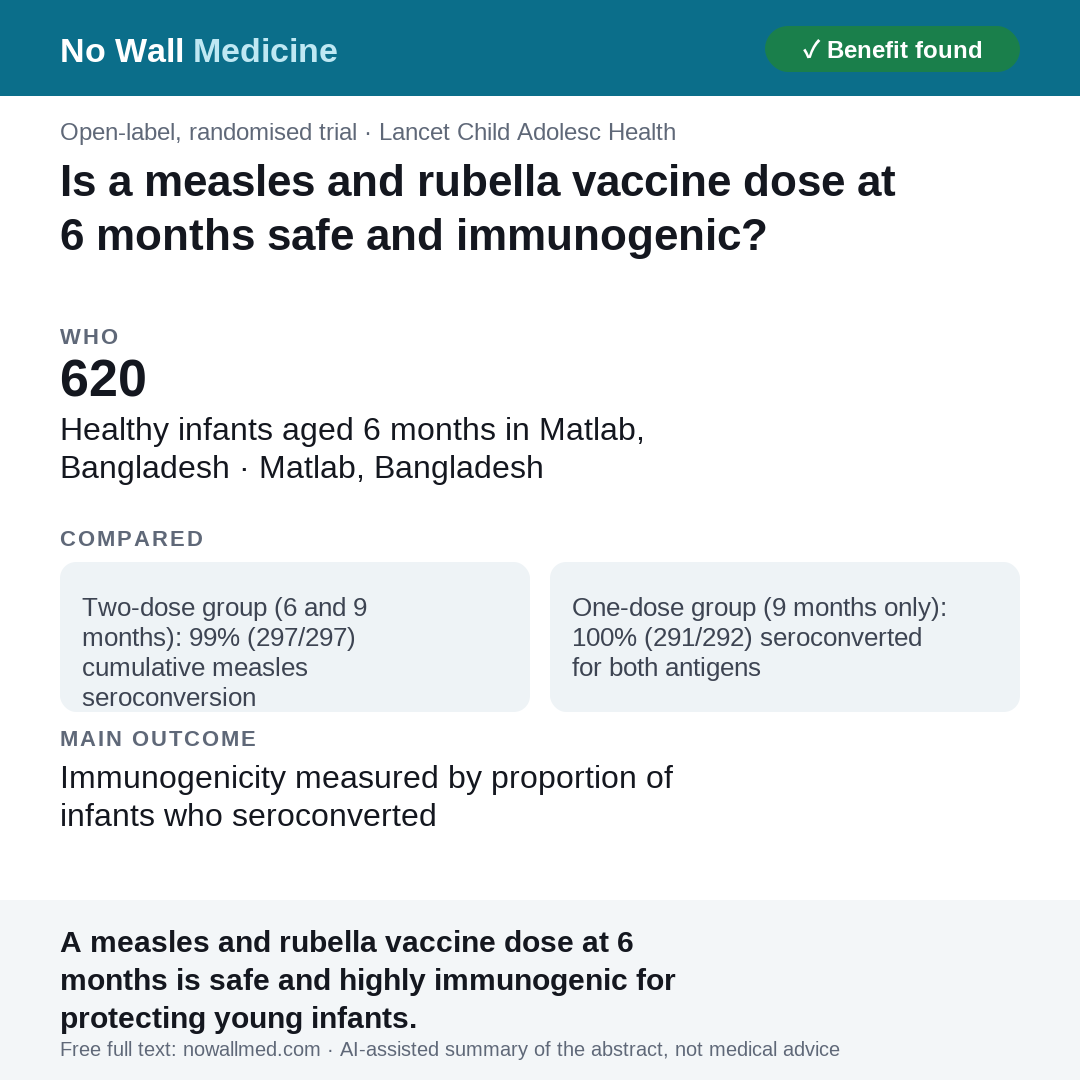
Immunogenicity and safety of a measles and rubella-containing vaccine at age 6 and 9 months in Bangladesh: an open-label, randomised trial
Open-label, randomised trialBenefit found
Is a measles and rubella vaccine dose at 6 months safe and immunogenic?
Who
620
Healthy infants aged 6 months in Matlab, Bangladesh · Matlab, Bangladesh
Compared
Two-dose group (6 and 9 months): 99% (297/297) cumulative measles seroconversion
One-dose group (9 months only): 100% (291/292) seroconverted for both antigens
Main outcome
Immunogenicity measured by proportion of infants who seroconverted
Bottom line: A measles and rubella vaccine dose at 6 months is safe and highly immunogenic for protecting young infants.
Limitation: Additional studies are needed to evaluate longer-term immunity based on age at vaccination.
Funded by: US Centers for Disease Control and Prevention
Lancet Child Adolesc Health · 2025-03-31Download image
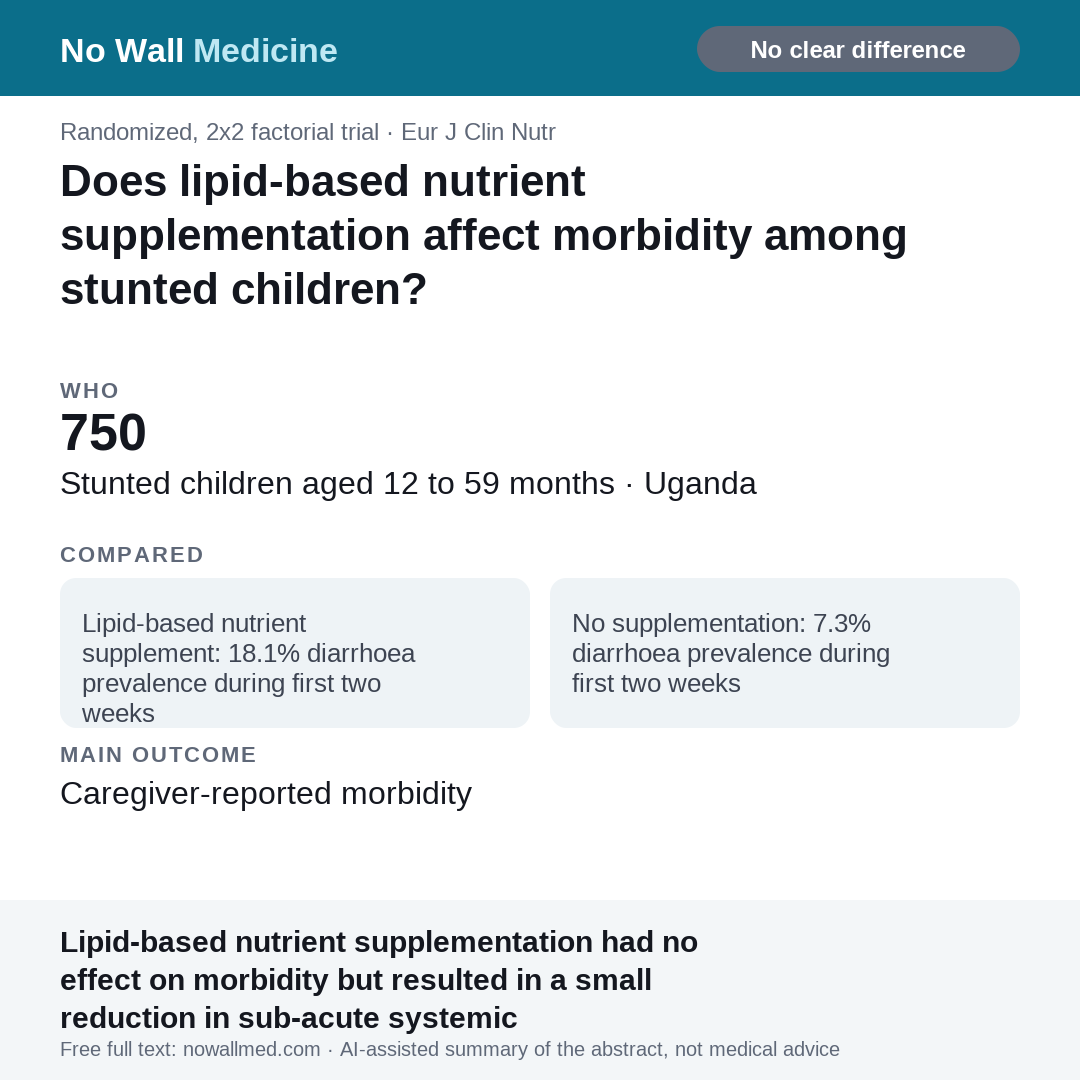
Effect of lipid-based nutrient supplements on morbidity among children with stunting: secondary analysis of a randomized trial in Uganda
Randomized, 2x2 factorial trialNo clear difference
Does lipid-based nutrient supplementation affect morbidity among stunted children?
Who
750
Stunted children aged 12 to 59 months · Uganda
Compared
Lipid-based nutrient supplement: 18.1% diarrhoea prevalence during first two weeks
No supplementation: 7.3% diarrhoea prevalence during first two weeks
Main outcome
Caregiver-reported morbidity
Bottom line: Lipid-based nutrient supplementation had no effect on morbidity but resulted in a small reduction in sub-acute systemic inflammation.
Eur J Clin Nutr · 2025-03-31Download image
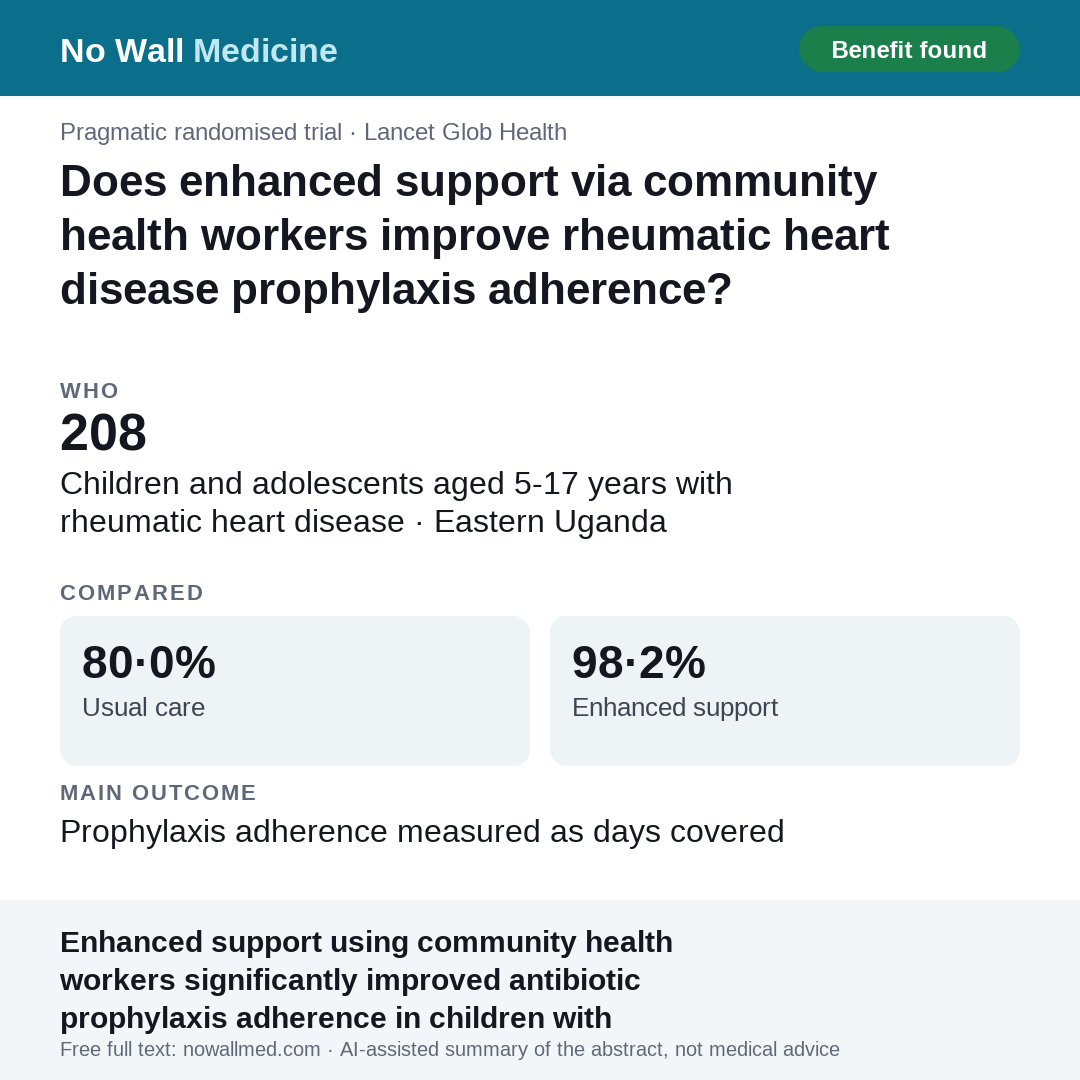
Enhanced support for adherence to rheumatic heart disease prophylaxis for children in the public health system in Uganda (CAMPS): a pragmatic randomised trial
Pragmatic randomised trialBenefit found
Does enhanced support via community health workers improve rheumatic heart disease prophylaxis adherence?
Who
208
Children and adolescents aged 5-17 years with rheumatic heart disease · Eastern Uganda
Compared
80·0%Usual care (SD 19·0)
98·2%Enhanced support (7·1)
Main outcome
Prophylaxis adherence measured as days covered
Result: estimated mean difference in adherence of 18·2%, 95% CI 14·4-22·1
Bottom line: Enhanced support using community health workers significantly improved antibiotic prophylaxis adherence in children with rheumatic heart disease.
Funded by: Thrasher Research Fund and Edwards LifeSciences Foundation
Lancet Glob Health · 2025-03-29Download image
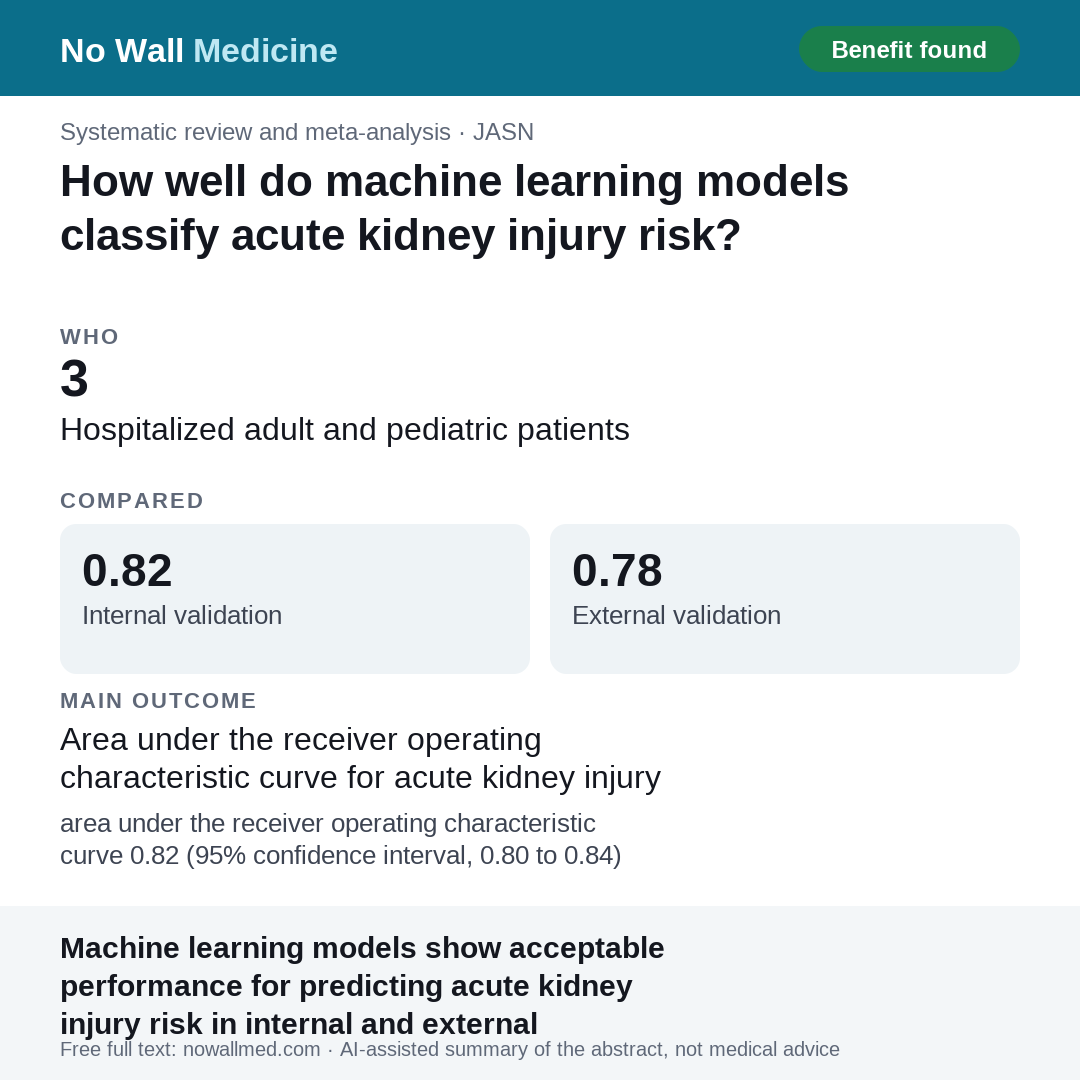
Systematic Review and Meta-Analysis of Machine Learning Models for Acute Kidney Injury Risk Classification
Systematic review and meta-analysisBenefit found
How well do machine learning models classify acute kidney injury risk?
Who
3
Hospitalized adult and pediatric patients
Compared
0.82Internal validation (95% confidence interval, 0.80 to 0.84)
0.78External validation (95% confidence interval, 0.76 to 0.80)
Main outcome
Area under the receiver operating characteristic curve for acute kidney injury onset
Result: area under the receiver operating characteristic curve 0.82 (95% confidence interval, 0.80 to 0.84)
Bottom line: Machine learning models show acceptable performance for predicting acute kidney injury risk in internal and external validations.
Limitation: High heterogeneity and high risk of bias in most studies limit real-world implementation.
JASN · 2025-03-28Download image
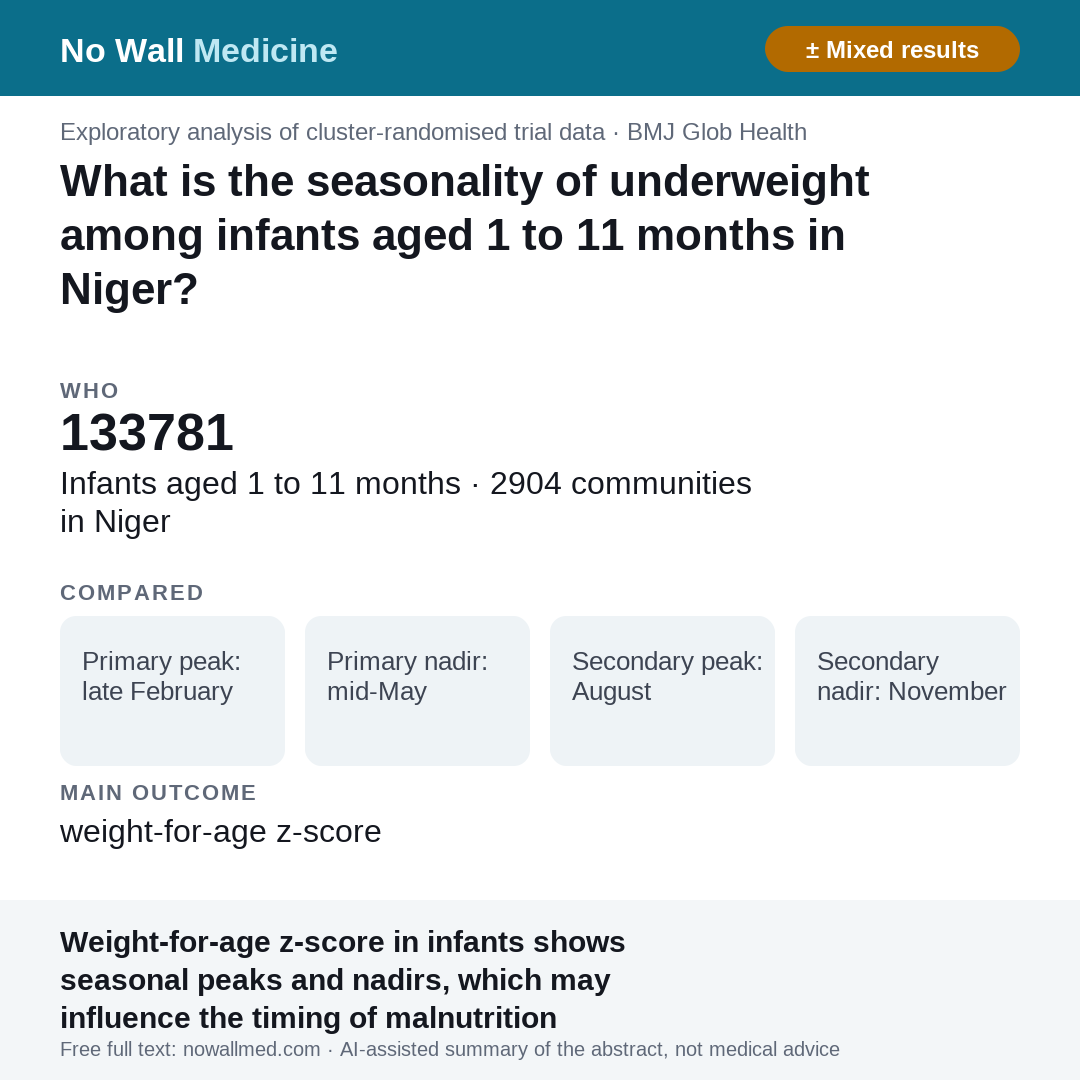
Seasonality of underweight among infants 1-11 months old in Niger: an exploratory analysis of data from a cluster-randomised trial
Exploratory analysis of cluster-randomised trial dataMixed results
What is the seasonality of underweight among infants aged 1 to 11 months in Niger?
Who
133781
Infants aged 1 to 11 months · 2904 communities in Niger
Compared
Primary peak: late February
Primary nadir: mid-May
Secondary peak: August
Secondary nadir: November
Main outcome
weight-for-age z-score
Bottom line: Weight-for-age z-score in infants shows seasonal peaks and nadirs, which may influence the timing of malnutrition programmes.
BMJ Glob Health · 2025-03-28Download image
In utero exposure to methylphenidate, amphetamines and atomoxetine and offspring neurodevelopmental disorders - a population-based cohort study and meta-analysis
Population-based cohort study and meta-analysisNo clear difference
Does in utero exposure to ADHD medications increase offspring neurodevelopmental disorder risk?
Who
861650
Children born to mothers using methylphenidate, amphetamines, or atomoxetine · Sweden and Denmark
Compared
Exposed children
Unexposed children
Main outcome
Any neurodevelopmental disorder, including ADHD and autism spectrum disorder
Result: pooled hazard ratio 1.00 (95% CI 0.83;1.20)
Bottom line: In utero exposure to ADHD medications does not increase the risk of long-term neurodevelopmental disorders in offspring.
Mol Psychiatry · 2025-03-27Download image

The prevalence of perceived fatigue in burn survivors: A systematic review of cross-sectional and longitudinal studies
Systematic reviewBenefit found
What is the prevalence of perceived fatigue in burn survivors?
Who
Burn survivors
Compared
Cross-sectional studies: 5% to 78%
Longitudinal studies (adults): 70 to 50%
Longitudinal studies (children): 65 to 28%
Main outcome
Prevalence of perceived fatigue
Bottom line: Perceived fatigue is highly prevalent and persistent among burn survivors, necessitating focus during rehabilitation.
Burns · 2025-03-27Download image

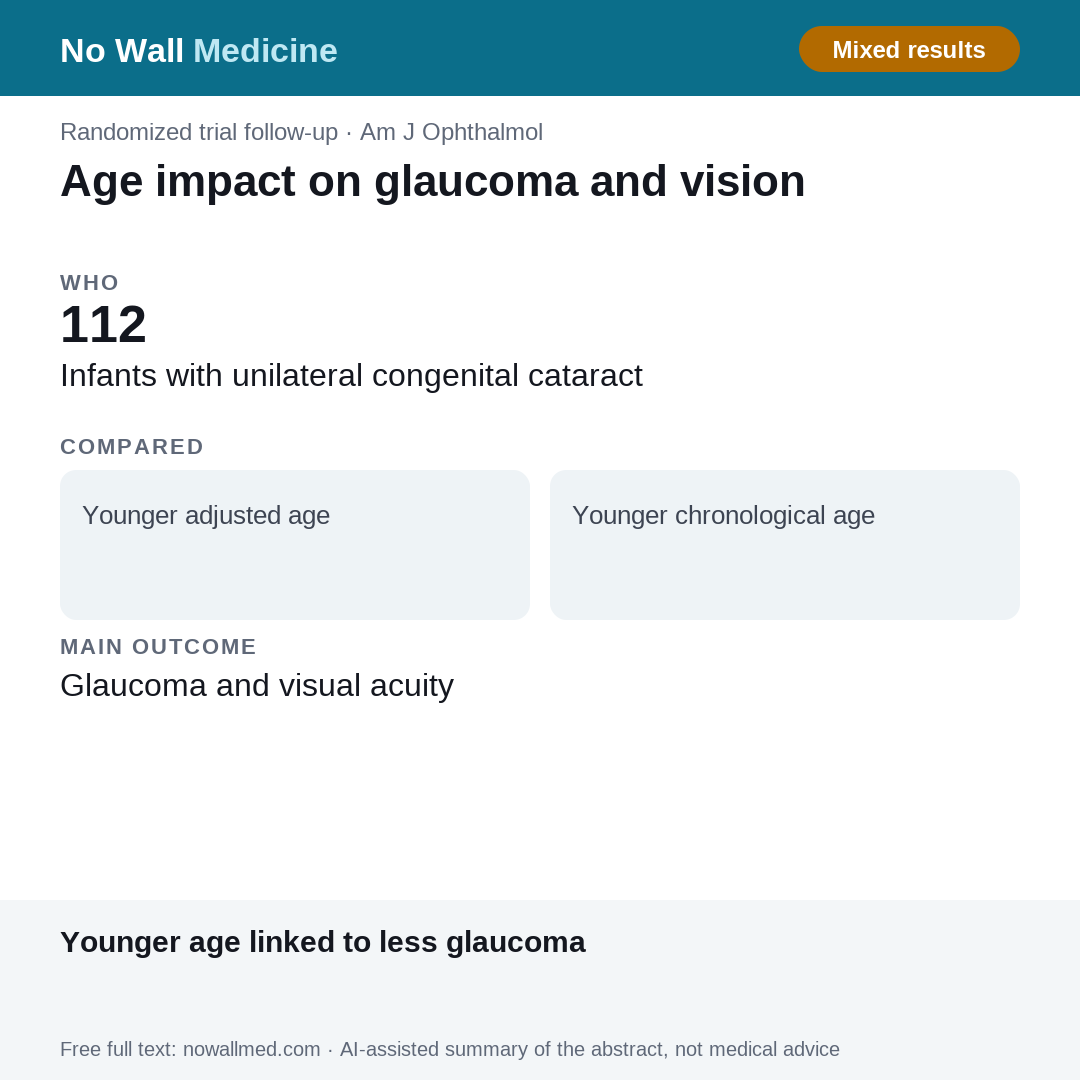
Association of Age With Glaucoma and Visual Acuity Outcomes 10.5 Years After Unilateral Congenital Cataract Surgery
Randomized trial follow-upMixed results
Age impact on glaucoma and vision
Who
112
Infants with unilateral congenital cataract
Compared
Younger adjusted age
Younger chronological age
Main outcome
Glaucoma and visual acuity
Bottom line: Younger age linked to less glaucoma
Am J Ophthalmol · 2025-03-26Download image
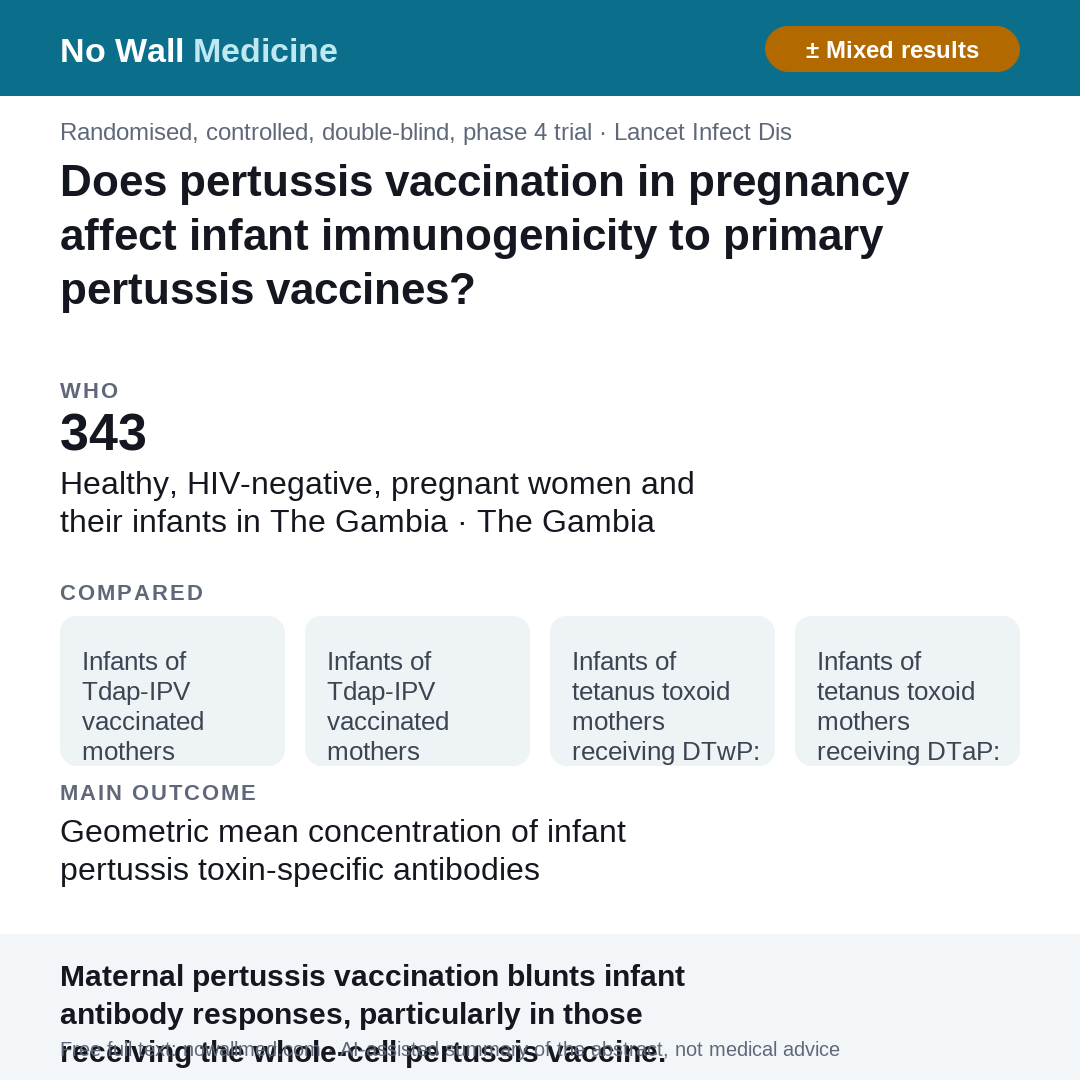
The effect of pertussis vaccination in pregnancy on the immunogenicity of acellular or whole-cell pertussis vaccination in Gambian infants (GaPS): a single-centre, randomised, controlled, double-blind, phase 4 trial
Randomised, controlled, double-blind, phase 4 trialMixed results
Does pertussis vaccination in pregnancy affect infant immunogenicity to primary pertussis vaccines?
Who
343
Healthy, HIV-negative, pregnant women and their infants in The Gambia · The Gambia
Compared
Infants of Tdap-IPV vaccinated mothers receiving DTwP: GMCs more than three-fold lower than DTaP at 20 weeks
Infants of Tdap-IPV vaccinated mothers receiving DTaP: minimal blunting observed
Infants of tetanus toxoid mothers receiving DTwP: GMCs higher than DTaP at 9 months
Infants of tetanus toxoid mothers receiving DTaP: GMCs lower than DTwP at 9 months
Main outcome
Geometric mean concentration of infant pertussis toxin-specific antibodies
Result: adjusted geometric mean ratio 0·28, 98·75% CI 0·16-0·50
Bottom line: Maternal pertussis vaccination blunts infant antibody responses, particularly in those receiving the whole-cell pertussis vaccine.
Lancet Infect Dis · 2025-03-25Download image
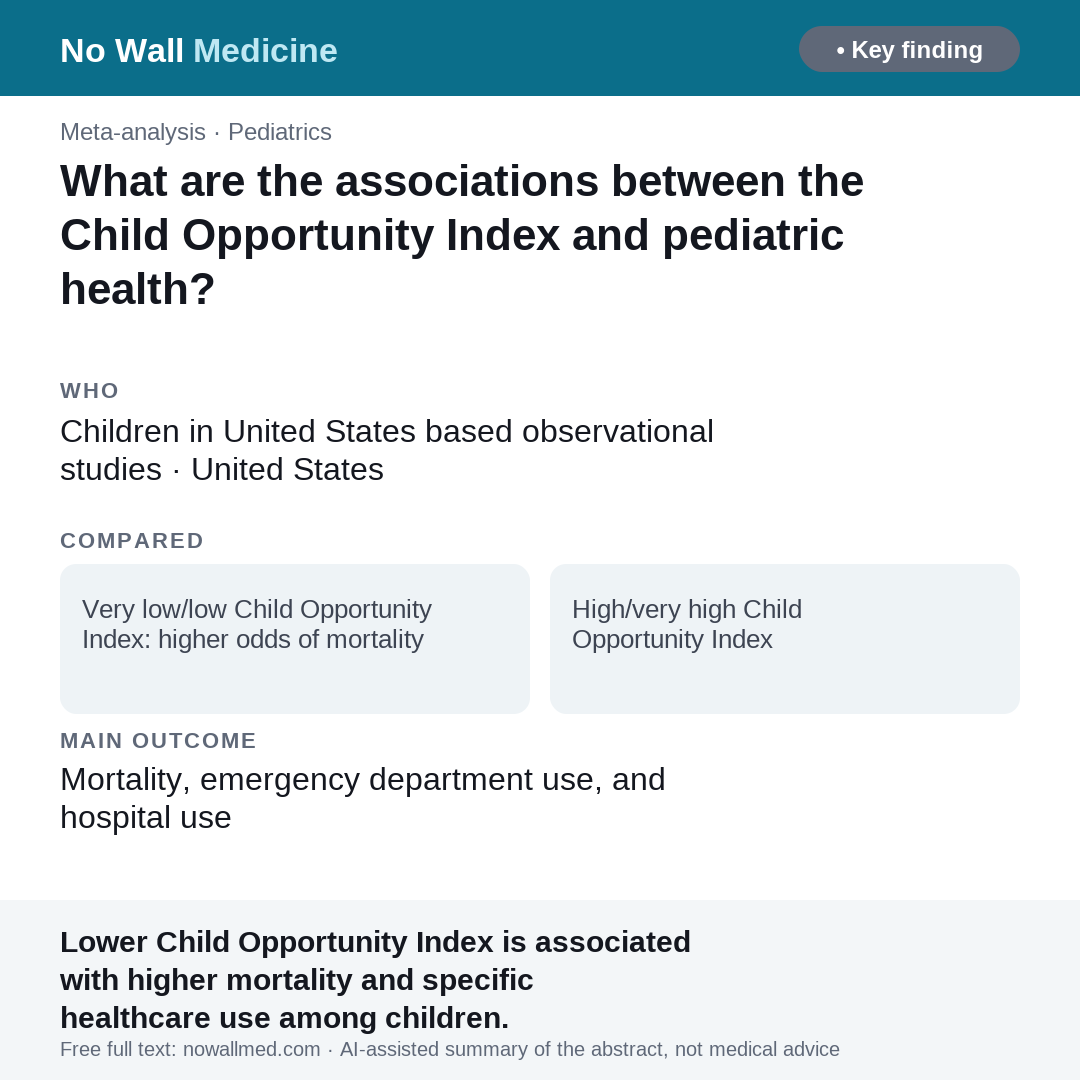
The Child Opportunity Index and Children's Health: A Meta-Analysis
Meta-analysisBenefit found
What are the associations between the Child Opportunity Index and pediatric health?
Who
Children in United States based observational studies · United States
Compared
Very low/low Child Opportunity Index: higher odds of mortality
High/very high Child Opportunity Index
Main outcome
Mortality, emergency department use, and hospital use
Result: OR, 1.50; 95% CI, 1.31-1.94
Bottom line: Lower Child Opportunity Index is associated with higher mortality and specific healthcare use among children.
Limitation: Meta-analyses were unadjusted.
Pediatrics · 2025-03-25Download image
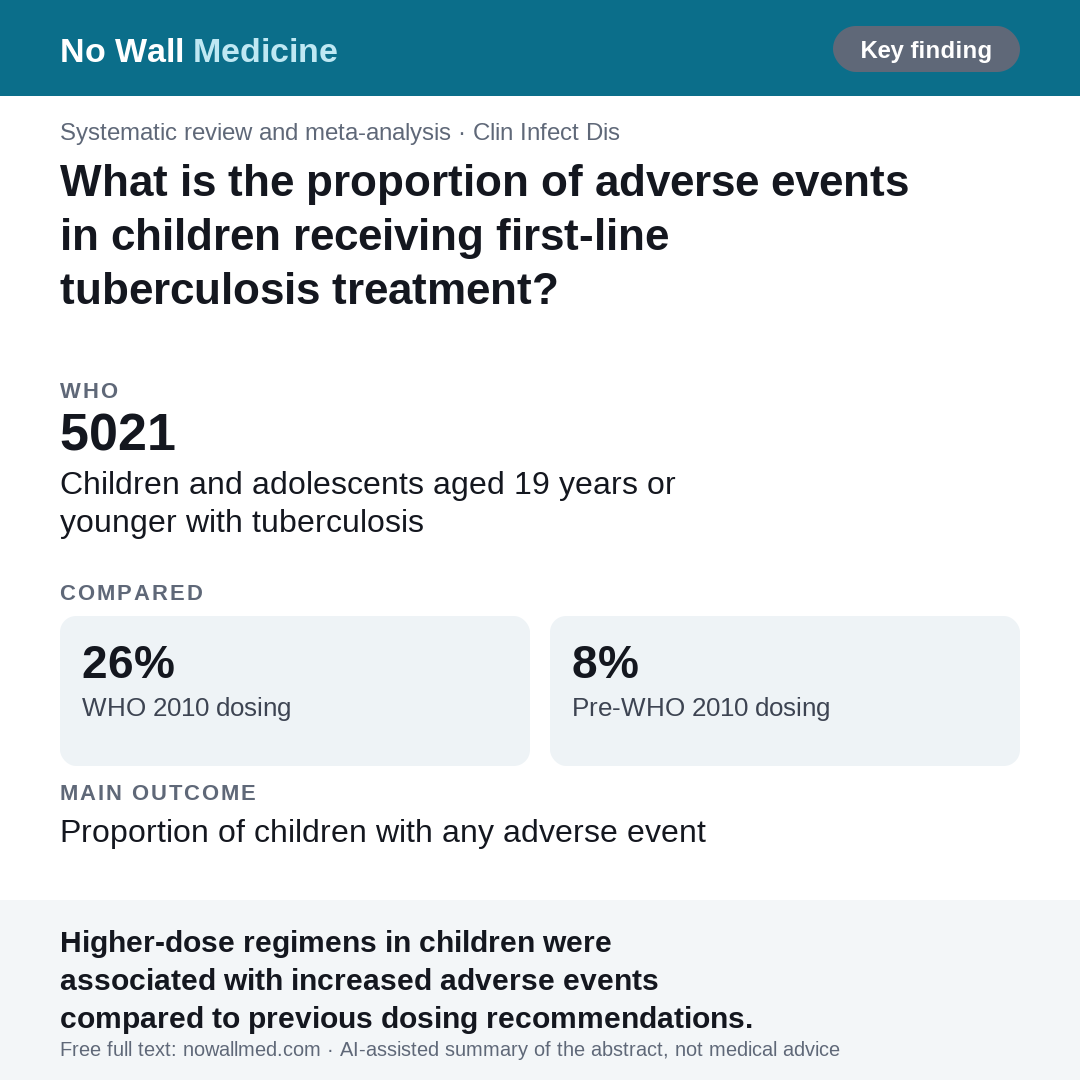
Adverse Events of First-Line Therapy for Pediatric Tuberculosis: A Systematic Review and Meta-Analysis
Systematic review and meta-analysisHarm found
What is the proportion of adverse events in children receiving first-line tuberculosis treatment?
Who
5021
Children and adolescents aged 19 years or younger with tuberculosis
Compared
26%WHO 2010 dosing (95% CI, 18%-34%)
8%Pre-WHO 2010 dosing (95% CI, 4%-15%)
Main outcome
Proportion of children with any adverse event
Bottom line: Higher-dose regimens in children were associated with increased adverse events compared to previous dosing recommendations.
Limitation: Findings are limited by publication bias in observational trials.
Clin Infect Dis · 2025-03-24Download image
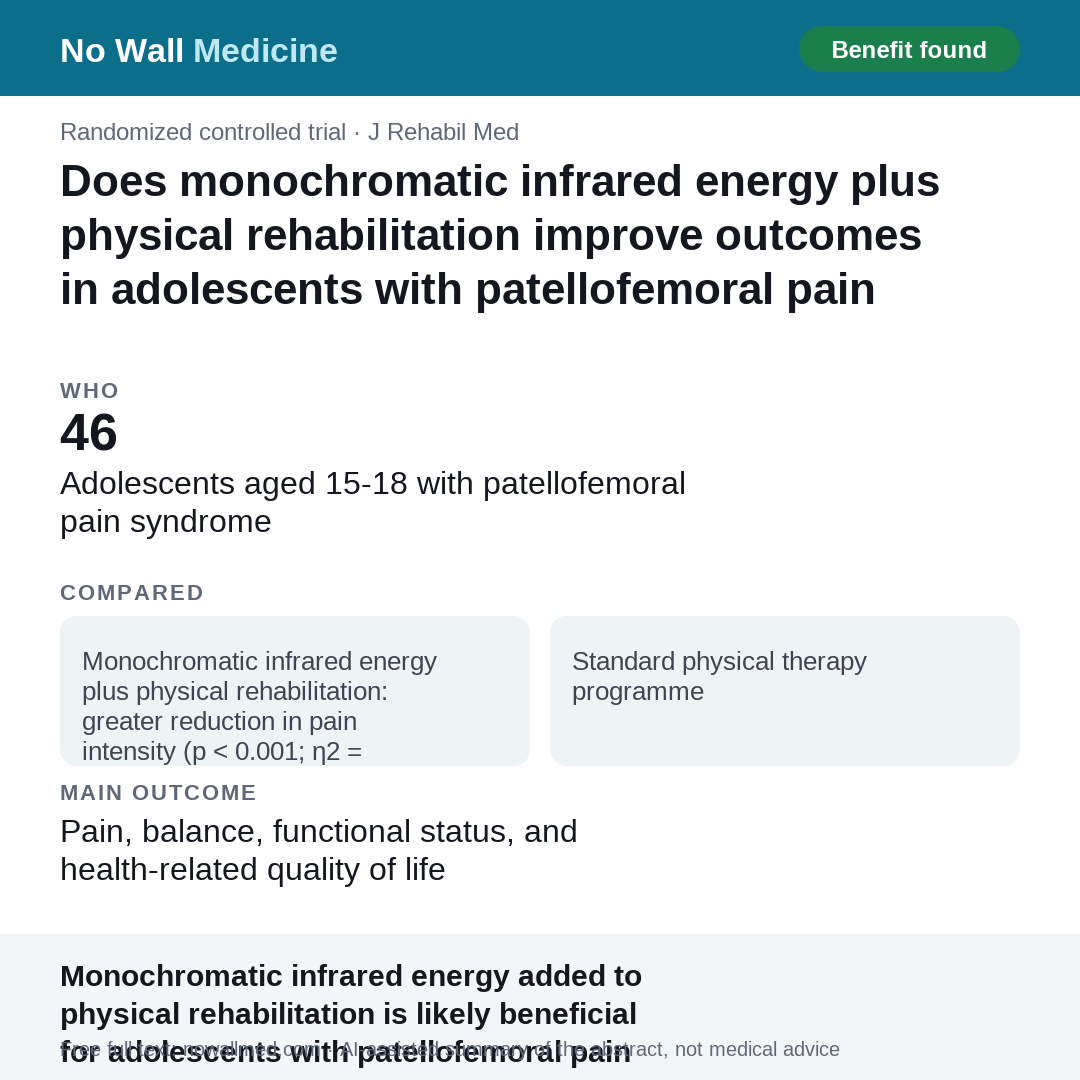
Would integrating monochromatic infrared energy into the physical rehabilitation of adolescents with patellofemoral pain syndrome have any advantageous effects? A randomized controlled trial
Randomized controlled trialBenefit found
Does monochromatic infrared energy plus physical rehabilitation improve outcomes in adolescents with patellofemoral pain syndrome?
Who
46
Adolescents aged 15-18 with patellofemoral pain syndrome
Compared
Monochromatic infrared energy plus physical rehabilitation: greater reduction in pain intensity (p < 0.001; η2 = 0.36)
Standard physical therapy programme
Main outcome
Pain, balance, functional status, and health-related quality of life
Bottom line: Monochromatic infrared energy added to physical rehabilitation is likely beneficial for adolescents with patellofemoral pain syndrome.
J Rehabil Med · 2025-03-24Download image
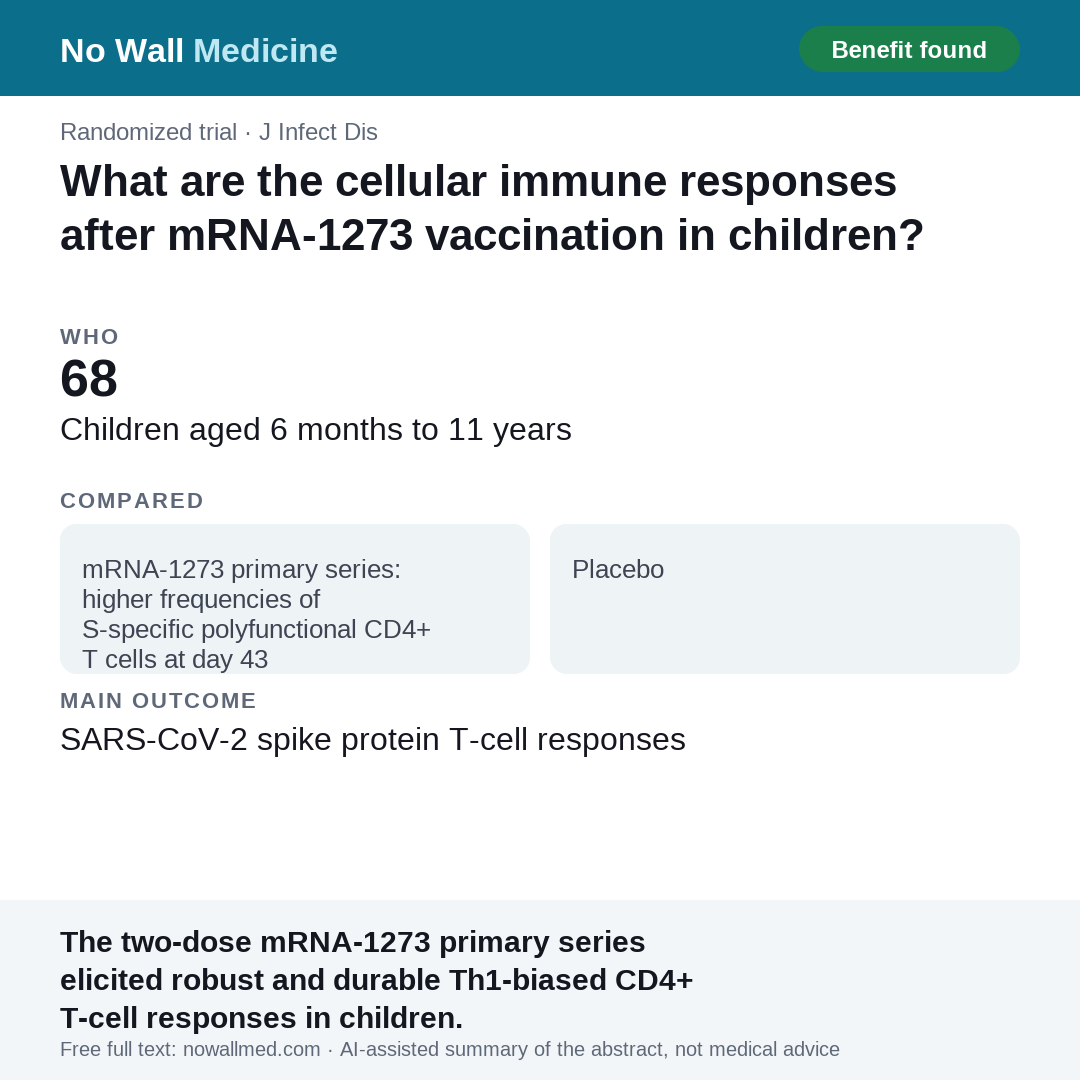
Evaluation of Cellular Immune Responses After mRNA-1273 Vaccination in Children 6 Months to 11 Years of Age
Randomized trialBenefit found
What are the cellular immune responses after mRNA-1273 vaccination in children?
Who
68
Children aged 6 months to 11 years
Compared
mRNA-1273 primary series: higher frequencies of S-specific polyfunctional CD4+ T cells at day 43
Placebo
Main outcome
SARS-CoV-2 spike protein T-cell responses
Bottom line: The two-dose mRNA-1273 primary series elicited robust and durable Th1-biased CD4+ T-cell responses in children.
Limitation: S-protein-specific CD8+ T-cell responses were less frequently detected in children under 5 years.
J Infect Dis · 2025-03-22Download image
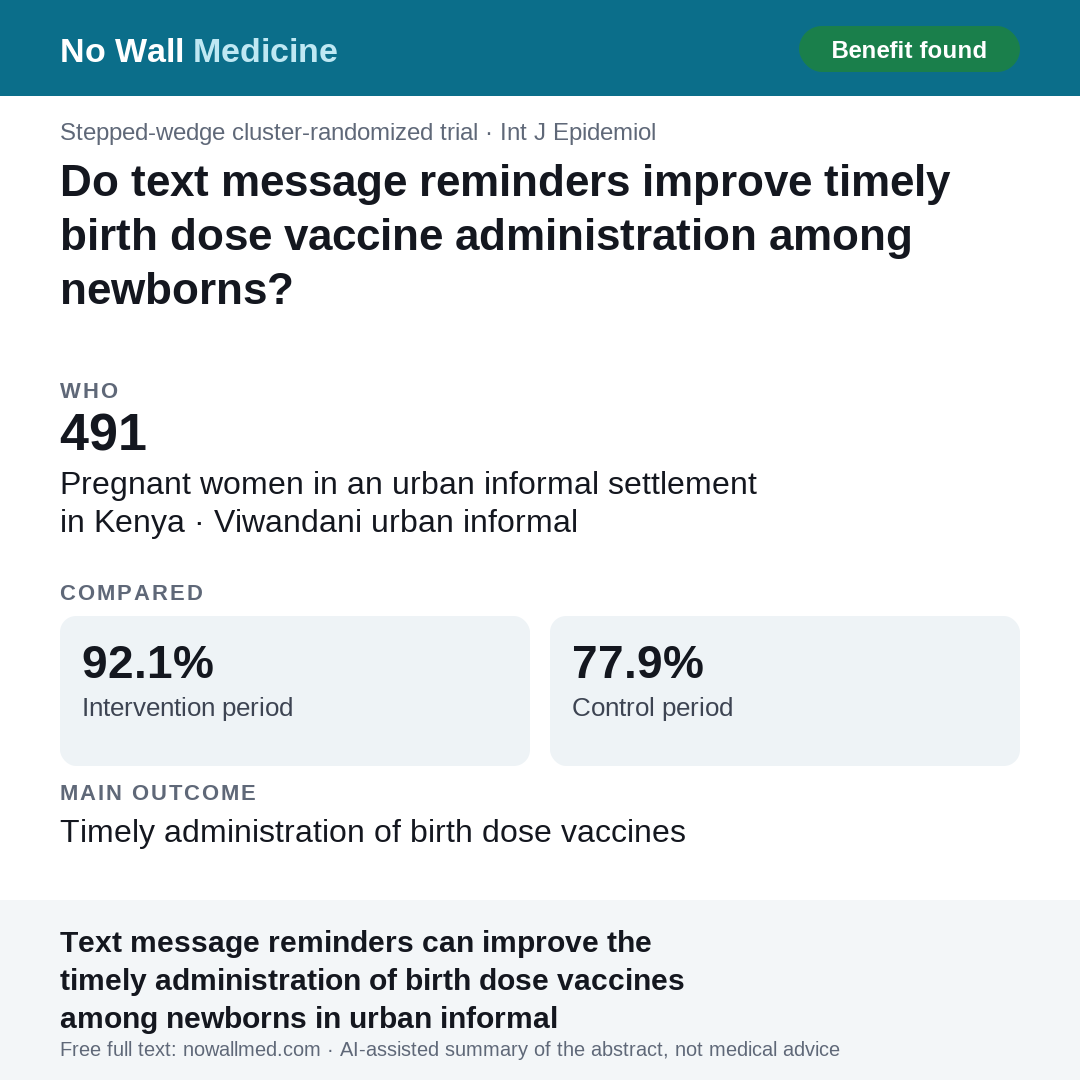
Text message reminders to improve the timeliness of birth dose vaccine administration among newborns in an urban informal settlement in Kenya
Stepped-wedge cluster-randomized trialBenefit found
Do text message reminders improve timely birth dose vaccine administration among newborns?
Who
491
Pregnant women in an urban informal settlement in Kenya · Viwandani urban informal settlement, Nairobi County, Kenya
Compared
92.1%Intervention period (OPV 0 or BCG)
77.9%Control period (OPV 0 or BCG)
Main outcome
Timely administration of birth dose vaccines
Result: adjusted relative risk 1.19 (95% CI 1.00-1.43)
Bottom line: Text message reminders can improve the timely administration of birth dose vaccines among newborns in urban informal settlements.
Int J Epidemiol · 2025-03-22Download image