Visual abstracts
New randomized trials and meta-analyses from leading journals at a glance: who was studied, what was compared, and what was found. Every paper is free to read in full.
All specialtiesCardiology 2917Oncology 2474Gastroenterology & Hepatology 1118Infectious Disease 1883Neurology 1166Psychiatry & Mental Health 1352Pulmonology 1212Critical Care 803Endocrinology & Diabetes 1476Pediatrics 1728Surgery 1519Orthopedics & Sports Medicine 528Neurosurgery 351Cardiothoracic & Vascular Surgery 329Plastic & Reconstructive Surgery 420Nephrology 603Rheumatology 445Hematology 644Dermatology 350Ophthalmology 326Obstetrics & Gynecology 958Public & Global Health 542Radiology & Imaging 412Anesthesiology 590Urology 486ENT (Otolaryngology) 329Emergency Medicine 320Allergy & Immunology 184Geriatrics 618Family Medicine & Primary Care 338Medical Genetics & Genomics 344Pathology & Laboratory Medicine 102Physical Medicine & Rehabilitation 463Palliative Care 251Nutrition 803Digital Health & AI 1379General Medicine 210
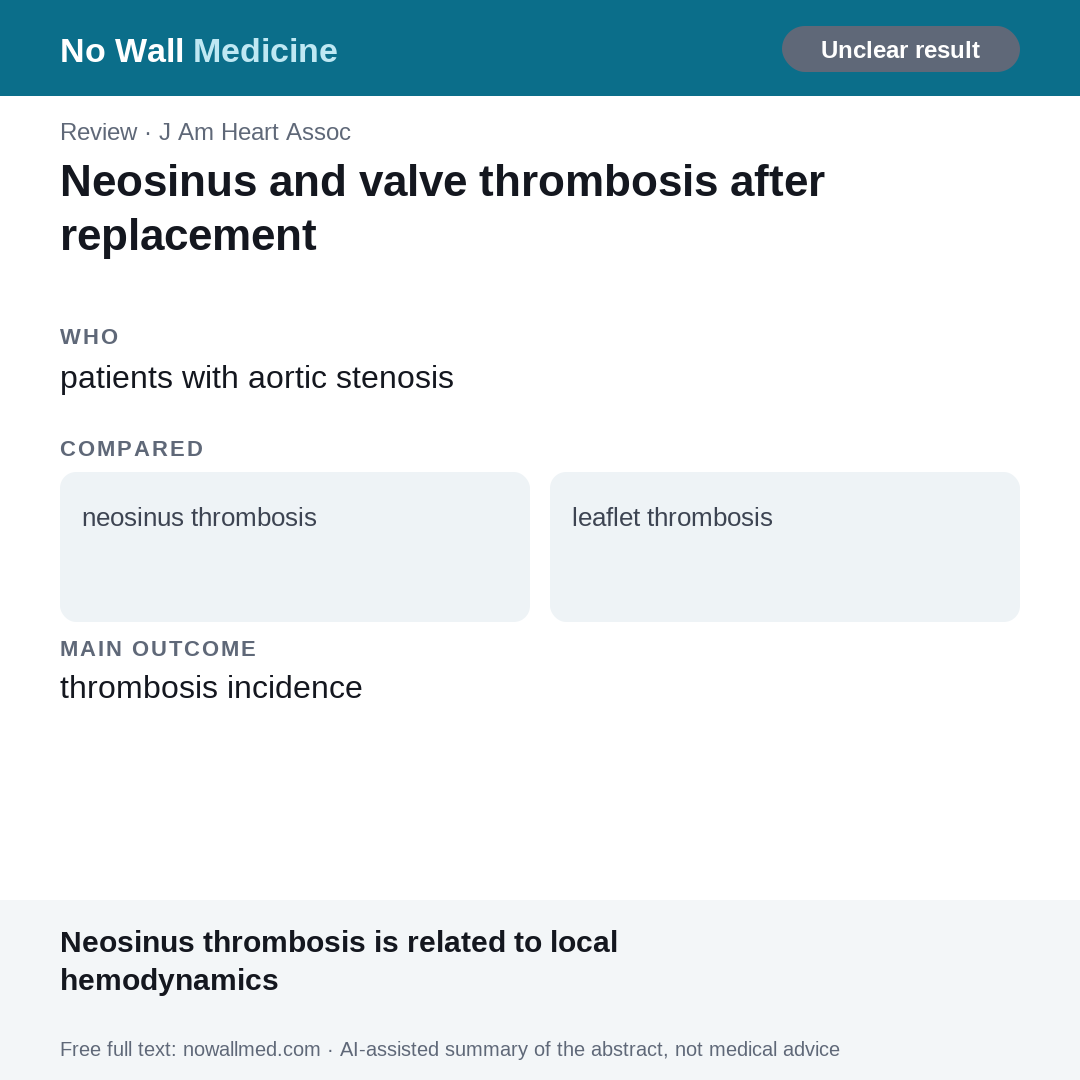
Neosinus and Valve Thrombosis After Transcatheter Aortic Valve Replacement
ReviewUnclear result
Neosinus and valve thrombosis after replacement
Who
patients with aortic stenosis
Compared
neosinus thrombosis
leaflet thrombosis
Main outcome
thrombosis incidence
Bottom line: Neosinus thrombosis is related to local hemodynamics
Limitation: lack of systematic integration
J Am Heart Assoc · 2026-04-20Download image
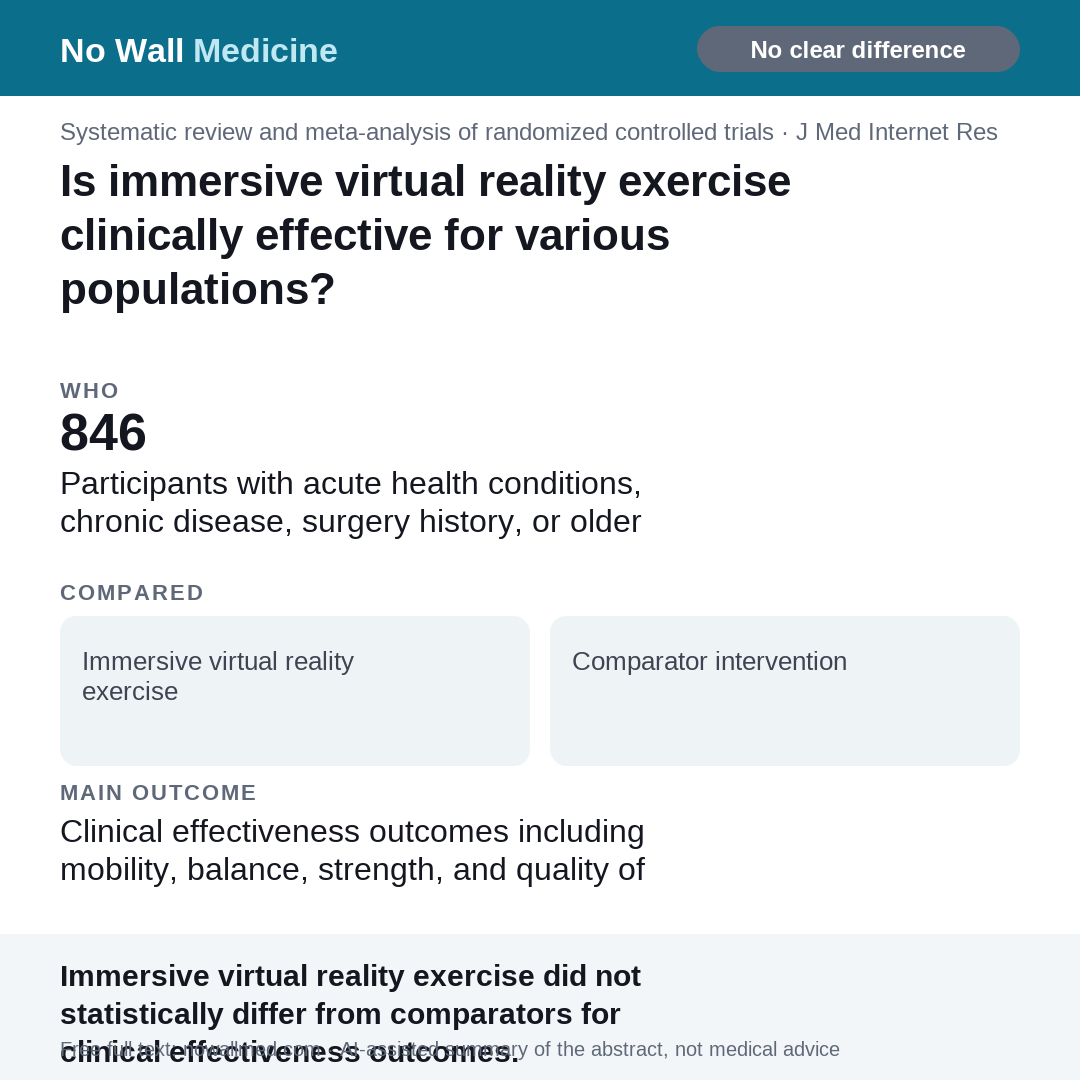
Clinical Effectiveness of Immersive Virtual Reality Exercise Interventions: Systematic Review and Meta-Analysis of Randomized Controlled Trials
Systematic review and meta-analysis of randomized controlled trialsNo clear difference
Is immersive virtual reality exercise clinically effective for various populations?
Who
846
Participants with acute health conditions, chronic disease, surgery history, or older adults
Compared
Immersive virtual reality exercise
Comparator intervention
Main outcome
Clinical effectiveness outcomes including mobility, balance, strength, and quality of life
Bottom line: Immersive virtual reality exercise did not statistically differ from comparators for clinical effectiveness outcomes.
Limitation: High heterogeneity, substantial risk of bias, and low to very low certainty in evidence.
J Med Internet Res · 2026-04-20Download image
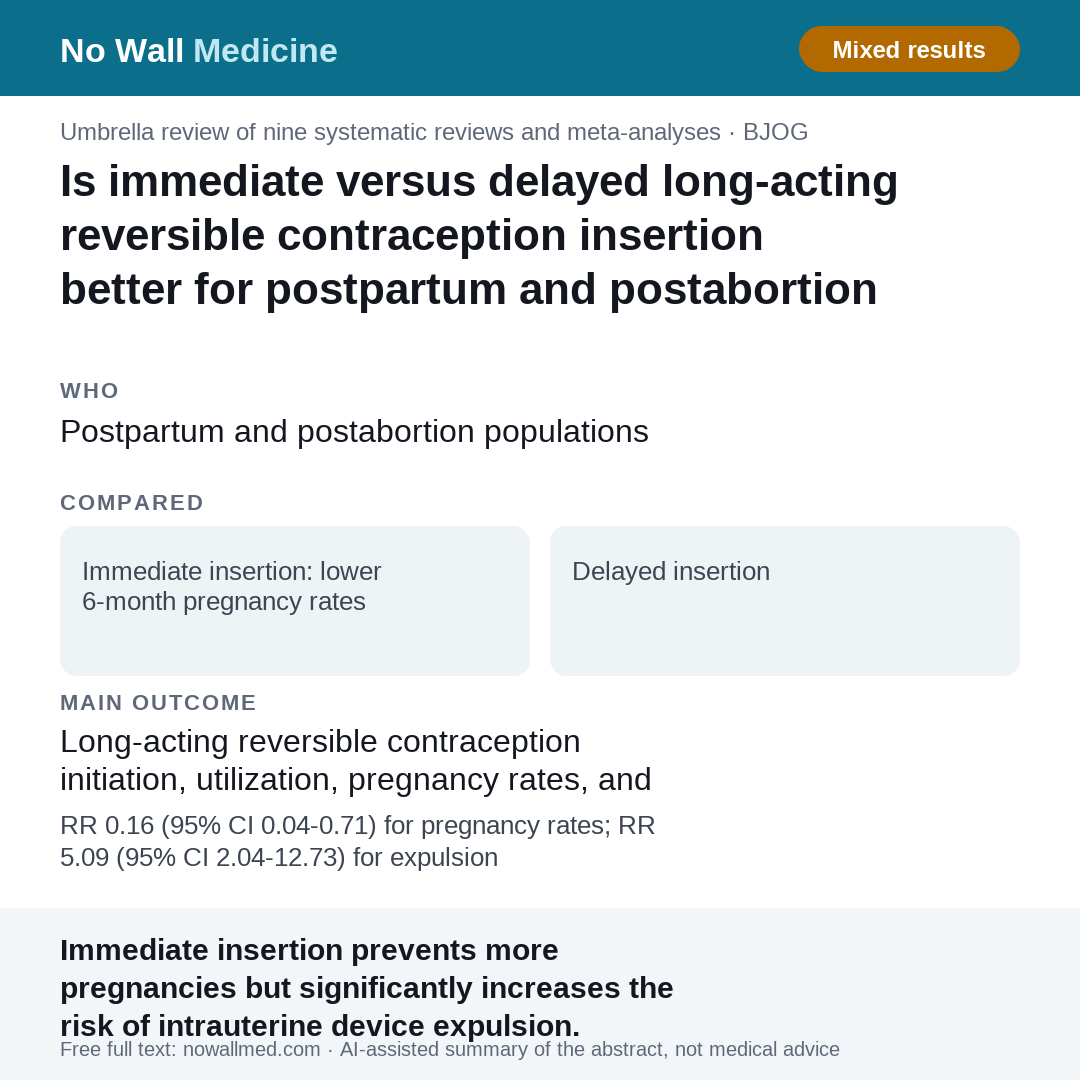
Immediate Versus Delayed Postpartum and Postabortion Insertion of Long-Acting Reversible Contraception: An Umbrella Review
Umbrella review of nine systematic reviews and meta-analysesMixed results
Is immediate versus delayed long-acting reversible contraception insertion better for postpartum and postabortion populations?
Who
Postpartum and postabortion populations
Compared
Immediate insertion: lower 6-month pregnancy rates
Delayed insertion
Main outcome
Long-acting reversible contraception initiation, utilization, pregnancy rates, and expulsion risk
Result: RR 0.16 (95% CI 0.04-0.71) for pregnancy rates; RR 5.09 (95% CI 2.04-12.73) for expulsion
Bottom line: Immediate insertion prevents more pregnancies but significantly increases the risk of intrauterine device expulsion.
Limitation: Supporting evidence for abortion methods was of low-certainty.
BJOG · 2026-04-19Download image
Structured tools for assessing quality and risk of bias in Mendelian randomization studies: an updated systematic review
Updated systematic reviewUnclear result
What structured tools exist for assessing quality and risk of bias in Mendelian randomization studies?
Who
Mendelian randomization quality and risk of bias assessment tools
Compared
Previously identified tools
Newly identified tools
Main outcome
Total number of structured assessment tools identified
Bottom line: The number of tools increased to 29, but lack of standardization makes comparison difficult.
Limitation: Substantial variation in bias domains, structure, and scoring methods persists across tools.
Int J Epidemiol · 2026-04-19Download image

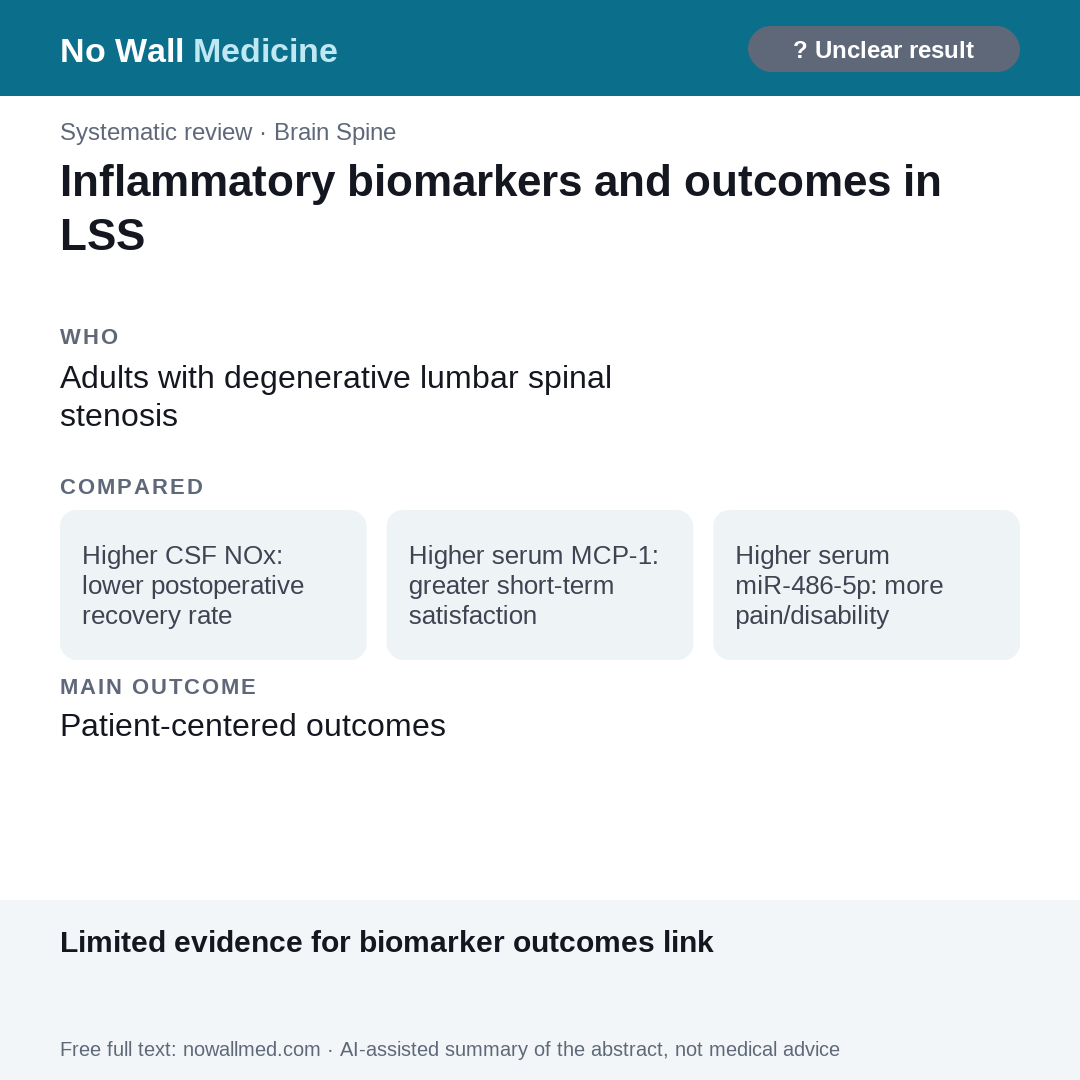
Associations of inflammatory biomarkers with clinical outcomes in degenerative lumbar spinal stenosis: A systematic review
Systematic reviewUnclear result
Inflammatory biomarkers and outcomes in LSS
Who
Adults with degenerative lumbar spinal stenosis
Compared
Higher CSF NOx: lower postoperative recovery rate
Higher serum MCP-1: greater short-term satisfaction
Higher serum miR-486-5p: more pain/disability
Main outcome
Patient-centered outcomes
Bottom line: Limited evidence for biomarker outcomes link
Limitation: Evidence is sparse and based on single studies
Brain Spine · 2026-04-18Download image
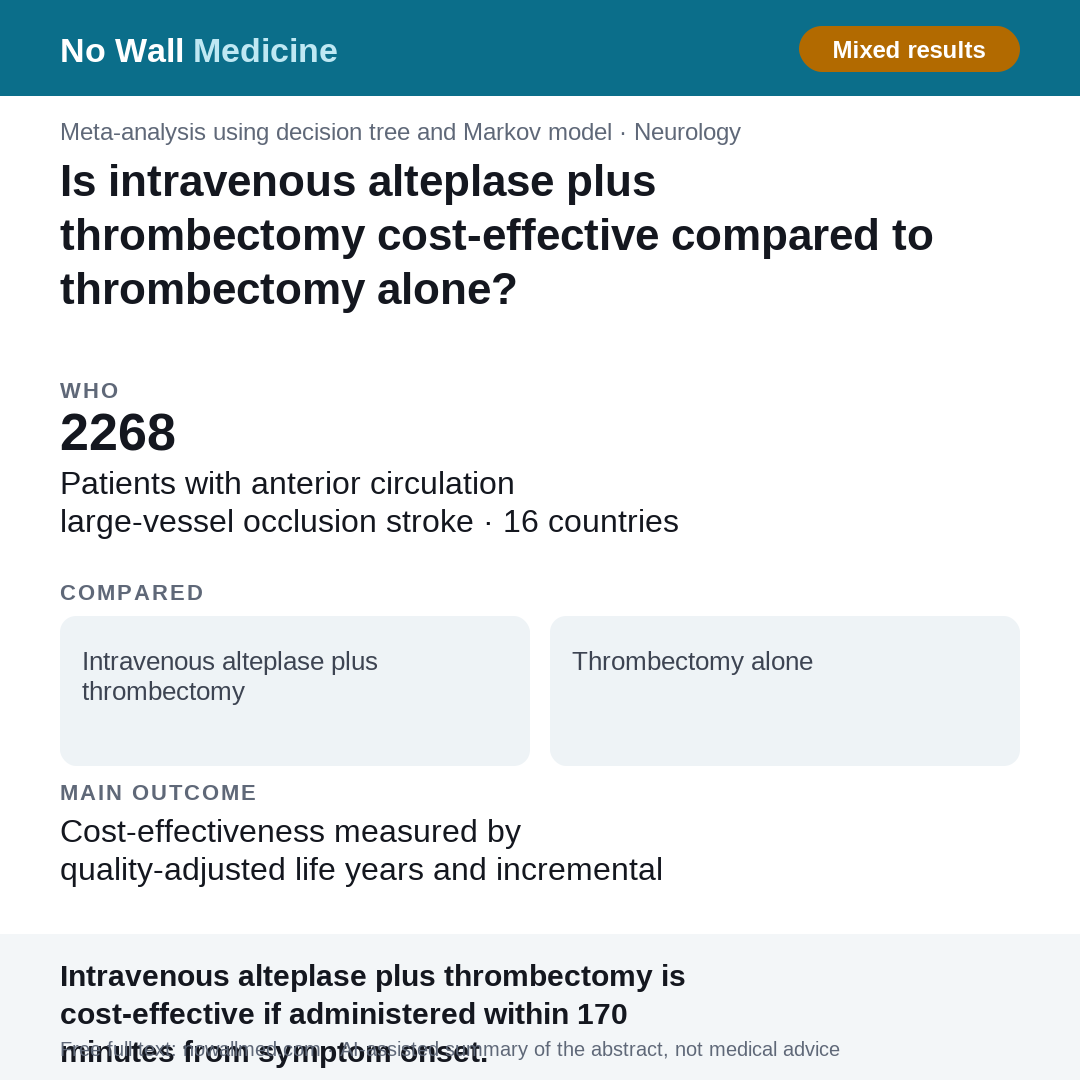
Cost-Effectiveness of Thrombectomy With or Without Alteplase in Large Vessel Occlusion Stroke: A Meta-Analysis Considering Time-to-Treatment
Meta-analysis using decision tree and Markov modelMixed results
Is intravenous alteplase plus thrombectomy cost-effective compared to thrombectomy alone?
Who
2268
Patients with anterior circulation large-vessel occlusion stroke · 16 countries
Compared
Intravenous alteplase plus thrombectomy
Thrombectomy alone
Main outcome
Cost-effectiveness measured by quality-adjusted life years and incremental net monetary benefit
Bottom line: Intravenous alteplase plus thrombectomy is cost-effective if administered within 170 minutes from symptom onset.
Limitation: Cost-effectiveness varies per country and depends on onset-to-treatment time.
Neurology · 2026-04-17Download image
Navigating uncharted territory in surgical innovation: systematic review of non-standard metabolic bariatric surgery procedures
Systematic reviewHarm found
What are the reporting standards and ethical oversight for non-standard metabolic bariatric surgery?
Who
10 754
Patients undergoing first-in-human or early clinical non-standard metabolic bariatric surgery
Compared
82%Studies with ethics approval
11%Studies with prospective trial registration
Main outcome
Reporting standards, ethical oversight, and methodological quality
Bottom line: Experimental metabolic bariatric surgery lacks prospective trial registration and sufficient long-term follow-up, risking patient safety.
Limitation: 56 of 57 studies were judged at high risk of bias.
Br J Surg · 2026-04-17Download image

Nudging in MicroBiology laboratory Evaluation (NiMBLE): a systematic review and meta-analysis
Systematic review and meta-analysisBenefit found
Does nudging in microbiology reports impact antimicrobial use and clinical outcomes?
Who
36339
Humans in all healthcare settings · High-income countries, predominantly North America
Compared
Nudging interventions: 143% increase in prescribing appropriateness
No nudge
Main outcome
Prescribing appropriateness and antimicrobial utilization
Result: odds ratio 2.43 (95% CI 1.91-3.10)
Bottom line: Nudging in microbiology reports improves antimicrobial appropriateness and utilization without increasing clinical harm.
Limitation: Future research should employ prospective designs to mitigate potential biases.
Clin Microbiol Infect · 2026-04-17Download image

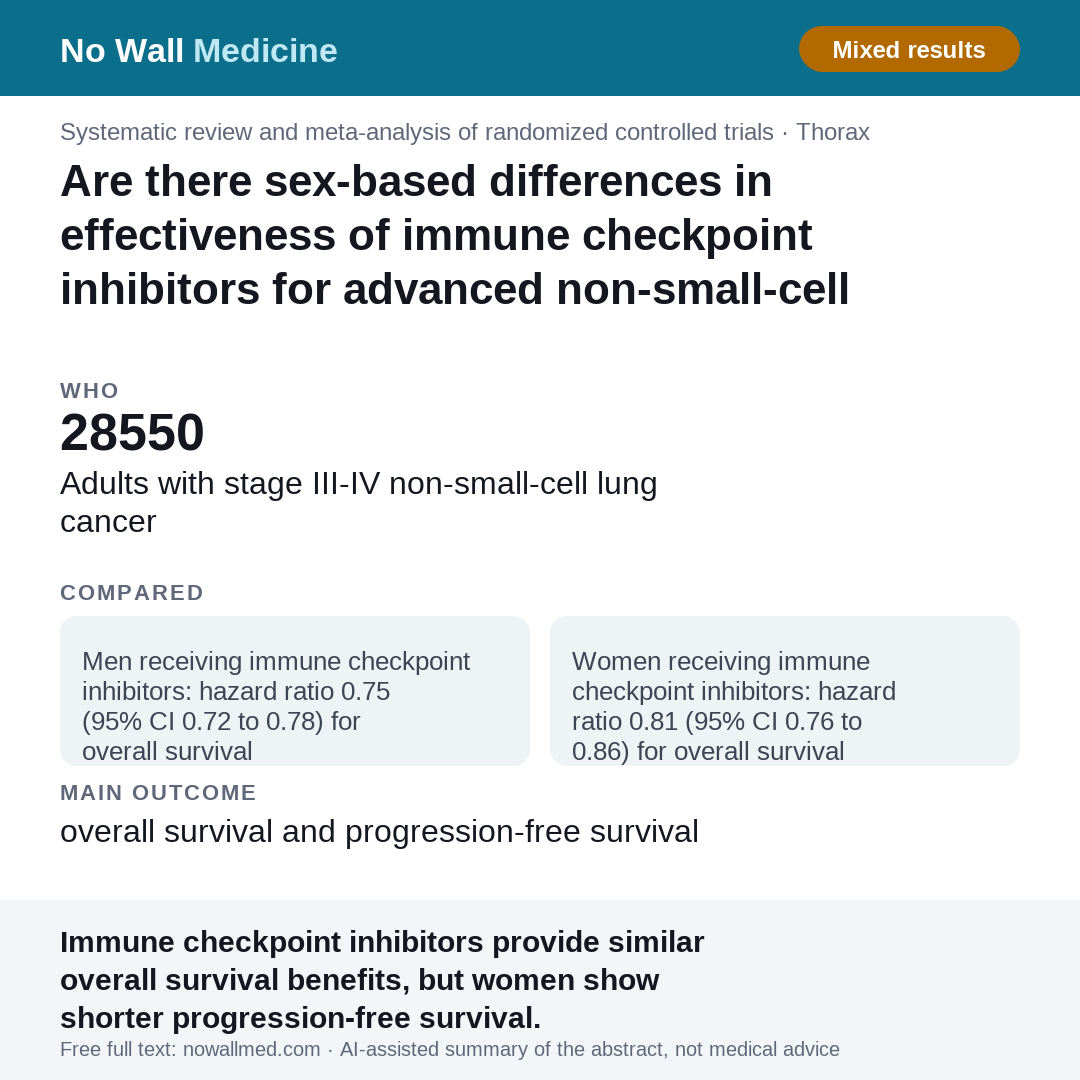
Sex-based differences in effectiveness of immune checkpoint inhibitors in the treatment of advanced non-small-cell lung cancer: systematic review and meta-analysis
Systematic review and meta-analysis of randomized controlled trialsMixed results
Are there sex-based differences in effectiveness of immune checkpoint inhibitors for advanced non-small-cell lung cancer?
Who
28550
Adults with stage III-IV non-small-cell lung cancer
Compared
Men receiving immune checkpoint inhibitors: hazard ratio 0.75 (95% CI 0.72 to 0.78) for overall survival
Women receiving immune checkpoint inhibitors: hazard ratio 0.81 (95% CI 0.76 to 0.86) for overall survival
Main outcome
overall survival and progression-free survival
Result: hazard ratio 0.75 (95% CI 0.72 to 0.78) for men and 0.81 (95% CI 0.76 to 0.86) for women
Bottom line: Immune checkpoint inhibitors provide similar overall survival benefits, but women show shorter progression-free survival.
Thorax · 2026-04-17Download image
Predictors of clinical response to biologics in psoriasis: A systematic review and meta-analysis
Systematic review and meta-analysisMixed results
What are the predictors of clinical response to biologics in psoriasis patients?
Who
13,902
Patients with psoriasis
Compared
Negative predictors: older age (odds ratio 0.99, 95% CI 0.98-0.99), higher body mass index (odds ratio 0.94, 95% CI 0.92-0.97), comorbidities (odds ratio 0.75, 95% CI 0.63-0.9), special areas (odds ratio 0.71, 95% CI 0.56-0.89)
Positive predictor: positive family history (odds ratio 1.42, 95% CI 1.18-1.71)
Main outcome
complete skin clearance
Bottom line: Older age, obesity, comorbidities, and special-site involvement predict poorer response, while family history predicts better biologic outcomes.
J Eur Acad Dermatol Venereol · 2026-04-17Download image

Dietary, Food Security and Diabetes Outcomes Associated with Food Is Medicine Programs among Adults with Type 2 Diabetes in the United States: A Rapid Systematic Review
Rapid systematic reviewMixed results
Do food is medicine programs impact diabetes, diet, and food security outcomes?
Who
Adults with type 2 diabetes in the United States · United States
Compared
Food is medicine interventions: hemoglobin A1c (-0.1% to -3.0%)
Vegetable and fruit intake: +0.2 to +0.9 mean servings/d
Diet quality: +0.04 to +31.8 points
Food insecurity: -8.9% to -53.5%
Main outcome
diabetes management, dietary intake, and food security
Bottom line: Food is medicine programs showed modest improvements, but most changes in diabetes management were not clinically significant.
Limitation: Low rigor of many studies suggests caution regarding program efficacy.
Adv Nutr · 2026-04-17Download image

Prognostic Nutritional Index and Cancer Prognostic Outcomes: An Umbrella Review of Systematic Reviews and Meta-analyses of Observational Studies
Umbrella review of systematic reviews and meta-analysesBenefit found
Is the prognostic nutritional index associated with cancer prognostic outcomes?
Who
Patients with various types of cancer
Compared
Elevated prognostic nutritional index: improved overall survival
Lower prognostic nutritional index
Main outcome
Overall survival, progression-free survival, and objective response rates
Bottom line: Elevated prognostic nutritional index is consistently associated with improved survival and better outcomes across diverse cancer types.
Limitation: Marked heterogeneity in prognostic nutritional index cutoff values across studies.
Adv Nutr · 2026-04-17Download image

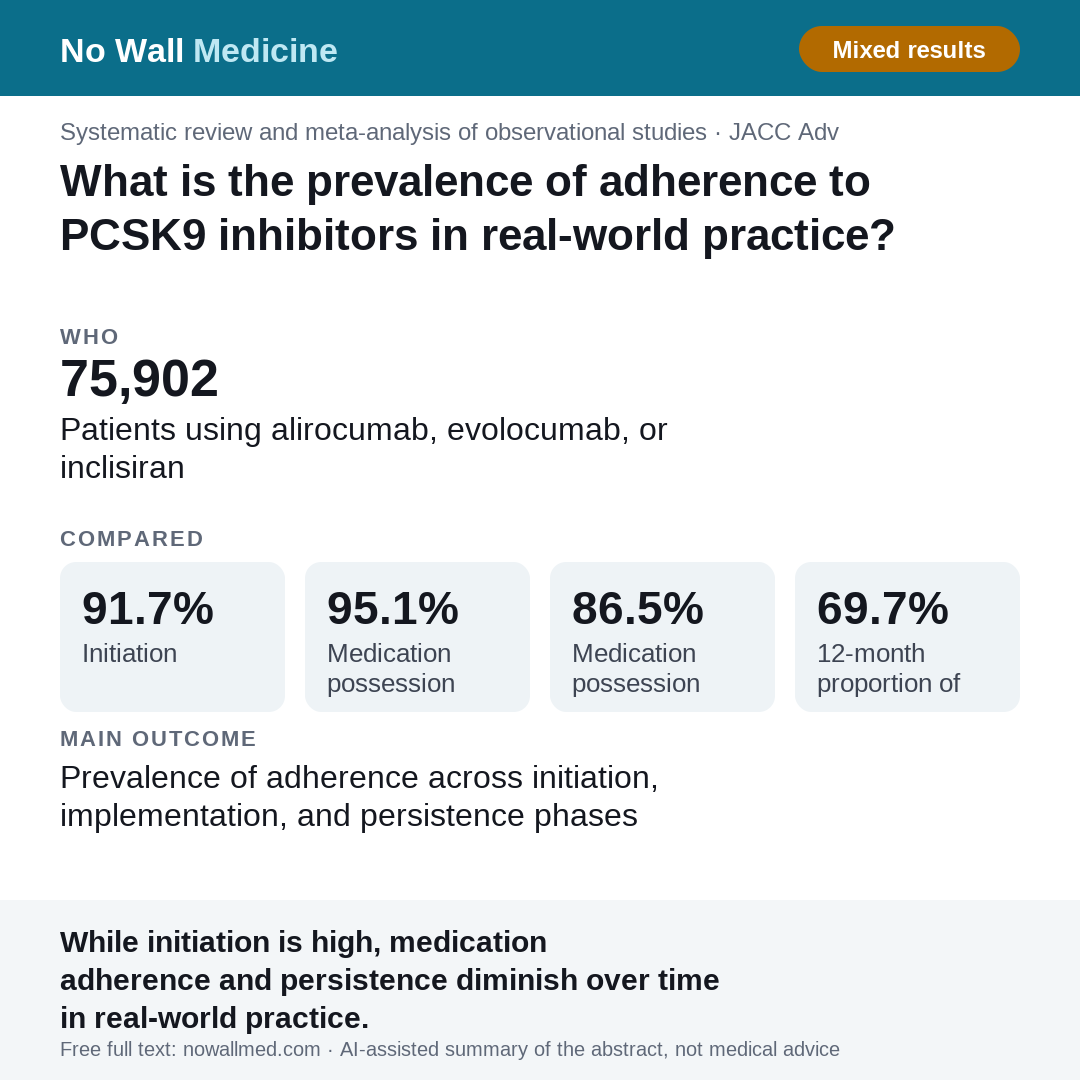
Adherence to PCSK9 Inhibitors in Clinical Practice: Systematic Review and Meta-Analysis of Observational Studies
Systematic review and meta-analysis of observational studiesMixed results
What is the prevalence of adherence to PCSK9 inhibitors in real-world practice?
Who
75,902
Patients using alirocumab, evolocumab, or inclisiran
Compared
91.7%Initiation (95% CI: 83.6-96.0)
95.1%Medication possession ratio at 6 months (95% CI: 92.7-97.5)
86.5%Medication possession ratio at 24 months (95% CI: 80.2-92.9)
69.7%12-month proportion of days covered (95% CI: 55.9-83.5)
Main outcome
Prevalence of adherence across initiation, implementation, and persistence phases
Bottom line: While initiation is high, medication adherence and persistence diminish over time in real-world practice.
Limitation: Limited evidence beyond 24 months of follow-up and for inclisiran.
JACC Adv · 2026-04-17Download image
Referral uptake after diabetic retinopathy screening with artificial intelligence-assisted care pathways: a systematic review and meta-analysis
Systematic review and meta-analysisBenefit found
Does artificial intelligence-assisted screening improve diabetic retinopathy referral uptake compared to standard care?
Who
Patients undergoing diabetic retinopathy screening · Not specified
Compared
Artificial intelligence-assisted screening
Standard of care
Main outcome
Diabetic retinopathy referral uptake
Result: relative risk 1.89 (95% CI 1.18 to 3.03)
Bottom line: Artificial intelligence-assisted screening increases diabetic retinopathy referral uptake compared to the standard of care.
Limitation: High heterogeneity among included studies (I2 = 91.9%)
NPJ Digit Med · 2026-04-17Download image

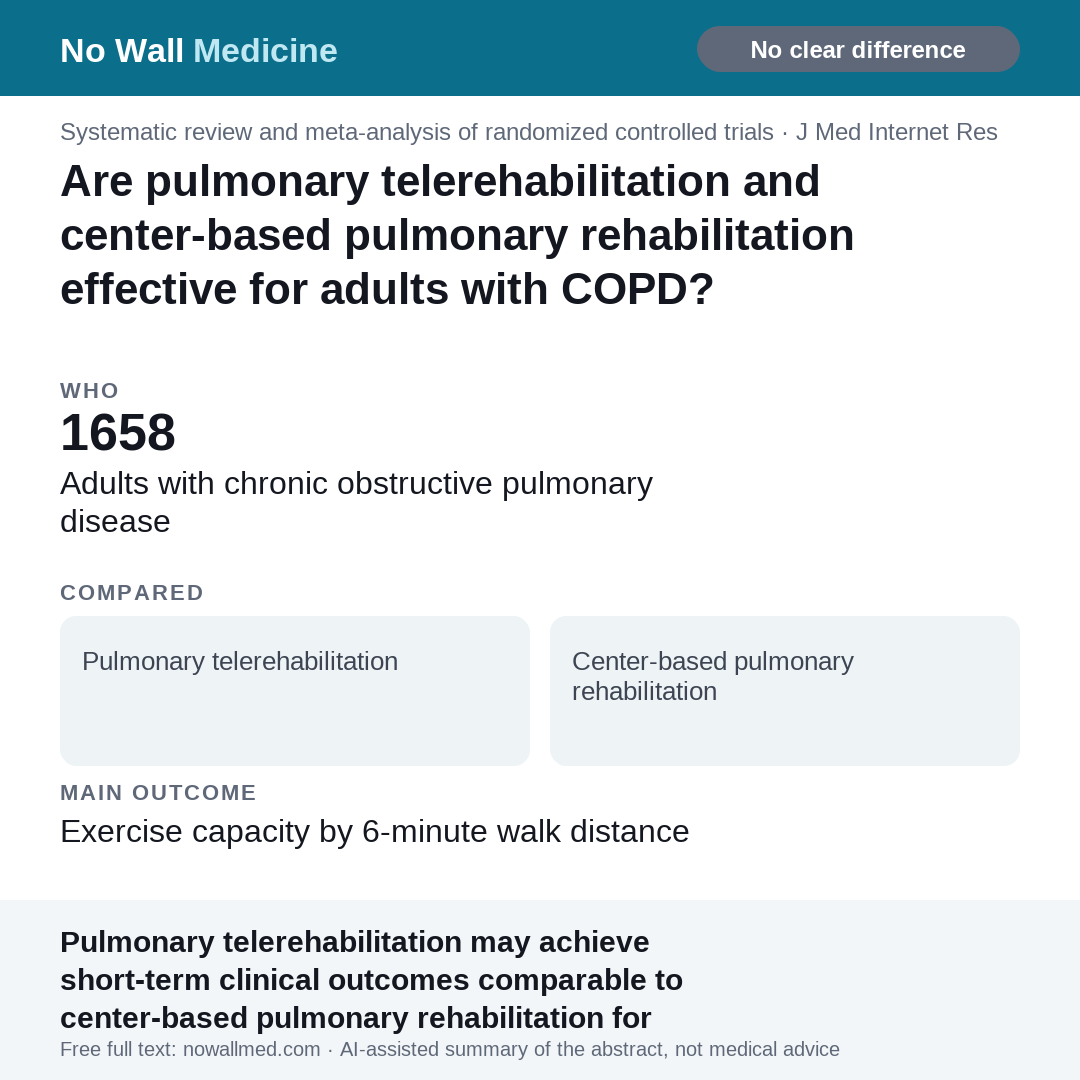
Comparing Pulmonary Telerehabilitation and Center-Based Pulmonary Rehabilitation for Effectiveness and Adherence in Chronic Obstructive Pulmonary Disease: Systematic Review and Meta-Analysis of Randomized Controlled Trials
Systematic review and meta-analysis of randomized controlled trialsNo clear difference
Are pulmonary telerehabilitation and center-based pulmonary rehabilitation effective for adults with COPD?
Who
1658
Adults with chronic obstructive pulmonary disease
Compared
Pulmonary telerehabilitation
Center-based pulmonary rehabilitation
Main outcome
Exercise capacity by 6-minute walk distance
Result: mean difference -5.37 m, 95% CI -15.68 to 4.95
Bottom line: Pulmonary telerehabilitation may achieve short-term clinical outcomes comparable to center-based pulmonary rehabilitation for exercise capacity.
Limitation: Certainty of evidence was downgraded for performance bias, inconsistency across intervention models, and imprecision.
J Med Internet Res · 2026-04-17Download image
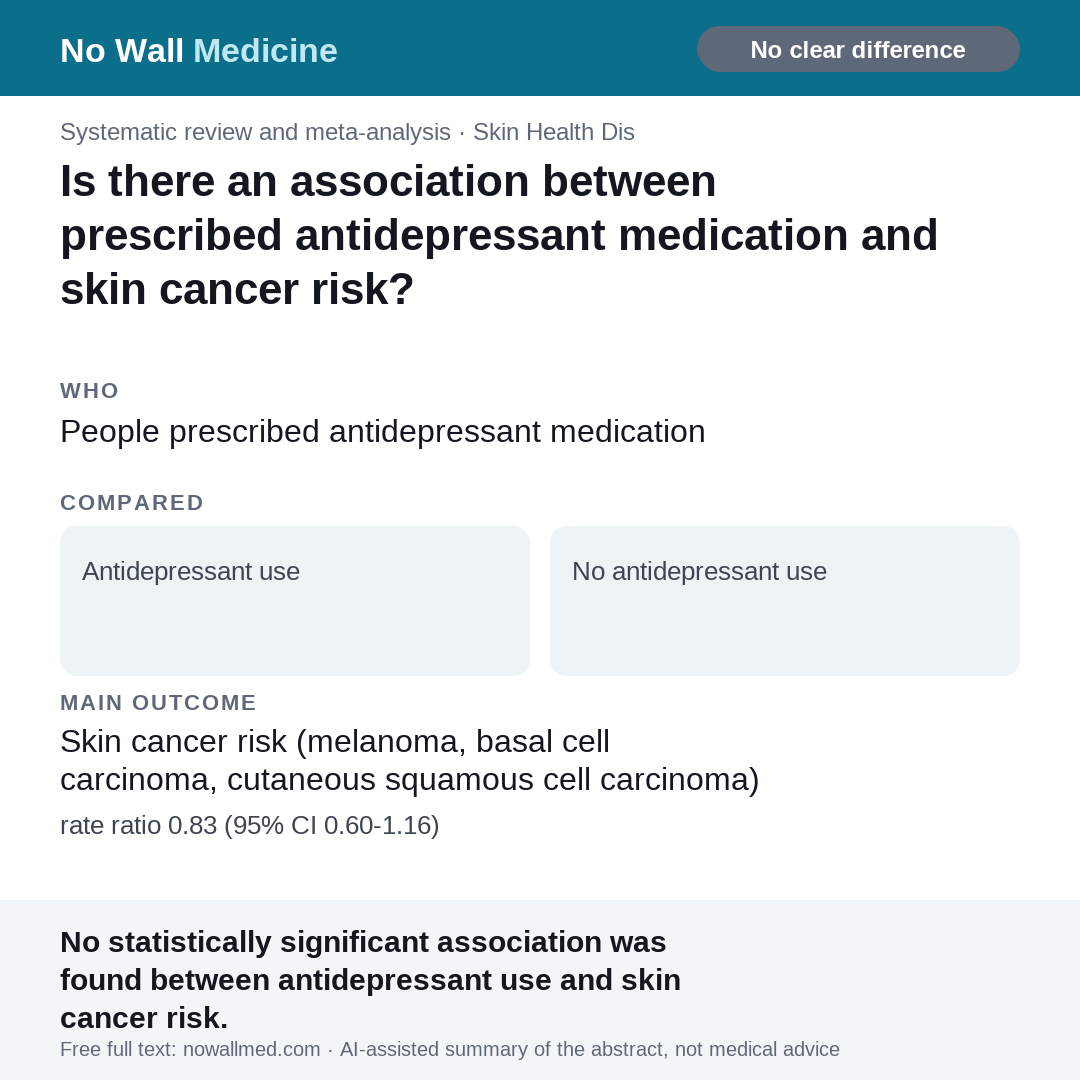
Association between prescribed antidepressant medication and skin cancer (melanoma, basal cell carcinoma and cutaneous squamous cell carcinoma) risk: a systematic review and meta-analysis
Systematic review and meta-analysisNo clear difference
Is there an association between prescribed antidepressant medication and skin cancer risk?
Who
People prescribed antidepressant medication
Compared
Antidepressant use
No antidepressant use
Main outcome
Skin cancer risk (melanoma, basal cell carcinoma, cutaneous squamous cell carcinoma)
Result: rate ratio 0.83 (95% CI 0.60-1.16)
Bottom line: No statistically significant association was found between antidepressant use and skin cancer risk.
Limitation: The certainty of evidence was very low.
Skin Health Dis · 2026-04-17Download image
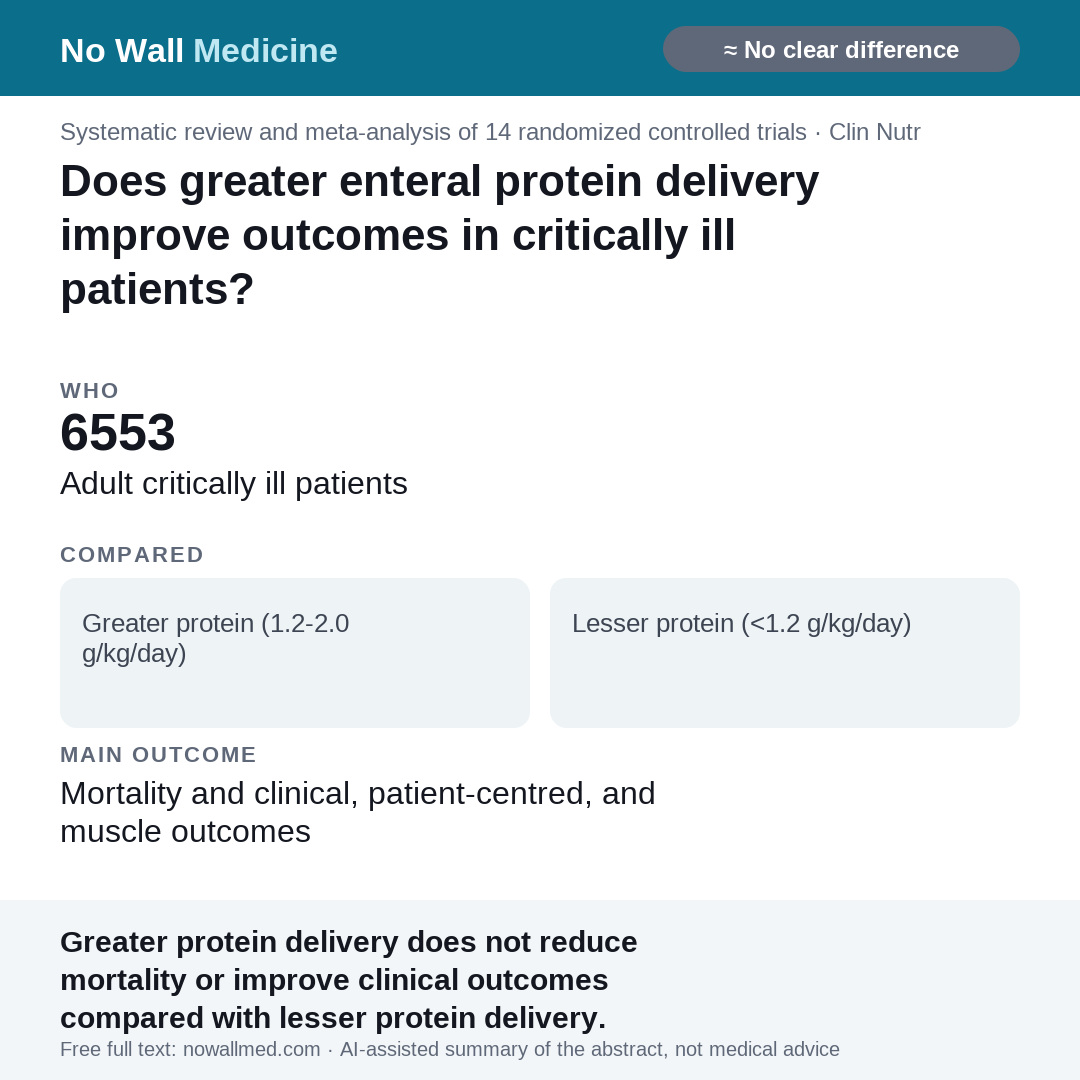
Optimal delivery of enteral protein in the critically ill: A systematic review and meta-analysis of randomised controlled trials
Systematic review and meta-analysis of 14 randomized controlled trialsNo clear difference
Does greater enteral protein delivery improve outcomes in critically ill patients?
Who
6553
Adult critically ill patients
Compared
Greater protein (1.2-2.0 g/kg/day)
Lesser protein (<1.2 g/kg/day)
Main outcome
Mortality and clinical, patient-centred, and muscle outcomes
Result: pooled risk ratio 1.01 (95% CI 0.92, 1.12)
Bottom line: Greater protein delivery does not reduce mortality or improve clinical outcomes compared with lesser protein delivery.
Limitation: Subgroup definitions for acute kidney injury varied across trials.
Clin Nutr · 2026-04-16Download image
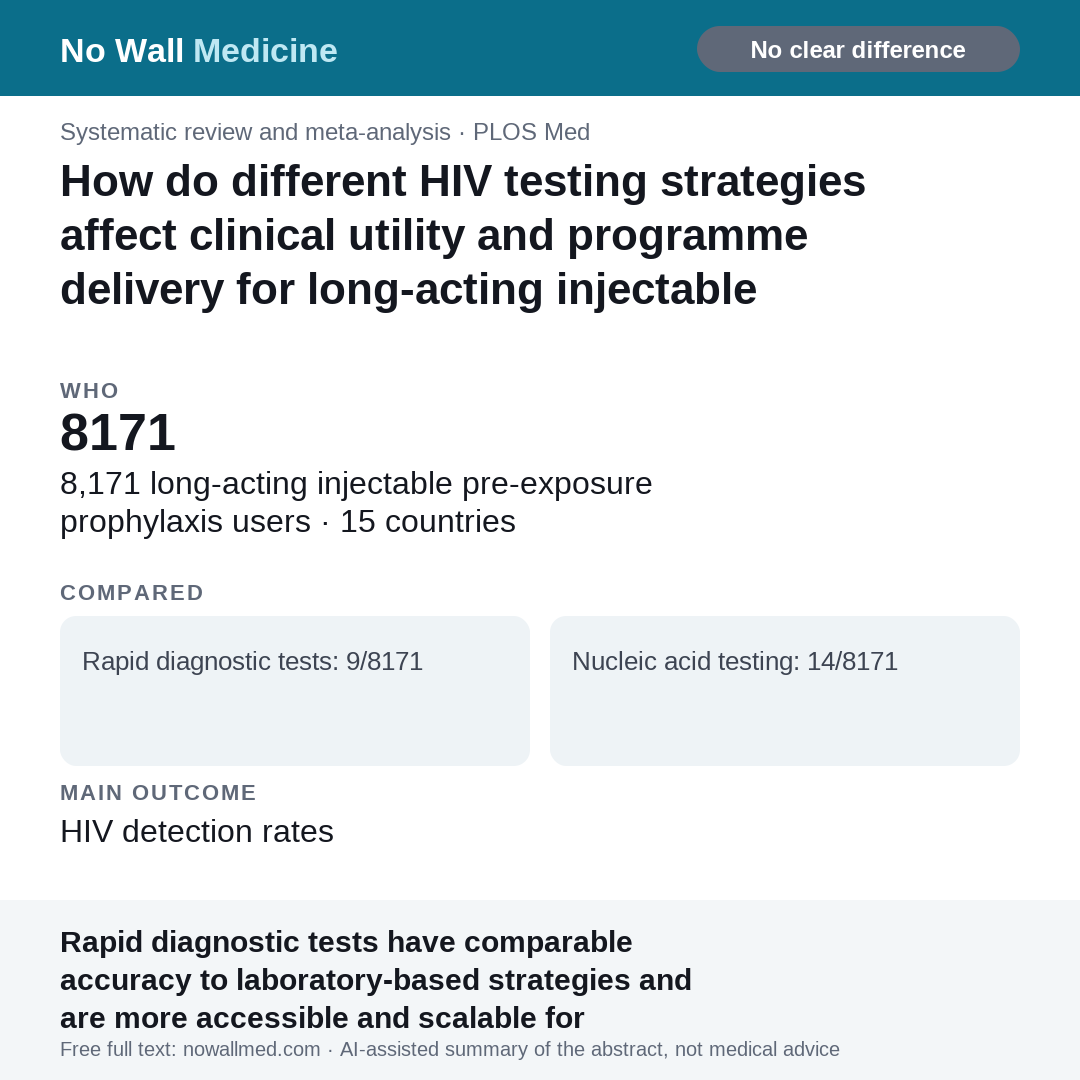
Rapid diagnostic tests, laboratory-based immunoassay and nucleic acid testing strategies for long-acting injectable pre-exposure prophylaxis: A systematic review and meta-analysis
Systematic review and meta-analysisNo clear difference
How do different HIV testing strategies affect clinical utility and programme delivery for long-acting injectable pre-exposure prophylaxis?
Who
8171
8,171 long-acting injectable pre-exposure prophylaxis users · 15 countries
Compared
Rapid diagnostic tests: 9/8171
Nucleic acid testing: 14/8171
Main outcome
HIV detection rates
Result: odds ratio 0.66 (95% confidence interval: 0.29-1.50)
Bottom line: Rapid diagnostic tests have comparable accuracy to laboratory-based strategies and are more accessible and scalable for long-acting injectable pre-exposure prophylaxis.
Limitation: Assessment of performance accuracy in different testing strategies may introduce selection bias.
PLOS Med · 2026-04-16Download image
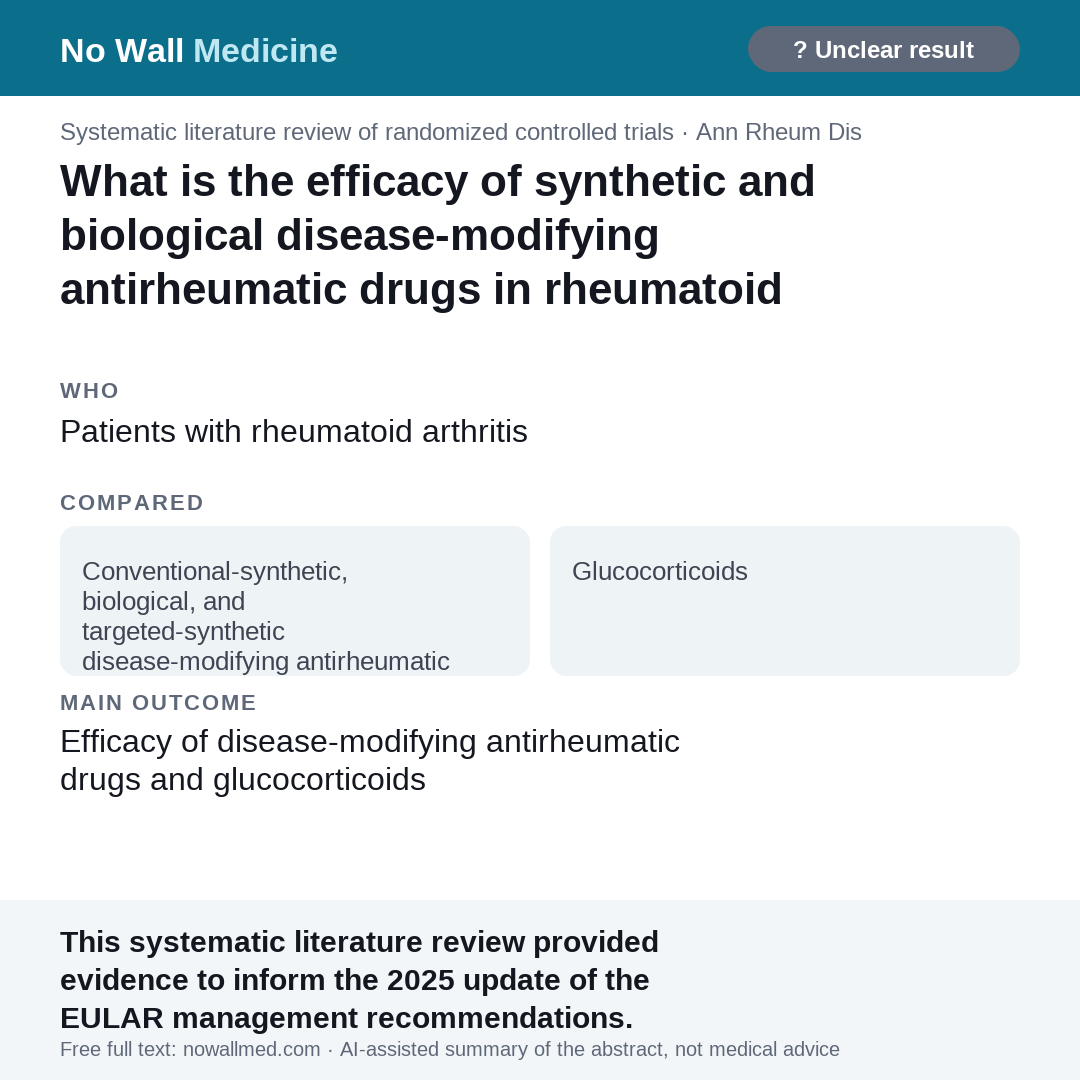
Efficacy of synthetic and biological DMARDs: a systematic literature review informing the 2025 update of the EULAR recommendations for the management of rheumatoid arthritis
Systematic literature review of randomized controlled trialsUnclear result
What is the efficacy of synthetic and biological disease-modifying antirheumatic drugs in rheumatoid arthritis?
Who
Patients with rheumatoid arthritis
Compared
Conventional-synthetic, biological, and targeted-synthetic disease-modifying antirheumatic drugs
Glucocorticoids
Main outcome
Efficacy of disease-modifying antirheumatic drugs and glucocorticoids
Bottom line: This systematic literature review provided evidence to inform the 2025 update of the EULAR management recommendations.
Ann Rheum Dis · 2026-04-16Download image
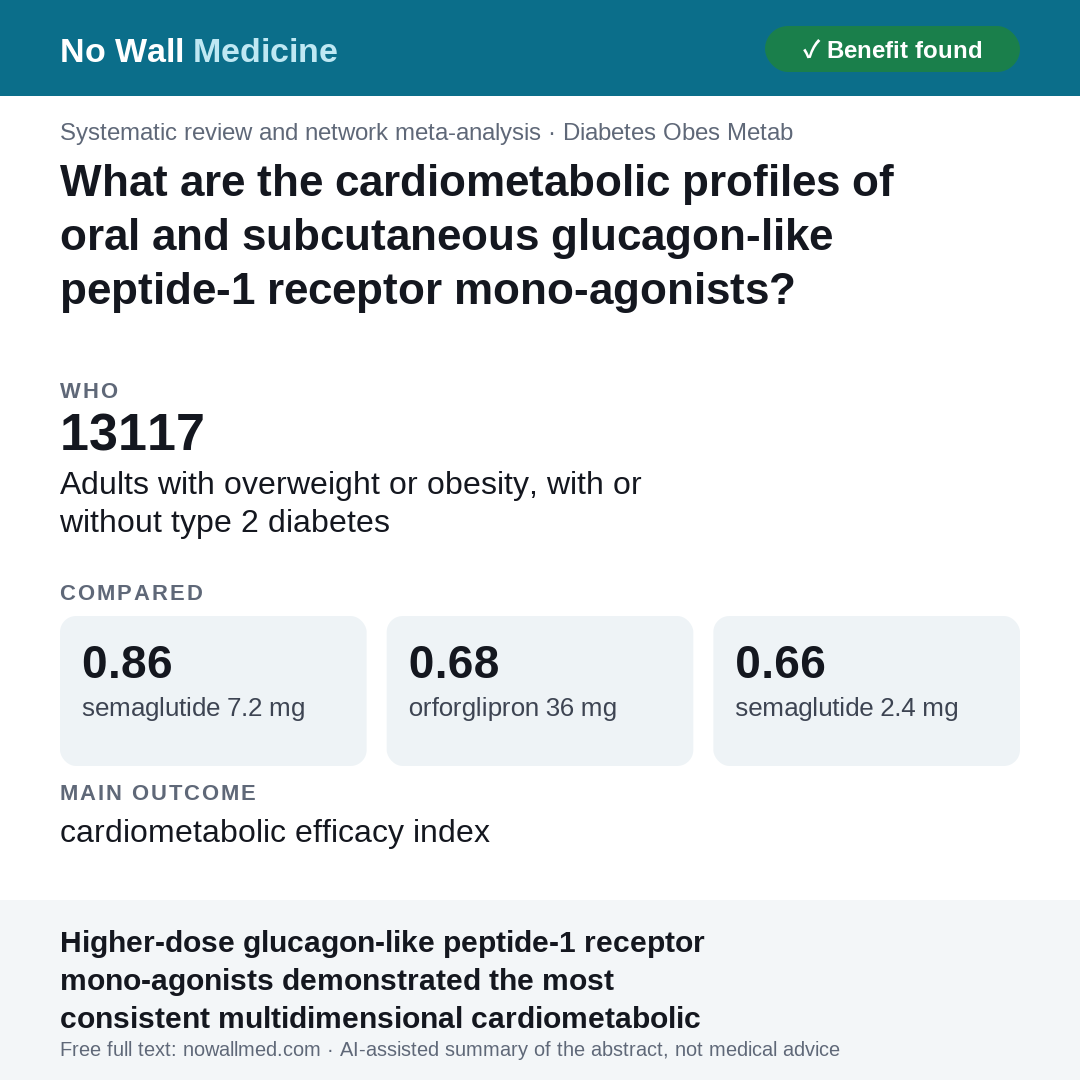
Cardiometabolic Profiles of Oral and Subcutaneous Glucagon-Like Peptide-1 Receptor Mono-Agonists in Adults With Overweight or Obesity: A Systematic Review and Network Meta-Analysis
Systematic review and network meta-analysisBenefit found
What are the cardiometabolic profiles of oral and subcutaneous glucagon-like peptide-1 receptor mono-agonists?
Who
13117
Adults with overweight or obesity, with or without type 2 diabetes
Compared
0.86semaglutide 7.2 mg
0.68orforglipron 36 mg
0.66semaglutide 2.4 mg
Main outcome
cardiometabolic efficacy index
Bottom line: Higher-dose glucagon-like peptide-1 receptor mono-agonists demonstrated the most consistent multidimensional cardiometabolic improvements.
Diabetes Obes Metab · 2026-04-16Download image