Visual abstracts
New randomized trials and meta-analyses from leading journals at a glance: who was studied, what was compared, and what was found. Every paper is free to read in full.
All specialtiesCardiology 3368Oncology 2898Gastroenterology & Hepatology 1328Infectious Disease 2303Neurology 1355Psychiatry & Mental Health 1599Pulmonology 1440Critical Care 961Endocrinology & Diabetes 1718Pediatrics 2042Surgery 1805Orthopedics & Sports Medicine 616Neurosurgery 398Cardiothoracic & Vascular Surgery 391Plastic & Reconstructive Surgery 473Nephrology 723Rheumatology 529Hematology 760Dermatology 417Ophthalmology 378Obstetrics & Gynecology 1142Public & Global Health 645Radiology & Imaging 475Anesthesiology 694Urology 569ENT (Otolaryngology) 372Emergency Medicine 364Allergy & Immunology 211Geriatrics 714Family Medicine & Primary Care 390Medical Genetics & Genomics 422Pathology & Laboratory Medicine 112Physical Medicine & Rehabilitation 533Palliative Care 311Nutrition 1017Digital Health & AI 1601General Medicine 237
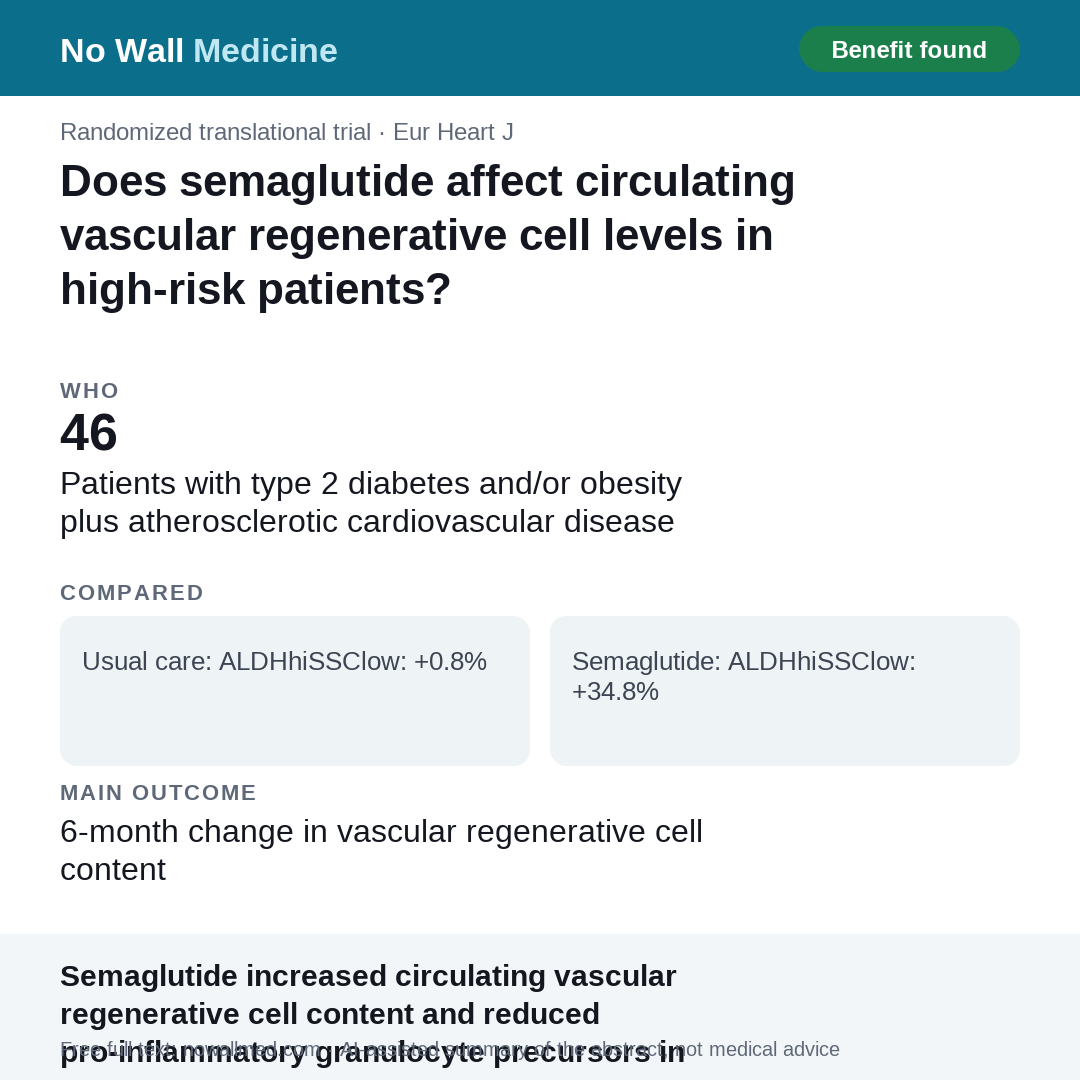
Semaglutide promotes bone marrow-derived progenitor cell flux towards an anti-inflammatory and pro-regenerative profile in high-risk patients: the SEMA-VR CardioLink-15 trial
Randomized translational trialBenefit found
Does semaglutide affect circulating vascular regenerative cell levels in high-risk patients?
Who
46
Patients with type 2 diabetes and/or obesity plus atherosclerotic cardiovascular disease
Compared
Usual care: ALDHhiSSClow: +0.8%
Semaglutide: ALDHhiSSClow: +34.8%
Main outcome
6-month change in vascular regenerative cell content
Bottom line: Semaglutide increased circulating vascular regenerative cell content and reduced pro-inflammatory granulocyte precursors in high-risk patients.
Eur Heart J · 2025-08-31Download image
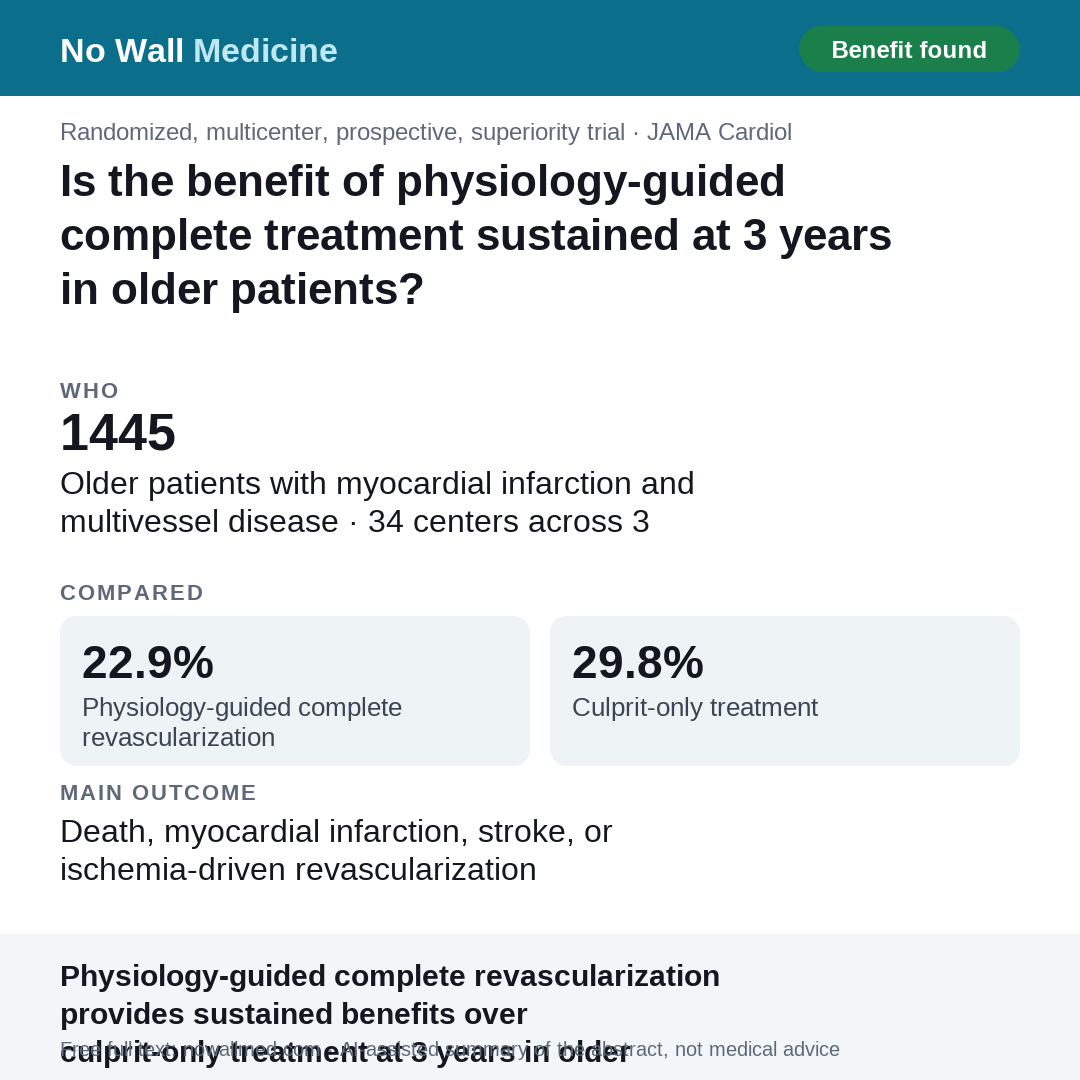
Physiology-Guided Complete Revascularization in Older Patients With Myocardial Infarction: Three-Year Outcomes of a Randomized Clinical Trial
Randomized, multicenter, prospective, superiority trialBenefit found
Is the benefit of physiology-guided complete treatment sustained at 3 years in older patients?
Who
1445
Older patients with myocardial infarction and multivessel disease · 34 centers across 3 countries
Compared
22.9%Physiology-guided complete revascularization
29.8%Culprit-only treatment
Main outcome
Death, myocardial infarction, stroke, or ischemia-driven revascularization
Result: hazard ratio 0.72 (95% CI 0.58-0.88)
Bottom line: Physiology-guided complete revascularization provides sustained benefits over culprit-only treatment at 3 years in older patients.
JAMA Cardiol · 2025-08-31Download image
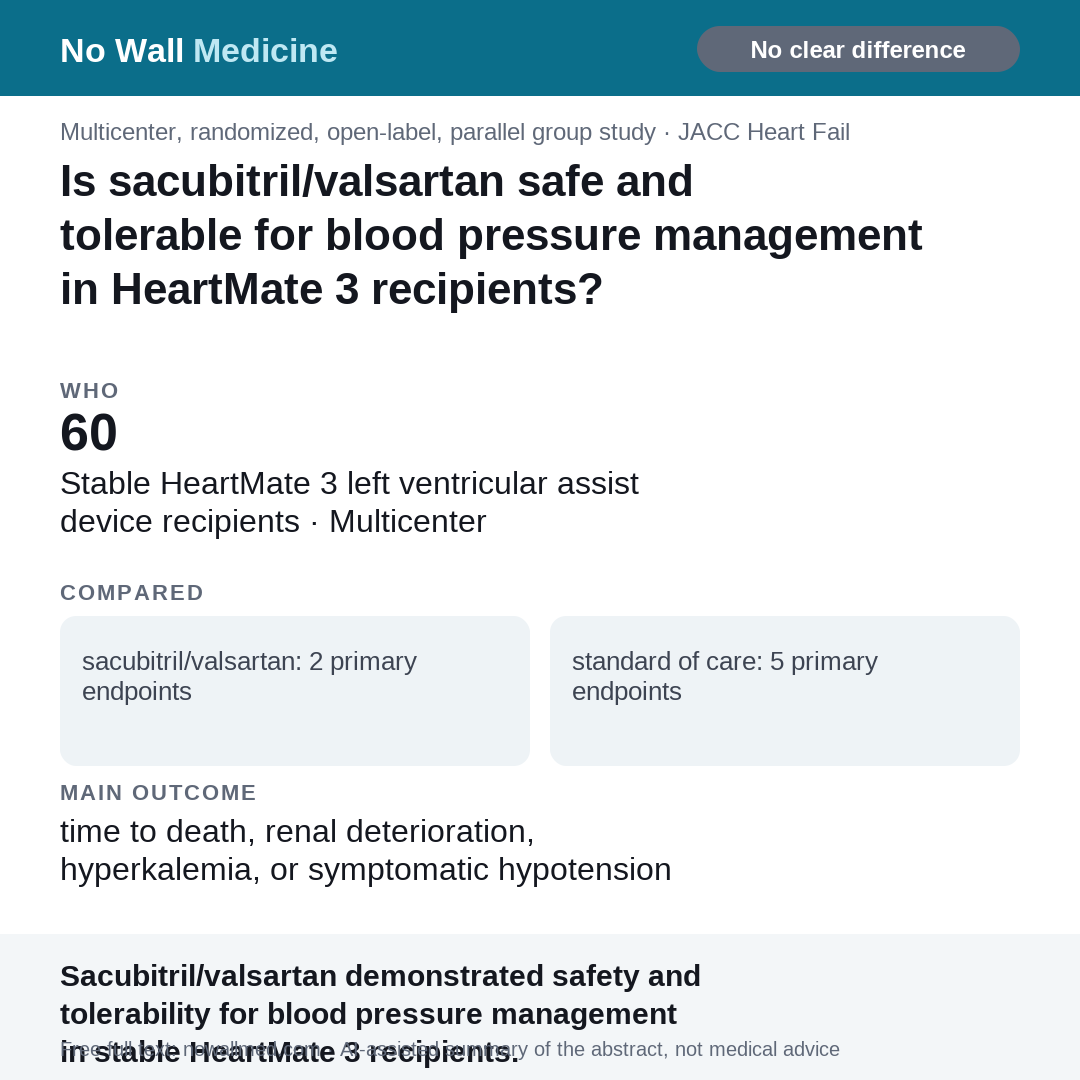
Angiotensin-Neprilysin Inhibition and Left Ventricular Assist Device Therapy: Primary Results of the ENVAD-HF Trial
Multicenter, randomized, open-label, parallel group studyNo clear difference
Is sacubitril/valsartan safe and tolerable for blood pressure management in HeartMate 3 recipients?
Who
60
Stable HeartMate 3 left ventricular assist device recipients · Multicenter
Compared
sacubitril/valsartan: 2 primary endpoints
standard of care: 5 primary endpoints
Main outcome
time to death, renal deterioration, hyperkalemia, or symptomatic hypotension
Result: hazard ratio 0.42 (95% CI: 0.08-2.18)
Bottom line: Sacubitril/valsartan demonstrated safety and tolerability for blood pressure management in stable HeartMate 3 recipients.
JACC Heart Fail · 2025-08-31Download image
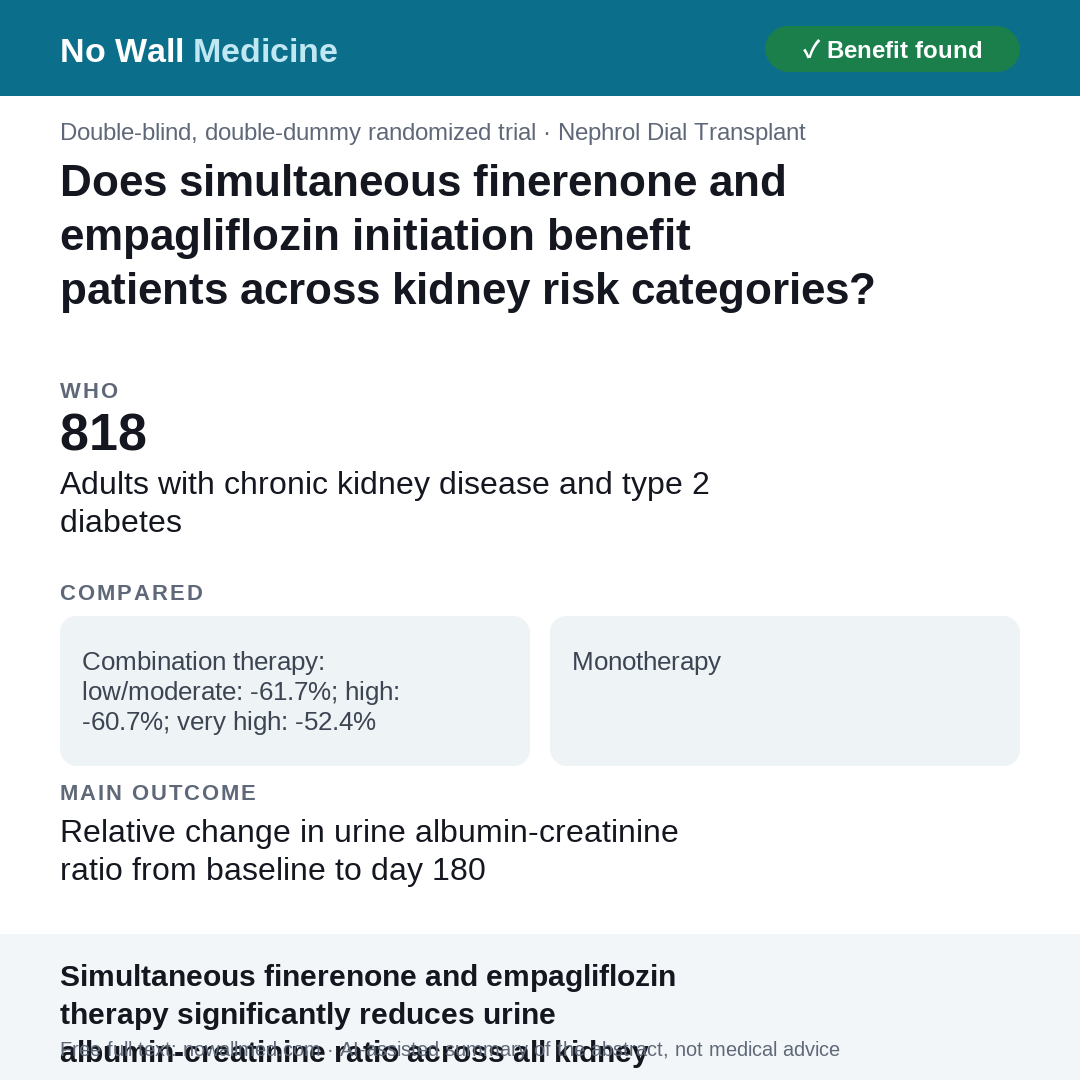
Simultaneous initiation of finerenone and empagliflozin across the spectrum of kidney risk in the CONFIDENCE trial
Double-blind, double-dummy randomized trialBenefit found
Does simultaneous finerenone and empagliflozin initiation benefit patients across kidney risk categories?
Who
818
Adults with chronic kidney disease and type 2 diabetes
Compared
Combination therapy: low/moderate: -61.7%; high: -60.7%; very high: -52.4%
Monotherapy
Main outcome
Relative change in urine albumin-creatinine ratio from baseline to day 180
Bottom line: Simultaneous finerenone and empagliflozin therapy significantly reduces urine albumin-creatinine ratio across all kidney disease risk categories.
Nephrol Dial Transplant · 2025-08-31Download image
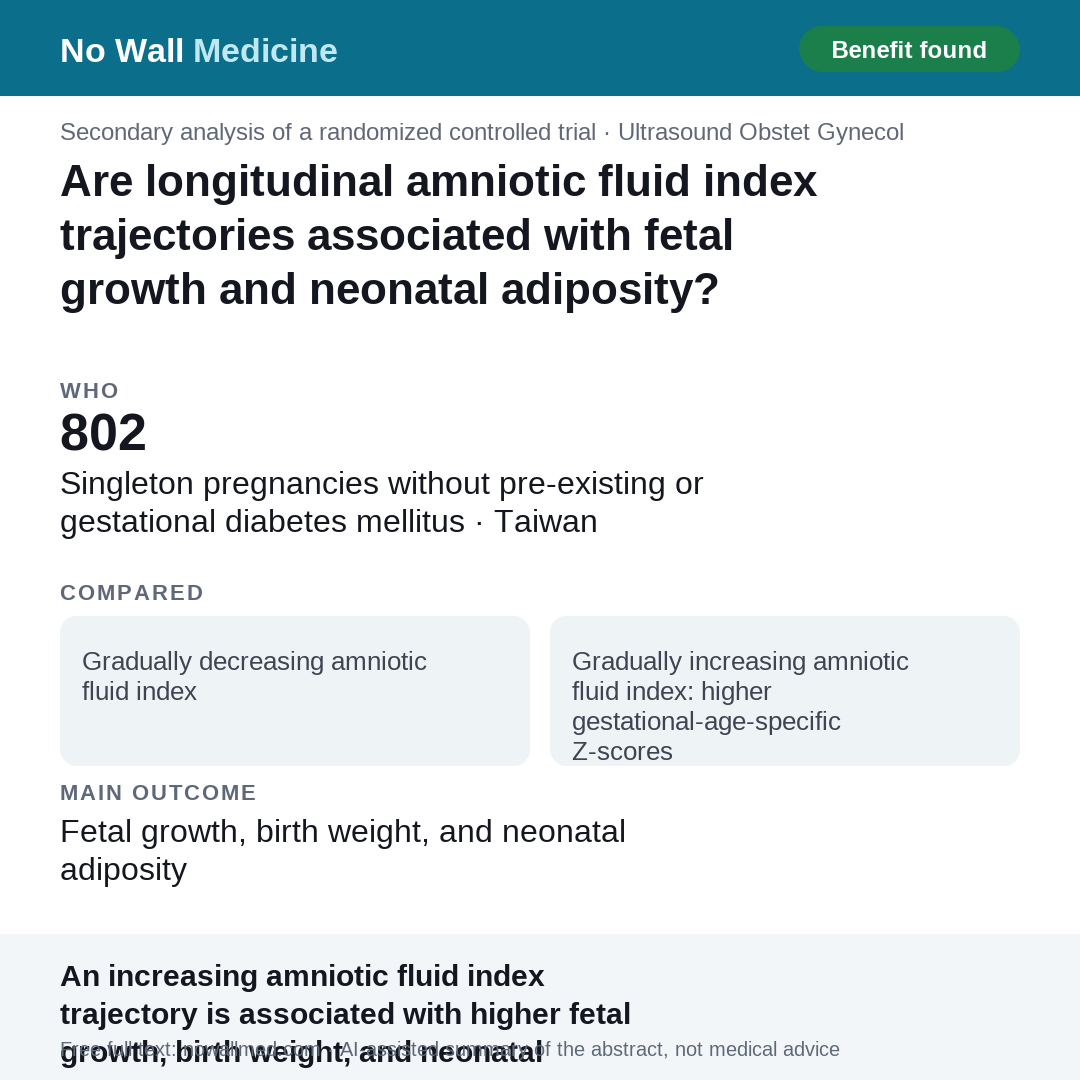
Trajectory of serial amniotic fluid index measurements is associated with fetal growth, birth weight and neonatal adiposity
Secondary analysis of a randomized controlled trialBenefit found
Are longitudinal amniotic fluid index trajectories associated with fetal growth and neonatal adiposity?
Who
802
Singleton pregnancies without pre-existing or gestational diabetes mellitus · Taiwan
Compared
Gradually decreasing amniotic fluid index
Gradually increasing amniotic fluid index: higher gestational-age-specific Z-scores
Main outcome
Fetal growth, birth weight, and neonatal adiposity
Result: odds ratio 2.47 (95% CI 1.21-5.11)
Bottom line: An increasing amniotic fluid index trajectory is associated with higher fetal growth, birth weight, and neonatal adiposity.
Ultrasound Obstet Gynecol · 2025-08-31Download image
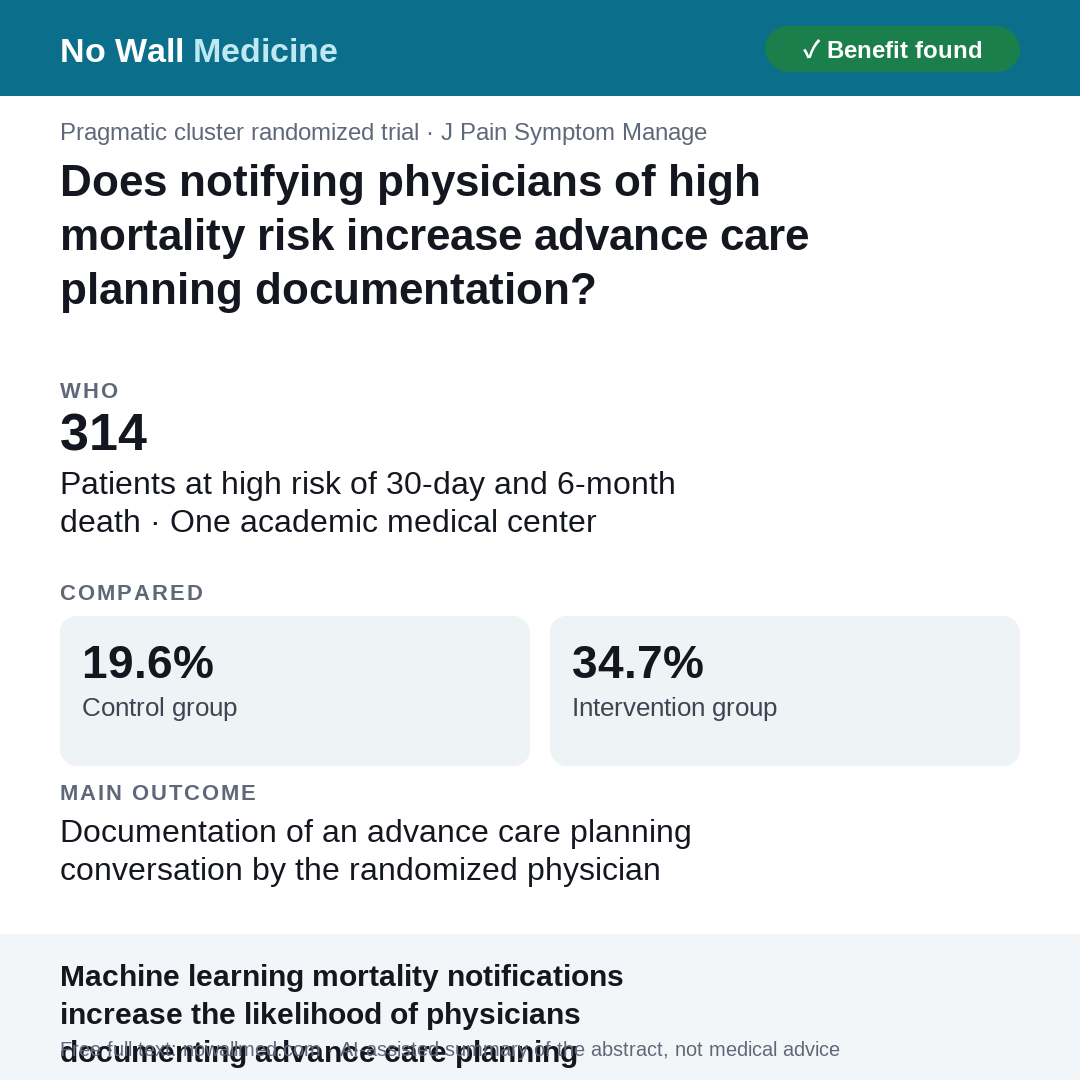
Impact of Prognostic Notifications on Inpatient Advance Care Planning: A Cluster Randomized Trial
Pragmatic cluster randomized trialBenefit found
Does notifying physicians of high mortality risk increase advance care planning documentation?
Who
314
Patients at high risk of 30-day and 6-month death · One academic medical center
Compared
19.6%Control group
34.7%Intervention group
Main outcome
Documentation of an advance care planning conversation by the randomized physician
Result: odds ratio 2.04 (95% CI 1.16-3.59)
Bottom line: Machine learning mortality notifications increase the likelihood of physicians documenting advance care planning conversations during hospitalization.
J Pain Symptom Manage · 2025-08-31Download image
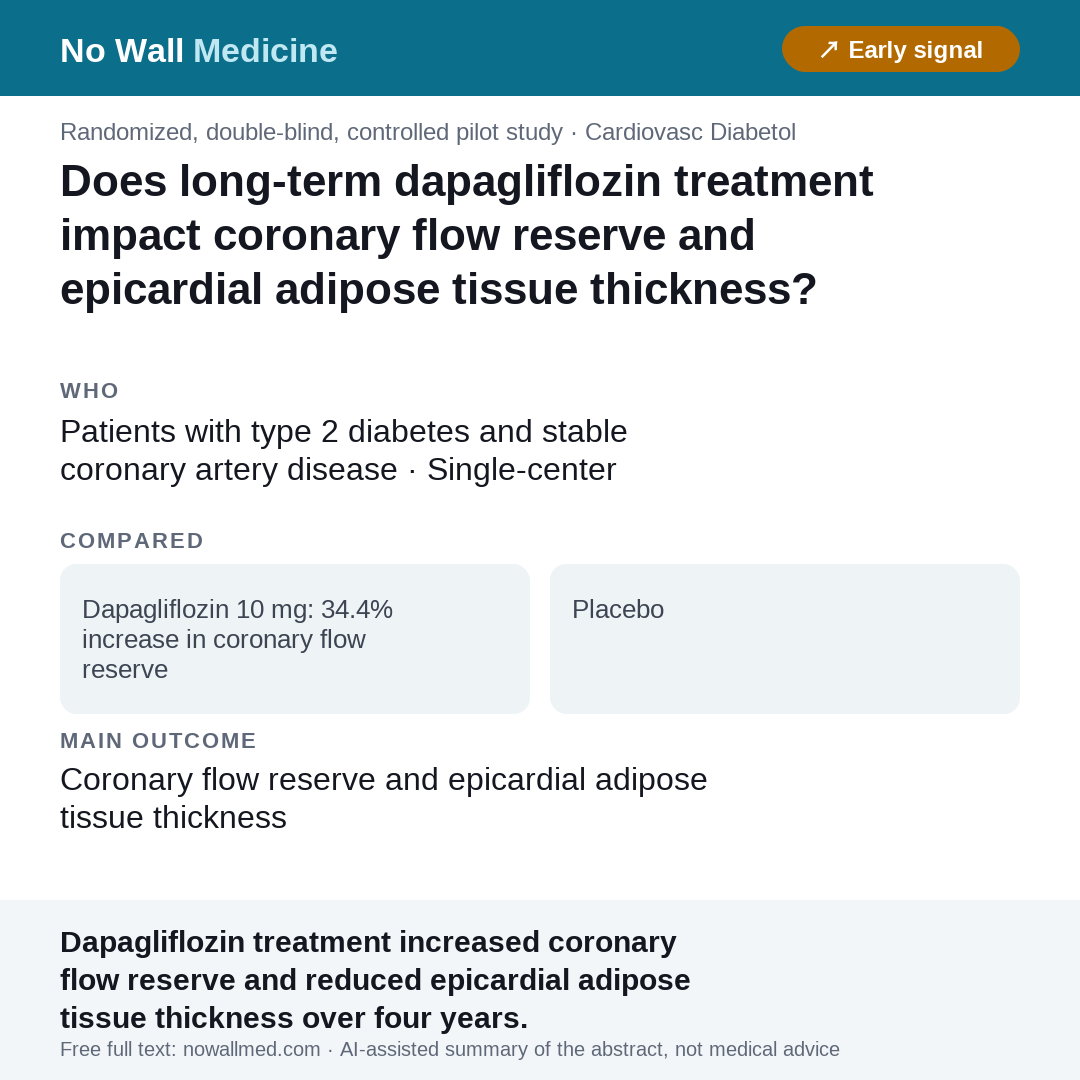
Coronary flow reserve increase after 4-year dapagliflozin treatment in patients with type 2 diabetes: the DAPAHEART follow-up study
Randomized, double-blind, controlled pilot studyBenefit found
Does long-term dapagliflozin treatment impact coronary flow reserve and epicardial adipose tissue thickness?
Who
Patients with type 2 diabetes and stable coronary artery disease · Single-center
Compared
Dapagliflozin 10 mg: 34.4% increase in coronary flow reserve
Placebo
Main outcome
Coronary flow reserve and epicardial adipose tissue thickness
Bottom line: Dapagliflozin treatment increased coronary flow reserve and reduced epicardial adipose tissue thickness over four years.
Limitation: This was a pilot study.
Cardiovasc Diabetol · 2025-08-31Download image
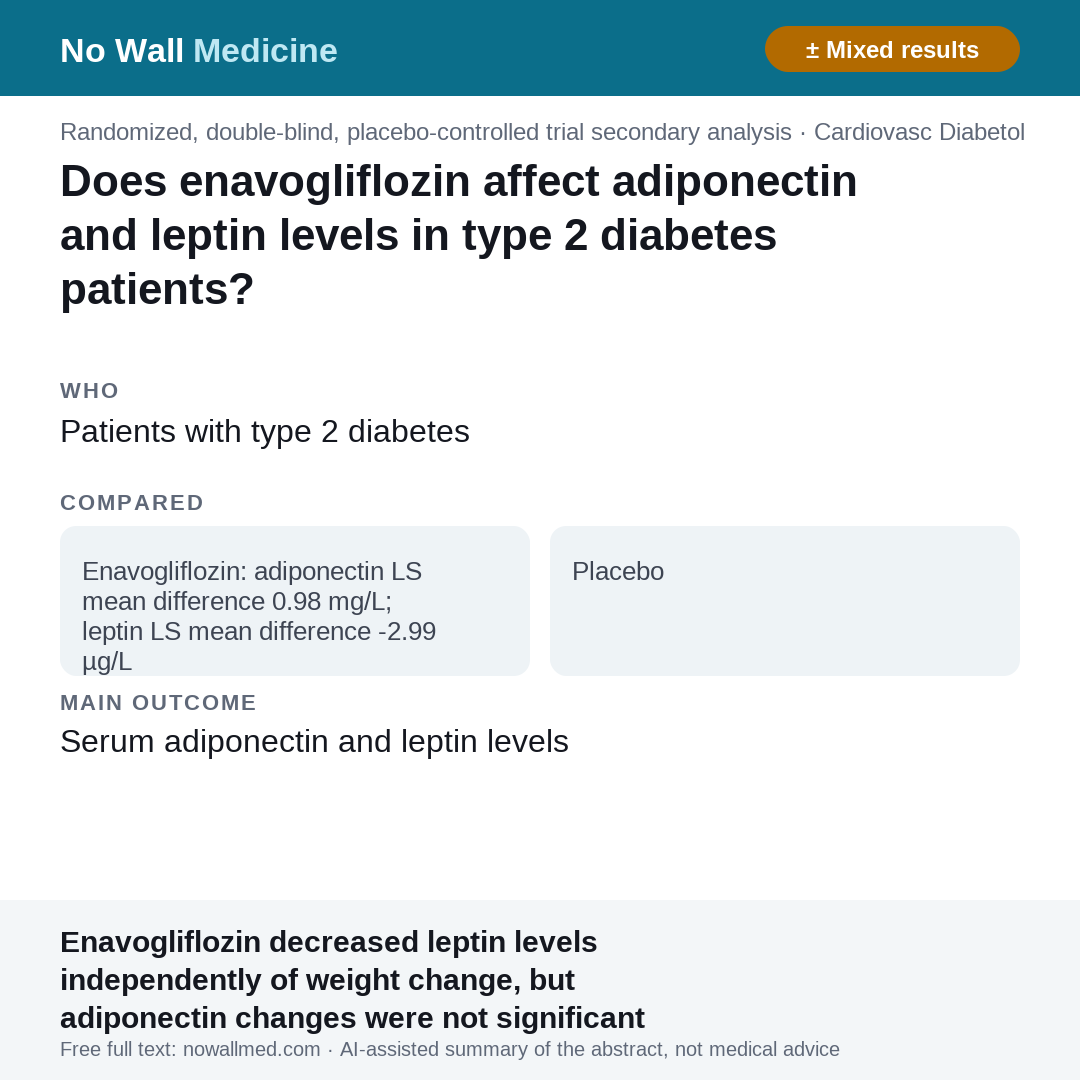
Weight-independent amelioration of adipokine profile by enavogliflozin, a selective SGLT2 inhibitor, in patients with type 2 diabetes
Randomized, double-blind, placebo-controlled trial secondary analysisMixed results
Does enavogliflozin affect adiponectin and leptin levels in type 2 diabetes patients?
Who
Patients with type 2 diabetes
Compared
Enavogliflozin: adiponectin LS mean difference 0.98 mg/L; leptin LS mean difference -2.99 µg/L
Placebo
Main outcome
Serum adiponectin and leptin levels
Bottom line: Enavogliflozin decreased leptin levels independently of weight change, but adiponectin changes were not significant after adjusting for weight.
Limitation: This was a secondary analysis of a phase III trial.
Cardiovasc Diabetol · 2025-08-31Download image
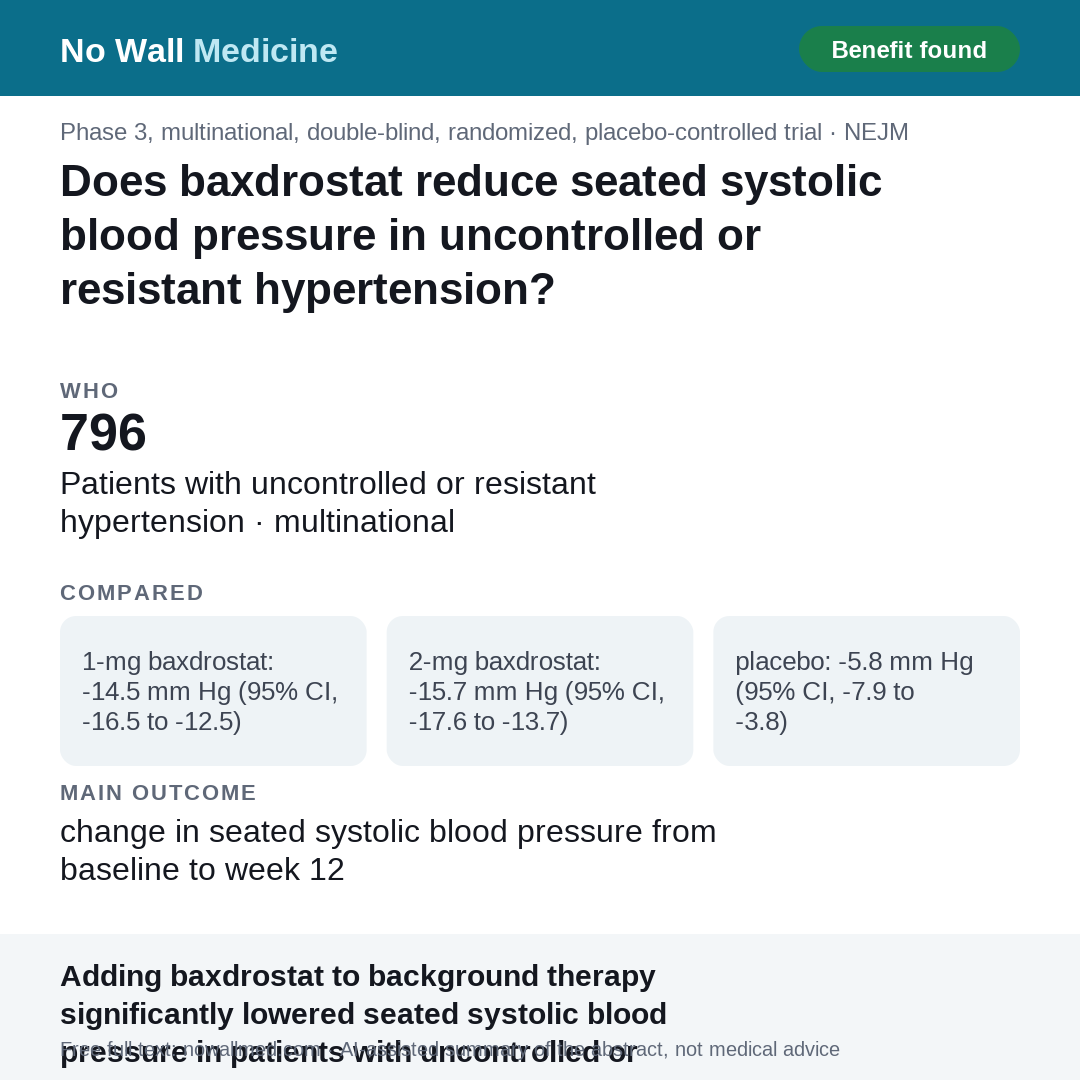
Efficacy and Safety of Baxdrostat in Uncontrolled and Resistant Hypertension
Phase 3, multinational, double-blind, randomized, placebo-controlled trialBenefit found
Does baxdrostat reduce seated systolic blood pressure in uncontrolled or resistant hypertension?
Who
796
Patients with uncontrolled or resistant hypertension · multinational
Compared
1-mg baxdrostat: -14.5 mm Hg (95% CI, -16.5 to -12.5)
2-mg baxdrostat: -15.7 mm Hg (95% CI, -17.6 to -13.7)
placebo: -5.8 mm Hg (95% CI, -7.9 to -3.8)
Main outcome
change in seated systolic blood pressure from baseline to week 12
Result: -8.7 mm Hg (95% CI, -11.5 to -5.8) with 1-mg and -9.8 mm Hg (95% CI, -12.6 to -7.0) with 2-mg
Bottom line: Adding baxdrostat to background therapy significantly lowered seated systolic blood pressure in patients with uncontrolled or resistant hypertension.
Funded by: AstraZeneca and others
NEJM · 2025-08-30Download image
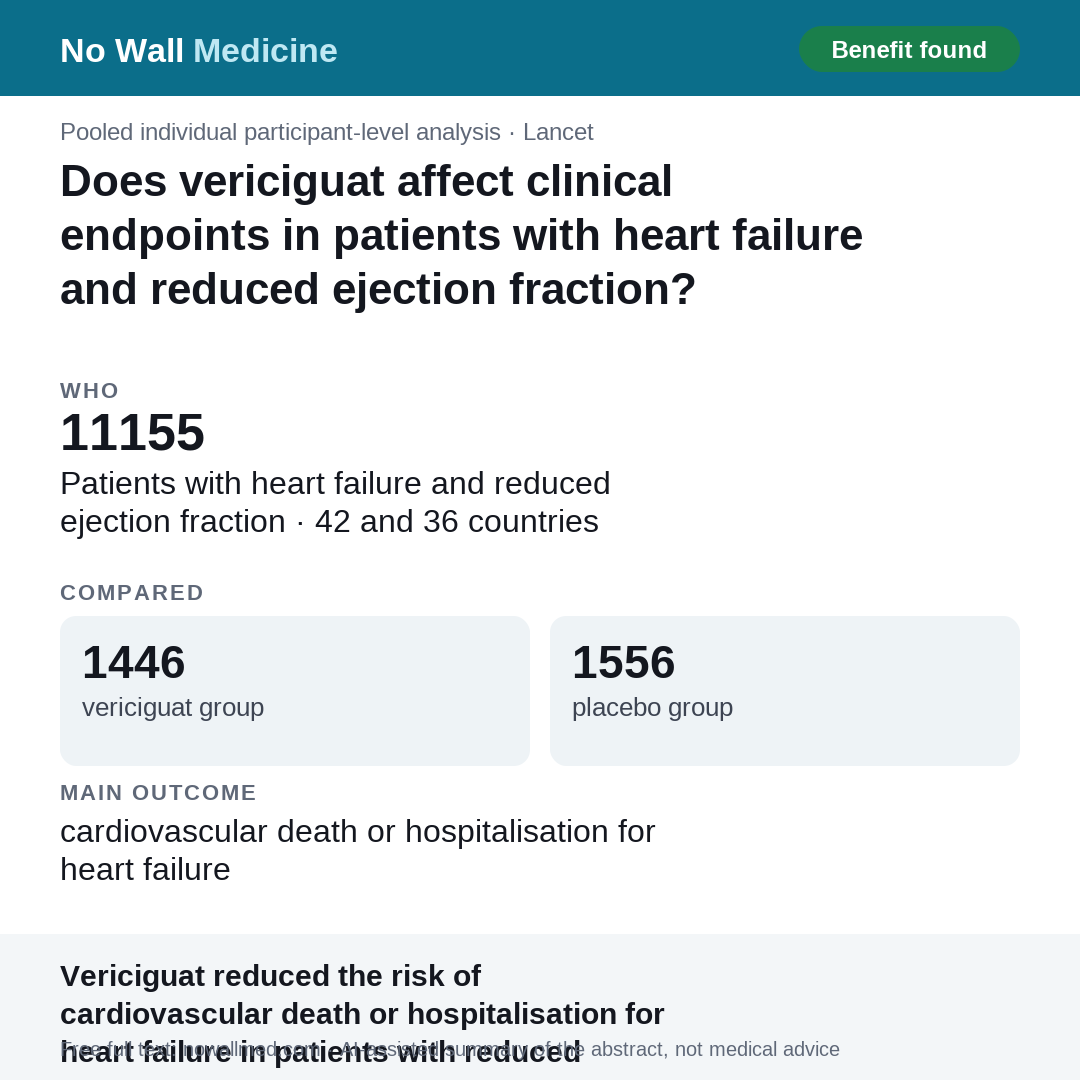
Vericiguat for patients with heart failure and reduced ejection fraction across the risk spectrum: an individual participant data analysis of the VICTORIA and VICTOR trials
Pooled individual participant-level analysisBenefit found
Does vericiguat affect clinical endpoints in patients with heart failure and reduced ejection fraction?
Who
11155
Patients with heart failure and reduced ejection fraction · 42 and 36 countries
Compared
1446vericiguat group (25·9%)
1556placebo group (27·9%)
Main outcome
cardiovascular death or hospitalisation for heart failure
Result: hazard ratio 0·91 (95% CI 0·85-0·98)
Bottom line: Vericiguat reduced the risk of cardiovascular death or hospitalisation for heart failure in patients with reduced ejection fraction.
Funded by: Merck Sharp & Dohme and Bayer
Lancet · 2025-08-30Download image
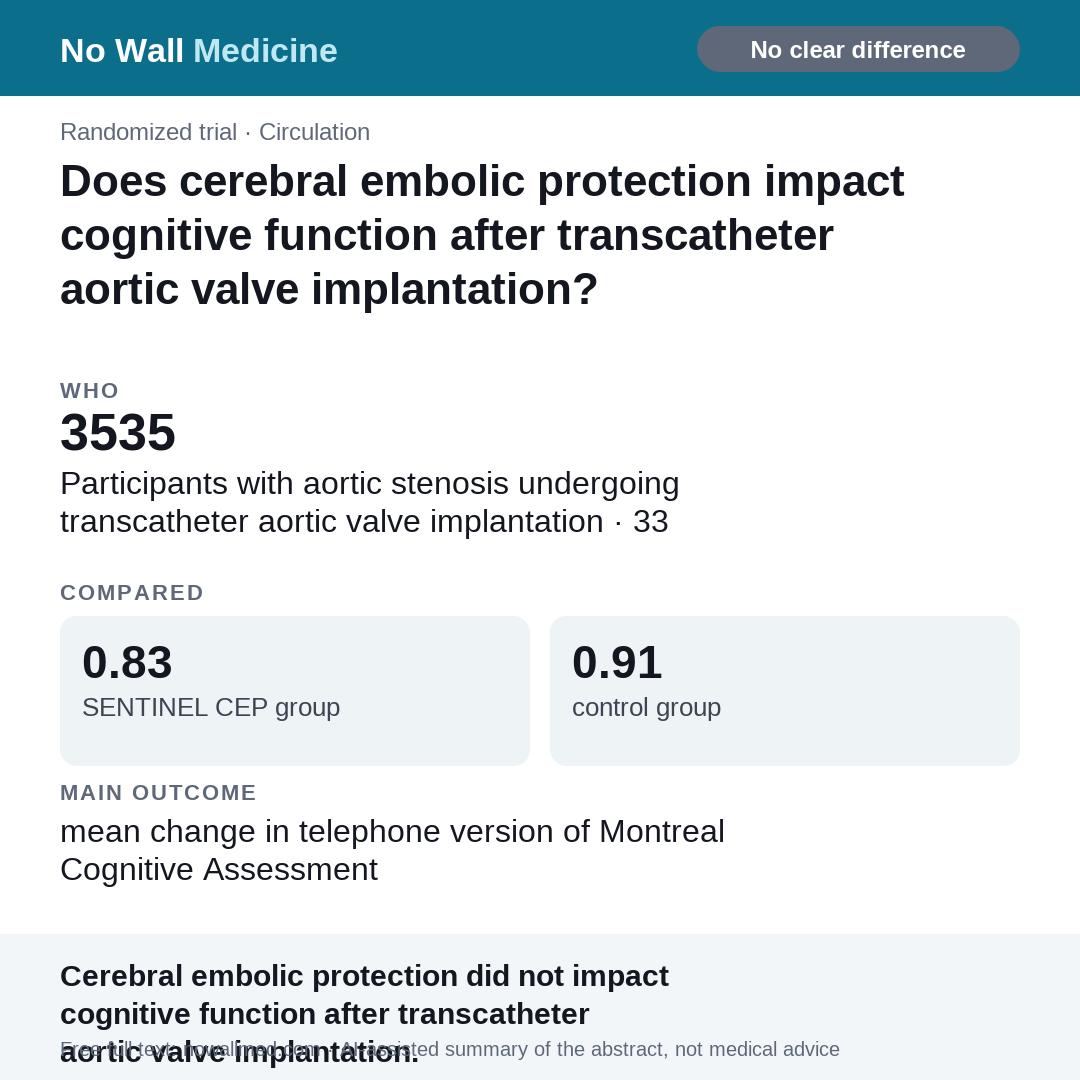
Impact of Cerebral Embolic Protection on Cognitive Function After Transcatheter Aortic Valve Implantation: Data From the BHF PROTECT-TAVI Randomized Trial
Randomized trialNo clear difference
Does cerebral embolic protection impact cognitive function after transcatheter aortic valve implantation?
Who
3535
Participants with aortic stenosis undergoing transcatheter aortic valve implantation · 33 centers in the United Kingdom
Compared
0.83SENTINEL CEP group (95% CI, 0.70-0.96)
0.91control group (95% CI, 0.79-1.04)
Main outcome
mean change in telephone version of Montreal Cognitive Assessment
Result: -0.07 (95% CI, -0.22 to 0.09)
Bottom line: Cerebral embolic protection did not impact cognitive function after transcatheter aortic valve implantation.
Circulation · 2025-08-30Download image
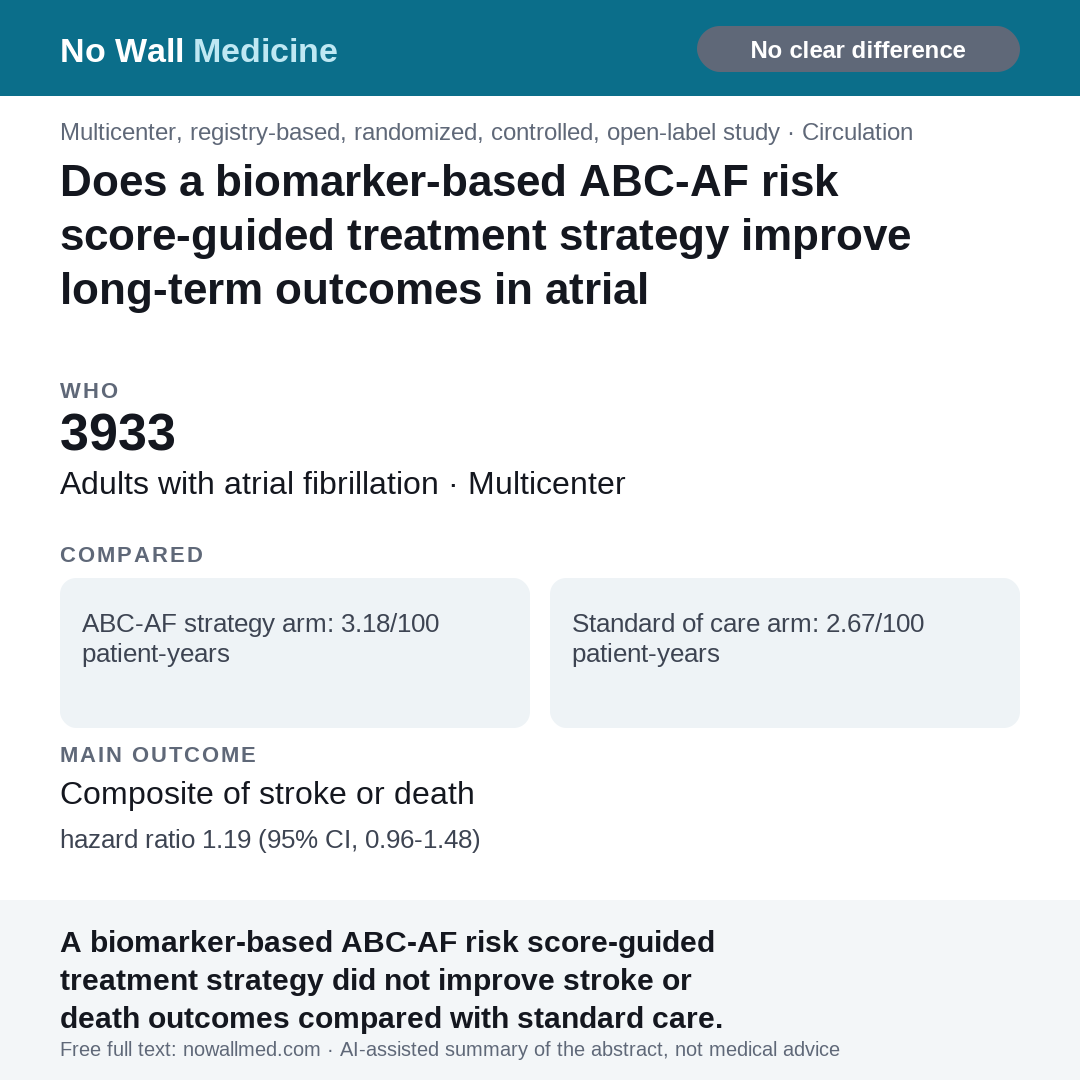
Biomarker-Based ABC-AF Risk Scores for Personalized Treatment to Reduce Stroke or Death in Atrial Fibrillation: A Registry-Based, Multicenter, Randomized, Controlled Study
Multicenter, registry-based, randomized, controlled, open-label studyNo clear difference
Does a biomarker-based ABC-AF risk score-guided treatment strategy improve long-term outcomes in atrial fibrillation?
Who
3933
Adults with atrial fibrillation · Multicenter
Compared
ABC-AF strategy arm: 3.18/100 patient-years
Standard of care arm: 2.67/100 patient-years
Main outcome
Composite of stroke or death
Result: hazard ratio 1.19 (95% CI, 0.96-1.48)
Bottom line: A biomarker-based ABC-AF risk score-guided treatment strategy did not improve stroke or death outcomes compared with standard care.
Circulation · 2025-08-30Download image
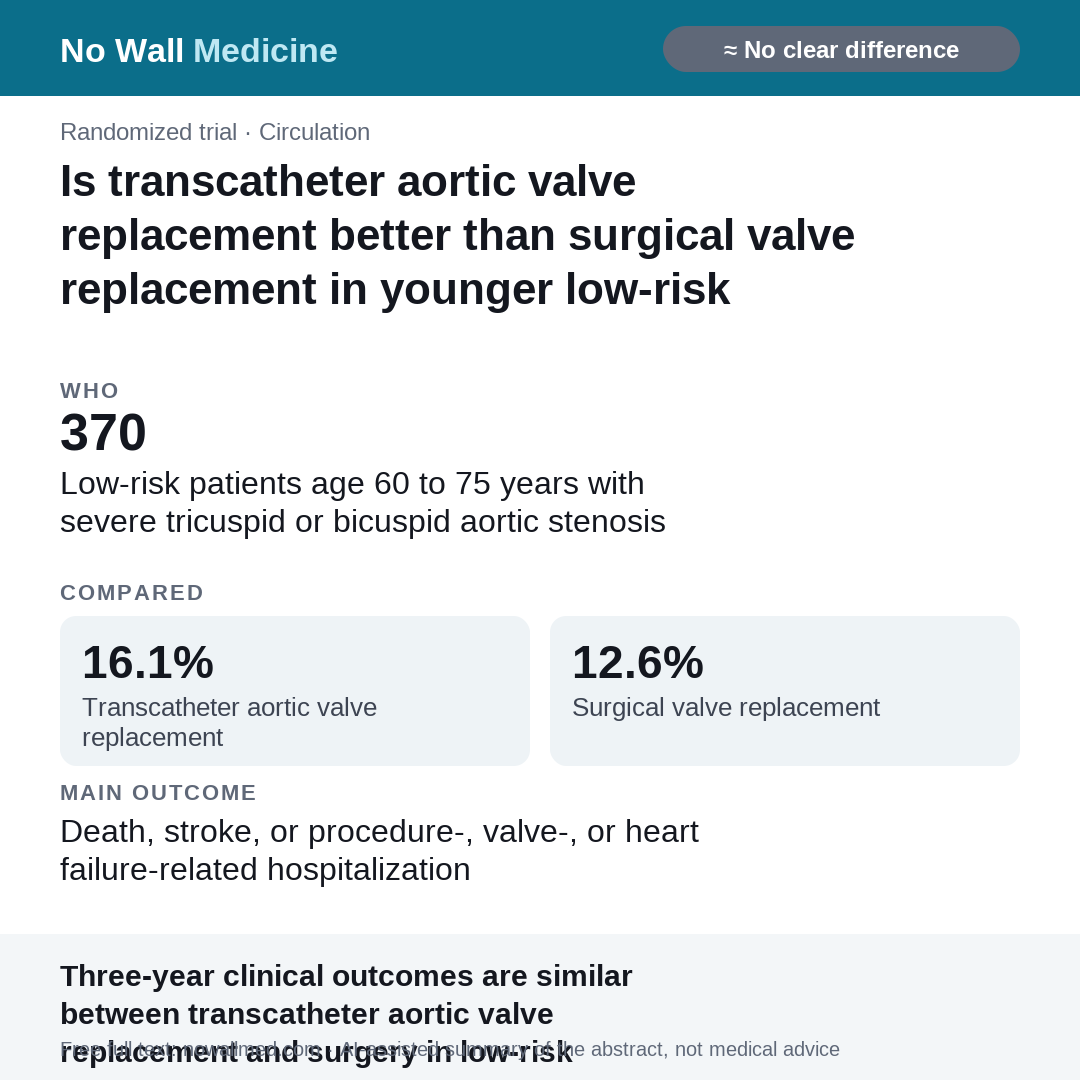
Three-Year Follow-Up of the NOTION-2 Trial: TAVR Versus SAVR to Treat Younger Low-Risk Patients With Tricuspid or Bicuspid Aortic Stenosis
Randomized trialNo clear difference
Is transcatheter aortic valve replacement better than surgical valve replacement in younger low-risk patients?
Who
370
Low-risk patients age 60 to 75 years with severe tricuspid or bicuspid aortic stenosis
Compared
16.1%Transcatheter aortic valve replacement
12.6%Surgical valve replacement
Main outcome
Death, stroke, or procedure-, valve-, or heart failure-related hospitalization
Result: hazard ratio 1.3 (95% CI 0.8-2.2%)
Bottom line: Three-year clinical outcomes are similar between transcatheter aortic valve replacement and surgery in low-risk patients.
Circulation · 2025-08-30Download image
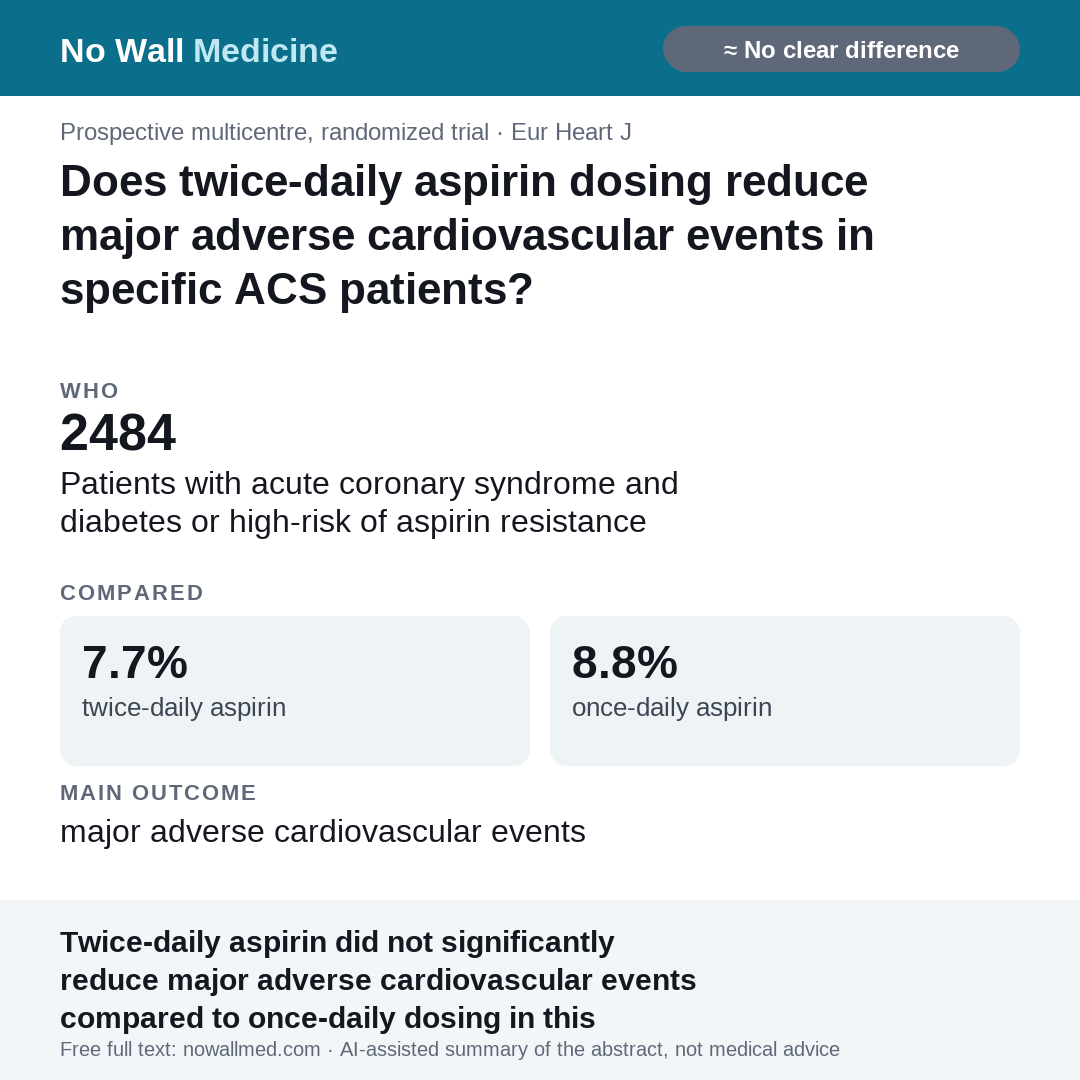
Aspirin dosing after acute coronary syndrome with suspected aspirin resistance: the ANDAMAN trial
Prospective multicentre, randomized trialNo clear difference
Does twice-daily aspirin dosing reduce major adverse cardiovascular events in specific ACS patients?
Who
2484
Patients with acute coronary syndrome and diabetes or high-risk of aspirin resistance
Compared
7.7%twice-daily aspirin (95/1228)
8.8%once-daily aspirin (110/1256)
Main outcome
major adverse cardiovascular events
Result: hazard ratio 0.90 (95% confidence interval 0.69-1.19)
Bottom line: Twice-daily aspirin did not significantly reduce major adverse cardiovascular events compared to once-daily dosing in this population.
Eur Heart J · 2025-08-30Download image
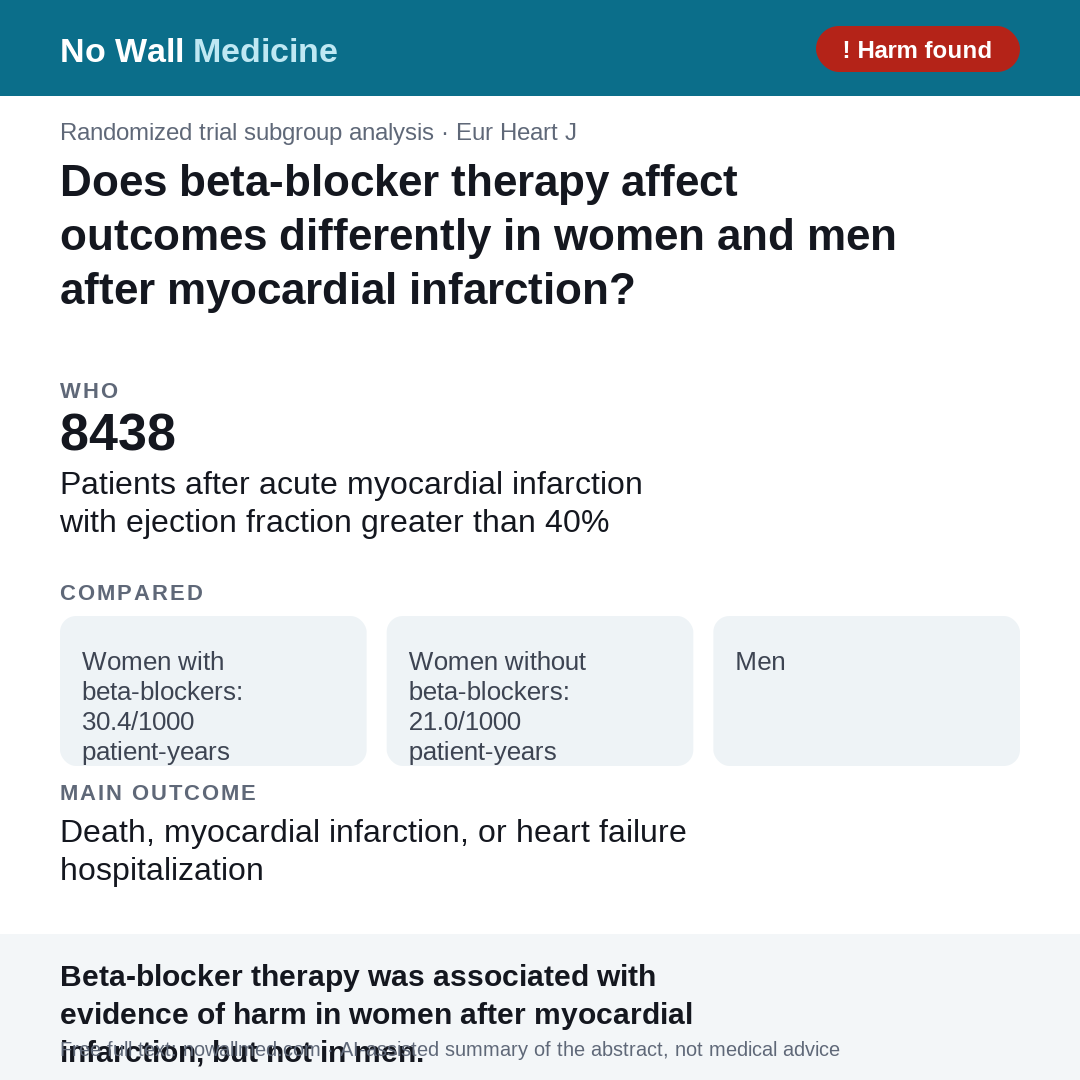
Beta-blockers after myocardial infarction: effects according to sex in the REBOOT trial
Randomized trial subgroup analysisHarm found
Does beta-blocker therapy affect outcomes differently in women and men after myocardial infarction?
Who
8438
Patients after acute myocardial infarction with ejection fraction greater than 40%
Compared
Women with beta-blockers: 30.4/1000 patient-years
Women without beta-blockers: 21.0/1000 patient-years
Men
Main outcome
Death, myocardial infarction, or heart failure hospitalization
Result: hazard ratio 1.45 (95% confidence interval 1.04-2.03) in women
Bottom line: Beta-blocker therapy was associated with evidence of harm in women after myocardial infarction, but not in men.
Eur Heart J · 2025-08-30Download image
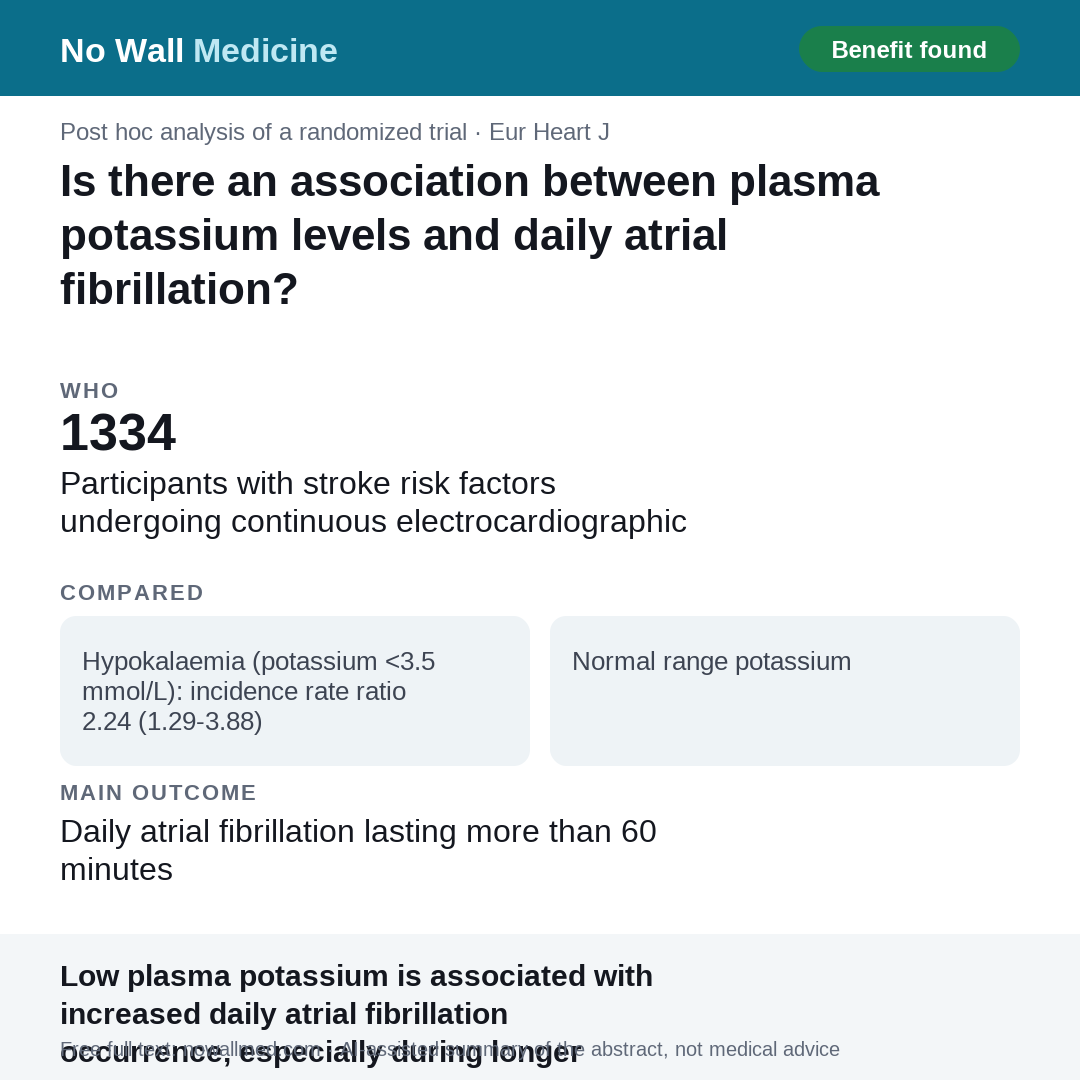
Hypokalaemia and atrial fibrillation detected by implanted loop recorders
Post hoc analysis of a randomized trialBenefit found
Is there an association between plasma potassium levels and daily atrial fibrillation?
Who
1334
Participants with stroke risk factors undergoing continuous electrocardiographic monitoring
Compared
Hypokalaemia (potassium <3.5 mmol/L): incidence rate ratio 2.24 (1.29-3.88)
Normal range potassium
Main outcome
Daily atrial fibrillation lasting more than 60 minutes
Result: incidence rate ratio 2.24 (1.29-3.88)
Bottom line: Low plasma potassium is associated with increased daily atrial fibrillation occurrence, especially during longer episodes.
Limitation: This was an exploratory post hoc analysis
Eur Heart J · 2025-08-30Download image
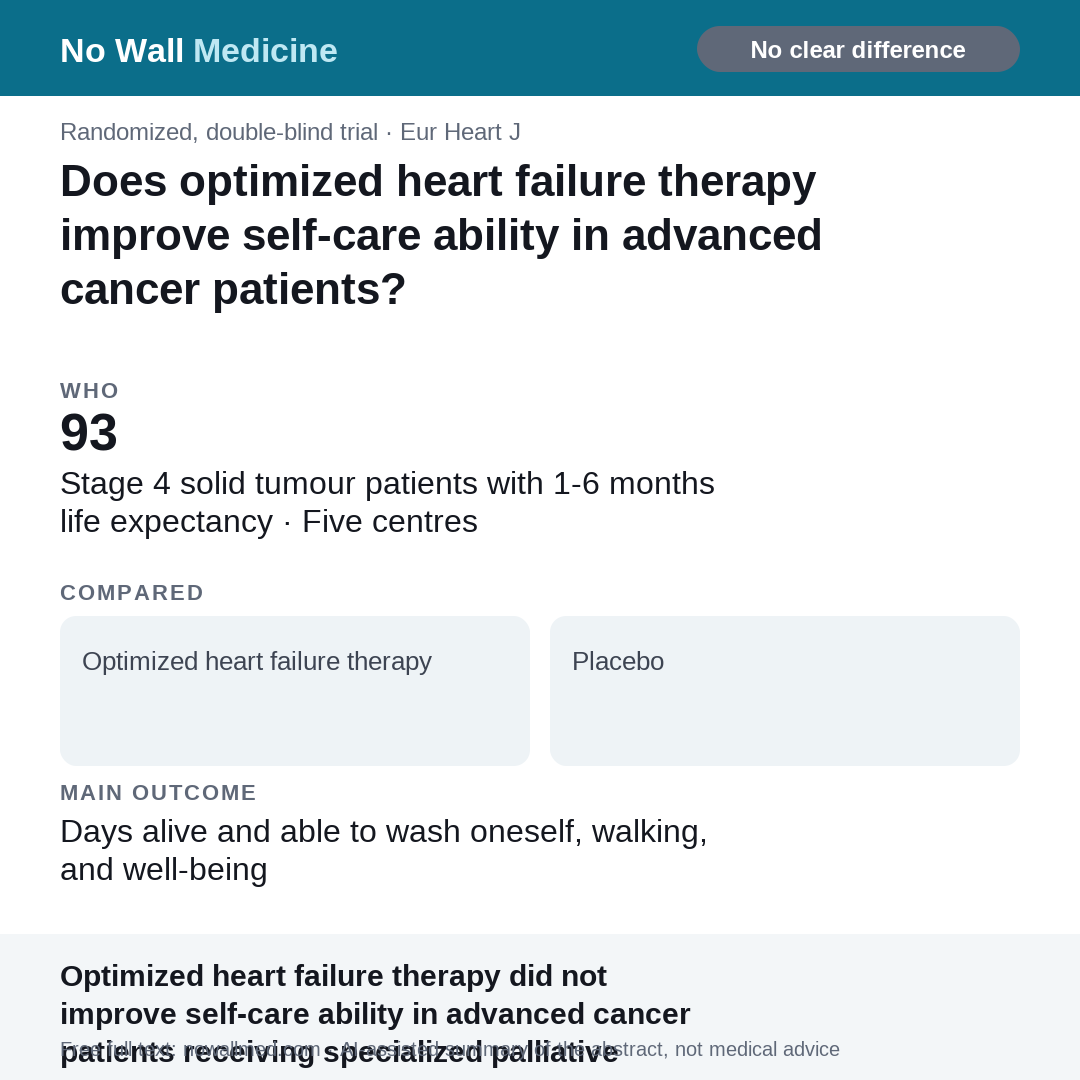
Heart failure therapy in patients with advanced cancer receiving specialized palliative care (EMPATICC trial)
Randomized, double-blind trialNo clear difference
Does optimized heart failure therapy improve self-care ability in advanced cancer patients?
Who
93
Stage 4 solid tumour patients with 1-6 months life expectancy · Five centres
Compared
Optimized heart failure therapy
Placebo
Main outcome
Days alive and able to wash oneself, walking, and well-being
Result: win ratio 0.95 (95% CI 0.57-1.58)
Bottom line: Optimized heart failure therapy did not improve self-care ability in advanced cancer patients receiving specialized palliative care.
Eur Heart J · 2025-08-30Download image
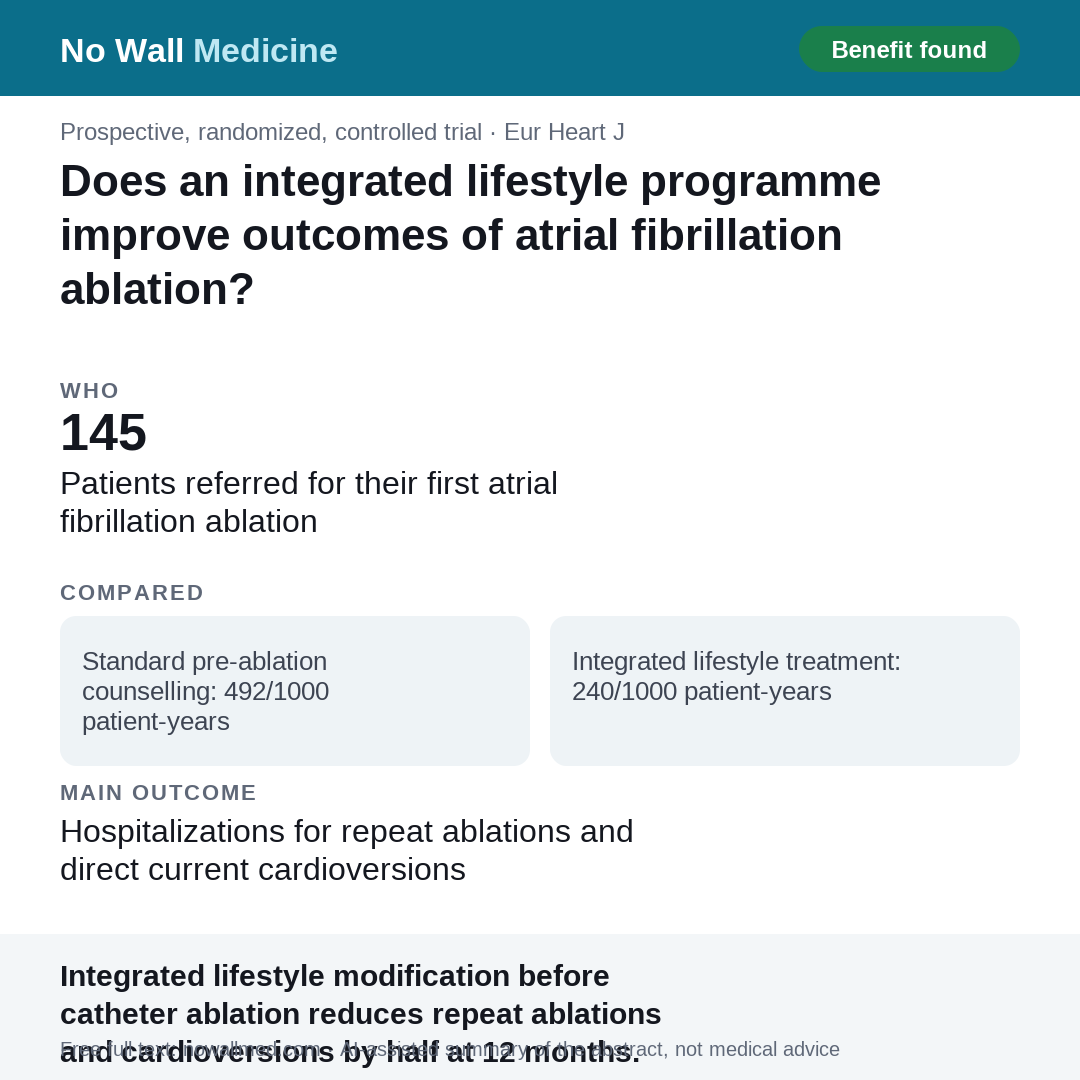
Improving outcomes of atrial fibrillation ablation by integrated personalized lifestyle interventions: a randomized controlled trial
Prospective, randomized, controlled trialBenefit found
Does an integrated lifestyle programme improve outcomes of atrial fibrillation ablation?
Who
145
Patients referred for their first atrial fibrillation ablation
Compared
Standard pre-ablation counselling: 492/1000 patient-years
Integrated lifestyle treatment: 240/1000 patient-years
Main outcome
Hospitalizations for repeat ablations and direct current cardioversions
Result: incidence relative risk 0.49 (95% CI 0.30-0.78)
Bottom line: Integrated lifestyle modification before catheter ablation reduces repeat ablations and cardioversions by half at 12 months.
Eur Heart J · 2025-08-30Download image
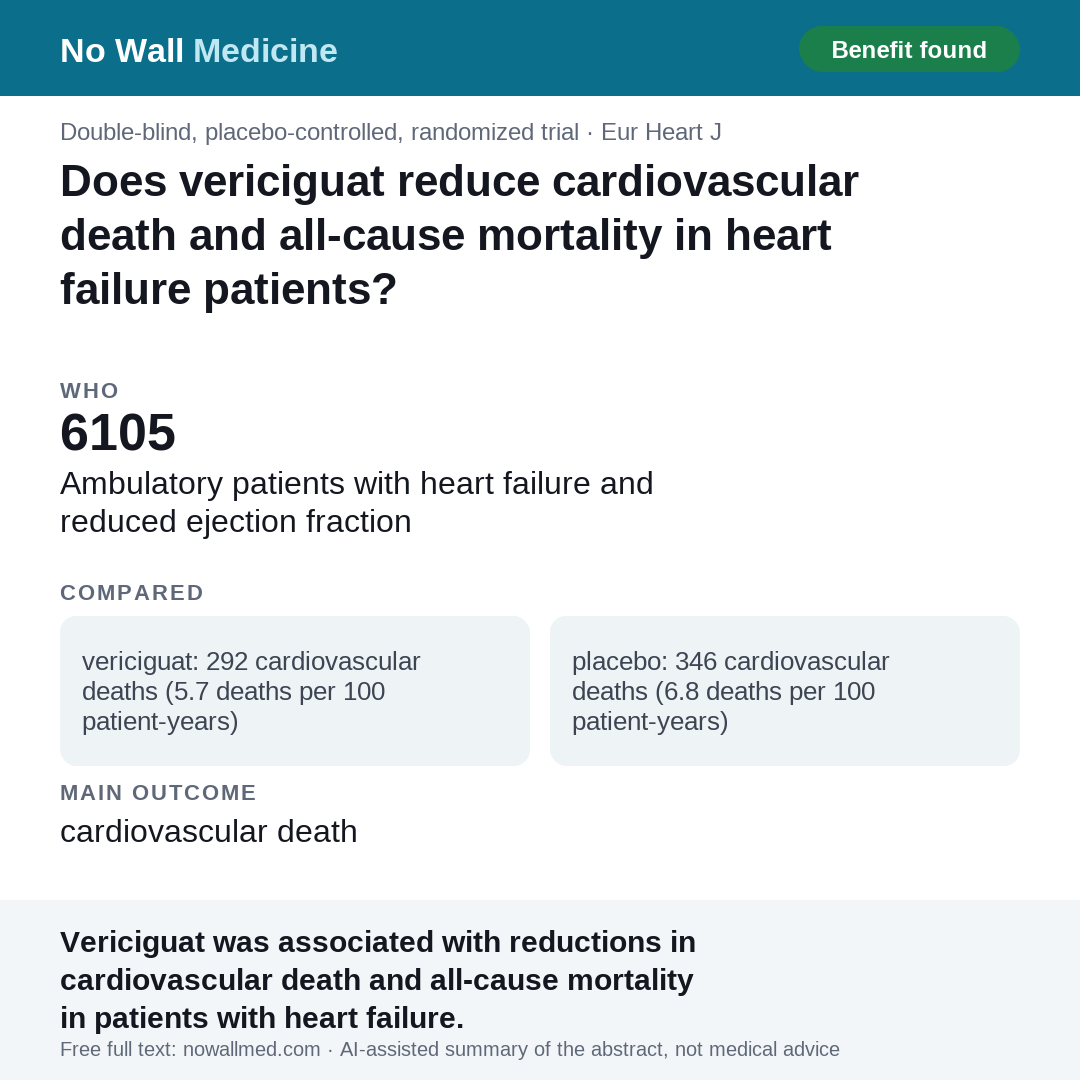
Vericiguat and mortality in heart failure and reduced ejection fraction: the VICTOR trial
Double-blind, placebo-controlled, randomized trialBenefit found
Does vericiguat reduce cardiovascular death and all-cause mortality in heart failure patients?
Who
6105
Ambulatory patients with heart failure and reduced ejection fraction
Compared
vericiguat: 292 cardiovascular deaths (5.7 deaths per 100 patient-years)
placebo: 346 cardiovascular deaths (6.8 deaths per 100 patient-years)
Main outcome
cardiovascular death
Result: hazard ratio 0.83 (95% CI 0.71-0.97)
Bottom line: Vericiguat was associated with reductions in cardiovascular death and all-cause mortality in patients with heart failure.
Eur Heart J · 2025-08-30Download image
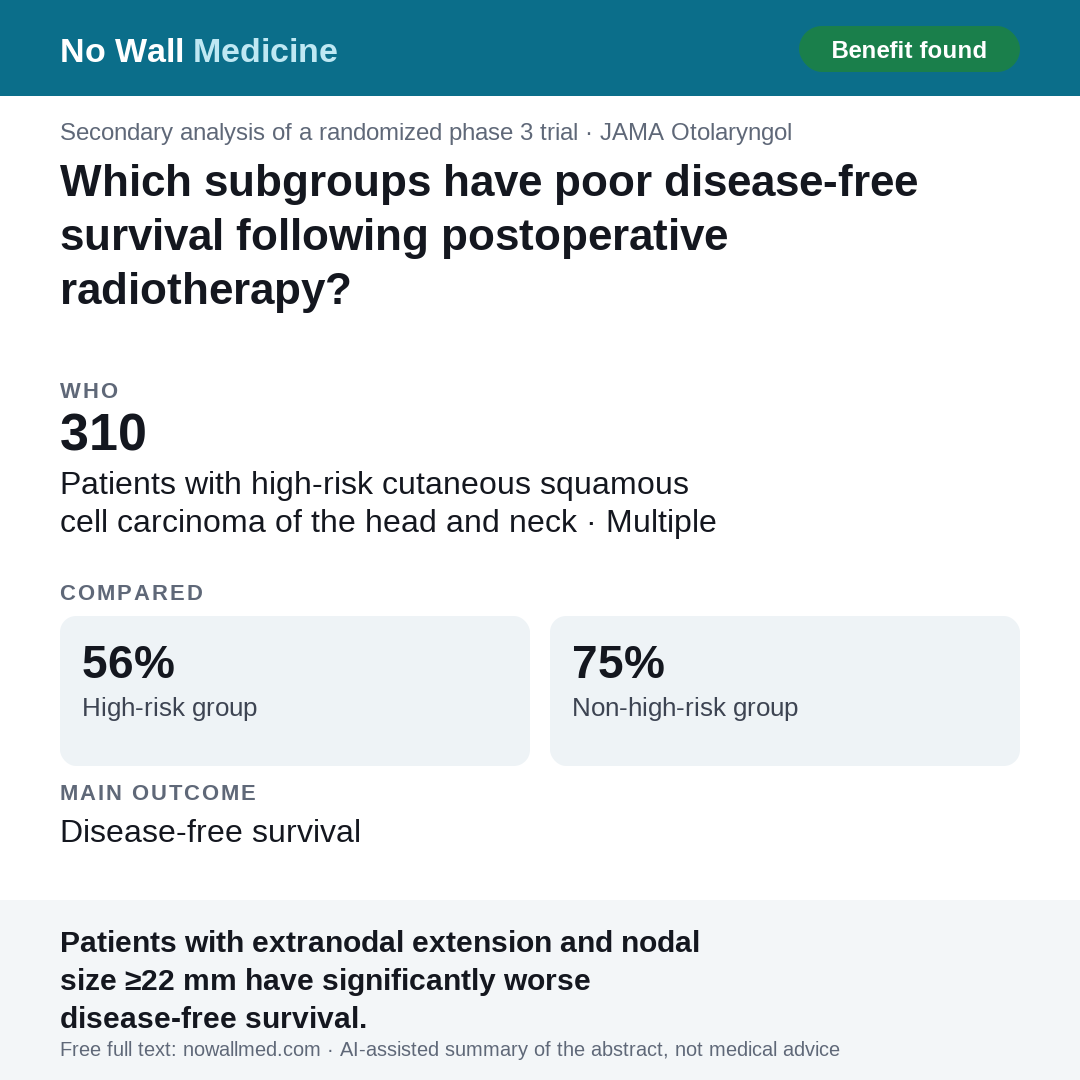
Prognostic Subgroups for Disease-Free Survival With Cutaneous Squamous Cell Carcinoma of the Head and Neck: A Secondary Analysis of a Randomized Clinical Trial
Secondary analysis of a randomized phase 3 trialBenefit found
Which subgroups have poor disease-free survival following postoperative radiotherapy?
Who
310
Patients with high-risk cutaneous squamous cell carcinoma of the head and neck · Multiple centers in Australia
Compared
56%High-risk group (95% CI, 45%-66%)
75%Non-high-risk group (95% CI, 68%-81%)
Main outcome
Disease-free survival
Result: hazard ratio 2.0 (95% CI, 1.3-3.1)
Bottom line: Patients with extranodal extension and nodal size ≥22 mm have significantly worse disease-free survival.
JAMA Otolaryngol · 2025-08-30Download image