Visual abstracts
New randomized trials and meta-analyses from leading journals at a glance: who was studied, what was compared, and what was found. Every paper is free to read in full.
All specialtiesCardiology 4877Oncology 4138Gastroenterology & Hepatology 1942Infectious Disease 3837Neurology 1905Psychiatry & Mental Health 2273Pulmonology 2143Critical Care 1365Endocrinology & Diabetes 2580Pediatrics 2980Surgery 2559Orthopedics & Sports Medicine 931Neurosurgery 537Cardiothoracic & Vascular Surgery 674Plastic & Reconstructive Surgery 591Nephrology 1133Rheumatology 823Hematology 1109Dermatology 621Ophthalmology 543Obstetrics & Gynecology 1686Public & Global Health 1058Radiology & Imaging 648Anesthesiology 986Urology 764ENT (Otolaryngology) 503Emergency Medicine 511Allergy & Immunology 313Geriatrics 981Family Medicine & Primary Care 562Medical Genetics & Genomics 676Pathology & Laboratory Medicine 159Physical Medicine & Rehabilitation 757Palliative Care 444Nutrition 1588Digital Health & AI 2201General Medicine 321
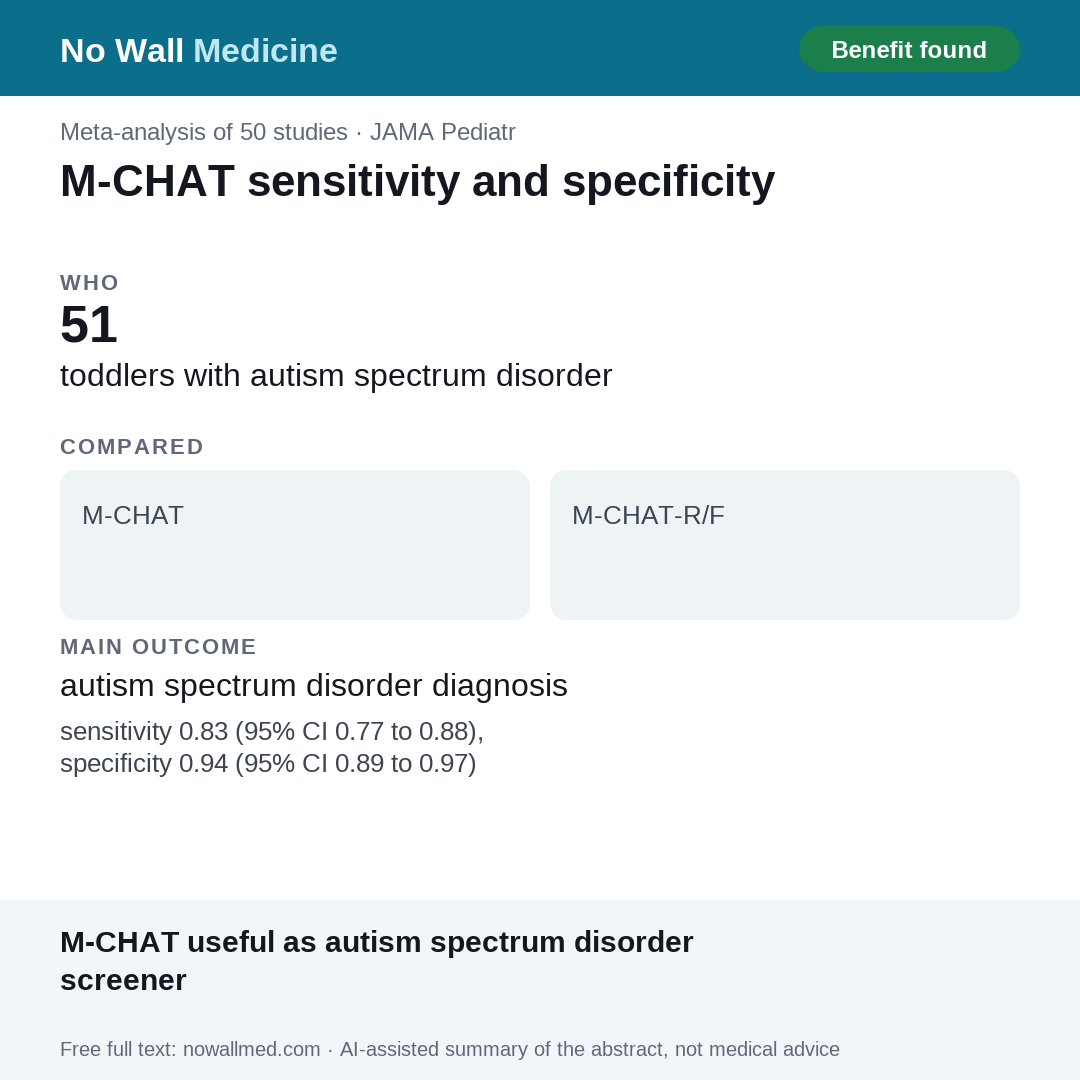
Sensitivity and Specificity of the Modified Checklist for Autism in Toddlers (Original and Revised): A Systematic Review and Meta-analysis
Meta-analysis of 50 studiesBenefit found
M-CHAT sensitivity and specificity
Who
51
toddlers with autism spectrum disorder
Compared
M-CHAT
M-CHAT-R/F
Main outcome
autism spectrum disorder diagnosis
Result: sensitivity 0.83 (95% CI 0.77 to 0.88), specificity 0.94 (95% CI 0.89 to 0.97)
Bottom line: M-CHAT useful as autism spectrum disorder screener
Limitation: variability in psychometric properties
JAMA Pediatr · 2023-02-23Download image
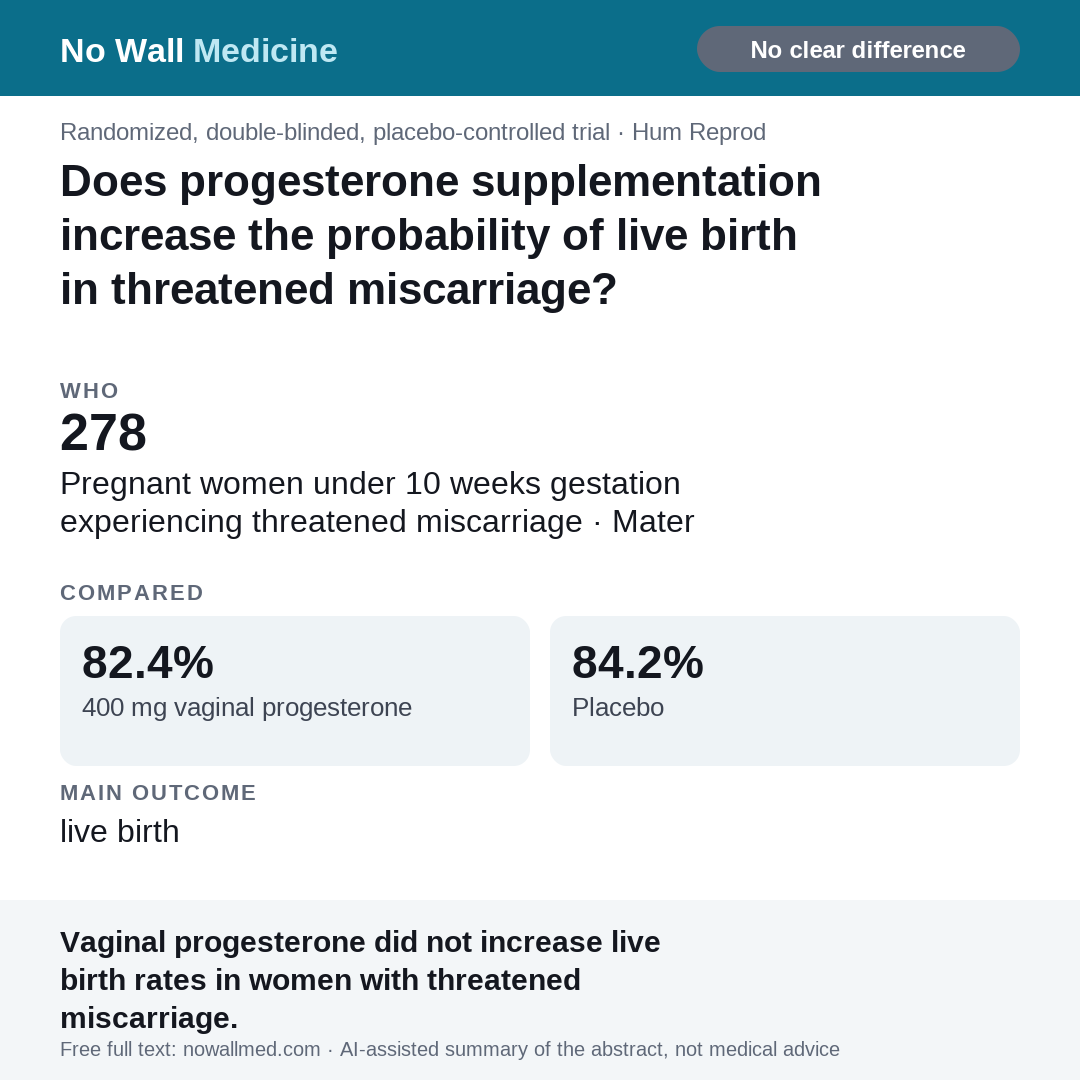
Progesterone for women with threatened miscarriage (STOP trial): a placebo-controlled randomized clinical trial
Randomized, double-blinded, placebo-controlled trialNo clear difference
Does progesterone supplementation increase the probability of live birth in threatened miscarriage?
Who
278
Pregnant women under 10 weeks gestation experiencing threatened miscarriage · Mater Mothers' Hospital, Australia
Compared
82.4%400 mg vaginal progesterone (112/136)
84.2%Placebo (112/133)
Main outcome
live birth
Result: risk ratio 0.98 (95% CI 0.88 to 1.09)
Bottom line: Vaginal progesterone did not increase live birth rates in women with threatened miscarriage.
Limitation: Single centre study that did not reach planned sample size due to premature stopping.
Funded by: Mothers' and babies Golden Casket Clinical Fellowship
Hum Reprod · 2023-02-23Download image
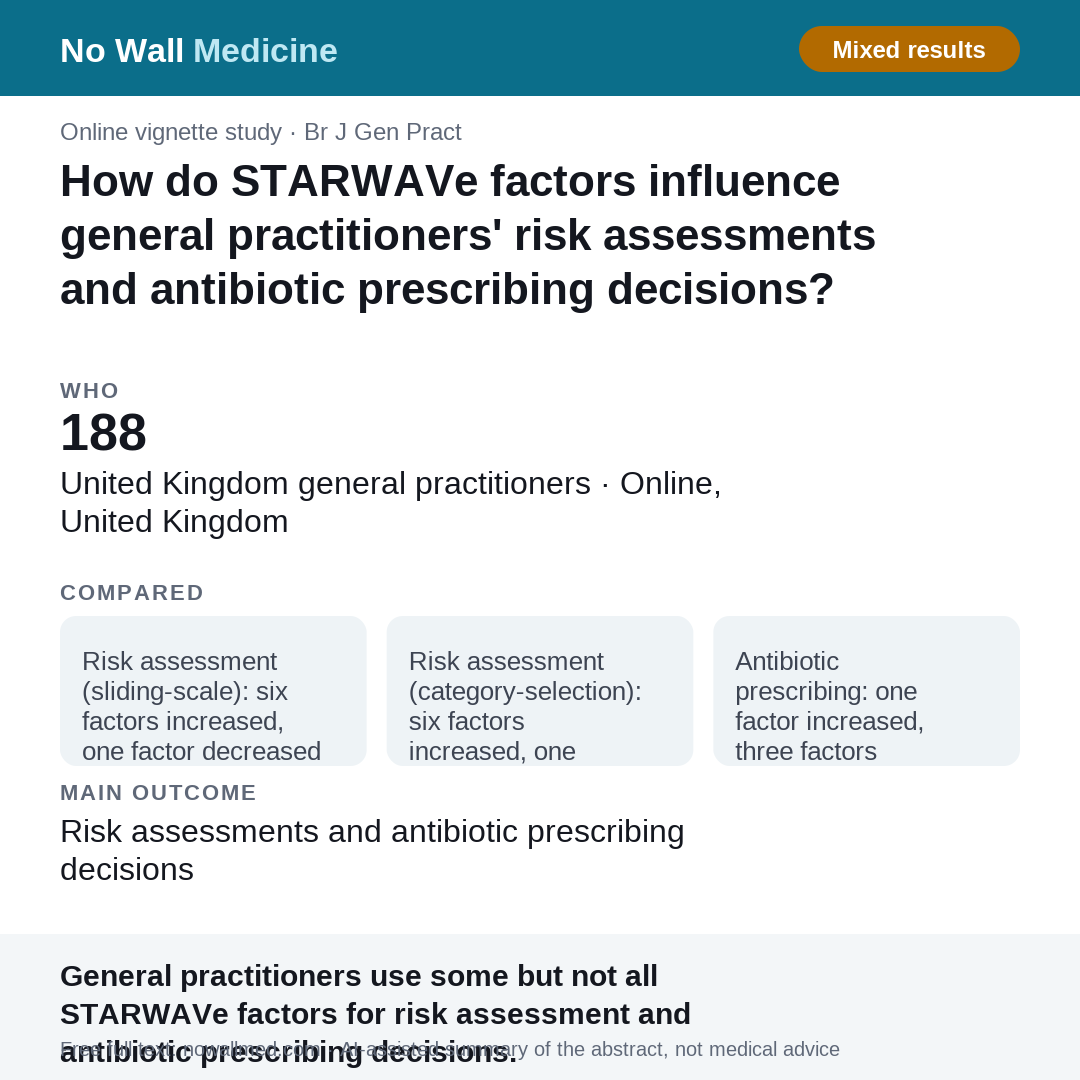
Comparing GPs' antibiotic prescribing decisions to a clinical prediction rule: an online vignette study
Online vignette studyMixed results
How do STARWAVe factors influence general practitioners' risk assessments and antibiotic prescribing decisions?
Who
188
United Kingdom general practitioners · Online, United Kingdom
Compared
Risk assessment (sliding-scale): six factors increased, one factor decreased
Risk assessment (category-selection): six factors increased, one factor decreased
Antibiotic prescribing: one factor increased, three factors reduced, three had no impact
Main outcome
Risk assessments and antibiotic prescribing decisions
Bottom line: General practitioners use some but not all STARWAVe factors for risk assessment and antibiotic prescribing decisions.
Br J Gen Pract · 2023-02-23Download image
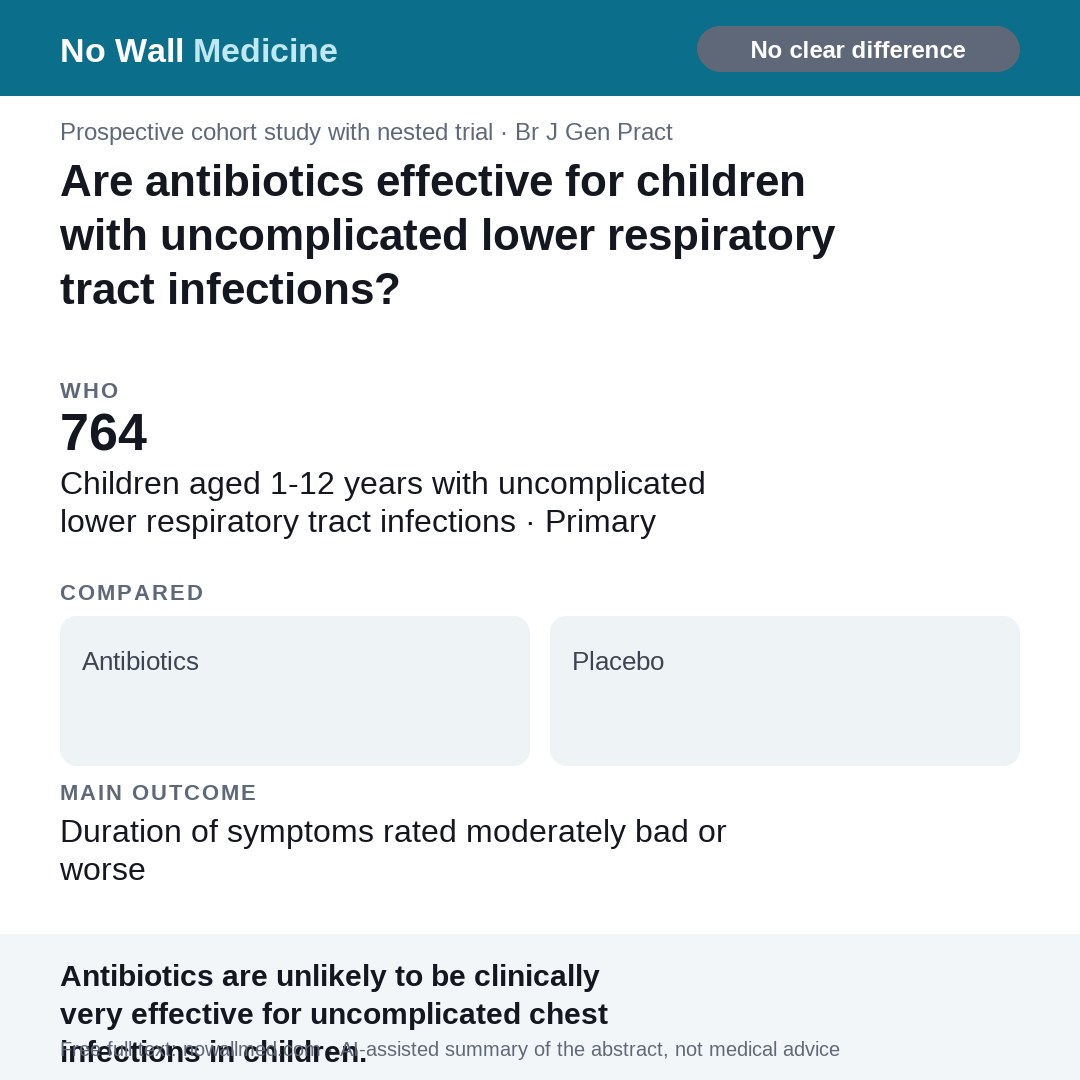
Antibiotic effectiveness for children with lower respiratory infections: prospective cohort and trial in primary care
Prospective cohort study with nested trialNo clear difference
Are antibiotics effective for children with uncomplicated lower respiratory tract infections?
Who
764
Children aged 1-12 years with uncomplicated lower respiratory tract infections · Primary care
Compared
Antibiotics
Placebo
Main outcome
Duration of symptoms rated moderately bad or worse
Result: hazard ratio 1.16 (95% CI 0.95 to 1.41)
Bottom line: Antibiotics are unlikely to be clinically very effective for uncomplicated chest infections in children.
Br J Gen Pract · 2023-02-23Download image
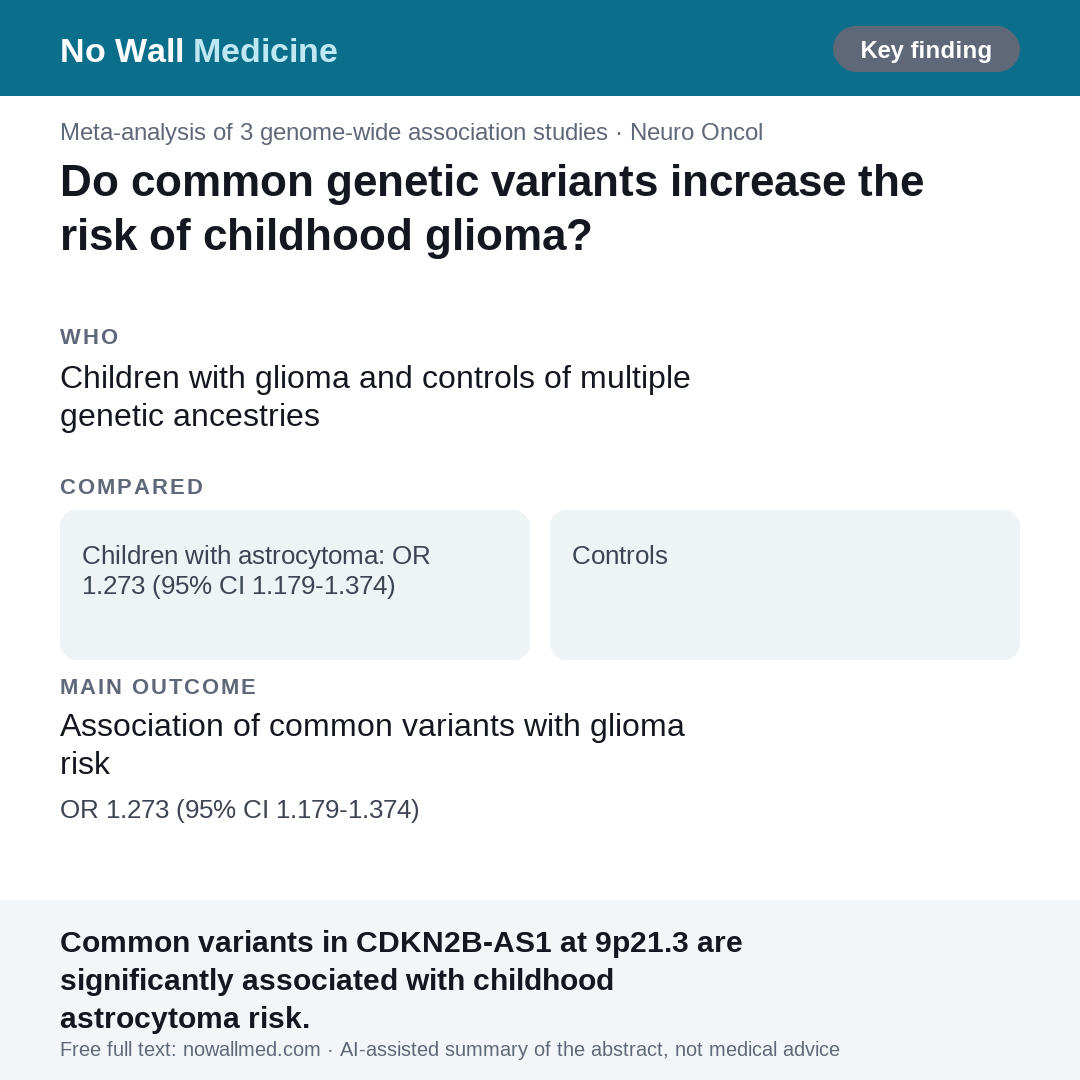
Multi-ancestry genome-wide association study of 4069 children with glioma identifies 9p21.3 risk locus
Meta-analysis of 3 genome-wide association studiesBenefit found
Do common genetic variants increase the risk of childhood glioma?
Who
Children with glioma and controls of multiple genetic ancestries
Compared
Children with astrocytoma: OR 1.273 (95% CI 1.179-1.374)
Controls
Main outcome
Association of common variants with glioma risk
Result: OR 1.273 (95% CI 1.179-1.374)
Bottom line: Common variants in CDKN2B-AS1 at 9p21.3 are significantly associated with childhood astrocytoma risk.
Neuro Oncol · 2023-02-23Download image
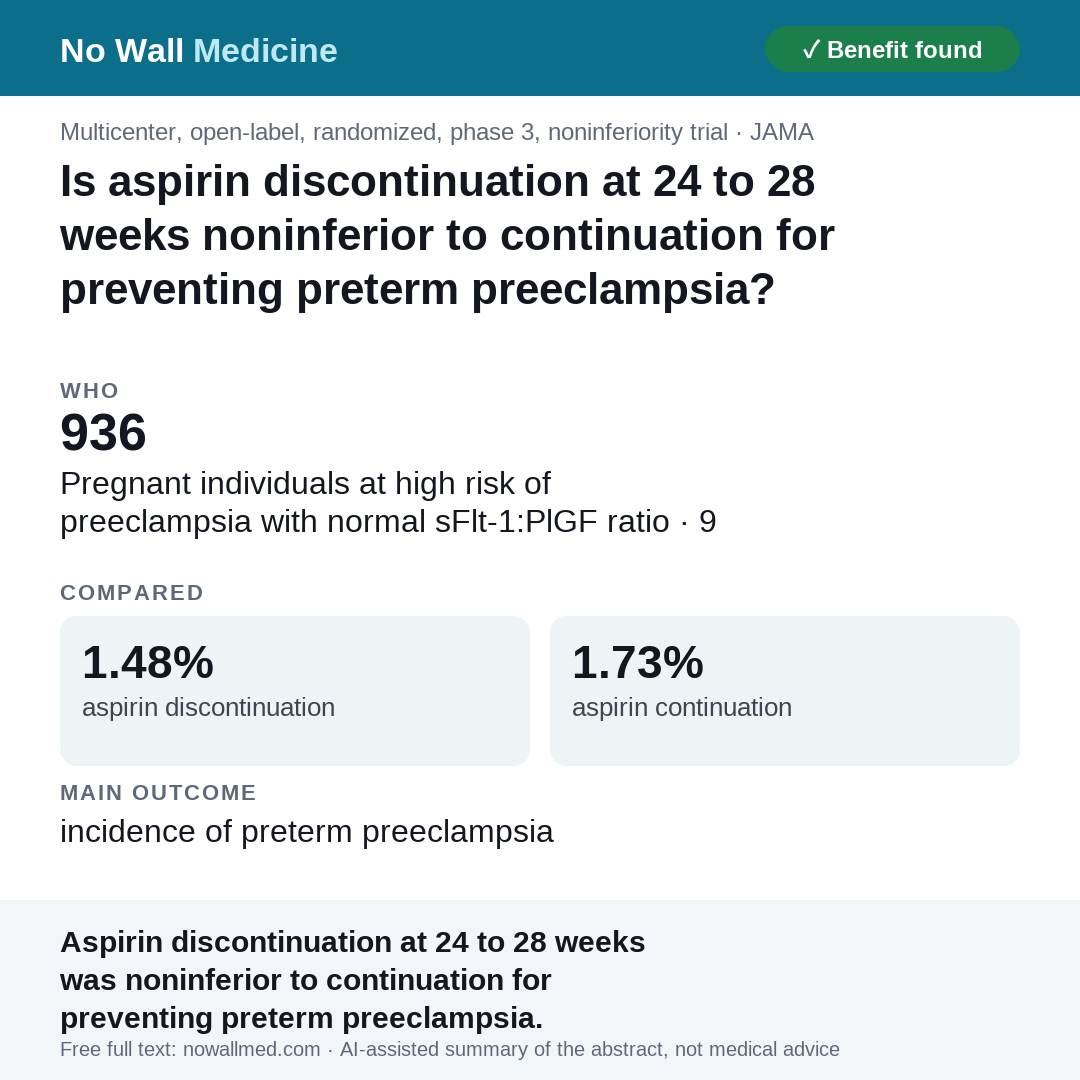
Aspirin Discontinuation at 24 to 28 Weeks' Gestation in Pregnancies at High Risk of Preterm Preeclampsia: A Randomized Clinical Trial
Multicenter, open-label, randomized, phase 3, noninferiority trialBenefit found
Is aspirin discontinuation at 24 to 28 weeks noninferior to continuation for preventing preterm preeclampsia?
Who
936
Pregnant individuals at high risk of preeclampsia with normal sFlt-1:PlGF ratio · 9 maternity hospitals across Spain
Compared
1.48%aspirin discontinuation (7/473)
1.73%aspirin continuation (8/463)
Main outcome
incidence of preterm preeclampsia
Result: absolute difference, -0.25% (95% CI, -1.86% to 1.36%)
Bottom line: Aspirin discontinuation at 24 to 28 weeks was noninferior to continuation for preventing preterm preeclampsia.
JAMA · 2023-02-22Download image
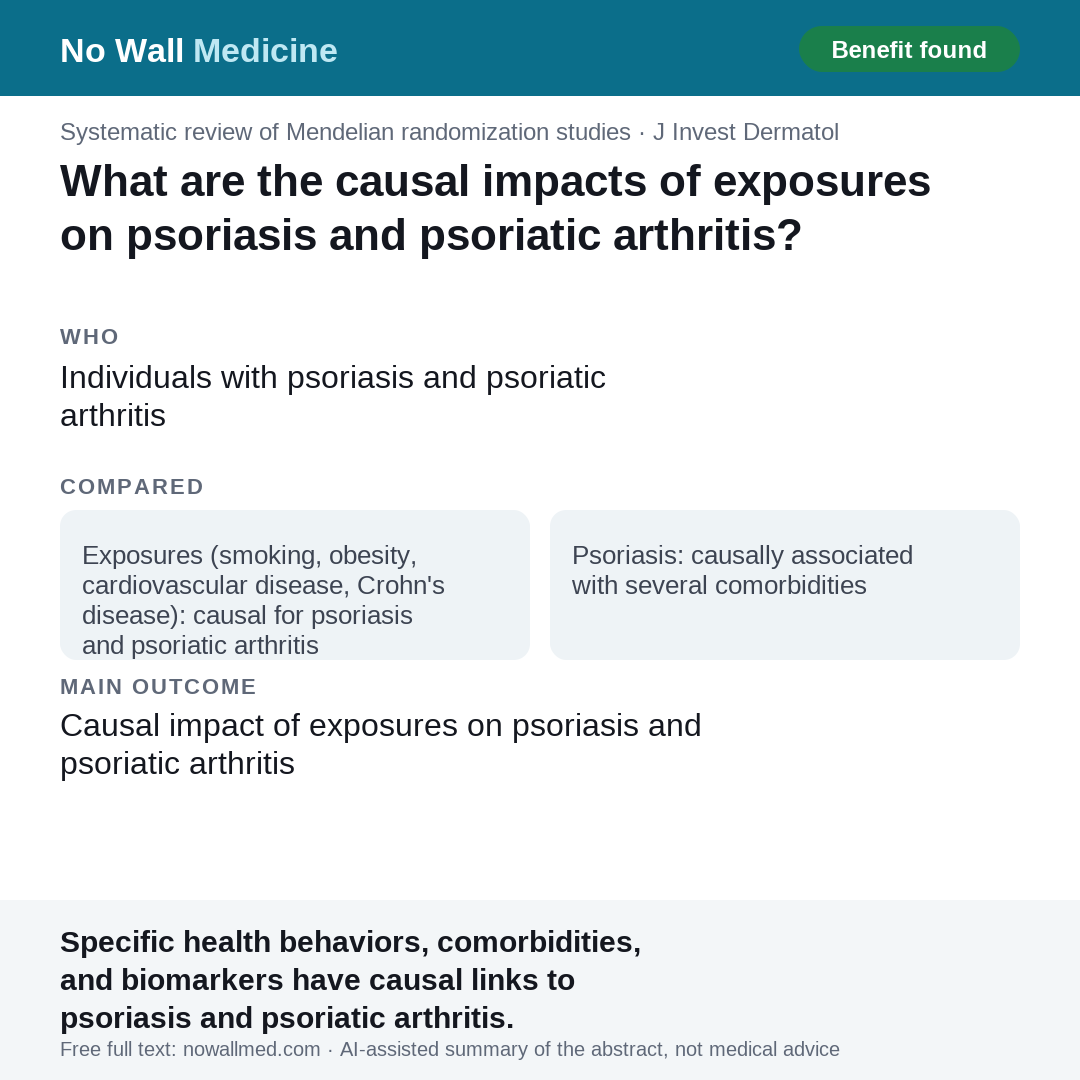
Mendelian Randomization Studies in Psoriasis and Psoriatic Arthritis: A Systematic Review
Systematic review of Mendelian randomization studiesBenefit found
What are the causal impacts of exposures on psoriasis and psoriatic arthritis?
Who
Individuals with psoriasis and psoriatic arthritis
Compared
Exposures (smoking, obesity, cardiovascular disease, Crohn's disease): causal for psoriasis and psoriatic arthritis
Psoriasis: causally associated with several comorbidities
Main outcome
Causal impact of exposures on psoriasis and psoriatic arthritis
Bottom line: Specific health behaviors, comorbidities, and biomarkers have causal links to psoriasis and psoriatic arthritis.
J Invest Dermatol · 2023-02-22Download image
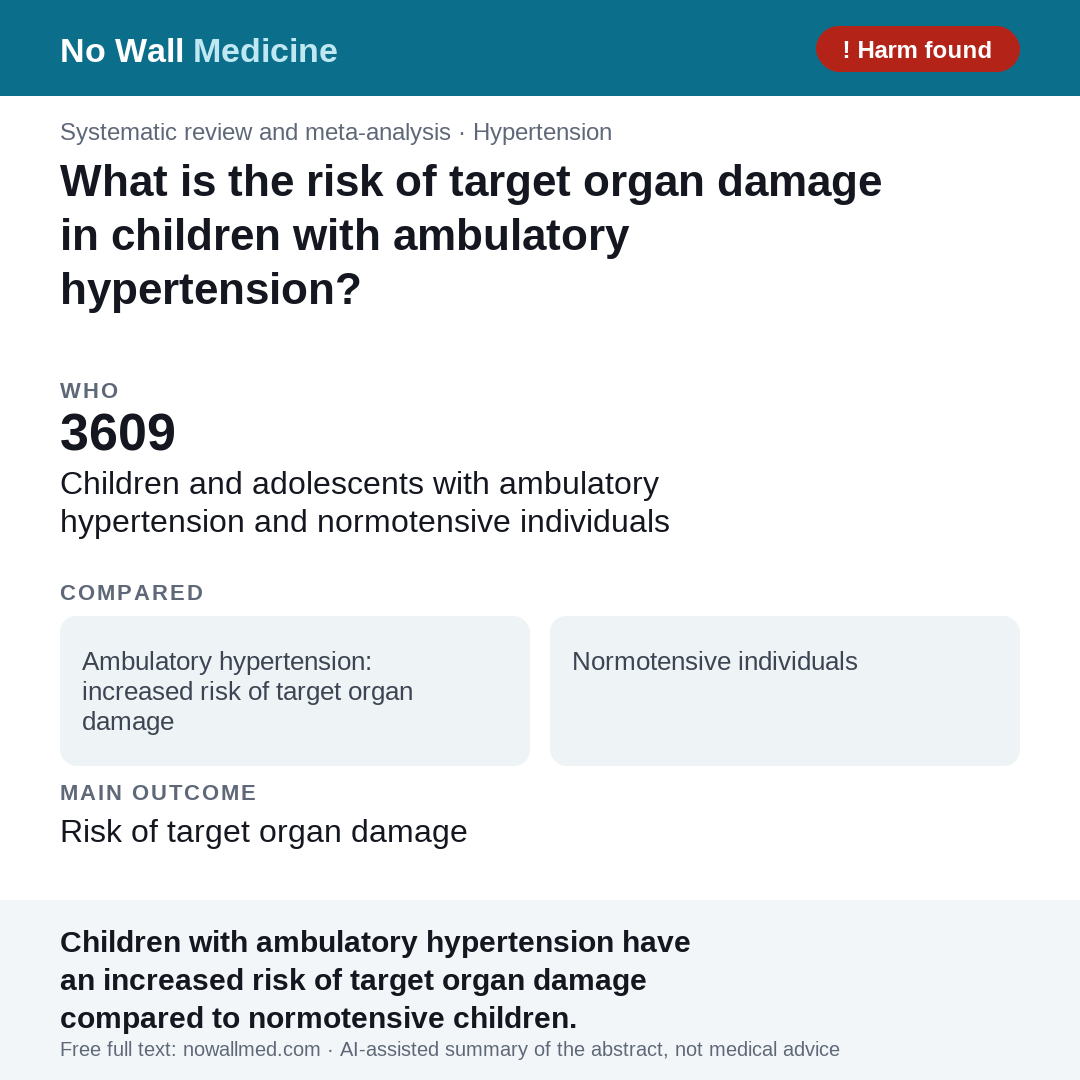
Risk of Target Organ Damage in Children With Primary Ambulatory Hypertension: A Systematic Review and Meta-Analysis
Systematic review and meta-analysisHarm found
What is the risk of target organ damage in children with ambulatory hypertension?
Who
3609
Children and adolescents with ambulatory hypertension and normotensive individuals
Compared
Ambulatory hypertension: increased risk of target organ damage
Normotensive individuals
Main outcome
Risk of target organ damage
Result: odds ratio 4.69 (95% CI 2.69-8.19) for left ventricular hypertrophy
Bottom line: Children with ambulatory hypertension have an increased risk of target organ damage compared to normotensive children.
Hypertension · 2023-02-21Download image
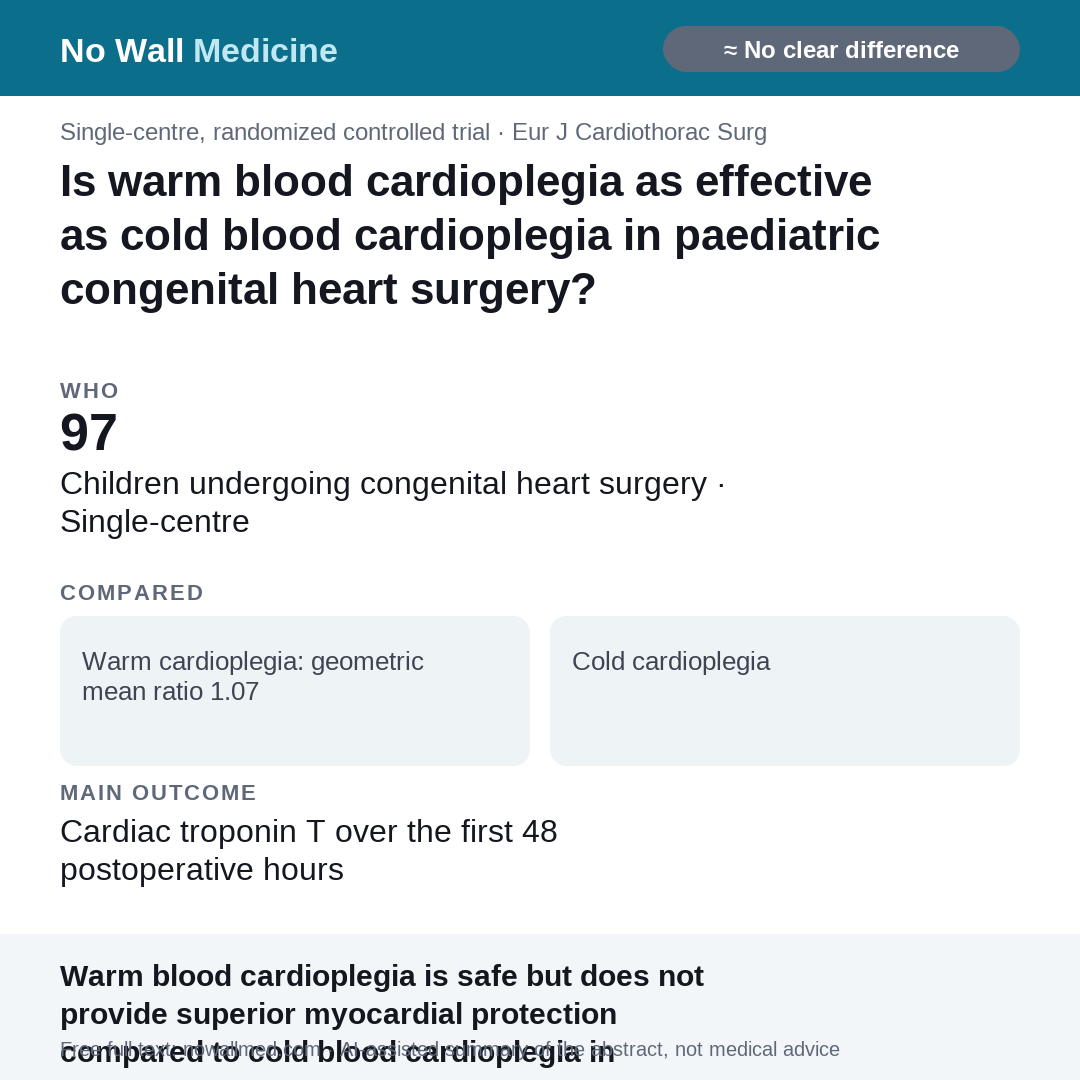
Warm versus cold blood cardioplegia in paediatric congenital heart surgery: a randomized trial
Single-centre, randomized controlled trialNo clear difference
Is warm blood cardioplegia as effective as cold blood cardioplegia in paediatric congenital heart surgery?
Who
97
Children undergoing congenital heart surgery · Single-centre
Compared
Warm cardioplegia: geometric mean ratio 1.07
Cold cardioplegia
Main outcome
Cardiac troponin T over the first 48 postoperative hours
Result: geometric mean ratio 1.07; 95% confidence interval (CI) 0.79-1.44
Bottom line: Warm blood cardioplegia is safe but does not provide superior myocardial protection compared to cold blood cardioplegia in children.
Eur J Cardiothorac Surg · 2023-02-18Download image
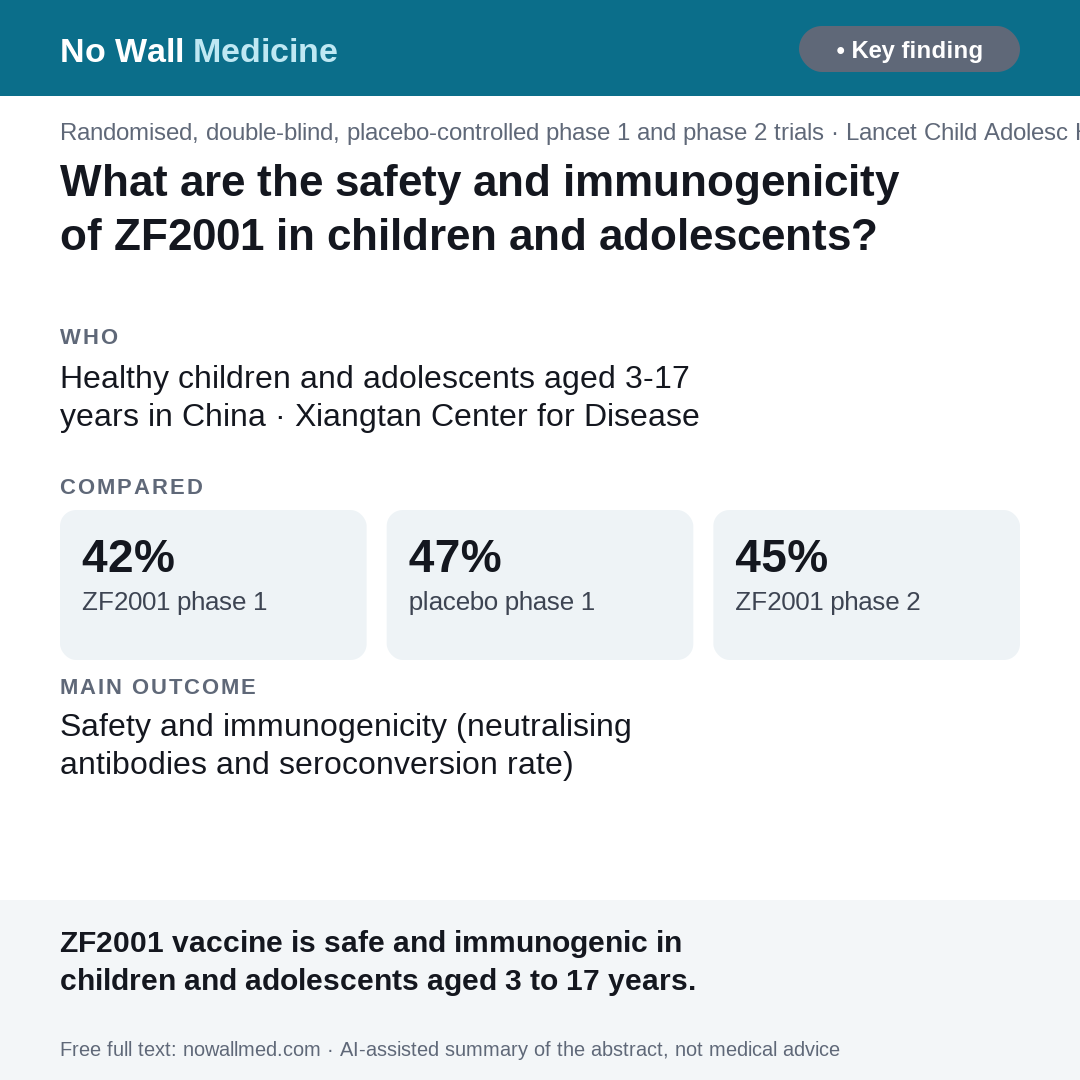
Safety and immunogenicity of a protein subunit COVID-19 vaccine (ZF2001) in healthy children and adolescents aged 3-17 years in China: a randomised, double-blind, placebo-controlled, phase 1 trial and an open-label, non-randomised, non-inferiority, phase 2 trial
Randomised, double-blind, placebo-controlled phase 1 and phase 2 trialsBenefit found
What are the safety and immunogenicity of ZF2001 in children and adolescents?
Who
Healthy children and adolescents aged 3-17 years in China · Xiangtan Center for Disease Control and Prevention, China
Compared
42%ZF2001 phase 1 (25/60)
47%placebo phase 1 (7/15)
45%ZF2001 phase 2 (179/400)
Main outcome
Safety and immunogenicity (neutralising antibodies and seroconversion rate)
Bottom line: ZF2001 vaccine is safe and immunogenic in children and adolescents aged 3 to 17 years.
Lancet Child Adolesc Health · 2023-02-17Download image
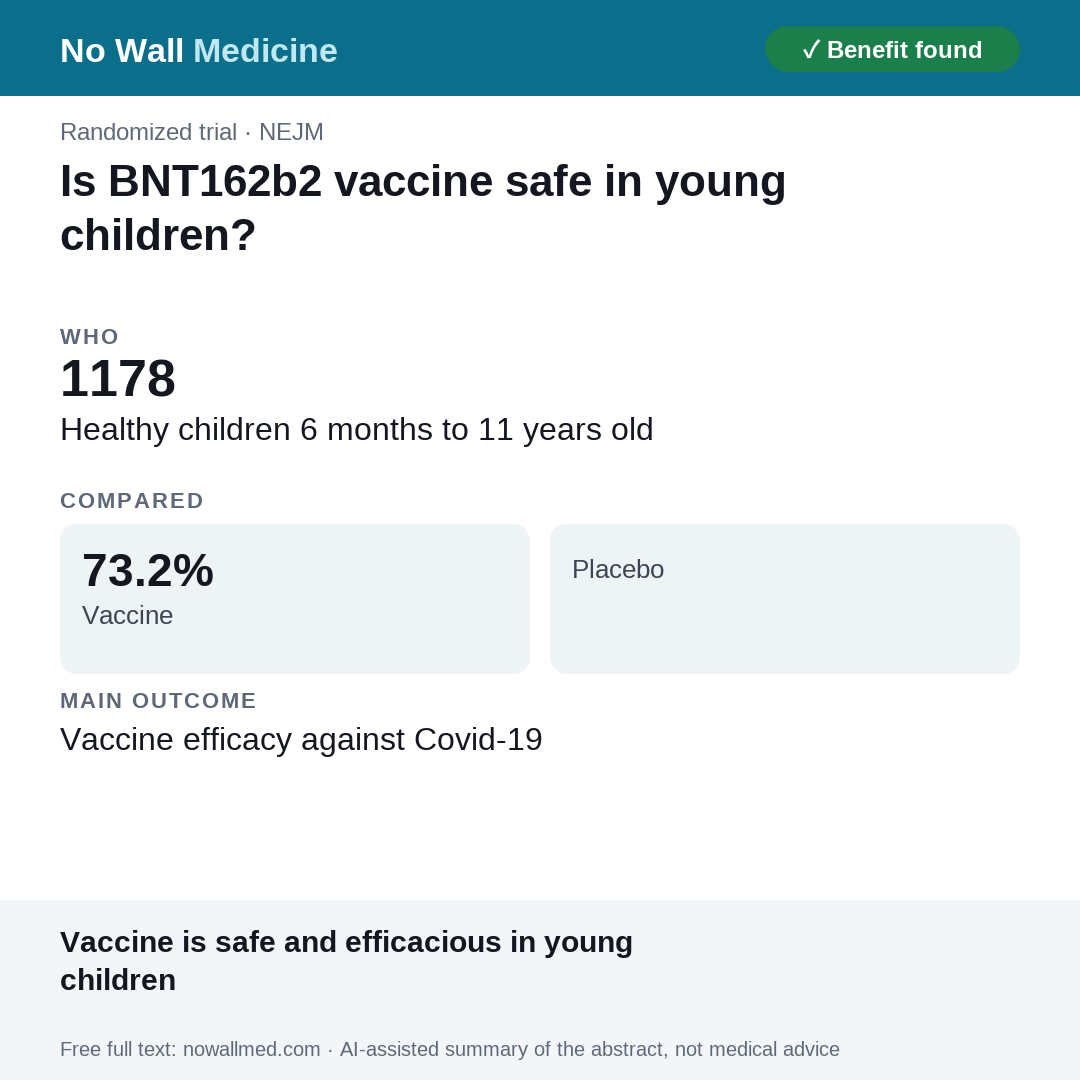
Evaluation of BNT162b2 Covid-19 Vaccine in Children Younger than 5 Years of Age
Randomized trialBenefit found
Is BNT162b2 vaccine safe in young children?
Who
1178
Healthy children 6 months to 11 years old
Compared
73.2%Vaccine (95% CI 43.8 to 87.6)
Placebo
Main outcome
Vaccine efficacy against Covid-19
Bottom line: Vaccine is safe and efficacious in young children
Funded by: BioNTech and Pfizer
NEJM · 2023-02-15Download image
School-Based Interventions to Prevent Dating and Relationship Violence and Gender-Based Violence: Systematic Review and Network Meta-Analysis
Systematic review and network meta-analysisBenefit found
How effective are school-based interventions for dating and gender-based violence?
Who
68
Children aged 5 to 18 years · School setting
Compared
Interventions
Control
Main outcome
Dating and relationship violence and gender-based violence victimization and perpetration
Result: long-term dating and relationship violence victimization odds ratio 0.82 (95% CI 0.68, 0.99)
Bottom line: School-based interventions show significant long-term benefits for dating and relationship violence, though evidence for gender-based violence is less certain.
Limitation: Certainty of findings was low or very low overall.
Am J Public Health · 2023-02-15Download image

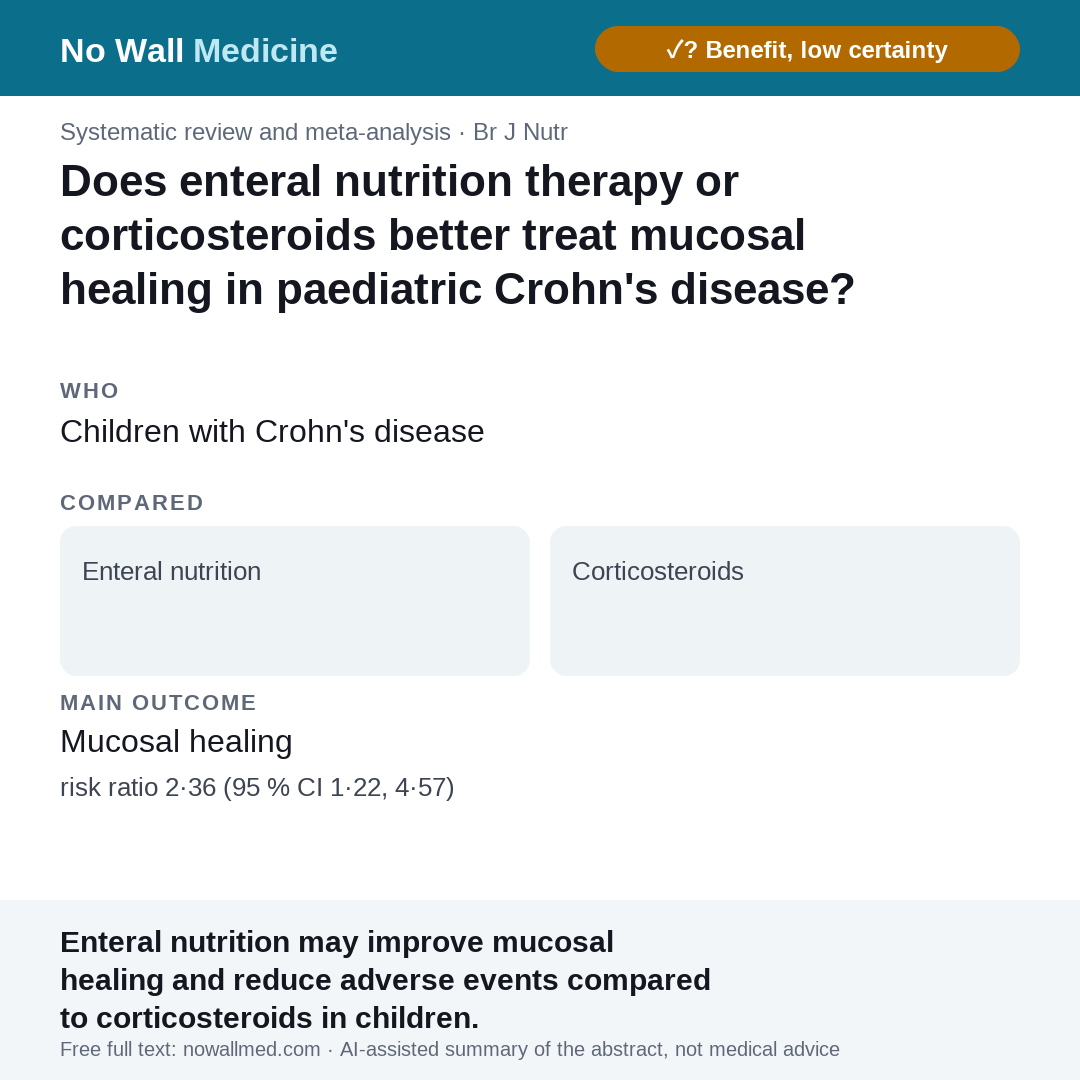
Microbiota signatures and mucosal healing in the use of enteral nutrition therapy v. corticosteroids for the treatment of children with Crohn's disease: a systematic review and meta-analysis
Systematic review and meta-analysisBenefit found
Does enteral nutrition therapy or corticosteroids better treat mucosal healing in paediatric Crohn's disease?
Who
Children with Crohn's disease
Compared
Enteral nutrition
Corticosteroids
Main outcome
Mucosal healing
Result: risk ratio 2·36 (95 % CI 1·22, 4·57)
Bottom line: Enteral nutrition may improve mucosal healing and reduce adverse events compared to corticosteroids in children.
Limitation: Limited available data and low certainty of evidence.
Br J Nutr · 2023-02-15Download image
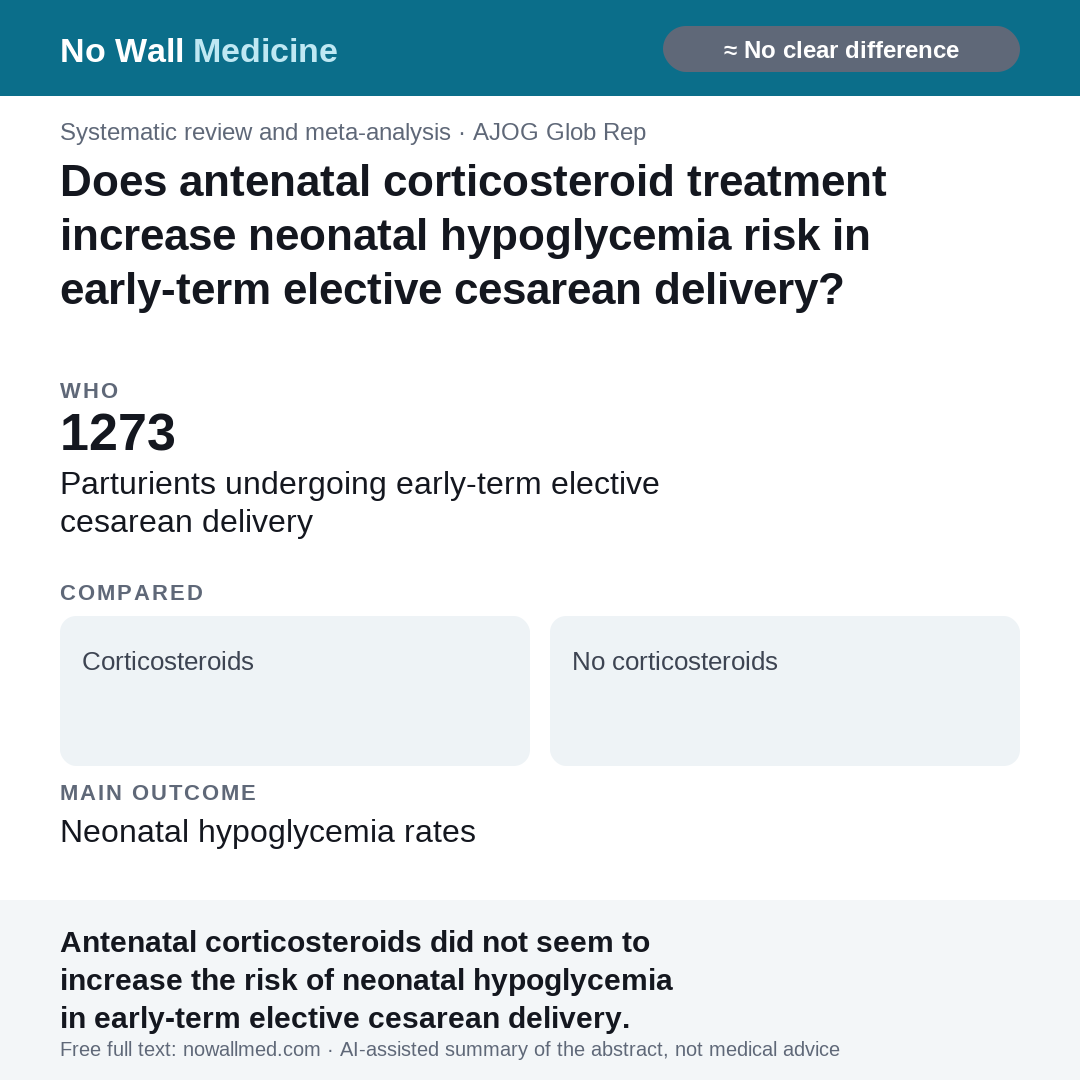
Neonatal hypoglycemia following antenatal corticosteroid treatment prior to elective cesarean delivery during the early term period: a meta-analysis
Systematic review and meta-analysisNo clear difference
Does antenatal corticosteroid treatment increase neonatal hypoglycemia risk in early-term elective cesarean delivery?
Who
1273
Parturients undergoing early-term elective cesarean delivery
Compared
Corticosteroids
No corticosteroids
Main outcome
Neonatal hypoglycemia rates
Result: odds ratio 1.80 (95% confidence interval 0.45-7.25)
Bottom line: Antenatal corticosteroids did not seem to increase the risk of neonatal hypoglycemia in early-term elective cesarean delivery.
Limitation: The effect size cannot be accounted for as definitive due to study quality and sample size.
AJOG Glob Rep · 2023-02-15Download image
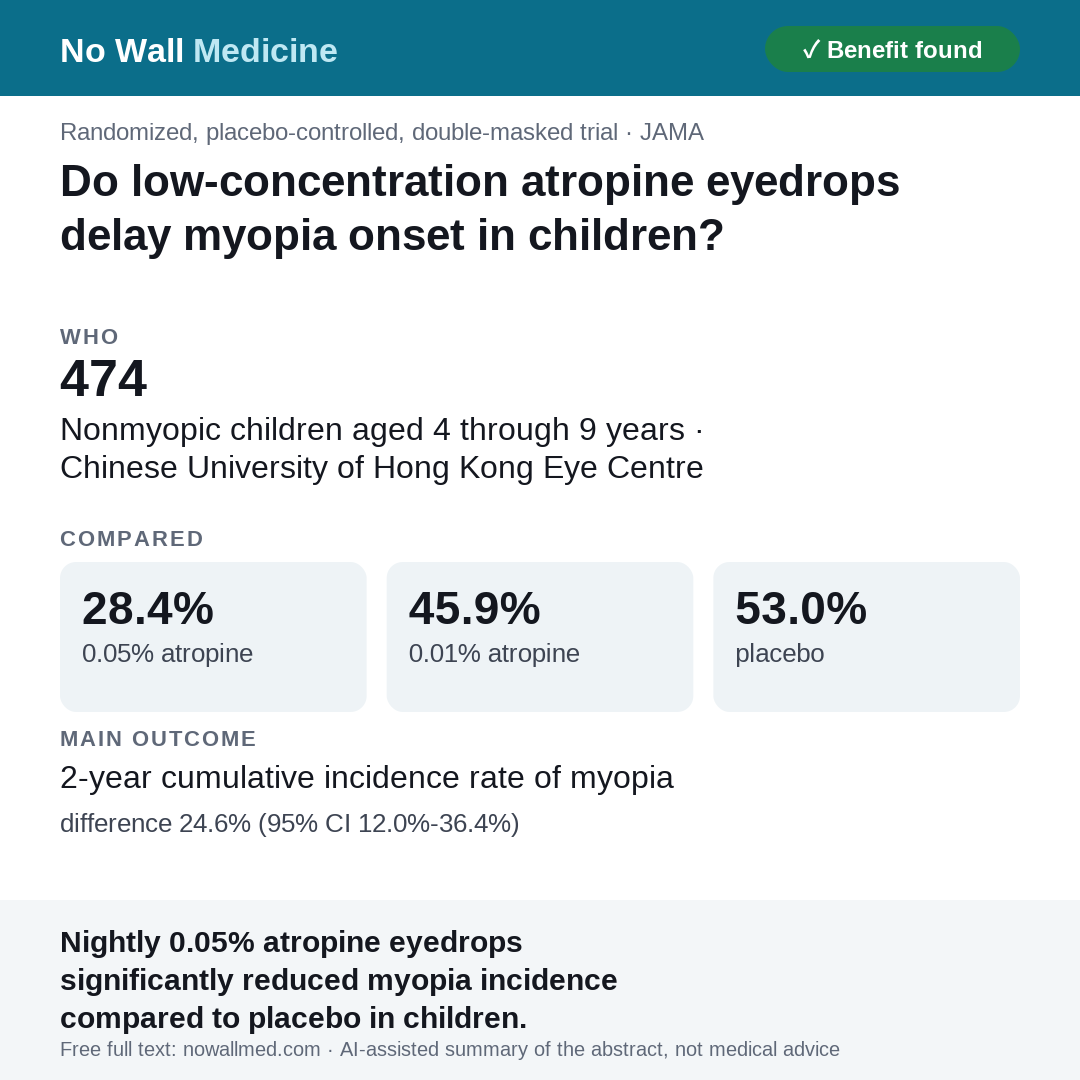
Effect of Low-Concentration Atropine Eyedrops vs Placebo on Myopia Incidence in Children: The LAMP2 Randomized Clinical Trial
Randomized, placebo-controlled, double-masked trialBenefit found
Do low-concentration atropine eyedrops delay myopia onset in children?
Who
474
Nonmyopic children aged 4 through 9 years · Chinese University of Hong Kong Eye Centre
Compared
28.4%0.05% atropine (33/116)
45.9%0.01% atropine (56/122)
53.0%placebo (61/115)
Main outcome
2-year cumulative incidence rate of myopia
Result: difference 24.6% (95% CI 12.0%-36.4%)
Bottom line: Nightly 0.05% atropine eyedrops significantly reduced myopia incidence compared to placebo in children.
JAMA · 2023-02-14Download image
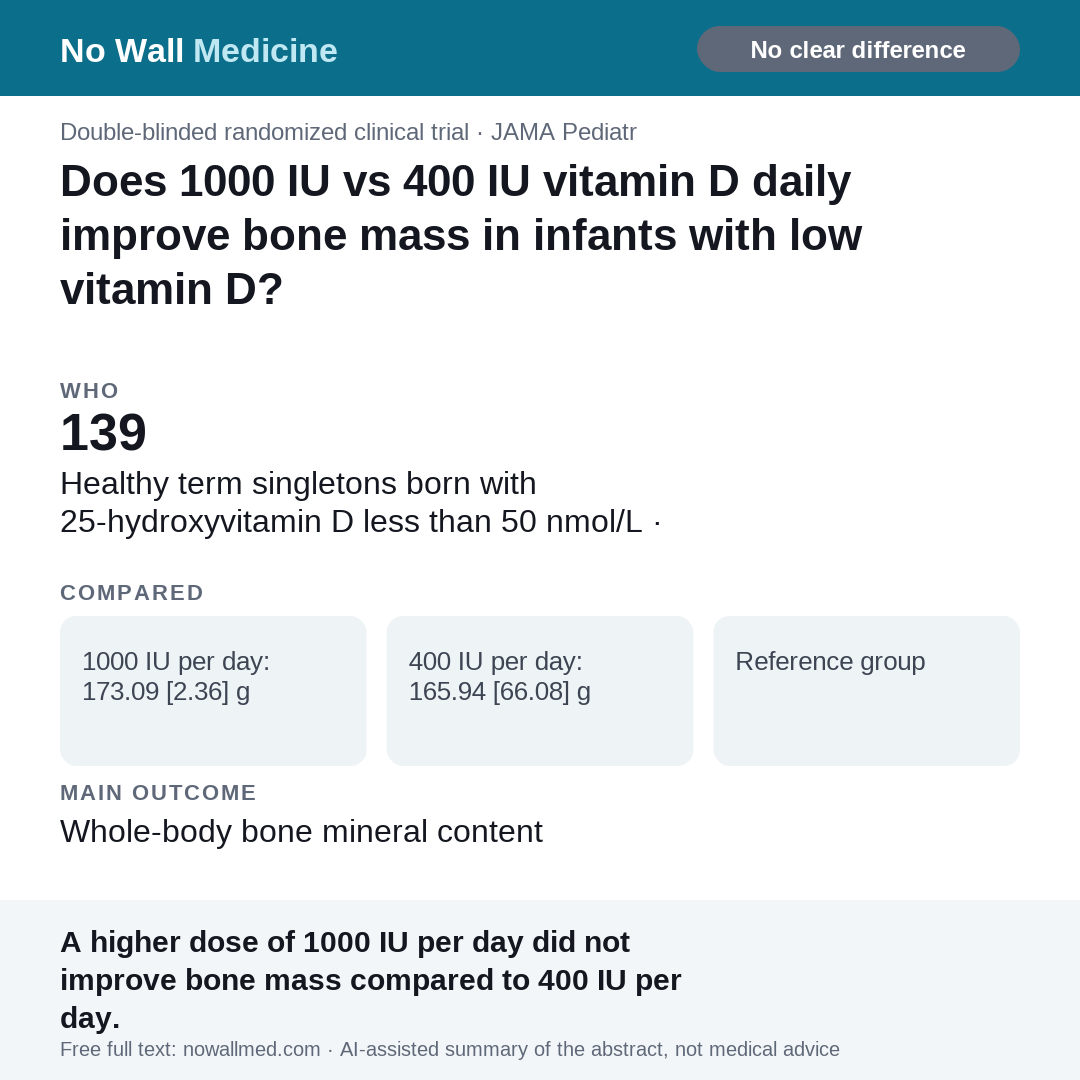
Effect of Vitamin D Supplementation on Bone Mass in Infants With 25-Hydroxyvitamin D Concentrations Less Than 50 nmol/L: A Prespecified Secondary Analysis of a Randomized Clinical Trial
Double-blinded randomized clinical trialNo clear difference
Does 1000 IU vs 400 IU vitamin D daily improve bone mass in infants with low vitamin D?
Who
139
Healthy term singletons born with 25-hydroxyvitamin D less than 50 nmol/L · Single center in Greater Montreal, Quebec, Canada
Compared
1000 IU per day: 173.09 [2.36] g
400 IU per day: 165.94 [66.08] g
Reference group
Main outcome
Whole-body bone mineral content
Bottom line: A higher dose of 1000 IU per day did not improve bone mass compared to 400 IU per day.
JAMA Pediatr · 2023-02-14Download image
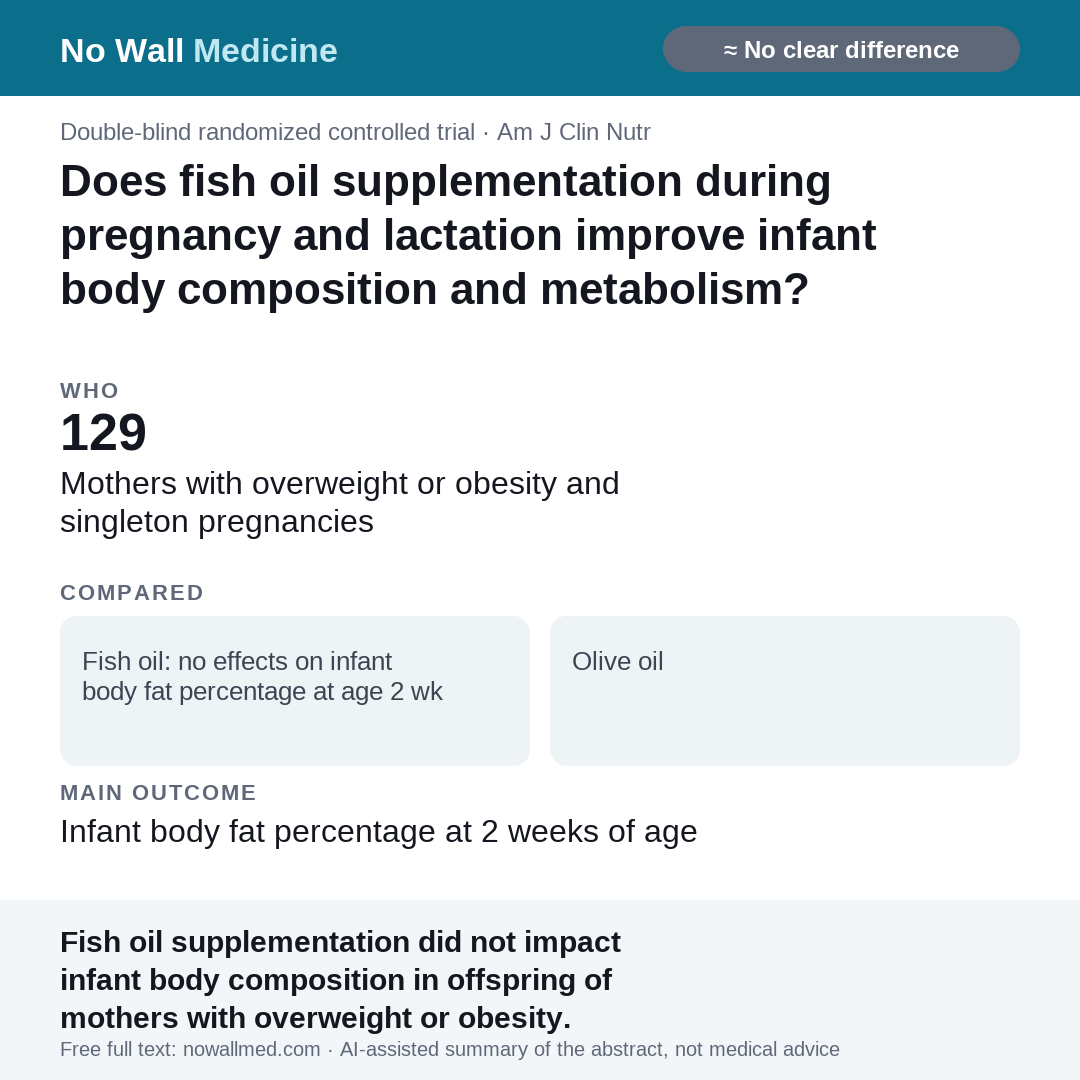
Fish oil supplementation during pregnancy and postpartum in mothers with overweight and obesity to improve body composition and metabolic health during infancy: A double-blind randomized controlled trial
Double-blind randomized controlled trialNo clear difference
Does fish oil supplementation during pregnancy and lactation improve infant body composition and metabolism?
Who
129
Mothers with overweight or obesity and singleton pregnancies
Compared
Fish oil: no effects on infant body fat percentage at age 2 wk
Olive oil
Main outcome
Infant body fat percentage at 2 weeks of age
Bottom line: Fish oil supplementation did not impact infant body composition in offspring of mothers with overweight or obesity.
Am J Clin Nutr · 2023-02-11Download image
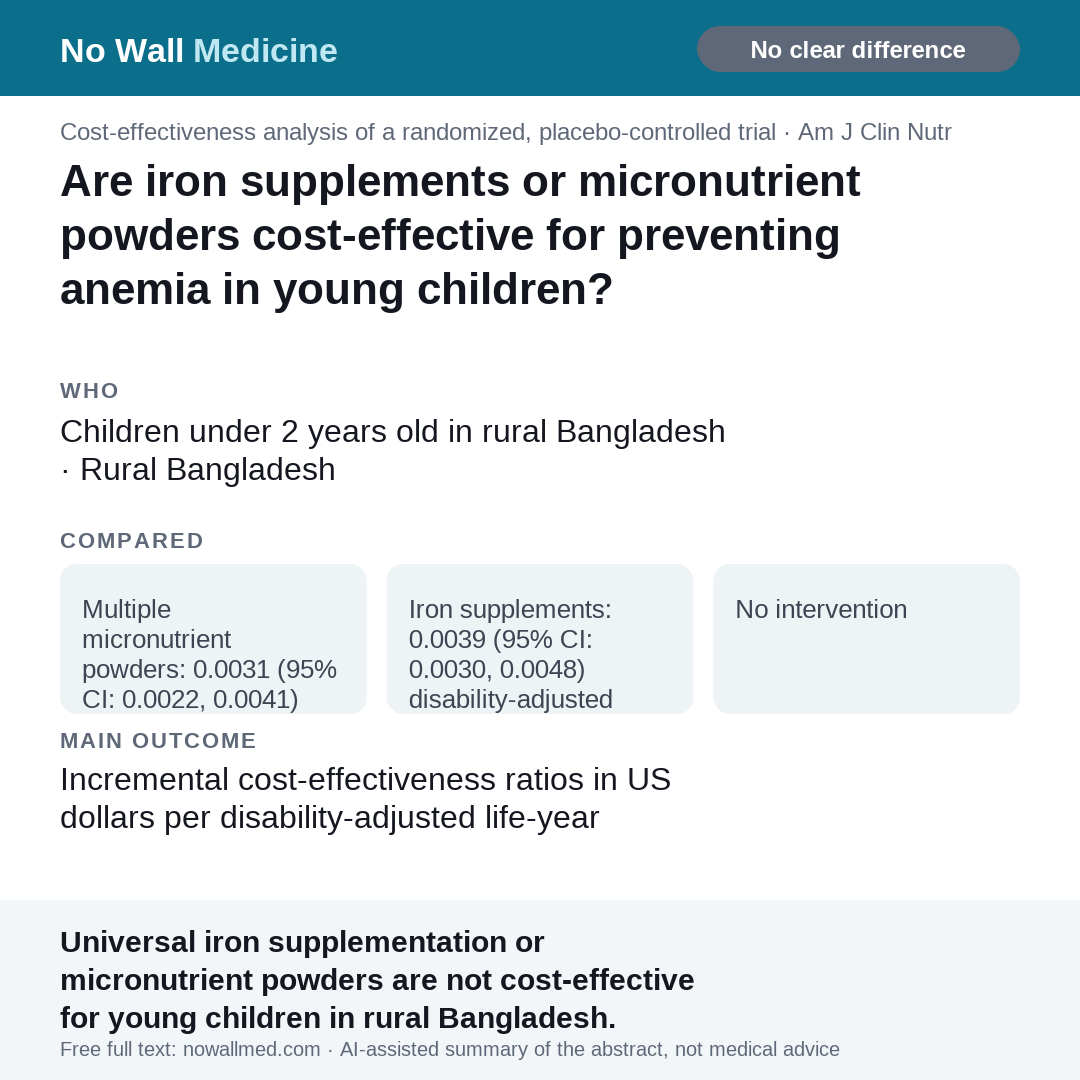
Cost-effectiveness of universal iron supplementation and iron-containing micronutrient powders for anemia among young children in rural Bangladesh: analysis of a randomized, placebo-controlled trial
Cost-effectiveness analysis of a randomized, placebo-controlled trialNo clear difference
Are iron supplements or micronutrient powders cost-effective for preventing anemia in young children?
Who
Children under 2 years old in rural Bangladesh · Rural Bangladesh
Compared
Multiple micronutrient powders: 0.0031 (95% CI: 0.0022, 0.0041) disability-adjusted life-years averted per child
Iron supplements: 0.0039 (95% CI: 0.0030, 0.0048) disability-adjusted life-years averted per child
No intervention
Main outcome
Incremental cost-effectiveness ratios in US dollars per disability-adjusted life-year averted
Result: $1645 ($1333, $2153) per disability-adjusted life-year averted for iron supplementation
Bottom line: Universal iron supplementation or micronutrient powders are not cost-effective for young children in rural Bangladesh.
Am J Clin Nutr · 2023-02-10Download image
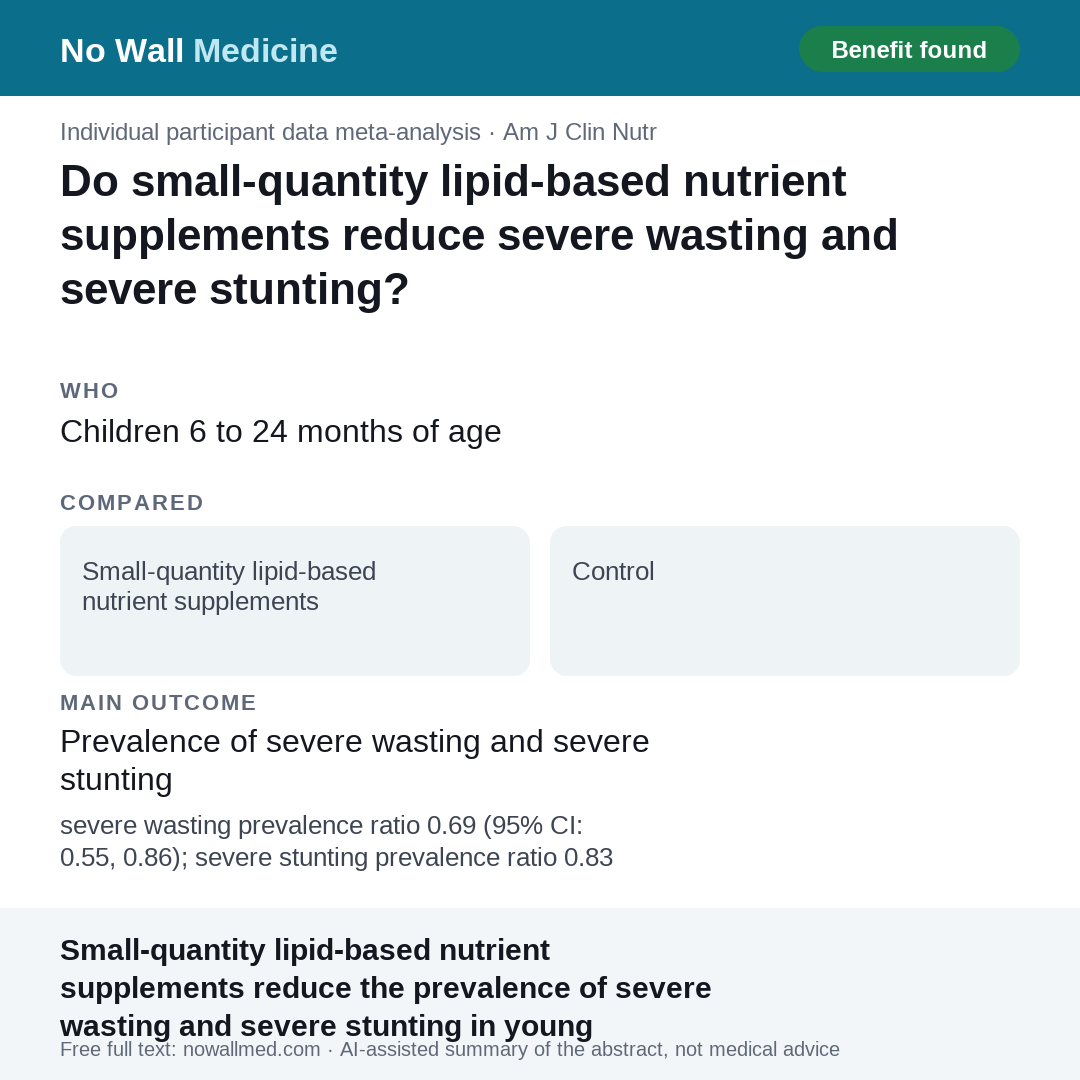
Preventive small-quantity lipid-based nutrient supplements reduce severe wasting and severe stunting among young children: an individual participant data meta-analysis of randomized controlled trials
Individual participant data meta-analysisBenefit found
Do small-quantity lipid-based nutrient supplements reduce severe wasting and severe stunting?
Who
Children 6 to 24 months of age
Compared
Small-quantity lipid-based nutrient supplements
Control
Main outcome
Prevalence of severe wasting and severe stunting
Result: severe wasting prevalence ratio 0.69 (95% CI: 0.55, 0.86); severe stunting prevalence ratio 0.83 (95% CI: 0.78, 0.90)
Bottom line: Small-quantity lipid-based nutrient supplements reduce the prevalence of severe wasting and severe stunting in young children.
Am J Clin Nutr · 2023-02-10Download image
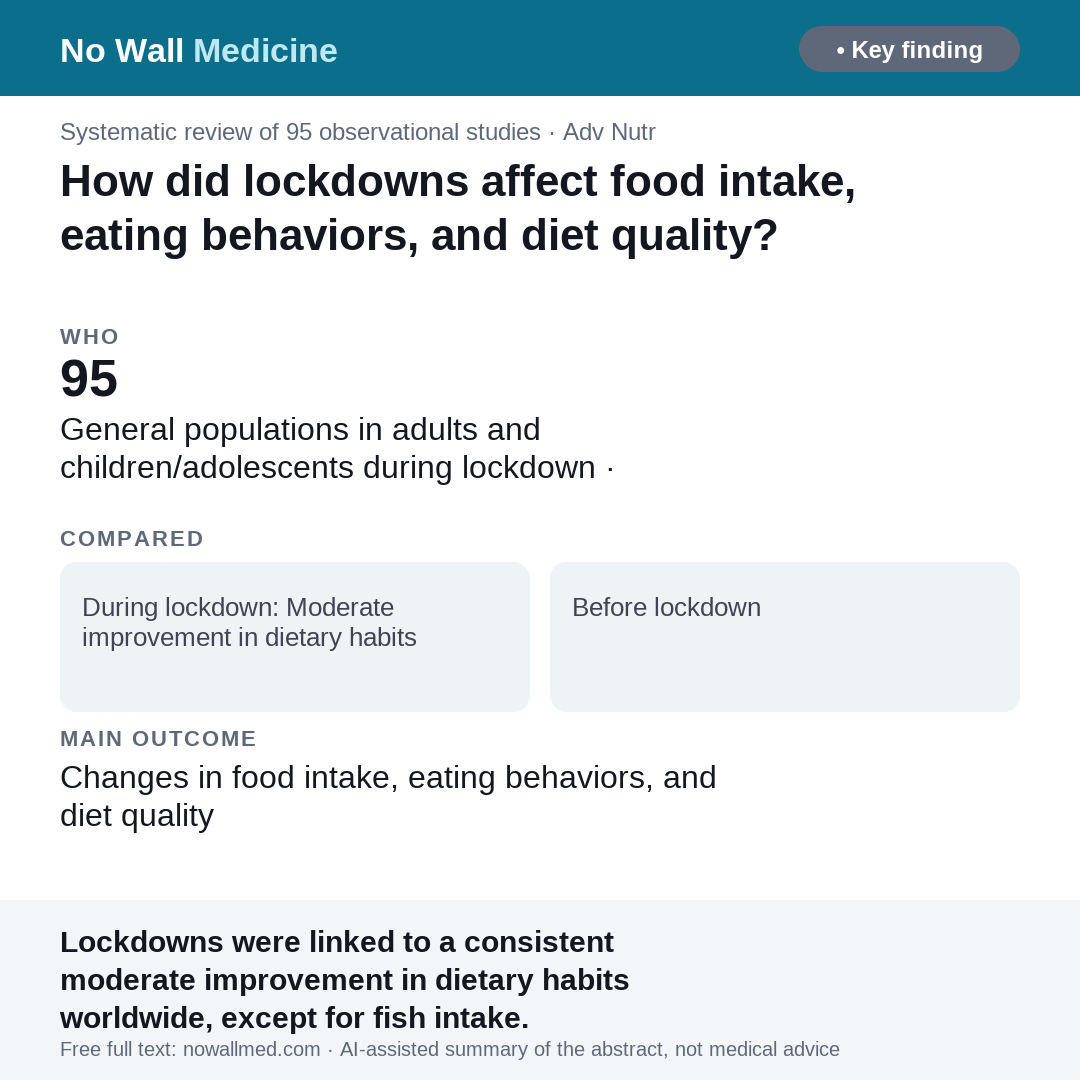
Impact of Nationwide Lockdowns Resulting from the First Wave of the COVID-19 Pandemic on Food Intake, Eating Behaviors, and Diet Quality: A Systematic Review
Systematic reviewBenefit found
How did first wave COVID-19 lockdowns impact food intake, eating behaviors, and diet quality?
Who
General populations including adults and children/adolescents · Worldwide
Compared
During lockdown: increase in fruit, vegetables, legumes, cereals, olive oil, dairy, and snacks
Before lockdown
Main outcome
food intake, eating behaviors, and diet quality
Bottom line: Lockdowns led to a consistent moderate improvement in dietary habits worldwide, following a traditional Mediterranean diet pattern.
Limitation: Most studies were web-based surveys using convenience sampling.
Adv Nutr · 2023-02-10Download image